Buy Spiriva (Tiotropium Bromide 9/18mcg) Online - First in Class LAMA Once Daily Bronchodilator for COPD and Asthma

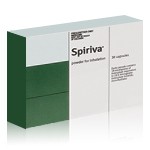
Spiriva (Tiotropium Bromide 9/18mcg) represents the foundational first-in-class Long-Acting Muscarinic Antagonist (LAMA) bronchodilator that transformed chronic obstructive pulmonary disease (COPD) maintenance therapy. Originally developed by Boehringer Ingelheim Pharmaceuticals and FDA-approved in 2004, tiotropium established once-daily anticholinergic bronchodilation as the gold standard first-line COPD maintenance therapy per Global Initiative for Chronic Obstructive Lung Disease (GOLD) guidelines. As the evolutionary advance from ipratropium (Atrovent) — the older SAMA — tiotropium provides substantially longer duration through unique kinetic selectivity (slower dissociation from M3 muscarinic receptors than M2), producing 24+ hour bronchodilation from a single daily inhalation. Available in two distinct formulations: HandiHaler 18 mcg dry powder capsules and Respimat 2.5 mcg per actuation soft mist inhaler (delivering 5 mcg total daily dose from 2 sprays). Both formulations provide equivalent clinical efficacy with different device-based advantages.
Tiotropium bromide works through highly selective muscarinic M3 receptor antagonism in bronchial smooth muscle and submucosal glands. While structurally similar to ipratropium, tiotropium demonstrates kinetic selectivity: it binds to and dissociates from M3 receptors slowly (over 24+ hours) while dissociating rapidly from M2 receptors (within 3 hours). This distinctive kinetic profile provides sustained bronchodilation while preserving M2 autoregulatory function — a pharmacological advantage unique to LAMAs. As a quaternary ammonium compound, tiotropium has minimal systemic absorption and does not cross the blood-brain barrier. This produces 24-hour bronchodilation, improved airway patency, reduced COPD exacerbations, enhanced exercise tolerance, and improved quality of life. Clinical response: onset within 30 minutes, peak effect at 1-4 hours, sustained action throughout 24-hour dosing interval supporting simple once-daily morning dosing.
Spiriva serves multiple obstructive airway conditions. Primary uses include COPD long-term maintenance therapy as gold standard first-line LAMA; COPD exacerbation reduction; chronic bronchitis and emphysema; smoking-related COPD; asthma maintenance as add-on therapy in adults and children 6 years+; severe persistent asthma; and asthma-COPD overlap syndrome (ACOS).
Spiriva dosed once daily (18 mcg HandiHaler or 2 sprays Respimat 5 mcg). Peak at 1-4 hours, 25-45 hour half-life. WHO-GMP manufacturing.
Free prescription
Discrete packaging
Have questions?
Quality Assurance
- COPD First Line Treatment: Gold standard maintenance therapy per GOLD guidelines;
- COPD Exacerbation Prevention: Documented reduction in moderate-to-severe COPD flare-ups;
- Chronic Bronchitis: Long-term bronchial inflammation with airflow obstruction;
- Lung Emphysema: Emphysema as part of COPD spectrum;
- Smoking Related COPD: Tobacco-induced airway obstruction;
- Asthma Maintenance Therapy: FDA-approved add-on therapy for adults and children 6+;
- Severe Persistent Asthma: Severe asthma requiring multi-drug therapy;
- Pediatric Asthma: Children 6+ years with uncontrolled asthma add-on;
- Asthma COPD Overlap Syndrome: ACOS with features of both conditions;
- Asthma Exacerbation Reduction: Reduces severe asthma flare-ups;
- Reduced Exercise Tolerance COPD: COPD with exercise limitation;
- Symptomatic COPD: Chronic dyspnea and cough symptoms;
- COPD Hospitalization Prevention: Reduces exacerbation hospitalizations;
- Combination Bronchodilator Therapy: Combines with LABA for enhanced effect;
- Triple Inhaler Maintenance: Part of LAMA/LABA/ICS combination therapy;
- Once Daily Bronchodilator Convenience: Simple morning dosing improves adherence;
- Long Acting Muscarinic Antagonist Class: First-in-class 24-hour anticholinergic bronchodilator;
- Long Term Respiratory Care: Chronic respiratory disease management;
- Generic Spiriva Therapy: Bioequivalent generic alternative to brand-name Spiriva at substantially lower cost.
- Better Once Daily Dosing Convenience: Simple morning inhalation supports excellent adherence;
- Less COPD Exacerbations: Documented reduction in moderate-to-severe flare-ups;
- Better Airway Patency: Bronchial airways open sustainably for improved airflow;
- Less COPD Symptoms: Chronic dyspnea cough and wheeze improve substantially;
- Better Exercise Tolerance: Physical activity capacity improves as airflow improves;
- Better Quality of Life: Daily wellbeing improves with sustained bronchodilation;
- Better Hospitalization Prevention: Fewer exacerbation-related hospital admissions;
- Better Emphysema Management: Emphysema patients gain sustained improvement;
- Better Chronic Bronchitis Control: Symptoms improve with long-term therapy;
- Better Asthma Add On Response: Uncontrolled asthma improves when added to ICS/LABA;
- Better Pediatric Asthma Support: Children 6+ years gain add-on therapy option;
- Better Severe Persistent Asthma Control: Severe cases benefit from LAMA addition;
- Better Kinetic Selectivity Advantage: M3 preservation with M2 autoregulation intact;
- Less Systemic Side Effects: Minimal systemic absorption from inhaled route;
- Less Cardiovascular Effects: Preferred in cardiac COPD patients vs beta-agonists;
- Better Elderly Tolerability: Excellent safety in older patients;
- Better Two Device Options: HandiHaler DPI or Respimat soft mist based on patient preference;
- Better Generic Affordability: Substantially lower cost than brand Spiriva makes therapy accessible;
- Better COPD Long Term Outcomes: Sustained therapy improves disease trajectory and daily wellbeing.
Generic Spiriva (Tiotropium 9 mcg) Medication guide:
Spiriva (Tiotropium Bromide 9/18mcg) is the foundational first-in-class Long-Acting Muscarinic Antagonist (LAMA) bronchodilator that transformed chronic obstructive pulmonary disease (COPD) maintenance therapy. Developed by Boehringer Ingelheim Pharmaceuticals and FDA-approved in 2004, tiotropium established once-daily anticholinergic bronchodilation as the gold standard first-line COPD maintenance therapy per Global Initiative for Chronic Obstructive Lung Disease (GOLD) guidelines. As the evolutionary advance from ipratropium (Atrovent), tiotropium provides substantially longer duration through unique kinetic selectivity — slow dissociation from M3 muscarinic receptors while rapid dissociation from M2 receptors produces 24+ hour bronchodilation from single daily inhalation. This comprehensive medication guide covers every aspect of Spiriva therapy from LAMA class chemistry through kinetic selectivity mechanism, pharmacology, HandiHaler versus Respimat formulation choice, safety considerations, drug interactions, patient selection, proper inhaler technique, dosing strategies, and long-term COPD management recommendations.
💊 Introduction to Spiriva
Spiriva is a prescription inhaled medication containing tiotropium bromide as its active ingredient. Tiotropium was developed by Boehringer Ingelheim Pharmaceuticals and received FDA approval in the United States in 2004 — establishing itself as the first Long-Acting Muscarinic Antagonist (LAMA) bronchodilator and revolutionizing COPD maintenance therapy through once-daily dosing convenience. When introduced, tiotropium represented a significant advance over ipratropium (Atrovent) — the older Short-Acting Muscarinic Antagonist (SAMA) requiring 4 times daily dosing — by providing sustained 24-hour bronchodilation from a single daily inhalation through unique kinetic selectivity at muscarinic receptors.
The medication is available in over 90 countries worldwide as one of the most widely-prescribed COPD medications globally. Spiriva remains available under the original Boehringer Ingelheim brand and increasingly as generic tiotropium following patent expiration in various markets. Available in two distinct formulations providing different device-based advantages:
Two Spiriva formulations:
- Spiriva HandiHaler: 18 mcg dry powder capsules delivered via HandiHaler dry powder inhaler device - requires strong inspiratory effort
- Spiriva Respimat: 2.5 mcg per actuation soft mist inhaler delivering 5 mcg total daily dose from 2 sprays - suitable for patients with reduced inspiratory capacity
Spiriva occupies a distinctive foundational position in modern respiratory therapy. As the gold standard first-line LAMA maintenance therapy for COPD per GOLD guidelines, tiotropium has extensive clinical evidence from major trials including UPLIFT (Understanding Potential Long-term Impacts on Function with Tiotropium) which demonstrated significant benefits over 4 years of therapy. Beyond COPD, Spiriva Respimat is FDA-approved for asthma maintenance therapy as add-on to inhaled corticosteroids in adults and children 6 years and older — making tiotropium unique among LAMAs with pediatric asthma approval. The combination of proven efficacy, once-daily convenience, favorable safety profile, and broad indications has made Spiriva one of the most important respiratory medications in modern practice.
🔬 Understanding COPD and Chronic Airway Disease
Understanding COPD pathophysiology is essential for appreciating how Spiriva improves respiratory function and reduces disease burden.
COPD Prevalence and Impact
COPD represents one of the leading causes of morbidity and mortality worldwide. Key epidemiological facts:
- Third leading cause of death globally — WHO estimates over 3 million deaths annually
- Estimated 300+ million people affected worldwide
- Underdiagnosed: Many patients unaware they have COPD until moderate-severe disease
- Progressive: Disease continues to worsen without intervention
- Largely preventable: Smoking cessation prevents most cases
- Major economic burden: Substantial healthcare costs and lost productivity
COPD Pathophysiology
COPD disease development cascade:
- Chronic exposure to noxious particles (typically cigarette smoke)
- Persistent airway inflammation with neutrophils, macrophages, T-lymphocytes
- Small airway remodeling with wall thickening and fibrosis
- Alveolar destruction (emphysema) with loss of elastic recoil
- Increased vagal cholinergic tone contributing to bronchoconstriction
- Mucus hypersecretion from goblet cell hyperplasia
- Airflow limitation particularly on expiration
- Gas exchange abnormalities and hyperinflation
- Progressive decline in lung function over years
- Development of characteristic symptoms and exacerbations
COPD Assessment and Classification
GOLD guidelines classify COPD severity based on spirometry, symptoms, and exacerbation history:
- Group A: Low symptoms, low exacerbation risk - short-acting bronchodilator PRN
- Group B: More symptoms, low exacerbation risk - LAMA or LABA maintenance (Spiriva appropriate)
- Group E (exacerbator): High exacerbation risk - LAMA + LABA combination (Spiriva as LAMA component)
🧬 LAMA Class Evolution — From Atrovent to Spiriva
Understanding the evolution from ipratropium (SAMA) to tiotropium (LAMA) explains why Spiriva represents such an important advance in COPD therapy.
Ipratropium Limitations
Ipratropium (Atrovent), while foundational, has significant limitations:
- Short duration (4-6 hours): Requires 4 times daily dosing significantly limiting compliance
- No receptor selectivity: Equal affinity for M1, M2, and M3 muscarinic receptors
- M2 blockade: Interferes with autoregulatory feedback that normally reduces excessive acetylcholine release
- Frequent dosing burden: Difficult adherence for chronic maintenance therapy
Tiotropium Design Advantages
Tiotropium was designed to address these limitations through targeted molecular modifications producing kinetic selectivity — the defining feature of the LAMA class.
⏱️ Kinetic Selectivity — The LAMA Distinguishing Feature
The concept of kinetic selectivity is central to understanding why tiotropium provides 24-hour bronchodilation while retaining favorable pharmacology.
Receptor Binding Kinetics
Tiotropium unique kinetic profile:
- M3 receptor dissociation half-life: Approximately 27-35 hours (slow) - producing sustained bronchodilation
- M2 receptor dissociation half-life: Approximately 3.6 hours (rapid) - preserving autoregulatory function
- M1 receptor dissociation half-life: Approximately 14 hours (intermediate)
- Result: Prolonged M3 blockade delivering therapeutic effect while M2 autoregulation intact
Clinical Significance of Kinetic Selectivity
This distinctive kinetic profile provides several important clinical benefits:
- Sustained bronchodilation: Slow M3 dissociation maintains bronchodilator effect throughout 24-hour dosing interval enabling convenient once-daily therapy
- Preserved autoregulatory function: Rapid M2 dissociation maintains normal feedback that regulates acetylcholine release preventing excessive cholinergic signaling
- Reduced tachyphylaxis: Kinetic selectivity may reduce receptor downregulation over time
- Improved tolerability: M2 preservation contributes to favorable side effect profile
🧬 Chemistry and Pharmacology of Tiotropium
Tiotropium bromide has the chemical formula C19H22BrNO4S2 with molecular weight approximately 472.4 g/mol. Structurally, tiotropium is a synthetic quaternary ammonium anticholinergic — derived from the same tropane alkaloid class as atropine and ipratropium but with distinctive modifications providing kinetic selectivity. The two thiophene rings replacing benzene groups found in ipratropium contribute to the slower M3 receptor dissociation characteristic of tiotropium.
Mechanism of Action
Tiotropium mechanism cascade:
- Tiotropium inhaled and deposits on bronchial mucosa
- Local binding to muscarinic receptors at bronchial smooth muscle and glands
- Preferential prolonged M3 receptor blockade (27-35 hour dissociation)
- Prevents acetylcholine-induced smooth muscle contraction sustainably
- M2 receptors dissociate rapidly (3.6 hours) preserving autoregulation
- Additional M1 receptor blockade contributes to bronchodilation
- Reduced airway smooth muscle tone throughout 24-hour dosing interval
- Simultaneous submucosal gland M3 blockade reduces mucus secretion
- Result: Sustained 24-hour bronchodilation with preserved autoregulation
Pharmacokinetic Profile
| Parameter | Value | Clinical Significance |
|---|---|---|
| Onset of bronchodilation | Approximately 30 minutes | Slower than SABA but adequate for maintenance |
| Time to peak effect | 1 to 4 hours | Peak bronchodilation timing |
| Duration of action | Over 24 hours | Enables convenient once-daily dosing |
| Half-life | 25 to 45 hours | Very long half-life supports sustained effect |
| Steady state timing | Approximately 1 week | Full therapeutic effect requires days |
| Systemic absorption (inhaled) | Under 20 percent | Minimal systemic exposure |
| Protein binding | Approximately 72 percent | Moderate protein binding |
| CNS penetration | Negligible | Quaternary ammonium excludes blood-brain barrier |
| Metabolism | Minor hepatic | Predominantly renal clearance unchanged |
| Elimination | Renal (74 percent unchanged) | Renal function affects clearance |
🎓 HandiHaler vs Respimat — Two Formulations
Spiriva is available in two distinct inhaler formulations providing different device-based advantages for varying patient needs.
HandiHaler (18 mcg dry powder capsules)
HandiHaler characteristics:
- Dry powder inhaler (DPI): Patient-loaded capsule pierced for inhalation
- Dose: 18 mcg once daily via single capsule
- Requires strong inspiratory effort to disperse powder
- Preferred for: Patients with adequate inspiratory capacity, familiar with DPI devices
- Advantages: Established brand history, no coordination between actuation and inhalation needed
- Considerations: Not suitable for patients with severe airflow limitation or reduced inspiratory strength
Respimat (2.5 mcg soft mist inhaler)
Respimat characteristics:
- Soft mist inhaler (SMI): Propellant-free mist delivered slowly over 1.5 seconds
- Dose: 2 sprays (5 mcg total) once daily
- Slow soft mist facilitates inhalation with less coordination needed
- Preferred for: Elderly patients, severe COPD with reduced inspiratory capacity, patients unable to use DPI
- Advantages: Only Spiriva formulation approved for asthma (both adults and children 6+)
- Considerations: Priming steps required, spray coordination with slow inhalation
Formulation Selection
| Patient Scenario | Preferred Formulation |
|---|---|
| COPD with adequate inspiratory capacity | HandiHaler (established choice) |
| Severe COPD with reduced inspiratory strength | Respimat (easier inhalation) |
| Elderly with coordination difficulties | Respimat (slow mist) |
| Asthma maintenance therapy | Respimat only (FDA-approved) |
| Pediatric asthma (6-17 years) | Respimat only |
🎯 Approved Indications
FDA Approved Indications
- COPD maintenance treatment to reduce exacerbations (both HandiHaler and Respimat)
- Chronic obstructive pulmonary disease including chronic bronchitis and emphysema
- Long-term asthma maintenance as add-on therapy (Respimat only, adults and children 6+)
Clinical Uses
- Smoking-related COPD - most common cause of COPD requiring maintenance therapy
- Chronic bronchitis - long-term inflammation with productive cough
- Lung emphysema - alveolar destruction and airflow obstruction
- Severe persistent asthma - as add-on to ICS/LABA in adults and children 6+
- Uncontrolled asthma despite ICS therapy
- Asthma-COPD overlap syndrome (ACOS) - features of both conditions
- Frequent exacerbator COPD phenotype - high exacerbation risk
Off-Label Uses
- Bronchiectasis with bronchospastic component
- Cystic fibrosis with airflow obstruction
- Post-viral cough with prolonged bronchospasm
- Chronic cough syndromes with muscarinic component
Ideal Patient Selection
Spiriva therapy is most appropriate for:
- Patients with symptomatic COPD requiring maintenance bronchodilator therapy
- Patients with frequent COPD exacerbations benefiting from prophylaxis
- Elderly COPD patients where systemic effects concerning
- Patients with cardiovascular disease preferring anticholinergic over beta-agonist
- Patients failed on SABA/SAMA alone requiring maintenance therapy
- Patients preferring once-daily convenience over multiple daily doses
- Severe uncontrolled asthma patients as add-on to standard therapy
- Children 6-17 years with uncontrolled asthma despite ICS therapy
- Patients able to master appropriate inhaler technique
🚫 Contraindications
Absolute contraindications include:
- Hypersensitivity to tiotropium or ipratropium (cross-reactivity)
- Hypersensitivity to atropine derivatives
Use with caution in:
- Narrow-angle glaucoma - anticholinergic effects may precipitate acute glaucoma if drug reaches eye
- Prostatic hyperplasia - anticholinergic effects may worsen urinary retention symptoms
- Bladder neck obstruction - urinary retention risk in susceptible patients
- Severe renal impairment - creatinine clearance below 50 mL/min may increase exposure
- Milk protein hypersensitivity - HandiHaler capsules contain lactose monohydrate
- Pregnancy - insufficient data, use if benefit clearly justifies
- Lactation - not established
- Children under 6 years - safety not established for asthma indication
⚠️ Precautions and Warnings
Not for Acute Bronchospasm Relief
Spiriva is NOT a rescue medication:
Due to 30-minute onset time, tiotropium is not appropriate for acute bronchospasm relief. Patients must have short-acting rescue bronchodilator (SABA like albuterol) available for acute symptoms.
- Always keep rescue SABA inhaler available at all times
- Use Spiriva for daily maintenance not acute symptoms
- Increased rescue inhaler need signals worsening disease requiring evaluation
Eye Exposure Prevention
Like ipratropium, tiotropium contact with eyes can cause acute angle-closure glaucoma in susceptible patients. Prevention:
- Use proper inhaler technique avoiding directing spray at eyes
- Consider eyes closed during inhalation
- If eye contact occurs and eye symptoms develop, seek immediate evaluation
- Patients with existing narrow-angle glaucoma need particular caution
Paradoxical Bronchospasm
Rarely, tiotropium may cause immediate paradoxical bronchospasm particularly in susceptible patients. If wheezing worsens acutely after inhalation, discontinue immediately, use rescue SABA, and seek medical evaluation.
💉 Dosage and Administration
HandiHaler Dosing (18 mcg capsules)
HandiHaler dosing:
- Standard dose: One 18 mcg capsule inhaled once daily
- Timing: Same time each day (typically morning)
- Never swallow capsules - designed for HandiHaler device only
- Load fresh capsule before each dose
- Perform 2 inhalations per capsule to ensure complete dose
HandiHaler Technique
- Open HandiHaler: Lift dust cap and mouthpiece
- Place capsule: Insert single capsule into center chamber
- Close mouthpiece: Close firmly until click heard
- Pierce capsule: Press green button completely once and release
- Exhale fully: Away from device
- Inhale medication: Place mouthpiece in mouth, inhale slowly and deeply
- Hold breath: 10 seconds allowing medication deposition
- Exhale slowly away from device
- Second inhalation: Repeat inhalation from same capsule to ensure full dose
- Remove empty capsule and dispose
- Clean weekly with dry cloth (not water)
Respimat Dosing (2.5 mcg per spray)
Respimat dosing:
- COPD standard dose: 2 sprays (5 mcg total) once daily
- Asthma dose: 2 sprays (5 mcg total) once daily as add-on therapy
- Priming: Prime new inhaler with 4 test sprays; re-prime with 1 spray if unused 3+ days
- Timing: Same time each day
Respimat Technique
- Prepare inhaler: Turn clear base half turn until click heard
- Open cap: Flip cap open
- Exhale fully: Away from device
- Place mouthpiece: In mouth with tight lip seal
- Inhale slowly and deeply while pressing dose-release button
- Continue slow inhalation during entire 1.5-second mist delivery
- Hold breath: 10 seconds
- Repeat for second spray: Turn base, open, inhale second spray
- Close cap after use
📊 Clinical Effectiveness Data
Major Clinical Trials
Extensive clinical evidence supports Spiriva efficacy:
Key Spiriva clinical trials:
- UPLIFT trial (2008): 4-year study 6,000 COPD patients showing sustained lung function improvement and exacerbation reduction
- POET-COPD trial: Showed tiotropium superior to salmeterol for preventing exacerbations
- TIOSPIR trial: Confirmed equivalent efficacy and safety between HandiHaler and Respimat formulations
- PrimoTinA-asthma trial: Established asthma add-on efficacy in adults
- Pediatric asthma trials: Established add-on efficacy in children 6-17 years
Clinical Response Data
| Metric | Response |
|---|---|
| FEV1 improvement in COPD | Sustained 100-150 mL improvement |
| COPD exacerbation reduction | Approximately 20-25 percent reduction |
| Hospitalization reduction | Significant reduction in exacerbation admissions |
| Quality of life (SGRQ improvement) | Clinically significant improvement |
| Exercise tolerance | Meaningful improvement in exercise capacity |
| Uncontrolled asthma add-on | Significant lung function improvement |
| Pediatric asthma add-on | Effective in children 6-17 years |
⚠️ Side Effect Profile
Common Side Effects
- Dry mouth (xerostomia): Approximately 16 percent - most common side effect
- Upper respiratory tract infection: Approximately 41 percent (background rate high in COPD)
- Cough: Approximately 6 percent
- Constipation: Occasional
- Headache: Approximately 6 percent
- Sinusitis: Approximately 11 percent
- Throat irritation: Occasional
- Bad taste: Uncommon
- Dizziness: Uncommon
- Urinary retention: Uncommon (higher risk in men with BPH)
Serious Side Effects
Seek immediate medical attention for:
- Paradoxical bronchospasm: Worsening wheezing after inhalation
- Acute angle-closure glaucoma: Severe eye pain, blurred vision, halos, red eye
- Severe allergic reactions: Angioedema, urticaria, difficulty breathing
- Anaphylaxis: Rare but reported
- Urinary retention: Inability to urinate
- Severe worsening respiratory symptoms not responding to rescue medication
- Cardiac symptoms: Palpitations, arrhythmia (rare)
🔄 Drug Interactions
Spiriva has relatively few clinically significant drug interactions due to minimal systemic absorption:
| Drug Class | Interaction |
|---|---|
| Other anticholinergics (ipratropium) | Avoid combination - additive anticholinergic effects |
| Beta-2 agonists (albuterol, salmeterol, formoterol) | Synergistic bronchodilation - beneficial combination |
| Inhaled corticosteroids | Compatible - often used together in COPD/asthma |
| Oral anticholinergics (tricyclics, antihistamines) | Additive systemic anticholinergic effects |
| Xanthines (theophylline) | Compatible - complementary bronchodilator mechanisms |
🛡️ Special Populations
- Elderly Patients Over 65
- Preferred bronchodilator in elderly COPD patients due to excellent safety profile and once-daily convenience improving adherence. Monitor for urinary retention in men with BPH. Consider Respimat if inspiratory capacity reduced.
- Pediatric Population
- Spiriva Respimat FDA-approved for asthma maintenance in children 6+ years as add-on therapy to ICS/LABA. HandiHaler not approved for pediatric use. Follow appropriate pediatric technique with guardian supervision.
- Pregnancy
- Limited human data. Use only if potential benefit clearly justifies potential risk to fetus. Discuss risk-benefit with obstetrician. Continue essential COPD/asthma therapy for maternal wellbeing.
- Lactation
- Not known whether excreted in human milk. Use with caution during breastfeeding weighing benefits and risks.
- Cardiovascular Disease Patients
- Preferred bronchodilator in patients with cardiovascular disease due to minimal cardiovascular effects compared to beta-2 agonists. No significant heart rate, blood pressure, or arrhythmia effects at therapeutic doses.
- Narrow-Angle Glaucoma Patients
- Use with caution and proper technique preventing eye exposure. Consider ophthalmologist consultation before starting therapy. Monitor for eye symptoms during treatment.
- Prostatic Hyperplasia Patients
- Anticholinergic effects may worsen urinary retention symptoms in men with BPH. Monitor for urinary difficulties. Rarely clinically significant with inhaled therapy given minimal systemic exposure.
- Renal Impairment
- Since 74 percent of tiotropium is eliminated unchanged renally, patients with creatinine clearance below 50 mL/min may experience increased plasma levels. Monitor for anticholinergic effects. Consider dose adjustment or Respimat formulation.
- Hepatic Impairment
- Since metabolism is not major elimination pathway, hepatic impairment has limited impact on tiotropium clearance. No dose adjustment typically needed.
- Milk Protein Allergy Patients
- Spiriva HandiHaler capsules contain lactose monohydrate potentially containing trace milk proteins. Use Respimat formulation instead for patients with confirmed severe milk protein allergy.
🔬 Comparison with Other Bronchodilators
| Property | Spiriva (Tiotropium LAMA) | Atrovent (Ipratropium SAMA) | Salmeterol (LABA) |
|---|---|---|---|
| Class | Long-acting anticholinergic | Short-acting anticholinergic | Long-acting beta-2 agonist |
| Duration | 24+ hours | 4-6 hours | 12 hours |
| Dosing frequency | Once daily | 4 times daily | Twice daily |
| COPD first-line maintenance | Yes (per GOLD) | No (superseded) | Alternative option |
| Kinetic selectivity | M3 slow, M2 fast | No selectivity | Beta-2 selective |
| Cardiovascular effects | Minimal | Minimal | Possible tremor tachycardia |
| Asthma approval | Yes (Respimat 6+ years) | Adjunct only | Must combine with ICS |
🔗 Combination Therapy in COPD
Modern COPD stepwise therapy approach:
- Mild symptoms: SABA/SAMA as needed for symptom relief
- Persistent symptoms: LAMA (Spiriva) or LABA maintenance therapy
- Uncontrolled symptoms: LAMA + LABA combination (dual bronchodilator)
- Frequent exacerbations: LAMA + LABA + ICS triple therapy
- Additional considerations: Roflumilast, macrolides, oxygen therapy for select patients
Available LAMA/LABA and Triple Combinations
- Stiolto Respimat (tiotropium + olodaterol) - Spiriva as LAMA component
- Anoro Ellipta (umeclidinium + vilanterol) - different LAMA
- Bevespi Aerosphere (glycopyrrolate + formoterol) - different LAMA
- Trelegy Ellipta (umeclidinium + vilanterol + fluticasone) - triple therapy
- Breztri Aerosphere (glycopyrrolate + formoterol + budesonide) - triple therapy
📦 Storage and Inhaler Care
- Store at room temperature: 15-25 degrees Celsius for HandiHaler; 20-25 for Respimat
- Do not freeze the inhalers or capsules
- Do not expose to excessive heat
- HandiHaler capsules: Keep in original blister packaging until immediately before use
- Respimat: Use within 3 months of first assembly
- Keep out of reach of children and pets
- Do not use past expiration date
- Discard HandiHaler capsules if exposed to moisture
- Clean HandiHaler mouthpiece weekly with dry cloth
- Never wash HandiHaler with water
👨⚕️ When to Contact Your Doctor
- Worsening breathing or wheezing after inhalation (paradoxical bronchospasm)
- Increased need for rescue SABA inhaler
- New or worsening cough with blood
- Signs of respiratory infection: fever, colored sputum, worsening dyspnea
- Signs of acute glaucoma: eye pain, blurred vision, halos, red eye
- Difficulty urinating or urinary retention
- Severe dry mouth affecting daily function
- Signs of allergic reaction: facial swelling, hives, difficulty breathing
- Cardiovascular symptoms: palpitations, chest pain
- Concerns about proper inhaler technique
- Considering pregnancy or confirmed pregnancy
- Development of new medical conditions
- Signs of COPD exacerbation despite maintenance therapy
- New medications potentially interacting with anticholinergics
🌟 Key Takeaways
Essential points about Spiriva (tiotropium) therapy:
- Spiriva is first-in-class LAMA bronchodilator FDA-approved in 2004 by Boehringer Ingelheim
- Gold standard first-line COPD maintenance therapy per GOLD guidelines
- Unique kinetic selectivity: slow M3 dissociation (24+ hour effect) + rapid M2 dissociation (preserved autoregulation)
- Evolutionary advance from Atrovent (ipratropium SAMA) providing once-daily vs 4x daily
- Two formulations: HandiHaler 18 mcg dry powder or Respimat 2.5 mcg soft mist
- Respimat FDA-approved for asthma in adults and children 6+ years (HandiHaler is COPD only)
- Once-daily dosing dramatically improves adherence vs multiple daily inhalers
- Onset 30 minutes, peak 1-4 hours, sustained 24+ hour duration
- Half-life 25-45 hours produces steady-state effects over approximately 1 week
- Excellent safety profile with dry mouth as most common side effect
- NOT for acute bronchospasm rescue - always keep SABA available
- Reduces COPD exacerbations 20-25 percent per UPLIFT and other trials
- Preferred bronchodilator in elderly and cardiovascular disease patients
- Combines synergistically with LABA (Stiolto) and ICS (Trelegy) for step-up therapy
- Prevent eye exposure to reduce glaucoma risk
Important Medical Disclaimer: This medication guide provides general information about Spiriva (tiotropium bromide) and does not constitute individualized medical advice. Every patient situation is unique and requires evaluation by a qualified healthcare provider before starting continuing adjusting or discontinuing any medication. Do not use Spiriva without prescription from a qualified healthcare professional who has evaluated your specific respiratory condition. Spiriva is a maintenance medication NOT for acute bronchospasm - always keep a rescue short-acting bronchodilator available for acute symptoms. Learn proper inhaler technique for maximum effectiveness. Prevent eye contact with medication to avoid acute glaucoma risk. Report worsening breathing, increased rescue inhaler use, signs of allergic reactions, eye symptoms, urinary retention, or vision problems to your healthcare provider promptly. If you experience concerning symptoms contact your healthcare provider promptly. The information provided here should complement but never replace direct professional medical guidance.
Spiriva — Frequently Asked Questions
-
What is Spiriva, and what conditions does it treat?
Spiriva is a bronchodilator used to treat chronic obstructive pulmonary disease (COPD) and asthma. -
How does Spiriva work in the lungs?
Spiriva relaxes the muscles around the airways, making it easier to breathe and reducing symptoms like shortness of breath. -
Is Spiriva a rescue inhaler?
No, Spiriva is a maintenance medication, not a rescue inhaler. It is used regularly to manage and prevent symptoms. -
How often should Spiriva be used?
Spiriva is typically used once daily. Follow your doctor's prescribed dosage and instructions. -
Can Spiriva be used for asthma?
Spiriva is approved for use in asthma patients, especially those not adequately controlled with other medications. -
What is the recommended dosage for Spiriva?
The standard dosage is one capsule once daily, usually administered using the HandiHaler device. -
Can Spiriva be used in children?
Spiriva is generally not recommended for use in children. Consult with a pediatric pulmonologist for appropriate pediatric treatments.
See all Spiriva questions (30)
More Respiratory Medications