Buy Theo-24 (Theophylline Extended Release 400mg) Online - Foundational Methylxanthine Bronchodilator for COPD and Asthma

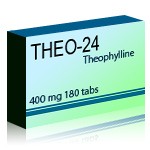
Theo-24 (Theophylline Extended Release 400mg) represents the foundational methylxanthine bronchodilator with multi-mechanism respiratory action distinctive from all other bronchodilator classes. Theophylline itself is one of the oldest respiratory medications with clinical use since the 1930s and chemical identification in 1888 — structurally related to caffeine and originally isolated from tea leaves. The Theo-24 24-hour extended release formulation was FDA-approved by UCB Pharma in 1988 providing convenient once-daily dosing suitable for chronic maintenance therapy. Manufactured by Sun Pharmaceutical Industries India as bioequivalent generic under WHO-GMP and US FDA-inspected quality standards, Theo-24 offers proven bronchodilator efficacy for chronic obstructive lung diseases, chronic bronchitis, emphysema, bronchial asthma, and obstructive sleep apnea. Available as 400 mg extended release tablets designed for once-daily maintenance dosing providing sustained therapeutic serum levels throughout 24-hour interval.
Theophylline works through multiple complementary mechanisms distinguishing it from other bronchodilators. Primary mechanisms include non-selective phosphodiesterase (PDE) inhibition increasing intracellular cAMP and cGMP levels producing bronchial smooth muscle relaxation; adenosine A1 and A2 receptor antagonism producing additional bronchodilation and respiratory drive stimulation; and histone deacetylase-2 (HDAC2) activation at low doses enhancing sensitivity to corticosteroids. Additional beneficial effects include improved diaphragm muscle strength reducing respiratory muscle fatigue in COPD patients, enhanced mucociliary clearance, anti-inflammatory action at serum levels of 5-10 mcg/mL, and respiratory center stimulation improving breathing pattern. This produces bronchodilation via airway muscle relaxation, reduced airway inflammation, improved respiratory function, and synergistic effects with other respiratory medications. Clinical response develops over days as steady-state serum levels achieved through consistent daily dosing.
Theo-24 serves multiple obstructive airway conditions particularly as add-on therapy. Primary uses include chronic obstructive lung diseases as third-line adjunctive therapy; chronic obstructive bronchitis; lung emphysema; bronchial asthma particularly difficult-to-control cases; and obstructive sleep apnea where respiratory drive stimulation valuable.
Theo-24 dosed once daily with narrow therapeutic index (5-15 mcg/mL target serum levels) requiring periodic monitoring. Peak at 6-10 hours ER, 3-13 hour half-life variable by metabolism. Sun Pharmaceutical Industries India under WHO-GMP, US FDA standards.
Free prescription
Discrete packaging
Have questions?
Quality Assurance

- COPD Add On Therapy: Third-line adjunctive therapy for patients inadequately controlled on LAMA/LABA/ICS combinations;
- Chronic Obstructive Bronchitis: Long-term bronchial inflammation with mucus hypersecretion and airflow obstruction;
- Lung Emphysema: Alveolar destruction with irreversible airspace enlargement causing airflow limitation;
- Bronchial Asthma: Chronic inflammatory airway disease with reversible bronchoconstriction requiring maintenance therapy;
- Difficult to Control Asthma: Severe asthma inadequately controlled on inhaled corticosteroids and LABA combinations;
- Obstructive Sleep Apnea: Sleep breathing disorder where respiratory drive stimulation provides adjunctive benefit;
- Bronchospasm Prophylaxis: Prevention of acute airway constriction episodes through sustained bronchodilation;
- Nocturnal Asthma: Night-time asthma exacerbations benefiting from 24-hour extended release coverage;
- Airway Inflammation: Chronic bronchial inflammation reducing with theophylline anti-inflammatory action;
- COPD Exacerbation Prevention: Reduction of acute worsening episodes when added to standard maintenance therapy;
- Respiratory Drive Stimulation: Central respiratory center stimulation improving breathing pattern and CO2 responsiveness;
- Diaphragm Muscle Fatigue: Improved diaphragm strength and endurance reducing respiratory muscle fatigue in COPD;
- Steroid Resistant Asthma: HDAC2 activation restores corticosteroid sensitivity in resistant severe asthma cases;
- Refractory COPD: COPD failing standard triple therapy benefiting from mechanistically distinct add-on;
- Once Daily Bronchodilator Convenience: Extended release Theo-24 provides sustained 24-hour therapeutic serum levels;
- Methylxanthine Bronchodilator Class: Distinctive drug class structurally related to caffeine with multi-mechanism action;
- Foundational Respiratory Therapy: Nearly 90 years of clinical experience since introduction in 1930s respiratory medicine;
- Adjunctive Bronchodilator: Combines effectively with inhaled bronchodilators and corticosteroids for enhanced response;
- Generic Theo-24 Therapy: Bioequivalent generic Sun Pharma alternative to brand-name Theo-24 at substantially lower cost.
- Less Airway Inflammation: Anti-inflammatory action at therapeutic serum concentrations reduces chronic bronchial inflammation;
- Better Diaphragm Strength: Improved diaphragm muscle contractility and endurance reduces respiratory muscle fatigue substantially;
- Better Respiratory Drive: Central respiratory center stimulation improves breathing pattern and CO2 responsiveness;
- Better Mucociliary Clearance: Enhanced mucociliary escalator function improves airway mucus transport and clearance;
- Better 24 Hour Coverage: Extended release formulation provides sustained therapeutic effect from once-daily dosing;
- Better Once Daily Convenience: Simple daily dosing improves medication adherence in chronic respiratory disease management;
- Better Corticosteroid Response: HDAC2 activation enhances sensitivity to inhaled corticosteroids particularly in severe asthma;
- Better Synergistic Combination Therapy: Complementary mechanism combines with LAMA LABA ICS for enhanced respiratory control;
- Better Nocturnal Symptom Control: Sustained overnight bronchodilation reduces night-time symptoms and improves sleep quality;
- Less Suffocation Episodes: Prevention of acute severe bronchospasm and airway obstruction crises;
- Better Exercise Tolerance: Improved diaphragm function and sustained bronchodilation enhance physical activity capacity;
- Better Sleep Apnea Support: Respiratory drive stimulation provides adjunctive benefit for obstructive sleep apnea management;
- Better Refractory Disease Option: Mechanistically distinct add-on when standard therapy inadequate;
- Better COPD Exacerbation Reduction: Reduced frequency of acute worsening episodes with regular maintenance therapy;
- Better Cost Effective Bronchodilator: Substantially lower cost than newer inhaled bronchodilator combinations for resource-limited settings;
- Better Multi Mechanism Coverage: Six distinct pharmacological actions provide broad respiratory support beyond simple bronchodilation;
- Better Established Clinical Track Record: Nearly 90 years experience with well-characterized efficacy and safety across broad populations;
- Better Generic Affordability: 85-95 percent lower cost than brand Theo-24 makes methylxanthine therapy accessible;
- Better Quality of Life: Daily wellbeing improves as respiratory function stabilizes and acute symptoms decrease.
Generic Theo-24 (Theophylline 400 mg) Medication guide:
Theo-24 (Theophylline Extended Release 400mg) is the foundational methylxanthine bronchodilator that has provided respiratory therapy for nearly 90 years since theophylline entered clinical use in the 1930s. The Theo-24 24-hour extended release formulation was FDA-approved by UCB Pharma in 1988, providing convenient once-daily dosing suitable for chronic maintenance therapy in obstructive lung diseases. Structurally related to caffeine and originally isolated from tea leaves, theophylline demonstrates unique multi-mechanism respiratory action combining phosphodiesterase inhibition, adenosine receptor antagonism, HDAC2 activation, diaphragm strength improvement, and respiratory drive stimulation. While modern respiratory guidelines position theophylline as third-line add-on therapy behind LAMAs (Spiriva), LABAs, and inhaled corticosteroids, it remains clinically valuable for refractory cases and cost-sensitive settings where its distinctive mechanisms complement standard bronchodilator therapy. This comprehensive medication guide covers every aspect of Theo-24 therapy from methylxanthine pharmacology through mechanism, pharmacology, critical narrow therapeutic index considerations, drug interactions, patient selection, dosing strategies with serum level monitoring, and safe management recommendations.
💊 Introduction to Theo-24
Theo-24 is a prescription oral medication containing theophylline as its active ingredient in an extended release formulation designed for once-daily dosing. Theophylline itself represents one of the oldest respiratory medications with a history spanning nearly 90 years of clinical use. Originally isolated from tea leaves in 1888 by German chemist Albrecht Kossel, theophylline entered clinical respiratory therapy in the 1930s for asthma treatment. The Theo-24 24-hour extended release formulation was developed and FDA-approved by UCB Pharma in 1988 — providing convenient once-daily maintenance dosing that dramatically improved medication adherence compared to earlier immediate release theophylline requiring multiple daily doses.
The medication is manufactured worldwide by numerous generic pharmaceutical companies. The version sold under the Theo-24 brand name on rxshop.md is manufactured by Sun Pharmaceutical Industries India — one of India largest pharmaceutical companies with US FDA-inspected facilities and extensive global export operations. Sun Pharmaceutical produces multiple respiratory medications available on rxshop.md including baclofen (Lioresal), tizanidine (Tizan, Zanaflex), and mobic (meloxicam). Available as 400 mg extended release tablets — the standard maintenance dose for adult once-daily therapy. Additional strengths (100, 200, 300, 450, 600 mg) exist in various global markets enabling careful dose titration based on individual serum levels.
Theo-24 occupies a distinctive but evolving position in modern respiratory therapy. Historically theophylline was first-line therapy for asthma and COPD from the 1930s through 1980s. However, the advent of inhaled bronchodilators (SABAs like albuterol, LABAs like salmeterol, LAMAs like Spiriva) and inhaled corticosteroids progressively replaced oral theophylline due to superior efficacy, safety, and simpler dose management. Modern Global Initiative for Chronic Obstructive Lung Disease (GOLD) and Global Initiative for Asthma (GINA) guidelines now position theophylline as third-line add-on therapy for patients inadequately controlled on standard inhaled therapy. Despite this reduced role, theophylline retains important clinical utility in specific scenarios: as an add-on for severe refractory asthma or COPD, in patients unable to master inhaler technique, in resource-limited settings where inhaled therapies are unavailable or unaffordable, and to exploit theophylline unique mechanisms (particularly HDAC2 activation enhancing corticosteroid sensitivity in severe asthma).
🔬 Understanding Methylxanthine Class
Understanding the methylxanthine chemical class explains theophylline distinctive pharmacology.
Methylxanthine Family
Methylxanthines are naturally occurring alkaloids found in various plants:
Common methylxanthines:
- Caffeine: Found in coffee, tea, cocoa, kola nuts - most consumed psychoactive substance globally
- Theophylline: Found primarily in tea leaves - foundational respiratory medication
- Theobromine: Found in chocolate/cocoa - mild bronchodilator, cardiac effects
- Pentoxifylline: Synthetic methylxanthine - used for peripheral vascular disease
Structural Similarities and Differences
All methylxanthines share a purine-like structure with methyl group substitutions producing similar general pharmacology but different clinical effects:
- Caffeine: 1,3,7-trimethylxanthine — primarily CNS stimulation, mild bronchodilation
- Theophylline: 1,3-dimethylxanthine — potent bronchodilation, cardiac stimulation, diuresis
- Theobromine: 3,7-dimethylxanthine — mild bronchodilator, cardiac stimulation
Historical Context
Theophylline first entered clinical use for treating pulmonary edema in the 1920s before its bronchodilator effects were recognized. By the 1930s, it became established for asthma treatment. Throughout the 1950s-1980s, theophylline was among the most widely-prescribed respiratory medications globally. The subsequent development of inhaled bronchodilators and corticosteroids has largely relegated theophylline to add-on therapy role, though it remains an important medication for select clinical scenarios.
🧬 Chemistry and Multi-Mechanism Pharmacology
Theophylline has the chemical formula C7H8N4O2 with molecular weight approximately 180.2 g/mol. Structurally, theophylline is 1,3-dimethylxanthine — a purine derivative closely related to caffeine (1,3,7-trimethylxanthine) with which it shares many pharmacological properties but with distinctive respiratory effects.
Detailed Mechanism of Action
Theophylline mechanism of action is unusually complex and remains incompletely understood despite nearly a century of study. Multiple simultaneous mechanisms contribute to therapeutic effects:
Theophylline six-mechanism therapeutic action:
- Phosphodiesterase (PDE) inhibition: Non-selective inhibition of PDE3, PDE4, and PDE5 preventing breakdown of cyclic AMP and cyclic GMP producing bronchial smooth muscle relaxation and anti-inflammatory effects
- Adenosine receptor antagonism: Blocks adenosine A1 and A2 receptors producing bronchodilation and central respiratory drive stimulation reversing adenosine-induced bronchoconstriction
- HDAC2 activation: At low therapeutic doses activates histone deacetylase-2 restoring corticosteroid sensitivity in severe asthma where HDAC2 is reduced
- Diaphragm strength improvement: Enhances diaphragm muscle contractility and endurance reducing respiratory muscle fatigue particularly beneficial in COPD patients with respiratory failure
- Central respiratory stimulation: Direct stimulation of medullary respiratory center improving breathing pattern and CO2 responsiveness
- Anti-inflammatory effects: At low serum concentrations (5-10 mcg/mL) reduces T-lymphocyte and eosinophil migration and activation with distinct anti-inflammatory action separate from bronchodilation
Additional Physiological Effects
Beyond primary respiratory actions, theophylline produces multiple systemic effects that contribute to both benefits and side effects:
- Cardiac stimulation: Positive inotropic and chronotropic effects — beneficial for cor pulmonale but risk for tachycardia and arrhythmia
- CNS stimulation: Alertness enhancement, respiratory center stimulation, seizure threshold reduction at toxic levels
- Diuretic effect: Weak diuresis through renal vascular effects
- Skeletal muscle effects: Enhanced contractility especially diaphragm
- Gastric acid secretion: Increased gastric acid production potentially worsening GERD
⏱️ Pharmacokinetics
| Parameter | Value | Clinical Significance |
|---|---|---|
| Time to peak (Tmax, ER) | 6 to 10 hours | Extended release for once-daily dosing |
| Bioavailability (oral) | Nearly 100 percent | Complete absorption but slow with ER formulation |
| Half-life | 3 to 13 hours (highly variable) | Wide individual variation requires monitoring |
| Steady state timing | 3 to 5 days | Check serum levels after this period |
| Protein binding | Approximately 40 percent | Moderate protein binding |
| Volume of distribution | Approximately 0.5 L/kg | Distributes throughout body water |
| Metabolism | Hepatic CYP1A2 (major), CYP3A4 | Multiple significant drug interactions |
| Food effect | High-fat meal accelerates absorption | May cause dose-dumping - take consistently |
| Elimination | Renal (10 percent unchanged) | Primarily hepatic metabolism dependent |
Factors Affecting Theophylline Metabolism
Theophylline clearance varies dramatically between individuals due to multiple factors affecting CYP1A2 activity:
Factors that INCREASE theophylline clearance (require higher doses):
- Cigarette smoking: Induces CYP1A2 dramatically - smokers may need 40-100 percent higher doses
- Marijuana smoking: Similar CYP1A2 induction effect
- Grilled meat consumption: Polycyclic aromatic hydrocarbons induce CYP1A2
- Cruciferous vegetables: Broccoli, cabbage induce CYP1A2 modestly
- Rifampin, rifabutin: Potent CYP inducers
- Carbamazepine, phenytoin: Enzyme inducers
- Younger age: Higher metabolism
Factors that DECREASE theophylline clearance (increase toxicity risk):
- Smoking cessation: Levels can double within 1 week potentially causing toxicity
- Ciprofloxacin, other fluoroquinolones: Major CYP1A2 inhibitor
- Fluvoxamine: Very potent CYP1A2 inhibitor
- Cimetidine: Moderate inhibitor
- Erythromycin, clarithromycin: Moderate inhibitors
- Oral contraceptives: Modest inhibition
- Elderly patients: Reduced metabolism
- Liver disease: Reduced metabolism
- Heart failure: Reduced metabolism
- Fever (over 39 degrees Celsius): Reduced metabolism
- Viral illnesses: Temporarily reduce metabolism
⚠️ Narrow Therapeutic Index — Critical Concept
The narrow therapeutic index is the single most important concept for safe theophylline use.
Therapeutic Serum Level Ranges
Theophylline serum concentration ranges:
- Under 5 mcg/mL: Subtherapeutic - little bronchodilator effect
- 5-10 mcg/mL: Anti-inflammatory range - beneficial in asthma without full bronchodilation
- 10-15 mcg/mL: Target maintenance therapeutic range for most patients
- 15-20 mcg/mL: Upper therapeutic range - increasing side effect risk
- 20-30 mcg/mL: Mild toxicity - nausea, vomiting, headache, insomnia
- 30-40 mcg/mL: Moderate toxicity - tachycardia, arrhythmias, tremor
- Over 40 mcg/mL: Severe toxicity - seizures, cardiac arrhythmias, death possible
Serum Level Monitoring Schedule
Regular serum level monitoring is essential for safe theophylline therapy:
- Baseline: Before starting therapy
- After 3-5 days: Initial steady-state confirmation
- After dose adjustments: Re-check after 3-5 days at new steady state
- Every 6-12 months: During stable maintenance therapy
- After any potentially interacting medication changes
- After smoking cessation: Very important - risk of toxicity
- During any acute illness: Fever may increase levels
- If side effects develop: Immediately check level
- Timing: Trough level immediately before next dose for ER formulations
🎯 Approved Indications
Primary Indications
- Chronic obstructive lung diseases: Long-term maintenance bronchodilator therapy
- Chronic obstructive bronchitis: Chronic bronchial airflow limitation
- Lung emphysema: Alveolar destruction with airflow obstruction
- Bronchial asthma: Maintenance therapy typically as add-on
- Obstructive sleep apnea: Respiratory drive stimulation adjunctive therapy
Modern Guideline-Based Positioning
Where theophylline fits in modern respiratory therapy:
- NOT first-line: Inhaled bronchodilators (LAMA, LABA) and ICS preferred
- Third-line add-on: Consider when standard therapy inadequate
- Severe refractory asthma: May restore corticosteroid sensitivity via HDAC2
- COPD respiratory muscle fatigue: Diaphragm strength improvement
- Cost-sensitive settings: Where inhaled therapies unavailable/unaffordable
- Central respiratory drive disorders: Sleep apnea, central hypoventilation
- Patients unable to master inhaler technique: Oral alternative
Off-Label and Adjunctive Uses
- Apnea of prematurity: Specialized neonatal use
- Cheyne-Stokes respiration: Central sleep apnea in heart failure
- Bradyarrhythmias: When temporary chronotropic effect needed
- Post-lung transplant: Anti-inflammatory support
Ideal Patient Selection
Theo-24 therapy is most appropriate for:
- COPD or asthma patients inadequately controlled on inhaled therapy
- Severe refractory asthma potentially benefiting from HDAC2 activation
- COPD patients with respiratory muscle fatigue needing diaphragm strength support
- Patients unable to properly use inhaler devices
- Cost-sensitive settings with limited inhaled therapy access
- Patients willing to undergo periodic serum level monitoring
- Patients able to maintain consistent medication timing and diet
- Patients not taking major CYP1A2 interacting medications
- Adult patients without significant cardiovascular arrhythmia risk
🚫 Contraindications
Absolute contraindications include:
- Hypersensitivity to theophylline or other methylxanthines
- Active peptic ulcer disease: Gastric acid stimulation worsens ulcers
- Uncontrolled seizure disorder: Theophylline lowers seizure threshold
- Recent myocardial infarction: Cardiac stimulation could worsen ischemia
- Severe uncontrolled arrhythmias: May trigger tachyarrhythmias
Use with extreme caution in:
- Congestive heart failure: Reduced metabolism, cardiac effects
- Liver disease: Reduced metabolism increasing toxicity risk
- Hyperthyroidism: Enhanced sensitivity to methylxanthine cardiac effects
- Elderly patients (over 60): Reduced clearance, increased sensitivity
- Neonates and infants: Reduced metabolism
- Fever above 39 degrees Celsius: Reduced clearance transiently
- Sepsis or acute severe illness: Unpredictable clearance changes
- Concurrent CYP1A2 inhibitors: Especially ciprofloxacin, fluvoxamine
- Smoking cessation: Levels rise dramatically over 1-2 weeks
- Pregnancy: Crosses placenta, levels rise near term
- Lactation: Excreted in breast milk causing infant irritability
⚠️ Theophylline Toxicity Recognition
Recognizing theophylline toxicity is critical for safe therapy:
Toxicity typically progresses through recognizable stages allowing intervention before life-threatening complications develop.
Early toxicity signs (levels 20-30 mcg/mL):
- Nausea and vomiting - often persistent
- Headache
- Insomnia and restlessness
- Anxiety and irritability
- Mild tachycardia
Moderate toxicity (levels 30-40 mcg/mL):
- Persistent severe vomiting
- Sinus tachycardia
- Supraventricular arrhythmias
- Tremor
- Hypokalemia
- Hyperglycemia
Severe toxicity (levels above 40 mcg/mL) - MEDICAL EMERGENCY:
- Seizures - may be refractory to standard anticonvulsants
- Ventricular arrhythmias including ventricular tachycardia
- Hypotension from cardiovascular collapse
- Severe electrolyte disturbances
- Rhabdomyolysis
- Death possible
Toxicity management includes activated charcoal for recent ingestion, aggressive supportive care, and hemodialysis for severe toxicity. Seek emergency medical care immediately for suspected toxicity.
💉 Dosage and Administration
Initial Dosing Approach
Adult once-daily Theo-24 dosing:
- Starting dose: 400 mg once daily typically
- Lower starting dose: 300 mg or 200 mg in elderly, cardiac patients, liver disease
- Titration: Increase after 3-day serum level check
- Target: Serum levels 5-15 mcg/mL (some clinicians target lower 5-10 mcg/mL for anti-inflammatory effects)
- Timing: Same time each day - typically morning or evening
Special Population Dosing
- Smokers: Often require 40-100 percent higher doses due to CYP1A2 induction
- Elderly (over 60): Start at 300 mg or lower, slower titration
- Liver disease: Reduce dose 50 percent, careful monitoring
- Heart failure: Reduce dose, closer monitoring
- Adolescents: Weight-based dosing typically
- Concurrent CYP1A2 inhibitors: Reduce dose 50 percent or use alternative
Administration Guidelines
- Take at consistent time each day for stable serum levels
- Take with full glass of water
- Take consistently with or without food - high-fat meals may cause dose-dumping
- Swallow tablets whole - do NOT crush, chew, or split
- Do NOT change brands or formulations without medical supervision - bioavailability differs
- Report all new medications to prescriber before starting
- Report smoking status changes immediately
- Follow serum level monitoring schedule
- Report side effects promptly - may indicate toxicity
📊 Clinical Effectiveness Data
| Indication | Response Data |
|---|---|
| COPD add-on therapy | Modest improvement in FEV1 and symptoms |
| Severe asthma add-on | Some patients show significant improvement |
| Nocturnal asthma | Sustained overnight bronchodilation from ER form |
| COPD exacerbation reduction | Modest reduction when used as add-on |
| Steroid-resistant asthma via HDAC2 | Restored corticosteroid sensitivity in some patients |
| Diaphragm strength (COPD) | Measurable improvement in muscle function |
| Cost-effectiveness | Very favorable vs newer inhaled therapies |
⚠️ Side Effect Profile
Common Side Effects (Even at Therapeutic Levels)
Theophylline commonly causes side effects even at therapeutic serum levels:
- Nausea: Common (10-20 percent)
- Vomiting: Occasional
- Loss of appetite: Common
- Abdominal pain: Common
- Heartburn/GERD: Common - gastric acid stimulation
- Diarrhea: Occasional
- Headache: Common
- Insomnia: Common
- Restlessness and irritability: Common
- Tremor (fine): Common at higher therapeutic levels
- Tachycardia: Common
- Palpitations: Occasional
- Increased urination: Diuretic effect
Serious Side Effects
Seek immediate medical attention for:
- Persistent severe vomiting - toxicity sign
- Seizures - severe toxicity
- Cardiac arrhythmias - palpitations, syncope, chest pain
- Severe agitation, confusion
- Signs of GI bleeding - stimulates gastric acid
- Rhabdomyolysis: Muscle pain with dark urine (severe toxicity)
- Signs of hypokalemia: Muscle weakness, cramping
- Signs of hyperglycemia: Increased thirst, urination (in diabetics)
🔄 Drug Interactions — Critical Section
Theophylline has more clinically significant drug interactions than most medications. This is a critical safety consideration.
Major Interactions Increasing Theophylline Levels (Toxicity Risk)
| Drug/Substance | Effect on Levels |
|---|---|
| Ciprofloxacin | Can double theophylline levels - avoid combination |
| Fluvoxamine | Potent CYP1A2 inhibitor - can triple levels - avoid |
| Cimetidine | Moderate increase 40-60 percent - use famotidine or PPI instead |
| Erythromycin, clarithromycin | 30-50 percent increase - avoid or reduce theophylline dose |
| Oral contraceptives | Modest 20-30 percent increase - monitor |
| Allopurinol | High doses may increase levels - monitor |
| Interferon alfa | Reduces clearance - monitor |
| Smoking cessation | Levels can double within 1 week - CRITICAL monitor |
| Vaccines (influenza) | May transiently reduce clearance - monitor |
Major Interactions Decreasing Theophylline Levels (Subtherapeutic Risk)
| Drug/Substance | Effect on Levels |
|---|---|
| Rifampin | Potent inducer - significant reduction |
| Phenytoin, carbamazepine | Enzyme inducers reduce levels |
| St. John Wort | Inducer - reduces levels |
| Barbiturates | Induce metabolism |
| Cigarette smoking | Requires 40-100 percent higher doses |
Pharmacodynamic Interactions
- Adenosine: Theophylline blocks adenosine receptors - reduces adenosine effectiveness for supraventricular tachycardia treatment
- Benzodiazepines: Theophylline may antagonize sedative effects
- Halothane anesthesia: Increased arrhythmia risk
- Ketamine: May increase seizure risk
- Lithium: Enhanced renal excretion of lithium - monitor levels
- Beta-blockers (non-selective): May antagonize bronchodilator effects
🛡️ Special Populations
- Elderly Patients Over 65
- Reduced hepatic clearance and increased sensitivity to methylxanthine effects require lower doses and closer monitoring. Start at 200-300 mg once daily. Consider alternative first-line inhaled therapies when possible.
- Pediatric Population
- Adult Theo-24 400 mg tablets not appropriate for young children. Pediatric formulations (theophylline elixir, chewable tablets) available for weight-based dosing. Specialized pediatric respiratory specialist consultation recommended.
- Pregnancy
- Theophylline crosses placenta and levels may rise during third trimester due to reduced maternal clearance. Use only if clearly needed with careful monitoring. Alternatives preferred when possible.
- Lactation
- Theophylline excreted in breast milk causing infant irritability, poor sleep, and jitteriness. Use with caution during breastfeeding.
- Smokers
- Cigarette smoking induces CYP1A2 dramatically requiring 40-100 percent higher theophylline doses. When smokers quit smoking, levels can double within 1 week potentially causing toxicity - critical to reduce dose and monitor.
- Cardiovascular Disease Patients
- Use with caution due to cardiac stimulant effects potentially triggering arrhythmias and tachycardia. Consider alternatives in patients with recent MI, active arrhythmias, or uncontrolled heart failure.
- Liver Disease Patients
- Reduced hepatic metabolism dramatically increases theophylline half-life and toxicity risk. Reduce dose 50 percent, closer monitoring, or avoid altogether in severe hepatic impairment.
- Heart Failure Patients
- Reduced hepatic blood flow and clearance requires dose reduction and careful monitoring. May exacerbate tachyarrhythmias.
- Fever/Acute Illness Patients
- Fever above 39 degrees Celsius transiently reduces theophylline clearance. Acute viral illnesses also reduce metabolism. Consider dose reduction during acute illness and monitor for toxicity signs.
- Seizure Disorder Patients
- Theophylline lowers seizure threshold and can be difficult to treat in overdose. Avoid in uncontrolled epilepsy. Use with extreme caution in controlled epilepsy.
🔬 Comparison with Modern Bronchodilators
| Property | Theo-24 (Theophylline) | Spiriva (Tiotropium LAMA) | Salmeterol (LABA) |
|---|---|---|---|
| Route | Oral | Inhaled | Inhaled |
| Class | Methylxanthine | Long-acting anticholinergic | Long-acting beta-2 agonist |
| Modern first-line status | Third-line add-on | First-line COPD | First-line asthma with ICS |
| Therapeutic window | Narrow - requires monitoring | Wide | Wide |
| Systemic side effects | Common at therapeutic levels | Minimal | Modest |
| Drug interactions | Many significant | Few | Few |
| Serum monitoring needed | Yes - required | No | No |
| Cost | Very low (generic) | Moderate-high | Moderate-high |
| Unique benefits | Diaphragm strength, HDAC2 activation | 24-hour once daily | Rapid bronchodilation |
📦 Storage and Handling
- Store at room temperature between 15°C and 30°C (59°F and 86°F)
- Keep in original blister packaging to protect from light and moisture
- Avoid storage in bathrooms where humidity fluctuates significantly
- Keep out of reach of children and pets - critical due to toxicity risk in accidental ingestion
- Do not use tablets past the expiration date printed on packaging
- Return unused or expired medication to pharmacy for proper disposal
- Never share theophylline with others as doses are highly individualized
- Maintain adequate supply for chronic therapy without interruption
👨⚕️ When to Contact Your Doctor
- Any signs of theophylline toxicity: persistent vomiting, tremor, tachycardia, seizures
- Starting or stopping smoking - critical dose adjustment needed
- Starting any new medications especially ciprofloxacin, fluvoxamine, cimetidine
- Fever above 39 degrees Celsius lasting more than 24 hours
- Acute illness particularly viral infections
- New cardiac symptoms: palpitations, chest pain, arrhythmia
- New seizures or worsening seizure control
- Severe persistent GI symptoms
- Signs of upper GI bleeding: black stools, vomiting blood
- Worsening respiratory symptoms despite therapy
- Pregnancy planning or confirmed pregnancy
- Time for scheduled serum level check
- Recent influenza vaccination (may reduce clearance)
- Concerns about drug interactions
- Any changes in daily medication or dietary patterns
🌟 Key Takeaways
Essential points about Theo-24 (theophylline) therapy:
- Theo-24 is foundational methylxanthine bronchodilator with nearly 90 years of clinical use
- Extended release formulation FDA-approved 1988 for convenient once-daily dosing
- Six-mechanism action: PDE inhibition, adenosine antagonism, HDAC2 activation, diaphragm strength, respiratory drive, anti-inflammatory
- Modern third-line add-on therapy - not first-line replaced by inhaled bronchodilators
- NARROW therapeutic index requires serum level monitoring - target 5-15 mcg/mL
- Toxicity above 20 mcg/mL: nausea, vomiting, tachycardia - potentially fatal above 40 mcg/mL
- Take at consistent time daily with or without food (avoid high-fat meals)
- Swallow tablets whole - do not crush, chew, or split
- MANY drug interactions - especially ciprofloxacin, fluvoxamine, cimetidine (increase levels)
- Smoking cessation causes toxic levels - dose must be reduced
- Common side effects even at therapeutic levels: nausea, insomnia, tremor
- Contraindicated in uncontrolled seizures, active peptic ulcer, recent MI
- Use with caution in elderly, liver disease, heart failure
- Preferred in resource-limited settings and for patients unable to use inhalers
- Unique benefits: diaphragm strength support, HDAC2 activation for steroid-resistant asthma
Important Medical Disclaimer: This medication guide provides general information about Theo-24 (theophylline extended release) and does not constitute individualized medical advice. Every patient situation is unique and requires evaluation by a qualified healthcare provider before starting continuing adjusting or discontinuing any medication. Theo-24 has a NARROW therapeutic index requiring serum level monitoring - never adjust doses without medical supervision. Report any signs of toxicity immediately including persistent vomiting, tremor, palpitations, seizures. Many medications interact significantly with theophylline - always inform your healthcare provider of all medications you take. Smoking cessation dramatically affects theophylline levels requiring dose adjustment. If you experience concerning symptoms or suspect overdose, seek emergency medical care immediately. The information provided here should complement but never replace direct professional medical guidance.
Theo-24 — Frequently Asked Questions
-
What is Theo-24 used for?
Theo-24 is used to treat symptoms of asthma and COPD, including wheezing, shortness of breath, and chronic bronchitis, by relaxing and opening air passages in the lungs. -
How does Theo-24 work?
It works by relaxing the smooth muscles of the bronchi in the lungs, reducing airway resistance and increasing airflow to the lungs, and it may have mild anti-inflammatory effects. -
How should I take Theo-24?
Take Theo-24 exactly as prescribed, typically once a day, without crushing or chewing the tablet, to maintain a steady level of medication in your blood. -
Can Theo-24 be taken with food?
Yes, Theo-24 can be taken with or without food, but consistency in taking it with respect to meals helps maintain steady absorption. -
What are the side effects of Theo-24?
Common side effects include nausea, headache, insomnia, and gastrointestinal discomfort. Serious side effects may include irregular heartbeat and seizures. -
How long does it take for Theo-24 to start working?
The effects of Theo-24 can start within a few hours, but it may take several days to achieve the full therapeutic effect. -
Is Theo-24 a steroid?
No, Theo-24 is not a steroid. It is a xanthine bronchodilator.
See all Theo-24 questions (32)
More Respiratory Medications