Buy Parlodel (Bromocriptine 2.5mg) Online - Serum Pharmaceuticals Original Sandoz Brand Dopamine Agonist

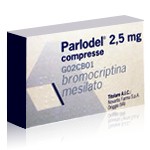
Parlodel (Bromocriptine Mesylate 2.5 mg) represents the foundational first-generation ergot-derived dopamine agonist - the reference dopamine receptor agonist established over 45 years for hyperprolactinemia treatment, prolactinoma management, comprehensive fertility restoration, lactation suppression, Parkinson disease therapy, and acromegaly management. Originally developed by Sandoz Pharmaceuticals (now Novartis following the 1996 merger with Ciba-Geigy) and FDA-approved as Parlodel in 1978 for hyperprolactinemia and other prolactin-related disorders, bromocriptine established the pharmacological approach to dopamine agonist therapy across multiple therapeutic areas. Parlodel on rxshop.md is manufactured by Serum Pharmaceuticals - established Indian pharmaceutical manufacturer with quality standards and reproductive medicine focus.
Bromocriptine works as a non-selective ergot-derived dopamine agonist providing potent dopamine D2 and moderate D1 receptor agonism. First, bromocriptine binds pituitary lactotroph dopamine D2 receptors mimicking natural dopamine inhibition of prolactin. Second, this suppresses prolactin secretion normalizing elevated prolactin levels. Third, bromocriptine induces prolactinoma cell size reduction and progressive tumor shrinkage over weeks to months of therapy. Fourth, normalized prolactin restores hypothalamic-pituitary-gonadal axis function re-establishing normal reproductive hormone patterns. Fifth, bromocriptine provides additional therapeutic effects in Parkinson disease (dopamine replacement) and acromegaly (paradoxical growth hormone suppression).
Parlodel addresses comprehensive dopamine-related indications. Primary uses include hyperprolactinemic disorders from idiopathic causes or prolactinomas, amenorrhea from elevated prolactin, galactorrhea, infertility from hyperprolactinemia, lactation suppression (postpartum where clinically indicated), Parkinson disease as adjunct or alternative therapy, and acromegaly for growth hormone reduction. Bromocriptine remains widely used first-line therapy in many settings due to established efficacy, extensive safety data over 45 years, particular safety experience during pregnancy for prolactinoma continuation, and cost-effectiveness.
Parlodel is available in four pack sizes at the 2.5 mg strength - 30, 60, 90, and 120 tablets. The 60-tablet pack is the bestseller reflecting typical monthly to bi-monthly supply for continuous therapy. Standard dosing initiates at 1.25 mg (half tablet) at bedtime to minimize orthostatic hypotension and nausea, escalating gradually to standard maintenance of 2.5-15 mg daily in divided doses. Contraindicated in uncontrolled hypertension, cardiac valvular disease, fibrotic disorders history, and ergot alkaloid hypersensitivity. Requires endocrinology or neurology specialist supervision.
Free prescription
Discrete packaging
Have questions?
Quality Assurance

- Prolactinoma: Prolactin-secreting pituitary tumors requiring medical suppression of prolactin and tumor size reduction therapy;
- Hyperprolactinemic Amenorrhea: Absent menstruation caused by elevated prolactin suppression of hypothalamic-pituitary-gonadal axis function;
- Galactorrhea: Inappropriate milk production in non-pregnant non-lactating women or men from prolactin elevation;
- Infertility from Hyperprolactinemia: Reproductive dysfunction from elevated prolactin blocking normal ovulation and fertility mechanisms;
- Oligomenorrhea: Infrequent menstruation from prolactin-induced hypothalamic dysfunction affecting normal ovulatory cycles;
- Parkinson Disease: Neurodegenerative disorder with dopamine deficiency causing motor symptoms responding to dopamine agonist therapy;
- Acromegaly: Growth hormone excess disorder with paradoxical GH suppression response to bromocriptine in selected patients;
- Lactation Suppression: Suppression of postpartum milk production where clinically indicated (not FDA approved in US for this indication);
- Chiari Frommel Syndrome: Post-partum amenorrhea-galactorrhea syndrome with prolonged lactation-related hormonal dysfunction;
- Male Hyperprolactinemia: Elevated prolactin in men causing sexual dysfunction infertility and hypogonadism responding to dopamine agonist therapy;
- Menstrual Disorders: Cycle irregularities from prolactin-related hormonal imbalance responding to dopamine agonist correction;
- Premenstrual Syndrome: Selected use for PMS with elevated prolactin component contributing to cyclic symptoms;
- Benign Breast Disease: Selected use for fibrocystic breast disease and cyclic mastalgia responding to prolactin suppression;
- Dopamine Agonist Therapy: First-generation ergot-derived non-selective D2 receptor agonism for multiple therapeutic indications;
- Microprolactinoma: Small pituitary prolactin-secreting tumors under 10 mm requiring medical therapy over surgery;
- Macroprolactinoma: Large pituitary prolactin-secreting tumors over 10 mm requiring both prolactin normalization and tumor shrinkage;
- Drug Induced Hyperprolactinemia: Selected cases where causative medication cannot be discontinued requiring dopamine agonist therapy;
- Idiopathic Hyperprolactinemia: Unknown cause elevated prolactin with normal imaging requiring symptomatic dopamine agonist treatment;
- Prolactin Related Sexual Dysfunction: Sexual dysfunction from hyperprolactinemia responding to prolactin normalization restoring sexual function.
- Shrinks Prolactinomas: Substantial tumor size reduction in prolactinoma patients over weeks to months of continuous therapy;
- Restores Menstruation: Return of regular ovulatory cycles in women with hyperprolactinemic amenorrhea through prolactin normalization;
- Restores Fertility: Reestablishment of ovulation and fertility in women with prolactin-related infertility;
- Resolves Galactorrhea: Substantial improvement in inappropriate milk production through prolactin suppression therapy;
- Restores Sexual Function: Improvement in libido erectile function and sexual response in prolactin-related sexual dysfunction;
- Suppresses Postpartum Lactation: Effective lactation suppression where clinically indicated postpartum for medical reasons;
- Improves Parkinson Motor Symptoms: Reduction in bradykinesia rigidity and tremor in Parkinson disease patients through nigrostriatal dopamine agonism;
- Reduces Growth Hormone: Paradoxical growth hormone suppression in acromegaly patients providing biochemical control;
- Pregnancy Continuation Safety: Extensive safety data during pregnancy in prolactinoma patients where continuation is necessary;
- Reduces Visual Field Defects: Macroprolactinoma shrinkage improves optic chiasm compression restoring visual field function;
- Male Testosterone Restoration: Restoration of testosterone production in male hyperprolactinemia through normalized gonadotropin release;
- Oral Tablet Administration: Simple oral therapy avoiding injections or complex administration for chronic dopamine agonist therapy;
- Cost Effective Therapy: Substantially more affordable than newer selective dopamine agonists for hyperprolactinemia management;
- Original Sandoz Brand Heritage: FDA-approved 1978 with over 45 years continuous clinical use worldwide;
- Serum Manufacturing Quality: Established Indian pharmaceutical manufacturing providing bioequivalent generic quality worldwide;
- First Line Hyperprolactinemia Therapy: Traditional first-line therapy for hyperprolactinemia with established efficacy and safety documentation;
- Fertility Preservation Option: Enables fertility restoration in prolactinoma patients preferring medical over surgical management;
- Four Pack Size Options: 30 to 120 tablet packs accommodate monthly through 4-month therapy supplies for continuous management;
- Better Quality of Life: Successful hyperprolactinemia treatment restoration of reproductive function and Parkinson symptom control dramatically improves quality of life.
Generic Parlodel (Bromocriptine 2.5 mg) Medication guide:
Parlodel (Bromocriptine Mesylate 2.5 mg) represents the foundational first-generation ergot-derived dopamine agonist - the reference dopamine receptor agonist established over 45 years for hyperprolactinemia treatment, prolactinoma management, comprehensive fertility restoration, lactation suppression, Parkinson disease therapy, and acromegaly management. Originally developed by Sandoz Pharmaceuticals (now Novartis following the 1996 merger with Ciba-Geigy) and FDA-approved as Parlodel in 1978 for hyperprolactinemia and other prolactin-related disorders, bromocriptine established the pharmacological approach to dopamine agonist therapy across multiple therapeutic areas. Parlodel on rxshop.md is manufactured by Serum Pharmaceuticals with established quality manufacturing standards. Approved for hyperprolactinemia, prolactinomas, amenorrhea, galactorrhea, infertility from hyperprolactinemia, Parkinson disease, and acromegaly. This comprehensive medication guide covers ergot-derived dopamine agonist pharmacology, non-selective D2 mechanism, all approved indications, comprehensive dosing protocols with careful titration, CRITICAL cardiac valve fibrosis warnings, impulse control disorders monitoring, contraindications, drug interactions, and long-term therapy considerations across multiple therapeutic areas.
💊 Introduction to Parlodel
Parlodel is a prescription oral medication containing bromocriptine mesylate 2.5 mg as its active ingredient in tablet form. Bromocriptine is a first-generation ergot-derived dopamine receptor agonist - a class of medications that mimic natural dopamine action at target receptors throughout the body. Bromocriptine was originally developed by Sandoz Pharmaceuticals in Switzerland and received FDA approval as Parlodel in 1978 for hyperprolactinemia and related disorders - establishing over 45 years of continuous clinical use as reference dopamine agonist therapy worldwide. Sandoz merged with Ciba-Geigy in 1996 forming Novartis Pharmaceuticals which maintains original brand rights internationally.
The Parlodel brand available on rxshop.md is manufactured by Serum Pharmaceuticals - established Indian pharmaceutical manufacturer with generic portfolio focused on reproductive medicine, endocrinology, and neurology products. Serum Pharmaceuticals produces bioequivalent generic bromocriptine under quality manufacturing standards providing cost-effective access to this important dopamine agonist therapy.
Bromocriptine occupies the historical foundational position as the first ergot-derived dopamine agonist FDA-approved for hyperprolactinemia and remains widely used clinical therapy despite emergence of newer selective dopamine agonists. Advantages include over 45 years of extensive clinical experience, substantial pregnancy safety data supporting continuation during pregnancy when needed (particularly for prolactinoma patients), broad multi-indication utility spanning endocrinology and neurology, and cost-effectiveness compared to newer selective agents. The Endocrine Society clinical guidelines position bromocriptine and cabergoline as first-line hyperprolactinemia therapy with cabergoline generally preferred for efficacy and dosing convenience, but bromocriptine remains preferred when pregnancy is planned or desired due to accumulated safety data.
Parlodel serves comprehensive dopamine-related indications across multiple therapeutic areas. Primary uses include hyperprolactinemic disorders from idiopathic causes or prolactinomas, amenorrhea from elevated prolactin, galactorrhea, infertility from hyperprolactinemia, lactation suppression (postpartum where clinically indicated), Parkinson disease as adjunct or alternative therapy, and acromegaly for growth hormone reduction. Bromocriptine demonstrates prolactin normalization in majority of hyperprolactinemic patients and substantial prolactinoma tumor size reduction over weeks to months of continuous therapy.
Parlodel is available on rxshop.md in four pack sizes at the 2.5 mg strength - 30, 60, 90, and 120 tablets. The 60-tablet pack is the bestseller reflecting typical monthly to bi-monthly supply for continuous therapy. Standard dosing requires careful gradual titration starting at 1.25 mg (half tablet) at bedtime to minimize orthostatic hypotension and nausea, escalating slowly to standard maintenance dose (2.5-15 mg daily for hyperprolactinemia, up to 30-40 mg daily for Parkinson disease). This gradual titration is essential for tolerability.
🏭 Serum Pharmaceuticals Manufacturer
Serum Pharmaceuticals Credentials
Serum Pharmaceuticals credentials:
- Established Indian pharmaceutical manufacturer with generic portfolio
- Focus on reproductive medicine, endocrinology, neurology therapeutic areas
- Quality manufacturing standards ensuring bioequivalent generic quality
- Cost-effective manufacturing enabling accessible dopamine agonist therapy pricing
- Regional and international distribution serving Indian and international markets
- Comprehensive gynecology and endocrinology product line
- Established portfolio in hormone therapy and specialty medications
- Bioequivalent generic quality supporting equivalent clinical effects
Manufacturing Quality Standards
Serum Pharmaceuticals produces Parlodel generic bromocriptine mesylate with rigorous quality control ensuring bioequivalent bromocriptine content per 2.5 mg tablet, pharmaceutical-grade excipients, batch-to-batch consistency, stability testing for shelf-life reliability, and compliance with international pharmacopeia standards. The manufacturing infrastructure provides consistent quality supporting equivalent clinical effects to original Sandoz brand Parlodel formulation for dopamine agonist therapy applications worldwide.
📜 Sandoz and Novartis Brand Heritage
Original Development Timeline
| Year | Development Milestone |
|---|---|
| 1930s-1940s | Early ergot alkaloid research at Sandoz laboratories in Basel Switzerland |
| 1960s | Bromocriptine synthesized as 2-bromo-alpha-ergocryptine derivative |
| 1970s | Clinical development for hyperprolactinemia and Parkinson disease |
| 1975 | Bromocriptine first approved in some European countries |
| 1978 | FDA approval of Parlodel by Sandoz for hyperprolactinemia |
| 1980s | Expanded indications including Parkinson disease and acromegaly |
| 1996 | Sandoz merged with Ciba-Geigy forming Novartis Pharmaceuticals |
| 1990s-2000s | Extensive pregnancy safety data accumulated supporting prolactinoma pregnancy continuation |
| 2007 | Recognition of cardiac valve fibrosis risk with ergot-derived dopamine agonists |
| 2009 | FDA approval of Cycloset (bromocriptine 0.8 mg) for type 2 diabetes |
| Present Day | Over 45 years continuous clinical use - reference dopamine agonist worldwide |
Parlodel Significance in Endocrine Medicine
Parlodel introduction in 1978 represented a landmark advance providing the first effective medical therapy for hyperprolactinemia. Prior to bromocriptine, prolactinoma patients had limited options beyond surgery which carried significant morbidity. Bromocriptine established the pharmacological approach to dopamine agonist therapy demonstrating that dopamine agonism could effectively normalize prolactin levels, shrink prolactinomas, restore fertility, and manage related endocrine conditions. Over 45 years of continuous clinical use has generated extensive safety and efficacy data supporting evidence-based prescribing across multiple indications spanning endocrinology, gynecology, neurology, and reproductive medicine.
🧬 Understanding Dopamine Agonists Class
Dopamine Agonist Categories
Dopamine agonist categories:
- Ergot-derived dopamine agonists: Bromocriptine (Parlodel), cabergoline (Dostinex), pergolide - derived from ergot alkaloid structure
- Non-ergot dopamine agonists: Pramipexole, ropinirole, rotigotine - modern class without ergot skeleton
- Selective D2 agonists: Cabergoline (highly selective), quinagolide
- Non-selective agonists: Bromocriptine (D2 primary with moderate D1), pergolide
- Short-acting: Bromocriptine (twice-daily dosing typical)
- Long-acting: Cabergoline (twice-weekly dosing possible)
Bromocriptine vs Cabergoline Comparison
| Feature | Bromocriptine (Parlodel) | Cabergoline (Dostinex) |
|---|---|---|
| Generation | First (1978) | Second (1996) |
| Receptor selectivity | Non-selective (D2 primary + D1) | Highly selective D2 |
| Half-life | 3-6 hours | 63-68 hours |
| Dosing frequency | 2-3 times daily | Twice weekly |
| Efficacy | Effective | Slightly superior |
| Tolerability | More nausea | Better tolerability |
| Pregnancy safety data | More extensive | Growing but less than bromocriptine |
| Cost | More affordable | More expensive |
| Cardiac valve concern | Ergot class shared concern | Ergot class shared concern |
🧪 Chemistry of Bromocriptine
Chemical Structure
Bromocriptine mesylate has the chemical formula C32H40BrN5O5·CH4O3S with molecular weight approximately 750.7 g/mol. Chemically, bromocriptine is 2-bromo-alpha-ergocryptine mesylate - a semi-synthetic ergot alkaloid derivative created by 2-bromination of natural ergocryptine. The mesylate salt formulation provides improved solubility and oral bioavailability compared to the free base form.
Structural Features
Bromocriptine structural features:
- Ergoline core structure - characteristic tetracyclic ergot alkaloid backbone
- 2-bromination modification - key structural feature providing dopamine agonist activity
- Peptide side chain - cyclic tripeptide portion of ergocryptine structure
- Complex stereochemistry - multiple chiral centers
- Mesylate salt form - enhanced solubility and bioavailability
- Ergot alkaloid class - shared structural features with other ergot compounds
- Semi-synthetic derivative - modified natural ergocryptine backbone
🔬 Mechanism of Action
Dopamine Receptor Interactions
Bromocriptine dopamine receptor activity:
- D2 dopamine receptor: Primary target - full agonist activity
- D1 dopamine receptor: Partial agonist to weak antagonist activity
- D3 dopamine receptor: Full agonist activity
- Serotonin 5-HT2A receptor: Partial agonist (contributes to fibrotic concerns)
- Alpha-adrenergic receptors: Weak activity contributing to orthostatic effects
- Non-selective profile: Multiple receptor activities vs cabergoline high D2 selectivity
Pituitary Prolactin Suppression
Bromocriptine mechanism in hyperprolactinemia:
- Pituitary lactotroph D2 receptor binding: Bromocriptine binds D2 receptors on pituitary lactotroph cells
- Mimics dopamine inhibition: Acts like natural hypothalamic dopamine which normally inhibits prolactin secretion
- Direct prolactin suppression: Immediate suppression of prolactin secretion from lactotroph cells
- Prolactinoma cell effect: Direct suppression of prolactinoma tumor cells
- Progressive tumor shrinkage: Weeks to months of tumor size reduction from cell size reduction and apoptosis
- Restored HPG axis function: Prolactin normalization restores hypothalamic-pituitary-gonadal axis
- Return of ovulation: Restored reproductive hormone patterns enable ovulation and menstruation
Parkinson Disease Mechanism
In Parkinson disease, bromocriptine acts as dopamine agonist at nigrostriatal dopamine receptors compensating for the loss of dopaminergic neurons. Bromocriptine binds post-synaptic D2 receptors in striatum mimicking endogenous dopamine signaling. This reduces the motor symptoms of bradykinesia, rigidity, and tremor. Bromocriptine can be used as monotherapy in early Parkinson disease or as adjunct to levodopa in more advanced disease. Newer non-ergot dopamine agonists (pramipexole, ropinirole) have largely replaced bromocriptine for Parkinson disease due to safety concerns with ergot-derived agents.
Acromegaly Paradoxical Effect
In acromegaly (growth hormone excess disorder), bromocriptine paradoxically suppresses growth hormone (GH) secretion despite being dopamine agonist. Normal individuals show GH increase with dopamine agonism, but acromegaly patients demonstrate paradoxical GH suppression. Approximately 20-30 percent of acromegaly patients respond to bromocriptine monotherapy with adequate GH control. Higher doses (30-40 mg daily) typically needed for acromegaly indication. Modern therapy typically uses somatostatin analogs first-line.
🔬 Pharmacokinetic Profile
| Parameter | Value | Clinical Significance |
|---|---|---|
| Oral bioavailability | Approximately 6 percent | Low but consistent - extensive first-pass metabolism |
| Food effect | Increases absorption | Take with food to improve absorption and reduce nausea |
| Time to peak (Tmax) | 1-3 hours | Rapid onset of clinical effect |
| Half-life | 3-6 hours (biphasic) | Short half-life requires multiple daily dosing |
| Onset of prolactin suppression | Within hours | Rapid clinical effect |
| Duration of prolactin effect | 8-12 hours per dose | Supports 2-3 times daily dosing |
| Protein binding | Approximately 90-96 percent | Highly protein bound |
| Metabolism | Hepatic CYP3A4 | Extensive first-pass metabolism |
| Elimination | Biliary (primarily) | Approximately 90 percent fecal excretion |
| Tumor response timeline | Weeks to months | Progressive prolactinoma shrinkage |
🧠 Understanding Hyperprolactinemia
Normal Prolactin Physiology
Prolactin physiology overview:
- Produced by pituitary lactotroph cells
- Uniquely regulated by dopamine INHIBITION (unlike other pituitary hormones stimulated by hypothalamic factors)
- Normal blood levels: Under 25 ng/mL in women, under 20 ng/mL in men
- Physiological elevations: Pregnancy, lactation, stress, sleep, exercise
- Primary function: Lactation initiation and maintenance after childbirth
- Additional roles: Reproductive function, immune modulation, osmoregulation
- Feedback: Elevated prolactin suppresses GnRH and downstream reproductive hormones
Causes of Hyperprolactinemia
- Prolactinoma: Prolactin-secreting pituitary adenomas (most common pathological cause)
- Idiopathic hyperprolactinemia: Unknown etiology with normal MRI imaging
- Drug-induced: Antipsychotics (typical/atypical), metoclopramide, opioids, antidepressants
- Primary hypothyroidism: Elevated TRH stimulates prolactin secretion
- Chronic renal failure: Reduced prolactin clearance elevates levels
- Hypothalamic disorders: Stalk compression, hypothalamic tumors
- Chest wall stimulation: Trauma, herpes zoster, chest wall surgery
- PCOS: Mild hyperprolactinemia sometimes associated
Clinical Manifestations
In women, hyperprolactinemia causes amenorrhea, oligomenorrhea, galactorrhea, infertility, decreased libido, vaginal dryness, and osteoporosis from prolonged hypoestrogenism. In men, hyperprolactinemia causes decreased libido, erectile dysfunction, infertility from oligospermia, and rarely galactorrhea or gynecomastia. Macroprolactinomas can cause mass effect symptoms including headache, visual field defects (bitemporal hemianopsia from optic chiasm compression), cranial nerve palsies, and panhypopituitarism.
🎯 Approved Endocrine Indications
- Hyperprolactinemia (All Causes)
- Primary FDA indication for elevated blood prolactin levels from any cause including idiopathic hyperprolactinemia, drug-induced, and other secondary causes. Standard dosing: Start 1.25 mg at bedtime, escalate to 2.5-15 mg daily divided doses to normalize prolactin.
- Microprolactinoma
- Prolactin-secreting pituitary microadenomas under 10 mm requiring medical suppression. Medical therapy first-line for majority of patients over surgical intervention. Standard dosing: 2.5-7.5 mg daily in divided doses.
- Macroprolactinoma
- Large prolactin-secreting pituitary adenomas over 10 mm requiring both prolactin normalization and tumor shrinkage. Medical therapy first-line even for large tumors given effective response. Standard dosing: 5-15 mg daily divided doses, higher for aggressive tumors.
- Galactorrhea
- Inappropriate milk production in non-pregnant non-lactating women or men from prolactin elevation. Requires diagnostic workup for underlying causes. Standard dosing: 2.5-7.5 mg daily divided doses.
- Hyperprolactinemic Amenorrhea and Infertility
- Amenorrhea and infertility caused by prolactin-related HPG axis suppression. Prolactin normalization restores ovulation and fertility in majority of patients. Standard dosing: 2.5-7.5 mg daily divided doses until pregnancy achieved.
- Postpartum Lactation Suppression
- Suppression of postpartum milk production where medically indicated. Not FDA approved for this indication in US but used in many countries. Standard dosing: 2.5 mg twice daily for 14 days postpartum.
- Acromegaly
- Growth hormone excess disorder with paradoxical bromocriptine response in approximately 20-30 percent of patients. Higher doses typically needed. Modern therapy typically uses somatostatin analogs first-line. Standard dosing: 20-40 mg daily divided doses.
🧠 Approved Neurology Indications
- Parkinson Disease
- Adjunct or alternative therapy for Parkinson disease providing dopamine receptor agonism. Historically used as monotherapy in early disease or adjunct to levodopa in advanced disease. Modern practice typically uses non-ergot dopamine agonists (pramipexole, ropinirole) due to safety profile. Standard dosing: Higher than for hyperprolactinemia, up to 30-40 mg daily divided doses.
- Levodopa Adjunct Therapy
- Add-on therapy for Parkinson patients with wearing-off phenomenon or motor fluctuations on levodopa alone. Reduces levodopa dose requirements potentially reducing dyskinesias. Individualized dosing based on clinical response.
- Neuroleptic Malignant Syndrome
- Off-label use for neuroleptic malignant syndrome treatment. Rare life-threatening reaction to dopamine-blocking antipsychotic medications. Standard emergency dosing: 2.5-7.5 mg every 8 hours.
👤 Ideal Patient Selection
Parlodel most appropriate for:
- Patients with confirmed hyperprolactinemia after appropriate diagnostic workup
- Prolactinoma patients (medical therapy first-line for most cases)
- Women with hyperprolactinemic amenorrhea, galactorrhea, or infertility
- Women planning pregnancy where bromocriptine safety data preferred over cabergoline
- Men with hyperprolactinemia causing sexual dysfunction or infertility
- Patients preferring cost-effective dopamine agonist therapy
- Patients intolerant to cabergoline requiring alternative dopamine agonist
- Patients requiring postpartum lactation suppression (where clinically appropriate)
- Selected Parkinson disease patients (usually non-ergot agents preferred)
- Selected acromegaly patients responsive to dopamine agonist therapy
- Patients able to accept 2-3 times daily dosing schedule
- Patients without cardiac valve disease
- Patients without fibrotic disorder history
- Patients accepting endocrinology specialist supervision
🚫 Contraindications
Absolute Contraindications
- Uncontrolled hypertension
- Cardiac valvular disease - fibrotic or regurgitant valve disease
- Pulmonary fibrosis or pleural fibrosis history
- Retroperitoneal fibrosis history
- Pericardial fibrosis history
- Hypersensitivity to bromocriptine or any ergot alkaloid
- Pregnancy-related hypertensive disorders (preeclampsia, eclampsia) history
- Severe ischemic heart disease
- Peripheral vascular disorders
- Postpartum use in women with cardiovascular risk factors
🚨 Critical Safety Warnings
Cardiac Valve Fibrosis Warning
CRITICAL: Cardiac Valve Fibrosis Warning
Ergot-derived dopamine agonists including bromocriptine have been associated with cardiac valve fibrosis particularly at higher doses used for Parkinson disease treatment. Risk at hyperprolactinemia doses (usually 2.5-15 mg daily) is substantially lower but ongoing monitoring is recommended.
Monitoring recommendations:
- Baseline echocardiogram before starting long-term therapy
- Periodic echocardiograms during extended therapy (every 1-2 years typical)
- Clinical monitoring: Dyspnea, chest pain, cardiovascular symptoms
- Discontinuation: If clinically significant valvular disease develops
- Higher doses (over 30 mg daily): More stringent monitoring recommended
- Risk lower than pergolide (removed from US market for this reason)
Impulse Control Disorders Warning
Impulse Control Disorders (Dopamine Agonist Class)
All dopamine agonists including bromocriptine carry risk of developing impulse control disorders. Patients and families should be informed and monitored throughout therapy.
Impulse control disorders to monitor:
- Pathological gambling
- Hypersexuality
- Compulsive shopping
- Binge eating
- Increased libido
- Other compulsive behaviors
Family members should be aware of warning signs. Discontinue if impulse control disorders develop - usually reversible after discontinuation.
Fibrotic Disorders Warning
Fibrotic Disorders Warning
Long-term ergot-derived dopamine agonist therapy carries small risk of fibrotic complications beyond cardiac valves:
- Pulmonary fibrosis: Progressive shortness of breath, dry cough
- Pleural fibrosis: Progressive dyspnea, chest pain
- Retroperitoneal fibrosis: Back pain, kidney dysfunction, edema
- Pericardial fibrosis: Chest pain, heart failure symptoms
Regular clinical monitoring during long-term therapy. Discontinue if fibrotic complications develop.
Postpartum Cardiovascular Warning
Postpartum Cardiovascular Warning:
Rare but serious postpartum cardiovascular events (stroke, myocardial infarction, seizure) reported with bromocriptine use for lactation suppression. Not FDA approved for this indication in US. Avoid postpartum use in women with cardiovascular risk factors, hypertension, preeclampsia/eclampsia history.
💉 Dosing Protocols and Titration
Critical Titration Protocol
Standard bromocriptine titration:
- Starting dose: 1.25 mg (half tablet) at bedtime for first 3-7 days
- Take with food to minimize nausea
- Bedtime dosing initially to reduce postural hypotension
- Escalation: Increase by 1.25 mg every 3-7 days as tolerated
- Divide dosing: Once at 5 mg daily, split into 2-3 divided doses
- Reach maintenance dose: Individualized based on prolactin response and tolerability
- Standard hyperprolactinemia maintenance: 2.5-15 mg daily divided doses
- Parkinson disease: Higher doses needed - up to 30-40 mg daily divided doses
- Acromegaly: Higher doses needed - 20-40 mg daily divided doses
Indication-Specific Dosing
| Indication | Starting Dose | Standard Maintenance |
|---|---|---|
| Hyperprolactinemia | 1.25 mg at bedtime | 2.5-15 mg daily divided doses |
| Prolactinoma | 1.25 mg at bedtime | 2.5-15 mg daily (higher for macroadenomas) |
| Amenorrhea/Infertility | 1.25 mg at bedtime | 2.5-7.5 mg daily divided doses |
| Galactorrhea | 1.25 mg at bedtime | 2.5-7.5 mg daily divided doses |
| Postpartum Lactation Suppression | 2.5 mg twice daily | 2.5 mg twice daily for 14 days |
| Parkinson Disease | 1.25 mg at bedtime | 30-40 mg daily divided doses (higher) |
| Acromegaly | 1.25 mg at bedtime | 20-40 mg daily divided doses |
Administration Guidelines
- Take tablets with food to minimize nausea and improve absorption
- Bedtime dosing initially to reduce first-dose orthostatic hypotension
- Escalate dose gradually per prescriber protocol
- Split maintenance dose into 2-3 divided doses per day
- Take at consistent times each day once maintenance dose established
- Do not double dose if missed
- Continue therapy for prescribed duration - do not discontinue abruptly
- Rise slowly from sitting or lying position to prevent orthostatic hypotension
- Report visual disturbances or fibrotic symptoms immediately
- Maintain regular prolactin monitoring appointments
- MRI monitoring for prolactinoma patients
📊 Clinical Effectiveness Data
| Outcome | Response Data |
|---|---|
| Prolactin normalization rate | Approximately 70-80 percent of hyperprolactinemic patients |
| Prolactinoma tumor shrinkage | 50-70 percent of patients with significant reduction |
| Return of menstruation in amenorrhea | Over 80 percent of women |
| Fertility restoration | Substantial pregnancy rates with prolactin normalization |
| Galactorrhea resolution | Substantial improvement in majority |
| Male sexual function improvement | Substantial with testosterone restoration |
| Parkinson symptom improvement | Effective motor symptom improvement |
| Acromegaly GH suppression | Approximately 20-30 percent response rate |
| Long-term maintenance success | Sustained response with continued therapy |
⚠️ Side Effects
Common Side Effects
- Nausea: Very common (up to 50 percent) - major reason for discontinuation
- Headache: Common
- Dizziness: Common
- Postural hypotension: Common - particularly first dose
- Fatigue or somnolence: Common
- Constipation: Common
- Vomiting: Occasional
- Abdominal pain: Occasional
- Dry mouth: Occasional
- Hot flashes: Occasional
- Nasal congestion: Occasional
- Depression or mood changes: Uncommon
- Insomnia: Occasional
- Cold-induced digital vasospasm: Uncommon
Managing Nausea
Nausea management strategies:
- Take with food: Reduces GI irritation
- Bedtime dosing initially: Sleep through peak nausea
- Start low, go slow: Gradual titration allows tolerance development
- Domperidone (not FDA-approved US): Peripheral dopamine antagonist for severe cases
- Nausea typically improves: After first few weeks of therapy
- Consider switch to cabergoline: If nausea persistent and intolerable
Serious Adverse Events
Seek immediate medical attention for:
- Signs of cardiac valve disease: Dyspnea, chest pain, palpitations
- Signs of pulmonary fibrosis: Progressive dyspnea, dry cough
- Signs of retroperitoneal fibrosis: Back pain, edema, kidney dysfunction
- Impulse control disorders: Gambling, hypersexuality, compulsive behaviors
- Severe postural hypotension: Syncope, falls
- Psychiatric symptoms: Psychosis, hallucinations, severe depression
- Severe allergic reactions: Angioedema, difficulty breathing
- Suspected pregnancy: Discuss continuation with prescriber
- Visual field changes: May indicate prolactinoma growth
- Severe headache with visual changes: Possible pituitary apoplexy
- Signs of stroke or MI (postpartum use): Emergency medical care
🔄 Drug Interactions
| Drug/Substance | Interaction |
|---|---|
| Dopamine antagonists (antipsychotics, metoclopramide) | Antagonize bromocriptine effect - avoid or use with caution |
| Antihypertensive medications | Additive hypotensive effects - monitor blood pressure |
| Ergot alkaloids (ergotamine, dihydroergotamine) | Additive ergot effects - avoid combination |
| Macrolide antibiotics (erythromycin, clarithromycin) | CYP3A4 inhibition increases bromocriptine levels significantly |
| Azole antifungals (ketoconazole, itraconazole) | CYP3A4 inhibition increases bromocriptine levels |
| Protease inhibitors (ritonavir) | CYP3A4 inhibition may increase bromocriptine levels |
| CYP3A4 inducers (rifampin, phenytoin) | May decrease bromocriptine levels |
| Alcohol | Additive CNS effects and hypotension - moderate use |
| Sedatives and CNS depressants | Additive sedation effects |
| Estrogens | May increase prolactin - reduces bromocriptine effectiveness |
| Levodopa | Combined in Parkinson therapy - additive dopamine effects |
| Smoking | Increases bromocriptine metabolism - may reduce effectiveness |
🤰 Pregnancy Considerations
Bromocriptine Pregnancy Safety
Bromocriptine pregnancy features:
- Category B classification - substantial pregnancy safety data
- Over 6000 documented pregnancy exposures without teratogenic effects
- Preferred over cabergoline when pregnancy is planned or desired
- Standard practice: Discontinue when pregnancy confirmed unless prolactinoma requires continuation
- Prolactinoma pregnancy management: Some macroprolactinoma patients continue bromocriptine during pregnancy
- MRI monitoring: During pregnancy for macroprolactinoma patients
- Fertility restoration timing: Rapid ovulation return - contraception needed if pregnancy not desired
Postpartum and Lactation
Postpartum and lactation considerations:
- Suppresses lactation: Not compatible with breastfeeding
- Used for lactation suppression: In some countries (not FDA approved US)
- Postpartum cardiovascular risk: Avoid in women with cardiovascular risk factors
- Non-breastfeeding postpartum use: Standard indications apply
- Alternative therapies: Consider if breastfeeding desired
🛡️ Special Populations
- Reproductive Age Women
- Standard hyperprolactinemia patient population. Comprehensive workup including pituitary MRI, thyroid function, medication review, and pregnancy testing before initiation.
- Women Planning Pregnancy
- Bromocriptine preferred over cabergoline due to extensive pregnancy safety data. Standard practice to discontinue when pregnancy confirmed. Continue in select macroprolactinoma cases per endocrinologist.
- Pregnant Women
- Category B classification with substantial safety data. Standard practice discontinue when pregnancy confirmed. Continuation for macroprolactinoma requires endocrinology guidance.
- Male Patients
- Effective for male hyperprolactinemia restoring testosterone, sexual function, and fertility. Prolactinoma treatment identical to women. Enhanced impulse control disorder monitoring.
- Prolactinoma Patients
- First-line therapy for both microadenomas and macroadenomas. Regular pituitary MRI monitoring recommended. Long-term therapy typically required with periodic assessment.
- Elderly Patients
- More sensitive to side effects particularly postural hypotension. Enhanced titration caution starting lower doses. Cardiovascular assessment important. Fall risk considerations.
- Parkinson Disease Patients
- Higher doses required (up to 30-40 mg daily). Enhanced cardiac and fibrotic monitoring. Non-ergot dopamine agonists typically preferred in modern practice.
- Cardiovascular Disease Patients
- Enhanced monitoring for orthostatic hypotension. Contraindicated in severe ischemic heart disease or peripheral vascular disease. Baseline cardiovascular assessment essential.
- Cardiac Valve Disease History
- Contraindicated. Ergot-derived dopamine agonists carry cardiac valve fibrosis risk. Baseline and periodic echocardiogram monitoring required.
- Fibrotic Disorder History
- Contraindicated. Ergot class carries pulmonary, retroperitoneal, and pericardial fibrosis risk. Alternative therapies preferred.
- Depression or Psychiatric History
- Rare psychiatric adverse effects possible. Monitor mood carefully. Enhanced impulse control disorder screening. Coordinate with mental health providers.
- Hepatic Impairment
- Reduced dose may be needed due to hepatic metabolism. Monitor liver function periodically.
📦 Storage and Handling
- Store at room temperature 15-25°C (59-77°F)
- Protect from light and moisture
- Keep tablets in original packaging
- Keep out of reach of children and pets
- Do not use past expiration date
- Do not share medication with others
- Return unused medication to pharmacy for proper disposal
- Store in dry area - avoid humid bathrooms
👨⚕️ When to Contact Your Doctor
- Signs of cardiac valve disease: dyspnea chest pain palpitations
- Signs of pulmonary fibrosis: progressive dyspnea dry cough
- Signs of retroperitoneal fibrosis: back pain edema kidney dysfunction
- New impulse control disorders: gambling hypersexuality compulsive behaviors
- Severe postural hypotension: syncope falls
- Psychiatric symptoms: psychosis hallucinations severe depression
- Severe allergic reactions
- Suspected pregnancy - discuss continuation
- Visual field changes - possible prolactinoma growth
- Severe headache with visual changes - possible pituitary apoplexy
- Persistent severe nausea affecting adherence
- Cold-induced digital vasospasm or Raynaud phenomenon
- Signs of stroke or MI (postpartum use): emergency care
- Time for scheduled prolactin monitoring
- Time for MRI monitoring (prolactinoma patients)
- Time for echocardiogram (long-term therapy)
- Starting new medications potentially interacting
- Considering pregnancy or contraception changes
🌟 Key Takeaways
Essential points about Parlodel therapy:
- Parlodel is Serum Pharmaceuticals generic bromocriptine mesylate 2.5 mg tablets
- Original Sandoz brand FDA-approved 1978 (Sandoz merged with Ciba-Geigy to form Novartis 1996)
- Over 45 years continuous clinical use worldwide
- First-generation ergot-derived dopamine agonist
- 2-bromo-alpha-ergocryptine mesylate - semi-synthetic ergot alkaloid derivative
- Non-selective dopamine receptor agonism (D2 primary + moderate D1)
- Approved for hyperprolactinemia, prolactinomas, amenorrhea, galactorrhea, infertility from elevated prolactin
- Approved for Parkinson disease and acromegaly (paradoxical GH suppression)
- Bromocriptine PREFERRED over cabergoline when pregnancy is planned - extensive pregnancy safety data
- Standard hyperprolactinemia dosing: 2.5-15 mg daily divided doses
- Parkinson disease dosing: up to 30-40 mg daily divided doses
- CRITICAL titration protocol: start 1.25 mg at bedtime, escalate every 3-7 days
- Take with food to minimize nausea and improve absorption
- Prolactin normalization in 70-80 percent of patients
- Prolactinoma tumor shrinkage in 50-70 percent of patients
- Restores menstruation in over 80 percent of women
- CRITICAL: Cardiac valve fibrosis monitoring - baseline echocardiogram and periodic during therapy
- CRITICAL: Impulse control disorders - patient and family awareness essential
- CRITICAL: Fibrotic disorders - pulmonary, pericardial, retroperitoneal monitoring
- Contraindicated in cardiac valvular disease, fibrotic disorders, uncontrolled hypertension, ergot allergy
- Common nausea (up to 50 percent) manageable with food and gradual titration
- Postural hypotension particularly with first doses - bedtime dosing initially
- Long-term therapy typically required with periodic reassessment
Important Medical Disclaimer: This medication guide provides general information about Parlodel (Serum Pharmaceuticals generic bromocriptine mesylate 2.5 mg tablets) and does not constitute individualized medical advice. Every patient situation is unique and requires evaluation by an endocrinologist, gynecologist, neurologist, or qualified healthcare provider before starting dopamine agonist therapy. Parlodel requires comprehensive workup to establish hyperprolactinemia cause including pituitary MRI, thyroid function testing, medication review, pregnancy testing, and cardiovascular assessment before initiation. Long-term therapy requires periodic prolactin monitoring, dose adjustments, and echocardiogram surveillance. Prolactinoma patients require regular pituitary MRI monitoring. CRITICAL SAFETY: Ergot-derived dopamine agonists including bromocriptine carry cardiac valve fibrosis risk requiring baseline and periodic echocardiogram monitoring during long-term therapy. Fibrotic complications including pulmonary, pericardial, and retroperitoneal fibrosis are rare but serious adverse events. Contraindicated in cardiac valvular disease, fibrotic disorders history (pulmonary, pericardial, retroperitoneal), uncontrolled hypertension, ergot alkaloid hypersensitivity, and pregnancy-related hypertensive disorders history. Dopamine agonist class carries impulse control disorder risk (pathological gambling, hypersexuality, compulsive behaviors) requiring patient and family awareness. CRITICAL titration protocol essential to minimize nausea and orthostatic hypotension - start 1.25 mg at bedtime, escalate every 3-7 days, take with food. Bromocriptine remains preferred dopamine agonist when pregnancy is planned due to extensive safety data. Postpartum use for lactation suppression rarely causes serious cardiovascular events - avoid in women with cardiovascular risk factors. Report cardiovascular symptoms, breathing difficulties, impulse control changes, severe postural hypotension, or psychiatric symptoms immediately. Not compatible with breastfeeding due to lactation suppression. Long-term therapy requires periodic reassessment. If you experience concerning symptoms contact your healthcare provider promptly. The information provided here should complement but never replace direct professional medical guidance from your endocrinologist or neurologist.
Parlodel — Frequently Asked Questions
-
What is Parlodel?
Parlodel is a medication containing Bromocriptine, which mimics dopamine's action in the brain. It's used to treat disorders like hyperprolactinemia, prolactinomas, Parkinson's disease, and conditions associated with excessive growth hormone. -
How does Parlodel work?
It works by activating dopamine receptors, which can decrease the production of prolactin by the pituitary gland and improve symptoms of Parkinson's disease by balancing dopamine levels. -
What conditions does Parlodel treat?
Parlodel is used for treating hyperprolactinemia, prolactinomas, Parkinson's disease, acromegaly, and conditions requiring the suppression of lactation, among others. -
How is Parlodel taken?
Parlodel is taken orally, with the dose depending on the specific condition being treated. It's often started at a low dose to minimize side effects, then gradually increased. -
What are the side effects of Parlodel?
Common side effects include nausea, headache, dizziness, fatigue, and, less commonly, low blood pressure. Severe side effects should be reported to a healthcare provider immediately. -
Can Parlodel be used during pregnancy?
Parlodel may be used in certain conditions during pregnancy under a doctor's supervision. However, its use should be reviewed and closely monitored. -
How quickly does Parlodel work?
The response time can vary. Some symptoms may improve within days, while others might take several weeks to notice a significant change.
See all Parlodel questions (32)
More Women's Health Medications