Buy Ovral-L (Norgestrel 0.15mg + Ethinyl Estradiol 0.03mg) Online - Pfizer Original Combined Contraceptive

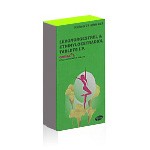
Ovral-L (Norgestrel 0.15 mg + Ethinyl Estradiol 0.03 mg) represents the low-dose combined oral contraceptive (COC) - providing highly effective reversible contraception combined with menstrual cycle regulation, dysmenorrhea reduction, and hormonal acne management for reproductive age women. Ovral-L is the original Pfizer Pharmaceuticals brand - originally developed by Wyeth Pharmaceuticals (acquired by Pfizer in 2009) as the low-dose refinement of the historic Ovral combined oral contraceptive line. The "L" designation reflects the lower estrogen dose (30 mcg ethinyl estradiol) compared to the original 50 mcg formulation, aligning with modern low-dose COC prescribing standards that reduce thromboembolic and cardiovascular risks while maintaining contraceptive efficacy.
Ovral-L combines two hormonal components providing multi-mechanism contraceptive action. First, norgestrel is a synthetic progestogen (racemic mixture containing the active levonorgestrel isomer) providing potent progestogenic activity from 19-nortestosterone derivative chemistry. Second, ethinyl estradiol is a synthetic estrogen providing enhanced oral bioavailability compared to natural estradiol. The combination works through three complementary mechanisms: ovulation suppression via inhibition of pituitary LH surge, cervical mucus thickening impairing sperm transport, and endometrial modification reducing implantation receptivity.
Ovral-L provides Pearl Index below 1 pregnancy per 100 woman-years with perfect use - making it one of the most effective reversible contraceptive methods available. Beyond contraception, Ovral-L addresses secondary indications including menstrual cycle regulation, dysmenorrhea (painful periods), menorrhagia (heavy menstrual bleeding), hormonal acne in women, premenstrual syndrome, functional ovarian cyst prevention, and endometriosis-related pain. Non-contraceptive benefits include reduced ovarian and endometrial cancer risk from long-term use.
Ovral-L is available in three pack sizes - 21, 42, and 63 tablets - corresponding to 1, 2, and 3 months supply. The 21-tablet standard cycle includes active hormonal tablets taken daily for 21 days followed by a 7-day pill-free interval producing withdrawal bleeding. The 42-tablet (bestseller) and 63-tablet packs provide 2 or 3 months continuous supply. Contraindicated in pregnancy, thromboembolic disorders, migraine with aura, smokers over age 35, uncontrolled hypertension, hormone-sensitive malignancy, and severe hepatic dysfunction. Requires gynecology or family planning specialist supervision.
Free prescription
Discrete packaging
Have questions?
Quality Assurance

- Oral Contraception: Low-dose combined oral contraceptive providing highly effective reversible pregnancy prevention with excellent tolerability;
- Family Planning: Comprehensive reproductive control enabling women to plan timing and number of pregnancies according to preference;
- Menstrual Cycle Regulation: Establishment of predictable regular monthly withdrawal bleeding patterns replacing irregular natural cycles;
- Dysmenorrhea: Painful menstrual cramping caused by uterine contractions during monthly bleeding responding to hormonal suppression;
- Menorrhagia: Heavy menstrual bleeding responding to hormonal cycle regulation and endometrial modification therapy;
- Hormonal Acne: Adult female acne influenced by hormonal fluctuations responding to combined oral contraceptive therapy;
- Premenstrual Syndrome: Cyclic physical and emotional symptoms occurring in luteal phase before menstruation responding to cycle stabilization;
- Ovarian Cyst Prevention: Suppression of ovulation prevents functional ovarian cyst formation from follicular development;
- Endometriosis Pain Management: Continuous or cyclic hormonal suppression reduces endometriosis-related pelvic pain and dysmenorrhea;
- Ovarian Cancer Risk Reduction: Long-term COC use substantially reduces ovarian cancer risk in women over years of therapy;
- Endometrial Cancer Risk Reduction: Long-term COC use substantially reduces endometrial cancer risk through progestogenic protection;
- Iron Deficiency Anemia Prevention: Reduced menstrual blood loss decreases iron deficiency risk from heavy monthly bleeding episodes;
- PCOS Cycle Regulation: Regulation of irregular cycles and reduction of androgen effects in polycystic ovary syndrome patients;
- Hirsutism Management: Reduction of unwanted body hair growth through estrogen elevation and androgen suppression;
- Ectopic Pregnancy Risk Reduction: Ovulation suppression prevents ectopic pregnancy through pregnancy prevention overall;
- Pelvic Inflammatory Disease Reduction: Cervical mucus thickening may reduce PID risk from ascending genital tract infections;
- Fibrocystic Breast Disease Reduction: Long-term COC use reduces benign breast disease including fibrocystic changes;
- Cycle Timing Flexibility: Ability to delay or bring forward menstruation by cycle manipulation for lifestyle events;
- Reversible Fertility Control: Complete reversibility of contraception with rapid return to fertility after discontinuation.
- Suppresses Ovulation: Progestogenic-estrogenic inhibition of pituitary LH surge preventing follicular rupture and egg release;
- Thickens Cervical Mucus: Progestogenic effect impairs sperm transport creating second contraceptive mechanism;
- Modifies Endometrium: Reduces endometrial receptivity for implantation providing third contraceptive mechanism protection;
- Regulates Menstrual Cycles: Establishes predictable 28-day cycles with regular monthly withdrawal bleeding patterns replacing irregular cycles;
- Reduces Menstrual Pain: Substantial dysmenorrhea reduction through hormonal suppression and endometrial modification;
- Reduces Menstrual Blood Loss: Substantial reduction in menstrual flow volume decreasing iron deficiency anemia risk;
- Improves Hormonal Acne: Substantial reduction in adult female acne through hormonal balance restoration;
- Reduces PMS Symptoms: Improvement in premenstrual physical and emotional symptoms through cycle stabilization;
- Reduces Ovarian Cancer Risk: Substantial ovarian cancer risk reduction with 5+ years of continuous use per epidemiological data;
- Reduces Endometrial Cancer Risk: Substantial endometrial cancer risk reduction through progestogenic endometrial protection;
- Prevents Functional Ovarian Cysts: Ovulation suppression prevents follicular and luteal ovarian cyst formation;
- Manages Endometriosis Pain: Continuous or cyclic hormonal suppression reduces endometriosis-related pelvic pain substantially;
- Rapidly Reversible Effect: Complete reversibility with rapid fertility return typically within 1-3 months of discontinuation;
- User Controlled Method: Woman controls contraceptive use without requiring partner cooperation or interruption during intercourse;
- Non-Interfering Sexual Activity: Contraception separated from sexual activity providing spontaneity without interruption for method use;
- Low-Dose 30mcg Estrogen: Low-dose ethinyl estradiol formulation reduces thromboembolic and cardiovascular risks vs older higher-dose COCs;
- Original Wyeth-Pfizer Brand Heritage: Established Ovral brand identity with decades of continuous clinical use and safety documentation;
- Three Pack Size Options: 21/42/63 tablet packs accommodating 1, 2, or 3 months supply for continuous therapy planning;
- Better Quality of Life: Reliable contraception combined with menstrual improvement and dysmenorrhea reduction substantially improves quality of life for women.
Generic Ovral-L (Norgestrel and Ethinyl Estradiol 0.03 mg / 0.15 mg) Medication guide:
Ovral-L (Norgestrel 0.15 mg + Ethinyl Estradiol 0.03 mg) represents the low-dose combined oral contraceptive (COC) - providing highly effective reversible contraception combined with menstrual cycle regulation, dysmenorrhea reduction, hormonal acne management, and multiple non-contraceptive health benefits for reproductive age women. Ovral-L is the original Pfizer Pharmaceuticals brand - developed by Wyeth Pharmaceuticals (acquired by Pfizer in 2009) as the low-dose refinement of the historic Ovral combined oral contraceptive line. The "L" designation reflects the lower estrogen dose (30 mcg ethinyl estradiol) compared to the original 50 mcg formulation. This comprehensive medication guide covers combined oral contraceptive class pharmacology, three-mechanism contraceptive action, all approved and non-contraceptive indications, 21-day active pill regimen protocol, missed pill guidelines, CRITICAL cardiovascular and thromboembolic warnings, WHO MEC contraindications, drug interactions, and long-term therapy considerations for reversible fertility control.
💊 Introduction to Ovral-L
Ovral-L is a prescription combined oral contraceptive containing two hormonal ingredients: norgestrel 0.15 mg (synthetic progestogen) and ethinyl estradiol 0.03 mg (synthetic estrogen) per tablet. Combined oral contraceptives (COCs) are the most widely used method of reversible contraception globally, providing highly effective pregnancy prevention combined with predictable menstrual cycle regulation and multiple non-contraceptive health benefits. Ovral-L represents the low-dose formulation refinement - the "L" designation indicates the low 30 mcg ethinyl estradiol dose which reduces cardiovascular and thromboembolic risks compared to the original 50 mcg Ovral formulation.
The Ovral-L brand available on rxshop.md is manufactured by Pfizer Pharmaceuticals - one of the world largest pharmaceutical companies with global operations in over 175 countries. Pfizer maintains US FDA-inspected manufacturing facilities, EMA approval, WHO-GMP certification, and comprehensive international regulatory compliance ensuring pharmaceutical quality standards. Ovral-L brand identity was originally established by Wyeth Pharmaceuticals and acquired by Pfizer through the 2009 Wyeth acquisition - one of the largest pharmaceutical acquisitions in history at approximately 68 billion dollars.
Ovral-L combines two complementary hormonal components providing multi-mechanism contraceptive action. Norgestrel is a racemic mixture progestogen containing the pharmacologically active levonorgestrel isomer and the inactive dextronorgestrel isomer. Levonorgestrel is a widely used second-generation 19-nortestosterone derivative progestogen with well-established contraceptive efficacy. Ethinyl estradiol is a synthetic estrogen with ethinyl group modification at the C-17 alpha position providing enhanced oral bioavailability compared to natural estradiol. This synthetic estrogen has been the estrogen component of nearly all combined oral contraceptives since introduction of COCs in 1960.
Ovral-L provides Pearl Index below 1 pregnancy per 100 woman-years with perfect use - placing it among the most effective reversible contraceptive methods available. Typical use effectiveness (accounting for missed pills, timing errors) provides approximately 91-93 percent effectiveness. Beyond contraception, Ovral-L addresses menstrual cycle regulation, dysmenorrhea, menorrhagia, hormonal acne, premenstrual syndrome, functional ovarian cyst prevention, endometriosis-related pain, and provides substantial reduction in ovarian and endometrial cancer risk with long-term use.
Ovral-L is available on rxshop.md in three pack sizes - 21, 42, and 63 tablets - corresponding to 1, 2, and 3 months supply. The 42-tablet (2 months) and 63-tablet (3 months) packs represent bestsellers reflecting continuous therapy supply preferences and reduced refill frequency.
🏭 Pfizer Pharmaceuticals Manufacturer Heritage
Pfizer Credentials
Pfizer Pharmaceuticals credentials:
- Founded 1849 in Brooklyn New York USA - over 175 years pharmaceutical heritage
- Global operations in over 175 countries worldwide
- One of world largest pharmaceutical companies by revenue and research spending
- US FDA-inspected manufacturing facilities serving American regulatory market
- EU-GMP certification serving European market with highest quality standards
- WHO-GMP certification for international market distribution
- MHRA UK approval for United Kingdom distribution
- Extensive womens health portfolio including hormonal contraception and hormone therapy
- 2009 Wyeth acquisition - obtained Ovral-L brand rights and continued manufacturing
- Global distribution network ensuring worldwide Ovral-L availability
- Established reproductive medicine and family planning product lines
Manufacturing Quality Standards
Pfizer produces Ovral-L with rigorous quality control ensuring bioequivalent norgestrel and ethinyl estradiol content per tablet, precise hormone content accuracy critical for contraceptive efficacy, pharmaceutical-grade excipients, batch-to-batch consistency, stability testing for shelf-life reliability, and compliance with international pharmacopeia standards. The Pfizer manufacturing infrastructure provides consistent quality supporting reliable contraceptive protection expected from original brand formulation with continuous global distribution.
📜 Wyeth-Pfizer Brand Heritage
Historical Development Timeline
| Year | Development Milestone |
|---|---|
| 1960 | First combined oral contraceptive (Enovid) FDA approved - reproductive revolution |
| 1960s | Early high-dose COCs (50-100 mcg estrogen) established contraceptive class |
| 1968 | Ovral original FDA approval by Wyeth (50 mcg ethinyl estradiol + 0.5 mg norgestrel) |
| 1970s | Recognition of cardiovascular risks from high-dose COCs - dose reduction era begins |
| 1980s | Low-dose COCs (30-35 mcg) become standard - Ovral-L (Lo/Ovral) introduced |
| 1990s | Third-generation progestogens (desogestrel, gestodene) introduced |
| 2009 | Pfizer acquired Wyeth in 68 billion dollar merger - obtained Ovral-L brand rights |
| Present Day | Over 40 years continuous Ovral-L clinical use worldwide - established low-dose COC |
Ovral-L Significance in Contraceptive Medicine
Ovral-L introduction represented the important evolution from original 50 mcg estrogen Ovral to the low-dose 30 mcg formulation aligning with modern low-dose COC prescribing standards. This dose reduction substantially decreased thromboembolic and cardiovascular risks while maintaining contraceptive efficacy. The low-dose norgestrel-ethinyl estradiol combination has served as reference second-generation COC for decades, providing well-established safety and efficacy data supporting evidence-based prescribing. Ovral-L continues to be widely prescribed as reliable cost-effective combined oral contraceptive across international markets.
🧬 Understanding Combined Oral Contraceptives Class
COC Generation Classification
Combined oral contraceptive generations:
- First-generation: High-dose (50+ mcg estrogen) with older progestogens (norethindrone, norethynodrel) - largely obsolete
- Second-generation: Low-dose estrogen (30-35 mcg) with levonorgestrel or norgestrel - Ovral-L category
- Third-generation: Low-dose estrogen with newer progestogens (desogestrel, gestodene, norgestimate)
- Fourth-generation: Low-dose estrogen with drospirenone (spironolactone derivative)
- Ultra-low-dose: 20 mcg estrogen formulations for reduced side effects
- Extended-cycle: Continuous or extended regimens with fewer withdrawal bleeds
Ovral-L Position Within COC Class
Ovral-L occupies the established position as reference second-generation low-dose combined oral contraceptive. Advantages include well-established safety profile over 40+ years continuous clinical use, lower VTE risk than third and fourth-generation COCs (second-generation levonorgestrel/norgestrel considered lowest VTE risk category), reliable contraceptive efficacy, cost-effectiveness compared to newer formulations, WHO Essential Medicines Model List inclusion, and extensive prescribing familiarity globally. Ovral-L remains widely used first-choice COC in many international guidelines despite availability of newer generations.
🧪 Chemistry of Active Ingredients
Norgestrel Chemistry
Norgestrel has the chemical formula C21H28O2 with molecular weight approximately 312.4 g/mol. Norgestrel is a racemic mixture containing equal parts of two enantiomers: the pharmacologically active levonorgestrel (l-norgestrel) and the inactive dextronorgestrel (d-norgestrel). Only the levonorgestrel isomer binds progesterone receptors and provides contraceptive activity. Chemically, norgestrel is a 19-nortestosterone derivative - a synthetic progestogen structurally derived from testosterone with removal of the C19 methyl group.
Ethinyl Estradiol Chemistry
Ethinyl estradiol has the chemical formula C20H24O2 with molecular weight approximately 296.4 g/mol. Ethinyl estradiol is a synthetic estrogen derived from natural estradiol with addition of an ethinyl group (CH:CH) at the C-17 alpha position. This structural modification prevents rapid hepatic metabolism providing enhanced oral bioavailability and substantially longer half-life compared to natural estradiol. Ethinyl estradiol has been the estrogen component of virtually all combined oral contraceptives since introduction of oral contraceptives in 1960.
Structural features summary:
- Norgestrel racemic mixture - contains active levonorgestrel isomer
- Levonorgestrel - well-established second-generation progestogen
- 19-nortestosterone backbone - characteristic C19-demethylated steroid nucleus
- Ethinyl group at C-17 alpha - enhances oral bioavailability
- Steroid nucleus preservation - maintains receptor binding activity
- Enhanced potency compared to natural progesterone and estradiol
- Predictable pharmacokinetics supporting daily oral dosing
🔬 Three-Mechanism Contraceptive Action
Mechanism 1: Ovulation Suppression (Primary)
Ovulation suppression mechanism:
- Hypothalamic feedback: Combined estrogen-progestogen provides negative feedback to hypothalamus
- GnRH suppression: Reduced gonadotropin-releasing hormone release from hypothalamus
- Pituitary FSH reduction: Suppressed follicle-stimulating hormone release
- Follicular development inhibition: Reduced FSH prevents ovarian follicle development
- Pituitary LH suppression: Blocked mid-cycle luteinizing hormone surge
- Ovulation prevention: Without LH surge no ovulation occurs
- No egg release: Complete prevention of egg release from ovaries
Mechanism 2: Cervical Mucus Modification
Norgestrel progestogenic activity modifies cervical mucus properties. Under progestogenic influence, cervical mucus becomes thick, scant, and hostile to sperm penetration. This creates a physical and chemical barrier that impairs sperm transport through the cervix into the uterine cavity. Even if ovulation were to occur, sperm would have substantially reduced ability to reach the egg through the modified cervical mucus environment.
Mechanism 3: Endometrial Modification
Combined estrogen-progestogen therapy modifies endometrial development throughout the cycle. Normal cycle involves estrogen-driven proliferation followed by progesterone-driven secretory transformation preparing for implantation. Under continuous COC use, the endometrium develops atrophic changes with reduced receptivity for embryo implantation. Even in the rare event that ovulation and fertilization occurred, the modified endometrium would not support implantation.
Additional Contraceptive Effects
- Reduced fallopian tube motility: Slowed tubal transport affecting sperm-egg meeting
- Modified peristalsis: Uterine and tubal contractility changes
- Vaginal environment modification: pH and immunological changes
Multi-Mechanism Effectiveness
The combination of three primary mechanisms plus additional secondary effects provides Ovral-L with Pearl Index below 1 pregnancy per 100 woman-years with perfect use. Even with typical use accounting for missed pills and timing errors, effectiveness remains 91-93 percent. This multi-mechanism approach explains why COCs remain among the most effective reversible contraceptive methods available.
🔬 Pharmacokinetic Profile
| Parameter | Norgestrel | Ethinyl Estradiol |
|---|---|---|
| Oral absorption | Rapid and complete | Rapid |
| Oral bioavailability | Nearly 100 percent | Approximately 43 percent |
| Time to peak (Tmax) | 1-2 hours | 1-2 hours |
| Half-life | Approximately 24 hours | Approximately 24 hours |
| Protein binding | Binds SHBG and albumin | Approximately 98 percent to albumin |
| Metabolism | Hepatic reduction and hydroxylation | Hepatic CYP3A4 hydroxylation |
| Enterohepatic circulation | Minimal | Significant - clinical importance |
| Elimination | Renal and fecal | Renal and fecal |
| Steady state | Within 1 week | Within 1 week |
| Full contraceptive effect | 7 days from start | 7 days from start |
🧠 Understanding Menstrual Cycle Effects
Natural Menstrual Cycle
The natural menstrual cycle involves complex interaction between hypothalamus (GnRH release), pituitary (FSH and LH release), and ovaries (follicular development, ovulation, corpus luteum). Cycle length averages 28 days with follicular phase (days 1-14), ovulation (day 14), and luteal phase (days 14-28). Estradiol rises during follicular phase, peaks pre-ovulation, and progesterone rises during luteal phase. Without pregnancy, corpus luteum regresses and hormone withdrawal causes menstruation.
COC Effects on Cycle
Ovral-L cycle effects:
- Overrides natural cycle: Continuous hormone delivery replaces natural hormonal fluctuations
- 21-day active pill phase: Continuous hormone provides ovulation suppression
- 7-day pill-free interval: Hormone withdrawal induces withdrawal bleeding
- Predictable cycle length: Exactly 28 days total (21 active + 7 pill-free)
- Lighter withdrawal bleeding: Reduced volume compared to natural menstruation
- Reduced menstrual pain: Less prostaglandin production reduces cramping
- Cycle timing control: Ability to delay bleeding by continuing active pills
🎯 Approved Contraceptive Indications
- Reversible Contraception
- Primary indication for pregnancy prevention in reproductive age women through highly effective hormonal contraception. Pearl Index below 1 pregnancy per 100 woman-years with perfect use. Complete reversibility with rapid fertility return after discontinuation.
- Family Planning
- Comprehensive reproductive control enabling women and couples to plan timing and spacing of pregnancies. Long-term use possible with periodic contraceptive method reviews.
- Timed Fertility Postponement
- Reversible pregnancy prevention for women desiring delayed fertility for education, career, financial preparation, relationship stability, or health optimization before conception.
- Post-Pregnancy Contraception
- Contraception for non-breastfeeding postpartum women after 21 days (avoid earlier due to elevated VTE risk). For breastfeeding women progestin-only options preferred first 6 months.
🌸 Non-Contraceptive Health Benefits
- Menstrual Cycle Regulation
- Establishment of predictable regular 28-day cycles with monthly withdrawal bleeding replacing irregular natural cycles common in adolescents and PCOS patients.
- Dysmenorrhea Reduction
- Substantial reduction in painful menstrual cramping through hormonal suppression and endometrial modification. Reduced prostaglandin production decreases uterine contractility.
- Menorrhagia Management
- Substantial reduction in heavy menstrual bleeding volume decreasing iron deficiency anemia risk. Endometrial thinning reduces menstrual blood loss.
- Hormonal Acne Improvement
- Improvement in adult female acne through hormonal balance restoration. Estrogen increases sex hormone binding globulin reducing free androgens driving sebum production.
- PMS Symptom Reduction
- Improvement in premenstrual physical and emotional symptoms through cycle stabilization and reduced natural hormonal fluctuations.
- Ovarian Cancer Risk Reduction
- Substantial ovarian cancer risk reduction with 5+ years continuous COC use. Protection continues for decades after discontinuation. Approximately 20 percent reduction per 5 years of use.
- Endometrial Cancer Risk Reduction
- Substantial endometrial cancer risk reduction through progestogenic endometrial protection. Long-term use provides sustained cancer risk reduction persisting after discontinuation.
- Functional Ovarian Cyst Prevention
- Ovulation suppression prevents follicular and luteal ovarian cyst formation. Reduced ovarian cyst-related pain and imaging follow-up burden.
- Endometriosis Pain Management
- Continuous or cyclic hormonal suppression reduces endometriosis-related pelvic pain, dysmenorrhea, and dyspareunia. First-line hormonal therapy for endometriosis management.
- PCOS Management
- Regulation of irregular cycles, reduction of hyperandrogenism symptoms (acne, hirsutism), endometrial protection from unopposed estrogen in PCOS patients.
👤 Ideal Patient Selection
Ovral-L most appropriate for:
- Reproductive age women desiring reversible highly effective contraception
- Women without cardiovascular risk factors (non-smokers under 35)
- Women without venous thromboembolism personal or family history
- Women with dysmenorrhea benefiting from menstrual pain reduction
- Women with irregular cycles requiring regulation
- Women with menorrhagia benefiting from menstrual flow reduction
- Women with hormonal acne benefiting from hormonal balance
- PCOS patients requiring cycle regulation and androgen suppression
- Endometriosis patients requiring hormonal pain management
- Women with premenstrual syndrome affecting quality of life
- Women desiring family history-related cancer risk reduction (ovarian, endometrial)
- Women with reliable daily medication compliance
- Women accepting gynecology or family planning specialist supervision
- Women without contraindications per WHO Medical Eligibility Criteria (MEC)
🚨 WHO MEC Category 4 Contraindications
Absolute contraindications (WHO MEC Category 4 - Do Not Use):
- Current pregnancy
- Breastfeeding under 6 weeks postpartum
- Smoking over 15 cigarettes daily and age 35+
- Multiple cardiovascular risk factors
- Hypertension over 160/100 mmHg
- Vascular disease
- Current or history of deep vein thrombosis or pulmonary embolism
- Major surgery with prolonged immobilization
- Known thrombogenic mutations (Factor V Leiden, prothrombin mutation, antithrombin/protein C/S deficiencies)
- Current or history of ischemic heart disease
- Current or history of stroke
- Complicated valvular heart disease
- Systemic lupus erythematosus with positive antiphospholipid antibodies
- Migraine with aura at any age
- Current breast cancer
- Diabetes with vascular complications
- Severe cirrhosis or liver tumors
- Acute or flare of viral hepatitis
- Undiagnosed abnormal vaginal bleeding
🚨 Critical Cardiovascular Warnings
Venous Thromboembolism (VTE) Risk
CRITICAL: VTE Risk Warning
Combined oral contraceptives increase venous thromboembolism (VTE) risk approximately 2-4-fold above baseline. VTE includes deep vein thrombosis (DVT), pulmonary embolism (PE), and rarely retinal vein thrombosis or cerebral venous thrombosis. Highest risk occurs in first year of use, particularly first 3 months.
Baseline VTE risk context:
- General reproductive age women: Approximately 2 per 10,000 woman-years
- COC users: Approximately 5-12 per 10,000 woman-years (2-4x baseline)
- Pregnancy: Approximately 20-30 per 10,000 woman-years
- Postpartum: Approximately 40-65 per 10,000 woman-years
- Second-generation COCs (norgestrel/levonorgestrel): Lowest VTE risk among COCs
VTE Risk Management:
- Report leg pain swelling redness immediately (DVT)
- Report sudden chest pain shortness of breath (PE)
- Report sudden severe headache vision changes (cerebral venous thrombosis)
- Discontinue at least 4 weeks before elective major surgery
- Consider discontinuation before prolonged immobilization
- Screen family history for VTE and thrombogenic mutations
Arterial Cardiovascular Risk
CRITICAL: Arterial Cardiovascular Warning
Combined oral contraceptives increase risk of myocardial infarction and stroke particularly in women with cardiovascular risk factors. Risk is minimal in healthy young women but substantially increases with smoking, age over 35, hypertension, diabetes, migraine with aura, or multiple cardiovascular risk factors.
Enhanced Risk Categories:
- Smoking 15+ cigarettes daily + age 35+: ABSOLUTE contraindication
- Migraine with aura at any age: ABSOLUTE contraindication
- Hypertension 160/100+ mmHg: ABSOLUTE contraindication
- Diabetes with vascular complications: ABSOLUTE contraindication
- Multiple cardiovascular risk factors: Careful assessment needed
- Family history early cardiovascular disease: Enhanced screening
💉 21-Day Regimen Protocol
Standard Ovral-L Cycle
Standard 21-day active pill regimen:
- Active pill phase: Take one pill daily for 21 consecutive days
- Pill-free interval: 7 days no pills between packs
- Withdrawal bleeding: Occurs during pill-free interval (typically days 3-7)
- Restart new pack: Day 8 of pill-free interval start new 21-day active pill phase
- Total cycle length: 28 days (21 active + 7 pill-free)
- Same time daily: Take pill at approximately same time each day for maximum effectiveness
Starting Ovral-L
| Start Option | Timing | Backup Contraception |
|---|---|---|
| First Day Start | Day 1 of menstrual cycle | None needed - immediate protection |
| Sunday Start | First Sunday after menstruation begins | 7 days backup contraception recommended |
| Quick Start | Any day (if reasonable certainty not pregnant) | 7 days backup contraception |
| Post-Abortion Start | Immediately after first-trimester abortion | None needed - immediate protection |
| Post-Partum Non-Breastfeeding | 21-42 days postpartum | 7 days backup contraception |
Administration Guidelines
- Take one tablet daily at approximately the same time
- May be taken with or without food
- Take with water - swallow tablet whole
- Set daily reminder for consistency
- Complete entire 21-day pack before pill-free interval
- Do not skip pills or extend pill-free interval beyond 7 days
- Withdrawal bleeding during pill-free interval expected
- Continue starting next pack on scheduled day even if bleeding not finished
- Use backup contraception if effectiveness compromised (missed pills, illness, drug interactions)
- Regular gynecology follow-up appointments
🚨 Missed Pill Guidelines
Missed pill management:
One pill late (less than 24 hours):
- Take the missed pill immediately
- Take next pill at usual time
- No backup contraception needed
One pill missed (24-48 hours late):
- Take the missed pill immediately
- Take next pill at usual time (may take 2 pills same day)
- No backup contraception typically needed
Two or more pills missed (over 48 hours):
- Take most recent missed pill immediately
- Continue remaining pills at usual time (discard earlier missed pills)
- Use backup contraception for 7 days
- Emergency contraception if unprotected sex in prior 5 days
- If missed pills in week 3: complete active pills then skip pill-free interval and start new pack
Vomiting or severe diarrhea within 2 hours of taking pill:
- Treat as missed pill
- Take another pill if convenient
- Use backup contraception if severe GI illness continues
📊 Clinical Effectiveness Data
| Outcome | Response Data |
|---|---|
| Perfect use effectiveness | Pearl Index less than 1 pregnancy per 100 woman-years |
| Typical use effectiveness | 91-93 percent effectiveness |
| Menstrual pain reduction | Substantial dysmenorrhea improvement in majority of users |
| Menstrual blood loss reduction | Approximately 40-50 percent reduction in menstrual volume |
| Acne improvement | Substantial improvement in hormonal acne in majority of users |
| Ovarian cancer risk reduction | Approximately 20 percent reduction per 5 years use - persists decades |
| Endometrial cancer risk reduction | Approximately 30 percent reduction with long-term use |
| Fertility return after discontinuation | Approximately 90 percent within 12 months |
| Cycle regulation success | Predictable regular cycles in over 95 percent of users |
⚠️ Side Effects
Common Side Effects
- Nausea: Common - typically improves after first cycles
- Breast tenderness: Common - typically transient
- Headache: Common
- Breakthrough bleeding: Common in first 3 cycles
- Mood changes: Common - variable
- Weight changes: Variable - typically modest
- Decreased libido: Occasional
- Bloating: Occasional
- Skin changes: Chloasma (facial pigmentation) uncommon
- Vaginal discharge changes: Occasional
- Contact lens intolerance: Uncommon
- Depression or mood disorders: Uncommon - monitor
- Absent withdrawal bleeding: Occasional - assess for pregnancy
Serious Adverse Events
Seek immediate medical attention for:
- Signs of DVT: Leg pain swelling redness warmth
- Signs of PE: Chest pain shortness of breath rapid breathing
- Signs of MI: Chest pain jaw arm pain
- Signs of stroke: Sudden numbness weakness speech difficulty vision changes
- Sudden severe headache with neurological symptoms
- New migraine with aura development
- Vision loss or vision changes
- Severe abdominal pain - possible liver adenoma or gallbladder disease
- Signs of liver dysfunction: Jaundice, dark urine
- Breast lump or breast changes
- Signs of severe allergic reaction
- Severe depression or suicidal thoughts
- Suspected pregnancy
🔄 Drug Interactions
| Drug/Substance | Interaction |
|---|---|
| Rifampicin, rifabutin | Reduces COC effectiveness - use backup contraception |
| Phenytoin, carbamazepine, phenobarbital | Enzyme induction reduces COC effectiveness - alternative contraception preferred |
| St Johns Wort | Reduces COC effectiveness - use backup contraception |
| HIV protease inhibitors | Complex interactions - specialist consultation needed |
| HIV NNRTIs (efavirenz, nevirapine) | Reduces COC effectiveness - alternative contraception preferred |
| Topiramate (high dose) | May reduce COC effectiveness at doses over 200 mg daily |
| Bosentan | Reduces COC effectiveness |
| Modafinil | Reduces COC effectiveness |
| Broad spectrum antibiotics | Generally no clinically significant effect (except rifampicin family) |
| Thyroid hormone (levothyroxine) | Estrogen increases thyroid binding globulin - may need dose adjustment |
| Lamotrigine | COC reduces lamotrigine levels - monitor seizure control |
| Corticosteroids, cyclosporine | COC may increase levels of these medications |
| Ulipristal acetate (emergency contraception) | Do not resume COC within 5 days of ulipristal |
🛡️ Special Populations
- Adolescents
- Contraception, cycle regulation, dysmenorrhea management, and acne treatment common indications. Effective and safe when appropriate. Emphasize adherence and reliable daily use.
- Women Over 35
- Continue COC use appropriate for non-smokers without cardiovascular risk factors. Reassess risk profile regularly. Continue until menopause if no contraindications develop.
- Smokers
- Smoking under 15 cigarettes daily and age under 35: caution, encourage cessation. Smoking 15+ cigarettes daily OR age 35+: CONTRAINDICATED - substantial cardiovascular risk increase. Alternative contraception essential.
- Postpartum Women
- Not before 21 days postpartum due to VTE risk. Breastfeeding under 6 months: avoid due to milk supply concerns and infant exposure. Progestin-only alternatives preferred during early postpartum.
- Breastfeeding Women
- CONTRAINDICATED under 6 weeks postpartum. 6 weeks to 6 months: use with caution. Over 6 months: acceptable if reliable milk supply. Progestin-only alternatives preferred during breastfeeding.
- Obese Women (BMI over 30)
- Increased VTE risk. BMI over 30: enhanced monitoring. BMI over 35 with additional risk factors: relative contraindication. Consider alternative contraception if multiple risk factors.
- Migraine Patients
- Migraine WITH aura: ABSOLUTE contraindication. Migraine without aura under 35: careful monitoring, discontinue if pattern worsens. Migraine without aura over 35: relative contraindication.
- Hypertension Patients
- Well-controlled 140-159/90-99: caution. Uncontrolled 160/100+: CONTRAINDICATED. Regular blood pressure monitoring essential during therapy.
- Diabetes Patients
- Uncomplicated diabetes without vascular disease: acceptable with monitoring. Diabetes with vascular complications: CONTRAINDICATED. Enhanced glucose monitoring during therapy.
- PCOS Patients
- First-line hormonal management. Cycle regulation, hyperandrogenism reduction, endometrial protection. Consider antiandrogenic COCs (drospirenone-containing) for severe hirsutism.
- Endometriosis Patients
- First-line hormonal management for pain control. Continuous or cyclic regimens. Long-term therapy typically required. Multidisciplinary approach with gynecology specialist.
- Hepatic Impairment
- Mild impairment: use with caution. Severe cirrhosis or liver tumors: CONTRAINDICATED. Alternative contraception if hepatic disease present.
🔄 Discontinuation and Fertility Return
Discontinuation and fertility return:
- Rapid fertility return: Ovulation typically resumes within 2-6 weeks
- First cycle after discontinuation: May be delayed - normal variation
- Pregnancy rates: Approximately 90 percent conceive within 12 months
- No delayed harm: No adverse effects on future fertility from COC use
- No teratogenic effects: Accidental early pregnancy exposure not associated with fetal abnormalities
- Discontinuation timing: Complete current pack before discontinuation for ordered stop
- Alternative contraception: Discuss backup method if pregnancy not desired immediately
- Pre-conception counseling: Folic acid supplementation before planned conception
📦 Storage and Handling
- Store at room temperature 15-30°C (59-86°F)
- Protect from light and moisture
- Keep tablets in original blister packaging
- Keep out of reach of children and pets
- Do not use past expiration date
- Do not share medication with others
- Return unused medication to pharmacy for proper disposal
- Store in dry area - avoid humid bathrooms
👨⚕️ When to Contact Your Doctor
- Signs of DVT: leg pain swelling redness warmth
- Signs of PE: chest pain shortness of breath rapid breathing
- Signs of MI: chest pain jaw pain arm pain
- Signs of stroke: sudden numbness weakness speech difficulty
- Sudden severe headache with neurological symptoms
- New migraine with aura development
- Vision loss or vision changes
- Severe abdominal pain
- Signs of liver dysfunction: jaundice dark urine
- Breast lump or breast changes
- Signs of severe allergic reaction
- Severe depression or mood changes
- Suspected pregnancy or missed withdrawal bleeding
- Planned major surgery (discontinue 4 weeks before)
- New medications potentially interacting
- Persistent breakthrough bleeding beyond 3 cycles
- Time for annual gynecology examination
- Time for blood pressure monitoring
- Consideration of contraceptive method change
🌟 Key Takeaways
Essential points about Ovral-L therapy:
- Ovral-L is Pfizer combined oral contraceptive - norgestrel 0.15 mg + ethinyl estradiol 0.03 mg
- Original Wyeth Pharmaceuticals brand - Pfizer acquired 2009 in 68 billion dollar merger
- Low-dose formulation ("L" = 30 mcg estrogen vs original 50 mcg)
- Over 40 years continuous Ovral-L clinical use
- Second-generation combined oral contraceptive class
- Norgestrel racemic mixture - active levonorgestrel isomer provides contraceptive activity
- Ethinyl estradiol - synthetic estrogen with enhanced oral bioavailability
- Three-mechanism contraceptive action: ovulation suppression + cervical mucus thickening + endometrial modification
- Pearl Index below 1 pregnancy per 100 woman-years with perfect use
- Typical use effectiveness 91-93 percent
- Standard 21-day active pill regimen with 7-day pill-free interval (28-day cycle)
- Same time daily administration for maximum effectiveness
- 3 pack sizes available (21, 42, 63 tablets for 1, 2, or 3 months supply)
- Non-contraceptive benefits: cycle regulation, dysmenorrhea reduction, menorrhagia reduction, acne improvement
- Ovarian cancer risk reduction approximately 20 percent per 5 years use
- Endometrial cancer risk reduction approximately 30 percent with long-term use
- CRITICAL VTE warning: 2-4x baseline VTE risk - discontinue 4 weeks before major surgery
- CRITICAL cardiovascular warning: Enhanced MI/stroke risk with smoking, age 35+, hypertension
- ABSOLUTE contraindications: Pregnancy, VTE history, migraine with aura, smokers 35+, uncontrolled hypertension, breast cancer, severe liver disease
- Rapid fertility return after discontinuation - approximately 90 percent conceive within 12 months
- Regular gynecology follow-up and blood pressure monitoring essential
- Report cardiovascular symptoms, severe headache, vision changes, breast changes immediately
Important Medical Disclaimer: This medication guide provides general information about Ovral-L (Pfizer Pharmaceuticals norgestrel 0.15 mg + ethinyl estradiol 0.03 mg combined oral contraceptive tablets) and does not constitute individualized medical advice. Every patient situation is unique and requires evaluation by a gynecologist, family planning specialist, or qualified healthcare provider before starting combined oral contraceptive therapy. Ovral-L requires comprehensive baseline workup including personal and family medical history assessment, blood pressure measurement, physical examination, cardiovascular risk assessment (smoking status, age, BMI, family history), venous thromboembolism risk assessment (personal and family VTE history, thrombogenic mutations if indicated), evaluation for migraine with aura, and screening for absolute and relative contraindications per WHO Medical Eligibility Criteria before initiation. CRITICAL SAFETY: Combined oral contraceptives increase VTE risk approximately 2-4-fold above baseline including deep vein thrombosis, pulmonary embolism, and rarely cerebral venous or retinal vein thrombosis. Highest VTE risk in first year of use particularly first 3 months. Discontinue at least 4 weeks before elective major surgery with prolonged immobilization. Cardiovascular risk (myocardial infarction, stroke) substantially increases with smoking, age 35+, hypertension, diabetes with vascular complications, migraine with aura, and multiple cardiovascular risk factors. ABSOLUTE contraindications include current pregnancy, current or history of VTE, current or history of MI or stroke, migraine with aura at any age, smokers 15+ cigarettes daily age 35+, uncontrolled hypertension (160/100+), diabetes with vascular complications, current breast cancer, severe cirrhosis or liver tumors, and acute viral hepatitis. Report symptoms of DVT (leg pain, swelling), PE (chest pain, shortness of breath), MI (chest, jaw, arm pain), stroke (numbness, weakness, speech difficulty), new migraine with aura, vision changes, severe headache, breast changes, or severe abdominal pain immediately. Correct daily use timing and adherence essential for contraceptive effectiveness. Follow missed pill guidelines carefully with backup contraception when indicated. Regular follow-up includes annual blood pressure monitoring, gynecology examination, and reassessment of continued eligibility for COC use. If you experience concerning symptoms contact your healthcare provider promptly. The information provided here should complement but never replace direct professional medical guidance from your gynecologist or family planning specialist.
Ovral-L — Frequently Asked Questions
-
What is Ovral-L?
Ovral-L is a combination oral contraceptive pill that contains the hormones Norgestrel and Ethinyl Estradiol. It's used to prevent pregnancy. -
How does Ovral-L work?
It prevents ovulation (the release of an egg from an ovary), thickens cervical mucus to hinder sperm movement, and alters the uterine lining to prevent implantation. -
How effective is Ovral-L in preventing pregnancy?
With perfect use, Ovral-L is over 99% effective. Typical use, which includes occasional missed pills, reduces effectiveness slightly. -
How should I take Ovral-L?
Take one pill daily, ideally at the same time each day, for 21 days followed by a 7-day pill-free interval during which a withdrawal bleed usually occurs. -
What should I do if I miss a dose?
If you miss one pill, take it as soon as you remember, even if it means taking two pills in one day. For more missed pills, follow the specific instructions provided with your medication or consult your healthcare provider. -
Can Ovral-L regulate menstrual cycles?
Yes, Ovral-L can make your menstrual cycle more regular, predictable, and often lighter and shorter. -
Does Ovral-L help with menstrual cramps?
Many women experience fewer or less severe menstrual cramps while taking Ovral-L.
See all Ovral-L questions (32)
More Women's Health Medications