Buy Aygestin (Norethindrone Acetate) Online - Progestin Therapy

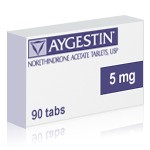
Aygestin (Norethindrone Acetate 5mg) represents the foundational gynecological progestin therapy providing effective treatment for multiple hormone-related women's health conditions including secondary amenorrhea, abnormal uterine bleeding, and endometriosis. Originally developed by Wyeth-Ayerst Laboratories (now Pfizer) as Aygestin in the United States, norethindrone acetate has been an established therapeutic progestin for decades providing hormone modulation therapy for women with progesterone-responsive gynecological conditions. Aygestin on rxshop.md is manufactured by Cipla India — one of India's largest pharmaceutical companies with WHO-GMP and US FDA-inspected facilities — and Sandoz, the generic pharmaceutical subsidiary of Novartis, providing patients with two trusted manufacturer options at the standard 5 mg strength. This 5 mg gynecological dose is distinct from the 0.35 mg contraceptive strength — do not confuse Aygestin 5 mg (gynecological uses) with progestin-only contraceptive pills (0.35 mg different dose different indication).
Norethindrone acetate works as a second-generation synthetic progestin (19-nortestosterone derivative) binding progesterone receptors in target tissues throughout the female reproductive system. First, norethindrone acetate suppresses endometrial proliferation thinning the uterine lining and reducing abnormal menstrual bleeding. Second, at higher continuous doses it inhibits ovulation providing menstrual suppression benefits. Third, it produces anti-estrogenic effects on endometrial tissue particularly beneficial for endometriosis by suppressing ectopic endometrial implants. Fourth, norethindrone acetate reduces menstrual flow and pain through combined endometrial thinning and prostaglandin reduction. Fifth, the compound provides weak androgenic activity reflecting its 19-nortestosterone origin.
Aygestin serves multiple gynecological conditions. Primary FDA-approved uses include secondary amenorrhea (absent menstruation with normal anatomy), abnormal uterine bleeding (from hormonal imbalance), and endometriosis (chronic hormone therapy). Common off-label uses include dysmenorrhea (painful periods), PMS, adenomyosis, endometrial hyperplasia, and menstrual suppression.
Aygestin dosed 2.5-10 mg daily for 5-10 days ??? amenorrhea/bleeding. Endometriosis: start 5 mg daily × 2 weeks, escalate by 2.5 mg every 2 weeks up to 15 mg, continue 6-9 months. Contraindicated in pregnancy (Category X), thromboembolic disorders, breast cancer history, and undiagnosed abnormal uterine bleeding. Two manufacturers available: Cipla or Sandoz (Novartis).
Free prescription
Discrete packaging
Have questions?
Quality Assurance

- Abnormal Uterine Bleeding: Excessive or irregular uterine bleeding from hormonal imbalance responding to progestin-mediated endometrial stabilization;
- Endometriosis Treatment: Chronic progestin therapy suppressing ectopic endometrial implants reducing pelvic pain and lesion progression;
- Painful Menstruation Dysmenorrhea: Reduction of menstrual pain through decreased menstrual flow and prostaglandin suppression;
- Premenstrual Syndrome: Selected off-label use for luteal phase progestin supplementation reducing PMS symptoms;
- Endometrial Hyperplasia: Cystic glandular hyperplasia of endometrium responds to progestin-induced endometrial regression;
- Adenomyosis Management: Progestin therapy for adenomyotic uterine changes reducing pelvic pain and bleeding;
- Uterine Fibroid Symptom Relief: Reduces heavy bleeding and pain from fibroids though does not shrink fibroids themselves;
- Fibrocystic Breast Disease: Off-label use for cyclic breast pain and cystic changes with hormonal component;
- Menstrual Suppression: Continuous progestin therapy for medical or lifestyle menstrual delay or suppression;
- Progesterone Withdrawal Challenge: Diagnostic use to evaluate endometrial responsiveness and estrogen adequacy in amenorrhea workup;
- Luteal Phase Support: Selected use for luteal phase deficiency in reproductive medicine contexts;
- Perimenopausal Bleeding: Management of irregular bleeding during perimenopause with progestin cycling;
- Progestin Replacement Therapy: Progesterone component of hormone replacement therapy for women with intact uterus;
- Anovulatory Cycles Management: Progestin cycling for women with anovulatory dysfunctional uterine bleeding;
- Climacteric Symptoms: Perimenopausal hormonal transition symptom management with progestin therapy;
- Second Generation Progestin Class: 19-nortestosterone-derived synthetic progestin with established gynecological therapeutic profile;
- Hormone Modulation Therapy: Comprehensive hormonal modulation for progesterone-responsive gynecological conditions;
- Endometrial Protection: Protection against unopposed estrogen effects in postmenopausal hormone therapy patients;
- Generic Aygestin Therapy: Bioequivalent Cipla and Sandoz generic alternatives to brand Aygestin at accessible cost.
- Stops Uterine Bleeding: Effective control of abnormal uterine bleeding through progestin-mediated endometrial stabilization;
- Reduces Painful Menstruation Sensations: Decreased menstrual flow and prostaglandin reduction alleviates dysmenorrhea and pelvic pain;
- Stops Abnormal Endometrial Growth: Suppresses cystic glandular hyperplasia and abnormal endometrial proliferation;
- Better Endometriosis Management: Chronic progestin therapy suppresses ectopic endometrial implants reducing pelvic pain and disease progression;
- Better Secondary Amenorrhea Response: Progestin withdrawal challenge restores menstrual cycling in progesterone-deficient patients;
- Better Perimenopausal Bleeding Support: Regulates irregular bleeding during hormonal transition period with predictable withdrawal cycling;
- Better Adenomyosis Relief: Progestin therapy reduces uterine adenomyotic symptoms including pain and bleeding;
- Better Fibroid Symptom Control: Reduces heavy menstrual bleeding and pain from uterine fibroids while awaiting definitive treatment;
- Better Endometrial Protection: Protects against unopposed estrogen effects in postmenopausal hormone therapy preventing endometrial hyperplasia;
- Better PMS Management: Selected use for luteal phase progestin supplementation reducing premenstrual syndrome symptoms;
- Better Menstrual Suppression Option: Continuous therapy provides medical menstrual suppression for lifestyle or medical needs;
- Better Predictable Withdrawal Bleeding: Cyclic use provides predictable withdrawal bleeding after progestin discontinuation;
- Better Established Safety Profile: Decades of clinical use with well-characterized safety profile enabling informed risk-benefit assessment;
- Better Oral Administration Convenience: Simple oral tablet administration with predictable absorption and dosing schedule;
- Better Reversible Effects: Progestin effects reverse upon discontinuation enabling controlled short-term or long-term therapy;
- Better Dose Titration Flexibility: 5 mg strength enables flexible titration from 2.5 mg partial tablet to 15 mg maximum for endometriosis;
- Better Cipla and Sandoz Manufacturing: Two trusted major pharmaceutical manufacturers ensure quality bioequivalent generic options;
- Better Chronic Endometriosis Therapy: 6-9 month treatment courses provide sustained endometriotic implant suppression;
- Better Quality of Life: Effective management of gynecological hormone-related conditions dramatically improves women's daily functioning and psychological wellbeing.
Generic Aygestin (Norethindrone Acetate 5 mg) Medication guide:
Aygestin (Norethindrone Acetate 5mg) represents the foundational gynecological progestin therapy providing effective treatment for multiple hormone-related women's health conditions including secondary amenorrhea, abnormal uterine bleeding, and endometriosis. Originally developed by Wyeth-Ayerst Laboratories (now Pfizer) as Aygestin in the United States, norethindrone acetate has been an established therapeutic progestin for decades providing hormone modulation therapy for progesterone-responsive gynecological conditions. Aygestin on rxshop.md is manufactured by Cipla India and Sandoz (Novartis) providing two trusted manufacturer options at the standard 5 mg gynecological strength. IMPORTANT: This 5 mg dose is distinct from the 0.35 mg progestin-only contraceptive strength — do not confuse Aygestin 5 mg gynecological therapy with 0.35 mg contraceptive pills which are different products with different indications. This comprehensive medication guide covers every aspect of Aygestin therapy including progestin pharmacology, gynecological mechanism of action, comprehensive indications, critical Pregnancy Category X contraindications, thromboembolism warnings, dose-specific protocols for amenorrhea/bleeding/endometriosis, and long-term therapy considerations.
💊 Introduction to Aygestin
Aygestin is a prescription oral medication containing norethindrone acetate 5 mg as its active ingredient in tablet form. Norethindrone acetate is a second-generation synthetic progestin — a derivative of 19-nortestosterone providing progestational effects for gynecological therapeutic applications. Norethindrone acetate was originally developed and marketed as Aygestin by Wyeth-Ayerst Laboratories (now Pfizer) in the United States and has established decades of continuous clinical use as foundational gynecological progestin therapy. Worldwide, the same active ingredient is available under multiple brand names including Primolut N (Bayer/Schering), Norlutate (Canada), Utovlan (UK), Norluten, and Menzol.
The Aygestin brand available on rxshop.md provides two trusted manufacturer options: Cipla India — one of India's largest pharmaceutical companies with WHO-GMP and US FDA-inspected facilities producing generic Aygestin at accessible cost — and Sandoz, the generic pharmaceutical subsidiary of Novartis (Swiss multinational pharmaceutical). Both manufacturers produce 5 mg tablets at the standard gynecological therapeutic dose. This manufacturer choice enables patients to select based on preference, insurance considerations, availability, or prior brand experience while ensuring consistent bioequivalent quality from established pharmaceutical companies.
The 5 mg dose of Aygestin is critical distinction — this is the gynecological therapeutic dose for conditions like amenorrhea, abnormal uterine bleeding, and endometriosis. This is fundamentally different from the 0.35 mg dose of norethindrone used as progestin-only contraceptive pills. Do not confuse Aygestin 5 mg (gynecological hormone therapy) with 0.35 mg progestin-only contraceptive pills (contraception indication) — these are different products with different clinical applications, dosing regimens, and prescribing considerations despite sharing the same active ingredient chemical family.
🏭 Two Manufacturer Options
Cipla India
Cipla Limited India credentials:
- Founded 1935 - over 85 years of pharmaceutical manufacturing experience
- One of largest Indian pharmaceutical companies globally
- WHO-GMP certification - highest quality standards
- US FDA-inspected facilities meeting American regulatory requirements
- EU-GMP certification serving European market
- Extensive generic portfolio across all major therapeutic categories
- Global presence serving 80+ countries with generic pharmaceuticals
Sandoz (Novartis Generic Subsidiary)
Sandoz Pharmaceuticals credentials:
- Founded 1886 - historical pharmaceutical company originally Swiss
- Generic pharmaceutical subsidiary of Novartis since 1996 merger
- One of world's largest generic manufacturers globally
- Extensive regulatory certifications across multiple markets
- Comprehensive generic portfolio across all therapeutic areas
- Global manufacturing network ensuring quality standards
- Biosimilar leadership in complex biological generics
Manufacturer Choice Considerations
Both Cipla and Sandoz produce bioequivalent norethindrone acetate 5 mg with equivalent expected clinical outcomes. Patient choice between the two manufacturers may depend on:
- Availability: Regional supply considerations
- Pricing: Cost differences between manufacturers
- Prior experience: Familiar brand from previous therapy
- Excipient tolerance: Different tablet formulations if excipient sensitivities
- Insurance coverage: May prefer specific manufacturers
- Prescriber preference: Familiarity or clinical experience
🧬 Understanding Progestins Class
Progestin Class Overview
Progestin generations and characteristics:
- Natural progesterone: Bioidentical hormone (oral, vaginal, injectable) - limited oral bioavailability
- First generation: Norethindrone, norethindrone acetate, ethynodiol - 19-nortestosterone derivatives
- Second generation: Levonorgestrel - improved potency and pharmacokinetics
- Third generation: Desogestrel, gestodene, norgestimate - reduced androgenic effects
- Fourth generation: Drospirenone - anti-mineralocorticoid activity
- Non-steroidal progestins: Various selective modulators
Norethindrone Acetate Position
Norethindrone acetate is a 19-nortestosterone-derived progestin providing:
- Strong progestogenic activity: Effective endometrial and reproductive tissue effects
- Moderate androgenic activity: Reflects testosterone-derived origin
- Weak estrogenic activity: Some estrogenic effects at higher doses
- Anti-estrogenic effects: On endometrial tissue - beneficial for endometriosis
- Enhanced oral bioavailability: Acetate ester improves absorption vs base norethindrone
- Established safety profile: Decades of clinical use documentation
🧪 Chemistry and Mechanism
Norethindrone acetate has the chemical formula C22H28O3 with molecular weight approximately 340.5 g/mol. Chemically, norethindrone acetate is the 17-acetate ester of norethindrone (norethisterone) — a 19-nortestosterone derivative with progestogenic and moderate androgenic activity. The acetate ester enhances oral bioavailability and provides more predictable absorption compared to base norethindrone.
Mechanism of Action
Norethindrone acetate mechanism at molecular level:
- Progesterone receptor binding: Binds progesterone receptors in target tissues (endometrium, cervix, breast, pituitary)
- Endometrial suppression: Thins uterine lining reducing menstrual flow and abnormal bleeding
- Endometrial decidualization: Transforms proliferative endometrium into secretory-type pattern
- Anti-estrogenic effects on endometrium: Opposes estrogenic proliferation particularly beneficial for endometriosis
- Ovulation inhibition: At continuous higher doses suppresses ovulation through pituitary feedback
- Cervical mucus effects: Thickens cervical mucus
- Prostaglandin reduction: Decreases uterine prostaglandin production reducing dysmenorrhea
- Weak androgenic effects: May cause acne, hirsutism (mild)
Pharmacokinetic Profile
| Parameter | Value | Clinical Significance |
|---|---|---|
| Oral bioavailability | Approximately 65 percent | Acetate ester enhances absorption |
| Time to peak (Tmax) | 1-2 hours | Rapid absorption |
| Half-life | 8-11 hours | Supports once-daily dosing |
| Protein binding | Approximately 80 percent (SHBG, albumin) | Highly protein bound |
| Metabolism | Hepatic CYP3A4 primarily | Multiple drug interactions |
| Elimination | Urinary (as metabolites) | Renal clearance |
| Onset of clinical effect | Within days of starting | Menstrual effects rapid |
| Endometriosis response | Weeks to months | Requires sustained therapy |
| Withdrawal bleeding onset | 2-7 days after discontinuation | Predictable menstrual timing |
🎯 FDA Approved Indications
Primary FDA Approved Indications
- Secondary amenorrhea - absent menstruation with normal anatomy from hormonal causes
- Abnormal uterine bleeding - excessive or irregular bleeding from hormonal imbalance
- Endometriosis - chronic hormone therapy for endometriotic implants and pelvic pain
Common Off-Label Uses
- Dysmenorrhea - painful menstruation with hormonal component
- Premenstrual syndrome (PMS) - luteal phase support
- Adenomyosis - endometrial glands within myometrium
- Endometrial hyperplasia - abnormal endometrial proliferation
- Uterine fibroid symptoms - heavy bleeding reduction (does not shrink fibroids)
- Menstrual suppression - continuous therapy for medical or lifestyle reasons
- Progesterone withdrawal challenge - diagnostic evaluation of amenorrhea
- Luteal phase support - selected reproductive medicine applications
- Perimenopausal bleeding - cyclic hormone management
- Fibrocystic breast disease - hormonal breast pain and cystic changes
- Endometrial protection - postmenopausal HRT with unopposed estrogen
CRITICAL Dose Distinction - 5 mg vs 0.35 mg
CRITICAL: Aygestin 5 mg is NOT contraceptive dose
| Aspect | Aygestin 5 mg | Norethindrone 0.35 mg (Contraceptive) |
|---|---|---|
| Dose | 5 mg | 0.35 mg (14x lower) |
| Primary indication | Gynecological hormone therapy | Contraception |
| Formulation | Norethindrone acetate | Norethindrone (base) |
| Common brands | Aygestin, Primolut N, Norlutate | Micronor, Camila, Errin |
| Regimen | Variable by indication | Continuous same time daily |
| Contraception reliable | Not primarily for contraception | Yes primary contraceptive use |
Do not use Aygestin 5 mg as contraceptive substitute. Do not use 0.35 mg contraceptive pills as gynecological hormone therapy.
🚫 Contraindications and Precautions
Absolute Contraindications
- Pregnancy (Category X) - risk of fetal virilization and other developmental effects
- Thromboembolic disorders - VTE, PE, stroke history or current
- Undiagnosed abnormal uterine bleeding - must evaluate cause before hormone therapy
- Known or suspected breast cancer - hormone-sensitive malignancy
- Other hormone-sensitive cancers (endometrial, ovarian in some cases)
- Active severe liver disease - hepatic dysfunction
- Missed abortion - retained products of conception
- Cerebrovascular disease history
- Coronary artery disease active
- Hypersensitivity to norethindrone acetate or excipients
Cardiovascular and Thromboembolism Warnings
Progestin cardiovascular warnings (progestogen class effects):
- Thromboembolism risk: VTE, PE risk elevated with progestin therapy
- Cardiovascular events: Not to be used for cardiovascular disease prevention
- Stroke risk: Elevated with progestin therapy particularly ? high-risk patients
- Smokers over 35: Substantially increased cardiovascular risk
- Migraine with aura: Increased stroke risk contraindication
- Hypertension: Uncontrolled hypertension increases risk
- Diabetes with vascular complications: Increased risk
- Prolonged immobilization: Discontinue 4 weeks before major surgery
Additional Precautions
Use with caution in:
- History of depression: Progestin may worsen mood
- Diabetes: May affect glucose tolerance
- Hypertension: Monitor blood pressure
- Fluid retention conditions: Cardiac disease, renal disease, epilepsy, migraine, asthma
- Family history of breast cancer: Consider risk-benefit
- Cholecystitis history: May increase gallbladder disease risk
- Discontinuation before surgery: 4 weeks before major surgery
- Contact lens wearers: May cause visual disturbances
💉 Dosage and Administration
Secondary Amenorrhea
Secondary amenorrhea protocol:
- Dose: 2.5-10 mg daily
- Duration: 5-10 days
- Timing: Days 15-25 (or 21-25) of expected menstrual cycle
- Expected result: Withdrawal bleeding 2-7 days after discontinuation
- Repeat if needed: Monthly cycling until spontaneous menstruation resumes
Abnormal Uterine Bleeding
Abnormal uterine bleeding protocol:
- Dose: 2.5-10 mg daily
- Duration: 5-10 days
- Timing: Days 5-25 of cycle (or as directed)
- Expected result: Bleeding control and predictable withdrawal bleeding
- Cycling: May continue monthly for chronic management
Endometriosis Titration Protocol
Endometriosis dose titration:
| Weeks | Daily Dose | Purpose |
|---|---|---|
| Weeks 1-2 | 5 mg | Initial therapy |
| Weeks 3-4 | 7.5 mg | Escalation |
| Weeks 5-6 | 10 mg | Further escalation |
| Weeks 7-8 | 12.5 mg | Approaching maximum |
| Weeks 9-10 | 15 mg | Maximum maintenance dose |
| Continue | 15 mg maintenance | 6-9 months total therapy |
Increase by 2.5 mg every 2 weeks (0.5 tablet at 5 mg strength). Continue 15 mg maintenance for 6-9 months total treatment course.
Administration Guidelines
- Take at consistent time each day
- Swallow tablet whole with water
- Can take with or without food
- Follow specific protocol based on indication
- Do not skip doses during treatment cycles
- Report any breakthrough bleeding to prescriber
- Monitor menstrual patterns during therapy
- Report suspected pregnancy immediately - discontinue
- Report signs of thromboembolism immediately
- Maintain regular follow-up appointments
📊 Clinical Effectiveness Data
| Metric | Response Data |
|---|---|
| Amenorrhea withdrawal bleeding success | 80-90 percent with adequate estrogen |
| Abnormal uterine bleeding control | Substantial reduction in most patients |
| Endometriosis pain reduction | 70-80 percent substantial improvement |
| Time to menstrual response | 2-7 days after discontinuation for withdrawal bleed |
| Endometriosis symptom improvement | Progressive over weeks to months |
| Long-term endometriosis remission | Variable - often recurs after discontinuation |
| Endometrial hyperplasia regression | Effective for simple hyperplasia without atypia |
| Dysmenorrhea improvement | Substantial in most patients |
⚠️ Side Effects
Common Side Effects
- Menstrual changes: Breakthrough bleeding, spotting, amenorrhea - very common
- Breast tenderness: Common
- Nausea: Occasional
- Headache: Common
- Weight changes: Weight gain or loss possible
- Mood changes: Depression, mood swings
- Fluid retention: Edema, bloating
- Acne: From weak androgenic effects
- Hirsutism: Mild increased body hair growth
- Skin discoloration: Melasma-like changes
- Decreased libido: Sexual desire changes
- Insomnia or somnolence: Sleep pattern changes
- Vaginal changes: Discharge, dryness
Managing Menstrual Changes
Menstrual side effect management:
- Breakthrough bleeding: Often improves after first 2-3 cycles
- Spotting: Common initially - track and report if persistent
- Amenorrhea: Expected with higher doses/continuous therapy
- Report heavy bleeding: Should not increase during therapy
- Track cycle patterns: Help prescriber assess response
- Do not stop suddenly: May cause withdrawal bleeding
Serious Adverse Events
Seek immediate medical attention for:
- Signs of thromboembolism: Leg pain/swelling, chest pain, shortness of breath
- Signs of pulmonary embolism: Sudden shortness of breath, chest pain, hemoptysis
- Signs of stroke: Sudden weakness, speech changes, vision changes, severe headache
- Signs of MI: Chest pain, arm pain, jaw pain
- Severe allergic reactions: Angioedema, difficulty breathing
- Signs of liver injury: Jaundice, dark urine, right upper pain
- Severe depression or suicidal thoughts
- Severe abdominal pain
- Vision changes or eye pain
- Suspected pregnancy: Discontinue immediately
- Unusual heavy bleeding during therapy
- Breast lumps - urgent evaluation
🔄 Drug Interactions
| Drug/Substance | Interaction |
|---|---|
| CYP3A4 inducers (rifampin, phenytoin, carbamazepine) | Reduced norethindrone levels - reduced efficacy |
| CYP3A4 inhibitors (ketoconazole, ritonavir) | Increased norethindrone levels - monitor for side effects |
| St. John Wort | Reduces norethindrone levels - reduced efficacy |
| Antibiotics (broad spectrum) | Historically concern for reduced efficacy - limited evidence |
| Grapefruit juice | May increase norethindrone levels |
| Anticoagulants (warfarin) | Progestin may affect coagulation - monitor INR |
| Antidiabetic medications | May affect glucose tolerance - monitor blood glucose |
| Antihypertensives | May reduce antihypertensive effect - monitor BP |
| Corticosteroids | Combined immunosuppressive/metabolic effects |
| Cyclosporine | Progestins may increase cyclosporine levels |
🛡️ Special Populations
- Reproductive Age Women
- Standard indication population. Rule out pregnancy before initiating therapy. Use effective non-hormonal contraception during Aygestin therapy if pregnancy prevention desired.
- Pregnancy (Category X)
- ABSOLUTELY CONTRAINDICATED. Risk of fetal virilization and other developmental effects. Discontinue immediately if pregnancy suspected. Pregnancy test before starting therapy.
- Lactation
- Small amounts excreted in breast milk. Generally avoid during breastfeeding unless specifically indicated by prescriber.
- Perimenopausal Women
- Useful for perimenopausal irregular bleeding management. Cyclic progestin therapy provides predictable withdrawal bleeding. Careful cardiovascular risk assessment.
- Postmenopausal Women on Estrogen HRT
- Provides endometrial protection against unopposed estrogen effects. Reduces endometrial hyperplasia risk. Standard combined HRT approach.
- Adolescents
- Effective ??? adolescent gynecological conditions with pediatric endocrinology or gynecology supervision. Consider bone density effects with long-term use.
- Endometriosis Patients
- Standard therapy with titration protocol to 15 mg maintenance for 6-9 months. Monitor symptoms, side effects, and cardiovascular risks throughout therapy.
- Depression History
- Progestin may worsen depression. Careful monitoring ??? mood changes throughout therapy. Alternative therapies preferred if severe depression history.
- Diabetic Patients
- May affect glucose tolerance. Monitor blood glucose more frequently during therapy. Diabetes medications may need adjustment.
- Cardiovascular Disease Risk Patients
- Progestin cardiovascular concerns. Careful risk assessment. Smokers over 35 substantially increased risk. Alternative therapies may be preferred.
- Migraine with Aura
- Increased stroke risk contraindication. Consider alternative hormonal therapies ??? non-hormonal management approaches.
- Breast Cancer History or High Risk
- Hormone-sensitive malignancy contraindicated. Family history assessment. Alternative non-hormonal management approaches preferred.
- Surgical Patients
- Discontinue 4 weeks before major surgery to reduce thromboembolism risk. Resume after adequate ambulation post-surgery.
📆 Long-Term Follow-Up
Long-term therapy considerations:
- Regular gynecological examinations: Annual pelvic and breast exams
- Menstrual pattern monitoring: Track patterns throughout therapy
- Blood pressure monitoring: Regular BP checks
- Weight monitoring: Track weight changes
- Mood assessment: Screen for depression and mood changes
- Cardiovascular risk assessment: Ongoing evaluation
- Breast examination: Regular self and clinical exams
- Endometrial monitoring: Ultrasound or biopsy if abnormal bleeding
- Discontinuation strategy: Planned discontinuation for endometriosis after 6-9 months
- Bone density if long-term: Consider DEXA if prolonged menstrual suppression
- Contraception counseling: Aygestin not primarily contraceptive - use additional method if pregnancy prevention needed
📦 Storage and Handling
- Store at room temperature between 15°C and 30°C (59°F and 86°F)
- Protect from moisture and light
- Keep tablets in original packaging
- Keep out of reach of children and pets
- Do not use past expiration date
- Do not share medication with others
- Return unused medication to pharmacy for proper disposal
👨⚕️ When to Contact Your Doctor
- Signs of thromboembolism: leg pain/swelling, chest pain, shortness of breath
- Signs of stroke: sudden weakness, speech changes, severe headache
- Signs of MI: chest pain, arm pain, jaw pain
- Severe allergic reactions: angioedema, difficulty breathing
- Signs of liver injury: jaundice, dark urine, right upper pain
- Severe depression or suicidal thoughts
- Severe abdominal pain
- Vision changes or eye pain
- Suspected pregnancy - discontinue immediately
- Unusual heavy bleeding during therapy
- New breast lumps - urgent evaluation
- Persistent breakthrough bleeding beyond expected initial cycles
- Significant weight changes
- Concerning mood changes
- Development of new medical conditions
- Time for scheduled monitoring appointments
- 4 weeks before scheduled major surgery - discuss discontinuation
- Starting new medications potentially interacting
- Persistent side effects affecting adherence
🌟 Key Takeaways
Essential points about Aygestin therapy:
- Aygestin is Cipla India or Sandoz (Novartis) generic norethindrone acetate 5 mg tablets
- Second-generation synthetic progestin (19-nortestosterone derivative)
- Originally Wyeth-Ayerst brand - now generic manufacture at accessible cost
- FDA-approved for secondary amenorrhea abnormal uterine bleeding and endometriosis
- Off-label uses include dysmenorrhea PMS adenomyosis endometrial hyperplasia fibroid symptoms
- CRITICAL: 5 mg is gynecological dose - NOT 0.35 mg contraceptive dose
- Two manufacturer options: Cipla India or Sandoz (Novartis)
- Standard amenorrhea/bleeding: 2.5-10 mg daily × 5-10 days
- Endometriosis: 5 mg daily × 2 weeks then titrate +2.5 mg every 2 weeks up to 15 mg maintenance × 6-9 months
- Withdrawal bleeding 2-7 days after discontinuation
- Take at consistent time daily with or without food
- Contraindicated in pregnancy (Category X)
- Contraindicated in thromboembolism history, breast cancer, undiagnosed abnormal bleeding
- Progestin cardiovascular class warnings apply
- Common side effects: menstrual changes, breast tenderness, mood changes, weight changes
- Discontinue 4 weeks before major surgery
- Not primarily contraceptive - use additional method if pregnancy prevention needed
- Regular gynecological examinations required during therapy
Important Medical Disclaimer: This medication guide provides general information about Aygestin (Cipla or Sandoz generic norethindrone acetate 5 mg tablets) and does not constitute individualized medical advice. Every patient situation is unique and requires evaluation by a qualified gynecologist or healthcare provider before starting continuing or discontinuing hormone therapy. CRITICAL: Aygestin 5 mg is the gynecological therapeutic dose for conditions like amenorrhea, abnormal uterine bleeding, and endometriosis - do not confuse with 0.35 mg progestin-only contraceptive pills which are completely different products with different indications and dosing. Aygestin is Pregnancy Category X - absolutely contraindicated during pregnancy due to fetal virilization risk. Rule out pregnancy before starting therapy. Contraindicated in thromboembolic disorders history, breast cancer, undiagnosed abnormal uterine bleeding, active liver disease, and cerebrovascular disease. Report signs of thromboembolism (leg pain, swelling, chest pain, shortness of breath), stroke (weakness, speech changes, severe headache), MI (chest pain, arm pain), or severe depression to your healthcare provider immediately. Discontinue 4 weeks before major surgery. Follow prescribed dosing regimen for your specific indication - amenorrhea/bleeding uses 5-10 day cycles, endometriosis requires 6-9 month titration to 15 mg maintenance. Regular gynecological examinations and monitoring required during therapy including blood pressure, weight, breast exams, and menstrual pattern assessment. Aygestin is not primarily a contraceptive - use additional non-hormonal contraception if pregnancy prevention desired. If you experience concerning symptoms contact your healthcare provider promptly. The information provided here should complement but never replace direct professional medical guidance from your gynecologist.
Aygestin — Frequently Asked Questions
-
What is Aygestin used for?
Aygestin is used to treat a variety of gynecological conditions, including endometriosis, menstrual disorders, and abnormal uterine bleeding. It's also used to prevent overgrowth of the uterine lining in postmenopausal women receiving estrogen hormone replacement therapy. -
How does Aygestin work?
Aygestin works by mimicking the effects of natural progesterone, which helps regulate menstrual cycles, treats abnormal bleeding, and alleviates symptoms of endometriosis. -
How should I take Aygestin?
Take Aygestin exactly as prescribed by your healthcare provider. It can be taken with or without food, usually once daily. -
What if I miss a dose of Aygestin?
If you miss a dose, take it as soon as you remember. If it's almost time for your next dose, skip the missed dose and continue with your regular schedule. Do not double up doses. -
Can Aygestin be used as a contraceptive?
While Aygestin contains a progestin similar to what is found in some birth control pills, it is not marketed as a contraceptive. However, it may have contraceptive effects due to its action on the menstrual cycle. -
Are there any side effects of taking Aygestin?
Side effects may include nausea, headache, breast tenderness, mood changes, and bloating. Severe side effects should be reported to your healthcare provider. -
Can I take Aygestin during pregnancy?
Aygestin is not recommended during pregnancy. If you become pregnant or think you may be pregnant, inform your healthcare provider.
See all Aygestin questions (32)
More Women's Health Medications