Buy Lexaheal (Generic Escitalopram) Online — Affordable Pure S-Enantiomer SSRI for Major Depression & Generalized Anxiety

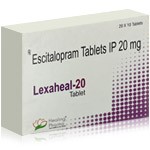
Lexaheal is an affordable generic Escitalopram — a selective serotonin reuptake inhibitor (SSRI) antidepressant manufactured to international quality standards. Providing the same therapeutic activity as the original branded Lexapro (Forest Labs) and Cipralex (Lundbeck) at significantly lower cost, Lexaheal expands global access to one of the most-prescribed antidepressants — distinguished as the pure S-enantiomer of citalopram with improved potency and tolerability.
The active ingredient is Escitalopram Oxalate, the pure S-enantiomer of citalopram and the most serotonin-selective SSRI ever developed. Escitalopram works through highly selective inhibition of presynaptic serotonin reuptake transporters, with the unique additional property of allosteric SERT binding that enhances and prolongs SSRI efficacy. Unlike racemic citalopram, Escitalopram contains only the active S-enantiomer — eliminating the inactive R-enantiomer that contributed to QT prolongation concerns with citalopram.
Lexaheal is FDA-approved for major depressive disorder (MDD) in adults and adolescents 12 years and older, and for generalized anxiety disorder (GAD) in adults. Off-label uses include panic disorder, social anxiety disorder, obsessive-compulsive disorder, PTSD, premenstrual dysphoric disorder, menopausal hot flashes, postpartum depression, bipolar depression adjunct, and various other anxiety-spectrum conditions.
The medication is available as 5 mg, 10 mg, and 20 mg tablets and 1 mg/mL oral solution. Standard adult dosing starts at 10 mg once daily, with target maintenance dose of 10-20 mg/day. Maximum dose is 20 mg/day. In elderly patients or those with hepatic impairment, maximum dose is limited to 10 mg/day.
Critical safety considerations include the FDA boxed warning for suicidal ideation in pediatric, adolescent, and young adult patients during treatment initiation, serotonin syndrome risk (with MAOIs, triptans, other serotonergic agents), SIADH-related hyponatremia (especially elderly), bleeding risk, sexual dysfunction, SSRI discontinuation syndrome, and rare QT prolongation.
Free prescription
Discrete packaging
Have questions?
Quality Assurance

- Adolescent Depression: FDA-approved adolescent depression treatment in patients 12-17 years;
- Generalized Anxiety Disorder (GAD): FDA-approved for generalized anxiety disorder in adults;
- Panic Disorder: Off-label for panic disorder with or without agoraphobia;
- Social Anxiety Disorder / Social Phobia: Off-label for social anxiety disorder;
- OCD / Obsessive Compulsive Disorder: Off-label for obsessive-compulsive disorder;
- PTSD / Post Traumatic Stress Disorder: Off-label for post-traumatic stress disorder;
- PMDD / Premenstrual Dysphoric Disorder: Off-label for premenstrual dysphoric disorder;
- Menopausal Hot Flashes / Vasomotor Symptoms: Off-label non-hormonal therapy for menopausal hot flashes;
- Postpartum Depression: Off-label for postpartum depression compatible with breastfeeding;
- Bipolar Depression Adjunct: Off-label adjunct for bipolar depression in patients also on mood stabilizers;
- Geriatric Depression: For geriatric depression at limited 10 mg/day maximum dose;
- Comorbid Anxiety Depression: For comorbid anxiety and depression in adults;
- IBS / Irritable Bowel Syndrome: Off-label for IBS with comorbid anxiety or depression;
- Body Dysmorphic Disorder: Off-label for body dysmorphic disorder — OCD-spectrum condition;
- Trichotillomania: Off-label for trichotillomania (hair-pulling disorder);
- Premature Ejaculation: Off-label for premature ejaculation — serotonergic delay of orgasm;
- Long Term Antidepressant Maintenance: Suitable for long-term maintenance therapy in chronic depression and anxiety.
- Less Depression: Reduction in major depressive disorder symptoms;
- Less Anhedonia: Restoration of pleasure and interest in previously enjoyed activities;
- Better Energy: Improvement in depression-related fatigue and low energy;
- Better Concentration: Improvement in depression-related cognitive impairment ("brain fog");
- Better Appetite: Normalization of depression-related appetite disturbances;
- Less Anxiety: FDA-approved reduction in generalized anxiety disorder symptoms;
- Less Panic Attacks: Off-label reduction in panic attack frequency and severity;
- Less Social Anxiety: Off-label reduction in social anxiety symptoms enabling social functioning;
- Less OCD Symptoms: Off-label reduction in obsessions and compulsive behaviors;
- Less PTSD Symptoms: Off-label reduction in PTSD hyperarousal and intrusion symptoms;
- Less PMDD Symptoms: Off-label reduction in premenstrual dysphoric symptoms;
- Less Hot Flashes: Off-label reduction in menopausal hot flash frequency and severity;
- Less Suicidal Ideation: Long-term reduction in suicidal thoughts with effective depression treatment;
- Better Sleep: Improvement in depression-related sleep disturbances over weeks of therapy;
- Better Daily Function: Return to school, work, and normal activities;
- Better Quality of Life: Substantial improvement in overall quality of life with effective antidepressant therapy;
- Brand Lexaheal: Affordable Indian generic Escitalopram with international quality manufacturing standards;
- Generic Escitalopram: Affordable generic Escitalopram expanding global access to first-line SSRI therapy;
- Lexapro Equivalent: Same Escitalopram molecule as original Forest Labs brand Lexapro with bioequivalent therapeutic profile;
- Cipralex Equivalent: Same Escitalopram molecule as international Lundbeck brand Cipralex — familiar across European markets;
- SSRI Antidepressant: First-line SSRI class antidepressant with established mechanism and broad clinical applications;
- Pure S Enantiomer Citalopram: Pure S-enantiomer of citalopram — the active enantiomer providing therapeutic effect;
- Most Selective SSRI: Most serotonin-selective SSRI ever developed — minimal effects on other neurotransmitter systems;
- Allosteric SERT Binding: Unique allosteric SERT binding enhances and prolongs SSRI efficacy — unique pharmacology;
- MDD First Line SSRI: First-line SSRI for major depressive disorder per psychiatric guidelines;
- GAD First Line SSRI: First-line SSRI for generalized anxiety disorder;
- Better Tolerability Than Citalopram: Improved tolerability over racemic citalopram — eliminates inactive R-enantiomer concerns;
- Less QT Prolongation: Significantly less QT prolongation than racemic citalopram — clinically safer cardiac profile;
- Once Daily SSRI: Convenient once-daily dosing supports excellent adherence;
- Adolescent Depression Approved: FDA-approved for adolescent depression in patients 12-17 years;
- Geriatric Compatible SSRI: Suitable for elderly patients at limited 10 mg/day maximum dose;
- Pregnancy Compatible SSRI: Compatible with pregnancy in selected cases with careful risk-benefit assessment;
- Breastfeeding Compatible: Compatible with breastfeeding — preferred SSRI for postpartum depression;
- Indian Quality Manufacturing: Indian manufacturing meeting international quality and bioequivalence standards;
- Affordable SSRI: Cost-effective SSRI globally — supports access in resource-limited healthcare settings;
- WHO Essential Medicine: Listed on the WHO Model List of Essential Medicines for depression and anxiety care;
- 20 Plus Year SSRI History: Extensive real-world safety and efficacy data since 2002 across billions of patient courses.
Generic Lexaheal (Escitalopram 20 mg) Medication guide:
📖 What Is Lexaheal Generic Escitalopram Brand and SSRI Positioning
Lexaheal is a generic brand of escitalopram, a highly selective serotonin reuptake inhibitor (SSRI) that represents the pure S-enantiomer of citalopram (Celexa). Escitalopram is one of the most widely prescribed antidepressants globally and consistently ranks among the top-tier SSRIs in comparative effectiveness analyses. Lexaheal provides cost-effective access to this well-established medication as a generic equivalent to the brand Lexapro.
📋 Lexaheal essentials
- Generic name
- Escitalopram oxalate (pure S-enantiomer of citalopram)
- Brand equivalent
- Lexaheal is generic equivalent to Lexapro (original brand by Forest Laboratories, later Allergan and AbbVie)
- Original manufacturer
- Lundbeck (Denmark) developed and licensed escitalopram to Forest Laboratories for US market; generic available since March 2012 US patent expiration
- Drug class
- Selective serotonin reuptake inhibitor (SSRI); considered among most selective SSRIs
- FDA-approved indications
- Major depressive disorder in adults (August 2002) and adolescents age 12-17 (March 2009); generalized anxiety disorder in adults (December 2003) and pediatric GAD age 7-17 (January 2018)
- Formulations
- Tablets 5 mg, 10 mg, 20 mg; oral solution 5 mg/5 mL available
- Adult dose range
- 10-20 mg once daily (starting 5-10 mg, target 10-20 mg)
- Potency vs citalopram
- Approximately twice as potent (10 mg escitalopram equivalent to 20 mg citalopram)
| Lexaheal distinguishing features | Clinical implication |
|---|---|
| Pure S-enantiomer of citalopram | Cleaner pharmacological profile than racemic citalopram; less potential enantiomer interference |
| Top-tier efficacy in Cipriani 2018 meta-analysis | Ranks among most effective antidepressants with favourable tolerability |
| Highly selective SERT inhibition | Cleanest SSRI receptor profile; minimal off-target effects; minimal anticholinergic burden |
| Allosteric SERT modulation (unique) | Escitalopram binds allosteric site on SERT enhancing primary reuptake inhibition; not shared by other SSRIs |
| Simple once-daily dosing | Excellent adherence profile; minimal titration complexity |
| Favourable drug interaction profile | Fewer CYP interactions than fluoxetine or paroxetine; cleaner polypharmacy compatibility |
| Weight neutral in most patients | Advantage over mirtazapine, some other SSRIs long-term |
| Less QTc effect than citalopram | More favourable cardiac profile than parent citalopram at equivalent doses |
| Generic (Lexaheal) equivalence to Lexapro | Cost-effective access to top-tier SSRI |
💡 Why escitalopram remains widely prescribed
Escitalopram has become one of the most prescribed antidepressants worldwide because it consistently demonstrates: (1) excellent efficacy in depression and anxiety disorder trials; (2) among the best tolerability profiles of any SSRI; (3) clean drug interaction profile suitable for polypharmacy; (4) simple once-daily dosing without complex titration; (5) predictable pharmacokinetics; (6) pediatric approvals (MDD age 12+, GAD age 7+); (7) reasonable QTc safety profile at recommended doses; (8) cost-effectiveness as widely available generic. The Cipriani 2018 Lancet network meta-analysis of 21 antidepressants ranked escitalopram among the top drugs for combined efficacy and acceptability, positioning it as excellent first-line choice for depression and anxiety disorders. As a generic (including Lexaheal), it provides cost-effective access to top-tier efficacy for depression and anxiety treatment.
📜 Escitalopram History From Lundbeck Development to Global Generic Adoption
The escitalopram story is a distinctive example of chiral drug development that produced a substantially improved successor to a first-generation SSRI. Lundbeck's decision to isolate and develop only the S-enantiomer of citalopram resulted in a cleaner, more potent SSRI that has become one of the most successful antidepressants globally.
📅 Development timeline
- 1989
- Racemic citalopram (Celexa) approved in Europe by Lundbeck; combines R and S enantiomers in equal proportions
- 1998
- Citalopram approved in US (Celexa); becomes widely successful SSRI
- 1990s research
- Lundbeck research shows S-enantiomer contains all pharmacological activity; R-enantiomer inactive or possibly interfering; motivates pure S-enantiomer development
- Late 1990s
- Lundbeck develops escitalopram (S-citalopram); clinical trials demonstrate favourable profile
- 2001
- Escitalopram approved in Europe as Cipralex by Lundbeck
- August 2002
- FDA approves Lexapro (escitalopram) by Forest Laboratories for major depressive disorder in adults
- December 2003
- FDA approves Lexapro for generalized anxiety disorder in adults
- Mid-2000s
- Lexapro rapidly becomes among the most prescribed antidepressants globally; multiple comparative effectiveness studies establish favourable profile
- March 2009
- FDA approves Lexapro for pediatric MDD age 12-17 - one of few antidepressants with pediatric depression approval
- August 2011
- FDA issues citalopram QTc warning; escitalopram receives modified but less restrictive dosing guidance
- March 2012
- Escitalopram US patent expiration; generic manufacturers (including Lexaheal) enter market with substantial cost reduction
- January 2018
- FDA approves escitalopram for pediatric GAD age 7-17 - unusual pediatric anxiety indication expansion
- Modern era
- Escitalopram consistently among top-prescribed antidepressants globally; extensive generic availability; continued clinical guideline recommendations
📌 Commercial and clinical significance
- Chiral switch success story: one of most successful chiral development programs producing improved therapeutic profile
- Peak sales of Lexapro brand exceeded 3 billion USD annually before patent expiration
- Global blockbuster for Lundbeck and Forest Laboratories through mid-2000s to early 2010s
- Post-generic (2012) continues extensive prescribing; brand Lexapro much less prescribed as generic became widely available
- Guideline positioning: BAP, WFSBP, Canadian guidelines position escitalopram as first-line SSRI
- Cipriani 2018 network meta-analysis: ranked among top-tier antidepressants for efficacy and tolerability
- Broad pediatric label: MDD age 12+ and GAD age 7+ distinguishes from many SSRIs
💡 The chiral switch context
Chiral switches - developing a single enantiomer of a racemic drug as a "new" product - have had mixed clinical significance across various drugs. Some chiral switches (esomeprazole vs omeprazole for GERD; levocetirizine vs cetirizine for allergies) have produced modest incremental benefits primarily reflecting patent extension strategies. Escitalopram represents one of the more clinically meaningful chiral switches, with genuine pharmacological differences: the R-enantiomer of citalopram is not just inactive but appears to modestly antagonize the S-enantiomer's activity through allosteric SERT effects. Removing the R-enantiomer allows the S-enantiomer to work more efficiently. This produces the observed clinical benefits including improved efficacy at lower doses and cleaner tolerability profile. However, the clinical differences remain modest at equivalent doses, and citalopram (Celexa) remains a reasonable therapeutic choice particularly given cost considerations. Both are useful SSRIs with slightly different profiles.
⚗️ Chemistry - Pure S-Enantiomer of Citalopram Structure
Escitalopram has a distinctive phthalane structure identical to citalopram but exists as a pure S-enantiomer rather than the racemic mixture. This structural purity produces the clean pharmacological profile that distinguishes escitalopram from parent citalopram. Understanding the chemistry explains both the potency advantage and the improved tolerability.
⚗️ Structural features
- Chemical name
- (S)-1-[3-(dimethylamino)propyl]-1-(4-fluorophenyl)-1,3-dihydro-5-isobenzofurancarbonitrile oxalate
- Structural class
- Phthalane derivative; identical scaffold to citalopram but single S-enantiomer
- Stereochemistry
- Pure S-enantiomer (S-citalopram); citalopram (Celexa) is the 50:50 racemic mixture of S and R enantiomers
- Molecular weight
- Approximately 324 g/mol (base); as oxalate salt approximately 414 g/mol
- Salt form
- Oxalate salt (rather than hydrobromide of citalopram); improved crystallization and stability
- Solubility
- Water-soluble oxalate salt; good oral bioavailability
- R-enantiomer status
- R-citalopram not present in escitalopram; the R-enantiomer has minimal reuptake inhibition activity but appears to modestly interfere with S-enantiomer's allosteric SERT binding
🔬 Receptor binding profile - highly selective SSRI
- Serotonin transporter (SERT): potent inhibitor with unique allosteric binding site engagement; among most selective SSRIs
- Allosteric SERT site: escitalopram binds a secondary allosteric site enhancing primary orthosteric SERT inhibition; unique to escitalopram among SSRIs
- Norepinephrine transporter (NET): minimal effect; not clinically SNRI
- Dopamine transporter (DAT): minimal effect
- Muscarinic receptors: minimal binding; very low anticholinergic burden (advantage)
- Histamine H1 receptors: minimal binding; low sedation
- Alpha-1 adrenergic receptors: minimal binding; low orthostatic effects
- 5-HT2 receptors: minimal binding
- Cardiac ion channels: modest hERG affinity produces mild QTc effect (less than citalopram at equivalent doses)
- Opioid receptors: minimal binding
| SSRI selectivity comparison | SERT selectivity | Off-target considerations |
|---|---|---|
| Escitalopram (Lexapro / Lexaheal) | Highest SERT selectivity | Minimal; unique allosteric SERT effect |
| Citalopram (Celexa) | Very high SERT selectivity | Similar to escitalopram; QTc concern more prominent |
| Sertraline (Zoloft) | High SERT selectivity | Weak DAT effect; sigma-1 receptor |
| Fluoxetine (Prozac) | Moderate SERT selectivity | Some 5-HT2C antagonism; norfluoxetine metabolite |
| Paroxetine (Paxil) | High SERT selectivity | Modest anticholinergic; weak NET effect |
| Fluvoxamine (Luvox) | Very high SERT selectivity | Substantial CYP1A2 inhibition |
💡 The allosteric SERT binding advantage
Escitalopram exhibits a unique pharmacological property called allosteric SERT modulation. In addition to binding the primary (orthosteric) SERT substrate site like all SSRIs, escitalopram also binds a secondary allosteric site on the transporter that enhances the primary reuptake inhibition. This dual binding produces stronger and more sustained SERT inhibition than would be expected from primary site binding alone. Loonen and Stahl 2011 and Sanchez et al. 2003 describe this mechanism in detail. Clinical implications include: (1) escitalopram may show meaningful clinical effect at lower doses than other SSRIs; (2) 10 mg escitalopram may provide efficacy comparable to 40 mg citalopram or 100 mg sertraline; (3) the dual binding may explain the modest efficacy advantage seen in some meta-analyses. This mechanism is not shared by other SSRIs including citalopram (where the R-enantiomer interferes with S-enantiomer allosteric binding). The allosteric SERT modulation is one reason escitalopram is not simply "half of citalopram" but a pharmacologically distinct medication.
🧠 SSRI Mechanism - Highly Selective Serotonin Reuptake Inhibition
Escitalopram exerts therapeutic effects through highly selective inhibition of the serotonin transporter (SERT), enhanced by unique allosteric SERT modulation. This clean SSRI mechanism produces antidepressant, anxiolytic, and other therapeutic effects with minimal off-target receptor engagement.
🧠 Primary mechanism
- Serotonin reuptake inhibition
- Blocks SERT preventing serotonin removal from synaptic cleft; increases postsynaptic 5-HT signalling at multiple 5-HT receptor subtypes
- Allosteric SERT modulation
- Unique to escitalopram: secondary allosteric SERT binding site engagement stabilises the drug-transporter complex; enhances and sustains primary reuptake inhibition
- Enhanced serotonergic effect
- Combined orthosteric + allosteric SERT engagement produces stronger 5-HT effect at lower doses than expected from primary site binding alone
- Downstream 5-HT receptor effects
- Enhanced signalling at 5-HT1A (post-synaptic autoreceptor downregulation over weeks), 5-HT2A/C, 5-HT3 receptors modulates mood, anxiety, sleep, appetite
- Long-term adaptations
- Weeks of chronic therapy: 5-HT1A autoreceptor desensitisation; BDNF upregulation; hippocampal neurogenesis; neuroplasticity
- Selectivity advantage
- Highest SERT selectivity among SSRIs; minimal NET, DAT, muscarinic, H1, alpha-1, cardiac channel effects at therapeutic doses
🌟 Mechanism-condition mapping
- Major depressive disorder
- Serotonergic enhancement addresses monoamine hypothesis; 5-HT1A autoreceptor downregulation produces sustained mood improvement over weeks
- Generalized anxiety disorder
- Serotonergic modulation of amygdala fear circuits and hypothalamic-pituitary-adrenal axis; particularly effective for GAD
- Panic disorder (off-label)
- Serotonergic modulation of brainstem panic circuits; effective though not FDA-approved
- Social anxiety disorder (off-label)
- Serotonergic modulation of amygdala hyperresponsivity to social cues
- PTSD (off-label)
- Serotonergic modulation of fear memory circuits; effective though sertraline/paroxetine FDA-approved for PTSD
- Hot flashes (off-label)
- Thermoregulatory center modulation; low doses effective for vasomotor symptom reduction
- PMDD (off-label)
- Rapid rather than delayed effect through modulation of luteal phase serotonin dysregulation
💡 The clean SSRI mechanism advantage
Escitalopram represents the cleanest example of pure SSRI pharmacology - substantial primary SERT inhibition with minimal off-target receptor engagement, enhanced by unique allosteric SERT modulation. This clean profile explains its favourable characteristics: (1) low anticholinergic burden (unlike TCAs); (2) minimal cardiac conduction effects (unlike TCAs); (3) low sedation (unlike mirtazapine, trazodone); (4) low orthostatic effects (unlike TCAs, trazodone); (5) minimal drug interactions from off-target CYP effects (unlike fluoxetine, paroxetine); (6) predictable dose-response; (7) simple once-daily dosing. The trade-off is that pure SSRI mechanism may be insufficient for some patients requiring dual mechanism (SNRI) or receptor blockade effects (mirtazapine, trazodone). For patients where pure SSRI mechanism is adequate, escitalopram provides among the cleanest available.
🔬 Pharmacokinetics - CYP2C19 Metabolism and Simple Dosing Profile
Escitalopram has favourable pharmacokinetic properties supporting simple once-daily dosing and predictable clinical response. CYP2C19 primary metabolism with genetic polymorphism creates some individual variability but is generally manageable. The clean interaction profile complements the clean pharmacodynamics.
🔬 PK parameters
- Absorption
- Well-absorbed orally; Tmax approximately 5 hours; food does not affect absorption meaningfully
- Bioavailability
- Approximately 80 percent - excellent oral bioavailability
- Food effect
- Minimal food effect; can be taken with or without food; consistency preferred
- Protein binding
- Approximately 56 percent - moderate
- Volume of distribution
- Approximately 12 L/kg - large; extensive tissue distribution
- Half-life
- Approximately 27-32 hours (mean approximately 30 hours); supports comfortable once-daily dosing
- Steady-state
- Reached in approximately 7-10 days (about 3-4 half-lives)
- Metabolism
- Extensive hepatic: CYP2C19 primary (approximately 40-50 percent); CYP3A4 secondary (approximately 35 percent); CYP2D6 tertiary (approximately 5-10 percent); largely inactive metabolites
- Elimination
- Approximately 8 percent unchanged renal excretion; primarily hepatic metabolism with renal excretion of metabolites
🧬 CYP2C19 pharmacogenomics
- Poor metabolisers (approximately 3-5 percent Caucasians, higher in Asian populations)
- Higher escitalopram levels; may need lower dose; enhanced QTc effect at higher doses concerning
- Intermediate metabolisers
- Modestly higher levels; usually clinically manageable
- Extensive metabolisers (normal, most common)
- Standard PK; predictable exposure at typical doses
- Ultra-rapid metabolisers (rare)
- Lower levels; may need higher doses; individual response varies
- Concurrent CYP2C19 inhibitors
- Omeprazole, esomeprazole, fluconazole, ticlopidine can substantially increase escitalopram levels through CYP2C19 inhibition; consider dose reduction
- Genetic testing
- Not routinely required but Clinical Pharmacogenetics Implementation Consortium (CPIC) has published guidelines when genotype known
💡 The favourable PK/PD profile
Escitalopram's pharmacokinetic profile is nearly ideal for a chronic antidepressant: (1) long half-life (30 hours) supports comfortable once-daily dosing without complex regimens; (2) high bioavailability (80 percent) minimises variability; (3) minimal food effect enables flexible timing; (4) reasonable protein binding limits some interaction concerns; (5) multiple metabolic pathways reduce impact of any single CYP inhibition; (6) inactive metabolites simplify pharmacology; (7) low renal excretion of parent (8 percent) reduces impact of renal disease. The long half-life also provides protective auto-tapering effect during discontinuation, contributing to milder discontinuation syndrome than seen with short half-life SSRIs like paroxetine. CYP2C19 polymorphism is the main pharmacogenomic consideration, particularly relevant when concurrent PPI use (omeprazole) as CYP2C19 inhibitor. Overall the PK profile complements the clean pharmacodynamic profile to make escitalopram excellent SSRI choice for most patients.
📋 FDA-Approved Indications - MDD and Generalized Anxiety Disorder
Escitalopram has broad FDA-approved indications covering major depressive disorder and generalized anxiety disorder in both adults and pediatric patients. The pediatric approvals (MDD age 12+ and GAD age 7+) distinguish escitalopram from many antidepressants. Extensive off-label use covers additional anxiety disorders, PTSD, hot flashes, and other conditions.
| Indication | Approval date | Dose range |
|---|---|---|
| Major depressive disorder (adult) | August 2002 | 10-20 mg once daily |
| Major depressive disorder (adolescent age 12-17) | March 2009 | 10-20 mg once daily |
| Generalized anxiety disorder (adult) | December 2003 | 10-20 mg once daily |
| Generalized anxiety disorder (pediatric age 7-17) | January 2018 | 10-20 mg once daily (5 mg start young children) |
🌟 Common clinical scenarios favouring escitalopram
- Uncomplicated major depression: first-line SSRI with excellent tolerability profile
- Depression with anxiety comorbidity: dual FDA coverage
- Generalized anxiety disorder: first-line SSRI
- Adolescent depression: FDA-approved age 12+
- Pediatric GAD age 7+: one of few FDA-approved options
- Elderly depression: favourable tolerability; low anticholinergic burden
- Polypharmacy patients: clean CYP interaction profile
- Perinatal depression: reasonable safety data; sertraline usually preferred but escitalopram acceptable
- Depression with cost concerns: available as inexpensive generic (Lexaheal)
📋 Common off-label applications
- Panic disorder: effective though sertraline/paroxetine FDA-approved
- Social anxiety disorder: effective though sertraline/paroxetine/fluvoxamine FDA-approved
- PTSD: effective though sertraline/paroxetine FDA-approved
- OCD: effective though other SSRIs (fluoxetine, sertraline, fluvoxamine, paroxetine) FDA-approved
- Premenstrual dysphoric disorder (PMDD): effective; luteal phase only or continuous dosing
- Vasomotor symptoms (hot flashes): modest effect for menopausal or breast cancer survivor
- Chronic pain with depression comorbidity: modest direct pain benefit; addresses depression
- Fibromyalgia (as adjunct): primarily for depression/anxiety comorbidity
- Migraine prophylaxis: limited evidence but occasionally used
- Body dysmorphic disorder: effective off-label
- Trichotillomania and body-focused repetitive behaviours: modest evidence
💡 The broad clinical utility
Escitalopram covers both major FDA-approved conditions (MDD, GAD) plus effective off-label use across the anxiety disorder spectrum. Combined with pediatric approvals from age 7 (GAD) and age 12 (MDD), escitalopram provides one of the broadest usable SSRI options. Comparison points: (1) sertraline has FDA approval for MDD (adult), OCD (age 6+), panic, social anxiety, PTSD, PMDD - broader anxiety spectrum labelling but similar clinical utility; (2) fluoxetine has FDA approvals for MDD (age 8+), OCD (age 7+), bulimia, PMDD, panic; (3) escitalopram's clean profile plus broad approvals make it excellent first-line choice for many patients. For most first-line SSRI decisions, sertraline and escitalopram are both excellent choices with subtle differences guiding individual selection. Escitalopram advantages include cleaner CYP interaction profile and slightly higher efficacy rankings in some meta-analyses; sertraline advantages include broader FDA labelling and extensive pregnancy/breastfeeding safety data.
🧩 Major Depressive Disorder Treatment With Escitalopram
Major depressive disorder was the founding FDA indication for escitalopram in August 2002 and remains its most common application. In the Cipriani 2018 Lancet network meta-analysis of 21 antidepressants, escitalopram ranked among the top drugs combining efficacy and acceptability, positioning it as an excellent first-line SSRI for depression treatment.
🧩 Escitalopram in MDD
- Approval basis
- Multiple pivotal trials demonstrated efficacy versus placebo and comparable to other SSRIs including parent citalopram
- Response rate
- Approximately 55-65 percent response at 10-20 mg/day; 40-50 percent remission - among higher rates in comparative studies
- Cipriani 2018 network meta-analysis
- Escitalopram ranked among top-tier antidepressants for combined efficacy and acceptability alongside mirtazapine, sertraline, paroxetine, and venlafaxine
- Comparison with citalopram
- Some evidence of modest efficacy advantage; better tolerability at equivalent effective doses
- Onset of effect
- Similar to other antidepressants: 2-4 weeks for initial improvement; 4-6 weeks for substantial improvement; 6-8 weeks for full effect
- Dosing
- Start 10 mg once daily (5 mg in sensitive patients); typical target 10-20 mg; higher doses (30-40 mg) occasionally used off-label though FDA maximum 20 mg
🌟 MDD scenarios favouring escitalopram
- Uncomplicated major depression: excellent first-line SSRI choice
- Depression with anxiety comorbidity: dual FDA coverage; single-drug management
- Depression in polypharmacy patients: clean CYP interaction profile
- Depression in elderly: favourable tolerability; low anticholinergic burden
- Adolescent depression age 12+: FDA-approved
- Depression with cost concerns: inexpensive generic Lexaheal
- Depression with previous SSRI success: reasonable continuation choice
- Depression with cognitive concerns: less cognitive impact than paroxetine or TCAs
| Antidepressant class in MDD | Typical positioning |
|---|---|
| SSRIs (sertraline, escitalopram, citalopram) | First-line general MDD; typically well-tolerated |
| Escitalopram (Lexaheal) | Top-tier first-line SSRI per Cipriani 2018 meta-analysis |
| SNRIs (duloxetine, venlafaxine) | First or second-line; particularly for pain-comorbid or severe depression |
| Bupropion | Alternative for weight-neutral, energy-focused treatment |
| Mirtazapine | Alternative for depression with insomnia, appetite loss, or elderly |
| Vortioxetine (Trintellix) | Alternative with potential cognitive benefit |
| TCAs | Reserved for treatment-resistant depression |
💡 The top-tier positioning
The Cipriani 2018 Lancet network meta-analysis remains the most comprehensive comparison of modern antidepressants. Escitalopram ranked among the top drugs for combined efficacy and acceptability, alongside amitriptyline, mirtazapine, paroxetine, sertraline, and venlafaxine. Among the SSRIs specifically, escitalopram, sertraline, and paroxetine were top tier for efficacy, while escitalopram, sertraline, and citalopram were top tier for tolerability. Escitalopram appearing in top tier for both efficacy and tolerability supports its excellent first-line positioning. The choice between escitalopram and sertraline as first-line SSRI often comes down to individual patient factors: sertraline may be preferred for pregnancy given more extensive safety data, or for OCD/PTSD given specific FDA approvals; escitalopram may be preferred for polypharmacy given cleaner CYP profile, or when cost consideration favours the widely available generic (Lexaheal). Both are excellent choices for uncomplicated depression treatment.
🌪️ Generalized Anxiety Disorder Treatment and Response
Generalized anxiety disorder was FDA-approved in December 2003, followed by pediatric GAD approval age 7+ in January 2018. Escitalopram is considered first-line SSRI for GAD in most treatment guidelines. Long-term efficacy and tolerability data support extended maintenance therapy for this typically chronic condition.
🌪️ Escitalopram in GAD
- Approval basis
- Stein 2005 and multiple pivotal trials demonstrating significant efficacy versus placebo; long-term efficacy studies supporting maintenance
- Symptom coverage
- Reduces excessive worry, restlessness, muscle tension, irritability, sleep disturbance, and physical anxiety manifestations
- Onset
- Some effect within 1-2 weeks; substantial improvement by 4-6 weeks; full effect 8-12 weeks
- Dosing
- Start 10 mg once daily; typical target 10-20 mg; occasional patients benefit from higher doses although FDA maximum 20 mg
- Long-term maintenance
- Sustained efficacy over 6-12+ months demonstrated; typical continuation for GAD is 12+ months given chronicity
- Efficacy comparison
- Similar overall efficacy to other SSRIs (paroxetine, sertraline) and SNRIs (venlafaxine, duloxetine) for GAD; individual patient response guides choice
- Pediatric GAD age 7-17
- FDA-approved with dosing similar to adult (starting 5-10 mg, target 10-20 mg); duloxetine also FDA-approved for pediatric GAD age 7+
🌟 GAD scenarios favouring escitalopram
- Adult GAD: excellent first-line SSRI choice
- Pediatric GAD age 7+: FDA-approved with reasonable evidence base
- GAD with comorbid depression: dual FDA coverage
- GAD with previous SSRI success: reasonable continuation choice
- Long-term GAD requiring chronic maintenance: excellent long-term tolerability
- GAD with cost concerns: inexpensive generic Lexaheal
- GAD in polypharmacy patients: clean CYP interaction profile
- GAD with somatic focus: broad symptom coverage
📋 GAD treatment sequence
- First-line pharmacotherapy: SSRI (escitalopram, sertraline) or SNRI (duloxetine, venlafaxine)
- Second-line: alternative SSRI or SNRI
- Alternatives: pregabalin (Europe), buspirone, hydroxyzine
- Adjunctive short-term: benzodiazepine for acute symptoms during antidepressant onset
- Non-pharmacological essential: CBT, mindfulness-based interventions, exercise, sleep hygiene
- Combined approach: pharmacotherapy plus CBT often provides best outcomes
- Refractory cases: augmentation with atypical antipsychotic or referral to specialist
💡 The GAD chronicity consideration
GAD is typically chronic with fluctuating course. Effective medication treatment often requires long-term therapy (years to lifetime for many patients). Escitalopram provides excellent long-term tolerability making it suitable for extended maintenance. Discontinuation attempts should follow sustained remission (at least 12 months), gradual taper (though escitalopram's long half-life makes taper relatively easier than short half-life SSRIs), and vigilance for both discontinuation syndrome (usually mild-moderate) and GAD relapse. Many patients ultimately benefit from indefinite maintenance therapy given recurrent illness pattern. Combined with CBT and lifestyle interventions (regular exercise, sleep hygiene, stress management, alcohol restriction), escitalopram provides comprehensive long-term GAD management. Individual patient factors guide selection between escitalopram, sertraline, and other options.
🌬️ Off-Label Uses Including Panic Disorder and Social Anxiety
Beyond the FDA-approved GAD indication, escitalopram is extensively used off-label for other anxiety disorders including panic disorder, social anxiety disorder, and PTSD. While other SSRIs have specific FDA approvals for these conditions, escitalopram provides similar efficacy through the SSRI class effect and is commonly chosen for its favourable tolerability profile.
🌬️ Panic disorder (off-label)
- Evidence base
- Lepola et al. 2003 pivotal trial and additional studies; effective though not FDA-approved for panic (sertraline and paroxetine FDA-approved)
- Symptom coverage
- Reduces panic attack frequency; reduces attack severity; reduces anticipatory anxiety; reduces agoraphobia
- Dosing
- Start extra-low 5 mg for 1 week to prevent initial jitteriness; increase to 10 mg; typical target 10-20 mg
- Initial activation concern
- Panic disorder patients vulnerable to initial SSRI-induced jitteriness; slow titration essential
👥 Social anxiety disorder (off-label)
- Evidence base
- Baldwin et al. 2006 pivotal trial and additional studies; effective though not FDA-approved for SAD (sertraline, paroxetine, fluvoxamine FDA-approved)
- Dosing
- Start 10 mg; typical target 10-20 mg
- Long-term treatment
- SAD typically chronic; extended maintenance often needed
🌪️ PTSD (off-label)
- Evidence
- SSRI class effect; effective for PTSD symptoms; sertraline and paroxetine FDA-approved; escitalopram acceptable alternative
- Combined approach
- Trauma-focused psychotherapy (prolonged exposure, cognitive processing therapy, EMDR) is first-line; pharmacotherapy often adjunctive
📌 Other off-label uses
- Obsessive-compulsive disorder (OCD): fluoxetine, sertraline, fluvoxamine, paroxetine, clomipramine FDA-approved; escitalopram off-label alternative
- Premenstrual dysphoric disorder (PMDD): Freeman 2006 evidence; luteal phase only or continuous dosing effective; sertraline and fluoxetine FDA-approved specifically for PMDD
- Vasomotor symptoms (hot flashes): modest evidence; paroxetine FDA-approved specifically as Brisdelle for hot flashes; escitalopram off-label alternative
- Body dysmorphic disorder: fluoxetine most evidence; escitalopram reasonable alternative
- Trichotillomania: modest evidence
- Body-focused repetitive behaviours: modest evidence
- Chronic pain with depression comorbidity: primarily for mood benefit; modest direct analgesic effect
- Vasovagal syncope prophylaxis: modest evidence
💡 The SSRI class effect for anxiety disorders
While specific SSRIs have FDA approvals for specific anxiety disorders, the SSRI class effect provides similar efficacy across the anxiety spectrum. This means escitalopram effectively treats panic disorder, social anxiety, PTSD, OCD, and PMDD despite not having FDA approvals for these specific indications. In clinical practice, choice of SSRI often depends on: (1) individual patient response history; (2) tolerability profile; (3) drug interaction considerations; (4) cost; (5) prescriber familiarity. For a patient with GAD who develops panic attacks, continuing escitalopram is reasonable rather than switching to FDA-approved sertraline. For a patient starting new anxiety therapy, either escitalopram or sertraline is reasonable first-line SSRI choice. Individual patient factors including specific symptom clusters, prior response, and comorbidities guide selection. Combined psychotherapy (CBT, exposure-based therapy) plus SSRI often produces best long-term outcomes.
🔥 Off-Label Hot Flashes and Vasomotor Symptoms Treatment
Vasomotor symptoms (hot flashes) represent an important off-label escitalopram application. While paroxetine has FDA approval specifically for hot flashes at low dose (Brisdelle 7.5 mg), escitalopram provides similar benefit and is often preferred when patient has coexisting depression or anxiety benefits or when paroxetine tolerability issues limit its use.
🔥 Escitalopram for vasomotor symptoms
- Evidence base
- Multiple trials in menopausal and breast cancer survivor populations; similar efficacy to venlafaxine and other non-hormonal options
- Efficacy
- Approximately 50 percent reduction in hot flash frequency; substantial improvement in severity; comparable to non-hormonal alternatives
- Populations
- Postmenopausal women; breast cancer survivors (where estrogen contraindicated); tamoxifen users; other estrogen-avoidance situations
- Dosing
- Start 10 mg once daily; typical target 10-20 mg; lower doses (5-10 mg) may suffice for hot flashes alone
- Advantage over paroxetine for tamoxifen users
- Paroxetine is strong CYP2D6 inhibitor that can reduce tamoxifen efficacy (through reduced active endoxifen metabolite formation); escitalopram has minimal CYP2D6 effect making it safer choice for tamoxifen users
- Alternative non-hormonal options
- Paroxetine (Brisdelle FDA-approved), venlafaxine, gabapentin, clonidine; escitalopram among most well-tolerated options
🌟 Vasomotor scenarios favouring escitalopram
- Tamoxifen users with hot flashes: escitalopram preferred over paroxetine due to minimal CYP2D6 effect not compromising tamoxifen efficacy
- Postmenopausal women with hot flashes plus depression or anxiety: single-medication efficient approach
- Postmenopausal women with hot flashes plus previous SSRI success: reasonable continuation
- Cancer survivors avoiding estrogen therapy
- Women preferring non-hormonal approach
- Postmenopausal women with anxiety symptoms plus hot flashes: dual benefit
💡 The tamoxifen-CYP2D6 consideration
A specific important consideration is escitalopram's advantage over paroxetine for breast cancer survivors on tamoxifen. Tamoxifen requires CYP2D6-mediated conversion to its active metabolite endoxifen for full anti-cancer efficacy. Strong CYP2D6 inhibitors (paroxetine, fluoxetine, bupropion, quinidine) can substantially reduce endoxifen formation and potentially reduce tamoxifen efficacy, with concerns about breast cancer recurrence. Escitalopram has minimal CYP2D6 effect, making it a preferred SSRI choice for tamoxifen users needing hot flash management or depression treatment. Sertraline also has minimal CYP2D6 effect at typical doses making it another reasonable alternative. This CYP2D6 consideration extends beyond hot flashes to any tamoxifen user needing SSRI therapy for depression, anxiety, or other indications. Oncology and psychiatry coordination guides optimal medication selection.
🧬 Escitalopram Versus Citalopram - Pure Enantiomer Advantages
Understanding the differences between escitalopram (Lexapro/Lexaheal) and racemic citalopram (Celexa) clarifies why the chiral switch produced a distinct clinical product. While structurally identical except for chirality, the clinical implications are meaningful and guide prescribing decisions between these related SSRIs.
| Feature | Escitalopram (Lexapro/Lexaheal) | Citalopram (Celexa) |
|---|---|---|
| Chirality | Pure S-enantiomer | Racemic (S+R enantiomers 50:50) |
| Potency | Approximately 2x more potent per mg | Baseline potency |
| Equivalent dosing | 10 mg escitalopram | Approximately 20 mg citalopram |
| Adult dose range | 10-20 mg | 20-40 mg |
| Elderly maximum (FDA 2011) | 10-20 mg (moderate concern) | 20 mg maximum (strong FDA restriction) |
| QTc effect | Modest at 20 mg | Substantial at 40 mg (basis for 2011 FDA warning) |
| Efficacy | Modest advantage in some meta-analyses | Similar overall class efficacy |
| Tolerability | Slightly better | Also generally well-tolerated |
| Allosteric SERT effect | Present (unique) | R-enantiomer interferes with S-enantiomer |
| Cost (generic) | Very affordable as generic (including Lexaheal) | Also very affordable as generic |
| FDA Pediatric MDD approval | Age 12+ | Not FDA-approved pediatric |
| FDA Pediatric GAD approval | Age 7+ | Not approved |
🌟 When escitalopram may be preferred over citalopram
- Pediatric patients: escitalopram has pediatric MDD (age 12+) and GAD (age 7+) FDA approvals; citalopram does not
- Elderly patients: escitalopram less concerning QTc profile allows more dosing flexibility
- Cardiac risk factors: escitalopram less QTc concern at maximum doses
- Higher-dose depression requirements: escitalopram at 20 mg equivalent to citalopram at 40 mg which faces QTc concerns
- Slight modest efficacy advantage in some meta-analyses
- Slight tolerability advantage in some comparative studies
🌟 When citalopram may be preferred over escitalopram
- Established response history: patient already doing well on citalopram
- Cost consideration where citalopram cheaper: modest difference in some markets
- Simpler prescribing history: some prescribers prefer citalopram based on familiarity
💡 The clinical significance perspective
The differences between escitalopram and citalopram are meaningful but modest in most clinical scenarios. For uncomplicated adult MDD in patients without cardiac concerns, both are reasonable choices. Escitalopram's advantages become more prominent in specific scenarios: pediatric patients, elderly patients, patients with cardiac risk factors, patients needing higher-dose therapy. The chiral switch from citalopram to escitalopram provides genuine clinical improvement but does not represent a fundamentally different medication. Both are excellent SSRIs. The 2011 FDA QTc warning applied primarily to citalopram (maximum 20 mg elderly, 40 mg general adult) while escitalopram received less restrictive guidance (maximum 20 mg all populations). This regulatory difference has practical prescribing implications favouring escitalopram particularly in elderly and cardiac patients. Cost differences between generic escitalopram (including Lexaheal) and generic citalopram are typically minimal, making cost a less decisive factor than clinical considerations.
⚖️ Escitalopram Versus Other SSRIs - Comparative Positioning
Understanding how escitalopram compares to other SSRIs helps guide selection among available options. Each SSRI has distinctive features that may make it more or less appropriate for individual patients. Escitalopram's clean interaction profile, favourable tolerability, and top-tier efficacy make it excellent first-line choice for many but not all patients.
| SSRI | Key features | Distinctive advantages | Distinctive concerns |
|---|---|---|---|
| Escitalopram (Lexapro/Lexaheal) | Pure S-enantiomer; allosteric SERT effect | Top-tier efficacy; clean CYP profile; broad pediatric label | Modest QTc effect at max dose |
| Sertraline (Zoloft) | Weak DAT effect; sigma-1 receptor | Extensive pregnancy/breastfeeding data; broad FDA labels including OCD, PTSD, PMDD, panic, social anxiety | Diarrhea more common; longer titration range |
| Fluoxetine (Prozac) | Very long half-life (parent + norfluoxetine) | Minimal discontinuation syndrome; oldest with most experience; pediatric FDA approvals | Substantial CYP2D6/3A4 inhibition; possible activation |
| Paroxetine (Paxil) | Modest anticholinergic effect; weak NE effect | FDA-approved specifically for hot flashes (Brisdelle low-dose) | Substantial discontinuation syndrome; weight gain; anticholinergic; strong CYP2D6 inhibition; pregnancy Category D |
| Citalopram (Celexa) | Racemic; 2x escitalopram doses | Cost; established | Substantial QTc effect at higher doses; 2011 FDA restrictions |
| Fluvoxamine (Luvox) | Substantial CYP1A2 inhibition | FDA-approved specifically for OCD; pediatric OCD approval | Substantial CYP1A2 interactions affecting many drugs |
🌟 SSRI selection decision framework
- Uncomplicated depression or GAD in adults: escitalopram or sertraline first-line; both excellent choices
- Pregnancy or planning pregnancy: sertraline preferred (most safety data); escitalopram acceptable
- OCD: sertraline, fluoxetine, fluvoxamine FDA-approved and preferred; escitalopram acceptable alternative
- PTSD: sertraline or paroxetine FDA-approved; escitalopram acceptable alternative
- Panic disorder: sertraline or paroxetine FDA-approved; escitalopram acceptable alternative
- Social anxiety: sertraline, paroxetine, fluvoxamine FDA-approved; escitalopram acceptable alternative
- PMDD: sertraline or fluoxetine FDA-approved; escitalopram acceptable alternative
- Pediatric depression age 12+: fluoxetine or escitalopram FDA-approved
- Pediatric GAD age 7+: duloxetine or escitalopram FDA-approved
- Hot flashes (menopausal): paroxetine FDA-approved (Brisdelle); escitalopram or venlafaxine alternatives
- Tamoxifen users needing SSRI: escitalopram or sertraline preferred (avoid paroxetine and fluoxetine due to CYP2D6)
- Polypharmacy patients: escitalopram or citalopram preferred for cleanest CYP profile
- Elderly with cardiac concerns: escitalopram preferred over citalopram (less QTc); sertraline also reasonable
- Prior treatment failure with one SSRI: switch within SSRI class or to different class (SNRI, bupropion, mirtazapine)
💡 The escitalopram-sertraline dilemma
The most common SSRI selection question is escitalopram vs sertraline for first-line depression or anxiety treatment. Both are excellent choices with slightly different profiles. Choose escitalopram when: (1) polypharmacy patient needs cleanest CYP interaction profile; (2) elderly patient where citalopram QTc concerns apply but escitalopram more acceptable; (3) simpler dosing (10-20 mg range) desired vs sertraline's wider range (25-200 mg); (4) preference for less GI side effects. Choose sertraline when: (1) pregnancy where sertraline has most extensive safety data; (2) breastfeeding where sertraline has best safety data; (3) specific FDA-approved anxiety disorder (OCD, PTSD, PMDD, panic, social anxiety) where sertraline is labeled; (4) preference for dose titration flexibility across wide range; (5) preference for weak DAT effect potentially helping with energy or motivation. In many cases either drug is equally reasonable. Individual patient response, tolerability, and adherence over time guide long-term choice. Failure with one SSRI does not predict failure with another - switching within SSRI class is reasonable strategy.
📊 Adult Dosing Simple Once-Daily Regimen and Titration
Escitalopram adult dosing is among the simplest of any modern antidepressant. Simple once-daily dosing at 10-20 mg with minimal titration requirements makes it excellent choice for first-line therapy. Understanding the standard regimen and specific dosing adjustments guides appropriate prescribing.
| Indication and setting | Starting dose | Target dose | Maximum |
|---|---|---|---|
| Major depressive disorder (adult) | 10 mg once daily | 10-20 mg once daily | 20 mg/day (FDA) |
| Generalized anxiety disorder (adult) | 10 mg once daily | 10-20 mg once daily | 20 mg/day (FDA) |
| Panic disorder (off-label) | 5 mg x 7 days, then 10 mg (very slow to prevent panic activation) | 10-20 mg once daily | 20 mg/day |
| Social anxiety disorder (off-label) | 10 mg once daily | 10-20 mg once daily | 20 mg/day |
| PTSD (off-label) | 10 mg once daily | 10-20 mg once daily | 20 mg/day |
| PMDD (off-label, luteal phase only) | 10 mg from ovulation to menses onset | 10-20 mg luteal phase | 20 mg |
| Hot flashes (off-label) | 10 mg once daily | 10-20 mg once daily | 20 mg |
| Pediatric MDD age 12-17 | 10 mg once daily | 10-20 mg once daily | 20 mg/day |
| Pediatric GAD age 7-11 | 5-10 mg once daily | 10 mg once daily | 20 mg |
| Pediatric GAD age 12-17 | 10 mg once daily | 10-20 mg once daily | 20 mg/day |
📈 Standard titration protocol
- Week 1
- 10 mg once daily (5 mg in sensitive patients or panic disorder); assess tolerability
- Week 2-4
- Continue 10 mg to assess response; most patients maintain at 10 mg
- Week 4-6
- Assess early response; if partial or inadequate response, consider increase to 20 mg
- Week 6-8
- Full response assessment; adequate trial requires 6-8 weeks at effective dose
- Ongoing maintenance
- Continue effective dose; reassess annually; typical duration 6-12 months for first episode, longer for recurrent
✅ Practical dosing tips
- Take once daily at consistent time (morning or evening based on tolerability)
- Take with or without food - minimal food effect
- Morning dosing often preferred to avoid any activating effects at bedtime
- Evening dosing may help patients with morning nausea
- Do not stop suddenly - taper over 2-4 weeks for chronic therapy
- Missed dose: take as soon as remembered same day; skip if closer to next dose; do not double
- Assess response at 4-6 weeks; adequate trial 6-8 weeks before considering treatment failure
- Panic disorder: very slow start (5 mg x 7 days) to prevent activation-induced panic
- Simple regimen: 10 or 20 mg once daily is much simpler than SNRI titrations or venlafaxine XR complexity
💡 The escitalopram dosing simplicity advantage
Escitalopram's simple dosing regimen is a substantial clinical advantage. Only three doses in typical use (5, 10, or 20 mg once daily), simple titration (start 10 mg, increase to 20 mg if needed), no divided dosing requirements, minimal food considerations, once-daily convenience. Compare to venlafaxine (37.5-375 mg XR, multiple dose steps, BP monitoring), duloxetine (30-120 mg, food consideration), amitriptyline (broad dose range with anticholinergic monitoring), or fluoxetine (long half-life complicating switches). This simplicity supports better adherence, easier patient counselling, and more predictable clinical response. For most patients, the standard 10 or 20 mg once daily regimen produces excellent results without complex adjustments. Higher doses (30-40 mg) are occasionally used off-label but FDA maximum is 20 mg reflecting the balance of efficacy vs QTc concerns.
🧒 Pediatric Considerations Including FDA-Approved Adolescent Depression
Escitalopram is one of few antidepressants with broad pediatric FDA approvals covering both MDD (age 12-17) and GAD (age 7-17). This distinguishes escitalopram from most SSRIs which have narrower pediatric labels. Understanding pediatric use requires attention to age-specific dosing, monitoring, and safety considerations.
🧒 Pediatric FDA approvals
- Pediatric MDD age 12-17 (March 2009)
- One of only two SSRIs FDA-approved for pediatric depression (fluoxetine age 8+ and escitalopram age 12+)
- Pediatric GAD age 7-17 (January 2018)
- Unusual pediatric anxiety approval; one of few FDA-approved options alongside duloxetine (also age 7+ for GAD)
- Approval basis
- Emslie et al. 2009 pediatric MDD trial; pediatric GAD trials for 2018 approval; substantial evidence supporting efficacy in pediatric populations
- Dosing pediatric MDD (age 12-17)
- Start 10 mg once daily; titrate to 20 mg after 3 weeks if inadequate response; typical target 10-20 mg
- Dosing pediatric GAD (age 7-11)
- Start 5-10 mg once daily; slower titration than adolescents; typical target 10 mg
- Dosing pediatric GAD (age 12-17)
- Standard adult dosing 10-20 mg once daily
- Response rates
- Similar to adults; typical 40-60 percent response with substantial placebo response common in pediatric depression trials
🔴 Pediatric black box suicidality warning
FDA 2004 boxed warning applies to escitalopram in pediatric and young adult patients (through age 24). Pediatric escitalopram use requires: (1) baseline mental health assessment; (2) close monitoring particularly during first weeks and dose changes; (3) family and prescriber awareness of warning signs; (4) frequent follow-up visits (weekly first 4 weeks, biweekly next 4 weeks, monthly thereafter); (5) prompt discontinuation and psychiatric evaluation for concerning changes. Notably, escitalopram pediatric MDD trials showed clear efficacy signal (unlike some other antidepressants), and pediatric MDD approval reflects this. The suicidality warning represents class concern rather than escitalopram-specific finding, but appropriate monitoring is essential in all young patients.
📋 Pediatric management principles
- Psychotherapy foundation: CBT often first-line for pediatric anxiety and depression; medication when psychotherapy inadequate or severity warrants
- Family involvement: essential; parents and caregivers in treatment planning
- Baseline assessment: comprehensive evaluation, comorbid conditions, function, safety
- Start low: age-appropriate starting dose
- Monitor closely: activation, mood changes, suicidality, tolerability, adherence
- Growth monitoring: SSRIs have modest effects on growth; monitor
- School-based support: coordinate with school counsellors as appropriate
- Duration: 6-12 months minimum after response; reassess for continuation
- Long-term outcomes: pediatric anxiety and depression often persist; some patients require adult treatment
- Combined approach: pharmacotherapy plus CBT typically produces best outcomes
💡 The pediatric approval significance
Escitalopram's pediatric approvals represent a valuable clinical resource. For pediatric depression, options are limited to fluoxetine (age 8+) and escitalopram (age 12+). For pediatric GAD, options include escitalopram (age 7+) and duloxetine (age 7+). This narrow set of FDA-approved pediatric antidepressants reflects both regulatory conservatism and the challenges of demonstrating efficacy in pediatric depression trials (substantial placebo response often confounds analysis). Escitalopram's clean tolerability profile makes it particularly suitable for pediatric use where anticholinergic burden or cardiac effects would be more concerning. For pediatric depression age 8-11, fluoxetine is the only FDA-approved option. For pediatric depression age 12-17, both fluoxetine and escitalopram are appropriate first-line choices. For pediatric GAD age 7-11, escitalopram and duloxetine are the FDA-approved options. Combined with CBT and family support, escitalopram provides evidence-based pediatric anxiety and depression treatment.
👴 Elderly Dose Considerations and Cardiovascular Assessment
Escitalopram is generally well-tolerated in elderly patients with favourable safety profile compared to many alternatives. Modest dose adjustment may be appropriate, cardiovascular assessment is warranted, and drug interaction review is essential. Unlike amitriptyline (Beers Criteria inappropriate) or citalopram (2011 FDA elderly dose restriction), escitalopram remains a reasonable first-line SSRI choice in elderly.
👴 Elderly escitalopram considerations
- Starting dose
- 5 mg once daily initially in elderly; slower titration than younger adults
- Target dose
- 10 mg once daily typical target; 20 mg only if inadequate response and tolerated
- Maximum dose
- 20 mg/day; higher off-label doses not appropriate in elderly given QTc concerns
- Comparison with citalopram
- 2011 FDA restricted citalopram to 20 mg maximum in elderly due to QTc concerns; escitalopram has less severe QTc effect and less restrictive guidance
- Half-life extension
- Modestly prolonged in elderly; more accumulation potential
- Response rate
- Similar to younger adults in appropriate patients
⚠️ Elderly-specific concerns
- Hyponatremia risk
- Elderly higher risk of SSRI-associated SIADH; baseline and periodic sodium monitoring important
- Fall risk (modest)
- SSRIs modestly increase fall risk in elderly through multiple mechanisms; less than TCAs or trazodone but present
- Bleeding risk
- Elderly on NSAIDs or anticoagulants; PPI consideration if concurrent
- QTc consideration
- Modest QTc effect; consider baseline ECG in patients with cardiac disease, concurrent QTc drugs, or planned high dose
- Polypharmacy interactions
- Escitalopram has cleaner CYP profile than fluoxetine or paroxetine making it preferred SSRI in polypharmacy elderly
- Bone health
- Chronic SSRI use associated with modest reduced bone density; consider bone health assessment in high-risk patients
- Cognitive assessment
- Escitalopram has minimal anticholinergic burden making it more suitable than TCAs or paroxetine for cognitive-vulnerable elderly
✅ Elderly prescribing approach
- Baseline assessment: cognitive status, medications, sodium, cardiac status if concerning history
- Low starting dose: 5 mg once daily
- Slow titration: assess tolerability at 5 mg for 1-2 weeks before increasing to 10 mg
- Target 10 mg typically; higher (20 mg) only if inadequate response and well tolerated
- Sodium monitoring: baseline and 2-4 weeks after initiation
- Medication review: identify CYP interactions, bleeding risk factors
- Bleeding risk mitigation: PPI if concurrent NSAIDs/anticoagulants
- Fall prevention: address home hazards, footwear, mobility
- Regular reassessment: efficacy, adverse effects, continued need
- Alternative considerations: mirtazapine (for depression with insomnia and appetite loss); sertraline (also excellent elderly SSRI); duloxetine (for pain comorbidity)
💡 Escitalopram in elderly - excellent choice
Escitalopram is one of the best SSRI choices for elderly patients. Advantages include: (1) minimal anticholinergic burden (unlike TCAs or paroxetine which have Beers concerns); (2) less QTc concern than citalopram allowing 20 mg maximum instead of citalopram 20 mg elderly restriction; (3) simple once-daily dosing supporting adherence; (4) clean CYP interaction profile suitable for polypharmacy; (5) long half-life (30h) providing protective auto-tapering during any discontinuation; (6) modest response similar to younger adults; (7) established safety in extensive elderly clinical use. Compared to alternatives: sertraline is comparably excellent SSRI choice; mirtazapine may be preferred for elderly with insomnia and appetite loss; duloxetine for pain-comorbid depression; amitriptyline avoided per Beers Criteria; paroxetine avoided per Beers Criteria due to anticholinergic effects. For most elderly patients requiring SSRI therapy, escitalopram at 5-10 mg is excellent first-line choice.
🫀 Renal Impairment Considerations and Dose Adjustments
Renal impairment has limited impact on escitalopram pharmacokinetics given predominantly hepatic metabolism with only approximately 8 percent renal excretion of unchanged parent drug. Standard dosing is generally appropriate across the CKD spectrum, though monitoring is recommended in severe renal impairment.
🫀 Renal impairment approach
- Elimination pattern
- Primarily hepatic CYP2C19/CYP3A4 metabolism; approximately 8 percent unchanged renal excretion; metabolites renal but largely inactive
- Mild renal impairment (CrCl 60-90)
- No specific dose adjustment; standard approach
- Moderate renal impairment (CrCl 30-60)
- No specific dose adjustment; monitor for adverse effects
- Severe renal impairment (CrCl below 30)
- Caution advised; limited data; monitor closely; consider lower doses (5-10 mg)
- Dialysis
- Not effectively dialysed due to protein binding and large volume of distribution; standard non-dialysis approach at lower doses
📋 Renal patient considerations
- Escitalopram generally acceptable across CKD spectrum from pharmacokinetic perspective
- Elderly-CKD overlap: many CKD patients are elderly; combined elderly considerations apply
- Cardiovascular comorbidities: CKD patients often have hypertension and cardiac disease; QTc consideration if concurrent QTc drugs
- Sleep disturbance common in CKD: escitalopram reasonable option for depression with sleep component
- Uremia-related depression: escitalopram reasonable choice
- Renal transplant patients: cleaner interaction profile than fluoxetine or paroxetine
- Alternative for CKD: sertraline reasonable alternative with similar clean CKD profile
💡 Escitalopram advantage in CKD
Escitalopram has favourable positioning for CKD patients compared to some alternatives. Advantages include: (1) primarily hepatic metabolism means renal function has modest impact; (2) minimal active metabolites requiring renal dose adjustment; (3) not effectively dialysed means no need for post-dialysis dose supplementation; (4) simple dosing; (5) clean interaction profile suitable for CKD polypharmacy (immunosuppressants in transplant patients, etc.). Compared to alternatives: sertraline similar favourable profile; duloxetine not recommended in severe CKD (CrCl below 30); venlafaxine requires substantial dose reduction; TCAs have their own concerns. For most CKD patients needing SSRI, escitalopram or sertraline are excellent choices. Escitalopram at reduced dose (5-10 mg) is often appropriate for severe CKD patients.
🪶 Hepatic Impairment Dose Adjustments and Monitoring
Hepatic impairment substantially affects escitalopram pharmacokinetics given extensive CYP2C19 and CYP3A4 hepatic metabolism. Dose reduction is recommended in hepatic disease to prevent parent drug accumulation and associated adverse effects. Unlike duloxetine, escitalopram is not contraindicated in hepatic disease but requires appropriate dose adjustment.
🪶 Hepatic impairment considerations
- Metabolism impact
- CYP2C19 and CYP3A4 metabolism substantially reduced in hepatic impairment; increased plasma levels; prolonged half-life
- Mild hepatic impairment (Child-Pugh A)
- Reduce dose to 5-10 mg once daily; monitor for enhanced effects
- Moderate hepatic impairment (Child-Pugh B)
- Maximum 10 mg once daily; slower titration; monitor closely
- Severe hepatic impairment (Child-Pugh C)
- Maximum 10 mg; substantial caution; consider alternative therapy
- Cirrhosis
- Dose reduction essential; monitor closely; escitalopram acceptable option unlike duloxetine which is contraindicated
- Chronic hepatitis
- Baseline LFTs; monitor during therapy; reduce dose if impaired function
- Hepatotoxicity risk with escitalopram
- Rare enzyme elevations reported; not a defining safety concern like duloxetine
✅ Hepatic patient management
- Baseline LFTs before initiation
- Dose reduction based on Child-Pugh classification
- Slower titration than standard
- Monitor for enhanced side effects
- Address concurrent hepatotoxic medications
- Address alcohol use
- Escitalopram acceptable in mild-moderate hepatic disease at reduced doses
- Alternative choice for severe hepatic disease (sertraline reasonable alternative)
- Repeat LFTs periodically or if concerning symptoms
💡 Escitalopram vs duloxetine in hepatic disease
Escitalopram is substantially better tolerated than duloxetine in hepatic disease. Duloxetine has substantial hepatotoxicity concerns and is contraindicated in any chronic liver disease, cirrhosis, or heavy alcohol use. Escitalopram lacks this hepatotoxicity concern - the main issue is pharmacokinetic accumulation from reduced CYP metabolism, which is addressed through dose reduction. For patients with hepatic disease needing SSRI therapy, escitalopram at reduced doses (5-10 mg) is generally acceptable. For patients needing SNRI therapy with hepatic disease, duloxetine should be avoided; venlafaxine requires dose reduction; desvenlafaxine (Pristiq) with minimal hepatic metabolism is often preferable. For depression with chronic pain in hepatic disease, gabapentinoids (pregabalin, gabapentin) plus escitalopram for depression may be reasonable combination approach. Individual patient factors guide selection.
💉 Drug Interactions Including CYP2C19 Metabolism Concerns
Escitalopram has a favourable drug interaction profile compared to some other SSRIs. The clean CYP interaction profile makes it particularly suitable for polypharmacy patients. Main interactions involve MAOI absolute contraindication, CYP2C19 inhibitors (particularly PPIs), additive serotonergic effects, and additive QTc concerns.
🔴 Major interaction categories
- MAOI - absolute contraindication
- Serotonin syndrome risk; 14-day washout both directions required; includes isocarboxazid, phenelzine, tranylcypromine, high-dose selegiline, linezolid, IV methylene blue
- CYP2C19 strong inhibitors
- Omeprazole, esomeprazole substantially increase escitalopram levels; consider dose reduction; fluconazole, ticlopidine also relevant
- CYP2C19 inducers
- Carbamazepine, phenytoin, rifampin, St John Wort reduce escitalopram levels; may require dose increase
- Additive serotonergic effects
- Other SSRIs, SNRIs, TCAs, tramadol, triptans; serotonin syndrome risk
- Additive QTc effects
- Combining with other QTc-prolonging drugs increases torsades risk; less concerning than citalopram but relevant
- Additive bleeding risk
- Concurrent NSAIDs, anticoagulants, antiplatelet agents increase bleeding risk
- Escitalopram as CYP inhibitor
- Weak CYP2D6 inhibitor; minimal clinical impact on CYP2D6 substrates unlike paroxetine or fluoxetine
| Concurrent medication | Effect | Management |
|---|---|---|
| MAOIs | Fatal serotonin syndrome | Absolute contraindication; 14-day washout |
| Omeprazole, esomeprazole | CYP2C19 inhibition; substantially increased escitalopram levels | Consider dose reduction to 10 mg max; monitor |
| Other SSRIs, SNRIs, TCAs | Serotonin syndrome risk; additive effects | Avoid combinations; wash out when switching |
| Tramadol, triptans | Serotonin syndrome risk | Caution; monitor; consider alternatives |
| Warfarin | Increased bleeding risk; possible INR changes | More frequent INR monitoring |
| DOACs (apixaban, rivaroxaban) | Additive bleeding risk | Monitor bleeding; consider gastroprotection |
| NSAIDs | Substantially increased GI bleeding | Add PPI; use lowest NSAID dose |
| Antiplatelet (aspirin, clopidogrel) | Increased bleeding risk | Monitor; consider gastroprotection |
| QTc-prolonging drugs | Additive QTc effects; torsades risk | Assess cumulative risk; ECG monitoring |
| Alcohol | Additive CNS depression; possible worsening depression | Counsel moderation or abstinence |
| Lithium | Additive serotonergic effects; possible increased lithium levels | Monitor lithium levels; watch for serotonin syndrome |
| Rifampin, carbamazepine, phenytoin | CYP2C19 induction; reduced escitalopram levels | Monitor efficacy; may need dose increase |
| St John Wort | Serotonergic effects; CYP induction | Avoid combination |
| Tamoxifen | Minimal CYP2D6 interaction (escitalopram advantage) | Escitalopram preferred SSRI for tamoxifen users vs paroxetine/fluoxetine |
| Metoprolol | Minimal interaction (escitalopram advantage) | Safe combination |
| Digoxin | Minimal interaction | Safe combination |
🔴 The omeprazole-escitalopram interaction
The interaction between omeprazole (or esomeprazole) and escitalopram is clinically important. Both PPIs are strong CYP2C19 inhibitors that can substantially increase escitalopram plasma levels through metabolic inhibition. In patients on chronic PPI therapy who need escitalopram: (1) start at lower dose (5 mg); (2) titrate slowly; (3) maximum 10 mg often appropriate rather than standard 20 mg; (4) monitor for enhanced effects; (5) consider alternative PPI (pantoprazole has less CYP2C19 inhibition) if higher escitalopram doses needed. Alternative SSRIs like sertraline are less affected by CYP2C19 inhibition. This interaction is often overlooked but common given widespread PPI prescribing. In depression + GERD patients (common comorbidity), consideration of the interaction guides appropriate escitalopram dosing.
🤰 Pregnancy Category C Considerations for Escitalopram
Escitalopram is FDA Pregnancy Category C. Substantial human data available given extensive clinical use suggest reasonable safety overall, but shared antidepressant class concerns apply including neonatal adaptation syndrome and possible modest PPHN risk. Sertraline remains preferred SSRI for pregnancy given most extensive safety data, but escitalopram is acceptable alternative.
🔴 Pregnancy risk profile
- FDA category
- C - animal studies show some adverse effects; substantial human data suggest reasonable safety overall
- Human data
- Substantial pregnancy registry data; overall reassuring though less extensive than sertraline
- Congenital malformations
- Overall malformation rate not clearly elevated; some studies suggest modest cardiac septal defect concerns similar to SSRI class
- Persistent pulmonary hypertension of newborn (PPHN)
- SSRI late pregnancy exposure associated with modest PPHN risk increase (approximately 2-6 per 1000 exposed vs 1-2 per 1000 unexposed)
- Neonatal adaptation syndrome
- Third-trimester exposure produces adaptation problems in 20-30 percent: jitteriness, feeding difficulty, respiratory distress; usually mild and self-limited over 1-2 weeks
- Postpartum hemorrhage
- Modest increased risk of postpartum hemorrhage with SSRI/SNRI use; monitor
- Long-term neurodevelopment
- Overall reassuring in long-term follow-up studies
📋 Pregnancy management principles
- Preconception counselling: risk-benefit discussion; consider treatment goals
- Depression treatment often justified during pregnancy: untreated depression has substantial risks to mother and infant
- Sertraline preferred SSRI in pregnancy with most extensive safety data
- Escitalopram acceptable alternative particularly if uniquely responsive
- Consider switch to sertraline if planning pregnancy or early pregnancy for depression
- Continue if uniquely responsive: some patients respond specifically to escitalopram
- Monotherapy preferred: avoid polypharmacy
- Lowest effective dose: minimise fetal exposure while maintaining maternal stability
- Third-trimester considerations: coordinate with obstetrics and neonatology
- Delivery planning: neonatology aware of exposure for adaptation monitoring
- Postpartum: high recurrence risk; continue therapy
💡 Escitalopram vs sertraline in pregnancy
The choice between escitalopram and sertraline in pregnancy typically favours sertraline as first-line given: (1) most extensive pregnancy safety data of any SSRI; (2) lowest breast milk transfer; (3) FDA approval breadth. However, escitalopram is a reasonable alternative when: (1) patient already responding well to escitalopram before pregnancy; (2) prior failure with sertraline; (3) tamoxifen concerns making paroxetine/fluoxetine unsuitable and escitalopram or sertraline both reasonable; (4) simple dosing preferred. For patients requiring initiation of new SSRI during pregnancy, sertraline is typically preferred first-line. For patients already on stable escitalopram before pregnancy, continuation is often appropriate given untreated depression concerns. Individual risk-benefit assessment with obstetric and psychiatric input guides selection.
🍼 Breastfeeding Safety and Infant Monitoring Approach
Escitalopram use during breastfeeding is generally acceptable with appropriate infant monitoring. It transfers into breast milk in modest amounts. Sertraline remains preferred SSRI when possible due to more extensive breastfeeding safety data, but escitalopram is a reasonable option.
🍼 Breast milk transfer
- Milk-to-plasma ratio
- Approximately 2.2; moderate transfer
- Relative infant dose (RID)
- Approximately 3-6 percent of maternal weight-adjusted dose; below concerning threshold of 10 percent but higher than sertraline (1-2 percent)
- Infant serum levels
- Typically low or undetectable in reported cases
- Clinical infant effects
- Rare in available reports; occasional restless sleep, feeding difficulty reported; usually mild if present
- Comparison with sertraline
- Sertraline has RID typically 1-2 percent and more extensive breastfeeding safety data; often preferred SSRI
✅ Practical breastfeeding management
- Breastfeeding acceptable with escitalopram and infant monitoring
- Individual counselling: discuss benefits and modest risks
- Sertraline preferred alternative for new therapy initiation postpartum
- Monitor infant: sedation, feeding, growth, irritability
- Newborns and preterm infants: more vulnerable due to immature metabolism; extra caution first month
- Continue if uniquely responsive: benefit often exceeds risk
- Higher doses (20 mg): greater infant exposure than 10 mg
- Combined psychiatric therapy: assess additive infant exposure risk
- Alternative feeding: pumping and formula can be considered if infant symptomatic
- Coordinate: obstetrics, psychiatry, pediatrics
💡 Postpartum SSRI selection
Postpartum period brings substantial risk of depression recurrence (approximately 30-50 percent risk in patients with prior depression history), sleep deprivation, hormonal changes, and increased responsibility. Effective medication treatment adherence is critical. For patients on escitalopram before pregnancy who delivered successfully, continuation postpartum with breastfeeding is often reasonable given acceptable infant exposure. For patients initiating new SSRI therapy postpartum, sertraline is typically preferred first-line with most extensive breastfeeding safety data (RID 1-2 percent vs escitalopram 3-6 percent). For patients with prior failure on sertraline or specific escitalopram response, escitalopram is defensible alternative. Coordinated care between OB, psychiatry, and pediatrics guides optimal decisions.
📋 Common Adverse Effects and Favourable Tolerability Profile
Escitalopram has one of the most favourable adverse effect profiles of any modern antidepressant. Common early effects (nausea, headache, insomnia) usually improve within 1-2 weeks. Sexual dysfunction may persist. Overall tolerability places escitalopram among top-tier SSRIs in Cipriani 2018 meta-analysis and other comparative studies.
| Adverse effect | Frequency | Onset | Course |
|---|---|---|---|
| Sexual dysfunction | Common (30-50%) | Weeks | Often persistent |
| Nausea | Common (15-20%) | First doses | Usually improves 1-2 weeks |
| Insomnia | Common (12-15%) | Days-weeks | Variable; can persist |
| Somnolence | Common (10-15%) | Days | Often improves |
| Headache | Common (10-15%) | First doses | Usually improves |
| Diarrhea | Common (8-15%) | First doses | Usually improves |
| Dry mouth | Common (10-15%) | Days-weeks | May persist mildly |
| Sweating | Common (5-10%) | Days-weeks | Often persistent |
| Fatigue | Occasional (5-10%) | Variable | Variable |
| Weight changes | Variable | Months | Usually modest; often weight neutral |
| Dizziness | Occasional (5-10%) | First doses | Usually improves |
| QTc prolongation | Modest at 20 mg | Weeks | Dose-related; less than citalopram |
📊 Time course and evolution
- Initial phase (first 1-2 weeks): GI effects (nausea 15-20%, diarrhea 8-15%) prominent; some patients experience mild activation; headache; mild sedation
- Adaptation phase (weeks 2-4): most GI and CNS effects improve substantially in 70-80 percent of patients
- Chronic phase (months): sexual dysfunction typically persists; sweating may persist; weight usually stable or modest changes
- Discontinuation phase: withdrawal symptoms if stopped abruptly, though generally milder than paroxetine or venlafaxine due to long half-life
- Elderly considerations: modest amplification of effects; hyponatremia risk increased
- Dose relationship: modest dose-response; 20 mg has somewhat more side effects than 10 mg but overall well-tolerated across dose range
✅ Practical mitigation strategies
- Take with food if nausea occurs
- Bedtime dosing if sedating; morning if activating
- Educate about expected initial adverse effects and typical resolution
- Adequate hydration for dry mouth and sweating
- Sexual dysfunction: openly discuss; adjunctive therapies (PDE-5, bupropion), or switch to alternative if problematic
- Weight monitoring during chronic therapy
- Monitor sodium in elderly for hyponatremia
- Never abrupt discontinuation - taper over weeks
- Address specific complaints rather than assuming resolution
- Alternative SSRI if intolerable side effects persist
🚨 Side Effects Overview - Lexaheal Safety Profile
This section serves as the Side Effects Overview anchor summarising the full adverse effect profile of Lexaheal (escitalopram). Individual sections that follow explore specific effect categories in detail: GI effects, sexual dysfunction, QTc considerations, suicidality, discontinuation syndrome, serotonin syndrome, bleeding risk, hyponatremia, overdose, and emotional blunting.
🚨 Serious adverse effects requiring immediate action
- Serotonin syndrome
- Particularly with MAOIs, other serotonergic drugs; emergency treatment; discontinue serotonergic drugs
- QTc prolongation (modest)
- Less concerning than citalopram; still relevant with predisposing factors or high dose
- Suicidal ideation (pediatric and young adult)
- FDA black box warning; close monitoring first weeks and under age 25
- Severe hyponatremia and SIADH
- Can cause confusion, seizures, coma if severe; elderly higher risk
- Angle-closure glaucoma (rare)
- SSRIs can rarely precipitate in susceptible patients
- Severe bleeding
- Upper GI bleeding particularly with concurrent NSAIDs or anticoagulants
- Discontinuation syndrome
- From abrupt discontinuation; generally milder than paroxetine or venlafaxine due to long half-life
- Overdose (relatively safe)
- Substantially safer than TCAs; modest QTc concern; supportive care
📋 Common adverse effects by category
- Sexual (common)
- Delayed orgasm 30-50%; reduced libido; erectile dysfunction; often persistent SSRI-class effect
- Gastrointestinal (early)
- Nausea 15-20% (early); diarrhea 8-15%; dry mouth 10-15%; often improves 1-2 weeks
- CNS
- Somnolence 10-15%; insomnia 12-15%; headache 10-15%; dizziness 5-10%; fatigue occasional
- Autonomic
- Sweating 5-10%; occasional tremor
- Cardiovascular
- Modest QTc prolongation at 20 mg (dose-dependent, less than citalopram); minimal BP effects
- Constitutional
- Fatigue occasional; weight usually neutral or modest changes
- Endocrine/metabolic
- Hyponatremia (SIADH) - elderly risk; rare blood glucose changes
- Behavioural/psychiatric
- Initial activation, jitteriness (particularly in panic patients); occasional emotional blunting; rare hypomania induction; suicidality (black box warning)
| Concern | Real-world impact |
|---|---|
| Sexual dysfunction | ~10-15 percent chronic discontinuation reason |
| GI effects (early) | ~3-5 percent early discontinuation |
| Sedation or insomnia | ~3-5 percent discontinuation |
| Emotional blunting | ~5-10 percent report bothersome |
| Overall discontinuation | ~15-20 percent within first year - among lowest of antidepressants |
| Serious cutaneous reactions | Below 0.1 percent |
| Cardiac events at recommended doses | Rare |
| Overdose fatality | Substantially safer than TCAs (approximately 30-fold reduced) |
💡 Perspective on tolerability
Escitalopram has among the most favourable tolerability profiles of any modern antidepressant. Approximately 15-20 percent of starters discontinue therapy due to adverse effects - among the lowest rates of any antidepressant class and substantially better than TCAs (30-40%), venlafaxine (25-30%), or duloxetine (20-25%). Early GI effects are typically transient. The main chronic phase concern is sexual dysfunction (SSRI class effect). Following sections examine specific concerns in detail: GI effects, sexual dysfunction, modest QTc considerations, suicidality, discontinuation syndrome (usually mild), serotonin syndrome, bleeding risk, hyponatremia, overdose (safer than TCAs), and emotional blunting. Awareness of these effects allows early identification, prompt intervention, and appropriate patient counselling. For most patients, escitalopram provides effective treatment with excellent adverse effect profile.
✅ What is NOT common with escitalopram
Notable absent concerns compared to other antidepressants: No significant anticholinergic effects (unlike TCAs and paroxetine); no substantial cardiac conduction toxicity (unlike TCAs); no substantial QTc effect at recommended doses comparable to citalopram; no substantial weight gain comparable to mirtazapine or TCAs; no hepatotoxicity concerns unlike duloxetine; no priapism concern unlike trazodone; no dependence potential unlike benzodiazepines; no substantial dose-dependent hypertension unlike venlafaxine; relatively safer in overdose compared to TCAs; no significant seizure threshold lowering; modest interaction profile unlike fluoxetine and paroxetine. These absences of many problematic effects contribute to escitalopram's top-tier positioning among modern antidepressants.
🍴 Nausea and Gastrointestinal Effects Management
Gastrointestinal effects are the most common early escitalopram adverse effects affecting 15-20 percent for nausea and 8-15 percent for diarrhea. Most improve substantially within 1-2 weeks. Effective management strategies help patients navigate the initial adjustment period successfully.
🔴 GI adverse effect pattern
- Nausea (15-20 percent early)
- Most common early adverse effect; peaks first 1-2 weeks; direct 5-HT3 receptor mediated; usually mild-moderate; substantially improves with tolerance
- Diarrhea (8-15 percent)
- Common early; 5-HT3 mediated intestinal motility; usually improves
- Dry mouth (10-15 percent)
- Common; may persist; mild; hydration and sugar-free gum help
- Anorexia and mild weight loss (early)
- Modest early appetite reduction; usually transient
- Constipation (occasional)
- Less common than diarrhea; occasionally noted
- Upper GI bleeding
- SSRI mediated platelet effect; increased upper GI bleeding risk particularly with concurrent NSAIDs or anticoagulants
✅ GI mitigation strategies
- Take with food - reduces nausea substantially
- Slower titration - start 5 mg for sensitive patients before advancing to 10 mg
- Reassure about transient nature - most patients improve within 1-2 weeks
- Ginger, small frequent meals may help
- Bland foods, adequate hydration
- Time dose with tolerability - some patients tolerate evening dose better
- Loperamide as needed for early diarrhea
- Persistent nausea over 2-4 weeks warrants reassessment; consider alternative if severe
- PPI addition if concurrent NSAIDs, anticoagulants, or upper GI symptoms
🔴 GI bleeding risk
SSRIs including escitalopram reduce platelet serotonin uptake, impairing platelet aggregation and increasing bleeding risk. Upper GI bleeding is particularly noted. Risk factors: elderly, prior GI bleeding history, concurrent NSAIDs, anticoagulants, antiplatelet agents, glucocorticoids, alcohol excess. Risk approximately doubled with SSRI alone; substantially higher with concurrent NSAIDs (approximately 4-6 fold). Prevention: PPI addition when NSAIDs or anticoagulants concurrent; monitor for melena, hematemesis; educate about warning signs; use lowest effective SSRI dose.
💔 Sexual Dysfunction - Common SSRI Class Concern
Sexual dysfunction is the main chronic phase adverse effect of escitalopram and the most common reason for long-term discontinuation. Affecting 30-50 percent of patients, sexual dysfunction is a class effect of SSRIs and requires open discussion, mitigation strategies, and sometimes alternative therapy consideration.
🔴 Sexual adverse effect pattern
- Delayed orgasm and anorgasmia
- Most common; 30-50 percent of patients; both men and women; often prominent complaint
- Reduced libido
- Common; may be from depression itself, from SSRI, or both
- Erectile dysfunction
- In men; substantial concern; 20-30 percent
- Genital anaesthesia
- Reduced genital sensation; may persist
- Onset
- Within days-weeks of starting therapy
- Persistence
- Usually persists throughout therapy; rarely improves with continued use
- Post-SSRI sexual dysfunction (PSSD)
- Rare persistent sexual dysfunction after discontinuation; recognised entity though mechanism unclear
✅ Management approaches
- Open discussion at every visit - patients often reluctant to mention
- Time and adaptation - occasional patients report gradual improvement
- Dose reduction if depression stable - may help some patients
- Drug holidays (weekend off) - controversial; risk of destabilisation and modest evidence
- PDE-5 inhibitors (sildenafil, tadalafil) - effective for men with erectile issues
- Bupropion augmentation - may improve sexual function alongside continued SSRI
- Buspirone augmentation - occasional benefit
- Switch to alternative: bupropion, mirtazapine, vilazodone, vortioxetine have lower sexual dysfunction rates
- Couples counselling for relationship impact
- Realistic expectations: SSRI sexual dysfunction often unavoidable trade-off for depression/anxiety control
| Antidepressant | Sexual dysfunction rate |
|---|---|
| Bupropion (Wellbutrin) | ~10 percent (lowest) |
| Mirtazapine (Remeron) | ~10-15 percent |
| Vortioxetine (Trintellix) | ~10-15 percent |
| Vilazodone (Viibryd) | ~15-20 percent |
| SSRIs (escitalopram, sertraline) | 30-50 percent |
| SNRIs (venlafaxine, duloxetine) | 30-50 percent |
| TCAs | 30-50 percent |
| Trazodone | ~5-10 percent (low; priapism concern instead) |
❤️ QTc Prolongation - Modest Escitalopram Cardiac Concern
Escitalopram has modest dose-dependent QTc prolongation, less pronounced than parent citalopram (which received the 2011 FDA warning). This provides more flexibility in dosing including elderly and cardiac patients. Understanding the QTc profile guides appropriate monitoring particularly at higher doses and in vulnerable populations.
❤️ Escitalopram QTc profile
- Mechanism
- Modest hERG channel affinity produces QTc prolongation; substantially less than citalopram at equivalent SSRI activity
- Typical QTc change at 20 mg
- Approximately 5-7 ms QTc prolongation - modest and generally clinically insignificant
- Comparison with citalopram
- Citalopram 40 mg produces approximately 12 ms QTc prolongation - substantially more than escitalopram 20 mg; basis for 2011 FDA warning about citalopram elderly restrictions
- Time course
- Effect emerges within weeks; stabilises quickly
- Torsades risk
- Very low at recommended doses in appropriate patients; increases with predisposing factors
- Off-label higher doses (30-40 mg)
- Substantially higher QTc effect; approaches citalopram-like concern; generally not recommended
⚠️ Cardiac risk factors amplifying QTc concern
- Congenital long QT syndrome
- Baseline QTc over 450 ms
- Bradycardia (heart rate below 55)
- Hypokalemia, hypomagnesemia
- Concurrent QTc-prolonging medications
- Structural heart disease
- Recent myocardial infarction
- Heart failure
- Elderly age (particularly with cardiac disease)
- Female sex (higher baseline QTc)
- Hypothyroidism
- CYP2C19 poor metaboliser status
- Higher escitalopram doses (20 mg)
✅ Cardiac monitoring approach
- Baseline ECG in patients with cardiac disease, elderly, high doses planned, concurrent QTc drugs, or electrolyte abnormalities
- Baseline electrolytes (potassium, magnesium)
- Correct electrolyte abnormalities before initiation
- Repeat ECG after dose changes in vulnerable patients
- Immediate ECG if palpitations, syncope, or presyncope
- Review concurrent medications for additive QTc effects
- Consider dose reduction for QTc over 470 ms
- Discontinue if QTc over 500 ms
- Cardiology consultation for concerning cardiac profile
- Baseline ECG optional for young patients without cardiac risk factors
💡 The 2011 FDA context
The 2011 FDA Drug Safety Communication about citalopram QTc concerns established substantial dose restrictions for citalopram (20 mg elderly maximum, 40 mg general adult maximum). Escitalopram received modified but less restrictive guidance because its QTc effect is substantially less at equivalent doses. This regulatory distinction favours escitalopram over citalopram particularly in elderly and cardiac patients. At the FDA-approved maximum of 20 mg, escitalopram QTc effect is modest and clinically insignificant for most patients. Off-label higher doses (30-40 mg escitalopram) approach citalopram-like QTc concerns and are generally not recommended. For patients requiring higher effective SSRI dose than escitalopram 20 mg can provide, alternatives (sertraline up to 200 mg, fluoxetine up to 80 mg) may be preferable. The modest escitalopram QTc effect is one reason it has become preferred over citalopram in modern practice.
☠️ Suicidality Warning Boxed Notice for Antidepressants
The FDA black box warning about suicidal ideation and behaviour applies to escitalopram. Understanding this warning, monitoring approach, and clinical context guides appropriate use particularly in young patients. Notably, escitalopram pediatric trials showed clear efficacy signal supporting its pediatric MDD approval.
🔴 FDA black box suicidality warning
- Origin
- 2004 initial pediatric warning; 2007 expanded to young adults through age 24
- Absolute risk
- Approximately 4 per 100 exposed vs 2 per 100 placebo (absolute increase 2 per 100); represents suicidal thinking and behaviour, not completed suicide
- Age gradient
- Highest concern under age 25; no clear increased risk over age 25; possible reduced risk over age 65
- Timing
- Highest risk first 4 weeks and during dose changes; particularly during activation phase before mood improvement
- Escitalopram pediatric evidence
- Pediatric MDD trials showed clear efficacy signal (unlike some other antidepressants), and pediatric MDD approval age 12+ reflects this favourable evidence
👉 Monitoring protocol (under age 25)
- Baseline suicidality assessment
- Weekly visits first 4 weeks
- Biweekly visits weeks 5-8
- Monthly visits weeks 9-12
- Then routine schedule with vigilance
- Family and patient awareness of warning signs
- Written safety plan
- Emergency contact information
- Immediate contact if concerning changes
- Prompt psychiatric consultation for concerns
- Consider hospitalisation for active suicidality
💡 The clinical perspective
Untreated depression itself carries substantial suicide risk - often greater than the modest SSRI-associated increase. Overall population studies suggest antidepressant introduction has reduced suicide rates. Escitalopram's favourable overdose profile (much safer than TCAs) adds to safety in patients with suicide risk. For most young patients requiring depression treatment, benefits substantially exceed the black box warning risks. Escitalopram's pediatric MDD approval reflects clear efficacy evidence and reasonable safety balance. Appropriate monitoring, family involvement, and prompt response to concerning changes support safe pediatric use. Any activation phenomenon (agitation, insomnia, restlessness) warrants immediate assessment. In particularly high-risk patients, initial cotherapy with benzodiazepine or antipsychotic can attenuate activation and provide additional monitoring opportunities.
🔄 Discontinuation Syndrome and Gradual Taper Approach
Discontinuation syndrome with escitalopram is generally mild-moderate, substantially less severe than short half-life SSRIs like paroxetine or SNRIs like venlafaxine. The long half-life (30 hours) plus lack of active metabolites with even longer half-life provides some protective auto-tapering effect. However, appropriate gradual taper prevents symptoms in most patients.
🔄 Discontinuation syndrome features
- FINISH mnemonic
- Flu-like symptoms, Insomnia, Nausea, Imbalance (dizziness, vertigo), Sensory disturbances (electric shocks, tingling), Hyperarousal (irritability, agitation)
- Onset
- Usually 2-5 days after stopping or dose reduction (delayed due to long half-life vs 1-2 days for shorter half-life SSRIs)
- Duration
- Usually 1-2 weeks; occasionally longer with prolonged prior use
- Severity
- Usually mild-moderate; substantially milder than paroxetine or venlafaxine discontinuation
- Frequency
- Approximately 20-30 percent of chronic escitalopram users experience some discontinuation symptoms with abrupt cessation; less than short half-life alternatives
- Long half-life protective effect
- 30-hour half-life provides gradual auto-tapering; contributes to milder syndrome than shorter half-life SSRIs
✅ Taper protocol
- Short-term use (under 4-6 weeks): rapid taper acceptable; 50 percent dose reduction weekly
- Long-term use (over 6 weeks): gradual taper over 2-4 weeks
- Standard escitalopram taper: reduce from 20 to 10 mg for 1-2 weeks; then to 5 mg for 1-2 weeks; then discontinue
- Slow taper for sensitive patients: even more gradual with longer intervals
- Very slow taper: use oral solution for smaller decrements if needed
- Symptom-based adjustment: pause or slow if discontinuation symptoms emerge
- Distinguish from relapse: discontinuation symptoms distinctive (electric shocks, dizziness) and quick response to reintroduction
- Patient education: expected symptoms, self-limited nature, distinction from relapse
💡 Comparative discontinuation severity
Escitalopram discontinuation syndrome is substantially milder than several alternatives due to long half-life: (1) Fluoxetine (parent 4-6 days, norfluoxetine 7-15 days) - minimal syndrome from natural auto-tapering; (2) Escitalopram (30 hours) - mild-moderate syndrome; (3) Sertraline (26 hours) - mild-moderate similar to escitalopram; (4) Citalopram (35 hours) - mild-moderate similar; (5) Paroxetine (21 hours short) - substantial syndrome; (6) Venlafaxine (5 hours parent, 11 hours ODV) - severe syndrome; (7) Duloxetine (12 hours) - moderate syndrome. This ranking guides SSRI selection when discontinuation concerns are important. For patients requiring only temporary therapy or where discontinuation is anticipated, escitalopram is well-suited. Fluoxetine has the mildest discontinuation but has other considerations (activation, drug interactions).
🔥 Serotonin Syndrome Recognition and Management
Serotonin syndrome is a potentially life-threatening condition from excessive serotonergic activity. While escitalopram monotherapy at therapeutic doses rarely produces syndrome, combination with other serotonergic drugs substantially increases risk. Recognition and prompt management can be life-saving.
🔴 Serotonin syndrome features
- Mental status
- Agitation, restlessness, confusion, hallucinations, coma in severe cases
- Neuromuscular
- Clonus (spontaneous, inducible, ocular), tremor, hyperreflexia, muscle rigidity, myoclonus, seizures
- Autonomic
- Hyperthermia (can be extreme, over 41°C), tachycardia, hypertension, diaphoresis, mydriasis, diarrhea
- Diagnostic criteria (Hunter)
- Serotonergic agent plus one of: spontaneous clonus, inducible clonus with agitation/diaphoresis, ocular clonus with agitation/diaphoresis, tremor+hyperreflexia, hypertonia with temperature over 38°C plus ocular/inducible clonus
🔴 High-risk combinations with escitalopram
- MAOIs (isocarboxazid, phenelzine, tranylcypromine, high-dose selegiline) - absolute contraindication
- Linezolid, IV methylene blue (MAOI-like activity)
- Tramadol particularly with genetic CYP2D6 variability
- Triptans (sumatriptan and others) - caution
- Other SSRIs, SNRIs, TCAs particularly during transitions
- Fentanyl, meperidine (opioid interactions)
- Dextromethorphan in cough medications
- St John Wort (herbal)
- MDMA and other recreational serotonergic drugs
- Lithium: additive serotonergic effects; monitor
✅ Management
- Immediate discontinuation of all serotonergic drugs
- Supportive care: ABC, monitoring, IV fluids
- Aggressive cooling for hyperthermia (external cooling, IV fluids, sedation)
- Benzodiazepines for agitation, tremor, seizures
- Cyproheptadine (5-HT2A antagonist) in moderate-severe cases: 12 mg initial then 2 mg every 2 hours
- Avoid antipyretics - hyperthermia is not centrally-mediated
- Intensive care for severe cases requiring paralysis and ventilation
- Duration: symptoms usually resolve 24-72 hours with treatment
- Post-recovery: cautious reintroduction of essential serotonergic therapy after evaluation
🩸 Bleeding Risk and Platelet Serotonin Effects
SSRI-associated bleeding risk stems from platelet serotonin depletion, impairing platelet aggregation. Upper GI bleeding is the most notable clinical manifestation. Risk is modest with SSRI alone but substantially increases with concurrent NSAIDs, anticoagulants, or antiplatelet agents.
🩸 Bleeding risk profile
- Mechanism
- Platelets lack their own serotonin synthesis; depend on SERT for uptake; SSRI blocks this producing serotonin-depleted platelets with impaired aggregation
- SSRI alone risk
- Approximately 2-fold increased upper GI bleeding; absolute risk still relatively low (approximately 1-2 per 1000 patient-years)
- With concurrent NSAID
- Approximately 4-6 fold increased bleeding risk; substantial combination effect
- With concurrent warfarin
- Additional bleeding risk plus potential INR variability
- Other bleeding sites
- Bruising more common; occasional epistaxis; rare intracranial haemorrhage association
⚠️ Risk factors
- Elderly age
- Prior GI bleeding history
- Peptic ulcer disease
- Helicobacter pylori infection
- Concurrent NSAIDs (particularly)
- Concurrent anticoagulants (warfarin, DOACs)
- Concurrent antiplatelet (aspirin, clopidogrel)
- Glucocorticoid use
- Chronic alcohol excess
- Chronic kidney disease
- Perioperative period
✅ Prevention and management
- Assess bleeding risk factors before initiation
- Proton pump inhibitor when concurrent NSAIDs, anticoagulants, or antiplatelet - though be aware of PPI-escitalopram CYP2C19 interaction with potential need for dose adjustment
- Minimise concurrent NSAID use; consider paracetamol or topical NSAID alternatives
- Educate about warning signs: melena, hematemesis, blood in stools, unusual bruising, epistaxis
- Perioperative considerations: discuss continuation vs holding around surgery with surgeon and psychiatrist
- Prompt investigation of GI bleeding symptoms
- Alternative in high-risk patients: bupropion, mirtazapine, agomelatine lower bleeding risk
- Continue SSRI in most patients - benefits usually exceed modest risks with appropriate mitigation
💧 Hyponatremia and SIADH Risk in Vulnerable Patients
Hyponatremia via SIADH occurs with escitalopram similarly to other SSRIs, particularly in elderly patients. While often subclinical, severe cases can produce confusion, seizures, and coma. Awareness and monitoring in vulnerable populations is essential.
💧 Hyponatremia and SIADH profile
- Mechanism
- SSRI-induced inappropriate ADH secretion; water retention; dilutional hyponatremia
- Frequency
- Approximately 5 percent overall; substantially higher in elderly (up to 25 percent in some studies)
- Onset
- Usually first 2-4 weeks of therapy; can occur later
- Severity spectrum
- Most cases mild-moderate (Na 125-135); severe (Na below 125) uncommon but concerning
- Symptoms
- Mild: often asymptomatic; Moderate: confusion, headache, weakness; Severe: seizures, coma, respiratory depression
⚠️ Risk factors
- Elderly age (over 65) - primary risk factor
- Female sex
- Low body weight
- Concurrent diuretics (particularly thiazides)
- Other SIADH-inducing drugs
- Baseline hyponatremia
- Reduced dietary sodium
- Excess water intake
- Underlying medical conditions (heart failure, cirrhosis)
- Recent starting or dose increase
✅ Monitoring and management
- Baseline sodium in elderly and high-risk patients
- Repeat within 2-4 weeks of starting
- Immediate check if suspicious symptoms (confusion, fatigue, weakness)
- Educate patients about warning signs
- Mild asymptomatic (Na 130-135): monitor; consider fluid restriction
- Moderate (Na 125-130): discontinue SSRI; fluid restriction; alternative antidepressant
- Severe (Na under 125): hospitalisation; careful correction; avoid rapid correction (central pontine myelinolysis risk)
- After resolution: consider alternative (mirtazapine, bupropion have lower risk); rechallenge with different SSRI possible if uniquely responsive
🏥 Overdose Management and Favourable Toxicity Profile
Escitalopram overdose is substantially safer than TCA overdose and among the safer of modern antidepressants. Modest QTc concern is the primary safety consideration. Overall SSRI overdose is much better tolerated than older antidepressants, and escitalopram in isolation rarely produces fatal outcomes.
🔴 Overdose profile
- Threshold for toxicity
- Doses over 150-300 mg produce moderate effects; over 600 mg substantial concern; children particularly vulnerable
- QTc prolongation
- Dose-dependent; substantial in overdose; torsades risk increases with QTc over 500 ms; escitalopram less pronounced than citalopram in overdose
- CNS effects
- Sedation, ataxia, tremor, agitation; occasional seizures
- Serotonin syndrome
- Possible in isolated escitalopram overdose; more likely with concurrent serotonergic agents
- Fatalities
- Substantially rarer than TCA overdose; typically require very large doses or coingestions
- Comparison
- Approximately 30-fold safer than TCAs in overdose fatality rates; comparable to other SSRIs
✅ Overdose management
- Emergency stabilisation: ABC, IV access, cardiac monitoring
- Activated charcoal if within 1-2 hours of ingestion
- Continuous ECG monitoring for QTc prolongation and arrhythmias
- Correct hypokalemia and hypomagnesemia (support cardiac stability)
- Magnesium sulfate for torsades or prolonged QTc
- Isoproterenol or overdrive pacing for refractory torsades
- Sodium bicarbonate NOT indicated (unlike TCA overdose - escitalopram lacks sodium channel blockade)
- Benzodiazepines for agitation, seizures
- Serotonin syndrome management if features present
- Extended monitoring: 12-24 hours minimum given long half-life
- Not effectively dialysed due to protein binding and volume of distribution
- Psychiatric evaluation before discharge
💡 Overdose safety perspective
The favourable overdose profile of SSRIs compared to TCAs represents an important safety advance particularly relevant in depression treatment where overdose attempts occur. TCAs at 10-fold therapeutic dose produce cardiac toxicity, seizures, and death; SSRIs at similar overdose typically produce recoverable illness. Escitalopram is among the safer SSRIs in overdose, with modest QTc concerns as the main issue (less than citalopram which was basis for 2011 FDA warning). Fatal escitalopram overdose in isolation is rare; most reported fatalities involve coingestion of alcohol, benzodiazepines, or other depressants. For patients with substantial suicide risk, escitalopram's safer overdose profile is a significant advantage over TCAs (amitriptyline) or venlafaxine which have higher overdose fatality index. Combined with clinical effectiveness, this makes escitalopram excellent choice for depression treatment across suicide risk spectrum.
😐 Emotional Blunting and Long-Term Therapy Considerations
Emotional blunting is an underappreciated SSRI adverse effect where patients report reduced emotional range including both negative and positive emotions. For long-term escitalopram therapy, emotional blunting represents a meaningful consideration for patient quality of life and treatment decisions. Recognition and open discussion are essential for informed treatment planning.
😐 Emotional blunting features
- Reduced emotional intensity
- Both positive and negative emotions dampened; less able to feel joy, sadness, love, anger
- Emotional detachment
- Feeling distant from own experiences and relationships
- Reduced empathy
- Difficulty connecting emotionally with others
- Apathy
- Reduced motivation, drive, ambition
- Creativity concerns
- Some patients report reduced creative capacity
- Frequency
- 30-50 percent report some blunting; 15-20 percent find it substantially bothersome
- Distinction from depression
- Blunting reduces emotional range including capacity for joy; depression itself typically produces sadness with intact capacity for other emotions in principle
✅ Management
- Open discussion: ask about emotional experiences, not just depressive symptoms
- Distinguish from depression: assess capacity for positive emotions
- Dose reduction: may improve emotional range while maintaining benefit
- Switch consideration: bupropion, vortioxetine, agomelatine, moclobemide have lower blunting rates
- Adjunctive bupropion: may improve emotional and cognitive effects
- Time-limited treatment: for patients who value emotional range, discuss trial of successful discontinuation after sustained remission
- Realistic expectations: treatment often involves trade-offs; individual preferences matter
📆 Long-term therapy considerations
- Duration of maintenance therapy: depends on episode history
- First episode with sustained remission: 6-12 months maintenance often sufficient; taper trial reasonable
- Recurrent depression (2+ episodes): 2+ years maintenance often warranted
- 3+ episodes or severe episodes: indefinite maintenance often appropriate
- Individual factors: patient preference, functional impact of illness, adverse effect tolerability shape decisions
- Ongoing structured monitoring: ensures continued benefit-risk assessment
- Bone health assessment: chronic SSRI use associated with modest reduced bone density
- Long-term outcomes: some patients successfully discontinue after many years; others benefit from lifelong maintenance
💡 The emotional blunting recognition
Emotional blunting has received increasing recognition as important SSRI adverse effect that shapes patient satisfaction and long-term treatment adherence. Some patients accept modest blunting in exchange for depression relief; others find it substantially bothersome and prefer alternatives. Being asked directly about emotional experiences (not just depressive symptoms) helps identification. For patients where creative work, emotional connection, or full emotional range is particularly important, alternatives like bupropion, vortioxetine, or moclobemide may be more suitable than typical SSRIs including escitalopram. For patients tolerating blunting reasonably well and getting good depression benefit, continued escitalopram is appropriate. Individual patient preferences and functional considerations guide long-term therapy decisions. Discussion of emotional blunting should be part of routine escitalopram management to allow informed decision-making.
📈 Monitoring Parameters and Follow-Up Assessment Schedule
Ongoing monitoring during escitalopram therapy combines depression/anxiety outcome assessment with safety surveillance. Escitalopram's favourable safety profile allows simpler monitoring than some alternatives, but standard antidepressant surveillance remains important particularly in first months and for young patients.
📊 Monitoring parameters
- Depression severity
- PHQ-9 or MADRS at baseline and follow-up
- Anxiety symptoms
- GAD-7 for anxiety spectrum patients
- Suicidality
- Assessment at every visit; C-SSRS in high-risk patients; particularly first weeks and young patients
- Adverse effects
- Systematic screening for sexual dysfunction, GI effects, sleep, weight, emotional blunting
- Cardiac monitoring
- Baseline ECG in patients with cardiac disease, elderly with cardiac risk factors, high doses planned, or concurrent QTc drugs; not routinely required in young healthy patients
- Sodium monitoring
- Baseline in elderly and vulnerable; repeat 2-4 weeks and as clinically indicated
- Weight
- Baseline and periodic; escitalopram usually weight-neutral or modest changes
- Function and quality of life
- Work, relationships, activities; capture overall benefit
| Time point | Assessment focus |
|---|---|
| Baseline | Symptoms severity, suicidality, medical review, ECG in vulnerable, labs, medication reconciliation |
| Week 1-2 | Early tolerability (GI, sleep, activation), adherence |
| Week 4 | Early response assessment; dose optimisation if needed; sodium in vulnerable |
| Week 6-8 | Response and remission assessment; adverse effect review |
| Week 12 | Continuation phase; maintenance plan |
| Every 3 months | Efficacy, tolerability, continued need |
| Annually | Comprehensive review; taper consideration if remission sustained |
💡 The simplified monitoring advantage
Escitalopram's clean safety profile allows simplified monitoring compared to some alternatives. Unlike venlafaxine (BP monitoring critical), duloxetine (LFTs and BP monitoring), amitriptyline (ECG and TDM monitoring), lithium (levels and thyroid/renal), or clozapine (regular WBC monitoring), escitalopram routine monitoring is largely clinical - symptom assessment, adverse effect screening, adherence check. Baseline ECG is optional in young healthy patients without cardiac risk factors. Regular labs are not routinely required. This simplicity supports use in primary care settings, telepsychiatry, and by non-specialist prescribers. The monitoring intensity should match patient risk factors: young adult without cardiac issues needs minimal monitoring; elderly patient with hypertension and cardiovascular disease needs more attentive cardiac assessment; high suicide risk patient needs frequent visits during initiation. Individual patient factors shape appropriate monitoring intensity.
📦 Storage and Stability Requirements for Escitalopram
Proper Lexaheal storage maintains potency throughout shelf life. Room temperature storage away from moisture and heat preserves tablet integrity. Standard pharmaceutical storage practices apply.
📦 Storage requirements
- Temperature
- Room temperature 20-25°C (68-77°F); brief excursions 15-30°C acceptable
- Humidity
- Below 60 percent relative humidity; avoid humid environments (bathroom cabinet not ideal)
- Light exposure
- Protect from direct sunlight; original packaging appropriate
- Container
- Keep in original bottle with cap tightly closed; blister packs maintain unit integrity
- Oral solution storage
- Room temperature; use within specified period after opening; do not freeze
- Shelf life
- Typically 24-36 months from manufacture; check expiration date
- Child safety
- Store out of reach of children; child-resistant caps for household containers
- Disposal
- Take-back programs, pharmacy return, or approved disposal methods; do not flush
✅ Storage practical tips
- Store in bedroom or kitchen cabinet away from moisture (not bathroom)
- Keep out of direct sunlight or hot areas (not car dashboard)
- Never transfer to unmarked containers
- Keep separate from other medications to avoid confusion
- Store away from children and pets
- Check periodically for expiration and physical changes
- Do not use tablets showing colour change, cracking, or crumbling
- Travel: keep in original container with prescription label
- Return excess to pharmacy at end of therapy rather than storing indefinitely
🗣️ Patient Counseling and Education Essentials
Comprehensive patient education improves Lexaheal outcomes through better adherence, adverse effect management, and appropriate expectations. Key counselling points cover expected timeline, adverse effects, safety issues, and lifestyle considerations.
🗣️ Essential counselling points
- Therapeutic timeline
- Full effect takes 4-6 weeks; initial improvement may be subtle; continue therapy through initial adjustment period
- Expected early effects
- Nausea, jitteriness, headache, mild GI effects common first 1-2 weeks; usually improve substantially
- Sexual dysfunction
- Common; often persistent; discuss openly; options available if problematic
- Do not stop abruptly
- Discontinuation syndrome; always taper under medical supervision; escitalopram taper generally easier than paroxetine or venlafaxine
- Alcohol
- Moderate to substantial reduction advisable; alcohol interferes with depression treatment
- Other medications
- Inform all providers about escitalopram; check with pharmacist about new prescriptions and OTC drugs; NSAIDs increase bleeding risk; PPIs like omeprazole can increase escitalopram levels
- Suicidality watch
- Especially first weeks and dose changes; particularly under age 25; family aware; contact clinician for concerning changes
- Missed dose
- Take as soon as remembered same day; skip if close to next dose; do not double
- Simple dosing advantage
- Once-daily consistent time preferred; morning or evening based on tolerability
- Take with or without food
- Minimal food effect; consistency preferred
- Emotional changes to watch for
- Report emotional blunting if bothersome; discuss all emotional changes not just depression symptoms
- Pregnancy planning
- Discuss preconception; sertraline preferred for new SSRI in pregnancy
✅ Lifestyle recommendations
- Regular sleep schedule supports mood regulation
- Physical activity has antidepressant effects; augments medication
- Balanced nutrition; avoid excessive processed foods
- Limit alcohol; consider abstinence during initial recovery
- Stress management: mindfulness, meditation, relaxation practices
- Social connection: important protective factor
- Consider therapy: CBT, IPT synergistic with medication
- Address specific stressors: work, relationships, financial
- Sun exposure: modest benefit for mood; vitamin D consideration
- Support groups: often helpful adjunct
🔴 When to seek immediate care
- Suicidal thoughts or plans
- Severe agitation or extreme restlessness
- Symptoms of serotonin syndrome (severe agitation, fever, muscle rigidity, rapid heart)
- Palpitations, fainting, or presyncope
- Signs of severe hyponatremia (confusion, seizures)
- Signs of GI bleeding (vomiting blood, black tarry stools)
- Severe allergic reaction (rash, breathing difficulty, swelling)
- New mania or hypomania symptoms
🚫 Contraindications - Absolute and Relative Considerations
This Contraindications anchor section consolidates absolute and relative contraindications to Lexaheal (escitalopram) therapy. Understanding these limitations is essential before initiation. Escitalopram has among the fewest contraindications of any modern antidepressant reflecting its favourable safety profile.
🚫 Absolute contraindications
- Concurrent MAOI use
- Absolute contraindication; fatal serotonin syndrome risk; 14-day washout both directions required. Includes isocarboxazid, phenelzine, tranylcypromine, high-dose selegiline; also linezolid and IV methylene blue (MAOI-like activity)
- Known hypersensitivity
- Prior severe reaction to escitalopram, citalopram, or excipients
- Congenital long QT syndrome
- Given modest escitalopram QTc effects; substantially increased torsades risk
- Concurrent pimozide
- Additive QTc prolongation; contraindicated combination
- Baseline QTc over 500 ms
- Do not use; substantially elevated arrhythmia risk
⚠️ Relative contraindications
- Cardiac disease with prolonged QTc
- Baseline QTc 450-500 ms; consider alternative or cautious use with monitoring
- Multiple QTc-prolonging drugs
- Concurrent antipsychotics, antiarrhythmics, macrolides, fluoroquinolones; assess cumulative risk
- Severe hepatic impairment
- Child-Pugh C; limit to 10 mg/day; consider alternative
- Recent myocardial infarction
- Cautious approach; cardiology consultation
- Uncontrolled seizure disorder
- Slight seizure threshold lowering; consider alternative or ensure adequate anticonvulsant coverage
- Bipolar disorder
- Risk of mania induction if used without mood stabiliser
- High GI bleeding risk
- Prior significant bleeding, concurrent NSAIDs or anticoagulants; add PPI or consider alternative
- Narrow-angle glaucoma risk
- Susceptible patients; ophthalmology assessment
- Concurrent PPI (omeprazole/esomeprazole)
- CYP2C19 inhibition can substantially increase escitalopram levels; dose reduction to 10 mg max often appropriate
- Pregnancy
- Category C; assess benefit-risk; sertraline preferred for new therapy in pregnancy
| Contraindication category | Reason and management |
|---|---|
| Cardiac (long QT syndrome) | QTc concerns; use alternative |
| Drug interactions (MAOI) | Absolute; serotonin syndrome; 14-day washout |
| Hepatic disease severe | Dose limit 10 mg; alternative if severe |
| Concurrent PPI | CYP2C19 interaction; dose reduction |
| Bipolar without stabiliser | Mania risk; add stabiliser first |
| Pregnancy Category C | Consider sertraline for new therapy |
💡 Pre-prescription checklist
Before initiating Lexaheal: (1) Verify MAOI absence and 14-day washout if switching from MAOI; (2) Assess cardiac history and consider baseline ECG in vulnerable patients (age over 60, cardiac disease, QTc drugs, high dose planned); (3) Correct electrolyte abnormalities before initiation if concerns; (4) Review current medications for QTc drugs, CYP2C19 inhibitors especially PPIs (omeprazole/esomeprazole), other serotonergic agents; (5) Assess bleeding risk factors and consider PPI addition if NSAIDs/anticoagulants (with awareness of CYP2C19 interaction); (6) Evaluate hepatic function and adjust maximum dose; (7) Confirm no bipolar disorder without mood stabilisation; (8) Discuss pregnancy plans if relevant; (9) Obtain baseline suicidality assessment; (10) Educate patient about expected effects and warning signs. Structured approach ensures safety while optimising therapeutic benefit.
✅ When Lexaheal is particularly well-suited
Lexaheal (escitalopram) is particularly appropriate for: (1) uncomplicated major depressive disorder in adults - excellent first-line SSRI; (2) generalized anxiety disorder - established first-line; (3) depression with anxiety comorbidity - dual FDA coverage; (4) adolescent depression age 12+ - FDA-approved; (5) pediatric GAD age 7+ - FDA-approved; (6) elderly depression - favourable tolerability without Beers concerns; (7) polypharmacy patients - clean CYP interaction profile; (8) tamoxifen users needing SSRI - safer than paroxetine/fluoxetine; (9) patients preferring simple once-daily dosing; (10) cost-conscious patients - inexpensive generic. Less optimal for: (1) severe treatment-resistant depression where higher doses needed - FDA maximum 20 mg limits options; (2) chronic pain component - SNRIs (duloxetine) more effective; (3) pregnancy where sertraline preferred; (4) OCD, PTSD, PMDD, panic, social anxiety where other SSRIs have FDA labels (though escitalopram effective off-label). Sertraline is another excellent first-line SSRI often chosen based on similar criteria. Individual patient factors including specific indication, prior response history, comorbidities, and preferences guide selection.
Lexaheal — Frequently Asked Questions
-
What is Lexaheal (Escitalopram) used for?
Lexaheal is primarily used to treat major depressive disorder and generalized anxiety disorder. It belongs to a class of drugs known as selective serotonin reuptake inhibitors (SSRIs), which help increase serotonin levels in the brain. -
How does Lexaheal work?
Lexaheal increases serotonin levels by inhibiting its reabsorption in the brain. This helps improve mood, reduce anxiety, and promote emotional stability, making it effective in treating depression and anxiety disorders. -
How long does it take for Lexaheal to work?
It may take 1 to 2 weeks to start feeling improvements, with the full effects typically becoming noticeable after 4 to 6 weeks of regular use. It is important to continue taking the medication even if results aren't immediate. -
Can Lexaheal cause weight gain?
Weight gain is a potential side effect of Lexaheal, though not everyone experiences it. Lifestyle factors like diet and exercise can help manage this effect if it occurs. -
Can I take Lexaheal during pregnancy?
Lexaheal should only be taken during pregnancy if the potential benefits outweigh the risks. Always consult with a healthcare provider to evaluate the situation, as SSRIs can affect pregnancy and fetal development. -
Can I take Lexaheal while breastfeeding?
Small amounts of Lexaheal can pass into breast milk, so its essential to discuss the risks and benefits with your doctor before using it while breastfeeding. -
What are the common side effects of Lexaheal?
Common side effects include nausea, dry mouth, dizziness, drowsiness, and trouble sleeping. These side effects are generally mild and tend to decrease over time.
See all Lexaheal questions (32)
📚 Drug Description Sources:
Lexaheal (generic escitalopram) content is developed from primary FDA documentation, landmark clinical trials in depression and anxiety, comparative effectiveness research, and post-marketing safety surveillance. Below are the specific references consulted for this medication guide.
📜 FDA Approvals and Regulatory Documents
- FDA Approval NDA 21-323 (August 2002) - Lexapro (escitalopram) approved by Forest Laboratories for major depressive disorder in adults
- FDA Approval December 2003 - Lexapro for generalized anxiety disorder in adults
- FDA Approval March 2009 - Lexapro for pediatric MDD in adolescents age 12-17
- FDA Approval January 2018 - Escitalopram for pediatric GAD age 7-17
- FDA Prescribing Information (2024 current) - complete label including boxed suicidality warning, discontinuation guidance, QTc considerations
- Generic escitalopram availability - since March 2012 US patent expiration; extensive global availability
- Lexaheal generic manufacturer - generic escitalopram equivalent to brand Lexapro
📈 Landmark Clinical Trials and Meta-Analyses
- Cipriani et al. Lancet 2018 - network meta-analysis of 21 antidepressants ranking escitalopram among top-tier efficacy and tolerability
- Kennedy et al. J Clin Psychiatry 2006 - escitalopram versus citalopram comparative efficacy
- Sanchez et al. Basic Clin Pharmacol Toxicol 2014 - escitalopram enantiomer pharmacology and clinical implications
- Baldwin et al. Br J Psychiatry 2006 - escitalopram for social anxiety disorder
- Stein et al. J Clin Psychiatry 2005 - escitalopram for GAD long-term efficacy
- Lepola et al. Depress Anxiety 2003 - escitalopram for panic disorder
- Freeman et al. Obstet Gynecol 2006 - escitalopram for premenstrual dysphoric disorder
- Emslie et al. J Am Acad Child Adolesc Psychiatry 2009 - pediatric escitalopram trial
🌟 Comparative Effectiveness Literature
- Barbui et al. J Affect Disord 2008 - meta-analysis comparing escitalopram with other new antidepressants
- Cipriani et al. Lancet 2009 - Multiple Treatments Meta-Analysis of 12 new-generation antidepressants
- Loonen and Stahl Neuropsychiatr Dis Treat 2011 - escitalopram allosteric SERT modulation
- Sanchez et al. Psychopharmacology 2003 - allosteric SERT modulation by escitalopram
- Boaden et al. Front Psychiatry 2020 - SSRIs in pediatric depression comparative review
- Cleare et al. J Psychopharmacol 2015 - British Association for Psychopharmacology antidepressant guidelines
⚠️ Safety and Post-Marketing Surveillance
- FDA Drug Safety Communication (August 2011) - citalopram QTc prolongation warning with implications for escitalopram class dosing
- Beach et al. J Clin Psychiatry 2013 - QTc effects of citalopram and escitalopram comparative
- Fava et al. J Clin Psychiatry 2006 - antidepressant discontinuation syndrome
- Boyer and Shannon N Engl J Med 2005 - serotonin syndrome recognition
- De Abajo and Garcia-Rodriguez Arch Gen Psychiatry 2008 - SSRI upper GI bleeding risk
- Fabbri and Serretti J Affect Disord 2019 - CYP2C19 pharmacogenomics and escitalopram
- Kelly and Payne Am J Psychiatry 2019 - antidepressant use in pregnancy and lactation
🩺 Medical Expert Review:
The Lexaheal (escitalopram) medication guide is developed with input from clinical experts in mood disorders, anxiety pharmacotherapy, women's mental health, and comparative antidepressant effectiveness. Below are the specialists who informed this content review.
Christoph U. Correll, MD
Professor of Psychiatry, Zucker School of Medicine at Hofstra/Northwell; Charite Universitaetsmedizin Berlin
Dr. Correll is one of the most prolific researchers in modern psychiatric pharmacology. His extensive work on comparative antidepressant effectiveness, tolerability, and treatment guidelines has advanced understanding of escitalopram positioning as a first-line SSRI option across depression and anxiety indications.
Michael Berk, MBBCh, PhD, FRANZCP
Alfred Deakin Professor of Psychiatry, Deakin University; Director, Institute for Mental and Physical Health and Clinical Translation
Professor Berk is an internationally recognized authority on mood disorders including translational research and clinical trials. His work has contributed to understanding of SSRI pharmacotherapy, treatment resistance, and biological mechanisms of depression treatment response.
Kimberly A. Yonkers, MD
Chair, Department of Psychiatry, University of Massachusetts Chan Medical School; former Professor at Yale School of Medicine
Dr. Yonkers is a leading authority on women's mental health across the reproductive lifespan including perinatal depression treatment. Her extensive research has advanced understanding of SSRI use during pregnancy and lactation including risk-benefit considerations for escitalopram.
Guy M. Goodwin, MD, PhD, FMedSci, FRCPsych
Emeritus Professor of Psychiatry, University of Oxford; former President, European College of Neuropsychopharmacology
Professor Goodwin is a distinguished authority on mood disorders pharmacotherapy. His extensive contributions to clinical guidelines including the British Association for Psychopharmacology antidepressant guidelines have shaped modern practice around SSRI selection and use including escitalopram.
David S. Baldwin, MD, FRCPsych
Professor of Psychiatry, University of Southampton; former Head of Mental Health Clinical Research Group
Professor Baldwin is a leading authority on generalized anxiety disorder, social anxiety, and SSRI pharmacotherapy. His contributions to British Association for Psychopharmacology anxiety guidelines have shaped modern positioning of escitalopram across anxiety disorder spectrum.
More Antidepressants Medications