Blonitas (Blonanserin 2 mg)
Brand name:
Blonitas
Generic name:
Blonanserin
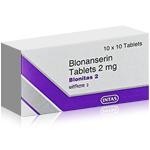
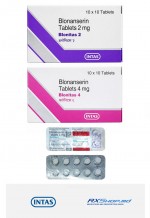
Actual product may differ in appearance from image shown.
Blonitas is a generic form of blonanserin, an atypical antipsychotic primarily used for schizophrenia. It helps reduce core symptoms such as hallucinations, delusions, suspiciousness, agitation, and disorganized thinking by modulating dopamine and serotonin signaling in the brain. Many patients aim for improved social functioning, clearer cognition, and steadier mood during continuous therapy.
Typical effects are not instant - benefits often build gradually over days to weeks, and consistent dosing is important for stable symptom control. Common side effects may include drowsiness, dizziness, dry mouth, constipation, nausea, and weight changes; some people may experience restlessness or sleep disturbances.
Rare but serious risks can include movement-related symptoms (tremor, stiffness), significant sedation, or changes in blood pressure, especially when combined with alcohol or sedatives. Use requires medical supervision, particularly for people with heart rhythm issues, liver impairment, or a history of seizures.
Manufacturer:

Active ingredients:
Blonitas contains blonanserin, an atypical antipsychotic used mainly for schizophrenia support, helping reduce hallucinations, delusions, and agitation while promoting clearer thinking and steadier daily functioning with consistent use; the active ingredient has the chemical formula C₁₇H₁₉FN₄, making this option a focused choice for patients who need reliable symptom control under medical guidance.
Indications:
- Schizophrenia: Primary approved indication in several countries - used to treat positive symptoms (hallucinations, delusions), negative symptoms (social withdrawal, low motivation), and related thought disorganization;
- Acute schizophrenia exacerbation (acute psychosis): Used when schizophrenia symptoms suddenly worsen and rapid stabilization is needed under medical care;
- Schizophrenia maintenance therapy (relapse prevention): Continued long-term treatment to help keep symptoms controlled and reduce the risk of relapse after improvement;
- Other psychotic disorders: Sometimes considered when a clinician judges similar psychotic symptoms require an antipsychotic, but this may be off-label depending on local rules;
- Bipolar disorder - acute mania or mixed episode: In some clinical references it is listed as a possible use, often off-label depending on country and guidelines;
- Bipolar disorder - maintenance: Sometimes mentioned as a potential maintenance option in specialist references, typically off-label unless specifically approved locally.
- Acute schizophrenia exacerbation (acute psychosis): Used when schizophrenia symptoms suddenly worsen and rapid stabilization is needed under medical care;
- Schizophrenia maintenance therapy (relapse prevention): Continued long-term treatment to help keep symptoms controlled and reduce the risk of relapse after improvement;
- Other psychotic disorders: Sometimes considered when a clinician judges similar psychotic symptoms require an antipsychotic, but this may be off-label depending on local rules;
- Bipolar disorder - acute mania or mixed episode: In some clinical references it is listed as a possible use, often off-label depending on country and guidelines;
- Bipolar disorder - maintenance: Sometimes mentioned as a potential maintenance option in specialist references, typically off-label unless specifically approved locally.
Benefits:
- Reduces hallucinations: Helps decrease hearing or seeing things that are not real, lowering distress and improving daily stability;
- Reduces delusions and paranoia: Can lessen fixed false beliefs and suspiciousness, supporting more realistic thinking;
- Calms agitation and aggression: May reduce inner tension, irritability, and impulsive behavior during symptom flare ups;
- Improves thought organization: Helps make thinking feel less chaotic, which can improve conversation and decision making;
- Supports social functioning: By easing core symptoms, some people find it easier to engage with family, work, and routines;
- May help negative symptoms: In some patients, can support motivation, emotional responsiveness, and interest in activities;
- Promotes better sleep-wake stability: When symptoms and agitation decrease, sleep patterns may become more regular;
- Helps relapse prevention: Ongoing treatment can reduce the risk of symptom return when used consistently under supervision.
- Reduces delusions and paranoia: Can lessen fixed false beliefs and suspiciousness, supporting more realistic thinking;
- Calms agitation and aggression: May reduce inner tension, irritability, and impulsive behavior during symptom flare ups;
- Improves thought organization: Helps make thinking feel less chaotic, which can improve conversation and decision making;
- Supports social functioning: By easing core symptoms, some people find it easier to engage with family, work, and routines;
- May help negative symptoms: In some patients, can support motivation, emotional responsiveness, and interest in activities;
- Promotes better sleep-wake stability: When symptoms and agitation decrease, sleep patterns may become more regular;
- Helps relapse prevention: Ongoing treatment can reduce the risk of symptom return when used consistently under supervision.
Analogs:
Blonaselem, Blonaser, Blonet, Blonitas, Blosana, Blosern, Elicia, Lonasen, Lonasen Tape.