Buy Rifadin (Rifampin) Online — Original Sanofi Brand First-Line Antituberculosis & Antimycobacterial Rifamycin

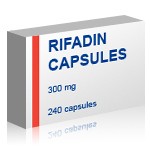
Rifadin is the original brand-name formulation of Rifampin — one of the most clinically critical antibiotics ever developed and the foundation of modern tuberculosis treatment programmes worldwide. Originally developed by Lepetit Research Laboratories and now marketed by Sanofi, Rifadin has been FDA-approved since 1971 and remains the most important sterilizing drug in the standard RIPE (Rifampin + Isoniazid + Pyrazinamide + Ethambutol) tuberculosis treatment regimen.
The active ingredient is Rifampin, a semi-synthetic rifamycin antibiotic that works by inhibiting bacterial DNA-dependent RNA polymerase through binding to the β-subunit — blocking transcription of bacterial DNA into RNA. Unlike most antibiotics, Rifampin is uniquely bactericidal against both actively dividing AND stationary-phase 'persister' bacteria — including dormant mycobacteria that survive other antituberculosis drugs. This sterilizing activity allows tuberculosis cure within 6 months rather than 18+ months without Rifampin.
Rifampin provides excellent activity against Mycobacterium tuberculosis, Mycobacterium leprae, Mycobacterium avium complex, Neisseria meningitidis, Haemophilus influenzae, Staphylococcus aureus including MRSA (in combination regimens), and numerous other important bacteria.
Rifadin is FDA-approved for treatment of all forms of pulmonary tuberculosis in combination with other antituberculosis drugs, as a component of multidrug leprosy therapy, and for elimination of meningococcal and Haemophilus influenzae type b carriers. It is also widely used for MRSA endocarditis (combination therapy), prosthetic joint infections, MAC treatment, brucellosis, Q fever endocarditis, and various other mycobacterial infections.
The medication is available as 150 mg and 300 mg capsules and an intravenous formulation (Rifadin IV). Standard adult tuberculosis dosing is 10 mg/kg once daily (maximum 600 mg) taken on empty stomach.
Critical warnings include hepatotoxicity, characteristic orange-red discoloration of body fluids, and strong CYP450 enzyme induction with extensive drug interactions — including dramatic reduction in effectiveness of oral contraceptives, warfarin, HIV protease inhibitors, methadone, immunosuppressants, and many other commonly co-prescribed medications.
Free prescription
Discrete packaging
Have questions?
Quality Assurance

- Inpatient TB Initiation: For inpatient initiation of TB treatment with brand-name Rifadin under directly observed therapy;
- Rifadin IV Hospital: IV Rifadin formulation for hospitalized patients unable to take oral medication;
- ID Specialist Prescribed TB: Infectious disease specialist preferred brand for established TB therapy and TB consultation;
- Pulmonologist Preferred Brand: Pulmonology specialist preferred brand for pulmonary tuberculosis treatment continuity;
- WHO TB Programme Standard: Standard component of WHO global tuberculosis treatment programmes worldwide;
- Pulmonary Tuberculosis: First-line for pulmonary tuberculosis in standard 4-drug RIPE regimen;
- Tuberculous Meningitis: For tuberculous meningitis with adjunctive corticosteroids — crosses inflamed meninges;
- Pott Disease Spinal TB: For Pott disease (spinal tuberculosis) requiring extended multidrug therapy;
- CNS Tuberculosis Brand: For CNS tuberculosis with brand-name formulation supporting hospital-grade treatment;
- Pediatric Hospital TB: For pediatric tuberculosis in hospitalized children with brand-name reliability;
- Tuberculosis In Pregnancy: For tuberculosis treatment during pregnancy — acceptable risk/benefit profile;
- Tuberculosis Immune Compromised: For TB in immunocompromised patients including HIV with careful drug interaction management;
- Newborn Meningococcal Prophylaxis: For newborn meningococcal prophylaxis following exposure — brand-name accuracy in pediatric dosing;
- Healthcare Worker Meningococcal Exposure: For healthcare worker post-exposure meningococcal prophylaxis;
- Daycare Meningococcal Outbreak: For daycare contact prophylaxis during meningococcal outbreak;
- College Meningitis Outbreak: For college dormitory meningococcal outbreak contact prophylaxis;
- Military Meningitis Outbreak: For military barracks meningococcal outbreak prophylaxis among contacts;
- Hib Vaccine Failure Prophylaxis: For Haemophilus influenzae type b prophylaxis in unvaccinated household contacts;
- Implant Infection Brand: For prosthetic implant infections requiring brand-name Rifampin biofilm penetration;
- Bone Cement Infection: For prosthetic joint infections involving bone cement requiring biofilm-penetrating antibiotic;
- Cholestatic Pruritus Off Label: Off-label use for severe pruritus of cholestasis in primary biliary cholangitis;
- Coccidiomycosis Refractory: Selective off-label use in refractory coccidiomycosis combined with antifungal therapy.
- Less Night Sweats: Resolution of characteristic night sweats of active tuberculosis;
- Less Fever: Resolution of low-grade fever associated with active TB infection;
- Better Weight Gain: Reversal of TB-related weight loss as infection clears;
- Better Energy: Recovery from TB-related fatigue and malaise;
- Better Appetite: Restoration of appetite as systemic mycobacterial infection resolves;
- Less Hemoptysis: Resolution of blood-streaked sputum as pulmonary TB improves;
- Better Lung Function: Improvement in lung function as TB cavities and infiltrates resolve;
- Less Back Pain: Resolution of spinal pain in Pott disease (spinal TB) with treatment;
- Less Skin Lesions: Resolution of leprosy skin lesions and prevention of nerve damage progression;
- Less Cholestatic Itching: Off-label benefit for severe pruritus of cholestatic liver disease;
- Better Heart Outcomes: Lifesaving combination therapy for MRSA endocarditis and prosthetic joint infections;
- Lifesaving TB Therapy: Most important sterilizing drug in modern TB treatment — transformative for TB outcomes;
- Better Daily Function: Return to normal activities as serious tuberculosis or other infection resolves;
- Brand Rifadin: Original Sanofi brand of Rifampin — most globally recognised TB antibiotic brand since 1971;
- Generic Rifampin: Affordable generic versions of Rifampin available globally for cost-sensitive patients;
- Sanofi Pharmaceutical Heritage: Developed by Lepetit Research and marketed by Sanofi with decades of pharmaceutical heritage;
- Rifamycin Antibiotic: Foundational rifamycin class antibiotic with unique RNA polymerase inhibition mechanism;
- RNA Polymerase Inhibitor: Inhibits bacterial DNA-dependent RNA polymerase — blocks DNA-to-RNA transcription;
- Bactericidal Persister Cells: Active against dormant persister bacteria that survive most other antibiotics — unique property;
- Sterilizing TB Drug: Most important sterilizing drug in TB regimens — allows shorter 6-month total therapy;
- TB Standard Therapy: Foundation of standard first-line tuberculosis therapy globally per WHO guidelines;
- Specialist Trusted Brand: Brand trusted by infectious disease, pulmonology, and travel medicine specialists worldwide;
- Hospital Discharge Brand: Standard hospital discharge brand for completing TB treatment courses at home;
- Brand IV Formulation: Rifadin IV formulation supports hospital intravenous therapy for patients unable to swallow;
- Meningococcal Prophylaxis Standard: Standard prophylactic regimen for close contacts of meningococcal disease;
- Leprosy Multidrug Therapy: Foundation of WHO leprosy multidrug therapy worldwide;
- MAC Therapy Foundation: Foundation of Mycobacterium avium complex therapy combined with macrolide and Ethambutol;
- Biofilm Penetration Antibiotic: Excellent biofilm penetration supports use in prosthetic joint infections and endocarditis;
- MRSA Combination Therapy: Standard combination for MRSA endocarditis and prosthetic implant infections;
- Once Daily TB Drug: Convenient once-daily oral dosing on empty stomach supports adherence;
- Combination TB Drugs: Available in fixed-dose combinations (Rifater = R+I+P, Rifamate = R+I) supporting adherence;
- Pregnancy Acceptable TB: Acceptable during pregnancy as component of TB therapy — benefits outweigh risks;
- Pediatric TB Standard: Standard component of pediatric TB therapy with weight-based dosing;
- WHO Essential Medicine: Listed on the WHO Model List of Essential Medicines — critical for global TB and leprosy control;
- 50 Plus Year Brand History: Extensive real-world safety and efficacy data since 1971 across billions of patient courses;
- Hepatotoxicity Warning: Elevated liver enzymes and hepatitis — monthly LFT monitoring during therapy;
- Orange Red Discoloration: Characteristic orange-red discoloration of urine, sweat, tears, soft contact lenses — harmless but striking;
- CYP450 Strong Inducer: Strong CYP3A4 and other CYP450 enzyme induction — many drug interactions;
- Reduces Oral Contraceptives: Reduces effectiveness of oral contraceptives — use additional contraception during therapy;
- Warfarin Interaction: Reduces warfarin anticoagulation — monitor INR and adjust warfarin dose;
- HIV Protease Inhibitor Interaction: Dramatic reduction in HIV protease inhibitor levels — use Rifabutin instead if PI-based ART;
- Empty Stomach Dosing: Take on empty stomach (1 hour before or 2 hours after meals) for optimal absorption;
- Stable Storage: Capsules stable at room temperature — convenient for extended treatment courses;
- Globally Available: Most globally recognised TB antibiotic brand — familiar to clinicians worldwide.
Generic Rifadin (Rifampin 150 mg) Medication guide:
📖 What is Rifadin and where rifampin fits in modern practice
Rifadin is the Sanofi brand of rifampin (also called rifampicin in many countries), a rifamycin antibiotic. Rifampin was approved by the FDA in 1971 and has been one of the most important antibiotics in modern medicine ever since. It is the anchor drug of first-line tuberculosis treatment and has crucial roles in several other infections.
🔑 Key facts at a glance
- Class: rifamycin (anti-mycobacterial with broader activity)
- Mechanism: blocks bacterial RNA polymerase
- Standard dose: 10 mg per kilogram once daily (usually 600 mg for adults)
- Absorption: excellent oral absorption; take on empty stomach
- Half-life: 2 to 5 hours
- Main uses: tuberculosis, latent TB, meningococcal prophylaxis, MRSA combination therapy, leprosy
- Pregnancy: Category C
- Signature effect: orange-red discoloration of urine, tears, sweat, saliva
Rifampin's unique value comes from three properties: excellent tissue penetration (including through the physical barriers around prostate, bone, and infected devices), sterilizing bactericidal activity that kills bacteria in all growth phases including dormant, and synergy with other antibiotics that makes it valuable in combination therapy for difficult-to-treat infections.
⚠️ Important safety concerns to know
- Hepatotoxicity — risk of liver injury requiring monitoring
- Massive drug interactions through liver enzyme induction (CYP450) — affects many other medications
- Orange-red body fluids — harmless but distinctive and irreversible for the course
- Flu-like syndrome — when used intermittently or at high doses
- Never use as monotherapy for TB — resistance emerges rapidly
- Rare but serious effects — thrombocytopenia, acute kidney injury, hypersensitivity
🧪 Why rifampin remains essential
Rifampin is one of the few antibiotics that can kill mycobacteria hiding in dormant states, penetrate into biofilms on infected joints and hardware, and sterilize prostate tissue. No other single antibiotic combines these properties. This is why rifampin remains central to modern anti-tuberculosis therapy and combination treatment of prosthetic device infections.
🕑 History: 1971 approval and the rifamycin discovery
Rifampin was discovered in the mid-1960s by researchers at Lepetit Laboratories in Italy. It was derived from the natural rifamycin compounds produced by soil bacteria of the Amycolatopsis genus (originally classified as Streptomyces mediterranei). The FDA approved rifampin as Rifadin in 1971, and it rapidly transformed tuberculosis treatment.
| Year | Milestone |
|---|---|
| 1957 | Rifamycin discovered by Lepetit Laboratories from soil bacterium in France |
| Mid-1960s | Chemical modifications produce rifampin with improved oral absorption |
| 1971 | FDA approves Rifadin for tuberculosis; revolutionizes TB treatment |
| 1970s | Combined with isoniazid to shorten TB treatment from 18-24 months to 9-12 months |
| 1980s | Standard four-drug regimen (HRZE) with rifampin enables 6-month TB treatment |
| 1980s to 1990s | Rifampin combination therapy established for prosthetic joint infections, MRSA endocarditis, meningococcal prophylaxis |
| 1990s | Extended-half-life rifamycins (rifabutin, rifapentine) developed for specific indications |
| 2000s | MDR-TB defined as resistance to rifampin plus isoniazid — rifampin's importance highlighted |
| 2016 | Updated ATS-IDSA-CDC TB guidelines reaffirm rifampin as core first-line drug |
| 2020s | High-dose rifampin trials aimed at shortening TB treatment to 4 months |
| Present | Rifadin brand from Sanofi, alongside multiple international generic manufacturers |
🧪 The TB treatment revolution
Before rifampin, tuberculosis required 18 to 24 months of complex multi-drug therapy with modest cure rates. The addition of rifampin allowed treatment shortening to 9 months, then 6 months when combined with pyrazinamide. This transformation is one of the most successful examples of antibiotic development in medical history. Millions of TB patients globally have been cured through rifampin-containing regimens.
🌐 Global availability
Rifampin is on the WHO Essential Medicines List and is universally available. Sanofi produces Rifadin as the branded form. Multiple international generic manufacturers produce affordable generic rifampin used in most global TB programs.
⚙️ Mechanism: RNA polymerase inhibition and sterilizing effect
Rifampin works by blocking bacterial RNA polymerase, the enzyme that copies DNA into messenger RNA. Without new mRNA, bacteria cannot make new proteins, and they die. This is a mechanism that no other major antibiotic class uses, which is why rifampin has no cross-resistance with beta-lactams, tetracyclines, fluoroquinolones, or other common classes.
🧬 The molecular story
- Rifampin is absorbed from the intestine and enters cells throughout the body
- It enters bacterial cells and binds tightly to the beta subunit of RNA polymerase
- This blocks the enzyme from starting to make new RNA molecules
- Without new mRNA, bacteria cannot produce proteins needed to grow and survive
- Bacterial death follows within hours
- Human RNA polymerase is different in structure and is not affected
🔬 The sterilizing effect
Most antibiotics work only against actively growing bacteria. Rifampin is different: it also kills dormant bacteria that are not actively dividing. This is called the sterilizing effect. For tuberculosis in particular, this is critical because Mycobacterium tuberculosis often persists in dormant states within lung tissue and macrophages. Rifampin's ability to kill these dormant bacteria is why TB treatment could be shortened from 18 months to 6 months once rifampin was added to the regimen.
🔑 Why rifampin penetrates biofilms and hardware
Rifampin has a unique ability to penetrate bacterial biofilms — the protective layer that bacteria form on prosthetic joints, catheters, heart valves, and other foreign devices. Most other antibiotics cannot reach bacteria hidden within biofilms. This is why rifampin is combined with vancomycin or oxacillin for prosthetic joint infections and MRSA endocarditis on prosthetic valves. Without rifampin, treatment often fails because the bacteria in biofilm survive.
🔴 Why resistance emerges rapidly
Bacterial resistance to rifampin can develop through a single point mutation in the rpoB gene (which codes for the RNA polymerase beta subunit). This mutation prevents rifampin from binding. Resistance develops rapidly if rifampin is used alone:
- Rifampin monotherapy for active TB leads to resistance within weeks
- This is why rifampin is never used alone for TB treatment
- Combining with other drugs (isoniazid, pyrazinamide, ethambutol) prevents resistance
- For MRSA prosthetic device infection, rifampin is always combined with a second drug
🧬 Rifampin among the rifamycins
The rifamycin class has several members. Understanding how they compare helps clarify when rifampin fits versus when a related drug is preferred.
| Drug | Dosing | Main use |
|---|---|---|
| Rifampin (Rifadin) | Once daily | TB, MRSA combination, meningococcal, leprosy |
| Rifabutin (Mycobutin) | Once daily | TB in HIV-positive patients on antiretrovirals; MAC prophylaxis |
| Rifapentine (Priftin) | Weekly or twice weekly | Latent TB (3HP regimen); TB continuation phase |
| Rifaximin (Xifaxan) | Two or three times daily | Traveler's diarrhea, hepatic encephalopathy, IBS-D (gut-only absorption) |
🔗 Where rifampin stands out
- Broadest use: TB, MRSA combination, meningococcal prophylaxis, leprosy, prosthetic device infection
- Longest track record: 55 years of clinical use since 1971
- Most CYP induction: strongest drug interaction potential of the rifamycin class
- Universal availability: cheapest and most widely distributed rifamycin globally
- WHO Essential Medicines List inclusion
⚖️ Rifampin vs rifabutin
Rifabutin has weaker CYP induction than rifampin. This makes it preferred for TB treatment in HIV-positive patients who are also on protease inhibitors or non-nucleoside reverse transcriptase inhibitors that would be dangerously reduced by rifampin. Rifabutin is also standard for MAC prophylaxis in advanced HIV disease. Otherwise, rifampin remains the default rifamycin for most indications due to lower cost and broader experience.
⚖️ Rifampin vs rifapentine
Rifapentine has a much longer half-life (13 hours vs 3 hours for rifampin) supporting weekly dosing. This has revolutionized latent TB treatment through the 3HP regimen (3 months of weekly isoniazid plus rifapentine, 12 doses total) that is now preferred by CDC over the older 9-month isoniazid daily regimen. For active TB, rifampin remains standard due to daily dosing infrastructure and cost advantages.
🦠 Spectrum: TB, MRSA, meningococcus, and specific niches
Rifampin has a focused spectrum that covers mycobacteria, some gram-positive bacteria including MRSA, Neisseria meningitidis, Haemophilus influenzae type b, and a few other specific pathogens. It is not used for common gram-negative infections.
✅ Reliable coverage
- Mycobacterium tuberculosis — primary use; core drug in HRZE regimen
- Mycobacterium leprae — leprosy treatment component
- Mycobacterium avium complex — combination therapy component
- Mycobacterium kansasii — combination therapy component
- Staphylococcus aureus including MRSA — combination therapy for biofilm/device infections
- Neisseria meningitidis — carrier eradication in close contacts
- Haemophilus influenzae type b — prophylaxis in close contacts of invasive disease
- Brucella species — combination therapy for brucellosis
- Legionella pneumophila — combination therapy in severe cases
- Bartonella species — some activity
⛔ No or poor coverage
- Common gram-negative bacteria (E. coli, Klebsiella, Pseudomonas, others)
- Anaerobic bacteria
- Enterococcus species
- Streptococcal species (rifampin has activity but is not used for streptococcal infection)
- Atypical intracellular pathogens (Chlamydia, Mycoplasma)
- Viral infections
- Fungal infections
🧪 The three main uses
Rifampin has three main clinical roles:
- Anti-mycobacterial: TB (active and latent), leprosy, nontuberculous mycobacteria
- MRSA combination therapy: prosthetic joint infection, prosthetic valve endocarditis, some other biofilm-associated MRSA infections
- Prophylaxis: meningococcal carrier eradication, H. influenzae type b close contact prophylaxis
Other uses (brucellosis, legionella) are less common but supported by clinical evidence.
🔬 The MRSA combination story
Rifampin alone is not adequate for MRSA infection because resistance develops rapidly. Combined with vancomycin, daptomycin, or another anti-MRSA agent, rifampin is essential for infections involving bacterial biofilms on prosthetic devices. Studies show substantially higher cure rates with rifampin combination therapy versus the primary agent alone for prosthetic joint infections and prosthetic valve MRSA endocarditis.
💉 Excellent oral absorption and tissue penetration
Rifampin's pharmacokinetic profile enables convenient once-daily dosing and excellent penetration into difficult tissues. Understanding the absorption and distribution helps explain proper administration.
| Feature | Value |
|---|---|
| Oral absorption | Excellent (over 90 percent) |
| Food effect | Take on empty stomach — food substantially reduces absorption |
| Time to peak | 2 to 4 hours |
| Serum peak (600 mg dose) | 8 to 24 mcg/mL |
| Half-life (steady state) | 2 to 5 hours (decreases with continued use due to auto-induction) |
| Protein binding | 80 percent |
| Metabolism | Extensive liver metabolism; auto-induces its own metabolism |
| Excretion | Biliary (primarily) and renal (secondary) |
🌐 Where rifampin reaches
- Lung tissue and cavitary lesions
- Excellent penetration — foundation of TB efficacy
- Bone and prosthetic joint tissue
- Excellent penetration including through biofilms
- Prostate tissue
- Good penetration — useful for MRSA prostatitis
- Intracellular (macrophages)
- Good — kills mycobacteria hiding inside cells
- Cerebrospinal fluid
- 10 to 30 percent of serum — adequate for TB meningitis when combined with other drugs
- Saliva, tears, sweat, urine
- All accessible — explains the orange-red discoloration seen with all these fluids
- Placenta and breast milk
- Present — considerations for pregnancy and lactation
🍞 Take on empty stomach
Food substantially reduces rifampin absorption. Take at least 1 hour before or 2 hours after meals to ensure adequate blood levels. This is especially important for TB treatment where suboptimal levels risk treatment failure and resistance emergence. Antacids also reduce absorption — space at least 1 hour apart.
🔬 Auto-induction
Rifampin induces its own metabolism in the liver. This means the half-life shortens over the first week or two of therapy. Steady state is reached after about 2 weeks. This effect does not require dose adjustment for standard indications but explains why drug levels may need monitoring in complex clinical situations.
🏥 FDA-approved indications
Rifampin has several FDA-approved indications. Additional off-label but guideline-supported uses expand its role in modern clinical practice.
🎯 FDA-approved indications
- Active tuberculosis as part of combination therapy (HRZE regimen)
- Neisseria meningitidis carrier state — eradication in nasopharyngeal carriers who are close contacts of invasive disease cases
- Some formulations also approved for tuberculosis in pediatric patients
🩹 Off-label but guideline-supported uses
- Latent tuberculosis infection
- 4-month rifampin monotherapy or 3-month rifampin plus isoniazid combination as CDC-preferred regimens.
- Leprosy
- Component of WHO multidrug therapy for leprosy.
- Haemophilus influenzae type b prophylaxis
- Close contact prophylaxis in select scenarios of invasive Hib disease.
- MRSA prosthetic joint infection
- Combination therapy with vancomycin or daptomycin per IDSA guidelines.
- MRSA prosthetic valve endocarditis
- Combination therapy component for prosthetic valve involvement.
- Mycobacterium avium complex
- Combination therapy with macrolide and ethambutol for pulmonary MAC.
- Brucellosis
- Combination therapy with doxycycline or streptomycin.
- Severe Legionella pneumonia
- Combination with fluoroquinolone or macrolide in severe cases.
⛔ NOT indicated for
- Common bacterial infections (urinary tract, respiratory tract, skin/soft tissue)
- Any indication where a fluoroquinolone, cephalosporin, or beta-lactam is standard
- Monotherapy for TB or MRSA (rapid resistance emergence)
- Empirical use where susceptibility is not established or the infection is not proven mycobacterial
- Viral or fungal infections
🫁 Tuberculosis: the core drug in HRZE regimen
Rifampin is the anchor drug of first-line tuberculosis treatment. The standard regimen for drug-susceptible pulmonary TB is called HRZE and includes rifampin (R) along with isoniazid (H), pyrazinamide (Z), and ethambutol (E). This 4-drug combination cures over 95 percent of drug-susceptible TB in 6 months.
📋 Standard drug-susceptible TB regimen
- Intensive phase (2 months): rifampin + isoniazid + pyrazinamide + ethambutol (HRZE)
- Continuation phase (4 months): rifampin + isoniazid (HR)
- Total treatment: 6 months
- Daily dosing throughout, with directly observed therapy where feasible
- Extended to 9 months for cavitary disease with positive sputum at month 2
- Extended to 12 months for TB meningitis and some other extrapulmonary sites
🔑 Why rifampin is the anchor drug
- Sterilizing effect kills mycobacteria in all growth phases including dormant persisters
- Enables treatment shortening — without rifampin, TB would require 12 to 18 months
- Excellent tissue penetration reaches TB in cavitary lesions and macrophages
- Rifampin resistance defines multi-drug resistant TB (MDR-TB) requiring completely different regimens
- Loss of rifampin from a TB regimen doubles or triples treatment failure risk
🔴 Why never as monotherapy
Rifampin monotherapy for active TB causes rapid emergence of resistance within weeks. This is why rifampin must always be combined with at least one other effective drug for active TB. The four-drug HRZE regimen protects against resistance because any surviving bacterium would need to acquire multiple mutations simultaneously — a rare event.
🧪 The MDR-TB definition
Multi-drug resistant tuberculosis (MDR-TB) is defined as resistance to at least rifampin plus isoniazid, the two most important TB drugs. This definition centers on rifampin because losing rifampin activity is what makes TB treatment so much more difficult. MDR-TB requires 18 to 24 month regimens with different drugs including bedaquiline, linezolid, and fluoroquinolones. Recent short-course MDR-TB regimens (6 to 9 months) using BPaL (bedaquiline, pretomanid, linezolid) offer improved options but still take longer and are more toxic than standard HRZE.
🔬 High-dose rifampin research
Ongoing trials are testing higher rifampin doses (25 to 35 mg per kg daily instead of the standard 10 mg per kg) to further shorten TB treatment to 4 months. Preliminary results are promising but not yet standard practice. This research reflects rifampin's central importance in modern TB control efforts.
🔴 Latent tuberculosis: rifampin monotherapy option
Latent tuberculosis infection (LTBI) is the state where a person has been infected with M. tuberculosis but does not have active disease. Treating latent TB prevents progression to active TB later. Rifampin has become a preferred option for LTBI treatment because of shorter courses and better tolerability than the older 9-month isoniazid regimen.
| Regimen | Dosing | Duration |
|---|---|---|
| 4R (rifampin monotherapy) | Daily | 4 months — CDC-preferred |
| 3HR (rifampin plus isoniazid) | Daily | 3 months |
| 3HP (isoniazid plus rifapentine, not rifampin) | Weekly | 3 months (12 doses) |
| 9H (isoniazid monotherapy) | Daily | 9 months (older standard, still acceptable) |
✅ Advantages of rifampin-based LTBI regimens
- Shorter treatment (3 to 4 months vs 9 months for isoniazid alone)
- Better completion rates because of shorter duration
- Less hepatotoxicity risk than long isoniazid courses
- Simplified monitoring
- Similar or better efficacy in preventing progression to active TB
📋 Standard 4R dosing
- Rifampin 600 mg once daily for 4 months
- Take on empty stomach (1 hour before or 2 hours after meals)
- Weight-adjusted dose for pediatric or adults over 100 kg
- Baseline liver function tests
- Monthly clinical visits and symptom assessment
- Complete blood count and liver enzymes if symptoms suggest problems
⚠️ Drug interaction screening critical
Because 4R monotherapy runs 4 months, patients must be screened for concurrent medications that would be affected by rifampin's liver enzyme induction. Oral contraceptives, warfarin, some antidepressants, HIV antiretrovirals, immunosuppressants, statins, and many other drugs have reduced effectiveness. The 3HP regimen (rifapentine plus isoniazid weekly) may be preferred for patients on multiple interacting medications because rifapentine has less CYP induction than rifampin.
🧠 Meningococcal carrier eradication
Rifampin is one of the standard options for eradicating Neisseria meningitidis from the nose and throat of close contacts of invasive meningococcal disease cases. This chemoprophylaxis prevents secondary cases.
👤 Who needs prophylaxis
- Household contacts of invasive meningococcal disease
- Childcare center contacts including staff
- Anyone with direct exposure to oral secretions (kissing, shared utensils, mouth-to-mouth resuscitation)
- Passengers who sat next to the index case on flights over 8 hours
- Healthcare workers with direct unprotected mouth exposure to secretions
| Chemoprophylaxis option | Regimen |
|---|---|
| Rifampin | 600 mg PO every 12 hours for 2 days (4 doses total) |
| Ciprofloxacin | 500 mg PO single dose (preferred by many programs) |
| Ceftriaxone | 250 mg IM single dose (preferred in pregnancy) |
| Azithromycin | 500 mg PO single dose (alternative) |
📋 Rifampin dosing details
- Adults: 600 mg every 12 hours for 4 doses
- Children 1 month to 12 years: 10 mg per kg every 12 hours for 4 doses (max 600 mg)
- Infants under 1 month: 5 mg per kg every 12 hours for 4 doses
- Take on empty stomach for optimal absorption
- Warn about orange-red body fluid discoloration
🧪 Ciprofloxacin often preferred as single dose
Because rifampin requires 4 doses over 2 days and has drug interaction concerns, ciprofloxacin single dose has become the preferred first-line chemoprophylaxis in many US public health programs. Rifampin remains a valid alternative particularly for children and pregnant women where fluoroquinolone use is limited. Ceftriaxone single IM injection is another alternative especially in pregnancy.
⚠️ Timing matters
Chemoprophylaxis should be given as soon as possible after exposure — ideally within 24 hours and no later than 14 days after the index case's illness. Later prophylaxis has diminishing benefit as most secondary cases occur within the first week.
👶 Haemophilus influenzae type b prophylaxis
Rifampin is used for chemoprophylaxis of close contacts of invasive Haemophilus influenzae type b (Hib) disease. This has become a less frequent scenario since routine Hib vaccination substantially reduced Hib disease incidence, but the indication remains standard when needed.
👶 When Hib prophylaxis is indicated
- Household contacts if there is an unvaccinated or under-vaccinated child under 4 years in the household
- Childcare contacts if there is an unvaccinated child under 4 years and more than one case
- The index case if under 2 years old (to eradicate carriage before returning to community)
- Not routinely needed for schools or workplaces
- Not needed for fully vaccinated adults
📋 Rifampin dosing for Hib prophylaxis
- Adults: 600 mg once daily for 4 days
- Children 1 month to 12 years: 20 mg per kg once daily (max 600 mg) for 4 days
- Infants under 1 month: 10 mg per kg once daily for 4 days
- Take on empty stomach
- Warn about orange-red body fluid discoloration
- Screen for concurrent medications with interaction potential
✅ Why routine Hib vaccination matters
Universal Hib vaccination has reduced invasive Hib disease by over 95 percent in countries with strong vaccination programs. This has made the need for chemoprophylaxis rare in modern US and European practice. In under-vaccinated populations globally, Hib remains a significant cause of childhood meningitis and pneumonia, and prophylaxis retains importance.
⚠️ Coordinate with public health
Hib prophylaxis decisions should involve local public health authorities. They can advise on specific case circumstances, vaccination status verification, timing, and follow-up. Individual clinicians should not implement Hib prophylaxis without public health input in most jurisdictions.
🩹 MRSA and prosthetic joint infection combination therapy
Rifampin has an established role in combination therapy for MRSA infections involving prosthetic devices or biofilms. This includes prosthetic joint infection, prosthetic valve endocarditis, and some cases of prolonged bacteremia. Rifampin's ability to penetrate biofilms makes it uniquely valuable for these difficult infections.
| MRSA infection scenario | Rifampin role |
|---|---|
| Prosthetic joint infection | Standard combination component with vancomycin or daptomycin |
| Prosthetic valve endocarditis | Combination therapy component; not for native valve endocarditis |
| Native valve endocarditis | Not routinely added; vancomycin alone standard |
| Persistent MRSA bacteremia | Consideration in select cases with underlying prosthetic material |
| MRSA osteomyelitis with hardware | Combination component when hardware retained |
| Uncomplicated MRSA skin infection | Not needed; TMP-SMX, doxycycline, or clindamycin sufficient |
🔑 Why rifampin combination works for biofilms
- Bacteria in biofilms are in slow growth or dormant states where most antibiotics are ineffective
- Rifampin's sterilizing action reaches these persistent bacteria
- Rifampin penetrates the biofilm matrix that protects bacteria from other antibiotics
- Combined with vancomycin or daptomycin, rifampin substantially improves cure rates for prosthetic device infection
- Single-drug therapy for prosthetic device infection has high failure rates
⚠️ Do not use rifampin monotherapy for MRSA
Rifampin monotherapy for any MRSA infection causes rapid resistance emergence. It must always be combined with vancomycin, daptomycin, ceftaroline, or another anti-MRSA agent. Additionally, rifampin should not be started until bacteremia has cleared and antimicrobial susceptibility is confirmed to reduce resistance emergence risk.
📋 Standard combination approach
- Confirm MRSA susceptibility to rifampin
- Ensure blood cultures are negative before adding rifampin
- Start rifampin 600 mg once daily (some protocols use 300 mg twice daily)
- Continue with primary anti-MRSA agent (vancomycin or daptomycin)
- Total course typically 6 weeks for prosthetic device infection
- Extend or modify based on surgical management
- Monitor for hepatotoxicity and drug interactions throughout
🧪 Evidence base
The strongest evidence for rifampin combination therapy is for prosthetic joint infection where randomized trials showed improved cure rates when rifampin was added to standard antibiotic. Similar evidence supports use in prosthetic valve endocarditis. Native valve endocarditis has not shown clear benefit from rifampin addition and it is not routinely recommended.
💊 Adult dosing: 600 mg once daily
Rifampin dosing is weight-based: typically 10 mg per kilogram of body weight, once daily, up to a maximum of 600 mg. Course length varies dramatically by indication from 2 days for meningococcal prophylaxis to 6 months for TB to lifelong for suppression therapy of some device infections.
| Indication | Dose | Duration |
|---|---|---|
| Active pulmonary TB (HRZE component) | 10 mg per kg daily (usually 600 mg) | 6 months (intensive plus continuation) |
| Latent TB (4R regimen) | 600 mg daily | 4 months |
| Meningococcal chemoprophylaxis | 600 mg every 12 hours | 2 days (4 doses) |
| H. influenzae type b chemoprophylaxis | 600 mg daily | 4 days |
| MRSA prosthetic joint infection combination | 600 mg daily (or 300 mg twice daily) | 6 weeks or longer per specialist |
| MRSA prosthetic valve endocarditis combination | 600 mg daily | 6 weeks minimum |
| Leprosy (WHO multidrug therapy) | 600 mg monthly (with dapsone plus clofazimine) | 6 to 12 months |
| Brucellosis combination | 600 to 900 mg daily | 6 weeks |
🍴 How to take Rifadin correctly
- Take on an empty stomach — 1 hour before or 2 hours after meals
- Take at the same time each day
- Take with a full glass of water
- Take at least 1 hour away from antacids
- Complete the full course as prescribed
- Do not stop early even if feeling better
- Warn patient about orange-red discoloration of urine, tears, sweat, saliva (harmless but distinctive)
- Advise about drug interactions and pharmacist consultation for any new medications
⚠️ Warning signs during treatment
- Yellow skin or eyes, dark urine, right upper belly pain — possible liver injury
- Nausea, vomiting, fatigue, appetite loss
- Unusual bruising or bleeding — possible thrombocytopenia
- Flu-like symptoms with intermittent dosing (fever, chills, muscle aches)
- Rash, itching, hives
- Reduced urine output or ankle swelling — possible kidney injury
- New shortness of breath
- Any bleeding while on warfarin (rifampin reduces warfarin effect — may need dose increase)
🔬 Renal and hepatic considerations
Rifampin is primarily processed by the liver and excreted through the bile. Kidney disease has less impact on rifampin dosing than liver disease. Baseline liver function testing is standard before starting rifampin for extended courses.
| Situation | Dose adjustment |
|---|---|
| Normal kidney function | Standard dose |
| Mild to moderate kidney impairment | Standard dose (minimal renal excretion) |
| Severe kidney impairment (CrCl below 30) | May need modest dose reduction; monitor levels if available |
| Hemodialysis | Not significantly removed; standard dose |
| Mild liver impairment | Use caution; monitor liver function more frequently |
| Moderate to severe liver impairment | Reduce dose or avoid; specialist consultation |
| Active liver disease (hepatitis) | Avoid until resolved; TB specialist input |
💛 Baseline liver function testing
Standard practice before starting rifampin for TB, latent TB, or extended combination therapy:
- AST and ALT (aminotransferases)
- Total bilirubin
- Alkaline phosphatase
- Complete blood count
- Repeat monthly during treatment if baseline abnormal
- Repeat at 2 to 4 weeks if baseline normal for TB treatment
- Trigger for testing: nausea, appetite loss, jaundice, dark urine, fatigue
📋 Managing baseline liver problems
- Chronic hepatitis B or C: use with monitoring; specialist coordination
- Alcohol use disorder: address alcohol use; monitor closely
- Fatty liver disease: use with monitoring; watch for worsening
- Prior drug-induced liver injury from any drug: use caution; monitor closely
- Elderly with reduced hepatic reserve: monitor more frequently
🧪 The auto-induction consideration
Rifampin induces its own metabolism over the first 1 to 2 weeks. This means blood levels are highest early in therapy. Some clinicians prefer to check liver function at 2 weeks after starting to catch early hepatotoxicity when drug exposure is at peak. For extended combination therapy (prosthetic device infection, MRSA endocarditis), monthly monitoring is prudent.
💥 Drug interactions: the CYP induction problem
Rifampin has one of the most extensive drug interaction profiles in medicine. It is a powerful inducer of many liver enzymes (CYP450 family including 3A4, 2C9, 2C19, others) and drug transporters. This means rifampin can substantially reduce the effectiveness of many other medications by making the liver break them down faster.
🔴 Medications with clinically important interaction
- Warfarin — reduced anticoagulation; INR may drop dramatically; increase dose or switch
- Oral contraceptives — may fail; use additional/alternative contraception
- HIV antiretrovirals: most protease inhibitors and NNRTIs contraindicated with rifampin
- Immunosuppressants: cyclosporine, tacrolimus, sirolimus, mycophenolate substantially reduced
- Corticosteroids: prednisone, dexamethasone, hydrocortisone activity reduced (dose adjust)
- Statins: simvastatin, atorvastatin, others reduced
- Direct oral anticoagulants (DOACs): rivaroxaban, apixaban, dabigatran reduced — avoid combination
- Calcium channel blockers: verapamil, diltiazem, dihydropyridines reduced
- Beta blockers: metoprolol and propranolol reduced
- Azole antifungals: fluconazole, itraconazole, voriconazole reduced
- Methadone — reduced; may precipitate withdrawal in opioid-dependent patients
- Antidepressants: sertraline, citalopram, escitalopram reduced
- Antipsychotics: haloperidol, olanzapine, quetiapine reduced
- Anticonvulsants: phenytoin, carbamazepine bidirectional
- Levothyroxine — may need dose increase for hypothyroidism
| Interaction magnitude | Onset and offset |
|---|---|
| Effects begin within 2 to 3 days of starting rifampin | Peak effect at 1 to 2 weeks |
| Effects persist 1 to 2 weeks after stopping rifampin | Enzyme levels return to baseline over several weeks |
👩 Contraception counseling essential
Because rifampin reduces oral contraceptive effectiveness, women of childbearing age must be counseled about contraception. Options include: adding a barrier method (condoms), switching to a non-hormonal method (copper IUD), or using a hormonal method that is not affected by rifampin (some IUDs). Pregnancy during rifampin course is undesirable both because of pregnancy timing and because rifampin itself has Category C pregnancy considerations.
📋 Interaction management framework
- Comprehensive medication review before starting rifampin
- Consult with pharmacist for complex regimens
- Switch or dose-adjust interacting medications proactively
- Monitor drug levels for narrow-therapeutic-index drugs (warfarin, immunosuppressants)
- Consider rifabutin as alternative when major HIV medication interactions are the issue
- Educate patient about not adding new medications without checking
- Coordinate with all treating specialists
⛔ Absolute drug interaction contraindications
Some HIV antiretrovirals cannot be co-administered with rifampin at any dose adjustment (most protease inhibitors, some NNRTIs). Alternative agents (rifabutin, or non-rifamycin TB therapy) must be used. This is a specialty decision requiring HIV medicine and TB specialist input.
🤰 Pregnancy and lactation
Rifampin is FDA Pregnancy Category C. Because untreated TB is dangerous for both mother and baby, rifampin is used in pregnancy when TB treatment is needed. The benefits generally outweigh the risks in this scenario.
🤰 Pregnancy considerations
- Category C with animal studies showing cleft palate in high doses
- Human data reassuring across decades of TB treatment use
- Crosses the placenta at low concentrations
- Vitamin K deficiency and neonatal bleeding reported at delivery when rifampin used late in pregnancy — vitamin K supplementation is standard for mother and newborn
- Preferred inclusion in HRZE regimen for pregnancy TB treatment
- Untreated TB is dangerous for mother and fetus — treatment is essential
🦠 TB treatment in pregnancy
- Standard 4-drug regimen (rifampin, isoniazid, pyrazinamide, ethambutol) is generally used
- Vitamin B6 (pyridoxine) supplementation is essential during pregnancy TB treatment
- Vitamin K supplementation at delivery for mother and newborn
- Streptomycin is avoided because of fetal ear toxicity
- Some clinicians use isoniazid plus rifampin plus ethambutol for 9 months rather than adding pyrazinamide in early pregnancy where data are more limited
👶 Breastfeeding
Rifampin passes into breast milk in low concentrations. Breastfeeding is considered compatible with rifampin. The nursing infant receives a very small drug exposure. Monitor infant for any concerns. TB in an untreated nursing mother poses much greater risk to the baby than the low drug exposure through milk.
⚠️ TB and pregnancy require specialist care
All pregnancy TB cases should be managed with input from both TB and obstetric specialists. Drug selection, dosing, monitoring, and delivery timing all require careful individualisation. Contraception counseling before pregnancy is important because rifampin reduces oral contraceptive effectiveness.
🤔 Common adverse effects
Rifampin common side effects are usually mild. The unique orange-red body fluid discoloration is the most distinctive and universal effect (present in essentially all patients but harmless).
| Side effect | How often | What to do |
|---|---|---|
| Orange-red discoloration of urine, tears, sweat, saliva | Nearly universal | Harmless; warn patient beforehand; see section 19 |
| Nausea | 5 to 10 percent | Usually mild; take with small amount of food if severe (accepting reduced absorption) |
| Loss of appetite | Common | Small frequent meals; watch for jaundice signs |
| Vomiting | 2 to 5 percent | Usually early; call if persistent |
| Abdominal discomfort | 3 to 6 percent | Usually mild; monitor |
| Elevated liver enzymes | Common (asymptomatic) | Monitor; see section 21 |
| Rash | 3 to 5 percent | Usually mild; if extensive or with fever, contact prescriber |
| Headache | 3 to 5 percent | Usually mild |
| Fatigue or dizziness | 2 to 4 percent | Usually mild |
| Flu-like syndrome | With intermittent or high-dose therapy | See section 20 |
⚠️ Symptoms warranting immediate discontinuation
- Yellow skin or eyes, dark urine, right upper belly pain (possible liver injury)
- Persistent vomiting, severe fatigue, appetite loss
- Unusual bruising or bleeding (possible thrombocytopenia)
- Reduced urine output, ankle swelling (possible kidney injury)
- Widespread rash with fever or blistering
- Difficulty breathing, throat tightness, hives (anaphylaxis)
- Severe muscle weakness or new breathing difficulty
- Confusion, unusual mental status changes
- Severe flu-like symptoms with high fever
🔗 Rifadin versus rifabutin and rifapentine
Rifabutin and rifapentine are related rifamycin antibiotics with specific niches. Understanding when each fits helps clarify the choice within the class.
| Feature | Rifampin (Rifadin) | Rifabutin | Rifapentine |
|---|---|---|---|
| Half-life | 2 to 5 hours | 45 hours | 13 hours |
| Dosing frequency | Once daily | Once daily | Weekly (or twice weekly) |
| CYP induction magnitude | Strong | Moderate (weaker) | Moderate |
| TB first-line active disease | Standard drug | Substitute in HIV patients on antiretrovirals | Continuation phase only |
| Latent TB use | 4R monotherapy | Off-label | 3HP with isoniazid weekly — CDC preferred |
| MAC prophylaxis (HIV) | Not standard | Standard | Not indicated |
| MRSA combination use | Standard | Occasional alternative | Not established |
| Cost per dose | Low | Moderate | Higher (on patent longer) |
| Uveitis risk | Rare | Notable (especially with higher doses) | Rare |
🎯 When each fits
- Rifampin (Rifadin): default choice for TB (active and latent), MRSA combination, meningococcal prophylaxis, leprosy, prosthetic device infection
- Rifabutin: preferred when patient is on HIV antiretrovirals with severe rifampin interactions; MAC prophylaxis
- Rifapentine: preferred for latent TB via 3HP (12-dose weekly regimen); also used in some TB continuation phases
🧪 The rifabutin-HIV story
HIV-positive patients with TB face a substantial challenge: rifampin drastically reduces most HIV antiretroviral drug levels. Rifabutin has weaker CYP induction and less severe interactions with common antiretrovirals, making it the preferred rifamycin in this scenario despite higher cost. TB specialists coordinate with HIV specialists for regimen design.
🟠 Orange-red body fluid discoloration
Rifampin causes a distinctive orange-red discoloration of body fluids during treatment. This includes urine, tears, sweat, saliva, and sputum. It is harmless but very noticeable. All patients should be warned before starting therapy to avoid alarm.
🟠 What patients experience
- Orange-red or reddish-brown urine (most noticeable)
- Orange tears that can stain soft contact lenses permanently
- Orange sweat that may stain light-colored clothing
- Reddish saliva and reddish tinge to sputum
- Reddish tinge to stool in some patients
- Starts within hours of first dose
- Persists throughout the course
- Resolves within 1 to 2 days after finishing the last dose
🔬 Why it happens
Rifampin and its metabolites have an intrinsic orange-red color. Because rifampin distributes throughout body fluids (its lipid solubility allows entry into many secretions), the color appears wherever it goes. This is a normal and expected effect that reflects proper drug absorption, not a sign of any problem.
✅ Patient counseling
- Warn patient before starting therapy to prevent alarm
- Reassure that it is harmless and reverses after finishing course
- Advise soft contact lens wearers to consider glasses during treatment (permanent staining risk)
- Suggest darker colored clothing near the collar and armpits during treatment
- Explain that urine color change does not mean liver problems (unlike very dark tea-colored urine)
- Remind that intact orange color is the expected pattern (no need to check for anything)
⚠️ When dark urine actually indicates a problem
Normal rifampin urine is orange-red, transparent, no different from usual amount. Different patterns warrant evaluation:
- Very dark tea-colored urine with yellow skin or eyes — possible liver injury; contact clinician
- Cloudy or bloody urine — not from rifampin; needs medical evaluation
- Reduced urine output with ankle swelling — possible kidney injury; contact clinician
- Sudden change from orange to dark brown — assess for other causes
🤒 Flu-like syndrome with intermittent dosing
Rifampin flu-like syndrome is a distinctive adverse effect that occurs most often with intermittent dosing regimens (once or twice weekly) or high doses. It involves fever, chills, muscle aches, and headache, resembling influenza.
🤒 Flu-like syndrome features
- Fever, often high (over 38.5 C)
- Chills, shivering
- Muscle aches (myalgia)
- Headache
- Fatigue and weakness
- Occasional nausea or abdominal pain
- Typically starts 2 to 4 hours after taking rifampin
- Resolves within 8 to 12 hours
- Recurs with each dose in susceptible patients
👤 Higher risk groups
- Intermittent dosing regimens (once or twice weekly) — highest risk
- High-dose rifampin regimens
- Restart after temporary discontinuation
- Individual variation — some patients susceptible from start
- Rare with standard daily dosing at 600 mg
🔬 Why it happens
The flu-like syndrome is thought to be an immune-mediated reaction to rifampin. It occurs most often with intermittent dosing because pulsed drug exposure allows antibody formation between doses. Continuous daily exposure suppresses this immune response. This is one reason daily dosing is preferred over intermittent for most rifampin indications.
🩹 Management
- Recognize the pattern — timing after dose, self-limited course
- Distinguish from actual infection or hepatitis flare
- For mild syndrome: continue rifampin; symptomatic relief with paracetamol
- For moderate to severe syndrome: consider switching to daily dosing if using intermittent
- Severe or recurrent syndrome may warrant discontinuation
- Watch for progression to more severe immune reactions (thrombocytopenia, kidney injury, hemolytic anemia)
- TB specialist input for regimen modification
🔴 When flu-like symptoms are worse
Some patients develop more severe immune-mediated reactions that go beyond flu-like syndrome: thrombocytopenia (see section 24), acute kidney injury (see section 25), hemolytic anemia, or full anaphylaxis. Any development of these more serious reactions with rifampin warrants immediate discontinuation and specialist evaluation.
💛 Hepatotoxicity: a major concern
Rifampin hepatotoxicity is one of the most important adverse effects to recognize. Combined with isoniazid and pyrazinamide in TB treatment, drug-induced liver injury is a substantial risk requiring proactive monitoring.
💛 How liver injury presents
- Nausea, vomiting, appetite loss (often first symptoms)
- Fatigue, feeling generally unwell
- Yellow skin or eyes (jaundice)
- Dark tea-colored urine (different from normal rifampin orange color)
- Pale stools
- Right upper belly discomfort
- Elevated liver enzymes on blood tests (AST, ALT, bilirubin)
- Onset typically 1 to 8 weeks into treatment
| Risk factor | Effect on hepatotoxicity risk |
|---|---|
| Pre-existing liver disease | Substantially increased |
| Chronic hepatitis B or C | Substantially increased |
| Alcohol use disorder | Substantially increased |
| Age over 65 | Increased |
| Concurrent isoniazid and pyrazinamide (HRZE regimen) | Substantially increased (combined effect) |
| HIV coinfection | Increased |
| Pregnancy (especially postpartum) | Increased vulnerability |
| Malnutrition | Increased |
📋 Monitoring framework
- Baseline: AST, ALT, total bilirubin, alkaline phosphatase before starting
- Repeat 2 to 4 weeks into treatment for TB or extended combination therapy
- Monthly during TB treatment if baseline abnormal or with risk factors
- Symptom-triggered testing anytime patient reports nausea, appetite loss, jaundice, or other concerning symptoms
- All patients should be informed about warning symptoms and instructed to report them promptly
🩹 Management if hepatotoxicity develops
- If AST or ALT above 3 times upper limit with symptoms, or above 5 times without symptoms: stop all TB drugs immediately
- Rule out other causes (viral hepatitis, biliary obstruction, other drugs)
- Monitor liver enzymes until normalized
- Then reintroduce TB drugs one at a time under specialist guidance
- Rifampin is often the first drug reintroduced (less hepatotoxic than isoniazid or pyrazinamide)
- Careful monitoring during reintroduction
- Consider modified regimen without pyrazinamide if severe
🧪 Distinguishing rifampin from isoniazid or pyrazinamide
Rifampin typically causes hyperbilirubinemia (elevated bilirubin) with modest transaminitis. Isoniazid causes primarily transaminitis without prominent bilirubin rise. Pyrazinamide causes mixed pattern with prominent transaminitis. When drug-induced liver injury occurs during HRZE, the pattern can help identify the culprit, though usually all drugs are held and reintroduced systematically.
❗ Severe adverse effects reference
Serious side effects with rifampin concentrate around hepatotoxicity, immune-mediated reactions, and drug interaction consequences. Awareness of these presentations allows early recognition and prompt evaluation.
🔴 Serious side effects requiring immediate discontinuation
- Anaphylaxis
- Rapid hives, angioedema, wheezing, hypotension. Epinephrine, emergency care.
- Severe hepatotoxicity
- Yellow skin or eyes, dark urine, right upper belly pain with elevated liver enzymes. See section 21.
- Acute kidney injury
- Reduced urine, ankle swelling, elevated creatinine. See section 25.
- Thrombocytopenia
- Unusual bruising or bleeding. Immune-mediated, more common with intermittent dosing. See section 24.
- Hemolytic anemia
- Sudden pale skin, extreme fatigue, dark urine. Immune-mediated.
- Severe flu-like syndrome
- High fever, severe muscle aches. See section 20.
- Stevens-Johnson syndrome and TEN
- Widespread rash with skin peeling and mucous membrane involvement. Emergency burn-centre care.
- DRESS syndrome
- Widespread rash with fever, facial swelling, eosinophilia, organ involvement.
- Serious drug interaction consequences
- Warfarin failure with bleeding, transplant rejection, HIV virologic failure, contraceptive failure with unintended pregnancy.
- Adrenal crisis (rare)
- In patients on chronic steroids, rifampin can precipitate adrenal insufficiency by increasing cortisol clearance.
📋 Warning symptoms every patient should know
- Hives, throat tightness, difficulty breathing — emergency care
- Yellow skin or eyes, dark tea-colored urine, right upper belly pain — possible liver injury
- Reduced urine output, swelling of feet or ankles — possible kidney injury
- Unusual bruising or bleeding — possible thrombocytopenia
- Sudden pale skin, extreme fatigue — possible hemolytic anemia
- Widespread rash with fever or blistering — severe skin reaction
- High fever with muscle aches (especially with intermittent dosing) — flu-like syndrome
- Any bleeding while on warfarin (warfarin dose likely needs adjustment)
- New pregnancy while on contraceptives (contraception has likely failed)
- Rejection symptoms in transplant patients
🧪 Overall safety framework
Rifampin is generally well tolerated for the short courses (2 to 4 days) used in meningococcal or H. flu prophylaxis. Extended courses (4 months for latent TB, 6 months for active TB, 6 weeks or longer for prosthetic device combination therapy) warrant baseline liver function testing, patient education about warning signs, drug interaction management, and periodic monitoring. When these safeguards are in place, rifampin's benefits substantially outweigh the risks in appropriate indications.
🔴 Hypersensitivity reactions
Rifampin can cause a range of hypersensitivity reactions from mild rash to life-threatening anaphylaxis. These are less common than the immune-mediated reactions seen with intermittent dosing (flu-like, thrombocytopenia) but can be severe.
🔴 Hypersensitivity spectrum
- Mild rash
- Widespread pink or red macules and papules, mild itching. Usually resolves; may allow continued treatment with monitoring.
- Urticaria (hives)
- Raised itchy welts. Suggests true allergy; stop drug and evaluate.
- Angioedema
- Swelling of face, lips, tongue, throat. Emergency care; stop drug.
- Anaphylaxis
- Rapid hives, throat tightness, wheezing, low blood pressure. Epinephrine, emergency care. Rare with rifampin.
- Stevens-Johnson syndrome and TEN
- Widespread rash with skin peeling and mucous membrane involvement (mouth, eyes, genital). Emergency burn-centre care.
- DRESS syndrome
- Widespread rash with fever, facial swelling, eosinophilia, organ involvement (liver, kidney, others). Onset 2 to 8 weeks after starting.
- Erythema multiforme
- Target-shaped skin lesions, sometimes with mouth involvement.
🩹 Management
- For mild rash without systemic symptoms: continue rifampin, monitor closely, antihistamine for itching
- For urticaria, angioedema, or systemic symptoms: stop rifampin immediately
- For anaphylaxis: epinephrine, emergency care, lifetime rifampin avoidance
- For SJS/TEN: emergency burn-centre care, lifetime avoidance
- For DRESS: hospitalization, systemic corticosteroids often needed, lifetime avoidance
- Rechallenge for TB may be attempted for mild reactions under specialist supervision
🧪 Rechallenge considerations
When a mild rash develops during TB treatment with rifampin, the decision to rechallenge involves weighing the importance of maintaining rifampin in the regimen (very substantial for treatment shortening and cure) against the risk of more severe reaction on rechallenge. TB specialists often attempt rifampin rechallenge at lower dose with careful monitoring after initial rash resolves. For severe reactions (SJS, TEN, DRESS, anaphylaxis), lifetime avoidance is standard.
🩸 Hematologic effects and thrombocytopenia
Rifampin-induced thrombocytopenia (low platelet count) is an immune-mediated reaction that can cause serious bleeding. It occurs most often with intermittent dosing regimens but can also occur with daily dosing.
🩸 Presentation
- Unusual bruising without clear injury
- Petechiae (small red or purple spots on skin)
- Nosebleeds or bleeding gums
- Blood in urine or stool
- Prolonged bleeding from minor cuts
- Heavy or prolonged menstrual bleeding
- Severe cases: intracranial hemorrhage
- Onset often within hours of a rifampin dose in intermittent regimens
🔬 Mechanism
Rifampin-induced thrombocytopenia is caused by rifampin-dependent antibodies that bind to platelets in the presence of rifampin, marking them for destruction. When rifampin is absent from the blood (between doses in intermittent regimens), the antibodies do not attach. When rifampin appears after the next dose, antibody binding triggers platelet destruction. This explains why the reaction is more severe with intermittent than daily dosing.
👤 Higher risk groups
- Intermittent dosing regimens (once or twice weekly)
- Restart after temporary discontinuation
- Elderly patients
- Individual variation — some patients susceptible from start
- Prior history of rifampin flu-like syndrome or other immune reactions
🩹 Management
- Stop rifampin immediately
- Complete blood count with platelet measurement
- Check for signs of bleeding
- Platelet transfusion for severe thrombocytopenia with active bleeding
- Corticosteroids in severe cases
- Platelet count usually recovers within 1 to 2 weeks after stopping rifampin
- Lifetime rifampin avoidance after confirmed episode
- Use alternative anti-TB regimen if TB treatment ongoing
🧪 Monitoring for high-risk patients
Complete blood count including platelets should be checked periodically in extended rifampin therapy, especially for intermittent regimens. New unexplained bruising or bleeding always warrants immediate platelet count. Patient education about warning signs is important.
🔴 Acute kidney injury
Rifampin-induced acute kidney injury (AKI) is a rare but serious immune-mediated reaction. Like thrombocytopenia, it occurs most often with intermittent dosing regimens.
🔴 How AKI presents
- Reduced urine output (oliguria)
- Ankle or leg swelling (edema)
- Flank pain in some cases
- Fatigue and weakness
- Nausea and reduced appetite
- Confusion in severe cases
- Blood or protein in urine on testing
- Elevated creatinine and reduced kidney function on blood tests
- Onset often within hours of a rifampin dose in intermittent regimens
🔬 Mechanism and pattern
Rifampin AKI reflects immune-mediated damage to the kidney, similar to the thrombocytopenia mechanism but affecting kidney cells. The typical patterns include:
- Acute interstitial nephritis
- Rapidly progressive glomerulonephritis (rare)
- Acute tubular necrosis
- Often combined with hemolytic anemia and thrombocytopenia in severe cases
👤 Higher risk groups
- Intermittent dosing regimens
- Restart after temporary discontinuation
- Pre-existing kidney disease
- Elderly patients
- Prior history of rifampin flu-like syndrome
🩹 Management
- Stop rifampin immediately
- Check kidney function, urinalysis, complete blood count
- IV fluid support
- Corticosteroids in severe cases
- Dialysis if severe uremia or oliguria
- Nephrology consultation for severe cases
- Most cases recover fully over weeks to months
- Some patients have persistent kidney impairment
- Lifetime rifampin avoidance after confirmed episode
🧪 When to suspect
Any patient on rifampin with reduced urine output, new edema, or unexplained fatigue should have kidney function checked. When the patient is on intermittent dosing, especially after restart, this suspicion is stronger. Combined AKI with thrombocytopenia and hemolytic anemia (which can occur together) is essentially diagnostic of the rifampin immune reaction pattern.
🔬 Immune reactions with intermittent therapy
Rifampin has a distinctive set of immune-mediated adverse reactions that occur far more often with intermittent dosing (once or twice weekly, or after treatment interruption) than with daily dosing. Understanding this pattern helps explain why daily dosing is generally preferred.
🔬 The immune reaction spectrum
- Flu-like syndrome (mildest)
- Fever, chills, muscle aches, headache 2 to 4 hours after each dose. Most common.
- Thrombocytopenia
- Low platelets with bruising or bleeding. See section 24.
- Hemolytic anemia
- Rapid red cell destruction with pale skin, fatigue, dark urine.
- Acute kidney injury
- Immune damage to kidney cells. See section 25.
- Shock syndrome (most severe)
- Combination of multiple reactions with cardiovascular collapse. Life-threatening emergency.
🧪 Why intermittent dosing is worse
Between doses in an intermittent regimen, rifampin blood levels fall to zero. This allows the immune system to make antibodies against rifampin. When the next dose is taken, rifampin reappears in the blood and binds the antibodies, triggering the reaction. Daily dosing keeps rifampin in the blood continuously, suppressing antibody formation and preventing these reactions.
⚠️ The treatment interruption trap
Even patients on daily rifampin who interrupt treatment for any reason (missed doses, illness, hospitalization) can develop these reactions when they restart. This is because the interruption allows antibody formation like intermittent dosing does. Restart after prolonged interruption warrants:
- Careful monitoring for early signs of reaction
- Sometimes restart at lower dose with rapid escalation
- Baseline complete blood count and kidney function
- Symptom-triggered monitoring during first several doses
✅ Prevention through daily dosing
The overall pattern of immune reactions is why daily dosing is preferred over intermittent dosing for most rifampin indications in modern practice. Directly observed therapy programs that once used intermittent dosing to make supervision easier have shifted increasingly toward daily dosing with modern strategies (video observation, mobile health apps) to make supervision feasible.
⚖️ Rifadin versus isoniazid in TB regimens
Rifampin and isoniazid are the two most important TB drugs. Together they cure the vast majority of drug-susceptible TB. Understanding their complementary roles clarifies why both are essential.
| Feature | Rifampin | Isoniazid |
|---|---|---|
| Primary killing action | Sterilizing (kills dormant TB too) | Bactericidal (kills actively growing TB) |
| Mechanism | RNA polymerase inhibition | Mycolic acid synthesis inhibition |
| Enables shortening TB treatment | Yes — primary driver | Contributes but not primary |
| Latent TB monotherapy | 4R (4 months) | 9H (9 months) |
| Standard dose | 600 mg daily | 300 mg daily |
| Hepatotoxicity | Moderate; more bilirubinemia | Higher; more transaminitis |
| Peripheral neuropathy | Not typical | Common; prevent with pyridoxine |
| Drug interactions | Massive (CYP induction) | Modest |
| Body fluid discoloration | Orange-red (universal) | None |
| MDR-TB definition | Resistance defines MDR-TB | Resistance also defines MDR-TB |
| Cost | Low | Very low |
🧪 Complementary mechanisms
Rifampin kills mycobacteria in all growth phases including dormant states. Isoniazid kills actively growing mycobacteria very efficiently. Together they cover both actively growing and dormant TB, which is why the combination is so effective. Neither alone can cure TB reliably.
🎯 When each is used alone
- Rifampin monotherapy: 4R regimen for latent TB — 4 months daily
- Isoniazid monotherapy: 9H regimen for latent TB — 9 months daily (older standard)
- Both effective for latent TB; rifampin preferred due to shorter duration
- Neither should be used alone for active TB — combination therapy essential
⚖️ Rifadin versus rifabutin in HIV concurrent therapy
The choice between rifampin and rifabutin for TB in HIV-positive patients on antiretroviral therapy is one of the most common clinical decisions in coinfection management.
| Feature | Rifampin | Rifabutin |
|---|---|---|
| CYP induction strength | Strong | Moderate (weaker) |
| Compatible with most HIV protease inhibitors | No (major reductions) | Yes (with dose adjustments) |
| Compatible with efavirenz | Yes (both used together) | Yes |
| Compatible with integrase inhibitors | Case by case; dolutegravir dose doubled | Generally compatible |
| Compatible with NNRTIs | Case by case | Case by case |
| MAC prophylaxis (advanced HIV) | Not standard | Standard |
| Cost | Low | Moderate (higher) |
| Uveitis risk | Rare | Notable; monitor for eye symptoms |
| TB efficacy | Standard | Similar to rifampin |
🎯 When each fits
- Rifampin: HIV-negative patients, HIV patients on efavirenz-based ART, HIV patients not on ART yet
- Rifabutin: HIV patients on protease inhibitor-based ART, MAC prophylaxis for advanced HIV, patients where rifampin drug interactions are unacceptable
🧪 Regimen coordination
HIV-TB coinfection treatment requires close coordination between HIV and TB specialists. Decision on rifampin vs rifabutin depends on the specific antiretroviral regimen and other patient factors. Dose adjustments are common for both antiretrovirals and rifabutin when they are combined. Regular monitoring of HIV viral load ensures continued antiretroviral effectiveness during TB treatment.
⚖️ Rifadin versus vancomycin in MRSA
For MRSA infections, rifampin is not used alone but as combination therapy with vancomycin or another primary anti-MRSA agent. Understanding what rifampin adds to vancomycin clarifies when the combination is beneficial.
| MRSA scenario | Vancomycin alone | Vancomycin plus rifampin |
|---|---|---|
| Uncomplicated skin infection | Standard | Not needed |
| Native valve endocarditis | Standard | Not routinely added |
| Prosthetic valve endocarditis | Insufficient | Combination essential |
| Prosthetic joint infection | Higher failure rate | Combination preferred |
| Bacteremia without endocarditis | Standard | Not routinely added |
| Osteomyelitis with retained hardware | Insufficient | Combination often needed |
| MRSA pneumonia | Standard | Not routinely added |
🔑 What rifampin adds
- Biofilm penetration that vancomycin cannot achieve
- Dormant bacteria killing in slow-growth states
- Higher tissue concentrations in bone and prosthetic material
- Substantially higher cure rates in device-associated infections
⚠️ When NOT to add rifampin
- Uncomplicated MRSA skin infection — not needed
- Native valve endocarditis — no consistent benefit shown
- Uncomplicated bacteremia without hardware — not needed
- MRSA pneumonia — not established benefit
- Any infection where rifampin drug interactions cause problems
- Bacteremia not yet cleared — wait until blood cultures negative before adding rifampin
🧪 Alternative primary agents
Vancomycin is the most common primary anti-MRSA agent with which rifampin is combined. Daptomycin, ceftaroline, and linezolid are alternatives depending on the specific infection and patient factors. Rifampin combination principle remains the same: biofilm and device involvement warrant addition; uncomplicated bacteremia and pneumonia do not.
⚖️ Latent TB regimen comparisons
Multiple regimens are available for latent tuberculosis infection (LTBI) treatment. Modern short-course rifamycin-based regimens are preferred over the older 9-month isoniazid regimen for most patients.
| Regimen | Drugs and dosing | Duration |
|---|---|---|
| 3HP | Isoniazid + rifapentine weekly | 3 months (12 doses) — CDC preferred |
| 4R | Rifampin daily | 4 months |
| 3HR | Isoniazid + rifampin daily | 3 months |
| 9H | Isoniazid daily | 9 months (older standard, still acceptable) |
| 6H | Isoniazid daily | 6 months (less effective than 9H) |
✅ Why short-course regimens are preferred
- Better completion rates because shorter duration
- Similar or better efficacy in preventing progression to active TB
- Less hepatotoxicity risk than long isoniazid courses
- Simplified monitoring
- Lower dropout rates from patient side effects
🎯 Selection framework
- 3HP first choice
- Weekly dosing supports adherence; shortest total time commitment
- 4R for rifamycin monotherapy preference
- Daily dosing; avoids concurrent isoniazid and its neuropathy risk; when patient does not want weekly appointments
- 3HR when both rifamycin and isoniazid tolerable
- Daily dosing shorter than 4R; adds isoniazid's bactericidal action
- 9H for specific patient factors
- Rifamycin contraindicated (drug interactions), or 3HP/4R not available; still curative
⚠️ Drug interaction consideration
All rifamycin-containing regimens (3HP, 4R, 3HR) cause substantial drug interactions. Patients on complex medication regimens (HIV antiretrovirals, immunosuppressants, oral contraceptives) may prefer 9H or need careful interaction management. For most other patients, the shorter rifamycin-based regimens offer substantial advantages.
🔄 When to choose an alternative
Rifampin is a valuable drug but has clear situations where alternatives are mandatory or preferred.
⛔ Do not use rifampin
- Prior anaphylaxis to rifampin or any rifamycin
- Prior severe skin reaction (SJS, TEN, DRESS) from rifampin
- Prior rifampin-induced thrombocytopenia or hemolytic anemia
- Prior rifampin-induced acute kidney injury
- Prior severe hepatotoxicity from rifampin
- Severe active liver disease
- Concurrent HIV protease inhibitors (use rifabutin)
- Concurrent transplant immunosuppressants where dose management is impractical
- Some direct oral anticoagulants where interaction cannot be managed
🟡 Reconsider rifampin
- Multiple concurrent medications with complex interaction management
- Pre-existing liver disease with limited hepatic reserve
- Elderly patients with reduced physiologic reserve
- Patients unable to monitor for liver function changes
- Patients unable to take on empty stomach reliably
- Contact lens wearers who cannot switch to glasses (permanent lens staining)
- Prior mild rifampin adverse effect where alternatives are available
✅ Where rifampin genuinely fits
First-line TB treatment (rifampin is essential for treatment shortening), latent TB treatment (4R or 3HR regimens), meningococcal chemoprophylaxis in specific scenarios, MRSA prosthetic device combination therapy, leprosy multidrug therapy, brucellosis combination therapy, some severe Legionella pneumonia cases. Its role in TB is essentially irreplaceable — MDR-TB (rifampin resistance) treatment is substantially more complex and less successful.
🔄 Common alternatives
For TB with rifampin concerns: rifabutin (with HIV medications), rifapentine (for LTBI 3HP), rifampin-sparing regimens (9H isoniazid alone for LTBI). For MRSA combination: rifampin is often irreplaceable for biofilm involvement. For meningococcal prophylaxis: ciprofloxacin or ceftriaxone single doses. Specialty consultation should guide alternative selection for rifampin-specific reactions.
📦 Storage and stability
Rifadin capsules and oral suspension have straightforward storage requirements.
| Formulation | Storage | Shelf life |
|---|---|---|
| 150 and 300 mg capsules | Room temperature 15 to 30 C, dry | Until printed expiry |
| Oral suspension (extemporaneously prepared) | Refrigerate or room temperature per pharmacy | Per pharmacy label (typically 4 weeks) |
| IV formulation | Refrigerate; protect from light | Per package insert |
📦 Storage rules
- Store in original bottle or blister to protect from moisture and light
- Do not refrigerate capsules (may cause moisture damage)
- Keep out of reach of children
- Discard past printed expiry date
- Rifampin capsules may permanently stain surfaces if crushed — handle whole capsules
- For pediatric suspension: shake well before each use, discard after 4 weeks
⏰ Missed dose management
Missing rifampin doses can be problematic for two reasons: reduced treatment efficacy and increased risk of immune reactions on restart. The rules differ based on how much time has passed.
⏰ Missed dose rules
- If less than 12 hours late (same day)
- Take the missed dose as soon as remembered on empty stomach. Take next scheduled dose at usual time the next day.
- If more than 12 hours late
- Skip the missed dose. Take next scheduled dose at usual time. Do not double-dose.
- If multiple doses missed (2 or more days)
- Contact prescriber. May need to restart with monitoring or extend treatment duration to compensate.
- If interruption over 2 weeks
- Restart requires careful monitoring for immune reactions. Baseline CBC and kidney function; symptom-triggered evaluation during first several doses.
⚠️ The restart trap
Prolonged interruption allows antibody formation against rifampin (see section 26). Restart after interruption over 2 weeks warrants careful monitoring for immune reactions including flu-like syndrome, thrombocytopenia, hemolytic anemia, or AKI. Some clinicians restart at lower dose and titrate up to reduce reaction severity.
💡 Adherence support
- Take at the same time each day (usually morning, before breakfast)
- Set daily phone alarm
- Directly observed therapy programs where feasible for TB treatment
- Combination pills (fixed-dose combinations of TB drugs) simplify dosing
- Pill organizers for extended courses
- Family support and reminders
- Address barriers (side effects, cost, complexity) proactively
👵 Geriatric considerations
Older adults face specific considerations with rifampin. Age-related liver function decline, higher rates of comorbidities, and complex medication regimens all affect the risk-benefit calculation.
👵 Amplified risks in the elderly
- Hepatotoxicity more common in patients over 65
- Reduced hepatic reserve for handling drug metabolism
- Higher prevalence of pre-existing liver conditions
- More complex medication regimens with more interaction risk
- More common warfarin use with substantial interaction consequences
- Higher risk of falls if flu-like syndrome or fatigue develops
- Higher rates of thrombocytopenia bleeding complications
- Age-related kidney function decline may not be obvious from creatinine alone
| Elderly prescribing check | Action |
|---|---|
| Comprehensive medication review | Address interactions with warfarin, statins, antihypertensives, others |
| Baseline liver function | AST, ALT, bilirubin, alkaline phosphatase |
| Estimate kidney function | Cockcroft-Gault; adjust if severe impairment |
| Screen for pre-existing conditions | Alcohol use, liver disease, HIV, hepatitis B/C |
| More frequent monitoring | Monthly liver function during TB treatment |
| Caregiver education | Ensure someone can recognize warning signs and report them |
| Fall risk assessment | Address balance, home safety if flu-like symptoms develop |
✅ Bottom line for older adults
Rifampin can be used safely in older adults with careful attention to drug interactions, liver function monitoring, and warning sign education. When TB or MRSA prosthetic device infection needs treatment, rifampin's benefits generally outweigh the age-amplified risks. Careful individualisation and specialty coordination make treatment successful.
💰 Cost, availability, and future outlook
Rifampin has been generic for decades and is one of the most affordable anti-TB drugs available. Rifadin from Sanofi is one option alongside multiple generic manufacturers globally.
| Rifamycin | Typical monthly cost USD |
|---|---|
| Rifampin (Rifadin, generic) | 10 to 40 |
| Rifabutin (Mycobutin) | 80 to 200 |
| Rifapentine (Priftin) — 3HP weekly dose | 50 to 150 |
| Rifaximin (Xifaxan) | 500 to 1500 (still on patent) |
🔭 Future outlook
- Continued central TB role
- Rifampin remains anchor drug in first-line TB treatment worldwide. WHO Essential Medicines List inclusion ensures universal availability.
- Treatment shortening research
- High-dose rifampin trials (25 to 35 mg/kg daily) aim to shorten TB treatment from 6 to 4 months. Emerging evidence promising.
- Latent TB regimen adoption
- Growing use of 3HP (isoniazid-rifapentine weekly) and 4R (rifampin monotherapy) for latent TB reflecting completion rate advantages.
- Global TB elimination
- WHO End TB Strategy targets substantial reduction in TB burden. Rifampin's affordability and effectiveness keep it central to programmatic treatment.
- Enduring MRSA combination role
- Prosthetic device infection combination therapy will continue with rifampin as anchor for biofilm penetration.
✅ Overall value
Rifampin is one of the highest-value antibiotics in modern medicine. Its role in TB treatment shortening from 18 months to 6 months has saved millions of lives globally. Its unique properties for biofilm penetration and dormant bacteria killing make it irreplaceable in prosthetic device infection combination therapy. Universal generic availability and low cost keep it accessible worldwide.
⛔ Absolute contraindications and precautions
Final consolidation of all situations where Rifadin must not be used, or must be used only with specific safeguards.
⛔ Absolute contraindications
- Prior anaphylaxis to rifampin or any rifamycin
- Lifetime class avoidance.
- Prior severe skin reaction (SJS, TEN, DRESS) from rifampin
- Lifetime avoidance.
- Prior rifampin-induced thrombocytopenia or hemolytic anemia
- Lifetime avoidance.
- Prior rifampin-induced acute kidney injury
- Lifetime avoidance.
- Prior severe rifampin hepatotoxicity
- Class avoidance.
- Severe active liver disease
- Substantial hepatotoxicity risk; avoid until liver function stable.
- Concurrent HIV protease inhibitors
- Substantial reduction in ART levels; use rifabutin.
- Concurrent daclatasvir, elbasvir-grazoprevir, sofosbuvir combinations (HCV drugs)
- Substantial reduction in HCV treatment efficacy.
🟡 Relative contraindications and cautions
- Chronic hepatitis B or C
- Substantially increased hepatotoxicity risk; monitor closely.
- Alcohol use disorder
- Address alcohol use; monitor closely.
- Concurrent warfarin
- Substantial reduction in anticoagulation; INR monitoring and dose increase; DOAC alternative better avoided.
- Concurrent oral contraceptives
- Substantial reduction in efficacy; alternative contraception essential.
- Concurrent immunosuppressants (cyclosporine, tacrolimus)
- Substantial reductions; transplant specialist coordination; dose adjustment.
- Age over 65
- Higher hepatotoxicity risk; more monitoring; more careful individualisation.
- Pregnancy
- Category C; use for TB with vitamin K supplementation at delivery.
- Contact lens wearers
- Permanent lens staining risk; use glasses during treatment.
- Intermittent dosing regimens
- Higher immune reaction risk; prefer daily dosing when feasible.
- Prior mild rifampin reactions
- Careful risk-benefit; monitor closely if rechallenge.
| Warning sign during therapy | Action |
|---|---|
| Hives, throat tightness, difficulty breathing | Emergency care; stop drug |
| Yellow skin or eyes, dark tea-colored urine, right upper belly pain | Stop drug; liver function testing urgently |
| Reduced urine output, ankle swelling | Stop drug; kidney function testing |
| Unusual bruising, petechiae, bleeding | Stop drug; complete blood count with platelets |
| Sudden pale skin, extreme fatigue | Stop drug; check for hemolytic anemia |
| Widespread rash with fever or blistering | Stop drug; emergency care |
| High fever with muscle aches after doses | Consider flu-like syndrome; discuss with TB clinic |
| Bleeding while on warfarin | Check INR; adjust warfarin dose |
| Transplant rejection symptoms | Immunosuppressant level check; specialist consultation |
| Unexpected pregnancy on contraceptives | Confirm; OB coordination; contraception review |
📋 Populations requiring extra vigilance
- Adults over 65 (hepatotoxicity amplified)
- Patients with pre-existing liver disease
- Alcohol use disorder
- Chronic hepatitis B or C
- HIV-positive patients (medication interactions and hepatotoxicity)
- Transplant recipients on immunosuppressants
- Warfarin users
- Diabetic patients on complex regimens
- Women on oral contraceptives
- Patients on intermittent dosing regimens
- Patients restarting after treatment interruption
Used within these boundaries and with proper monitoring, rifampin remains one of the most valuable and impactful antibiotics ever developed. Its role in the first-line TB regimen has enabled treatment shortening from 18 months to 6 months and cure rates over 95 percent in drug-susceptible disease. Its unique properties for biofilm penetration and dormant bacteria killing make it essential in prosthetic device infection combination therapy. Its use in latent TB, meningococcal chemoprophylaxis, MRSA endocarditis, and leprosy multidrug therapy adds to its clinical importance. When patients are counseled about the orange-red discoloration, drug interactions are managed proactively, and liver function is monitored appropriately, rifampin provides substantial benefits with acceptable risk for the population who need it.
Rifadin — Frequently Asked Questions
-
What is Rifadin (Rifampin)?
Rifadin, containing Rifampin, is an antibiotic used primarily to treat tuberculosis (TB) and prevent meningitis. -
How does Rifadin work?
It works by inhibiting the DNA-dependent RNA polymerase in bacterial cells, hindering their ability to reproduce. -
What infections does Rifadin treat?
It's effective against tuberculosis and used as a prophylactic agent against meningococcal meningitis. -
How should Rifadin be taken?
It should be taken on an empty stomach, 1 hour before or 2 hours after meals, as directed by your doctor. -
Can Rifadin be taken with food?
It's best taken on an empty stomach to enhance absorption. -
What are common side effects of Rifadin?
Common side effects include nausea, heartburn, upset stomach, and menstrual changes. -
Are there any severe side effects?
Severe effects can include allergic reactions, kidney or liver issues, and severe gastrointestinal symptoms.
See all Rifadin questions (32)
📚 Drug Description Sources:
Evidence supporting Rifadin (rifampin) draws on FDA regulatory documentation from the 1971 approval, ATS-IDSA-CDC tuberculosis treatment guidelines, CDC latent TB infection guidelines, IDSA MRSA guidelines for combination therapy roles, CDC meningococcal disease prophylaxis recommendations, and extensive drug interaction and safety epidemiology across nearly six decades of clinical use.
🏛️ Regulatory documentation
- FDA NDA 050420 Rifadin (rifampin capsules), Lepetit (later Merrell Dow, now Sanofi-Aventis), 1971.
- WHO Essential Medicines List Access group inclusion for tuberculosis first-line therapy.
- Multiple international generic manufacturers approved since patent expiration.
- Rifadin available as capsules and intravenous formulation for patients unable to take oral.
- Extensive human safety data across all age groups spanning six decades.
- Class-wide rifamycin regulatory framework including rifabutin (Mycobutin) and rifapentine (Priftin) approvals.
📚 Clinical guidelines
- ATS-IDSA-CDC Tuberculosis Treatment Guidelines (Nahid P et al, Clin Infect Dis 2016) — rifampin as core drug in HRZE first-line regimen and continuation phase.
- CDC Latent TB Infection Guidelines — rifampin as first-line monotherapy option and isoniazid-rifapentine combination alternatives.
- IDSA MRSA Treatment Guidelines (Liu et al 2011) — rifampin combination therapy for prosthetic device infection, prosthetic joint infection.
- CDC Meningococcal Disease Prevention Guidelines — rifampin as one option for close contact chemoprophylaxis.
- WHO Consolidated Tuberculosis Guidelines (2020 update) — rifampin roles in drug-susceptible and drug-resistant TB regimens.
🧪 Pharmacology and mechanism research
- Peloquin CA. Foundational tuberculosis drug pharmacokinetic characterisation across rifampin dose ranges and populations.
- Rifampin RNA polymerase binding studies establishing the sterilizing bactericidal mechanism against dormant mycobacteria.
- High-dose rifampin (up to 35 mg/kg) trials for TB treatment shortening.
- CYP450 induction pharmacology explaining the extensive drug interaction profile.
- Prosthetic device infection combination therapy trials establishing rifampin's role for biofilm-associated infections.
🩺 Safety epidemiology
- Saukkonen JJ et al. TB drug hepatotoxicity characterisation and monitoring recommendations.
- Rifampin flu-like syndrome epidemiology in intermittent dosing regimens.
- Immune-mediated adverse effects including thrombocytopenia and acute kidney injury with intermittent therapy.
- Drug interaction case reports establishing the practical extent of CYP induction (contraceptives, warfarin, antiretrovirals, antifungals, immunosuppressants).
- Six decades of post-marketing safety data.
🩺 Medical Expert Review:
Below are five clinicians and researchers whose peer-reviewed work directly informs the modern use of rifampin: tuberculosis pharmacokinetics, TB clinical trials, drug-induced liver injury, and TB drug development.
Charles A. Peloquin, PharmD, FCCP
University of Florida College of Pharmacy, Emerging Pathogens Institute — Gainesville, Florida, USA
Prof Peloquin is one of the world's leading authorities on tuberculosis drug pharmacokinetics and therapeutic drug monitoring. His extensive research has characterised rifampin exposure across populations, informing dose optimisation strategies including high-dose rifampin trials aimed at shortening TB treatment while maintaining efficacy.
Christoph Lange, MD, PhD, FRCP, DTM&H
Research Center Borstel, Leibniz Lung Center, German Center for Infection Research — Borstel, Germany
Prof Lange is a leading European authority on tuberculosis diagnostics, treatment, and drug-resistant TB management. His research informs the modern framework where rifampin serves as the anchor drug in first-line TB treatment while resistance to rifampin defines multi-drug resistant TB requiring completely different treatment approaches.
William J. Burman, MD
Denver Public Health, Denver Health Medical Center, University of Colorado School of Medicine — Denver, Colorado, USA
Prof Burman is a principal investigator on multiple CDC Tuberculosis Trials Consortium studies including treatment shortening and latent TB infection regimens. His research has shaped modern rifampin-based regimens including the 4-month rifampin monotherapy for latent TB and short-course drug-susceptible TB treatment trials.
Jussi J. Saukkonen, MD
Boston University School of Medicine, Boston Medical Center — Boston, Massachusetts, USA
Prof Saukkonen led the ATS Statement on Hepatotoxicity of Antituberculosis Therapy and his research directly informs the monitoring framework for rifampin-containing regimens. His work established the recommendations for baseline and periodic liver function testing during TB treatment to detect drug-induced liver injury early.
Andreas H. Diacon, MD, PhD
TASK Applied Science, Stellenbosch University, Faculty of Medicine and Health Sciences — Cape Town, South Africa
Prof Diacon is a leading South African researcher on tuberculosis drug development and treatment shortening. His work on high-dose rifampin trials and novel TB drug combinations including bedaquiline, pretomanid, and linezolid has shaped modern TB treatment. South Africa carries one of the world's heaviest TB burdens and drives much of the drug development research.
More Antibiotics Medications