Buy Cipro (Ciprofloxacin) Online — Gold-Standard Fluoroquinolone Antibiotic for UTI, Prostatitis, Pseudomonas & Gram-Negative Infections

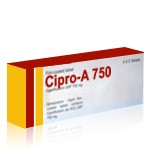
Cipro is the original brand-name formulation of Ciprofloxacin — one of the most clinically important and widely-prescribed antibiotics in modern medicine. Developed by Bayer Pharmaceuticals and FDA-approved since 1987, Ciprofloxacin was the second fluoroquinolone introduced into clinical practice and remains the gold-standard oral antibiotic for Pseudomonas aeruginosa infections, complicated urinary tract infections, prostatitis, and many serious Gram-negative bacterial infections.
The active ingredient is Ciprofloxacin, which works through dual inhibition of bacterial enzymes essential for DNA replication: DNA gyrase (topoisomerase II) and topoisomerase IV. By blocking these enzymes, Ciprofloxacin prevents bacteria from unwinding and replicating their DNA, leading to bacterial cell death. The dual-target mechanism reduces the likelihood of resistance development.
Cipro provides excellent broad-spectrum coverage particularly against Gram-negative organisms including Pseudomonas aeruginosa (where it is uniquely the gold-standard oral therapy), E. coli, Klebsiella, Proteus, Salmonella, Shigella, and Bacillus anthracis. It also covers atypical pathogens but is less active against Streptococcus pneumoniae than newer respiratory fluoroquinolones.
Cipro is FDA-approved for complicated urinary tract infections, acute pyelonephritis, acute and chronic bacterial prostatitis, complicated intra-abdominal infections (with metronidazole), infectious diarrhea, typhoid fever, inhalation anthrax (post-exposure), plague, and bone, joint, skin and respiratory tract infections caused by susceptible organisms. Due to safety concerns, the FDA has restricted fluoroquinolone use in uncomplicated infections to reserve them for serious indications.
The medication is available as 250 mg, 500 mg, and 750 mg immediate-release tablets, Cipro XR 500 mg and 1000 mg extended-release tablets, oral suspension, and intravenous formulation. Standard adult dosing is 250-750 mg every 12 hours depending on infection and severity.
Important boxed warnings include risk of tendinitis and tendon rupture, peripheral neuropathy that can be permanent, CNS effects, aortic aneurysm/dissection, QT prolongation, and hypoglycemia. Avoid in pregnancy and patients under 18. Generic Ciprofloxacin is widely available worldwide.
Free prescription
Discrete packaging
Have questions?
Quality Assurance
- Acute Pyelonephritis: First-line oral therapy for acute pyelonephritis caused by susceptible Gram-negative organisms;
- Recurrent UTI: For recurrent urinary tract infections where Gram-negative coverage is needed;
- Catheter Associated UTI: For UTIs in catheterised patients including hospital and long-term care residents;
- Acute Bacterial Prostatitis: First-line for acute bacterial prostatitis — excellent prostate tissue penetration;
- Chronic Bacterial Prostatitis: For long-term prostatitis therapy where Cipro tissue penetration is critical;
- Pseudomonas Aeruginosa Infection: Gold-standard oral therapy for Pseudomonas infections — signature unique indication;
- Pseudomonas UTI: Oral therapy of choice for Pseudomonas urinary tract infections;
- Pseudomonas Otitis Externa: For malignant otitis externa caused by Pseudomonas in diabetic and elderly patients;
- Cystic Fibrosis Exacerbation: For pulmonary exacerbations in cystic fibrosis with Pseudomonas;
- Traveler Diarrhea: First-line for moderate-severe bacterial traveler's diarrhea caused by E. coli and Salmonella;
- Bacterial Gastroenteritis: For bacterial gastroenteritis from susceptible organisms in selected severe cases;
- Salmonella Infection: For invasive Salmonella infections including bacteremia and chronic carrier states;
- Shigellosis: For Shigella dysentery in adults and selective pediatric use;
- Typhoid Fever: Historical first-line for typhoid fever — resistance has emerged in endemic regions;
- Cholera Treatment: Alternative for severe Vibrio cholerae infection in adults;
- Inhalation Anthrax: FDA-approved for inhalation anthrax post-exposure prophylaxis and treatment;
- Plague Treatment: For Yersinia pestis infection including post-exposure prophylaxis;
- Tularemia: For Francisella tularensis infection caused by tick or animal exposure;
- Complicated Intra Abdominal Infection: With metronidazole for complicated intra-abdominal infections including peritonitis;
- Diabetic Foot Gram Negative: For diabetic foot infections with Gram-negative pathogens including Pseudomonas;
- Osteomyelitis Oral Step Down: For oral step-down therapy in Gram-negative osteomyelitis following IV treatment;
- Anthrax Post Exposure: Standard agent for anthrax post-exposure prophylaxis including bioterrorism response;
- Septicemia Gram Negative: For Gram-negative bacteremia caused by susceptible organisms;
- Neutropenic Fever Outpatient: Selective use in low-risk outpatient neutropenic fever with Amoxicillin/Clavulanate;
- IV To Oral Step Down: For oral step-down therapy following IV Ciprofloxacin treatment in hospital.
- Less Urinary Urgency: Resolution of frequent urination and urgency as UTI clears;
- Better Bladder Comfort: Restoration of normal bladder function as infection resolves;
- Less Pelvic Pain: Resolution of pelvic pain in pyelonephritis and prostatitis;
- Less Perineal Pain: Reduction of perineal pain in bacterial prostatitis;
- Less Diarrhea: Resolution of bacterial diarrhea in traveler's diarrhea and bacterial gastroenteritis;
- Less Fever: Resolution of fever as bacterial infection responds to therapy;
- Less Abdominal Pain: Resolution of pain in intra-abdominal infections and bacterial gastroenteritis;
- Better Energy: Recovery from systemic infection-related fatigue;
- Better Appetite: Restoration of normal appetite as systemic infection resolves;
- Faster Recovery: Most patients show clinical improvement within 48-72 hours of starting therapy;
- Better Sleep: Resolution of nighttime urinary symptoms in UTI and prostatitis;
- Better Daily Function: Return to work and normal activities as serious infection resolves;
- Brand Cipro: Original Bayer brand of Ciprofloxacin with established global clinical reputation since 1987;
- Generic Ciprofloxacin: Affordable generic versions expand global access to broad-spectrum fluoroquinolone therapy;
- Cipro XR: Extended-release formulation provides once-daily dosing for improved patient adherence in UTI therapy;
- Fluoroquinolone Antibiotic: Second-generation broad-spectrum fluoroquinolone with bactericidal activity;
- DNA Gyrase Inhibitor: Inhibits bacterial DNA gyrase essential for DNA supercoiling and replication;
- Topoisomerase IV Inhibitor: Dual-enzyme target reduces resistance development compared to single-target antibiotics;
- Pseudomonas Aeruginosa Coverage: Gold-standard oral activity against Pseudomonas — unique among common oral antibiotics;
- Gram Negative Coverage: Broad activity against Enterobacteriaceae and other Gram-negative organisms;
- Prostate Tissue Penetration: Excellent prostate tissue penetration — first-line for bacterial prostatitis;
- Urinary Concentration Antibiotic: High urinary concentrations support effective UTI and pyelonephritis therapy;
- Complicated UTI Standard: First-line oral therapy for complicated urinary tract infections per international guidelines;
- Bacterial Prostatitis Standard: Standard treatment for acute and chronic bacterial prostatitis;
- Anthrax Antibiotic Standard: FDA-approved standard agent for anthrax post-exposure prophylaxis and treatment;
- Bioterrorism Response Antibiotic: Critical agent for bioterrorism preparedness covering anthrax, plague, and tularemia;
- Traveler Diarrhea Standard: Traditional first-line for moderate-severe traveler's diarrhea (resistance increasing);
- Pediatric Selective Use: Selective pediatric use for cystic fibrosis exacerbations and inhalation anthrax;
- IV Oral Switch Antibiotic: Same molecule works IV and oral — supports hospital-to-home discharge transitions;
- Outpatient Antibiotic Bid: Twice-daily dosing supports outpatient management of complicated infections;
- WHO Essential Medicine: Listed on the WHO Model List of Essential Medicines for serious bacterial infections;
- 35 Plus Year Antibiotic History: Extensive real-world safety and efficacy data since 1987 across billions of patient courses;
- Affordable Fluoroquinolone: Affordable generic globally — supports access in resource-limited healthcare settings;
- Avoid In Pregnancy: Contraindicated in pregnancy due to potential cartilage toxicity;
- Avoid Under 18: Generally contraindicated in pediatric patients except for specific indications;
- Tendinopathy Risk: Boxed warning for tendinitis and tendon rupture — especially Achilles tendon;
- Aortic Aneurysm Warning: FDA warning for aortic aneurysm and dissection — avoid in high-risk patients;
- Avoid With Antacids: Antacids and mineral supplements (Ca, Mg, Al, Fe, Zn) reduce absorption significantly;
- QT Monitoring: Avoid in patients with QT prolongation risk or on QT-prolonging medications;
- FDA Use Restrictions: FDA has restricted fluoroquinolone use to reserve them for serious infections;
- Stable Storage: Room temperature stable — oral suspension requires refrigeration after reconstitution.
Generic Cipro (Ciprofloxacin 250 mg) Medication guide:
📖 What is Cipro and how it works
Cipro is the original brand name for ciprofloxacin, a second-generation fluoroquinolone antibiotic approved by the FDA in 1987. Manufactured originally by Bayer and now overwhelmingly generic, it has been a foundational agent for complicated urinary tract infection, chronic bacterial prostatitis, anthrax post-exposure prophylaxis, and specific gram-negative infections including Pseudomonas aeruginosa.
🎯 Where Cipro fits in modern prescribing
Cipro is chosen when clinicians need reliable gram-negative coverage including Pseudomonas in an oral formulation: complicated UTI or pyelonephritis, chronic bacterial prostatitis (prostate penetration matters), anthrax post-exposure prophylaxis, bone and joint infection with confirmed susceptibility, and traveler diarrhea. It is no longer reflex-prescribed for uncomplicated cystitis, sinusitis, or acute bronchitis per the 2016 FDA label restrictions.
Cipro is supplied as 250, 500, and 750 mg oral tablets, an oral suspension for paediatric and dysphagic patients, and an intravenous formulation for hospital use. Combined topical products include Ciprodex (ciprofloxacin plus dexamethasone) otic drops and Cipro HC otic suspension. This guide focuses on the systemic oral 500 to 750 mg formulation.
| Formulation | Typical use |
|---|---|
| 250 mg tablet | Uncomplicated UTI where alternatives unavailable |
| 500 mg tablet | Standard adult complicated UTI, prostatitis, anthrax PEP |
| 750 mg tablet | Severe infection, bone or joint infection, Pseudomonas |
| IV formulation | Hospital use when oral not tolerated |
⚠️ Multiple FDA black-box warnings
Cipro carries the fluoroquinolone class black-box warnings: tendinitis and tendon rupture (2008), peripheral neuropathy (2013), central nervous system effects, exacerbation of myasthenia gravis, aortic aneurysm/dissection risk (2018), and hypoglycaemia with mental health effects (2018). Every prescription warrants a check that the indication earns these risks.
🕑 Heritage and development timeline
The ciprofloxacin story runs from the 1962 discovery of nalidixic acid through the 1987 launch of Cipro by Bayer and forward through decades of safety updates that have narrowed its role in modern prescribing.
🕑 Development milestones
- 1962 — Nalidixic acid discovery
- Lesher and colleagues at Sterling-Winthrop discover the parent quinolone, the ancestor of all fluoroquinolones.
- Early 1980s — Bayer ciprofloxacin synthesis
- Bayer chemists add a fluorine at position 6 and a piperazine ring at position 7 to produce ciprofloxacin, with dramatically broader gram-negative activity than nalidixic acid.
- 1987 — FDA approval as Cipro
- NDA 019537 approves oral ciprofloxacin. IV formulation follows shortly after.
- 1990s — Broad outpatient adoption
- Cipro becomes a standard broad-spectrum oral agent for UTI, prostatitis, and travelers diarrhea worldwide.
- 2001 — Anthrax PEP indication
- During the 2001 US anthrax attacks, Cipro becomes the highest-profile post-exposure prophylaxis agent; the 60-day PEP protocol is established.
- 2007 to 2010 — Gonorrhoea withdrawal
- CDC formally removes fluoroquinolones including ciprofloxacin from gonorrhoea treatment guidance due to rapidly rising resistance.
- 2008 — FDA black-box tendon rupture warning
- Class-wide warning added based on Khaliq and Zhanel epidemiology work (Clin Infect Dis 2003).
- 2013 — Peripheral neuropathy warning
- Post-marketing surveillance shows potentially permanent neuropathy signal.
- 2016 — FDA restricted use label update
- Discourages fluoroquinolone use for uncomplicated cystitis, acute bacterial sinusitis, and acute bacterial exacerbation of chronic bronchitis when safer alternatives available.
- 2018 — Aortic aneurysm and dysglycaemia warnings
- Two additional safety communications based on Pasternak BMJ 2018 aortic aneurysm cohort (66 percent excess risk) and FDA Adverse Event Reporting System dysglycaemia analysis.
The 30-plus year Cipro arc traces a once broadly prescribed antibiotic whose role has been progressively narrowed by mounting safety evidence. It retains genuine niches — complicated UTI, chronic prostatitis, anthrax PEP, Pseudomonas infection, and bone/joint infection — where its combination of oral bioavailability, tissue penetration, and cost keep it clinically relevant.
⚙️ Mechanism of action explained
Ciprofloxacin kills bacteria by inhibiting two essential enzymes that manage bacterial DNA topology.
🧱 Primary action — blocks bacterial DNA gyrase
Ciprofloxacin binds the alpha subunit of bacterial DNA gyrase (gyrA), which introduces negative supercoils into replicating DNA. Blocking gyrase halts DNA synthesis and triggers double-strand breaks that lead to cell death. In gram-negative bacteria, gyrase is the primary target.
🧲 Secondary action — blocks topoisomerase IV
In gram-positive bacteria, the primary target shifts to topoisomerase IV (parC and parE), which separates linked daughter chromosomes after replication. This dual-target mechanism gives Cipro activity across both gram-positive and gram-negative bacteria, though with different sensitivity profiles.
⚖️ Bactericidal AUC/MIC agent
Cipro is bactericidal at achievable serum and tissue concentrations. Pharmacodynamic parameter that predicts cure is the AUC/MIC ratio — higher exposures produce more reliable kill and reduce resistance emergence.
🧪 Resistance mechanisms
- Target mutations: single amino acid changes in gyrA (position 83 or 87) or parC alter enzyme structure enough to lose ciprofloxacin binding.
- Efflux pumps: bacterial energy-dependent pumps (AcrAB-TolC in Enterobacterales, MexAB-OprM in Pseudomonas) expel fluoroquinolones before they reach targets.
- Reduced permeability: outer membrane porin loss reduces drug entry.
- Plasmid-encoded resistance: qnr genes protect DNA gyrase from fluoroquinolone binding.
- Resistance can emerge rapidly during therapy in high-inoculum infection or with sub-therapeutic dosing.
Cipro has the best Pseudomonas activity among oral fluoroquinolones due to strong penetration through the Pseudomonas outer membrane and effective DNA gyrase inhibition in this organism — the reason it is preferred for cystic fibrosis exacerbations and other Pseudomonas indications when oral therapy is feasible.
🧬 Fluoroquinolone class positioning today
The fluoroquinolone class has evolved through four generations. Cipro sits in the second generation, with distinct positioning against later agents.
| Generation | Representative agents | Key spectrum |
|---|---|---|
| 1st generation | Nalidixic acid | Narrow gram-negative UTI only |
| 2nd generation | Ciprofloxacin (Cipro), ofloxacin, norfloxacin | Broad gram-negative including Pseudomonas, some atypicals |
| 3rd generation | Levofloxacin | Adds respiratory pathogens (S. pneumoniae), atypicals |
| 4th generation | Moxifloxacin, gemifloxacin | Adds anaerobes, best respiratory pneumococcus coverage |
🎯 Cipro positioning summary
Cipro is the preferred fluoroquinolone for Pseudomonas indications (cystic fibrosis, complicated UTI with Pseudomonas, chronic osteomyelitis) and remains a workhorse for complicated UTI, chronic bacterial prostatitis, anthrax PEP, and traveler diarrhea. For respiratory indications, levofloxacin or moxifloxacin are preferred due to better S. pneumoniae coverage. For CAP with anaerobic concern, moxifloxacin is preferred.
🔴 Class safety warnings apply
All fluoroquinolones share the black-box warnings for tendon rupture, peripheral neuropathy, CNS effects, myasthenia gravis exacerbation, aortic aneurysm, and hypoglycaemia. The 2016 FDA restriction on uncomplicated indications applies to Cipro as much as to any other agent in the class.
🦠 Bacterial spectrum and coverage
Cipro has broad coverage centered on gram-negative aerobes including Pseudomonas and moderate activity against atypicals. It is unreliable against Streptococcus pneumoniae, MRSA, anaerobes, and enterococci.
✅ Reliably covered by Cipro
- Escherichia coli non-ESBL community strains
- Klebsiella pneumoniae non-ESBL
- Proteus mirabilis, Proteus vulgaris
- Enterobacter, Serratia, Citrobacter
- Pseudomonas aeruginosa (Cipro is preferred oral FQ for this)
- Haemophilus influenzae including beta-lactamase producers
- Moraxella catarrhalis
- Bacillus anthracis (anthrax PEP first-line)
- Yersinia pestis (plague)
- Francisella tularensis (tularaemia)
- Salmonella, Shigella, Campylobacter (traveler diarrhea)
- Legionella pneumophila (moderate)
- Neisseria meningitidis (chemoprophylaxis)
❌ Not covered or unreliable
- Streptococcus pneumoniae — unreliable; levofloxacin or moxifloxacin preferred
- Methicillin-resistant Staphylococcus aureus (MRSA)
- Enterococcus faecalis and E. faecium
- Neisseria gonorrhoeae — widespread resistance; CDC removed FQs from GC guidance
- Anaerobes (Bacteroides, Prevotella, Peptostreptococcus)
- Chlamydia trachomatis — doxycycline preferred
- Mycoplasma pneumoniae — suboptimal
- ESBL-producing Enterobacterales — often co-resistant
- Mycobacterium tuberculosis — levofloxacin or moxifloxacin preferred in MDR-TB
- Clostridioides difficile — not for treatment; elevates CDI risk
- Atypical mycobacteria and most fungi
💡 Clinical framing of the spectrum
Cipro is the go-to oral agent for Pseudomonas and complicated Enterobacterales infections when susceptibility supports its use. It is a poor choice for community-acquired pneumonia (S. pneumoniae unreliable), streptococcal or MRSA infection, or anaerobic-mixed infection. Reserve Cipro for indications where its gram-negative and Pseudomonas coverage genuinely earns the fluoroquinolone class safety signal.
💉 Pharmacokinetics and drug absorption
Cipro has a well-characterised pharmacokinetic profile with good oral bioavailability, wide tissue distribution including hard-to-reach sites like the prostate, and mostly renal elimination.
| Parameter | Value |
|---|---|
| Oral bioavailability | 70 to 80 percent (lower than ofloxacin/levofloxacin at 95 to 100) |
| Peak serum concentration | 2.4 mg/L after 500 mg oral |
| Peak time | 1 to 2 hours |
| Divalent cation interaction | Substantial chelation with Ca, Mg, Al, Fe, Zn: take 2 hours before or 6 hours after |
| Protein binding | 20 to 40 percent |
| Half-life | 3 to 5 hours (longer in renal impairment) |
| Volume of distribution | 2 to 3 L/kg — wide distribution |
| Metabolism | Moderate hepatic CYP1A2 inhibitor (drug interaction risk) |
| Elimination | 40 to 50 percent renal unchanged; biliary and gut secretion |
| Dialysis removal | Minimal; no supplemental dose after HD |
🧬 Tissue penetration — where Cipro excels
- Urine
- Concentrates greatly — excellent for UTI and pyelonephritis.
- Prostate tissue
- 150 to 200 percent of serum — the reason Cipro is first-line for chronic bacterial prostatitis.
- Bone
- 30 to 50 percent of serum — adequate for osteomyelitis with susceptible organisms.
- Intracellular macrophages
- Concentrates well — useful for intracellular pathogens like Legionella, Salmonella.
- Cerebrospinal fluid
- Poor without inflamed meninges — not for CNS infection.
- Lung parenchyma
- Adequate for atypicals; less impressive than levofloxacin or moxifloxacin for CAP.
Pharmacodynamically Cipro is an AUC/MIC agent. Standard 500 to 750 mg BID dosing achieves the AUC target for susceptible Enterobacterales and Pseudomonas.
🏥 FDA approved indications overview
The FDA label for Cipro covers a broad range of infections. Modern guideline and 2016 FDA restrictions have narrowed appropriate use significantly.
| FDA-approved indication | 2016+ modern positioning |
|---|---|
| Uncomplicated urinary tract infection | Discouraged per 2016 FDA; use nitrofurantoin, TMP-SMX, or fosfomycin first |
| Complicated UTI, pyelonephritis | First-line outpatient pyelonephritis per IDSA 2011 |
| Chronic bacterial prostatitis | First-line retained indication |
| Acute bacterial exacerbation of chronic bronchitis | Discouraged per 2016 FDA |
| Community-acquired pneumonia | Levofloxacin preferred (better S. pneumoniae) |
| Skin and skin structure infections | Reserved for gram-negative or Pseudomonas involvement |
| Bone and joint infections | Susceptibility-directed; often step-down component |
| Anthrax post-exposure prophylaxis | First-line 60-day PEP retained |
| Plague, tularaemia | First-line for confirmed or suspected exposure |
| Infectious diarrhea (Salmonella, Shigella) | Reserved for severe; azithromycin preferred with rising FQ resistance |
| Traveler diarrhea | Single-dose or 3-day; azithromycin preferred in FQ-resistant regions |
🔴 The 2016 FDA restriction central to modern prescribing
The 2016 FDA label update states that fluoroquinolones including Cipro should not be used for uncomplicated urinary tract infection, acute bacterial exacerbation of chronic bronchitis, or acute bacterial sinusitis when safer alternatives are available. The class-wide black-box safety signals outweigh the benefit for these self-limited or narrower-agent-treatable indications.
✅ Where Cipro genuinely earns its role
- Complicated UTI and outpatient pyelonephritis (IDSA 2011 first-line)
- Chronic bacterial prostatitis (prostate tissue penetration)
- Anthrax post-exposure prophylaxis (60-day PEP)
- Pseudomonas aeruginosa infection oral therapy
- Bone and joint infection with susceptible Enterobacterales
- Traveler diarrhea in non-FQ-resistant regions
- Plague, tularaemia, brucellosis (component)
🚻 Complicated UTI and pyelonephritis
Cipro is first-line for outpatient pyelonephritis per the 2011 IDSA guidelines and remains a core agent for complicated UTI in susceptible-organism infection.
👉 When Cipro fits UTI management
- Outpatient pyelonephritis in stable patient with likely susceptible Enterobacterales
- Complicated UTI with instrumentation, urologic abnormality, or immunocompromise
- Cystitis with Pseudomonas or other resistant gram-negatives (susceptibility-guided)
- Culture-directed therapy when isolate is Cipro-susceptible and other agents contraindicated
- Uncomplicated cystitis only when nitrofurantoin, TMP-SMX, and fosfomycin are unavailable or contraindicated (2016 FDA restriction)
| UTI scenario | Regimen and duration |
|---|---|
| Outpatient pyelonephritis | 500 mg PO BID for 7 days (or 1000 mg XR once daily) |
| Complicated UTI outpatient | 500 to 750 mg PO BID for 7 to 14 days |
| Pseudomonas complicated UTI | 750 mg PO BID or IV, 10 to 14 days |
| Uncomplicated cystitis (last resort) | 250 mg PO BID for 3 days |
| Catheter-associated UTI | 500 mg PO BID for 7 to 14 days; remove catheter |
| Pregnancy UTI | NOT Cipro; use cephalexin or nitrofurantoin |
💡 The stewardship reality
For uncomplicated cystitis, nitrofurantoin (5 days), fosfomycin single dose, or TMP-SMX (3 days) are preferred first-line agents. Cipro is reserved for complicated UTI, pyelonephritis, and cases where narrower agents fail or are contraindicated. Rising community E. coli resistance to fluoroquinolones (15 to 30 percent in some regions) further narrows empirical Cipro use.
👨⚕️ Bacterial prostatitis treatment
Chronic bacterial prostatitis is one of the strongest indications for Cipro. The prostate's lipid-rich, alkaline environment excludes most oral antibiotics; ciprofloxacin achieves 150 to 200 percent of serum concentration in prostate tissue.
👨⚕️ Why Cipro for prostatitis
- Exceptional prostate tissue penetration due to lipid solubility and pKa favouring uptake in prostatic secretion
- Coverage of common causative organisms: E. coli, Klebsiella, Proteus, Pseudomonas
- Oral availability supports required 4 to 6 week course in outpatient setting
- Krieger and colleagues established fluoroquinolones as first-line for chronic bacterial prostatitis
| Prostatitis scenario | Regimen and duration |
|---|---|
| Acute bacterial prostatitis, outpatient | 500 mg PO BID for 4 weeks |
| Chronic bacterial prostatitis | 500 mg BID for 4 to 6 weeks, extend to 12 weeks if incomplete response |
| Recurrent bacterial prostatitis | Susceptibility-directed, longer courses often needed |
| Chronic pelvic pain syndrome (non-bacterial) | Cipro trial reasonable if any bacterial component suspected; do not extend if no response |
📋 Monitoring during extended prostatitis courses
- Baseline and interval renal function and LFTs
- Assessment for tendinopathy (Achilles tenderness)
- Watch for neuropathy symptoms (numbness, tingling, burning)
- CNS side effect awareness (insomnia, anxiety, unusual thoughts)
- Blood glucose monitoring in diabetic patients
- Watch for cumulative CDI risk on extended course
⚠️ Long-course risk-benefit
A 4 to 6 week Cipro course carries cumulative exposure that raises tendon rupture, neuropathy, aortic aneurysm, and CDI risks compared with short courses. The chronic prostatitis diagnosis warrants Cipro but the patient must be informed of extended-exposure signal and monitored throughout.
✈️ Traveler diarrhea treatment
Cipro has been a traditional first-line agent for moderate-to-severe traveler diarrhea, but rising fluoroquinolone resistance in Campylobacter, Salmonella, and Shigella has shifted first-line therapy to azithromycin in many endemic regions.
✈️ When Cipro fits traveler diarrhea
- Moderate to severe traveler diarrhea acquired in regions with low FQ resistance (Latin America, non-Asian regions)
- Suspected E. coli, Salmonella, Shigella when susceptibility supports
- Adult travelers when azithromycin unavailable or contraindicated
- Empirical therapy pending culture in severe presentation
⚠️ NOT for these traveler scenarios
- Southeast Asia or India travel (high Campylobacter FQ resistance — use azithromycin)
- Suspected Campylobacter regardless of region (>50 percent FQ resistance globally)
- Uncomplicated traveler diarrhea in low-risk patient (oral rehydration usually sufficient)
- Children under 18 (except very specific approved indications)
- Pregnancy
| Traveler diarrhea scenario | Regimen |
|---|---|
| Moderate-severe traveler diarrhea, low FQ resistance region | Cipro 500 mg BID for 1 to 3 days |
| Single-dose regimen | Cipro 500 mg once (with loperamide, in cooperative adult) |
| Severe febrile bloody diarrhea | Cipro 500 mg BID or azithromycin 500 mg daily for 3 days |
| Asia travel (Campylobacter concern) | NOT Cipro; use azithromycin 500 mg BID for 1 to 3 days |
| Prevention (chemoprophylaxis) | Not routinely recommended; rifaximin considered for high-risk short trips |
💡 Modern traveler counselling
Pre-travel counselling should emphasise food and water precautions and oral rehydration as the primary intervention. Empirical antibiotic use is reserved for moderate-to-severe illness; azithromycin is increasingly preferred over Cipro for the emerging FQ-resistance profile. Discuss loperamide use for symptom control (adult use only, avoid in bloody diarrhea or high fever).
☠️ Anthrax post-exposure prophylaxis
Cipro is the first-line agent for anthrax post-exposure prophylaxis (PEP), established during the 2001 US anthrax attacks and codified in CDC and IDSA anthrax management guidance. The 60-day PEP protocol is well-known and remains the standard.
☠️ The 60-day Cipro anthrax PEP protocol
- Cipro 500 mg PO BID for 60 days after suspected inhalational anthrax exposure
- Alternative: doxycycline 100 mg PO BID for 60 days
- Anthrax vaccine (AVA) may be administered concurrently in PEP settings
- The 60-day duration reflects the incubation period of aerosolized Bacillus anthracis spores in the lung, which can germinate weeks to months after exposure
- Compliance across 60 days is essential; early discontinuation risks delayed anthrax development
| Anthrax scenario | Regimen |
|---|---|
| Post-exposure prophylaxis, adult | Cipro 500 mg PO BID for 60 days |
| Post-exposure prophylaxis, child | Cipro 15 mg/kg PO BID (max 500 mg/dose) for 60 days |
| Post-exposure prophylaxis, pregnancy | Cipro or doxycycline acceptable per CDC risk-benefit |
| Cutaneous anthrax treatment | Cipro 500 mg PO BID for 7 to 10 days |
| Inhalational anthrax treatment | IV multi-drug regimen (Cipro plus other agents), extended treatment |
💡 Public health context
Anthrax is rare in modern civilian practice but remains a documented bioterrorism threat. Cipro's inclusion in the Strategic National Stockpile reflects its role as a rapid-deploy PEP agent. For post-exposure counselling, emphasise the importance of completing the full 60-day course despite fluoroquinolone class safety concerns — the anthrax mortality risk if the drug is prematurely stopped is far greater than the class adverse event risk over 60 days.
🦴 Bone and joint infections
Cipro has a specific niche in bone and joint infection management, particularly for gram-negative osteomyelitis, Pseudomonas prosthetic joint infection, and chronic osteomyelitis with susceptible Enterobacterales. It is not first-line for staphylococcal bone infection where clindamycin, cephalexin, or IV agents typically dominate.
🦴 Where Cipro fits bone infection
- Gram-negative osteomyelitis
- Cipro 750 mg PO BID for chronic osteomyelitis due to E. coli, Klebsiella, or other susceptible Enterobacterales as oral step-down after IV therapy.
- Pseudomonas osteomyelitis
- Cipro 750 mg BID or IV; often combined with an aminoglycoside for synergy. Duration 6 weeks minimum for acute, longer for chronic.
- Diabetic foot osteomyelitis
- Cipro as gram-negative component alongside anaerobic and gram-positive coverage (metronidazole or clindamycin plus cephalexin).
- Prosthetic joint infection with gram-negative organism
- Cipro as oral step-down component after IV, often with rifampin for staphylococcal biofilm penetration.
- Vertebral osteomyelitis with susceptible gram-negative
- Cipro as oral option after initial IV therapy; 6-week minimum total course.
| Bone infection scenario | Regimen and duration |
|---|---|
| Chronic gram-negative osteomyelitis | Cipro 750 mg BID for 6 weeks minimum |
| Pseudomonas osteomyelitis | Cipro 750 mg BID plus IV aminoglycoside for 6 to 8 weeks |
| Diabetic foot osteomyelitis | Cipro plus metronidazole plus cephalexin for 4 to 6 weeks after debridement |
| PJI oral step-down, gram-negative | Cipro 750 mg BID as component after IV completion |
| Vertebral osteomyelitis with susceptible GNR | Cipro 750 mg BID after IV, 6-week minimum |
📋 Monitoring during extended bone infection courses
- CBC and CRP monitoring for treatment response
- Renal function and LFTs every 2 to 4 weeks
- Tendon tenderness (Achilles) especially in older or corticosteroid-treated patients
- CDI vigilance throughout extended course
- Explant of infected hardware and debridement of devitalised bone remain essential adjuncts to antibiotic therapy
💊 Adult dosing and administration
Adult Cipro dosing is straightforward: 500 mg twice daily for standard indications, 750 mg twice daily for severe infection or Pseudomonas, and 250 mg twice daily for uncomplicated cystitis when it is used at all.
| Indication | Regimen | Duration |
|---|---|---|
| Outpatient pyelonephritis | 500 mg PO BID or 1000 mg XR daily | 7 days |
| Complicated UTI | 500 to 750 mg PO BID | 7 to 14 days |
| Chronic bacterial prostatitis | 500 mg PO BID | 4 to 6 weeks |
| Anthrax PEP (adult) | 500 mg PO BID | 60 days |
| Pseudomonas infection | 750 mg PO BID or 400 mg IV q8h | Per indication |
| Bone or joint infection | 750 mg PO BID | 6 weeks minimum |
| Traveler diarrhea | 500 mg BID (or single 500 mg) | 1 to 3 days |
| Uncomplicated cystitis (last resort) | 250 mg PO BID | 3 days |
📍 Administration essentials
- Take at least 2 hours before or 6 hours after antacids, iron, calcium, magnesium, zinc, sucralfate, or bismuth — chelation reduces absorption by 50 to 90 percent
- Dairy products in moderate amounts (milk, yogurt) modestly reduce absorption — not a major concern for most patients but space dairy heavy meals from doses
- Take with a full glass of water; stay well hydrated to reduce crystalluria risk
- Food is acceptable; take with light meal to reduce nausea
- Complete the full course — sub-therapeutic exposure selects resistance rapidly
👶 Pediatric use restrictions
Cipro is generally avoided in children under 18 because of concerns about cartilage development from animal studies. Specific FDA-approved paediatric indications exist for complicated UTI, pyelonephritis, and anthrax PEP.
⛔ Paediatric use is restricted
- Animal studies showed arthropathy and cartilage damage in juvenile animals
- Human paediatric data has not confirmed permanent arthropathy but the labelling reflects theoretical concern
- Class-wide black-box warnings for tendon rupture, neuropathy, CNS effects apply to children as they do to adults
- Reserve for indications where alternatives are inadequate or contraindicated
| Paediatric indication | Regimen |
|---|---|
| Complicated UTI, pyelonephritis (age 1 to 17) | 10 to 20 mg/kg PO BID (max 750 mg/dose) for 10 to 21 days |
| Anthrax post-exposure prophylaxis | 15 mg/kg PO BID (max 500 mg/dose) for 60 days |
| Plague, tularaemia | 15 mg/kg PO BID (max 500 mg/dose) |
| Cystic fibrosis exacerbation (Pseudomonas) | Per pulmonology, off-label use accepted for CF care |
⚠️ Paediatric monitoring
During and after any paediatric Cipro course, monitor for joint or tendon pain, growth if long-term, CNS symptoms, and CDI. Discontinue if any joint symptom develops. Standard preferences: use amoxicillin, cephalexin, or cefdinir for paediatric UTI when susceptibility allows.
🍃 Renal and hepatic considerations
Cipro is partly renally eliminated, so significant renal impairment requires dose adjustment. Hepatic impairment usually does not require adjustment.
🍃 Renal adjustment
- CrCl greater than 50 mL/min: no adjustment
- CrCl 30 to 50 mL/min: 250 to 500 mg every 12 hours
- CrCl 5 to 29 mL/min: 250 to 500 mg every 18 hours
- Haemodialysis: 250 to 500 mg every 24 hours after dialysis
- Peritoneal dialysis: 250 to 500 mg every 24 hours
💛 Hepatic considerations
- Mild to moderate hepatic dysfunction: no adjustment
- Severe cirrhosis: monitor LFTs; consider dose reduction if severe
- Prior fluoroquinolone hepatotoxicity: absolute contraindication
🔴 Accumulation neurotoxicity in severe renal failure
Cipro accumulation in unrecognised severe renal impairment produces encephalopathy, myoclonus, and seizures at very high serum levels. Estimating GFR with Cockcroft-Gault at first prescription in older patients or those with fluctuating creatinine is the essential prevention step. This is more common with Cipro than with agents cleared entirely by non-renal routes.
💥 Drug interactions and warnings
Cipro has an extensive drug interaction profile, driven by CYP1A2 inhibition, divalent cation chelation, and additive class effects.
🔴 Interactions requiring active management
- Tizanidine — CONTRAINDICATED
- Cipro is a strong CYP1A2 inhibitor and raises tizanidine levels dramatically, causing profound hypotension, bradycardia, and sedation. Do not combine.
- Theophylline
- CYP1A2 inhibition raises theophylline levels, risking seizures and cardiac arrhythmia. Monitor levels or use alternative.
- Warfarin
- INR rise of 2 to 5 units possible via CYP2C9 modulation and gut flora disruption. Check INR at day 3 to 5 during and after therapy.
- Divalent cations (antacids, iron, calcium, magnesium, zinc, sucralfate)
- Chelation reduces Cipro absorption by 50 to 90 percent. Take Cipro 2 hours before or 6 hours after.
- Corticosteroids
- Additive tendon rupture risk, especially Achilles. Prefer alternative agent when possible; if unavoidable, warn patient and monitor Achilles tenderness.
- QT-prolonging drugs (azoles, amiodarone, sotalol, macrolides)
- Additive QT prolongation. Avoid combinations; ECG if unavoidable.
🟡 Interactions worth flagging
- Caffeine: CYP1A2 inhibition prolongs caffeine effect; advise reduced intake
- NSAIDs: additive CNS effect, may lower seizure threshold
- Sulfonylureas and insulin: dysglycaemia risk (both hypo- and hyperglycaemia)
- Methotrexate: reduced clearance, monitor for toxicity
- Cyclosporine: modest interaction, monitor levels
- Live oral vaccines (typhoid Ty21a): space 3 days after finishing
| Drug | Action |
|---|---|
| Tizanidine | Contraindicated |
| Theophylline | Monitor level, adjust dose, or alternative |
| Warfarin | INR check day 3 to 5 |
| Divalent cations | 2h before / 6h after Cipro |
| Corticosteroids | Alternative agent when possible |
| QT-prolonging drugs | Avoid; ECG if unavoidable |
🤰 Pregnancy and lactation safety
Cipro is generally avoided in pregnancy because of theoretical cartilage development concerns from animal studies. Alternatives are almost always available and preferred.
🤰 Pregnancy considerations
- FDA Category C classification (pre-2015 letter system)
- Animal studies showed arthropathy in juvenile animals; human data has not confirmed but concern remains
- Human pregnancy registries have not shown consistent birth defect signal
- Alternative agents almost always available (cephalexin, nitrofurantoin, amox-clav for UTI)
- Exceptions where Cipro may be used: anthrax PEP (life-saving), Pseudomonas complicated infection where alternatives inadequate
| Pregnancy scenario | Cipro use | Alternative |
|---|---|---|
| Cystitis, pyelonephritis | Avoid | Cephalexin, nitrofurantoin, amox-clav |
| Anthrax exposure | Acceptable per CDC risk-benefit | Doxycycline is alternative |
| Complicated Pseudomonas infection | Case-by-case with specialist input | IV beta-lactam if possible |
| Chronic prostatitis (not applicable) | n/a | n/a |
| Traveler diarrhea | Avoid | Azithromycin, rehydration only |
👶 Lactation
Cipro transfers into breast milk at moderate concentrations. LactMed historically rated it acceptable for short courses but modern preference is alternative agents when practical. Monitor infant for altered stools, thrush, or diarrhoea. For prolonged Cipro use during lactation, discuss risk-benefit with obstetric provider.
🕑 Cipro versus levofloxacin comparison
Cipro and levofloxacin are the two most-used fluoroquinolones. Their strengths overlap substantially but each has distinct niches.
| Dimension | Cipro | Levofloxacin |
|---|---|---|
| Generation | 2nd | 3rd |
| Pseudomonas coverage | Better | Adequate |
| S. pneumoniae | Unreliable | Reliable |
| CAP first-line FQ | No | Yes |
| Bioavailability | 70 to 80 percent | 95 to 100 percent |
| Dosing frequency | Twice daily | Once daily |
| Anthrax PEP | First-line 60 days | Alternative |
| Chronic prostatitis | First-line | Alternative first-line |
| CYP1A2 inhibition | Strong (tizanidine, theophylline) | Minimal |
| QT prolongation | Least among FQs | Modest |
| Cost | Very low, generic | Very low, generic |
✅ When Cipro is preferred
- Pseudomonas infection
- Anthrax post-exposure prophylaxis
- Complicated UTI or pyelonephritis (either works, Cipro often first named)
- Chronic bacterial prostatitis (either works)
➕ When levofloxacin is preferred
- Community-acquired pneumonia (S. pneumoniae coverage)
- Once-daily dosing preference
- Patient on tizanidine, theophylline, or other CYP1A2 substrate
- Sinusitis, respiratory infection with atypicals
🤔 Common adverse effects overview
Cipro is generally well-tolerated for short courses but the class safety concerns dominate prescribing decisions. Common adverse events are usually mild.
| Adverse event | Incidence | Management |
|---|---|---|
| Nausea | 5 to 15 percent | Take with food; usually mild |
| Diarrhoea (non-CDI) | 2 to 5 percent | Hydration; watch for CDI signs |
| Headache | 1 to 3 percent | Symptomatic care |
| Rash | 2 to 5 percent | Discontinue if severe |
| Photosensitivity | 1 to 3 percent (less than doxy) | Sunscreen, protective clothing |
| Insomnia, anxiety | 1 to 3 percent | Discontinue if disruptive |
| Elevated LFTs | 1 to 3 percent | Discontinue if greater than 3x upper limit |
| Vaginal candidiasis | 2 to 4 percent | Topical or oral antifungal |
| Crystalluria | Rare with hydration | Ensure adequate water intake |
💡 C. difficile risk
Fluoroquinolones including Cipro carry moderate to high CDI risk (higher than beta-lactams, lower than clindamycin). This is one reason 2016 FDA restrictions discourage use for uncomplicated indications. In elderly, hospitalised, or immunocompromised patients, prefer narrower alternatives when possible.
🔴 Tendon rupture black box warning
Fluoroquinolone-associated tendinitis and tendon rupture received an FDA black-box warning in 2008 based on epidemiology work by Khaliq and Zhanel (Clin Infect Dis 2003;36:1404). The Achilles tendon is most commonly affected.
🔴 FDA BLACK BOX WARNING (2008)
Fluoroquinolones are associated with an increased risk of tendinitis and tendon rupture in all ages. The risk is further increased in older patients, those on corticosteroids, kidney/heart/lung transplant recipients, and those with rheumatologic disease. Discontinue Cipro at the first sign of tendon pain, swelling, or inflammation.
🔴 Risk factors that amplify signal
- Age over 60 (baseline risk 3 to 4x higher)
- Concurrent corticosteroids (systemic or high-dose inhaled)
- Kidney, heart, or lung transplant recipients
- Prior tendinopathy or prior fluoroquinolone tendon injury
- Renal impairment (accumulation)
- Rheumatologic disease and connective tissue disorders
- Extended courses (chronic prostatitis, bone infection, anthrax PEP)
| Tendon symptom | Action |
|---|---|
| Achilles tenderness, mild pain | Discontinue Cipro, orthopaedic assessment |
| Tendon swelling or inflammation | Immediate discontinuation, imaging, avoid weight-bearing |
| Sudden sharp tendon pain | Suspect rupture, emergency evaluation |
| Confirmed rupture | Surgical repair, lifetime fluoroquinolone contraindication |
⚠️ Onset window
Tendon symptoms most often develop within 2 to 30 days of starting Cipro but can appear up to several months after finishing the course. Patient counselling should emphasise this delayed possibility. Any tendon complaint following a Cipro course warrants clinical review even weeks later.
Counsel every patient before starting Cipro: if you develop pain, swelling, or discomfort in a tendon (especially Achilles), stop the drug and seek medical advice the same day. Do not exercise or bear weight on the affected tendon until orthopaedic evaluation.
🧠 Peripheral neuropathy warning
The FDA added a 2013 warning for fluoroquinolone-associated peripheral neuropathy after post-marketing surveillance identified potentially permanent neuropathy signal even after brief courses.
🔴 FDA BLACK BOX WARNING (2013)
Fluoroquinolones may cause peripheral neuropathy that may be permanent. Onset can be rapid (within days of starting) and symptoms may persist after discontinuation. Discontinue Cipro immediately at first symptom of peripheral neuropathy.
🧠 Neuropathy warning symptoms
- Numbness or tingling in hands or feet (stocking-glove pattern common)
- Burning sensation or shooting pains
- Weakness in extremities
- Loss of temperature or vibration sensation
- Progression despite discontinuation is documented
- Some cases show persistence for months to years after Cipro stopped
⚠️ Onset and reversibility
Neuropathy can develop within days of starting Cipro and does not always require prolonged exposure. Most cases resolve after discontinuation but a subset progresses to permanent neuropathy despite drug cessation. The variable reversibility is why immediate discontinuation at the first symptom is essential — delayed action increases permanence risk.
Counsel every patient: if you notice numbness, tingling, burning, or weakness in your hands or feet, stop Cipro and contact your prescriber immediately. Do not delay for scheduled follow-up. Neurology referral is appropriate for confirmed cases.
❗ Severe adverse effects reference
This section consolidates the serious adverse events any Cipro prescriber must recognise. Cipro carries multiple FDA black-box warnings that shape prescribing across all indications.
🚨 Serious events mandating discontinuation and evaluation
- Tendon rupture (BLACK BOX 2008)
- Achilles most common. Discontinue at first tendon symptom. Lifetime FQ avoidance after rupture.
- Peripheral neuropathy (BLACK BOX 2013)
- Numbness, tingling, burning, weakness. May be permanent. Immediate discontinuation.
- CNS effects and psychiatric events
- Insomnia, anxiety, confusion, hallucinations, seizures, suicidal thoughts. Discontinue and evaluate.
- Aortic aneurysm and dissection (FDA 2018)
- 66 percent excess risk per Pasternak BMJ 2018. Higher risk in older patients with known aneurysm or connective tissue disease.
- Hypoglycaemia and dysglycaemia (FDA 2018)
- Severe hypoglycaemia in diabetic patients, especially those on sulfonylureas or insulin.
- Myasthenia gravis exacerbation
- Can precipitate myasthenic crisis. Contraindicated in known MG.
- QT prolongation and torsades
- Cipro has the lowest QT signal among FQs but risk is not zero. Avoid with other QT-prolonging drugs.
- C. difficile colitis
- Moderate to high CDI risk. Watch for bloody or profuse diarrhoea.
- Anaphylaxis and severe hypersensitivity
- Rare but reported. Discontinue and treat.
- Hepatotoxicity
- Rare but reported cases of hepatic failure. Discontinue if LFTs greater than 3x upper limit.
- Photosensitivity
- Less than doxycycline but real. Sun protection during course.
📋 Universal safety principles for any Cipro course
- Assess whether Cipro is genuinely needed vs a narrower alternative (nitrofurantoin, cephalexin, amox-clav, TMP-SMX)
- Screen for absolute contraindications: prior FQ severe reaction, tizanidine use, myasthenia gravis
- Estimate GFR and dose-adjust for renal impairment
- Review medication list for CYP1A2 substrates (theophylline, tizanidine, warfarin, methotrexate)
- Counsel patient on all black-box warning signs: tendon pain, neuropathy symptoms, mood changes, aortic pain
- Ensure patient knows to STOP the drug at first red-flag symptom — not to complete the course out of habit
- Choose shortest evidence-based duration; longer courses multiply cumulative risk
The following sections take the specific black-box categories in turn: aortic aneurysm, CNS effects, hypoglycaemia, and QT prolongation.
❤️ Aortic aneurysm dissection warning
Fluoroquinolone-associated aortic aneurysm and dissection received an FDA safety communication in 2018 based on the Pasternak BMJ 2018 cohort study showing 66 percent excess risk in patients receiving fluoroquinolones.
❤️ FDA SAFETY COMMUNICATION (2018)
Fluoroquinolones may cause rare but serious aortic aneurysm and dissection. Avoid in patients with known aortic aneurysm or at risk. The mechanism appears related to matrix metalloproteinase modulation affecting collagen structure in aortic wall.
🔴 Risk factors amplifying signal
- Age over 60 (baseline aortic aneurysm risk higher)
- Marfan syndrome, Ehlers-Danlos syndrome and other connective tissue disorders
- Known abdominal aortic aneurysm (AAA) or thoracic aortic aneurysm
- Uncontrolled hypertension
- Atherosclerosis with vascular disease
- Prior aortic dissection
- Extended fluoroquinolone courses (chronic prostatitis, anthrax PEP, bone infection)
| Aortic emergency symptom | Action |
|---|---|
| Sudden severe chest, back, or abdominal pain | Emergency evaluation immediately |
| Tearing sensation radiating to back | Suspect dissection, urgent CT angiography |
| Pulsatile abdominal mass | Vascular surgery consultation |
| Unequal blood pressure in arms | Suspect dissection |
For any patient with known aortic aneurysm or high risk, choose a non-fluoroquinolone alternative whenever possible. For chronic prostatitis, bone infection, or anthrax PEP where Cipro is genuinely needed, weigh risks carefully with patient and consider imaging surveillance during extended courses.
🧠 CNS effects and psychiatric risks
Fluoroquinolones can cause a spectrum of central nervous system and psychiatric adverse events, ranging from mild insomnia to severe hallucinations, seizures, and suicidal ideation.
🧠 Spectrum of CNS effects
- Mild (common)
- Headache, insomnia, dizziness, mild anxiety. Usually self-limited.
- Moderate
- Vivid dreams, restlessness, agitation, confusion. Discontinue if disruptive.
- Severe (rare)
- Hallucinations, psychosis, seizures, delirium, suicidal ideation. Immediate discontinuation and psychiatric evaluation.
🔴 Risk factors
- Prior seizure disorder or epilepsy history
- Prior psychiatric illness (depression, anxiety, psychosis)
- Concurrent NSAIDs (may lower seizure threshold further)
- CNS structural abnormality
- Renal impairment (drug accumulation)
- Extended courses
- Elderly (higher baseline vulnerability)
⚠️ Warning signs to teach patients
Instruct patient at prescribing time: if you experience unusual mood changes, hallucinations, thoughts of self-harm, or new severe anxiety, stop Cipro and contact prescriber immediately. These can develop within days of starting and may persist after discontinuation in some cases.
Cipro is contraindicated in known myasthenia gravis due to risk of exacerbation and precipitation of myasthenic crisis with respiratory failure.
💔 Hypoglycemia and dysglycemia risk
The FDA added a 2018 warning about severe hypoglycaemia and dysglycaemia with fluoroquinolones, particularly in diabetic patients on hypoglycaemic agents.
💔 Dysglycaemia signal (FDA 2018)
- Severe hypoglycaemia including coma and death
- Reported particularly in diabetic patients on sulfonylureas (glipizide, glyburide) or insulin
- Also reports of hyperglycaemia in some patients
- Mechanism: fluoroquinolones may block ATP-sensitive potassium channels in pancreatic beta cells
- Reports include severe outcomes even in patients without known diabetes
| Patient profile | Monitoring |
|---|---|
| Diabetic on sulfonylurea or insulin | Increase glucose monitoring, warn about hypoglycaemia signs |
| Diabetic on metformin only | Standard monitoring, awareness |
| Elderly with reduced renal function | Higher baseline dysglycaemia risk, monitor |
| Malnourished or hepatic dysfunction | Higher hypoglycaemia risk |
⚠️ Counsel patient signs
Warn diabetic patients: if you experience shakiness, sweating, confusion, palpitations, or unusual hunger, check your blood glucose immediately and eat a fast-carb snack if low. Report any severe hypoglycaemic episode to prescriber. Consider alternative antibiotic if uncontrolled diabetes or history of severe hypoglycaemia.
💓 QT prolongation and cardiac risk
Cipro has the lowest QT prolongation signal among the fluoroquinolones, but the risk is not zero and remains relevant in high-risk patients or when combined with other QT-prolonging drugs.
💓 Fluoroquinolone QT ranking (least to most)
- Ciprofloxacin (Cipro) — least QT signal
- Levofloxacin
- Ofloxacin
- Moxifloxacin — most QT signal
🔴 QT risk factors
- Known long QT syndrome
- Baseline QTc greater than 470 ms (male) or 480 ms (female)
- Uncorrected hypokalaemia, hypomagnesaemia, hypocalcaemia
- Bradycardia or heart block
- Concurrent QT-prolonging drugs (macrolides, azoles, amiodarone, sotalol, some SSRIs, methadone)
- Structural heart disease with reduced ejection fraction
- Recent myocardial infarction
| Scenario | Action |
|---|---|
| Healthy adult, no QT drugs | Standard Cipro dosing, no ECG needed |
| On single QT-prolonging drug | Consider baseline ECG |
| On multiple QT drugs | Baseline ECG mandatory; use alternative if practical |
| Known long QT syndrome | Avoid Cipro; use non-FQ alternative |
| Baseline QTc greater than 480 ms | Avoid or correct electrolytes first |
💡 Practical positioning
Cipro is often preferred over moxifloxacin for the QT concern when a fluoroquinolone is genuinely needed. For patients on chronic QT-prolonging drugs or with cardiac risk factors, Cipro is the safer choice among FQs. This does not eliminate the risk but meaningfully reduces it.
⚖️ Cipro vs Levofloxacin comparison
Cipro and levofloxacin overlap on many indications. The key clinical differences drive selection.
| Dimension | Cipro | Levofloxacin |
|---|---|---|
| Pseudomonas | Better | Adequate |
| S. pneumoniae | Unreliable | Reliable |
| CAP | Not preferred | Preferred FQ |
| Anthrax PEP | First-line | Alternative |
| Prostatitis | First-line | Alternative |
| Dosing | Twice daily | Once daily |
| Tizanidine | Contraindicated | Safer |
| Theophylline | Strong interaction | Minimal |
| QT | Least among FQs | Modest |
For Pseudomonas or anthrax PEP, Cipro wins. For CAP or once-daily dosing convenience, levofloxacin wins. For UTI/pyelonephritis, either is acceptable and choice comes down to patient-specific factors including drug interactions.
⚖️ Cipro vs Moxifloxacin comparison
Moxifloxacin adds anaerobic coverage and stronger respiratory pathogen activity but carries the highest QT prolongation signal among FQs.
| Dimension | Cipro | Moxifloxacin |
|---|---|---|
| Pseudomonas | Better | Poor |
| S. pneumoniae | Unreliable | Best |
| Anaerobes | Minimal | Good |
| Atypicals | Moderate | Excellent |
| Urine concentration | Excellent | Poor — NOT for UTI |
| QT prolongation | Least | Highest among FQs |
| Dosing | Twice daily | Once daily |
Cipro for UTI, Pseudomonas, and prostatitis. Moxifloxacin for CAP with anaerobic concern (aspiration) or when respiratory FQ is preferred. Moxifloxacin is NOT for UTI due to poor urine concentration.
⚖️ Cipro vs TMP-SMX for UTI
TMP-SMX (Bactrim) and Cipro are both used for UTI but with different indications and safety profiles.
| Dimension | Cipro | TMP-SMX |
|---|---|---|
| Uncomplicated cystitis | 2016 FDA discouraged | First-line 3-day course |
| Outpatient pyelonephritis | First-line | Only if susceptibility confirmed |
| Complicated UTI | First-line | Culture-directed |
| Pseudomonas UTI | Yes | No |
| Prostatitis | First-line | Alternative (some prostate penetration) |
| Sulfa allergy | Safe | Contraindicated |
| Renal effects | Minimal | Creatinine rise, hyperkalaemia |
| Pregnancy | Avoid | Avoid 1st trimester, near term |
| Black box warnings | Multiple (tendon, neuropathy, aortic) | None (rare SJS/TEN, hyperkalaemia) |
For uncomplicated cystitis, TMP-SMX is preferred first-line (3-day course). For outpatient pyelonephritis or complicated UTI with Pseudomonas suspicion, Cipro is preferred. Choice also driven by susceptibility patterns and allergy history.
⚖️ Cipro vs amoxicillin clavulanate
Amoxicillin-clavulanate (amox-clav) is a common broad oral outpatient agent with a very different spectrum from Cipro. Comparison highlights the beta-lactam vs fluoroquinolone trade-off.
| Dimension | Cipro | Amox-clav |
|---|---|---|
| Pseudomonas | Yes | No |
| Enterobacterales | Excellent | Good (non-ESBL) |
| Anaerobes | Minimal | Good |
| Streptococci, MSSA | Moderate | Excellent |
| H. influenzae | Excellent | Excellent |
| Sinusitis, otitis | Not first-line | First-line |
| Bite wounds | Not first-line | First-line |
| Pregnancy | Avoid | Category B, safe |
| Black box warnings | Multiple | None (rare hepatotoxicity) |
Amox-clav for community respiratory infection, bite wounds, sinusitis, pregnancy UTI. Cipro for Pseudomonas, complicated UTI, prostatitis, anthrax PEP. Distinct clinical niches with minimal overlap in modern prescribing.
🔄 When to choose an alternative
Cipro has specific niches but there are many scenarios where an alternative agent is safer or more appropriate.
⛔ Do NOT use Cipro — alternatives mandatory
- Prior fluoroquinolone anaphylaxis, DRESS, or tendon rupture
- Prior fluoroquinolone-induced neuropathy or CNS event
- Known myasthenia gravis
- Concurrent tizanidine (contraindicated interaction)
- Pregnancy (except anthrax PEP)
- Children under 18 (except specific approved indications)
- Known aortic aneurysm without vascular surgery input
- Prior aortic dissection
🟡 Reconsider Cipro — often a safer alternative
- Uncomplicated cystitis — use nitrofurantoin, TMP-SMX, or fosfomycin (2016 FDA)
- Sinusitis — use amox-clav (2016 FDA)
- Acute bronchitis exacerbation — use amox-clav or doxycycline (2016 FDA)
- CAP — use amoxicillin, doxycycline, or levofloxacin
- Simple SSTI — use cephalexin or TMP-SMX per pathogen
- Dental infection — use amox-clav or clindamycin
- Streptococcal pharyngitis — use amoxicillin
- Elderly with polypharmacy and CDI risk — consider narrower alternative
✅ Where Cipro genuinely earns its role
- Complicated UTI or pyelonephritis outpatient
- Chronic bacterial prostatitis
- Anthrax post-exposure prophylaxis (60 days)
- Pseudomonas aeruginosa infection oral therapy
- Bone or joint infection with susceptible gram-negative
- Traveler diarrhea in FQ-susceptible regions
- Plague, tularaemia, brucellosis
📦 Storage and stability instructions
Cipro storage is simple.
📦 Storage
- Store at controlled room temperature 15 to 25 degrees Celsius
- Keep in original blister or bottle to protect from light and moisture
- Do not refrigerate tablets
- Oral suspension: refrigerate after reconstitution, discard after 14 days
- Discard past printed expiry date — do not use expired antibiotics
| Formulation | Storage | Shelf after opening |
|---|---|---|
| Tablets (250, 500, 750 mg) | Room temperature, dry | Until expiry |
| XR 1000 mg tablet | Room temperature | Until expiry |
| Oral suspension reconstituted | Refrigerate | 14 days |
⏰ Missed dose recovery steps
Missed dose management for Cipro.
⏰ Basic rule by regimen
- Twice daily (every 12 hours)
- Take missed dose if within 6 hours, otherwise skip and resume next scheduled dose. Never double-dose.
- Once daily XR
- Take if within 12 hours, otherwise skip and resume next day.
- Anthrax PEP (60 days)
- Consistency essential; missed doses raise anthrax development risk. Take as soon as remembered even if late.
⚠️ Do not double-dose
Two doses close together raises adverse event burden without cure benefit. If two consecutive doses missed, resume single dosing and inform prescriber for critical infection (anthrax PEP, chronic prostatitis, bone infection).
👵 Geriatric considerations amplified
Cipro carries amplified risks in elderly patients across all class safety domains.
👵 Amplified risks in elderly
- Tendon rupture: 3 to 4x higher baseline risk
- Aortic aneurysm and dissection: higher baseline vascular disease
- CNS effects: confusion, delirium, seizures more common
- Dysglycaemia: higher rates of severe hypoglycaemia with sulfonylureas
- CDI: 5 to 10x higher risk than young adults
- QT prolongation: baseline conduction abnormalities
- Drug interactions: polypharmacy with warfarin, corticosteroids, tizanidine, theophylline
- Renal accumulation: reduced GFR requires dose adjustment
- Falls: from CNS effects or tendon injury
📋 Geriatric prescribing checks
- Estimate GFR before prescribing (Cockcroft-Gault)
- Review medication list for corticosteroids, tizanidine, warfarin, QT-prolonging drugs
- Assess baseline tendon or joint problems
- Assess for known aortic aneurysm or vascular disease
- Consider narrower alternative when clinically appropriate
- Counsel patient and family on all warning signs
- Shortest evidence-based duration
- Follow-up at day 3 to 5
The 2016 FDA restrictions apply doubly to elderly patients — use Cipro only when the indication genuinely requires it and safer alternatives are inadequate.
💰 Cost generic and future outlook
Cipro has been generic since the early 2000s and remains among the least expensive oral antibiotics available.
| Antibiotic | Course cost USD |
|---|---|
| Ciprofloxacin (Cipro) | 5 to 20 |
| Levofloxacin | 10 to 30 |
| Amoxicillin | 5 to 15 |
| Nitrofurantoin | 10 to 20 |
| TMP-SMX | 5 to 15 |
🔭 Future outlook
- Rising community E. coli resistance
- FQ resistance in community E. coli now 15 to 30 percent in many regions. Narrows empirical Cipro use.
- Stewardship pressure
- 2016 FDA restrictions and stewardship guidance continue to narrow appropriate use. Outpatient Cipro prescribing has declined by 30 to 40 percent in many US systems.
- Anthrax PEP role retained
- Strategic National Stockpile and biodefense role keeps Cipro central in public health emergency preparedness.
- Pseudomonas oral niche retained
- No newer oral agent replaces Cipro for outpatient Pseudomonas therapy (cystic fibrosis, complicated UTI).
⛔ Absolute contraindications and precautions
Final consolidation of all situations where Cipro must not be used or must be used with specific safeguards.
⛔ Absolute contraindications — do not prescribe
- Prior anaphylaxis to any fluoroquinolone
- Class-wide avoidance.
- Prior fluoroquinolone-induced tendon rupture, neuropathy, DRESS, or severe adverse event
- Lifetime avoidance.
- Known myasthenia gravis
- Risk of myasthenic crisis and respiratory failure.
- Concurrent tizanidine
- Severe hypotension and sedation risk.
🟡 Relative contraindications and cautions
- Age over 60
- Amplified tendon, aortic, CNS, CDI risk.
- Concurrent corticosteroids
- Amplified tendon rupture. Prefer alternative.
- Known aortic aneurysm or dissection risk factors
- Avoid when practical; vascular surgery input.
- Prior seizure disorder or psychiatric history
- CNS effect risk. Consider alternative.
- Diabetic on sulfonylurea or insulin
- Dysglycaemia risk. Monitor closely.
- QT prolongation or QT-prolonging drugs
- Baseline ECG, consider alternative FQ.
- Severe renal impairment
- Dose adjustment required.
- Pregnancy (except anthrax PEP)
- Alternative preferred.
- Children under 18 (except specific indications)
- Alternative preferred.
- Prior C. difficile infection
- Recurrence risk elevated. Alternative when possible.
| Warning sign during therapy | Action |
|---|---|
| Tendon pain, swelling | Stop drug, orthopaedic evaluation |
| Numbness, tingling, burning | Stop drug, neurology if persists |
| Sudden severe chest, back, abdominal pain | Emergency: aortic dissection concern |
| Mood change, hallucination, suicidal thought | Stop drug, psychiatric evaluation |
| Severe hypoglycaemia | Treat, stop drug, alternative agent |
| Palpitation, syncope | ECG for QT prolongation |
| Bloody or profuse diarrhoea | Stop drug, stool C. diff test |
| Anaphylaxis signs | Emergency, epinephrine, lifetime avoidance |
Used within these boundaries, Cipro remains a valuable oral antibiotic for specific gram-negative and Pseudomonas indications where its unique properties earn the class safety signal. Reserve for indications where it genuinely fits and match the drug to the patient.
Cipro — Frequently Asked Questions
-
What is Cipro (Ciprofloxacin)?
Cipro is an antibiotic used to treat various bacterial infections. -
How does Cipro work?
It works by inhibiting bacterial DNA synthesis, thus stopping bacterial growth. -
What types of infections does Cipro treat?
It's used for urinary tract infections, respiratory infections, and skin infections, among others. -
How should I take Cipro?
Take it as prescribed by your doctor, usually twice a day with a full glass of water. -
Can Cipro be taken with food?
Yes, but avoid dairy products and calcium-fortified juices when taking it. -
What are common side effects of Cipro?
Nausea, diarrhea, and dizziness are common side effects. -
Are there any serious side effects of Cipro?
Serious side effects include tendon rupture, nerve problems, and severe allergic reactions.
📚 Drug Description Sources:
Evidence supporting Cipro (ciprofloxacin) draws on FDA regulatory documentation dating to the 1987 approval by Bayer, decades of black-box safety updates (2008 tendon rupture, 2013 peripheral neuropathy, 2016 restricted use, 2018 aortic aneurysm and hypoglycaemia), foundational fluoroquinolone pharmacology, and IDSA and CDC guidelines that shaped its role in complicated UTI, chronic bacterial prostatitis, anthrax post-exposure prophylaxis, and traveler diarrhea.
🏛️ Regulatory documentation
- FDA NDA 019537 Cipro tablets, Bayer, 1987 — original approval for oral ciprofloxacin.
- FDA NDA 019847 Cipro IV formulation.
- FDA 2008 black-box warning for tendinitis and tendon rupture across the fluoroquinolone class.
- FDA 2013 safety communication on permanent peripheral neuropathy.
- FDA 2016 label restriction for uncomplicated UTI, sinusitis, and acute bronchitis when alternatives available.
- FDA 2018 safety communications on aortic aneurysm and dissection risk and hypoglycaemia with mental health effects.
- WHO Essential Medicines List Watch group classification.
📚 Clinical guidelines
- IDSA Uncomplicated Cystitis and Pyelonephritis Guidelines (Gupta et al, Clin Infect Dis 2011;52:e103) — ciprofloxacin as reserved second-line for cystitis, first-line for outpatient pyelonephritis.
- CDC Anthrax Post-Exposure Prophylaxis Guidelines — ciprofloxacin 500 mg PO BID for 60 days as first-line PEP for inhalational anthrax.
- IDSA Chronic Bacterial Prostatitis reviews — ciprofloxacin as first-line based on prostate tissue penetration.
- CDC Traveler Diarrhea Guidance — ciprofloxacin single dose or 3-day course for moderate-to-severe traveler diarrhea (with rising resistance concern).
- IDSA Diabetic Foot Infection Guidelines — ciprofloxacin as gram-negative component for moderate-severe infection.
🧪 Pharmacology research
- Drlica K, Zhao X. DNA gyrase, topoisomerase IV, and the 4-quinolones. Microbiol Mol Biol Rev 1997;61:377 — foundational mechanism review.
- Hooper DC. Mechanisms of action of antimicrobials: focus on fluoroquinolones. Clin Infect Dis 2001;32(Suppl 1):S9.
- Original Bayer ciprofloxacin characterisation studies showing improved gram-negative activity including Pseudomonas aeruginosa over first-generation quinolones.
- Zhanel GG et al. Fluoroquinolone comparative reviews positioning ciprofloxacin as preferred for Pseudomonas indications.
- Andes DR, Craig WA. Pharmacodynamics of fluoroquinolones: AUC/MIC target.
🩺 Condition-focused references
- Krieger JN et al. Chronic bacterial prostatitis outcomes with ciprofloxacin.
- Khaliq Y, Zhanel GG. Fluoroquinolone-associated tendinopathy. Clin Infect Dis 2003;36:1404 — informed the 2008 black-box.
- Pasternak B et al. Fluoroquinolone use and risk of aortic aneurysm and dissection. BMJ 2018;360:k678 — 66 percent excess risk.
- Inglesby TV et al. Anthrax as a biological weapon: medical and public health management. JAMA 1999;281:1735 — foundation for 60-day PEP protocols.
- Steffen R et al. Traveler diarrhea outcome studies with ciprofloxacin single vs 3-day dosing.
🩺 Medical Expert Review:
Below are five clinicians whose peer-reviewed work directly informs the modern use of ciprofloxacin for its principal indications: complicated urinary tract infection, chronic bacterial prostatitis, anthrax post-exposure prophylaxis, fluoroquinolone pharmacology, and outpatient antibiotic stewardship.
Kalpana Gupta, MD, MPH, FIDSA
VA Boston Healthcare System, Boston University School of Medicine — Boston, Massachusetts, USA
Dr Gupta chaired the 2011 IDSA International Clinical Practice Guidelines for the Treatment of Acute Uncomplicated Cystitis and Pyelonephritis (Clin Infect Dis 2011;52:e103), which specifies ciprofloxacin as first-line for outpatient pyelonephritis and reserved second-line for uncomplicated cystitis. Her subsequent research on E. coli resistance patterns and antibiotic stewardship directly shapes modern ciprofloxacin prescribing for UTI.
Thomas M. Hooton, MD, FIDSA
University of Miami Miller School of Medicine, Division of Infectious Diseases — Miami, Florida, USA
Dr Hooton is one of the leading US researchers on urinary tract infection epidemiology, resistance, and treatment. His work spanning decades established the fluoroquinolone role in uncomplicated and complicated UTI and contributed to the guideline framework that positions ciprofloxacin appropriately given rising E. coli resistance patterns.
John N. Krieger, MD
University of Washington School of Medicine, Department of Urology — Seattle, Washington, USA
Dr Krieger led NIH-funded chronic bacterial prostatitis studies establishing fluoroquinolones including ciprofloxacin as first-line therapy based on the drug's exceptional prostate tissue penetration and coverage of common uropathogens. His research informs 4 to 6 week ciprofloxacin regimens now standard for chronic bacterial prostatitis management.
Ethan Rubinstein, MD
Sheba Medical Center, Tel Aviv University — Tel HaShomer, Israel
Dr Rubinstein authored influential fluoroquinolone pharmacokinetic and pharmacodynamic reviews that established the AUC/MIC target for ciprofloxacin efficacy across bacterial indications. His work supports 500 to 750 mg BID adult regimens and shapes prescribing decisions where fluoroquinolone tissue penetration and PK/PD matter clinically.
Gregory J. Moran, MD, FIDSA, FACEP
Olive View-UCLA Medical Center, Emergency Medicine and Infectious Diseases — Sylmar, California, USA
Dr Moran leads outpatient antibiotic stewardship research and Emergency Medicine clinical trials involving fluoroquinolone use for UTI, skin infection, and respiratory illness. His work frames the 2016 FDA fluoroquinolone label restrictions and stewardship guidance that shape when ciprofloxacin is appropriate versus when narrower alternatives should be preferred.
More Antibiotics Medications