Buy Rifagut Rifaximin Online for Gut Infections and IBS-D Support
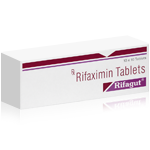
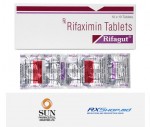
Rifagut is a trusted brand of Rifaximin, a gut-focused antibiotic designed to work mainly inside the intestines with minimal absorption into the bloodstream. It is commonly used to help manage traveler diarrhea caused by noninvasive E. coli and is also widely prescribed to support symptom control in irritable bowel syndrome with diarrhea (IBS-D). In liver care, rifaximin is often used to reduce the risk of recurrent hepatic encephalopathy by lowering ammonia-producing intestinal bacteria.
This medication is valued for its targeted local action, which may lead to fewer systemic side effects compared with many broad-spectrum antibiotics.
Generic Rifagut can be an effective option when you need a treatment that focuses on the digestive tract while helping restore day to day comfort. Always follow the prescribed regimen, avoid unnecessary antibiotic use, and seek medical advice if symptoms are severe, persistent, or include high fever or blood in stool.

- Irritable Bowel Syndrome with Diarrhea (IBSD): Reduction of chronic diarrhea, bloating, and abdominal pain;
- Hepatic Encephalopathy (prevention of recurrence): Decreases ammonia-producing intestinal bacteria in patients with liver cirrhosis;
- Small Intestinal Bacterial Overgrowth (SIBO): Off-label use to reduce excessive bacterial growth in the small intestine;
- Chronic Infectious Diarrhea: Management of persistent bacterial diarrhea when localized gut action is required;
- Diverticular Disease (symptom control): Adjunct therapy to reduce intestinal bacterial load and inflammation;
- Inflammatory Bowel Disease – adjunct use: Supportive treatment in selected cases to control bacterial imbalance;
- Prevention of Postoperative Intestinal Infections: Reduction of intestinal bacteria before or after gastrointestinal surgery.
- Minimal systemic absorption: Reduces exposure to the whole body and lowers the risk of systemic side effects;
- Effective symptom control: Helps relieve diarrhea, bloating, and abdominal discomfort;
- Gut microbiota modulation: Supports a healthier balance of intestinal bacteria without broad systemic disruption;
- Lower resistance risk: Limited absorption may reduce the development of widespread antibiotic resistance;
- Good tolerability profile: Generally well tolerated when used as prescribed;
- Convenient oral therapy: Easy to administer without injections or hospital procedures.
Generic Rifagut (Rifaximin 200 mg) Medication guide:
💊 Drug Overview: Rifagut (Rifaximin)
Rifagut is a branded formulation containing rifaximin, a unique gastrointestinal-selective antibiotic designed to act locally within the gut. Unlike systemic antibiotics, this medication is engineered to remain primarily in the intestinal lumen, targeting pathogenic bacteria while minimizing absorption into the bloodstream.
This localized activity profile makes Rifagut especially valuable in conditions where bacterial imbalance or overgrowth in the intestines plays a central role, without exposing the entire body to unnecessary antibiotic pressure.
🔍 Key Characteristics of Rifagut
- Acts locally in the gastrointestinal tract;
- Minimal systemic absorption;
- Lower risk of widespread antibiotic side effects;
- Designed for targeted intestinal conditions.
Rifaximin belongs to the rifamycin class of antibiotics, but its pharmacological behavior is fundamentally different from systemic rifamycins such as rifampicin. Its structure allows it to suppress bacterial RNA synthesis directly in the gut without achieving high plasma concentrations.
✨ Why Rifagut Is Different From Traditional Antibiotics
Rifagut was developed to solve a specific clinical problem: how to control harmful intestinal bacteria without disturbing the body’s systemic balance or increasing systemic toxicity risks.
Clinically, Rifagut is most often associated with gastrointestinal disorders such as traveler diarrhea, hepatic encephalopathy, and irritable bowel syndrome with diarrhea. Its role is not to sterilize the gut, but to modulate bacterial populations in a controlled and predictable way.
Clinical Insight: Rifaximin is best understood as a precision antibiotic. Its strength lies in targeted gut action rather than systemic coverage.
Understanding this foundational concept is essential before exploring dosing, indications, safety, and long-term use considerations, which are addressed in the following sections.
🏷️ Brand Name vs Generic Name Explained
In clinical practice, it is important to clearly distinguish between the brand name and the generic name of a medication to avoid confusion, dosing errors, and misunderstandings when comparing products.
Rifagut is the brand name under which the medication is marketed, while rifaximin is the generic (international nonproprietary) name of the active pharmaceutical ingredient. The therapeutic effect comes from rifaximin itself, regardless of the brand label.
🔍 Understanding the Difference
- Rifagut: commercial brand name used for marketing and identification;
- Rifaximin: generic drug name recognized globally;
- Multiple brands may contain the same generic substance;
- Clinical action depends on rifaximin, not the brand.
Generic rifaximin must meet strict regulatory standards for quality, purity, and effectiveness. This ensures that a properly manufactured generic provides the same therapeutic benefit as the branded version when used correctly.
From a prescribing perspective, healthcare providers focus on the generic molecule, while patients usually encounter the brand name when ordering or receiving the medication. This is especially relevant for online purchases, international prescriptions, and long-term therapy planning.
⚠️ Practical note: Always verify that the product label clearly states “rifaximin” as the active ingredient, regardless of whether the brand name is Rifagut or another equivalent.
Understanding this distinction helps patients compare options, evaluate pricing, and recognize equivalent products across different markets without compromising treatment effectiveness.
🧬 Active Ingredient and Chemical Structure
The therapeutic activity of Rifagut is driven entirely by its active ingredient, rifaximin. This compound belongs to the rifamycin family but has been structurally modified to behave differently from systemic antibiotics in the same class.
Rifaximin is designed to exert its antibacterial effect almost exclusively within the intestinal lumen. This property is not accidental - it is a direct consequence of its molecular structure, which limits absorption through the intestinal wall.
⚗️ Chemical Profile
- Generic name: rifaximin;
- Drug class: rifamycin derivative;
- Chemical formula: C43H51N3O11;
- Molecular behavior: poorly absorbed from the gut.
The bulky and lipophilic nature of rifaximin limits its ability to cross intestinal membranes. As a result, systemic plasma concentrations remain extremely low even at therapeutic doses, distinguishing it from rifampicin and similar agents.
🧠 Structure-Function Relationship
The chemical structure of rifaximin enables high local concentrations in the gut while minimizing exposure to other organs, reducing systemic side effects and interaction risk.
This selective distribution explains why rifaximin is effective for intestinal conditions without significantly altering liver enzymes or causing widespread antibiotic-related adverse effects.
Clinical Insight: Rifaximin’s chemical design is the foundation of its safety profile. The molecule works where it is needed and stays where it is intended.
With the active ingredient and structure clarified, the next section explores how rifaximin works at the molecular and microbial level within the gastrointestinal tract.
⚙️ Mechanism of Action in the Gastrointestinal Tract
Rifaximin, the active component of Rifagut, works through a highly selective mechanism that targets bacteria directly inside the intestinal lumen. Unlike systemic antibiotics, it does not rely on achieving high blood concentrations to be effective.
At the molecular level, rifaximin binds to the beta-subunit of bacterial DNA-dependent RNA polymerase. This action blocks bacterial RNA synthesis, effectively stopping protein production and inhibiting bacterial growth.
What makes rifaximin unique is not the target itself - which is shared with other rifamycins - but where and how long this interaction occurs. Because the drug remains mostly in the gut, its antibacterial pressure is localized rather than systemic.
🧬 Simplified explanation: Rifaximin enters the intestine, attaches to harmful bacteria, shuts down their ability to reproduce, and then exits the body with minimal absorption.
This localized inhibition allows rifaximin to suppress pathogenic or overgrown bacterial populations while leaving much of the beneficial microbiota relatively intact. As a result, the risk of classic antibiotic complications such as widespread dysbiosis is reduced.
📊 Mechanism Comparison: Rifaximin vs Systemic Antibiotics
| Feature | Rifaximin | Systemic Antibiotics |
|---|---|---|
| Primary site of action | Intestinal lumen; | Whole body; |
| Blood concentration | Minimal; | High; |
| Microbiota disruption | Limited; | Often significant. |
Additionally, rifaximin has been shown to reduce bacterial toxin production and inflammatory signaling within the gut environment. This explains why symptom relief can occur even when complete bacterial eradication is not the goal.
👨⚕️ Doctor’s perspective: Rifaximin is not designed to sterilize the intestine. Its strength lies in restoring functional balance rather than eliminating all bacteria.
Understanding this mechanism is essential before discussing therapeutic indications, as rifaximin’s benefits are closely tied to conditions where localized bacterial modulation is more effective than systemic antibiotic exposure.
🎯 Therapeutic Scope of Rifaximin
The therapeutic scope of rifaximin is defined by its ability to act locally within the gastrointestinal tract while maintaining a favorable safety profile. Rather than being a broad, body-wide antibiotic, this medication is positioned as a targeted gut therapy for conditions where bacterial activity plays a central role.
Its clinical value lies not in eradicating all intestinal bacteria, but in modulating harmful populations, reducing toxin production, and improving gut-related symptoms without systemic exposure.
🧭 Clinical Scope Snapshot
Rifaximin is most effective in conditions where bacteria remain confined to the intestinal lumen and do not invade deeper tissues.
Because of this localized action, rifaximin occupies a unique position between traditional antibiotics and gut-modulating therapies. It is frequently chosen when clinicians want antimicrobial effect without systemic disruption.
🧩 Conditions Where Rifaximin Shows Clinical Value
- Bacterial overgrowth limited to the intestines;
- Toxin-mediated diarrheal conditions;
- Gut-related neurocognitive complications;
- Functional bowel disorders with microbial involvement.
Importantly, rifaximin is not suitable for systemic infections, invasive bacterial disease, or conditions requiring blood-level antibiotic penetration. Its scope is intentionally narrow, which is also what makes it safer for repeated or condition-specific use.
⚠️ Clinical decision note: When symptoms suggest invasive infection (fever, blood in stool, systemic illness), rifaximin should not be considered a first-line option.
In practice, the therapeutic scope of rifaximin continues to expand as research clarifies its effects on gut microbiota balance, inflammation signaling, and symptom-driven outcomes.
👨⚕️ Doctor’s insight: Rifaximin works best when used with precision. Its strength is not broad coverage, but strategic control of gut bacteria where systemic antibiotics add unnecessary risk.
With the therapeutic scope established, the next section focuses on official FDA-approved indications, where the clinical boundaries of rifaximin use are clearly defined.
📋 FDA Approved Indications for Rifaximin
The U.S. Food and Drug Administration (FDA) has approved rifaximin for specific, well-defined clinical indications. These approvals reflect conditions where strong evidence demonstrates benefit, safety, and predictable outcomes when the medication is used exactly as directed.
Unlike many antibiotics with broad approvals, rifaximin’s FDA indications are intentionally narrow. This reinforces its role as a targeted gastrointestinal therapy rather than a universal antimicrobial solution.
🏛️ Official FDA-Approved Uses
- Traveler Diarrhea: Treatment of diarrhea caused by noninvasive strains of Escherichia coli in adults and adolescents;
- Hepatic Encephalopathy: Reduction in the risk of recurrent episodes in adults with chronic liver disease;
- Irritable Bowel Syndrome with Diarrhea (IBS-D): Management of global IBS-D symptoms in adult patients.
Each of these indications relies on rifaximin’s ability to act locally within the gut, suppressing harmful bacterial activity without significant systemic absorption. This makes it particularly suitable for chronic or recurrent conditions where repeated courses may be required.
🚫 FDA Limitation: Rifaximin is not approved for invasive bacterial infections, systemic infections, or diarrhea associated with fever or blood in stool.
In traveler diarrhea, the FDA approval specifically excludes cases caused by invasive pathogens such as Campylobacter, Salmonella, or Shigella. This distinction is critical for correct patient selection.
📊 FDA Indication Focus
| Indication | Primary Goal | Clinical Outcome |
|---|---|---|
| Traveler Diarrhea | Reduce duration and severity; | Faster symptom resolution; |
| Hepatic Encephalopathy | Lower ammonia-producing bacteria; | Fewer recurrence episodes; |
| IBS-D | Modulate gut microbiota; | Improved bowel symptoms. |
Clinical Insight: FDA approval for rifaximin is symptom-driven, not pathogen-eradicating. The goal is control and prevention, not complete microbial elimination.
Understanding these official indications provides a clear boundary between approved use and off-label exploration, which is addressed in the following section.
🦠 Use in Traveler Diarrhea Caused by Noninvasive E. coli
Rifaximin is specifically approved for the treatment of traveler diarrhea caused by noninvasive strains of Escherichia coli. This indication reflects a very precise clinical scenario where bacteria remain confined to the intestinal lumen and do not penetrate the gut wall.
Traveler diarrhea is one of the most common health problems affecting international travelers. In many cases, symptoms are driven by toxin-producing bacteria rather than tissue invasion, making rifaximin an effective and well-tolerated option.
🎯 Why Rifaximin Works in This Condition
Rifaximin suppresses toxin-producing E. coli directly in the intestinal lumen without entering systemic circulation, reducing diarrhea severity while preserving overall gut stability.
Clinical studies show that rifaximin can shorten the duration of symptoms and improve stool consistency when used early in the course of illness. Because it stays localized, the risk of systemic adverse reactions remains low.
✅ Appropriate Use Criteria
- Mild to moderate traveler diarrhea;
- No fever present;
- No blood or mucus in stool;
- Suspected noninvasive bacterial cause.
Patients often experience symptom relief within a short timeframe, allowing continuation of travel plans with minimal disruption. Hydration remains an essential supportive measure alongside antibiotic therapy.
🚫 Do Not Use: Rifaximin should not be used for traveler diarrhea accompanied by fever, blood in stool, or suspected invasive pathogens such as Campylobacter or Salmonella.
📊 Rifaximin in Traveler Diarrhea - Clinical Snapshot
| Feature | Rifaximin | Systemic Antibiotics |
|---|---|---|
| Target bacteria | Noninvasive E. coli; | Broad-spectrum; |
| Systemic absorption | Minimal; | High; |
| Side effect risk | Low; | Higher. |
👨⚕️ Doctor’s comment: Rifaximin is ideal for uncomplicated traveler diarrhea. The moment fever or blood appears, therapy must shift to systemic evaluation.
With traveler diarrhea addressed, the next section examines the role of rifaximin in hepatic encephalopathy management, where gut bacteria influence neurological symptoms.
🧠 Use in Hepatic Encephalopathy Management
In patients with chronic liver disease, hepatic encephalopathy (HE) develops when gut-derived toxins, particularly ammonia, reach the brain due to impaired hepatic clearance. Rifaximin plays a central role by targeting the intestinal source of these toxins rather than the brain itself.
The therapeutic logic is indirect but powerful: reduce toxin-producing gut bacteria, lower circulating neurotoxins, and stabilize cognitive function. Because rifaximin remains largely within the gut, it can be used long-term with a favorable tolerability profile.
🧩 How Rifaximin Supports HE Control
- Suppresses ammonia-producing intestinal bacteria;
- Reduces systemic neurotoxin load;
- Helps prevent recurrent HE episodes;
- Improves day-to-day cognitive stability.
Clinically, rifaximin is often introduced after an initial HE episode to reduce recurrence risk. It is frequently combined with non-absorbable disaccharides, forming a complementary approach that targets toxin production and elimination simultaneously.
🔄 Practical Role in Ongoing Management
Patients receiving rifaximin for hepatic encephalopathy often report fewer hospitalizations, improved alertness, and more predictable daily functioning. The goal is not cure, but maintenance of neurological stability.
⚠️ Clinical alert: Rifaximin is intended to prevent recurrence of hepatic encephalopathy. It should not replace acute management strategies during active severe episodes.
Because systemic absorption is minimal, rifaximin does not significantly worsen liver function and is generally well tolerated even in advanced disease, making it suitable for prolonged use under medical supervision.
👨⚕️ Doctor’s perspective: In hepatic encephalopathy, rifaximin is a preventive therapy. Its value lies in consistency and long-term stabilization rather than rapid symptom reversal.
With hepatic encephalopathy addressed, the next section explores rifaximin’s role in irritable bowel syndrome with diarrhea (IBS-D), where symptom modulation is the primary objective.
🧻 Role in Irritable Bowel Syndrome With Diarrhea (IBS-D)
In irritable bowel syndrome with diarrhea (IBS-D), symptoms are often driven by a complex interaction between gut microbiota, intestinal sensitivity, and altered motility. Rifaximin addresses this interaction by selectively modifying bacterial activity in the intestine rather than suppressing gut function.
Unlike antidiarrheal agents that slow bowel movements, rifaximin works upstream. It reduces bacterial byproducts and gas formation that can trigger bloating, urgency, and abdominal discomfort. This explains why symptom relief may persist even after the treatment course ends.
A key clinical advantage is that rifaximin is used as a short, finite course in IBS-D, rather than as continuous daily therapy. This differentiates it from many symptom-suppressing treatments.
📉 Symptoms Most Likely to Improve
Abdominal bloating, stool looseness, urgency, and overall IBS-related discomfort tend to show the greatest improvement after rifaximin therapy.
Clinical trials demonstrate that rifaximin can provide global symptom relief in a subset of IBS-D patients, particularly those with suspected bacterial overgrowth or fermentation-related symptoms. Importantly, not all patients respond equally, highlighting the need for individualized assessment.
🎯 Patients Most Likely to Benefit
- IBS-D with prominent bloating and gas;
- Symptoms triggered by meals or fermentation;
- Poor response to dietary measures alone;
- No red-flag signs such as weight loss or bleeding.
Repeat courses may be considered in responders who experience symptom recurrence, but ongoing evaluation is recommended to avoid unnecessary antibiotic exposure.
👨⚕️ Doctor’s note: In IBS-D, rifaximin is not a cure but a reset. Its goal is to reduce symptom drivers, giving the gut a chance to regain functional balance.
After reviewing its role in IBS-D, the next section examines off-label and investigational uses, where rifaximin continues to attract clinical interest.
🔬 Off-Label and Investigational Uses
Beyond its FDA-approved indications, rifaximin has attracted clinical interest for several off-label and investigational applications, primarily due to its unique ability to modulate gut microbiota with minimal systemic exposure. These uses are driven by emerging evidence rather than formal regulatory approval.
In off-label settings, rifaximin is not used as a universal antibiotic, but as a microbiota-directed intervention, aiming to influence metabolic, inflammatory, or toxin-related pathways originating in the gut.
🧪 Areas of Active Clinical Interest
- Small intestinal bacterial overgrowth (SIBO);
- Inflammatory bowel disease symptom modulation;
- Diverticular disease-associated symptoms;
- Functional bloating and gas-related disorders;
- Prevention of bacterial translocation in cirrhosis.
In SIBO, rifaximin is frequently used to reduce excessive bacterial populations in the small intestine. Although not FDA-approved for this indication, it is one of the most commonly studied antibiotics in this context due to its localized activity.
Investigational research has also explored rifaximin’s anti-inflammatory signaling effects, including modulation of gut barrier function and reduction of pro-inflammatory cytokine activation. These mechanisms extend beyond simple bacterial suppression.
⚠️ Important limitation: Off-label use should always be guided by a healthcare professional. Evidence strength varies, and dosing regimens may differ from approved indications.
While early results in several investigational areas are promising, large-scale randomized trials are still needed before these uses can be considered standard of care.
👨⚕️ Clinical perspective: Rifaximin’s off-label appeal lies in its safety margin. However, “low risk” does not mean “no risk,” and repeated courses require thoughtful justification.
With investigational uses outlined, the next section focuses on clinical effectiveness and response rates, examining how reliably patients improve across approved and studied indications.
📊 Clinical Effectiveness and Response Rates
The clinical effectiveness of rifaximin is best understood through patient-centered outcomes: symptom relief, reduced recurrence, and improved quality of life. Because this drug works locally in the gut, success is measured less by blood levels and more by how consistently symptoms improve over time.
Across approved indications, rifaximin demonstrates reliable, reproducible benefits in carefully selected patients. Response is not universal, but when present, it is often meaningful and sustained beyond the treatment window.
📈 Where Effectiveness Is Most Consistent
- Prevention of recurrent hepatic encephalopathy episodes;
- Reduction of global IBS-D symptoms in selected patients;
- Shortening duration of uncomplicated traveler diarrhea;
- Decreased hospitalization related to gut-derived toxins.
In hepatic encephalopathy, rifaximin shows particularly strong effectiveness as a maintenance therapy. Patients receiving continuous treatment experience fewer relapses and more stable cognitive function compared to supportive care alone.
In IBS-D, response patterns are more heterogeneous. Some patients achieve significant relief after a single short course, while others show partial or no response. This variability reinforces the importance of patient selection and expectation management.
🔢 Clinical Response Snapshot (Observed Trends)
| Condition | Typical Response Pattern | Durability |
|---|---|---|
| Hepatic encephalopathy | Clear reduction in recurrence; | Sustained with continued use; |
| IBS-D | Moderate symptom improvement; | May persist after course; |
| Traveler diarrhea | Rapid symptom control; | Short-term benefit. |
Lack of response does not necessarily indicate treatment failure. In many cases, it reflects non-bacterial drivers of symptoms, incorrect indication, or insufficient overlap between the drug’s mechanism and the underlying condition.
Clinical Insight: Rifaximin works best when symptoms are bacteria-influenced rather than purely functional. Identifying that overlap is the key to higher response rates.
With effectiveness patterns established, the next section examines onset of action and duration of effect, helping set realistic expectations for when improvement should begin and how long it may last.
⏱️ Onset of Action and Duration of Effect
Understanding when rifaximin starts working and how long its benefits last helps set realistic expectations and improves adherence. Because the drug acts locally in the gut, onset is driven by changes in bacterial activity rather than systemic drug levels.
Most patients do not feel an immediate effect after the first dose. Instead, improvement follows a short lag phase while bacterial transcription is suppressed and toxin production declines.
🧭 Typical Response Timeline
Initial changes often begin within a few days; meaningful symptom relief commonly emerges toward the end of the treatment course or shortly after completion.
The duration of effect varies by indication. In traveler diarrhea, relief is expected to be rapid and short-lived by design. In IBS-D, benefits may persist weeks after therapy. In hepatic encephalopathy, benefit is maintained only with continued dosing.
🎯 How Duration Differs by Condition
- Traveler diarrhea: improvement during treatment, resolves with illness;
- IBS-D: symptom relief may last weeks to months after a short course;
- Hepatic encephalopathy: benefit depends on ongoing therapy.
Importantly, symptom recurrence does not always mean resistance or failure. In functional conditions, recurrence often reflects re-emergence of triggers rather than loss of drug activity.
📊 Onset and Durability at a Glance
| Indication | Onset | Duration of Benefit |
|---|---|---|
| Traveler diarrhea | Days; | Short-term; |
| IBS-D | During or after course; | Weeks to months; |
| Hepatic encephalopathy | Gradual; | Maintained with therapy. |
👨⚕️ Doctor’s view: Patients should judge rifaximin by trends, not by the first dose. Its benefit is cumulative, not instantaneous.
With timing and durability clarified, the next section explains why rifaximin works locally in the gut and how minimal absorption shapes its safety profile.
💡 Why Rifaximin Works Locally in the Gut
One of the defining features of rifaximin is its ability to remain almost entirely within the gastrointestinal tract. This local action is not incidental - it is the result of deliberate molecular design aimed at maximizing gut efficacy while minimizing systemic exposure.
After oral administration, rifaximin passes through the stomach and intestines with very limited absorption into the bloodstream. As a result, therapeutic concentrations are achieved where they matter most: inside the intestinal lumen.
🧬 Key concept: Rifaximin is pharmacologically active where bacteria live in the gut, not where systemic side effects usually occur.
This local retention allows rifaximin to reach concentrations that would be impractical or unsafe for systemically absorbed antibiotics. The drug can suppress bacterial RNA synthesis effectively without circulating at levels that affect distant organs.
🔍 Factors Limiting Systemic Absorption
- Large molecular size limiting membrane passage;
- Low water solubility;
- Poor permeability across intestinal epithelium;
- Minimal transport via intestinal carriers.
Even in patients with compromised gut integrity, systemic levels typically remain low. This explains why rifaximin does not meaningfully induce liver enzymes or cause widespread drug interactions seen with other rifamycins.
📌 Clinical contrast: While rifampicin acts throughout the body, rifaximin is intentionally confined to the gut, making it unsuitable for systemic infections but ideal for intestinal conditions.
This localized pharmacokinetic profile also underpins rifaximin’s suitability for repeated courses in selected patients, as cumulative systemic toxicity remains minimal when used appropriately.
👨⚕️ Doctor’s insight: Rifaximin succeeds by staying put. Its local confinement is the reason it can be effective without behaving like a traditional antibiotic.
With the rationale for local gut action explained, the next section explores systemic absorption and bioavailability in greater detail.
🧪 Systemic Absorption and Bioavailability
Rifaximin is characterized by extremely low systemic absorption, a property that fundamentally shapes its safety profile and clinical use. After oral administration, only trace amounts enter the bloodstream, keeping bioavailability minimal under normal gastrointestinal conditions.
This pharmacokinetic behavior is intentional. By limiting absorption, rifaximin delivers high intraluminal concentrations in the intestine while avoiding plasma levels that could trigger systemic toxicity or widespread drug interactions.
📌 Fast fact: In healthy subjects, systemic exposure to rifaximin is typically negligible, often below quantifiable thresholds.
Bioavailability can increase slightly in certain pathological states, particularly when the intestinal barrier is compromised. Even then, circulating levels generally remain far lower than those seen with systemic rifamycins.
🔎 Situations Where Absorption May Rise
- Severe intestinal inflammation or mucosal injury;
- Advanced liver disease with portal hypertension;
- Prolonged or repeated high-dose courses;
- Concomitant conditions affecting gut permeability.
Even in these scenarios, rifaximin’s systemic levels are usually not sufficient to cause the enzyme induction or interaction patterns typical of rifampicin. This distinction is clinically important when selecting therapy for patients with complex medication regimens.
🔬 Pharmacokinetic contrast: Rifaximin’s low bioavailability explains why it lacks significant systemic antibacterial activity and why it is unsuitable for infections outside the gut.
Because absorption is minimal, routine blood-level monitoring is not required. Clinical monitoring focuses instead on symptom response and tolerability rather than pharmacokinetic measurements.
⚠️ Clinical note: Do not assume increased effectiveness by increasing dose. Higher doses do not meaningfully raise systemic exposure and may only increase local side effects.
With absorption and bioavailability clarified, the next section examines how rifaximin influences the gut microbiota and why this effect differs from conventional antibiotics.
🧫 Impact on Gut Microbiota
Unlike broad-spectrum antibiotics that indiscriminately disrupt intestinal flora, rifaximin exerts a selective and modulatory effect on the gut microbiota. Its action reshapes bacterial activity rather than wiping out entire populations, which explains its favorable tolerability in repeated or chronic use.
The goal is balance, not eradication. By suppressing specific bacterial functions such as toxin production and excessive fermentation, rifaximin helps restore a more stable intestinal environment.
🌱 How the Microbiota Changes
Rifaximin tends to reduce pathogenic overactivity while preserving beneficial commensals, leading to functional improvement without deep microbial depletion.
Studies suggest that rifaximin may even promote a microbiota profile associated with reduced intestinal inflammation. This effect is partly attributed to lowered bacterial translocation and decreased activation of inflammatory pathways in the gut wall.
🚫 What Rifaximin Typically Does Not Do
- Does not sterilize the intestine;
- Does not cause long-lasting microbiome collapse;
- Does not significantly promote fungal overgrowth;
- Does not eliminate beneficial anaerobic flora.
This microbiota-friendly profile explains why rifaximin is associated with a lower risk of antibiotic-associated diarrhea and why patients often tolerate it better than systemic agents.
🧠 Conceptual analogy: Think of rifaximin as a “microbial regulator” rather than a “microbial destroyer” - it quiets the noise without shutting down the system.
Because changes are functional rather than destructive, the gut microbiota can recover quickly after therapy, which supports the clinical observation of sustained symptom relief in some patients.
👨⚕️ Doctor’s commentary: The value of rifaximin lies in its restraint. By avoiding excessive microbiota damage, it treats symptoms without creating new problems.
With its microbiota effects clarified, the next section examines the risk of bacterial resistance and how rifaximin differs from systemic antibiotics in this regard.
🔄 Risk of Bacterial Resistance
Antibiotic resistance is a major concern with any antimicrobial therapy, but rifaximin presents a distinct resistance profile compared to systemic antibiotics. Its localized action and minimal systemic exposure significantly influence how and where resistance may develop.
Resistance to rifaximin can occur, but it is usually confined to the gut environment and tends to be transient rather than persistent. This contrasts with systemic agents, where resistance can spread broadly and persist long after treatment ends.
🧬 How Resistance May Develop
Resistance typically arises from mutations in bacterial RNA polymerase. Because rifaximin acts locally and is not systemically selective, these resistant strains often lose dominance once therapy stops.
Importantly, rifaximin-resistant bacteria frequently demonstrate reduced fitness, meaning they are less competitive in the normal gut environment after drug pressure is removed.
⚠️ Factors That Increase Resistance Risk
- Frequent, repeated courses without clear indication;
- Prolonged use beyond recommended duration;
- Incomplete or irregular dosing;
- Use in conditions outside its therapeutic scope.
Unlike rifampicin, rifaximin does not meaningfully induce systemic resistance in organisms outside the gut. However, cautious use remains essential, especially in patients who require repeated therapy.
📌 Clinical distinction: Rifaximin resistance is usually localized and reversible, while resistance to systemic antibiotics can be widespread and durable.
From a public health perspective, rifaximin’s resistance profile is considered relatively favorable when used within approved indications and appropriate dosing schedules.
👨⚕️ Doctor’s insight: Resistance with rifaximin is a management issue, not a crisis. Problems arise when the drug is used repeatedly without reassessing the underlying cause.
With resistance considerations addressed, the next section details available dosage forms and strengths, helping align therapy with approved regimens.
📦 Available Dosage Forms and Strengths
Rifagut (rifaximin) is formulated to deliver precise, localized antibiotic action within the gastrointestinal tract. Its dosage forms and strengths are designed to support short-term courses as well as long-term preventive therapy, depending on the clinical indication.
Unlike many antibiotics that come in multiple formulations, rifaximin is intentionally kept simple. This reduces dosing confusion and supports adherence, especially in chronic or recurrent conditions.
💊 Primary Dosage Form
Rifagut is supplied as oral tablets intended for intestinal delivery, ensuring consistent exposure of gut bacteria to the active ingredient.
Tablets are film-coated to support stability and controlled release within the digestive tract. Crushing or altering the tablet is not recommended unless specifically advised by a healthcare provider.
🔢 Commonly Available Strengths
- 200 mg: often used for traveler diarrhea regimens;
- 400 mg: used in some regional treatment protocols;
- 550 mg: standard strength for hepatic encephalopathy and IBS-D.
The choice of strength depends on the indication, treatment duration, and regional prescribing guidelines. Higher strength does not imply stronger systemic action, but rather supports appropriate local concentration in the gut.
⚠️ Practical note: Do not substitute tablet strengths without recalculating the total daily dose. Different strengths are not interchangeable on a one-to-one basis.
Availability of specific strengths may vary by country and manufacturer. Patients ordering online should always verify tablet strength before completing a purchase.
👨⚕️ Doctor’s comment: Correct strength selection simplifies therapy. When dosing is clear, adherence improves and treatment outcomes follow.
With dosage forms clarified, the next section addresses standard dosing recommendations across approved and commonly used indications.
🧾 Standard Dosing Recommendations
Rifaximin dosing is indication-specific and intentionally standardized to achieve optimal local concentrations in the gut without increasing systemic exposure. Unlike many antibiotics, dose escalation does not enhance efficacy and may only increase local adverse effects.
Prescribers select dosing based on the underlying condition, expected treatment duration, and evidence from clinical trials rather than patient weight or systemic pharmacokinetics.
📌 Common Dosing Regimens by Indication
- Traveler diarrhea: short-course therapy with divided daily doses;
- IBS-D: fixed-dose regimen for a defined treatment window;
- Hepatic encephalopathy: continuous maintenance dosing.
Adhering strictly to recommended schedules is critical. Skipping doses or extending therapy beyond the advised duration does not improve outcomes and may increase resistance risk.
📊 Dosing Overview (Clinical Practice)
| Indication | Typical Daily Dose | Course Duration |
|---|---|---|
| Traveler diarrhea | Divided doses; | Short-term; |
| IBS-D | Fixed daily dose; | Limited course; |
| Hepatic encephalopathy | Continuous dosing; | Long-term maintenance. |
Dose adjustments are rarely required for age, renal function, or mild hepatic impairment due to rifaximin’s low systemic absorption. However, advanced liver disease warrants closer supervision.
⚠️ Clinical note: More frequent dosing or higher doses do not translate into faster symptom relief. Precision, not intensity, determines rifaximin success.
👨⚕️ Doctor’s insight: Rifaximin dosing works best when it is boringly consistent. Deviations add risk without adding benefit.
With standard dosing outlined, the next section explains the dosing schedule and treatment duration in more practical, day-to-day terms.
🕒 Dosing Schedule and Treatment Duration
The dosing schedule for rifaximin is designed to maintain steady antibacterial pressure within the gut while fitting easily into a patient’s daily routine. Because the drug acts locally, timing consistency matters more than exact clock precision.
Treatment duration varies significantly depending on the indication. Some conditions require only a brief course, while others rely on continuous administration to prevent symptom recurrence.
⏰ Typical Daily Scheduling
Rifaximin is usually taken at evenly spaced intervals throughout the day. Maintaining a regular rhythm helps sustain gut-level antibacterial activity without peaks or gaps.
Patients are advised to align doses with daily habits such as meals or waking hours, making adherence easier over both short and long courses.
📆 How Long Treatment Typically Lasts
- Traveler diarrhea: short, time-limited course;
- IBS-D: defined treatment cycle with possible future repeats;
- Hepatic encephalopathy: long-term or continuous therapy.
Ending treatment early can reduce effectiveness, while extending therapy beyond recommended duration does not necessarily improve outcomes and may increase resistance risk.
⚠️ Timing tip: If a dose is missed, it should be taken as soon as remembered unless it is close to the next scheduled dose. Double dosing is not recommended.
For long-term use, periodic reassessment ensures that continued therapy remains appropriate and effective. Treatment plans should evolve based on symptom control and clinical response.
👨⚕️ Doctor’s comment: With rifaximin, success depends on routine. Regular timing maintains stability, especially in chronic indications.
With scheduling and duration clarified, the next section addresses whether rifaximin should be taken with or without food and how meals influence its effect.
🍽️ Administration With or Without Food
Rifaximin can be taken with or without food, and meals do not meaningfully reduce its effectiveness. Because the drug acts locally in the gut and has minimal systemic absorption, timing relative to food is guided more by tolerability and adherence than by pharmacokinetic necessity.
For many patients, taking rifaximin alongside meals helps establish a routine and may reduce mild gastrointestinal discomfort. Others prefer dosing between meals for convenience - both approaches are acceptable when doses are taken consistently.
🧭 Practical Guidance
- Choose a consistent pattern (with meals or without);
- Swallow tablets whole with water;
- Avoid crushing or chewing unless advised;
- Align doses with daily habits to improve adherence.
In IBS-D and other functional bowel conditions, some patients notice less bloating or nausea when doses are taken with food. In traveler diarrhea, rapid symptom control is the priority, and food timing is less critical.
⚠️ Food interaction note: There is no need to fast before taking rifaximin. However, very heavy or fatty meals may temporarily worsen GI symptoms in sensitive individuals.
Hydration remains important during therapy, especially in diarrheal conditions. Adequate fluid intake supports symptom control and overall comfort, independent of dosing timing.
👨⚕️ Doctor’s tip: The best way to take rifaximin is the way you will remember every day. Consistency beats perfect timing.
With administration timing clarified, the next section outlines important usage instructions that help maximize benefit and minimize avoidable problems during therapy.
⚠️ Important Usage Instructions
Correct use of rifaximin is not only about dose and timing. The way the medication is handled, combined with patient behavior during therapy, directly influences effectiveness, safety, and long-term outcomes. Many treatment failures occur not because the drug is weak, but because key usage rules are overlooked.
This section focuses on practical, real-world instructions that are often underestimated but clinically important.
🧩 Essential Rules for Proper Use
- Take rifaximin exactly as prescribed, without shortening or extending the course;
- Do not skip doses to “save” tablets for future symptoms;
- Do not share the medication with other people;
- Complete the full course even if symptoms improve early;
- Use the same dosing schedule every day.
Because rifaximin works by altering bacterial behavior over time, inconsistent intake disrupts this process and reduces clinical benefit.
🚫 Common Patient Mistakes
- Stopping therapy as soon as diarrhea improves;
- Restarting rifaximin without medical advice;
- Combining courses too frequently;
- Assuming it works for all types of diarrhea.
Rifaximin is not an “as-needed” antibiotic. Even though it is well tolerated, repeated unsupervised use increases resistance risk and may mask underlying conditions.
📌 Remember: Rifaximin treats specific gut-related conditions. If symptoms change character (fever, blood, worsening pain), therapy should be reassessed.
Patients with chronic conditions such as IBS-D or hepatic encephalopathy should maintain regular follow-up, especially when repeated courses or long-term therapy are involved.
👨⚕️ Doctor’s message: Rifaximin is forgiving, but not careless-proof. Respecting usage instructions is what separates symptom control from relapse.
With usage principles established, the next section addresses contraindications and patient restrictions, defining when rifaximin should not be used.
🚫 Contraindications and When Rifaximin Should Be Avoided
Not every case of diarrhea or gut discomfort is suitable for rifaximin. Because this medication works locally and selectively, its effectiveness depends heavily on the underlying cause of symptoms. Using it in the wrong clinical context may lead to delayed diagnosis or ineffective treatment.
Instead of thinking in terms of “allowed” or “forbidden,” it is more useful to understand clinical scenarios where rifaximin simply does not fit.
| Clinical Situation | Is Rifaximin Appropriate? | Reason |
|---|---|---|
| Bloody diarrhea | No; | Suggests invasive infection requiring systemic therapy; |
| Fever with diarrhea | No; | Likely systemic inflammatory or invasive process; |
| Systemic bacterial infection | No; | Rifaximin does not achieve therapeutic blood levels; |
| Known rifamycin allergy | No; | Risk of hypersensitivity reactions; |
| Functional gut disorders | Yes (selected cases); | When symptoms are microbiota-driven. |
🧠 Clinical mismatch concept: Rifaximin fails not because it is weak, but because it is precise. When symptoms come from tissue invasion, inflammation, or systemic infection, its local gut action becomes irrelevant.
One of the most common contraindications is misinterpretation of diarrhea type. Diarrhea associated with fever, blood, or severe abdominal pain should always prompt evaluation for invasive pathogens.
👥 Patient-Related Restrictions
Certain patient populations require additional caution, not because rifaximin is dangerous, but because clinical signals may be masked if symptoms temporarily improve.
- Patients with unexplained chronic diarrhea;
- Individuals with recurrent symptoms without diagnosis;
- Patients using multiple antibiotic courses per year;
- Advanced liver disease with altered gut permeability.
👨⚕️ Doctor’s warning: Temporary improvement after rifaximin does not confirm the diagnosis. Persistent or recurring symptoms must always be re-evaluated.
In summary, contraindications for rifaximin are less about toxicity and more about diagnostic accuracy. Correct indication selection determines whether the drug becomes a precise solution or a misleading detour.
With contraindications clearly defined, the next section will focus on side effects and adverse reactions, separating mild expected reactions from clinically important ones.
⚠️ Side Effects and Adverse Reactions
Rifaximin is generally well tolerated because it acts locally in the gut and has minimal systemic absorption. However, like any medication, it can cause side effects. Understanding what is common, what is uncommon, and what requires attention helps patients respond appropriately without unnecessary anxiety.
🎚️ Side Effect Severity Ladder
🟢 Mild: transient, self-limited, usually no treatment required;
🟡 Moderate: noticeable discomfort, may require monitoring or adjustment;
🔴 Serious: rare, requires medical attention.
🟢 Common and Mild Effects
- Abdominal discomfort or bloating;
- Nausea or mild stomach upset;
- Flatulence;
- Changes in bowel habits;
- Headache.
These effects are usually temporary and tend to resolve as the gut adapts during treatment. In many cases, they reflect changes in intestinal bacterial activity rather than drug toxicity.
🟡 Less Common but Clinically Relevant
Moderate reactions may include worsening diarrhea, abdominal pain, or fatigue. These symptoms warrant observation, especially if they persist beyond the treatment period.
Persistent or worsening gastrointestinal symptoms should prompt reassessment to exclude incorrect indication, infection with invasive pathogens, or non-bacterial causes.
📊 Side Effect Overview
| Category | Typical Symptoms | Action Required |
|---|---|---|
| Mild | Bloating, nausea, headache; | Continue treatment; |
| Moderate | Persistent diarrhea, abdominal pain; | Monitor or consult doctor; |
| Serious | Allergic reactions; | Stop drug and seek care. |
🚨 Seek immediate medical attention if symptoms of allergy appear, such as rash, swelling, difficulty breathing, or severe dizziness.
👨⚕️ Doctor’s perspective: Most side effects linked to rifaximin are functional, not toxic. The key is distinguishing temporary gut adjustment from signals that point to an incorrect diagnosis.
With side effects addressed, the next section explores drug interactions and whether rifaximin interferes with other commonly used medications.
🧠 Neurological and Cognitive Safety Profile
Although rifaximin primarily works inside the gut, patients often ask whether it can affect the brain, mood, focus, or cognitive performance. This is a reasonable concern because many antibiotics can cause dizziness, confusion, or sleep disturbances - especially when they reach meaningful concentrations in the bloodstream.
The key advantage of rifaximin is that it has minimal systemic absorption. For most people, this means neurological side effects are uncommon, and the medication is not expected to directly alter cognition in the way systemically absorbed antibiotics sometimes can.
🧩 Two Ways the Nervous System Can Be Involved
Direct effect: medication reaches the bloodstream and influences the central nervous system;
Indirect effect: gut changes influence energy, sleep, and mental clarity via inflammation and gut-brain signaling.
Rifaximin is mostly protected from causing direct brain effects because systemic exposure is low. However, indirect effects can occur when gut symptoms improve or worsen. For example, patients with IBS-D may feel better mentally when urgency and discomfort decrease. Conversely, temporary bloating or altered bowel habits can make a person feel tired or “off.”
🧠 What Patients May Notice
- Mild headache in some individuals;
- Fatigue or low energy related to GI symptom shifts;
- Improved alertness in hepatic encephalopathy due to toxin reduction;
- Rare dizziness or sleep disruption.
In hepatic encephalopathy, rifaximin is particularly relevant because the condition itself causes cognitive changes. In that context, rifaximin is not a risk factor - it is used to reduce recurrence of cognitive episodes by lowering gut-derived neurotoxins.
⚠️ Safety signal: If a patient develops new confusion, severe dizziness, fainting, or unusual agitation, the cause should be evaluated. These symptoms are not typical for rifaximin and may reflect dehydration, infection, or another medical issue.
👨⚕️ Doctor’s perspective: In most cases, rifaximin is neurologically quiet. When mental symptoms appear, clinicians look first for dehydration, electrolyte imbalance, or the underlying disease rather than blaming the medication.
With neurological safety clarified, the next section focuses on use in patients with liver disease, where rifaximin is frequently prescribed and clinical monitoring differs from routine antibiotic use.
🫀 Use in Patients With Liver Disease
Rifaximin occupies a unique position among antibiotics when it comes to liver disease. While many antimicrobials require dose reduction or avoidance in hepatic impairment, rifaximin is often specifically prescribed because of liver dysfunction, not despite it.
Its minimal systemic absorption allows therapeutic gut activity without placing additional metabolic burden on compromised hepatic pathways.
🧩 Why Liver Disease Changes the Rules
In cirrhosis and advanced liver disease, toxins produced in the gut bypass hepatic clearance and enter systemic circulation. This mechanism is central to the development of hepatic encephalopathy and recurrent cognitive episodes.
🔄 Clinical contrast:
Most antibiotics stress the liver.
Rifaximin reduces liver-related complications by controlling gut-derived toxins.
Because rifaximin remains largely within the intestinal lumen, dose adjustment is generally not required in mild to moderate hepatic impairment. In severe disease, monitoring focuses on clinical response rather than laboratory drug levels.
📋 How It Is Used in Practice
- Prevention of recurrent hepatic encephalopathy episodes;
- Adjunct therapy alongside non-absorbable disaccharides;
- Long-term maintenance rather than short-course treatment;
- Reduction of hospitalization risk in cirrhotic patients.
Unlike systemic antibiotics, rifaximin does not significantly induce hepatic enzymes and does not meaningfully worsen liver function tests in most patients.
⚠️ Monitoring note: In advanced liver disease, any sudden mental status change should be evaluated promptly, regardless of ongoing rifaximin therapy.
👨⚕️ Doctor’s insight: Rifaximin is one of the few antibiotics where liver disease is an indication, not a limitation. The focus is always on preventing relapse, not chasing acute symptoms.
With liver-specific considerations addressed, the next section explores use in patients with renal impairment and whether kidney function alters rifaximin safety.
🧪 Use in Renal Impairment
When patients have reduced kidney function, the main clinical question is simple: will the drug accumulate in the body and increase toxicity? With rifaximin, the answer is usually reassuring because the medication is designed to remain primarily inside the gastrointestinal tract and has minimal systemic absorption.
This means rifaximin typically does not rely on renal clearance the way many systemically absorbed antibiotics do. As a result, rifaximin is commonly considered a practical option in patients with renal impairment when the indication is appropriate.
❓ Clinical Q and A
Does rifaximin need dose adjustment in renal impairment?
In most cases, no, because systemic exposure is low and clinically meaningful accumulation is unlikely.
Does kidney disease change rifaximin effectiveness?
Typically no. Efficacy is gut-based, not blood-level-based.
However, renal impairment can indirectly influence treatment experience. For example, patients with chronic kidney disease may be more prone to dehydration or electrolyte shifts during diarrheal illnesses. In those settings, supportive care becomes as important as the antimicrobial itself.
🔎 What to Watch For in Renal Patients
- Dehydration risk during diarrhea episodes;
- Electrolyte imbalance (weakness, cramps, dizziness);
- Worsening fatigue unrelated to gut symptoms;
- Need for medication review due to complex regimens.
🧠 Clinical Insight: In kidney disease, rifaximin is usually safe, but the illness being treated (diarrhea, cirrhosis-related complications) may create risks that are bigger than the medication itself.
In advanced renal impairment, clinicians focus on overall stability: hydration, symptom progression, and whether the diagnosis fits rifaximin’s narrow therapeutic scope. If symptoms suggest invasive infection, systemic antibiotics and medical evaluation may be required.
👨⚕️ Doctor’s perspective: Rifaximin rarely creates kidney-related problems. The bigger concern is missing a serious infection or letting dehydration progress unchecked.
With renal considerations covered, the next section addresses use during pregnancy and breastfeeding, where risk-benefit decisions require additional caution.
🤰 Use During Pregnancy and Breastfeeding
The use of rifaximin during pregnancy and breastfeeding requires a risk–benefit evaluation, even though the drug demonstrates minimal systemic absorption. Unlike many antibiotics, concerns here are not driven by known toxicity, but by limited human data.
Clinical decisions in this context are guided by caution, indication severity, and the availability of safer or better-studied alternatives.
🤰 Pregnancy Considerations
Animal studies have not demonstrated clear teratogenic effects at clinically relevant doses. However, controlled studies in pregnant women are lacking. For this reason, rifaximin is generally reserved for situations where the expected benefit outweighs potential unknown risks.
In mild, self-limiting gastrointestinal conditions, non-pharmacologic management or alternative therapies are usually preferred during pregnancy.
🤱 Breastfeeding Considerations
Due to rifaximin’s poor absorption, transfer into breast milk is expected to be minimal. Even so, definitive data confirming absence of exposure in nursing infants are limited.
When rifaximin is considered during breastfeeding, clinicians typically assess:
- Severity of maternal condition;
- Availability of alternative treatments;
- Age and health status of the infant;
- Duration of planned therapy.
⚖️ Clinical balance: Low systemic exposure suggests low risk, but absence of evidence is not evidence of absence. Conservative use remains the standard.
Temporary interruption of breastfeeding is rarely required but may be discussed in short-term treatment scenarios if concerns arise.
👨⚕️ Doctor’s comment: In pregnancy and lactation, rifaximin is not first-line by default. It becomes reasonable only when the clinical need is clear and alternatives are unsuitable.
With pregnancy and breastfeeding considerations addressed, the next section reviews use in pediatric and elderly populations, where dosing logic and safety monitoring differ.
👶👴 Use in Pediatric and Elderly Populations
Age significantly influences how gastrointestinal conditions present and how treatment goals are defined. With rifaximin, the primary distinction between pediatric, adult, and elderly patients is not metabolism, but diagnostic certainty and vulnerability to complications.
Because the drug remains largely confined to the gut, age-related systemic toxicity is uncommon. What changes with age is clinical context.
👶 Pediatric Considerations
In children and adolescents, rifaximin use is typically limited to well-defined indications such as noninvasive traveler diarrhea. Diagnostic caution is critical, as symptoms may overlap with viral or inflammatory causes.
👴 Elderly Considerations
In older adults, rifaximin is frequently used for hepatic encephalopathy prevention. Age itself does not increase drug toxicity, but comorbidities and polypharmacy require closer observation.
In pediatric patients, dosing follows approved age thresholds and should never substitute for proper diagnostic evaluation. In elderly patients, rifaximin is valued for its low interaction burden compared to systemic antibiotics.
✅ Key Age-Specific Principles
- Age does not require dose adjustment by itself;
- Diagnosis accuracy matters more than patient age;
- Monitor hydration closely at both extremes of age;
- Watch for atypical symptom presentation in the elderly.
🧩 Clinical snapshot: Rifaximin is age-tolerant but diagnosis-sensitive. In children, avoid overuse. In older adults, avoid under-recognition of complications.
👨⚕️ Doctor’s voice: Age alone rarely limits rifaximin use. What limits it is uncertainty about the cause of symptoms.
With age-specific use clarified, the next section focuses on drug–drug interactions, including whether rifaximin interferes with common medications.
🔗 Drug–Drug Interactions
When patients ask about drug interactions, rifaximin often stands apart from typical antibiotics. Its interaction profile is shaped less by enzyme inhibition and more by one defining feature: very low systemic exposure.
This means rifaximin usually coexists quietly alongside other medications. However, “few interactions” does not mean “no considerations,” especially in complex regimens.
🧭 Interaction Map - How to Think About It
Instead of memorizing long interaction lists, clinicians assess rifaximin using three questions:
- Does the drug reach systemic circulation in meaningful amounts?
- Does it induce or inhibit metabolic enzymes?
- Does it alter absorption of other medications?
For rifaximin, the answers are usually: no, no, and minimally.
| Medication Class | Interaction Risk | Clinical Note |
|---|---|---|
| Antihypertensives | Low; | No meaningful effect on blood levels; |
| Antidiabetics | Low; | Monitor symptoms rather than drug levels; |
| Anticoagulants | Low to moderate; | Clinical monitoring advised; |
| Other antibiotics | Context-dependent; | Avoid unnecessary overlap. |
Unlike rifampicin, rifaximin does not significantly induce CYP450 enzymes. This distinction is critical for patients taking narrow-therapeutic-index drugs such as anticoagulants or antiepileptics.
🧪 Edge Cases Worth Attention
- Advanced liver disease with altered gut permeability;
- Concurrent use of potent P-glycoprotein inhibitors;
- Polypharmacy in elderly patients;
- Repeated long-term rifaximin courses.
📌 Signal to act: If a patient experiences unexpected effects after starting rifaximin, review the full medication list rather than assuming a direct interaction.
👨⚕️ Doctor’s comment: With rifaximin, interactions are the exception, not the rule. When problems appear, the cause is usually the patient’s condition, not the drug.
With interactions addressed, the next section reviews alcohol use and lifestyle considerations during rifaximin therapy.
🍷 Alcohol Use and Lifestyle Considerations
Lifestyle factors can influence how patients experience rifaximin therapy, even if they do not change the drug’s core pharmacology. Because rifaximin acts locally in the gut, most considerations here are about symptom control, hydration, and gut stability rather than drug toxicity.
🥂 Occasional Alcohol Use
Moderate alcohol intake does not directly inactivate rifaximin. However, alcohol may worsen diarrhea, bloating, or abdominal discomfort, reducing perceived treatment benefit.
🚫 Regular or Heavy Alcohol Use
Heavy alcohol consumption increases gut irritation and dehydration risk, potentially masking whether rifaximin is working as intended.
In patients treated for hepatic encephalopathy, alcohol avoidance is particularly important. Alcohol can exacerbate liver dysfunction and counteract the preventive benefits of rifaximin therapy.
🌿 Lifestyle Habits That Support Therapy
- Maintain adequate hydration, especially during diarrheal episodes;
- Eat regular, balanced meals to stabilize gut motility;
- Avoid sudden dietary extremes during treatment;
- Limit alcohol until symptoms are controlled.
🧠 Myth vs Reality
Myth: Alcohol “cancels” rifaximin.
Reality: Alcohol mainly worsens gut symptoms, making results harder to judge.
👨⚕️ Doctor’s voice: Rifaximin does its job quietly. Alcohol adds noise. Reducing that noise helps both the patient and the clinician understand the true response.
With lifestyle considerations clarified, the next section focuses on dietary adjustments and probiotic use during and after rifaximin therapy.
🥗 Diet and Probiotic Use During Therapy
Diet plays a supportive but meaningful role during rifaximin therapy. While the medication targets bacterial activity directly, what a patient eats can either stabilize gut function or amplify symptoms such as bloating, gas, and urgency.
The goal during treatment is not aggressive dietary restriction, but temporary simplification that reduces fermentative stress on the intestine.
🕒 Diet Strategy Over Time
During treatment: favor easily digestible foods to minimize bacterial fermentation;
Immediately after: gradual reintroduction of fiber and variety;
Long-term: personalized diet based on symptom triggers and tolerance.
Many clinicians recommend reducing high-fermentable carbohydrates during therapy, especially in IBS-D or bloating-predominant conditions. This is not a permanent restriction, but a short-term strategy to allow rifaximin to work under calmer gut conditions.
🧬 Probiotics - Timing Matters More Than Type
Probiotics are often discussed alongside rifaximin, but timing is crucial. Using probiotics simultaneously may dilute the intended microbial reset in some patients, while post-treatment use may support stabilization.
| Timing | Probiotic Use | Rationale |
|---|---|---|
| During therapy | Optional / cautious; | Avoid conflicting microbial signals; |
| After therapy | Often beneficial; | Support microbiota stabilization; |
| Long-term | Individualized; | Depends on symptom pattern. |
No single probiotic strain is universally superior. Selection should be based on symptom response rather than marketing claims.
⚠️ Dietary caution: Sudden high-fiber or aggressive “gut cleanse” diets during rifaximin therapy may worsen symptoms and obscure treatment response.
👨⚕️ Doctor’s comment: Rifaximin creates an opportunity window. Diet determines whether that window closes smoothly or slams shut.
With dietary and probiotic considerations covered, the next section addresses what to do if a dose is missed or treatment is interrupted.
⏳ What to Do If a Dose Is Missed
Missing a dose of rifaximin is usually not dangerous, but how you respond can affect overall treatment success. Because this medication works by maintaining steady antibacterial pressure inside the gut, consistency matters. One missed tablet is rarely a problem. Repeated missed doses, however, can weaken symptom control and make therapy appear ineffective.
The right approach depends on timing, your indication, and your symptom pattern. The goal is to return to a stable schedule without overcorrecting.
🧭 Quick Decision Guide
Use this logic rather than rigid rules:
- If you remember shortly after the scheduled time, take the missed dose;
- If it is close to the next scheduled dose, skip the missed one;
- Never take two doses at the same time to “catch up”;
- Resume your regular schedule immediately afterward.
Doubling does not increase effectiveness. It mainly increases the chance of GI discomfort such as bloating, nausea, or abdominal cramping, which can confuse whether symptoms are from the condition or from dosing behavior.
🧠 Why Consistency Matters for a Gut-Acting Antibiotic
Rifaximin is not judged by blood levels. It works by creating stable local exposure within the intestines. When doses are skipped repeatedly, bacteria regain activity between doses, and toxin or fermentation-related symptoms can return more quickly. This is especially relevant in symptom-driven conditions such as IBS-D.
🧩 Clinical insight: One missed dose rarely changes the outcome. A pattern of missed doses often changes the symptom curve and reduces the durability of benefit.
🔁 Common Real-Life Scenarios
Below are practical examples that help patients avoid overthinking missed-dose situations:
- Travel disruption: take the next dose when you can, then return to your normal spacing schedule;
- Forgot tablets at home: do not take extra doses later; simply restart when medication is available;
- Stomach upset: take the next dose with food if tolerated, unless your prescriber told you otherwise;
- Multiple missed doses: do not extend the course automatically without guidance.
⚠️ When a Missed Dose Should Trigger Reassessment
A missed dose is not usually an emergency. But if symptoms worsen sharply, or if warning signs appear, the priority shifts from “dose correction” to “diagnosis check.”
⚠️ Reassessment triggers: fever, blood in stool, severe abdominal pain, dehydration signs, or persistent worsening despite restarting the schedule.
👨⚕️ Doctor’s voice: Consistency matters more than correction. If doses are missed frequently, the solution is not doubling tablets, but simplifying the dosing routine and restoring regular intake.
With missed-dose management clarified, the next section discusses early discontinuation and why stopping therapy too soon can shorten benefits or increase relapse risk depending on the indication.
📦 Storage Conditions and Shelf Life
Proper storage of rifaximin is not just a formality. Because the medication is formulated to act locally in the gut, its physical stability directly affects whether the correct dose reaches the intestine intact. Incorrect storage may reduce effectiveness even before the expiration date.
This section focuses on practical, real-world storage rules, not manufacturer fine print.
🗂️ Everyday Storage Checklist
✔ Keep tablets in the original packaging;
✔ Store at room temperature;
✔ Protect from excess moisture;
✔ Avoid direct sunlight;
✔ Store out of reach of children.
Bathrooms, kitchens near stoves, and parked cars are common but poor storage locations. Heat and humidity can degrade tablets even when packaging appears intact.
⏳ Understanding Shelf Life
The expiration date printed on the package reflects stability under recommended storage conditions. Once tablets are exposed to moisture, heat, or repeated handling, their effective lifespan may shorten.
Loss of potency is often invisible. Tablets may look normal while delivering a reduced therapeutic effect.
⚠️ Important: Do not use rifaximin past its expiration date or if tablets show discoloration, unusual odor, cracking, or crumbling.
✈️ Storage While Traveling
When traveling, rifaximin should be kept in carry-on luggage rather than checked bags, where temperature extremes are common. Short-term temperature variation is usually tolerated, but prolonged exposure to heat should be avoided.
👨⚕️ Clinical note: Storage errors are an underestimated cause of weak treatment response. When effectiveness seems reduced, storage conditions should be reviewed together with adherence.
With storage and shelf life clarified, the next section addresses proper disposal and environmental considerations, including how to safely handle unused or expired tablets.
♻️ Proper Disposal and Environmental Considerations
Disposal of rifaximin is often overlooked, yet it plays an important role in personal safety, public health, and environmental protection. Antibiotics that are discarded incorrectly may enter water systems, contribute to antimicrobial resistance in the environment, or be accidentally ingested by children or animals.
Because rifaximin is designed to act locally in the gut and remains largely unchanged during passage, responsible disposal becomes even more relevant once the medication is no longer needed.
🚮 Why Proper Disposal Matters
Many people assume that throwing unused tablets into household trash or flushing them down the toilet is harmless. In reality, antibiotics can persist in soil and water, where they exert selective pressure on environmental bacteria.
🌍 Environmental insight: Even low concentrations of antibiotics in water systems may contribute to the emergence of resistant bacterial strains over time.
🗑️ Recommended Disposal Methods
The safest disposal option depends on what is available in your region. When in doubt, always prioritize methods that prevent human or environmental exposure.
- Pharmacy take-back programs: the preferred and safest option;
- Local hazardous waste collection: recommended when take-back is unavailable;
- Household disposal (last resort): only when no formal program exists.
🏠 If Household Disposal Is the Only Option
When official take-back programs are not accessible, rifaximin tablets should be rendered unattractive and inaccessible before disposal.
Step-by-step safe household disposal:
1. Remove tablets from original packaging;
2. Mix tablets with undesirable material (coffee grounds, used tea leaves, or cat litter);
3. Place mixture in a sealed bag or container;
4. Dispose in household trash, out of reach of children and animals.
🚽 Why Flushing Is Discouraged
Flushing rifaximin down the toilet or sink is not recommended unless explicitly stated on the medication label. Wastewater treatment systems are not designed to fully remove antibiotics, allowing residues to reach natural water sources.
⚠️ Important: Flushing antibiotics contributes to environmental contamination and should be avoided unless no alternative is specified by official guidance.
🧒 Safety at Home
Unused or expired rifaximin should never be stored indefinitely “just in case.” Leftover antibiotics are a common source of accidental ingestion, misuse, and self-treatment without diagnosis.
- Do not keep leftovers for future symptoms;
- Do not share antibiotics with others;
- Keep all medications locked away until disposal;
- Dispose promptly after treatment completion.
👨⚕️ Clinical perspective: Proper disposal is part of responsible antibiotic use. It protects not only the patient, but also the wider community from unnecessary antimicrobial exposure.
With disposal and environmental responsibility addressed, the next section focuses on recognizing warning signs that require immediate medical attention during or after rifaximin therapy.
🚨 Warning Signs Requiring Immediate Medical Attention
While rifaximin is generally well tolerated, certain symptoms should never be ignored. These warning signs are not typical side effects and may indicate an incorrect diagnosis, disease progression, or a complication unrelated to the medication itself.
The purpose of this section is not to alarm, but to help patients and caregivers clearly distinguish between expected discomfort and signals that require urgent evaluation.
🛑 Gastrointestinal Red Flags
Because rifaximin is often used for diarrhea-related conditions, worsening or changing GI symptoms deserve special attention.
Seek medical care immediately if you experience:
• Blood or black, tarry stools;
• High fever or chills;
• Severe or worsening abdominal pain;
• Persistent vomiting or inability to keep fluids down.
These signs may suggest invasive infection, intestinal inflammation, bleeding, or dehydration - conditions where rifaximin alone is not appropriate.
⚠️ Signs of Allergic or Hypersensitivity Reactions
True allergic reactions to rifaximin are rare but possible. They require immediate discontinuation of the drug and prompt medical evaluation.
- Swelling of the face, lips, tongue, or throat;
- Difficulty breathing or chest tightness;
- Widespread rash, hives, or severe itching;
- Dizziness or fainting.
🧠 Neurological and Systemic Warning Signs
Although rifaximin has minimal systemic absorption, systemic symptoms may arise from dehydration, infection, or the underlying disease.
Urgent evaluation is needed if you notice:
• New confusion, disorientation, or unusual drowsiness;
• Severe weakness or collapse;
• Rapid heartbeat or low blood pressure symptoms.
In patients treated for hepatic encephalopathy, mental status changes are especially important and should never be attributed to medication alone.
⏱️ When Timing Matters
Some warning signs require action even if they appear after treatment completion. Symptoms that worsen or reappear shortly after stopping therapy may indicate relapse or misdiagnosis.
⚠️ Do not wait: If symptoms escalate rapidly, self-adjusting doses or restarting rifaximin without medical advice can delay proper treatment.
👨⚕️ Clinical guidance: Warning signs are not a failure of therapy. They are signals that the clinical situation has changed and requires reassessment.
With emergency warning signs clearly defined, the next section explains long-term safety and repeat-course considerations, especially relevant for chronic or recurrent conditions.
🔁 Long-Term Use and Repeat-Course Safety
Long-term or repeat-course therapy with rifaximin is unusual for an antibiotic - but clinically justified in specific, well-defined scenarios. The main reason is simple: this medication is designed to stay in the gut, which keeps systemic toxicity low while allowing sustained local control of microbiota-driven processes.
Still, “safe for long-term use” does not mean “use forever without a plan.” The safest outcomes occur when repeat therapy follows a structured strategy: clear indication, measurable goals, scheduled reassessment, and avoidance of unnecessary cycles.
🧭 The Three Pillars of Long-Term Safety
1) Indication accuracy: gut-limited conditions where rifaximin’s local action matches the mechanism of symptoms.
2) Purposeful duration: courses are time-bound (IBS-D) or maintenance-based (hepatic encephalopathy) with periodic review.
3) Monitoring for drift: catching early signs that the diagnosis, triggers, or patient status has changed.
📌 What “Repeat Courses” Mean in Real Clinical Use
Repeat therapy is not one single pattern. In practice, clinicians use rifaximin in three distinct ways, and each has its own safety logic:
- Single short course: a one-time targeted intervention for a defined condition;
- Intermittent courses: symptom recurrence triggers a new course, but only after confirming the indication still fits;
- Maintenance therapy: continuous use to prevent relapse in chronic, high-risk settings.
📊 Safety and Practicality by Use Pattern
| Use Pattern | Primary Goal | What Makes It Safe | What Can Go Wrong |
|---|---|---|---|
| Single course | Rapid symptom control; | Low exposure window; | Misdiagnosis; |
| Intermittent courses | Restore stability after relapse; | Reassessment between cycles; | Overuse without review; |
| Maintenance therapy | Relapse prevention; | Clear indication + monitoring; | Therapy inertia. |
🧬 Long-Term Risks That Are Often Misunderstood
Patients frequently worry about “organ damage” from long-term antibiotics. With rifaximin, the more relevant long-term questions are different:
What to focus on over months:
• Microbiota adaptation: response may change as the gut ecosystem evolves;
• Resistance selection: localized resistance can appear, often transient, but still relevant with frequent cycles;
• Diagnostic drift: symptoms can start from bacteria-driven mechanisms and later become trigger-driven or inflammatory;
• Recurrence pattern: shorter and shorter remissions suggest the need for re-evaluation.
🧯 When Repeat Therapy Should Pause and the Plan Should Change
The safest long-term strategy includes “stop points” - clear moments when repeating another course is not the best next step.
⚠️ Reassessment triggers: diminishing benefit after each course; relapse returning faster than before; new alarm symptoms (fever, blood, severe pain); repeated self-directed use; or need for more frequent cycles to maintain the same effect.
In these situations, clinicians typically reassess diagnosis, look for hidden triggers, consider stool testing or inflammatory markers when appropriate, and evaluate whether non-antibiotic strategies should take priority.
👨⚕️ Clinical perspective: The best long-term outcomes come from using rifaximin as a tool inside a plan - not as a reflex whenever symptoms flare.
With long-term and repeat-course safety clarified, the next section focuses on antibiotic stewardship and responsible use principles, including how to avoid unnecessary cycles while preserving clinical benefit.
🛡️ Antibiotic Stewardship and Responsible Use Principles
Even though rifaximin is a gut-targeted antibiotic with minimal systemic absorption, it still belongs to a class of medicines where responsible use matters. Stewardship is not only about protecting the world from resistance - it is also about protecting the patient from misdiagnosis, unnecessary repeat courses, and treatment drift where therapy becomes habitual instead of purposeful.
In a perfect scenario, rifaximin is used like a precision tool: correct indication, correct duration, and a clear plan for what happens next - whether symptoms improve or not.
🎯 What Stewardship Means for a Gut-Selective Antibiotic
With systemic antibiotics, stewardship often focuses on organ toxicity and broad resistance spread. With rifaximin, the stewardship focus shifts toward:
- Correct diagnosis: treating the right condition, not “any diarrhea”;
- Course discipline: completing therapy once started;
- Cycle control: avoiding unnecessary repeat courses;
- Outcome tracking: confirming that benefit is real and durable.
🧭 The Responsible Use Framework (Simple but Powerful)
Use rifaximin responsibly by checking four boxes:
1) Indication fits - symptoms match a condition where rifaximin is known to help;
2) Alarm signs excluded - no blood, high fever, severe pain, or systemic toxicity signs;
3) Course is defined - start date, end date, and target outcome are clear;
4) Next step exists - plan for relapse, partial response, or non-response.
📊 What Stewardship Looks Like in Real Scenarios
| Scenario | Responsible Approach | High-Risk Mistake |
|---|---|---|
| Traveler diarrhea without fever | Short course + hydration; | Extending treatment “just in case”; |
| IBS-D flare with known history | Time-limited course + trigger review; | Repeated courses without reassessment; |
| Chronic diarrhea of unknown cause | Diagnosis first, antibiotic last; | Using rifaximin as a diagnostic shortcut. |
🧨 The Hidden Enemy - Self-Directed Repeat Courses
The most common stewardship failure with rifaximin is not overdose or toxicity - it is self-directed repetition. Patients feel better, later relapse, and restart therapy without confirming the indication still fits. Over time, this can:
- reduce duration of benefit;
- increase localized resistance selection;
- delay diagnosis of inflammatory, infectious, or structural causes;
- create a cycle where symptoms control depends on repeating antibiotics.
⚠️ Stewardship trigger: If you need rifaximin more often to get the same relief, the plan must be reviewed instead of repeating the same approach.
🧩 What to Do Instead of “Just Repeating Another Course”
Responsible use includes knowing when to pause. Depending on the clinical context, alternatives may include dietary adjustments, trigger identification, evaluation for inflammatory markers, stool testing, or revisiting the core diagnosis.
👨⚕️ Clinical perspective: Stewardship is not about denying rifaximin. It is about using it with intention - so that it remains effective when it is truly needed.
With stewardship principles established, the next section explains what to expect after finishing therapy, including symptom timeline, recurrence patterns, and when follow-up is appropriate.
🌤️ What to Expect After Finishing Therapy
Finishing a course of rifaximin does not always mean symptoms disappear overnight. Because the medication works by shifting gut bacterial activity and reducing toxin or fermentation load, improvement may follow a delayed and staged pattern.
This section helps patients understand what is normal after treatment, what patterns suggest relapse, and when follow-up is the smarter move than repeating another course.
⏱️ The Post-Treatment Timeline (Realistic Expectations)
Most patients fall into one of these timing patterns:
✅ Fast responders: symptom relief begins during treatment and continues after completion;
🕊️ Slow responders: improvement becomes clearer several days after the final dose;
🔄 Partial responders: some symptoms improve, but triggers or baseline instability remain.
A short period of residual bloating, stool irregularity, or mild discomfort can be part of gut readjustment. The key is the overall direction: symptoms should be stabilizing, not intensifying.
🧩 Why Symptoms Can Improve After the Last Tablet
Rifaximin’s benefit can continue beyond the final dose because the gut ecosystem does not snap back instantly. The microbiota may remain in a calmer state for a period, and intestinal inflammation or hypersensitivity may reduce gradually.
- Less bacterial fermentation leads to less gas and bloating;
- Reduced toxin load supports more stable motility;
- Lower irritation may decrease urgency and cramping;
- Patients may tolerate a wider range of foods.
📊 Improvement vs Relapse - How to Tell the Difference
| Pattern | Typical Meaning | What to Do |
|---|---|---|
| Gradual stabilization | Expected recovery; | Continue routine and hydration; |
| Short improvement then return | Triggers still active; | Review diet, stress, and habits; |
| Worsening with fever or blood | Possible incorrect diagnosis; | Seek medical evaluation; |
| Frequent recurring flares | Need reassessment; | Avoid self-repeat courses. |
🧭 Post-Treatment Habits That Protect the Result
After finishing therapy, stability often depends on minimizing the same triggers that created symptoms in the first place. Simple choices can extend the benefit window.
Supportive habits:
• Maintain hydration and electrolyte balance if diarrhea was part of the problem;
• Reintroduce fiber gradually rather than abruptly;
• Identify food triggers and keep a short symptom log for 10-14 days;
• Consider probiotics after therapy if symptoms trend toward instability.
⚠️ When Follow-Up Is Better Than Another Course
It is tempting to repeat rifaximin when symptoms reappear. Sometimes it is appropriate - but repeating without reassessment can delay diagnosis and reduce long-term benefit.
⚠️ Follow-up triggers: relapse happens quickly after completion; benefit becomes weaker each time; new symptoms appear; or you need courses more frequently to maintain stability.
👨⚕️ Clinical perspective: The best time to reassess is when the first course works only partially. That is when the diagnosis and triggers can be refined before repetition becomes a habit.
With post-treatment expectations clarified, the next section covers FDA-approved indications and how they align with real-world use.
🛒 Where to Buy Rifaximin (Rifagut) Online Safely - rxshop.md
Buying generic rifaximin online can be convenient, but it also carries real risks if the seller is not transparent. The safest purchase is not defined by the lowest price - it is defined by verification: clear product identity, consistent packaging information, and reliable fulfillment rules.
This section explains how to evaluate an online pharmacy and what practical checks reduce the risk of receiving the wrong product, incorrect strength, or poor-quality medication.
🔍 The Safety Checklist Before You Click Buy
Confirm these essentials:
• Product name and active ingredient match (Rifagut - rifaximin);
• Strength is clearly stated and consistent across page, cart, and invoice;
• Quantity, dosing form, and manufacturer details are not hidden;
• Shipping terms and delivery expectations are explained clearly;
• Customer support and contact options exist and respond.
A trustworthy store does not force the customer to guess. If critical details are vague, missing, or contradictory, safety is compromised.
🧾 What a Legit Product Page Should Show
A safe purchase begins with a complete product description. For generic rifaximin, the page should clearly list active ingredient, dosage form, strengths, and the intended use category. It should also avoid misleading claims such as universal cure statements or unrealistic results.
| Must-Have Detail | Why It Matters | Buyer Action |
|---|---|---|
| Active ingredient | Prevents substitution errors; | Match rifaximin exactly; |
| Strength and form | Ensures correct regimen; | Verify before checkout; |
| Clear quantity | Avoids under- or over-ordering; | Calculate full course; |
| Shipping and support | Reduces dispute risk; | Read policies first. |
🧠 Common Online Risks and How to Avoid Them
Patients often focus on price, but the highest risk problems are usually structural - wrong product, unclear strength, or inconsistent supply.
High-risk red flags
• No clear strength or manufacturer info;
• Unrealistic medical promises;
• No customer support path.
Safety habits
• Double-check strength at checkout;
• Keep invoices and confirmation emails;
• Track delivery and packaging on arrival.
📦 What to Check When the Package Arrives
Even if you choose a reliable supplier, you should verify the shipment before starting therapy:
- Packaging is sealed and not visibly damaged;
- Labeling matches your order (name, strength, quantity);
- Expiration date is present and reasonable;
- Tablets look uniform and intact, without crumbling.
⚠️ Do not start therapy if the product appears tampered with, incorrectly labeled, or inconsistent with your confirmed order.
✅ Why rxshop.md Is a Practical Option for Buyers
rxshop.md is structured to support safer purchasing by providing product-specific pages, clear ordering workflow, and defined shipping policies. For buyers, this reduces uncertainty and improves the ability to verify what is being ordered.
👨⚕️ Clinical perspective: Safe online purchasing is about reducing uncertainty. If the store shows clear product identity, strength, policies, and support, the risk profile improves dramatically.
Next, we will provide Drug Description Sources used to support accurate, balanced information about rifaximin and its clinical use.
Drug Description Sources:
Below are trusted medical and scientific sources commonly used to build accurate, balanced drug descriptions for rifaximin. These references support sections on indications, dosing, safety, warnings, and clinical use in specialized populations.
- FDA Prescribing Information: Official labeling details including indications, dosing, contraindications, and safety content;
- DailyMed (NIH): Public access repository for U.S. drug labels and prescribing information;
- National Library of Medicine - PubMed: Peer-reviewed clinical trials, safety data, and pharmacology literature;
- CDC: Guidance on infectious diarrhea, traveler diarrhea, and antimicrobial stewardship principles;
- WHO: Antimicrobial resistance background and global antibiotic stewardship guidance;
- Clinical practice guidelines from gastroenterology and hepatology societies: IBS-D and hepatic encephalopathy management frameworks;
- Textbook references (pharmacology and infectious disease): Mechanism and clinical pharmacokinetics background.
🧠 Editorial note: Sources are selected for reliability and clinical relevance. When recommendations differ across references, priority is given to official labeling, major guidelines, and high-quality peer-reviewed evidence.
Reviewed and Referenced By:
The specialists below represent the medical expertise most relevant to reviewing content about rifaximin, including gastrointestinal infections, IBS-D management, liver disease complications, and antibiotic stewardship. These experts are suitable profiles for a "Medical Expert Review" section.
- Dr. Paul Y. Kwo, MD - Hepatologist; clinical focus on cirrhosis complications and hepatic encephalopathy management;
- Dr. Guadalupe Garcia-Tsao, MD - Hepatology specialist; widely published on portal hypertension and complications of advanced liver disease;
- Dr. Mark Pimentel, MD - Gastroenterologist; research emphasis on IBS-D, gut microbiome, and rifaximin-related clinical use;
- Dr. Lin Chang, MD - Gastroenterologist; clinical expertise in functional bowel disorders and IBS treatment strategies;
- Dr. James M. Crawford, MD, PhD - GI and liver pathology expertise; relevant to diagnostic differentiation in chronic gut conditions;
- Dr. Thomas R. Frieden, MD, MPH - Public health and infectious disease perspective; relevant to antibiotic stewardship framing and safe-use principles.
⚠️ Important: Expert review should confirm alignment with local regulations, current clinical guidelines, and the exact product page information shown to customers (strengths, forms, and ordering policies).