Buy Remeron (Mirtazapine) Online — Unique NaSSA Atypical Antidepressant for Depression with Insomnia, Anorexia & Sexual Dysfunction Concerns

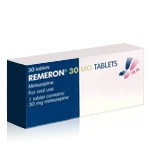
Remeron is the original brand-name formulation of Mirtazapine — a unique atypical antidepressant in the NaSSA (Noradrenergic and Specific Serotonergic Antidepressant) class, distinguished by its multi-receptor mechanism quite different from SSRIs and SNRIs. Developed by Organon (now Merck) and FDA-approved since 1996, Remeron is widely valued for clinical situations where SSRIs are inappropriate — particularly depression with prominent insomnia, anorexia/weight loss, severe nausea, or sexual dysfunction concerns.
The active ingredient is Mirtazapine, a tetracyclic antidepressant that works through multiple receptor mechanisms rather than reuptake inhibition: α2-adrenergic autoreceptor and heteroreceptor antagonism (paradoxically increasing both norepinephrine and serotonin release), 5-HT2A and 5-HT2C antagonism, 5-HT3 receptor antagonism (providing anti-nausea benefit), and strong H1 histamine antagonism (responsible for significant sedation and weight gain).
Remeron is FDA-approved for major depressive disorder. Off-label uses are extensive: insomnia at low doses (7.5-15 mg at bedtime), appetite stimulation in cachexia and anorexia nervosa, PTSD with sleep disturbance, chemotherapy-induced nausea, generalized anxiety disorder, cholestatic and uremic pruritus, hot flashes, and rescue therapy for SSRI-induced sexual dysfunction (Mirtazapine is sexually neutral).
The medication is available as Remeron 15, 30, and 45 mg standard tablets and Remeron SolTab 15, 30, and 45 mg orally disintegrating tablets. Standard adult depression dosing is 15-45 mg at bedtime (maximum 45 mg/day). For insomnia or appetite stimulation off-label, 7.5-15 mg at bedtime is typically more effective than higher doses (paradoxically, lower doses are more sedating due to H1 dominance).
Critical safety considerations include the FDA boxed warning for suicidal ideation in pediatric/young adult patients, rare but serious agranulocytosis (1 in 1000 patients), the most significant weight gain among modern antidepressants, severe sedation at therapeutic doses, cholesterol/triglyceride elevation, orthostatic hypotension, hyponatremia in elderly, and rare restless legs syndrome.
Free prescription
Discrete packaging
Have questions?
Quality Assurance

- Depression With Insomnia: Particularly valuable for depression with prominent insomnia — dual benefit therapy;
- Depression With Anorexia: For depression with prominent appetite loss — appetite stimulation supports recovery;
- Treatment Resistant Depression: For treatment-resistant depression where SSRIs have failed;
- Geriatric Depression: For geriatric depression with insomnia, weight loss, or anorexia;
- Insomnia: Off-label low-dose (7.5-15 mg) hypnotic for chronic insomnia — common modern use;
- Sleep Maintenance Insomnia: For sleep maintenance insomnia — reduces nighttime awakenings;
- Elderly Insomnia: Alternative hypnotic in elderly avoiding benzodiazepine and Z-drug risks;
- Cancer Cachexia: Off-label for cancer cachexia — appetite stimulation and weight gain benefit;
- Anorexia Nervosa: Off-label adjunct for anorexia nervosa — appetite stimulation supports refeeding;
- Geriatric Weight Loss: Off-label for unintentional weight loss in elderly — appetite stimulation;
- Failure To Thrive Elderly: Off-label for failure-to-thrive syndromes in elderly with depression;
- PTSD / Post Traumatic Stress Disorder: Off-label for PTSD particularly with prominent sleep disturbance and nightmares;
- PTSD Nightmares: Off-label for PTSD-related nightmares with bedtime dosing;
- Generalized Anxiety Disorder (GAD): Off-label for generalized anxiety disorder particularly with insomnia;
- Social Anxiety Off Label: Off-label for social anxiety disorder with sleep or weight concerns;
- Chemotherapy Nausea: Off-label for chemotherapy-induced nausea — 5-HT3 antagonism;
- Gastroparesis Nausea: Off-label for gastroparesis-related nausea;
- Cholestatic Pruritus: Off-label for cholestatic liver disease pruritus;
- Uremic Pruritus: Off-label for uremic pruritus in chronic kidney disease and dialysis patients;
- Menopausal Hot Flashes: Off-label for menopausal hot flashes with insomnia comorbidity;
- SSRI Sexual Dysfunction Rescue: Off-label rescue for SSRI-induced sexual dysfunction — Mirtazapine is sexually neutral;
- SSRI Augmentation: Off-label augmentation strategy added to SSRIs in treatment-resistant depression ("California Rocket Fuel" with venlafaxine);
- Headache Prophylaxis Selective: Selective off-label use for chronic tension-type headache prophylaxis;
- Long Term Antidepressant Maintenance: Suitable for long-term maintenance therapy in chronic depression.
- Less Depression: Reduction in major depressive disorder symptoms;
- Less Anhedonia: Restoration of pleasure and interest in previously enjoyed activities;
- Better Sleep Onset: Strong sedating properties support rapid sleep onset at bedtime dosing;
- Better Sleep Maintenance: Reduces nighttime awakenings — supports continuous sleep;
- Better Appetite: Significant appetite stimulation — supports recovery in cachexia/anorexia;
- Weight Gain: Reliable weight gain particularly valuable in cachexia/anorexia/elderly weight loss;
- Less Anxiety: Off-label reduction in anxiety symptoms;
- Less Nausea: 5-HT3 antagonism provides anti-nausea benefit (chemotherapy, gastroparesis);
- Less PTSD Nightmares: Off-label reduction in PTSD-related nightmares;
- Less Itching: Off-label reduction in cholestatic and uremic pruritus;
- Less Hot Flashes: Off-label reduction in menopausal hot flashes;
- Better SSRI Tolerability: Rescues SSRI-induced sexual dysfunction without losing depression benefit;
- Sexual Neutrality: Sexually neutral antidepressant — preferred for patients with sexual side effect concerns;
- No Sexual Side Effects: Does not cause sexual dysfunction unlike SSRIs/SNRIs;
- Less Withdrawal Severity: Generally less severe discontinuation syndrome than SSRIs/SNRIs;
- Better Daily Function: Return to school, work, and normal activities;
- Better Quality of Life: Combined mood, sleep, and appetite improvement substantially improves quality of life;
- Brand Remeron: Original Organon/Merck brand of Mirtazapine with established clinical reputation since 1996;
- Generic Mirtazapine: Affordable generic versions expand global access to unique NaSSA atypical antidepressant therapy;
- Remeron SolTab ODT: Orally disintegrating tablets support administration to patients with swallowing difficulties;
- Atypical Antidepressant: Atypical antidepressant with unique multi-receptor mechanism;
- NaSSA Class: Foundational NaSSA (Noradrenergic and Specific Serotonergic Antidepressant) class member;
- Alpha 2 Adrenergic Antagonist: α2-adrenergic antagonism paradoxically increases both norepinephrine and serotonin release;
- 5 HT3 Receptor Antagonism: 5-HT3 antagonism provides unique anti-nausea benefit among antidepressants;
- H1 Histamine Antagonism: Strong H1 antagonism explains sedation and appetite stimulation — therapeutic at low doses;
- Depression Insomnia Anorexia: Single-drug therapy for depression with comorbid insomnia and appetite loss;
- Bedtime Dosing Antidepressant: Convenient bedtime dosing leverages sedating effects for sleep benefit;
- SSRI Augmentation Strategy: Effective SSRI/SNRI augmentation in treatment-resistant depression;
- California Rocket Fuel: Famous combination with venlafaxine for treatment-resistant depression;
- Cancer Cachexia Therapy: Off-label first-line consideration for cancer cachexia appetite/weight loss;
- Geriatric Depression Standard: Preferred antidepressant for geriatric depression with weight loss or insomnia;
- WHO Essential Medicine: Listed on the WHO Model List of Essential Medicines for depression therapy;
- 25 Plus Year Antidepressant History: Extensive real-world safety and efficacy data since 1996 across hundreds of millions of patient courses.
Generic Remeron (Mirtazapine 15 mg) Medication guide:
📖 What Is Remeron and Its Unique NaSSA Position
Remeron is a brand of mirtazapine, a unique noradrenergic and specific serotonergic antidepressant (NaSSA) with mechanism distinct from all other antidepressant classes. Approved by FDA in 1996, mirtazapine has become established as effective depression treatment particularly valuable for patients with insomnia, appetite loss, sexual dysfunction concerns with SSRIs, or those requiring cleanest drug interaction profile. Cipriani 2018 meta-analysis ranks mirtazapine among most effective antidepressants.
📋 Remeron essentials
- Generic name
- Mirtazapine
- Brand names worldwide
- Remeron (North America); Zispin (UK); Avanza (Australia); Norset (France); many other international brands; extensive generic availability
- Drug class
- Noradrenergic and specific serotonergic antidepressant (NaSSA); piperazinoazepine tetracyclic chemical class
- FDA-approved indication
- Major depressive disorder (1996); single formal indication with substantial off-label use for depression variants
- Original manufacturer
- Organon (Netherlands); acquired by Schering-Plough 2007, then Merck 2009; extensive generic availability since 2001
- Formulations
- Tablets 7.5, 15, 30, 45 mg; Remeron SolTab orally disintegrating tablets 15, 30, 45 mg
- Adult dose range
- 15-45 mg once daily at bedtime typically; starting dose 15 mg
- Signature characteristics
- Unique NaSSA mechanism (not reuptake inhibition); sedation and appetite stimulation prominent; low sexual dysfunction; low GI upset; favourable overdose profile; cleanest drug interaction profile among antidepressants
| Remeron distinguishing features | Clinical implication |
|---|---|
| Unique NaSSA mechanism (not SSRI/SNRI/TCA) | Different mechanism may work when other classes fail |
| Substantial sedation at low doses | Ideal for depression with insomnia; bedtime dosing |
| Appetite stimulation prominent | Therapeutic for cachexia, appetite loss depression; concerning for weight gain |
| Notably low sexual dysfunction rate | Advantage over SSRIs (~10% vs 30-50%) |
| Minimal GI upset - 5-HT3 antagonism | No prominent early nausea unlike SSRIs |
| Cleanest drug interaction profile | Minimal CYP inhibition; polypharmacy friendly |
| Favourable overdose profile | No sodium channel effects; much safer than TCA |
| Sedation dose paradox | 15 mg MORE sedating than 30-45 mg; unique dosing consideration |
| Rare agranulocytosis (~1 per 1000) | Distinct hematologic safety concern; monitor |
| Cipriani 2018 top-tier effectiveness | Among most effective antidepressants in meta-analysis |
💡 The Remeron unique positioning
Remeron occupies distinctive niche among antidepressants based on its unique NaSSA mechanism and characteristic side effect profile that becomes therapeutic advantage for specific patient populations. Unlike SSRIs which affect only serotonin reuptake, or SNRIs affecting serotonin+norepinephrine reuptake, or TCAs with multiple off-target effects, mirtazapine works through alpha-2 receptor antagonism combined with specific 5-HT2A, 5-HT2C, 5-HT3 receptor antagonism and H1 blockade. This unique mechanism produces distinct clinical profile: substantial sedation (particularly at low doses), appetite stimulation, minimal GI upset, low sexual dysfunction, and generally favourable tolerability compared to alternatives - albeit with prominent weight gain concern. For patients where sedation and appetite stimulation are therapeutically desired (depression with insomnia, elderly with appetite loss, cachexia, anxious depression), Remeron provides ideal profile. For patients where weight gain would be problematic, alternatives may be preferred. Understanding these distinctive characteristics guides appropriate patient selection to maximize therapeutic benefit.
📜 Mirtazapine History From Organon Development to Modern Use
The mirtazapine story began with Organon research on tetracyclic antidepressants in 1980s, building on mianserin experience to develop compound with cleaner tolerability and unique noradrenergic mechanism. FDA approval in June 1996 introduced the NaSSA class as new antidepressant option. Extensive clinical experience over 30 years has established mirtazapine as effective, well-tolerated antidepressant with distinctive niche.
📅 Development timeline
- 1970s-1980s
- Organon (Netherlands) develops mianserin as first tetracyclic antidepressant (approved 1976 in Europe, not in US due to agranulocytosis concerns)
- 1980s
- Organon researches mianserin analogs seeking cleaner tolerability; identifies 6-azamirtazapine (later named mirtazapine) as promising compound with improved profile
- 1994
- First European approvals (Netherlands, Germany); introduces NaSSA class
- June 1996
- FDA approves mirtazapine as Remeron for major depressive disorder in United States (Organon)
- Late 1990s
- Growing recognition of distinctive profile; positioning for depression with insomnia and appetite loss emerges; head-to-head comparisons with SSRIs begin
- 2000
- de Boer publishes influential NaSSA mechanism synthesis establishing alpha-2 antagonism as central to mirtazapine action
- 2001
- Generic mirtazapine becomes available in US; Remeron SolTab (orally disintegrating tablet) approved
- 2004-2007
- Suicidality black box warnings extend to mirtazapine as antidepressant class effect
- 2007
- Schering-Plough acquires Organon; Merck subsequently acquires Schering-Plough 2009; ongoing brand ownership
- 2010
- Blier publishes influential trial on mirtazapine plus SSRI combination therapy; establishes combination strategy interest
- 2016
- CANMAT depression guidelines (Kennedy) position mirtazapine as first-line antidepressant
- 2018
- Cipriani Lancet network meta-analysis ranks mirtazapine among most effective antidepressants alongside escitalopram, paroxetine, agomelatine
- 2010s-2020s
- Established position as widely used antidepressant globally; particular utility for elderly, sleep-disturbed depression, and SSRI-intolerant patients
📌 Historical significance
- First NaSSA - introduced new antidepressant class concept
- Cleaner profile than mianserin - substantially reduced agranulocytosis risk while maintaining efficacy
- Distinctive tolerability profile - sedation and appetite stimulation therapeutic for right patients
- SolTab formulation - first orally disintegrating antidepressant tablet
- Combination strategies - Blier 2010 established mirtazapine+SSRI combination as evidence-based approach
- Cipriani 2018 top-tier ranking - among most effective antidepressants in largest meta-analysis
- Guideline recognition worldwide - CANMAT, WFSBP, NICE, most guidelines include as first-line option
💡 From novel class to established therapy
Mirtazapine's trajectory illustrates successful establishment of new antidepressant class in already-crowded market. Introduced when SSRIs dominated depression treatment, mirtazapine offered genuinely different mechanism providing complementary option for patients not responding to or intolerant of SSRIs. Post-marketing experience validated the initial promise: distinctive tolerability profile, favourable overdose safety, cleanest drug interaction profile among antidepressants. The Cipriani 2018 meta-analysis findings positioning mirtazapine among most effective antidepressants brought renewed attention to its therapeutic value. Modern depression treatment often uses mirtazapine as first-line for specific patient profiles (sleep disturbance, appetite loss, elderly, SSRI intolerance) rather than one-size-fits-all approach. Combination strategies (mirtazapine+SSRI) provide additional treatment options for partial responders. Combined with established evidence base and reasonable cost (generic availability), Remeron holds valuable niche in modern antidepressant armamentarium.
⚗️ Chemistry - Piperazinoazepine Tetracyclic Structure
Mirtazapine has a distinctive piperazinoazepine tetracyclic chemical structure unrelated to SSRIs, SNRIs, or standard TCAs. This unique scaffold produces the specific alpha-2 antagonism plus serotonin receptor antagonism pattern characteristic of the NaSSA class. Structural relationship to mianserin (first tetracyclic antidepressant) helps understand mirtazapine's properties.
⚗️ Structural features
- Chemical name
- (RS)-1,2,3,4,10,14b-hexahydro-2-methylpyrazino[2,1-a]pyrido[2,3-c][2]benzazepine
- Structural class
- Piperazinoazepine tetracyclic; 6-aza analog of mianserin (mianserin has a benzene ring where mirtazapine has a pyridine ring)
- Relationship to mianserin
- Structurally similar; single nitrogen substitution reduces agranulocytosis risk substantially while maintaining efficacy
- Stereochemistry
- Contains one chiral center; therapeutic mirtazapine is racemic (mixture of R and S enantiomers); enantiomers may have somewhat different receptor selectivity
- Molecular weight
- Approximately 265 g/mol
- Solubility
- Slightly soluble in water; lipophilic; excellent CNS penetration
- Distinct from other antidepressants
- Unrelated chemically to SSRIs (phthalanes, arylpropanamines, phenylpiperidines), SNRIs, or standard TCAs; represents distinct chemical family
🔬 Receptor binding profile - NaSSA signature
- Alpha-2 adrenergic autoreceptor: potent antagonist; blocks negative feedback on norepinephrine neurons; enhances NE release
- Alpha-2 adrenergic heteroreceptor: potent antagonist; blocks negative feedback on serotonin neurons; enhances 5-HT release
- 5-HT2A receptor: potent antagonist; contributes to antidepressant, anxiolytic, sleep effects
- 5-HT2C receptor: potent antagonist; may contribute to anxiolytic and appetite/weight effects
- 5-HT3 receptor: potent antagonist; prevents nausea (anti-emetic like ondansetron); minimal GI upset
- Histamine H1 receptor: highly potent antagonist; substantial sedation and weight gain
- Alpha-1 adrenergic receptor: modest antagonist; some orthostatic hypotension
- Muscarinic receptors: weak binding; minimal anticholinergic effects (unlike TCAs)
- SERT (serotonin transporter): NO significant inhibition (unlike SSRIs)
- NET (norepinephrine transporter): NO significant inhibition (unlike SNRIs, TCAs)
- Sodium channels: NO effect (unlike TCAs - explains favourable overdose profile)
| Receptor | Effect | Clinical consequence |
|---|---|---|
| Alpha-2 auto/heteroreceptor | Antagonist | Increases both NE and 5-HT release (dual mechanism) |
| 5-HT2A | Antagonist | Antidepressant, anxiolytic, sleep effects |
| 5-HT2C | Antagonist | Appetite/weight gain, anxiolytic effects |
| 5-HT3 | Antagonist | Anti-nausea (minimal GI upset) |
| H1 (histamine) | Potent antagonist | Substantial sedation, weight gain |
| Alpha-1 | Weak antagonist | Some orthostatic hypotension |
| Muscarinic | Weak (unlike TCAs) | Minimal anticholinergic effects |
| SERT/NET | NO inhibition | Not an SSRI/SNRI - distinctive mechanism |
| Sodium channels | NO effect | Favourable overdose profile (unlike TCAs) |
💡 The complex receptor profile as therapeutic advantage
Mirtazapine's complex receptor profile appears superficially similar to TCAs (multiple receptor effects), but the specific combination produces distinct clinical profile. The signature features result from combined mechanism: alpha-2 blockade increases both NE and 5-HT release (dual-transmitter enhancement), 5-HT2A/2C antagonism produces antidepressant/anxiolytic/sleep effects, 5-HT3 antagonism prevents GI side effects typical of SSRIs, H1 antagonism produces sedation and appetite. Importantly, mirtazapine lacks the muscarinic, alpha-1 (substantial), and sodium channel effects that make TCAs problematic - producing much cleaner profile than TCAs while retaining the multi-mechanism antidepressant effect. This unique combination explains why mirtazapine occupies distinctive therapeutic niche - not simply another SSRI or another sedating agent, but genuinely different mechanism producing complementary therapeutic option. Understanding this mechanism basis helps predict which patients may particularly benefit from mirtazapine over alternatives.
🧠 Unique Mechanism - Alpha-2 Antagonism Plus Serotonin Effects
Mirtazapine's antidepressant mechanism is unique among all antidepressants. Unlike SSRIs (serotonin reuptake blockade), SNRIs (serotonin+NE reuptake), or TCAs (multiple effects including reuptake), mirtazapine works through pre-synaptic alpha-2 receptor antagonism combined with post-synaptic 5-HT receptor modulation. This produces enhancement of both noradrenergic and serotonergic neurotransmission through a completely different molecular strategy.
🧠 The NaSSA mechanism explained
- Alpha-2 autoreceptor antagonism
- Alpha-2 receptors on norepinephrine neurons normally provide negative feedback - when NE is released, it activates alpha-2 to slow further NE release. Mirtazapine blocks these autoreceptors, removing the brake, increasing NE release from noradrenergic neurons
- Alpha-2 heteroreceptor antagonism
- Alpha-2 receptors also present on serotonin neurons where they provide inhibitory feedback. Blocking these enhances 5-HT release. This is the "specific serotonergic" component - selective enhancement without direct SERT effect
- Enhanced neurotransmitter release
- Combined effect: increased both NE and 5-HT release into synaptic clefts without direct reuptake blockade; provides both monoamine enhancement effects
- 5-HT2A/2C antagonism
- Post-synaptic 5-HT2 receptor blockade means increased 5-HT preferentially acts at 5-HT1A receptors (associated with antidepressant effect) rather than 5-HT2A/2C (associated with SSRI side effects like anxiety, sexual dysfunction, insomnia)
- 5-HT3 antagonism
- Blocks 5-HT3 receptors responsible for nausea; explains why mirtazapine lacks the GI upset typical of SSRIs
- H1 antagonism (potent)
- Substantial histamine H1 blockade produces sedation and appetite stimulation - distinctive mirtazapine features
🌟 Sedation paradox mechanism
One of mirtazapine's most distinctive features is the "sedation paradox" - lower doses (15 mg) are typically MORE sedating than higher doses (30-45 mg). Understanding this paradox is important for dosing decisions:
- At low doses (15 mg): H1 antagonism dominates; produces substantial sedation; alpha-2 antagonism modest at this level
- At higher doses (30-45 mg): NE release from enhanced alpha-2 blockade increases; noradrenergic activation counter-balances H1 sedation; net effect is less sedation than at 15 mg
- Clinical implication: patients who find 15 mg too sedating may benefit from increasing to 30 mg (counterintuitively) rather than reducing
- Patient expectation: patients typically expect higher dose to be more sedating - counsel about paradox
🎯 Mechanism-symptom mapping
- Antidepressant effect
- NE + 5-HT enhancement through alpha-2 antagonism; 5-HT2A antagonism potentiates antidepressant action; comparable efficacy to SSRIs and SNRIs
- Anxiolytic effect
- 5-HT2A/2C antagonism; useful for anxious depression component; not FDA-approved for anxiety but off-label useful
- Sleep effect
- H1 antagonism + 5-HT2A antagonism; substantial sedation aids sleep in depression with insomnia; increases slow-wave sleep
- Appetite stimulation
- H1 antagonism + 5-HT2C antagonism; substantial appetite increase; therapeutic for cachexia, anorexia
- Anti-nausea effect
- 5-HT3 antagonism (mechanism similar to ondansetron); minimal GI upset unlike SSRIs
- Low sexual dysfunction
- Lack of direct SERT effect + 5-HT2A antagonism blunts sexual side effects typical of SSRIs
💡 The mechanism-based patient selection
Mirtazapine's unique mechanism produces predictable therapeutic and side effect profile that guides ideal patient selection: (1) depression with prominent insomnia benefits substantially from H1-mediated sedation; (2) depression with appetite loss/weight loss/cachexia benefits from H1+5-HT2C-mediated appetite stimulation; (3) elderly patients with concurrent sleep and appetite disturbance often ideal candidates; (4) patients unable to tolerate SSRI sexual dysfunction benefit from mirtazapine's low sexual side effects; (5) patients with SSRI-induced nausea benefit from 5-HT3 antagonism; (6) patients on polypharmacy benefit from mirtazapine's minimal drug interactions. Conversely, patients where sedation and weight gain would be problematic (younger active patients, weight-conscious patients) may need alternatives. This mechanism-based patient selection has become foundation of modern mirtazapine prescribing - not first-line for everyone with depression, but excellent first-line for specific presentations.
🔬 Pharmacokinetics - Long Half-Life and Hepatic Metabolism
Mirtazapine has pharmacokinetic properties supporting once-daily bedtime dosing with relatively long half-life, extensive hepatic metabolism through multiple CYP pathways, and minimal drug interactions. These properties make mirtazapine convenient to dose and predictable to prescribe.
🔬 PK parameters
- Absorption
- Rapidly absorbed orally; Tmax approximately 2 hours; SolTab has similar absorption to regular tablet
- Bioavailability
- Approximately 50 percent (extensive first-pass metabolism)
- Food effect
- Minimal food effect; can be taken with or without food
- Protein binding
- Approximately 85 percent
- Volume of distribution
- Moderate: approximately 4-5 L/kg; extensive tissue distribution
- Half-life
- Approximately 20-40 hours (mean ~26 hours); supports once-daily dosing; longer in women and elderly
- Steady-state
- Reached in approximately 5 days
- Metabolism
- Extensive hepatic: CYP2D6, CYP1A2, CYP3A4 all contribute (multiple redundant pathways - reduces interaction concern); produces demethyl mirtazapine (weakly active) and 8-hydroxy metabolites (inactive)
- Elimination
- Primarily renal excretion of metabolites (75 percent); some fecal excretion (15 percent); less than 4 percent unchanged parent in urine
🧬 Multiple CYP pathways - drug interaction advantage
- CYP2D6
- Major pathway; substrate but mirtazapine is not significant inhibitor (unlike paroxetine, fluoxetine)
- CYP1A2
- Contributes to metabolism; substrate but mirtazapine is not significant inhibitor (unlike fluvoxamine)
- CYP3A4
- Contributes to metabolism; substrate but mirtazapine is not significant inhibitor
- Multiple pathway redundancy
- Because three CYP enzymes contribute to metabolism, inhibition of any single one produces only modest exposure changes; provides interaction resistance
- Genetic polymorphisms
- CYP2D6 poor metabolisers show modestly increased levels but effect is limited by redundant CYP1A2/3A4 metabolism
- Sex differences
- Women have approximately 30 percent higher exposure than men at same dose; may explain higher sedation in women; dose adjustment rarely necessary
💡 The clean PK profile
Mirtazapine's pharmacokinetic profile represents one of its advantages: (1) long half-life supports simple once-daily bedtime dosing; (2) multiple redundant metabolic pathways provide resistance to drug interactions; (3) minimal CYP inhibition means mirtazapine doesn't affect other medications; (4) no active metabolites produce clean clinical PK relationship. This clean profile particularly valuable for polypharmacy patients (elderly, medically complex) where drug interactions are major concern. Unlike SSRIs which vary substantially in CYP inhibition (fluoxetine and paroxetine potent CYP2D6, fluvoxamine CYP1A2), mirtazapine can generally be added to complex medication regimens without major interaction concerns. Combined with predictable steady-state (~5 days) and dose-response, mirtazapine is one of most predictable antidepressants to prescribe. Elderly patients particularly benefit from this predictability given typical polypharmacy and PK variability.
📋 FDA-Approved Indication - Major Depressive Disorder
Mirtazapine has a single FDA-approved indication - major depressive disorder in adults, approved in 1996. Despite widespread off-label use for depression variants (with insomnia, appetite loss), anxiety disorders, and other conditions, mirtazapine has never received FDA approval for additional indications in the United States - though international guidelines position it broadly.
| Indication category | Approval status | Typical dose range |
|---|---|---|
| Major depressive disorder (adult) | FDA approved 1996 | 15-45 mg/day at bedtime |
| Depression with insomnia (signature use) | Off-label but within MDD approval | 15-30 mg bedtime |
| Depression with appetite loss | Off-label but within MDD approval | 15-30 mg bedtime |
| Depression in elderly | Off-label but within MDD approval | 7.5-30 mg bedtime |
| Anxiety disorders (GAD, panic, SAD) | Off-label | 15-45 mg bedtime |
| Post-traumatic stress disorder | Off-label | 15-45 mg bedtime |
| Insomnia (in depression context) | Off-label | 7.5-15 mg bedtime |
| Cachexia/wasting (cancer, HIV) | Off-label (palliative) | 15-30 mg bedtime |
| SSRI augmentation combination | Off-label (evidence-based) | 15-45 mg alongside SSRI |
| Chronic pruritus | Off-label | 15 mg bedtime |
📌 International guideline positions
- CANMAT 2016 (Canada): mirtazapine first-line antidepressant option
- WFSBP guidelines: recommended for major depressive disorder including with anxious features
- NICE (UK): recognized effective option for depression
- APA (US): recognized antidepressant option
- Cipriani 2018 Lancet: ranks mirtazapine among most effective antidepressants alongside escitalopram, paroxetine, sertraline, venlafaxine, vortioxetine, agomelatine
💡 The single FDA indication with broad clinical utility
Mirtazapine's single FDA indication for major depressive disorder does not reflect narrow utility - rather it reflects the pharmaceutical decision by original manufacturer Organon and subsequent Merck to focus regulatory efforts on primary depression indication rather than pursue additional expensive trials for other indications. In clinical practice, mirtazapine is used off-label for range of conditions where its distinctive profile provides benefit: anxiety disorders, PTSD, insomnia in depression context, cachexia in cancer and HIV, SSRI augmentation, chronic pruritus. Modern practice guidelines particularly value mirtazapine for depression with prominent insomnia or appetite loss, elderly depression, SSRI-intolerant patients, and as SSRI combination partner. Understanding this broader utility beyond formal FDA labelling guides appropriate patient selection.
🧩 Major Depressive Disorder Treatment With Mirtazapine
Major depressive disorder is the founding and only FDA-approved mirtazapine indication (1996). Cipriani 2018 network meta-analysis ranks mirtazapine among most effective antidepressants for depression response. Combined with distinctive tolerability profile, mirtazapine provides valuable first-line option for specific depression presentations and reasonable alternative for SSRI-intolerant patients.
🧩 Mirtazapine in MDD
- Efficacy positioning
- Cipriani 2018 top-tier effectiveness; ranks alongside escitalopram, paroxetine, vortioxetine, agomelatine for depression response
- Response rate
- Approximately 60-70 percent response; comparable to other effective antidepressants
- Onset of effect
- Sleep improvement first 1-2 weeks (H1-mediated, immediate); depressive symptom improvement over 2-4 weeks; full effect 6-8 weeks
- Earlier improvement than SSRIs
- Some evidence of earlier antidepressant response than SSRIs, possibly due to immediate sleep and appetite benefits contributing to overall improvement
- Dosing
- Start 15 mg at bedtime; can increase to 30 mg after 1-2 weeks; maximum 45 mg; sedation paradox consideration for dose selection
- Melancholic depression
- Some evidence of particular efficacy in melancholic subtype; combined NE+5-HT mechanism theoretically advantageous
- Treatment-resistant depression
- Established option; STAR*D showed effectiveness as switch strategy after SSRI failure; combination with SSRI also evidence-based
🌟 Depression scenarios where Remeron ideal first-line
- Depression with prominent insomnia: signature indication; sedation therapeutic
- Depression with appetite loss or weight loss: signature indication; appetite stimulation therapeutic
- Elderly depression: sleep+appetite benefits + tolerability + clean drug interactions
- Cachexia-associated depression (cancer, HIV, advanced illness): dual benefit
- Depression with prominent anxiety: 5-HT2 antagonism anxiolytic
- SSRI-intolerant patients: sexual dysfunction concerns, GI upset, activation - mirtazapine different profile
- Polypharmacy patients: minimal drug interactions; safe with many medications
- SSRI partial responders: switch or combination strategy
| Antidepressant class | vs mirtazapine positioning |
|---|---|
| SSRIs (sertraline, escitalopram) | First-line for uncomplicated depression; mirtazapine when specific features favour it |
| SNRIs (duloxetine, venlafaxine) | Alternative especially with pain; mirtazapine when sedation/appetite desired |
| Bupropion | Opposite profile - activating, weight-neutral; complementary options |
| Vortioxetine (Trintellix) | Alternative first-line; different tolerability |
| TCAs | Reserved due to overdose concerns; mirtazapine much safer alternative |
| Trazodone | Similar sedation but weaker antidepressant; mirtazapine preferred for depression |
| Mirtazapine (Remeron) | First-line for insomnia+depression, appetite loss, elderly, SSRI-intolerant |
💡 The mechanism-informed depression selection
Modern depression treatment increasingly moves beyond "SSRI first, everything else second" toward mechanism-informed patient selection. Mirtazapine represents excellent example of this approach: patients with insomnia+depression benefit tremendously from mirtazapine's sleep-promoting effect combined with antidepressant efficacy; patients with appetite loss benefit from appetite stimulation; elderly benefit from clean drug interactions and tolerability; SSRI-intolerant patients benefit from completely different mechanism and side effect profile. This targeted approach can produce faster response, better adherence, and better patient satisfaction than one-size-fits-all SSRI first-line. Cipriani 2018 meta-analysis findings validating mirtazapine among most effective antidepressants supports its first-line consideration when clinical profile favours it, rather than reservation for treatment resistance. Combined with substantial evidence base, favourable safety, and generic availability, Remeron provides excellent depression treatment option for appropriately selected patients.
😴 Depression With Insomnia - Signature Mirtazapine Indication
Depression with insomnia represents the signature mirtazapine indication. The combination of substantial H1-mediated sedation, 5-HT2A antagonism improving sleep architecture, and antidepressant effect provides comprehensive treatment for patients whose depression prominently features sleep disturbance. This is often the ideal first-line indication for Remeron.
😴 The mirtazapine sleep advantage
- Substantial sedation onset
- H1 antagonism produces sleep-onset effect within 30-60 minutes of bedtime dose; comparable to prescription sleep aids
- Sleep architecture improvement
- Increases slow-wave sleep (deep sleep); increases sleep efficiency; reduces sleep-onset latency; improves sleep continuity
- 5-HT2A antagonism sleep effect
- Additional sleep improvement through 5-HT2A blockade; different mechanism than pure H1 (like doxepin)
- Dosing for insomnia+depression
- Start 15 mg bedtime; sleep improves immediately; depression response over 2-4 weeks
- Sedation paradox implication
- 15 mg often ideal for sleep+depression; 30 mg (counterintuitively) less sedating; some patients may prefer starting 15 mg for maximum sleep benefit then increase if depression underresponds
- Advantage over SSRI+sleep aid
- Single medication addresses both problems; no benzodiazepine or Z-drug dependence risk; cleaner drug interaction
🌟 Patient profiles ideally suited
- Depression with initial insomnia: difficulty falling asleep
- Depression with middle insomnia: waking during night
- Depression with early morning waking: classic melancholic pattern
- Depression with anxiety-driven insomnia: 5-HT2 anxiolytic effect complements
- Elderly with sleep+depression: dual benefit particularly valuable
- Patients wanting to avoid benzodiazepines for sleep
- Patients where daytime sleepiness acceptable or manageable
- Chronic insomnia complicating depression treatment
🎯 Comparison with alternatives for depression+insomnia
- Mirtazapine as monotherapy: single medication; established antidepressant; substantial sleep benefit
- SSRI + trazodone bedtime: two medications; separates antidepressant and sleep effects; trazodone weaker antidepressant
- SSRI + Z-drug (zolpidem, eszopiclone): dependence risk with chronic Z-drug; not sustainable long-term
- SSRI + benzodiazepine: substantial dependence risk; discourage for chronic sleep
- SSRI + low-dose doxepin (Silenor): another single-mechanism approach but Silenor is expensive; mirtazapine may be more cost-effective
- Trazodone monotherapy: sedating but weaker antidepressant; not FDA-approved for depression except at doses producing intolerable sedation
💡 The elegant single-medication solution
For depression with prominent insomnia, mirtazapine often represents elegant single-medication solution: substantial and immediate sleep benefit + established antidepressant efficacy + simple once-daily bedtime dosing + no dependence risk. This contrasts with common alternative approaches requiring two medications (SSRI + sleep aid) with associated complexities, potential drug interactions, and sometimes dependence concerns. For patients where daytime function is preserved despite mirtazapine sedation (many patients tolerate well), mirtazapine represents ideal first-line choice. Many clinicians consider depression with insomnia the ideal Remeron indication where distinctive tolerability profile perfectly aligns with therapeutic need. Patient counselling about expectations, sedation paradox, and appropriate expectations sets stage for successful treatment. Combined with sleep hygiene recommendations and depression-focused psychotherapy, mirtazapine provides comprehensive treatment for depression+insomnia presentation.
🍴 Depression With Appetite Loss or Cachexia Applications
Depression with appetite loss and cachexia applications represent important mirtazapine indications. Substantial appetite stimulation from H1 and 5-HT2C antagonism provides therapeutic advantage for patients where weight loss and poor nutrition complicate depression or serious medical illness. This distinctive property makes mirtazapine unique among antidepressants for appetite-focused patients.
🍴 The appetite stimulation advantage
- Mechanism
- H1 histamine antagonism substantially increases appetite; 5-HT2C receptor antagonism also contributes; combined effect substantially exceeds other antidepressants
- Onset
- Appetite increase within first week; often earlier than antidepressant response; consistent effect
- Magnitude
- Substantial appetite stimulation; average weight gain 3-6 kg over first 6 months; largest weight gain among common antidepressants (comparable to olanzapine)
- Depression with appetite loss
- Ideal antidepressant choice; addresses both mood and appetite through single mechanism
- Depression with weight loss
- Restoring weight component of depression recovery; particularly valuable elderly with unintentional weight loss
- Cancer cachexia
- Off-label use in palliative care; addresses both cachexia and often-associated depression; complementary to megestrol
- HIV wasting syndrome
- Off-label appetite stimulation; particularly useful with concurrent depression
🌟 Ideal appetite-focused indications
- Melancholic depression with weight loss: classic presentation ideal for mirtazapine
- Elderly depression with poor appetite: often ideal choice
- Cancer-related depression with cachexia: dual benefit
- HIV wasting with depression: dual benefit
- Anorexia-related depression: appetite stimulation controversial but sometimes therapeutic
- Post-surgical or post-illness recovery with poor appetite and mood
- End-of-life care with depression and cachexia
- Chronic disease with depression and weight loss: heart failure, COPD, kidney disease
🔴 When appetite stimulation is problematic
- Overweight patients: additional weight gain problematic
- Diabetic patients: weight gain worsens diabetes control
- Metabolic syndrome: additional weight gain compounds risk
- Young active adults: weight gain may impact adherence
- Weight-sensitive patients: professional concerns, personal preference
- Post-bariatric surgery: weight regain concern
- Consider bupropion instead: weight-neutral or weight-reducing antidepressant
💡 The appetite feature - therapeutic or concerning
Mirtazapine's appetite stimulation is unique among antidepressants and represents genuinely dual-natured feature: therapeutic advantage for underweight/cachectic patients and problematic side effect for weight-concerned patients. Matching mirtazapine to appropriate patients is critical: (1) for underweight elderly, cachectic cancer patients, HIV wasting, appetite-loss depression - appetite stimulation is therapeutic goal; (2) for average-weight or overweight patients where weight gain would be problematic - consider alternatives (bupropion, sertraline, escitalopram). Patient counselling about expected appetite increase should be routine for all mirtazapine patients. Discussion should establish whether appetite stimulation is desired therapeutic effect or trade-off to be minimized. For patients where mirtazapine is ideal for other reasons (sleep, drug interactions, elderly tolerability) but weight gain concerns exist, lifestyle counselling about eating in moderation despite appetite increase can help manage. For appetite-focused indications where mirtazapine ideal, patients often notice weight gain as positive treatment response marker.
🌟 Off-Label Uses Including Anxiety and PTSD
Mirtazapine off-label uses extend across anxiety disorders, PTSD, and various other applications. While not FDA-approved for these indications, evidence supports mirtazapine efficacy across broader psychiatric conditions. The distinctive tolerability profile makes it particularly useful for anxiety+depression comorbidity, PTSD with sleep disturbance, and various niche applications.
🌟 Anxiety disorders (off-label)
- Generalized anxiety disorder
- Evidence of efficacy; 5-HT2 antagonism anxiolytic; sedation may help; alternative when SSRIs poorly tolerated
- Panic disorder
- Less-studied but some evidence; may benefit patients where SSRI activation problematic
- Social anxiety disorder
- Modest evidence; alternative to SSRI
- Anxious depression
- Ideal off-label niche; addresses both mood and anxiety through single medication
🧠 PTSD (off-label)
- Evidence
- Multiple studies support mirtazapine efficacy in PTSD; not FDA-approved (only sertraline and paroxetine are)
- Particular utility
- Nightmares and sleep disturbance common in PTSD; mirtazapine addresses sleep component while providing antidepressant/anxiolytic effect
- Combat PTSD
- VA/DoD guidelines include as adjunctive option; often useful adjunct or alternative when SSRI incomplete response
📌 Other off-label uses
- Chronic pruritus: 5-HT2A + 5-HT3 + H1 antagonism; particularly useful uremic pruritus, cholestatic pruritus, chronic idiopathic pruritus
- Nausea in chemotherapy: 5-HT3 antagonism (like ondansetron); useful when nausea + depression concurrent
- Hyperemesis gravidarum: occasionally used; controversial in pregnancy
- Insomnia (in absence of depression): low doses (7.5-15 mg) sometimes used off-label; NOT recommended monotherapy for pure insomnia due to weight gain and other effects
- Fibromyalgia: modest evidence; may help sleep component
- Chronic pain with depression: dual benefit; not primary pain medication but useful adjunct
- Alcohol use disorder: some evidence for reducing craving; sleep benefit in early recovery
- Serotonin syndrome recovery: paradoxically may be safer restart after SSRI-induced serotonin syndrome due to different mechanism
💡 The pruritus off-label niche
Mirtazapine's off-label use for chronic pruritus deserves particular mention. The combined 5-HT2A + 5-HT3 + H1 antagonism provides multi-mechanism anti-itch effect. Particularly valuable for uremic pruritus (chronic kidney disease patients where itch substantially impacts quality of life), cholestatic pruritus (chronic liver disease), and chronic idiopathic pruritus not responsive to antihistamines alone. Doses used are similar to depression (15-30 mg bedtime). Sleep benefit particularly valuable given how nighttime itch disrupts sleep in these conditions. When depression also present in these patients (common given chronic illness), single medication addresses both. This niche represents excellent example of mirtazapine's unique mechanism providing therapeutic option not available with other antidepressants.
🔗 Combination Strategies - Mirtazapine Plus SSRI Augmentation
Mirtazapine plus SSRI or SNRI combination strategies represent evidence-based approach for treatment-resistant depression. Blier 2010 landmark trial demonstrated additive benefit over monotherapy. The complementary mechanisms (SSRI/SNRI reuptake inhibition + mirtazapine alpha-2 antagonism) plus complementary side effect profiles make this among most rational antidepressant combinations.
🔗 The California rocket fuel combination
- Nickname origin
- Venlafaxine (SNRI) plus mirtazapine combination popularized by Stephen Stahl as "California rocket fuel" for treatment-resistant depression; both SSRIs and SNRIs benefit from mirtazapine addition
- Mechanism rationale
- SSRI/SNRI: increases synaptic 5-HT (and NE for SNRI) through reuptake inhibition. Mirtazapine: blocks alpha-2 autoreceptor negative feedback, further enhancing NE and 5-HT release; also blocks 5-HT2A/2C receptors reducing SSRI side effects while maintaining antidepressant effect
- Side effect complementarity
- Mirtazapine 5-HT2A antagonism reduces SSRI sexual dysfunction; 5-HT3 antagonism reduces SSRI nausea; mirtazapine sedation offsets SSRI activation/insomnia; overall combination often better tolerated than SSRI monotherapy
- Efficacy evidence
- Blier et al. Am J Psychiatry 2010 - randomized trial demonstrating additive antidepressant benefit vs monotherapy; multiple subsequent studies confirming
- Response rate
- Approximately 55-65 percent response in treatment-resistant depression; superior to monotherapy switching in some studies
🌟 When combination therapy appropriate
- SSRI/SNRI partial response: adequate trial (6-8 weeks at target dose) with partial improvement
- SSRI/SNRI residual symptoms: some improvement but not remission
- SSRI-induced sexual dysfunction requiring intervention: adding mirtazapine may reduce sexual dysfunction while enhancing antidepressant effect
- SSRI-induced nausea persistent: mirtazapine 5-HT3 antagonism reduces
- Depression with insomnia on activating SSRI: mirtazapine addition addresses sleep
- Treatment-resistant depression: after monotherapy failure; combination as alternative to switching
- Depression with prominent anxiety: complementary anxiolytic effect
📌 Practical combination approach
- Start: patient already on SSRI/SNRI at adequate dose with partial response
- Add mirtazapine 15 mg at bedtime
- Increase to 30 mg after 1-2 weeks if needed
- Assessment: 4-6 weeks combination trial
- Monitor: serotonin syndrome (rare with this combination given different mechanism); weight gain; sedation
- Duration: continued if response achieved; some patients maintained long-term on combination
- Alternative: switch strategy (mirtazapine monotherapy) instead of combination if patient prefers
💡 Rational polypharmacy example
The mirtazapine + SSRI/SNRI combination represents rare example of rational psychiatric polypharmacy: (1) different mechanisms with complementary effects; (2) side effect profiles that partially cancel each other; (3) evidence-based efficacy from randomized trials; (4) established clinical use with clear rationale. This contrasts with polypharmacy that emerges from incremental additions without clear rationale. When combination therapy chosen, patient counselling should include: expected benefit timeline (4-6 weeks); potential improved tolerability from mirtazapine addition (reduced sexual dysfunction, better sleep); need for continued monitoring; long-term commitment likely. For patients where SSRI/SNRI monotherapy has provided partial response and increasing dose has not helped or is not tolerated, mirtazapine addition provides evidence-based next step. Many patients maintain successful long-term combination therapy for treatment-resistant depression.
💊 SolTab Orally Disintegrating Tablet Formulation
Remeron SolTab (orally disintegrating tablet) provides alternative dosing option for patients with swallowing difficulties or preference for non-tablet form. Approved 2001, SolTab dissolves rapidly on the tongue without water needed. This formulation particularly useful for elderly, patients with dysphagia, and specific clinical scenarios.
💊 SolTab characteristics
- Formulation
- Orally disintegrating tablet (ODT); dissolves rapidly on tongue in saliva; no water required for administration
- Available strengths
- 15, 30, 45 mg (matches regular tablet strengths); 7.5 mg NOT available as SolTab
- Bioequivalence
- Bioequivalent to standard tablet; same pharmacokinetics; same efficacy and tolerability
- Administration
- Place tablet on tongue; allow to dissolve without chewing; swallow when dissolved (no water needed); can drink water after if desired
- Taste
- Orange-flavored (Remeron SolTab); generally acceptable taste; some patients find flavor pleasant, others distinctive
- Absorption timing
- Absorption primarily via GI tract same as regular tablet (not sublingual absorption); onset similar
- Cost
- SolTab may be somewhat more expensive than regular tablet; generic ODT mirtazapine available
🌟 When SolTab preferred
- Dysphagia (swallowing difficulty): post-stroke, ALS, neurological conditions, elderly frailty
- Nasogastric or gastrostomy tube patients: tablet form problematic; SolTab can be dissolved and administered
- Nursing home patients: many prefer ODT for administration ease
- Post-anesthesia recovery: patients on NPO or transitioning to oral intake
- Nausea preventing tablet swallowing: SolTab may be tolerated when regular tablet not
- Non-adherent patients: may prefer taste and administration ease of SolTab
- Pediatric off-label use (rare): easier for children who cannot swallow tablets
- Bariatric surgery patients: post-operative swallowing considerations
💡 The SolTab practical utility
Remeron SolTab addresses genuine clinical need for orally disintegrating antidepressant option. First ODT antidepressant when approved 2001, provides administrative convenience for specific patient populations. Most mirtazapine prescriptions still use standard tablet (cost and preference), but SolTab provides valuable option when standard tablet is impractical. For elderly patients with swallowing difficulties, dementia patients who may refuse or spit out tablets, patients with nausea, or patients on tube feeding, SolTab represents important formulation option. Bioequivalence to standard tablet means no efficacy compromise. Combined with elderly-focused therapy where mirtazapine often preferred, SolTab helps enable appropriate mirtazapine use in patients who might otherwise struggle with standard tablet administration.
📊 Adult Dosing and the Sedation Paradox Explained
Adult Remeron dosing is simple with bedtime administration standard across most patients. The unique "sedation paradox" (lower doses more sedating than higher doses) creates counterintuitive dosing considerations. Understanding this paradox guides appropriate patient counselling and dose selection.
📊 Standard adult dosing
- Starting dose
- 15 mg once daily at bedtime; established starting dose for most adults
- Titration
- Increase by 15 mg every 1-2 weeks based on response and tolerability; typical target 30 mg
- Maintenance range
- 15-45 mg/day; 30 mg often adequate for many patients; some benefit from 45 mg maximum
- Maximum dose
- 45 mg/day (higher doses generally not more effective; may increase side effects); occasional off-label use up to 60 mg in treatment-resistant cases
- Timing
- Once daily at bedtime standard; sedation aligns with sleep; food effect minimal so can take with or without meal
- Response assessment
- Sleep and appetite improvement first 1-2 weeks; antidepressant effect 2-4 weeks; full effect 6-8 weeks; adequate trial 8 weeks at target dose
- Duration
- Continue effective dose 6-12 months minimum after first episode; longer for recurrent depression
🌟 The sedation paradox - critical dosing concept
- The paradox
- Lower doses (15 mg) are typically MORE sedating than higher doses (30-45 mg) - counterintuitive to most drugs where higher doses produce more effect
- Mechanism explanation
- At 15 mg: H1 histamine blockade dominates; substantial sedation. At 30-45 mg: alpha-2 blockade increases; enhanced norepinephrine release; noradrenergic activation counteracts H1 sedation; net effect less sedation
- Clinical implication 1
- Patient finding 15 mg too sedating: consider INCREASING to 30 mg (counterintuitive but may reduce sedation) rather than decreasing
- Clinical implication 2
- Patient at 30 mg with insufficient sleep benefit: consider DECREASING to 15 mg (may improve sleep) rather than increasing
- Patient counselling
- Important to explain paradox before initiation - patients typically expect higher dose to be more sedating; unexpected dose changes may confuse patients if paradox not explained
- Individual variation
- Not all patients experience clear paradox; some experience increasing sedation with dose increase (particularly women given higher exposure); individualize based on patient response
| Scenario | Suggested dose |
|---|---|
| Depression with prominent insomnia | 15 mg bedtime (maximum sedation benefit) |
| Depression without insomnia | Consider 30 mg bedtime (less sedation, still effective antidepressant) |
| Elderly depression with insomnia | 7.5-15 mg bedtime |
| Treatment-resistant depression | 45 mg bedtime |
| Depression with appetite loss | 15-30 mg bedtime (both doses stimulate appetite) |
| SSRI combination augmentation | 15-30 mg bedtime |
| Patient bothered by daytime sedation | Try increasing to 30 mg (paradox) or consider alternative |
| Poor sleep response at 30 mg | Try decreasing to 15 mg (paradox) |
💡 The dose-based patient tailoring
Understanding sedation paradox enables sophisticated dose-based tailoring: patient with insomnia benefits from staying at lower dose; patient with adequate sleep but continued depression benefits from higher dose; patient bothered by sedation may counterintuitively benefit from dose increase. This dose-tailoring capability is somewhat unique to mirtazapine among antidepressants. Combined with once-daily bedtime dosing simplicity, mirtazapine offers straightforward but sophisticated dosing approach. For most patients, 15 mg bedtime for 1-2 weeks assessment followed by increase to 30 mg if antidepressant response inadequate is standard sequence. For patients where 15 mg produces excellent sleep response and adequate mood improvement, staying at 15 mg long-term is reasonable. Regular assessment guides individualized dose optimization. Patient education about paradox prevents confusion when dose adjustments occur.
🧒 Pediatric Considerations for Mirtazapine Off-Label Use
Mirtazapine pediatric use is off-label for all indications. No FDA pediatric approval exists. Modern practice generally uses SSRIs (fluoxetine, escitalopram) as first-line pediatric antidepressants given FDA approval and specific pediatric evidence. Mirtazapine sometimes considered for specific pediatric scenarios with specialist involvement.
🧒 Pediatric considerations
- FDA approval status
- Not FDA-approved for any pediatric indication; all pediatric use off-label
- Black box warning
- Suicidality warning for antidepressants extends to mirtazapine; particular concern under age 25
- Pediatric depression trials
- Limited pediatric mirtazapine trials; some showed no significant benefit over placebo; efficacy less established than for adults
- Adolescent depression
- Occasional off-label use; may be considered when SSRIs poorly tolerated or ineffective; specialist involvement typical
- Pediatric anxiety disorders
- Off-label; SSRIs preferred first-line with better pediatric evidence
- Pediatric insomnia (with depression)
- Occasional off-label use; sleep benefit may be considered when insomnia complicates depression
- Adolescent weight gain concern
- Substantial weight gain may be problematic in adolescents where body image concerns significant; adherence issue potentially
🔴 Pediatric-specific concerns
- Suicidality black box: highest concern under age 25
- Limited efficacy data: pediatric mirtazapine trials mixed results
- Weight gain concerns: substantial for adolescents
- Sedation impact on schoolwork: monitor daytime function
- Behavioural activation: pediatric patients may develop mania, aggression (though less than SSRIs typically)
- Long-term developmental effects: limited data
- Family involvement critical in pediatric monitoring
💡 Modern pediatric mirtazapine positioning
For pediatric depression, fluoxetine (FDA-approved age 8+) and escitalopram (approved adolescents) provide better-supported options than mirtazapine. Modern pediatric practice generally does not use mirtazapine first-line. However, mirtazapine remains reasonable option in specific pediatric circumstances: (1) SSRI treatment failure with clear response profile favouring mirtazapine (sleep+appetite concerns); (2) specific comorbidity like eating disorder recovery where appetite stimulation therapeutic; (3) chronic illness with depression and cachexia; (4) adolescents with significant SSRI intolerance. When pediatric mirtazapine considered, specialist involvement (pediatric psychiatry) is essential. Family education about black box warning critical. Careful monitoring for suicidality, weight, and daytime function. For adolescent depression with insomnia where SSRI has failed, mirtazapine may be reasonable second-line option. For most pediatric depression, SSRIs remain first-line with mirtazapine reserved for specific scenarios.
👴 Elderly Considerations - Often Preferred Antidepressant
Mirtazapine is often the preferred antidepressant for elderly patients. The combination of sleep benefit, appetite stimulation, favourable drug interaction profile, and generally good tolerability makes it particularly well-suited to geriatric depression. Alexopoulos and Lyketsos work in geriatric psychiatry supports this positioning.
👴 Why mirtazapine ideal for elderly
- Sleep benefit
- Elderly commonly have sleep disturbance; mirtazapine sedation therapeutic; avoids benzodiazepine risks (falls, cognitive)
- Appetite stimulation
- Elderly often have appetite loss; mirtazapine restoration therapeutic; particularly valuable when weight loss present
- Clean drug interactions
- Elderly typically on polypharmacy; mirtazapine minimal CYP inhibition avoids many interactions problematic with other antidepressants
- Cardiac safety
- Minimal QT/QRS effects unlike TCAs; safer than SSRIs for QT-vulnerable patients (though SSRIs also generally acceptable)
- Low sexual dysfunction
- Less important consideration in elderly compared to younger adults but still preserves quality of life
- Minimal anticholinergic effects
- Unlike TCAs and paroxetine; avoids cognitive concerns of anticholinergic burden
- Not on Beers inappropriate list
- AGS Beers Criteria: mirtazapine generally acceptable in elderly (unlike paroxetine and amitriptyline)
- Favourable overdose profile
- Much safer than TCAs; important in elderly with cognitive impairment risk of accidental double-dosing
🌟 Elderly dosing approach
- Starting dose
- 7.5-15 mg at bedtime for elderly (7.5 mg tablet available specifically for elderly); more sensitive patients start lower
- Titration
- Increase slowly; every 2-4 weeks based on response; typical target 15-30 mg
- Maximum
- 45 mg in elderly rarely needed; 30 mg often adequate
- Sedation paradox in elderly
- Still applies but effects may be less predictable; individualize
- Fall risk assessment
- Sedation may increase fall risk; mitigate through nighttime dosing, safe environment; still generally safer than benzodiazepines
- Weight gain in elderly
- Generally therapeutic (many elderly are underweight); monitor for excessive gain in already-overweight patients
🔴 Elderly-specific concerns
- Sedation and fall risk: assess baseline mobility; safety measures
- Hyponatremia risk: SSRI class SIADH concern applies but mirtazapine LESS than SSRIs; still monitor
- Bleeding risk: minimal (mirtazapine does not cause SSRI-like platelet effect)
- Cognitive effects: sedation may worsen cognition; assess particularly dementia patients
- Metabolism decline: modest half-life increase; may need lower doses
- Hepatic function decline: may need dose adjustment
- Concurrent CNS depressants: additive sedation with benzodiazepines, opioids
💡 The elderly preferred antidepressant status
Modern geriatric psychiatry practice often considers mirtazapine first-line antidepressant for elderly with depression particularly when sleep or appetite disturbance present. The combination of therapeutic sedation, appetite stimulation, minimal drug interactions, and generally favourable tolerability aligns well with elderly needs. Alternatives include sertraline and escitalopram (also elderly-appropriate but without sleep/appetite benefits and with more drug interactions). Duloxetine may be preferred when pain comorbidity present. Bupropion useful for weight-concerned or activation-desiring elderly. Paroxetine and amitriptyline should generally be avoided per AGS Beers Criteria. TCAs including nortriptyline reserved for TCA-specific indications (rare). Combined with careful patient selection, appropriate dosing (7.5-15 mg start), and geriatric-focused monitoring, mirtazapine provides excellent geriatric depression treatment option. Lyketsos and other geriatric psychiatry experts consistently support mirtazapine as valuable option for elderly.
🫀 Renal Impairment Dose Adjustments and Monitoring
Mirtazapine renal impairment considerations are modest. While metabolites are renally excreted, parent drug undergoes extensive hepatic metabolism. Dose reduction is recommended for moderate-severe renal impairment based on modestly reduced clearance.
🫀 Renal impairment approach
- Elimination pathway
- Primarily hepatic metabolism; metabolites (largely inactive) excreted renally; less than 4 percent unchanged parent
- Clearance changes
- Moderate renal impairment (CrCl 40-80): approximately 30 percent reduced clearance. Severe renal impairment (CrCl less than 40): approximately 50 percent reduced clearance
- Mild renal impairment (CrCl 60-90)
- No specific adjustment usually needed; standard adult dosing acceptable
- Moderate renal impairment (CrCl 30-60)
- Consider starting 7.5-15 mg; monitor for accumulation
- Severe renal impairment (CrCl less than 30)
- Start 7.5 mg; titrate slowly; typical target lower (15-30 mg maximum)
- Dialysis
- Limited data; not effectively removed by hemodialysis; no supplemental dose after dialysis
- Uremic pruritus dual benefit
- CKD patients with pruritus + depression particularly good mirtazapine candidates; single medication addresses both
💡 The CKD patient consideration
For chronic kidney disease patients, mirtazapine represents useful option for several reasons: (1) predictable dose adjustment based on renal function; (2) clean drug interaction profile important given typical CKD polypharmacy; (3) potential dual benefit for depression + uremic pruritus; (4) sleep benefit particularly valuable when nighttime itch disrupts sleep; (5) minimal cardiac effects important in patients with cardiovascular comorbidities. Alternatives for CKD patients include sertraline and escitalopram (also relatively safe but without pruritus benefit) and citalopram (some QT concern in elderly). Duloxetine requires more caution in CKD. TCAs generally avoided due to overdose concern and anticholinergic burden. Combined with appropriate dose adjustment and standard monitoring, mirtazapine provides excellent option for CKD patients with depression - particularly those with concurrent sleep and appetite issues.
🪶 Hepatic Impairment Considerations for Mirtazapine
Hepatic impairment substantially affects mirtazapine pharmacokinetics since the drug undergoes extensive hepatic metabolism through three CYP pathways. Dose reduction and careful monitoring are essential in patients with significant liver disease.
🪶 Hepatic impairment approach
- Metabolism dependence
- Extensive hepatic metabolism via CYP2D6, CYP1A2, CYP3A4; multiple redundant pathways provide some resistance to modest impairment
- Mild hepatic impairment (Child-Pugh A)
- Standard dosing usually acceptable with monitoring; approximately 30 percent reduced clearance
- Moderate hepatic impairment (Child-Pugh B)
- Start 7.5 mg; slower titration; typical target 15-30 mg maximum; monitor closely
- Severe hepatic impairment (Child-Pugh C)
- Substantial dose reduction; start 7.5 mg with careful titration; consider alternative if possible
- Acute hepatitis
- Reduced clearance; may need substantial dose reduction; caution
- Cholestatic pruritus dual benefit
- Liver disease patients with cholestatic pruritus + depression may particularly benefit from mirtazapine dual mechanism
⚠️ Hepatic impairment concerns
- Reduced first-pass metabolism increases bioavailability
- Reduced CYP2D6/1A2/3A4 activity slows clearance
- Increased free drug fraction (reduced protein synthesis in liver disease)
- Increased sedation risk
- Increased weight gain concerns particularly with ascites and fluid balance
- Concurrent alcohol use often present in cirrhosis - additive sedation and hepatotoxicity concerns
- Hepatic encephalopathy concerns - sedation may worsen cognition
💡 Hepatic impairment individualized approach
For patients with moderate-severe hepatic impairment, careful individualized approach essential. Multiple redundant metabolic pathways of mirtazapine provide some resistance to modest hepatic impairment (unlike some medications entirely dependent on single CYP pathway). However, substantial impairment substantially reduces clearance. Alternatives for hepatic impairment include: escitalopram or sertraline (similar hepatic metabolism but generally straightforward); paroxetine (avoid - CYP inhibition + hepatic burden). For cholestatic pruritus patients, mirtazapine may still be reasonable choice with careful dosing given dual benefit. Combined with monitoring for excessive sedation, worsening encephalopathy, or hepatic function decline, mirtazapine can be used cautiously in hepatic impairment. Severe Child-Pugh C liver disease may favour alternative or very cautious approach.
💉 Drug Interactions - Cleaner Than Most Antidepressants
Mirtazapine has one of the cleanest drug interaction profiles among antidepressants. Multiple redundant CYP pathways for metabolism and minimal CYP inhibition means fewer interactions than most alternatives. This drug interaction advantage particularly valuable for polypharmacy patients including elderly and medically complex populations.
🚫 Absolute contraindications
- MAOIs (phenelzine, tranylcypromine, isocarboxazid, selegiline): serotonin syndrome risk (though lower than SSRI+MAOI); 14-day washout required both directions
- Linezolid, IV methylene blue: MAOI-like activity; same concern
🧬 Mirtazapine PK - what interacts
- CYP3A4 inducers (reduce mirtazapine)
- Rifampin, phenytoin, carbamazepine, phenobarbital: may reduce mirtazapine levels; consider dose increase
- CYP3A4 inhibitors (increase mirtazapine modestly)
- Ketoconazole, erythromycin, ritonavir, grapefruit juice: modestly increase mirtazapine (redundant CYP pathways limit interaction)
- CYP2D6 inhibitors
- Paroxetine, fluoxetine, bupropion: modestly increase mirtazapine (redundant CYP pathways)
- Mirtazapine as CYP inhibitor
- Weak/minimal CYP inhibition; unlike paroxetine, fluoxetine, fluvoxamine, mirtazapine does NOT significantly affect other medications through CYP inhibition - major advantage
⚠️ Pharmacodynamic interactions
- Other serotonergic drugs: theoretical serotonin syndrome; risk lower than SSRI combinations given different mechanism; combination with SSRIs actually evidence-based augmentation strategy
- CNS depressants (additive sedation): benzodiazepines, opioids, alcohol, sedating antihistamines, other sedating medications
- Alcohol: additive sedation; substantial limitation recommended
- Benzodiazepines: additive sedation; may be additive but often used together in early depression
- Warfarin: modest interaction potentially; monitor INR when starting/stopping
- Clonidine, other antihypertensives: mirtazapine alpha-2 antagonism theoretically opposes clonidine alpha-2 agonism; modest clinical significance
| Interaction category | Management approach |
|---|---|
| MAOI | Absolute avoid; 14-day washout |
| SSRIs, SNRIs | Actually evidence-based combination for treatment resistance; combine appropriately |
| CNS depressants | Educate patient; caution; avoid alcohol |
| CYP3A4 inducers | May reduce mirtazapine; consider dose increase |
| CYP inhibitors | Modest effect; usually no adjustment needed |
| Antihypertensives | Modest effect; monitor BP |
| Warfarin | Monitor INR when starting/stopping |
💡 The polypharmacy-friendly antidepressant
Mirtazapine's minimal drug interaction profile represents genuine clinical advantage in modern practice where polypharmacy is common. For elderly patients on multiple medications, complex medical patients (post-transplant, cancer treatment, HIV), or patients on medications with narrow therapeutic index (warfarin, digoxin, some antiepileptics), mirtazapine provides antidepressant option with substantially fewer interaction concerns than most alternatives. This advantage is particularly meaningful compared to: paroxetine and fluoxetine (potent CYP2D6 inhibition affecting many medications); fluvoxamine (CYP1A2 inhibition); duloxetine (CYP2D6 concerns); TCAs (many interactions). Combined with clinical effectiveness and favourable tolerability profile, mirtazapine represents ideal antidepressant for complex medical patients. Sertraline and escitalopram provide reasonable alternatives with modest interaction profiles, but mirtazapine may be cleanest option overall.
🤰 Pregnancy Category C Considerations for Mirtazapine
Pregnancy considerations for mirtazapine involve balancing untreated maternal depression with limited pregnancy safety data. Pregnancy Category C: some animal studies show adverse effects but limited controlled human studies. Growing real-world experience suggests generally acceptable safety profile, though sertraline remains preferred SSRI for pregnancy.
🤰 Pregnancy considerations
- FDA pregnancy category (former)
- Category C; FDA transitioned to descriptive labelling
- Malformation risk
- Warner et al. Am J Psychiatry 2006 and other studies show no substantially increased major malformation risk; growing real-world data reassuring
- Not Category D like paroxetine
- Unlike paroxetine (cardiac malformation signal), mirtazapine does not have specific malformation concerns
- Late pregnancy exposure
- Neonatal adaptation syndrome possible but generally milder than SSRIs: possibly less irritability, feeding difficulties
- Hyperemesis gravidarum use
- Off-label use for severe nausea/vomiting of pregnancy; 5-HT3 antagonism anti-emetic effect + appetite stimulation; controversial but sometimes used when other approaches fail
- Sertraline still preferred SSRI
- For new SSRI-eligible depression therapy in pregnancy, sertraline has most extensive safety data; mirtazapine second-line consideration
- Untreated maternal depression risks
- Substantial: preterm birth, low birth weight, impaired mother-infant bonding, postpartum depression, maternal suicide risk
✅ Pregnancy management approach
- Preconception planning: discuss options; sertraline generally preferred for new therapy
- Established mirtazapine response: continuation often reasonable given good response profile
- Switch consideration: to sertraline before conception if planning pregnancy
- Hyperemesis consideration: mirtazapine may address dual concerns; specialist involvement
- Late pregnancy considerations: discuss neonatal adaptation; usually mild with mirtazapine
- Team approach: obstetrician, psychiatrist/prescriber, pediatrician, patient
- Depression treatment critical: do not underemphasize untreated depression risks
💡 The pregnancy mirtazapine positioning
Mirtazapine during pregnancy occupies reasonable middle position: generally acceptable safety profile without specific malformation concerns like paroxetine, but less extensive safety data than sertraline. For new depression therapy initiation during pregnancy or preconception, sertraline is generally preferred. For patients established on mirtazapine with good response who become pregnant, continuation is often reasonable rather than switching (which risks decompensation). For hyperemesis gravidarum, off-label mirtazapine use may address dual concerns (nausea + depression + weight loss) when standard antiemetics fail. Growing pregnancy safety database provides reassurance. Combined with individualized risk-benefit assessment and team approach, mirtazapine can be used appropriately during pregnancy. Long-term neurodevelopmental data limited but generally reassuring.
🍼 Breastfeeding Safety Profile and Considerations
Mirtazapine breastfeeding safety is generally acceptable. Small amounts transfer to breast milk with low relative infant dose. Klier et al. 2007 and subsequent studies support compatibility with breastfeeding.
🍼 Lactation considerations
- Breast milk transfer
- Low relative infant dose (RID) approximately 1-2 percent (well below 10 percent concerning threshold)
- Infant plasma levels
- Usually low or undetectable; less than parent serum levels
- LactMed classification
- Considered generally compatible with breastfeeding
- Reported infant effects
- Rare; possible mild sedation in some infants; monitor
- Sertraline still preferred for new therapy
- Most extensive breastfeeding safety data with sertraline; mirtazapine second-line consideration
- Established response
- Mothers doing well on mirtazapine before pregnancy generally can continue during breastfeeding
- Postpartum depression particularly important
- Common time when maternal treatment essential; untreated postpartum depression substantially impacts mother-infant relationship
✅ Breastfeeding management
- Continue effective therapy in most cases
- Monitor infant for sedation, feeding difficulties, weight gain (paradoxical if excessive)
- No routine infant plasma monitoring needed
- Bedtime dosing may reduce infant exposure through timing with sleep-related feeding gap
- Postpartum depression treatment critical
- Combined maternal-infant care team approach
💡 The breastfeeding continuation
Mirtazapine during breastfeeding is generally acceptable with routine monitoring. Low RID and reassuring safety data support compatibility. For new SSRI-eligible therapy in breastfeeding mothers, sertraline is generally first choice given most extensive safety data. For mothers established on mirtazapine with good response who become pregnant and deliver, breastfeeding continuation is generally reasonable. Postpartum depression treatment is critical - untreated depression substantially impacts mother-infant relationship. For mothers where mirtazapine ideal for other reasons (sleep, appetite, drug interactions), continued use during breastfeeding is appropriate. Combined maternal-infant care by primary care, psychiatry, and pediatrics guides best outcomes.
📋 Common Adverse Effects and Distinctive Profile
Mirtazapine adverse effects reflect the unique NaSSA pharmacology producing distinctive profile. Sedation, weight gain, and increased appetite are the signature adverse effects. Notable absences include SSRI-typical GI upset, sexual dysfunction, and activation. Understanding this profile helps set patient expectations.
📋 Common adverse effect frequencies
- Sedation/somnolence (50-55 percent - most common)
- Very common early; H1 histamine antagonism; often therapeutic for insomnia+depression; sedation paradox with dose
- Increased appetite (15-20 percent)
- Common; H1 and 5-HT2C antagonism; therapeutic for cachexia, appetite loss depression
- Weight gain (15-25 percent report substantial)
- Substantial - mean 3-6 kg over first 6 months; some patients gain more; largest weight gain among common antidepressants
- Dry mouth (20-25 percent)
- Modest anticholinergic-like effect despite lack of significant muscarinic binding; less than paroxetine or TCAs
- Constipation (10-15 percent)
- Modest
- Dizziness (5-10 percent)
- May include mild orthostatic component; alpha-1 blockade
- Nausea (7 percent - LOW compared to SSRIs)
- Substantially less than SSRIs (25-35%); 5-HT3 antagonism prevents
- Sexual dysfunction (5-10 percent - LOW compared to SSRIs)
- Substantially less than SSRIs (30-50%); major advantage
- Elevated triglycerides/cholesterol
- Metabolic effects associated with weight gain; monitor lipids
- Rare agranulocytosis (~1.1 per 1000)
- Distinctive rare but serious concern; monitor for signs of infection
| Adverse effect | Mirtazapine | SSRIs (average) |
|---|---|---|
| Sedation | 50-55% (substantial) | 5-15% (modest) |
| Weight gain | Substantial 3-6 kg | Modest 1-3 kg |
| Nausea (early) | 7% (low) | 25-35% (common) |
| Sexual dysfunction | 5-10% (low advantage) | 30-50% |
| Insomnia | Rare (sedating) | 15-25% (activation) |
| Anxiety/activation | Rare (sedating) | 10-20% |
| Bleeding risk | Minimal | Increased (2-fold GI bleed) |
| Hyponatremia | Less than SSRIs | Some risk elderly |
| Cardiac (QT) | Minimal | Variable (citalopram concern) |
| Agranulocytosis | ~1.1 per 1000 (rare) | Not concern |
💡 The distinctive trade-off
Mirtazapine represents distinctive trade-off among antidepressants: gain substantial sedation and weight gain in exchange for avoiding SSRI-typical problems (GI upset, sexual dysfunction, activation, bleeding, hyponatremia). This trade-off benefits some patients tremendously (insomnia+depression, appetite loss, SSRI-intolerant, elderly, polypharmacy) while being problematic for others (weight-concerned, need daytime function, no sleep issues, diabetics). Modern practice increasingly emphasizes matching antidepressant profile to patient rather than one-size-fits-all approach. For appropriate mirtazapine candidates, the sedation and weight gain represent acceptable or even therapeutic trade-off for effective depression treatment with distinctive advantages. For patients where these effects would be problematic, alternatives (sertraline, escitalopram, bupropion, duloxetine, vortioxetine) are readily available. Understanding this trade-off framework guides appropriate patient selection and expectation-setting.
🚨 Side Effects Overview - Remeron Tolerability Profile
This anchor section serves as overview and navigation point for the detailed side effect discussions in subsequent sections. Mirtazapine has distinctive adverse effect profile among antidepressants with notable advantages (low sexual dysfunction, minimal GI upset, favourable overdose profile, clean drug interactions) balanced against significant weight gain and sedation.
🚨 NaSSA safety framework - distinctive concerns
- Sedation and weight gain (signature)
- Substantial adverse effects that become therapeutic for right patients; major consideration for patient selection
- Appetite stimulation and metabolic effects
- Weight gain, increased triglycerides/cholesterol; monitor lipids and metabolic parameters
- Rare agranulocytosis
- Distinctive rare concern; ~1.1 per 1000; monitor for signs of infection early therapy
- Suicidality warning
- Antidepressant class black box; particular concern under age 25
- Discontinuation syndrome
- Less severe than SSRIs due to different mechanism; still requires gradual taper
- Serotonin syndrome
- Lower risk than SSRIs given different mechanism; MAOI absolute contraindication
- Sexual dysfunction - notable low rate
- Advantage over SSRIs; 5-10 percent vs 30-50 percent
- Cardiac - minimal effects
- No significant QT prolongation; safer than TCAs; SSRI-like or better
- Cognitive effects and emotional blunting
- Sedation may impact cognition; less emotional blunting than SSRIs typically
- Overdose - favourable profile
- Substantially safer than TCAs; among safer antidepressants in overdose
| Section | Topic |
|---|---|
| 23 | Sedation and weight gain - signature adverse effects |
| 24 | Appetite stimulation and metabolic effects |
| 25 | Rare agranulocytosis and hematologic concerns |
| 26 | Suicidality warning boxed notice |
| 27 | Discontinuation syndrome and taper |
| 28 | Serotonin syndrome recognition |
| 29 | Sexual dysfunction - notably low rate advantage |
| 30 | Cardiac effects - minimal concerns |
| 31 | Cognitive effects and emotional blunting |
| 32 | Overdose - favourable safety profile |
💡 The mirtazapine tolerability paradigm
Mirtazapine tolerability profile represents genuinely different paradigm from SSRIs. The signature features (sedation, weight gain, appetite stimulation) become therapeutic advantage for right patients while being problematic for others. The signature advantages (low sexual dysfunction, minimal GI upset, favourable overdose, clean interactions) benefit essentially all patients. This trade-off pattern differs fundamentally from "better tolerated SSRI" approaches - mirtazapine is not just cleaner SSRI but genuinely different medication with different profile. For appropriate patient selection, this can produce substantially better patient experience than SSRI monotherapy. Rare but important concerns (agranulocytosis, suicidality warning, MAOI interaction) require awareness. Combined with monitoring and appropriate patient selection, mirtazapine offers valuable and effective depression treatment with distinctive profile advantages.
😴 Sedation and Weight Gain - Signature Adverse Effects
Sedation and weight gain are the signature Remeron adverse effects - both directly related to H1 histamine antagonism combined with 5-HT2C receptor blockade. These effects are simultaneously the medication's greatest therapeutic advantage (for right patients) and biggest tolerability concern (for wrong patients). Understanding their profile guides appropriate use.
😴 Sedation profile
- Frequency
- 50-55 percent of patients experience sedation - by far most common adverse effect
- Onset
- Peak sedation 30-60 minutes after dose; substantial through night; may extend into morning
- Mechanism
- Potent H1 histamine antagonism (comparable to diphenhydramine, more potent than most antihistamines); 5-HT2A antagonism also contributes to sleep effect
- Tolerance development
- Partial tolerance over 2-4 weeks for some patients; other patients continue to experience substantial sedation
- Dose paradox
- 15 mg often MORE sedating than 30-45 mg due to NE-mediated activation at higher doses
- Bedtime dosing essential
- Morning dosing would be problematic; bedtime standard for all patients
⚖️ Weight gain profile
- Mechanism
- H1 antagonism increases appetite; 5-HT2C antagonism further enhances; reduced physical activity from sedation contributes; possible direct metabolic effects
- Frequency and magnitude
- Substantial weight gain in most patients over 6-12 months; typically 3-6 kg mean; some patients gain 10+ kg
- Onset
- Weight gain begins within weeks; typically most gain in first 6 months; may continue slowly long-term
- Comparison
- Most weight gain among common antidepressants; more than paroxetine; comparable to olanzapine (though less than clozapine)
- Cardiovascular concerns
- Substantial weight gain increases diabetes, cardiovascular disease, sleep apnea, joint problems risk
- Metabolic effects
- Elevated triglycerides and total cholesterol; monitor lipid panel
✅ Management strategies
- Bedtime dosing default for sedation timing
- Consider paradox: if 15 mg too sedating, try 30 mg
- Alcohol avoidance: additive sedation
- Educate about driving safety early therapy
- Weight monitoring baseline and periodic: consider weight-neutral alternative if concerning gain
- Lifestyle counselling early: proactive dietary and activity guidance
- Diabetes screening if substantial weight gain or family history
- Lipid panel monitoring annually
- Dose reduction if excessive effects
- Alternative consideration: bupropion (weight-neutral/loss), sertraline (modest weight effect) if problematic
💡 The dual-nature effects
Sedation and weight gain represent mirtazapine's defining characteristics with genuinely dual nature: therapeutic advantages for right patients (insomnia+depression, appetite loss, cachexia, elderly) and problematic tolerability concerns for wrong patients (weight-conscious, need daytime function, no sleep issues, diabetics, metabolic syndrome). Modern practice recognizes these effects as fundamental to mirtazapine selection - not universal antidepressant but excellent option for appropriately selected patients. Combined with patient counselling about expectations, careful monitoring, and willingness to switch if effects become problematic, mirtazapine provides effective and generally well-tolerated depression treatment for appropriately selected patients. For patients where sedation and weight gain would be problematic long-term, alternatives such as sertraline, escitalopram, bupropion, duloxetine, or vortioxetine may be preferred choices.
🍚 Appetite Stimulation and Metabolic Effects
Appetite stimulation represents distinctive mirtazapine feature with important therapeutic and metabolic implications. Combined H1 histamine and 5-HT2C receptor antagonism substantially increases appetite - beneficial for cachexia and appetite-loss depression but concerning for weight-normal patients.
🍚 Appetite stimulation profile
- Mechanism
- H1 antagonism increases hypothalamic feeding behaviour; 5-HT2C antagonism enhances food-seeking; combined effect substantial
- Onset
- Within first 1-2 weeks; often precedes antidepressant response
- Magnitude
- Substantial appetite increase; patients often describe as noticeable and sometimes overwhelming
- Type of eating
- Often craves carbohydrates and sweet foods; nighttime eating common
- Duration
- Persists throughout therapy for most patients; some partial tolerance
⚠️ Metabolic effects
- Triglycerides
- Elevation common; associated with weight gain and possible direct effect; monitor lipid panel
- Total cholesterol
- Modest elevation common
- Blood glucose
- May worsen glucose control in diabetics; monitor HbA1c; type 2 diabetes risk with substantial weight gain
- Blood pressure
- Weight gain-related hypertension risk; monitor
- Metabolic syndrome
- Substantial weight gain may contribute to metabolic syndrome development in vulnerable patients
✅ Metabolic monitoring approach
- Baseline weight, BMI, waist circumference
- Baseline lipid panel
- Baseline fasting glucose or HbA1c
- Baseline blood pressure
- Follow-up weight monthly first 3 months
- Follow-up lipids at 3-6 months, then annually
- Follow-up glucose annually or more if concerning
- Blood pressure at each visit
- Address concerning changes with lifestyle counselling first, then medication reconsideration
💡 The metabolic monitoring imperative
Mirtazapine metabolic effects require proactive monitoring particularly for patients starting at healthy weight who may develop metabolic syndrome over years of therapy. This monitoring is more important than for most antidepressants given mirtazapine's substantially more pronounced weight and lipid effects. For diabetic patients, mirtazapine may worsen glucose control - consider alternatives if problematic. For patients with metabolic syndrome or cardiovascular risk, weight gain compounds risk - consider alternatives (bupropion weight-neutral, sertraline modest weight effect). For patients where mirtazapine is ideal for other reasons (elderly, insomnia+depression, sexual dysfunction concerns), metabolic monitoring and lifestyle counselling can help minimize concerning effects. Combined with appropriate patient selection avoiding highest-risk metabolic profiles, monitoring enables safe long-term therapy. For patients with substantial weight gain (over 5-7 kg), consider switching to alternative antidepressant while maintaining clinical benefit.
🩸 Rare Agranulocytosis and Hematologic Concerns
Rare agranulocytosis represents distinctive mirtazapine safety concern. While uncommon (approximately 1.1 per 1000 patients), it can be life-threatening. This concern is a legacy of mirtazapine's structural relationship to mianserin (which had substantially higher agranulocytosis rate). Understanding this rare but serious concern guides appropriate monitoring.
🩸 Agranulocytosis profile
- Frequency
- Approximately 1.1 per 1000 patients (~0.11 percent); rare but higher than most antidepressants
- Mechanism
- Unclear; possibly immune-mediated (similar to mianserin); may involve granulocyte precursor toxicity
- Timing
- Usually within first 6 weeks of therapy; can occur later
- Reversibility
- Usually reversible with discontinuation; recovery within 1-4 weeks
- Consequences
- Severe agranulocytosis (ANC less than 500) predisposes to serious infections; can be fatal if not recognized and managed
- Comparison with mianserin
- Mirtazapine agranulocytosis rate substantially lower than mianserin (major reason for mirtazapine development); still higher than SSRIs (which have no significant agranulocytosis concern)
⚠️ Warning signs to educate patients
- Sudden fever - particularly high fever without obvious cause
- Sore throat - severe or unusual pharyngitis
- Mouth ulcers or oral infections
- Chills, shaking
- General malaise or feeling substantially unwell
- Signs of infection anywhere - urinary tract, skin, respiratory
If any of these occur particularly in first weeks of therapy, patient should stop medication and seek immediate medical evaluation with CBC.
✅ Monitoring approach
- Baseline CBC: not required by FDA labelling but recommended by many prescribers
- Routine CBC monitoring: not required; symptom-based approach standard
- Symptom-driven CBC: any signs of infection warrant immediate CBC
- Patient education: critical to recognize warning signs
- Immediate discontinuation if agranulocytosis suspected (ANC less than 500)
- Supportive care: broad-spectrum antibiotics for febrile neutropenia; G-CSF may accelerate recovery
- Do not rechallenge after confirmed agranulocytosis - use alternative antidepressant
- Report to FDA MedWatch: helps track post-marketing safety
💡 The rare but critical concern
Agranulocytosis is uncommon but genuinely life-threatening if not recognized. The 1.1 per 1000 rate means most prescribers will see very few cases across their career, but awareness remains important. Patient education about warning signs at treatment initiation is the primary prevention strategy - since patients typically present with infection symptoms, and prompt CBC and medication discontinuation prevent progression. Reassure patients that this is rare (much rarer than concerns about many everyday activities) while emphasizing importance of prompt evaluation of concerning symptoms. Do not require routine CBC monitoring (unnecessary given rarity) but educate about symptoms and provide low threshold for evaluation. Combined with appropriate patient selection (avoid in patients with existing bone marrow concerns), education, and prompt response to concerning symptoms, agranulocytosis risk can be safely managed.
☠️ Suicidality Warning Boxed Notice for Antidepressants
The FDA black box warning about suicidal ideation and behaviour applies to mirtazapine as an antidepressant. Understanding this warning, monitoring approach, and clinical context guides appropriate use particularly in young patients.
☠️ FDA black box suicidality warning
- Origin
- 2004 initial pediatric warning; 2007 expanded to young adults through age 24
- Absolute risk
- Approximately 4 per 100 exposed vs 2 per 100 placebo (absolute increase 2 per 100); represents suicidal thinking and behaviour, not completed suicide
- Age gradient
- Highest concern under age 25; no clear increased risk over age 25
- Timing
- Highest risk first 4 weeks and during dose changes
- Advantages of mirtazapine for suicide-risk patients
- Favourable overdose profile substantially reduces overdose lethality concern compared to TCAs; safer for suicidal patients where overdose access is concern
👉 Monitoring protocol (under age 25)
- Baseline suicidality assessment
- Weekly visits first 4 weeks
- Biweekly visits weeks 5-8
- Monthly visits weeks 9-12
- Then routine schedule with vigilance
- Family and patient awareness of warning signs
- Written safety plan
- Emergency contact information
- Prompt psychiatric consultation for concerns
💡 The suicide-risk depression consideration
For depressed patients at higher suicide risk, mirtazapine's favourable overdose profile becomes relevant advantage over some alternatives. Compared to TCAs (potentially fatal in overdose), mirtazapine overdose is generally recoverable with supportive care. Compared to SSRIs (also relatively safe in overdose), mirtazapine is comparable or slightly safer. For suicidal patients requiring antidepressant, mirtazapine represents reasonable choice from overdose safety perspective. Combined with standard monitoring, safety plan development, small prescription quantities if concern, and family involvement, mirtazapine can be used appropriately for higher-risk patients. The sleep-promoting effect may also be therapeutic (severe insomnia associates with suicide risk). Untreated depression carries substantial suicide risk itself; appropriate treatment with reasonable safety consideration provides best outcomes. Prompt access to psychiatric care remains important safety component.
🔄 Discontinuation Syndrome and Taper Approach
Discontinuation syndrome with mirtazapine is generally less severe than SSRIs. The alpha-2 antagonism mechanism and lack of direct SERT/NET reuptake blockade produces different discontinuation profile. Gradual taper still recommended.
🔄 Discontinuation syndrome features
- Frequency
- Approximately 15-25 percent of chronic users experience symptoms with abrupt cessation; less than SSRIs (30-40 percent)
- Severity
- Generally milder than SSRI or paroxetine discontinuation; brain zaps less prominent
- Common symptoms
- Insomnia (loss of sleep aid effect), vivid dreams, mild anxiety, appetite normalization, mild GI symptoms, dizziness
- Onset
- Usually 1-3 days after stopping
- Duration
- Usually 1-2 weeks; may persist longer
- Distinguish from relapse
- Depression relapse: persistent low mood, anhedonia. Discontinuation: transient physical symptoms including insomnia return
✅ Taper protocol
- Short-term use (weeks): may stop without taper
- Longer-term use (months+): gradual taper over 2-4 weeks
- Standard taper: reduce by 7.5-15 mg every 1-2 weeks
- Very slow taper for sensitive patients: 7.5 mg decrements or half-tablets over longer periods
- Insomnia rebound consideration: may recur upon stopping if was major therapeutic effect
- Appetite normalization: appetite returns to baseline; some weight loss possible
- Educate about expected symptoms: distinct from depression relapse
💡 The gentler discontinuation profile
Mirtazapine's discontinuation profile is one of its practical advantages compared to SSRIs (particularly paroxetine and venlafaxine which have severe discontinuation syndromes). The alpha-2 antagonism mechanism does not produce the SERT/NET reuptake reversal issues that drive prominent SSRI discontinuation symptoms. However, patients may notice loss of sleep aid effect (insomnia return) and appetite normalization (may lose some weight) - these are pharmacological reversal rather than discontinuation syndrome per se. For patients where insomnia was major indication, discontinuation may return the original problem - discuss with patient before deciding to discontinue. Combined with straightforward taper over 2-4 weeks and appropriate patient counselling, most patients successfully discontinue mirtazapine without significant problems.
🔥 Serotonin Syndrome Recognition and Management
Serotonin syndrome risk with mirtazapine is lower than SSRIs due to different mechanism (alpha-2 antagonism vs SERT inhibition). However, combinations with MAOIs remain absolute contraindication and awareness of serotonergic combinations is important.
🔥 Serotonin syndrome features
- Mental status
- Agitation, restlessness, confusion, hallucinations, coma in severe cases
- Neuromuscular
- Clonus, tremor, hyperreflexia, muscle rigidity, myoclonus, seizures
- Autonomic
- Hyperthermia, tachycardia, hypertension, diaphoresis, mydriasis, diarrhea
- Diagnostic criteria (Hunter)
- Serotonergic agent plus one of: spontaneous clonus, inducible clonus with agitation/diaphoresis, ocular clonus with agitation/diaphoresis, tremor+hyperreflexia, hypertonia with temperature over 38°C plus ocular/inducible clonus
🔴 High-risk combinations
- MAOIs - absolute contraindication; 14-day washout
- Linezolid, methylene blue (MAOI-like activity)
- Tramadol, tapentadol (opioid + serotonergic)
- Triptans - modest additive risk
- Other SSRIs, SNRIs, TCAs - but SSRI combination is actually evidence-based augmentation strategy for treatment resistance
- Fentanyl, meperidine
- Dextromethorphan
- St John Wort
- MDMA - substantial risk
✅ Management
- Immediate discontinuation of all serotonergic drugs
- Supportive care: ABC, monitoring, IV fluids
- Aggressive cooling for hyperthermia
- Benzodiazepines for agitation, tremor, seizures
- Cyproheptadine (5-HT2A antagonist) in moderate-severe cases: 12 mg initial then 2 mg every 2 hours
- Avoid antipyretics
- Intensive care for severe cases
- Duration: symptoms usually resolve 24-72 hours with treatment
💡 The lower serotonin syndrome risk perspective
Mirtazapine's risk of serotonin syndrome is genuinely lower than SSRIs due to different mechanism: mirtazapine works through alpha-2 antagonism enhancing endogenous 5-HT release rather than blocking SERT directly. Additionally, mirtazapine's 5-HT2A/2C antagonism may actually protect against some serotonin syndrome-like features. Interestingly, mirtazapine + SSRI combination is evidence-based augmentation strategy (Blier 2010) for treatment-resistant depression - this combination is generally well-tolerated despite theoretical dual serotonergic mechanism concern. MAOI + mirtazapine remains absolute contraindication as class effect. For patients who developed serotonin syndrome from other serotonergic medications, mirtazapine may paradoxically be reasonable restart option after recovery given different mechanism. Combined with appropriate awareness and monitoring, serotonin syndrome is uncommon manageable complication with mirtazapine.
❤️ Sexual Dysfunction - Notably Low Rate Advantage
Notably low sexual dysfunction rate represents major mirtazapine advantage. Unlike SSRIs which produce sexual dysfunction in 30-50 percent of patients, mirtazapine sexual dysfunction is approximately 5-10 percent. This makes mirtazapine valuable option for patients where sexual function is important therapeutic consideration.
❤️ Low sexual dysfunction profile
- Frequency
- 5-10 percent report sexual dysfunction with mirtazapine (major advantage over SSRIs where 30-50 percent affected)
- Mechanism advantage
- Lack of direct SERT inhibition means no serotonergic sexual dysfunction; 5-HT2A antagonism actually may protect against sexual side effects
- Comparison with SSRIs
- Substantially better sexual function profile than sertraline (~30%), escitalopram (~25%), paroxetine (~50-70%), fluoxetine (~30%)
- Comparison with bupropion
- Both mirtazapine and bupropion have low sexual dysfunction rates; comparable advantage
- SSRI+mirtazapine combination
- Adding mirtazapine to SSRI often improves SSRI-induced sexual dysfunction; 5-HT2A antagonism believed to reduce sexual side effects
- SSRI switch benefit
- Patients with SSRI-induced sexual dysfunction often experience substantial improvement when switched to mirtazapine
🌟 Ideal patient profiles - sexual function focus
- Younger sexually active patients: important quality-of-life consideration
- Patients with existing sexual dysfunction concerns
- Patients with SSRI-induced sexual dysfunction: switch or augmentation strategy
- Patients where relationship intimacy important
- Recovery-focused patients where restoring full function includes sexuality
- Combined therapy augmentation: reduce SSRI sexual side effects
💡 The sexual function advantage
Mirtazapine's low sexual dysfunction rate represents genuine clinical advantage that has become increasingly important in modern practice. Sexual dysfunction is major cause of SSRI discontinuation, non-adherence, and quality-of-life reduction during depression treatment. For patients where sexual function is important consideration, mirtazapine (or bupropion) provides substantially better profile than SSRIs. This advantage is particularly relevant for younger patients, patients in intimate relationships, and patients recovering from depression where full function including sexual is treatment goal. Combined with mirtazapine's other therapeutic effects, this sexual function preservation makes mirtazapine attractive alternative to SSRIs for appropriate patients. Discussion of sexual function considerations should be routine part of antidepressant selection - many patients have strong preferences that guide appropriate choice.
💓 Cardiac Effects - Minimal Concerns Profile
Mirtazapine has minimal cardiac effects - major safety advantage compared to TCAs (sodium channel blockade) and even some SSRIs (citalopram QT concerns). This cardiovascular safety profile makes mirtazapine appropriate for patients with cardiac disease and elderly with cardiovascular vulnerability.
💓 Minimal cardiac effects profile
- QT prolongation
- Minimal at therapeutic doses; not clinically significant concern; unlike citalopram which has FDA QT dose limit; unlike TCAs which prolong QT
- QRS conduction
- No effect (unlike TCAs which produce QRS widening); no sodium channel blockade
- Blood pressure
- Modest effects; mild alpha-1 antagonism may produce some orthostatic hypotension; less than TCAs
- Heart rate
- Minimal effect; slight increase possible from noradrenergic activation at higher doses
- Ischemic heart disease
- Generally safe; no direct ischemic concern; consider concurrent conditions
- Heart failure
- Generally acceptable; weight gain may complicate volume management
- Post-MI use
- Sertraline has best post-MI evidence (SADHART trial); mirtazapine reasonable alternative particularly when sleep/appetite prominent
🎯 Comparison with other antidepressants
- vs TCAs: substantially safer - no sodium channel effect, no QRS widening, minimal QT effect
- vs citalopram: safer - no QT dose limit concern
- vs escitalopram: similar safety; both generally acceptable
- vs sertraline: similar; sertraline has best post-MI evidence
- vs paroxetine: similar cardiac safety; paroxetine has other concerns
- vs bupropion: mirtazapine may be safer for uncontrolled hypertension
- vs SNRIs (duloxetine, venlafaxine): mirtazapine may be safer for blood pressure concerns
💡 The cardiac-safe antidepressant
Mirtazapine's minimal cardiac effects make it appropriate choice for patients with substantial cardiovascular disease. For elderly with cardiovascular vulnerability, patients with QT concerns, patients requiring safe overdose profile, mirtazapine provides comfortable choice. The main cardiac-relevant concern is weight gain which over years may contribute to metabolic syndrome and cardiovascular risk - though this is different from direct cardiac drug effect. For patients with established cardiovascular disease and depression, sertraline has the best evidence base (SADHART trial), but mirtazapine represents reasonable alternative particularly when sleep or appetite features favour it. Baseline ECG typically not required unlike for TCAs. Combined with cardiovascular risk factor management (blood pressure, lipids, weight, diabetes), mirtazapine can be safely used in cardiovascular patients.
😐 Cognitive Effects and Emotional Blunting Considerations
Cognitive effects and emotional blunting are less prominent with mirtazapine than SSRIs. The different mechanism (alpha-2 antagonism vs direct SERT inhibition) produces cleaner cognitive profile. However, sedation may impact cognition and requires monitoring particularly in cognitively vulnerable patients.
🧠 Cognitive effects
- Sedation-related cognitive impact
- Primary cognitive concern; sedation may impact concentration and processing speed particularly early therapy
- Anticholinergic minimal
- Unlike paroxetine or TCAs, mirtazapine has minimal muscarinic effects; no substantial anticholinergic cognitive burden
- Elderly cognitive concerns
- Sedation more concerning in cognitively vulnerable elderly; assess baseline cognition and monitor
- Dementia patients
- Sedation may worsen; benefits include sleep and appetite improvement; risk-benefit consideration
- Executive function
- Generally preserved; noradrenergic activation may enhance
- Memory
- Generally preserved; sedation may transiently impact acquisition
😐 Emotional blunting - notably less
- Frequency
- 15-25 percent report some emotional blunting; less than SSRIs (30-60 percent)
- Mechanism advantage
- Lack of direct SERT inhibition means less serotonergic emotional blunting; different mechanism preserves emotional range
- Features
- If present, similar to SSRI blunting - reduced emotional range, mild emotional detachment
- Comparison
- Notably less than SSRIs; comparable to bupropion; may be advantage for patients concerned about emotional blunting
💡 The cleaner cognitive-emotional profile
Mirtazapine's cognitive-emotional profile represents advantages over SSRIs for many patients: less emotional blunting (patients often report feeling "more like themselves"), less cognitive fogginess (except for sedation-related), preserved emotional range. However, sedation may transiently impact cognition particularly first weeks. For patients concerned about emotional blunting on SSRIs, mirtazapine represents alternative that may preserve emotional experience while providing antidepressant effect. For elderly cognitively vulnerable patients, need to balance sedation concerns with lack of anticholinergic burden (advantage over paroxetine and TCAs). For patients where creativity, emotional depth, or nuanced feeling important, mirtazapine may be preferable to SSRIs. Combined with appropriate patient selection and monitoring, mirtazapine provides antidepressant treatment with generally cleaner cognitive-emotional profile than SSRIs.
🏥 Overdose - Favourable Safety Profile Among Antidepressants
Mirtazapine overdose has favourable safety profile - among safest antidepressants in overdose. No sodium channel blockade (unlike TCAs), no significant QT prolongation (unlike citalopram), no dangerous serotonin syndrome risk when taken alone. This makes mirtazapine reasonable choice for patients where overdose safety is important consideration.
🏥 Favourable overdose profile
- Threshold for toxicity
- Doses over 300 mg produce some effects; over 500 mg substantial sedation; fatal ingestions rare with mirtazapine alone
- Primary overdose effects
- Substantial sedation (dominant symptom); mild tachycardia; rarely more severe effects
- Cardiovascular effects
- Minimal - no dangerous QT prolongation or QRS widening; tachycardia usually mild
- CNS effects
- Sedation may progress to coma at very high doses (over 1500 mg); usually recoverable with airway protection
- Serotonin syndrome monotherapy risk
- Very low with mirtazapine alone; risk emerges with combinations
- Comparison with TCAs
- Substantially safer; White et al. Postgrad Med J 2003 documented favourable overdose outcomes; mirtazapine among safer antidepressants in overdose
- Comparison with citalopram
- Safer - citalopram has QT concerns in overdose; mirtazapine does not
- Comparison with SSRIs generally
- Comparable safety or slightly safer; both are among safer antidepressants
✅ Overdose management
- Emergency evaluation and stabilization
- Airway protection if substantial sedation
- Continuous monitoring including cardiac
- Activated charcoal if within 1-2 hours and airway protected
- Supportive care with IV fluids as needed
- Benzodiazepines for agitation if present
- Cyproheptadine if serotonin syndrome features from coingestion
- Extended monitoring for coingestions
- Psychiatric evaluation before discharge
- Not effectively dialysed (large Vd, high protein binding)
💡 The overdose safety consideration
Mirtazapine's favourable overdose profile is one of its practical advantages compared to TCAs. For patients where suicide risk is concern, mirtazapine provides reasonable choice from overdose safety perspective - substantially safer than TCAs, comparable to or slightly safer than SSRIs. Buckley and McManus (BMJ 2002) fatality index shows mirtazapine among safest antidepressants. This safety advantage combined with efficacy makes mirtazapine reasonable choice for higher-risk patients. Combined with appropriate prescription quantities (though less critical than for TCAs), family involvement when needed, safety plan development, and continued psychiatric follow-up, mirtazapine can be used appropriately across depression severity spectrum. For patients with substantial overdose access concerns, mirtazapine or SSRIs are preferred over TCAs.
📈 Monitoring Parameters and Follow-Up Schedule
Ongoing monitoring during Remeron therapy combines depression outcome assessment with distinctive mirtazapine safety concerns including weight, metabolic parameters, and rare hematologic. Structured follow-up allows early identification of both efficacy and safety issues.
📈 Monitoring parameters
- Depression severity
- PHQ-9 at baseline and follow-up; response = 50 percent reduction; remission = PHQ-9 less than 5
- Sleep quality
- Sleep quality improvement often early therapeutic effect; assess particularly for depression+insomnia indications
- Appetite and weight
- Baseline weight, BMI, waist circumference; monthly weight first 3 months; regular follow-up
- Suicidality
- Assessment at every visit; particularly first weeks and dose changes
- Adverse effects
- Sedation degree, adequacy; signs of infection (agranulocytosis surveillance); orthostatic effects
- Lipid panel
- Baseline; 3-6 months; then annually
- Fasting glucose or HbA1c
- Baseline; annually; more frequent if diabetic or concerning weight gain
- Blood pressure
- At each visit; monitor for weight gain-related hypertension
- Symptom-driven CBC
- Any signs of infection warrant CBC to rule out agranulocytosis
| Time point | Assessment focus |
|---|---|
| Baseline | PHQ-9, weight/BMI, lipid panel, glucose, BP, suicidality, education about agranulocytosis symptoms |
| Week 1-2 | Sleep response, appetite/weight, sedation degree, adherence |
| Week 4-6 | Antidepressant response, weight change, dose optimization |
| Week 8-12 | Full response assessment; weight, sedation adaptation |
| 3-6 months | Lipid panel; weight trend; continued need |
| Every 3 months | Efficacy, weight, medication changes |
| Annually | Comprehensive review; lipids, glucose; long-term planning |
💡 The metabolic-focused monitoring
Mirtazapine monitoring particularly emphasizes metabolic parameters given the substantial weight and lipid effects. Compared to SSRI monitoring which focuses on serotonergic side effects and hyponatremia, mirtazapine monitoring focuses on weight, lipids, glucose, and blood pressure. Combined with standard depression assessment and safety monitoring, this metabolic-focused approach helps identify concerning changes early enough to intervene. For patients where weight gain becomes substantial or metabolic changes concerning, timely switch to alternative antidepressant preserves therapeutic benefit while addressing tolerability concerns. Symptom-driven CBC monitoring for agranulocytosis surveillance is standard rather than routine baseline plus scheduled repeat CBC. Combined with patient education about warning signs, monitoring provides appropriate safety oversight without unnecessary lab testing.
📦 Storage and Stability Requirements for Remeron
Proper Remeron storage maintains potency throughout shelf life. Room temperature storage away from moisture and heat preserves tablet integrity. SolTab formulation has specific storage requirements due to moisture sensitivity.
📦 Storage requirements
- Temperature
- Room temperature 20-25°C (68-77°F); brief excursions 15-30°C acceptable
- Humidity
- Below 60 percent relative humidity; avoid humid environments
- Light exposure
- Protect from direct sunlight; original packaging appropriate
- Container
- Keep in original bottle with cap tightly closed
- Remeron SolTab specific
- Do NOT push tablet through blister foil - peel back foil to remove; SolTab moisture-sensitive; keep in original blister until administration
- SolTab administration
- Place on tongue; do not chew; dissolves in seconds; can drink water after if desired
- Shelf life
- Typically 24-36 months from manufacture; check expiration date
- Child safety
- Store out of reach of children; child-resistant caps
- Disposal
- Take-back programs, pharmacy return, or approved disposal methods; do not flush
✅ Storage practical tips
- Store in bedroom or kitchen cabinet away from moisture (not bathroom)
- Keep out of direct sunlight or hot areas
- Never transfer to unmarked containers
- Keep separate from other medications to avoid confusion
- SolTab: peel foil back rather than push through
- Store away from children and pets
- Check periodically for expiration and physical changes
- Travel: keep in original container with prescription label
- Return excess to pharmacy at end of therapy
🗣️ Patient Counseling and Education Essentials
Comprehensive patient education improves Remeron outcomes through better adherence, appropriate expectations about signature effects (sedation, appetite), and understanding of distinctive advantages. Key counselling addresses sedation paradox, weight gain reality, sexual function advantage, and rare agranulocytosis awareness.
🗣️ Essential counselling points
- Treatment expectations
- Sleep improvement within first 1-2 weeks; appetite increase within first weeks; antidepressant response 2-4 weeks initial, 6-8 weeks full
- Bedtime dosing essential
- Take 30-60 minutes before intended sleep; do not take in morning
- Sedation paradox
- Higher doses (30-45 mg) often LESS sedating than 15 mg due to noradrenergic activation; if 15 mg too sedating, may benefit from increase
- Appetite increase expected
- Almost all patients experience noticeable appetite increase; may crave carbohydrates; anticipate weight gain
- Weight gain likely
- 3-6 kg mean over first 6 months; more possible; discuss whether therapeutic (cachexia) or trade-off; lifestyle strategies
- Sexual function advantage
- Much lower rate than SSRIs; discuss if relevant
- Low GI upset
- Unlike SSRIs, minimal nausea expected
- CRITICAL: Agranulocytosis warning signs
- Sudden fever, severe sore throat, mouth ulcers, general illness - stop medication and seek immediate medical evaluation with CBC
- Alcohol restriction
- Substantial reduction or avoidance; additive sedation
- Suicidality watch (under 25)
- Especially first weeks; family aware; contact clinician for concerning changes
- Do not stop suddenly
- Taper gradually; discontinuation syndrome milder than SSRIs but taper recommended
- Drug interactions
- Cleaner profile than most antidepressants; inform providers; avoid MAOI absolutely
- Missed dose
- Take as soon as remembered; skip if closer to next dose; do not double
- Driving safety
- Sedation may impair driving early therapy; assess before driving
✅ Lifestyle recommendations
- Psychotherapy consideration: CBT complementary
- Regular sleep schedule: sleep aid effect works with good sleep hygiene
- Physical activity: important for weight management and mood
- Balanced nutrition despite appetite increase: dietary awareness helps manage weight gain
- Limit alcohol substantially: sedation and depression concerns
- Stress management: essential complement
- Social connection: reduces isolation
- Weight monitoring at home: awareness helps
- Long-term perspective: many depression episodes require sustained therapy
🔴 When to seek immediate care
- Suicidal thoughts or plans
- CRITICAL: Signs of infection with fever (agranulocytosis concern) - urgent CBC needed
- Severe agitation or extreme restlessness
- Symptoms of serotonin syndrome (severe agitation, fever, muscle rigidity)
- Severe allergic reaction
- New mania or hypomania symptoms
- Persistent severe headache
- Any suspected overdose
- Severe cognitive changes
🚫 Contraindications - Absolute and Relative Considerations
This Contraindications anchor section consolidates absolute and relative contraindications to Remeron (mirtazapine) therapy. Understanding these limitations is essential before initiation. Mirtazapine has relatively few contraindications compared to other antidepressants, reflecting its favourable safety profile.
🚫 Absolute contraindications
- Concurrent MAOI use
- Absolute contraindication; serotonin syndrome risk (though lower than SSRI+MAOI); 14-day washout both directions required
- Known hypersensitivity
- Prior severe reaction to mirtazapine or mianserin (structural relatives)
- History of mirtazapine-induced agranulocytosis
- Do not rechallenge; use alternative antidepressant
- Concurrent linezolid or IV methylene blue
- MAOI-like activity; serotonin syndrome risk
⚠️ Relative contraindications
- Substantial weight-related concerns
- Obesity, metabolic syndrome, uncontrolled diabetes; consider bupropion (weight-neutral) or sertraline (modest weight) alternative
- Bone marrow suppression history
- Preexisting neutropenia; concurrent bone marrow suppressive therapy; increased agranulocytosis risk
- Occupational or daytime function concerns
- Substantial sedation may impact function; consider morning-dosed alternatives
- Severe hepatic impairment (Child-Pugh C)
- Substantially reduced clearance; substantial dose reduction with monitoring
- Bipolar disorder without mood stabilizer
- Risk of mania induction (though lower than SSRIs typically)
- Uncontrolled seizure disorder
- Slight seizure threshold lowering
- Pregnancy
- Category C; sertraline generally preferred for new therapy
- Substantial polypharmacy with sedating medications
- Additive sedation concerns
- Concurrent CYP3A4 inducers
- May reduce mirtazapine levels; may need dose increase
| Contraindication category | Reason and management |
|---|---|
| MAOI | Absolute; serotonin syndrome; 14-day washout |
| Prior mirtazapine agranulocytosis | Absolute; do not rechallenge |
| Metabolic syndrome/obesity | Relative; bupropion/sertraline alternative |
| Bone marrow concerns | Relative; increased agranulocytosis risk |
| Daytime function critical | Relative; sedation concern |
| Severe hepatic impairment | Relative; substantial dose reduction |
| Bipolar without stabilizer | Relative; add stabilizer first |
| Pregnancy | Relative; sertraline preferred for new therapy |
| Polypharmacy with sedating meds | Relative; additive sedation |
💡 Pre-prescription checklist
Before initiating Remeron: (1) Verify MAOI absence and 14-day washout; (2) No history of mirtazapine-induced agranulocytosis; (3) Discuss expected sedation and weight gain - therapeutic or trade-off; (4) Baseline weight, BMI, lipid panel, glucose, BP; (5) Assess metabolic syndrome risk; (6) Confirm no bipolar disorder without mood stabilization; (7) Educate about agranulocytosis warning signs (fever, sore throat); (8) Discuss suicidality monitoring particularly if under 25; (9) Assess hepatic function; (10) Discuss pregnancy plans if relevant; (11) Confirm indication and dose (start 15 mg qhs); (12) Establish monitoring plan; (13) For elderly, consider starting 7.5 mg. Structured approach ensures safety while optimising therapeutic benefit.
✅ When Remeron is particularly well-suited
Remeron (mirtazapine) is particularly appropriate for: (1) depression with prominent insomnia (signature indication - sedation therapeutic); (2) depression with appetite loss or weight loss (appetite stimulation therapeutic); (3) cachexia-associated depression (cancer, HIV, advanced illness); (4) elderly depression especially with sleep+appetite issues; (5) SSRI-intolerant patients (sexual dysfunction, GI upset, activation - mirtazapine different profile); (6) polypharmacy patients (cleanest drug interaction profile); (7) patients with sexual function concerns (major advantage over SSRIs); (8) patients where cardiac safety important; (9) SSRI partial responders (combination augmentation); (10) treatment-resistant depression alternative or combination; (11) chronic pruritus with concurrent depression (uremic, cholestatic); (12) patients where overdose safety concern (safer than TCAs); (13) anxious depression (5-HT2 anxiolytic effect); (14) PTSD adjunctive treatment (off-label). Less optimal for: (1) uncomplicated depression in weight-conscious younger active patients (consider sertraline, escitalopram, bupropion); (2) patients where daytime function critical and sedation cannot be tolerated; (3) obesity, metabolic syndrome, uncontrolled diabetes (consider bupropion for weight-neutral); (4) patients where prominent early activation desired (mirtazapine sedating); (5) pregnancy new therapy initiation (sertraline preferred); (6) patients with bone marrow concerns; (7) patients unwilling to accept weight gain trade-off. Alternatives include: SSRIs (sertraline, escitalopram) for uncomplicated depression; bupropion for weight-neutral or activation-desiring patients; SNRIs for depression with pain; vortioxetine for cognitive-preserving depression; combined therapy for treatment resistance. Individual patient factors, comorbidities, and treatment goals guide selection. In appropriate patients, Remeron provides highly effective depression treatment with distinctive advantages including sleep and appetite benefits, cleanest drug interaction profile, and favourable overdose safety.
Remeron — Frequently Asked Questions
-
What is Remeron (Mirtazapine)?
Remeron is a prescription medication containing mirtazapine, an antidepressant classified as a noradrenergic and specific serotonergic antidepressant (NaSSA). It is used to treat major depressive disorder. -
How does Remeron work?
Remeron works by enhancing the effects of neurotransmitters like serotonin and norepinephrine in the brain, which helps alleviate symptoms of depression. -
What conditions does Remeron treat?
Remeron is primarily prescribed for the treatment of major depressive disorder, but it may also be used off-label for other conditions as determined by a healthcare provider. -
Is Remeron safe for children and adolescents?
The safety and efficacy of Remeron in children and adolescents are not well established. Consult with a healthcare provider for guidance. -
Can Remeron be used during pregnancy?
The use of Remeron during pregnancy should be discussed with a healthcare provider, considering potential benefits against risks, as it may have implications for the developing fetus. -
Is Remeron safe for breastfeeding?
Breastfeeding while on Remeron should be discussed with a healthcare provider, taking into account potential risks and benefits for both the mother and the infant. -
What is the recommended starting dose of Remeron?
The starting dose varies but is typically 15 mg once daily, usually taken in the evening before bedtime.
See all Remeron questions (30)
📚 Drug Description Sources:
Remeron (mirtazapine) content is developed from primary FDA documentation, landmark clinical trials establishing its unique NaSSA (Noradrenergic and Specific Serotonergic Antidepressant) class, comparative effectiveness research, and extensive post-marketing safety surveillance over more than three decades of clinical use. Below are the specific references consulted for this medication guide.
📜 FDA Approvals and Regulatory History
- FDA Approval June 1996 - Mirtazapine approved for major depressive disorder (Organon as Remeron)
- 2001 Remeron SolTab - orally disintegrating tablet formulation approved
- Ownership transitions - Organon (1996) ? Merck (2007) ? Merck subsidiary; extensive generic availability since 2001
- FDA Prescribing Information (2024 current) - complete label including boxed suicidality warning, agranulocytosis warning, sedation and weight gain considerations
- Available strengths - 7.5, 15, 30, 45 mg tablets; 15, 30, 45 mg SolTab orally disintegrating
- Generic mirtazapine availability - extensively available worldwide since 2001; multiple manufacturers
- International approvals - approved in Europe, Australia, Asia; often used as first-line depression option
📈 Landmark Clinical Trials and Meta-Analyses
- Cipriani et al. Lancet 2018 - network meta-analysis of 21 antidepressants ranks mirtazapine among most effective
- Wheatley et al. J Clin Psychiatry 1998 - mirtazapine efficacy trials establishing dose-response
- Bruijn et al. Br J Psychiatry 1996 - early mirtazapine vs amitriptyline in depression
- Halikas Human Psychopharmacol 1995 - dose-response and efficacy in depression
- Kennedy et al. CANMAT 2016 - Canadian guidelines position mirtazapine as first-line antidepressant
- Bauer et al. World J Biol Psychiatry 2013 - WFSBP treatment guidelines including mirtazapine
- Blier et al. Am J Psychiatry 2010 - mirtazapine plus SSRI combination therapy
- Anttila and Leinonen CNS Drug Rev 2001 - mirtazapine pharmacology and clinical review
🔬 Mechanism and Pharmacology Literature
- de Boer Neurosci Biobehav Rev 1996 - original NaSSA mechanism description
- Stahl Prim Care Companion J Clin Psychiatry 2002 - mirtazapine mechanism synthesis
- Nutt Int Clin Psychopharmacol 2002 - alpha-2 antagonism and depression
- Timmer et al. Clin Pharmacokinet 2000 - mirtazapine pharmacokinetics
- Croom et al. CNS Drugs 2009 - mirtazapine in elderly depression
- Anttila and Leinonen CNS Drug Rev 2001 - comprehensive pharmacology review
⚠️ Safety and Special Population Literature
- Montgomery Int Clin Psychopharmacol 1995 - safety of mirtazapine including hematologic considerations
- White et al. Postgrad Med J 2003 - mirtazapine overdose safety profile
- Watanabe et al. J Clin Psychopharmacol 2008 - mirtazapine augmentation strategies
- Kennedy et al. Curr Med Res Opin 2000 - sexual dysfunction with mirtazapine vs SSRIs
- Warner et al. Am J Psychiatry 2006 - mirtazapine in pregnancy outcomes
- Klier et al. Am J Psychiatry 2007 - mirtazapine during breastfeeding
- Boyer and Shannon N Engl J Med 2005 - serotonin syndrome recognition
- Alexopoulos and Kelly World Psychiatry 2009 - depression in elderly including antidepressant selection
🩺 Medical Expert Review:
The Remeron (mirtazapine) medication guide is developed with input from clinical experts in depression pharmacotherapy, treatment guidelines development, mood disorders research, and geriatric psychiatry. Below are the specialists who informed this content review.
Siegfried Kasper, MD
Professor Emeritus of Psychiatry, Department of Psychiatry and Psychotherapy, Medical University of Vienna; Past President, World Federation of Societies of Biological Psychiatry (WFSBP)
Professor Kasper is an internationally recognized authority on depression psychopharmacology. His extensive contributions to European and WFSBP treatment guidelines have shaped modern positioning of mirtazapine as first-line depression option, particularly for patients with insomnia or appetite loss components.
Sidney H. Kennedy, MD, FRCPC
Professor of Psychiatry, University of Toronto; Chair, CANMAT Depression Working Group; Head of Research, Depression and Mood Disorders Clinical Care Program, University Health Network
Dr. Kennedy leads the Canadian Network for Mood and Anxiety Treatments (CANMAT) depression treatment guidelines. His extensive research on antidepressant comparative effectiveness and treatment algorithms has advanced evidence-based positioning of mirtazapine in depression treatment strategies.
Konstantinos N. Fountoulakis, MD
Professor of Psychiatry, 3rd Department of Psychiatry, Division of Neurosciences, Aristotle University of Thessaloniki
Professor Fountoulakis is a leading European authority on depression and bipolar disorder treatment guidelines. His extensive research on antidepressant comparative effectiveness and contributions to international treatment guidelines have shaped clinical understanding of mirtazapine positioning across depression subtypes.
Georg Juckel, MD, PhD
Professor of Psychiatry and Psychotherapy, Ruhr-University Bochum; Director, LWL University Hospital Bochum, Department of Psychiatry, Psychotherapy and Preventive Medicine
Professor Juckel is a recognized authority on depression neurobiology and antidepressant pharmacology. His extensive research on antidepressant mechanisms including noradrenergic modulation has advanced understanding of mirtazapine's unique NaSSA position among antidepressants.
Constantine G. Lyketsos, MD, MHS
Elizabeth Plank Althouse Professor of Psychiatry, Johns Hopkins University School of Medicine; Chair of Psychiatry, Johns Hopkins Bayview Medical Center
Professor Lyketsos is a distinguished authority on geriatric psychiatry including depression in elderly patients with and without dementia. His extensive contributions have advanced understanding of appropriate antidepressant selection in older adults where mirtazapine's sedation, appetite stimulation, and tolerability profile often make it preferred choice.
More Antidepressants Medications