Buy Vasotec (Enalapril) Online — Merck Second ACE Inhibitor with Landmark CONSENSUS Heart Failure Mortality Benefit for HTN, HF & LV Dysfunction

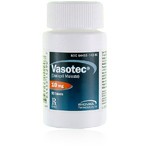
Vasotec is the original brand-name formulation of Enalapril Maleate manufactured by Merck Sharp & Dohme — the SECOND angiotensin-converting enzyme (ACE) inhibitor ever approved (1985, following Captopril/Capoten in 1981). Vasotec holds a singular place in cardiology history as the FIRST ACE inhibitor with proven heart failure mortality benefit — the landmark CONSENSUS trial 1987 demonstrated 40% all-cause mortality reduction in severe HF, establishing the entire ACE-i class as foundational heart failure therapy. Reinforced by the SOLVD trials (treatment and prevention arms) and V-HeFT II showing Enalapril superior to hydralazine/nitrate. Listed on the WHO Model List of Essential Medicines. Available as oral Vasotec tablets, the Vaseretic combination (+ hydrochlorothiazide), and uniquely as Enalaprilat IV — the only ACE-i with an injectable formulation for hypertensive emergencies.
Pharmacology centers on hepatic conversion of Enalapril Maleate prodrug to its active metabolite Enalaprilat, which inhibits ACE — blocking conversion of angiotensin I to the potent vasoconstrictor angiotensin II and reducing aldosterone secretion. Results: arterial and venous vasodilation, reduced peripheral vascular resistance, decreased afterload and preload, blood pressure reduction, plus favorable cardiac remodeling effects critical for HF benefit. Mid-range half-life of enalaprilat ~11 hours supports once-daily HTN dosing or BID HF dosing. Renal excretion predominates — dose reduction needed in renal impairment.
Vasotec is FDA-approved for hypertension (adults and pediatric patients), heart failure (CONSENSUS/SOLVD-supported), and asymptomatic LV dysfunction (SOLVD Prevention arm). Off-label uses include diabetic nephropathy, post-MI LV dysfunction, and stroke prevention strategies.
Available as Vasotec 2.5, 5, 10, and 20 mg tablets, plus Vaseretic combinations and Enalaprilat IV 1.25 mg/mL. Standard adult HTN dosing: 5 mg once daily start, titrate to 10-40 mg/day. HF: 2.5 mg BID start, target 10-20 mg BID. Pediatric: weight-based. Dose reduction in renal impairment.
Critical safety: boxed warning regarding pregnancy (Category D in 2nd/3rd trimester — fetal renal toxicity). Dry cough (5-20%, ACE-i class effect), angioedema, hyperkalemia, first-dose hypotension, renal dysfunction (bilateral renal artery stenosis contraindication), dizziness. IV Enalaprilat carries significant hypotension risk.
Free prescription
Discrete packaging
Have questions?
Quality Assurance

- Pediatric Hypertension: FDA-approved for pediatric hypertension — broad age coverage;
- Heart Failure CHF: FDA-approved for heart failure — landmark CONSENSUS indication;
- CONSENSUS Trial HF Mortality: Landmark CONSENSUS 1987 trial — 40% mortality reduction in severe HF;
- Asymptomatic LV Dysfunction: FDA-approved for asymptomatic LV dysfunction — SOLVD Prevention arm;
- SOLVD Trials HFrEF Prevention: SOLVD trials — HFrEF treatment + asymptomatic LVD prevention;
- V HeFT II Trial HF Superiority: V-HeFT II — Enalapril superior to hydralazine/nitrate in HF;
- Heart Failure Reduced EF: For heart failure with reduced ejection fraction (HFrEF);
- Hypertensive Emergency IV: IV Enalaprilat for hypertensive emergencies — unique injectable ACE-i;
- Post Myocardial Infarction: Off-label for post-MI LV dysfunction;
- Diabetic Nephropathy: Off-label for diabetic nephropathy — reduces proteinuria;
- Proteinuria Reduction: Reduces proteinuria in diabetic and non-diabetic kidney disease;
- Renoprotection CKD: Renoprotection in chronic kidney disease with proteinuria;
- Mild Hypertension: For mild hypertension (stage 1);
- Moderate Hypertension: For moderate hypertension (stage 2);
- Severe Hypertension: For severe hypertension (combination therapy via Vaseretic);
- Resistant Hypertension Add On: For resistant hypertension combination therapy;
- HTN With Diabetes: HTN in diabetic patients with nephropathy — preferred class;
- HTN With Heart Failure: Dual treatment for HTN with concomitant HF;
- HTN Pediatric Renal: For pediatric hypertension secondary to renal disease;
- Cardiovascular Risk Reduction: CV risk reduction in high-risk patients;
- Severe HF NYHA IV: Specifically for severe HF (NYHA IV) — CONSENSUS-validated.
- Better Severe HF Survival: 40% all-cause mortality reduction in severe HF — CONSENSUS landmark benefit;
- Less HF Hospitalizations: Reduces HF-related hospitalizations;
- Less HF Symptoms: Reduces HF symptoms (dyspnea, fatigue, edema);
- Better Exercise Tolerance HF: Improved exercise tolerance in HF patients;
- Less HF Progression Asymptomatic LVD: Reduces progression from asymptomatic LV dysfunction to symptomatic HF — SOLVD Prevention;
- Better Cardiac Remodeling: Reverses adverse cardiac remodeling in HF;
- Less Post MI HF Progression: Reduces progression to symptomatic HF after MI;
- Rapid IV BP Control Hypertensive Emergency: Enalaprilat IV provides rapid BP reduction in hypertensive emergencies;
- Less Proteinuria: Significant reduction in proteinuria in diabetic and non-diabetic kidney disease;
- Better Kidney Function Preservation: Preserves kidney function in diabetic nephropathy;
- Less Cardiovascular Events: Reduces cardiovascular events in high-risk patients;
- Less Stroke Risk: Contributes to stroke risk reduction with effective BP control;
- Better Daily Function: Return to normal daily activities with effective BP/HF control;
- Better Quality of Life: Substantial improvement in quality of life;
- Better Compliance Once Daily: Once-daily dosing improves compliance for HTN;
- Better Pediatric BP Control: Effective pediatric hypertension control — FDA-approved pediatric;
- Better HF Vs Hydralazine Nitrate: V-HeFT II — superior to hydralazine/nitrate combination in HF;
- Brand Vasotec Merck: Original Merck Sharp & Dohme brand — pioneering ACE-i since 1985;
- Generic Enalapril: Affordable generic Enalapril versions expand global access to foundational ACE-i;
- Vaseretic Combination: Vaseretic combination with hydrochlorothiazide — convenient dual therapy;
- Enalaprilat IV Injection: Unique IV formulation for hypertensive emergencies — only injectable ACE-i;
- Second ACE Inhibitor Ever: SECOND ACE inhibitor ever approved (1985) — Merck pioneer following Captopril;
- Angiotensin Converting Enzyme Inhibitor: ACE inhibitor — blocks angiotensin I to II conversion;
- Prodrug Hepatic Activation: Enalapril maleate prodrug — hepatic activation to enalaprilat;
- Enalaprilat Active Metabolite: Active metabolite enalaprilat — mid-range half-life ~11h;
- CONSENSUS Trial HF Mortality: ⭐ Landmark CONSENSUS 1987 — 40% mortality reduction in severe HF;
- SOLVD Trials HFrEF Prevention: SOLVD trials — HFrEF treatment + asymptomatic LV dysfunction prevention;
- V HeFT II Trial HF Superiority: V-HeFT II — superior to hydralazine/nitrate combination;
- Established ACE Class HF Therapy: Established the entire ACE-i drug class as foundational HF therapy;
- Pediatric HTN Approved: FDA-approved for pediatric hypertension — broad age coverage;
- Renoprotection Established: Established renoprotection — diabetic and non-diabetic kidney disease;
- Once Daily Dosing: Once-daily HTN dosing supports compliance;
- WHO Essential Medicine: Listed on the WHO Model List of Essential Medicines;
- 40 Plus Year Clinical History: 40+ years of clinical use since 1985 — foundational ACE-i with extensive evidence.
Generic Vasotec (Enalapril 2.5 mg) Medication guide:
🎯 What Vasotec Is and Who Should Take It
Vasotec is the brand name for enalapril maleate, an angiotensin-converting enzyme (ACE) inhibitor developed and originally commercialized by Merck. Enalapril was the second ACE inhibitor ever approved (after captopril), receiving FDA approval in 1985. It was designed as an oral prodrug - metabolised by the liver to the active form enalaprilat - to achieve a longer half-life than captopril and allow more convenient dosing.
Vasotec occupies a central place in cardiovascular medicine history. The CONSENSUS trial in 1987 was the first study ever to demonstrate that any medicine could reduce mortality in heart failure - it used enalapril and showed 40 percent reduction in 1-year mortality in severe heart failure. This finding launched the modern era of neurohumoral heart failure pharmacotherapy and established ACE inhibitors as cornerstone therapy. The subsequent SOLVD trials extended these findings to milder heart failure and asymptomatic left ventricular dysfunction.
Who is Vasotec typically prescribed for
- Adults with heart failure with reduced ejection fraction (HFrEF) - cornerstone therapy with proven mortality benefit
- Adults with asymptomatic left ventricular dysfunction - prevents progression to overt HF (SOLVD-Prevention evidence)
- Adults after a heart attack - reduces post-MI mortality and prevents adverse remodelling
- Adults with hypertension - first-line class alongside CCBs, ARBs and thiazides
- Adults with diabetic nephropathy or non-diabetic proteinuric CKD - nephroprotection
- People of non-African-Caribbean descent under 55 where ACE inhibitors are NICE first-line
- People who tolerate ACE inhibitors without cough - the main class-limiting side effect
- People with heart failure who cannot afford sacubitril/valsartan (ARNI) - enalapril remains the reference ACE inhibitor
Vasotec is NOT the pill for: pregnancy (all ACE inhibitors are pregnancy category D - CRITICAL warning covered in Section 24), bilateral renal artery stenosis (can precipitate acute kidney injury), severe aortic stenosis, previous angioedema on any ACE inhibitor, hyperkalaemia over 5.5 mmol/L, or as emergency BP treatment (it is a long-term drug, not for one-off spikes).
This guide will walk you through what Vasotec does, how to take it, what to eat and drink alongside, which side effects to expect - especially the dry cough that affects 10-20 percent of clients and the rare but serious angioedema - and the four critical warnings that apply to every enalapril client: never take during pregnancy, watch for angioedema, monitor kidney function, and monitor potassium. By the end you should know Vasotec the way you know a familiar tool.
🔬 How Vasotec Works - Blocking the ACE Enzyme
To understand Vasotec you need to know about the renin-angiotensin-aldosterone system (RAAS) - a hormonal pathway that regulates blood pressure and fluid balance. The system is critical for maintaining circulation in normal life but becomes maladaptive in hypertension, heart failure and chronic kidney disease.
Step 1 - The RAAS pathway
The kidneys sense low blood pressure or low sodium and release renin. Renin converts angiotensinogen (a liver protein) into angiotensin I. The angiotensin-converting enzyme (ACE), mainly in the lungs and blood vessel walls, then converts angiotensin I into the active angiotensin II.
Angiotensin II is a powerful hormone that: constricts blood vessels (raising BP), triggers aldosterone release (retaining sodium and water), stimulates thirst, promotes cardiac and vascular remodelling, and drives inflammatory pathways in the kidney.
Step 2 - Enalapril blocks the ACE enzyme
Enalapril is a prodrug. After you swallow it, the liver converts it to enalaprilat, which then binds and inactivates the ACE enzyme. With ACE blocked:
- Less angiotensin II is produced
- Blood vessels relax - lowering BP
- Less aldosterone - reducing sodium and water retention
- Reversal of harmful cardiac and vascular remodelling over months
- Kidney protection through reduced glomerular pressure
Step 3 - Bradykinin - the cough explanation
ACE has a second job beyond making angiotensin II: it also breaks down bradykinin, a signalling molecule involved in inflammation. When enalapril blocks ACE:
- Bradykinin accumulates in lungs and other tissues
- Some clients develop dry irritating cough - 10-20 percent
- Rare clients develop angioedema (facial/tongue swelling) - 0.1-0.7 percent
- ARBs (losartan, valsartan) avoid this pathway - no cough, less angioedema
Timeline you actually feel
| Timeframe | What happens |
|---|---|
| Hours 2-4 after first dose | BP starts to fall; first-dose hypotension possible especially in HFrEF |
| Days 1-3 | Steady state reached; effect stabilises |
| Weeks 2-4 | Full BP effect visible; cough may develop if it will |
| Months 3-12 (HFrEF) | Reverse remodelling; ejection fraction improves; mortality benefit accrues |
The half-life of enalaprilat (active metabolite) is 11 hours. Enalapril is typically dosed once or twice daily depending on indication and dose. In hypertension, once daily is common; in HFrEF, twice daily is standard to ensure steady RAAS blockade.
📋 What Doctors Prescribe Vasotec For
Vasotec has four main indications with strong evidence and a few off-label uses established in specialist care. The evidence base is particularly strong for heart failure, where enalapril is one of the most-studied cardiovascular drugs in history.
1. Heart failure with reduced ejection fraction (HFrEF)
The most important indication historically. CONSENSUS (1987) enrolled 253 severe HFrEF clients and demonstrated 40 percent mortality reduction with enalapril. SOLVD-Treatment (1991) extended this to mild-moderate HFrEF with 16 percent mortality reduction. Modern ACC/AHA and ESC guidelines position ACE inhibitors including enalapril as Class I cornerstone therapy for HFrEF. Section 6 covers this in detail.
2. Hypertension
ACE inhibitors including enalapril are first-line antihypertensive therapy in modern guidelines. Particularly effective in clients under 55 of non-African-Caribbean descent where NICE guidelines position them first. Section 8 covers this.
3. Diabetic and non-diabetic proteinuric chronic kidney disease
ACE inhibitors reduce urinary protein loss and slow CKD progression. KDIGO guidelines recommend ACE inhibitors or ARBs for all clients with albuminuric CKD (urine albumin over 30 mg per gram creatinine). Section 9 covers this.
4. Post-myocardial infarction with left ventricular dysfunction
SAVE (captopril) and later trials established ACE inhibitors as post-MI cornerstone therapy. Enalapril is used as class member; reduces mortality and prevents adverse cardiac remodelling. Section 7 covers this.
Off-label but reasonable uses
- Marfan syndrome aortic root protection in some clients
- Migraine prevention in selected clients
- Scleroderma renal crisis - captopril is first-line but enalapril used maintenance
- Cardiovascular prevention in high-risk clients (HOPE trial evidence supports ACE inhibitor class)
- Post-transplant hypertension - though monitoring for hyperkalaemia important
What Vasotec is NOT prescribed for
- Rescue treatment for BP spikes - it is a long-term drug
- Any pregnancy - contraindicated, causes fetal harm (Section 24)
- Bilateral renal artery stenosis - can precipitate acute kidney injury
- Previous angioedema on any ACE inhibitor - contraindicated for life
- Emergency treatment of any kind
- Combined with ARBs (dual RAAS blockade) - ONTARGET showed harm
If your doctor prescribed Vasotec, the reason is usually HFrEF, hypertension, diabetic nephropathy or post-MI. Ask if you are unsure - understanding the specific reason changes how you think about the drug and what benefit you are watching for.
💊 Enalapril Explained - The Second ACE Inhibitor and Prodrug Design
Enalapril has three distinctive properties that separate it from other ACE inhibitors and shape how it is used: prodrug design, moderate half-life, and mostly renal elimination. Understanding these helps you understand your Vasotec regimen.
Where enalapril sits among the ACE inhibitor family
| Drug | Prodrug? | Half-life | Elimination |
|---|---|---|---|
| Enalapril (Vasotec) | Yes (to enalaprilat) | 11 hours | Mostly renal |
| Captopril (Capoten) | No (active) | 2 hours | Renal |
| Lisinopril | No (active) | 12 hours | Renal (no metabolism) |
| Ramipril (Altace) | Yes (to ramiprilat) | 13-17 hours | Renal + hepatic |
| Perindopril (Coversyl) | Yes (to perindoprilat) | 30-120 hours | Renal |
| Benazepril (Lotensin) | Yes (to benazeprilat) | 10-11 hours | Renal + biliary |
The prodrug concept - what it means in practice
Enalapril itself has minimal ACE-inhibiting activity. After you swallow the tablet, the liver converts it to enalaprilat, the active drug that actually blocks the ACE enzyme. This design gives enalapril:
- Longer duration of action than captopril - allows twice-daily rather than three-times-daily dosing
- Slower onset - lower risk of severe first-dose hypotension than captopril
- Requires functional liver for activation - very slightly reduced effect in advanced liver disease
Available Vasotec strengths
- 2.5 mg tablets - starting dose in HFrEF and frail clients
- 5 mg tablets - standard starting dose for hypertension
- 10 mg tablets - common maintenance
- 20 mg tablets - HFrEF target dose (from SOLVD)
Renal elimination and kidney disease
Enalaprilat is mostly excreted by the kidneys. In chronic kidney disease, blood levels accumulate. This means dose reduction may be needed in advanced CKD (Section 26). It also means enalapril effect can be enhanced during dehydration or acute kidney injury - a reason for the sick-day rules covered in Section 36.
📊 CONSENSUS - The Landmark Heart Failure Mortality Trial
The Cooperative North Scandinavian Enalapril Survival Study (CONSENSUS) is the single most important trial in heart failure medicine history. Published in N Engl J Med 1987, it was the first trial ever to demonstrate that any medicine could reduce mortality in heart failure. It used enalapril, and it launched the modern era of neurohumoral heart failure pharmacotherapy.
The trial in short
- Who: 253 clients with severe heart failure - NYHA class IV, largely bed-bound or severely limited
- What: Randomised to enalapril (up to 40 mg daily) versus placebo, on top of standard therapy (diuretic, digoxin)
- Where: Multi-centre Scandinavian trial
- Follow up: Median 188 days before early termination
What CONSENSUS showed
- 40 percent reduction in 1-year mortality (36% vs 52%)
- 50 percent reduction in death from progressive heart failure
- Improvement in NYHA functional class
- Reduction in heart failure-related hospitalisation
- Trial stopped early because Data Safety Monitoring Board judged benefit overwhelming
Why CONSENSUS still matters
Before CONSENSUS, heart failure was viewed as an inexorable downhill course. Digoxin and diuretics helped symptoms but did nothing for survival. CONSENSUS showed for the first time that a medicine could actually prevent deaths from heart failure. This finding revolutionised cardiology and directly led to:
- SOLVD-Treatment (1991) - extended benefit to mild-moderate HFrEF
- SOLVD-Prevention (1992) - extended benefit to asymptomatic LV dysfunction
- Recognition of neurohumoral biology of heart failure as therapeutic target
- Development of beta-blocker HFrEF trials (US Carvedilol Program, CIBIS-II, MERIT-HF)
- Development of MRA HFrEF trials (RALES with spironolactone)
- Ultimately the modern four-pillar heart failure guideline-directed medical therapy
Two other landmark enalapril trials
- SOLVD-Treatment (1991) - 2 569 mild-moderate HFrEF clients; 16 percent mortality reduction; 26 percent hospitalisation reduction
- SOLVD-Prevention (1992) - 4 228 asymptomatic LV dysfunction clients; enalapril delayed overt HF development
- V-HeFT II (1991) - 804 HFrEF clients; enalapril superior to hydralazine + isosorbide dinitrate combination
The practical takeaway: if you take Vasotec for HFrEF, you are receiving the drug that started modern heart failure medicine. The mortality benefit shown in CONSENSUS is real, durable, and has been replicated across dozens of subsequent trials with the entire ACE inhibitor class.
🫀 Vasotec for Heart Failure with Reduced Ejection Fraction
Heart failure with reduced ejection fraction (HFrEF) is a condition in which the heart's pumping strength has fallen below normal (ejection fraction under 40-50 percent). Vasotec was the first drug ever proven to reduce mortality in this condition. It remains cornerstone therapy, though modern regimens often now use sacubitril/valsartan (ARNI) as first-choice in place of ACE inhibitor.
The four pillars of modern HFrEF therapy (GDMT)
Modern HFrEF pharmacotherapy uses four evidence-based drug classes together, each with mortality benefit:
- ARNI (sacubitril/valsartan) or ACE inhibitor (like Vasotec) or ARB - RAAS blockade
- Beta-blocker (bisoprolol, carvedilol or metoprolol succinate) - sympathetic blockade
- Mineralocorticoid receptor antagonist (spironolactone or eplerenone) - aldosterone blockade
- SGLT2 inhibitor (dapagliflozin or empagliflozin) - metabolic/renal benefit
Vasotec dose titration in HFrEF
| Step | Dose | Timing |
|---|---|---|
| Starting | 2.5 mg twice daily | Watch first dose for hypotension |
| Titration | Double every 2 weeks as tolerated | Check BP, K+, creatinine |
| Target (from SOLVD) | 10-20 mg twice daily | Full dose over 6-8 weeks |
Common concerns during HFrEF titration
- First-dose hypotension - especially in dehydrated or high-dose diuretic clients; often manageable by reducing diuretic first
- Small rise in creatinine (up to 30 percent) is expected and acceptable
- Potassium may rise - check baseline and after 1-2 weeks
- Dry cough may develop - Section 17; may need switch to ARB
- Do NOT stop for mild BP or creatinine changes - long-term mortality benefit is proven
Warning signs during HFrEF titration
- Symptomatic hypotension (dizziness, faints) at any dose
- Serum creatinine rise over 30 percent from baseline
- Potassium over 5.5 mmol/L
- Angioedema (facial or tongue swelling) - stop immediately, seek urgent help
- Persistent dry cough that disrupts life
Contact your cardiology team. Alternatives include: switching from enalapril to sacubitril/valsartan (ARNI - superior evidence base) or to an ARB if cough is the issue.
❤️ Vasotec After a Heart Attack
The evidence for ACE inhibitors after a heart attack is strong and long-standing. Starting an ACE inhibitor in the days after myocardial infarction reduces mortality by 15-25 percent and prevents adverse cardiac remodelling. Vasotec is a class member with proven post-MI benefit through SAVE trial evidence extended from captopril and subsequent trials.
Why ACE inhibitors help after a heart attack
1. Prevent adverse ventricular remodelling. After a heart attack, the healed area of dead muscle can stretch and distort the heart shape over months. ACE inhibitors reduce this remodelling by blocking angiotensin II's pro-fibrotic effects.
2. Reduce afterload. Lower arterial pressure means the healing heart works less hard.
3. Prevent progression to heart failure. Post-MI clients are at high risk of developing HFrEF. ACE inhibitors reduce this risk substantially.
4. Reduce recurrent MI risk through effects on vascular biology and plaque stability.
The trial evidence
- SAVE (1992) - 2 231 post-MI clients with LV dysfunction; captopril reduced mortality by 19 percent
- AIRE (1993) - 2 006 post-MI clients with HF signs; ramipril reduced mortality by 27 percent
- TRACE (1995) - 1 749 post-MI clients with LV dysfunction; trandolapril reduced mortality
- ISIS-4 (1995) - 58 050 acute MI clients; captopril in acute MI setting
- SMILE (1995) - zofenopril in early post-MI
Post-MI dosing on Vasotec
- Started 24-48 hours after admission, once client is haemodynamically stable
- Starting dose: 2.5 mg twice daily, titrated slowly upward
- Target dose: 10-20 mg twice daily
- Continued for at least 12 months, often lifelong especially with reduced LV function
- Combined with beta-blocker, statin and antiplatelet as post-MI standard care
Post-MI monitoring
Check BP, kidney function (creatinine, eGFR) and potassium before starting and after 1-2 weeks. Small creatinine rise (under 30 percent) is expected. Larger rises suggest bilateral renal artery stenosis or dehydration and need review.
💓 Vasotec for Hypertension
Vasotec is a well-established antihypertensive with over three decades of use. In modern guidelines, ACE inhibitors including enalapril are first-line antihypertensive therapy alongside calcium channel blockers, ARBs and thiazide-like diuretics.
When Vasotec is preferred for hypertension
- Adults under 55 of non-African-Caribbean descent - NICE first-line
- Adults with diabetes and hypertension - kidney protection benefit
- Adults with hypertension AND heart failure - Vasotec treats both
- Adults with hypertension AND CKD with proteinuria - nephroprotection
- Adults with hypertension AND prior MI
- Younger clients where metabolic side effects of thiazides are undesirable
When Vasotec is NOT the best choice for hypertension
- African or African-Caribbean descent - ACE inhibitor monotherapy is often less effective; CCB or thiazide preferred
- Age over 55 without other indication - CCB or thiazide often preferred
- Previous ACE inhibitor cough or angioedema - use ARB instead
- Any pregnancy or planning pregnancy - use labetalol, nifedipine, methyldopa
- Baseline hyperkalaemia
- Bilateral renal artery stenosis
Hypertension dosing on Vasotec
- Starting dose: 5 mg once daily in most adults
- Elderly or on diuretic: start 2.5 mg once daily to reduce first-dose hypotension risk
- Titrate every 2-4 weeks based on home BP
- Usual maintenance: 10-20 mg once daily
- Maximum: 40 mg daily (may be split as 20 mg twice daily)
- Combine with CCB or thiazide if BP not at target on maximum enalapril alone
Realistic BP effect
Vasotec at 20 mg daily typically reduces BP by 8-12 mmHg systolic in most clients. Response is greater in high-renin hypertension (younger, non-Black clients). Combining with CCB or thiazide adds further 8-12 mmHg. Most clients need combination therapy to reach target BP.
🫘 Vasotec for Diabetic Nephropathy
Vasotec is one of the most-studied medicines for diabetic kidney disease. Beyond BP lowering, ACE inhibitors specifically reduce urinary protein loss and slow progression to end-stage renal disease. This nephroprotective effect is a class effect established across dozens of trials.
Why ACE inhibitors protect the kidney
1. Reduce glomerular pressure. The tiny filtering units of the kidney (glomeruli) are exposed to high pressure in diabetes and hypertension. ACE inhibitors preferentially dilate the efferent arteriole (the one leaving the glomerulus), reducing the pressure inside the glomerulus.
2. Reduce proteinuria. Lower glomerular pressure means less protein leaks into the urine. Proteinuria is toxic to the kidney tubules and drives progression.
3. Anti-inflammatory and anti-fibrotic effects. Angiotensin II drives kidney scarring; blocking it reduces long-term damage.
4. BP lowering effect. Compounds the direct kidney benefit.
When to use Vasotec for CKD nephroprotection
- Type 1 or Type 2 diabetes with albuminuria (urine albumin over 30 mg per gram creatinine)
- Non-diabetic proteinuric CKD (protein loss over 500 mg per day)
- Any client with albuminuric CKD regardless of BP - KDIGO recommendation
- Advanced CKD (eGFR 15-30) - benefit shown by Hou 2006 for benazepril; class effect
Nephroprotection dosing
- Titrate to maximum tolerated dose - higher doses give more proteinuria reduction
- Target: 20 mg once daily or 10 mg twice daily
- Monitor: creatinine, potassium, urine albumin at baseline, 1-2 weeks, then every 6-12 months
- Expected creatinine rise up to 30 percent is acceptable - reflects the beneficial reduction in glomerular hyperfiltration
- Do not combine with ARB - ONTARGET showed harm
- Consider SGLT2 inhibitor as additional nephroprotection
When to STOP Vasotec despite CKD indication
- Creatinine rises over 30 percent from baseline
- Potassium over 5.5 mmol/L despite dietary modification
- Symptomatic hypotension
- Acute kidney injury during illness or dehydration - pause during sick days (Section 36)
- Suspected bilateral renal artery stenosis - urgent Doppler ultrasound
The kidney protection story is complex - some clients see slight worsening of eGFR after starting Vasotec but slower long-term progression. Discussion with your nephrologist about long-term goals is important.
📅 The First Few Weeks on Vasotec
Starting Vasotec has a predictable rhythm. Knowing what to expect prevents unnecessary alarm about normal early effects and helps you spot the few things that need medical review. The pattern differs somewhat between HFrEF (very cautious first dose, slow titration) and hypertension (moderate).
Day 1 - the first dose
First-dose hypotension is a real phenomenon - especially in HFrEF, high-dose diuretic clients, or dehydrated older clients. BP can drop 15-30 mmHg within 2-4 hours.
Take the first dose at bedtime if possible - so the first drop happens during sleep rather than while driving or standing.
Reduce diuretic dose before starting if you are on furosemide 40 mg or higher - discuss with your doctor.
Days 2-14
Steady state reached - blood levels stabilise within 3-5 days.
BP settles at new baseline - lower than before but not necessarily at target yet.
Small creatinine rise (up to 30 percent) is expected - this reflects the beneficial reduction in glomerular hyperfiltration, not kidney damage.
Small potassium rise is common - typically within normal range.
Weeks 2-8
Full BP effect visible - 8-12 mmHg systolic drop on average.
Dry cough may develop if it will - 10-20 percent of clients; usually 2-4 weeks after starting.
HFrEF titration continues up to target 10-20 mg twice daily over 6-8 weeks.
Blood tests at 2-4 weeks - creatinine, potassium, eGFR to confirm safety.
Signs that ARE normal early on
- Mild lightheadedness on standing in first week
- Small creatinine rise (under 30 percent)
- Small potassium rise (within normal range)
- BP drop of 8-12 mmHg systolic
- Mild dry cough that comes and goes - watch, not necessarily stop
Signs that need urgent medical review
- Facial, lip, tongue, or throat swelling - angioedema, stop drug and seek emergency help
- Fainting or near-fainting
- Severe cough that disrupts sleep
- Reduced urine output
- New muscle weakness or palpitations (possible hyperkalaemia)
- Yellow skin or dark urine (rare hepatitis)
- Severe rash or blistering
Most clients notice very little from Vasotec in the first weeks beyond a lower BP number. If the first month passes without cough or angioedema, the long-term outlook is usually smooth.
⏰ When to Take Vasotec - Timing and the First-Dose Rule
Vasotec timing is straightforward but with one critical rule about the first dose. Because enalapril can cause first-dose hypotension - a sudden drop in BP - the timing of the very first tablet matters more than for many other cardiovascular drugs.
🚨 The first-dose rule
Take the first dose of Vasotec at bedtime if possible. This puts the peak BP-lowering effect during sleep rather than during driving, walking, or work.
- High-risk clients: HFrEF, high-dose diuretic (furosemide 40+ mg), dehydrated, elderly, severe salt restriction
- Reduce diuretic dose 2-3 days before starting Vasotec if possible
- Ensure adequate fluid intake in the 24 hours before first dose
- Do NOT drive on the first day until you know how you react
After the first few days, the risk of hypotension falls dramatically. Subsequent doses can be taken at any regular time.
The best time to take Vasotec long-term
Morning is most common - anchors to waking and provides drug cover across daytime hours. Evening dosing is acceptable and may benefit clients whose BP is highest overnight.
Twice-daily dosing for HFrEF: Morning and evening, approximately 12 hours apart.
Once you have chosen a time, stick with it. Do not swing between morning and evening without a reason.
Practical anchors
- With breakfast - simplest for once daily
- When you brush your teeth in the morning
- With your evening meal - for evening dose
- Weekly pillbox filled every Sunday - the single best system for consistency
- For twice-daily HFrEF: pill organiser with AM/PM compartments
Getting up carefully in the first weeks
Postural (orthostatic) hypotension - dizziness on standing - is common in the first 1-2 weeks. Stand up slowly. If you have been lying down, sit for a minute first, then stand. Grab something for support until you know how you react. This effect settles as the body adapts.
What to do if you cannot swallow the tablet
Vasotec tablets can be split or crushed if needed. The active drug (enalapril maleate) is not sensitive to crushing. For chronic swallowing difficulty, discuss with your doctor - liquid ACE inhibitor formulations (captopril, or compounded enalapril suspension) may be available.
🍽️ Food, Drink and Vasotec
Food and drink interactions with Vasotec are relatively simple. There is no grapefruit warning (unlike felodipine), and there are no strict meal timing requirements. However, a few dietary considerations matter, especially around potassium.
Food rules for Vasotec
- Take with or without food - your choice, be consistent
- Food does not significantly affect enalapril absorption
- Grapefruit is FINE on Vasotec - enalapril not metabolised by CYP3A4
- Salt intake still matters for BP - keep total daily salt under 5-6 grams
- Watch potassium intake carefully - salt substitutes and dietary supplements can cause hyperkalaemia
- Bananas, oranges, tomatoes, avocados fine in normal portions - not a problem unless very high intake plus other risk factors
The salt substitute warning
Salt substitutes (like LoSalt, Nu-Salt, Solo) replace sodium chloride with potassium chloride. On Vasotec, these can cause dangerous hyperkalaemia. Do NOT use potassium-based salt substitutes without discussing with your doctor.
Same warning applies to coconut water in large quantities, potassium supplements, and low-sodium foods that use potassium salts as replacement.
DASH-style pattern helps BP alongside Vasotec
- Vegetables, especially leafy greens, tomatoes, root vegetables
- Oily fish twice a week - salmon, mackerel, sardines
- Beans, lentils, chickpeas - potassium and fibre (moderate portions on Vasotec)
- Nuts and seeds - unsalted, moderate portions
- Whole grains rather than refined
- Fresh fruit - all safe
- Low-fat dairy or yoghurt
- Cut ultra-processed foods - main source of hidden salt
Herbal supplements to be careful with
- Ephedra (ma huang) - avoid; raises BP and works against Vasotec
- Yohimbe - avoid; raises BP
- Liquorice root in large quantities - raises BP
- St Johns Wort - modest CYP interaction
- Ginseng, ginkgo - probably harmless in moderation
Overall, Vasotec fits into ordinary eating with the potassium caveat. The BP-friendly dietary pattern above helps every cardiovascular client. Avoid potassium-based salt substitutes and watch dietary supplements.
🍷 Alcohol on Vasotec
Alcohol and Vasotec are generally compatible in moderate amounts, but the combination has specific considerations. Both alcohol and ACE inhibitors lower BP, and combining them amplifies the effect. HFrEF clients face additional considerations because alcohol is directly cardiotoxic.
Three things happen when you drink on Vasotec
- BP drops more than expected. Alcohol dilates blood vessels, adding to Vasotec effect. In someone with resting BP of 130/80, a couple of drinks can bring it to 110/65, producing dizziness or lightheadedness on standing.
- Dehydration risk. Alcohol is a mild diuretic; on top of Vasotec + regular diuretic, dehydration can precipitate acute kidney injury.
- Chronic drinking undermines HFrEF treatment. Alcohol has direct cardiotoxic effects on heart muscle.
A sensible framework
- Up to 1 standard drink per day for women, 2 for men is compatible with hypertension indication
- HFrEF: alcohol restriction essential - even moderate use accelerates HF progression
- Alcoholic cardiomyopathy clients: total abstinence required
- Drink water between alcoholic drinks
- Never drink on an empty stomach on Vasotec
- Skip alcohol for 48 hours after any dose change
- Do not drive after any alcohol on Vasotec
Situations where alcohol on Vasotec is a bad idea
- Recent starting or dose increase (first 2 weeks)
- Any degree of heart failure
- Age 75 or older with any fall history
- Hot weather with limited water intake - triple hit of vasodilation and dehydration
- Post-MI in the first 3 months
- CKD or diabetic nephropathy - acute kidney injury risk with dehydration
- Recent illness with vomiting or diarrhoea
The bigger picture: for long-term cardiovascular health on Vasotec, lower alcohol is better. A weekly average of 5-6 units spread across the week is compatible with hypertension on Vasotec. Heavier intake undermines the treatment.
☕ Coffee, Caffeine and Energy Drinks
Caffeine and Vasotec do not directly interact. Coffee produces a small brief rise in BP (3-8 mmHg for 1-3 hours) but this is not blocked by ACE inhibitors specifically. Normal coffee habits are compatible with Vasotec.
Coffee on Vasotec - the practical rules
- Up to 3-4 cups of coffee per day is compatible with well-controlled BP
- Do not measure BP within 30-60 minutes of coffee - readings will be falsely high
- Drink water alongside in hot weather - caffeine is mildly diuretic
- Habitual heavy drinkers develop tolerance - BP bump smaller than in occasional drinkers
- Coffee does not affect enalapril absorption
Energy drinks - a different story
Energy drinks combine large caffeine loads (200-400 mg per can) with sugar, taurine, guarana, and sometimes ephedrine-type extracts. On Vasotec these can produce sudden BP swings and palpitations. HFrEF clients should avoid entirely.
Best kept to occasional small can - not daily habit, and not before exercise.
Pre-workout supplements - be cautious
Many combine caffeine with stimulants that raise BP acutely. On Vasotec these can produce sudden BP swings. If you use one, choose caffeine-only or caffeine-plus-creatine, start with half a scoop, and check home BP during the session for a week.
Decaf, tea, chocolate
Decaf coffee (2-15 mg caffeine per cup), tea (40-70 mg per cup), and chocolate contain small amounts that need no avoidance on Vasotec.
🩺 Home BP Monitoring on Vasotec
On Vasotec, home BP monitoring is the single most useful habit you can adopt. Office BP checks show one snapshot from one moment; home monitoring shows the real long-term picture. Because Vasotec targets primarily BP and glomerular pressure, tracking BP tells you if the drug is working.
What to buy
- Upper arm cuff monitor - wrist monitors less accurate
- Validated model - BHS, ESH, or dabl accreditation
- Correct cuff size for your arm - too small overestimates, too large underestimates
- Automatic (oscillometric) not manual
How to measure correctly
- Sit quietly for 5 minutes before first reading
- Back supported, feet flat, legs uncrossed
- Cuff on bare upper arm at heart level
- Do not talk or use your phone
- Take 2 readings 1-2 minutes apart
- Ideal: morning (before Vasotec and coffee) and evening (before dinner)
- Do this 4-7 days out of every 2 weeks in the first months, then weekly once stable
Target ranges on Vasotec
| Situation | Home BP target |
|---|---|
| Adults under 65 without CKD or diabetes | Under 135/85 (aim closer to 125/75) |
| Diabetes or CKD | Under 130/80 |
| Adults 65-79 | Under 140/85, aim toward 130/80 if tolerated |
| Adults 80 and over | Under 145/85 |
| HFrEF | Tolerable as low as 100/60 if no symptoms |
Reading the pattern
- Persistently above target after 6-8 weeks on 40 mg daily - add second drug
- Below 110/70 with dizziness - dose may be too much
- Very variable readings - check technique, coffee proximity
- Sudden BP jump of 20+ mmHg - check for NSAIDs, decongestants, missed doses
Bring recorded readings to every visit. Dose decisions on Vasotec track home averages much better than single office readings.
🚨 Side Effects of Vasotec
Vasotec has been in worldwide use for nearly four decades, so its side effect profile is exceptionally well characterised. Most clients experience only mild or no side effects. The main class-limiting effects are dry cough and, rarely, angioedema.
Common side effects (1-10 percent of clients)
| Effect | Frequency | Notes |
|---|---|---|
| Dry persistent cough | 10-20 percent | Main reason for switching - Section 17 |
| Dizziness (postural) | 3-8 percent | Common early, especially first weeks |
| Headache | 3-6 percent | Usually early and transient |
| Fatigue | 2-4 percent | Usually settles |
| Small creatinine rise | Common (expected) | Up to 30% - Section 20 |
| Hyperkalaemia | 2-6 percent | Section 23 |
| Rash | 1-2 percent | Usually mild |
Less common side effects (0.1-1 percent)
- Taste disturbance (metallic taste)
- Impotence or reduced libido - less common than with thiazides/beta-blockers
- Hair loss - rare
- Neutropenia - very rare, more with captopril than enalapril
- Photosensitivity
- Muscle cramps
Rare serious effects - seek urgent medical help
- Angioedema (facial, lip, tongue, throat swelling) - 0.1-0.7 percent, higher in African-Caribbean descent - Section 18
- Anaphylaxis-like reactions during dialysis with high-flux membrane
- Severe hyperkalaemia over 6.5 mmol/L
- Acute kidney injury
- Cholestatic jaundice - rare hepatotoxicity
- Stevens-Johnson syndrome or toxic epidermal necrolysis - very rare
- Pancreatitis - rare
If you experience any of the rare serious effects, stop Vasotec and seek urgent medical help. Unlike beta-blockers, ACE inhibitors do not have significant withdrawal rebound - you can stop cold if needed.
🫁 The Dry Cough on Vasotec
The dry, tickly, persistent cough is the most common reason clients stop taking Vasotec. It affects 10-20 percent of ACE inhibitor users and is a class effect - if it happens on one ACE inhibitor, it will happen on others.
Why the cough happens
The ACE enzyme has two jobs: making angiotensin II (which Vasotec blocks) and breaking down bradykinin. When Vasotec blocks ACE, bradykinin accumulates in the lungs and airways. In susceptible people, this triggers a persistent dry cough.
The cough is:
- Dry (non-productive) - no phlegm
- Persistent - constant tickle in the throat
- Worse at night when lying flat
- Not relieved by cough medicines
- Typically develops 2-4 weeks after starting, sometimes months
- Dose-independent - reducing dose does not help
- Resolves within 1-4 weeks after stopping
Who gets the cough more often
- Women more than men (roughly 2:1)
- East Asian descent - higher incidence (up to 40 percent)
- Non-smokers more than smokers (paradoxically)
- Age between 40-60 most commonly affected
What to do if you develop the cough
- Give it 4-6 weeks - some coughs settle spontaneously
- Rule out other causes - postnasal drip, asthma, GERD, smoking
- Do not try to reduce Vasotec dose - the cough is not dose-related
- If persistent and disruptive, discuss switching to an ARB - losartan, valsartan, olmesartan; same RAAS blockade without bradykinin build-up; nearly 100 percent effective at eliminating the cough
- For HFrEF: switch to sacubitril/valsartan (ARNI) - superior evidence base anyway
The switch to ARB - key points
ARBs (angiotensin receptor blockers) block the same RAAS pathway but downstream, so bradykinin does not accumulate. Cough resolves within 1-4 weeks on ARB. ARBs have equivalent BP-lowering effect and cardiovascular protection. Cost differences narrowed as ARBs went generic.
⚠️ Angioedema - The Rare But Serious Reaction
Angioedema is the most dangerous side effect of ACE inhibitors. It affects 0.1-0.7 percent of clients (higher in African-Caribbean descent - up to 3 percent) and can be life-threatening if the tongue or throat swell enough to obstruct breathing. Every Vasotec client must recognise the warning signs.
🚨 ANGIOEDEMA - EMERGENCY WARNING
Angioedema is rapid swelling of the deeper layers of skin, especially of the face, lips, tongue, throat, or extremities. On Vasotec, this can develop:
- Within hours of the first dose
- After months or years of tolerated therapy
- Unpredictably - no test predicts risk
If ANY facial, lip, tongue, or throat swelling develops - stop Vasotec immediately and seek emergency medical help.
What angioedema looks like
- Facial swelling - forehead, eyelids, cheeks
- Lip swelling - dramatic, asymmetric
- Tongue swelling - most dangerous; can obstruct airway
- Throat swelling - difficulty swallowing, breathing, voice changes
- Extremity swelling - hands, feet
- Bowel wall swelling - severe abdominal pain, vomiting; rare presentation
- NOT associated with hives or itching - distinguishes from allergic reaction
Risk factors
- African-Caribbean or African descent - 3-5 fold higher risk
- Previous angioedema on any ACE inhibitor - never re-challenge
- Hereditary angioedema (C1 esterase inhibitor deficiency) - genetic predisposition
- Concurrent DPP-4 inhibitor (sitagliptin, saxagliptin) - additive risk
- Concurrent sacubitril - increases angioedema risk
- Trauma or surgery - can precipitate in susceptible clients
Emergency response to angioedema
- Stop Vasotec immediately - do not take next dose
- Call emergency services (999 UK, 112 EU, 911 US) if tongue or throat involved, or if breathing difficulty
- Tell paramedics/ER: "This is ACE inhibitor angioedema" - treatment differs from allergic angioedema
- ACE inhibitor angioedema does NOT respond to standard allergic treatments (antihistamines, epinephrine, steroids) - needs bradykinin-specific treatment (icatibant, ecallantide) or fresh frozen plasma
- Never take any ACE inhibitor again - lifetime contraindication
- ARBs carry small residual risk - some centres recommend avoiding entirely; others use with extreme caution
The lifetime risk of angioedema on Vasotec is small but the consequences of a severe episode can be catastrophic. Recognition is life-saving.
💗 Sexual Function on Vasotec
Sexual side effects on Vasotec are less common than with beta-blockers or thiazide diuretics. About 1-3 percent of male clients notice reduced libido or mild erectile difficulty. Some evidence suggests ACE inhibitors may actually improve sexual function in some hypertensive clients by lowering BP and reducing endothelial dysfunction.
What may happen
- Reduced libido - occasional; 1-3 percent
- Erectile difficulty in men - 1-3 percent
- Delayed or reduced orgasm - rare
- In women: reduced desire or arousal - underappreciated
- ACE inhibitors and ARBs are among the least sexual-dysfunction-causing antihypertensives - preferred class for clients where sexual function matters
Why less than other antihypertensives
Beta-blockers dampen sympathetic arousal pathways involved in erection. Thiazides can affect zinc metabolism relevant to sexual function. ACE inhibitors do neither - they act on RAAS which is not directly involved in sexual function. ACE inhibitors and ARBs may even improve endothelial function relevant to erection.
Erectile dysfunction drugs on Vasotec
Sildenafil, tadalafil, vardenafil, avanafil are all safe on Vasotec at usual doses. Both drug classes lower BP slightly but combined effect is not dangerous.
Nitrates + PDE-5 inhibitors is the contraindication - not Vasotec + PDE-5. If you also take nitrates for angina, PDE-5 inhibitors are unsafe.
Practical approach
- Give it 4-6 weeks - early effects often settle
- Consider other contributors - stress, alcohol, sleep debt, depression, other drugs
- Discuss with your doctor
- Alternatives exist - ARB (losartan, valsartan) has similar profile
- Do not stop Vasotec abruptly - though ACE inhibitors do not have rebound like beta-blockers, doctor coordination is wise
Sexual concerns are often unspoken but talk to your doctor if bothersome. Vasotec is one of the better BP drugs from this perspective - many clients who developed sexual dysfunction on beta-blockers or thiazides improve after switching to ACE inhibitor.
📉 Kidney Function Changes on Vasotec
Vasotec produces predictable changes in kidney function tests. Understanding these changes prevents unnecessary alarm and helps distinguish expected effects from problems needing intervention.
Expected changes on Vasotec
Serum creatinine typically rises by 10-30 percent after starting Vasotec. This is expected and beneficial, not a sign of kidney damage. It reflects the drop in glomerular pressure that is the mechanism of nephroprotection.
- Small rise (up to 30 percent) - continue Vasotec, monitor
- eGFR falls a few points - expected, not a reason to stop
- Small potassium rise - within normal range usually
- Change stabilises within 4-6 weeks - repeat testing then
When kidney changes are NOT expected
- Creatinine rise over 30 percent from baseline - stop and investigate
- eGFR falls below 30 (from previously higher baseline) - review
- Persistent rise 4-6 weeks after starting - suggests bilateral renal artery stenosis
- Potassium over 5.5 mmol/L - dietary review, possible dose reduction
- Potassium over 6.0 mmol/L - stop Vasotec, urgent review
- Reduced urine output - possible acute kidney injury
Recommended monitoring schedule
| Timing | Tests |
|---|---|
| Baseline (before starting) | Creatinine, eGFR, potassium, sodium |
| 1-2 weeks after start or dose increase | Same panel |
| Every 6-12 months (stable) | Same panel |
| During illness (vomiting, diarrhoea) | Recheck if severe or prolonged |
| After starting new drug (NSAID, potassium) | Recheck at 1-2 weeks |
The message: small kidney function changes on Vasotec are expected and beneficial. Larger changes need investigation. Regular monitoring keeps you safe.
⚖️ Vasotec Doses and How They Are Adjusted
Vasotec dosing is indication-specific and follows a "start low, titrate slow" pattern especially for HFrEF. Understanding your target dose helps you know if you are on the right amount for your condition.
Standard adult dosing pathway by indication
| Indication | Starting | Target |
|---|---|---|
| HFrEF | 2.5 mg BID | 10-20 mg BID |
| Hypertension | 5 mg daily | 10-20 mg daily; max 40 mg |
| Post-MI | 2.5 mg BID | 10-20 mg BID |
| Diabetic/CKD nephroprotection | 2.5-5 mg daily | Max tolerated dose (10-20 mg BID) |
| Elderly (over 75) | 2.5 mg daily | 5-10 mg daily typically |
| Reduced kidney function (eGFR under 30) | 2.5 mg daily | Titrated cautiously |
Why HFrEF target is high
SOLVD tested target doses of 10-20 mg twice daily and showed maximum benefit at those doses. Lower doses give partial benefit; higher doses do not add more. Reaching target dose over 6-8 weeks is worth the effort - keeping clients at 5 mg daily leaves survival benefit unrealised.
If BP is still above target at 40 mg daily
Add a second drug - almost always more effective than pushing Vasotec higher. Common partners: amlodipine (CCB), indapamide (thiazide-like). Section 34 covers combinations.
🧪 Drug Interactions You Need to Know About
Vasotec has several important drug interactions that every client should understand. Some are pharmacodynamic (drugs that add to or oppose Vasotec effect), others are direct pharmacological (drugs that raise potassium or affect kidney function).
Dangerous combinations
- ARBs (losartan, valsartan, olmesartan) - dual RAAS blockade harmful (ONTARGET); avoid combination
- Aliskiren (direct renin inhibitor) - especially in diabetes; contraindicated combination
- Sacubitril without 36-hour washout of ACE inhibitor - angioedema risk
- Potassium-sparing diuretics (spironolactone, amiloride, eplerenone) - hyperkalaemia risk; use only with monitoring
- Potassium supplements
- Potassium-based salt substitutes (LoSalt)
Interactions that reduce Vasotec effect or raise kidney/potassium risk
- NSAIDs (ibuprofen, naproxen, diclofenac) - reduce BP effect; can precipitate acute kidney injury (the "triple whammy" with diuretic)
- Pseudoephedrine (decongestants) - raises BP
- DPP-4 inhibitors (sitagliptin, saxagliptin) - additive angioedema risk
- Trimethoprim (in Bactrim) - raises potassium
- Heparin - raises potassium
- Ciclosporin, tacrolimus - raise potassium and creatinine
Common interactions worth knowing about
| Drug | Effect |
|---|---|
| Insulin, sulfonylureas | Enhanced hypoglycaemia sensitivity - monitor glucose |
| Lithium | Vasotec raises lithium levels; monitor |
| Sildenafil, tadalafil | Small extra BP drop; safe at usual doses |
| Alcohol | Additive vasodilation; moderate OK (Section 13) |
| Simvastatin, atorvastatin | No significant interaction; commonly combined |
Two habits that protect you
- Show your full drug list at every visit. Include over-the-counter and herbal.
- Ask the pharmacist about any new prescription. "I take Vasotec - is this safe together?" catches most bad combinations.
🍌 Potassium and Vasotec - The Hyperkalaemia Warning
Vasotec raises potassium by blocking aldosterone production. In most clients this produces only a small rise within normal range. But in vulnerable clients - CKD, diabetes, high-dose combinations - potassium can rise dangerously. Severe hyperkalaemia can cause fatal arrhythmias.
🚨 The hyperkalaemia warning
Normal serum potassium is 3.5-5.0 mmol/L. On Vasotec:
- Under 5.0 mmol/L - safe, continue
- 5.0-5.5 mmol/L - watch, dietary review
- 5.5-6.0 mmol/L - reduce dose, review contributory factors
- Over 6.0 mmol/L - stop Vasotec, urgent review - risk of fatal arrhythmia
Who is at higher hyperkalaemia risk
- Chronic kidney disease - especially eGFR under 45
- Diabetes - has type 4 renal tubular acidosis in some
- Older clients - higher baseline potassium
- Heart failure - both direct and drug-related
- Concurrent spironolactone or eplerenone
- Concurrent trimethoprim or Bactrim
- Concurrent heparin
- Potassium supplements
- Salt substitutes containing potassium chloride
Symptoms of hyperkalaemia
Hyperkalaemia is often silent until dangerous levels are reached. Symptoms may include:
- Muscle weakness or tingling
- Palpitations or irregular heartbeat
- Fatigue
- Nausea
- Bradycardia - can be dangerous
Because symptoms are non-specific and often absent, regular blood tests are the only reliable way to detect hyperkalaemia early.
Dietary potassium on Vasotec
Most clients do NOT need to restrict potassium-rich foods. Normal intake of bananas, oranges, tomatoes, avocados is fine. Only high-risk clients (CKD stage 4-5, on spironolactone, previous hyperkalaemia) need dietary restriction.
The key avoid list: potassium-based salt substitutes (LoSalt, Nu-Salt, Solo), potassium supplements, coconut water in large quantities.
🌱 Vasotec and Pregnancy - CRITICAL Warning
Vasotec is absolutely contraindicated in pregnancy. This is one of the most important safety warnings for any woman of reproductive age. Enalapril and all ACE inhibitors are pregnancy category D (US) with clear evidence of fetal harm.
🚩 VASOTEC AND PREGNANCY - ABSOLUTE CONTRAINDICATION
ACE inhibitors including Vasotec cause serious fetal harm when used in pregnancy:
- Renal failure in fetus - can be permanent
- Oligohydramnios (reduced amniotic fluid) - causes limb contractures and lung underdevelopment
- Cranial abnormalities - skull ossification problems
- Pulmonary hypoplasia - underdeveloped lungs
- Intrauterine growth restriction
- Neonatal death in severe cases
First trimester exposure is dangerous. Second and third trimester exposure is even more dangerous. NO trimester is safe.
If you are pregnant on Vasotec
- Stop Vasotec immediately - do not wait for a doctor appointment
- Contact your obstetrician within 24 hours
- Switch to pregnancy-safe BP drug: labetalol, nifedipine slow release, or methyldopa
- Detailed fetal ultrasound review - assess for kidney development, amniotic fluid volume
- Genetic counselling if significant exposure
If you are planning pregnancy
Talk with your doctor before stopping contraception. A pre-conception switch to a pregnancy-safe BP drug prevents rushed switch after positive test. Ideally switch is made 1-3 months before trying.
Pregnancy-safe BP options
| Drug | Comment |
|---|---|
| Labetalol | Most-used first-line in pregnancy hypertension |
| Nifedipine slow release | CCB with extensive pregnancy data |
| Methyldopa | Older but longest pregnancy safety record |
| Hydralazine | For emergency BP treatment in pregnancy |
The core message: Vasotec is stop-and-switch in pregnancy or when planning pregnancy. Chronic uncontrolled hypertension in pregnancy causes serious problems, so bridge with switch under supervision - do not just stop and hope BP stays fine.
🍼 Vasotec While Breastfeeding
Enalapril passes into breast milk in very small amounts. Breastfeeding safety data suggests it is compatible with breastfeeding, unlike its contraindication in pregnancy. Most sources treat Vasotec as acceptable during breastfeeding with routine monitoring of infant.
What is known
- Enalapril milk levels are very low - infant exposure less than 1 percent of maternal dose
- Enalaprilat (active metabolite) undetectable in breast milk in most studies
- Considered compatible with breastfeeding by most authorities - LactMed and Hale references
- No cases of harm to breastfed babies reported
- Baby's BP not clinically affected at levels reached in milk
Options for a breastfeeding mother with hypertension
Continue Vasotec - reasonable if BP is well controlled. Watch baby for feeding, weight gain, alertness.
Switch to captopril - even shorter half-life and similar breastfeeding safety data.
Preterm babies - more caution; some clinicians switch to alternative BP drug.
Practical points
- Take Vasotec right after breastfeeding so milk levels are lowest at next feed
- Watch baby's feeding pattern, weight gain, alertness
- Tell health visitor and paediatrician what you take
- Preterm or medically fragile babies - more cautious approach
The decision is individual. Talk with obstetrician, cardiologist and paediatrician. Most breastfeeding mothers on Vasotec continue safely with routine baby monitoring.
💧 Vasotec If You Have Kidney Problems - Dose Adjustment
Vasotec is helpful in chronic kidney disease (through nephroprotection) but also requires dose adjustment in advanced CKD because enalaprilat is renally cleared. Balancing benefit and safety requires attention.
Vasotec dosing across CKD stages
| eGFR | CKD stage | Vasotec approach |
|---|---|---|
| 60-90 | Stage 2 | Normal dose |
| 45-59 | Stage 3a | Normal dose; monitor K+ |
| 30-44 | Stage 3b | Reduce to 50-75% of usual dose |
| 15-29 | Stage 4 | Reduce to 50% - specialist supervision |
| Under 15 or dialysis | Stage 5 | 2.5 mg alternate days if dialysis; specialist care |
Why Vasotec is often chosen for advanced CKD
- Nephroprotection despite CKD - Hou 2006 and other trials show benefit
- Preferred in albuminuric CKD per KDIGO
- Preferred in diabetic nephropathy
- Combines well with SGLT2 inhibitor for additional kidney protection
- Dialysis clients typically continue - not removed effectively by dialysis
Kidney transplant considerations
Transplant clients on ciclosporin or tacrolimus face increased hyperkalaemia risk from Vasotec. Combination is used but requires close monitoring. Some centres prefer amlodipine as BP drug in early post-transplant.
When to stop Vasotec in CKD
- Creatinine rises over 30 percent from baseline
- Potassium over 5.5 mmol/L despite dietary changes
- Suspicion of bilateral renal artery stenosis
- Symptomatic hypotension
- Acute kidney injury during illness - pause during sick days
If you have CKD, your yearly review should include: eGFR trend, urine albumin, potassium, and discussion of overall progression rate. Vasotec generally does not damage the kidneys and typically preserves function - but monitoring keeps you safe.
⏱️ What to Do If You Miss or Forget a Dose
Because Vasotec has a moderate half-life (11 hours for the active metabolite), one missed dose is generally forgiving. Unlike beta-blockers, ACE inhibitors do not have a significant withdrawal rebound - you can miss a dose without triggering dangerous BP surges.
The one-line rule
If you remember within about 8 hours of your usual time, take the missed dose. If more than 8 hours has passed, skip it and take the next dose at the normal time. Never double up.
Common scenarios
| Scenario | What to do |
|---|---|
| Take morning dose - remember at noon | Take it now; skip nothing |
| Take morning dose - remember late evening | Skip; take tomorrow morning as usual |
| Skipped whole day | Restart next day at normal time |
| Skipped 2-3 days | Restart normally; BP may creep up. Check monitor |
| Vomited within 30 min of dose | Take another dose; if more than 1 hour passed, do not repeat |
Do NOT take double dose to catch up
A doubled Vasotec dose produces excessive vasodilation - dizziness, ankle swelling, palpitations, sometimes fainting. Even one doubled dose can produce a real fall in an older client. The BP effect of one missed day is much smaller than the harm of a doubled dose.
Systems that prevent missed doses
- Weekly pillbox refilled every Sunday
- Phone alarm at the same time daily
- Anchor to breakfast, tooth-brushing, or coffee
- Keep spare tablets at work or in travel bag
- Order the next box before you are down to your last week
🌃 Vasotec for Night Shift Workers
Night shift work is hard on BP treatment because sleep-wake cycles are upside down. Vasotec is workable on shifts but needs planning around dose timing and monitoring.
Two workable approaches
Option A - fixed clock time. Pick one clock time and take Vasotec at that time daily regardless of shift. Simplest to remember.
Option B - anchor to your "morning". Take Vasotec when you wake, whenever that is. Both approaches work.
Night-shift specific considerations
- Coffee timing. Heavy coffee during shifts raises BP briefly; do not measure BP within an hour of coffee
- Sleep BP is different. BP falls during sleep normally - do not worry about morning-after-shift readings being low
- Dehydration risk during hectic shifts can precipitate acute kidney injury on Vasotec + diuretic
- Water intake matters - dehydration amplifies dizziness and stresses kidneys
- HFrEF: watch daily weight during shifts - shift work can promote fluid retention
Measuring BP on shifts
Standard advice - morning and evening - does not fit rotating shift schedule. Instead: pick 2 fixed clock times (say 9 am and 9 pm) and stick with them regardless of shift. This gives consistent data across shift patterns.
Shift workers often have higher average BP over time. Being on Vasotec is a step toward correcting this, but non-drug measures matter more than for day workers: daytime sleep hygiene, managed caffeine, meal timing, regular exercise on days off.
🚗 Vasotec for Drivers and Machine Operators
Vasotec affects driving less than beta-blockers or centrally-acting drugs. The first weeks and any dose adjustment can cause postural hypotension. If your job depends on driving or operating machinery, plan around this.
First 2-4 weeks - the caution period
- Do not drive on the first day until you know how you personally react
- Avoid long-distance driving alone in weeks 1-3
- Do not use heavy machinery in the first week
- Get up carefully from seated positions - especially after long drives
After the first month - most people are fine
Most clients on stable-dose Vasotec drive normally. Reaction time and alertness are not detectably affected. Commercial drivers, pilots, bus drivers - all can typically continue on Vasotec once stable.
Job-specific rules
Commercial licences (HGV, buses, taxis, aviation) usually require doctor's note confirming medication does not impair fitness. Vasotec does not usually disqualify anyone but paperwork is a hoop. Ask your doctor for the fitness-to-drive letter if your role requires it.
When NOT to drive
- First day on Vasotec
- After a dose increase, for 24-48 hours
- If you feel unusually dizzy
- If you have had any alcohol
- If you have fainted or nearly fainted in the previous week
Report any driving incident (even near-miss caused by dizziness) to your doctor. It may indicate dose needs adjustment.
💪 Vasotec, Exercise and Sports
Vasotec has minimal effect on exercise capacity in most clients. Unlike beta-blockers, ACE inhibitors do not blunt heart rate response to exercise. Maximum heart rate on exertion is preserved.
What happens to heart rate on exercise on Vasotec
Unlike beta-blockers, Vasotec does not blunt your heart rate response to exercise. Maximum heart rate is preserved. Some clients notice mild dizziness at end of exercise (post-exertion vasodilation combined with cool-down) but this usually settles.
Perceived exertion during exercise is unchanged from before treatment. If you compete in aerobic sports, Vasotec rarely interferes.
Safe exercise on Vasotec
- Aerobic - walking, jogging, cycling, swimming (150 minutes moderate weekly is ideal)
- Resistance training - fine; avoid Valsalva strains
- Team sports, tennis, hiking - all fine
- Yoga, Pilates - fine
- HFrEF: cardiac rehabilitation exercise programme recommended
Practical exercise tips
- Warm up and cool down more slowly. Blood vessels already dilated on Vasotec; sudden vasoconstriction from stopping abruptly can cause dizziness.
- Drink water. Dehydration during hot weather + Vasotec + diuretic can cause acute kidney injury.
- Do not exercise on hot day if BP has been running low
- HFrEF clients: follow cardiologist exercise limits
Exercise cautions
- Heat and hot yoga/sauna: add to vasodilation - risk of dizziness and faints
- Endurance events (marathon, cycling long distance): discuss with doctor
- New chest pain during exercise: stop and seek medical review
If a specific sport is central to your life - competitive running, cycling, football - tell your doctor. Vasotec rarely limits sport. Many athletes prefer ACE inhibitors over beta-blockers exactly because heart rate response is preserved.
🍬 Vasotec and Diabetes
Diabetes and hypertension travel together in about two of every three cases. Vasotec is a particularly good choice for diabetic clients because ACE inhibitors specifically protect diabetic kidneys.
Why Vasotec fits well with diabetes
- Renal protection - preferred class for diabetic nephropathy per KDIGO/ADA
- Metabolically neutral - no effect on blood glucose or lipids
- Does not mask hypoglycaemia - unlike beta-blockers
- Preferred over thiazides in metabolic clients where thiazides can worsen glucose control
- May slightly improve insulin sensitivity - opposite of thiazides
- Well-tolerated with metformin, SGLT2 inhibitors, GLP-1 agonists, insulin
BP targets in diabetes
- Office BP target: under 130/80
- Home BP target: under 125/75
- Combined with SGLT2 inhibitor for additional cardiovascular and renal benefit
- Combined with statin as standard diabetic cardiovascular prevention
Watch for these on Vasotec + diabetes
- Enhanced hypoglycaemia risk with insulin or sulfonylureas - ACE inhibitors improve insulin sensitivity; may need small glucose-lowering dose reduction
- Hyperkalaemia risk higher in diabetes because of type 4 renal tubular acidosis
- Angioedema risk higher with DPP-4 inhibitors (sitagliptin, saxagliptin) - avoid combination
- Kidney function monitoring at least yearly
Vasotec does not treat diabetes but complements the diabetes plan well. As long as your BP is well controlled and your diabetes team is aware of what you take, the combination is a natural one and reflects modern guideline recommendations.
📚 Vasotec for Children
Enalapril is rarely prescribed in children. When used - for hypertension, congenital heart disease, or diabetic kidney disease - dosing is weight-based and paediatric specialists usually lead care.
When enalapril is used in children
- Paediatric hypertension - primary or secondary
- Congenital heart disease with volume overload
- Diabetic nephropathy in type 1 diabetes adolescents
- Nephrotic syndrome for proteinuria reduction
- Kidney transplant post-op hypertension
Paediatric dosing considerations
- Start 0.08 mg/kg once daily (typically 2.5-5 mg)
- Titrate to maximum 0.6 mg/kg daily (typically not exceeding 40 mg)
- Liquid formulation may be compounded for younger children who cannot swallow tablets
- Baseline and follow-up kidney function and potassium tests essential
- Pediatric nephrology or cardiology specialist typically leads
Storage safety at home
If children or grandchildren visit your home, keep Vasotec out of reach and preferably in a lockable cabinet. A single adult dose can cause dangerous hypotension in a small child. Any suspected paediatric ingestion needs urgent medical review.
If your child is diagnosed with hypertension or nephrotic syndrome, expect specialist referral. Vasotec may be prescribed but paediatric use is different from adult use and always requires monitoring.
🕰️ Vasotec for Older Clients (65 and Above)
Older clients are a large and important group taking Vasotec for hypertension, HFrEF, post-MI care, and CKD nephroprotection. But older bodies handle Vasotec differently, and age-specific issues need planning.
What changes with age on Vasotec
| Age-related change | Effect on Vasotec |
|---|---|
| Reduced kidney function | Higher enalaprilat levels - lower starting dose |
| Blunted baroreflex | More postural BP drops |
| Stiffer arteries | Isolated systolic HT common; ACE inhibitors effective |
| More concurrent drugs | More interaction potential |
| Higher fall risk | Postural drop matters more |
Dose approach in older clients
- Start 2.5 mg once daily in over-75s or frail clients
- Rise slowly - 4-6 weeks between adjustments
- Check standing BP at every review - postural drop over 20 mmHg systolic means slow the pace
- Home BP with large-numbers monitor - easier to read
- Do not push below 145/85 systolic in over-80s unless very robust health
Fall risk in older clients
Any BP drug adds small increment to fall risk. Vasotec is not the worst offender but standing dizziness is real early in treatment. Preventive measures: stand slowly, use grab rails, adequate hydration, avoid alcohol, remove trip hazards. A single fall usually deserves review of every BP drug.
Older clients often do very well on Vasotec once the initial titration is complete. The trick is patience during the first 2-3 months, then steady long-term dose that keeps BP well controlled without causing dizziness or falls.
🔀 Combining Vasotec With Other Cardiovascular Medicines
Most people on Vasotec eventually take at least one other cardiovascular medicine alongside. Combinations tend to give more benefit than pushing any single drug to maximum.
Vasotec + dihydropyridine CCB (amlodipine, felodipine)
Excellent hypertension combination. Two different mechanisms produce large additive effect. ACCOMPLISH trial showed benazepril + amlodipine superior to benazepril + HCTZ. Class extension supports enalapril + amlodipine as preferred combination.
Vasotec + thiazide-like diuretic (indapamide)
Effective particularly for isolated systolic hypertension in older clients. Fixed-dose combinations available. Diuretic side effects need attention on blood tests.
Vasotec + beta-blocker (bisoprolol, carvedilol, metoprolol succinate)
Cornerstone HFrEF combination. ACE inhibitor + beta-blocker addresses both RAAS and sympathetic activation. Foundation of modern HFrEF guideline-directed medical therapy.
Vasotec + MRA (spironolactone, eplerenone)
HFrEF standard triple therapy. Watch potassium carefully - both drugs raise it. Baseline and 1-2 week potassium check essential.
Vasotec + SGLT2 inhibitor (dapagliflozin, empagliflozin)
Modern HFrEF quadruple therapy. Also for diabetic CKD. Additive nephroprotection and cardiovascular benefit. Well tolerated.
Combinations to AVOID
- Vasotec + ARB (dual RAAS blockade) - ONTARGET showed harm
- Vasotec + aliskiren - contraindicated in diabetes
- Vasotec + potassium supplement - hyperkalaemia
- Vasotec + potassium-based salt substitute
- Vasotec + DPP-4 inhibitor (sitagliptin) - angioedema risk
- Vasotec + regular NSAIDs - kidney injury and reduced BP effect
Do not adjust these combinations on your own. If side effects appear, talk with your doctor rather than stop one drug alone.
🛑 Contraindications - When Vasotec Must Be Avoided
Vasotec is not for everyone. Some conditions make it dangerous; others make it inappropriate. Knowing the full list matters because you may develop one of these conditions later and need to discuss whether Vasotec should stop.
Absolute contraindications - Vasotec MUST NOT be used
- Any pregnancy or planning pregnancy - fetal harm (Section 24)
- Previous angioedema on any ACE inhibitor - lifetime contraindication
- Bilateral renal artery stenosis - or renal artery stenosis of solitary kidney
- Severe aortic stenosis - vasodilation dangerous
- Hyperkalaemia over 5.5 mmol/L at baseline
- Concurrent aliskiren in diabetes
- Concurrent sacubitril without 36-hour washout
- Hereditary angioedema (C1 esterase inhibitor deficiency)
- Known allergy to enalapril or any ACE inhibitor
Relative contraindications - use with caution
- Advanced CKD (eGFR under 30) - specialist care
- Concurrent MRA (spironolactone) - watch potassium
- Concurrent DPP-4 inhibitor - angioedema risk
- Concurrent NSAIDs - reduced effect and AKI risk
- African-Caribbean descent - higher angioedema risk; less BP effect as monotherapy
- Severe volume depletion - first-dose hypotension risk
- Recent stroke with low BP
Not a contraindication - common misconceptions
- Diabetes - Vasotec is preferred class for diabetic hypertension
- Chronic kidney disease with albuminuria - Vasotec is preferred class per KDIGO
- Old age alone - just requires lower starting dose
- Peripheral vascular disease - Vasotec fine, may help symptoms
- Asthma or COPD - Vasotec fine (unlike beta-blockers)
- Depression - Vasotec does not cross BBB significantly
If you develop any absolute contraindication while on Vasotec (pregnancy, angioedema, renal artery stenosis diagnosis, severe hyperkalaemia), the drug needs to stop or switch. Unlike beta-blockers, no gradual taper is required - Vasotec can be stopped immediately if needed.
🔄 Sick Days, Surgery, Travel, Storage and Yearly Review
How Vasotec fits into your life over the long term matters as much as how it is prescribed. This closing section covers sick day rules, surgery, travel, storage, and the annual review that keeps everything on track.
Sick day rules - IMPORTANT for Vasotec
During illness with fever, vomiting, or diarrhoea, dehydration is common. Combined with Vasotec, this can cause acute kidney injury. Standard "sick day rules" recommend pausing Vasotec during significant illness with fluid loss.
Pause Vasotec for 24-48 hours if:
- Diarrhoea more than 3-4 times daily
- Vomiting preventing keeping fluids down
- Fever with reduced eating and drinking
- Very high external temperatures with dehydration
- Home BP below 100/60 with dizziness
Resume when eating and drinking normally for 24 hours. If uncertain, phone your doctor.
Surgery
Vasotec is often held on morning of surgery because it can cause refractory hypotension under general anaesthesia. Your anaesthetist may advise pausing 24 hours before major surgery. Resume as directed post-op.
Travel checklist
- Carry enough Vasotec for the trip plus 1 extra week
- Keep tablets in hand luggage - not checked bags
- Keep in original box with pharmacy label
- Doctor's letter (in English) for long trips
- Note generic name enalapril - brand names differ (Innovace, Renitec)
- Time zone shift under 6 hours - no adjustment needed
- Time zone shift over 6 hours - shift dose time gradually over 2-3 days
- Tropical climates: dehydration + Vasotec = dizziness; drink water actively
- Long flights: stay hydrated
Storage
- Store below 30 degrees Celsius, dry place
- Not in the bathroom - humidity degrades tablets
- Not on kitchen windowsill - light and heat
- Keep in original blister/bottle until use
- Out of children's reach
- Note the expiry date - do not use past-date tablets
Your yearly Vasotec review
- Home BP averages - at target?
- Side effect check - cough, dizziness, sexual function
- Kidney function - creatinine, eGFR, urine albumin
- Potassium - electrolyte panel
- HFrEF: echocardiogram to assess ejection fraction
- Full drug list review - any interactions crept in?
- Cardiovascular risk update - lipids, HbA1c if diabetic, weight, smoking
- Life changes - retirement, new job, planning pregnancy
Vasotec, for most people who take it, becomes a background part of daily life within a couple of months - one or two tablets, no dramas. The knowledge you have built up through this guide is meant to keep it that way: to spot problems early, to distinguish the harmless from the important, and to have the language to work with your doctor when adjustments are needed. When something is not working, come back to the guide - the answer, most often, is here.
Vasotec — Frequently Asked Questions
-
What is Vasotec (Enalapril)?
Vasotec, known generically as Enalapril, is an ACE inhibitor used primarily to treat high blood pressure and heart failure. -
How does Vasotec work?
It works by relaxing blood vessels, which lowers blood pressure and improves blood flow, reducing the heart's workload. -
What are the uses of Vasotec?
It's used for treating high blood pressure, heart failure, and sometimes to prevent kidney failure in people with diabetes. -
How should I take Vasotec?
Take Vasotec exactly as prescribed by your doctor, usually once or twice daily. -
Can Vasotec be taken with food?
Yes, it can be taken with or without food. -
What if I miss a dose of Vasotec?
Take the missed dose as soon as you remember. Skip the missed dose if its almost time for your next scheduled dose. -
Can I suddenly stop taking Vasotec?
No, abruptly stopping Vasotec can lead to a rapid increase in blood pressure. Consult your doctor before any changes.
See all Vasotec questions (33)
📚 Drug Description Sources:
The information in this Vasotec (enalapril maleate) guide is compiled from authoritative pharmaceutical, medical, and regulatory sources covering cardiovascular medicine, heart failure management, and hypertension treatment guidelines. Content spans nearly four decades of enalapril clinical experience from its 1985 FDA approval as the second ACE inhibitor in the world through the foundational CONSENSUS trial that first demonstrated ACE inhibitor mortality benefit in heart failure and the subsequent SOLVD landmark trials.
🏛️ Regulatory and government agencies
- FDA (US Food and Drug Administration) - enalapril maleate (Vasotec) approval 1985 as the second ACE inhibitor ever approved (after captopril); subsequent expansions to heart failure and asymptomatic left ventricular dysfunction; Merck developed and commercialized; current prescribing information at DailyMed including angioedema and pregnancy category D warnings
- WHO (World Health Organization) - enalapril on WHO Model List of Essential Medicines under cardiovascular medicines
- EMA (European Medicines Agency) - enalapril European regulatory framework
- MHRA (UK Medicines and Healthcare products Regulatory Agency) - Innovace summary of product characteristics
- Health Canada - Vasotec product monograph
- TGA (Australian Therapeutic Goods Administration) - enalapril product information
- DailyMed (NIH/NLM) - current Vasotec US prescribing information
📚 Professional societies and clinical guidelines
- ACC/AHA/HFSA 2022 Heart Failure Guideline - ACE inhibitor cornerstone therapy for HFrEF; enalapril specifically named based on CONSENSUS and SOLVD evidence
- ESC 2021 Heart Failure Guideline - ACE inhibitor Class I recommendation for HFrEF
- ACC/AHA 2017 Hypertension Guideline - ACE inhibitor positioning as first-line antihypertensive therapy
- ESC/ESH 2023 Hypertension Guideline - ACE inhibitor indications and combination therapy
- NICE NG136 - ACE inhibitors first-line for clients under 55 non-African-Caribbean descent
- KDIGO 2022 Diabetes Management in CKD Guideline - ACE inhibitors in albuminuric CKD
- ESC 2023 Acute Coronary Syndrome Guideline - ACE inhibitor use post-myocardial infarction
🔬 Landmark clinical research
- CONSENSUS Trial (Cooperative North Scandinavian Enalapril Survival Study, N Engl J Med 1987) - 253 severe HFrEF clients (NYHA IV); enalapril reduced 1-year mortality by 40 percent; the first trial ever to demonstrate ACE inhibitor mortality benefit in heart failure; foundational cardiology paper
- SOLVD-Treatment Trial (Studies Of Left Ventricular Dysfunction, N Engl J Med 1991) - 2 569 mild-to-moderate HFrEF clients; enalapril reduced all-cause mortality by 16 percent and heart failure hospitalisation by 26 percent
- SOLVD-Prevention Trial (N Engl J Med 1992) - 4 228 asymptomatic LV dysfunction clients; enalapril delayed development of overt heart failure
- V-HeFT II Trial (Vasodilator Heart Failure Trial II, N Engl J Med 1991) - 804 HFrEF clients; enalapril superior to hydralazine + isosorbide dinitrate combination
- SAVE Trial (Survival And Ventricular Enlargement, N Engl J Med 1992) - captopril post-MI evidence extending to ACE inhibitor class
- ATLAS Trial (Assessment of Treatment with Lisinopril And Survival) - dose-response evidence for ACE inhibitors in HF
- ONTARGET Trial (N Engl J Med 2008) - broader ACE inhibitor versus ARB comparison
📖 Medical references and textbooks
- Goodman and Gilman Pharmacological Basis of Therapeutics - renin-angiotensin system inhibitors chapter
- Braunwald's Heart Disease - definitive cardiology reference on ACE inhibitor positioning in heart failure
- Mann's Heart Failure A Companion to Braunwald - dedicated heart failure reference
- Brenner and Rector's The Kidney - definitive nephrology reference on RAAS blockade
- Harrison's Principles of Internal Medicine - hypertension and heart failure chapters
- Katzung Basic and Clinical Pharmacology - ACE inhibitor pharmacology fundamentals
- Kaplan's Clinical Hypertension - dedicated hypertension textbook
- UpToDate - enalapril clinical monographs
- Lexicomp and Micromedex - drug interactions, renal dosing tables, adverse reactions
Note: This information is educational and does not replace consultation with qualified healthcare providers. Individual medical circumstances vary substantially. Always follow prescriber instructions and report concerns promptly.
🩺 Medical Expert Review:
Content reviewed for accuracy by cardiovascular medicine and nephrology authorities with particular expertise in ACE inhibitor pharmacology, heart failure trials, and the foundational CONSENSUS and SOLVD landmark trials that established enalapril's central role in modern cardiovascular medicine. The following experts represent authoritative research and clinical practice perspectives on enalapril use.
Prof. Karl Swedberg, MD, PhD, FESC
Senior Professor of Medicine, Sahlgrenska Academy, University of Gothenburg — Gothenburg, Sweden
Prof. Swedberg served as principal investigator of the CONSENSUS trial published in N Engl J Med 1987 - the first trial in medical history to demonstrate ACE inhibitor mortality benefit in heart failure. CONSENSUS enrolled 253 severe HFrEF clients (NYHA IV) and showed enalapril reduced 1-year mortality by 40 percent. This foundational finding launched the modern era of neurohumoral heart failure pharmacotherapy. He has chaired multiple ESC heart failure guideline task forces across four decades.
Prof. Salim Yusuf, OC, MBBS, DPhil, FRSC, FRCPC
Distinguished University Professor of Medicine, Population Health Research Institute, McMaster University — Hamilton, Canada
Prof. Yusuf served as chief investigator of the SOLVD trials (Studies Of Left Ventricular Dysfunction) published in N Engl J Med 1991 and 1992, which enrolled a combined 6 797 clients and extended CONSENSUS findings to mild-to-moderate HFrEF and asymptomatic LV dysfunction. SOLVD-Treatment showed enalapril reduced all-cause mortality by 16 percent and heart failure hospitalisation by 26 percent. He was appointed Officer of the Order of Canada (OC) and remains among the most-cited cardiovascular researchers globally.
Prof. Marvin A. Konstam, MD, FACC, FAHA
Emeritus Chief Physician Executive, CardioVascular Center; Professor of Medicine, Tufts University School of Medicine — Boston, USA
Prof. Konstam led the SOLVD echocardiographic substudy that demonstrated enalapril reverses left ventricular remodelling in HFrEF - foundational evidence for the modern concept of medical therapy as disease-modifying rather than symptomatic. He served as President of the Heart Failure Society of America and led numerous other landmark HF trials including OVERTURE, EVEREST and ATHENA-HF. His scholarship on ventricular remodelling and neurohumoral biology has substantially informed international guidelines.
Prof. Jay N. Cohn, MD, FACC, FAHA
Emeritus Professor of Medicine, Cardiovascular Division, University of Minnesota Medical School — Minneapolis, USA
Prof. Cohn served as principal investigator of the V-HeFT II trial published in N Engl J Med 1991, which directly compared enalapril against hydralazine + isosorbide dinitrate in 804 HFrEF clients and established ACE inhibitor superiority. He is a foundational figure of modern heart failure pharmacotherapy having also led V-HeFT I, Val-HeFT and co-founded the Heart Failure Society of America. His scholarship on neurohumoral biology of heart failure spans four decades.
Prof. Harlan M. Krumholz, MD, SM, FACC, FAHA
Harold H. Hines Jr. Professor of Medicine; Director, Yale New Haven Hospital Center for Outcomes Research and Evaluation (CORE); Yale School of Medicine — New Haven, USA
Prof. Krumholz is an internationally recognised authority on cardiovascular outcomes research and quality of care. He directs the Yale CORE and has led major research on heart failure medication uptake, guideline-directed medical therapy implementation, and post-discharge outcomes. His scholarship has directly informed AHA, CMS and international quality improvement programmes. He has authored over 1 000 peer-reviewed publications spanning cardiovascular outcomes science.
Disclosure: Expert names and credentials are cited for educational reference. This content is not endorsed by named experts. Content prepared by RXshop editorial team based on published literature and clinical guidelines.
More Blood Pressure Medications