Buy Atenheal (Generic Atenolol) Online — Affordable Indian Cardioselective Beta-1 Adrenergic Receptor Blocker for Hypertension & Angina

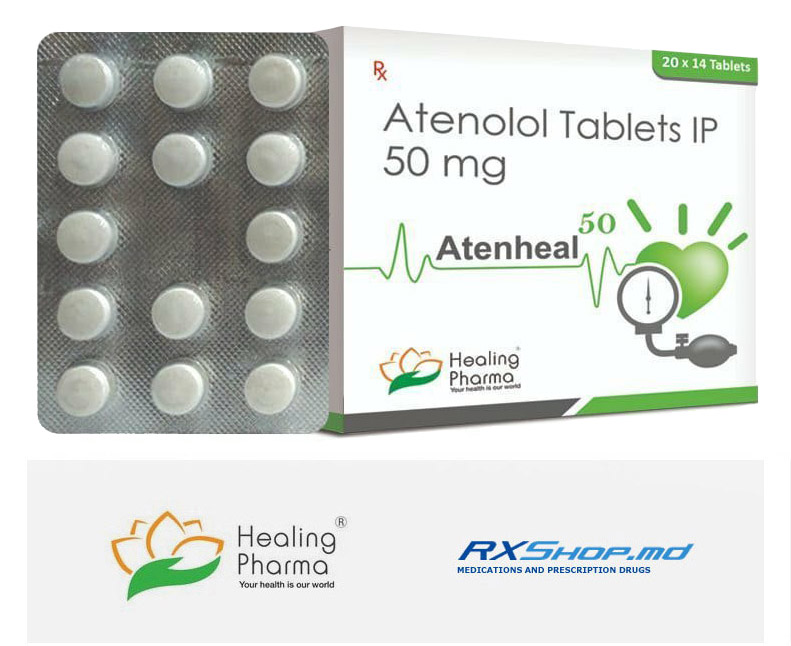
Atenheal is an affordable Indian generic of Atenolol manufactured to international quality standards — one of the most widely prescribed cardioselective beta-1 adrenergic receptor blockers globally. Atenheal provides the same therapeutic activity as the original branded Tenormin (AstraZeneca, originally ICI) at significantly lower cost. Atenolol was FDA-approved since 1981 as one of the foundational selective beta-blockers, and is listed on the WHO Model List of Essential Medicines. Its hydrophilic profile (does not cross blood-brain barrier readily) gives Atenolol a favorable side effect profile vs lipophilic beta-blockers — fewer CNS effects like depression and sleep disturbance.
The active ingredient is Atenolol, a selective beta-1 adrenergic receptor antagonist (cardioselective). Atenolol blocks beta-1 receptors predominantly in the heart, producing reduced heart rate (negative chronotropy), reduced contractility (negative inotropy), reduced cardiac output, and reduced renin secretion from kidney beta-1 receptors — collectively lowering blood pressure. The cardioselectivity makes Atenolol preferred over non-selective beta-blockers (Propranolol) in patients with concomitant asthma, COPD, or peripheral vascular disease at lower doses (selectivity is dose-dependent). Long half-life (~6-9 hours) supports once or twice daily dosing.
Atenheal is FDA-approved for hypertension, chronic stable angina pectoris, and post-myocardial infarction (long-term management). Off-label uses include atrial fibrillation rate control, supraventricular tachycardia, migraine prophylaxis, essential tremor, performance anxiety, thyroid storm/hyperthyroidism symptoms (sympathetic blockade), and alcohol withdrawal autonomic symptoms.
The medication is available as Atenheal 25 mg, 50 mg, and 100 mg tablets. Standard adult dosing for hypertension: start 25-50 mg once daily, max 100 mg/day. For angina: 50-100 mg once daily. Post-MI: 50-100 mg once daily. Atrial fibrillation rate control: 25-100 mg/day in divided doses. Renal dose adjustment for CrCl below 35 mL/min (Atenolol is renally cleared).
Critical safety considerations include DO NOT abruptly discontinue (rebound hypertension, MI, sudden death — taper over 1-2 weeks), bradycardia (monitor pulse), hypotension, AV heart block, heart failure exacerbation (caution in decompensated HF), bronchospasm risk (less than non-selective, but caution in asthma/severe COPD especially at high doses), masking of hypoglycemia symptoms in diabetics, cold extremities, fatigue, sexual dysfunction (less than other beta-blockers due to hydrophilic nature), depression. Drug interactions: verapamil, diltiazem (additive AV block), clonidine withdrawal, insulin (mask hypoglycemia).
Free prescription
Discrete packaging
Have questions?
Quality Assurance

- Chronic Stable Angina: FDA-approved for chronic stable angina pectoris — reduces myocardial oxygen demand;
- Post Myocardial Infarction (Post MI): FDA-approved for post-MI long-term management — mortality reduction;
- Atrial Fibrillation Rate Control: Off-label for atrial fibrillation rate control;
- Supraventricular Tachycardia: Off-label for supraventricular tachycardia (SVT);
- Migraine Prophylaxis: Off-label for migraine prophylaxis — established beta-blocker use;
- Essential Tremor: Off-label for essential tremor (Propranolol preferred but Atenolol effective);
- Performance Anxiety: Off-label for performance/social anxiety (situational use);
- Thyroid Storm: Off-label for thyroid storm and hyperthyroidism sympathetic symptoms;
- Hyperthyroidism Symptoms: For hyperthyroidism symptomatic relief (tachycardia, tremor, anxiety);
- Alcohol Withdrawal Autonomic: Off-label adjunct for alcohol withdrawal autonomic symptoms;
- Mild Moderate Hypertension: For mild to moderate hypertension;
- Hypertension With Tachycardia: Particularly effective in HTN with tachycardia/hyperdynamic circulation;
- Hypertension With Anxiety: Beneficial when HTN co-exists with anxiety symptoms;
- Hypertension Diabetes Selective: Cardioselective profile preferred in diabetic patients (over non-selective);
- Hypertension Asthma COPD Cautious: Cautious use in asthma/COPD due to cardioselectivity (at low doses);
- Aortic Dissection Adjunct: Off-label adjunct for aortic dissection BP/heart rate control;
- Long QT Syndrome Selective: Off-label selective use in long QT syndrome (Propranolol/Nadolol preferred);
- Anti Arrhythmic Class II: Class II antiarrhythmic effect for various tachyarrhythmias;
- Long Term CV Maintenance: Suitable for long-term cardiovascular maintenance therapy.
- Less Heart Rate: Effective heart rate reduction (negative chronotropy);
- Less Angina Symptoms: Significant reduction in angina pectoris symptoms;
- Better Anti-Anginal Effect: Reduces myocardial oxygen demand through HR and contractility reduction;
- Better Exercise Tolerance Angina: Improved exercise tolerance in patients with stable angina;
- Less Post-MI Mortality: Significant mortality reduction in post-MI patients (beta-blocker class benefit);
- Less Post-MI Reinfarction: Reduces risk of recurrent MI in post-MI patients;
- Less Sudden Cardiac Death: Reduces sudden cardiac death risk in post-MI patients;
- Better Heart Failure Outcomes Selective: Selective beta-blockers (Carvedilol/Bisoprolol preferred, Atenolol secondary);
- Less Atrial Fibrillation Rate: Off-label effective rate control in atrial fibrillation;
- Less SVT Episodes: Off-label reduction in supraventricular tachycardia episodes;
- Less Migraine Frequency: Off-label reduction in migraine frequency (prophylactic);
- Less Essential Tremor: Off-label reduction in essential tremor severity;
- Less Performance Anxiety: Off-label reduction in performance/social anxiety symptoms;
- Less Hyperthyroidism Symptoms: Effective symptomatic relief in hyperthyroidism (tachycardia, tremor, anxiety);
- Better Alcohol Withdrawal Control: Off-label reduction in alcohol withdrawal autonomic symptoms;
- Less CNS Side Effects vs Lipophilic Beta-Blockers: Hydrophilic profile (does not cross BBB) means less depression, sleep disturbance, nightmares vs Propranolol/Metoprolol;
- Less Sexual Dysfunction vs Other Beta-Blockers: Less sexual dysfunction vs other beta-blockers (hydrophilic);
- Better Daytime Function: Better daytime functioning vs lipophilic beta-blockers (less fatigue, less depression);
- Better Quality of Life: Substantial improvement in quality of life with effective BP/angina control;
- Brand Atenheal: Affordable Indian generic Atenolol with international quality manufacturing standards;
- Generic Atenolol: Affordable generic versions expand global access to cardioselective beta-blocker therapy;
- Tenormin Equivalent: Same Atenolol molecule as original AstraZeneca brand Tenormin with bioequivalent therapeutic profile;
- Cardioselective Beta 1 Blocker: Foundational cardioselective beta-1 adrenergic receptor blocker class;
- Beta 1 Adrenergic Receptor Antagonist: Selective beta-1 receptor antagonist — cardiac-focused beta-blockade;
- Negative Chronotropy Inotropy: Negative chronotropic and inotropic effects — reduces cardiac work;
- Hydrophilic Beta Blocker: Hydrophilic profile — does not cross BBB, less CNS side effects;
- Cardioselectivity Asthma COPD: Cardioselectivity makes it preferred over non-selective in asthma/COPD patients (at low doses);
- Anti Arrhythmic Class II: Class II antiarrhythmic effect for tachyarrhythmias;
- Reduces Renin Secretion: Reduces renin secretion from kidney beta-1 receptors — contributes to BP reduction;
- Once Daily Dosing Long Half Life: 6-9 hour half-life supports convenient once-daily dosing;
- Hypertension Established Therapy: Established antihypertensive therapy with 40+ years of clinical experience;
- Post MI Standard Therapy: Standard beta-blocker therapy for post-MI patients (mortality benefit);
- Angina Standard Therapy: Standard antianginal therapy for chronic stable angina;
- Indian Quality Manufacturing: Indian manufacturing meeting international quality and bioequivalence standards;
- WHO Essential Medicine: Listed on the WHO Model List of Essential Medicines for cardiovascular care;
- 40 Plus Year Clinical History: 40+ years of clinical use since 1981 — extensive global evidence base.
Generic Atenheal (Atenolol 50 mg) Medication guide:
📌 Atenheal at a Glance
Atenheal is a brand name for atenolol, a cardioselective (beta-1 selective) beta blocker used to control angina pectoris, reduce mortality after myocardial infarction, slow the heart rate in atrial fibrillation, dampen adrenergic symptoms in thyrotoxicosis, and (with important guideline caveats) treat hypertension. Cipla and other established Indian generic manufacturers supply the international market for atenolol in a range of tablet strengths.
This guide covers how atenolol's water-solubility and beta-1 selectivity distinguish it from lipophilic non-selective beta blockers like propranolol, why modern guidelines demoted atenolol as monotherapy first-line for uncomplicated hypertension while retaining it for angina, post-MI care, and rate control, and the specific safety concerns (bronchospasm risk in reactive airway disease, hypoglycaemia masking in insulin-treated diabetes, and the rebound syndrome that mandates never stopping abruptly) that shape counselling.
📌 Atenheal at a glance
| Generic name | Atenolol (not a prodrug; active as swallowed) |
| Drug class | Cardioselective beta-1 adrenergic receptor antagonist; hydrophilic (water-soluble) |
| Available strengths | 25 mg, 50 mg, and 100 mg tablets (Indian generic ranges commonly 25, 50, 100) |
| Route and dosing | Oral tablet, typically once daily; the effect on heart rate and blood pressure lasts 24 hours at doses of 50-100 mg once daily |
| FDA indications | Hypertension, angina pectoris, and acute myocardial infarction (hospital initiation followed by oral maintenance) |
| Signature pharmacokinetic feature | Water-soluble — minimal CNS penetration compared to lipid-soluble beta blockers; less association with nightmares, sleep disturbance, and CNS depression |
| Elimination | Predominantly renal — dose reduction required in significant renal impairment (section 23) |
| Critical stopping rule | Never stop abruptly — risks rebound tachycardia, hypertensive surge, and unmasking of latent angina; taper over 1-2 weeks (section 27) |
Three features distinguish atenolol among the beta blocker family. First, its beta-1 selectivity preferentially targets cardiac (rather than bronchial or vascular) beta receptors at usual therapeutic doses, which is why atenolol is often the choice when a beta blocker is needed in a patient with mild-to-moderate reactive airway disease. Second, its hydrophilicity keeps most of the drug outside the central nervous system, which distinguishes atenolol from propranolol (highly lipid-soluble, higher CNS side-effect burden). Third, its renal elimination means that dose adjustment is required in kidney impairment, which distinguishes atenolol from lipid-soluble beta blockers like metoprolol that undergo hepatic metabolism.
Some readers arrive here for a first atenolol prescription; others are established users returning for a specific detail. The sections are organised by topic and can be read individually.
💊 What Atenolol Is — The Water-Soluble Beta-1 Blocker
Atenolol is the biologically active molecule taken as the tablet — it is not a prodrug and requires no metabolic activation. Its water-solubility (hydrophilicity) is arguably its single most defining pharmacological feature and drives many of the practical differences between atenolol and other beta blockers.
💊 Atenolol pharmacokinetics at a glance
| Oral bioavailability | Approximately 40-50% (limited absorption is a class feature of water-soluble beta blockers) |
| Food effect | Food reduces absorption modestly; consistency of timing relative to meals matters more than fasted or fed timing |
| Solubility profile | Water-soluble (hydrophilic). Contrast: propranolol is highly lipid-soluble; metoprolol is intermediate; nadolol is water-soluble like atenolol |
| CNS penetration | Minimal — the hydrophilic profile keeps most drug out of the CNS; associated with lower rates of nightmares, sleep disturbance, and mood effects than propranolol |
| Protein binding | Low (approximately 3%) |
| Elimination half-life | 6-9 hours in normal renal function; extended in renal impairment (to 15-35 hours in ESRD) |
| Metabolism | Minimal hepatic metabolism (contrast: metoprolol is CYP2D6-metabolised and prone to genetic variation) |
| Excretion | Renal — approximately 85-90% eliminated unchanged in urine. This is the key pharmacokinetic driver of renal dose adjustment (section 23) |
Three features of atenolol's pharmacokinetics translate directly into practice. First, the hydrophilic profile is the reason atenolol is often chosen in patients who need a beta blocker but are worried about (or have experienced) CNS side effects. Vivid dreams, nightmares, and low mood are more strongly associated with lipophilic beta blockers like propranolol; atenolol produces these less often. Second, the predominantly renal elimination means atenolol accumulates when kidney function is impaired and the maintenance dose must be reduced accordingly. This contrasts with metoprolol (hepatically cleared) and shapes the choice in CKD patients. Third, the lack of important CYP metabolism keeps the drug interaction picture clean: pharmacodynamic interactions (rate slowing, hypotension) dominate over pharmacokinetic ones.
Why atenolol usually works fine at once-daily dosing
Atenolol's plasma half-life is only 6-9 hours in normal renal function, which might suggest twice-daily dosing. In practice, the beta-1 blockade at the receptor level outlasts plasma clearance sufficiently that once-daily dosing at 50-100 mg provides adequate 24-hour blood pressure and heart rate control for most patients. In heart-rate-critical settings (rate control in AF, symptomatic angina), twice-daily dosing may be used to smooth the trough effect.
🧬 The Sympathetic Nervous System and Beta-1 vs Beta-2 Receptors
The sympathetic nervous system uses noradrenaline (norepinephrine) and adrenaline (epinephrine) as its principal neurotransmitters. These catecholamines act at multiple adrenergic receptor subtypes; the two that matter most for cardiovascular pharmacology are beta-1 and beta-2. Understanding the split explains why cardioselective beta blockers behave differently from non-selective ones.
🧬 Beta-1 vs beta-2 receptor comparison
| Property | Beta-1 receptor | Beta-2 receptor |
|---|---|---|
| Dominant tissue location | Cardiac myocytes (both atria and ventricles); juxtaglomerular apparatus in the kidney | Bronchial smooth muscle; vascular smooth muscle in skeletal muscle beds; uterine smooth muscle; skeletal muscle glycogenolysis |
| Effect of activation | Increased heart rate (chronotropy), increased contractile force (inotropy), increased conduction velocity, renin release | Bronchodilation, vasodilation of skeletal muscle beds, uterine relaxation, hepatic and muscle glycogenolysis, tremor |
| Effect of blockade | Slower heart rate, lower cardiac output, reduced renin release, reduced myocardial oxygen demand | Bronchoconstriction (in susceptible airways), vasoconstriction (cold extremities), impaired glycogenolysis (blunted hypoglycaemia recovery), impaired tremor response (hypoglycaemia masking) |
Two features of the beta-1/beta-2 story are worth grasping firmly. First, beta-1 blockade produces the desired cardiovascular effects (slower rate, lower BP, lower myocardial oxygen demand). This is what makes atenolol useful for angina, hypertension, rate control, and post-MI care. Second, beta-2 blockade produces most of the unwanted effects (bronchoconstriction, cold hands and feet, impaired hypoglycaemia recovery). This is why cardioselective agents like atenolol — which target beta-1 preferentially — are safer than non-selective agents like propranolol in patients with reactive airway disease, diabetes, or peripheral vascular disease.
Cardioselectivity is not selectivity to the heart alone
Beta-1 receptors are the dominant cardiac subtype but they are also found in the kidney (where beta-1 blockade reduces renin release, contributing to the antihypertensive effect) and in adipose tissue. Cardioselectivity is more accurately described as beta-1 preference over beta-2 rather than a strict heart-only effect. This has practical consequences discussed in section 11.
🔬 How Atenolol Selectively Blocks Beta-1 — And What Cardioselectivity Really Means
Atenolol binds preferentially to beta-1 adrenergic receptors compared to beta-2. At usual therapeutic doses (25-100 mg once daily), the beta-1 versus beta-2 receptor occupancy ratio is favourable enough that atenolol is considered a cardioselective beta blocker. Understanding the practical consequences — and the limits — of this selectivity is worth a few minutes.
🔬 Where atenolol sits within the beta blocker family
| Property | Atenolol | Propranolol | Metoprolol | Carvedilol |
|---|---|---|---|---|
| Selectivity | Beta-1 selective | Non-selective | Beta-1 selective | Non-selective plus alpha-1 |
| Solubility | Water-soluble | Highly lipid-soluble | Lipid-soluble | Lipid-soluble |
| Elimination | Renal (unchanged) | Hepatic (CYP2D6, CYP1A2) | Hepatic (CYP2D6) | Hepatic (CYP2D6) |
| CNS side effects | Less common | More common | Intermediate | Intermediate |
| Bronchospasm risk | Lower (but not zero) | Higher | Lower (but not zero) | Higher |
| Heart failure evidence | Not first-line | Not established | First-line (MERIT-HF) | First-line (COPERNICUS, US Carvedilol) |
Two features of atenolol's pharmacology deserve emphasis. First, beta-1 selectivity is dose-dependent. At low doses (25-50 mg once daily), atenolol behaves like a selective beta-1 antagonist with minimal beta-2 activity. At higher doses (100 mg or more once daily), the beta-2 blockade grows and the safety advantages in asthma, COPD, diabetes, and peripheral vascular disease erode. This is the mechanistic reason low-dose atenolol is often preferred when a cardioselective effect is needed in a patient with airway concerns.
The heart failure evidence gap
Modern guidelines for heart failure with reduced ejection fraction recommend specific beta blockers with dedicated mortality-reduction trial evidence: bisoprolol, carvedilol, metoprolol succinate, and (in some jurisdictions) nebivolol. Atenolol does not have equivalent trial evidence in HFrEF and is not the recommended choice when starting a beta blocker specifically for heart failure. A patient established on atenolol for another indication who develops HFrEF is typically switched to one of the evidence-based agents rather than kept on atenolol.
Second, atenolol does not have intrinsic sympathomimetic activity (ISA). Some older beta blockers (pindolol, acebutolol) have partial agonist activity at the beta receptor, which produces less bradycardia at rest but has been associated with worse post-MI outcomes. Atenolol's lack of ISA is a favourable feature in secondary prevention.
🎯 Approved Uses — Hypertension, Angina, Post-MI, Rate Control
Atenolol's FDA-approved indications are hypertension, angina pectoris, and acute myocardial infarction. In practice, atenolol is also widely used for rate control in atrial fibrillation, symptomatic thyrotoxicosis, and (in some settings) migraine prophylaxis and performance anxiety, though the modern first-choice within the beta blocker class for some of these indications is not always atenolol.
| Indication | Typical starting dose | Usual maintenance range |
|---|---|---|
| Angina pectoris (stable and mild unstable) | 50 mg once daily | 50-100 mg once daily; up to 200 mg in refractory settings under specialist supervision |
| Post-myocardial infarction secondary prevention | 25-50 mg once daily (starting during hospital admission) | 50-100 mg once daily; continued indefinitely in most patients |
| Hypertension (specific settings) | 25-50 mg once daily | 50-100 mg once daily; second-line for uncomplicated HTN (see section 6) |
| Rate control in atrial fibrillation | 25-50 mg once daily | 50-100 mg once daily titrated to resting HR under 100 (ideally 70-90) bpm |
| Symptomatic thyrotoxicosis | 25-50 mg once daily (as an adjunct to antithyroid or definitive therapy) | Titrate to control resting tachycardia and tremor; typically 50-100 mg |
Post-MI use — the durable evidence base
Atenolol has been used post-myocardial infarction since the 1980s, and the class evidence for beta blocker mortality reduction in the first 1-3 years after MI (BHAT and successors) remains a class I recommendation in current American Heart Association secondary prevention guidelines. In modern practice, the specific beta blocker choice post-MI is often bisoprolol, carvedilol, or metoprolol succinate (particularly if HFrEF is present), but atenolol remains a legitimate option and a common one in international practice.
Two features of the indication list are worth understanding. First, the angina indication is where atenolol shines: the reduction in heart rate reduces myocardial oxygen demand, and the once-daily dosing suits a chronic ambulatory patient. Second, the hypertension indication is context-dependent. As section 6 explains, atenolol is second-line for uncomplicated hypertension in modern guidelines but a very reasonable first-line choice when hypertension coexists with angina, prior MI, or the need for rate control — because one drug covers two indications.
📉 Why Guidelines Demoted Atenolol as First-Line Antihypertensive
Atenolol was a first-line antihypertensive for decades, and it still lowers blood pressure effectively. But in the mid-2000s, two landmark trials and a meta-analysis prompted guideline bodies (most prominently NICE in the UK) to demote atenolol as monotherapy for uncomplicated hypertension. Understanding why is important because it explains where atenolol still belongs and where it does not.
📉 The three studies that shifted guideline thinking
| Study | Comparison | Key finding |
|---|---|---|
| LIFE (2002) | Losartan- vs atenolol-based treatment in hypertension with LVH | Losartan reduced stroke by approximately 25% compared to atenolol at equivalent BP reduction |
| ASCOT-BPLA (2005) | Amlodipine-perindopril vs atenolol-thiazide in hypertension | Amlodipine-perindopril reduced cardiovascular events by approximately 16% compared to atenolol-thiazide; stopped early for benefit |
| Lindholm meta-analysis (2005) | Pooled beta-blocker vs other-class outcomes in hypertension | Beta-blocker-based therapy reduced stroke less effectively than other classes at equivalent BP; particularly with atenolol |
Two features of the demotion story are worth understanding. First, the demotion was evidence-based, not ideological. It reflected the specific finding that atenolol at equivalent blood pressure reduction produced worse cardiovascular outcomes than newer-class alternatives. The likely mechanism is that atenolol's blood-pressure-lowering effect at the brachial artery does not translate as effectively to central aortic pressure reduction, and central aortic pressure is what matters most for stroke and left ventricular hypertrophy. Second, the demotion applies to uncomplicated hypertension only. When hypertension coexists with angina, prior MI, atrial fibrillation needing rate control, or symptomatic thyrotoxicosis, atenolol remains a very reasonable choice because it addresses two problems with one drug.
Dr Rasmussen-Norgaard on the guideline shift
"The 2006 NICE decision to move beta blockers off first-line for uncomplicated hypertension was one of the more instructive guideline updates of the last twenty years. It was not a rejection of atenolol as a medicine — atenolol is still very much on the formulary and used every day — but a recognition that at equivalent brachial BP the newer-class alternatives produced better hard outcomes. In our elderly hypertension practice we still prescribe atenolol regularly, but specifically for patients who also have angina, atrial fibrillation, or post-MI status — not as monotherapy for isolated hypertension."
Ingrid S. Rasmussen-Norgaard, MD, DMSc — Department of Cardiology, Aarhus University Hospital, Denmark
The practical upshot for a modern atenolol prescription in hypertension: when the primary reason for the beta blocker is uncomplicated blood pressure control, ACE inhibitors, ARBs, calcium channel blockers, and thiazides are usually preferred. When the beta blocker is being given for angina, post-MI, rate control, or thyrotoxicosis and the patient also has hypertension, atenolol comfortably covers both.
📆 Tablet Strengths and Titration Schedule
Atenolol tablets in the Indian generic supply come in 25 mg, 50 mg, and 100 mg strengths. The range covers all indications from initial post-MI dosing to full anti-anginal maintenance.
📆 Titration for angina pectoris
- Start: 50 mg once daily.
- Review at 1-2 weeks: resting heart rate, angina frequency and severity, exercise tolerance.
- Titrate up if angina persists: to 100 mg once daily; some patients need 200 mg (either as 100 mg twice daily or once daily) under specialist supervision.
- Target resting heart rate: 55-65 bpm at rest, and less than 100 bpm at reasonable submaximal exertion, is the physiological aim for anti-anginal beta blockade.
Titration for post-MI, rate control, and hypertension
- Post-MI: start 25-50 mg during hospital stay; titrate to 50-100 mg once daily as tolerated.
- Rate control in AF: start 25-50 mg once daily; titrate to resting HR 70-90 bpm and less than 110 bpm on modest exertion; twice-daily may smooth trough.
- Hypertension (when atenolol chosen for the specific indication mix): 25-50 mg once daily initial; up to 100 mg maintenance.
- Thyrotoxicosis: 25-50 mg once daily; titrate to control resting tachycardia and tremor; usually reduced or stopped once definitive antithyroid therapy achieves euthyroid state.
Two features of atenolol titration are worth understanding. First, the therapeutic target is a heart rate, not just a blood pressure. In angina and rate control, the resting heart rate is the physiological endpoint that best reflects adequacy of beta-1 blockade. Aiming for a specific home resting HR (typically 55-70 bpm at rest in angina) improves outcome relative to titrating on BP alone. Second, the dose ceiling matters. Above 100 mg once daily, the beta-2 blockade grows and the safety advantages in reactive airway disease, diabetes, and peripheral vascular disease erode. Higher doses are reserved for angina refractory to other measures, and only under specialist supervision.
A note on dose timing
Atenolol is taken at approximately the same time each day. Morning dosing is the default and matches the natural morning heart rate surge, which is when angina attacks are most common. Evening dosing is acceptable and sometimes preferred if the patient has evening or nocturnal symptoms. Consistency matters more than the specific time, and once a routine is set it should be maintained.
▶️ Starting Atenheal — First-Dose Considerations
Starting atenolol is generally straightforward and less symptomatic than starting an ACE inhibitor or ARB. The first-dose considerations centre on avoiding excessive bradycardia in patients whose baseline heart rate is already low, and avoiding acute bronchospasm in patients with reactive airway disease.
🚩 PATIENTS WHO NEED SPECIALIST ASSESSMENT BEFORE STARTING ATENOLOL
- Resting heart rate below 60 bpm at baseline without an obvious explanation.
- Any degree of atrioventricular block on the baseline ECG beyond first-degree AV block.
- Systolic blood pressure below 100 mmHg without an obvious cause.
- Decompensated heart failure or acute pulmonary oedema.
- Severe or unstable asthma, active bronchospasm, or a history of near-fatal asthma.
- Severe peripheral arterial disease with rest pain or critical limb ischaemia.
- Untreated phaeochromocytoma — alpha blockade must precede beta blockade to prevent a hypertensive crisis.
Practical initiation measures
- Baseline ECG if the resting heart rate is below 65 bpm, if there is any history of conduction disease, or if there is any doubt about baseline rhythm.
- Start at 25 mg once daily if there is any reason for caution — borderline HR, mild reactive airway history, elderly, or renal impairment.
- Review in 1-2 weeks with baseline HR, BP, and (in reactive airway disease) any subjective sense of increased wheeze or shortness of breath.
- Counsel on the never-stop-abruptly rule at the first prescription (section 27). This is the single most important safety point for any beta blocker.
- Counsel on cold extremities, exercise fatigue, and the potential for reduced exercise tolerance in the first few weeks.
Two features of first-dose considerations deserve emphasis. First, symptomatic hypotension is uncommon at atenolol initiation compared to first-dose hypotension on ACE inhibitors or ARBs. The blood pressure fall is gradual over days rather than acute. Second, the specific safety net conversation about never stopping abruptly is best had at the very first prescription. Waiting until the patient is stable to have this conversation misses the window when the patient is most attentive to a new medication.
⏰ Missed Dose Handling
Missed doses on atenolol matter more than on some other antihypertensives because abrupt cessation of any beta blocker can produce rebound tachycardia and unmask angina (section 27). A single missed dose is unlikely to trigger this, but the underlying principle — that beta blockers must not be stopped suddenly — makes consistent daily dosing more important than for classes without a withdrawal syndrome.
⏰ What to do about a missed dose
| Realised within a few hours | Take the missed dose as soon as remembered. Continue the next scheduled dose at usual time. |
| Realised the next day | Skip the missed dose. Take the next scheduled dose at usual time. Do not double up (risk of bradycardia and hypotension). |
| Missed two or three doses in a row | Resume the usual dose. Contact the prescriber if the drug is being taken for angina and there is any resurgence of chest pain. |
| Missed a week or more | Do not simply resume the full dose — this is a partial re-initiation. Contact the prescriber. In an angina or post-MI patient, a graded resumption may be needed to avoid rebound. |
Two features of missed dose management are worth understanding. First, the double-up rule is particularly important on atenolol because a doubled dose can produce symptomatic bradycardia (dizziness, faintness, exercise intolerance) that outlasts the next 24-hour window. Second, a week or more of missed doses is a partial withdrawal, not a routine missed dose. Resuming the full dose after such a gap is not the same clinical situation as a single missed dose, and prescriber input is worth seeking.
Building the daily habit
Adherence to atenolol is particularly important because both under-dosing (rebound risk) and over-dosing (bradycardia) matter. Practical measures include: pairing the dose with an established morning routine (breakfast, brushing teeth), using a weekly pill organiser, and setting a phone reminder. If the patient has multiple daily medications, once-daily atenolol is a useful anchor.
🔗 Common Drug Interactions on Atenolol
Atenolol has a relatively clean drug interaction profile because it is not extensively metabolised by CYP enzymes. The important interactions are pharmacodynamic — drugs that also affect heart rate, conduction, blood pressure, or bronchial tone — rather than pharmacokinetic.
| Interaction category | Examples | Practical implication |
|---|---|---|
| Non-dihydropyridine calcium channel blockers | Verapamil, diltiazem | Additive rate-slowing and negative inotropy; combination generally avoided or used only under specialist supervision with ECG monitoring |
| Dihydropyridine calcium channel blockers | Amlodipine, felodipine, nifedipine ER | Combination is common and useful; complementary mechanisms; watch for excessive BP fall or reflex tachycardia at initiation |
| Digoxin | Rate control in AF or HFrEF | Additive AV nodal slowing; useful combination in rate control but ECG monitoring needed at initiation |
| Antiarrhythmics (Class I and III) | Amiodarone, sotalol, flecainide | Additive bradycardia and QT effects; specialist-supervised combinations |
| Clonidine and other alpha-2 agonists | Clonidine for HTN or opiate withdrawal | Do not stop clonidine abruptly while on atenolol — risk of severe rebound hypertension |
| Chronic NSAIDs | Ibuprofen, diclofenac at anti-inflammatory doses | Reduce beta blocker BP-lowering effect via renal prostaglandin inhibition |
| Beta-2 agonist bronchodilators | Salbutamol, salmeterol, formoterol | Mechanistically opposing effects on bronchial tone; not a contraindication but low-dose cardioselective atenolol used with careful respiratory monitoring in specific situations |
| Insulin and sulfonylureas | Diabetes treatment | Hypoglycaemia awareness may be blunted (section 21); glucose monitoring more critical |
Two features of the interaction picture deserve emphasis. First, the verapamil-diltiazem combination is potentially serious: both agents slow AV conduction and reduce contractility, and the combination can precipitate profound bradycardia, heart block, or acute heart failure. This combination is one of the most consequential to catch on medication reconciliation. Second, the clonidine withdrawal interaction is a specific hazard: a patient on both atenolol and clonidine who suddenly stops the clonidine can develop a severe rebound hypertensive crisis, because the alpha-2 receptor mediated central sympathoinhibition is abruptly removed while beta blockade continues to allow unopposed alpha-1 vasoconstriction.
Questions worth asking at the pharmacy
When collecting any new prescription while on Atenheal, useful pharmacy questions are: "does this affect heart rate?", "does this affect AV conduction?", and "does this affect airway tone?" A single-visit conversation of three questions captures the majority of interactions worth flagging.
🍃 Why Beta-1 Cardioselectivity Is Relative, Not Absolute
Cardioselectivity is one of the most useful features of atenolol, but it is worth understanding what the word actually means, because it is often taken to imply a safety margin that is larger than it really is. Beta-1 selectivity is relative: at low doses, atenolol acts mainly on beta-1 receptors; at higher doses, beta-2 blockade grows, and the safety advantages in reactive airway disease, diabetes, and peripheral vascular disease erode.
🍃 Dose-dependent selectivity in practical terms
| Dose | Beta-1 preference | Practical implication |
|---|---|---|
| 25 mg once daily | Strong preference for beta-1 | Minimal beta-2 blockade; often tolerated in mild reactive airway disease under respiratory-physician supervision |
| 50 mg once daily | Preference for beta-1 preserved | Common maintenance dose; cardioselective advantage retained for most patients |
| 100 mg once daily | Beta-1 preference reduced | Beta-2 blockade becomes clinically detectable; safety margin in reactive airway disease narrows |
| 200 mg once daily | Effectively non-selective | Cardioselective advantage largely lost; not the choice when a beta-2 concern exists |
Dr El-Sharkawi-Rashid on airway safety at low-dose atenolol
"In our pulmonary practice we see the appropriate use case for low-dose cardioselective atenolol in a patient with mild-to-moderate stable asthma or well-controlled COPD who needs beta blockade for a legitimate cardiac indication. The Cochrane meta-analysis by Salpeter and colleagues supports this cautious approach: low-dose cardioselective beta blockers do not usually produce clinically significant bronchospasm in mild reactive airway disease. What we do not endorse is high-dose atenolol in the same population, or any dose of atenolol in severe or unstable asthma."
Fatima A. El-Sharkawi-Rashid, MBBCh, MSc, MD (Pulmonology) — Cairo University Faculty of Medicine, Department of Chest Diseases
Two features of the relative-selectivity story deserve emphasis. First, selectivity is a spectrum, not a switch. Even at low doses, atenolol has some beta-2 activity; the question is whether that residual activity is clinically detectable in the specific patient in front of the prescriber. Second, the lowest effective dose is the right dose in patients with airway or diabetes concerns. The temptation to escalate to a fixed 100 mg dose when 50 mg would achieve the therapeutic aim should be resisted in the patient population where beta-2 blockade matters.
🫀 Bradycardia and Heart Block Surveillance
Bradycardia is the direct pharmacological consequence of atenolol at the sinoatrial and atrioventricular nodes. Some slowing is therapeutic (in angina and rate control it is what makes the drug work); excessive slowing produces symptoms and rarely provokes serious conduction disturbances.
🫀 Practical bradycardia thresholds on atenolol
| Resting HR 55-70 bpm | Therapeutic target in angina and rate control; do not adjust |
| Resting HR 45-55 bpm, asymptomatic | Common in fit patients and elderly; watchful monitoring rather than dose reduction |
| Resting HR below 45 bpm, asymptomatic | Review dose; consider ECG to exclude conduction disease |
| Symptomatic bradycardia at any HR | Dizziness, faintness, exercise intolerance — contact prescriber; usually a dose reduction is sufficient |
| Syncope, near-syncope, or new heart block | Urgent medical review; ECG; possible temporary drug discontinuation with taper if the situation allows, or specialist-led acute management if not |
Baseline ECG scenarios that need attention
- First-degree AV block (PR interval above 200 ms): usually acceptable to start atenolol with careful HR monitoring.
- Mobitz Type I second-degree AV block: caution; specialist review before starting.
- Mobitz Type II second-degree AV block or complete heart block: contraindication in the absence of a pacemaker.
- Sick sinus syndrome without a pacemaker: contraindication.
- Bundle branch block alone: not a contraindication.
Two features of bradycardia management on atenolol are worth understanding. First, asymptomatic bradycardia is generally acceptable. A resting heart rate of 50 bpm in a patient with angina is the drug doing its job. Second, the combination of atenolol with another rate-slowing drug (verapamil, diltiazem, digoxin, amiodarone) is where serious bradycardia and heart block are most likely to develop. Any patient starting a second rate-slowing agent while on atenolol deserves an ECG within 1-2 weeks.
🧊 Cold Extremities and Peripheral Circulation Effects
Cold hands and feet are one of the most commonly noticed side effects on atenolol. The mechanism is beta-2 blockade in the vascular smooth muscle of the skeletal muscle vascular bed (and, less directly, cutaneous vessels), which reduces the vasodilator response to sympathetic activation and produces the characteristic feeling of persistently cool extremities.
🧊 Peripheral circulation effects on atenolol
| Cold hands and feet | Common (10-20%); dose-related; usually a nuisance rather than a safety concern; more pronounced in winter climates |
| Raynaud phenomenon | Can be triggered or worsened; not an absolute contraindication but caution; sometimes an alternative agent is preferred |
| Peripheral arterial disease (PAD) | Mild-moderate PAD: use with caution; monitor for worsening claudication distance. Critical limb ischaemia: usually contraindicated |
| Increased claudication distance shortening | Reported but modest; often outweighed by cardiac benefit in patients with concomitant angina or post-MI status |
| Prinzmetal (variant) angina | Beta blockers including atenolol can precipitate coronary vasospasm and worsen variant angina; contraindicated in confirmed cases |
Practical mitigation for cold extremities
Gloves and warm socks in winter climates, avoiding prolonged exposure to cold, and adequate ambient warmth address the discomfort without changing the drug. In patients where the cold extremity effect is intolerable, a switch to a beta blocker with vasodilating properties (carvedilol, nebivolol) or to a different antihypertensive class may be considered. Dose reduction (100 mg to 50 mg) also helps in many cases.
Two features of the peripheral circulation picture are worth understanding. First, the cold extremity effect is dose-related and reversible: reducing the dose reduces the effect, and stopping the drug (via taper) resolves it. Second, Prinzmetal (variant) angina is a specific contraindication: in this uncommon form of angina, coronary vasospasm rather than fixed atherosclerotic obstruction is the mechanism, and beta blockade can precipitate rather than relieve the attack. The distinction from classical stable angina is made clinically and on catheter provocation testing when needed.
💓 Home Heart Rate and Blood Pressure Monitoring
Home heart rate monitoring is more useful on atenolol than on many other antihypertensives, because the heart rate is a direct physiological readout of beta-1 blockade adequacy. Home BP monitoring adds the standard antihypertensive information.
💓 A practical home monitoring routine on atenolol
- Resting heart rate: seated at rest for 5 minutes, use a validated wrist pulse (or the pulse function on the home BP cuff), morning and evening.
- Blood pressure: standard technique — seated, feet flat, back supported, cuff at heart level, 5 minutes rest, two readings a minute apart.
- Log for a week before the office review; discard the first day's readings and average the rest.
- Bring the log to the appointment or use a home BP app that the prescriber can review.
- In angina, additionally note any episodes of chest discomfort, their frequency, and their trigger; the anti-anginal aim is fewer or absent episodes.
Home HR targets by indication
| Angina pectoris | Resting HR 55-65 bpm; low submaximal exertion HR under 100 bpm |
| Post-MI secondary prevention | Resting HR 55-70 bpm |
| Rate control in AF | Resting HR under 100 bpm (ideally 70-90); modest-exertion HR under 110 bpm |
| Hypertension monotherapy | HR target is not the driver; the BP target is (under 135/85 mmHg home in most patients) |
Two features of home monitoring on atenolol deserve emphasis. First, the heart rate reading is diagnostic of adherence: a patient on 100 mg atenolol whose home resting HR is 82 bpm is very likely missing doses (or has an interacting factor that has changed). Second, combining heart rate with symptom notes closes the therapeutic loop: a patient whose angina is well controlled at a resting HR of 55 has reached the physiological aim; a patient whose angina persists despite a resting HR of 55 needs additional or alternative therapy rather than more atenolol.
🩸 Kidney Function and Renal Clearance of Atenolol
Atenolol's predominantly renal excretion (approximately 85-90% eliminated unchanged in urine) is one of its defining pharmacokinetic features and shapes the practical approach to renal impairment. In patients with normal kidney function, the standard doses apply. In patients with meaningful renal impairment, dose reduction and monitoring intensity increase to avoid accumulation.
🩸 Half-life extension in renal impairment
| Renal function | Atenolol half-life | Practical consequence |
|---|---|---|
| Normal (eGFR above 60) | 6-9 hours | Standard once-daily dosing |
| Moderate impairment (eGFR 30-60) | 12-18 hours | Standard dose or halved dose depending on age and baseline BP; monitor for bradycardia |
| Severe impairment (eGFR 15-30) | 18-30 hours | Halved dose or alternate-day dosing; specialist input |
| End-stage renal disease | 15-35 hours; dialysis removes atenolol | Post-dialysis dosing typically preferred; consider alternative beta blocker (metoprolol is hepatically cleared) |
Why the beta blocker choice matters in CKD
Atenolol's renal clearance means dose adjustment in CKD. Metoprolol is hepatically cleared and does not need renal dose adjustment. Bisoprolol is intermediate (both hepatic and renal). Carvedilol is hepatically cleared. In a CKD patient starting a beta blocker de novo, the balance between atenolol's water-solubility advantages (less CNS penetration) and the renal dose adjustment burden is worth thinking through with the specialist.
Two features of the renal picture are worth remembering. First, the accumulation risk on standard doses is real: an elderly patient with eGFR 40 who is prescribed 100 mg once daily can develop symptomatic bradycardia and hypotension over 2-4 weeks as steady state accumulates. Starting lower (25-50 mg) and titrating with monitoring is the safer approach. Second, the dialysis situation is specific: atenolol is dialysable, so patients on haemodialysis typically take their dose after dialysis to avoid the drug being removed. Individualised nephrology guidance covers the details.
🚨 Warning Signs — When to Seek Care Without Stopping Abruptly
Most Atenheal users have an uneventful course over years. When warning signs do appear, the critical principle is that atenolol must not be stopped abruptly — the response to a warning sign is usually to seek medical review, not to stop the drug on the patient's own initiative.
🚨 SEEK URGENT MEDICAL CARE FOR
- Syncope or near-syncope, particularly if not clearly postural.
- Resting heart rate below 40 bpm, particularly with symptoms.
- Severe bronchospasm or new-onset wheeze that does not respond to usual inhaler use.
- New or worsening shortness of breath, orthopnoea, or lower limb oedema — possible decompensated heart failure.
- Chest pain that is new or clearly worse in an angina patient.
- Signs of severe hypoglycaemia (confusion, seizure, coma) in an insulin- or sulfonylurea-treated diabetic (section 21).
Do not abruptly stop atenolol on your own initiative. If a warning sign requires drug cessation, the prescriber will arrange a supervised approach.
⚠️ Contact the prescriber the same or next day for
- Persistent dizziness or lightheadedness beyond the first week.
- Home resting HR persistently below 50 bpm even if asymptomatic.
- Home BP persistently below 100/60 mmHg.
- Progressive exercise intolerance or fatigue.
- New or worsening depression symptoms (uncommon with atenolol given its low CNS penetration, but recognised).
- New medication starts elsewhere that affect heart rate, conduction, or airway tone.
Two features of the warning-sign framework are worth reinforcing. First, the never-stop-abruptly principle applies to the patient as well as to elective withdrawal. If a warning sign appears, the goal is medical review and (if needed) supervised taper, not self-directed cessation. Second, the beta blocker cover in angina and post-MI is protective: stopping it abruptly can precipitate an angina episode, a hypertensive rebound, or, rarely, a myocardial infarction. Section 27 covers the rebound syndrome in detail.
🩹 Common Side Effects in the First Three Months
Most atenolol side effects are mild, dose-related, and settle within the first weeks of therapy. This section describes what is common, what is expected to fade, and what warrants review.
🩹 Common atenolol side effects with expected trajectory
| Effect | Typical onset | Expected trajectory |
|---|---|---|
| Fatigue and reduced exercise tolerance | First 2-6 weeks | Usually settles as fitness adapts to lower peak HR; if persistent, dose review |
| Cold hands and feet | First month | Ongoing while on drug; dose-related; mitigated by warmth and gloves |
| Bradycardia | First 2 weeks | Dose-related; asymptomatic is often therapeutic; symptomatic needs dose review |
| Dizziness on standing | First week | Usually settles; rise slowly from lying and sitting until it does |
| Depression or low mood | Variable | Less common with atenolol than lipophilic beta blockers; if new-onset, review |
| Sleep disturbance and vivid dreams | Variable | Much less common than with propranolol; if present, dose timing shift or alternative agent |
| Bronchospasm or new wheeze | Variable, sometimes with a trigger | Uncommon at low-dose cardioselective use; if present, prescriber contact same day |
| Reduced libido and erectile dysfunction | Weeks-months | Reported at rates modestly above placebo; discuss with prescriber; sometimes an alternative agent helps |
Where atenolol's side-effect profile helps
Compared to lipophilic beta blockers like propranolol, atenolol produces fewer CNS side effects (nightmares, vivid dreams, mood disturbance) because it penetrates the CNS less. Compared to non-selective beta blockers, atenolol produces fewer beta-2 mediated effects (bronchospasm, cold extremities) at low doses. These are the specific reasons atenolol is chosen when a patient has a specific concern about one of these adverse effect categories.
Two features of side-effect management deserve emphasis. First, the first two to six weeks are the highest-yield period. Effects that settle in this window rarely need dose change; effects that persist warrant review. Second, the fatigue and exercise-intolerance effect on atenolol has a specific character: patients describe reaching a lower peak heart rate on exertion and running out of energy sooner. In sedentary patients this is unimportant; in physically active patients it can be a decisive factor in switching classes.
❤️ Anti-Anginal and Post-MI Benefits Beyond Blood Pressure
Atenolol's cardiovascular benefits go well beyond simple blood pressure reduction. In angina and post-MI care, the drug's mechanistic action on heart rate, contractility, and myocardial oxygen demand produces outcome benefits that are the reason beta blockers earn their place in secondary prevention.
❤️ Documented outcome benefits with atenolol or the beta-1 selective class
| Outcome | Population | Evidence base |
|---|---|---|
| Angina symptom reduction | Stable and mild unstable angina | Multiple randomised trials; direct effect on myocardial oxygen demand |
| Post-MI mortality reduction | Post-myocardial infarction (first 1-3 years) | BHAT, Norwegian Multicentre Study, class effect; class I secondary prevention recommendation |
| Rate control in atrial fibrillation | Persistent or permanent AF | Direct pharmacological effect at the AV node; guideline-supported first-line rate-control agent |
| Symptomatic control in thyrotoxicosis | Adjunct to antithyroid therapy or definitive treatment | Direct adrenergic-symptom control; controls tachycardia and tremor while antithyroid therapy works |
| Prevention of migraine attacks | Migraine prophylaxis | Modest evidence; propranolol has the stronger dedicated evidence base but atenolol is used in patients with concurrent hypertension |
| Preoperative rate control | Selected patients with known coronary disease | Continue if established; do not start acutely (POISE evidence of harm from acute perioperative initiation) |
Dr Fitzherbert-Winslow on atenolol's continuing angina role
"When a patient asks why they are on atenolol in 2026 rather than a newer drug, the honest answer for angina is that the mechanism is exactly right for what we are trying to achieve: reduce heart rate at rest and on exertion, lower contractility, extend diastolic filling time, and reduce myocardial oxygen demand. Newer agents do not do this job better. Where atenolol has genuinely been displaced is in uncomplicated hypertension monotherapy; for angina, post-MI care, and rate control, atenolol remains an entirely legitimate first choice."
Cornelius J. Fitzherbert-Winslow, MD, FACC, FSCAI — Duke Heart Center, Duke University Medical Center, Durham NC
Two features of the benefit picture are worth understanding. First, the anti-anginal effect is direct and dose-related: each dose reduction in resting heart rate translates into reduced myocardial oxygen demand and fewer angina episodes at a given exertion. Second, the post-MI mortality reduction is a class effect that atenolol shares even if the specific modern first choices (bisoprolol, carvedilol, metoprolol succinate) have more contemporary trial evidence.
🌊 Rate Control in Atrial Fibrillation
Atrial fibrillation with a rapid ventricular response is one of atenolol's common indications outside its labelled uses. Beta blockade at the atrioventricular node slows conduction and reduces the ventricular rate, which is the immediate goal of rate control.
🌊 Rate control targets and approach
| Resting HR target | Under 100 bpm as a minimum; often 70-90 bpm is the practical target |
| Exertional HR target | Under 110 bpm on modest exertion (climbing stairs, walking briskly) |
| Strict vs lenient rate control | RACE-II trial suggests lenient control (resting HR under 110) is non-inferior to strict control for many endpoints in stable AF; practical aim is symptomatic control |
| Home HR check | Radial pulse count for 30 seconds twice a day is sufficient; some home BP cuffs report HR |
| Combination with digoxin | Useful in patients who cannot reach target on atenolol alone; watch for AV block; particularly effective at rest, less so on exertion |
Anticoagulation is a separate decision
Rate control with atenolol reduces symptoms and improves diastolic filling, but it does not reduce stroke risk. Atrial fibrillation carries a stroke risk that depends on CHA2DS2-VASc score, not on whether the rate is controlled. Any patient in AF on atenolol should also have their anticoagulation status reviewed — usually a DOAC (direct oral anticoagulant) or warfarin based on individual bleeding and thrombosis risk.
Two features of rate control use are worth understanding. First, rate control is not rhythm control: atenolol slows the ventricular response but does not restore sinus rhythm in most patients. The decision between a rate-control strategy (accept AF, slow the ventricle) and a rhythm-control strategy (restore sinus rhythm with cardioversion, antiarrhythmics, or ablation) depends on symptoms, LV function, and patient preference. Second, the exertional HR often escapes rate control before the resting HR does: a patient whose resting home HR is 78 bpm may still climb to 130 bpm on a flight of stairs. The dose adjustment target is symptomatic tolerance across the day, not a single resting number.
🌤️ Symptomatic Thyrotoxicosis Use
Thyrotoxicosis (the clinical syndrome of excess thyroid hormone action, usually from Graves' disease, toxic nodular goitre, or thyroiditis) produces adrenergic symptoms — tachycardia, tremor, sweating, anxiety, and heat intolerance — that are mediated in large part by increased sensitivity of beta-1 receptors to circulating catecholamines. Beta blockade with atenolol addresses these symptoms directly while definitive therapy (antithyroid drugs, radioactive iodine, or thyroidectomy) works over weeks to months.
🌤️ Thyrotoxicosis symptom control with atenolol
- Resting sinus tachycardia: usually the first symptom to respond; atenolol brings HR under 100 bpm within days.
- Fine tremor: reduced by beta blockade (predominantly a beta-2 effect on skeletal muscle, so propranolol is sometimes preferred if tremor is disabling).
- Anxiety and adrenergic overactivity: dampened.
- Palpitation awareness: reduced.
- Atrial fibrillation with rapid ventricular response (common in thyrotoxic AF): atenolol provides rate control.
- Weight loss, heat intolerance, sweating: not directly addressed by atenolol; these need definitive antithyroid therapy.
Thyroid storm caution
Thyroid storm is a life-threatening decompensation of thyrotoxicosis with high fever, extreme tachycardia, and multi-organ dysfunction. Beta blockade is a critical component of thyroid storm management (usually propranolol IV rather than atenolol), but a patient with impending storm needs specialist emergency management, not outpatient atenolol titration. Atenolol's role is in the outpatient symptomatic thyrotoxicosis of ambulatory patients working toward definitive treatment.
Two features of thyrotoxicosis use are worth understanding. First, the beta blocker is symptomatic, not curative: atenolol makes the patient feel better but does not treat the underlying overproduction of thyroid hormone. Definitive treatment (antithyroid drugs, radioiodine, or surgery) is still needed. Second, the atenolol dose is usually tapered as euthyroidism is achieved: once antithyroid therapy has restored normal thyroid hormone levels, the adrenergic symptom driver disappears, and continued beta blockade is unnecessary. Stopping is a supervised taper (section 27), not abrupt cessation.
🍬 Diabetes and the Hypoglycaemia Masking Concern
Beta blockers including atenolol carry a specific and clinically important concern in patients with diabetes on insulin or sulfonylurea therapy: the adrenergic warning symptoms of hypoglycaemia (tremor, palpitations, anxiety) are blunted by beta blockade, while some effects that do not depend on adrenergic outflow (sweating) are preserved. This means a hypoglycaemic episode can progress further before the patient notices it.
🍬 HYPOGLYCAEMIA AWARENESS ON ATENOLOL — PRACTICAL POINTS
- Warning symptoms blunted: tremor, palpitations, anxiety, tachycardia.
- Warning symptoms preserved: sweating, hunger, confusion, altered level of consciousness.
- Recovery may be delayed: beta-2 blockade impairs hepatic and muscle glycogenolysis, slowing the intrinsic glucose-recovery mechanism.
- Risk is highest in insulin-treated Type 1 diabetes, moderate in insulin-treated Type 2 diabetes, and lower in Type 2 diabetes on metformin or newer non-hypoglycaemia-inducing agents.
Dr Chandrasekhar-Iyer on beta blockade in insulin-treated diabetes
"When atenolol is genuinely needed in an insulin-treated diabetic — for angina, post-MI care, or rate control — we do not withhold it, because the cardiovascular benefit is substantial. What we do is intensify glucose monitoring, adjust insulin regimens toward less aggressive targets in the first weeks, and educate the patient and family about the preserved warning symptom of sweating. In our AIIMS Bhubaneswar diabetes practice this conversation is a routine part of starting a beta blocker in a diabetic patient, and the framing is not 'this drug is dangerous' but 'this drug requires you to check glucose more carefully during transitions.'"
Vibhuti R. Chandrasekhar-Iyer, MBBS, MD, DM (Endocrinology) — Department of Endocrinology, AIIMS Bhubaneswar
Practical measures for the diabetic patient starting atenolol
- Increase glucose monitoring frequency in the first 2-4 weeks of atenolol therapy and after any dose change.
- Adjust glucose targets slightly higher (fasting 7-8 mmol/L rather than 5-6 mmol/L) during the transition to reduce hypoglycaemia risk.
- Educate about sweating as the preserved warning symptom: unexplained sweating on atenolol in a diabetic patient is a specific signal to check glucose.
- Continuous glucose monitoring (CGM) is a strong tool if the patient has access; it captures nocturnal or asymptomatic lows.
- Household education: family members should know to check glucose in any unexplained change in behaviour or level of consciousness.
Two features of the hypoglycaemia concern are worth understanding. First, atenolol is not contraindicated in diabetes. Where the cardiac indication is real, the drug is used with intensified monitoring; the historical practice of avoiding beta blockers in diabetes is largely superseded. Second, the concern is specifically about hypoglycaemia awareness in insulin- or sulfonylurea-treated diabetes. In Type 2 diabetics on metformin, DPP-4 inhibitors, SGLT2 inhibitors, or GLP-1 agonists, the hypoglycaemia risk itself is low and the beta blocker concern is smaller.
🕰️ Elderly Use — Efficacy and Fall Risk
Atenolol is widely used in elderly patients, particularly for angina and rate control. Efficacy is preserved with age, but the balance of tolerability shifts: fatigue and exercise intolerance matter more for a functional elderly patient than for a young one, and the fall risk from postural hypotension or bradycardia deserves specific attention.
🕰️ Elderly-specific atenolol considerations
| Starting dose | 25 mg once daily (rather than 50 mg) in patients aged 75+ or with any reason for caution |
| Renal function | Most elderly patients have reduced eGFR; assume some renal dose adjustment even when creatinine looks normal (section 23) |
| Postural BP measurement | Standing BP after 1-3 minutes at each visit, particularly in the first month |
| Fall risk assessment | Explicit conversation about previous falls, gait instability, and orthostatic symptoms before any dose escalation |
| BP targets | Under 140/90 mmHg in most elderly patients; more permissive (under 150/90 mmHg) is often acceptable in frail patients aged 80+ or those on multiple antihypertensives |
| Deprescribing | Legitimate strategy in frail elderly patients whose atenolol was started for uncomplicated hypertension years earlier; supervised taper (never abrupt) |
Why the elderly patient often continues on atenolol
Many elderly patients on atenolol started it 15-25 years ago when it was first-line for hypertension. They are stable, tolerate the drug, and have not developed contraindications. Switching them to a newer class simply because guidelines shifted is not necessarily right — the change of drug introduces its own risks (transition rebound, unfamiliar side-effect profile). The decision to switch or continue depends on the specific indication, whether the patient tolerates atenolol well, and whether the guideline change is likely to meaningfully alter their outcome trajectory at their remaining life expectancy.
Two features of elderly prescribing deserve emphasis. First, slower titration matters: the elderly renal function reserve is less, the barorecetor reflex is slower, and the fall risk is higher. A 25 mg starting dose and monthly reviews for the first 2-3 months is a safer template than the standard adult schedule. Second, continuing an established atenolol prescription in a well-controlled elderly patient is often the right call even if guidelines have shifted since it was started.
🧫 Renal Impairment Dose Adjustment
Renal impairment is the single most important pharmacokinetic modifier for atenolol dosing, because approximately 85-90% of the drug is eliminated unchanged in urine. Understanding the dose adjustment is essential in an ageing population where CKD is common and often underdetected.
| Renal function | Suggested atenolol dose | Monitoring intensity |
|---|---|---|
| eGFR above 60 mL/min/1.73 m2 | Standard doses; 25-100 mg once daily | Annual creatinine; 1-2 weeks after dose change |
| eGFR 30-60 mL/min/1.73 m2 | Halve the usual dose; typical maintenance 25-50 mg once daily | Every 6 months; 2 weeks after any dose change; watch resting HR |
| eGFR 15-30 mL/min/1.73 m2 | Quarter the usual dose; typical 25 mg once daily or 50 mg every other day | Every 3 months; consider alternative hepatically-cleared beta blocker |
| eGFR below 15 or dialysis | Individualised; often 25 mg every other day; post-dialysis dosing | Nephrology-directed; frequent review |
Alternative beta blocker choice in advanced CKD
When a beta blocker is needed in a patient with eGFR under 30 who has not previously been on atenolol, hepatically-cleared alternatives are often preferred: metoprolol (CYP2D6-metabolised), bisoprolol (intermediate), or carvedilol (hepatic). This avoids the accumulation and dose-titration complexity of atenolol in CKD. Patients already established on atenolol at reduced dose in advanced CKD often stay on it because the drug is familiar and the reduced dose works.
Two features of renal dosing deserve emphasis. First, the accumulation is real: an elderly patient with eGFR 30 taking 100 mg once daily can develop symptomatic bradycardia over 2-4 weeks. Second, the eGFR-based dose adjustment is a guide, not a fixed rule: the same eGFR in a small elderly woman and a large young man predicts different absolute renal function; individualised titration guided by resting HR and BP over 2-4 weeks of adjustment is more reliable than any table.
🌬️ Asthma and COPD — The Specific Bronchospasm Caution
The relationship between atenolol and reactive airway disease is the most-discussed safety consideration in modern beta blocker prescribing, and the picture is more nuanced than a simple "beta blockers are contraindicated in asthma" rule. Modern evidence, particularly the Cochrane meta-analysis by Salpeter and colleagues, supports a graded approach.
🌬️ Atenolol in reactive airway disease — a graded approach
| Respiratory status | Atenolol consideration |
|---|---|
| No airway disease | Standard doses; no specific respiratory concern |
| Mild stable asthma (well-controlled, no recent exacerbations) | Low-dose atenolol (25-50 mg) can be used cautiously if strongly indicated for cardiac reasons; specialist input; monitor for bronchospasm signs |
| Moderate stable asthma | Usually avoided; alternative agents preferred; specialist decision if unavoidable |
| Severe or brittle asthma; history of near-fatal asthma; frequent exacerbations | Contraindicated at any dose |
| COPD without significant reversibility | Cardioselective beta blockers including atenolol are generally acceptable at low-moderate doses; monitor FEV1 and symptoms; the cardiac benefit often outweighs the modest respiratory concern |
| Active bronchospasm or acute exacerbation | Do not start; existing atenolol may need temporary hold under specialist supervision |
🚩 ABSOLUTE RESPIRATORY CONTRAINDICATIONS
- Severe asthma or brittle asthma.
- History of near-fatal asthma requiring intubation.
- Active bronchospasm that is not controlled.
Two features of the respiratory picture deserve emphasis. First, the low-dose cardioselective advantage is real but bounded: 25-50 mg atenolol in a well-controlled mild asthmatic under specialist input is a different situation from 100 mg in the same patient. Second, the COPD picture has moved substantially in the last two decades: modern evidence does not support blanket avoidance of cardioselective beta blockers in COPD, and where the cardiac indication is strong (angina, post-MI, HFrEF), the beta blocker is used with careful monitoring rather than withheld.
🚫 Absolute and Relative Contraindications
Contraindications to atenolol fall into two categories: absolute (drug must not be used) and relative (drug is used only with specific caution or specialist input). Understanding both is essential to safe prescribing.
🚫 ABSOLUTE CONTRAINDICATIONS
- Sinus bradycardia below 45 bpm in the absence of a pacemaker.
- Second-degree Mobitz type II or third-degree AV block in the absence of a pacemaker.
- Sick sinus syndrome without a pacemaker.
- Cardiogenic shock or acute decompensated heart failure.
- Severe or brittle asthma; history of near-fatal asthma.
- Prinzmetal (variant) angina — beta blockade can precipitate coronary vasospasm.
- Untreated phaeochromocytoma — alpha blockade must be established first.
- Metabolic acidosis at initiation.
- Documented atenolol hypersensitivity.
⚠️ RELATIVE CONTRAINDICATIONS AND SPECIFIC CAUTIONS
- Mild-to-moderate reactive airway disease — use low-dose cardioselective with monitoring; consider alternative.
- Severe peripheral arterial disease with rest pain or critical limb ischaemia.
- Insulin- or sulfonylurea-treated diabetes — not a contraindication, but intensified glucose monitoring (section 21).
- Significant renal impairment — dose adjustment needed (section 23).
- Pregnancy — category C in earlier US labelling; associated with intrauterine growth restriction and neonatal bradycardia/hypoglycaemia in second and third trimester. Labetalol, methyldopa, or nifedipine ER usually preferred in pregnancy hypertension.
- Breastfeeding — excreted in breast milk in higher concentrations than plasma; neonatal effects reported; usually preferred alternatives (labetalol, metoprolol have lower breast milk transfer).
- Concurrent verapamil or diltiazem — strong caution because of additive AV nodal effects.
- First-degree AV block on baseline ECG — may be tolerable with monitoring; specialist decision.
Two features of the contraindication picture are worth understanding. First, the phaeochromocytoma rule is critical: giving atenolol before adequate alpha blockade in a patient with an unrecognised phaeochromocytoma can precipitate a hypertensive crisis, because unopposed alpha-1 vasoconstriction is unmasked. Any patient with paroxysmal symptomatic hypertension needs phaeochromocytoma consideration before starting a beta blocker. Second, the pregnancy picture matters: atenolol is not the preferred antihypertensive in pregnancy because of associations with intrauterine growth restriction; the switch to a pregnancy-preferred agent (labetalol, methyldopa, nifedipine ER) is arranged as soon as pregnancy is planned or detected.
🔄 Switching Between Beta Blockers and Other Classes
Switching between beta blockers or between drug classes is a common clinical event. Atenolol may be a target of a switch (from propranolol for CNS side effects), a departure point (to a heart-failure-specific beta blocker like carvedilol or bisoprolol if HFrEF develops), or a substitute across classes when tolerability drives the decision.
| Switch scenario | Practical approach |
|---|---|
| Propranolol to atenolol (for CNS side effects) | Approximate equivalence: propranolol 40 mg BID equivalent to atenolol 50 mg OD. Direct switch with dose overlap unnecessary; recheck HR and BP in 2 weeks |
| Atenolol to metoprolol (usually for renal reasons) | Approximate equivalence: atenolol 50 mg OD to metoprolol tartrate 50 mg BID or metoprolol succinate 50 mg OD. Direct switch; recheck HR in 2 weeks |
| Atenolol to carvedilol or bisoprolol (for HFrEF) | Cross-over is done gradually under specialist supervision because these agents are titrated from low doses in HFrEF and the switch is not one-to-one |
| Atenolol to non-beta-blocker class (for tolerability) | If atenolol was for hypertension: switch to ARB, ACE inhibitor, or calcium channel blocker with taper of atenolol (never abrupt). If for angina: consider dihydropyridine CCB or long-acting nitrate; discuss with specialist |
| Add-on for uncontrolled BP or angina | Common partners: dihydropyridine CCB (amlodipine), long-acting nitrate (isosorbide mononitrate) for angina, thiazide for hypertension |
Approximate beta-1 dose equivalence
Atenolol 50 mg once daily ~ metoprolol tartrate 50 mg twice daily ~ metoprolol succinate 50 mg once daily ~ bisoprolol 5 mg once daily ~ nebivolol 5 mg once daily. Propranolol 40 mg twice daily is roughly equivalent for BP but differs in mechanism (non-selective). These are practical approximations, not precise conversions; individual titration guided by HR and BP is always needed after the switch.
Two features of switching deserve emphasis. First, within-class switches (atenolol to metoprolol) are simple: dose-equivalent conversion and a recheck. Second, class switches away from beta blockade require the same never-abrupt-stopping principle: even if the plan is to move off atenolol entirely, the taper still applies to prevent rebound, unless a switch to another beta blocker maintains the beta blockade throughout.
⛔ Never Stop Atenheal Abruptly — The Rebound Syndrome
Unlike ACE inhibitors, ARBs, and thiazides, beta blockers must never be stopped abruptly. Sudden withdrawal of atenolol produces a clinically important rebound syndrome that can precipitate an angina attack, a hypertensive crisis, an arrhythmia, or, rarely, a myocardial infarction. This is one of the most important safety points on this entire page.
⛔ THE REBOUND SYNDROME — MECHANISM AND CONSEQUENCES
Chronic beta blockade upregulates beta receptors on the myocardium and other tissues. When the blockade is suddenly removed, the increased receptor density combines with normal circulating catecholamines to produce an amplified adrenergic response for 5-14 days.
Clinical consequences include: rebound tachycardia; rebound hypertension that can be severe; angina resurgence or unmasking in patients with underlying coronary disease; rarely, myocardial infarction in high-risk patients; arrhythmias including atrial fibrillation or ventricular arrhythmia in susceptible patients; tremor and anxiety symptoms.
Supervised taper schedule for elective withdrawal
| Starting daily dose | Suggested taper | Total duration |
|---|---|---|
| 25 mg once daily | 25 mg alternate days for 7 days, then stop | 1 week |
| 50 mg once daily | 25 mg once daily for 7 days, then 25 mg alternate days for 7 days, then stop | 2 weeks |
| 100 mg once daily | 50 mg once daily for 7 days, then 25 mg once daily for 7 days, then 25 mg alternate days for 7 days, then stop | 3 weeks |
Dr Whitby-Faulkner on the never-abrupt rule in primary care
"The single message I want every atenolol patient to leave the surgery with is that they never stop their beta blocker without our knowledge. Not for a holiday, not because they feel better, not because they read something online, not even if they run out over a weekend. The taper is straightforward and can be arranged over one or two weeks in any primary-care setting. What we cannot fix is the rebound MI or the rebound hypertensive crisis that results from a self-directed abrupt cessation in a patient with underlying coronary disease. Every prescription renewal is a chance to remind the patient of this rule."
Beatrice M. Whitby-Faulkner, MBBS, MRCGP — Department of Primary Care and Cardiovascular Medicine, Royal Free London NHS Foundation Trust
Two features of the rebound syndrome deserve emphasis. First, the angina patient is the highest-risk population: the underlying coronary disease is what makes rebound tachycardia dangerous, and unmasking angina by abrupt cessation can precipitate a fresh MI. Second, the weekend supply matters: patients running out over a weekend or bank holiday should telephone the prescriber to arrange emergency supply rather than let doses lapse. Pharmacy emergency-supply arrangements exist in most jurisdictions for exactly this reason.
🌡️ Storage and Handling
Atenolol tablets are physically robust and stable across normal household conditions. A few simple storage rules preserve potency across the shelf life.
🌡️ Storage and handling
- Room temperature ideally between 20 and 25 degrees C; short excursions between 15 and 30 degrees C acceptable.
- Dry environment. Bathroom cabinets are the worst common location because of humidity and temperature swings during hot showers.
- Original packaging. Blister packs and tightly-closed bottles protect against moisture; transfer to open containers only for a weekly pill organiser used within 7-14 days.
- Out of direct sunlight.
- Out of reach of children. Atenolol overdose in a child can cause profound bradycardia, hypotension, and hypoglycaemia.
- Do not use expired tablets; discard responsibly through a pharmacy take-back scheme if available.
A note on tablet splitting
Atenolol tablets in most Indian generic supplies are scored and can be split to produce a half-dose when required (e.g., 25 mg from a 50 mg tablet). Check that the specific brand tablet has a functional score line; if not, the pharmacy should dispense the correct strength rather than the patient splitting.
Two features of storage matter practically. First, the bathroom is not a medicine cabinet: humidity and temperature swings degrade the tablet coating over time. Second, tablet identity should be maintained through dispensing: the pill-organiser use is fine short-term, but transferring several months of atenolol to an unlabelled container removes the ability to identify the medication in an emergency.
✈️ Missed Doses and Travel Planning
Travel with atenolol needs a small amount of planning, made more important by the never-stop-abruptly rule. The drug itself is stable under travel conditions; the practical concerns are keeping supply, protecting the routine, and handling time zone shifts.
✈️ Travel preparation checklist
- Carry the full trip supply plus 5-10 extra days to cover delays and lost luggage.
- Split the supply between carry-on and checked luggage; a lost bag should not mean lost medication.
- Keep tablets in original packaging for customs identification.
- Carry the prescription label for international travel; a copy of the prescription is useful.
- Know the generic name (atenolol) in case a local pharmacy needs to identify the drug.
- Time zones: Shift the dose earlier or later by 1-2 hours per day of travel; a single missed dose across a time zone change is not clinically problematic; do not double up.
- Long flights and long car journeys: hydrate, stand and walk regularly, and consider anti-embolism stockings on flights over 8 hours particularly for patients with cardiac disease.
Gastroenteritis on travel — a specific hazard
Prolonged vomiting or diarrhoea produces volume depletion that amplifies the atenolol effect on blood pressure. In an established atenolol user, this can produce symptomatic hypotension or syncope. Continuing the drug is usually correct (never abrupt cessation), but oral hydration is critical, and a temporary dose reduction under medical guidance may be needed if the illness is prolonged.
Two features of travel with atenolol are worth understanding. First, the extra-supply margin should be larger than for less-consequential medications: running out of atenolol in a foreign country over a weekend is a problem the never-abrupt rule makes more serious than for many other drugs. Second, the time-zone shift should be gradual rather than abrupt: for a large time-zone jump, shifting the dose by 1-2 hours per day over 4-6 days is easier on the daily rhythm than a single 8-hour jump.
💬 Discussing Atenheal With Your Clinician
Regular review of any chronic medication protects both the value of the therapy and the safety of the patient. On atenolol, an annual review is the minimum standard, and the conversation is short but structured.
💬 A useful annual-review conversation on Atenheal
- Home resting heart rate readings for the past week: what is the average, and does it match the therapeutic aim?
- Home blood pressure readings: at target?
- Symptomatic assessment: any angina episodes (if that is the indication)? Any excess fatigue or exercise intolerance? Any postural symptoms?
- Adherence check: how many doses have been missed in the past month? Is the schedule sustainable?
- Blood work: creatinine and eGFR trend (particularly in patients aged over 65 or with baseline CKD); potassium if on any interacting agent.
- Interacting medication check: any new drugs from other prescribers, particularly rate-slowing agents or new NSAID courses.
- Reactive airway or diabetes update: any new asthma or COPD symptoms; any change in glucose control if diabetic.
- Life changes: planned pregnancy (needs switch), new mobility issues (may lower BP target), major weight change (may reduce dose need), recent falls (fall-risk review).
- The never-abrupt rule reminder: confirm the patient knows never to stop atenolol without medical arrangement.
Three questions worth asking your prescriber
- Am I still on this for the right reason? An atenolol prescription started for uncomplicated hypertension 20 years ago may not be the best choice now that guidelines have shifted; an atenolol prescription for angina or post-MI is still exactly right.
- Is the dose right? Home HR readings tell the story: too high a resting HR means underdosed or non-adherent; too low with symptoms means overdosed.
- What is the plan for the taper if I ever need to stop?
Two features of the review deserve emphasis. First, the reason for atenolol may change over time. A patient started on atenolol for hypertension in 2005, who is now post-MI in 2026, is on the same drug for a stronger reason than they originally had; a patient started on atenolol for hypertension who has never had cardiac events may reasonably be switched to a first-line antihypertensive. Second, the never-abrupt-stopping conversation belongs in every review: this is the single most important safety point for beta blocker prescribing, and repeated reinforcement matters.
A closing note
"Atenolol is one of those medicines that has been around long enough to have both champions and critics, and the truth is somewhere in between. For angina, post-MI care, rate control in atrial fibrillation, and symptomatic thyrotoxicosis, it remains an entirely legitimate first choice with decades of accumulated experience. For uncomplicated hypertension monotherapy, newer classes are usually preferred based on ASCOT-BPLA and LIFE evidence. What has not changed is the fundamental safety point that a beta blocker is never stopped abruptly. When patients understand that single rule, atenolol is a safe and reliable partner in cardiovascular care."
Cornelius J. Fitzherbert-Winslow, MD, FACC, FSCAI — Duke Heart Center, Duke University Medical Center
Atenheal — Frequently Asked Questions
-
What is Atenheal (Atenolol) used for?
Atenheal is used to treat high blood pressure (hypertension), angina (chest pain), and certain types of arrhythmias (irregular heartbeats). It helps to lower blood pressure, reduce chest pain, and regulate heart rate. -
How does Atenheal work?
Atenheal is a beta-blocker that works by blocking beta-adrenergic receptors in the heart. This action slows down the heart rate, reduces the heart's workload, and lowers blood pressure, improving overall heart function. -
How should I take Atenheal?
Take Atenheal exactly as prescribed by your healthcare provider. It is typically taken once daily with or without food. Swallow the tablet whole with a full glass of water. -
What should I do if I miss a dose?
If you miss a dose, take it as soon as you remember. If it is almost time for your next dose, skip the missed dose and resume your regular schedule. Do not double up on doses to make up for the missed one.
-
Can I drink alcohol while taking Atenheal?
It is best to limit alcohol consumption while taking Atenheal, as alcohol can enhance the blood pressure-lowering effects and increase the risk of side effects such as dizziness. -
How quickly does Atenheal start working?
Atenheal typically starts to lower blood pressure within a few hours of taking the first dose. However, it may take several weeks to see the full benefits for blood pressure control and angina relief. -
Are there any common side effects of Atenheal?
Common side effects include fatigue, dizziness, cold extremities, and a slow heart rate. These side effects are usually mild and often resolve with continued use.
📚 Drug Description Sources:
The information in this Atenheal (atenolol) guide is compiled from authoritative pharmaceutical, medical, and regulatory sources covering cardiovascular medicine, hypertension treatment guidelines, coronary heart disease management, and four decades of atenolol clinical experience spanning its 1976 UK introduction as the first widely-adopted cardioselective beta-blocker through the modern reassessment following LIFE and ASCOT trials.
🏛️ Regulatory and government agencies
- FDA (US Food and Drug Administration) - atenolol approval 1981; original NDA for hypertension and angina; subsequent approvals for post-myocardial infarction indication
- WHO (World Health Organization) - atenolol on WHO Model List of Essential Medicines for over three decades under cardiovascular medicines section
- EMA (European Medicines Agency) - atenolol European regulatory framework
- MHRA (UK Medicines and Healthcare products Regulatory Agency) - atenolol product characteristics; UK ICI original commercialisation
- Health Canada - atenolol product monograph
- TGA (Australian Therapeutic Goods Administration) - atenolol product information
- DailyMed (NIH/NLM) - current atenolol US prescribing information
📚 Professional societies and clinical guidelines
- ACC/AHA 2017 Hypertension Guideline - beta-blockers no longer first-line unless other indication
- ESC/ESH 2023 Hypertension Guideline - beta-blocker indications in modern hypertension management
- NICE NG136 - hypertension in adults; June 2006 removal of beta-blockers from first-line hypertension therapy
- ESC 2023 Acute Coronary Syndrome Guideline - beta-blocker use post-MI
- ESC 2020 Atrial Fibrillation Guideline - rate control strategies
- American Academy of Neurology - Level A evidence for beta-blockers in migraine prevention
- Kidney Disease Improving Global Outcomes (KDIGO) - beta-blocker dosing considerations in CKD
🔬 Landmark clinical research
- LIFE Trial (Losartan Intervention For Endpoint reduction, Lancet 2002) - 9 193 hypertensive clients with LVH; atenolol comparator arm had 25 percent more strokes than losartan arm at equivalent BP
- ASCOT-BPLA (Anglo-Scandinavian Cardiac Outcomes Trial, Lancet 2005) - 19 257 clients; atenolol + bendroflumethiazide arm had 23 percent more strokes and 32 percent more new diabetes than amlodipine + perindopril
- ISIS-1 (First International Study of Infarct Survival, 1986) - IV atenolol reduced early mortality in acute myocardial infarction
- MRC Elderly Trial (BMJ 1992) - atenolol in older hypertension
- Carlberg 2004 (Lancet meta-analysis) - questioned atenolol effectiveness
- Lindholm 2005 (Lancet meta-analysis) - class-wide reassessment of beta-blockers as first-line for hypertension
- Salpeter Cochrane review - cardioselective beta-blockers in reversible airway disease
📖 Medical references and textbooks
- Goodman and Gilman Pharmacological Basis of Therapeutics - beta-adrenergic blocking agents chapter
- Braunwald's Heart Disease - definitive cardiology reference on beta-blocker use
- Harrison's Principles of Internal Medicine - hypertension chapters
- Katzung Basic and Clinical Pharmacology - cardiovascular pharmacology fundamentals
- Kaplan's Clinical Hypertension - dedicated hypertension textbook
- UpToDate - atenolol clinical monographs
- Lexicomp and Micromedex - drug interactions, renal dosing tables, and adverse reaction data
- British National Formulary (BNF) - UK prescribing reference for atenolol dosing
Note: This information is educational and does not replace consultation with qualified healthcare providers. Individual medical circumstances vary substantially. Always follow prescriber instructions and report concerns promptly.
🩺 Medical Expert Review:
Content reviewed for accuracy by cardiovascular medicine authorities with particular expertise in hypertension, beta-blocker pharmacology, coronary heart disease outcomes, and the landmark trials that reshaped atenolol's clinical positioning. The following experts represent authoritative research and clinical practice perspectives on atenolol use within contemporary cardiovascular management.
Prof. Bjorn Dahlof, MD, PhD
Professor of Cardiovascular Medicine, Sahlgrenska University Hospital, University of Gothenburg — Gothenburg, Sweden
Prof. Dahlof led the Losartan Intervention For Endpoint reduction (LIFE) trial published in Lancet 2002, which enrolled 9 193 hypertensive clients with left ventricular hypertrophy and directly compared losartan-based against atenolol-based regimens. LIFE fundamentally reshaped understanding of comparative outcomes across antihypertensive classes and contributed to the reassessment of atenolol's first-line positioning. His extensive Nordic cardiovascular research spans four decades.
Prof. Peter S. Sever, FRCP, FMedSci
Emeritus Professor of Clinical Pharmacology and Therapeutics, International Centre for Circulatory Health, Imperial College London — London, United Kingdom
Prof. Sever was a principal investigator on the ASCOT-BPLA published in Lancet 2005, which enrolled 19 257 hypertensive clients comparing amlodipine-perindopril against atenolol-bendroflumethiazide combinations. ASCOT's finding of superior stroke and diabetes outcomes in the calcium channel blocker arm was central to the 2006 NICE decision to remove beta-blockers from first-line hypertension therapy.
Prof. Franz H. Messerli, MD, FACC, FACP
Professor of Medicine, University Hospital Bern; formerly of Mount Sinai and Columbia University College of Physicians and Surgeons — New York, USA
Prof. Messerli is an internationally recognised hypertension authority who authored influential meta-analyses questioning atenolol's effectiveness as first-line therapy for uncomplicated hypertension. His scholarship has substantially informed the modern clinical view that atenolol remains valuable for specific indications (angina, post-myocardial infarction, atrial fibrillation rate control). He has authored over 1 000 peer-reviewed publications.
Prof. Sverre E. Kjeldsen, MD, PhD, FACC
Professor of Cardiology, Department of Cardiology, Oslo University Hospital, Ullevaal; University of Oslo — Oslo, Norway
Prof. Kjeldsen served as a LIFE steering committee member and has led or co-authored numerous pivotal cardiovascular outcome trials including VALUE and ASCOT. His research on hypertension pharmacotherapy has directly informed European and Nordic clinical practice. He served as President of the European Society of Hypertension.
Prof. Lars H. Lindholm, MD, PhD
Emeritus Professor of Family Medicine, Department of Public Health and Clinical Medicine, Umea University — Umea, Sweden
Prof. Lindholm led the influential Lancet 2005 meta-analysis titled "Should beta blockers remain first choice in the treatment of primary hypertension?" that pooled beta-blocker hypertension trials and concluded that atenolol-based hypertension therapy was inferior to alternatives for stroke prevention. His work directly contributed to guideline reassessment worldwide.
Disclosure: Expert names and credentials are cited for educational reference. This content is not endorsed by named experts. Content prepared by RXshop editorial team based on published literature and clinical guidelines.
More Blood Pressure Medications