Buy Cozaar (Losartan) Online — Merck FIRST Angiotensin II Receptor Blocker (ARB) for Hypertension, Diabetic Nephropathy & Stroke Risk Reduction in LVH

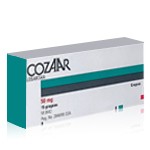
Cozaar is the original brand-name formulation of Losartan Potassium manufactured by Merck — THE FIRST angiotensin II receptor blocker (ARB) ever developed and approved, a historic landmark in cardiovascular pharmacology. FDA-approved in 1995, Cozaar established the entire ARB drug class as an alternative to ACE inhibitors for patients intolerant to ACE-i cough. Available as standalone Cozaar and as the fixed combination Hyzaar (Losartan + hydrochlorothiazide). Listed on the WHO Model List of Essential Medicines. Most affordable ARB globally due to longest off-patent status (generic since ~2010). Cozaar carries unique advantages: uric acid lowering effect (uricosuric — unique among ARBs), proven stroke risk reduction in HTN with LVH (LIFE trial), and diabetic nephropathy renoprotection (RENAAL trial).
The active ingredient is Losartan Potassium, a selective angiotensin II type 1 (AT1) receptor antagonist. Losartan is metabolized by CYP2C9 and CYP3A4 to its active metabolite EXP3174, which is 10-40 times more potent than Losartan itself — explaining Losartan's prodrug-like extended pharmacology. By blocking AT1 receptors, Losartan/EXP3174 prevents the vasoconstrictor and aldosterone-secreting effects of angiotensin II — producing peripheral vasodilation and BP reduction. Unlike ACE inhibitors, ARBs do NOT affect bradykinin — therefore NO characteristic cough and significantly lower angioedema risk. Half-life: Losartan ~2 hours, EXP3174 ~6-9 hours.
Cozaar is FDA-approved for hypertension (adults and pediatric patients 6+ years), type 2 diabetic nephropathy with proteinuria (RENAAL-supported), and stroke risk reduction in hypertension with LV hypertrophy (LIFE-supported, unique among ARBs). Off-label uses include heart failure, LV dysfunction post-MI, Marfan syndrome aortic root dilation, and hypertension with concurrent gout (uric acid lowering benefit).
Available as Cozaar 25 mg, 50 mg, and 100 mg tablets, plus Hyzaar combinations. Standard adult HTN dosing: 50 mg once daily, max 100 mg/day. Start 25 mg in volume-depleted patients. Diabetic nephropathy: 50 mg start, titrate to 100 mg. LIFE study dose: 50-100 mg once daily.
Critical safety: boxed warning regarding pregnancy (Category D in 2nd/3rd trimester — fetal renal toxicity, discontinue when pregnancy detected). Hyperkalemia, hypotension, renal dysfunction (bilateral renal artery stenosis contraindication), angioedema (rare), dizziness, fatigue. NO characteristic ACE-i cough — key advantage.
Free prescription
Discrete packaging
Have questions?
Quality Assurance

- Pediatric Hypertension: FDA-approved for pediatric hypertension 6+ years;
- Diabetic Nephropathy Type 2: FDA-approved for type 2 diabetic nephropathy with proteinuria — RENAAL trial;
- RENAAL Trial Diabetic Nephropathy: Landmark RENAAL trial — reduced ESRD progression in type 2 diabetics;
- Proteinuria Reduction: Reduces proteinuria in diabetic and non-diabetic kidney disease;
- Stroke Risk Reduction LVH: FDA-approved for stroke risk reduction in HTN with LVH — LIFE trial UNIQUE indication;
- LIFE Trial Stroke Reduction: Landmark LIFE trial — Losartan reduced stroke vs atenolol in HTN+LVH;
- Left Ventricular Hypertrophy LVH: For HTN with left ventricular hypertrophy — regression of LVH;
- Heart Failure CHF: Off-label for heart failure (LV systolic dysfunction);
- HF ACE i Intolerant: For HF in patients intolerant to ACE inhibitors (cough/angioedema);
- Post Myocardial Infarction: Off-label for post-MI LV dysfunction;
- Marfan Syndrome Aortic Root: Off-label emerging use for Marfan syndrome aortic root dilation;
- HTN With Gout: For HTN with concurrent gout — uric acid lowering benefit (UNIQUE ????? ARBs);
- HTN With Hyperuricemia: For HTN with hyperuricemia — uricosuric effect benefit;
- HTN ACE Inhibitor Intolerant: For HTN in patients intolerant to ACE inhibitors (cough/angioedema);
- Mild Hypertension: For mild hypertension (stage 1);
- Moderate Hypertension: For moderate hypertension (stage 2);
- Severe Hypertension: For severe hypertension (combination therapy with HCTZ via Hyzaar);
- Resistant Hypertension Combo: For resistant HTN as part of combination therapy;
- Renoprotection CKD: Renoprotection in chronic kidney disease with proteinuria;
- Cardiovascular Risk Reduction: CV risk reduction in high-risk patients;
- HTN With Diabetes: HTN in diabetic patients with nephropathy — preferred class.
- Less Stroke Risk LVH: Reduces stroke risk in HTN with LVH — LIFE trial landmark benefit;
- Less Diabetic Nephropathy Progression: Slows progression of type 2 diabetic nephropathy — RENAAL benefit;
- Less ESRD Risk Diabetic: Delays progression to end-stage renal disease in diabetic patients;
- Less Proteinuria: Significant reduction in proteinuria in diabetic/non-diabetic kidney disease;
- Better Kidney Function Preservation: Preserves kidney function in diabetic nephropathy;
- Less LVH Mass: Regression of left ventricular hypertrophy in HTN+LVH;
- Less Uric Acid: Uric acid lowering effect — UNIQUE ????? ARBs, useful in HTN+gout;
- Better Gout Frequency HTN Patients: Reduces gout flare frequency in HTN patients with hyperuricemia;
- Less Heart Failure Symptoms: Reduces HF symptoms in ACE-i intolerant patients;
- Better Post MI Outcomes: Improves outcomes in post-MI LV dysfunction;
- Less Aortic Root Dilation Marfan: Reduces aortic root dilation rate in Marfan syndrome;
- NO Cough: NO characteristic ACE-i cough — key tolerability advantage;
- Less Angioedema vs ACE-i: Significantly lower angioedema risk vs ACE inhibitors;
- Better Cardiovascular Outcomes: Improved CV outcomes in high-risk patients;
- Better Daily Function: Return to normal daily activities with effective BP control;
- Better Quality of Life: Substantial improvement in quality of life;
- Better Compliance Once Daily: Once-daily dosing improves compliance;
- Better Tolerability vs ACE-i: Better tolerability profile vs ACE inhibitors;
- Brand Cozaar Merck: Original Merck brand of Losartan — FIRST ARB ever approved (1995);
- Generic Losartan: Affordable generic Losartan — most affordable ARB globally (off-patent since ~2010);
- Hyzaar Combination: Hyzaar combination with hydrochlorothiazide — convenient dual therapy;
- First ARB Ever Approved: Historic FIRST ARB ever approved — foundational drug class establishment;
- Selective AT1 Receptor Antagonist: Selective angiotensin II type 1 receptor antagonist;
- EXP3174 Active Metabolite: Active metabolite EXP3174 (10-40x more potent) — unique pharmacology;
- Uric Acid Lowering Effect: Uric acid lowering uricosuric effect — UNIQUE ????? ARBs;
- No Bradykinin Effect: No bradykinin effect — NO cough, lower angioedema vs ACE-i;
- LIFE Trial Stroke Reduction: Landmark LIFE trial — stroke reduction in HTN with LVH;
- RENAAL Trial Diabetic Nephropathy: RENAAL trial — diabetic nephropathy renoprotection;
- Marfan Syndrome Aortic Root: Emerging Marfan syndrome aortic root dilation benefit;
- Pediatric HTN Approved: FDA-approved for pediatric hypertension 6+ years — broad age coverage;
- WHO Essential Medicine: Listed on the WHO Model List of Essential Medicines;
- 30 Plus Year Clinical History: 30+ years of clinical use since 1995 — foundational ARB with extensive evidence base.
Generic Cozaar (Losartan 25 mg) Medication guide:
🌍 Understanding Cozaar and Losartan as the First ARB Ever Developed
Cozaar is a brand name for losartan potassium — the very first angiotensin II receptor blocker to reach clinical practice. Its FDA approval in 1995 opened the entire ARB era, and every ARB currently in use owes its existence to the drug design principles that produced losartan at DuPont/Merck in the late 1980s.
🧬 Drug Class
ARB (First-in-Class)
AT1 receptor antagonist
📅 FDA Approval
1995 — The First ARB
Opened the ARB era
💊 Prodrug Status
Yes — E-3174 Active
CYP2C9 activation
🪴 Unique Feature
Uric Acid Lowering
URAT1 inhibition
The historical significance of losartan goes beyond first-in-class status. Its development validated the rational drug design approach that showed a receptor antagonist could work at the RAAS distal to ACE inhibition — producing similar therapeutic effect without the bradykinin-mediated adverse effects (cough, angioedema) that limit ACE inhibitor use in a meaningful minority of patients.
🕓 Three Decades of Losartan — From Discovery to Landmark Trial Programme
1988-1994
Losartan discovered and developed at DuPont/Merck; from imidazole scaffold
1995
FDA approval as Cozaar — first ARB ever
2001
RENAAL trial — T2DM nephropathy reno-protection established
2002
LIFE trial — superiority over atenolol in HTN with LVH
2010
Patent expired; Cipla and Indian generics globally available
Present
One of most-prescribed ARBs worldwide; low-cost workhorse
Where losartan is deliberately chosen — not simply substituted for another ARB — comes down to four specific clinical scenarios where its evidence base or unique pharmacology matters.
🎯 Where Losartan Earns Deliberate Choice
💓 HTN With LVH
LIFE-supported: superior stroke reduction vs atenolol
🩸 T2DM Overt Nephropathy
RENAAL-supported reno-protection (complementary to IDNT/irbesartan)
🪴 Gouty Hypertension
Unique uric acid lowering via URAT1 inhibition — only ARB with this effect
💰 Cost-Sensitive Prescribing
Off-patent for over a decade; among least expensive ARBs worldwide
The pharmacological identity of losartan combines four features that shape every prescribing decision.
🔬 LOSARTAN — FOUR DEFINING FEATURES
Each feature is explored in detail in sections 2, 3, 8, and 19.
Cozaar is dispensed as losartan potassium tablets in 25, 50, and 100 mg strengths. The fixed-combination Hyzaar adds hydrochlorothiazide (12.5 or 25 mg) for the uncontrolled hypertension patient. Cipla and other established Indian manufacturers supply the international generic market at extremely favourable pricing since patent expiry.
🧭 Reader Navigation — Jump to What Matters for You
- First prescription and titration: sections 9, 11
- LIFE trial and HTN with LVH: section 6
- RENAAL trial and diabetic nephropathy: section 7
- Uric acid lowering and gouty hypertension: sections 8, 24
- ACE cough switch to ARB: section 12
- Once vs twice daily dosing question: section 15
- CYP2C9 pharmacogenetics: section 19
- Switching between ARBs: section 26
Each section is written to be read on its own, without requiring the surrounding material.
💊 What Losartan Is — The Prodrug ARB With the E-3174 Active Metabolite
Losartan is a prodrug. The swallowed molecule has some direct AT1-blocking activity, but the pharmacologically important activity comes from E-3174 (also called EXP-3174), the carboxylic acid metabolite produced by hepatic CYP2C9 metabolism. E-3174 is 10-40 times more potent than parent losartan and has a longer half-life — making the prodrug-to-active-metabolite conversion clinically important.
💊 Losartan Pharmacokinetics at a Glance
| Prodrug status | Yes — losartan converted to more potent E-3174 (EXP-3174) by CYP2C9 |
| Conversion efficiency | Approximately 14% of oral losartan becomes E-3174 (variable by CYP2C9 status) |
| Oral bioavailability | Approximately 33% (parent); food does not significantly affect |
| Half-life of parent losartan | Approximately 2 hours |
| Half-life of E-3174 | Approximately 6-9 hours — still shorter than most other ARBs |
| Relative potency | E-3174 is 10-40x more potent at AT1 receptor than parent losartan |
| Excretion | Predominantly biliary; some renal |
The Shortest ARB Half-Life — Practical Consequences
Losartan's combined parent-plus-metabolite pharmacological cover is shorter than any other clinically-used ARB. This has two practical consequences:
- Trough-to-peak BP ratio is lower than for irbesartan, telmisartan, or candesartan — the 24-hour cover is less smooth
- Twice-daily dosing is sometimes needed for smooth 24-hour BP control, particularly at lower doses
The CYP2C9 Consideration
Approximately 3-5% of Caucasian populations are CYP2C9 poor metabolisers who cannot efficiently convert losartan to E-3174. These patients have reduced antihypertensive response to losartan and may need higher doses or an alternative ARB. Section 19 covers the pharmacogenetics in detail.
🧬 The RAAS, AT1 Blockade, and Losartan's Mechanism of Action
The renin-angiotensin-aldosterone system produces angiotensin II, which acts at the AT1 receptor to raise blood pressure and drive sodium retention. Losartan (and its active metabolite E-3174) selectively blocks the AT1 receptor, preventing angiotensin II from producing its physiological effects.
🧬 What AT1 Receptor Blockade Does
| Vasoconstriction blocked | Peripheral resistance falls; blood pressure drops |
| Aldosterone secretion blocked | Reduced sodium/water retention; reduced potassium loss |
| Efferent arteriolar dilation | Reduced intraglomerular pressure — reno-protective mechanism |
| Cardiac remodelling reduced | Long-term reduction in LV hypertrophy (LIFE trial) |
| URAT1 inhibition (unique) | Reduced renal tubular urate reabsorption; modest uric acid lowering |
Why Losartan Does Not Cause the ACE Cough
ACE inhibitors block the enzyme that produces angiotensin II AND breaks down bradykinin. Blocking ACE causes bradykinin accumulation, which sensitises the airway cough reflex. Losartan acts downstream of ACE at the AT1 receptor — bradykinin metabolism is unaffected. This is why ARB cough incidence is comparable to placebo, and why the ACE-to-ARB switch resolves cough in the 15-20% of ACE inhibitor users who develop it.
The URAT1 Uric Acid Mechanism
Losartan (parent, not E-3174) inhibits URAT1 — a transporter in renal proximal tubules that reabsorbs urate from the filtrate. Blocking URAT1 causes more urate to be excreted in urine and less to accumulate in blood. The effect is modest (approximately 15% reduction in serum uric acid) but genuine. No other ARB has this property. Section 8 explores the practical implications.
🔬 Losartan vs Candesartan vs Irbesartan vs Olmesartan — The ARB Family Compared
Losartan is one of at least seven clinically-used ARBs. Understanding where it sits relative to the three other ARBs already covered on this site (Atacand/candesartan, Avapro/irbesartan, Benicar/olmesartan) helps clarify the choice between them.
🔬 Where Losartan Sits Among ARBs
| ARB | Half-life (active) | Signature trial | Distinctive feature |
|---|---|---|---|
| Losartan | 6-9 hours (E-3174) | LIFE (HTN+LVH); RENAAL (T2DM nephropathy) | Uric acid lowering; first-in-class; low cost |
| Candesartan (Atacand) | 9-12 hours | CHARM (HF); SCOPE (elderly stroke) | Insurmountable binding; HF evidence |
| Irbesartan (Avapro) | 11-15 hours | IRMA-2, IDNT (T2DM nephropathy) | Not a prodrug; strong nephropathy evidence |
| Olmesartan (Benicar) | 13 hours | ROADMAP (mixed) | Strong BP dose-response; sprue-like enteropathy signal |
| Telmisartan | 24 hours (longest) | ONTARGET (high vascular risk) | PPAR-gamma activity; longest half-life |
| Valsartan | 6 hours | Val-HeFT (HF); VALIANT (post-MI); ARNI component | Component of sacubitril/valsartan (ARNI) |
💚 Choose Losartan When
- HTN with LVH (LIFE trial support)
- T2DM overt nephropathy (RENAAL)
- Concurrent hyperuricaemia or gout
- Cost-sensitive prescribing
- Post-ACE-inhibitor cough switch (first ARB tried by many patients)
🔵 Choose a Different ARB When
- Heart failure — candesartan or valsartan preferred
- Smoothest 24-hour cover needed — telmisartan longest half-life
- CYP2C9 poor metaboliser suspected — non-prodrug irbesartan
A Practical Note on ARB Choice in 2026
Since patent expiry, losartan has become one of the least expensive ARBs. In many formularies it is the default first-choice ARB simply because of cost, with switches to another ARB reserved for specific reasons (inadequate control, side effects, HFrEF where candesartan or valsartan is preferred). This is a legitimate approach given the substantial class overlap in efficacy.
🎯 Approved Uses — Hypertension, Diabetic Nephropathy, and HTN With LVH
Losartan's FDA-approved indications include essential hypertension, reduction of stroke risk in hypertensive patients with LV hypertrophy (LIFE-based), and diabetic nephropathy in patients with Type 2 diabetes with proteinuria (RENAAL-based). Off-label uses include gouty hypertension (leveraging uric acid effect) and heart failure (where evidence base is weaker than for candesartan or valsartan).
| Indication | Starting dose | Target dose |
|---|---|---|
| Essential hypertension | 50 mg once daily (25 mg if elderly or on diuretic) | 50-100 mg per day (single or split) |
| Stroke reduction in HTN with LVH | 50 mg once daily | 100 mg (LIFE trial target dose) |
| Diabetic nephropathy (RENAAL) | 50 mg once daily | 100 mg (RENAAL target dose) |
| Post-ACE-cough switch | 50 mg once daily (matching prior ACE-I effect) | Titrate to BP target |
Losartan Position in Modern Hypertension Guidelines
Modern hypertension guidelines list ARBs including losartan as one of the four preferred first-line antihypertensive classes. Losartan is often chosen as the ARB simply because of its cost profile since patent expiry — the class effect is largely shared, and losartan is a legitimate first-choice ARB unless specific reasons favour a different agent.
✅ Good Combinations
Hydrochlorothiazide (fixed-dose Hyzaar); calcium channel blocker (amlodipine); MRA in HF
❌ Avoid
Another ARB or ACE inhibitor (ONTARGET); aliskiren in diabetes; routine potassium supplements
🏆 The LIFE Trial — Losartan Superior to Atenolol in HTN With LVH
LIFE (Losartan Intervention For Endpoint reduction in hypertension) is one of the most cited hypertension trials of the 2000s. It specifically enrolled hypertensive patients with left ventricular hypertrophy on ECG and asked whether losartan-based treatment would produce better cardiovascular outcomes than atenolol-based treatment at equivalent blood pressure reduction. The answer was yes — and the trial contributed to the mid-2000s guideline demotion of beta blockers as first-line antihypertensives.
🏆 LIFE Trial at a Glance
| Enrolled | 9193 hypertensive patients aged 55-80 with LV hypertrophy on ECG |
| Intervention | Losartan-based vs atenolol-based; both titrated to same BP target with add-on hydrochlorothiazide as needed |
| Follow-up | Mean 4.8 years |
| Primary endpoint | Composite of cardiovascular death, non-fatal MI, or stroke |
| Composite result | 13% relative reduction with losartan (statistically significant) |
| Stroke result | 25% relative reduction in stroke with losartan — the strongest individual endpoint |
What LIFE Established
- Losartan superior to atenolol at equivalent BP reduction in HTN with LVH
- Not a BP effect — both arms achieved same BP; benefit was drug-specific
- Stroke reduction was the strongest signal (25% reduction)
- Contributed to guideline change demoting beta blockers as first-line antihypertensives
- Established LVH regression benefit with ARB therapy
Dr Alvarado-Escalona on LIFE and modern practice
"LIFE was one of the trials that reshaped how we think about hypertension pharmacotherapy. The finding that ARB was superior to beta blocker at equivalent BP reduction, specifically in patients with LV hypertrophy, contributed to the wider evidence base that led to beta blocker demotion as first-line for uncomplicated hypertension. In our cardiological practice in Honduras, losartan retains a specific place in hypertensive patients with echocardiographic evidence of LV hypertrophy — the LIFE trial specifically supports this indication. For general hypertension without LVH, any ARB or ACE inhibitor is appropriate first-line, and losartan is often chosen simply because it is inexpensive and well-tolerated."
Tomas J. Alvarado-Escalona, MD, MSc — Department of Cardiology, Hospital Escuela Universitario, Universidad Nacional Autonoma de Honduras
🩸 The RENAAL Trial — Reno-Protection in T2DM With Overt Nephropathy
RENAAL (Reduction of Endpoints in Non-Insulin-Dependent diabetes mellitus with the Angiotensin II Antagonist Losartan) was the companion trial to IDNT (irbesartan) and established losartan's specific reno-protective role in T2DM patients with overt nephropathy.
🩸 RENAAL Trial at a Glance
| Enrolled | 1513 patients with T2DM, hypertension, and overt nephropathy (creatinine 1.3-3.0 mg/dL, proteinuria) |
| Intervention | Losartan 50-100 mg once daily vs placebo, on standard antihypertensive therapy |
| Follow-up | Mean 3.4 years |
| Primary endpoint | Composite of doubling of serum creatinine, ESRD, or death |
| Composite result | 16% relative reduction (statistically significant) |
| Individual endpoints | 25% reduction in doubling of serum creatinine; 28% reduction in ESRD |
RENAAL vs IDNT — The Two T2DM Nephropathy ARB Trials
RENAAL (losartan) and IDNT (irbesartan) both examined T2DM overt nephropathy and both showed reno-protective benefit. They differed:
- RENAAL: losartan 50-100 mg; 16% reduction in composite renal endpoint; 25% reduction in creatinine doubling
- IDNT: irbesartan 300 mg; 20% reduction in composite; comparison against amlodipine included
- Practical implication: either drug is a legitimate first-choice ARB in T2DM overt nephropathy; guideline endorsement is roughly equal
Dr Merchant-Mahomedali on RENAAL and diabetic nephropathy practice
"RENAAL and IDNT together established the specific reno-protective role of ARB therapy in T2DM patients with overt nephropathy. In our nephrology practice at Aga Khan Karachi, we frequently see this exact patient population — South Asian T2DM with proteinuric CKD — and losartan is our commonest first-choice ARB because of the RENAAL evidence and the very favourable generic pricing. The 100 mg dose used in RENAAL is the target we aim for in this specific population; the 50 mg antihypertensive dose is not the reno-protective target. This distinction matters for real-world outcomes."
Kausar B. Merchant-Mahomedali, MBBS, MRCP (UK), FRCP — Section of Nephrology, Aga Khan University Hospital Karachi
🪴 The Unique Uric Acid Lowering Effect — Losartan for Gouty Hypertensives
Losartan's uric-acid-lowering effect is genuinely unique among ARBs. The parent losartan molecule (not E-3174) inhibits URAT1, a transporter in renal proximal tubules that normally reabsorbs urate from the tubular filtrate. Blocking URAT1 causes more urate to be excreted in urine and less to accumulate in blood.
🪴 The Uric Acid Lowering Mechanism
Mechanistically:
- URAT1 (urate transporter 1) is expressed on renal proximal tubule brush border membrane
- Normally reabsorbs about 90% of filtered urate back into blood
- Losartan (parent molecule, not E-3174) inhibits URAT1, so less urate is reabsorbed
- Net effect: approximately 15% reduction in serum uric acid
Note: this is a losartan-specific effect. Other ARBs, and E-3174 itself, do not inhibit URAT1.
Practical Clinical Implications
- Modest effect size: approximately 15% reduction in serum uric acid — not enough to treat symptomatic gout alone
- Deliberate choice in gouty hypertensives: losartan provides BP control PLUS modest uric acid reduction, whereas most ARBs (and especially thiazides) worsen uric acid
- Not a substitute for allopurinol in patients with symptomatic gout requiring urate-lowering therapy
- Useful in hyperuricaemic hypertensive without symptomatic gout — combined BP and uric acid benefit
Dr Cordeiro-Aguiar on losartan in gouty practice
"In our rheumatology practice at UFRJ, losartan is often the ARB we recommend when a hypertensive patient has concurrent hyperuricaemia or symptomatic gout. Not because losartan is a gout treatment — it is not, and allopurinol remains the standard urate-lowering therapy — but because it does not aggravate uric acid the way thiazides do and it may modestly reduce it. In our experience, using losartan alongside allopurinol makes achieving target uric acid slightly easier, and the choice of losartan over another ARB in this specific patient population is a small but genuine advantage. The framing to patients is important: losartan will not fix the gout, but it will not make it worse and may help a little."
Manuela V. Cordeiro-Aguiar, MD, PhD — Rheumatology Service, Hospital Universitario Clementino Fraga Filho, Universidade Federal do Rio de Janeiro
📆 Cozaar Tablet Strengths and Titration Schedule
Cozaar is dispensed in three tablet strengths: 25 mg, 50 mg, and 100 mg. The 50 mg strength is the typical starting dose in adult hypertension; the 100 mg strength is the target for both LIFE and RENAAL indications.
📆 Titration for Essential Hypertension
- Start: 50 mg once daily in the morning (25 mg if elderly, volume-depleted, or on diuretic)
- Review at 2-4 weeks: home BP, potassium, creatinine, tolerance
- Titrate up if BP not at target: 100 mg once daily — OR — 50 mg twice daily for smoother 24-hour cover
- Combine if not at target on 100 mg: add hydrochlorothiazide 12.5-25 mg (fixed-dose Hyzaar exists) or amlodipine
Titration for Trial-Supported Indications
- HTN with LVH (LIFE): target 100 mg once daily — the trial dose associated with stroke reduction benefit
- T2DM overt nephropathy (RENAAL): target 100 mg once daily — the trial dose associated with reno-protection
- Starting doses same: 50 mg once daily, titrating to 100 mg over 2-4 weeks
Once vs Twice Daily — The Practical Question
Because losartan's pharmacological cover is shorter than most other ARBs, some patients need 50 mg twice daily rather than 100 mg once daily for smooth 24-hour BP control. Home BP data (morning trough vs afternoon effect) guides the decision. Section 15 explores this in detail.
🔗 Common Drug Interactions on Losartan
Losartan has a relatively clean drug interaction profile because major CYP metabolism is limited to CYP2C9 for the losartan-to-E-3174 conversion. The important interactions are pharmacodynamic — drugs affecting potassium, blood pressure, or kidney function — and specific CYP2C9 interactions that affect drug activation.
| Interaction | Examples | Implication |
|---|---|---|
| ACE inhibitors | Ramipril, lisinopril, perindopril | Dual RAAS avoided (ONTARGET) |
| Aliskiren | Direct renin inhibitor | Contraindicated in diabetes |
| Potassium-sparing diuretics | Spironolactone, eplerenone, amiloride | Additive hyperkalaemia |
| Chronic NSAIDs | Ibuprofen, diclofenac at high doses | Blunt BP effect; renal/K risk |
| Lithium | Bipolar | Raises lithium level; monitoring |
| Fluconazole | Antifungal (strong CYP2C9 inhibitor) | Reduces E-3174 formation; blunts losartan effect |
| Rifampin, phenytoin | CYP inducers | Lower losartan levels; may need higher dose |
| Sacubitril/valsartan | ARNI | Do not combine (valsartan is itself an ARB) |
| Trimethoprim / cotrimoxazole | UTI antibiotic | Additive hyperkalaemia risk |
The Fluconazole Interaction — A Losartan-Specific Concern
Because losartan requires CYP2C9 activation, strong CYP2C9 inhibitors (fluconazole is the most common example) can reduce the antihypertensive effect. During a fluconazole course, BP effect may be transiently reduced; this usually settles a week after the antifungal is finished. If BP control matters during the fluconazole course, monitoring or bridging with a different antihypertensive is worth considering.
▶️ Starting Cozaar — First-Dose Considerations
First-dose considerations on losartan are gentler than on ACE inhibitors because the ARB class produces less pronounced acute BP fall at initiation. Symptomatic first-dose hypotension is uncommon but specific patient groups warrant attention.
🚩 PATIENTS AT ELEVATED FIRST-DOSE HYPOTENSION RISK
- Patients on diuretics — particularly loop or high-dose thiazide
- Patients with heart failure — particularly recently diuresed
- Elderly patients — slower baroreflex
- Severe hyponatraemia (Na below 130 mmol/L)
- Volume depletion from any cause
▶️ Practical Initiation Measures
Start 25 mg
In elevated-risk patients rather than 50 mg
Diuretic reduction
Skip 1-2 doses of loop or high-dose thiazide before starting
Baseline bloodwork
Potassium, creatinine, uric acid before starting
Review at 1-2 weeks
Home BP, potassium, creatinine, side effects
First-Prescription Counselling
Every patient starting losartan should be told: pregnancy must be reported immediately (boxed warning); any facial swelling requires emergency care (angioedema); the drug can be stopped abruptly if needed (no rebound like beta blockers); if switched from ACE inhibitor for cough, the cough should resolve within 1-2 weeks confirming the switch was appropriate.
🌬️ The Absent ACE Cough on Losartan — ARB Class Advantage
The absence of the ACE inhibitor dry cough is the single most consequential practical advantage of ARBs including losartan. When an ACE inhibitor produces an intolerable cough, the standard response is a switch to an ARB — and losartan, as the first ARB and one of the least expensive, is frequently the first ARB tried.
🌬️ Why Losartan Does Not Cause the ACE Cough
ACE inhibitors block the enzyme that both produces angiotensin II AND breaks down bradykinin. Blocking ACE causes bradykinin accumulation, which sensitises the airway cough reflex in susceptible individuals. Losartan acts downstream of ACE at the AT1 receptor — bradykinin metabolism is unaffected.
- ACE cough incidence: 15-20% of ACE inhibitor users
- Losartan cough incidence: ~3% — comparable to placebo
- Bradykinin metabolism: unchanged with ARBs
The Standard ACE Cough Switch to Losartan
- Stop the ACE inhibitor
- Wait 1-2 weeks for the cough to resolve (this confirms attribution to the ACE inhibitor)
- Start losartan 50 mg once daily
- Titrate to BP target (usually 50-100 mg)
- The cough usually does not recur on losartan
Why Losartan Is Often the First-Tried ARB
Since patent expiry, losartan is one of the least expensive ARBs. When a patient develops ACE cough and needs an ARB, formulary considerations often push losartan as the first choice. If BP control is inadequate at 100 mg or twice-daily 50 mg, a switch to a longer-half-life ARB (candesartan, irbesartan, telmisartan) is a legitimate second step.
⚠️ Angioedema on Losartan — Rare but Not Zero
Angioedema on ARBs is rare but not zero. The rate is approximately 10-fold lower than for ACE inhibitors (roughly 0.05% for ARBs vs 0.5% for ACE-Is), but when it occurs it can be life-threatening.
🚩 ANGIOEDEMA — STOP COZAAR AND SEEK EMERGENCY CARE
- Swelling of the lips, tongue, or throat
- Difficulty breathing or swallowing
- Change in voice or hoarseness
- Painless swelling of the face without a rash
- Sudden severe abdominal pain with visceral swelling (rare)
Airway involvement is a medical emergency. Once losartan angioedema has occurred, no ARB or ACE inhibitor is safe to restart.
Prior ACE Inhibitor Angioedema — The Losartan Question
Patients with prior ACE inhibitor angioedema have 3-10% cross-reactivity risk with ARBs including losartan. Where the RAAS blockade benefit is substantial (HFrEF, diabetic nephropathy), losartan may be considered under specialist input with clear counselling on emergency signs. Where alternatives are equivalent (essential hypertension), switching to a non-RAAS class is often the safer choice.
When Does Angioedema Occur?
ARB angioedema can appear at any point — days after starting, months, or years into use. Late-onset angioedema in patients tolerating losartan for years without issue is possible. This is why patient counselling emphasises the specific warning signs regardless of how long they have been on the drug.
🍌 Hyperkalaemia Monitoring on Losartan
Hyperkalaemia is a class effect of ARBs shared with ACE inhibitors. The mechanism is direct: RAAS blockade reduces aldosterone secretion, and aldosterone drives renal potassium excretion.
🍌 Risk Factors That Raise Hyperkalaemia Probability
- Reduced kidney function — eGFR below 60, more so below 30
- Diabetes, particularly with nephropathy
- Potassium-sparing diuretics (spironolactone, eplerenone, amiloride)
- Chronic NSAIDs
- Trimethoprim / cotrimoxazole
- Potassium supplements or low-sodium salt substitutes
Potassium Monitoring on Losartan
| Baseline | Potassium + creatinine + eGFR + uric acid (baseline) |
| 1-2 weeks after start | Repeat potassium and creatinine |
| 2-4 weeks after dose change | Same tests |
| Annually on stable dose | More often in higher-risk patients |
| After new interacting drug | Within 1-2 weeks of starting spironolactone, trimethoprim, chronic NSAID |
Response to Rising Potassium
Modest rise (up to 5.5 mmol/L in a stable patient without contributor) may need only closer monitoring. Higher values with new contributor usually respond to removing the contributor rather than stopping losartan. Above 6.0 with cause, dose reduction or potassium binder consideration. Above 6.5 warrants urgent management.
🩺 Home BP Monitoring — Once vs Twice Daily Losartan Question
Home BP monitoring on losartan is more informative than on longer-half-life ARBs because losartan's pharmacological cover is not fully smooth across 24 hours. Home data guides the decision between 100 mg once daily and 50 mg twice daily.
🩺 Practical Home BP Routine on Losartan
- Standard technique: seated 5 minutes, feet flat, arm at heart level, cuff on bare skin
- Two readings a minute apart at each measurement
- Morning trough before medication (represents lowest daily effect)
- Peak reading 3-6 hours after morning dose (represents strongest effect)
- Weekly log before office review
Once Daily vs Twice Daily — When to Switch
Signs that a losartan patient would benefit from twice-daily dosing:
- Morning trough BP consistently high despite acceptable evening/afternoon readings
- Trough-to-peak BP difference over 15 mmHg systolic
- Rebound morning BP surge particularly at low dose (25-50 mg once daily)
- Better home BP control on 50 mg twice daily than 100 mg once daily at total dose equivalence
Home BP Target Ranges
General hypertension: home average under 135/85 mmHg. Diabetes or CKD with albuminuria (RENAAL population): home average under 125/75 mmHg. Post-stroke: under 125/75 mmHg. HTN with LVH (LIFE): under 135/85 mmHg with LVH regression as secondary marker.
🩸 Kidney Function Monitoring — The Reno-Protective Trajectory
Kidney function monitoring on losartan follows the general ARB pattern. The specific point for losartan is the RENAAL evidence base: at 100 mg once daily, losartan provides reno-protection in T2DM overt nephropathy that shows in slower creatinine doubling and delayed ESRD.
✅ The Expected Small Creatinine Rise
A 10-15% rise in serum creatinine in the first 2-4 weeks after starting losartan is expected and reflects the reno-protective haemodynamic mechanism working — not kidney damage. The rise stabilises at the new level.
A rise above 30% from baseline warrants investigation: dehydration, added NSAID, or undiagnosed renovascular disease.
| Renal function | Losartan approach |
|---|---|
| eGFR above 60 | Standard doses 50-100 mg |
| eGFR 30-60 (RENAAL population) | 100 mg target for reno-protection; monitor |
| eGFR 15-30 | Standard doses acceptable; monitor closely |
| eGFR below 15 / dialysis | Nephrology-directed; losartan not significantly dialysable |
Renovascular Disease Considerations
Bilateral renal artery stenosis or unilateral stenosis in a single functioning kidney is a contraindication. Any unexplained doubling of creatinine after starting losartan warrants consideration of undiagnosed renovascular disease.
🩹 Common Side Effects in the First Three Months
Most losartan side effects are mild, dose-related, and settle within the first weeks. The overall tolerability profile is favourable compared to ACE inhibitors (no characteristic cough) and comparable to other ARBs.
🩹 Common Losartan Side Effects with Expected Trajectory
| Effect | Onset | Trajectory |
|---|---|---|
| Dizziness on standing | Days 1-7 | Usually settles |
| Fatigue | First 2-4 weeks | Usually settles |
| Headache | First 2 weeks | Usually settles |
| Small creatinine rise (10-15%) | 2-4 weeks | Expected haemodynamic effect |
| Hyperkalaemia | Variable | Section 14; blood-work detected |
| Reduced uric acid | Weeks | Beneficial; unique to losartan |
| Nasal congestion | Variable | Uncommon; usually mild |
| Angioedema (rare) | Variable | Emergency; section 13 |
| Cough (uncommon) | Variable | Comparable to placebo; not the ACE cough |
Where Losartan's Profile Is Favourable
No characteristic ACE cough (ARB class advantage); much lower angioedema than ACE inhibitors; unique modest uric acid lowering effect; no bronchospasm concern; effective without triggering reflex tachycardia; extensive real-world experience over 30 years; among least expensive antihypertensives worldwide. These are the reasons losartan remains one of the most-prescribed ARBs.
❤️ Losartan in Heart Failure and Post-MI Considerations
Losartan's role in heart failure and post-MI care is less prominent than that of candesartan (CHARM) or valsartan (Val-HeFT). It has evidence but is not the first-choice ARB for HFrEF unless specific reasons (cost, tolerance) apply.
❤️ Losartan in HF and Post-MI Care
| Guideline position | Class I ARB for HFrEF and post-MI where ACE-I not tolerated; class effect |
| Preferred ARB in HFrEF | Candesartan (CHARM), valsartan (Val-HeFT), or sacubitril/valsartan (ARNI) |
| Losartan role | Reasonable alternative when cost/tolerance drives choice; not first-choice by trial evidence |
| OPTIMAAL trial | Compared losartan to captopril post-MI; captopril slightly better on primary endpoint — contributed to modern practice of not routinely switching post-MI patients from ACE-I to ARB |
If Losartan Is Used in HFrEF
- Combine with the four pillars: beta blocker, MRA, SGLT2 inhibitor
- Target 100-150 mg per day (split BID often used)
- Consider switch to ARNI (sacubitril/valsartan) if affordable — better mortality evidence in HFrEF
- 36-hour washout if transitioning to ARNI
🧬 The E-3174 Metabolite and CYP2C9 Pharmacogenetics
Losartan requires CYP2C9 for its conversion to the more potent E-3174 metabolite. CYP2C9 has substantial genetic variability, and poor metabolisers have reduced antihypertensive response to losartan.
🧬 CYP2C9 Metaboliser Status Distribution
| Normal (extensive) metaboliser | Most common; standard antihypertensive response to losartan |
| Intermediate metaboliser | Approximately 20-40% of Caucasians; slightly reduced conversion |
| Poor metaboliser | Approximately 3-5% of Caucasians; substantially reduced conversion — less BP response |
Clinical Implication in Practice
Pharmacogenomic testing for CYP2C9 status is not routine before losartan prescription. In practice, poor metaboliser status is inferred rather than tested:
- Suspect poor metaboliser status if losartan 100 mg produces inadequate BP response despite good adherence and no interacting drugs
- Practical response: switch to a non-prodrug ARB (irbesartan or olmesartan) which does not require activation
- Alternative: switch to a different antihypertensive class
Drugs That Mimic Poor Metaboliser Status
Strong CYP2C9 inhibitors (particularly fluconazole) transiently produce the same phenotype as poor metaboliser status — reduced E-3174 formation and blunted losartan effect. During a fluconazole course, BP may drift up; monitoring or bridging with a different antihypertensive is worth considering.
⏰ Missed Dose Handling on Once or Twice Daily Losartan
Missed dose response on losartan is less forgiving than on longer-half-life ARBs because the effective pharmacological cover of parent-plus-E-3174 is shorter. Nonetheless, a single missed dose does not typically produce a clinically significant BP surge.
⏰ What to Do About a Missed Dose
| Realised within a few hours | Take the dose; next at usual time |
| Realised more than 6 hours late | Skip. Take next at usual time. Do not double up. |
| Missed 2-3 doses | Resume; BP re-stabilises over 1-2 days |
| Missed a week or more | Resume; let prescriber know at next appointment |
Missed Dose on Twice-Daily Losartan
If on losartan 50 mg BID and morning dose missed by less than 4 hours, take it and stay on schedule. If more than 4 hours late (so within 8 hours of evening dose), skip morning and take evening at usual time.
Doubling Up Is Not Useful
A doubled losartan dose does not meaningfully increase BP effect (receptor saturation limits) but does raise the risk of transient symptomatic hypotension. Skip the missed dose and resume schedule.
⛔ FDA Boxed Warning — Fetal Toxicity in Pregnancy
Losartan carries a boxed warning for use in pregnancy. Exposure in the second and third trimester is associated with foetal renal failure, oligohydramnios, pulmonary hypoplasia, skeletal deformations, and neonatal death. First-trimester exposure is now considered less catastrophic than once thought but still avoided.
🚩 BOXED WARNING — PREGNANCY
- Second and third trimester exposure is directly toxic to the foetus
- Foetal effects: renal failure, oligohydramnios, pulmonary hypoplasia, skull hypoplasia
- Neonatal effects: hypotension, hyperkalaemia, renal failure, death
- Discontinue immediately when pregnancy is detected or confirmed
- Do not initiate in a patient planning pregnancy
👩⚕️ If Pregnancy Is Being Planned
- Do not wait for a positive test to switch. Switch before conception attempts begin.
- Preferred pregnancy antihypertensives: methyldopa, labetalol, nifedipine slow-release
- Diabetic nephropathy: discuss with nephrology; balance foetal risk against maternal renal decline
- Effective contraception essential while continuing losartan in reproductive-age women
Breastfeeding
Losartan and E-3174 excretion into breast milk in humans is not fully characterised. Manufacturer advises avoidance during breastfeeding. Preferred alternatives if BP control needed post-partum in a breastfeeding mother: labetalol, nifedipine, enalapril or captopril (established lactation safety).
🕰️ Elderly Use of Cozaar
Losartan in older adults follows the general ARB pattern: start lower, titrate slower, monitor bloods sooner and more often. Age itself does not require dose reduction, but co-morbidities that cluster with age do.
👵 Losartan in the Older Adult
- Starting dose: 25 mg once daily commonly used
- Titration interval: 4-6 weeks rather than 2-4
- Home BP monitoring particularly valuable — white-coat effect common in elderly
- Watch orthostatic drop: measure BP standing at each visit; ask about morning dizziness
- Reduced eGFR common — monitor potassium and creatinine more often
Falls Risk Balance
Aggressive BP lowering in frail elderly can precipitate falls. Any patient with new falls, dizziness, or unsteadiness on losartan warrants assessment of standing BP and consideration of dose reduction. The trade-off is individual: cardiovascular event prevention benefit versus fall/fracture risk.
Losartan in the LIFE Elderly Subgroup
LIFE included patients up to 74 years old at randomisation. In the elderly subgroup, losartan retained its stroke-reduction advantage over atenolol. This supports losartan as a reasonable ARB choice in older patients with hypertension and LVH.
🧫 Renal and Hepatic Impairment Dose Adjustment
Renal and hepatic considerations for losartan are relatively simple: losartan is not significantly cleared by the kidneys (only ~4% urinary excretion of unchanged drug) but its metabolism is dependent on hepatic CYP2C9, and severe liver impairment alters kinetics.
Renal Impairment
| Mild-moderate (eGFR 30-89) | Standard doses; monitor potassium and creatinine |
| Severe (eGFR 15-29) | Standard doses acceptable; close monitoring |
| End-stage / dialysis | Nephrology-led; losartan and E-3174 not significantly dialysable |
| Bilateral renal artery stenosis | Contraindicated |
Hepatic Impairment
| Mild-moderate hepatic impairment | Start 25 mg once daily. Higher losartan plasma levels expected due to reduced first-pass metabolism. |
| Severe hepatic impairment | Not recommended. E-3174 formation impaired; kinetics unpredictable. |
| Cirrhosis with ascites | Nephrology/hepatology-led; RAAS blockade can precipitate hepatorenal syndrome |
The Prodrug Consideration in Liver Disease
Losartan is a prodrug requiring hepatic CYP2C9 conversion to E-3174. In severe liver disease, less E-3174 is formed — but parent losartan accumulates. Net BP effect is unpredictable. Non-prodrug ARBs (irbesartan, olmesartan, telmisartan) are more straightforward in severe hepatic impairment.
🪴 Losartan in Gouty Hypertension — A Deliberate First Choice
Losartan is uniquely useful in hypertensive patients with hyperuricaemia or gout. Its uricosuric effect — unmatched by any other ARB — makes it a rational first-line antihypertensive in patients where uric acid management overlaps with BP control.
🧪 The URAT1 Mechanism Recap
Losartan (the parent drug, not E-3174) inhibits URAT1, the urate/anion exchanger in the renal proximal tubule that reabsorbs filtered urate. Inhibition means more urate excreted in urine, less retained in serum. Typical magnitude: 0.5-1.0 mg/dL serum urate reduction — modest but useful, particularly when added to allopurinol or febuxostat.
The effect is losartan-specific among ARBs. Other ARBs (irbesartan, candesartan, olmesartan, valsartan) do not lower urate. Some, and thiazide diuretics, raise it.
✅ Ideal Losartan Candidate Profile
- Hypertension with a history of gout — losartan neither triggers flares nor raises urate
- Hypertension with asymptomatic hyperuricaemia in a patient with cardiovascular risk factors
- Hypertension needing add-on to a thiazide — losartan offsets some of the thiazide urate rise
- Post-transplant hypertension on cyclosporin (raises urate) — losartan mitigates
Practical Caveats
Losartan is not a gout treatment on its own. Established gout still requires proper urate-lowering therapy (allopurinol or febuxostat) to target serum urate below 6.0 mg/dL (or below 5.0 in tophaceous disease). Losartan is a favourable co-prescription, not a substitute. Do not stop allopurinol because a patient is on losartan.
🚫 Absolute and Relative Contraindications
Contraindications to losartan are a mix of absolute (must not use) and relative (specialist input needed). Knowing them prevents avoidable harm.
🛑 ABSOLUTE CONTRAINDICATIONS
- Pregnancy (any trimester) or planning pregnancy without switching first
- Known hypersensitivity to losartan or excipients
- Prior angioedema on any ARB
- Bilateral renal artery stenosis (or single kidney with unilateral stenosis)
- Concurrent aliskiren in diabetic patients or in patients with eGFR under 60
- Severe hepatic impairment (not recommended)
⚠️ RELATIVE CONTRAINDICATIONS / CAUTIONS
- Prior ACE inhibitor angioedema — 3-10% cross-reactivity
- Baseline potassium above 5.5 mmol/L — correct or address before starting
- Severe aortic stenosis — preload-dependent state
- Concurrent chronic NSAID plus diuretic (triple whammy) — nephrotoxic combination
- Volume depletion, dehydration, active gastroenteritis — correct volume first
- Severe hyponatraemia — correct first
The Dual RAAS Blockade Rule
Losartan with an ACE inhibitor, or losartan with aliskiren, is no longer routinely recommended. Trial evidence (ONTARGET, ALTITUDE) showed net harm from more hyperkalaemia, more syncope, more acute kidney injury without cardiovascular benefit. Exceptions exist under specialist care in refractory heart failure or proteinuric renal disease.
🔄 Switching Between ARBs, ACE Inhibitors, and to Cozaar
Switching between ARBs is a common clinical need: tolerance issue, cost, formulary change, or inadequate response. Losartan is often the source drug in these switches because of formulary economics, or the target drug because a patient develops fluid retention on another ARB.
🔄 Reasons to Switch Between Losartan and Another ARB
- Inadequate BP control on losartan 100 mg or 50 mg BID — switch to a longer-half-life ARB
- Cost pressure — switch from newer ARB to losartan
- Gout / hyperuricaemia develops on another ARB — switch to losartan
- Suspected CYP2C9 poor metaboliser on losartan — switch to non-prodrug ARB
- Trial-specific evidence — switch to a trial-validated ARB (candesartan for HFrEF, telmisartan for high CV risk, olmesartan for LVH regression)
Approximate Switch Doses (BP effect)
| From | To |
|---|---|
| Losartan 50 mg | Valsartan 80 mg / Irbesartan 150 mg / Candesartan 8 mg |
| Losartan 100 mg | Valsartan 160 mg / Irbesartan 300 mg / Candesartan 16 mg / Olmesartan 40 mg |
| Losartan 100 mg | Telmisartan 40-80 mg (best 24h coverage) |
Practical Switching Between ARBs
No washout needed. Take last dose of current ARB, then start the new ARB at the equivalent dose the next day. Monitor BP at home for 2-3 weeks and potassium/creatinine at 2 weeks. Switches within class rarely produce clinically significant differences in BP but individual variability exists.
⌛ Stopping Cozaar — What Rebounds and What Does Not
Stopping losartan is different from stopping some other antihypertensives. Unlike beta blockers (rebound tachycardia) or clonidine (severe rebound hypertension), losartan can be discontinued abruptly without a distinct withdrawal syndrome. The BP simply drifts back up over 1-2 weeks.
✅ No Rebound Syndrome
Losartan can be stopped abruptly. There is no rebound tachycardia, no rebound hypertension surge, no withdrawal symptoms. This makes it convenient when a switch is needed or the drug must be paused for a medical procedure.
Legitimate Reasons to Stop or Pause Losartan
- Pregnancy confirmed — stop immediately
- Angioedema — stop and never restart any ARB
- Severe hyperkalaemia — hold, correct, reassess
- Acute kidney injury (creatinine rise over 30%) — hold, investigate, resume if reversible
- Volume-depleting illness (severe gastroenteritis with hypotension) — sick day rule pause
- Symptomatic hypotension — dose reduction preferred over stopping
Sick Day Rules
During episodes of severe vomiting or diarrhoea with dehydration risk, temporary pause of losartan is reasonable (along with any diuretic, NSAID, metformin, SGLT2 inhibitor) until fluid intake is restored. Resume when normal eating and drinking are back for 24 hours.
🌡️ Storage and Handling
Storage of losartan tablets is straightforward but a few details matter, particularly humidity control and shared-medication safety in family homes.
📦 Storage Conditions
| Temperature | Room temperature (15-30°C / 59-86°F) |
| Humidity | Keep in original blister or bottle with desiccant; not in bathroom |
| Light | Original packaging protects; no need for opaque containers otherwise |
| Child access | Keep out of reach; child overdose can cause hypotension |
| Expiry | Do not use past printed expiry date on carton or bottle |
Not the Bathroom Cabinet
The bathroom medicine cabinet is a poor storage location for daily-use medications: humidity from showers and temperature swings accelerate degradation. A bedroom drawer or kitchen cupboard away from the stove is better. A pillbox is fine short-term (a week at a time) but return the main supply to its original container.
Disposal of Unused Tablets
Do not flush unused losartan down the toilet (environmental burden) and do not put it in household rubbish accessible to children or animals. Local pharmacy take-back schemes are the recommended route in most jurisdictions.
✈️ Travel Planning on Losartan
Losartan is stable to travel and does not have unusual restrictions. A few practical steps make continuity easier.
✈️ Travel Checklist
- Pack in carry-on — checked baggage temperature extremes and loss risk
- Keep in original packaging — simplifies customs and pharmacy verification abroad
- Bring 3-5 extra days supply — flight delays, extended trips
- Carry a prescription copy or letter naming losartan and dose
- Note the generic name (losartan) — brand names differ by country
- Time zone shift over 6 hours — adjust dose time by 1-2 hours per day rather than all at once
Illness Abroad
If travellers diarrhoea or vomiting produces significant dehydration on losartan, temporary pause and fluid replacement is safer than continuing. Resume when normal fluid intake is back for 24 hours. Persistent gastroenteritis warrants local medical review.
Hot Climates and Altitude
Hot climates or high altitude can amplify losartan's BP-lowering effect through vasodilation and volume shifts. Increased attention to hydration, avoidance of alcohol excess, and awareness of dizziness on standing all help. High altitude also affects RAAS activity; a scheduled home BP check on arrival at altitude is worthwhile.
💬 Discussing Cozaar With Your Clinician at the Annual Review
An annual review structure keeps long-term losartan care aligned with current evidence, current dose appropriateness, and current risk profile.
📋 Annual Losartan Review Checklist
- Home BP data review — 2 weeks of morning + evening readings
- Standing BP check at visit — screen orthostatic drop
- Bloods: potassium, sodium, creatinine, eGFR, uric acid
- Urine ACR — particularly in diabetic patients (RENAAL population)
- Weight, BMI, waist circumference — total CV risk context
- Lifestyle review: salt intake, alcohol, physical activity, tobacco
- Adherence check: missed doses per week, side effects, cost pressure
- Drug interaction review: new NSAIDs, potassium salt substitutes, spironolactone, cotrimoxazole
- Contraception status in women of reproductive age
- Global CV risk recalculation — ASCVD, QRISK, SCORE2 as appropriate
Annual Decision Points
- Uncontrolled BP on losartan 100 mg / 50 mg BID — switch to longer-half-life ARB, add second agent, or investigate secondary causes
- New diabetes with albuminuria — confirm losartan 100 mg target (RENAAL evidence)
- New HFrEF — consider switch to sacubitril/valsartan (ARNI) or evidence-based ARB (candesartan, valsartan)
- Rising uric acid despite losartan — consider co-morbidities and lifestyle factors; formal urate-lowering may still be needed
- Progressive CKD — nephrology referral if eGFR decline over 5 mL/min/year or urine ACR over 70
Losartan for the Long Haul
Losartan is a lifelong medication for most patients who start it. The evidence base for continued benefit — stroke reduction, cardiovascular event reduction, delayed renal progression, protection against uric-acid-related events — extends year on year. Structured annual review keeps the prescription aligned with the patient in front of you, not the patient they were when you started.
Cozaar — Frequently Asked Questions
-
What is Cozaar (Losartan)?
Cozaar is an angiotensin II receptor blocker (ARB) used to treat high blood pressure (hypertension) and to help protect the kidneys from damage due to diabetes. -
How does Cozaar work?
It works by relaxing blood vessels so that blood can flow more easily, lowering blood pressure. -
How should I take Cozaar?
Take Cozaar exactly as prescribed by your healthcare provider, typically once a day with or without food. -
What if I miss a dose of Cozaar?
Take the missed dose as soon as you remember, but if it's almost time for the next dose, skip the missed dose. -
Can Cozaar be used during pregnancy?
Cozaar should not be used during pregnancy as it can harm the unborn baby, especially in the second and third trimesters. -
Does Cozaar interact with other medications?
Yes, Cozaar can interact with NSAIDs, potassium supplements, lithium, and certain other blood pressure medications. -
What are the common side effects of Cozaar?
Side effects may include dizziness, fatigue, and leg swelling.
📚 Drug Description Sources:
The information in this Cozaar (losartan potassium) guide is compiled from authoritative pharmaceutical, medical, and regulatory sources covering cardiovascular medicine, nephrology, and hypertension treatment guidelines. Content spans nearly three decades of clinical experience with losartan as the world's first angiotensin II receptor blocker (ARB) - from its 1995 FDA approval through the modern ARB era shaped by the foundational LIFE, RENAAL and ELITE landmark trials.
🏛️ Regulatory and government agencies
- FDA (US Food and Drug Administration) - losartan potassium (Cozaar) approval 1995 as the world's first ARB; subsequent expansions to diabetic nephropathy (RENAAL) and hypertensive LVH (LIFE); Merck developed and commercialized
- WHO (World Health Organization) - losartan on WHO Model List of Essential Medicines under cardiovascular medicines
- EMA (European Medicines Agency) - losartan European regulatory framework
- MHRA (UK Medicines and Healthcare products Regulatory Agency) - Cozaar summary of product characteristics
- Health Canada - Cozaar product monograph
- DailyMed (NIH/NLM) - current Cozaar US prescribing information
📚 Professional societies and clinical guidelines
- ACC/AHA 2017 Hypertension Guideline - ARB positioning as first-line antihypertensive class
- ESC/ESH 2023 Hypertension Guideline - ARB indications and combination therapy
- NICE NG136 - ARBs first-line for clients under 55 non-African-Caribbean descent
- ACC/AHA/HFSA 2022 Heart Failure Guideline - losartan named alongside valsartan and candesartan for HFrEF
- KDIGO Diabetes Management in CKD Guideline - ARB use in albuminuric diabetic kidney disease; losartan specifically supported by RENAAL evidence
- ADA Standards of Care - ARB positioning for diabetic clients with hypertension and albuminuria
- ACR Marfan Syndrome Guidance - losartan for aortic root protection in Marfan syndrome
🔬 Landmark clinical research
- LIFE Trial (Losartan Intervention For Endpoint reduction, Lancet 2002) - 9 193 hypertensive clients with left ventricular hypertrophy; losartan reduced strokes by 25 percent versus atenolol at equivalent BP; foundational LVH regression evidence
- RENAAL Trial (Reduction of Endpoints in NIDDM with the Angiotensin II Antagonist Losartan, N Engl J Med 2001) - 1 513 type 2 diabetes clients with nephropathy; losartan reduced doubling of serum creatinine, ESRD and death by 16 percent; foundational ARB nephroprotection evidence
- ELITE-II Trial (Lancet 2000) - losartan versus captopril in 3 152 elderly HFrEF clients; comparable outcomes
- OPTIMAAL Trial (Lancet 2002) - losartan versus captopril post-MI
- Furberg 1995 (Nobel Committee) - Ferid Murad Nobel Prize in Physiology 1998 for nitric oxide - related RAAS biology
- Marfan Syndrome Losartan Trials (Brooke 2008, Lacro 2014) - losartan for aortic root protection in Marfan
- ONTARGET Trial (N Engl J Med 2008) - broader ARB class comparison
📖 Medical references and textbooks
- Goodman and Gilman Pharmacological Basis of Therapeutics - renin-angiotensin system inhibitors chapter
- Braunwald's Heart Disease - definitive cardiology reference on ARB positioning
- Brenner and Rector's The Kidney - definitive nephrology reference on RAAS blockade
- Harrison's Principles of Internal Medicine - hypertension chapters
- Katzung Basic and Clinical Pharmacology - ARB pharmacology fundamentals
- Kaplan's Clinical Hypertension - dedicated hypertension textbook
- UpToDate - losartan clinical monographs
- Lexicomp and Micromedex - drug interactions, dosing tables, adverse reactions
Note: This information is educational and does not replace consultation with qualified healthcare providers. Individual medical circumstances vary substantially. Always follow prescriber instructions and report concerns promptly.
🩺 Medical Expert Review:
Content reviewed for accuracy by cardiovascular medicine and nephrology authorities with particular expertise in angiotensin receptor blockade, diabetic nephropathy, hypertensive left ventricular hypertrophy, and the foundational LIFE and RENAAL landmark trials that established losartan as the world's first ARB. The following experts represent authoritative research and clinical practice perspectives on losartan use.
Prof. Barry M. Brenner, MD, MS, FRCP
Samuel A. Levine Distinguished Professor of Medicine Emeritus, Renal Division, Brigham and Women's Hospital, Harvard Medical School — Boston, USA
Prof. Brenner is one of the most influential nephrologists of the twentieth century and served as principal investigator of the RENAAL trial published in N Engl J Med 2001, which enrolled 1 513 type 2 diabetes clients with nephropathy and demonstrated losartan nephroprotection. He co-authored the definitive textbook Brenner and Rector's The Kidney, formulated the hyperfiltration hypothesis of progressive kidney disease, and reshaped modern understanding of RAAS blockade in CKD.
Prof. Bjorn Dahlof, MD, PhD
Professor of Cardiovascular Medicine, Sahlgrenska University Hospital, University of Gothenburg — Gothenburg, Sweden
Prof. Dahlof led the LIFE trial published in Lancet 2002, which enrolled 9 193 hypertensive clients with left ventricular hypertrophy and demonstrated that losartan reduced strokes by 25 percent versus atenolol at equivalent BP. LIFE fundamentally established ARB superiority for LVH regression and stroke prevention. His Nordic cardiovascular research spans four decades and has shaped generations of European hypertension practice.
Prof. Detlev Ganten, MD, PhD, FRCP
Founding Director Emeritus, Max Delbruck Center for Molecular Medicine; Emeritus Professor of Clinical Pharmacology, Charite Universitatsmedizin Berlin — Berlin, Germany
Prof. Ganten is internationally recognised as one of the founding figures of modern renin-angiotensin system biology. His scholarship on tissue renin-angiotensin systems, transgenic hypertension models and RAAS pharmacology shaped foundational understanding that led to modern ARB development. He founded the Max Delbruck Center for Molecular Medicine in Berlin and served as founding President of the World Health Summit.
Prof. Luis M. Ruilope, MD, PhD, FESC, FASN
Professor of Cardiovascular Medicine; Director, Hypertension Unit, Institute of Research imas12, Hospital Universitario 12 de Octubre — Madrid, Spain
Prof. Ruilope is an internationally recognised authority on hypertension and cardiorenal medicine. He has served as President of the European Society of Hypertension and chaired multiple ESH Guidelines writing groups. His scholarship on ARB use in resistant hypertension, chronic kidney disease and cardiorenal syndromes has substantially informed European and international guidelines. He has authored over 1 000 peer-reviewed publications.
Prof. Eberhard Ritz, MD, FRCP
Late Emeritus Professor of Internal Medicine, Department of Nephrology, University of Heidelberg — Heidelberg, Germany
Prof. Ritz was one of the founding figures of European nephrology and hypertension medicine. His scholarship on diabetic kidney disease, phosphate biology and RAAS blockade in CKD substantially informed KDIGO and international nephrology guidelines. He served as President of the European Renal Association and Editor-in-Chief of Nephrology Dialysis Transplantation. His legacy shaped modern European nephrology practice.
Disclosure: Expert names and credentials are cited for educational reference. This content is not endorsed by named experts. Content prepared by RXshop editorial team based on published literature and clinical guidelines.
More Blood Pressure Medications