Buy Diovan (Valsartan) Online — Novartis Angiotensin II Receptor Blocker (ARB) for Hypertension, Heart Failure & Post-MI LV Dysfunction

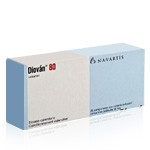
Diovan is the original brand-name formulation of Valsartan manufactured by Novartis — the second angiotensin II receptor blocker (ARB) ever approved (1996, after Cozaar/Losartan), with the most extensive cardiovascular evidence base and the broadest portfolio of fixed-dose combinations of any ARB. Available as standalone Diovan and as the combinations Diovan HCT (+ hydrochlorothiazide), Exforge (+ amlodipine CCB), Exforge HCT (triple combination), Byvalson (+ nebivolol — unique ARB+β-blocker), and Entresto (sacubitril/valsartan ARNI — landmark HFrEF therapy). Listed on the WHO Model List of Essential Medicines. FDA-approved for hypertension, heart failure, AND post-MI LV dysfunction — the broadest indication set among ARBs.
The active ingredient is Valsartan, a selective angiotensin II type 1 (AT1) receptor antagonist. Unlike Olmesartan or Candesartan prodrugs, Valsartan is a direct active drug — effective immediately without hepatic activation. Valsartan blocks AT1 receptors, preventing the vasoconstrictor and aldosterone-secreting effects of angiotensin II — producing peripheral vasodilation and BP reduction. Renal excretion is mostly unchanged (~80%), useful in patients with hepatic impairment. Half-life ~6-9 hours with long-acting receptor effect supporting 24-hour BP coverage with once-daily dosing. NO bradykinin effect — NO cough, lower angioedema risk vs ACE inhibitors.
Diovan is FDA-approved for hypertension (adults and pediatric 6-16 years), heart failure (NYHA II-IV, Val-HeFT trial), and post-myocardial infarction LV dysfunction (VALIANT trial — unique post-MI approval among ARBs). Off-label uses include diabetic nephropathy, LV hypertrophy regression, and combination therapy for resistant hypertension.
Available as Diovan 40, 80, 160, and 320 mg tablets, plus extensive combinations. Standard adult HTN dosing: 80-160 mg once daily, max 320 mg. Heart failure: start 40 mg BID, target 160 mg BID. Post-MI LV dysfunction: 20 mg BID start, target 160 mg BID.
Critical safety: boxed warning regarding pregnancy (Category D in 2nd/3rd trimester — fetal renal toxicity). Hyperkalemia, hypotension, renal dysfunction (bilateral renal artery stenosis contraindication), angioedema (rare). NO characteristic ACE-i cough — key tolerability advantage. NDMA recall 2018-2019: some generic valsartan batches recalled; brand Diovan unaffected.
Free prescription
Discrete packaging
Have questions?
Quality Assurance

- Pediatric Hypertension 6-16: FDA-approved for pediatric hypertension 6-16 years;
- Heart Failure CHF: FDA-approved for heart failure NYHA II-IV — Val-HeFT trial landmark indication;
- Val-HeFT Trial Heart Failure: Val-HeFT trial — landmark heart failure indication;
- Heart Failure ACE i Intolerant: For HF in patients intolerant to ACE inhibitors;
- Heart Failure Reduced EF: For heart failure with reduced ejection fraction (HFrEF);
- Post MI LV Dysfunction: FDA-approved for post-myocardial infarction LV dysfunction — VALIANT, UNIQUE ????? ARBs;
- VALIANT Trial Post MI: VALIANT trial — non-inferior to captopril for post-MI mortality;
- Post Myocardial Infarction: For post-MI patients to prevent progression to symptomatic HF;
- Diabetic Nephropathy: Off-label for diabetic nephropathy — reduces proteinuria;
- Proteinuria Reduction: Reduces proteinuria in diabetic and non-diabetic kidney disease;
- Left Ventricular Hypertrophy LVH: For HTN with LVH — regression of LVH;
- HTN ACE Inhibitor Intolerant: For HTN in patients intolerant to ACE inhibitors (cough/angioedema);
- HTN With Heart Failure: Dual treatment for HTN with concomitant HF;
- HTN With Post MI: HTN with prior MI — VALIANT-supported indication;
- HTN With Diabetes: HTN in diabetic patients with nephropathy — preferred class;
- Mild Hypertension: For mild hypertension (stage 1);
- Moderate Hypertension: For moderate hypertension (stage 2);
- Severe Hypertension: For severe hypertension (combination therapy);
- Resistant Hypertension Combo: For resistant HTN — multiple combo formulations (Exforge HCT triple);
- Elderly Hypertension: Well-tolerated in elderly hypertensive patients;
- Cardiovascular Risk Reduction: CV risk reduction in high-risk patients.
- Better Heart Failure Symptoms: Reduces HF symptoms (dyspnea, fatigue, edema);
- Less HF Hospitalizations: Reduces HF hospitalizations — Val-HeFT trial benefit;
- Better HF Survival ACE-i Intolerant: Improves survival in HF patients intolerant to ACE inhibitors;
- Better Post MI Survival: Non-inferior to captopril for post-MI mortality — VALIANT trial;
- Less Post MI HF Progression: Reduces progression to symptomatic HF after MI;
- Less LV Remodeling: Reduces adverse LV remodeling in HF and post-MI;
- Less Proteinuria: Significant reduction in proteinuria in diabetic/non-diabetic kidney disease;
- Better Kidney Function Preservation: Preserves kidney function in diabetic nephropathy;
- Less LVH Mass: Regression of left ventricular hypertrophy in HTN+LVH;
- NO Cough: NO characteristic ACE-i cough — key tolerability advantage;
- Less Angioedema vs ACE-i: Significantly lower angioedema risk vs ACE inhibitors;
- Better Cardiovascular Outcomes: Improved CV outcomes in high-risk patients;
- Better Daily Function: Return to normal daily activities with effective BP/HF control;
- Better Quality of Life: Substantial improvement in quality of life;
- Better Compliance Once Daily: Once-daily dosing improves compliance;
- Better Tolerability vs ACE-i: Better tolerability profile vs ACE inhibitors;
- Better Tolerability Elderly: Well-tolerated in elderly hypertensive patients;
- Brand Diovan Novartis: Original Novartis brand of Valsartan — second ARB ever approved (1996);
- Generic Valsartan: Affordable generic Valsartan versions expand global access to ARB therapy;
- Diovan HCT Combination: Diovan HCT combination with hydrochlorothiazide;
- Exforge Amlodipine Combo: Exforge combination with amlodipine — ARB+CCB synergy;
- Exforge HCT Triple: Exforge HCT triple combination (valsartan + amlodipine + HCTZ);
- Byvalson Nebivolol Combo: Byvalson combination with nebivolol — unique ARB+β-blocker fixed-dose;
- Entresto Sacubitril ARNI: Diovan = active ARB component in Entresto landmark ARNI HFrEF therapy;
- Second ARB Approved: Second ARB ever approved — foundational ARB drug class establishment;
- Selective AT1 Receptor Antagonist: Selective angiotensin II type 1 receptor antagonist;
- Active Drug Not Prodrug: Active drug — effective immediately without hepatic activation;
- Renal Excretion Mostly Unchanged: Mostly renal excretion unchanged — useful in hepatic impairment;
- No Bradykinin Effect: No bradykinin effect — NO cough, lower angioedema vs ACE-i;
- VALIANT Trial Post MI: Landmark VALIANT trial — post-MI mortality benefit;
- Val-HeFT Trial Heart Failure: Val-HeFT trial — heart failure landmark indication;
- Broadest ARB Indications: Broadest FDA indication set among ARBs — HTN + HF + post-MI;
- Pediatric HTN Approved: FDA-approved for pediatric hypertension 6-16 years;
- WHO Essential Medicine: Listed on the WHO Model List of Essential Medicines;
- 30 Plus Year Clinical History: 30+ years of clinical use since 1996 — foundational ARB with extensive evidence base.
Generic Diovan (Valsartan 40 mg) Medication guide:
💊 What Diovan Is and Who Should Take It
Diovan is the brand name of a prescription pill called valsartan. It belongs to a family of medicines called angiotensin receptor blockers, usually shortened to ARBs. The name sounds technical, but the idea is simple: valsartan blocks one of the body's hormones from tightening your blood vessels. When the vessels stay more relaxed, blood flows through them with less pressure, and the heart does less work.
Diovan was first approved in 1996 for high blood pressure, and over the years doctors also started prescribing it for two other heart conditions: heart failure (when the heart cannot pump strongly enough for the body) and recovery after a heart attack (when a part of the heart muscle has been damaged and the surviving muscle needs help). This guide walks you through what you need to know as someone about to start Diovan, someone already taking it, or someone helping a family member manage it at home.
This guide is written for you if:
- A doctor has just prescribed Diovan (or generic valsartan) and you want to understand what you are about to take
- You have been on Diovan for months or years and want a plain-language refresher
- You look after a parent or partner who takes valsartan and you want to know what to watch for
- Your pharmacist mentioned valsartan and you want to compare it to what you take today
- You need to know how the pill fits with alcohol, coffee, travel, exercise, night shifts, or an upcoming operation
BRAND
Diovan
Made by Novartis, first available in 1996
ACTIVE INGREDIENT
Valsartan
The same substance is sold under generic names in many countries
STRENGTHS
40, 80, 160, 320 mg
Small round tablets, film-coated so they swallow easily
HOW OFTEN
Once or twice a day
Once daily for blood pressure; twice for heart failure or after a heart attack
What Diovan is not:
- Not a water pill (diuretic) - it does not primarily make you pass more urine
- Not a beta blocker - it does not slow the heart rate directly
- Not a painkiller, sedative, or sleeping pill - it does not make you drowsy on its own
- Not addictive - the body does not develop craving or withdrawal
- Not a short-term "as needed" pill - it must be taken every day to keep blood pressure controlled
How to use this guide
Sections 2-4 explain how Diovan works and why doctors prescribe it. Sections 5-14 cover practical daily use: timing, food, alcohol, coffee, salt, exercise, home blood pressure checks, blood tests. Section 15 is the Side Effects anchor; section 16 covers angioedema (emergency swelling); section 17 covers missed doses. Sections 18-30 cover specific situations (night shifts, driving, sports, diabetes, pregnancy, breastfeeding, children, older adults, kidney/liver problems, illness, surgery, travel). Section 31 covers storage. Section 32 is the Contraindications anchor. Sections 33-36 cover switching medications, stopping safely, the 2018 recall history, and long-term care.
🧬 How Diovan Works Inside Your Body - Simple Explanation
To understand what valsartan does, it helps to know how your body normally controls blood pressure. The body has a hormone system called the renin-angiotensin-aldosterone system, or RAAS for short. Do not worry about the long name - what matters is what it does. This system produces a hormone called angiotensin II that squeezes your blood vessels tighter and tells your kidneys to hold on to more salt and water. Both actions push your blood pressure up.
Angiotensin II works by attaching to a specific docking spot on the blood vessel wall called the AT1 receptor. Think of it like a key (angiotensin II) fitting into a lock (the AT1 receptor). When the key turns, the vessel squeezes. Valsartan works by sitting in that lock, so the real key cannot get in and turn it. The vessels do not squeeze as hard, so they stay wider. Blood flows through wider vessels at lower pressure - and that is why your blood pressure comes down.
The three things valsartan does inside you
1. Relaxes blood vessels
Vessels stay wider - blood flows with less pressure - the heart does not need to push as hard.
2. Reduces salt and water retention
Kidneys let go of a bit more sodium (salt) and water - blood volume settles - pressure drops further.
3. Protects the heart and kidneys over time
The same hormone that raises blood pressure also thickens heart muscle and stresses kidneys. Blocking it slows this damage.
Important: what valsartan does NOT do
Some blood pressure drugs slow the heart, make you tired, cause coughing, or affect breathing. Valsartan does none of those. It works at the blood vessel wall, not at the heart's pacing or at the airway. That is the reason many people tolerate it well even when other blood pressure medicines have caused problems for them.
How quickly does valsartan work?
The first dose starts working within about 2 hours and reaches its strongest effect by 4-6 hours. But the full blood pressure result you and your doctor are aiming for usually settles over 2 to 4 weeks. This is why the first office visit or blood test after starting Diovan is usually planned around week 2. Do not judge the drug by day one - it needs a couple of weeks to show its true effect.
📝 What Doctors Prescribe Diovan For
Doctors prescribe Diovan for three main conditions. Understanding which one applies to you will help you follow the sections of this guide that matter most for your situation. Ask your doctor which of the three is your reason for taking it - the dose, the schedule, and what you should watch for differ between them.
1. High Blood Pressure (Hypertension)
This is the most common reason. If your top number (systolic) or bottom number (diastolic) is repeatedly higher than what your doctor considers safe, Diovan lowers both.
Typical dose: 80-320 mg once a day.
2. Heart Failure
Heart failure means the heart cannot pump strongly enough for the body's needs. Diovan helps by relaxing vessels so the weakened heart has less pushing to do, and by preventing further damage to the heart muscle.
Typical dose: 40 mg twice a day, slowly increased to 160 mg twice a day.
3. Recovery After a Heart Attack
After a heart attack (called a "myocardial infarction" in medical language), the surviving heart muscle can become weakened. Diovan is used in patients whose pumping strength dropped after the attack.
Typical dose: Started at 20 mg twice a day, at least 12 hours after the attack, then slowly increased.
What Diovan is NOT usually prescribed for
- Occasional headaches or one-off high readings - Diovan is a daily maintenance drug, not a rescue pill
- Chest pain (angina) alone - other classes of medicine are usually first choice for that
- Very fast heart rate (arrhythmias) alone - other drugs handle those
- Anxiety or stress - the raised BP from anxiety needs a different approach
One question worth asking at your next appointment
"Doctor, which of these conditions am I taking Diovan for, and what is my target blood pressure at home?" Knowing the answer helps you use the rest of this guide and helps you spot when something changes.
🔬 Why Doctors Trust Diovan - The Scientific Evidence Explained
You may wonder why a doctor picks Diovan over one of the many other blood pressure medicines. The answer is that valsartan has been studied in some of the largest, most respected medical trials ever run on heart medicines. When something has been tested in tens of thousands of patients over many years and still works safely, doctors trust it. Here is a plain-language summary of the main studies - you do not need to remember the names, but it may help you understand why the pill in your hand carries real evidence, not just marketing.
The four studies you may hear your doctor mention
Val-HeFT (year 2001, about 5,000 heart failure patients)
Tested: does adding valsartan on top of standard heart failure treatment help? Result: it reduced hospital admissions for worsening heart failure. This is why valsartan is on the list of drugs for heart failure today.
VALIANT (year 2003, about 14,700 post-heart-attack patients)
Tested: does valsartan work as well as an older reference drug called captopril for patients whose heart was weakened after a heart attack? Result: yes, equally well. This is why valsartan is a proven option for people who cannot tolerate the older drug.
VALUE (year 2004, about 15,200 high-risk high-blood-pressure patients)
Tested: valsartan against a common blood pressure pill called amlodipine over 4-5 years. Result: both worked well overall. A useful finding was that valsartan seemed to lower the risk of developing type 2 diabetes over the years.
PARADIGM-HF (year 2014, about 8,400 heart failure patients)
Tested: valsartan combined with a new partner drug (sacubitril) against an older heart failure drug. Result: the new combination worked better, so doctors now often prefer the combination pill for heart failure. This is discussed in Section 33.
What this means for you as a client
You are not taking an experimental pill. Valsartan has almost 30 years of real-world use in tens of millions of people worldwide. When your doctor picked it, that choice sits on a solid foundation of evidence.
▶️ Your First Two Weeks on Diovan - What to Expect
The first two weeks after starting Diovan are the settling-in period. Your body is getting used to a new hormone balance, and your blood pressure is drifting to its new normal. Knowing what to expect - and what is normal versus what deserves a phone call - makes this period easier.
Day-by-day: what you might notice
Day 1 to 3
Mild dizziness when standing up quickly is common. This is your blood vessels learning to relax. Stand up slowly, especially from bed or after sitting for a while. Drink water. Avoid alcohol.
Day 4 to 7
Blood pressure has started to fall. Home readings (Section 13) may show clear improvement. Some people notice mild tiredness or a light headache in the mornings; both usually settle.
Day 8 to 14
Most side effects that were going to appear have appeared and are on their way out. The pill's effect is now close to its full strength. This is when your doctor usually orders the first follow-up blood test (Section 14).
End of week 2 and beyond
You will discuss with your doctor whether to keep the dose, raise it, or leave it and add a partner drug. Home blood pressure logs will guide the decision.
✅ Normal in the first two weeks
- Mild dizziness when standing up quickly
- Feeling a bit more tired than usual
- Blood pressure readings dropping toward target
- Mild headache in the mornings
- Small increase in creatinine on the blood test (a 10-15% rise is expected)
🚩 Call your doctor if:
- You faint or nearly faint
- Blood pressure drops below 90/60 with symptoms
- Ankles or feet swell suddenly
- You develop a persistent skin rash
- Any facial swelling, lip swelling, or trouble swallowing (this is an emergency - Section 16)
One practical tip for the first two weeks
Buy a home blood pressure monitor if you do not already have one. Take a morning reading before your pill and an evening reading before dinner, and write both down. Two weeks of readings is what your doctor uses to decide the next step. Section 13 explains exactly how to measure correctly.
🕐 Choosing the Best Time of Day to Take Diovan
Diovan works better when you take it at the same time every day. The reason is simple: the pill's effect fades over 24 hours, and if you skip around your dosing time by many hours, you leave gaps where your blood pressure can drift up before the next dose kicks in. But you have a real choice about which time of day to take it - morning or evening - and the choice depends on your body clock, your work schedule, and what your home blood pressure readings show.
Morning versus evening dosing - practical comparison
| Time | Good for | Less good for |
|---|---|---|
| Morning (with breakfast or after) | People with high morning blood pressure; those who forget evening pills | People whose blood pressure spikes at night |
| Evening (with dinner or before bed) | People with high night-time blood pressure; those who wake early with headaches | People who need to get up several times to urinate at night |
| Twice a day (morning + evening) | People taking Diovan for heart failure or after a heart attack | Slightly harder to remember two doses; a weekly pillbox helps |
Trick for not forgetting: attach the pill to a habit you already have
Take Diovan at a fixed moment in your daily routine you never skip: right after brushing your teeth in the morning, or with your first coffee, or with dinner, or just before bed. The pill itself is easy to swallow - the hard part is not forgetting. A weekly pillbox with seven small compartments is one of the most reliable tools.
A note for shift workers and travellers
If your schedule flips (night shifts, frequent time-zone travel, or new baby at home), do not stress about hitting the exact same clock hour every day. Aim for approximately the same time within your body's day. See Section 18 for shift-work advice, and Section 30 for travel with time-zone changes.
🍽️ Should You Take Diovan with Food or on an Empty Stomach?
You can take Diovan with food or without food. Neither is dangerous, but there is a small difference in how much of the drug reaches your bloodstream: with a meal, absorption drops by about 40%, which sounds like a lot but does not usually matter for the actual blood pressure result at steady state. What matters more is consistency - take it the same way every day. If you decide to take it with breakfast, do that every day; if you decide to take it without food, do that every day. This keeps your blood level of the drug steady.
Practical guidance
| With food | Fine. Slightly slower absorption. If Diovan upsets your stomach, food helps. |
| Without food | Also fine. Faster absorption. A glass of water is enough. |
| Never crush or split | Diovan tablets are film-coated. Swallow whole with water. If you have trouble swallowing, ask your pharmacist about a smaller strength you can take twice a day. |
Foods to be aware of (details in Section 12)
- Grapefruit and grapefruit juice: unlike some other blood pressure drugs, valsartan does NOT interact meaningfully with grapefruit. You can eat it.
- High-potassium foods (bananas, oranges, tomatoes, spinach, potatoes, avocado): normal amounts are fine. Do not eat them in huge quantities all at once, and do not use potassium supplements without asking your doctor.
- Salt substitutes labelled "low sodium": often contain potassium chloride instead of sodium chloride. Do not use them freely - see Section 11.
- Licorice (real licorice root, not artificial licorice sweets): can raise blood pressure and reduce the benefit of Diovan.
If you fast (religious or health reasons)
Diovan can be taken during a fasting month like Ramadan, or during intermittent fasting. If you switch your eating window, ask your doctor about switching the dose to the time you eat. The important thing is to keep taking it - skipping doses for the whole fast is not safe if you are being treated for high blood pressure or heart failure.
🍷 Alcohol and Diovan - What You Really Need to Know
Alcohol and Diovan is one of the most common questions clients ask. The short answer: moderate amounts are usually acceptable for most people, but there are real interactions you should understand. This section explains what actually happens when you drink while on valsartan, when it becomes risky, and what to watch for.
What actually happens in your body when you drink on Diovan
Alcohol itself relaxes blood vessels and lowers blood pressure temporarily. Diovan also lowers blood pressure. Combined, the effect can be stronger than either alone - meaning:
- You may feel dizzy or lightheaded, especially standing up
- You may feel warmer or flushed than usual
- You may notice a stronger hangover, since dehydration adds to the blood-pressure drop
- Very rarely, you may faint - especially with binge drinking, hot weather, standing in a queue at a bar, or standing after a long dinner
Long-term heavy drinking has a different effect: it can push blood pressure UP over time, cancel out the benefit of Diovan, and damage the heart and liver. So the risk of light-to-moderate social drinking is short-term (a fainting spell), while the risk of heavy long-term drinking is long-term (drug not working, health worsening).
✅ Usually acceptable
1 standard drink per day for women, up to 2 for men, ideally not every day
One standard drink = 350 ml beer / 150 ml wine / 45 ml spirit
⚠️ Use caution
A glass or two at a party, holiday, wedding. Sit down when you drink, drink water alongside, do not stand up quickly. Especially avoid on hot days.
🚩 Avoid
Binge drinking, drinking daily, drinking during a stomach illness, drinking when already dizzy from Diovan, drinking before driving.
Practical rules for a night out
- Take your Diovan at your usual time. Do not skip a dose thinking it will "make room" for alcohol.
- Alternate every alcoholic drink with a full glass of water. Dehydration is what turns a mild BP drop into a fainting risk.
- Eat while you drink. Food slows alcohol absorption and stabilises BP.
- Stand up slowly at the end of the evening. Sit on the edge of the seat first, then stand.
- Do not drive.
Situations where you should not drink at all
- You are being treated for heart failure or recovering from a heart attack
- You have liver disease
- You are also on a water pill (diuretic) - dehydration risk multiplies
- You are on multiple blood pressure medicines at high doses
- You are over 75 years old and frail
- You have already fainted once on Diovan
- You are pregnant or trying to become pregnant (Diovan itself is unsafe in pregnancy - Section 22)
☕ Diovan with Coffee, Tea and Energy Drinks
Caffeine - the stimulant in coffee, tea, cola, chocolate and energy drinks - has a temporary effect on blood pressure. This does not mean you must give it up on Diovan, but you should know how it interacts with your reading and your dose.
How caffeine affects your blood pressure while on Diovan
One cup of coffee typically raises the top blood pressure number (systolic) by about 5-10 mmHg for 1-3 hours in most adults. Diovan is still working during those hours - but the reading you take right after coffee will look higher than the same reading taken before coffee. That is why the standard advice for home blood pressure measurement is: no caffeine for at least 30 minutes before you measure.
Regular daily coffee drinkers develop partial tolerance, so the effect on your reading is smaller than it would be for someone who rarely drinks coffee. Even so, the "no caffeine before measuring" rule stands, because you want your home log to be comparable day to day.
Typical caffeine amounts
| Drink | Caffeine (approximate) | Diovan-friendly? |
|---|---|---|
| Espresso, single shot | 60-80 mg | 1-3 per day, fine |
| Filter coffee, standard mug | 80-120 mg | 1-3 per day, fine |
| Black tea, cup | 30-50 mg | Generally very safe |
| Green tea, cup | 20-40 mg | Very safe |
| Cola / soft drink, 330 ml | 30-45 mg | Occasional, watch the sugar |
| Energy drink, 250 ml can | 80-160 mg (plus other stimulants) | Avoid or limit sharply |
| Pre-workout supplements | 150-300 mg (plus other stimulants) | Avoid; ask doctor |
🚩 Energy drinks and pre-workouts
Energy drinks contain high caffeine plus other stimulants (taurine, guarana, ginseng) that can raise BP and heart rate. On Diovan, this is not a safe combination - the pill is trying to lower your BP, the drink is pushing it up, and the strain shows in symptoms like palpitations, headache, or feeling hot.
Avoid energy drinks. Avoid pre-workout stimulant powders. If you feel you need them for a workout, talk to your doctor about safer alternatives.
A note on decaf and herbal teas
Decaffeinated coffee is generally fine. Most herbal teas are fine, but some have effects to note: hibiscus tea slightly lowers blood pressure (can add mildly to Diovan's effect), licorice tea can raise it (avoid regular use), yerba mate contains caffeine and stimulants (treat like strong tea or coffee). Green tea in normal amounts is not a concern.
🚬 Smoking, Vaping and Your Blood Pressure Pill
Tobacco smoking is one of the strongest independent causes of high blood pressure and heart disease. If you are on Diovan and still smoking, the pill is trying to protect your heart and vessels while the cigarettes are actively damaging them. This section explains what happens, what to know about vaping, and what to expect when you stop.
What smoking does while you are on Diovan
- Every cigarette raises your blood pressure temporarily - the top number can climb 10-20 mmHg for 20-30 minutes after each cigarette. Diovan is still working, but you are fighting it.
- Nicotine speeds up your heart rate and constricts your blood vessels - the opposite of what Diovan is doing.
- Smoking directly damages the inner lining of blood vessels, making them stiffer and more prone to plaques. Over years, this leads to heart attacks and strokes even in people with well-treated blood pressure.
- Smoking speeds up how your liver breaks down some medicines - though this is not a major issue for valsartan specifically, it affects other pills you may also be taking.
What about vaping (e-cigarettes)?
Vaping still delivers nicotine, and nicotine still raises blood pressure and heart rate. Vaping is less harmful than smoking because the products of combustion are absent, but it is not harmless. If you are already vaping, aim to reduce and eventually quit the nicotine too. If you are considering starting vaping while on Diovan, do not - it works against your treatment.
What to expect when you stop smoking on Diovan
- Within 24 hours: BP and heart rate begin to return to baseline
- Within 2-4 weeks: your Diovan may work relatively more strongly than before - you might notice slightly lower home BP readings and mild dizziness. Tell your doctor; the dose can be adjusted.
- Within 3 months: circulation improves noticeably; walking distance, breathing, cold hands
- Within 1 year: risk of heart attack falls by about half; the benefit continues to grow year on year
Practical advice
If you smoke and want to stop, ask your doctor about nicotine replacement (patches, gum, lozenges) or a smoking cessation medication. Most of these are safe with Diovan. Stopping tobacco is likely the single most impactful thing you can do for your heart health while on Diovan - larger than the effect of the pill itself for many people.
🧂 Salt and Salt Substitutes While Taking Diovan
Salt (sodium) has a bigger role in high blood pressure than most people realise. Reducing salt in your diet makes Diovan work better. But there is a specific trap with "low sodium" salt substitutes that clients on Diovan need to know about - those substitutes often contain potassium, and potassium can build up dangerously on Diovan.
Why cutting salt helps Diovan work
Extra sodium in your body pulls water into your bloodstream, raising blood volume and blood pressure. Diovan lowers BP by relaxing vessels, but its full effect is only visible on a moderate-sodium diet. On a high-salt diet (heavy processed foods, restaurant meals, bread, cheese, cured meats), Diovan may seem "not strong enough" - and doctors sometimes increase the dose or add another drug when the actual fix would have been dietary.
Target for most adults: under 2,300 mg of sodium per day (about a level teaspoon of table salt). For people over 50, with heart failure, or with kidney disease: under 1,500 mg per day.
🚩 The "low sodium" salt substitute trap
Products labelled "low sodium salt", "heart salt", or "reduced sodium salt" (common brands include LoSalt and similar) usually replace half or more of the sodium chloride with potassium chloride.
On Diovan, your kidneys already hold on to more potassium than normal (that is how the drug works). Adding potassium chloride at every meal can push your blood potassium into the danger zone - high potassium can affect your heart rhythm.
Rule: do not switch to a potassium-based salt substitute without asking your doctor. If you already use one, tell your doctor at your next visit.
Safer ways to reduce salt without a substitute
- Read labels: aim for under 400 mg sodium per serving on packaged foods
- Cook more at home; restaurant food is one of the biggest hidden salt sources
- Use lemon juice, vinegar, herbs, garlic, chili, pepper, and cumin for flavour instead
- Rinse canned beans and vegetables under water before use (removes about 40% of the added salt)
- Watch for hidden salt in bread, cheese, cured meats, soy sauce, sauces, condiments, and pickles
- Sea salt and pink Himalayan salt still contain sodium chloride and count the same
If food tastes bland at first
Taste buds adapt over 2-4 weeks. Food that seems bland when you first cut salt will taste normal after a month, and heavily salted food will start to taste too salty. The change is temporary and reversible - but most people who stick with lower salt for a month do not want to go back.
🍌 Foods, Supplements and Herbal Remedies That Interact with Diovan
Some everyday foods, supplements, and herbal remedies can interact with Diovan. Most interactions are not dangerous - but a few can raise potassium to unsafe levels, blunt the blood pressure effect, or cause dizziness. This section lists what to watch for.
Foods and supplements to be careful with
| Item | Concern | Guidance |
|---|---|---|
| Potassium supplements | Raises blood potassium; heart rhythm risk | Do not take without doctor's advice |
| Salt substitutes with potassium chloride | Same as above (see Section 11) | Do not use freely |
| Ibuprofen, naproxen, diclofenac (NSAIDs) | Blunts Diovan effect; stresses kidneys | Occasional dose fine; avoid daily use. Prefer paracetamol / acetaminophen for regular pain |
| Real licorice root (candy, tea) | Raises BP, lowers potassium | Occasional small amount fine; avoid regular use |
| Cold and flu remedies with pseudoephedrine or phenylephrine | Raises BP and heart rate | Ask pharmacist for a Diovan-friendly alternative |
| St John's Wort (herbal antidepressant) | May reduce Diovan absorption | Avoid; tell your doctor if you are using it |
| Ginseng, ephedra, yohimbe, bitter orange | Stimulants that raise BP | Avoid |
| Grapefruit and grapefruit juice | Almost no interaction with valsartan specifically | Safe to eat and drink |
What about high-potassium foods like bananas, oranges, potatoes?
Normal servings of these foods are fine. Diovan does not require a low-potassium diet in most patients. Problems appear when someone with poor kidney function eats huge daily amounts of high-potassium foods, uses potassium supplements, or combines several potassium-raising drugs. If your doctor has told you your potassium is trending high, ask for a list of high-potassium foods and moderate them - but do not eliminate whole food groups without guidance.
Especially avoid: daily painkillers of the ibuprofen family plus Diovan plus a water pill
The combination of an ARB (like Diovan), a water pill (diuretic), and a daily painkiller from the ibuprofen family is nicknamed the "triple whammy" by doctors - it can damage kidneys quickly. If you take Diovan plus a water pill and need pain relief, use paracetamol (acetaminophen) instead of ibuprofen. If you must use ibuprofen for a short course (a few days for an injury), tell your doctor and drink extra water.
🩺 Home Blood Pressure Monitoring - A Simple Step-by-Step Guide
A home blood pressure monitor is one of the most useful tools you can own once you start Diovan. Office readings can be misleading - some people have "white coat" high BP (higher only at the doctor's office), others have "masked" high BP (normal at the office but high at home). Only home data shows what is actually happening across your ordinary days.
What kind of monitor to buy
- Upper arm cuff, automatic (digital) - most accurate for home use
- Right cuff size - measure around your bare upper arm; the cuff should cover about 80% of the arm circumference. Wrong-size cuff gives wrong readings.
- Validated model - many pharmacy monitors are certified. Ask your pharmacist for one that has been clinically validated.
- Wrist and finger monitors are usually less accurate - do not use them for tracking
- Cost - a good monitor costs around 30-70 US dollars. It lasts many years and pays for itself in avoided unnecessary drug changes.
How to take a correct reading - step by step
- No caffeine, no cigarette, no exercise, no big meal for 30 minutes before
- Empty your bladder
- Sit in a chair with back support, feet flat on floor, uncrossed legs
- Rest quietly for 5 minutes - do not scroll your phone, do not talk
- Put the cuff on bare skin, not over a shirt sleeve
- Arm at heart level - support it on a table so your elbow is level with your chest
- Take two readings a minute apart - write down both
- Repeat morning (before pill) and evening (before dinner) for two weeks before your appointment
Understanding the two numbers
The top number (systolic) is the pressure when the heart pumps. The bottom number (diastolic) is the pressure when the heart rests between beats. Both matter. A reading like 128/82 means top is 128 and bottom is 82.
| Home reading (average) | Category |
|---|---|
| Under 120/75 | Excellent |
| 120-134 / 75-84 | Good target for most |
| 135-149 / 85-94 | Above target - talk to doctor |
| 150+ / 95+ | Uncontrolled - see doctor |
| Under 100/60 with dizziness | Too low - talk to doctor |
Bring your log to every appointment
A two-week log with morning and evening readings is 100 times more useful than one reading in the clinic. Most doctors will change Diovan doses based on home readings, not office readings. You can use a paper notebook, a simple app on your phone, or a spreadsheet.
🩸 Understanding Your Blood Tests on Diovan
Your doctor will order blood tests periodically while you are on Diovan. This section explains what each test measures, why it matters for someone on this pill, and what typical results look like. Once you understand the tests, the whole idea of "monitoring" becomes obvious rather than mysterious.
The three main tests your doctor watches
1. Potassium
What it is: a mineral in your blood that is essential for heart rhythm and muscle function.
Normal range: roughly 3.5 to 5.0 mmol/L (millimoles per litre) in most labs.
Why it matters on Diovan: Diovan makes your kidneys hold on to more potassium than usual. In most people the level stays in the normal range. In people with reduced kidney function, on certain other drugs, or eating potassium supplements, it can rise into the danger zone.
Symptoms of high potassium: usually none until it is very high. Then muscle weakness, tingling, irregular heart rhythm. This is why the blood test matters - you cannot feel the problem coming.
2. Creatinine and kidney filter score
What creatinine is: a waste product from muscle metabolism. Kidneys filter it out. Higher blood creatinine means kidneys are filtering less.
Kidney filter score (called "estimated glomerular filtration rate" or eGFR in medical language): a number calculated from your creatinine, age, and sex. It represents how well your kidneys filter waste. Higher is better. 90+ is excellent, 60-89 is mild reduction, 30-59 is moderate, under 30 is severe.
Why it matters on Diovan: a small rise in creatinine (10-15%) after starting is EXPECTED - it means the drug is protecting your kidneys the way it should. A bigger rise (over 30%) needs investigation.
Bottom line: a small drop in the kidney filter score in the first weeks is normal; a big drop is not.
3. Sodium (only if you are also on a water pill)
What it is: the main mineral in your body's salt balance.
Normal range: roughly 135 to 145 mmol/L.
Why it matters: Diovan combined with a water pill (as in "Diovan HCT") can occasionally lower sodium, particularly in older clients. Symptoms include confusion, tiredness, headache. A blood test picks it up before symptoms.
Typical blood test schedule
| Before starting Diovan | Baseline potassium, creatinine, sodium, kidney filter score |
| 1-2 weeks after starting | Repeat the same tests |
| 1-2 weeks after any dose change | Same |
| Once a year on stable dose | More often if you also have kidney or heart problems |
| Extra test if you start a new interacting drug | Especially spironolactone, potassium supplements, some antibiotics (trimethoprim), daily painkillers |
Ask for a copy of your results
Most clinics will give you a printout or send results to a patient portal. Keep them in a folder (paper or digital). This is your health record and it will help any future doctor understand your kidney and mineral trends. If the doctor says "your bloods are fine" but does not give you a number, it is reasonable to ask for the actual value.
🩹 Side Effects - Common Reactions and What to Expect
Most people tolerate Diovan well. This section walks through the side effects you might notice, how likely each is, whether it usually settles on its own, and when it deserves a call to your doctor. Two other side-effect topics - the emergency sign called angioedema and how to spot high potassium - have their own sections (16 and 14), because they are handled differently.
✅ The honest picture
In large studies of valsartan, about 90% of clients tolerate it well long term. Of the roughly 10% who stop, the most common reasons are dizziness that does not settle, side effects related to kidney function or potassium (found on blood tests, not felt), or a combination of Diovan with other pills that together lower BP too much.
Common and less common side effects
| Effect | How likely | When it happens / what to do |
|---|---|---|
| Dizziness when standing up | Common early on | Usually settles in 1-2 weeks. Stand up slowly. Drink water. If persistent, tell doctor. |
| Mild headache | Common early on | Usually settles. Paracetamol / acetaminophen is safe if needed. |
| Feeling tired | Common early on | Usually settles in 2-4 weeks. If it lasts, ask about BP being too low. |
| Small rise in creatinine on blood test | Very common | 10-15% rise is EXPECTED and shows the drug is working. See Section 14. |
| Potassium rise | Uncommon | Blood test picks it up before symptoms. See Sections 11, 12, 14. |
| Diarrhoea or stomach upset | Uncommon | Usually mild; take with food; tell doctor if severe |
| Back or joint aches | Uncommon | Usually mild; if persistent, discuss |
| Nasal congestion / stuffy nose | Uncommon | Usually mild and temporary |
| Cough | Rare | Not the characteristic cough that ACE inhibitors cause. Rate similar to a sugar pill. |
| Skin rash | Rare | Stop and see doctor if widespread or itchy |
| Angioedema (facial/throat swelling) | Very rare | EMERGENCY - see Section 16 |
Call your doctor if:
- You feel dizzy or faint more than a few days after starting or after a dose change
- Home BP is repeatedly under 100/60 with symptoms
- You develop swelling of ankles or hands (this is unusual with Diovan alone and needs checking)
- You develop a persistent rash
- Muscle weakness or unusual tingling (possible high potassium)
- Confusion or unusual tiredness (particularly if you are elderly)
Keeping side effects in perspective
High blood pressure is often called "the silent killer" because it damages arteries, heart, brain and kidneys without symptoms for years. The side effects of treating it are almost always smaller and more reversible than the damage from leaving it untreated. That said, if a specific side effect is affecting your life, talk to your doctor - there are usually alternatives.
🚩 Angioedema - The Rare But Emergency Sign You Must Recognise
This section is the most important warning in this guide. Angioedema (pronounced angio-oh-DEE-ma) is a rare but potentially life-threatening allergic-type swelling that can happen with valsartan and drugs like it. It affects roughly 1 in 2,000 clients, which is rare - but the consequences of missing it can be fatal, and it is completely different from a normal side effect. You need to know the signs so you can act fast if it ever happens.
🚩 STOP DIOVAN AND GO TO EMERGENCY IF YOU HAVE:
- Swelling of lips, tongue, or inside of the mouth
- Swelling around the eyes or face
- Trouble swallowing, breathing, or speaking
- Sudden change in voice or hoarseness
- A feeling of throat tightness
- Severe unexplained abdominal pain without other cause (a rare form affects the gut)
Airway swelling can close the throat within minutes. Do not wait to see if it settles. Call emergency services (ambulance) even if the swelling seems small at first - it can worsen rapidly.
When can angioedema appear?
- Any time - not only in the first days. Some cases appear after months or years of trouble-free use.
- Usually without warning - no rash, no itching, no "typical allergy" signs
- Sometimes triggered by dental work, minor mouth injury, or upper respiratory infection
- More likely in people with prior angioedema on any ARB or a related drug called an ACE inhibitor
- Slightly more common in people of African descent, though it happens in all populations
If it happens once, you must never take Diovan again
Even mild angioedema on Diovan means the drug - and every drug in the same family, and the related family called ACE inhibitors - is off the table permanently. There are many other blood pressure medicines available that do not carry this risk. Make sure the incident is on your medical record and, if possible, wear a medical alert bracelet or add the drug to allergy alerts on your phone.
How to tell angioedema from a normal side effect
A normal side effect (dizziness, tiredness, headache) is gradual, mild, and does not affect breathing or swallowing. Angioedema is fast, visible (face/lips), and affects airway function. If you are ever unsure, go to emergency - mistakes in the safe direction are always the right choice with this specific problem.
⏰ What to Do If You Forget or Miss a Dose
Missing a dose of Diovan happens to everyone eventually - a busy morning, a change of routine, a night out. This section tells you exactly what to do so a missed dose does not cause a blood pressure swing or accidental double dosing.
Rules for missed doses
| Situation | What to do |
|---|---|
| You are on ONCE a day; you realise within 6-8 hours | Take the dose now. Continue your usual schedule tomorrow. |
| You are on ONCE a day; more than 8 hours late | Skip that dose. Take the next one at the usual time. Do not double up. |
| You are on TWICE a day; you realise within 4 hours | Take the dose. Keep the schedule. |
| Twice a day; more than 4 hours late | Skip that dose. Take the next dose at the usual time. |
| You missed 2-3 doses in a row | Resume as normal. Blood pressure will re-settle over 1-2 days. Monitor at home. |
| You missed a week or more | Resume, monitor home BP for a week, and tell your doctor at the next appointment. |
Do not double up
Doubling a dose of Diovan does not give you extra protection - but it does raise the risk of a blood pressure drop, dizziness, and falls. Especially avoid doubling if you are older, on any water pill, or if you have a stomach bug or dehydration. Just skip and get back on schedule.
Practical tricks to not forget
- Weekly pillbox with 7 compartments - fill it Sunday evening; a glance tells you if you took today's dose
- Phone alarm at the same time daily, labelled "Diovan"
- Anchor to a habit you never skip - brushing teeth, coffee, dinner
- Leave the bottle where you will see it - next to your toothbrush, coffee maker, or bedside
- Refill before you run out - most pharmacies allow a refill 3-5 days before you finish
- If you travel, always take a few extra days' supply in your carry-on
🌙 Diovan for People Who Work Night Shifts or Rotating Shifts
If you work night shifts, rotating shifts, or have a very irregular schedule, taking a daily blood pressure pill needs a little more thought than for someone on a standard 9-to-5 routine. This section is for shift workers on Diovan.
Why shift work matters for blood pressure
Shift work disrupts your natural body clock (called the circadian rhythm). Blood pressure normally dips at night - but for night workers, this dip pattern can flip or disappear. Shift workers also tend to have higher salt intake, more coffee, less sleep, and more stress, all of which push BP up. This is one reason shift workers develop hypertension more often than day workers.
Two approaches to Diovan timing on shift work
Approach 1: Same clock time every day, regardless of your shift
You pick one clock hour (say, 8 AM every day) and take Diovan at that time whether you are sleeping, working, or between shifts. This is the simplest option and works well for people who rotate shifts frequently. Set an alarm; put the pill next to the alarm.
Approach 2: Same body clock time (start or end of your "day")
You take the pill at the same point in your personal day - for example, on waking (whenever that is), or with your main meal, or just before your sleep period. This suits people on stable long-term shifts.
Both approaches work. What matters is consistency: same choice every day, and same time within a 2-hour window.
Extra tips for shift workers
- Take home BP readings at consistent points in your shift cycle - always at the same point relative to your last sleep, so your log is comparable
- Watch caffeine on night shifts - the temptation to use energy drinks or repeated coffees is high; both push BP up. Section 9.
- Bring your Diovan supply to work in original packaging - a small pillbox for one dose lives in your bag
- Prioritise sleep quality - blackout curtains, quiet room; poor sleep raises BP directly
- Watch for morning-shift dizziness after a rough night shift; if you are lightheaded and driving home, do not skip the pill but do stop and rest
- Tell your doctor about your schedule - the choice of once-daily vs twice-daily Diovan, and any partner drugs, can be tailored to your rhythm
A note if you are transitioning off shift work
If you retire from night shifts or move to a day job, your BP may drift over the following months as your body clock resets. Home BP monitoring during the transition is useful - the Diovan dose sometimes needs to come down as your natural rhythm returns.
🚗 Diovan for Drivers and People Who Operate Machinery
If your work or lifestyle involves driving, operating machinery, working at heights, or any activity where a moment of dizziness could hurt you or someone else, this section matters. Diovan can cause dizziness - usually mild and temporary - and you need to know when to be cautious.
When Diovan-related dizziness is most likely
- First 1-2 weeks after starting the pill - your body is adjusting
- First 1-2 weeks after a dose increase - same reason
- After alcohol (Section 8)
- After a hot bath, sauna, or long time in the sun - blood vessels are already relaxed
- When you are dehydrated (illness, hard workout, poor fluid intake)
- Standing up quickly from bed or from a chair after being still for a while
- Getting out of a hot shower
Practical rules for drivers and machine operators
- Do not drive right after your first Diovan dose or after any first dose increase - wait to see how you feel
- Do not drive if you feel dizzy or unusually tired - pull over and rest, drink water
- Avoid alcohol before driving, and especially avoid drinking-and-then-driving on Diovan - the two together raise faint risk
- Stand up slowly from a car seat after a long journey - leaning forward, sitting on the edge, then standing
- Keep water within reach in the vehicle, especially in hot weather
- For truckers and long-haul drivers: plan Diovan timing so the first-dose settling happens on a rest day
Commercial drivers and safety-critical jobs
Pilots, commercial drivers (heavy trucks, buses, taxis), train operators, crane operators, and other safety-critical workers have specific medical fitness rules that vary by country. Blood pressure medication and the underlying condition itself often need to be declared. Diovan is generally acceptable for such licences once you are stable on the dose, but check the specific rules of your regulator or employer. Do not stop the drug to hide it - an uncontrolled high blood pressure is a bigger fitness problem than being on treatment.
Working at heights or with heavy machinery
Same rules apply: wait until you are stable on the dose before doing risky work; keep hydrated; do not combine with alcohol or heavy caffeine; take home BP readings if you notice you feel "off" one day. If you get dizzy repeatedly, tell your doctor - the dose can be adjusted rather than the job restricted.
🏃 Diovan, Exercise and Sports - Practical Advice
Regular exercise is one of the best things you can do for your blood pressure and heart - it usually adds to the benefit of Diovan rather than fighting it. Physical activity relaxes vessels, improves heart pumping strength, and lowers blood pressure by 5-10 mmHg on its own. This section covers what to know about exercising while on the pill.
✅ What is generally safe on Diovan
- Walking, jogging, cycling, swimming at moderate intensity
- Gym cardio (treadmill, elliptical, rowing) at moderate intensity
- Yoga, pilates, tai chi
- Moderate weight training with rest between sets
- Recreational team sports
- Aim for at least 150 minutes of moderate activity per week - spread across most days
What to be careful with
- Very heavy strength training (maximal lifts, holding breath under load) - spikes BP acutely
- Long-duration endurance exercise in hot climates - dehydration lowers BP too much with Diovan
- Hot yoga, saunas after workout - heat plus Diovan can cause faint on standing
- Pre-workout stimulant supplements - see Section 9
- Sudden intense workouts after months of inactivity - build up gradually
Practical exercise tips on Diovan
- Hydrate before, during, and after - dehydration and Diovan together cause dizziness
- Warm up and cool down - do not jump into peak intensity from cold; do not stop suddenly and stand still (walk slowly for 2-3 minutes at the end)
- Do not train immediately after taking the pill if you find you are dizzy - wait 1-2 hours
- Watch heart rate response - Diovan does not affect heart rate as directly as beta blockers do, so target zones are usually the same as before
- Learn to spot faint warning signs - cold sweat, spots in vision, sudden weakness. Stop, sit down, drink water.
If you compete in sport
Valsartan is generally not on lists of prohibited substances (the World Anti-Doping Agency list does not ban ARBs). Diuretics (water pills) - which are sometimes combined with valsartan in a pill called Diovan HCT - ARE banned in sport because they can be used to mask other substances. If you compete and are on Diovan HCT specifically, get a Therapeutic Use Exemption in advance. If you are on plain Diovan without a diuretic, no exemption is required, but check with your sport's governing body before a big competition.
🍬 Diovan If You Also Have Diabetes
Many people take Diovan and also have diabetes - the two conditions cluster together, and doctors often pick Diovan (or a similar ARB) specifically because ARBs also help protect the kidneys, which is important for diabetic clients. This section covers what to know if you have both.
Why doctors often pick Diovan for people with diabetes
Diabetes damages small blood vessels - especially in the kidneys, eyes, and nerves. Angiotensin (the hormone Diovan blocks) makes this damage worse over time. By blocking angiotensin at the kidney level, Diovan slows the progression of diabetic kidney disease.
In the VALUE study (2004, mentioned in Section 4), people on valsartan were slightly less likely to develop type 2 diabetes over the following years compared to people on a different BP pill. This does not mean valsartan treats diabetes - but it does mean it does not push people toward diabetes the way some older BP drugs sometimes do.
Diovan and blood sugar
- Diovan does not directly change blood sugar the way steroids or thiazide diuretics can
- It does not require adjustment of insulin or diabetes tablets in most cases
- It may slightly help sensitivity to insulin - a side benefit
- If you take metformin, both are safe together. Discuss with your doctor during illness (Section 28).
- If you take insulin, no dose change is triggered by Diovan alone
Extra kidney monitoring for diabetic clients
People with diabetes should have a urine test roughly once a year that checks for early protein leakage from the kidneys (medical name: albumin-to-creatinine ratio, sometimes called ACR - it is a simple urine sample). If protein starts appearing in the urine, your doctor will usually push the Diovan dose higher, because that is the situation where ARBs give the most kidney protection.
Sick day rules if you have both diabetes and Diovan
During episodes of vomiting, diarrhoea, or fever, both Diovan and metformin (if you take it) may need to be paused temporarily to protect your kidneys. See Section 28 for full sick day guidance. Keep your diabetes medicines going as directed by your diabetes team, but call your doctor if you cannot keep fluids down for more than 12 hours.
🤰 Diovan and Pregnancy - Serious Warning
Diovan and pregnancy do not mix. This is one of the most important warnings in the entire guide. If you are pregnant, might be pregnant, or are planning to become pregnant, you must talk to your doctor before continuing Diovan.
🚩 STOP DIOVAN IMMEDIATELY IF PREGNANCY IS CONFIRMED OR SUSPECTED
Valsartan crosses the placenta and can seriously harm the developing baby, especially in the second half of pregnancy. Reported harms include:
- Kidney failure in the baby
- Reduced amount of fluid around the baby (called low amniotic fluid or oligohydramnios)
- Poor development of the baby's lungs
- Skull deformation
- Newborn death in the worst cases
If you are planning to become pregnant
Do not wait for a positive pregnancy test. Talk to your doctor BEFORE you start trying. Your doctor will switch you to a pregnancy-safe blood pressure medication before conception. This gives you time to make sure the new pill controls your BP well.
Common pregnancy-safe alternatives include: methyldopa, labetalol, and a slow-release form of nifedipine. Your doctor will choose based on your situation.
If you find out you are pregnant while taking Diovan
- Do not panic and do not stop cold-turkey without a plan. Uncontrolled BP is also bad for the pregnancy.
- Call your doctor or obstetrician the same day. Explain the situation.
- Your doctor will arrange a switch to a pregnancy-safe pill, usually within 24-48 hours.
- You may be offered a detailed ultrasound to check on the baby, especially if you were past the first trimester.
- First-trimester exposure is thought to be less severe than exposure later in pregnancy - but it is still not safe, so the sooner the switch, the better.
Contraception is important on Diovan
If you are a woman of childbearing age on Diovan, use effective contraception. Diovan does not reduce the effectiveness of hormonal birth control (pill, patch, ring, IUD, implant). Common oral contraceptives work fine alongside it. Barrier methods (condoms) are also fine.
🤱 Diovan While Breastfeeding
The evidence on valsartan during breastfeeding is limited - we do not have good data on how much of the drug passes into breast milk. Because of this uncertainty, guidelines generally recommend that a breastfeeding mother be on a different blood pressure medication with a stronger safety record in lactation.
Current guidance for breastfeeding on a blood pressure pill
- If you took Diovan during pregnancy under specialist supervision (rare), continuing during breastfeeding is discussed case by case with your obstetrician and paediatrician
- For newly diagnosed high BP after birth, doctors usually pick a well-established pill: labetalol, nifedipine, enalapril or captopril have long safety records for nursing mothers
- If you were on Diovan before pregnancy, you were likely switched off it early in pregnancy (Section 22); the same alternative is usually continued through breastfeeding
- Talk to your obstetrician or family doctor - the balance of "how well controlled is the mother's BP" against "what is safest for the baby" is a personalised decision
Practical tips for new mothers
- Take home BP readings - the first months after birth are a period of change
- Ask about safe painkillers for post-partum aches: paracetamol is generally fine while breastfeeding; ibuprofen short-term is usually acceptable
- Report any severe headache, vision change, or persistent very high BP promptly - these can indicate post-partum complications
- Continue your BP medication (whatever pill your doctor chose) at the recommended time each day
Returning to Diovan after weaning
Once you have stopped breastfeeding and are no longer planning pregnancy in the short term, you can generally return to Diovan if it worked well for you before. Discuss timing with your doctor. Blood tests (potassium, kidney function) should be repeated at the switch and 1-2 weeks after.
👶 Diovan for Children and Teenagers
Diovan is approved for use in children aged 6 to 16 years for high blood pressure. This section is for parents, guardians, and teenagers themselves who need to understand how the pill is used in younger clients.
Dosing in children and teenagers
- Not approved under age 6 - a specialist (paediatric nephrologist or cardiologist) is needed if used in younger children
- Starting dose depends on weight - roughly 1.3 mg per kilogram body weight, once a day (up to 40 mg starting)
- Maximum usual dose in children - around 40 mg for very young, up to 160 mg for teenagers who weigh close to adult weight
- Tablets can be split for smaller doses or the doctor may prescribe a liquid formulation where available
- Blood tests and BP monitoring happen more often in growing children than in adults
Why does a child need blood pressure medication?
In children, high blood pressure is often (though not always) caused by a specific underlying condition, such as kidney disease, hormone problems, or narrowing of a major artery. The paediatric team usually investigates before starting a long-term pill. In teenagers, primary hypertension (the "adult type") is increasingly common, often linked to obesity.
Diovan is chosen when kidney protection matters, or when other pills have failed or caused problems. It is not a first-line pill for all paediatric BP.
Practical for parents
- Give Diovan at the same time every day - link it to a family routine (breakfast, teeth-brushing)
- Watch for dizziness during play or sports; keep water available
- Never let a child take extra Diovan "to catch up" - same missed dose rules as adults (Section 17)
- Store safely - even a small child accidentally taking an adult's Diovan can cause dangerous BP drop
- Tell the school if your child takes Diovan, so a teacher knows to sit them down if they feel dizzy
- Teen girls - the pregnancy warning (Section 22) applies from menarche; discuss contraception if sexually active
- Regular follow-up - paediatric BP care involves growth checks, blood tests, and often a specialist visit every 3-6 months
Long-term outlook
Many children on Diovan grow up to have healthy heart and kidney function because their BP was controlled early. The pill is generally well tolerated by children. As the child grows and the underlying cause is treated (kidney condition managed, lifestyle changed, weight normalised), some can eventually reduce or stop the pill under specialist guidance.
👵 Diovan for Older Clients (65 and Above)
Older clients - usually defined as 65 and above - need slightly different care with Diovan. The pill still works well, but body responses change with age: baroreflex (the reflex that stops you feeling dizzy on standing) slows down, kidney function is often reduced, and other medications are often on board. This section covers what older clients and their families should know.
Starting Diovan after 65
- Gentler starting dose - usually 40 or 80 mg once daily rather than 160 mg
- Slower titration - 4-6 weeks between dose increases rather than 2-4
- Blood tests more often - kidneys are more sensitive to changes at this age
- Standing BP check at every appointment - measure sitting and again after 1 and 3 minutes of standing, to catch orthostatic drop
- Home BP monitoring is particularly valuable - office readings often show white-coat effect in older clients
Falls are the main risk
A fall in an older person can be more serious than the original condition being treated. Every older client on Diovan should be assessed regularly for:
- Dizziness on standing
- New unsteadiness or trips
- Home BP drops after standing up
- Getting up at night to urinate (risk when the room is dark and BP is at its lowest)
If any of these appear, the Diovan dose is often reduced rather than continued at the higher level. Doctor decides.
Watch out for interacting drugs
Older clients often take several pills. Combinations to watch: daily painkillers (ibuprofen family - Section 12), potassium-raising drugs (spironolactone, potassium supplements), antibiotics that affect potassium (trimethoprim), and other BP pills together at high doses. Any new prescription is a good moment to ask the pharmacist "does this interact with my Diovan?"
Practical home tips for older clients (and family carers)
- Keep a night light in the hallway for the bathroom trip
- Sit on the edge of the bed for 30 seconds before standing
- Weekly pillbox with 7 clearly labelled compartments
- Bring the pillbox to every appointment - the doctor should review all medications regularly
- Keep a "current medication list" in your wallet or on your phone for emergencies
- Hydrate - thirst signals weaken with age, so drink regularly rather than waiting for thirst
🧫 Diovan If You Have Kidney Problems
Diovan is often prescribed FOR people with kidney problems because it protects the kidneys - but the same drug can also cause issues if kidney function is severely reduced. This section explains the difference and what monitoring you should expect.
✅ Why Diovan is often GOOD for kidneys
Angiotensin (the hormone Diovan blocks) puts pressure on the tiny filters inside the kidney. In people with high blood pressure, diabetes, or existing kidney damage, that pressure gradually destroys the filters over years. Diovan reduces the pressure and slows this damage. This is why an ARB is one of the standard drugs prescribed to protect kidneys in chronic kidney disease.
The expected small creatinine rise (normal)
After you start Diovan, your creatinine on the blood test may rise by 10-15% and your kidney filter score may drop by a similar amount. This is expected. It reflects the fact that the drug has taken pressure off the filtering system - it does NOT mean the kidney is being damaged. The number usually stabilises at the new level within 2-4 weeks and stays there.
A rise of more than 30% is NOT expected and needs investigation - dehydration, added painkillers, or an undiagnosed problem with the arteries supplying the kidney.
What kidney function means for your Diovan dose
| Kidney filter score | Practical meaning | Diovan approach |
|---|---|---|
| 90 or higher | Normal | Standard doses; standard checks |
| 60-89 | Mildly reduced (common with age) | Standard doses; blood tests once or twice a year |
| 30-59 | Moderately reduced (chronic kidney disease) | Standard doses acceptable; more frequent blood tests |
| 15-29 | Severely reduced | Kidney specialist involved; individualised dose |
| Under 15 / dialysis | Kidney failure | Kidney specialist decides; Diovan can still be used but under close care |
One kidney condition where Diovan must NOT be used
If both of your kidney arteries are severely narrowed (a condition called bilateral renal artery stenosis), or if you have only one working kidney and its artery is narrowed, Diovan is not safe. In these situations, the kidney relies on angiotensin to maintain filtration, and blocking it can cause acute kidney failure. Your doctor screens for this before starting the drug. If creatinine suddenly rises a lot after starting Diovan, this condition is one thing the doctor will investigate.
🏥 Diovan If You Have Liver Problems
The liver is not the main route by which valsartan is cleared from the body - bile (the fluid the liver makes to digest fats) carries most of the drug out, along with a smaller amount cleared by the kidney. This means liver disease can affect Diovan, but usually only in specific ways. This section covers what to know if you have liver problems.
Diovan and different liver conditions
| Mild to moderate liver problem (no bile blockage) | Do not exceed 80 mg per day. Monitor closely. |
| Severe liver problem or blockage of bile flow | Should not be used - the drug cannot leave the body normally |
| Fatty liver disease (very common) | Usually fine at standard doses; no special restriction |
| Hepatitis B or C (well controlled) | Usually fine at standard doses; liver enzymes checked |
| Cirrhosis with fluid buildup (ascites) | Specialist-led; the balance of BP control against kidney risk is delicate |
Alcohol becomes especially important if you have any liver disease
Any degree of liver disease means the safe amount of alcohol on Diovan drops significantly - often to zero. This is not because of Diovan specifically, but because the underlying liver condition is being made worse by alcohol. Ask your doctor for a specific alcohol limit for your situation, and see Section 8 for general alcohol rules on Diovan.
Symptoms that suggest a liver problem
If you have any of the following, ask for liver tests:
- Yellowing of the skin or the whites of your eyes (jaundice)
- Dark urine and pale stools
- Persistent nausea, loss of appetite, unexplained weight loss
- Swelling of the abdomen
- Persistent itchy skin
Diovan does not commonly cause liver problems, but if you develop these signs, a liver test is reasonable regardless.
Practical advice
Tell every doctor and pharmacist you see about any liver condition, so all your medications can be reviewed for liver safety together. Keep a list of every drug and supplement you take (including over-the-counter painkillers) - some common ones (paracetamol at high dose, some herbal supplements, and some supplements marketed for weight loss) can quietly stress the liver.
🤒 Diovan During Illness - Vomiting, Diarrhoea, Fever
Diovan behaves like a friend most of the time - but during short illnesses like a stomach bug, food poisoning, or a fever with heavy sweating, it needs to be paused temporarily. This is called "sick day rules" and applies to most blood-pressure and diabetes medicines, not just Diovan. Knowing when to pause and when to resume protects your kidneys and prevents a fall from low blood pressure.
🚩 Pause Diovan (skip doses) during any of these:
- Two or more episodes of vomiting in a short time
- Heavy watery diarrhoea lasting more than 12 hours
- High fever with heavy sweating and low fluid intake
- Unable to keep fluids down for more than 12 hours
- Signs of dehydration: dark urine, dizziness, dry mouth, weak feeling
- Symptoms of severe infection: sepsis-like feeling, confusion, rapid breathing (this is emergency territory - go to hospital)
Other pills that usually get paused at the same time
Water pills (diuretics like furosemide, hydrochlorothiazide), ACE inhibitors (like lisinopril, ramipril), other ARBs (losartan, candesartan), metformin, SGLT2 inhibitors (dapagliflozin, empagliflozin), and daily painkillers of the ibuprofen family. Beta blockers and heart-rhythm medicines usually continue - check with your doctor. Keep a note of what you paused so you can restart correctly.
When to restart Diovan
- You are eating and drinking normally again for a full 24 hours
- Urine is a normal pale colour
- Vomiting and diarrhoea have stopped
- You do not feel dizzy on standing
- Then take your next scheduled dose - do not double up for missed doses
Call your doctor if
The illness lasts more than 48 hours, you cannot keep fluids down, you are elderly or diabetic (dehydration risks are higher), or you have kidney disease. A blood test for potassium and kidney function may be needed either during the illness or shortly after. Do not restart Diovan and other paused pills on your own if you have any doubt.
💉 Diovan Before Surgery, Dental Work or Anaesthesia
Any operation, procedure, or dental work involves stress on the body and sometimes changes in fluid balance and blood pressure. Diovan needs to be considered in the pre-operative plan. This section covers what to expect and what questions to ask.
Typical pre-operative approach
- For most planned operations under general anaesthetic: the anaesthetist commonly recommends holding Diovan on the morning of surgery. This reduces the risk of very low BP during anaesthesia induction.
- For minor procedures under local anaesthetic (skin surgery, cataract, endoscopy, most dental work): continue Diovan as normal.
- For heart surgery: the cardiac team gives specific instructions; usually Diovan continues.
- For emergency surgery: the anaesthetist handles it - just tell them you are on valsartan (or Diovan).
Before surgery: what to tell the team
- The full name of your BP medication (Diovan, valsartan, or the fixed combination like Diovan HCT if that is what you take)
- Your exact dose and how often
- All other medications including painkillers, supplements, and over-the-counter drugs
- Your most recent home BP readings if you can
- Whether you have ever had angioedema on Diovan or an ACE inhibitor (this is critical for the anaesthetist to know)
- Any recent blood test results (potassium, kidney function)
Dental procedures
Continue Diovan for routine dental work. Local anaesthetic used by dentists sometimes contains a small amount of adrenaline to prolong its action - this can briefly raise BP and heart rate. Standard dental care recognises this and it is safe. Tell your dentist you are on a BP pill; that is all.
Be aware: dental infections and some mouth injuries have been rare triggers for the emergency swelling (angioedema) described in Section 16. Watch for swelling after dental work and go to emergency if in doubt.
After surgery: restarting Diovan
The surgical team will tell you when to restart. Usually this is when you are eating and drinking normally, urine output is normal, and your BP is stable. If your post-op BP is running high, the team may restart Diovan sooner; if it is running low, they may hold it longer. Do not restart on your own without confirming.
✈️ Travelling With Diovan - Practical Checklist
Travelling with Diovan is straightforward if you plan a little. This section is your practical checklist for holidays, business trips, or moving between countries.
Packing checklist for Diovan
- Enough tablets for the whole trip + 3-5 extra days (flight delays, extended stays)
- Pack in your carry-on bag - never in checked luggage where temperature swings can damage the tablets and you can be separated from them
- Keep in original packaging - simplifies customs and any local pharmacy replacement
- Prescription copy or letter from your doctor naming valsartan, dose, and why you take it
- Note the generic name - Diovan is one brand name, but valsartan is the substance; other countries use different brands
- Home BP monitor if there is space (small portable ones exist)
- List of your other medications and allergies
Crossing time zones
- Time difference of 3 hours or less: shift your dose by that amount immediately - no need to be gradual
- Time difference of 4-8 hours: shift your dose by 1-2 hours per day over 2-4 days until you catch up
- Very long trips (opposite side of the world): aim to be on local time by the second full day; if in doubt, take the dose at your usual body-clock time on day one and adjust from day two
- On the plane itself: take Diovan at your usual home clock time (even if that means an odd hour); adjust after landing
Hot climates and mountain travel
Hot weather makes BP drop more than usual on Diovan. If you are visiting a tropical country or a hot summer destination:
- Drink water regularly, even before you feel thirsty
- Ease off alcohol (Section 8)
- Stand up slowly, especially after sitting or sleeping
- Take home BP readings if you have brought a monitor - if pressure is running low with symptoms, ask a local doctor whether to reduce Diovan for the duration of the trip
- Very high altitude (over 2,500 metres) can raise your BP; readings may run higher; adjust only under medical advice
Getting sick abroad
Travellers' diarrhoea and food poisoning are common. Apply the sick day rules from Section 28 - pause Diovan if you cannot keep fluids down or if diarrhoea is heavy, and resume when you are eating and drinking normally for 24 hours. Have travel insurance that covers medical care. Save your doctor's contact and any relevant medical documents on your phone.
📦 How to Store Diovan Properly at Home
Diovan tablets are stable and easy to store, but a few simple rules keep them at their best and safe from anyone who should not have them.
Storage rules for Diovan tablets
| Temperature | Ordinary room temperature (15-30 C / 59-86 F). No fridge needed. |
| Humidity | Keep the tablets in their original blister pack or bottle. Do not decant into open jars. |
| Location - avoid | Bathroom cabinets (humidity from showers), kitchens next to the stove (heat), car glove boxes (temperature swings) |
| Location - good | Bedroom drawer, kitchen shelf away from stove and sink, hallway cupboard |
| Children and pets | Out of reach. An accidental dose in a small child or dog can cause dangerously low BP. |
| Expiry date | Printed on the box and blister. Do not use past expiry - the tablet may be less effective, and rarely the breakdown products can be an issue. |
| Weekly pillbox | Fine for the current week. Refill from the original bottle, do not pour weeks of pills into one loose container. |
How to dispose of unused Diovan
- Do not flush down the toilet - it enters water systems
- Do not put in household rubbish loose - a pet or child could find them
- Take back to a pharmacy - most pharmacies accept unused medicines for safe disposal (free service in most countries)
- If a pharmacy return is not available, mix the tablets with used coffee grounds or cat litter in a sealed bag before throwing away
Signs the tablets should not be used
Colour change, crumbling, odd smell, tablets stuck together in the blister, or blisters that have been punctured. If any of these appear, do not take them and get a fresh supply from the pharmacy. This is uncommon with proper storage.
🛑 Contraindications - When Diovan Must NOT Be Used
The word "contraindications" simply means situations where a medicine must not be used because the risk clearly outweighs any benefit. Diovan works well for most clients - but for some specific medical conditions and situations, it is unsafe. This section lists the contraindications clearly. If any of these apply to you, do not take Diovan and talk to your doctor about an alternative.
🛑 ABSOLUTE CONTRAINDICATIONS - DIOVAN MUST NOT BE USED IF:
- You are pregnant or planning pregnancy without switching first (Section 22)
- You have ever had angioedema on Diovan, any other ARB, or an ACE inhibitor (Section 16)
- You have severe liver disease or bile flow blockage (Section 27)
- You have both kidney arteries severely narrowed - or the artery to a single working kidney narrowed (Section 26)
- You are allergic to valsartan or any ingredient in the tablet
- You are already taking a newer combination pill called sacubitril-valsartan - that pill already contains valsartan; taking Diovan on top doubles the dose (Section 33)
- You have diabetes AND take a drug called aliskiren - the combination raises risk of kidney injury and high potassium
⚠️ RELATIVE CONTRAINDICATIONS - USE WITH CAUTION (doctor input needed) IF:
- You have ever had angioedema on any drug (even outside the ARB and ACE inhibitor families)
- Your baseline potassium is already above 5.5 mmol/L
- You have narrowing of the aortic valve or another condition where BP drops are risky
- You take daily painkillers of the ibuprofen family and are also on a water pill (Section 12 - "triple whammy")
- You are dehydrated or have very low blood sodium at the moment - correct first
- You have just had a heart attack within the last 12 hours - the timing needs to be right
Do not combine Diovan with another RAAS blocker
Do not take Diovan together with an ACE inhibitor (lisinopril, ramipril, enalapril, perindopril and similar), another ARB, or aliskiren. Studies have shown this combination causes more side effects (very low BP, kidney injury, high potassium) without giving extra benefit. Rare specialist exceptions exist for very specific heart failure or kidney conditions - but that is a specialist decision, not something a client should combine on their own.
🔄 Switching Between Diovan and Other Blood Pressure Medications
Sometimes doctors decide to switch a client between Diovan and another blood pressure pill. This section covers the common reasons for switching, how the transition usually works, and the special case of switching to the newer combination pill sacubitril-valsartan.
Common reasons your doctor might switch you
- BP is still high on the maximum dose of Diovan - switch to a longer-lasting ARB (like telmisartan or olmesartan) or add a partner drug
- You developed gout or high uric acid - losartan is the ARB that also lowers uric acid; a switch may be considered
- You have heart failure and are stable enough - a switch to sacubitril-valsartan (below) often gives better outcomes
- Cost or supply issue - many ARBs are generic and interchangeable at equivalent doses
- Migraine prophylaxis need - candesartan is the ARB with the best evidence for migraine prevention; a switch may be considered
- Formulary change from your insurer or pharmacy - an equivalent alternative is offered
The special case: sacubitril-valsartan (Entresto)
In 2014, a study showed that combining valsartan with a new partner substance called sacubitril worked better than an older heart failure drug for people with weakened heart pumping. The combination is sold as a single pill under the brand name Entresto. Doctors now often prefer it over plain Diovan for heart failure clients who can afford and tolerate it.
How the switch works if you go from Diovan to Entresto: stop Diovan; start Entresto at the next scheduled dose time (no long wait needed). Blood pressure and blood tests are checked in the following weeks.
How the switch works if you go from an ACE inhibitor to Entresto: a 36-hour gap is needed (this is a specific safety rule to lower the small risk of the swelling described in Section 16).
How switches between ARBs actually happen in practice
Most switches between ARB and ARB do not require a gap. You take the last dose of the current pill and start the new pill at the equivalent dose the next day. Your doctor gives you the specific dose translation. Common equivalences (approximate):
| If you were on | Rough equivalent in other ARBs |
|---|---|
| Diovan 80 mg | Losartan 50 mg / Candesartan 8 mg / Olmesartan 10 mg / Irbesartan 150 mg |
| Diovan 160 mg | Losartan 100 mg / Candesartan 16 mg / Olmesartan 20 mg / Telmisartan 40 mg |
| Diovan 320 mg | Candesartan 32 mg / Olmesartan 40 mg / Telmisartan 80 mg |
What to monitor after a switch
Home BP for 2-3 weeks - most people notice no meaningful change if the doses are properly matched. Blood tests (potassium and kidney function) at 2 weeks after the switch. Any dizziness, unusual tiredness, or new side effects - report to your doctor.
⏹️ How to Stop Diovan Safely If You Ever Need To
Diovan is a lifelong medication for most people, so stopping it is not something to do on a whim. But there are legitimate reasons to pause or stop it - and unlike some other drugs (beta blockers, clonidine), Diovan does not cause a rebound emergency when stopped. Your blood pressure simply drifts back up over 1-2 weeks. This section covers when to stop, how to stop, and what to expect.
Legitimate reasons to stop Diovan (usually with your doctor)
- Pregnancy confirmed or planned - stop immediately (Section 22)
- Angioedema occurred - never take again (Section 16)
- Blood potassium too high on tests - hold, correct, decide next step
- Kidney function dropped sharply after starting - hold, investigate, resume if reversible
- Persistent very low BP with symptoms - dose reduction preferred over stopping in most cases
- Severe stomach illness or fever - temporary pause (Section 28)
- Switch to a different drug - the doctor plans a transition (Section 33)
- Significant improvement in the underlying condition - sometimes a child with a treated kidney condition, or an adult who has lost significant weight and controlled their BP with lifestyle, can taper off under supervision
Do NOT stop Diovan on your own just because:
- Your BP is finally in the normal range - the pill is what is holding it there. Stopping means it drifts back up.
- You "feel fine" - high BP itself is silent. Feeling fine does not mean the underlying problem has gone away.
- You are going on holiday for a week - keep taking it
- You are trying to save money - talk to your doctor or pharmacist about generic valsartan (much cheaper)
- You forgot for a few days - just resume, do not decide "the drug does not work" from a short accidental break
✅ Good news: no rebound emergency
Unlike some heart drugs (beta blockers can cause chest pain, clonidine can cause severe BP surges), Diovan can be stopped abruptly without a rebound emergency. Your BP will simply drift back to where it was before the pill, over 1-2 weeks. This makes Diovan safer to pause during illness (Section 28) or for surgical planning (Section 29).
Long-term perspective
Most people with high blood pressure stay on treatment lifelong. This is not a failure of the pill - it is because the underlying tendency of the body to run high blood pressure does not go away. Just like glasses do not "cure" nearsightedness but do let you see clearly, Diovan does not cure high BP but does keep it controlled. When you look at it this way, the pill is a helpful tool, not a permanent obligation to be resented.
📜 The 2018 Valsartan Recall - What Actually Happened
Between mid-2018 and 2020, valsartan was involved in one of the largest medicine recalls in modern history. This section explains what actually happened, what it means for you today, and why the current supply is safe.
What happened, step by step
- July 2018: Regulators (in the US, Europe, and elsewhere) discovered a chemical impurity called NDMA - short for N-nitrosodimethylamine - in valsartan tablets manufactured by a Chinese chemical supplier. NDMA is considered a possible cancer-causing substance if taken in large amounts over years.
- Late 2018: Recall widened as similar impurities (called NDEA and NMBA) were found in more batches. Millions of tablets were pulled from pharmacies worldwide.
- 2019: The investigation extended to related drugs (losartan, irbesartan) and even to some products in other classes (ranitidine for heartburn, metformin for diabetes).
- 2019-2020: Regulators published new manufacturing standards and testing requirements. Suppliers had to overhaul how the drug is made and prove that batches meet strict impurity limits.
- 2020-present: The supply chain has been re-configured. Current valsartan on the market has been tested against the tighter limits.
✅ What this means for you as a client today
- Current supply is regulator-cleared against impurity limits
- The cardiovascular risk of stopping valsartan without a plan far outweighs the theoretical impurity risk. High blood pressure not treated causes strokes and heart attacks.
- The absolute cancer risk from exposure to affected batches back in 2015-2018 was estimated to be very small - worst-case around 1 in 8,000 lifetime risk, meaning the vast majority of people exposed will not develop cancer from that exposure
- No routine cancer screening is recommended just because you took valsartan during the exposure years. Your usual age-appropriate screening (mammogram, colonoscopy) continues as scheduled.
- Continue your current supply unless your pharmacist or doctor specifically tells you a batch is affected
If you feel anxious about the history
Many clients who lived through the recall years still associate valsartan with the recall and hesitate to accept it as a fresh prescription. This is a completely understandable reaction. Speaking to your pharmacist about the current batch and the manufacturing changes can help. If you would rather switch to a different ARB or a different class of blood pressure medicine because of past worries, that is a reasonable conversation to have with your doctor - you have choices.
One positive outcome of the recall
The recall triggered a global tightening of pharmaceutical manufacturing standards. Testing for impurities is now more sensitive and more routine across the whole industry, not just for valsartan. In practice, medicines you buy today are held to higher standards than a decade ago - partly because of the lessons learned from this recall.
📈 Long-Term Use - What to Discuss with Your Doctor Each Year
Diovan is not a "start it and forget it" pill. Once a year, and often more frequently in the first year, you and your doctor should sit down and go through a structured review of your treatment. This section explains what happens at that yearly review, why each part matters, and what you can bring to make it useful.
Why a yearly review matters
Your body, your lifestyle, and your other medications change over time. What was the right dose of Diovan for you five years ago may not be the right dose today. Weight goes up or down; kidneys and heart change with age; new drugs get prescribed for other conditions; guidelines get updated. The yearly review is where the doctor checks that Diovan is still the right choice, at the right dose, for you as you are today.
What usually happens at the yearly review
1. Your home BP log is reviewed
Bring two weeks of morning and evening readings from home. This is more useful than one reading in the clinic. Your doctor looks at the average, the range, and any unusual days. Decisions to change dose are usually based on this.
2. Standing BP is measured
The doctor measures BP sitting, then again a minute after you stand up. A drop of more than 20/10 suggests you are dizzy on standing - the dose may need to come down, especially in older clients.
3. Blood tests are ordered
Potassium (the mineral for heart rhythm), creatinine (a marker of kidney filter function), and sodium if you take a water pill. See Section 14 for what these numbers mean. Any change from last year is noted and explained.
4. Urine test (mainly if diabetic)
Once a year for diabetic clients, a urine test checks whether protein is leaking into the urine - an early sign of kidney damage. If protein is present, the Diovan dose is often pushed higher because ARBs help most in this specific situation.
5. Weight, waist measurement, lifestyle
Weight change, exercise, salt intake, alcohol, smoking, sleep quality all matter for BP. The visit is a chance to talk about what you can improve on your side of the equation.
6. Review of ALL your medications
Bring a full list, including painkillers, supplements, herbal remedies. New drugs may have been added that interact (Sections 11, 12).
7. Contraception check (for women of childbearing age)
A simple confirmation that pregnancy is not being planned or that contraception is being used. This matters because of the pregnancy warning in Section 22.
What to bring to the appointment
- Two-week home BP log (paper notebook or phone app)
- List of ALL medications including over-the-counter and supplements
- Weekly pillbox if you use one (helps the doctor see the current regimen)
- Any recent blood test results you have received
- Questions you want to ask - write them down; it is easy to forget in the room
Useful questions to ask at your yearly review
- "Is my current dose still right for my home BP readings?"
- "How are my kidney and potassium tests compared to last year?"
- "Is there a newer or better option I should consider?"
- "What is my target BP for the next year?"
- "Anything I should change about diet or exercise?"
- "When is my next blood test?"
Diovan for the long haul
For most people, taking Diovan every day is a lifelong commitment. The evidence for continued benefit is strong: fewer strokes, fewer heart attacks, slower kidney decline, protected heart pumping strength. The pill is small, cheap in its generic form, and generally well tolerated. A structured yearly review keeps everything aligned so the pill stays a helpful tool for you, not a decision you made once and never revisited.
Diovan — Frequently Asked Questions
-
What is Diovan (Valsartan)?
Diovan is an angiotensin II receptor blocker (ARB) used to treat high blood pressure and heart failure. It's also prescribed after a heart attack. -
How does Diovan work?
It blocks the action of angiotensin II, a chemical that narrows blood vessels, to lower blood pressure and improve blood flow. -
How should I take Diovan?
Take Diovan as prescribed by your doctor, typically once daily with or without food. -
What if I miss a dose of Diovan?
If you miss a dose, take it as soon as you remember, but skip the missed dose if its almost time for the next one. -
Can Diovan be used during pregnancy?
Diovan should not be used during pregnancy as it can harm the unborn baby. -
Does Diovan interact with other medications?
Diovan can interact with certain medications like potassium supplements, salt substitutes containing potassium, and medications that affect kidney function. -
What are the common side effects of Diovan?
Side effects may include dizziness, viral infections, fatigue, and abdominal pain.
📚 Drug Description Sources:
The information in this Diovan (valsartan) guide is compiled from authoritative pharmaceutical, medical, and regulatory sources covering cardiovascular medicine, heart failure management, and hypertension treatment guidelines. Content spans nearly three decades of valsartan clinical experience from its 1996 FDA approval through the modern angiotensin receptor blocker era shaped by the foundational Val-HeFT, VALIANT, VALUE and Jikei Heart landmark trials.
🏛️ Regulatory and government agencies
- FDA (US Food and Drug Administration) - valsartan (Diovan) approval 1996 for hypertension; subsequent expansions to heart failure (Val-HeFT) and post-myocardial infarction (VALIANT); Novartis developed and commercialized; current prescribing information at DailyMed
- EMA (European Medicines Agency) - valsartan European regulatory framework; harmonised summary of product characteristics
- MHRA (UK Medicines and Healthcare products Regulatory Agency) - Diovan summary of product characteristics
- Health Canada - Diovan product monograph
- PMDA (Japanese Pharmaceuticals and Medical Devices Agency) - regulatory documentation including 2013-2014 review of the Jikei Heart Study data integrity concerns
- DailyMed (NIH/NLM) - current Diovan US prescribing information
📚 Professional societies and clinical guidelines
- ACC/AHA/HFSA 2022 Heart Failure Guideline - valsartan specifically named as evidence-based ARB for HFrEF (with candesartan and losartan)
- ESC 2021 Heart Failure Guideline - valsartan Class I recommendation for HFrEF; sacubitril/valsartan preferred for outpatient HFrEF
- ACC/AHA 2017 Hypertension Guideline - ARB positioning as first-line
- ESC/ESH 2023 Hypertension Guideline - ARB indications and combination therapy
- ESC 2023 Acute Coronary Syndrome Guideline - valsartan positioning post-MI (VALIANT evidence) equivalent to captopril
- Japanese Society of Hypertension - valsartan positioning in Asian populations
🔬 Landmark clinical research
- Val-HeFT Trial (Valsartan Heart Failure Trial, N Engl J Med 2001) - 5 010 HFrEF clients; valsartan added to background therapy reduced heart failure hospitalisation by 27 percent; foundational ARB heart failure evidence
- VALIANT Trial (Valsartan In Acute Myocardial Infarction Trial, N Engl J Med 2003) - 14 703 post-MI clients with LV dysfunction; valsartan non-inferior to captopril and equally effective; foundational post-MI ARB evidence
- VALUE Trial (Valsartan Antihypertensive Long-term Use Evaluation, Lancet 2004) - 15 245 high-risk hypertensive clients; valsartan versus amlodipine head-to-head
- NAVIGATOR Trial (N Engl J Med 2010) - 9 306 clients with impaired glucose tolerance; valsartan modestly reduced diabetes onset
- KYOTO HEART Study and Jikei Heart - Japanese valsartan trials (later reviewed for data integrity)
- PARADIGM-HF (Sacubitril/Valsartan, N Engl J Med 2014) - foundational ARNI heart failure evidence
- PARAGON-HF (N Engl J Med 2019) - sacubitril/valsartan in HFpEF
📖 Medical references and textbooks
- Goodman and Gilman Pharmacological Basis of Therapeutics - renin-angiotensin system inhibitors chapter
- Braunwald's Heart Disease - definitive cardiology reference on ARB positioning
- Harrison's Principles of Internal Medicine - hypertension and heart failure chapters
- Katzung Basic and Clinical Pharmacology - ARB pharmacology fundamentals
- Mann's Heart Failure A Companion to Braunwald - dedicated heart failure reference
- Kaplan's Clinical Hypertension - dedicated hypertension textbook
- UpToDate - valsartan clinical monographs
- Lexicomp and Micromedex - drug interactions, dosing tables, adverse reactions
Note: This information is educational and does not replace consultation with qualified healthcare providers. Individual medical circumstances vary substantially. Always follow prescriber instructions and report concerns promptly.
🩺 Medical Expert Review:
Content reviewed for accuracy by cardiovascular medicine authorities with particular expertise in heart failure pharmacology, post-myocardial infarction care, angiotensin receptor blockade, and the foundational Val-HeFT, VALIANT and VALUE trials that established valsartan's modern positioning. The following experts represent authoritative research and clinical practice perspectives on valsartan use within contemporary cardiovascular management.
Prof. Jay N. Cohn, MD, FACC, FAHA
Emeritus Professor of Medicine, Cardiovascular Division, University of Minnesota Medical School — Minneapolis, USA
Prof. Cohn served as principal investigator of the Val-HeFT trial published in N Engl J Med 2001, which enrolled 5 010 HFrEF clients and demonstrated that valsartan added to background therapy reduced heart failure hospitalisation by 27 percent. He is a foundational figure of modern heart failure pharmacotherapy having also led the V-HeFT I and V-HeFT II trials and co-founded the Heart Failure Society of America.
Prof. Stevo Julius, MD, ScD
Late Frederick G.L. Huetwell Professor Emeritus of Hypertension, Division of Cardiovascular Medicine, University of Michigan — Ann Arbor, USA
Prof. Julius served as principal investigator of the VALUE trial published in Lancet 2004, which enrolled 15 245 high-risk hypertensive clients and directly compared valsartan against amlodipine in a landmark head-to-head trial. He was a foundational figure of hemodynamic hypertension research and served as President of the International Society of Hypertension. His scholarship on sympathetic nervous system activation in hypertension substantially informed international guidelines.
Prof. Michel Komajda, MD, FRCP, FESC
Emeritus Professor of Cardiology, Institute of Cardiovascular Medicine and Metabolism, Hopital Pitie-Salpetriere, Sorbonne University — Paris, France
Prof. Komajda is an internationally recognised authority on heart failure trials and served as President of the European Society of Cardiology. He led numerous foundational trials including BEAUTIFUL, SHIFT and SHIFT ECHO, and served on the writing groups for multiple ESC heart failure guidelines. His scholarship on ivabradine, ARB positioning in heart failure and mixed HFrEF/HFpEF phenotypes has directly informed European guidelines.
Prof. Roland E. Schmieder, MD, FESC, FAHA
Professor of Nephrology and Hypertension; Head, Clinical Research Unit, Department of Nephrology and Hypertension, University Hospital Erlangen — Erlangen, Germany
Prof. Schmieder served on the writing groups for the ESC/ESH 2018 and 2023 Hypertension Guidelines and led numerous large German cardiovascular trials including PICO, PATH-BP and Symplicity HTN. His scholarship on RAAS blockade in hypertension, renal denervation and cardiac hypertrophy regression has substantially informed European and international guidelines. He has authored over 700 peer-reviewed publications.
Prof. Gerasimos Filippatos, MD, FESC, FHFA
Professor of Cardiology; Head, Heart Failure Unit, Attikon University Hospital, National and Kapodistrian University of Athens Medical School — Athens, Greece
Prof. Filippatos served as President of the ESC Heart Failure Association and led numerous foundational heart failure trials including FINEARTS-HF and FIDELIO-DKD. He served on the writing group for the ESC 2021 Heart Failure Guidelines. His scholarship on ARB and ARNI positioning across the heart failure spectrum, cardiorenal syndromes and iron biology has substantially informed European guidelines.
Disclosure: Expert names and credentials are cited for educational reference. This content is not endorsed by named experts. Content prepared by RXshop editorial team based on published literature and clinical guidelines.
More Blood Pressure Medications