Buy Aldactone (Spironolactone) Online — Pfizer Potassium-Sparing Diuretic & Mineralocorticoid Receptor Antagonist for Heart Failure & Hypertension

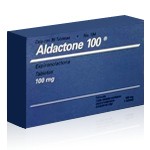
Aldactone is the original brand-name formulation of Spironolactone manufactured by Pfizer (originally G.D. Searle & Company) — one of the oldest and most uniquely versatile medications in cardiovascular and endocrine therapy. FDA-approved since 1960, Aldactone is a potassium-sparing diuretic and mineralocorticoid receptor antagonist (MRA) with additional anti-androgenic properties. Listed on the WHO Model List of Essential Medicines, Spironolactone has 60+ years of clinical experience across multiple specialties: cardiology (heart failure, resistant hypertension), endocrinology (hyperaldosteronism), hepatology (cirrhotic ascites), and dermatology (off-label hormonal acne, hirsutism). Newer oral suspension CaroSpir available for pediatric and dysphagia patients.
The active ingredient is Spironolactone, a competitive aldosterone receptor antagonist. In the renal distal tubule, Spironolactone blocks aldosterone-mediated sodium reabsorption and potassium secretion — producing mild diuresis while retaining potassium. In cardiac tissue, Spironolactone blocks aldosterone-mediated cardiac remodeling and fibrosis (RALES trial demonstrated mortality reduction in severe HF). Spironolactone also has anti-androgenic effects: blocks androgen receptors, inhibits 5α-reductase, and reduces androgen synthesis — basis for off-label use in hormonal acne, hirsutism, PCOS, and MTF transgender hormone therapy.
Aldactone is FDA-approved for heart failure (Class III-IV, mortality reduction), hypertension (especially resistant HTN), primary hyperaldosteronism (Conn's syndrome), edema in cirrhosis with ascites, edema in nephrotic syndrome, and hypokalemia (potassium-sparing). Off-label uses include hormonal acne in women (50-200 mg/day), hirsutism (anti-androgenic), PCOS symptom management, androgenetic alopecia in women, and transgender hormone therapy (anti-androgen for MTF transition).
The medication is available as Aldactone 25 mg, 50 mg, and 100 mg tablets and CaroSpir oral suspension 25 mg/5 mL. Standard adult dosing varies by indication: heart failure 25-50 mg once daily (adjunct to ACE-i + beta-blocker), hypertension 50-100 mg once or divided daily, primary hyperaldosteronism 100-400 mg/day, cirrhotic ascites 100-400 mg/day, off-label acne 50-200 mg/day. Renal dose adjustment for CrCl below 50 mL/min.
Critical safety considerations include HYPERKALEMIA as main serious concern (monitor serum K+; caution with ACE-i, ARBs, K supplements, NSAIDs, K-sparing diuretics), gynecomastia in men (dose-related, can be painful, usually reversible), erectile dysfunction, menstrual irregularities in women, dehydration, hyponatremia, acute kidney injury, very rare Stevens-Johnson syndrome. Pregnancy Category C — avoid (potential feminization of male fetus from anti-androgenic effects). Historical FDA boxed warning regarding tumorigenic potential from animal studies (clinical significance unclear).
Free prescription
Discrete packaging
Have questions?
Quality Assurance

- Heart Failure (HF): For heart failure with reduced ejection fraction (HFrEF) as adjunct to ACE-i + beta-blocker;
- HFrEF: For heart failure with reduced ejection fraction — cornerstone therapy;
- Hypertension Essential (HTN): FDA-approved for hypertension — especially valuable in resistant HTN;
- Resistant Hypertension: Particularly effective for resistant HTN — 4th-line addition after ACE-i/ARB + CCB + diuretic;
- Primary Hyperaldosteronism / Conn Syndrome: FDA-approved for primary hyperaldosteronism;
- Cirrhotic Ascites: FDA-approved for edema/ascites in cirrhosis — standard therapy with furosemide;
- Nephrotic Syndrome Edema: FDA-approved for edema in nephrotic syndrome;
- Hypokalemia: FDA-approved for hypokalemia treatment and prevention (K-sparing);
- Hormonal Acne Women: Off-label for hormonal acne in women (50-200 mg/day) — established off-label use;
- Hirsutism: Off-label for hirsutism (excess body hair in women) — antiandrogenic effect;
- PCOS / Polycystic Ovary Syndrome: Off-label for PCOS symptom management (acne, hirsutism, alopecia);
- Female Androgenetic Alopecia: Off-label for female-pattern androgenetic alopecia (hair loss);
- Transgender MTF Therapy: Off-label anti-androgen in male-to-female (MTF) transgender hormone therapy;
- Premenstrual Syndrome (PMS): Off-label for PMS-related fluid retention and bloating;
- Idiopathic Edema: Off-label for idiopathic edema (cyclical edema in women);
- Acne Vulgaris Hormonal: For hormonal acne in women refractory to topical/antibiotic therapy;
- Familial Hyperaldosteronism: For familial hyperaldosteronism (GRA and other variants);
- Post MI Heart Failure: For post-MI heart failure with reduced ejection fraction;
- Long Term Heart Failure Maintenance: Suitable for long-term HF maintenance therapy (with monitoring).
- Less HF Hospitalizations: Reduction in heart failure-related hospitalizations;
- Less HF Symptoms: Reduction in heart failure symptoms (dyspnea, fatigue, edema);
- Better HF Functional Class: Improvement in NYHA functional class in heart failure patients;
- Less Cardiac Remodeling: Blocks aldosterone-mediated adverse cardiac remodeling and fibrosis;
- Less Blood Pressure: Effective blood pressure reduction — particularly resistant HTN;
- Better Resistant HTN Control: Highly effective in resistant hypertension when ACE-i/ARB + CCB + diuretic inadequate;
- Less Hyperaldosteronism: Effective treatment of primary hyperaldosteronism (Conn's syndrome);
- Less Ascites Cirrhosis: Effective reduction in cirrhotic ascites (standard therapy with furosemide);
- Less Nephrotic Edema: Reduction in nephrotic syndrome edema;
- Better K+ Balance: Potassium-sparing diuresis — corrects/prevents hypokalemia (especially from loop/thiazide diuretics);
- Less Hormonal Acne: Off-label significant reduction in hormonal acne in women (antiandrogenic effect);
- Better Skin Quality: Improvement in skin quality through reduced sebum production;
- Less Hirsutism: Off-label reduction in unwanted facial and body hair growth;
- Better PCOS Symptom Control: Off-label improvement in PCOS symptoms (acne, hirsutism, alopecia);
- Less Female Hair Loss: Off-label benefit for female-pattern androgenetic alopecia;
- Better Transgender MTF Outcomes: Off-label effective anti-androgen for MTF transgender hormone therapy;
- Less PMS Bloating: Off-label reduction in PMS-related fluid retention and bloating;
- Less Idiopathic Edema: Off-label benefit for cyclical idiopathic edema in women;
- Better Long-Term HF Outcomes: Long-term mortality and morbidity benefit in severe HF;
- Better Quality of Life: Substantial improvement in quality of life with effective therapy across multiple indications;
- Brand Aldactone: Original Pfizer/Searle brand with established global clinical reputation since 1960;
- Generic Spironolactone: Affordable generic versions expand global access to foundational MRA therapy;
- CaroSpir Oral Suspension: Newer oral suspension formulation (25 mg/5 mL) for pediatric and dysphagia patients;
- Potassium Sparing Diuretic: Foundational potassium-sparing diuretic class — corrects K+ depletion;
- Mineralocorticoid Receptor Antagonist MRA: Foundational mineralocorticoid receptor antagonist — cornerstone HF therapy;
- Aldosterone Receptor Antagonist: Competitive aldosterone receptor antagonist — blocks RAAS at terminal step;
- Anti Androgenic Properties: Unique anti-androgenic properties — basis for off-label dermatologic and gynecologic uses;
- Cardiac Remodeling Blockade: Blocks aldosterone-mediated cardiac remodeling and fibrosis;
- RALES Trial Mortality Benefit: RALES trial demonstrated mortality benefit in severe heart failure;
- Heart Failure Cornerstone: Cornerstone HF therapy along with ACE-i/ARB/ARNI and beta-blockers;
- Resistant Hypertension 4th Line: 4th-line addition for resistant hypertension — established benefit;
- Multi Specialty Drug: Used across cardiology, endocrinology, hepatology, dermatology, transgender care;
- Once Daily Convenience: Once-daily dosing supports adherence in chronic therapy;
- Eplerenone Predecessor: Predecessor to newer selective MRA Eplerenone (Inspra) — less gynecomastia but more expensive;
- WHO Essential Medicine: Listed on the WHO Model List of Essential Medicines;
- 60 Plus Year Clinical History: 60+ years of clinical use since 1960 — among the oldest medications in continuous clinical use.
Generic Aldactone (Spironolactone 25 mg) Medication guide:
📌 Aldactone MRA at a Glance
Aldactone is a brand name for spironolactone, a mineralocorticoid receptor antagonist (MRA) that blocks the action of aldosterone at receptors in the kidney and elsewhere. It is used across three distinct clinical settings: as foundational therapy in heart failure with reduced ejection fraction (mortality benefit established by the RALES trial), as the most effective add-on agent for resistant hypertension (PATHWAY-2 trial), and as first-line treatment for primary aldosteronism where surgery is not chosen or feasible. Cipla and Zydus Healthcare are the two principal Indian manufacturers behind the international generic supply, with Pfizer/Searle as the originator of the Aldactone brand.
This guide covers how aldosterone blockade works clinically, how Aldactone is dosed and monitored, the central concern of hyperkalaemia that shapes routine follow-up, the distinctive endocrine side effects (gynaecomastia in men, menstrual irregularities in women) that reflect spironolactone's partial hormone receptor activity, the RALES and PATHWAY-2 trial evidence base, and the well-established off-label uses in dermatology (hirsutism, hormonal acne) and gynaecology (polycystic ovary syndrome). The material follows the FDA prescribing information, joint ACC and AHA heart failure and hypertension guidelines, European Society of Cardiology guidelines, and Endocrine Society guidelines on primary aldosteronism.
📌 Aldactone at a glance
| Generic name | Spironolactone |
| Drug class | Mineralocorticoid receptor antagonist (MRA); potassium-sparing diuretic; aldosterone antagonist |
| Available strengths | 25 mg, 50 mg, and 100 mg tablets |
| Route and dosing | Oral tablet, once daily in most settings; occasionally twice daily at higher doses |
| FDA indications | Heart failure with reduced ejection fraction; oedema of cirrhosis and nephrotic syndrome; primary aldosteronism; hypertension |
| Onset of effect | Modest diuretic effect within 2-3 days; full blood pressure and heart failure effects at 2-4 weeks |
| Central safety concern | Hyperkalaemia — the single most important routine monitoring topic |
| Distinctive endocrine effects | Gynaecomastia in men (dose-related); menstrual irregularities in women; both reflecting spironolactone's antiandrogenic and partial progestin activity |
Three features distinguish Aldactone from most other cardiovascular medications. First, the mineralocorticoid receptor antagonist mechanism blocks the specific hormone (aldosterone) that drives sodium retention, potassium loss, and adverse cardiac and vascular remodelling in heart failure and in primary aldosteronism. Second, the outcome trial evidence is compelling: the RALES trial established a substantial mortality reduction in advanced heart failure at low doses, and the PATHWAY-2 trial established spironolactone as the most effective add-on antihypertensive for resistant hypertension. Third, the endocrine side effect profile — gynaecomastia in men, menstrual changes in women, low libido in both — reflects the drug's partial activity at androgen and progesterone receptors and shapes real-world tolerability in a way that pure diuretics and vasodilators do not.
Some readers arrive at this page for a first prescription of an MRA in heart failure; others are established users returning to check a specific detail such as what a rising potassium means or how a switch to eplerenone would work. The sections are organised by topic and can be read individually.
💊 What Spironolactone Is
Spironolactone is a synthetic steroid that structurally resembles the natural mineralocorticoid aldosterone. It works by competitively binding to the mineralocorticoid receptor without activating it, blocking aldosterone from binding and thereby preventing aldosterone's downstream physiological effects. The molecule has been in continuous clinical use since the early 1960s and is one of the oldest medicines still in the front line of contemporary cardiovascular practice.
💊 Spironolactone pharmacokinetics at a glance
| Absorption | Well absorbed orally, especially when taken with food; bioavailability substantially improved by concurrent food intake |
| Active metabolite | Extensively metabolised to canrenone, the principal active metabolite, along with several other pharmacologically active metabolites |
| Protein binding | Over 90% protein-bound |
| Elimination half-life | Around 1-2 hours for spironolactone itself; approximately 14 hours for canrenone; the effective duration of receptor blockade supports once-daily dosing |
| Route of excretion | Predominantly renal, as inactive and active metabolites |
| CYP interactions | Spironolactone has minimal effect on major CYP enzymes; drug interactions are principally pharmacodynamic (potassium, blood pressure) rather than pharmacokinetic |
Two features of spironolactone's pharmacokinetics are worth understanding. First, the food effect on absorption is real. Taking the tablet with food increases bioavailability by roughly 90% compared with fasting administration. For heart failure and resistant hypertension use, taking Aldactone with a meal (typically breakfast or the largest meal of the day) is the recommended pattern. Second, the active metabolite canrenone is responsible for a substantial fraction of the drug's clinical effect and has a much longer half-life than the parent molecule. This is why once-daily dosing works clinically even though spironolactone itself has a short intrinsic half-life.
Spironolactone's lack of major CYP-mediated interactions is a practical advantage. Unlike nifedipine (extensively CYP3A4-metabolised) or quinapril (hepatically activated), spironolactone does not interact meaningfully with most CYP-inhibitor or CYP-inducer drugs. The important interactions on Aldactone are pharmacodynamic — drugs that also raise potassium, drugs that reduce blood pressure independently, drugs whose effects are modified by the diuretic action. Section 10 covers these in detail.
🧬 Aldosterone and the Mineralocorticoid Receptor
To understand what spironolactone does, it helps to spend a few minutes on the biology of aldosterone and its receptor. Aldosterone is the principal mineralocorticoid hormone produced by the outer (zona glomerulosa) layer of the adrenal cortex. Its production is regulated by three main stimuli: angiotensin II (from the renin-angiotensin cascade), elevated serum potassium, and adrenocorticotropic hormone (ACTH). Its principal target is the mineralocorticoid receptor in the collecting ducts of the kidney, though the receptor is also present in the heart, blood vessels, and brain.
🧬 The physiological effects of aldosterone
- Sodium and water retention in the kidney. Aldosterone binds the mineralocorticoid receptor in principal cells of the collecting duct, upregulating the epithelial sodium channel (ENaC) and the Na/K ATPase. Sodium is reabsorbed; water follows.
- Potassium excretion. As sodium is reabsorbed, potassium is secreted into the tubular fluid and lost in urine. This is the reason aldosterone-driven states produce low serum potassium.
- Hydrogen ion excretion. A modest effect on tubular acid handling; excess aldosterone contributes to metabolic alkalosis.
- Cardiac and vascular effects. Aldosterone stimulates mineralocorticoid receptors in the heart and vessels, promoting fibrosis, inflammation, and adverse remodelling. These effects are prominent in heart failure and are what the RALES trial mortality benefit is thought to reflect.
- Central nervous system effects. Mineralocorticoid receptors in the brain influence sympathetic tone; blocking them contributes to modest sympathetic inhibition seen with MRA therapy.
Two features of aldosterone physiology are worth understanding. First, the classical view of aldosterone as a "kidney hormone" substantially undersells its cardiovascular importance. The RALES trial demonstrated that blocking aldosterone in advanced heart failure reduced mortality by 30%, an effect too large to explain by the drug's modest diuretic action alone. The current understanding is that cardiac and vascular mineralocorticoid receptor blockade — reducing myocardial fibrosis, vascular stiffness, and adverse remodelling — explains most of the trial benefit.
Aldosterone escape and mineralocorticoid receptor blockade
In heart failure treated with ACE inhibitors or ARBs, aldosterone levels initially fall but often rise again over time — the "aldosterone escape" phenomenon. This is one of the reasons ACE inhibitor or ARB therapy alone does not fully suppress the harmful effects of the RAAS in heart failure, and it is the pharmacological rationale for adding a mineralocorticoid receptor antagonist as a third layer of blockade. Spironolactone or eplerenone catches the residual aldosterone signalling that ACE inhibitors and ARBs allow to persist.
Second, spironolactone's effects are not limited to the mineralocorticoid receptor. The molecule has weak but clinically significant activity at androgen receptors (blocking testosterone action) and at progesterone receptors (partial agonist activity). These off-target effects explain the endocrine side effects (gynaecomastia in men, menstrual irregularities in women) that shape the drug's tolerability profile and that are covered in sections 14 and 15.
🔬 How Spironolactone Blocks the Receptor
Spironolactone binds competitively to the mineralocorticoid receptor and prevents aldosterone from activating it. Because the binding is competitive and reversible, higher aldosterone concentrations can partially overcome the block; this is one of the pharmacological principles behind dose titration in resistant hypertension where circulating aldosterone may be elevated. This section describes the practical consequences of the mechanism.
🔬 The four practical consequences of mineralocorticoid receptor block
- Modest natriuresis and diuresis
- Sodium and water excretion increases; the effect is smaller than with a thiazide or loop diuretic because only a small fraction of tubular sodium is handled by the aldosterone-sensitive segment of the collecting duct. This is why spironolactone is more effective as an add-on to other diuretics than as monotherapy for diuresis in most settings.
- Potassium retention
- The same block that reduces sodium reabsorption reduces potassium secretion, so serum potassium tends to rise on spironolactone. This is a therapeutic advantage in patients on other potassium-losing diuretics, but it is the principal safety concern when spironolactone is used alone or added to other potassium-elevating drugs.
- Blood pressure lowering
- The combined effect of reduced circulating volume and reduced sympathetic tone produces meaningful blood pressure reduction, particularly in states of high aldosterone tone (primary aldosteronism, resistant hypertension).
- Cardiac and vascular anti-remodelling effect
- Blocking mineralocorticoid receptors in the heart and blood vessels reduces fibrosis, improves ventricular function over months, and contributes to the mortality benefit seen in heart failure trials. This effect is not visible on a scale or a blood pressure cuff; it is measured in outcome trials over years.
Two features of the mechanism deserve emphasis. First, the diuretic effect of spironolactone alone is modest. As a monotherapy diuretic for congestion in heart failure or for oedema of any cause, spironolactone is less potent than furosemide, bumetanide, or a thiazide. Its role in these settings is usually as an add-on partner to a stronger diuretic, providing potassium retention and cardiac anti-remodelling effects that the stronger diuretic does not deliver. Second, the anti-remodelling effect emerges slowly and continues over months; this is why the RALES trial mortality benefit was fully apparent only at one to two years of therapy.
Why the anti-remodelling effect matters
In heart failure with reduced ejection fraction, ventricular remodelling — the progressive dilation and thinning of the failing left ventricle — is the mechanistic driver of long-term deterioration. Aldosterone contributes to this process through both haemodynamic effects (afterload) and direct receptor-mediated effects (fibrosis, inflammation). Blocking the mineralocorticoid receptor slows or reverses these processes, and it is this effect rather than the diuretic action that most guidelines cite when recommending MRA therapy as a foundational pillar for heart failure with reduced ejection fraction.
🎯 Approved Uses — Heart Failure, Hypertension, Hyperaldosteronism
Spironolactone has multiple FDA-approved indications and several well-established off-label uses. This section covers the approved indications; the off-label uses (hirsutism, hormonal acne, PCOS) are covered separately in section 20 because they represent a distinct dermatological and gynaecological practice area.
| Indication | Typical dose | Notes |
|---|---|---|
| Heart failure with reduced ejection fraction (New York Heart Association class II-IV symptoms, EF less than or equal to 35%) | 12.5-25 mg once daily; occasionally 50 mg once daily | Class I recommendation across major guidelines; RALES trial basis; see section 17 |
| Resistant hypertension (uncontrolled BP on 3-drug regimen including a diuretic) | 25-50 mg once daily; occasionally 100 mg | PATHWAY-2 trial evidence; the most effective add-on in this setting; see section 18 |
| Primary aldosteronism (Conn syndrome; bilateral adrenal hyperplasia or unilateral adenoma unfit for surgery) | 50-400 mg per day, often in divided doses; titrated to blood pressure, potassium, and renin | First-line pharmacological therapy; Endocrine Society guideline; see section 19 |
| Oedema of cirrhosis with ascites | 100-400 mg per day, often combined with a loop diuretic; ratio guided by potassium and diuresis response | The high-renin, high-aldosterone state of cirrhosis makes MRA therapy particularly effective |
| Oedema of nephrotic syndrome | 100-200 mg per day, combined with other diuretics | Add-on to loop diuretic; monitor potassium closely given reduced kidney function often present |
| Essential hypertension (as monotherapy or add-on) | 25-100 mg once daily | Not first-line for uncomplicated hypertension; more effective in low-renin or resistant hypertension patterns |
Two features of the indication list are worth understanding. First, spironolactone's doses vary enormously across indications — from 12.5 mg once daily in heart failure to 400 mg per day in primary aldosteronism. The dose selected reflects the specific pharmacological role in each setting: low-dose receptor blockade for cardiac anti-remodelling in heart failure; higher-dose receptor blockade for full aldosterone antagonism in primary aldosteronism. Second, hypertension is the setting where MRA use has grown most rapidly in recent years, partly because of the PATHWAY-2 trial and partly because contemporary hypertension guidelines increasingly recognise the important contribution of aldosterone excess to treatment-resistant hypertension.
🎯 Where spironolactone is not first-line
- Uncomplicated essential hypertension in a low-risk patient: ACE inhibitors, ARBs, thiazides, and calcium channel blockers are first-line; spironolactone comes into play later.
- Isolated diuretic need in mild volume overload: a thiazide is usually more effective as monotherapy for diuresis.
- Heart failure with preserved ejection fraction (HFpEF): the TOPCAT trial evidence for spironolactone was mixed; the drug is used in some patient groups but is not universally recommended.
An important non-approved use worth mentioning briefly: spironolactone is widely used in gender-affirming hormone therapy for transgender women as an anti-androgen, based on its ability to block testosterone action at the androgen receptor and its inhibition of testicular androgen synthesis. This use is off-label but is well-established in specialist endocrinology practice.
📋 The MRA Class — Spironolactone vs Eplerenone
Spironolactone was the first mineralocorticoid receptor antagonist introduced clinically (1960s). A second-generation agent, eplerenone, was developed in the 1990s specifically to reduce the endocrine side effects of spironolactone while retaining the cardiovascular benefit. A third-generation non-steroidal MRA, finerenone, was more recently introduced for chronic kidney disease in type 2 diabetes. Understanding where spironolactone sits in this class helps explain the switching decisions covered later.
📋 The mineralocorticoid receptor antagonist family
| Agent | Chemistry | Receptor selectivity | Signature endocrine tolerability |
|---|---|---|---|
| Spironolactone | Steroid, 1960s | Mineralocorticoid receptor + weak activity at androgen and progesterone receptors | Gynaecomastia in men (up to 10%); menstrual irregularities in women |
| Eplerenone | Steroid, 2000s | Highly selective for mineralocorticoid receptor | Substantially lower rates of gynaecomastia and menstrual effects |
| Finerenone | Non-steroidal, 2020s | Highly selective for mineralocorticoid receptor | Minimal endocrine side effects; indication currently focused on CKD in type 2 diabetes |
Two features of the MRA class positioning are worth understanding. First, spironolactone remains the first choice for heart failure with reduced ejection fraction in most healthcare systems because of the strength of the RALES trial evidence, the drug's extensive clinical track record, and its low cost. Eplerenone is a reasonable substitute when the endocrine side effects of spironolactone become intolerable, particularly gynaecomastia in men. Second, the endocrine side-effect gap between spironolactone and eplerenone is real but not enormous: eplerenone still produces occasional endocrine effects and is not free of side effects; it is somewhat more expensive; and its blood pressure and heart failure efficacy per milligram is comparable but not identical to spironolactone.
Dr Chatterjee-Wexford on choosing between spironolactone and eplerenone
"For most heart failure patients starting an MRA, spironolactone is the default because of the RALES trial evidence base and the low cost. Eplerenone is the switch target when spironolactone-associated gynaecomastia becomes an issue for a male patient, or when menstrual side effects become disruptive for a woman still menstruating. The core mortality benefit is a class effect, so the switch preserves the outcome benefit while addressing the specific tolerability problem."
Rhoda M. Chatterjee-Wexford, MD, MSc, FACC — Heart Failure Program, Mayo Clinic Rochester
A note on finerenone: this newer non-steroidal MRA has been most extensively studied in chronic kidney disease in type 2 diabetes (FIDELIO-DKD and FIGARO-DKD trials) rather than in classical heart failure. It offers a somewhat different balance of benefits and risks in that specific patient group and is not routinely interchangeable with spironolactone for heart failure or resistant hypertension at the current stage of the evidence.
📆 Tablet Strengths and Titration Schedule
Aldactone is available in three tablet strengths — 25 mg, 50 mg, and 100 mg — which together allow the wide dose range needed across the different indications. A patient with heart failure may be well controlled on 25 mg once daily indefinitely; a patient with primary aldosteronism may need 200 mg or more per day. This section describes practical titration by indication.
📆 Titration by indication
- Heart failure with reduced ejection fraction
- Start 12.5 mg once daily in patients with reduced kidney function or borderline potassium; otherwise 25 mg once daily. Recheck potassium and creatinine at 1 week and 4 weeks. Titrate to 50 mg once daily only if tolerated and if there is a clear reason (persistent symptoms, elevated aldosterone). Doses above 50 mg are unusual in heart failure.
- Resistant hypertension
- Start 25 mg once daily on top of the existing regimen. Titrate to 50 mg once daily if blood pressure remains uncontrolled and potassium is acceptable at 4-6 weeks. Doses above 50 mg are usually a specialist decision.
- Primary aldosteronism
- Start 25-50 mg once daily. Titrate over 4-8 weeks based on blood pressure, serum potassium, and (in specialist practice) plasma renin activity. Total daily doses of 100-300 mg are common; doses up to 400 mg per day are used in specific cases. Divided dosing (twice daily) often preferred at higher doses.
- Cirrhosis with ascites
- Start 50-100 mg once daily, often combined with furosemide in a 100:40 mg ratio. Titrate to diuresis response and potassium. Doses up to 400 mg per day may be needed in advanced cirrhosis.
Two features of titration on Aldactone are worth understanding. First, the doses are indication-specific: a heart failure dose of 25 mg is a small fraction of the primary aldosteronism dose of 100-300 mg. This is not because heart failure patients tolerate lower doses; it is because the pharmacological role is different. In heart failure the goal is cardiac and vascular anti-remodelling at doses low enough to minimise hyperkalaemia and endocrine side effects. In primary aldosteronism the goal is full aldosterone antagonism to control severe hypertension and normalise potassium. Second, titration should always be paired with potassium monitoring (see sections 11 and 12). Titrating spironolactone without checking potassium is one of the most common preventable causes of clinical hyperkalaemia in ambulatory cardiology.
A note on timing of dose
Aldactone is best taken with food to improve bioavailability. Once-daily dosing usually with breakfast or the largest meal of the day works for most users. Twice-daily dosing at higher primary aldosteronism doses is sometimes chosen to reduce peak plasma levels; morning and evening with meals is the standard split.
▶️ Starting Aldactone — First-Week Monitoring
Starting Aldactone is straightforward in most patients but requires attention to two specific safety concerns: the potential for symptomatic first-dose hypotension (particularly in patients already on other diuretics or antihypertensives) and the rise in serum potassium that follows initiation. The first-week and first-month monitoring plan is the practical response to both concerns.
▶️ The first-week and first-month monitoring plan
- Baseline creatinine and potassium before the first dose. If potassium is already above 5.0 mmol/L or eGFR is below 30 mL/min/1.73 m2, reconsider starting or start at a lower dose with closer monitoring.
- Day 3-7 potassium check in patients with heart failure or reduced kidney function; day 7-10 in otherwise healthy patients.
- Week 2-4 potassium and creatinine recheck before any dose increase.
- Month 1-3 recheck after the first titration step.
- Every 3-6 months thereafter on a stable dose in a stable patient.
Two features of Aldactone initiation are worth understanding. First, the early potassium check is not optional. Post-RALES observational data documented a substantial rise in ambulatory hyperkalaemia hospitalisations when spironolactone use expanded without matching monitoring; the standard monitoring rhythm above is the pragmatic response to that historical experience. Second, first-dose hypotension on Aldactone alone is uncommon because the diuretic effect is modest. When it occurs it is usually because the patient is already volume-depleted (aggressive prior diuresis, hot weather, low salt diet) or on multiple antihypertensives.
⚖️ Patients where more caution is warranted at initiation
- Baseline potassium 4.6-5.0 mmol/L: start at lower dose (12.5 mg) and recheck at day 3-5.
- Baseline potassium above 5.0 mmol/L: investigate cause; usually defer starting until corrected.
- eGFR 30-45 mL/min/1.73 m2: start low dose and monitor closely.
- eGFR below 30 mL/min/1.73 m2: spironolactone often deferred; specialist input warranted.
- On concurrent ACE inhibitor, ARB, or NSAID: expect a larger potassium rise; monitor closely.
- Older adults with multiple risk factors: start at 12.5 mg and titrate cautiously.
An important self-management rule that applies from initiation onwards is the sick day rule: during acute illness with reduced fluid intake, vomiting, or diarrhoea, temporarily hold Aldactone and restart when eating and drinking normally. This simple rule prevents most of the ambulatory acute kidney injury and hyperkalaemia episodes that would otherwise occur when volume depletion combines with the drug's mechanism.
⏰ Missed Dose Handling
Missed doses are inevitable over months and years of chronic therapy. On Aldactone, the practical impact of a single missed dose is small because the long-half-life active metabolite canrenone provides a cushion against occasional missed doses.
⏰ What to do about a missed dose
| Realised within a few hours of the usual time | Take the missed dose as soon as remembered; next scheduled dose remains at its usual time |
| Realised the next day | Skip the missed dose. Take the next scheduled dose at the usual time. Do not double up. |
| Missed two or three days in a row | Resume the usual dose; the effect re-stabilises over a couple of days |
| Missed a week or more | Resume the usual dose and let the prescriber know at the next appointment; expect potassium to fall temporarily and rise again as the drug takes hold |
Two features of missed-dose management on Aldactone are worth understanding. First, doubling up is never useful and can be harmful. A double dose produces a temporary excess that increases the risk of symptomatic hypotension and can transiently raise potassium. The correct response to a missed dose is always to return to the schedule at the next appointment. Second, a period of missed doses in a heart failure patient should be reported at the next contact with the healthcare team, particularly if symptoms have worsened; the mortality benefit of MRA therapy in heart failure requires sustained receptor blockade, and prolonged interruption reduces that benefit.
Building an adherence habit
Practical measures that improve adherence include pairing the dose with an established daily habit (breakfast, largest meal of the day), using a weekly pill organiser (spironolactone tablets are fine to store in an organiser), and setting a phone reminder for the same time every day. Because Aldactone benefits are largely silent (potassium changes are not felt; heart failure benefits emerge over months), the routine itself is what carries the therapy forward.
🔗 Common Drug Interactions
Spironolactone's drug interaction profile is dominated by pharmacodynamic interactions — drugs that also affect potassium, blood pressure, or the renin-angiotensin system — rather than pharmacokinetic interactions through CYP enzymes. This is a practical advantage over agents that are extensively CYP-metabolised, but the pharmacodynamic interactions are important and are the ones that most often cause clinical problems.
| Interaction category | Common examples | Practical implication |
|---|---|---|
| ACE inhibitors and ARBs | Enalapril, lisinopril, quinapril, ramipril; losartan, valsartan, candesartan | Combined with spironolactone in guideline-directed heart failure therapy; requires potassium monitoring; do not combine two RAAS blockers (e.g., ACE inhibitor + ARB + spironolactone triple therapy is avoided) |
| Other potassium-sparing diuretics | Amiloride, triamterene | Combination generally avoided; additive hyperkalaemia risk without meaningful additional benefit |
| Non-steroidal anti-inflammatory drugs | Ibuprofen, naproxen, diclofenac at anti-inflammatory doses | Reduce renal potassium excretion and can precipitate hyperkalaemia and acute kidney injury; short over-the-counter courses are fine, chronic use warrants monitoring and often avoidance |
| Potassium supplements and salt substitutes | Prescription potassium chloride, low-sodium salt substitutes (which contain potassium) | Avoid routine combination; monitor potassium if genuinely needed |
| Direct renin inhibitor | Aliskiren | Combination with spironolactone contraindicated in diabetes; usually avoided in other settings |
| Trimethoprim (including in cotrimoxazole) | Common antibiotic for urinary tract infection | Trimethoprim itself raises potassium modestly; combined with spironolactone the effect is additive and clinically important in the elderly |
| Digoxin | Cardiac glycoside | Spironolactone can interfere with some digoxin immunoassays and modestly raise measured digoxin levels; interpret carefully |
| Lithium | Used for bipolar disorder | Spironolactone can raise serum lithium levels; monitor if the combination is unavoidable |
Two features of the interaction picture matter. First, the ACE inhibitor plus spironolactone combination is a deliberate and evidence-based part of heart failure therapy. The potassium rise this combination produces is not an unintended interaction to avoid; it is an expected consequence to be monitored and managed within an acceptable range (typically potassium up to 5.5 mmol/L). Section 17 covers this in more detail. Second, the trimethoprim interaction is often overlooked because the drug is prescribed for a urinary tract infection without an obvious cardiovascular connection; in an older patient on spironolactone, cotrimoxazole for a UTI can precipitate significant hyperkalaemia within days.
Pharmacy-visit questions on Aldactone
When collecting any new prescription while on Aldactone, the useful pharmacy questions are: "does this raise potassium?" and "is this a diuretic or a RAAS blocker?" The first captures the largest category of interactions; the second identifies drugs that shape the overall diuretic and blood pressure picture.
🍌 Hyperkalaemia — The Central Safety Concern
Hyperkalaemia is the single most important safety consideration on Aldactone. Because the drug's mechanism specifically prevents renal potassium excretion, some rise in serum potassium is not just possible but expected. What matters clinically is keeping the rise within a safe range (usually below 5.5 mmol/L) and recognising the situations that push potassium above that range.
🍌 MEDICINES AND CONDITIONS THAT AMPLIFY HYPERKALAEMIA RISK ON ALDACTONE
| Category | Examples | Practical implication |
|---|---|---|
| ACE inhibitors and ARBs | Quinapril, lisinopril, ramipril; losartan, valsartan, candesartan | Deliberately combined in heart failure therapy; potassium monitoring is the price of the benefit |
| Other potassium-sparing diuretics | Amiloride, triamterene | Generally avoided in combination with spironolactone |
| Direct renin inhibitor | Aliskiren | Combination with spironolactone in diabetes is contraindicated |
| Chronic NSAIDs at anti-inflammatory doses | Ibuprofen, diclofenac, naproxen | Reduce renal potassium excretion; short over-the-counter courses fine, chronic use warrants monitoring |
| Potassium supplements and salt substitutes | Prescription KCl, low-sodium salt substitutes | Generally avoided unless clinically necessary with close monitoring |
| Trimethoprim and cotrimoxazole | Common antibiotic for UTI | Frequently overlooked source of hyperkalaemia in elderly Aldactone users; check potassium during and after a course |
| Reduced kidney function | eGFR below 45 mL/min/1.73 m2 | Higher risk; more frequent monitoring; sometimes lower dose or alternative agent |
| Type 2 diabetes with hyporeninaemic hypoaldosteronism | Long-standing diabetes with mild renal impairment | Baseline and periodic potassium checks; some patients need potassium-binding therapy |
Serum potassium bands and their practical meaning on Aldactone follow the same framework used for any potassium-elevating drug:
Serum potassium interpretation on Aldactone
| 3.5-5.0 mmol/L | Normal range; no action needed |
| 5.1-5.4 mmol/L | Mildly elevated; review contributing medications; typically acceptable in heart failure therapy with monitoring |
| 5.5-5.9 mmol/L | Moderately elevated; discuss with prescriber; consider dose reduction, dietary review, or potassium binder; often continue at reduced dose with closer monitoring |
| Above 6.0 mmol/L | Significant hyperkalaemia; usually hold spironolactone and arrange same-day clinical review; risk of cardiac arrhythmia |
Practical monitoring rhythm
- Baseline potassium and creatinine before starting Aldactone; do not initiate if potassium is above 5.0 without correcting the cause.
- Day 3-7 potassium recheck in heart failure or reduced kidney function; day 7-10 in otherwise healthy patients.
- Week 2-4 potassium and creatinine recheck after any dose increase.
- Every 3-6 months on a stable dose in a stable patient; more frequently in higher-risk patients.
- Additional check during any new medication (particularly trimethoprim or NSAIDs), during periods of illness with reduced fluid intake, and after any hospitalisation.
Dr Fontanetti-Baldassarri on interpreting a rising potassium
"A serum potassium creeping up from 4.6 to 5.4 on Aldactone is a routine trajectory, not automatically a reason to stop the drug. The clinical decision is a review of the whole potassium picture: kidney function, other medications, diet, hydration, comorbidities. Most cases are manageable at the current dose with monitoring; some require a dose reduction; a minority require a switch to eplerenone or an alternative approach. Stopping the MRA immediately loses the mortality benefit for what is usually a solvable problem."
Isabella P. Fontanetti-Baldassarri, MD, PhD — Department of Nephrology, Dialysis, and Transplantation, University of Genoa
🩸 Kidney Function Monitoring
Because spironolactone is renally cleared and because it affects glomerular haemodynamics and potassium handling, kidney function monitoring goes hand in hand with potassium monitoring on Aldactone. The routine consists of a baseline check, a check after any dose change, and periodic checks during stable therapy.
🩸 Kidney function tests used in Aldactone monitoring
| Serum creatinine | A rise indicates reduced glomerular filtration |
| eGFR | Calculated from creatinine, age, and sex; reported in mL/min/1.73 m2 |
| Serum potassium | Reviewed together with kidney function; see section 11 |
| Serum sodium | Hyponatraemia can occur with spironolactone, particularly in cirrhotic patients; worth checking at initiation and periodically |
Two features of kidney function monitoring on Aldactone are worth understanding. First, a small rise in serum creatinine (up to about 30% above baseline) is common at initiation, particularly when spironolactone is added to an ACE inhibitor. This rise reflects the intended reduction in glomerular filtration pressure and is not a reason to stop the drug in most cases. What matters is the pattern: a small rise that stabilises is expected; a larger rise or one that continues to worsen requires review.
Creatinine changes and their practical meaning
| Rise of up to 30% above baseline | Expected; continue and confirm stability at follow-up |
| Rise of 30-50% above baseline | Review contributing factors: volume status, other nephrotoxic drugs, NSAIDs; consider dose reduction |
| Rise above 50% or above 265 micromol/L (3.0 mg/dL) in absolute terms | Investigate for acute kidney injury; usually hold the drug while investigating |
Second, the sick day rule from section 8 applies particularly on Aldactone. Volume depletion combined with spironolactone can precipitate acute kidney injury and severe hyperkalaemia within hours to days. Temporarily holding Aldactone during any illness with vomiting, diarrhoea, or reduced fluid intake, and restarting when eating and drinking normally, prevents most ambulatory kidney injury episodes.
🚩 When to seek same-day advice on kidney function or potassium
- Symptoms of significant hyperkalaemia: unusual muscle weakness, palpitations, an irregular heartbeat.
- Symptoms of possible acute kidney injury: markedly reduced urine output, worsening breathlessness, ankle swelling not previously present.
- Volume depletion during illness that would justify holding Aldactone.
🚨 Warning Signs — When to Stop and Seek Care
Several situations on Aldactone warrant same-day contact with a clinician rather than waiting until the next scheduled appointment. This section is the consolidated warning-signs list.
🚨 STOP ALDACTONE AND SEEK URGENT CARE IF ANY OF THESE APPEAR
- Unusual muscle weakness, palpitations, or an irregular heartbeat — possible severe hyperkalaemia; the most important warning sign.
- Fainting or near-fainting particularly on standing — suggests severe symptomatic hypotension.
- Signs of acute kidney injury: markedly reduced urine output, ankle swelling not previously present, worsening breathlessness with mild exertion.
- Yellowing of the skin or eyes, dark urine, or right upper abdominal pain — rare hepatic reaction; discuss same-day review.
- Severe stomach pain, bloody stools, or vomit that looks like coffee grounds — rare gastrointestinal reactions.
- Signs of severe dehydration during illness: profound thirst, dizziness, dry mucous membranes, dark concentrated urine.
Warning signs that warrant same-week rather than same-day review
- Development of gynaecomastia or breast tenderness in men (section 14).
- New menstrual irregularities in women (section 15).
- Reduced libido or erectile dysfunction attributed to the medicine.
- Poorly-controlled home blood pressure readings.
- Any new prescription or over-the-counter medication that could raise potassium (see section 11).
Users established on Aldactone for a long time without any of these signs have, for practical purposes, established a stable therapeutic relationship with the drug. The annual review (section 30) is the time to revisit whether the routine remains right for the current context.
⚕️ Gynaecomastia and Male-Specific Side Effects
Gynaecomastia — enlargement of the male breast tissue — is the most distinctive endocrine side effect of spironolactone, and it is one of the specific reasons some male patients switch from spironolactone to eplerenone or from an MRA to a different class entirely. The reported incidence is approximately 3-10% of male users at heart failure doses (25-50 mg) and considerably higher at the larger doses used for primary aldosteronism (100 mg and above), where gynaecomastia rates can approach 30-50%.
⚕️ What spironolactone-related gynaecomastia looks like
- Bilateral and usually symmetric enlargement of the male breast tissue.
- Tenderness often accompanies the enlargement, particularly in the early weeks.
- Onset weeks to months after initiation; higher doses produce earlier onset.
- Dose-related: much more common at doses used for primary aldosteronism than at heart failure doses.
- Reversible after stopping spironolactone in most cases, though complete resolution can take months and severe long-standing cases may leave residual glandular tissue.
The mechanism reflects spironolactone's off-target activity. The molecule has weak antiandrogenic activity (blocks testosterone action at the androgen receptor) and weak progestogenic activity (partial agonist at the progesterone receptor). Together these produce a hormonal environment in male tissue that promotes breast development. Eplerenone, which is highly selective for the mineralocorticoid receptor, has substantially less of this off-target activity and consequently a much lower rate of gynaecomastia.
Practical management of gynaecomastia on Aldactone
- Confirm the diagnosis. Bilateral tender breast enlargement in a male patient on spironolactone is highly likely to be drug-related. Unilateral hard breast enlargement warrants clinical examination for other causes.
- Assess disruption. Mild tenderness without visible enlargement may be tolerable; visible enlargement often is not, particularly for younger patients.
- Consider dose reduction. If gynaecomastia appears at a titration step (e.g., increase from 25 to 50 mg), reducing back may reverse the tissue change while maintaining acceptable clinical effect.
- Switch to eplerenone. The standard response when gynaecomastia is intolerable and MRA therapy is still needed. Eplerenone provides similar cardiovascular benefit with substantially less gynaecomastia risk.
- Stop spironolactone entirely if the indication permits and an alternative class is available.
- Reassure about reversibility: in most cases, breast tissue regresses over months after stopping spironolactone or after dose reduction, though severe long-standing cases may leave residual tissue that occasionally requires surgical management.
Reduced libido and erectile dysfunction
The same antiandrogenic activity that produces gynaecomastia can also produce reduced libido and, in some patients, erectile dysfunction. These effects are dose-related and reversible after switching or stopping. Discussing these openly at prescription initiation avoids the awkwardness of the effect appearing unexpectedly, and many patients tolerate mild symptoms if they understand the trade-off with cardiovascular benefit.
🌙 Menstrual Irregularities in Women
Menstrual irregularities are the female counterpart of the endocrine side-effect profile that produces gynaecomastia in men. Because spironolactone has weak progestogenic activity at the progesterone receptor and weak antiandrogenic activity at the androgen receptor, it can affect the menstrual cycle in reproductive-age women taking the drug.
🌙 Menstrual patterns reported on spironolactone
- Irregular cycles: longer or shorter than baseline, sometimes missing.
- Lighter bleeds or occasionally heavier bleeds; the direction of change varies.
- Intermenstrual spotting particularly at higher doses used for hirsutism or acne.
- Amenorrhoea (absent menstruation) in a minority of users on higher doses.
- Reduced libido reported by some users, though the pattern is variable.
Two features of menstrual effects on Aldactone are worth understanding. First, the irregularities are dose-related. At heart failure doses (25 mg) the effects are usually minor and often unnoticed. At the higher doses used for hormonal acne, hirsutism, or PCOS (100 mg or more), menstrual pattern changes are common and are one of the reasons some users switch to combined oral contraceptives or other alternatives. Second, the menstrual effects should not be interpreted as reduced fertility: spironolactone does not prevent ovulation reliably and is not a contraceptive. Women of reproductive age on any dose of Aldactone should use reliable contraception if they wish to avoid pregnancy.
🚩 Pregnancy considerations on Aldactone
Because spironolactone crosses the placenta and has antiandrogenic activity, there is a theoretical concern about feminisation of a male fetus. Human data are limited but the concern is real enough that women of reproductive age taking Aldactone (particularly at higher doses for hirsutism or acne) should use reliable contraception. Combined oral contraceptives are compatible with spironolactone and are commonly co-prescribed in the dermatology indications.
If pregnancy is planned, discuss switching to a pregnancy-safe alternative before stopping contraception. If pregnancy is unexpectedly confirmed on Aldactone, discuss with an obstetric team; discontinuation is usually recommended, though the level of risk to the pregnancy from short exposure is likely to be low.
Management of troublesome menstrual irregularities follows the same pattern as gynaecomastia in men: consider dose reduction if the underlying indication permits, consider switching to eplerenone if MRA therapy is still needed, or consider adding a combined oral contraceptive which often regularises cycles while co-treating the acne or hirsutism that motivated the spironolactone in the first place.
🩹 Common Side Effects in the First Three Months
Most common Aldactone side effects appear in the first weeks of therapy, are mild, and settle as the body adapts. Two categories of side effects have dedicated sections because they warrant specific attention: hyperkalaemia (section 11) and the endocrine effects (sections 14 and 15). This section describes the everyday side effects and separates them from the rare but serious reactions.
🩹 Common side effects — typical pattern by month
| System | Common in month 1 | Typical by month 3 |
|---|---|---|
| Electrolytes | Small rise in serum potassium; occasional mild hyponatraemia in susceptible patients | Stabilises; monitored routinely (see section 11) |
| Diuretic effect | Modest increase in urine output; possible mild volume depletion in susceptible patients | Steady state; no ongoing symptomatic diuretic burden in most users |
| Cardiovascular | Modest blood pressure reduction; occasional postural symptoms in susceptible patients | Blood pressure at new steady state |
| Digestive | Nausea, occasional indigestion, mild appetite change | Settles for most users |
| Head and mood | Occasional mild headache, fatigue, dizziness; drowsiness reported by some users | Usually settles within 6-8 weeks |
| Endocrine (men) | Not usually apparent in month 1 at heart failure doses; may be earlier at higher doses (see section 14) | Gynaecomastia and libido effects emerge over months |
| Endocrine (women) | Menstrual pattern change (section 15) may appear from month 2-3 | Pattern is usually established by month 3-4 |
| Skin | Rare mild rash | Rare persistent skin effects worth review |
🚩 Rare but serious — the reactions covered elsewhere
- Severe hyperkalaemia with muscle weakness, palpitations, or arrhythmia (section 11)
- Acute kidney injury, particularly during volume depletion (section 12)
- Symptomatic severe hyponatraemia
- Rare hepatic reactions with jaundice
- Rare blood dyscrasias including agranulocytosis
- Rare Stevens-Johnson syndrome (severe skin reaction) — very uncommon but reported
A user who has been on Aldactone for six months without significant side effects and without any of the warning signs has, for practical purposes, established that the drug suits them. The routine follow-up from that point is about picking up new factors — new potassium-elevating medicine, kidney function change, gynaecomastia appearing gradually — rather than about revisiting side effects that have already declared themselves.
🫀 Heart Failure Use — The RALES Trial Foundation
Heart failure with reduced ejection fraction is the setting where Aldactone's beyond-blood-pressure benefits are most clearly established. The evidence base rests on the RALES trial (Randomised Aldactone Evaluation Study), published in 1999, which demonstrated a 30% reduction in mortality with low-dose spironolactone added to standard heart failure therapy of the time. RALES redefined the field and made MRA therapy one of the foundational pillars of contemporary heart failure treatment.
🫀 The four pillars of foundational heart failure therapy (HFrEF)
- Renin-angiotensin blockade: ACE inhibitor, ARB, or ARNI (angiotensin receptor-neprilysin inhibitor).
- Beta blocker with proven mortality benefit in heart failure (bisoprolol, carvedilol, metoprolol succinate, nebivolol).
- Mineralocorticoid receptor antagonist: spironolactone (Aldactone) or eplerenone.
- SGLT2 inhibitor (dapagliflozin, empagliflozin), effective in HFrEF whether or not diabetes is present.
Two features of Aldactone in heart failure are worth understanding. First, the doses used in heart failure are lower than for hypertension or primary aldosteronism. Twenty-five milligrams once daily is the typical starting and often the maintenance dose, sometimes increased to 50 mg. The RALES trial used 25-50 mg per day; this dose range delivers the mortality benefit while minimising hyperkalaemia and endocrine side effects at higher doses. Second, the survival benefit accumulates over months to years. RALES showed 30% mortality reduction over an average follow-up of 2 years, but the benefit was still growing at the trial's early termination. Stopping spironolactone in a stable heart failure patient because "they feel fine" discards this ongoing benefit.
Practical Aldactone titration in heart failure
- Start: 25 mg once daily (12.5 mg in patients with reduced kidney function or borderline potassium).
- Check potassium and creatinine at day 3-7 and again at 2-4 weeks.
- Titrate to 50 mg only if there is a specific reason and if potassium is well-tolerated at 25 mg; doses above 50 mg are unusual in heart failure.
- Monitor every 3-6 months on a stable dose; more frequently if kidney function, potassium, or interacting medications change.
- Continue indefinitely. Heart failure therapy is not typically time-limited; the mortality benefit requires sustained receptor blockade.
Dr Chatterjee-Wexford on the practical role of Aldactone in HFrEF
"When patients ask why we add spironolactone to their existing heart failure medicines, the honest answer is: the RALES trial. That trial showed a 30% reduction in death at low doses of spironolactone on top of what was then standard heart failure therapy. The benefit has been remarkably durable across subsequent evidence, and the dose that delivers it is modest — usually 25 mg once daily. The potassium monitoring that comes with the drug is the price of a substantial mortality benefit."
Rhoda M. Chatterjee-Wexford, MD, MSc, FACC — Heart Failure Program, Mayo Clinic Rochester
A specific point about heart failure with preserved ejection fraction (HFpEF): the TOPCAT trial evaluated spironolactone in HFpEF and produced mixed results with an important regional interaction, and current guidelines are more cautious about routine MRA use in HFpEF than in HFrEF. Some patient groups within HFpEF may benefit, but the evidence base is not as clear as in HFrEF, and specialist input is usually sought when considering MRA therapy for HFpEF.
🩺 Resistant Hypertension — The PATHWAY-2 Evidence
Resistant hypertension — blood pressure that remains above target despite optimal doses of three antihypertensive drugs from different classes including a diuretic — is one of the most challenging problems in ambulatory cardiology. The PATHWAY-2 trial, published in 2015, established spironolactone as the most effective add-on agent in this setting, outperforming bisoprolol and doxazosin as fourth-line therapy.
🩺 Practical spironolactone use in resistant hypertension
- Confirm the diagnosis: BP above target on three drugs including a diuretic, all at maximum tolerated doses, with adherence confirmed and with home or ambulatory monitoring supporting the diagnosis rather than white-coat effect.
- Investigate for secondary hypertension: primary aldosteronism (section 19), renal artery stenosis, obstructive sleep apnoea, endocrine causes. Some patients diagnosed with "resistant hypertension" have primary aldosteronism specifically.
- Add spironolactone 25 mg once daily as the fourth agent; recheck potassium and creatinine at 1-2 weeks and at 4 weeks.
- Titrate to 50 mg if BP remains uncontrolled and potassium is acceptable; occasionally to 100 mg with specialist input.
- Expect substantial BP reduction: PATHWAY-2 showed an additional 8-9 mmHg systolic reduction at 3 months on top of the existing three-drug regimen.
Two features of MRA use in resistant hypertension are worth understanding. First, the PATHWAY-2 mechanism reflects the fact that many patients with treatment-resistant hypertension have an underlying element of aldosterone excess — either overt primary aldosteronism or subclinical inappropriate aldosterone activity. Spironolactone works particularly well precisely because it targets that specific pathophysiology. Second, spironolactone in resistant hypertension is routine primary-care practice in some healthcare systems and specialist practice in others; the underlying pharmacology and the monitoring rules are the same either way.
Where spironolactone fits in the treatment-resistant hypertension algorithm
| First-line combination | ACE inhibitor or ARB + calcium channel blocker + thiazide-type diuretic |
| If uncontrolled after optimisation: | Add spironolactone 25 mg daily (PATHWAY-2 evidence base) |
| If still uncontrolled: | Add beta blocker or alpha blocker; specialist referral for further investigation and management |
| If contraindicated to spironolactone (hyperkalaemia risk): | Consider eplerenone, bisoprolol, doxazosin, or referral |
A note on eplerenone as a substitute: PATHWAY-2 specifically tested spironolactone, but the class effect suggests eplerenone at equivalent doses should also work. Eplerenone is a reasonable substitute when spironolactone-related endocrine side effects are the specific concern; the blood pressure benefit is broadly comparable.
🧫 Primary Aldosteronism — Diagnosis and Treatment
Primary aldosteronism — also called Conn syndrome — is a condition of inappropriate aldosterone excess produced by the adrenal gland. It is the most common cause of secondary hypertension, present in approximately 5-10% of hypertensive patients at various referral centres. Spironolactone occupies a specific and well-defined role in this condition: as first-line pharmacological therapy when adrenalectomy is not chosen or feasible, and as a bridging therapy to normalise potassium before surgery.
🧫 Primary aldosteronism at a glance
- Two main forms: unilateral aldosterone-producing adenoma (a single adrenal tumour) and bilateral adrenal hyperplasia (both adrenal glands overproducing).
- Presenting features: hypertension often resistant to multiple drugs; hypokalaemia in some but not all patients (many are normokalaemic at diagnosis).
- Diagnosis: aldosterone-to-renin ratio as the screening test; confirmation with a suppression test; adrenal vein sampling to distinguish unilateral from bilateral disease.
- Treatment: unilateral adenoma — adrenalectomy is often curative; bilateral hyperplasia — medical therapy with spironolactone or eplerenone.
- Spironolactone dose in primary aldosteronism: 50-400 mg per day, often in divided doses, titrated to blood pressure, potassium, and renin.
Two features of spironolactone use in primary aldosteronism are worth understanding. First, the doses are substantially higher than in heart failure. Full aldosterone antagonism in primary aldosteronism often requires 100-200 mg daily, sometimes 400 mg. These higher doses produce much more prominent endocrine side effects (gynaecomastia in men, menstrual changes in women), which is one of the specific reasons eplerenone is often preferred in this indication if cost permits. Second, spironolactone in primary aldosteronism is a specialist-supervised therapy in most healthcare systems; the diagnosis, dose titration, and monitoring are typically endocrinology-led.
Special considerations for primary aldosteronism patients on Aldactone
- Higher gynaecomastia rates: up to 50% at 200 mg daily; switch to eplerenone is common.
- Renin as a therapeutic marker: plasma renin activity should rise into the normal range as spironolactone works; suppressed renin despite treatment suggests inadequate dosing or non-adherence.
- Cardiovascular protection beyond BP: primary aldosteronism carries excess cardiovascular risk beyond what blood pressure alone would predict; effective MRA therapy reduces this excess risk.
- Divided dosing at higher doses: 100 mg twice daily is better tolerated than 200 mg once daily for many patients.
Dr Hakkarainen-Salminen on spironolactone in primary aldosteronism
"For a patient with confirmed primary aldosteronism who is not a surgical candidate or who has bilateral disease, spironolactone is the first-line medical therapy. The doses used are much higher than in heart failure, and the endocrine side effects consequently become clinically important. The realistic conversation with a male patient starting 100 mg daily includes the very high probability of gynaecomastia over months, and the reasonable option of switching to eplerenone if the effect proves intolerable. For a female patient the menstrual changes are equally worth naming at the outset."
Emil J. Hakkarainen-Salminen, MD, PhD — Adrenal Disorders Programme, University of Helsinki
✨ Off-Label Uses — Hirsutism, Acne, and PCOS
Spironolactone has three well-established off-label uses in dermatology and gynaecology: hirsutism (unwanted body hair driven by androgen action), hormonal acne (androgen-driven adult acne, particularly in women), and polycystic ovary syndrome (PCOS). All three uses reflect spironolactone's antiandrogenic activity at the androgen receptor and its inhibition of ovarian androgen production. It is also widely used in gender-affirming hormone therapy for transgender women.
✨ The off-label indications at a glance
| Indication | Typical dose | Time to visible response |
|---|---|---|
| Hirsutism (Ferriman-Gallwey score above threshold) | 100-200 mg per day; often twice-daily 50-100 mg | 3-6 months for hair fineness and slowing; 6-12 months for full effect |
| Hormonal acne in women | 50-100 mg per day, occasionally up to 200 mg | 2-3 months for early response; 4-6 months for maximum effect |
| PCOS (androgen-related symptoms) | 100-200 mg per day; often combined with combined oral contraceptive | 3-6 months |
| Gender-affirming therapy (transgender women) | 100-200 mg per day, in specialist endocrinology practice alongside estrogen therapy | Testosterone suppression measurable within weeks; feminising effects over months |
Two features of the off-label uses are worth understanding. First, the doses in dermatology and gynaecology are substantially higher than in heart failure (100-200 mg vs 25 mg), which is why menstrual irregularities and other endocrine effects are commonly seen in these indications. Second, concurrent contraception is important for women of reproductive age taking spironolactone for these indications, both because pregnancy on spironolactone carries theoretical fetal risk and because combined oral contraceptives often complement spironolactone's effect on the underlying androgen excess.
Dr Beauvoir-Charbonneau on realistic dermatology expectations
"When we start a woman with hormonal acne on spironolactone, we tell her to give it a full six months at 100 mg daily before judging the effect. The response builds gradually rather than dramatically, and expectations set at the initial visit determine whether the patient stays with the plan long enough to see the improvement. Topical treatments remain part of the routine; spironolactone is added to that plan, not a replacement for it. A combined oral contraceptive is often prescribed alongside for pregnancy prevention and additive androgen suppression."
Delphine R. Beauvoir-Charbonneau, MD, PhD — Hormonal Skin Diseases Unit, Hopital Saint-Louis Paris
Pregnancy considerations at dermatology doses
The theoretical concern about feminisation of a male fetus is larger at the 100-200 mg doses used for hirsutism and acne than at the 25 mg doses used for heart failure. Reliable contraception is expected during these off-label uses, and combined oral contraceptives (which do not interact adversely with spironolactone) are commonly prescribed alongside. If pregnancy is planned, discuss switching before stopping contraception rather than at the first missed period.
⛔ Historical Tumorigenicity Concern — Current Perspective
Spironolactone was, for many years, labelled with an FDA warning about tumorigenicity based on rodent carcinogenicity studies from the 1970s that showed increased rates of several tumours (mammary, hepatic, thyroid) in rats given high-dose spironolactone. That historical warning has been extensively re-examined over subsequent decades, and the current human evidence does not support a meaningful cancer signal at clinical doses in humans.
⛔ The current view on spironolactone and cancer
- Rodent studies: the original animal carcinogenicity data used spironolactone doses many times higher than any clinical use, and the tumour types reported were species-specific and not confirmed in human observational data.
- Human observational data: large cohort studies over decades of clinical use have not identified an elevated risk of breast cancer, hepatic cancer, or other malignancies at clinical doses.
- Contemporary FDA labelling retains historical mention of the rodent findings for regulatory completeness but does not treat cancer risk as a clinical contraindication or a routine monitoring concern.
- Contemporary practice does not include routine cancer screening as part of spironolactone monitoring. Standard age-appropriate cancer screening (breast, cervical, colorectal) continues as it would for any patient.
Two features of the historical tumorigenicity story are worth understanding. First, the historical label language was widely misinterpreted by patients as indicating a significant human cancer risk. Contemporary understanding is that this risk was not established in humans and that the extensive human clinical experience with spironolactone across decades has been reassuring. Second, the most relevant contemporary concern in patients with breast tissue (gynaecomastia in men, tender breast tissue in women on higher doses) is that any new discrete breast lump warrants clinical examination independently of the drug — not as a suspected spironolactone side effect but as a routine investigation of a new lump.
A specific note on breast examination on Aldactone
Any new discrete breast lump — unilateral, hard, immobile, growing — in either a male or female Aldactone user warrants clinical examination. The likely cause in most cases is unrelated to spironolactone; but bilateral tender diffuse breast tissue enlargement in a male user is different from a discrete lump and reflects gynaecomastia rather than a discrete pathology. Section 14 covers the gynaecomastia picture in detail.
Prescribers today do not routinely counsel patients about cancer risk from spironolactone because the human evidence does not support a clinically meaningful risk. Patients who have read the historical label language or older internet resources may still ask about the concern; the reassurance based on decades of contemporary human data is straightforward and evidence-based.
🕰️ Elderly Use and Dose Considerations
Elderly patients are a growing proportion of the heart failure and resistant hypertension population, and Aldactone is widely used in this group. Two considerations shape prescribing in the elderly: the higher risk of hyperkalaemia (because of the more common baseline renal impairment) and the higher rate of interacting medications (polypharmacy).
🕰️ Elderly-specific considerations on Aldactone
| Starting dose | 12.5 mg once daily rather than 25 mg, particularly in patients over 75 or with reduced kidney function |
| Monitoring frequency | Baseline and follow-up potassium and creatinine at closer intervals than in younger patients; every 3-4 months on stable therapy is a reasonable rhythm |
| Polypharmacy check | Review the whole medication list at every visit for potassium-elevating drugs (ACE-I/ARB, NSAIDs, trimethoprim/cotrimoxazole) |
| Sick day rule emphasis | Older adults are particularly vulnerable to volume depletion during illness; the sick day rule (hold Aldactone during acute illness with reduced fluid intake) becomes especially important |
| Fall risk from postural hypotension | Assess orthostatic blood pressure at initiation and after dose changes |
Two features of elderly prescribing on Aldactone are worth understanding. First, the hyperkalaemia risk profile is not simply about age but about the constellation of factors that accumulate with age: reduced kidney function, multiple potassium-elevating medications, and periods of illness with volume depletion. A robust 78-year-old with normal kidney function tolerates spironolactone well; a frail 78-year-old with eGFR 40 mL/min on an ACE inhibitor and an occasional NSAID is at substantially higher risk. Second, the trimethoprim-cotrimoxazole interaction (section 11) is particularly relevant in the elderly because urinary tract infections are common in this group and the antibiotic is frequently prescribed. Checking potassium during and after a cotrimoxazole course in an elderly Aldactone user is a small but valuable habit.
⚖️ When to consider stepping down or switching in the elderly
- Recurrent hyperkalaemia episodes despite reasonable dietary and medication reviews.
- Progressive decline in eGFR beyond the expected age-related trajectory.
- Symptomatic gynaecomastia or menstrual irregularities that reduce quality of life — consider switching to eplerenone.
- Recurrent volume depletion episodes despite the sick day rule.
⚗️ Renal and Hepatic Considerations
Renal and hepatic function shape spironolactone prescribing in different ways. Renal impairment is the more clinically important of the two, because it directly amplifies hyperkalaemia risk. Hepatic impairment matters differently: some hepatic conditions (particularly cirrhosis with ascites) are specific indications for higher-dose spironolactone.
⚗️ Renal impairment considerations
| eGFR above 60 | Standard dosing; routine potassium monitoring |
| eGFR 45-60 | Standard dosing usually; more frequent potassium monitoring |
| eGFR 30-45 | Start at 12.5 mg; monitor potassium closely; specialist input for higher doses |
| eGFR below 30 | Spironolactone often deferred or used at very low dose with intensive monitoring; specialist decision |
Two features of the renal picture are worth understanding. First, the eGFR thresholds are not absolute cutoffs. The decision to use spironolactone in a patient with reduced kidney function is a benefit-risk calculation: a heart failure patient with eGFR 40 mL/min may still benefit substantially from the RALES-established mortality reduction, provided monitoring is intensive enough to catch developing hyperkalaemia. Second, the newer non-steroidal MRA finerenone was specifically developed for the chronic kidney disease population and has trial evidence in that group (FIDELIO-DKD, FIGARO-DKD); when advanced CKD is the specific context, finerenone rather than spironolactone may be the preferred MRA.
Hepatic considerations
| Cirrhosis with ascites | A specific indication for spironolactone at 100-400 mg per day, often combined with furosemide in a 100:40 mg ratio |
| Compensated chronic liver disease without ascites | Standard dosing possible; monitor blood pressure and potassium; watch for hyponatraemia |
| Acute liver failure or severe hepatic decompensation | Specialist care; the picture is dominated by the acute presentation rather than by chronic drug management |
| Rare hepatic reaction to spironolactone | Idiosyncratic hepatitis has been reported; usually reversible after stopping; not a routine monitoring concern |
The cirrhosis-ascites use is worth understanding as an example of how spironolactone's pharmacology fits a specific disease. Cirrhosis produces a high-aldosterone state because the failing liver reduces hepatic aldosterone metabolism and the reduced effective circulating volume drives renin-angiotensin activation. Aldosterone in this setting is the principal driver of sodium and water retention, so a potent aldosterone antagonist is the pharmacological first choice for diuresis. Spironolactone at 100-400 mg per day, often with lower-dose furosemide, is standard hepatology practice.
🚫 Absolute and Relative Contraindications
Contraindications to Aldactone are grouped by whether they represent an absolute stop (no spironolactone under any circumstances) or a relative caution (spironolactone may still be reasonable after specific consideration and monitoring).
🚫 ABSOLUTE CONTRAINDICATIONS
- Known hypersensitivity to spironolactone or any excipient in the tablet.
- Anuria (no urine output).
- Acute kidney injury with significant renal failure or eGFR below 15 mL/min/1.73 m2 in most cases.
- Significant hyperkalaemia at baseline (potassium above 5.5 mmol/L) — investigate and correct before starting.
- Addison disease (adrenal insufficiency) — the drug's mineralocorticoid blockade compounds the underlying deficiency.
- Concurrent use of eplerenone or another mineralocorticoid receptor antagonist — do not stack MRAs.
- Concurrent use of aliskiren in patients with diabetes.
Absolute contraindications are not negotiations. Any of the items above means spironolactone should not be used and, if it is already being taken, should be stopped. An alternative approach (different MRA in the case of hypersensitivity, non-MRA diuretic in the case of anuria or severe renal failure, alternative heart failure or hypertension therapy) is arranged.
❗ RELATIVE CONTRAINDICATIONS AND CAUTIONS
| Baseline potassium 5.1-5.4 mmol/L | Investigate cause; consider starting at lower dose (12.5 mg) with close monitoring |
| eGFR 30-45 mL/min/1.73 m2 | Start at low dose; monitor frequently; specialist input for higher doses |
| Concurrent ACE inhibitor + ARB | Triple RAAS blockade generally avoided; adding spironolactone to ACE inhibitor OR ARB is standard, but not to both |
| Chronic NSAID use at anti-inflammatory doses | Increased hyperkalaemia and renal injury risk; discuss alternatives to chronic NSAID use |
| Recent significant hyperkalaemia | Investigate cause; correct; then reconsider spironolactone with intensive monitoring |
| Pregnancy | Generally avoided because of theoretical antiandrogenic effect on male fetus; switch to pregnancy-safe alternative before conception |
| Prior gynaecomastia or menstrual disruption on spironolactone | Consider eplerenone if MRA therapy is still needed |
Two contraindications are frequently misunderstood and are worth explicit correction. Diabetes mellitus is not a contraindication for spironolactone; in fact, the drug is used in many diabetic patients with heart failure and hypertension. Older age alone is not a contraindication either; the elderly are one of the largest groups benefiting from MRA therapy in heart failure, though with careful titration (section 22).
🔄 Switching Between MRAs or to Other Diuretics
Switching between mineralocorticoid receptor antagonists — usually from spironolactone to eplerenone — is a common clinical scenario. The most frequent reason is intolerable endocrine side effects (gynaecomastia in men, menstrual irregularities in women), but other reasons include formulary or cost changes and specialist preference.
🔄 Approximate dose equivalents for MRA switching
| From spironolactone | To eplerenone (approximate) | Practical starting point |
|---|---|---|
| 12.5-25 mg once daily | 25-50 mg once daily | Start eplerenone 25 mg once daily; recheck potassium at 1-2 weeks |
| 50 mg once daily | 50 mg once or twice daily | Start eplerenone 50 mg once daily; titrate to blood pressure and potassium response |
| 100 mg per day | 50 mg twice daily (100 mg total) | Divided dosing preferred at this level |
Two features of MRA switching are worth understanding. First, the class effect on heart failure mortality means that switching from spironolactone to eplerenone for tolerability reasons preserves the mortality benefit. Second, the timing of gynaecomastia regression after switching is gradual: after switching from spironolactone to eplerenone, breast tissue enlargement usually regresses over 3-6 months, with mild cases resolving faster than long-standing severe enlargement.
Switching from an MRA to a different antihypertensive class
- In heart failure: stopping the MRA loses the RALES mortality benefit; a switch of class rather than a stop is usually only considered when both spironolactone and eplerenone have failed on tolerability.
- In resistant hypertension: if MRA is stopped, the next add-on options are beta blocker (bisoprolol), alpha blocker (doxazosin), or centrally-acting agent depending on the individual picture.
- In primary aldosteronism: stopping MRA therapy without substitution is rarely appropriate; if spironolactone fails, eplerenone at higher dose or adrenalectomy is considered.
A specific point about combined use of MRA and combined oral contraceptive: for women taking spironolactone at dermatology doses (100-200 mg for hirsutism or acne), a combined oral contraceptive is often prescribed alongside for pregnancy prevention and additive androgen suppression. This combination is compatible; there is no clinically important pharmacokinetic interaction.
⌛ Stopping Aldactone — What to Expect
Stopping Aldactone follows one of several clinical reasons: an intolerable side effect (severe hyperkalaemia not controlled by dose adjustment, disruptive gynaecomastia, significant menstrual disruption), a switch to another MRA, achievement of the underlying goal (curative adrenalectomy for unilateral primary aldosteronism, resolution of acne after long-term dermatology use), or a transition to pregnancy planning.
⌛ What to expect after stopping Aldactone
- Serum potassium falls within days as the receptor blockade lifts and aldosterone-driven potassium excretion resumes.
- Blood pressure and heart failure symptoms may return over days to weeks; loss of the RALES mortality benefit accumulates over months.
- Peripheral oedema in cirrhosis often returns quickly; requires substitution with another diuretic.
- Endocrine effects reverse gradually: gynaecomastia regresses over 3-12 months (severe long-standing cases may leave residual tissue); menstrual pattern returns to baseline over 1-3 cycles.
- Acne or hirsutism returns to baseline over 3-6 months in patients taking spironolactone for these indications, once the drug is stopped.
Two features of stopping are worth understanding. First, there is no specific rebound pattern with spironolactone. Blood pressure returns to baseline without an overshoot; potassium normalises without dipping below normal in most cases. Second, in heart failure the decision to stop should not be taken lightly; the RALES mortality benefit is durable and requires sustained receptor blockade to accrue, so unnecessary stopping loses that benefit.
Scenarios where stopping Aldactone is deliberately chosen
- Severe recurrent hyperkalaemia despite dose reduction, dietary review, and potassium binder.
- Disruptive gynaecomastia or menstrual irregularities in a patient who has already tried eplerenone.
- Pregnancy planning (switch to a pregnancy-safe alternative before stopping contraception).
- Successful adrenalectomy for unilateral primary aldosteronism — medical MRA therapy becomes unnecessary.
- Successful resolution of acne or hirsutism after several years of therapy; a supervised trial off with monitoring for recurrence is reasonable.
🌡️ Storage and Handling
Aldactone storage is straightforward. Spironolactone tablets are stable at room temperature and are less sensitive to environmental extremes than some other cardiovascular medications.
🌡️ Storage rules for Aldactone
| Temperature | Room temperature; avoid extremes above 30 degrees Celsius or below freezing |
| Light | Protect from direct sunlight; the foil blister already does most of this work |
| Moisture | Avoid the bathroom cabinet; a kitchen cupboard away from the stove is a better location |
| Blister integrity | Keep tablets in the original blister until each dose is due; decant only for a few days in a pill organiser |
| Expiry date | Printed on the outer carton and blister strip; do not use past that date |
| Travel | Carry in hand luggage; do not put in checked baggage or in a car glove box |
Storage mistakes worth avoiding
- Car glove box or dashboard. Summer heat in a parked car can reach temperatures that degrade oral tablets.
- Bathroom cabinet. Steam and humidity from showering degrades tablets over months.
- Freezing. Freeze-thaw cycles crack tablets and change absorption.
- Expired packs. An expired pack may have lower active drug content than intended; the clinical effect can be reduced.
Keeping a small buffer stock of one or two packs at home means an ordering delay or a pharmacy problem does not translate into a lapse of therapy. For a heart failure patient, uninterrupted MRA therapy is important for the mortality benefit; the small buffer habit has a real safety payoff.
✈️ Missed Doses and Travel Planning
Travel with a chronic medication like Aldactone is straightforward if a few practical points are built into the trip planning. Two considerations are particularly important on spironolactone: the sick day rule (holding the drug during gastroenteritis and dehydration) and the interaction with any new medicine that might be prescribed abroad.
✈️ Practical travel checklist
- Carry medication in hand luggage. Never in checked baggage.
- Bring extra supply. At least a few days more than the trip length.
- Keep in original packaging. Blister and outer carton for customs identification.
- Carry a copy of the prescription or a doctor's note naming the medication.
- Time zone changes: shift by an hour or two per day over the trip; the drug is forgiving of modest timing shifts.
- Sick day rule during travel-related gastroenteritis: hold Aldactone while unwell with vomiting or diarrhoea, restart when eating and drinking normally. This is particularly important during travel where gastroenteritis is common.
- Trimethoprim vigilance internationally: some destinations prescribe cotrimoxazole for various infections; check potassium if a course is needed during travel.
Two features of travel on Aldactone are worth understanding. First, the sick day rule becomes particularly important during travel because gastroenteritis rates are much higher than at home in many destinations. A patient with heart failure or resistant hypertension who develops travellers' diarrhoea and continues Aldactone through the illness can develop significant hyperkalaemia and acute kidney injury; holding the drug during the illness prevents both. Second, routine potassium monitoring while travelling is impractical, so the emphasis is on preventive rules and on knowing the warning signs of hyperkalaemia (muscle weakness, palpitations, irregular heartbeat) that would trigger local medical care.
Travel-specific reasons to seek medical advice
- Prolonged gastroenteritis with significant dehydration.
- Symptoms suggesting hyperkalaemia during travel.
- Prescription of an antibiotic that might interact (particularly cotrimoxazole for a UTI).
🧩 Combination Therapy in Heart Failure and Hypertension
Aldactone is rarely used as monotherapy. In heart failure it sits alongside three other foundational pillars; in resistant hypertension it is added to an existing three-drug regimen; in primary aldosteronism it may be combined with additional antihypertensives to achieve blood pressure targets. This section describes the common combinations.
🧩 Common Aldactone combinations by indication
| Indication | Standard combination | Practical rationale |
|---|---|---|
| Heart failure with reduced ejection fraction | ACE-I or ARB or ARNI + beta blocker + spironolactone + SGLT2 inhibitor (the four pillars) | Each pillar addresses a different pathophysiological mechanism; the combination has additive mortality benefit |
| Resistant hypertension | ACE-I or ARB + calcium channel blocker + thiazide + spironolactone | Spironolactone is the fourth agent; PATHWAY-2 evidence for this specific pattern |
| Primary aldosteronism (medical therapy) | Spironolactone at higher doses; often plus a calcium channel blocker or ACE inhibitor for additional BP effect | Combination allows lower spironolactone dose (fewer endocrine effects) while maintaining BP control |
| Cirrhosis with ascites | Spironolactone 100:40 mg with furosemide, titrated to diuresis | The dose ratio balances the mineralocorticoid antagonism against loop diuretic potassium loss |
| Hormonal acne / hirsutism | Spironolactone plus combined oral contraceptive | Additive androgen suppression; the COC also provides pregnancy prevention that spironolactone alone does not |
Two features of combination therapy are worth understanding. First, the ACE inhibitor + spironolactone combination in heart failure requires potassium monitoring but is deliberately chosen because the two drugs address different but complementary elements of the RAAS. Adding spironolactone to an ACE inhibitor is not a "risky combination" to be avoided; it is a specific evidence-based pairing that most heart failure patients should be on if they can tolerate it. Second, the fourth pillar in heart failure has changed over the last few years: the addition of SGLT2 inhibitors (dapagliflozin, empagliflozin) to guideline-directed medical therapy is one of the most substantial recent changes in cardiology practice.
Combinations to avoid
- Spironolactone plus eplerenone or finerenone: do not stack MRAs; the combination provides no additional benefit and doubles the hyperkalaemia risk.
- Spironolactone plus ACE inhibitor plus ARB: triple RAAS blockade avoided; excess hyperkalaemia and kidney injury risk without meaningful additional benefit.
- Spironolactone plus aliskiren in diabetes: contraindicated.
- Spironolactone plus other potassium-sparing diuretic (amiloride, triamterene): avoided; additive hyperkalaemia risk.
💬 Discussing Aldactone With Your Clinician
Aldactone is one of the medicines where the routine review with a prescriber is essential rather than a formality. Renal function, potassium, medication list, and life circumstances change over time; the review is what keeps the therapy right for the current context.
💬 Topics worth covering at the routine Aldactone review
- Serum potassium and creatinine. The most important routine labs; every 3-6 months on stable therapy, more frequently in higher-risk patients.
- Home and office blood pressure. A log of home readings makes the review much more useful than a single measurement.
- Heart failure symptoms if the drug is used for HFrEF: New York Heart Association class, exercise tolerance, night-time breathlessness, ankle swelling changes.
- Endocrine side effects. Ask specifically about gynaecomastia in men and menstrual pattern in women; these are often not volunteered.
- Medication list update. Any new prescription or over-the-counter product that could raise potassium (ACE-I/ARB dose changes, NSAIDs, cotrimoxazole, K supplements, salt substitutes).
- Sick day rule reminder. Confirm the patient understands when to hold Aldactone during illness.
- Contraception status in women of reproductive age — particularly at higher doses for hirsutism or acne.
- Lifestyle factors that may affect BP and cardiovascular risk. Weight change, alcohol intake, salt intake, physical activity, sleep quality.
- Overall cardiovascular risk review including cholesterol and diabetes control.
The conversation about method choice deserves specific attention. Users often continue on a specific MRA for years without pausing to consider whether it is still the best fit. In some cases the drug has done its job and can be stepped down; in others a switch from spironolactone to eplerenone (typically for gynaecomastia or menstrual side effects) or from an MRA to a different class is the change that would improve tolerability while preserving benefit.
Notes worth taking home from the appointment
- This visit's potassium and creatinine
- A written record makes trends visible over time.
- Current dose and any planned change
- Confirm the dose and any transition instructions.
- The specific stop-criteria
- The warning signs from section 13 and the hyperkalaemia symptoms from section 11.
- Sick day rule reminder
- Hold Aldactone during severe illness with volume depletion; restart when eating and drinking normally.
- Next review timing
- Every 3-6 months for potassium and creatinine on stable therapy; earlier if any specific risk factor changes.
Dr Ranganathan on the practical MRA review
"In Indian outpatient cardiology practice, the routine spironolactone review turns on two questions: what is the potassium, and is the endocrine tolerability acceptable. Everything else follows from those two answers. A stable potassium and acceptable tolerability means the therapy continues; a rising potassium prompts the whole potassium picture review; disruptive gynaecomastia or menstrual changes prompt the eplerenone switch conversation. Structured questioning at each visit pre-empts most of the drift that would otherwise occur on a foundational heart failure medication."
Yashaswi B. Ranganathan, MBBS, MD, DM (Cardiology) — Heart Failure Programme, Fortis Escorts Heart Institute, New Delhi
Users who have moved between countries or between health systems sometimes lose continuity of care and end up self-refilling spironolactone through pharmacies without a scheduled review. A regular potassium and creatinine check is still worth arranging in these situations, because the interacting factors do not stop changing just because the paperwork has become less structured.
Aldactone — Frequently Asked Questions
-
What is Aldactone (Spironolactone)?
Aldactone is a potassium-sparing diuretic and an anti-androgen, used for treating heart failure, high blood pressure, and conditions like PCOS and hormonal acne. -
How does Aldactone work?
It works by blocking aldosterone, a hormone that causes the kidneys to retain water and salt, thus reducing fluid buildup and lowering blood pressure. -
How should I take Aldactone?
Take it as prescribed by your doctor, usually once daily with or without food. -
What if I miss a dose of Aldactone?
Take the missed dose as soon as you remember, but skip it if it's almost time for the next dose. -
Can Aldactone be used during pregnancy?
It's not recommended during pregnancy due to potential risks to the fetus. -
Does Aldactone interact with other medications?
Yes, it can interact with lithium, ACE inhibitors, NSAIDs, and other drugs. -
What are the common side effects of Aldactone?
These include dizziness, headache, stomach cramps, and menstrual irregularities.
See all Aldactone questions (32)
📚 Drug Description Sources:
The information in this Aldactone (spironolactone) guide is compiled from authoritative pharmaceutical, medical, and regulatory sources covering cardiovascular medicine, endocrinology, dermatology, and over six decades of spironolactone clinical experience spanning its 1960 FDA approval through the modern heart failure and resistant hypertension era shaped by the RALES, EPHESUS, TOPCAT and PATHWAY-2 landmark trials.
🏛️ Regulatory and government agencies
- FDA (US Food and Drug Administration) - spironolactone (Aldactone) approval 1960 for oedema, hypertension, and primary hyperaldosteronism; subsequent expansions to heart failure; Searle developed (now Pfizer); current prescribing information at DailyMed
- WHO (World Health Organization) - spironolactone on WHO Model List of Essential Medicines under cardiovascular medicines and diuretics sections
- EMA (European Medicines Agency) - spironolactone European regulatory framework
- MHRA (UK Medicines and Healthcare products Regulatory Agency) - Aldactone summary of product characteristics
- Health Canada - Aldactone product monograph
- DailyMed (NIH/NLM) - current Aldactone US prescribing information including hyperkalaemia and gynaecomastia warnings
📚 Professional societies and clinical guidelines
- ACC/AHA/HFSA 2022 Heart Failure Guideline - mineralocorticoid receptor antagonists as guideline-directed medical therapy (GDMT) for HFrEF
- ESC 2021 Heart Failure Guideline - spironolactone as Class I recommendation for HFrEF
- ACC/AHA 2017 Hypertension Guideline - spironolactone for resistant hypertension step 4 therapy
- NICE NG136 - spironolactone at step 4 resistant hypertension based on PATHWAY-2
- Endocrine Society Guideline on Primary Aldosteronism - spironolactone as preferred medical therapy
- American Academy of Dermatology - spironolactone for acne and hirsutism in women
- Cirrhosis/Ascites Management Guidelines (EASL, AASLD) - spironolactone as first-line diuretic for ascites
🔬 Landmark clinical research
- RALES Trial (Randomized Aldactone Evaluation Study, N Engl J Med 1999) - 1 663 severe HFrEF clients; spironolactone reduced all-cause mortality by 30 percent; foundational aldosterone antagonist heart failure evidence
- EPHESUS Trial (N Engl J Med 2003) - eplerenone (selective MRA) in post-MI heart failure; class extension of RALES
- TOPCAT Trial (Treatment of Preserved Cardiac Function Heart Failure with an Aldosterone Antagonist, N Engl J Med 2014) - 3 445 HFpEF clients; spironolactone in preserved ejection fraction heart failure
- PATHWAY-2 Trial (Lancet 2015) - 314 resistant hypertension clients; spironolactone superior to amiloride, bisoprolol and doxazosin for step 4 BP reduction; foundational resistant hypertension trial
- ASPIRANT Trial (Hypertension 2011) - Czech trial confirming spironolactone in resistant hypertension
- PATHWAY-3 Trial (Lancet Diabetes Endocrinol 2016) - amiloride versus HCTZ combinations
📖 Medical references and textbooks
- Goodman and Gilman Pharmacological Basis of Therapeutics - diuretics and mineralocorticoid antagonists chapters
- Braunwald's Heart Disease - definitive cardiology reference on aldosterone antagonism in heart failure
- Williams Textbook of Endocrinology - primary hyperaldosteronism management
- Fitzpatrick's Dermatology in General Medicine - spironolactone in acne and hirsutism
- Sherlock's Diseases of the Liver - diuretic therapy in cirrhotic ascites
- UpToDate - spironolactone monographs across indications
- Lexicomp and Micromedex - hyperkalaemia risk, drug interactions, dosing tables, and adverse reaction data
Note: This information is educational and does not replace consultation with qualified healthcare providers. Individual medical circumstances vary substantially. Always follow prescriber instructions and report concerns promptly.
🩺 Medical Expert Review:
Content reviewed for accuracy by cardiovascular medicine, endocrinology, and hepatology authorities with particular expertise in mineralocorticoid receptor antagonism, heart failure trials, resistant hypertension, and primary aldosteronism. The following experts represent authoritative research and clinical practice perspectives on spironolactone use across its diverse indications.
Prof. Faiez Zannad, MD, PhD, FESC
Professor of Therapeutics and Cardiology, Universite de Lorraine; Director, Clinical Investigation Centre Inserm, CHRU Nancy — Nancy, France
Prof. Zannad served as principal investigator of EPHESUS published in N Engl J Med 2003, which extended aldosterone antagonism to post-myocardial infarction heart failure, and led numerous other landmark MRA trials including EMPHASIS-HF and FIDELIO-DKD. His scholarship on mineralocorticoid receptor blockade in cardiorenal disease has substantially informed ESC, ACC/AHA and KDIGO guidelines across three decades.
Prof. Bertram Pitt, MD, FACC
Professor Emeritus of Internal Medicine, Division of Cardiovascular Medicine, University of Michigan School of Medicine — Ann Arbor, USA
Prof. Pitt served as principal investigator of the RALES trial published in N Engl J Med 1999, which enrolled 1 663 severe HFrEF clients and demonstrated that spironolactone reduced all-cause mortality by 30 percent - among the largest mortality benefits observed in heart failure pharmacotherapy. He also led EPHESUS (eplerenone post-MI) and PREVENT (amlodipine). He has authored over 1 000 peer-reviewed publications.
Prof. Marc A. Pfeffer, MD, PhD, FACC
Dzau Distinguished Professor of Medicine, Cardiovascular Division, Brigham and Women's Hospital, Harvard Medical School — Boston, USA
Prof. Pfeffer served as principal investigator of TOPCAT published in N Engl J Med 2014, which tested spironolactone in 3 445 HFpEF clients and reshaped understanding of preserved ejection fraction heart failure. He also led SAVE, VALIANT and PARADISE-MI. His scholarship on ventricular remodelling and post-MI care has substantially informed international guidelines across four decades.
Prof. Bryan Williams, MD, FRCP, FMedSci
Chair of Medicine, University College London; Director, Institute of Cardiovascular Science — London, United Kingdom
Prof. Williams served as chief investigator of the PATHWAY-2 trial published in Lancet 2015, which enrolled 314 resistant hypertension clients and demonstrated spironolactone superiority over amiloride, bisoprolol and doxazosin for step 4 BP reduction. He has chaired NICE Hypertension Guideline Development and served as ESH President. His scholarship has directly shaped UK and international hypertension management.
Prof. Gian Paolo Rossi, MD, FACC, FAHA
Professor of Internal Medicine, Emergency and Hypertension Unit, Department of Medicine (DIMED), University of Padova — Padova, Italy
Prof. Rossi is an internationally recognised authority on primary aldosteronism and led the PAPY Study on prevalence in hypertensive populations. His scholarship directly informed the Endocrine Society Guidelines on Primary Aldosteronism which position spironolactone as first-line medical therapy. He served as Chair of the ESH Working Group on Endocrine Hypertension and authored over 500 peer-reviewed publications on aldosterone biology.
Disclosure: Expert names and credentials are cited for educational reference. This content is not endorsed by named experts. Content prepared by RXshop editorial team based on published literature and clinical guidelines.
More Blood Pressure Medications


