Antibiotics Guide — Penicillins, Cephalosporins, Macrolides, Fluoroquinolones, Tetracyclines
Antibiotics are among the most important medical discoveries in history, saving countless lives from bacterial infections that were once often fatal. From simple ear infections to life-threatening sepsis, antibiotics treat conditions caused by bacteria across virtually every body system. This comprehensive guide covers all major antibiotic classes including penicillins (Amoxil, Augmentin), cephalosporins (Keflex, Ceftin), macrolides (Zithromax, Biaxin), fluoroquinolones (Cipro, Levaquin), tetracyclines (Vibramycin), and many more. Whether you need treatment for urinary tract infection, respiratory infection, or skin infection, understanding your antibiotic helps ensure best outcomes and prevents dangerous antibiotic resistance.

💊 What Are Antibiotics
Antibiotics are medications that kill bacteria or stop their growth, allowing the immune system to eliminate the infection. The word "antibiotic" derives from Greek meaning "against life" - specifically bacterial life. Antibiotics work only against bacterial infections and have no effect on viruses, fungi, or parasites, though the term is sometimes loosely used for all antimicrobial drugs.
The first antibiotic, penicillin, was discovered by Alexander Fleming in 1928 from Penicillium mold. Mass production began during World War II, revolutionizing medicine. Before antibiotics, common bacterial infections were leading causes of death - simple wounds could become fatal, childbirth was dangerous due to postpartum infections, and pneumonia was called "the captain of the men of death."
Key facts about antibiotics:
- Over 100 different antibiotics in clinical use today
- Millions of prescriptions written yearly worldwide
- Grouped into classes by chemical structure and mechanism
- Work only against bacteria - useless for viral infections
- Different antibiotics target different bacteria (spectrum)
- Prescription-only in most countries
- Antibiotic resistance is a major global health threat
- Proper use essential - complete full course prescribed
- Save an estimated 200,000+ lives yearly in the US alone
🔬 How Antibiotics Work
Antibiotics attack bacteria through several mechanisms, each targeting essential bacterial structures or processes not present in human cells. This selective toxicity allows antibiotics to kill bacteria while sparing patient cells.
Bactericidal vs Bacteriostatic
- Bactericidal antibiotics kill bacteria directly - penicillins, cephalosporins, fluoroquinolones, aminoglycosides
- Bacteriostatic antibiotics stop bacterial growth - allowing immune system to clear infection - macrolides, tetracyclines, sulfonamides, clindamycin
Mechanisms of Action
| Target | Antibiotic Classes |
|---|---|
| Cell wall synthesis | Penicillins, cephalosporins, carbapenems, vancomycin |
| Protein synthesis (30S ribosome) | Tetracyclines, aminoglycosides |
| Protein synthesis (50S ribosome) | Macrolides, clindamycin, linezolid, chloramphenicol |
| DNA/RNA synthesis | Fluoroquinolones, rifamycins, metronidazole |
| Folic acid pathway | Sulfonamides, trimethoprim |
| Cell membrane | Polymyxins, daptomycin |
🦠 Bacterial vs Viral Infections
Antibiotics work only against bacteria, not viruses. Prescribing antibiotics for viral infections is a major cause of antibiotic resistance and provides no benefit to the patient. Understanding this difference is crucial.
| Feature | Bacterial Infections | Viral Infections |
|---|---|---|
| Treatment | Antibiotics effective | Antibiotics useless |
| Examples | Strep throat, UTI, bacterial pneumonia | Cold, flu, most sore throats, bronchitis |
| Duration | May worsen without treatment | Usually resolve on own in 7-14 days |
| Fever pattern | Often persistent, high | Often shorter, variable |
| Common cold | NOT bacterial | Yes - viral |
| Most bronchitis | NOT bacterial | Yes - viral (90 percent) |
💊 Penicillins
Penicillins are the oldest and one of the most important antibiotic classes. They work by inhibiting bacterial cell wall synthesis, causing bacteria to burst. Modern penicillins include natural, aminopenicillins, extended-spectrum, and beta-lactamase-protected variants.
Penicillins Available on rxshop.md
- Amoxil (Amoxicillin 500mg) - broad-spectrum aminopenicillin
- Wymox (Amoxicillin) - alternative brand
- Labmox (Amoxicillin 250mg) - pediatric-friendly strength
- Acillin (Ampicillin 500mg) - older aminopenicillin
- Augmentin (Amoxicillin + Clavulanate 1000mg) - beta-lactamase protected
- Amoxyheal CV (Amoxicillin + Clavulanate 1000mg) - similar combination
- Clavam (Amoxicillin + Clavulanate 125/31.25mg) - pediatric formulation
Common Uses of Penicillins
- Streptococcal throat infections
- Skin and soft tissue infections
- Ear infections (otitis media)
- Sinusitis
- Community-acquired pneumonia
- Urinary tract infections
- Dental infections
- Endocarditis prophylaxis
- Some sexually transmitted infections
Penicillin Considerations
Important warnings:
- Penicillin allergy in approximately 10 percent of patients (though most outgrow)
- Severe reactions include anaphylaxis
- Cross-reactivity with cephalosporins in some patients
- Diarrhea common side effect
- Can disrupt normal gut flora
- Clostridium difficile infection risk
💊 Cephalosporins
Cephalosporins are broad-spectrum antibiotics related to penicillins. They are organized into generations, with each successive generation typically having broader gram-negative coverage.
Cephalosporins Available on rxshop.md
- Keflex (Cephalexin 750mg) - first-generation
- Cephadex DT (Cephalexin 250mg) - dispersible tablet
- Duricef (Cefadroxil 500mg) - first-generation
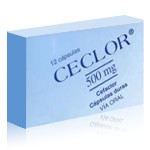
- Ceclor (Cefaclor 500mg) - second-generation
- Ceftin (Cefuroxime 500mg) - second-generation
- Vantin (Cefpodoxime) - third-generation
- Suprax (Cefixime) - third-generation
Generations and Uses
| Generation | Coverage | Common Uses |
|---|---|---|
| 1st gen (Keflex, Duricef) | Gram-positive focus | Skin infections, surgical prophylaxis |
| 2nd gen (Ceclor, Ceftin) | Balanced spectrum | Respiratory, sinus infections |
| 3rd gen (Vantin, Suprax) | Enhanced gram-negative | Serious infections, gonorrhea |
💊 Macrolides
Macrolides are bacteriostatic antibiotics that inhibit bacterial protein synthesis. They are excellent alternatives for patients allergic to penicillin and have unique coverage of atypical bacteria.
Macrolides Available on rxshop.md
- Zithromax (Azithromycin 1000mg) - most prescribed macrolide
- Biaxin (Clarithromycin 500mg) - improved bioavailability
- Biaxin XL (Clarithromycin XL 500mg) - extended-release
- Ilosone (Erythromycin 500mg) - original macrolide
- Rulide (Roxithromycin) - semi-synthetic derivative

Common Macrolide Uses
- Community-acquired pneumonia (including atypical - Mycoplasma, Legionella, Chlamydia)
- Bronchitis exacerbations
- Sinusitis
- Ear infections
- Strep throat (penicillin-allergic patients)
- Skin infections
- Sexually transmitted infections (chlamydia, gonorrhea)
- Helicobacter pylori eradication (with combination)
- Whooping cough (pertussis)
- Diphtheria
- Bartonellosis (cat scratch disease)
Macrolide considerations:
- QT prolongation risk - especially with other QT-prolonging drugs
- Many drug interactions via CYP3A4 (especially erythromycin, clarithromycin)
- Azithromycin has fewer interactions
- Gastrointestinal upset common
- Increasing resistance among Streptococcus pneumoniae
💊 Fluoroquinolones
Fluoroquinolones are broad-spectrum bactericidal antibiotics targeting bacterial DNA gyrase. They achieve excellent tissue penetration and are used for serious infections. Recent FDA warnings restrict use for uncomplicated infections due to serious side effects.
Fluoroquinolones Available on rxshop.md
- Cipro (Ciprofloxacin 1000mg) - most prescribed fluoroquinolone
- Levaquin (Levofloxacin 750mg) - respiratory fluoroquinolone
- Avelox (Moxifloxacin 400mg) - enhanced anaerobic coverage
- Floxin (Ofloxacin 400mg) - second-generation
- Norcin (Norfloxacin) - UTI-focused
- Nadoxin (Nadifloxacin) - topical formulation
- Pruquin (Prulifloxacin) - newer prodrug
- Ciplox-D (Ciprofloxacin + Dexamethasone) - combination for ear/eye
Common Fluoroquinolone Uses
- Complicated urinary tract infections
- Pyelonephritis
- Bacterial prostatitis
- Intra-abdominal infections
- Bone and joint infections
- Serious respiratory infections
- Traveler diarrhea
- Anthrax prophylaxis
Important fluoroquinolone warnings (FDA black box):
- Tendon rupture - especially Achilles tendon; higher risk elderly and steroid users
- Peripheral neuropathy - potentially permanent
- CNS effects - confusion, hallucinations, seizures
- Aortic aneurysm/dissection risk
- Hypoglycemia - potentially severe
- QT prolongation
- Photosensitivity
- Should not be first-line for uncomplicated infections when alternatives exist
💊 Tetracyclines
Tetracyclines are broad-spectrum bacteriostatic antibiotics inhibiting protein synthesis. They cover many organisms including intracellular bacteria, rickettsia, and some parasites.
Tetracyclines Available on rxshop.md
- Vibramycin (Doxycycline Hyclate) - most versatile tetracycline
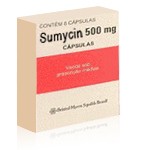
- Sumycin (Tetracycline 500mg) - original tetracycline
- Minomycin (Minocycline) - highly lipophilic
Common Uses
- Acne (chronic anti-inflammatory dosing)
- Rosacea
- Chlamydia and other STIs
- Lyme disease
- Rocky Mountain spotted fever
- Malaria prophylaxis (doxycycline)
- Atypical pneumonia
- Anthrax
- Cholera
- Some skin infections including MRSA
Tetracycline considerations:
- Contraindicated in children under 8 - permanent tooth discoloration
- Contraindicated in pregnancy - affects fetal bones and teeth
- Photosensitivity - avoid sun exposure
- Chelation with calcium, iron, magnesium - space from dairy/supplements
- Esophageal irritation - take with full water, remain upright
- May cause pseudotumor cerebri
💊 Other Important Antibiotic Classes
Sulfonamides - Bactrim
Bactrim (Sulfamethoxazole/Trimethoprim 960mg) is a combination sulfonamide antibiotic that blocks two steps in folate synthesis. It is used for UTIs, respiratory infections, MRSA skin infections, and PCP pneumonia prophylaxis. Watch for sulfa allergy and rare severe skin reactions.
Lincosamides - Cleocin
Cleocin (Clindamycin 300mg) excellent for anaerobic infections, dental infections, MRSA skin infections, and toxic shock. Notably associated with Clostridium difficile colitis risk.
Oxazolidinones - Linox
Linox (Linezolid) reserved for serious infections including MRSA and vancomycin-resistant enterococci. Watch for bone marrow suppression with prolonged use and serotonin syndrome risk with SSRIs.
Nitrofurans - Macrobid
Macrobid (Nitrofurantoin) highly effective and specific for uncomplicated urinary tract infections. Concentrates in urine, minimal systemic effects. Avoid in kidney impairment and later pregnancy.
Rifamycins
Multiple rifamycin products available for different uses:
- R-Cin (Rifampicin) - tuberculosis, meningococcal prophylaxis
- Rifadin (Rifampin) - identical to rifampicin
- Rexigut (Rifaximin) - non-absorbed, for hepatic encephalopathy, IBS-D
- Rifagut (Rifaximin) - alternative rifaximin
- Rixmin (Rifaximin) - alternative rifaximin
Antimycobacterials
Myambutol (Ethambutol) is an essential first-line tuberculosis medication, used in combination regimens.
🖡 Common Infections Treated with Antibiotics
Urinary Tract Infections

UTIs are among the most common bacterial infections, particularly in women. Escherichia coli causes 80-85 percent of uncomplicated UTIs.
Common UTI antibiotics:
- Macrobid (Nitrofurantoin) - first-line uncomplicated
- Bactrim - first-line where resistance low
- Cipro - complicated UTIs, pyelonephritis
- Levaquin - alternative for complicated UTI
- Suprax (Cefixime) - alternative
- Amoxil - if susceptibility confirmed
Respiratory Tract Infections

Respiratory infections range from mild sinusitis to life-threatening pneumonia. Most respiratory infections are viral - antibiotics needed only for confirmed or highly likely bacterial infections.
Common respiratory antibiotics:
Skin and Soft Tissue Infections
- Keflex - uncomplicated cellulitis
- Augmentin - bite wounds, deep infections
- Cleocin - MRSA, penicillin-allergic
- Bactrim - community MRSA
- Vibramycin - MRSA, tick-borne
Sexually Transmitted Infections
- Zithromax - chlamydia, gonorrhea (combination)
- Vibramycin - chlamydia, syphilis (allergy)
- Suprax - gonorrhea
Other Common Uses
- Dental infections: Amoxil, Cleocin
- Traveler diarrhea: Cipro, Zithromax
- H. pylori: combination therapy with Amoxil + Biaxin
- Acne: Vibramycin, Minomycin
- Tuberculosis: R-Cin, Myambutol
⚠ Antibiotic Resistance
Antibiotic resistance is one of the most serious global health threats. Bacteria evolve to survive antibiotics, making infections harder or impossible to treat. Overuse and misuse of antibiotics accelerate resistance development.
Antibiotic resistance facts:
- 1.27 million deaths yearly attributed to antibiotic-resistant infections globally
- MRSA (methicillin-resistant Staphylococcus aureus)
- VRE (vancomycin-resistant enterococci)
- CRE (carbapenem-resistant Enterobacteriaceae) - very concerning
- Multi-drug resistant tuberculosis
- C. difficile - antibiotic use disrupts gut flora
- WHO projects 10 million deaths yearly by 2050 from resistance if unchecked
Preventing Resistance - Your Role
- Only take antibiotics when prescribed for bacterial infection
- Complete full course as directed even if feeling better
- Never share antibiotics with others
- Do not save leftovers for future use
- Never demand antibiotics for viral infections
- Practice good hygiene to prevent infections
- Get vaccinated to prevent bacterial diseases
- Handle food safely
- Take probiotics during antibiotic courses (discuss with doctor)
🧪 Antibiotic Side Effects and Considerations
Common Side Effects (Most Classes)
- Diarrhea - common with most antibiotics
- Nausea and vomiting
- Abdominal pain
- Rash
- Yeast infections - vaginal or oral thrush
- Loss of appetite
- Headache
Serious Adverse Effects
Seek immediate medical attention for:
- Severe allergic reaction - anaphylaxis, difficulty breathing, throat swelling
- Severe skin reaction - Stevens-Johnson syndrome, blistering
- Severe diarrhea - especially with blood (possible C. difficile)
- Tendon pain or swelling (fluoroquinolones)
- Confusion, hallucinations (especially fluoroquinolones)
- Yellowing of skin or eyes (liver injury)
- Unusual bruising or bleeding
- Severe fatigue
Antibiotic-Associated Diarrhea and C. difficile
Antibiotics disrupt normal gut flora allowing overgrowth of pathogenic bacteria, especially Clostridium difficile. This can cause severe diarrhea, colitis, and potentially fatal complications.
Higher risk with: clindamycin (Cleocin), fluoroquinolones, cephalosporins, penicillins. Symptoms may develop weeks after antibiotic completion. Watery diarrhea, abdominal pain, fever require evaluation.
👨⚕ Special Populations
Pregnancy
- Generally safe: penicillins, cephalosporins, azithromycin
- Contraindicated: tetracyclines, fluoroquinolones
- Caution: sulfonamides (avoid near term)
- Nitrofurantoin: avoid in later pregnancy
Children
- Amoxicillin first-line for most pediatric infections
- Tetracyclines avoided under age 8 - tooth discoloration
- Fluoroquinolones generally avoided - joint concerns
- Weight-based dosing essential
- Liquid formulations for younger children
Elderly
- Adjust doses for reduced kidney function
- Higher risk of C. difficile with any antibiotic
- Increased tendon rupture risk with fluoroquinolones
- Multiple drug interactions common
- Confusion risk with some antibiotics
🤔 Common Antibiotic Myths
- Myth: Antibiotics treat colds and flu
- Fact: Colds and flu are viral - antibiotics have no effect. Taking them for viral infections causes side effects and promotes resistance.
- Myth: Stop antibiotics when feeling better
- Fact: Complete the full prescribed course. Stopping early may leave surviving bacteria that develop resistance.
- Myth: Bigger dose works better
- Fact: Take exactly as prescribed. Higher doses do not help faster and increase side effects.
- Myth: Yellow/green mucus means bacterial infection
- Fact: Colored mucus is normal during any respiratory infection, including viral. Not a reliable indicator of bacterial infection.
- Myth: Antibiotics are always safe
- Fact: All antibiotics have side effects, some serious. Fluoroquinolones can cause permanent damage. Any antibiotic can cause life-threatening allergic reactions or C. difficile infection.
- Myth: Sharing antibiotics is fine
- Fact: Never share antibiotics. Different infections need different antibiotics. Sharing risks wrong treatment, allergic reactions, and resistance.
🚨 When to See a Doctor
See a doctor for possible bacterial infection when:
- Fever over 101F/38.3C for more than 3 days
- Symptoms worsening rather than improving
- Sore throat with fever, without cough (possible strep)
- Ear pain with fever
- Painful urination, blood in urine
- Painful skin infection with red streaks spreading
- Deep wound especially from bite or dirty object
- Cough with green sputum for more than 10 days
- Sinus symptoms lasting more than 10 days
- Any severe or worsening infection
- Signs of sepsis (confusion, rapid breathing, cold extremities)
🌟 Key Takeaways
Essential points about antibiotics:
- Antibiotics treat bacterial infections only - not viruses
- Different classes work through different mechanisms
- Common classes: penicillins (Amoxil, Augmentin), cephalosporins (Keflex, Ceftin), macrolides (Zithromax), fluoroquinolones (Cipro)
- Always complete full prescribed course
- Never share antibiotics or use leftovers
- Antibiotic resistance is a serious global threat
- Take with or without food as directed
- Report side effects especially severe diarrhea
- Multiple drug interactions possible - inform all providers
- Pregnancy, children, elderly need special considerations
- Probiotics may reduce diarrhea risk
- Prevention through hygiene, vaccines, food safety
- Not all infections need antibiotics - many resolve on their own
- Doctor evaluation essential for proper selection
Important Medical Disclaimer: This educational guide provides general information about antibiotics and does not constitute individualized medical advice. Antibiotics require prescription from qualified healthcare provider who has evaluated your specific situation. Selection depends on suspected or confirmed pathogen, infection location, patient factors (age, pregnancy, allergies, kidney/liver function), local resistance patterns, and drug interactions. Different antibiotic classes have distinct spectrums of activity, dosing requirements, side effects, and contraindications. Penicillin allergy affects many patients and can cause life-threatening anaphylaxis - always report allergy history. Fluoroquinolones (Cipro, Levaquin, Avelox) carry FDA black box warnings including tendon rupture, peripheral neuropathy, aortic aneurysm, and CNS effects - reserve for serious infections without alternatives. Tetracyclines contraindicated in pregnancy and children under 8. Any antibiotic can cause severe diarrhea including potentially fatal C. difficile colitis - report severe or bloody diarrhea immediately. Complete the full prescribed course even when feeling better to prevent resistance. Never share antibiotics or use leftovers - different infections require different treatments. Antibiotic resistance is a critical global health threat requiring responsible use. Special populations including pregnant/breastfeeding women, children, elderly, and those with kidney/liver disease require adjusted approaches. Drug interactions are common - inform all providers of all medications, supplements, and herbs you take. Some antibiotics reduce birth control effectiveness - use additional contraception. Photosensitivity may occur with tetracyclines, fluoroquinolones, sulfonamides - use sun protection. Information here should complement but never replace direct professional medical guidance.
More Antibiotics Medications


