Buy Avelox (Moxifloxacin) Online — Respiratory Fluoroquinolone for Pneumonia, Sinusitis & Intra-Abdominal Infections

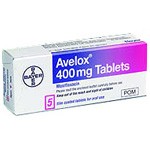
Avelox is the original brand-name formulation of Moxifloxacin — a fourth-generation fluoroquinolone antibiotic developed by Bayer Pharmaceuticals and FDA-approved since 1999. Moxifloxacin is one of the most clinically important "respiratory fluoroquinolones" due to its excellent activity against Streptococcus pneumoniae and atypical respiratory pathogens — combined with broader spectrum including anaerobes that distinguishes it from older fluoroquinolones like ciprofloxacin and levofloxacin.
The active ingredient is Moxifloxacin, which works through dual inhibition of bacterial enzymes essential for DNA replication: DNA gyrase and topoisomerase IV. By blocking these enzymes, Moxifloxacin prevents bacteria from unwinding and replicating their DNA, leading to bacterial cell death. The dual-target mechanism reduces the likelihood of resistance development compared to single-target antibiotics.
Avelox is FDA-approved for treatment of community-acquired pneumonia, acute bacterial sinusitis (now restricted), acute bacterial exacerbation of chronic bronchitis (restricted), complicated skin and skin structure infections, and complicated intra-abdominal infections. Importantly, due to safety concerns about permanent side effects, the FDA has restricted fluoroquinolone use in sinusitis and uncomplicated infections to patients who have no alternative treatment options.
Beyond approved indications, Moxifloxacin plays a critical role as a key second-line agent in the treatment of multidrug-resistant tuberculosis (MDR-TB) and extensively drug-resistant tuberculosis (XDR-TB) — making it one of the most important antibiotics in global TB control programmes.
The standard dose is 400 mg once daily, taken orally or intravenously for 5-21 days depending on the infection. The once-daily oral dosing supports excellent adherence. Avelox should be avoided in pregnant women and patients under 18 due to potential cartilage toxicity.
Important boxed warnings include risk of tendinitis and tendon rupture (especially Achilles), peripheral neuropathy that can be permanent, CNS effects, and worsening of myasthenia gravis. QT prolongation and dysglycemia are additional concerns. Generic Moxifloxacin is widely available.
Free prescription
Discrete packaging
Have questions?
Quality Assurance

- Severe Pneumonia: For severe community-acquired pneumonia requiring broad-spectrum coverage including atypical organisms;
- Atypical Pneumonia: First-line for Mycoplasma pneumoniae, Chlamydia pneumoniae, and Legionella pneumoniae pneumonia;
- Acute Bacterial Sinusitis: FDA-restricted use — reserved for severe sinusitis where alternative antibiotics cannot be used;
- Chronic Bronchitis Exacerbation: FDA-restricted use for acute bacterial exacerbations of COPD requiring fluoroquinolone coverage;
- Complicated Skin Infection: For complicated skin and skin structure infections including severe cellulitis and abscesses;
- Complicated Intra Abdominal Infection: For complicated intra-abdominal infections including peritonitis and abdominal abscesses;
- MDR Tuberculosis: Key second-line agent for multidrug-resistant tuberculosis — cornerstone of MDR-TB regimens;
- XDR Tuberculosis: Critical component of extensively drug-resistant tuberculosis treatment regimens;
- TB Treatment Adjunct: For tuberculosis treatment intolerance to first-line agents or resistance-related issues;
- Plague Treatment: For Yersinia pestis infection including post-exposure prophylaxis;
- Anthrax Treatment: For Bacillus anthracis infections including inhalational anthrax post-exposure;
- Severe Diabetic Foot: For severe diabetic foot infections requiring fluoroquinolone coverage with anaerobic activity;
- Pelvic Inflammatory Disease: Selective use for pelvic inflammatory disease with anaerobic coverage requirements;
- Resistant Respiratory Infection: For respiratory infections caused by drug-resistant Streptococcus pneumoniae or other resistant organisms;
- Penicillin Allergic Pneumonia: For community-acquired pneumonia in penicillin-allergic patients;
- Post Operative Infection: For complicated post-operative infections requiring broad-spectrum activity;
- IV To Oral Step Down: For oral step-down therapy following IV antibiotic treatment;
- Hospital Discharge Antibiotic: For continuing therapy at home following inpatient antibiotic treatment.
- Less Cough: Resolution of productive cough in community-acquired pneumonia;
- Better Breathing: Improvement in dyspnea and respiratory symptoms as pneumonia resolves;
- Less Chest Pain: Reduction in pleuritic chest pain associated with pneumonia;
- Better Lung Function: Improvement in oxygen saturation and lung function as bacterial pneumonia clears;
- Better Wound Healing: Resolution of complicated skin infections with broader-spectrum coverage;
- Less Sinus Pain: Reduction in facial pressure and pain of severe bacterial sinusitis;
- Better Energy: Recovery from systemic infection-related fatigue;
- Better Appetite: Restoration of normal appetite as systemic infection resolves;
- Faster Recovery: Most pneumonia patients show clinical improvement within 72-96 hours;
- Less Abdominal Pain: Resolution of pain in intra-abdominal infections as bacteria clear;
- Better Daily Function: Return to normal activities as serious infection resolves;
- Brand Avelox: Original Bayer brand of Moxifloxacin with established global clinical reputation since 1999;
- Generic Moxifloxacin: Affordable generic versions expand global access to fourth-generation fluoroquinolone therapy;
- Fluoroquinolone Antibiotic: Fourth-generation fluoroquinolone class with broad-spectrum bactericidal activity;
- Respiratory Fluoroquinolone: Excellent S. pneumoniae and atypical pathogen coverage — signature respiratory antibiotic;
- DNA Gyrase Inhibitor: Inhibits bacterial DNA gyrase essential for DNA supercoiling and replication;
- Topoisomerase IV Inhibitor: Dual-enzyme target reduces resistance development compared to single-target antibiotics;
- Anaerobic Fluoroquinolone: Unique anaerobic activity among fluoroquinolones — useful for intra-abdominal infections;
- Atypical Coverage Antibiotic: Covers Mycoplasma, Chlamydia, and Legionella — key atypical respiratory pathogens;
- Once Daily Antibiotic: 400 mg once daily oral dosing supports excellent adherence in outpatient therapy;
- IV Oral Switch Antibiotic: Same 400 mg dose works orally and IV — supports hospital-to-home discharge;
- MDR TB Therapy: Key second-line agent in multidrug-resistant tuberculosis regimens worldwide;
- Streptococcus Pneumoniae Coverage: Excellent activity against drug-resistant S. pneumoniae causing community-acquired pneumonia;
- Pneumonia Step Down Therapy: Oral step-down following IV β-lactam therapy in hospitalised pneumonia patients;
- Penicillin Allergy Alternative: Alternative for community-acquired pneumonia in patients with penicillin allergies;
- WHO Essential Medicine: Listed on the WHO Model List of Essential Medicines for tuberculosis and respiratory infection therapy;
- Plague Antibiotic: FDA-approved for Yersinia pestis infection including post-exposure prophylaxis;
- Anthrax Antibiotic: FDA-approved for Bacillus anthracis infections including bioterrorism response;
- Hospital Antibiotic: Widely used in hospital settings for serious bacterial infections;
- Avoid In Pregnancy: Contraindicated in pregnancy due to potential cartilage toxicity to fetus;
- Avoid Under 18: Generally contraindicated in pediatric patients due to musculoskeletal concerns;
- Tendinopathy Risk: Boxed warning for tendinitis and tendon rupture — especially Achilles tendon;
- Avoid With Antacids: Antacids and mineral supplements (Ca, Mg, Al, Fe, Zn) reduce absorption significantly;
- QT Monitoring: Avoid in patients with QT prolongation risk or on QT-prolonging medications;
- FDA Use Restrictions: FDA has restricted fluoroquinolone use to reserve them for serious infections;
- Stable Storage: Room temperature stable — convenient for home and travel use;
- Globally Available: Widely stocked in international markets in branded (Avelox, Avalox) and generic forms.
Generic Avelox (Moxifloxacin 400 mg) Medication guide:
📖 What is Avelox - the fourth-generation respiratory fluoroquinolone
Avelox is the original brand-name formulation of moxifloxacin, a fourth-generation respiratory fluoroquinolone antibiotic developed and brought to market by Bayer Pharmaceuticals. Approved by the FDA in 1999, moxifloxacin extends the fluoroquinolone class to provide enhanced activity against Streptococcus pneumoniae (including penicillin-non-susceptible strains), atypical respiratory pathogens (Mycoplasma pneumoniae, Chlamydia pneumoniae, Legionella), and anaerobes beyond what earlier fluoroquinolones (ciprofloxacin, ofloxacin) provided. The drug has occupied a specific niche in respiratory tract infection management since its introduction.
The contemporary clinical positioning of moxifloxacin is significantly more restricted than at its introduction. Multiple FDA Drug Safety Communications from 2008 through 2018 have progressively documented serious adverse effects associated with the fluoroquinolone class — tendon rupture, peripheral neuropathy, aortic aneurysm and dissection, QTc prolongation, dysglycemia, mental health effects, and a syndrome of "disabling and potentially permanent" multi-system adverse effects. The 2016 FDA Drug Safety Communication restricted appropriate fluoroquinolone use for acute bacterial sinusitis, acute exacerbations of chronic bronchitis, and uncomplicated urinary tract infection to scenarios where no alternative agent is appropriate. This restriction has fundamentally reshaped how clinicians prescribe moxifloxacin.
- Drug class
- Fourth-generation fluoroquinolone (respiratory fluoroquinolone); bactericidal antibiotic acting by dual inhibition of bacterial DNA gyrase (topoisomerase II) and topoisomerase IV
- Original manufacturer
- Bayer Pharmaceuticals (Germany); the development code was BAY 12-8039; subsequent generic manufacturers worldwide
- FDA approval
- Avelox tablets: NDA 021085 (1999); Avelox IV: NDA 021100 (2001); Vigamox ophthalmic moxifloxacin: NDA 021598 (2003)
- Oral bioavailability
- Approximately 90% — one of the highest among fluoroquinolones; absorption unaffected by food, supporting flexible administration
- Half-life
- Approximately 12 hours, supporting once-daily dosing — a practical advantage over older fluoroquinolones requiring more frequent administration
- Metabolism and excretion
- Primarily hepatic conjugation via UGT enzymes (no significant CYP450 metabolism); approximately 20% renally excreted unchanged; the predominant hepatic clearance distinguishes moxifloxacin from levofloxacin (renal) and supports use without dose adjustment in renal impairment
- Standard adult dose
- 400 mg once daily oral or intravenous; the dose is the same for all approved adult indications
The therapeutic positioning of moxifloxacin in 2026 reflects a careful balance between its real clinical utility for specific indications and the substantial safety concerns of the fluoroquinolone class. The drug remains a valuable option for community-acquired pneumonia in adults, particularly those with penicillin allergy or specific risk factors. It is acceptable for complicated intra-abdominal infections in selected outpatient and inpatient scenarios. It is part of multi-drug regimens for plague treatment and prophylaxis. It has a role in multidrug-resistant tuberculosis regimens. For the indications restricted by the 2016 FDA action — sinusitis, AECB, uncomplicated UTI — moxifloxacin is reserved for patients without alternative antibiotic options.
The broader fluoroquinolone class includes earlier-generation agents (ciprofloxacin, ofloxacin, norfloxacin) with predominantly gram-negative activity, and later-generation agents (levofloxacin, moxifloxacin, gemifloxacin) with enhanced gram-positive and atypical activity. The respiratory fluoroquinolones — levofloxacin, moxifloxacin, gemifloxacin — share the same fundamental class adverse effects but with some specific differences (moxifloxacin produces slightly more QTc prolongation than levofloxacin; gemifloxacin produces more rash). Understanding the class context informs appropriate moxifloxacin selection.
🕰️ Avelox heritage - from Bayer 1999 to global use
The development of moxifloxacin emerged from the systematic medicinal chemistry programmes at Bayer Pharmaceuticals aimed at extending the fluoroquinolone class beyond the limitations of the earlier agents. The original fluoroquinolone nalidixic acid was introduced in 1962 with narrow gram-negative spectrum. The breakthrough with ciprofloxacin (Bayer 1987) extended the spectrum to many gram-negative pathogens but with limited activity against the gram-positive and atypical respiratory pathogens that cause community-acquired pneumonia. The Bayer team sought a fluoroquinolone with optimised respiratory pathogen coverage, and moxifloxacin (development code BAY 12-8039) was the most successful product of this programme.
The structural modifications that produced moxifloxacin focused on two specific changes from the ciprofloxacin scaffold: the addition of an 8-methoxy group on the quinolone core, and the substitution of a diazabicyclic side chain at the C-7 position. The 8-methoxy modification specifically enhances activity against gram-positive organisms including penicillin-non-susceptible S. pneumoniae and reduces the propensity for resistance development through dual-target effects (discussed in section 3). The diazabicyclic C-7 substituent provides the enhanced atypical pathogen activity and contributes to the favourable pharmacokinetic profile (high bioavailability, prolonged half-life supporting once-daily dosing).
Key milestones in moxifloxacin development and the fluoroquinolone safety trajectory
| Year | Milestone |
|---|---|
| 1962 | Nalidixic acid introduced — the original quinolone, narrow gram-negative spectrum |
| 1987 | Ciprofloxacin (Bayer) launched — broader gram-negative spectrum, established Bayer leadership in the fluoroquinolone class |
| 1990s | Bayer Pharmaceutical Research Center develops moxifloxacin (BAY 12-8039) through systematic structural modification |
| 1996 | Petersen U, Schenke T, Bremm KD et al. introduce moxifloxacin at the Interscience Conference on Antimicrobial Agents and Chemotherapy (ICAAC), documenting the enhanced gram-positive and atypical pathogen spectrum |
| 1999 | FDA approval of Avelox tablets as NDA 021085 for community-acquired pneumonia, acute bacterial sinusitis, and acute exacerbations of chronic bronchitis |
| 1999 | Avelox launched in the European Union; subsequent global market expansion |
| 2001 | Avelox intravenous formulation approved by FDA as NDA 021100 enabling inpatient use |
| 2003 | Vigamox ophthalmic moxifloxacin approved as NDA 021598 for bacterial conjunctivitis |
| 2005 | Avelox approved for complicated intra-abdominal infections |
| 2008 | FDA Drug Safety Communication: tendinopathy and tendon rupture boxed warning added to all fluoroquinolones including moxifloxacin |
| 2011 | FDA myasthenia gravis warning — fluoroquinolones may worsen myasthenia gravis |
| 2013 | FDA Drug Safety Communication: peripheral neuropathy — can occur rapidly after starting fluoroquinolone therapy and may be permanent; boxed warning expanded |
| 2016 | FDA Drug Safety Communication: "Disabling and potentially permanent side effects" restricting fluoroquinolone use for acute bacterial sinusitis, acute exacerbations of chronic bronchitis, and uncomplicated urinary tract infections to patients without other treatment options — one of the most significant restriction actions in FDA antimicrobial drug history |
| 2018 | FDA Drug Safety Communication: aortic aneurysm and dissection warning — based on multiple pharmacoepidemiologic studies including Lee et al. JACC 2018;72:1369 |
| 2018 | FDA hypoglycemia and mental health adverse effects communication |
| 2020s | Generic moxifloxacin widely available; clinical use progressively restricted in line with the 2016 framework |
The commercial heritage of moxifloxacin traces from Bayer Pharmaceuticals through generic manufacturers worldwide following patent expiration. The Avelox brand remains in some markets as a heritage product, while generic moxifloxacin now dominates dispensing globally. The drug is on the WHO Essential Medicines List in the "Watch" tier of the AWaRe categorisation, signalling that use should be restricted to appropriate indications to limit resistance development.
The contemporary positioning of moxifloxacin reflects a significant shift from its introduction. At launch in 1999, the drug was widely promoted as a respiratory fluoroquinolone with broad coverage of CAP, sinusitis, and AECB pathogens. The 2016 FDA restriction fundamentally reshaped appropriate prescribing for the three indications most commonly treated with fluoroquinolones at the introduction. The contemporary moxifloxacin role is more narrowly defined: respiratory fluoroquinolone for CAP particularly in patients with penicillin allergy or specific risk factors, component of advanced intra-abdominal infection regimens, plague treatment and prophylaxis, and multidrug-resistant tuberculosis regimens. The earlier broad use for outpatient sinusitis and AECB has been substantially curtailed.
The FDA Drug Safety Communication trajectory from 2008 through 2018 is one of the more significant arcs in modern antimicrobial pharmacovigilance. The progressive recognition of serious adverse effects led to progressively more restrictive labelling and use recommendations. The 2016 "disabling and potentially permanent" communication explicitly identified that for indications with viable alternatives, the fluoroquinolone risks may exceed the benefits. This pharmacoepidemiologic and regulatory science is reflected in the contemporary clinical caution around moxifloxacin prescribing.
🧬 How moxifloxacin works - DNA gyrase and topoisomerase IV dual inhibition
Moxifloxacin exerts its bactericidal effect through dual inhibition of bacterial type II topoisomerases — DNA gyrase (topoisomerase II) and topoisomerase IV. These enzymes catalyse the breaking and rejoining of bacterial DNA strands required for replication, transcription, and chromosome separation during cell division. By trapping these enzymes in covalent complexes with broken DNA, moxifloxacin prevents the rejoining step and produces double-strand DNA breaks that lead to bacterial cell death.
The dual-target mechanism is one of the distinguishing features of moxifloxacin compared to earlier fluoroquinolones. Most older fluoroquinolones (ciprofloxacin, ofloxacin) have a primary target preference — DNA gyrase in gram-negative organisms, topoisomerase IV in gram-positive organisms — with the secondary target requiring substantially higher drug concentrations to inhibit. This single-target preference means that bacterial resistance via a single target mutation can substantially reduce susceptibility. Moxifloxacin and the other respiratory fluoroquinolones have similar affinity for both DNA gyrase and topoisomerase IV in many target organisms, requiring sequential mutations in both targets for high-level resistance. This dual-target effect provides the lower resistance selection that contributed to moxifloxacin clinical development.
Type II topoisomerase functions and moxifloxacin targeting
| Enzyme | Bacterial function | Moxifloxacin effect |
|---|---|---|
| DNA gyrase (topoisomerase II) | Introduces negative supercoils into DNA; required for replication and transcription; consists of GyrA and GyrB subunits | Trapped enzyme-DNA complex with broken DNA strands; cannot complete the rejoining step; produces double-strand DNA breaks |
| Topoisomerase IV | Decatenates daughter chromosomes after replication; required for cell division; consists of ParC and ParE subunits | Same trapped complex mechanism; cannot complete chromosome separation; cell division blocked |
| Primary target gram-negative organisms | DNA gyrase | Moxifloxacin has similar affinity for both targets; dual-target effect reduces resistance |
| Primary target gram-positive organisms | Topoisomerase IV | Moxifloxacin maintains activity against both; one-step resistance mutation has less impact |
The bactericidal effect of moxifloxacin is rapid and concentration-dependent. Unlike beta-lactams that require time above the minimum inhibitory concentration (MIC), fluoroquinolones depend primarily on the peak-to-MIC ratio and the area-under-curve to MIC ratio (AUC/MIC) for clinical effect. The optimal AUC/MIC target for moxifloxacin against typical respiratory pathogens is approximately 30 to 50. The 400 mg once-daily dose achieves this target for most susceptible organisms, supporting the convenient daily dosing schedule.
The pharmacokinetic profile of moxifloxacin supports the once-daily dosing:
| Parameter | Moxifloxacin value |
|---|---|
| Oral bioavailability | Approximately 90% |
| Time to peak (Tmax) | 1-3 hours oral |
| Peak plasma concentration (after 400 mg dose) | Approximately 3-4 micrograms/mL |
| Volume of distribution | 1.7-2.7 L/kg (extensive tissue distribution) |
| Protein binding | Approximately 40% |
| Half-life | Approximately 12 hours |
| Metabolism | Hepatic conjugation (UGT enzymes); minimal CYP450 involvement |
| Excretion | 20% unchanged in urine; 25% as glucuronide metabolites in urine; remainder via biliary/faecal route |
| Renal impairment | No dose adjustment needed (predominantly hepatic clearance) |
| Hepatic impairment | Caution; specific guidance limited in severe impairment |
The tissue distribution of moxifloxacin is favourable for most infection sites. The drug penetrates well into respiratory tract tissues (alveolar lining fluid, bronchial mucosa, lung tissue) at concentrations exceeding plasma. CNS penetration is moderate and supports treatment of some CNS infections in selected scenarios. Intracellular concentrations are high, enabling activity against intracellular pathogens including Mycoplasma and Chlamydia.
The mechanism limitations are clinically important:
- Resistance through target site mutations in DNA gyrase (gyrA, gyrB) and topoisomerase IV (parC, parE) genes can develop — requires multiple mutations for high-level resistance due to dual-target effect, but emergence is possible during prolonged or inadequate therapy
- Plasmid-mediated quinolone resistance (qnr genes, aac(6)-Ib-cr) provides low-level resistance that can be additive with target mutations
- Efflux pump upregulation reduces intracellular concentrations in some organisms
- Reduced outer membrane permeability in gram-negative organisms via porin loss
- The dual-target advantage is not absolute — resistance has emerged in some organisms including Pseudomonas aeruginosa, where moxifloxacin activity is intermediate at baseline
The distinguishing pharmacological features compared to other fluoroquinolones include the enhanced gram-positive coverage (particularly S. pneumoniae), the enhanced atypical pathogen coverage, the higher anaerobic activity (which makes moxifloxacin acceptable for intra-abdominal infections without added metronidazole in many regimens), the once-daily dosing convenience, and the predominantly hepatic clearance allowing use in renal impairment without dose adjustment.
🦠 The bacterial spectrum of moxifloxacin
The bacterial spectrum of moxifloxacin includes a broad range of gram-positive cocci, gram-negative organisms, anaerobes, and the atypical respiratory pathogens that lack the standard peptidoglycan cell wall. Understanding which organisms are reliably covered and which are not is essential for appropriate moxifloxacin selection.
Moxifloxacin antibacterial spectrum
| Group | Reliably susceptible | Variable susceptibility | Resistant |
|---|---|---|---|
| Gram-positive cocci | Streptococcus pneumoniae (including penicillin-non-susceptible strains), Streptococcus pyogenes, viridans streptococci, S. agalactiae, methicillin-sensitive S. aureus (MSSA) | Enterococcus faecalis (intermediate); MRSA (variable; clinical use generally not appropriate) | Vancomycin-resistant enterococcus (variable); reliable resistance not assumed for E. faecium |
| Gram-positive bacilli | Listeria monocytogenes (limited clinical data); Bacillus anthracis | Mycobacterium tuberculosis (used in MDR-TB) | Atypical mycobacteria variable |
| Gram-negative cocci | Moraxella catarrhalis, Neisseria meningitidis | Neisseria gonorrhoeae (resistance increasing) | Highly fluoroquinolone-resistant N. gonorrhoeae |
| Gram-negative bacilli (Enterobacterales) | Most Haemophilus influenzae (including beta-lactamase producers), Klebsiella pneumoniae (susceptible strains), Proteus mirabilis (susceptible), Escherichia coli (susceptible) | E. coli (community fluoroquinolone resistance commonly 10-30%); Enterobacter; Citrobacter; Salmonella (variable) | ESBL-producing organisms (variable but commonly resistant); carbapenemase-producing organisms; Pseudomonas aeruginosa (intermediate at best; moxifloxacin less active than ciprofloxacin); Stenotrophomonas, Acinetobacter (variable) |
| Anaerobes | Bacteroides fragilis group (most strains susceptible), Peptostreptococcus, Fusobacterium, Prevotella, Clostridium perfringens | Some Clostridium species; Bacteroides resistance emerging in some regions | Clostridioides difficile (intermediate; moxifloxacin actually elevates CDI risk) |
| Atypical bacteria | Mycoplasma pneumoniae, Chlamydia pneumoniae, Chlamydia trachomatis, Legionella pneumophila, Coxiella burnetii (Q fever), Bartonella species | Mycoplasma genitalium (resistance emerging) | None typical — the atypical coverage is one of the distinguishing features of moxifloxacin |
| Yersinia pestis (plague) | Reliable activity; FDA-approved indication | Not generally a clinical concern for susceptibility variability | Not characterised in routine practice |
Several specific organisms deserve emphasis for clinical moxifloxacin use:
- Streptococcus pneumoniae — reliable coverage including penicillin-non-susceptible strains; key target for community-acquired pneumonia indication
- Atypical respiratory pathogens (Mycoplasma, Chlamydia, Legionella) — reliable coverage; one of the principal features distinguishing moxifloxacin from beta-lactam antibiotics that cannot reach these intracellular pathogens lacking peptidoglycan cell wall
- Haemophilus influenzae including beta-lactamase producers — reliable; clavulanate-protected aminopenicillins (Augmentin) cover similar but moxifloxacin provides single-agent option
- Moraxella catarrhalis — reliable; relevant for sinusitis and AECB
- Bacteroides fragilis — reliable for most strains; supports moxifloxacin role in intra-abdominal infections without separate anaerobic coverage
- Yersinia pestis — FDA-approved indication for plague treatment and prophylaxis; specific role in bioterrorism preparedness
- Pseudomonas aeruginosa — only intermediate activity; moxifloxacin should NOT be considered antipseudomonal; ciprofloxacin or levofloxacin preferred when Pseudomonas coverage is needed
- MRSA — not reliable; alternative agents needed
- ESBL-producing organisms — commonly fluoroquinolone-resistant alongside cephalosporin resistance; alternative agents needed
The respiratory tract pathogen coverage is the principal selling point of moxifloxacin compared to alternative agents:
| Respiratory pathogen | Augmentin coverage | Doxycycline coverage | Azithromycin coverage | Moxifloxacin coverage |
|---|---|---|---|---|
| S. pneumoniae | Yes (high-dose required for resistant) | Yes (variable) | Variable (rising macrolide resistance) | Yes (reliable) |
| Beta-lactamase H. influenzae | Yes | Yes | Yes | Yes |
| M. catarrhalis | Yes | Yes | Yes | Yes |
| Mycoplasma pneumoniae | No | Yes | Yes | Yes |
| Chlamydia pneumoniae | No | Yes | Yes | Yes |
| Legionella pneumophila | No | Yes | Yes | Yes |
| Single-agent option for combined typical + atypical CAP | No | No (lower S. pneumoniae confidence) | No (rising resistance) | Yes |
The broader spectrum at the cost of broader collateral effects is one of the practical tensions in moxifloxacin use. The drug provides single-agent CAP coverage that would otherwise require combination therapy (beta-lactam plus macrolide or doxycycline). The convenience and breadth are real clinical advantages. The trade-off is the disruption of broad commensal flora (with elevated C. difficile and other resistance selection consequences) and the substantial safety concerns of the fluoroquinolone class. Section 29 discusses the stewardship framework for balancing these considerations.
The contemporary positioning reserves moxifloxacin for scenarios where the spectrum advantages justify the safety risks: adult CAP particularly with penicillin allergy or specific risk factors; complicated intra-abdominal infections; plague treatment and prophylaxis; multidrug-resistant tuberculosis regimens. For indications restricted by the 2016 FDA action (sinusitis, AECB, uncomplicated UTI), moxifloxacin is reserved for patients without alternative antibiotic options.
🎯 The respiratory fluoroquinolone class
Moxifloxacin is one member of the broader respiratory fluoroquinolone subgroup within the fluoroquinolone class. The respiratory fluoroquinolones — moxifloxacin, levofloxacin, and gemifloxacin — share the distinguishing features of enhanced gram-positive activity (particularly S. pneumoniae), reliable atypical pathogen coverage, and single-agent suitability for community-acquired pneumonia. Understanding how these three agents differ supports appropriate clinical selection.
| Feature | Moxifloxacin (Avelox) | Levofloxacin (Levaquin) | Gemifloxacin (Factive) |
|---|---|---|---|
| Generation | 4th generation | 3rd generation | 4th generation |
| Standard adult dose | 400 mg once daily | 500 mg or 750 mg once daily | 320 mg once daily |
| FDA approval | 1999 | 1996 | 2003 |
| S. pneumoniae activity | Excellent including penicillin-non-susceptible | Excellent including penicillin-non-susceptible | Excellent including penicillin-non-susceptible |
| Atypical pathogen coverage | Reliable | Reliable | Reliable |
| P. aeruginosa | Intermediate at best; not first-line | Active; antipseudomonal at 750 mg dose | Limited; not antipseudomonal |
| Anaerobic coverage | Best of the three; Bacteroides reliable | Variable; not reliable for anaerobic infections | Limited |
| QTc prolongation | More than levofloxacin | Moderate | Similar to moxifloxacin |
| Hepatic vs renal clearance | Predominantly hepatic; no renal dose adjustment | Predominantly renal; dose adjustment for renal impairment | Both routes; some renal adjustment |
| Half-life | 12 hours | 6-8 hours | 8 hours |
| FDA-approved CAP indication | Yes | Yes | Yes |
| FDA-approved AECB indication | Yes (restricted) | Yes (restricted) | Yes (restricted) |
| FDA-approved sinusitis indication | Yes (restricted) | Yes (restricted) | No |
| FDA-approved UTI indication | No | Yes (restricted for uncomplicated; complicated UTI without restriction) | No |
| Photosensitivity | Less than ciprofloxacin or levofloxacin | Moderate | Less |
| Rash | Less common | Less common | More common (10-15% incidence) |
| Generic availability | Yes; widely available | Yes; widely available | Yes; less commonly stocked |
- When to choose moxifloxacin over levofloxacin
- Better anaerobic coverage needed: intra-abdominal infections where single-agent therapy is desired (moxifloxacin provides Bacteroides coverage that levofloxacin does not). Renal impairment: moxifloxacin does not require dose adjustment; levofloxacin does. Hepatic clearance preferred: for renal-dose-adjusted patients with multiple medications.
- When to choose levofloxacin over moxifloxacin
- Pseudomonas coverage needed: levofloxacin (especially at 750 mg) is appropriately antipseudomonal; moxifloxacin is not. QTc prolongation concern: levofloxacin produces somewhat less QTc effect than moxifloxacin. UTI indication: levofloxacin has UTI approval; moxifloxacin does not. Higher peak concentrations needed: levofloxacin 750 mg achieves higher peaks than moxifloxacin 400 mg.
- When to choose gemifloxacin
- Approved CAP indication with daily dosing; comparable to moxifloxacin for respiratory pathogens. Higher rash rate (10-15%) limits routine use; some clinicians prefer moxifloxacin or levofloxacin for tolerability reasons. Less commonly stocked at pharmacies than moxifloxacin or levofloxacin.
The earlier-generation fluoroquinolones — ciprofloxacin, ofloxacin, norfloxacin, nalidixic acid — have predominantly gram-negative activity with limited gram-positive and atypical pathogen coverage. They are NOT respiratory fluoroquinolones and should NOT be used as monotherapy for community-acquired pneumonia or other respiratory infections where atypical coverage is needed.
| Earlier-generation FQ | Spectrum | Typical use |
|---|---|---|
| Ciprofloxacin | Broad gram-negative including Pseudomonas; limited gram-positive and atypical | Complicated UTI; gastrointestinal infections; some hospital-acquired infections; NOT CAP |
| Ofloxacin | Similar to ciprofloxacin | Largely superseded by levofloxacin (its L-isomer); ophthalmic and otic forms still used |
| Norfloxacin | Urinary tract concentrations; limited systemic use | Uncomplicated UTI; less commonly used now |
| Nalidixic acid | Original quinolone; narrow gram-negative | Historical; rarely used now |
The class adverse effect profile is shared across all fluoroquinolones with moxifloxacin-specific intensification of some effects:
- Tendon rupture (boxed warning since 2008) — class effect; risk highest in elderly and concurrent corticosteroid use
- Peripheral neuropathy (boxed warning since 2013) — class effect; can be permanent
- QTc prolongation — class effect; moxifloxacin produces more than levofloxacin or ciprofloxacin
- Aortic aneurysm and dissection (FDA warning 2018) — class effect; based on multiple pharmacoepi studies
- Dysglycemia (FDA warning 2018) — both hypoglycemia and hyperglycemia; gemifloxacin and levofloxacin particularly
- CNS effects — class effect; confusion, seizures, hallucinations; elderly particularly susceptible
- Mental health effects (FDA warning 2018) — depression, anxiety, suicidal ideation
- Photosensitivity — less with moxifloxacin and gemifloxacin than with ciprofloxacin or lomefloxacin
- C. difficile risk — substantially elevated above narrower-spectrum alternatives
The contemporary clinical perspective on respiratory fluoroquinolone class selection emphasises restraint. The 2016 FDA restriction on fluoroquinolone use for sinusitis, AECB, and uncomplicated UTI applies to all class members. For appropriate indications — adult CAP, complicated intra-abdominal infections, plague, MDR-TB — moxifloxacin remains a useful option with the spectrum advantages described. Section 29 covers the antimicrobial stewardship framework for appropriate fluoroquinolone class selection.
📜 FDA-approved indications and the restricted contemporary use
The FDA-approved indications for moxifloxacin reflect the broad initial labelling at the 1999 introduction modified by the 2016 FDA Drug Safety Communication restricting fluoroquinolone use for certain indications. The 2016 restriction did not formally remove indications from the labelling but established that for acute bacterial sinusitis, acute exacerbations of chronic bronchitis, and uncomplicated urinary tract infection, fluoroquinolones should be reserved for patients without alternative antibiotic options because the risks of serious adverse effects may exceed the benefits. Understanding both the formal indications and the restricted contemporary use is essential for appropriate moxifloxacin selection.
Indication 1: Community-acquired pneumonia (CAP) in adults
Per IDSA/ATS Metlay 2019 guidelines, respiratory fluoroquinolone monotherapy (moxifloxacin or levofloxacin) is appropriate for adult outpatient CAP particularly in patients with comorbidities or penicillin allergy. The single-agent coverage of both typical and atypical pathogens is the principal advantage. NOT restricted by the 2016 FDA action.
Indication 2: Acute bacterial sinusitis (RESTRICTED)
2016 FDA restriction applies. Moxifloxacin should be reserved for patients who have no alternative antibiotic options. For most patients with acute bacterial sinusitis, Augmentin (amoxicillin-clavulanate) is the appropriate first-line per IDSA Chow 2012; doxycycline is an alternative for penicillin-allergic patients. Moxifloxacin is reserved for the specific scenarios where these alternatives are inappropriate or have failed.
Indication 3: Acute exacerbations of chronic bronchitis (RESTRICTED)
2016 FDA restriction applies. Moxifloxacin should be reserved for patients without alternative options. For most AECB scenarios, Augmentin, doxycycline, or azithromycin are appropriate first-line per Anthonisen criteria and contemporary COPD guidelines. Moxifloxacin is reserved for selected severe AECB in patients with risk factors for resistant pathogens where no other agent is appropriate.
Indication 4: Complicated skin and skin structure infections (cSSTI)
Including diabetic foot infections and infected wounds with appropriate pathogen suspicion. Moxifloxacin provides MSSA and gram-positive coverage with anaerobic activity for mixed flora. Alternative agents available; selection based on suspected MRSA risk, ESBL risk, and specific clinical scenario.
Indication 5: Complicated intra-abdominal infections (cIAI)
Per IDSA/SIS Solomkin 2010. Moxifloxacin monotherapy provides aerobic gram-positive, gram-negative, and anaerobic coverage without the need for added metronidazole that other beta-lactam-based regimens require. Useful for outpatient or step-down therapy of mild-moderate IAI in selected patients.
Indication 6: Plague (Yersinia pestis) treatment and post-exposure prophylaxis
FDA-approved indication for bioterrorism preparedness. Moxifloxacin alongside ciprofloxacin and doxycycline is among the recommended agents per CDC guidance. The indication is critical for public health preparedness but the clinical use is uncommon outside specific scenarios.
The off-label and non-approved uses with substantial clinical evidence:
- Multidrug-resistant tuberculosis (MDR-TB) — moxifloxacin is part of WHO-recommended MDR-TB regimens; sometimes used in extensively drug-resistant TB (XDR-TB) regimens. Off-label in the US but well-established internationally
- Mycobacterium leprae (leprosy) — off-label use in specific regimens
- Bacterial keratitis — Vigamox ophthalmic moxifloxacin is FDA-approved for bacterial conjunctivitis; off-label for keratitis
- Bacterial meningitis adjunct in selected scenarios (limited use; specialist input)
The indications NOT appropriate for moxifloxacin in contemporary practice:
- Viral upper respiratory tract infections — common cold, viral pharyngitis, viral bronchitis: no antibiotic appropriate
- Most cases of acute uncomplicated bronchitis in healthy adults: over 90% viral
- Streptococcal pharyngitis — amoxicillin or penicillin V appropriate; moxifloxacin is excessive broadening
- Otitis media — amoxicillin or Augmentin appropriate; moxifloxacin not appropriate first-line
- Uncomplicated UTI in non-pregnant women — nitrofurantoin, TMP-SMX, fosfomycin preferred per IDSA Gupta 2010; moxifloxacin (not approved for UTI) and other fluoroquinolones (restricted) not first-line
- Pseudomonas aeruginosa infections — moxifloxacin is at best intermediate; ciprofloxacin, levofloxacin, or antipseudomonal beta-lactams preferred
- Gonococcal infections — resistance now essentially universal; ceftriaxone is current first-line
- MRSA infections — moxifloxacin is not reliably MRSA-active
The 2016 FDA Drug Safety Communication deserves particular emphasis. The communication noted that fluoroquinolones can cause "disabling and potentially permanent serious side effects involving the tendons, muscles, joints, nerves and central nervous system." For acute bacterial sinusitis, AECB, and uncomplicated UTI — conditions for which viable alternatives exist — the FDA determined that the benefits do not outweigh the risks for most patients. The labelling for these indications now states that fluoroquinolones should be reserved for patients with no other treatment options. This is one of the most significant restrictive actions in modern FDA antimicrobial drug regulation.
The practical clinical implications of the 2016 restriction for moxifloxacin prescribing:
- For acute bacterial sinusitis: try Augmentin first (or doxycycline for penicillin-allergic); reserve moxifloxacin for treatment failure or contraindication to alternatives
- For AECB: try Augmentin or doxycycline or azithromycin first; reserve moxifloxacin for severe or refractory cases without alternative options
- For uncomplicated UTI (not a moxifloxacin indication anyway): use nitrofurantoin, TMP-SMX, or fosfomycin per IDSA Gupta; do not use moxifloxacin
- For CAP: moxifloxacin remains appropriate as monotherapy for selected adult patients per IDSA/ATS Metlay 2019; no restriction applies
- For other indications (cSSTI, cIAI, plague, MDR-TB): moxifloxacin appropriate per indication-specific guidance
The broader interpretation of the restriction is that fluoroquinolones including moxifloxacin should be reserved for indications where the clinical benefit clearly justifies the safety risks. The class adverse effects are substantial enough that for indications with safer alternatives, those alternatives should be used first. This stewardship-driven framework has reshaped fluoroquinolone prescribing patterns globally over the past decade.
💊 Standard adult dosing
The standard adult dose of moxifloxacin is 400 mg once daily for all FDA-approved indications. This dosing simplicity is one of the practical advantages of moxifloxacin compared to other antibiotics with multiple daily doses or weight-based regimens. The once-daily schedule supports adherence and convenience.
Standard adult moxifloxacin dosing by indication
| Indication | Dose | Route | Duration |
|---|---|---|---|
| Community-acquired pneumonia (CAP) | 400 mg | PO or IV once daily | 5-7 days (some severe cases 7-14 days) |
| Acute bacterial sinusitis (restricted use) | 400 mg | PO once daily | 10 days per labelling (shorter durations being explored) |
| Acute exacerbations chronic bronchitis (restricted use) | 400 mg | PO once daily | 5 days |
| Complicated skin and skin structure infections | 400 mg | PO or IV once daily | 7-21 days depending on severity |
| Complicated intra-abdominal infections | 400 mg | PO or IV once daily | 5-14 days post source control |
| Plague treatment | 400 mg | PO or IV once daily | 10-14 days |
| Plague post-exposure prophylaxis | 400 mg | PO once daily | 7 days from last exposure |
| MDR-TB (off-label, per WHO guidelines) | 400 mg | PO once daily | Extended (months) as part of multi-drug regimen |
The dose simplicity contrasts with some other antibiotics where indication-specific or weight-based dose calculation is needed. Moxifloxacin uses the same 400 mg once-daily dose regardless of body weight (within normal adult range), regardless of indication (with duration varying), and regardless of severity within the labelled indications. This simplifies prescribing and reduces the risk of dosing errors.
- Why once-daily dosing works
- The 12-hour half-life of moxifloxacin produces sustained plasma concentrations through the 24-hour dosing interval. The pharmacodynamic parameter for fluoroquinolone efficacy is AUC/MIC ratio (total drug exposure relative to organism MIC), and the once-daily 400 mg dose achieves AUC/MIC targets of 30-50 for typical respiratory pathogens. Higher dosing produces little additional benefit because the AUC/MIC target is already achieved; the once-daily simplicity reflects optimal pharmacodynamics for this indication-spectrum combination.
- No renal dose adjustment needed
- Moxifloxacin is predominantly cleared by hepatic glucuronidation rather than renal excretion. Renal impairment of any severity does NOT require dose adjustment. This is a significant practical advantage over levofloxacin (renally cleared, requires dose adjustment) and most other antibiotics. The drug can be used at the standard 400 mg once daily even in dialysis patients without need for supplemental dosing.
- Hepatic impairment considerations
- Mild-to-moderate hepatic impairment does not require dose adjustment. Severe hepatic impairment (Child-Pugh C) has limited pharmacokinetic data; clinical use should be cautious with monitoring for adverse effects including hepatotoxicity. The drug itself can cause hepatic enzyme elevations.
- Administration with food
- Moxifloxacin can be taken with or without food. The 90% oral bioavailability is essentially unchanged by food, supporting flexible administration. However, divalent and trivalent cations (calcium, magnesium, aluminum, iron, zinc) substantially reduce absorption through chelation. Section 24 discusses this drug interaction in detail.
- IV-to-PO transition
- The IV and PO formulations are essentially equivalent in pharmacokinetic exposure. Transition from IV to PO can be made when the patient is improving and can tolerate oral therapy. The PO 400 mg achieves similar AUC to IV 400 mg. The high oral bioavailability supports early IV-to-PO transition.
The infusion considerations for IV moxifloxacin:
- Infusion duration: 60 minutes for 400 mg dose; do not infuse more rapidly
- Dilution: standard intravenous fluid; compatible with saline and dextrose
- Concentration: 1.6 mg/mL standard premixed bag
- Do not mix with other medications in the same IV line; flush before and after
- Single-use bag; discard any unused portion
The administration timing considerations:
- Take at approximately the same time each day — consistency supports pharmacokinetic stability
- Separate from cation-containing products by at least 4 hours: antacids (Maalox, Mylanta), iron supplements, zinc, calcium supplements (calcium carbonate, Tums), sucralfate, mineral-fortified juices
- Take with adequate fluid: maintain good hydration during therapy
- Complete the prescribed course: even if symptoms improve early
- Do not double up on missed doses: take the missed dose if remembered the same day; skip if the next dose is near
Important reminder: the 400 mg once-daily dose is standard for all approved indications. Higher doses are not appropriate and produce additional adverse effects without compensating benefit. Lower doses produce inadequate AUC/MIC ratios and may select for resistance. Patients must not adjust their own dose or skip doses to extend the prescription; the standard dose is the optimal balance of efficacy and safety established by the clinical trials supporting approval.
📋 Avelox formulations - tablets, IV, ophthalmic Vigamox
Moxifloxacin is available in three principal formulations: oral tablets for outpatient and step-down therapy, intravenous infusion for inpatient treatment, and ophthalmic solution (Vigamox) for bacterial conjunctivitis. Each formulation has specific characteristics relevant to its clinical use.
| Formulation | Strength/Concentration | Typical use | Practical notes |
|---|---|---|---|
| Avelox 400 mg tablets | 400 mg per tablet | Outpatient adult oral therapy across all indications | Take whole; can be with or without food; separate from cations |
| Avelox 400 mg/250 mL IV bag | 400 mg in 250 mL premixed saline | Inpatient parenteral therapy | Infuse over 60 minutes; do not mix with other medications |
| Vigamox 0.5% ophthalmic solution | 5 mg/mL (0.5%) eye drops | Bacterial conjunctivitis treatment | 1 drop in affected eye(s) three times daily for 7 days |
| Generic moxifloxacin tablets | 400 mg per tablet | Same as brand Avelox | Bioequivalent; substantially less expensive |
| Generic moxifloxacin IV | 400 mg in 250 mL premixed | Same as brand Avelox IV | Bioequivalent |
| Generic moxifloxacin ophthalmic | 0.5% solution | Same as Vigamox | Bioequivalent |
- Oral tablet specifics
- The 400 mg tablet is the only oral strength. Tablets should be swallowed whole; cutting or crushing alters the dissolution and may affect bioavailability. The high 90% bioavailability means the oral form achieves systemic exposure essentially equivalent to IV, supporting early step-down from IV to PO in hospitalised patients improving on therapy.
- Intravenous formulation specifics
- Pre-mixed in 250 mL bag at 1.6 mg/mL concentration. Infuse over 60 minutes; faster infusion is not appropriate. Do not mix with other medications in the same IV line; flush with normal saline before and after administration. Compatible with most standard IV diluents. Used for inpatient therapy and step-down to oral when clinical status allows.
- Vigamox ophthalmic specifics
- Approved by the FDA in 2003 as NDA 021598 for bacterial conjunctivitis. The 0.5% (5 mg/mL) concentration provides topical antibiotic exposure at the conjunctival surface without significant systemic absorption (preserves the systemic risk profile). Standard dosing is 1 drop in the affected eye(s) three times daily for 7 days. Available as brand Vigamox and generic moxifloxacin ophthalmic solution.
- Vigamox vs systemic moxifloxacin
- The ophthalmic form delivers moxifloxacin topically to the ocular surface without producing meaningful systemic exposure. The boxed warnings on systemic moxifloxacin (tendinopathy, neuropathy, aortic dissection, etc.) do NOT apply to the ophthalmic form because systemic absorption is minimal. Vigamox is appropriate for bacterial conjunctivitis without the systemic safety concerns of oral or IV moxifloxacin.
The tablet administration requires patient awareness of specific considerations:
- Take whole — do not cut, crush, or chew
- With or without food — absorption is essentially unchanged
- Separate from cation-containing products by at least 4 hours — this is the most important administration consideration; absorption is dramatically reduced by chelation with calcium, magnesium, aluminum, iron, or zinc
- Adequate hydration — supports the dosing and reduces some adverse effects
- Same time each day — supports pharmacokinetic consistency and adherence
The cation chelation warning deserves particular emphasis. Products that may be unexpectedly taken concurrently and reduce moxifloxacin absorption include:
- Antacids: Maalox, Mylanta, Tums (calcium carbonate); even modest doses interfere substantially
- Iron supplements: ferrous sulfate, ferrous gluconate; commonly taken for anemia
- Calcium supplements: routine for osteoporosis prevention
- Zinc supplements: routine for various health applications
- Sucralfate: contains aluminum; widely used for GERD
- Multivitamins: usually contain calcium, magnesium, iron, zinc; standard doses can affect absorption
- Mineral-fortified juices: orange juice calcium-fortified versions; widely available
- Buffered didanosine: AIDS therapy; uncommon scenario
- Aluminum-containing antacids: Amphojel; relatively uncommon now
The 4-hour separation rule: take moxifloxacin at least 4 hours before or 4 hours after any of these cation-containing products. The temporal separation allows moxifloxacin absorption before or after the cation has cleared the GI tract. This is one of the most important administration counselling points for outpatient moxifloxacin prescribing.
The parenteral formulation use is reserved for hospitalised patients unable to take oral medication, severe infections requiring IV therapy initially, or step-down from broader-spectrum IV regimens. The high oral bioavailability of moxifloxacin supports early transition from IV to oral, often within 2-3 days of clinical improvement. This step-down approach reduces IV access requirements, supports earlier hospital discharge, and reduces healthcare costs.
The ophthalmic Vigamox use is for bacterial conjunctivitis (pink eye) treatment in adults and children. The bacterial conjunctivitis pathogens (S. pneumoniae, H. influenzae, S. aureus, M. catarrhalis) are well-covered by topical moxifloxacin. The 7-day course typically resolves bacterial conjunctivitis; failure may indicate viral cause (most pink eye is viral and does not respond to antibiotics) or resistant pathogen. The ophthalmic form is broadly safe with the topical application route avoiding systemic adverse effects.
🫁 Avelox in community-acquired pneumonia
Community-acquired pneumonia (CAP) is the principal indication where moxifloxacin retains a clearly appropriate role in contemporary practice without the 2016 FDA restrictions. The framework comes from the IDSA/ATS Clinical Practice Guideline by Metlay and colleagues published in the American Journal of Respiratory and Critical Care Medicine in 2019 (volume 200, pages e45-e67). The guideline positions respiratory fluoroquinolones (moxifloxacin, levofloxacin) as appropriate options for adult outpatient CAP in specific scenarios.
IDSA/ATS 2019 outpatient adult CAP recommendations with moxifloxacin positioning
| Patient category | Preferred first-line | Moxifloxacin role |
|---|---|---|
| Healthy adults, no comorbidities | Amoxicillin 1 g TID OR doxycycline 100 mg BID OR macrolide (only if local pneumococcal resistance under 25%) | Acceptable as monotherapy alternative; reserved for penicillin allergy or where simpler alternatives are inadequate |
| Adults with comorbidities (chronic heart, lung, liver, renal disease; diabetes; alcoholism; immunosuppression) | Combination beta-lactam plus macrolide or doxycycline: Augmentin 875/125 BID OR cefpodoxime OR cefuroxime, plus azithromycin or clarithromycin or doxycycline | Respiratory fluoroquinolone monotherapy (moxifloxacin 400 mg daily or levofloxacin 750 mg daily) as appropriate alternative when combination therapy is impractical or contraindicated |
| Penicillin allergy | Respiratory fluoroquinolone monotherapy (moxifloxacin or levofloxacin) | Standard alternative when penicillin avoidance is required; provides typical plus atypical coverage |
| Severe CAP (admission needed) | Beyond outpatient scope; IV beta-lactam plus macrolide or fluoroquinolone | IV moxifloxacin appropriate as part of broader-spectrum regimens |
The moxifloxacin monotherapy advantage for CAP is the single-agent coverage of both typical bacterial pathogens (S. pneumoniae including penicillin-non-susceptible strains, H. influenzae, M. catarrhalis) and atypical pathogens (Mycoplasma pneumoniae, Chlamydia pneumoniae, Legionella). The combination beta-lactam plus macrolide or doxycycline regimen provides similar coverage but with two-drug complexity. For patients where adherence to a two-drug regimen is concerning, where pill burden matters, or where penicillin allergy precludes the beta-lactam component, moxifloxacin monotherapy is a clean alternative.
- When moxifloxacin is preferred over combination therapy
- Penicillin allergy precluding beta-lactam component; adherence concerns with two-drug regimen; pill burden minimisation; specific scenarios where simplicity matters. The single-agent therapy reduces complexity at the cost of broader antibiotic exposure than narrower combinations.
- When combination therapy is preferred over moxifloxacin
- Healthy adults without penicillin allergy — Augmentin plus macrolide or doxycycline is reasonable. Antimicrobial stewardship considerations — narrower-spectrum combination preferred over broader-spectrum monotherapy when adequate. Concern about fluoroquinolone class adverse effects in specific patients (elderly, prior tendon issues, concurrent corticosteroids, etc.).
- CAP duration considerations
- Per IDSA/ATS 2019, uncomplicated outpatient adult CAP can be treated with 5 days of therapy when clinical stability is achieved by day 5. The shorter durations apply to moxifloxacin as well as to combination regimens. Older 10-14 day standards are no longer recommended for uncomplicated outpatient CAP.
- Severe CAP scenarios
- For hospitalised CAP requiring IV therapy, moxifloxacin can be used as monotherapy in selected patients or as part of broader-spectrum regimens. IV moxifloxacin 400 mg once daily provides systemic exposure equivalent to oral. Step-down to oral moxifloxacin 400 mg daily supports earlier hospital discharge.
- CAP failure on moxifloxacin
- If clinical improvement is not observed after 48-72 hours of moxifloxacin therapy, consider: viral CAP that has not improved; resistant pathogen (rare with moxifloxacin); complication (empyema, lung abscess); alternative diagnosis. Reassessment with imaging and possible specialist input is appropriate.
The practical CAP workflow for moxifloxacin therapy:
- Confirm CAP diagnosis with imaging (typically chest X-ray) and clinical features
- Assess severity: outpatient appropriate vs needs hospital admission (use CURB-65 or similar)
- Identify patient factors: comorbidities, penicillin allergy, recent antibiotic exposure
- Apply IDSA/ATS Metlay 2019 framework
- Select moxifloxacin 400 mg daily for 5 days when criteria support its use
- Counsel about administration (with or without food; separate from cations by 4 hours; complete the course)
- Counsel about fluoroquinolone class adverse effects with specific attention to tendon issues, aortic concerns, neuropathy
- Reassess at 48-72 hours for clinical response
- Consider treatment failure if no improvement; reassess diagnosis
- Document indication, choice, and duration for stewardship feedback
The institutional inpatient CAP framework includes IV moxifloxacin as an option for selected patients:
- IV moxifloxacin 400 mg once daily for inpatient CAP requiring parenteral therapy
- Combination with ceftriaxone for severe CAP requiring broader coverage
- Step-down to oral moxifloxacin when patient is clinically improving and tolerating oral intake
- Total duration typically 5-7 days for uncomplicated cases; longer for severe or complicated
- Discharge planning includes patient counselling about continued outpatient oral therapy
The contemporary CAP positioning of moxifloxacin reflects the balance between the genuine clinical utility (single-agent typical and atypical coverage) and the safety considerations (fluoroquinolone class adverse effects). For patients where the spectrum advantages and dosing convenience justify the safety risks, moxifloxacin is appropriate. For most healthy adults without specific factors favouring moxifloxacin, combination therapy with narrower-spectrum agents is preferred for stewardship reasons. The framework supports individualised selection based on patient characteristics and indication-specific evidence.
😍 Avelox in acute bacterial sinusitis - restricted use
Acute bacterial sinusitis was one of the original FDA-approved indications for moxifloxacin when Avelox launched in 1999. The drug was initially positioned as a convenient once-daily option for adult bacterial sinusitis. The 2016 FDA Drug Safety Communication fundamentally changed this positioning. The FDA determined that for acute bacterial sinusitis, the risks of serious fluoroquinolone adverse effects may exceed the benefits because viable alternative antibiotics exist. Moxifloxacin (and other fluoroquinolones) for sinusitis is now reserved for patients without other treatment options.
FDA 2016 restriction on moxifloxacin for sinusitis
"The FDA approved changes to the labels of fluoroquinolone antibacterial drugs to enhance warnings about their association with disabling and potentially permanent side effects... For acute bacterial sinusitis... fluoroquinolones should be reserved for use in patients who have no alternative treatment options."
The contemporary first-line therapy for adult bacterial sinusitis per IDSA Chow 2012 is amoxicillin-clavulanate (Augmentin). For penicillin-allergic patients, doxycycline is the standard alternative. Moxifloxacin is now reserved for the specific scenarios where these alternatives are inappropriate.
Sinusitis therapy hierarchy in contemporary practice
| Tier | Patient scenario | Preferred therapy |
|---|---|---|
| 1st line | Adult bacterial sinusitis without complications, no penicillin allergy | Augmentin 875/125 mg BID for 5-7 days OR Augmentin 500/125 mg TID |
| 1st line alternative | Adult bacterial sinusitis, penicillin allergy non-anaphylactic | Doxycycline 100 mg BID for 5-7 days |
| 2nd line | Adult bacterial sinusitis with risk factors for resistant pathogens; severe symptoms | Augmentin XR 2000/125 mg BID for 5-7 days |
| 2nd line allergy | Penicillin allergy with risk factors | Doxycycline + reassess; specialist input |
| Reserved (FDA restricted) | Sinusitis with NO alternative antibiotic options | Moxifloxacin 400 mg daily for 10 days OR levofloxacin 500-750 mg daily |
The specific scenarios where moxifloxacin sinusitis use is genuinely appropriate:
- Severe penicillin allergy (anaphylaxis history) where doxycycline cannot be used due to specific contraindications
- Documented treatment failure on multiple first-line and second-line agents
- Documented bacterial sinusitis with resistant pathogens where only fluoroquinolone coverage applies
- Complicated bacterial sinusitis with orbital, intracranial, or systemic features requiring broader coverage
- Specific clinical scenarios where infectious diseases or ENT input specifically supports moxifloxacin selection
- When moxifloxacin sinusitis use is NOT appropriate
- First-line therapy in patients without penicillin allergy — Augmentin is appropriate first-line. Patients with treatable penicillin allergy — doxycycline is the appropriate alternative. Patients who have not tried first-line therapy — sequential treatment failure is required before moxifloxacin is reserved. Viral rhinosinusitis — no antibiotic appropriate.
- The restriction interpretation
- "No alternative treatment options" means the patient has clinically meaningful contraindications to first-line and second-line agents, not just preferences. Patient preference for once-daily dosing over twice-daily Augmentin does not constitute "no alternative." Patient preference for shorter pill burden does not constitute "no alternative." The standard for restricting moxifloxacin to is genuine clinical inability to use alternatives.
- Stewardship considerations
- Inappropriate moxifloxacin prescribing for sinusitis represents one of the most common antimicrobial stewardship problems in primary care. Audit and feedback programmes have demonstrated substantial inappropriate fluoroquinolone use for outpatient sinusitis. The 2016 FDA restriction provides clear basis for restricting these prescriptions in stewardship interventions.
- Duration when used
- When moxifloxacin sinusitis use is genuinely appropriate, the FDA labelling specifies 10 days. Contemporary stewardship considerations support shorter durations (5-7 days) consistent with the shorter durations now recommended for sinusitis on alternative agents. Document the rationale for any decision deviating from the labelled duration.
The practical clinical workflow for sinusitis therapy decision making:
- Confirm bacterial sinusitis diagnosis per IDSA Chow 2012 criteria (10+ days persistent, severe with high fever, or "double sickening" biphasic pattern)
- Identify penicillin allergy status; pursue delabelling where appropriate
- For no penicillin allergy: Augmentin 875/125 BID for 5-7 days first-line
- For non-anaphylactic penicillin allergy: doxycycline 100 mg BID for 5-7 days
- For severe penicillin allergy: doxycycline; respiratory fluoroquinolone (moxifloxacin or levofloxacin) only if doxycycline contraindicated
- For treatment failure: switch to broader-spectrum agent or specialist consultation rather than reflexive fluoroquinolone
- Document rationale for any fluoroquinolone use for sinusitis
- Counsel patient about expected adverse effects and warning signs
The broader stewardship implications of the sinusitis restriction extend beyond moxifloxacin itself. The 2016 FDA action applies to the entire fluoroquinolone class (moxifloxacin, levofloxacin, ciprofloxacin, ofloxacin, gemifloxacin, others). Outpatient sinusitis prescribing patterns have shown significant reductions in fluoroquinolone use following the 2016 communication, with corresponding increases in appropriate alternatives. The framework has demonstrated that regulatory action can reshape prescribing patterns when supported by clear evidence and clinical guidance.
🫁 Avelox in acute exacerbations of chronic bronchitis - restricted use
Acute exacerbation of chronic bronchitis (AECB) was another original FDA-approved indication for moxifloxacin at the 1999 introduction. As with acute bacterial sinusitis, the 2016 FDA Drug Safety Communication restricted appropriate fluoroquinolone use for AECB to patients without alternative antibiotic options. The drug remains FDA-approved for AECB but with the explicit reservation that the risks may exceed the benefits when viable alternatives exist.
FDA 2016 restriction on moxifloxacin for AECB
The 2016 Drug Safety Communication explicitly included acute exacerbations of chronic bronchitis among the indications for which fluoroquinolones should be reserved for patients without alternative treatment options. The restriction recognises that for AECB in many clinical scenarios, narrower-spectrum antibiotics or non-antibiotic approaches are appropriate alternatives.
The contemporary first-line approach to AECB depends on the Anthonisen criteria (purulent sputum production, increased sputum volume, increased dyspnea) and patient risk factors. Many AECB episodes are viral and do not require antibiotic therapy at all. When antibiotic is indicated, narrower-spectrum agents are typically preferred over moxifloxacin.
AECB therapy hierarchy in contemporary practice
| Tier | Patient scenario | Preferred therapy |
|---|---|---|
| 0 - No antibiotic | AECB without Anthonisen criteria suggesting bacterial cause; mild exacerbation without purulent sputum | Supportive care; inhaled bronchodilators; brief steroid course as indicated; no antibiotic |
| 1st line | AECB with Anthonisen criteria, no risk factors | Doxycycline 100 mg BID for 5 days OR Augmentin 500/125 TID for 5 days OR azithromycin 500 mg load then 250 mg daily for 4-5 days |
| 2nd line | AECB with risk factors (severe COPD, multiple comorbidities, recent antibiotic use) | Augmentin 875/125 BID for 5-7 days |
| Reserved (FDA restricted) | AECB with NO alternative options | Moxifloxacin 400 mg daily for 5 days OR levofloxacin 500-750 mg daily |
The specific scenarios where moxifloxacin AECB use is genuinely appropriate:
- Severe penicillin allergy precluding Augmentin and contraindications to doxycycline and macrolides
- Documented Pseudomonas aeruginosa in patient with chronic structural lung disease (cystic fibrosis, bronchiectasis) — though levofloxacin is more antipseudomonal than moxifloxacin
- Confirmed treatment failure on multiple first-line and second-line agents
- Specific microbiological documentation requiring fluoroquinolone coverage
- Anthonisen criteria for antibiotic decision
- The classical Anthonisen 1987 criteria identify which COPD patients with exacerbations benefit from antibiotic therapy: Type I (all three: increased dyspnea, increased sputum volume, increased sputum purulence) — antibiotic recommended. Type II (two of the three) — antibiotic considered, particularly with purulent sputum. Type III (one of the three) — antibiotic generally not indicated; supportive care. Application of these criteria substantially reduces inappropriate antibiotic prescribing for AECB.
- Stewardship considerations
- Inappropriate moxifloxacin (and other fluoroquinolone) prescribing for AECB is one of the most common antimicrobial stewardship problems in primary care and pulmonology. The 2016 FDA restriction supports the institutional and audit efforts to reduce this inappropriate prescribing. Many AECB episodes do not require fluoroquinolone-tier coverage; some do not require any antibiotic.
- Duration when used
- Standard 5 days when moxifloxacin AECB use is genuinely appropriate. The shorter durations now standard for AECB apply to moxifloxacin as well. Older 7-10 day standards are no longer recommended for uncomplicated AECB.
- Pulmonary specialist input
- For patients with severe COPD requiring frequent antibiotic therapy for AECB, pulmonologist input is valuable for chronic disease management, antibiotic selection patterns, and consideration of inhaled antibiotic alternatives where applicable (azithromycin chronic suppression has some evidence in selected severe COPD).
The practical clinical workflow for AECB therapy decisions:
- Confirm AECB diagnosis: known COPD with worsening respiratory symptoms
- Apply Anthonisen criteria: Type I or II warrant antibiotic consideration; Type III generally does not
- Identify risk factors for antibiotic selection
- For uncomplicated AECB without risk factors: doxycycline, Augmentin, or macrolide first-line
- For AECB with risk factors: Augmentin or appropriate second-line
- For severe AECB with treatment failure on alternatives: reassess and consider moxifloxacin only if alternatives genuinely unavailable
- Duration: 5 days for most outpatient cases; longer for severe
- Address underlying COPD: bronchodilators, corticosteroids, ongoing chronic disease management
- Document rationale for any fluoroquinolone use
The chronic disease management context for AECB matters. Patients with frequent AECB exacerbations and recurrent antibiotic needs warrant comprehensive COPD assessment: inhaler optimisation, smoking cessation, pulmonary rehabilitation, vaccination (influenza, pneumococcal), assessment of structural lung disease (bronchiectasis), and chronic management of the underlying COPD. Antibiotic therapy for individual exacerbations addresses the acute event but does not substitute for chronic disease management.
The broader implications of the AECB restriction for moxifloxacin parallel those for sinusitis. The 2016 FDA action recognises that for many AECB episodes, narrower-spectrum alternatives or non-antibiotic approaches are appropriate. Moxifloxacin is reserved for the specific subset of patients where the spectrum advantages genuinely outweigh the fluoroquinolone class risks. This stewardship-driven framework has reshaped AECB prescribing patterns.
🧍 Avelox in skin and skin structure infections
Complicated skin and skin structure infections (cSSTI) are one of the FDA-approved indications for moxifloxacin where the 2016 FDA restriction does NOT apply. The drug provides aerobic gram-positive coverage (MSSA, streptococci) combined with anaerobic activity for mixed-flora infections. The clinical positioning depends on the specific cSSTI scenario, MRSA risk, and the availability of alternative agents.
Moxifloxacin role in cSSTI by clinical scenario
| cSSTI type | Moxifloxacin appropriateness | Notes |
|---|---|---|
| Cellulitis (uncomplicated) | Generally NOT first-line | Cephalexin or dicloxacillin first-line for streptococcal cellulitis; clindamycin or doxycycline for penicillin allergy |
| Cellulitis with mixed flora suspicion | Acceptable alternative | Moxifloxacin covers streptococci plus MSSA plus oral anaerobes |
| Infected wound, animal/human bite | Acceptable alternative; not first-line | Augmentin first-line per IDSA bite guidelines; moxifloxacin for penicillin allergy |
| Mild-moderate diabetic foot infection (no MRSA risk) | Acceptable alternative | Augmentin first-line per Lipsky; moxifloxacin alternative; consider Pseudomonas if chronic ulcer |
| Diabetic foot with MRSA risk | Not appropriate as monotherapy | MRSA-active agent needed (vancomycin, linezolid, doxycycline plus TMP-SMX) |
| Surgical site infection (post-clean surgery) | Acceptable in selected cases | MSSA coverage if no MRSA risk |
| Necrotising fasciitis | NOT appropriate as monotherapy | Surgical emergency; broad parenteral therapy including clindamycin for toxin suppression |
| Severe SSTI requiring hospital admission | IV moxifloxacin acceptable for selected patients | Often broader regimens preferred; specialist input |
The distinguishing features of moxifloxacin for cSSTI compared to alternatives:
- Single-agent coverage of typical streptococcal and staphylococcal pathogens plus anaerobes — useful for mixed-flora wounds without requiring combination therapy
- Once-daily oral dosing — convenient for outpatient management of mild-to-moderate cSSTI
- Hepatic clearance — no renal dose adjustment in patients with comorbid renal impairment
- NOT first-line — alternatives (Augmentin for bites and mild diabetic foot; cephalexin or dicloxacillin for streptococcal cellulitis; clindamycin for MSSA in penicillin-allergic patients) are typically preferred for the specific cSSTI subtypes
- NOT MRSA-active — if MRSA is suspected, vancomycin, linezolid, or alternative MRSA-active agent needed
- Pseudomonas-inactive at best — if chronic diabetic ulcer with Pseudomonas suspicion, ciprofloxacin or antipseudomonal beta-lactam preferred
- When moxifloxacin cSSTI use is genuinely appropriate
- Penicillin-allergic patients with mild-moderate cSSTI where Augmentin would otherwise be first-line. Patients with renal impairment where the hepatic clearance of moxifloxacin simplifies dosing compared to renal-cleared alternatives. Mixed-flora wound infections in selected outpatient scenarios. Step-down therapy from broader-spectrum IV regimens.
- When alternative agents are preferred over moxifloxacin
- Streptococcal cellulitis — cephalexin or dicloxacillin appropriate; Animal/human bite wounds without penicillin allergy — Augmentin first-line; Suspected MRSA — MRSA-active agent needed; Suspected Pseudomonas — ciprofloxacin or antipseudomonal beta-lactam; Necrotising fasciitis — surgical emergency with broad parenteral therapy.
- Duration of cSSTI therapy
- Mild outpatient cSSTI: 5-7 days. Moderate with substantial tissue involvement: 7-14 days. Severe cSSTI requiring hospital admission: individualised based on clinical response and source control adequacy. Diabetic foot mild-moderate: 1-2 weeks per Lipsky.
- Source control considerations
- Antibiotic therapy alone is rarely sufficient for cSSTI. Wound debridement, incision and drainage of abscess, vascular optimisation in diabetic foot, surgical management of necrotising fasciitis — physical interventions are as important as antimicrobial therapy. Moxifloxacin success depends on adequate source control, not antibiotic alone.
The practical clinical workflow for cSSTI with moxifloxacin consideration:
- Confirm cSSTI diagnosis: cellulitis, infected wound, diabetic foot infection, etc.
- Identify pathogen risk: MSSA vs MRSA risk; Pseudomonas risk; polymicrobial
- Assess penicillin allergy status
- Apply indication-specific guideline (IDSA Stevens cellulitis 2014; IDSA Lipsky diabetic foot; IDSA Stevens animal/human bites)
- For uncomplicated streptococcal cellulitis: cephalexin or dicloxacillin first-line (not moxifloxacin)
- For bite wound: Augmentin first-line; moxifloxacin alternative in penicillin allergy
- For mild diabetic foot without MRSA risk: Augmentin first-line; moxifloxacin acceptable alternative
- For polymicrobial wound: moxifloxacin's anaerobic coverage may be useful
- Ensure adequate source control (wound debridement, I&D of abscess)
- Reassess at 48-72 hours for clinical response
- Document indication, choice, and source control plan
The contemporary cSSTI positioning of moxifloxacin reflects the principle of using the narrowest effective agent for the specific clinical scenario. The drug is appropriate for selected indications where its spectrum advantages (MSSA + anaerobes + atypicals if relevant) and dosing convenience justify the fluoroquinolone class risks. For more specific scenarios (pure streptococcal cellulitis, MRSA infections, Pseudomonas infections), alternative agents are typically preferred. The framework supports indication-matched selection rather than reflexive fluoroquinolone use for any cSSTI.
The broader perspective on moxifloxacin for cSSTI is that it remains a useful option for the specific subset of patients where its features fit, but it is not the universally first-line cSSTI agent. The stewardship-conscious approach considers narrower alternatives first and reserves moxifloxacin for the scenarios where its specific characteristics genuinely benefit the patient.
🩸 Avelox in complicated intra-abdominal infections
Complicated intra-abdominal infections (cIAI) represent one of the indications where moxifloxacin retains a meaningful clinical role in 2026. The framework comes from the IDSA/SIS Guidelines on the Diagnosis and Management of Complicated Intra-abdominal Infection in Adults and Children by Solomkin and colleagues published in Clinical Infectious Diseases in 2010 (volume 50, pages 133-164). The guideline establishes moxifloxacin as an option for selected cIAI patients, particularly in the outpatient or step-down setting where its single-agent coverage of gram-positive, gram-negative, and anaerobic organisms supports oral therapy without requiring combination regimens.
The distinguishing feature of moxifloxacin for cIAI is the single-agent coverage of the typical polymicrobial intra-abdominal flora. The drug covers susceptible Enterobacterales (E. coli, susceptible Klebsiella, Proteus), gram-positive cocci (streptococci, MSSA), and the anaerobic component (Bacteroides fragilis and other anaerobes) without requiring the added metronidazole that beta-lactam-based regimens need. For appropriate cIAI scenarios, this simplifies therapy.
IDSA/SIS Solomkin 2010 cIAI regimens with moxifloxacin positioning
| Patient and infection characteristics | Regimen options | Moxifloxacin role |
|---|---|---|
| Mild-moderate community-acquired cIAI | Single-agent options: cefoxitin, ertapenem, moxifloxacin, tigecycline; OR combinations: ceftriaxone or cefuroxime PLUS metronidazole; ciprofloxacin or levofloxacin PLUS metronidazole | Acceptable single-agent option; covers polymicrobial flora without separate anaerobic agent |
| High-risk or severe community-acquired cIAI | Piperacillin-tazobactam OR meropenem OR imipenem OR doripenem; alternative: ciprofloxacin + metronidazole | Generally NOT first-line for high-risk severe cIAI; broader-spectrum agents preferred |
| Healthcare-associated cIAI | Broad-spectrum agents covering MRSA, Pseudomonas, ESBL; antibiograms direct selection | NOT appropriate for healthcare-associated cIAI without specific microbiologic support |
| Outpatient step-down therapy | Oral options including moxifloxacin, amoxicillin-clavulanate, fluoroquinolone + metronidazole | Suitable for step-down after initial inpatient response; once-daily oral dosing supports outpatient completion |
The moxifloxacin advantages for cIAI in appropriate scenarios:
- Single agent covers gram-positive, gram-negative, and anaerobic flora; no combination required
- Once-daily oral dosing supports outpatient management of mild-moderate cIAI
- No renal dose adjustment simplifies dosing in patients with concurrent renal impairment
- Step-down from IV to PO straightforward due to high oral bioavailability
- Adequate tissue penetration into intra-abdominal sites
The moxifloxacin limitations for cIAI:
- NOT antipseudomonal — for healthcare-associated cIAI or selected severe community cIAI with Pseudomonas concern, broader regimens needed
- ESBL resistance — commonly fluoroquinolone-resistant; not appropriate for confirmed or suspected ESBL infections
- Enterococcus coverage variable — for cIAI with Enterococcus concern (immunocompromised, biliary infections), additional Enterococcus-active agent may be needed
- Bacteroides resistance emerging — while most B. fragilis remain susceptible, regional resistance trends warrant attention
- Fluoroquinolone class safety considerations — tendon, neuropathy, aortic concerns apply
- When moxifloxacin cIAI use is appropriate
- Mild-moderate community-acquired cIAI in appropriate outpatient candidates; step-down therapy after inpatient initial response; selected scenarios where the single-agent oral coverage simplifies management; penicillin allergy precluding beta-lactam options. The source control must be adequate (drainage, debridement, etc.); antibiotic therapy alone is rarely sufficient for cIAI.
- When alternative regimens are preferred
- High-risk or severe community cIAI — piperacillin-tazobactam or carbapenem preferred. Healthcare-associated cIAI — broader-spectrum agents per institutional antibiogram. Suspected Pseudomonas — antipseudomonal beta-lactam or fluoroquinolone (ciprofloxacin/levofloxacin) preferred. Suspected ESBL or carbapenemase — carbapenem or specific newer agents. Pediatric cIAI — fluoroquinolones generally avoided in pediatrics; alternative regimens preferred.
- Duration of therapy
- Per IDSA/SIS, 4-7 days post source control for community-acquired cIAI with adequate source control. Longer durations have not demonstrated benefit. The STOP-IT trial (Sawyer et al. NEJM 2015) supports the shorter durations.
- Source control prerequisite
- Antibiotic therapy success requires adequate source control: drainage of abscess, repair of perforation, debridement of necrotic tissue, removal of infected foreign body. Pharmacological therapy alone, regardless of antibiotic choice, cannot succeed without addressing the anatomical source. Surgical input is integral to cIAI management.
The practical clinical workflow for moxifloxacin in cIAI:
- Confirm cIAI diagnosis and characterise: community vs healthcare-associated; severity; source
- Achieve source control: drainage, debridement, surgical management as needed
- Select empirical regimen based on severity, risk factors, and local antibiogram
- For mild-moderate community-acquired cIAI with appropriate features: moxifloxacin 400 mg daily acceptable
- For high-risk or severe: broader-spectrum regimens
- Step-down to oral moxifloxacin when patient improving and tolerating oral intake
- Total duration 4-7 days post source control
- Reassess for treatment failure: persistent fever, leucocytosis, abdominal findings warrant investigation for inadequate source control or alternative pathogen
- Document indication, regimen, and outcomes
The institutional infrastructure for cIAI management includes coordinated medical and surgical decision-making, microbiology support for culture-guided therapy, antimicrobial stewardship input on regimen selection, and post-discharge follow-up for outpatient completion. Moxifloxacin features in this framework as one option among several for the appropriate cIAI scenarios; the broader regimen selection follows the IDSA/SIS framework calibrated to severity and risk.
The continued role of moxifloxacin for cIAI in 2026 reflects the appropriate clinical positioning for the specific subset of patients and scenarios where its features fit. The drug is not a first-line for all cIAI but is a valuable option for selected mild-to-moderate community-acquired cases, particularly where outpatient management or step-down therapy is appropriate. The framework supports indication-matched selection rather than reflexive use.
☢️ Avelox in plague treatment and prophylaxis
Treatment and post-exposure prophylaxis for plague (Yersinia pestis infection) is an FDA-approved indication for moxifloxacin that reflects bioterrorism preparedness considerations more than routine clinical practice. Plague is rare in modern healthcare systems but remains a major bioterrorism concern, and the FDA approval of moxifloxacin for this indication reflects regulatory recognition of the drug as an appropriate agent in the response framework.
The epidemiology of plague in 2026 includes the following considerations:
- Naturally occurring plague: still endemic in parts of the western United States, Africa (Madagascar, Democratic Republic of Congo), and some Asian countries; transmission via flea vectors from rodent reservoirs
- Bioterrorism risk: Yersinia pestis is among the agents on the CDC Category A bioterrorism list because of its potential for aerosolised dissemination, high mortality without prompt treatment, and historical use in biological warfare
- Clinical syndromes: bubonic plague (lymphadenopathy from flea bite), pneumonic plague (respiratory, person-to-person transmissible, highest mortality without treatment), septicemic plague (bacteremic)
- Mortality without treatment: bubonic 50-60%; pneumonic over 90%; septicemic over 90%
- Mortality with prompt treatment: substantially reduced if treatment within 18-24 hours of symptom onset
CDC-recommended plague treatment and prophylaxis agents
| Agent | Route | Adult dose | Pediatric dose |
|---|---|---|---|
| Streptomycin | IM | 1 g BID | 15 mg/kg BID |
| Gentamicin | IM or IV | 5 mg/kg daily | 2.5 mg/kg every 8 hours |
| Doxycycline | Oral or IV | 100 mg BID | 2.2 mg/kg BID (over 8 years) |
| Ciprofloxacin | Oral or IV | 500 mg BID PO or 400 mg BID IV | 15 mg/kg BID |
| Moxifloxacin | Oral or IV | 400 mg daily | Not approved for pediatric use |
| Levofloxacin | Oral or IV | 500 mg daily | 10 mg/kg daily |
| Chloramphenicol (CNS or pleural plague) | IV | 25 mg/kg every 6 hours | 25 mg/kg every 6 hours |
- Plague treatment specifics
- Bubonic and septicemic plague: streptomycin or gentamicin first-line; doxycycline, ciprofloxacin, or moxifloxacin alternatives. Pneumonic plague: same agents; respiratory isolation required for 48 hours post antibiotic initiation. Duration: 10-14 days. Plague meningitis: chloramphenicol due to better CSF penetration than the aminoglycosides.
- Post-exposure prophylaxis (PEP)
- For close contacts of pneumonic plague cases or laboratory workers with possible exposure. Oral doxycycline 100 mg BID OR oral ciprofloxacin 500 mg BID OR oral levofloxacin 500 mg daily OR oral moxifloxacin 400 mg daily for 7 days from last exposure.
- Moxifloxacin role specifically
- Once-daily oral dosing supports prolonged outpatient prophylaxis or treatment. The single-agent regimen is convenient for mass-prophylaxis scenarios in a bioterrorism response. However, in routine plague treatment, aminoglycoside-based regimens have the strongest historical evidence base; fluoroquinolones are appropriate alternatives with growing evidence base.
- Bioterrorism preparedness context
- The FDA approval of moxifloxacin for plague is part of the broader CDC and FDA approach to ensuring availability of effective agents for bioterrorism preparedness. Moxifloxacin, ciprofloxacin, levofloxacin, and doxycycline are all approved for plague (and anthrax in the case of fluoroquinolones and doxycycline) as part of the Strategic National Stockpile framework.
- Public health reporting
- Confirmed or suspected plague is a notifiable infectious disease. Cases must be reported promptly to state and local public health authorities and to CDC. Healthcare facilities should have plague response protocols including respiratory isolation, prophylaxis for exposed contacts, and coordination with public health.
The practical clinical scenario for moxifloxacin and plague is essentially limited to:
- Confirmed or suspected plague in endemic regions (rare in US outside small endemic foci)
- Bioterrorism response scenarios with mass exposure requiring oral prophylaxis
- Laboratory worker exposure requiring post-exposure prophylaxis
- Close-contact prophylaxis for pneumonic plague cases
For these scenarios, the moxifloxacin role is part of broader bioterrorism preparedness rather than routine outpatient practice. Most clinicians will not prescribe moxifloxacin for plague during their careers; the indication exists for the rare clinical scenario and the broader public health preparedness framework.
The Strategic National Stockpile and similar national preparedness systems include moxifloxacin alongside other appropriate agents for plague, anthrax, and other potential bioterrorism agents. The FDA approval and the inclusion in stockpile frameworks reflect the regulatory and public health recognition that moxifloxacin has a role in this preparedness even though routine clinical use is uncommon.
The broader perspective on moxifloxacin and plague is that the indication illustrates the antibiotic role in public health preparedness beyond routine clinical practice. The agent is unlikely to be encountered for this indication in typical primary care but is part of the broader infectious diseases response framework for the rare cases and the bioterrorism scenarios.
🫁 Moxifloxacin in tuberculosis - the MDR-TB role
Moxifloxacin plays an important role in the treatment of multidrug-resistant tuberculosis (MDR-TB) as part of WHO-recommended regimens. While this use is off-label in the United States (moxifloxacin is not FDA-approved for tuberculosis), it is well-established internationally and represents one of the most significant contemporary applications of the drug in global health. Understanding this role provides important context for the moxifloxacin clinical positioning beyond the FDA-approved indications.
The WHO MDR-TB treatment framework classifies anti-TB drugs into groups based on efficacy, toxicity, and resistance patterns. Moxifloxacin and levofloxacin are Group A drugs — the priority agents that should be included in MDR-TB regimens whenever possible. This positioning reflects the strong evidence for fluoroquinolone efficacy in TB combined with the relative safety of these agents compared to other second-line TB drugs.
WHO 2020 grouping of anti-TB drugs for MDR-TB regimens
| Group | Drugs | Role in MDR-TB regimen |
|---|---|---|
| Group A (priority) | Levofloxacin or moxifloxacin; bedaquiline; linezolid | Should be included in MDR-TB regimen whenever possible; cornerstone of contemporary therapy |
| Group B (add) | Clofazimine; cycloserine or terizidone | To be added if needed for adequate regimen composition |
| Group C (add when others insufficient) | Ethambutol; delamanid; pyrazinamide; imipenem-cilastatin or meropenem; amikacin or streptomycin; ethionamide or prothionamide; para-aminosalicylic acid | To be added when adequate regimen cannot be composed from Groups A and B |
- Moxifloxacin dosing for MDR-TB
- Standard adult dose 400 mg once daily, same as FDA-approved indications. Higher doses (600-800 mg) have been studied for highly resistant TB but standard dose is used in most regimens. The drug is taken daily throughout the prolonged MDR-TB treatment course.
- Duration of MDR-TB therapy
- Historically MDR-TB treatment required 18-24 months. Contemporary WHO guidelines support shorter regimens of 9-12 months for selected patients, with moxifloxacin or levofloxacin as essential component. The shorter "Bangladesh regimen" using high-dose moxifloxacin has been validated in multiple studies.
- XDR-TB and pre-XDR-TB
- Extensively drug-resistant TB (XDR-TB) is defined as MDR-TB plus resistance to any fluoroquinolone AND at least one injectable second-line drug. For XDR-TB, moxifloxacin may still be useful if susceptibility is preserved; in true fluoroquinolone-resistant XDR-TB, alternative agents (bedaquiline, linezolid, delamanid, pretomanid) are essential.
- Drug susceptibility testing
- Phenotypic and molecular (GeneXpert MTB/XDR, line probe assays) susceptibility testing is essential. Moxifloxacin susceptibility testing distinguishes treatable MDR-TB from XDR-TB and guides regimen composition. The increasing availability of rapid molecular testing supports more timely decisions.
- Adverse effect considerations in TB context
- Long-duration moxifloxacin in TB therapy raises specific adverse effect concerns: QTc prolongation when combined with bedaquiline, delamanid, or clofazimine (all QT-prolonging); peripheral neuropathy from long-duration fluoroquinolone in combination with linezolid (which itself causes neuropathy); tendon issues over months of therapy. ECG monitoring and clinical adverse effect surveillance are essential during MDR-TB treatment.
The clinical importance of moxifloxacin in MDR-TB is substantial. The drug enables relatively short, oral, manageable regimens for MDR-TB compared to the historical 18-24 month injectable-based regimens with substantial toxicity. The fluoroquinolone class adverse effects are concerning but generally manageable in the MDR-TB context where the alternative agents have more severe toxicity or less proven efficacy.
The institutional infrastructure for MDR-TB management:
- Specialised TB programmes with infectious diseases and pulmonology expertise
- Directly observed therapy (DOT) ensuring adherence to the prolonged regimen
- Drug susceptibility testing at reference laboratories
- Public health reporting and contact tracing
- Coordination with national TB programmes (varies by country)
- Patient support including nutritional, psychosocial, and economic assistance during prolonged treatment
- Long-term follow-up for cure confirmation and post-treatment monitoring
The off-label status in the United States reflects that moxifloxacin has not gone through FDA NDA review for the TB indication, even though it is widely used internationally for this purpose. US TB programmes use moxifloxacin off-label per the CDC-endorsed WHO MDR-TB regimens. The pharmaceutical and regulatory complexity around TB drug approvals reflects the smaller commercial market for TB drugs combined with the public health importance of the indication.
The practical clinical workflow for moxifloxacin in MDR-TB:
- Confirm MDR-TB diagnosis: M. tuberculosis culture with rifampin AND isoniazid resistance, plus moxifloxacin susceptibility
- Compose regimen with Group A drugs (moxifloxacin + bedaquiline + linezolid) plus Group B as needed
- Consider shorter regimens (9-12 months) for appropriate patients
- Baseline ECG and laboratory assessment
- Initiate therapy with directly observed administration when possible
- Monitor for adverse effects: ECG for QTc; clinical for neuropathy; LFTs for hepatotoxicity
- Monthly clinical follow-up; sputum culture every 1-2 months for cure assessment
- Coordinate with public health for contact tracing and adherence support
- Long-term follow-up for cure confirmation (typically 24 months post-completion)
The continued importance of moxifloxacin in MDR-TB therapy reflects the lack of better-tolerated effective alternatives for this resistant infection. As newer TB drugs (bedaquiline, delamanid, pretomanid) become more widely available, the regimens may evolve, but moxifloxacin and levofloxacin are expected to remain core MDR-TB therapy components for the foreseeable horizon.
🚨 Side Effects Overview - the moxifloxacin safety profile
The side effect profile of moxifloxacin is one of the most extensively characterised among contemporary antibiotics. The fluoroquinolone class adverse effects — tendon rupture, peripheral neuropathy, aortic aneurysm and dissection, QTc prolongation, dysglycemia, mental health effects, CNS effects, and C. difficile infection — have prompted multiple FDA Drug Safety Communications and substantial labelling changes over the past two decades. The contemporary patient counselling around moxifloxacin is more extensive than for most other antibiotics, reflecting both the specific adverse effects and the broader class concerns.
The frequency descriptors below follow the CIOMS/MedDRA convention: very common (over 10% of patients), common (1 to 10%), uncommon (0.1 to 1%), rare (0.01 to 0.1%), very rare (under 0.01%). Frequencies derive from pooled clinical trial data, post-marketing surveillance, and large pharmacoepidemiologic cohorts.
| Frequency | Adverse events |
|---|---|
| Very common | Nausea, diarrhoea, headache |
| Common | Vomiting, abdominal pain, dizziness, insomnia, rash, vulvovaginal candidiasis, dyspepsia, taste alteration, dry mouth, mild hepatic enzyme elevation, mild ECG QTc prolongation |
| Uncommon | Significant ECG QTc prolongation, tendinopathy, photosensitivity, agitation, anxiety, confusion (more common in elderly), eosinophilia, leucopenia, mild hypoglycemia or hyperglycemia, peripheral paresthesias |
| Rare | Tendon rupture (FDA boxed warning), peripheral neuropathy (FDA boxed warning), severe ventricular arrhythmias including torsades de pointes, hallucinations, seizures, depression and suicidal ideation, severe hypoglycemia, drug-induced hepatitis, C. difficile-associated diarrhoea, severe skin reactions (Stevens-Johnson syndrome, toxic epidermal necrolysis, DRESS, AGEP), anaphylaxis |
| Very rare | Aortic aneurysm and dissection (FDA warning 2018), severe hepatic failure (rare with moxifloxacin specifically), retinal detachment (modest association in pharmacoepi studies), psychosis, exacerbation of myasthenia gravis, severe haematologic effects |
The FDA-mandated labelling warnings for moxifloxacin include multiple progressive additions:
Current FDA boxed warnings on moxifloxacin labelling
- Tendinitis and tendon rupture (2008 boxed warning) — increased risk in patients over 60, those on corticosteroids, organ transplant recipients
- Worsening of myasthenia gravis (2011 warning, escalated) — can cause life-threatening respiratory failure
- Peripheral neuropathy (2013 boxed warning) — can occur rapidly after starting therapy; may be irreversible
- CNS effects (2013 expanded) — seizures, hallucinations, severe headache, dizziness, anxiety, depression, suicidal ideation; can occur with first dose
- "Disabling and potentially permanent serious side effects" restricting use (2016) — for acute bacterial sinusitis, AECB, uncomplicated UTI — reserve for patients without alternatives
Additional FDA warnings (non-boxed)
- Aortic aneurysm and dissection (2018 warning) — based on multiple pharmacoepi studies; particular concern in elderly with aortic disease or risk factors
- Hypoglycemia and mental health effects (2018 communication)
- QTc prolongation — cardiovascular risk; contraindicated in patients with known QTc prolongation, uncorrected hypokalemia, or concurrent QT-prolonging drugs
- Photosensitivity — avoid excessive sun exposure during therapy
- Hepatic effects — LFT monitoring in prolonged courses or risk factors
- C. difficile infection — class effect; substantially elevated above narrower-spectrum alternatives
The contemporary patient counselling at moxifloxacin prescription should address:
- Tendon warning signs: pain, swelling, tenderness in any tendon, particularly Achilles or shoulder; stop drug immediately and seek medical attention if these develop
- Neuropathy warning signs: tingling, numbness, weakness, burning pain in extremities; stop drug and seek medical attention immediately
- Cardiovascular warning signs: chest pain, back pain, severe abdominal pain (could indicate aortic dissection); seek emergency care
- Mental health warning signs: severe anxiety, depression, suicidal thoughts, hallucinations; seek immediate care
- Dysglycemia warning signs (in diabetics particularly): sweating, shakiness, confusion, dizziness; check glucose; manage as appropriate
- CNS warning signs: severe headache, seizures, severe dizziness; seek care
- Cation chelation warning: separate from antacids, calcium, iron, zinc by 4 hours
- Photosensitivity: avoid excessive sun exposure during therapy
- Adequate hydration during therapy
- Complete the prescribed course unless serious adverse effects warrant discontinuation
The contemporary perspective on moxifloxacin tolerability is that most patients tolerate the medication without serious adverse effects, particularly in short courses for appropriate indications. The substantial safety concerns reflect the cumulative risk across the population and the severity of the rare serious effects rather than the typical patient experience. For appropriate moxifloxacin candidates with informed consent about the risks, the drug remains a useful option. The 2016 FDA restriction for sinusitis, AECB, and uncomplicated UTI reflects the regulatory determination that for these specific indications with viable alternatives, the risks may exceed the benefits for most patients.
The broader perspective on fluoroquinolone class safety is one of the most significant evolutions in modern antibiotic pharmacovigilance. The progressive recognition of serious adverse effects (tendon, neuropathy, aortic, CNS, dysglycemia, mental health) over the past two decades has reshaped prescribing recommendations and patient counselling. The next sections of this guide address the most important specific adverse effects in detail.
💢 Tendon rupture - the FDA boxed warning
Tendinopathy and tendon rupture is one of the most distinctive and clinically important fluoroquinolone class adverse effects. The FDA boxed warning was added in 2008 after substantial post-marketing surveillance data documented the association. Achilles tendon involvement is most common but any tendon can be affected. The injury can occur during therapy, in the days after completing the course, or even weeks to months after discontinuation. Understanding the presentation, risk factors, and management is essential for any clinician prescribing moxifloxacin.
FDA Boxed Warning: Tendinopathy and Tendon Rupture (2008)
"Fluoroquinolones, including moxifloxacin, are associated with an increased risk of tendinitis and tendon rupture in all ages. This risk is further increased in older patients usually over 60 years of age, in patients taking corticosteroid drugs, and in patients with kidney, heart, or lung transplants."
- Most commonly affected tendons
- Achilles tendon is by far the most common site (over 50% of fluoroquinolone tendon ruptures). Other documented sites include the rotator cuff (supraspinatus, infraspinatus), patellar tendon, quadriceps tendon, and biceps brachii tendon. Bilateral involvement is well-documented and increases the diagnostic likelihood of fluoroquinolone aetiology.
- Risk factors that substantially elevate tendon rupture risk
- Age over 60 years (the strongest single risk factor); concurrent corticosteroid therapy (any route); solid organ transplant recipients (kidney, heart, lung); renal impairment; rheumatoid arthritis or other inflammatory arthropathy; diabetes mellitus; previous tendon disorder; strenuous physical activity during or after antibiotic course. The combination of age over 60 plus corticosteroid use elevates risk most dramatically.
- Clinical presentation
- Pain at the affected tendon, often described as deep aching or burning. Swelling of the tendon area. Tenderness on palpation. Reduced range of motion. With rupture: sudden severe pain often described as a "snap" or "pop", inability to use the affected limb, palpable defect in the tendon, positive Thompson test for Achilles rupture. Bilateral simultaneous Achilles rupture has been reported.
- Time course
- Onset can be during therapy (most common), within days of completing the course, or weeks to months after discontinuation. The latency makes clinical recognition challenging because patients and clinicians may not connect tendon symptoms to a prior antibiotic course.
- Mechanism
- Fluoroquinolones appear to disrupt tendon matrix through effects on collagen synthesis, matrix metalloproteinase activity, and direct tenocyte toxicity. The corticosteroid synergy is thought to reflect additive effects on tendon matrix. The mechanism is incompletely understood but the clinical association is robust.
- Management of suspected fluoroquinolone tendinopathy
- Discontinue moxifloxacin immediately; switch to alternative antibiotic appropriate for the indication. Limit weight-bearing on affected tendon. Orthopedic referral for evaluation. Imaging (ultrasound or MRI) to assess for tendinopathy vs partial rupture vs complete rupture. Surgical repair for complete tendon ruptures in active patients; conservative management acceptable for selected cases. Avoid future fluoroquinolone exposure — document strictly.
The incidence of fluoroquinolone-associated tendinopathy varies by study and population:
- Overall tendon rupture rate: approximately 0.5 to 4 per 10,000 exposures across all age groups
- Patients over 60: approximately 5-10 per 10,000 exposures
- Patients over 60 plus corticosteroid use: substantially elevated; estimates vary
- Organ transplant recipients: highest risk; some series report 5-10% incidence with prolonged or repeated fluoroquinolone exposure
- Tendinopathy (not rupture): more common than rupture; estimates vary but symptomatic tendinitis may affect 0.5-3% of fluoroquinolone-exposed patients
The clinical workflow when fluoroquinolone tendon issue is suspected:
- Suspect fluoroquinolone aetiology in any patient with new tendon pain during or after fluoroquinolone therapy
- Discontinue moxifloxacin immediately; substitute alternative antibiotic
- Limit weight-bearing on affected tendon
- Physical examination including Thompson test for Achilles
- Imaging: ultrasound for initial assessment; MRI if diagnosis uncertain or rupture suspected
- Orthopedic referral for significant tendinopathy or rupture
- Surgical consultation for complete rupture in appropriate candidates
- Document the reaction strictly in the medical record
- Avoidance of all future fluoroquinolone exposure
- Report to FDA MedWatch or equivalent
The patient counselling at prescription should specifically include:
- "You may develop tendon pain, swelling, or weakness during or after this antibiotic"
- "If you experience tendon pain or notice swelling, stop taking the antibiotic immediately and contact your healthcare provider"
- "The Achilles tendon at the back of your ankle is most commonly affected, but any tendon can be involved"
- "Limit strenuous physical activity during the antibiotic course and for a few days after"
- "If you have a tendon rupture, you may hear or feel a snap or pop in the affected area, with sudden severe pain and inability to use the affected limb"
- "Tendon problems can occur weeks or even months after you finish the antibiotic, so be aware of any new tendon pain even if you have completed the course"
The contraindication to future fluoroquinolone use in patients with prior fluoroquinolone-associated tendinopathy is essentially absolute. The recurrence risk on rechallenge is substantially elevated, and the bilateral and severe presentations on rechallenge are well-documented. Patients with prior fluoroquinolone tendon issues should be strictly avoided from all fluoroquinolones in their lifetime.
The broader perspective on tendon rupture risk is that it is one of the principal reasons for restricting fluoroquinolone use in elderly and corticosteroid-treated patients. The risk-benefit analysis for moxifloxacin in these populations must specifically consider the elevated tendon risk and the availability of alternative antibiotic options.
💓 QTc prolongation - the cardiovascular concern
QTc prolongation is a fluoroquinolone class effect that is somewhat more pronounced with moxifloxacin than with levofloxacin or ciprofloxacin. The prolongation can predispose to ventricular arrhythmias including torsades de pointes in susceptible patients. While severe QTc-related events are rare in routine moxifloxacin use, the cardiovascular safety profile influences appropriate patient selection and contraindications.
The mechanism of fluoroquinolone QTc prolongation involves blockade of the human ether-a-go-go related gene (hERG) potassium channel that mediates the rapid component of delayed rectifier potassium current (IKr). This blockade prolongs ventricular repolarisation, manifesting on the ECG as QTc interval extension. Moxifloxacin produces somewhat greater hERG blockade at clinical concentrations than levofloxacin or ciprofloxacin, accounting for the greater QTc effect.
Quantitative QTc effects of fluoroquinolones
| Fluoroquinolone | Mean QTc prolongation | Clinical significance |
|---|---|---|
| Moxifloxacin 400 mg | Approximately 8-12 ms | Largest among commonly used fluoroquinolones; relevant in susceptible patients |
| Levofloxacin 500-750 mg | Approximately 3-6 ms | Moderate |
| Ciprofloxacin 500-750 mg | Approximately 2-5 ms | Modest |
| Gemifloxacin 320 mg | Approximately 8-12 ms | Similar to moxifloxacin |
The clinically important QTc considerations for moxifloxacin:
- Baseline QTc prolongation (QTc over 440 ms male, over 450 ms female) substantially increases risk
- Hypokalemia and hypomagnesemia dramatically elevate torsades risk; correct before fluoroquinolone use
- Concurrent QT-prolonging medications produce additive effects: macrolides (azithromycin, clarithromycin, erythromycin), antiarrhythmics (amiodarone, sotalol, quinidine, dofetilide), antipsychotics (haloperidol, ziprasidone), TCAs, SSRIs, methadone
- Bradycardia increases risk; concurrent beta-blockers or other rate-limiting agents
- Female sex modestly elevates risk
- Hepatic impairment may elevate moxifloxacin concentrations and QTc effect
- Elderly at modestly elevated risk
- Congenital long QT syndrome contraindication
Moxifloxacin contraindications related to QTc
- Congenital or acquired long QT syndrome
- Concurrent QT-prolonging medications in patients with risk factors (specific combinations contraindicated or warranting alternative)
- Uncorrected hypokalemia or hypomagnesemia
- Symptomatic bradycardia or other significant arrhythmias
- Class IA or III antiarrhythmics (quinidine, procainamide, amiodarone, sotalol)
- Pre-prescription cardiovascular assessment
- For patients with cardiovascular risk factors: review medications for QT-prolonging drugs; assess for hypokalemia/hypomagnesemia; consider baseline ECG in elderly or known cardiovascular disease; document the assessment.
- During therapy monitoring
- For patients with risk factors: ECG monitoring during prolonged courses (MDR-TB) where moxifloxacin is combined with other QT-prolonging agents (bedaquiline, delamanid, clofazimine); attention to symptoms suggesting arrhythmia (palpitations, syncope, near-syncope).
- Torsades de pointes recognition
- Polymorphic ventricular tachycardia with twisting QRS axis; can degenerate to ventricular fibrillation; emergency treatment with magnesium sulfate IV, removal of QT-prolonging agents, correction of electrolytes, isoproterenol or pacing if persistent.
- Alternative fluoroquinolone with less QT effect
- When fluoroquinolone is genuinely needed in a patient with QT concerns, levofloxacin produces somewhat less QTc effect than moxifloxacin. Consider switching to levofloxacin in patients with QT concerns where fluoroquinolone is essential and moxifloxacin is otherwise indicated.
The incidence of clinically significant QT events with moxifloxacin is low. The mean QTc prolongation of 8-12 ms is rarely clinically significant in patients without risk factors. Severe QTc events (torsades, ventricular fibrillation, sudden death) are rare. However, the risk is not zero, and in susceptible patients (long QT syndrome, severe hypokalemia, concurrent QT-prolonging drugs) the risk is meaningful enough to warrant alternative therapy.
The practical clinical workflow for QTc considerations in moxifloxacin prescribing:
- Review patient history for QT-prolonging conditions and medications
- For patients with cardiovascular disease or relevant medications: obtain baseline ECG if not recent
- Correct hypokalemia and hypomagnesemia before initiation
- Avoid concurrent QT-prolonging medications where possible
- Consider alternative antibiotic (Augmentin, doxycycline) for moxifloxacin indications when QT concerns are substantial
- If moxifloxacin is essential and QT concerns exist, consider levofloxacin as alternative (less QT effect)
- Counsel about palpitations, syncope, or other arrhythmia symptoms warranting attention
- Document the cardiovascular assessment and rationale for the chosen agent
The broader perspective on QTc prolongation with moxifloxacin is that it is one of the considerations that informs appropriate patient selection. For low-risk patients (young, no cardiovascular disease, no QT-prolonging concomitant medications), the QT effect is generally not clinically significant. For higher-risk patients, the QT consideration is one factor that may favour alternative antibiotic selection. The 2016 FDA restriction for sinusitis, AECB, and uncomplicated UTI applies broadly across the fluoroquinolone class; QT-specific concerns add another layer of consideration for some patients.
🧠 CNS effects - confusion, seizures, peripheral neuropathy
CNS adverse effects are a clinically important fluoroquinolone class effect with substantial implications for appropriate moxifloxacin use. The spectrum ranges from mild cognitive symptoms (dizziness, mild confusion) to severe psychiatric and neurological complications (psychosis, seizures, peripheral neuropathy). The FDA has issued multiple Drug Safety Communications addressing the CNS effects, including a 2013 boxed warning for peripheral neuropathy and a 2016 communication on disabling effects that included CNS and psychiatric concerns.
FDA Boxed Warning: Peripheral Neuropathy (2013)
"Fluoroquinolones, including moxifloxacin, have been associated with an increased risk of peripheral neuropathy. The onset of neuropathy can occur soon after starting fluoroquinolone therapy and may be irreversible. Patients should be advised to inform their healthcare provider if they experience symptoms of peripheral neuropathy."
The spectrum of CNS effects with moxifloxacin:
- Peripheral neuropathy (boxed warning)
- Symptoms: tingling, numbness, weakness, burning pain in extremities; can affect arms or legs. Onset: can occur within days of starting therapy. Permanence: may be irreversible even after discontinuation. Mechanism: not fully elucidated; possible mitochondrial toxicity in peripheral nerve cells. Management: discontinue moxifloxacin immediately at first symptoms; switch to alternative antibiotic; neurology consultation; long-term follow-up for resolution or progression. Avoidance: strict avoidance of future fluoroquinolone exposure.
- Seizures
- Fluoroquinolones can lower seizure threshold through GABA-receptor antagonism. Risk factors include history of seizure disorder, history of head trauma, concurrent NSAIDs (theoretical enhancement of GABA antagonism), renal impairment with accumulation. Management: stop fluoroquinolone; manage seizure conventionally; avoid future fluoroquinolones.
- Confusion and cognitive effects
- Particularly in elderly patients. Symptoms include disorientation, agitation, hallucinations (visual or auditory), cognitive impairment. May resolve after discontinuation but can persist. Often misdiagnosed as primary delirium or dementia in elderly inpatients.
- Psychiatric effects
- Depression and suicidal ideation, anxiety, nervousness, nightmares, insomnia, psychosis in severe cases. The 2018 FDA communication specifically highlighted mental health adverse effects. Onset typically within days of starting therapy. Most resolve after discontinuation but a subset have prolonged or persistent symptoms.
- Headache and dizziness
- More common, less severe CNS effects. Often mild and self-limited. Severe headache or persistent dizziness warrants attention — could indicate more significant CNS effect.
- Myasthenia gravis exacerbation
- FDA warning since 2011. Fluoroquinolones can dramatically worsen myasthenic weakness, potentially producing life-threatening respiratory failure. Contraindicated in patients with myasthenia gravis. The combination is associated with disproportionate harm.
- Pseudotumor cerebri (increased intracranial pressure)
- Rare but documented. Presents with severe headache, vision changes (papilledema). Requires immediate discontinuation and neuro-ophthalmologic evaluation.
The risk factors for CNS effects with moxifloxacin:
- Elderly age — cognitive vulnerability; baseline polypharmacy
- Renal impairment — though moxifloxacin is hepatically cleared, accumulation possible in severe impairment
- Hepatic impairment — elevated plasma concentrations
- History of seizure disorder — lowered threshold
- History of head trauma or stroke — cognitive vulnerability
- Myasthenia gravis — contraindication
- Concurrent CNS-active medications — additive effects
- Concurrent NSAIDs — theoretical seizure threshold lowering
- History of psychiatric illness — increased vulnerability
Critical patient warning signs requiring immediate medical attention
- Tingling, numbness, burning, or weakness in arms or legs
- New severe headache
- Confusion, hallucinations, severe agitation
- Depression, suicidal thoughts
- Seizures
- Worsening of myasthenia gravis symptoms
- Visual changes
- Severe dizziness or imbalance
Patients experiencing any of these symptoms should stop moxifloxacin immediately and seek medical attention urgently. Even mild new neurological symptoms warrant evaluation rather than waiting to see if they progress.
The clinical workflow when CNS effects are suspected:
- Discontinue moxifloxacin immediately
- Switch to alternative antibiotic appropriate for the indication
- Document the reaction specifically in the medical record
- Avoidance of all future fluoroquinolone exposure
- Symptom-specific management: neurology referral for peripheral neuropathy; psychiatric care for severe psychiatric effects; emergency care for seizures
- Long-term follow-up for resolution or persistence
- Report to FDA MedWatch or equivalent
The patient counselling at moxifloxacin prescription should specifically include CNS warning signs and the importance of immediate response if they develop. The contemporary patient counselling for moxifloxacin is more extensive than for most antibiotics, reflecting the substantial CNS and other class adverse effects. Patient understanding of warning signs supports timely discontinuation and limits the severity of injury.
The broader perspective on CNS effects with moxifloxacin is that they represent one of the principal reasons for the 2016 FDA restriction. The "disabling and potentially permanent" language specifically referenced peripheral neuropathy, CNS effects, and other persistent injuries. For indications with viable alternatives (sinusitis, AECB, uncomplicated UTI), the CNS risks are a significant factor in restricting fluoroquinolone use.
💔 Aortic aneurysm and dissection - the 2018 FDA warning
The association between fluoroquinolone use and aortic aneurysm and dissection emerged from pharmacoepidemiologic research in the 2010s and culminated in the FDA Drug Safety Communication of December 2018 warning that fluoroquinolones can increase the risk of these serious cardiovascular events. The warning was based on multiple population-based studies including the landmark Lee et al. 2018 paper in the Journal of the American College of Cardiology. Understanding this warning and the underlying evidence is essential for contemporary moxifloxacin prescribing.
FDA Drug Safety Communication: Aortic Aneurysm and Dissection (December 2018)
"The U.S. Food and Drug Administration (FDA) is warning that fluoroquinolone antibiotics can increase the occurrence of rare but serious events of ruptures or tears in the main artery of the body, called the aorta. These tears, called aortic dissections, or ruptures of an aortic aneurysm can lead to dangerous bleeding or even death."
Key pharmacoepidemiologic evidence
| Study | Findings |
|---|---|
| Lee CC, Lee MG, Hsieh R et al. 2018 (Journal of the American College of Cardiology 72:1369-1378) | Population-based cohort study; fluoroquinolone use associated with approximately 2-fold elevated risk of aortic aneurysm and dissection within 60 days of exposure; effect strongest in patients aged 65 and older |
| Pasternak B et al. 2018 (BMJ) | Swedish cohort study; modest elevated risk of aortic aneurysm and dissection within 60 days of fluoroquinolone exposure; effect most pronounced in older adults |
| Daneman N et al. 2015 (BMJ Open) | Canadian cohort study; fluoroquinolone use associated with elevated aortic aneurysm risk in older adults |
| Lee CC, Lee MT, Chen YS et al. 2015 (JAMA Internal Medicine 175:1839-1847) | Earlier Taiwanese study establishing the initial fluoroquinolone-aortic aneurysm association signal |
| Various other observational studies by Etminan and others | Replication of the association across multiple databases and populations; effect generally consistent across studies |
The mechanism of fluoroquinolone-associated aortic effects is incompletely understood but proposed mechanisms include:
- Matrix metalloproteinase (MMP) upregulation: fluoroquinolones may increase MMP-2 and MMP-9 activity, leading to extracellular matrix degradation in the aortic wall
- Direct effects on aortic smooth muscle cells: cell viability and function
- Inhibition of collagen synthesis in the aortic media
- Mitochondrial toxicity in vascular cells
- Similar mechanism to the tendon toxicity — collagen matrix dysregulation
The clinical implication is that fluoroquinolones may weaken connective tissue including the aortic wall, predisposing to aneurysm formation or rupture/dissection in susceptible patients.
- Risk factors for aortic events
- Age 65 or older — the principal risk factor; baseline aortic disease prevalence rises with age. Known aortic aneurysm — substantially elevated risk on fluoroquinolone exposure. Hypertension. Atherosclerosis. Connective tissue disease (Marfan syndrome, Ehlers-Danlos syndrome, Loeys-Dietz syndrome). Bicuspid aortic valve. Family history of aortic disease. Genetic predisposition to vascular disease.
- Clinical presentation of aortic dissection
- Sudden severe pain: tearing or ripping in quality; chest pain (ascending aorta) or back pain (descending aorta); can radiate. Hemodynamic compromise: hypotension or shock if rupture or severe dissection. Differential blood pressure in upper extremities. Pulse deficits. End-organ ischemia: stroke, mesenteric ischemia, renal failure, limb ischemia depending on dissection extent. Imaging: CT angiography of chest, abdomen, and pelvis is the standard diagnostic modality.
- Management implications
- If a patient on moxifloxacin develops symptoms suggestive of aortic dissection, emergency evaluation is mandatory. The dissection is a surgical emergency in many cases. Discontinue moxifloxacin in the workup. For patients with known aortic aneurysm requiring antibiotic therapy, alternative agents should generally be preferred over fluoroquinolones.
- Prescribing implications
- The 2018 FDA warning explicitly states that fluoroquinolones should be reserved for patients without alternative options when the indication is acute bacterial sinusitis, AECB, or uncomplicated UTI. For other indications (CAP, IAI), the risk-benefit consideration should specifically include aortic risk factors. Patients with known aortic aneurysm, connective tissue disease, or significant atherosclerosis warrant alternative antibiotic selection when possible.
The quantitative risk from pharmacoepidemiologic studies is modest but clinically meaningful in susceptible populations:
- Absolute risk increase: approximately 1-2 additional aortic events per 10,000 fluoroquinolone exposures in patients over 65
- Relative risk increase: approximately 1.5 to 2.5-fold compared to non-fluoroquinolone exposure in matched cohorts
- Time window: risk elevated within 60 days of exposure; declines after this period
- Effect size in patients without risk factors: smaller; clinical significance less clear
- Effect size in patients with risk factors (older age, known aortic disease, hypertension): larger; clinically significant
The contemporary prescribing implications:
- For elderly patients (65+) without specific moxifloxacin indication: prefer alternative antibiotic when feasible
- For patients with known aortic aneurysm or dissection history: avoid fluoroquinolones unless no alternative
- For patients with connective tissue disease (Marfan, Ehlers-Danlos, etc.): consider alternative antibiotic
- For severe sinusitis or AECB in patients without alternatives: the FDA restriction adds the aortic concern to the existing restriction framework
- For CAP and other appropriate moxifloxacin indications: weigh aortic risk against other factors; reasonable to use in appropriate patients with awareness
The patient counselling regarding aortic risk:
- "Fluoroquinolones can rarely cause aortic problems including tears or rupture of the main artery"
- "This is uncommon but can be serious if it occurs"
- "If you experience severe sudden chest pain, back pain, or abdominal pain during or after this antibiotic, seek emergency care immediately"
- "This risk is somewhat higher in patients over 65, those with known aortic aneurysm, or those with connective tissue conditions"
- "If you have any of these conditions, discuss with your physician whether an alternative antibiotic might be more appropriate"
The broader perspective on aortic dissection risk is that it added significant weight to the case for fluoroquinolone restriction and informed the 2018 FDA communication. The 2016 disabling effects restriction plus the 2018 aortic warning together establish a regulatory framework that significantly limits appropriate fluoroquinolone use to indications where alternative agents are genuinely not adequate.
🩸 Dysglycemia - hypoglycemia and hyperglycemia
Dysglycemia is a fluoroquinolone class effect that includes both hypoglycemia and hyperglycemia. The FDA issued specific warnings regarding fluoroquinolone-associated dysglycemia in 2018, highlighting particular concern in patients with diabetes mellitus, those on hypoglycemic agents, and elderly patients. Understanding this adverse effect is important for safe moxifloxacin prescribing especially in diabetic patients.
FDA Drug Safety Communication: Hypoglycemia and Mental Health Effects (July 2018)
"The U.S. Food and Drug Administration (FDA) is strengthening the current warnings in the prescribing information of fluoroquinolone antibiotics about significant decreases in blood sugar (hypoglycemia) and certain mental health side effects... Hypoglycemia, particularly in older patients and those with diabetes taking medicines to reduce blood sugar levels, can lead to coma."
- Hypoglycemia mechanism
- Fluoroquinolones can cause hypoglycemia through several mechanisms: increased insulin release from pancreatic beta cells (some quinolones close ATP-sensitive K+ channels similar to sulfonylureas); impaired hepatic gluconeogenesis; interaction with sulfonylurea metabolism. The hypoglycemia can be severe and prolonged, particularly in patients on sulfonylureas (glyburide, glimepiride, glipizide) or with renal impairment limiting drug clearance.
- Hyperglycemia mechanism
- Less well-characterised. Possible mechanisms include impaired insulin sensitivity, glucose effect of stress response to severe infection, or direct beta-cell toxicity in susceptible patients. Severe hyperglycemia or hyperglycemic hyperosmolar state have been reported.
- Risk factors
- Diabetes mellitus, particularly type 2 on oral hypoglycemic agents. Concurrent sulfonylurea therapy (glyburide, glipizide, glimepiride) — the principal interaction. Older age. Renal impairment — reduced clearance of sulfonylureas and possibly moxifloxacin. Decreased oral intake from acute illness. Concurrent insulin therapy. Prior fluoroquinolone-associated dysglycemia.
- Clinical presentation of hypoglycemia
- Standard hypoglycemic symptoms: sweating, shakiness, tachycardia, confusion, dizziness, hunger, irritability. Can progress to severe confusion, seizures, loss of consciousness, coma. Particularly concerning in elderly where presentation may be atypical (just confusion or weakness rather than autonomic symptoms).
- Management of fluoroquinolone hypoglycemia
- For acute hypoglycemic episode: standard treatment (oral glucose if alert; IV dextrose or IM glucagon if not). Discontinue moxifloxacin; switch to alternative antibiotic. Adjust hypoglycemic agents (reduce sulfonylurea dose or hold); continue blood glucose monitoring for several days. Prolonged monitoring may be needed because sulfonylurea-fluoroquinolone hypoglycemia can recur for 24-48 hours after antibiotic discontinuation. Document the reaction and avoid future fluoroquinolone exposure.
- Management of fluoroquinolone hyperglycemia
- Standard hyperglycemia management; consider whether the hyperglycemia reflects the infection itself, the fluoroquinolone effect, or both. If clearly fluoroquinolone-related and severe, discontinue and switch to alternative.
The specific risk with sulfonylureas is the most clinically important dysglycemia concern. Patients on sulfonylureas (glyburide, glimepiride, glipizide, glibenclamide) who receive moxifloxacin are at substantially elevated risk of severe hypoglycemia. The mechanism appears to involve both the direct fluoroquinolone effect on insulin release and possibly some pharmacokinetic interaction with sulfonylurea metabolism.
| Diabetic patient scenario | Moxifloxacin recommendation |
|---|---|
| Non-diabetic patient | Standard prescribing; aware of rare hyperglycemia risk |
| Diabetic on metformin alone | Generally acceptable; monitor blood glucose |
| Diabetic on insulin only | Acceptable with closer glucose monitoring |
| Diabetic on sulfonylurea (alone or in combination) | Caution; consider alternative antibiotic; if moxifloxacin essential, monitor closely for hypoglycemia; consider sulfonylurea dose reduction; counsel patient about hypoglycemia warning signs |
| Elderly diabetic on multiple agents including sulfonylurea | Strong preference for alternative antibiotic; if moxifloxacin essential, inpatient monitoring may be appropriate |
| Diabetic with prior fluoroquinolone hypoglycemia | Avoid all fluoroquinolones; alternative antibiotic essential |
Patient counselling for diabetic patients
- "This antibiotic can affect your blood sugar — either lower it or sometimes raise it"
- "Check your blood sugar more frequently while taking this antibiotic, including at bedtime"
- "Watch for hypoglycemia warning signs: sweating, shakiness, confusion, dizziness, hunger"
- "If you have low blood sugar, treat it with oral glucose if you are alert"
- "Call your healthcare provider if you have a hypoglycemic episode"
- "If you are on a sulfonylurea medication for diabetes (glyburide, glimepiride, glipizide), be especially aware of this risk"
- "If you experience seizures, severe confusion, or loss of consciousness, seek emergency care"
The practical clinical workflow for moxifloxacin in diabetic patients:
- Identify diabetic patients and current hypoglycemic medication regimen
- For patients on sulfonylureas: prefer alternative antibiotic where feasible
- If moxifloxacin is essential despite sulfonylurea: counsel patient about hypoglycemia risk; consider sulfonylurea dose reduction; ensure adequate glucose monitoring
- For patients on insulin: standard prescribing with closer glucose monitoring
- Counsel about hypoglycemia warning signs and management
- For elderly or renal-impaired patients: consider hospital admission if outpatient monitoring inadequate
- Document the assessment and rationale
The broader perspective on dysglycemia with moxifloxacin is that it represents one of the additional adverse effect considerations that the 2016 FDA restriction and 2018 hypoglycemia communication framework. For diabetic patients particularly those on sulfonylureas, alternative antibiotic selection is often preferable. For non-diabetic patients without specific risk factors, the dysglycemia risk is small and does not typically affect prescribing decisions.
⛔ Contraindications and Warnings
The contraindications and precautions for moxifloxacin reflect the substantial safety profile of the fluoroquinolone class. Both absolute and relative contraindications must be reviewed at prescribing, with attention to the specific patient factors that elevate risk of the various adverse effects discussed in previous sections.
Absolute contraindications to moxifloxacin
- Known hypersensitivity to moxifloxacin or other quinolones — cross-reactivity within the class is significant
- Prior fluoroquinolone-associated tendinopathy or tendon rupture — substantial recurrence risk
- Prior fluoroquinolone-associated peripheral neuropathy — potential for severe recurrence
- Myasthenia gravis — can cause life-threatening worsening including respiratory failure
- Congenital long QT syndrome — aborted arrhythmia risk
- Concurrent class IA or III antiarrhythmics (quinidine, procainamide, amiodarone, sotalol, dofetilide) — additive QT effects
- Uncorrected hypokalemia or hypomagnesemia — correct before starting
- Prior severe Stevens-Johnson syndrome or DRESS from any fluoroquinolone
Relative contraindications and special precautions
- Age over 60 years particularly with corticosteroid use — elevated tendon rupture risk
- Concurrent corticosteroid therapy — tendon rupture synergy
- Solid organ transplant recipients — tendon rupture and other class effect risks
- Known aortic aneurysm or aortic dissection history — FDA 2018 warning
- Connective tissue disease (Marfan, Ehlers-Danlos, Loeys-Dietz) — aortic risk
- Significant cardiovascular disease with QT-prolonging medications
- Hepatic impairment, particularly severe (Child-Pugh C) — limited data
- History of seizure disorder — lowered seizure threshold
- Diabetes mellitus on sulfonylurea therapy — severe hypoglycemia risk
- Pediatric patients (under 18) — FDA not approved for general pediatric use; specific pediatric indications under specialist input only
- Pregnancy and breastfeeding — generally avoided; alternative agents preferred
- History of psychiatric disease, particularly depression with suicidal history
- Patients on warfarin — INR monitoring; moxifloxacin produces less effect than other fluoroquinolones
- Concurrent cation-containing products — absorption reduced; require 4-hour separation
- The 2016 FDA-restricted indications (acute bacterial sinusitis, AECB, uncomplicated UTI) — reserve for patients without alternative options
The most clinically important specific contraindication considerations:
The tendinopathy contraindication for prior fluoroquinolone tendon problems is essentially absolute. The recurrence risk is substantially elevated, and bilateral severe presentations on rechallenge are documented. Patients with prior fluoroquinolone tendon issues should be strictly avoided from all fluoroquinolones in their lifetime. The medical record documentation must be specific and reliable.
The myasthenia gravis contraindication reflects the 2011 FDA warning that fluoroquinolones can cause life-threatening worsening of myasthenia. The mechanism appears to involve neuromuscular junction effects. Even mild myasthenia can experience severe respiratory failure with fluoroquinolone exposure. The contraindication is essentially absolute except in exceptional clinical scenarios with intensive care monitoring.
The QT-prolonging medications and conditions require specific attention. Class IA and III antiarrhythmics are absolute contraindications. Other QT-prolonging medications (azithromycin, clarithromycin, antipsychotics, methadone, TCAs) warrant cautious assessment and possibly alternative antibiotic selection. Hypokalemia and hypomagnesemia should be corrected before fluoroquinolone use.
The aortic disease and connective tissue disease relative contraindications reflect the 2018 FDA warning. Patients with known aortic aneurysm should generally not receive fluoroquinolones unless no alternative is available. Patients with connective tissue diseases have elevated baseline aortic risk that fluoroquinolones may amplify.
The pediatric contraindication reflects the absence of FDA general pediatric approval combined with theoretical concerns about cartilage effects in growing animals. Specific pediatric scenarios (post-exposure prophylaxis for plague or anthrax; some MDR-TB cases) involve specialist input but are not routine pediatric prescribing.
The pregnancy contraindication is relative rather than absolute. The drug has not been associated with clear teratogenicity in human data, but the safer alternatives (Augmentin, azithromycin, others) are typically preferred during pregnancy. Pregnancy-specific indications where fluoroquinolone is genuinely needed warrant maternal-fetal medicine input.
The concurrent cation containing products precaution requires specific patient counselling rather than absolute contraindication. The 4-hour separation rule is the practical solution: take moxifloxacin at least 4 hours before or 4 hours after antacids, calcium supplements, iron, zinc, sucralfate, or mineral-fortified juices. Failure to maintain separation produces inadequate absorption and may select for resistance.
The 2016 FDA restriction for sinusitis, AECB, and uncomplicated UTI requires that fluoroquinolones be reserved for patients without alternative options. The restriction is not a contraindication per se but is a regulatory framework that should govern prescribing for these specific indications. The documentation should reflect the clinical reasoning for using moxifloxacin in these scenarios.
The contemporary fluoroquinolone prescribing framework: with multiple FDA boxed warnings, the 2016 disabling effects restriction, the 2018 aortic warning, and the substantial class adverse effect profile, moxifloxacin prescribing requires more careful patient selection than most antibiotics. Confirm appropriate indication, identify risk factors, counsel about warning signs, and document the clinical reasoning. The framework reserves moxifloxacin for the specific patients and indications where its features justify the safety risks while limiting use for indications where viable alternatives exist.
📜 The FDA boxed warnings - comprehensive review
The current moxifloxacin labelling carries some of the most extensive FDA-mandated warnings of any contemporary antibiotic. The progressive addition of these warnings over the past 18 years tracks the evolving recognition of fluoroquinolone class adverse effects. Understanding the comprehensive boxed warning framework is essential for any clinician prescribing moxifloxacin and for patient counselling at the time of prescription.
Current FDA boxed warnings on moxifloxacin (and other fluoroquinolones)
| Year added | Warning subject | Key content |
|---|---|---|
| 2008 | Tendinitis and tendon rupture | Increased risk in all ages; further increased in patients over 60, those on corticosteroids, and organ transplant recipients |
| 2011 (strengthened) | Myasthenia gravis | Avoid in patients with known myasthenia gravis; can cause life-threatening worsening including respiratory failure |
| 2013 | Peripheral neuropathy | Can occur rapidly after starting therapy; may be permanent; patients should be advised to report symptoms |
| 2016 | Disabling and potentially permanent serious side effects involving multiple organ systems | Tendons, muscles, joints, nerves, central nervous system; restrict use for acute bacterial sinusitis, AECB, and uncomplicated UTI to patients without alternatives |
Additional FDA warnings (non-boxed but significant)
- QTc prolongation and torsades de pointes — cardiovascular risk; contraindications listed in labelling
- Aortic aneurysm and dissection (2018 Drug Safety Communication) — especially in elderly and patients with aortic disease history
- Hypoglycemia (2018) — can be severe, particularly in diabetic patients on sulfonylureas
- Mental health effects (2018) — depression, anxiety, suicidal ideation, hallucinations, severe psychiatric symptoms
- Photosensitivity
- Clostridioides difficile-associated diarrhoea
- Hepatic effects including rare hepatotoxicity
- Pseudotumor cerebri (increased intracranial pressure)
- Severe cutaneous adverse reactions (Stevens-Johnson syndrome, TEN, DRESS, AGEP)
- Hypersensitivity reactions including anaphylaxis
- Haematologic effects (rare) — leucopenia, eosinophilia, rare haemolytic anaemia
The 2016 FDA Drug Safety Communication restricting fluoroquinolone use is one of the most significant restrictive actions in modern FDA antimicrobial regulation. The communication established that for the three indications most commonly treated with fluoroquinolones in outpatient practice — acute bacterial sinusitis, acute exacerbations of chronic bronchitis, and uncomplicated urinary tract infection — the risks of the disabling and potentially permanent adverse effects may exceed the benefits for most patients because viable alternatives exist. The labelling for these indications now specifies that fluoroquinolones should be reserved for patients with no other treatment options.
The practical implementation of the 2016 restriction:
- For acute bacterial sinusitis: Augmentin first-line (or doxycycline for penicillin allergy); moxifloxacin only when alternatives are inappropriate
- For AECB: doxycycline, Augmentin, or macrolide first-line; moxifloxacin only for selected refractory cases without alternative options
- For uncomplicated UTI: nitrofurantoin, TMP-SMX, or fosfomycin first-line per IDSA Gupta; fluoroquinolones (any) generally inappropriate
The clinical reasoning behind these restrictions reflects the regulatory determination that for indications where multiple viable antibiotic alternatives exist with substantially better safety profiles, exposing patients to fluoroquinolone class adverse effect risks is not justified. The restriction does not eliminate fluoroquinolone use for these indications but reserves it for patients where alternatives are genuinely inappropriate.
- Indications NOT restricted by the 2016 communication
- Community-acquired pneumonia — respiratory fluoroquinolone monotherapy or combination therapy remains appropriate per IDSA/ATS Metlay 2019; the spectrum advantages justify the safety considerations. Complicated intra-abdominal infections — moxifloxacin appropriate per IDSA/SIS Solomkin 2010 for selected patients. Complicated skin infections — appropriate in selected scenarios. Plague treatment and prophylaxis — FDA-approved indication. MDR-TB — off-label but well-established globally.
- Critical safety counselling at prescription
- Patients receiving moxifloxacin should be counselled about: tendon pain/swelling warning signs; peripheral neuropathy symptoms; severe cardiovascular pain; mental health changes; hypoglycemia (especially in diabetics); cation chelation (4-hour separation rule); photosensitivity; importance of completing the course unless serious adverse effects develop; the rare but serious nature of these adverse effects; the need to seek medical attention if any warning signs develop.
- Documentation requirements
- Document the specific indication being treated; the rationale for moxifloxacin over alternatives; the patient counselling provided; risk factor assessment for the various adverse effects; informed consent where relevant; and follow-up plan including warning signs that should prompt clinical attention.
- Reporting
- Suspected serious fluoroquinolone-associated adverse effects should be reported to FDA MedWatch (the agency adverse event reporting system) at fda.gov/medwatch or by phone. The pharmacovigilance data supporting the warnings has emerged from this reporting infrastructure combined with epidemiologic studies. Continued reporting supports ongoing surveillance.
The educational resources for patients from FDA and other sources include:
- FDA Patient Medication Guide for fluoroquinolones — required dispensing material in the US
- CDC patient education materials about appropriate antibiotic use
- Healthcare provider counselling resources
- Patient advocacy groups for fluoroquinolone adverse effects (FQAD — "fluoroquinolone-associated disability" is the patient-coined term for the syndrome described in the 2016 communication)
The practical clinical workflow incorporating the comprehensive warning framework:
- Confirm appropriate indication NOT restricted by 2016 framework, OR genuinely indicated despite restriction
- Review patient history for all relevant risk factors: tendon issues, neuropathy, myasthenia, QT issues, aortic disease, diabetes on sulfonylureas, psychiatric history, etc.
- Identify any absolute or relative contraindications
- Consider alternative antibiotic when feasible
- If moxifloxacin is appropriate, counsel patient comprehensively about adverse effects and warning signs
- Provide written information (FDA Medication Guide)
- Document the assessment and rationale in the medical record
- Plan follow-up appropriate to the indication
- Be available for patient contact if adverse effects emerge
- Report serious adverse effects to MedWatch
The broader perspective on the moxifloxacin labelling is that it represents one of the most extensively warned antibiotics in contemporary practice. The framework supports thoughtful prescribing for appropriate indications while protecting patients from inappropriate exposure for indications where the risk-benefit balance does not favour fluoroquinolone use.
🌐 Drug interactions overview
Moxifloxacin has several clinically important drug interactions that require attention at prescribing. The interactions can be grouped by mechanism: cation chelation reducing absorption, QT-prolonging additive effects, sulfonylurea hypoglycemia potentiation, seizure threshold effects, and warfarin INR effects (less than other fluoroquinolones). Understanding these interactions supports safe prescribing.
Moxifloxacin drug interactions grouped by mechanism
| Interaction class | Specific agents | Clinical effect and management |
|---|---|---|
| Cation chelation (absorption reduction) | Antacids (Maalox, Mylanta, Tums); calcium supplements; iron supplements (ferrous sulfate); zinc supplements; aluminum hydroxide; sucralfate; mineral-fortified juices; multivitamins with minerals; didanosine buffered formulations | Substantially reduced moxifloxacin absorption through chelation; 4-hour separation rule: take moxifloxacin at least 4 hours before or 4 hours after these products |
| QT prolongation additive | Class IA antiarrhythmics (quinidine, procainamide); class III antiarrhythmics (amiodarone, sotalol, dofetilide); macrolides (azithromycin, clarithromycin, erythromycin); antipsychotics (haloperidol, droperidol, ziprasidone, thioridazine); methadone; tricyclic antidepressants; selected SSRIs (citalopram in high doses); ondansetron in high doses | Additive QT effects; class IA and III antiarrhythmics are contraindicated; other combinations warrant alternative antibiotic or ECG monitoring |
| Sulfonylurea hypoglycemia | Glyburide, glimepiride, glipizide, glibenclamide; meglitinides (repaglinide, nateglinide) | Substantial hypoglycemia risk; consider alternative antibiotic; if moxifloxacin essential, reduce sulfonylurea dose and monitor blood glucose closely |
| Seizure threshold | NSAIDs (theoretical concern based on GABA antagonism); other seizure-threshold-lowering agents (tramadol, bupropion, theophylline) | Caution in patients with seizure history; theoretical concern not consistently demonstrated clinically |
| Warfarin/anticoagulation | Warfarin and other vitamin K antagonists | Less effect than other fluoroquinolones but monitor INR particularly with prolonged courses; modest INR elevation possible |
| Corticosteroids (tendon synergy) | Prednisone, methylprednisolone, dexamethasone; inhaled corticosteroids less concerning | Substantially elevated tendon rupture risk; consider alternative antibiotic when corticosteroids are essential |
| Anti-tuberculous combination | Bedaquiline, delamanid, clofazimine (all QT-prolonging) | Used in combination in MDR-TB regimens with careful ECG monitoring; specialist input |
| Live oral typhoid vaccine | Live Salmonella typhi Ty21a vaccine (Vivotif) | Moxifloxacin inactivates the vaccine; separate by 72 hours minimum |
| BCG vaccine | Live BCG vaccine | Moxifloxacin may interfere with BCG immune response |
The cation chelation interaction is the most clinically common and the most important administration consideration. The 4-hour separation rule should be specifically counselled to patients:
- Take moxifloxacin at least 4 hours before or 4 hours after any of these products
- If patient takes morning multivitamin: take moxifloxacin at noon or later
- If patient takes evening calcium supplement: take moxifloxacin in morning before
- If patient takes iron with breakfast: take moxifloxacin 4 hours later
- If patient is on chronic sucralfate: timing requires planning
The QT-prolonging interactions warrant specific clinical attention:
| Concurrent agent | Recommendation |
|---|---|
| Class IA/III antiarrhythmics (quinidine, procainamide, amiodarone, sotalol, dofetilide) | Contraindicated; choose alternative antibiotic |
| Azithromycin or other macrolides | Avoid combination; ECG monitoring if combination essential |
| Antipsychotics (haloperidol, droperidol, ziprasidone) | Avoid or ECG monitor |
| Methadone | Avoid or ECG monitor |
| Tricyclic antidepressants | Caution; assess QT risk |
| Citalopram or escitalopram | Modest concern; usually acceptable at standard doses |
| Ondansetron at high doses | Caution; usually acceptable at standard antiemetic doses |
The sulfonylurea interaction has been highlighted in the 2018 FDA hypoglycemia communication:
- Severe hypoglycemia risk in diabetics on sulfonylureas (glyburide especially)
- Mechanism involves both direct effects and possible pharmacokinetic interaction
- Hypoglycemia can be prolonged and severe; can recur for 24-48 hours after antibiotic discontinuation
- Consider alternative antibiotic for diabetic patients on sulfonylureas
- If moxifloxacin essential despite sulfonylurea: reduce sulfonylurea dose; closely monitor blood glucose; counsel patient about hypoglycemia signs
The warfarin interaction is less pronounced with moxifloxacin than with other fluoroquinolones (ciprofloxacin produces more INR elevation), but monitoring is still appropriate:
- Monitor INR within 3-5 days of starting moxifloxacin if already on warfarin
- Modest INR elevation possible; usually does not require warfarin dose change
- Prolonged courses warrant more frequent INR monitoring
- Direct oral anticoagulants (DOACs) — limited specific interaction data with moxifloxacin
The practical clinical workflow for moxifloxacin interactions:
- Comprehensive medication reconciliation before prescribing
- Identify cation-containing products and counsel about 4-hour separation
- Check for QT-prolonging medications; avoid contraindicated combinations
- For diabetics on sulfonylureas: consider alternative antibiotic; if not feasible, monitor and counsel
- For warfarin patients: plan for INR monitoring
- For patients on corticosteroids: be aware of tendon synergy
- For travelers: separate from live oral typhoid vaccine
- Document the interaction assessment and management plan
The institutional infrastructure for moxifloxacin interaction management includes pharmacy review for QT-prolonging combinations, EMR alerts for high-risk interactions, antimicrobial stewardship review of fluoroquinolone prescribing, and clinical decision support presenting interaction information to prescribers. The interaction profile is sufficiently complex that institutional support tools materially reduce prescribing errors.
The broader perspective on moxifloxacin interactions is that they add complexity to prescribing that may not exist with simpler alternatives (Augmentin, doxycycline). For appropriate moxifloxacin candidates without significant interaction concerns, the interactions are manageable. For patients with substantial interaction risk (multiple QT-prolonging medications, sulfonylurea, polypharmacy), alternative antibiotic selection often simplifies management.
🤰 Pregnancy and breastfeeding - generally avoided
Moxifloxacin is generally avoided during pregnancy and breastfeeding unless no alternative antibiotic is appropriate. The fluoroquinolone class has historical concerns about cartilage toxicity in growing animals that have not been clearly translated to human teratogenic effects but have nevertheless influenced labelling and clinical practice. Alternative antibiotics are typically preferred during pregnancy when their spectrum matches the clinical need.
- Pregnancy considerations
- Under the older FDA pregnancy category system, moxifloxacin was Category C — animal studies showed adverse effects (cartilage damage in immature animals; some embryotoxicity at high doses); human data limited. Contemporary PLLR-style assessment notes the limited human data but generally recommends alternative agents when possible. The animal cartilage findings have not been clearly observed in human exposed children, but the residual concern combined with the availability of alternatives generally favours avoidance during pregnancy.
- When moxifloxacin during pregnancy might be considered
- Severe infections where no alternative antibiotic is genuinely appropriate: serious community-acquired pneumonia with multiple antibiotic intolerance; severe intra-amniotic infection where standard regimens have failed; bioterrorism exposure requiring fluoroquinolone prophylaxis. These scenarios are uncommon, and maternal-fetal medicine input is appropriate.
- Alternative antibiotics during pregnancy
- For sinusitis/respiratory infections: Augmentin (Category B; generally preferred); azithromycin (Category B); doxycycline avoided after first trimester. For UTI: nitrofurantoin (avoided near term); Augmentin or cephalexin. For SSTI: cephalexin, Augmentin. For severe pneumonia: ceftriaxone plus azithromycin (combination Category B agents). For Listeria: ampicillin. The substantial availability of safer alternatives is the principal reason for moxifloxacin avoidance during pregnancy.
- Breastfeeding considerations
- Moxifloxacin is excreted in breast milk in modest amounts. The infant exposure is theoretical concerning for the same cartilage/joint development reasons. Most authorities recommend avoiding moxifloxacin during breastfeeding when alternative antibiotics are available. If moxifloxacin is genuinely needed, individual maternal-infant assessment is appropriate; breastfeeding discontinuation during therapy may be considered.
- Placental transfer
- Moxifloxacin crosses the placenta. Fetal serum and amniotic fluid concentrations approach maternal levels. Fetal exposure occurs whenever maternal moxifloxacin is administered.
- Trimester considerations
- No specific trimester restriction for moxifloxacin, but the general principle of avoiding fluoroquinolones throughout pregnancy applies. First-trimester exposure has been studied with limited evidence of major teratogenic effects but the data are inadequate for confident reassurance.
The practical clinical workflow for moxifloxacin avoidance in pregnancy:
- Confirm pregnancy status for women of reproductive age before prescribing
- For pregnant patients with infections amenable to moxifloxacin: select pregnancy-safe alternative agent matching the indication
- For severe or unusual infections where moxifloxacin appears necessary: maternal-fetal medicine consultation
- If moxifloxacin is genuinely necessary: counsel about the limited evidence and theoretical concerns; document the rationale
- For lactating patients: consider alternative antibiotic; if moxifloxacin essential, evaluate temporary breastfeeding cessation vs continuation with infant monitoring
The broader perspective on moxifloxacin and pregnancy is that the agent has not been clearly teratogenic in human studies, but the cumulative cautious approach across the fluoroquinolone class plus the broad availability of pregnancy-safer alternatives generally favours avoidance. The contemporary fluoroquinolone restriction framework (2016 FDA action) reinforces this approach for the specific indications restricted; even non-restricted indications during pregnancy typically have appropriate alternatives.
Specifically for community-acquired pneumonia in pregnant women, the alternative regimens are well established: ceftriaxone or ampicillin-sulbactam plus azithromycin provides typical and atypical coverage with established pregnancy safety. For severe CAP in pregnancy, fluoroquinolone use may be considered but should be coordinated with maternal-fetal medicine and infectious diseases specialists.
For simple sinusitis or UTI in pregnancy, fluoroquinolones are clearly not appropriate first-line. The 2016 FDA restriction reinforces this with the explicit "no alternative options" requirement. For pregnant women, the alternatives are generally robust.
👶 Pediatric considerations - generally avoided
Moxifloxacin is generally not approved for routine pediatric use in the United States and most other markets. The historical concerns about fluoroquinolone effects on cartilage in juvenile animals plus the broad availability of pediatric-approved alternatives have kept moxifloxacin out of pediatric prescribing for routine indications. Specific narrow pediatric scenarios involve specialist input.
- Pediatric FDA approval status
- Moxifloxacin is NOT FDA-approved for pediatric use in any indication. The labelling specifies pediatric use only in specific scenarios including plague (post-exposure prophylaxis or treatment) and selected anthrax scenarios where the benefit-risk equation differs from routine pediatric infections. Some other fluoroquinolones have limited pediatric approvals (ciprofloxacin for some indications); moxifloxacin does not.
- Cartilage concern background
- Juvenile animal studies in the 1980s showed cartilage damage and arthropathy with fluoroquinolone exposure. Whether this translates to clinically significant effects in human children has been debated. Studies of children inadvertently exposed (typically cystic fibrosis patients on chronic ciprofloxacin) have not demonstrated obvious joint problems but the data are limited. The cumulative cautious approach has maintained pediatric avoidance.
- Specific pediatric scenarios where moxifloxacin may be used
- Plague treatment or post-exposure prophylaxis: bioterrorism preparedness or rare endemic plague. MDR-TB in children: WHO-endorsed regimens include fluoroquinolones for pediatric MDR-TB; off-label in US but well-established internationally. Cystic fibrosis exacerbations with multidrug-resistant Pseudomonas: selected scenarios with specialist input. Complicated or refractory infections where no alternative is appropriate, with specialist input.
- Pediatric alternative agents
- For pediatric AOM, sinusitis, pneumonia, SSTI, UTI: amoxicillin or Augmentin; cefdinir, cefuroxime, or cefpodoxime for penicillin allergy; doxycycline only for children 8 years and older; azithromycin for atypical concerns. The availability of these established pediatric-approved agents means moxifloxacin is essentially never first-line in pediatric outpatient practice.
- If moxifloxacin pediatric use is necessary
- Specialist input (pediatric infectious diseases) is appropriate. Dose adjustment based on weight; monitor for class adverse effects including any joint complaints. Limited duration; switch to alternative as clinical situation allows.
- Vigamox ophthalmic in pediatric use
- The topical Vigamox is approved for use in children 1 year and older for bacterial conjunctivitis. The topical administration produces minimal systemic exposure; the systemic safety concerns of oral or IV moxifloxacin do not apply. Vigamox is the one pediatric moxifloxacin scenario where routine clinical use is appropriate.
The practical pediatric clinical workflow:
- For pediatric outpatient infections: do not consider moxifloxacin; use age-appropriate alternatives
- For specific pediatric scenarios (plague, MDR-TB, severe CF exacerbation): pediatric infectious diseases consultation
- For bacterial conjunctivitis in children 1 year and older: Vigamox ophthalmic is appropriate
- Document any pediatric systemic moxifloxacin use with specialist endorsement
The broader perspective on pediatric moxifloxacin avoidance is that it is one of the appropriate pediatric prescribing principles. Children have well-established alternatives for essentially all common bacterial infections; the residual cartilage concern combined with availability of alternatives appropriately keeps moxifloxacin out of routine pediatric use. The rare scenarios where pediatric systemic moxifloxacin is appropriate involve specialist input.
For parent counselling when a pediatric patient has been prescribed Vigamox ophthalmic: this is the topical eye drop form; the systemic safety concerns of oral moxifloxacin do not apply; standard administration and tolerance considerations.
🚫 Resistance patterns and the global trajectory
Bacterial resistance to moxifloxacin reflects both the broader fluoroquinolone class resistance landscape and moxifloxacin-specific patterns. The mechanisms include target site mutations in DNA gyrase (gyrA, gyrB) and topoisomerase IV (parC, parE) genes, plasmid-mediated quinolone resistance (qnr genes, aac(6)-Ib-cr, qepA, oqxAB), efflux pump upregulation, and reduced outer membrane permeability in gram-negative organisms. The clinical resistance trajectory has worsened over the past two decades, contributing to the contemporary stewardship-conscious restriction of fluoroquinolone use.
Contemporary moxifloxacin resistance patterns by organism
| Organism | Approximate moxifloxacin resistance rate | Clinical implication |
|---|---|---|
| Streptococcus pneumoniae | Generally less than 2% globally; rising in some regions | Moxifloxacin remains reliable for S. pneumoniae |
| Streptococcus pyogenes | Less than 1% | Universal susceptibility |
| MSSA | Variable; 10-30% community; higher hospital | Susceptibility testing matters |
| Haemophilus influenzae | Less than 5% | Reliable |
| Moraxella catarrhalis | Less than 5% | Reliable |
| Escherichia coli (community urinary) | 10-30% in many regions; higher in some Asian/European countries | Empirical UTI use inappropriate; fluoroquinolones not first-line per IDSA Gupta |
| ESBL-producing E. coli or Klebsiella | Commonly 60-90% fluoroquinolone-resistant | Moxifloxacin not appropriate; carbapenems needed |
| Klebsiella pneumoniae (non-ESBL) | 10-20% community; higher in hospitals | Susceptibility-guided |
| Pseudomonas aeruginosa | 20-50% in community; 50-80% in hospital ICU isolates | Moxifloxacin should NEVER be considered antipseudomonal; ciprofloxacin (more antipseudomonal) shows similar resistance trends |
| Bacteroides fragilis | 10-30% Bacteroides fragilis resistance emerging | Susceptibility testing for serious infections |
| Neisseria gonorrhoeae | Essentially universal fluoroquinolone resistance globally | Moxifloxacin and other fluoroquinolones no longer appropriate for gonorrhoea |
| Salmonella, Shigella | Variable; rising in many regions | Susceptibility testing |
| Mycobacterium tuberculosis | Variable; XDR-TB includes fluoroquinolone resistance | Susceptibility testing essential in MDR-TB management |
| Atypical bacteria (Mycoplasma, Chlamydia, Legionella) | Generally low resistance; M. genitalium emerging resistance | Reliable for most clinical scenarios |
The resistance mechanisms most clinically important for moxifloxacin:
- Target site mutations: gyrA (most common; codon 83-87 region), parC (gram-positive primary target), and combinations. High-level resistance requires multiple mutations due to the dual-target mechanism
- Plasmid-mediated quinolone resistance (PMQR): qnrA, qnrB, qnrS gene families; aac(6)-Ib-cr aminoglycoside-modifying enzyme with fluoroquinolone activity; qepA and oqxAB efflux pumps. PMQR alone provides low-level resistance but combines with target mutations for high-level resistance
- Efflux pump upregulation: AcrAB-TolC in Enterobacterales; multiple pumps in Pseudomonas. Contributes to multidrug-resistant phenotypes
- Outer membrane porin loss: in gram-negative organisms; reduces drug entry
- Global resistance trajectory
- Fluoroquinolone resistance has progressively worsened over the past two decades. Community E. coli fluoroquinolone resistance has risen from under 5% in the 1990s to 10-30% in many contemporary settings. ESBL-producing organisms commonly carry fluoroquinolone resistance. The trajectory contributes to the stewardship case for reducing fluoroquinolone use in scenarios where viable alternatives exist.
- Surveillance frameworks
- EARS-Net (European), NHSN (US), CANWARD (Canadian under George Zhanel), SENTRY (international), GLASS (WHO global) provide surveillance data. Local institutional antibiograms provide the most directly applicable data for empirical prescribing decisions.
- Stewardship and resistance
- Studies of stewardship interventions reducing fluoroquinolone use have shown reductions in community fluoroquinolone resistance and reductions in C. difficile rates. The class effects of fluoroquinolone use extend beyond the individual patient to community-level antimicrobial sustainability.
- Cross-resistance considerations
- Resistance to one fluoroquinolone generally confers resistance to others, though degree varies. High-level moxifloxacin resistance typically implies levofloxacin and ciprofloxacin resistance. Selective resistance to one agent is possible but uncommon clinically.
The practical implications of resistance patterns for moxifloxacin selection:
- For empirical CAP: moxifloxacin generally reliable for S. pneumoniae and atypicals; appropriate empirical choice
- For empirical UTI: moxifloxacin not appropriate (FDA restricted; high E. coli resistance; not FDA-approved for UTI)
- For sinusitis with risk factors: Augmentin first-line; moxifloxacin reserved (FDA restricted; reasonable when truly needed)
- For complicated intra-abdominal infections: moxifloxacin reasonable for community-acquired mild-moderate cases; broader agents for healthcare-associated or severe
- For confirmed resistant pathogens: susceptibility-directed therapy; moxifloxacin only when active
The continued role of moxifloxacin for its remaining preferred indications reflects the relatively preserved susceptibility for the principal target organisms (S. pneumoniae, H. influenzae, atypicals). Where resistance has expanded (E. coli, Pseudomonas, Bacteroides), the clinical use has appropriately narrowed.
❌ When moxifloxacin fails - next steps
When moxifloxacin therapy fails to produce clinical improvement, several distinct possibilities must be considered: incorrect diagnosis, resistant organism, inadequate source control, adverse effects compromising therapy, and rarely drug-related issues. The diagnostic and therapeutic response depends on which factor predominates. For serious infections (CAP, cIAI), the response timeline is typically 48-72 hours.
Differential diagnosis of moxifloxacin treatment failure
- Wrong diagnosis
- The condition may be viral (most common cause of apparent "antibiotic failure" in respiratory infections), allergic, structural, or non-bacterial inflammatory. Reassessment of the diagnosis is essential.
- Wrong organism (resistance or outside spectrum)
- Examples: ESBL-producing E. coli in apparent UTI (moxifloxacin not appropriate); Pseudomonas in pneumonia (moxifloxacin not antipseudomonal); MRSA in SSTI (moxifloxacin not MRSA-active); atypical mycobacterial infection mistaken for pneumonia.
- Source control failure
- For cIAI: inadequate drainage or persistent leak; for empyema: needs drainage; for abscess: needs I&D; for foreign body infection: needs removal. Pharmacological therapy alone cannot succeed without addressing the source.
- Adverse effects compromising therapy
- Tendon pain forcing discontinuation; CNS effects compromising adherence; severe diarrhoea (CDI vs common AAD); QT-related arrhythmia; allergic reaction.
- Inadequate dose or duration
- The standard 400 mg once-daily dose achieves AUC/MIC targets for typical pathogens. Inadequate dose is uncommon at the standard dose. Inadequate duration may be relevant if course was prematurely discontinued.
- Drug interactions reducing efficacy
- Cation chelation if patient is taking antacids, multivitamins, calcium, iron without proper separation: substantially reduces absorption and may produce apparent treatment failure. Counsel about 4-hour separation rule.
- Host factors
- Immunocompromise, severe comorbidity, anatomical abnormality, foreign body, vascular insufficiency. May need management alongside antibiotic optimisation.
The practical clinical workflow when moxifloxacin appears to be failing:
- Re-evaluate the diagnosis comprehensively
- Confirm adherence and proper administration (separation from cations)
- Obtain cultures if not already done; susceptibility testing
- Assess for source control adequacy (imaging, surgical evaluation)
- Consider whether adverse effects are limiting therapy
- Verify dose and duration appropriateness
- Switch antibiotic based on likely cause of failure
- Consider specialist input for complex cases
The specific switch agents by failure scenario:
| Failure scenario | Alternative agent |
|---|---|
| CAP with suspected atypical resistant pathogen | Switch to or add macrolide (azithromycin); consider Legionella urinary antigen |
| CAP with MRSA suspected | Add vancomycin or linezolid |
| cIAI with Pseudomonas or ESBL suspected | Switch to piperacillin-tazobactam or carbapenem |
| SSTI failure with MRSA suspected | Switch to vancomycin, linezolid, or daptomycin; assess for abscess |
| Adverse effect intolerance | Switch to alternative agent appropriate for indication (Augmentin, doxycycline, azithromycin depending on indication) |
| Cation chelation issue | Counsel about proper administration; consider alternative agent if patient cannot maintain separation |
| Resistance documented | Susceptibility-directed therapy |
The broader stewardship perspective on apparent moxifloxacin failure: many apparent failures reflect adherence issues, viral aetiology, source control needs, or diagnostic ambiguity rather than drug failure. Thoughtful reassessment usually clarifies the situation. Mechanical escalation to broader agents without diagnostic clarification represents poor stewardship.
💡 Antimicrobial stewardship - the fluoroquinolone restriction
Antimicrobial stewardship has substantially shaped contemporary moxifloxacin prescribing. The combination of FDA restrictions (2008 tendon, 2013 neuropathy, 2016 disabling effects, 2018 aortic), broad class adverse effects, rising resistance, and elevated C. difficile risk has reshaped the appropriate clinical positioning of fluoroquinolones. The framework reserves moxifloxacin for the specific indications and patients where its features justify the safety risks.
- Apply the 2016 FDA restriction framework
- For acute bacterial sinusitis: Augmentin first-line; doxycycline for penicillin allergy; moxifloxacin only when alternatives are inappropriate. For AECB: doxycycline, Augmentin, or macrolide first-line; moxifloxacin reserved. For uncomplicated UTI: nitrofurantoin, TMP-SMX, fosfomycin per IDSA Gupta; fluoroquinolones generally inappropriate.
- Use moxifloxacin for genuine indications
- Community-acquired pneumonia per IDSA/ATS Metlay 2019 framework; complicated intra-abdominal infections per IDSA/SIS Solomkin; complicated skin infections in selected scenarios; plague treatment and prophylaxis; MDR-TB regimens (off-label US, standard internationally).
- Avoid antibiotics for non-bacterial indications
- Viral upper respiratory tract infections; viral acute bronchitis; viral pharyngitis; viral GE. Moxifloxacin (or any antibiotic) provides no benefit and contributes substantial adverse effect and resistance burden.
- Use shortest evidence-supported duration
- CAP 5 days for uncomplicated cases; cIAI 4-7 days post source control; SSTI 5-7 days for uncomplicated. Older 10-14 day standards are no longer supported for most indications.
- Prefer narrower spectrum when adequate
- For sinusitis with Augmentin coverage: Augmentin preferred over moxifloxacin. For uncomplicated cellulitis: cephalexin or dicloxacillin preferred over moxifloxacin. The narrower-spectrum agents reduce collateral disruption and resistance pressure.
- Assess patient risk factors before prescribing
- Tendon risk: age, corticosteroids, transplant; QT risk: medications, conditions; aortic risk: age, aortic disease; sulfonylurea diabetic: hypoglycemia. The risk assessment may favour alternative antibiotic in selected patients.
- Comprehensive patient counselling
- FDA boxed warnings; warning signs warranting immediate attention; cation chelation 4-hour separation; what to do if adverse effects develop; importance of completing course unless adverse effects warrant discontinuation.
- Document prescribing rationale
- Indication; risk factor assessment; alternatives considered; rationale for moxifloxacin over alternatives; counselling provided; follow-up plan. Documentation supports stewardship audit and feedback.
The institutional infrastructure for moxifloxacin stewardship includes:
- Pharmacy review of fluoroquinolone orders for indication appropriateness
- Order sets embedding indication-specific selection between fluoroquinolone and alternatives
- Clinical decision support recommending alternatives where appropriate; alerts for restricted indications
- Audit and feedback on fluoroquinolone prescribing rates by indication and clinician
- Educational content reinforcing the restriction framework and indication-based selection
- Local antibiograms informing empirical decisions
- Patient education materials about appropriate antibiotic use
The stewardship value of restricting moxifloxacin:
- Reduced fluoroquinolone class adverse effects (tendon, neuropathy, aortic, etc.)
- Lower C. difficile rates
- Slower resistance trajectory in community and hospital settings
- Lower healthcare costs from broader-spectrum agents
- Preservation of moxifloxacin effectiveness for indications where it remains essential (CAP, cIAI, plague, MDR-TB)
The contemporary leaders shaping fluoroquinolone stewardship include the experts from the prior sections: Drlica (mechanism), Hooper (resistance), Drusano (PK/PD), Powers (former FDA safety), and Etminan (pharmacoepi); plus the broader stewardship leaders Boucher, Cosgrove, Spellberg, Hicks, Wilcox, Bush, Bradford, Zhanel, Solomkin, and Kahlmeter. The cumulative work has produced the contemporary restriction framework.
The CDC "Be Antibiotic Aware" campaign, led by Lauri Hicks at the CDC Office of Antibiotic Stewardship, has incorporated fluoroquinolone-specific messaging about appropriate use and the alternative agents available for the restricted indications.
The continued role of moxifloxacin for its remaining genuine indications reflects the appropriate stewardship-conscious positioning. The drug provides unique value for selected patients with CAP, cIAI, plague, and MDR-TB; its inappropriate use for sinusitis, AECB, and uncomplicated UTI has been substantially restricted; and its overall role has narrowed to a more focused but durable clinical niche.
⚖️ Moxifloxacin vs other respiratory fluoroquinolones
Within the respiratory fluoroquinolone subgroup, the choice among moxifloxacin, levofloxacin, and gemifloxacin involves specific clinical considerations. Section 5 of this guide introduced the class comparison; this section focuses on the practical decision-making between the agents.
| Feature | Moxifloxacin (Avelox) | Levofloxacin (Levaquin) | Gemifloxacin (Factive) |
|---|---|---|---|
| Standard adult dose | 400 mg once daily | 500 mg or 750 mg once daily | 320 mg once daily |
| P. aeruginosa coverage | NO - intermediate at best | YES - antipseudomonal especially at 750 mg | NO |
| Anaerobic coverage | YES - Bacteroides reliable | Variable | Limited |
| QTc effect | Largest (8-12 ms) | Moderate (3-6 ms) | Large (8-12 ms) |
| Renal clearance | Minimal; no adjustment needed | Substantial; dose adjustment needed | Both routes; some adjustment |
| UTI indication | NO - not approved | YES - uncomplicated UTI (restricted) and complicated UTI | NO |
| Rash incidence | Less common | Less common | Higher (10-15%) |
| Generic availability | Widely available | Widely available | Available but less common |
- When moxifloxacin is preferred
- Anaerobic coverage needed (cIAI); renal impairment (no dose adjustment); penicillin allergy with CAP needing once-daily simple regimen; specific scenarios where the hepatic clearance route or the anaerobic spectrum match clinical needs.
- When levofloxacin is preferred
- Pseudomonas suspected or documented; UTI requiring fluoroquinolone (complicated UTI; restricted use uncomplicated UTI); QT concern (less QT effect than moxifloxacin); higher peak concentration needed.
- When gemifloxacin is preferred
- Rarely; the rash rate of 10-15% has limited routine use. Some clinicians use for CAP per labelling.
- Cross-resistance
- High-level fluoroquinolone resistance typically affects all three respiratory FQs. Selective resistance to one is uncommon. Susceptibility data for one is generally predictive of the others.
The contemporary choice among the three respiratory fluoroquinolones is often between moxifloxacin and levofloxacin (gemifloxacin is less commonly used). The choice depends on the specific clinical scenario, patient factors (renal vs hepatic clearance, QT considerations, comorbidities), and indication-specific guidance.
💰 Cost considerations - brand vs generic
Generic moxifloxacin is widely available globally and is reasonably priced relative to alternative antibiotics for the indications where moxifloxacin is appropriate. The cost has been driven down from the original brand Avelox prices following patent expiration and generic manufacturing scale-up.
| Market and formulation | Approximate cost | Notes |
|---|---|---|
| US generic moxifloxacin 400 mg tablets, course of 5 (CAP) | $15-40 retail without insurance | Generic widely available; substantially cheaper than brand |
| US brand Avelox 400 mg tablets | 2-5x generic cost | Largely displaced by generic |
| US generic moxifloxacin IV 400 mg bag | $30-60 per bag | Hospital pricing |
| US generic Vigamox ophthalmic | $30-60 per bottle | Course of 7 days typical |
| UK NHS prescription | NHS charge or free for exempt | NHS pays around 5-15 GBP for the medication |
| European Union typical pricing | 10-30 euros per course | Varies by national reimbursement |
| India and other low-cost markets | $2-10 per course | Extensive generic manufacturing |
The cost considerations include both drug cost and the broader healthcare costs:
- Generic moxifloxacin is reasonably priced; not a barrier to appropriate use
- Brand Avelox premium not justified given generic bioequivalence
- Cost comparison with alternatives: Augmentin and doxycycline are substantially cheaper; moxifloxacin only worth the modest extra cost when its specific features matter
- Adverse event costs: tendon issues, neuropathy, hospitalisation for severe adverse effects add substantial costs beyond drug acquisition
- Stewardship savings: appropriate restriction reduces overall costs through avoided adverse events and resistance management
For most outpatient moxifloxacin prescribing, the drug cost is modest. The clinical decision should focus on appropriateness rather than cost optimisation.
📦 Storage and stability
Storage of moxifloxacin formulations is straightforward and follows standard antibiotic conventions.
| Formulation | Temperature | Light/humidity | Special considerations |
|---|---|---|---|
| Tablets | Below 25-30 degrees Celsius; room temperature | Protect from light and moisture | Standard medication storage |
| IV pre-mixed bags | Below 25-30 degrees Celsius; do not freeze | Protect from light | Use within hospital pharmacy expiration |
| Vigamox ophthalmic | Below 25 degrees Celsius | Standard | Discard 4 weeks after first opening |
The tablet storage requires room temperature, protection from light and excessive humidity, original container, out of reach of children and pets, and adherence to expiration dates. No refrigeration required.
The IV formulation is supplied as pre-mixed bags; institutional pharmacy stocking and rotation follows standard protocols.
The Vigamox ophthalmic requires the usual ophthalmic considerations: do not touch dropper tip to surfaces; discard 4 weeks after opening to limit contamination risk; keep clean.
The travel and disposal considerations:
- Keep tablets in carry-on when flying
- Disposal through pharmacy take-back programmes or per local guidance
- Do not save for future use; do not share
The institutional pharmacy stocking includes the 400 mg tablet, IV bag, and Vigamox in inventory based on indication-mix; storage conditions monitored per standard pharmacy quality protocols.
⏰ If you miss a dose of Avelox
Missing a dose of moxifloxacin is less common than with multiple-daily-dose antibiotics because of the once-daily regimen, but it does occur. The appropriate response depends on how much time has passed since the missed dose.
- Within 8 hours of the missed time
- Take the missed dose immediately. Continue the schedule unchanged. The brief delay produces minimal impact on plasma exposure given the 12-hour half-life.
- More than 8 hours past missed time (less than 24 hours)
- Take the missed dose now. Adjust the schedule modestly to maintain reasonable interval before next dose. Resume regular schedule the following day.
- Less than 8 hours until next scheduled dose
- Skip the missed dose. Take the next scheduled dose at the regular time. Do NOT take double dose.
- Multiple consecutive missed doses
- Contact prescribing clinician. May require restarting course, switching agent, or other modification.
The strategies to reduce missed doses:
- Take at the same time each day; pair with consistent activity (morning, with breakfast, etc.)
- Smartphone reminder app
- Pill organiser; particularly with multiple medications
- Visible bottle placement
- Family engagement
The completion of the prescribed course remains important. Stopping early because of feeling better often leads to inadequate cure or relapse. The exception is when adverse effects warrant discontinuation, in which case prompt clinical contact is appropriate.
The scenario where missed doses matter most: serious infections like CAP and cIAI where therapeutic exposure throughout the course supports cure. For these indications, sustained adherence is important. For less serious indications, occasional missed doses generally do not jeopardise outcomes if overall adherence is reasonable.
🚨 If you experience adverse effects - urgent vs routine
Given the substantial adverse effect profile of moxifloxacin, knowing when adverse effects require urgent attention versus routine follow-up is important for patient safety. The following framework supports appropriate decision-making.
URGENT — Seek emergency care or contact prescriber immediately
- Severe sudden chest pain, back pain, or abdominal pain (possible aortic dissection)
- Tendon pain, swelling, or rupture (especially Achilles) — stop drug immediately
- Tingling, numbness, or weakness in arms or legs (peripheral neuropathy) — stop drug immediately
- Severe confusion, hallucinations, or psychotic symptoms
- Suicidal thoughts or severe depression
- Seizures
- Severe allergic reaction (anaphylaxis): swelling of face/throat, difficulty breathing, severe rash, anaphylactic shock
- Severe rash with mucosal involvement (SJS/TEN)
- Severe hypoglycemia with loss of consciousness
- Worsening weakness in myasthenia gravis patients
- Palpitations with syncope or severe dizziness (possible arrhythmia)
- Severe abdominal pain with high fever (possible C. difficile colitis)
SAME-DAY contact with prescriber — do not wait
- New mild tendon pain or stiffness (Achilles, shoulder)
- Mild persistent paresthesias or numbness
- Persistent diarrhoea (more than 4-5 stools per day)
- New persistent palpitations
- Hypoglycemia symptoms in diabetic patients
- Mild rash worsening
- Severe headache or persistent dizziness
- Anxiety or mood changes substantially affecting function
- Significant nausea or vomiting preventing oral intake
- Yellowing of skin or eyes (jaundice; possible hepatotoxicity)
ROUTINE follow-up — mention at next regular contact
- Mild nausea or diarrhoea continuing despite supportive measures
- Mild headache
- Mild candidiasis (oral thrush; vaginal yeast)
- Taste alterations or dry mouth
- Mild dizziness without other features
- Photosensitivity (skin redness with sun exposure)
- Mild fatigue
The patient education at prescription should include this triage framework so patients know how to respond to adverse effects. The default for any new significant symptom is to contact the prescriber rather than continue therapy hoping it will resolve. For the truly urgent symptoms, immediate emergency care is appropriate.
The practical principle: when in doubt, stop the moxifloxacin and contact the prescriber. The alternative antibiotic options for the various indications generally allow continuation of treatment while the moxifloxacin-related adverse effect resolves or is investigated.
📊 Long-term outlook on moxifloxacin therapy
The long-term outlook on moxifloxacin therapy reflects both the durable clinical utility for its specific indications and the substantial safety considerations that have reshaped fluoroquinolone use over the past two decades. The drug retains a clear role for community-acquired pneumonia, complicated intra-abdominal infections, plague treatment and prophylaxis, and multidrug-resistant tuberculosis regimens. The 2016 FDA restriction has substantially narrowed appropriate use for acute bacterial sinusitis, AECB, and uncomplicated UTI.
The contemporary role of moxifloxacin (2026 perspective)
- Preferred for selected serious indications
- Community-acquired pneumonia, particularly with penicillin allergy or in patients where the single-agent typical-plus-atypical coverage matters. Complicated intra-abdominal infections in selected mild-moderate cases. Plague and anthrax post-exposure prophylaxis in bioterrorism preparedness. Multidrug-resistant tuberculosis (off-label US; standard internationally).
- Restricted for previously common indications
- 2016 FDA action restricting use for acute bacterial sinusitis, AECB, and uncomplicated UTI. For these indications, viable alternatives are preferred and moxifloxacin is reserved only when no alternative is appropriate.
- Comprehensive safety counselling required
- Tendon rupture (boxed warning), peripheral neuropathy (boxed warning), aortic dissection, QT prolongation, dysglycemia, mental health effects, CNS effects, C. difficile risk. Patient education at every prescription.
- Stewardship-conscious selection
- Use the narrowest effective spectrum. For indications where Augmentin or doxycycline are adequate, those alternatives are preferred. Moxifloxacin reserved for the specific scenarios where its unique features matter.
The resistance trajectory for moxifloxacin has progressively worsened in some organisms (E. coli, Pseudomonas, Bacteroides) but remained relatively stable for the principal target organisms (S. pneumoniae, H. influenzae, atypicals). The trajectory contributes to the stewardship case for reducing fluoroquinolone use to preserve effectiveness for genuinely needed indications.
The antibiotic stewardship movement has been the most important development affecting moxifloxacin prescribing. The 2016 FDA restriction represented one of the most significant regulatory actions in modern antimicrobial regulation, and the framework has subsequently been reinforced by the 2018 aortic warning. Contemporary leaders shaping this evolution include the experts cited throughout this guide and the broader stewardship community.
The practical patient perspective on moxifloxacin in 2026:
- When prescribed moxifloxacin for an appropriate indication, expect the drug to work effectively in the majority of cases
- Be aware of the substantial adverse effect profile and the warning signs that warrant medical attention
- Take the medication with awareness of the 4-hour separation rule from cations
- Complete the prescribed course unless serious adverse effects develop
- Recognise that the alternatives (Augmentin, doxycycline) are often appropriate for indications where moxifloxacin was historically used
- If you have known risk factors (tendon issues, neuropathy, QT problems, aortic disease, sulfonylurea diabetes), discuss alternative antibiotic options
The future of moxifloxacin in clinical practice is secure but narrower than at its 1999 introduction. New antibiotic development continues but has not focused on agents that would displace moxifloxacin from its core indications. The drug discovered at Bayer Pharmaceuticals in the 1990s continues to serve patients globally for the specific scenarios where its features fit, with the substantial safety considerations limiting use for indications with safer alternatives.
This concludes the comprehensive medication guide for Avelox (moxifloxacin). The drug embodies both the genuine clinical utility of the fluoroquinolone class for its specific appropriate indications and the substantial safety considerations that have reshaped contemporary fluoroquinolone use. With thoughtful prescribing for the specific scenarios where it remains preferred, comprehensive patient counselling about the warning signs and adverse effects, awareness of the 2016 FDA restriction framework, and ongoing stewardship attention to indication-appropriate use, moxifloxacin will continue to serve patients with community-acquired pneumonia, complicated intra-abdominal infections, plague preparedness, and multidrug-resistant tuberculosis as one component of the broader antimicrobial therapeutic armamentarium.
Avelox — Frequently Asked Questions
-
What is Avelox (Moxifloxacin)?
Avelox, containing moxifloxacin, is a prescription antibiotic used to treat various bacterial infections, including respiratory, skin, and sinus infections. -
How Does Avelox Work?
Avelox belongs to the fluoroquinolone class and works by inhibiting bacterial DNA replication, thus effectively combating the growth and spread of bacteria. -
What Infections Does Avelox Treat?
Avelox is prescribed for bacterial infections, such as bronchitis, pneumonia, sinusitis, skin infections, and complicated intra-abdominal infections. -
Is Avelox Effective Against Viral Infections?
No, Avelox is designed to target bacterial infections and is not effective against viral infections like the flu or common cold. -
When Should I Take Avelox?
Take Avelox as directed by your healthcare provider, typically with a full glass of water, and avoid taking it with dairy products or antacids. -
Can Avelox Be Used for Urinary Tract Infections (UTIs)?
Avelox is sometimes prescribed for certain types of urinary tract infections. Consult your healthcare provider for personalized recommendations. -
Can Avelox Be Used During Pregnancy?
Avelox may pose risks during pregnancy, and consultation with a healthcare provider is crucial to assess potential benefits and risks.
📚 Drug Description Sources:
This Avelox medication guide draws on the original Bayer Pharmaceuticals discovery publications, the FDA approval documentation for moxifloxacin, the contemporary infectious diseases society guidelines, and the extensive FDA Drug Safety Communications that have progressively restricted appropriate fluoroquinolone use over the past two decades. The sources below are specifically selected for their direct relevance to moxifloxacin therapy and the fluoroquinolone class safety considerations.
🏛️ Regulatory and official labeling references
- FDA NDA 021085 — Avelox tablets approval (1999) and current moxifloxacin prescribing information including the boxed warnings
- FDA NDA 021100 — Avelox intravenous formulation (2001)
- FDA NDA 021598 — Vigamox ophthalmic moxifloxacin (2003); ALREX/MOX brand variations
- FDA Drug Safety Communications — the progressive restriction of fluoroquinolone use: 2008 (tendon rupture boxed warning), 2011 (myasthenia gravis warning), 2013 (peripheral neuropathy boxed warning), 2016 ("disabling and potentially permanent side effects" - restricted use for sinusitis, bronchitis, uncomplicated UTI to scenarios without alternatives), 2018 (aortic aneurysm and dissection warning), 2018 (hypoglycemia and mental health effects)
- EMA monograph for moxifloxacin — European Medicines Agency assessment
- WHO AWaRe classification — moxifloxacin in the "Watch" tier signalling restricted appropriate use due to resistance concerns
📚 Clinical reference databases and prescribing tools
- Sanford Guide to Antimicrobial Therapy — clinician reference covering moxifloxacin dosing and indications
- UpToDate "Fluoroquinolones" — comprehensive clinical topic on the class including moxifloxacin-specific positioning
- IDSA practice guidelines covering CAP, sinusitis, intra-abdominal infections, and other moxifloxacin-relevant indications
- CDC Antibiotic Stewardship guidance — fluoroquinolone-specific restriction recommendations
- "Mandell, Douglas, and Bennetts Principles and Practice of Infectious Diseases" — standard reference textbook covering fluoroquinolones in detail
💊 Foundational moxifloxacin pharmacology literature
- Petersen U, Schenke T, Bremm KD et al. 1996. Bayer Research Center presentation introducing moxifloxacin (BAY 12-8039) as a methoxyfluoroquinolone with enhanced gram-positive and atypical pathogen activity
- Drlica K and Zhao X. 1997. "DNA gyrase, topoisomerase IV, and the 4-quinolones" (Microbiology and Molecular Biology Reviews 61:377-392) — foundational mechanism review
- Hooper DC and Strahilevitz J. 2015 and earlier reviews. "Quinolone Resistance" (Microbiology Spectrum) — comprehensive coverage of resistance mechanisms relevant to moxifloxacin clinical use
- "The Quinolones" (Hooper DC, ed., Academic Press) — the definitive textbook on the quinolone class
- Drusano GL et al. — pharmacokinetic/pharmacodynamic studies establishing fluoroquinolone dosing principles (AUC/MIC ratios, peak/MIC targets)
🩺 Clinical guidelines and safety surveillance
- IDSA/ATS Community-Acquired Pneumonia Guidelines (Metlay JP et al., Am J Respir Crit Care Med 2019;200:e45-e67) — respiratory fluoroquinolone (moxifloxacin, levofloxacin) positioning in adult CAP
- IDSA Clinical Practice Guideline for Acute Bacterial Rhinosinusitis (Chow AW et al., Clinical Infectious Diseases 2012;54:e72-e112) — moxifloxacin as alternative in penicillin-allergic patients
- IDSA/SIS Complicated Intra-abdominal Infection Guidelines (Solomkin JS et al., Clinical Infectious Diseases 2010;50:133-164) — moxifloxacin among options for IAI
- Lee CC, Lee MG, Hsieh R et al. 2018. "Oral Fluoroquinolone and the Risk of Aortic Dissection" (Journal of the American College of Cardiology 72:1369-1378) — key pharmacoepidemiologic study informing the 2018 FDA aortic warning
- Etminan M, Forooghian F, Brophy JM et al. 2012-2014. Pharmacoepidemiologic studies of fluoroquinolone-associated retinal detachment, aortic dissection, and peripheral neuropathy
- WHO surveillance reports on fluoroquinolone resistance — particularly relevant for tuberculosis where moxifloxacin is part of MDR-TB regimens
🩺 Medical Expert Review:
Karl Drlica, PhD — Distinguished Professor, Public Health Research Institute and Department of Microbiology, Biochemistry and Molecular Genetics, Rutgers New Jersey Medical School; international authority on the quinolone mechanism of action.
Prof. Drlica is the foremost expert on the molecular mechanisms of quinolone action including DNA gyrase and topoisomerase IV interactions. His foundational 1997 review with Xilin Zhao established the contemporary framework for understanding how moxifloxacin and other fluoroquinolones produce their bactericidal effect through trapped enzyme-DNA complexes. His research continues to inform the pharmacology and resistance science underlying clinical fluoroquinolone use.
Expertise: Quinolone mechanism · DNA gyrase and topoisomerase IV · Bacterial DNA replication
David C. Hooper, MD — Chief, Division of Infection Control, Massachusetts General Hospital; Professor of Medicine, Harvard Medical School; editor of "The Quinolones" (Academic Press), the definitive textbook on the quinolone class.
Prof. Hooper has authored the most widely cited reviews of fluoroquinolone resistance mechanisms and edits the standard reference textbook on the quinolone class. His research on plasmid-mediated quinolone resistance (qnr genes, aac(6)-Ib-cr) and target-site mutations directly informs the contemporary understanding of when moxifloxacin remains effective and when resistance limits its utility.
Expertise: Quinolone resistance mechanisms · Plasmid-mediated resistance · Hospital infection control
George L. Drusano, MD — Professor and Director, Institute for Therapeutic Innovation, University of Florida College of Medicine; one of the principal architects of contemporary antimicrobial pharmacokinetic/pharmacodynamic science.
Prof. Drusano has authored extensively on the PK/PD principles underlying fluoroquinolone dosing including the AUC/MIC ratio targets for clinical efficacy. His work established the framework for understanding why moxifloxacin once-daily dosing achieves the necessary pharmacodynamic exposure and how dosing should be optimised to balance efficacy against resistance selection. His research informs both clinical practice and pharmaceutical development.
Expertise: Antimicrobial PK/PD · AUC/MIC dosing · Resistance suppression
John H. Powers III, MD, FACP, FIDSA — Adjunct Professor of Medicine, George Washington University School of Medicine; former Lead Medical Officer for Antimicrobial Drug Development and Resistance Initiatives at the FDA Center for Drug Evaluation and Research.
Dr. Powers led the FDA antimicrobial review and policy functions during the period when the fluoroquinolone safety profile became clearly characterised. His work informs the contemporary FDA Drug Safety Communications restricting fluoroquinolone use including the 2016 disabling adverse effects restriction and the 2018 aortic dissection warning. His perspective integrates regulatory, clinical, and pharmacoepidemiologic considerations that shape contemporary appropriate moxifloxacin use.
Expertise: Antimicrobial regulatory science · Fluoroquinolone safety policy · FDA experience
Mahyar Etminan, PharmD, MSc — Associate Professor of Ophthalmology and Visual Sciences (joint with Pharmacology), University of British Columbia, Vancouver, Canada; specialist in pharmacoepidemiology of medication adverse effects.
Prof. Etminan has led population-based pharmacoepidemiologic studies establishing the fluoroquinolone associations with retinal detachment, aortic dissection and aneurysm, peripheral neuropathy, and other adverse outcomes that have shaped the FDA Drug Safety Communications. His research provides the population-level evidence base supporting the contemporary cautious approach to moxifloxacin prescribing.
Expertise: Pharmacoepidemiology · Fluoroquinolone adverse effects · Population-based safety research
More Antibiotics Medications