Buy Biaxin (Clarithromycin) Online — Second-Generation Macrolide Antibiotic for Respiratory Infections, MAC & H. Pylori

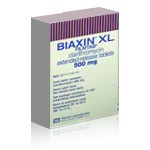
Biaxin is the original brand-name formulation of Clarithromycin — a second-generation macrolide antibiotic developed by Abbott Laboratories and FDA-approved since 1991. Clarithromycin represents a significant advance over its predecessor erythromycin, offering improved acid stability, superior tissue penetration, reduced gastrointestinal side effects, and the convenience of twice-daily (or once-daily extended-release) dosing.
The active ingredient is Clarithromycin, which works by binding the 50S ribosomal subunit of susceptible bacteria — blocking protein synthesis essential for bacterial survival. Clarithromycin is unique among macrolides in having an active metabolite (14-hydroxy-clarithromycin) that provides additive antibacterial activity, particularly against Haemophilus influenzae. The medication exhibits excellent activity against typical respiratory pathogens and atypical organisms (Mycoplasma, Chlamydia, Legionella) — making it particularly valuable for respiratory tract infections.
Biaxin is FDA-approved for treatment of pharyngitis/tonsillitis, acute maxillary sinusitis, acute exacerbations of chronic bronchitis, community-acquired pneumonia, uncomplicated skin and skin structure infections, and acute otitis media in pediatric patients. Crucially, Biaxin plays a foundational role in the treatment and prophylaxis of disseminated Mycobacterium avium complex (MAC) disease in HIV-positive patients with CD4 counts below 50, and is a key component of triple therapy for Helicobacter pylori eradication.
The medication is available as 250 mg and 500 mg immediate-release tablets, Biaxin XL 500 mg extended-release tablets, and pediatric suspensions. Standard dosing is 250-500 mg twice daily depending on infection severity, or 1000 mg once daily for Biaxin XL.
Important safety considerations include QT prolongation and increased cardiac death risk in patients with coronary heart disease (FDA boxed warning). Clarithromycin is a potent CYP3A4 inhibitor with numerous drug interactions — particularly contraindicated with simvastatin, lovastatin, and colchicine in renal impairment. Generic Clarithromycin is widely available worldwide.
Free prescription
Discrete packaging
Have questions?
Quality Assurance

- Atypical Pneumonia: First-line for Mycoplasma, Chlamydia, and Legionella pneumonia in adults and children;
- Acute Maxillary Sinusitis: FDA-approved for acute bacterial sinusitis as penicillin alternative;
- Chronic Bronchitis Exacerbation: For acute bacterial exacerbations of chronic bronchitis in COPD patients;
- Acute Otitis Media: For pediatric ear infections in penicillin-allergic children;
- Pharyngitis Penicillin Alternative: For Group A Streptococcus pharyngitis in penicillin-allergic patients;
- Tonsillitis: For bacterial tonsillitis particularly when caused by Streptococcus species in penicillin-allergic patients;
- MAC Treatment: Foundation of Mycobacterium avium complex therapy in HIV/AIDS and pulmonary MAC disease;
- MAC Prophylaxis HIV: Standard prophylaxis for disseminated MAC in HIV patients with CD4 below 50;
- Pulmonary MAC: First-line component of pulmonary Mycobacterium avium complex treatment regimens;
- H Pylori Eradication: Key component of triple therapy with PPI and amoxicillin for Helicobacter pylori treatment;
- Pertussis: For Bordetella pertussis (whooping cough) treatment in adults and children;
- Pertussis Prophylaxis: For post-exposure pertussis prophylaxis in household and close contacts;
- Legionnaires Disease: For Legionella pneumophila pneumonia — key macrolide for this atypical infection;
- Skin Soft Tissue Infection: For uncomplicated skin infections caused by susceptible organisms;
- Mycobacterium Abscessus: Component of treatment regimens for Mycobacterium abscessus infections;
- Disseminated MAC: For disseminated Mycobacterium avium complex disease in immunocompromised patients;
- Atypical Mycobacterial Infection: For various atypical mycobacterial infections including M. kansasii;
- Pneumonia Step Down: Oral step-down therapy following IV macrolide treatment in hospitalised pneumonia patients;
- Penicillin Allergic Respiratory: Alternative for various respiratory infections in patients with penicillin allergies.
- Less Cough: Resolution of productive cough in pneumonia and bronchitis;
- Better Breathing: Improvement in dyspnea and respiratory symptoms as pneumonia clears;
- Less Sinus Pain: Reduction in facial pressure and pain of acute sinusitis;
- Less Ear Pain: Relief from pediatric otitis media pain;
- Less Throat Pain: Resolution of pharyngitis and tonsillitis pain;
- Better Sleep: Resolution of nighttime cough and discomfort during recovery;
- Better Energy: Recovery from systemic infection-related fatigue;
- Better Appetite: Restoration of normal appetite as systemic infection resolves;
- Faster Recovery: Most patients show clinical improvement within 48-72 hours;
- Less Heartburn: Resolution of H. pylori-related dyspepsia following eradication therapy;
- Better Daily Function: Return to work, school, and normal activities as respiratory infection clears;
- Brand Biaxin: Original Abbott brand of Clarithromycin with established global clinical reputation since 1991;
- Generic Clarithromycin: Affordable generic versions expand global access to second-generation macrolide therapy;
- Klacid Equivalent: Same Clarithromycin molecule as international brand Klacid — familiar across global markets;
- Klaricid Equivalent: Same Clarithromycin molecule as international brand Klaricid — widely used internationally;
- Biaxin XL: Extended-release 500 mg tablet provides once-daily dosing for improved patient adherence;
- Second Generation Macrolide: Significant pharmacokinetic improvement over erythromycin with better tolerability;
- Macrolide Antibiotic: Foundational macrolide class — well-established mechanism with broad clinical applications;
- 50S Ribosomal Inhibitor: Inhibits bacterial protein synthesis at the 50S ribosomal subunit;
- Active Metabolite Macrolide: 14-hydroxy-clarithromycin metabolite provides additive antibacterial activity unique among macrolides;
- Atypical Coverage Antibiotic: Excellent activity against Mycoplasma, Chlamydia, and Legionella respiratory pathogens;
- Twice Daily Antibiotic: Improved over erythromycin's four-times-daily schedule — supports better adherence;
- Better Tolerability Macrolide: Significantly fewer gastrointestinal side effects compared to erythromycin;
- Superior Tissue Penetration: Concentrated in lung tissue, sinuses, and macrophages — ideal for respiratory infections;
- Pneumonia Atypical Therapy: First-line for atypical pneumonia including Mycoplasma, Chlamydia, and Legionella;
- MAC Therapy Foundation: Foundation of Mycobacterium avium complex treatment in HIV and pulmonary MAC;
- MAC Prophylaxis Standard: Standard prophylaxis for disseminated MAC in HIV with CD4 below 50;
- H Pylori Triple Therapy: Key component of standard H. pylori triple therapy with PPI and amoxicillin;
- Pertussis Treatment: Effective for whooping cough treatment and post-exposure prophylaxis;
- Penicillin Allergy Alternative: Alternative for various respiratory and skin infections in penicillin-allergic patients;
- Pediatric Macrolide: Pediatric suspensions support weight-based dosing for children with respiratory infections;
- Acid Stable Macrolide: Stable in gastric acid environment unlike erythromycin — reliable oral absorption;
- WHO Essential Medicine: Listed on the WHO Model List of Essential Medicines for respiratory and mycobacterial infections;
- 30 Plus Year Antibiotic History: Extensive real-world safety and efficacy data since 1991 across hundreds of millions of patient courses;
- QT Monitoring Required: Avoid in patients with QT prolongation risk or on QT-prolonging medications;
- Cardiac Warning: FDA caution in patients with coronary heart disease due to increased cardiac event risk;
- CYP3A4 Interactions: Potent CYP3A4 inhibitor — review medication list before use, particularly statins;
- Statin Interaction: Contraindicated with simvastatin and lovastatin — avoid or pause statin during course;
- Stable Storage: Tablets stable at room temperature — oral suspension requires refrigeration after reconstitution;
- Globally Available: Widely stocked in international markets in branded (Biaxin, Klacid, Klaricid) and generic forms.
Generic Biaxin (Clarithromycin 250 mg) Medication guide:
📖 What is Biaxin - the macrolide antibiotic for respiratory infections
Biaxin is the original brand-name formulation of clarithromycin, a semi-synthetic second-generation macrolide antibiotic that has been in continuous global clinical use since 1991. The drug was developed by Taisho Pharmaceutical in Japan during the 1980s as a structural improvement of erythromycin, then licensed to Abbott Laboratories for development and commercialisation in Western markets. The compound is now available as both brand Biaxin and as widespread generic clarithromycin from many manufacturers worldwide.
The contemporary clinical role of Biaxin centres on several distinct indication categories. For community-acquired respiratory infections (CAP, acute bacterial sinusitis, acute exacerbations of chronic bronchitis), clarithromycin remains a recommended empirical choice per IDSA/ATS guidelines. For Helicobacter pylori eradication, clarithromycin is a foundational component of triple and quadruple therapy regimens per ACG and Maastricht guidelines, though rising resistance has narrowed empirical use. For Mycobacterium avium complex (MAC) prophylaxis and treatment in HIV-positive patients, clarithromycin is a core agent per CDC/NIH/IDSA opportunistic infection guidelines. For streptococcal pharyngitis in penicillin-allergic patients, clarithromycin provides an effective alternative to penicillin.
- 💊 Drug class
- Macrolide antibiotic (14-membered ring lactone); semi-synthetic second-generation derivative of erythromycin; bacteriostatic at typical clinical concentrations with bactericidal activity at higher exposures against susceptible organisms
- 🏢 Original manufacturers
- Biaxin originally marketed by Abbott Laboratories (US, EU, much of the world); clarithromycin originally discovered/synthesised by Taisho Pharmaceutical (Japan, 1980); generic clarithromycin now widely available from many manufacturers globally including Sandoz, Teva, Mylan
- 🌍 International brand names
- Biaxin (US, Canada, EU); Biaxin XL (extended-release); Klacid (UK, Europe, Asia); Klaricid (UK, Australia); Klabax (Indian subcontinent); Klabel; Macladin; Klax; Klabion; multiple national brand names
- 📜 FDA approval
- Biaxin tablets: NDA 050662 (1991); Biaxin XL extended-release: NDA 050698 (2000); Biaxin granules for oral suspension (pediatric): NDA 050688; multiple generic approvals since the early 2000s
- 📏 Standard strengths
- Tablets 250 mg and 500 mg; Biaxin XL 500 mg extended-release; oral suspension 125 mg per 5 mL and 250 mg per 5 mL (pediatric)
- ⏱️ Half-life
- 3-7 hours for clarithromycin parent compound; the active metabolite 14-OH-clarithromycin has approximately 5-9 hour half-life; supports twice-daily dosing for regular formulation and once-daily for XL
- 🌎 WHO Essential Medicines status
- Clarithromycin is included on the WHO Essential Medicines List in the Watch tier of the AWaRe categorisation, indicating an antibiotic that requires careful stewardship use due to higher resistance development potential compared to the Access-tier first-line agents
The distinguishing features of Biaxin among contemporary antibiotics include its 14-membered macrolide structure with improved pharmacokinetics versus erythromycin (better oral bioavailability, longer half-life, reduced GI intolerance), its active metabolite 14-OH-clarithromycin that contributes additional antibacterial activity, its excellent tissue penetration including respiratory tissues and the gastric mucosa, its specific clinical positioning across community respiratory infections and H. pylori eradication, and the substantial drug interaction profile arising from strong CYP3A4 inhibition that requires attention at prescription.
The landmark research positioning of clarithromycin spans the Mandell-led IDSA/ATS Community-Acquired Pneumonia guidelines (Clinical Infectious Diseases 2007;44:S27-S72), the Graham-led work on Helicobacter pylori eradication and clarithromycin resistance, and the Benson-led NIH trials on disseminated Mycobacterium avium complex treatment in AIDS. These three research streams have defined the modern clinical use of clarithromycin across respiratory, gastrointestinal, and opportunistic infection contexts.
🕰️ Biaxin heritage - from Taisho discovery to 1991 Abbott approval
The development of clarithromycin is a notable example of pharmaceutical chemistry improving an existing successful drug. The parent compound erythromycin was discovered by Eli Lilly researcher J. M. McGuire in 1949 from the bacterium Saccharopolyspora erythraea isolated in soil from the Philippines. Erythromycin became clinically available in 1952 and has remained an important macrolide ever since, but it had notable limitations: poor acid stability (degraded by stomach acid producing GI side effects), variable absorption, short half-life requiring four-times-daily dosing, and significant gastrointestinal intolerance.
From the 1970s through the 1990s, pharmaceutical chemists worldwide pursued second-generation macrolides that would preserve erythromycin antibacterial activity while improving pharmacokinetics and tolerability. The strategy was structural modification of the 14-membered erythronolide ring to prevent acid-catalysed degradation. Three major successful agents emerged from this work: clarithromycin (Taisho/Abbott, 1991), azithromycin (Pliva, 1980 discovery; Pfizer 1991 US approval), and roxithromycin (Roussel-Uclaf, 1987 in Europe).
The clarithromycin programme at Taisho Pharmaceutical in Japan began in the late 1970s. The key insight was that the 6-hydroxyl group on erythromycin was the chemical site responsible for intramolecular acid-catalysed ring degradation. By replacing this 6-hydroxyl with a 6-methoxy group, the resulting compound resisted acid degradation while retaining ribosomal binding activity. Yutaka Watanabe and colleagues at Taisho synthesised the compound (designated TE-031, later named clarithromycin) and published the initial synthesis and characterisation in 1980-1984.
Taisho licensed clarithromycin to Abbott Laboratories for development and commercialisation in the US, Europe, and other Western markets. Abbott conducted the pivotal clinical trials throughout the 1980s for FDA approval, focusing on community-acquired respiratory infections, skin and soft tissue infections, and other macrolide-traditional indications. Biaxin received FDA approval in 1991 (NDA 050662) for these indications.
Timeline of clarithromycin development:
1949
J. M. McGuire at Eli Lilly discovers erythromycin from a Philippine soil sample; the first macrolide antibiotic; marketed clinically from 1952.
1970s
Multiple pharmaceutical companies begin systematic structural modification programmes to improve macrolide pharmacokinetics and reduce GI intolerance.
1980
Taisho Pharmaceutical (Japan) synthesises clarithromycin via 6-O-methylation of erythromycin; Yutaka Watanabe and team publish the original characterisation.
1984-1988
Taisho licences clarithromycin to Abbott Laboratories for US/EU development; Abbott initiates Phase II and III trials across respiratory, skin, and other indications.
1990
Clarithromycin (Klacid) launches in Japan.
1991 FDA Milestone
FDA approval of Biaxin (clarithromycin) as NDA 050662 for community-acquired respiratory infections, skin/soft tissue infections, and other indications.
1993-1996
Clinical trials establish clarithromycin role in Helicobacter pylori triple therapy; the GU/MACH studies; FDA labelling expanded for H. pylori indication.
1995-1997
Constance Benson and colleagues conduct NIAID-sponsored clinical trials on clarithromycin for disseminated Mycobacterium avium complex in AIDS; FDA labelling expanded to include MAC treatment and prophylaxis.
2000 XL Formulation
Biaxin XL extended-release formulation FDA approval (NDA 050698); enables once-daily dosing for selected indications.
2007 Landmark Guideline
Mandell, Wunderink, Anzueto and colleagues publish the IDSA/ATS Consensus Guidelines on Community-Acquired Pneumonia (Clinical Infectious Diseases 2007;44:S27-S72), positioning macrolides including clarithromycin as first-line empirical therapy.
2004-2010s
David Graham and others publish extensively on rising clarithromycin resistance in Helicobacter pylori, leading to revised triple therapy positioning and emergence of bismuth-based quadruple therapy as alternative.
2017
ACG Clinical Guideline for H. pylori (Chey et al, American Journal of Gastroenterology 2017;112:212-239) updates clarithromycin positioning in the context of resistance.
2019
ATS/IDSA CAP Guidelines update (Metlay et al, American Journal of Respiratory and Critical Care Medicine 2019;200:e45-e67) refines macrolide positioning amid rising pneumococcal macrolide resistance.
The commercial heritage of Biaxin traces from Taisho Pharmaceutical (which retains rights in Japan and parts of Asia, marketing as Klacid) through Abbott Laboratories (US/EU/most markets) to AbbVie (after Abbott spinoff of pharmaceuticals in 2013). Generic clarithromycin became widely available with patent expiration in the mid-2000s and now dominates dispensing globally. The original brand names persist in many markets as heritage products, but the active ingredient and clinical activity are identical across all generic versions.
The research base for clarithromycin reflects substantial sustained investment from initial discovery through five decades of clinical use. The compound has been the subject of thousands of clinical trials across diverse indications, and the resulting evidence base supports the continued role of clarithromycin in contemporary medicine despite the challenges of macrolide resistance in certain organisms.
🧬 How clarithromycin works - 50S ribosomal protein synthesis inhibition
Clarithromycin exerts its antibacterial effect through reversible binding to the 50S ribosomal subunit of bacterial ribosomes, specifically at the 23S rRNA domain V near the peptidyl transferase centre. This binding blocks bacterial protein synthesis by preventing the translocation step of peptide chain elongation: the growing peptide chain cannot move from the A site to the P site of the ribosome, and the ribosome stalls. Without continued protein synthesis, bacteria cannot grow or divide.
The selectivity for bacterial ribosomes over mammalian ribosomes is the key to therapeutic safety. Bacterial 70S ribosomes (composed of 50S and 30S subunits) differ structurally from mammalian 80S ribosomes (composed of 60S and 40S subunits). Clarithromycin binds with high affinity to bacterial 50S but with much lower affinity to mammalian 60S, allowing selective inhibition of bacterial protein synthesis at clinically achievable concentrations without affecting host cell protein synthesis.
Key mechanistic features:
- 🧬 Binding site on 23S rRNA
- Clarithromycin binds the bacterial ribosome at the entrance to the polypeptide exit tunnel, near domain V of the 23S rRNA. The binding site overlaps that of other macrolides (azithromycin, erythromycin), lincosamides (clindamycin), and streptogramins B - creating the basis for shared cross-resistance patterns through MLS-B resistance mechanisms
- 🔘 Translocation block
- After clarithromycin binds, the peptide chain growing on the ribosome cannot translocate from the A site to the P site. The peptide chain remains tethered to the ribosome. Subsequent peptide elongation halts. The ribosome eventually dissociates from the mRNA without completing the protein
- 🎯 Bacteriostatic vs bactericidal effect
- At typical clinical concentrations, clarithromycin is bacteriostatic against most susceptible organisms (halts growth without killing). At higher concentrations and against certain highly susceptible organisms (Haemophilus influenzae, some streptococcal strains), clarithromycin can achieve bactericidal effect. This contrasts with beta-lactams which are typically bactericidal
- 📊 MIC ranges for common pathogens
- Streptococcus pneumoniae: 0.03-0.25 mcg/mL (susceptible); resistance above 1 mcg/mL. Haemophilus influenzae: 2-8 mcg/mL (less reliably susceptible). Moraxella catarrhalis: 0.06-0.25 mcg/mL. Staphylococcus aureus (MSSA): 0.25-1 mcg/mL; MRSA typically resistant. Mycoplasma pneumoniae: under 0.01 mcg/mL (very susceptible). Chlamydia pneumoniae: 0.06-0.25 mcg/mL. Helicobacter pylori: 0.015-0.5 mcg/mL when susceptible; resistance above 0.5 mcg/mL
- 🔍 Intracellular activity
- Clarithromycin penetrates rapidly into many cell types and concentrates intracellularly at much higher levels than plasma. This intracellular distribution explains its activity against intracellular pathogens including Legionella pneumophila, Chlamydia pneumoniae, Mycoplasma pneumoniae, and intracellular replicating Mycobacterium avium complex within macrophages
The active metabolite 14-hydroxyclarithromycin (also called 14-OH-clarithromycin) is produced by hepatic CYP3A4 metabolism of the parent compound. The metabolite has independent antibacterial activity and contributes additive or synergistic effect against several important pathogens including Haemophilus influenzae (where 14-OH-clarithromycin is actually more active than the parent compound). The presence of both parent and active metabolite contributes to the clinical efficacy of clarithromycin against Haemophilus, which is important for sinusitis and bronchitis indications.
The tissue distribution of clarithromycin is favourable for the principal indications. Excellent penetration into respiratory tissues (bronchial mucosa, alveolar macrophages, sputum) supports the respiratory infection indications. Concentration in gastric tissues supports the H. pylori eradication indication. Intracellular accumulation in macrophages supports the MAC indication. CSF penetration is poor; clarithromycin is not appropriate for meningitis.
The practical pharmacodynamic principles for clarithromycin dosing reflect the macrolide profile. Clarithromycin demonstrates time-above-MIC as the principal pharmacodynamic predictor of efficacy (similar to beta-lactams), rather than the AUC/MIC ratio that drives concentration-dependent agents. Twice-daily dosing maintains free drug concentrations above the MIC for typical susceptible organisms throughout the dosing interval. The extended-release Biaxin XL formulation provides sustained release over the dosing interval, allowing once-daily dosing while preserving time-above-MIC for many target pathogens.
💊 The macrolide class - clarithromycin among erythromycin successors
Clarithromycin belongs to the macrolide class of antibiotics, a chemically defined group characterised by a macrocyclic lactone ring of 14, 15, or 16 atoms with attached deoxy and amino sugars. Macrolides share the common mechanism of 50S ribosomal binding to inhibit bacterial protein synthesis, but the individual agents differ in pharmacokinetics, spectrum, drug interaction profile, and clinical positioning. Understanding clarithromycin among its macrolide siblings clarifies the rationale for selection.
The principal clinical macrolides:
Erythromycin 14-MEMBERED 1952
The original macrolide; remains in clinical use but largely displaced by second-generation agents due to poor acid stability, short half-life (1.5 hours), four-times-daily dosing requirement, and substantial gastrointestinal intolerance. Still used for selected indications: gastric motility (low-dose erythromycin), neonatal chlamydial prophylaxis, and where cost is the overriding factor.
Clarithromycin 14-MEMBERED 1991 This guide
Second-generation 14-membered macrolide; the agent featured in this guide. Improved acid stability via 6-O-methylation; oral bioavailability approximately 50%; twice-daily dosing standard with once-daily XL formulation. Distinctive features: active 14-OH metabolite contributing additional activity, strong CYP3A4 inhibition (drug interactions), H. pylori activity at relevant gastric concentrations, intracellular activity against MAC.
Azithromycin 15-MEMBERED 1991 Azalide
The "azalide" subclass with 15-membered ring (nitrogen atom inserted into the 14-membered erythronolide ring); developed independently by Pliva in Croatia and licensed to Pfizer for Western markets. Distinctive features: very long half-life (60-80 hours tissue), enables once-daily dosing and 3-5 day treatment courses, weak CYP3A4 inhibition (fewer drug interactions than clarithromycin), prolonged tissue concentrations supporting "single-dose" treatment for selected infections (chlamydia, gonorrhoea adjunct).
Roxithromycin 14-MEMBERED 1987 EU
Second-generation 14-membered macrolide; available in Europe and Asia but never approved in the US. Similar profile to clarithromycin with slightly different PK. Used for respiratory infections in markets where available.
Spiramycin 16-MEMBERED
16-membered macrolide; primary indication is toxoplasmosis prophylaxis in pregnancy (preventing maternal-fetal Toxoplasma transmission). Limited other clinical use.
Telithromycin KETOLIDE 2004 Restricted
"Ketolide" subclass derived from erythromycin scaffold; designed to overcome macrolide resistance through a second ribosomal binding site. FDA approval 2004 (Ketek) but severely restricted due to liver toxicity (severe hepatitis cases). Limited clinical use; not a routine alternative to clarithromycin in most contexts.
Comparative pharmacokinetics across the principal macrolides:
| Agent | Bioavailability | Half-life |
|---|---|---|
| Erythromycin | 30-50% | 1.5-2 hours |
| Clarithromycin | 50-55% | 3-7 hours |
| Azithromycin | 37% | 60-80 hours tissue |
| Roxithromycin | 72-85% | 10-14 hours |
| Telithromycin | 57% | 10 hours |
The clinical positioning of clarithromycin among macrolides reflects its specific strengths. For respiratory tract infections, clarithromycin and azithromycin are both widely used; the choice often depends on convenience (azithromycin shorter courses) versus drug interaction tolerance (clarithromycin has more interactions). For H. pylori eradication, clarithromycin is the macrolide of choice due to gastric tissue concentrations; azithromycin is rarely used for H. pylori. For MAC prophylaxis and treatment, both clarithromycin and azithromycin are core agents; clarithromycin is more commonly the principal agent in combination regimens.
The resistance considerations across macrolides reflect substantially overlapping resistance mechanisms. Bacteria that develop macrolide resistance through erm gene-mediated ribosomal methylation (MLS-B resistance) or efflux-mediated resistance (mef genes) typically show cross-resistance across the macrolide class. An organism resistant to erythromycin is generally resistant to clarithromycin and azithromycin as well. This shared resistance is a critical consideration when local macrolide resistance rates rise.
The practical takeaway for clinical macrolide selection: clarithromycin remains valuable for indications where its specific pharmacological profile is advantageous (H. pylori gastric activity, MAC intracellular activity, twice-daily dosing convenience). For pure respiratory infection where any macrolide would work, azithromycin convenience often wins. For acid-stability-critical or budget-constrained scenarios, erythromycin remains an option. The shared macrolide resistance pattern means rising regional resistance affects all class members similarly.
🦠 Biaxin bacterial spectrum - what it covers and what it does not
The bacterial spectrum of clarithromycin includes important coverage of community-acquired respiratory pathogens, atypical respiratory organisms, Helicobacter pylori, and Mycobacterium avium complex. The spectrum has narrowed in certain areas due to rising resistance, particularly among Streptococcus pneumoniae and Helicobacter pylori in some regions. Understanding which organisms remain reliably susceptible and which have developed substantial resistance is essential for appropriate clarithromycin selection.
- 🦠 Gram-positive cocci
- Susceptible: Streptococcus pneumoniae (susceptible strains; resistance rising 25-40% in some US/EU regions); Group A streptococcus (Streptococcus pyogenes; reliable when no macrolide resistance); methicillin-sensitive Staphylococcus aureus (MSSA); other beta-hemolytic streptococci.
- Resistant: Methicillin-resistant Staphylococcus aureus (MRSA) - commonly resistant; Enterococcus (intrinsic resistance to most macrolides at clinically achievable doses); penicillin-resistant pneumococci often show macrolide co-resistance.
- 🦠 Gram-negative bacilli
- Susceptible: Haemophilus influenzae (variable; the 14-OH-clarithromycin metabolite provides enhanced activity); Moraxella catarrhalis; Bordetella pertussis (whooping cough); Helicobacter pylori (susceptible strains; resistance rising).
- Resistant: Enterobacterales (E. coli, Klebsiella, Enterobacter, etc.); Pseudomonas aeruginosa (intrinsically resistant); Acinetobacter; most other gram-negative bacilli.
- 🦠 Atypical and intracellular respiratory pathogens
- Drug of choice or first-line: Mycoplasma pneumoniae (highly susceptible); Chlamydia pneumoniae; Chlamydia trachomatis; Legionella pneumophila; Bordetella pertussis. The intracellular distribution of clarithromycin is the key to activity against these organisms.
- 🦠 Mycobacteria
- Drug of choice (core agent): Mycobacterium avium complex (MAC) - for both treatment and prophylaxis in HIV-positive and other immunocompromised patients; Mycobacterium kansasii (selected regimens); Mycobacterium leprae (combination with other agents for leprosy).
- Not effective: Mycobacterium tuberculosis (rifampin/isoniazid based regimens needed).
- 🦠 Anaerobes
- Limited activity: Some upper-respiratory anaerobes; not reliable for serious anaerobic infections including Bacteroides fragilis abdominal infections.
The most clinically important organisms for routine clarithromycin practice:
- Streptococcus pneumoniae - the principal target for empirical community-acquired pneumonia and other respiratory tract infections. Macrolide resistance has risen substantially in many regions (25-40% in parts of US/Europe, higher in some Asian areas), narrowing empirical use to areas with preserved susceptibility.
- Haemophilus influenzae - common respiratory pathogen in chronic bronchitis exacerbations and sinusitis. The 14-OH-clarithromycin active metabolite is the key to activity (the parent compound alone has marginal activity).
- Moraxella catarrhalis - common upper respiratory pathogen; reliable clarithromycin susceptibility.
- Mycoplasma pneumoniae - the atypical pneumonia pathogen; clarithromycin is highly effective and is the first-line agent in most CAP guidelines for atypical coverage.
- Chlamydia pneumoniae and C. trachomatis - atypical respiratory pathogens and STI pathogen respectively; both reliably susceptible.
- Legionella pneumophila - the atypical pneumonia pathogen requiring intracellular activity; clarithromycin is one of the first-line agents (alongside fluoroquinolones and azithromycin).
- Helicobacter pylori - the gastric pathogen causing peptic ulcer disease and gastric cancer risk. Clarithromycin is the macrolide component of triple therapy when susceptibility is preserved (under 15% resistance in the region).
- Mycobacterium avium complex (MAC) - the principal opportunistic mycobacterium in advanced HIV. Clarithromycin or azithromycin is the core agent in MAC prophylaxis and treatment regimens.
- Bordetella pertussis - whooping cough pathogen; clarithromycin and azithromycin are the first-line agents for treatment and prophylaxis.
The important organisms NOT covered by clarithromycin:
- Methicillin-resistant Staphylococcus aureus (MRSA) - commonly resistant; alternative agents needed (vancomycin, linezolid, TMP-SMX, clindamycin where susceptible)
- Pseudomonas aeruginosa - intrinsically resistant; alternative agents needed for Pseudomonas infections
- Enterobacterales (E. coli, Klebsiella, etc.) - not reliably covered; cephalosporins or other appropriate agents for these gram-negative infections
- Enterococcus species - intrinsic resistance; ampicillin/vancomycin alternatives
- Mycobacterium tuberculosis - not reliable monotherapy; TB requires rifampin/isoniazid based regimens
- Anaerobes including Bacteroides fragilis - alternative agents needed (metronidazole, beta-lactam/inhibitor combinations)
- Neisseria gonorrhoeae - resistance is now widespread; ceftriaxone-based regimens needed
- Treponema pallidum (syphilis) - not effective; benzathine penicillin remains first-line
The spectrum reliability for the appropriate indications has decreased over recent decades primarily due to rising Streptococcus pneumoniae and Helicobacter pylori resistance. For pneumococcal CAP, empirical macrolide monotherapy is no longer recommended in many regions where resistance exceeds 25% - combination therapy with a beta-lactam or substitution with a respiratory fluoroquinolone is preferred. For H. pylori, regions with over 15% clarithromycin resistance should use bismuth quadruple therapy or other clarithromycin-sparing regimens. The atypical pathogen activity and the MAC indication remain robust as these organisms have not developed widespread macrolide resistance.
⚗️ The active metabolite 14-OH-clarithromycin - synergistic contribution
One of the distinguishing pharmacological features of clarithromycin is its active metabolite 14-hydroxyclarithromycin (commonly written as 14-OH-clarithromycin or 14-(R)-OH-clarithromycin). This metabolite is produced by hepatic CYP3A4 hydroxylation of the parent clarithromycin molecule at the 14-position. Unlike most antibiotic metabolites which are either inactive or less active than the parent compound, 14-OH-clarithromycin retains substantial independent antibacterial activity and contributes additively or synergistically to the overall therapeutic effect.
The metabolite is present in plasma at approximately 15-30% of parent drug concentrations after typical clarithromycin dosing, with substantial inter-individual variation depending on CYP3A4 activity. Plasma half-life of 14-OH-clarithromycin (5-9 hours) is slightly longer than that of the parent clarithromycin (3-7 hours). The metabolite circulates and reaches tissue sites alongside the parent, providing additional antibacterial pressure.
- 💡 Mechanism of metabolite activity
- 14-OH-clarithromycin binds the same 50S ribosomal site as the parent compound, with similar but not identical affinity profile. The structural modification at the 14-position alters certain organism-specific binding affinities, resulting in different spectrum strengths versus the parent
- 🔍 Spectrum difference vs parent
- 14-OH-clarithromycin is MORE active than parent against: Haemophilus influenzae (the most clinically important difference; metabolite MIC roughly 2-4 fold lower than parent). Equally active: Most streptococci, Mycoplasma, Chlamydia, Legionella. Less active or comparable: Most other organisms including staphylococci and MAC. The H. influenzae difference is the principal clinical benefit of the metabolite
- 🧪 CYP3A4 dependence on metabolite production
- Production of 14-OH-clarithromycin requires hepatic CYP3A4 activity. Patients with CYP3A4 inhibitors (e.g., ritonavir, ketoconazole, grapefruit juice) may have reduced 14-OH formation while parent clarithromycin levels rise. Patients with CYP3A4 inducers (e.g., rifampin, phenytoin, carbamazepine) may have increased 14-OH formation while parent clarithromycin levels fall. The net antibacterial activity depends on both parent and metabolite contributions
- 📦 Practical implication for prescribing
- When clarithromycin is administered to a patient receiving CYP3A4 inhibitors, parent drug concentrations rise (potential for drug interactions and adverse effects) but 14-OH metabolite formation may be reduced, with possible decrease in net Haemophilus coverage. When CYP3A4 inducers are concurrent, parent drug concentrations may be sub-therapeutic. These pharmacokinetic interactions are clinically relevant especially in HIV-positive patients on antiretroviral therapy with strong CYP3A4 effects
The therapeutic implication of the 14-OH metabolite is most relevant for indications where Haemophilus influenzae coverage matters - acute bacterial sinusitis, acute exacerbations of chronic bronchitis, otitis media, and community-acquired pneumonia where H. influenzae is a likely pathogen. In these settings, the combined activity of parent clarithromycin plus 14-OH-clarithromycin provides better Haemophilus coverage than either alone, supporting the empirical use of clarithromycin for these indications even though Haemophilus MICs against parent compound alone are borderline.
The contrast with other macrolides is informative. Erythromycin does not produce a significantly active metabolite. Azithromycin does not produce a significantly active metabolite. Roxithromycin does not produce a significantly active metabolite. Clarithromycin is somewhat unique among macrolides in having a clinically meaningful active metabolite contributing to therapeutic effect. This is one of the factors that distinguishes clarithromycin from azithromycin for indications where Haemophilus matters.
The research history of the 14-OH-clarithromycin metabolite includes pivotal work by Hardy et al at Abbott (Antimicrobial Agents and Chemotherapy 1988) demonstrating the enhanced Haemophilus activity of the metabolite, and subsequent pharmacokinetic work by Rodvold and others (Clinical Pharmacokinetics 1999) characterising the production and clearance of the metabolite in different patient populations. The metabolite was a feature actively promoted by Abbott in the clarithromycin marketing as a differentiator from competing macrolides, and clinical evidence supports the real but modest contribution it makes to therapeutic effect.
📊 Pharmacokinetics - oral bioavailability and tissue penetration
The pharmacokinetic profile of clarithromycin includes favourable oral absorption, wide tissue distribution with intracellular accumulation, hepatic CYP3A4 metabolism producing the active 14-OH metabolite, and renal/biliary elimination. Understanding the PK profile clarifies the dosing, drug interaction considerations, and patient-specific adjustments needed for clarithromycin therapy.
Key pharmacokinetic parameters:
- 📏 Oral bioavailability
- Approximately 50-55% for clarithromycin parent compound after oral administration. The improved acid stability (versus erythromycin) is the basis for the better and more predictable absorption. Bioavailability is not significantly affected by food, allowing administration with or without meals
- ⏱️ Time to peak (Tmax)
- Regular formulation: 2-3 hours after oral dose. Extended-release Biaxin XL: 5-8 hours (delayed absorption profile). Multiple-dose steady-state reached within 2-3 days
- ⏳ Half-life
- Parent clarithromycin: 3-7 hours (varies with dose due to saturable CYP3A4 metabolism at higher doses). 14-OH-clarithromycin metabolite: 5-9 hours. Both increase with renal impairment. Supports twice-daily dosing for regular formulation and once-daily for XL
- 🧪 Protein binding
- Approximately 40-50% (moderate); 50-60% of clarithromycin in plasma is free drug available for tissue distribution and antibacterial activity
- 📍 Volume of distribution
- Wide tissue distribution; Vd approximately 3-4 L/kg indicating substantial tissue uptake beyond plasma. Particularly high concentrations in respiratory tissues, gastric mucosa, and macrophages
- 🏛️ Tissue penetration
- Excellent: bronchial mucosa (3-9 fold plasma), alveolar macrophages (over 100 fold), tonsil tissue (3-5 fold), middle ear fluid (2-3 fold), sinus mucosa (4-5 fold), gastric mucosa (4-7 fold). Moderate: skin (1-2 fold). Poor: CSF (under 5% plasma; not appropriate for meningitis), bone (moderate but variable)
- 🧬 Metabolism
- Hepatic via CYP3A4 (predominant); also CYP2C and others minor contributors. The principal metabolic product is the active 14-OH-clarithromycin metabolite (see Section 6). Other minor metabolites include N-desmethylclarithromycin and various inactive products. CYP3A4 also affected: clarithromycin is itself a strong inhibitor of CYP3A4 (see Section 19 on drug interactions)
- 💧 Elimination
- Renal: approximately 30-40% of an oral dose appears in urine as unchanged drug; renal dose adjustment needed at eCrCl below 30 mL/min. Biliary/fecal: approximately 40% via biliary excretion; less affected by renal function. Total body clearance approximately 30-50 L/h
The renal dose adjustment for clarithromycin reflects the partial renal elimination of the parent compound and its metabolite. At eCrCl above 30 mL/min, no dose adjustment is needed for most indications. At eCrCl 10-30 mL/min, the dose should be reduced by approximately 50% (e.g., 250 mg twice daily instead of 500 mg twice daily). At eCrCl below 10 mL/min, further reduction is appropriate. For the MAC indication where higher doses are used, more careful adjustment is needed in renal impairment.
The hepatic considerations for clarithromycin are notable. Severe hepatic impairment can affect both metabolism (reduced 14-OH formation) and elimination (reduced biliary clearance). Rare cases of clarithromycin-associated hepatotoxicity have been reported including elevated transaminases and rare severe hepatitis. Use with caution in patients with significant hepatic impairment, and monitor liver function in patients on prolonged therapy.
The practical pharmacokinetic implications for prescribing:
- Take twice daily for regular formulation (250-500 mg every 12 hours)
- Take once daily for Biaxin XL (500-1000 mg once daily)
- Take with or without food (food does not significantly affect absorption)
- No need to fast or take at specific times relative to meals
- Adequate hydration during therapy supports renal elimination
- Renal dose adjustment at eCrCl under 30 mL/min
- Hepatic monitoring in prolonged therapy or pre-existing liver disease
- Drug interaction screening for CYP3A4 substrates and inhibitors at every prescription (see Section 19)
🎯 FDA-approved indications across respiratory and gastrointestinal
The FDA-approved and contemporary clinical indications for clarithromycin span several distinct categories. The combination has a substantial indication list reflecting its utility against diverse organism classes (community respiratory pathogens, atypical respiratory pathogens, Helicobacter pylori, Mycobacterium avium complex). Understanding the indication-specific positioning and the contemporary stewardship-conscious selection framework is essential for appropriate prescribing.
🫁 Respiratory tract infections
- Community-acquired pneumonia (CAP) - mild to moderate, outpatient management. Per IDSA/ATS Mandell 2007 and Metlay 2019 guidelines, macrolides including clarithromycin are recommended for outpatient CAP in patients without comorbidities or recent antibiotic exposure, in regions where pneumococcal macrolide resistance is below 25%.
- Acute bacterial sinusitis - second-line option (after Augmentin). Useful in penicillin-allergic patients or where amoxicillin/Augmentin is inappropriate. The H. influenzae and S. pneumoniae coverage is the basis.
- Acute exacerbations of chronic bronchitis (AECB) - in patients with mild to moderate exacerbations not requiring hospitalisation, clarithromycin is an acceptable option targeting H. influenzae, M. catarrhalis, and S. pneumoniae.
- Pharyngitis and tonsillitis - Group A streptococcal pharyngitis in penicillin-allergic patients. Amoxicillin or penicillin V remains first-line for non-allergic patients.
- Otitis media - acute otitis media in pediatric patients; clarithromycin is an alternative to Augmentin, particularly in penicillin allergy.
- Pertussis (whooping cough) - treatment and post-exposure prophylaxis; clarithromycin and azithromycin are the first-line macrolides per CDC guidelines.
🩸 Helicobacter pylori eradication
- Triple therapy - clarithromycin 500 mg twice daily + amoxicillin 1 g twice daily + proton pump inhibitor for 14 days. Standard first-line H. pylori regimen in regions with clarithromycin resistance below 15%.
- Concomitant quadruple therapy - clarithromycin + amoxicillin + metronidazole + PPI for 10-14 days. Alternative when clarithromycin susceptibility is preserved.
- Where clarithromycin resistance exceeds 15% - bismuth quadruple therapy (without clarithromycin) is preferred per ACG 2017 guidelines and Maastricht VI/Florence consensus.
🔥 Mycobacterium avium complex (MAC) infections
- Disseminated MAC in HIV/AIDS - clarithromycin 500 mg twice daily as core agent of combination regimens (with ethambutol and often rifabutin). Per CDC/NIH/IDSA opportunistic infection guidelines.
- MAC prophylaxis - in HIV-positive patients with CD4 below 50 cells/mL (no longer routine prophylaxis recommended for most patients on effective ART per 2020 guideline update; consider in specific cases).
- Pulmonary MAC disease (non-HIV) - clarithromycin or azithromycin as part of multi-drug regimens; consultation with pulmonary/ID specialist appropriate.
🩹 Skin, soft tissue, and other indications
- Skin and soft tissue infections - mild to moderate; particularly when atypical pathogen coverage matters or in penicillin allergy. Not first-line for typical staphylococcal/streptococcal SSTI (where cephalexin or Augmentin are preferred).
- Atypical mycobacterial infections - selected indications per ID specialist input.
- Toxoplasmosis - in selected scenarios where alternative agents are unsuitable; not first-line.
The indications NOT appropriate for clarithromycin in contemporary practice:
- Severe community-acquired pneumonia requiring hospitalisation - combination therapy with beta-lactam, or respiratory fluoroquinolone monotherapy preferred
- Healthcare-associated pneumonia and hospital-acquired pneumonia - broader-spectrum agents needed
- Urinary tract infections - clarithromycin does not achieve adequate urinary concentrations
- Meningitis - poor CSF penetration; not appropriate
- Pseudomonas infections - intrinsically resistant
- MRSA infections - commonly resistant; alternative agents needed
- Anaerobic infections (Bacteroides abdominal infections) - limited activity
- Tuberculosis - not effective monotherapy or first-line component
- Gonorrhoea - resistance is now widespread; ceftriaxone-based regimens needed
- Streptococcal pharyngitis in non-allergic patients - amoxicillin/penicillin V are first-line and preferred over clarithromycin
The contemporary stewardship principle for clarithromycin is to reserve it for indications where it has unique value or is genuinely first-line per current guidelines: H. pylori where susceptibility allows, MAC infections, pertussis, atypical respiratory pathogens, and selected respiratory infections in penicillin-allergic patients. For indications with multiple viable alternatives, the choice depends on local resistance, allergy history, drug interaction considerations, and patient-specific factors.
🫁 Community-acquired pneumonia - IDSA/ATS first-line role
Community-acquired pneumonia (CAP) is one of the historical principal indications for clarithromycin and remains a recommended empirical option in current guidelines for outpatient adults. The framework comes from the IDSA/ATS Consensus Guidelines on the Management of Community-Acquired Pneumonia in Adults by Mandell and colleagues, published in Clinical Infectious Diseases in 2007 (volume 44, supplement 2, pages S27-S72), and the subsequent 2019 ATS/IDSA update by Metlay and colleagues (American Journal of Respiratory and Critical Care Medicine 2019;200:e45-e67).
The contemporary CAP framework stratifies patients by severity and risk factors, recommending different empirical regimens accordingly. Clarithromycin and other macrolides are positioned as appropriate empirical therapy in specific patient categories where the spectrum and tolerability match clinical needs.
- 👨⚕️ Outpatient CAP - healthy adults without comorbidities
- Recommended (2007 Mandell): macrolide monotherapy (clarithromycin or azithromycin) in regions where pneumococcal macrolide resistance is below 25%. 2019 Metlay update: amoxicillin OR doxycycline OR macrolide (where resistance under 25%). The shift reflects rising pneumococcal macrolide resistance making empirical monotherapy less universally appropriate.
- 👨⚕️ Outpatient CAP - comorbidities or recent antibiotics
- Recommended: combination therapy with beta-lactam (Augmentin or cefuroxime axetil or cefpodoxime) PLUS macrolide (clarithromycin or azithromycin) OR doxycycline; OR respiratory fluoroquinolone monotherapy (moxifloxacin, levofloxacin). The combination ensures both typical (pneumococcal) and atypical (Mycoplasma, Chlamydia, Legionella) coverage.
- 🏥 Inpatient CAP (non-ICU)
- Recommended: beta-lactam (ceftriaxone or ampicillin-sulbactam) PLUS macrolide (clarithromycin or azithromycin); OR respiratory fluoroquinolone monotherapy. Clarithromycin is one of the recommended macrolides in this combination approach.
- 🏥 Severe CAP (ICU)
- Recommended: beta-lactam plus macrolide OR beta-lactam plus respiratory fluoroquinolone. Combination therapy strongly preferred over monotherapy in severe disease. Clarithromycin or azithromycin appropriate as the macrolide component.
The 25% pneumococcal macrolide resistance threshold is a critical decision point. In regions with confirmed local resistance above 25% (many US areas, parts of Europe and Asia), empirical macrolide monotherapy for CAP is inappropriate due to high failure risk. Local antibiograms or surveillance data inform the empirical decision. The combination approach (beta-lactam + macrolide) provides robust coverage regardless of pneumococcal macrolide resistance because the beta-lactam covers susceptible pneumococci while macrolide adds atypical coverage.
The atypical pathogen coverage is the principal value of including a macrolide in CAP regimens. Atypical pathogens (Mycoplasma pneumoniae, Chlamydia pneumoniae, Legionella pneumophila) account for an estimated 10-25% of CAP cases and are not covered by beta-lactams. Macrolide (or doxycycline or respiratory fluoroquinolone) is needed to provide this atypical coverage. Clarithromycin is reliable for all three principal atypical pathogens.
Clarithromycin dose for CAP:
- Regular formulation
- 500 mg twice daily for 7-14 days (typically 7 days for uncomplicated, 10-14 days for more severe)
- Biaxin XL extended-release
- 1000 mg (two 500 mg tablets) once daily for 7-14 days
The practical clinical workflow for clarithromycin in CAP:
- Confirm CAP diagnosis (clinical presentation plus chest radiograph showing infiltrate or consolidation)
- Assess severity using CURB-65 or PSI scoring to determine outpatient vs inpatient management
- Review local pneumococcal macrolide resistance rates from regional surveillance or hospital antibiogram
- Review patient comorbidities, recent antibiotic exposure, drug allergies, and drug interactions
- For uncomplicated outpatient adults in low-resistance regions: clarithromycin 500 mg twice daily for 7 days
- For adults with comorbidities or recent antibiotics: combination therapy with beta-lactam (Augmentin) PLUS clarithromycin OR doxycycline OR macrolide alone if resistance allows
- For inpatient non-ICU: beta-lactam (ceftriaxone) PLUS clarithromycin or azithromycin
- For severe ICU CAP: combination therapy strongly preferred
- Counsel about CYP3A4 drug interactions (statins, warfarin, etc) and tolerability
- Follow-up at 48-72 hours for clinical response; reassess if no improvement
- Document indication, regimen, duration, and outcome
The contemporary role of clarithromycin in CAP remains valuable for the specific patient categories where empirical macrolide monotherapy or combination therapy is appropriate. The rising pneumococcal resistance has restricted empirical monotherapy in many regions, but the combination approach with beta-lactam preserves a meaningful role for clarithromycin in CAP management. Patient-specific factors (allergies, comorbidities, drug interactions, regional resistance) should guide individual selection.
🐸 Acute bacterial sinusitis - clarithromycin positioning
Acute bacterial sinusitis (ABS) is one of the FDA-approved indications for clarithromycin and remains an appropriate option in specific clinical contexts. The contemporary positioning is as a second-line agent after first-line amoxicillin or amoxicillin-clavulanate (Augmentin), particularly useful in patients with penicillin allergy or where amoxicillin/Augmentin is inappropriate due to recent exposure or local resistance patterns.
The framework for ABS antibiotic selection comes from the IDSA Clinical Practice Guidelines for Acute Bacterial Rhinosinusitis (Chow et al, Clinical Infectious Diseases 2012;54:e72-e112) and the American Academy of Otolaryngology guidelines. These guidelines position amoxicillin-clavulanate as first-line based on its broad coverage of the principal sinusitis pathogens, with macrolides and other agents as alternatives.
Principal sinusitis pathogens and clarithromycin activity:
- 🦠 Streptococcus pneumoniae (30-40% of cases)
- Reliably susceptible to clarithromycin where macrolide resistance is preserved. Rising resistance in some regions is the principal limitation
- 🦠 Haemophilus influenzae (20-35% of cases)
- Variable susceptibility; the active 14-OH-clarithromycin metabolite enhances coverage. Clarithromycin is generally reliable for non-beta-lactamase-producing H. influenzae
- 🦠 Moraxella catarrhalis (5-10% of cases)
- Reliably susceptible to clarithromycin; one of the strong indications for macrolide selection
- 🦠 Staphylococcus aureus (less common)
- MSSA susceptible; MRSA resistant. Less common but important in selected cases
Clarithromycin dose for acute bacterial sinusitis:
- Regular formulation
- 500 mg twice daily for 7-14 days (typically 10 days)
- Biaxin XL extended-release
- 1000 mg once daily for 14 days
The practical clinical workflow for clarithromycin in acute bacterial sinusitis:
- Confirm bacterial sinusitis diagnosis - typically requires symptoms over 10 days, or initial improvement followed by worsening ("double sickening"), or severe symptoms with high fever and purulent discharge
- Avoid antibiotics for viral rhinosinusitis (most cases under 10 days are viral)
- Assess for penicillin allergy or contraindications to first-line amoxicillin/Augmentin
- If first-line not contraindicated: Augmentin 875/125 mg twice daily preferred
- If penicillin allergy or other reason to avoid beta-lactams: clarithromycin 500 mg twice daily for 10-14 days OR doxycycline OR levofloxacin (in selected cases)
- Consider local pneumococcal resistance: if over 25% macrolide resistance, alternative agents preferred
- Counsel about CYP3A4 drug interactions and tolerability
- Follow-up if no improvement at 48-72 hours or worsening at any time
- Document indication, regimen, duration, allergy/contraindication rationale if used as alternative
The contemporary positioning of clarithromycin in acute bacterial sinusitis is as alternative or second-line therapy rather than first-line. Amoxicillin-clavulanate (Augmentin) provides broader and more reliable coverage of the principal sinusitis pathogens including beta-lactamase-producing H. influenzae and is preferred when there are no contraindications. Clarithromycin remains valuable for the specific patient categories where Augmentin is inappropriate:
- Patients with severe penicillin allergy (anaphylaxis, Stevens-Johnson syndrome) preventing beta-lactam use
- Patients with recent Augmentin exposure (within 30-90 days) where alternative spectrum is preferred
- Patients with C. difficile risk or history where Augmentin C. difficile risk is concerning
- Patients where atypical pathogen coverage matters (less common in sinusitis but occasionally relevant)
- Selected pediatric patients where macrolide may be preferred over amoxicillin
The broader perspective on antibiotic stewardship in sinusitis is that most acute sinusitis is viral and does not require antibiotics. The IDSA, ACP, and CDC have published explicit guidelines to reduce inappropriate antibiotic prescribing for sinusitis, recommending watchful waiting (3-7 days symptomatic care) for mild to moderate cases and reserving antibiotics for confirmed bacterial sinusitis with persistent symptoms over 10 days, severe initial symptoms, or worsening after initial improvement. Even when antibiotics are appropriate, the trend is toward shorter durations (7-10 days) rather than the traditional 14-day courses.
👄 Pharyngitis and tonsillitis - penicillin alternative in allergy
Streptococcal pharyngitis (Group A streptococcal pharyngitis, "strep throat") is one of the FDA-approved indications for clarithromycin in the specific clinical context of penicillin allergy. For non-allergic patients, penicillin V or amoxicillin remains the universal first-line treatment per IDSA guidelines (Shulman et al, Clinical Infectious Diseases 2012;55:e86-e102), American Heart Association rheumatic fever prophylaxis guidelines, and the European Society for Clinical Microbiology and Infectious Diseases guidelines.
The penicillin-first principle for streptococcal pharyngitis reflects the unique features of Group A streptococcus and the rheumatic fever prevention rationale. Group A streptococcus has remained universally susceptible to penicillin across more than 70 years of clinical use - no penicillin-resistant Group A streptococci have been documented. Penicillin is bactericidal, narrow-spectrum, inexpensive, and well-tolerated. The 10-day penicillin course reliably eradicates Group A streptococcus and prevents the post-streptococcal complications of acute rheumatic fever and rheumatic heart disease. No other antibiotic has demonstrated comparable rheumatic fever prevention.
- 💊 First-line: Penicillin V or amoxicillin
- Penicillin V 500 mg twice or three times daily for 10 days; OR amoxicillin 500 mg twice daily or 1000 mg once daily for 10 days. Universal first-line for non-allergic patients. Reliable rheumatic fever prevention.
- 💡 Penicillin allergy with NON-severe history (rash only)
- Cephalexin 500 mg twice daily for 10 days; OR cefadroxil; OR cefuroxime axetil. First-generation cephalosporins have minimal cross-reactivity with penicillin in non-severe allergy history and are preferred over macrolides.
- 💊 Penicillin allergy with SEVERE history (anaphylaxis, SJS, TEN)
- Clarithromycin 250 mg twice daily for 10 days; OR azithromycin 500 mg once on day 1, then 250 mg once daily on days 2-5 (shorter course); OR clindamycin 300 mg three times daily for 10 days. Macrolides and clindamycin are the appropriate alternatives when cephalosporins are also contraindicated.
The macrolide resistance consideration for Group A streptococcus is important. Macrolide resistance in Group A streptococcus varies geographically from under 5% in many areas to over 25-30% in some European and Asian regions. Where macrolide resistance is preserved (under 15%), clarithromycin is reliable. Where resistance is higher, clindamycin or other alternatives are preferred for severe penicillin allergy. Local antibiogram data should inform the selection in penicillin-allergic patients.
Practical workflow for streptococcal pharyngitis with clarithromycin:
- Confirm Group A streptococcus diagnosis with rapid antigen test or throat culture (do not treat viral pharyngitis with antibiotics)
- Review patient penicillin allergy history - clarify severity and timing of any reported reaction
- For non-allergic patients: penicillin V or amoxicillin for 10 days - DO NOT use clarithromycin
- For non-severe penicillin allergy (rash only): cephalexin or other first-generation cephalosporin preferred over macrolide
- For severe penicillin allergy (anaphylaxis, SJS): clarithromycin 250 mg twice daily for 10 days, OR azithromycin 5-day regimen, OR clindamycin
- Consider local macrolide resistance: where over 15% Group A strep macrolide resistance, clindamycin preferred
- Counsel about completion of full 10-day course (essential for rheumatic fever prevention) and CYP3A4 drug interactions
- Follow-up if symptoms persist beyond 48-72 hours of appropriate therapy
- Document indication, penicillin allergy specifics, and rationale for clarithromycin selection
The broader perspective on antibiotic stewardship in pharyngitis is that most pharyngitis is viral and does not require antibiotics. Group A streptococcus accounts for only 5-15% of adult pharyngitis cases and 15-30% of pediatric cases. Rapid antigen testing or throat culture should confirm bacterial etiology before antibiotic initiation. Even when Group A streptococcus is confirmed, the contemporary trend is toward judicious antibiotic selection (penicillin first; macrolides reserved for severe penicillin allergy).
The clarithromycin dose for pharyngitis is lower than for other indications. The 250 mg twice daily dose is appropriate for Group A streptococcus susceptibility (MIC typically 0.03-0.12 mcg/mL when macrolide-susceptible) and produces adequate tonsillar tissue concentrations. The 10-day duration is essential for reliable streptococcal eradication and rheumatic fever prevention - shorter courses are inadequate for this specific indication.
🦠 Helicobacter pylori eradication - triple therapy combination
Helicobacter pylori eradication is one of the most important contemporary indications for clarithromycin and one of the indications where clarithromycin has a distinctive role that no other macrolide effectively fills. The clarithromycin-based triple therapy has been the cornerstone of H. pylori treatment since the mid-1990s, though rising clarithromycin resistance has narrowed its first-line role in many regions. The framework comes from the American College of Gastroenterology Clinical Guideline: Treatment of Helicobacter pylori Infection by Chey, Leontiadis, Howden, and Moss (American Journal of Gastroenterology 2017;112:212-239) and the Maastricht VI/Florence Consensus Report on Helicobacter pylori management.
The research base for clarithromycin in H. pylori includes pivotal trials from the 1990s establishing the triple therapy efficacy (clarithromycin + amoxicillin + PPI) and the subsequent extensive work by David Y. Graham at Baylor College of Medicine documenting the impact of rising clarithromycin resistance on triple therapy efficacy. Graham and colleagues have published extensively on the relationship between clarithromycin resistance, treatment failure rates, and the need for alternative regimens.
- 💊 Standard triple therapy (where clarithromycin resistance under 15%)
- Clarithromycin 500 mg twice daily + amoxicillin 1000 mg twice daily + proton pump inhibitor (e.g., omeprazole 20 mg twice daily) for 14 days. Eradication rate approximately 80-85% when clarithromycin susceptibility is preserved. The standard first-line regimen historically and where resistance allows.
- 💊 Concomitant quadruple therapy
- Clarithromycin 500 mg twice daily + amoxicillin 1000 mg twice daily + metronidazole 500 mg twice daily + PPI twice daily for 10-14 days. Improved eradication rates over triple therapy in moderate-resistance regions; the four-drug regimen overcomes some clarithromycin resistance through additive metronidazole effect.
- 💊 Sequential therapy
- Days 1-5: amoxicillin 1000 mg twice daily + PPI; Days 6-10: clarithromycin 500 mg twice daily + metronidazole 500 mg twice daily + PPI. Sequential exposure approach; somewhat better eradication in moderate-resistance settings; less commonly used currently due to complexity.
- 💊 Bismuth quadruple therapy (clarithromycin-sparing)
- Bismuth subsalicylate 525 mg four times daily + metronidazole 250-500 mg four times daily + tetracycline 500 mg four times daily + PPI twice daily for 10-14 days. The alternative regimen NOT containing clarithromycin. Preferred where clarithromycin resistance exceeds 15% (most US regions, much of Europe). Higher pill burden but reliable when properly completed.
The 15% clarithromycin resistance threshold is the critical decision point per ACG 2017 and Maastricht VI guidelines. In regions where local H. pylori clarithromycin resistance is below 15%, standard triple therapy is acceptable first-line. Above 15% resistance (most US areas, much of Europe), bismuth quadruple therapy is preferred as first-line, with clarithromycin-containing regimens reserved for second-line salvage when initial treatment fails and susceptibility testing confirms preserved clarithromycin activity.
The contemporary problem is that clarithromycin resistance has risen substantially in most regions over the past 20 years. Current estimates suggest H. pylori clarithromycin resistance of 15-30% in the US, 20-35% in much of Europe, and over 30-40% in many Asian regions. The widespread macrolide use for respiratory infections drives this resistance, with H. pylori acquiring resistance through the gastric exposure to macrolide concentrations. Susceptibility testing (where available) is increasingly recommended to guide therapy selection.
Eradication confirmation: After completing H. pylori eradication therapy, eradication should be confirmed in all patients per ACG and Maastricht guidelines. Confirmation requires at least 4 weeks after completing antibiotic therapy and at least 2 weeks after discontinuing PPI to avoid false-negative tests. Acceptable confirmation tests include urea breath test (most sensitive), stool antigen test, or endoscopic biopsy-based testing. Eradication failure requires switching to an alternative regimen, ideally guided by susceptibility testing.
Practical clinical workflow for H. pylori treatment with clarithromycin:
- Confirm H. pylori infection diagnosis (urea breath test, stool antigen, or endoscopic biopsy) - test only patients where positive result will lead to treatment
- Review local H. pylori clarithromycin resistance rate from regional surveillance or local pathology data
- Review patient antibiotic history - prior macrolide exposure (any recent clarithromycin or azithromycin) substantially increases risk of clarithromycin-resistant H. pylori
- Review patient penicillin allergy (amoxicillin component of triple therapy)
- For regions with under 15% clarithromycin resistance AND no prior macrolide exposure: triple therapy (clarithromycin 500 mg twice daily + amoxicillin 1000 mg twice daily + PPI twice daily) for 14 days
- For regions with over 15% clarithromycin resistance OR prior macrolide exposure: bismuth quadruple therapy (no clarithromycin) is preferred
- Counsel about strict adherence (incomplete therapy drives resistance); CYP3A4 drug interactions; common adverse effects (taste disturbance, GI upset)
- Confirm eradication 4 weeks after completing therapy
- For eradication failure: switch to alternative regimen (bismuth quadruple if first-line was clarithromycin-based, or vice versa); susceptibility testing where available
- Document indication, regimen, eradication confirmation, and outcome
The contemporary positioning of clarithromycin in H. pylori treatment has narrowed significantly compared to its peak use in the 1990s-2000s. Where clarithromycin susceptibility is preserved and no recent macrolide exposure, triple therapy remains a reasonable first-line option with simpler regimen than quadruple alternatives. In high-resistance areas or with prior macrolide exposure, bismuth quadruple therapy has displaced clarithromycin-based regimens as first-line. The role of clarithromycin in H. pylori is therefore highly dependent on local epidemiology and individual patient history.
🔥 Mycobacterium avium complex (MAC) - HIV opportunistic infection
Mycobacterium avium complex (MAC) disease represents one of the most important historical and contemporary indications for clarithromycin. MAC is a slow-growing nontuberculous mycobacterium that causes disseminated infection primarily in patients with advanced HIV/AIDS (CD4 count below 50 cells/mL) and pulmonary disease in selected immunocompetent hosts. Clarithromycin combined with ethambutol forms the backbone of MAC treatment, and clarithromycin or azithromycin provides primary and secondary prophylaxis when indicated. The research foundation for clarithromycin in MAC includes pivotal NIAID-sponsored trials led by Constance Benson and colleagues in the mid-1990s.
📘 Clinical guideline reference
CDC/NIH/IDSA Guidelines for the Prevention and Treatment of Opportunistic Infections in Adults and Adolescents with HIV. The current 2020-2024 update provides the framework for clarithromycin in MAC.
CD4-based prophylaxis criteria (HIV-positive adults):
CD4 above 100
No prophylaxis recommended. MAC risk is low at preserved CD4 counts. Continue ART monitoring.
CD4 50-100
Consider prophylaxis if effective antiretroviral therapy is not anticipated within 2-3 months. On effective ART, prophylaxis is no longer routinely recommended per 2020 update.
CD4 below 50
Strong consideration for prophylaxis particularly in patients not yet on effective ART. Standard: clarithromycin 500 mg twice daily OR azithromycin 1200 mg once weekly.
MAC treatment regimen (disseminated disease in HIV/AIDS):
| Drug | Dose | Duration |
|---|---|---|
| Clarithromycin (core) | 500 mg twice daily | Until CD4 above 100 for 6+ months on ART; minimum 12 months therapy |
| Ethambutol (core) | 15 mg/kg once daily | Same as clarithromycin |
| Rifabutin (optional third agent) | 300 mg once daily | Consider in severe disease or high MAC burden |
The two-drug regimen of clarithromycin + ethambutol is the standard backbone. The addition of rifabutin as a third agent is considered in severe disseminated MAC or high mycobacterial burden, recognising the substantial drug interaction implications of rifabutin (CYP3A4 inducer affecting clarithromycin levels and protease inhibitor levels).
⚠️ Important interaction warning
Clarithromycin monotherapy is INAPPROPRIATE for MAC treatment. Rapid emergence of macrolide resistance occurs within weeks of monotherapy, eliminating clarithromycin as a future therapy option. Combination therapy with at least one additional agent (ethambutol) is mandatory.
Treatment monitoring and duration:
- Clinical response monitoring
- Defervescence, weight gain, resolution of GI symptoms typically within 2-4 weeks. Blood cultures should become negative within 12 weeks of effective therapy.
- Therapy duration
- Minimum 12 months therapy. Can discontinue after CD4 increase above 100 cells/mL sustained for at least 6 months on effective ART, AND completion of at least 12 months of MAC therapy, AND clinical improvement.
- Susceptibility testing
- Macrolide susceptibility testing of MAC isolates is recommended at baseline and at treatment failure. Macrolide-resistant MAC requires alternative regimens (rifabutin-based, amikacin, moxifloxacin).
- Drug interaction screening
- Extensive screening required, particularly for antiretroviral therapy interactions. Clarithromycin levels affected by rifabutin (decreased) and protease inhibitors (increased). Adjustments per HIV ID specialist input.
The contemporary epidemiology of MAC has shifted substantially with the widespread availability of effective antiretroviral therapy. Disseminated MAC is now uncommon in HIV-positive patients with adherent ART maintaining CD4 above 100. The MAC indication for clarithromycin therefore primarily applies to: newly-diagnosed HIV-positive patients with very low CD4 not yet on effective ART, patients with virologic failure or ART non-adherence, and non-HIV immunocompromised hosts (advanced solid-organ transplant, severe immunodeficiency). Consultation with HIV/ID specialist is appropriate for MAC management in all settings.
💊 Standard adult dosing across indications
Standard adult dosing of clarithromycin is dose-by-indication, with dose strength and duration varying substantially across the indication spectrum. The 500 mg twice daily regimen is the most common adult outpatient prescription, used for community-acquired pneumonia, sinusitis, and most other moderate respiratory infections. Lower doses (250 mg twice daily) apply to pharyngitis and mild infections; higher doses to MAC and selected scenarios. Understanding the dose-by-indication framework supports appropriate prescribing.
Adult clarithromycin dosing by indication:
| Indication | Dose | Duration |
|---|---|---|
| Community-acquired pneumonia (CAP) | 500 mg twice daily OR 1000 mg XL once daily | 7-14 days |
| Acute bacterial sinusitis | 500 mg twice daily OR 1000 mg XL once daily | 10-14 days |
| Acute exacerbations of chronic bronchitis | 500 mg twice daily OR 1000 mg XL once daily | 7-14 days |
| Streptococcal pharyngitis (PCN allergy) | 250 mg twice daily | 10 days |
| Skin and soft tissue infections (mild) | 250-500 mg twice daily | 7-14 days |
| H. pylori triple therapy | 500 mg twice daily (with amoxicillin 1g BID + PPI) | 14 days |
| MAC treatment (disseminated) | 500 mg twice daily (with ethambutol) | Minimum 12 months |
| MAC prophylaxis (HIV) | 500 mg twice daily | Until immune reconstitution |
| Pertussis treatment/prophylaxis | 500 mg twice daily | 7 days |
💊 Regular vs XL formulation choice
Standard 250/500 mg tablets are taken twice daily; Biaxin XL extended-release 500 mg tablets are taken once daily as two tablets (1000 mg). XL is approved for CAP, AECB, and sinusitis; NOT approved for H. pylori or MAC where the standard formulation should be used.
Practical administration considerations:
- Take with or without food
- Bioavailability is not significantly affected by food. Take consistently relative to meals based on patient preference (with food may reduce GI upset for some patients).
- Maintain adequate hydration
- Encourage 1.5-2 L fluid intake daily during therapy to support renal elimination.
- Complete the prescribed course
- Critical for streptococcal pharyngitis (rheumatic fever prevention), H. pylori (resistance prevention), and MAC (resistance prevention). Incomplete courses drive macrolide resistance.
- Screen drug interactions at every prescription
- Clarithromycin is a strong CYP3A4 inhibitor. Common high-risk co-medications include statins, warfarin, anticoagulants, antiarrhythmics, calcium channel blockers, and many psychotropics. Always check.
- Counsel about adverse effects
- Common: GI upset, taste disturbance (metallic taste in 5-15% of patients), headache. Counsel about severe but rare effects including QT prolongation, severe GI reactions, and hepatic effects.
Practical clinical workflow:
- Confirm appropriate indication and that clarithromycin is first-line or appropriate alternative
- Review patient drug list for CYP3A4 substrate interactions (statins, warfarin, etc)
- Review patient allergy history (macrolide allergy)
- Review patient cardiac history (QT prolongation risk)
- Review renal function (eCrCl); dose-adjust below 30 mL/min
- Identify dose by indication from table above
- Counsel patient about administration, hydration, common adverse effects, warning signs
- Plan follow-up appropriate to indication (48-72h for CAP/SSTI; H. pylori eradication confirmation at 4 weeks post-therapy)
- Document indication, dose, duration, drug interaction review
👶 Pediatric dosing - weight-based macrolide therapy
Pediatric clarithromycin dosing is weight-based and follows established protocols across the pediatric indications. The combination is FDA-approved for children 6 months of age and older for most indications. The standard pediatric dose is 15 mg/kg/day divided every 12 hours for most indications, with higher doses (15-30 mg/kg/day) for MAC and selected scenarios.
👶 Age and formulation
Approved age: 6 months and older for most indications. Standard formulation: oral suspension 125 mg per 5 mL or 250 mg per 5 mL (the dominant pediatric format). Tablets: appropriate for older children able to swallow tablets (typically 6+ years).
Pediatric clarithromycin dosing by indication:
| Indication | Dose | Duration |
|---|---|---|
| Acute otitis media | 15 mg/kg/day divided BID (max 1000 mg/day) | 10 days |
| Acute bacterial sinusitis | 15 mg/kg/day divided BID (max 1000 mg/day) | 10 days |
| Pharyngitis (PCN allergy) | 15 mg/kg/day divided BID (max 500 mg/day) | 10 days |
| Community-acquired pneumonia | 15 mg/kg/day divided BID (max 1000 mg/day) | 10 days |
| Pertussis | 15 mg/kg/day divided BID | 7 days |
| MAC prophylaxis (HIV+ child) | 15 mg/kg/day divided BID (max 1000 mg/day) | Per HIV specialist input |
| MAC treatment | 15-30 mg/kg/day divided BID (max 1000 mg/day) | Minimum 12 months |
🧮 Example calculation: 20 kg child with acute otitis media
- Target dose: 15 mg/kg/day clarithromycin
- At 15 mg/kg: 300 mg/day total; divided BID = 150 mg per dose
- Using suspension 125 mg/5 mL: 150 mg = 6 mL twice daily
- Alternative using 250 mg/5 mL suspension: 3 mL twice daily
- Duration: 10 days
Suspension preparation and storage:
- Reconstitution
- Granules for oral suspension are reconstituted by the pharmacist with water at the time of dispensing. Patients/caregivers receive ready-to-use suspension.
- Storage after reconstitution
- Store at room temperature (15-30 degrees C). Do NOT refrigerate. Refrigeration can affect taste and suspension consistency. Discard any unused suspension 14 days after reconstitution.
- Shake well
- Shake suspension vigorously before each dose to ensure uniform drug distribution. Suspended particles can settle.
- Measure accurately
- Use the dosing syringe or measuring cup provided by the pharmacy. Household teaspoons vary in volume by 50-100%; do not use them for medication dosing.
💡 Pediatric tolerability tip
Clarithromycin suspension has a distinctly metallic/bitter taste that many children find unpalatable. Strategies: mix with applesauce or yogurt (do not mix with milk or juice for storage), use a chaser drink immediately after, or consider azithromycin where appropriate (taste profile generally better tolerated by children).
Pediatric-specific clinical considerations:
- Age below 6 months: Clarithromycin is NOT FDA-approved for infants under 6 months. Alternative agents needed for younger infants requiring macrolide therapy
- Renal function: Use weight-based eGFR calculations; reduce dose if eGFR below 30 mL/min/1.73 m2
- Drug interactions: Pediatric drug interaction screening should include any current medications - especially relevant for HIV-positive children on antiretroviral therapy where ART/clarithromycin interactions are complex
- Pertussis exposure: Clarithromycin is appropriate for both treatment and post-exposure prophylaxis in close contacts of pertussis cases per CDC pediatric guidelines
🕑 Extended-release Biaxin XL - once-daily formulation
Biaxin XL is the extended-release formulation of clarithromycin, approved by FDA in 2000 (NDA 050698). The formulation delivers clarithromycin in a sustained-release matrix that allows once-daily dosing (typically 1000 mg or 1500 mg once daily) for selected indications, replacing the standard twice-daily 500 mg regimen. The XL formulation is approved for community-acquired respiratory infections but NOT for H. pylori eradication or MAC, where regular twice-daily clarithromycin is required.
Regular vs XL comparison:
💊 Regular Biaxin (immediate-release)
- Strengths: 250 mg and 500 mg tablets; suspensions 125 and 250 mg per 5 mL
- Dosing: Twice daily every 12 hours
- Indications: ALL FDA-approved clarithromycin indications including H. pylori, MAC, pharyngitis, pediatric
- Tablet manipulation: Tablets can be crushed if necessary
- Pediatric: Suspension formulation available
🕑 Biaxin XL (extended-release)
- Strengths: 500 mg extended-release tablets only
- Dosing: Once daily (1000 mg = 2 tablets, or 1500 mg = 3 tablets)
- Indications: CAP, acute bacterial sinusitis, AECB ONLY
- NOT approved for: H. pylori, MAC, pharyngitis, pediatric, skin/soft tissue
- Tablet integrity: Tablets must be swallowed whole - do NOT crush, split, or chew
- Take with food: XL formulation absorption is improved when taken with food (different from regular)
⚠️ Critical XL formulation warnings
- Do NOT crush, split, or chew Biaxin XL tablets. Tablet integrity is essential for the extended-release mechanism. Crushing creates a rapid-release of the full dose, defeating the formulation purpose and risking adverse effects.
- Do NOT use XL for H. pylori or MAC indications. These require the twice-daily dosing pattern of regular clarithromycin for therapeutic efficacy.
When to choose XL vs regular:
- Choose Biaxin XL when
- Indication is CAP, AECB, or acute bacterial sinusitis; patient can swallow whole tablets; once-daily dosing supports adherence; patient takes the dose with food consistently.
- Choose regular Biaxin when
- Indication is H. pylori (twice-daily required); MAC treatment or prophylaxis (twice-daily required); pediatric patient (XL not approved); patient cannot swallow whole tablets; suspension needed; flexible food timing required.
- Switching between formulations
- Acceptable when transitioning indications (e.g., starting CAP empirically with XL, then switching to regular if H. pylori diagnosis confirmed). Total daily dose remains similar (1000 mg XL once daily approximately equivalent to 500 mg regular twice daily).
The practical impact of the XL formulation on clarithromycin prescribing has been mixed. Once-daily convenience is genuinely valuable for outpatient adherence, particularly in respiratory infections where 7-14 day courses are common. However, the food-timing requirement, the higher pill cost, and the inappropriate use for H. pylori/MAC have limited XL uptake. Many clinicians continue to prefer regular twice-daily Biaxin for its dosing flexibility across all indications. The choice between formulations should reflect patient-specific factors including indication, adherence patterns, ability to take with food consistently, and cost.
🔥 Renal dose adjustment for clarithromycin
Clarithromycin and its active 14-OH-clarithromycin metabolite are partially eliminated by the kidneys - approximately 30-40% of an oral dose appears in urine as unchanged drug. In renal impairment, both the parent compound and metabolite accumulate, increasing the risk of adverse effects including hepatic effects, QT prolongation, and drug interactions. Dose reduction is required at eCrCl below 30 mL/min. Higher renal thresholds may require monitoring rather than mandatory dose reduction.
Renal function thresholds for clarithromycin dosing:
eCrCl above 60
No dose adjustment needed. Standard dosing applies for all indications. Normal or mildly reduced kidney function.
eCrCl 30-60
Standard dosing acceptable. No mandatory reduction but monitor for adverse effects and review concomitant medications more carefully. Adequate hydration recommended.
eCrCl 10-30
Reduce dose by 50%. Use 250 mg twice daily instead of 500 mg twice daily; 500 mg XL once daily instead of 1000 mg XL. Limit duration where possible.
eCrCl below 10
Avoid clarithromycin where possible. Severe accumulation risk. If essential, further reduction with extended interval (e.g., 250 mg once daily) under close monitoring. Consider azithromycin alternative.
🩺 Special scenario: combined renal + hepatic impairment
Patients with simultaneous renal AND hepatic impairment require additional caution as both elimination routes are compromised. Consultation with ID specialist and pharmacy is appropriate for these complex patients. Alternative agents (azithromycin, doxycycline) may be preferred.
Why renal dose adjustment matters - the accumulation effect:
- Parent clarithromycin clearance
- In severe renal impairment, parent compound half-life can extend from typical 3-7 hours to over 20 hours. Steady-state peak concentrations rise 2-3 fold. Multiple-dose accumulation increases proportionally.
- 14-OH-clarithromycin metabolite
- The active metabolite is also renally eliminated. Accumulation parallel to parent drug. Net antibacterial activity may not increase proportionally (both already at high tissue concentrations) but adverse effect risk does.
- Increased adverse effect risk
- Accumulated drug increases risk of: GI adverse effects (nausea, vomiting, taste disturbance), QT prolongation (more prominent at higher concentrations), hepatic effects (rare hepatotoxicity), drug interactions amplified at higher exposure.
- Drug interaction amplification
- CYP3A4 inhibition by clarithromycin is concentration-dependent. Higher accumulated levels produce stronger inhibition of co-administered substrates (statins, warfarin, etc), increasing those drugs accumulation and adverse effect risk.
Hemodialysis considerations:
- Clarithromycin is not significantly removed by hemodialysis; supplemental dose after dialysis is not typically required
- In dialysis patients, dosing intervals can be extended; once-daily 250 mg or every-other-day dosing may be appropriate
- Renal/ID specialist input recommended for dialysis-dependent patients requiring clarithromycin
🍔 Hepatic considerations - liver function in macrolide therapy
Clarithromycin is predominantly metabolised by the liver via CYP3A4 to produce the active 14-OH-clarithromycin metabolite and various inactive metabolites. Approximately 40% of an oral dose is eliminated through biliary/fecal route, complementing the renal elimination of approximately 30-40%. In significant hepatic impairment, clarithromycin metabolism is affected and accumulation can occur. Rare but important hepatic adverse effects also occur with clarithromycin therapy, including elevated liver enzymes and very rare severe hepatotoxicity.
🏗️ Two distinct hepatic considerations
1. Pre-existing hepatic impairment affecting clarithromycin metabolism and elimination. 2. Clarithromycin-associated hepatotoxicity as a rare adverse effect of therapy. Both are managed differently.
Pre-existing hepatic impairment - dosing approach:
- Mild hepatic impairment (Child-Pugh A)
- No dose adjustment required. Standard dosing is appropriate. Monitor liver enzymes if extended therapy.
- Moderate hepatic impairment (Child-Pugh B)
- Consider dose adjustment; reduce dose by 50% or extend dosing interval. Particularly cautious if concurrent renal impairment (both elimination routes compromised).
- Severe hepatic impairment (Child-Pugh C)
- Use with extreme caution; consider alternative agents (azithromycin which has less hepatic metabolism). If clarithromycin essential, reduced dose with frequent monitoring of liver enzymes and clinical status.
- Combined hepatic + renal impairment
- Both elimination pathways compromised; alternative agents strongly preferred where possible. If clarithromycin used, careful dose reduction and frequent monitoring.
Clarithromycin-associated hepatic adverse effects:
📊 Mild transaminase elevation
Frequency: 1-3% of patients. Pattern: Modest ALT/AST elevation (1.5-3x ULN), usually asymptomatic, resolves with discontinuation or completion of therapy. Generally no specific intervention needed unless markedly elevated or symptomatic.
📈 Moderate hepatic effects
Frequency: Less than 1%. Pattern: Higher transaminase elevation (3-5x ULN), possibly with mild bilirubin elevation. May warrant discontinuation and monitoring. Liver enzymes typically normalise within weeks of stopping clarithromycin.
🚨 Severe hepatotoxicity (rare)
Frequency: Very rare (case reports). Pattern: Severe hepatitis, cholestatic injury, or fulminant hepatic failure. Onset typically within first 1-3 weeks of therapy. Requires immediate discontinuation, hepatology consultation, supportive care. Most cases resolve but rare fatalities have been reported.
Warning signs of clarithromycin hepatic adverse effects:
- Unexplained nausea, vomiting, fatigue out of proportion to expected antibiotic GI effects
- Right upper quadrant pain or abdominal discomfort
- Jaundice (yellow skin or eyes)
- Dark urine
- Pale or clay-colored stools
- Pruritus (itching) without other explanation
- Loss of appetite
📘 Patient counselling about hepatic effects
Counsel all patients on clarithromycin to contact the prescriber immediately if they develop yellow skin/eyes, dark urine, severe nausea/vomiting, or right upper abdominal pain. These are early warning signs of hepatic adverse effect that warrant immediate evaluation and possible discontinuation.
Monitoring recommendations:
- Routine short-course therapy (7-14 days)
- No routine liver function monitoring required for healthy patients. Patient education about warning signs sufficient.
- Prolonged therapy (over 4 weeks)
- Baseline liver function tests and periodic monitoring (every 4-8 weeks). Includes MAC treatment, chronic suppressive therapy, prolonged H. pylori salvage regimens.
- Pre-existing liver disease
- Baseline LFTs before starting therapy; periodic monitoring during treatment (weekly to every 2 weeks depending on baseline status).
- Patient on hepatotoxic concomitant medications
- More cautious monitoring; consider whether clarithromycin is essential vs alternative agents with less hepatic burden.
⚠️ Drug interactions - CYP3A4 inhibition implications
One of the most clinically important features of clarithromycin is its strong inhibition of cytochrome P450 3A4 (CYP3A4), the predominant hepatic enzyme metabolising approximately 30-40% of all clinically used medications. By inhibiting CYP3A4, clarithromycin causes co-administered CYP3A4 substrates to accumulate, often substantially. This produces clinically significant drug interactions that range from minor (manageable) to severe (potentially lethal). Drug interaction screening is mandatory at every clarithromycin prescription.
⚠️ Universal drug interaction principle
If you prescribe clarithromycin, review every concurrent medication for CYP3A4 metabolism. Common high-risk co-medications include statins, anticoagulants, antiarrhythmics, calcium channel blockers, immunosuppressants, certain psychotropics, ergot derivatives, and selected protease inhibitors. Always check.
Major drug interaction categories with clarithromycin:
🚨 Class I: Contraindicated combinations
- Simvastatin and lovastatin
- Contraindicated with clarithromycin. Risk of severe rhabdomyolysis. See dedicated Section 20.
- Ergot derivatives (ergotamine, dihydroergotamine)
- Contraindicated. Risk of ergot toxicity with peripheral vasospasm and ischemic complications.
- Cisapride, pimozide, ranolazine
- Contraindicated. Risk of severe QT prolongation and arrhythmia.
⚠️ Class II: Major interactions requiring action
- Warfarin
- INR can rise substantially (2-5 fold typical increase). Monitor INR every 3-4 days during clarithromycin therapy; expect dose reduction needs.
- Direct oral anticoagulants (DOAC) - apixaban, rivaroxaban
- DOAC levels rise; bleeding risk increases. Consider alternative antibiotic where possible; if essential, monitor for bleeding signs.
- Calcium channel blockers (amlodipine, felodipine, verapamil)
- CCB levels rise; hypotension risk. Monitor blood pressure during therapy.
- Tacrolimus and cyclosporine
- Immunosuppressant levels rise substantially. Levels monitoring required; dose adjustment needed during clarithromycin co-administration.
- Digoxin
- Digoxin levels rise via P-glycoprotein effect. Monitor digoxin levels; reduce dose during clarithromycin.
- Theophylline
- Theophylline levels rise; toxicity risk (CNS, GI, cardiac). Monitor levels; reduce dose.
📘 Class III: Significant interactions requiring monitoring
- Atorvastatin, rosuvastatin, pravastatin
- Less severe than simvastatin/lovastatin but still significant. Hold or reduce statin dose during clarithromycin therapy.
- Benzodiazepines (alprazolam, triazolam, midazolam)
- Benzodiazepine levels rise; sedation increases. Reduce benzodiazepine dose or avoid during clarithromycin.
- Selected SSRI/SNRI
- Some have CYP3A4 dependence; clarithromycin can increase levels modestly. Monitor for adverse effects.
- Antiretroviral therapy (varies by agent)
- Complex bidirectional interactions especially with protease inhibitors. Consultation with HIV/ID specialist for ARV-clarithromycin combinations.
- Sildenafil, tadalafil (PDE-5 inhibitors)
- PDE-5 inhibitor levels rise; hypotension risk. Consider dose reduction or alternative timing.
Practical interaction management workflow:
- Review patient complete medication list at time of clarithromycin prescription
- Identify any Class I (contraindicated) combinations - if present, choose alternative antibiotic (azithromycin has fewer CYP3A4 interactions)
- Identify Class II combinations - implement specific monitoring plan or temporary dose adjustment of co-medication
- Identify Class III combinations - counsel patient about possible effects; monitor clinically
- Counsel patient: bring any new symptoms to attention immediately during therapy
- Document interaction screening review in patient chart
- Consider whether the indication justifies clarithromycin given the interaction burden, or whether azithromycin (fewer interactions) would be equally appropriate
💡 Alternative: azithromycin has fewer interactions
Azithromycin is a much weaker CYP3A4 inhibitor than clarithromycin and has substantially fewer drug interactions. For patients with multiple CYP3A4 substrate co-medications, azithromycin may be the preferred macrolide choice. The trade-off is that clarithromycin has stronger gastric tissue penetration (H. pylori), better MAC intracellular activity, and active 14-OH metabolite contribution (Haemophilus). Choose based on indication-specific needs.
🚫 Statins and clarithromycin - critical interaction warning
The clarithromycin-statin interaction is one of the most clinically important and most-cited drug interactions in modern medicine. Statins (HMG-CoA reductase inhibitors) are among the most commonly prescribed medications worldwide for cardiovascular disease prevention; clarithromycin is one of the most commonly prescribed antibiotics. The interaction risk is high frequency, and the consequences can be severe (rhabdomyolysis, acute kidney injury, death). Awareness of this specific interaction is mandatory for any clinician prescribing clarithromycin.
🚨 CRITICAL CONTRAINDICATION
Simvastatin and lovastatin are CONTRAINDICATED with clarithromycin.
Mechanism: clarithromycin strongly inhibits CYP3A4; simvastatin and lovastatin are heavily CYP3A4-dependent for metabolism. Co-administration produces 5-10 fold increase in statin levels. Documented cases of severe rhabdomyolysis, acute kidney injury, and death.
Statin-by-statin interaction profile with clarithromycin:
❌ Simvastatin (Zocor)
CONTRAINDICATED. Avoid combination. If clarithromycin is essential, hold simvastatin for the duration of clarithromycin therapy plus 7-14 days after. Resume statin only after clarithromycin clearance complete.
❌ Lovastatin (Mevacor)
CONTRAINDICATED. Same as simvastatin. Avoid combination; hold during clarithromycin therapy.
⚠️ Atorvastatin (Lipitor)
Use with caution; reduce dose. Atorvastatin is CYP3A4-metabolised but less dependent than simvastatin. Reduce atorvastatin dose to maximum 20 mg daily during clarithromycin therapy, OR hold atorvastatin for short clarithromycin courses (under 7-14 days).
⚠️ Pravastatin (Pravachol)
Moderate interaction; monitor. Pravastatin metabolism is less CYP3A4-dependent than simvastatin but still affected by clarithromycin. Monitor for myopathy symptoms; consider dose reduction in long courses.
✅ Rosuvastatin (Crestor)
Minimal CYP3A4 interaction. Rosuvastatin is primarily eliminated unchanged with minimal CYP3A4 metabolism. Clarithromycin co-administration has minimal effect on rosuvastatin levels. Generally safe combination, though clinical caution still warranted.
✅ Fluvastatin (Lescol)
Minimal CYP3A4 interaction. Fluvastatin is primarily CYP2C9-metabolised; minimal CYP3A4 involvement. Safe with clarithromycin.
Mechanism and consequences:
- CYP3A4 inhibition pharmacokinetics
- Clarithromycin reduces CYP3A4-mediated metabolism of simvastatin/lovastatin by approximately 80-90%. Plasma statin concentrations rise 5-10 fold. Statin half-life extends significantly. Steady-state accumulation produces persistent supratherapeutic levels.
- Skeletal muscle toxicity (rhabdomyolysis)
- High statin levels cause skeletal muscle injury - mitochondrial dysfunction, energy depletion, membrane disruption. Clinical presentation: severe muscle pain, weakness, dark urine (myoglobinuria), elevated creatine kinase (CK 10-1000 fold normal). Severe cases progress to acute kidney injury from myoglobin nephrotoxicity.
- Mortality risk
- Reported case fatality rate for clarithromycin-induced statin rhabdomyolysis: approximately 5-10% in severe cases requiring hospitalisation. Risk highest in elderly, renal-impaired, and those with delayed recognition.
- Time course
- Symptoms typically begin 3-7 days after clarithromycin initiation in chronic statin users. Recognition often delayed because muscle pain is non-specific. Early discontinuation and supportive care improve outcomes.
Practical management algorithm:
- Identify all statin use at antibiotic prescription - ask specifically about statins in addition to general medication review
- If patient takes simvastatin or lovastatin: hold statin for clarithromycin duration plus 7-14 days OR choose alternative antibiotic (azithromycin preferred)
- If patient takes atorvastatin: reduce dose to maximum 20 mg, OR hold for short courses, OR consider azithromycin alternative
- If patient takes rosuvastatin or fluvastatin: continue statin without modification; monitor clinically
- Counsel patient about muscle pain warning signs (severe muscle pain, dark urine, weakness, fatigue out of proportion)
- Provide written instructions about which medications to hold
- Document decision and counselling in the patient chart
- Resume held statins after appropriate washout (7-14 days after clarithromycin completion)
💡 Why this matters at every prescription
Statins are the most common medication in adults over 50 years. Clarithromycin is one of the most common antibiotics. The combination occurs frequently in clinical practice. Patient deaths from this specific interaction have been documented and reported. This is the single most important drug interaction to know about clarithromycin.
💓 QT prolongation - cardiac safety considerations
Clarithromycin can cause prolongation of the cardiac QT interval, which in susceptible patients or with concurrent QT-prolonging medications can precipitate torsades de pointes (a polymorphic ventricular tachyarrhythmia) and rare sudden cardiac death. The QT effect is a class effect of macrolides shared across erythromycin, clarithromycin, and azithromycin, though the magnitude and frequency vary. Awareness of QT risk factors and concurrent QT-prolonging medications is essential for safe clarithromycin prescribing.
💓 FDA boxed warning context
FDA has issued safety communications regarding macrolide QT prolongation including clarithromycin. While the absolute risk in healthy patients is low, the risk increases substantially in patients with QT risk factors. Concurrent QT-prolonging medications, electrolyte abnormalities (hypokalemia, hypomagnesemia), and pre-existing prolonged QT increase risk significantly.
QT prolongation risk factors:
🚨 High-risk patient categories
- Congenital long QT syndrome (any LQT-1, LQT-2, LQT-3 etc)
- Acquired prolonged QT documented on prior ECG (QTc above 500 ms)
- History of torsades de pointes or polymorphic VT
- Significant bradyarrhythmia (sinus bradycardia under 50 bpm, AV block)
- Recent acute myocardial infarction
- Severe heart failure with reduced ejection fraction
- Recent cardiac surgery or arrhythmia ablation
⚠️ Moderate-risk patient categories
- Elderly patients (age over 65, particularly female sex)
- Pre-existing structural heart disease (any)
- Concurrent diuretic use (especially loop diuretics with K/Mg wasting)
- Renal impairment (clarithromycin accumulation amplifies QT effect)
- Hepatic impairment
- Concurrent CYP3A4 inhibitors (further raising clarithromycin levels)
🧪 Modifiable QT amplifiers
- Hypokalemia (potassium below 3.5) - correct before starting clarithromycin
- Hypomagnesemia (magnesium below 1.7) - correct before starting
- Hypocalcemia - correct before starting
- Concurrent QT-prolonging medications - review and modify list
Common concurrent QT-prolonging medications to avoid or monitor:
| Drug class | Examples |
|---|---|
| Antiarrhythmics | Amiodarone, sotalol, dofetilide, dronedarone, quinidine |
| Antipsychotics | Haloperidol, ziprasidone, thioridazine, pimozide (CI), iloperidone |
| Antidepressants | Citalopram (especially over 40 mg), escitalopram (high dose), TCAs |
| Antiemetics | Ondansetron (high dose), domperidone, droperidol |
| Other antibiotics | Fluoroquinolones (avoid concurrent macrolide), other macrolides, fluconazole |
| Other | Methadone, tacrolimus high dose, certain antifungals (voriconazole) |
Practical QT risk management workflow:
- Review patient cardiac history at every clarithromycin prescription (especially long courses or in elderly)
- Review concurrent medications for QT-prolonging agents
- Check electrolytes (K, Mg, Ca) in at-risk patients before initiation
- If multiple risk factors present, consider alternative antibiotic (doxycycline for respiratory infections, azithromycin has similar but somewhat lower QT effect, beta-lactams for non-atypical coverage)
- For high-risk patients on clarithromycin: baseline ECG and during therapy ECG; correct electrolyte abnormalities
- Counsel patient about warning symptoms: palpitations, presyncope, syncope
- Discontinue clarithromycin immediately for any concerning cardiac symptoms during therapy
💡 Risk perspective
The absolute risk of clarithromycin-induced torsades in healthy patients without risk factors is very low (less than 1 in 10000 short-course prescriptions). Most concerns arise in patients with multiple risk factors. Routine cardiac screening before clarithromycin in healthy patients is not necessary; risk-factor-based assessment is the appropriate approach. The combination of clarithromycin with multiple known QT-prolonging medications in elderly patients with electrolyte abnormalities is the high-risk scenario warranting alternative antibiotic selection.
🤰 Pregnancy and lactation - Biaxin in obstetric context
Clarithromycin use in pregnancy and lactation requires careful consideration of maternal indication necessity, fetal/neonatal safety data, gestational age timing, and the availability of alternative agents. The historical FDA pregnancy category (now retired in favour of the PLLR labelling rule) was Category C, meaning animal studies showed adverse effects but human data was limited. Subsequent human exposure data has provided some additional reassurance for selected gestational windows while highlighting concerns at others.
🤰 General principle
Clarithromycin should be used in pregnancy only when the benefit clearly outweighs potential risk and alternative agents are unsuitable. For most indications during pregnancy, alternative macrolides (azithromycin) or other antibiotic classes (Augmentin, cephalosporins) are preferred. Consultation with obstetric and infectious disease specialists is appropriate for complex cases.
Trimester-specific considerations:
- First trimester (weeks 1-13)
- Avoid where possible. Some case-control studies have suggested potential association with congenital cardiac anomalies and other malformations. The data is inconsistent but precaution is appropriate. If infection requires macrolide therapy, azithromycin is generally preferred over clarithromycin in first trimester.
- Second trimester (weeks 14-27)
- Use with caution if essential. Major organogenesis complete; safety data more reassuring. Acceptable for clear indications where alternatives are unsuitable.
- Third trimester (weeks 28-40)
- Use with caution if essential. Similar to second trimester. No specific late-pregnancy concerns. Standard precautions apply.
- Lactation (postpartum)
- Clarithromycin is excreted in breast milk at approximately 5-10% of maternal levels. Generally considered compatible with breastfeeding by major lactation references (LactMed, Hale). The infant exposure is low but not negligible. Monitor breastfed infant for GI symptoms or thrush; consider alternative for prolonged maternal therapy.
Specific clinical scenarios in pregnancy:
🫁 Pregnant patient with CAP
First-line: amoxicillin (typical pneumococcus). If atypical coverage needed: azithromycin (better safety data in pregnancy than clarithromycin). Avoid clarithromycin first trimester; use cautiously later trimesters if azithromycin unsuitable.
🦠 Pregnant patient with H. pylori
Postpone treatment if possible until after pregnancy. H. pylori infection does not typically require urgent treatment. If treatment essential during pregnancy: consultation with GI/MFM specialist. Clarithromycin-based triple therapy is generally avoided; bismuth quadruple therapy may also be unsuitable (bismuth concerns). Often deferred to postpartum.
🔥 Pregnant patient with MAC (HIV-positive)
Consultation with HIV and obstetric specialists. Azithromycin generally preferred over clarithromycin during pregnancy for MAC prophylaxis. Treatment of established MAC disease requires individualised approach balancing maternal benefit and fetal exposure.
👨👩👦 Pregnant patient with pertussis exposure
Post-exposure prophylaxis recommended in pregnant women per CDC due to neonatal pertussis risk. Azithromycin preferred over clarithromycin for this indication during pregnancy.
🍼 Lactation specific guidance
- Compatibility
- Clarithromycin is generally considered compatible with breastfeeding by major resources (LactMed, AAP, Hale categorisation: L2 likely compatible).
- Infant exposure
- Approximately 5-10% maternal serum concentration appears in breast milk. Infant systemic exposure is low - estimated under 5% of typical infant therapeutic dose.
- Monitor infant for
- GI symptoms (diarrhoea, vomiting), thrush (oral candidiasis), rash, fussiness. Most infants tolerate maternal clarithromycin without adverse effects.
- Timing
- If concerned about peak infant exposure, mother can time clarithromycin dose immediately after a feed so the next feed occurs after clarithromycin has partially redistributed from milk.
Counselling pregnant or lactating patients:
- Explain the indication necessity and the rationale for clarithromycin over alternatives
- Discuss the trimester-specific considerations and any limited safety data
- Provide written information about expected effects and warning signs
- Establish monitoring plan and follow-up
- For lactating mothers: discuss infant monitoring and feed timing if relevant
- Document the shared decision-making in the patient chart
- Consider obstetric/MFM consultation for complex cases
👵 Geriatric considerations - clarithromycin in older adults
Clarithromycin use in older adults requires careful attention to several factors that distinguish geriatric prescribing from younger-adult contexts: reduced renal function (often subclinical), polypharmacy with CYP3A4 substrates (statins, cardiac medications, anticoagulants), increased QT prolongation risk, and greater adverse effect impact. Older patients are not contraindicated for clarithromycin but require additional vigilance during therapy.
👵 Geriatric prescribing principle
Older patients are not contraindicated for clarithromycin, but the combined risk profile (renal decline, polypharmacy, QT susceptibility) means each prescription decision warrants explicit individual assessment rather than reflex prescribing.
Four key geriatric considerations:
📉 Subclinical renal decline
Most adults over 70 have reduced eGFR even with normal serum creatinine due to age-related nephron loss. Always estimate eGFR with patient age and weight in calculations. Many elderly patients fall into eCrCl 30-60 mL/min range despite "normal" labs - this affects clarithromycin clearance.
💊 Polypharmacy
Adults over 65 take on average 5+ daily medications. CYP3A4 substrates are common: statins, amiodarone, diltiazem, alprazolam, anticoagulants. Each new clarithromycin prescription needs complete medication review for interactions.
💓 QT susceptibility
Older patients have higher baseline QT prolongation risk from structural heart disease, electrolyte abnormalities, and concurrent QT-prolonging medications. Combination with clarithromycin amplifies risk.
🧠 Cognitive and functional impact
Older patients are more vulnerable to GI adverse effects (dehydration, electrolyte loss), taste disturbance (reduced appetite), and rare cognitive effects. Adherence may also be challenging - simpler regimens (Biaxin XL once daily) preferred where appropriate.
Practical geriatric prescribing approach:
- Calculate eGFR for every elderly patient (do not rely on serum creatinine alone)
- Review complete medication list including over-the-counter products and supplements
- Identify CYP3A4 interactions and adjust co-medications or choose alternative antibiotic
- Assess QT risk profile - prior ECG, cardiac history, electrolyte status
- Confirm patient understands dosing schedule, with caregiver involvement if appropriate
- Counsel about warning signs - particularly muscle pain (statin interaction), palpitations (QT), severe GI symptoms (dehydration)
- Plan follow-up appropriate to patient complexity
- For complex elderly patients: pharmacy consult, geriatric medicine consultation as appropriate
The azithromycin alternative deserves explicit consideration in elderly patients. Azithromycin has fewer drug interactions, comparable respiratory coverage, and easier dosing (5-day course). For most respiratory indications in elderly patients on multiple CYP3A4 substrate medications, azithromycin is preferred over clarithromycin. Reserve clarithromycin for indications where its specific properties matter (H. pylori, MAC).
🤢 Common adverse effects - GI, taste disturbance, headache
Clarithromycin is generally well tolerated at standard doses with adverse effects similar to other macrolides. The most common adverse effects are gastrointestinal (mild nausea, diarrhoea, abdominal discomfort) and the distinctive metallic taste disturbance that affects 5-15% of patients. Most common effects are mild and resolve without specific intervention. Awareness of expected adverse effects supports appropriate patient counselling.
Tolerability overview:
| Adverse effect | Frequency | Severity |
|---|---|---|
| Diarrhoea | 3-7% | Mild to moderate |
| Nausea | 3-6% | Mild |
| Taste disturbance (metallic) | 5-15% | Bothersome but harmless |
| Abdominal pain | 2-3% | Mild |
| Headache | 2-3% | Mild |
| Dyspepsia | 2-3% | Mild |
| Elevated liver enzymes | 1-3% | Usually asymptomatic |
| Rash | 1-2% | Mild to moderate |
👅 Taste disturbance - the signature clarithromycin effect
Clarithromycin causes a distinctive metallic or bitter taste sensation in 5-15% of patients - notably higher than other macrolides. This is harmless but bothersome. Tips for management: take with food (may reduce intensity), chew gum or rinse mouth after dose, use a sweet beverage chaser, avoid foods or drinks that worsen the sensation. Taste disturbance resolves rapidly after therapy completion.
GI adverse effects - what to expect and how to manage:
- Mild diarrhoea
- Often related to gut microbiota disruption. Encourage hydration; usually self-limiting and resolves with completion of therapy. Probiotics may help in some patients.
- Nausea and abdominal discomfort
- Taking clarithromycin with food may reduce GI upset for many patients (does not affect absorption significantly). Smaller, more frequent meals during therapy can help.
- Severe persistent diarrhoea
- Concerning for C. difficile colitis (see Section 25). Watery diarrhoea, abdominal cramping, or fever during/after clarithromycin therapy warrants evaluation.
- Vomiting
- Less common; may indicate intolerance or alternative diagnosis. Consider dose timing adjustment or alternative agent.
Patient counselling for common adverse effects:
- Expect mild GI effects and metallic taste; these are common and not dangerous
- Take with food if GI upset develops (does not reduce absorption)
- Maintain hydration during therapy
- Complete the prescribed course unless severe adverse effects emerge
- Contact prescriber if: severe persistent diarrhoea, fever, severe abdominal pain, jaundice, dark urine, severe muscle pain, palpitations, syncope, severe rash
- Taste disturbance is harmless and resolves within days of completing therapy
❌ Severe adverse reactions - rare but important
While clarithromycin is generally well tolerated, several rare but serious adverse reactions have been documented and warrant awareness for safe prescribing and prompt patient counselling. These severe reactions are uncommon (frequencies typically under 1%) but recognition matters because early identification and discontinuation reduces severity and improves outcomes.
🚨 Severe adverse reactions requiring immediate action
Stop clarithromycin and seek immediate medical attention if any of the following develop during or shortly after therapy: severe persistent diarrhoea, jaundice, severe muscle pain, palpitations or syncope, anaphylaxis, severe skin reaction.
Major severe adverse reactions:
💥 Clostridioides difficile colitis
Frequency: Up to 1% with macrolides (lower than fluoroquinolones or clindamycin). Presentation: Watery diarrhoea (3+ unformed stools per day for 2+ days), abdominal cramping, fever during or up to 8 weeks after antibiotic therapy. Action: Stop clarithromycin, obtain stool C. difficile testing, supportive care, specific antibiotic treatment (oral vancomycin or fidaxomicin) per IDSA guidelines.
💓 Torsades de pointes / sudden cardiac death
Frequency: Very rare in healthy patients; higher with QT risk factors. Presentation: Palpitations, presyncope, syncope, cardiac arrest. Action: Immediate ECG; discontinue clarithromycin; correct electrolyte abnormalities; cardiology consultation. See Section 21 for QT details.
🧬 Severe hepatotoxicity
Frequency: Very rare (case reports). Presentation: Jaundice, dark urine, severe nausea, right upper quadrant pain, malaise. Onset typically 1-3 weeks into therapy. Action: Discontinue clarithromycin, hepatology consultation, supportive care. See Section 18 for hepatic details.
💡 Severe cutaneous adverse reactions (SCAR)
Frequency: Very rare. Includes: Stevens-Johnson syndrome (SJS), toxic epidermal necrolysis (TEN), DRESS syndrome (drug reaction with eosinophilia and systemic symptoms), acute generalised exanthematous pustulosis (AGEP). Presentation: Spreading rash with mucosal involvement, fever, systemic symptoms. Action: Immediate discontinuation, dermatology consultation, supportive care typically in hospital setting.
🎈 Anaphylaxis
Frequency: Very rare. Presentation: Rapid-onset urticaria, angioedema, bronchospasm, hypotension typically within minutes to hours of dose. Action: Immediate epinephrine, airway management, emergency care. Avoid all macrolides in future.
🧐 Severe drug-drug interaction effects
Including: rhabdomyolysis from statin combinations, bleeding from anticoagulant combinations, ergot toxicity, immunosuppressant toxicity. See Sections 19 and 20 for details.
📘 Patient counselling about severe reactions
Provide every patient with clear written instructions: Stop the medication and contact the prescriber/seek emergency care immediately for any of: severe diarrhoea with fever or blood, jaundice, dark urine, severe muscle pain, palpitations or fainting, spreading rash or mucosal blistering, difficulty breathing, swelling of face/tongue.
Risk perspective:
For most patients prescribed short-course (7-14 day) clarithromycin, severe adverse reactions are very uncommon. The risk-benefit balance strongly favours antibiotic therapy when the indication is appropriate. Awareness of severe reactions matters not because they are common, but because prompt recognition saves lives. Counsel patients to err on the side of contacting healthcare if concerning symptoms develop.
🛡️ Antibiotic resistance - macrolide resistance trends
Macrolide resistance has risen substantially over the past 25 years in several key clarithromycin target organisms, narrowing the spectrum of indications where empirical clarithromycin remains appropriate. Understanding contemporary resistance patterns is essential for stewardship-conscious clarithromycin prescribing and for recognising when alternative agents are preferred.
Resistance mechanisms in macrolide-resistant bacteria:
- erm gene-mediated ribosomal methylation (MLS-B)
- The principal mechanism. Bacteria expressing erm (erythromycin ribosomal methylase) genes methylate the 23S rRNA at the macrolide binding site, blocking clarithromycin (and all macrolides) from binding. Confers cross-resistance across macrolides, lincosamides (clindamycin), and streptogramins B. Common in Streptococcus pneumoniae, Staphylococcus aureus, and selected other organisms.
- Efflux pump (mef genes)
- Bacteria express mef (macrolide efflux) genes that pump macrolides out of the cell, reducing intracellular concentrations below therapeutic threshold. Confers resistance to 14-membered (clarithromycin, erythromycin) and 15-membered (azithromycin) macrolides. Less common cross-resistance to 16-membered macrolides. Common in Streptococcus pneumoniae.
- Mutations in 23S rRNA
- Point mutations in the 23S rRNA gene (A2058G, A2059G are common) reduce macrolide binding affinity. Common in Mycobacterium avium complex with prior macrolide exposure, Helicobacter pylori, and others.
- Drug-modifying enzymes
- Less common; some bacteria produce enzymes that inactivate macrolides through phosphorylation, hydroxylation, or other modifications. Limited clinical significance in most contexts.
Contemporary resistance rates by organism:
🦠 Streptococcus pneumoniae - high resistance impact
US/Europe: 25-40% macrolide resistance in many regions. Asia: Often higher, 50-70% in some areas. Clinical impact: Empirical macrolide monotherapy for CAP no longer appropriate in high-resistance regions; combination with beta-lactam preferred.
🦠 Helicobacter pylori - rising resistance
US/Europe: 15-30% clarithromycin resistance (varies by region). Asia: 20-40% in some areas. Clinical impact: Triple therapy no longer first-line where over 15%; bismuth quadruple preferred. See Section 12 for details.
🦠 Mycoplasma pneumoniae - mostly preserved
Most regions: Under 10% resistance. Asia (especially China, Japan): Up to 70-90% in some regions. Clinical impact: Clarithromycin remains reliable for Mycoplasma in most Western regions; check local epidemiology.
🦠 Mycobacterium avium complex - mostly preserved
Treatment-naive isolates: Most remain macrolide-susceptible. Resistance emerges with monotherapy or inadequate combinations. Always combine with ethambutol for treatment.
🦠 Group A Streptococcus - variable
US/most Europe: Under 10% macrolide resistance. Some European regions: 15-30%. Asia: Up to 60-80% in some areas. Clinical impact: Check local rates for penicillin-allergic patient management.
Stewardship implications for clarithromycin:
- Use clarithromycin for indications where the spectrum is reliable for the local epidemiology - not as a default broad-spectrum option
- For pneumococcal CAP in high-resistance regions: combination therapy with beta-lactam, or alternative class (respiratory fluoroquinolone)
- For H. pylori in high-resistance regions: bismuth quadruple therapy or susceptibility-guided
- Avoid macrolide monotherapy for MAC - always combine with ethambutol
- Avoid clarithromycin for empirical streptococcal pharyngitis in non-allergic patients (penicillin remains universal first-line)
- Local antibiogram review before empirical prescribing in regions with known resistance
- Susceptibility testing where available, especially for H. pylori salvage and recurrent infections
📘 The resistance generation cycle
Widespread inappropriate macrolide use (for viral upper respiratory infections, prophylactic over-prescription) drives resistance. Each unnecessary prescription contributes to the cumulative selective pressure that has elevated resistance rates from under 5% in the 1990s to 25-40% in many regions today. Antibiotic stewardship - reserving macrolides for indications where they are truly first-line and appropriate - is essential to preserve macrolide utility for future patients.
⚖️ Comparison to azithromycin - clarithromycin vs Zithromax
Clarithromycin and azithromycin are the two most commonly prescribed second-generation macrolides worldwide. Both were approved by FDA in 1991 - clarithromycin by Abbott as Biaxin, azithromycin by Pfizer (licensed from Pliva) as Zithromax. The two agents share substantial overlap in clinical use but differ meaningfully in pharmacokinetics, drug interaction burden, dosing convenience, and specific indication strengths. Understanding the comparison clarifies when to choose one over the other.
Head-to-head comparison:
💊 Clarithromycin (Biaxin) - strengths
- H. pylori activity - gastric tissue concentrations support eradication therapy; azithromycin is rarely used for H. pylori
- MAC core agent - while both can be used, clarithromycin is more commonly the principal agent in combination regimens
- 14-OH active metabolite - enhanced H. influenzae activity (relevant for sinusitis, bronchitis)
- Better intracellular accumulation in macrophages for MAC and selected intracellular pathogens
- Extended-release formulation available (Biaxin XL once daily for selected indications)
💊 Azithromycin (Zithromax) - strengths
- Fewer drug interactions - much weaker CYP3A4 inhibitor; safer with statins, anticoagulants, etc
- Shorter treatment courses - 3-5 day regimens for most respiratory indications (vs 7-14 day clarithromycin)
- Once-daily dosing as standard (not just extended-release formulation)
- Better GI tolerability - less taste disturbance, less nausea
- Long tissue half-life (60-80 hours) supports "single-dose" or short-course treatments for selected infections
- Sexually transmitted infection use (chlamydia single 1g dose, gonorrhoea adjunct)
- QT effect generally lower than clarithromycin (though FDA has issued cautions about both)
Indication-specific preference:
| Indication | Preferred macrolide |
|---|---|
| Community-acquired pneumonia | Either; azithromycin convenience advantage |
| Acute bacterial sinusitis | Clarithromycin (14-OH H. influenzae activity) |
| Streptococcal pharyngitis (PCN allergy) | Either; both effective |
| H. pylori eradication | Clarithromycin (azithromycin rarely used) |
| MAC prophylaxis/treatment | Either, but clarithromycin commonly core agent |
| Pertussis | Either; both first-line |
| Chlamydial cervicitis (single dose) | Azithromycin (single 1g dose) - clarithromycin not appropriate |
| Patient on statins, warfarin, multiple CYP3A4 substrates | Azithromycin (fewer interactions) |
| Pregnancy | Azithromycin generally preferred (more reassuring safety data) |
| Pediatric (taste sensitivity) | Azithromycin (better palatability) |
Pharmacokinetic comparison:
| Parameter | Clarithromycin | Azithromycin |
|---|---|---|
| Bioavailability | 50-55% | 37% |
| Plasma half-life | 3-7 hours | 68 hours |
| Tissue half-life | 3-7 hours | 60-80 hours |
| Dosing frequency | BID (regular) or QD (XL) | QD |
| Typical course | 7-14 days | 3-5 days |
| CYP3A4 inhibition | Strong | Weak/minimal |
| 14-OH active metabolite | Yes | No |
📘 Practical decision framework
For most uncomplicated respiratory infections in adults, azithromycin convenience and tolerability often wins when either macrolide would be effective. For H. pylori eradication or MAC indications, clarithromycin is preferred. For patients on multiple medications (especially CYP3A4 substrates), azithromycin reduces interaction risk. For acute bacterial sinusitis specifically, clarithromycin 14-OH H. influenzae enhancement may be advantageous. Match the choice to indication-specific needs.
🔄 Comparison to erythromycin - second-generation improvements
The development of clarithromycin represents incremental but meaningful improvement over the original macrolide erythromycin. Erythromycin was the parent compound (discovered 1949, clinical use from 1952) that defined the macrolide class, but it had substantial limitations in pharmacokinetics and tolerability that motivated the development of second-generation derivatives including clarithromycin. Comparing the two illustrates what the chemical modification (6-O-methylation) achieved.
Improvement progression - erythromycin to clarithromycin:
💊 Erythromycin (1952) - original macrolide
- Acid stability
- Poor - degraded by stomach acid; coated formulations needed; variable absorption
- Half-life
- 1.5-2 hours - requires four-times-daily dosing
- GI tolerance
- Poor - 25-40% of patients experience significant GI side effects (nausea, vomiting, abdominal cramping); motilin agonist effect
- Drug interactions
- Significant CYP3A4 inhibition; multiple clinically important interactions
- Current role
- Limited - low-dose gastric prokinetic, neonatal chlamydial prophylaxis, where cost is overriding factor
💊 Clarithromycin (1991) - second-generation improvement
- Acid stability
- Excellent - 6-O-methylation prevents acid degradation; oral absorption 50-55% bioavailability
- Half-life
- 3-7 hours (2-4x longer) - supports twice-daily dosing for regular, once-daily XL
- GI tolerance
- Better - typical GI adverse effects 5-15% vs erythromycin 25-40%; less motilin agonism
- Drug interactions
- Similar or slightly stronger CYP3A4 inhibition than erythromycin; substantial interaction burden remains
- Current role
- First-line for H. pylori, MAC, selected respiratory indications; widely used
What the structural modification achieved:
- 6-O-methylation prevents intramolecular cyclisation
- Erythromycin in acidic environments undergoes intramolecular acid-catalysed cyclisation (the 6-hydroxyl attacks the C9 ketone) producing an inactive ring-contracted form. The 6-O-methylation of clarithromycin blocks this cyclisation, preserving the active structure through gastric transit.
- Improved oral absorption
- Stable form in stomach acid means more drug reaches the intestine intact for absorption. Bioavailability improved from variable 30-50% (erythromycin) to consistent 50-55% (clarithromycin).
- Reduced motilin agonism
- Erythromycin acts as a motilin receptor agonist, stimulating gut motility and causing nausea/cramping (a property that has actually been exploited for gastroparesis treatment with very low doses). Clarithromycin has less motilin activity, reducing this GI effect.
- Active metabolite advantage
- Clarithromycin produces the 14-OH active metabolite via CYP3A4 metabolism, contributing additional H. influenzae activity. Erythromycin does not produce a significantly active metabolite.
What did NOT improve - shared limitations:
- Spectrum is similar - both cover similar gram-positive cocci, atypical respiratory pathogens, and other macrolide-target organisms
- QT prolongation risk - both have the macrolide QT effect
- CYP3A4 inhibition - clarithromycin is similar or slightly stronger than erythromycin; drug interaction burden persists
- Cross-resistance - bacteria resistant to erythromycin are typically resistant to clarithromycin and other macrolides
- Taste disturbance - both can cause altered taste (more prominent with clarithromycin actually)
📘 Why erythromycin still has a role
Despite clarithromycin improvements, erythromycin retains specific clinical uses where its properties are advantageous: gastroparesis (low-dose prokinetic via motilin agonism), neonatal chlamydial conjunctivitis prophylaxis (long safety record), scenarios where cost is the overriding factor (generic erythromycin is among the cheapest antibiotics globally). For most clinical indications, however, clarithromycin or azithromycin has displaced erythromycin.
🤔 When to choose another antibiotic - clarithromycin limitations
Clarithromycin is valuable for several specific indications but has clear limitations that make alternative agents preferable in many clinical scenarios. Understanding when NOT to choose clarithromycin is as important as knowing when to choose it. The decision points cluster around resistance patterns, drug interaction burden, pregnancy/lactation, QT risk, and indication mismatch.
When to choose alternative antibiotic - clear decision points:
🚫 Clarithromycin is contraindicated
- Documented severe macrolide allergy (anaphylaxis, SJS/TEN) - avoid all macrolides
- Concurrent simvastatin or lovastatin (contraindicated combination)
- Concurrent ergot derivatives, cisapride, pimozide
- Severe hepatic impairment without dose reduction
- Severe renal impairment (eCrCl below 10 mL/min) without dose reduction
⚠️ Alternative strongly preferred
- Patient on multiple CYP3A4 substrates with limited alternatives (azithromycin preferred)
- Pregnancy first trimester for most indications (azithromycin preferred for pregnancy)
- Pediatric patient with significant taste sensitivity (azithromycin generally better tolerated)
- QT prolongation risk factors (consider non-macrolide alternative)
- Region with confirmed high macrolide resistance for the target pathogen
📘 Wrong indication - clarithromycin not appropriate
- Urinary tract infections - clarithromycin does not achieve adequate urinary concentrations; nitrofurantoin, TMP-SMX, or cephalexin appropriate
- Pseudomonas infections - intrinsically resistant; alternative agents (fluoroquinolones, beta-lactams active against Pseudomonas)
- MRSA infections - commonly resistant; vancomycin, linezolid, TMP-SMX where susceptible
- Streptococcal pharyngitis in non-allergic patients - penicillin/amoxicillin remains first-line
- Anaerobic infections - limited activity; metronidazole or beta-lactam/inhibitor combinations
- Tuberculosis - rifampin/isoniazid based regimens required
- Meningitis - poor CSF penetration; not appropriate
- Severe sepsis - broader-spectrum agents needed
Specific alternative recommendations by clinical scenario:
| Clinical scenario | Preferred alternative |
|---|---|
| Community-acquired pneumonia (mild outpatient) | Amoxicillin OR doxycycline; azithromycin if macrolide needed |
| Acute bacterial sinusitis | Augmentin (first-line) |
| Pharyngitis (non-allergic) | Penicillin V or amoxicillin |
| Acute exacerbations of chronic bronchitis | Augmentin, doxycycline, or azithromycin |
| H. pylori (in high-resistance regions) | Bismuth quadruple therapy (no clarithromycin) |
| UTI | Nitrofurantoin, TMP-SMX, fosfomycin |
| MRSA SSTI | TMP-SMX, doxycycline, clindamycin (where susceptible) |
| Anaerobic infections | Metronidazole, Augmentin |
| Pseudomonas pneumonia | Piperacillin-tazobactam, ceftazidime, cefepime, fluoroquinolones |
| Pregnancy respiratory infection | Amoxicillin or azithromycin |
The stewardship-conscious approach:
- Confirm the indication actually requires antibiotic therapy (many upper respiratory infections are viral)
- Choose the antibiotic with narrowest appropriate spectrum for the likely pathogen
- Consider patient-specific factors: allergies, drug interactions, renal/hepatic function, pregnancy status
- Review local resistance patterns - clarithromycin may not be empirically appropriate in high-resistance regions
- For most uncomplicated respiratory infections with macrolide need: azithromycin convenience often wins
- Reserve clarithromycin for indications where its specific properties (H. pylori, MAC, sinusitis 14-OH activity) matter
- Document the rationale for antibiotic choice in the patient chart
💡 Clarithromycin remains valuable when
H. pylori eradication where susceptibility is preserved; MAC treatment/prophylaxis; acute bacterial sinusitis (14-OH H. influenzae activity); pertussis; community pneumonia where macrolide is appropriate and azithromycin is unsuitable for some reason. These remain the indications where clarithromycin specific properties justify selection over alternatives.
📦 Storage and stability - Biaxin handling
Proper storage and handling of clarithromycin formulations is straightforward but specific requirements apply to each formulation type. Following storage guidelines preserves drug potency through the labelled expiration date and minimises the rare possibility of drug degradation affecting therapeutic efficacy.
Storage requirements by formulation:
💊 Tablets (250 mg, 500 mg, XL 500 mg)
- Store at controlled room temperature 15-30 degrees C (59-86 degrees F)
- Protect from excessive heat (do not leave in hot car, near radiator)
- Protect from moisture (keep in original container with desiccant if provided)
- Original packaging or pharmacy-dispensed bottle
- Discard at labelled expiration date
- Keep out of reach of children
🍼 Oral suspension (125 mg/5 mL, 250 mg/5 mL)
- Before reconstitution (dry granules): Room temperature 15-30 degrees C; protect from moisture
- After reconstitution (suspension): Store at room temperature 15-30 degrees C - do NOT refrigerate
- Refrigeration can affect suspension consistency and palatability
- Shake well before each dose
- Discard any unused suspension 14 days after reconstitution
- Do NOT save suspension between separate prescriptions
📘 Why no refrigeration for suspension
Unlike most pediatric antibiotic suspensions, clarithromycin suspension is stored at room temperature. Refrigeration can cause crystallisation, reduced palatability, and altered drug release. The 14-day shelf-life applies regardless of storage temperature within the appropriate range.
Common storage mistakes to avoid:
- Refrigerating the suspension
- Many patients/caregivers default to refrigerating all liquid antibiotics. For clarithromycin, this is INCORRECT. Counsel explicitly: "Keep at room temperature - do not put in the refrigerator."
- Storing in the bathroom
- Bathroom moisture and temperature fluctuations are not ideal. Store in a kitchen cabinet or bedroom drawer instead. Avoid direct sunlight.
- Saving leftover medication
- Tablets can be stored until expiration date for personal use. Suspension cannot be saved beyond 14 days. Do not "save" antibiotics for future infections - this drives resistance and may be ineffective.
- Storing in pill organisers
- Acceptable for tablets if the organiser provides moisture protection. Avoid keeping tablets exposed in humid environments for extended periods.
Travel considerations:
- Air travel: Carry medication in original packaging in carry-on luggage (not checked bag where temperature extremes occur)
- Hot climate travel: Avoid leaving medication in vehicles in hot weather; insulated medication pouches available
- Cold climate travel: Avoid letting tablets freeze (rare but possible in extreme cold transit)
- International travel: Bring prescription documentation to avoid customs issues; original packaging recommended
- Suspension: Travel with suspension is feasible at room temperature; pack securely to avoid spillage
Disposal of unused medication:
- Best: Drug take-back programmes at pharmacies, hospitals, or designated collection events (DEA Take Back days)
- Acceptable: Mix unused medication with unpalatable substance (used coffee grounds, kitty litter), seal in container, dispose in household trash
- Do NOT flush down toilet - clarithromycin is not on FDA flush list and disposal in waterways causes environmental antibiotic resistance pressure
- Do NOT share unused medication with others
- Do NOT save partial courses for future use
⏰ If you miss a dose of Biaxin
Patients occasionally miss doses of clarithromycin during a treatment course. Knowing how to handle a missed dose appropriately is part of standard patient counselling and supports therapeutic continuity without creating safety issues from doubling-up.
General missed dose principle:
⏰ The rule
Take the missed dose as soon as you remember, unless it is almost time for the next scheduled dose. In that case, skip the missed dose and continue with the regular schedule. Do NOT double up by taking two doses at once.
Specific guidance by formulation:
- Regular tablets/suspension (twice daily)
- Dosing interval is 12 hours. If you remember within 6 hours of the missed dose time, take it. If more than 6 hours have passed (closer to the next dose), skip it and resume normal schedule. Do not double the next dose.
- Biaxin XL (once daily)
- Dosing interval is 24 hours. If you remember within 12 hours of the missed dose time, take it with food (XL needs food). If more than 12 hours have passed, skip it and resume normal schedule. Do not double the next dose.
- Combination regimens (H. pylori triple therapy)
- All components should be taken together. Apply the same missed dose principle: take with the other components as soon as remembered if within 6 hours, otherwise skip and continue. Maintaining all three drugs together at each scheduled time is important for synergistic effect.
- MAC prophylaxis or treatment
- For chronic therapy, consistency matters but occasional missed doses do not significantly impact efficacy. Apply standard missed dose rule.
What NOT to do:
- Do NOT take double doses to "catch up" - this increases adverse effect risk (especially GI, QT effects)
- Do NOT add up missed doses at end of therapy - just continue the schedule until course complete
- Do NOT extend the course beyond what was prescribed to compensate - the duration was set for therapeutic reasons
- Do NOT stop the antibiotic course early because you missed several doses - call the prescriber for guidance
📝 When to contact the prescriber about missed doses
- Multiple consecutive missed doses (e.g., a full day or more)
- Difficulty maintaining the dosing schedule due to side effects or other reasons
- Significant adherence concerns that may affect treatment outcome
- For critical indications like H. pylori or MAC where suboptimal exposure drives resistance
Adherence support strategies:
- Set phone alarms for each dose time
- Pair with daily routines - take with breakfast and dinner for twice-daily regimens
- Pill organisers for weekly tracking of regular tablets
- Medication apps for adherence reminders and tracking
- Caregiver involvement for elderly or patients with cognitive challenges
- Once-daily Biaxin XL for simpler schedule when indication allows
- Document adherence issues with prescriber for treatment plan adjustment if needed
The practical importance of completion deserves emphasis. Incomplete antibiotic courses are a major driver of resistance development. For H. pylori specifically, suboptimal triple therapy adherence is associated with both treatment failure and emergence of clarithromycin-resistant H. pylori. For MAC, incomplete adherence drives macrolide resistance that eliminates clarithromycin as a future option. Complete the prescribed course unless severe adverse effects warrant discontinuation under prescriber guidance.
🧬 Biaxin in immunocompromised patients
Clarithromycin has an important role in the care of immunocompromised patients, particularly for opportunistic infection prophylaxis and treatment. The specific immunocompromised populations where clarithromycin features prominently include HIV/AIDS patients, solid organ transplant recipients, hematopoietic stem cell transplant recipients, patients on chronic high-dose corticosteroids, and patients on selected immunosuppressive therapies (TNF inhibitors, certain monoclonal antibodies).
Immunocompromised patient categories and clarithromycin use:
🧬 HIV/AIDS patients
- MAC prophylaxis: Clarithromycin 500 mg twice daily OR azithromycin 1200 mg weekly for CD4 below 50 without effective ART. With effective ART, prophylaxis no longer routinely recommended (2020 guideline update).
- MAC treatment: Disseminated MAC requires combination therapy with clarithromycin + ethambutol + (optionally) rifabutin.
- Drug interactions critical: Clarithromycin interacts substantially with protease inhibitors (mutual elevation), NNRTIs (varies by agent), integrase inhibitors (modest). Specialist input essential for ART/clarithromycin combinations.
- Respiratory infections: Higher pathogen burden possible; combination therapy considerations.
💚 Solid organ transplant recipients
- Tacrolimus/cyclosporine interactions: Clarithromycin substantially increases calcineurin inhibitor levels. Dose adjustments required, frequent level monitoring.
- mTOR inhibitor interactions: Sirolimus, everolimus levels significantly affected.
- QT considerations: Many transplant patients on other QT-prolonging medications.
- Renal function: Often reduced; dose adjustment commonly needed.
- Recommendation: Consult transplant ID specialist before clarithromycin in solid organ transplant recipients. Azithromycin often preferred due to fewer interactions.
💠 Hematopoietic stem cell transplant (HSCT)
- Acute leukaemia/HSCT: Selected MAC prophylaxis indications
- Multiple drug interactions: Voriconazole, posaconazole, calcineurin inhibitors all interact
- Mucositis considerations: Patients with severe mucositis may have altered absorption
- Recommendation: Transplant ID specialist input essential
💄 Patients on TNF inhibitors and biologics
- Atypical mycobacterial infection risk: TNF inhibitors increase MAC/M. abscessus risk
- Sinopulmonary infections: Higher frequency; clarithromycin appropriate when indicated
- Drug interactions: Some biologics affected by CYP3A4 changes; check specific agents
- Monitoring: Standard plus awareness of immunocompromised-specific complications
Special considerations in immunocompromised patients:
- Higher pathogen burden
- Immunocompromised patients may have higher organism loads at presentation requiring longer or combination therapy. Empirical dosing similar but duration extended commonly.
- Atypical presentations
- Standard signs and symptoms may be muted (fever blunted by steroids, normal WBC despite infection). Maintain low threshold for evaluation and treatment.
- Higher resistance emergence
- Prolonged or repeated antibiotic exposure increases resistance risk. Document organism identification and susceptibility where feasible.
- Drug interactions amplified
- Immunocompromised patients often take multiple CYP3A4 substrates (immunosuppressants, antifungals, antivirals). Each interaction needs explicit assessment.
- Adverse effect tolerance reduced
- Severely ill patients may have less reserve to tolerate antibiotic adverse effects. Consider tolerability factors in selection.
⚠️ When to involve specialists
Infectious diseases consultation appropriate for: solid organ transplant recipients, HSCT recipients, AIDS patients with low CD4, neutropenic patients, prolonged or recurrent infections, suspected resistant organisms. The complexity of drug interactions, resistance considerations, and indication-specific management warrants specialist involvement in most significant immunocompromised infections.
📅 Long-term suppressive therapy considerations
Several clinical scenarios require long-term clarithromycin therapy extending beyond the typical 7-14 day acute treatment course. These include MAC prophylaxis and treatment, chronic sinusitis suppression, atypical mycobacterial pulmonary disease, selected immunocompromised host scenarios, and rare conditions where chronic macrolide therapy has documented benefit. Long-term clarithromycin requires specific monitoring and management considerations not relevant to short-course therapy.
📅 Long-term defined
Long-term clarithromycin therapy generally refers to courses exceeding 4 weeks duration, with the most common scenarios being MAC therapy (12+ months), chronic suppressive regimens (often indefinite), and chronic respiratory tract disease management (variable duration).
Indications for long-term clarithromycin:
🔥 Mycobacterium avium complex (MAC) disease
Most common long-term indication. Treatment duration minimum 12 months with appropriate combination (clarithromycin + ethambutol, often + rifabutin). Prophylaxis duration variable based on CD4 reconstitution and patient-specific factors.
🦠 Atypical mycobacterial pulmonary disease
Mycobacterium kansasii, Mycobacterium abscessus, and other nontuberculous mycobacteria. Combination therapy with clarithromycin or azithromycin and additional agents per ATS/IDSA guidelines. Duration 12-24 months commonly.
🫁 Chronic rhinosinusitis with anti-inflammatory intent
Low-dose macrolide therapy (clarithromycin 250 mg daily or alternate-day) has been used for chronic rhinosinusitis based on anti-inflammatory rather than purely antibacterial properties. Evidence mixed; specialist guidance varies.
🪴 Diffuse panbronchiolitis
Chronic inflammatory lung disease where chronic low-dose macrolide therapy provides substantial clinical benefit. Predominantly described in East Asian populations.
🧬 Selected immunocompromised prophylaxis
Chronic clarithromycin or azithromycin prophylaxis in selected high-risk hematology, transplant, or AIDS patients per specialist guidance.
Monitoring requirements for long-term therapy:
- Liver function tests
- Baseline LFTs before initiation. Repeat at 2-4 weeks after starting. Then every 8-12 weeks during therapy. More frequent if pre-existing liver disease or symptoms develop. Discontinue or reduce if significant transaminase elevation (over 3-5x ULN) or jaundice develops.
- Renal function
- Baseline eGFR. Periodic monitoring every 3-6 months. Dose adjustment if renal function declines.
- Hearing assessment
- Macrolides (especially azithromycin and high-dose clarithromycin) can rarely cause ototoxicity with prolonged use. Baseline hearing screen; periodic reassessment if symptoms of hearing change.
- ECG monitoring
- Baseline ECG in patients with QT risk factors. Periodic reassessment if cardiac symptoms, electrolyte changes, or new QT-prolonging medications added.
- Drug interaction reassessment
- Long-term therapy means co-medications change over time. Reassess interactions at each clinical encounter; review when new medications added.
- Mycobacterial susceptibility (where applicable)
- For MAC and atypical mycobacterial therapy, baseline susceptibility testing important. Repeat testing at treatment failure or recurrence.
- Clinical response and adverse effect surveillance
- Regular clinical assessment - efficacy on intended indication, emerging adverse effects, drug interaction effects, adherence support.
Resistance emergence risk:
⚠️ Prolonged exposure drives resistance
The longer the clarithromycin exposure, the higher the risk of resistance emergence in target and colonising organisms. For MAC: macrolide monotherapy produces resistance rapidly (weeks); combination therapy reduces but does not eliminate this risk. For respiratory pathogens: chronic colonisation with resistant strains is common after prolonged macrolide exposure. Long-term clarithromycin should be combination therapy where bactericidal activity matters, and reserved for indications where the long-term benefit clearly outweighs resistance risk.
The balance of long-term clarithromycin requires careful weighing of clinical benefit against accumulating adverse effect and resistance risks. For established indications (MAC, NTM lung disease), benefit clearly justifies long-term therapy with appropriate monitoring. For less-established indications (chronic sinusitis anti-inflammatory therapy), the benefit/risk balance is less clear and specialist input recommended.
💰 Cost considerations and generic availability
Clarithromycin has been available as generic since the mid-2000s (US patent expired 2005) and is now produced by many global manufacturers. Generic clarithromycin is bioequivalent to brand Biaxin with the same active ingredient, same dose strengths, same indications, and the same clinical effectiveness. The cost reduction from brand to generic has been substantial, making clarithromycin one of the most affordable macrolide antibiotics.
Cost comparison overview:
| Formulation | Brand Biaxin (approximate retail USD) | Generic clarithromycin (approximate retail USD) |
|---|---|---|
| 500 mg tablet (each) | USD 8-12 | USD 0.30-1.50 |
| 500 mg XL tablet (each) | USD 12-18 | USD 0.80-3.00 |
| 250 mg tablet (each) | USD 5-8 | USD 0.20-1.00 |
| Suspension 125 mg/5 mL (50 mL bottle) | USD 80-120 | USD 15-40 |
| 10-day course (500 mg BID, 20 tablets) | USD 160-240 | USD 6-30 |
Actual prices vary substantially by region, pharmacy, insurance coverage, and discount programmes. The figures above are approximate US retail prices in 2025; international markets may differ.
💰 Generic substitution is appropriate
For nearly all clinical scenarios, generic clarithromycin is appropriate and recommended. The cost savings are substantial (typically 80-95%) without any therapeutic compromise. Brand-name Biaxin is no longer commonly used in routine practice; generic clarithromycin has displaced it. Patient and prescriber awareness of this equivalence is important for affordability and adherence.
Quality considerations for generic clarithromycin:
- FDA-approved generic standards
- All generic clarithromycin marketed in the US must meet FDA bioequivalence standards demonstrating comparable pharmacokinetic profile to brand Biaxin. Approved generics are interchangeable with the brand for therapeutic effect.
- International generic quality
- Generic clarithromycin from manufacturers in Europe, India, China, and other regions varies in regulatory oversight. Reputable manufacturers (Sandoz, Teva, Mylan, Sun Pharma, Cipla, etc) generally produce quality products. Lesser-known sources may be less consistent.
- Suspension formulations
- Generic clarithromycin suspensions are bioequivalent but may differ in flavouring, sweeteners, and palatability. Patient preferences can guide selection between equivalent generics where multiple options exist.
- Extended-release (XL) generics
- Generic Biaxin XL is available but pharmacokinetic equivalence to the brand requires specific demonstration. FDA-approved generic XL formulations are interchangeable. Branded XL may still be available at higher cost.
Insurance and patient assistance considerations:
- Most insurance plans cover generic clarithromycin with low or no copayment
- Discount programmes (GoodRx, Cost Plus, etc) often bring out-of-pocket cost to USD 5-15 for typical 10-day course
- Brand Biaxin XL may have higher copayment; substitute generic if covered
- Patient assistance programmes from manufacturers may apply for branded formulations where needed
- International pharmacy options may offer lower prices but require regulatory caution
📘 Cost in the antibiotic selection decision
Cost should be one factor in antibiotic selection but not the overriding factor. For most respiratory indications where both clarithromycin and azithromycin are appropriate, the cost difference between generics is modest. Patient-specific factors (drug interactions, allergies, tolerability) typically matter more than the few-dollars cost difference. Generic clarithromycin is affordable enough that cost is rarely a barrier to its use.
Global access considerations:
- Clarithromycin is on the WHO Essential Medicines List in the Watch tier, supporting global accessibility
- Available as generic in most countries worldwide
- Pricing varies dramatically by region - high-income markets typically more expensive than low/middle-income markets despite identical product
- For chronic indications (MAC, NTM), cost over months of therapy adds up - generic preference important for sustained therapy
📈 Future of clarithromycin in the resistance era
Looking ahead from 2025-2030, clarithromycin will likely remain a clinically important antibiotic with a stable but more restricted role compared to its peak use in the 1990s-2010s. Several trends will shape clarithromycin positioning: continued resistance evolution, antimicrobial stewardship pressure, shifting first-line guidelines, and emergence of newer antibiotics for specific indications previously covered by macrolides.
Key trends shaping the future of clarithromycin:
📈 Continued resistance evolution
Pneumococcal macrolide resistance has plateaued in some regions but remains high (25-40%). H. pylori clarithromycin resistance continues to rise in most regions, displacing clarithromycin from H. pylori first-line in many areas. MAC and atypical mycobacterium resistance remains less common but warrants monitoring.
🏛️ Stewardship pressure intensifying
Antibiotic stewardship programmes globally focus on reducing inappropriate macrolide prescribing for viral upper respiratory infections. Diagnostic stewardship (rapid pathogen testing) is enabling more targeted therapy. Empirical macrolide use for community-acquired infections is being restricted in many guidelines.
📘 Shifting guideline emphasis
Updated CAP guidelines emphasise combination therapy (beta-lactam + macrolide) rather than monotherapy in many scenarios. Updated H. pylori guidelines favour bismuth quadruple therapy in high-resistance regions. Updated MAC guidelines refine prophylaxis criteria with effective ART available.
🧪 Newer antibiotic development
Several newer antibiotics provide alternatives for indications historically covered by clarithromycin: lefamulin (community-acquired pneumonia), omadacycline (CAP, SSTI), eravacycline, and others. These provide options for resistant or refractory cases but generally are reserved for specific scenarios rather than first-line empirical use.
Indications where clarithromycin role likely preserved:
- MAC and atypical mycobacterial disease
- Macrolides remain core to MAC therapy with no equivalent alternative emerging. Clarithromycin (or azithromycin) will continue as combination therapy backbone.
- H. pylori in low-resistance regions
- Where local resistance remains under 15%, clarithromycin-based triple therapy retains first-line role. Bismuth quadruple therapy alternative where resistance higher.
- Pertussis treatment and prophylaxis
- Macrolides remain first-line for whooping cough. Clarithromycin and azithromycin both appropriate.
- Acute bacterial sinusitis (Augmentin alternative)
- For penicillin-allergic patients, clarithromycin remains a useful alternative. 14-OH H. influenzae activity is advantageous.
- Selected CAP scenarios
- Where atypical coverage needed and beta-lactam allergy precludes alternatives, macrolide therapy continues to be important.
Indications where clarithromycin role likely diminishes:
- Empirical CAP monotherapy in high-resistance regions - displaced by combination therapy or alternative monotherapy
- Empirical H. pylori first-line in regions with rising resistance - displaced by bismuth quadruple
- Routine MAC prophylaxis in HIV on effective ART - already restricted by 2020 guideline update
- Acute uncomplicated bronchitis - increasingly recognised as not requiring antibiotic therapy
- Acute otitis media - watchful waiting often appropriate; amoxicillin/Augmentin preferred when antibiotic needed
🔮 The clarithromycin niche by 2030
Clarithromycin will likely retain its core role as macrolide for specific indications (MAC, atypical mycobacteria, H. pylori in low-resistance areas, pertussis, sinusitis with H. influenzae considerations) while ceding much of its broader empirical use to alternative agents. The 35+ year safety and efficacy track record, the active 14-OH metabolite advantage for selected organisms, and the gastric tissue penetration for H. pylori support continued clinical relevance in these specific indications. Generic availability ensures continued accessibility.
What this means for the contemporary clinician:
- Continue to use clarithromycin for indications where it remains first-line or appropriate alternative
- Stay current with regional resistance epidemiology to inform empirical choices
- Review updated guidelines (IDSA, ACG, CDC) periodically for evolving recommendations
- Consider azithromycin alternative for most outpatient respiratory infections where convenience and fewer interactions matter
- Reserve clarithromycin for the specific indications where its properties (H. pylori gastric activity, MAC core role, 14-OH H. influenzae enhancement) justify selection
- Continue stewardship: avoid clarithromycin for viral upper respiratory infections and other non-appropriate indications
- Document indication-appropriate selection in patient records to support ongoing stewardship metrics
The broader perspective is that clarithromycin transitions from a broadly-used empirical antibiotic of the 1990s-2000s to a more specifically-positioned agent with defined indications in the 2020s-2030s. This is a natural evolution as resistance emerges, alternative agents become available, and stewardship principles mature. The drug remains clinically important - just used more thoughtfully than during its peak.
Biaxin — Frequently Asked Questions
-
What is Biaxin (Clarithromycin)?
Biaxin, containing clarithromycin, is a prescription antibiotic used to treat various bacterial infections, including respiratory tract infections, skin infections, and H. pylori-induced peptic ulcers. -
How Does Biaxin Work?
Biaxin inhibits bacterial protein synthesis, disrupting the growth and replication of susceptible bacteria. -
What Infections Does Biaxin Treat?
Biaxin is prescribed for respiratory infections, sinusitis, skin and soft tissue infections, and certain gastrointestinal infections. -
Is Biaxin Effective Against Viral Infections?
No, Biaxin is specifically designed to treat bacterial infections and is not effective against viruses like the flu or common cold. -
When Should I Take Biaxin?
Take Biaxin as directed by your healthcare provider, typically with or without food, but consistently to maintain a steady level in the bloodstream. -
Can Biaxin Be Used for Strep Throat?
Biaxin is often prescribed for strep throat infections. Follow your healthcare provider's instructions on dosage and duration. -
Can Biaxin Be Used During Pregnancy?
Biaxin may be prescribed during pregnancy if the benefits outweigh the potential risks. Consult with your healthcare provider for personalized advice.
📚 Drug Description Sources:
This Biaxin medication guide draws on the foundational pharmacology literature on macrolide antibiotics, the FDA approval documentation for clarithromycin, the IDSA/ATS Community-Acquired Pneumonia clinical practice guidelines, the American College of Gastroenterology Helicobacter pylori treatment guidelines, and the CDC/NIH guidelines on Mycobacterium avium complex prophylaxis in HIV. The sources below are specifically selected for their direct relevance to clarithromycin therapy.
🏛️ Regulatory and official labeling references
- FDA NDA 050662 — Biaxin tablets (Abbott) original approval (1991) and current clarithromycin prescribing information
- FDA NDA 050698 — Biaxin XL extended-release tablet approval (2000)
- FDA NDA 050688 — Biaxin granules for oral suspension (pediatric)
- EMA monograph for clarithromycin — European Medicines Agency assessment
- MHRA UK Summary of Product Characteristics — clarithromycin prescribing reference in the UK
- WHO Essential Medicines List — clarithromycin Watch tier (AWaRe categorisation)
📚 Clinical databases and treatment guidelines
- Mandell LA, Wunderink RG, Anzueto A, et al. Infectious Diseases Society of America/American Thoracic Society consensus guidelines on the management of community-acquired pneumonia in adults. Clinical Infectious Diseases 2007;44 Suppl 2:S27-72. LANDMARK CAP guideline positioning macrolides
- Metlay JP, Waterer GW, Long AC, et al. Diagnosis and Treatment of Adults with Community-acquired Pneumonia. ATS/IDSA Clinical Practice Guideline. American Journal of Respiratory and Critical Care Medicine 2019;200:e45-e67
- Chey WD, Leontiadis GI, Howden CW, Moss SF. ACG Clinical Guideline: Treatment of Helicobacter pylori Infection. American Journal of Gastroenterology 2017;112:212-239. Clarithromycin-based triple therapy framework
- CDC/NIH/IDSA Guidelines for Prevention and Treatment of Opportunistic Infections in HIV-Infected Adults — MAC prophylaxis and treatment with clarithromycin/azithromycin
- UpToDate clarithromycin monograph — clinical decision support synthesis
🧪 Pharmacology and mechanism literature
- Watanabe Y, Adachi T, Asaka K, et al. Synthesis of clarithromycin (TE-031). Taisho Pharmaceutical original synthesis publications (1980s)
- Hardy DJ, Hensey DM, Beyer JM, et al. Comparative in vitro activities of new 14-, 15-, and 16-membered macrolides. Antimicrobial Agents and Chemotherapy 1988;32:1710-1719
- Rodvold KA. Clinical pharmacokinetics of clarithromycin. Clinical Pharmacokinetics 1999;37:385-398. Foundational PK reference
- Westphal JF. Macrolide-induced clinically relevant drug interactions with cytochrome P-450A (CYP3A4) substrates. British Journal of Clinical Pharmacology 2000;50:285-295
🩺 Condition-focused clinical references
- Graham DY, Fischbach L. Helicobacter pylori treatment in the era of increasing antibiotic resistance. Gut 2010;59:1143-1153. Clarithromycin resistance impact on triple therapy efficacy
- Benson CA, Williams PL, Currier JS, et al. A prospective, randomized trial examining the efficacy and safety of clarithromycin in combination with ethambutol, rifabutin, or both for the treatment of disseminated Mycobacterium avium complex disease in persons with AIDS. Clinical Infectious Diseases 2003;37:1234-1243
- File TM Jr. Clinical efficacy of newer agents in short-duration therapy for community-acquired pneumonia. Clinical Infectious Diseases 2004;39 Suppl 3:S159-164
- Musher DM, Thorner AR. Community-acquired pneumonia. New England Journal of Medicine 2014;371:1619-1628. Comprehensive CAP review including macrolide role
🩺 Medical Expert Review:
Lionel A. Mandell, MD, FRCPC
McMaster University, Department of Medicine, Division of Infectious Diseases — Hamilton, Canada
Prof. Mandell was the lead author of the IDSA/ATS Consensus Guidelines on the Management of Community-Acquired Pneumonia in Adults (Clinical Infectious Diseases 2007;44:S27-S72), the foundational CAP guideline that positioned clarithromycin and macrolides as first-line empirical therapy. His research has shaped how clinicians worldwide approach respiratory tract infection management.
Thomas M. File Jr, MD
Summa Health System; Northeast Ohio Medical University — Akron, USA
Prof. File coauthored the IDSA/ATS Community-Acquired Pneumonia guidelines and has published extensively on macrolide therapy including clarithromycin for respiratory tract infections. His research on short-duration antibiotic therapy has informed contemporary CAP treatment durations and clarithromycin positioning.
David Y. Graham, MD
Baylor College of Medicine; Michael E. DeBakey VA Medical Center — Houston, USA
Prof. Graham is the leading authority on Helicobacter pylori eradication therapy worldwide. His extensive research on clarithromycin-based triple and quadruple therapies has shaped global H. pylori treatment protocols, and his work on clarithromycin resistance has informed when and how this agent should be used in H. pylori contexts.
Daniel M. Musher, MD
Baylor College of Medicine; Michael E. DeBakey VA Medical Center, Section of Infectious Diseases — Houston, USA
Prof. Musher is a leading authority on pneumococcal disease and community-acquired pneumonia. His New England Journal of Medicine review on CAP and extensive research on Streptococcus pneumoniae have informed contemporary use of clarithromycin and other macrolides in respiratory infections.
Constance A. Benson, MD
University of California San Diego, Antiviral Research Center — San Diego, USA
Prof. Benson led pivotal clinical trials on clarithromycin combination therapy for disseminated Mycobacterium avium complex disease in AIDS patients. Her research formed the foundation for CDC/NIH/IDSA opportunistic infection prophylaxis guidelines and established clarithromycin as a core MAC therapy agent.
More Antibiotics Medications