Ciplar-LA Propranolol Hydrochloride Long Acting Capsules Online
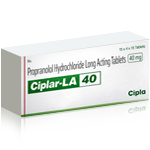
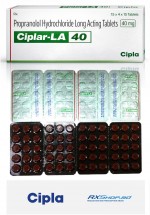
Ciplar-LA is a long-acting propranolol hydrochloride formulation designed for once-daily control of conditions linked to excessive sympathetic activity. As a non-selective beta blocker, it helps reduce heart workload by slowing the heart rate and lowering the force of contraction, which may support more stable blood pressure and improved symptom control over a full 24-hour period.
This medication is commonly used for hypertension, angina, and heart rhythm-related palpitations, and it may also be prescribed for migraine prevention or essential tremor in selected patients. The long-acting profile can help avoid sharp peaks and drops that sometimes occur with immediate-release tablets.
For safer use, take it at the same time daily and do not stop suddenly, as abrupt withdrawal may worsen chest pain or provoke rebound symptoms. Use caution in asthma/COPD, low heart rate, or certain heart conduction problems. Always follow clinician guidance for dosing and monitoring.

- Angina pectoris: Decreases the heart’s oxygen demand, helping reduce chest pain episodes and improve exercise tolerance;
- Migraine prophylaxis: Prevents migraines over time when taken regularly, not for stopping an active attack;
- Hypertrophic subaortic stenosis (hypertrophic obstructive cardiomyopathy): Helps reduce symptoms by slowing heart rate and improving filling;
- Supraventricular tachycardia: Helps control episodes of rapid heart rhythm and related symptoms;
- Post myocardial infarction prevention: May reduce risk of recurrent cardiac events in selected patients after a heart attack;
- Atrial fibrillation rate control: Slows the ventricular response and reduces palpitations;
- Essential tremor: Reduces tremor amplitude and improves daily function for many patients;
- Thyrotoxicosis symptom control: Reduces tremor, anxiety, sweating, and rapid heart rate; also used in thyroid storm as part of urgent care;
- Pheochromocytoma adjunct: Used after proper alpha blockade to help control tachycardia and blood pressure spikes;
- Portal hypertension (esophageal varices prevention): Non-selective beta-blocker option to lower portal pressure and reduce bleeding risk;
- Performance anxiety physical symptoms: May reduce tremor, pounding heartbeat, and shaking during stressful situations.
- Lower blood pressure: Reduces cardiac workload and may help protect against stroke and heart complications;
- Angina relief: Decreases heart oxygen demand, helping reduce chest pain episodes and improve exercise tolerance;
- Heart rate stabilization: Helps slow fast rhythms and reduce palpitations in selected arrhythmias;
- Migraine prevention: Can lower migraine frequency and severity when taken consistently;;
- Tremor reduction: Often decreases essential tremor amplitude and improves fine-motor function;
- Symptom calming in hyperthyroidism: Reduces tremor, sweating, and rapid heartbeat while thyroid treatment takes effect;
- Reduced adrenaline symptoms: Blunts physical stress responses such as pounding heart and shaking;
- Predictable dosing: Once-daily schedule can improve adherence compared with multiple daily doses;
- Smoother effect curve: Extended-release profile may reduce peak-related side effects versus immediate-release forms;
- Cardiac protection after MI: May support long-term cardiovascular stability after heart attack in selected patients;
- Portal pressure support: As a non-selective beta-blocker, may help reduce portal hypertension bleeding risk in appropriate patients.
Generic Ciplar-LA (Propranolol Hydrochloride Long Acting 40 mg) Medication guide:
💊 Ciplar-LA Overview - What This Long-Acting Propranolol Does
Ciplar-LA is an extended-release (long-acting) form of propranolol hydrochloride, designed to provide steadier effects across the day with a convenient once-daily schedule. It belongs to the class of nonselective beta blockers, which means it reduces the impact of adrenaline-like signals on the heart and blood vessels.
In practical terms, this medication helps the heart work more efficiently by slowing the heart rate, decreasing the force of contraction, and reducing overall cardiac workload. Many patients notice fewer episodes of pounding heartbeat, less exertional discomfort, and more stable blood pressure readings when the dose is well matched to their condition.
🎯 What Ciplar-LA Is Commonly Used For
Ciplar-LA is often prescribed to support long-term control of cardiovascular and neurologic conditions where steady beta blockade is beneficial:
- Hypertension: helps lower blood pressure and reduce strain on the heart;
- Angina: reduces chest pain episodes by lowering the heart oxygen demand;
- Rate control and palpitations: can help calm fast heart rhythms in selected patients;
- Migraine prevention: reduces frequency and severity when taken consistently;
- Essential tremor: may decrease tremor amplitude and improve daily function.
⏱️ What Makes the Long-Acting Format Different
The long-acting profile is intended to deliver a smoother effect curve compared with immediate-release propranolol. Instead of pronounced peaks and troughs, extended-release dosing supports more consistent symptom control over 24 hours, which can be helpful for patients who need day-long stability or prefer fewer doses.
🧠 Clinical insight: With extended-release propranolol, the goal is steady control, not a strong short burst. If you feel sudden “waves” of effect, the dose or timing may need adjustment.
🛑 A Key Safety Principle From Day One
Ciplar-LA should be taken consistently at the same time each day. Do not stop abruptly without medical guidance, because sudden withdrawal can cause rebound symptoms such as increased heart rate, elevated blood pressure, and worsening angina in susceptible patients.
⚠️ Important: If you think the medication is causing side effects, do not stop suddenly. A safer approach is dose review and gradual adjustment.
🧬 Active Ingredient and Drug Class - Nonselective Beta Blocker Explained
The active ingredient in Ciplar-LA is propranolol hydrochloride. It belongs to the beta-adrenergic blocker class, commonly called beta blockers. Propranolol is a nonselective beta blocker, meaning it blocks both beta-1 receptors (mainly in the heart) and beta-2 receptors (present in the lungs, blood vessels, and skeletal muscle). This wide receptor coverage explains why it can help with heart-related conditions and also certain symptoms like tremor or physical anxiety signals.
🧠 What Beta Blockers Actually Block
Beta receptors act like “signal receivers” for stress hormones such as adrenaline. When these signals are strong, the heart beats faster, blood pressure can rise, and the body becomes more reactive. By blocking these receptors, propranolol can reduce:
- Heart rate and stress-related palpitations;
- Cardiac workload, which helps in angina and hypertension;
- Adrenergic symptoms such as shaking, sweating, and tremor in selected cases.
✅ Key takeaway: Propranolol reduces the body’s response to adrenaline-like signals - it does not “sedate” you, and it does not directly relax blood vessels like some other blood pressure medicines.
❤️ Beta-1 vs Beta-2 - Why Nonselective Matters
Many patients benefit from propranolol’s broad activity, but nonselective blockade also explains why it is not ideal for everyone.
| Receptor | Main Location | What Blocking It Can Do |
|---|---|---|
| Beta-1 | Heart | Slows heart rate and reduces contractility, lowering oxygen demand; |
| Beta-2 | Lungs, blood vessels, muscles | May tighten airways in sensitive patients and reduce tremor signals. |
🩺 What This Drug Class Is Used For
Because it reduces adrenergic stimulation, propranolol is used for both cardiovascular control and symptom prevention in selected conditions:
Common cardiovascular uses
• Hypertension and long-term blood pressure support;
• Angina symptom prevention;
• Rate control for selected rhythm conditions.
Other well-known uses
• Migraine prophylaxis with consistent daily use;
• Essential tremor reduction;
• Hyperthyroid symptom control in selected patients.
⚠️ Who Should Be Extra Careful
Because beta-2 receptors help keep airways open, nonselective beta blockers can worsen bronchospasm. Extra caution is needed in:
- Asthma or frequent wheezing/bronchospasm;
- COPD with reactive airway symptoms;
- Very low resting pulse or symptomatic bradycardia;
- Heart conduction disorders such as AV block (unless a clinician approves);
- Unstable heart failure or shock states.
⚠️ Important: Tell your clinician about asthma/COPD, fainting episodes, very low pulse, or conduction problems before starting propranolol. These factors can change the safest medication choice and dosing plan.
Propranolol hydrochloride in Ciplar-LA provides broad beta blockade, which is why it can support cardiovascular stability and also help with certain neurologic symptoms. To stay safe, dosing should be individualized and extra caution is needed in people with asthma/COPD, very low resting pulse, or specific heart conduction problems.
⏱️ Long-Acting Release Profile - How Extended-Release Works Over 24 Hours
Ciplar-LA is built for steady, long-duration propranolol delivery. Instead of releasing all the active ingredient at once (like immediate-release tablets), the long-acting form is designed to release propranolol gradually so the effect feels smoother and lasts through most of the day.
🧩 What Extended-Release Really Means (No Marketing, Just Mechanics)
Extended-release propranolol is typically formulated as a capsule or tablet that controls how fast the drug leaves the dosage form. The goal is to reduce the peaks (too strong) and troughs (too weak) that can happen with multiple daily immediate-release doses.
✅ Practical effect: You usually get more consistent heart-rate control and fewer “ups and downs” compared with short-acting propranolol when taken correctly.
📈 Peak vs Steady Control - Why Patients Notice a Difference
Some patients can “feel” immediate-release propranolol kick in and then wear off. With Ciplar-LA, the experience is often quieter - fewer noticeable surges, less rebound, and more stability across daytime activity.
| Feature | Immediate-Release Propranolol | Long-Acting Ciplar-LA |
|---|---|---|
| Dosing frequency | Often multiple times daily; | Typically once daily; |
| Effect curve | Higher peaks and lower troughs; | Smoother, steadier control; |
| Missed dose impact | Can wear off sooner; | May be more forgiving, but still needs consistency; |
| Patient experience | Some feel “on/off” effect; | Often feels more stable and less noticeable. |
🕒 When the 24-Hour Promise Can Fail
Long-acting does not mean “works perfectly for everyone for exactly 24 hours.” Real-life factors can shorten or weaken the effect:
- Inconsistent timing (taking it at random hours day to day);
- Incorrect swallowing (crushing or chewing when it should be swallowed whole);
- Individual metabolism differences (some people break down propranolol faster);
- Drug interactions that change propranolol levels;
- Alcohol in certain patterns may affect release or tolerance.
⚠️ Important: Extended-release forms should generally be swallowed whole. Crushing, chewing, or opening the dosage form can disrupt controlled release and increase side effects.
👨⚕️ What Clinicians Aim For With Long-Acting Propranolol
Clinicians choose Ciplar-LA when they want stable symptom prevention (not quick rescue). The best outcomes usually come from:
Consistency rules that matter:
• Take it at the same time daily;
• Track pulse and blood pressure during dose changes;
• Watch for dizziness, unusually low pulse, or fatigue as dose signals;
• Report breathing issues immediately if you have asthma/COPD history.
This long-acting release profile is the foundation for the next section, which describes who this medication is best suited for and how clinicians match patient profiles to extended-release propranolol.
🎯 Who This Medication Is For - Ideal Patient Profiles and Use Cases
Ciplar-LA (long-acting propranolol hydrochloride) is typically chosen for people who benefit from steady beta blockade across the day rather than short, peak-driven effects. The best candidates are those whose symptoms or clinical goals require consistent heart-rate and blood-pressure control, and who can follow a stable once-daily routine.
🧩 The “Best Fit” Patient Profile
This medication often fits well when the clinical goal is long-term prevention and stability:
Often a good match if you need:
• 24-hour blood pressure support with smoother daily readings;
• Angina prevention by lowering heart oxygen demand during activity;
• Rate control for certain rhythm-related palpitations;
• Migraine prevention with consistent daily exposure;
• Essential tremor control where steady benefit matters.
🛠️ Use Cases Where Long-Acting Format Adds Value
The long-acting format is particularly practical for patients who:
- prefer once-daily dosing to improve adherence;
- experience “wearing off” symptoms with short-acting propranolol;
- need stable daytime control during work, driving, or physical activity;
- require smoother control to reduce peak-related fatigue or dizziness.
🚫 Patient Profiles That May Not Be Ideal
Ciplar-LA is not automatically appropriate for every person with high blood pressure or palpitations. Some patient profiles require caution, dose tailoring, or a different medication choice.
⚠️ High-caution profiles: asthma or frequent wheezing; very low resting pulse; fainting episodes; known heart conduction block; uncontrolled heart failure; severe peripheral circulation problems.
Because propranolol is nonselective, people with reactive airway disease may be better suited to a cardioselective beta blocker or a different class altogether, depending on the clinical situation.
🧠 “Right Indication” vs “Right Expectation”
A common mistake is expecting Ciplar-LA to work like a fast symptom reliever. This medication is usually most effective as a preventive stabilizer. Patients who see the best results often track improvements in:
What “success” often looks like:
• lower average blood pressure over weeks;
• fewer angina episodes during exertion;
• fewer episodes of racing heart and palpitations;
• reduced migraine frequency or tremor intensity after consistent use.
👨⚕️ Clinical insight: The “ideal patient” is not the one with the highest blood pressure. It is the one whose symptoms match beta-driven physiology and who can maintain consistent daily dosing for stable control.
Ciplar-LA is best used as part of a planned long-term strategy with dose adjustment based on blood pressure, pulse, and symptom response.
🩺 Main Uses in Cardiology - Blood Pressure, Angina, Rate Control
In cardiology, Ciplar-LA is used when the goal is to reduce the heart’s workload and make cardiovascular function more stable across the day. Because it is a long-acting nonselective beta blocker, it can support predictable control of blood pressure, help prevent angina, and manage certain rate-related symptoms such as palpitations.
🩸 Hypertension - More Than Just a Lower Number
Propranolol lowers blood pressure primarily by decreasing heart rate and reducing the force with which the heart pumps. This can reduce cardiac output and blunt stress-driven surges. Many patients notice their readings become more stable during work stress, driving, or mild physical effort.
What patients often notice when hypertension control improves:
• fewer pressure “spikes” during stress;
• calmer pulse and less pounding heartbeat;
• fewer headaches linked to pressure surges;
• steadier morning-to-evening readings with consistent dosing.
🫀 Angina - Reducing Oxygen Demand
In stable angina, the heart muscle temporarily lacks oxygen during exertion or emotional stress. Ciplar-LA helps by slowing the heart and reducing contractility, so the heart requires less oxygen for the same activity level. For many people, this means better exercise tolerance and fewer chest tightness episodes.
⚠️ Important: Ciplar-LA is typically used to prevent angina episodes. It is not a replacement for emergency chest-pain plans prescribed by your clinician.
💓 Rate Control and Palpitations - When Slowing Helps
Many “palpitations” are not dangerous but feel frightening. If a clinician confirms that symptoms are driven by adrenergic activation or certain rhythm patterns, propranolol can reduce the intensity and frequency by making the heart less reactive to stress signals.
Can help when palpitations are linked to:
• stress or adrenaline surges;
• inappropriate fast pulse sensations;
• selected supraventricular rhythm patterns.
May be less ideal when symptoms come from:
• untreated anemia;
• infection or fever;
• thyroid disease not yet managed.
🧭 Matching the Use to the Right Patient
In cardiology, Ciplar-LA is usually selected when the patient needs day-long stability rather than “as-needed” symptom control. It is often preferred when adherence is a concern or when immediate-release dosing creates noticeable peaks and troughs.
👨⚕️ Clinical insight: The safest and most effective use is when blood pressure, angina pattern, and pulse response are monitored during titration. A beta blocker is a precision tool when the dose is matched to pulse and symptoms.
Ciplar-LA is commonly used to support long-term cardiovascular stability, but its exact role varies by diagnosis and individual tolerance.
✅ FDA Approved Indications for Propranolol Extended-Release
This section focuses on the official FDA-approved uses associated with extended-release propranolol (the same drug category as long-acting propranolol products). These indications describe where propranolol ER has established labeling support and where clinicians typically start when selecting therapy.
FDA-approved indications (extended-release propranolol):
• Hypertension;
• Angina pectoris;
• Migraine prophylaxis;
• Hypertrophic subaortic stenosis.
🩸 Hypertension
Propranolol ER is approved to treat high blood pressure. It lowers blood pressure primarily by reducing the heart’s response to adrenaline-like signals, leading to a slower heart rate and decreased cardiac output. It may be used alone or combined with other blood pressure medicines when clinically appropriate.
🫀 Angina Pectoris
Propranolol ER is approved for angina, where the heart muscle experiences pain or pressure when oxygen demand exceeds supply. By slowing the heart and reducing contractility, propranolol decreases oxygen demand, which can reduce attack frequency and improve exercise tolerance.
🧠 Migraine Prophylaxis
Propranolol ER is approved to help prevent migraines. The benefit is preventive, meaning it works best when taken consistently and typically reduces migraine frequency and intensity over time. It is not intended to treat an acute migraine attack once it has started.
🫁 Hypertrophic Subaortic Stenosis
Propranolol ER is approved for hypertrophic subaortic stenosis, a condition where the outflow of blood from the heart can be obstructed by thickened heart muscle. Beta blockade can help by slowing the heart rate and improving filling time, which may reduce symptoms such as exertional shortness of breath, chest discomfort, and dizziness in appropriate patients.
⚠️ Important: FDA indications describe approved uses, but the safest choice still depends on personal factors such as asthma/COPD history, baseline pulse, conduction status, diabetes risk, and other medications.
👨⚕️ Clinical insight: The “right indication” is only step one. For propranolol ER, the dose is commonly adjusted using pulse response, blood pressure trends, and symptom control rather than a single fixed number.
FDA-approved indications form the official foundation, but clinical practice sometimes uses propranolol for additional situations under specialist judgment, which we address in the next section.
🧠 Off-Label and Specialist Uses - Tremor, Thyroid Symptoms, Anxiety Signals
Beyond the main labeled cardiology uses, propranolol is widely used by specialists for symptom-driven conditions where the body is “overreacting” to adrenaline-like signals. These uses are often described as off-label, meaning they may not appear as the primary FDA indication for extended-release forms, but they are common in real practice when a clinician decides the physiology fits.
The core idea is simple: if symptoms are strongly driven by beta-receptor stimulation (fast pulse, shaking, sweating, physical anxiety signals), propranolol can blunt the body’s exaggerated response.
✋ Essential Tremor and Action Tremor
Propranolol is one of the most recognized medications for essential tremor. It does not remove the tremor “cause,” but it can reduce tremor amplitude and improve fine motor tasks like writing, holding a cup, or using a phone.
What improvement often looks like in tremor:
• steadier hands during purposeful movement;
• reduced shaking during stress or public situations;
• better control of daily tasks rather than complete tremor disappearance.
🦋 Thyroid Symptom Control (Thyrotoxicosis Signals)
In hyperthyroidism, the body becomes more sensitive to catecholamines, which can cause rapid heartbeat, tremor, heat intolerance, and anxiety-like physical symptoms. Propranolol can relieve these symptoms quickly while thyroid-specific treatment is being started or adjusted.
⚠️ Important: Propranolol helps control symptoms but does not correct the underlying thyroid hormone imbalance. Thyroid-directed care remains essential.
🎤 Performance Anxiety and Physical Stress Signals
Some people experience anxiety primarily through physical symptoms rather than mental worry. Propranolol may be used to reduce:
- tremor and shaky hands;
- fast pounding heartbeat;
- voice quiver from adrenergic activation;
- sweating and flushing in stressful moments.
This use is typically situational and should be clinician-guided, especially for people with low baseline pulse, asthma/COPD, or conduction issues.
🧩 Specialist Patterns: When Clinicians Choose Propranolol
In specialist use, propranolol is often chosen when symptoms match an adrenergic pattern. A practical “fits/does not fit” approach can help avoid misuse.
| Symptom Pattern | Often a Good Fit | Often a Poor Fit |
|---|---|---|
| Fast pulse with tremor | Essential tremor, thyroid symptoms; | Infection/fever as the driver; |
| Stress-triggered palpitations | Adrenergic surges, performance signals; | Structural arrhythmia not assessed; |
| Shaking with sweating | Hyperthyroid signals; | Low blood sugar without evaluation. |
👨⚕️ Doctor’s perspective: Off-label use is safe only when the physiology is clear. If tremor or palpitations come from fever, anemia, low blood sugar, or stimulants, beta blockade can hide the real problem instead of solving it.
Off-label and specialist uses demonstrate how broad propranolol can be, but understanding how it works at the receptor level helps explain both benefits and risks, which is addressed next.
⚙️ Mechanism of Action - How Beta Blockade Changes Heart Output
Generic Ciplar-LA works through beta-adrenergic blockade. In everyday terms, it reduces how strongly your body’s stress hormones (adrenaline-like signals) can “push” the cardiovascular system. This changes heart output in a predictable way: the heart beats slower, pumps with less force, and consumes less oxygen, which is why the medication can help with hypertension, angina, and certain rate-related symptoms.
🧠 The Control Panel Analogy (Easy to Visualize)
Imagine the heart has a “gas pedal” controlled by stress hormones. Beta receptors are part of that pedal system. Propranolol partially blocks the pedal, so even if stress signals rise, the heart does not respond with the same intensity.
✅ In one line: Propranolol lowers heart output mainly by reducing heart rate and contractility, not by acting as a direct vessel “relaxer.”
❤️ The Three Main Cardiovascular Effects
1) Negative chronotropy: slows the heart rate, which reduces workload and oxygen demand.
2) Negative inotropy: reduces the force of contraction, lowering cardiac output.
3) Reduced adrenergic surges: blunts sudden spikes during stress, exertion, or anxiety-like triggers.
🫀 How These Effects Translate Into Lower Blood Pressure
Blood pressure is influenced by how much blood the heart pumps (cardiac output) and how tight the vessels are (vascular resistance). Propranolol primarily reduces the cardiac output component. Over time, blood pressure readings often become more stable because the body’s stress response is dampened.
🫁 Why Nonselective Beta Blockade Matters in the Mechanism
Propranolol blocks both beta-1 and beta-2 receptors. Beta-2 receptors support airway relaxation. When they are blocked, susceptible patients may experience bronchospasm or breathing tightness. This is a mechanism-driven risk, not an allergy.
⚠️ Mechanism-linked warning: If you have asthma or reactive airways, a nonselective beta blocker can worsen wheezing because it blocks beta-2 bronchodilation.
🧩 Why the Heart Feels “Calmer” on Propranolol
Many patients describe a calmer pulse, fewer pounding beats, and reduced shakiness. Mechanistically, this reflects reduced catecholamine signaling to both heart and muscles. The medication does not remove emotional stress, but it reduces the body’s physical amplification of stress.
👨⚕️ Clinical insight: If symptoms improve on propranolol, it often confirms that adrenergic signaling was a major driver. If symptoms do not improve, clinicians often look for other drivers such as anemia, thyroid imbalance, infection, dehydration, or stimulant exposure.
Understanding the mechanism helps predict what you may feel day to day, especially changes in pulse and rhythm sensations, which are addressed in the next section.
🫀 Effects on Heart Rate and Rhythm - What You May Feel and Why
The most noticeable effect of Ciplar-LA for many people is a change in heart rate behavior. Because propranolol blocks adrenaline-driven stimulation, the heart often becomes less “reactive” - fewer sudden racing episodes, less pounding, and a calmer rhythm response during stress, caffeine exposure, or mild exertion.
📉 What Usually Changes First
In the first days to weeks, patients commonly observe:
- Lower resting pulse compared with baseline;
- Slower rise in heart rate during activity or emotional stress;
- Reduced palpitations intensity (less pounding and less “skipping” awareness);
- More stable rhythm sensation during the day due to extended-release dosing.
✅ Practical note: A lower pulse is expected. The goal is comfort and stability - not pushing the pulse to an extremely low number.
🧠 Why Palpitations Can Feel Different (Even if the Rhythm Is the Same)
Many palpitations are not caused by dangerous arrhythmias, but by heightened sensitivity to normal beats. Propranolol reduces the force of contraction and adrenaline “surge” patterns, so the same beat can feel less dramatic. This is why patients sometimes report:
Common descriptions after stabilization:
• “My heart still beats, but it does not slam”;
• “Stress does not trigger the same racing”;
• “The rhythm feels quieter and less alarming.”
📌 Rhythm Conditions Where Rate Control Matters
Clinicians sometimes use propranolol to control the rate (how fast the heart goes) rather than to “fix” the rhythm itself. This can be useful when symptoms come from fast heart rate rather than a dangerous rhythm pattern.
| Situation | What Ciplar-LA Can Help With | What It Usually Does Not Do |
|---|---|---|
| Adrenergic palpitations | Reduces racing and pounding sensations; | Does not remove emotional stress triggers; |
| Selected SVT patterns | May reduce episode frequency and symptoms; | Not always a definitive rhythm cure; |
| Atrial fibrillation rate control | Slows ventricular rate in some patients; | Does not restore normal rhythm by itself. |
⚠️ When Heart Rate Becomes Too Slow
Too much beta blockade can lead to bradycardia (overly slow pulse) or worsen conduction issues. This can show up as:
• dizziness or near-fainting;
• unusual fatigue or weakness;
• shortness of breath on mild effort;
• a pulse that remains very low with symptoms.
If these occur, clinicians often adjust the dose rather than stopping abruptly, because sudden withdrawal can produce rebound tachycardia or worsened angina in vulnerable patients.
👨⚕️ Clinical insight: Pulse is a dosing guide. If your heart rate is low but you feel well, it may be acceptable. If the same pulse is paired with dizziness, weakness, or fainting, the dose likely needs revision.
Heart rate control often drives patient experience, but blood pressure response is the next major pillar, and it has its own expectations and monitoring targets.
🩸 Effects on Blood Pressure - Expected Changes and Monitoring Targets
The blood pressure effect of Ciplar-LA is usually smoother than short-acting propranolol because the medication provides steadier beta blockade across the day. Rather than causing a sudden drop, it often reduces the average pressure load by lowering heart output and blunting stress-driven surges.
📉 What Blood Pressure Changes Are “Normal” vs “Too Much”
Many patients see gradual improvement over days to weeks, especially if the baseline blood pressure was influenced by stress, high pulse, or adrenergic activation. The most important sign is not a single reading, but the trend.
Expected direction: lower average readings, fewer spikes, calmer pulse response.
Possible over-effect: dizziness on standing, faintness, unusual weakness, “heavy” fatigue.
🎯 Monitoring Targets - What Clinicians Usually Aim For
Targets depend on your age, overall cardiovascular risk, kidney status, and comorbidities. Many treatment plans aim for stable home readings rather than chasing perfect numbers in one day.
| Monitoring Goal | Why It Matters | What You Track at Home |
|---|---|---|
| Stable trend | Reduces long-term vascular strain; | Morning and evening averages; |
| Fewer spikes | Spikes drive symptoms and risk; | Stress/activity-related readings; |
| Safe lower limit | Avoids hypotension symptoms; | Readings plus dizziness notes. |
🧭 A Simple Home Monitoring Plan That Actually Works
Many people measure blood pressure incorrectly and panic over normal variability. A practical plan is more effective:
Suggested method (consistent and calm):
• measure at the same times daily for 7-14 days during titration;
• sit quietly for 5 minutes before measuring;
• take 2 readings, 1 minute apart, and record the average;
• note symptoms: dizziness, fatigue, chest tightness, breath issues.
⚠️ Common Reasons Blood Pressure Control Looks “Inconsistent”
If readings fluctuate, it does not always mean the drug is failing. Common reasons include:
- variable salt intake (restaurant meals, processed foods);
- dehydration or illness;
- poor sleep or stress overload;
- caffeine or stimulants that raise pulse and pressure;
- inconsistent dosing time with extended-release therapy.
👨⚕️ Clinical insight: The best blood pressure decisions are made from a 7-day average plus symptom notes. Single high or low readings often reflect timing, stress, or measurement technique.
Blood pressure response is only part of the story. Because propranolol is nonselective, effects on the lungs and airways also matter and require special attention.
🫁 Nonselective Beta Blockade Considerations - Lungs and Airways Impact
One of the most important “non-obvious” topics with Generic Ciplar-LA is its effect beyond the heart. Because propranolol hydrochloride long acting is a nonselective beta blocker, it blocks both beta-1 (heart) and beta-2 receptors (airways). Beta-2 receptors help keep the bronchial tubes relaxed, so blocking them may cause airway narrowing in sensitive individuals.
🌬️ Why This Matters Even If You Have No Classic Asthma Diagnosis
Some people do not carry an asthma label but still have reactive airways. This drug can sometimes uncover that sensitivity, especially during cold air exposure, respiratory infections, or allergen season.
✅ Practical idea: If breathing feels tight after starting Generic Propranolol Hydrochloride Long Acting, it is often a mechanism issue (beta-2 blockade) rather than a “true allergy.”
🚩 Early Airway Warning Signals to Watch For
These symptoms deserve attention, particularly if they are new or progressively worsening:
- wheezing or whistling sound when breathing out;
- chest tightness that feels like breathing resistance;
- shortness of breath on mild exertion that is not typical for you;
- night cough or cough triggered by cold air;
- reduced exercise tolerance that appears soon after starting therapy.
🧩 Who Is at Higher Risk
Higher-risk profiles
• asthma (current or childhood);
• COPD with bronchospasm tendency;
• frequent wheezing during infections;
• strong allergy seasons with chest symptoms.
Situations that increase sensitivity
• respiratory infections;
• cold air workouts;
• exposure to smoke or irritants;
• uncontrolled reflux with chronic cough.
📌 What Clinicians Often Do If Airway Symptoms Appear
Management depends on severity and the reason you were prescribed propranolol. Clinicians may:
- review the dose and timing of this medication;
- evaluate whether a cardioselective beta blocker could replace this drug;
- assess for infection or uncontrolled asthma triggers;
- advise urgent assessment if wheezing is significant or breathing is compromised.
👨⚕️ Doctor’s perspective: If airway symptoms appear, it is better to reassess early. Nonselective beta blockade can be a powerful tool for the heart, but the lungs must remain safe.
Nonselective effects explain many “unexpected” symptoms. Another area where this drug requires special attention is migraine prevention, which we explore in the next section.
🧠 Migraine Prevention Use - Why It Works and Who Benefits
Generic Ciplar-LA (extended-release propranolol hydrochloride) is commonly used for migraine prophylaxis, meaning it helps reduce the frequency and sometimes the intensity of migraine attacks when taken consistently. This drug is not designed to stop an active migraine in the moment - its value is in building a calmer, less reactive baseline over weeks.
🧩 Why a Beta Blocker Can Prevent Migraines
Migraine is not just a “headache.” It involves neurovascular sensitivity, where the brain and blood vessels overreact to triggers (sleep disruption, stress, certain foods, hormonal shifts). Propranolol can help by lowering adrenergic tone, stabilizing vascular reactivity, and reducing the body’s stress amplification that often feeds migraine cascades.
✅ How to think about it: This medication reduces the “volume” of trigger signals, so the migraine threshold becomes harder to cross.
🎯 Who Usually Benefits Most
Clinicians often consider Generic Propranolol Hydrochloride Long Acting when migraine patterns look like this:
- frequent migraines that disrupt work or daily function;
- predictable stress-triggered attacks with racing pulse or shakiness;
- migraines with physical adrenergic symptoms (palpitations, tremor, sweating);
- need for preventive therapy due to overuse of acute pain medicines.
📆 What Results Timeline Feels Realistic
Typical experience window:
• Week 1-2: pulse may feel calmer; headache pattern may not change yet;
• Weeks 3-6: fewer migraine days is a common early success sign;
• Weeks 6-12: a clearer preventive effect and more stable attack pattern may emerge.
📌 What “Success” Looks Like (Not Just Zero Attacks)
With migraine prevention, success is often measured as meaningful improvement rather than total elimination:
Strong response signals
• fewer migraine days per month;
• reduced need for acute rescue meds;
• shorter attacks and less disability.
Reasons response may look limited
• triggers still uncontrolled (sleep, caffeine, dehydration);
• dose not yet optimized;
• mixed headache types (tension + migraine).
⚠️ Practical Cautions in Migraine Patients
Migraine patients sometimes have low baseline blood pressure or sensitivity to fatigue. Because propranolol lowers pulse, some people feel tired or lightheaded during initiation. These effects often improve with dose adjustment and hydration habits, but they should not be ignored.
👨⚕️ Clinical insight: If the first weeks feel tiring, the goal is not to quit abruptly. The smarter move is to reassess dose, timing, and hydration while tracking migraine days, because prevention success is best judged over 6-12 weeks.
Migraine prevention is one of the best-known non-cardiac uses of propranolol. Another specialist use where steady beta blockade can be valuable is essential tremor, which is covered next.
✋ Essential Tremor Use - Realistic Benefits and Limitations
Generic Propranolol Hydrochloride Long Acting is one of the best-known medications used to reduce essential tremor, especially tremor that appears during action (writing, holding objects, eating, using a phone). With long-acting propranolol, the goal is not to erase tremor completely, but to reduce amplitude and improve daily function in a stable, predictable way.
🎯 What “Good Results” Actually Look Like
Many patients expect tremor to disappear. In real practice, success is more practical:
Realistic improvement examples:
• steadier handwriting and fewer “jumps” of the pen;
• less spilling when holding a cup or spoon;
• reduced shaking in public or stress situations;
• better control of fine-motor tasks, not a perfectly still hand.
🧠 Why Propranolol Helps Tremor
Tremor intensity often rises with stress hormones. Propranolol reduces beta-receptor signaling in muscles and the peripheral nervous system, which can lower the “amplifier effect” that makes tremor worse during stress, caffeine use, or performance situations.
📌 Who Benefits Most
Clinicians often see better tremor response when:
- tremor is clearly action-related rather than present only at rest;
- symptoms worsen with stress, caffeine, or excitement;
- the patient can tolerate a lower pulse without dizziness or faintness;
- there is no significant asthma/COPD history (nonselective blockade risk).
⛔ Limitations and Why Tremor Can Persist
Essential tremor has multiple drivers, and beta blockade addresses only part of the picture. Tremor may persist or remain noticeable when:
• tremor severity is advanced and long-standing;
• there are strong neurologic components not driven by adrenergic signals;
• sleep deprivation or stimulants keep triggering the tremor;
• the dose is limited by low pulse, fatigue, or breathing sensitivity.
🧪 A Practical Way to Track Benefit
Instead of guessing, many clinicians recommend tracking functional markers for 2-4 weeks:
Simple tremor tracking ideas:
• write the same sentence daily and compare neatness;
• record spill frequency while drinking water from a glass;
• note tremor severity in stressful moments (meetings, public events);
• track pulse and dizziness to ensure dosing remains safe.
👨⚕️ Clinical insight: If tremor improves but fatigue or dizziness increases, the dose may be too high. The best outcome is the lowest effective dose that improves function while keeping pulse and breathing comfortable.
Long-acting propranolol can support tremor control, but understanding how the body processes the medication helps explain why response varies between patients.
🧪 Pharmacokinetics - Absorption, Distribution, Metabolism, Elimination
Pharmacokinetics explains what the body does to the drug: how it is absorbed, where it distributes, how it is broken down, and how it leaves the body. For Generic Ciplar-LA, these steps matter because the extended-release format aims for stable blood levels, but real-life metabolism differences can make one dose feel strong for one person and mild for another.
📥 Absorption - How It Enters the System
With extended-release propranolol, absorption is designed to occur gradually. Food and timing can influence how quickly the drug enters circulation, so consistency (same time, similar routine) often produces the most predictable results. Some patients feel steadier control when they avoid random dosing hours.
✅ Practical dosing rule: Long-acting beta blockers tend to feel most stable when taken on a consistent schedule with a similar daily routine.
🧬 Distribution - Where Propranolol Goes
Propranolol is a lipophilic molecule, which means it can distribute into tissues and may cross into the central nervous system. This helps explain why this medication can influence symptoms like tremor, migraine patterns, and sometimes sleep or dreams in sensitive individuals.
🧫 Metabolism - The Liver Is the Main Gatekeeper
Propranolol is primarily metabolized in the liver. A key concept is first-pass metabolism: after the drug is absorbed from the gut, a portion is processed by the liver before it reaches systemic circulation. Because liver enzyme activity differs between people, propranolol exposure can vary, even with the same dose.
⚠️ Important: Liver impairment, heavy alcohol use, or interacting drugs can change propranolol levels and increase risk of low pulse, dizziness, or fatigue.
🚽 Elimination - How the Body Clears It
After metabolism, propranolol and its metabolites are eliminated largely through renal pathways. Kidney function can matter more indirectly, because changes in overall physiology (hydration status, blood pressure reserve, concurrent diuretics) can influence tolerance.
🧩 Why Patients Experience Different “Strength” From the Same Dose
- Liver enzyme variability: some people break down propranolol faster or slower;
- Body composition: distribution differences can change sensitivity;
- Co-medications: certain drugs can raise or lower propranolol exposure;
- Timing and routine: inconsistent dosing can mimic “unstable pharmacokinetics.”
👨⚕️ Doctor’s perspective: When a patient reports “it feels too strong some days,” the first step is to check dosing time consistency, alcohol intake, sleep, and drug interactions before assuming the medication is failing.
Pharmacokinetics sets the stage for the next practical topic: what strengths and dosage forms are commonly used and how patients should interpret them.
🧾 Strengths and Dosage Forms - What Ciplar-LA Typically Contains
Ciplar-LA is an extended-release (long-acting) propranolol hydrochloride product, designed for once-daily dosing. Strengths can vary by market and supplier, so the safest approach is to match the strength printed on the pack to the plan given by a clinician and keep the same strength consistently during titration.
💊 Common Strength Patterns You May See
Long-acting propranolol products are commonly offered in a range of strengths (availability depends on the country). You may encounter:
Typical extended-release propranolol strength range:
• lower-to-mid strengths often used for migraine prevention or tremor;
• mid-to-higher strengths more common in angina or hypertension plans;
• dose selection depends on pulse response and blood pressure reserve.
📦 Dosage Forms - How It Is Usually Presented
Generic long-acting propranolol is usually supplied as:
- Extended-release capsules or tablets intended to release the drug gradually;
- Once-daily formulations designed to maintain steadier levels across the day;
- Packaging that specifies long-acting (LA, XL, SR, ER) to distinguish from immediate-release products.
🧩 Why the Form Matters (LA vs Immediate-Release)
With Generic Ciplar-LA, the dosage form is part of the therapy. Extended-release products are engineered so that releasing the drug too quickly can increase side effects and reduce stability. For this reason, clinicians usually advise:
⚠️ Important: Do not crush or chew long-acting propranolol dosage forms. Altering the form can disrupt controlled release and change the safety profile.
🔎 How to Confirm You Have the Right Strength
A practical verification routine can prevent dosing errors, especially when multiple blood pressure medicines are used:
- check the strength (mg) printed on the box and blister before each new pack;
- confirm the label clearly indicates long-acting / extended-release;
- avoid mixing different strengths during the same week unless instructed;
- track your pulse and blood pressure after any strength change.
👨⚕️ Clinical insight: With propranolol ER, “more mg” does not always mean “better control.” The best strength is the one that controls symptoms while keeping pulse, blood pressure, and breathing comfortable.
Knowing the form and strength is the foundation, but correct daily administration is what makes the long-acting profile work as intended.
🧭 How to Take Ciplar-LA Correctly - Timing, With Food, Consistency
The long-acting benefit of Ciplar-LA depends on one thing more than anything else: consistency. With Generic Propranolol Hydrochloride Long Acting, the goal is steady coverage, so small daily variations in timing can create noticeable differences in pulse control, blood pressure stability, and fatigue levels.
🕒 Timing - Pick a Time You Can Keep
Choose one daily time you can maintain long-term. Many people select morning (to cover daytime activity) while others choose evening (if advised, or if daytime fatigue is an issue). The “best” time is the one that produces stable readings and fits your routine.
✅ Consistency rule: Take this medication at the same time each day. A steady schedule often improves blood pressure trends more than frequent dose changes.
🍽️ With Food or Without Food - Keep It Predictable
Food can influence how quickly propranolol is absorbed, and with extended-release products the effect can still be meaningful. The main goal is not “always with food” or “always fasting,” but doing it the same way each day so your body receives the medication in a similar pattern.
- If you take it with breakfast, keep it with breakfast daily;
- If you take it without food, keep that routine daily;
- avoid switching back and forth between routines during titration.
💊 Swallowing Rules for Long-Acting Products
Extended-release forms are engineered to release the drug gradually. Altering the dosage form can change the release pattern.
⚠️ Important: Swallow Generic Ciplar-LA whole. Do not crush, chew, or split unless a clinician specifically confirms your exact dosage form can be altered.
📍 A Simple Daily Routine That Prevents Mistakes
Practical routine (low effort, high reliability):
• take the dose at the same hour daily;
• record morning pulse and pressure during dose changes;
• note dizziness, breath tightness, or unusual fatigue;
• keep the medication pack in one consistent location.
🚫 What to Avoid While Building Stability
Even if the dose is correct, certain habits can make the medication feel inconsistent:
- random dosing time (shifts by several hours daily);
- doubling doses to “catch up”;
- heavy alcohol patterns that increase dizziness and fatigue;
- stimulants (excess caffeine/energy products) that fight against beta blockade;
- dehydration which increases low-pressure symptoms.
👨⚕️ Doctor’s perspective: Most “this drug stopped working” complaints are actually timing inconsistency, dehydration, sleep loss, or stimulant use. Fix the routine first before changing the dose.
Correct administration sets the foundation. When switching from immediate-release propranolol, clinicians usually apply conversion principles to maintain similar total daily exposure.
🔁 Switching From Immediate-Release Propranolol - Conversion Principles
Switching from immediate-release propranolol to Generic Ciplar-LA is usually done to improve convenience and stability. The core idea is to keep similar total daily beta blockade while smoothing the effect curve. Because individual metabolism varies, the safest conversions are guided by pulse response, blood pressure trends, and symptom control during the first 1-2 weeks.
🧭 The Conversion Logic (How Clinicians Think)
Immediate-release propranolol is often taken multiple times per day. With Generic Propranolol Hydrochloride Long Acting, the daily dose is simplified into a once-daily form designed to deliver a similar overall exposure.
✅ Key principle: Conversion is rarely “perfect math.” The goal is similar clinical effect with a smoother daily profile.
📌 Practical Conversion Rules Patients Should Understand
- Do not overlap two full regimens unless a clinician explicitly instructs it;
- take the first long-acting dose at a planned time that fits your routine;
- expect the first 2-3 days to feel “different” because the peak/trough pattern changes;
- use pulse and symptom response as the main guide, not feelings alone.
📊 Home Tracking During a Switch (Minimal but Useful)
During the first week after switching to Ciplar-LA, monitoring reduces guesswork and helps clinicians adjust safely.
Track daily
• morning pulse;
• morning blood pressure;
• dizziness or fatigue severity.
Track “as needed”
• chest tightness episodes;
• palpitations intensity;
• breath tightness or wheeze.
⚠️ Common Switch Problems and What They Usually Mean
• Pulse suddenly too low: new dose may be too strong or you are dehydrated;
• Breakthrough palpitations: dose may be too low or timing inconsistent;
• New fatigue: often improves in 1-2 weeks, but may require dose revision;
• Breath tightness: mechanism-linked beta-2 effect, reassess promptly.
👨⚕️ Clinical insight: A switch is successful when symptom control remains stable while the daily routine becomes simpler. If you feel unstable, the first check is timing consistency and hydration before assuming the dose is wrong.
Switching correctly matters because abrupt changes in beta blockade can lead to rebound effects. That risk is important enough to deserve its own section.
⚠️ Do Not Stop Suddenly - Rebound Effects and Safe Tapering
With Generic Ciplar-LA (extended-release propranolol), one of the most important safety rules is simple: do not stop suddenly. When beta blockade is removed abruptly, the body can become temporarily “over-responsive” to adrenaline-like signals. This can cause rebound tachycardia, higher blood pressure, and worsening angina symptoms in vulnerable patients.
🔥 What “Rebound” Can Look Like in Real Life
Rebound is not just a theory. Patients may suddenly notice:
• fast pulse and pounding heartbeat;
• sudden blood pressure spikes;
• chest tightness or return of angina;
• tremor and physical anxiety signals;
• in high-risk cases, more serious cardiac events.
🧠 Why Abrupt Stopping Is Risky (Mechanism in Plain Language)
While taking propranolol, beta receptors are consistently blocked. Over time, the body adapts to that environment. If the blockade is removed suddenly, the same everyday stress hormones can hit harder, producing an exaggerated response. This is why even people who feel “fine” on the drug can feel very unwell after abrupt discontinuation.
✅ Simple idea: Beta blockade should be reduced like a dimmer switch, not turned off like a light.
🧭 Safe Tapering Principles
Tapering schedules are individualized, but the general approach is gradual dose reduction under clinician guidance, with monitoring of pulse, blood pressure, and symptom return. A taper is especially important if you use this medication for:
- angina or known coronary artery disease;
- post-myocardial infarction protection plans;
- significant hypertension requiring stable control;
- frequent palpitations that previously caused symptoms.
📌 When Urgent Assessment Is Better Than a Home Taper
If severe chest pain, fainting, severe shortness of breath, or dangerous rhythm symptoms appear, the priority is immediate medical evaluation rather than self-adjusting the dose.
⚠️ Important: If you need to stop due to side effects, do not “panic stop.” Contact a clinician for a taper plan or a safer alternative. Abrupt stopping can create a second problem that is worse than the first.
👨⚕️ Doctor’s perspective: Most withdrawal problems happen when patients stop because of fatigue or dizziness. Those symptoms can often be fixed by dose adjustment, hydration, or switching therapies - without creating rebound risk.
Once the “do not stop suddenly” rule is clear, the next step is understanding how clinicians gradually adjust the dose to find the lowest effective level.
📈 Dose Titration Strategy - Finding the Lowest Effective Dose
Dose titration with Ciplar-LA is not about reaching a “high” dose - it is about reaching the lowest effective dose that controls symptoms while keeping pulse, blood pressure, breathing, and daily energy stable. With Generic Propranolol Hydrochloride Long Acting, titration is usually guided by pulse response and real-world symptoms, not just a clinic reading.
🧩 The Three Questions That Drive Titration
Clinicians typically ask:
• Is the target problem improving (pressure, angina, palpitations, migraine days, tremor)?
• Is the pulse staying in a safe, comfortable range?
• Are side effects limiting daily function (fatigue, dizziness, breath tightness)?
📍 What Gets Adjusted First - Dose or Routine
A lot of “dose problems” are actually routine problems. Before increasing the dose, clinicians often check the basics:
- timing consistency (same hour daily);
- hydration and salt balance (low pressure symptoms worsen with dehydration);
- caffeine and stimulants that counter beta blockade;
- sleep quality and stress load;
- interacting medications that raise or lower propranolol exposure.
✅ Practical rule: If the routine is unstable, increasing the dose may only increase side effects without improving control.
🧠 Titration by Outcome - Different Goals, Different “Success” Markers
Dose targets vary depending on why this medication was prescribed. The same dose that helps migraine prevention may be insufficient for angina prevention, and vice versa.
Goals focused on stability
• fewer palpitations;
• fewer migraine days;
• reduced tremor during tasks.
Goals focused on protection
• fewer angina episodes;
• stable blood pressure averages;
• stable exertional tolerance.
⚠️ The Two Most Common Dose-Limiting Signals
The dose is often limited not by lack of benefit, but by the body saying “too much beta blockade.” The most common signals are:
• symptomatic low pulse (dizziness, weakness, near-fainting);
• breathing tightness (especially in people with reactive airways).
🔍 A Useful Tracking Template During Titration
A simple daily note can prevent over-adjustment:
| Daily Item | What You Record | Why It Helps |
|---|---|---|
| Pulse | Morning resting pulse; | Guides dose safety; |
| Blood pressure | Morning and evening average; | Shows trend control; |
| Symptoms | Dizziness, fatigue, breath tightness; | Detects over-effect; |
| Target condition marker | Angina episodes, migraine days, tremor severity; | Measures real benefit. |
👨⚕️ Clinical insight: Dose titration should feel boring. If the process feels chaotic, the routine is often inconsistent or the target diagnosis is not fully clarified.
Once titration principles are clear, the next step is building a practical home monitoring plan to keep adjustments safe and evidence-based.
🩺 Home Monitoring Plan - Blood Pressure, Pulse, Symptom Tracking
A home monitoring plan makes Generic Ciplar-LA safer and more effective because propranolol dosing is often guided by pulse response and blood pressure trends. The goal is not obsessive measuring - it is clean, repeatable data that shows whether this drug is controlling the target problem without pushing you into low-pulse or low-pressure symptoms.
🧰 What You Need (Keep It Simple)
- Validated upper-arm BP monitor (preferred over wrist devices);
- Notebook or phone note for quick logs;
- One consistent chair and table (same measurement setup each time);
- Optional: a timer for 5 minutes rest before measuring.
✅ Measurement quality beats measurement quantity. Two clean readings at fixed times are more useful than ten random readings.
📏 The Standardized Measurement Routine
Do this each time for reliable numbers:
• sit quietly for 5 minutes;
• feet flat, back supported, arm at heart level;
• no caffeine, nicotine, or exercise for 30 minutes before measuring;
• take 2 readings, 1 minute apart, and record the average.
🕒 When to Measure (A Schedule That Works)
Use a consistent schedule for the first 7-14 days during titration or after a dose change. After stabilization, you can reduce frequency.
| Phase | Suggested Frequency | Best Times | What You Learn |
|---|---|---|---|
| Start or dose change | Daily for 7-14 days; | Morning + evening; | Trend + tolerance; |
| Stable routine | 2-3 days per week; | Same hours; | Long-term control; |
| Symptoms appear | Extra readings for 1-2 days; | During symptoms; | Cause correlation. |
📝 What to Record Besides Numbers (Most People Forget This)
Numbers without context can mislead. Add quick symptom tags so clinicians can interpret the data correctly.
Helpful symptom tags
• dizziness on standing;
• unusual fatigue or weakness;
• breath tightness or wheeze.
Trigger tags
• poor sleep;
• caffeine/energy drinks;
• heavy meal, alcohol, dehydration.
🚦When to Contact a Clinician
Contact a clinician if you have persistent symptoms of low pulse or low pressure, new breathing problems, fainting, or chest pain. These may indicate that the dose or medication choice needs adjustment.
👨⚕️ Clinical insight: The best home monitoring plan is one you can follow for two weeks without burnout. Consistent timing, clean technique, and short symptom notes provide the highest value data.
Once you have reliable tracking, it becomes easier to recognize whether the dose is too high or too low, which is exactly what we cover next.
🚦 When the Dose Is Too High - Low Pulse, Dizziness, Fatigue Patterns
When Generic Ciplar-LA is “too strong,” it usually shows up as too much beta blockade. The heart rate becomes lower than your body comfortably tolerates, and the body struggles to maintain normal circulation during posture changes, heat, exercise, or dehydration. The key is not just a low number - it is a low number plus symptoms.
🧯 Red flag idea: A low pulse without symptoms may be acceptable. A low pulse with dizziness, near-fainting, or unusual weakness is a common “dose too high” signal.
🧠 Symptom Clusters That Often Mean Over-Effect
People describe over-effect in recognizable patterns. If several happen together, the dose may be higher than needed.
| Pattern | What You Feel | Common Trigger |
|---|---|---|
| Orthostatic dip | Dizziness when standing, darkening vision; | Dehydration, hot shower, sudden standing; |
| Low-output fatigue | Heavy tiredness, reduced stamina; | Early titration, high dose, poor sleep; |
| Bradycardia symptoms | Weakness, lightheadedness, slow pulse with symptoms; | Excess dose, interacting drugs; |
| Cold extremities | Cold hands/feet, reduced tolerance to cold; | Nonselective blockade + low circulation reserve. |
📌 Quick Self-Check (30 Seconds)
Use this short checklist when you suspect over-effect:
Ask yourself:
• Did symptoms start after a dose increase or switch to long-acting propranolol?
• Is your pulse clearly lower than your usual baseline?
• Are you dehydrated, dieting hard, or sweating more than usual?
• Did you add another medicine that can also lower pulse?
🧩 “False Overdose” Situations (Looks Like High Dose, But Is Not)
Sometimes this medication is not the only cause. Symptoms that mimic over-effect can come from:
- dehydration (low volume makes any BP drug feel stronger);
- viral illness with reduced appetite and fluid intake;
- alcohol, especially in the evening with low hydration;
- poor sleep causing daytime fatigue;
- low calorie intake and electrolyte imbalance.
⚠️ What to Do (Safe Behavior Principles)
• avoid sudden stopping of Generic Propranolol Hydrochloride Long Acting;
• pause intense workouts until dizziness resolves;
• re-check hydration and measure BP/pulse with calm technique;
• contact a clinician if symptoms persist or include fainting, chest pain, or breathing tightness.
👨⚕️ Clinical insight: Over-effect is commonly solved by small dose adjustments and routine fixes. The worst move is abrupt discontinuation, because rebound symptoms can be more dangerous than the original problem.
Knowing “too high” patterns makes it easier to recognize the opposite problem: when the dose is too low and symptoms break through.
❗ When the Dose Is Too Low - Breakthrough Symptoms and What to Do
When Generic Ciplar-LA is too low, the most common result is breakthrough symptoms - the original problem returns because the beta blockade is not strong enough or does not last long enough across your daily schedule. This can happen even when you are “taking it correctly,” especially if your baseline adrenergic tone is high (stress, caffeine, poor sleep) or if your body metabolizes propranolol faster than average.
🧩 Breakthrough Patterns - What People Typically Notice
Symptoms that suggest under-dosing often follow predictable patterns:
Common under-dose signals:
• return of stress-triggered palpitations or pounding pulse;
• blood pressure still high on 7-day averages;
• angina symptoms reappearing during exertion;
• migraine frequency not improving after consistent use;
• tremor control fading during stressful periods.
🕒 Timing Clues - Under-Dose vs Wear-Off
With long-acting propranolol, timing patterns can reveal the cause:
| Symptom Timing | What It Often Suggests | What to Check First |
|---|---|---|
| All day, every day | Dose likely too low or target diagnosis different; | 7-day BP/pulse averages + symptom log; |
| Late day or early morning | Coverage gap or inconsistent dosing time; | Exact daily dosing hour and routine stability; |
| Only during stress/caffeine | Triggers overpower dose at peak moments; | Caffeine intake, sleep, anxiety load; |
| Only during exercise | Expected HR limitation or under-control angina; | Exertional symptoms and clinician guidance. |
🧠 “Not Working” vs “Not Given Time”
Certain goals require time. For example, migraine prevention is often judged over weeks. If a patient expects a preventive effect in 48 hours, it can look like this drug is failing when it is simply too early or the dose has not been optimized.
✅ Reality check: For blood pressure and pulse stability you may see changes sooner, but for migraine prevention the meaningful evaluation window is often 6-12 weeks.
🛠️ What to Do Before Asking for a Dose Increase
Before increasing Generic Propranolol Hydrochloride Long Acting, clinicians typically want clean evidence. You can help by doing these steps for 7 days:
- take the dose at the same hour daily;
- record morning pulse and BP averages;
- write short symptom notes (palpitations, chest tightness, breath issues);
- control obvious triggers: reduce caffeine, improve sleep, hydrate consistently.
⚠️ When “Too Low” Needs Fast Attention
If under-control symptoms include chest pain, fainting, or severe shortness of breath, do not self-adjust. Those signs require prompt clinical assessment because the underlying condition may be higher risk than simple palpitations.
👨⚕️ Clinical insight: Under-dosing is best solved with data, not guesswork. A 7-day log of BP, pulse, and timing often reveals whether the problem is truly dose size, coverage timing, triggers, or an alternative diagnosis.
Once dose adequacy is clear, the next step is to understand what side effects are common and expected versus what should trigger concern.
🧩 Common Side Effects - What Is Typical vs Concerning
Like all beta blockers, Ciplar-LA can cause side effects related to its core action - slowing adrenergic signaling. Most common side effects are not dangerous, but they can affect comfort and daily performance. The practical goal is to separate expected adjustment effects from signs that Generic Propranolol Hydrochloride Long Acting may be too strong, poorly tolerated, or interacting with other medications.
✅ Quick view: “Typical” effects often improve after the body adapts. “Concerning” effects usually worsen, persist, or come with warning symptoms like fainting or breathing tightness.
🙂 Typical, Often Temporary Side Effects
Common adjustment effects (often mild to moderate):
• fatigue or “lower energy” feeling, especially during the first 1-2 weeks;
• dizziness when standing quickly (more likely with dehydration);
• cold hands or feet due to reduced peripheral circulation tone;
• slower exercise heart rate (expected with beta blockade);
• mild sleep changes or vivid dreams in some people.
🟡 Side Effects That Deserve Monitoring (Not Panic)
These are not automatically dangerous, but they should be tracked and discussed if persistent:
| Side Effect | Why It Happens | When It Becomes a Concern |
|---|---|---|
| Persistent fatigue | Lower cardiac output and adrenergic tone; | Limits daily function beyond 2-3 weeks; |
| Lightheadedness | Lower BP reserve or dehydration; | Near-fainting, falls, or very low BP; |
| Cold extremities | Reduced beta-driven circulation responses; | Severe pain, color change, numbness; |
| Sleep changes | CNS penetration in sensitive individuals; | Severe insomnia or mood deterioration; |
| Lower exercise tolerance | Expected HR limitation during exertion; | Shortness of breath at rest or chest pain. |
🟠 Concerning Side Effects - “Stop and Reassess” Signals
These symptoms suggest the dose may be too high, the patient profile is not ideal, or there is a complication that requires quick reassessment:
• fainting or near-fainting episodes;
• marked bradycardia symptoms: dizziness + very low pulse + weakness;
• new wheezing, breath tightness, or asthma-like symptoms;
• new or worsening chest pain;
• confusion or severe mental fog that is not typical for you.
🧷 Practical Ways to Reduce Common Side Effects
- Hydrate consistently and avoid standing up abruptly;
- avoid excessive alcohol during initiation (increases dizziness and fatigue);
- reduce stimulant overload (high caffeine fights the drug and worsens palpitations);
- keep dosing time stable (random timing makes symptoms feel unpredictable);
- track pulse/BP for 7 days before assuming the medication “does not fit.”
👨⚕️ Clinical insight: Many common side effects are dose- and routine-sensitive. Small adjustments (timing, hydration, dose revision) often restore comfort without losing therapeutic benefit.
Understanding common side effects helps, but it is equally important to know the rare or serious ones that require immediate medical attention.
🚨 Serious Side Effects - When to Seek Medical Help Immediately
Most people tolerate Ciplar-LA well, but serious side effects can occur, especially in higher-risk patients (asthma/COPD, conduction disease, very low baseline pulse, heart failure instability, or interacting medications). This section is designed as a fast safety map: if you see these patterns, do not ignore them.
🚑 Emergency rule: If you have chest pain, severe breathing trouble, fainting, or signs of stroke, seek urgent medical care.
🫀 1) Dangerous Low Heart Rate or Conduction Problems
Because Generic Ciplar-LA reduces heart rate and slows conduction, some patients can develop symptomatic bradycardia or worsen existing conduction block.
⚠️ Get help urgently if you notice:
• fainting, collapse, or repeated near-fainting;
• extreme weakness with a very slow pulse;
• new confusion or inability to stay alert;
• sudden exercise intolerance with dizziness.
🫁 2) Severe Bronchospasm or Breathing Tightness
Propranolol is nonselective, so beta-2 blockade can provoke bronchospasm in susceptible patients. This can be dangerous if severe or rapidly progressive.
🫁 Seek urgent care if you have:
• wheezing with significant shortness of breath;
• chest tightness that feels like you cannot get air;
• rapid worsening breathing symptoms after starting this drug.
🧠 3) Signs of Shock or Severe Low Blood Pressure
Severe hypotension can reduce blood flow to vital organs. This is more likely with dehydration, interacting medications, or too high a dose.
- cold clammy skin with profound weakness;
- confusion or unusual sleepiness;
- persistent vomiting with inability to keep fluids;
- fainting or repeated near-fainting.
❤️ 4) Worsening Heart Failure Symptoms
In some patients with heart failure risk, excessive beta blockade can worsen symptoms, especially during initiation or dose increases.
| Possible Heart Failure Worsening | What It Can Look Like | Why It Matters |
|---|---|---|
| Fluid retention | Rapid weight gain, swelling in ankles; | May signal decompensation; |
| Breathlessness | Shortness of breath at rest or lying flat; | May require urgent reassessment; |
| Severe fatigue | Sudden inability to do usual activity; | Could be low-output state. |
🧠 5) Neurologic Red Flags (Stroke-Like Symptoms)
These are not typical “side effects,” but they are critical emergencies and should never be ignored:
• sudden face droop or one-sided weakness;
• sudden trouble speaking or understanding speech;
• sudden vision loss or severe imbalance;
• sudden severe headache unlike your usual pattern.
👨⚕️ Doctor’s perspective: Many serious events happen when warning symptoms are dismissed as “just side effects.” If symptoms are severe, new, rapidly worsening, or include breathing trouble, fainting, or chest pain, reassessment should be urgent.
Serious side effects are rare, but recognizing them protects patients. Next we focus on quality-of-life effects - mood, sleep, and energy changes - which are common enough to matter in daily life.
🧠 Mood, Sleep, and Energy Effects - Vivid Dreams, Fatigue, Depression Signals
Because propranolol can enter the central nervous system in some people, Generic Ciplar-LA may influence sleep quality, dream intensity, and daytime energy. Most of these effects are manageable, but they matter because they can quietly reduce adherence if patients feel mentally “flat,” tired, or sleep-disrupted. This section helps you identify what is common versus what deserves reassessment.
😴 Sleep Changes - Vivid Dreams and Fragmented Rest
Some patients report more vivid dreams or restless sleep after starting Generic Propranolol Hydrochloride Long Acting. This can appear as:
Common sleep-related experiences:
• unusually vivid dreams or “movie-like” dreaming;
• waking more often during the night;
• lighter sleep with early morning waking;
• feeling less refreshed despite enough hours.
✅ Useful observation: If sleep changes began within 1-2 weeks of starting this medication, timing and dose level may be contributing factors.
🔋 Energy Effects - “Beta Blocker Tiredness” vs Something Else
Fatigue is one of the most common reasons people dislike propranolol. Some fatigue is predictable early because beta blockade reduces adrenergic drive and limits peak exercise heart rate. Over time many patients adapt, but persistent fatigue can signal over-effect or an interaction.
| Fatigue Type | How It Feels | What It Often Suggests |
|---|---|---|
| Early adjustment fatigue | Heavier body feeling, low drive; | Common in first 1-2 weeks; |
| Low-output fatigue | Weakness + dizziness + very low pulse; | Dose likely too high; |
| Sleep-linked fatigue | Tired because sleep is poor; | Dream changes, insomnia, timing issue; |
| Non-drug fatigue | Tired regardless of dosing; | Illness, anemia, thyroid, depression. |
😶 Mood Changes - When to Pay Attention
Some people feel emotionally “muted” or less reactive. Others may notice low mood, especially if they already have vulnerability to depression. Not every mood shift is caused by the drug, but new changes after starting Ciplar-LA should be taken seriously.
⚠️ Reassessment triggers: persistent low mood; loss of interest; worsening anxiety; irritability; significant sleep disruption; reduced motivation that affects daily function.
If these are new or worsening, it is worth discussing dose, timing, or an alternative beta blocker strategy.
🧭 Practical Ways to Improve Sleep and Energy
Patients often improve comfort without losing benefit by adjusting routine variables under clinician guidance:
- Keep dosing time consistent (random timing increases sleep unpredictability);
- avoid late-day stimulant use (caffeine can worsen palpitations and sleep);
- check hydration and nutrition (low intake makes fatigue worse);
- track pulse and symptoms for 7 days before changing the plan;
- if sleep disruption is severe, discuss dose timing options with a clinician.
👨⚕️ Doctor’s perspective: Mood and sleep effects are often the first sign that the dose is slightly too strong for the individual. A small adjustment may restore quality of life while keeping blood pressure and symptom control intact.
After understanding side effects, the next step is learning about drug interactions, because interactions are a major reason propranolol sometimes feels “unpredictable.”
🧬 Drug Interactions - What Can Increase Risk or Reduce Effect
Drug interactions matter with Generic Ciplar-LA because propranolol affects heart rate and conduction, and it is also metabolized in the liver. Interactions can make this medication feel unpredictable: one week it feels perfect, the next week it causes dizziness or breakthrough palpitations. The safest approach is to understand the main interaction categories and know which combinations require monitoring.
✅ Core interaction idea: Most clinically important interactions involve either excess heart slowing or changed propranolol blood levels.
❤️ 1) Additive Heart-Rate Lowering (Bradycardia Risk)
Combining beta blockers with other drugs that slow the heart can push the pulse too low or worsen conduction issues.
High-caution combinations (monitor closely):
• non-dihydropyridine calcium channel blockers (verapamil, diltiazem);
• antiarrhythmics that affect conduction (example: amiodarone);
• digoxin;
• other beta blockers or rate-slowing agents.
🩸 2) Blood Pressure Additivity (Hypotension Risk)
Combining Ciplar-LA with other antihypertensives is common and often beneficial, but it can increase dizziness or low pressure symptoms, especially during dehydration.
- ACE inhibitors / ARBs (add BP lowering, usually safe with monitoring);
- diuretics (increase dehydration-related dizziness risk);
- alpha blockers (can increase orthostatic dizziness);
- vasodilators (may amplify low BP symptoms).
🧫 3) Metabolism and Level-Changing Interactions (Strong or Weak Effect)
Some drugs can raise propranolol levels (more side effects) or lower levels (less control). Even without memorizing enzyme names, the practical point is to be cautious when starting or stopping other long-term medications.
| Interaction Type | What May Happen | What You Might Notice |
|---|---|---|
| Propranolol level increases | More beta blockade than expected; | Dizziness, very low pulse, fatigue; |
| Propranolol level decreases | Less beta blockade than expected; | Breakthrough palpitations, higher BP; |
| Unstable levels | Fluctuating exposure day to day; | “Good days and bad days” pattern. |
🍷 4) Alcohol and Sedatives - Why Dizziness Can Spike
Alcohol can intensify dizziness and fatigue, especially during the first weeks or during dose increases. Combined with dehydration, it can push a patient into a low-pressure state.
⚠️ Practical warning: If you drink alcohol while on Generic Propranolol Hydrochloride Long Acting, the “next-day dizziness” effect can be stronger. Hydration and moderation matter.
🩺 5) Diabetes Medications - Masking of Hypoglycemia Signals
Propranolol can mask some symptoms of low blood sugar (like tremor and palpitations). This matters most for people using insulin or sulfonylureas. It does not prevent hypoglycemia, but it can make it harder to detect early.
👨⚕️ Doctor’s perspective: If a patient has “sudden weakness” episodes on propranolol and uses diabetes drugs, clinicians consider hypoglycemia early because classic warning signs can be muted.
Interactions are also important when planning surgeries or dental procedures, because anesthesia and perioperative medicines can interact with beta blockade, which is covered next.
🛡️ Surgery and Anesthesia Considerations - What to Tell Your Doctor
If you are scheduled for surgery, dental procedures with sedation, or any intervention requiring anesthesia, you should clearly tell the team that you take Generic Ciplar-LA (extended-release propranolol). Beta blockade changes how your body responds to stress hormones during procedures, and that can influence heart rate, blood pressure stability, and how certain anesthetic drugs are selected.
✅ One sentence to say: “I take Generic Propranolol Hydrochloride Long Acting daily, and it lowers my pulse.”
📋 What the Surgical Team Usually Needs to Know
Not all details are equally important. These are the high-value points clinicians use for planning:
- your exact dose and the time you take it;
- your typical resting pulse and blood pressure at home;
- whether you have asthma/COPD or breathing sensitivity;
- history of fainting, conduction block, or heart failure episodes;
- any other rate-slowing drugs (verapamil/diltiazem/digoxin/antiarrhythmics).
🔄 Should You Continue This Medication Before Surgery?
In many cases, beta blockers are continued to avoid rebound tachycardia and blood pressure surges. However, the exact plan depends on procedure type, anesthesia strategy, baseline pulse, and comorbidities. The important part is not deciding alone - it is ensuring the anesthesia team knows you are on propranolol ER and can plan accordingly.
⚠️ Do not self-stop Ciplar-LA before surgery unless your clinician explicitly instructs it. Abrupt discontinuation can trigger rebound symptoms.
🧠 Why Anesthesia Teams Care About Beta Blockers
During surgery, the body normally increases heart rate and vascular tone in response to stress. With beta blockade, that compensatory response may be reduced. This can:
Potential effects
• slower pulse under anesthesia;
• lower BP response to blood loss;
• altered response to some vasopressors.
Why planning helps
• safer hemodynamic control;
• reduced perioperative stress surges;
• fewer rebound complications.
🦷 Dental Procedures and Local Anesthetics
Some dental local anesthetics contain vasoconstrictors (like epinephrine). Because this drug affects adrenergic signaling, clinicians often want to know about beta blocker use to choose the safest approach and avoid unexpected cardiovascular reactions in sensitive patients.
👨⚕️ Doctor’s perspective: Most anesthesia-related issues are preventable when the team knows about beta blockers early. Problems arise when propranolol is hidden or stopped abruptly without a plan.
Procedures are one special situation. Another is pregnancy and breastfeeding, where risk-benefit decisions require a careful medical conversation.
🤰 Pregnancy and Breastfeeding - Risk-Benefit Guidance
Use of Ciplar-LA during pregnancy or breastfeeding is a risk-benefit decision, not a simple yes/no. The key question is: what is the risk of the underlying condition (hypertension, arrhythmia symptoms, migraine burden) if therapy is stopped, versus the potential fetal or infant effects of beta blockade. In real practice, clinicians aim for the lowest effective dose and prefer stable regimens rather than frequent switching.
⚠️ Important: Do not stop Generic Ciplar-LA abruptly if you become pregnant. Sudden discontinuation can cause rebound tachycardia or blood pressure spikes. Contact a clinician for a personalized plan.
🧬 Why Beta Blockers Require Special Attention in Pregnancy
Beta blockers can influence fetal physiology because they may reduce fetal heart rate and can affect growth patterns in some situations. These risks are not identical for every beta blocker, and individual patient context matters (dose, duration, trimester, maternal health).
👶 Potential Concerns Discussed in Clinical Practice
Clinicians commonly monitor for these potential issues when propranolol is used during pregnancy or close to delivery:
- fetal or newborn bradycardia (slower heart rate);
- neonatal hypoglycemia (low blood sugar) especially around birth;
- small-for-gestational-age growth patterns in some cases;
- maternal hypotension which can affect placental perfusion if severe.
✅ Practical note: Many concerns are managed through monitoring rather than panic changes. The safest plan is coordinated obstetric + cardiology care.
🍼 Breastfeeding Considerations
Propranolol may pass into breast milk in small amounts. In many cases, clinicians consider it compatible with breastfeeding, but they may advise monitoring the infant for signs of beta blockade, especially in newborns or premature infants.
Infant monitoring cues (tell a clinician if present):
• unusual sleepiness or poor feeding;
• cold extremities or low energy;
• breathing difficulty or wheeze;
• signs of low blood sugar (jitteriness, lethargy).
🧭 Practical Decision Framework (How Clinicians Usually Decide)
| Clinical Situation | Why Treatment Might Be Needed | Common Safety Approach |
|---|---|---|
| Significant hypertension | Maternal and fetal risk if uncontrolled; | Lowest effective dose + monitoring; |
| Symptomatic palpitations | Quality of life and physiologic stability; | Pulse/BP monitoring + dose precision; |
| Severe migraine burden | Functional impairment, medication overuse risk; | Preventive strategy + trigger control; |
| Late pregnancy / delivery planning | Newborn exposure higher near birth; | Neonatal monitoring after delivery. |
👨⚕️ Doctor’s perspective: Pregnancy decisions are about avoiding extremes. The risk of uncontrolled disease can outweigh medication risk, but dosing should be conservative and supported by monitoring and coordinated care.
Pregnancy and breastfeeding are special situations. Another major group that requires extra attention is older adults, where blood pressure reserve and fall risk can change the safety profile.
👴 Older Adults - Fall Risk, Slow Pulse, and Dose Sensitivity
In older adults, Generic Propranolol Hydrochloride Long Acting can work very well, but the tolerance window is often narrower. Aging can reduce blood pressure reserve, slow clearance in some patients, and increase sensitivity to dehydration or interacting medications. This is why Ciplar-LA therapy in older adults is often approached with a “start low, go slow” mindset, with careful attention to fall risk.
🧩 Why Older Adults Are More Sensitive
A few physiology shifts explain the difference:
Age-related factors that increase sensitivity:
• weaker reflexes that normally prevent BP drops when standing;
• higher likelihood of dehydration or low salt intake;
• more frequent use of multiple BP medicines (additive effect);
• greater chance of conduction disease and baseline bradycardia.
🚶 Fall Risk - The Real-World Problem
The most important risk is not the number on the BP monitor - it is a dizzy moment that leads to a fall. Falls can cause fractures, head injury, and loss of independence.
🧯 Fall-risk red flags: dizziness when rising; “blackouts” in vision; unsteady gait after taking the dose; near-fainting in hot environments.
If these occur repeatedly, the dose may be too high or the regimen may need adjustment.
📌 What Clinicians Monitor More Closely
In older adults, clinicians often focus on the safety markers below in addition to BP control:
- resting pulse (especially if it drops too low with symptoms);
- orthostatic BP (pressure changes from sitting to standing);
- confusion or mental fog (could be low perfusion or medication effect);
- breathing status if COPD/reactive airway exists;
- polypharmacy interactions (verapamil/diltiazem/digoxin and others).
🧠 A “Safer Routine” Checklist for Older Patients
| Habit | What to Do | Why It Helps |
|---|---|---|
| Stand slowly | Pause 5-10 seconds before walking; | Prevents sudden BP drop; |
| Hydration | Regular fluids throughout day; | Improves BP reserve; |
| Home monitoring | Track BP/pulse 2-3 days/week; | Detects over-effect early; |
| Heat caution | Avoid hot baths/saunas if dizzy; | Heat lowers BP further; |
| Medication review | Re-check new meds with clinician; | Avoids additive slowing. |
👨⚕️ Doctor’s perspective: In older adults, the best beta blocker dose is the one that controls symptoms without causing dizziness. A “slightly higher” blood pressure can be safer than a perfect number if the perfect number causes falls.
Older adult care highlights safety and monitoring. Another group that needs tailored guidance is athletes and physically active people, where heart-rate limitation can change training expectations.
🏃 Athletes and Active People - Training Performance and Heart Rate Limits
For athletes and physically active people, Generic Ciplar-LA can feel very different from many other blood pressure medicines. Beta blockade limits how high the heart rate can rise during exertion, so your usual training feedback (pulse zones, sprint response, “second wind”) may change. This does not automatically mean Ciplar-LA is harming fitness - it means the training system must be adjusted to a new physiology.
📉 What You Notice First in Training
These changes are common during the first weeks on Generic Propranolol Hydrochloride Long Acting:
Typical training differences:
• lower peak heart rate during hard intervals;
• slower warm-up response and “less explosive” sprints;
• earlier fatigue at intensity that used to feel manageable;
• perceived effort becomes a better guide than pulse zones.
🧠 Why Performance Feels Different (Not Always Worse)
Propranolol reduces adrenergic drive, which is the same system athletes rely on for rapid acceleration, high-intensity output, and fast heart rate scaling. For endurance training, many people adapt and feel stable; for high-intensity or competitive performance, the limitation can be more noticeable.
✅ Training truth: On beta blockers, RPE (rate of perceived exertion) often becomes more accurate than heart rate targets.
🧭 How to Adjust Training Safely
- extend warm-ups (5-10 minutes longer) to allow gradual adaptation;
- train by breathing and effort rather than chasing old pulse numbers;
- avoid sudden maximal sprints early in therapy until you know tolerance;
- hydrate consistently to prevent low pressure dizziness during sessions;
- if you feel lightheaded, stop and reassess - do not “push through.”
🏋️ Strength Training Considerations
Heavy lifting can trigger breath holding and sudden BP shifts. With Generic Ciplar-LA, dizziness risk can increase if you stand quickly after a heavy set or train in heat with dehydration.
⚠️ Gym caution: Avoid long breath holds and sudden posture changes after heavy sets. Keep rest periods calm and monitor for head rush or tunnel vision.
🚩 When Exercise Symptoms Need Medical Review
| Symptom During Exercise | Why It Matters | Action |
|---|---|---|
| Chest pain or pressure | Could indicate angina or ischemia; | Stop and seek urgent assessment; |
| Fainting or near-fainting | May indicate over-effect or arrhythmia; | Stop, hydrate, reassess promptly; |
| Breathing tightness/wheeze | Nonselective beta-2 blockade risk; | Stop and contact a clinician; |
| Severe unusual fatigue | May signal dose too high or illness; | Reduce intensity, review dose/timing. |
👨⚕️ Doctor’s perspective: For active patients, the safest approach is to adapt training metrics, not fight the medication. If symptoms are controlled and you feel stable, performance often rebounds, but your heart-rate “ceiling” may remain lower than before.
Athletes often learn to train differently on beta blockers. Another key group is people with diabetes, where propranolol can mask low blood sugar warning signals.
🧁 Diabetes Considerations - Hypoglycemia Masking and Safe Monitoring
If you have diabetes, Generic Ciplar-LA requires extra awareness because propranolol can mask some warning signs of hypoglycemia (low blood sugar). This does not mean the medication “causes” hypoglycemia by itself in most people, but it can make low sugar harder to recognize early - especially if you use insulin or medicines that can lower glucose significantly.
⚠️ Key safety message: On Generic Propranolol Hydrochloride Long Acting, you may not feel the usual “alarm symptoms” (tremor, fast pulse). Monitoring becomes more important than sensations.
🧠 Which Hypoglycemia Symptoms Can Be Hidden
Many early hypoglycemia warnings are adrenergic (adrenaline-driven). Propranolol blocks that system, so these may be reduced:
- tremor and shakiness;
- palpitations or fast pulse sensation;
- anxiety surge or “internal trembling” feeling;
- sweating may be reduced in some patients (variable).
✅ Symptoms That Often Still Appear (Do Not Ignore)
Even if the adrenergic signals are muted, the brain still reacts to low glucose. These symptoms often remain:
Neuroglycopenic cues:
• sudden weakness or heavy fatigue;
• confusion, slowed thinking, irritability;
• blurred vision or headache;
• clumsiness, unusual behavior, sleepiness.
📌 Who Needs the Highest Level of Caution
Diabetes risk is not equal for everyone. Higher caution applies if you:
| Higher-Risk Situation | Why Risk Is Higher | Safety Move |
|---|---|---|
| Insulin therapy | Hypoglycemia can occur suddenly; | More frequent glucose checks; |
| Sulfonylureas | Can cause prolonged low sugar episodes; | Monitor + meal consistency; |
| Strict dieting or fasting | Low glucose reserve; | Avoid unplanned fasting; |
| Heavy exercise sessions | Glucose utilization increases sharply; | Check sugar before/after; |
| Alcohol use | Can trigger delayed hypoglycemia; | Extra night monitoring. |
🧭 A Practical Monitoring Routine (Not Overkill)
If you are at risk for hypoglycemia, clinicians often recommend a structured check pattern when starting or changing Ciplar-LA:
Simple routine to consider (especially for insulin users):
• check glucose before breakfast and before exercise;
• check again if you feel unusual weakness or confusion;
• if you have night-time lows, add a bedtime check;
• record any low readings with what you ate and what activity occurred.
👨⚕️ Doctor’s perspective: On propranolol, the safest hypoglycemia strategy is to trust the meter more than feelings. If lows occur, clinicians may adjust diabetes therapy, meal timing, or consider an alternative beta blocker approach.
Diabetes safety is about detection and routine. Next we cover a major “interaction theme” - how this medication behaves with thyroid conditions, because propranolol can influence thyroid-related symptoms and lab interpretation.
🦋 Thyroid Considerations - Hyperthyroidism Symptoms and Lab Context
Propranolol is closely linked with thyroid care because it can reduce many hyperthyroidism symptoms that are driven by adrenaline-like signaling. For some patients, Generic Ciplar-LA is used as a supportive medicine to control fast pulse, tremor, and anxiety-like physical symptoms while the underlying thyroid problem is treated. This is helpful - but it also creates one key risk: this medication can make hyperthyroidism look “better” than it truly is.
✅ Practical concept: Propranolol often treats the body’s reaction to excess thyroid hormone, not the hormone excess itself.
🔥 Hyperthyroidism - Symptoms This Drug Can Calm
When thyroid hormones are high, the body becomes “over-accelerated.” Generic Propranolol Hydrochloride Long Acting can reduce:
- tachycardia (fast pulse) and pounding heartbeat;
- tremor and shakiness;
- heat intolerance and stress sensitivity (variable);
- physical anxiety signals like palpitations and sweating;
- exercise intolerance caused by an overactive pulse response.
🧪 Lab Context - Why Symptoms Can Improve Before Labs Do
A patient may feel calmer and have a slower pulse after starting Ciplar-LA, but thyroid hormone levels may still be elevated. This is why thyroid management requires lab monitoring (TSH, free T4, sometimes free T3) rather than judging control purely by symptoms.
⚠️ Clinical warning: Feeling better on propranolol does not always mean the thyroid disease is controlled. Lab follow-up remains essential.
🧩 When Beta Blockade Can Hide Serious Thyroid Risk
In severe hyperthyroidism, the body can be under significant cardiovascular strain. If adrenergic symptoms are masked, patients might delay definitive thyroid treatment. Warning signs that should still trigger urgent evaluation include:
• persistent fever, severe agitation, or confusion;
• severe weakness, vomiting, or dehydration;
• chest pain or breathlessness at rest;
• rapid deterioration even if pulse is controlled.
🧭 Hypothyroidism - Different Issue, Different Risk
In hypothyroidism, the concern is often the opposite: baseline pulse may already be low, and fatigue may already be present. Adding a beta blocker like Generic Ciplar-LA can worsen tiredness or slow pulse too much in susceptible individuals, especially if dosing is aggressive.
📌 Practical Tips for Patients With Thyroid Disease
| Situation | What to Remember | Best Next Step |
|---|---|---|
| Hyperthyroidism symptoms | Propranolol reduces symptoms fast; | Do not skip thyroid labs and treatment; |
| Hypothyroidism fatigue | Beta blockade can worsen tiredness; | Review dose and thyroid replacement status; |
| Mixed symptoms | Symptoms can mislead; | Track labs + pulse + BP trend. |
👨⚕️ Doctor’s perspective: Propranolol is often an excellent bridge therapy in hyperthyroidism, but it should never replace definitive thyroid treatment. Symptoms can be quiet while hormones remain elevated.
Thyroid considerations highlight how propranolol changes symptom signals. Next we cover situations where the drug should not be used at all - the contraindications section.
🚫 Contraindications - When Ciplar-LA Should Not Be Used
Contraindications are situations where the risk of taking Ciplar-LA is unacceptably high. With Generic Propranolol Hydrochloride Long Acting, most absolute “do not use” situations relate to dangerous heart-rate slowing, conduction block, and bronchospasm risk because this is a nonselective beta blocker.
⛔ High-level rule: If the drug can predictably cause severe bradycardia, worsen conduction block, or provoke serious bronchospasm, it belongs in the contraindications category.
🫀 Cardiac Contraindications (Heart Rate and Conduction)
In these conditions, propranolol can worsen electrical conduction or reduce cardiac output to dangerous levels:
- severe bradycardia (very low resting heart rate, especially if symptomatic);
- second- or third-degree AV block (unless a functioning pacemaker is present);
- sick sinus syndrome without pacing support;
- cardiogenic shock or acute unstable circulatory failure;
- decompensated heart failure (acute worsening requiring urgent stabilization).
🫁 Respiratory Contraindications (Bronchospasm Risk)
Because propranolol blocks beta-2 receptors, it can narrow airways in susceptible patients. Many clinicians avoid or strongly caution against its use in:
• asthma (especially active asthma or history of severe bronchospasm);
• COPD with bronchospastic component or frequent wheeze;
• severe reactive airway disease where beta-2 activity is essential for breathing stability.
🧪 Metabolic and Vascular Contraindication Themes
Some conditions can make beta blockade hazardous or unpredictable. Examples include:
| Condition Theme | Why It Matters | Clinical Concern |
|---|---|---|
| Severe hypotension | Low BP reserve; | Fainting, low organ perfusion; |
| Untreated pheochromocytoma | Adrenergic tumor physiology; | Unopposed alpha effects may worsen crisis; |
| Severe peripheral vascular disease | Circulation already limited; | Cold extremities, ischemic symptoms can worsen. |
🧾 “Contraindication” vs “Use With Extreme Caution”
Some situations are not absolute prohibitions but require careful specialist oversight, dose caution, and monitoring. Examples include diabetes with frequent hypoglycemia, older adults with falls, and mixed respiratory history without confirmed asthma.
✅ Safety distinction: Contraindications are “do not use.” Cautions are “may use, but only with a plan.”
👨⚕️ Doctor’s perspective: The most preventable propranolol complications happen when asthma history or conduction disease is missed. A quick pre-start screening often avoids the biggest risks.
Contraindications define who should not take the drug. Next we cover precautions and warnings for patients who can take it but need structured monitoring and careful dose decisions.
🧯 Precautions and Warnings - Who Needs Extra Monitoring
Precautions are the “yellow zone” - situations where Generic Ciplar-LA can still be used, but only with a plan. Many patients fall into this category: they do not have strict contraindications, yet their physiology or medication profile makes them more likely to experience dizziness, low pulse, breathing symptoms, or unstable response.
Simple goal of precautions:
• keep benefit (BP, angina, tremor, migraine control);
• prevent avoidable harm (falls, severe bradycardia, bronchospasm);
• identify problems early using home data.
🫀 Cardiac Precautions (Not Absolute Contraindications)
These scenarios often require tighter dose titration, slower increases, and more monitoring:
- baseline low pulse even without symptoms;
- history of fainting or recurrent dizziness;
- conduction abnormalities that are mild but present;
- stable heart failure where a clinician is guiding therapy carefully;
- angina history where abrupt changes in therapy can be risky.
🫁 Respiratory Precautions
Even without diagnosed asthma, some patients have reactive airways or chronic bronchitis patterns that can worsen with a nonselective beta blocker.
⚠️ Monitor closely if you have:
• occasional wheeze with colds;
• shortness of breath that is not fully explained by fitness;
• prior inhaler use even without a formal asthma label.
🧁 Metabolic Precautions (Diabetes and Hypoglycemia Risk)
As discussed earlier, propranolol can mask hypoglycemia warning symptoms. The precaution is strongest when insulin or sulfonylureas are used, or when the patient has frequent exercise-related lows.
🧫 Liver Disease and Variable Drug Levels
Because propranolol is metabolized in the liver, liver impairment can increase exposure and side effects. In such patients, clinicians often use lower starting doses and rely more on pulse and symptom response than standard dosing assumptions.
🧠 Psychiatric and Sleep Precautions
If a patient has a history of depression, sleep instability, or vivid dream sensitivity, this medication may require closer observation because CNS effects can worsen quality of life and adherence.
👨⚕️ Clinical insight: Many “intolerance” cases are not true allergy. They are dose-routine mismatches: dehydration, poor sleep, stimulant overload, or interacting drugs. Fixing the context often fixes the experience.
📌 What “Extra Monitoring” Usually Means
| Monitoring Focus | How Often (Typical) | What It Prevents |
|---|---|---|
| Pulse and BP trend | Daily 7-14 days after changes; | Over-dose, falls, hypotension; |
| Breathing symptoms | Continuous awareness; | Bronchospasm progression; |
| Glucose checks (diabetes) | Individualized; | Hidden hypoglycemia episodes; |
| Mood and sleep notes | Weekly self-check; | Silent adherence failure. |
Precautions and warnings help prevent problems. Next we move into special populations and practical topics such as pediatric use and how clinicians approach safety in younger patients.
🧒 Pediatric Use - When Children and Teens May Receive Propranolol
Pediatric use of Generic Propranolol Hydrochloride Long Acting is specialized and should be clinician-led. In children and teens, propranolol is not only a cardiovascular drug - it can be used for selected non-cardiac conditions where beta blockade provides meaningful symptom control. However, dosing precision and monitoring are more critical than in adults because children can develop low pulse or low blood pressure faster, and they may not describe symptoms clearly.
✅ Practical rule for parents: In pediatrics, propranolol is “data-driven.” Clinicians rely on weight-based dosing, pulse checks, and symptom observation rather than guesswork.
🎯 Common Pediatric Reasons Clinicians Use Propranolol
Use varies by country and guidelines. In practice, pediatric propranolol may be prescribed for:
Situations seen in clinical practice:
• selected arrhythmia-related symptoms (rate control or ectopy symptoms);
• migraine prevention in adolescents when non-drug strategies are not enough;
• severe performance anxiety patterns in older teens (carefully selected cases);
• other specialist-guided uses where beta blockade is clinically appropriate.
🧩 Why Extended-Release Needs Extra Caution in Younger Patients
Extended-release products like Generic Ciplar-LA are designed to give steady coverage, but they also reduce flexibility. If a child experiences intolerance, the effect may persist longer because the medication releases over time. That is why pediatric clinicians often emphasize:
- careful initial dose selection and slow titration;
- consistent daily timing and avoidance of accidental double dosing;
- monitoring for sleep changes, unusual fatigue, or reduced exercise tolerance;
- extra caution in children with reactive airway history.
🩺 What Caregivers Should Monitor at Home
Parents and caregivers often notice early warning signs before any clinic visit. Monitoring does not need to be obsessive, but it should be structured, especially after dose changes.
| What to Watch | How It Can Look | Why It Matters |
|---|---|---|
| Excess tiredness | Sleepy, low energy, not acting like themselves; | May indicate over-effect; |
| Dizziness or faintness | Pale, unsteady, complains when standing; | Low BP risk and fall risk; |
| Breathing changes | Wheeze, tight chest, new shortness of breath; | Nonselective beta-2 effect; |
| Eating and hydration | Poor intake, vomiting, dehydration; | Increases hypotension risk; |
| Behavior/mood | Irritability, sleep disruption, unusual sadness; | CNS sensitivity signals. |
⚠️ Important: If a child has severe breathing difficulty, faints, or becomes unusually confused or very weak, seek urgent medical evaluation.
👨⚕️ Clinical insight: Pediatric propranolol is often effective when used carefully, but the tolerance margin is smaller than in adults. Good outcomes come from slow titration, consistent dosing, and rapid attention to early warning signs.
Pediatric use highlights the need for careful dosing and monitoring. Next we cover kidney and liver impairment, where metabolism and clearance can significantly change how propranolol behaves.
🧫 Kidney and Liver Impairment - How Organ Function Changes Safety
Organ function changes how the body handles beta blockers. For Generic Ciplar-LA, the most important organ is the liver because propranolol is largely metabolized there. Kidney function matters more indirectly (overall physiology, hydration reserve, and comedications) rather than being the main clearance pathway for unchanged propranolol. The practical goal in organ impairment is to avoid “standard dosing assumptions” and rely on pulse, blood pressure, and symptom response.
✅ Key takeaway: Liver impairment can increase propranolol exposure. Kidney impairment often increases sensitivity by reducing physiologic reserve and increasing interaction complexity.
🧠 Liver Impairment - Why Dose Sensitivity Increases
Propranolol undergoes significant first-pass and hepatic metabolism. If liver function is reduced, the same dose can produce a stronger effect, with higher risk of:
- symptomatic bradycardia (slow pulse with dizziness/weakness);
- hypotension (especially with dehydration or diuretics);
- fatigue and mental fog due to higher systemic exposure;
- greater interaction effects when adding or stopping other medications.
⚠️ Important: If you have known liver disease, dose changes should be slow and monitoring should be tighter, especially in the first 2 weeks after any adjustment.
🚰 Kidney Impairment - Why Tolerance Can Narrow
Even if propranolol is not primarily cleared unchanged by the kidney, chronic kidney disease often changes the clinical picture:
Why CKD patients can feel “more sensitive”:
• anemia and reduced exercise reserve make fatigue more noticeable;
• fluid shifts and diuretic use increase orthostatic symptoms;
• multi-drug regimens increase interaction risk;
• BP targets may be tighter but harder to tolerate.
📌 What “Extra Monitoring” Looks Like in Organ Impairment
Instead of relying on feelings alone, clinicians often use short monitoring blocks to confirm safety.
| Monitoring Item | Suggested Focus | What It Helps Prevent |
|---|---|---|
| Pulse trend | Morning resting pulse for 7-14 days; | Hidden bradycardia progression; |
| BP trend | Morning + evening averages; | Falls and hypotension episodes; |
| Symptom log | Dizziness, weakness, breath tightness; | Early intolerance detection; |
| Medication list review | Any new drugs or dose changes; | Interaction-driven instability. |
🧩 Practical Risk Scenarios (Where Problems Often Start)
Many adverse episodes occur when organ impairment combines with an external stressor:
• dehydration from heat, vomiting, or diarrhea;
• a new diuretic or BP drug added quickly;
• alcohol intake during titration;
• infection or fever reducing intake and increasing stress.
👨⚕️ Clinical insight: In liver or kidney impairment, clinicians often accept “slower titration” as the safest path. The aim is stable, tolerable control rather than chasing fast results.
Organ function considerations help prevent dose surprises. Next we address a practical but important topic: what to do if you miss a dose or accidentally take an extra one.
⏱️ Missed Dose and Accidental Double Dose - Practical Safety Steps
Mistakes happen. With Generic Ciplar-LA, the key is to respond calmly and logically, because extended-release propranolol can keep working for many hours. What you do after a missed or extra dose can either stabilize the situation or create bigger problems (especially very low pulse or rebound symptoms if you panic-stop).
✅ Golden rule: Do not “stack” doses to catch up. And do not stop abruptly out of fear.
🕒 If You Miss a Dose - The Decision Logic
The best action depends on how close you are to the next scheduled dose. Because this is long-acting, the “catch up” window is not the same as for immediate-release tablets.
| Situation | What to Do | What to Avoid |
|---|---|---|
| Remembered relatively soon | Take the dose, then return to your normal schedule; | Do not take an extra dose later; |
| Close to next dose time | Skip the missed dose and take the next dose at the usual time; | Do not double dose; |
| Multiple missed doses | Resume the regular schedule and monitor pulse/BP for 2-3 days; | Do not restart with a self-chosen higher dose. |
⚠️ Special caution: If you take Ciplar-LA for angina or significant heart disease, missed doses can raise rebound risk. If chest pain appears, seek urgent assessment.
💥 If You Accidentally Take a Double Dose
A double dose increases the risk of symptomatic bradycardia and hypotension. Because extended-release propranolol is long-acting, symptoms can persist longer than with short-acting products.
Warning symptoms to watch for:
• severe dizziness or near-fainting;
• unusual weakness, confusion, or inability to stay alert;
• very slow pulse with symptoms;
• breathing tightness or wheeze;
• chest pain.
🧰 What You Can Do at Home (If Symptoms Are Mild)
If you feel okay and symptoms are mild, basic safety steps include:
Home safety actions:
• sit down and avoid driving or risky activity;
• drink fluids if not restricted medically;
• measure pulse and blood pressure calmly;
• avoid alcohol and avoid intense exercise for the day.
🚑 When It Becomes an Emergency
Seek urgent medical care if you have fainting, severe weakness, confusion, chest pain, severe shortness of breath, or a dangerously slow pulse with symptoms.
👨⚕️ Clinical insight: The biggest danger after a missed or double dose is over-correcting. Calm monitoring and returning to the standard schedule is usually safer than panic dose manipulation.
Next we cover storage and handling - it seems simple, but it affects medication stability and prevents dosing mistakes in real life.
📦 Storage and Handling - Keep Extended-Release Propranolol Stable
Proper storage matters for Generic Ciplar-LA because extended-release products depend on controlled delivery. Excess heat, moisture, or poor handling can reduce stability and increase dosing mistakes. The goal is simple: keep this medication dry, protected, and easy to take correctly every day.
🏠 Best Storage Conditions at Home
Store Generic Propranolol Hydrochloride Long Acting at room temperature in its original packaging when possible. Avoid humid places like bathrooms or near kitchen steam, because moisture exposure is a common reason pills soften, clump, or degrade.
| Storage Factor | Best Practice | Why It Matters |
|---|---|---|
| Heat | Keep away from radiators, car dashboards, direct sun; | Heat can reduce stability and alter release behavior; |
| Moisture | Store in a dry cabinet, not in a bathroom; | Humidity can damage tablets/capsules and packaging; |
| Light | Keep in original blister or bottle when possible; | Packaging protects from light and air exposure; |
| Access | Store out of reach of children and pets; | Prevents accidental ingestion and emergencies. |
✋ Handling Rules That Prevent Dose Problems
- keep a consistent “home spot” for Ciplar-LA to avoid missed doses;
- do not mix pills from multiple bottles into one container unless you clearly label dates and strength;
- avoid touching tablets/capsules with wet hands (moisture transfer adds damage risk);
- check the strength on the pack before each refill change to avoid accidental strength switches.
🚫 Extended-Release Caution: Do Not Alter the Dose Form
If your version is extended-release, altering the dosage form can change how the drug is released. Unless a clinician specifically instructs otherwise, do not crush, chew, or split extended-release forms, because it may increase side effects and reduce steady coverage.
⚠️ Safety reminder: If swallowing is a problem, do not self-modify the product. Ask for a safer formulation strategy instead.
✈️ Travel Tips - Keep Doses On Schedule
Travel is a common trigger for missed doses. A simple travel routine reduces rebound risk and avoids double dosing.
Carry-on strategy
• keep it in carry-on, not checked luggage;
• keep original label for identification;
• set a phone alarm for the usual dose time.
Time zone adjustment
• aim for consistent 24-hour spacing;
• avoid stacking doses to “catch up”;
• if unsure, prioritize safety and ask a clinician.
🗑️ Disposal - What Not to Do
Do not keep expired medication “just in case.” Expired products can confuse dosing and weaken adherence. If local pharmacy take-back is available, it is usually the cleanest option. If not, follow local disposal guidance and keep it inaccessible to children and pets.
👨⚕️ Clinical insight: The most common real-life medication errors with beta blockers are not “wrong drug” errors - they are routine errors: moisture damage, strength mix-ups after refills, and travel-related missed doses. A stable storage routine prevents most of them.
With storage and handling covered, the next section focuses on how to structure a refill plan so you never run out and never accidentally switch strengths.
🔁 Refill Planning - Avoiding Gaps, Strength Mix-Ups, and Emergency Runs
Refill planning is part of safety with Ciplar-LA because gaps in beta blocker therapy can lead to breakthrough symptoms and, in some patients, rebound effects. Good refill habits also prevent a very common problem: picking up a new pack and accidentally switching strength or formulation without noticing. This section is about building a simple system that keeps Generic Propranolol Hydrochloride Long Acting steady in real life.
✅ Refill rule: Plan refills so you always have at least 7-14 days of buffer. Beta blockers are not ideal “last tablet” medications.
🧾 The Three Most Common Refill Errors
People usually don’t “forget the drug” - they get trapped by routine problems:
• gap error: refill requested too late, leading to missed doses;
• strength error: new pack is a different mg strength than usual;
• form error: receiving a different release type (immediate vs extended-release) without realizing.
🧠 A Simple Refill System That Actually Works
Keep it practical. A short routine prevents most problems:
- Pick a refill trigger day (example: when 10 doses remain);
- Photograph the label of your current pack (strength + form) before opening a new one;
- Check the new pack against the photo before taking the first dose;
- keep one small reserve pack in a separate safe place if your clinician approves.
📦 “First Dose From a New Pack” Safety Check
This 20-second check prevents strength and formulation mix-ups:
| Check Item | What You Verify | Why It Matters |
|---|---|---|
| Drug name | Propranolol and the correct product; | Avoid wrong-medication errors; |
| Strength | Same mg as your usual regimen; | Prevents over-effect or under-dose; |
| Release type | Extended-release vs immediate-release; | Prevents coverage and side effect surprises; |
| Tablet/capsule count | Enough supply for the planned period; | Prevents early gaps. |
🧩 What to Do If You Miss a Refill and Have Only a Few Doses Left
If you are down to a few doses, the safest approach is to avoid “stretching” randomly. Instead:
Practical steps:
• request refill immediately;
• keep dosing at the usual hour (avoid self-created gaps);
• if a gap becomes unavoidable, monitor BP/pulse and watch for rebound symptoms;
• if you have angina or high-risk heart disease, treat gaps as urgent and seek clinician guidance.
👨⚕️ Clinical insight: The most dangerous refill gap is the one that happens silently - the patient misses 2-3 doses, feels palpitations, then panic-stops or panic-doubles. A buffer stock and a “new pack check” stop this entire chain.
Refill stability is part of long-term safety. Next we cover lifestyle interactions - caffeine, alcohol, hydration, and salt balance - because these can make propranolol feel much stronger or much weaker from day to day.
☕ Lifestyle Factors - Caffeine, Alcohol, Hydration, and Salt Balance
Lifestyle variables can make Generic Ciplar-LA feel dramatically different from day to day. Many “side effects” are not purely pharmacology - they are the combination of propranolol ER with dehydration, sleep loss, caffeine spikes, alcohol, or rapid dietary changes. If you want this medication to feel stable, your lifestyle needs to be predictable enough that the dose can do its job consistently.
✅ Stability principle: The dose stays the same, but your physiology changes daily. Hydration, sleep, stimulants, and alcohol often explain “good days vs bad days.”
☕ Caffeine - When It Fights the Medication
Caffeine can increase palpitations, raise blood pressure transiently, and amplify anxiety-like physical sensations. On Ciplar-LA, this creates a confusing effect: you may feel that the drug “is not working,” then later feel more fatigue when caffeine wears off. If caffeine intake is high, it becomes harder to interpret dose adequacy.
⚠️ Practical note: If you use caffeine daily, try to keep the amount and timing consistent. Large caffeine swings create symptom swings.
🍷 Alcohol - Why Dizziness Can Appear the Next Day
Alcohol can lower blood pressure, worsen dehydration, and increase fatigue. Combined with Generic Propranolol Hydrochloride Long Acting, it can increase orthostatic dizziness and reduce exercise tolerance. Many patients notice the effect most strongly the next morning.
💧 Hydration - The Hidden Driver of Tolerance
Dehydration makes beta blockers feel stronger because blood pressure reserve is reduced. This is why the same dose can feel fine on one day and “too strong” on a hot day, after sauna, after heavy sweating, or during illness.
Common dehydration triggers:
• heat exposure and sweating;
• vomiting or diarrhea;
• aggressive dieting or low-carb dehydration shifts;
• diuretics or high caffeine intake.
🧂 Salt Balance - Why Very Low Salt Can Increase Dizziness
Some patients reduce salt aggressively for blood pressure. In certain individuals (especially older adults or those on diuretics), very low salt can reduce volume reserve and increase orthostatic symptoms. The best approach is individualized: salt reduction should not create daily dizziness.
| Lifestyle Factor | How It Can Affect Symptoms | Most Useful Adjustment |
|---|---|---|
| Caffeine spikes | Palpitations, BP spikes, anxiety-like sensations; | Keep intake stable and moderate; |
| Alcohol | Dizziness, fatigue, low BP next day; | Hydrate and avoid binge patterns; |
| Dehydration | Orthostatic dizziness, weakness; | Regular fluids, especially in heat; |
| Very low salt | Low BP reserve, dizziness; | Individualize salt reduction strategy. |
👨⚕️ Doctor’s perspective: Many patients do not need a higher dose - they need a more stable routine. The more consistent your hydration, sleep, and stimulant patterns are, the more consistent propranolol feels.
Lifestyle stability supports medication stability. Next we cover the “do not stop suddenly” rule in more depth, because rebound phenomena are one of the most important safety issues with beta blockers.
🛑 Stopping Ciplar-LA Safely - Rebound Risk and Tapering Concepts
Beta blockers are not “stop anytime” medications. Abrupt discontinuation of Generic Ciplar-LA can produce rebound effects because the body adapts to beta blockade over time. When the drug is suddenly removed, adrenergic signaling can surge, leading to a rapid increase in heart rate, blood pressure, palpitations, and in higher-risk patients, angina worsening or more serious cardiac events.
⛔ Do not stop suddenly unless a clinician explicitly instructs it (for example, in a severe adverse reaction). Sudden stopping is a common cause of rebound symptoms.
⚡ What Rebound Can Look Like
Rebound symptoms often appear within days after abrupt stopping, especially if the drug was used consistently for weeks or months:
- rapid pulse or pounding heartbeat;
- blood pressure spikes that feel “out of nowhere”;
- strong palpitations or tremor;
- chest pain or reduced exertional tolerance;
- anxiety-like surges with sweating and agitation.
🧠 Why Rebound Happens
The body may increase beta receptor sensitivity or activity when receptors are chronically blocked. Removing the blocker suddenly means the same adrenaline signals now produce a larger effect. This is why patients can feel “worse than baseline” for a period after stopping.
📉 The Concept of Tapering (General Logic)
Tapering reduces rebound by allowing the body to readjust gradually. The exact taper plan must be clinician-guided, but the logic is consistent:
Tapering goals:
• decrease dose in stepwise fashion;
• monitor pulse, BP, and symptom return;
• avoid abrupt “off switch” physiology.
🧭 Who Needs the Most Careful Discontinuation
| Higher-Risk Group | Why Risk Is Higher | Clinician Focus |
|---|---|---|
| Angina or coronary disease | Rebound can worsen ischemia; | Slow taper, symptom monitoring; |
| High baseline BP | Pressure spikes more likely; | Home BP trend checks; |
| Arrhythmia history | Adrenergic surge can trigger episodes; | Pulse monitoring + trigger control; |
| High stimulant use | Adrenaline load is higher; | Caffeine moderation during taper. |
👨⚕️ Clinical insight: Rebound is not a “withdrawal myth.” It is physiology. If a patient needs to stop propranolol, a gradual clinician-guided taper is usually the safest method.
Safe discontinuation is one of the most important long-term rules. Next we focus on recognizing overdose patterns and what emergency care teams do when propranolol exposure is too high.
🧯 Overdose Recognition - What It Looks Like and Why It Is Dangerous
Overdose or excessive exposure to Generic Ciplar-LA is dangerous because propranolol can strongly suppress the heart’s ability to maintain adequate rate, conduction, and pumping strength. With extended-release formulations, symptoms can persist longer than expected, and a patient may initially feel “just tired” before progressing to severe bradycardia or low blood pressure.
🚑 Emergency priority: If overdose is suspected and there is fainting, severe weakness, confusion, chest pain, or breathing trouble, seek urgent medical care.
🧩 Common Overdose Patterns (How It Typically Presents)
Overdose does not always mean a huge mistake. It can happen from accidental double dosing, interactions that raise propranolol levels, liver impairment, or taking another rate-slowing drug.
| Overdose Pattern | What You Notice | Why It Happens |
|---|---|---|
| Bradycardia dominant | Very slow pulse, dizziness, near-fainting; | Excess beta blockade of SA/AV node; |
| Hypotension dominant | Weakness, cold clammy skin, confusion; | Low output + reduced compensation; |
| Respiratory component | Wheeze, chest tightness, breathing difficulty; | Nonselective beta-2 blockade; |
| CNS effects | Severe sleepiness, confusion, seizures (rare); | High exposure with CNS penetration. |
🫀 What Makes Propranolol Overdose Uniquely Risky
Propranolol is lipophilic and can cross into the brain more than some other beta blockers. It also reduces contractility and slows conduction. In overdose, the heart may struggle to maintain circulation, and the brain may receive reduced perfusion.
⚠️ Extended-release warning: With long-acting products, worsening can be delayed. A patient might feel “okay” at first, then deteriorate hours later.
📌 Immediate Actions If Overdose Is Suspected
Safety steps depend on severity, but the guiding principle is not to stay alone if symptoms are significant.
Practical actions:
• stop risky activity (driving, heavy machinery, intense training);
• sit or lie down to prevent falls;
• measure pulse and BP if possible;
• contact emergency services if severe symptoms appear;
• bring the medication pack so clinicians know the exact product and strength.
🧠 Why “Wait It Out” Can Be the Wrong Choice
Patients sometimes try to sleep off severe dizziness or weakness. In true overdose, this can delay life-saving care. If you cannot stay alert, cannot stand without nearly fainting, or have breathing issues, it is safer to treat it as urgent.
👨⚕️ Clinical insight: Most propranolol overdose cases that become dangerous share one feature: the patient underestimated symptoms early. When long-acting formulations are involved, clinicians prefer earlier evaluation because delayed deterioration is possible.
Next we cover the medical response - what emergency teams typically do and why certain interventions work specifically for beta blocker overdose.
🏥 Overdose Treatment - What Emergency Care Teams Typically Do
If excessive exposure to Generic Ciplar-LA leads to serious symptoms, emergency care focuses on one goal: restore circulation and protect breathing and brain function. Because propranolol can cause bradycardia, hypotension, and sometimes bronchospasm, clinicians treat overdose as a physiologic emergency rather than a “wait and see” situation - especially with extended-release products that can worsen later.
✅ What matters most: Heart rate, blood pressure, mental status, and breathing are monitored continuously. Treatment is tailored to which problem is dominant.
🩺 Step 1: Rapid Assessment and Monitoring
Emergency teams typically start with:
- vital signs (pulse, BP, oxygen saturation, respiratory rate);
- ECG monitoring to detect conduction block or severe bradycardia;
- blood glucose check (hypoglycemia can mimic neurologic symptoms);
- basic labs (electrolytes and organ function) depending on severity.
🧼 Step 2: Decontamination (When Timing Allows)
If ingestion is recent and clinically appropriate, clinicians may consider activated charcoal to reduce absorption. With extended-release formulations, this step can be more relevant than patients expect because absorption may continue longer.
⚠️ Important: Decontamination decisions depend on timing and safety (airway protection). Patients should never self-administer charcoal without guidance.
💉 Step 3: Stabilizing Blood Pressure and Perfusion
When hypotension is present, teams often use IV fluids first (if appropriate), then escalate to vasoactive support if needed.
| Problem | Typical Medical Response | Why It Helps |
|---|---|---|
| Hypotension | IV fluids, then vasopressors if needed; | Supports circulation when heart output is low; |
| Severe bradycardia | Medications and pacing if required; | Restores heart rate and organ perfusion; |
| Bronchospasm | Airway and bronchodilator strategy; | Improves ventilation and oxygenation. |
🧠 Step 4: Antidote-Style Therapies Used in Beta Blocker Overdose
Clinicians may use therapies that specifically counter beta blockade physiology. These are chosen based on severity and response:
Common escalation therapies (clinician-directed):
• glucagon (can improve heart rate and contractility in some cases);
• high-dose insulin euglycemia therapy (used in severe cases to support cardiac function);
• vasopressors (to maintain blood pressure and perfusion);
• temporary pacing if conduction is severely suppressed;
• advanced supportive care as needed (ICU-level monitoring).
⏳ Step 5: Observation Window (Why Patients Stay Longer)
Because Ciplar-LA is long-acting, observation can extend beyond the first few hours. Clinicians watch for delayed bradycardia or hypotension and confirm stability before discharge.
⏱️ Extended-release reality: “Feeling better” early does not guarantee the danger is over. Monitoring time is part of the treatment.
👨⚕️ Clinical insight: Beta blocker overdose treatment is not one single antidote - it is a layered support strategy. Teams stabilize circulation, counter the blockade when needed, and observe long enough to catch delayed deterioration.
Overdose care is about rapid stabilization. Next we move back to everyday safety: how to recognize allergic reactions and what “true allergy” looks like versus common side effects.
🧿 Allergic Reactions - True Allergy vs Common Intolerance
Many people label any unpleasant effect as an “allergy,” but with Generic Ciplar-LA it is important to separate true allergic reactions from predictable beta blocker effects like fatigue or cold hands. A true allergy is immune-driven and can be dangerous, while intolerance usually relates to dose strength or physiology and often improves with adjustment.
✅ Simple distinction: Allergy often includes rash, swelling, hives, or breathing/throat symptoms. Intolerance is usually dizziness, tiredness, slow pulse without immune signs.
🚑 Signs of a Potentially Dangerous Allergy (Emergency)
These are red-flag symptoms that require urgent medical evaluation:
• swelling of lips, tongue, face;
• throat tightness or trouble swallowing;
• difficulty breathing that feels like airway swelling;
• widespread hives with dizziness or faintness;
• fainting with rash or swelling.
🌿 Milder Allergic-Type Reactions (Still Needs Medical Advice)
Some reactions may not be immediately life-threatening but still require clinician evaluation because they can progress or indicate sensitivity:
- itchy rash that started after initiating this drug;
- localized hives without systemic symptoms;
- unusual skin flushing with itching;
- persistent swelling in one area that is new.
🧩 Common Intolerance (Not Allergy) - What People Confuse
These effects are common with propranolol and usually reflect beta blockade intensity, not immune allergy:
| Common Intolerance | Why It Happens | Typical Fix Direction |
|---|---|---|
| Fatigue | Lower adrenergic drive and HR response; | Timing review, dose adjustment; |
| Dizziness on standing | Lower BP reserve, dehydration; | Hydration, slower rising, dose review; |
| Cold hands/feet | Reduced peripheral circulation tone; | Warmth, monitoring, consider alternatives; |
| Vivid dreams | CNS penetration in sensitive patients; | Timing change, clinician discussion. |
🧾 What to Document If a Reaction Happens
Good documentation helps clinicians decide whether it is true allergy, interaction, or over-effect:
Write down:
• start date of symptoms and the time after dosing;
• appearance and spread pattern of rash/hives;
• any swelling of lips/tongue or breathing symptoms;
• pulse and BP if measured;
• any new food, supplement, or medication started the same week.
👨⚕️ Clinical insight: True propranolol allergy is uncommon, but it must be treated seriously when it occurs. Most “allergy” reports are actually predictable beta blocker intolerance that improves with hydration, dose adjustment, or a different beta blocker plan.
Allergy vs intolerance matters for safety and future prescribing. Next we cover where to buy safely online and how to verify you are receiving the correct product and formulation.
🛒 Where to Buy Ciplar-LA Online Safely - Why rxshop.md Matters
Buying Generic Ciplar-LA online is not only about price - it is about getting the correct active ingredient, the correct strength, and the correct release profile (long-acting). With beta blockers, small mistakes can become big problems: the wrong formulation can change daily control, and the wrong strength can lead to dizziness, dangerously low pulse, or uncontrolled symptoms.
✅ Safety priority: Choose a pharmacy platform that clearly lists the medication name, strength, dosage form, and provides consistent product presentation. rxshop.md is valuable because it is built around clear product pages and structured information that helps customers confirm what they are ordering.
🔍 The 6-Point Safety Checklist Before You Place an Order
Use this checklist any time you buy Generic Propranolol Hydrochloride Long Acting online:
| Checkpoint | What You Confirm | Why It Protects You |
|---|---|---|
| Active ingredient | Propranolol hydrochloride; | Avoids wrong-drug substitution; |
| Release type | Long Acting / Extended Release; | Prevents coverage and side effect surprises; |
| Strength | Correct mg strength for your plan; | Prevents overdose or underdose; |
| Packaging details | Consistent labeling and product identity; | Helps verify authenticity on arrival; |
| Supply planning | Enough quantity to avoid gaps; | Prevents rebound from missed doses; |
| Support access | Clear contact and order tracking; | Reduces delivery uncertainty. |
📦 When the Package Arrives - What to Check in 60 Seconds
Before you take the first dose from a new shipment, confirm the essentials. This prevents “strength swaps” or formulation mismatches.
Quick arrival check:
• match the name and strength to your previous pack;
• confirm it is labeled long-acting / extended-release (not immediate-release);
• verify packaging integrity (no water damage, no broken seal);
• if anything looks wrong, pause and clarify before dosing.
🧾 Why “Correct Formulation” Is the #1 Online Risk
For propranolol, immediate-release can produce a faster peak and shorter coverage, while long-acting aims for smoother daily control. If you order long-acting but receive a different release profile, you can experience:
- breakthrough symptoms later in the day;
- different fatigue pattern or dizziness timing;
- more noticeable peaks and troughs in pulse and blood pressure;
- confusion about whether your dose “stopped working.”
⚠️ Practical protection: On rxshop.md, keep the product page open while you check your delivered pack. The goal is a clean match between the listing and the item in your hands.
👨⚕️ Clinical insight: Online purchasing becomes safe when the patient checks identity like a clinician would: ingredient, strength, and release type. This simple discipline prevents most real-world medication errors.
Next we finalize with sources used for the drug description and then the medical expert review list, so your page remains transparent, credible, and easy to maintain.
Drug Description Sources:
The clinical content for Generic Ciplar-LA (propranolol hydrochloride long-acting) was prepared using high-trust primary labeling and major clinical drug references. Priority was given to official prescribing information for extended-release propranolol (to align indications, warnings, contraindications, interactions, and administration rules), then cross-checked with recognized monographs to keep the guidance consistent and clinically practical.
- FDA Prescribing Information for Inderal LA (propranolol hydrochloride extended-release capsules) - core source for indications, contraindications, warnings, interactions, and administration guidance;
- DailyMed (U.S. National Library of Medicine) label record for Inderal LA - used to cross-check label sections, dosage form, and patient-use instructions;
- AHFS Drug Information (ASHP) propranolol monograph - used for professional-level safety themes, interaction logic, and monitoring concepts;
- BNF (British National Formulary, NICE) propranolol monograph - used for additional clinical context, cautions, and practical formulation notes;
- SmPC examples for propranolol products (regional prescribing documents) - used only as supplemental cross-checking for common safety wording and clinical cautions;
- Major tertiary drug references (professional summaries) - used only as secondary confirmation against primary labeling, not as the main authority.
Reviewed and Referenced By:
Below is a curated list of real clinicians and clinical experts whose published work, guideline involvement, or specialty focus aligns with beta blocker therapy, hypertension, cardiovascular pharmacology, arrhythmia care, perioperative cardiovascular management, and medication safety. These profiles are provided to represent the types of specialists qualified to review content about Generic Ciplar-LA and long-acting propranolol therapy.
👨⚕️ Clinical insight: The most valuable review for propranolol content usually comes from a cardiologist (for rate and blood pressure control), a clinical pharmacologist (for interactions and safety), and a primary care physician (for long-term monitoring and adherence).
- Dr. Deepak L. Bhatt, MD, MPH - Cardiologist; professor at Harvard Medical School; broad clinical expertise in cardiovascular prevention, hypertension, and medication-based risk reduction;
- Dr. Clyde W. Yancy, MD, MSc - Cardiologist; recognized leader in heart failure and cardiovascular care; relevant for beta blocker safety frameworks and monitoring priorities;
- Dr. Eric D. Peterson, MD, MPH - Cardiologist; outcomes and quality-of-care expertise; relevant for real-world safety, adherence, and monitoring strategies;
- Dr. Valentin Fuster, MD, PhD - Cardiologist; extensive publication record in cardiovascular disease; relevant for hypertension and long-term cardiovascular pharmacotherapy context;
- Dr. Robert A. Kloner, MD, PhD - Cardiologist; expertise in cardiovascular pharmacology and ischemic heart disease; relevant for angina and beta blocker clinical use patterns;
- Dr. Michael S. Lauer, MD - Cardiologist and clinical researcher; relevant for evidence evaluation, cardiovascular risk assessment, and therapy monitoring logic;
- Dr. Robert M. Califf, MD - Cardiologist and clinical trial expert; relevant for evidence-based prescribing and safety surveillance principles;
- Dr. Leslie A. Saxon, MD - Cardiologist/electrophysiology leader; relevant for arrhythmia-focused perspectives and heart-rate control considerations;
- Dr. Joseph S. Alpert, MD - Cardiologist; broad internal medicine and cardiovascular pharmacotherapy relevance;
- Dr. Paul A. Insel, MD - Clinical pharmacologist; expertise in adrenergic pharmacology; relevant for beta receptor physiology, interactions, and dosing concepts;
- Dr. Darrell R. Abernethy, MD, PhD - Clinical pharmacologist; expertise in drug metabolism and safety, particularly in older adults and comorbidity settings;
- Dr. Michael J. Joyner, MD - Physician-scientist; expertise in physiology and exercise response; relevant for beta blocker effects in athletes and active patients;
- Dr. Sharon-Lise T. Normand, PhD - Biostatistician and outcomes expert; relevant for evaluating evidence quality in medication safety and effectiveness claims;
- Dr. Lisa M. Sanders, MD - Internal medicine perspective; relevant for patient-centered symptom interpretation and diagnostic caution (misattribution vs true drug effect).