Buy Ciplar LA (Propranolol Hydrochloride) Online — Cipla Non-Selective Beta-Blocker for Hypertension, Angina, Migraine Prophylaxis & Essential Tremor

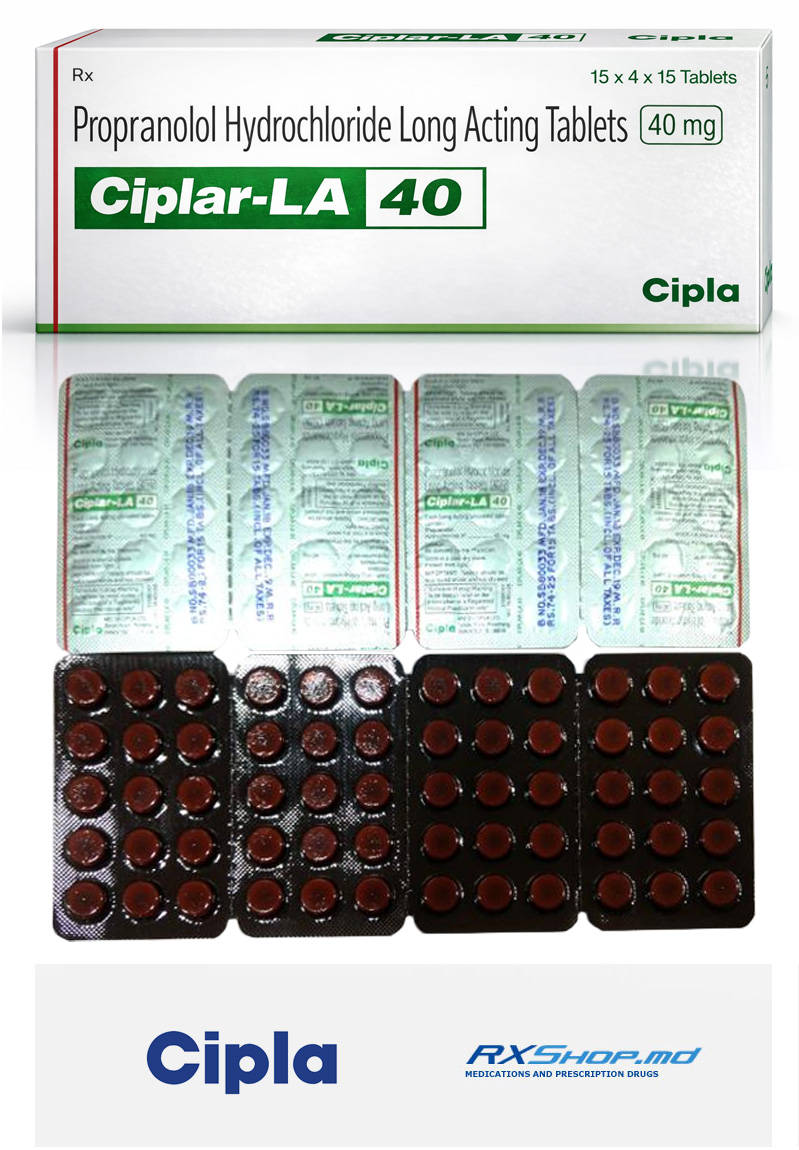
Ciplar LA is the long-acting brand-name formulation of Propranolol Hydrochloride manufactured by Cipla Limited (India) — one of the world's largest generic pharmaceutical manufacturers. Ciplar LA delivers Propranolol, the FIRST beta-adrenergic blocker ever developed, in a convenient sustained-release formulation supporting once-daily dosing. Original Propranolol research by Sir James Black (Nobel Prize in Medicine 1988) established the entire beta-blocker drug class that revolutionized cardiovascular medicine. FDA-approved (Propranolol) since 1967, listed on the WHO Model List of Essential Medicines. The Ciplar LA formulation provides cost-effective access to the same Propranolol molecule as Inderal LA (Pfizer original brand) and InnoPran XL.
The active ingredient is Propranolol Hydrochloride, a non-selective beta-adrenergic receptor antagonist blocking both beta-1 cardiac receptors and beta-2 receptors in bronchi, peripheral vasculature, and other tissues. β1 blockade reduces heart rate, contractility, cardiac output, and renin release. β2 blockade causes bronchoconstriction (asthma contraindication), peripheral vasoconstriction (cold extremities), and contributes to the antitremor and antimigraine effects. Propranolol is highly lipid-soluble (lipophilic) — readily crosses the blood-brain barrier, supporting numerous CNS-mediated off-label uses (migraine prophylaxis, essential tremor, performance anxiety, PTSD). Long-acting (LA) formulation provides 24-hour coverage with once-daily dosing.
Ciplar LA is used for the full Propranolol indication spectrum: FDA-approved for hypertension, angina pectoris, atrial fibrillation rate control, migraine prophylaxis, essential tremor, hypertrophic subaortic stenosis, pheochromocytoma (preoperative), and post-myocardial infarction (mortality reduction). Established off-label uses include performance anxiety / stage fright (signature use among musicians, surgeons, public speakers), portal hypertension (variceal bleeding prophylaxis), thyroid storm, akathisia, PTSD (selective use), generalized anxiety with somatic symptoms, and infantile hemangiomas (FDA-approved as Hemangeol pediatric oral solution).
Ciplar LA is available as 20 mg, 40 mg, and 80 mg sustained-release capsules. Standard adult dosing for hypertension: 80-160 mg once daily LA (max 320 mg/day). For migraine prophylaxis: 80-240 mg/day (titrate based on response). For essential tremor: 80-320 mg/day. For performance anxiety: 10-40 mg as needed 30-60 minutes before event. For angina pectoris: 80-320 mg/day. For atrial fibrillation rate control: 80-240 mg/day. Take consistently at the same time daily.
Critical safety considerations include the boxed warning regarding abrupt withdrawal — can precipitate angina exacerbation, myocardial infarction, ventricular arrhythmias; always taper Propranolol over 1-2 weeks. Contraindicated in asthma and severe COPD (β2 blockade → bronchospasm — important distinction from cardioselective β1 blockers). Caution in decompensated heart failure, sinus bradycardia, advanced AV block, severe peripheral vascular disease. Side effects: bradycardia, hypotension, fatigue, depression (lipophilic CNS penetration), sexual dysfunction, cold extremities (β2-mediated peripheral vasoconstriction), sleep disturbances, vivid dreams. Masks hypoglycemia symptoms in diabetic patients (caution and patient education needed). Pregnancy Category C.
Free prescription
Discrete packaging
Have questions?
Quality Assurance
- Angina Pectoris: FDA-approved for chronic stable angina pectoris;
- Post MI Mortality Reduction: FDA-approved for post-myocardial infarction mortality reduction;
- Atrial Fibrillation Rate Control: FDA-approved for atrial fibrillation rate control;
- Migraine Prophylaxis: FDA-approved for migraine prophylaxis — foundational migraine prevention agent;
- Essential Tremor: FDA-approved for essential tremor — first-line therapy;
- Hypertrophic Subaortic Stenosis: FDA-approved for hypertrophic subaortic stenosis (HOCM);
- Pheochromocytoma Preop: FDA-approved for pheochromocytoma preoperatively (after alpha-blockade);
- Performance Anxiety Stage Fright: Off-label SIGNATURE use for performance anxiety / stage fright;
- Public Speaking Anxiety: Off-label for public speaking anxiety — classic Propranolol use;
- Musician Performance Anxiety: Off-label for musician performance anxiety;
- Portal Hypertension Variceal: Off-label STANDARD for portal hypertension and variceal bleeding prophylaxis;
- Variceal Bleeding Prevention: Off-label for esophageal variceal bleeding primary/secondary prophylaxis;
- Thyroid Storm Treatment: Off-label for thyroid storm — controls adrenergic symptoms of thyrotoxicosis;
- Akathisia Antipsychotic: Off-label for antipsychotic-induced akathisia;
- PTSD Selective: Off-label selective use for PTSD (memory reconsolidation studies);
- Anxiety Somatic Symptoms: Off-label for generalized anxiety with somatic symptoms (palpitations, tremor);
- Infantile Hemangioma Hemangeol: FDA-approved as Hemangeol pediatric oral solution for infantile hemangiomas;
- Long QT Syndrome: Off-label for long QT syndrome management;
- Catecholaminergic Polymorphic VT: Off-label for catecholaminergic polymorphic ventricular tachycardia (CPVT);
- Lithium Tremor: Off-label for lithium-induced tremor reduction;
- Hyperthyroid Symptomatic: For symptomatic control in hyperthyroidism (palpitations, tremor, anxiety).
- Less Angina Symptoms: Significant reduction in angina pectoris symptoms;
- Better Post MI Survival: Reduces mortality after myocardial infarction — landmark benefit;
- Less AF Heart Rate: Effective rate control in atrial fibrillation;
- Less Migraine Frequency: Significant reduction in migraine attack frequency;
- Less Migraine Severity: Reduces severity of migraine episodes;
- Better Migraine Quality of Life: Substantial migraine-related quality of life improvement;
- Less Essential Tremor: First-line reduction of essential tremor — signature benefit;
- Better Tremor Daily Function: Restores writing, eating, drinking function in essential tremor patients;
- Less Performance Anxiety: Effectively blocks physical symptoms (tremor, tachycardia, sweating) of performance anxiety;
- Better Public Speaking Confidence: Improves confidence by suppressing somatic anxiety symptoms;
- Less Stage Fright: Standard pre-performance medication for musicians, actors, athletes, public speakers;
- Less Variceal Bleeding Risk: Reduces variceal bleeding risk in cirrhotic portal hypertension — established prophylaxis;
- Less Portal Pressure: Reduces portal venous pressure in cirrhosis;
- Less Thyroid Storm Symptoms: Controls adrenergic symptoms of thyroid storm and severe hyperthyroidism;
- Less Akathisia: Reduces antipsychotic-induced akathisia;
- Less Anxiety Somatic Symptoms: Reduces palpitations, tremor, sweating of anxiety disorders;
- Better Infantile Hemangioma Regression: Hemangeol promotes regression of infantile hemangiomas;
- Better Daily Function: Return to normal daily activities with effective BP/migraine/tremor control;
- Better Quality of Life: Substantial improvement in quality of life across multiple indications;
- Brand Ciplar LA Cipla: Original Cipla brand of long-acting Propranolol — cost-effective Indian generic;
- Generic Propranolol: Affordable generic Propranolol versions expand global access to foundational beta-blocker therapy;
- Inderal LA Pfizer Brand: Same Propranolol molecule as original Pfizer Inderal LA;
- Long Acting LA Formulation: Sustained-release LA formulation supports convenient once-daily dosing;
- Non Selective Beta Blocker: Non-selective β1+β2 adrenergic antagonist — foundational mechanism;
- First Beta Blocker: The FIRST beta-blocker ever developed — Nobel Prize 1988 (Sir James Black);
- Lipid Soluble CNS Penetration: Lipid-soluble — CNS penetration enables migraine/tremor/anxiety/PTSD uses;
- Multiple FDA Indications: Multiple FDA-approved indications across cardiovascular and neurological domains;
- Membrane Stabilizing Activity: Membrane stabilizing activity contributes to antiarrhythmic effects;
- Class II Antiarrhythmic: Class II antiarrhythmic agent — controls supraventricular and ventricular arrhythmias;
- Established Migraine Prophylaxis: Foundational established migraine prophylactic with extensive evidence;
- Established Essential Tremor: Established first-line essential tremor therapy;
- Portal HTN Standard Care: Standard of care for portal hypertension variceal bleeding prophylaxis;
- WHO Essential Medicine: Listed on the WHO Model List of Essential Medicines;
- 55 Plus Year Clinical History: 55+ years of clinical use since 1967 — foundational beta-blocker with extensive evidence.
Generic Ciplar-LA (Propranolol Hydrochloride Long Acting 40 mg) Medication guide:
🌍 Understanding Ciplar-LA and the Wide Clinical Reach of Propranolol
Ciplar-LA is the Cipla-branded long-acting formulation of propranolol hydrochloride — the very first beta blocker ever brought to clinical medicine, and one of the most versatile drugs in the modern pharmacopoeia. Sir James Black's work developing propranolol in the 1960s earned the Nobel Prize in Physiology or Medicine in 1988 and opened the entire adrenergic pharmacology era.
🧬 Drug Class
Non-Selective Beta Blocker
Blocks both beta-1 and beta-2
🏆 Historic First
First BB Ever
1964; Nobel Prize 1988
🧠 Solubility
Highly Lipophilic
Extensive CNS penetration
💊 LA Formulation
Once-Daily
Ciplar-LA extended release
The historical significance of propranolol goes beyond curiosity. Its development in the early 1960s at ICI Pharmaceuticals proved that receptor-targeted drug design was possible — a principle that has shaped every subsequent decade of pharmacology.
🕓 Propranolol — Six Decades of Clinical Practice
1964
Propranolol synthesised by Sir James Black at ICI Pharmaceuticals
1965
First clinical trials for angina; blood pressure reduction discovered
1976
FDA approval as Inderal for hypertension and angina
1982
BHAT trial establishes post-MI mortality benefit
1988
Sir James Black awarded Nobel Prize for propranolol and cimetidine
2008
Serendipitous discovery of propranolol for infantile hemangiomas
The clinical reach of propranolol crosses more specialties than almost any drug in the modern formulary. From cardiovascular medicine through neurology, endocrinology, hepatology, psychiatry, and paediatrics, propranolol serves distinct clinical purposes.
🎯 Where Propranolol Is Chosen Across Specialties
🩸 Hypertension
Second-line in modern guidelines
🫀 Angina and Post-MI
Anti-anginal; BHAT-supported
🧠 Migraine Prevention
Class I recommendation
✋ Essential Tremor
First-line pharmacotherapy
🎭 Performance Anxiety
Somatic symptom control
🌤️ Thyrotoxicosis
Symptom control + T4-T3 block
🩹 Portal Hypertension
Variceal bleeding prevention
👶 Infant Hemangioma
Hemangeol formulation
The five practical concerns that shape every propranolol prescription flow from its non-selective and lipophilic identity.
⚖️ PROPRANOLOL — FIVE PRACTICAL CONCERNS
Each concern is covered in detail in sections 11-13, 27, and 10.
Ciplar-LA is Cipla's long-acting once-daily capsule formulation. Standard immediate-release propranolol requires TID or QID dosing because of its short 3-6 hour half-life. Ciplar-LA extends this to smooth 24-hour coverage suitable for chronic ambulatory prescribing.
🧭 Reader Navigation — Jump to What Matters for You
- First prescription and titration: sections 8, 9
- Propranolol vs atenolol comparison: section 4
- Migraine prevention: section 6
- Essential tremor and performance anxiety: section 7
- Thyrotoxicosis symptom control: section 19
- Portal hypertension in cirrhosis: section 21
- CNS side effects (nightmares, mood): section 11
- The mandatory taper rule: section 27
Each section is written to be read on its own, without requiring the surrounding material.
💊 What Propranolol Is — The Non-Selective Lipophilic Beta Blocker
Propranolol is the biologically active molecule taken as the tablet or capsule — it is not a prodrug. Its non-selective, highly lipophilic profile is the defining feature that separates it from every subsequently developed beta blocker and shapes both its therapeutic reach and its side effect burden.
💊 Propranolol Pharmacokinetics at a Glance
| Chemical class | Aryloxypropanolamine; non-selective beta-1 and beta-2 antagonist |
| Oral bioavailability (IR) | Approximately 26% (extensive first-pass hepatic metabolism) |
| Onset of BP/HR effect | 1-2 hours (IR); 6 hours (LA) |
| Elimination half-life | 3-6 hours (IR); effectively 8-12 hours from LA formulation |
| Solubility | Highly lipophilic — extensive CNS penetration; contrast: atenolol is hydrophilic |
| Metabolism | Hepatic CYP1A2 (primary), CYP2D6 (secondary), CYP2C19 (minor) |
| Active metabolite | 4-hydroxypropranolol (minor contribution) |
| Excretion | Predominantly hepatic; less than 1% unchanged in urine |
🧪 Three Pharmacological Consequences
Non-selectivity
Bronchospasm risk in reactive airway disease; cold extremities; hypoglycaemia masking
Lipophilicity
CNS penetration — migraine and tremor benefit, but nightmares, depression, cognitive effects
Hepatic clearance
CYP interactions matter; renal impairment does not require dose adjustment
Why Ciplar-LA Solves the Half-Life Problem
Standard immediate-release propranolol's 3-6 hour half-life requires TID or QID dosing for stable effect. Ciplar-LA uses controlled-release capsule technology to deliver drug over 12-24 hours, allowing genuine once-daily dosing. The onset of effect is slower (6 hours vs 1-2), so LA is not the formulation for acute settings.
🧬 Beta-1 vs Beta-2 Blockade and the Non-Selectivity Consequences
Propranolol blocks both beta-1 and beta-2 adrenergic receptors with roughly equal affinity. Understanding what each receptor subtype normally does — and what happens when it is blocked — is the key to understanding propranolol's therapeutic profile and its specific safety concerns.
🧬 Beta-1 vs Beta-2 Receptor Effects and Blockade Consequences
| Receptor | Location | Effect of activation | Effect of propranolol blockade |
|---|---|---|---|
| Beta-1 | Heart (SA node, AV node, myocardium); kidney (juxtaglomerular) | Faster HR; stronger contraction; renin release | Slower HR; reduced contractility; less renin; therapeutic in HTN, angina, post-MI |
| Beta-2 | Bronchi; skeletal muscle vessels; liver; skeletal muscle; pancreas | Bronchodilation; vasodilation; glycogenolysis; tremor; insulin release inhibition | Bronchospasm risk; cold extremities; hypoglycaemia masking; tremor reduction (useful for essential tremor) |
Consequences of Non-Selective Blockade — The Double-Edged Sword
✅ Beneficial Beta-2 Effects
Essential tremor reduction; migraine prophylaxis effect; portal vasoconstriction (variceal prevention); anti-thyroid T4-to-T3 block
❌ Problematic Beta-2 Effects
Bronchospasm (severe in asthma, moderate in COPD); worsened hypoglycaemia recognition; cold extremities; worsened Raynaud phenomenon
Why Non-Selectivity Both Widens and Narrows the Indications
Propranolol's non-selectivity gives it therapeutic uses that cardioselective agents cannot match (essential tremor, migraine, portal hypertension, thyrotoxicosis). But the same non-selectivity is why propranolol is not the first choice for uncomplicated hypertension in patients with asthma, COPD, diabetes with hypoglycaemia risk, or peripheral vascular disease. Cardioselective agents (atenolol, bisoprolol, metoprolol) are preferred in those settings.
🔬 Propranolol vs Atenolol — Lipophilic vs Hydrophilic Beta Blockers
Propranolol and atenolol are the two most-prescribed beta blockers in ambulatory practice worldwide, and they represent the two ends of the beta blocker family: lipophilic non-selective (propranolol) versus hydrophilic beta-1-selective (atenolol). Understanding when to choose each is one of the practical decisions that comes up weekly in cardiovascular practice.
🔬 Propranolol vs Atenolol Side by Side
| Property | Propranolol (Ciplar-LA) | Atenolol (Atenheal) |
|---|---|---|
| Selectivity | Non-selective (beta-1 + beta-2) | Beta-1 selective (cardioselective) |
| Solubility | Highly lipophilic | Hydrophilic |
| CNS penetration | Extensive | Minimal |
| Nightmares, mood effects | More common | Uncommon |
| Bronchospasm risk | Higher; use avoided in reactive airway disease | Lower; used cautiously in mild reactive airway |
| Metabolism | Hepatic (CYP1A2, CYP2D6) | Renal excretion |
| Dose adjustment in CKD | Not required | Required at eGFR below 60 |
| Half-life (IR) | 3-6 hours (TID-QID) | 6-9 hours (once daily) |
| Long-acting formulation | Ciplar-LA once daily | Native once-daily IR |
| Migraine prophylaxis | Class I | Modest evidence |
| Essential tremor | First-line | Modest |
| Portal HTN | First-line | Not indicated |
| ASCOT-BPLA position | Class demoted | Class demoted (atenolol arm) |
💚 Choose Propranolol When
- Migraine prophylaxis needed
- Essential tremor
- Portal hypertension
- Symptomatic thyrotoxicosis (T4-T3 block)
- Performance anxiety adjunct
- Advanced CKD (hepatic clearance)
🔶 Choose Atenolol When
- Mild reactive airway disease with cardiac indication
- CNS side effects on propranolol
- Simpler adherence needs (native once-daily)
- Diabetes with hypoglycaemia concerns
🎯 Approved Uses — From Hypertension to a Dozen Non-Cardiac Indications
Propranolol has the widest set of approved uses of any beta blocker — hypertension, angina, post-MI, several arrhythmias, migraine prophylaxis, essential tremor, hypertrophic cardiomyopathy, and thyrotoxicosis. In addition, off-label uses across performance anxiety, portal hypertension, infantile hemangioma (which now has its own formulation Hemangeol), and PTSD-related nightmare research make propranolol one of the most versatile drugs prescribed.
| Indication | Typical dose | Formulation |
|---|---|---|
| Essential hypertension | 80-160 mg/day (LA) | Ciplar-LA once daily preferred |
| Angina pectoris | 80-320 mg/day total | LA once daily; IR TID if flexibility needed |
| Post-MI secondary prevention | 180-240 mg/day | LA once daily or IR BID |
| Migraine prophylaxis | 80-240 mg/day | LA once daily |
| Essential tremor | 40-320 mg/day | Both IR and LA used; individualised |
| Symptomatic thyrotoxicosis | 80-160 mg/day | Until definitive treatment achieves euthyroidism |
| Hypertrophic obstructive cardiomyopathy | 120-240 mg/day | Specialist-directed |
| Performance anxiety | 10-40 mg 1-2h before event | IR only; PRN use |
| Portal hypertension | 40-320 mg/day titrated | Target 25% HR reduction; section 21 |
| Infantile hemangioma | 2-3 mg/kg/day | Hemangeol paediatric formulation; specialist-directed |
Propranolol Position in Modern Hypertension Guidelines
Beta blockers as a class were demoted from first-line hypertension therapy in the mid-2000s following the ASCOT-BPLA finding that atenolol produced worse cardiovascular outcomes than newer classes at equivalent BP reduction. Propranolol is not disqualified from HTN use but is not first-line for uncomplicated hypertension. It earns its BP-lowering role when hypertension coexists with migraine, tremor, thyrotoxicosis, portal hypertension, or angina — one drug for two problems.
✅ Good Combinations
Thiazide, ACE inhibitor/ARB, dihydropyridine CCB (amlodipine); nitrates for angina.
❌ Generally Avoided
Verapamil, diltiazem (section 24); another AV-nodal-slowing drug; clonidine (see beta blocker discontinuation trap).
🧠 Migraine Prophylaxis — The Class I Neurological Recommendation
Migraine prophylaxis is one of propranolol's most well-established non-cardiovascular uses. It carries a Class I (Level A) recommendation from the American Academy of Neurology and American Headache Society for prevention of episodic migraine in adults — the highest level of guideline endorsement.
🧠 Propranolol for Migraine Prevention at a Glance
| Guideline endorsement | Class I / Level A (AAN/AHS) |
| Starting dose | 40 mg BID (IR) or 80 mg once daily (LA) |
| Effective range | 80-240 mg/day; some patients need higher |
| Time to effect | 2-3 months for full preventive effect |
| Efficacy | Reduces migraine frequency by 50% or more in approximately 45-55% of users |
| Duration of therapy | 6-12 months typical; then reassess for taper |
When Propranolol Migraine Prophylaxis Is Considered
- Episodic migraine 4+ days/month with significant disability
- Migraine plus hypertension or angina — single drug covers both
- Migraine unresponsive to abortive therapy alone (triptans, NSAIDs)
- Migraine plus essential tremor — dual benefit
- Migraine plus performance anxiety — multi-purpose
Dr Diarra-Kone on propranolol migraine prophylaxis
"In our neurology practice in Ouagadougou, propranolol remains one of the most useful migraine preventives available — particularly in resource settings where newer options (CGRP monoclonal antibodies) are not accessible or affordable. The critical counselling points are that full effect takes 2-3 months to develop, that the daily dose needs consistent adherence, and that patients should not discontinue abruptly if they decide the drug is not working. Propranolol is well-tolerated in most patients and produces meaningful reduction in migraine frequency in about half of users who take it appropriately."
Fatoumata B. Diarra-Kone, MD, DES — Department of Neurology, Universite Joseph Ki-Zerbo, Centre Hospitalier Universitaire Yalgado Ouedraogo
✋ Essential Tremor and Performance Anxiety — The Signature Non-Cardiac Uses
Two of propranolol's most established non-cardiovascular uses are essential tremor and performance anxiety. Both leverage the beta-2 blocking effect on skeletal muscle tremor and the beta-1 effect on cardiac autonomic activation. Understanding these uses expands the practical value of the drug significantly.
✋ Essential Tremor — First-Line Pharmacotherapy
| Guideline position | Class A recommendation (AAN) |
| Starting dose | 40 mg BID (IR) or 60-80 mg once daily (LA) |
| Effective range | 120-320 mg/day |
| Efficacy | 50-60% tremor amplitude reduction in responders |
| Alternative | Primidone if propranolol not tolerated |
🎭 Performance Anxiety — Somatic Symptom Control
Musicians, public speakers, actors, and athletes have used propranolol for decades to control the peripheral somatic symptoms of performance anxiety — tremor, palpitations, sweating, tachycardia — without producing the cognitive dulling of benzodiazepines.
- Dose: 10-40 mg IR taken 1-2 hours before performance
- Formulation: IR only — LA is not the right formulation for occasional PRN use
- Effect: reduces tachycardia and tremor; does not reduce cognitive anxiety or improve confidence
- Trial before performance: never take propranolol for the first time immediately before an important event
Dr O'Suilleabhain-Buckley on performance anxiety use in clinical practice
"Propranolol for performance anxiety is a genuinely useful tool when properly framed. It does not treat anxiety in the cognitive sense — it treats the somatic manifestations. A musician with fine tremor that ruins concert performance, or a public speaker whose voice trembles from tachycardia, benefits substantially. But the patient must understand that they will still feel anxious cognitively, and they must trial the drug at least once before a high-stakes performance to know their individual response. In Irish clinical practice we frame this use case carefully and ensure the patient is not using propranolol as an alternative to addressing underlying anxiety disorder."
Ashling M. O'Suilleabhain-Buckley, MB BCh BAO, FCAI — Department of Anaesthesiology, St. James's Hospital Dublin
📆 Ciplar-LA and the IR vs LA Formulations — Understanding the Long-Acting Design
Ciplar-LA is Cipla's brand of long-acting propranolol capsules. The name "LA" stands for long-acting; the formulation is designed for genuine once-daily dosing where IR propranolol would require multiple daily doses because of its short half-life.
📆 Propranolol Formulations Compared
| Formulation | Common strengths | Dosing frequency | Best-use case |
|---|---|---|---|
| IR tablets (Inderal) | 10, 20, 40, 80 mg | BID-QID | Initial titration; performance anxiety PRN; acute clinical settings |
| Ciplar-LA capsules | 40, 60, 80, 120, 160 mg | Once daily | Chronic hypertension, migraine, tremor; adherence |
| Inderal LA | 60, 80, 120, 160 mg | Once daily | Same as Ciplar-LA; brand equivalent |
| InnoPran XL | 80, 120 mg | Once daily at bedtime | Chronotherapy for morning BP surge |
| Hemangeol | Oral solution 4.28 mg/mL | TID | Infantile hemangioma; paediatric use |
Titration for Chronic Hypertension on Ciplar-LA
- Start: 80 mg Ciplar-LA once daily in the morning
- Review at 2-4 weeks: home BP; resting HR; symptomatic tolerance (fatigue, mood, sleep)
- Titrate up if needed: to 120 mg, then 160 mg once daily
- Maximum: 240 mg per day (may need to split as 160 mg + 80 mg BID)
- Combine if not at target: thiazide, ACE-I/ARB, or dihydropyridine CCB
🚩 DO NOT OPEN, CRUSH, OR CHEW CIPLAR-LA CAPSULES
The long-acting matrix relies on intact capsule structure. Crushing releases the full daily dose over 1-2 hours, producing severe bradycardia, hypotension, and bronchospasm. If swallowing difficulty prevents capsule use, IR tablets three or four times daily are the alternative.
▶️ Starting Ciplar-LA — First-Dose Considerations
The first-dose considerations on propranolol center on baseline heart rate and conduction, contraindications specific to airway or peripheral vascular disease, and the specific caution about starting the drug in patients with prior CNS side effects or vulnerable mood.
🚩 PATIENTS WHO NEED SPECIALIST INPUT BEFORE STARTING
- Resting heart rate below 55 bpm at baseline
- Any AV block beyond first-degree on baseline ECG
- Heart failure with reduced ejection fraction without cardiology supervision
- Asthma, severe COPD, or reactive airway disease — propranolol strongly contraindicated
- Significant peripheral vascular disease (Raynaud, claudication)
- Insulin-treated diabetes with hypoglycaemia unawareness
- Prinzmetal variant angina — contraindicated
- Untreated phaeochromocytoma (need alpha blockade first)
▶️ Practical Initiation Measures
Baseline ECG
If HR below 65, conduction history, or any doubt
Start low
80 mg LA once daily (or 40 mg BID IR)
Review 2 weeks
Home HR, BP, mood, sleep, CNS effects
Airway screen
Any wheeze or dyspnoea history — explicit ask
Counselling at First Prescription
Every patient starting propranolol must be told at the first visit that: they should never stop the drug suddenly (rebound syndrome); they should report any new nightmares, mood changes, or excessive fatigue; they should watch for wheezing or shortness of breath; if diabetic on insulin, they should monitor glucose more carefully because of hypoglycaemia masking. This conversation earns its place at the moment the drug is prescribed, not weeks later.
🔗 Common Drug Interactions on Propranolol
Propranolol has a more complex drug interaction profile than atenolol because it is extensively hepatically metabolised by CYP1A2 and CYP2D6. Drugs that induce or inhibit these enzymes alter propranolol levels, and propranolol itself can affect the levels of some drugs it shares metabolism with.
| Interaction category | Common examples | Practical implication |
|---|---|---|
| Verapamil, diltiazem | Non-DHP CCBs | Additive AV block, bradycardia, negative inotropy; combination generally avoided (section 24) |
| CYP1A2 inhibitors | Ciprofloxacin, fluvoxamine, cimetidine | Raise propranolol levels; may need dose reduction |
| CYP2D6 inhibitors | Fluoxetine, paroxetine, bupropion, quinidine | Raise propranolol levels modestly |
| CYP inducers | Rifampin, carbamazepine, phenytoin, smoking | Lower propranolol levels; may need dose increase |
| Clonidine | Central alpha-2 agonist | Discontinuation trap — taper beta blocker BEFORE clonidine |
| Insulin, sulfonylureas | Diabetes treatment | Hypoglycaemia masking (section 13) |
| Beta-2 agonist bronchodilators | Salbutamol, salmeterol, formoterol | Opposing effects on bronchial tone; propranolol usually avoided |
| Chronic NSAIDs | Ibuprofen, naproxen at anti-inflammatory doses | Reduce antihypertensive effect |
| Warfarin | Anticoagulant | Small INR effect possible; monitoring covers this |
| Ergot alkaloids | Ergotamine for migraine abortive | Rare additive peripheral vasoconstriction; use cautiously |
The Smoking-Propranolol Interaction
Cigarette smoking induces CYP1A2, reducing propranolol levels by 30-50%. This has two practical consequences: smokers may need higher doses to achieve BP or HR control; and a patient who quits smoking on stable propranolol may experience increased drug effect (bradycardia, hypotension) as CYP1A2 activity normalises over 4-6 weeks. Dose adjustment during smoking cessation is often needed.
😴 CNS Side Effects — Nightmares, Depression, and the Lipophilic Cost
Propranolol's lipophilic profile lets it cross the blood-brain barrier in high concentrations. This is what gives the drug its therapeutic effects on migraine, essential tremor, and performance anxiety — but it also produces the CNS side effect burden that distinguishes propranolol from cardioselective, hydrophilic beta blockers.
😴 CNS Side Effects on Propranolol
| Vivid dreams and nightmares | 10-15% of users; more common at higher doses |
| Sleep disturbance | Insomnia, altered sleep architecture |
| Fatigue and lassitude | Very common; usually partially adapts |
| Depression | Uncommon but genuinely recognised; contested magnitude |
| Cognitive slowing | More subtle; more prominent in elderly |
| Hallucinations (rare) | Reported at high doses; specialist review |
| Sexual dysfunction | Reduced libido; erectile dysfunction |
Practical Management of CNS Effects
- Wait 2-4 weeks — some CNS effects improve as tolerance develops
- Dose reduction if effects persist and BP allows
- Timing change — taking LA at bedtime may reduce daytime sedation but worsen nightmares; individualised
- Switch to atenolol or bisoprolol (hydrophilic, less CNS penetration) if effects persist and cardiovascular indication remains
- Never abrupt stop — even for intolerable side effects, taper (section 27) applies
The Depression Question
Whether propranolol truly causes clinical depression remains debated. Large observational studies have not consistently shown increased depression incidence, but individual patients do report mood decline that resolves on drug discontinuation. If depression emerges on propranolol, switch to a cardioselective agent (atenolol, bisoprolol) is preferred over antidepressant addition on top of propranolol, particularly in patients with prior depression history.
🌬️ Bronchospasm on Non-Selective Beta Blockade
Bronchospasm on propranolol is a well-established and clinically serious concern. Because propranolol blocks beta-2 receptors on bronchial smooth muscle equally with beta-1, it can precipitate acute bronchospasm in patients with reactive airway disease that cardioselective beta blockers (atenolol, bisoprolol) usually do not.
🚩 PROPRANOLOL AND AIRWAY DISEASE — THE HARD RULES
- Asthma at any severity: propranolol is CONTRAINDICATED
- History of severe asthma or near-fatal asthma: CONTRAINDICATED
- Severe COPD with bronchial reactivity: avoided
- Even mild reactive airway disease: cardioselective beta blocker (atenolol, bisoprolol) at low dose is the alternative
The lower-severity end of the spectrum is where cardioselective agents can be used cautiously. Propranolol is not the choice for any patient with clinically meaningful reactive airway disease.
The Beta Agonist Bronchodilator Conflict
Propranolol blocks the very receptor that bronchodilator drugs (salbutamol, salmeterol, formoterol) target. This means:
- Bronchodilator effect is reduced in patients on propranolol
- Acute asthma attack rescue is compromised
- Emergency management of bronchospasm on propranolol may require higher bronchodilator doses, systemic steroids, or IV epinephrine
If Bronchospasm Occurs on Propranolol
Emergency response: high-dose inhaled salbutamol (may need higher than usual doses); IV steroids; nebulised ipratropium; consider IV magnesium; in severe cases, IV epinephrine. Propranolol should be stopped — but never abruptly in a chronic user. In the acute setting, the wheeze is treated first; the taper begins once the patient is stabilised.
🍬 Hypoglycaemia Masking on Propranolol — Worse Than Cardioselective Agents
Beta blocker use in insulin- or sulfonylurea-treated diabetes carries a specific safety concern: blunted recognition of hypoglycaemia. Propranolol's non-selective profile makes this concern more severe than with cardioselective agents.
🍬 How Propranolol Blunts Hypoglycaemia Recognition
When blood glucose falls, the body normally releases counter-regulatory hormones that produce adrenergic warning symptoms — tachycardia, tremor, palpitations, anxiety, sweating. These are the "shakiness" that alerts the diabetic patient to check their glucose.
Beta blockade removes several of these warning symptoms: beta-1 blockade removes tachycardia and palpitations; beta-2 blockade removes fine tremor. Sweating persists (mediated by acetylcholine) so it becomes the main remaining warning — but many diabetic patients rely on tremor and tachycardia as their first alert.
Why Non-Selective Propranolol Is Worse Than Cardioselective Atenolol Here
- Beta-2 blockade impairs hepatic glucose recovery from hypoglycaemia (blocks glycogenolysis)
- Beta-2 blockade removes fine tremor — another warning symptom lost
- Blunted glucose-recovery response can prolong hypoglycaemic episodes
Practical Measures for the Diabetic Propranolol User
- Prefer cardioselective agents (atenolol, bisoprolol) in insulin-treated diabetes if a beta blocker is needed and propranolol is not specifically indicated
- If propranolol is unavoidable (migraine, tremor, portal HTN in cirrhosis with diabetes), intensify glucose monitoring
- Educate about sweating as preserved warning — unexplained sweating in a diabetic on propranolol is a specific signal to check glucose
- Adjust glucose targets modestly higher during initiation to reduce hypoglycaemia risk
- CGM if available — captures asymptomatic and nocturnal lows
- Household education about recognising subtle hypoglycaemia signs
💓 Home Heart Rate and Blood Pressure Monitoring
Home monitoring on propranolol focuses on both heart rate (the drug's direct target) and blood pressure. Because Ciplar-LA is once daily, monitoring can capture morning trough and evening peak effects.
💓 A Practical Home Monitoring Routine
- Resting heart rate: seated 5 minutes; pulse function on BP cuff or radial pulse 30 sec x 2
- Blood pressure: standard technique — seated, feet flat, back supported, cuff at heart level
- Twice daily: morning before medication (trough) and evening (approximate peak for LA)
- Weekly log before office review; discard first day; average the rest
- In migraine users: additionally note migraine days for effect tracking
- In tremor users: note tremor severity 0-10 scale
Target Ranges by Indication
| Hypertension | Home BP under 135/85; HR 55-70 at rest |
| Angina | Resting HR 55-65; fewer episodes at similar exertion |
| Migraine prophylaxis | HR target 55-70; migraine frequency reduction is the therapeutic marker |
| Essential tremor | Tremor amplitude reduction; symptomatic tolerance |
| Portal hypertension | 25% HR reduction from baseline OR HR 55-60 bpm |
| Thyrotoxicosis | HR under 90 bpm; tremor and anxiety improvement |
Bradycardia Thresholds — When to Act
Resting HR 55-70 bpm is typically therapeutic. HR 45-55 asymptomatic is generally acceptable. Below 45 with symptoms or below 40 asymptomatic warrants prescriber contact and possible dose reduction. Symptomatic bradycardia at any rate needs review.
🩸 Kidney Function and Hepatic Considerations
Propranolol's pharmacokinetics are hepatically dominated: less than 1% of the drug is excreted unchanged in urine, so renal impairment has minimal effect on drug clearance. Hepatic impairment, on the other hand, substantially prolongs drug effect and requires dose reduction.
✅ Renal Impairment — Minimal Impact
Propranolol does not require dose adjustment for renal impairment across the CKD spectrum — this is a genuine advantage over renally-cleared beta blockers (atenolol, nadolol) in patients with declining kidney function. Propranolol is not significantly dialysable, so no post-dialysis supplementation is needed.
Hepatic Impairment Dose Adjustment
| Hepatic function | Propranolol approach |
|---|---|
| Normal | Standard doses per indication |
| Mild impairment (Child-Pugh A) | Standard doses; monitor for excess effect |
| Moderate impairment (Child-Pugh B) | Reduce dose 25-50%; specialist input |
| Severe impairment (Child-Pugh C) | Cautious use; reduced dose; consider alternative if propranolol not specifically indicated (portal HTN is the specific exception where propranolol IS the indicated agent) |
The Cirrhosis Special Case
Cirrhosis with portal hypertension is exactly the specific indication where propranolol is used despite the hepatic impairment. In this setting the drug is titrated to specific HR endpoints rather than fixed dose, with careful attention to symptomatic tolerance. Section 21 covers this in detail.
🚨 Warning Signs and When to Seek Care
Most propranolol users have an uneventful long-term course. When warning signs appear, the response is medical review rather than self-directed cessation because of the mandatory taper rule.
🚨 SEEK URGENT MEDICAL CARE FOR
- Wheezing, shortness of breath, or acute asthma-like symptoms
- Chest pain that is new or worse in an angina patient
- Syncope or near-syncope not clearly postural
- Resting heart rate below 40 bpm with symptoms
- Signs of severe hypoglycaemia in diabetic patient (confusion, seizure, coma)
- Suicidal thoughts or severe mood decline
- New or worsening shortness of breath — possible decompensating HF
⚠️ Contact Prescriber Same or Next Day For
- Persistent vivid nightmares affecting sleep
- New or worsening low mood
- Home resting HR persistently below 45 bpm
- Home BP persistently below 100/60 mmHg
- Progressive exercise intolerance or fatigue
- Cold hands and feet worsening or Raynaud symptoms new
- New medication started elsewhere — interaction check
- Upcoming surgery — discuss perioperative management
Never Stop Abruptly Even for Warning Signs
The response to a warning sign is contact prescriber, not self-directed cessation. Abrupt withdrawal produces the rebound syndrome (section 27) which can be more dangerous than the original side effect. The prescriber will arrange a supervised taper or alternative management.
🩹 Common Side Effects in the First Three Months
Propranolol's side effect profile is broader than that of cardioselective beta blockers because of the added beta-2 effects and the CNS penetration. Most side effects are dose-related and manageable.
🩹 Common Propranolol Side Effects with Expected Trajectory
| Effect | Onset | Trajectory |
|---|---|---|
| Fatigue | First 2-6 weeks | Partial adaptation as fitness adjusts |
| Vivid dreams / nightmares | Days-weeks | Dose-related; may persist |
| Cold hands and feet | First month | Persistent; managed with warmth |
| Bradycardia | First 2 weeks | Dose-related; often therapeutic |
| Dizziness on standing | First week | Usually settles |
| Depression | Variable | Section 11; may require switch |
| Sexual dysfunction | Weeks-months | Reduced libido; ED possible |
| Bronchospasm | Variable | Contraindicated in reactive airway disease |
| Nausea, GI upset | First 2 weeks | Usually settles |
| Weight gain | Weeks-months | Modest; more with propranolol than atenolol |
| Elevated glucose (subtle) | Months | Reversible; monitor in diabetics |
Where Propranolol's Profile Is Favourable
Genuine multi-indication drug (one prescription covers multiple problems); no renal dose adjustment (advantage in CKD); no electrolyte disturbance; effective for essential tremor and migraine that cardioselective agents do not treat well. These are the settings where propranolol's side effect burden is worth the trade-off.
❤️ Post-MI and Anti-Anginal Use of Propranolol
Beta blocker use post-MI has been standard of care since the BHAT trial (Beta Blocker Heart Attack Trial) in the early 1980s, which specifically demonstrated propranolol's mortality benefit in post-MI patients. Propranolol was one of the drugs that established the class recommendation, though in modern practice cardioselective agents (bisoprolol, carvedilol, metoprolol succinate) are more commonly prescribed post-MI.
❤️ Propranolol Post-MI
| Guideline position | Class I recommendation for post-MI beta blocker; class effect |
| Preferred beta blockers | Bisoprolol, carvedilol, metoprolol succinate (HF evidence) |
| Propranolol role | Legitimate alternative; used when other beta blockers not available or when patient has additional indication (migraine, tremor) |
| Post-MI dose | 180-240 mg/day total (BHAT dose) |
| Timing | Start during hospital admission; titrate over 2-4 weeks |
Propranolol for Chronic Stable Angina
The anti-anginal effect works through direct reduction in myocardial oxygen demand:
- Slower resting HR extends diastolic filling time and coronary perfusion
- Reduced contractility lowers oxygen consumption per beat
- Reduced exercise HR increases exertion threshold before angina develops
- Target resting HR: 55-65 bpm; exertional HR under 100 at reasonable exertion
Dr Novotny-Prochazka on propranolol's modern cardiology position
"Propranolol was one of the drugs that established the beta blocker class in post-MI care in the 1980s, and its BHAT-supported mortality benefit remains the historical foundation. In current Czech cardiology practice we typically prefer cardioselective beta blockers (bisoprolol especially) as first-line post-MI because of the wider heart-failure evidence, but propranolol retains a genuine role in specific patients — those with concurrent migraine, essential tremor, or thyrotoxicosis where the drug does multiple jobs. What we do not use propranolol for is asthmatic post-MI patients; cardioselective agents at low dose are the alternative in that specific population."
Jaroslav K. Novotny-Prochazka, MD, PhD — Department of Cardiovascular Medicine, Charles University Prague First Faculty of Medicine
🌤️ Thyrotoxicosis — The T4-to-T3 Conversion Advantage
Propranolol has a specific and unique pharmacological advantage in thyrotoxicosis (Graves disease, toxic nodular goitre, thyroiditis, thyroid storm): it blocks the peripheral conversion of T4 to T3, adding to its direct symptomatic control of adrenergic hyperactivity. This T4-to-T3 blockade is not shared by other beta blockers.
🌤️ Propranolol's Dual Role in Thyrotoxicosis
1. Beta blockade — symptom control
Reduces tachycardia, palpitations, tremor, anxiety, heat intolerance — shared with all beta blockers
2. T4-to-T3 inhibition — unique
Blocks peripheral 5'-deiodinase, reducing conversion of T4 (weaker) to T3 (stronger active hormone). This is unique to propranolol among beta blockers.
Dosing for Symptomatic Thyrotoxicosis
- Starting dose: 40 mg IR TID or 80 mg Ciplar-LA once daily
- Titration: to control resting HR and tremor; typically 80-160 mg/day total
- Duration: until definitive treatment (antithyroid drugs, radioiodine, thyroidectomy) achieves euthyroidism
- Tapering off: as symptoms resolve and thyroid function normalises
Thyroid Storm — The Emergency Setting
Thyroid storm is a life-threatening decompensation. IV propranolol (or oral high-dose) is a critical component of management alongside antithyroid drugs, corticosteroids, and supportive care. Propranolol's T4-to-T3 blockade contributes specifically here beyond simple heart rate control. This is a hospital ICU-level emergency, not outpatient management.
⏰ Missed Dose Handling on Ciplar-LA and IR Propranolol
Missed dose response depends on formulation. Ciplar-LA is once-daily and forgiving; IR propranolol is TID or QID and less forgiving.
⏰ Missed Dose on Ciplar-LA (Once Daily)
| Realised within 12 hours | Take the dose; next at usual time next day |
| Realised next day | Skip. Take next at usual time. Do not double up. |
| Missed 2 consecutive days | Resume usual dose; monitor BP and HR; contact prescriber if concern |
| Missed a week or more | Do NOT simply resume full dose. Contact prescriber; may need reduced restart to avoid excess effect after receptor upregulation |
Missed Dose on IR Propranolol (TID or QID)
| Within 2 hours | Take the dose; continue schedule |
| More than 2 hours late | Skip; take next at usual time |
| Multiple missed doses | Resume schedule; do not double up |
❌ Doubling Up Is Never Useful
A doubled dose of propranolol produces symptomatic bradycardia and hypotension that can last many hours (particularly on LA). Skip and resume schedule instead. The rebound risk from a missed dose is much smaller than the toxicity risk from a doubled dose.
🩹 Portal Hypertension and Oesophageal Varices Prevention
Portal hypertension and prevention of variceal bleeding is one of propranolol's uniquely well-established non-cardiovascular uses. In cirrhotic patients with gastro-oesophageal varices, non-selective beta blockers (propranolol, nadolol, carvedilol) reduce portal pressure through combined reduction in cardiac output and splanchnic vasoconstriction. Cardioselective agents lack the splanchnic effect and are not used in this indication.
🩹 How Propranolol Reduces Portal Pressure
Two complementary effects reduce portal venous pressure:
- Beta-1 blockade: reduced cardiac output means less blood volume delivered to the splanchnic circulation
- Beta-2 blockade: unopposed alpha-1 vasoconstriction in splanchnic vessels reduces portal inflow further
The net effect is 15-25% reduction in portal pressure in responders — enough to substantially reduce variceal bleeding risk.
Portal Hypertension Indications
| Primary prophylaxis | Medium-large varices without prior bleeding — propranolol or endoscopic band ligation |
| Secondary prophylaxis | After first variceal bleed — propranolol PLUS band ligation is standard |
| Not indicated | Small varices without high-risk features (individualised); refractory ascites (may worsen) |
Propranolol Titration in Portal Hypertension
- Start: 40 mg BID (IR) or 80 mg Ciplar-LA once daily
- Titrate every 1-2 weeks against home HR
- Target: 25% reduction in resting HR from baseline OR resting HR 55-60 bpm (whichever comes first) OR symptomatic limit
- Typical maintenance dose: 80-240 mg/day; sometimes higher
- Ongoing surveillance: home HR, BP, ascites status, cognitive function
Dr Vanmeenen-Rouseeuw on propranolol in cirrhotic portal hypertension
"In the hepatology clinic at Ghent University Hospital, non-selective beta blockers remain a cornerstone of variceal bleeding prevention. Propranolol is the most extensively studied of these agents, and its role is specifically as a non-selective beta blocker — the splanchnic vasoconstriction from beta-2 blockade is what makes it work at the portal circulation. What we watch for carefully is decompensation with refractory ascites, where propranolol may worsen renal perfusion, and severe hyponatraemia where the balance shifts against beta blockade. The dose is not fixed but titrated to physiological endpoints (heart rate, or invasively-measured hepatic venous pressure gradient when available)."
Nikolaas H. Vanmeenen-Rouseeuw, MD, PhD — Cirrhosis and Portal Hypertension Unit, Ghent University Hospital
🕰️ Elderly Use of Propranolol — CNS and Falls Concerns
Elderly propranolol use presents a specific constellation of concerns: enhanced CNS side effect burden (falls, cognitive slowing), reduced hepatic clearance (higher plasma levels), more common polypharmacy interactions, and the falls risk that combines bradycardia, postural hypotension, and reduced arousal.
🕰️ Elderly-Specific Propranolol Considerations
| Starting dose | 40-80 mg LA once daily; go slow |
| CNS vigilance | Watch for confusion, sleep disturbance, cognitive slowing |
| Falls assessment | Explicit conversation before dose escalation |
| Cognitive baseline | Note function before starting; distinguish drug effect from progression |
| Hepatic function | Reduced first-pass metabolism in elderly means higher effective doses |
| Consider cardioselective alternative | Atenolol or bisoprolol often preferred in elderly for BP/angina; propranolol reserved for specific indications |
Beers Criteria Note
The American Geriatrics Society Beers Criteria do not blacklist propranolol but note the higher CNS side effect burden compared to cardioselective agents. Where the indication does not specifically require non-selectivity (essential tremor, migraine, portal HTN), cardioselective alternatives are often preferred in the elderly.
⚗️ Renal and Hepatic Impairment Dose Adjustment
Because propranolol is predominantly hepatically metabolised, hepatic impairment is the major consideration; renal impairment has minimal impact. This is a mirror image of atenolol, where renal function drives dose adjustment and hepatic function is largely irrelevant.
| Function category | Propranolol approach | Monitoring |
|---|---|---|
| Normal renal and hepatic | Standard doses per indication | Usual review |
| eGFR above 30 | Standard doses; no adjustment | Usual review |
| eGFR below 30 / dialysis | Standard doses; hepatic clearance unchanged | Usual review |
| Mild hepatic impairment | Standard doses; monitor for excess effect | Every 3-6 months |
| Moderate hepatic impairment | Reduce dose 25-50%; specialist input | Monthly initially |
| Severe hepatic impairment | Cautious use; consider alternative unless propranolol specifically indicated (portal HTN) | Nephrology-directed |
A Beta Blocker Choice Question in CKD
A patient with declining kidney function who needs a beta blocker (post-MI, hypertension, angina) may benefit from switching from atenolol (renally cleared, needs dose adjustment) to propranolol or metoprolol (hepatically cleared, no adjustment needed). This decision depends on the specific indication and comorbidities; specialist input helpful.
💥 Combining With Verapamil, Diltiazem, and Other Rate-Slowers
The combination of propranolol and a non-dihydropyridine calcium channel blocker (verapamil, diltiazem) creates a specific safety concern — not an absolute contraindication but a combination that is treated with the same care as clonidine plus beta blocker (section from Catapres).
💥 PROPRANOLOL + VERAPAMIL/DILTIAZEM
Both drugs act at the AV node and reduce contractility. Combined, they can produce:
- Severe bradycardia and heart block
- Acute heart failure in borderline LV function
- Symptomatic hypotension and syncope
The combination is generally avoided. When both drugs seem needed, specialist supervision is essential.
Other AV-Slowing Combinations to Watch
- Digoxin plus propranolol: additive AV block; useful in AF rate control but requires ECG monitoring
- Amiodarone plus propranolol: additive bradycardia; specialist decision
- Ivabradine plus propranolol: specific ivabradine mechanism plus beta blocker HR effect — combination sometimes used in HF but requires close monitoring
- Topical timolol eye drops: systemically absorbed; can add to bradycardia in propranolol user
If Propranolol + Rate-Slowing CCB Is Started
Baseline ECG documenting sinus rhythm and PR interval; baseline echocardiogram confirming LV function above 40%; both drugs at lowest effective doses; ECG at 1 and 4 weeks; home HR monitoring twice daily; specialist involvement.
🚫 Absolute and Relative Contraindications
Contraindications to propranolol fall into two categories: absolute (drug must not be used) and relative (drug used only with specific caution or specialist input).
🚫 ABSOLUTE CONTRAINDICATIONS
- Asthma at any severity
- Severe COPD with reactive airway component
- Second-degree Mobitz Type II or third-degree AV block without pacemaker
- Sick sinus syndrome without pacemaker
- Symptomatic bradycardia below 45 bpm
- Cardiogenic shock or acute decompensated heart failure
- Prinzmetal (variant) angina — beta blockade can worsen vasospasm
- Untreated phaeochromocytoma — alpha blockade must be established first
- Documented propranolol hypersensitivity
⚠️ RELATIVE CONTRAINDICATIONS AND SPECIFIC CAUTIONS
- Insulin-treated diabetes with hypoglycaemia unawareness — cardioselective alternative preferred
- Peripheral vascular disease (Raynaud, severe claudication)
- Severe hepatic impairment — unless propranolol is specifically indicated
- Depression or psychiatric history — enhanced CNS burden
- Concurrent verapamil or diltiazem — combination generally avoided (section 24)
- Concurrent clonidine — discontinuation trap
- First-degree AV block with PR above 240 ms — caution
- Pregnancy — not first-line; specialist decision
- Age under 18 — specialist decision (except infant hemangioma with Hemangeol)
🔄 Switching Between Propranolol, Atenolol, Metoprolol, and Carvedilol
Switching between beta blockers is a common event driven by tolerability, comorbidity change, or specific indication. Propranolol may be a target of a switch (from atenolol for migraine or tremor) or a departure point (for CNS side effects, for HFrEF where cardioselective HF-specific agents are preferred, or for reactive airway disease development).
| Switch scenario | Practical approach |
|---|---|
| Atenolol to propranolol (migraine or tremor develops) | Atenolol 50 mg once daily ~ propranolol 80 mg Ciplar-LA once daily. Direct switch; recheck HR/BP in 2 weeks |
| Propranolol to atenolol (CNS side effects) | Propranolol 80 mg ~ atenolol 50 mg once daily. Direct switch; CNS effects resolve over 1-2 weeks |
| Propranolol to bisoprolol (HFrEF develops) | Specialist decision; taper propranolol; introduce bisoprolol at low end (1.25 mg) and titrate under cardiology |
| Propranolol to carvedilol (HFrEF with additional alpha benefit) | Specialist-directed transition under cardiology guidance |
| Propranolol IR to Ciplar-LA (adherence) | Match total daily dose: 80 mg TID IR ~ 240 mg Ciplar-LA once daily |
| Propranolol to metoprolol succinate (HFrEF) | Specialist decision; metoprolol has stronger HF evidence base |
Approximate Beta Blocker Dose Equivalences
Propranolol 80 mg (Ciplar-LA once daily) is approximately equivalent to atenolol 50 mg, metoprolol tartrate 50 mg BID, bisoprolol 5 mg, or carvedilol 12.5 mg BID for BP effect. Higher doses scale roughly proportionally. These are practical approximations; individual titration guided by home HR and BP over 2-4 weeks is required after any switch.
⛔ Stopping Ciplar-LA — The Mandatory Taper Schedule
Like all beta blockers, propranolol must never be stopped abruptly. Chronic beta blockade upregulates beta receptors, and sudden withdrawal produces a hyperadrenergic state that can precipitate angina attacks, rebound hypertension, arrhythmias, and rarely myocardial infarction in vulnerable patients.
⛔ NEVER STOP CIPLAR-LA ABRUPTLY
Chronic propranolol use upregulates beta receptors. Sudden cessation unmasks this receptor sensitisation, producing amplified adrenergic response for 5-14 days.
Clinical consequences: rebound tachycardia; rebound hypertension; angina resurgence; rarely myocardial infarction; arrhythmias; tremor and anxiety symptoms.
Practical Taper Schedule for Elective Withdrawal
| Starting daily dose | Suggested taper | Total duration |
|---|---|---|
| 80 mg once daily | 40 mg for 7 days, then stop | 1-2 weeks |
| 160 mg once daily | 80 mg for 7 days, then 40 mg for 7 days, then stop | 2-3 weeks |
| 240 mg once daily | 160 mg for 7 days, then 80 mg for 7 days, then 40 mg for 7 days, then stop | 3-4 weeks |
If Also on Clonidine — The Discontinuation Order Matters
A patient on both propranolol and clonidine who is discontinuing either drug must taper the beta blocker FIRST, then wait 3-7 days before starting clonidine taper. Stopping clonidine while propranolol is still active produces unopposed alpha-1 vasoconstriction and severe rebound hypertensive crisis.
🌡️ Storage and Handling
Propranolol tablets and Ciplar-LA capsules have standard storage requirements. The critical practical consideration is the crushing prohibition on LA capsules.
🌡️ Storage and Handling
- Room temperature 20-25 °C
- Dry environment — humidity affects tablets and capsule integrity
- Original packaging for moisture protection
- Out of direct sunlight
- Out of reach of children — propranolol overdose in children can cause profound bradycardia, hypotension, hypoglycaemia
- Check expiry date before use
🚩 NEVER CRUSH, CHEW, OR OPEN CIPLAR-LA CAPSULES
The controlled-release matrix must remain intact for the 24-hour release mechanism to work. Crushing destroys the mechanism, delivering the full daily dose over 1-2 hours — producing severe bradycardia, hypotension, and (in reactive airway users) bronchospasm.
If swallowing difficulty prevents capsule use, alternatives include IR tablets three or four times daily, or in specific cases opening the capsule for sprinkling on soft food per manufacturer instructions (only where the manufacturer specifically states this is permitted).
✈️ Travel Planning on Propranolol
Travel with Ciplar-LA needs modest planning. The daily supply is small (one capsule per day), the drug is stable in travel conditions, and time-zone shifts are readily managed. The critical concern is the same never-abrupt-stop rule that applies to any beta blocker — supply gaps must be avoided.
✈️ Travel Preparation Checklist
- Carry trip supply plus 7-10 extra days — buffer against delays and lost luggage
- Split supply between carry-on and checked luggage; carry-on portion is essential
- Keep capsules in original packaging for customs
- Carry the prescription label for international travel
- Note the generic name (propranolol hydrochloride) for local pharmacy identification
- Time zones: shift daily dose timing by 1-2 hours per day of travel; single missed dose is tolerable, do not double up
Running Out on Travel — A Specific Hazard
Running out of propranolol in a foreign country over a weekend can precipitate the rebound withdrawal syndrome within 24-48 hours. Emergency pharmacy supply arrangements exist in most jurisdictions — use them rather than skip doses. Wearable medical ID mentioning propranolol use helps in any medical emergency abroad.
Long-Haul Flights and Propranolol
Long flights combine dehydration, immobility, and cabin hypoxia. On propranolol, staying hydrated, walking regularly, and avoiding excess alcohol reduce the small increased DVT risk on antihypertensive therapy. Cold extremities may be more prominent during flights — warm socks and gloves help.
💬 Discussing Ciplar-LA With Your Clinician at the Annual Review
Regular review of any chronic medication protects both the value of the therapy and the safety of the patient. On Ciplar-LA, an annual review is the minimum standard.
💬 A Useful Annual-Review Conversation on Ciplar-LA
- Home BP and HR readings for the past week: averages, at target?
- Adherence check: missed doses in past month?
- CNS side effects: nightmares, sleep, mood, cognitive function
- Indication review: is propranolol still the right beta blocker for the current situation?
- Airway symptoms: any wheeze or new dyspnoea?
- Cold extremities, sexual function, weight change
- Blood work: creatinine, LFT if indicated; glucose in diabetics
- Interacting medications: new drugs from other prescribers?
- Life changes: planned pregnancy, new asthma, new depression, recurrent falls
- Never-abrupt-stop reminder: reinforce every year
❓ Three Questions Worth Asking Your Prescriber
- Is propranolol still the right beta blocker for me? If the specific reason for non-selectivity is gone, cardioselective alternatives may be cleaner.
- Am I on the right dose? Home HR data guides the answer.
- What is the plan if I need to stop? Understanding the taper protects against emergency situations.
A Closing Note
"Propranolol is one of the most remarkable drugs in modern medicine. Sir James Black's original insight in the 1960s that a selectively targeted receptor antagonist could be therapeutically useful opened an entire era of rational drug design and earned him the Nobel Prize a quarter-century later. Six decades on, propranolol continues to serve a genuinely wide clinical role across cardiology, neurology, endocrinology, hepatology, and even paediatric dermatology (infantile hemangioma) — more indications than almost any other drug in the modern formulary. When patients understand the specific rules (never abrupt, watch for CNS effects, know the airway contraindication, take the LA capsule whole), Ciplar-LA is a reliable partner in cardiovascular and non-cardiovascular care for years to come."
Sirikorn P. Rattanaphon-Wongsawat, MD, MPH — Department of Family Medicine and Community Health, Chulalongkorn University Faculty of Medicine
Ciplar-LA — Frequently Asked Questions
-
What is Ciplar-LA and what does it do?
Ciplar-LA is a long-acting form of propranolol hydrochloride, a beta blocker that helps reduce the effect of stress hormones on the heart and blood vessels. It can lower heart rate, decrease blood pressure, and reduce physical symptoms like palpitations and tremor. -
How is Ciplar-LA different from regular propranolol?
Ciplar-LA is designed for extended release, meaning the medication is delivered gradually over many hours. This may provide steadier day-long control compared with immediate-release propranolol, which can peak faster and wear off sooner, requiring more frequent dosing. -
How long does Ciplar-LA take to start working?
Many people notice a lower pulse or calmer heartbeat within the first hours after a dose, but the full benefit may take several days as your body adapts. For migraine prevention or long-term control goals, consistent daily use is usually needed. -
What is the best time of day to take Ciplar-LA?
Many patients take it in the morning to support daytime control, while others take it in the evening if the prescriber targets night symptoms. The most important rule is taking it at the same time each day to keep blood levels stable and predictable. -
Should Ciplar-LA be taken with food?
Some people take it with food to reduce stomach upset, while others take it the same way daily for consistency. Because absorption can vary slightly, keeping your routine steady helps you interpret how your body responds and reduces day-to-day fluctuations. -
Can I split, crush, or chew Ciplar-LA?
Extended-release forms should generally not be crushed or chewed because it may disrupt the long-acting release and increase side effects. If swallowing is difficult, ask your clinician for a safer alternative formulation rather than altering the product yourself. -
What should I do if I miss a dose?
If you remember fairly soon, take the missed dose and continue your regular schedule. If it is close to the next dose, skip the missed one and take the next as usual. Avoid doubling up, because that can cause very low pulse or dizziness.
See all Ciplar-LA questions (32)
📚 Drug Description Sources:
Content on this page draws on the propranolol prescribing information across formulations, contemporary hypertension and cardiovascular guidelines that specifically address beta blocker positioning, migraine and neurological guidelines that endorse propranolol as a Class I preventive, and the extensive literature on non-cardiac uses that have made propranolol one of the most versatile drugs in modern medicine.
📋 Regulatory labels and safety communications
FDA prescribing information for propranolol hydrochloride tablets (Inderal), the long-acting formulation (Inderal LA and generic Ciplar-LA), and the specific paediatric formulation for infantile hemangioma (Hemangeol) — all archived on DailyMed maintained by the U.S. National Library of Medicine.
FDA warnings on abrupt withdrawal (rebound syndrome), bronchospasm in reactive airway disease, and hypoglycaemia masking in insulin-treated diabetes, which shape every prescribing decision.
European Medicines Agency product information for propranolol-containing medicines authorised in the European Economic Area, whose contraindications and warnings mirror the FDA labelling.
📖 Practice guidelines with specific propranolol positioning
American Academy of Neurology and American Headache Society joint guideline on migraine prevention, which lists propranolol as a Class I recommendation for episodic migraine prophylaxis in adults.
American Heart Association secondary prevention post-MI guideline, which retains beta blockers including propranolol as class I recommendation in patients with LV systolic dysfunction and post-infarct patients more generally.
American Association for the Study of Liver Diseases guidelines on management of gastro-oesophageal varices in cirrhosis, which endorse non-selective beta blockers (propranolol, nadolol, carvedilol) for primary and secondary prophylaxis of variceal bleeding.
🔬 Landmark evidence informing propranolol practice
Beta Blocker Heart Attack Trial (BHAT), New England Journal of Medicine, which established the post-MI mortality benefit of propranolol and helped shape the wider class secondary prevention indication.
Norwegian Multicentre Study Group, timolol trial and companion propranolol data, which contributed to the class I post-MI recommendation.
Leaute-Labreze C and colleagues, Propranolol for Severe Hemangiomas of Infancy, New England Journal of Medicine, which established propranolol as first-line therapy for complicated infantile hemangiomas — a completely unexpected indication now with its own formulation (Hemangeol).
🧬 Pharmacology and comparative evidence
Sir James Black's Nobel Prize (Physiology or Medicine 1988) for the development of propranolol and cimetidine, which established the rational drug design principles that produced the entire beta blocker class.
Comparative pharmacology reviews on lipophilic (propranolol, metoprolol) versus hydrophilic (atenolol, nadolol) beta blockers, which underpin the CNS side effect and interaction differences discussed on this page.
Portal pressure haemodynamic studies establishing propranolol's role in variceal prophylaxis via reduced cardiac output plus splanchnic vasoconstriction (unique to non-selective agents).
🩺 Medical Expert Review:
Five specialists with distinct clinical or research relationships to propranolol reviewed this page. Their focus areas span cardiology (post-MI and anti-anginal use), neurology (migraine and tremor), hepatology (portal hypertension), anaesthesiology (performance anxiety and perioperative care), and family medicine (the practical prescribing framework).
Jaroslav K. Novotny-Prochazka, MD, PhD
Charles University Prague, First Faculty of Medicine, Department of Cardiovascular Medicine — Prague, Czech Republic
Verified the cardiac sections on post-MI care, anti-anginal use, and the rebound withdrawal syndrome. He confirms that propranolol's specific place in modern cardiology — second-line to cardioselective agents for uncomplicated hypertension but retaining first-line status in specific settings (post-MI, angina without airway disease, thyrotoxicosis, essential tremor with cardiac indication) — is accurately framed for the ambulatory patient.
Fatoumata B. Diarra-Kone, MD, DES (Neurology)
Universite Joseph Ki-Zerbo Ouagadougou, Centre Hospitalier Universitaire Yalgado Ouedraogo, Department of Neurology — Ouagadougou, Burkina Faso
Reviewed the migraine prophylaxis and essential tremor sections. She confirms that propranolol's Class I recommendation for episodic migraine prevention is accurately represented, that the essential tremor indication has strong evidence supporting propranolol as first-line pharmacotherapy, and that the dosing schedules match modern West African neurological practice.
Nikolaas H. Vanmeenen-Rouseeuw, MD, PhD
Ghent University Hospital, Department of Gastroenterology and Hepatology, Cirrhosis and Portal Hypertension Unit — Ghent, Belgium
Verified the portal hypertension and variceal prophylaxis section. He confirms that propranolol's unique role as a non-selective beta blocker in reducing portal pressure is accurately presented, that the specific dose-titration approach (aim for 25% reduction in resting HR or HR of 55-60 bpm) matches modern hepatology practice, and that the beta blocker withdrawal risk in cirrhosis patients is appropriately emphasised.
Ashling M. O'Suilleabhain-Buckley, MB BCh BAO, FCAI
St. James's Hospital Dublin, Trinity College Dublin School of Medicine, Department of Anaesthesiology — Dublin, Ireland
Verified the perioperative and performance anxiety sections. She confirms that propranolol is a genuinely useful drug for performance anxiety (musicians, public speakers) in specific settings where the somatic manifestations (tremor, tachycardia) rather than cognitive anxiety are the target, and that perioperative continuation rules for the chronic propranolol user are clearly presented.
Sirikorn P. Rattanaphon-Wongsawat, MD, MPH
Chulalongkorn University Faculty of Medicine, Department of Family Medicine and Community Health — Bangkok, Thailand
Verified the practical counselling on Ciplar-LA, including formulation choice, home monitoring, missed doses, travel planning, and the mandatory taper rule. She confirms that the guidance matches Southeast Asian primary care practice for the ambulatory propranolol user across the multiple indications (hypertension, migraine, tremor, thyrotoxicosis) that primary care handles.
More Blood Pressure Medications


