Buy Nizoral (Ketoconazole) Online — Original Brand Anti-Dandruff Shampoo & Antifungal for Seborrheic Dermatitis

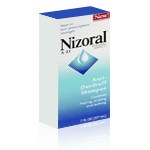
Nizoral is the original brand of Ketoconazole — one of the most globally recognised antifungal medications in modern medicine and a household name for dandruff treatment. Originally developed by Janssen Pharmaceutica and FDA-approved in 1981, Nizoral was historically significant as the first broad-spectrum oral antifungal ever developed, paving the way for the entire modern azole class of antifungal medications.
The active ingredient is Ketoconazole, a synthetic imidazole compound that works by selectively inhibiting fungal cytochrome P450 14α-demethylase — the enzyme essential for biosynthesis of ergosterol, the critical sterol of fungal cell membranes. Disrupted ergosterol biosynthesis compromises fungal membrane integrity, leading to growth inhibition or cell death across a broad range of fungal pathogens.
Today, Nizoral's most widely recognised application is as a 2% anti-dandruff shampoo — available both as prescription strength and over-the-counter (OTC) in many countries. The shampoo is particularly effective for dandruff, seborrheic dermatitis of the scalp, and tinea versicolor of the body, working against the Malassezia yeasts that drive these common conditions.
Topical Nizoral cream (2%) is widely used for tinea infections, cutaneous candidiasis, and seborrheic dermatitis affecting the face and body. Nizoral foam (2%) provides a cosmetically-elegant option for hairy or facial areas.
Oral Nizoral 200 mg tablets historically treated systemic mycoses but are now used much more cautiously following 2013 FDA action restricting oral ketoconazole due to hepatotoxicity, adrenal effects, and drug interactions. Modern oral use is generally limited to specialist supervision when other antifungals cannot be used.
Affordable generic Ketoconazole is widely available globally. Nizoral remains a trusted, globally recognised brand name particularly for over-the-counter dandruff shampoo applications, and is listed on the WHO Model List of Essential Medicines for topical antifungal therapy worldwide.
Free prescription
Discrete packaging
Have questions?
Quality Assurance
- OTC Dandruff: For self-treatment of common dandruff with the original FDA-approved over-the-counter Ketoconazole shampoo formulation;
- Recurrent Dandruff: For patients with chronic dandruff requiring ongoing twice-weekly maintenance shampoo use;
- Scalp Seborrhea: For the trusted brand-name treatment of scalp seborrheic dermatitis affecting hairline, ears, and scalp itself;
- Facial Seborrhea: For the characteristic erythematous, scaling rash affecting nasolabial folds, eyebrows, and forehead;
- Beard Seborrhea: For seborrheic dermatitis affecting the beard, mustache, and surrounding facial hair areas in men;
- Truncal Versicolor: For the distinctive discoloured patches caused by Malassezia overgrowth on the chest, back, and shoulders;
- Sun Exposed Versicolor: For visible tinea versicolor patches that become more prominent during sun exposure and tanning;
- Athletic Scalp Conditions: For athletes with seborrheic dermatitis from frequent sweating and sports helmet use;
- Hairdresser Scalp Care: For hair professionals with occupational fungal exposure requiring trusted scalp antifungal therapy;
- Adolescent Dandruff: For teenagers with hormonally-driven dandruff and seborrheic dermatitis;
- Severe Cradle Cap: For infant seborrheic dermatitis under pediatric supervision when standard care has failed;
- Fungal Acne Foam: For the itchy follicular eruption mistakenly thought of as acne — foam formulation ideal for facial use;
- Topical Candidiasis: For Candida intertrigo, skin-fold yeast infections, and submammary candidiasis;
- Tinea Manuum: Topical cream for dermatophyte infections of the palms and dorsal hand surfaces;
- Tinea Corporis: For localised body ringworm responsive to topical antifungal therapy;
- Tinea Pedis: For athlete's foot — particularly when Candida co-infection is suspected;
- Pre Beach Versicolor Care: For rapid pre-travel treatment of visible tinea versicolor before beach holidays;
- Specialist Endocrine Use: High-dose oral Ketoconazole inhibits adrenal cortisol — specialist endocrine management only;
- Compassionate Systemic Use: Oral Nizoral reserved for serious systemic mycoses when other antifungals cannot be used.
- Less Dandruff: Visible reduction in flaky white scales on scalp within 1-2 weeks of twice-weekly shampoo use;
- Less Flaking: Reduces scaly patches on face, scalp, and body in seborrheic dermatitis;
- Less Redness: Calms inflammatory erythema of seborrheic dermatitis on scalp, face, and chest;
- Less Greasy Skin: Reduces excessive oiliness associated with seborrheic dermatitis through Malassezia control;
- Clear Scalp: Restoration of normal scalp appearance free of visible dandruff and seborrheic patches;
- Better Hair Look: Improved hair appearance and confidence as scalp condition resolves;
- Less Visible Patches: Resolution of discoloured patches in tinea versicolor — restoration of even skin tone;
- Better Cosmetic Outcomes: Visible improvement in skin appearance affecting self-image and social confidence;
- Less Embarrassment: Resolution of visible flaking and patches reduces social discomfort;
- Better Hair Quality: Healthier-looking hair after underlying scalp condition resolves with consistent use;
- Brand Nizoral: Most internationally recognised Ketoconazole brand — familiar to patients and pharmacists worldwide;
- Janssen Heritage: Developed by renowned Janssen Pharmaceutica Belgium research tradition — established quality engineering foundation;
- First Broad Spectrum Oral Antifungal: Pioneered the entire azole antifungal class still in clinical use today — foundational position;
- Generic Ketoconazole: Affordable generic versions available for cost-sensitive patients;
- OTC Flagship Shampoo: Standard prescription-to-OTC pathway success story for medicated dandruff treatment;
- Cosmetic Acceptability: Engineered for daily-use acceptability with pleasant fragrance and good lather;
- Foam Formulation Innovation: 2% foam delivers Ketoconazole to hairy areas with cosmetic elegance and ease of application;
- Imidazole Antifungal: Foundational imidazole class antifungal with broader spectrum than triazoles for skin conditions;
- Anti Malassezia Therapy: Specifically targets the yeast causing dandruff and seborrheic dermatitis;
- Anti Dandruff Therapy: Effective when standard zinc pyrithione or selenium sulfide shampoos have failed;
- Antifungal Shampoo: 2% shampoo specifically designed for scalp seborrheic dermatitis and persistent dandruff;
- Antifungal Cream: 2% cream for tinea infections, cutaneous candidiasis, and seborrheic dermatitis on face and body;
- Patient Brand Familiarity: Recognised brand encourages consistent treatment completion and maintenance use;
- Pediatrician Recommended: Widely recommended in pediatric practice for adolescent dandruff and seborrheic dermatitis;
- Dermatologist Trusted: One of the most-prescribed dandruff and seborrheic dermatitis therapies in dermatology practice;
- Hair Industry Standard: Recognised by professional hair industry as trusted brand for scalp condition management;
- Travel Pharmacy Familiarity: Globally recognised — available in pharmacies across most international destinations;
- Hair Friendly Shampoo: Designed for use across all hair types without significant damage to color-treated or processed hair;
- Daily Care Compatible: Twice-weekly treatment shampoo integrates with normal daily hair care routine;
- Beach Season Care: Rapid action supports clearance of visible dandruff or tinea versicolor before special events;
- Versicolor Quick Treatment: Effective body wash treatment for chest, back, and shoulder Malassezia patches;
- Adolescent Brand Comfort: Recognised brand name reduces social embarrassment of seeking dandruff treatment in teenagers;
- Twice Weekly Maintenance: After initial treatment, twice-weekly use prevents dandruff recurrence with minimal routine disruption;
- WHO Essential Medicine: Listed on the WHO Model List of Essential Medicines for topical antifungal applications;
- 40 Plus Year History: Extensive real-world experience since 1981 across diverse populations and clinical settings;
- Stable Storage: No refrigeration required — convenient for bathroom storage with normal personal care products;
- Globally Available: Widely available in international markets in shampoo, cream, foam, and oral tablet forms.
Generic Nizoral (Ketoconazole 200 mg) Medication guide:
💊 What is Nizoral (Ketoconazole)
Ketoconazole - the first clinically used azole antifungal, developed by Janssen Pharmaceutica (Belgium) and approved by FDA in 1981. Once a widely-prescribed oral antifungal, it is now used primarily as a topical shampoo or cream after the 2013 FDA black box warning restricted oral use.
Nizoral occupies an unusual position in modern dermatology. The medication that opened the era of oral azole antifungals four decades ago is now almost exclusively used topically - the same active ingredient delivering valuable clinical results in shampoo form while its oral counterpart has been largely retired from routine use. Understanding this oral/topical duality is essential to using Nizoral correctly.
🔍 Four key facts about Nizoral
Approved 1981 - the first member of the azole class to reach widespread clinical use. Opened the era of broad-spectrum oral antifungal therapy.
Primary current use is Nizoral shampoo and cream. Oral form severely restricted after 2013 FDA black box warning for hepatotoxicity.
Active against dermatophytes, Candida, AND Malassezia - broader than Lamisil. Particularly effective against Malassezia (seborrheic dermatitis, dandruff).
Developed by Janssen Pharmaceutica - the legendary Belgian pharmaceutical company founded by Paul Janssen, now part of Johnson & Johnson.
📋 Nizoral at a glance
Nizoral today is primarily a topical product. For seborrheic dermatitis, tinea versicolor, or dandruff, Nizoral shampoo is highly effective and very safe. For systemic fungal infections, Lamisil (terbinafine), Diflucan (fluconazole), or itraconazole are now preferred - oral ketoconazole reserved for very specific situations after the 2013 FDA restriction.
🇧🇪 Janssen and the Nizoral heritage - the first azole antifungal
Nizoral's story is inseparable from Paul Janssen, the Belgian physician and pharmacologist whose company Janssen Pharmaceutica produced more than 80 medications during his lifetime - including some of medicine's most consequential drugs. Janssen scientists synthesised ketoconazole in 1976 and brought it to clinical trials shortly after. By 1981, the FDA had approved Nizoral for oral use - making it the first clinically available azole antifungal and opening a new era in systemic mycology.
Before ketoconazole, oral antifungal therapy was limited to griseofulvin (effective only against dermatophytes) and amphotericin B (an IV-only nephrotoxic agent for serious systemic infections). Ketoconazole offered something genuinely new: a single oral tablet treating a wide range of fungal infections including those caused by Candida and other yeasts. For its first decade and a half, Nizoral was widely prescribed worldwide.
⏱️ The Nizoral timeline
📚 The Janssen scientific tradition
Paul Janssen's reputation in pharmaceutical history rests on the breadth and impact of compounds developed under his direction. Beyond ketoconazole, Janssen Pharmaceutica produced fentanyl, droperidol, haloperidol, risperidone, mebendazole, and many other widely-used medications. The company was acquired by Johnson & Johnson in 1961 (well before Nizoral was developed) and continues to operate as the J&J pharmaceutical research division. The Janssen Belgian heritage represents one of pharmaceutical history's most productive single-laboratory traditions.
💊 Nizoral products today
🧬 The ergosterol mechanism - how azoles work
Nizoral works through inhibition of a fungal enzyme called 14-α-demethylase (officially CYP51), which is essential for converting lanosterol to ergosterol. Ergosterol is the fungal equivalent of cholesterol - a key component of fungal cell membranes. Block ergosterol production, and the fungal cell membrane cannot be properly built or maintained.
🧬 How ketoconazole stops a fungus
⚖️ Mechanism comparison with other antifungal classes
- Blocks ergosterol SYNTHESIS
- Targets CYP51 enzyme
- Fungistatic at typical doses
- Affects human CYP enzymes too (drug interactions)
- Broad spectrum including yeast
- Polyenes (amphotericin): Bind directly to ergosterol
- Allylamines (Lamisil): Block earlier squalene epoxidase
- Echinocandins: Target cell wall (not membrane)
- Griseofulvin: Microtubule disruption
🎯 Why broad spectrum but Malassezia particularly
Ketoconazole binds to fungal CYP51 with reasonable affinity across many fungal species - hence the broad spectrum. However, the binding is particularly tight for Malassezia, the lipophilic yeast that causes seborrheic dermatitis, dandruff, and tinea versicolor. Combined with ketoconazole's intrinsic affinity for the lipid-rich sebum where Malassezia lives, this explains why topical ketoconazole is such an effective treatment for these conditions - more so than for other indications.
⚖️ Oral vs topical Nizoral - the major modern distinction
The most clinically important fact about Nizoral today is the dramatic difference between its oral and topical forms. They share the same active ingredient but occupy completely different positions in modern medical practice.
Widely used. Very safe. First-line for several conditions.
- Shampoo, cream, foam (2% strength)
- OTC shampoo available (1%)
- Minimal systemic absorption
- No black box warning
- Used by millions worldwide
- Excellent for Malassezia conditions
Severely restricted since 2013. Reserved for life-threatening exceptions.
- 200 mg tablets
- FDA black box warning for hepatotoxicity
- Withdrawn from EU/UK markets entirely (2013)
- FDA restricts to specific systemic mycoses
- Patients who fail other treatments only
- Almost never first-line anymore
FDA reviewed accumulated reports of fatal hepatotoxicity, adrenal insufficiency, and serious drug interactions with oral ketoconazole. They concluded the risks outweigh benefits for most indications. Oral ketoconazole was removed from the indications for which less-toxic alternatives exist - which is essentially all common fungal infections. EMA (Europe) went further and withdrew oral ketoconazole entirely from EU markets.
📋 Use-by-form matrix
Think of "Nizoral" today as a topical product family. If your physician mentions Nizoral, they likely mean shampoo or cream. Oral ketoconazole is now a specialised drug for unusual cases - if you are prescribed it, expect detailed counseling about hepatotoxicity monitoring and drug interactions.
🚨 The 2013 FDA black box warning - what changed
On July 26, 2013, the U.S. FDA issued a Drug Safety Communication restricting use of oral ketoconazole (Nizoral tablets) due to risks of serious liver injury, adrenal insufficiency, and drug interactions. The European Medicines Agency went further and withdrew oral ketoconazole marketing authorization entirely across the EU.
📊 The numbers behind the decision
⏱️ The regulatory cascade in 2013
🔍 Three concerns that triggered the action
Severe and sometimes fatal liver injury, including cases requiring transplant. Cases occurred even in previously healthy patients without warning.
Ketoconazole blocks cortisol synthesis. Long courses can cause clinically significant adrenal suppression - rare with newer azoles.
Strong CYP3A4 inhibitor - causes dangerous interactions with many common medications including statins, anticoagulants, anti-arrhythmics.
📋 What's allowed today vs before
The bottom line: oral Nizoral today is essentially a specialty drug used by specific endocrinologists, oncologists, or infectious disease specialists for unusual indications. For routine fungal infections, it has been replaced by safer alternatives. Topical Nizoral continues to be widely and safely used.
🧴 Nizoral shampoo for seborrheic dermatitis
A common inflammatory skin condition affecting areas rich in sebaceous glands - scalp, face, chest. Causes red, scaly, often itchy patches. Triggered by overgrowth of Malassezia yeasts that normally live on skin. Topical Nizoral is one of the most effective treatments because ketoconazole targets Malassezia directly.
📊 How common is it?
📝 Four-step approach
Distinguish from psoriasis, atopic dermatitis, contact dermatitis. Classic seborrheic dermatitis: scaly red patches in hairline, eyebrows, nasolabial folds, chest. Often worse in cold weather, with stress.
2% Nizoral shampoo (prescription) or 1% Nizoral A-D (OTC). Apply to wet scalp, lather, leave on 3-5 minutes, then rinse. The contact time matters - don't rush it.
For inflamed flares, short courses of hydrocortisone 1% (face) or stronger steroids (body). Nizoral controls Malassezia overgrowth; steroid quickly reduces inflammation.
After clearance, continue Nizoral shampoo 1-2x weekly to prevent recurrence. Seborrheic dermatitis is chronic - maintenance treatment is the norm, not the exception.
❔ Common patient questions
Most patients notice reduced scaling and itching within 1-2 weeks. Full clearance typically takes 4-8 weeks. If no improvement at 4 weeks, reconsider the diagnosis or add topical anti-inflammatory.
Yes - many dermatologists recommend using Nizoral shampoo as a face wash 2-3 times weekly for facial seborrheic dermatitis. Lather, leave on 3-5 minutes, rinse thoroughly. Avoid eyes.
Probably yes, in maintenance frequency (1-2x weekly). Seborrheic dermatitis is a chronic condition that recurs when treatment stops. Most patients learn their personal frequency that keeps symptoms under control.
🌀 Nizoral shampoo for tinea versicolor
Common skin condition causing patches of altered pigmentation (lighter or darker than surrounding skin) on the chest, back, neck, and upper arms. Despite the name "tinea", it is NOT caused by dermatophyte fungi - it is caused by Malassezia furfur, the same yeast involved in seborrheic dermatitis. Sometimes called "pityriasis versicolor" to avoid the misleading "tinea" prefix.
Nizoral is highly effective against tinea versicolor for the same reason it works for seborrheic dermatitis - ketoconazole binds Malassezia CYP51 particularly well, and the medication concentrates in the lipid-rich skin environment where Malassezia thrives. For most patients with tinea versicolor, topical Nizoral produces fast and reliable clearance.
📊 Tinea versicolor at a glance
📝 Treatment approach
- 📅 Active treatment: Nizoral 2% shampoo applied to affected skin (not just hair) once daily for 5-7 days
- ⏱️ Contact time: Lather and leave on skin 5-10 minutes before rinsing
- 🌠 Treatment area: Apply to all affected skin AND nearby normal-appearing skin (Malassezia colonises a wider area than visible)
- 🔁 Maintenance: Single application every 2-4 weeks to prevent recurrence
- 🌞 Sun exposure: Pigmentation differences take months to even out after Malassezia is gone
🔆 The pigmentation puzzle
One important counseling point: treating tinea versicolor with Nizoral kills the Malassezia, but the visible pigmentation differences may persist for weeks to months. Patients often think the treatment is not working because their skin looks the same. In fact, by 1-2 weeks the active infection is cleared - what remains is residual pigmentation change that needs time and sun exposure to normalize. Reassure patients that color difference is expected to take several months to fully resolve.
🛡️ Preventing recurrence
Single 10-minute application of Nizoral shampoo to chest/back skin once per month. Effective recurrence prevention for many patients.
Malassezia thrives in warm, moist conditions. Shower promptly after exercise, dry thoroughly, avoid prolonged occlusion of skin.
Recurrence often happens in warm-weather seasons. Some patients pre-treat each spring or before tropical vacations.
Selenium sulfide shampoo or zinc pyrithione can be alternated with Nizoral - reduces tachyphylaxis (loss of effect) if used long-term.
❄️ Nizoral shampoo for dandruff
Dandruff is the most common condition for which people use Nizoral shampoo - particularly the OTC 1% strength sold as Nizoral A-D. Medically speaking, dandruff is a mild form of seborrheic dermatitis: visible scaling on the scalp caused by Malassezia overgrowth, often without significant redness or itching. Ketoconazole addresses the underlying yeast overgrowth rather than just masking flakes.
⚖️ Active treatment vs maintenance
- 📅 Nizoral shampoo 2x per week
- ⏱️ Leave on scalp 3-5 minutes
- 📸 Continue for 4 weeks
- 💧 Use regular shampoo on other days
- 🌟 Expect improvement in 1-2 weeks
- 📅 Nizoral once per week
- ⏱️ 3-5 minute contact time
- 📸 Continue indefinitely
- 💧 Regular shampoo other days
- 🔁 Increase frequency at first sign of flakes
📋 Standard dandruff schedule
💡 Tips for getting the most from Nizoral shampoo
- ⏱️ Contact time matters most. Lathering and immediately rinsing wastes the medication. The 3-5 minute soak is what works.
- 💧 Apply to wet hair, lather thoroughly so the shampoo reaches the scalp, not just the hair.
- 👁️ Avoid eyes - flush with water if accidentally exposed.
- 🌙 Use at night if your hair dries slowly - product on damp hair can be ok overnight.
- 🌞 Don't stop suddenly once it works - taper to maintenance frequency, don't abandon treatment.
- 🔀 Alternate with selenium sulfide or zinc pyrithione shampoos to reduce loss of effect over time.
Many dandruff sufferers cycle between Nizoral and selenium sulfide (Selsun, Head & Shoulders Clinical) over weeks to keep both products working well. Pure Nizoral-only use can lose effect over months due to Malassezia adaptation; rotation prevents this.
🩻 Topical Nizoral cream for skin tinea
Nizoral cream (2% ketoconazole) treats various superficial fungal skin infections. While not always first-line - topical Lamisil and clotrimazole are often equally effective and sometimes cheaper - Nizoral cream is particularly useful when the infection involves Malassezia or when a broader spectrum of activity matters.
🔍 Where Nizoral cream works best
📝 How to apply Nizoral cream
- 🧼 Wash and dry the affected area thoroughly
- 🪐 Apply thin layer to affected skin AND a small margin of surrounding normal skin
- 📅 Apply once or twice daily as directed
- 📈 Continue 1 week after symptoms clear
- 🧼 Wash hands after application
- 👁️ Direct application to eyes or eye area
- 👥 Sharing tube with other people
- 🧸 Using under occlusive dressings (unless prescribed)
- 📅 Skipping treatment after first improvement
- 🔥 Using on broken or severely inflamed skin without medical advice
📅 Application frequency by condition
- 🧴 Seborrheic dermatitis: twice daily x 4 weeks, then taper
- 🌀 Tinea versicolor: once daily x 1-2 weeks
- 🦵 Tinea corporis/cruris: once or twice daily x 2-4 weeks
- 🦶 Tinea pedis: once or twice daily x 4-6 weeks
- 🌺 Cutaneous candidiasis: twice daily x 2-3 weeks
- 👶 Pediatric candidal diaper rash: twice daily during diaper changes x 1-2 weeks
For all topical Nizoral use: continue treatment for at least 1 week after visible clearance to prevent quick recurrence. The yeast or fungus is often still present at low levels when the rash visibly improves.
💊 When (rarely) oral Nizoral is justified
After the 2013 FDA black box warning and EMA withdrawal of oral ketoconazole, the medication's role in routine medicine essentially ended. A small set of specialty indications remain - these are situations where ketoconazole's specific properties (CYP17 blockade for cortisol or androgen synthesis, or activity against rare fungi) outweigh the safer alternatives' limitations.
🔍 Three remaining legitimate uses
Endocrinology use - ketoconazole blocks cortisol synthesis at the adrenal gland. Used in Cushing patients awaiting surgery or for medical management. Specialist endocrinology prescription only.
Oncology off-label use - ketoconazole blocks androgen synthesis. Sometimes used for castration-resistant prostate cancer. Specialist oncology prescription with close monitoring.
Infectious disease use - blastomycosis, histoplasmosis, paracoccidioidomycosis when first-line agents (itraconazole, voriconazole) fail or are unavailable. Specialist ID prescription.
📋 Decision framework before prescribing oral Nizoral
🚫 What oral Nizoral should NOT be used for today
- ❌ Onychomycosis (use Lamisil or itraconazole)
- ❌ Tinea infections (use Lamisil or topicals)
- ❌ Candida vulvovaginitis (use fluconazole)
- ❌ Oral thrush (use fluconazole or nystatin)
- ❌ Tinea versicolor first-line (use topical Nizoral or fluconazole)
- ❌ Seborrheic dermatitis (use topical Nizoral)
- ❌ Empirical antifungal coverage
If a clinician proposes oral Nizoral for any of the conditions listed above, ask whether a safer alternative would work. The 2013 FDA restriction was specifically designed to prevent oral ketoconazole use for these now-better-managed conditions.
📋 Standard topical Nizoral usage
Topical Nizoral is available in several formulations - shampoo, cream, foam - each suited to different body areas and conditions. Choosing the right form and applying it correctly are equally important. Many treatment failures with topical Nizoral come from using the wrong form for the indication or insufficient contact time during application.
📋 Topical forms compared
📝 Step-by-step: shampoo application
📅 Application schedule by indication
- 🧴 Dandruff: 2x weekly for 4 weeks, then 1x weekly maintenance
- 🔥 Active seborrheic dermatitis (scalp): 2-3x weekly for 4-8 weeks
- 🌀 Tinea versicolor: Daily for 5-7 days, then monthly maintenance
- 🦵 Body seborrheic dermatitis: Cream 2x daily for 2-4 weeks
- 👶 Cradle cap (infants): Gentle application, 2x weekly under medical guidance
- 🧔 Beard area: Foam works better than cream; apply 2x daily
💡 Common application mistakes
- ⏱️ Rinsing too soon. The most common mistake. Without 3-5 minutes contact, the medication does not have time to work.
- 💧 Applying to dry skin/hair. Shampoo needs water to lather effectively and penetrate.
- 📸 Treating only visible lesions. For tinea versicolor especially, treat margin of surrounding normal-appearing skin.
- 🔁 Stopping at first improvement. Continue full course; recurrence is common with premature stop.
- 💦 Using too much. A small amount lathered well is more effective than a thick layer poorly distributed.
⏱️ The Nizoral treatment timeline
Topical Nizoral works faster than oral antifungals for skin conditions, but patients still need realistic expectations about timelines. Mild conditions clear within days. More complex conditions like seborrheic dermatitis are inherently chronic and require ongoing management rather than one-time cure.
📅 Expected timeline by condition
📊 Three categories of long-term outlook
Tinea infections (corporis, cruris) usually heal completely after a proper course. Recurrence happens only with re-exposure or untreated source.
Tinea versicolor and cutaneous candidiasis tend to recur seasonally or with risk factors. Pre-emptive treatment works well.
Seborrheic dermatitis and dandruff are chronic. Maintenance treatment is the norm. Goal is good control, not permanent cure.
❔ Patience-related patient questions
For seborrheic dermatitis or chronic dandruff, give it 2-3 weeks before judging effect. For tinea versicolor, expect noticeable change in 5-7 days. If truly no change at 3-4 weeks, reconsider diagnosis or treatment approach.
No - this is expected. The Malassezia is cleared within 1-2 weeks, but the skin needs months to repigment. Sun exposure helps. Treatment is not "failing" - the cleared infection is leaving its visible footprint behind for a while.
For dandruff and seborrheic dermatitis, you should not fully stop - transition to weekly maintenance. For tinea versicolor after active clearance, monthly maintenance prevents recurrence. For one-time tinea infections, stop 1 week after clinical resolution.
🚫 What Nizoral does NOT treat
Despite Nizoral's relatively broad spectrum, several common conditions fall outside what it can effectively treat. Using Nizoral for the wrong condition wastes time, delays appropriate care, and (in the case of oral use) exposes the patient to drug interactions and liver risk without benefit.
🎯 Where Nizoral works vs does NOT work
- 🧴 Seborrheic dermatitis (Malassezia)
- ❄️ Dandruff (Malassezia)
- 🌀 Tinea versicolor (Malassezia)
- 🦵 Tinea corporis (dermatophyte)
- 🧴 Tinea cruris (dermatophyte)
- 🌺 Cutaneous candidiasis
- 👶 Candidal diaper rash
- 🦶 Onychomycosis (nails) - cannot penetrate
- 👨🦲 Tinea capitis (hair follicles) - cannot reach
- 🌺 Vaginal yeast - use fluconazole oral
- 🍄 Cryptococcal infections
- 🍄 Aspergillus - need voriconazole
- 🦠 Mucormycosis - need amphotericin B
- 🔥 Psoriasis (not fungal at all)
- 🌈 Eczema, contact dermatitis
🧬 Why these limitations matter
Three categories explain Nizoral's gaps:
Topical Nizoral cannot reach nail bed (onychomycosis) or hair follicles (tinea capitis). These need oral antifungals - and oral Nizoral is now restricted, so Lamisil or itraconazole are preferred for nail and hair fungal infections.
Nizoral does not effectively treat Cryptococcus, Aspergillus, or molds. These require specialty antifungals (fluconazole, voriconazole, isavuconazole, amphotericin B) and infectious disease specialist input.
Psoriasis, eczema, contact dermatitis, and several other red-scaly skin conditions can superficially resemble seborrheic dermatitis or tinea but are not fungal. No antifungal will treat them.
🔍 Conditions commonly confused with Nizoral indications
When a presumed Malassezia or dermatophyte condition does not respond to a proper Nizoral trial, the most useful next step is dermatology consultation to confirm the diagnosis. Treating eczema or psoriasis with an antifungal can lead to weeks of inappropriate treatment.
🧱 Combining Nizoral with other treatments
Topical Nizoral often works best in combination with other agents - either for synergistic effect, to manage flares, or to prevent tachyphylaxis (loss of effect over time). Below are the four most common evidence-based combinations.
🔗 Four standard combination strategies
For seborrheic dermatitis flares. Nizoral addresses Malassezia overgrowth; short-course steroid (hydrocortisone 1% face, stronger on body) quickly reduces visible inflammation. Use steroid 5-7 days only, then Nizoral alone for maintenance.
For long-term dandruff control. Alternate Nizoral and selenium sulfide (Selsun, Head & Shoulders Clinical) weekly to prevent Malassezia adaptation. Both work via different mechanisms - rotation keeps both effective for years.
For severe or extensive tinea versicolor. Single oral fluconazole dose (300-400 mg) combined with topical Nizoral 1-2 weeks. Faster clearance than topical alone for widespread Malassezia.
For resistant dandruff. Some patients benefit from zinc pyrithione shampoo (Head & Shoulders classic) on alternate days with Nizoral. Different anti-Malassezia mechanisms; combination often outperforms either alone.
📋 Quick reference by condition
- ⏰ Topical steroids only short-term. Long-term steroid use causes thinning, telangiectasias, perioral dermatitis. Cycle Nizoral for maintenance, steroid only for active flares.
- 🔀 Do not combine multiple medicated shampoos on the same day. Use on alternate days for additive effect without irritation.
- 💧 Wait 10 minutes between products. If using sequential topical agents, let one dry/absorb before applying next.
- 📋 Inform your provider if you are combining OTC products with prescription Nizoral - some interactions can reduce effectiveness.
👶 Nizoral in children
Topical Nizoral has a long safety record in pediatric use. The main pediatric indications are cradle cap (infant seborrheic dermatitis) and, less commonly, tinea versicolor in older children. Oral Nizoral is essentially never used in pediatrics today.
👶 The big pediatric indication: cradle cap
Cradle cap is infant seborrheic dermatitis - yellowish, greasy scaling on the scalp (sometimes face, ears, body folds). It is caused by maternal hormone influence on infant sebaceous glands plus Malassezia colonisation. Most cases resolve spontaneously by 12 months. For persistent or extensive cases, gentle Nizoral shampoo accelerates clearance.
👶 Pediatric usage by age
🍼 Gentle application for infants
- 💧 Soften scales first - apply mineral oil or baby oil 10-15 minutes before bathing
- 🧼 Gentle massage with soft brush to loosen scales
- 🧴 Apply small amount of Nizoral 2% shampoo to wet scalp
- ⏱️ Brief contact time - 1-2 minutes for infants (not 3-5 as for adults)
- 💦 Rinse thoroughly with warm water
- 👁️ Avoid eyes - irritating to infant eyes; tilt head back during rinse
- 📅 Frequency - 1-2 times weekly, not daily
❔ Common parent questions
Topical Nizoral is generally well-tolerated in infants for short courses with proper application. Systemic absorption from topical use is minimal. For severe or persistent cradle cap, pediatric dermatology consultation guides appropriate use.
Sometimes - cradle cap can recur until the infant's sebaceous glands settle (usually by 12 months). Intermittent Nizoral use for recurrences is reasonable. Most children outgrow cradle cap and do not develop adult seborrheic dermatitis.
For mild cradle cap, the OTC 1% shampoo is often appropriate with gentle application as above. For more severe or persistent cases, see a pediatrician for guidance on the 2% prescription form. Avoid use under age 12 months without medical advice.
🚨 Nizoral Side Effects Overview
🚨 Side Effects Overview
Nizoral has two completely different safety profiles depending on whether it's used topically or orally - this distinction defines almost everything about its side effects.
📊 The two-profile reality
Very well-tolerated.
- 🔍 ~5% scalp irritation
- 💧 ~3% changes in hair texture
- 🌙 ~2% dryness
- 🔸 <1% allergic contact dermatitis
- 🌟 Decades of safe consumer use (OTC)
FDA black box warning. Severe risks possible.
- 🫀 Hepatotoxicity - sometimes fatal
- 🏥 Adrenal insufficiency
- ❤️ QT prolongation
- 🔄 Many drug interactions (CYP3A4)
- ⚠️ Withdrawn from EU markets 2013
🎯 Severity tiers (combined topical + oral)
Most users. Scalp irritation, mild dryness, hair texture changes. Resolve when treatment stops or shifted to maintenance frequency.
Few users. Allergic contact dermatitis, scalp burning, focal hair loss. Stop treatment, dermatology evaluation, alternative shampoo.
Why oral was restricted in 2013. Hepatotoxicity (fatal cases), adrenal insufficiency, QT prolongation, severe drug interactions.
📝 What this section series covers
The next sections detail each profile. Section 17 covers the common topical side effects most users may encounter. Section 18 describes the more serious oral effects - the reasons systemic ketoconazole is now a specialist drug. Sections 20-22 deep-dive into the three biggest oral concerns: hepatotoxicity, adrenal insufficiency, and QT prolongation.
For the typical patient using Nizoral shampoo or cream, Tier 1 is the realistic expectation - mild and manageable. Tier 3 concerns apply almost exclusively to oral use, which most Nizoral users will never encounter.
🟢 Common topical Nizoral side effects
Topical Nizoral is among the safest medications in dermatology. Common side effects are mild, localised, and easily managed by adjusting application frequency or technique. The vast majority of users complete treatment without significant issues.
📋 Common topical side effects
⚖️ Manage at home vs see provider
- Mild scalp dryness
- Brief irritation that resolves after rinse
- Slight hair texture change
- Transient itching
- Mild flaking transition (normal during treatment)
- Widespread rash beyond application area
- Persistent burning or significant pain
- Significant hair loss
- Blistering or skin breakdown
- Eye involvement after accidental contact
💡 Practical tips to minimize side effects
- 💧 Use cooler water - hot water amplifies irritation potential
- ⏱️ Stay within recommended contact time - longer is NOT better; 3-5 minutes is plenty
- 📅 Reduce frequency if irritation persists - drop from twice weekly to once weekly
- 🔀 Rotate with gentler shampoos on other days - lets scalp recover between Nizoral uses
- 💦 Rinse thoroughly - residue left on scalp prolongs exposure and irritation
- 💑 Conditioner is OK - apply after rinsing Nizoral; helps with dryness
The combination of brief contact time, appropriate frequency, and thorough rinsing keeps topical Nizoral well-tolerated for years of maintenance use in chronic conditions like seborrheic dermatitis and recurrent dandruff.
🔴 Oral Nizoral side effects - the dangerous side
Oral ketoconazole carries a BLACK BOX warning - the FDA's strongest safety signal. The three biggest concerns - hepatotoxicity, adrenal insufficiency, and QT prolongation - get their own dedicated sections (20, 21, 22) because each is serious enough to warrant detailed discussion.
This section provides an overview of the oral Nizoral side effect profile. The detailed safety mechanisms and monitoring requirements for each major concern are covered in subsequent sections.
⚠️ The three big concerns
Severe liver injury including cases requiring transplant or causing death. Triggered the 2013 FDA black box warning. Approximately 1 in 15,000 risk. See section 20 for full coverage.
Ketoconazole blocks cortisol synthesis. Long courses can cause clinically significant adrenal suppression. Unique to ketoconazole among common antifungals. See section 21.
Prolongs cardiac QT interval, raising risk of dangerous arrhythmias. Combines dangerously with other QT-prolonging drugs. See section 22.
📋 Common to uncommon oral side effects
For the rare patient prescribed oral Nizoral today, careful baseline assessment and ongoing monitoring are essential: liver function before/during, adrenal function for extended use, EKG for QT-prolongation risk, and review of every concurrent medication for CYP3A4 interactions. These monitoring requirements - not just the side effects themselves - explain why oral ketoconazole has been displaced by safer alternatives for routine use.
⛔ Nizoral Contraindications and Warnings
⛔ Contraindications and Warnings
Topical and oral Nizoral have very different contraindication profiles - topical is broadly safe, oral has many restrictions.
⚖️ Topical vs Oral contraindication tiers
- ❌ Known hypersensitivity to ketoconazole or excipients
- 👁️ Direct eye contact (use with care near eyes)
- 🍼 Children under 12 months without medical guidance
- 💨 Otherwise broadly safe for self-care use
- 🫀 Any active liver disease
- 🌀 Adrenal insufficiency (existing)
- ❤️ Cardiac QT prolongation history
- 💊 Multiple CYP3A4-substrate medications
- 🤰 Pregnancy (Category C)
- 🎏 Routine fungal indications (use alternatives)
⛔ Absolute contraindications (oral)
⚠️ Relative contraindications (oral)
✅ Pre-prescription screening for oral Nizoral
- 📊 Baseline LFTs - ALT, AST, bilirubin, alkaline phosphatase, INR
- 📋 Complete medication review - check every medication for CYP3A4 interactions
- ❤️ EKG - baseline QT interval; identify QT-prolonging conditions
- 🏥 Adrenal function - baseline cortisol if long-term treatment planned
- 🍺 Alcohol use history
- 🔍 Liver disease screening - hepatitis B/C, fatty liver, prior hepatitis
- 📝 Patient education - hepatotoxicity warning signs (jaundice, dark urine, severe nausea)
🫀 Hepatotoxicity - the black box warning in depth
Oral ketoconazole has been associated with hepatic toxicity, including some fatal cases, sufficient to warrant the FDA's strongest safety signal. The mechanism involves both direct hepatocellular damage and idiosyncratic immune-mediated injury. Severe hepatotoxicity can develop in patients without prior liver disease, even after just weeks of treatment.
🧬 The proposed mechanism
Ketoconazole hepatotoxicity appears to be primarily idiosyncratic - meaning it occurs unpredictably in susceptible individuals rather than being purely dose-related. The dominant hypothesis involves toxic reactive metabolites generated during ketoconazole's hepatic metabolism. Some research also implicates immune-mediated injury similar to that seen with other idiosyncratic hepatotoxins.
Unlike Lamisil (terbinafine) where hepatotoxicity is also idiosyncratic but rare, ketoconazole's hepatotoxicity risk is notably higher - one of the reasons EMA chose to withdraw oral ketoconazole entirely while keeping terbinafine available.
🔍 Risk factors elevating probability
- 🫀 Pre-existing liver disease - hepatitis B/C, fatty liver, alcoholic liver, prior drug-induced hepatitis
- 💊 Concurrent hepatotoxic medications - acetaminophen high-dose, isoniazid, methotrexate, valproic acid
- 🍺 Heavy alcohol use - both direct injury and risk multiplier
- 📅 Treatment duration over 14 days - cumulative risk rises with time
- 📏 High doses - typically over 400 mg/day or extended courses
- 👴 Older age - reduced reserve, more concurrent conditions
- 👨 Male sex - slightly higher reported rates
📅 Monitoring schedule
📈 LFT threshold interpretation
Continue treatment with closer monitoring. Acceptable if asymptomatic.
Strongly consider stopping. Repeat in 3-5 days. Symptomatic = stop now.
STOP immediately. Hepatology consultation. Hospital evaluation for jaundice or bilirubin rise.
- 🟡 Yellow skin or eyes (jaundice)
- 🍴 Dark urine (tea-colored)
- 💩 Pale or clay-colored stools
- 🫀 Right upper abdominal pain
- 🤢 Severe nausea or vomiting
- 😴 Significant fatigue / feeling unwell
- ✋ Unexplained itching
- 🍽️ Loss of appetite with abdominal symptoms
The hepatotoxicity question essentially answers the bigger question: why has oral Nizoral been so dramatically restricted? Because no other commonly-used antifungal carries this magnitude of liver injury risk, the risk-benefit equation has shifted - safer alternatives (Lamisil, fluconazole, itraconazole) handle nearly all the indications oral ketoconazole used to cover.
🏥 Adrenal insufficiency - rare but documented
A condition where the adrenal glands cannot produce adequate cortisol - the stress hormone essential for life. Symptoms include fatigue, weakness, low blood pressure, electrolyte abnormalities, and in severe cases adrenal crisis (potentially fatal). Ketoconazole's distinctive property is that it BLOCKS cortisol synthesis - a useful effect in Cushing syndrome treatment but a serious side effect in routine antifungal use.
Ketoconazole is unique among common antifungal medications in causing dose-dependent adrenal suppression. The same molecular property that lets ketoconazole block fungal ergosterol synthesis (CYP enzyme inhibition) also blocks human steroidogenesis enzymes - particularly CYP17 and CYP11B1 involved in cortisol and androgen production.
🧬 The dual-edge nature of CYP blockade
- 🏥 Cushing syndrome - high cortisol from tumour
- ♿ Prostate cancer - block androgen synthesis
- 📉 Hirsutism - reduce androgen levels
- 🧬 Specialist endocrinology / oncology use
- 🏥 Cortisol deficiency in healthy patients
- 😴 Fatigue, weakness
- 📉 Low blood pressure
- 💥 Adrenal crisis during stress (rare)
- 🍷 Gynecomastia from androgen blockade in men
📅 Risk depends on dose and duration
🔍 Symptoms to watch for
- 😴 Persistent fatigue not explained by other factors
- 📉 Lightheadedness when standing up
- 📉 Low blood pressure readings
- 🍽️ Loss of appetite, weight loss
- 🤢 Nausea (may overlap with hepatotoxicity)
- 🧠 Mood changes, irritability
- 🍷 Salt craving
- 👥 Breast enlargement in men (gynecomastia)
- 💥 Severe weakness during illness or stress = adrenal crisis - emergency
🏥 Adrenal crisis - rare but serious
Severe drop in cortisol during physiologic stress (infection, surgery, trauma) in a patient with adrenal suppression. Symptoms: profound weakness, hypotension, hyperkalemia, hyponatremia, abdominal pain, sometimes shock. Requires immediate IV hydrocortisone, fluids, and hospitalisation. Patients on prolonged oral ketoconazole should know to seek emergency care if severely ill or injured.
📈 Monitoring for adrenal effects
For typical short oral courses (which today are rarely prescribed), adrenal monitoring is usually not required. For the extended oral courses used in specialty endocrinology or oncology indications, adrenal monitoring is essential and often the deliberate clinical target rather than an unintended effect.
❤️ QT prolongation and cardiac concerns
QT prolongation raises the risk of torsades de pointes (TdP) - a potentially fatal ventricular arrhythmia. The risk is concentration-dependent and dramatically amplified by combinations with other QT-prolonging drugs or with drugs that raise ketoconazole levels through CYP3A4 inhibition.
🧬 The mechanism
Ketoconazole blocks cardiac potassium channels (specifically hERG channels) responsible for ventricular repolarisation. Blocked potassium efflux prolongs the action potential, visible on ECG as a lengthened QT interval. Long QT can degenerate into TdP - a polymorphic ventricular tachycardia that can cause sudden cardiac death.
The clinical significance varies greatly by patient. In a healthy patient with normal baseline QT, modest ketoconazole-induced prolongation may produce no symptoms. In a patient with subclinical long QT, congenital QT syndrome, or concurrent QT-prolonging medications, the same prolongation can trigger arrhythmia.
📊 QT prolongation magnitude
✅ Risk factors for symptomatic QT prolongation
- 👨⚕️ Female sex - women have longer baseline QT
- 👴 Older age
- 📜 Congenital long QT syndrome
- ❤️ Structural heart disease (heart failure, prior MI)
- 🍄 Electrolyte abnormalities - low potassium, magnesium, calcium
- 💊 Other QT-prolonging drugs (see list below)
- 💊 CYP3A4 inhibitors raising ketoconazole levels
- 🤮 Recent severe vomiting/diarrhea causing electrolyte loss
⚠️ Drugs that should NOT be combined with oral ketoconazole
📋 Pre-treatment cardiac assessment for oral ketoconazole
- 📊 Baseline 12-lead ECG with QTc measurement (corrected for heart rate)
- 🔍 Family history of sudden cardiac death or syncope
- 📑 Complete medication review for QT-prolonging drugs
- 📊 Electrolyte panel - correct any low potassium, magnesium
- ❤️ History of palpitations, syncope, or arrhythmia
- 📝 Patient counseling - report any new palpitations, lightheadedness, syncope
- QTc rises above 500 ms during treatment
- QTc rises more than 60 ms from baseline
- New palpitations or syncope
- Episodes suspected of being torsades de pointes
- New QT-prolonging medication started concurrently
The QT prolongation, the drug interactions causing QT prolongation, and the unpredictability of who will develop symptomatic arrhythmia all contribute to why oral ketoconazole now requires specialist supervision. For the topical user, none of this applies - systemic absorption from skin or scalp is too low to affect cardiac repolarisation.
🤰 Nizoral during pregnancy
Nizoral's pregnancy profile depends entirely on whether the medication is used topically or orally. Topical use during pregnancy is generally considered acceptable for limited indications. Oral ketoconazole during pregnancy is essentially never used today - the combination of teratogenicity concerns plus the 2013 oral restriction means it has no role in obstetric practice.
⚖️ Topical vs oral pregnancy considerations
- 🧴 Generally acceptable for limited use
- 💧 Minimal systemic absorption from skin
- 🧴 Shampoo for seborrheic dermatitis OK
- 🩷 Cream for limited tinea OK
- ❌ Avoid applying to breast/nipple area
- ❌ Avoid extensive body application
- 💥 Animal teratogenicity at high doses
- 🏥 Adrenal suppression in fetus possible
- 🫀 Maternal hepatotoxicity risk
- 💤 Avoid in essentially all cases
- 🔁 Use Lamisil, fluconazole, or itraconazole if oral antifungal needed
📋 Practical decision framework
For most pregnant patients, Nizoral shampoo handles seborrheic dermatitis or dandruff well throughout pregnancy without concerns. The risk-benefit clearly favors using topical Nizoral when needed for these conditions. The oral form, by contrast, is essentially off the table - the combination of pregnancy concerns and the broader 2013 oral restriction makes it irrelevant to obstetric practice.
🤱 Nizoral during breastfeeding
Topical Nizoral during breastfeeding is generally acceptable with simple precautions. Oral Nizoral is rarely used and rarely indicated during breastfeeding. The systemic absorption from topical use is minimal enough that infant exposure through breastmilk is negligible.
🍼 Key principles
- 🧴 Shampoo OK for scalp/body seborrheic, dandruff
- 🩷 Cream OK for limited skin tinea
- 💧 Minimal systemic absorption
- ❌ Do NOT apply to breast or nipple
- 🍼 If applied near breast, wash thoroughly before nursing
- 👻 Generally avoided
- 🍼 Excreted into breastmilk at low but measurable levels
- 👶 Theoretical risk to infant liver, adrenal
- 🔁 Lamisil or fluconazole preferred alternatives
- 📝 If oral keto essential: temporary weaning
📋 Recommendations by clinical situation
If using topical Nizoral on breast or chest area for ANY reason - tinea versicolor on chest, body seborrheic, etc. - wash the area thoroughly with water before nursing. Even though systemic absorption is minimal, direct infant ingestion of residue from skin should be avoided. Apply Nizoral AFTER feeding, not before, when possible.
👴 Nizoral in older adults
Older adults are more vulnerable to all three of Nizoral's serious oral safety concerns - hepatotoxicity, adrenal effects, and QT prolongation. Combined with the polypharmacy common in older populations and the typical reasons elderly patients would need antifungal treatment (skin tinea, seborrheic dermatitis), topical formulations are almost always preferred. Oral Nizoral in elderly patients is essentially restricted to very specific specialist scenarios.
🔍 Four elderly-specific concerns
Reduced liver reserve and more frequent pre-existing liver conditions amplify hepatotoxicity risk. The 2013 black box concerns are worse in elderly.
Average elderly patient takes 5+ medications. Ketoconazole is a strong CYP3A4 inhibitor - many common elderly medications (statins, anticoagulants) interact dangerously.
Baseline QT longer in elderly; structural heart disease more common; additive QT drugs more frequently prescribed. Higher risk of symptomatic arrhythmia.
Elderly may have already-reduced adrenal reserve. Ketoconazole's cortisol-blocking effect more clinically significant. Adrenal crisis risk during illness.
📋 Common elderly medications that interact with oral Nizoral
For older adults with seborrheic dermatitis, tinea versicolor, dandruff, or skin tinea, topical Nizoral is the natural choice. It is effective, safe, and avoids all the systemic concerns. For the rare situation requiring oral antifungal in elderly, Lamisil or fluconazole are almost always better choices than oral ketoconazole given the cleaner safety profile.
🔄 Nizoral drug interactions - CYP3A4 inhibition
CYP3A4 is the most important liver enzyme for drug metabolism - it processes approximately 50% of all clinically prescribed medications. Oral ketoconazole is a strong CYP3A4 inhibitor. Blocking this enzyme means many concurrent medications accumulate to higher than expected levels, creating dose-dependent side effects, toxicity, and in extreme cases dangerous interactions.
This is the fundamental reason oral ketoconazole was so problematic in routine clinical use - the breadth of drug interactions was vast and difficult to manage. The 2013 FDA restriction explicitly cited "serious drug interactions" as one of the reasons for removing most indications.
📊 How strong is the inhibition?
🔀 The interaction in steps
📚 Four categories of dangerous CYP3A4 substrates
- Statins (simvastatin, lovastatin) - rhabdomyolysis
- Amiodarone, dronedarone - QT additive
- Calcium blockers (felodipine, amlodipine)
- Digoxin - level rises 1.5-2x
- Apixaban, rivaroxaban - bleeding risk
- Triazolam, midazolam, alprazolam
- Carbamazepine - levels both ways
- Buspirone - severe sedation
- Quetiapine - QT, sedation
- Methadone - QT, respiratory
- Cyclosporine - nephrotoxicity
- Tacrolimus - severe accumulation
- Sirolimus, everolimus
- (transplant patients high risk)
- Sildenafil, tadalafil (PDE5)
- Colchicine - severe toxicity
- Eletriptan (migraine)
- Many oncology agents
- Some antiretrovirals
- ❌ Cisapride (withdrawn for unrelated reasons but still listed)
- ❌ Pimozide
- ❌ Dofetilide
- ❌ Quinidine
- ❌ Simvastatin, lovastatin
- ❌ Triazolam, oral midazolam
- ❌ Many ergot alkaloids
This vast interaction profile is why oral Nizoral prescriptions today require pharmacist-level review of every concurrent medication. Before any oral ketoconazole prescription, every other medication the patient takes must be checked against the CYP3A4 substrate list - and many cases will require switching either ketoconazole or the concurrent drug to a non-interacting alternative.
💉 Nizoral and statins
Combining oral ketoconazole with certain statins can cause rhabdomyolysis - massive muscle breakdown leading to acute kidney injury and potentially death. Several statin/ketoconazole combinations are absolutely contraindicated. Others require dose reduction or careful monitoring.
The interaction works through CYP3A4 inhibition. Statins metabolized by CYP3A4 accumulate to dangerous levels when ketoconazole blocks the enzyme. The accumulation causes muscle damage which can be severe enough to release myoglobin into circulation, damaging kidneys, and creating life-threatening complications.
📋 Statins by interaction severity
- 💠 Simvastatin (Zocor)
- 💠 Lovastatin (Mevacor)
Heavily CYP3A4-dependent. Severe rhabdomyolysis cases documented. Stop statin OR change to alternative.
- 💠 Atorvastatin (Lipitor) - up to 40 mg/day max
- 💠 Pitavastatin (Livalo) - lower-risk azoles preferred
Partial CYP3A4 metabolism. Use lowest effective statin dose; monitor for muscle symptoms.
- 💠 Rosuvastatin (Crestor)
- 💠 Pravastatin (Pravachol)
- 💠 Fluvastatin (Lescol)
Not significant CYP3A4 substrates. Considered safer combinations if statin needed during ketoconazole course.
🔍 Signs of statin-related muscle injury
- 💪 Severe muscle pain or weakness
- 🍴 Dark urine (cola-colored = myoglobinuria)
- 😴 Fatigue beyond normal
- 🤮 Nausea / vomiting
- 🔥 Fever
- 💧 Decreased urination (kidney injury)
📋 If both drugs are essential
Some patients have both fungal infection requiring antifungal AND cardiovascular disease requiring statin therapy. Several approaches resolve the conflict:
- 🔁 Switch antifungal - Lamisil (terbinafine) is NOT a strong CYP3A4 inhibitor; minimal statin interaction
- 🔁 Switch statin - to rosuvastatin or pravastatin during antifungal course
- ⏸️ Pause statin temporarily - for short antifungal course, brief statin holiday acceptable in many cases
- 📏 Reduce statin dose - if continuing the same statin, reduce by 50% with weekly muscle symptom check
For the typical scenario - patient on a statin needs antifungal treatment - the cleanest solution is to use Lamisil for the fungal infection rather than oral ketoconazole. This avoids the interaction entirely. Oral Nizoral combined with statins requires careful planning and is best avoided when alternatives work.
🇸 Nizoral and warfarin
Oral ketoconazole significantly increases warfarin's anticoagulant effect through CYP3A4 inhibition (and some CYP2C9 inhibition). INR rises substantially - sometimes dramatically - within days of starting Nizoral. Without monitoring and dose adjustment, the result can be bleeding complications.
INR can rise 50-100% within the first week. Without dose reduction of warfarin, bleeding risk increases substantially. Frequent INR monitoring (every 3-7 days during initial 2 weeks) is essential.
📊 Antifungal-warfarin interaction comparison
📅 INR monitoring with oral Nizoral + warfarin
📝 Practical approach
- 📊 Inform anticoagulation clinic before starting Nizoral - they will plan monitoring
- 📉 Reduce warfarin dose preemptively if possible - 25-50% reduction with first dose of Nizoral is reasonable
- 📅 Frequent INR checks - twice weekly initially, then weekly
- 🔍 Watch for bleeding signs - bruising, nosebleeds, gum bleeding, blood in urine/stool
- 🔁 When stopping Nizoral - INR will fall; warfarin dose needs to go back up
- 🥋 If feasible, use Lamisil instead - much smaller warfarin interaction
Many anticoagulation specialists prefer Lamisil for fungal infections in patients on warfarin specifically to avoid this management complexity. When oral Nizoral is unavoidable, intensive INR monitoring is mandatory and dose adjustments will be needed both starting and stopping the antifungal.
🆚 Nizoral vs Lamisil (terbinafine)
Nizoral (ketoconazole) and Lamisil (terbinafine) are sometimes considered for the same indications but work through different mechanisms and have very different modern roles. For most adult dermatophyte indications, Lamisil is preferred. For Malassezia conditions (seborrheic dermatitis, tinea versicolor, dandruff), topical Nizoral has the edge.
⚖️ Mechanism and modern role
- 🧬 Mechanism: CYP51 blockade (ergosterol synthesis)
- 🧍 Activity: Fungistatic at typical doses
- 📅 FDA 1981
- 🎯 Modern role: topical Malassezia conditions
- 🚨 Oral: 2013 black box; restricted
- 💧 Broad spectrum (Candida + dermatophytes + Malassezia)
- 🧬 Mechanism: Squalene epoxidase blockade
- 💀 Activity: Fungicidal (kills)
- 📅 FDA 1996
- 🎯 Modern role: dermatophyte infections (oral and topical)
- ✅ No black box; safer profile
- 🎯 Narrow spectrum (dermatophytes primarily)
🔍 When each is preferred
📊 Key practical differences
The summary: these are complementary rather than competing medications. Topical Nizoral owns Malassezia conditions. Lamisil owns oral dermatophyte therapy. Both have useful topical roles for skin tinea, with clinician preference often determining the choice for limited skin infections.
🆚 Nizoral vs fluconazole (Diflucan, Fluconaz)
Both Nizoral and fluconazole (Diflucan, Fluconaz) are azole antifungals - same class, similar mechanism, broadly similar spectrum. But fluconazole has effectively replaced oral ketoconazole for nearly all systemic indications because it has a dramatically better safety profile, more predictable pharmacokinetics, and broader regulatory acceptance.
⚖️ Two azoles compared
- 📅 First azole - 1981
- 🧬 Imidazole subclass
- 🍽️ Requires acidic stomach for absorption
- 🫀 Major hepatotoxicity concern
- 🏥 Adrenal suppression
- 🔄 Strong CYP3A4 inhibitor
- 💧 Highly protein-bound; less tissue distribution
- 📅 FDA 1990
- 🧬 Triazole subclass (newer)
- 🍽️ Food independent absorption
- 🫀 Less hepatotoxic than keto
- 🏥 Minimal adrenal effects
- 🔄 Moderate CYP inhibitor (fewer issues)
- 💧 Excellent tissue distribution including CNS
🔍 Why fluconazole displaced oral ketoconazole
The transition happened gradually from 1990 onward. As fluconazole's safety profile became clear, prescribers shifted because:
- 🫀 Much lower hepatotoxicity risk - fluconazole rarely causes the kind of severe liver injury that triggered keto's 2013 black box
- 🏥 No clinically meaningful adrenal effect - fluconazole does not block cortisol synthesis
- 🔁 Fewer drug interactions - moderate CYP inhibitor vs keto's strong inhibition
- 🍽️ Reliable absorption - food independent; predictable blood levels
- 💧 Better tissue distribution - reaches CSF, peritoneum, urinary tract
- 📅 Single-dose options - vaginal candidiasis treated with one tablet
- 🍼 Better pediatric safety profile
📋 Modern indication preferences
The two medications today operate in different territories. Fluconazole owns systemic azole therapy. Topical Nizoral owns Malassezia-driven dermatologic conditions. Direct competition between them in clinical practice is rare.
🆚 Nizoral vs itraconazole
Itraconazole (Sporanox) was developed by Janssen - the same Belgian company that produced ketoconazole. It is often viewed as a "next generation" attempt to keep the broad-spectrum benefits of ketoconazole while reducing the safety concerns. Itraconazole has indeed replaced oral ketoconazole for most of its former systemic indications.
⚖️ Same company, different molecules
- 📅 Janssen 1981 (imidazole)
- 💧 Acidic stomach needed
- 🎯 Broad spectrum but suboptimal
- 🫀 Major hepatotoxicity
- 🏥 Adrenal suppression
- 💧 Limited tissue distribution
- 📅 Janssen 1992 (triazole - newer)
- 🍽️ Capsules need food; solution empty stomach
- 🎯 Broader spectrum (including molds, Aspergillus)
- 🫀 Still hepatotoxic but less than keto
- 🏥 Minimal adrenal effects
- 💧 Excellent tissue distribution including nails
🔍 Where itraconazole replaced ketoconazole
📊 Direct comparison features
Itraconazole did not eliminate all of ketoconazole's drawbacks - it shares the strong CYP3A4 inhibition and has its own cardiac warning (heart failure rather than QT). But its better spectrum (nails, some molds) and lower hepatotoxicity profile made it the preferred azole successor for systemic indications. For topical antifungal needs, Nizoral retains the edge because itraconazole topical formulations are limited.
🆚 Nizoral topical vs other antifungal shampoos
Several over-the-counter and prescription shampoos treat dandruff, seborrheic dermatitis, and tinea versicolor. Nizoral (ketoconazole) is one of the most effective but not the only option - selenium sulfide, zinc pyrithione, coal tar, and salicylic acid each have specific roles. Many patients use them in combination or rotation for best long-term results.
📋 Anti-Malassezia shampoo landscape
🎯 When each is preferred
Confirmed seborrheic dermatitis. Tinea versicolor. Resistant dandruff that hasn't responded to OTC alternatives. When Malassezia confirmed/suspected as primary driver.
Cost-conscious dandruff control. Patients who can't tolerate Nizoral. Alternation partner with Nizoral. Some scalp psoriasis. Hair-color preservation (Nizoral can alter some colors).
Mild dandruff. Daily-use scenarios. Pediatric. Patients with sensitive scalp. Combination partner for stubborn cases.
Concurrent scalp psoriasis. Heavy scale that needs keratolytic action. Patients refractory to anti-fungal-only approaches. Often combined with Nizoral.
🔀 Rotation strategy for long-term control
Malassezia and scalp microbiome can adapt to a single anti-fungal agent over months of continuous use - the "tachyphylaxis" phenomenon. Rotating between agents with different mechanisms keeps each effective.
Sample rotation:
- 📅 Week 1-2: Nizoral 2x/week
- 📅 Week 3-4: Selenium sulfide 2x/week
- 📅 Week 5-6: Zinc pyrithione 2-3x/week
- 📅 Repeat cycle indefinitely
For seborrheic dermatitis specifically (vs simple dandruff), Nizoral is usually the preferred anchor in any rotation because its anti-Malassezia potency exceeds the alternatives. For pure dandruff without significant inflammation, rotating among the cheaper alternatives often works as well as continuous Nizoral - and at lower cost.
⚠️ When Nizoral treatment fails
Most Nizoral treatments succeed. When they don't, the cause usually falls into one of a few correctable categories rather than true antifungal resistance. Understanding why Nizoral can appear to fail helps direct the next step - sometimes a simple application change, sometimes a different diagnosis, occasionally a different medication.
🔍 Four common reasons for apparent failure
The single most common cause. Lathering and immediately rinsing wastes the medication. 3-5 minutes contact time is essential for shampoo to work.
The condition isn't actually Malassezia or dermatophyte. Scalp psoriasis, eczema, contact dermatitis, or atopic dermatitis look similar but won't respond to antifungals.
Severe inflammatory phase of seborrheic dermatitis won't clear with antifungal alone. Need to add short-course topical steroid to reduce inflammation while Nizoral handles Malassezia.
Long-term Nizoral-only use can lose effect over time. Rotating with selenium sulfide or zinc pyrithione restores effectiveness.
✅ Troubleshooting checklist
🥋 When to escalate beyond topical Nizoral
- 🏥 Extensive disease unresponsive to topical: consider single-dose oral fluconazole (NOT oral ketoconazole)
- 🔥 Severe inflammation: add prescription-strength topical corticosteroid for 1-2 weeks
- 📝 Persistent / atypical presentation: dermatology referral for biopsy if needed
- 🔍 Concurrent autoimmune skin condition: different management approach entirely
- 💡 Failed multiple shampoo classes: reconsider diagnosis fundamentally
📅 If you miss a dose or application of Nizoral
Because Nizoral is mostly used topically (and oral use is now restricted to specialist scenarios where dosing is carefully managed), missed-dose questions usually relate to shampoo or cream application. Topical Nizoral has wide safety margins and is well tolerated even when application is irregular - which is helpful because chronic conditions like seborrheic dermatitis require long-term adherence.
🔍 Common scenarios
Just apply at next scheduled time. No need to "make up" - Nizoral builds tissue concentration over multiple uses and a single skip doesn't materially affect treatment.
Resume normal schedule. If active condition recurred during the gap, may need 1-2 weeks of higher-frequency use to regain control before returning to maintenance.
Sometimes maintenance pauses for a week or two during vacation cause flares. Resume Nizoral as soon as practical; expect 2-3 weeks of higher frequency to regain control.
If on oral course (rare today): take within 12 hours of usual time, otherwise skip and continue normally. Do NOT double up. Inform prescriber if multiple doses missed.
📋 What to NOT do
- ❌ Don't double-apply to "make up" - longer contact time + extra application doesn't help and can irritate
- ❌ Don't switch products randomly - if missing applications, address the routine issue first; product switch doesn't fix adherence
- ❌ Don't stop entirely after missing - resume even if delayed; intermittent treatment is better than no treatment
- ❌ Don't apply to broken or severely inflamed skin just because you missed previous applications - get medical advice first
💡 Tips for consistent use
- 📅 Schedule it. Pick specific days (e.g., Tuesday + Saturday) for Nizoral use and stick to them
- 📱 Phone reminder. Weekly recurring alarm at shower time helps build routine
- 🛁 Keep it visible. Bottle on the shower shelf reminds you to use it
- 📋 Pair with another habit. "First shampoo Monday and Thursday" or "Always after gym"
- 📸 Track for a month. If chronic adherence is poor, switch to a more user-friendly product
🧊 Storing Nizoral safely
Topical Nizoral products (shampoo, cream, foam) have straightforward storage requirements. They are stable at room temperature, do not require refrigeration, and have shelf lives measured in years. The main storage concerns are practical: keeping away from children, avoiding bathroom heat/humidity extremes, and using before expiration.
🏠 Home storage
- 🌡️ Room temperature (15-30°C / 59-86°F)
- 🛁 Bathroom shelf OK (not under direct shower spray)
- 👶 Keep out of reach of children
- 📅 Check expiration date
- 📦 Keep original container with label
- 🔌 Replace cap tightly after use
- ☀️ Direct sunlight
- 🔥 Near heat sources (radiators, hot pipes)
- ❄️ Freezing temperatures (cream texture changes)
- 💧 Direct shower spray (loosens cap, water enters)
- 👥 Sharing with others (hygiene concern)
- 📝 Transferring to unmarked containers
📅 Shelf life
Once opened, products typically remain stable for the full labeled shelf life as long as the cap is replaced properly and the container kept clean. Pre-opened expiration dates apply for most products; check the label.
✈️ Travel tips
Nizoral shampoo bottles >100 ml must go in checked baggage on flights. Travel-size bottles (small) can be transferred carefully and go in carry-on liquids bag.
If traveling to very hot destinations, keep Nizoral out of direct sun (in carry-on, not visible car dashboard). High heat can degrade active ingredient.
Keep prescription label visible on the bottle when traveling internationally. Avoids customs questions; useful if you need a refill abroad.
Nizoral is widely available worldwide as OTC anti-dandruff shampoo - if you run out abroad, local pharmacies usually have an equivalent under different brand names.
♻️ Disposal
Unused Nizoral products should be disposed of properly. Empty shampoo bottles can go in recycling after rinsing. Unused cream or expired tablets should ideally go to a pharmacy take-back program rather than household trash or flushing. The active ingredient (ketoconazole) is an environmental contaminant in waterways and shouldn't be flushed.
Topical Nizoral tablets are very rarely prescribed today, so unused-tablet disposal questions are uncommon. For the typical home user with Nizoral shampoo or cream, standard cosmetic product disposal applies once the container is empty or product is expired.
Nizoral — Frequently Asked Questions
-
What is Nizoral (Ketoconazole)?
Nizoral is an antifungal medication containing Ketoconazole, commonly used to treat various fungal infections affecting the skin, hair, and nails. -
How Does Nizoral Work?
Nizoral works by inhibiting the growth of fungi and disrupting their cell membranes, effectively eliminating the infection. -
Which Fungal Infections Does Nizoral Address?
Nizoral is frequently prescribed for conditions such as dandruff, seborrheic dermatitis, and fungal infections like ringworm. -
Can Nizoral Be Used for Nail Fungus?
Nizoral is primarily designed for topical use and may not be the first choice for nail fungus. Consult your healthcare provider for appropriate treatment. -
How Long Until Nizoral Shows Results?
Improvement is often noticeable within a few weeks, but the duration can vary based on the specific condition being treated. -
Is Nizoral Effective for Scalp Conditions?
Nizoral is particularly effective for scalp conditions like dandruff and seborrheic dermatitis. -
In What Forms is Nizoral Available?
Nizoral is available in various forms, including shampoo, cream, and oral tablets, each designed for specific applications.
See all Nizoral questions (28)
📚 Drug Description Sources:
Information on ketoconazole (the active ingredient in Nizoral) is drawn from regulatory approvals across major markets, dermatology and infectious disease treatment guidelines, FDA safety communications including the 2013 black box warning for hepatotoxicity, and clinical experience accumulated since the medication's approval in 1981. Nizoral was developed by Janssen Pharmaceutica (Belgium, now part of Johnson & Johnson) as the first clinically used azole antifungal - a milestone that opened the era of broad-spectrum oral antifungal therapy.
- U.S. FDA - Original 1981 approval; 2013 black box warning for hepatotoxicity restricted oral use
- European Medicines Agency (EMA) - 2013 EMA review withdrew oral ketoconazole marketing authorisation across EU
- UK MHRA - Following EMA decision, oral form withdrawn in UK 2013
- Belgian medicines agency - Country of origin regulator (Janssen Pharmaceutica)
- WHO Essential Medicines List - Topical ketoconazole listed for tinea versicolor and seborrheic dermatitis
- Health Canada, TGA Australia - Topical use approved; oral severely restricted
- Janssen / Johnson & Johnson - Original developer and historical brand holder
- American Academy of Dermatology guidelines - Topical ketoconazole for seborrheic dermatitis and tinea versicolor
- British Association of Dermatologists - UK clinical guidance for scalp conditions
- European dermatology guidelines - Standards for Malassezia-associated conditions
- National Eczema Association resources - Topical antifungals in seborrheic dermatitis management
- IDSA fungal disease guidelines - Why oral ketoconazole is no longer first-line
- Pediatric dermatology guidelines - Topical ketoconazole in children for selected indications
- 40+ years of clinical experience across topical and (formerly) oral use
- Cochrane systematic reviews - Seborrheic dermatitis, dandruff, tinea versicolor topical treatment
- Hepatotoxicity case series - Triggered the 2013 FDA black box warning
- FDA Drug Safety Communications - 2013 oral ketoconazole label changes
- EMA Article 31 review (2013) - Led to EU withdrawal of oral form
- UpToDate, DynaMed, BNF - Clinical decision support databases
- LiverTox (NIH) - Drug-induced liver injury resource - ketoconazole entry is extensive
Note: brand Nizoral and generic ketoconazole products are bioequivalent. The 2013 FDA black box warning applies to all oral ketoconazole; topical formulations are NOT affected by that warning.
🩺 Medical Expert Review:
The Medication Guide content for Nizoral reflects published research and clinical guidance from internationally recognised authorities in dermatology, hair and scalp disorders, and medical mycology. The expert panel emphasises clinicians with deep experience in seborrheic dermatitis, Malassezia-associated conditions, and dermatologic mycology - the areas where ketoconazole has its strongest current role.
Cleveland Clinic - Cleveland, USA
Senior Staff Dermatologist and Director of Dermatopathology Fellowship at Cleveland Clinic. Past President of the American Academy of Dermatology. Internationally recognised authority on hair and scalp disorders, including seborrheic dermatitis and Malassezia-associated conditions where ketoconazole has its primary role.
University of Minnesota Medical School - Minneapolis, USA
Professor and Chair of Dermatology at the University of Minnesota. Past President of the North American Hair Research Society. Major authority on hair disorders, alopecia, and scalp dermatology - the clinical territory where Nizoral shampoo is most frequently prescribed.
Hospital General Dr. Manuel Gea González - Mexico City, Mexico
Director of the Mycology Section at one of Mexico's premier teaching hospitals. Internationally recognised medical mycologist specialising in superficial fungal infections including those caused by Malassezia. Author of "Micología Médica Ilustrada" - a standard Spanish-language mycology textbook.
University of Miami Miller School of Medicine - Miami, USA
Professor of Dermatology and Pediatrics. Past President of the Society for Pediatric Dermatology. Extensive expertise in pediatric dermatologic conditions including pediatric seborrheic dermatitis where topical Nizoral is commonly used at appropriate doses.
Andreas Sygros Hospital, University of Athens - Athens, Greece
Past President of the European Academy of Dermatology and Venereology (EADV). Internationally recognised clinician and researcher with broad dermatology expertise including Malassezia-associated conditions common in Mediterranean populations. Editor of multiple dermatology textbooks.
Note: this panel reflects published evidence and guidance from the listed authorities; it does not imply individual endorsement of this specific medication guide.
More Anti-Fungal Medications