Buy Mobic (Meloxicam 7.5/15mg) Online - Preferential COX 2 Oxicam NSAID for Arthritis with Better GI Safety

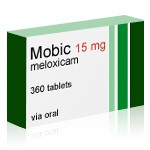
Mobic (Meloxicam 7.5/15mg) represents the newer generation preferential COX-2 oxicam NSAID that combines the once-daily convenience of long-acting oxicam class with improved gastrointestinal safety through modest COX-2 selectivity. Developed by Boehringer Ingelheim Pharmaceuticals and FDA-approved in the United States in 2000, meloxicam established a middle-ground therapeutic option between older non-selective NSAIDs and highly selective COX-2 inhibitors (coxibs). Manufactured by John Lee Pharmaceuticals and Sun Pharmaceutical Industries India as bioequivalent generic under WHO-GMP quality standards, Mobic offers proven anti-inflammatory pain relief for osteoarthritis, rheumatoid arthritis, ankylosing spondylitis, and other inflammatory conditions with better GI tolerability than traditional NSAIDs and less cardiovascular concern than selective coxibs. Available in two dose strengths (7.5 mg for enhanced COX-2 preference and better GI safety; 15 mg for higher potency when needed).
Meloxicam works through preferential cyclooxygenase-2 (COX-2) inhibition — providing modest COX-2 selectivity at therapeutic doses. Unlike non-selective NSAIDs that equally block COX-1 (gastric protection) and COX-2 (inflammation), meloxicam preferentially targets COX-2 particularly at the 7.5 mg dose while providing modest COX-1 sparing that translates to reduced gastric ulcer risk. At higher 15 mg doses, meloxicam becomes essentially non-selective. This partial selectivity produces reduced inflammation, relieved joint pain, improved joint mobility, and better GI tolerability than piroxicam or indomethacin. Additionally, meloxicam demonstrates 15-20 hour half-life supporting once-daily dosing similar to other oxicams. Clinical response: pain relief within 1-2 hours, peak effect at 4-5 hours, steady state reached at 3-5 days (faster than piroxicam), consistent 24-hour therapeutic coverage.
Mobic serves multiple chronic and acute inflammatory pain conditions. Primary uses include osteoarthritis (OA) including acute exacerbations; rheumatoid arthritis (RA) anti-inflammatory therapy; juvenile idiopathic arthritis (JIA) in children 2 years and older; ankylosing spondylitis chronic inflammatory back disease; chronic polyarthritis; osteoarthrosis degenerative joint disease; radiculitis nerve root inflammation; dysmenorrhea painful menstrual periods; and various inflammatory and degenerative joint diseases.
Mobic typically dosed 7.5 or 15 mg once daily at consistent time. Peak at 4-5 hours, 15-20 hour half-life. Take with or without food. John Lee Pharmaceuticals + Sun Pharmaceutical Industries India manufacture under WHO-GMP standards.
Free prescription
Discrete packaging
Have questions?
Quality Assurance


- Rheumatoid Arthritis: RA anti-inflammatory therapy for autoimmune inflammatory arthritis;
- Juvenile Idiopathic Arthritis: Pediatric JIA in children 2 years and older;
- Ankylosing Spondylitis: Chronic inflammatory back disease responding to COX-2 preferential therapy;
- Acute Osteoarthritis Flare: Acute OA exacerbations responding to anti-inflammatory therapy;
- Chronic Polyarthritis: Multi-joint inflammatory arthritis;
- Osteoarthrosis: Degenerative joint disease with chronic pain;
- Radiculitis: Nerve root inflammation with associated pain;
- Chronic Joint Pain: Persistent arthritis pain requiring long-term NSAID therapy;
- Joint Inflammation: Inflammatory joint disease responding to COX-2 preferential blockade;
- Primary Dysmenorrhea: Painful menstrual periods responding to preferential COX-2 inhibition;
- Inflammatory Joint Diseases: Various inflammatory conditions responding to NSAID therapy;
- Degenerative Joint Diseases: Chronic degenerative arthritis responding to sustained therapy;
- Better GI Safety NSAID Option: Patients requiring NSAID with reduced ulcer and bleeding risk;
- Middle Ground NSAID Therapy: Between non-selective NSAIDs and selective coxibs;
- Long Acting Once Daily NSAID: Sustained action supporting once-daily dosing convenience;
- Preferential COX 2 Inhibitor Class: Drug class with modest COX-2 preference;
- Newer Generation Oxicam: Advanced oxicam with improved safety profile vs piroxicam;
- Elderly Arthritis Therapy: Older patients benefiting from GI-safer NSAID option;
- Generic Mobic Therapy: Bioequivalent generic alternative to brand-name Mobic at substantially lower cost.
- Less Joint Pain: Arthritis pain decreases substantially with preferential COX-2 action;
- Less Joint Inflammation: Active joint inflammation reduces through prostaglandin blockade;
- Less Joint Swelling: Inflammatory swelling decreases with therapy;
- Less Joint Stiffness: Morning stiffness improves substantially;
- Better Joint Mobility: Range of motion improves as inflammation and pain decrease;
- Less GI Bleeding Risk: Preferential COX-2 selectivity spares gastric mucosa;
- Less Gastric Ulcer Risk: Better GI safety than piroxicam and indomethacin;
- Better Blood Pressure Profile: Minimal effect on blood pressure vs other NSAIDs;
- Better Once Daily Convenience: 15-20 hour half-life enables simplified daily regimen;
- Better Medication Adherence: Once-daily dosing improves compliance;
- Better Osteoarthritis Management: OA patients gain sustained pain and inflammation control;
- Better Rheumatoid Arthritis Control: RA anti-inflammatory therapy improves disease control;
- Better Ankylosing Spondylitis Relief: Chronic back inflammation improves;
- Better Middle Ground NSAID Option: Bridges non-selective and selective coxib NSAIDs;
- Better Elderly Tolerability: Older patients tolerate better than piroxicam or indomethacin;
- Better Anticoagulant Compatibility: Modest COX-1 sparing benefits patients on blood thinners;
- Better Two Dose Flexibility: 7.5 mg (COX-2 preferential) or 15 mg (non-selective) options;
- Better Generic Cost: 85-95% lower cost than brand Mobic makes therapy accessible;
- Better Quality of Life: Daily wellbeing improves dramatically as arthritis pain and inflammation resolve.
Generic Mobic (Meloxicam 7.5 mg) Medication guide:
Mobic (Meloxicam 7.5/15mg) is the newer generation preferential COX-2 oxicam NSAID that combines the once-daily convenience of long-acting oxicam class with improved gastrointestinal safety through modest COX-2 selectivity. Developed by Boehringer Ingelheim Pharmaceuticals and FDA-approved in 2000, meloxicam established a middle-ground therapeutic option between older non-selective NSAIDs and highly selective COX-2 inhibitors (coxibs). This positioning has made Mobic one of the most widely prescribed NSAIDs worldwide for chronic arthritis management. This comprehensive medication guide covers every aspect of Mobic therapy from oxicam class evolution through mechanism, pharmacology, safety considerations, drug interactions, patient selection, dose-dependent selectivity, and long-term management recommendations.

💊 Introduction to Mobic
Mobic is a prescription oral medication containing meloxicam as its active ingredient. Meloxicam was developed by Boehringer Ingelheim Pharmaceuticals and received FDA approval in the United States in 2000 — becoming one of the first NSAIDs specifically designed and marketed for its preferential COX-2 selectivity. As a member of the oxicam chemical class, meloxicam shares the long half-life and once-daily convenience of its predecessor piroxicam (Feldene) but with a substantially improved gastrointestinal safety profile through modest COX-2 preference at therapeutic doses.
The medication is manufactured worldwide by numerous generic pharmaceutical companies following patent expiration. The version sold under the Mobic brand name on rxshop.md is manufactured by John Lee Pharmaceuticals and Sun Pharmaceutical Industries India — the latter being one of India largest pharmaceutical companies with US FDA-inspected facilities. This dual-manufacturer arrangement provides broader supply chain reliability and quality assurance. Available in two dose strengths — 7.5 mg (the preferred dose for enhanced COX-2 selectivity and better GI safety) and 15 mg (higher potency for more severe symptoms where COX-2 selectivity becomes reduced). This two-dose format enables dose titration based on symptom severity and safety considerations.
Mobic occupies a distinctive middle-ground position in NSAID therapy. Traditional non-selective NSAIDs (ibuprofen, naproxen, diclofenac, piroxicam, indomethacin) provide effective anti-inflammatory action but carry substantial GI ulcer and bleeding risks from COX-1 inhibition. Highly selective COX-2 inhibitors (celecoxib) provide substantially improved GI safety but raised cardiovascular concerns (Vioxx was withdrawn 2004 for CV events). Meloxicam falls between these extremes — providing modest COX-2 preference particularly at 7.5 mg dose that translates to meaningfully improved GI tolerability compared to traditional NSAIDs while avoiding the cardiovascular concerns that limited coxib class utilization. Combined with once-daily dosing convenience and reasonable cost as generic, this positioning has made meloxicam one of the most widely prescribed NSAIDs worldwide for chronic arthritis management.
🔬 Understanding NSAID Selectivity Spectrum
Understanding the COX selectivity spectrum is essential for appreciating meloxicam distinctive position among NSAIDs.
The COX Selectivity Continuum
NSAID selectivity spectrum from COX-1 to COX-2:
- Aspirin (irreversible COX-1 preferring): Strong COX-1 effect at low doses, both at higher
- Ibuprofen, naproxen, indomethacin (non-selective): Equal COX-1 and COX-2 inhibition
- Diclofenac (slight COX-2 preference): Modest selectivity
- Meloxicam 7.5 mg (preferential COX-2): Modest COX-2 preference at low dose
- Meloxicam 15 mg (essentially non-selective): COX-2 preference reduced at higher dose
- Etodolac (preferential COX-2): Similar to meloxicam positioning
- Celecoxib (selective COX-2): 10-20 fold COX-2 selectivity
- Rofecoxib, valdecoxib (highly selective, withdrawn): Very high COX-2 selectivity
Clinical Implications of Preferential Selectivity
Preferential COX-2 selectivity provides intermediate GI safety between non-selective NSAIDs and highly selective coxibs:
| Class | GI Risk | CV Risk | Position |
|---|---|---|---|
| Traditional non-selective | Standard-high | Standard | Effective but GI concerns |
| Meloxicam (preferential) | Reduced | Modest | Middle ground |
| Selective coxibs | Substantially reduced | Similar to naproxen | GI-safer but higher cost |
🔬 Understanding Oxicam Class Evolution
Meloxicam represents an evolutionary advance within the oxicam NSAID class first established by piroxicam in 1982.
Oxicam Class Development
- Piroxicam (Feldene) - First Generation Oxicam (1982)
- Founding oxicam introduced by Pfizer. Non-selective COX inhibition. Very long 50-hour half-life. Higher GI risk. Once-daily dosing. Used primarily for chronic arthritis.
- Tenoxicam - Related Oxicam (EU only)
- Similar to piroxicam with even longer half-life (60-72 hours). Non-selective. Not marketed in US.
- Meloxicam (Mobic) - Second Generation Oxicam (2000)
- Boehringer Ingelheim innovation. Preferential COX-2 selectivity at 7.5 mg. Shorter 15-20 hour half-life allowing faster steady state. Better GI safety. Once-daily dosing. Now widely used.
- Lornoxicam - Short-Acting Oxicam
- Unusual short 3-4 hour half-life requiring multiple doses. Used mainly for acute pain in some markets.
🧬 Chemistry and Pharmacology of Meloxicam
Meloxicam has the chemical formula C14H13N3O4S2 with molecular weight approximately 351.4 g/mol. Structurally, meloxicam is a thiazinyl carboxamide enolic acid — chemically distinct from piroxicam through the thiazolyl substitution which contributes to preferential COX-2 binding. This structural modification within the oxicam class provides the enhanced COX-2 selectivity that distinguishes meloxicam from earlier oxicams.
Mechanism of Action
Meloxicam mechanism cascade:
- Meloxicam absorbed from GI tract distributes to tissues via bloodstream
- Highly plasma protein bound (99 percent) providing sustained drug reservoir
- Preferential inhibition of COX-2 at 7.5 mg dose (selectivity ratio 10:1 in vitro)
- Reduced prostaglandin synthesis at inflammation sites
- Gastric COX-1 relatively spared providing better mucosal protection
- Additional effects: reduced leukocyte migration and cytokine release
- At 15 mg dose, selectivity ratio decreases becoming essentially non-selective
- Result: anti-inflammatory action with improved GI tolerability at low dose
Dose-Dependent Selectivity
A distinctive feature of meloxicam is dose-dependent COX selectivity:
- 7.5 mg dose: Meaningful COX-2 preference (approximately 10:1 in vitro), better GI safety
- 15 mg dose: Higher potency but reduced selectivity approaching non-selective
- Above 15 mg: Essentially non-selective NSAID behavior
- Clinical implication: Use lowest effective dose (7.5 mg) when possible to maximize GI safety benefit
Pharmacokinetic Profile
| Parameter | Value | Clinical Significance |
|---|---|---|
| Onset of pain relief | 1 to 2 hours | Reasonable onset |
| Time to peak (Tmax) | 4 to 5 hours | Peak concentration timing |
| Half-life | 15 to 20 hours | Enables once-daily dosing |
| Time to steady state | 3 to 5 days | Faster than piroxicam (10 days) |
| Oral bioavailability | Approximately 89 percent | Excellent absorption |
| Protein binding | 99 percent (albumin) | Very high - potential displacement |
| Metabolism | Extensive hepatic CYP2C9 (major) CYP3A4 | CYP2C9 polymorphism affects clearance |
| Food effect | Minimal absorption effect | Take with or without food consistently |
| Elimination | Renal (approx 50 percent) fecal (approx 50 percent) | Mixed elimination pathways |
Metabolism and Elimination
Meloxicam undergoes extensive hepatic metabolism primarily through CYP2C9 with minor contribution from CYP3A4. Clinical implications include: CYP2C9 polymorphism affects clearance — poor metabolizers experience higher meloxicam levels and increased side effect risk; fluconazole (potent CYP2C9 inhibitor) can increase meloxicam levels requiring dose reduction; warfarin (CYP2C9 metabolized) may show altered INR during meloxicam therapy. Elimination is approximately balanced between renal and fecal routes.
🎯 Approved Indications
FDA Approved Indications
- Osteoarthritis (OA) — symptomatic treatment of degenerative joint disease
- Rheumatoid arthritis (RA) — anti-inflammatory therapy in adults
- Juvenile idiopathic arthritis (JIA) — children 2 years and older
Additional Uses in Various Countries
- Ankylosing spondylitis — chronic inflammatory back disease
- Chronic polyarthritis — multi-joint inflammatory arthritis
- Osteoarthrosis — degenerative joint disease
- Radiculitis — nerve root inflammation
- Primary dysmenorrhea — painful menstrual periods
- Acute pain — 30 mg formulation approved in some markets
Off-Label Uses
- Chronic low back pain with inflammatory component
- Bursitis and tendinitis
- Post-operative pain
- Psoriatic arthritis
- Various rheumatic conditions
Ideal Patient Selection
Mobic therapy is most appropriate for:
- Patients requiring chronic NSAID therapy with once-daily dosing preference
- Patients with moderate GI risk requiring better safety than traditional NSAIDs
- Patients who want middle-ground option between traditional NSAIDs and coxibs
- Elderly patients where GI safety concerns limit other NSAIDs
- Adults without severe cardiovascular disease
- Patients without severe renal or hepatic impairment
- Chronic arthritis patients requiring sustained anti-inflammatory action
- Patients preferring proven established therapy vs newer coxibs
🚫 Contraindications
Absolute contraindications include:
- Hypersensitivity to meloxicam or other NSAIDs
- Aspirin or NSAID-induced asthma or urticaria
- Active peptic ulcer disease or GI bleeding
- Recent coronary artery bypass graft (CABG) surgery
- Severe hepatic impairment (Child-Pugh Class C)
- Severe renal impairment
- Third trimester pregnancy
Use with caution in:
- Cardiovascular disease including hypertension heart failure
- Elderly patients over 65 - increased sensitivity to all NSAID effects
- Renal impairment particularly with dehydration
- Peptic ulcer disease history
- Concurrent anticoagulants - monitor closely
- Concurrent corticosteroids - additive GI risk
- Pregnancy first and second trimester
- Lactation
- Children under 2 years (JIA formulation excepted)
- Poor CYP2C9 metabolizers
⚠️ FDA Black Box Warnings
Cardiovascular Risk Warning
FDA Black Box Warning - Cardiovascular Events:
NSAIDs including meloxicam may cause an increased risk of serious cardiovascular thrombotic events including myocardial infarction and stroke, which can be fatal. Risk increases with duration of use. Cardiovascular disease or risk factors may increase risk further.
Gastrointestinal Risk Warning
FDA Black Box Warning - Gastrointestinal Events:
NSAIDs cause an increased risk of serious GI adverse events including bleeding, ulceration, and perforation of the stomach or intestines, which can be fatal. While meloxicam has reduced GI risk compared to non-selective NSAIDs particularly at 7.5 mg dose, this risk is not eliminated. Elderly patients are at greatest risk.

💉 Dosage and Administration
Standard Dosing
Adult standard dosing:
- Osteoarthritis: 7.5 mg once daily starting dose; may increase to 15 mg if needed
- Rheumatoid arthritis: 7.5-15 mg once daily
- Ankylosing spondylitis: 15 mg once daily typically
- Juvenile idiopathic arthritis (children): Weight-based 0.125 mg/kg once daily (max 7.5 mg)
- Acute pain (30 mg formulation): Not available on rxshop.md - typical arthritis doses used
- Maximum recommended daily dose: 15 mg for chronic arthritis
Dose Selection Strategy
Choosing between 7.5 mg and 15 mg:
- Start with 7.5 mg: Better GI safety through enhanced COX-2 preference
- Adequate response at 7.5 mg: Continue for optimal safety profile
- Inadequate response: Increase to 15 mg for higher potency
- 15 mg dose: Reduced COX-2 selectivity, similar to non-selective NSAIDs
- Elderly or high GI risk: Prefer 7.5 mg when possible
- Severe symptoms: May start at 15 mg
Administration Guidelines
- Take once daily at consistent time (morning or evening)
- Can be taken with or without food - food does not significantly affect absorption
- Swallow tablet whole with full glass of water
- Do not crush or split tablets
- Maintain adequate hydration during therapy
- Do NOT combine with other NSAIDs or aspirin
- Do NOT increase dose beyond 15 mg daily without medical consultation
- Consider PPI gastroprotection for high-risk patients
📊 Clinical Effectiveness Data
| Indication | Response Rate |
|---|---|
| Osteoarthritis pain relief | Equivalent to diclofenac and piroxicam (~70-80 percent response) |
| Rheumatoid arthritis symptom control | Equivalent to traditional NSAIDs |
| Ankylosing spondylitis improvement | Significant improvement in majority |
| GI safety at 7.5 mg vs traditional NSAIDs | Approximately 40-50 percent fewer serious GI events |
| GI safety at 15 mg vs traditional NSAIDs | Modest improvement (selectivity reduced) |
| Once-daily compliance advantage | Superior vs multiple daily NSAID regimens |
| Long-term tolerability | Better than piroxicam similar to celecoxib |
⚠️ Side Effect Profile
Common Side Effects
- Dyspepsia and heartburn: Approximately 4-6 percent (less than traditional NSAIDs)
- Nausea: Approximately 3-5 percent
- Diarrhea: Approximately 2-4 percent
- Abdominal pain: Approximately 2-4 percent
- Constipation: Approximately 2 percent
- Headache: Approximately 3-6 percent
- Dizziness: Approximately 1-2 percent
- Peripheral edema: Approximately 2-4 percent
- Elevated liver enzymes: Occasional
- Rash: Approximately 2 percent
- Upper respiratory infection: Common but not usually medication-related
Serious Side Effects
Seek immediate medical attention for:
- Chest pain possibly suggesting myocardial infarction
- Sudden severe headache, weakness, speech difficulty possibly suggesting stroke
- Signs of GI bleeding: black tarry stools, vomiting blood, severe abdominal pain
- Severe allergic reactions: hives, facial swelling, difficulty breathing
- Severe skin reactions: rash with fever, blistering, Stevens-Johnson syndrome
- Signs of kidney injury: decreased urine output, swelling in legs
- Signs of liver injury: yellowing skin, dark urine, unusual fatigue
- Signs of heart failure: shortness of breath, ankle swelling
- Severe hypertension with headache and vision changes

🔄 Drug Interactions
| Drug Class | Interaction |
|---|---|
| Warfarin | Increased bleeding risk from protein displacement and CYP2C9 competition |
| Fluconazole | CYP2C9 inhibition increases meloxicam levels |
| Other NSAIDs, aspirin | Increased GI risk avoid combination |
| Corticosteroids | Additive GI toxicity avoid or use PPI |
| ACE inhibitors, ARBs | Reduced antihypertensive effect increased renal risk |
| Diuretics | Reduced diuretic effect increased renal risk |
| Lithium | Increased lithium levels risk of toxicity |
| Methotrexate | Increased methotrexate levels toxicity risk |
| SSRIs and SNRIs | Additive GI bleeding risk |
| DOACs (rivaroxaban apixaban) | Additive bleeding risk monitor |
🛡️ Special Populations
- Elderly Patients Over 65
- Increased sensitivity to all NSAID adverse effects. Preferential COX-2 selectivity at 7.5 mg provides GI safety advantage important in elderly. Start at 7.5 mg. Monitor renal function, blood pressure, and GI symptoms carefully.
- Pediatric Population
- FDA approved for JIA in children 2 years and older. Weight-based dosing (0.125 mg/kg maximum 7.5 mg). Monitor growth and development. Not for pain management outside JIA approved indication.
- Pregnancy
- First and second trimester: Category C - use only if benefit justifies risk. Third trimester: contraindicated due to premature ductus arteriosus closure risk.
- Lactation
- Passes into breast milk. Alternative NSAIDs (ibuprofen) generally preferred during breastfeeding.
- Cardiovascular Disease
- Contraindicated post-CABG. Use with caution in hypertension, heart failure, prior MI or stroke. Meloxicam has reduced blood pressure effect compared to some other NSAIDs. Consider CV risk factors.
- Renal Impairment
- Not recommended in severe impairment. Use lowest effective dose (7.5 mg) in mild-moderate impairment with careful monitoring.
- Hepatic Impairment
- Mild-moderate: use with caution. Severe (Child-Pugh C): contraindicated. Extensive hepatic metabolism affected.
- GI Ulcer History
- Better safety option than traditional NSAIDs due to preferential COX-2 selectivity. Consider PPI gastroprotection. Prefer 7.5 mg dose.
- Anticoagulant Users
- Warfarin combination requires close INR monitoring due to CYP2C9 competition. DOACs monitor for bleeding. Modest COX-1 sparing at 7.5 mg provides some safety advantage.
🔬 Comparison with Other Oxicams and NSAIDs
| Property | Mobic (Meloxicam) | Feldene (Piroxicam) | Celebrex (Celecoxib) |
|---|---|---|---|
| Class | Preferential COX-2 oxicam | Non-selective oxicam | Selective COX-2 coxib |
| COX-2 selectivity | Modest (10:1 in vitro at low dose) | None | High (10-20:1) |
| Half-life | 15-20 hours | 50 hours | 11 hours |
| Steady state timing | 3-5 days | 7-10 days | 5 days |
| Dosing frequency | Once daily | Once daily | Once or twice daily |
| GI risk (relative) | Reduced (at 7.5 mg) | Higher | Lowest |
| CV risk (moderate dose) | Modest | Moderate | Similar to naproxen |
| Sulfa allergy consideration | No sulfonamide | No sulfonamide | Contraindicated (sulfonamide) |
| Cost (generic) | Low | Low | Moderate |
| Best for | Middle ground chronic use | Chronic arthritis (higher risk tolerated) | GI-safest choice |
📆 Long-Term Use Considerations
Chronic Mobic therapy monitoring:
- Blood pressure monitoring: At each visit given potential effects
- Renal function assessment: Annually or more often in elderly
- Liver function tests: Baseline and periodically
- Complete blood count: Periodically to monitor for GI blood loss
- GI symptom assessment: At each visit
- Cardiovascular risk assessment: Annually
- Consider PPI gastroprotection: For high-risk patients
- Reassess ongoing need: Try dose reduction or holidays
- Optimize non-pharmacologic therapy: Physical therapy, weight loss for OA
- Consider combination with DMARDs in RA reducing NSAID need

📦 Storage and Handling
- Store at room temperature between 15°C and 30°C (59°F and 86°F)
- Keep in original blister packaging to protect from light and moisture
- Avoid storage in bathrooms where humidity fluctuates significantly
- Keep out of reach of children and pets
- Do not use tablets past the expiration date printed on packaging
- Return unused or expired medication to pharmacy for proper disposal
- Do not share meloxicam with others as safety considerations vary
- Maintain adequate supply for chronic therapy

👨⚕️ When to Contact Your Doctor
- Signs of cardiovascular events: chest pain, sudden weakness, speech difficulties
- Signs of GI bleeding: black stools, vomiting blood, severe abdominal pain
- Signs of allergic reaction: rash, swelling, difficulty breathing
- Signs of severe skin reactions: rash with fever, blistering
- Signs of kidney problems: decreased urine, ankle swelling, unexplained fatigue
- Signs of liver problems: jaundice, dark urine, right upper abdominal pain
- Blood pressure elevations or worsening hypertension
- Signs of heart failure: shortness of breath, rapid weight gain, ankle swelling
- Persistent GI upset despite dietary measures
- Persistent arthritis pain despite adequate therapy trial
- Considering escalation from 7.5 mg to 15 mg
- Starting new medications especially warfarin, fluconazole, ACE inhibitors
- Pregnancy planning or confirmed pregnancy
- Upcoming surgery including CABG
- Development of new medical conditions
🌟 Key Takeaways
Essential points about Mobic (meloxicam) therapy:
- Mobic is preferential COX-2 oxicam NSAID FDA-approved in 2000 by Boehringer Ingelheim
- Middle-ground positioning between traditional NSAIDs and selective COX-2 coxibs
- Modest COX-2 preference at 7.5 mg dose becomes non-selective at 15 mg
- Newer generation oxicam with better GI safety than piroxicam (Feldene)
- Approved for OA, RA, and juvenile idiopathic arthritis
- Take 7.5 or 15 mg once daily at consistent time
- 15-20 hour half-life enables once-daily convenience
- Steady state at 3-5 days (faster than piroxicam)
- Better GI safety at 7.5 mg dose (40-50 percent reduction vs traditional NSAIDs)
- FDA Black Box warnings for cardiovascular thrombotic events and GI bleeding
- Consider PPI gastroprotection for high-risk chronic therapy patients
- Fluconazole increases meloxicam levels through CYP2C9 inhibition
- Warfarin combination requires close INR monitoring
- Not sulfonamide - safe in sulfa allergy patients unlike celecoxib
- Widely prescribed alternative to both traditional NSAIDs and coxibs
Important Medical Disclaimer: This medication guide provides general information about Mobic (meloxicam) and does not constitute individualized medical advice. Every patient situation is unique and requires evaluation by a qualified healthcare provider before starting continuing adjusting or discontinuing any medication. Do not use Mobic without prescription from a qualified healthcare professional who has evaluated your specific medical situation and confirmed appropriate patient selection. This medication carries FDA Black Box warnings for cardiovascular thrombotic events and GI bleeding. While meloxicam has improved GI safety compared to non-selective NSAIDs at low doses, these risks are not eliminated. Report immediately any chest pain, signs of stroke, GI bleeding, severe skin reactions, or severe allergic reactions. If you experience concerning symptoms contact your healthcare provider promptly. The information provided here should complement but never replace direct professional medical guidance.
Mobic — Frequently Asked Questions
-
What is Mobic (Meloxicam)?
Mobic is an NSAID used to reduce pain and inflammation in conditions like osteoarthritis and rheumatoid arthritis. -
How does Mobic work?
It works by inhibiting enzymes (COX-1 and COX-2) that cause inflammation and pain in the body. -
What conditions does Mobic treat?
Mobic is used to treat pain and inflammation associated with osteoarthritis, rheumatoid arthritis, and juvenile rheumatoid arthritis. -
How quickly does Mobic start working?
Pain relief can begin within a few hours of the first dose, but it may take several days to achieve the full effect. -
How long do the effects of Mobic last?
Mobic is long-acting, with pain relief lasting for about 24 hours after a single dose. -
Can Mobic be used for acute pain?
Yes, it can be used for acute pain associated with arthritis, but it's primarily used for chronic pain management. -
What are the side effects of Mobic?
Common side effects include stomach upset, nausea, dizziness, and headache. More serious side effects can involve the heart, kidneys, and gastrointestinal bleeding.
More Pain Medicine Medications


