Buy Amaryl (Glimepiride) Online - Third Generation Sulfonylurea to Lower A1C & Blood Sugar

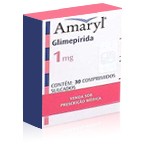
Amaryl (Glimepiride) stands as the most prescribed third-generation sulfonylurea medication for managing type 2 diabetes through proven pancreatic insulin stimulation. As an advanced SUR1 receptor agonist, Amaryl effectively lowers blood glucose with substantially lower hypoglycemia risk and reduced weight gain compared to older sulfonylureas like glyburide or chlorpropamide. The 1/2/3/4 mg oral tablets deliver consistent blood sugar control across millions of diabetic patients worldwide.
Glimepiride works by selectively binding to sulfonylurea receptor 1 (SUR1) on pancreatic beta cells, closing ATP-sensitive potassium channels and triggering controlled insulin release. The advanced binding kinetics produce faster onset and shorter duration than older sulfonylureas, reducing prolonged insulin elevation and hypoglycemia risk. The result: HbA1c drops 1-2% from baseline, fasting blood glucose decreases 50-80 mg/dL, post-meal glucose spikes flatten, and overall glycemic control improves significantly within 2-4 weeks of starting treatment.
Amaryl benefits from extensive clinical evidence accumulated since FDA approval in 1995. The medication demonstrates particular value in type 2 diabetes patients with adequate beta cell function who need stronger glycemic control than metformin alone provides. Compared to older sulfonylureas, glimepiride shows 40% lower severe hypoglycemia risk and minimal cardiovascular concerns. Amaryl serves patients with insulin-independent diabetes, fasting hyperglycemia, post-meal glucose spikes, requiring metformin combination therapy, or needing oral support added to insulin combination therapy in advanced disease.
Amaryl offers convenient once-daily dosing taken with breakfast for optimal absorption and synchronized insulin action with main daily glucose load. The medication reaches peak blood concentrations within 2-3 hours and shows complete oral bioavailability with 9-hour half-life providing 24-hour glycemic coverage. Generic glimepiride from quality manufacturers including Cipla, Sun Pharma, and Dr Reddy's provides identical therapeutic effects to brand Amaryl at substantially lower cost. The active ingredient remains chemically identical to original Sanofi formulation across both branded and generic versions of this established type 2 diabetes management therapy.
Free prescription
Discrete packaging
Have questions?
Quality Assurance

- Type 2 Diabetes: Most common diabetes form where body resists insulin or makes insufficient amounts gradually;
- High Blood Sugar: Persistently elevated blood glucose levels above 126 mg/dL fasting causing organ damage;
- Blood Sugar: Glucose circulating in blood that cells use for energy through insulin-regulated uptake;
- Hyperglycemia: Medical term for abnormally elevated blood glucose levels above normal threshold values;
- Adult Type 2 Diabetes: Diabetes diagnosed in adulthood typically associated with insulin resistance and lifestyle factors;
- Insulin Independent Diabetes: Diabetes form not requiring insulin therapy and controlled with oral medications and diet;
- Non-Insulin-Dependent Diabetes: Older medical term for type 2 diabetes manageable without insulin injections;
- Fasting Hyperglycemia: Elevated morning blood glucose above 126 mg/dL after overnight fast in diabetic patients;
- Post Meal Hyperglycemia: Blood sugar spikes occurring 1-2 hours after eating in poorly controlled diabetes;
- Diabetes Monotherapy: Single-drug treatment when type 2 diabetes can be controlled without combination therapy;
- Metformin Combination: Add-on to metformin when blood sugar remains above target on metformin alone;
- Insulin Combination Therapy: Combined with insulin in advanced diabetes when oral therapy alone is insufficient;
- Diabetes Combination Therapy: Used in multi-drug regimens for patients with inadequate response to single agents;
- Inadequate Diet Control Diabetes: Diabetes where diet and exercise alone fail to achieve target blood sugar levels;
- Sulfonylurea Therapy: Sulfonylurea drug class treatment stimulating pancreatic insulin secretion for diabetes control;
- Glycemic Control: Maintaining blood glucose within target ranges to prevent diabetes complications over years;
- Diabetic Complications Prevention: Reducing long-term diabetic damage to eyes kidneys nerves and cardiovascular system.
- Lower A1C: HbA1c decreases 1-2% reflecting better long-term blood sugar control over 3 months;
- Lower Fasting Glucose: Morning blood sugar levels normalize through enhanced overnight insulin secretion;
- Lower Post Meal Glucose: Blood sugar spikes after eating flatten through faster glucose-dependent insulin release;
- Better Insulin Release: Pancreatic beta cells release insulin more effectively in response to blood glucose elevations;
- Better Beta Cell Function: Pancreatic insulin-producing beta cells preserve function longer with controlled stimulation;
- Better Glycemic Control: Overall blood sugar management improves measurably reducing diabetes complication risk;
- Less Hyperglycemia: Episodes of dangerously high blood sugar reduce significantly with consistent therapy;
- Less Hypoglycemia Risk: Severe hypoglycemia 40% less common than older sulfonylureas like glyburide;
- Less Weight Gain: Body weight increase 50% smaller than glyburide making it preferred sulfonylurea choice;
- Faster Action Onset: Blood sugar lowering begins within 1-2 hours providing rapid glycemic response;
- Less Insulin Need: Insulin injection requirement decreases or delays in patients on combination therapy;
- Less Post Meal Spikes: Blood sugar peaks after eating reduce significantly through synchronized insulin release;
- Better Long Term Diabetes Control: Stable blood sugar management sustains over years of consistent treatment use;
- Less Diabetic Complications: Long-term damage to eyes kidneys and nerves decreases through better glucose control;
- Once Daily Convenience: Single tablet taken with breakfast fits naturally into morning routine for consistent therapy;
- Better Quality of Life: Daily wellbeing improves from reduced hyperglycemia symptoms and stable energy throughout day.
Generic Amaryl (Glimepiride 2 mg) Medication guide:
📖 What Amaryl Is and How It Works
Amaryl is the original brand of glimepiride, a second-generation sulfonylurea approved by the US FDA in 1995. Sulfonylureas were among the earliest oral diabetes drugs, dating back to the 1950s. Glimepiride sits at the more refined end of the class - once-daily dosing, potentially somewhat gentler on beta cells than older sulfonylureas, and widely available as inexpensive generic.
Amaryl at a glance
| FDA approval | 1995 by Hoechst Marion Roussel (now Sanofi) |
| Drug class | Second-generation sulfonylurea |
| Available strengths | 1, 2, 3, 4 mg tablets |
| Typical dose | 1-4 mg once daily (max 8 mg) |
| Half-life | Approximately 9 hours |
| HbA1c reduction | 1-2 percent as monotherapy |
The mechanism is direct. Glimepiride binds a specific receptor on pancreatic beta cells and triggers insulin release. This lowers blood glucose reliably and quickly - the effect appears within hours rather than the weeks needed for pioglitazone. But this same mechanism carries the trade-off of sulfonylureas: hypoglycaemia risk. When glimepiride pushes insulin out regardless of glucose level, glucose can fall too low.
What glimepiride does
Stimulates existing beta cells to release stored insulin. Does not create new beta cells, does not improve insulin sensitivity at target tissues, and does not slow the underlying progression of beta cell decline. Over years, the same amount of glimepiride produces less insulin because fewer beta cells respond - the drug loses effect as diabetes progresses.
Where glimepiride fits in modern practice
Amaryl comes as 1 mg, 2 mg, 3 mg, and 4 mg tablets. The typical adult dose is 1-4 mg once daily, with the maximum 8 mg. It is taken with breakfast or the first main meal.
The GRADE trial (Nathan et al. NEJM 2022) compared four drugs added to metformin: glimepiride, sitagliptin, liraglutide, and insulin glargine. Liraglutide and glargine achieved best sustained glycaemic control. This mirrors modern guidelines - SGLT2 inhibitors and GLP-1 agonists have moved ahead of sulfonylureas for cardiovascular and renal benefits and lower hypoglycaemia risk.
Yet glimepiride retains real utility. It is inexpensive, works quickly (glucose control improves within days to weeks rather than months), oral, once-daily, and simple. In cost-sensitive settings and specific clinical situations, glimepiride remains a useful diabetes therapy.
Main safety concern - hypoglycaemia
Glimepiride can cause serious low blood glucose, particularly with missed meals, alcohol, kidney impairment, older age, or drug interactions. This is a shared class effect of sulfonylureas but glimepiride carries somewhat lower risk than older agents like glyburide. Client education about recognising and treating hypoglycaemia is essential.
This guide walks through what glimepiride does, where it fits well in modern practice, the once-daily dosing routine, the hypoglycaemia risk and how to manage it, drug interactions to be aware of, and how glimepiride compares to other diabetes options. Treat this guide as a companion to what your diabetes specialist or general practitioner tells you.
💊 Why Doctors Prescribe Amaryl Today
Glimepiride is a focused indication drug - type 2 diabetes glycaemic control. Understanding where it fits alongside modern alternatives shapes prescribing decisions.
Primary indication
Type 2 diabetes glycaemic control
FDA-approved for this specific use since 1995. As monotherapy or combination therapy in adults. HbA1c reduction 1-2 percent - similar to metformin and greater than DPP-4 inhibitors. Onset rapid: days to weeks rather than the months needed for pioglitazone.
Where glimepiride fits best
Glimepiride works particularly well when you need reliable rapid glycaemic improvement and cost matters. It fits lean or normal-weight type 2 diabetes clients where beta cell impairment matters more than insulin resistance. It fits when SGLT2 inhibitors or GLP-1 agonists are unavailable or unaffordable. Some clients respond particularly well to sulfonylureas - possibly related to MODY subtypes where sulfonylurea sensitivity is high.
Common scenarios where glimepiride is chosen
- Second-line after metformin when SGLT2 inhibitors and GLP-1 agonists are unavailable, unaffordable, or not tolerated
- Third-line when a rapid oral option is needed alongside other therapy
- Cost-sensitive settings where economics matter
- Lean or normal-weight clients with insulin secretion impairment predominant
Where glimepiride does not fit
Not appropriate for type 1 diabetes - which requires insulin, not insulin secretion stimulation. Not for diabetic ketoacidosis. Should be avoided in severe renal impairment where hypoglycaemia risk rises substantially. Not for clients with frequent severe hypoglycaemia. Not for advanced beta cell failure where the drug will not work well.
Glimepiride is also often not the best choice for clients with heart failure, established cardiovascular disease, or chronic kidney disease - modern guidelines favour SGLT2 inhibitors here for their outcome benefits. Similarly, GLP-1 agonists are preferred where weight loss is prioritised.
The modern diabetes landscape
SGLT2 inhibitors (empagliflozin, dapagliflozin, canagliflozin) and GLP-1 receptor agonists (semaglutide, liraglutide, tirzepatide) have transformed type 2 diabetes management over the past decade. They provide cardiovascular outcome benefits and renal protection that sulfonylureas do not match, and GLP-1 agonists cause substantial weight loss instead of weight gain.
“Cardiovascular outcomes with glimepiride are comparable to linagliptin - reassuring for safety. But glimepiride does not deliver the cardiovascular or renal benefits that SGLT2 inhibitors and some GLP-1 agonists provide.”
— CAROLINA trial, Rosenstock et al. JAMA 2019
Ask your team specifically why glimepiride was chosen given the modern landscape, what glycaemic target you are working toward, and how it fits with any other diabetes medications you take.
🩸 Amaryl for Type 2 Diabetes Standard Uses
Type 2 diabetes glycaemic control is the primary FDA-approved indication for glimepiride. Understanding realistic expectations for what glimepiride delivers helps set the treatment plan.
What glimepiride does to diabetes parameters
| HbA1c reduction | 1-2% |
| Fasting glucose reduction | 40-70 mg/dL |
| Time to meaningful improvement | 1-2 weeks |
| Time to full effect | 4-6 weeks |
Effect is relatively rapid - meaningful improvement within 1-2 weeks and full effect by 4-6 weeks. This contrasts with pioglitazone (slow onset over months) and matches the timeline of metformin.
Fasting versus postprandial glucose
Glimepiride reduces both but has particular effect on fasting glucose through stimulation of basal insulin secretion. Postprandial glucose also improves but often needs additional therapy (short-acting insulin secretagogues, DPP-4 inhibitors, or short-acting insulin) if predominantly high after meals.
Durability - the key limitation
Sulfonylureas including glimepiride typically lose effect over years. This reflects the natural progression of type 2 diabetes - beta cells fail progressively. The drug depends on functional beta cells; as fewer respond, glucose control worsens. The ADOPT trial and GRADE trial both showed sulfonylureas losing glycaemic control faster than newer agents.
Plan for progression
Glimepiride may need dose escalation over time and eventually additional or replacement therapy. This is not glimepiride failure - it is the natural history of type 2 diabetes revealing itself. Modern practice often plans progression to include additional agents proactively.
Which client profile responds well
Glimepiride tends to work best in lean or normal-weight clients whose diabetes reflects beta cell impairment more than severe insulin resistance. Long-standing insulin-resistant clients with obesity, hypertension, dyslipidaemia may respond less well to sulfonylurea alone - they often need agents targeting insulin resistance (metformin, pioglitazone, SGLT2 inhibitors) or weight reduction (GLP-1 agonists).
Some clients with genetic monogenic diabetes subtypes (particularly MODY - maturity-onset diabetes of the young) are particularly sensitive to sulfonylureas and respond dramatically to low doses. Genetic testing for MODY is appropriate in younger clients diagnosed with type 2 diabetes without typical risk profile.
When glimepiride does not fit type 2 diabetes
Not the right choice when beta cell reserve is severely depleted (long-duration diabetes with C-peptide low). Not appropriate when hypoglycaemia risk is unacceptable - older frail clients, those living alone, drivers, workers in safety-critical roles. Weight-conscious clients often prefer alternatives given the 1-2 kg gain typical with glimepiride. Cardiovascular or renal disease favours SGLT2 or GLP-1 alternatives.
Set realistic expectations at the outset - glimepiride works, works quickly, is inexpensive, but is not lifelong therapy for most clients and does carry hypoglycaemia risk that requires client engagement to manage.
🤝 Amaryl in Combination Therapy
Glimepiride is often used in combination with other diabetes therapies. Combination logic depends on complementary mechanisms and safety considerations.
Common combination partners
| Combination | Rationale | Considerations |
|---|---|---|
| Metformin + glimepiride | Complementary mechanisms - hepatic glucose reduction + insulin release | Standard second-line; fixed-dose tablets exist |
| SGLT2 inhibitor + glimepiride | Insulin-independent + insulin-dependent glucose lowering | SGLT2 adds CV and renal benefits |
| DPP-4 inhibitor + glimepiride | Two insulin-raising mechanisms | Some overlap; slightly higher hypoglycaemia risk |
| Pioglitazone + glimepiride | Insulin sensitivity + insulin release | Duetact combination; careful selection needed |
| GLP-1 agonist + glimepiride | Multiple insulin-raising mechanisms | Uncommon; hypoglycaemia risk; often reduce SU dose |
| Insulin + glimepiride | Basal insulin plus insulin secretion boost | Substantial hypoglycaemia risk; often stop SU when starting insulin |
Practical sequencing
Start with metformin
Standard first-line as monotherapy. Add glimepiride when metformin alone insufficient. This ordering minimises hypoglycaemia by using the safer agent first, then adding the sulfonylurea only when needed.
Metformin plus glimepiride - the classic pair
This is the classic sulfonylurea combination. Metformin reduces hepatic glucose production and modestly improves insulin sensitivity. Glimepiride stimulates insulin secretion. Complementary mechanisms. HbA1c reduction additive - each drug contributes 1-1.5 percent. Metformin-glimepiride combination tablets exist for convenience.
Insulin plus glimepiride considerations
Combining insulin with sulfonylurea creates additive hypoglycaemia risk. Traditionally basal insulin plus sulfonylurea was common. Modern practice tends to discontinue sulfonylurea when insulin therapy started - reducing hypoglycaemia risk and pill burden. Case-by-case decision.
What not to combine
Avoid these combinations with glimepiride:
- Another sulfonylurea - glipizide, glyburide, gliclazide (same mechanism, no added benefit, more hypoglycaemia)
- Meglitinides - repaglinide, nateglinide (similar SUR1 mechanism)
Combination therapy is standard in type 2 diabetes management. Discuss the specific combination strategy with your team - each combination has particular monitoring needs and tradeoffs.
⚖️ Amaryl Compared to Other Sulfonylureas
Several sulfonylureas exist. Understanding how glimepiride compares to alternatives shapes the choice within the class.
The main sulfonylureas today
| Agent | Half-life | Hypoglycaemia risk | Notes |
|---|---|---|---|
| Glimepiride (Amaryl) | ~9 hours | Moderate | Once daily; balanced profile; widely used |
| Glipizide (Glucotrol) | 2-4 hours | Lower | Short-acting; less severe hypoglycaemia; twice daily typical |
| Glyburide (Diabeta, Micronase) | 10 hours (metabolites longer) | Higher | Highest severe hypoglycaemia; avoid in elderly (Beers criteria) |
| Gliclazide (Diamicron) | 10-12 hours | Lower | Used in Europe, Asia; not FDA approved US; favourable profile |
| Chlorpropamide, tolbutamide | Long | High | First-generation; largely obsolete |
Where glimepiride sits in the class
Glimepiride offers a balance - convenient once-daily dosing, moderate potency, hypoglycaemia risk lower than glyburide but higher than short-acting glipizide, generic and inexpensive. This balanced profile explains its wide use.
Glyburide - avoid in older adults
Glyburide has long-acting active metabolites and highest severe hypoglycaemia risk. It appears on the American Geriatrics Society Beers criteria as a drug to avoid in adults 65+. If a sulfonylurea is chosen for an older client, glimepiride or glipizide preferred over glyburide.
The gliclazide alternative
Gliclazide modified-release is widely used in Europe, Canada, and Asia and has a favourable hypoglycaemia profile. Not FDA-approved in the US which is why it is less discussed there. Where available, gliclazide MR is often preferred over glimepiride for its lower hypoglycaemia risk. If in a country where both are available, discuss with your team.
Switching between sulfonylureas
Switching within the class is straightforward. Common reason - switching away from glyburide to reduce hypoglycaemia. Or switching from twice-daily glipizide to once-daily glimepiride for convenience.
Approximate dose equivalents
Glyburide 5 mg ≈ glipizide 5 mg ≈ glimepiride 2 mg. Start low when switching and titrate to individual response.
Class trade-offs are similar across sulfonylureas - all raise hypoglycaemia risk, cause modest weight gain, and lose effect over years. Choice of specific agent depends on regional availability, hypoglycaemia risk profile, and dose convenience.
📊 Sulfonylurea Evidence UKPDS to GRADE
Sulfonylureas have an extensive evidence base spanning decades. Understanding the key trials helps position glimepiride in modern practice.
The landmark trials
UKPDS - the foundation (Lancet 1998)
5,102 newly diagnosed type 2 diabetes clients. Intensive glycaemic control (sulfonylurea or insulin) vs conventional. Followed 10 years then legacy period. Microvascular complications reduced 25 percent. Cardiovascular benefit less clear during trial.
The critical UKPDS 80 follow-up (Holman et al. NEJM 2008) showed the "legacy effect" - early intensive glycaemic control gave lower cardiovascular events and mortality 10 years later, even after treatment differences ended.
ADVANCE - global intensive control (NEJM 2008)
11,140 type 2 diabetes clients randomised to intensive glycaemic control using gliclazide MR based regimen vs standard. Intensive control reduced microvascular events (mainly nephropathy) but modest impact on major cardiovascular events. Reinforced sulfonylurea safety in high-risk clients.
GRADE - the modern comparison (NEJM 2022)
5,047 type 2 diabetes clients on metformin randomised to add glimepiride, sitagliptin, liraglutide, or insulin glargine. Followed nearly 5 years.
Key findings:
- Liraglutide and insulin glargine achieved best glycaemic durability
- Glimepiride and sitagliptin were less durable
- Glimepiride had substantially more severe hypoglycaemia
- Liraglutide caused most weight loss; glimepiride modest weight gain
- No cardiovascular differences between arms
CAROLINA - glimepiride CV safety (JAMA 2019)
Directly compared glimepiride vs linagliptin in 6,033 type 2 diabetes clients over 6.3 years median. Cardiovascular outcomes were similar - reassuring for glimepiride CV safety. Hypoglycaemia was 3-fold higher with glimepiride than linagliptin. Modest weight gain with glimepiride, weight neutral with linagliptin.
“Early aggressive glycaemic control provides a legacy of cardiovascular benefit that persists a decade later, even after treatment differences end.”
— UKPDS 80 conclusion, Holman et al. NEJM 2008
What the evidence says overall
Glimepiride is effective, safe cardiovascularly, but loses effect over years and causes more hypoglycaemia than newer agents. Modern evidence-based positioning is second or third-line, particularly where cost or availability limits newer options. The UKPDS legacy effect argues for early aggressive glycaemic control - glimepiride can contribute to this if newer agents unavailable.
🔬 How Glimepiride Triggers Insulin Release
Understanding how glimepiride works mechanistically clarifies both its effectiveness and its specific safety concerns.
The molecular target
Glimepiride binds to a specific receptor on pancreatic beta cells called the sulfonylurea receptor 1 (SUR1). This receptor is part of the ATP-sensitive potassium (K-ATP) channel. When glimepiride binds SUR1, the K-ATP channel closes. This depolarises the beta cell membrane, opens voltage-gated calcium channels, and triggers insulin release from the beta cell.
Mechanism step by step
- Glimepiride binds SUR1 receptor on pancreatic beta cell membrane
- K-ATP channel closes - potassium efflux stops
- Beta cell membrane depolarises
- Voltage-gated calcium channels open
- Insulin release from stored granules into bloodstream
The critical mechanistic detail
Glimepiride triggers insulin release regardless of blood glucose level. Unlike incretin-based therapies (DPP-4 inhibitors, GLP-1 agonists) which only enhance glucose-stimulated insulin release, glimepiride pushes insulin out even when glucose is normal or low. This is why hypoglycaemia is a real risk.
Sequence of effects after taking glimepiride
After ingestion, glimepiride is absorbed within 2-3 hours. It reaches beta cells, binds SUR1, closes K-ATP channels, and insulin release increases. Blood glucose falls. Effect on glucose is most pronounced with meals - baseline insulin secretion is already stimulated by food, and glimepiride amplifies this. Between meals, glimepiride continues to push insulin release which can drive glucose lower than desired.
Pharmacokinetics
| Absorption | Good; largely unaffected by food |
| Peak plasma concentration | 2-3 hours |
| Half-life | ~9 hours parent drug |
| Metabolism | CYP2C9 to inactive metabolites |
| Excretion | 60% urine, 40% faeces |
| Duration of effect | Approximately 24 hours (once-daily dosing) |
Renal caution
Renal impairment prolongs effect and raises hypoglycaemia risk substantially. Dose reduction essential in renal impairment; severe impairment - avoid.
Why beta cells wear out
Over years of sulfonylurea therapy, beta cells become progressively less responsive. Two things contribute. First, natural type 2 diabetes progression - beta cells fail regardless of therapy. Second, some evidence suggests sulfonylureas may slightly accelerate beta cell exhaustion by constantly demanding insulin release. Newer agents (metformin, pioglitazone, SGLT2 inhibitors, GLP-1 agonists) do not carry this concern.
Effect duration and dose response
Glimepiride effect lasts approximately 24 hours from a single dose - hence once-daily dosing. Dose response is not linear - most effect achieved at 4 mg with modest additional benefit going to 8 mg. This is why titration typically stops at 4 mg unless clear need for more.
The mechanism is elegant and effective but comes with structural trade-offs - hypoglycaemia risk, dependency on functional beta cells, and gradual loss of effect over years. Understanding this biology explains why glimepiride behaves as it does clinically.
⏰ Amaryl Dose Schedule and Titration
Amaryl dosing is straightforward - once daily with the first main meal, careful titration, and dose reduction in specific safety situations.
Standard dosing
| Situation | Dose |
|---|---|
| Adult starting | 1 mg once daily with breakfast |
| Standard maintenance | 1-4 mg once daily |
| Maximum dose | 8 mg once daily (but most effect at 4 mg) |
| Older adults | Start 1 mg; titrate cautiously |
| Renal impairment (mild-moderate) | Start 1 mg; cautious titration |
| Severe renal impairment | Generally avoid; if used, minimum dose |
| Hepatic impairment | Use with caution; low dose |
Available strengths
Amaryl comes as 1 mg, 2 mg, 3 mg, and 4 mg tablets. Generic glimepiride widely available and inexpensive. Fixed-dose combinations exist with metformin (multiple brands) and with pioglitazone (Duetact) for convenience where combined therapy chosen.
The timing rule
Take with the first main meal of the day
This is important for two reasons. First, food-triggered insulin secretion is amplified by glimepiride - matching drug timing to eating optimises glucose control. Second, taking without a meal raises hypoglycaemia risk - the drug pushes insulin out but there is no food-derived glucose coming in.
Same time each day for adherence habit. If you skip breakfast (intermittent fasting or similar pattern), take glimepiride with your first meal whenever that is. If no meal planned, discuss with your team - hypoglycaemia risk substantial.
Titration approach
- Start low - typically 1 mg daily with breakfast
- Reassess at 1-2 weeks based on fasting glucose response
- Increase by 1-2 mg increments no faster than every 1-2 weeks
- Most clients settle at 1-4 mg
- If 4 mg inadequate - consider adding a second agent rather than pushing to 8 mg
Going above 4 mg produces diminishing returns and rising hypoglycaemia risk.
Duration of therapy
Glimepiride is generally long-term therapy but its effectiveness declines over years. Annual review whether glimepiride still fits - HbA1c control, hypoglycaemia frequency, need for adjustment.
Do not stop suddenly
Glucose control worsens rapidly if glimepiride is discontinued without alternative. If discontinuing, plan alternative therapy.
📅 Starting Amaryl - First Weeks
Starting Amaryl requires baseline assessment, low-dose start, and careful attention to hypoglycaemia in the first weeks as the client and team learn how they respond.
Typical initiation experience
Most clients notice fasting glucose improvement within 1-2 weeks. HbA1c improvement clear at 4-6 weeks. Some clients report mild transient hypoglycaemic symptoms - hunger, mild tremor, minor sweating - that resolve as dosing settles. Weight gain modest 1-2 kg develops over first months. Long-term tolerance excellent for the great majority.
Pre-treatment assessment
Baseline checks before starting
- Diabetes parameters - HbA1c, fasting glucose, C-peptide if beta cell function unclear
- Kidney function - creatinine, eGFR - important for hypoglycaemia risk
- Liver function tests
- Weight and BMI
- Concurrent medications - CYP2C9 modulators; other diabetes drugs
- Sulfa allergy history - glimepiride contains sulfonamide group; cross-reactivity is low but discuss
Three practical rules for new starters
- Always eat with your morning dose - skipping breakfast raises hypoglycaemia risk substantially
- Carry fast-acting glucose - glucose tablets, juice, hard candy. Treat quickly if symptoms occur
- Learn to recognise symptoms - sweating, trembling, hunger, headache, confusion. Family should also know signs
Follow-up schedule for initiation
| Timing | Focus |
|---|---|
| Week 1-2 | Phone or brief visit; review any hypoglycaemia; check home glucose readings; adjust if needed |
| Month 1 | Assess response; consider dose adjustment; review adherence |
| Month 3 | HbA1c; overall assessment |
| Every 6 months thereafter | HbA1c; hypoglycaemia frequency review; weight; annual kidney function |
Warning signs during initiation
Contact team promptly if these occur
- Severe hypoglycaemia (needing help from another person)
- Frequent mild hypoglycaemia (multiple times per week)
- Any hypoglycaemia while driving or in safety-critical work
- Persistent nausea, vomiting, or inability to eat
- Rash or skin reaction
- Yellow skin or eyes
- Sudden substantial weight gain or oedema
The first weeks are learning - the client and team calibrate dose to individual response. Honest communication about any hypoglycaemic episodes allows appropriate dose adjustment.
📏 Amaryl Dose Adjustments Response Signals
Amaryl dose adjustment balances glycaemic effectiveness against hypoglycaemia risk. Multiple factors affect individual response.
What affects individual response
Baseline beta cell function - stronger beta cell response gives better glycaemic effect. Duration of diabetes - longer duration typically less response. Concurrent diabetes medications - additive with metformin and SGLT2 inhibitors; overlapping with DPP-4 inhibitors, GLP-1 agonists, and insulin. Kidney function - impaired kidneys prolong effect and raise hypoglycaemia. Age - older adults more sensitive. Drug interactions (CYP2C9 modulators). Diet and adherence patterns.
Common adjustments
| Situation | Action |
|---|---|
| HbA1c not at target on 1 mg | Increase to 2 mg after 2 weeks; recheck at 6 weeks |
| HbA1c not at target on 4 mg | Add SGLT2 inhibitor or GLP-1 agonist rather than push higher |
| Frequent mild hypoglycaemia | Reduce dose; review meal timing |
| Severe hypoglycaemia (once) | Reduce dose substantially; investigate cause |
| Severe hypoglycaemia (recurrent) | Stop glimepiride; alternative therapy |
| New renal impairment | Reduce dose; monitor closely; may need to switch |
| Weight gain concerning | Alternative agent; SGLT2 or GLP-1 cause weight loss |
| Loss of glycaemic effect over years | Add or switch to alternative; beta cell failure |
When glimepiride is not enough
The modern add-on approach
If glimepiride at 4 mg does not achieve target HbA1c, adding SGLT2 inhibitor or GLP-1 agonist is preferable to pushing glimepiride to 6-8 mg. The newer agents contribute additional glycaemic effect, cardiovascular benefits, and typically weight loss - offsetting glimepiride limitations. Sometimes glimepiride can be reduced or discontinued as newer therapy establishes.
Non-response investigation
Systematic workup if HbA1c not improving
- Check adherence honestly (slow onset makes gaps easy)
- Verify appropriate meal timing with doses
- Assess for drug interactions (CYP2C9 modulators)
- Consider beta cell failure (measure C-peptide)
- Check for other conditions affecting glucose - thyroid, cortisol, medications
- Endocrinology consultation for refractory cases
Adjustment is HbA1c-driven within 1-4 mg range typically. Safety concerns (hypoglycaemia, kidney function decline, weight) often drive dose reduction before dose escalation ever needed. Modern practice adds alternative agents rather than maximising glimepiride alone.
💊 How to Take Amaryl Tablets
Practical routines around Amaryl tablets support consistent use and reduce hypoglycaemia risk. The dose is simple but timing matters more than for pioglitazone or metformin.
Daily routine
Take with the first main meal of the day. Most clients take at breakfast. Swallow whole with water. Same time daily for adherence habit. Refill 2 weeks before running out. If you eat breakfast later on weekends, take glimepiride with that later meal - the drug needs food.
Anchor to a daily habit
Take with the first bite or first few minutes of breakfast. Weekly pillbox helpful for polypharmacy. Phone alarm labeled "Amaryl with breakfast" or "glimepiride" reduces forgetting. If breakfast is skipped (fasting, illness, forgot to eat), discuss with team before taking the dose - hypoglycaemia risk substantial.
Home monitoring priorities
What to track at home
- Fasting glucose regularly
- Before driving or physical activity
- If hypoglycaemic symptoms occur (sweating, trembling, hunger)
- Weight monthly
- Frequency and pattern of any hypoglycaemic episodes
Key safety rules
Never do these
- Do not stop suddenly - glucose control worsens rapidly
- Never double up on a missed dose
- Never take without eating - hypoglycaemia risk substantial
- Never leave home without fast-acting glucose
Alert your team about
- Starting a new medication (CYP2C9 modulators affect glimepiride)
- Severe or recurrent hypoglycaemia
- Pregnancy considered - transition to insulin required
Storage
Room temperature under 25 C. Original packaging. Protect from moisture and light. Not in bathroom or hot car. Out of reach of children - sulfonylurea can cause severe hypoglycaemia in a child even from small dose. Do not use past expiry. Return unused tablets to pharmacy for disposal.
Simple once-daily dosing paired with disciplined meal timing supports safe effective use. The core practical rule - never take glimepiride without eating - prevents the majority of hypoglycaemic episodes.
🍴 Food Timing and Amaryl Absorption
Food timing matters more for glimepiride than for most diabetes drugs - the safety of the therapy depends on eating alongside dosing.
🍴 The essential rule
💡 Take Amaryl with the first main meal of the day. Not before, not much after - with the meal. This ensures glucose from digestion arrives as glimepiride stimulates insulin release. Without this pairing, insulin rises but glucose does not - the recipe for hypoglycaemia.
🍞 Absorption
Glimepiride absorption is not meaningfully food-affected - the drug level in blood is similar with or without food. So the reason to take with food is not absorption but hypoglycaemia protection. The meal provides glucose that matches the insulin the drug triggers.
🥗 Diet for type 2 diabetes
The Mediterranean or DASH eating pattern has best evidence for diabetes and cardiovascular outcomes. Emphasise vegetables, whole grains, legumes, fatty fish, nuts, olive oil. Limit refined carbohydrates, added sugars, and processed meats. Consistent carbohydrate intake meal to meal helps stabilise glucose control - large carbohydrate variations produce large glucose swings and complicate glimepiride use.
💡 Practical carbohydrate consistency. Similar portion sizes at similar times day to day. Not perfect but consistent - large day-to-day variation drives glucose variability. For clients on fixed glimepiride doses, this consistency matters more than for clients on flexible insulin dosing.
🍚 Intermittent fasting and skipped meals
Intermittent fasting patterns present challenges with sulfonylureas. Extended fasting while on glimepiride raises hypoglycaemia risk. Discuss with your team before starting fasting patterns - dose may need reduction or timing shift to align with your eating window. Time-restricted eating (16:8 pattern) is generally manageable if glimepiride dose taken with the first meal of the eating window.
🤔 If you skip breakfast
Discuss with your team. Options: shift glimepiride to when you first eat that day; reduce dose on skipped-breakfast days; or reconsider whether glimepiride best fits your eating pattern (GLP-1 agonists or DPP-4 inhibitors more forgiving of variable meal timing).
⚖️ Weight management
Glimepiride causes modest weight gain (1-2 kg typically). Portion attention and consistent Mediterranean-style eating help mitigate. Weight-conscious clients often prefer GLP-1 agonists which cause substantial weight loss instead.
The core rule with glimepiride food timing is simple - eat with your dose. This one habit prevents most hypoglycaemic episodes.
🍷 Alcohol Rules During Amaryl Therapy
Alcohol interacts with glimepiride through hypoglycaemia risk enhancement. This is one of the more clinically important lifestyle interactions.
🍷 Why alcohol matters with glimepiride
Alcohol suppresses hepatic gluconeogenesis - the liver normally produces glucose to prevent hypoglycaemia between meals. When alcohol blocks this, the buffer against low glucose is compromised. Add glimepiride pushing insulin out and hypoglycaemia risk rises substantially. Alcohol-induced hypoglycaemia can be severe and delayed - occurring hours after drinking, sometimes overnight.
🍴 Practical guidance
💡 The eat-with-alcohol rule. If drinking any alcohol on glimepiride, always eat with it. Never drink on an empty stomach. Keep intake moderate - not more than 1 drink daily for women, 2 for men, with alcohol-free days. Consider extra glucose check before bed if drinking that evening.
📏 Standard drink reference
Beer 12 oz / 350 ml at 5 percent alcohol. Wine 5 oz / 150 ml at 12 percent alcohol. Spirits 1.5 oz / 45 ml at 40 percent alcohol. Home pours often exceed standard measures - be honest with yourself about intake.
🔴 The delayed hypoglycaemia trap
⚠️ Alcohol-induced hypoglycaemia often occurs late - hours after drinking or overnight. Sweating, nightmares, confusion on waking can all indicate nocturnal hypoglycaemia. Check morning glucose after any evening drinking. Consider a bedtime carbohydrate snack if drinking has occurred. Severe hypoglycaemia while sleeping is dangerous.
🚫 When to avoid alcohol entirely
Frequent hypoglycaemic episodes already. Any liver disease. Recent severe hypoglycaemia. Advised by your team. History of alcohol use disorder. If glimepiride causes significant problems even without alcohol, avoiding alcohol is a sensible additional protection.
💡 Sensible drinking on glimepiride
Never drink on an empty stomach. Eat carbohydrate with alcohol - not just fatty snacks. Do not exceed moderate limits. Check glucose more often on drinking days. Have a carbohydrate snack before bed if evening drinking occurred. Do not drink alone if unfamiliar with your hypoglycaemia response. Ensure someone knows you have diabetes if drinking in social settings.
Alcohol is not forbidden on glimepiride but requires disciplined pairing with food and awareness of the delayed hypoglycaemia risk. Discuss honest intake patterns with your team - realistic guidance beats prohibitions clients ignore.
🚨 Amaryl Side Effects Complete Overview and Warnings
Glimepiride side effects are dominated by hypoglycaemia. Other effects are generally mild. The safety profile has been well-characterised over decades of clinical use.
📊 Common effects overview
The main common effect is hypoglycaemia - covered in detail in Section 15. Beyond that, modest weight gain of 1-2 kg develops over months. Headache, nausea, or diarrhoea occur in a small percentage but usually transient. Dizziness sometimes reported particularly with rapid glucose changes.
🤔 Less common but notable
Skin reactions including photosensitivity - covered in Section 18. Rare cases of hyponatraemia (SIADH-like syndrome) reported. Rare elevations of liver enzymes; rare hepatocellular injury. Very rare blood dyscrasias (leukopenia, thrombocytopenia). Rare hypersensitivity reactions - though sulfa cross-reactivity is low, some clients experience rash.
🚨 When to seek help urgently
- Severe hypoglycaemia (needing help from another person)
- Loss of consciousness or seizure
- Severe rash particularly with blisters or mucosal involvement
- Yellow skin or eyes
- Severe abdominal pain
- Sudden severe fatigue with pallor (haemolysis)
- Unexplained bruising or bleeding (blood dyscrasia)
📋 Managing common effects
| Effect | Action |
|---|---|
| Mild hypoglycaemia (occasional) | Fast-acting glucose 15-20 g; recheck 15 min; review meal pattern |
| Frequent mild hypoglycaemia | Reduce dose; review meal timing; contact team |
| Severe hypoglycaemia | Emergency treatment; substantial dose reduction; may switch agent |
| Weight gain | Dietary attention; consider alternative if significant |
| Headache | Usually settles; check for hypoglycaemia first |
| Nausea | Take with food; usually transient |
| Mild rash | Assess for hypersensitivity; may need to stop |
| Photosensitivity | Sun protection; assess if severe |
Side effect profile is generally favourable apart from hypoglycaemia. Serious effects are rare. The following sections detail the important individual concerns - hypoglycaemia especially deserves careful attention.
🔴 Hypoglycaemia - The Main Amaryl Concern
Hypoglycaemia is the defining safety concern with glimepiride. Understanding recognition, treatment, and prevention is essential for all clients on this drug.
🔴 Why glimepiride causes hypoglycaemia
Glimepiride triggers insulin release regardless of glucose level. When food does not provide expected glucose - skipped meal, delayed eating, small meal, or hepatic gluconeogenesis blocked by alcohol - insulin can outstrip glucose supply. Glucose falls; hypoglycaemia results.
🔍 Recognising the symptoms
⚠️ Early warning symptoms (adrenergic)
- Sweating, trembling
- Palpitations, racing heart
- Hunger, anxiety
- Tingling of lips
Advanced symptoms (neuroglycopenic)
- Headache, difficulty concentrating
- Blurred vision, slurred speech
- Confusion, mood changes
- Unable to help self, unconsciousness, seizure
Symptom thresholds - warnings usually appear below 70 mg/dL (3.9 mmol/L); severe symptoms below 54 mg/dL (3.0 mmol/L).
💡 Hypoglycaemia unawareness. With frequent hypoglycaemia, the body loses its early warning symptoms - glucose can fall to dangerous levels without warning. This is a serious concern requiring urgent attention. Reducing hypoglycaemia frequency (dose reduction, meal adjustments, alternative therapy) usually restores awareness over weeks.
🍬 Treating mild-moderate hypoglycaemia
✅ The 15-15 rule
- 15 grams fast-acting carbohydrate
- Wait 15 minutes
- Recheck glucose; repeat if still low
- Follow with longer-acting carb + protein if next meal not soon
Fast-acting options (15 g each)
- 4 glucose tablets
- Half cup fruit juice
- Half can regular soda
- 1 tablespoon honey or sugar
🏥 Severe hypoglycaemia response
🚨 Severe hypoglycaemia emergency steps
- Conscious enough to swallow - give fast-acting glucose
- Unconscious - do NOT give food or drink (aspiration risk)
- Call emergency services
- Glucagon injection if available and trained
- Hospital observation typically needed - glimepiride effect lasts hours
🛡️ Preventing hypoglycaemia
The fundamentals of prevention are simple: always eat with your dose; consistent meal timing day to day; consistent carbohydrate intake meal to meal; fast-acting glucose always accessible in purse, car, workplace, and bedside; home glucose monitoring particularly during medication changes, unusual activity, or alcohol; dose reduction if hypoglycaemia occurring; notify team of severe or recurrent episodes.
🚗 Driving and safety-critical activities
Check glucose before driving. Do not drive if glucose below 90 mg/dL (5 mmol/L) - eat first. Carry fast-acting glucose in the vehicle. Stop and treat if hypoglycaemic symptoms occur while driving. Pull over safely; do not resume for 30-45 minutes after treatment. Regulations vary - some jurisdictions require notification to driving authority if severe hypoglycaemia occurs.
Family should know signs of hypoglycaemia and how to help. Consider medical alert identification. Workplace supervisor or trusted colleague should know if role has safety implications. Have a plan for what to do if hypoglycaemia occurs at work.
Hypoglycaemia is manageable with awareness, planning, and prompt treatment. Most clients on glimepiride experience only occasional mild episodes. Recurrent or severe episodes warrant dose adjustment or alternative therapy - do not tolerate them as unavoidable.
⚖️ Weight Gain and Beta Cell Considerations
Glimepiride causes modest weight gain and works by pushing existing beta cells to release insulin - two considerations that shape long-term use.
⚖️ The weight gain pattern
Typical weight gain is 1-2 kg over first months and then stable. Mechanism combines insulin's anabolic effects, reduced glycosuria (calories retained rather than lost in urine), and mild defensive eating to prevent hypoglycaemia. This is much less than pioglitazone (2-4 kg) but more than metformin or DPP-4 inhibitors (weight neutral) or SGLT2 inhibitors and GLP-1 agonists (weight loss).
💡 Weight gain matters when the client is already overweight. Many type 2 diabetes clients have obesity. Adding 1-2 kg is not welcome. This is one reason modern practice often prefers weight-neutral or weight-losing alternatives - metformin, SGLT2 inhibitors, GLP-1 agonists - over glimepiride where cost allows.
🧬 Beta cell considerations
Glimepiride works by stimulating existing beta cells to release insulin. It does not create new beta cells or slow their gradual failure. Over years, glimepiride effect diminishes as beta cell function declines - a phenomenon called secondary failure. This is not glimepiride failure specifically; it reflects the natural history of type 2 diabetes.
📉 The beta cell exhaustion debate
An open question in diabetes research - do sulfonylureas accelerate beta cell decline by constantly demanding insulin release? Some studies suggest a modest effect. Others show natural progression is similar regardless of therapy. What is clearer - sulfonylureas do not preserve beta cell function, whereas newer agents like GLP-1 agonists may have modest preservative effects.
📊 ADOPT and GRADE evidence
The ADOPT trial compared glyburide, metformin, and rosiglitazone monotherapy in newly diagnosed type 2 diabetes. Sulfonylurea (glyburide) showed fastest loss of glycaemic control - approximately 33 percent needed treatment change at 5 years vs 15 percent for metformin. GRADE showed similar directionally - glimepiride less durable than liraglutide or glargine in maintaining HbA1c targets.
🌟 Practical implications
Expect glimepiride effect to decline over 5-10 years. Plan for eventual addition or replacement therapy. Do not view addition of a second agent as failure - it reflects diabetes progression. Weight gain is modest but real - offset with attention to diet and consider alternatives if weight becomes a significant concern.
Weight gain and beta cell considerations are structural features of glimepiride therapy. Modern alternatives address both concerns better where they are available and affordable.
🫀 Amaryl in Cardiovascular Context
Cardiovascular safety of sulfonylureas has been debated for decades. Recent trials have largely settled the question - glimepiride is cardiovascularly safe but not cardiovascularly beneficial.
📅 The historical controversy
The UGDP trial (1970s) suggested tolbutamide (first-generation sulfonylurea) increased cardiovascular mortality. This finding was disputed and reanalyses were mixed. It created lasting concern about sulfonylurea CV safety that persisted for decades even without strong confirmation.
UKPDS in 1998 showed intensive glycaemic control (including sulfonylurea-based) reduced microvascular but not macrovascular events during trial. UKPDS 80 follow-up (2008) showed legacy CV benefit of early intensive control - reassuring for sulfonylurea safety.
📆 CAROLINA - the definitive trial
The CAROLINA trial (JAMA 2019) enrolled 6,033 type 2 diabetes clients at high CV risk. Randomised to glimepiride vs linagliptin (a CV-neutral DPP-4 inhibitor) over 6.3 years median. Cardiovascular outcomes were similar - MACE (major adverse cardiovascular events), cardiovascular death, all-cause death, stroke, and MI all showed no meaningful difference between glimepiride and linagliptin.
💡 CAROLINA settled it. Glimepiride is not cardiovascularly harmful. This ended a debate that had persisted since the 1970s. Sulfonylureas including glimepiride are CV-safe.
🌟 But not CV-beneficial
Being CV-safe is not the same as being CV-beneficial. SGLT2 inhibitors (empagliflozin, dapagliflozin, canagliflozin) reduce major CV events, heart failure hospitalisation, and CV mortality substantially in landmark trials (EMPA-REG, CANVAS, DAPA-HF). GLP-1 agonists (liraglutide, semaglutide, dulaglutide) reduce CV events in LEADER, SUSTAIN-6, REWIND. Glimepiride provides neither of these benefits.
🫀 Heart failure considerations
Glimepiride is CV-neutral but does not benefit heart failure. In contrast, SGLT2 inhibitors substantially improve heart failure outcomes even in non-diabetic clients. For diabetic clients with heart failure or at high heart failure risk, SGLT2 inhibitors preferred over glimepiride.
🎯 Practical positioning
For clients whose diabetes management is driven by CV or renal risk, modern alternatives preferred - SGLT2 inhibitors for heart failure or renal protection; GLP-1 agonists for atherosclerotic CV disease. For clients where CV risk is lower or already well-managed with other therapies, glimepiride remains an acceptable second-line option for glycaemic control.
Cardiovascular safety is reassuring; cardiovascular benefit belongs to newer agents. Where CV benefit is a treatment priority, glimepiride is not the choice.
🧴 Skin Reactions and Rare Effects
Beyond hypoglycaemia and weight, glimepiride has a range of less common effects worth knowing about. Skin reactions merit specific attention.
☀️ Photosensitivity
Glimepiride can cause photosensitivity - skin sensitivity to sunlight leading to sunburn-like reactions with modest sun exposure. Not common but reported. Fair-skinned clients particularly susceptible.
💡 Sun protection sensible. Broad-spectrum sunscreen SPF 30+, hats, long sleeves in strong sunlight. If unusual sunburn reactions develop, discuss with team.
🧴 Skin reactions and hypersensitivity
Occasional maculopapular rash, urticaria, or pruritus. Usually mild but requires assessment - some cases progress to severe hypersensitivity. Rare Stevens-Johnson syndrome or toxic epidermal necrolysis. Sulfa cross-reactivity concern - covered Section 21.
🧬 Rare but serious effects
🔴 Rare serious effects to watch
- Haemolytic anaemia in G6PD-deficient clients
- Leukopenia, thrombocytopenia, aplastic anaemia (rare)
- Hyponatraemia (SIADH-like) - fatigue, headache, confusion, nausea
- Vasculitis or hepatitis (rare)
- Porphyria attacks in susceptible clients
- Disulfiram-like reactions with alcohol (very rare)
💧 Hyponatraemia specifically
Rare cases of SIADH-like syndrome causing low sodium. Symptoms - fatigue, headache, confusion, nausea. Higher risk in older adults or with concurrent diuretics/SSRIs. Sodium check if symptoms suggestive.
📊 Managing rare effects
| Effect | Action |
|---|---|
| Mild rash | Assess character; consider stopping if hypersensitivity |
| Severe rash with blisters/mucosal | Stop immediately; emergency assessment |
| Photosensitivity | Sun protection; usually manageable |
| Unusual bruising/bleeding | Full blood count; stop pending investigation |
| Low sodium symptoms | Check sodium; investigate SIADH |
| Yellow skin/eyes | Stop; LFTs; investigate |
| Severe fatigue with pallor | Check for haemolysis |
Most of these effects are rare. Awareness matters for prompt recognition. Glimepiride has been extensively used for nearly three decades with a well-characterised safety profile - serious effects are the exception.
🟡 Liver and Kidney Effects Amaryl
Liver and kidney function affect glimepiride use both because of metabolism/excretion and because dysfunction raises hypoglycaemia risk.
🟡 Liver metabolism
Glimepiride is metabolised in the liver primarily by CYP2C9 to inactive metabolites. Metabolites excreted in urine and faeces. Mild-moderate hepatic impairment tolerable but with lower doses and monitoring. Severe hepatic impairment - avoid; metabolism impaired, hypoglycaemia risk substantially increased.
🟡 Liver injury from glimepiride
Rare cases of hepatocellular injury reported. Usually reversible on discontinuation. LFT monitoring - baseline; periodic if concurrent liver disease; check if symptoms suggestive (fatigue, jaundice, right upper abdominal pain, nausea).
💡 Liver warning signs. Yellow skin or eyes. Dark urine. Pale stools. Right upper abdominal pain. Persistent nausea. Fatigue with poor appetite. Any of these warrant LFT check and clinical assessment.
🟢 Kidney and glimepiride
Glimepiride metabolites excreted primarily by kidney. Renal impairment substantially increases hypoglycaemia risk because active/metabolite clearance slows. Dose reduction essential in renal impairment.
📊 Renal dose adjustments
| eGFR | Glimepiride approach |
|---|---|
| 60+ mL/min | Standard dosing |
| 30-60 mL/min | Start 1 mg; cautious titration; monitor closely |
| 15-30 mL/min | Generally avoid; if used, minimum dose |
| Below 15 mL/min or dialysis | Avoid; substantial hypoglycaemia risk |
🔄 Alternative agents in CKD
💡 Modern CKD-friendly diabetes options. SGLT2 inhibitors (particularly dapagliflozin, empagliflozin) - actually renal-protective. GLP-1 agonists (liraglutide, semaglutide, dulaglutide) - most safe in CKD. DPP-4 inhibitors (linagliptin - no renal adjustment; sitagliptin/saxagliptin - dose reduce). Insulin - dose reduction as GFR falls but usable.
🗓️ Monitoring liver and kidney on glimepiride
Baseline LFTs and kidney function before starting. Annual monitoring for stable clients. More frequent if concurrent conditions or medications affecting these organs. Prompt investigation of any liver-related symptoms. Dose reduction if kidney function declines. Consider alternative agent if substantial impairment develops.
Liver metabolism and renal excretion of glimepiride matter clinically. Renal impairment particularly amplifies hypoglycaemia risk and often warrants switching to alternatives. Discuss with your team if kidney function changes.
💉 Amaryl Drug Interactions Complete Overview and Warnings
Glimepiride drug interactions cluster around CYP2C9 metabolism, protein binding, and pharmacodynamic overlap with other diabetes agents or hypoglycaemia-affecting drugs.
🔬 The CYP2C9 axis
Glimepiride is metabolised primarily by CYP2C9. Drugs that inhibit CYP2C9 can raise glimepiride levels and enhance hypoglycaemia. Drugs that induce CYP2C9 can lower glimepiride levels and reduce glycaemic effect.
⬆️ CYP2C9 inhibitors (raise glimepiride effect)
Fluconazole - substantial inhibition; can markedly enhance glimepiride effect. Amiodarone - moderate inhibition. Fluvoxamine, sertraline - modest inhibition. Trimethoprim/sulfamethoxazole - modest inhibition. Concurrent use warrants extra glucose monitoring and possible dose reduction.
⬇️ CYP2C9 inducers (reduce glimepiride effect)
Rifampicin - substantial induction; can markedly reduce glimepiride effect. Phenytoin, carbamazepine, phenobarbital - anticonvulsant inducers. St John's wort - herbal inducer. Concurrent use may reduce glycaemic control - monitor and adjust.
📋 Drugs enhancing hypoglycaemia (pharmacodynamic)
Beyond CYP2C9 effects, several drugs affect glucose regulation. Beta-blockers - blunt adrenergic warning symptoms of hypoglycaemia and can prolong episodes. ACE inhibitors - may modestly increase insulin sensitivity. Alcohol - blocks hepatic gluconeogenesis; delayed hypoglycaemia. Salicylates high-dose - modest hypoglycaemic effect. MAO inhibitors - may enhance glucose lowering. Quinolone antibiotics - variable effects on glucose.
📋 Drugs reducing glimepiride effect
Corticosteroids - raise glucose; may need glimepiride dose increase temporarily. Thiazide diuretics - modest hyperglycaemic effect. Atypical antipsychotics - some raise glucose substantially. Beta-agonists including some inhaled bronchodilators. Oral contraceptives - modest hyperglycaemic tendency.
🤝 Common medications - usually safe combinations
Metformin - excellent combination. SGLT2 inhibitors - safe. GLP-1 agonists - safe with dose adjustment. DPP-4 inhibitors - safe. Most statins - safe. Most ARBs - safe. Most antibiotics apart from sulfonamides/fluconazole - safe. Warfarin - some enhancement of anticoagulation possible.
💡 Practical checklist for new medications
Tell prescriber you are on glimepiride. Pharmacist database check for CYP2C9 or hypoglycaemia-affecting interaction. Warfarin monitoring more frequent if starting fluconazole or trimethoprim/sulfa. Extra glucose monitoring at drug initiation and titration. Report any change in glucose control after new medication started.
Interactions are focused - CYP2C9 axis, hypoglycaemia-enhancing drugs, and hyperglycaemia-causing drugs. Most common medications are safe combinations. Pharmacy check when adding new drugs catches most concerns.
💊 Sulfa Cross-Reactivity and Warfarin
Two specific interactions warrant closer attention - sulfa cross-reactivity concerns and warfarin interaction.
⚕️ Sulfa cross-reactivity
Glimepiride contains a sulfonamide group in its chemical structure. This raises concern about cross-reactivity with clients who have sulfa antibiotic allergy (sulfamethoxazole and similar). In practice, cross-reactivity is uncommon - the sulfonamide in sulfonylureas is chemically different from the sulfonamide in antibiotics that typically triggers allergy.
💡 Practical approach. Mild sulfa antibiotic allergy (rash) - glimepiride usually tolerated but monitor initially. Severe sulfa allergy (Stevens-Johnson syndrome, anaphylaxis) - avoid glimepiride if possible; consider alternative diabetes agent. Discuss with team if uncertain.
💉 Trimethoprim/sulfamethoxazole (Bactrim, Septra)
Common antibiotic that combines two concerns with glimepiride - CYP2C9 inhibition (raising levels) and sulfa content (potential cross-reactivity). Course of trimethoprim/sulfa in glimepiride client warrants extra glucose monitoring. Alternative antibiotics preferred where possible.
💉 Warfarin interaction
Glimepiride and warfarin both bind plasma proteins and both metabolised partly by CYP2C9. Interaction is complex - some clients experience enhanced anticoagulation (higher INR) with glimepiride. Not a reason to avoid combination but INR monitoring should be more frequent when glimepiride started, stopped, or dose changed.
💡 Warfarin monitoring on glimepiride. INR check within 1-2 weeks of starting glimepiride. Recheck at any dose change. Recheck if new interacting medications added (particularly fluconazole, trimethoprim/sulfa, amiodarone). Adjust warfarin dose based on INR as needed.
🔬 Fluconazole - the strongest CYP2C9 interaction
Fluconazole (antifungal) is a strong CYP2C9 inhibitor. Can substantially raise glimepiride levels and precipitate hypoglycaemia. Also raises warfarin effect substantially. Combination requires close monitoring; often glimepiride dose reduction; INR monitoring for warfarin clients. Consider alternative antifungal (topical, or terbinafine for some infections) where possible.
🤝 Modern DOAC alternatives
Increasingly clients on newer direct oral anticoagulants (apixaban, rivaroxaban, dabigatran, edoxaban) rather than warfarin. These do not have the same CYP2C9 interaction with glimepiride. If starting a DOAC on glimepiride, straightforward. If switching from warfarin to DOAC on glimepiride, discuss with team about optimal approach.
Sulfa cross-reactivity and warfarin interaction are the two glimepiride interactions warranting particular attention. Trimethoprim/sulfa combines both concerns. Discuss with pharmacy and prescriber whenever these situations arise.
🩸 Insulin Rifampicin Other Interactions
Other notable interactions - insulin, rifampicin, corticosteroids, and beta-blockers - all matter clinically.
💉 Insulin combination
Combining insulin with glimepiride creates substantial additive hypoglycaemia risk. Modern practice tends to discontinue glimepiride when insulin therapy started - reducing complexity, hypoglycaemia, and pill burden. Case-by-case decision. If both continued, careful dose adjustment and monitoring.
💉 Rifampicin
⚠️ Rifampicin substantially reduces glimepiride effect. Potent CYP2C9 inducer; can approximately halve glimepiride levels. Glycaemic control worsens during rifampicin course. Typically for tuberculosis treatment (months). Options - increase glimepiride dose (may need substantial); add another agent; switch to alternative diabetes therapy during rifampicin course. Close glucose monitoring essential.
💉 Corticosteroids
Systemic corticosteroids (prednisone, dexamethasone) raise blood glucose substantially - can precipitate diabetes in previously non-diabetic and worsen control in diabetic clients. On glimepiride, corticosteroid course often requires temporary dose increase or addition of another glucose-lowering agent. Effect lasts through steroid course and tapers as steroid tapers.
💉 Beta-blockers
Beta-blockers (metoprolol, atenolol, propranolol) create two considerations with glimepiride. First, they blunt adrenergic warning symptoms of hypoglycaemia - the sweating, trembling, palpitations may be reduced. Second, they can prolong hypoglycaemic episodes by blunting counter-regulatory response. Cardioselective beta-blockers (metoprolol, atenolol) have less effect than non-selective (propranolol).
💉 Thiazides and atypical antipsychotics
Thiazide diuretics have modest hyperglycaemic effect and may reduce glimepiride glycaemic effect somewhat. Common cardiovascular therapy - combination often unavoidable. Monitor glucose; may need modest glimepiride adjustment. Atypical antipsychotics (olanzapine, clozapine, quetiapine) can substantially raise glucose and precipitate diabetes; combination requires closer monitoring and sometimes glimepiride dose increase.
📋 Interaction management summary
- Insulin - reduce glimepiride dose or discontinue
- Rifampicin - substantial dose adjustment or alternative therapy
- Corticosteroids - temporary dose increase during course
- Beta-blockers - continue but heighten hypoglycaemia awareness
- Thiazides - monitor glucose
- Atypical antipsychotics - monitor closely
- Fluconazole/trimethoprim - see Section 21
- St John's wort - avoid or monitor
- Alcohol - see Section 13
Most clinically important interactions are manageable with awareness, monitoring, and dose adjustment. Pharmacy check when adding new drugs catches most concerns before they cause problems.
⏱️ What to Do If You Miss Amaryl
Missed doses of glimepiride are relatively forgiving in isolation but chronic non-adherence causes glycaemic drift. Practical rules keep things simple.
📋 Missed dose rules
💡 Take with the next main meal if remembered within a few hours. If nearly time for the next scheduled dose, skip the missed one and continue with the regular schedule. Never double up - taking two doses together substantially raises hypoglycaemia risk. If breakfast passed and no meal planned soon, wait for the next meal rather than taking on empty stomach.
🕐 Why single doses forgive relatively
Glimepiride half-life is about 9 hours - one missed dose has modest impact on average drug levels over days. Fasting glucose may rise transiently but HbA1c is unaffected by occasional single missed doses. However chronic adherence over months and years determines HbA1c control. Address any pattern of frequent missed doses.
🗓️ Adherence strategies
Anchor to breakfast habit. Weekly pillbox visible on kitchen counter. Phone alarm labeled "Amaryl with breakfast". Refill 2 weeks before running out. 90-day supplies where insurance allows. Prescription synchronisation with other daily medications. Travel supply with buffer.
📉 Non-adherence signals to your team
Unexpected HbA1c rise. Weight decreases (less anabolic effect from insulin). Pharmacy refill records lag. Cost or side effect concerns discussed openly. Honest communication about missed doses allows practical solutions - dose adjustment, alternative agents, or simplifications.
Occasional missed doses are forgiven by glimepiride's pharmacokinetics. Chronic adherence over months determines outcomes. Practical routines and honest team discussion support long-term consistent use.
🩺 Amaryl Monitoring HbA1c and Glucose
Glimepiride monitoring focuses on glycaemic effectiveness, hypoglycaemia frequency, weight, and periodic safety checks.
📊 Core monitoring
HbA1c every 3-6 months - primary glycaemic assessment. Target individualised - typically 7 percent for most adults, less strict (7.5-8.5) for older adults or those with limited life expectancy or hypoglycaemia unawareness. Home glucose monitoring particularly useful in first weeks, dose adjustments, illness, and if hypoglycaemia occurring.
🔴 Hypoglycaemia tracking
💡 Every visit should include hypoglycaemia review. Frequency of episodes; timing (before meals, overnight, exercise); severity; awareness (do symptoms come before neuroglycopenic symptoms); anything triggering. Client-friendly log or diabetes technology app helpful. This is central to safe glimepiride use.
🗓️ Recommended monitoring schedule
| Assessment | Frequency |
|---|---|
| HbA1c | Every 3-6 months |
| Weight | Every visit; monthly at home |
| Kidney function | Annual; more if impaired |
| Liver function | Annual; more if concurrent liver disease |
| Home glucose | Daily/weekly as directed |
| Blood pressure | Every visit |
| Lipids | Annual |
| Eye exam | Annual |
| Foot exam | Annual |
| Urine albumin | Annual |
| Vaccination status | Annual review |
🗳️ Annual review agenda
Effectiveness - HbA1c at target? Hypoglycaemia burden - acceptable or excessive? Weight trajectory. Kidney function trend. Continued need for glimepiride specifically vs alternatives. Overall diabetes complication surveillance. Vaccinations up to date. Client concerns and preferences.
🔄 When to reconsider glimepiride
Recurrent hypoglycaemia. Loss of glycaemic effect (secondary failure). Kidney function decline. Weight gain concerning. New heart failure or ASCVD driving choice toward SGLT2/GLP-1. Older age with frailty concerns. Cost changes making alternatives affordable. Modern practice regularly reassesses whether earlier choices still fit.
Monitoring is comprehensive but focused. Hypoglycaemia review at every visit is central. Regular reassessment ensures glimepiride continues to fit the client's evolving situation.
👵 Amaryl in Older Adults - Reduce Doses
Older adults need particular care with glimepiride - hypoglycaemia risk is amplified by age-related vulnerabilities and often warrants dose reduction or alternative therapy.
👵 Why age matters
Renal function declines with age even without diabetes - reducing glimepiride clearance and prolonging effect. Awareness of hypoglycaemia symptoms may be impaired. Nutritional intake often more variable. Polypharmacy raises interaction likelihood. Falls from hypoglycaemia can cause fractures. Cognitive impairment can affect adherence and hypoglycaemia recognition.
💡 Standard older adult approach
💡 Start low - typically 1 mg daily. Titrate more slowly than in younger adults. HbA1c target often less strict - 7.5-8.5 percent rather than under 7 for most older clients. Prioritise avoiding hypoglycaemia over achieving tight glycaemic targets. Frequent home glucose monitoring particularly important.
📋 Beers criteria and alternatives
The American Geriatrics Society Beers criteria flag glyburide as a drug to avoid in adults 65+ due to hypoglycaemia risk. Glimepiride and glipizide considered safer choices within the sulfonylurea class though still warrant caution. Where possible, modern alternatives often preferred in older adults.
🌟 Preferred alternatives in older adults
DPP-4 inhibitors (sitagliptin, linagliptin) - well-tolerated; low hypoglycaemia; safe in kidney impairment (linagliptin no dose adjustment). SGLT2 inhibitors - CV and renal benefits; low hypoglycaemia; watch dehydration and UTI risk. GLP-1 agonists - effective; low hypoglycaemia; weight loss (beneficial for obese, concerning if frail with low BMI). Metformin - remains standard first-line if kidney function allows.
👤 Frailty considerations
Frail older adults benefit particularly from relaxed glycaemic targets and hypoglycaemia avoidance. Deprescribing may be appropriate - reducing polypharmacy where marginal benefit. Focus on quality of life. Falls from hypoglycaemia in frail older adults can be catastrophic - preventing hypoglycaemia takes priority over tight glucose control.
🚨 Stopping threshold lower in older adults
Any severe hypoglycaemia - reconsider. Recurrent mild hypoglycaemia. Declining renal function. New cognitive impairment affecting hypoglycaemia recognition. Increasing falls. Substantial weight gain in already overweight. Any of these should prompt reassessment and possibly switching to safer alternative.
Older adults benefit from lower doses, relaxed glycaemic targets, and low threshold for switching to alternatives. Where glimepiride is used, careful monitoring and hypoglycaemia prevention are central.
🤒 Sick Days and Illness on Amaryl
Illness disrupts diabetes management. Glimepiride handling during sick days depends on ability to eat, illness severity, and glucose changes.
🤒 General principles
Continue glimepiride during minor illness if eating normally. If unable to eat, do not take glimepiride - hypoglycaemia risk substantial. Monitor glucose more frequently. Maintain hydration. Contact team if unclear how to manage or if significant glucose disruption.
📊 Situations by scenario
| Situation | Approach |
|---|---|
| Minor viral illness, eating normally | Continue glimepiride |
| Vomiting or unable to eat | Hold glimepiride until eating; hydration; monitor glucose |
| Modest illness but eating less | Consider dose reduction; monitor closely |
| Fever with reduced appetite | Hold dose; hydration; frequent glucose checks |
| Severe infection with hospitalisation | Team decides; often switch to insulin acutely |
| Diabetic ketoacidosis (unusual type 2) | Stop glimepiride; insulin; hospitalisation |
| Severe dehydration | Hold glimepiride; IV fluids; monitor kidney and glucose |
| Diarrhoea only | Continue if eating; hydration priority |
💡 The eating rule for glimepiride
- If eating, take glimepiride
- If not eating, hold the dose - hypoglycaemia risk substantial
- Small frequent meals if unable to eat full meals
- Monitor glucose 3-4 times daily during illness
- Hydration 3-4 L daily if able
🏥 Hospital admission
Inform hospital team of glimepiride use. Often held on admission for acute illness. Insulin regimen typically substituted. Restart glimepiride before discharge if appropriate. Assess kidney function before restart - may have declined during illness.
🚨 Emergency signals during illness
- Persistent vomiting - inability to keep fluids down
- Blood glucose over 300 mg/dL persistently
- Severe hypoglycaemia
- Signs of dehydration
- Chest pain or shortness of breath
- Confusion
- Severe abdominal pain
Any of these warrant urgent medical assessment. Frequent monitoring, hydration, and prompt team contact for concerning signs manage most sick days safely.
📅 Vaccinations and Immunizations While Taking Amaryl
Glimepiride does not affect vaccine efficacy or safety. All standard immunisations proceed as scheduled. Diabetic clients have specific vaccine priorities.
💉 Vaccine safety on glimepiride
No known interaction with any vaccine. Immune response unimpaired. All routine and travel vaccines proceed as scheduled. Live vaccines safe. mRNA vaccines safe.
🎯 Priority vaccines for adults with diabetes
💡 Diabetic clients face higher complication rates from vaccine-preventable diseases. Prioritise annual influenza vaccine, pneumococcal vaccines (PCV20 or PCV15 + PPSV23 per current schedules), COVID-19 vaccine and boosters per current guidance, zoster vaccine (Shingrix) for adults 50+, tetanus/diphtheria/pertussis every 10 years, hepatitis B for diabetic adults 19-59, RSV vaccine for adults 60+.
⏰ Timing considerations
Take glimepiride as usual on vaccination day. Vaccines usually well-tolerated - mild arm soreness, occasional low-grade fever. Post-vaccine fever can transiently affect glucose - monitor. If unable to eat due to vaccine-related nausea (rare), hold the dose.
✈️ Travel vaccines
Discuss travel plans with team. Yellow fever, typhoid, hepatitis A - all safe on glimepiride. Malaria prophylaxis - discuss interactions; most agents safe. Travelers diarrhoea can trigger hypoglycaemia if unable to eat while on glimepiride - manage accordingly.
Vaccines proceed normally on glimepiride. Prioritise recommended vaccines for diabetic adults. Glimepiride dosing continues unchanged on vaccination days unless post-vaccine illness prevents eating.
🤰 Amaryl in Pregnancy - Insulin Transition
Glimepiride is not recommended in pregnancy. Standard pregnancy diabetes management uses insulin (or occasionally metformin). Planning matters if pregnancy is possible.
🔴 Pregnancy standard
⚠️ Glimepiride is not recommended in pregnancy. Limited human data but crosses placenta and can cause neonatal hypoglycaemia. Standard pregnancy diabetes management is insulin - well-established, safe, effective. If a glimepiride client becomes pregnant, transition to insulin promptly under specialist guidance. If pregnancy is planned, transition before conception.
📅 Pre-conception planning
Discuss with team when pregnancy considered. Transition to insulin or metformin before conception. Optimise glycaemic control - HbA1c target 6.0-6.5 percent if achievable safely. Folic acid 5 mg daily for 3 months before conception (higher dose in diabetes). Retinal, renal, cardiac assessment. Vitamin D optimisation.
🩹 If unplanned pregnancy occurs
Contact obstetric and diabetes teams promptly. Do not stop glimepiride abruptly without alternative in place - glucose will rise. Transition to insulin under specialist guidance. Antenatal care with combined obstetric-diabetes team. Detailed anomaly ultrasound. Retinal and renal assessment. Fetal surveillance.
💡 Contraception on glimepiride
💡 Standard contraception approaches apply. Oral contraceptives can modestly worsen glycaemic control (need to monitor and possibly adjust glimepiride). IUD - copper or hormonal - both good options. Discuss options with team.
👶 Gestational diabetes distinction
Gestational diabetes (new onset in pregnancy) is treated with lifestyle first, then insulin or metformin - not glimepiride. Existing type 2 diabetes clients who become pregnant follow the transition-to-insulin path described above.
🍼 Post-pregnancy
Insulin continues immediately postpartum. Restart glimepiride after breastfeeding period (Section 29). Contraception planning. Weight management particularly matters postpartum.
Glimepiride is avoided in pregnancy. Pre-conception transition to insulin is standard. Discuss family planning openly with your team.
🍼 Breastfeeding While Taking Amaryl Glimepiride Safely
Glimepiride is not recommended during breastfeeding. Alternative diabetes management preferred while nursing.
🍼 Breastfeeding considerations
Glimepiride may pass into breast milk. Data limited but caution recommended. Concern about neonatal hypoglycaemia if the infant receives glimepiride through milk. Standard practice - avoid glimepiride during breastfeeding.
🌟 Breastfeeding-compatible alternatives
💡 Preferred agents during breastfeeding. Insulin - safe; does not cross into milk in meaningful quantity. Metformin - safe; extensive experience. Other agents - insufficient data or better avoided.
📋 Decision framework
If breastfeeding, use insulin or metformin. Restart glimepiride after weaning if still appropriate. If glimepiride essential (rare scenario), formula feeding may be considered. Combined diabetes-obstetric team consultation for individualised planning.
🤜 Postpartum considerations
Breastfeeding itself supports weight loss and improves insulin sensitivity. Insulin requirements often reduced postpartum. Diabetes management can be optimised for breastfeeding period. Contraception continues to matter - postpartum period is not always contraceptive.
Glimepiride is avoided during breastfeeding. Insulin and metformin are standard breastfeeding-compatible diabetes agents. Restart glimepiride after weaning if still appropriate for the client's situation.
⚕️ Amaryl Around Procedures and Surgery
Glimepiride requires attention around surgery - fasting periods raise hypoglycaemia risk if the dose continues, and perioperative glucose management often shifts to insulin.
🔪 Elective surgery management
Continue glimepiride up to day of surgery. Hold the morning dose if fasting for procedure. This avoids hypoglycaemia during the fasting period. Restart after surgery when eating and glucose stable. Insulin may be used perioperatively for tight glucose control.
🏥 Major surgery considerations
Hold glimepiride 24-48 hours before major surgery. Insulin regimen for perioperative period. Restart glimepiride when eating normally, stable haemodynamics, and kidney function checked. Fluid balance and kidney function checks before restart - major surgery can affect both.
🚨 Emergency surgery
Alert team to glimepiride use. Last dose timing important - glimepiride effect persists 24 hours. Insulin perioperatively. Careful glucose monitoring particularly in first 24 hours after last glimepiride dose - hypoglycaemia can occur if fasting.
📊 Common procedures
| Procedure | Glimepiride approach |
|---|---|
| Colonoscopy/endoscopy | Hold morning dose (fasting); resume after eating |
| CT with contrast | Usually continues; check kidney function; hydration |
| Dental procedures | Continue as normal if eating; hold if fasting for sedation |
| Cataract surgery | Usually continue; short fast |
| Joint replacement | Hold day of; insulin coverage perioperatively |
| Cardiac surgery | Hold; insulin regimen; specialist coordination |
| Fasting blood tests | Hold morning dose; take when eating |
💡 The fasting rule
💡 Any medical fasting = hold glimepiride. This includes overnight fasts for blood tests, procedure preparation, colonoscopy prep. The rule mirrors the sick-day rule - if not eating, do not take glimepiride. Resume when eating normally.
💉 Contrast studies
Unlike metformin (held with contrast due to lactic acidosis concern), glimepiride has no specific contrast interaction. Continues normally through contrast studies unless kidney function affected. Hydration during and after contrast.
Perioperative glimepiride management follows the fasting principle - hold when not eating. Communicate with anaesthesia and diabetes teams. Restart when stable and eating.
🔄 Switching Glimepiride Modern Alternatives
Modern diabetes therapy has evolved substantially. SGLT2 inhibitors, GLP-1 agonists, and DPP-4 inhibitors often now precede or replace glimepiride. Understanding switching considerations helps clients and teams optimise regimens.
🤔 Reasons to consider switching from glimepiride
Recurrent or severe hypoglycaemia. Loss of glycaemic effect over years. Kidney function decline. Weight gain concerning. Established cardiovascular disease or heart failure (SGLT2/GLP-1 preferred). Chronic kidney disease (SGLT2 protects). Modern insurance/formulary access to newer agents. Client preference for lower hypoglycaemia risk.
🌟 Modern alternatives
| Class | Advantages vs glimepiride |
|---|---|
| SGLT2 inhibitors | CV and renal outcomes; heart failure benefit; weight loss; low hypoglycaemia |
| GLP-1 agonists | Substantial weight loss; CV benefit; renal benefit; low hypoglycaemia |
| DPP-4 inhibitors | Weight-neutral; low hypoglycaemia; well-tolerated in elderly; safe in CKD (linagliptin) |
| Metformin | First-line standard; cheap; weight-neutral or modest weight loss |
| Pioglitazone | Different mechanism; MASH benefit; low hypoglycaemia |
| Basal insulin | Effective at all HbA1c levels; individualised |
🔄 Switching approach
💡 Straightforward switch. Glimepiride has 9-hour half-life so effect resolves within a day of stopping. Start alternative at typical initial dose. Stop glimepiride when alternative established. Monitor HbA1c at 12 weeks. Weight may fall as glimepiride effect resolves. Hypoglycaemia risk substantially reduced with most alternatives.
🎯 Where glimepiride still fits
Cost-sensitive scenarios - generic glimepiride very inexpensive. Rapid oral glycaemic effect needed. SGLT2/GLP-1 intolerant or contraindicated. Client prefers established well-known agent. Lean type 2 diabetes clients where insulin resistance is not dominant. As part of combination therapy when other agents alone insufficient.
➕ Adding alternatives to glimepiride
Common - add SGLT2 inhibitor to glimepiride for CV benefit and additional glucose control. Add GLP-1 agonist for weight loss and CV benefit. Add DPP-4 inhibitor for additional glycaemic effect (though mechanism overlap makes this less common). May be able to reduce glimepiride dose as alternative established.
Modern diabetes practice regularly reassesses whether prior choices still fit. Glimepiride retains real utility in specific scenarios. Discuss with your team whether current regimen best fits your evolving situation.
🛑 Amaryl Contraindications When to Avoid
Glimepiride contraindications reflect the specific safety concerns - type 1 diabetes, severe organ impairment, and hypersensitivity.
🛑 Absolute contraindications
🔴 Do not use glimepiride if:
- Type 1 diabetes - insulin deficiency requires insulin therapy
- Diabetic ketoacidosis - requires insulin, not sulfonylurea
- Hypersensitivity to glimepiride or sulfonylureas
- Severe hepatic impairment
- Severe renal impairment (eGFR under 15 or dialysis) - substantial hypoglycaemia risk
- Pregnancy - transition to insulin
⚠️ Relative contraindications
Use only after careful risk-benefit assessment:
- Advanced age with frailty
- Recurrent severe hypoglycaemia
- Substantial hypoglycaemia unawareness
- Living alone without support
- Severe sulfa antibiotic allergy
- G6PD deficiency (haemolysis risk)
- Breastfeeding (transition to insulin or metformin)
- Prior anaphylaxis to sulfonylurea
- Alcohol use disorder
🤔 Use with caution
Older adults face amplified concerns - use lower doses and consider alternatives. Moderate renal impairment requires dose reduction and closer monitoring. Mild-moderate hepatic impairment - lower doses. Concurrent beta-blockers blunt hypoglycaemia awareness. Concurrent CYP2C9 modulators need dose adjustment. Concurrent alcohol use adds hypoglycaemia risk. Irregular meal patterns should be discussed with the team. Weight-conscious clients often prefer alternatives.
📋 Pre-treatment checklist
✅ Before starting Amaryl
- Confirm type 2 diabetes diagnosis
- Baseline HbA1c, glucose, kidney and liver function
- Weight and BMI
- Sulfa allergy history
- G6PD status if concerns
- Medication reconciliation for CYP2C9 modulators
- Pregnancy status and contraception
- Discuss meal patterns, alcohol, driving, work
- Educate on hypoglycaemia recognition and treatment
🚫 Stop glimepiride if these develop
- Severe hypoglycaemia
- Recurrent hypoglycaemia not manageable with dose reduction
- Substantial kidney function decline
- Hepatocellular injury (ALT 3x baseline)
- Severe hypersensitivity reaction
- Pregnancy
- Severe intercurrent illness requiring insulin
- Loss of glycaemic effect despite maximum dose (secondary failure)
Glimepiride contraindications are focused. Careful baseline screening and ongoing monitoring for developing contraindications keeps the drug safe for appropriate clients. Where doubts exist, alternative agents often preferable.
📦 Storage Travel and Yearly Review
Practical routines around Amaryl support long-term consistent use. Storage is simple. Travel needs planning particularly for hypoglycaemia readiness. Annual review keeps the regimen aligned with the client's situation.
📦 Storage
Room temperature under 25 C. Original blister packaging until use. Protect from moisture and light. Not in bathroom (humidity) or hot car. Out of reach of children - even a small sulfonylurea dose can cause severe hypoglycaemia in a child. Do not use past expiry. Return unused tablets to pharmacy for safe disposal.
✈️ Travel planning
Extra supply 2-3 weeks beyond trip duration. Original packaging with labels. Prescription copy (paper or digital). Diabetes letter from team helpful. Insurance and pharmacy contacts. Time zone changes - keep taking with first meal wherever you are; timing shifts naturally. Air travel - carry-on bag, not checked.
🍴 Travel with diabetes and glimepiride
💡 Travel hypoglycaemia readiness. Home glucose monitor and strips. Fast-acting glucose at all times - glucose tablets, small snacks in bag, pocket. Backup snacks for delayed meals or missed connections. Medical alert identification. Travel insurance covering diabetes. Regular meal timing where possible - fasting travellers should adjust glimepiride timing. Note different foods may affect glucose differently than at home.
📅 Annual review agenda
Effectiveness - HbA1c meeting targets. Hypoglycaemia frequency and severity. Weight trajectory. Kidney function trend. Ongoing need for glimepiride vs alternatives - has the modern landscape changed for you? Diabetes complication surveillance (eye, foot, kidney). Cardiovascular risk factor review. Vaccine status. Overall goals aligned with treatment.
🌍 The bigger picture
Glimepiride is one tool in comprehensive diabetes care. Diet, exercise, weight management remain foundational. Blood pressure and lipid control matter for cardiovascular outcomes. Diabetes complication surveillance saves lives. Modern alternatives evolving quickly - stay current with your team about what best fits your situation.
Practical routines support consistent long-term Amaryl use. Simple storage; planned travel with hypoglycaemia readiness; annual review keeping regimen aligned with evolving needs and evolving therapy landscape. This guide is a companion to what your diabetes specialist or general practitioner advises specifically for you.
Amaryl — Frequently Asked Questions
-
What is Amaryl?
Amaryl, known generically as Glimepiride, is an oral medication used to treat type 2 diabetes. -
How does Amaryl work?
Amaryl works by stimulating insulin production in the pancreas, helping to lower blood sugar levels. -
Who is Amaryl for?
It's prescribed to adults with type 2 diabetes to improve blood sugar control. -
How is Amaryl taken?
Amaryl is taken orally, usually once a day with breakfast or the first main meal. -
What are the dosage options for Amaryl?
It comes in 1 mg, 2 mg, and 4 mg tablets. -
Can Amaryl be used with other diabetes medications?
Yes, it can be combined with other diabetes medications like metformin for better glycemic control. -
What are the common side effects of Amaryl?
Side effects include hypoglycemia, headache, dizziness, and nausea.
📚 Drug Description Sources:
The information in this Amaryl (glimepiride) guide is drawn from pharmaceutical, endocrinology, and clinical pharmacology sources. Content reflects nearly three decades of clinical experience since glimepiride's FDA approval in 1995 as Amaryl (Hoechst Marion Roussel, now Sanofi), the landmark UKPDS trial establishing sulfonylurea class efficacy in type 2 diabetes, and the recent GRADE comparative effectiveness trial defining modern positioning against newer diabetes agents.
🏛️ Regulatory and government agencies
- FDA (US Food and Drug Administration) - glimepiride US approval 1995 as Amaryl (Hoechst Marion Roussel); current DailyMed prescribing information
- EMA (European Medicines Agency) - glimepiride European authorisation
- MHRA (UK Medicines and Healthcare products Regulatory Agency) - glimepiride SPC
- Health Canada - glimepiride product monographs
- TGA (Australian Therapeutic Goods Administration) - glimepiride product information
📚 Professional societies and clinical guidelines
- ADA (American Diabetes Association) Standards of Care - sulfonylurea positioning in type 2 diabetes
- EASD (European Association for the Study of Diabetes) - joint ADA/EASD consensus reports
- AACE (American Association of Clinical Endocrinology) - diabetes algorithms
- NICE (UK) NG28 Type 2 Diabetes in Adults - sulfonylurea use in NHS practice
- IDF (International Diabetes Federation) Global Guideline
- KDIGO Diabetes in CKD Guidelines
🔬 Landmark clinical research
- UKPDS (UK Prospective Diabetes Study) - Lancet 1998 - 5,102 newly diagnosed type 2 diabetes clients; established sulfonylurea efficacy for microvascular outcomes; long-term follow-up UKPDS 80 (Holman et al. NEJM 2008) showed legacy effect
- ADVANCE Trial - Patel et al. NEJM 2008 - intensive glycaemic control with gliclazide MR based regimen; 11,140 clients
- GRADE Trial - Nathan et al. NEJM 2022 - 5,047 clients on metformin randomised to add glimepiride, sitagliptin, liraglutide, or insulin glargine; liraglutide and glargine achieved best glycaemic durability
- CAROLINA Trial - Rosenstock et al. JAMA 2019 - 6,033 type 2 diabetes clients randomised to glimepiride vs linagliptin for CV safety; comparable CV outcomes
- Ferrannini et al. and Kahn et al. beta cell function studies - sulfonylurea effects on beta cells over time
📖 Medical references and textbooks
- Williams Textbook of Endocrinology - sulfonylurea pharmacology
- Joslin's Diabetes Mellitus - the standard diabetes reference
- Goodman and Gilman Pharmacological Basis of Therapeutics
- Katzung Basic and Clinical Pharmacology
- UpToDate - glimepiride clinical monographs
- Lexicomp and Micromedex - glimepiride drug interactions and dosing databases
- Diabetes Care, Diabetologia, JCEM - specialised research journals
Note: This information is educational and does not replace consultation with a diabetes specialist or general practitioner. Glimepiride is an established, effective, inexpensive sulfonylurea with well-characterised hypoglycaemia risk and modest weight gain. Modern diabetes practice often places SGLT2 inhibitors and GLP-1 agonists ahead of sulfonylureas for cardiovascular and renal benefits, but glimepiride retains a valuable role in specific scenarios. Always follow the treating team's specific instructions.
🩺 Medical Expert Review:
Content based on the published research and clinical practice of authorities in endocrinology, clinical pharmacology, and diabetes trial methodology. The following experts represent authoritative research and clinical practice perspectives on sulfonylureas and comparative diabetes therapies.
Prof. Rury R. Holman, CBE, FMedSci
Emeritus Professor of Diabetic Medicine; former Director, Diabetes Trials Unit, University of Oxford — Oxford, United Kingdom
Prof. Holman was co-principal investigator of the UK Prospective Diabetes Study (UKPDS) - one of the most influential diabetes trials ever conducted. His UKPDS 80 follow-up (NEJM 2008) established the "legacy effect" of early glycaemic control. He has led numerous comparative diabetes trials over four decades. His scholarship on sulfonylurea long-term effects, glycaemic control outcomes, and diabetes trial methodology has shaped diabetes practice worldwide.
Prof. Steven E. Kahn, MB, ChB
Robert H. Williams Endowed Chair in Medicine; Professor of Medicine, University of Washington School of Medicine; VA Puget Sound Health Care System — Seattle, Washington, USA
Prof. Kahn is an authority on pancreatic beta cell function and its evolution in type 2 diabetes. He was a lead investigator on the ADOPT trial and contributed to the GRADE trial comparing metformin add-on agents. His scholarship on beta cell response over time, insulin secretion pharmacology, and long-term diabetes therapy comparisons continues to shape practice.
Prof. Melanie J. Davies, CBE, FMedSci
Professor of Diabetes Medicine, University of Leicester; Director, Leicester Diabetes Centre; NIHR Senior Investigator — Leicester, United Kingdom
Prof. Davies co-chaired the 2022 ADA/EASD Consensus Report on Type 2 Diabetes Management. She has led major diabetes trials including STEP (semaglutide) programme trials. Her scholarship on type 2 diabetes therapy sequencing, GLP-1 agonist evidence, ethnicity-specific diabetes care, and person-centred diabetes management continues to shape international practice.
Prof. Anne L. Peters, MD
Professor of Clinical Medicine; Director, USC Clinical Diabetes Programs, Keck School of Medicine of USC — Los Angeles, California, USA
Prof. Peters is one of the most widely-cited clinical voices in diabetes therapy. She has published extensively on practical diabetes management, technology in diabetes care, hypoglycaemia risk stratification, and sulfonylurea use in older adults. Her clinical scholarship shapes how diabetes drugs including glimepiride are used in real-world practice.
Prof. Naveed Sattar, FMedSci, FRSE
Professor of Cardiometabolic Medicine, Institute of Cardiovascular and Medical Sciences, University of Glasgow — Glasgow, Scotland, United Kingdom
Prof. Sattar has led numerous cardiovascular outcome analyses in diabetes trials. Contributed to LEADER, SUSTAIN-6, and other landmark studies. His scholarship on cardiovascular effects of diabetes therapies, diabetes-heart connection, and risk stratification continues to shape how sulfonylureas and modern alternatives are positioned in CV-focused diabetes care.
More Diabetes Medications