Buy Glucophage (Metformin) Online - First-Line Biguanide Generic to Lower A1C & Insulin Resistance

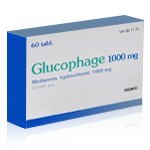
Glucophage (Metformin) stands as the undisputed first-line therapy for type 2 diabetes worldwide and one of the most prescribed medications in pharmaceutical history. As a biguanide class drug, Glucophage effectively lowers blood sugar through unique liver-targeted mechanism without causing hypoglycemia or weight gain. The 500/850/1000 mg oral tablets deliver consistent glycemic control with over 60 years of safety data across hundreds of millions of patients globally.
Metformin works through multiple mechanisms centered on activation of AMP-activated protein kinase (AMPK) in liver cells. This activation suppresses hepatic gluconeogenesis (new glucose production), enhances peripheral insulin sensitivity in muscle and adipose tissue, and reduces intestinal glucose absorption. The result: HbA1c drops 1-2% from baseline, fasting blood glucose decreases 50-70 mg/dL, body weight stays neutral or decreases 1-3 kg, and overall metabolic profile improves significantly within 4-8 weeks of starting treatment.
Glucophage demonstrated landmark cardiovascular benefit in the UKPDS trial (United Kingdom Prospective Diabetes Study), showing 36% reduction in all-cause mortality and 39% reduction in heart attack risk compared to other glucose-lowering therapies. The Diabetes Prevention Program (DPP) proved metformin reduces type 2 diabetes development by 31% in high-risk individuals with prediabetes. The medication uniquely benefits patients with insulin resistance, prediabetes, metabolic syndrome, polycystic ovary syndrome (PCOS) with ovulation problems, and serves as foundation for combination therapy with sulfonylureas, SGLT2 inhibitors, GLP-1 agonists, and insulin.
Glucophage offers convenient twice-daily dosing taken with meals to minimize gastrointestinal effects, with extended-release formulations available for once-daily convenience. The medication reaches peak blood concentrations within 2-3 hours and shows 6.2-hour half-life with renal excretion of unchanged drug. Generic metformin from quality manufacturers including Cipla, Sun Pharma, and Teva provides identical therapeutic effects to brand Glucophage at substantially lower cost. The active ingredient remains chemically identical to original Merck Serono formulation across both branded and generic versions of this established type 2 diabetes management therapy.
Free prescription
Discrete packaging
Have questions?
Quality Assurance

- Type 2 Diabetes: Most common diabetes form where body resists insulin or makes insufficient amounts gradually;
- Type 2 Diabetes Mellitus: Full medical term for adult-onset diabetes characterized by insulin resistance and hyperglycemia;
- High Blood Sugar: Persistently elevated blood glucose levels above 126 mg/dL fasting causing organ damage;
- Blood Sugar: Glucose circulating in blood that cells use for energy through insulin-regulated uptake;
- Hyperglycemia: Medical term for abnormally elevated blood glucose levels above normal threshold values;
- Insulin Resistance: Body cells respond poorly to insulin requiring higher levels to control blood sugar;
- Prediabetes: Blood sugar higher than normal but not yet diabetic range signaling early metabolic dysfunction;
- Diabetes Prevention: Reducing risk of progression from prediabetes to type 2 diabetes in high-risk patients;
- Metabolic Syndrome: Cluster of conditions including high blood sugar high blood pressure and abnormal cholesterol;
- PCOS: Polycystic ovary syndrome with insulin resistance ovarian cysts irregular periods and infertility;
- Polycystic Ovary Syndrome: Hormonal disorder in women causing ovarian cysts and metabolic disturbances;
- PCOS Infertility: Failure to ovulate regularly in polycystic ovary syndrome improved through metformin therapy;
- Diabetes Monotherapy: First-line single-drug treatment for newly diagnosed type 2 diabetes worldwide;
- Diabetes Combination Therapy: Foundation drug combined with sulfonylureas SGLT2 inhibitors GLP-1 agonists or insulin;
- Insulin Combination Therapy: Combined with insulin in advanced diabetes reducing total insulin dose requirements;
- Pediatric Type 2 Diabetes: First-line therapy for children over 10 years with type 2 diabetes diagnosis;
- Diabetic Obesity: Excess body weight common in type 2 diabetes requiring weight-neutral medication choice;
- Gestational Diabetes: Off-label use for diabetes during pregnancy with growing evidence of safety and efficacy;
- Anti Aging Research: Investigational use for longevity and healthspan extension under active clinical study;
- Biguanide Therapy: Biguanide drug class treatment offering first-line glucose lowering and cardiovascular benefits.
- Lower A1C: HbA1c decreases 1-2% reflecting better long-term blood sugar control over 3 months;
- Lower Fasting Glucose: Morning blood sugar levels normalize through reduced hepatic glucose production overnight;
- Lower Post Meal Glucose: Blood sugar spikes after eating flatten through reduced intestinal glucose absorption;
- Better Insulin Sensitivity: Body cells respond more effectively to insulin reducing the amount needed for glucose control;
- Less Insulin Resistance: Insulin resistance markers improve through AMPK activation in muscle and liver tissue;
- Less Hepatic Glucose Production: Liver glucose output decreases substantially reducing fasting hyperglycemia overnight;
- Less Hypoglycemia Risk: Severe hypoglycemia almost never occurs since metformin does not stimulate insulin secretion;
- Diabetic Weight Loss: Body weight decreases 1-3 kg or stays neutral unlike weight-gain causing sulfonylureas;
- Less Heart Attack Risk: Myocardial infarction risk drops 39% per UKPDS landmark trial in diabetic patients;
- Less Mortality Risk: All-cause mortality reduces 36% in long-term metformin users versus other diabetes therapies;
- Less Diabetes Progression: Progression from prediabetes to type 2 diabetes drops 31% per Diabetes Prevention Program;
- Less Diabetic Complications: Long-term damage to eyes kidneys and nerves decreases through better glucose control;
- Lower LDL Cholesterol: Bad LDL cholesterol decreases modestly improving overall lipid profile in diabetic patients;
- Lower Triglycerides: Blood triglyceride levels decrease improving comprehensive blood fat panel measurements;
- Better PCOS Symptoms: Polycystic ovary syndrome menstrual irregularity and insulin resistance improve significantly;
- Better PCOS Ovulation: Regular ovulation returns in many PCOS patients improving menstrual cycle predictability;
- Better PCOS Fertility: Pregnancy rates increase in PCOS women through restored ovulation and insulin sensitivity;
- Twice Daily Convenience: Tablets taken with morning and evening meals fit naturally into regular eating schedule;
- Better Quality of Life: Daily wellbeing improves from reduced hyperglycemia symptoms stable weight and minimal side effects.
Generic Glucophage (Metformin 500 mg) Medication guide:
📖 What Glucophage Is and How It Works
Glucophage is a well-known brand of metformin, the undisputed first-line therapy for type 2 diabetes worldwide. Originally introduced in Europe in 1957 (as Glucophage by Aron Laboratories in France), metformin arrived in the US in 1995 as Glucophage by Bristol-Myers Squibb. Cipla now produces the Glucophage generic version. Over 60 years of clinical experience and hundreds of millions of prescriptions make metformin one of the most extensively studied and safest oral diabetes medications in medical history.
Glucophage at a glance
| Class | Biguanide (only remaining member of class) |
| Manufacturer | Cipla (Glucophage generic) |
| Original approval | Europe 1957; US FDA 1995 (Bristol-Myers Squibb) |
| Available strengths | 500 mg, 850 mg, 1000 mg (IR); 500 mg, 750 mg, 1000 mg (XR) |
| Typical dose | 500-2000 mg daily (max 2550 mg) |
| Half-life | 4-9 hours (IR); longer effective duration (XR) |
| HbA1c reduction | 1-2 percent as monotherapy |
| Weight effect | Weight neutral or modest weight loss |
| Hypoglycemia risk | Very low when used alone |
The mechanism is fundamentally different from other diabetes drugs. Metformin's primary action is reducing hepatic glucose production - the liver makes less glucose. Secondary actions include improving peripheral insulin sensitivity at muscle tissue and reducing intestinal glucose absorption. At the molecular level, metformin activates AMP-activated protein kinase (AMPK) - a master regulator of cellular energy that shifts metabolism toward glucose uptake and away from glucose production.
What metformin does
Reduces hepatic glucose production by 25-30 percent. Improves insulin sensitivity at muscle and adipose tissue. Reduces intestinal glucose absorption modestly. Effect on blood glucose primarily reduces fasting glucose. HbA1c falls 1-2 percent. No pancreatic beta cell stimulation - hence very low hypoglycemia risk. Weight neutral or slight weight loss. Blood pressure and lipids modestly favorable.
Why metformin is first-line
Multiple factors combine to make metformin the universally preferred first-line therapy. Effectiveness - reliable 1-2 percent HbA1c reduction. Excellent safety profile - over 60 years of clinical data. No hypoglycemia when used alone. Weight neutral or weight loss. Very low cost - inexpensive generic worldwide. Cardiovascular benefit - UKPDS 34 showed reduced heart attacks and mortality. Possible longevity benefits - being studied in the TAME trial. Multiple additional indications - diabetes prevention, PCOS, gestational diabetes. This combination is unmatched by any other diabetes drug.
Beyond diabetes - the wider role
Multiple established uses
- Type 2 diabetes glycemic control - primary indication
- Diabetes prevention in prediabetes - based on DPP evidence
- Polycystic ovary syndrome - improves ovulation and metabolic parameters
- Gestational diabetes - increasing use as alternative to insulin
- Antipsychotic-induced weight gain prevention
- Non-alcoholic fatty liver disease - some benefit
- Cancer prevention research - ongoing
- Aging biology research - TAME trial
The safety story
Metformin is generally very well tolerated. Gastrointestinal side effects (nausea, diarrhoea, abdominal discomfort) affect about 30 percent of new users but usually settle with dose titration or XR formulation. Vitamin B12 deficiency can develop with long-term use - annual B12 check recommended. Lactic acidosis is rare but serious - occurs almost exclusively in clients with severe kidney impairment, acute illness with dehydration, or with concurrent alcohol excess. The 2016 FDA label update expanded metformin use to lower eGFR levels than previously allowed based on accumulated safety data.
Glucophage as generic
Glucophage from Cipla contains the identical metformin active ingredient as the original Bristol-Myers Squibb Glucophage. Generic manufacturing follows international bioequivalence standards. Clinical outcomes match the brand at substantially lower cost. Metformin is one of the most affordable diabetes therapies globally.
This guide walks through what metformin does, why it is first-line, the multiple indications, the dose titration to minimise GI effects, the important B12 and lactic acidosis considerations, and how metformin fits with combination therapy. Treat this guide as a companion to what your diabetes specialist or general practitioner tells you.
💊 Why Doctors Prescribe Glucophage - First-Line
Metformin has been the recommended first-line therapy for type 2 diabetes in virtually all major guidelines for over two decades. Understanding why shapes appropriate use.
First-line status - the consensus
Universal first-line recommendation
ADA, EASD, AACE, NICE, IDF, and virtually every major diabetes guideline recommend metformin as first-line pharmacotherapy for type 2 diabetes. This has been consistent for over 20 years. Modern guidelines increasingly allow other first-line agents (SGLT2 inhibitors, GLP-1 agonists) in specific scenarios but metformin remains the default choice for most clients.
Where metformin fits particularly well
Best fit scenarios
- Newly diagnosed type 2 diabetes - almost always first choice
- Type 2 diabetes with overweight/obesity - metformin weight neutral or weight loss
- Cost-sensitive scenarios - one of the cheapest diabetes drugs
- Insulin resistance phenotype - metformin addresses this
- Prediabetes - DPP evidence for prevention
- Polycystic ovary syndrome - improves ovulation and metabolic parameters
- Established type 2 diabetes on any other therapy - metformin usually added or continued
- Gestational diabetes - increasing use as alternative to insulin
Where metformin does not fit
Not appropriate for type 1 diabetes - requires insulin; metformin does not replace insulin. Not for diabetic ketoacidosis - requires insulin. Not for severe kidney impairment (eGFR under 30) - lactic acidosis risk. Not for acute severe illness with hemodynamic instability. Not for clients with severe hepatic impairment. Not for known hypersensitivity to metformin.
The four pillars advantage
Why metformin wins
- Effectiveness - reliable HbA1c reduction 1-2 percent
- Safety - 60+ years of data; well-characterised profile
- Tolerability - GI effects usually manageable
- Cost - very inexpensive
- No hypoglycemia when used alone
- Weight neutral or weight loss
- CV benefit - UKPDS 34 evidence
- Widely available globally
Modern refinements - when to add or replace
Alongside metformin or ahead of metformin
Modern guidelines allow SGLT2 inhibitors or GLP-1 agonists to be added early (as second-line) or occasionally alongside metformin from the start when the client has heart failure, CKD, or established ASCVD. Metformin usually continues as foundation. Some specific scenarios use these newer agents as first-line without metformin - but this remains uncommon. Metformin's superb safety and cost keep it central.
Multiple non-diabetes uses
Other indications
- Diabetes prevention in prediabetes - Section 4
- PCOS - Section 5
- Antipsychotic-induced weight gain prevention
- Non-alcoholic fatty liver disease - modest benefit
- Cancer prevention - research ongoing
- Aging biology - TAME trial
- Some rare metabolic conditions
Metformin's first-line status reflects an unmatched combination of effectiveness, safety, tolerability, and cost. Modern practice sometimes adds other agents for specific benefits but rarely replaces metformin without good reason.
🩸 Glucophage for Type 2 Diabetes
Type 2 diabetes glycemic control is the primary indication for metformin. The effect is reliable, durable, and well-characterised.
What metformin does to diabetes parameters
| HbA1c reduction | 1-2% |
| Fasting glucose reduction | 50-80 mg/dL |
| Time to meaningful improvement | 1-2 weeks |
| Time to full glycemic effect | 4-8 weeks |
| Weight effect | Neutral or -1 to -3 kg |
| Hypoglycemia risk (monotherapy) | Minimal |
Effect on lipids and cardiovascular parameters
Modest but favorable lipid effects
Metformin modestly reduces total cholesterol, LDL cholesterol, and triglycerides. HDL cholesterol may increase modestly. Blood pressure may fall slightly. These effects contribute to the cardiovascular benefit seen in UKPDS 34. Not enough alone to replace statin or antihypertensive therapy, but a welcome bonus alongside the glycemic effect.
Which clients respond well
Metformin works particularly well in insulin-resistant clients with obesity, metabolic syndrome, and elevated hepatic glucose production. Effect is durable over years - unlike sulfonylureas which lose effect. Combination with other agents is straightforward. Response tends to be consistent between clients unlike more variable responses seen with some other classes.
The UKPDS 34 landmark evidence
UKPDS 34 (Lancet 1998)
- 753 overweight newly-diagnosed type 2 diabetes clients
- Randomised to metformin monotherapy vs conventional (diet) therapy
- Median follow-up 10.7 years
- Diabetes-related endpoints reduced 32 percent
- Myocardial infarction reduced 39 percent
- All-cause mortality reduced 36 percent
- These benefits were seen despite modest HbA1c differences
- Established metformin as cardiovascular-beneficial diabetes therapy
Combination therapy synergy
Common combinations
- Metformin + SGLT2 inhibitor - excellent combination; CV and renal benefits added
- Metformin + GLP-1 agonist - powerful HbA1c reduction; weight loss
- Metformin + DPP-4 inhibitor - well-tolerated; modest additive effect
- Metformin + basal insulin - straightforward transition to insulin therapy
- Metformin + sulfonylurea - classic combination; watch hypoglycemia
- Metformin + pioglitazone - both insulin sensitisers; complementary
Durability
Effect maintained over years
Unlike sulfonylureas which lose glycemic effect as beta cell function declines, metformin effect is durable. ADOPT trial showed metformin maintained HbA1c targets longer than glyburide. This durability is a major advantage over time.
When metformin needs additional therapy
Many clients need combination therapy over time as diabetes progresses. Metformin typically continues as foundation with second-line agents added. Modern practice increasingly adds SGLT2 inhibitors or GLP-1 agonists early for CV or renal benefits. Sulfonylureas, insulin, and pioglitazone remain options depending on individual circumstances.
Set realistic expectations - metformin provides reliable HbA1c reduction of 1-2 percent, durable effect over years, minimal hypoglycemia, weight neutrality or modest loss, and cardiovascular benefit. This combination remains unmatched by any other single diabetes therapy.
🛡️ Glucophage for Diabetes Prevention
Metformin has established evidence for preventing diabetes progression in prediabetic clients. The Diabetes Prevention Program made this a routine consideration.
What prediabetes is
A high-risk metabolic state
Prediabetes means blood glucose levels are higher than normal but not yet diabetic. Definitions include impaired fasting glucose (100-125 mg/dL), impaired glucose tolerance (2-hour post-glucose 140-199 mg/dL), or HbA1c 5.7-6.4 percent. Progression to diabetes is 5-10 percent per year without intervention.
The Diabetes Prevention Program (DPP)
DPP (Knowler et al. NEJM 2002)
- 3,234 prediabetic clients
- Randomised to intensive lifestyle intervention, metformin, or placebo
- Median follow-up 2.8 years
- Lifestyle intervention reduced diabetes progression 58 percent
- Metformin reduced progression 31 percent
- Lifestyle particularly effective in older adults
- Metformin particularly effective in younger, more obese clients
- Both interventions cost-effective over decades
The DPP outcomes study - sustained effect
Long-term follow-up of DPP participants showed sustained benefits. At 15 years, metformin still reduced diabetes incidence by 18 percent. Cardiovascular biomarkers improved. Cancer incidence possibly reduced (though not statistically significant). Weight loss maintained more with metformin than after intensive lifestyle intervention ended.
Who benefits most from metformin prevention
Best candidates for metformin prevention
- Age under 60 - metformin effect largest in younger adults
- Higher BMI (over 35) - metformin effect larger with obesity
- Higher fasting glucose or HbA1c in prediabetic range
- Women with prior gestational diabetes
- Insulin resistance features (metabolic syndrome)
- Family history strong
Guideline recommendations
ADA and other guideline positions
American Diabetes Association recommends considering metformin for prediabetes prevention particularly in adults under 60 with BMI 35+, higher-risk features, or women with prior gestational diabetes. Lifestyle intervention remains first-line always. Metformin as adjunct or when lifestyle alone insufficient.
Practical prevention approach
Prevention regimen
- First - intensive lifestyle intervention - 7 percent weight loss target; 150 minutes weekly moderate exercise
- DPP-style programs in community settings widely available
- Add metformin if lifestyle alone insufficient or high-risk profile
- Typical dose - 500 mg twice daily; can titrate as tolerated
- Continue long-term - benefit sustained with continued use
- Monitor annual HbA1c or fasting glucose for progression
Off-label but established
Metformin for diabetes prevention is off-label in the US (FDA labeled only for type 2 diabetes) but is a well-established practice supported by extensive evidence and endorsed by all major diabetes societies. Some insurance may or may not cover for this indication - discuss with team about administrative aspects.
Duration of prevention therapy
If starting for prevention, continue long-term. Benefits accrue over years and appear to require continued therapy. Reassess periodically whether client still at high risk. If diabetes develops despite metformin, transition to type 2 diabetes management (typically continue metformin at diabetes doses plus additional therapy).
Metformin provides substantial diabetes prevention benefit in prediabetic clients particularly those younger, more obese, and with higher risk features. Combined with lifestyle intervention, it substantially delays or prevents diabetes progression.
👩⚕️ Glucophage for PCOS
Polycystic ovary syndrome (PCOS) is an important non-diabetic indication for metformin. It addresses the underlying insulin resistance that drives many PCOS manifestations.
What PCOS is
A common metabolic-reproductive condition
PCOS affects 5-15 percent of women of reproductive age. Diagnosed by Rotterdam criteria - two of three features required: oligo-ovulation, hyperandrogenism, polycystic ovaries on ultrasound. Underlying pathophysiology often includes insulin resistance which drives increased ovarian androgen production. Consequences include irregular menstruation, infertility, hirsutism, acne, weight gain, and increased risk of type 2 diabetes.
How metformin helps PCOS
Mechanisms in PCOS
- Reduces insulin resistance - the root of many PCOS features
- Lowers circulating insulin - which drives ovarian androgen production
- Reduces androgens - improves hirsutism, acne
- Improves ovulation - restores menstrual regularity for many
- Modest weight loss - contributes to metabolic improvement
- Reduces diabetes progression in PCOS clients
Standard PCOS uses
Clinical applications
- Menstrual irregularity - metformin helps restore ovulation
- Ovulation induction for fertility - combined with clomiphene or letrozole; may allow lower dose or alone in some clients
- Prevention of diabetes progression - metformin reduces future diabetes risk
- Antipsychotic-induced weight gain in PCOS clients
- Combined with lifestyle intervention - not replacement for it
Dosing in PCOS
Typical PCOS regimen
- Start 500 mg once daily to reduce GI effects
- Titrate to 500 mg twice daily after 1-2 weeks if tolerated
- Target 1500-2000 mg daily in most clients
- XR formulation often preferred - less GI
- Effect on ovulation visible over 2-3 months
- Effect on metabolic parameters visible weeks
Combined with lifestyle intervention
Lifestyle remains cornerstone
Weight loss of 5-10 percent improves virtually all PCOS features. Combined with metformin, effect is additive. Metformin is not a substitute for lifestyle intervention - the two work together.
Fertility and pregnancy in PCOS
PCOS fertility considerations
- Metformin helps ovulation induction - typically combined with letrozole or clomiphene
- Some pregnancies achieved with metformin alone
- Continue or discontinue during pregnancy - individualised decision; increasing evidence for safe continuation
- Reduces miscarriage risk in some analyses
- Reduces gestational diabetes risk in PCOS women
Long-term PCOS management
PCOS is a lifelong condition. Metformin often continued long-term for metabolic benefit and diabetes prevention. Reassess periodically - some women stop metformin at menopause when insulin resistance may improve. Weight management, cardiovascular risk reduction, and diabetes screening continue.
Off-label but well-established
Metformin for PCOS is off-label in the US but is a well-established practice supported by extensive evidence and endorsed by international PCOS guidelines. Practice is universal in reproductive endocrinology.
Metformin provides multiple benefits in PCOS - improved insulin resistance, reduced androgens, restored ovulation, and reduced diabetes progression. Combined with lifestyle intervention, it addresses multiple manifestations of this common condition.
🫀 Glucophage Cardiovascular and Emerging Uses
Beyond glycemic control, metformin has cardiovascular benefits and emerging roles in aging, cancer prevention, and other conditions.
The UKPDS 34 cardiovascular benefit
Landmark CV evidence
UKPDS 34 (Lancet 1998) established metformin as cardiovascularly beneficial. In 753 overweight newly-diagnosed type 2 diabetes clients, metformin monotherapy reduced MI by 39 percent, all-cause mortality by 36 percent, and diabetes-related endpoints by 32 percent. These benefits appeared beyond glycemic control effects.
Modern cardiovascular positioning
CV context of metformin
- Metformin remains foundation with CV benefit
- SGLT2 inhibitors and GLP-1 agonists have stronger dedicated CV outcome trial evidence
- Modern practice - metformin + SGLT2 or GLP-1 in high CV risk clients
- Metformin's CV benefit generally considered class-wide beyond just diabetes
Aging biology - the TAME trial
Metformin as anti-aging
Observational data and preclinical research suggest metformin may extend healthspan (years of healthy life). The TAME (Targeting Aging with Metformin) trial led by Nir Barzilai investigates metformin's effects on multiple age-related conditions simultaneously. If TAME succeeds, metformin could become the first drug approved specifically for aging biology. Ongoing research.
Cancer prevention
Cancer research context
- Observational studies suggest diabetes clients on metformin may have reduced cancer incidence
- Mechanism likely involves reduced insulin/IGF-1 signaling
- Ongoing clinical trials in various cancer populations
- Not established as cancer prevention therapy yet
- Some breast, colorectal, and pancreatic cancer trials
Non-alcoholic fatty liver disease (NAFLD/MASH)
Fatty liver considerations
- Metformin improves insulin resistance which underlies NAFLD
- Modest liver enzyme improvement
- Limited effect on advanced fibrosis
- Not as effective as pioglitazone or GLP-1 agonists for MASH
- Reasonable adjunct in NAFLD with diabetes
Antipsychotic-induced weight gain
Psychiatric weight management
- Second-generation antipsychotics (olanzapine, clozapine) cause substantial weight gain
- Metformin can reduce or prevent this weight gain
- Also improves metabolic parameters in psychiatric clients
- Established off-label practice
Gestational diabetes
Increasing use in pregnancy
- Traditionally gestational diabetes treated with insulin
- Increasing evidence supports metformin as alternative
- Reduces gestational weight gain
- Better client acceptance than insulin injections
- Long-term follow-up of babies reassuring
- Section 28 covers this indication
Broader implications
The metformin story continues to expand
Over 60 years of clinical use, metformin's applications continue to expand. From type 2 diabetes to diabetes prevention to PCOS to potentially aging biology, metformin remains one of the most versatile and well-studied medications in medicine. The extraordinary safety profile enables exploration of new applications that would be risky with other drugs.
Metformin's effects extend well beyond simple glycemic control. Cardiovascular benefit is established. Emerging roles in aging, cancer prevention, and other conditions continue to expand the drug's significance.
🔬 How Metformin Reduces Hepatic Glucose
Understanding metformin's mechanism clarifies its effectiveness and side effect profile.
The primary target - hepatic glucose production
The liver is the main site of action
Metformin's primary effect is reducing hepatic glucose production (gluconeogenesis). In diabetes, the liver produces excessive glucose especially overnight, causing morning fasting hyperglycemia. Metformin reduces this by approximately 25-30 percent. This is why metformin particularly helps fasting glucose.
The molecular mechanism - AMPK activation
Cellular level actions
- Metformin accumulates in hepatocytes via organic cation transporter 1 (OCT1)
- Inhibits mitochondrial respiratory complex I
- ATP production decreases; AMP increases
- AMP-activated protein kinase (AMPK) activated - the cellular energy sensor
- AMPK reduces gluconeogenic gene expression
- Gluconeogenesis suppressed at multiple steps
- Lipogenesis reduced
- Fatty acid oxidation increased
- Glucose uptake improved at muscle
Multiple sites of action
Sites beyond liver
- Liver - primary site; reduced gluconeogenesis
- Muscle - improved insulin-mediated glucose uptake
- Intestines - reduced glucose absorption; increased GLP-1 secretion; altered gut microbiome
- Adipose tissue - modest effects on fatty acid handling
- Kidney - not the primary site; excretion route
The gut microbiome angle
Increasing recognition
Metformin substantially alters the gut microbiome composition. Some of the drug's benefits may come through microbiome effects. Also explains the substantial GI side effects. Modern research explores this pathway. The XR formulation reduces gut exposure and thus GI effects while maintaining systemic effects.
What metformin does NOT do
Absent mechanisms
- Does not stimulate insulin release - no hypoglycemia risk when used alone
- Does not affect glucose absorption directly in large amounts
- Does not cause weight gain - actually neutral or slight loss
- Does not affect beta cell function
Pharmacokinetics
| Absorption (IR) | 50-60 percent bioavailability |
| Absorption (XR) | Slower; food-dependent |
| Peak plasma (IR) | 2-4 hours |
| Peak plasma (XR) | 7 hours |
| Half-life | 4-9 hours |
| Protein binding | Minimal |
| Metabolism | Not metabolised |
| Excretion | Renal (unchanged drug) |
Why renal impairment matters
Renal excretion explains eGFR limits
Metformin is not metabolised - it is excreted unchanged by the kidney. Reduced kidney function means metformin accumulates. Higher metformin levels increase risk of lactic acidosis. This is why eGFR determines metformin eligibility (Section 18).
Mechanism-driven side effects
GI side effects - direct effect on gut cells and microbiome; typically resolves with slow titration or XR. Vitamin B12 malabsorption - metformin interferes with intestinal B12 absorption over years. Lactic acidosis - mitochondrial complex I inhibition can amplify lactate production if metformin accumulates (kidney failure) or if lactate clearance impaired (hepatic failure, shock).
The mechanism defines both metformin's effectiveness and its specific safety considerations. Understanding this biology explains the drug behavior clinically.
⏰ Glucophage Dose Schedule and Titration
Metformin dosing follows a stepwise titration to minimise GI side effects while achieving therapeutic effect.
Standard dosing - immediate release (IR)
| Week | Dose |
|---|---|
| Week 1-2 | 500 mg once daily with dinner |
| Week 2-3 | 500 mg twice daily with breakfast and dinner |
| Week 3-4 | 500 mg three times daily OR 1000 mg twice daily |
| Beyond | Titrate to 1500-2000 mg daily typical maintenance |
| Maximum | 2550 mg daily divided doses |
Standard dosing - extended release (XR)
| Timing | Dose |
|---|---|
| Starting | 500 mg XR once daily with dinner |
| After 1-2 weeks | Increase by 500 mg weekly |
| Target | 1500-2000 mg XR once daily |
| Maximum XR | 2000 mg once daily typical (though 2500 mg XR available) |
IR versus XR - the practical difference
Comparison
| Feature | IR | XR |
|---|---|---|
| Dosing | Twice or three times daily | Once daily typical |
| GI side effects | More common | Less common |
| Cost | Lower | Higher (though still low) |
| Efficacy | Equivalent | Equivalent |
| Best for | Cost-conscious; tolerates IR | GI intolerance; adherence support |
Dosing by kidney function
| eGFR | Metformin approach |
|---|---|
| 60+ mL/min | Full dose; no adjustment |
| 45-60 mL/min | Continue standard dosing; monitor |
| 30-45 mL/min | Reduce maximum dose to 1000 mg daily; do not initiate |
| Under 30 mL/min | Contraindicated |
Timing rules
Take with meals
Take metformin with meals - reduces GI side effects. XR with the evening meal typically. IR with each main meal. Never on empty stomach. Consistency helps adherence.
Expected effect timeline
- Day 1-3 - GI side effects may occur; glucose starts falling
- Week 1-2 - fasting glucose noticeably lower
- Week 4-6 - HbA1c improvement clear
- Week 4-8 - full glycemic effect at target dose
- Long term - durable HbA1c reduction over years
Titration approach
Start low. Increase gradually. Target 1500-2000 mg daily for most clients. Above 2000 mg provides diminishing benefit with increasing GI effects. Some clients tolerate maximum 2550 mg IR daily.
Duration of therapy
Metformin is typically indefinite for type 2 diabetes and diabetes prevention. Effect durable over decades of clinical use. Stopping causes glycemic control loss within days to weeks. Reassess only if intolerance develops, kidney function declines, or contraindication emerges.
Do not stop suddenly
Glucose control worsens within days if metformin stopped without alternative. If discontinuing needed (contraindication), plan alternative therapy.
📅 Starting Glucophage - First Weeks GI Effects
Starting metformin means managing the transition through initial GI side effects with slow titration.
Typical initiation experience
Most new clients experience some GI effects in first days - nausea, mild diarrhoea, abdominal discomfort, metallic taste. These typically settle over 1-2 weeks with continued use and slow titration. Fasting glucose falls within days. HbA1c improvement clear at 4-6 weeks. Long-term tolerance excellent in the great majority.
The GI challenge
30 percent of new users have GI symptoms
Approximately 30 percent of new metformin users experience notable GI side effects. Most settle. About 5-10 percent cannot tolerate metformin at all. Understanding this and preparing clients helps them push through the initial adjustment period.
Pre-treatment assessment
Baseline checks before starting
- Diabetes parameters - HbA1c, fasting glucose
- Kidney function - eGFR determines eligibility
- Liver function - contraindicated in severe impairment
- Weight and BMI - baseline
- Volume status
- Concurrent medications - alcohol use pattern; nephrotoxic drugs
- B12 status - baseline in higher-risk clients
- Discuss GI expectations - critical for adherence
Setting expectations
Three practical points for new starters
- Take with meals - reduces GI effects substantially. Never on empty stomach.
- Expect initial GI adjustment - most settles in 1-2 weeks. Push through if possible. Contact team if severe.
- Slow titration works - starting low and increasing gradually maximises tolerability.
Follow-up schedule for initiation
| Timing | Focus |
|---|---|
| Week 1-2 | Phone or brief visit; GI tolerance; can we titrate up? |
| Week 4-6 | Response assessment; dose optimisation |
| Month 3 | HbA1c response; overall assessment |
| Every 6 months | HbA1c; kidney function; weight; overall assessment |
| Annual | Comprehensive review; B12 level; renal function |
Warning signs during initiation
Contact team promptly if these occur
- Severe GI symptoms not settling after 2-3 weeks
- Symptoms of lactic acidosis - unusual fatigue, muscle pain, difficulty breathing, abdominal pain
- Yellow skin or eyes
- Signs of severe dehydration
- Acute illness requiring hospital care
- Any hypoglycemia symptoms (rare with metformin alone)
- Severe rash
Managing the initial GI transition
Practical tips
- Always take with meals
- Start with just one dose daily
- Increase slowly over weeks
- Consider XR formulation if IR poorly tolerated
- Avoid heavy fatty meals initially
- Ginger tea, plain foods during transition
- Loperamide for troublesome diarrhoea (short-term)
- Encourage persistence through the adjustment
The first weeks are learning. GI adjustment is the main challenge. Slow titration, meals with doses, and honest communication about tolerability support successful long-term therapy.
📏 Glucophage Dose Adjustments and Response
Metformin dose adjustment balances glycemic effectiveness against tolerability. Most clients settle at 1500-2000 mg daily.
Factors affecting response
Baseline HbA1c (higher = larger absolute reduction). Duration of diabetes. Concurrent diabetes medications. Adherence. Weight. Kidney function. Diet and physical activity.
Common adjustments
| Situation | Action |
|---|---|
| HbA1c not at target on 1500 mg | Increase to 2000 mg; recheck at 12 weeks |
| HbA1c not at target on 2000 mg | Add SGLT2 inhibitor, GLP-1 agonist, or other second-line agent |
| GI intolerance on IR | Switch to XR formulation |
| Persistent GI even on XR | Reduce dose; try to titrate up more slowly |
| eGFR falls to 30-45 | Reduce to 1000 mg maximum daily |
| eGFR falls under 30 | Stop metformin; alternative therapy |
| Acute illness with dehydration | Hold metformin; restart when recovered |
| Contrast study planned | Hold at time of contrast (see Section 30) |
| B12 deficiency | Supplement; continue metformin |
| Weight loss beyond desired | Reassess adherence and intake |
The IR to XR switch
Common solution for GI intolerance
Extended release formulation substantially reduces GI side effects. Same total daily dose. Once daily typically. Slightly higher cost but usually still very affordable. Excellent option for clients not tolerating IR. Effectiveness equivalent.
When metformin is not enough
Modern add-on strategy
- CV or renal risk features - add SGLT2 inhibitor or GLP-1 agonist
- Weight loss desired - add GLP-1 agonist
- Cost-sensitive - add sulfonylurea or pioglitazone
- Older adult - consider DPP-4 inhibitor (safer profile)
- Substantial HbA1c gap - add basal insulin
Non-response investigation
- Check adherence honestly
- Verify meal timing with doses
- Assess concurrent hyperglycemia drivers (steroids, other medications)
- Rule out other conditions (thyroid, cortisol)
- Consider dose escalation if not at maximum
- Add second-line agent
- Endocrinology consultation for refractory cases
Metformin adjustment is HbA1c-driven with tolerability considerations. IR to XR switch addresses most GI intolerance. Modern practice adds alternative agents rather than trying to escalate metformin above 2000 mg.
💊 How to Take Glucophage - IR versus XR
Practical routines around Glucophage support consistent use. Two formulations (IR and XR) offer different practical patterns.
Immediate release (IR) - typical routine
IR daily routine
- Two or three times daily with meals
- Take with breakfast and dinner - most common for twice daily
- Take with each main meal for three times daily
- Swallow whole with water
- Do not crush or chew
- Same times daily for adherence habit
Extended release (XR) - typical routine
XR daily routine
- Once daily with dinner typically
- With the evening meal - most common
- Swallow whole - do not crush or chew XR
- Empty tablet shell may appear in stool - this is normal and not a concern
- Same time daily
Take with meals - the key rule
Always with food
Metformin taken with meals has substantially fewer GI side effects. This is not just for initial titration - continue the meal-timing habit long-term. Empty stomach doses often cause nausea and diarrhoea.
Anchor to a daily habit
Morning dose with breakfast. Evening dose with dinner. If three times daily, lunch too. Weekly pillbox helpful for polypharmacy. Phone alarm labeled "metformin" reduces forgetting. Anchor to routine meals rather than clock times.
Home monitoring priorities
What to track at home
- Fasting glucose regularly
- Weight - modest loss or stable expected
- GI symptoms - track pattern
- Any unusual fatigue, muscle pain, breathing difficulty (lactic acidosis awareness)
- Signs of B12 deficiency - fatigue, tingling, memory issues
Key safety rules
Never do these
- Do not stop suddenly - glucose control worsens
- Never take on empty stomach if avoidable
- Never crush or chew XR tablets
- Do not exceed 2550 mg daily
- Do not drink excessive alcohol on metformin
Alert your team about
- Symptoms of lactic acidosis (rare but serious)
- Severe or persistent GI symptoms
- Planned contrast studies or major surgery
- Severe illness with dehydration
- Kidney function changes
- B12 deficiency symptoms
Storage
Room temperature under 30 C. Original packaging. Protect from moisture. Not in bathroom or hot car. Out of reach of children. Do not use past expiry. Return unused to pharmacy for disposal.
Simple twice or once daily with meals dosing supports consistent long-term use. The core practical rule - take with food - prevents most GI intolerance.
🍴 Food Timing and Metformin Absorption
Food timing is essential with metformin. Taking with meals substantially reduces GI side effects.
Food and metformin - the meal rule
Always with meals
Metformin taken with meals has substantially fewer GI side effects than empty stomach dosing. Food slows absorption and reduces local gut irritation. This applies both to IR (taken with each main meal) and XR (taken with the evening meal typically).
Bioavailability
Metformin IR bioavailability is 50-60 percent. Food reduces absorption modestly but the clinical effect on glycemic control is negligible. The trade-off of better tolerability strongly favors taking with meals. XR absorption depends more on food - it should always be taken with meals.
Diet for type 2 diabetes
The Mediterranean or DASH eating pattern has best evidence for diabetes and cardiovascular outcomes. Emphasise vegetables, whole grains, legumes, fatty fish, nuts, olive oil. Limit refined carbohydrates, added sugars, processed meats. Consistent carbohydrate intake supports steady glycemic control.
Diet emphasis for metformin clients
- Mediterranean pattern - proven for diabetes and cardiovascular outcomes
- Portion control - important for weight management
- Adequate protein - satiety and blood glucose stability
- Fiber emphasis - vegetables, legumes, whole grains
- Regular meal timing - supports metformin schedule
- Limit added sugars
- Modest sodium restriction
Foods that can worsen GI effects
Consider limiting during titration
- Very high fat meals can amplify nausea
- Excessive spicy foods
- Alcohol excess
- Very large single meals
- Excessive caffeine may worsen diarrhoea
Weight management
Metformin supports weight management
Metformin is weight neutral or causes modest weight loss (1-3 kg). Not a weight loss drug in itself but does not cause weight gain. Combined with lifestyle intervention, weight loss can be substantial. Modern practice sometimes combines metformin with GLP-1 agonist for substantial weight loss with excellent glycemic control.
Intermittent fasting on metformin
Intermittent fasting patterns generally safe on metformin (no hypoglycemia risk from metformin alone). Take metformin doses with the first meal of the eating window. If skipping meals, skip that metformin dose - do not double up later. Discuss with team before starting IF patterns.
Carbohydrate consistency
Metformin does not require strict carbohydrate counting like insulin. Reasonable carbohydrate consistency helps but not critical. Modern practice emphasises overall dietary pattern quality over specific carbohydrate counting for most metformin-only clients.
Diet is essential for diabetes management. Adequate meal timing with metformin doses supports tolerability. Mediterranean-style eating remains excellent foundation.
🍷 Alcohol Rules During Glucophage Therapy
Alcohol interaction with metformin is important - primarily through lactic acidosis risk with excessive intake.
Why alcohol matters with metformin
Alcohol is metabolised in the liver by pathways that share cofactors with metformin's cellular actions. Heavy alcohol use can amplify lactate production while metformin already inhibits mitochondrial respiratory complex I. Combined effect is increased risk of lactic acidosis. This risk is small with moderate alcohol but rises substantially with binge drinking or chronic heavy use.
Alcohol concerns on metformin
- Increased lactic acidosis risk with heavy use
- Liver injury with chronic heavy use
- Hypoglycemia if on insulin or sulfonylurea concurrently
- GI symptoms compounded
- Impaired judgment about diabetes self-care
Guidelines by scenario
| Scenario | Alcohol guidance |
|---|---|
| Type 2 diabetes stable on metformin | Moderate at most - 1 drink daily women, 2 daily men max |
| Any liver disease | Avoid or minimal |
| Chronic kidney disease | Very limited |
| Prior lactic acidosis | Avoid |
| Concurrent insulin or sulfonylurea | Extra hypoglycemia caution - eat with alcohol |
| Frequent binge drinking pattern | Not compatible with metformin safely |
Standard drink reference
Beer 12 oz / 350 ml at 5 percent alcohol. Wine 5 oz / 150 ml at 12 percent alcohol. Spirits 1.5 oz / 45 ml at 40 percent alcohol.
Sensible approach if you drink
Practical guidance
- Not more than 2 drinks in one occasion
- Avoid binge drinking entirely
- Eat with alcohol
- Adequate hydration - water alongside alcohol
- Not before driving
- Be honest with your team about intake
Avoid alcohol entirely if:
- Any hepatitis or active liver disease
- Prior lactic acidosis
- Diagnosed alcohol use disorder
- Chronic kidney disease (eGFR under 45)
- Directed by your team
Alcohol on metformin requires moderation due to lactic acidosis risk with excess. Occasional moderate drinking generally safe. Binge drinking or chronic heavy use incompatible.
🚨 Glucophage Side Effects Complete Overview and Warnings
Metformin has a favorable side effect profile dominated by GI effects. Most other effects are mild or rare.
Common effects
Common (over 5 percent)
- Diarrhoea - most common; up to 30 percent
- Nausea - 10-20 percent
- Abdominal discomfort
- Metallic taste
- Loss of appetite
- Flatulence
Uncommon but notable
- Vitamin B12 deficiency - long-term users; usually years to develop
- Modest weight loss (usually welcome)
- Skin rash (mild)
- Headache
- Fatigue
Rare but serious
Rare serious effects
- Lactic acidosis - very rare; almost exclusively with severe kidney impairment, acute illness, or alcohol excess
- Severe B12 deficiency - neurological symptoms, macrocytic anemia
- Hepatotoxicity - very rare
- Anaphylaxis - extremely rare
When to seek help urgently
Emergency signals - possible lactic acidosis
- Unusual fatigue or weakness
- Muscle pain or cramps
- Difficulty breathing or rapid breathing
- Abdominal pain
- Nausea and vomiting (persistent)
- Feeling cold, dizzy, or lightheaded
- Slow or irregular heartbeat
- Confusion
What metformin does NOT cause
Reassuring absent effects
- No hypoglycemia when used alone
- No weight gain - actually may cause modest weight loss
- No heart failure risk (unlike some diabetes drugs)
- No bone fracture concerns
- No cancer risk (may actually reduce)
- No cognitive concerns
Managing common effects
| Effect | Action |
|---|---|
| Nausea (mild) | Take with meals; usually settles |
| Diarrhoea (mild) | Reduce dose; slow titration; XR formulation; usually settles |
| Diarrhoea (persistent) | Switch to XR; reduce dose; consider tolerability |
| Metallic taste | Usually fades; sugar-free mints; oral hygiene |
| Loss of appetite | Usually mild and temporary |
| Fatigue | Assess; check B12; rule out other causes |
| Mild rash | Assess; may continue |
Side effect profile is generally favorable. GI effects usually manageable. Serious effects are rare. The extraordinary long-term safety record is a defining feature of metformin.
🫁 GI Side Effects Management
GI side effects are the main challenge with metformin. Understanding management strategies helps most clients continue therapy successfully.
Why GI effects occur
Metformin has direct effects on gut cells and substantially alters the gut microbiome. Local gut concentrations of metformin are high with oral dosing. Increased serotonin release. Bile acid metabolism changes. GLP-1 secretion changes. All contribute to nausea, diarrhoea, and abdominal discomfort particularly in the first days-weeks of therapy.
The typical pattern
First days-weeks challenge
Approximately 30 percent of new metformin users experience GI effects. Onset within days of starting or increasing dose. Symptoms typically diminish over 1-2 weeks with continued use. About 5-10 percent cannot tolerate metformin at all. This is why slow titration and preparation matter.
Strategies to minimise GI effects
Management strategies
- Always take with meals - single most important step
- Start low - 500 mg once daily initially
- Titrate slowly - increase weekly not daily
- Consider XR formulation - substantially less GI
- Split doses - twice or three times daily instead of one large dose
- Avoid heavy fatty meals during titration
- Reduce dose temporarily if intolerance develops; retry after settling
- Persist through initial adjustment - usually settles
The IR to XR switch - the game changer
Substantially better tolerability
Extended release formulation causes 50 percent fewer GI symptoms than immediate release. Same efficacy. Once daily typically. Slightly higher cost but usually still very affordable. For clients not tolerating IR, XR is the standard next step before giving up on metformin.
Symptomatic management
Comfort measures
- Ginger tea or ginger supplements for nausea
- Plain foods during transition - crackers, rice, toast
- Adequate hydration
- Loperamide short-term for troublesome diarrhoea (with team advice)
- Bismuth subsalicylate occasionally used
- Avoid alcohol during titration
- Small frequent meals if nausea prominent
When to persist vs when to switch
Decision guide
- Mild-moderate GI effects in first 1-2 weeks - persist; usually settles
- Substantial GI effects on IR at low dose - switch to XR
- Substantial GI effects on XR - reduce dose; retry slow titration
- Persistent severe effects despite all strategies - discontinue and use alternative
- Late-onset new GI effects - investigate other causes; check kidney function
Late-onset GI symptoms
Investigate if new
GI symptoms that develop after months or years on stable metformin dose require investigation. Not typical metformin GI effects. Consider other causes - new medications, gastroenteritis, inflammatory bowel disease, malabsorption, cancer. Do not assume metformin as cause without evaluation.
Long-term outlook
Most clients who tolerate initial titration continue metformin indefinitely without ongoing GI issues. Occasional flares related to acute illness, dietary changes, or new medications. The vast majority achieve stable long-term therapy.
GI side effects are the main challenge but usually manageable with meal timing, slow titration, XR formulation, and persistence through the adjustment period. The IR to XR switch resolves most cases.
🧬 Vitamin B12 Deficiency Long-Term
Vitamin B12 deficiency is a well-documented but often overlooked complication of long-term metformin use. Awareness supports appropriate monitoring and intervention.
Why metformin causes B12 deficiency
Metformin interferes with intestinal calcium-dependent absorption of vitamin B12 in the terminal ileum. The mechanism is not fully understood but calcium supplementation may partially compensate. Effect develops gradually over years of use. Approximately 10-30 percent of long-term metformin users develop B12 deficiency.
Timeframe
Years to develop typically
B12 deficiency from metformin develops over years - typically 5+ years of therapy. Body stores of B12 are substantial so early depletion goes unrecognised. First serum B12 falls, then symptoms develop, then macrocytic anemia and neurological effects. Regular monitoring catches deficiency before symptoms.
Risk factors for B12 deficiency
Higher B12 deficiency risk
- Long duration of metformin use (5+ years)
- Higher doses - 2000+ mg daily
- Older adults - baseline lower absorption
- Vegetarian or vegan diet - lower dietary B12
- Concurrent PPI or H2 blocker use - reduces stomach acid needed for B12
- Prior gastric surgery - reduces intrinsic factor
- Small bowel disease
- Chronic alcohol excess
Recognising B12 deficiency
Symptoms progress with severity
- Early - often no symptoms; detected on lab check
- Fatigue and weakness
- Tingling or numbness in hands and feet - peripheral neuropathy
- Balance problems
- Memory or cognitive changes
- Mood changes
- Pallor from anemia
- Glossitis (sore tongue)
Diabetic neuropathy overlap
B12 deficiency mimics or worsens diabetic neuropathy
Tingling and numbness from B12 deficiency can be mistaken for diabetic peripheral neuropathy. Both are common in metformin-treated diabetes clients. If symptoms of neuropathy develop or worsen, check B12 level - deficiency is treatable and prevents progression to permanent damage.
Monitoring recommendations
B12 monitoring approach
- Baseline B12 level before starting metformin (higher-risk clients)
- Annual B12 check after 2-3 years of metformin use
- Every 1-2 years for long-term users
- Check immediately if symptoms suggestive
- Also consider methylmalonic acid or homocysteine - more sensitive markers
Treatment of B12 deficiency
Simple and effective
Vitamin B12 supplementation. High-dose oral (1000 mcg daily) generally works even in metformin-induced deficiency. Intramuscular injections (1000 mcg monthly) for severe deficiency or if oral inadequate. Do not stop metformin - continue and supplement. Consider ongoing supplementation for prevention in higher-risk long-term users.
Prevention
Preventive strategies
- Prophylactic B12 supplementation in higher-risk long-term users
- Adequate dietary B12 - meat, fish, dairy, eggs
- Consider B12 in vegetarian/vegan diets
- Adequate calcium intake - may support B12 absorption
- Regular monitoring to catch early
B12 deficiency is a manageable long-term consideration of metformin use. Regular monitoring, supplementation when needed, and awareness of symptoms support optimal outcomes. Do not stop metformin - treat the deficiency.
🔴 Lactic Acidosis - Rare but Serious
Lactic acidosis is the most serious potential side effect of metformin - rare but potentially fatal. Understanding when it occurs supports prevention.
What lactic acidosis is
Metabolic acidosis from lactate accumulation
Lactic acidosis is a metabolic emergency where lactate accumulates in blood, causing acidosis (low blood pH). Symptoms include unusual fatigue, muscle pain, difficulty breathing, abdominal pain, confusion. Mortality historically was substantial. Modern management improves outcomes but early recognition critical.
Why metformin can precipitate lactic acidosis
Metformin inhibits mitochondrial respiratory complex I. In most clients, this has no clinical effect - cellular energy production and lactate handling continue normally. In specific scenarios where lactate production is increased (illness, dehydration) or lactate clearance is impaired (kidney or liver failure), metformin can amplify lactate accumulation to critical levels.
Actual incidence - very rare
Approximately 3-10 cases per 100,000 patient-years
Metformin-associated lactic acidosis is very rare - approximately 3-10 cases per 100,000 patient-years in appropriate metformin users. The rate has not fallen with the 2016 label update allowing lower eGFR use, suggesting safety at moderate CKD levels. Historical fear of lactic acidosis was often overblown - the actual risk is very low.
Risk factors
Higher lactic acidosis risk
- Severe renal impairment (eGFR under 30) - main risk factor
- Acute kidney injury from any cause
- Severe dehydration (vomiting, diarrhoea, poor intake)
- Sepsis or severe infection
- Heart failure decompensation
- Shock of any cause
- Severe hepatic impairment
- Alcohol excess
- Contrast-induced nephropathy
- Recent major surgery with hemodynamic instability
Recognising lactic acidosis
Symptoms - act quickly
- Unusual fatigue or weakness - out of proportion
- Muscle pain or cramps
- Difficulty breathing or rapid breathing (compensatory)
- Abdominal pain
- Nausea and vomiting
- Feeling cold, dizzy, or lightheaded
- Slow or irregular heartbeat
- Confusion, drowsiness
Prevention strategies
Reduce risk
- Do not use if eGFR under 30
- Reduce dose if eGFR 30-45
- Hold during acute severe illness
- Hold during severe dehydration
- Hold around contrast studies if borderline kidney function
- Hold before major surgery
- Limit alcohol
- Adequate hydration in hot weather, illness
- Report concerning symptoms promptly
If lactic acidosis is suspected
Emergency response
- Emergency medical care immediately
- Stop metformin
- Hospital treatment
- Blood gas analysis, lactate level, glucose, electrolytes, kidney function
- Supportive care - IV fluids, possibly bicarbonate
- Hemodialysis for severe cases - removes metformin and corrects acidosis
- ICU care typically needed
- Address underlying trigger
The perspective on risk
Low absolute risk in appropriate use
Metformin has been used by hundreds of millions of clients over decades with excellent safety. Lactic acidosis, while serious, is very rare in appropriate use. The 2016 FDA label update expanded metformin eligibility based on the safety data. Benefits of metformin far exceed the small risk in appropriate clients.
Lactic acidosis is rare but potentially fatal. Prevention through appropriate patient selection (eGFR criteria), holding during high-risk situations, and prompt symptom recognition supports safe long-term metformin use.
🪩 Kidney Function and Metformin Eligibility
Kidney function determines metformin eligibility and dosing. The 2016 FDA label update substantially expanded metformin use to lower eGFR levels than previously allowed.
The 2016 label update
Historic change
Before 2016, FDA labels contraindicated metformin at creatinine levels that would correspond to eGFR under 60. This was overly restrictive. In April 2016, FDA updated labels to allow metformin down to eGFR 30 mL/min based on extensive safety data. This substantially expanded appropriate metformin use.
Current kidney function guidelines
| eGFR (mL/min/1.73 m2) | Metformin use |
|---|---|
| 60+ | Standard dosing; no restrictions |
| 45-60 | Standard dosing; monitor eGFR every 3-6 months |
| 30-45 | Continue if already established; do not initiate; reduce dose (max 1000 mg daily); monitor eGFR every 3 months |
| Under 30 | Contraindicated |
| Acute kidney injury | Hold pending recovery |
| Dialysis | Not appropriate |
Why kidney function matters
Metformin is not metabolised - it is excreted unchanged by the kidney. With reduced kidney function, metformin accumulates. Higher metformin levels increase lactic acidosis risk (particularly in acute illness with dehydration adding to the risk).
Monitoring kidney function
eGFR monitoring approach
- Baseline eGFR before starting metformin
- Annual eGFR in stable clients with normal function
- Every 3-6 months if eGFR 45-60
- Every 3 months if eGFR 30-45
- Recheck after acute illness
- Recheck after contrast studies
- Recheck when starting nephrotoxic medications
Acute kidney injury scenarios
Hold metformin during
- Acute illness with vomiting, diarrhoea, or reduced intake
- Severe dehydration
- Sepsis
- Contrast studies (see Section 21)
- Major surgery
- Shock of any cause
- Starting IV contrast-based imaging
- Starting nephrotoxic medications
Restart after hold
Confirm kidney function first
After holding metformin, restart only when eGFR has returned to baseline and the acute illness or intervention is resolved. Check creatinine 48-72 hours after acute event. Restart at standard dose (or previously used dose) if kidney function acceptable.
Older adults - kidney considerations
Older adults often have reduced eGFR without overt kidney disease. Creatinine may underestimate the reduction because muscle mass is lower. eGFR estimation formulas account for this. Regular monitoring particularly important. Modest dose reductions common in older adults on metformin.
CKD-specific considerations
Approach in CKD
- Metformin continues for many CKD clients (eGFR 30-60)
- Modest dose reduction if eGFR 30-45
- SGLT2 inhibitors add renal protection - excellent combination in CKD
- GLP-1 agonists safe additions
- Standard CKD care alongside
Modern approach allows metformin use in mild-moderate CKD (eGFR 30-60 mL/min) with dose adjustments. Regular monitoring supports safety. This substantially expanded appropriate metformin use compared to the pre-2016 restrictions.
⚖️ Weight Neutral or Weight Loss Profile
Metformin's weight-neutral or weight-loss profile is a key advantage over many other diabetes medications.
The typical weight effect
| Weight neutral | Most clients - no change over months |
| Modest weight loss | Many clients - 1-3 kg over 6-12 months |
| Substantial weight loss | Occasional clients - 5+ kg |
| Weight gain | Rare with metformin alone |
Why metformin is weight neutral
Unlike sulfonylureas (which cause weight gain through insulin release) or insulin itself (anabolic hormone), metformin does not stimulate insulin release. Metformin reduces liver glucose production without causing glucose to be stored as fat. Some appetite suppression may contribute. GLP-1 modulation through gut effects may play a role. Overall metabolic pattern favors weight neutrality or loss.
Comparison across diabetes drug classes
Weight effects by class
| Class | Weight effect |
|---|---|
| Metformin | Neutral or -1 to -3 kg |
| SGLT2 inhibitors | Modest loss (-2 to -3 kg) |
| GLP-1 agonists | Substantial loss (-3 to -15 kg) |
| DPP-4 inhibitors | Neutral |
| Sulfonylureas | Gain (1-3 kg) |
| Pioglitazone | Gain (2-4 kg) |
| Insulin | Gain (variable) |
The obesity-diabetes epidemic context
Why weight neutrality matters
Most type 2 diabetes clients have overweight or obesity. Adding weight gain to an already overweight client creates additional cardiometabolic risk. Metformin's weight neutrality is a significant advantage - improves glycemic control without adding to the weight burden. Combined with lifestyle intervention, meaningful weight loss possible.
Weight loss with metformin
Why some clients lose weight
- Reduced insulin resistance improves metabolic rate
- GI effects reduce food intake in some clients
- GLP-1 modulation may reduce appetite
- Reduced circulating insulin (less fat storage signal)
- Modest effect but real
Combined weight loss strategies
Metformin plus additional weight loss therapy
Modern practice combines metformin with GLP-1 agonists for substantial weight loss with excellent glycemic control. Some clients on metformin plus semaglutide or tirzepatide lose 15-25 percent of body weight. Metformin plus lifestyle intervention typically 5-10 percent weight loss. Metformin combined with bariatric surgery excellent outcomes.
When weight loss becomes concerning
Investigate unusual weight loss
Modest weight loss with metformin is expected and welcome. Substantial rapid weight loss (over 5 kg in 2-3 months) with metformin alone is unusual and warrants investigation. Consider other causes - thyroid dysfunction, cancer, chronic illness, adherence issues, dietary problems, other medications.
Metformin for antipsychotic-induced weight gain
Second-generation antipsychotics (olanzapine, clozapine, quetiapine) cause substantial weight gain. Metformin can reduce or prevent this - established off-label use. Also improves metabolic parameters (glucose, lipids) in psychiatric clients. Well-established practice.
Metformin's weight-neutral or weight-loss profile is a key advantage. In the obesity-diabetes context, this is particularly valuable. Modern combinations with GLP-1 agonists offer substantial weight loss alongside excellent glycemic control.
💉 Glucophage Drug Interactions Complete Overview and Warnings
Metformin has relatively few clinically important drug interactions compared to many diabetes medications.
Metformin metabolism and interactions
Metformin is not metabolised by CYP enzymes and has minimal protein binding. This means most classical pharmacokinetic drug interactions do not apply. Interactions instead focus on renal function effects, transporter interactions, and pharmacodynamic considerations.
Contrast media - the classic concern
Iodinated contrast requires attention
Iodinated contrast media can cause contrast-induced acute kidney injury. Combined with metformin (which accumulates in kidney failure), lactic acidosis risk elevated. Specific holding protocols apply - covered in Section 21.
Drugs affecting kidney function
Nephrotoxic drugs
- NSAIDs - can reduce kidney function acutely
- ACE inhibitors + ARBs + diuretics combined - triple whammy AKI risk
- Aminoglycoside antibiotics - nephrotoxic
- Amphotericin B - nephrotoxic
- Cisplatin - nephrotoxic
- All can precipitate metformin accumulation and lactic acidosis risk
Cimetidine and other cationic drugs
Transporter interactions
Cimetidine and other cationic drugs (dolutegravir, ranolazine) compete with metformin for renal tubular secretion via OCT2 and MATE transporters. This can raise metformin levels modestly. Usually not clinically significant but worth knowing about.
Diabetes medication combinations
Common combinations
- SGLT2 inhibitors - excellent; no interaction
- GLP-1 agonists - excellent; no interaction
- DPP-4 inhibitors - excellent; no interaction
- Sulfonylureas - watch hypoglycemia risk from sulfonylurea component
- Insulin - watch hypoglycemia risk from insulin component
- Pioglitazone - safe combination; complementary mechanisms
Alcohol interaction
Section 13 details this
Alcohol interaction primarily through lactic acidosis risk with excess. Moderate alcohol generally safe. Chronic heavy use or binge drinking incompatible.
Beta-blockers
Beta-blockers can blunt hypoglycemia awareness. Metformin alone does not cause hypoglycemia so this concern doesn't apply when metformin used alone. If combined with sulfonylurea or insulin, beta-blocker+metformin+SU/insulin creates blunted awareness.
Common medications - usually safe
Safe combinations
Statins - all safe. Warfarin - no meaningful interaction. Most antibiotics - safe (avoid nephrotoxic aminoglycosides). Most antifungals - safe. Most SSRIs - safe. Most cardiac medications - safe. Most respiratory medications - safe. Oral contraceptives - safe. Levothyroxine - safe.
PPIs and H2 blockers
B12 absorption interactions
- Proton pump inhibitors (omeprazole, esomeprazole, etc.) reduce stomach acid
- Stomach acid needed for B12 absorption
- Combined with metformin B12 malabsorption effect - compounds deficiency risk
- Long-term concurrent use - monitor B12 more closely
- H2 blockers less effect but some contribution
Adding new medications - checklist
- Tell prescriber you are on metformin
- Pharmacist check for nephrotoxic interactions
- If starting nephrotoxic drug - monitor kidney function
- If contrast study planned - follow holding protocol
- If starting long-term PPI - increase B12 monitoring frequency
- If starting sulfonylurea or insulin - hypoglycemia awareness
Metformin has one of the most favorable drug interaction profiles among diabetes medications. Contrast studies, nephrotoxic drugs, and combinations affecting kidney function require attention. Most common medications are safe combinations.
💊 Contrast Media and Nephrotoxic Drugs
Iodinated contrast media and nephrotoxic medications create the most important drug interaction concerns with metformin due to acute kidney injury risk.
The contrast concern
Contrast-induced kidney injury risk
Iodinated contrast media (used for CT scans, angiograms, cardiac catheterisation) can cause contrast-induced acute kidney injury particularly in clients with pre-existing kidney disease, dehydration, or diabetes. If kidney function drops, metformin accumulates. Combined with any acute illness, lactic acidosis risk elevated. Specific holding protocols address this.
Contrast media holding protocol
| Scenario | Approach |
|---|---|
| eGFR 60+ mL/min stable | Continue metformin; recheck creatinine at 48 hours; restart based on results |
| eGFR 45-60 mL/min | Hold metformin at time of contrast; recheck creatinine at 48-72 hours; restart if stable |
| eGFR 30-45 mL/min | Hold metformin at time of contrast; recheck creatinine at 48-72 hours; restart cautiously if stable |
| eGFR under 30 mL/min | Metformin should not be in use; standard AKI prevention |
| Emergency contrast (any eGFR) | Hold metformin; hydration; recheck creatinine post-procedure |
Practical protocol
Standard approach
- Assess eGFR before contrast study
- If eGFR under 60, hold metformin at time of contrast
- Hydrate before, during, and after contrast (per radiology protocols)
- Recheck creatinine 48-72 hours after contrast
- Restart metformin if kidney function acceptable
- If creatinine has risen substantially, further evaluation
Nephrotoxic drug combinations
Drugs affecting kidney function
- NSAIDs (ibuprofen, naproxen, diclofenac) - can reduce kidney function; hold during illness
- ACE inhibitors + ARBs + diuretics ("triple whammy") - substantial AKI risk in acute illness
- Aminoglycoside antibiotics (gentamicin, tobramycin) - nephrotoxic
- Vancomycin - can be nephrotoxic
- Amphotericin B - nephrotoxic
- Cisplatin - nephrotoxic chemotherapy
- Methotrexate high-dose - nephrotoxic
- Foscarnet - nephrotoxic
Managing nephrotoxic drug combinations
Practical approach
- Short courses of nephrotoxic drugs - monitor kidney function; hold metformin if AKI develops
- Long-term nephrotoxic drug use - regular eGFR monitoring; may need to hold metformin
- Emergency situations - hold metformin; address underlying issue
- Prevention - adequate hydration; avoid unnecessary nephrotoxic drugs
The triple whammy specifically
ACE inhibitor + ARB + diuretic + NSAID + acute illness
The combination of blood pressure medications reducing kidney perfusion pressure plus NSAIDs blocking prostaglandin-mediated compensation plus acute illness causing dehydration can rapidly precipitate AKI. Combined with metformin, this is a high-risk scenario for lactic acidosis. Prevention through medication review and holding during acute illness essential.
Restart after AKI
If AKI develops, hold metformin. Wait for creatinine to return to baseline. Recheck 1-2 weeks after AKI resolves before restarting metformin. If underlying kidney function permanently reduced, adjust dose accordingly per eGFR guidelines.
Contrast media and nephrotoxic drugs are the key metformin drug interaction concerns. Standard holding protocols manage most scenarios. Prevention through adequate hydration and thoughtful medication use supports safe long-term therapy.
🩸 Iodinated Contrast Alcohol Combinations
Two specific combination scenarios warrant closer attention - iodinated contrast studies and alcohol excess.
Iodinated contrast studies - detailed protocol
Pre-contrast assessment
- Check eGFR within 7 days of scheduled contrast
- Assess hydration status
- Review medications for other nephrotoxic drugs
- Assess for other AKI risk factors - diabetes, CHF, older age
- Standard hydration protocol before and after contrast
Metformin holding by eGFR
- eGFR 60+ - continue metformin; monitor post-contrast
- eGFR 45-60 - hold metformin at time of contrast; recheck creatinine 48-72 hours
- eGFR 30-45 - hold metformin at time of contrast; recheck creatinine 48-72 hours
- Emergency contrast - hold metformin regardless; recheck kidney function
Post-contrast follow-up
Restart decision
Restart metformin when creatinine has returned to baseline (or new stable baseline) and 48-72 hours have passed. If creatinine has risen substantially, hold metformin longer, investigate for AKI, address underlying issues. If kidney function has permanently declined, adjust metformin dose per eGFR guidelines.
Common contrast procedures
| Procedure | Metformin approach |
|---|---|
| Non-contrast CT | No metformin adjustment |
| CT with oral contrast only | No metformin adjustment |
| CT with IV iodinated contrast (eGFR 60+) | Continue metformin; standard hydration |
| CT with IV iodinated contrast (eGFR under 60) | Hold metformin day of; recheck 48-72h; restart if stable |
| Cardiac catheterization | Hold metformin day of; recheck 48-72h |
| Angiography | Hold metformin day of; recheck 48-72h |
| MRI without contrast | No metformin adjustment |
| MRI with gadolinium (non-iodinated) | No metformin adjustment |
Alcohol combinations
Alcohol scenarios of concern
- Binge drinking - lactic acidosis risk elevated
- Chronic heavy use - lactic acidosis and liver injury risk
- Alcohol excess plus dehydration - AKI plus lactic acidosis compound risk
- Alcohol excess plus acute illness - concerning combination
Managing alcohol on metformin
Practical approach
- Moderate drinking (1-2 drinks daily) generally safe
- Avoid binge drinking entirely
- Not compatible with chronic heavy alcohol use
- Consider holding metformin around planned heavy drinking events (with team advice)
- Alcohol use disorder - address underlying issue; may need to stop metformin
Combined scenarios
The combination of contrast study + dehydration + metformin + nephrotoxic drug + alcohol is compound high-risk. In real practice, these often accumulate around specific events (recent binge drinking client presents for cardiac cath with poor hydration). Recognition and appropriate management prevent lactic acidosis in these scenarios.
Iodinated contrast studies and alcohol excess are the two specific scenarios warranting protocol attention. Standard holding protocols and moderation guidance manage these risks effectively.
⏱️ What to Do If You Miss Glucophage
Missed doses of metformin are relatively forgiving in isolation but chronic non-adherence loses glycemic effect.
Missed dose rules
- Missed dose noticed within a few hours - take with next meal or when remembered
- Missed dose noticed later - skip and take next scheduled dose
- Never double up - GI effects amplified with double doses
- Occasional missed dose - modest immediate impact
- Multiple missed doses - contact prescriber
Impact of missing doses
Effect declines within days
Metformin's glycemic effect depends on active drug maintaining hepatic glucose production suppression. Half-life 4-9 hours (IR). Missing one dose has modest impact. Missing multiple doses substantially reduces glycemic control. Chronic non-adherence renders the drug ineffective.
Adherence strategies
- Anchor to meal times consistently
- Weekly pillbox visible
- Phone alarm labeled with medication name
- Refill 2 weeks before running out
- 90-day supplies where insurance allows
- XR formulation - simpler once daily dosing
- Prescription synchronisation with other daily medications
- Travel supply with buffer
Non-adherence signals
Unexpected HbA1c rise. Weight gain. Pharmacy refill records lag. Cost concerns discussed. Side effect intolerance (usually GI). Confusion about regimen.
Occasional missed doses are forgiven. Chronic adherence over months determines outcomes.
🩺 Glucophage Monitoring HbA1c B12 Kidney
Metformin monitoring focuses on glycemic response, kidney function, vitamin B12 status, and periodic overall assessment.
Core monitoring schedule
| Assessment | Frequency |
|---|---|
| HbA1c | Every 3-6 months |
| eGFR / creatinine | Baseline; annual normal function; more if impaired |
| Vitamin B12 | Baseline higher-risk; annual after 2-3 years |
| Weight | Every visit |
| Blood pressure | Every visit |
| Lipids | Annual |
| Liver function | Baseline; if concerns |
| Urine albumin | Annual |
| Eye examination | Annual |
| Foot examination | Annual |
Kidney function priority
eGFR frequency by level
- eGFR 60+ - annual
- eGFR 45-60 - every 3-6 months
- eGFR 30-45 - every 3 months
- Additional checks after acute illness, contrast, new medications
B12 monitoring approach
B12 checking recommendations
- Baseline B12 in higher-risk clients (older adults, vegans, PPI users)
- Annual check after 2-3 years of metformin
- Every 1-2 years for long-term users
- Check immediately if symptoms suggestive (neuropathy, fatigue)
- Methylmalonic acid more sensitive if B12 borderline
Symptom review at each visit
Ask about
- GI symptoms
- Unusual fatigue, muscle pain (lactic acidosis awareness)
- Peripheral neuropathy symptoms (B12 or diabetic)
- Hypoglycemia if on combinations with insulin/SU
- Adherence honestly
- Any new medications
- Alcohol pattern
Annual review agenda
Comprehensive yearly assessment
- Effectiveness - HbA1c meeting targets
- Kidney function trajectory
- B12 status if long-term user
- Weight trajectory
- Blood pressure, lipids
- Diabetes complication surveillance - eye, foot, kidney
- Continued need for metformin
- Add-on therapy consideration
- Vaccinations up-to-date
- Overall goals aligned with treatment
Monitoring covers glycemic effectiveness, kidney function, B12 status, and diabetes complications. Regular review keeps metformin aligned with the client's evolving situation.
👵 Glucophage in Older Adults
Older adults benefit substantially from metformin but face specific vulnerabilities requiring attention.
Age-specific considerations
Considerations in older adults
- Reduced kidney function - typical age-related decline
- Higher B12 deficiency risk - baseline reduced absorption
- Polypharmacy - interaction likelihood rises
- Cognitive changes - can affect adherence
- Falls - fatigue from B12 deficiency can worsen
- Nutritional intake variable
- Acute illness frequency higher - more hold events
Standard older adult approach
Practical adjustments
- Careful kidney function assessment (eGFR estimation formulas account for age)
- Regular eGFR monitoring - every 3-6 months
- B12 monitoring more attention
- Consider prophylactic B12 supplementation
- Modest dose reductions if eGFR reduced
- HbA1c targets often less strict (7.5-8.5 percent)
- Hypoglycemia less concern with metformin alone
Metformin remains first-line
Age is not a contraindication
Metformin is appropriate for most older adults with diabetes. No hypoglycemia risk (compared to sulfonylureas which are concerning in elderly). Weight neutral (compared to insulin causing weight gain). Well tolerated when kidney function acceptable. The DPP demonstrated safety in older adults. Consider carefully but do not avoid based on age alone.
Age-related sarcopenia considerations
Muscle mass declines with age. Creatinine (derived from muscle) may underestimate kidney function decline in older adults. eGFR formulas account for age but muscle mass variation still causes some error. Consider cystatin C-based eGFR estimation in older adults with reduced muscle mass.
Frailty considerations
Frailty modifies approach
- Frail elders benefit from relaxed HbA1c targets
- Hypoglycemia avoidance takes priority
- Metformin remains appropriate as long as kidney function allows
- Consider stopping if intolerable GI effects or acute illness episodes
- Deprescribing frameworks emerging
Higher stopping threshold in older adults
Lower threshold to discontinue or hold
- eGFR declining below 30
- Recurrent acute illness episodes
- Substantial B12 deficiency not responding to supplementation
- Persistent GI intolerance
- Cognitive decline affecting adherence
- Life-limiting comorbidities
The aging biology angle
Metformin's emerging role in aging biology (TAME trial) is particularly relevant to older adults. If metformin extends healthspan, its role in older adults may expand beyond diabetes. Ongoing research.
Older adults benefit substantially from metformin with attention to kidney function, B12 monitoring, and modified goals. Age itself is not a contraindication.
🤒 Sick Days and Illness on Glucophage
Illness scenarios require attention with metformin - primarily around dehydration and acute kidney injury risk.
General principles
Continue metformin during minor illness with normal eating and drinking. Hold metformin during moderate-severe illness with vomiting, dehydration, or substantially reduced intake. Monitor glucose. Continue other medications per team direction. Watch for lactic acidosis symptoms.
Situations by scenario
| Situation | Approach |
|---|---|
| Minor viral illness, eating normally | Continue metformin |
| Vomiting or unable to eat | Hold metformin; hydration priority; contact team |
| Fever with reduced appetite | Hold metformin; extra hydration; monitor |
| Severe infection with hospitalisation | Hold metformin; hospital diabetes management |
| Diabetic ketoacidosis (unusual type 2) | Stop metformin; insulin therapy; hospital |
| Severe dehydration | Hold metformin; IV fluids |
| Diarrhoea substantial | Hold metformin if dehydration developing |
| Sepsis | Hold metformin; ICU management |
Practical sick day rules
Home management during illness
- Home glucose monitoring 3-4 times daily
- Maintain fluid intake - 3-4 L daily if able
- Small frequent carbohydrate-containing meals if possible
- Do not stop insulin if on insulin
- Hold metformin during vomiting or reduced intake
- Contact team if unable to eat/drink or symptoms concerning
The lactic acidosis awareness
Illness combined with metformin - watch for LA
Acute illness with dehydration or kidney impairment is the highest-risk scenario for metformin-associated lactic acidosis. Symptoms include unusual fatigue, muscle pain, rapid breathing, abdominal pain. Any concerning symptoms during illness warrant urgent medical evaluation.
Hospital admission
Hospital metformin management
- Inform hospital team of metformin use
- Usually held during acute illness
- Insulin regimen typically substituted
- Restart before discharge if appropriate
- Check eGFR before restart
- Address underlying cause of hold
Emergency signals during illness
Seek urgent care for
- Persistent vomiting
- Signs of severe dehydration
- Unusual fatigue or weakness
- Muscle pain or difficulty breathing (lactic acidosis)
- Confusion
- Severe abdominal pain
- Blood glucose over 300 mg/dL persistently
Metformin sick day management centers on holding during moderate-severe illness with dehydration. Hydration and prompt team contact support safe recovery.
📅 Vaccinations and Immunizations While Taking Glucophage
Metformin does not affect vaccine efficacy or safety. All standard immunisations proceed as scheduled.
Vaccine safety on metformin
No known interaction with any vaccine. Immune response unimpaired. All routine and travel vaccines proceed as scheduled. Live vaccines safe. mRNA vaccines safe.
Priority vaccines for adults with diabetes
Recommended for diabetic adults
- Annual influenza vaccine - diabetic clients at higher risk for complications
- Pneumococcal vaccines (PCV20 or PCV15 + PPSV23)
- COVID-19 vaccine and boosters
- Zoster vaccine (Shingrix) - adults 50+
- Tetanus/diphtheria/pertussis - every 10 years
- Hepatitis B - diabetic adults 19-59
- RSV vaccine - adults 60+
Timing considerations
Take metformin as usual on vaccination day. Vaccines usually well-tolerated. Post-vaccine fever can transiently affect glucose - monitor. If unable to eat due to vaccine-related nausea (rare), consider holding that metformin dose.
Travel vaccines
Discuss travel plans with team. Yellow fever, typhoid, hepatitis A - all safe on metformin. Malaria prophylaxis - most agents safe. Travelers diarrhoea can precipitate dehydration - manage carefully; may need to hold metformin during severe diarrhoea.
Vaccines proceed normally on metformin. Prioritise recommended vaccines for diabetic adults.
🤰 Glucophage in Pregnancy - Safe with Considerations
Metformin has an increasingly established role in pregnancy - unusual for a diabetes drug. Traditional and modern approaches differ.
Pregnancy safety
Generally safe in pregnancy
Metformin is one of few oral antidiabetic drugs considered reasonably safe in pregnancy. Extensive experience from PCOS treatment, gestational diabetes, and pre-existing diabetes. No consistent teratogenic signal. Category B in old FDA labeling. Crosses placenta but no adverse fetal effects documented.
Pregnancy considerations by scenario
Approach by scenario
- Pre-existing type 2 diabetes conceiving - traditionally switched to insulin; increasingly metformin continued
- Gestational diabetes new - insulin traditional; metformin increasing use
- PCOS pregnancy - metformin often continued for reduced miscarriage and gestational diabetes risk
- Prediabetes pregnancy - lifestyle intervention; metformin case-by-case
Metformin for gestational diabetes
Increasing use in GDM
- Traditional GDM management was insulin
- Increasing evidence supports metformin as alternative
- MiG (Metformin in Gestational Diabetes) trial showed non-inferior outcomes
- Reduces maternal weight gain
- Better client acceptance than insulin injections
- Some may need insulin added for adequate control
- Guidelines evolving toward acceptance
Long-term follow-up of babies
Reassuring but not definitive
Follow-up studies of babies exposed to metformin in utero (from gestational diabetes and PCOS treatment) show no consistent adverse effects. Some studies suggest slightly higher BMI in early childhood in metformin-exposed babies but longer follow-up needed. Overall considered acceptable.
Practical pregnancy management
Common approach
- Combined obstetric-endocrine team
- Individualised decision on continuation vs insulin
- Extensive client counseling
- Glucose targets tighter in pregnancy
- Add insulin if metformin alone inadequate
- Standard obstetric monitoring
Pre-conception planning
Before conception in diabetic clients
- Discuss with team when pregnancy considered
- Optimise glycemic control - HbA1c target 6.0-6.5 percent if achievable
- Folic acid 5 mg daily for 3 months before conception
- Retinal, renal, cardiac assessment
- Continue metformin or switch to insulin per individualised discussion
- Discontinue SGLT2 inhibitors, GLP-1 agonists, and other newer agents
Postpartum
Continue metformin as appropriate. Breastfeeding considerations Section 29. Gestational diabetes typically resolves - reassess whether metformin still needed. Follow-up glucose tolerance testing 6-12 weeks postpartum.
Metformin has an established and expanding role in pregnancy. Individualised decisions with obstetric-diabetes team. Increasing evidence supports safety and often preferred over insulin in specific scenarios.
🍼 Breastfeeding While Taking Glucophage Metformin Safely
Metformin is compatible with breastfeeding. Only tiny amounts transfer to breast milk with no adverse effects documented.
Breastfeeding considerations
Compatible with breastfeeding
Very small amounts of metformin transfer to breast milk. Estimated infant exposure less than 1 percent of maternal dose. No adverse effects on breastfed infants documented in observational studies. Continue metformin during breastfeeding if needed.
Practical approach
- Continue metformin during breastfeeding
- No specific fluid intake changes needed
- No timing adjustments to breastfeeding
- Monitor infant for any concerns (rare)
- Continue B12 monitoring for mother
Milk production
Metformin does not affect breast milk production. In PCOS clients (where reduced lactation is more common), continued metformin may actually improve milk production through hormonal effects. No adverse effect on milk supply.
Postpartum diabetes management
Common postpartum scenarios
- Pre-existing type 2 diabetes - continue metformin as before
- Gestational diabetes resolving - reassess need for metformin at 6-12 weeks
- PCOS - continue metformin for ongoing benefits
- New type 2 diabetes diagnosis - metformin first-line as usual
B12 considerations postpartum
B12 needs are higher during breastfeeding. Metformin-induced B12 deficiency compounds this. Monitor B12 status. Supplement if needed. Adequate dietary B12 intake (dairy, meat, eggs). Vegetarian/vegan mothers particularly need attention.
Metformin is compatible with breastfeeding. Continue as needed for diabetes or PCOS management. Standard monitoring including B12 status.
⚕️ Glucophage Around Procedures and Contrast
Metformin requires attention around surgery and iodinated contrast procedures.
Elective surgery management
Standard approach
- Hold metformin on day of surgery
- May hold day before major surgery per individualised assessment
- Insulin regimen perioperatively for tight glucose control
- Restart metformin when eating normally and hemodynamically stable
- Recheck kidney function post-op before restart
Major surgery considerations
Extended hold typical
Major surgery with hemodynamic instability or acute kidney injury risk warrants holding metformin. Restart when eating normally, hemodynamically stable, kidney function acceptable. Insulin regimen typically continues perioperatively.
Emergency surgery
Alert team to metformin use. Insulin perioperatively. Monitor kidney function and lactate. Fluid balance careful. Restart metformin when stable, eating, and kidney function acceptable.
Common procedures
| Procedure | Metformin approach |
|---|---|
| Colonoscopy/endoscopy | Hold morning of procedure; resume day of if eating |
| Cataract surgery | Continue; short procedure |
| Dental procedures (routine) | Continue as normal |
| CT with IV contrast (eGFR 60+) | Continue metformin; standard hydration |
| CT with IV contrast (eGFR under 60) | Hold day of; recheck creatinine 48-72h; restart if stable |
| Cardiac catheterization | Hold day of; recheck creatinine 48-72h |
| Angiography | Hold day of; recheck creatinine 48-72h |
| Joint replacement | Hold day of; insulin coverage perioperatively |
| Cardiac surgery | Hold; specialist coordination |
Postoperative restart
Before restarting metformin
- Eating and drinking normally
- Hemodynamically stable
- Kidney function checked and acceptable
- Adequate hydration
- Wound healing progressing normally
- No acute complications
Contrast studies protocol
Covered in detail in Sections 21 and 22. Standard approach: hold metformin at time of contrast if eGFR under 60; recheck creatinine 48-72 hours; restart if stable. Emergency contrast: hold and recheck regardless of eGFR.
Metformin management around surgery follows the hold-and-restart principle. Contrast studies have specific holding protocols. Communicate with anaesthesia and diabetes teams.
🔄 Switching Metformin Formulations Alternatives
Metformin remains first-line therapy but modern practice sometimes considers alternatives or additions.
IR vs XR formulation switching
The main formulation switch
- IR to XR - for GI intolerance; same efficacy; once daily
- XR to IR - if cost concern; same efficacy
- Same daily total dose when switching
- Straightforward switch at next dose
Modern alternatives - when metformin fails or contraindicated
Alternative first-line agents
- SGLT2 inhibitors - excellent alternative in CKD, HF, or CV disease
- GLP-1 agonists - substantial weight loss; CV and renal benefits
- DPP-4 inhibitors - well-tolerated in elderly; oral once daily
- Basal insulin - effective at any HbA1c; individualised
- Sulfonylureas - cheap but hypoglycemia and weight gain concerns
- Pioglitazone - insulin sensitiser; watch weight and HF
When to consider alternatives to metformin
Scenarios for alternative first-line
- Metformin contraindication - eGFR under 30, severe hepatic impairment
- Metformin intolerance - persistent GI despite XR and slow titration
- Metformin allergy
- Established ASCVD or HF - SGLT2 or GLP-1 first-line increasingly common
- Very high BMI wanting substantial weight loss - GLP-1 agonist
- Prior lactic acidosis on metformin
Adding to metformin
Common add-on strategy
Metformin usually continues as foundation with second-line agents added when HbA1c not at target. Modern practice adds SGLT2 inhibitors or GLP-1 agonists early in clients with CV or renal risk features. Traditional add-ons (sulfonylureas, DPP-4 inhibitors, basal insulin) remain options depending on individual circumstances.
Where metformin still fits despite alternatives
Metformin's enduring advantages
- Cost - very inexpensive
- Safety - unmatched long-term data
- Effectiveness - reliable HbA1c reduction
- Cardiovascular benefit - UKPDS 34 evidence
- Weight profile - neutral or loss
- No hypoglycemia when used alone
- Widely available globally
- Multiple additional indications
Discontinuation considerations
When to stop metformin
- eGFR declining below 30
- Persistent intolerable side effects despite XR and slow titration
- Lactic acidosis episode
- Severe hepatic impairment developing
- Very advanced age with life-limiting comorbidities and modest benefit
- Gestational diabetes resolved postpartum
Metformin remains first-line therapy for most type 2 diabetes clients. Formulation switching (IR to XR) addresses tolerability. Modern alternatives fit specific scenarios. Discontinuation reserved for specific contraindications or serious adverse events.
🛑 Glucophage Contraindications When to Avoid Metformin
Metformin contraindications reflect the specific safety concerns - primarily kidney function, acute illness, and severe hepatic impairment.
Absolute contraindications
Do not use metformin if:
- Severe renal impairment (eGFR under 30 mL/min)
- Acute kidney injury until resolved
- Diabetic ketoacidosis - requires insulin
- Severe hepatic impairment
- Hypersensitivity to metformin
- Severe dehydration until corrected
- Sepsis or shock - until stable
- Alcohol use disorder - relative absolute
Relative contraindications
Use only after careful risk-benefit assessment
- eGFR 30-45 - reduce dose; do not initiate; may continue if established
- Moderate hepatic impairment
- Chronic alcohol excess
- Advanced heart failure (though metformin generally safe in HF)
- Concurrent chronic nephrotoxic drug use
- Very advanced age with frailty
- Prior lactic acidosis (individualised)
Use with caution
Older adults - reduced kidney function; more frequent monitoring. Concurrent drugs affecting kidney function. Chronic PPI use - B12 monitoring more attention. Vegetarian or vegan diet - B12 monitoring. Any condition affecting hepatic lactate handling. Concurrent alcohol use (moderate acceptable).
Pre-treatment checklist
Before starting Glucophage
- Confirm indication
- Baseline eGFR (critical)
- Liver function tests
- Weight and BMI
- Concurrent medications review
- Alcohol use pattern
- Consider baseline B12 in higher-risk clients
- Discuss GI expectations
- Discuss sick day rules
- Discuss contrast study protocol
Stop metformin if these develop
- eGFR falls below 30
- Acute kidney injury
- Lactic acidosis
- Severe hepatic decompensation
- DKA
- Persistent severe GI intolerance despite optimisation
- Severe hypersensitivity reaction
Metformin contraindications are focused on kidney function, acute illness, and severe hepatic impairment. Modern 2016 label update allows use down to eGFR 30. Excellent safety in appropriate clients.
📦 Storage Travel and Yearly Review
Practical routines around Glucophage support long-term consistent use for the vast majority of clients.
Storage
- Room temperature under 30 C
- Original packaging
- Protect from moisture
- Not in bathroom or hot car
- Out of reach of children
- Do not use past expiry
- Return unused to pharmacy for disposal
Travel planning
Extra supply - 2-3 weeks beyond trip duration. Original packaging with labels. Prescription copy. Diabetes letter from team useful. Insurance and pharmacy contact information. Time zone changes - keep taking with meals whenever you eat. Air travel - carry-on bag; not checked.
Travel with metformin
Specific travel considerations
- Adequate hydration - important particularly in hot climates
- Travelers diarrhoea concerning - can compound metformin GI effects and cause dehydration
- Alcohol during travel - moderation particularly important
- Meal disruption - take with whatever meals available
- Medical alert identification
- Travel insurance covering diabetes
Annual review agenda
Yearly assessment topics
- Effectiveness - HbA1c meeting targets
- Kidney function trajectory (eGFR)
- B12 status (long-term users)
- Weight and cardiovascular risk factors
- Diabetes complication surveillance - eye, foot, kidney
- Continued need for metformin
- Add-on therapy consideration
- Vaccine status
- Overall goals aligned with treatment
The bigger picture
Metformin is one of the great success stories of modern medicine. Over 60 years of clinical use. Hundreds of millions of clients. First-line therapy for type 2 diabetes worldwide. Multiple additional indications. Excellent safety profile. Very affordable. Modern research investigates emerging roles in aging, cancer prevention, and other conditions. Diet, exercise, and weight management remain foundational alongside metformin.
Practical routines support consistent long-term Glucophage use. This guide is a companion to what your diabetes specialist or general practitioner advises specifically for you.
Glucophage — Frequently Asked Questions
-
What is Glucophage?
Glucophage, known generically as Metformin, is a medication used primarily for the treatment of type 2 diabetes. -
How does Glucophage work?
It works by decreasing glucose production in the liver, reducing glucose absorption in the intestines, and improving insulin sensitivity. -
Who is Glucophage for?
It's prescribed for adults and children over 10 years old with type 2 diabetes to improve blood sugar control. -
How is Glucophage taken?
Glucophage is taken orally, with or without food, usually once or twice a day. -
What are the dosing options for Glucophage?
It's available in several dosages, typically ranging from 500 mg to 1000 mg. -
Can Glucophage be used with other diabetes medications?
Yes, it's often used in combination with other diabetes drugs for better control of blood sugar. -
What are the common side effects of Glucophage?
Common side effects include gastrointestinal issues like diarrhea, nausea, and abdominal discomfort.
See all Glucophage questions (29)
📚 Drug Description Sources:
The information in this Glucophage (metformin) guide is drawn from pharmaceutical, endocrinology, cardiology, and diabetes prevention sources. Content reflects over six decades of clinical experience since metformin's introduction in Europe (1957) and US FDA approval (1995 as Glucophage by Bristol-Myers Squibb), the landmark UKPDS 34 trial establishing cardiovascular benefit, the Diabetes Prevention Program showing diabetes prevention effectiveness, and metformin's established position as the undisputed first-line therapy for type 2 diabetes worldwide. Metformin is one of the most extensively studied and prescribed medications in medical history.
🏛️ Regulatory and government agencies
- FDA (US Food and Drug Administration) - metformin US approval March 1995 as Glucophage (Bristol-Myers Squibb); extended release approved 2000; current DailyMed prescribing information; label revisions 2016 relaxed renal restrictions
- EMA (European Medicines Agency) - metformin used in Europe since 1957; recognised as essential medicine
- MHRA (UK) - metformin summary of product characteristics
- Health Canada - metformin product monographs
- WHO (World Health Organization) - metformin on the WHO List of Essential Medicines
- CDSCO (India) - metformin including Cipla's Glucophage generic
📚 Professional societies and clinical guidelines
- ADA (American Diabetes Association) Standards of Care in Diabetes - metformin as first-line therapy for type 2 diabetes for over two decades
- EASD (European Association for the Study of Diabetes) - joint ADA/EASD consensus reports
- AACE (American Association of Clinical Endocrinology) - diabetes algorithms
- NICE (UK) NG28 Type 2 Diabetes in Adults - metformin first-line in UK practice
- IDF (International Diabetes Federation) Global Guideline
- KDIGO Diabetes in CKD Guidelines - metformin use in CKD
- PCOS Guidelines (multiple societies) - metformin for polycystic ovary syndrome
🔬 Landmark clinical research
- UKPDS 34 - Lancet 1998 - 753 overweight type 2 diabetes clients; metformin monotherapy reduced diabetes-related endpoints 32 percent, MI 39 percent, all-cause mortality 36 percent vs conventional therapy - the landmark trial establishing metformin's cardiovascular value
- UKPDS 80 - Holman et al. NEJM 2008 - 10-year post-trial follow-up showing legacy CV benefit
- Diabetes Prevention Program (DPP) - Knowler et al. NEJM 2002 - 3,234 prediabetic clients; metformin reduced progression to diabetes 31 percent vs placebo (lifestyle intervention 58 percent)
- DPP Outcomes Study (DPPOS) - long-term follow-up; sustained metformin benefits
- ADOPT Trial - Kahn et al. NEJM 2006 - metformin durability vs rosiglitazone and glyburide
- GRADE Trial - Nathan et al. NEJM 2022 - all arms received metformin baseline; four second-line agents compared
- Multiple meta-analyses of metformin cardiovascular safety and possible longevity effects
- TAME (Targeting Aging with Metformin) trial - ongoing landmark trial investigating metformin's effects on aging biomarkers
📖 Medical references and textbooks
- Williams Textbook of Endocrinology - metformin pharmacology and clinical use
- Joslin's Diabetes Mellitus - the standard diabetes reference
- Ellenberg and Rifkin's Diabetes Mellitus
- Goodman and Gilman Pharmacological Basis of Therapeutics
- Katzung Basic and Clinical Pharmacology
- UpToDate - metformin clinical monographs
- Lexicomp and Micromedex - metformin drug interactions and dosing databases
- Diabetes Care, Diabetologia, JCEM, NEJM - specialised research journals
Note: This information is educational and does not replace consultation with a diabetes specialist or general practitioner. Metformin is the undisputed first-line therapy for type 2 diabetes worldwide with over 60 years of clinical safety data. Key considerations include gastrointestinal side effects (usually manageable), vitamin B12 deficiency with long-term use, and rare lactic acidosis particularly in kidney impairment. Always follow the treating team's specific instructions.
🩺 Medical Expert Review:
Content based on the published research and clinical practice of authorities in endocrinology, diabetes prevention, and metformin research - the disciplines shaping metformin practice worldwide. The following experts represent authoritative research and clinical practice perspectives on metformin across its multiple applications.
Prof. Nir Barzilai, MD
Professor of Medicine and Genetics; Director, Institute for Aging Research; Ingeborg and Ira Leon Rennert Chair in Aging Research, Albert Einstein College of Medicine — Bronx, New York, USA
Prof. Barzilai is a leading authority on the biology of aging and metformin's effects beyond diabetes. He leads the TAME trial (Targeting Aging with Metformin) - the landmark study investigating metformin as an anti-aging intervention. His scholarship on gerosciences, centenarian genetics, and pharmacological approaches to aging continues to shape a new field of medicine.
Prof. Frank B. Hu, MD, PhD
Fredrick J. Stare Professor of Nutrition and Epidemiology; Chair, Department of Nutrition, Harvard T.H. Chan School of Public Health — Boston, Massachusetts, USA
Prof. Hu is one of the world's most influential researchers on diabetes epidemiology, prevention, and lifestyle interventions. His scholarship on diet and diabetes risk, obesity epidemiology, and diabetes public health continues to shape international prevention strategies where metformin fits alongside lifestyle intervention.
Prof. Robert E. Ratner, MD, FACP, FACE
Professor of Medicine, Georgetown University School of Medicine; former Chief Scientific and Medical Officer, American Diabetes Association — Washington DC, USA
Prof. Ratner has been a leading voice in diabetes clinical practice and research for four decades. Former Chief Scientific and Medical Officer of the American Diabetes Association. His scholarship on diabetes clinical trials, gestational diabetes, and diabetes prevention including metformin continues to shape diabetes care.
Prof. Andrew J.M. Boulton, MD, FACP, FRCP
Professor of Medicine, University of Manchester; Consultant Physician, Manchester Royal Infirmary; former President, International Diabetes Federation — Manchester, United Kingdom
Prof. Boulton is a global authority on diabetes complications, particularly diabetic foot disease and neuropathy. Past President of the International Diabetes Federation. His scholarship on diabetic peripheral neuropathy, foot ulcers, and comprehensive diabetes care continues to shape international practice.
Prof. William C. Knowler, MD, PhD
Chief, Diabetes Epidemiology and Clinical Research Section, National Institute of Diabetes and Digestive and Kidney Diseases (NIDDK), National Institutes of Health — Phoenix, Arizona, USA
Prof. Knowler led the historic Diabetes Prevention Program (DPP) which established metformin's effectiveness in preventing diabetes progression in prediabetes. His scholarship on diabetes epidemiology, prevention interventions, and Pima Indian diabetes research has profoundly shaped diabetes prevention practice worldwide.
More Diabetes Medications