Buy Depakote (Divalproex 300/500mg) Online - FDA Approved Migraine Prophylaxis Anticonvulsant Prevention

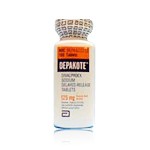
Depakote (Divalproex Sodium 300/500mg) stands as one of the most prescribed migraine prophylaxis medications in North America — FDA-approved specifically for migraine prevention in 1996 after decades of established use as an anticonvulsant. Originally developed by Abbott Laboratories (now AbbVie), Depakote works to reduce the frequency, severity, and duration of migraine attacks rather than treating acute migraine episodes. Manufactured by Aventis Pharma as bioequivalent generic, the 300 mg and 500 mg oral tablets deliver reliable migraine prevention therapy for men and women who suffer from frequent or debilitating migraine attacks that impair quality of life.
Divalproex Sodium (a 1:1 stable coordination compound of sodium valproate and valproic acid) works through multiple neurotransmitter modulation mechanisms. The compound increases GABA levels in the brain by inhibiting GABA transaminase (the enzyme that breaks down GABA), blocks voltage-gated sodium channels reducing repetitive neuronal firing, and modulates T-type calcium channels in the thalamus. This combined neuromodulatory action stabilizes hyperexcitable neurons in the brain regions involved in migraine pathophysiology, reducing susceptibility to migraine triggers. Clinical response: migraine frequency decreases by approximately 50% in responders, migraine severity reduces in those episodes that still occur, and total headache days per month decline substantially versus baseline.
Depakote serves multiple FDA-approved indications. The primary migraine indication covers migraine prophylaxis in adults with frequent or severe migraine attacks unresponsive to lifestyle modifications alone. The medication also treats epilepsy including complex partial seizures, generalized tonic-clonic seizures, and absence seizures; bipolar disorder particularly acute mania and mixed episodes; childhood tic disorders as adjunctive therapy; and off-label uses including trigeminal neuralgia and chronic pain syndromes. Effective as long-term daily therapy rather than as-needed medication for acute headaches.
Depakote requires twice-daily dosing starting at 250 mg BID titrated up to typical migraine prophylaxis dose of 500-1000 mg daily. Peak concentrations at 4 hours, 9-16 hour half-life. Migraine prevention benefits typically develop over 2-3 months of consistent therapy. Aventis Pharma manufactures under WHO-GMP standards.
Free prescription
Discrete packaging
Have questions?
Quality Assurance

- Migraines: Recurrent moderate-to-severe headaches with associated neurological symptoms benefiting from prevention;
- Frequent Migraines: Men and women with 4+ migraine days monthly benefiting from daily prophylactic therapy;
- Chronic Migraines: 15+ headache days monthly with 8+ migraine days responding to prophylactic treatment;
- Severe Debilitating Migraines: Disabling attacks that impair daily functioning benefiting from prevention therapy;
- Migraine with Aura: Migraine variants with visual sensory or motor aura responding to prophylactic therapy;
- Migraine Without Aura: Common migraine without preceding neurological symptoms responding to prevention;
- Menstrual Related Migraines: Hormone-triggered migraine attacks benefiting from continuous prophylactic therapy;
- Epilepsy: Various epilepsy syndromes including complex partial and generalized seizures;
- Generalized Tonic Clonic Seizures: Grand mal seizures responding to broad-spectrum anticonvulsant therapy;
- Absence Seizures: Petit mal seizures particularly responsive to valproate mechanism;
- Myoclonic Seizures: Sudden muscle jerks responding to broad-spectrum anticonvulsant action;
- Complex Partial Seizures: Focal seizures with impaired consciousness responding to valproate therapy;
- Bipolar Disorder: Mood stabilization therapy particularly effective for acute mania and mixed episodes;
- Acute Bipolar Mania: Manic episodes of bipolar disorder responding to divalproex mood stabilization;
- Bipolar Mixed Episodes: Combined manic and depressive features responding to broad-spectrum mood stabilizer;
- Childhood Tic Disorders: Motor and vocal tic disorders responding to adjunctive divalproex therapy;
- Trigeminal Neuralgia: Off-label use for facial nerve pain responding to sodium channel blockade;
- Chronic Pain Syndromes: Off-label use for neuropathic pain responding to neuromodulation;
- Broad Spectrum Anticonvulsant Therapy: Multi-mechanism neuromodulation for seizure control and migraine prevention.
- Better Migraine Prevention: Daily prophylactic therapy reduces migraine days per month substantially;
- Less Migraine Severity: When migraines still occur intensity reduces with prophylactic therapy;
- Less Migraine Duration: Individual migraine attacks shorten with consistent prevention therapy;
- Less Acute Migraine Medication Use: Reduced need for triptans and other rescue medications through prevention;
- Less Medication Overuse Risk: Reduced acute medication use decreases medication-overuse headache risk;
- Better GABA Enhancement: Increased inhibitory neurotransmitter action stabilizes hyperexcitable neurons;
- Better Sodium Channel Modulation: Reduced neuronal excitability through voltage-gated channel blockade;
- Better Seizure Control: Broad-spectrum anticonvulsant covers multiple epilepsy syndromes;
- Better Mood Stabilization: Acute bipolar mania resolves within days to weeks of therapy initiation;
- Less Acute Manic Symptoms: Bipolar mania symptoms decrease dramatically with divalproex therapy;
- Better Daily Functioning: Reduced migraine or seizure impact allows normal work travel and family activities;
- Less Work Disruption: Migraine-related work absences decrease with successful prevention;
- Less Family Life Disruption: Migraine impact on family activities decreases substantially with prevention;
- Better Long Term Management: Sustained migraine prevention over years of consistent therapy;
- Better Broad Spectrum Action: Single medication addresses migraines epilepsy or bipolar in patients with comorbid conditions;
- Better Sleep Quality: Reduced migraine attacks improve sleep quality and next-day function;
- Less Chronic Pain Anxiety: Knowing migraines are actively prevented reduces anticipatory anxiety;
- Better Generic Cost: 85-95% lower cost than brand Depakote makes proven migraine prevention accessible;
- Better Quality of Life: Daily wellbeing improves dramatically as migraine burden decreases and daily functioning returns.
Generic Depakote (Divalproex 300 mg) Medication guide:
Depakote (Divalproex Sodium 300mg or 500mg by Aventis Pharma) is an FDA-approved medication used daily to prevent migraine headaches rather than treat them once they start. Originally developed as an anticonvulsant for epilepsy and mood stabilizer for bipolar disorder, Depakote demonstrates approximately 50% reduction in migraine frequency in responsive patients through daily preventive therapy. Unlike acute migraine medications (triptans) taken when a migraine starts, Depakote must be taken every day whether or not you have a headache, gradually reducing your baseline migraine frequency over weeks to months. This guide covers the specific role of daily migraine prevention, the critical serious safety warnings including hepatotoxicity and pregnancy risks, the multi-month timeline to see benefit, the extensive monitoring requirements, and when to consider alternative migraine prophylactic approaches.
💊 What Depakote Does for Migraine Prevention
Depakote is a preventive (prophylactic) migraine medication — taken daily to reduce the frequency, severity, and duration of migraine attacks. It does not treat headaches once they start (acute migraine medications like triptans do that). Understanding this distinction is fundamental to using it correctly.
The Preventive Approach
Depakote as prophylactic therapy:
- Taken every day regardless of headache presence
- Reduces migraine frequency by approximately 50% in responders
- May reduce severity when migraines do occur
- May reduce duration when migraines occur
- Takes 2-3 months to reach full preventive effect
- Cannot be used to abort or stop active migraine
When Preventive Therapy Is Appropriate
Migraine prevention with Depakote is typically considered when:
- You have 4 or more migraines per month
- Migraines significantly impact quality of life
- Acute medications inadequately control episodes
- Acute medications cause bothersome side effects
- Migraines cause missed work, school, or social events
- Acute medications overused (rebound headache risk)
- Prolonged or complicated migraines
What Depakote Does NOT Do
- Does not abort or stop active migraine
- Does not eliminate all migraines completely
- Does not cure the underlying migraine tendency
- Does not work immediately — requires weeks to months
- Does not replace need for acute migraine medications
- Migraines return if medication stopped (though tendency may decrease over time)
🎯 Who Should Consider Depakote
✅ Depakote is appropriate if you:
- Have frequent migraines (4+ per month typically)
- Have failed other preventive medications
- Cannot tolerate other preventive options
- Have bipolar disorder or epilepsy plus migraines (treats both)
- Have healthy liver function
- Are not pregnant and not planning pregnancy
- Are willing to commit to daily use for months
- Can commit to monitoring blood tests
🚨 Do NOT use Depakote if you:
- Are pregnant or may become pregnant (severe birth defect risk)
- Have significant liver disease or history of hepatitis
- Have urea cycle disorders
- Have mitochondrial disorders
- Have history of pancreatitis
- Have known allergy to valproate
- Cannot commit to monitoring requirements
- Take medications with major valproate interactions without medical supervision
The Women of Childbearing Potential Warning
🚨 Depakote causes severe birth defects including neural tube defects, developmental delay, and reduced IQ in exposed children. For migraine prevention specifically (not epilepsy or bipolar disorder where treatment may be essential), Depakote is generally NOT recommended for women of childbearing potential due to significant risk-benefit concerns.
🔬 How Depakote Works
The Multi-Mechanism Action
Depakote (divalproex) works through several mechanisms simultaneously:
- Increases brain GABA levels: GABA is inhibitory neurotransmitter that calms nerve activity
- Blocks voltage-gated sodium channels: reduces neuronal excitability
- May reduce cortical spreading depression: the wave of neuronal activity underlying migraine
- May stabilize serotonin signaling: serotonin involved in migraine mechanisms
Why It Prevents Migraines
The combined effect of increased GABA and reduced neuronal excitability makes the brain less prone to triggering the cascade of events that produces migraine. Rather than treating a migraine in progress, it makes the brain more resistant to migraine initiation.
Divalproex vs Valproic Acid
Depakote contains divalproex sodium, which dissociates in the intestine to two active forms: valproic acid and sodium valproate. This is different from Depakene (valproic acid only). Divalproex tends to cause slightly less gastrointestinal upset than pure valproic acid.
⏰ Timeline to Migraine Reduction
The Multi-Month Timeline
| Time on Treatment | What to Expect |
|---|---|
| Week 1-2 | Beginning to build up levels; possible early side effects |
| Week 3-4 | Some men notice initial reduction; not full effect |
| Month 1-2 | Meaningful migraine frequency reduction developing |
| Month 2-3 | Full preventive effect typically achieved |
| Beyond 3 months | Stable prevention with continued use |
The Patience Requirement
Migraine prevention with Depakote requires patience. Do not conclude the medication is ineffective before 2-3 months of consistent daily use. Adequate trial requires reaching full preventive effect before assessment.
Tracking Response
Keep a migraine diary tracking:
- Number of migraines per week/month
- Migraine duration
- Migraine severity (1-10 scale)
- Acute medication use
- Triggers when identifiable
- Impact on daily activities
📋 How to Take Depakote Daily
The Fundamental Rules
- Take every day at approximately same time
- Typically twice daily dosing
- Swallow whole with water
- Take with food to reduce stomach upset
- Do not crush or chew regular tablets
- Do not stop suddenly without medical guidance
- Continue for prescribed duration
- Do not skip doses
Starting Dose and Titration
Typical migraine prevention dosing:
- Starting dose: 250-500mg twice daily
- Titration: increased gradually based on response and tolerability
- Target dose: 500-1000mg daily total for migraine prevention
- Maximum dose: 1500mg daily for migraine (higher for other indications)
Building the Daily Routine
- Consistent time each day (morning and evening)
- Pair with existing habit (breakfast/dinner)
- Use pill organizer
- Set daily reminders
- Take with substantial meal or snack
- Never take double dose to catch up
If You Miss a Dose
- Take as soon as remembered if within few hours
- If close to next dose, skip missed dose
- Never double up
- Missing multiple doses may reduce preventive protection
- Contact doctor if you miss many consecutive doses
Never Stop Suddenly
🚨 Do not stop Depakote suddenly. For migraine prevention specifically, sudden discontinuation may cause rebound migraines. For patients also using Depakote for seizure prevention or bipolar disorder, sudden stopping can trigger seizures or mood episodes. Any discontinuation should be gradual and supervised by prescriber.
⚠️ Serious Safety Warnings (Black Box)
🚨 Depakote has FDA Black Box warnings for hepatotoxicity, pancreatitis, and teratogenicity.
These are the most serious warnings possible — potentially fatal conditions requiring careful risk-benefit assessment.
Hepatotoxicity (Liver Damage)
Depakote can cause severe liver damage that may be fatal:
- Highest risk in first 6 months
- Higher risk in children under 2
- Higher risk in patients with metabolic disorders
- May occur even at low doses
- May not correlate with liver enzyme levels
- Requires baseline and periodic liver monitoring
Warning Signs of Liver Damage
Seek immediate medical care for:
- Yellowing of skin or eyes (jaundice)
- Dark-colored urine
- Pale stools
- Severe nausea or vomiting
- Right upper abdominal pain
- Unusual bruising or bleeding
- Extreme fatigue
- Confusion or altered mental status
- Loss of seizure control (if used for epilepsy)
Pancreatitis
Depakote can cause life-threatening pancreatitis:
- Can occur at any time during treatment
- May occur years after starting
- Can be rapidly progressive
- May be fatal if not recognized
Warning Signs of Pancreatitis
- Severe abdominal pain, often radiating to back
- Nausea and vomiting
- Loss of appetite
- Fever
- Rapid heart rate
- Requires immediate emergency care
Teratogenicity (Birth Defects)
🚨 Depakote causes severe birth defects.
Neural tube defects (spina bifida), heart defects, craniofacial abnormalities, and reduced IQ in children exposed during pregnancy. For migraine prevention, generally NOT recommended for women of childbearing potential.
Pregnancy Considerations
- Highest risk during first trimester
- 10-11% risk of major congenital malformations vs 2-3% baseline
- Cognitive/IQ effects on exposed children
- Effective contraception required if used in women
- Should not be used for migraine in pregnancy
- Alternative migraine prevention needed for women of childbearing potential
🩺 Monitoring Requirements
Required Baseline Testing
Before starting Depakote:
- Complete blood count (CBC)
- Liver function tests (AST, ALT, bilirubin)
- Kidney function tests
- Pancreatic enzymes (amylase, lipase)
- Pregnancy test if applicable
- Comprehensive metabolic panel
Ongoing Monitoring Schedule
- First 6 months: liver function every 1-2 months
- After 6 months: liver function every 3-6 months
- CBC periodically to check for blood abnormalities
- Valproate blood levels if concerns about efficacy or toxicity
- Regular symptom check-ins
- Migraine frequency tracking
When to Get Testing Urgently
- Any warning signs of liver damage
- Any warning signs of pancreatitis
- Unusual bruising or bleeding
- Persistent nausea or vomiting
- Sudden confusion or mental status changes
- Yellowing of skin
👁️ Common Side Effects
Frequent Side Effects
Common side effects (10%+ of users):
- Nausea and stomach upset
- Drowsiness or sleepiness
- Dizziness
- Weight gain
- Tremor (usually hand tremor)
- Hair loss (usually reversible)
- Weakness
- Headache
- Vision changes
- Diarrhea
Managing Weight Gain
Weight gain is common and can be significant:
- Monitor weight regularly
- Maintain healthy diet
- Regular exercise
- Discuss with prescriber if concerning
- May affect long-term treatment decisions
Managing Tremor
- Usually mild but bothersome
- More noticeable at higher doses
- May improve with dose adjustment
- Beta blockers sometimes added to reduce tremor
- Discuss with prescriber if interfering with function
Managing Hair Loss
- Usually reversible when medication stopped
- Zinc and selenium supplementation may help
- Biotin supplementation sometimes suggested
- Gentler hair care
- Usually not severe enough to require discontinuation
Cognitive Effects
- Some patients experience mental "fog"
- Reduced processing speed
- Memory concerns
- Usually mild
- Discuss if significantly impacting daily function
💊 Drug Interactions
Extensive Interaction Profile
Depakote has extensive drug interactions because it affects liver enzymes and can be affected by other medications. Provide complete medication list to prescriber before starting.
Medications That Increase Bleeding Risk
Depakote can affect platelet function; combined bleeding risk with:
- Warfarin (major interaction)
- Aspirin (may increase valproate levels)
- Other NSAIDs
- Clopidogrel
- Direct oral anticoagulants
Other Antiseizure Medications
Complex interactions with other anticonvulsants:
- Phenytoin (bidirectional interactions)
- Carbamazepine (reduces valproate levels)
- Lamotrigine (Depakote significantly raises lamotrigine levels — rash risk)
- Phenobarbital (raises phenobarbital levels)
- Topiramate (may interact)
CNS Depressants
- Benzodiazepines (increased sedation)
- Opioid pain medications (increased sedation)
- Sleep aids (additive drowsiness)
- Alcohol (increased sedation, liver stress)
- Muscle relaxants
Antibiotics
Carbapenem antibiotics (meropenem, imipenem) can dramatically reduce valproate levels causing seizure breakthrough or migraine breakthrough. Requires careful management if these antibiotics are needed.
🍺 Alcohol Warning
🚨 Alcohol combined with Depakote creates significant risks including additional liver stress, increased sedation, and worsened cognitive effects.
Why Alcohol Is Problematic
- Both alcohol and valproate stress the liver — combined risk of hepatotoxicity
- Both cause sedation — combined effect can be significant
- Both affect cognition — combined effect worsens processing
- Alcohol may worsen migraines (making prevention less effective)
- Alcohol can affect medication metabolism
Practical Rules
- Best: minimal or no alcohol
- Occasional: single drink with meal
- Never: binge drinking with Depakote
- Chronic heavy drinking: incompatible with safe Depakote use
- Monitor: for increased side effects if drinking
🍽️ Food Considerations
Take With Food
Take Depakote with food or immediately after meals to reduce stomach upset. This is one of the more effective ways to minimize nausea, which is common side effect.
Food-Related Considerations
- Consistent food routine helps with dose absorption
- Grapefruit does not significantly affect Depakote
- No specific food restrictions
- Adequate hydration important
Migraine-Trigger Foods to Consider
Common migraine trigger foods worth noting for overall migraine management:
- Aged cheeses
- Processed meats with nitrates
- Chocolate
- Red wine
- MSG-containing foods
- Aspartame
- Caffeine withdrawal
- Skipped meals
🧠 Mental Health Considerations
Depression and Suicide Risk
Anticonvulsants including Depakote carry FDA warnings about increased risk of suicidal thoughts and behavior. Monitor for mood changes, depression, or suicidal ideation during treatment.
Warning Signs to Report
- New or worsening depression
- Anxiety, agitation, panic attacks
- Trouble sleeping (insomnia)
- Irritability
- Hostility or aggression
- Acting on dangerous impulses
- Any thoughts of suicide or self-harm
- Withdrawal from friends and family
Cognitive Effects
- Some patients experience mental fog
- Attention difficulties
- Memory concerns
- Usually mild but can be bothersome
- May improve with dose adjustment
🤰 Pregnancy and Contraception
🚨 Depakote causes severe birth defects and cognitive impairment in exposed children.
For migraine prevention specifically, Depakote is generally NOT recommended for women of childbearing potential due to serious risk-benefit concerns.
Specific Birth Defect Risks
- Neural tube defects (spina bifida)
- Heart malformations
- Craniofacial abnormalities
- Limb malformations
- Genitourinary defects
- Lower IQ in exposed children
- Autism spectrum disorder risk increased
Contraception Requirements
If Depakote is used in women of childbearing potential:
- Effective contraception mandatory
- Two forms of contraception recommended
- Regular pregnancy testing
- Immediate discontinuation if pregnancy suspected
- Discuss alternative migraine prevention options
Male Considerations
Depakote in men may affect:
- Testosterone levels (some reduction possible)
- Sperm quality (temporary effects possible)
- Fertility considerations if trying to conceive
- Sexual function (rarely affected)
💊 Alternative Migraine Prophylactics
Other Preventive Options
If Depakote is not appropriate or not tolerated, alternative migraine prevention options include:
Other anticonvulsants for migraine prevention:
- Topiramate (Topamax) — different anticonvulsant, also for weight loss but less birth defect risk
Beta blockers for migraine prevention:
- Propranolol (Inderal)
- Metoprolol
- Timolol
Antidepressants for migraine prevention:
- Amitriptyline (tricyclic, well-studied)
- Venlafaxine (SNRI)
Newer options:
- CGRP inhibitors (erenumab, fremanezumab, galcanezumab) — monthly injections
- CGRP oral options (rimegepant, atogepant)
- OnabotulinumtoxinA (Botox) for chronic migraine
When Alternatives Are Preferred
- Women of childbearing potential
- Patients with liver concerns
- Patients with weight concerns (avoid weight-gaining drugs)
- Patients unable to commit to monitoring
- Failed Depakote trial or intolerable side effects
🌡️ Storage
Basic Storage Rules
- Room temperature 15-30°C
- Original packaging with cap tight
- Away from bathroom humidity
- Away from direct sunlight and heat
- Out of reach of children (accidental ingestion serious)
Daily Multiple Dose Management
- Use pill organizer with morning/evening compartments
- Set phone reminders
- Portable pill container for daytime doses
- Never leave in hot car
- Keep at consistent location
Child Safety Critical
🚨 Accidental ingestion by children can be very dangerous. Store in child-resistant containers securely out of reach.
🌍 International Travel
Legal Status
Divalproex is FDA-approved and legal in most countries with prescription. Not controlled substance. Original packaging with prescription label helps at customs.
Multiple Daily Dose Travel
- Bring adequate supply for trip plus buffer
- Time zone changes require dose planning
- Portable pill container for daily use
- Keep in carry-on baggage
- Bring extra in case of delays
Documentation to Bring
- Original prescription
- Doctor's letter explaining medical purpose
- Original packaging with prescription label
- Enough supply for trip plus buffer
- Copy of prescription in email backup
- Recent lab results if available
Time Zone Considerations
For twice daily dosing, time zone changes require thought. Two approaches: maintain approximate 12-hour intervals regardless of clock, or gradually adjust to new local schedule over 1-2 days.
🛑 When to Reevaluate or Stop
Reasons to Reevaluate
- No migraine reduction after 3 months adequate trial
- Bothersome side effects
- Weight gain concerning
- Liver enzyme elevation
- Any warning signs of serious side effects
- Pregnancy consideration or pregnancy occurring
- Mood changes concerning
- Long-term treatment reassessment
Stopping Approach
🚨 Never stop Depakote suddenly. Gradual taper under medical supervision required. Sudden discontinuation may cause rebound migraines, seizures (if also treating epilepsy), or mood episodes (if bipolar).
Typical Taper Schedule
- Reduce dose by 25-33% every 1-2 weeks
- Slower taper for higher doses
- Monitor for migraine breakthrough
- Adjust based on individual response
- Longer taper if concerns about withdrawal
☎️ When to Contact Your Doctor
Emergency Room Immediately
- Signs of severe liver damage (jaundice, dark urine, severe abdominal pain)
- Signs of pancreatitis (severe abdominal pain radiating to back)
- Severe allergic reaction
- Unusual bleeding or bruising
- Severe confusion or altered mental status
- Suicidal thoughts
- Seizure (if not usual pattern)
Same Day Doctor Call
- Persistent nausea or vomiting
- Yellowing of skin or eyes
- Severe fatigue
- Mood changes concerning you
- Suspected pregnancy
- Skin rash
- New tremor or worsening tremor
Within a Week
- Persistent bothersome side effects
- Migraine frequency not improving after 3 months
- Significant weight gain
- Hair loss concerning
- Cognitive effects affecting function
- Questions about long-term use
- Need for lab monitoring appointment
- New medications for interaction check
Medical disclaimer: This guide provides general usage information for Depakote (divalproex sodium 300mg or 500mg by Aventis Pharma) and does not replace individualized medical advice. Depakote is used as daily preventive (prophylactic) therapy for migraine headaches — it does not treat acute migraines once they start. Full preventive effect takes 2-3 months of consistent daily use. Approximately 50% migraine frequency reduction in responsive patients. Depakote has FDA BLACK BOX WARNINGS for hepatotoxicity (liver damage that may be fatal), pancreatitis (potentially fatal), and teratogenicity (severe birth defects including neural tube defects, cognitive impairment, and autism risk in exposed children). For migraine prevention specifically, Depakote is generally NOT recommended for women of childbearing potential due to serious risk-benefit concerns — safer alternatives (topiramate, beta blockers, amitriptyline, CGRP inhibitors) should be considered first. Requires baseline liver function tests, blood counts, and periodic monitoring throughout treatment. Take with food to reduce stomach upset. Never stop suddenly — requires gradual taper. Common side effects include weight gain, tremor, hair loss, cognitive effects, and nausea. Extensive drug interactions with warfarin, other anticonvulsants (particularly significant with lamotrigine causing rash risk), carbapenem antibiotics (dramatically reduce levels), aspirin, and NSAIDs. Alcohol combination stresses liver — minimize or avoid. Anticonvulsants including Depakote carry FDA warnings about increased risk of suicidal thoughts and behavior. Report any warning signs immediately — especially yellowing of skin, severe abdominal pain, unusual bleeding, or mood changes.
Depakote — Frequently Asked Questions
-
What is Depakote (Divalproex)?
Depakote is a medication containing Divalproex Sodium, used primarily for treating seizures, bipolar disorder, and preventing migraines. -
How does Depakote work?
It works by increasing the availability of certain neurotransmitters in the brain, stabilizing electrical activity and mood. -
What conditions does Depakote treat?
It's used for seizure disorders, manic episodes in bipolar disorder, and migraine prevention. -
How quickly does Depakote start working?
For seizures and bipolar disorder, it may take a week or more to see effects. For migraine prevention, it might take longer. -
How long does the effect of Depakote last?
It varies, but it's typically taken daily to maintain stable blood levels. -
Can Depakote cure epilepsy or bipolar disorder?
It doesn't cure these conditions but helps manage their symptoms. -
Can I take Depakote with alcohol?
Alcohol can increase the risk of liver damage or other side effects.
See all Depakote questions (31)
More Migraine Medications