Buy Elimite (Permethrin 5% Cream 30g) Online - CDC First Line Scabicide for Scabies Head Lice Pubic Lice Treatment

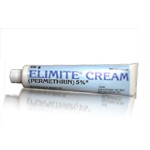
Elimite (Permethrin 5% Cream 30g) represents the foundational first-line CDC-recommended parasiticide therapy for scabies and effective treatment for head lice and pubic lice infestations. Originally developed by Herbert Laboratories (subsequently acquired by Allergan and now AbbVie) and FDA-approved in 1989, Elimite established itself as the definitive topical scabicide representing the gold-standard synthetic pyrethroid parasiticide. Available as bioequivalent generic manufactured under WHO-GMP quality standards, Elimite provides trusted permethrin therapy at accessible cost. Permethrin is a synthetic pyrethroid derived from natural chrysanthemum pyrethrin with enhanced stability and prolonged action — offering the ideal balance of parasiticidal efficacy and mammalian safety that has made it the treatment of choice for scabies and lice worldwide across all age groups from infants 2 months and older.
Permethrin works through selective sodium channel modulation in parasite nervous systems — the compound binds voltage-gated sodium channels in arthropod neurons producing prolonged channel opening, sustained membrane depolarization, and eventual paralysis followed by death of scabies mites, lice, and other ectoparasites. This mechanism produces rapid parasiticidal action within hours of application while remaining safe for humans because mammalian sodium channels have different molecular characteristics and mammals rapidly metabolize permethrin through hepatic enzymes preventing toxicity. The unique advantage of permethrin is achieving complete cure with single application protocol — one head-to-toe treatment left on 8-14 hours, followed by second treatment 7 days later to kill newly hatched mites from eggs that survived first application.
Elimite serves multiple ectoparasitic conditions. Primary uses include scabies (Sarcoptes scabiei) as gold-standard first-line therapy; head lice (Pediculus humanus capitis) in adults and children; pubic lice (Pthirus pubis) and body lice; household outbreak management for family and close contacts; institutional outbreak control in nursing homes schools and dormitories; and post-scabetic itch management during resolution phase.
Elimite applied single head-to-toe application washed off 8-14 hours later, repeated at 7 days. Safe for infants 2 months and older. Pregnancy Category B. All household contacts should be treated simultaneously. Bedding and clothing washed hot cycle.
Free prescription
Discrete packaging
Have questions?
Quality Assurance


- Head Lice Infestation: Effective treatment for Pediculus humanus capitis lice infestations common in children and school outbreaks;
- Pubic Lice Infestation: Treatment for Pthirus pubis crab lice affecting genital and perineal area;
- Body Lice Infestation: Treatment for Pediculus humanus corporis body lice associated with poor hygiene conditions;
- Crusted Norwegian Scabies: Severe hyperinfestation form requiring intensive treatment protocols in immunocompromised patients;
- Scabies Household Contact Treatment: Simultaneous treatment of all household and close contacts prevents reinfestation cycles;
- Institutional Scabies Outbreaks: Nursing home hospital and school outbreak control requiring simultaneous mass treatment;
- Head Lice School Outbreaks: Common childhood lice outbreaks requiring coordinated treatment of affected families;
- Scabies in Infants: Safe treatment for infants 2 months and older with careful attention to face and scalp involvement;
- Scabies During Pregnancy: Pregnancy Category B - safe treatment option for pregnant women with scabies infestation;
- Scabies in Immunocompromised Patients: Treatment for HIV transplant and chemotherapy patients with scabies including severe crusted forms;
- Scabies in Elderly Patients: Nursing home residents and elderly at increased scabies risk requiring dermatologic and public health management;
- Post Scabetic Itch Management: Delayed hypersensitivity itching persisting 2-4 weeks after successful treatment is normal resolution phase;
- Ectoparasitic Infestations: Broad activity against multiple ectoparasites including mites lice and some flea species;
- Pubic Lice STI Screening: Pubic lice presentation warrants comprehensive sexually transmitted infection screening;
- Family Outbreak Management: Complete family treatment including asymptomatic contacts prevents reinfestation cycles;
- Homeless Shelter Scabies: Community outbreak control in shelters and other congregate living environments;
- Synthetic Pyrethroid Parasiticide: Foundational pyrethroid class with selective parasitic toxicity and excellent mammalian safety;
- Single Application Scabicide Therapy: Convenient single head-to-toe treatment protocol improves compliance vs multi-day regimens;
- Generic Scabicide Lice Treatment: Bioequivalent generic alternative to brand Elimite at accessible cost for widespread public health use.
- Eliminates Head Lice Effectively: Highly effective against head lice with excellent kill rates in school and family outbreak scenarios;
- Eliminates Pubic Lice: Effective treatment for pubic lice infestation with single application and repeat at 7 days;
- Effective Home Treatment: Simple topical application at home eliminates need for clinical procedures making scabies treatment accessible;
- Better Single Application Convenience: Head-to-toe single application washed off 8-14 hours later improves compliance vs multi-day regimens;
- Better CDC First Line Therapy: Gold standard treatment recommended by CDC and dermatology guidelines worldwide for scabies infestation;
- Better Selective Parasite Toxicity: Selectively kills parasites through sodium channel disruption while rapidly metabolized safely by mammals;
- Better Excellent Safety Profile: Approved for infants 2 months and older and pregnancy Category B making it accessible across populations;
- Better Broad Ectoparasite Coverage: Effective against scabies mites head lice pubic lice and body lice providing versatile parasiticide;
- Better Pediatric Safety: Safe for infants and children including nursing infants making it preferred pediatric scabies treatment;
- Better Pregnancy Compatibility: Pregnancy Category B enables safe scabies treatment for pregnant women without harm to fetus;
- Better Minimal Systemic Absorption: Limited systemic exposure through intact skin ensures safety even with broad body surface application;
- Better Household Outbreak Control: Essential tool for simultaneous family treatment preventing reinfestation cycles from untreated contacts;
- Better Institutional Outbreak Management: Effective public health intervention for nursing home school and homeless shelter outbreaks;
- Less Complication Risks: Excellent safety and side effect profile compared to alternative scabicides like lindane or oral ivermectin;
- Better Immunocompromised Patient Safety: Safe for HIV transplant and chemotherapy patients including treatment of severe crusted scabies;
- Better Cost Effective Public Health Tool: Affordable widespread availability enables large-scale outbreak management and community treatment;
- Better 30g Tube Full Course: 30 gram tube provides sufficient medication for adult full-body application meeting single-tube treatment need;
- Better Sodium Channel Mechanism: Unique mechanism produces effective parasitic paralysis while remaining non-toxic to mammalian nervous systems;
- Better Post-Treatment Confidence: Effective single course therapy provides confidence in cure though itching may persist during hypersensitivity resolution phase.
Generic Elimite (Permethrin 5%cream/30 g) Medication guide:
Elimite (Permethrin 5% Cream 30g) is the foundational first-line CDC-recommended parasiticide therapy for scabies and effective treatment for head lice and pubic lice infestations. Originally developed by Herbert Laboratories (subsequently acquired by Allergan and now AbbVie) and FDA-approved in 1989, Elimite established itself as the definitive topical scabicide representing the gold-standard synthetic pyrethroid parasiticide. Permethrin is a synthetic pyrethroid derived from natural chrysanthemum pyrethrin with enhanced stability and prolonged action — offering the ideal balance of parasiticidal efficacy and mammalian safety that has made it the treatment of choice for scabies and lice worldwide across all age groups from infants 2 months and older. The unique advantage of permethrin is achieving complete cure with single application protocol — one head-to-toe treatment left on 8-14 hours, followed by second treatment 7 days later to kill newly hatched mites from eggs that survived first application. This comprehensive medication guide covers every aspect of Elimite therapy from scabies pathophysiology through mechanism of action, application techniques, household contact treatment, environmental decontamination protocols, post-scabetic itch management, institutional outbreak coordination, safety in special populations, and comparison with alternative parasiticides.
💊 Introduction to Elimite
Elimite is a prescription topical parasiticide medication containing permethrin 5% as its active ingredient in cream formulation. Permethrin was developed by Herbert Laboratories (subsequently acquired by Allergan and now AbbVie) and received FDA approval as Elimite 5% cream in 1989. This medication established itself as the definitive topical scabicide and represents the current first-line CDC-recommended therapy for scabies infestation worldwide across all age groups from infants 2 months and older through the elderly.
Permethrin belongs to the synthetic pyrethroid class of parasiticides — chemical derivatives of natural pyrethrins isolated from Chrysanthemum cinerariifolium flowers. The synthetic modifications produce enhanced photostability, prolonged parasiticidal action, and improved safety profile compared to natural pyrethrins while maintaining the fundamental mechanism of action. Permethrin represents the ideal balance of parasitic toxicity and mammalian safety that has made it not only the treatment of choice for human ectoparasitic infestations but also a widely used insect repellent and mosquito control agent globally.
The Elimite brand available on rxshop.md is manufactured as bioequivalent generic under WHO-GMP quality standards. Available as 5 percent cream in 30 gram tubes — the standard amount sufficient for adult full-body single application treatment. The 5 percent concentration is specifically formulated for scabies treatment; a lower 1 percent formulation (Nix cream rinse) is used specifically for head lice without requiring the higher concentration needed for scabies mite penetration into skin.
🐛 Understanding Scabies Infestation
Understanding scabies pathophysiology is essential for appreciating why single-application scabicide therapy requires the specific protocols recommended.
What Is Scabies
Scabies is a contagious ectoparasitic skin infestation caused by the mite Sarcoptes scabiei var. hominis. Key facts about scabies:
- Affects approximately 300 million people annually worldwide - major global health problem
- Highly contagious through prolonged skin-to-skin contact typically 15-20 minutes
- Sexual transmission possible - genital involvement common in adults
- Common in institutional settings - nursing homes, dormitories, prisons
- Life cycle 10-17 days - explains need for repeat treatment at 7 days
- Female mite burrows in stratum corneum laying eggs
- Symptoms result from allergic reaction to mite proteins - delayed hypersensitivity
- Symptoms may take 4-6 weeks to develop in first infestation
Scabies Symptoms
Classic scabies clinical features:
- Intense pruritus: Severe itching worse at night
- Papular rash: Small red bumps often in web spaces of fingers, wrists, elbows
- Burrows: Characteristic linear or S-shaped tracks 5-15 mm long
- Genital involvement: Papules on penis, scrotum, or vulva in adults
- Excoriations: Scratching-induced skin damage
- Secondary bacterial infection: From scratching
- Post-scabetic nodules: Persistent lesions particularly on genitals and axillae
Crusted (Norwegian) Scabies
Crusted or Norwegian scabies is a rare severe form typically affecting immunocompromised patients (HIV, transplant, chemotherapy, elderly with dementia). Features:
- Extremely high mite burden: Thousands to millions of mites vs normal 10-15
- Thick hyperkeratotic crusts containing mites and eggs
- Highly contagious - even brief contact can transmit
- Reduced itching paradoxically due to impaired immune response
- Requires intensive multi-day treatment often combining topical and oral therapy
- Major institutional outbreak source
🐛 Understanding Lice Infestations
Head Lice (Pediculus humanus capitis)
Head lice affect approximately 6-12 million people annually in the United States alone, predominantly children ages 3-11 years. Key features:
- Adult lice 2-3 mm visible to careful inspection
- Nits (eggs) attached to hair shafts near scalp
- Transmission primarily through direct head-to-head contact
- Not indicative of poor hygiene - affects all socioeconomic groups
- School outbreaks common but not usually cause of school exclusion
- Fomite transmission possible but uncommon (shared hats, combs, pillows)
Pubic Lice (Pthirus pubis)
Pubic lice ("crabs") transmitted through intimate skin contact typically sexual. Features:
- Distinctive crab-like appearance with wide body
- Primary site: Pubic hair area
- Other affected areas: Chest, axillae, thighs, eyelashes, beard
- Sexually transmitted - warrants STI screening
- Contact treatment of sexual partners required
- Eyelash involvement requires special ophthalmology-directed treatment
Body Lice (Pediculus humanus corporis)
Body lice associated with poor living conditions:
- Live in clothing not on body
- Associated with: Homelessness, refugee situations, poor hygiene
- Disease vector: Can transmit typhus, trench fever, relapsing fever
- Treatment includes: Clothing decontamination in addition to permethrin
🧪 Chemistry and Pharmacology
Chemistry of Permethrin
Permethrin has the chemical formula C21H20Cl2O3 with molecular weight approximately 391.3 g/mol. Structurally, permethrin is a synthetic pyrethroid — chemically derived from natural pyrethrin I isolated from chrysanthemum flowers. The synthetic modifications include:
- Halogenation: Two chlorine atoms enhance stability
- Modified ester bond: Improves photostability
- Cis/trans isomer mixture: Typically 25:75 or 40:60 cis:trans ratio for optimal activity
- Enhanced potency vs natural pyrethrins
- Improved safety profile for humans
Synthetic Pyrethroids Class Overview
Pyrethroid class characteristics:
- Natural pyrethrins: Isolated from Chrysanthemum cinerariifolium flowers - unstable in sunlight
- Type I pyrethroids: Permethrin, allethrin, tetramethrin - fast knockdown, minimal CNS effect
- Type II pyrethroids: Deltamethrin, cypermethrin - contain cyano group, more potent, some CNS effect
- Widely used: Human parasiticides, agricultural insecticides, insect repellent-treated clothing
- Selective toxicity: Highly toxic to insects and arthropods but generally safe for mammals
- Rapid mammalian metabolism: Hepatic esterase and CYP metabolism prevents accumulation
Mechanism of Action
Permethrin mechanism at molecular level:
- Voltage-gated sodium channel binding: Permethrin binds sodium channels in parasite nervous system
- Prolonged channel opening: Delays channel closure after activation
- Sustained membrane depolarization: Continuous sodium influx prevents repolarization
- Repetitive nerve firing: Nerves fire uncontrollably
- Neurotransmitter depletion: Chronic firing exhausts nerve function
- Progressive paralysis: Parasites become immobile
- Death: Sustained paralysis leads to parasite death within hours
- Additional effects on GABA channels: Complementary to sodium channel effects
Selective Parasite Toxicity
Permethrin selective toxicity for parasites over mammals results from several factors:
- Different sodium channel structures: Arthropod channels more susceptible than mammalian
- Temperature sensitivity: Permethrin more toxic at lower temperatures (arthropod body temperature)
- Rapid mammalian metabolism: Hepatic esterases and CYP450 rapidly hydrolyze permethrin
- Minimal skin absorption: Less than 2 percent absorbed through intact skin
- Rapid elimination: Absorbed permethrin quickly cleared as inactive metabolites
- No accumulation: Doesn't build up in fatty tissues
Pharmacokinetic Profile
| Parameter | Value | Clinical Significance |
|---|---|---|
| Systemic absorption through intact skin | Less than 2 percent | Minimal systemic exposure |
| Onset of parasiticidal action | Within hours | Rapid parasite killing |
| Residual skin effect | Maintained 8-14 hours during treatment | Sufficient for complete parasitic kill |
| Systemic half-life if absorbed | 4-6 hours | Rapid clearance |
| Metabolism | Hepatic esterase hydrolysis, CYP450 | Rapid inactivation |
| Elimination | Renal (as inactive metabolites) | Complete elimination within days |
| Ovicidal activity | Partial - not complete egg killing | Why repeat treatment at 7 days required |
| Time to complete cure | 2-4 weeks including symptom resolution | Post-scabetic itch normal |
🎯 Approved Indications
Primary FDA Approved Indications
- Scabies infestation caused by Sarcoptes scabiei in adults and children 2 months of age and older
Broader Clinical Uses
- Head lice (Pediculus humanus capitis) - though 1% Nix formulation typically preferred
- Pubic lice (Pthirus pubis) infestations
- Body lice (Pediculus humanus corporis)
- Crusted (Norwegian) scabies - as part of intensive multi-day protocols
- Household contact treatment - prophylaxis for exposed family members
- Institutional outbreak control - nursing home, dormitory, shelter mass treatment
- Scabies in pregnancy - Category B safety profile
- Scabies in infants 2 months and older
- Scabies in immunocompromised patients
Ideal Patient Selection
Elimite is appropriate for:
- Patients with confirmed or strongly suspected scabies infestation
- Patients with head lice, pubic lice, or body lice infestation
- Household contacts of confirmed scabies patients (prophylaxis)
- Adults, children (2 months+), pregnant women, elderly patients
- Immunocompromised patients with scabies
- Institutional residents during outbreak situations
- Patients with intact skin able to receive topical application
- Patients able to comply with 8-14 hour application duration
- Patients with willing household members for simultaneous treatment
🚫 Contraindications and Precautions
Absolute Contraindications
- Hypersensitivity to permethrin or any excipient
- Hypersensitivity to synthetic pyrethroids including allethrin or resmethrin
- Hypersensitivity to natural pyrethrins or chrysanthemum
- Age under 2 months - safety not established in younger infants
Precautions
Use with caution in:
- Broken or damaged skin - increased systemic absorption
- Extensive dermatitis - may increase absorption
- Avoid contact with eyes, nose, mouth and other mucous membranes
- Do not apply to genital or perianal mucosa
- Do not use on children under 2 months
- Avoid inhalation of cream
- Do not use as insecticide for surrounding areas (use appropriate products)
- Asthma history: Rarely can trigger bronchospasm in sensitive individuals
💉 Dosage and Administration
Scabies Treatment Protocol - Adults and Children Over 12
Standard adult scabies application protocol:
- Timing: Apply at bedtime for optimal 8-14 hour treatment period
- Amount: Typically 30 grams (entire tube) for average adult
- Coverage: Head-to-toe including behind ears, under nails, all skin folds
- Contact time: Leave on 8-14 hours
- Removal: Wash off thoroughly with soap and water in morning shower
- Repeat treatment: Second application 7 days later to kill newly hatched mites
- Fresh clothing: Put on clean clothes after washing off
Complete Head-to-Toe Application Technique
Step-by-step application technique:
- Bathe or shower before application - allow skin to cool and dry completely
- Trim fingernails and toenails short before treatment
- Apply cream to entire body from below the ears down (adults) or head to foot (children under 5)
- Massage thoroughly into skin all body areas
- Areas to cover: Neck, chest, back, arms, hands, fingers, abdomen, buttocks, genitals, legs, feet, and between all fingers and toes
- Special attention: Skin folds (armpits, groin, gluteal cleft, breasts, belt line)
- Under fingernails and toenails: Push cream underneath
- Do not miss: Backs of ears, umbilicus, between fingers
- Wash hands last after ensuring complete body coverage
- Leave on 8-14 hours - typically overnight
- Wash off thoroughly in morning shower
- Change bedding and clothing after final wash
Pediatric Application (2 Months to 12 Years)
Pediatric application differences:
- Include head and neck: Unlike adults, children under 5 may need scalp coverage
- Face treatment: May be needed for young children with facial involvement
- Amount: Less than 30 grams for children
- Contact time: Same 8-14 hours
- Supervision: Prevent hand-to-mouth or eye contact
- Mittens or socks on hands: May help prevent inadvertent eye contact
- Same 7-day repeat protocol
Head Lice Application Protocol
- Apply to washed damp hair (not wet)
- Massage into scalp thoroughly
- Cover entire scalp with attention to hairline and behind ears
- Leave on 10 minutes then rinse thoroughly
- Comb hair with fine-tooth nit comb to remove dead lice and eggs
- Repeat in 7-10 days to kill newly hatched lice
- Check daily for reinfestation
Pubic Lice Application Protocol
- Apply to affected pubic hair area and surrounding skin
- Include thighs, torso, axillae as needed based on infestation extent
- Leave on 10 minutes then rinse thoroughly
- Remove dead lice and eggs with fine-tooth comb
- Repeat in 7 days if lice or eggs seen
- Sexual partners require simultaneous treatment
- STI screening recommended
- Eyelash involvement requires ophthalmology-directed alternative treatment
🏠 Household and Contact Treatment
Simultaneous household treatment critical:
- ALL household members should be treated simultaneously - even asymptomatic
- Sexual partners from previous 2 months for scabies, prior 30 days for pubic lice
- Close contacts with prolonged skin-to-skin contact
- Same day treatment ideally - prevents reinfestation cycle
- Second treatment for all household members at 7 days
- Symptoms may take weeks to appear in newly infected contacts
- Asymptomatic treatment is prophylactic and prevents outbreak spread
🧺 Environmental Decontamination
Environmental measures required:
- Wash all bedding, clothing, towels used in past 72 hours in hot water (over 50°C/122°F)
- Dry on high heat at least 20 minutes
- Items that cannot be washed: Seal in plastic bag for 72 hours (mites die without host)
- Dry clean items that cannot be washed
- Vacuum carpets, upholstery, mattresses - discard vacuum bag or empty in sealed bag
- No special sprays needed - vacuuming and washing sufficient
- Focus on items in close body contact - not entire house
- Wash brushes and combs in permethrin solution
📊 Clinical Effectiveness Data
| Metric | Response Data |
|---|---|
| Scabies cure rate single application | Approximately 90-95 percent |
| Scabies cure rate with 7-day repeat | Approximately 95-98 percent |
| Head lice cure rate | Approximately 85-95 percent |
| Pubic lice cure rate | Approximately 90-95 percent |
| Time to complete symptom resolution | 2-4 weeks (includes post-scabetic itch) |
| Comparison vs oral ivermectin | Equivalent efficacy in most studies |
| Comparison vs lindane | Superior safety, equivalent efficacy |
| Institutional outbreak control efficacy | Effective when comprehensive protocol followed |
⚠️ Post-Scabetic Itch Education
IMPORTANT: Post-scabetic itching is NORMAL after successful treatment
Continued itching for 2-4 weeks after successful scabies treatment is NOT treatment failure - it represents ongoing delayed hypersensitivity reaction to dead mite antigens still present in skin. This is a common source of confusion and unnecessary repeat treatment.
Post-scabetic itch management:
- Emollients and moisturizers: Frequent application to soothe skin
- Topical corticosteroids: Mild-moderate strength for symptomatic relief
- Oral antihistamines: For nighttime itching relief
- Gentle skin care: Avoid harsh soaps and hot water
- Time: Itching typically resolves within 4 weeks
- DO NOT assume treatment failure and repeat unless clear signs
Signs of true treatment failure requiring retreatment:
- New burrows appearing after treatment
- Live mites identified by dermatologist
- Progression rather than improvement
- New family members developing symptoms
- Persistent nodules more than 8 weeks
⚠️ Side Effects
Common Local Side Effects
- Transient burning, stinging, tingling at application site - common
- Skin numbness at application site - occasional
- Skin itching - occasional (must distinguish from underlying scabies itch)
- Redness or erythema at application site - occasional
- Rash or worsening dermatitis - uncommon
- Local edema - uncommon
- Contact dermatitis - rare
- Nail discoloration - very rare
Serious Adverse Events
Seek immediate medical attention for:
- Severe allergic reactions: Angioedema, urticaria, difficulty breathing
- Anaphylaxis: Very rare but possible
- Bronchospasm - particularly in asthmatic patients
- Severe contact dermatitis requiring medical evaluation
- Signs of systemic toxicity: Nausea, vomiting, dizziness (extremely rare)
- Persistent severe local reactions despite washing off
🔄 Drug Interactions
Given minimal systemic absorption, clinically significant drug interactions with permethrin are limited:
- Other topical products: May reduce permethrin effectiveness - separate applications
- Other topical parasiticides: Do not use concurrently on same area
- Topical corticosteroids on treatment area: May reduce efficacy
- Other pyrethroid-containing products: Consider cumulative exposure
- No known systemic drug interactions due to minimal absorption
🛡️ Special Populations
- Infants 2-24 Months
- Safe for infants 2 months and older with careful application including scalp and face if involved. Use less than full tube. Extra supervision to prevent hand-to-mouth transfer. Consider mittens during treatment period.
- Children 2-12 Years
- Standard pediatric dosing appropriate for scabies with attention to complete coverage including areas often missed. Same 7-day repeat protocol.
- Pregnancy
- Pregnancy Category B - considered safe during pregnancy. First-line treatment for scabies in pregnant women. Minimal systemic absorption ensures fetal safety. Use standard dosing.
- Lactation
- Compatible with breastfeeding. Wash nipples and breasts before nursing to avoid infant ingestion. Consider timing application after nursing when possible.
- Elderly Patients
- Standard dosing appropriate. Special consideration for cognitive impairment - may need caregiver assistance for proper application. Nursing home residents at increased risk for outbreaks.
- Immunocompromised Patients
- Effective for standard scabies. May require more intensive protocol for crusted (Norwegian) scabies including combination with oral ivermectin. HIV, transplant, and chemotherapy patients at increased risk.
- Crusted (Norwegian) Scabies
- Requires intensive multi-day topical permethrin protocol often combined with oral ivermectin. Isolation precautions important due to high transmissibility. Environmental decontamination critical.
- Asthma Patients
- Rare cases of bronchospasm reported. Use with caution. Have rescue inhaler available during initial application. Discontinue if respiratory symptoms develop.
- Institutional Residents
- Coordinated mass treatment critical for outbreak control. All residents, staff, and visitors during exposure window may need simultaneous treatment. Public health authority consultation for large outbreaks.
- Homeless Population
- Increased infestation risk from crowded conditions and clothing limitations. Coordinate treatment with shelter staff. Body lice often requires clothing decontamination priority.
🔬 Comparison with Alternative Scabicides
| Property | Elimite (Permethrin) | Oral Ivermectin | Benzyl Benzoate | Lindane |
|---|---|---|---|---|
| Route | Topical | Oral | Topical | Topical |
| Application | Single 8-14 hour application | 2 doses 1 week apart | 3 nights consecutive | Single application |
| CDC first-line status | Yes | Alternative | Alternative | No - restricted |
| Infant use (2-24 months) | Approved 2 months+ | Not for under 15 kg | Not recommended | Contraindicated |
| Pregnancy | Category B - safe | Category C | Caution | Contraindicated |
| Neurotoxicity risk | Very low | Low | Low | Significant |
| Crusted scabies use | Yes (multi-day) | Preferred component | Alternative | Restricted |
🌍 Resistance and Outbreak Management
Emerging Resistance
Reports of decreased permethrin efficacy from various global locations suggest emerging resistance in some scabies and lice populations. Considerations:
- Verify treatment failure: Distinguish from post-scabetic itch and reinfestation
- Ensure adherence: Complete head-to-toe application 8-14 hours
- Confirm household treatment: All contacts treated simultaneously
- Environmental measures: Adequate decontamination completed
- Alternative therapy: Consider oral ivermectin if permethrin failure suspected
- Combination therapy: Sometimes required for crusted scabies
Institutional Outbreak Management
Institutional outbreak protocol:
- Identify all affected individuals and contacts
- Coordinate simultaneous mass treatment
- Environmental decontamination facility-wide
- Staff training on identification and prevention
- Isolation precautions during acute outbreak
- Public health authority notification
- Follow-up screening 2-4 weeks after treatment
- Second treatment 7 days after initial mass treatment
- Ongoing surveillance for reinfestation
📦 Storage and Handling
- Store at room temperature between 15°C and 30°C (59°F and 86°F)
- Protect from freezing
- Keep tube tightly capped when not in use
- Keep out of reach of children and pets
- Do not use past expiration date
- Do not share tube with others - infection transmission risk
- Store separately from cosmetics to prevent confusion
- Discard tube after treatment course complete
- Return unused medication to pharmacy for proper disposal
- Keep away from cats - permethrin toxic to cats
👨⚕️ When to Contact Your Doctor
- New burrows or lesions appearing after treatment
- Signs of ongoing infestation despite proper treatment
- Persistent itching beyond 4 weeks after successful treatment
- New family members developing scabies symptoms
- Severe or spreading skin reaction to permethrin
- Signs of secondary bacterial infection
- Severe allergic reaction: swelling, difficulty breathing
- Bronchospasm particularly in asthmatic patients
- Persistent post-scabetic nodules more than 8 weeks
- Suspected treatment failure requiring alternative therapy
- Concerns about proper application technique
- Household outbreak requiring coordination
- Institutional outbreak needing management
- Immunocompromised patient with severe or crusted scabies
- Pubic lice patient needing STI screening
- Pregnancy and considering treatment
- Signs of resistance to permethrin
🌟 Key Takeaways
Essential points about Elimite (permethrin) therapy:
- Elimite is generic permethrin 5% cream 30 gram tube
- Foundational synthetic pyrethroid parasiticide FDA-approved 1989
- CDC first-line therapy for scabies infestation worldwide
- Effective for scabies, head lice, pubic lice, and body lice
- Selective mechanism: sodium channel disruption in parasite nervous systems
- Excellent safety profile: approved for infants 2 months and older
- Pregnancy Category B - safe for pregnant women
- Compatible with breastfeeding
- Standard scabies protocol: single head-to-toe application 8-14 hours
- Repeat treatment 7 days later - kills newly hatched mites
- ALL household contacts must be treated simultaneously
- Environmental decontamination: hot wash bedding/clothing or seal 72 hours
- Post-scabetic itch NORMAL for 2-4 weeks after successful cure
- Not treatment failure - use emollients and antihistamines
- Minimal systemic absorption ensures excellent safety
- Local burning/stinging most common side effect
- Consider alternatives if resistance suspected after proper treatment
- Critical public health tool for institutional and community outbreaks
- Pubic lice patients warrant STI screening
- Toxic to cats - keep away from feline pets
Important Medical Disclaimer: This medication guide provides general information about Elimite (permethrin 5% cream) and does not constitute individualized medical advice. Every patient situation is unique and requires evaluation by a qualified healthcare provider before starting treatment. Do not use Elimite without proper diagnosis of scabies or lice infestation. For effective treatment, ALL household contacts must be treated simultaneously to prevent reinfestation cycles even if asymptomatic. Environmental decontamination of bedding, clothing, and personal items washed in hot water or sealed for 72 hours is essential. Post-scabetic itching persisting 2-4 weeks after successful treatment is NORMAL delayed hypersensitivity and NOT treatment failure - do not assume failure and repeat unless clear signs of ongoing infestation like new burrows appear. Contact healthcare provider promptly if new lesions appear after treatment, persistent itching beyond 4 weeks, signs of secondary bacterial infection, severe allergic reactions, or bronchospasm particularly in asthmatic patients. Pregnancy Category B safety profile makes it suitable for pregnant and lactating women with proper application technique. Not for use in infants under 2 months. Pubic lice diagnosis warrants sexually transmitted infection screening. Toxic to cats - keep away from feline pets. If you experience concerning symptoms contact your healthcare provider promptly. The information provided here should complement but never replace direct professional medical guidance.
More Skin Care Medications