Buy Paracetamol 500mg Online - Safest First Line Non NSAID Analgesic and Antipyretic for Pain and Fever

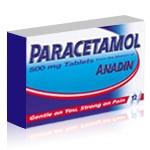
Paracetamol (500mg) represents the safest first-line analgesic and antipyretic medication worldwide — the reference non-NSAID pain reliever preferred when patients cannot use or should avoid NSAIDs. Known as paracetamol internationally and acetaminophen in the United States, this fundamental medication has been available since 1955 when McNeil Laboratories introduced it as Tylenol in the US, followed by GlaxoSmithKline Panadol globally. Manufactured by Cipla India under the Paracip brand as bioequivalent generic under WHO-GMP and US FDA-inspected quality standards, this product offers proven pain relief and fever reduction without the cardiovascular, gastrointestinal, renal, or bleeding risks associated with NSAIDs. Available as 500 mg oral tablets — the standard adult analgesic dose used for mild to moderate pain and fever reduction. The active ingredient is combined with pharmaceutical excipients including povidone, croscarmellose sodium, stearic acid, and starch.
Paracetamol works through distinctive central mechanisms differentiating it fundamentally from NSAIDs. Unlike ibuprofen, naproxen, or celecoxib which primarily inhibit peripheral cyclooxygenase enzymes producing anti-inflammatory action, paracetamol works predominantly in the central nervous system through several proposed mechanisms: central COX inhibition (particularly COX-3 in some studies), modulation of endocannabinoid system, serotonergic pathway effects, and increased excitability threshold of thalamic pain centers. This produces analgesia (pain relief) and antipyresis (fever reduction) but minimal anti-inflammatory effect — the key characteristic distinguishing paracetamol from NSAIDs. Clinical response: pain relief within 30-60 minutes, peak effect at 1-2 hours, consistent 4-6 hour analgesic action supporting 4-6 times daily dosing as needed.
Paracetamol serves mild to moderate pain from various causes and fever reduction across broad patient populations. Primary uses include headache and tension headache; toothache and dental pain; myalgia muscle pain; neuralgia nerve pain; back pain; arthralgia joint pain (though anti-inflammatory effect minimal); fever from various infectious and inflammatory causes; post-vaccination fever; menstrual cramps; cold and flu symptoms; and various pain syndromes of light and medium intensity. Uniquely safe in pregnancy, with anticoagulants, in children, and in patients with GI or CV concerns.
Paracetamol dosed 500-1000 mg every 4-6 hours as needed. Peak at 1-2 hours, 2-4 hour half-life. Maximum 4 grams daily (hepatotoxicity risk above). Cipla India under WHO-GMP standards.
Free prescription
Discrete packaging
Have questions?
Quality Assurance
- Toothache: Dental pain including post-procedure pain;
- Myalgia: Muscle pain from various causes;
- Neuralgia: Nerve pain responding to central analgesic;
- Back Pain: Mild to moderate back pain;
- Arthralgia: Joint pain requiring analgesic without anti-inflammatory;
- Mild to Moderate Pain: Pain syndromes of light and medium intensive level;
- Fever Reduction: Fever from infectious or inflammatory causes;
- Post Vaccination Fever: Fever following immunizations;
- Cold and Flu Symptoms: Aches pain and fever from upper respiratory infections;
- Menstrual Cramps: Primary dysmenorrhea pain relief;
- Post Operative Mild Pain: Post-surgical mild pain management;
- Pregnancy Safe Analgesic: Only OTC analgesic considered safe throughout all trimesters;
- Pediatric Safe Analgesic: Wide safety margin for children with appropriate dosing;
- Anticoagulant Safe Analgesic: Safe combination with warfarin and DOACs no bleeding risk;
- GI Safe Analgesic: No ulcer or bleeding risk unlike NSAIDs;
- Cardiovascular Safe Analgesic: No CV thrombotic event risk unlike NSAIDs;
- Renal Safe Analgesic: No adverse renal effects unlike NSAIDs;
- Aspirin Sensitive Asthma Safe: No bronchospasm risk unlike NSAIDs;
- Generic Paracetamol Therapy: Bioequivalent generic Cipla Paracip at substantially lower cost.
- Less Headache Pain: Tension headaches and various headache types respond effectively;
- Less Toothache Pain: Dental pain responds to central analgesic action;
- Less Muscle Pain: Myalgia from various causes improves;
- Less Back Pain: Mild to moderate back pain improves;
- Better Fever Reduction: Antipyretic action effectively reduces fever from various causes;
- Less Cold and Flu Symptoms: Body aches pain and fever from URI improve;
- Less Menstrual Pain: Primary dysmenorrhea decreases;
- Better Safety Profile: Unmatched safety across all major NSAID risks;
- No Cardiovascular Risk: Safe for patients with heart disease or CV risk factors;
- No GI Bleeding Risk: Safe for stomach and intestines unlike NSAIDs;
- No Renal Risk: Safe for kidneys at therapeutic doses unlike NSAIDs;
- No Anticoagulant Bleeding Risk: Safe with warfarin DOACs and antiplatelets;
- Better Pregnancy Safety: Only OTC analgesic considered safe throughout pregnancy;
- Better Pediatric Safety: Wide safety margin for children with appropriate dosing;
- Better Elderly Tolerability: Preferred choice in elderly avoiding NSAID risks;
- Better Asthma Compatibility: No bronchospasm risk unlike NSAIDs;
- Better Ulcer Patient Safety: Safe for peptic ulcer disease history patients;
- Better Generic Affordability: 85-95% lower cost than brand names makes proven therapy accessible;
- Better Quality of Life: Daily wellbeing improves as pain and fever resolve without safety compromises.
Generic Paracip (Paracetamol 500 mg) Medication guide:
Paracetamol (500mg) is the safest first-line analgesic and antipyretic medication worldwide — the reference non-NSAID pain reliever preferred when patients cannot use or should avoid NSAIDs. Known as paracetamol internationally and acetaminophen in the United States, this fundamental medication has been available since 1955 when McNeil Laboratories introduced it as Tylenol. Manufactured by Cipla India under the Paracip brand as bioequivalent generic under WHO-GMP quality standards, paracetamol offers proven pain relief and fever reduction without the cardiovascular, gastrointestinal, renal, or bleeding risks associated with NSAIDs. Uniquely safe in pregnancy, with anticoagulants, in children, in elderly, and in patients with peptic ulcer or asthma, paracetamol represents the universal first-line analgesic that virtually all patients can safely use with appropriate dosing. This comprehensive medication guide covers every aspect of paracetamol therapy from unique non-NSAID mechanism through pharmacology, critical hepatotoxicity considerations, safety across patient populations, drug interactions, dosing strategies, and long-term management.

💊 Introduction to Paracetamol
Paracetamol is an oral medication containing the same active ingredient known globally by two names — paracetamol (International Nonproprietary Name used in most of the world including Europe, UK, India, Australia, Canada) and acetaminophen (adopted name in the United States). Regardless of naming convention, these are the same chemical compound with identical pharmacological properties. The medication has been in continuous clinical use since McNeil Laboratories introduced it as Tylenol in the United States in 1955. Shortly after, GlaxoSmithKline established Panadol as the global brand which has become the world most widely-used analgesic medication.
The medication is manufactured worldwide by numerous generic pharmaceutical companies. The version sold on rxshop.md is manufactured by Cipla India — one of India largest pharmaceutical companies with US FDA-inspected facilities — under the Paracip brand. Cipla maintains stringent WHO-GMP quality standards ensuring bioequivalent generic paracetamol meets the same efficacy and safety standards as brand-name products. Available as 500 mg oral tablets — the standard adult analgesic dose. Each tablet contains 500 mg of paracetamol combined with pharmaceutical excipients including povidone (binder), croscarmellose sodium (disintegrant), stearic acid (lubricant), and starch (bulking agent) formulated for optimal absorption and tablet stability.
Paracetamol occupies a completely unique position in pain management as the only major non-NSAID analgesic. While NSAIDs (ibuprofen, naproxen, celecoxib, indomethacin, meloxicam, piroxicam, diclofenac) provide anti-inflammatory action through peripheral cyclooxygenase inhibition, they carry substantial risks including gastrointestinal bleeding and ulcers, cardiovascular thrombotic events, renal impairment, hypertension, bleeding tendency, and bronchospasm in aspirin-sensitive asthmatics. These risks limit or contraindicate NSAID use in enormous patient populations including elderly, pregnant women, patients on anticoagulants, cardiovascular disease patients, kidney disease patients, and asthmatics. Paracetamol provides an alternative that completely avoids all these NSAID class risks at therapeutic doses. This safety advantage — combined with proven analgesic and antipyretic efficacy for mild-to-moderate pain and fever — makes paracetamol the universal first-line analgesic recommended by essentially every medical guideline worldwide for pain and fever management when anti-inflammatory action is not required.
🔬 Understanding Paracetamol vs NSAIDs
Understanding the fundamental differences between paracetamol and NSAIDs is essential for appreciating paracetamol unique clinical position.
Three Therapeutic Effects Framework
Comparing paracetamol and NSAIDs across three effects:
- Analgesia (pain relief): Both provide effective pain relief
- Antipyresis (fever reduction): Both provide effective fever reduction
- Anti-inflammatory action: NSAIDs YES / Paracetamol NO
Safety Profile Comparison
| Concern | Paracetamol | NSAIDs |
|---|---|---|
| GI bleeding/ulcers | None | Significant risk |
| Cardiovascular events | None | Increased risk (varies) |
| Renal impairment | None (therapeutic doses) | Significant risk |
| Bleeding risk | None | Platelet effects |
| Aspirin-sensitive asthma | Safe | Bronchospasm risk |
| Pregnancy safety | Safe all trimesters | Third trimester contraindicated |
| Warfarin/anticoagulants | Safe | Bleeding risk |
| Anti-inflammatory action | Minimal | Effective |
| Hepatotoxicity in overdose | Significant risk | Uncommon |
🧬 Chemistry and Pharmacology of Paracetamol
Paracetamol has the chemical formula C8H9NO2 with molecular weight approximately 151.2 g/mol. Structurally, paracetamol is N-acetyl-para-aminophenol (also called APAP) — the origin of the American name "acetaminophen" derived from its systematic chemical name. Chemically, paracetamol is entirely distinct from NSAIDs which are carboxylic acid derivatives. Paracetamol simple amide structure contributes to its distinctive pharmacological properties including selective central action, minimal peripheral anti-inflammatory effect, and unique metabolism pathway.
Mechanism of Action
Paracetamol mechanism differs fundamentally from NSAIDs. While NSAIDs primarily inhibit peripheral cyclooxygenase enzymes at inflammation sites, paracetamol acts primarily in the central nervous system through several proposed mechanisms:
Paracetamol mechanism cascade:
- Paracetamol absorbed from GI tract crosses blood-brain barrier to CNS
- Central COX inhibition - particularly COX-3 (a splice variant) in some studies
- Reduced central prostaglandin synthesis affecting pain and thermoregulation
- Endocannabinoid system modulation - active metabolite AM404 activates CB1 receptors
- Serotonergic pathway effects - enhanced descending pain inhibition
- Increased thalamic pain center excitability threshold - central pain processing modulation
- Result: analgesia and antipyresis with minimal anti-inflammatory action
- Peripheral inflammation sites largely unaffected explaining absence of NSAID effects
Pharmacokinetic Profile
| Parameter | Value | Clinical Significance |
|---|---|---|
| Onset of pain relief | 30 to 60 minutes | Fast onset for acute pain |
| Time to peak (Tmax) | 1 to 2 hours | Peak analgesic effect timing |
| Duration of effect | 4 to 6 hours | Requires 4-6 times daily dosing |
| Half-life | 2 to 4 hours | Short half-life rapid elimination |
| Oral bioavailability | Approximately 88 percent | Excellent absorption |
| Protein binding | Approximately 10-25 percent | Low binding minimal displacement interactions |
| Metabolism | Hepatic glucuronidation sulfation | Multiple pathways minor CYP2E1 toxic metabolite |
| Food effect | Minimal | Take with or without food |
| Elimination | Renal (as metabolites) | Standard elimination pathway |
Metabolism and Hepatotoxicity Pathway
Paracetamol metabolism deserves special attention because it directly relates to the primary safety concern — hepatotoxicity in overdose. At therapeutic doses:
- Glucuronidation (60 percent): Safe pathway - conjugation with glucuronic acid
- Sulfation (30 percent): Safe pathway - conjugation with sulfate
- CYP2E1 oxidation (5-10 percent): Produces toxic NAPQI intermediate
- NAPQI detoxified by glutathione conjugation at therapeutic doses
- Result: Safe elimination with no liver injury
In overdose (typically above 4 grams daily or higher single doses), the glucuronidation and sulfation pathways become saturated. More paracetamol shunts through CYP2E1 pathway producing excess NAPQI. Glutathione stores become depleted. Unbound NAPQI covalently binds to hepatocyte proteins causing liver cell death and potentially fatal acute liver failure.
🎯 Approved Indications

Primary Indications
- Pain relief - mild to moderate pain from various causes
- Fever reduction - antipyretic therapy for fever from any cause
Common Uses
- Headache and tension headache
- Toothache and dental pain
- Myalgia: Muscle pain from various causes
- Neuralgia: Nerve pain
- Back pain: Mild to moderate
- Arthralgia: Joint pain (note: minimal anti-inflammatory effect)
- Menstrual cramps
- Post-vaccination fever and body aches
- Cold and flu symptoms: Fever, body aches, headache
- Post-operative pain: Mild pain adjunct
- Fever from infectious diseases
Off-Label Uses
- Migraine treatment - often combined with caffeine
- Chronic pain management - combined with other analgesics
- Cancer pain - part of WHO pain ladder step 1
- Osteoarthritis - when NSAIDs cannot be used
Ideal Patient Selection
Paracetamol is the preferred first-line analgesic for:
- All patients with mild to moderate pain not requiring anti-inflammatory action
- Elderly patients avoiding NSAID class risks
- Pregnant women (safe throughout pregnancy)
- Children (with appropriate weight-based dosing)
- Patients on anticoagulants (warfarin, DOACs)
- Patients with peptic ulcer disease or GI bleeding history
- Patients with cardiovascular disease
- Patients with hypertension or heart failure
- Patients with kidney disease
- Aspirin-sensitive asthmatics
- Fever reduction in any patient population
- Post-operative mild pain adjunct
🚫 Contraindications
Absolute contraindications include:
- Hypersensitivity to paracetamol
- Severe hepatic impairment (Child-Pugh Class C)
- Acute liver failure or active liver disease
- Chronic alcoholism with liver disease
Use with caution in:
- Mild-moderate hepatic impairment - reduce dose
- Chronic alcohol use - increased hepatotoxicity risk
- Malnutrition - depleted glutathione stores
- Severe renal impairment - extended dosing intervals
- Concurrent hepatotoxic medications
- Concurrent CYP2E1 inducers (isoniazid, chronic alcohol)
- G6PD deficiency - rare hemolysis reports
⚠️ Critical Hepatotoxicity Warning

Paracetamol overdose can cause fatal liver failure:
While paracetamol has excellent safety at therapeutic doses, overdose (typically above 4 grams daily or 150 mg/kg single dose) can cause severe hepatotoxicity potentially leading to acute liver failure and death. This risk is dose-dependent and often preventable through careful dosing.
Key overdose prevention rules:
- Maximum daily dose: 4 grams (8 tablets of 500 mg) in healthy adults
- Reduced maximum: 3 grams daily in elderly or high-risk patients
- Reduced maximum: 2 grams daily in chronic alcohol users
- Avoid combination products containing paracetamol without accounting for total daily dose
- Check labels carefully - paracetamol found in many cold/flu preparations
- Common overdose scenarios: Combining prescription and OTC paracetamol products
Overdose signs and management:
- Early symptoms: Often minimal in first 24 hours (nausea, vomiting)
- 24-72 hours: Liver enzyme elevation, right upper quadrant pain
- 72-96 hours: Liver failure signs - jaundice, encephalopathy, coagulopathy
- Antidote: N-acetylcysteine (NAC) - highly effective if given within 8-10 hours
- Emergency response: Seek immediate emergency care if overdose suspected
High-Risk Overdose Populations
- Chronic alcohol users: CYP2E1 induction plus glutathione depletion
- Malnourished patients: Depleted glutathione
- Elderly patients: Reduced metabolic reserve
- Patients on hepatotoxic medications: Additive liver stress
- Fasting patients: Reduced glutathione synthesis
💉 Dosage and Administration
Standard Adult Dosing
Adult dosing (500 mg tablets):
- Standard adult dose: 500-1000 mg (1-2 tablets) every 4-6 hours as needed
- Maximum single dose: 1000 mg (2 tablets)
- Maximum daily dose: 4 grams (8 tablets of 500 mg)
- Elderly or high-risk patients: Maximum 3 grams daily
- Chronic alcohol users: Maximum 2 grams daily
- Body weight consideration: Below 50 kg use lower doses
Timing Guidelines
- Take at 4-6 hour intervals for repeat dosing
- Minimum 4-hour interval between doses
- Take with full glass of water
- Can be taken with or without food
- Faster absorption on empty stomach
- Better GI tolerance with food if history of GI upset
Special Population Dosing

Pediatric dosing guidance (use pediatric formulations not adult 500 mg tablets):
- Weight-based: 10-15 mg/kg per dose every 4-6 hours
- Maximum: 5 doses in 24 hours or 75 mg/kg/day
- Under 3 months: Consult healthcare provider before use
- 3-6 months: 40-60 mg per dose
- 6-24 months: 60-120 mg per dose
- 2-6 years: 120-250 mg per dose
- 6-12 years: 250-500 mg per dose
- Above 12 years: Adult dosing may be appropriate based on weight
📊 Clinical Effectiveness Data
| Indication | Response Rate |
|---|---|
| Acute headache | 65-80 percent significant relief |
| Toothache | 70-85 percent effective |
| Fever reduction | Effective within 1-2 hours in most patients |
| Primary dysmenorrhea | 60-75 percent (less than NSAIDs) |
| Osteoarthritis mild-moderate | 50-70 percent (less than NSAIDs) |
| Muscle pain from strain | 65-80 percent significant relief |
| Post-operative mild pain | Effective adjunct in multimodal analgesia |
| Cold/flu body aches | 70-85 percent significant symptom relief |
| Comparison with ibuprofen (mild-moderate pain) | Similar to slightly less effective (varies by condition) |
⚠️ Side Effect Profile
Common Side Effects
At therapeutic doses, paracetamol is remarkably well-tolerated with fewer side effects than most medications:
- Nausea: Uncommon
- Rash: Rare
- Dizziness: Very rare
- Constipation: Rare
- Sleepiness: Very rare
- Insomnia: Very rare
Rare But Serious Side Effects
Seek immediate medical attention for:
- Signs of hepatotoxicity from overdose: nausea, vomiting, right upper abdominal pain, jaundice
- Severe allergic reactions: hives, facial swelling, difficulty breathing
- Severe skin reactions: Stevens-Johnson syndrome, toxic epidermal necrolysis (very rare)
- Anaphylaxis (rare)
- Blood cell abnormalities (rare)
- Signs of liver injury: jaundice, dark urine, unusual fatigue
- Signs of overdose: confusion, severe fatigue, abdominal pain
🔄 Drug Interactions
Significant Interactions
| Drug Class | Interaction |
|---|---|
| Warfarin | Chronic high-dose paracetamol may increase INR - monitor |
| Alcohol | Increased hepatotoxicity risk - limit alcohol |
| Isoniazid | CYP2E1 induction increases hepatotoxicity risk |
| Phenytoin, carbamazepine | Enzyme induction may increase toxic metabolite |
| Other hepatotoxic drugs | Additive liver stress - monitor |
| Combination paracetamol products | Risk of unintentional overdose - check total daily dose |
| Cholestyramine | Reduced paracetamol absorption |
| Metoclopramide | Accelerated paracetamol absorption (usually not clinically significant) |
🛡️ Special Populations
- Elderly Patients Over 65
- Preferred first-line analgesic in elderly due to superior safety profile vs NSAIDs. Reduced maximum daily dose (3 grams) recommended. Monitor for potential hepatic effects.
- Pediatric Population
- Widely used and considered safe in children. Use appropriate pediatric formulations (suspensions, chewables). Weight-based dosing 10-15 mg/kg per dose. Never exceed 5 doses in 24 hours or 75 mg/kg/day.
- Pregnancy
- Preferred analgesic during pregnancy - safe throughout all trimesters. Only OTC pain reliever recommended for pregnant women when analgesic needed. Use lowest effective dose for shortest duration.
- Lactation
- Safe during breastfeeding. Small amounts pass into breast milk without clinical significance. Preferred analgesic choice for lactating mothers.
- Cardiovascular Disease
- Preferred analgesic in CV disease patients avoiding NSAID risks. No CV thrombotic event risk, no hypertension elevation, no heart failure exacerbation. Safe with all cardiovascular medications.
- Renal Impairment
- Safe for kidneys at therapeutic doses. Severe renal impairment: extend dosing intervals (every 8 hours instead of 4-6). Preferred analgesic in renal disease.
- Hepatic Impairment
- Mild-moderate: reduce dose to maximum 2-3 grams daily. Severe: avoid or use very cautiously with careful monitoring.
- Anticoagulant Users
- Preferred analgesic for patients on warfarin, DOACs, antiplatelet therapy. No bleeding risk unlike NSAIDs. Chronic high-dose use may modestly affect warfarin INR - monitor.
- Aspirin-Sensitive Asthmatics
- Safe alternative when aspirin/NSAIDs contraindicated. No bronchospasm risk.
- Chronic Alcohol Users
- Increased hepatotoxicity risk from enzyme induction and glutathione depletion. Reduce maximum daily dose to 2 grams. Alcohol cessation strongly recommended.
🔬 Comparison with NSAIDs

| Property | Paracetamol | Ibuprofen (Motrin) | Naproxen (Naprosyn) |
|---|---|---|---|
| Class | Non-NSAID analgesic | NSAID | NSAID |
| Pain relief | Effective | Effective | Effective |
| Fever reduction | Effective | Effective | Effective |
| Anti-inflammatory | Minimal | Effective | Effective |
| GI safety | Excellent | GI risks | GI risks |
| CV safety | Excellent | Moderate risk | Lowest NSAID risk |
| Renal safety | Excellent | Risk | Risk |
| Pregnancy safety | Safe all trimesters | Third trimester contraindicated | Third trimester contraindicated |
| Anticoagulant safety | Safe | Bleeding risk | Bleeding risk |
| Primary safety concern | Hepatotoxicity in overdose | Multiple NSAID risks | Multiple NSAID risks |
| Best for | First-line pain fever most patients | Anti-inflammatory needed | CV-risk patients needing NSAID |
📆 Long-Term Use Considerations
Chronic paracetamol therapy considerations:
- Regular use safe: Well-tolerated for regular use at therapeutic doses
- Liver function monitoring: Periodic LFTs for chronic use particularly elderly
- Total daily dose tracking: Ensure combination products do not exceed 4 grams total
- Kidney function considerations: Safer than NSAIDs for chronic use in kidney disease
- Combined analgesia: Can combine with NSAIDs for enhanced effect (different mechanisms)
- Multimodal approach: Combine with non-pharmacologic pain management
- Reassess ongoing need: For chronic pain optimize underlying cause treatment
- Avoid chronic alcohol: Reduces safety margin substantially
- Nutrition status: Maintain adequate nutrition for glutathione stores
📦 Storage and Handling
- Store at room temperature between 15°C and 30°C (59°F and 86°F)
- Keep in original blister packaging to protect from light and moisture
- Avoid storage in bathrooms where humidity fluctuates significantly
- Keep out of reach of children and pets - particularly critical due to overdose risk
- Do not use tablets past the expiration date printed on packaging
- Return unused or expired medication to pharmacy for proper disposal
- Store safely: Paracetamol accidental ingestion by children can be fatal
- Maintain adequate supply for chronic use
- Note availability of pediatric formulations for children

👨⚕️ When to Contact Your Doctor
- Suspected paracetamol overdose - seek emergency care immediately
- Signs of hepatotoxicity: nausea, vomiting, right upper abdominal pain, jaundice
- Signs of allergic reaction: rash, swelling, difficulty breathing
- Severe skin reactions with blistering (very rare)
- Persistent pain despite adequate paracetamol trial (may need NSAID or evaluation)
- Fever persisting more than 3 days in adults or 24 hours in children under 2
- Chronic pain requiring long-term daily paracetamol - discuss with provider
- Starting new medications especially those affecting liver
- Chronic alcohol use with paracetamol requirement
- Existing liver or kidney disease requiring paracetamol
- Pregnancy with need for regular paracetamol use
- Concurrent use of multiple paracetamol-containing products
- Any adverse reaction to paracetamol
🌟 Key Takeaways
Essential points about paracetamol therapy:
- Paracetamol is the safest first-line analgesic and antipyretic worldwide since 1955
- Known as acetaminophen in US and paracetamol elsewhere - same compound
- NOT an NSAID - completely different class with different mechanism
- Provides analgesia and antipyresis but minimal anti-inflammatory action
- Works through central mechanisms (COX, endocannabinoid, thalamic pain centers)
- Take 500-1000 mg every 4-6 hours as needed
- Onset within 30-60 minutes, peak at 1-2 hours, duration 4-6 hours
- Maximum 4 grams daily to prevent hepatotoxicity
- Reduced maximum in elderly (3 g/day) and chronic alcohol users (2 g/day)
- Safe during pregnancy - only OTC analgesic recommended
- Safe with anticoagulants - no bleeding risk
- Safe for children with appropriate weight-based dosing
- Safe for cardiovascular disease, kidney disease, GI ulcer patients
- Preferred analgesic when NSAIDs contraindicated or should be avoided
- Primary safety concern: hepatotoxicity in overdose - N-acetylcysteine antidote
- Check labels of combination products to avoid unintentional overdose
Important Medical Disclaimer: This medication guide provides general information about paracetamol (acetaminophen) and does not constitute individualized medical advice. Every patient situation is unique and requires evaluation by a qualified healthcare provider for chronic pain conditions, high-dose regular use, or use in patients with liver disease. While paracetamol is one of the safest analgesics at therapeutic doses, overdose can cause fatal liver failure - never exceed 4 grams (8 tablets of 500 mg) in 24 hours in adults. Reduce maximum dose in elderly, chronic alcohol users, and patients with liver disease. Check labels of all medications for paracetamol content to avoid unintentional overdose from combination products. If overdose is suspected, seek emergency medical care immediately - N-acetylcysteine antidote is highly effective if given within 8-10 hours. Report signs of liver injury, severe skin reactions, or unusual symptoms to your healthcare provider promptly. The information provided here should complement but never replace direct professional medical guidance.
Paracip — Frequently Asked Questions
-
What is Paracetamol (Paracip)?
Paracetamol, also known as acetaminophen in some regions, is a medication used to relieve pain and reduce fever. -
How does Paracetamol work?
It works by reducing the production of prostaglandins in the brain that cause pain and fever. -
What conditions does Paracetamol treat?
It's used for headaches, muscle aches, arthritis, backaches, toothaches, colds, and fevers. -
How quickly does Paracetamol start working?
It generally starts to relieve pain within an hour of ingestion. -
How long do the effects of Paracetamol last?
The effects typically last about 4 to 6 hours. -
Can Paracetamol be used for cold and flu symptoms?
Yes, it can reduce fever and alleviate pain associated with cold and flu symptoms. -
What are the side effects of Paracetamol?
When taken as directed, side effects are rare but can include allergic reactions, such as a rash or swelling.
See all Paracip questions (32)
More Pain Medicine Medications