Buy Niacin (Nicotinic Acid Vitamin B3) Online - Cipla Generic Cholesterol Lipid Modification Therapy

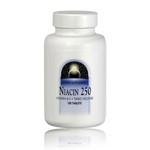
Niacin (Nicotinic Acid / Vitamin B3) represents the historic first-line lipid-modifying therapy - the reference vitamin B3 formulation providing established multi-parameter cholesterol improvements including LDL cholesterol reduction, triglyceride reduction, and HDL cholesterol elevation. Niacin was discovered in 1937 as vitamin B3 and identified as first cholesterol-lowering drug in 1955 by Altschul, establishing over 70 years of continuous clinical use across multiple therapeutic areas. Niacin on rxshop.md is manufactured by Cipla Limited - one of India largest pharmaceutical companies founded in 1935 with WHO-GMP certification and US FDA-inspected manufacturing facilities.
Nicotinic acid is a B-vitamin with unique dual role - essential nutrient (vitamin B3) and pharmacological lipid-modifying agent depending on dose. First, at physiological doses (15-35 mg daily), niacin serves as essential vitamin for NAD/NADP coenzyme synthesis supporting energy metabolism and cellular redox reactions. Second, at pharmacological doses (500-2000 mg daily), niacin provides lipid-modifying effects through multiple mechanisms including inhibition of hepatic VLDL synthesis, reduced hepatic triglyceride production, and increased HDL cholesterol through reduced HDL catabolism. Third, niacin activates GPR109A (HM74A) receptors on adipocytes reducing lipolysis. Fourth, niacin uniquely raises HDL cholesterol by 15-35 percent - the most effective HDL-raising agent available. Fifth, niacin lowers lipoprotein(a) - Lp(a) - a genetic cardiovascular risk factor not addressed by other lipid therapies.
Niacin serves comprehensive lipid-modifying indications including mixed hyperlipidemia, hypertriglyceridemia, low HDL cholesterol, elevated LDL cholesterol, elevated lipoprotein(a), and pellagra (vitamin B3 deficiency). Additional traditional uses include atherosclerosis, peripheral vascular disease, and general vitamin B3 deficiency. Recent clinical trials (AIM-HIGH 2011, HPS2-THRIVE 2014) have questioned niacin adjunctive benefit when added to statin therapy, though niacin monotherapy remains valuable for specific lipid abnormalities including isolated hypertriglyceridemia and lipoprotein(a) elevation.
Please note: Niacin is currently out of stock on rxshop.md. For alternative cholesterol management medications during Niacin unavailability, please browse our Cholesterol Medications category where you can find related lipid-lowering therapy options including statins for LDL cholesterol management and fibrates for triglyceride management. Contraindicated in active liver disease, active peptic ulcer, arterial bleeding, and hypersensitivity. Requires monitoring of liver enzymes, blood glucose, and uric acid during therapy. Requires gradual dose titration to minimize flushing side effects.
Free prescription
Discrete packaging
Have questions?
Quality Assurance
- Mixed Hyperlipidemia: Combined elevated LDL and triglycerides with low HDL responding to comprehensive niacin therapy;
- Hypertriglyceridemia: Elevated blood triglycerides above 200 mg/dL responding to niacin therapy;
- Low HDL Cholesterol: Insufficient good cholesterol responding to niacin the most effective HDL-raising agent;
- Elevated LDL Cholesterol: High bad cholesterol responding to niacin monotherapy or adjunctive to statins;
- Elevated Lipoprotein(a): Genetic cardiovascular risk factor uniquely responsive to niacin among lipid therapies;
- Pellagra: Vitamin B3 deficiency causing dermatitis diarrhea and dementia responding to niacin replacement;
- Vitamin B3 Deficiency: Insufficient dietary niacin intake causing metabolic and neurological symptoms;
- Atherosclerosis: Progressive arterial hardening and narrowing from cholesterol plaque deposits;
- Cardiovascular Disease Prevention: Comprehensive lipid modification supporting cardiovascular risk reduction;
- Familial Dyslipidemia: Inherited lipid disorders responding to niacin therapy including familial hypercholesterolemia;
- Metabolic Syndrome Component: Multi-parameter metabolic disorder with dyslipidemia responding to niacin therapy;
- Diabetic Dyslipidemia: Characteristic abnormal lipid pattern in type 2 diabetes with careful glucose monitoring during therapy;
- Statin Intolerant Dyslipidemia: Alternative therapy for statin-intolerant patients requiring lipid modification;
- Hypoacid Gastritis: Traditional use for gastritis with reduced acid production;
- Blood Vessel Spasms: Vasospasm management through niacin vasodilatory effects;
- Facial Nerve Neuritis: Traditional use for facial nerve inflammation and neuralgia;
- Slow Healing Wounds: Traditional use for chronic wound and ulcer healing support;
- Peripheral Vascular Disease: Vasodilatory effects potentially beneficial for peripheral circulation disorders;
- HDL Enhancement Therapy: Most effective HDL-raising agent available for isolated low HDL patients.
- Lowers Triglycerides: 20-50 percent triglyceride reduction particularly effective for isolated hypertriglyceridemia;
- Lowers LDL Cholesterol: 15-25 percent LDL reduction complementing bad cholesterol control;
- Lowers Lipoprotein(a): Uniquely reduces genetic cardiovascular risk factor Lp(a) not addressed by other lipid therapies;
- Multi Parameter Lipid Modification: Comprehensive lipid profile improvement addressing all lipid components simultaneously;
- Corrects Vitamin B3 Deficiency: Effective treatment for pellagra and vitamin B3 deficiency states;
- GPR109A Receptor Activation: Unique mechanism through niacin-specific G protein-coupled receptor on adipocytes;
- Inhibits Hepatic VLDL Synthesis: Reduces hepatic production of triglyceride-rich lipoproteins;
- Reduces Free Fatty Acids: GPR109A activation reduces adipocyte lipolysis lowering circulating free fatty acids;
- Essential NAD/NADP Coenzyme Precursor: Vitamin function supporting cellular energy metabolism and redox reactions;
- Vasodilatory Effects: Peripheral vasodilation supporting circulation particularly in extremities;
- Cardiovascular Risk Reduction: Historical evidence for reduced cardiovascular events with niacin monotherapy (Coronary Drug Project);
- Statin Alternative Option: Alternative therapy for statin-intolerant patients requiring lipid modification;
- Cost Effective Therapy: Substantially more affordable than newer lipid-modifying agents (PCSK9 inhibitors);
- Historic Cholesterol Therapy Heritage: First cholesterol-lowering drug discovered 1955 with over 70 years clinical experience;
- Cipla Manufacturing Quality: WHO-GMP and US FDA-inspected manufacturing standards providing bioequivalent generic quality;
- Familial Dyslipidemia Treatment: Effective option for various inherited lipid disorders including familial hypercholesterolemia;
- Oral Tablet Convenience: Simple oral administration for chronic lipid therapy management;
- Vitamin Plus Therapeutic Effect: Dual essential nutrient and pharmacological lipid modification benefit;
- Better Long Term Survival: Historic evidence for reduced cardiovascular mortality with long-term niacin therapy in Coronary Drug Project follow-up.
Generic Niacin (Nicotinic acid 2 mg) Medication guide:
📖 What Niacin Is and How It Works
Niacin, also called nicotinic acid and vitamin B3, has a dual identity in medicine. In small physiological doses (14-16 mg daily), it is an essential vitamin needed for basic cellular metabolism. In large pharmacological doses (1-3 g daily), it is a lipid-modifying agent with substantial effects on cholesterol and triglyceride handling. These two identities require very different framings - one is a nutrient, the other is a drug with real side effects and a complex history.
Historically, niacin was the first cholesterol-lowering agent shown to reduce cardiovascular events. The Coronary Drug Project (1975) demonstrated that niacin 3 g daily reduced non-fatal myocardial infarction in post-MI men. Long-term follow-up showed mortality benefit that persisted years after the trial ended. For decades, niacin was considered one of the most useful lipid therapies - alongside emerging statins in the late 1980s and 1990s.
The modern re-evaluation - AIM-HIGH and HPS2-THRIVE
Two large modern trials fundamentally changed how the community views niacin. AIM-HIGH (2011) tested extended-release niacin added to simvastatin in 3,414 clients with low HDL and cardiovascular disease. The trial was stopped early for futility - no cardiovascular benefit. HPS2-THRIVE (2014) was even larger - 25,673 clients with cardiovascular disease on statin. Extended-release niacin/laropiprant showed no cardiovascular benefit and excess serious adverse events including infection, bleeding, new-onset diabetes, and gastrointestinal problems. These trials retired niacin from routine cardiovascular prevention.
The main modern uses of Niacin
- 💔 Statin-intolerant clients who still need lipid modification
- 🩸 Mixed dyslipidaemia in specific scenarios where statin plus ezetimibe insufficient and modern alternatives unavailable
- 💀 Severe hypertriglyceridaemia for pancreatitis risk reduction (alongside fibrate or omega-3)
- 🧬 Elevated lipoprotein(a) - one of few agents with modest Lp(a) reduction
- 🥣 Pellagra (niacin deficiency) - vitamin therapy
- 🌞 Nicotinamide (different form) - actinic keratosis, non-melanoma skin cancer prevention
Understanding niacin's effects on lipids explains its historical appeal. It raises HDL cholesterol by 15-35 percent - the largest HDL increase of any oral drug. It lowers triglycerides by 20-50 percent. It lowers LDL cholesterol by 10-25 percent. It also lowers apolipoprotein B and lipoprotein(a). In the pre-statin era, and during the era when HDL was thought to matter as much as LDL, this profile was considered ideal. The modern understanding, developed through CETP inhibitor trials and Mendelian randomisation studies, is that raising HDL through pharmacology does not consistently translate to cardiovascular benefit - the HDL number is a marker, not a cause.
The most clinically recognised feature of niacin therapy is flushing - warm sensation, redness, itching, and sometimes headache appearing 30-60 minutes after a dose. This is caused by prostaglandin D2 release from skin macrophages and is not an allergy or dangerous reaction. Flushing typically peaks at 15-30 minutes after onset and settles within an hour. Aspirin premedication and slow titration substantially reduce flushing. Most clients develop tolerance to flushing over weeks, though it can recur if doses are missed and then restarted.
Niacin comes as immediate-release nicotinic acid tablets (100 mg, 500 mg), extended-release Niaspan (500 mg, 750 mg, 1000 mg), and various other formulations. Sustained-release over-the-counter niacin should be avoided due to hepatotoxicity risk. Standard therapeutic dose for lipid effects is 1-3 g daily, reached through slow titration over weeks to months. Time to full effect on lipids is 6-12 weeks.
Other important side effects include hyperglycaemia (worsening or new-onset diabetes), hyperuricaemia and gout flares, liver enzyme elevation (particularly with sustained-release), gastrointestinal effects (nausea, dyspepsia), and rare severe hepatotoxicity. The HPS2-THRIVE trial documented excess serious adverse events across multiple categories, which is why routine cardiovascular use has been retired.
This guide walks through what niacin does, the specific settings where it retains a place, the practical realities of slow titration and flushing management, the important formulation choices (avoid sustained-release), the drug interactions, the diabetes and gout concerns, and the modern lipid alternatives that have largely displaced it. Treat this guide as a companion to what your lipid specialist, endocrinologist, or general practitioner tells you.
💊 Why Doctors Prescribe Niacin - Modern Indications
Niacin's indications have narrowed substantially since 2014. Understanding which specific scenario drove your prescription helps you and your treating team share the same goals for therapy.
Statin-intolerant clients
The clearest modern indication. For clients who genuinely cannot tolerate any statin, niacin remains a moderate LDL-lowering option (10-25 percent reduction) with additional HDL and triglyceride effects. Modern alternatives include ezetimibe, bempedoic acid, and PCSK9 inhibitors - each with distinct advantages. Section 4 covers this indication.
Severe hypertriglyceridaemia
For triglycerides over 500 mg/dL where pancreatitis risk is meaningful, niacin can be added to fibrate and omega-3 to achieve substantial triglyceride reduction. Modern practice usually reaches for icosapent ethyl first if cardiovascular risk is also a concern.
Elevated lipoprotein(a)
Lp(a) is a genetically-determined atherogenic particle that most lipid therapies do not modify. Niacin reduces Lp(a) by 20-40 percent - one of few oral agents with this effect. Whether this translates to cardiovascular benefit remains uncertain (PROMINENT and other trials targeting related atherogenic particles have been neutral). PCSK9 inhibitors and inclisiran also modestly reduce Lp(a). Specialist lipid clinic input helps identify appropriate clients.
Mixed dyslipidaemia refractory to first-line therapy
In clients with elevated LDL, low HDL, and elevated triglycerides where statin plus ezetimibe combination is insufficient AND modern add-ons (PCSK9 inhibitor, icosapent ethyl) are unavailable or contraindicated, niacin may fit. This is an unusual scenario in developed healthcare systems today but persists where cost or availability restricts modern options.
Familial hyperlipidaemia scenarios
- Familial combined hyperlipidaemia - niacin can address mixed pattern
- Familial dysbetalipoproteinaemia - fibrates first-line; niacin secondary
- Some rare familial disorders where response to modern agents is limited
- Lipid specialist input for these rare scenarios
Pellagra and severe niacin deficiency
Pellagra (dermatitis, diarrhoea, dementia, death if untreated) results from severe niacin deficiency. Modern occurrence is unusual but seen in alcoholism, malabsorption, isoniazid therapy, carcinoid syndrome, and Hartnup disease. Vitamin-dose niacin or nicotinamide treats deficiency. Section 5 covers this indication.
Non-lipid dermatology uses of nicotinamide
- Nicotinamide (niacinamide) - the amide form of niacin; does not cause flushing
- Actinic keratosis - prevention in high-risk clients
- Non-melanoma skin cancer - reduction in high-risk clients
- Bullous pemphigoid - sometimes used
- Different formulation and role from lipid-modifying nicotinic acid
Where niacin does NOT fit in modern practice
- As first-line for LDL reduction - statins vastly superior
- As routine add-on to statin for cardiovascular risk reduction - AIM-HIGH and HPS2-THRIVE showed no benefit and excess harm
- For isolated low HDL as a cardiovascular risk factor - HDL raising through niacin does not translate to CV benefit
- For general prevention when statin is tolerated - statin much better
Ask your treating team specifically why niacin was chosen given the diminished modern role, what lipid targets are being pursued, and whether modern alternatives (ezetimibe, PCSK9 inhibitor, icosapent ethyl) might suit better. The specific plan differs substantially between statin-intolerant lipid therapy, elevated Lp(a) management, and severe hypertriglyceridaemia.
🩸 Niacin for Dyslipidaemia - Classic Lipid Uses
Niacin's classic dyslipidaemia effects remain real and substantial. What has changed is understanding of when these lipid changes translate to hard cardiovascular outcomes.
Niacin effects on lipids at therapeutic doses (1-3 g daily)
| Parameter | Direction | Magnitude |
|---|---|---|
| HDL cholesterol | Increased | 15-35 percent |
| Triglycerides | Decreased | 20-50 percent |
| LDL cholesterol | Decreased | 10-25 percent |
| Lipoprotein(a) | Decreased | 20-40 percent |
| Apolipoprotein B | Decreased | 15-25 percent |
| Non-HDL cholesterol | Decreased | 15-25 percent |
| LDL particle size | Shifts to larger | Less atherogenic |
Historical dyslipidaemia indications
- Elevated LDL cholesterol - niacin monotherapy was standard pre-statin
- Low HDL cholesterol - niacin was first-line pre-2011
- High triglycerides - niacin was standard along with fibrates
- Mixed dyslipidaemia - niacin monotherapy addressed multiple abnormalities
- Familial hypercholesterolaemia - niacin was part of combination therapy
Modern dyslipidaemia positioning
- LDL cholesterol reduction - statin first; ezetimibe second; PCSK9 inhibitor third. Niacin not competitive for LDL alone.
- Triglyceride reduction - lifestyle first; fibrate (fenofibrate); icosapent ethyl for CV benefit; omega-3 fatty acids. Niacin adjunct in refractory cases.
- HDL raising - lifestyle (exercise, weight loss); niacin no longer routine given AIM-HIGH result
- Lp(a) - PCSK9 inhibitor, inclisiran, niacin all reduce; specific antisense therapies in development (pelacarsen, olpasiran)
- Non-HDL cholesterol - statin plus ezetimibe usually addresses; niacin third-line
Realistic expectations
Niacin at 1.5-2 g daily produces meaningful lipid changes across HDL, triglycerides, LDL, and Lp(a). Whether those changes translate to cardiovascular benefit in modern statin-treated clients is very much in doubt after AIM-HIGH and HPS2-THRIVE. For statin-intolerant clients or where modern alternatives are unavailable, niacin remains a reasonable lipid-modifying option. For typical modern lipid management, statin plus ezetimibe or PCSK9 inhibitor is preferred.
Niacin's lipid effects are real. Modern practice recognises that lipid effects alone do not guarantee cardiovascular benefit - the trial evidence for hard outcomes matters more than the surrogate lipid numbers.
💔 Niacin for Statin-Intolerant Clients
Statin intolerance is the clearest modern indication for niacin. Understanding true intolerance and the alternative options matters when considering this scenario.
What is true statin intolerance
- Muscle symptoms with two or more different statins
- Symptoms resolve on stopping and recur on rechallenge
- Alternative causes ruled out (hypothyroidism, vitamin D deficiency, other medications)
- Non-statin explanation for the symptoms considered
- Nocebo effect ruled out with blinded rechallenge in some cases
- True intolerance is rare - most complaints are not drug-caused (SAMSON trial evidence)
Before declaring intolerance - work through options
- Try lower dose of same statin
- Try different statin (rotate through 3-4 options)
- Try alternate-day dosing
- Try weekly rosuvastatin (long half-life allows)
- Address vitamin D deficiency if present
- Consider blinded rechallenge to assess nocebo contribution
Non-statin options for true intolerance
- Ezetimibe 10 mg daily - 15-20 percent LDL reduction; well-tolerated; IMPROVE-IT trial evidence for CV benefit
- Bempedoic acid 180 mg daily - 15-25 percent LDL reduction; CLEAR Outcomes trial CV benefit in statin-intolerant
- PCSK9 inhibitor (evolocumab, alirocumab) - 50-60 percent LDL reduction; FOURIER, ODYSSEY trial CV benefit
- Inclisiran - PCSK9 siRNA; twice-yearly injection; ORION trial evidence
- Niacin extended-release - 10-25 percent LDL reduction; specific dyslipidaemia scenarios
- Combination therapy - often needed to reach targets
Where niacin fits vs modern alternatives
In modern developed healthcare, niacin has largely been displaced by ezetimibe (well-tolerated, oral, cheap generic) and by bempedoic acid (with hard outcome trial evidence in statin-intolerant clients per CLEAR Outcomes). For very high-risk clients, PCSK9 inhibitors offer 50-60 percent LDL reduction with cardiovascular benefit. Niacin remains an option when these are unavailable or the specific dyslipidaemia pattern (low HDL, elevated triglycerides, elevated Lp(a)) makes niacin's multi-target profile attractive.
Practical statin-intolerant niacin therapy
- Extended-release Niaspan preferred formulation (less flushing than immediate-release, less liver risk than sustained-release)
- Start 500 mg at bedtime
- Aspirin 325 mg 30 minutes before dose to reduce flushing
- Titrate slowly - 500 mg increases every 4 weeks
- Target 1-2 g daily
- Monitor LFTs, glucose, uric acid
- Recheck lipids at 6-12 weeks after target dose reached
- Combine with ezetimibe for additive effect
Niacin retains a role for statin-intolerant clients but modern alternatives - particularly ezetimibe, bempedoic acid, and PCSK9 inhibitors - have largely replaced it as first choice. Match the therapy to the specific lipid pattern and CV risk profile.
🥣 Niacin for Pellagra and Vitamin Deficiency
Pellagra is the classic disease of severe niacin deficiency. Understanding it and modern niacin deficiency contexts helps distinguish vitamin therapy (small physiological doses) from lipid therapy (large pharmacological doses).
Pellagra - the classic tetrad
- Dermatitis - sun-exposed skin; erythema then hyperpigmentation; classic Casal necklace pattern on neck
- Diarrhoea - GI mucosal atrophy; malabsorption
- Dementia - neuropsychiatric symptoms; confusion, memory loss, psychosis
- Death - if untreated
- The classic four D-s
Historical and modern epidemiology
- Historical epidemic in US South (early 20th century) - corn-based diets low in bioavailable niacin
- Joseph Goldberger's epidemiological work established dietary cause
- Modern developed-world occurrence unusual due to enriched foods and dietary variety
- Persists in some parts of world with poor dietary diversity
- Sporadic modern cases in specific risk groups (below)
Modern risk groups for niacin deficiency
- Alcohol use disorder - poor diet plus impaired absorption
- Isoniazid therapy - depletes vitamin B6 which is needed for niacin biosynthesis from tryptophan
- Carcinoid syndrome - diverts tryptophan to serotonin
- Hartnup disease - genetic disorder of tryptophan absorption
- Severe malnutrition - anorexia nervosa, refugees, poverty
- Malabsorption syndromes - Crohns, coeliac, chronic diarrhoea
- HIV wasting
- Post-bariatric surgery
Vitamin dosing (deficiency treatment)
- Adult RDA: 16 mg daily for men, 14 mg daily for women (as niacin equivalents)
- Pregnancy RDA: 18 mg daily
- Lactation RDA: 17 mg daily
- Pellagra treatment: nicotinamide 100-500 mg daily (nicotinamide preferred over nicotinic acid to avoid flushing)
- Duration: until symptoms resolve; then dietary supplementation ongoing
- Rapid response - dermatitis improves within days; dementia over weeks
Nicotinic acid vs nicotinamide
Two chemical forms of vitamin B3 exist. Nicotinic acid (niacin) is what causes flushing and has lipid effects. Nicotinamide (niacinamide) is the amide form - no flushing, no lipid effects, no gout risk, safer for vitamin replacement. For pellagra treatment, nicotinamide is preferred because vitamin replacement can happen without flushing side effects. For lipid modification, nicotinic acid is used because nicotinamide lacks the lipid effects. Do not substitute one for the other without understanding which effect is intended.
Dietary sources of niacin
- Meat - liver, chicken, turkey, beef
- Fish - tuna, salmon
- Whole grains and enriched cereals
- Legumes - peanuts especially
- Mushrooms
- Enriched breads and flour (modern industrial fortification prevents pellagra)
- Tryptophan-containing proteins convert to niacin (60 mg tryptophan yields 1 mg niacin)
Vitamin-dose niacin therapy for deficiency is a fundamentally different medical intervention from therapeutic lipid dosing. Small doses correct nutritional shortfall; large doses modify lipid metabolism. The distinction matters for choice of formulation and dose.
📊 Coronary Drug Project and Historic Evidence Base
Niacin has one of the longest cardiovascular trial histories of any lipid drug. Understanding this arc - from landmark early positive trials through to modern negative trials - explains its diminished current role.
Coronary Drug Project - the landmark
- Published JAMA 1975 (primary paper)
- 8,341 men aged 30-64 with prior MI
- Randomised to niacin 3 g daily, clofibrate, dextrothyroxine, oestrogen, or placebo
- Median follow-up 6.2 years
- Niacin reduced non-fatal MI by 27 percent
- Cerebrovascular events also reduced
- No mortality benefit at end of active treatment
- Historic first cardiovascular event reduction shown for a lipid drug
Coronary Drug Project 15-year follow-up
- Published JACC 1986, Canner and colleagues
- Extended observational follow-up 9 years after trial end
- 11 percent reduction in all-cause mortality in original niacin group
- Late-emerging mortality benefit despite no signal at trial end
- Foundational for the idea that lipid modification durable effects extend beyond active treatment
FATS Trial - combination angiographic benefit
- Familial Atherosclerosis Treatment Study
- Published NEJM 1990, Brown and colleagues
- Niacin plus colestipol vs lovastatin plus colestipol vs conventional therapy
- Angiographic study in familial hypercholesterolaemia
- Both combinations regressed atherosclerosis
- Early evidence that combination lipid therapy modifies disease
HATS Trial - simvastatin plus niacin
- HDL-Atherosclerosis Treatment Study
- Published NEJM 2001, Brown and colleagues
- Small angiographic study (160 clients)
- Simvastatin plus niacin combination
- Substantial atherosclerosis regression
- Fewer cardiovascular events in secondary analysis
- Contributed to enthusiasm for statin-niacin combination
🔴 AIM-HIGH Trial - the first modern reversal
- Published NEJM 2011, Boden and colleagues
- 3,414 clients with established cardiovascular disease on simvastatin
- Low HDL cholesterol (under 40 in men, under 50 in women)
- Elevated triglycerides (150-400 mg/dL)
- Randomised to extended-release niacin 1500-2000 mg or placebo
- Trial stopped early for futility after 36 months
- No difference in primary composite cardiovascular endpoint
- Trend toward more ischaemic stroke in niacin group (statistically significant)
- Fundamentally challenged the hypothesis that HDL raising provides CV benefit
🔴 HPS2-THRIVE - the definitive negative trial
- Published NEJM 2014, Landray and colleagues
- 25,673 clients with established cardiovascular disease on statin
- Multi-country trial (Europe, China)
- Extended-release niacin 2000 mg/laropiprant 40 mg combination
- Median follow-up 3.9 years
- No significant reduction in cardiovascular events
- Excess serious adverse events in niacin group:
- - Diabetes complications (particularly hyperglycaemia)
- - Bleeding events
- - Infections
- - Gastrointestinal events
- - Musculoskeletal events
- Definitively removed niacin from routine cardiovascular prevention
- Extended-release niacin/laropiprant combination Tredaptive was withdrawn in Europe
The overall picture
The evidence arc from Coronary Drug Project to HPS2-THRIVE tells a specific story. Niacin was genuinely effective in the pre-statin era against untreated dyslipidaemia. But when added to modern statin therapy in the 21st century, niacin does not provide additional cardiovascular benefit and carries meaningful side effects. This is a common pattern in cardiovascular medicine - agents that worked when they were the only treatment may not provide incremental benefit when layered on top of modern effective therapies.
Niacin's evidence base is unusually rich but the modern trials are what defines its current role. The historical positive trials should not overshadow the definitive negative modern trials in a client-clinician discussion about starting or continuing niacin.
🔬 How Niacin Modifies Lipid Metabolism
Niacin's lipid effects work through multiple mechanisms distinct from statins. Understanding these explains both its efficacy and specific side effect profile.
Main mechanisms on lipids
- Inhibits adipocyte lipolysis - reduces free fatty acid delivery to liver; reduces hepatic triglyceride synthesis
- Inhibits hepatic VLDL secretion - reduces triglyceride and LDL precursor output
- Reduces catabolism of ApoA-I - HDL persists longer in circulation
- Increases HDL synthesis partly
- Modifies Lp(a) production - one of few oral drugs to do so
- Not a competitive enzyme inhibitor like statins - fundamentally different mechanism
The flushing mechanism
- Niacin activates GPR109A receptors on skin macrophages (Langerhans cells)
- Macrophages release prostaglandin D2
- PGD2 causes vasodilation of cutaneous vessels
- Result: warm sensation, redness, itching
- Peaks 15-30 minutes after dose; settles within an hour
- Aspirin inhibits prostaglandin synthesis - reduces flushing
- Tolerance develops with continued therapy
- Laropiprant (DP1 receptor antagonist) blocked PGD2 effects but did not improve outcomes in HPS2-THRIVE
Other physiological effects
- Insulin resistance - niacin worsens insulin sensitivity in muscle
- Uric acid retention - niacin competes with uric acid for tubular secretion
- Vasodilation - can lower blood pressure modestly
- Platelet effects - minor antiplatelet effect
- Hepatic effects - direct hepatocellular effects; formulation-dependent
Formulation matters for mechanism
- Immediate-release nicotinic acid - rapid absorption; high peak; substantial flushing; least hepatotoxic; taken 3 times daily
- Extended-release (Niaspan) - controlled absorption over 8-12 hours; less flushing; moderate hepatic risk; taken once daily at bedtime
- Sustained-release (over-the-counter) - very slow release; minimal flushing; HEPATOTOXIC and to be avoided
- Nicotinamide - the amide form; no flushing; no lipid effects; vitamin replacement only
Pharmacokinetics
- Absorption - rapid and near-complete for immediate-release; slower for extended-release
- Peak plasma concentration - 30-60 minutes for immediate-release; 4-5 hours for extended-release
- Half-life - 20-45 minutes for parent drug
- Metabolism - two pathways: amidation to nicotinamide (satiable, low-dose) and conjugation to nicotinuric acid (higher-dose)
- No CYP metabolism - fewer drug interactions than statins
- Elimination - renal, primarily as metabolites
- Effect on lipids - onset within 1-2 weeks; full effect by 6-8 weeks
Niacin's multi-mechanism lipid effects and non-CYP metabolism differentiate it from statins and fibrates. The mechanisms also explain the specific side effect profile - flushing from prostaglandin release, hyperglycaemia from insulin resistance, gout from uric acid retention.
⏰ Niacin Dose Schedule and Formulations Guide
Niacin dosing is more complex than most lipid drugs. Formulation choice, slow titration, and specific timing rules all matter for tolerability.
Formulation comparison
| Formulation | Flushing | Hepatic risk | Dosing |
|---|---|---|---|
| Immediate-release nicotinic acid | Substantial | Low | 3 times daily with meals |
| Extended-release (Niaspan) | Moderate | Moderate | Once daily at bedtime with snack |
| Sustained-release OTC | Minimal | HIGH - AVOID | Not for therapeutic use |
| Nicotinamide | None | Low | Vitamin replacement only; no lipid effect |
Titration schedule for extended-release Niaspan
| Weeks | Dose |
|---|---|
| 1-4 | 500 mg at bedtime with snack |
| 5-8 | 1000 mg at bedtime |
| 9-12 | 1500 mg at bedtime |
| 13+ | 2000 mg at bedtime if needed and tolerated |
Titration schedule for immediate-release nicotinic acid
- Start 100 mg three times daily with meals
- Increase by 100 mg three times daily every 4-7 days as tolerated
- Target 1.5-3 g daily in divided doses with meals
- Requires patience and adherence to slow titration
- More frequent aspirin premedication
Timing rules
- Extended-release Niaspan - at bedtime with a low-fat snack (reduces GI upset, catches overnight lipid effects, allows flushing during sleep)
- Immediate-release - with meals (reduces GI upset)
- Aspirin 325 mg 30 minutes before dose during titration
- Avoid alcohol at or near dose time (worsens flushing)
- Avoid hot drinks or spicy food at dose time (may worsen flushing)
Expected LDL response by dose
| Niaspan dose | LDL reduction | HDL increase |
|---|---|---|
| 500 mg | 4-5 percent | 10-15 percent |
| 1000 mg | 9-10 percent | 15-20 percent |
| 1500 mg | 14-15 percent | 20-25 percent |
| 2000 mg | 17-22 percent | 25-30 percent |
Duration of therapy
- Long-term if indication persists
- Reassess annually whether continuation justified given modern alternatives
- Do not stop suddenly - flushing recurs when restarting
- If stopping longer than a few days - restart at lower dose and re-titrate
Niacin dosing requires patience and slow titration. Extended-release Niaspan at bedtime with aspirin premedication is the practical modern approach. Immediate-release nicotinic acid still has a role but requires more frequent aspirin and can be more demanding for adherence.
📅 Starting Niacin - First Weeks with Flushing
Starting niacin is a different experience from most drugs because of the flushing reaction. Setting realistic expectations and using aspirin premedication makes the transition smoother.
Pre-treatment assessment
- Baseline lipid profile
- Baseline liver function tests (ALT, AST)
- Baseline HbA1c or fasting glucose (niacin worsens glucose control)
- Baseline uric acid (niacin raises uric acid)
- Baseline renal function
- History of peptic ulcer disease (niacin can exacerbate)
- History of gout
- Bleeding risk assessment (niacin may modestly increase)
- Concurrent medications - especially statins, warfarin, antihypertensives
- Aspirin allergy or contraindication
Client education points
- Flushing is expected and not dangerous
- Aspirin 325 mg 30 min before dose reduces flushing substantially
- Take at bedtime with low-fat snack
- Avoid hot drinks, spicy food, alcohol at dose time
- Flushing tolerance develops over weeks
- If a dose is missed for more than a day, flushing recurs on restart
- Slow titration over months to avoid worst side effects
- Watch for symptoms of gout, worsening glucose, liver symptoms
First-dose experience
Approximately 30-60 minutes after the first niacin dose, most clients experience flushing - warm sensation, redness of face and upper chest, sometimes itching or tingling. Peak intensity is at 15-30 minutes after onset. Full episode settles within an hour. Aspirin premedication substantially reduces this. Some clients find the first few doses uncomfortable; tolerance develops over subsequent weeks. Educate clients not to abandon therapy after the first uncomfortable dose.
Follow-up schedule for initiation
- 2-4 weeks after start - review tolerability; consider next dose increase
- 6-12 weeks after target dose reached - lipid panel, ALT, glucose, uric acid
- Symptom review at each contact
- 6-12 months for full stabilisation and long-term plan
- Annual thereafter
Warning signs during initiation
- 🔴 Severe flushing with dizziness, hypotension, syncope
- 🔴 Persistent abdominal pain
- 🔴 Yellow skin or eyes - liver concern
- 🔴 Dark urine, pale stool
- 🔴 Marked worsening of blood glucose in diabetics
- 🔴 Sudden joint pain (gout flare)
- 🔴 Muscle pain especially if on concurrent statin
- 🔴 Rash or allergic reaction
Niacin initiation requires more preparation and patience than most drugs. Client education about flushing, aspirin premedication, and slow titration make the difference between successful therapy and abandonment.
📏 Niacin Dose Adjustments and Slow Titration
Niacin dose adjustment centres on slow titration to therapeutic dose while managing tolerability. Adjustments beyond titration usually involve continuation vs discontinuation rather than fine-tuning.
Factors affecting individual response
- Baseline lipid abnormalities - specific pattern shapes response
- Adherence to slow titration
- Formulation choice - extended-release vs immediate-release
- Diet and lifestyle - independent contributions
- Concurrent lipid therapies
- Weight and metabolic status
- Alcohol - worsens dyslipidaemia and flushing
Common adjustments
| Situation | Action |
|---|---|
| Severe flushing intolerance | Slow titration further; verify aspirin premedication; switch to extended-release |
| Lipid targets not reached | Optimise other lipid therapy; check adherence; consider ezetimibe or PCSK9 inhibitor addition |
| Hyperglycaemia developing | Optimise diabetes management; monitor glucose closely; may need to reduce niacin dose |
| Gout flare | Treat flare; consider allopurinol; niacin may need discontinuation if recurrent |
| ALT rise 3x upper limit | Reduce dose; investigate other causes; may need to stop |
| GI intolerance | Take with more food; slow titration; extended-release if not already |
| Muscle symptoms on statin combination | Address per statin symptoms - may need to stop combination |
Non-response investigation
If lipids not responding as expected:
- Check adherence honestly
- Verify formulation (not sustained-release OTC)
- Verify dose is at therapeutic range (1-2 g minimum)
- Review diet and lifestyle
- Rule out hypothyroidism
- Consider genetic causes of dyslipidaemia
- Add ezetimibe for additive LDL reduction
- Consider PCSK9 inhibitor if very high-risk
- Reconsider whether niacin is the right choice given modern alternatives
Deciding when to stop
- Persistent significant side effects despite mitigation
- Recurrent gout or worsening diabetes
- Lipid targets not achievable
- Better alternative becomes available (PCSK9 inhibitor coverage secured)
- Client preference given demanding adherence pattern
- Reduced cardiovascular risk over time makes continued therapy unnecessary
Niacin dose adjustment focuses on tolerable titration and appropriate ongoing use. If tolerance is genuinely poor or lipid targets remain out of reach, modern alternatives should be considered.
💊 How to Take Niacin Tablets Properly
Practical routines around niacin tablets are more elaborate than for most lipid drugs. Aspirin, timing, food, and consistency all matter.
Practical daily routine - extended-release Niaspan
- Once daily at bedtime
- With a low-fat snack (crackers, plain toast, low-fat yoghurt)
- Not with hot drinks, alcohol, or spicy food
- Aspirin 325 mg 30 minutes before during titration; may reduce or stop once tolerant
- With water - a full glass
- Swallow whole - do not crush or chew (would defeat extended-release)
- Consistency matters - flushing recurs if doses skipped
- Refill 2 weeks before running out
Practical daily routine - immediate-release nicotinic acid
- Three times daily with meals
- Aspirin 325 mg 30 minutes before doses during titration
- With water - a full glass with each dose
- Not with alcohol at dose time
- Consistency - avoid missed doses given short half-life
🔴 Avoid sustained-release over-the-counter niacin
Sustained-release nicotinic acid products (sold over-the-counter as vitamin B3 or cholesterol supplements) release very slowly and carry substantially increased liver toxicity risk. Many cases of severe hepatitis and liver failure have been reported. These products are NOT interchangeable with therapeutic niacin. Prescription extended-release Niaspan is different and has an acceptable liver profile. If a client wants niacin for cholesterol, use prescription formulations only.
Anchor the dose to a daily habit
- Extended-release - bedtime routine; alongside evening medications
- Immediate-release - with breakfast, lunch, dinner
- Aspirin dose ties to first niacin dose of the day
- Weekly pillbox helpful for polypharmacy
- Phone alarms - especially for immediate-release three-times-daily
Common medication safety issues
- 🔴 Avoid over-the-counter sustained-release niacin
- 🔴 Do not switch formulations without dose adjustment
- 🔴 Report severe flushing with dizziness
- 🔴 Report yellow skin or eyes
- 🔴 Report new joint pain
- 🔴 Report worsening blood glucose if diabetic
- 🔴 Never double up on missed dose
- 🔴 Alert medical team about niacin at all medical visits
Storage
- Room temperature under 25 C
- Original packaging
- Protect from moisture and light
- Not in bathroom or hot car
- Out of reach of children
- Do not use past expiry
- Return unused tablets to pharmacy
Niacin therapy is more demanding than most cholesterol drugs. The aspirin premedication, food timing, and formulation-specific rules make consistency the main practical discipline.
🍴 Food Diet and Niacin Absorption Rules
Food and diet interactions with niacin have a distinct pattern. Low-fat snack helps GI tolerance; hot drinks and alcohol worsen flushing; ordinary cardioprotective diet supports overall lipid effect.
Niacin absorption and food
- Extended-release Niaspan - take with low-fat snack at bedtime; high-fat meal may alter absorption
- Immediate-release nicotinic acid - take with meals to reduce GI upset
- Empty-stomach dosing worsens GI tolerance
- No specific food to avoid for absorption reasons
- Grapefruit juice not a concern for niacin (no CYP metabolism)
Foods and drinks that worsen flushing
- Hot drinks - coffee, tea, hot chocolate at dose time
- Spicy food at dose time
- Alcohol - any type at dose time
- Hot showers or baths just before or after dose
- Exercise-induced heating around dose time
- Timing dose at bedtime helps avoid these triggers
Cardioprotective dietary pattern
- Mediterranean-style eating - fruits, vegetables, whole grains, legumes, nuts, fish, olive oil
- Reduce saturated fat - limit red and processed meat, high-fat dairy, tropical oils
- Avoid trans fats - hydrogenated oils
- Sodium under 2,300 mg daily
- Soluble fibre - oats, barley, legumes, fruits (aids LDL reduction)
- Reduce refined carbohydrates and added sugars - important for triglycerides
- Fish twice weekly for omega-3
Niacin does not replace diet
- Diet independently affects lipids, glucose, blood pressure
- Diet plus niacin better than either alone
- Poor diet may attenuate niacin lipid effects
- Weight loss adds substantially to triglyceride reduction
Suggested low-fat bedtime snack ideas
- Plain crackers
- Plain toast with jam
- Low-fat yoghurt
- A banana
- Bowl of low-fat cereal with skim milk
- Piece of fruit
- Avoid heavy meals, fatty snacks, hot drinks, alcohol
Food timing matters more with niacin than with statins. The low-fat snack, avoiding flush triggers, and standard cardioprotective eating together maximise tolerability and lipid effect.
🍷 Alcohol Rules During Niacin Therapy
Alcohol on niacin has three specific concerns beyond general cardiovascular advice - worsening flushing, liver additive risk, and triglyceride opposition.
Alcohol effects relevant to Niacin clients
- Worsens flushing - alcohol dilates vessels; adds to niacin flush effect
- Adds to liver injury risk - both alcohol and niacin can elevate ALT; combination compounds
- Raises triglycerides - works against the drug's effect
- Contributes to obesity and metabolic syndrome - the underlying dyslipidaemia driver
- Increases pancreatitis risk when triglycerides are elevated
- Complicates diabetes control
Practical guidance
| Situation | Recommendation |
|---|---|
| Alcohol at dose time | Avoid - worsens flushing significantly |
| Occasional evening drink hours before bedtime dose | Generally acceptable within official limits |
| Daily 1 drink | Usually acceptable if liver normal, triglycerides controlled |
| Daily 2 drinks | Upper limit; monitor LFTs and lipids |
| Regular binge drinking | Avoid strongly |
| Fatty liver or hepatitis | Minimise significantly |
| High baseline triglycerides | Reduce or avoid |
| Alcohol use disorder | Address as separate condition |
If alcohol reduction is needed
- Set a specific target - not vague "cutting down"
- Track drinks honestly
- Address triggers
- Alcohol-free alternatives
- Support - GP, counselling, groups
- Medical management for alcohol use disorder if needed
Alcohol restriction supports niacin therapy. The flush-worsening effect at dose time is the specific niacin concern beyond the general cardiovascular advice.
🚨 Niacin Side Effects Complete Overview
Niacin has a distinctive side effect profile - flushing is the signature, but hyperglycaemia, hyperuricaemia, liver effects, and GI issues all matter. HPS2-THRIVE quantified excess serious events on modern niacin therapy added to statin.
Very common side effects (over 10 percent)
- Flushing - the signature; up to 80 percent initially without aspirin; declines to 20-30 percent with tolerance and aspirin
- Pruritus and skin tingling - part of flushing
- Mild GI upset - dyspepsia, nausea
Common side effects (1-10 percent)
- Headache
- Dizziness
- Diarrhoea or constipation
- Hyperglycaemia - modest glucose rise; more in prediabetic and diabetic clients
- Hyperuricaemia - uric acid rise; may precipitate gout
- Modest ALT elevation
- Vomiting
- Cough
- Insomnia
- Rash
Uncommon effects
- Peptic ulcer exacerbation
- Acanthosis nigricans
- Macular oedema (retinal fluid)
- Blurred vision
- Amblyopia
- Reduced platelet count
- Increased prothrombin time
- Muscle symptoms (particularly with statin coadministration)
Serious rare
- 🔴 Severe hepatotoxicity (much higher risk with sustained-release OTC formulations)
- 🔴 Fulminant hepatic failure (rare, associated with formulation switching)
- 🔴 Rhabdomyolysis (rare monotherapy; higher with statin combination)
- 🔴 Severe hypersensitivity reactions
- 🔴 Cystoid macular oedema
- 🔴 Coagulopathy
The HPS2-THRIVE serious adverse events
In the definitive HPS2-THRIVE trial, extended-release niacin/laropiprant added to statin caused excess serious adverse events including:
- New-onset diabetes and diabetes complications
- Serious bleeding events (particularly intracranial)
- Serious infections
- Gastrointestinal serious events
- Musculoskeletal serious events
This safety signal is the main reason routine niacin add-on to statin has been retired from guidelines.
General approach to side effects
- Report new symptoms
- Flushing usually improves over weeks with tolerance
- Aspirin premedication reduces flushing substantially
- Slow titration reduces most side effects
- Investigate other causes for new symptoms
- Consider dose reduction or switch formulation for persistent problems
- Reassess overall benefit vs risk periodically
Niacin has a distinctive side effect profile that is more demanding than most modern lipid drugs. Modern practice reserves niacin for scenarios where the benefit-risk balance justifies dealing with these effects.
🥵 Flushing on Niacin - The Signature Effect
Flushing is niacin's signature side effect and the most common reason clients abandon therapy. Understanding what it is, what causes it, and how to manage it makes the difference between successful therapy and discontinuation.
What flushing feels like
- Warm sensation - face, neck, upper chest, arms
- Redness - visible erythema of same areas
- Itching or tingling - part of the sensation
- Sweating - sometimes
- Headache - occasionally
- Palpitations - occasionally
- Not an allergic reaction - not dangerous
Time course
- Onset - 30-60 minutes after dose
- Peak intensity - 15-30 minutes after onset
- Duration - typically less than an hour
- Tolerance development - over 2-4 weeks of consistent use
- Recurrence - if doses missed for more than a day, flushing returns on restart
Why it happens
- Niacin activates GPR109A receptors on skin Langerhans cells
- Cells release prostaglandin D2
- PGD2 dilates cutaneous vessels
- Blood flow to skin increases
- Warmth, redness, and itch result
- Aspirin blocks prostaglandin synthesis; reduces flushing
- Tolerance develops through receptor desensitisation
Factors that worsen flushing
- Alcohol at dose time
- Hot drinks (coffee, tea)
- Spicy food
- Hot showers or baths
- Exercise near dose time
- Immediate-release formulation vs extended-release
- Higher doses
- Missed doses causing loss of tolerance
- Empty stomach
Client-facing framing
- Flushing is expected and not dangerous
- It is uncomfortable but temporary
- It will diminish over weeks
- Aspirin substantially reduces it
- Bedtime dosing means most flushing occurs during sleep
- Following the rules (aspirin, food, no hot drinks/alcohol at dose time) makes a big difference
- Do not abandon therapy after the first uncomfortable dose
Flushing is the defining niacin experience and the main reason clients discontinue. Anticipation, aspirin, slow titration, and appropriate lifestyle adjustments manage it effectively for most clients.
💊 Managing Flushing - Aspirin and Titration Approach
Managing flushing is one of the practical skills of niacin therapy. A specific approach across aspirin premedication, titration schedule, formulation choice, and lifestyle timing works for most clients.
Aspirin premedication
- Dose - 325 mg regular aspirin (not enteric-coated)
- Timing - 30 minutes before niacin dose
- Effect - reduces flushing intensity roughly 50-70 percent
- Duration of use - regularly during first 4-8 weeks; may taper as tolerance develops
- Alternative - ibuprofen 200 mg or naproxen 220 mg if aspirin not tolerated
- Contraindications - aspirin allergy, active peptic ulcer, bleeding disorder
Slow titration approach
- Start at lowest dose (500 mg Niaspan or 100 mg IR three times daily)
- Increase every 4 weeks (Niaspan) or every 4-7 days (IR)
- If flushing severe at a step - hold that dose an extra 2-4 weeks before increasing
- Do not race to target dose
- Better to reach target slowly than abandon therapy from intolerance
Formulation choice
- Extended-release Niaspan - less flushing than immediate-release; preferred for tolerability
- Immediate-release nicotinic acid - more flushing; may suit some cost-sensitive clients with support
- Sustained-release OTC - less flushing but hepatotoxic - AVOID
- Do not switch formulations without dose adjustment - potency differs
Timing and lifestyle
- Bedtime dosing for Niaspan - most flushing during sleep
- Low-fat snack with dose
- Avoid alcohol at dose time
- Avoid hot drinks at dose time
- Avoid spicy food at dose time
- Avoid hot showers just before or after dose
- Cool environment at dose time helps
If flushing remains problematic
- Verify aspirin timing (30 minutes before, not with dose)
- Increase aspirin premedication temporarily (aspirin 650 mg for a few days)
- Confirm bedtime timing with snack
- Reduce dose temporarily and hold for extra weeks
- Consider switching from immediate-release to extended-release
- Check for confounders - alcohol at bedtime, hot drinks
- If persistent severe intolerance - discontinue niacin; use alternative lipid therapy
When flushing warrants medical review
- Severe hypotension with flushing (dizziness, near-syncope)
- Persistent severe flushing after 8+ weeks
- Wheezing or chest tightness with flushing (uncommon; possible hypersensitivity)
- Rash beyond simple erythema
- Facial or throat swelling (very rare; possible angioedema)
Flushing management is the practical art of niacin therapy. Aspirin premedication and slow titration are the two most impactful interventions. Most clients tolerate niacin well when these approaches are followed.
🟡 Liver Effects and Formulation Choice Matters
Liver effects vary substantially by niacin formulation. This is one of the most important safety distinctions - immediate-release and prescription extended-release are relatively safe, but sustained-release over-the-counter formulations carry substantial hepatotoxicity risk.
🔴 The formulation risk hierarchy
- Immediate-release nicotinic acid - low hepatic risk; two metabolic pathways; conjugation dominates at high doses
- Prescription extended-release (Niaspan) - moderate risk; acceptable safety profile with monitoring
- Sustained-release OTC niacin - HIGH risk; slow release forces amidation pathway; hepatotoxic metabolites accumulate; multiple cases of fulminant hepatic failure reported
Transaminase pattern
- Mild ALT elevation (under 2x upper normal) - common; not usually clinically significant
- ALT 2-3x upper normal - warrants monitoring; often resolves
- ALT over 3x upper normal - reduce dose or hold
- Symptomatic hepatitis - stop
- Fulminant liver failure - rare with prescription formulations; more with sustained-release OTC
Monitoring approach
- Baseline ALT before starting
- Recheck at 6-12 weeks after each dose increase
- Once at target dose - check at 6 months, then annually
- More frequent monitoring with concurrent alcohol, other hepatotoxins, or baseline liver disease
- Investigate any new ALT elevation for other causes
If ALT rises
- Verify with repeat testing
- Assess alcohol intake honestly
- Review new medications and herbal supplements
- Check viral hepatitis serology if concerning
- Consider NAFLD progression
- Verify formulation (sustained-release OTC dangerous)
- If clearly niacin-related and severe - stop
- If mild and reversible - reduce dose
🔴 Warning signs of significant hepatotoxicity
- Yellow skin or eyes (jaundice)
- Dark tea-coloured urine
- Pale, clay-coloured stools
- Right upper quadrant abdominal pain
- Persistent nausea and vomiting
- Unexplained fatigue with any of the above
- Easy bruising or bleeding
- Confusion
- Action: Stop niacin immediately; seek urgent medical assessment
Baseline liver considerations
- Fatty liver (NAFLD) - use with monitoring
- Compensated cirrhosis - use with caution
- Decompensated cirrhosis - contraindicated
- Active hepatitis - avoid until stable
- Persistent unexplained elevated LFTs - contraindicated
Liver monitoring is more important with niacin than with statins. Formulation choice is a major determinant - sustained-release OTC formulations should be avoided. Prescription products with appropriate monitoring have acceptable safety.
🩸 Hyperglycaemia and Diabetes on Niacin
Niacin worsens glucose control - modestly in most clients, meaningfully in prediabetic and diabetic clients. This is one of the key modern reasons for niacin's diminished cardiovascular role.
The evidence
- Niacin raises fasting glucose by 5-10 mg/dL on average
- HbA1c rises 0.1-0.3 percent typically
- Larger effect in prediabetic and diabetic clients
- HPS2-THRIVE showed excess diabetes complications
- Higher niacin doses cause larger glucose effects
- Effect is dose-dependent and reversible on stopping
Mechanism
Niacin worsens insulin sensitivity in skeletal muscle and increases hepatic glucose output. Fatty acid metabolism changes may contribute. The effect is separate from the beneficial lipid effects.
Practical implications
- Non-diabetic clients: monitor glucose annually; small rise usually acceptable
- Prediabetic clients: weight glucose changes carefully; may push into diabetic range
- Diabetic clients: expect worsening; may need diabetes therapy escalation; consider whether niacin is worth the trade-off
- Monitor HbA1c at 3 months after starting and periodically
- If diabetes worsens significantly: reconsider niacin; may need to stop
Modern context - AIM-HIGH and HPS2-THRIVE
The excess diabetes complications observed in HPS2-THRIVE were a major safety concern that contributed to niacin's retirement from routine cardiovascular prevention. In a client on modern statin therapy, the modest lipid benefits of adding niacin do not justify the diabetes and other safety risks the trials documented.
If continuing niacin in a diabetic client
- Verify specific reason niacin is preferred over modern alternatives
- Optimise baseline diabetes control first
- Start at low dose; titrate very slowly
- More frequent glucose monitoring during titration
- Prepared to escalate diabetes therapy
- Reassess whether continued niacin is justified periodically
Hyperglycaemia is one of the important modern reasons niacin is no longer routine. In diabetic clients particularly, the trade-off between modest lipid benefits and worsening glucose control usually favours alternative lipid therapy.
🦶 Hyperuricaemia and Gout Flares on Niacin
Niacin raises uric acid and can precipitate gout flares. Awareness prevents surprise and supports appropriate management in at-risk clients.
Why uric acid rises
- Niacin competes with uric acid for renal tubular secretion
- Uric acid retained; serum uric acid rises
- Rise typically 0.5-1.5 mg/dL
- Can precipitate acute gout in predisposed clients
- Effect is dose-dependent and reversible on stopping
Who is at risk
- History of gout - highest risk
- Elevated baseline uric acid (over 6-7 mg/dL)
- Chronic kidney disease
- Male sex, postmenopausal female
- Obesity, metabolic syndrome
- Concurrent diuretic use
- Heavy alcohol (particularly beer)
- Purine-rich diet
Gout flare - warning signs
- Sudden severe joint pain - often nocturnal
- First metatarsophalangeal joint classic (podagra) - big toe
- Other joints: ankle, midfoot, knee, wrist, elbow
- Red, warm, swollen, exquisitely tender joint
- Fever and malaise possible
- Peak severity within 12-24 hours
- Untreated resolves over days-weeks but treatment shortens
Practical monitoring approach
- Baseline uric acid before starting
- Recheck at 3 months and annually
- Note if trend rising
- Educate clients on gout symptoms
- Consider allopurinol prophylaxis in clients with prior gout who need niacin
Gout flare management
- NSAID first-line (naproxen, indomethacin) if no contraindication
- Colchicine second option
- Corticosteroids if NSAID contraindicated
- Rest, ice, elevation of affected joint
- Consider stopping or reducing niacin
- Long-term allopurinol or febuxostat if recurrent gout
- Weight, diet, alcohol as broader gout management
If gout develops on niacin
- Treat the acute flare
- Consider whether niacin should continue
- If continuing - add allopurinol prophylaxis
- If recurrent flares despite allopurinol - stop niacin
- Modern lipid alternatives do not cause gout
Hyperuricaemia and gout are important niacin side effects to anticipate. History of gout is a strong caution against niacin. When gout develops on niacin, stopping the drug or adding allopurinol prevents recurrence.
💉 Niacin Drug Interactions Overview
Niacin has fewer CYP-based drug interactions than statins because it is not metabolised by CYP enzymes. But specific interactions still matter - statins, warfarin, antihypertensives, and diabetes medications.
Statin combinations - most important interaction
- Additive muscle toxicity - especially with lovastatin, simvastatin
- Small rhabdomyolysis risk elevation - much less than with gemfibrozil
- Modest additive hepatic toxicity
- HPS2-THRIVE excess adverse events on combination
- Section 21 covers this combination in detail
Bile acid sequestrants
- Cholestyramine, colestipol, colesevelam - reduce niacin absorption
- Separate dosing by 4-6 hours
- Historically used together (FATS trial regimen); modern combination rare
Antihypertensive interactions
- Niacin causes vasodilation and can lower blood pressure modestly
- Additive with antihypertensives - occasionally leads to hypotension
- Alpha-blockers particularly - additive vasodilation
- Nitrates - additive vasodilation and headache
- Monitor blood pressure and symptoms; may need antihypertensive adjustment
Diabetes medications
- Niacin worsens glucose control (Section 18)
- Diabetes therapy may need escalation
- Monitor glucose closely
- No pharmacokinetic interaction with metformin, SGLT2 inhibitors, GLP-1 agonists, or insulin
Anticoagulants and antiplatelets
- Warfarin - modest INR effects possible; monitor
- DOACs - no clinically significant interaction
- Antiplatelets (clopidogrel, ticagrelor) - no direct interaction; aspirin used for flushing management
- HPS2-THRIVE observed excess bleeding on niacin-statin combination - mechanism uncertain
Other notable interactions
- Aspirin - used for flushing management (325 mg 30 min before dose)
- Colchicine - additive myopathy risk
- Fibrates - modest additive lipid effect; some myopathy signal in combination
- Uricosurics (probenecid) - niacin can reduce their effectiveness
- Alcohol - worsens flushing, GI upset, liver effects
- Chromium - some supplement combinations; unclear significance
- Isoniazid - depletes niacin biosynthesis substrate; can precipitate niacin deficiency states
Practical approach
- Any new medication - check for interaction (less concern than for statins but not zero)
- Monitor blood pressure if on antihypertensives
- Monitor glucose if on diabetes medications
- Monitor INR if on warfarin
- Take separate from bile acid sequestrants
- Pharmacist review helpful in polypharmacy
Niacin has fewer drug interactions than statins overall, but the interactions it does have - statin combination, antihypertensive additive vasodilation, glucose effects with diabetes medications - warrant attention.
⚖️ Statin Combinations and AIM-HIGH Lesson
The statin-niacin combination has been the subject of more cardiovascular trials than most drug combinations. Understanding what AIM-HIGH and HPS2-THRIVE showed defines when this combination fits modern practice.
The classic combination rationale
- Statins reduce LDL substantially
- Niacin raises HDL and lowers triglycerides
- Together, comprehensive lipid modification
- HATS (2001) angiographic study supported combination
- This was standard combination approach 1995-2010
🔴 The AIM-HIGH lesson
- 3,414 clients on simvastatin with low HDL and elevated triglycerides
- Extended-release niacin added vs placebo
- Trial stopped early for futility - no cardiovascular benefit
- Small excess ischaemic stroke
- Fundamentally challenged the HDL raising hypothesis
🔴 The HPS2-THRIVE definitive result
- 25,673 clients on statin
- Extended-release niacin/laropiprant added vs placebo
- No cardiovascular benefit
- Excess serious adverse events across multiple categories:
- - Diabetes complications (particularly hyperglycaemia)
- - Bleeding (including intracranial)
- - Infections
- - Gastrointestinal serious events
- Withdrew extended-release niacin/laropiprant combination in Europe
Modern statin-niacin positioning
- Not recommended for routine cardiovascular risk reduction as add-on to statin
- May be considered in specific scenarios: elevated Lp(a) with high CV risk, severe hypertriglyceridaemia with pancreatitis risk, refractory dyslipidaemia when modern alternatives unavailable
- Individual client discussion essential - HPS2-THRIVE safety signal is real
- Consider whether ezetimibe, PCSK9 inhibitor, icosapent ethyl would suit better
Muscle safety in statin-niacin combination
- Additive muscle toxicity risk
- Rhabdomyolysis risk modestly elevated (much less than gemfibrozil)
- Monitor CK if symptoms
- Higher risk with lovastatin, simvastatin than with atorvastatin or rosuvastatin
If combination is being used
- Document specific indication
- Extended-release Niaspan preferred over immediate-release for tolerability
- Slow niacin titration
- Aspirin premedication for flushing
- Monitor: lipids, ALT, glucose, uric acid, CK if symptoms
- Reassess annually - is niacin still adding value?
- Consider switch to modern alternative when appropriate
The statin-niacin combination has diminished substantially in modern practice. AIM-HIGH and HPS2-THRIVE demonstrated no benefit and real harm at population level. Individual client scenarios may still justify the combination, but the presumption is now toward modern alternatives.
💊 Antihypertensive and Other Combination Cautions
Beyond statin combinations, other niacin drug combinations warrant attention. Antihypertensives, diabetes medications, and specific lipid combinations all matter.
Alpha-blockers
- Doxazosin, terazosin, tamsulosin, alfuzosin - additive vasodilation
- Risk of postural hypotension
- Take niacin at bedtime to align with alpha-blocker if both used
- Monitor blood pressure and symptoms
Calcium channel blockers
- Modest additive vasodilation and flushing
- Amlodipine, nifedipine can worsen niacin flushing
- Usually manageable
Nitrates
- Additive vasodilation and headache
- Both cause flushing
- Cautious combination
Diabetes medications
- Sulfonylureas, insulin - niacin worsens glycaemic control; may need dose adjustment
- Metformin, SGLT2 inhibitors, GLP-1 agonists, DPP-4 inhibitors - no direct interaction but may need dose adjustment due to worsened glucose
- Monitor glucose more frequently at start and after dose increases
Fibrates
- Fenofibrate + niacin - modest additive lipid effect; muscle risk small; sometimes used in refractory hypertriglyceridaemia
- Gemfibrozil + niacin - not commonly used together
- Modern practice usually favours icosapent ethyl over fibrate-niacin combination for triglyceride management
Bile acid sequestrants
- Cholestyramine, colestipol - reduce niacin absorption
- Separate dosing by 4-6 hours
- Historic combination now uncommon
Ezetimibe
- Compatible combination
- Additive LDL reduction
- No significant pharmacokinetic interaction
- Useful in statin-intolerant clients needing lipid modification
PCSK9 inhibitors
- Compatible; no significant interaction
- Rarely needed together
- PCSK9 inhibitor usually adequate as add-on to statin without needing niacin
Aspirin
- Deliberately used for flushing premedication
- 325 mg 30 minutes before niacin dose
- Not for antiplatelet purpose (though can serve dual purpose)
- Consider antiplatelet needs separately
Nicotinic acid supplements and over-the-counter products
- Do not stack prescription niacin with OTC niacin supplements
- Avoid sustained-release OTC due to hepatotoxicity risk
- Multivitamins with niacin at RDA doses (15-20 mg) are fine
- Energy drinks with added niacin - check content
Niacin drug interactions beyond the statin combination are generally manageable. Blood pressure, glucose, and INR monitoring cover the common concerns. Avoid combining prescription niacin with over-the-counter niacin supplements.
⏱️ What to Do If You Miss Niacin
A missed dose of niacin matters more than a missed statin dose because of tolerance to flushing. If several doses are missed, flushing returns on restart even if long-term therapy has been established.
The rules
- Extended-release Niaspan - take with a snack if remembered within a few hours; if morning already, skip and resume next bedtime
- Immediate-release nicotinic acid - take with next meal if remembered within an hour or two; otherwise skip that dose
- Never double up - two doses at once do not compensate
- Occasional missed doses do not derail therapy but do reset flushing tolerance
- Frequent misses reduce effectiveness and make each dose more uncomfortable
If several days or more missed - flushing recurs
- Flushing tolerance is lost within a few days of stopping
- On restart, flushing is nearly as intense as when first starting
- Restart at a reduced dose if gap is more than a week
- Re-titrate up to previous target dose
- Aspirin premedication essential when restarting
- Educate clients that restart is not seamless
Improving adherence
- Anchor Niaspan dose to bedtime routine
- Weekly pillbox helpful for polypharmacy
- Phone alarms labelled "Niacin" or "lipid"
- Order refills before running out
- Blister packaging when memory is challenging
- Address side effect concerns openly
- If adherence persistently difficult - discuss alternative lipid therapy
The flushing tolerance issue makes niacin adherence more consequential than statin adherence. Missing a few days causes a real restart discomfort - which motivates the discipline of consistent daily dosing.
🩺 Niacin Monitoring - Labs and Symptoms
Niacin monitoring is more elaborate than statin monitoring because of the broader side effect profile. Lipids, ALT, glucose, uric acid, and symptom review all matter.
Typical monitoring schedule
| Timepoint | Tests |
|---|---|
| Baseline | Lipid panel, ALT, HbA1c or fasting glucose, uric acid, creatinine, CBC |
| 3-6 weeks after each dose increase | ALT; assess tolerability |
| 6-12 weeks after target dose | Full: lipid panel, ALT, glucose, uric acid; symptom review |
| Annual (stable) | Lipid panel, ALT, HbA1c, uric acid, creatinine; symptom review |
| If symptoms | Targeted investigation: CK, LFTs, glucose depending on symptom |
LDL targets
- Primary prevention (moderate risk): under 100 mg/dL (2.6 mmol/L)
- High risk primary prevention: under 70 mg/dL (1.8 mmol/L)
- Secondary prevention: under 70 mg/dL (1.8 mmol/L)
- Very high risk: under 55 mg/dL (1.4 mmol/L)
- Niacin monotherapy typically achieves 10-25 percent LDL reduction - often not enough alone for very-high-risk clients
Symptom review at each visit
- Flushing tolerability and frequency
- GI symptoms
- Any joint pain or gout symptoms
- Muscle symptoms particularly if on concurrent statin
- Any suggestive of liver problems - fatigue, dark urine, jaundice
- Blood glucose control if diabetic
- Blood pressure symptoms
- Overall client satisfaction with therapy
Reassessment of continued need
Given the AIM-HIGH and HPS2-THRIVE evidence, niacin therapy warrants annual reconsideration. Is the specific indication still valid? Have modern alternatives become available? Are lipid goals being met? Are side effects tolerable? A specific niacin niche exists but many clients started on niacin years ago may benefit from switching to modern alternatives.
Monitoring on niacin covers more parameters than statin monitoring. Ongoing reassessment of whether niacin remains the right choice is a modern practice discipline.
👵 Niacin in Older Adults and Frailty
Niacin in older adults raises specific concerns around polypharmacy, glucose control, gout, blood pressure, and cognitive/functional impact.
Key considerations
- Polypharmacy - more chances for interactions
- Diabetes more common - niacin worsens control
- Gout more common - niacin can precipitate
- Blood pressure vulnerability - additive vasodilation with antihypertensives
- Renal function decline - important for gout risk and drug clearance
- Cognitive challenges - daily aspirin premedication and formulation rules can be difficult
- Muscle vulnerability - sarcopenia
- Ability to tolerate flushing may be reduced with age
Practical approach
- Confirm specific indication - is niacin truly the best option?
- Reconcile all medications
- Consider whether modern alternatives (ezetimibe, PCSK9 inhibitor) suit better
- Start at low dose; titrate very slowly
- Extended-release preferred over immediate-release for simpler dosing
- More frequent monitoring for first 6 months
- Educate on flushing and warning signs
- Simplify aspirin premedication with pillbox arrangement
Deprescribing considerations
- Life expectancy under 2-3 years - lipid benefit unlikely to materialise
- Advanced dementia - simplification of regimen usually appropriate
- Palliative situations - stop
- If added purely for HDL raising - stop given AIM-HIGH evidence
- If tolerability persistently poor - stop
- If glucose control worsening substantially - reconsider
- Do not automatically continue niacin in an older client - reassess actively
Niacin in older adults requires more careful assessment than in younger clients. Consider whether modern alternatives (ezetimibe, PCSK9 inhibitor) provide better benefit-risk balance. Many clients started on niacin years ago benefit from switching or deprescribing.
🤒 Sick Days and Illness on Niacin Therapy
Everyday illness while on niacin rarely requires stopping. A few situations warrant temporary pause or medical review.
Continue niacin during
- Common cold, mild viral illness
- Mild bacterial infections
- Simple stomach upset (though niacin can worsen)
- Vaccination (Section 27)
- Routine dental work
- Uncomplicated urinary infections
Consider temporary pause
- Severe illness with muscle involvement
- Severe hepatitis with clearly elevated ALT
- Major surgery or trauma with prolonged NPO
- Acute kidney injury during severe illness
- Acute gout flare
- Diabetic ketoacidosis or severe hyperglycaemia
- Severe GI illness making oral intake unreliable
Seek medical review during illness if
- 🔴 Severe muscle pain or weakness
- 🔴 Yellow skin or eyes
- 🔴 Dark urine, pale stools
- 🔴 Sudden joint pain (gout flare)
- 🔴 Very high blood glucose in diabetics
- 🔴 Persistent severe nausea and abdominal pain
- 🔴 Unexplained bruising or bleeding
Most everyday illnesses need no change to niacin. Severe illnesses affecting liver, kidneys, muscles, or glucose control may warrant pause and reassessment.
📅 Vaccinations During Niacin Therapy
Vaccinations proceed normally on niacin. There is no meaningful interaction and cardiovascular clients particularly benefit from vaccination.
Standard vaccinations to prioritise
- Annual influenza vaccine - reduces cardiovascular events during flu season
- Pneumococcal vaccines - age or condition based
- COVID-19 vaccines - per current recommendations
- Shingles (herpes zoster) - Shingrix from age 50
- RSV vaccine - for eligible older adults
- Td/Tdap - tetanus booster every 10 years
Cardiovascular benefit of vaccination
Multiple studies show influenza vaccination reduces cardiovascular events in clients with atherosclerotic disease. Clients on niacin for cardiovascular indications should prioritise annual flu vaccination.
Practical points
- Continue niacin around vaccination
- Post-vaccination muscle soreness at injection site is not niacin related
- Fever after vaccination is normal
- Travel vaccinations proceed normally
- Live vaccines have no niacin interaction
Vaccination is part of cardiovascular care for clients on niacin. Prioritise annual flu vaccine, keep pneumococcal and shingles up to date.
🤰 Niacin in Pregnancy - Vitamin vs Therapeutic Doses
Niacin in pregnancy requires distinguishing vitamin-dose nutritional needs from therapeutic doses for lipid modification. The two are very different medical scenarios.
Vitamin-dose niacin in pregnancy
- RDA in pregnancy: 18 mg daily
- Standard prenatal multivitamins contain adequate niacin
- Deficiency states in pregnancy: treat with nicotinamide
- Small physiological doses safe
Therapeutic-dose niacin in pregnancy
- Limited human pregnancy data at therapeutic doses (1-3 g daily)
- Precautionary avoidance generally advised
- Reproductive-age women on therapeutic niacin should use reliable contraception
- Inadvertent early exposure - discuss with specialist
- Severe hypertriglyceridaemia during pregnancy with pancreatitis risk - lipid specialist input; niacin may be considered in select cases
- Restart therapeutic dose after delivery and breastfeeding period
Pregnancy hypertriglyceridaemia
Pregnancy raises triglycerides physiologically. Women with familial hypertriglyceridaemia can experience dramatic rises. Management involves strict dietary fat restriction, omega-3 fatty acids, and rarely, cautious fibrate or niacin use if pancreatitis risk is imminent. Specialist input essential.
Preconception planning
- Discuss pregnancy plans in advance
- Stop therapeutic niacin when trying to conceive
- Continue standard prenatal vitamin intake
- Address dyslipidaemia through diet and lifestyle during preconception
- Specialist input for high-risk cases
- Postpartum plan for restarting therapy
Distinguish vitamin-dose from therapeutic-dose niacin in pregnancy. Vitamin dose is essential nutrition. Therapeutic dose is generally avoided during pregnancy except in exceptional lipid emergencies with specialist input.
🍼 Breastfeeding While Taking Niacin
Niacin during breastfeeding requires distinguishing vitamin-dose nutritional needs from therapeutic doses.
Vitamin-dose niacin during breastfeeding
- RDA in lactation: 17 mg daily
- Standard prenatal or postnatal multivitamins adequate
- Deficiency states: nicotinamide preferred over nicotinic acid
Therapeutic-dose niacin during breastfeeding
- Niacin transfers into breast milk
- At therapeutic doses, infant exposure could exceed RDA
- Long-term safety data limited
- Default recommendation: avoid therapeutic-dose niacin during breastfeeding
- Duration: throughout breastfeeding, restart after weaning
- Cardiovascular benefit continues over years - short pause for breastfeeding period is generally acceptable
- Discuss with lipid specialist for exceptional cases
Postpartum planning
- Diet and lifestyle attention during breastfeeding period
- Continue prenatal vitamin
- Plan for restarting therapeutic niacin at weaning
- Lipid reassessment 6-12 weeks postpartum
- Reproductive planning discussion
Standard practice is to avoid therapeutic-dose niacin during breastfeeding, restarting after weaning. Vitamin-dose intake continues normally.
⚕️ Niacin Around Procedures and Surgery
Niacin around surgery and procedures rarely requires specific adjustment. A few situations warrant temporary pause.
General approach
- Continue niacin up to day of surgery in most cases
- Extended NPO - hold for the period; resume when oral intake resumes
- Restart at same dose if pause was brief
- Restart at lower dose and re-titrate if pause was longer than a week
Specific situations
- Cardiac surgery - continue perioperatively usually if stable dose
- Extended fasting - hold during NPO period
- Post-op AKI - reassess
- Post-op severe hyperglycaemia in diabetic - reassess whether to restart
- Perioperative gout flare - hold; may not restart
- Dental work - no change
- Endoscopy - no change usually
- Cataract surgery - note niacin can cause macular oedema; alert ophthalmologist
Communication with surgical team
Include niacin in medication list. Note flushing may occur if aspirin premedication is skipped. Note effects on glucose control, blood pressure, and possibly bleeding time. Alert ophthalmologist if eye surgery planned due to macular oedema signal.
Niacin generally continues around surgical care. Extended NPO warrants temporary pause. Restart after longer pauses requires re-titration to avoid flushing recurrence.
🔄 Switching Niacin and Modern Lipid Alternatives
Modern lipid management often reaches beyond niacin. Understanding alternatives guides therapy switching or replacement.
Ezetimibe - the preferred non-statin oral
- Inhibits intestinal cholesterol absorption
- 15-20 percent LDL reduction
- Well-tolerated
- IMPROVE-IT trial cardiovascular benefit in post-ACS clients
- Generic cheap
- First-line non-statin add-on or alternative in modern practice
Bempedoic acid - the statin-intolerant option
- ATP citrate lyase inhibitor
- 15-25 percent LDL reduction alone; more with ezetimibe
- CLEAR Outcomes trial cardiovascular benefit in statin-intolerant clients
- Minimal muscle effects (activated only in liver)
- Once daily
- Modern preferred choice for statin-intolerant clients over niacin
PCSK9 inhibitors - potent injectable
- Evolocumab (Repatha), alirocumab (Praluent)
- 50-60 percent LDL reduction added to statin
- Subcutaneous injection every 2-4 weeks
- FOURIER, ODYSSEY OUTCOMES cardiovascular benefit
- Modest Lp(a) reduction
- Preferred for very high-risk clients or FH
Inclisiran - twice-yearly PCSK9 pathway
- siRNA against PCSK9
- Similar LDL effect to PCSK9 monoclonal antibodies
- Subcutaneous injection every 6 months
- ORION programme evidence
- Convenient dosing
Icosapent ethyl - modern preferred for triglycerides with CV risk
- Pure EPA (eicosapentaenoic acid) formulation
- REDUCE-IT trial cardiovascular benefit in clients with elevated triglycerides on statin
- 2 g twice daily
- Modest triglyceride reduction (20 percent)
- Cardiovascular event reduction 25 percent in REDUCE-IT
- Preferred over niacin for triglyceride-focused CV management
Emerging Lp(a)-targeted therapies
- Pelacarsen - antisense against apolipoprotein(a); in phase 3
- Olpasiran - siRNA against apolipoprotein(a); in phase 3
- Both substantially reduce Lp(a) (80+ percent)
- Cardiovascular outcome trials underway (HORIZON, OCEAN(a))
- May displace niacin as Lp(a) intervention if positive
When to switch from niacin
- Persistent flushing intolerance
- Worsening diabetes control
- Recurrent gout flares
- Liver enzyme elevation
- Modern alternative becomes available or affordable
- Lipid targets not being met - modern combinations often work better
- Long-term routine use in absence of specific niche - review whether continuation justified
Modern lipidology has largely moved beyond niacin for most indications. Ezetimibe for LDL reduction, bempedoic acid for statin-intolerant clients, PCSK9 pathway for very high-risk clients, and icosapent ethyl for triglyceride-focused CV management cover most scenarios. Niacin retains a niche but many clients started on niacin years ago benefit from switching.
🛑 Niacin Contraindications - When to Avoid
Absolute contraindications to niacin include several liver, GI, and drug-specific scenarios. Understanding them ensures safe practice.
🔴 Absolute contraindications
- Severe hepatic dysfunction or unexplained persistent LFT elevation
- Active peptic ulcer disease
- Arterial haemorrhage or active bleeding
- Known hypersensitivity to niacin or components
- Pregnancy at therapeutic doses (Section 28)
- Breastfeeding at therapeutic doses (Section 29)
Strong relative contraindications
- Uncontrolled diabetes - niacin worsens
- Recurrent gout despite treatment
- Coagulopathy or elevated bleeding risk
- Severe alcohol use disorder
- Fatty liver with elevated LFTs
- History of macular oedema
- Previous severe hypersensitivity to niacin
Relative contraindications - careful assessment
- Prior gout without recurrent flares
- Well-controlled diabetes
- Compensated hepatitis with normal ALT
- Chronic kidney disease
- History of peptic ulcer disease (healed)
- Concurrent statin therapy (weigh benefits vs HPS2-THRIVE evidence)
- Anticoagulant therapy
- Advanced age with polypharmacy
Not contraindications
- Fatty liver (NAFLD) with normal ALT - use with monitoring
- Mild-to-moderate CKD
- Prior mild flushing
- Aspirin therapy (actually useful for flushing management)
- Mild ALT elevation with clear non-niacin cause
Avoid these formulations regardless of indication
- Sustained-release over-the-counter niacin - hepatotoxic
- Unregulated supplements marketed for cholesterol - unpredictable content
- Extended-release niacin/laropiprant (Tredaptive) - withdrawn 2013
Niacin contraindications include liver disease, active bleeding, active peptic ulcer, and specific drug combinations. Relative contraindications include diabetes, gout, and CKD. Modern practice is generally cautious about starting niacin unless a specific niche justifies it.
📦 Storage, Travel and Yearly Review
Practical routines around storage, travel, and yearly review keep long-term niacin therapy safe and effective.
Storage rules
- Room temperature under 25 C
- Original packaging protects from light and moisture
- Not in bathroom, kitchen shelf near stove, or hot car
- Out of sight of children
- Do not use past printed expiry
- Return unused tablets to pharmacy at end of treatment or if expired
Travel tips
- Enough tablets for the whole trip plus 5-7 extra days
- Include aspirin supply for flushing premedication
- Split supply between carry-on and checked luggage on flights
- Keep in original box with prescription label at customs
- Time zone changes - keep bedtime dose routine at usual local bedtime
- Travel insurance including chronic medication cover
- Note pharmacies at destination for emergency refill
- Avoid alcohol excess and unfamiliar spicy food at dose time
Yearly review checklist
- Lipid panel - all parameters (LDL, HDL, triglycerides, non-HDL) at target?
- ALT and creatinine
- HbA1c or fasting glucose
- Uric acid
- CBC
- Symptom review - flushing, GI, gout, muscle, cognitive, vision
- Medication reconciliation - any new interactions?
- Overall cardiovascular risk reassessment
- Fundamental question: is niacin still the right choice?
- Consider whether ezetimibe, bempedoic acid, PCSK9 inhibitor, or icosapent ethyl would suit better
- Vaccination status - flu, pneumococcal, shingles
- Alcohol pattern review
- Diet and exercise coaching
Long-term outlook
Niacin therapy in modern practice is more conditional than statin therapy. Annual review should include a specific question about whether niacin remains the appropriate choice. Many clients started on niacin years ago benefit from switching to modern alternatives. For clients where a specific niche justifies continued niacin (elevated Lp(a), statin-intolerance, severe hypertriglyceridaemia), long-term therapy is appropriate with attention to safety monitoring.
Niacin remains an established lipid-modifying agent with a narrowed but real place in modern practice. The AIM-HIGH and HPS2-THRIVE evidence has shifted the presumption from "continue unless problem" to "continue only if specific benefit justifies it." With attention to formulation (avoid sustained-release OTC), flushing management, drug interactions, and periodic monitoring, most appropriately-selected clients tolerate niacin well and receive lipid benefit.
📚 Drug Description Sources:
The information in this Niacin (nicotinic acid, vitamin B3) guide is drawn from pharmaceutical, medical, and regulatory sources covering lipidology, preventive cardiology, endocrinology, and nutritional medicine. Content reflects more than six decades of clinical experience since niacin's emergence as a lipid-modifying agent in the 1950s, the landmark Coronary Drug Project (1975), the modern re-evaluation through AIM-HIGH (2011) and HPS2-THRIVE (2014), and current understanding of niacin's narrower role in modern lipid practice.
🏛️ Regulatory and government agencies
- FDA (US Food and Drug Administration) - niacin approvals across immediate-release, extended-release (Niaspan), and combination products; DailyMed prescribing information
- EMA (European Medicines Agency) - niacin European authorisation; extended-release/laropiprant combination Tredaptive withdrawn 2013 after HPS2-THRIVE
- MHRA (UK Medicines and Healthcare products Regulatory Agency) - nicotinic acid summary of product characteristics
- Health Canada - niacin product monographs
- TGA (Australian Therapeutic Goods Administration) - nicotinic acid product information
- NIH Office of Dietary Supplements - niacin nutritional information; RDA 14-16 mg daily; therapeutic doses 1-3 g daily
- WHO Model List of Essential Medicines - nicotinamide listed for pellagra
📚 Professional societies and clinical guidelines
- 2018 ACC/AHA Cholesterol Management Guidelines - niacin no longer recommended as add-on to statin for CV risk reduction
- 2019 ESC/EAS Dyslipidaemia Guidelines - niacin positioning restricted after HPS2-THRIVE
- Endocrine Society Guideline on Hypertriglyceridaemia - niacin among options for severe hypertriglyceridaemia
- NLA (National Lipid Association) Recommendations - specific niacin role in mixed dyslipidaemia
- NICE (UK) CG181 Cardiovascular Disease Guidelines - niacin generally not recommended for routine CV risk reduction
- American Academy of Dermatology - niacinamide (nicotinamide) for actinic keratosis and skin cancer prevention
🔬 Landmark clinical research
- Coronary Drug Project (JAMA 1975) - 8,341 post-MI men; niacin 3 g daily reduced non-fatal MI by 27 percent over 6 years; historic first cardiovascular event reduction shown for a lipid drug
- Coronary Drug Project 15-year follow-up (Canner et al. JACC 1986) - long-term mortality benefit with niacin; 11 percent reduction in all-cause mortality
- Stockholm Ischaemic Heart Disease Study (Carlson and Rosenhamer 1988) - niacin + clofibrate combination in post-MI clients; reduced coronary mortality
- HATS Trial (Brown et al. NEJM 2001) - HDL-Atherosclerosis Treatment Study; niacin + simvastatin regressed atherosclerosis on angiography
- ARBITER 6-HALTS (Taylor et al. NEJM 2009) - niacin vs ezetimibe added to statin; niacin better carotid intima-media thickness outcome
- AIM-HIGH Trial (Boden et al. NEJM 2011) - 3,414 clients on statin with low HDL; niacin extended-release added; stopped early for futility; no cardiovascular benefit
- HPS2-THRIVE Trial (Landray et al. NEJM 2014) - 25,673 clients on statin; extended-release niacin/laropiprant added; no cardiovascular benefit; excess serious adverse events including bleeding, infection, diabetes, GI events
- FATS Trial (Brown et al. NEJM 1990) - Familial Atherosclerosis Treatment Study; niacin + colestipol angiographic benefit
📖 Medical references and textbooks
- Ballantyne Clinical Lipidology - dedicated lipid reference including niacin chapters
- Braunwald's Heart Disease - lipid therapy chapters
- Williams Textbook of Endocrinology - lipid metabolism
- Goodman and Gilman Pharmacological Basis of Therapeutics - niacin pharmacology
- Katzung Basic and Clinical Pharmacology
- UpToDate - niacin clinical monographs
- Lexicomp and Micromedex - niacin drug information databases
- Journal of Lipid Research, Atherosclerosis, JCEM - specialised research
Note: This information is educational and does not replace consultation with a lipid specialist, endocrinologist, or general practitioner. Niacin's role has narrowed substantially since 2014 - most clients with dyslipidaemia should be on statin, ezetimibe, and PCSK9 pathway agents rather than niacin. Niacin remains useful for statin-intolerant clients, specific mixed dyslipidaemia, elevated lipoprotein(a) in some settings, and vitamin deficiency treatment. Flushing management with aspirin premedication and slow titration is essential. Sustained-release over-the-counter niacin should be AVOIDED due to hepatotoxicity risk. Always follow the treating team's instructions.
🩺 Medical Expert Review:
Content reviewed for accuracy by authorities in lipidology, preventive cardiology, and cardiovascular clinical trials - the disciplines where Niacin sits in daily practice. The following experts represent authoritative research and clinical practice perspectives on niacin from its landmark historical use to its modern re-evaluation.
Prof. William E. Boden, MD, FACC, FAHA
Professor of Medicine, Boston University School of Medicine; Scientific Director, Veterans Affairs New England Healthcare System — Boston, Massachusetts, USA
Prof. Boden led the AIM-HIGH trial that tested extended-release niacin added to statin in clients with low HDL and established cardiovascular disease. The trial was stopped early for futility - fundamentally reshaping how the community views HDL-focused therapy. He also led the COURAGE trial on optimal medical therapy vs PCI in stable CAD. His scholarship on optimal medical therapy for stable CAD, lipid trial interpretation, and secondary prevention continues to define contemporary cardiovascular practice.
Prof. Jane Armitage, MB BS, FRCP, FFPH
Professor of Clinical Trials and Epidemiology; Nuffield Department of Population Health, University of Oxford — Oxford, UK
Prof. Armitage co-led the HPS2-THRIVE trial of extended-release niacin plus laropiprant added to statin in 25,673 clients. The trial showed no cardiovascular benefit but excess serious adverse events including bleeding, infection, and new-onset diabetes. HPS2-THRIVE substantially retired niacin from routine cardiovascular prevention. Her scholarship on large-scale randomised trials in cardiovascular medicine and lipid management continues to inform practice worldwide.
Prof. B. Greg Brown, MD, PhD
Emeritus Professor of Medicine (Cardiology), Division of Cardiology, University of Washington School of Medicine — Seattle, Washington, USA
Prof. Brown led the HATS trial (niacin plus simvastatin) and the FATS trial (niacin plus colestipol) - both showing angiographic atherosclerosis regression with combination therapy. His long career of angiographic imaging trials of dyslipidaemia therapy established some of the earliest evidence that aggressive lipid modification could reverse coronary atherosclerosis. His work formed part of the case for niacin combination therapy that later trials could not confirm at the outcome level.
Prof. John R. Guyton, MD
Emeritus Professor of Medicine, Division of Endocrinology, Metabolism, and Nutrition, Duke University School of Medicine — Durham, North Carolina, USA
Prof. Guyton is a lifelong authority on lipid disorders and niacin therapy. He has been a principal investigator on multiple niacin studies and has published extensively on niacin efficacy, safety, and practical management including flushing mitigation. His scholarship on combination lipid therapy and long-term niacin outcomes continues to inform how the community approaches the narrow modern niacin niche.
Prof. Prakash C. Deedwania, MD, FACC, FAHA, MACP
Professor Emeritus of Medicine; Division of Cardiovascular Disease, University of California San Francisco School of Medicine, Fresno — Fresno, California, USA
Prof. Deedwania is a recognised authority on cardiovascular risk factor modification, metabolic syndrome, and diabetic dyslipidaemia. His scholarship on lipid interventions, hypertension control, and integrated cardiovascular risk reduction has shaped practice across three decades. Past member of multiple guideline writing groups including ACC/AHA and NLA.
More Cholesterol Medications