Buy Atarax (Hydroxyzine) Online — Versatile Antihistamine for Allergy, Chronic Itching & Anxiety

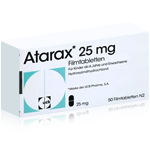
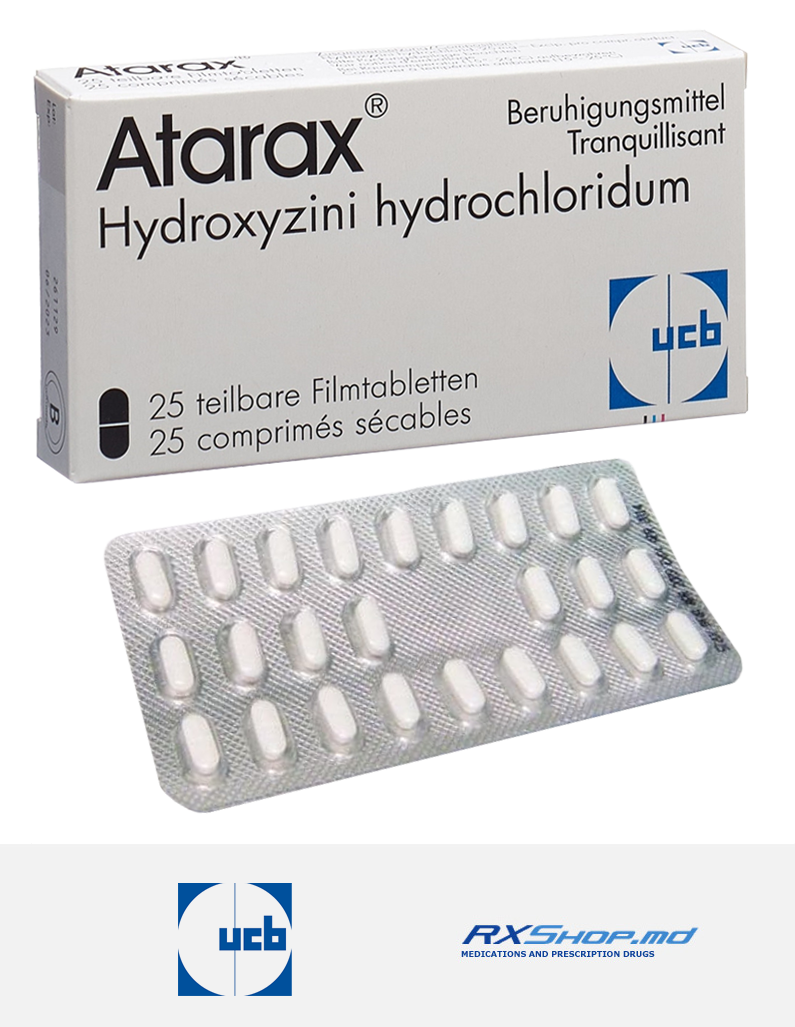
Atarax is one of the most established and versatile antihistamine medications in modern medicine, used for over 65 years to treat a wide range of conditions including allergic skin reactions, chronic itching, anxiety, and pre-operative sedation. The active ingredient is Hydroxyzine hydrochloride, a first-generation H1-antihistamine with additional anticholinergic, antiserotonergic, and central nervous system depressant properties — giving it a unique multi-purpose clinical profile that distinguishes it from purely allergy-focused medications.
Atarax works by blocking H1-histamine receptors throughout the body and crossing the blood-brain barrier to produce calming and sedating effects. This dual peripheral and central action explains why Hydroxyzine relieves both the physical symptoms of allergy (itching, hives, rash) and the emotional distress of anxiety and tension — making Atarax particularly useful when these conditions overlap.
FDA-approved since 1956, Atarax has one of the longest clinical safety records of any prescription medication. It is approved for the treatment of pruritus (itching) of allergic origin including chronic urticaria, atopic dermatitis, and contact dermatitis, where it provides both anti-itch and calming benefit. It is also approved for symptomatic relief of anxiety and tension associated with psychoneurosis, as an adjunct in pre-operative sedation, and for nausea and vomiting in various clinical settings.
A defining advantage of Atarax over benzodiazepines for anxiety is that it is not a controlled substance and has no abuse potential — a critical consideration for patients with substance use concerns or those who require long-term anxiolytic therapy without dependency risk.
Atarax is available in multiple formulations: oral tablets, oral syrup for pediatric and adult use, and intramuscular injection for acute settings. Standard adult dosing ranges from 25-100 mg up to 4 times daily, depending on the indication. Pediatric doses are weight-based, with formal approval for children with appropriate clinical monitoring.
Common side effects reflect Atarax's first-generation profile: drowsiness, dry mouth, blurred vision, and constipation. While the sedating effect can be valuable when treating insomnia or anxiety, patients should be cautious about driving or operating machinery, especially when initiating therapy. Cardiac safety monitoring is recommended at higher doses due to potential QT effects. As a globally recognised, affordable medication with broad clinical applications, Atarax remains widely used across allergy, dermatology, psychiatry, and surgical practice worldwide.
Free prescription
Discrete packaging
Have questions?
Quality Assurance

- Chronic Urticaria: For long-term management of chronic hives where second-generation antihistamines alone provide inadequate symptom control;
- Acute Urticaria: For rapid relief of sudden onset hives triggered by foods, medications, infections, or unidentified allergens;
- Atopic Dermatitis: As nighttime sedating therapy in eczema patients with severe pruritus that disrupts sleep;
- Contact Dermatitis: Reduces itching from poison ivy, nickel allergy, latex sensitivity, and other contact allergens;
- Anxiety Disorders: For symptomatic relief of anxiety associated with psychoneurosis as a non-controlled-substance alternative to benzodiazepines;
- Generalized Anxiety Disorder: An evidence-based, non-addictive option for short-term and continuous GAD management;
- Preoperative Sedation: Reduces pre-surgical anxiety and provides mild sedation as part of pre-operative medication protocols;
- Postoperative Sedation: For symptomatic management of post-operative anxiety, nausea, and discomfort during recovery;
- Alcohol Withdrawal: As an adjunct in alcohol withdrawal symptom management when benzodiazepines are contraindicated or inappropriate;
- Insomnia: Off-label use where sedating effects support short-term symptomatic sleep improvement, particularly with anxiety component;
- Nausea Vomiting: Useful in various clinical settings including post-operative nausea, motion sickness, and chemotherapy-associated nausea;
- Opioid Adjunct: Potentiates analgesic effect of opioids and reduces opioid-related nausea, supporting lower opioid dosing;
- Cholinergic Urticaria: For exercise-induced or stress-induced hives where standard antihistamines provide insufficient relief;
- Dermatographism: For symptomatic hives produced by friction or pressure on the skin;
- Liver Pruritus: For itching associated with liver disease, kidney disease, or other systemic causes requiring both anti-itch and sedating action;
- Mast Cell Disorders: For management of histamine-mediated symptoms in cutaneous or systemic mastocytosis;
- Pediatric Anxiety: Weight-based dosing in children for both allergic pruritus and short-term anxiety with appropriate clinical monitoring.
- Less Anxiety: Calms acute and chronic anxiety symptoms through central H1 receptor and other CNS effects;
- Less Restlessness: Reduces physical restlessness and inner tension common in anxiety states;
- Less Tension: Eases muscular tension and mental tension associated with anxiety disorders;
- Better Sleep: Sedating effect supports falling asleep faster and improving sleep quality during anxiety or itching;
- Less Hives: Reduces wheal formation, redness, and itching in chronic and acute urticaria;
- Less Nausea: Useful as antiemetic for post-operative, motion sickness, and pregnancy-related nausea;
- Faster Sleep Onset: Sedating action helps patients fall asleep faster, particularly when anxiety contributes to insomnia;
- Pre Surgery Calmness: Reduces pre-operative anxiety and tension before surgical procedures;
- First Generation Antihistamine: Classical antihistamine with strong sedating and anti-itch properties beyond modern non-sedating agents;
- Brand Atarax: Original brand-name Hydroxyzine with established clinical reputation since 1956;
- Multi Purpose Antihistamine: Treats allergy, anxiety, sedation, nausea, and opioid adjunct needs in one medication — rare versatility;
- Non Addictive Anxiolytic: Treats anxiety without abuse potential or dependence risk — major advantage over benzodiazepines;
- Allergic Itching Relief: Effective relief of allergic skin itching with added nighttime sedation supporting sleep recovery;
- Chronic Hives Treatment: Effective when second-generation antihistamines fail to control chronic urticaria symptoms;
- Anxiety Antihistamine: Rare combination of allergy and anxiety treatment in single agent — ideal when conditions overlap;
- Pediatric Anxiety Treatment: One of few non-controlled anxiety options for short-term pediatric anxiety management;
- Preoperative Sedative: Established role in pre-surgical anxiety and sedation protocols across multiple surgical disciplines;
- Opioid Pain Adjunct: Potentiates opioid analgesia, allowing lower opioid doses and reducing opioid-related nausea;
- Generic Hydroxyzine: Affordable generic versions of Atarax expand global access for cost-sensitive patients;
- Vistaril Equivalent: Same Hydroxyzine molecule as branded Vistaril — familiar option across international markets;
- Multiple Formulations: Tablets, oral syrup, and intramuscular injection support outpatient, hospital, and pediatric settings;
- IM Antihistamine: Intramuscular injection useful for rapid effect in acute allergic, anxiety, or pre-operative situations;
- Anti Itch Sedating: Combines anti-pruritic action with sedation — particularly valuable for nighttime allergic itching that disrupts sleep;
- Rapid Oral Onset: Begins working within 15-30 minutes of oral administration;
- Twice or Thrice Daily Dosing: Flexible dosing supports individualised regimens around sleep, mealtimes, or specific symptom triggers;
- Long Clinical History: Over 65 years of clinical use since 1956 with extensive characterised safety profile;
- Daytime Caution: Sedating effect requires care when driving or operating machinery, especially when initiating therapy;
- Stable Storage: No refrigeration required — practical for home, travel, and long-term storage;
- Globally Available: Widely stocked in international markets in both branded (Atarax, Vistaril) and generic forms.
Generic Atarax (Hydroxyzin 25 mg) Medication guide:
💊 What is Atarax (Hydroxyzine) and what does it treat
Atarax is the brand name for hydroxyzine hydrochloride, a prescription first-generation antihistamine that also has anxiolytic (anti-anxiety), antiemetic, and sedative properties. It is one of the oldest antihistamines still in widespread clinical use, having been on the market since 1956. Unlike newer "non-sedating" antihistamines (Zyrtec, Claritin, Allegra), hydroxyzine crosses the blood-brain barrier and produces meaningful effects on the brain — making it useful for anxiety, sleep, and severe itch, but also more sedating than modern alternatives.
Conditions Atarax treats
Atarax is FDA-approved for the following indications:
- 😰 Anxiety and tension — generalized anxiety, acute situational anxiety, anxiety associated with medical conditions
- 🌹 Chronic urticaria (chronic hives) — particularly antihistamine-resistant cases and nocturnal itch
- 🤚 Pruritus (itching) — allergic and non-allergic itch from many causes
- 💉 Pre- and post-operative sedation — reduces anxiety and opioid requirements around surgery
- 😴 Adjunctive sedation in medical conditions where calming is needed
Off-label uses also common
- Short-term insomnia — particularly when anxiety contributes
- Alcohol withdrawal — adjunctive for agitation
- Nausea and vomiting — antiemetic effect
- Atopic dermatitis flares with severe itch
- Restless leg syndrome — secondary use
- Active ingredient: hydroxyzine hydrochloride
- Drug class: first-generation H1 antihistamine with anxiolytic properties
- FDA approved: 1956 (Atarax); 1958 (Vistaril pamoate salt)
- Available forms: tablets (10, 25, 50, 100 mg), syrup (10 mg/5 mL), injection (25, 50 mg/mL)
- Onset: typically 15–30 minutes (faster than newer antihistamines)
- Half-life: approximately 20 hours in adults
- Generic: widely available and inexpensive
- Active metabolite: cetirizine (the active ingredient in Zyrtec)
The unique selling point of Atarax
Most prescription antihistamines today are either specialised allergy treatments (Zyrtec, Claritin, Allegra) or specialised psychiatric medications (benzodiazepines, SSRIs). Hydroxyzine sits in a rare middle ground — it works on both. This makes it particularly useful for conditions where allergy and anxiety overlap (chronic urticaria with significant distress), where rapid symptom relief is needed without dependence risk (alternative to benzodiazepines), or where multiple symptoms need addressing with one medication.
What Atarax does NOT do
Atarax is not appropriate for:
- Long-term anxiety management as monotherapy (SSRIs preferred)
- Bipolar disorder, schizophrenia, severe depression
- Severe acute allergic reactions like anaphylaxis (needs epinephrine)
- Daily allergic rhinitis management (newer antihistamines better tolerated)
- Use in early pregnancy (first trimester) without specialist guidance
- Use in patients with severe heart conditions affecting QT interval
Despite being almost 70 years old, hydroxyzine has had a clinical renaissance in the 2020s as a non-addictive alternative to benzodiazepines and as a useful adjunct in chronic urticaria treatment ladders. Modern prescribing reflects newer understanding of when this old medication is genuinely better than newer alternatives.
🔬 How Atarax works inside the body
Hydroxyzine has one of the more complex pharmacological profiles among antihistamines. Unlike newer drugs that selectively block one type of receptor, hydroxyzine binds to multiple receptor systems simultaneously — explaining why it has antihistamine effects, anxiolytic effects, sedative effects, antiemetic effects, and mild anticholinergic effects all from a single molecule. Understanding this multi-receptor action explains both its versatility and its side-effect profile.
The 5-receptor mechanism
1. H1 histamine receptor blockade (primary mechanism)
Hydroxyzine binds tightly to H1 histamine receptors throughout the body. This blocks the histamine-mediated symptoms of allergy: itching, vasodilation (hives, swelling), increased vascular permeability, and sensory nerve activation. The H1 antihistamine effect explains its use in urticaria, pruritus, and allergic conditions.
2. 5-HT2A serotonin receptor antagonism (anxiolytic mechanism)
Hydroxyzine blocks 5-HT2A serotonin receptors — the same receptors targeted by some modern anxiolytics and antipsychotics. This contributes to its anxiolytic effect, calming brain regions involved in anxiety processing. Unlike benzodiazepines which act on GABA-A receptors, hydroxyzine produces anxiolysis through this different pathway.
3. Alpha-1 adrenergic receptor blockade
Hydroxyzine has moderate alpha-1 receptor blocking effect, contributing to its calming and sedative properties. This also explains some of its side effects: dizziness on standing (orthostatic hypotension), particularly in elderly patients.
4. Muscarinic acetylcholine receptor blockade (anticholinergic effects)
Hydroxyzine moderately blocks muscarinic acetylcholine receptors, explaining its anticholinergic side effects: dry mouth, blurred vision, constipation, urinary retention. This anticholinergic burden is one of the main reasons hydroxyzine is problematic in elderly patients.
5. D2 dopamine receptor mild antagonism
Hydroxyzine has weak D2 dopamine blocking effect, contributing to its antiemetic action and mild psychomotor effects. This effect is much milder than antipsychotics or metoclopramide.
Why crossing the blood-brain barrier matters
Unlike second-generation antihistamines (Zyrtec, Claritin, Allegra) which are designed NOT to cross the blood-brain barrier, hydroxyzine readily enters the central nervous system. This creates the "first-generation" profile:
| CNS effect | Therapeutic benefit | Side effect |
|---|---|---|
| Brain H1 blockade | Anxiolysis; itch relief from CNS sources | Sedation |
| 5-HT2A blockade | Anxiolysis; calm without dependence | Mild psychomotor slowing |
| Muscarinic blockade | Antiemetic effect | Dry mouth; cognitive effects |
| Alpha-1 blockade | Calming effect | Dizziness on standing |
The active metabolite story
- Hydroxyzine is metabolised by the liver, primarily to cetirizine
- Cetirizine is the active ingredient in Zyrtec
- This means: take Atarax = your body also produces Zyrtec effects
- Cetirizine does NOT cross the blood-brain barrier as readily as hydroxyzine
- So while you produce cetirizine, you also retain the original hydroxyzine effects (especially CNS)
- This dual presence may explain hydroxyzine sustained effects
- Half-life: hydroxyzine ~20 hours; cetirizine ~8 hours
Pharmacokinetic summary
- Onset — 15–30 minutes (faster than newer antihistamines like Zyrtec)
- Peak plasma concentration — 2 hours
- Half-life — approximately 20 hours in adults; shorter in children
- Steady state — reached after 3–5 days of regular dosing
- Metabolism — primarily by liver to cetirizine
- Elimination — mostly renal as cetirizine; some unchanged hydroxyzine
- Bioavailability — high; well-absorbed orally
The same multi-receptor binding that makes hydroxyzine useful for many indications also makes it more side-effect prone than single-target medications. Modern drug development typically pursues selective receptor targeting; hydroxyzine represents the older "broad-spectrum" approach. This trade-off — versatility vs side-effect cleanliness — defines hydroxyzine's place in modern medicine.
🧬 Atarax dual mechanism - antihistamine plus anxiolytic
Hydroxyzine is unusual among antihistamines in having genuine, well-documented anxiolytic (anti-anxiety) properties that are clinically useful and not just side effects. This dual mechanism is the key feature that distinguishes hydroxyzine from both modern allergy medications (which lack anxiolytic effect) and modern anxiety medications (which lack antihistamine effect). Understanding this duality explains hydroxyzine's place in the modern pharmacological landscape.
The antihistamine and anxiolytic identity
| Identity | Indication | Typical context |
|---|---|---|
| Antihistamine | Urticaria, pruritus, allergy | Prescribed by allergists, dermatologists, primary care |
| Anxiolytic | GAD, acute anxiety, pre-procedure | Prescribed by psychiatrists, primary care |
| Both | Anxiety with chronic itch; pre-op sedation | Particularly useful patients |
The science behind anxiolytic effect
For decades, hydroxyzine's anxiolytic effect was poorly understood. Modern research has clarified the mechanism:
- 5-HT2A serotonin antagonism — key mechanism; same pathway used by some modern anxiolytics
- H1 histamine antagonism in brain — reduces alertness/arousal
- Alpha-1 adrenergic blockade — calms the sympathetic nervous system
- NOT through GABA-A receptors — this is what makes it different from benzodiazepines
- NOT through SSRI mechanism — different from sertraline, escitalopram
Why this matters: non-addictive anxiolysis
- No dependence develops with hydroxyzine, even with daily use
- No withdrawal syndrome when stopped after long-term use
- No tolerance to anxiolytic effect (does not lose effectiveness over time)
- No abuse potential — not a controlled substance
- No black-box warnings like benzodiazepines
- Can be used in patients with substance use history
The clinical evidence for anxiolytic effect
Multiple clinical trials have established hydroxyzine effectiveness in anxiety:
- Generalized anxiety disorder (GAD) — multiple RCTs showing significant improvement over placebo
- Comparable to benzodiazepines — in head-to-head trials for short-term anxiety
- Effective for acute anxiety — rapid onset (within 30–60 minutes) makes it useful for situational distress
- Useful for pre-procedural anxiety — surgery, dental procedures
- Endorsed by World Federation of Societies of Biological Psychiatry as alternative to benzodiazepines
Position in modern anxiety treatment guidelines
| Guideline body | Position on hydroxyzine |
|---|---|
| American Psychiatric Association (APA) | Listed for GAD; alternative when benzodiazepines contraindicated |
| NICE (UK) | Considered when SSRIs cannot be used; second-line in some pathways |
| WFSBP World Federation | Recommended as alternative anxiolytic |
| Canadian Anxiety Disorders Association | Listed for treatment-resistant anxiety |
When the dual mechanism is particularly valuable
- Chronic urticaria with anxiety — one medication addresses both itch and distress
- Pre-operative sedation — calm + antiemetic + sleep effects all useful
- Pruritus with sleep disruption — bedtime dose treats both itch and insomnia
- Anxiety with sleep onset difficulty — sedation can be desirable here
- Anxiety in substance use disorder patients — non-addictive alternative
- Anxiety where SSRIs not tolerated or not yet effective — bridge therapy
The "non-targeted" trade-off
- For allergy alone: newer non-sedating antihistamines are first-line because no sedation
- For chronic anxiety alone: SSRIs are first-line because more effective long-term
- Hydroxyzine shines when both conditions coexist, or when alternatives are contraindicated
Hydroxyzine is rarely the "best" choice for any single condition, but it is a uniquely versatile option that can address multiple symptoms with one medication. This makes it particularly valuable for patients with overlapping conditions, complicated medication histories, or when simplicity matters.
📜 The history of Atarax from 1956 to today
Hydroxyzine has one of the longest continuous clinical histories of any psychiatric or allergy medication. Discovered in the early 1950s and approved by the FDA in 1956, it has been in continuous use for almost 70 years. Its journey from early antihistamine pioneer to modern niche tool reflects broader shifts in psychiatric and allergy medicine over seven decades.
Timeline of major milestones
| Year | Milestone |
|---|---|
| Early 1950s | Hydroxyzine synthesised by UCB Pharma researchers in Belgium during search for new antihistamines |
| 1956 | FDA approval of Atarax (hydroxyzine HCl) for anxiety and antihistamine use |
| 1958 | Vistaril (hydroxyzine pamoate) introduced — sister salt form for capsule use |
| 1960s | Widely prescribed as anxiolytic; pre-benzodiazepine era; used in anxiety, pre-op, urticaria |
| 1963 | Diazepam (Valium) introduced; benzodiazepines begin displacing hydroxyzine for routine anxiety |
| 1970s | Decline in anxiety prescribing as benzodiazepines dominate; hydroxyzine retains role in dermatology and anesthesia |
| 1977 | WHO adds hydroxyzine to Essential Medicines List as essential antihistamine |
| 1980s | Cetirizine (Zyrtec) discovered as active metabolite of hydroxyzine; commercialized as separate drug |
| 1990s | Newer non-sedating antihistamines (Claritin, Allegra, Zyrtec) replace hydroxyzine for routine allergy |
| 2000s | Renaissance in psychiatric use as non-addictive alternative to benzodiazepines; renewed interest in pre-op use |
| 2010s | Integrated into international chronic urticaria guidelines; renewed appreciation in dermatology |
| 2015 (March) | EMA PRAC opinion on QT prolongation; new dose limits and warnings introduced for cardiac safety |
| 2010s-2020s | Resurgence as opioid-sparing pre-operative sedative amid opioid epidemic concerns |
| 2020s | Continues as niche but valuable tool; generic widely available; established place in modern guidelines |
The discovery story
- Synthesised at UCB Pharma in Belgium in 1955
- Original goal: create newer antihistamines after the success of diphenhydramine (1946)
- Initial trials showed both antihistamine AND unexpected anxiolytic effects
- The anxiolytic effect was not understood at the time but clinically remarkable
- Approved as both an antihistamine and anxiolytic - unusual dual approval
- Marketed as Atarax (HCl salt) in 1956; Vistaril (pamoate) added 1958
The benzodiazepine era and decline
The introduction of diazepam (Valium) in 1963 changed anxiety treatment. Benzodiazepines offered:
- Stronger anxiolytic effect
- More predictable onset
- Wider therapeutic window
- Less sedation at therapeutic doses
Hydroxyzine declined from first-line anxiolytic to niche role. It retained dermatology, pre-op anesthesia, and pediatric use where benzodiazepines were less suitable.
The cetirizine discovery (1980s)
- Researchers discovered hydroxyzine is metabolised primarily to cetirizine
- Cetirizine retains H1 antihistamine activity
- Cetirizine does NOT cross the blood-brain barrier as readily
- So cetirizine has the antihistamine effect WITHOUT the sedation
- UCB Pharma commercialised cetirizine as Zyrtec in the 1990s
- Zyrtec became a top-selling antihistamine globally
- Hydroxyzine effectively spawned its own competitor!
The 2015 EMA cardiac safety review
In March 2015, the European Medicines Agency Pharmacovigilance Risk Assessment Committee (PRAC) reviewed hydroxyzine cardiac safety. Findings:
- QT prolongation risk requires attention
- New dosing limits: max 100 mg/day adults, 50 mg/day elderly
- Avoid in patients with QT prolongation risk factors
- Avoid combination with other QT-prolonging drugs
- Major product information updates
The modern renaissance (2020s)
Several factors have renewed interest in hydroxyzine:
- Opioid epidemic awareness — need for non-opioid pre-op sedation
- Benzodiazepine epidemic concerns — need for non-addictive anxiolytics
- Chronic urticaria treatment refinement — new guidelines integrate hydroxyzine
- Substance use disorder treatment — safe option for anxious patients in recovery
- Cost containment — cheap, generic, effective for multiple indications
Patients starting hydroxyzine in 2026 benefit from 70 years of clinical experience across millions of patients and multiple decades of pharmacovigilance refinement. The dosing limits, contraindications, and indication refinements reflect this accumulated wisdom. Few medications have this depth of clinical track record.
😰 Atarax for anxiety and tension
Anxiety is one of the most common reasons hydroxyzine is prescribed today. The medication occupies a useful niche in anxiety treatment: effective for both acute and chronic anxiety, non-addictive, no withdrawal, no abuse potential. It is particularly valuable when benzodiazepines should be avoided (substance use history, pregnancy, elderly) or when SSRIs are not yet effective or not tolerated. The recent rise in concern about benzodiazepine dependence has led to renewed appreciation of hydroxyzine as a safer alternative.
Anxiety conditions Atarax can help
| Anxiety condition | Role of hydroxyzine |
|---|---|
| Generalized anxiety disorder (GAD) | FDA-approved indication; alternative to SSRIs/benzodiazepines |
| Acute anxiety / panic-like episodes | Rapid onset useful; 30–60 min effect |
| Pre-procedure anxiety | Surgery, dental work, medical procedures |
| Anxiety in chronic medical illness | Cancer, chronic pain, terminal illness |
| Anxiety with substance use history | Non-addictive alternative to benzodiazepines |
| Anxiety in pregnancy | Better data than benzodiazepines for short-term use |
| Anxiety during SSRI initiation | Bridge therapy first 2–4 weeks until SSRI works |
| Sleep onset insomnia from anxiety | Sedation can be useful at bedtime |
Anxiety conditions where hydroxyzine is NOT first-line
- Panic disorder — SSRIs more effective long-term
- Social anxiety disorder — SSRIs preferred
- PTSD — SSRIs, prazosin, psychotherapy first-line
- Obsessive-compulsive disorder — SSRIs at high dose
- Long-term GAD requiring daily treatment for years — SSRIs more sustainable
Standard dosing for anxiety
- Adults: 50–100 mg/day in 3–4 divided doses (e.g., 25 mg 4 times daily)
- Maximum: 100 mg/day (per 2015 EMA limit)
- Elderly: max 50 mg/day; start at lower dose (25 mg/day)
- Renal/hepatic impairment: dose reduction
- Acute anxiety: 25–50 mg as single dose can be effective
- Onset: 30–60 minutes
- Duration: 4–6 hours per dose; sustained with regular dosing
Why hydroxyzine works for anxiety
Multiple mechanisms contribute to the anxiolytic effect:
- 5-HT2A serotonin antagonism — key mechanism; same pathway as some modern anxiolytics
- Brain H1 histamine blockade — reduces hyperarousal
- Alpha-1 adrenergic blockade — calms sympathetic nervous system
- NOT through GABA — this is what makes it non-addictive (unlike benzodiazepines)
Advantages over benzodiazepines
- No tolerance — effect does not diminish with regular use
- No physical dependence — can stop without withdrawal
- No abuse potential — not a controlled substance
- No respiratory depression — safer in overdose
- Compatible with substance recovery
- No "rebound anxiety" when stopping
- No memory or cognitive impairment like benzodiazepines
The bridge therapy use
- Problem: SSRIs take 4–6 weeks for full anxiolytic effect
- Solution: Use hydroxyzine for first 2–6 weeks while SSRI is working
- Approach: Start SSRI + hydroxyzine 25–50 mg 1–3x daily as needed
- Taper: Reduce hydroxyzine gradually as SSRI takes effect
- Outcome: Patient gets immediate relief without dependence risk
What anxiety relief feels like on hydroxyzine
- 30–60 minutes after dose: noticeable reduction in psychological tension
- Physical anxiety symptoms ease — tense muscles relax, sweating decreases
- Calming without "high" — mood remains your own, just less anxious
- Some sedation — often desired for sleep but can affect daytime function
- Cognitive function preserved — unlike benzodiazepines, no impaired memory or judgement
- No euphoria — minimal abuse potential
Limitations for chronic anxiety
- SSRIs treat underlying mood/anxiety pathology more fundamentally
- SSRIs reduce relapse rates better with sustained use
- Hydroxyzine sedation can limit daily function
- QT considerations limit hydroxyzine in some patient populations
- Long-term cardiac safety of any QT-prolonging drug requires consideration
Hydroxyzine is not the first choice for routine GAD management (SSRIs are), nor is it the strongest acute anxiolytic (benzodiazepines may be). But it is genuinely useful: safe, non-addictive, effective, available, and inexpensive. It excels as bridge therapy, for substance-use patients, for acute or situational anxiety, and for combined anxiety + sleep problems.
🌹 Atarax for chronic urticaria (hives)
Chronic urticaria — recurring hives lasting more than 6 weeks — is one of the conditions where hydroxyzine maintains a clear role despite the availability of newer alternatives. Modern international guidelines (EAACI/GA²LEN) include first-generation antihistamines like hydroxyzine in the treatment ladder for moderate-to-severe cases, particularly for nocturnal symptoms and antihistamine-resistant disease. Understanding when and how to use hydroxyzine for chronic urticaria helps patients get optimal relief.
What chronic urticaria looks like
- Hives (wheals) — raised, red, itchy welts on skin
- Itching — often severe; the most distressing symptom
- Angioedema — swelling of deeper tissues (lips, eyelids, hands)
- Episodic appearance — lesions come and go over hours
- Often worse at night — intense itch disrupts sleep
- Often no identifiable trigger — "chronic spontaneous urticaria"
- Duration: by definition, lasting more than 6 weeks (often years)
- Quality of life impact: substantial, comparable to severe asthma
The EAACI/GA²LEN treatment ladder
| Step | Treatment | Role of hydroxyzine |
|---|---|---|
| 1 | Modern non-sedating antihistamine (cetirizine, loratadine, fexofenadine) at standard dose | Hydroxyzine not first-line; less sedating preferred |
| 2 | Same antihistamine at up to 4x standard dose | Hydroxyzine may be added at bedtime for nocturnal itch |
| 3 | Add omalizumab (anti-IgE biologic) or other | Hydroxyzine may continue as adjunct |
| 4 | Cyclosporine, methotrexate, or other immunosuppressant | For refractory cases |
Where hydroxyzine fits in modern urticaria care
- Nocturnal breakthrough itch — even when daytime symptoms controlled, nighttime itch wakes patient; bedtime hydroxyzine often helps
- Antihistamine-resistant cases — some patients respond to first-gen when not to 2nd-gen
- Combined anxiety from urticaria — addresses both itch and distress
- Acute severe flare — rapid onset useful for sudden severe symptoms
- Add-on while waiting for biologic — bridge during 3-month onset of omalizumab
- Cost-effective option — generic widely available
Standard dosing for chronic urticaria
- Adults: 25 mg 3–4 times daily, up to 100 mg/day
- Common practical regimen: 25 mg morning, 25 mg afternoon, 50 mg at bedtime (for nocturnal itch)
- For nighttime itch only: 25–50 mg at bedtime
- Add to existing 2nd-gen antihistamine — common modern approach
- Maximum: 100 mg/day (per EMA 2015 limit)
- Children: 0.5–1 mg/kg per dose; dose-titrated
Combination with second-generation antihistamines
Modern practice often combines hydroxyzine with newer non-sedating antihistamines:
- Cetirizine 10 mg morning + hydroxyzine 25 mg afternoon + 50 mg bedtime
- Fexofenadine 180 mg twice daily + hydroxyzine 50 mg bedtime
- Loratadine 10 mg daily + hydroxyzine 25 mg 2x daily PRN for breakthrough
This approach provides daytime coverage with minimal sedation, plus stronger evening coverage when sedation is acceptable or desired.
Why hydroxyzine works for urticaria when newer fail
- Brain H1 blockade — central component of itch perception
- 5-HT2A antagonism — serotonin contributes to itch in some patients
- Sedation — reduces awareness of itch, allows sleep
- Multi-receptor binding — broader effect than selective H1-only antagonists
- Anti-inflammatory effects — possibly through mast cell stabilisation
What to expect on hydroxyzine for urticaria
| Time | What to expect |
|---|---|
| 30–60 minutes | Itch begins to ease; calming effect noticeable |
| 1–2 hours | Peak relief; sedation may be noticeable |
| 4–6 hours | Effects gradually decline; next dose may be needed |
| Day 1–3 | Steady-state effect develops; sedation often improves with continued use |
| Week 1+ | Sustained relief; itch control allows sleep and quality of life |
When to consider stopping or stepping down
- Sustained symptom control for 3–6 months — attempt to reduce dose gradually
- Spontaneous remission (chronic urticaria can spontaneously remit) — some patients lose underlying disease
- Successful biologic therapy — omalizumab may reduce hydroxyzine need
- Sedation intolerable — switch to alternative or biologic
- QT concerns develop — new medications, cardiac changes
For most chronic urticaria patients, modern non-sedating antihistamines at standard or quadrupled dose remain first-line. Hydroxyzine has its biggest role in nocturnal itch and antihistamine-resistant cases, often as an adjunct to newer antihistamines or as a bridge while waiting for biologic therapy. This more nuanced role reflects refined understanding of when sedating vs non-sedating antihistamines have advantages.
🤚 Atarax for itching (pruritus)
Pruritus — medical term for itching — can be one of the most distressing symptoms in medicine. Severe chronic itch disrupts sleep, productivity, and quality of life. Hydroxyzine is one of the most useful medications for severe pruritus from many causes because of its antihistamine effect plus central nervous system action plus sedation — all of which combine to provide meaningful itch relief when newer antihistamines have failed.
Causes of pruritus that hydroxyzine can help
| Cause | Hydroxyzine usefulness |
|---|---|
| Allergic dermatitis | Excellent; histamine-mediated |
| Atopic dermatitis (eczema) | Helpful, particularly at bedtime |
| Contact dermatitis | Effective |
| Urticaria (hives) | First-line option; see dedicated section |
| Insect bite reactions | Effective for itch component |
| Drug-induced rash with itch | Symptom relief while removing offending drug |
| Cholestatic itch (liver disease) | Limited; bile acid sequestrants more effective |
| Uremic itch (kidney disease) | Modest; usually combined with other approaches |
| Post-viral itch | Symptom relief for acute cases |
| Pruritus of pregnancy | Used when needed; second trimester onward |
| Generalized chronic itch (no obvious cause) | Useful for symptomatic relief |
Why hydroxyzine works for itch when newer antihistamines fail
Pruritus is not just a histamine reaction — it involves multiple pathways:
- Peripheral histamine — addressed by all antihistamines
- Central itch perception — brain processing of itch signals; only sedating antihistamines reach this
- Sleep disruption from itch — sedation helps interrupt the itch-scratch-disturbed sleep cycle
- Itch-anxiety amplification — anxiolytic effect addresses this
- Non-histaminergic itch pathways — 5-HT2A antagonism addresses some serotonin-mediated itch
Standard dosing for pruritus
- Adults: 25 mg 3–4 times daily up to 100 mg/day total
- Common practical regimen: 25 mg morning + 25 mg afternoon + 50 mg bedtime
- For nighttime itch only: 25–50 mg at bedtime
- Children: 0.5–1 mg/kg per dose every 6 hours
- Elderly: 50 mg/day maximum; start at 25 mg/day
- Onset: 15–30 minutes
- Duration: 4–6 hours per dose
The nighttime itch problem
- Lying still in bed brings awareness of itch sensations
- Body temperature warming under blankets worsens many forms of itch
- Lack of distraction makes itch seem worse
- Scratching damages skin, perpetuating itch-scratch cycle
- Sleep loss worsens pain perception, mood, immune function
- Partner/family sleep also disrupted
Combining with other approaches
| Combined approach | Notes |
|---|---|
| Hydroxyzine + topical steroid | Address inflammation locally; systemic anti-itch effect |
| Hydroxyzine + emollients | Restore skin barrier function |
| Hydroxyzine + cool compresses | Mechanical itch relief |
| Hydroxyzine + non-sedating antihistamine during day | 24-hour coverage; daytime alertness |
| Hydroxyzine + trigger avoidance | Address underlying cause |
| Hydroxyzine + bile acid sequestrant (for cholestatic itch) | Different mechanisms |
| Hydroxyzine + UVB phototherapy (atopic) | Dermatologic + symptom relief |
The skin-anxiety connection
- Anxiety increases perception of itch
- Chronic itch causes anxiety and depression
- Both involve serotonin and other neurotransmitters
- Stress hormones (cortisol) can worsen many skin conditions
- Sleep loss from either worsens the other
- Hydroxyzine's dual mechanism (antihistamine + anxiolytic) addresses both
Non-medication itch reduction strategies
- Cool environment — warm temperatures worsen itch
- Loose, soft cotton clothing — reduces mechanical irritation
- Cool baths/showers with gentle non-soap cleansers
- Adequate skin moisturisation — emollients regularly
- Avoid triggers — harsh chemicals, hot showers, scratchy fabrics
- Distraction — engage hands and mind to break itch-scratch cycle
- Stress management — anxiety contributes to itch perception
- Adequate sleep — sleep deprivation worsens itch
Severe pruritus deserves aggressive treatment because of its profound impact on quality of life. Hydroxyzine remains one of the most useful medications for severe itch, particularly nocturnal itch and cases not responding to newer antihistamines. The sedation that disqualifies it as routine allergy medication is precisely what makes it valuable for itch — sleep is often the most important outcome.
💉 Atarax as surgical adjunct (pre and post-operative)
One of hydroxyzine's most established roles is as an adjunct medication around surgery. Before surgery, it provides anxiolysis, sedation, and antihistamine coverage. After surgery, it reduces opioid requirements (opioid-sparing), provides additional antiemetic effect, and helps with anxiety during recovery. In the modern era of concerns about opioid overuse, hydroxyzine has gained renewed appreciation as part of multi-modal pain and anxiety management.
Pre-operative uses
- Anxiolysis — calms patient anxiety about the procedure
- Sedation — relaxes patient before anesthesia induction
- Antiemetic effect — reduces post-operative nausea and vomiting risk
- Antihistamine coverage — reduces allergic reactions to surgical materials
- Opioid sparing — reduces opioid needed during procedure
- Analgesic potentiation — enhances pain control of other medications
Post-operative uses
- Anxiety management during recovery
- Reduces opioid requirements — particularly valuable post-op
- Sleep promotion — helps post-surgical sleep
- Itching from opioids — common opioid side effect, addressed by antihistamine
- Nausea prevention/treatment
- Reduces oxygen requirements in patients with cardiac concerns from anxiety
Standard pre-operative dosing
| Route | Adult dose | Timing |
|---|---|---|
| Oral | 50–100 mg | 1–2 hours before procedure |
| Intramuscular (IM) | 50–100 mg | 30 minutes–1 hour before |
| Intravenous (IV) | Not recommended | IV use can cause tissue damage |
Why hydroxyzine is preferred over alternatives for pre-op
| Pre-op alternative | Concern | Hydroxyzine advantage |
|---|---|---|
| Benzodiazepines (midazolam, diazepam) | Respiratory depression; falls; dependence | Safer respiratory profile; no dependence |
| Opioids for sedation | Respiratory depression; addiction | Non-opioid; opioid-sparing |
| Promethazine | Tissue damage from IV; cardiac concerns | Better tolerated overall |
| Diphenhydramine | More anticholinergic effects | Better-tolerated sedation profile |
The opioid-sparing effect
- Direct analgesic effect — hydroxyzine has mild analgesic properties
- Synergistic with opioids — potentiates pain relief
- Reduces opioid-induced nausea — allowing opioid tolerance
- Reduces anxiety component of pain — pain feels worse when anxious
- Improves sleep — better sleep reduces post-op pain perception
- Result: studies show 30–50% reduction in opioid requirements when hydroxyzine is part of regimen
Pediatric pre-operative use
- Age 6+: 0.5 mg/kg orally 1–2 hours before procedure
- Younger children: case-by-case decision; benefits usually outweigh risks
- Particularly useful when child anxiety would otherwise delay procedure
- Maintains hemodynamic stability better than alternatives
- Caregiver education: child may be sedated for hours after procedure
Post-operative dosing
- Adults: 25–50 mg every 4–6 hours as needed for anxiety, nausea, sleep, or opioid sparing
- Maximum: 100 mg/day per EMA limit
- Frequency reduces as patient recovers
- Stop within 1–2 weeks typically; not for long-term post-op use
Specific procedures where hydroxyzine is particularly useful
| Procedure type | Hydroxyzine role |
|---|---|
| Outpatient procedures | Anxiolysis with rapid recovery |
| Dental surgery | Anxiety + post-op pain management |
| Plastic/cosmetic surgery | Anxiety control with antiemetic benefit |
| Endoscopy and colonoscopy | Pre-procedural anxiety |
| Cesarean delivery | Anxiety + post-op nausea |
| Orthopedic surgery | Anxiety + opioid sparing post-op |
| Vascular procedures | Particularly when anxiety affects hemodynamics |
The modern opioid-conscious perspective
The opioid epidemic of the 2010s-2020s changed how surgeons and anesthesiologists think about pain management. Multi-modal analgesia — using multiple medications including non-opioids to reduce opioid needs — has become the standard. Hydroxyzine is one of the oldest and most reliable non-opioid adjuncts. Its role has grown rather than diminished as awareness of opioid risks has increased.
😴 Atarax for sleep and short-term sedation
While not FDA-approved as a sleep medication, hydroxyzine is widely used off-label for short-term sleep difficulty, particularly when anxiety contributes to insomnia or when sedating effects are otherwise desirable. It is one of the most common antihistamines used for sleep in clinical practice, with advantages over over-the-counter options (Benadryl, doxylamine) in terms of effectiveness and side-effect profile.
Sleep conditions hydroxyzine can help
| Condition | Hydroxyzine role |
|---|---|
| Anxiety-related insomnia | Excellent fit; treats both anxiety and sleep onset |
| Pruritus-related sleep disruption | Excellent; treats both itch and sleep |
| Short-term insomnia (acute stress) | Useful for 1–2 week periods |
| Post-operative sleep | Common adjunctive use |
| Sleep onset difficulty | Sedation helps initiation |
| Chronic insomnia | Not ideal long-term; CBT-I or other approaches preferred |
| Insomnia in substance use recovery | Non-addictive alternative to other sleep aids |
| Sleep difficulty in chronic illness | Particularly when anxiety or pain contribute |
Why hydroxyzine works for sleep
- Direct sedation from H1 antihistamine effect on brain
- Anxiolytic effect — reduces racing thoughts that prevent sleep
- Reduced sleep latency — faster time to fall asleep
- Some effect on sleep maintenance — though shorter than dedicated hypnotics
- Reduced nocturnal itch — useful for pruritus-related sleep issues
- NOT REM-suppressing like some hypnotics — more natural sleep architecture
Standard dosing for sleep
| Population | Bedtime dose |
|---|---|
| Adults | 25–50 mg 30 minutes before bed |
| Elderly | 10–25 mg; max 50 mg/day per EMA |
| Children | 0.5 mg/kg at bedtime; rarely first-line for pediatric insomnia |
| Adolescents | Adult dose; sleep hygiene optimisation important |
How hydroxyzine compares to other sleep aids
| Sleep aid | Pros | Cons |
|---|---|---|
| Hydroxyzine | Non-addictive; multi-purpose; anxiolytic too | Moderate sedation hangover; anticholinergic |
| Diphenhydramine (Benadryl) | OTC; cheap | Heavy anticholinergic burden; tolerance develops |
| Doxylamine (Unisom) | OTC; cheap | Similar to diphenhydramine concerns |
| Melatonin | OTC; safe | Mild effect; mainly helps sleep onset |
| Zolpidem (Ambien) | Strong effect; less hangover | Sleep behaviors; falls; dependence |
| Trazodone (off-label) | Long-term safe; antidepressant | Orthostatic hypotension; priapism risk |
| Mirtazapine (off-label) | Sleep + appetite + antidepressant | Weight gain; full antidepressant exposure |
| Benzodiazepines (lorazepam) | Strong effect | Dependence; tolerance; cognitive effects |
When hydroxyzine is the best sleep aid choice
- Anxiety contributes to insomnia — the dual mechanism helps
- Pruritus causes nocturnal wakening — addresses both
- Substance use history — non-addictive
- Pregnancy — safer than many sleep aids in second/third trimester
- Failed melatonin, sleep hygiene — need stronger but non-addictive option
- Patient prefers non-controlled substance
When hydroxyzine is NOT ideal for sleep
- Need for sustained sleep maintenance — effect wears in 4–6 hours; may not last 8 hours
- Elderly patients — anticholinergic burden, falls risk
- Chronic insomnia — behavioural approaches and CBT-I more sustainable
- Sleep apnea — sedation could worsen obstruction
- Concurrent cognitive impairment — antihistamines may worsen
- Heavy QT prolongation risk — alternatives safer
Sleep hygiene to complement hydroxyzine
- Consistent sleep schedule — same bedtime and wake time
- Bedroom for sleep only — not work, screens, or eating
- Cool, dark, quiet — optimal sleep environment
- No caffeine after 2 PM
- No alcohol in evening (disrupts sleep)
- No screens 1 hour before bed
- Light exercise during day
- Wind-down routine 30 min before bed
- Manage stress sources — not just sleep
Tolerance and dependence considerations
- No tolerance to sedation — effect does not diminish with regular use
- No physical dependence — can stop without withdrawal insomnia
- No "rebound insomnia" — sleep returns to baseline when stopped
- Can be used PRN — only when needed, without dependence concerns
- Safe for relatively long-term use if needed, with monitoring
Hydroxyzine is not the strongest sleep aid or the best choice for every patient. But for many people with sleep difficulty — particularly when anxiety or itch contribute — it is a practical, non-addictive option that combines several beneficial effects in one medication. The trade-off is morning grogginess in some patients, which usually improves with continued use or dose adjustment.
📋 Standard Atarax dosing reference
Hydroxyzine dosing varies significantly by indication, age, and renal/hepatic function. Unlike many medications with a single "standard dose", hydroxyzine has different appropriate doses for anxiety, urticaria, pruritus, pre-operative sedation, and sleep. The 2015 EMA review established important upper limits to reduce QT prolongation risk. This is the master reference for hydroxyzine dosing.
Dosing by indication
| Indication | Adult dose | Frequency |
|---|---|---|
| Anxiety and tension | 25–50 mg per dose | 3–4 times daily; max 100 mg/day |
| Chronic urticaria | 25 mg per dose; up to 50 mg bedtime | 3–4 times daily; max 100 mg/day |
| Pruritus | 25 mg per dose; up to 50 mg bedtime | 3–4 times daily; max 100 mg/day |
| Pre-operative sedation | 50–100 mg | Single dose 1–2 hours before |
| Post-operative | 25–50 mg | Every 4–6 hours as needed; max 100 mg/day |
| Sleep (off-label) | 25–50 mg | Bedtime; 30 min before sleep |
| Acute anxiety attack | 25–50 mg | Single dose; effect 30–60 min |
Age-based dosing
| Age group | Maximum dose | Notes |
|---|---|---|
| Children under 6 | 50 mg/day | Cautious use; 0.5 mg/kg/dose every 6 h |
| Children 6–12 | 2 mg/kg/day or 50 mg/day, whichever lower | Divided 3–4 times daily |
| Adolescents 12+ | Standard adult dose | 100 mg/day max |
| Adults | 100 mg/day (per 2015 EMA) | In 3–4 divided doses |
| Elderly (65+) | 50 mg/day (per 2015 EMA) | Start lower; falls risk |
The 2015 EMA dosing limits explained
In 2015, the European Medicines Agency Pharmacovigilance Risk Assessment Committee (PRAC) reviewed hydroxyzine cardiac safety and established maximum daily doses to reduce QT prolongation risk:
- Adults: maximum 100 mg per day (or 2 mg/kg/day, whichever lower)
- Elderly: maximum 50 mg per day
- Pediatric: 2 mg/kg/day (max varies by weight)
- Higher previous limits (200 mg/day or more) no longer recommended
- Most modern FDA labeling reflects similar concerns
Adjustments for organ impairment
| Condition | Dose adjustment |
|---|---|
| Renal impairment | CrCl < 50: reduce dose by 50% |
| Hepatic impairment | Reduce dose; longer interval |
| Severe hepatic impairment | Avoid or use minimum dose only |
| Hemodialysis | Reduce dose; monitor |
Available formulations
| Form | Available strengths | Typical use |
|---|---|---|
| Tablets | 10, 25, 50, 100 mg | Most common; adults |
| Syrup | 10 mg/5 mL | Pediatric and elderly with swallowing issues |
| Injection (IM) | 25, 50 mg/mL | Pre-op; inpatient; agitation |
| Capsules (Vistaril pamoate) | 25, 50, 100 mg | Sister formulation; slightly different feel |
Practical dosing tips
- "Front-loading" at bedtime: common pattern: 25 mg morning + 25 mg afternoon + 50 mg bedtime for combined anxiety/itch
- "As needed" (PRN): common for acute anxiety: 25–50 mg as single dose
- "Bedtime-only": for sleep onset issues: 25–50 mg 30 min before bed
- Start at lower dose and titrate up based on response and sedation
- Tablet halving: 50 mg tablets can be halved for 25 mg dosing
- Syrup is bitter: may be mixed with juice or milk for children
Maximum dose comparison: old vs new
| Population | Pre-2015 max | Post-2015 max |
|---|---|---|
| Adults | 600 mg/day (some sources) | 100 mg/day |
| Elderly | 100 mg/day | 50 mg/day |
Older medical literature may reference much higher doses than current guidelines support.
"Start low, titrate slowly, respect the maximum" applies to hydroxyzine. The medication is generally safe and effective at standard doses; exceeding the EMA-established maximum offers little additional benefit but significantly increases QT prolongation risk. Most patients achieve good results at 25–75 mg total daily dose.
🥗 Atarax and food - timing flexibility
Hydroxyzine has no significant food interactions — you can take it with or without meals, with any food or beverage, at any time during the day. This simplicity is convenient for patients who need to dose 3–4 times daily. The medication absorbs well from the gastrointestinal tract regardless of stomach contents, so timing with meals is purely a matter of convenience and side-effect management.
The bottom line on food
Food, beverages, and meals have no significant effect on hydroxyzine absorption or effectiveness. Take whenever fits your schedule and dosing instructions.
Why some patients prefer with food
- Reduces stomach upset — some patients find empty-stomach dosing uncomfortable
- Reduces nausea — food helps in those prone to nausea
- Routine integration — "with breakfast" easier to remember
- Modestly slower absorption — can smooth peak effects (gentler onset)
- Better tolerance in elderly who may have sensitive stomachs
Why some patients prefer empty stomach
- Faster onset — particularly useful for acute anxiety or sleep onset
- More predictable peak — for those tracking medication effects
- Morning dose before breakfast — integrates with morning routine
- Bedtime dose typically taken hours after dinner
Timing strategies for different uses
| Use | Suggested timing |
|---|---|
| Anxiety, regular dosing | With meals: breakfast, lunch, dinner, bedtime |
| Anxiety, acute attack | Empty stomach for faster onset |
| Sleep aid | 30 min before bed; typically 2–3 hours after dinner |
| Itch with sleep disturbance | 30 min before bed; food not relevant |
| Pre-operative | 2 hours before; usually NPO (nothing by mouth) |
| Urticaria, multiple doses | With meals for adherence; bedtime regardless |
Specific food and beverage considerations
| Food/beverage | Effect on Atarax |
|---|---|
| Coffee, tea | Compatible; caffeine may partially offset sedation |
| Grapefruit juice | Minor possible effect; not clinically significant |
| Alcohol | Avoid — additive sedation; see dedicated section |
| Heavy/fatty meals | Slight delay in onset (15–30 min); usually clinically minor |
| Dairy products | No significant interaction |
| High-protein meal | No significant effect |
| Antacids | Compatible; no significant interaction |
| Juices, soft drinks | Compatible |
Practical advice for multi-dose regimens
- Anchor to meals — breakfast/lunch/dinner/bedtime is easier than arbitrary times
- Phone alarms — particularly if you skip meals
- Pill organiser — visible reminder of dose tracking
- Carry doses with you — small pill case for work/away from home
- Discuss with prescriber if consistent dosing is difficult — sometimes 2x daily acceptable
Bedtime dose timing
For the common scenario where the largest hydroxyzine dose is at bedtime:
- 30 minutes before sleep — allow time for onset
- 2–3 hours after dinner — food usually not relevant by then
- Empty stomach is fine — no need to eat just for medication
- Water to swallow — do not need full glass
- Then sleep preparation — teeth, bathroom, set alarm
If you have a specific food sensitivity
- Hydroxyzine tablets contain standard pharmaceutical inactive ingredients (lactose, starch, magnesium stearate, etc.)
- If you have lactose intolerance or severe allergies, check with pharmacist for specific generic formulation
- Syrup contains sugar or sweeteners depending on formulation
- Generic formulations may vary slightly in inactive ingredients
Compared to medications requiring specific food timing (some antibiotics, thyroid medication, certain HIV drugs), hydroxyzine imposes very few restrictions. Choose a routine that works for you and stick with it — with meals, between meals, or whatever fits your daily life best. The medication works the same regardless.
🚀 How quickly Atarax starts working
One of hydroxyzine practical advantages is its rapid onset of action for both its antihistamine and anxiolytic effects. Unlike SSRIs which take weeks to work for anxiety, or intranasal steroids which take days for allergy, hydroxyzine produces noticeable effects within 15 to 30 minutes of an oral dose. This makes it useful for acute symptoms where waiting hours or days is not acceptable.
Atarax timeline at a glance
| Time after dose | What is happening | What you may notice |
|---|---|---|
| 0–15 minutes | Absorption begins from stomach/intestine | Nothing yet; possible mild aftertaste |
| 15–30 minutes | Drug enters bloodstream; reaches receptors | Beginning calm; itch starts to ease; mild sedation may begin |
| 30–60 minutes | Significant receptor occupancy | Anxiety relief noticeable; itch controlled; sedation more apparent |
| 1–2 hours | Peak plasma concentration | Maximum symptom relief; peak sedation |
| 2–4 hours | Sustained effect at plateau | Steady relief; sedation may decrease somewhat |
| 4–6 hours | Effects beginning to wear | Symptoms may return; next dose timing |
| 8–12 hours | Significant residual present (long half-life) | Some sedation may persist; cetirizine metabolite active |
| 20+ hours | Half-life elapsed; significant drug still present | Minimal direct effect; cumulative buildup with regular dosing |
How hydroxyzine onset compares to other anxiolytics
| Medication | Onset for anxiety | Duration |
|---|---|---|
| Atarax (oral) | 30–60 minutes | 4–6 hours per dose |
| Lorazepam (Ativan) oral | 30 min | 6–8 hours |
| Alprazolam (Xanax) oral | 15–30 min | 4–6 hours |
| Diazepam (Valium) oral | 30–60 min | 12+ hours (very long) |
| Buspirone (BuSpar) | 2–4 weeks | Maintenance only |
| SSRIs (sertraline, escitalopram) | 4–6 weeks | Maintenance only |
| Propranolol (for performance anxiety) | 30–60 min | 3–4 hours |
Onset for different indications
| Indication | When effects become noticeable |
|---|---|
| Acute anxiety | 30–60 minutes |
| Itch reduction | 15–30 minutes (faster) |
| Sleep induction | 30 minutes |
| Urticaria suppression | 30–60 minutes for first effect; 1–2 weeks for sustained control |
| Pre-op sedation | 30–60 minutes oral; 30 min IM |
| Antiemetic effect | 30–60 minutes |
Factors that affect onset speed
- Empty stomach — absorbs faster than with food
- Tablet vs syrup — syrup absorbs slightly faster
- IM injection — faster than oral (~30 min); used pre-op
- Higher dose — not faster onset, but stronger peak effect
- Age — elderly may have slower onset due to absorption changes
- Anxiety state — very anxious patients may not feel effects as quickly (perception)
- Concurrent medications — some affect liver metabolism, indirectly affecting onset of metabolites
The "felt" experience of onset
What patients commonly report when hydroxyzine starts working:
- 30 minutes: Subtle calming; "the world feels softer"
- 1 hour: Anxious thoughts feel quieter; physical tension eases
- 1–2 hours: Maximum relief; some sedation; ability to function preserved
- For itch: Scratching urge decreases; can settle into bed without scratching
- For sleep: Heavy eyelids; drift into sleep without effort
- For acute distress: Slowing of racing heart and breath; clearer thinking despite calm
Steady-state vs single-dose effect
- First dose: rapid onset; effect peaks 1–2 hours; decline by 4–6 hours
- Subsequent doses: build on residual from previous (long half-life)
- Steady state reached after 3–5 days of regular dosing
- At steady state: more sustained effect; less peak-trough variation
- For urticaria/pruritus: full benefit may take a week of consistent use
- For acute anxiety: single dose effect is what matters
If Atarax does not seem to work fast enough
| Concern | Possible cause | What to try |
|---|---|---|
| Slow onset | Heavy meal; constipation | Take on emptier stomach if acute |
| Effect wears off too fast | Single dose; rapid metabolism | Regular dosing for sustained effect |
| No effect at standard dose | Need dose adjustment | Discuss with prescriber; titrate up within limits |
| Only sedation, no anxiolysis | Sedation occurs at lower dose than anxiolysis | May need higher dose for full effect |
The rapid onset of hydroxyzine is one of its most valuable features. Unlike SSRIs that require weeks of waiting, hydroxyzine helps within an hour. This makes it useful for situations where waiting is not acceptable: acute anxiety, sudden severe itch, pre-procedural distress, or sleep onset. The trade-off is shorter duration per dose — but for acute use cases, that is precisely what is wanted.
💊 Atarax tablets, syrup, and injectable forms
Hydroxyzine is available in three main forms: oral tablets, oral syrup, and intramuscular injection. Each has specific uses and advantages. Understanding which form is appropriate when helps patients and families navigate prescriptions, particularly for pediatric or elderly patients where swallowing tablets may not be practical.
Oral tablets
- Available strengths: 10 mg, 25 mg, 50 mg, 100 mg
- Most common form for adults
- Score lines on some tablets allow halving for dose adjustment
- Generic versions widely available; identical efficacy
- Storage at room temperature; very stable
- Shelf life typically 2–3 years
- Cost: very inexpensive ($5–15 for monthly supply)
Oral syrup
- Concentration: 10 mg per 5 mL (2 mg/mL)
- Primary use: pediatric dosing; elderly with swallowing difficulty
- Easier dose adjustment for small doses or weight-based pediatric
- Sugar or sweetener base (varies by brand); somewhat bitter aftertaste
- Storage at room temperature
- Shelf life typically 18 months after opening
- Cost: slightly more than tablets per dose
- Dosing accuracy requires syringe or measuring cup, not household spoon
Intramuscular (IM) injection
- Concentrations: 25 mg/mL, 50 mg/mL
- Route: ONLY intramuscular — never IV (IV causes severe tissue damage and hemolysis)
- Primary uses: pre-operative sedation; agitation in hospital; patients unable to swallow
- Onset: 15–30 minutes (similar to oral, slightly faster)
- Administration: deep IM into large muscle (gluteal in adults; vastus lateralis in children)
- Pain at injection site common; can be substantial
- Tissue irritation with repeated injections
- Usually short-term (1–3 days); transition to oral as soon as possible
When to use each form
| Situation | Best form | Why |
|---|---|---|
| Adult outpatient anxiety | Tablets | Convenient, cheap, accurate |
| Adult outpatient pruritus | Tablets | Standard approach |
| Children under 6 | Syrup | Easier dosing; cannot swallow tablets |
| Children 6–12 | Syrup or tablets | Depending on dose and swallowing ability |
| Elderly with swallowing difficulty | Syrup | Easier; can be flavored |
| Pre-operative sedation | Oral 1–2 hours OR IM 30 min before | Depending on procedure timing |
| Hospital agitation | IM injection | Cannot reliably administer oral to agitated patient |
| Patient with severe nausea | IM injection | Bypasses inability to keep oral down |
| Long-term outpatient use | Tablets | Practical for years of daily dosing |
Pediatric dosing with syrup
- Calculate by weight: 0.5–1 mg/kg per dose every 6 hours
- Example: 20 kg child needing 0.5 mg/kg per dose = 10 mg per dose
- Volume calculation: 10 mg = 5 mL of syrup (using 10 mg/5 mL concentration)
- Use oral syringe, not kitchen spoon, for accuracy
- Mix with small amount of juice if child refuses pure syrup
- Do not mix with full bottle — child may not finish
Why IV administration is forbidden
Hydroxyzine should NEVER be given intravenously (IV). Even accidental IV administration can cause:
- Severe tissue damage and necrosis at the IV site
- Hemolysis (red blood cell destruction)
- Severe injection-site reactions
- Compartment syndrome in extremities
- Possible amputation in severe cases (rare but documented)
Practical issues with each form
| Form | Advantages | Disadvantages |
|---|---|---|
| Tablets | Convenient, cheap, accurate dosing, portable | Requires swallowing; dose increments fixed |
| Syrup | Easy swallowing; flexible dosing; pediatric-friendly | Bitter taste; refrigeration not required but bulkier; accurate measurement needed |
| Injection (IM) | Bypasses GI; rapid onset; reliable absorption | Painful; tissue irritation; requires healthcare provider; never IV |
For most adult outpatient use, tablets are simplest and most cost-effective. Syrup is reserved for situations where tablets are impractical (children, swallowing difficulty). Injection is for hospital or pre-op use where rapid onset and reliable absorption matter. The active drug is identical across all forms; choose based on practical considerations.
🧪 Vistaril (pamoate) vs Atarax (HCl) - sister compounds
Hydroxyzine is commercially available as two different salt forms: hydroxyzine hydrochloride (brand name Atarax) and hydroxyzine pamoate (brand name Vistaril). These are essentially the same medication from a clinical perspective — same active drug, same indications, same effectiveness — but with subtle differences in formulation, onset, and how patients tend to perceive them. Understanding the differences clarifies why both exist and when each might be chosen.
Side-by-side comparison
| Feature | Atarax (hydroxyzine HCl) | Vistaril (hydroxyzine pamoate) |
|---|---|---|
| Active drug | Hydroxyzine | Hydroxyzine |
| Salt form | Hydrochloride salt | Pamoate salt |
| FDA approval | 1956 | 1958 |
| Available forms | Tablets, syrup, IM injection | Capsules, oral suspension |
| Tablet/capsule strengths | 10, 25, 50, 100 mg tablets | 25, 50, 100 mg capsules |
| Onset | 15–30 minutes | 15–30 minutes (similar) |
| Duration | 4–6 hours per dose | 4–6 hours per dose |
| Half-life | ~20 hours | ~20 hours |
| Taste (oral form) | Bitter aftertaste | Less bitter |
| Common indication labeling | Allergy/dermatology focused | Anxiety focused (historically) |
| Bioequivalent at mg-for-mg dose? | Yes | Yes |
The pharmacological reality: same drug
- Same active drug: hydroxyzine
- Same mechanism: H1 antihistamine, 5-HT2A antagonist, alpha-1 blocker, muscarinic blocker
- Same indications: anxiety, urticaria, pruritus, pre-op sedation
- Same active metabolite: cetirizine (Zyrtec)
- Same half-life: ~20 hours
- Same maximum daily dose: 100 mg for adults per 2015 EMA
- Same side effect profile
- Same drug interactions
- Same contraindications
What is a salt form, and does it matter?
Salt forms are simply different chemical "envelopes" around the same active drug molecule:
- Hydrochloride (HCl) salt — combines hydroxyzine with hydrochloric acid; more water-soluble
- Pamoate (embonate) salt — combines hydroxyzine with pamoic acid; less water-soluble
- In your body, both salts release the same hydroxyzine molecule
- Bioequivalence on a milligram-to-milligram basis is established
- Practical differences are subtle and mostly affect formulation (capsule vs tablet, taste, etc.)
The historical positioning
- Atarax (HCl) launched in 1956; marketed broadly for allergy and anxiety
- Vistaril (pamoate) launched in 1958; marketed specifically for anxiety, with capsule form
- This positioning was a marketing decision, not a pharmacological one
- Today, both are used for any of the approved indications
- Prescriber choice often depends on familiarity, available formulation, insurance coverage
When prescribers choose Atarax
- Dermatology/allergy referral patterns — some prescribers default to Atarax
- Need for syrup formulation — Atarax brand makes syrup
- Need for injection form — Atarax brand makes injection
- Tablet preference over capsule
- Patient familiarity with the name
When prescribers choose Vistaril
- Psychiatric referral patterns — some prescribers default to Vistaril for anxiety
- Capsule preference over tablet
- Patient association with anxiety treatment
- Long historical use in psychiatric practice
- Slightly less bitter taste if reported by patient
The generic angle
- "Hydroxyzine" on a prescription typically dispensed as generic HCl tablets
- Generic equivalents to both Atarax and Vistaril are widely available
- Pharmacist may substitute generic for brand unless prescriber specifies "DAW" (dispense as written)
- Cost: generic is much cheaper; insurance preference
- Functional equivalence: generic and brand provide same hydroxyzine effect
Switching between forms
Switching from Atarax to Vistaril or vice versa is straightforward:
- Equivalent doses milligram-for-milligram
- 50 mg Atarax = 50 mg Vistaril (same hydroxyzine content)
- No washout period needed
- No tolerance issues
- If insurance prefers one over the other, switch can be done without losing effectiveness
The clinical takeaway
- Atarax tablets: Most commonly prescribed; widely available; cheap; multiple strengths
- Vistaril capsules: Slightly different feel; reportedly less bitter; common in psychiatric settings
- Choose based on: insurance coverage, prescriber preference, formulation needs, taste tolerance
- Clinical effect: essentially identical
Atarax and Vistaril are essentially the same medication. The distinction is more a relic of mid-20th-century marketing than a clinical reality. Modern pharmacy practice typically uses generic hydroxyzine for both. Do not worry if you are switched between them — the active drug is identical.
🚨 Atarax Side Effect
Hydroxyzine has a generally well-characterised side-effect profile reflecting its multi-receptor binding and first-generation status. The signature side effects — sedation, dry mouth, and other anticholinergic effects — are predictable consequences of its mechanism. Most patients tolerate it well at standard doses, but knowing what to expect and what requires attention helps patients use this medication safely.
🔔 Side effect zones (use this as a quick navigation guide)
Green zone - usually manageable
What helps: hydration, dose timing, tolerance usually develops in 1–2 weeks. |
Yellow zone - monitor and adjust
Best move: contact prescriber; dose reduction or alternative may be needed. |
Red zone - stop and seek care
Action: emergency department if severe; urgent doctor visit if developing. |
📌 Most reported everyday side effects (what they feel like)
- Drowsiness / sedation: the most common; affects 30–50% of patients; often the desired effect; may decrease with continued use
- Dry mouth: approximately 20% of patients; anticholinergic effect; usually mild
- Dizziness: approximately 10–15%; particularly on standing (orthostatic)
- Fatigue: related to sedation; may persist as "next-day grogginess"
- Headache: approximately 10%; usually mild
- Blurred vision: anticholinergic effect; usually mild and transient
- Constipation: anticholinergic effect; manageable with diet and hydration
- Slight tremor: uncommon but possible
- Bitter aftertaste: from oral formulation
📋 Symptom-to-action table (fast problem solving)
| Side effect | Likely cause | What to do first | When it becomes a bigger concern |
|---|---|---|---|
| Daytime drowsiness | Antihistamine effect | Move dose to evening; reduce dose | Affecting driving, work, daily function |
| Dry mouth | Anticholinergic effect | Increase fluids; sugar-free gum; lip balm | Severe; tooth decay; difficulty swallowing |
| Dizziness on standing | Alpha-1 blockade; orthostatic | Stand slowly; stay hydrated | Falls; near-syncope |
| Constipation | Anticholinergic effect | More water; fiber; physical activity | Several days without bowel movement |
| Blurred vision | Anticholinergic effect | Usually resolves; check if persists | Affecting driving; persistent days |
| Urinary retention | Anticholinergic; bladder relaxation | More common in BPH patients; report to doctor | Cannot urinate; bladder distention |
| Mood changes | CNS effect; sedation-related | Note pattern; usually transient | Persistent depression; severe mood change |
🌟 What increases side effects (the hidden multipliers)
|
🍷 Alcohol Significantly amplifies sedation; can cause dangerous CNS depression in combination. |
💤 Other sedating medications Benzodiazepines, opioids, sleep aids, sedating antidepressants - additive effects. |
👴 Age Elderly patients experience more side effects at lower doses; cognitive risks particularly elevated. |
Rare serious reactions - very uncommon
- Anaphylaxis - severe allergic reaction to hydroxyzine; very rare
- Severe skin reactions - Stevens-Johnson syndrome, toxic epidermal necrolysis; extremely rare
- QT prolongation - cardiac rhythm disturbance; see dedicated section
- Seizures - rare; usually in overdose or seizure-prone patients
- Hallucinations - particularly in elderly; usually with overdose
- Severe delirium - particularly in elderly or already-confused patients
- Hepatitis - extremely rare
- Blood disorders - rare leukopenia, thrombocytopenia
Side effect patterns over time
| Time | Expected pattern |
|---|---|
| Day 1–3 | Maximum sedation and anticholinergic effects; patient most aware |
| Week 1 | Tolerance to sedation begins developing; less noticeable |
| Week 2–4 | Most patients have adapted; side effects significantly reduced |
| Month 1+ | Steady-state tolerance; reasonable long-term tolerability |
| Dose changes | Re-emergence of side effects with each increase; resolves over 1–2 weeks |
- Severe allergic reaction - facial swelling, breathing difficulty, hives
- Irregular or rapid heartbeat with dizziness
- Loss of consciousness or near-fainting
- Severe confusion, hallucinations, or delirium
- Widespread skin reaction with blistering
- Severe ongoing urinary retention (cannot urinate)
- New seizures
😴 Sedation - Atarax signature side effect
Sedation is the single most distinctive feature of hydroxyzine - both a therapeutic effect and the main side effect to manage. Affecting 30 to 50% of patients noticeably, sedation is what makes hydroxyzine a useful sleep aid and pre-op medication, but also what limits its daytime use. Understanding sedation patterns, how to minimise unwanted sedation, and when sedation becomes a deal-breaker helps patients use this medication optimally.
What hydroxyzine sedation feels like
- Heavy eyelids — want to close eyes; lower lid pressure
- Slower mental tempo — thoughts feel less rushed
- Calm sleepiness — different from anxious tiredness
- Reduced startle response — calm to environmental triggers
- Decreased alertness — takes longer to notice things
- Cognitive slowing — less sharp; mild memory effects
- Coordination preserved mostly — not "drunk"
- No euphoria — mood remains your own
The dose-response relationship
| Dose | Sedation level | Functional impact |
|---|---|---|
| 10–25 mg | Mild | Most can function normally |
| 25–50 mg | Moderate | Some functional impact; depends on individual |
| 50–100 mg | Pronounced | Significant impact; not for daytime functional needs |
| > 100 mg/day | Heavy | Exceeds 2015 EMA limit; significant function impairment |
Time course of sedation
- 30–60 minutes: Initial sedation onset
- 1–2 hours: Peak sedation
- 4–6 hours: Gradual wearing off
- Next morning after bedtime dose: residual grogginess possible
- Steady-state on regular dosing: sedation more constant but less peak-trough variation
- Tolerance development: over 1–2 weeks of regular use
Comparison: sedation vs other antihistamines
| Antihistamine | Sedation level | % reporting drowsiness |
|---|---|---|
| Hydroxyzine (Atarax) | Heavy | 30–50% |
| Diphenhydramine (Benadryl) | Heavy | 40–60% |
| Chlorpheniramine | Moderate-heavy | 25–35% |
| Cetirizine (Zyrtec) | Mild-moderate | 12–15% |
| Loratadine (Claritin) | Low | ~8% |
| Fexofenadine (Allegra) | Very low | 2–3% |
Hydroxyzine is among the most sedating commonly prescribed antihistamines. This is by mechanism, not by accident.
When sedation is the goal vs unwanted
| Indication | Is sedation desired? |
|---|---|
| Sleep induction | Yes - the main goal |
| Pre-operative sedation | Yes - the main goal |
| Nocturnal itch (urticaria) | Helpful - allows sleep |
| Anxiety - bedtime dose | Often acceptable for sleep onset |
| Anxiety - daytime dose | Side effect; limits daytime use |
| Pruritus - daytime | Side effect |
| Driving, work, school | Not desired; limits use |
Management strategies for unwanted sedation
- Shift dose to evening — take larger dose at bedtime, smaller during day
- Reduce dose — sometimes 25 mg works almost as well as 50 mg with much less sedation
- Allow tolerance time — sedation often improves over 1–2 weeks
- Caffeine in morning — safely combined; offsets residual sedation
- Coordinate exercise — physical activity can offset sedation
- Avoid sedating combinations — alcohol, sleep aids, opioids
- Switch to less-sedating alternative — cetirizine, fexofenadine for allergy; SSRI for anxiety
The driving question
- FDA-mandated warning: avoid activities requiring alertness
- Assess individual response in first 1–2 weeks before driving
- Pilots and commercial drivers often grounded on hydroxyzine
- Many countries classify sedating antihistamines as driving impairment risk
- Time of day matters: safer if last dose was many hours ago
- Combined with alcohol or other sedatives: dangerous; never drive
Cognitive effects
| Cognitive function | Effect of hydroxyzine |
|---|---|
| Memory | Mild short-term effects; recovers when off |
| Reaction time | Slowed; particularly important for driving |
| Sustained attention | Mildly reduced |
| Executive function | Mildly affected at higher doses |
| Learning new information | Somewhat impaired |
| Mood | Mild calming; not depressive |
| Anxiety | Reduced (therapeutic effect) |
Tolerance development
- Most patients develop tolerance to sedation over 1–2 weeks of regular use
- Anxiolytic and antihistamine effects are preserved despite tolerance to sedation
- Tolerance is not the same as physical dependence — no withdrawal syndrome
- Stop and restart: tolerance is lost over a few days off; sedation returns initially
- Patients who initially could not tolerate often do well after this adaptation period
Sedation is the defining characteristic of first-generation antihistamines like hydroxyzine. It is what distinguishes them from modern non-sedating allergy medications and what gives them anxiolytic and sleep-promoting effects. Whether sedation is a feature or a problem depends entirely on why the medication is being taken. For sleep and severe nighttime itch — a feature. For daytime functional needs — potentially a problem requiring strategy.
👄 Anticholinergic effects (dry mouth, blurred vision, constipation)
Hydroxyzine has moderate anticholinergic effects — it blocks acetylcholine, a neurotransmitter that controls many body functions. This anticholinergic activity is responsible for a cluster of predictable side effects: dry mouth, blurred vision, constipation, urinary retention, and in some patients, cognitive effects. Understanding the anticholinergic burden of hydroxyzine helps patients manage these effects and helps prescribers decide when alternatives might be safer (particularly in elderly patients).
What "anticholinergic" means
- Acetylcholine — a neurotransmitter throughout the body
- It controls "rest and digest" functions: saliva, tears, digestion, urination
- It also affects brain function: memory, attention, alertness
- Anticholinergic drugs block these effects
- Result: drier mucous membranes, slower gut, harder urination, possible cognitive effects
- Many medications have anticholinergic effects, often combining additively
The classic anticholinergic side effects
| Side effect | Mechanism | Frequency on hydroxyzine |
|---|---|---|
| Dry mouth | Reduced saliva production | ~20% |
| Blurred vision | Reduced lens accommodation | ~10% |
| Constipation | Reduced gut motility | ~10–15% |
| Urinary retention | Bladder muscle relaxation | ~5% |
| Dry eyes | Reduced tear production | Mild; common |
| Memory effects | CNS acetylcholine effects | Subtle; more pronounced in elderly |
| Increased heart rate | Vagal blockade | Mild; usually minor |
| Reduced sweating | Sweat gland inhibition | Mild; affects heat tolerance |
Dry mouth - the most common
- Drink water frequently — small sips throughout day
- Sugar-free gum or candy — stimulates saliva
- Saliva substitutes (Biotene, OraCoat) — for severe cases
- Lip balm — lips also affected
- Mouth rinses — alcohol-free types
- Humidifier at bedtime — reduces overnight oral dryness
- Watch for tooth decay — dry mouth increases risk
- Dental check-ups — particularly for long-term users
Blurred vision
- Usually mild — reading print may be slightly affected
- Affects accommodation — ability to focus at different distances
- Usually resolves with continued use as patient adapts
- Reading glasses may help during initial adjustment
- Driving precaution — particularly at night
- Acute angle-closure glaucoma risk — very rare but possible
Constipation
- Increase fluid intake — 8 glasses of water daily
- Increase fiber — fruits, vegetables, whole grains
- Physical activity — even walking helps
- Stool softeners (docusate) — if dietary measures insufficient
- Avoid stronger laxatives long-term if possible
- Address with prescriber if severe; dose reduction may help
Urinary retention
- Patients with BPH (benign prostatic hyperplasia) are at highest risk
- Symptoms: difficulty starting stream, weak stream, dribbling, incomplete emptying
- Severe retention: cannot urinate; bladder distention; medical emergency
- Discuss BPH history with prescriber before starting
- Caution in other conditions: prostate issues, neurogenic bladder
- If retention develops: report immediately; dose reduction or discontinuation may be needed
Cognitive effects in elderly
Anticholinergic burden has emerged as one of the most important considerations for elderly patients:
- Memory effects — subtle but real reduction in cognitive function
- Confusion — particularly at higher doses
- Delirium risk — particularly in hospitalized elderly
- Dementia risk — long-term anticholinergic exposure linked to dementia risk in observational studies
- Falls — from sedation + cognitive effects + orthostasis
- Polypharmacy concerns — effects add up with other anticholinergic medications
The anticholinergic burden scale
- Hydroxyzine score: 2-3 on most anticholinergic burden scales (moderate)
- Strongest anticholinergic medications (score 3): hydroxyzine, diphenhydramine, oxybutynin, amitriptyline
- Cumulative burden from multiple medications increases risk
- Older adults with score > 3 on multiple medications: significantly elevated dementia risk
- This is why hydroxyzine is flagged in elderly patients
Other anticholinergic medications to watch for
| Medication category | Examples |
|---|---|
| First-gen antihistamines | Hydroxyzine, diphenhydramine, chlorpheniramine |
| Tricyclic antidepressants | Amitriptyline, nortriptyline, imipramine |
| Bladder medications | Oxybutynin, tolterodine, solifenacin |
| GI medications | Dicyclomine, hyoscyamine, scopolamine |
| Some antipsychotics | Olanzapine, clozapine, chlorpromazine |
| Some antiparkinson | Benztropine, trihexyphenidyl |
| Motion sickness | Meclizine, dimenhydrinate, scopolamine |
When anticholinergic burden becomes problematic
- You are over 65 (Beers criteria flag)
- You take multiple anticholinergic medications
- You have memory or cognitive concerns
- You have BPH or prostate issues
- You have glaucoma (closed-angle)
- You have severe GI motility problems
- You have autonomic neuropathy
Anticholinergic effects on hydroxyzine are predictable, manageable, and usually mild at standard doses. They become more concerning with higher doses, in elderly patients, or when multiple anticholinergic medications are combined. The key is awareness: knowing what to watch for, what to manage, and when to discuss alternatives with your prescriber.
🚫 Atarax Contraindications
Hydroxyzine has a moderate list of contraindications and cautions reflecting its multi-receptor action and the 2015 EMA cardiac safety review. Most adults can use hydroxyzine safely, but specific populations and conditions require avoidance or extra caution. Knowing these contraindications before starting therapy prevents most preventable problems.
🚫 Absolute contraindications (do not use)
- Known hypersensitivity to hydroxyzine or its metabolites (cetirizine, levocetirizine)
- Hypersensitivity to piperazine derivatives or aminophylline (chemical relatives)
- QT prolongation — congenital long QT syndrome or significant acquired QT prolongation
- Concurrent use of QT-prolonging medications in those at risk
- Significant electrolyte abnormalities — low potassium, magnesium
- Significant bradycardia (slow heart rate)
- Severe heart failure or recent heart attack
- Early pregnancy (first trimester) — per EMA recommendation; later pregnancy with caution
- Porphyria — can trigger acute porphyria episodes
- Intravenous administration — never IV; tissue damage
🟡 Relative contraindications (use only with caution)
- Age over 65 — Beers criteria flagged; 50 mg/day max per EMA
- Closed-angle glaucoma — anticholinergic effect can worsen
- BPH / urinary retention history — anticholinergic effect
- Severe constipation or paralytic ileus
- Myasthenia gravis
- Severe liver impairment — affects metabolism
- Severe renal impairment — CrCl < 50
- Dementia or cognitive impairment — anticholinergic burden
- Falls risk — particularly in elderly
- Driving / operating machinery — assess sedation
- History of substance abuse — though hydroxyzine is non-addictive, monitor carefully
- Concurrent use of multiple anticholinergic medications
- Hyperthyroidism — rare but increased sensitivity
- Asthma — secretions thickening may worsen
🟢 Conditions requiring caution but not contraindicated
- Second/third trimester pregnancy — discussed in dedicated section
- Breastfeeding — minimal data; usually acceptable
- Children — weight-based dosing
- Mild liver disease — standard dose with monitoring
- Mild renal disease — standard dose with monitoring
- Diabetes — no concern
- Hypertension — no specific concern (some BP-lowering effect possible)
- Depression — not contraindicated; may even help anxiety component
- Substance recovery — non-addictive option (advantage here)
Decision table - should you start Atarax?
| Patient situation | Recommendation |
|---|---|
| Healthy adult with anxiety needing non-addictive option | Proceed — ideal candidate |
| Adult with chronic urticaria needing additional control | Proceed — established indication |
| Child age 6+ with severe pruritus | Proceed with appropriate dosing |
| Pregnant patient (2nd trimester+) with severe anxiety | Proceed after weighing benefits/risks with obstetrician |
| Elderly patient (65+) with mild anxiety | Caution — max 50 mg/day; alternatives often preferred |
| Patient with congenital long QT syndrome | Do not use — alternative needed |
| Patient on amiodarone or other QT-prolonging drug | Avoid if possible; ECG monitoring if used |
| Patient with BPH and urinary symptoms | Caution or alternative |
| Patient with closed-angle glaucoma | Avoid; ophthalmology consult |
| First-trimester pregnancy | Avoid unless alternatives inadequate |
| Patient with porphyria | Avoid — can trigger acute episode |
| Patient with severe dementia | Avoid — anticholinergic burden |
| Commercial driver/pilot | Discuss with employer; sedation concerns |
Drug interactions of particular concern
- QT-prolonging drugs — many antibiotics (azithromycin, ciprofloxacin), antipsychotics (haloperidol), antiarrhythmics (amiodarone, sotalol)
- CNS depressants — alcohol, benzodiazepines, opioids, sleep aids
- Other anticholinergic medications — additive effects
- MAO inhibitors — theoretical concern
- Cimetidine — may increase hydroxyzine levels
What to tell your prescriber before starting
- Complete medication list including OTC and supplements
- Cardiac history — particularly any rhythm problems, fainting
- Family history of sudden cardiac death
- Pregnancy status or planning
- Breastfeeding
- Liver or kidney disease
- Urinary symptoms
- Eye problems including glaucoma
- Cognitive concerns
- Alcohol use patterns
- Driving/safety-critical job
- Falls history in elderly
- Allergies to other medications
For most healthy adults under 65, hydroxyzine is a safe and well-tolerated medication. The contraindications worth taking seriously are: cardiac rhythm concerns, elderly with anticholinergic burden, BPH, glaucoma, and pregnancy (first trimester). For everyone else, individual factors (sedation tolerance, driving requirements) determine optimal use within safe parameters.
🤰 Atarax in pregnancy and breastfeeding
Hydroxyzine in pregnancy is one of the more nuanced clinical decisions in obstetric medicine. The medication is contraindicated in early pregnancy (first trimester) per current European guidance, but may be acceptable in later pregnancy when benefits justify the use. Patient counselling, careful timing, and risk-benefit discussion are essential. Breastfeeding considerations are different and generally less restrictive.
The current pregnancy guidance
The European Medicines Agency PRAC review in 2015 advised:
- Avoid hydroxyzine in early pregnancy (first trimester)
- Use cautiously in later pregnancy if alternatives inadequate
- Avoid near term if possible due to neonatal effects
- FDA Pregnancy Category C (older classification) — animal studies show some effects
What the pregnancy data shows
- Animal studies showed some teratogenic effects at high doses
- Human data from decades of use without clear birth defect pattern
- First trimester exposure has theoretical concerns but human data is reassuring
- Later pregnancy shows no clear pattern of harm
- Near delivery: hypotonia, withdrawal-like symptoms in newborn reported
- Long-term outcome studies in children exposed in utero generally reassuring
Anxiety in pregnancy - the dilemma
Pregnant women with severe anxiety face difficult medication decisions:
- Untreated anxiety has real effects on maternal and fetal well-being
- Sleep deprivation from anxiety affects pregnancy outcomes
- Stress hormones from chronic anxiety cross placenta
- SSRIs have more pregnancy data and are generally preferred
- Benzodiazepines avoided in pregnancy (cleft palate concerns, neonatal withdrawal)
- Buspirone limited pregnancy data
- Hydroxyzine can be a reasonable option in second/third trimester
Preferred treatment order in pregnancy
| Step | Approach | Comments |
|---|---|---|
| 1 | Non-pharmacological: psychotherapy, mindfulness, sleep hygiene | No medication exposure; first-line |
| 2 | SSRIs (sertraline, escitalopram, fluoxetine) | Most extensive pregnancy safety data |
| 3 | Cetirizine or loratadine | For allergic conditions; safer pregnancy data than hydroxyzine |
| 4 | Hydroxyzine (second/third trimester) | Acceptable when other options insufficient |
| 5 | Other antihistamines (chlorpheniramine) | Older but established |
Trimester-specific considerations
| Trimester | Hydroxyzine status | Notes |
|---|---|---|
| First trimester | Avoid | Organogenesis period; theoretical highest concern |
| Second trimester | Use with caution | If benefits justify; lowest effective dose |
| Third trimester | Use with caution | Watch for fetal effects |
| Near term / labor | Avoid if possible | Neonatal hypotonia, withdrawal symptoms reported |
When hydroxyzine is the right choice in pregnancy
- Severe pregnancy-induced anxiety (second/third trimester) not controlled by therapy alone
- Severe pruritus in pregnancy (intrahepatic cholestasis of pregnancy, etc.)
- Severe urticaria not controlled by safer alternatives
- Insomnia related to anxiety or itch when other approaches fail
- Pre-cesarean delivery sedation (single dose)
- Acute severe anxiety requiring rapid relief
Pregnancy planning considerations
- Discuss hydroxyzine use with obstetrician before conception
- Consider switching to safer alternative proactively (cetirizine, SSRI if needed)
- If on hydroxyzine when pregnancy occurs, do not stop abruptly — discuss with prescriber
- Adjust timing of dose to avoid first-trimester exposure if possible
- Document for healthcare team
Breastfeeding considerations
- Excretes into breast milk in small amounts
- Active metabolite cetirizine also in milk
- Generally considered compatible with breastfeeding
- Watch infant for sedation — particularly newborns and premature infants
- Higher doses require more monitoring
- Lactation specialists often recommend cetirizine or loratadine when newer antihistamines acceptable
- Single-dose use for acute anxiety usually fine
- Long-term daily use requires more careful infant monitoring
Postpartum anxiety
Postpartum is a particularly difficult time for anxiety:
- Hormonal changes can worsen anxiety
- Sleep deprivation exacerbates anxiety
- Stress of new parenthood common
- Hydroxyzine can be helpful for breakthrough symptoms during breastfeeding
- SSRIs may be needed for ongoing postpartum anxiety
- Cognitive behavioral therapy remains important
Specific pregnancy itch considerations
- Intrahepatic cholestasis of pregnancy (ICP) — severe itch, particularly palms and soles; requires specialist management
- Polymorphic eruption of pregnancy (PEP) — itchy rash in third trimester
- Pemphigoid gestationis — rare autoimmune skin condition
- Simple pruritus gravidarum — idiopathic itching
- Hydroxyzine sometimes used for severe pregnancy itch when topical treatment insufficient
- Maternal benefit (sleep, comfort) usually justifies risk in 2nd/3rd trimester use
Hydroxyzine in pregnancy requires careful weighing of maternal benefit against fetal risk. Avoid in first trimester unless absolutely necessary; use cautiously in second and third when alternatives insufficient. The decision should always involve the obstetrician, with documented rationale, lowest effective dose, and shortest duration. For most pregnant women with mild anxiety or allergy, safer alternatives are available.
👶 Atarax in children
Hydroxyzine has been used in children for over 60 years and remains a useful pediatric medication for specific situations: pruritus, allergic conditions, pre-operative sedation, and acute anxiety. The 2015 EMA review established weight-based dosing limits for children, and modern pediatric practice has refined when this older medication is the right choice versus alternatives.
FDA-approved pediatric uses
| Indication | Age |
|---|---|
| Pruritus (itching from allergy or other causes) | All ages including infants (with caution) |
| Acute anxiety (situational) | Children 6+ |
| Pre-operative sedation | Children 6+ |
| Allergic urticaria | All ages |
| Atopic dermatitis with severe itch | Children with significant impact |
| Insect bite reactions | All ages |
Pediatric dosing
- Standard dose: 0.5–1 mg/kg per dose every 6 hours
- 2015 EMA limit: maximum 2 mg/kg/day (or 50 mg/day for under-6, whichever lower)
- Children under 6: max 50 mg/day total
- Children 6–12: max 50–100 mg/day depending on weight
- Adolescents 12+: adult dosing applies (max 100 mg/day)
Practical pediatric dosing examples
| Child weight | Typical dose | Maximum daily |
|---|---|---|
| 10 kg | 5–10 mg per dose | 20 mg/day |
| 20 kg | 10–20 mg per dose | 40 mg/day |
| 30 kg | 15–30 mg per dose | 60 mg/day |
| 50 kg | 25–50 mg per dose | 100 mg/day |
The syrup vs tablet decision
| Age | Preferred form |
|---|---|
| Infants and toddlers | Syrup (10 mg/5 mL) |
| Preschool | Syrup; can transition to tablets if child can swallow |
| School age | Tablets often acceptable; depends on swallowing ability |
| Teenagers | Adult tablets |
Common pediatric uses
- Atopic dermatitis with severe nocturnal itch — bedtime dose allows sleep
- Acute hives — particularly when first-gen antihistamine response is good
- Insect bite reactions — severe itching
- Pre-operative anxiety — better tolerated than alternatives
- Acute anxiety in medical settings — needle phobia, procedures
- Chicken pox itch — severe nocturnal symptoms
- Drug-induced rash with itch
Pediatric side effects to monitor
| Side effect | Pediatric concern |
|---|---|
| Sedation | May affect school performance; useful at bedtime |
| Paradoxical excitation | Rare; child becomes hyperactive instead of sedated |
| Dry mouth | Watch for dental concerns long-term |
| Constipation | Manage with diet and hydration |
| Behavioural effects | Mood, attention; usually transient |
| QT effects | Rare in children at standard doses |
The pediatric anxiety question
- SSRIs (sertraline, fluoxetine) are first-line for childhood anxiety disorders
- Cognitive-behavioral therapy (CBT) highly effective in children
- Hydroxyzine useful for acute or situational anxiety, not chronic GAD
- Benzodiazepines generally avoided in children
- Buspirone sometimes used
- Discuss treatment options with child psychiatrist
Special pediatric populations
| Situation | Hydroxyzine considerations |
|---|---|
| Autism spectrum disorder | Sometimes used for acute anxiety; specialist supervision |
| ADHD | Avoid using stimulant + hydroxyzine without specialist supervision |
| Developmental delay | Standard dosing; watch for behavioural effects |
| Seizure disorder | Usually fine; rare seizure precipitation |
| Congenital heart disease | QT concerns; specialist input |
Practical tips for parents
- Use oral syringe for syrup, not kitchen spoon (accuracy)
- Refrigerate after first opening if needed for taste
- Mix with small amount of juice if child refuses pure syrup
- Bedtime dose particularly useful for nocturnal itch
- Set alarm for next dose to maintain schedule
- Watch for sedation affecting school the next day
- Inform school if child takes morning dose (drowsiness)
- Communicate with prescriber about effectiveness and side effects
Hydroxyzine remains valuable in pediatric practice despite the rise of newer alternatives. It excels at severe nocturnal itch in atopic dermatitis (allowing sleep), acute hives with strong response, pre-operative anxiety, and severe acute allergic reactions. For chronic anxiety, SSRIs and therapy are preferred. As always, individualized treatment with pediatrician or child specialist input is essential.
👴 Atarax in older adults and the Beers criteria
Hydroxyzine in elderly patients is one of the more cautioned areas of modern prescribing. The medication is specifically flagged by the Beers Criteria as potentially inappropriate for older adults due to anticholinergic burden, falls risk, cognitive effects, and QT considerations. Understanding why this concern exists and when hydroxyzine is still appropriate in elderly patients helps inform optimal care.
The Beers Criteria - what they are
- The American Geriatrics Society publishes the Beers Criteria
- Lists medications considered potentially inappropriate in older adults
- Based on evidence of harm or increased risk in elderly
- Updated periodically (most recent: 2023 update)
- Used by geriatricians, primary care, pharmacists, regulators
- Flag is not absolute — medication can still be used when benefits clearly outweigh risks
- Often triggers prescription review and discussion
Why hydroxyzine is on the Beers list
| Beers concern | Explanation |
|---|---|
| Sedation | Falls risk; cognitive effects more pronounced in elderly |
| Anticholinergic burden | Cognitive decline; possible dementia risk; urinary retention |
| Orthostatic hypotension | Falls risk; particularly on standing |
| Delirium risk | Particularly in hospitalised elderly |
| QT prolongation | Older adults often on multiple QT-affecting drugs |
| Pharmacokinetic changes | Slower elimination; more drug accumulation |
| Polypharmacy interactions | Typically taking 5+ medications; additive effects |
What the Beers Criteria says specifically
First-generation antihistamines including hydroxyzine: "Avoid; highly anticholinergic; clearance reduced with advanced age, and tolerance develops when used as hypnotic; risk of confusion, dry mouth, constipation, and other anticholinergic effects."
This is a strong recommendation against use, though not absolute.
When hydroxyzine is still acceptable in elderly
- Severe acute anxiety requiring rapid relief when alternatives inadequate
- Severe nocturnal itch from chronic urticaria when sleep is debilitatingly disrupted
- Pre-operative sedation (single dose; benefits clear)
- End-of-life care — comfort care, less stringent guidelines
- Other alternatives clearly inadequate — need documented rationale
- Short-term use (1–2 weeks) with monitoring
- Specialist supervision — particularly geriatrician or psychiatrist
Elderly-specific dosing
- Maximum 50 mg/day for adults over 65
- Start at 10–25 mg to assess tolerance
- Slow titration if increasing
- Monitor cognitive function at each dose change
- Monitor for falls
- Monitor for orthostatic changes
- Reassess regularly — can it be reduced or stopped?
Specific elderly populations to be especially cautious
| Patient profile | Approach |
|---|---|
| Mild cognitive impairment | Avoid if possible; alternative drugs |
| Dementia | Avoid; high risk of cognitive worsening |
| History of delirium | Avoid; high risk of recurrence |
| Recent falls | Avoid; additive risk |
| BPH or urinary symptoms | Avoid; high retention risk |
| Closed-angle glaucoma | Avoid |
| Multiple anticholinergic medications | Burden adds up; reconsider regimen |
| QT prolongation on ECG | Avoid |
| Heart failure | Caution; QT concerns |
| Hospitalized patient | Delirium risk; usually avoided |
Better alternatives in elderly
| Indication | Elderly-preferred alternative |
|---|---|
| Chronic anxiety | SSRIs (sertraline, escitalopram) with cognitive monitoring |
| Acute anxiety | Limited-duration buspirone; psychotherapy |
| Insomnia | CBT-I; trazodone (low-dose); melatonin |
| Urticaria | Cetirizine, fexofenadine, loratadine |
| Pruritus | Topical treatments; non-sedating antihistamines; gabapentin |
| Pre-procedural anxiety | Brief hydroxyzine acceptable as single dose |
Long-term elderly use considerations
- Document rationale — why alternative options are inadequate
- Use minimum effective dose — rarely above 25 mg twice daily
- Periodic reassessment — can it be stopped or reduced?
- Cognitive monitoring — baseline and periodic
- Falls prevention — home environment safety
- Family involvement — family aware of risks
- Specialist input — geriatric medicine, psychiatry, pharmacy
The polypharmacy concern
Elderly patients often take multiple medications. Hydroxyzine interactions of particular concern:
- Other anticholinergics — oxybutynin, tricyclics, antihistamines, scopolamine
- Sedatives — benzodiazepines, opioids, sleep aids
- QT-prolonging drugs — many antibiotics, antiarrhythmics
- Blood pressure medications — orthostatic worsening
- Diuretics — electrolyte concerns affecting QT
The Beers Criteria flag on hydroxyzine reflects accumulated evidence that this medication is more problematic in older adults than in younger patients. This does not mean never use it, but it does mean: prefer alternatives when available, use lowest effective dose, monitor closely, and document clear rationale. For elderly patients without dementia, falls history, or significant polypharmacy, short-term hydroxyzine can still be appropriate.
💓 Atarax and the heart - QT prolongation considerations
The 2015 European Medicines Agency (EMA) review of hydroxyzine was the largest single safety event in the medication 70-year history. The review focused on QT interval prolongation — a cardiac electrical phenomenon that, in rare cases, can lead to potentially fatal heart rhythm disturbances. The resulting dose limits, contraindications, and warnings remain important to understand for any patient on hydroxyzine.
What QT prolongation means
- The QT interval is a measurement on an electrocardiogram (ECG)
- It represents the time the heart's electrical system takes to reset between beats
- Normal QT (corrected for heart rate): 350–440 milliseconds typically
- QT prolongation: longer than normal, indicating slower electrical recovery
- Significant prolongation (> 500 ms) can trigger dangerous arrhythmia
- The specific arrhythmia is torsades de pointes — a polymorphic ventricular tachycardia
- Can degenerate to ventricular fibrillation and sudden cardiac death
How hydroxyzine affects QT
Hydroxyzine and its active metabolite cetirizine can both prolong QT to a degree:
- Hydroxyzine blocks the hERG potassium channel involved in cardiac repolarization
- Effect is dose-dependent — higher doses cause more prolongation
- Most patients have minor, clinically insignificant changes
- Susceptible patients can have significant changes
- Combination with other QT drugs magnifies the effect
The 2015 EMA review findings
- Population-level data showed measurable QT prolongation at higher doses
- Rare cases of torsades de pointes reported in pharmacovigilance
- Risk concentrated in patients with multiple QT risk factors
- Conclusion: keep medication available but with dosing limits and clearer contraindications
- New recommendations issued in March 2015
The new dose limits
| Population | Pre-2015 max | Post-2015 max |
|---|---|---|
| Adults | 200–600 mg/day (various sources) | 100 mg/day |
| Elderly | 100 mg/day | 50 mg/day |
| Children | 2 mg/kg/day | 2 mg/kg/day (unchanged) |
Risk factors for QT-related events
- Congenital long QT syndrome — absolute contraindication
- Female sex — slightly higher risk
- Age > 65
- Hypokalemia (low potassium)
- Hypomagnesemia (low magnesium)
- Bradycardia (slow heart rate)
- Heart failure
- Recent heart attack
- Cardiac structural abnormalities
- Family history of sudden cardiac death
- Use of other QT-prolonging drugs
- Liver disease (affects metabolism)
- Renal disease (affects elimination)
QT-prolonging drugs to be aware of
| Medication category | Examples |
|---|---|
| Antibiotics | Azithromycin, clarithromycin, ciprofloxacin, levofloxacin, moxifloxacin |
| Antiarrhythmics | Amiodarone, sotalol, dofetilide, ibutilide |
| Antipsychotics | Haloperidol, ziprasidone, thioridazine, chlorpromazine |
| Antidepressants | Citalopram (especially >20 mg in elderly), tricyclics |
| Antiemetics | Ondansetron, droperidol, prochlorperazine |
| Methadone | Common in addiction treatment |
| Some HIV medications | Some protease inhibitors |
What patients should monitor for
- Palpitations — awareness of irregular or rapid heartbeat
- Lightheadedness or near-fainting
- Syncope — actually fainting
- Sudden severe weakness
- Chest discomfort with palpitations
- Sudden cardiac arrest — rare but serious
ECG monitoring considerations
| Patient situation | ECG approach |
|---|---|
| Healthy adult, low dose, no other risk factors | Routine ECG not needed |
| Patient with cardiac history | Baseline ECG before starting |
| Adding to other QT-prolonging drug | ECG before starting; consider follow-up |
| Elderly with multiple risk factors | Baseline ECG; clinical monitoring |
| Known long QT syndrome | Avoid hydroxyzine |
| Symptoms emerge on hydroxyzine | ECG urgently; consider stopping |
The real-world risk perspective
- The vast majority of hydroxyzine users have no cardiac issues
- The 2015 limits are precautionary — following them reduces risk substantially
- Combination with other QT drugs is the main practical concern
- Healthy adults at standard doses can use hydroxyzine safely
- The medication remains widely used globally for good reason — benefits clearly outweigh risks in appropriate patients
If you have cardiac concerns and need hydroxyzine
- Discuss with cardiologist — particularly if heart rhythm history
- Document risk factors — help prescriber weigh options
- Use lowest effective dose
- Avoid combination QT-prolonging drugs when possible
- Keep electrolytes normalized — particularly potassium, magnesium
- Periodic ECG if multiple risk factors
- Know warning signs and act quickly
The 2015 EMA review of hydroxyzine reflected appropriate pharmacovigilance — identifying real but rare cardiac risks and adjusting dose recommendations to reduce them. The medication remains safe for the vast majority of patients when used within the new limits. For patients with cardiac risk factors, awareness and appropriate precautions allow continued use of this valuable medication.
🍷 Atarax with alcohol and CNS depressants
The combination of hydroxyzine with alcohol or other central nervous system (CNS) depressants is one of the most important practical safety concerns for patients on this medication. Both substances independently cause sedation; together they have additive (and sometimes more than additive) effects that can range from harmless tiredness to dangerous over-sedation. Understanding how this combination behaves and how to manage it allows safe use.
Why this combination matters
- Both alcohol and hydroxyzine sedate the brain through overlapping pathways
- Combined sedation is greater than the sum of each alone
- Reaction time impairment is more pronounced
- Cognitive function (memory, judgement) more affected
- Coordination and balance worsen significantly
- Falls risk increases substantially
- Driving impairment becomes serious
- Respiratory depression possible at high combined doses (rare)
- Risk of accidents, injuries, and dangerous behaviour
Alcohol-specific guidance
| Drinking pattern | Risk on Atarax | Recommendation |
|---|---|---|
| No alcohol | None added | Ideal |
| Occasional 1 drink (rarely) | Low to moderate | Generally acceptable; assess individual response |
| 1–2 drinks occasionally | Moderate | Caution; do not drive; watch sedation |
| Regular daily moderate drinking | High | Substantial concern; address with prescriber |
| Heavy or binge drinking | Very high | Avoid combination; substance use treatment |
Other CNS depressants to be aware of
| Medication class | Examples | Combination concern |
|---|---|---|
| Benzodiazepines | Lorazepam, alprazolam, diazepam, clonazepam | Significant sedation; falls risk |
| Opioids | Hydrocodone, oxycodone, morphine, codeine, tramadol | Additive sedation; respiratory depression possible |
| Sleep aids | Zolpidem, eszopiclone, ramelteon, doxepin (low dose) | Cumulative grogginess; falls |
| Sedating antidepressants | Mirtazapine, trazodone, amitriptyline, doxepin | Heavy sedation possible |
| Muscle relaxants | Cyclobenzaprine, baclofen, methocarbamol, carisoprodol | Significant sedation amplification |
| Anticonvulsants | Gabapentin, pregabalin, valproate | Additive drowsiness |
| Antipsychotics | Quetiapine, olanzapine, risperidone | Sedation overlap; QT concerns |
| First-generation antihistamines | Diphenhydramine, chlorpheniramine, promethazine | Redundant + additive sedation |
| Other sedating medications | Methadone, buprenorphine, kratom | Significant concern |
Symptoms of dangerous over-sedation
- Cannot stay awake - falling asleep at inappropriate times
- Severe confusion or disorientation
- Slurred speech beyond normal alcohol effect
- Difficulty walking - severe coordination loss
- Slow or shallow breathing
- Unresponsiveness
- Skin appears bluish (cyanosis)
- Unconsciousness
Practical alcohol scenarios on hydroxyzine
- "Glass of wine at dinner": Generally acceptable if dose was earlier in day; do not drive after
- "Beer with friends Friday night": Skip or significantly reduce hydroxyzine that day
- "Wedding/event with drinking": Consider holding hydroxyzine the day of event
- "Daily glass before bed": Not advisable; combination causes morning grogginess
- "Hangover anxiety": Hydroxyzine helps but combination with residual alcohol still risky
- "Sobriety in recovery": Ideal — hydroxyzine is safe choice for anxiety
Driving and operating machinery
- The FDA warning on hydroxyzine includes driving precaution
- Combined with alcohol, this becomes critical
- Legal alcohol limits still apply, but impairment occurs at lower levels
- Reaction time can be more than doubled
- "Buzzed driving" judgement is significantly worse
- Professional drivers should not combine
- Many countries have stricter rules for prescription sedatives + alcohol
The substance use disorder consideration
For patients with substance use history, hydroxyzine is one of the safer prescription anxiolytic options:
- Not a controlled substance
- No dependence develops
- No abuse potential
- Safe for patients in alcohol or drug recovery
- Often preferred over benzodiazepines for this population
- Can be used during recovery without compromising sobriety
If you must combine: harm reduction
If you cannot avoid combining hydroxyzine with alcohol:
- Use lowest doses of both
- Avoid driving completely
- Have a sober person present
- Drink water alongside
- Avoid other sedating substances
- Eat before/during alcohol
- Set time limits
- Watch for warning signs
- Discuss with prescriber - may need different medication
Honest discussion with your prescriber
- Confidentiality protects you in medical care
- Allows prescriber to adjust medication choice
- Heavy drinking is itself a treatable condition
- Alternative anxiolytics may be more compatible
- Documenting patterns helps with comprehensive care
Moderate occasional alcohol use with hydroxyzine is usually safe with reasonable precautions (no driving, watch sedation). The combination becomes problematic with heavy drinking, daily use, or operation of machinery. The medication itself can be valuable for anxiety with substance use history precisely because it does not promote further substance use.
💊 Atarax with other psychiatric medications
Hydroxyzine is frequently combined with other psychiatric medications - particularly as adjunctive treatment to SSRIs for anxiety, as breakthrough medication for acute distress, or as sleep aid alongside antidepressants. Most combinations are safe and clinically useful, but specific pairings warrant attention either for additive sedation or for QT prolongation concerns.
Atarax with antidepressants
| Antidepressant | Combination notes |
|---|---|
| Sertraline (Zoloft) | ✅ Safe combination; common adjunctive therapy |
| Escitalopram (Lexapro) | ✅ Safe; watch QT at higher doses |
| Citalopram (Celexa) | 🟡 Both prolong QT; caution at high doses |
| Fluoxetine (Prozac) | ✅ Safe; long half-life of both |
| Paroxetine (Paxil) | ✅ Safe; additive anticholinergic effects mild |
| Venlafaxine (Effexor) | ✅ Safe combination |
| Duloxetine (Cymbalta) | ✅ Safe combination |
| Bupropion (Wellbutrin) | ✅ Safe; may offset sedation |
| Mirtazapine (Remeron) | 🟡 Heavy combined sedation; useful at bedtime only |
| Trazodone | 🟡 Heavy sedation; QT concerns; specialist supervision |
| Amitriptyline / nortriptyline | 🟡 High combined anticholinergic; QT concerns |
| Vortioxetine (Trintellix) | ✅ Safe combination |
| MAOIs (phenelzine, tranylcypromine) | ⚠ Theoretical concern; rare combination |
The SSRI + hydroxyzine combination
- SSRI provides long-term anxiolytic effect through serotonin pathways
- Hydroxyzine provides immediate anxiolytic effect for breakthrough symptoms
- SSRI bridge therapy: hydroxyzine covers first 4–6 weeks until SSRI works
- Once SSRI established: hydroxyzine can be tapered or used PRN only
- Both well-studied in this combination
- Watch combined QT effect if SSRI is citalopram or escitalopram at high doses
Atarax with benzodiazepines
| Benzodiazepine | Combination notes |
|---|---|
| Lorazepam (Ativan) | 🟡 Significant additive sedation; falls risk in elderly |
| Alprazolam (Xanax) | 🟡 Heavy sedation; cognitive impairment combined |
| Diazepam (Valium) | 🟡 Very long combined half-life; significant sedation |
| Clonazepam (Klonopin) | 🟡 Long duration of both; cumulative effect |
| Midazolam (pre-op) | ✅ Common combination in surgery; supervised |
Why benzo + hydroxyzine is sometimes used
- Pre-operative sedation — midazolam + hydroxyzine common
- Alcohol withdrawal — benzo + hydroxyzine for agitation
- Severe acute anxiety — brief combined use
- During benzodiazepine taper — hydroxyzine as supportive
- Inpatient psychiatric care — specialist supervised
Atarax with mood stabilizers
| Mood stabilizer | Combination notes |
|---|---|
| Lithium | ✅ Safe combination; monitor lithium levels |
| Valproate (Depakote) | ✅ Safe combination; some additive sedation |
| Lamotrigine | ✅ Safe combination |
| Carbamazepine | 🟡 May reduce hydroxyzine effect (induces metabolism) |
| Oxcarbazepine | ✅ Safe combination |
Atarax with antipsychotics
- Heavy combined sedation with most antipsychotics
- Additive QT prolongation with many antipsychotics
- Additive anticholinergic burden with olanzapine, clozapine, chlorpromazine
- Specialist supervision required for combinations
- Aripiprazole (Abilify) and ziprasidone lower antihistamine and sedation overlap
- Haloperidol has its own QT concerns; combination requires care
Atarax with stimulants (ADHD treatment)
| Stimulant | Combination notes |
|---|---|
| Methylphenidate (Ritalin, Concerta) | ✅ Compatible; can offset hydroxyzine sedation |
| Amphetamines (Adderall) | ✅ Compatible; specialist supervision |
| Atomoxetine (Strattera) | ✅ Safe combination |
| Guanfacine / clonidine | 🟡 Additive sedation |
Atarax with sleep medications
| Sleep medication | Combination notes |
|---|---|
| Zolpidem (Ambien) | 🟡 Heavy combined sedation; avoid |
| Eszopiclone (Lunesta) | 🟡 Avoid combination |
| Melatonin | ✅ Compatible; mild additive sleep effect |
| Trazodone (sleep dose) | 🟡 Heavy sedation; QT concerns |
| OTC sleep aids (Benadryl, Unisom) | 🚫 Avoid - redundant anticholinergic burden |
Buspirone combination
- ✅ Generally safe combination
- Both target anxiety through different mechanisms
- Buspirone non-sedating, hydroxyzine sedating — complementary
- Sometimes used together for complex anxiety presentations
- Specialist supervision useful
Hydroxyzine combines well with most psychiatric medications when guided by a knowledgeable prescriber. The biggest concerns are: additive sedation with benzos, sleep aids, sedating antidepressants; QT prolongation with citalopram, antipsychotics, tricyclics; and anticholinergic burden with tricyclics and some antipsychotics. Most combinations are manageable with awareness.
🔄 Atarax with other prescription medications
Beyond psychiatric medications and CNS depressants, hydroxyzine interacts with relatively few non-psychiatric prescription medications. The main concerns are QT prolongation interactions, anticholinergic burden additions, and certain metabolism interactions. For most patients on routine medications - blood pressure, cholesterol, diabetes drugs - hydroxyzine can be added without significant adjustment.
Common non-psychiatric medications - compatibility
| Medication category | Compatibility | Notes |
|---|---|---|
| Most antibiotics (amoxicillin, doxycycline, etc.) | ✅ Safe | Continue both as prescribed |
| Macrolide antibiotics (azithromycin, clarithromycin) | 🟡 QT concern | Avoid combination if possible; specialist supervision |
| Fluoroquinolones (ciprofloxacin, levofloxacin) | 🟡 QT concern | Caution; use shorter courses |
| Antifungal medications (some) | 🟡 Some QT and metabolism concerns | Ketoconazole, fluconazole; specialist guidance |
| Antivirals (acyclovir, oseltamivir) | ✅ Safe | Standard use |
| Acetaminophen / NSAIDs | ✅ Safe | Standard dosing |
| Blood pressure medications | ✅ Safe | Watch for additive BP-lowering effect |
| Cholesterol medications (statins) | ✅ Safe | No special precautions |
| Diabetes medications | ✅ Safe | No effect on glucose |
| Thyroid medications | ✅ Safe | No interaction |
| Anticoagulants (warfarin, DOACs) | ✅ Safe | No effect on coagulation |
| Birth control pills | ✅ Safe | No effect on contraception |
| Asthma inhalers | ✅ Safe | Continue both |
| PPIs and acid blockers | ✅ Safe | Cimetidine minor interaction |
| Cardiac antiarrhythmics | 🟡 Major QT concerns | Amiodarone, sotalol, dofetilide: avoid combination |
| Bladder medications (oxybutynin) | 🟡 Anticholinergic burden | Particularly concerning in elderly |
The QT prolongation interactions in detail
- Macrolide antibiotics: azithromycin, clarithromycin, erythromycin
- Fluoroquinolones: ciprofloxacin, levofloxacin, moxifloxacin
- Antiarrhythmics: amiodarone, sotalol, dofetilide, ibutilide
- Antipsychotics: haloperidol, ziprasidone, thioridazine, chlorpromazine
- Antiemetics: ondansetron, droperidol, prochlorperazine
- Methadone
- Some antifungals: ketoconazole, itraconazole
- Some HIV medications: certain protease inhibitors
The anticholinergic burden interactions
| Anticholinergic medication | Combined burden concern |
|---|---|
| Tricyclic antidepressants (amitriptyline, imipramine, nortriptyline) | Heavy combined burden; avoid in elderly |
| Bladder antispasmodics (oxybutynin, tolterodine, solifenacin) | Significant burden; specialist guidance |
| GI antispasmodics (dicyclomine, hyoscyamine, scopolamine) | Significant burden |
| Antiparkinson (benztropine, trihexyphenidyl) | Major burden in elderly |
| Motion sickness drugs (meclizine, scopolamine) | Additive burden |
| Some antipsychotics (olanzapine, clozapine) | Heavy burden when combined |
Drugs that affect hydroxyzine metabolism
- Cimetidine (Tagamet) — may increase hydroxyzine levels
- Some antifungals — ketoconazole, fluconazole
- Some antibiotics — erythromycin, clarithromycin
- Carbamazepine — may decrease effect
- Rifampin — may decrease effect
- St. John's wort — may decrease effect
Common scenario: routine medical care
| Situation | Hydroxyzine approach |
|---|---|
| Antibiotic prescribed for infection | Continue hydroxyzine; check class of antibiotic |
| New blood pressure medication | Continue both; watch for additive BP effects |
| Surgery scheduled | Inform team; usually continue; sometimes used pre-op |
| Pregnancy diagnosed | Discuss immediately; switch if first trimester |
| Dental work | Continue; no specific concerns |
| Vaccine administered | No interaction; continue normally |
| New cholesterol medication | No concern; continue both |
| New OTC product | Check with pharmacist for sedation concerns |
Over-the-counter products to be aware of
- Cold and flu medications — often contain first-gen antihistamines; check labels carefully
- Sleep aids — Tylenol PM, Advil PM, Unisom contain antihistamines; avoid combining
- Motion sickness pills — additive sedation and anticholinergic effects
- Allergy combination products — may double-dose antihistamines
- Cough suppressants — some contain dextromethorphan; mild sedation possible
- Anti-anxiety supplements — valerian, kava, passionflower may add sedation
- Cannabis / CBD — can cause additive sedation
Before surgery or dental procedures
- Hydroxyzine does not typically need to be stopped before surgery
- Often used as pre-operative medication
- Inform anesthesia team about hydroxyzine use
- No specific timing requirement
- Dental procedures: no concerns
The pharmacist check approach
Whenever a new prescription or OTC product is being considered, ask your pharmacist to check the interaction with hydroxyzine. Modern pharmacy interaction-checking systems flag potential issues including QT, sedation, and anticholinergic concerns automatically. This 30-second consultation prevents most preventable medication problems.
For most non-psychiatric medications, hydroxyzine combines without significant concerns. The interactions that warrant attention are: QT-prolonging drugs, anticholinergic medications, and sedating drugs. For patients on routine medications — BP pills, statins, diabetes drugs, contraceptives, common antibiotics — hydroxyzine can be added without complex coordination.
🆚 Atarax vs benzodiazepines (Xanax, Ativan)
The choice between hydroxyzine and benzodiazepines for anxiety treatment is one of the most clinically important medication decisions in psychiatry. Both work, but they differ profoundly in onset, strength, dependence potential, and long-term safety. The recent renaissance of hydroxyzine reflects growing awareness of benzodiazepine harms and renewed appreciation of non-addictive alternatives.
Side-by-side comparison
| Feature | Hydroxyzine (Atarax) | Benzodiazepines (Xanax, Ativan, etc.) |
|---|---|---|
| Mechanism | 5-HT2A antagonist + H1 antihistamine | GABA-A receptor modulator |
| Onset of action | 30–60 minutes | 15–30 minutes (faster) |
| Strength of effect | Moderate | Stronger |
| Duration | 4–6 hours per dose | Varies; 4–12+ hours by agent |
| Controlled substance? | No | Yes (Schedule IV) |
| Tolerance | None | Develops within weeks |
| Physical dependence | None | Develops with regular use |
| Withdrawal syndrome | None | Can be severe; potentially dangerous |
| Abuse potential | Very low | Significant |
| Cognitive effects | Mild memory effects | Significant; especially elderly |
| Falls risk | Moderate | Significant in elderly |
| Respiratory depression in OD | Minimal | Significant risk |
| Combined with opioids | Acceptable | Dangerous - FDA black box warning |
| Long-term use safety | Acceptable with monitoring | Concerning; cognitive decline risk |
| Cost | Very low (generic) | Low (generic) |
| Pregnancy | Avoid 1st trimester; acceptable later | Cleft palate concerns; neonatal withdrawal |
When benzodiazepines are clearly better
- Severe acute anxiety requiring immediate strong relief
- Panic disorder — benzos work well for panic attacks
- Status epilepticus — lorazepam, diazepam life-saving
- Alcohol withdrawal — cross-tolerance with alcohol; gold standard
- Severe agitation in psychiatric emergencies
- Acute manic episodes — calming effect
- Procedural sedation — conscious sedation
- Anesthesia induction — midazolam, lorazepam
When hydroxyzine is clearly better
- Substance use history — alcohol or drug recovery
- Need for non-addictive option
- Concurrent opioid use — FDA black box warning against benzos + opioids
- Elderly without dementia — safer than benzos in many ways
- Long-term use needed — no tolerance develops
- Pregnancy (2nd/3rd trimester) — better data than benzos
- Anxiety + insomnia + itch — treats multiple symptoms
- Patient prefers non-controlled substance
- Mild-to-moderate anxiety — benzos overkill
The "stronger but riskier" tradeoff
Benzodiazepines are more powerful than hydroxyzine for acute anxiety. They work faster, produce more reliable calm, and reach deeper sedation. But this strength comes with costs:
- Dependence develops with regular use — even at low doses over weeks
- Tolerance means escalating doses needed for same effect
- Withdrawal is potentially dangerous — can include seizures, death
- Cognitive effects are real and accumulate over time
- Elderly users have measurably increased dementia risk on long-term benzodiazepines
- Falls and fractures are common in elderly users
- Abuse potential is real
The opioid combination issue
The FDA has issued a black box warning against combining benzodiazepines with opioids due to fatal respiratory depression risk. Hydroxyzine does NOT carry the same warning. This makes hydroxyzine significantly safer for patients on chronic opioid therapy who also need anxiety treatment.
When transitioning from benzodiazepines to hydroxyzine
- Hydroxyzine alone cannot prevent benzodiazepine withdrawal
- Gradual benzo taper over months while introducing hydroxyzine
- Specialist supervision recommended
- Hydroxyzine addresses anxiety as benzo decreases
- Watch for withdrawal symptoms — insomnia, anxiety rebound, seizure risk
- Consider SSRI as long-term foundation
- Psychotherapy is critical adjunct
Modern clinical guidance
| Anxiety scenario | Modern preferred approach |
|---|---|
| First-time mild-moderate anxiety | SSRI + hydroxyzine (or alone) + therapy |
| Acute situational anxiety | Hydroxyzine PRN; short-term benzo if severe |
| Panic disorder | SSRI + brief benzo during titration; psychotherapy |
| Chronic GAD | SSRI long-term; hydroxyzine for breakthrough |
| Substance use comorbid anxiety | SSRI + hydroxyzine; avoid benzos |
| Elderly mild anxiety | SSRI; psychotherapy; avoid both benzos and hydroxyzine if possible |
| Pregnancy | SSRI; hydroxyzine 2nd/3rd trimester; avoid benzos |
For most outpatient anxiety treatment, the field has shifted toward hydroxyzine over benzodiazepines as the first-line as-needed (PRN) anxiolytic. Benzodiazepines retain a role for specific acute situations and severe disorders, but the appreciation of their long-term harms makes hydroxyzine the safer default for many indications. This is a genuine evolution in clinical practice over the past decade.
🆚 Atarax vs newer antihistamines (Zyrtec, Claritin)
The relationship between hydroxyzine and the newer antihistamines (Zyrtec, Claritin, Allegra) is uniquely interesting because cetirizine (Zyrtec) is the active metabolite of hydroxyzine - meaning when you take Atarax, your liver converts much of it to Zyrtec. This makes them more than just competitors; they are pharmacologically related. Understanding when to use each helps make the right choice for allergic and anxiety conditions.
The family tree
- Hydroxyzine (Atarax) — the original molecule, FDA approved 1956
- Metabolised by liver primarily to cetirizine
- Cetirizine (Zyrtec) — the metabolite, marketed separately starting 1995
- Cetirizine does NOT cross the blood-brain barrier as readily as hydroxyzine
- So: cetirizine has the antihistamine effect WITHOUT the sedation
- Levocetirizine (Xyzal) — the active enantiomer of cetirizine; even more refined
Side-by-side comparison
| Feature | Atarax (hydroxyzine) | Zyrtec (cetirizine) | Claritin (loratadine) | Allegra (fexofenadine) |
|---|---|---|---|---|
| Generation | 1st | 2nd | 2nd | 3rd |
| FDA approved | 1956 | 1995 | 1993 | 1996 |
| Onset | 30 min | 30–60 min | 1–3 hours | 1–3 hours |
| Duration | 4–6 hours | 24 hours | 24 hours | 12–24 hours |
| Sedation | Heavy (30–50%) | Mild (12–15%) | Low (8%) | Very low (3%) |
| Anxiolytic effect | Yes | No | No | No |
| Dosing frequency | 3–4x daily | Once daily | Once daily | Once or twice daily |
| Cost (generic) | $5–15/mo | $5–15/mo OTC | $5–15/mo OTC | $10–20/mo OTC |
| Prescription required | Yes | No (OTC) | No (OTC) | No (OTC) |
| Anticholinergic | Moderate | Minimal | Minimal | Minimal |
| QT prolongation | Modest | Minimal | Minimal | Minimal |
| Use in elderly | Beers caution | Generally safe | Generally safe | Generally safe |
For routine allergy: newer is better
- Less sedation — can maintain daily function
- Once-daily dosing — better adherence
- OTC availability — easier access
- Less anticholinergic burden — safer in elderly
- Comparable allergy effectiveness — at least as effective for most patients
- Lower interaction risk — cleaner drug profile
For specific situations: hydroxyzine still has advantages
- Severe nocturnal itch — the sedation is desired
- Anxiety component — only hydroxyzine has this
- Antihistamine-resistant urticaria — sometimes works when newer fail
- Pre-operative use — combined sedation needed
- Sleep difficulty with itch — addresses both
- Combined with newer antihistamine — bedtime adjunct to daytime non-sedating
The combination strategy
| Strategy | Approach | Best for |
|---|---|---|
| Newer antihistamine alone | Cetirizine, loratadine, or fexofenadine daily | Mild routine allergies |
| High-dose newer antihistamine | Up to 4x standard dose | Chronic urticaria, off-label per EAACI |
| Daytime newer + bedtime hydroxyzine | Zyrtec AM + Atarax PM | Severe nocturnal itch with daytime control |
| Hydroxyzine alone | 3–4x daily | Anxiety with allergy; severe disease |
| Hydroxyzine plus 2nd-gen plus steroid | Multiple medications combined | Refractory chronic urticaria |
Cost comparison in 2026
- Hydroxyzine generic (Rx): $5–15/month
- Cetirizine OTC (Zyrtec generic): $5–15/month
- Loratadine OTC (Claritin generic): $5–15/month
- Fexofenadine OTC (Allegra generic): $10–20/month
- Levocetirizine OTC (Xyzal generic): $10–20/month
- Brand name versions all 2–5x more
The cost difference is now minimal between hydroxyzine and the newer antihistamines, removing one historical advantage of choosing the older drug.
The pharmacologically interesting insight
Because hydroxyzine is metabolized to cetirizine, patients taking hydroxyzine receive both the parent drug effects (sedation + antihistamine + anxiolytic) AND the metabolite effects (additional 24-hour antihistamine coverage). This may partly explain why hydroxyzine often provides sustained allergy control despite shorter dosing intervals. The "drug" is actually a duo.
For chronic urticaria specifically
- Step 1: Cetirizine, fexofenadine, or loratadine standard dose daily
- Step 2: Up to 4x standard dose of same drug
- Add hydroxyzine at bedtime if nocturnal symptoms persist
- Step 3: Add omalizumab (anti-IgE biologic)
- Step 4: Cyclosporine or other immunosuppressant
For routine allergy management, cetirizine, loratadine, or fexofenadine are clearly preferred over hydroxyzine because of better daytime function. Hydroxyzine remains uniquely valuable for the specific scenarios where sedation and anxiolytic effects are wanted (sleep, anxiety, severe nocturnal itch) or where newer antihistamines have failed.
🆚 Atarax vs SSRIs for anxiety
The choice between hydroxyzine and SSRIs for anxiety treatment reflects different therapeutic philosophies: immediate symptom relief vs underlying disease modification. SSRIs treat the neurochemical basis of anxiety disorders over weeks; hydroxyzine provides immediate symptom relief within an hour. Both have legitimate roles, and many patients benefit from using both. Understanding the differences clarifies which is right for which situation.
Side-by-side comparison
| Feature | Hydroxyzine | SSRIs (sertraline, escitalopram, etc.) |
|---|---|---|
| Mechanism | 5-HT2A antagonist + H1 antihistamine | Serotonin reuptake inhibition |
| Onset of anxiolytic effect | 30–60 minutes | 4–6 weeks |
| Strength for acute anxiety | Moderate | Limited initially; sustained later |
| Effectiveness for chronic GAD | Limited long-term data | Strong (multiple RCTs) |
| Effect on panic disorder | Limited | Strong; first-line |
| Effect on PTSD | Limited | Strong; first-line (sertraline, paroxetine) |
| Effect on social anxiety | Limited | Strong |
| Effect on OCD | Limited | Effective (often higher doses) |
| Sedation | Heavy | Variable; mostly minimal |
| Daytime use compatible | Limited by sedation | Yes |
| Sexual side effects | Minimal | Common (40–70%) |
| Weight gain | Minimal | Common (varies by SSRI) |
| Discontinuation syndrome | None | Real (gradual taper needed) |
| Long-term safety | Acceptable; QT/anticholinergic monitoring | Excellent for years |
| Cost | Very low | Low (generic) |
| Pregnancy | Avoid 1st trimester | Sertraline preferred; extensive data |
When SSRIs are clearly better
- Chronic anxiety disorder requiring daily treatment for months/years
- Panic disorder — SSRIs treat the underlying disorder
- PTSD — SSRIs (sertraline, paroxetine) are first-line
- Social anxiety disorder
- Obsessive-compulsive disorder
- Depression with anxiety
- Anxiety in pregnancy — SSRI data more extensive
- Sedation cannot be tolerated — daily function important
- Want medication that "treats the disorder"
When hydroxyzine is clearly better
- Acute situational anxiety — needs immediate relief
- Pre-procedural anxiety — surgery, dental work
- Bridge therapy — first weeks while SSRI builds effect
- Breakthrough anxiety on SSRI — adjunct for occasional severe episodes
- Patient cannot tolerate SSRI side effects (sexual, weight, GI)
- Patient declines daily medication — preference for PRN approach
- Combined anxiety + insomnia or itch
- Short-term need — weeks not months
The SSRI bridge therapy approach
- Day 1: Start SSRI (low dose); start hydroxyzine PRN for breakthrough
- Week 1–2: SSRI building; hydroxyzine covers immediate symptoms
- Week 3–4: SSRI titrated; hydroxyzine still useful for breakthrough
- Week 4–6: SSRI taking full effect; hydroxyzine needed less often
- Month 2+: Hydroxyzine usually PRN only; SSRI maintains baseline control
- Outcome: Patient never experiences uncontrolled anxiety while waiting for SSRI
SSRI side effects - the trade-offs
| SSRI side effect | Frequency | Vs hydroxyzine |
|---|---|---|
| Sexual dysfunction | 40–70% | Hydroxyzine minimal |
| Weight gain | 10–30% (varies) | Hydroxyzine minimal |
| GI upset (initial) | 25–30% | Hydroxyzine less GI |
| Initial anxiety/agitation | ~20% | Hydroxyzine sedating, not activating |
| Sleep disturbance | 15–20% | Hydroxyzine improves sleep |
| Emotional blunting | Reported | Hydroxyzine does not cause |
| Suicidal ideation (young adults) | Slight increased risk (black box) | Hydroxyzine no black box |
| Discontinuation syndrome | Common; need gradual taper | Hydroxyzine no discontinuation |
Different SSRIs for anxiety
| SSRI | Particular anxiety indication |
|---|---|
| Sertraline (Zoloft) | First-line for GAD, PTSD, social anxiety; pregnancy-preferred |
| Escitalopram (Lexapro) | First-line GAD; well-tolerated |
| Paroxetine (Paxil) | Strong for PTSD, social anxiety, panic; more side effects |
| Fluoxetine (Prozac) | Activating; may worsen initial anxiety |
| Citalopram (Celexa) | QT concerns at high doses; first-line |
| Fluvoxamine (Luvox) | OCD-specific; more interactions |
SNRIs as alternative to SSRIs
- Venlafaxine (Effexor) — FDA approved for GAD, panic, social anxiety
- Duloxetine (Cymbalta) — FDA approved for GAD
- Similar to SSRIs in effectiveness for anxiety
- Different side effect profile — sometimes less sexual side effects
- Hydroxyzine combines well with these too
The modern anxiety treatment paradigm
| Type of anxiety | Preferred approach |
|---|---|
| Acute situational | Hydroxyzine PRN; therapy |
| Pre-procedural | Hydroxyzine single dose |
| Generalized anxiety disorder | SSRI long-term + hydroxyzine bridge/breakthrough |
| Panic disorder | SSRI long-term; CBT; hydroxyzine PRN for episodes |
| Social anxiety | SSRI + CBT; propranolol PRN; sometimes hydroxyzine |
| PTSD | SSRI; trauma-focused therapy; hydroxyzine PRN |
| OCD | SSRI (high dose); CBT/ERP |
| Anxiety with depression | SSRI/SNRI; therapy; hydroxyzine for acute |
SSRIs and hydroxyzine address anxiety on different timescales. For chronic anxiety disorders, SSRIs are the foundation — they treat the underlying disorder over months to years. Hydroxyzine fills critical gaps — the weeks before SSRIs work, the breakthrough episodes, the pre-procedural distress. Most patients benefit from having both available rather than choosing one over the other.
🌐 Atarax across global markets and brand names
Hydroxyzine is one of the most globally available medications, marketed under different brand names across countries. Whether traveling internationally, ordering medication from abroad, or moving between countries, understanding the various names for hydroxyzine helps patients recognize their medication and obtain consistent treatment.
Major brand names by country
| Country/Region | Common brand names | Notes |
|---|---|---|
| United States | Atarax, Vistaril, hydroxyzine (generic) | Atarax HCl tablets; Vistaril pamoate capsules |
| United Kingdom | Atarax, Ucerax | Both available; generic also |
| Canada | Atarax, Multipax, hydroxyzine (generic) | Multipax common Canadian brand |
| France | Atarax | Long-standing brand |
| Germany | Atarax, AH3 | AH3 historical brand |
| Spain | Atarax | Hidroxizina (generic) |
| Italy | Atarax | Standard |
| Russia | ??????? (Atarax) | Same brand transliterated |
| Brazil | Hixizine, Pergonal, generic | Variable |
| Mexico | Atarax, hidroxizina (generic) | Widely available |
| India | Atarax (UCB), Hyzine, multiple generics | Many manufacturers |
| Australia | Atarax | Standard |
| Japan | Atarax-P | P stands for pamoate |
| South Korea | Atarax, Ucerax | Multiple brands |
| Moldova | Atarax | UCB brand available |
Recognizing hydroxyzine on international packaging
- Active ingredient always listed: hydroxyzine hydrochloride or hydroxyzine pamoate
- Strength: 10 mg, 25 mg, 50 mg, 100 mg (consistent globally)
- ATC code: N05BB01 (used internationally)
- WHO INN (International Nonproprietary Name): hydroxyzine
- Common forms: tablet, syrup, capsule (Vistaril), injection
Prescription requirements internationally
| Region | Status |
|---|---|
| USA | Prescription required |
| EU countries | Prescription required |
| UK | Prescription required |
| Canada | Prescription required |
| Australia | Prescription required |
| India | Schedule H (prescription required, but enforcement varies) |
| Many Latin American countries | Prescription technically required; varies in practice |
| Some Asian countries | Varies; some over-the-counter |
Traveling with Atarax
- Carry enough for entire trip plus extra week
- Pack in original packaging with prescription label
- Doctor letter stating diagnosis and medication need
- Carry in carry-on luggage — never checked baggage
- Know the brand name in destination country
- Translation of medication name in destination language
- Hydroxyzine is not a controlled substance in most countries (unlike benzos)
- Customs concerns are minimal for routine quantities
Buying internationally - cautions
- Verify legitimate source — many online "pharmacies" sell counterfeits
- Look for proper licensing (LegitScript, NABP, or country equivalent)
- Beware extremely low prices — likely counterfeit
- Hydroxyzine is widely produced by reputable generic manufacturers globally
- UCB Pharma (Belgian) makes original Atarax brand
- Major Indian generic manufacturers produce quality versions
- Always carry prescription when importing
- Check legal status for personal importation in your country
UCB Pharma - the original manufacturer
- UCB Pharma (Union Chimique Belge) — Belgian pharmaceutical company
- Founded in 1928
- Original developer and patent holder of hydroxyzine
- Originally marketed Atarax globally
- Also discovered and commercialized cetirizine (Zyrtec) - the metabolite
- Today: still markets Atarax in many countries
- Most current Atarax is generic from other manufacturers
Regional formulation differences
| Region | Common formulation |
|---|---|
| USA | Atarax tablets, Vistaril capsules, syrup, injection |
| Europe | Atarax tablets, syrup; injection less common |
| India | Multiple formulations from many manufacturers |
| Russia/Eastern Europe | Standard 25 mg tablets predominantly |
| Latin America | Tablets common; syrup for pediatric |
Hydroxyzine is one of the truly global medications - listed on the WHO Essential Medicines List since 1977, available in virtually every country, manufactured by many reputable companies. Whether you encounter it as Atarax, Vistaril, Ucerax, Multipax, or simply "hydroxyzine," it is the same active drug at the same standard doses. This international consistency makes it a reliable treatment option for patients across borders.
📅 What to do if you miss an Atarax dose
Hydroxyzine has a long half-life of approximately 20 hours, making it relatively forgiving of occasional missed doses. Unlike some medications where missing a dose can cause withdrawal or rebound, hydroxyzine simply provides less symptom relief during the gap. Still, consistent dosing produces the best results. This guide covers what to do when a dose is missed and when missed doses become a pattern worth addressing.
The general rules
- If you remember within 1–2 hours of the missed dose time: take it immediately, continue normal schedule
- If more than 2 hours late but next dose is > 3 hours away: take now, continue schedule
- If next dose is within 3 hours: skip the missed dose, take next dose as scheduled
- Never double-dose to make up for a missed one
Specific scenarios by indication
| Use | Missed dose approach |
|---|---|
| Regular daily anxiety/urticaria dosing | Take when remembered if within window; otherwise skip and resume |
| Bedtime sleep dose | If awake and remember < 4 hours past bedtime: take; otherwise skip |
| PRN (as-needed) dose | Take when needed; no "missed" concept |
| Pre-operative dose | Time-critical; if missed, inform anesthesia team |
| Acute anxiety treatment | Take when symptoms emerge; not really "missed" |
Different scenarios - what to do
| Scenario | What to do |
|---|---|
| Missed morning dose, remembered at lunch | Take now; continue afternoon and evening as normal |
| Missed morning dose, remembered at dinner | Skip morning; take evening dose only |
| Missed afternoon dose | Take when remembered if before evening; otherwise skip |
| Missed evening/bedtime dose | If awake and not yet in deep sleep, can take; otherwise skip until next day |
| Missed entire day | Resume normal dosing the next day; do not catch up |
| Missed 2–3 days | Resume normal dosing; symptoms may worsen briefly; restart full schedule |
| Missed week or more | Resume normal dosing; may take a week to regain steady-state |
Why doubling is harmful
- Does not improve symptom control — one normal dose restores levels quickly
- Increases sedation significantly — double the bedtime dose, double the morning grogginess
- Increases anticholinergic effects — dry mouth, blurred vision worse
- Increases QT effects — cardiac safety concern
- Increases falls risk — particularly in elderly
- Can exceed daily maximum — 100 mg/day adult limit per EMA
What missing doses does to symptom control
| Time without dose | Expected symptom impact |
|---|---|
| 4–6 hours past dose time | Effects beginning to wane; symptoms may emerge |
| 8–12 hours past | Significant drug still present (long half-life); some control retained |
| 24 hours past | Substantial drug remains; mild symptoms possible |
| 48–72 hours past | Effective washout; symptoms may return fully |
| 1+ week past | Pre-treatment baseline; need to restart steady-state |
If you stop taking Atarax
Unlike benzodiazepines, SSRIs, and many other psychiatric/anxiety medications:
- No withdrawal syndrome — can stop abruptly without medical danger
- No rebound anxiety — underlying anxiety returns to baseline, not worse
- No rebound itch — underlying condition resumes
- No physical dependence — not addictive
- No taper needed — can stop and restart freely
- No discontinuation syndrome
Adherence strategies
| Strategy | Best for |
|---|---|
| Phone alarms | Most patients; reliable reminder for 3-4x daily dosing |
| Pill organizer (compartmentalized) | Visible dose tracking |
| Linked to meals | Breakfast, lunch, dinner, bedtime routine |
| Smartphone medication apps | Track adherence over time |
| Bottle in visible location | Bedside, kitchen counter near coffee maker |
| Family/partner reminders | Particularly helpful for elderly |
| Multiple bottles in different locations | Home, work, travel bag |
| Reduce dosing frequency | If 3-4x daily consistently missed, discuss 2x daily with prescriber |
When missed doses become a pattern
- Forgetting because of scheduling? — phone alarms, link to routine
- Sedation makes adherence difficult? — discuss timing or dose reduction
- Symptoms improving so feels unnecessary? — discuss tapering with prescriber
- Side effects bothersome? — discuss alternatives
- Multiple dosing too complex? — simplify schedule
- Cost concerns? — generic versions very affordable
Travel and time zones
- Short trips: Pack adequate supply; maintain normal schedule
- Time zone changes: Gradually adjust over a few days
- Long-distance flights: May actually use hydroxyzine to help with anxiety/sleep
- Always carry on plane: Never in checked luggage
- Bring prescription with you for any concerns
Hydroxyzine's long half-life (~20 hours) means missing an occasional dose has minimal impact. Unlike medications where withdrawal is a concern, the only consequence of missed hydroxyzine doses is potentially less symptom control during the gap. Build a sustainable routine for the doses you do take, and treat occasional misses as one-time events rather than failures.
🔁 Long-term use of Atarax - safety considerations
Hydroxyzine can be used safely for months or years in many patients, though long-term use requires ongoing monitoring for specific concerns: cumulative anticholinergic effects, QT prolongation risk in evolving cardiac health, and periodic reassessment of need. For chronic conditions like persistent urticaria, ongoing anxiety, or chronic pruritus, long-term use is often appropriate. For acute or short-term conditions, brief use is preferable.
What we know about long-term use
- No tolerance develops — medication remains effective
- No physical dependence — no addiction concerns
- No withdrawal syndrome — can stop without medical danger
- Generally well-tolerated over years in appropriate patients
- No major organ toxicity at standard doses
- Compatible with most chronic medications
- Well-characterised safety profile
Long-term concerns to monitor
| Concern | Frequency | What to watch |
|---|---|---|
| Anticholinergic burden | Cumulative over years | Cognitive function, urinary symptoms |
| QT prolongation | May worsen with age, medications | ECG monitoring with new medications |
| Falls in elderly | Increases with age | Falls history, mobility |
| Dental health | Dry mouth contributing to decay | Regular dental care |
| Bowel function | Chronic constipation possible | Diet, hydration, sometimes laxatives |
| Cognitive effects | Subtle over years | Mental sharpness, memory |
| Dementia risk | Possible elevated risk per studies | Particularly elderly long-term users |
Periodic reassessment - should you continue?
| Assessment timing | Questions to consider |
|---|---|
| Every 3–6 months | Still effective? Side effects manageable? Need same dose? |
| Annually | Underlying condition resolved? Could alternative work? Reduce dose? |
| Every 2–3 years | Long-term plan: stay on, switch, taper, immunotherapy? |
| Birthday milestone (65, 70, 75) | Beers criteria reconsideration; alternatives |
| New medication added | Interaction check; combined burden |
| New diagnosis | Cardiac, cognitive, prostate; consider impact |
Long-term use scenarios by indication
| Indication | Long-term appropriateness |
|---|---|
| Chronic urticaria | Months to years acceptable; many patients eventually remit |
| Atopic dermatitis itch | PRN for flares; not chronic daily |
| Generalized anxiety disorder | Adjunct to SSRI; not monotherapy long-term |
| Acute anxiety | PRN only; not chronic daily |
| Chronic insomnia | Limited long-term use; CBT-I preferred |
| Chronic pruritus from systemic disease | Long-term as needed |
| End-of-life care | Comfort care; concerns lessened |
Stopping after long-term use
- Can stop abruptly — unlike benzodiazepines or SSRIs
- No withdrawal symptoms
- Original condition returns — the only "rebound"
- Can be restarted at any time without re-titration
- Cognitive effects typically improve within days off medication
- Dry mouth and anticholinergic effects resolve within days
The gradual reduction approach
Even though abrupt stopping is medically safe, many patients prefer gradual reduction for psychological adjustment:
- Reduce by 25% every 2–4 weeks if desired
- Allows assessment of whether you still need the medication
- Lets you observe if symptoms return
- Provides confidence in successful discontinuation
- Not medically necessary but psychologically comfortable
Lifestyle considerations for long-term users
- Regular dental care — counter dry mouth effects
- Adequate hydration — ongoing
- Adequate fiber — counter constipation
- Regular exercise — helps mood, anxiety, sleep, bowel function
- Sleep hygiene — even on sedating medication
- Address underlying conditions — therapy for anxiety, allergen avoidance for urticaria
- Regular medical follow-up
- Periodic dental check-ups
- Eye exams — particularly if blurred vision concerns
When to consider stopping or reducing
- Underlying condition has improved — urticaria spontaneously remitted
- SSRI now providing adequate anxiety control — bridge therapy no longer needed
- Side effects becoming problematic — particularly cognitive
- Age-related concerns developing — Beers criteria, falls history
- New cardiac concerns — QT prolongation risk increasing
- New medications — interaction concerns
- Wanting to test if still needed — periodic medication holiday
- Pregnancy planning — switch to safer alternative
The alternatives discussion
| Indication | Long-term alternative to consider |
|---|---|
| Chronic urticaria | High-dose 2nd-gen antihistamine; omalizumab |
| Chronic anxiety | SSRI as long-term foundation; therapy |
| Chronic insomnia | CBT-I; trazodone; melatonin |
| Chronic pruritus | Address underlying cause; gabapentin; topical agents |
| Daily allergy | 2nd-gen antihistamines; intranasal steroids; immunotherapy |
For appropriate indications, hydroxyzine is well-suited to long-term use. The key principles are: regular reassessment, watching for cumulative concerns (anticholinergic burden, QT, cognitive), using lowest effective dose, and combining with non-pharmacological approaches. Many patients successfully use hydroxyzine for years; others find their underlying condition allows discontinuation.
🚫 What NOT to do during Atarax therapy
Most Atarax users complete their therapy without significant problems. The patients who experience preventable difficulties usually make one of a small set of avoidable mistakes. Knowing what to avoid is as important as knowing what to do - particularly because some mistakes have lasting consequences (falls, cognitive effects, drug interactions).
The top mistakes to avoid
- Take more than the prescribed dose hoping for stronger effect
- Combine heavily with alcohol or other CNS depressants
- Drive or operate machinery if you feel sedated
- Stop suddenly if it has been effective without discussing with prescriber
- Use someone else's prescription
- Take in early pregnancy (first trimester) without specialist guidance
- Combine with multiple QT-prolonging drugs without monitoring
- Continue if cognitive effects become problematic (particularly elderly)
- Ignore signs of urinary retention or significant constipation
- Inject IV (intramuscular only)
- Combine with multiple anticholinergic medications without considering burden
- Use long-term as monotherapy for chronic anxiety (SSRIs preferred)
Why each matters
1. Exceeding the prescribed dose
The 2015 EMA limit of 100 mg/day for adults (50 mg for elderly) is based on cardiac safety data. Exceeding this dose provides no additional benefit but significantly increases QT prolongation risk, sedation, anticholinergic effects, and falls risk.
2. Heavy alcohol or sedative combinations
The combination causes additive (sometimes more than additive) sedation, judgement impairment, falls risk, and possible respiratory depression. Moderate occasional alcohol is usually fine; heavy or daily drinking is dangerous.
3. Driving while sedated
The FDA-mandated driving warning is real. About 30–50% of patients experience sedation. Assess individual response in first 1–2 weeks. Pilots, commercial drivers, and safety-critical workers should consult their medical examiner.
4. Stopping suddenly without discussion
While hydroxyzine has no withdrawal syndrome, stopping a medication that has been helping means symptoms return. Discuss with prescriber before stopping for any reason — alternative approaches may be available.
5. Using someone else's prescription
The right dose for the wrong person, no medical evaluation, no consideration of contraindications, no monitoring. Hydroxyzine has real interactions and contraindications — individualized prescription is essential. Sharing is also illegal in most jurisdictions.
6. First trimester pregnancy use
The 2015 EMA guidance advises avoiding hydroxyzine in early pregnancy due to theoretical concerns. Safer alternatives exist for first-trimester anxiety or itching. Discuss with obstetrician immediately if pregnant on hydroxyzine.
7. Multiple QT-prolonging drugs
Combining hydroxyzine with macrolide antibiotics, antiarrhythmics, certain antipsychotics, or other QT-prolonging drugs can create dangerous additive cardiac effects. Always tell prescriber and pharmacist about all medications.
8. Ignoring cognitive effects
Subtle cognitive effects from anticholinergic burden may not be obvious to the patient experiencing them. Family or partner observations are important. In elderly patients, this is particularly critical.
9. Ignoring urinary retention or severe constipation
These are anticholinergic warning signs. Severe urinary retention is a medical emergency. Severe constipation can cause complications. Report these promptly.
10. IV administration
Never IV. Severe tissue damage, hemolysis, possible amputation have been reported. Intramuscular only, deep into large muscle.
11. Combining anticholinergic medications
Anticholinergic burden adds up. Combining hydroxyzine with tricyclic antidepressants, bladder anticholinergics, antipsychotics with anticholinergic activity, and others compounds cognitive and other effects. Review with pharmacist.
12. Long-term monotherapy for chronic anxiety
For chronic GAD, SSRIs are first-line. Hydroxyzine alone does not treat the underlying disorder. Adjunctive use is appropriate, but as monotherapy long-term, it may delay more effective treatment.
Things commonly worried about - but actually fine
| Activity / situation | Safe on Atarax? | Notes |
|---|---|---|
| Driving (after individual assessment) | ✅ Usually OK | After 1-2 weeks tolerance assessment |
| Exercise | ✅ Encouraged | May actually help reduce dose needed |
| Sexual activity | ✅ Yes | No specific concern; less sexual side effects than SSRIs |
| Routine vaccinations | ✅ Yes | All standard vaccines safe |
| Dental work | ✅ Yes | No interaction with dental anaesthetics |
| Surgery | ✅ Often used pre-op | Common pre-operative medication |
| Travel | ✅ Yes | Pack adequately; consider time zones |
| Most OTC medications | ✅ Mostly safe | Check for sedating combinations |
| Eating any foods | ✅ Yes | No food restrictions |
| Pregnancy planning | 🟡 Discuss in advance | Switch to safer alternative before conception |
| Recreational activities | ✅ Yes | No restrictions |
| Hot weather/saunas | 🟡 Caution | Reduced sweating; watch heat tolerance |
| Swimming / chlorine | ✅ Yes | No concern |
Approach hydroxyzine therapy as a partnership with your prescriber and pharmacist. Take the medication as prescribed. Report all other medications you take. Honestly discuss side effects. Recognize sedation impact on driving. Be aware of QT and anticholinergic concerns. Patients who follow this approach overwhelmingly do well long-term. Patients who treat hydroxyzine haphazardly or combine with risky substances accumulate problems that could have been prevented.
🧊 Storing Atarax properly
Proper storage preserves hydroxyzine's effectiveness over its shelf life. The medication is relatively stable in normal storage conditions, but specific requirements differ between tablets, syrup, and injectable forms. Understanding how to store, how to travel with the medication, and when to replace it prevents both clinical problems and unnecessary expense.
Storage by formulation
| Form | Storage | Shelf life |
|---|---|---|
| Tablets (sealed bottle/blister) | 15–25°C; dry; away from light | 2–3 years from manufacture |
| Tablets in pill organizer | Room temperature; protect from humidity | Weeks to months |
| Syrup (unopened) | 15–25°C; original container | Per label; usually 2 years |
| Syrup (after opening) | Room temp; can refrigerate | Use within 3–6 months |
| Capsules (Vistaril pamoate) | Same as tablets | 2–3 years |
| Injection vials | Room temperature; do not freeze | Per package; typically 2 years |
Temperature considerations
| Temperature | Effect on hydroxyzine | Guidance |
|---|---|---|
| Below 0°C (freezing) | Generally fine for tablets; can damage syrup/injection | Avoid freezing all forms |
| 15–25°C (room) | Ideal | Standard pantry, drawer, medicine cabinet |
| 25–30°C (warm) | Acceptable short-term | No long-term concern |
| 30–40°C (hot car) | Begins to degrade | Do not leave in parked car |
| Above 40°C | Notable potency loss | Avoid; discard if exposed for many hours |
Humidity considerations
- Bathrooms — humidity from showers degrades medication; surprisingly bad location
- Kitchen near stove — heat exposure
- Direct sunlight — UV affects tablet stability
- Cars in summer — extreme heat
- Above heat-producing appliances
- Bedroom drawer
- Kitchen cabinet away from stove
- Medicine cabinet in non-bathroom location
- Office drawer (if work environment)
Syrup-specific storage
- Before opening: store at room temperature
- After first opening: use within 3-6 months (check label)
- Refrigeration optional — may help taste; not required
- Mark opening date on bottle when first used
- Shake before each use
- Use measuring syringe for accurate dosing
- Children's syrup particularly important to track opening date
Travel with Atarax
- Carry enough for trip + 1 extra week as backup
- Pack in carry-on luggage — never checked baggage (temperature extremes, loss risk)
- Original packaging with prescription label — for customs and replacement if lost
- Doctor letter for international travel — signed and dated
- Translation of medication name in destination language
- Time zone changes: hydroxyzine's long half-life is forgiving; shift gradually
- Cool bag for hot climates or summer travel
- Multiple bottles for long trips — spread across luggage
- Not a controlled substance — usually fewer customs concerns than benzos
International travel - country specifics
| Region | Travel considerations |
|---|---|
| USA | No special concerns; common prescription |
| EU | Generally smooth; available in destination if lost |
| UK | Standard travel rules |
| Middle East | Check importation rules; carry prescription |
| Some Asian countries | Check rules; psychiatric medication concerns vary |
| Tropical climates | Heat/humidity concerns; cool bag recommended |
Signs your medication may have deteriorated
- Tablets stuck together or appearing damp
- Tablet color change or surface changes
- Unusual smell (chemical, vinegar, off odor)
- Syrup discolouration or particles
- Past expiry date
- Past 3-6 month post-opening period for syrup
- Packaging compromised before use
Disposal of expired or unused medication
- Pharmacy take-back program — first choice; safe and environmentally responsible
- DEA-authorised drug collection sites — periodic events in US
- Household trash — mixed with unpalatable substance (coffee grounds, kitty litter) in sealed container if take-back not available
- Do not flush down toilet or sink — environmental contamination
- Remove personal information from prescription label before disposal
- Syrup disposal — pour into absorbent material before discarding
Practical storage tips
- Keep in original bottle when possible — designed for stability
- Cap immediately after use — prevents contamination and humidity
- Keep out of reach of children — particularly syrup (sweet taste)
- Mark opening date on syrup bottle
- Check expiry annually — do not stockpile
- Rotate stock if you have multiple bottles
- Travel with extra in case of delays
- Replace damaged packaging with pharmacist guidance
Hydroxyzine tablets are quite stable in normal storage. The most common storage problems are: leaving in hot cars, storing in humid bathrooms, and using expired syrup. Choose a consistent storage location, mark opening dates on syrup, and dispose of medications properly when no longer needed. The medication is inexpensive enough that replacing rather than stretching expired supplies is reasonable.
Atarax — Frequently Asked Questions
-
What is Atarax (Hydroxyzine) used for?
Atarax is primarily prescribed to treat anxiety, tension, and as a sedative for managing symptoms of various psychiatric conditions. -
How does Atarax work?
Atarax works by affecting the brain and nervous system, acting as an antihistamine to reduce symptoms such as itching and anxiety. -
Can Atarax be used for allergies?
Yes, Atarax can be used to relieve itching caused by allergies by blocking histamine, a natural substance produced by the body. -
Is Atarax habit-forming?
Atarax has a low potential for abuse or addiction, but it should be taken as prescribed to avoid any misuse. -
What are the common side effects of Atarax?
Common side effects may include drowsiness, dizziness, blurred vision, and dry mouth. Consult your doctor if these persist. -
Can Atarax be taken during pregnancy?
It's essential to consult with a healthcare professional before taking Atarax during pregnancy to assess potential risks and benefits. -
How should Atarax be taken?
Follow your doctor's instructions. Usually, it's taken with or without food, and the dosage depends on the condition being treated.
📚 Drug Description Sources:
All clinical and pharmacological information about Atarax (Hydroxyzine HCl) presented in this Medication Guide has been compiled from reputable, peer-reviewed, and regulatory-approved sources to ensure accuracy, transparency, and medical reliability.
Hydroxyzine spans three clinical domains - allergy/dermatology, psychiatry, and anesthesia - so the references reflect that breadth.
- U.S. FDA Prescribing Information — Atarax and Vistaril (hydroxyzine HCl and pamoate) tablets, syrup, and injection (official label: indications, dosing framework, contraindications, warnings, pharmacology)
- European Medicines Agency (EMA) — 2015 Pharmacovigilance Risk Assessment Committee opinion on hydroxyzine and QT prolongation; updated product information
- DailyMed — U.S. National Library of Medicine label repository for hydroxyzine products
- Health Canada Product Monograph — Canadian regulatory labeling
- MHRA (UK) — UK label and updated 2015 cardiac safety information for Ucerax
- WHO Essential Medicines List — hydroxyzine listed as essential antihistamine since 1977
- EAACI / GA²LEN / EDF / WAO Urticaria Guidelines — international consensus on chronic urticaria treatment
- American Academy of Allergy, Asthma & Immunology (AAAAI) — chronic urticaria practice parameter
- American Academy of Dermatology (AAD) — pruritus and urticaria clinical guidelines
- American Psychiatric Association (APA) — generalized anxiety disorder practice guidelines
- British Association of Dermatologists (BAD) — urticaria management guidelines
- NICE (UK) — anxiety disorder guidance referencing antihistamines
- American Society of Anesthesiologists (ASA) — pre-operative medication guidelines
- AHFS Drug Information (American Society of Health-System Pharmacists) — professional monograph for hydroxyzine and counseling points
- IBM Micromedex — drug interaction screening, QT prolongation calculator, safety summaries
- Lexicomp — professional drug monographs, interaction checks, dosing references
- BNF (British National Formulary) — class-level counseling style and safety structure for antihistamines
- Clinical Pharmacology Database — pharmacokinetic and pharmacodynamic reference data
- Stockley Drug Interactions — comprehensive interaction reference for hydroxyzine
- Goodman & Gilman The Pharmacological Basis of Therapeutics (14th edition) — classic pharmacology reference
- Stahl Essential Psychopharmacology (5th edition) — psychiatric medication reference covering antihistamines for anxiety
- Bolognia Dermatology (5th edition) — comprehensive dermatology reference covering pruritus and urticaria
- Middleton Allergy: Principles and Practice (9th edition) — allergy clinical reference
- Miller Anesthesia (9th edition) — reference for pre-operative sedation
- Journal of Allergy and Clinical Immunology — peer-reviewed clinical research
- British Journal of Dermatology — chronic urticaria research
- Allergy (EAACI journal) — European specialty research
- Annals of Allergy, Asthma & Immunology — specialty research
- Journal of Clinical Psychiatry — psychiatric use of hydroxyzine
🩺 Medical Expert Review:
The clinical content of this Atarax (Hydroxyzine HCl) Medication Guide draws on the published research, clinical trials, and recognized expertise of leading authorities in chronic urticaria, antihistamine pharmacology, dermatology, and psychopharmacology. Their work forms the scientific foundation of the safety, efficacy, and clinical-use information presented in this guide.
Notable medical experts whose published work in hydroxyzine, chronic urticaria, and antihistamine therapy informs this guide:
Lead author of the international EAACI/GA²LEN/EDF/WAO chronic urticaria guidelines (multiple editions). His clinical trials and consensus work shape the modern treatment algorithm in which hydroxyzine has its place.
Internationally recognised authority on mast cell biology and chronic urticaria. His research on antihistamine dosing and mechanism informs the urticaria sections of this guide.
Pioneer of chronic urticaria research; his work on the immunology of chronic spontaneous urticaria informs the indication and pathophysiology sections of this guide.
Leading expert on antihistamine pharmacology. Her comprehensive reviews of H1-receptor antagonist generations underpin the mechanism, classification, and safety sections of this guide.
Authority on chronic urticaria and mast cell biology. His translational research on antihistamine-resistant urticaria informs the treatment-pathway sections of this guide.
Internationally recognised psychopharmacology authority. His writing on the use of antihistamines including hydroxyzine in generalized anxiety disorder informs the anxiety-indication sections of this guide.
This guide is provided for informational purposes only. The named experts contribute to the scientific basis of the content through their published clinical research; this material does not represent personal endorsement of this specific page by named individuals. Always consult your prescribing physician for personalised medical advice.
More Allergy Medications