Buy Isofair (Isotretinoin 10/20mg) Online - John Lee Bioequivalent Generic Isotretinoin for Severe Nodular Cystic Acne Treatment

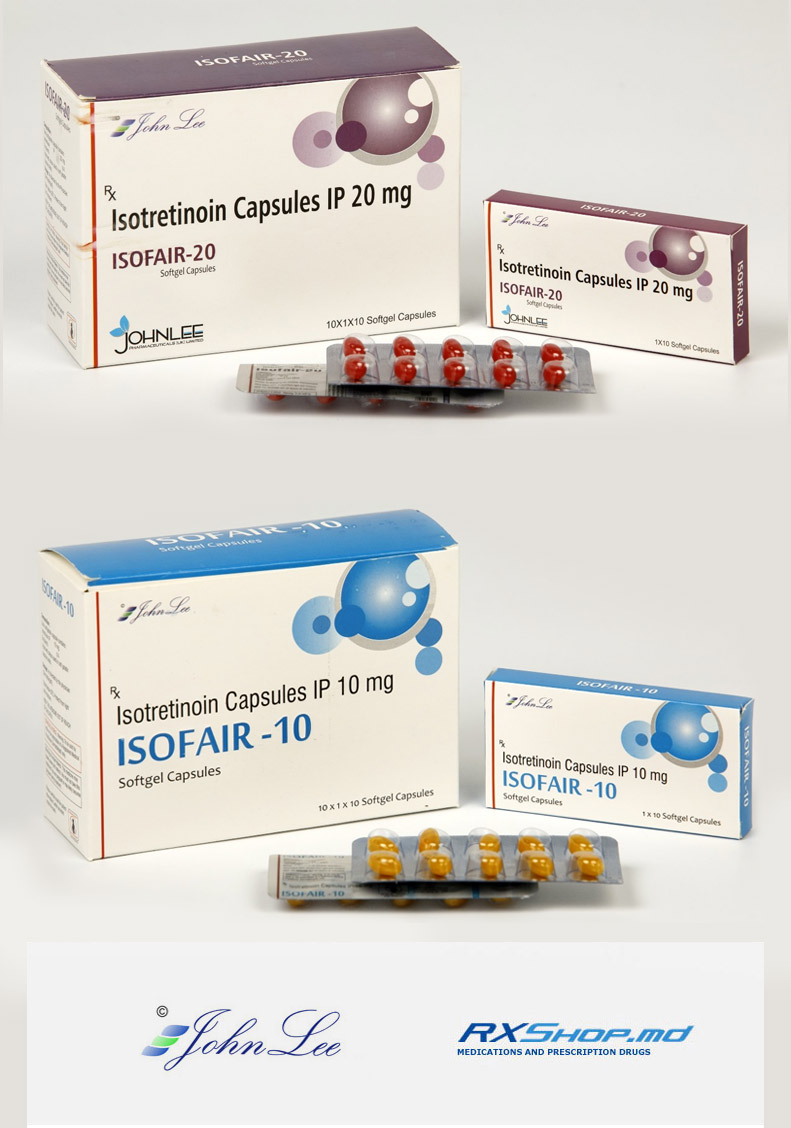
Isofair (Isotretinoin 10/20mg) represents the John Lee Pharmaceuticals bioequivalent generic isotretinoin providing the same revolutionary systemic retinoid therapy for severe nodular cystic acne as brand-name and other generic isotretinoin formulations at accessible cost. Named after and equivalent to the original Roche Accutane brand FDA-approved in 1982 — the medication that transformed severe acne treatment as the only systemic therapy providing potential for permanent long-term remission — Isofair delivers proven isotretinoin (13-cis-retinoic acid) pharmacology under WHO-GMP quality standards. Manufactured by John Lee Pharmaceuticals India, Isofair is available in two dose strengths (10 mg and 20 mg) providing focused options for standard adult treatment protocols. Isofair joins Accufine (Healing Pharma 10/20/30/40 mg) and Accutane (Cipla 5/10/20/40 mg) as the third bioequivalent generic isotretinoin option available on rxshop.md, offering patients cost-effective simplicity for standard weight-based treatment regimens.
Isotretinoin works through four-mechanism attack on all major acne pathogenesis factors simultaneously — an approach unique among acne treatments. First, isotretinoin dramatically reduces sebaceous gland activity and sebum production (approximately 90 percent reduction) through direct sebocyte apoptosis producing durable oil reduction. Second, it normalizes follicular keratinization preventing abnormal keratin plugs forming microcomedones — earliest acne lesions. Third, reduced sebum indirectly decreases Cutibacterium acnes bacterial colonization since sebum provides bacterial nutrition. Fourth, isotretinoin exerts direct anti-inflammatory effects on inflammatory cascades in acne lesions. Clinical response: gradual improvement over 8-12 weeks, dramatic acne reduction during 4-6 month course, and long-term remission in majority of patients with many experiencing permanent cure.
Isofair serves severe acne conditions unresponsive to standard therapy. Primary uses include severe nodular acne as gold standard; persistent recalcitrant acne; scarring acne to prevent permanent damage; recurrent acne; and standard weight-based dosing protocols for typical 60-80 kg adult patients.
Isofair dosed weight-based 0.5-1 mg/kg daily divided BID with fatty food. Course 4-6 months cumulative 120-150 mg/kg. Pregnancy Category X — extreme teratogenicity. Sibling isotretinoin products: Accufine, Accutane.
Free prescription
Discrete packaging
Have questions?
Quality Assurance

- Persistent Acne: Chronic acne continuing beyond expected duration or failing multiple therapy attempts requiring definitive systemic intervention;
- Acne Scarring Risk: Active acne producing permanent skin scarring where aggressive early intervention prevents lifelong tissue damage;
- Recurrent Acne: Acne repeatedly returning after previous treatment courses requiring definitive therapy for durable remission;
- Severe Nodular Acne: Deep painful inflammatory nodules requiring systemic therapy for effective treatment;
- Cystic Acne: Deep painful fluid-filled cysts causing significant tissue damage and scarring potential requiring aggressive intervention;
- Treatment Resistant Acne: Acne unresponsive to conventional antibiotics topical retinoids and combination therapies requiring alternative approach;
- Standard Adult Isotretinoin Dosing: 10 and 20 mg strengths cover typical adult 0.5-1 mg/kg dose targets for 40-80 kg patients;
- Weight Based Isotretinoin Therapy: Simplified two-strength range enables straightforward weight-based dose calculation for typical patients;
- Sebum Overproduction: Excessive oily skin contributing to acne through comedone formation and inflammatory response;
- Inflammatory Acne: Red inflamed papules and pustules from inflammatory acne pathogenesis requiring systemic anti-inflammatory action;
- Comedone Formation: Blackheads and whiteheads from abnormal follicular keratinization responding to systemic retinoid normalization;
- Post Adolescent Acne: Persistent acne continuing beyond typical adolescent years into adult population;
- Chest and Back Acne: Truncal acne resistant to topical therapy responding to systemic isotretinoin;
- Female Adult Acne: Persistent adult female acne with hormonal component requiring systemic therapy after other options exhausted;
- Acne Conglobata: Rare severe interconnected inflammatory nodules cysts and sinuses requiring systemic therapy;
- Systemic Retinoid Therapy Class: Drug class of vitamin A derivatives providing systemic dermatologic effects for acne and other conditions;
- Permanent Acne Remission Potential: Only medication providing potential for permanent acne cure rather than ongoing symptom control;
- Generic Isotretinoin Therapy: Bioequivalent John Lee generic alternative at accessible cost providing same therapeutic efficacy as brand;
- Standard Weight Adult Treatment: Suitable for typical 60-80 kg adult patients on standard 20-80 mg daily protocols without need for very low or high doses.
- Less Oil Production: Approximately 90 percent reduction in sebum production through sebocyte apoptosis producing durable and lasting oil reduction;
- Prevents New Acne Formation: Normalized follicular keratinization prevents new comedone development stopping acne at earliest cellular stage;
- Better Skin Renewal: Normalized keratinocyte differentiation and turnover improves overall skin appearance texture and function throughout treatment;
- Long Lasting Results: Majority of patients achieve durable remission with many experiencing permanent cure after single 4-6 month treatment course;
- Less Risk of Scarring: Aggressive early treatment prevents permanent skin scarring from ongoing inflammatory acne lesions;
- Better Durable Sebum Reduction: Permanent sebocyte apoptosis produces lasting sebum reduction unlike temporary approaches with other acne therapies;
- Better Comedone Prevention: Prevents microcomedone formation at cellular level before visible acne lesions can develop;
- Less Skin Inflammation: Direct anti-inflammatory effects reduce redness swelling and inflammatory papule-pustule development;
- Less C Acnes Bacterial Colonization: Reduced sebum indirectly decreases bacterial colonization addressing microbial component of acne pathogenesis;
- Better Cystic Lesion Response: Deep painful cysts and nodules resolve completely with adequate treatment course for effective long-term outcomes;
- Better Psychosocial Wellbeing: Acne clearance dramatically improves self-esteem confidence and psychological quality of life outcomes;
- Better Skin Texture Improvement: Improved skin smoothness and overall appearance beyond simple acne clearance benefiting long-term skin quality;
- Better Truncal Acne Response: Chest and back acne resistant to topical therapy responds substantially to systemic isotretinoin treatment;
- Better Multi Mechanism Approach: Four simultaneous mechanisms address all major acne pathogenesis factors comprehensively unlike single-target therapies;
- Better Standard Adult Dosing: Two-strength range 10/20 mg optimized for typical 60-80 kg adult patients on standard weight-based protocols;
- Better Simple Titration: Straightforward 10 mg increments simplify dose adjustment during treatment course for optimal response monitoring;
- Better John Lee Manufacturing Quality: WHO-GMP manufacturing standards ensure consistent bioequivalent generic quality equivalent to brand isotretinoin;
- Better Generic Affordability: Substantially lower cost than brand isotretinoin makes gold standard therapy accessible for standard treatment protocols;
- Better Quality of Life: Daily wellbeing improves dramatically as severe acne resolves and psychosocial impact diminishes providing lasting benefit.
Generic Isofair (Isotretinoin 10 mg) Medication guide:
Isofair (Isotretinoin 10/20mg) is the John Lee Pharmaceuticals bioequivalent generic isotretinoin providing the same revolutionary systemic retinoid therapy for severe nodular cystic acne as brand-name and other generic isotretinoin formulations at accessible cost. Named after and equivalent to the original Roche Accutane brand FDA-approved in 1982 — the medication that transformed severe acne treatment as the only systemic therapy providing potential for permanent long-term remission — Isofair delivers proven isotretinoin (13-cis-retinoic acid) pharmacology under WHO-GMP quality standards. Manufactured by John Lee Pharmaceuticals India, Isofair provides a focused two-strength range (10 mg and 20 mg capsules) optimized for standard adult treatment protocols in typical 40-80 kg patients. Isofair joins Accufine (Healing Pharma 10/20/30/40 mg) and Accutane (Cipla 5/10/20/40 mg) as the third bioequivalent generic isotretinoin option available on rxshop.md, offering patients cost-effective simplicity for standard weight-based treatment regimens. This comprehensive medication guide covers every aspect of Isofair therapy from John Lee manufacturing positioning through mechanism of action, practical dose calculations with the 10/20 mg two-strength range, critical Pregnancy Category X teratogenicity warnings, laboratory monitoring requirements, mucocutaneous and systemic side effects, and long-term follow-up recommendations.
💊 Introduction to Isofair
Isofair is a prescription oral medication containing isotretinoin as its active ingredient in capsule form manufactured by John Lee Pharmaceuticals India. Isotretinoin (chemical name 13-cis-retinoic acid) is a naturally occurring vitamin A metabolite that was developed for clinical use by Roche Pharmaceuticals and received FDA approval as Accutane in 1982 — establishing itself as one of the most important dermatology medications ever developed. Isotretinoin represents a revolutionary advance in acne therapy as the only medication providing potential for permanent long-term remission rather than merely controlling symptoms during ongoing treatment.
The original Roche Accutane brand was discontinued in the United States in 2009 due to litigation costs, but generic isotretinoin remains widely available under numerous brand names worldwide. In the United States, current isotretinoin brands include Absorica (Sun Pharma micronized formulation), Amnesteem (Mylan), Claravis (Barr/Teva), Sotret (Ranbaxy), and Zenatane (Dr Reddy's). In Europe and international markets, Roaccutane continues as the Roche international brand. On rxshop.md, three bioequivalent generic isotretinoin options are available: Accufine (Healing Pharma India), Accutane (Cipla India), and Isofair (John Lee Pharmaceuticals India).
Available in two dose strengths — 10 mg and 20 mg oral capsules — Isofair provides focused options ideal for standard adult weight-based treatment protocols. This simplified two-strength range covers the essential dose targets for typical adult patients weighing 40-80 kg on standard 0.5-1 mg/kg daily protocols requiring 20-80 mg total daily doses. The 10/20 mg combination enables straightforward dose calculations including 10 mg, 20 mg, 30 mg (10+20), 40 mg (2x20), 50 mg (2x20+10), 60 mg (3x20), 70 mg (3x20+10), and 80 mg (4x20) daily total doses.
🏭 John Lee Pharmaceuticals Manufacturing
John Lee Company Profile
John Lee Pharmaceuticals credentials:
- Established Indian pharmaceutical manufacturer with dermatology and generic portfolio
- WHO-GMP certification - World Health Organization Good Manufacturing Practice standards
- Focus on generic pharmaceuticals providing accessible alternatives to brand medications
- Manufactures multiple products available on rxshop.md including Mobic 7.5 mg (meloxicam)
- Bioequivalent generic quality ensuring equivalent clinical outcomes to brand isotretinoin
- Cost-effective manufacturing enabling widespread patient access to systemic acne therapy
Bioequivalence to Brand Isotretinoin
As bioequivalent generic to brand isotretinoin, Isofair is expected to produce equivalent clinical outcomes. Bioequivalence means the same rate and extent of drug delivery to the site of action producing equivalent therapeutic response. Bioequivalence studies compare pharmacokinetic parameters including area-under-curve (AUC) and peak concentration (Cmax) ensuring generic products meet regulatory standards for equivalence to originator brand products.
⚖️ Isofair Positioning vs Accufine and Accutane
Understanding the positioning of Isofair among the three isotretinoin options available on rxshop.md helps patients and prescribers select the most appropriate product for individual treatment needs.
Three Isotretinoin Options Comparison
| Property | Isofair | Accufine | Accutane |
|---|---|---|---|
| Manufacturer | John Lee Pharma | Healing Pharma | Cipla |
| Dose strengths | 10, 20 mg | 10, 20, 30, 40 mg | 5, 10, 20, 40 mg |
| Unique feature | Focused two-strength simplicity | 30 mg intermediate strength | 5 mg for LDI protocols |
| Best patient population | Standard adult 40-80 kg | Standard patients + 30 mg titration | Low-dose protocols, pediatric |
| Dose range coverage | 10-80 mg | 10-40 mg (single doses) | 5-40 mg (single doses) |
| Fine titration capability | 10 mg increments | 10 mg increments | 5 mg increments (most fine) |
| Active ingredient | Identical isotretinoin | Identical isotretinoin | Identical isotretinoin |
| Bioequivalence | Bioequivalent to brand | Bioequivalent to brand | Bioequivalent to brand |
When to Choose Isofair
Isofair particularly appropriate for:
- Standard weight adult patients: 40-80 kg body weight
- Standard dose targets: 20-80 mg daily total dose achievable with 10/20 mg combinations
- Straightforward treatment protocols: No need for very low or very high doses
- Cost-conscious patients: Accessible generic option
- Standard weight-based dosing: 0.5-1 mg/kg daily protocols
- Patients preferring simplicity: Two-strength selection minimizes prescribing complexity
- Second course patients: Familiar with isotretinoin therapy from previous course
When Alternative Products May Be Preferred
- Very low weight patients under 40 kg: Consider Accutane 5 mg strength for precise dosing
- Low-dose isotretinoin (LDI) protocols: Accutane 5 mg enables 0.25 mg/kg protocols
- Post-remission maintenance therapy: Accutane 5 mg for gentle maintenance
- Sensitive patient gradual titration: Accutane 5 mg starting dose
- Adolescent weight-based dosing: Accutane 5 mg for precise pediatric dosing
- Intermediate 30 mg daily doses: Accufine 30 mg single capsule alternative to 10+20 mg combination
🔬 Understanding Acne Pathophysiology
Understanding the four major pathophysiological factors driving acne is essential for appreciating how isotretinoin uniquely addresses all four simultaneously.
The Four Major Acne Pathogenesis Factors
Four factors driving acne pathogenesis:
- Excess sebum production: Enlarged sebaceous glands produce excessive oily secretions creating the oily skin substrate for acne development
- Abnormal follicular keratinization: Hyperkeratosis of the follicular canal produces keratin plugs blocking normal sebum outflow leading to microcomedones
- Cutibacterium acnes bacterial colonization: This normally commensal bacterium proliferates in oil-rich follicles producing inflammatory metabolites
- Inflammation: Immune response to bacterial products and irritant lipids creates the inflammatory papules pustules nodules and cysts characteristic of acne
Acne Lesion Types
- Microcomedones: Earliest microscopic lesions from abnormal keratinization
- Comedones: Blackheads (open) and whiteheads (closed)
- Papules: Small red inflamed lesions
- Pustules: Pus-containing inflammatory lesions
- Nodules: Deep firm inflammatory lesions
- Cysts: Deep painful lesions with high scarring risk
🧬 Chemistry and Mechanism of Action
Isotretinoin has the chemical formula C20H28O2 with molecular weight approximately 300.4 g/mol. Structurally, isotretinoin is 13-cis-retinoic acid — a naturally occurring vitamin A metabolite existing as the geometric isomer of tretinoin (all-trans-retinoic acid).
Four-Mechanism Attack on Acne
Isotretinoin four-mechanism therapeutic action:
- Dramatic sebum production reduction (approximately 90 percent): Direct sebocyte apoptosis producing durable oil reduction
- Normalized follicular keratinization: Prevents abnormal keratin plug formation creating microcomedones
- Reduced C. acnes colonization: Reduced sebum eliminates bacterial nutrition source
- Direct anti-inflammatory effects: Modulates neutrophil chemotaxis and cytokine production
Molecular Mechanism
Isotretinoin acts primarily through binding to retinoic acid receptors (RARs) in target cells:
- RAR binding: Isotretinoin binds RAR alpha, beta, and gamma receptors
- Gene transcription modulation: Activated receptors modulate hundreds of genes
- Sebocyte apoptosis: Programmed death of sebaceous gland cells
- Keratinocyte normalization: Restores normal differentiation
- Anti-inflammatory effects: Modulates immune responses
Pharmacokinetic Profile
| Parameter | Value | Clinical Significance |
|---|---|---|
| Onset of improvement | 2-4 weeks (early), 8-12 weeks (substantial) | Gradual response |
| Time to peak | 3-5 hours | Peak plasma concentration |
| Half-life (parent) | 10-20 hours | Supports twice-daily dosing |
| Half-life (main metabolite) | 17-50 hours | Prolonged tissue exposure |
| Oral bioavailability | Approximately 25 percent fasted | Doubles with high-fat meal |
| Protein binding | Approximately 99.9 percent | Very highly protein bound |
| Metabolism | Hepatic CYP2C8, CYP3A4 | Multiple pathways |
| Food effect | High-fat meal doubles absorption | MUST take with fatty food |
🎯 Approved Indications
Primary FDA Approved Indication
- Severe recalcitrant nodular acne unresponsive to conventional therapy
Broader Clinical Uses
- Severe nodular acne - most common indication
- Cystic acne with deep painful inflammatory lesions
- Recurrent acne failing multiple treatment courses
- Scarring acne - active acne causing permanent tissue damage
- Treatment-resistant acne unresponsive to standard therapies
- Persistent acne in adult populations
- Moderate persistent acne causing significant psychological impact
- Chest and back (truncal) acne often resistant to topical therapy
- Acne conglobata - most severe inflammatory form
Off-Label Uses
- Hidradenitis suppurativa: Chronic follicular inflammatory disease
- Severe rosacea: Refractory papulopustular rosacea
- Ichthyosis: Congenital scaling disorders
🚫 Critical Contraindications
Pregnancy Category X — Extreme Teratogenicity
CRITICAL: Isotretinoin causes severe birth defects:
Isotretinoin is one of the most teratogenic medications known. Even a single dose during pregnancy can cause devastating fetal effects.
Documented birth defects with isotretinoin exposure:
- Craniofacial defects: Micrognathia, ear abnormalities, facial dysmorphism
- Cardiovascular defects: Great vessel transposition, septal defects
- Central nervous system defects: Hydrocephalus, microcephaly, mental retardation
- Thymic hypoplasia and immune abnormalities
- Cleft palate
- Spontaneous abortion - approximately 20 percent
Pregnancy Prevention Requirements:
- Two negative pregnancy tests before starting therapy
- Monthly pregnancy tests throughout therapy
- Two forms of contraception for 1 month before, throughout, and 1 month after completion
- Absolutely no pregnancy during treatment or for 1 month after last dose
- iPLEDGE program registration required in US
Blood Donation Prohibition
Blood donation prohibited during and after therapy:
Patients cannot donate blood during treatment and for at least 1 month after last dose to prevent teratogenic exposure of pregnant blood recipients.
Other Contraindications
- Hypersensitivity to isotretinoin or excipients including parabens
- Breastfeeding - excretion into breast milk
- Concurrent tetracycline antibiotics - increased pseudotumor cerebri risk
- Concurrent vitamin A supplementation - additive toxicity
- Severe hepatic impairment
- Severe hyperlipidemia
Use with caution in:
- History of depression or mood disorders
- History of inflammatory bowel disease
- Hyperlipidemia or family history
- Diabetes mellitus
- Osteoporosis risk factors
- Regular alcohol consumption
💉 Dosage and Administration
Standard Weight-Based Dosing Protocol
Standard isotretinoin dosing:
- Starting dose: 0.5 mg/kg/day divided BID with food
- Target dose: 1.0 mg/kg/day divided BID
- Divided dosing: Take twice daily with meals
- Total cumulative dose target: 120-150 mg/kg over treatment course
- Treatment duration: Typically 4-6 months until cumulative goal achieved
Practical Dose Calculations with 10/20 mg Only
The two-strength Isofair range (10 mg and 20 mg) enables straightforward daily dose calculations. Combinations achievable:
| Daily Dose | Capsule Combination | Weight Range at 0.5 mg/kg | Weight Range at 1.0 mg/kg |
|---|---|---|---|
| 10 mg | 1 x 10 mg | 20 kg | 10 kg |
| 20 mg | 1 x 20 mg or 2 x 10 mg | 40 kg | 20 kg |
| 30 mg | 1 x 20 mg + 1 x 10 mg | 60 kg | 30 kg |
| 40 mg | 2 x 20 mg | 80 kg | 40 kg |
| 50 mg | 2 x 20 mg + 1 x 10 mg | 100 kg | 50 kg |
| 60 mg | 3 x 20 mg | 120 kg | 60 kg |
| 70 mg | 3 x 20 mg + 1 x 10 mg | 140 kg | 70 kg |
| 80 mg | 4 x 20 mg | 160 kg | 80 kg |
Administration Guidelines
- Take WITH FOOD - preferably high-fat meal - absorption doubles vs fasted state
- Take twice daily (morning and evening) with meals
- Swallow capsules whole with water - do not chew or open
- NEVER take on empty stomach - reduces effectiveness significantly
- Do NOT take with grapefruit juice
- Avoid vitamin A supplements during therapy
- Avoid tetracycline antibiotics concurrent use
- Avoid excessive sun exposure - photosensitivity common
- Use lip balm regularly for dry lips
- Use gentle moisturizer for dry skin
- Use artificial tears for dry eyes
- Report any concerning symptoms immediately
📊 Clinical Effectiveness Data
| Metric | Response Data |
|---|---|
| Complete acne clearance during treatment | 85-95 percent of patients |
| Long-term remission after single course | Approximately 60-70 percent of patients |
| Sebum production reduction | Approximately 90 percent reduction |
| Need for second course | Approximately 30 percent of patients |
| Time to substantial improvement | 8-12 weeks typically |
| Post-treatment continued improvement | May continue for months after completion |
| Comparison vs oral antibiotics | Superior for severe acne with durable remission |
| Bioequivalence to brand isotretinoin | Equivalent clinical outcomes expected |
⚠️ Mucocutaneous Side Effects
Mucocutaneous side effects are nearly universal with isotretinoin therapy and typically dose-related. These effects are expected consequences of sebum reduction and normalize after therapy completion.
Very Common Mucocutaneous Effects
Universal mucocutaneous effects and management:
- Cheilitis (dry cracked lips): Almost 100 percent - use lip balm frequently (petroleum-based)
- Xerosis (dry skin): Very common - use fragrance-free moisturizer twice daily
- Dry eyes: Common - preservative-free artificial tears
- Dry nasal mucosa with epistaxis: Common - saline nasal spray
- Facial erythema: Common - gentle skin care
- Photosensitivity: Common - SPF 30+ sunscreen daily
- Facial dermatitis: Occasional
- Hair thinning: Occasional temporary effect
- Nail changes: Occasional brittleness
⚠️ Systemic Side Effects and Monitoring
Common Systemic Side Effects
- Elevated lipids: Triglycerides and cholesterol commonly rise 20-40 percent
- Elevated liver enzymes: AST/ALT commonly rise mildly
- Headache: Common - if severe consider pseudotumor cerebri
- Muscle and joint aches (myalgia, arthralgia): Common
- Back pain: Common
- Fatigue: Common
- Reduced night vision: Occasional - warn about driving at night
- Menstrual changes: Occasional in women
Required Laboratory Monitoring
Standard laboratory monitoring schedule:
- Baseline before therapy: CBC, liver function tests, fasting lipid panel, pregnancy test (women)
- Monthly during therapy: Pregnancy tests for women, lipid panel, liver function tests
- After 2 months if stable: May extend LFT and lipid monitoring to every 3 months
- Post-therapy: Confirm labs normalized after completion
⚠️ Serious Adverse Events
Mental Health Considerations
Depression and suicidal ideation warning:
Isotretinoin carries FDA warning about potential association with depression, suicidal thoughts, and completed suicide. While causality remains debated, monitor mood carefully throughout therapy.
- Screen for depression at baseline and each visit
- Assess history of mental health conditions
- Ask about mood changes at each appointment
- Have low threshold for referral or discontinuation
- Family/friend awareness of warning signs helpful
Inflammatory Bowel Disease Concern
Isotretinoin has been associated with possible increased risk of inflammatory bowel disease (Crohn disease, ulcerative colitis), though causality remains debated. Monitor for new GI symptoms including persistent abdominal pain, bloody diarrhea, or unexplained weight loss.
Pseudotumor Cerebri
Rare cases of benign intracranial hypertension have been reported. Symptoms include severe headache, vision changes, nausea. Risk higher with concurrent tetracycline antibiotics (avoid combination). Prompt evaluation for suspected cases.
Other Serious Adverse Events
Seek immediate medical attention for:
- Severe abdominal pain or bloody diarrhea - possible IBD
- Severe headache with vision changes - pseudotumor cerebri
- Signs of pancreatitis: severe abdominal pain with vomiting
- Severe hepatotoxicity: jaundice, dark urine, unusual fatigue
- Suicidal thoughts or severe depression
- Severe skin reactions: Stevens-Johnson syndrome
- Vision changes or eye pain
- Suspected pregnancy - discontinue immediately
🔄 Drug Interactions
| Drug/Substance | Interaction |
|---|---|
| Tetracycline antibiotics (doxycycline, minocycline) | Increased pseudotumor cerebri risk - AVOID |
| Vitamin A supplements | Additive vitamin A toxicity - avoid |
| Other retinoids (topical or systemic) | Additive retinoid effects - avoid |
| Progesterone-only contraceptives | May be less reliable - use additional barrier |
| Corticosteroids | Additive osteoporosis risk |
| St. John Wort | May reduce contraceptive effectiveness |
| Alcohol | Increased hepatotoxicity and hypertriglyceridemia |
| CYP3A4 inhibitors | May increase isotretinoin levels |
🛡️ Special Populations
- Women of Childbearing Potential
- CRITICAL: Pregnancy prevention paramount. Two negative pregnancy tests before starting, monthly tests during, dual contraception throughout and 1 month after.
- Pregnancy
- ABSOLUTELY CONTRAINDICATED - Category X. Severe teratogenicity even with single dose exposure.
- Lactation
- Contraindicated - isotretinoin excreted into breast milk.
- Pediatric Population
- Safety established for adolescents 12 years and older. For pediatric patients requiring precise weight-based dosing, Accutane 5 mg strength may enable more accurate dose calculation than 10 mg minimum Isofair.
- Standard Adult Patients 40-80 kg
- Isofair ideally suited for this population - two-strength range covers standard 20-80 mg daily dose targets appropriate for typical adult patients on 0.5-1 mg/kg protocols.
- Very Low Weight Patients Under 40 kg
- Consider Accutane 5 mg strength for more precise low-dose calculation. Isofair 10 mg may exceed target for very low-weight patients on standard 0.5 mg/kg protocol.
- Elderly Patients
- Rare use in elderly as acne primarily affects younger populations. Standard precautions apply.
- Depression/Mental Health History
- Careful risk-benefit assessment required. Baseline mental health evaluation and close monitoring throughout therapy.
- Inflammatory Bowel Disease History
- Controversial association - use with caution. Alternative therapies preferred if IBD history significant.
- Diabetic Patients
- May affect glucose control. Monitor blood glucose more frequently during therapy.
- Hyperlipidemia Patients
- Isotretinoin substantially elevates lipids. Baseline lipid panel required.
📆 Post-Treatment Follow-Up
Post-isotretinoin considerations:
- Continued improvement: Skin may continue improving for months after completion
- Full assessment at 4-6 months post-treatment
- Contraception continuation: Maintain for at least 1 month after last dose
- Blood donation restriction: Cannot donate for 1 month after last dose
- Second course: Approximately 30 percent need second course
- Post-treatment scars: May require dermatologic procedures
- Long-term follow-up: Annual dermatology visits recommended
📦 Storage and Handling
- Store at room temperature between 15°C and 30°C (59°F and 86°F)
- Protect from light - keep in original packaging
- Protect from heat and humidity
- Keep out of reach of children and pets
- Do not use capsules past the expiration date
- Never share isotretinoin with others
- Return unused medication to pharmacy for proper disposal
👨⚕️ When to Contact Your Doctor
- Any suspected pregnancy - immediate urgent consultation
- Missed dose of contraception - additional measures needed
- Severe or worsening depression, suicidal thoughts
- Persistent severe abdominal pain
- Bloody diarrhea or new gastrointestinal symptoms
- Severe headache particularly with vision changes
- New vision problems, eye pain, or blurred vision
- Signs of liver injury: jaundice, dark urine, right upper abdominal pain
- Signs of pancreatitis: severe abdominal pain with vomiting
- Severe muscle weakness or pain
- Severe or persistent nosebleeds
- Signs of allergic reaction: rash, swelling, difficulty breathing
- Time for scheduled monthly monitoring appointments
- Starting new medications especially tetracyclines
🌟 Key Takeaways
Essential points about Isofair (isotretinoin) therapy:
- Isofair is John Lee Pharmaceuticals bioequivalent generic isotretinoin 10/20 mg capsules
- Third bioequivalent generic isotretinoin option on rxshop.md alongside Accufine and Accutane
- Revolutionary systemic retinoid FDA-approved as Accutane 1982
- Only medication providing potential for permanent acne remission
- Four-mechanism attack: sebum reduction, normalized keratinization, C. acnes reduction, anti-inflammatory
- Weight-based dosing: 0.5-1 mg/kg daily divided BID with high-fat meals
- Two-strength range (10/20 mg) covers 20-80 mg daily dose targets for standard adult patients
- Ideal for standard 40-80 kg adult patients on typical 0.5-1 mg/kg protocols
- Cumulative target dose 120-150 mg/kg over 4-6 month course
- PREGNANCY CATEGORY X - severe teratogenicity requires strict pregnancy prevention
- Two negative pregnancy tests before starting, monthly tests during, dual contraception throughout
- Blood donation prohibited during and 1 month after therapy
- Mucocutaneous side effects nearly universal - dry lips, skin, eyes, nose
- Common systemic: elevated lipids, liver enzymes, muscle aches, headache
- Monthly monitoring required: pregnancy test, lipid panel, liver function tests
- Mental health monitoring for depression and suicidal ideation
- 60-70 percent achieve long-term remission with single course
- Take with high-fat meal - absorption doubles vs fasted state
- Avoid tetracyclines, vitamin A supplements, other retinoids during therapy
- John Lee Pharmaceuticals WHO-GMP manufacturing quality standards
Important Medical Disclaimer: This medication guide provides general information about Isofair (John Lee Pharmaceuticals generic isotretinoin) and does not constitute individualized medical advice. Every patient situation is unique and requires evaluation by a qualified dermatology healthcare provider. Isotretinoin therapy requires close medical supervision including pregnancy testing, laboratory monitoring, and regular clinical assessment. Do not use Isofair without dermatologist prescription and appropriate monitoring. CRITICAL: Isotretinoin is Pregnancy Category X - severe teratogenicity requires strict pregnancy prevention including dual contraception and monthly pregnancy testing for women of childbearing potential. Never donate blood during or for 1 month after therapy. Report immediately any suspected pregnancy, severe depression, suicidal thoughts, severe abdominal pain, bloody diarrhea, severe headache with vision changes, or other concerning symptoms. Avoid concurrent tetracycline antibiotics and vitamin A supplementation. Take with fatty food for optimal absorption. If you experience concerning symptoms contact your healthcare provider immediately. The information provided here should complement but never replace direct professional dermatology guidance.
Isofair — Frequently Asked Questions
-
What is Isofair (Isotretinoin) used for?
Isofair is used to treat severe acne that hasnt responded to other treatments. It is effective in reducing the size and activity of the sebaceous glands, reducing oil production and helping clear severe or cystic acne. -
How does Isofair work?
Isofair works by shrinking the sebaceous glands in the skin, reducing the production of oil (sebum), which contributes to acne. It also helps unclog pores and reduces inflammation, ultimately preventing the formation of new acne. -
How long does it take for Isofair to show results?
Most people begin to notice improvements after 1 to 2 months of treatment, with significant changes typically occurring by the end of a 4 to 6-month course. However, the timeline may vary depending on the individual. -
Can Isofair cause your acne to get worse initially?
Yes, during the first few weeks of treatment, it is common for acne to worsen as your body adjusts to the medication. This is known as a flare-up, but it usually subsides as treatment continues. -
What are the common side effects of Isofair?
Common side effects include dry skin, chapped lips, dry eyes, and nosebleeds. These side effects are generally manageable with moisturizers, lip balms, and artificial tears. -
What are the serious side effects of Isofair?
Serious side effects can include liver damage, increased blood cholesterol, and depression. Its important to have regular check-ups with your healthcare provider to monitor these potential issues. -
Can Isofair cause depression or mood changes?
While rare, Isofair has been associated with mood changes, including depression. If you or someone close to you notices mood changes, anxiety, or signs of depression, contact your healthcare provider immediately.
See all Isofair questions (32)
More Skin Care Medications


