Buy Bactroban (Mupirocin 2% Ointment Cream) Online - Topical Antibiotic for Impetigo Folliculitis MRSA Skin Infections

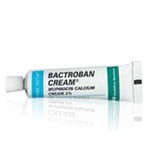
Bactroban (Mupirocin 2% Ointment/Cream) represents the foundational topical antibiotic therapy for bacterial skin infections and the gold standard for MRSA nasal decolonization in surgical and outbreak settings. Originally developed by SmithKline Beecham (now GlaxoSmithKline) and FDA-approved as Bactroban ointment in 1988, mupirocin established itself as the definitive topical antistaphylococcal agent representing the only clinically used member of the pseudomonic acid antibiotic class. As bioequivalent generic manufactured by GSK Pharma India and Biochem Pharmaceuticals under WHO-GMP quality standards, Bactroban provides gold-standard mupirocin therapy at accessible cost. The mupirocin molecule offers unique advantages among topical antibiotics — no cross-resistance with other antibiotic classes because it targets bacterial isoleucyl-tRNA synthetase, an enzyme not shared with other antibiotic mechanisms; excellent activity against methicillin-resistant Staphylococcus aureus (MRSA) including community-acquired strains; and minimal systemic absorption through intact skin providing excellent safety profile.
Mupirocin works through selective inhibition of bacterial protein synthesis by targeting isoleucyl-tRNA synthetase (IleRS) — the enzyme responsible for incorporating isoleucine amino acid into growing bacterial proteins. This selective enzyme inhibition prevents bacterial cells from synthesizing essential proteins required for growth and replication, producing bacteriostatic effect at low concentrations and bactericidal effect at higher concentrations typically achieved with topical application. The narrow selective spectrum focuses activity on Gram-positive bacteria including Staphylococcus aureus (methicillin-sensitive and methicillin-resistant), Streptococcus pyogenes, and coagulase-negative staphylococci. Mupirocin has limited activity against Gram-negative bacteria, anaerobes, and fungi making it uniquely suited for staphylococcal and streptococcal skin infections without disrupting normal skin flora.
Bactroban serves multiple bacterial skin infection scenarios. Primary uses include impetigo (classic pediatric bacterial skin infection); folliculitis and furunculosis; ecthyma (deeper impetigo); secondary infected eczema and traumatic wounds; small wound and burn prophylaxis; and intranasal MRSA decolonization for surgical patients and outbreak control settings.
Bactroban applied topically 2-3 times daily for 5-10 days depending on infection severity. Available in 5 g tubes as ointment or cream from GSK Pharma India and Biochem Pharmaceuticals.
Free prescription
Discrete packaging
Have questions?
Quality Assurance

- Folliculitis: Bacterial infection of hair follicles producing red pustular papules typically caused by Staphylococcus;
- Furunculosis: Deep bacterial hair follicle infections producing painful boils that may progress to abscesses;
- Ecthyma: Deeper form of impetigo extending into dermis producing ulcerative crusted lesions;
- Secondary Infected Eczema: Bacterial superinfection complicating atopic dermatitis and other eczematous skin conditions;
- Secondary Skin Infections: Bacterial infections complicating existing dermatologic conditions requiring targeted antimicrobial therapy;
- Infected Traumatic Wounds: Bacterial infection complicating minor cuts abrasions and other traumatic skin lesions;
- Wound Infection Prevention: Prophylactic use in small wounds cuts and minor traumatic skin injuries at infection risk;
- Minor Burn Infection Prevention: Prophylactic topical antibacterial therapy for minor thermal burns and abrasions;
- MRSA Skin Infections: Effective against methicillin-resistant Staphylococcus aureus including community-acquired MRSA strains;
- Nasal MRSA Decolonization: Gold standard for eradicating nasal MRSA carriage before surgery and outbreak control;
- Preoperative Decolonization: Reduces surgical site infection risk through preoperative nasal MRSA eradication protocols;
- MRSA Outbreak Control: Hospital and community outbreak management through targeted decolonization of carriers;
- Staphylococcus Aureus Infections: Effective against methicillin-sensitive and resistant staphylococcal skin infections;
- Streptococcus Skin Infections: Active against Streptococcus pyogenes causing impetigo cellulitis and other cutaneous infections;
- Localized Nasal Cavity Infections: Intranasal treatment for staphylococcal nasal infections beyond decolonization;
- Newborn Umbilical Colonization: Off-label use for staphylococcal umbilical colonization prevention in neonates;
- Coagulase Negative Staphylococci: Active against Staphylococcus epidermidis and other coagulase-negative staphylococci;
- Antibiotic Resistant Bacteria: No cross-resistance with other antibiotic classes preserves activity when standard antibiotics fail;
- Generic Topical Antibiotic Therapy: Bioequivalent GSK/Biochem generic alternative to brand Bactroban at accessible cost.
- Treats Bacterial Skin Infections: Rapid clinical improvement within 3-5 days for impetigo folliculitis furunculosis and ecthyma;
- Prevents Infection in Minor Wounds: Prophylactic application to small wounds cuts and minor injuries reduces bacterial infection risk;
- Less Antibiotic Resistance Risk: Unique mechanism produces no cross-resistance with other antibiotic classes preserving multiple therapy options;
- Localized Topical Treatment: Direct application to affected skin delivers high concentrations at infection site with minimal systemic exposure;
- Limited Systemic Absorption: Minimal systemic drug exposure through intact skin ensures excellent safety profile even with extensive use;
- Rapid Symptom Relief: Clinical improvement typically within 3-5 days of treatment initiation for typical bacterial skin infections;
- Effective for MRSA Infections: Excellent activity against methicillin-resistant Staphylococcus aureus including community-acquired MRSA strains;
- Better Nasal MRSA Decolonization: Gold standard for eradicating nasal MRSA carriage before surgery reducing surgical site infection risk;
- Better Preoperative Decolonization Protocols: Reduces surgical site infection rates through preoperative nasal Staphylococcus elimination;
- Better Impetigo Response: Treatment of choice for pediatric impetigo with rapid clearance and minimal scarring risk;
- Better Selective Antibiotic Spectrum: Narrow Gram-positive spectrum preserves normal skin flora unlike broad-spectrum topical antibiotics;
- Better Pediatric Safety Profile: Excellent safety in children over 2 months making it preferred pediatric topical antibiotic;
- Better Pregnancy Compatibility: Pregnancy Category B — safe during pregnancy when clinically indicated for skin infections;
- Better Two Formulation Options: Ointment and cream formulations enable selection based on skin site and patient preference;
- Better Unique Mechanism Antibiotic: Isoleucyl-tRNA synthetase inhibition provides mechanism unshared with other antibiotic classes;
- Better Outbreak Control Tool: Essential resource for hospital and community MRSA outbreak decolonization protocols;
- Better Convenient Application: Simple 2-3 times daily topical application for 5-10 days improves treatment adherence;
- Better GSK Biochem Manufacturing: WHO-GMP manufacturing standards ensure consistent bioequivalent generic quality;
- Treats Skin Infections Quickly and Effectively: Rapid clearance of bacterial skin infections improves quality of life and reduces complication risks.
Generic Bactroban (Mupirocin 2% 5 mg) Medication guide:
Bactroban (Mupirocin 2% Ointment/Cream) is the foundational topical antibiotic therapy for bacterial skin infections and the gold standard for MRSA nasal decolonization in surgical and outbreak settings. Originally developed by SmithKline Beecham (now GlaxoSmithKline) and FDA-approved in 1988, mupirocin established itself as the definitive topical antistaphylococcal agent representing the only clinically used member of the pseudomonic acid antibiotic class. Manufactured by GSK Pharma India and Biochem Pharmaceuticals as bioequivalent generic under WHO-GMP quality standards, Bactroban provides gold-standard mupirocin therapy at accessible cost. The mupirocin molecule offers unique advantages among topical antibiotics — no cross-resistance with other antibiotic classes because it targets bacterial isoleucyl-tRNA synthetase (an enzyme not shared with other antibiotic mechanisms), excellent activity against methicillin-resistant Staphylococcus aureus (MRSA) including community-acquired strains, and minimal systemic absorption through intact skin providing excellent safety profile including pregnancy Category B status. This comprehensive medication guide covers every aspect of Bactroban therapy from mupirocin pharmacology through unique mechanism of action, formulation selection, application techniques, nasal decolonization protocols, safety considerations, and clinical scenarios for optimal treatment outcomes.
💊 Introduction to Bactroban
Bactroban is a prescription topical antibiotic medication containing mupirocin 2% as its active ingredient in ointment and cream formulations. Mupirocin was isolated from Pseudomonas fluorescens and developed for clinical use by SmithKline Beecham (now GlaxoSmithKline) receiving FDA approval as Bactroban ointment in 1988. The nasal ointment formulation received FDA approval in 1995 establishing mupirocin as the gold standard for nasal MRSA decolonization protocols. The cream formulation received FDA approval in 2002 providing alternative delivery vehicle for skin infections.
Bactroban represents the only clinically used member of the pseudomonic acid antibiotic class — a distinctive natural product antibiotic with unique mechanism of action not shared by any other antibiotic in clinical use. This distinctive class positioning explains mupirocin unique clinical advantages including absence of cross-resistance with other antibiotic classes, preserved activity against organisms resistant to multiple standard antibiotics, and continued effectiveness against methicillin-resistant Staphylococcus aureus (MRSA) that resists many other antibiotic options.
The Bactroban brand available on rxshop.md is manufactured by GSK Pharma India (the Indian subsidiary of GlaxoSmithKline maintaining the original brand quality standards) and Biochem Pharmaceuticals — an established Indian pharmaceutical manufacturer with WHO-GMP certification and extensive generic pharmaceutical portfolio. Available in 2 percent concentration in 5 gram tubes as either ointment or cream formulation, Bactroban provides clinicians and patients with formulation flexibility appropriate for different skin sites and infection types. The ointment provides better adherence to skin and higher potency delivery, while the cream provides better cosmetic acceptance for facial and visible skin sites.
🧪 Understanding Topical Antibiotic Therapy
Understanding the principles of topical antibiotic therapy is essential for appreciating when Bactroban is appropriate versus systemic antibiotic therapy.
When to Use Topical vs Systemic Antibiotics
Topical antibiotics preferred for:
- Superficial bacterial skin infections like impetigo folliculitis and mild ecthyma
- Localized infections affecting small body surface area
- Prophylactic use in minor wounds cuts and burns to prevent infection
- Nasal decolonization of Staphylococcus aureus carriers
- Reducing systemic side effects when local therapy adequate
- Preserving normal flora at other body sites
Systemic antibiotics required for:
- Extensive skin infections covering large body surface area
- Deep tissue infections like cellulitis and erysipelas
- Systemic symptoms including fever and lymph node enlargement
- Immunocompromised patients with rapidly spreading infections
- Failure of topical therapy after adequate trial
- Serious infections like abscesses requiring drainage plus systemic antibiotics
🧬 Chemistry and Antibiotic Class
Mupirocin has the chemical formula C26H44O9 with molecular weight approximately 500.6 g/mol. Chemically, mupirocin is pseudomonic acid A — a natural product antibiotic originally isolated from the bacterium Pseudomonas fluorescens. The compound name mupirocin was derived from the Pseudomonas source organism and its acid chemical class.
Pseudomonic Acid Class Uniqueness
Pseudomonic acid antibiotic class characteristics:
- Only clinically used member: Mupirocin is the sole pseudomonic acid antibiotic in clinical use worldwide
- Natural product origin: Isolated from Pseudomonas fluorescens fermentation
- Unique molecular structure: Distinctive short-chain fatty acid derivative
- Unique target enzyme: Bacterial isoleucyl-tRNA synthetase not shared with other antibiotics
- No cross-resistance: Bacteria resistant to other antibiotics remain susceptible to mupirocin
- Bacteriostatic to bactericidal: Concentration-dependent action pattern
- Rapid inactivation in blood: Serum esterases quickly hydrolyze mupirocin explaining topical-only use
Mechanism of Action — IleRS Inhibition
Mupirocin mechanism at molecular level:
- Selective enzyme binding: Mupirocin binds bacterial isoleucyl-tRNA synthetase (IleRS) at the isoleucine substrate binding site
- Reversible competitive inhibition: Prevents IleRS from charging tRNA with isoleucine amino acid
- Protein synthesis blockade: Without isoleucyl-tRNA, bacterial ribosomes cannot incorporate isoleucine into growing protein chains
- Bacterial cellular arrest: Protein synthesis stops preventing bacterial growth and replication
- Selective toxicity: Mammalian IleRS has different structure not affected by mupirocin binding
- Concentration dependent effect: Bacteriostatic at low concentrations, bactericidal at higher levels achieved topically
🔬 Antimicrobial Spectrum
Highly Susceptible Organisms
Excellent activity (primary clinical use):
- Staphylococcus aureus - methicillin-sensitive (MSSA) and methicillin-resistant (MRSA)
- Streptococcus pyogenes - Group A beta-hemolytic streptococcus
- Streptococcus agalactiae - Group B streptococcus
- Coagulase-negative staphylococci - including Staphylococcus epidermidis
- Community-acquired MRSA (CA-MRSA) - increasingly important clinical scenario
- Hospital-acquired MRSA (HA-MRSA) - traditional multidrug-resistant strain
Moderately Susceptible Organisms
- Streptococcus pneumoniae
- Haemophilus influenzae - some strains
- Moraxella catarrhalis - some strains
- Neisseria gonorrhoeae
Resistant or Not Clinically Relevant
- Most Gram-negative bacteria - Enterobacteriaceae limited activity
- Pseudomonas aeruginosa - resistant despite ironic Pseudomonas source
- Anaerobic bacteria - not clinically effective
- Mycobacteria - resistant
- Fungi - no antifungal activity
- Viruses - no antiviral activity
MRSA Activity Details
Mupirocin activity against MRSA represents a critical clinical advantage. Studies demonstrate mupirocin remains highly active against MRSA strains resistant to numerous other antibiotics including beta-lactams, macrolides, fluoroquinolones, and clindamycin. The unique isoleucyl-tRNA synthetase target ensures no cross-resistance with these other antibiotic classes because they target completely different bacterial pathways.
Mupirocin resistance considerations:
While cross-resistance with other antibiotic classes does not occur, mupirocin-specific resistance can develop through altered IleRS enzymes. Low-level resistance and high-level plasmid-mediated resistance both reported. Prolonged or repeated mupirocin exposure increases resistance risk. Judicious clinical use preserves mupirocin activity for critical situations.
Pharmacokinetic Profile
| Parameter | Value | Clinical Significance |
|---|---|---|
| Systemic absorption through intact skin | Negligible (under 1 percent) | Excellent safety profile |
| Systemic absorption through damaged skin | Slightly increased but still low | Safe for use on abraded skin |
| Local skin concentration | Very high concentrations | Bactericidal at infection site |
| Systemic serum inactivation | Rapid by serum esterases | Explains topical-only use |
| Half-life if absorbed | Very short (17-36 minutes) | No systemic accumulation |
| Elimination | Renal (as inactive metabolite) | Minimal systemic pathway |
| Onset of clinical improvement | 3-5 days for skin infections | Relatively rapid response |
| Nasal decolonization efficacy | 80-90 percent success at day 5 | High success for MRSA eradication |
🎯 Approved Indications
Primary FDA Approved Indications
- Impetigo caused by susceptible strains of Staphylococcus aureus and Streptococcus pyogenes (ointment and cream)
- Secondary infected traumatic skin lesions caused by susceptible strains (cream)
- Nasal colonization with MRSA in adults and healthcare workers (nasal ointment)
Broader Clinical Uses
- Folliculitis - bacterial infection of hair follicles
- Furunculosis - deeper follicular infection producing boils
- Ecthyma - deeper form of impetigo extending into dermis
- Secondary infected eczema - bacterial superinfection of atopic dermatitis
- Small infected wounds and burns - localized wound infection
- Preoperative nasal decolonization - reducing surgical site infection risk
- MRSA outbreak decolonization - hospital and community outbreak control
- Recurrent staphylococcal skin infections - decolonization as part of comprehensive strategy
Off-Label Uses
- Neonatal umbilical care - staphylococcal colonization prevention
- Peritoneal dialysis catheter exit site care - infection prevention
- Central line exit site care - Staphylococcus colonization reduction
- Chronic wound care - selected chronic wounds with S. aureus infection
👛 Ointment vs Cream Formulation Selection
Formulation selection considerations:
| Property | Ointment 2% | Cream 2% |
|---|---|---|
| Base vehicle | Polyethylene glycol | Water-in-oil emulsion |
| Skin adhesion | Higher - stays on skin longer | Lower - more easily removed |
| Cosmetic acceptance | Greasy appearance | Better - non-greasy |
| Preferred sites | Body wounds, non-visible skin | Face, visible skin sites |
| Primary FDA indication | Impetigo (approved 1988) | Secondary infected wounds (2002) |
| Also useful for | Nasal decolonization use | Facial impetigo, cosmetic |
| Barrier function | Better wound protection | Less barrier effect |
👀 Nasal MRSA Decolonization
One of the most important clinical uses of mupirocin is nasal decolonization of MRSA — eradicating Staphylococcus aureus carriage from the anterior nares (nasal vestibule). This is critical because approximately 30 percent of the general population carries S. aureus in their nose, and these carriers have substantially increased risk for surgical site infections and community MRSA spread.
Nasal Decolonization Protocol
Standard nasal decolonization protocol:
- Nasal formulation: Mupirocin 2% nasal ointment
- Application: Small pea-sized amount in each anterior nostril
- Frequency: Twice daily (morning and evening)
- Duration: 5 days standard protocol
- Technique: Press nostrils together after application to distribute
- Success rate: 80-90 percent nasal MRSA eradication at day 5
- Recolonization: May occur - may need repeat courses
Preoperative Decolonization
Preoperative decolonization for surgical patients:
- Screening: Preoperative nasal swab for Staphylococcus aureus carriage
- Positive carriers: Receive mupirocin nasal ointment 5 days before surgery
- Combined with chlorhexidine bathing: Twice daily whole-body chlorhexidine soap
- Result: Significant reduction in surgical site infection rates
- Benefits: Particularly important for cardiac orthopedic and vascular surgery
- Cost-effective: Prevents costly surgical site infections
Outbreak Control
Mupirocin nasal decolonization is essential in hospital and community MRSA outbreak control:
- Hospital outbreak identification: Cluster of MRSA cases
- Carrier screening: Nasal cultures of affected units
- Selective decolonization: Mupirocin for identified carriers
- Whole-body chlorhexidine bathing: Complement nasal decolonization
- Contact precautions: Isolation until decolonization confirmed
- Environmental cleaning: Enhanced cleaning protocols
- Community outbreaks: Similar approach in daycare, schools, athletic teams
🚫 Contraindications and Precautions
Absolute Contraindications
- Known hypersensitivity to mupirocin or any ingredient in the formulation
- History of allergic reactions to polyethylene glycol (ointment vehicle) or other excipients
Precautions
Use with caution in these situations:
- Avoid contact with eyes - can cause irritation
- Not for use inside mouth - external use only for skin/nose
- Do not use for extended periods beyond 10-14 days for skin infections without medical review
- Do not use for prolonged periods that could promote resistance development
- Discontinue if allergic reaction develops (rash, swelling, itching)
- Large open wounds: Consider risk of polyethylene glycol absorption in extensive damaged skin
- Renal impairment: Avoid extensive use in patients with significant renal impairment due to polyethylene glycol accumulation risk
Development of Resistance
Judicious clinical use of mupirocin is essential to preserve this valuable antibiotic. Guidelines recommend:
- Limit use to appropriate indications - not for viral or fungal infections
- Complete recommended treatment courses - do not stop prematurely
- Do not use for prolonged periods without indication
- Avoid repeated exposure unless clinically necessary
- Consider culture and sensitivity testing in complicated or recurrent cases
💉 Dosage and Administration
Impetigo and Skin Infections (Ointment or Cream)
Standard skin infection dosing:
- Application frequency: 3 times daily for ointment, 3 times daily for cream
- Duration for impetigo: 3-5 days if response good, up to 10 days maximum
- Duration for other skin infections: Up to 10 days
- Amount: Thin layer covering affected area completely
- Age range: Adults and children 2 months and older (ointment), 3 months and older (cream)
- Follow-up: Reevaluate if no improvement within 3-5 days
Nasal Decolonization (Nasal Ointment)
Nasal decolonization dosing:
- Application frequency: Twice daily (morning and evening)
- Duration: 5 days
- Amount: Small pea-sized amount in each nostril
- Distribution: Press sides of nose together and release repeatedly to distribute
- Age range: Adults and children 12 years and older
- Success: Confirm eradication with nasal culture 5-7 days after completion
Application Technique for Skin Infections
Proper application technique:
- Clean hands thoroughly with soap and water before application
- Clean the affected area gently with mild soap and water, pat dry
- Remove any crusts gently if impetigo present
- Apply thin layer of ointment or cream to affected area
- Cover completely the infected skin extending slightly onto surrounding normal skin
- Cover with sterile gauze optional but not required
- Wash hands again after application
- Avoid contact with eyes and mucous membranes (except nasal use)
- Do not use occlusive dressing without medical guidance
- Apply at consistent times throughout day for optimal effect
Duration Guidelines
| Indication | Formulation | Duration |
|---|---|---|
| Impetigo | Ointment or cream | 3-5 days typically, up to 10 days |
| Folliculitis, furunculosis | Ointment or cream | 7-10 days |
| Ecthyma | Ointment or cream | 7-10 days |
| Secondary infected wounds | Cream (preferred) | Up to 10 days |
| Nasal MRSA decolonization | Nasal ointment | 5 days standard |
| Preoperative decolonization | Nasal ointment | 5 days pre-op |
📊 Clinical Effectiveness Data
| Metric | Response Data |
|---|---|
| Impetigo clinical cure rate | Approximately 85-95 percent at 7 days |
| Impetigo microbial eradication | Approximately 90 percent at end of therapy |
| Comparison vs oral antibiotics for impetigo | Equivalent or superior for localized cases |
| Nasal MRSA decolonization success | 80-90 percent eradication at day 5 |
| Long-term decolonization success | Approximately 50 percent at 3 months |
| Reduction in SSI with preop protocol | Significant reduction demonstrated in cardiac and orthopedic surgery |
| Secondary infected wound response | Approximately 90 percent improvement |
| Time to clinical improvement | 3-5 days typically |
⚠️ Side Effects
Common Local Side Effects
Local side effects are uncommon but may occur:
- Local burning or stinging sensation - approximately 1-2 percent
- Itching (pruritus) at application site - approximately 1-2 percent
- Skin irritation or redness - occasional
- Rash - occasional
- Dryness at application site - occasional
- Application site pain - uncommon
Nasal Ointment Specific Effects
- Nasal congestion or stuffiness - occasional
- Nasal itching or burning - occasional
- Nasal dryness - occasional
- Rhinorrhea (runny nose) - occasional
- Bad taste in mouth - some patients report
- Cough or sore throat - occasional
Rare Serious Adverse Events
Seek medical attention for:
- Severe allergic reactions: Angioedema, urticaria, difficulty breathing
- Anaphylaxis: Very rare but reported
- Severe skin reactions: Contact dermatitis, blistering
- Worsening of infection despite treatment
- Signs of secondary infection with resistant organisms
- Persistent local symptoms beyond expected mild reactions
🔄 Drug Interactions
Because mupirocin is applied topically with minimal systemic absorption, clinically significant drug interactions are essentially non-existent. Key considerations:
- Other topical products on same site: May reduce mupirocin effectiveness - separate applications
- Occlusive dressings: May increase absorption slightly and skin sensitivity
- Other topical antibiotics: Avoid simultaneous use to reduce resistance risk
- Cosmetics on treated area: Wait until absorption before applying
- Emollients or moisturizers: Space applications appropriately
- No known systemic drug interactions due to minimal absorption
🛡️ Special Populations
- Pediatric Patients
- Excellent safety profile making Bactroban preferred topical antibiotic in pediatric patients. Ointment approved for children 2 months and older, cream for 3 months and older. Nasal ointment for adolescents 12 and older. Impetigo is common pediatric infection - Bactroban preferred first-line treatment.
- Elderly Patients
- Standard dosing appropriate. Excellent tolerability in elderly. Consider slower healing of underlying skin condition when assessing response duration. Monitor for signs of secondary bacterial infections if immunocompromised.
- Pregnancy
- Pregnancy Category B - considered safe during pregnancy when clinically indicated. Minimal systemic absorption makes it preferred topical antibiotic during pregnancy. Use when benefits outweigh risks per obstetrician assessment.
- Lactation
- Compatible with breastfeeding. Minimal systemic absorption makes it safe during nursing. Avoid application to nipples during breastfeeding to prevent infant ingestion.
- Surgical Patients
- Preoperative nasal decolonization protocol important for cardiac orthopedic vascular and other high-risk surgeries. Combined with chlorhexidine bathing reduces surgical site infection rates significantly.
- Healthcare Workers
- MRSA carrier healthcare workers may require decolonization particularly during outbreak situations. Standard 5-day nasal ointment protocol with follow-up cultures to confirm eradication.
- Immunocompromised Patients
- Effective for localized bacterial skin infections but consider systemic therapy for deeper or spreading infections. Monitor closely for treatment response and complications.
- Recurrent Skin Infections
- Patients with recurrent staphylococcal skin infections benefit from nasal decolonization combined with body site treatment. Approximately 60 percent of recurrent skin infections result from nasal MRSA carriage.
- Athletes and Team Environments
- MRSA outbreaks common in athletic teams and fitness settings. Nasal decolonization plus body chlorhexidine bathing effective for outbreak control. Personal hygiene equipment cleaning critical.
- Dialysis Patients
- Peritoneal dialysis catheter exit site care benefits from mupirocin ointment application reducing exit site infections. Hemodialysis vascular access site care may benefit similarly.
- Renal Impairment
- Minimal systemic absorption means renal function has limited impact. Consider polyethylene glycol accumulation risk with very extensive application on damaged skin in severe renal impairment - use judiciously.
🔬 Comparison with Other Topical Antibiotics
| Property | Bactroban (Mupirocin) | Neomycin | Bacitracin | Retapamulin |
|---|---|---|---|---|
| Class | Pseudomonic acid | Aminoglycoside | Polypeptide | Pleuromutilin |
| MRSA activity | Excellent | Poor | Limited | Good |
| Contact dermatitis risk | Low | High | Moderate | Low |
| Cross-resistance | None with other classes | Yes with other aminoglycosides | Limited | None with other classes |
| Nasal decolonization use | Gold standard | Not used | Not used | Not used |
| Impetigo indication | Preferred | Not first line | Older option | Alternative |
| Ototoxicity concern | None | Yes with systemic absorption | None | None |
📦 Storage and Handling
- Store at room temperature between 15°C and 30°C (59°F and 86°F)
- Protect from excessive heat - do not freeze
- Keep tube tightly capped when not in use
- Keep out of reach of children
- Do not use past expiration date printed on tube
- Do not share tube with others - infection transmission risk
- Discard tube after treatment course complete
- Do not use if formulation appears discolored or contaminated
- Store separately from other topical medications to prevent mix-ups
👨⚕️ When to Contact Your Doctor
- No improvement within 3-5 days of starting treatment
- Worsening infection during treatment
- New signs of infection spread: red streaking, warmth extending beyond area
- Development of systemic symptoms: fever, chills, malaise
- Signs of allergic reaction: severe itching, rash, swelling, difficulty breathing
- Persistent burning, stinging, or irritation at application site
- Development of new skin lesions during treatment
- Signs of secondary bacterial or fungal infection
- Failure of nasal decolonization confirmed by follow-up culture
- Recurrent skin infections despite proper treatment
- MRSA outbreak in family, workplace, or athletic team
- Considering pregnancy or confirmed pregnancy
- Development of new medical conditions
- Concerns about treatment technique or duration
- Question about need for additional decolonization measures
🌟 Key Takeaways
Essential points about Bactroban (mupirocin) therapy:
- Bactroban is GSK Pharma India/Biochem generic mupirocin 2% in ointment and cream formulations
- Foundational topical antibiotic FDA-approved 1988 for bacterial skin infections
- Only clinically used member of pseudomonic acid antibiotic class
- Unique mechanism: inhibits bacterial isoleucyl-tRNA synthetase preventing protein synthesis
- No cross-resistance with other antibiotic classes preserving multiple therapy options
- Excellent MRSA activity including community-acquired MRSA strains
- Gold standard for nasal MRSA decolonization protocols
- Standard dosing: 3 times daily for skin infections 5-10 days
- Nasal decolonization: twice daily for 5 days pea-sized amount each nostril
- Minimal systemic absorption ensures excellent safety profile
- Pregnancy Category B - safe during pregnancy when indicated
- Compatible with breastfeeding
- Excellent pediatric safety - preferred topical antibiotic in children
- Ointment for wound sites and nasal use, cream for facial and visible skin
- Local side effects uncommon - burning, itching in 1-2 percent
- Essential tool for preoperative decolonization reducing surgical site infections
- Rapid clinical response typically within 3-5 days
- Judicious use preserves activity against resistance development
Important Medical Disclaimer: This medication guide provides general information about Bactroban (mupirocin 2% ointment/cream) and does not constitute individualized medical advice. Every patient situation is unique and requires evaluation by a qualified healthcare provider before starting continuing or discontinuing any medication. Do not use Bactroban without prescription and proper diagnosis of the skin condition or bacterial infection. Bactroban is for external topical use only - do not swallow or apply to eyes or inside mouth (nasal formulation used specifically in anterior nares). Contact your healthcare provider promptly if infection worsens, does not improve within 3-5 days, spreads beyond application area, or if you develop systemic symptoms like fever. Judicious antibiotic use is critical to preserve mupirocin activity against resistance development - complete the recommended treatment course but avoid prolonged unnecessary use. Nasal decolonization protocols should be conducted under healthcare provider guidance with follow-up cultures to confirm eradication when clinically indicated. Report allergic reactions, persistent local irritation, or unexpected symptoms to your healthcare provider. If you experience concerning symptoms contact your healthcare provider promptly. The information provided here should complement but never replace direct professional medical guidance.
Bactroban — Frequently Asked Questions
-
What is Bactroban used for?
Bactroban is used to treat certain skin infections such as impetigo, minor cuts, wounds, burns, and other bacterial skin infections. -
How does Bactroban work?
It works by stopping the growth of certain bacteria, specifically by inhibiting the synthesis of bacterial proteins, effectively treating the infection. -
How is Bactroban applied?
A small amount should be applied to the affected area 3 times a day unless directed otherwise by a healthcare provider. The area may be covered with a sterile bandage after application. -
Can Bactroban be used on open wounds?
Yes, it can be used on minor open wounds but should be used under the guidance of a healthcare provider. -
Is Bactroban effective against all types of bacteria?
Bactroban is primarily effective against gram-positive bacteria, including MRSA. It's not effective against fungal or viral infections. -
Can Bactroban treat acne?
While not specifically approved for acne, it may be used off-label for bacterial-related acne under a doctor's supervision. -
How long should I use Bactroban?
Treatment duration depends on the infection type but typically ranges from 1 to 2 weeks. Follow your healthcare provider's instructions.
See all Bactroban questions (32)
More Skin Care Medications