Buy Celebrex (Celecoxib 100/200mg) Online - Revolutionary First Selective COX 2 Inhibitor for Arthritis and Chronic Pain

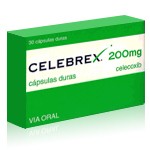
Celebrex (Celecoxib 100/200mg) represents the revolutionary first selective COX-2 inhibitor NSAID that transformed arthritis and chronic pain management — the medication providing effective anti-inflammatory pain relief with dramatically reduced gastrointestinal bleeding risk since Searle/Pharmacia (acquired by Pfizer in 2003) received FDA approval in 1998. Before selective COX-2 inhibitors, arthritis patients requiring daily NSAIDs faced substantial risk of gastric ulcers, GI bleeding, and perforation from non-selective COX-1/COX-2 inhibition. Celebrex established selective COX-2 blockade as the preferred anti-inflammatory approach for patients requiring long-term NSAID therapy for chronic musculoskeletal conditions. Manufactured by Cipla India as bioequivalent generic under WHO-GMP and US FDA-inspected standards, Celebrex remains the only surviving selective COX-2 inhibitor on the US market after Vioxx withdrawal.
Celecoxib works through selective cyclooxygenase-2 (COX-2) enzyme inhibition — blocking the inducible enzyme responsible for prostaglandin production at sites of inflammation and pain. Unlike traditional NSAIDs (ibuprofen, naproxen, diclofenac) that block both COX-1 and COX-2, celecoxib preferentially inhibits COX-2 (~10-20 fold selectivity), sparing gastric COX-1 which produces protective prostaglandins maintaining gastric mucosal integrity. This selectivity produces reduced inflammation, relieved pain, improved joint mobility, and critically dramatically lower risk of gastric ulcers and GI bleeding compared to non-selective NSAIDs. Clinical response: pain relief within 45-60 minutes, peak effect at 3 hours, consistent 12-24 hour anti-inflammatory control supporting once or twice daily dosing.
Celebrex serves multiple chronic and acute pain conditions. Primary uses include osteoarthritis (OA) symptomatic treatment as first-line COX-2 selective NSAID; rheumatoid arthritis (RA) anti-inflammatory therapy; ankylosing spondylitis chronic inflammatory back disease; acute pain syndromes including musculoskeletal pain, back pain, post-operative pain; primary dysmenorrhea painful menstrual periods; and familial adenomatous polyposis (FAP) as adjunct to reduce colonic polyps in this hereditary cancer syndrome.
Celebrex typically dosed once or twice daily (200 mg QD or 100 mg BID for OA; 100-200 mg BID for RA; 400 mg BID for FAP). Peak at 3 hours, 11 hour half-life. Contraindicated in sulfa allergy (celecoxib is sulfonamide). Cipla India manufactures under WHO-GMP standards.
Free prescription
Discrete packaging
Have questions?
Quality Assurance
- Rheumatoid Arthritis: RA anti-inflammatory therapy for autoimmune inflammatory arthritis;
- Ankylosing Spondylitis: Chronic inflammatory back disease responding to COX-2 inhibition;
- Chronic Joint Pain: Persistent arthritis pain requiring long-term NSAID therapy;
- Back Pain: Acute and chronic lower back pain responding to selective NSAID;
- Musculoskeletal Pain: Muscle and joint pain from various causes responding to anti-inflammatory;
- Post Operative Pain: Post-surgical pain management with reduced GI bleeding risk;
- Acute Pain Syndrome: Acute pain from injury or condition requiring effective anti-inflammatory;
- Primary Dysmenorrhea: Painful menstrual periods responding to COX-2 selective inhibition;
- Familial Adenomatous Polyposis: Adjunct FAP therapy reducing colonic polyps in hereditary syndrome;
- Joint Inflammation: Inflammatory joint disease responding to selective COX-2 blockade;
- Inflammatory Pain: Pain from active inflammation responding to prostaglandin inhibition;
- GI Safety NSAID Alternative: Patients requiring NSAID with reduced ulcer and bleeding risk;
- Long Term NSAID Therapy: Chronic conditions requiring sustained anti-inflammatory therapy;
- Elderly Arthritis Therapy: Older patients where traditional NSAID GI risks concerning;
- Anticoagulant Compatible NSAID: Patients on blood thinners requiring reduced GI bleeding risk;
- Ulcer History NSAID Option: Patients with prior peptic ulcer requiring safer NSAID choice;
- Selective COX 2 Inhibitor Class: Drug class targeting inducible COX-2 while sparing constitutive COX-1;
- Revolutionary NSAID Therapy: Only surviving selective COX-2 inhibitor after Vioxx withdrawal;
- Generic Celebrex Therapy: Bioequivalent generic alternative to brand-name Celebrex at substantially lower cost.
- Less Joint Pain: Arthritis pain decreases substantially with selective COX-2 anti-inflammatory action;
- Less Joint Inflammation: Active joint inflammation reduces through prostaglandin suppression;
- Better Joint Mobility: Range of motion improves as inflammation and pain decrease;
- Better Morning Stiffness Relief: Arthritis morning stiffness reduces enabling normal function;
- Less GI Bleeding Risk: Dramatically lower gastric ulcer and bleeding risk vs traditional NSAIDs;
- Less Gastric Ulcer Risk: COX-1 sparing preserves gastric mucosal protection;
- Better Long Term Safety: Safer profile for chronic daily NSAID therapy vs traditional agents;
- Better Osteoarthritis Management: OA patients gain sustained pain and inflammation control;
- Better Rheumatoid Arthritis Control: RA anti-inflammatory therapy improves disease control;
- Better Ankylosing Spondylitis Relief: Chronic back inflammation improves with therapy;
- Less Menstrual Pain: Primary dysmenorrhea improves through COX-2 inhibition of uterine prostaglandins;
- Better Post Operative Pain Control: Surgical pain managed with reduced platelet effects;
- Less Platelet Effects: COX-2 selectivity spares platelet function unlike traditional NSAIDs;
- Better Convenient Dosing: Once or twice daily dosing supports medication adherence;
- Better Elderly Tolerability: Older patients tolerate better than traditional NSAIDs;
- Better Anticoagulant Compatibility: Less GI bleeding risk enables use with warfarin or DOACs;
- Better Familial Adenomatous Polyposis Management: FAP patients reduce colonic polyps as cancer prevention adjunct;
- Better Generic Cost: 85-95% lower cost than brand Celebrex makes proven COX-2 therapy accessible;
- Better Quality of Life: Daily wellbeing improves dramatically as arthritis pain and inflammation resolve.
Generic Celebrex (Celecoxib 100 mg) Medication guide:
Celebrex (Celecoxib 100/200mg) is the revolutionary first selective COX-2 inhibitor NSAID that transformed arthritis and chronic pain management by providing effective anti-inflammatory therapy with dramatically reduced gastrointestinal bleeding risk. Developed by Searle/Pharmacia (later acquired by Pfizer in 2003) and FDA-approved in 1998, celecoxib established selective COX-2 blockade as the preferred approach for patients requiring long-term NSAID therapy. As the only surviving selective COX-2 inhibitor on the US market after Vioxx (rofecoxib) withdrawal in 2004, Celebrex remains an important therapeutic option for millions of patients with osteoarthritis, rheumatoid arthritis, ankylosing spondylitis, and chronic pain syndromes. This comprehensive medication guide covers every aspect of Celebrex therapy from COX enzyme physiology through mechanism, pharmacology, safety considerations, drug interactions, patient selection, dosing strategies, and long-term management recommendations.

💊 Introduction to Celebrex
Celebrex is a prescription oral medication containing celecoxib as its active ingredient. Celecoxib was developed by GD Searle (later part of Pharmacia) and received FDA approval in the United States in 1998 — marking a paradigm shift in nonsteroidal anti-inflammatory drug (NSAID) therapy. In 2003, Pfizer acquired Pharmacia and Celebrex became a Pfizer product. Before selective COX-2 inhibitors like celecoxib, arthritis patients requiring daily NSAIDs faced substantial risks of gastric ulcers, GI bleeding, and gastrointestinal perforation from traditional non-selective NSAIDs that blocked both COX-1 and COX-2 enzymes.
The medication is manufactured worldwide by numerous generic pharmaceutical companies. The version sold under the Celebrex brand name on rxshop.md is manufactured by Cipla India — one of India largest pharmaceutical companies with US FDA-inspected facilities and over 85 years of manufacturing experience. Cipla maintains stringent WHO-GMP quality standards ensuring bioequivalent generic celecoxib meets the same efficacy and safety standards as brand-name Celebrex. Available as 100 mg and 200 mg oral capsules — the standard doses used for osteoarthritis, rheumatoid arthritis, ankylosing spondylitis, acute pain, and primary dysmenorrhea. Higher 400 mg dose is used for familial adenomatous polyposis in some markets.
Celebrex occupies a distinctive position in NSAID therapy following the tumultuous history of the selective COX-2 inhibitor class. When introduced in 1998-1999, three selective COX-2 inhibitors reached the market: celecoxib (Celebrex), rofecoxib (Vioxx), and valdecoxib (Bextra). Following identification of increased cardiovascular event risk, Vioxx was withdrawn from the market in September 2004 and Bextra was withdrawn in April 2005. Celebrex remained available but with strengthened FDA warnings about cardiovascular risk. Subsequent research including the large PRECISION trial (2016) demonstrated that celecoxib at moderate doses has similar cardiovascular risk to traditional NSAIDs — reassuring evidence that has maintained its role as the preferred NSAID for patients requiring GI-safer chronic anti-inflammatory therapy.
🔬 Understanding NSAIDs and COX Enzymes
Understanding cyclooxygenase enzyme physiology is essential for appreciating what makes Celebrex distinctive and why selective COX-2 inhibition offers clinical advantages over traditional NSAIDs.
The Cyclooxygenase Enzyme System
Cyclooxygenase (COX) enzymes convert arachidonic acid into prostaglandins — lipid signaling molecules involved in numerous physiological processes including inflammation, pain, fever, gastric mucosal protection, platelet aggregation, kidney function, and vascular tone. Two major COX isoforms exist:
COX-1 (constitutive - always present):
- Gastric mucosal protection: Produces prostaglandins that maintain gastric mucus, bicarbonate secretion, and mucosal blood flow
- Platelet aggregation: Produces thromboxane A2 mediating platelet function
- Renal blood flow: Maintains renal perfusion particularly in low-flow states
- Vascular tone: Contributes to vascular homeostasis
COX-2 (inducible - primarily at inflammation sites):
- Inflammation mediators: Produces prostaglandins that cause vasodilation, tissue swelling, pain sensitization
- Pain and fever: Contributes to inflammatory pain and febrile response
- Wound healing: Involved in tissue repair processes
- Also present constitutively in kidney, endothelium, and brain at low levels
Traditional NSAIDs vs Selective COX-2 Inhibitors
Traditional NSAIDs (ibuprofen, naproxen, diclofenac, aspirin) block both COX-1 and COX-2 non-selectively. This produces effective anti-inflammatory action through COX-2 blockade, but also causes gastric mucosal damage through COX-1 blockade — leading to gastric ulcers, GI bleeding, and perforations in long-term users.
Selective COX-2 inhibitors like celecoxib preferentially block COX-2 while sparing gastric COX-1. This maintains anti-inflammatory efficacy while preserving gastric mucosal protection — dramatically reducing risk of gastric ulcers and GI bleeding. Celecoxib has approximately 10-20 fold selectivity for COX-2 over COX-1 at therapeutic concentrations.
🧬 Chemistry and Pharmacology of Celecoxib
Celecoxib has the chemical formula C17H14F3N3O2S with molecular weight approximately 381.4 g/mol. Structurally, celecoxib is a diaryl-substituted pyrazole containing a critical sulfonamide group that provides selective COX-2 binding. Importantly, the sulfonamide moiety means celecoxib is contraindicated in patients with sulfa drug allergies — a critical safety consideration distinguishing celecoxib from most other NSAIDs.
Mechanism of Action
Celecoxib works through selective competitive inhibition of COX-2:
Celecoxib mechanism cascade:
- Celecoxib absorbed from GI tract reaches inflamed tissues via bloodstream
- Selectively binds and competitively inhibits COX-2 enzyme at inflammation sites
- Blocked COX-2 cannot convert arachidonic acid to inflammatory prostaglandins
- Reduced inflammatory prostaglandins produce decreased inflammation, pain, and swelling
- Critically, gastric COX-1 is spared preserving protective mucosal prostaglandins
- Platelet COX-1 also spared preserving normal platelet function
- Result: effective anti-inflammatory action with dramatically reduced GI risk
Pharmacokinetic Profile
| Parameter | Value | Clinical Significance |
|---|---|---|
| Onset of action | 45 to 60 minutes | Reasonable onset for pain relief |
| Time to peak (Tmax) | Approximately 3 hours | Peak anti-inflammatory effect at 3 hours |
| Half-life | Approximately 11 hours | Supports once or twice daily dosing |
| Oral bioavailability | Not established but adequate | Reliable oral absorption for clinical use |
| Protein binding | Approximately 97 percent (primarily albumin) | Highly protein bound may affect drug interactions |
| Metabolism | Hepatic CYP2C9 (major) | Genetic polymorphism affects clearance |
| Food effect | High-fat meal delays absorption | Take consistently with or without food |
| Elimination | Fecal (57 percent), urinary (27 percent) | Mixed elimination pathways |
Metabolism and Elimination
Celecoxib undergoes extensive hepatic metabolism primarily through cytochrome P450 2C9 (CYP2C9) with minor contribution from CYP3A4. This has important clinical implications: CYP2C9 genetic polymorphism affects clearance — approximately 8 percent of Caucasians are poor metabolizers with reduced CYP2C9 activity resulting in higher celecoxib levels, CYP2C9 inhibitors (fluconazole particularly) can double celecoxib levels requiring dose reduction, and concurrent warfarin (also metabolized by CYP2C9) requires careful INR monitoring during celecoxib initiation.
🎯 Indications and Patient Selection
FDA Approved Indications
- Osteoarthritis (OA) — symptomatic treatment for degenerative joint disease
- Rheumatoid arthritis (RA) — anti-inflammatory therapy in adults
- Juvenile rheumatoid arthritis — for children 2 years and older
- Ankylosing spondylitis — chronic inflammatory back disease
- Acute pain — musculoskeletal pain, back pain, post-operative pain
- Primary dysmenorrhea — painful menstrual periods
- Familial adenomatous polyposis (FAP) — adjunct to usual care for polyp reduction
Off-Label Uses
- Migraine prevention: Chronic migraine prophylaxis
- Cancer chemoprevention: Colorectal, breast, and other cancer prevention studies
- Bone fracture pain: Anti-inflammatory adjunct
- Tendonitis and bursitis: Various soft tissue inflammatory conditions
- Sciatica: Nerve root inflammation adjunctive therapy
- Post-dental procedures: Dental surgery pain management
Ideal Patient Selection
Celebrex therapy is most appropriate for:
- Patients requiring chronic NSAID therapy for arthritis or spondyloarthropathy
- Patients at increased risk of GI bleeding from traditional NSAIDs
- Elderly patients where GI safety concerns limit traditional NSAID use
- Patients on concurrent anticoagulants requiring reduced GI bleeding risk
- Patients with prior peptic ulcer disease history
- Patients without significant cardiovascular disease or risk factors
- Patients without sulfa allergy (celecoxib is sulfonamide)
- Patients without severe renal or hepatic impairment
🚫 Contraindications
Absolute contraindications include:
- Hypersensitivity to celecoxib or other NSAIDs
- Sulfonamide (sulfa) allergy - celecoxib is a sulfonamide compound
- Aspirin or NSAID-induced asthma or urticaria
- Coronary artery bypass graft (CABG) surgery - peri-operative use contraindicated
- Active gastrointestinal bleeding or perforation
- Severe hepatic impairment (Child-Pugh Class C)
- Third trimester pregnancy
Relative contraindications requiring caution:
- Cardiovascular disease including hypertension heart failure recent MI or stroke
- Renal impairment particularly with dehydration or diuretic use
- Peptic ulcer disease history - reduced but not eliminated risk
- Elderly patients over 65 - increased sensitivity to CV and renal effects
- Concurrent anticoagulants - monitor INR closely
- Concurrent ACE inhibitors, ARBs, diuretics - triple therapy increases renal risk
- Asthma - aspirin-sensitive asthmatics
⚠️ FDA Black Box Warnings
Cardiovascular Risk Warning
FDA Black Box Warning - Cardiovascular Events:
NSAIDs including celecoxib may cause an increased risk of serious cardiovascular thrombotic events including myocardial infarction and stroke, which can be fatal. This risk may increase with duration of use. Patients with cardiovascular disease or risk factors for cardiovascular disease may be at greater risk.
Recommendations: Use lowest effective dose for shortest duration. Consider alternatives in patients with established cardiovascular disease. The PRECISION trial (2016) reassured that moderate-dose celecoxib (100-200 mg BID) has cardiovascular risk similar to naproxen and ibuprofen — not worse than traditional NSAIDs at those doses.
Gastrointestinal Risk Warning
FDA Black Box Warning - Gastrointestinal Events:
NSAIDs cause an increased risk of serious GI adverse events including bleeding, ulceration, and perforation of the stomach or intestines, which can be fatal. These events can occur at any time during use and without warning symptoms. Elderly patients and patients with prior peptic ulcer disease or GI bleeding history are at greater risk.
Note: While celecoxib substantially reduces GI risk compared to traditional NSAIDs, it does not eliminate the risk. Approximately 50-60 percent reduction in serious GI events was demonstrated in the CLASS trial (2000).

💉 Dosage and Administration
Standard Dosing by Indication
Adult standard dosing:
- Osteoarthritis: 200 mg once daily OR 100 mg twice daily
- Rheumatoid arthritis: 100-200 mg twice daily
- Ankylosing spondylitis: 200 mg once daily OR 100 mg twice daily (may increase to 400 mg/day)
- Acute pain and primary dysmenorrhea: 400 mg initial dose then 200 mg if needed on day 1 (max 400 mg/day) then 200 mg BID
- Familial adenomatous polyposis: 400 mg twice daily with food
- Juvenile RA (children 2+): Weight-based dosing 50-100 mg BID
- Maximum daily dose: 400 mg for most indications (800 mg for FAP)
Dose Adjustments
- Elderly patients: Standard doses generally appropriate but monitor for CV and renal effects
- Low body weight (below 50 kg): Start at lowest recommended dose
- Moderate hepatic impairment (Child-Pugh B): Reduce dose by 50 percent
- Severe hepatic impairment (Child-Pugh C): Contraindicated
- Renal impairment: Not recommended in severe renal impairment; use lowest dose otherwise
- Poor CYP2C9 metabolizers: Start at half the usual dose and titrate
Administration Rules
- Take with full glass of water at consistent times
- Can be taken with or without food (high-fat meal delays absorption but does not reduce total)
- Take at same time each day for consistent levels
- Do NOT crush or open capsules
- If dose missed, take when remembered unless close to next dose (do not double)
- Use lowest effective dose for shortest duration consistent with treatment goals
- Reassess need periodically during long-term therapy
- Do NOT combine with other NSAIDs or aspirin (except low-dose cardiac aspirin with awareness of increased GI risk)
📊 Clinical Effectiveness Data
Celecoxib has been extensively studied over more than 25 years:
| Indication | Response Rate |
|---|---|
| Osteoarthritis pain relief | Equivalent to traditional NSAIDs |
| Rheumatoid arthritis symptom control | Equivalent to traditional NSAIDs |
| Ankylosing spondylitis pain and stiffness | Significant improvement in majority |
| Primary dysmenorrhea pain relief | 75-85 percent significant relief |
| Post-operative pain relief | Similar to traditional NSAIDs |
| FAP polyp reduction (400 mg BID) | 28 percent reduction in polyp number |
| GI safety vs traditional NSAIDs (CLASS trial) | 50-60 percent fewer serious GI events |
| Cardiovascular safety (PRECISION trial) | Non-inferior to naproxen and ibuprofen |
⚠️ Side Effect Profile
Common Side Effects
Common celecoxib side effects (typically 3-8 percent incidence):
- Dyspepsia and heartburn: Approximately 8 percent (less than traditional NSAIDs)
- Diarrhea: Approximately 6 percent
- Abdominal pain: Approximately 5 percent
- Nausea: Approximately 4 percent
- Headache: Approximately 15 percent
- Dizziness: Approximately 2-3 percent
- Upper respiratory infection: Approximately 8 percent
- Sinusitis: Approximately 5 percent
- Peripheral edema (fluid retention): Approximately 2-3 percent
- Insomnia: Approximately 2 percent
- Hypertension worsening: Blood pressure elevation in susceptible patients
- Rash: Approximately 2 percent
Serious Side Effects
Seek immediate medical attention for:
- Chest pain possibly suggesting myocardial infarction
- Sudden severe headache, one-sided weakness, speech difficulty possibly suggesting stroke
- Signs of GI bleeding: black tarry stools, vomiting blood, severe abdominal pain
- Severe allergic reactions: hives, facial swelling, difficulty breathing (particularly if sulfa allergy)
- Severe skin reactions: rash with fever, blistering, Stevens-Johnson syndrome
- Signs of kidney injury: decreased urine output, swelling in legs, unexplained fatigue
- Signs of liver injury: yellowing skin, dark urine, unusual fatigue, right upper abdominal pain
- Signs of heart failure: shortness of breath, ankle swelling, rapid weight gain
- Severe hypertension with headache and vision changes
🔄 Drug Interactions
Major Interactions
| Drug Class | Interaction |
|---|---|
| Warfarin | Increased INR and bleeding risk - monitor closely |
| Fluconazole | Doubles celecoxib levels - reduce dose 50 percent |
| Other NSAIDs and aspirin | Increased GI risk avoid combination |
| ACE inhibitors, ARBs | Reduced antihypertensive effect increased renal risk |
| Diuretics (thiazides, loops) | Reduced diuretic effect increased renal impairment risk |
| Lithium | Increased lithium levels risk of toxicity |
| Methotrexate | Increased methotrexate levels risk of toxicity |
| Corticosteroids | Additive GI risk with concurrent use |
| SSRIs and SNRIs | Additive GI bleeding risk |
| Anticoagulants (DOACs) | Increased bleeding risk monitor carefully |
🛡️ Special Populations
- Elderly Patients Over 65
- Increased sensitivity to CV events, GI bleeding, and renal impairment. Start at lower doses (100 mg BID for OA). Monitor blood pressure, renal function, and CV symptoms. Consider lower daily doses when possible.
- Pediatric Population
- FDA approved for juvenile rheumatoid arthritis in children 2 years and older. Weight-based dosing: children 10-25 kg receive 50 mg BID; children over 25 kg receive 100 mg BID.
- Pregnancy and Lactation
- First and second trimester: Pregnancy Category C — use only if benefit justifies risk. Third trimester: contraindicated due to risk of premature ductus arteriosus closure and reduced amniotic fluid. Lactation: small amounts in breast milk, generally avoided during breastfeeding.
- Renal Impairment
- NSAIDs can worsen renal function. Not recommended in severe renal impairment (CrCl below 30 mL/min). Use lowest effective dose in mild-moderate impairment. Monitor renal function during therapy particularly in elderly.
- Hepatic Impairment
- Moderate impairment (Child-Pugh B): reduce dose 50 percent. Severe impairment (Child-Pugh C): contraindicated. Monitor liver function during therapy.
- Cardiovascular Disease Patients
- Contraindicated in post-CABG surgery period. Use lowest dose in patients with hypertension, heart failure, prior MI or stroke. Consider naproxen as alternative for high CV risk patients. Monitor blood pressure and CV status.
- Patients on Anticoagulants
- Warfarin combination requires close INR monitoring particularly during initiation and dose changes. DOACs (rivaroxaban, apixaban, dabigatran): monitor for bleeding. Concurrent celecoxib provides GI safety advantage vs traditional NSAIDs but does not eliminate bleeding risk.
- Sulfa Allergy Patients
- Celecoxib is a sulfonamide and is contraindicated in patients with sulfa drug allergies. Alternative NSAIDs including naproxen, ibuprofen, and diclofenac are not sulfonamides and can be used in sulfa-allergic patients.
🔬 Comparison with Traditional NSAIDs
| Property | Celecoxib | Ibuprofen | Naproxen |
|---|---|---|---|
| COX selectivity | COX-2 selective (10-20x) | Non-selective | Non-selective |
| GI ulcer/bleeding risk | Substantially reduced | Standard risk | Highest of common NSAIDs |
| Cardiovascular risk (moderate dose) | Similar to naproxen | Standard risk | Lowest CV risk |
| Anti-inflammatory efficacy | Equivalent | Equivalent | Equivalent |
| Platelet effect | No effect | Reversible | Reversible |
| Dosing frequency | Once or twice daily | 3-4 times daily | Twice daily |
| Sulfa allergy contraindication | Yes (sulfonamide) | No | No |
| OTC availability | Prescription only | OTC | OTC and prescription |
| Best for | GI-safer chronic therapy | Acute mild pain | CV-safer NSAID choice |
📆 Long-Term Use Considerations
Chronic celecoxib therapy for arthritis management requires ongoing monitoring:
- Cardiovascular risk assessment annually including blood pressure, lipids, CV symptoms
- Renal function monitoring annually (creatinine, GFR) or more often in elderly or comorbid patients
- Liver function tests baseline and periodically
- Complete blood count periodically to monitor for occult GI blood loss
- Reassess ongoing need — try dose reduction or holidays when arthritis quiescent
- Consider combination therapy with disease-modifying agents in RA reducing NSAID need
- Blood pressure monitoring at each visit
- Weight monitoring for fluid retention signs
- GI symptom review at each visit

📦 Storage and Handling
- Store at room temperature between 15°C and 30°C (59°F and 86°F)
- Keep in original blister packaging to protect from light and moisture
- Avoid storage in bathrooms where humidity fluctuates significantly
- Keep out of reach of children and pets
- Do not use capsules past the expiration date printed on packaging
- Return unused or expired medication to pharmacy for proper disposal
- Do not share celecoxib with others as doses and safety considerations vary
- Maintain adequate supply for chronic therapy to prevent interruption
👨⚕️ When to Contact Your Doctor
- Signs of cardiovascular events: chest pain, sudden weakness, speech difficulties
- Signs of GI bleeding: black stools, vomiting blood, severe abdominal pain
- Signs of allergic reaction: rash, swelling, difficulty breathing (especially if sulfa allergy)
- Signs of skin reactions: severe rash, blistering, fever
- Signs of kidney problems: decreased urine, ankle swelling, unexplained fatigue
- Signs of liver problems: jaundice, dark urine, right upper abdominal pain
- Blood pressure elevations or worsening
- Signs of heart failure: shortness of breath, rapid weight gain, ankle swelling
- Persistent arthritis pain despite therapy
- Starting new medications especially warfarin, fluconazole, ACE inhibitors, or diuretics
- Pregnancy planning or confirmed pregnancy
- Development of new medical conditions particularly CV disease
- Need for surgery including CABG
🌟 Key Takeaways
Essential points about Celebrex (celecoxib) therapy:
- Celebrex is the revolutionary first selective COX-2 inhibitor NSAID FDA-approved in 1998
- Only surviving selective COX-2 inhibitor after Vioxx (2004) and Bextra (2005) withdrawals
- Works through 10-20 fold selective COX-2 blockade sparing gastric COX-1
- Provides equivalent anti-inflammatory efficacy to traditional NSAIDs with 50-60 percent less GI bleeding
- Take once or twice daily depending on indication typical 100-200 mg BID for arthritis
- Effective for osteoarthritis rheumatoid arthritis ankylosing spondylitis acute pain and dysmenorrhea
- FDA Black Box warnings for cardiovascular thrombotic events and GI bleeding
- PRECISION trial (2016) confirmed moderate-dose CV safety similar to traditional NSAIDs
- Contraindicated in sulfa allergy, post-CABG surgery, third trimester pregnancy, severe hepatic impairment
- Fluconazole doubles celecoxib levels requires dose reduction
- Warfarin combination requires close INR monitoring
- Consider lowest effective dose for shortest duration principle
Important Medical Disclaimer: This medication guide provides general information about Celebrex (celecoxib) and does not constitute individualized medical advice. Every patient situation is unique and requires evaluation by a qualified healthcare provider before starting continuing adjusting or discontinuing any medication. Do not use Celebrex without prescription from a qualified healthcare professional who has evaluated your specific medical situation and confirmed appropriate patient selection. This medication carries FDA Black Box warnings for cardiovascular thrombotic events and GI bleeding. Report immediately any chest pain, signs of stroke, GI bleeding, severe allergic reactions, or signs of liver or kidney injury. Never use if you have sulfa drug allergy. Do not combine with other NSAIDs. Discuss cardiovascular risk factors with your healthcare provider. If you experience concerning symptoms contact your healthcare provider promptly. The information provided here should complement but never replace direct professional medical guidance.
Celebrex — Frequently Asked Questions
-
What is Celebrex (Celecoxib)?
Celebrex is a nonsteroidal anti-inflammatory drug (NSAID) used to treat pain and inflammation caused by various conditions, including arthritis. -
How does Celebrex work?
It works by reducing hormones that cause inflammation and pain in the body, specifically targeting the COX-2 enzyme. -
What conditions does Celebrex treat?
It's used to treat pain and inflammation associated with osteoarthritis, rheumatoid arthritis, ankylosing spondylitis, and menstrual pain. -
How quickly does Celebrex start working?
Celebrex usually begins to relieve pain within a few hours of taking the medication. -
How long do the effects of Celebrex last?
The effects can vary, but Celebrex can provide pain relief for up to 24 hours. -
Can Celebrex be used for general pain relief?
It is primarily used for specific conditions like arthritis but can be prescribed for other types of pain. -
What are the side effects of Celebrex?
Common side effects include stomach pain, indigestion, gas, diarrhea, and swelling in the extremities.
See all Celebrex questions (32)
More Pain Medicine Medications