Buy Diprogenta (Betamethasone Dipropionate + Gentamicin Sulfate) Online - Combined Corticosteroid Antibiotic for Infected Eczema Dermatitis

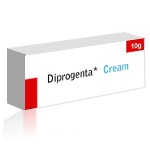
Diprogenta (Betamethasone Dipropionate 0.05% + Gentamicin Sulfate 0.1% Cream/Ointment) represents the foundational fixed-combination topical corticosteroid plus aminoglycoside antibiotic therapy providing simultaneous anti-inflammatory and antibacterial action for corticosteroid-responsive dermatoses complicated by or at risk of bacterial infection. Originally developed by Schering-Plough Pharmaceuticals (now Merck/MSD and Organon), Diprogenta established itself as the gold-standard combination therapy for infected inflammatory skin conditions where addressing both inflammation and secondary bacterial infection simultaneously produces superior clinical outcomes compared to sequential monotherapy. Available in both cream and ointment formulations, Diprogenta enables clinician selection based on skin site characteristics and lesion type — cream for weeping/oozing lesions and cosmetically sensitive areas, ointment for dry hyperkeratotic conditions requiring higher potency delivery and better skin adhesion.
The combination therapeutic rationale addresses a common clinical scenario where inflammatory dermatoses (atopic dermatitis, contact dermatitis, seborrheic dermatitis, psoriasis) become secondarily infected with bacteria or exist in high-infection-risk states requiring antibacterial prophylaxis. Betamethasone dipropionate 0.05% provides potent Class III topical glucocorticoid action — the dipropionate ester enhances skin penetration and prolongs anti-inflammatory effect through improved lipid solubility and dermal retention. This produces substantially higher potency than hydrocortisone (Class VII) while remaining safer than super-potent Class I steroids. Gentamicin sulfate 0.1% provides broad-spectrum aminoglycoside antibacterial coverage including excellent Gram-negative activity (Escherichia coli, Klebsiella, Enterobacter, Pseudomonas, Proteus) and good Staphylococcus aureus coverage — the most common skin infection pathogens.
Diprogenta serves multiple corticosteroid-responsive dermatoses complicated by bacterial infection. Primary uses include impetiginized eczema; infected atopic dermatitis; infected contact dermatitis; seborrheic dermatitis with secondary infection; infected intertrigo (skin fold infections); infected insect bites and stings; and oozing/weeping inflammatory dermatoses at infection risk requiring antibacterial prophylaxis.
Diprogenta applied thin layer 2-3 times daily to affected areas for up to 2 weeks maximum without clinical review. Avoid face, groin, and skin folds due to atrophy risk. Not for children under 12 without specialist supervision. Consult dermatologist for extended use.
Free prescription
Discrete packaging
Have questions?
Quality Assurance


- Infected Atopic Dermatitis: Atopic dermatitis complicated by staphylococcal or streptococcal superinfection common in pediatric and adult patients;
- Infected Contact Dermatitis: Allergic or irritant contact dermatitis with secondary bacterial colonization requiring dual therapy;
- Infected Seborrheic Dermatitis: Seborrheic dermatitis with secondary bacterial infection requiring combined anti-inflammatory antibacterial therapy;
- Infected Intertrigo: Skin fold inflammation with bacterial superinfection common in obese elderly and immunocompromised patients;
- Infected Insect Bites and Stings: Inflammatory reactions to arthropod bites complicated by secondary bacterial infection from scratching;
- Mild Infected Psoriasis: Localized mild psoriasis with secondary bacterial infection responding to combination therapy;
- Oozing Inflammatory Dermatoses: Wet weeping inflammatory skin conditions at high risk of bacterial superinfection requiring prophylaxis;
- Skin Itching and Inflammation: Pruritic inflammatory skin conditions with visible bacterial infection or infection risk;
- Bacterial Superinfection Prevention: Prophylactic use in oozing dermatoses with high infection risk to prevent bacterial colonization;
- Corticosteroid Responsive Dermatoses: Inflammatory skin conditions responsive to topical corticosteroids complicated by bacterial infection;
- Weeping Skin Lesions: Exudative skin lesions requiring both anti-inflammatory and antibacterial action for optimal healing;
- Staphylococcus Skin Infections: Skin infections caused by Staphylococcus aureus in context of inflammatory dermatoses;
- Gram Negative Skin Infections: Skin infections caused by E. coli Klebsiella Pseudomonas and other Gram-negative pathogens;
- Infected Nummular Eczema: Coin-shaped eczematous lesions frequently complicated by staphylococcal superinfection;
- Infected Stasis Dermatitis: Venous stasis dermatitis with secondary bacterial infection common in lower extremities of elderly;
- Skin Rash with Bacterial Infection: Inflammatory skin rashes with visible signs of bacterial infection requiring combined therapy;
- Secondary Skin Infection: Bacterial complications of primary inflammatory dermatoses requiring combined therapy;
- Impetiginized Dermatitis: Any dermatitis with characteristic honey-colored crusts of secondary staphylococcal or streptococcal infection;
- Combination Corticosteroid Antibiotic Therapy: Fixed-combination therapy providing simultaneous anti-inflammatory and antibacterial coverage in single application.
- Less Skin Inflammation: Potent Class III betamethasone dipropionate rapidly reduces redness swelling and inflammatory infiltrate in dermatoses;
- Less Bacterial Infection: Broad-spectrum gentamicin eliminates bacterial colonization complicating inflammatory skin conditions;
- Less Itching and Pruritus: Rapid reduction of intense itching characteristic of inflammatory dermatoses improves patient comfort and prevents scratching damage;
- Better Rash Symptom Reduction: Combined mechanism produces faster and more complete rash resolution than corticosteroid or antibiotic monotherapy alone;
- Better Weeping Lesion Healing: Simultaneously reduces exudation from inflammation while preventing or treating bacterial complications;
- Better Impetiginized Eczema Response: Effective treatment for eczema complicated by honey-colored crusts of secondary bacterial infection;
- Better Atopic Dermatitis Flare Response: Rapid resolution of atopic dermatitis flares complicated by staphylococcal superinfection common in pediatric adult patients;
- Less Cell Activity Inflammation: Reduces activity of immune cells and inflammatory mediators controlling underlying dermatosis pathophysiology;
- Better Broad Spectrum Antibacterial Coverage: Gentamicin coverage includes Staphylococcus aureus most Gram-negatives providing comprehensive antibacterial protection;
- Better Single Application Convenience: Fixed combination eliminates need for separate applications improving adherence and treatment compliance;
- Better Contact Dermatitis Response: Effective for allergic and irritant contact dermatitis complicated by scratching-induced bacterial colonization;
- Better Intertrigo Treatment: Addresses both inflammation and infection common in skin fold conditions in obese elderly diabetic patients;
- Better Infected Insect Bite Response: Simultaneously treats hypersensitivity reaction inflammation and secondary bacterial infection from scratching;
- Better Anti Inflammatory Potency: Class III potency provides substantial anti-inflammatory action stronger than hydrocortisone while safer than super-potent Class I steroids;
- Better Enhanced Skin Penetration: Betamethasone dipropionate ester improves lipid solubility and dermal retention producing prolonged local action;
- Better Two Formulation Options: Cream for wet oozing lesions and cosmetically sensitive areas; ointment for dry hyperkeratotic conditions;
- Better Rapid Symptom Relief: Combined mechanism produces rapid improvement in itching redness and inflammation within days of starting therapy;
- Better Prevents Scratching Damage: Rapid itch reduction prevents scratching-induced skin damage and further bacterial contamination cycle;
- Better Combined Efficacy vs Monotherapy: Combination therapy demonstrates superior clinical outcomes compared to sequential corticosteroid or antibiotic monotherapy for infected inflammatory dermatoses.
Generic Diprogenta (Betamethasone Dipropionate with Gentamicin Sulfate 0.05/0.1% g) Medication guide:
Diprogenta (Betamethasone Dipropionate 0.05% + Gentamicin Sulfate 0.1% Cream/Ointment) is the foundational fixed-combination topical corticosteroid plus aminoglycoside antibiotic therapy providing simultaneous anti-inflammatory and antibacterial action for corticosteroid-responsive dermatoses complicated by or at risk of bacterial infection. Originally developed by Schering-Plough Pharmaceuticals (now Merck/MSD and Organon), Diprogenta established itself as the gold-standard combination therapy for infected inflammatory skin conditions where addressing both inflammation and secondary bacterial infection simultaneously produces superior clinical outcomes compared to sequential monotherapy. The combination therapeutic rationale addresses a common clinical scenario where inflammatory dermatoses (atopic dermatitis, contact dermatitis, seborrheic dermatitis, psoriasis) become secondarily infected with bacteria or exist in high-infection-risk states requiring antibacterial prophylaxis. This comprehensive medication guide covers every aspect of Diprogenta therapy including combination pharmacology, corticosteroid potency classification, antibacterial spectrum, application techniques, formulation selection (cream vs ointment), safety considerations for prolonged use, special populations, drug interactions, and long-term monitoring recommendations for optimal clinical outcomes.
💊 Introduction to Diprogenta
Diprogenta is a prescription topical medication containing two active ingredients in fixed combination: betamethasone dipropionate 0.05% (a potent Class III topical glucocorticoid) and gentamicin sulfate 0.1% (a broad-spectrum aminoglycoside antibiotic). This combination was developed by Schering-Plough Pharmaceuticals (now Merck/MSD following the 2009 merger, with Organon spinoff maintaining dermatology portfolio) as part of the Diprosone brand family which includes betamethasone monotherapy (Diprosone), betamethasone plus gentamicin (Diprogenta), and betamethasone plus salicylic acid (Diprosalic).

The clinical rationale for combining a potent topical corticosteroid with a broad-spectrum antibiotic addresses a common dermatologic scenario where inflammatory dermatoses become secondarily infected with bacteria. When atopic dermatitis, contact dermatitis, seborrheic dermatitis, eczema, or intertrigo become impetiginized (develop bacterial superinfection with characteristic honey-colored crusts), traditional sequential therapy requires first treating the infection, then addressing the inflammation. Fixed-combination therapy like Diprogenta enables simultaneous treatment of both problems with a single application, producing faster clinical response and better patient adherence than sequential monotherapy approaches.
Available in both cream and ointment formulations, Diprogenta enables clinician selection based on skin site characteristics and lesion type. The cream formulation is preferred for weeping or oozing lesions and cosmetically sensitive areas where non-greasy vehicle improves cosmetic acceptance. The ointment formulation provides higher potency delivery and better skin adhesion, preferred for dry hyperkeratotic conditions and thick skin sites. Both formulations contain identical 0.05% betamethasone dipropionate and 0.1% gentamicin sulfate active ingredient concentrations.
🧬 Understanding Combination Corticosteroid Antibiotic Therapy
Understanding the therapeutic rationale for combination corticosteroid-antibiotic products is essential for appropriate clinical use and recognizing when combination therapy is preferred over monotherapy alternatives.
Clinical Scenarios Favoring Combination Therapy
Combination therapy appropriate for:
- Confirmed bacterial superinfection of inflammatory dermatoses with visible honey-colored crusts, pustules, or purulent exudate
- High risk of bacterial infection in weeping oozing dermatoses where infection prophylaxis clinically indicated
- Impetiginized eczema where both inflammation and infection require simultaneous treatment
- Infected atopic dermatitis flares complicated by staphylococcal superinfection
- Infected intertrigo in skin folds where inflammation and bacterial colonization coexist
- Failed sequential monotherapy where independent corticosteroid or antibiotic therapy proved inadequate
When Monotherapy Is Preferred
Consider monotherapy instead when:
- Pure inflammatory dermatoses without infection - topical corticosteroid monotherapy sufficient
- Pure bacterial skin infections without inflammation - antibiotic monotherapy (like Bactroban) preferred
- Long-term management where prolonged combination therapy inappropriate
- Facial areas where potent corticosteroid inappropriate
- Skin folds where high-potency steroid produces atrophy
- Aminoglycoside allergy requires alternative combinations
🧪 Chemistry of Betamethasone Dipropionate
Betamethasone dipropionate has the chemical formula C28H37FO7 with molecular weight approximately 504.6 g/mol. Structurally, betamethasone dipropionate is the 17,21-dipropionate ester of betamethasone — a synthetic fluorinated glucocorticoid. The dipropionate esterification enhances lipid solubility and skin penetration compared to free betamethasone alcohol, producing prolonged local anti-inflammatory action.
Corticosteroid Potency Classification
US Topical Corticosteroid Potency Classification:
- Class I (super-potent): Clobetasol propionate 0.05%, betamethasone dipropionate 0.05% augmented
- Class II (high potency): Fluocinonide, halcinonide, mometasone furoate
- Class III (upper mid-potency): Betamethasone dipropionate 0.05% (Diprogenta), triamcinolone acetonide 0.5%
- Class IV (mid-potency): Triamcinolone acetonide 0.1%, mometasone furoate cream
- Class V (lower mid-potency): Betamethasone valerate 0.1%, fluticasone 0.05%
- Class VI (low potency): Desonide, alclometasone dipropionate
- Class VII (least potent): Hydrocortisone 1%, hydrocortisone 2.5%
Betamethasone Mechanism of Action
Betamethasone dipropionate acts through glucocorticoid receptor (GR) binding in target cells producing multiple anti-inflammatory effects:
- Cytoplasmic GR binding: Betamethasone enters cells and binds cytoplasmic glucocorticoid receptors
- Nuclear translocation: Activated GR complex translocates to nucleus
- Gene transcription modulation: Binds glucocorticoid response elements affecting hundreds of genes
- Anti-inflammatory gene induction: Increases lipocortin production reducing phospholipase A2 activity
- Pro-inflammatory gene suppression: Reduces cytokine production (IL-1, IL-2, IL-6, TNF-alpha)
- Immune cell modulation: Reduces T-cell and macrophage activation
- Vasoconstriction: Produces cutaneous vasoconstriction reducing erythema and edema
- Antimitotic effect: Reduces cellular proliferation in psoriatic lesions
🧬 Chemistry of Gentamicin Sulfate
Gentamicin sulfate is an aminoglycoside antibiotic complex derived from Micromonospora purpurea containing three major components (gentamicin C1, C1a, and C2) with formula C21H43N5O7 · H2SO4. Chemically, gentamicin belongs to the aminoglycoside class characterized by amino sugar rings connected to a central aminocyclitol via glycosidic bonds.
Gentamicin Mechanism of Action
Gentamicin bactericidal mechanism:
- Bacterial cell entry: Active transport through bacterial cell membrane requires functional respiratory chain
- 30S ribosomal subunit binding: Irreversibly binds bacterial 30S ribosomal subunit
- Misreading of mRNA: Causes bacterial ribosomes to misread genetic code
- Defective protein synthesis: Produces non-functional bacterial proteins
- Cell membrane damage: Aberrant proteins integrated into membrane cause leaks
- Bactericidal action: Rapid bacterial killing not just growth inhibition
- Concentration-dependent killing: Higher concentrations produce faster killing
Antibacterial Spectrum
| Organism Category | Susceptibility | Clinical Relevance |
|---|---|---|
| Staphylococcus aureus (MSSA) | Good | Most common skin infection pathogen |
| Staphylococcus aureus (MRSA) | Variable - resistance common | Use Bactroban if MRSA suspected |
| Escherichia coli | Excellent | Common in infected intertrigo |
| Klebsiella species | Excellent | Skin fold infections |
| Pseudomonas aeruginosa | Good | Wet macerated skin infections |
| Proteus species | Excellent | Common skin pathogen |
| Enterobacter species | Good | Some resistance emerging |
| Streptococcus pyogenes | Variable - often resistant | May need alternative for streptococcal impetigo |
| Anaerobic bacteria | Resistant | Not effective |
| Fungi | No activity | Use antifungal if fungal infection |
🎯 Approved Indications
Primary Indications
- Corticosteroid-responsive dermatoses complicated by secondary bacterial infection
- Infected eczema (impetiginized eczema)
- Infected atopic dermatitis
- Infected contact dermatitis (allergic and irritant)
- Infected seborrheic dermatitis
- Infected intertrigo - skin fold infections
- Infected insect bites and stings
- Mild infected psoriasis (limited use)
Prophylactic Uses
- Oozing weeping inflammatory dermatoses at high infection risk
- Chronic dermatoses with recurrent bacterial superinfection episodes
- Dermatoses in immunocompromised patients at high infection risk
- Chronic wound care with inflammatory component and infection risk
Ideal Patient Selection
Diprogenta is most appropriate for:
- Patients with inflammatory dermatoses complicated by bacterial infection
- Patients with oozing weeping dermatoses at high infection risk
- Adults with treatable skin sites (avoiding face, groin, folds)
- Children 12 and older with appropriate indications
- Patients requiring short-term intensive combination therapy
- Patients able to attend follow-up for monitoring
- Patients without aminoglycoside allergy
- Patients without significant corticosteroid contraindications
🚫 Contraindications and Precautions
Absolute Contraindications
- Hypersensitivity to betamethasone or other corticosteroids
- Hypersensitivity to gentamicin or other aminoglycosides
- Hypersensitivity to any excipient in the formulation
- Viral skin infections - herpes simplex, varicella, vaccinia - corticosteroid may worsen
- Fungal skin infections untreated - tinea, candidiasis
- Primary bacterial skin infections without inflammation - antibiotic monotherapy preferred
- Skin tuberculosis lesions
- Perioral dermatitis or rosacea
- Acne vulgaris - may worsen with steroid
- Facial skin in most circumstances
Precautions and Warnings
Use with extreme caution in:
- Facial application - facial atrophy, telangiectasia, perioral dermatitis risk
- Groin and skin folds - occlusive environment increases atrophy and striae risk
- Large body surface area application - systemic corticosteroid absorption risk
- Prolonged use over 2 weeks - increased risk of all steroid side effects
- Occlusive dressings - dramatically increases absorption and side effects
- Children under 12 - increased systemic absorption risk from higher surface-to-weight ratio
- Elderly patients - thinner skin more susceptible to atrophy
- Pregnancy - use only if benefits outweigh risks
- Immunocompromised patients - infection spread risk
- Diabetic patients - increased infection risk baseline
- Damaged skin barrier - increased systemic absorption
Steroid-Related Complications to Avoid
Potential steroid-related complications:
- Skin atrophy: Thinning of skin - permanent with prolonged use
- Striae (stretch marks): Permanent scarring particularly in skin folds
- Telangiectasia: Visible small blood vessels - particularly on face
- Perioral dermatitis: Facial rash triggered by facial steroid use
- Steroid rosacea: Rosacea worsening from facial steroid application
- Steroid acne: Acneiform eruption from prolonged steroid use
- Hypopigmentation: Loss of skin color particularly in dark skin types
- Rebound flare: Severe worsening upon discontinuation
- Steroid addiction: Skin dependent on continued steroid application
- Contact sensitization: Allergic reaction to steroid or vehicle
- Systemic absorption: HPA axis suppression with extensive use
- Cushingoid features: Rare but possible with extensive prolonged use
💉 Dosage and Administration

Standard Application Protocol
Standard Diprogenta application:
- Frequency: Apply thin layer 2-3 times daily to affected areas
- Duration: Maximum 2 weeks continuous use without clinical review
- Amount: Thin layer covering only affected inflamed skin - use fingertip unit measurement
- Coverage: Do not exceed 45 grams weekly for adults
- Response assessment: Reevaluate at 5-7 days for treatment response
- Discontinuation: Gradual reduction rather than abrupt stopping to prevent rebound
Fingertip Unit Measurement
The fingertip unit (FTU) provides standardized measurement for topical corticosteroid application. One FTU equals the amount extruded from a standard tube nozzle covering the length from adult fingertip to first crease. Approximate FTU coverage:
- Face and neck: 2.5 FTU
- Arm and hand: 3-4 FTU
- Chest and abdomen: 7 FTU
- Back and buttocks: 7 FTU
- Leg and foot: 6-8 FTU
- Entire adult body: 40 FTU (excessive - not recommended for Diprogenta)
Application Technique
Proper application technique:
- Wash hands thoroughly with soap and water before application
- Clean affected area gently with mild soap and water, pat dry
- Apply thin layer only to affected inflamed skin
- Gentle massage until absorbed
- Do NOT cover with occlusive dressing unless specifically instructed
- Wash hands after application to prevent inadvertent transfer
- Avoid contact with eyes and mucous membranes
- Do NOT apply to broken or infected non-target skin
- Space applications throughout day - typically morning and evening
- Apply consistently at same times daily for optimal effect
- Continue for prescribed duration not just until symptoms improve
- Do NOT share tube with other people
Cream vs Ointment Selection
| Property | Cream | Ointment |
|---|---|---|
| Base vehicle | Water-in-oil emulsion | Petrolatum-based greasy vehicle |
| Cosmetic appearance | Non-greasy, better cosmetic | Greasy, less cosmetic |
| Steroid potency delivered | Standard Class III | Higher effective potency due to occlusion |
| Preferred for | Weeping oozing lesions, cosmetic sites | Dry hyperkeratotic conditions, thick skin |
| Skin adhesion | Moderate - easier removal | Higher - stays on skin longer |
| Moisture effect | Drying effect on wet lesions | Occlusive, retains moisture |
| Contact sensitization | Higher (preservatives) | Lower (fewer preservatives) |
Duration of Therapy Guidelines
- Initial treatment: Up to 2 weeks maximum continuous use
- Assessment at 7 days: Evaluate treatment response
- Extended therapy: Requires clinical review and may need dose reduction
- Discontinuation: Gradual reduction to prevent rebound flare
- Repeat courses: Allow steroid holidays between courses
- Long-term management: Consider maintenance with lower potency preparations
📊 Clinical Effectiveness Data
| Metric | Response Data |
|---|---|
| Impetiginized eczema clearance | 80-90 percent at 2 weeks |
| Infected atopic dermatitis response | Substantial improvement 3-7 days |
| Time to symptom relief | 1-3 days for itching, 5-7 days for lesions |
| Bacterial eradication | 80-90 percent susceptible organisms |
| Comparison vs steroid monotherapy | Superior for infected dermatoses |
| Comparison vs antibiotic monotherapy | Superior when significant inflammation present |
| Patient adherence | Better than separate applications |
| Time to complete resolution | 7-14 days typically |
⚠️ Side Effects

Common Local Side Effects
- Burning or stinging at application site - occasional
- Itching (pruritus) at application site - uncommon
- Dry skin at treatment area - occasional
- Folliculitis: Inflammation of hair follicles
- Contact dermatitis: Allergic reaction to components
- Skin irritation: Redness or worsening of primary condition
- Maceration: Under occlusion in skin folds
- Perioral dermatitis: Facial rash from facial application
Corticosteroid-Related Side Effects
Potential steroid-related effects (increased with prolonged use):
- Skin atrophy: Thinning of skin
- Striae (stretch marks): Permanent scarring
- Telangiectasia: Small visible blood vessels
- Hypopigmentation: Skin color loss
- Delayed wound healing
- Increased susceptibility to secondary infections
- Steroid acne: Acneiform eruption
- Hypertrichosis: Increased hair growth
- Rebound flare upon discontinuation
Aminoglycoside-Related Side Effects
Potential gentamicin-related effects:
- Contact sensitization: Allergic reaction developing with repeated exposure
- Cross-sensitization: Allergy to other aminoglycosides
- Skin irritation from aminoglycoside component
- Rare systemic absorption effects with extensive damaged skin use
Serious Adverse Events
Seek immediate medical attention for:
- Severe allergic reactions: Angioedema, urticaria, difficulty breathing
- Severe contact dermatitis extending beyond application area
- Signs of secondary infection not responding to treatment
- HPA axis suppression signs: Fatigue, weight loss, orthostatic symptoms with extensive use
- Cushingoid features from systemic absorption
- Rapidly spreading infection despite treatment
- Signs of hypersensitivity to either component
- Vision changes from inadvertent eye contact
🔄 Drug Interactions

Given the topical application and minimal systemic absorption, clinically significant drug interactions with Diprogenta are limited. Key considerations:
| Interaction Category | Interaction |
|---|---|
| Other topical corticosteroids | Additive effects - avoid concurrent use on same area |
| Other topical antibiotics on same site | May affect gentamicin efficacy |
| Occlusive dressings | Dramatically increase absorption - avoid unless specifically directed |
| Systemic aminoglycosides | Consider cumulative dose in extensive topical use |
| Cosmetics on treatment area | Apply after Diprogenta absorption |
| Emollients and moisturizers | Compatible - apply at different times |
| Retinoids on same area | May increase irritation - use with caution |
🛡️ Special Populations
- Pediatric Patients Under 12
- Not recommended for children under 12 without specialist supervision. Higher surface-to-weight ratio increases systemic absorption risk. Growth suppression from HPA axis effects possible. Use lower potency preparations preferred for pediatric use.
- Adolescents 12-17
- Standard adult dosing with attention to growth monitoring during prolonged use. Avoid facial application. Educate about steroid side effects and importance of adherence to duration limits.
- Adults
- Standard first-line combination therapy for appropriate indications. Careful selection of body sites avoiding face, groin, and folds unless specifically indicated with dermatology guidance.
- Elderly Patients
- Elderly skin is thinner and more susceptible to steroid atrophy. Use shorter courses and lower application frequency when possible. Monitor for atrophy signs particularly with prolonged use.
- Pregnancy
- Use only when clearly needed and benefits outweigh potential risks. Limited data suggest minimal systemic absorption during short courses. Avoid extensive application areas and prolonged use.
- Lactation
- Avoid application to breasts and nipples during breastfeeding. Limited data for other body sites - use judiciously. Do not use for extended periods.
- Diabetic Patients
- Increased infection risk baseline. Monitor blood glucose during treatment as systemic absorption may affect glucose control. Diabetes-related intertrigo common indication.
- Immunocompromised Patients
- Increased risk of infection spread and resistant organism development. Consider culture-guided therapy. Monitor closely for treatment response and complications.
- Patients with Aminoglycoside Allergy
- Contraindicated. Cross-sensitization common with other aminoglycosides including neomycin. Consider alternative combinations without gentamicin.
- Facial Skin Conditions
- Generally avoid facial application due to atrophy, telangiectasia, and perioral dermatitis risks. If facial use necessary, limit to short duration and use lower potency alternatives.
- Chronic Dermatoses Requiring Long-Term Management
- Not appropriate for long-term maintenance therapy. Transition to lower-potency corticosteroids or non-steroid alternatives for chronic management after acute infected episodes resolved.
🔬 Preventing Steroid-Related Complications
Strategies to minimize steroid-related complications:
- Limit duration: Maximum 2 weeks continuous use
- Avoid inappropriate sites: Face, groin, folds, thin skin areas
- Use thin layer only: Follow fingertip unit measurements
- Do NOT use occlusive dressings: Unless specifically directed
- Gradual discontinuation: Prevent rebound flare
- Treatment holidays: Between courses
- Step-down therapy: Transition to lower potency for maintenance
- Monitor for atrophy signs: Skin thinning, striae, telangiectasia
- Reassess if no improvement: After 5-7 days
- Address underlying condition: Not just symptomatic treatment
- Education about limits: Patient understanding of duration limits
- Regular dermatology follow-up: For chronic conditions
📦 Storage and Where to Buy

- Store at room temperature between 15°C and 30°C (59°F and 86°F)
- Protect from heat and direct sunlight
- Do not freeze
- Keep tube tightly capped when not in use
- Keep out of reach of children
- Do not use past expiration date printed on tube
- Do not share tube with others - infection transmission risk
- Store separately from cosmetics to prevent confusion
- Discard tube after treatment course complete
- Return unused medication to pharmacy for proper disposal
- Do not use if formulation appears discolored or contaminated
🚚 Shipping and Delivery

Diprogenta is available for worldwide shipping through rxshop.md pharmacy service. Standard international shipping options include tracked airmail delivery with typical delivery times ranging from 10-21 business days depending on destination country. Discreet packaging protects patient privacy. Full customer service support available for order tracking and questions.
👨⚕️ When to Contact Your Doctor
- No improvement within 5-7 days of starting treatment
- Worsening skin condition during treatment
- Signs of spreading infection: red streaking, increased warmth extending beyond area
- Development of systemic symptoms: fever, chills, malaise
- Signs of allergic reaction: severe itching, rash, swelling, difficulty breathing
- Signs of skin atrophy: thinning, striae, telangiectasia
- Development of steroid rosacea or perioral dermatitis
- Extensive application area (approaching 20-30% body surface)
- Prolonged treatment beyond 2 weeks needed
- Rebound flare upon discontinuation
- New skin lesions developing during treatment
- Signs of secondary fungal infection
- Considering pregnancy or confirmed pregnancy
- Development of new medical conditions
- Concerns about proper application technique
- Question about need for extended therapy
- Signs of contact sensitization to either component
🌟 Key Takeaways
Essential points about Diprogenta therapy:
- Diprogenta is fixed combination of betamethasone dipropionate 0.05% + gentamicin sulfate 0.1%
- Combined potent Class III topical corticosteroid + broad-spectrum aminoglycoside antibiotic
- Original Schering-Plough brand now Merck/MSD/Organon international portfolio
- For corticosteroid-responsive dermatoses complicated by bacterial infection
- Effective for impetiginized eczema, infected atopic dermatitis, contact dermatitis, intertrigo
- Standard dosing: thin layer 2-3 times daily maximum 2 weeks continuous use
- Fingertip unit measurement guides appropriate application amounts
- Available as cream (weeping/cosmetic sites) and ointment (dry/thick skin)
- Avoid facial application due to atrophy telangiectasia perioral dermatitis risk
- Avoid groin and skin folds due to increased atrophy and striae risk
- Not for children under 12 without specialist supervision
- Common local side effects: burning, stinging, itching at application site
- Steroid-related complications with prolonged use: atrophy, striae, telangiectasia
- Gradual discontinuation prevents rebound flare
- Not for viral (herpes) fungal or primary bacterial infections without inflammation
- Superior to sequential monotherapy for infected inflammatory dermatoses
- Cross-sensitization with other aminoglycosides possible
- Minimal systemic absorption through intact skin
Important Medical Disclaimer: This medication guide provides general information about Diprogenta (betamethasone dipropionate 0.05% + gentamicin sulfate 0.1% cream/ointment) and does not constitute individualized medical advice. Every patient situation is unique and requires evaluation by a qualified healthcare provider. Do not use Diprogenta without prescription and proper diagnosis of the skin condition. Diprogenta contains potent Class III topical corticosteroid and broad-spectrum aminoglycoside antibiotic - inappropriate use can produce serious dermatologic complications including permanent skin atrophy striae telangiectasia and antibiotic resistance. Do NOT apply to face groin skin folds or areas with thin skin unless specifically directed by dermatologist. Do NOT use for viral infections (herpes simplex chickenpox), fungal infections, or pure bacterial infections without inflammatory component. Do NOT use with occlusive dressings without medical guidance. Limit continuous use to maximum 2 weeks. Contact healthcare provider promptly if infection worsens, does not improve within 5-7 days, spreads beyond application area, or if you develop systemic symptoms like fever. Report allergic reactions, signs of skin atrophy, persistent local irritation, or unexpected symptoms. Not appropriate for children under 12 without specialist supervision. Discontinue immediately if pregnancy suspected. If you experience concerning symptoms contact your healthcare provider promptly. The information provided here should complement but never replace direct professional medical guidance.
More Skin Care Medications