Buy DDAVP (Desmopressin) Online - Antidiuretic Hormone Generic for Diabetes Insipidus & Bedwetting

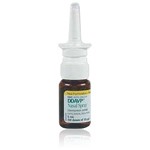
DDAVP (Desmopressin) stands as the standard synthetic antidiuretic hormone medication for managing central diabetes insipidus, persistent bedwetting, and bleeding disorders requiring boosted factor VIII levels. As a selective vasopressin V2 receptor agonist, DDAVP mimics the natural antidiuretic hormone (ADH) that controls water reabsorption in kidneys and stimulates clotting factor release from endothelium. The 0.1/0.2 mg oral tablets deliver consistent symptom control with decades of proven efficacy across pediatric and adult populations worldwide.
Desmopressin works by binding V2 receptors in collecting ducts of kidneys, triggering insertion of aquaporin water channels into cell membranes. This insertion dramatically increases water reabsorption from urine back into the bloodstream, concentrating urine and reducing total volume. The result: urine volume drops 50-90%, urine concentration rises 3-4 fold, nighttime urination episodes decrease significantly, and patients with central diabetes insipidus regain normal water balance within hours of dosing.
DDAVP serves multiple distinct patient populations through its versatile pharmacology. For central diabetes insipidus caused by pituitary damage or surgery, the medication restores normal urine output preventing severe dehydration. For nocturnal enuresis (bedwetting) in children over 6 years and adults with persistent nighttime episodes, evening doses dramatically reduce night urine production. For mild hemophilia A and von Willebrand disease type 1, desmopressin triggers release of stored factor VIII and von Willebrand factor from endothelial cells, providing rapid hemostatic support without blood products. The medication also helps elderly patients with disruptive nocturia from age-related ADH decline.
DDAVP offers convenient dosing flexibility with oral tablets, nasal spray, and injection forms available worldwide. The medication reaches peak blood concentrations within 60-90 minutes after oral dose and shows biological action lasting 8-12 hours. Generic desmopressin acetate from quality manufacturers provides identical therapeutic effects to brand DDAVP at substantially lower cost. The active ingredient remains chemically identical to original Ferring formulation, ensuring consistent antidiuretic performance across both branded and generic versions of this established vasopressin analog therapy.
Free prescription
Discrete packaging
Have questions?
Quality Assurance

- Nocturnal Enuresis: Medical term for nighttime bedwetting requiring treatment in children over 6 years and adults;
- Child Bedwetting: Persistent involuntary nighttime urination in children disrupting sleep family and self-esteem;
- Adult Bedwetting: Continued nocturnal enuresis in adults often associated with sleep disorders or aging;
- Diabetes Insipidus: Disorder of water balance causing excessive urination and thirst despite normal blood sugar;
- Central Diabetes Insipidus: Pituitary gland inability to produce antidiuretic hormone causing massive daily urine output;
- Cranial Diabetes Insipidus: Older medical term for central diabetes insipidus caused by hypothalamic-pituitary damage;
- Pituitary Surgery Polyuria: Excessive urination following pituitary or hypothalamic surgery requiring desmopressin replacement;
- Nocturia: Frequent nighttime urination in adults often elderly disrupting sleep and quality of life;
- Nighttime Urination: Multiple awakenings to urinate during sleep period reducing rest and daily function;
- Excessive Urination: Production of abnormally large urine volumes daily often associated with hormonal disorders;
- Polyuria: Medical term for excessive urine production typically defined as over 3 liters in 24 hours;
- Excessive Thirst: Persistent intense thirst (polydipsia) caused by uncontrolled fluid loss through urine;
- Polydipsia: Medical term for abnormally increased thirst and fluid intake from water loss disorders;
- Hemophilia A: Inherited bleeding disorder from factor VIII deficiency causing prolonged bleeding after injury;
- Mild Hemophilia: Form of factor VIII deficiency where desmopressin can boost levels enough for treatment;
- Von Willebrand Disease: Most common inherited bleeding disorder from defective von Willebrand factor protein;
- Bleeding Disorder: Conditions causing prolonged or excessive bleeding due to clotting factor deficiencies;
- Urine Concentration Test: Diagnostic test using desmopressin to assess kidney concentrating capacity in patients;
- Vasopressin Analog Therapy: Treatment with synthetic ADH replacing or supplementing natural antidiuretic hormone function.
- Less Nighttime Urination: Number of nightly bathroom trips reduces significantly improving sleep continuity;
- Less Excessive Urination: Total daily urine volume drops 50-90% relieving need for constant bathroom access;
- Less Excessive Thirst: Intense thirst resolves as water reabsorption normalizes through restored ADH function;
- Better Urine Concentration: Urine osmolality rises 3-4 fold indicating proper kidney water conservation function;
- Better Water Balance: Body water and electrolyte balance restore preventing dehydration in diabetes insipidus patients;
- Less Dehydration Risk: Risk of severe dehydration from uncontrolled urination drops dramatically with consistent therapy;
- Better Sleep Continuity: Uninterrupted nighttime sleep returns as bathroom awakenings decrease significantly;
- Better Sleep Quality: Deeper restorative sleep emerges from elimination of frequent nocturnal urination disturbances;
- Better Child Confidence: Children with bedwetting regain self-esteem and can attend sleepovers and camps safely;
- Higher Factor VIII Levels: Clotting factor VIII blood levels rise 2-5 fold within 30-60 minutes for hemophilia treatment;
- Higher Von Willebrand Factor: Von Willebrand factor levels increase rapidly providing hemostatic support in VWD type 1;
- Less Bleeding Risk: Bleeding tendency improves in mild hemophilia A patients before surgery or after injury;
- Better Hemostasis: Body's ability to stop bleeding improves through boosted clotting factor availability;
- Less Surgical Bleeding: Pre-procedure desmopressin reduces bleeding during dental and minor surgical procedures;
- Less Post Surgical Polyuria: Excessive urination after pituitary surgery resolves through hormone replacement;
- Better Daily Function: Patients with severe polyuria regain ability to work travel and engage socially without bathroom limitations;
- Less Elderly Nocturia: Older adults with disruptive nighttime urination from ADH decline regain restful sleep;
- Flexible Dosing Forms: Oral tablets nasal spray and injection forms accommodate any patient preference and clinical need;
- Better Quality of Life: Daily wellbeing improves dramatically as embarrassing symptoms and sleep disruption resolve.
Generic DDAVP (Desmopressin 2.5ml/10 mcg) Medication guide:
📖 What DDAVP Is and How It Works
DDAVP is the original brand name for desmopressin acetate, a synthetic analog of the natural human hormone vasopressin (antidiuretic hormone, ADH). Originally introduced in the 1970s and approved by the FDA in 1978 (injectable), 1994 (tablets), and 1978 (nasal spray), desmopressin has become the mainstay therapy across four distinct medical conditions - central diabetes insipidus, nocturnal enuresis, hemophilia A, and von Willebrand disease. Ajanta Pharma, Cipla, Sun Pharma, and other manufacturers now produce generic desmopressin.
DDAVP at a glance
| Class | Synthetic vasopressin analog; V2 receptor agonist |
| Original brand | DDAVP (originally Ferring; now Sanofi and generic) |
| Available forms | Tablets, sublingual, nasal spray, injection |
| Tablet strengths | 0.1 mg and 0.2 mg |
| Typical dose (DI adult) | 0.1-0.4 mg orally 1-3 times daily |
| Typical dose (enuresis) | 0.2-0.6 mg tablets at bedtime |
| Half-life | 1.5-3 hours |
| Duration of antidiuretic effect | 6-14 hours |
The mechanism is elegant. Desmopressin activates V2 receptors on the collecting duct cells of the kidney. This triggers insertion of aquaporin-2 water channels into the cell membrane, dramatically increasing water reabsorption from urine back into the bloodstream. Urine volume decreases 50-90 percent. Urine becomes more concentrated. Free water is retained. This is the intended effect for diabetes insipidus and nocturnal enuresis.
What desmopressin does
Reduces urine volume by 50-90 percent through V2 receptor activation and increased water reabsorption. Also releases stored von Willebrand factor and factor VIII from vascular endothelium - the basis for bleeding disorder use. Unlike natural vasopressin, desmopressin has minimal V1 receptor activity (no vasoconstriction). Effect on urine begins within 30-60 minutes; lasts 6-14 hours.
Important context - DDAVP and "diabetes"
Diabetes insipidus is NOT diabetes mellitus
The word "diabetes" historically means "flowing through" - originally referring to excessive urination. Diabetes insipidus (DI) and diabetes mellitus (DM) are entirely different conditions despite sharing the historical name. DI is a disorder of water balance from insufficient vasopressin (ADH) or renal insensitivity to it. DM is a disorder of glucose metabolism. DDAVP treats DI. DDAVP has no effect on blood glucose and is not a diabetes mellitus medication.
The four main indications
Where DDAVP fits
- Central diabetes insipidus - lifelong replacement therapy for vasopressin deficiency; the primary FDA indication
- Primary nocturnal enuresis (bedwetting) - children 6+ years after behavioral measures; short-term or longer-term
- Hemophilia A (mild-moderate) - releases stored factor VIII and von Willebrand factor before minor procedures
- Von Willebrand disease type 1 - similar mechanism as hemophilia A
- Adult nocturia - specific formulation (Noctiva) FDA-approved 2017
- Uremic bleeding - off-label use in nephrology
The main safety concern
Hyponatremia - the defining risk
DDAVP's water retention effect can be dangerous if combined with excessive fluid intake. Water accumulates faster than it can be excreted. Serum sodium drops. Severe hyponatremia can cause seizures, brain swelling, coma, and death. This risk led to FDA removal of nasal spray from the enuresis indication in 2007 after multiple pediatric deaths. Client education about fluid restriction is essential.
This guide walks through what desmopressin does, the multiple indications where it fits, the different formulations available, the dose schedules across indications, the critical importance of fluid restriction, and the specific safety concerns. Treat this guide as a companion to what your endocrinologist, urologist, hematologist, or general practitioner tells you.
💊 Why Doctors Prescribe DDAVP - Multiple Indications
DDAVP has multiple approved and clinically established indications across different medical specialties. Understanding which specific indication drove your prescription shapes what you are treating.
Approved indications overview
FDA-approved indications
- Central diabetes insipidus - injectable, tablet, and nasal formulations; treatment of ADH deficiency
- Primary nocturnal enuresis - tablets only (nasal spray removed 2007); children 6+ years
- Hemophilia A (mild to moderate) - injectable formulation for pre-procedure or bleeding episodes
- Von Willebrand disease type 1 - similar indication
- Adult nocturia due to nocturnal polyuria - Noctiva nasal spray specifically approved 2017
Central diabetes insipidus
Lifelong replacement therapy
Central diabetes insipidus (also called AVP-deficiency) is a condition where the pituitary gland does not produce enough vasopressin. Causes include head trauma, pituitary surgery, tumors (craniopharyngioma, metastases), autoimmune disease, or idiopathic. Untreated it causes 3-20 liters daily urine output and severe thirst. Desmopressin is replacement therapy - essentially lifelong. Section 3 covers this indication in detail.
Primary nocturnal enuresis
Primary nocturnal enuresis is bedwetting during sleep in children who have never had a prolonged dry period. Most children outgrow it (15 percent per year spontaneous resolution rate after age 5). Desmopressin at bedtime reduces nighttime urine production and helps children stay dry - typically used after behavioral measures (alarms, restriction of evening fluids) have failed or as a temporary measure for sleepovers/camps. Section 4 covers this indication in detail.
Hemophilia A and von Willebrand disease
Desmopressin releases stored factor VIII and von Willebrand factor from vascular endothelium into the bloodstream. In clients with mild-moderate hemophilia A or type 1 von Willebrand disease, this transient release can raise factor levels 2-5 fold - sufficient for minor surgeries, dental procedures, or minor bleeding episodes. Not a substitute for factor concentrates in severe disease. Section 5 covers this indication.
Adult nocturia
Adult nocturia (waking at night to urinate) affects many older adults and can substantially disrupt sleep. The Noctiva nasal spray formulation was FDA-approved in 2017 specifically for adult nocturia due to nocturnal polyuria. Uses low doses to reduce nighttime urine production without daytime hyponatremia. Section 6 covers this indication.
Off-label uses
Off-label but established
- Uremic bleeding - kidney failure clients with bleeding tendency; releases vWF
- Reversal of antiplatelet effect in emergency settings (limited evidence)
- Platelet dysfunction bleeding in some settings
- Nephrogenic diabetes insipidus - much less effective than central DI (renal insensitivity)
Where DDAVP does not fit
Not appropriate for nephrogenic diabetes insipidus - the kidney does not respond to vasopressin, so replacing it does not work. Alternative approaches (thiazides, salt restriction) are needed. Not for severe hemophilia A or type 2 or 3 von Willebrand disease - factor concentrates needed. Not for hyponatremia. Not for SIADH (syndrome of inappropriate antidiuretic hormone) - the opposite condition. Not for daytime urinary incontinence.
Ask your team specifically which indication drove your prescription and what treatment target you are working toward.
💧 DDAVP for Central Diabetes Insipidus
Central diabetes insipidus is the primary FDA-approved indication for DDAVP. Understanding the condition and the goals of therapy shapes appropriate management.
What central diabetes insipidus is
A hormone deficiency condition
Central diabetes insipidus (now often called arginine vasopressin deficiency, AVP-D) is a condition where the pituitary gland does not produce enough vasopressin (ADH). Without ADH, the kidney cannot concentrate urine - resulting in 3-20 liters daily urine output, severe thirst, and dehydration risk. Serum sodium can rise dangerously if fluid intake does not keep up with losses.
Causes of central DI
Common causes
- Idiopathic - no identifiable cause (about 30 percent)
- Pituitary or hypothalamic surgery - transient or permanent
- Head trauma - particularly base of skull fractures
- Tumors - craniopharyngioma, germinoma, metastases
- Autoimmune disease - lymphocytic hypophysitis
- Infiltrative disease - histiocytosis, sarcoidosis
- Genetic causes - familial DI (rare)
- Post-partum - Sheehan syndrome
How DDAVP treats central DI
DDAVP provides replacement therapy. It substitutes for the missing vasopressin and restores kidney water reabsorption. Urine volume falls dramatically. Thirst normalises. Sleep improves because nocturnal urination decreases. Serum sodium normalises with appropriate fluid intake.
Goals of therapy
Treatment targets in DI
- Reduce polyuria - urine output to normal (1-2 L daily)
- Reduce nocturia - improve sleep
- Reduce thirst - improve quality of life
- Normalise serum sodium - avoid hypernatremia AND hyponatremia
- Prevent dehydration crises during illness
- Enable normal daily activities
The dosing balance
Finding the right dose
Too little DDAVP - polyuria and thirst persist. Too much DDAVP - water retention, hyponatremia risk. The right dose produces normal urine output when fluid intake matches physiological need. Most clients need 0.1-0.4 mg orally 1-3 times daily. Some need higher doses; some need lower. Individualisation is essential.
The "breakthrough diuresis" approach
Many DI specialists recommend allowing brief breakthrough diuresis once daily before the next dose. This ensures excess water accumulated during the DDAVP period is excreted. Prevents chronic water retention and hyponatremia. Typically 30-60 minutes of polyuria before the next dose. Requires client education about the concept.
Long-term outlook
Living with central DI
- Typically lifelong replacement therapy
- Some post-surgical DI resolves spontaneously (transient DI)
- Idiopathic DI usually permanent
- Life expectancy normal with proper management
- Requires vigilance during illness with fluid balance
- Medical alert identification recommended
- Regular endocrine follow-up (annual)
Central DI is a chronic condition managed effectively with DDAVP replacement. Understanding the condition and adherence to the individualised dose regimen with attention to fluid balance supports normal life.
🛏️ DDAVP for Nocturnal Enuresis Bedwetting
Primary nocturnal enuresis (bedwetting) is the second major indication for DDAVP. Understanding the condition and the role of desmopressin shapes appropriate use.
What primary nocturnal enuresis is
A common childhood condition
Primary nocturnal enuresis is bedwetting during sleep in children who have never had a prolonged dry period. Affects 15 percent of 5-year-olds, 5 percent of 10-year-olds, and 1-2 percent of teenagers. More common in boys. Often familial. Spontaneous resolution rate 15 percent per year after age 5.
Pathophysiology
Three main contributing factors
- Reduced nocturnal vasopressin secretion - urine volume exceeds bladder capacity
- Small bladder capacity for age
- Deep sleep patterns - child does not wake to bladder signals
- Genetic component - 70 percent of affected children have positive family history
Management approach
Standard approach starts with behavioral measures before pharmacotherapy. Bladder training. Restriction of evening fluids (nothing 2 hours before bed). Bathroom visit immediately before bed. Motivational strategies. Enuresis alarms - most effective long-term intervention. When behavioral measures fail or short-term dryness needed (sleepovers, camps), desmopressin considered.
Desmopressin in enuresis
How desmopressin helps
- Reduces nighttime urine production
- Urine stays within bladder capacity
- Child wakes dry - or wakes to full bladder in time
- Effect immediate on first use
- Effect lasts only while taking the drug
- 50-70 percent of children respond well
- 30 percent do not respond adequately
Important timing
DDAVP for enuresis is taken at bedtime - typically 0.2-0.4 mg tablets. Effect covers the sleep period. Not effective if taken at other times because the mechanism reduces nighttime urine production specifically.
Fluid restriction is critical
Restrict fluids 1 hour before to 8 hours after DDAVP
Child should limit fluid intake starting 1 hour before the bedtime dose and through the night. This prevents water accumulation and hyponatremia. Full glasses of water at bedtime followed by DDAVP have caused seizures and deaths. Client and parent education essential.
Nasal spray no longer used for enuresis
The FDA removed nasal spray desmopressin from the enuresis indication in 2007 after multiple pediatric deaths from severe hyponatremia and seizures. Only tablets are used for enuresis now. If a nasal spray is in use for enuresis, discuss switching to tablets with your team.
Duration of therapy
Treatment approaches
- Short-term use - sleepovers, school camps, family holidays
- Continuous use - typically 3-6 months trial, then withdrawal to assess response
- Gradual dose reduction may prevent relapse
- Relapse common after stopping - can restart if problems return
- Combined with enuresis alarm often most effective
Age considerations
DDAVP for enuresis typically starts at age 6 and older. Younger children usually managed with behavioral measures alone. Cognitive ability to understand fluid restriction is essential - hyponatremia risk from excess fluid intake matters more than in adults.
DDAVP is effective for many children with nocturnal enuresis when behavioral measures alone are insufficient. Strict adherence to fluid restriction rules is essential.
🩸 DDAVP for Hemophilia A and Von Willebrand Disease
DDAVP has an important but often surprising indication - bleeding disorders. Desmopressin releases stored factor VIII and von Willebrand factor from vascular endothelium.
The mechanism in bleeding disorders
Vascular endothelial cells store von Willebrand factor (vWF) and factor VIII in Weibel-Palade bodies. Desmopressin acts on V2 receptors on these endothelial cells and triggers release of stored proteins into the bloodstream. Factor VIII and vWF levels can rise 2-5 fold within 30-60 minutes. Effect lasts several hours.
Hemophilia A
Desmopressin in mild-moderate hemophilia A
- Mild-moderate hemophilia A (factor VIII 5-40 percent baseline)
- Not for severe hemophilia A (factor VIII under 1 percent) - not enough stores to release
- Response variable - some clients respond well, others poorly
- Test dose recommended to assess individual response before relying on it
- Diminishing response with repeated doses (tachyphylaxis) - stores get depleted
Von Willebrand disease
Desmopressin in von Willebrand disease
- Type 1 vWD - most common form; usually responds well to desmopressin
- Type 2A, 2M, 2N - variable response; consider carefully
- Type 2B - contraindicated - releases abnormal vWF that causes thrombocytopenia
- Type 3 - severe deficiency; desmopressin ineffective (no stores)
- Test dose recommended
Practical use in bleeding disorders
Typical clinical use
Desmopressin is used prophylactically before minor procedures - dental work, minor surgery, endoscopy - to raise factor levels temporarily. Not for major surgery (factor concentrates needed). Not for major bleeding episodes. Not appropriate as continuous prophylaxis (tachyphylaxis develops).
Dosing in bleeding disorders
Standard doses
- Intravenous - 0.3 mcg/kg over 15-30 minutes; peak effect at 30-60 minutes
- Subcutaneous - 0.3 mcg/kg; slightly slower onset
- Nasal spray (concentrated) - 300 mcg total; alternative for home use
- Timing - 30-60 minutes before procedure
- Frequency - single dose per procedure; may repeat once at 12-24 hours if needed
Tachyphylaxis - the diminishing response
Response diminishes with repeated doses
Desmopressin releases stored factor VIII and vWF. With repeated doses, stores get depleted and response falls. This is called tachyphylaxis. Practical implication - desmopressin works well for a first dose but progressively less well for subsequent doses within 24-48 hours. Not suitable for continuous prophylaxis or major bleeding.
Hyponatremia in bleeding disorder use
When desmopressin is used for bleeding disorders, the water retention effect still occurs. Fluid restriction is important. Higher doses (0.3 mcg/kg IV) than for DI or enuresis mean more antidiuretic effect. Sodium monitoring especially in prolonged use.
Not for severe disease
Severe hemophilia A (factor VIII under 1 percent) or type 3 von Willebrand disease - desmopressin is ineffective because there are no stores to release. Factor concentrates are needed. Desmopressin is not a substitute for factor replacement in severe disease or major bleeding episodes.
DDAVP for bleeding disorders provides useful prophylaxis for minor procedures in mild-moderate hemophilia A and type 1 von Willebrand disease. Test doses establish individual response. Fluid restriction and sodium monitoring apply.
🌃 DDAVP for Adult Nocturia
Adult nocturia (waking at night to urinate) is a specific indication where DDAVP has an FDA-approved formulation - Noctiva nasal spray, approved 2017.
What adult nocturia is
A common cause of sleep disruption
Nocturia is waking to urinate 2 or more times per night. Substantially disrupts sleep quality and quality of life. Affects a large proportion of adults over 50. Multiple causes including nocturnal polyuria (excessive nighttime urine production), bladder storage problems, sleep disorders, and cardiovascular conditions.
Nocturnal polyuria specifically
Some adults produce disproportionately large volumes of urine at night - over 33 percent of daily urine output between bedtime and morning. This is nocturnal polyuria. Related to age-associated decline in nighttime vasopressin secretion. Desmopressin at bedtime addresses this specific mechanism.
Noctiva nasal spray
Noctiva specifics
- FDA-approved 2017 for adult nocturia due to nocturnal polyuria
- Uses very low doses - 0.83 mcg or 1.66 mcg per spray
- Nasal spray formulation with absorption enhancer (cyclopentadecalactone)
- Used at bedtime
- Reduces nocturia episodes by approximately 1 per night in responders
- Requires baseline sodium check and monitoring
Who is appropriate
Best candidates
- Adults with documented nocturnal polyuria (over 33% of daily urine at night)
- Nocturia not responsive to behavioral measures (fluid restriction, timed voiding)
- Normal serum sodium at baseline
- No fluid retention conditions (heart failure, cirrhosis)
- Under age 65 for standard dose; older adults require particular caution
Who is NOT appropriate
Avoid Noctiva if:
- Baseline hyponatremia
- History of hyponatremia
- Age 65+ with high hyponatremia risk factors
- Heart failure
- Kidney disease
- Chronic diuretic use
- Nocturia from other causes (BPH, sleep apnea, diuretic timing)
Alternative approaches before desmopressin
Address other causes of nocturia first. Timing of diuretics earlier in the day. Treatment of BPH if present. Management of sleep apnea. Behavioral measures - fluid restriction after 6 PM, empty bladder before bed. Address fluid intake patterns.
Monitoring on Noctiva
Serum sodium check within 7 days of starting, at 1 month, and periodically thereafter. Stop if sodium falls below 135 mmol/L. Watch for symptoms of hyponatremia.
Adult nocturia can be substantially improved with Noctiva nasal spray in appropriate clients with nocturnal polyuria. Careful selection, low doses, and sodium monitoring make this a useful option for a specific population.
🔬 How Desmopressin Activates V2 Receptor
Understanding how desmopressin works mechanistically clarifies its effectiveness across indications and its specific safety concerns.
The molecular target
Desmopressin activates the vasopressin V2 receptor in the collecting ducts of the kidney and on vascular endothelial cells. Unlike natural vasopressin which also activates V1 receptors (vasoconstriction) and V3 receptors (ACTH release), desmopressin is highly selective for V2. This is the design purpose - achieve water retention without vasoconstriction or hypertension.
Sequence of effects on the kidney
- Desmopressin binds V2 receptor on kidney collecting duct principal cells
- V2 receptor activates Gs protein and adenylyl cyclase
- Intracellular cAMP rises
- Protein kinase A activated
- Aquaporin-2 water channels move from intracellular vesicles to apical cell membrane
- Water reabsorption from collecting duct lumen dramatically increases
- Urine volume decreases 50-90 percent
- Urine becomes more concentrated (higher osmolality)
- Free water retained in body
- Serum sodium can decline if fluid intake exceeds needs
The Weibel-Palade body release
V2 receptors on vascular endothelial cells trigger release of stored factor VIII and von Willebrand factor from Weibel-Palade bodies. This is the mechanism behind desmopressin's use in bleeding disorders. Effect is rapid (30-60 minutes) but transient (hours). Stores get depleted with repeated doses (tachyphylaxis).
Pharmacokinetics
| Bioavailability (oral) | Very low (5 percent) - hence higher tablet doses vs IV/nasal |
| Bioavailability (nasal) | 10-20 percent (standard); 40 percent (Noctiva with enhancer) |
| Bioavailability (IV/SC) | 100 percent |
| Onset of antidiuretic effect | 30-60 minutes |
| Peak effect | 1-2 hours (nasal); 1-4 hours (oral) |
| Duration of antidiuretic effect | 6-14 hours |
| Plasma half-life | 1.5-3 hours |
| Excretion | Renal |
Why oral doses are much higher than IV
Bioavailability explains the dose difference
Oral desmopressin has only 5 percent bioavailability - most of the swallowed dose is destroyed in the GI tract or not absorbed. This is why tablets use 0.1-0.4 mg while injection uses 2-4 mcg. The systemic exposure ends up similar. Practical implication - do not switch between routes without recalculating dose.
Duration in kidney vs blood
Plasma half-life is short (1.5-3 hours) but antidiuretic effect lasts much longer (6-14 hours). This is because V2 receptor internalisation and aquaporin-2 membrane insertion persist after plasma drug levels decline. The tissue effect outlasts the plasma level.
Mechanism-driven side effects
Side effect basis
- Hyponatremia - excessive water retention; the main concern
- Water intoxication - severe hyponatremia with brain swelling
- Facial flushing, headache - possible V2 vascular effects
- Nausea - occasional
- Nasal congestion - nasal formulations
- Mild hypertension - rare with IV administration
The V2 receptor mechanism defines both desmopressin's benefits (water retention, factor release) and its main safety concern (hyponatremia). Understanding this biology explains the drug behaviour clinically.
⏰ DDAVP Dose Schedule and Titration
DDAVP dosing varies substantially by indication, formulation, and individual response. Careful titration is essential.
Dosing by indication - central diabetes insipidus
| Form | Typical dose |
|---|---|
| Tablets (adult) | 0.1-0.4 mg orally 1-3 times daily |
| Nasal spray (adult) | 10-40 mcg (1-4 sprays) daily divided |
| IV/SC (adult) | 2-4 mcg divided into 2 doses |
| Tablets (children 4-12) | 0.05 mg starting; titrate to effect |
| Nasal spray (children 3+) | 5-30 mcg divided daily |
Dosing by indication - nocturnal enuresis
| Form | Dose |
|---|---|
| Tablets (age 6+) | 0.2 mg at bedtime; may titrate to 0.4 mg or 0.6 mg |
| Sublingual (age 6+) | 120 mcg at bedtime; may titrate to 240 mcg |
| Nasal spray | NO LONGER RECOMMENDED - FDA removed indication 2007 |
Dosing by indication - hemophilia A / von Willebrand disease
| Form | Dose |
|---|---|
| IV | 0.3 mcg/kg over 15-30 minutes |
| SC | 0.3 mcg/kg |
| Concentrated nasal spray (Stimate) | 150 mcg (one spray) per nostril; total 300 mcg |
| Test dose recommended | Before relying on desmopressin for procedures |
Dosing by indication - adult nocturia (Noctiva)
| Age/Situation | Dose |
|---|---|
| Under 65 years | 1.66 mcg (one spray) at bedtime |
| Age 65+ or at risk for hyponatremia | 0.83 mcg (one spray of lower strength) at bedtime |
| Females at higher risk of hyponatremia | Start with lower dose |
Timing rules
Timing depends on indication
- Central DI - divided doses to cover the day; often morning + afternoon + bedtime
- Enuresis - single bedtime dose only
- Adult nocturia - single bedtime dose only
- Bleeding disorders - single dose 30-60 minutes before procedure
Titration approach for DI
Start low. Observe response. Increase to control polyuria. Allow a period of breakthrough diuresis once daily. Adjust to individual needs.
Route conversions
Do not switch routes without recalculating
Approximate route conversions - 0.1 mg oral tablet ≈ 5-10 mcg nasal spray ≈ 1 mcg IV/SC. But individual response varies substantially. Always recalculate with team when switching routes.
Duration of therapy
By indication
- Central DI - typically lifelong replacement
- Enuresis - 3-6 month trials; withdrawal to assess; may restart
- Bleeding disorders - single dose per procedure
- Adult nocturia - typically long-term while beneficial and safe
Dosing is highly individualised and indication-specific. Work closely with the team on titration.
📅 Starting DDAVP - First Weeks
Starting DDAVP requires careful baseline assessment particularly of serum sodium and volume status, plus thorough client education about fluid restriction.
Typical initiation experience
Most clients notice reduced urine output within hours of the first dose. In DI, thirst normalises and sleep improves as nocturia decreases. In enuresis, first night effect may be immediate. In bleeding disorders, factor levels rise 30-60 minutes after dose. Some clients report mild facial flushing or headache early on.
Pre-treatment assessment
Baseline checks before starting
- Indication confirmation - DI, enuresis, bleeding disorder, or nocturia
- Serum sodium - critical baseline; must be within normal range
- Kidney function - creatinine, eGFR
- Volume status
- Concurrent medications - particularly diuretics, SSRIs, NSAIDs, other water-retaining drugs
- Fluid retention conditions - heart failure, cirrhosis (contraindications)
- Pregnancy status if applicable
- Test dose for bleeding disorders to assess factor response
- Fluid restriction education - the most important teaching point
Setting expectations
Three practical points for new starters
- Fluid restriction is critical - excess fluid intake with DDAVP causes dangerous hyponatremia. Understand and follow the specific restrictions for your indication.
- Report any concerning symptoms promptly - headache, nausea, confusion, weakness can signal hyponatremia. Do not ignore.
- Sodium monitoring is required - baseline, early follow-up, and periodic. Do not skip laboratory checks.
Follow-up schedule
| Timing | Focus |
|---|---|
| Day 3-7 | Sodium check; symptom review; urine output response |
| Week 2-4 | Sodium recheck; response assessment; dose adjustment if needed |
| Month 1-3 | Full assessment; longer-term titration |
| Every 3-6 months | Sodium; response; side effects |
| Annual | Comprehensive review |
Warning signs during initiation
Contact team urgently if these occur
- Severe headache
- Nausea and vomiting
- Confusion or drowsiness
- Muscle weakness or cramps
- Seizures - emergency
- Substantial weight gain (over 2-3 kg quickly) - fluid retention
- Persistent inability to urinate
- Chest pain or shortness of breath
Fluid restriction education points
Individualised by indication
- Central DI - drink according to thirst but do not force excess fluids
- Enuresis - restrict fluids 1 hour before to 8 hours after bedtime dose
- Bleeding disorders - restrict fluids for 24 hours after dose
- Adult nocturia - avoid fluids in the evening; restrict overnight
The first weeks are learning. Sodium monitoring early is essential. Fluid restriction is the most important practical rule. Prompt reporting of concerning symptoms prevents severe hyponatremia.
📏 DDAVP Dose Adjustments and Response
DDAVP dose adjustment balances treatment effectiveness against hyponatremia risk. Response varies substantially between individuals.
Factors affecting response
Indication (DI vs enuresis vs bleeding disorder). Formulation (tablet, nasal, injection). Individual sensitivity. Concurrent medications. Kidney function. Age. Fluid intake patterns. Body size (children).
Common adjustments
| Situation | Action |
|---|---|
| DI: polyuria continues despite dose | Increase dose or frequency; recheck sodium |
| DI: normal urine output but sodium dropping | Reduce dose; ensure appropriate fluid intake |
| Enuresis: no response after 4 weeks at 0.2 mg | Increase to 0.4 mg or 0.6 mg |
| Enuresis: no response at max dose | Discontinue - not a responder |
| Hyponatremia mild (130-135) | Reduce dose; strict fluid restriction; recheck 3-7 days |
| Hyponatremia moderate-severe (under 130) | Hold dose; correct sodium; investigate cause |
| Hyponatremia with symptoms | Stop dose immediately; emergency evaluation |
| Bleeding disorder: inadequate factor rise | Consider alternative therapy (factor concentrate) |
| Tachyphylaxis in bleeding disorder | Allow washout 24-48 hours before next dose |
Managing hyponatremia
Response scales with severity
- Sodium 130-135, no symptoms - reduce dose; strict fluid restriction; recheck 3-7 days
- Sodium 125-130, no symptoms - hold dose; fluid restriction; recheck 24 hours
- Sodium under 125 - hold; emergency evaluation
- Any symptomatic hyponatremia - emergency; hospital
Non-response investigation
- Confirm indication is appropriate (not nephrogenic DI, not type 2B vWD, etc.)
- Check adherence
- Verify correct administration technique (nasal spray)
- Check for concurrent medications reducing response
- Consider dose escalation within safe range
- Consider formulation switch (nasal vs oral vs injection)
- Specialist consultation for refractory cases
When response diminishes over time
Different by indication
DI - response should remain stable over time. Loss of response warrants investigation for other causes (concurrent illness, medications). Enuresis - some children develop tolerance; dose adjustment may help; some genuinely lose response. Bleeding disorders - tachyphylaxis expected with repeated doses within 24-48 hours; allow washout. Nocturia - variable response over time; regular assessment.
Adjustment balances effectiveness against hyponatremia. Safety concerns often drive dose reduction. Non-response triggers systematic investigation.
💊 How to Take DDAVP - Tablets Nasal Injection
DDAVP practical routines depend heavily on formulation and indication. Multiple forms are available.
Tablets
Tablet administration
- Take with water
- Swallow whole - do not crush or chew
- Best absorption on empty stomach (30 minutes before food)
- Consistency important for stable response
- Available strengths: 0.1 mg, 0.2 mg
Sublingual tablets (Melt)
Sublingual formulation
- Place under the tongue; do not swallow immediately
- Dissolves within seconds
- No water needed (helpful for fluid restriction)
- Better bioavailability than swallowed tablet
- Available strengths: 60 mcg, 120 mcg, 240 mcg
Nasal spray
Nasal spray technique
- Clear nose before spray if congested
- Prime pump if new bottle (per package instructions)
- Tilt head back slightly
- Insert tip into nostril
- Press firmly and sniff gently
- Do not rub or blow nose immediately after
- Alternate nostrils if multiple sprays
Nasal spray no longer for enuresis
The FDA removed nasal spray from the enuresis indication in 2007 due to hyponatremia deaths. Only tablets are used for enuresis now. If a child is currently on nasal spray for enuresis, discuss switching to tablets with your team.
Injection (IV/SC)
Injection use
- Hospital/clinic setting typically
- IV over 15-30 minutes for bleeding disorder doses
- SC feasible for home self-administration in select DI clients
- Higher potency - much smaller doses than tablets
- 100% bioavailability
Home monitoring priorities
What to track at home
- Urine output pattern - amount, frequency
- Thirst level (DI)
- Fluid intake awareness
- Weight - watch for rapid gain (fluid retention)
- Any symptoms of hyponatremia (headache, nausea, weakness, confusion)
- Dry nights (enuresis)
- Nocturia frequency (adult nocturia)
Key safety rules
Never do these
- Do not drink excess fluids while on DDAVP
- Do not double up on missed doses
- Do not switch routes without team recalculating dose
- Do not use nasal spray for enuresis
- Do not ignore headache, nausea, confusion, or weakness
Alert your team about
- Symptoms of hyponatremia
- Substantial rapid weight gain
- Persistent inability to urinate
- Starting a new medication
- Planned surgery or major dental work
- Pregnancy considered
Storage
- Tablets - room temperature; original packaging; protect from moisture
- Nasal spray - refrigerate unopened; room temperature after opening (specific to product; check label)
- Injection - refrigerate 2-8 C
- Out of reach of children
- Do not use past expiry
- Return unused to pharmacy
Different formulations serve different purposes. Correct technique for each matters. Fluid restriction is universal.
🍴 Food Timing and Fluid Restriction
Food timing and fluid restriction are the two most important practical aspects of DDAVP use.
Food and DDAVP absorption
Oral desmopressin tablets have low bioavailability (about 5 percent) which is further reduced by food. Take tablets on empty stomach - typically 30 minutes before food or 2 hours after. This maximises absorption and effect consistency. Sublingual tablets less affected by food but consistency still matters.
Fluid restriction - the critical rule
The most important practical rule
DDAVP causes water retention. Combined with excess fluid intake, water accumulates faster than can be excreted. Serum sodium drops. Severe hyponatremia can cause seizures, coma, and death. Fluid restriction is not optional. Every DDAVP user must understand and follow the specific restrictions for their indication.
Fluid restriction by indication
| Indication | Fluid restriction |
|---|---|
| Central DI | Drink to thirst but do not force fluids; avoid rapid large intake |
| Nocturnal enuresis | Restrict fluids 1 hour before dose to 8 hours after |
| Bleeding disorders | Restrict fluids for 24 hours after dose |
| Adult nocturia (Noctiva) | No fluids after evening meal; limit evening intake overall |
The concept of "fluid budget"
Match intake to needs
On DDAVP, urine output is reduced. Your body cannot excrete large volumes of water. Drink to satisfy thirst but not more. Excess fluid stays in the body and dilutes sodium. Think of it as a fluid budget - your body has a maximum "spend" it can handle.
Diet considerations
Adequate but not excessive sodium intake. Consistent salt intake helps stable sodium levels. Do not drastically restrict salt - this compounds hyponatremia risk. Regular meals. Balanced nutrition. No specific dietary avoidance beyond fluid patterns.
Foods and drinks to be aware of
High water content
- Watermelon, cucumbers, soups - count toward fluid
- Ice cream, popsicles, gelatin - count toward fluid
- Coffee, tea, alcohol - count toward fluid but with additional diuretic effect (see Section 13 for alcohol)
- Sports drinks - count; consider timing with dose
Practical fluid management
Daily practices
- Track daily intake first weeks to establish baseline
- Small sips rather than large gulps
- Match intake to activity and heat
- Extra caution in hot weather (still restrict)
- Extra caution during exercise (do not force water)
- Consider whether extra dose needed for extra activity
Special situations
Extra caution during
- Fever with reduced eating but continued drinking
- Vomiting (can precipitate dehydration in DI - team advice)
- Diarrhoea
- Marathon or endurance exercise
- Very hot weather
- Alcohol or drug use
Fluid restriction is the single most important practical rule on DDAVP. Understand your indication-specific restriction and follow it consistently.
🍷 Alcohol Rules During DDAVP Therapy
Alcohol interacts substantially with DDAVP therapy - both through fluid load and through effects on vasopressin biology.
Why alcohol matters with DDAVP
Alcohol has complex effects on water balance. Small amounts have diuretic effect (suppresses natural vasopressin). Large amounts and habitual heavy use can actually cause water retention. Combined with DDAVP effects, alcohol can either amplify hyponatremia risk (through fluid load) or unpredictable urine patterns. Additionally, alcohol impairs judgment about fluid intake - people drink more without recognising when to stop.
Alcohol concerns on DDAVP
- Compounds fluid load - beer especially (large volumes)
- Impairs judgment about fluid limits
- Symptoms of hyponatremia (confusion, drowsiness) overlap with intoxication - hard to distinguish
- Vomiting with alcohol can cause dehydration in DI
- Alcohol can trigger seizures - potentiated by hyponatremia
Guidelines by scenario
| Scenario | Alcohol guidance |
|---|---|
| Central DI stable on DDAVP | Very moderate - 1 drink daily max; count toward fluid budget |
| Enuresis (adolescents/young adults) | Avoid; particularly important given restriction rules |
| Bleeding disorders on DDAVP | Strict avoidance for 24 hours around dose |
| Adult nocturia on Noctiva | Very limited evening alcohol |
| Prior hyponatremia | Avoid |
Standard drink reference
Beer 12 oz / 350 ml at 5 percent alcohol (large fluid load - problematic on DDAVP). Wine 5 oz / 150 ml at 12 percent alcohol. Spirits 1.5 oz / 45 ml at 40 percent alcohol.
The beer problem specifically
Large fluid volumes concerning
Beer typically drunk in large volumes (12-16 oz per drink). This is substantial fluid load. Multiple beers can add 1-2 liters of water rapidly. Combined with DDAVP water retention, hyponatremia risk high. Spirits or wine less problematic from fluid volume perspective, but still count.
Sensible approach if you drink
Practical guidance
- Not more than 1 drink in one occasion for DDAVP clients
- Count alcohol toward daily fluid limit
- Eat with alcohol
- Not before driving
- Be honest with your team about intake
- Avoid entirely if uncertain about safe patterns
Avoid alcohol entirely if:
- Prior hyponatremia episode on DDAVP
- History of seizures
- Any liver disease
- Diagnosed alcohol use disorder
- Adolescent on DDAVP for enuresis
- Pregnancy
- Directed by your team
Alcohol on DDAVP requires substantial caution given the compounding fluid effects on hyponatremia. Very moderate intake at most; often avoided entirely.
🚨 DDAVP Side Effects Complete Overview and Warnings
DDAVP side effect profile is dominated by hyponatremia risk. Other effects are generally mild.
Common effects
Common effects
- Headache - possibly related to mild fluid retention
- Nausea - occasional
- Nasal congestion or nosebleed - with nasal spray formulations
- Facial flushing - with IV administration
- Abdominal cramps - occasional
- Nasal irritation - with nasal spray
Uncommon but important
- Mild hyponatremia without symptoms - detected on routine monitoring
- Weight gain from fluid retention
- Mild hypertension - particularly with IV administration or high doses
- Dizziness - possibly related to sodium changes
- Fatigue
- Muscle cramps - can signal hyponatremia
Rare but serious
Rare serious effects
- Severe hyponatremia - with symptoms
- Seizures - from water intoxication
- Coma - from severe hyponatremia
- Cerebral edema - the pathological mechanism of severe hyponatremia
- Death - from untreated severe hyponatremia
- Anaphylaxis - very rare hypersensitivity
- Thrombotic events - reported rarely with high IV doses in bleeding disorder use
When to seek help urgently
Emergency signals - possible severe hyponatremia
- Severe headache
- Persistent nausea or vomiting
- Confusion or drowsiness
- Muscle weakness or twitching
- Seizures - emergency
- Loss of consciousness - emergency
- Substantial weight gain quickly
- Chest pain or severe shortness of breath
Managing common effects
| Effect | Action |
|---|---|
| Mild headache | Paracetamol; usually settles; check for other hyponatremia signs |
| Persistent headache | Check sodium; may indicate hyponatremia |
| Nausea | Assess; may indicate hyponatremia; check sodium |
| Nasal congestion | Continue if mild; nasal saline may help; switch route if severe |
| Nosebleed with nasal spray | Alternate nostrils; nasal saline; consider switching to tablets |
| Facial flushing | Usually transient; slower IV infusion helps |
| Fatigue | Assess; check sodium; consider dose reduction |
| Muscle cramps | Check sodium immediately - possible hyponatremia |
What DDAVP does NOT cause
Reassuring absent effects
- No effect on blood glucose (unlike diabetes mellitus drugs)
- No effect on renal function beyond water handling
- No hormonal side effects (unlike full vasopressin)
- No dependence or withdrawal
- Minimal vasoconstriction (unlike vasopressin) - explains cardiovascular safety
Side effect profile is generally favourable apart from hyponatremia. Any headache, nausea, weakness, or confusion on DDAVP warrants sodium check. The following sections detail specific concerns.
🔴 Hyponatremia - The Main Concern
Hyponatremia is the defining safety concern with DDAVP. Understanding recognition, prevention, and treatment is essential for all clients on this drug.
Why DDAVP causes hyponatremia
DDAVP's intended effect is water retention. The kidney reabsorbs more water and produces less urine. If fluid intake exceeds losses, water accumulates in the body. Serum sodium concentration falls because sodium becomes diluted in a larger water volume. This is not sodium loss - it is water excess.
The mechanism in simple terms
Normally when you drink extra water, your kidney rapidly excretes it. On DDAVP, the kidney holds onto water. Extra fluid intake becomes trapped in the body. Sodium concentration in blood drops. Below 135 mmol/L is hyponatremia. Below 125 mmol/L can be dangerous. Below 120 mmol/L is critical.
Recognising hyponatremia symptoms
⚠️ Mild-moderate symptoms (sodium 125-135)
- Headache
- Nausea
- Fatigue and weakness
- Muscle cramps
- Difficulty concentrating
- Mild confusion
🔴 Severe symptoms (sodium under 125)
- Vomiting
- Severe headache
- Confusion, disorientation
- Drowsiness progressing to coma
- Seizures
- Respiratory arrest
- Death
Why symptoms progress
Low sodium causes water to shift into brain cells (osmotic effect). Brain swells. Skull cannot expand. Intracranial pressure rises. Progressive neurological symptoms result. If severe, brain herniation and death. Rapid onset hyponatremia is more dangerous than gradual because brain has less time to adapt.
Preventing hyponatremia - the golden rules
Prevention is much better than treatment
- Follow fluid restriction rules for your specific indication
- Drink to thirst, not by schedule or habit
- Monitor weight for rapid gain (fluid retention signal)
- Report symptoms early - do not wait until severe
- Get scheduled sodium checks
- Additional caution with concurrent medications that promote water retention (SSRIs, NSAIDs, thiazides)
- Sick days - team advice about fluid balance
Risk factors for hyponatremia on DDAVP
Higher risk populations and situations
- Older adults - reduced renal reserve
- Children - smaller body water; can decompensate faster
- Concurrent SSRIs (fluoxetine, sertraline etc.) - amplify water retention
- Concurrent thiazide diuretics
- Concurrent NSAIDs - amplify water retention
- Chronic illness
- Recent surgery - fluid resuscitation risk
- Excess fluid intake habits
Treating hyponatremia
Response depends on severity
- Mild asymptomatic hyponatremia - hold DDAVP; strict fluid restriction; recheck 24-48 hours
- Moderate hyponatremia - hospital evaluation typically
- Severe symptomatic hyponatremia - emergency; hypertonic saline in ICU; careful correction rate to avoid osmotic demyelination
Restarting DDAVP after hyponatremia
After hyponatremia episode, careful reassessment. Investigate contributing factors (medications, fluid patterns, illness). Once sodium normalised and cause addressed, DDAVP can typically be restarted at reduced dose with strict fluid restriction and closer monitoring. Some clients switched to alternative therapy.
Hyponatremia is the defining safety concern with DDAVP but is preventable with fluid restriction, prompt symptom recognition, and sodium monitoring. Education and adherence support safe long-term use.
🧠 Water Intoxication and Seizure Risk
Water intoxication - severe acute hyponatremia - can cause seizures, brain damage, and death. Understanding the mechanism helps prevent this rare but catastrophic event.
What water intoxication is
Rapid severe hyponatremia
Water intoxication is severe acute hyponatremia - typically sodium below 125 mmol/L developing over hours to a few days. Rapid onset means the brain has not had time to adapt. Water shifts into brain cells causing cerebral edema. Symptoms progress rapidly. Can be fatal.
How it happens on DDAVP
Typical scenarios
- Child on DDAVP for enuresis drinks large glass of water at bedtime - cannot excrete overnight; wakes with severe hyponatremia
- Adult on DDAVP drinks 2-3 beers - fluid load exceeds capacity
- Athlete on DDAVP forces water during exercise - excess intake
- Concurrent SSRI increases water retention - amplified effect
- Post-surgical IV fluids while on DDAVP - hospital-acquired
Symptoms - the progression
⚠️ Early stage (act now)
- Headache
- Nausea
- Vomiting
- Muscle cramps
- Difficulty concentrating
🔴 Advanced stage (emergency)
- Confusion, disorientation
- Drowsiness
- Slurred speech
- Behavior changes
- Seizures
- Loss of consciousness
- Coma
- Respiratory arrest
- Brain herniation and death
The FDA nasal spray withdrawal
The 2007 regulatory action
The FDA received reports of 61 cases of severe hyponatremia with seizures in children using nasal spray desmopressin for enuresis, including 2 deaths. In 2007, the FDA removed nasal spray from the enuresis indication. This was a landmark safety action. It taught the diabetes community about the dangers of unrestricted water intake in DDAVP users.
Preventing water intoxication
Prevention rules
- Strict fluid restriction per indication
- No large single fluid intake at any time on DDAVP
- No competitive drinking or water challenges
- Parent supervision for children - drinking bedside water, morning water
- Alcohol strict limits
- Alert medical teams during hospitalisations - avoid excess IV fluids
- Recognise early symptoms and stop drug
- Regular sodium monitoring
If water intoxication is suspected
Emergency response
- Emergency medical services immediately
- Stop DDAVP
- Stop all further fluid intake
- Do not attempt to induce vomiting
- Position for airway if drowsy
- Hospital treatment - hypertonic saline in ICU
- Careful correction rate to avoid osmotic demyelination
Pediatric special considerations
Children develop hyponatremia faster than adults because of smaller body water. Sleeping children may drink from bedside water bottles without parents noticing. Sleepover fluids at friend's house may not follow restriction. School water fountain access. Parents must be vigilant about fluid access on DDAVP nights.
Water intoxication is preventable but potentially fatal. Fluid restriction and prompt symptom recognition are essential. The 2007 nasal spray withdrawal was a watershed regulatory action - the lesson still applies.
💧 Fluid Restriction Rules on DDAVP
Fluid restriction rules on DDAVP are the single most important practical aspect of therapy. Understanding indication-specific rules is essential.
Central diabetes insipidus - drink to thirst
DI fluid strategy
- Drink when thirsty - your body knows what it needs
- Do not force fluids on schedule or by habit
- No large rapid intake - small sips
- Allow occasional breakthrough diuresis - dose timing designed to allow this
- Track intake initially to establish pattern
- Adjust in heat or exercise but not massively
Nocturnal enuresis - strict window
Strict restriction rules for enuresis
- Restrict fluids 1 hour before the bedtime dose
- No fluids during sleep
- Restrict fluids 8 hours after the dose
- No large glasses of water at any point overnight
- Parents responsible for supervision
- Small sip for medication is acceptable
Bleeding disorders - 24 hour window
Bleeding disorder fluid restriction
- Restrict fluids for 24 hours after desmopressin dose
- Maintain adequate but not excessive intake
- Avoid IV fluids unless essential
- Sodium check post-dose
Adult nocturia (Noctiva) - evening restriction
Noctiva fluid rules
- No fluids after evening meal
- Restrict fluids substantially in the evening
- Take medication just before bed with minimal water for the tablet
- Continue restriction until morning
What counts as fluid
All liquid intake counts
Water, juice, soda, milk, coffee, tea, alcohol. Also foods with high water content - watermelon, cucumbers, soups, popsicles, ice cream, gelatin. Sports drinks. Home remedies. Do not think of restriction as just "water" - all liquids count.
Special situations requiring adjusted restriction
Situations needing team advice
- Hot weather - still restrict; do not force fluids
- Exercise - hydrate before or after DDAVP action period
- Air travel - hydrate reasonably; do not overhydrate
- Fever - team advice; may need adjustment
- Diarrhoea - team advice; may need to hold DDAVP
- Sports events, marathons - specific planning
- Alcohol social events - strict limits
Practical tips for fluid restriction
Making restriction easier
- Ice chips instead of drinks for thirst
- Small mouth rinses for dry mouth (do not swallow)
- Sugar-free hard candies for saliva stimulation
- Chapped lips balm for dry lips
- Measure daily intake initially to build awareness
- Track weight daily to catch fluid retention
- Family involvement in supervision (especially children)
Fluid restriction is the single most important practical aspect of DDAVP therapy. Indication-specific rules must be understood and followed consistently.
🫀 Cardiovascular and Blood Pressure Effects
Cardiovascular effects of DDAVP are modest but worth understanding. The V2 selectivity means minimal vasoconstriction unlike full vasopressin.
V1 vs V2 receptor effects
Why DDAVP is safer than vasopressin
Natural vasopressin activates V1 receptors on blood vessels causing vasoconstriction and blood pressure rise. DDAVP is highly selective for V2 (kidney water reabsorption). Minimal V1 activity. Blood pressure effect small in most clients. This selectivity was the design goal when desmopressin was developed.
Blood pressure effects
Typical BP effects
- Oral or nasal doses - minimal blood pressure effect
- Rapid IV infusion - mild transient blood pressure rise possible
- Bleeding disorder doses (0.3 mcg/kg IV) - occasional facial flushing, mild BP elevation
- Some clients with hypertension may notice modest changes
Heart failure considerations
Heart failure is a contraindication
DDAVP causes water retention. In heart failure, water retention exacerbates volume overload. Pulmonary edema, worsening symptoms, and hospitalisation can result. DDAVP is contraindicated in heart failure. If nocturia is due to heart failure, treat the heart failure - do not use DDAVP.
Coronary artery disease
DDAVP has rarely been associated with myocardial ischemia or infarction, particularly with high IV doses. Mechanism unclear but possibly related to any V1 activity or vasoconstriction. Use with caution in clients with substantial coronary artery disease.
Thromboembolic events
Rare reports in bleeding disorder use
Rare cases of thromboembolic events (stroke, MI, DVT) have been reported with high-dose IV desmopressin in bleeding disorder use. Mechanism relates to release of prothrombotic factor VIII and von Willebrand factor. Rare but recognised. Careful risk-benefit assessment in older adults or those with cardiovascular disease.
Facial flushing and headache
Facial flushing is common with IV desmopressin, particularly with rapid infusion. Related to some V1 receptor activity or histamine release. Slower infusion rate helps. Usually transient and resolves within minutes. Mild headache may accompany.
Blood pressure monitoring
Practical BP monitoring
- Baseline BP before starting
- Home BP monitoring particularly if hypertensive at baseline
- Assess after dose changes
- Bleeding disorder IV use - continuous monitoring during infusion
Pregnancy and cardiovascular effects
DDAVP is generally considered safe in pregnancy for DI clients. Some pregnancy-related vasopressin changes actually make DDAVP more effective. No specific cardiovascular concerns in pregnancy beyond usual monitoring.
Cardiovascular effects of DDAVP are generally modest thanks to V2 selectivity. Heart failure is contraindication. Otherwise, monitoring and cautious use in cardiovascular disease clients.
👄 Nasal Spray Discontinued for Enuresis Use
The FDA removed desmopressin nasal spray from the primary nocturnal enuresis indication in December 2007. This regulatory action was a landmark safety event.
What happened
The 2007 FDA action
- FDA received reports of severe hyponatremia with seizures in children on nasal spray desmopressin for enuresis
- 61 cases with seizures identified
- 2 deaths documented
- December 2007 - FDA required removal of nasal spray from the enuresis indication
- Nasal spray still available for central DI
- Tablets remain approved for enuresis
- All formulations required updated safety labeling for hyponatremia
Why nasal spray was worse
Multiple factors
- Higher bioavailability than swallowed tablet (10-20% vs 5%)
- Faster onset and higher peak levels
- Variable absorption with nasal congestion (cold, allergies)
- Dose delivery inconsistency if technique poor
- Difficulty measuring exact dose in children
- Some children accidentally used double doses
Current recommendations for enuresis
Only tablets or sublingual for enuresis
- Tablets 0.2-0.4 mg at bedtime
- Sublingual 120-240 mcg at bedtime (alternative)
- Not nasal spray
- Strict fluid restriction
- Careful client and parent education
If nasal spray is currently used for enuresis
Contact team to switch
If you or your child is currently using nasal spray desmopressin for enuresis, contact your team to switch to tablets or discuss alternative therapy. Nasal spray for enuresis is no longer FDA-approved due to safety concerns. Tablets provide the same benefit with reduced hyponatremia risk.
Nasal spray remains available for other indications
Nasal spray desmopressin (Minirin, DDAVP nasal spray) is still available and appropriate for:
- Central diabetes insipidus - approved indication
- Adult nocturia due to nocturnal polyuria - Noctiva specifically approved 2017 with low doses
- Bleeding disorders - Stimate concentrated nasal spray
Lessons from the 2007 withdrawal
Broader safety lessons
- Fluid restriction is not optional - it prevents death
- Client education matters - understand the mechanism
- Pediatric use requires extra caution - smaller body water; parental supervision
- Route matters - nasal spray more risky in some settings than tablets
- Sodium monitoring saves lives
- Symptoms should not be dismissed - headache, nausea, weakness can signal danger
The 2007 FDA withdrawal of nasal spray from enuresis is a permanent safety change. Only tablets or sublingual for enuresis now. The lessons about hyponatremia risk apply to all DDAVP use.
💉 DDAVP Drug Interactions Complete Overview and Warnings
DDAVP has several important drug interactions primarily affecting hyponatremia risk or water balance.
Drugs that amplify hyponatremia risk
Major concern - amplify water retention
- SSRIs (fluoxetine, sertraline, paroxetine, escitalopram) - amplify water retention; SIADH risk
- SNRIs (venlafaxine, duloxetine) - similar effect
- Tricyclic antidepressants - moderate risk
- Carbamazepine, oxcarbazepine - promote hyponatremia
- Thiazide diuretics - hyponatremia risk
- NSAIDs (ibuprofen, naproxen) - amplify water retention
- MDMA (ecstasy) - severe SIADH risk
- Some antipsychotics - moderate risk
Drugs that reduce DDAVP effect
May reduce antidiuretic response
- Lithium - causes nephrogenic DI; DDAVP less effective
- Loop diuretics (furosemide, torsemide) - counter effect; complex interaction
- Demeclocycline - counteracts vasopressin
- Ethanol - reduces vasopressin response temporarily
Drugs that potentiate blood pressure effect
Cardiovascular caution
- Norepinephrine, epinephrine - additive vasoconstriction (rare high-dose DDAVP use)
- Alpha-1 agonists - potential synergy
Common medications - usually safe
Safe combinations
Most antibiotics. Most antihypertensives (ACE inhibitors, ARBs, beta-blockers, calcium channel blockers - though thiazides need caution). Statins. Oral contraceptives. Levothyroxine. Standard analgesics (paracetamol; be careful with NSAIDs). Most cardiac medications. Most respiratory medications.
Anticholinergics
Anticholinergic medications can affect the elderly on DDAVP through complex mechanisms including altered thirst perception. Monitor sodium more frequently if concurrent use.
Practical checklist for new medications
- Tell prescriber you are on DDAVP
- Pharmacist check for hyponatremia-promoting drugs
- If starting SSRI - closer sodium monitoring initially
- If starting thiazide - consider alternative diuretic
- If starting NSAID - short course; monitor
- Ask about lithium if starting for psychiatric indication - discuss with team
Herbal supplements
Many herbal preparations have unclear interactions. Alcohol is discussed in Section 13. Cannabis reduces vasopressin secretion and can complicate DI management. Discuss all supplements openly with your team.
DDAVP drug interactions focus on hyponatremia amplifiers (SSRIs, NSAIDs, thiazides, carbamazepine) and effect reducers (lithium). Most common medications are safe combinations with monitoring.
💊 NSAIDs SSRIs and Antihypertensives
NSAIDs, SSRIs, and antihypertensives are common drugs that interact meaningfully with DDAVP.
NSAIDs
Amplify water retention
NSAIDs (ibuprofen, naproxen, diclofenac) reduce prostaglandin-mediated water excretion. Combined with DDAVP water retention, effect is additive. Hyponatremia risk elevated. Short courses (few days) generally manageable with awareness. Chronic use requires closer sodium monitoring or alternative pain management.
Managing NSAID combination
- Short courses (days) - continue DDAVP; extra fluid awareness
- Chronic use - sodium monitoring; consider alternative pain management
- Paracetamol preferred where possible
- Selective COX-2 inhibitors (celecoxib) similar water retention
- Aspirin low dose (81 mg) - minimal effect
SSRIs and SNRIs
Serious concern for hyponatremia
SSRIs (fluoxetine, sertraline, escitalopram, paroxetine) cause SIADH-like effect in some clients, particularly older adults. Combined with DDAVP, hyponatremia risk substantially elevated. This combination requires close monitoring or alternative antidepressant selection.
Managing SSRI combination
- Baseline sodium before starting SSRI
- Sodium check within 2-4 weeks of SSRI start
- Periodic sodium monitoring thereafter
- Older adults - avoid combination when possible
- Alternative antidepressant classes (bupropion, mirtazapine, TCA) less hyponatremia risk
- Consider dose reduction of one or both if hyponatremia develops
Antihypertensives
Effects by class
| ACE inhibitors, ARBs | Safe; no meaningful interaction |
| Beta-blockers | Safe |
| Calcium channel blockers | Safe |
| Thiazide diuretics | Caution - hyponatremia risk |
| Loop diuretics | Complex interaction; specialist advice |
| MRA (spironolactone, eplerenone) | Generally safe |
Thiazide diuretics specifically
Hyponatremia synergy
Thiazide diuretics (hydrochlorothiazide, chlorthalidone, indapamide) cause hyponatremia through sodium loss and water retention. Combined with DDAVP water retention, effect is compounded. This combination requires substantive attention or alternative diuretic selection.
Carbamazepine and other antiepileptics
Antiepileptic interactions
- Carbamazepine - causes SIADH; combined with DDAVP severe hyponatremia risk
- Oxcarbazepine - similar effect to carbamazepine
- Sodium valproate - moderate risk
- Newer antiepileptics (levetiracetam, lamotrigine, lacosamide) - less hyponatremia risk
Combined interactions in older adults
Older adults often take multiple medications from these classes simultaneously. Combinations like SSRI + NSAID + thiazide + DDAVP can create very substantial hyponatremia risk. Careful medication review, minimising avoidable interactions, and closer sodium monitoring essential.
NSAIDs, SSRIs, thiazides, and carbamazepine all substantially interact with DDAVP through hyponatremia amplification. Consider alternatives where possible; monitor closely where combinations necessary.
🩸 Diuretics Steroids and Other Interactions
Diuretics, steroids, and other specific interactions round out DDAVP interaction considerations.
Loop diuretics
Complex interaction
Loop diuretics (furosemide, bumetanide, torsemide) increase water excretion - the opposite of DDAVP effect. In heart failure or fluid overload, this can be useful to counteract DDAVP water retention. But the combination is complex - specialist advice about balance. Not typically combined chronically.
Thiazide diuretics - the paradox
Two competing considerations
- Hyponatremia risk - major concern with combination in most scenarios
- Paradoxical antidiuretic effect - thiazides can reduce urine output in nephrogenic DI (opposite of central DI expectations)
- In nephrogenic DI (not central DI), thiazides can be therapeutic
- In central DI on DDAVP, thiazides usually inappropriate
Corticosteroids
Steroid effects
- Systemic corticosteroids (prednisone, dexamethasone) cause water retention
- Fluid retention adds to DDAVP water retention
- Modest hyponatremia risk when combined
- Short courses generally manageable
- Long-term steroid use requires closer sodium monitoring
- Effect resolves as steroid tapers
Lithium
Complex interaction
Lithium can cause nephrogenic diabetes insipidus (renal insensitivity to vasopressin). If client on lithium develops DI, DDAVP is less effective because kidney does not respond well to vasopressin signaling. Consider alternative treatments (thiazides, salt restriction). Similarly, lithium started in a central DI client on DDAVP may make DDAVP less effective over time.
Cardiac drugs
Cardiac medication interactions
- ACE inhibitors, ARBs - safe combinations
- Beta-blockers - safe combinations
- Digoxin - safe combination; hyponatremia would affect digoxin levels indirectly
- Amiodarone - can cause SIADH; caution with DDAVP
- Aldosterone antagonists (spironolactone) - safe combinations
Vasopressors
Emergency setting concerns
- Norepinephrine, epinephrine, phenylephrine
- Not typically combined with DDAVP in routine care
- Emergency setting (ICU) - some V1 activity of DDAVP could add to vasoconstriction
- Terlipressin (V1 selective) more commonly used with vasopressors
Alcohol and drug interactions
Recreational drugs to know about
- Alcohol - covered Section 13
- MDMA (ecstasy) - severe hyponatremia risk; particularly dangerous with DDAVP
- Cannabis - reduces vasopressin secretion; complicates DI management
- Cocaine - unpredictable; complications
Practical drug interaction summary
Key interactions to remember
- SSRIs - major hyponatremia risk
- Thiazides - hyponatremia risk
- NSAIDs - amplify water retention
- Carbamazepine - severe hyponatremia risk
- Lithium - reduces DDAVP effectiveness (nephrogenic DI)
- Corticosteroids - modest additive water retention
- MDMA - severe risk; avoid
Multiple important drug interactions with DDAVP. Awareness, careful medication review when adding new drugs, and closer sodium monitoring during risky combinations support safe use.
⏱️ What to Do If You Miss DDAVP
Missed doses of DDAVP have different implications depending on the indication.
Missed dose rules by indication
| Indication | Missed dose action |
|---|---|
| Central diabetes insipidus | Take when remembered if remembered within a few hours; skip and continue schedule if noticed late |
| Nocturnal enuresis | Take before sleep if not too late; skip if already awake in morning |
| Bleeding disorders | Not applicable - single doses before procedures |
| Adult nocturia | Skip if already gone to bed; do not double up next day |
Impact of missing doses
Effect resolves within hours
DDAVP has short plasma half-life (1.5-3 hours) but tissue effect lasts 6-14 hours. Missing one dose in DI means polyuria and thirst return - uncomfortable but not dangerous if fluids available. Missing in enuresis means night wetting expected. Missing in nocturia means nighttime urination returns.
Never double up
Doubling doubles hyponatremia risk
Taking two doses to compensate for missed doses increases water retention dramatically. Hyponatremia risk substantially elevated. Never double up on DDAVP. Skip missed dose and continue regular schedule.
Adherence strategies
- Same time daily anchored to consistent habit
- Alarm reminders
- Weekly pillbox for tablet doses
- Refill 2 weeks before running out
- 90-day supplies where possible
- Travel supply with buffer
- Parent supervision for children on enuresis DDAVP
Non-adherence signals
Return of polyuria and thirst (DI). Wetting episodes (enuresis). Nocturia frequency returning (adult nocturia). Weight loss (excess urination). Pharmacy refill records lag. Cost concerns. Side effect intolerance.
Occasional missed doses are forgiven. Chronic non-adherence means indication returns. Never double up.
🩺 DDAVP Monitoring Sodium Urine Weight
DDAVP monitoring is dominated by sodium checks. Additional monitoring depends on indication.
Core monitoring - sodium
Sodium is the priority
Serum sodium check baseline before starting. Recheck within 7 days of initiation or dose increase. Recheck at 1 month. Then every 3-6 months in stable clients. More frequent monitoring in high-risk clients (older adults, concurrent SSRI/NSAID/thiazide, illness).
Standard monitoring schedule
| Assessment | Frequency |
|---|---|
| Serum sodium | Baseline; day 3-7; week 2-4; month 1; then every 3-6 months |
| Weight | Regular home monitoring; every visit |
| Blood pressure | Every visit |
| Symptom review | Every visit - headache, nausea, weakness, confusion |
| Urine output (DI) | Client self-report; occasional formal 24-hour collection |
| Kidney function | Annual |
| Response effectiveness | Every visit - by indication |
Sodium interpretation
| Normal 135-145 mmol/L | Continue current dose |
| 130-134 mmol/L | Mild hyponatremia; reduce dose; strict fluid restriction |
| 125-129 mmol/L | Moderate hyponatremia; hold dose; investigate; recheck 24-48h |
| Under 125 mmol/L | Severe hyponatremia; emergency evaluation |
| Any level with symptoms | Emergency regardless of exact number |
Indication-specific monitoring
Additional by indication
- Central DI - urine output, thirst, other pituitary hormones (thyroid, adrenal, growth); MRI periodically
- Enuresis - dry night frequency; growth in children; behavioral outcomes
- Bleeding disorders - factor VIII/vWF levels after test dose; bleeding history
- Adult nocturia - nocturia episodes per night; sleep quality; screen for other causes
Annual review agenda
Comprehensive yearly assessment
- Effectiveness for the indication
- Sodium trend over year
- Any hyponatremia episodes
- Fluid intake patterns
- Continued need for DDAVP
- Concurrent medications review
- Blood pressure and cardiovascular status
- For DI - other pituitary hormones; MRI if indicated
- For enuresis in children - growth, development, decision to continue or trial off
Monitoring is dominated by sodium checks. Additional monitoring depends on indication. Regular reassessment ensures DDAVP continues to fit the client's evolving situation safely.
👵 DDAVP in Older Adults - Higher Hyponatremia Risk
Older adults face substantially higher hyponatremia risk with DDAVP. Understanding this shapes prescribing decisions and monitoring.
Why older adults are higher risk
Age-related vulnerabilities
- Reduced renal reserve - kidney less able to excrete excess water
- Impaired thirst response - may drink habitually rather than by need
- Higher SSRI use - amplifies water retention
- Higher thiazide diuretic use - amplifies hyponatremia
- Higher NSAID use - amplifies water retention
- Cognitive impairment - may not recognise symptoms
- Underlying SIADH tendency - some older adults
- Chronic illness - additional water balance disruption
Impact on prescribing
Extra caution required
DDAVP is not contraindicated in older adults but requires substantially more caution than in younger clients. Starting doses lower. Fluid restriction education more thorough. Sodium monitoring more frequent. Alternative approaches considered where feasible.
Older adult specific considerations by indication
By indication in older adults
- Central DI - lifelong therapy but requires closer monitoring; dose adjustments as needed
- Adult nocturia (Noctiva) - age 65+ requires the lower 0.83 mcg dose not 1.66 mcg; some clinicians avoid entirely in older adults
- Bleeding disorders - lower doses; thromboembolic risk concern
Standard older adult approach
Practical adjustments
- Start with lower doses when possible
- More frequent sodium monitoring
- Careful medication review - especially SSRIs, NSAIDs, thiazides
- Enhanced fluid restriction education
- Family/caregiver involvement in monitoring
- Lower threshold for discontinuation
- Consider alternative approaches (behavioral, other medications)
Alternative approaches for nocturia in older adults
Try before DDAVP
- Behavioral measures - evening fluid restriction; bladder training
- Timing of diuretics - move earlier in day
- Treat BPH if present - tamsulosin, finasteride
- Treat sleep apnea if present
- Beta-3 agonists (mirabegron) for overactive bladder
- Antimuscarinics - but anticholinergic burden concern
Higher stopping threshold in older adults
Lower threshold to discontinue
- Any hyponatremia episode
- Cognitive decline affecting adherence or monitoring
- New falls
- Multiple concurrent risk-amplifying medications
- New chronic illness
- Modest benefit not justifying elevated risk
Central DI in older adults
Central DI clients diagnosed earlier in life often continue DDAVP into old age. Continued therapy is necessary but requires increased vigilance. New medications should be reviewed carefully. Cognitive changes may affect ability to manage fluid restriction. Family involvement often important.
Older adults face substantially higher hyponatremia risk on DDAVP. Careful prescribing, lower doses, more frequent monitoring, and lower threshold for discontinuation support safer use.
🤒 Sick Days and Illness on DDAVP
Illness disrupts water balance and can create dangerous scenarios for DDAVP users. Understanding sick day management is essential.
General principles
Illness can shift fluid balance in either direction - dehydration from vomiting or diarrhoea, or water retention from illness-related SIADH. Adjust DDAVP accordingly. Do not stop DI DDAVP without alternative in place (dangerous dehydration). Communicate with team early.
Situations by scenario
| Situation | Approach |
|---|---|
| Minor viral illness, eating and drinking normally | Continue DDAVP; sodium check if concerns |
| Vomiting or diarrhoea substantial | Team advice; may need to hold or reduce DI dose; hospital assessment if severe |
| Fever with reduced intake | Team advice; watch sodium |
| Severe infection with hospitalisation | Team management; sodium monitoring frequent |
| Diarrhoea in DI client | Special concern - can cause severe dehydration; hospital assessment |
| Pneumonia (can cause SIADH) | Sodium monitoring frequent |
DI-specific sick day rules
Do not stop DDAVP in DI without alternative
Central DI clients depend on DDAVP for water balance. Suddenly stopping causes severe polyuria and dehydration - dangerous quickly. If unable to take oral tablets, switch to nasal spray or injection. If unable to take at all (severe vomiting), hospital assessment with IV desmopressin.
Enuresis sick days
Enuresis DDAVP during illness
- Consider holding during fever, vomiting, diarrhoea
- Illness may cause temporary polyuria anyway
- Additional fluid restriction dangerous with dehydration
- Restart when child is well
Practical sick day rules
Home management during illness
- Consider whether to continue DDAVP - team advice
- Monitor for hyponatremia symptoms (headache, nausea, confusion)
- Modify fluid restriction if diarrhoea/vomiting (may need more, not less)
- Weight daily
- Contact team if unable to eat/drink or symptoms concerning
Hospital admission considerations
Hospital care
- Alert hospital team to DDAVP
- DI continues perioperatively with dose adjustments
- Enuresis DDAVP typically held during admission
- Bleeding disorder use per specialist protocol
- Avoid excess IV fluids while on DDAVP
- Frequent sodium checks during hospitalisation
Emergency signals during illness
Seek urgent care for
- Severe headache or persistent nausea
- Confusion or drowsiness
- Seizures
- Persistent vomiting inability to keep fluids
- Severe dehydration signs
- Substantial urine output despite DDAVP (DI clients)
- Severe chest pain or shortness of breath
Illness requires careful attention to DDAVP management. Sick day plans should be discussed with the team in advance particularly for DI clients.
📅 Vaccinations and Immunizations While Taking DDAVP
DDAVP does not affect vaccine efficacy or safety. All standard immunisations proceed as scheduled.
Vaccine safety on DDAVP
No known interaction with any vaccine. Immune response unimpaired. All routine and travel vaccines proceed as scheduled. Live vaccines safe. mRNA vaccines safe.
Priority vaccines for adults
Standard adult recommendations
- Annual influenza vaccine
- Pneumococcal vaccines per schedule
- COVID-19 vaccine and boosters per current guidance
- Zoster vaccine (Shingrix) - adults 50+
- Tetanus/diphtheria/pertussis - every 10 years
- RSV vaccine - adults 60+
Children on DDAVP for enuresis
Standard childhood immunisation schedule proceeds normally. No adjustments needed for DDAVP.
Timing considerations
Take DDAVP as usual on vaccination day. Vaccines usually well-tolerated. Post-vaccine fever may transiently affect fluid balance - monitor. If unable to eat due to vaccine-related nausea (rare), consider whether to hold DDAVP that day depending on indication.
Bleeding disorder considerations
Clients with hemophilia A or von Willebrand disease on DDAVP for bleeding management - IM vaccinations may cause bruising. Discuss with hematology team about whether to give DDAVP dose before certain injections. Subcutaneous vaccines generally lower bleeding risk than IM.
Travel vaccines
Discuss travel plans with team. Yellow fever, typhoid, hepatitis A - all safe on DDAVP. Malaria prophylaxis - most agents safe; discuss interactions. Travelers diarrhoea can cause fluid balance disruption in DI clients - manage carefully.
Vaccines proceed normally on DDAVP. Special considerations for bleeding disorder use with injections.
🤰 DDAVP in Pregnancy - Generally Safe
Unlike many drugs, DDAVP is generally considered safe in pregnancy for diabetes insipidus clients. Some pregnancy physiology actually makes DDAVP more effective.
Pregnancy standard
Generally safe in DI pregnancy
Central DI in pregnancy requires continuation of DDAVP. Extensive clinical experience with desmopressin in pregnancy shows no teratogenic effects. In fact, pregnancy increases vasopressinase (an enzyme that breaks down natural vasopressin) so some women develop temporary DI during pregnancy. Desmopressin is resistant to vasopressinase and remains effective. Continuation is standard.
Pregnancy considerations by indication
Approach by indication
- Central DI - continue DDAVP; may need dose increase due to vasopressinase; obstetric-endocrine team
- Gestational DI - temporary DI from placental vasopressinase; DDAVP treats effectively; resolves postpartum
- Von Willebrand disease - DDAVP can be used before delivery in type 1 vWD
- Enuresis - not applicable typically
- Nocturia - avoid in pregnancy; behavioral measures preferred
The vasopressinase interaction
Pregnancy physiology helps
The placenta produces vasopressinase starting around week 20 of pregnancy. This enzyme breaks down natural vasopressin. Desmopressin is resistant to vasopressinase - the modified structure prevents breakdown. Desmopressin remains effective when natural vasopressin does not. Some pregnant women develop transient DI from vasopressinase excess and are treated effectively with desmopressin.
Fluid management in pregnancy
Special pregnancy considerations
- Pregnant DI clients may need dose increases as pregnancy progresses
- Careful sodium monitoring throughout pregnancy
- Fluid restriction rules still apply
- Preeclampsia risk may complicate fluid management
- Vomiting of pregnancy may affect DDAVP absorption
- Combined obstetric and endocrine care
Labor and delivery
DDAVP continues through labor and delivery in DI clients. Adequate hydration important but not excessive. Postpartum period requires monitoring - vasopressinase drops after delivery so DDAVP dose may need reduction.
Postpartum considerations
After delivery
- Reassess DDAVP dose - vasopressinase resolves
- Sodium monitoring
- Fluid balance carefully
- Breastfeeding considerations Section 29
- Gestational DI resolves; can stop DDAVP
DDAVP is generally safe in pregnancy for DI clients - substantial reassurance. Continue with dose adjustments and careful monitoring throughout pregnancy.
🍼 Breastfeeding While Taking DDAVP Desmopressin Safely
DDAVP is compatible with breastfeeding. Little is transferred to breast milk and infant exposure is negligible.
Breastfeeding considerations
Generally compatible
Only very small amounts of desmopressin are excreted into breast milk. Even smaller amounts absorbed by infant. Clinical experience supports safety. Continue DDAVP during breastfeeding if indicated for DI or other continued need.
Practical approach
- Continue DDAVP if needed for DI
- Continue for bleeding disorder needs
- Standard dose adjustments postpartum
- Sodium monitoring for mother
- No specific fluid intake changes for lactation - continue restriction rules
- No infant monitoring specifically needed
Milk production
DDAVP does not affect breast milk production. Prolactin and oxytocin (the milk hormones) are separate from vasopressin biology.
Postpartum dose adjustments
Adjust as physiology changes
- Vasopressinase resolves - DDAVP dose may need reduction
- Return to prepregnancy dose typical over first weeks
- Fluid balance changes with breastfeeding
- Monitor sodium during transitions
Fluid restriction while breastfeeding
Fluid restriction rules still apply. Breastfeeding does not require excess fluid intake - drink to thirst. Adequate hydration for milk production does not mean overhydration.
DDAVP is generally compatible with breastfeeding. Continue as needed with standard dose adjustments and monitoring.
⚕️ DDAVP Around Procedures and Surgery
DDAVP requires specific attention around surgery and procedures across multiple scenarios.
Central DI clients and surgery
DDAVP continues perioperatively
Central DI clients need continuous DDAVP replacement including through surgery. IV desmopressin substitutes for tablets/nasal spray during NPO periods. Careful fluid balance management essential - avoid excess IV fluids. Sodium monitoring frequent. Anesthesia team must be aware.
Perioperative DI management
- Preoperative endocrinology consultation
- Switch to IV desmopressin during NPO period
- Careful fluid balance - avoid over-resuscitation
- Sodium check pre-op, intra-op, post-op
- Return to oral/nasal DDAVP when eating and drinking
- Longer stays in ICU or step-down for complex cases
Hemophilia A / vWD clients and procedures
DDAVP for bleeding prophylaxis
- Test dose confirms individual response before relying on it
- Dose 30-60 minutes before procedure
- Standard 0.3 mcg/kg IV over 15-30 minutes
- Fluid restriction 24 hours after
- Sodium check post-procedure
- Not for major surgery - factor concentrates needed
- Not for major bleeding - factor concentrates needed
Common procedures
| Procedure/Situation | DDAVP approach |
|---|---|
| Dental extraction (vWD/mild hem A) | 0.3 mcg/kg IV or nasal 30-60 min before |
| Endoscopy or colonoscopy (bleeding disorder) | DDAVP before procedure per specialist |
| DI client elective surgery | Continue with IV switch during NPO |
| DI client emergency surgery | Alert team; continue with IV; sodium monitoring |
| Enuresis client surgery | Hold enuresis DDAVP during hospitalisation |
| Nocturia (Noctiva) client surgery | Hold during acute perioperative period |
| Major joint replacement (bleeding disorder) | Factor concentrates typically; DDAVP not sufficient alone |
Post-op restart
Before restarting DDAVP
- Eating and drinking normally
- Sodium checked and normal
- Volume status stable
- Wound healing progressing
- No IV fluid resuscitation ongoing
Special considerations
Bleeding disorder clients - anticipate DDAVP effect duration. Repeat doses at 12-24 hours if bleeding risk persists. Watch for tachyphylaxis if multiple doses. Consider factor concentrate switching if DDAVP effect insufficient.
DDAVP management around surgery varies by indication. DI clients continue perioperatively with IV substitution. Bleeding disorder clients use for prophylaxis. Coordinate with all relevant specialists.
🔄 Switching Desmopressin Alternatives
Modern management sometimes offers alternatives to DDAVP across indications.
For central diabetes insipidus
Alternatives in central DI
- Desmopressin remains standard - very effective and well-established
- Different desmopressin formulations - if one route causes problems, try another
- Natural vasopressin - rare; short half-life; not routinely used
- Chlorpropamide (historical) - potentiates residual vasopressin action; rarely used now
- Carbamazepine (historical) - similar; rarely used
Desmopressin is preferred
Nothing substantially better than desmopressin has emerged for central DI. Different formulations (tablet, sublingual, nasal, injection) provide flexibility. Route switches address individual tolerability. Continued therapy typically lifelong.
For nocturnal enuresis
Alternatives in enuresis
- Enuresis alarms - most effective long-term intervention; try before or with DDAVP
- Bladder training and behavioral therapy
- Anticholinergics (oxybutynin) - for concurrent overactive bladder component
- Tricyclic antidepressants (imipramine) - historical; more side effects; used rarely now
- Waiting for spontaneous resolution - 15% per year after age 5
For hemophilia A and von Willebrand disease
Alternatives in bleeding disorders
- Factor VIII concentrate - for severe hemophilia A or non-responders
- Von Willebrand factor concentrate - for severe vWD or type 3
- Emicizumab (Hemlibra) - modern prophylactic for hemophilia A
- Antifibrinolytics (tranexamic acid) - mucosal bleeding; menorrhagia
- Recombinant factor VIIa - specific bleeding scenarios
For adult nocturia
Alternatives in adult nocturia
- Address underlying causes - BPH, sleep apnea, heart failure, diuretic timing
- Behavioral measures - evening fluid restriction; timed voiding
- Alpha-blockers for BPH - tamsulosin, alfuzosin
- 5-alpha reductase inhibitors - finasteride
- Beta-3 agonists - mirabegron for overactive bladder
- CPAP for sleep apnea
Route switching within desmopressin
Formulation flexibility
Within desmopressin, switching between tablets, sublingual, nasal spray, and injection allows tailoring to individual needs. Nasal congestion? Switch to tablets. Difficulty swallowing? Try sublingual or nasal. Inconsistent absorption? Consider injection. Travel? Sublingual convenient.
Discontinuation considerations
When to stop DDAVP
- Central DI - typically continues indefinitely unless post-surgical DI resolves
- Enuresis - child grows out; treatment can be tapered/stopped periodically
- Bleeding disorders - situational; no continuous therapy
- Adult nocturia - trial off periodically to assess continued need
- Any hyponatremia episode - reassess necessity
- Cognitive decline in older adults
DDAVP remains the standard therapy across its indications. Alternatives exist for specific scenarios. Route switching within desmopressin often addresses tolerability issues.
🛑 DDAVP Contraindications When to Avoid Desmopressin
DDAVP contraindications reflect the specific safety concerns - primarily hyponatremia risk and water balance disruption.
Absolute contraindications
Do not use DDAVP if:
- Hyponatremia (sodium under 135 mmol/L) at baseline
- History of hyponatremia - relative to absolute depending on cause
- Habitual or psychogenic polydipsia - excess water intake baseline
- Congestive heart failure (moderate-severe)
- Uncontrolled hypertension (relative)
- Renal failure with substantially impaired water excretion
- Von Willebrand disease type 2B - releases abnormal vWF causing thrombocytopenia
- Hypersensitivity to desmopressin
- Nephrogenic diabetes insipidus (ineffective - not harmful but useless)
Relative contraindications
Use only after careful risk-benefit assessment
- Coronary artery disease (particularly for IV bleeding disorder doses)
- Prior thromboembolic event
- Cystic fibrosis (electrolyte handling complexities)
- Older age with high hyponatremia risk factors
- Cognitive impairment (unable to manage fluid restriction)
- Chronic SSRI, thiazide, or NSAID use
- Nasal formulations - nasal pathology (structural, ongoing infection)
Use with caution
Older adults (Section 25). Children (fluid restriction supervision essential). Pregnancy (Section 28) - generally safe but monitor. Concurrent medications discussed Sections 20-22. Mild kidney impairment. Chronic illness. Any condition affecting thirst perception or fluid intake regulation.
Pre-treatment checklist
Before starting DDAVP
- Confirm indication - which one
- Baseline sodium (essential)
- Kidney function (creatinine, eGFR)
- Volume status
- Blood pressure
- Concurrent medications review - especially SSRIs, thiazides, NSAIDs
- Heart failure history
- Bleeding disorder subtype confirmation (if that indication)
- Pregnancy status if applicable
- Fluid restriction education thorough
- Symptom warning education
Stop DDAVP if these develop
- Hyponatremia (particularly if symptomatic)
- Seizures
- Substantial rapid weight gain (fluid retention)
- Signs of heart failure developing
- Severe hypersensitivity reaction
- Thromboembolic event
- Discovery of habitual polydipsia
- Inability to follow fluid restriction reliably
DDAVP contraindications are focused on hyponatremia risk and water balance disruption. Careful baseline screening prevents problems.
📦 Storage Travel and Yearly Review
Practical routines around DDAVP depend on formulation and indication. Storage requirements vary.
Storage by formulation
Storage requirements
- Tablets - room temperature (under 25 C); original packaging; protect from moisture
- Sublingual tablets - similar; original packaging
- Nasal spray (opened) - room temperature typically; check specific product
- Nasal spray (unopened) - refrigerate 2-8 C typically
- Injection (vials) - refrigerate 2-8 C
- All forms - out of reach of children; do not use past expiry
Travel planning
Travel considerations
- Extra supply - 2-3 weeks beyond trip duration
- Original packaging with labels
- Prescription copy
- Medical letter for airport security and customs
- Refrigeration challenges for nasal spray or injection (cool packs, insulated bags)
- Multiple formulations if uncertain about heat exposure
- Time zone changes - keep taking on schedule
- Carry-on bag; not checked
Travel with DDAVP - fluid restriction abroad
Extra vigilance during travel
- Hot climates - drink to thirst but not more; do not force water
- Long flights - moderate hydration; do not overhydrate
- Altitude - can affect fluid balance; watch symptoms
- Local food - watery foods count toward fluid
- Alcohol during travel - even more caution
- Illness abroad - diarrhoea especially concerning for DI clients
Medical alert identification
Wear medical ID
Particularly for central DI clients, medical alert identification bracelet or necklace essential. In emergency, medical staff need to know about DI and DDAVP dependence. Fluid balance mismanagement in unconscious client can be catastrophic. ID prevents this.
Annual review agenda
Yearly assessment topics
- Effectiveness for the indication
- Sodium trend over year
- Any hyponatremia episodes
- Fluid intake patterns
- Concurrent medications review
- Blood pressure and cardiovascular status
- Continued need for DDAVP vs alternatives
- Formulation appropriateness
- For DI - other pituitary hormones; MRI if indicated
- For enuresis - growth, development, decision to continue
The bigger picture
DDAVP is a highly effective drug for its specific indications across multiple specialties - central DI, nocturnal enuresis, bleeding disorders, and adult nocturia. The single most important practical rule - fluid restriction - prevents hyponatremia which is the defining safety concern. Understanding your indication-specific fluid rules and following them consistently supports safe long-term use.
Practical routines support consistent long-term DDAVP use. Storage varies by formulation. Travel needs planning particularly for temperature-sensitive nasal and injection forms. Annual review keeps regimen aligned with evolving needs. This guide is a companion to what your endocrinologist, urologist, hematologist, or general practitioner advises specifically for you.
📚 Drug Description Sources:
The information in this DDAVP (desmopressin) guide is drawn from pharmaceutical, endocrinology, urology, hematology, and pediatric sources. Content reflects over four decades of clinical experience since desmopressin's introduction in the 1970s, its FDA approvals in multiple formulations (injectable, tablet, nasal spray, sublingual), and its established roles across four distinct medical specialties treating central diabetes insipidus, nocturnal enuresis, hemophilia A, and von Willebrand disease.
🏛️ Regulatory and government agencies
- FDA (US Food and Drug Administration) - desmopressin acetate injectable approved 1978; tablets approved 1994; nasal spray approved 1978 (removed from primary enuresis indication 2007 due to hyponatremia deaths); Noctiva nasal spray for adult nocturia approved 2017; current DailyMed prescribing information
- EMA (European Medicines Agency) - desmopressin European authorisation across formulations
- MHRA (UK) - desmopressin summary of product characteristics
- Health Canada - desmopressin product monographs
- TGA (Australian Therapeutic Goods Administration) - desmopressin product information
- CDSCO (India) - desmopressin including Cipla and Sun Pharma DDAVP generics
📚 Professional societies and clinical guidelines
- Endocrine Society Clinical Practice Guidelines - central diabetes insipidus (now called AVP-deficiency)
- International Children's Continence Society (ICCS) - nocturnal enuresis diagnosis and management
- American Academy of Pediatrics - enuresis management
- WFH (World Federation of Hemophilia) Guidelines - desmopressin in hemophilia A and von Willebrand disease
- NICE (UK) guidelines - nocturnal enuresis; diabetes insipidus
- American Urological Association - nocturnal enuresis and adult nocturia
🔬 Landmark clinical research
- Robertson et al. Metabolism 1976 - desmopressin pharmacology and central DI treatment
- Norgaard et al. (1970s-1990s) - nocturnal enuresis pathophysiology and desmopressin trials
- Mannucci et al. Lancet 1977 - desmopressin releases von Willebrand factor; foundational for use in bleeding disorders
- Rittig et al. American Journal of Physiology 1989 - nocturnal enuresis and abnormal vasopressin secretion; foundational research
- Robson et al. Journal of Urology 2007 - FDA hyponatremia signal in enuresis nasal spray; regulatory turning point
- Multiple observational studies of hyponatremia risk in older adults on desmopressin
📖 Medical references and textbooks
- Williams Textbook of Endocrinology - vasopressin physiology and diabetes insipidus
- Campbell-Walsh Urology - nocturnal enuresis
- Nelson Textbook of Pediatrics - enuresis
- Hoffman's Hematology - hemophilia A and von Willebrand disease
- Goodman and Gilman Pharmacological Basis of Therapeutics
- UpToDate - desmopressin clinical monographs across indications
- Lexicomp and Micromedex - desmopressin drug interactions and dosing databases
- Journal of Clinical Endocrinology and Metabolism, Journal of Urology, Blood
Note: This information is educational and does not replace consultation with an endocrinologist, urologist, hematologist, or general practitioner. DDAVP has multiple indications across specialties: central diabetes insipidus (a distinct condition from diabetes mellitus), primary nocturnal enuresis, hemophilia A, and von Willebrand disease. The single most important safety concern is hyponatremia - fluid restriction and sodium monitoring are essential. Always follow the treating team's specific instructions.
🩺 Medical Expert Review:
Content based on the published research and clinical practice of authorities in vasopressin biology and disorders, pediatric urology, and hematology - the disciplines shaping desmopressin practice worldwide. The following experts represent authoritative research and clinical practice perspectives on DDAVP across its multiple indications.
Prof. Joseph G. Verbalis, MD
Professor of Medicine and Physiology; Chief, Division of Endocrinology and Metabolism, Georgetown University School of Medicine — Washington DC, USA
Prof. Verbalis is one of the foundational figures in modern vasopressin biology and hyponatremia. He has led international guidelines on hyponatremia and syndrome of inappropriate antidiuretic hormone (SIADH). His scholarship on diabetes insipidus, hyponatremia diagnosis and management, and vasopressin receptor pharmacology continues to shape endocrinology and nephrology practice.
Prof. Soren Rittig, MD, DMSc
Professor of Pediatrics; Consultant Pediatric Nephrologist, Department of Pediatrics, Aarhus University Hospital — Aarhus, Denmark
Prof. Rittig established the pathophysiology of nocturnal enuresis as a disorder of nocturnal vasopressin secretion. His pioneering research made desmopressin the mainstay of enuresis therapy globally. Past President of the International Children's Continence Society. His scholarship on enuresis, pediatric bladder function, and vasopressin in children continues to shape pediatric urology and pediatrics.
Prof. Barbara A. Konkle, MD
Professor of Medicine (Hematology), University of Washington School of Medicine; Director, Clinical and Translational Research, Bloodworks Northwest Research Institute — Seattle, Washington, USA
Prof. Konkle is a leading authority on von Willebrand disease and hemophilia. She has chaired multiple national guidelines including the ASH-ISTH-NHF-WFH von Willebrand disease guidelines. Her scholarship on bleeding disorder diagnosis, desmopressin use in bleeding disorders, and hemophilia care continues to shape hematology practice worldwide.
Prof. Mark P. Cain, MD
Professor of Urology; Robert A. Garrett Chair, Pediatric Urology, Riley Hospital for Children at Indiana University Health; Indiana University School of Medicine — Indianapolis, Indiana, USA
Prof. Cain is a leading pediatric urologist who has led pediatric enuresis and bladder function research. He has published extensively on the management of nocturnal enuresis including desmopressin therapy. His scholarship on pediatric urology, enuresis management, and bladder function disorders continues to shape pediatric urology practice.
Prof. Adrian Vella, MD
Professor of Medicine; Consultant, Division of Endocrinology, Diabetes, Metabolism and Nutrition, Mayo Clinic — Rochester, Minnesota, USA
Prof. Vella is a leading endocrinologist at Mayo Clinic with expertise in diabetes and pituitary disorders including diabetes insipidus. His scholarship on endocrine clinical practice, diabetes therapy, and pituitary function continues to shape endocrinology practice.
More Diabetes Medications