Buy Abilify (Aripiprazole) Online — Atypical Antipsychotic for Schizophrenia, Bipolar Disorder & Depression

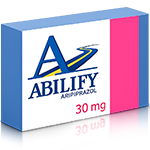
Abilify is one of the most widely prescribed atypical antipsychotic medications in the world, used to treat a broad range of mental health conditions including schizophrenia, bipolar disorder, major depression, autism-associated irritability, and Tourette syndrome. The active ingredient is Aripiprazole, which works through a unique dopamine system stabilization mechanism that sets it apart from older antipsychotic medications. FDA-approved since 2002, Abilify has been used by millions of patients worldwide and has reshaped modern psychiatric care across multiple disorders.
Aripiprazole is often classified as a third-generation antipsychotic because of its distinctive pharmacology: it acts as a partial agonist at dopamine D2 receptors and at serotonin 5-HT1A receptors, and as an antagonist at 5-HT2A receptors. This partial agonism means Aripiprazole can moderate dopamine activity in both directions — reducing excess dopamine signaling that drives psychosis, while preserving normal dopaminergic function and minimising the movement-related side effects that limited older antipsychotics.
Abilify is approved for the treatment of schizophrenia in adults and adolescents (13-17 years), acute manic or mixed episodes of bipolar I disorder (adults and children 10-17), bipolar maintenance therapy, and as an adjunctive treatment for major depressive disorder when standard antidepressants are not sufficient. In pediatric populations, it is approved for irritability associated with autism spectrum disorder (ages 6-17) and Tourette syndrome (ages 6-18).
The medication is available in multiple formulations: standard oral tablets, orally disintegrating tablets, oral solution for flexible pediatric dosing, an intramuscular injection for acute agitation, and long-acting injectable forms (Abilify Maintena, Aristada) for patients who benefit from monthly dosing to support adherence.
Compared to older atypical antipsychotics like olanzapine, Abilify has a lower risk of significant weight gain and metabolic side effects, making it a preferred option for many long-term treatment plans. The most common side effect is akathisia (inner restlessness), which typically improves with time or dose adjustment. Patients should also be aware of rare but important risks including impulse control issues (compulsive gambling, sexual behavior, or eating), tardive dyskinesia with long-term use, and metabolic monitoring requirements.
Abilify is also available in affordable generic Aripiprazole form, supporting accessible long-term mental health care worldwide.
Free prescription
Discrete packaging
Have questions?
Quality Assurance

- Bipolar Disorder: For acute manic or mixed episodes in adults and pediatric patients aged 10-17, as monotherapy or with lithium/valproate;
- Bipolar Maintenance: To prevent relapse of manic episodes in patients stabilised on Aripiprazole following an acute episode;
- Major Depressive Disorder: As adjunct add-on therapy to antidepressants in adults whose depression has not responded adequately to standard treatment;
- Autism Irritability: For children aged 6-17 with autism spectrum disorder presenting severe irritability, aggression, or self-injurious behaviour;
- Tourette Syndrome: For children and adolescents aged 6-18 with moderate-to-severe motor and vocal tics causing distress or functional impairment;
- Acute Agitation: Intramuscular Abilify provides rapid control of agitation in schizophrenia and bipolar mania emergency settings;
- Long Acting Injectable: Abilify Maintena and Aristada provide monthly or bi-monthly dosing for patients who benefit from improved adherence;
- Obsessive Compulsive Disorder (OCD): As off-label augmentation for patients who have not responded fully to SSRI monotherapy;
- Treatment Resistant Depression: A widely-used adjunct in depression that has failed multiple antidepressant trials;
- Borderline Personality Disorder: Off-label use selectively for impulsivity, affective instability, and quasi-psychotic symptoms;
- Schizoaffective Disorder: For combined psychotic and mood symptoms in patients with schizoaffective disorder spectrum;
- PTSD: Off-label option for refractory PTSD symptoms when SSRIs and prazosin are insufficient;
- Delusional Disorder: For chronic non-bizarre delusions in delusional disorder spectrum conditions;
- Psychotic Depression: Often combined with an antidepressant for major depression with psychotic features;
- Pediatric Mania: One of few atypical antipsychotics with formal pediatric bipolar I approval starting at age 10;
- Dementia Agitation: Used cautiously off-label in selected dementia patients with severe agitation, carries black-box dementia mortality warning.
- Reduced Hallucinations: Decreases auditory and visual hallucinations, restoring contact with reality in psychotic conditions;
- Clearer Thinking: Reduces delusional thoughts and disorganised thinking, supporting more coherent reasoning and judgment;
- Less Agitation: Calmer state with reduced restlessness, particularly valuable during acute episodes and emergency situations;
- Reduced Aggression: Lower aggressive behaviour in autism, bipolar mania, and severe agitation states;
- Reduced Irritability: Lower emotional reactivity especially helpful in autism-associated severe irritability;
- Improved Impulse Control: Better behavioural regulation in conditions involving impulsive or self-injurious behaviour;
- Fewer Tics: Reduces frequency and severity of motor and vocal tics in Tourette syndrome patients;
- Better Mood: Augments antidepressant effects in treatment-resistant depression, lifting persistent low mood;
- Less Anxiety: Reduces anxiety symptoms that often accompany psychotic and mood disorders;
- Better Sleep: Effective symptom control supports improved sleep quality and nighttime rest;
- Less Self Harm: Reduces self-injurious behaviour in autism and severe agitation populations;
- Dopamine Partial Agonist: Unique pharmacological mechanism shared only with brexpiprazole and cariprazine — moderates dopamine bidirectionally;
- Low Weight Gain: Significantly less weight gain than olanzapine or quetiapine — supports long-term metabolic health;
- Low Sedation: Less daytime sleepiness than other atypical antipsychotics — preserves alertness for daily activity;
- Daytime Alertness: Maintains energy and focus during the day without heavy sedation of older medications;
- Stable Hormones: Minimal prolactin elevation avoids menstrual changes, galactorrhea, and sexual dysfunction;
- Heart Safe: Low risk of QT interval prolongation — safer choice for patients with cardiovascular history;
- Better Motor Function: Lower risk of acute dystonia and parkinsonism compared to older typical antipsychotics;
- Once Daily Dosing: Single daily dose with or without food supports medication adherence and integrates easily into routine;
- Long Half Life: 75-hour half-life provides stable plasma levels and forgives occasional missed doses;
- Atypical Antipsychotic: Modern second-generation antipsychotic class with better tolerability than older typical agents;
- Long Acting Injectable: Monthly Abilify Maintena and bi-monthly Aristada injection options dramatically improve adherence;
- Generic Aripiprazole: Affordable generic Aripiprazole makes Abilify-equivalent therapy accessible across financial situations;
- Pediatric Antipsychotic: One of few atypical antipsychotics approved across schizophrenia, bipolar, autism, and Tourette in children;
- Psychosis Relief: Effective reduction of positive psychotic symptoms across schizophrenia spectrum disorders;
- Mania Relief: Rapid control of acute manic and mixed episodes in bipolar I disorder;
- Autism Irritability Relief: One of two FDA-approved medications for severe autism-related irritability and aggression;
- Tourette Tic Relief: FDA-approved pediatric reduction of motor and vocal tics in Tourette syndrome;
- Depression Augmentation: Specifically approved adjunct to antidepressants in treatment-resistant major depressive disorder;
- Antipsychotic Maintenance: Long-term maintenance therapy significantly reduces relapse and rehospitalisation in chronic psychiatric conditions;
- Quality of Life: Improved overall functioning and personal wellbeing through effective symptom control;
- Work Capacity: Better cognitive function and emotional regulation support employment and productivity;
- School Performance: Reduced symptoms support academic functioning in adolescent and pediatric patients;
- Social Functioning: Symptom control enables better social connections, family relationships, and community engagement;
- Predictable Pharmacokinetics: Well-defined CYP3A4 and CYP2D6 metabolism allows reliable dosing across patient populations;
- Safety Monitoring: Well-defined metabolic, cardiovascular, and movement disorder monitoring protocols;
- Combination Therapy: Pairs effectively with SSRIs, SNRIs, lithium, and mood stabilisers in multi-modal treatment;
- Stable Storage: Room temperature stable with no refrigeration required — practical for travel and home storage;
- Globally Available: Widely stocked internationally in both branded and generic forms.
Generic Abilify (Aripiprazole 10 mg) Medication guide:
💊 What is Abilify (Aripiprazole) and what does it treat
Abilify is the brand name for aripiprazole, a prescription atypical antipsychotic medication approved by the FDA in 2002. It is used to treat several psychiatric conditions including schizophrenia, bipolar disorder, treatment-resistant depression (as an add-on), irritability associated with autism in children, and Tourette syndrome. Abilify is sometimes called a third-generation antipsychotic or dopamine system stabilizer because it works differently from both older typical antipsychotics and earlier atypical drugs like risperidone or olanzapine.
Conditions Abilify treats
Abilify is FDA-approved for the following indications:
- 🧠 Schizophrenia in adults and adolescents (ages 13–17)
- 🎢 Acute manic and mixed episodes of bipolar I disorder — alone or with lithium or valproate
- 🎢 Bipolar I maintenance therapy to prevent recurrence
- 😔 Adjunctive treatment of major depressive disorder — added to an antidepressant when response is incomplete
- 👶 Irritability associated with autism spectrum disorder in children (ages 6–17)
- 🤸 Tourette syndrome in children and adolescents (ages 6–18)
- 🏥 Agitation in adults with schizophrenia or bipolar mania (intramuscular injection)
- Active ingredient: aripiprazole
- Drug class: atypical antipsychotic, dopamine partial agonist (third-generation)
- FDA approved: 2002
- Available strengths: 2, 5, 10, 15, 20, 30 mg tablets; 1 mg/mL oral solution; orally disintegrating tablets; Abilify Maintena long-acting injection (300, 400 mg monthly)
- Half-life: approximately 75 hours — allows once-daily dosing and stable plasma levels
- Prescription medicine requiring regular psychiatric follow-up
What Abilify does NOT do
Abilify is not a cure for the psychiatric conditions it treats. It does not eliminate schizophrenia, bipolar disorder, or autism. What it does is reduce symptoms, prevent relapse, and allow patients to function in daily life. Treatment is typically long-term or lifelong for chronic conditions like schizophrenia and bipolar disorder.
Abilify is also not a first-line treatment for anxiety, attention deficit hyperactivity disorder (ADHD), or simple depression. It is not a stimulant, not a sedative, and not addictive. It does not produce euphoria or recreational effects. Abilify is also not approved for behavioural disturbances in elderly patients with dementia — in fact, it carries a boxed warning against this use due to increased mortality risk in that population.
🔬 How Abilify works inside the body (mechanism of action)
Abilify works through a fundamentally different mechanism than older antipsychotics. Where first-generation drugs simply block dopamine receptors and second-generation atypicals block dopamine and serotonin, aripiprazole acts as a partial agonist — meaning it can both activate and inhibit dopamine signalling depending on what the brain needs. This unique mechanism explains its favourable side-effect profile and is why it is sometimes called a "dopamine system stabilizer".
The 4-step mechanism
Step 1 — Absorption and distribution
Oral aripiprazole is well absorbed from the gut, reaching peak plasma concentrations within 3–5 hours. Bioavailability is approximately 87%. The drug is highly protein-bound (>99%) and crosses the blood-brain barrier to reach target neurons in the brain. Steady-state plasma levels are achieved after about 14 days of consistent dosing due to the long half-life.
Step 2 — Partial agonism at dopamine D2 receptors
In the brain, aripiprazole binds to dopamine D2 receptors with high affinity. Unlike older antipsychotics that completely block these receptors, aripiprazole acts as a partial agonist: it produces only about 25–30% of the activation that natural dopamine would. The result is that in brain regions with excessive dopamine activity (such as the mesolimbic pathway in psychosis), aripiprazole reduces signalling, while in regions with deficient dopamine (such as the prefrontal cortex), it provides some baseline activation.
Step 3 — Partial agonism at serotonin 5-HT1A receptors
Aripiprazole also acts as a partial agonist at 5-HT1A serotonin receptors. This activation contributes to its antidepressant and anxiolytic effects, particularly relevant for its use as an adjunctive treatment in major depressive disorder.
Step 4 — Antagonism at serotonin 5-HT2A receptors
At the same time, aripiprazole blocks 5-HT2A serotonin receptors. This antagonism reduces serotonin-driven side effects (such as agitation and certain types of movement disorder) and contributes to improvement of negative symptoms in schizophrenia (apathy, social withdrawal, reduced motivation).
Why this matters in practice
The clinical consequences of this triple mechanism explain several important features of Abilify:
- Lower risk of movement disorders — because aripiprazole does not fully block D2 receptors, extrapyramidal side effects (parkinsonism, dystonia, tardive dyskinesia) occur less often than with older antipsychotics
- Less weight gain and metabolic disturbance — compared to olanzapine, clozapine, and quetiapine
- Lower prolactin elevation — because D2 receptors in the pituitary retain some activity
- Akathisia is more common than with some other atypicals — this is the signature aripiprazole side effect
- Once-daily dosing works because of the 75-hour half-life and stable receptor occupancy
The term "dopamine system stabilizer" reflects aripiprazole's distinctive behaviour: in conditions of excess dopamine (psychosis), it dampens the signal; in conditions of dopamine deficit (negative symptoms, motivation problems), it provides modest stimulation. This bidirectional effect is unique among antipsychotics approved in the early 2000s and is the conceptual foundation of "third-generation" antipsychotic design.
🧠 Dopamine system stabilizer -- what makes Abilify different
The most distinctive feature of Abilify compared to other antipsychotics is its role as a dopamine system stabilizer. This concept — central to understanding why aripiprazole works the way it does — reflects how the drug interacts with the dopamine system in a fundamentally different way than older medications.
The dopamine paradox in psychiatric illness
Psychiatric disorders often involve dysregulation of dopamine, not simply too much or too little of it:
- Schizophrenia (positive symptoms) — hallucinations and delusions are linked to excess dopamine activity in the mesolimbic pathway
- Schizophrenia (negative symptoms) — apathy, social withdrawal, and motivation deficits are linked to insufficient dopamine activity in the prefrontal cortex
- Movement disorders from antipsychotics — tremor, rigidity, and tardive dyskinesia from too little dopamine in the nigrostriatal pathway after full D2 blockade
- Prolactin elevation — insufficient dopamine in the tuberoinfundibular pathway from full D2 blockade
Older antipsychotics treat the excess dopamine in psychosis but worsen the deficits in other pathways. This is why first-generation antipsychotics cause prominent movement disorders, and why even atypicals can cause negative symptoms or prolactin problems.
How partial agonism balances these effects
| Brain region | State in disease | Effect of full D2 blockade | Effect of aripiprazole partial agonism |
|---|---|---|---|
| Mesolimbic | Excess dopamine | Reduces psychosis | Reduces psychosis (acts as antagonist where activity is high) |
| Prefrontal cortex | Insufficient dopamine | Worsens negative symptoms | May improve negative symptoms (provides baseline activity) |
| Nigrostriatal | Normal dopamine | Causes parkinsonism, tardive dyskinesia | Minimal movement side effects (partial activity preserved) |
| Tuberoinfundibular | Normal dopamine | Elevates prolactin | Prolactin normal or slightly reduced |
Comparison with other antipsychotics
- First generation (haloperidol, chlorpromazine) — full D2 antagonists. Effective for psychosis but high movement side effects.
- Second generation (risperidone, olanzapine, quetiapine) — D2 + 5-HT2A antagonists. Lower movement risk but often weight gain and metabolic effects.
- Third generation (aripiprazole, brexpiprazole, cariprazine) — D2 partial agonists. Best movement profile, less weight gain, but akathisia common.
What partial agonism does NOT mean
It is a common misunderstanding that aripiprazole "doesn't really work" or "only partly works" because of the partial-agonist label. This is incorrect. Aripiprazole is fully effective for treating psychosis — the partial agonism refers to the molecular interaction at the receptor, not to clinical efficacy. Multiple large clinical trials and meta-analyses have shown aripiprazole to be as effective as other atypical antipsychotics for schizophrenia and bipolar mania.
The dopamine-stabilizer mechanism translates to a real-world clinical profile: less weight gain than olanzapine, less sedation than quetiapine, less movement disorder than haloperidol, less prolactin elevation than risperidone. The trade-off is that akathisia (inner restlessness) is more common than with some other atypicals — but this side effect, when present, usually responds well to dose adjustment or short-term beta-blocker therapy.
📜 The history of Abilify -- from 2002 launch to today
Abilify has had a long and impactful presence in psychiatric care since its FDA approval in November 2002. Originally developed by Otsuka Pharmaceutical in Japan, aripiprazole was the first third-generation antipsychotic to reach the market and pioneered the partial-agonist approach that influenced subsequent drug development. Its commercial success made it one of the highest-selling medications in the world during the late 2000s and early 2010s before going generic.
Timeline of major milestones
| Year | Milestone |
|---|---|
| 1988 | Aripiprazole synthesised and developed by Otsuka Pharmaceutical |
| November 2002 | FDA approval for schizophrenia in adults |
| 2004 | Approved for acute mania and mixed episodes in bipolar I disorder |
| 2005 | Approved for bipolar I maintenance therapy |
| 2006 | FDA boxed warning added for increased mortality in elderly patients with dementia-related psychosis |
| 2007 | Approved as adjunctive treatment for major depressive disorder in adults |
| 2007 | Approved for schizophrenia in adolescents (ages 13–17) |
| 2008 | Approved for bipolar I disorder in children and adolescents (ages 10–17) |
| 2009 | Approved for irritability associated with autism in children (ages 6–17) |
| 2013 | Abilify Maintena (long-acting monthly injection) approved for schizophrenia |
| 2014 | Approved for Tourette syndrome in children (ages 6–18) |
| 2015 | Patent expiry; first generic aripiprazole becomes available |
| 2017 | FDA warning issued for impulse control disorders (gambling, sexual behavior, eating, shopping) |
| 2017 | Abilify Mycite (digital pill with ingestion sensor) approved — the first FDA-approved drug with embedded technology |
| 2018 | Aristada Initio approved — a long-acting injection regimen designed for faster initiation |
| 2020s | Aripiprazole becomes one of the most widely prescribed antipsychotics globally; pediatric and long-acting formulations expand |
Commercial significance
At its peak around 2013–2014, brand Abilify was the highest-selling medication in the United States, with annual sales exceeding $7 billion. This commercial success funded extensive post-marketing safety research and supported the development of multiple new formulations including long-acting injections.
Generic era
Following patent expiry in 2015, generic aripiprazole became widely available at substantially lower cost. This dramatically expanded access:
- Cost reduction — generic aripiprazole costs 5–15% of brand-name Abilify
- Coverage expansion — many more public health plans and patient assistance programs cover it now
- Global availability — generic versions are produced by manufacturers worldwide
- Long-term affordability — for chronic conditions requiring lifelong treatment
Position in modern treatment guidelines
- First-line option for schizophrenia in most guidelines (APA, NICE, WHO)
- First-line option for bipolar mania
- Preferred adjunct for treatment-resistant depression in many algorithms
- Preferred antipsychotic in metabolic-syndrome-prone patients (less weight gain)
- Important option in pediatric psychiatry for autism irritability and Tourette
- Default LAI when long-acting injectable form is needed
Patients starting aripiprazole now benefit from over 20 years of clinical experience, multiple formulations to fit different needs (daily oral, monthly injection, digital pill), generic affordability, and a well-characterised safety profile. Few psychiatric medications have this depth of accumulated evidence and availability.
🧠 Schizophrenia -- primary FDA indication
Schizophrenia was Abilify's original FDA indication and remains its most important use. Aripiprazole is effective for both the positive symptoms (hallucinations, delusions, disorganised thinking) and, to a lesser extent, the negative symptoms (apathy, social withdrawal, blunted emotion) of schizophrenia. It is now considered a first-line treatment in most international clinical guidelines.
Positive vs negative symptoms
| Symptom type | Examples | Aripiprazole effectiveness |
|---|---|---|
| Positive symptoms | Hallucinations (hearing voices, visual experiences), delusions (false fixed beliefs), paranoia, disorganised thinking and speech | Very effective — comparable to other atypicals |
| Negative symptoms | Apathy, social withdrawal, reduced motivation, blunted emotion, poor self-care | Modestly effective — often better than older antipsychotics due to dopamine partial agonism |
| Cognitive symptoms | Difficulty with attention, working memory, executive function | Limited effect — like all current antipsychotics |
| Mood symptoms | Depression, anxiety often coexisting with schizophrenia | Some benefit — 5-HT1A partial agonism contributes |
Standard schizophrenia dosing
- Starting dose: 10 to 15 mg once daily
- Target dose: 10 to 15 mg daily, with most patients responding in this range
- Maximum dose: 30 mg daily
- Dose adjustments: increase no more frequently than every 2 weeks (long half-life requires patience)
- Onset of effect: early symptom improvement within 1–2 weeks; full effect may take 4–6 weeks
- Starting dose: 2 mg daily for 2 days, then 5 mg for 2 days, then 10 mg target
- Effective dose range: 10–30 mg daily
- Maximum dose: 30 mg daily
- Lower starting and slower titration than adults to minimise side effects
What to expect during treatment
Recovery trajectories on aripiprazole for schizophrenia typically follow this pattern:
- Week 1–2: Sleep improvement, reduction in agitation, beginning improvement in disorganised thinking
- Week 2–4: Hallucinations and delusions begin to fade in intensity or become less distressing
- Week 4–6: Most positive symptoms substantially improved; negative symptoms may begin to improve
- Month 2–6: Stable maintenance achieved; functional recovery (work, social, daily activities) progresses
- Beyond month 6: Long-term maintenance to prevent relapse
Comparison with other antipsychotics for schizophrenia
- Lower risk of weight gain and metabolic problems than olanzapine, clozapine, or quetiapine
- Lower prolactin elevation than risperidone or older antipsychotics
- Lower risk of tardive dyskinesia than first-generation drugs
- Less sedation than quetiapine or olanzapine — better for patients needing to remain alert and active
- Available as monthly injection (Maintena) for adherence challenges
Treatment-resistant schizophrenia
When aripiprazole or other first-line antipsychotics do not produce adequate response after 2 trials of 4–6 weeks each at optimal dose, clozapine is the recommended next step. Aripiprazole is sometimes used as an adjunct to clozapine to reduce clozapine-induced weight gain or prolactin issues. Long-acting injectable aripiprazole (Maintena) may also be considered when oral adherence is a problem.
🎢 Bipolar disorder -- manic and mixed episodes
Abilify is FDA-approved for three different uses in bipolar I disorder: acute treatment of manic and mixed episodes, maintenance therapy to prevent recurrence, and adjunctive treatment with mood stabilisers like lithium or valproate. It is widely used in modern bipolar treatment because of its rapid action on mania, favourable weight profile compared to other atypicals, and broad effectiveness across illness phases.
Acute manic and mixed episodes
- Starting dose: 15 mg once daily
- Target dose: 15–30 mg daily based on response
- Onset of antimanic effect: typically within 2–7 days
- Often used in combination with lithium or valproate for severe mania
- Hospitalisation may be required for severe acute mania regardless of medication choice
Bipolar I maintenance therapy
After resolution of an acute episode, aripiprazole is approved for maintenance treatment to prevent recurrence:
- Maintenance dose: usually the same dose that worked acutely (10–30 mg daily)
- Duration: at minimum 6–12 months after first episode; often indefinite after recurrent episodes
- Goal: prevent both manic and depressive episodes, maintain functional stability
- Long-acting injectable (Abilify Maintena) approved for bipolar maintenance — useful when adherence is problematic
Adjunctive use with mood stabilisers
Aripiprazole is frequently combined with traditional mood stabilisers:
| Combination | When used | Notes |
|---|---|---|
| Aripiprazole + lithium | Severe acute mania; maintenance with strong family history | Synergistic effect; monitor lithium levels |
| Aripiprazole + valproate | Mixed episodes; rapid cycling | Watch for sedation; monitor valproate level and platelets |
| Aripiprazole + lamotrigine | Bipolar depression with prior mania | Less common; aripiprazole alone usually adequate |
| Aripiprazole + lithium + antidepressant | Severe bipolar depression after mania | Requires careful management to avoid mood switching |
Pediatric bipolar disorder
- Starting dose: 2 mg daily for 2 days, then 5 mg for 2 days, then 10 mg target
- Effective dose range: 10–30 mg daily
- Slower titration than for schizophrenia to minimise sedation and akathisia
- Always combined with comprehensive psychosocial treatment, family education, and monitoring
What aripiprazole helps less with in bipolar disorder
Aripiprazole's evidence base is strongest for manic and mixed episodes and maintenance after these episodes. It is less consistently effective for:
- Bipolar depression — aripiprazole monotherapy is not approved for bipolar I depression; consider lurasidone, quetiapine, or cariprazine instead
- Rapid cycling — mood stabilisers (lithium, valproate, lamotrigine) are mainstays
- Long-term mood stabilisation without acute episodes — lithium has more evidence here
What to expect during bipolar treatment
- Week 1: Reduced agitation and improved sleep often noticeable
- Week 2–3: Mood and energy beginning to normalise from manic peaks
- Month 1: Substantial symptom resolution in most responders
- Month 2–3: Functional recovery progressing
- Long-term: Continued maintenance to prevent recurrence; periodic reassessment
Aripiprazole is often preferred when avoiding weight gain matters (compared to olanzapine), avoiding heavy sedation matters (compared to quetiapine), or when long-acting injectable maintenance is desired (Maintena). Lithium remains the gold standard for bipolar I maintenance, but aripiprazole is a strong alternative or adjunct.
😔 Major depressive disorder -- adjunctive treatment
Abilify was approved by the FDA in 2007 as an adjunctive (add-on) treatment for major depressive disorder in adults who have not responded adequately to a standard antidepressant alone. This represents a distinct use from its psychiatric primary indications: in MDD, aripiprazole is not a standalone treatment but is added to ongoing SSRI or SNRI therapy. About one in three patients with depression do not respond to a single antidepressant trial, making adjunctive options like aripiprazole clinically important.
When aripiprazole is added to an antidepressant
- Patient has been on an SSRI (e.g. sertraline, escitalopram) or SNRI (e.g. venlafaxine, duloxetine) for at least 6–8 weeks
- Symptoms have improved partially but not adequately
- Patient is tolerating the antidepressant well
- Other strategies (dose increase, switching, adding therapy) have been considered or tried
- Clinician adds aripiprazole at low dose to augment the antidepressant effect
Dosing for MDD adjunctive use
| Dose | Use |
|---|---|
| 2 mg | Starting dose; minimises early akathisia risk |
| 5 mg | Common target dose; effective for many patients |
| 10 mg | Maximum recommended adjunctive dose in MDD |
| 15 mg | Used occasionally if response inadequate at 10 mg |
Doses for MDD adjunctive use are typically lower than schizophrenia or bipolar doses. The mechanism involves the 5-HT1A partial agonism and 5-HT2A antagonism rather than primarily dopaminergic effects.
What to expect when aripiprazole is added
- Week 1–2: Some patients notice improvement in energy, motivation, or anxiety
- Week 4–6: Most responders show clear improvement in mood, sleep, and functioning
- Response rates: approximately 25–30% of partial responders to an antidepressant alone will become full responders with aripiprazole added
- Time to assess effectiveness: at least 6–8 weeks at the chosen dose
Which antidepressants combine well with aripiprazole
| Antidepressant class | Combination with aripiprazole |
|---|---|
| SSRIs (sertraline, escitalopram, fluoxetine, paroxetine, citalopram) | Standard combination; well-studied |
| SNRIs (venlafaxine, duloxetine, desvenlafaxine) | Common combination; effective |
| Bupropion | Less commonly combined; bupropion has activating effect that may overlap with akathisia risk |
| Mirtazapine | Sometimes used; mirtazapine sedation may offset aripiprazole akathisia |
| TCAs (amitriptyline, nortriptyline) | Less commonly combined; older approach |
Side effects to watch for in MDD use
- Akathisia — the most common reason for discontinuation; if it occurs, lower dose or switch
- Weight gain — modest; less than with quetiapine or olanzapine adjunctive use
- Activation, anxiety — can paradoxically worsen depression in some patients; assess at 2–4 weeks
- Fatigue, somnolence — more often a problem at higher adjunctive doses
- Impulse control disorders — gambling, hypersexual behaviour, binge eating — rare but described
Duration of adjunctive treatment
If aripiprazole helps, it is usually continued for as long as the primary antidepressant is continued. The Adjustment Period:
- Continue at least 6–9 months after full remission of depression
- Then consider gradual taper of aripiprazole while keeping the antidepressant
- If depression returns on antidepressant alone, restart aripiprazole adjunct
- For recurrent depression, indefinite adjunctive treatment may be appropriate
Adjunctive aripiprazole is a useful option when antidepressants alone provide partial but inadequate response. It is supported by good clinical trial evidence and is often well-tolerated at low doses (2–5 mg). For some patients, the addition allows escape from prolonged partial response, restoration of function, and full recovery from a depressive episode.
👶 Irritability associated with autism in children
In 2009, the FDA approved Abilify for irritability associated with autism spectrum disorder in children and adolescents ages 6 to 17. This was one of the first medications specifically studied for behavioural symptoms in autistic children and remains an important option when behavioural and developmental interventions alone are insufficient. Aripiprazole does not "treat autism" itself — it addresses specific behavioural symptoms that can interfere with daily function and learning.
What "irritability" means in this context
The clinical concept of irritability in autism includes a specific set of disruptive behaviours that can occur in some autistic children:
- Aggression — hitting, biting, kicking others
- Severe tantrums — intense, prolonged, disproportionate emotional outbursts
- Self-injurious behaviour — head-banging, scratching, biting oneself
- Quickly changing moods — rapid shifts from calm to severe distress
- Property destruction — breaking objects in distress
These behaviours are not core features of autism itself. They are secondary — often arising from distress, sensory overload, communication frustration, or co-occurring conditions. Aripiprazole helps reduce the intensity and frequency of these behaviours, making it easier for children to participate in school, therapy, family life, and learning.
What aripiprazole does NOT do
- Does not improve core autism features — social communication, restricted interests, sensory differences
- Does not improve cognitive abilities or learning
- Does not change personality or make a child "not autistic"
- Does not replace behavioural therapy, occupational therapy, speech therapy
- Should only be considered when severe irritability significantly impairs function
Standard dosing for pediatric autism irritability
- Starting dose: 2 mg once daily
- Week 2: Increase to 5 mg daily if needed
- Further increases: 5 mg increments at intervals of at least 1 week
- Effective dose range: 5–15 mg daily
- Maximum dose: 15 mg daily
- Many children respond at 5–10 mg — do not increase faster than necessary
What to expect on aripiprazole for autism irritability
| Time | Expected progress |
|---|---|
| Week 1–2 | Often noticeable reduction in aggressive episodes and severity of tantrums |
| Week 3–4 | More consistent behavioural improvement; family and school can adapt routines |
| Month 2–3 | Stable response; assess whether other therapies are now more effective |
| Long-term | Reassess need every 6–12 months; some children can taper off when stable |
Side effects specific to pediatric autism use
- Weight gain — the most common concern in pediatric use; monitor every visit
- Sedation, somnolence — common at start; usually improves
- Increased appetite
- Drooling — can occur in young children
- Tremor or restlessness (akathisia) — harder to recognise in young children; ask about discomfort
- Fatigue — may affect school participation
- Elevated prolactin — less common than with risperidone but possible
- Weight, height, BMI at every visit
- Behaviour ratings from parents and teachers
- Fasting glucose, lipids — baseline and every 6 months
- Adverse effects — ask about discomfort, restlessness, sleep
- Continued need assessment — reconsider periodically
The role of medication in autism care
Aripiprazole is one tool among many in autism care. It should be considered when:
- Irritability is severe enough to interfere with daily life, learning, or safety
- Behavioural interventions and environmental adjustments have been tried
- Co-occurring conditions (sensory issues, sleep problems, gastrointestinal pain) have been addressed
- Family and treatment team agree medication is appropriate
For families dealing with severe behavioural distress in an autistic child, aripiprazole can be transformative — not because it changes the child's autism, but because it reduces the intensity of behaviours that prevent the child from engaging fully with school, therapy, family, and community. Always discuss expectations clearly with the prescribing clinician.
🤸 Tourette syndrome in children and adolescents
In 2014, the FDA approved Abilify for treatment of Tourette syndrome in children and adolescents ages 6 to 18. Tourette syndrome is a neurodevelopmental disorder characterised by repetitive, involuntary movements (motor tics) and vocalisations (vocal tics). Most children with Tourette do not require medication, but aripiprazole is an option for those whose tics significantly interfere with daily life, school, or self-esteem.
What Tourette syndrome involves
| Tic type | Examples |
|---|---|
| Simple motor tics | Eye blinking, head jerking, shoulder shrugging, facial grimacing |
| Complex motor tics | Touching objects, hopping, jumping, mimicking others |
| Simple vocal tics | Throat clearing, sniffing, grunting, barking sounds |
| Complex vocal tics | Repeating phrases, echoing others (echolalia), inappropriate words (coprolalia — rare) |
Most children develop tics between ages 5 and 10. Tic severity typically peaks around ages 10–12, then improves through adolescence. Many adults have substantially fewer tics than during childhood. Coprolalia (the involuntary utterance of profanity often portrayed in media) is actually rare in Tourette syndrome, affecting only about 10% of patients.
When medication is considered
- Tics interfere significantly with school — difficulty writing, reading, concentrating
- Social impairment — bullying, exclusion, isolation
- Physical discomfort or injury from severe motor tics
- Self-esteem effects on the child
- Family distress beyond reasonable adjustment
- Behavioural therapy alone insufficient — comprehensive behavioural intervention for tics (CBIT) has been tried
For mild Tourette without significant functional impairment, education, classroom accommodations, and watchful waiting are often the best approach. Tics frequently improve naturally as children grow.
Standard dosing for Tourette syndrome
- Starting dose for children 6–17 weighing < 50 kg: 2 mg daily for 2 days, then 5 mg daily
- Starting dose for children/teens weighing ≥ 50 kg: 2 mg daily for 2 days, then 5 mg, then 10 mg from day 8
- Effective dose range: 5–20 mg daily
- Maximum dose: 20 mg daily
- Slow titration minimises sedation and weight gain
What to expect on aripiprazole for tics
- Week 1–2: Initial reduction in tic frequency or intensity may be noticeable
- Week 4–6: Maximum benefit typically achieved at chosen dose
- Effectiveness: aripiprazole reduces tic severity by approximately 30–50% in most responders
- Complete tic elimination is uncommon — the goal is functional improvement, not zero tics
- Long-term: may be tapered as the child grows and natural improvement occurs
Comparison with other tic-reducing medications
| Medication | Class | Tic reduction | Common limitations |
|---|---|---|---|
| Aripiprazole | Atypical antipsychotic | 30–50% | Weight gain, sedation, akathisia |
| Haloperidol | First-gen antipsychotic | High (often 60%+) | Sedation, weight gain, movement disorders |
| Risperidone | Atypical antipsychotic | 30–50% | Weight gain, prolactin elevation |
| Clonidine | Alpha-2 agonist | Modest (~25%) | Sedation, blood pressure changes |
| Guanfacine | Alpha-2 agonist | Modest (~25%) | Less sedation; useful with ADHD comorbidity |
| Tetrabenazine | VMAT2 inhibitor | Variable | Depression, sedation; specialty use |
Co-occurring conditions in Tourette
Many children with Tourette also have:
- ADHD — affects about 60% of children with Tourette; may need separate treatment with stimulants or alpha-2 agonists (note: stimulants can worsen tics in some patients)
- OCD — affects 40–50%; SSRI treatment is often needed
- Anxiety disorders — common; therapy is mainstay
- Learning differences — require educational accommodations
The goal of medication in Tourette syndrome is functional improvement, not perfect tic suppression. Aripiprazole is one of several effective options and is often preferred when avoiding the side-effect burden of first-generation antipsychotics matters. Comprehensive Behavioural Intervention for Tics (CBIT) — an evidence-based therapy — is also strongly recommended and can sometimes replace or reduce medication needs.
📋 Standard Abilify dosing -- comprehensive reference
This is the master reference for Abilify dosing across all FDA-approved indications and patient populations. Refer to this whenever specific questions arise. Always confirm dosing with your prescriber — this is a summary of standard practice and FDA labelling, not a substitute for personalised psychiatric care.
Oral aripiprazole dosing — adults
| Indication | Starting dose | Target / range | Maximum |
|---|---|---|---|
| Schizophrenia | 10–15 mg/day | 10–15 mg/day | 30 mg/day |
| Bipolar I — acute mania or mixed | 15 mg/day | 15–30 mg/day | 30 mg/day |
| Bipolar I — maintenance | Whatever worked acutely | 10–30 mg/day | 30 mg/day |
| MDD adjunctive | 2–5 mg/day | 5–10 mg/day | 15 mg/day |
| Agitation (IM injection) | 9.75 mg IM | May repeat at 2 hours | 30 mg/day total |
Oral aripiprazole dosing — pediatric
| Indication | Age | Starting / target | Maximum |
|---|---|---|---|
| Schizophrenia | 13–17 years | 2 mg → 5 mg → 10 mg (titrated over 5 days) | 30 mg/day |
| Bipolar I | 10–17 years | 2 mg → 5 mg → 10 mg target | 30 mg/day |
| Autism irritability | 6–17 years | 2 mg → 5 mg / 10 mg target | 15 mg/day |
| Tourette syndrome (< 50 kg) | 6–18 years | 2 mg → 5 mg / 5–10 mg target | 10 mg/day |
| Tourette syndrome (≥ 50 kg) | 6–18 years | 2 mg → 5 mg → 10 mg target | 20 mg/day |
Long-acting injectable aripiprazole — Abilify Maintena
- Initial dose: 400 mg IM monthly
- If 400 mg not tolerated: reduce to 300 mg monthly
- Overlap period: continue oral aripiprazole for 14 days after first injection
- Missed injection: different protocols depending on weeks late — consult prescriber
- Indications: approved for schizophrenia (adults) and bipolar I maintenance (adults)
Other dose-affecting factors
| Factor | Dose adjustment |
|---|---|
| Strong CYP2D6 inhibitors (paroxetine, fluoxetine, quinidine) | Reduce aripiprazole dose by 50% |
| Strong CYP3A4 inhibitors (ketoconazole, clarithromycin, itraconazole) | Reduce aripiprazole dose by 50% |
| Both CYP2D6 + CYP3A4 inhibitors | Reduce aripiprazole dose by 75% (to one quarter) |
| Strong CYP3A4 inducers (carbamazepine, rifampin, phenytoin) | Double aripiprazole dose |
| CYP2D6 poor metabolisers (genetic) | Start at half normal dose |
| Elderly | No mandated adjustment, but start low and titrate slowly |
| Hepatic impairment | No adjustment for mild/moderate; caution in severe |
| Renal impairment | No adjustment needed |
A practical advantage of aripiprazole is the once-daily dosing made possible by its 75-hour half-life. This compares favourably to medications requiring 2–5 daily doses. Patients can take it at any consistent time of day — many prefer morning to minimise insomnia risk, others prefer evening to coincide with the slight sedation some experience initially.
📏 Starting dose vs maintenance dose -- titration approach
Starting and adjusting aripiprazole correctly is one of the most important factors in tolerating the medication. The general principle is "start low, go slow" — particularly important because aripiprazole has a long half-life (about 75 hours), so any dose change takes about 2 weeks to reach steady state. Rushing the titration is the most common preventable cause of side effects and treatment discontinuation.
Why titration matters with aripiprazole
- Long half-life means dose changes take 2 weeks to fully express — side effects that look acceptable on day 3 may worsen by day 14
- Akathisia (the signature aripiprazole side effect) is dose-dependent — faster titration causes more akathisia
- Initial activation — first few days can include increased energy, mild anxiety, sleep changes; these often improve with time at the same dose
- Patient confidence and adherence are better with gentle titration than aggressive starts
Standard titration approach for adult schizophrenia or bipolar
- Days 1–3: 10 mg daily (or 5 mg if patient is sensitive or has anxiety baseline)
- Days 4–14: Continue 10 mg; allow steady state to develop
- Week 2–4: If response inadequate and tolerating well, may increase to 15 mg
- Week 4–8: If still inadequate, may increase to 20–30 mg in steps
- Do not increase faster than every 2 weeks in most cases
Slower titration scenarios
| Patient situation | Recommended titration |
|---|---|
| First-episode psychosis | Start 5 mg; increase by 5 mg every 5–7 days |
| Elderly patient | Start 2–5 mg; increase by 2–5 mg every 7–14 days |
| Anxiety-prone patient | Start 2 mg; increase weekly only if tolerated |
| MDD adjunctive use | Start 2 mg; assess at 2 weeks; consider 5 mg next |
| Patient with prior akathisia | Start 2 mg; very slow increase; consider beta-blocker prophylaxis |
| Concurrent CYP2D6 inhibitor (e.g. paroxetine) | Start at half the usual starting dose |
The maintenance dose concept
Once an effective dose is established and the patient is stable, maintenance dose means the steady amount taken daily long-term. Key principles:
- Continue the dose that achieved remission — do not lower "just because the patient feels well"
- Lower doses may reduce efficacy — relapse risk increases substantially
- Higher doses do not usually improve outcomes once optimal response is achieved — they add side effects
- Reassess periodically — every 6–12 months reconsider whether dose can be lowered
- For chronic conditions like schizophrenia, maintenance is typically lifelong at the effective dose
When to reassess and consider adjustment
- Symptoms have returned despite consistent dosing
- Side effects have appeared or worsened over time
- Significant weight gain, metabolic changes, or akathisia developing
- New medications added that may interact
- Pregnancy planning or pregnancy confirmed
- Major life transitions (puberty, menopause, ageing-related changes)
- Long-term remission — consider whether a lower dose might still work
Stopping or lowering aripiprazole
Once on a stable maintenance dose, changes should always be:
- Discussed with the prescriber first — do not self-adjust
- Gradual — reduce by no more than 25–50% per step
- Spaced out — at least 2–4 weeks between reductions
- Monitored — watch for symptom return
- Reversible — if symptoms return, resume the prior effective dose
Patience matters with aripiprazole. The 2-week steady-state window means every change requires waiting to see the full effect. Patients who hold doses for 2–4 weeks before judging effectiveness or side effects almost always have a smoother experience than those who push for rapid changes. Trust the process, communicate with your prescriber, and give the medication time to do its work.
💊 Tablet, oral solution, and long-acting injection (Maintena)
Aripiprazole is available in multiple formulations designed to fit different clinical needs, patient preferences, and adherence challenges. The most common forms are standard tablets and the Abilify Maintena long-acting monthly injection, but oral solutions, orally disintegrating tablets, and other long-acting injectables exist as well. Choosing the right formulation matters as much as choosing the right dose.
All available aripiprazole formulations
| Formulation | Strengths | Best for |
|---|---|---|
| Standard oral tablets | 2, 5, 10, 15, 20, 30 mg | Most adults; default starting form |
| Orally disintegrating tablets (Discmelt) | 10, 15 mg | Patients with swallowing difficulty; covertly observed dosing |
| Oral solution | 1 mg/mL | Children needing precise weight-based dosing; flexible micro-dose adjustments |
| Intramuscular injection (immediate) | 9.75 mg per 1.3 mL vial | Acute agitation in hospital or emergency settings |
| Abilify Maintena (long-acting) | 300 or 400 mg monthly | Adherence-challenged patients; long-term maintenance |
| Aristada (aripiprazole lauroxil) | 441 / 662 / 882 / 1064 mg monthly or every 6 weeks/2 months | Alternative LAI with flexible interval options |
| Abilify Mycite (digital pill) | 2, 5, 10, 15, 20, 30 mg with sensor | Patients agreeing to digital adherence tracking |
Standard tablets — the default
Most patients start and continue on standard oral tablets. They are:
- Inexpensive — particularly the generic forms
- Easy to dose — one tablet daily for most patients
- Flexible — can adjust by combining strengths
- Reliable — consistent absorption, well-studied
Long-acting injectables (LAI) — when adherence is a concern
- Patient has a history of missed oral doses leading to relapse
- Patient prefers monthly injection over daily pills
- Complex psychosocial situations make daily medication difficult
- After hospitalisation for psychosis — LAIs are associated with lower readmission rates
- Patient cannot remember to take daily medication consistently
- Family or caregiver burden of medication management is high
Maintena initiation protocol
Starting Abilify Maintena requires careful coordination:
- Establish tolerability on oral aripiprazole first (typically 2–4 weeks minimum)
- First Maintena injection — 400 mg IM in the deltoid or gluteus
- Overlap period — continue oral aripiprazole at the effective dose for 14 days after first injection (to maintain plasma levels until LAI builds up)
- Subsequent injections — every 4 weeks (no further oral overlap needed)
- Dose adjustment if 400 mg not tolerated — reduce to 300 mg monthly
What to do if a Maintena dose is missed
| Time since last injection | Action |
|---|---|
| 4–5 weeks | Give next injection as soon as possible; resume monthly schedule |
| 5–6 weeks | Give next injection; consider 7–day oral overlap |
| More than 6 weeks | Re-initiate with full 14–day oral overlap protocol |
Practical formulation choice considerations
- Generic standard tablets are by far the cheapest option for stable adherent patients
- Oral solution can be substituted in patients who develop swallowing problems mid-treatment
- Long-acting injectables are typically 5–10x more expensive than oral but improve outcomes in adherence-vulnerable populations
- Switching from oral to LAI requires a transition plan with prescriber
- Switching from LAI back to oral takes weeks because of slow injection-site release
For chronic psychiatric conditions where lifelong treatment may be needed, having multiple delivery options means more patients can find a format that works for their life. The transition between formulations is well-mapped, and most patients can switch between standard tablets, oral solution, or long-acting injection as their circumstances change.
🥗 Abilify and food -- timing considerations
One of the simpler aspects of aripiprazole therapy is that food has minimal effect on absorption. You can take Abilify with or without food — whichever fits your daily routine. This simplicity makes it easier to fit aripiprazole into different schedules and lifestyles, and removes one common source of confusion that complicates other psychiatric medications.
The bottom line on food
A high-fat meal slightly delays peak plasma concentration (by about an hour), but the total amount of drug absorbed (AUC) is unchanged. Antiviral effect over 24 hours is identical whether fed or fasted. Choose whatever fits your routine and helps you stay consistent.
Pharmacokinetic data on food effects
| Measurement | Fasted | With high-fat meal |
|---|---|---|
| Peak plasma concentration time | 3–5 hours | 4–6 hours (slight delay) |
| Total absorption (AUC) | 100% baseline | ~100% |
| Bioavailability | ~87% | ~87% |
| Antipsychotic / antimanic effect | Full | Full |
Timing considerations beyond food
While food does not matter much, timing of dose can affect comfort:
| When you take it | Effect on experience |
|---|---|
| Morning | Minimises insomnia risk; alertness during work day; common preference |
| Evening | Slight sedation can aid sleep; useful if mild activation causes anxiety during day |
| With breakfast | Easy to remember; consistent routine |
| With dinner | Works for evening adherence; slight sedation overlap with sleep prep |
Specific food and drink considerations
| Food or drink | Effect on Abilify |
|---|---|
| High-fat meal | Delays Cmax by ~1 hour; total dose unchanged |
| Dairy (milk, yoghurt, cheese) | No interaction |
| Citrus / fruit juices | No interaction |
| Grapefruit juice | Can mildly increase aripiprazole levels via CYP3A4 inhibition; not usually clinically significant but worth noting |
| Caffeine (coffee, tea, soda) | No direct interaction; may worsen akathisia in sensitive patients |
| Alcohol (moderate) | No direct interaction; may worsen sedation, judgement; avoid heavy use |
| Antacids (TUMS, etc.) | No significant effect on absorption |
If you have stomach upset
Mild nausea is uncommon but can occur with aripiprazole. Strategies:
- Take with a small snack (crackers, banana, toast)
- Drink a full glass of water with each dose
- Try shifting dose to a different time of day
- If persistent vomiting, contact prescriber promptly — do not skip doses
Consistency matters more than timing
- Choose one time of day and stick with it consistently
- Variability in dose timing can cause minor fluctuations in side-effect intensity
- Linking your dose to a daily routine (breakfast, brushing teeth, etc.) improves adherence
- Aripiprazole's long half-life is forgiving of small day-to-day variations, but consistent timing is best
🧮 Dose adjustment for liver function and special populations
Aripiprazole has a distinctive dose-adjustment profile compared to many other medications. Renal impairment does not require dose adjustment — aripiprazole is not primarily kidney-cleared. Hepatic impairment in most cases also does not mandate adjustment. The biggest dose changes come from drug-drug interactions via CYP2D6 and CYP3A4 enzymes, and from genetic variation in CYP2D6 metabolism. Understanding these factors helps prevent both inadequate response and toxicity.
Liver function and aripiprazole
- Mild hepatic impairment (Child-Pugh A): no adjustment needed
- Moderate hepatic impairment (Child-Pugh B): no formal adjustment, but use lower end of dose range
- Severe hepatic impairment (Child-Pugh C): use with caution; consider lower starting and target doses; monitor closely
- Active hepatitis or severely elevated liver enzymes: postpone initiation if possible until enzymes improve
Kidney function and aripiprazole
Aripiprazole is primarily metabolised by the liver (via CYP2D6 and CYP3A4) and only minimally excreted by the kidneys. As a result:
- No dose adjustment needed for any degree of renal impairment
- Safe in dialysis patients (aripiprazole is not removed by dialysis — standard dose appropriate)
- Safe in acute kidney injury from a pharmacokinetic perspective
- This is a significant advantage in elderly patients and those with comorbid conditions affecting kidneys
CYP enzyme interactions — the main source of dose changes
| Combination | Effect on aripiprazole | Dose adjustment |
|---|---|---|
| Strong CYP2D6 inhibitor alone (paroxetine, fluoxetine, quinidine, bupropion) | Plasma aripiprazole increased by ~60–80% | Reduce aripiprazole by 50% |
| Strong CYP3A4 inhibitor alone (ketoconazole, itraconazole, clarithromycin, ritonavir) | Plasma aripiprazole increased by ~60–80% | Reduce aripiprazole by 50% |
| Strong CYP2D6 + CYP3A4 inhibitors combined | Plasma aripiprazole can quadruple | Reduce aripiprazole by 75% (to one quarter) |
| Strong CYP3A4 inducers (carbamazepine, rifampin, phenytoin, St. John's wort) | Plasma aripiprazole decreased by ~70% | Double aripiprazole dose; gradually adjust to clinical effect |
CYP2D6 genetic variation
About 7–10% of white populations and significant proportions of other ethnic groups have genetic variants that make them poor metabolisers of CYP2D6 substrates including aripiprazole. These patients:
- Have plasma aripiprazole levels roughly 60% higher than normal metabolisers at the same dose
- Are more prone to side effects at standard doses
- Should typically start at half the usual starting dose
- May need lower maintenance doses
- Can be identified by CYP2D6 genetic testing (sometimes done in patients with prior medication intolerance)
Less common is the ultra-rapid metaboliser phenotype, where CYP2D6 activity is increased — these patients may need higher doses but rarely require formal adjustment from the start.
Other special population considerations
| Population | Approach |
|---|---|
| Elderly (65+) | No formal adjustment; start at lower end of range, titrate slowly; falls risk monitoring |
| Female patients | No formal adjustment; weight gain may be slightly higher |
| Smokers | Smoking induces CYP1A2 (not relevant to aripiprazole); no specific adjustment |
| Heavy alcohol users | Discuss with prescriber; alcohol can worsen sedation, judgement |
| Pregnancy | Discussed in dedicated section; generally continue if needed |
| Pediatric | Weight-based dosing; lower starting and slower titration than adults |
Aripiprazole is one of the few medications where kidney problems do not affect dosing — a major advantage in elderly and medically complex patients. The main vigilance points are CYP-affecting medications (especially common ones like fluoxetine, paroxetine, and certain antibiotics). Always review every new medication added with your pharmacist or prescriber to check for aripiprazole interactions.
🚨 Abilify Side Effect
Abilify (aripiprazole) has a side-effect profile that is generally more favourable than older antipsychotics but still requires careful monitoring. The signature side effect of aripiprazole is akathisia (inner restlessness), which is distinctive and important to recognise. Compared to other atypical antipsychotics, aripiprazole has less weight gain, less sedation, less prolactin elevation, and less risk of metabolic syndrome — making it a preferred long-term choice in many treatment plans.
🔔 Side effect zones (use this as a quick navigation guide)
Green zone — usually manageable
What helps: water, fibre, gradual position changes, taking dose at consistent time. Usually improves over 2–4 weeks. |
Yellow zone — discuss with prescriber
Best move: contact prescriber within days; do not stop the medication on your own. |
Red zone — seek immediate care
Action: emergency department or psychiatric emergency services. |
📌 Most reported everyday side effects (what they feel like)
- Akathisia: inner restlessness, urge to move, pacing — occurs in 5–15% of patients, the signature aripiprazole side effect
- Nausea / vomiting: usually mild, improves after first few weeks
- Headache: common in first weeks; usually improves
- Insomnia: some patients; consider taking dose in morning
- Sedation / fatigue: less common than with other atypicals; usually mild
- Weight gain: generally modest (2–4 kg over 6 months); less than olanzapine or quetiapine
- Constipation: common; increase fibre and fluids
- Dizziness on standing (orthostatic): early in treatment; rise slowly from sitting/lying
📋 Symptom-to-action table (fast problem solving)
| Side effect | Likely cause | What to do first | When it becomes a bigger concern |
|---|---|---|---|
| Inner restlessness, can't sit still | Akathisia (dose-dependent) | Contact prescriber; reduce caffeine; movement helps short-term | Severe distress, suicidal thoughts — urgent care |
| Weight gain > 5% body weight | Metabolic effect | Diet, exercise, monitoring | Gain > 7% or metabolic syndrome features |
| Tremor, muscle stiffness | Extrapyramidal symptoms (rare with aripiprazole) | Contact prescriber; may need dose reduction | Severe or persistent — dose change needed |
| Involuntary mouth/tongue movements | Possible tardive dyskinesia | Contact prescriber promptly | Always significant — assessment needed |
| Compulsive gambling, shopping, sexual behaviour | Impulse control disorder | Stop and contact prescriber | Always significant — needs medication change |
🌟 What increases side effects (the hidden multipliers)
|
📈 Rapid titration Increasing dose faster than every 2 weeks is the #1 cause of akathisia and early discontinuation. Patience prevents most side-effect issues. |
💊 CYP2D6/CYP3A4 inhibitors Adding paroxetine, fluoxetine, ketoconazole, or similar can raise aripiprazole 60-80% — same side effects as a doubled dose. |
🍷 Substances + lifestyle Heavy alcohol, lack of sleep, stimulants, caffeine all amplify akathisia, anxiety, and sedation. Stable routines help. |
Rare serious reactions — less than 1 in 1000
- Neuroleptic malignant syndrome (NMS) — very rare; high fever + muscle rigidity + autonomic instability + altered mental state; immediate emergency
- Tardive dyskinesia — involuntary movements (face, tongue, limbs) that may persist after stopping; far less common with aripiprazole than first-gen antipsychotics
- Severe skin reactions (SJS/TEN) — rare; spreading rash, blistering, mucous involvement
- Diabetic ketoacidosis — rare; in patients developing new diabetes
- Seizures — rare; risk slightly elevated in seizure-prone patients
- Severe impulse control disorders — pathological gambling, hypersexuality, binge eating, compulsive shopping (see dedicated section)
- Suicide-related events — antidepressant adjunctive use; monitor especially in young adults at start
- Very high fever (over 39°C/102°F) with muscle stiffness and confusion (NMS)
- Severe rash with blistering, mucous membrane involvement, or fever
- Suicidal thoughts or self-harm urges
- Sudden inability to control movements (severe acute dystonia)
- Severe allergic reaction (face/tongue swelling, breathing difficulty)
- Severe dehydration, fainting, or extreme weakness
🦵 Akathisia -- restless movement, the signature side effect
Akathisia is the signature side effect of aripiprazole — the most common reason patients consider stopping the medication and a sensation that, when it occurs, can be intensely distressing. The good news is that akathisia is recognisable, manageable, and often reversible with the right approach. Understanding what it is, how to recognise it, and what to do dramatically improves the likelihood of staying on effective treatment.
What akathisia feels like
- Inner restlessness — feeling like you cannot sit still, even if you appear calm outwardly
- Urge to move — pacing, leg crossing/uncrossing, rocking, foot tapping
- Inability to relax — even when tired, cannot find a comfortable position
- Anxiety or dysphoria — often accompanies the physical restlessness
- Sleep disturbance — difficulty falling asleep or staying still in bed
- Worsening with stress or boredom
- Sometimes described as: "I want to crawl out of my skin" or "my legs have to move"
How common is akathisia on aripiprazole
| Dose / context | Approximate akathisia rate |
|---|---|
| Aripiprazole 2–5 mg (MDD adjunct) | 5–15% |
| Aripiprazole 10–15 mg (schizophrenia, bipolar) | 10–20% |
| Aripiprazole 20–30 mg (higher doses) | 15–30% |
| Rapid dose increases (faster than every 2 weeks) | Substantially elevated |
| Compared to haloperidol (older antipsychotic) | Lower with aripiprazole at equivalent efficacy |
| Compared to other atypicals (olanzapine, quetiapine) | Often higher with aripiprazole |
Why akathisia happens with aripiprazole
The proposed mechanism is the partial agonist activity at D2 dopamine receptors. At certain receptor occupancy levels, aripiprazole produces a kind of mismatch between dopamine activity in different brain regions that manifests as motor restlessness. This is also why akathisia is the most distinctive side effect of aripiprazole compared to other antipsychotics — the unique partial-agonist mechanism creates this specific pattern.
Risk factors for akathisia
- Higher doses — risk increases with dose
- Rapid titration — not allowing 2 weeks between dose increases
- Younger age — adolescents and young adults more affected
- Female sex — somewhat more affected on average
- Concurrent stimulants — methylphenidate, amphetamines, caffeine
- Prior akathisia experience — with any antipsychotic
- CYP2D6 poor metaboliser status (genetic)
- Concurrent CYP2D6 or CYP3A4 inhibitors
When akathisia typically appears
- Days 1–3: Some patients notice restlessness very early
- Week 1–2: Most akathisia onset occurs as steady-state is approached
- Week 2–6: Some patients develop akathisia after dose increases during this window
- After dose increases: Akathisia can emerge 1–2 weeks after each step up
- Long-term: Persistent akathisia is uncommon at stable dose; usually fades with time or dose adjustment
Management of akathisia — first-line strategies
- Dose reduction — often the most effective approach; reduce by 5–10 mg and wait 2 weeks
- Slow titration — if dose increases caused it, return to prior dose and titrate slower
- Reduce or eliminate caffeine — coffee, energy drinks can dramatically worsen akathisia
- Improve sleep — sleep deprivation worsens akathisia
- Stress management — meditation, walking, relaxation techniques
- Address concurrent CYP-inhibiting medications
Management of akathisia — pharmacological treatment
If non-pharmacological measures and dose adjustment do not resolve akathisia, medications can help:
| Treatment | Typical dose | Notes |
|---|---|---|
| Propranolol (beta-blocker) | 20–40 mg twice daily | First-line; usually effective |
| Atenolol (beta-blocker) | 25–50 mg daily | Alternative to propranolol; once daily |
| Mirtazapine | 15–30 mg at bedtime | Anti-akathisia plus sleep benefit |
| Benztropine (anticholinergic) | 1–2 mg twice daily | Less commonly first-line; cognitive side effects |
| Diphenhydramine | 25–50 mg | Short-term; sedation; over-counter option |
| Clonazepam | 0.5–1 mg twice daily | Short-term; dependence concerns with long use |
The serious risk: akathisia and suicide
Severe akathisia is associated with suicidal thoughts and behaviour in some patients. The combination of severe inner distress and inability to find relief can be intolerable. If you or someone on aripiprazole experiences:
- Severe akathisia not relieved by reduction in dose or beta-blockers
- Thoughts of self-harm or suicide while experiencing restlessness
- Inability to function due to restlessness
When to switch off aripiprazole due to akathisia
- Akathisia persists despite dose reduction to minimum effective dose
- Akathisia persists despite beta-blocker treatment
- Patient is unable to function or sleep
- Suicidal thoughts emerge with akathisia
- Patient strongly prefers to switch
Alternatives include other atypical antipsychotics with lower akathisia profiles (quetiapine, olanzapine) or first-generation antipsychotics if benefits outweigh other side effects.
Akathisia is real, common, and treatable. Recognise it as inner restlessness with urge to move — not anxiety, not psychosis, not "feeling weird". Communicate clearly with your prescriber. Dose reduction, slower titration, and beta-blockers resolve most cases. Aripiprazole's other benefits (low weight gain, low sedation, low metabolic risk) often make it worth working through akathisia management rather than switching immediately.
🍔 Weight gain and metabolic effects on Abilify
One of aripiprazole's main advantages over many other atypical antipsychotics is its relatively favourable metabolic profile. Compared to olanzapine, clozapine, or quetiapine — which can cause substantial weight gain and metabolic syndrome — aripiprazole typically causes modest weight changes. However, "modest" is not "zero". Significant weight gain does occur in some patients, particularly pediatric users, those starting with normal weight, and those on long-term high-dose therapy.
How much weight gain to expect on aripiprazole
| Patient group | Average weight gain |
|---|---|
| Adults on aripiprazole 10–30 mg (schizophrenia/bipolar) | ~2–4 kg over 6 months |
| Adults on aripiprazole 2–10 mg (MDD adjunctive) | ~1–3 kg over 6 months |
| Children and adolescents | ~5–10 kg over 6 months (more pronounced) |
| Patients with prior weight gain on antipsychotics | Variable; less than olanzapine but more than baseline |
About 10–15% of adult patients on aripiprazole gain more than 7% of their baseline body weight — the clinical threshold for "significant" weight change. This is much lower than the 30–50% who gain that much on olanzapine.
Comparison with other atypical antipsychotics
| Antipsychotic | Relative weight gain | Metabolic risk |
|---|---|---|
| Olanzapine | High (5–10+ kg) | High |
| Clozapine | High (5–10+ kg) | High |
| Quetiapine | Moderate (3–6 kg) | Moderate |
| Risperidone | Moderate (3–5 kg) | Moderate |
| Aripiprazole | Lower (2–4 kg) | Lower |
| Lurasidone | Low (1–2 kg) | Low |
| Ziprasidone | Low (1–2 kg) | Low |
Why weight gain happens on aripiprazole
The mechanisms are not fully understood but involve:
- Histamine H1 blockade — promotes appetite (less than older atypicals)
- 5-HT2C blockade — affects satiety signalling
- Sedation — reduced activity in some patients
- Symptom improvement — patients with active psychosis often eat poorly; recovery includes return to normal eating
- Snacking from medication-related dry mouth or boredom
Other metabolic changes to monitor
- Weight at every visit; BMI calculation
- Waist circumference — reflects abdominal fat accumulation
- Fasting glucose — baseline, 3 months, then annually
- HbA1c — baseline and annually for at-risk patients
- Fasting lipid panel — baseline and annually
- Blood pressure — at every visit
Strategies to prevent or minimise weight gain
- Discuss expectations with prescriber at start of treatment
- Weigh weekly for first 3 months — catch trends early
- Dietary changes — reduce sugary drinks, refined carbohydrates, late-night snacks
- Regular exercise — 30 min walking daily helps significantly
- Adequate sleep — poor sleep worsens metabolic changes
- Hydration — water instead of sugary beverages
- Avoid trigger combinations — especially aripiprazole + valproate combination has more weight gain
- Consider metformin — if significant weight gain or insulin resistance develops
When to consider switching due to metabolic concerns
- Weight gain > 7% of baseline despite lifestyle measures
- New diagnosis of type 2 diabetes
- Significant lipid abnormalities developing
- Patient distress about weight changes
- Mood/anxiety effects from weight
Pediatric patients deserve special attention
Children and adolescents on aripiprazole gain weight more readily than adults. For pediatric patients:
- Monitor weight, height, BMI percentile at every visit
- Monitor fasting glucose and lipids every 6 months
- Family meal planning and physical activity guidance
- Lower threshold for switching if significant metabolic changes occur
- Discuss expectations with family at start
Aripiprazole's metabolic profile is much better than older or sedating atypical antipsychotics — this is a key reason it is often preferred for long-term treatment. But "better" does not mean "no risk". Active monitoring, lifestyle support, and willingness to switch if metabolic problems develop are essential to safe long-term care. Many patients maintain healthy weight on aripiprazole when they pay attention from the start.
🌀 Tardive dyskinesia -- rare but serious movement disorder
Tardive dyskinesia (TD) is a movement disorder characterised by involuntary repetitive movements, particularly of the face, mouth, tongue, and sometimes limbs and trunk. It is one of the most concerning long-term risks of any antipsychotic medication because the movements can be persistent even after the medication is stopped. The good news is that aripiprazole has a substantially lower risk of TD than first-generation antipsychotics and is also less risky than some other atypicals. The further good news is that newer treatments now exist if TD does develop.
What tardive dyskinesia looks like
- Face — lip smacking, puckering, twitching, grimacing
- Tongue — protrusion, rolling, twisting, "fly-catching" motions
- Jaw — chewing motions, lateral jaw movement, teeth grinding
- Eyes — rapid blinking, prolonged closure (blepharospasm)
- Limbs — finger flicking, foot tapping, complex purposeless movements
- Trunk — rocking, swaying, pelvic thrusting (rare)
- Movements may be subtle initially and worsen over months
- Often worsens with stress or attention; improves during sleep
Risk on aripiprazole specifically
| Drug class | Annual TD incidence |
|---|---|
| First-generation antipsychotics (haloperidol, chlorpromazine) | ~5% per year of exposure |
| Older atypicals (risperidone, olanzapine) | ~1–2% per year |
| Aripiprazole | ~0.5–1% per year |
| Newer third-gen (cariprazine, brexpiprazole) | Similarly low |
Cumulative risk over years matters: a patient on aripiprazole for 10 years has roughly 5–10% lifetime risk of developing some TD, compared to 50% or more with first-generation antipsychotics over the same period.
Risk factors for tardive dyskinesia
- Cumulative dose exposure — total amount over years matters most
- Duration of treatment — longer is higher risk
- Older age — particularly age 65+
- Female sex — somewhat higher risk
- Diabetes — independent risk factor
- African or Asian ancestry — slightly higher genetic susceptibility
- History of acute movement disorders on antipsychotics
- Negative symptoms or cognitive impairment in schizophrenia — suggests neurodegenerative vulnerability
- Mood disorders — bipolar patients have slightly higher TD risk than schizophrenia
Detection — the AIMS examination
- Standardised exam used by psychiatrists every 6–12 months on long-term antipsychotic patients
- Observes facial movements, tongue, lips, jaw, limbs, trunk
- Rates severity 0 to 4 on each body part
- Catches subtle TD before it becomes severe
- Patient should ask about AIMS exam if not done routinely
Self-monitoring tips
Patients can also monitor at home:
- Mirror check — observe face for tongue movements or jaw tics, ideally with eyes closed (TD often worsens then)
- Family/friend observations — they may notice changes you do not
- Photographs over time — comparing facial appearance over months
- Note changes — new tongue movements, lip movements, finger fidgeting
- Report promptly — do not wait for next appointment if changes emerge
What to do if TD develops
- Contact prescriber promptly — do not wait
- AIMS examination to document severity and pattern
- Discuss whether continuing aripiprazole is appropriate
- Consider lowering the dose — sometimes reduces severity
- Consider switching to clozapine — the only antipsychotic essentially free of TD risk
- Consider VMAT2 inhibitor treatment (valbenazine or deutetrabenazine) — FDA-approved specifically for TD
- Withdrawal of aripiprazole may initially worsen TD temporarily — do not stop abruptly
New TD treatments: VMAT2 inhibitors
FDA approval of valbenazine (Ingrezza) in 2017 and deutetrabenazine (Austedo) in 2017 has changed the outlook for TD:
- Both reduce TD severity by 30–50% in most patients
- Allow continuation of antipsychotic if needed
- Generally well-tolerated
- Can be combined with antipsychotic switching strategies
- Specialty prescription — often through movement disorder clinics
Prognosis — can TD reverse?
| Scenario | Likely outcome |
|---|---|
| TD detected early; antipsychotic reduced or stopped | ~50% improvement, sometimes complete resolution over months to years |
| TD detected late; antipsychotic continued unchanged | Often persistent or progressive |
| TD with VMAT2 inhibitor treatment | Substantial symptomatic improvement |
| TD with clozapine substitution | May improve over years |
TD on aripiprazole is rare but real. Regular AIMS examinations, self-monitoring, and prompt reporting of any new movements are the keys to early detection. Treatment options now include VMAT2 inhibitors, which were not available historically. Long-term aripiprazole is reasonably safe from a TD perspective — but vigilance remains essential, particularly in elderly patients and those with risk factors.
🚫 Abilify Contraindications
Abilify has relatively few absolute contraindications — it is generally a tolerable medication. However, certain conditions require careful consideration before starting, dose adjustment, or active monitoring. The boxed warning for elderly patients with dementia-related psychosis is the most important single contraindication and reflects increased mortality in that specific population.
🚫 Absolute contraindications (do not use)
- Known hypersensitivity to aripiprazole or any tablet excipient
- Prior neuroleptic malignant syndrome on aripiprazole or other antipsychotics
- Dementia-related psychosis in elderly patients (BLACK BOX WARNING — increased mortality risk)
- Prior Stevens-Johnson syndrome or toxic epidermal necrolysis with aripiprazole
- Severe drug-induced parkinsonism persisting after dose changes (relative; case-by-case)
🟡 Relative contraindications (use only with caution)
- Severe hepatic impairment (Child-Pugh C) — use lower doses; close monitoring
- Cardiovascular disease — particularly QT prolongation, heart failure
- History of seizure disorder — aripiprazole may lower seizure threshold
- Dysphagia or aspiration risk — particularly important in elderly
- History of suicidal behaviour in young adults — monitor closely particularly in MDD adjunctive use
- Active substance abuse — may interfere with adherence and judgement
- Diabetes mellitus — can affect glucose control
- Concurrent strong CYP-affecting medications — dose adjustment needed
- Prior severe akathisia or other movement reactions on antipsychotics
- History of pathological gambling or impulse control disorders
🟢 Conditions requiring caution but not contraindicated
- Mild to moderate hepatic impairment (Child-Pugh A or B) — usual doses appropriate
- Renal impairment of any degree — no adjustment needed
- Age over 65 — start low, titrate slowly; not contraindicated for non-dementia indications
- Type 2 diabetes — monitor glucose more closely
- Pregnancy — discussed in dedicated section; not contraindicated but requires careful decision
- Concurrent NSAIDs, common medications — usually compatible
The boxed warning — elderly with dementia
Elderly patients with dementia-related psychosis treated with antipsychotic drugs (including aripiprazole) have an increased risk of death compared to placebo. Causes of death are varied but include cardiovascular events and infections.
What this means:
- Aripiprazole is NOT approved for behavioural disturbances in dementia patients
- If used off-label for severe agitation in dementia, requires informed consent and ongoing risk-benefit assessment
- Non-pharmacological approaches should always be tried first
- If used, lowest effective dose for shortest possible duration
- Family members should be informed of the warning
Decision table: should you start Abilify?
| Patient situation | Recommendation |
|---|---|
| Healthy adult with schizophrenia or bipolar I | Proceed — standard approach |
| MDD partial responder to antidepressant | Proceed at low adjunctive dose |
| Pediatric patient with autism irritability or Tourette | Proceed with pediatric titration |
| Elderly patient with schizophrenia (not dementia) | Proceed with low-and-slow approach |
| Elderly patient with dementia-related agitation | Boxed warning applies — non-pharmacological first; if used, requires informed consent |
| Patient with prior neuroleptic malignant syndrome | Avoid |
| Patient with known hypersensitivity to aripiprazole | Do not use |
| Patient with prior pathological gambling on antipsychotic | Consider alternative antipsychotic |
| Pregnant patient with severe psychiatric symptoms | Discuss risks and benefits; often continued if needed |
What to tell your prescriber before starting
- Complete current medication list including OTC and supplements
- Any neurological or movement disorder history
- Any liver, kidney, or cardiac disease
- History of seizures
- Allergic reactions to any psychiatric medications
- Pregnancy status, breastfeeding, or pregnancy planning
- Alcohol use, recreational substance use
- Family history of psychiatric or movement disorders
- Prior antipsychotic experiences (good and bad)
- Any history of gambling, hypersexuality, or impulsive behaviour
🤰 Abilify in pregnancy and breastfeeding -- current evidence
Pregnancy and breastfeeding decisions while on aripiprazole are complex. Untreated severe psychiatric illness in pregnancy carries real risks to both mother and baby, while medication exposure also carries some risks. The most current evidence suggests aripiprazole is relatively safe in pregnancy — but the decision is individualised and should always be made with both psychiatric and obstetric input.
What the pregnancy data shows
- Over 1500 first-trimester exposures tracked in pregnancy registries
- Major birth defect rate: similar to background population rate (~3%)
- No specific pattern of malformations identified
- Some increased risk of preterm birth reported (modest)
- Some risk of withdrawal symptoms in newborn if exposed in third trimester (extrapyramidal symptoms, feeding difficulty)
- Long-term developmental data: limited but generally reassuring
FDA pregnancy classification
Under the older FDA pregnancy categorisation, aripiprazole was classified as Category C — animal studies showed effects but no controlled human studies. Modern FDA labelling uses narrative summaries rather than letter categories, but the underlying safety profile has not changed substantially.
Considerations during pregnancy
| Trimester | Specific considerations |
|---|---|
| First trimester | Organogenesis; theoretical highest risk for malformations; existing data reassuring |
| Second trimester | Brain development continues; minimal evidence of harm; usual dosing |
| Third trimester | Newborn may have transient withdrawal symptoms (extrapyramidal, agitation, feeding issues); ensure delivery hospital is aware of medication |
Decision-making during pregnancy
- Patient has severe schizophrenia, bipolar disorder, or recurrent depression
- Prior trials showed relapse without medication
- Untreated illness carries risk to mother and pregnancy (suicide risk, poor self-care, substance use)
- Patient is already pregnant and stable on aripiprazole
- Aripiprazole was started for mild conditions that might tolerate medication-free period
- Pregnancy is planned and patient is currently stable
- Alternative antipsychotic with more pregnancy data is preferable (e.g. quetiapine has more data)
- Patient strongly prefers to minimise pregnancy exposure
Comparison with other antipsychotics in pregnancy
| Drug | Pregnancy data | Notes |
|---|---|---|
| Aripiprazole | Substantial; reassuring | Acceptable if needed |
| Quetiapine | Extensive; reassuring | Often preferred for new pregnancy starts |
| Olanzapine | Extensive; reassuring | Metabolic concerns in pregnancy |
| Risperidone | Substantial | Acceptable |
| Clozapine | Some data; reassuring | Usually continued if needed for treatment-resistant illness |
| Lithium (not aripiprazole alternative) | Some concerns first trimester | Bipolar maintenance; often switched to other agents in pregnancy |
| Valproate (not aripiprazole alternative) | SIGNIFICANT risk; avoid | Should not be used in pregnancy if avoidable |
Newborn considerations
Babies exposed to aripiprazole in late pregnancy may experience transient symptoms after birth:
- Extrapyramidal symptoms — tremor, increased tone, abnormal movements
- Withdrawal symptoms — jitteriness, feeding difficulty, irritability
- Respiratory issues — rarely
- Usually resolves within hours to days with supportive care
- Delivery hospital should be aware to monitor and respond if symptoms develop
Breastfeeding on aripiprazole
- Aripiprazole passes into breast milk at low concentrations
- Infant exposure is estimated at less than 1% of weight-adjusted maternal dose
- No major adverse effects reported in breastfed infants in available literature
- Most professional organisations consider breastfeeding compatible with maternal aripiprazole use
- Caveat: aripiprazole may reduce prolactin (less than other antipsychotics) and theoretically affect milk production in some women
- Monitor infant for sedation, feeding adequacy, weight gain
Postpartum considerations
- Postpartum psychiatric illness can be severe; do not discontinue aripiprazole unilaterally after delivery
- Coordinate maternal psychiatric care with infant paediatric follow-up
- Sleep deprivation worsens psychiatric symptoms; family support critical
- Consider increasing monitoring frequency in first weeks postpartum
- Postpartum psychosis is a psychiatric emergency requiring urgent treatment
If you are on aripiprazole and planning pregnancy, discuss with both your psychiatrist and obstetrician well before conception. If you discover you are pregnant while on aripiprazole, do NOT stop abruptly — contact your prescriber for planning. The medication itself does not require immediate cessation in most cases. Untreated severe psychiatric illness in pregnancy is often a bigger risk than medication exposure.
👶 Abilify in children and adolescents
Aripiprazole is one of the most extensively studied antipsychotics in children and adolescents. FDA approvals for pediatric use span four indications across ages 6 to 17: irritability in autism (6–17), Tourette syndrome (6–18), schizophrenia in adolescents (13–17), and bipolar I disorder in children (10–17). This breadth of approved pediatric uses reflects the substantial clinical research base and represents one of aripiprazole's distinctive strengths in pediatric psychiatry.
Approved pediatric indications — comprehensive summary
| Indication | Age range | Typical dose |
|---|---|---|
| Irritability in autism spectrum disorder | 6–17 years | 5–15 mg/day |
| Tourette syndrome | 6–18 years | 5–20 mg/day (weight-based) |
| Bipolar I disorder | 10–17 years | 10–30 mg/day |
| Schizophrenia | 13–17 years | 10–30 mg/day |
Pediatric-specific titration
- Day 1–2: 2 mg daily
- Day 3–5: 5 mg daily
- Day 6+: 10 mg daily (target for most indications)
- Further increases by 5 mg only every 1–2 weeks if needed
- Lower starting and slower titration than for adults to minimise akathisia and weight gain
Pediatric pharmacokinetics
Aripiprazole's behaviour in children is similar to adults but with some differences:
- Half-life — about 75 hours, similar to adults
- Bioavailability — similar to adults
- CYP2D6 polymorphism — same considerations as adults; pediatric CYP2D6 variants particularly important
- Weight-based dosing — particularly important for Tourette and young children
- Once-daily dosing works for children, supporting adherence
Side effects that matter more in pediatric patients
| Side effect | Pediatric concern |
|---|---|
| Weight gain | More pronounced than adults; can affect growth and self-esteem; monitor BMI percentile |
| Sedation | Can interfere with school attendance and learning |
| Drooling | Can occur particularly in young children; social impact |
| Akathisia | Can be hard to detect in young children — ask about discomfort, observe behaviour changes |
| Metabolic changes | Effects on developing endocrine system; baseline glucose and lipids essential |
| Growth | Monitor height velocity over time; consider impact on long-term development |
| Suicidal thoughts | In adolescents, particularly with depression component; monitor closely |
Pediatric monitoring requirements
- Weight, height, BMI at every visit
- Growth charts — track percentiles over time
- Fasting glucose, HbA1c, lipids — baseline and every 6 months
- School performance assessment
- Family reports on behaviour, mood, restlessness
- Movement disorder screening — child-appropriate exam
- Periodic AIMS examination for long-term users
- Continued need assessment — reassess every 6–12 months whether medication is still required
Special situations in pediatric use
- Combined ADHD treatment — if child has both Tourette and ADHD, stimulants can worsen tics; aripiprazole + alpha-2 agonists may be preferred
- Combined autism + irritability + ADHD — complex; psychostimulants and aripiprazole sometimes combined cautiously
- Bipolar in young children — controversial diagnosis; second opinions often valuable
- Adolescent first-episode psychosis — aripiprazole is a reasonable first-line choice
Pediatric long-term considerations
| Time point | Reassessment focus |
|---|---|
| Every 3 months for first year | Symptom response, growth, side effects |
| Every 6 months thereafter | Continued need; consider dose taper if symptoms resolved |
| Adolescence transitions | Tourette tics may improve naturally; reassess medication need |
| Transition to adult care | Plan coordinated handoff to adult psychiatrist |
Family education and support
Pediatric aripiprazole treatment works best when families are informed and involved:
- Discuss realistic expectations about what the medication can and cannot do
- Establish open communication about side effects
- Encourage age-appropriate involvement of child in their own care
- Address concerns about long-term effects honestly
- Connect families with support resources for the underlying condition
- Plan for school communication and accommodations
Aripiprazole has earned its place as a first-line option for several pediatric psychiatric conditions because of its extensive evidence base, multiple FDA-approved indications, and relatively favourable side-effect profile. Pediatric use requires vigilant monitoring particularly of weight, growth, and metabolic markers — but with appropriate care, it is one of the safer antipsychotic options for children who genuinely need this medication.
👴 Abilify in elderly -- the black box warning
The single most important safety topic for aripiprazole in older patients is the FDA boxed warning for elderly patients with dementia-related psychosis. Issued in 2006 and applying to all atypical antipsychotics, this warning reflects clinical trial data showing significantly increased mortality when antipsychotics are used to manage behavioural symptoms of dementia. Understanding this warning, how to apply it, and how to manage non-dementia psychiatric conditions in elderly patients is essential.
The boxed warning — what it says
"Elderly patients with dementia-related psychosis treated with antipsychotic drugs are at an increased risk of death. Aripiprazole is not approved for the treatment of patients with dementia-related psychosis."
The data: in placebo-controlled trials of dementia patients, treatment with antipsychotics was associated with a death rate roughly 1.6-1.7 times higher than placebo (4.5% vs 2.6% over 10 weeks). Causes of death included cardiovascular events (heart failure, sudden death) and infections (especially pneumonia).
What "dementia-related psychosis" means
This term refers to behavioural and psychological symptoms of dementia (BPSD) — not to elderly patients with primary psychiatric disorders. Examples include:
- Agitation and aggression in advanced dementia
- Hallucinations or delusions secondary to Alzheimer's disease or other dementias
- Behavioural disturbance in late-stage dementia
- Wandering or repetitive vocalisations
The warning does NOT apply to:
- Elderly patients with primary schizophrenia (lifelong illness)
- Elderly patients with primary bipolar disorder
- Elderly patients with severe depression requiring adjunctive aripiprazole
- Elderly patients with primary Tourette syndrome or other approved indications
Standard approach for elderly with non-dementia psychiatric illness
- Starting dose: 2–5 mg daily — lower than younger adults
- Slow titration: increase by 2–5 mg no more than every 2 weeks
- Maintenance dose: usually 5–15 mg, rather than 15–30 mg in younger patients
- Falls assessment: at baseline and periodically
- Drug interaction review: elderly typically on multiple medications
- Cognitive monitoring: baseline and periodic
Approach for dementia-related agitation (when behavioural measures fail)
If dementia-related psychosis or severe agitation is unmanageable with non-pharmacological approaches, antipsychotic use is sometimes considered despite the warning. In such cases:
| Principle | Implementation |
|---|---|
| Try non-pharmacological first | Environmental modification, structured activities, music therapy, family education, identifying triggers |
| Address medical causes | Pain, infection, constipation, dehydration, medication side effects all can cause "agitation" |
| Use lowest effective dose | Aripiprazole 2–5 mg if used; never higher than necessary |
| Shortest possible duration | Reassess every 3 months; attempt dose reduction or discontinuation regularly |
| Informed consent | Family/caregiver must understand mortality warning and accept the risk |
| Active monitoring | Watch for cardiovascular events, infections, falls, swallowing problems |
Specific risks elevated in elderly patients
- Orthostatic hypotension — drop in blood pressure when standing; falls risk
- Cognitive effects — sedation, confusion harder to recognise as drug-related
- Cardiovascular events — stroke, heart failure exacerbation
- Aspiration pneumonia — particularly with reduced gag reflex, sedation
- Tardive dyskinesia — risk increases with age; harder to treat once established
- Falls — from sedation, orthostasis, or akathisia
- Anticholinergic effects — minor with aripiprazole but additive with other medications
- Drug-drug interactions — polypharmacy is common in elderly
Monitoring schedule for elderly aripiprazole patients
| Time | Assessment |
|---|---|
| Baseline (before start) | Cognitive assessment, ECG (if cardiac history), full medication review, weight, glucose, lipids |
| Week 2 | Tolerance, orthostatic vitals, fall risk reassessment |
| Month 1 | Effectiveness review, side-effect screening |
| Every 3 months | AIMS examination, cognitive check, vital signs, weight |
| Every 6 months | Glucose, lipids, full review, dose reassessment |
| Any new event | Falls, infection, behavioural changes, hospitalisation — reconsider continuing |
For elderly patients with non-dementia psychiatric illness, aripiprazole is one of the better-tolerated antipsychotic options — favourable metabolic profile, no anticholinergic burden, no significant prolactin elevation. For elderly with dementia-related symptoms, the boxed warning is a serious caution — not always absolute prohibition, but a strong reminder that the risk-benefit calculus is different. Always pursue non-pharmacological approaches first, document medical contributors, and have honest discussions with family about risks.
🔄 Abilify interactions with CYP2D6 and CYP3A4 drugs
Most clinically important aripiprazole drug interactions involve the liver enzymes CYP2D6 and CYP3A4, which together metabolise aripiprazole into its main active metabolite (dehydroaripiprazole) and eventually clear it from the body. Drugs that inhibit either enzyme can dramatically raise aripiprazole plasma levels; drugs that induce either can dramatically lower them. Knowing the common offenders and how to adjust the dose accordingly prevents both toxicity and treatment failure.
How aripiprazole is metabolised
- Two main liver enzymes: CYP2D6 (about 40% of metabolism) and CYP3A4 (about 60%)
- Inhibition of either raises plasma levels significantly
- Inhibition of both can cause dramatic accumulation
- Induction by either lowers plasma levels and can cause treatment failure
- Aripiprazole itself does not significantly inhibit or induce other drugs' metabolism
Strong CYP2D6 inhibitors — common offenders
| Drug | Common use | Effect on aripiprazole |
|---|---|---|
| Paroxetine (Paxil) | SSRI antidepressant | Plasma levels up ~70% |
| Fluoxetine (Prozac) | SSRI antidepressant | Plasma levels up ~60% |
| Bupropion (Wellbutrin) | Antidepressant | Plasma levels up ~50% |
| Quinidine | Antiarrhythmic | Plasma levels up ~60% |
| Cinacalcet | For hyperparathyroidism | Significant interaction |
| Terbinafine | Antifungal | Moderate interaction |
Dose adjustment: when starting one of these alongside aripiprazole, reduce aripiprazole by 50%. Conversely, when stopping a CYP2D6 inhibitor, return to full aripiprazole dose.
Strong CYP3A4 inhibitors — common offenders
| Drug | Common use | Effect on aripiprazole |
|---|---|---|
| Ketoconazole, itraconazole | Antifungals | Plasma levels up ~60–80% |
| Clarithromycin, erythromycin | Antibiotics | Significant levels increase |
| Ritonavir, atazanavir | HIV protease inhibitors | Substantial increase |
| Diltiazem, verapamil | Calcium channel blockers | Moderate increase |
| Grapefruit juice (large amounts daily) | Dietary | Mild but real |
Strong CYP enzyme inducers — lower aripiprazole levels
| Drug | Common use | Effect on aripiprazole |
|---|---|---|
| Carbamazepine | Anticonvulsant, mood stabiliser | Plasma levels drop ~70% |
| Phenytoin | Anticonvulsant | Significant drop |
| Rifampin | TB antibiotic | Significant drop |
| St. John wort | Herbal supplement | Variable but significant drop |
| Phenobarbital | Anticonvulsant | Significant drop |
Dose adjustment: when adding a strong inducer, double the aripiprazole dose over time and watch for symptom emergence. When stopping an inducer, return aripiprazole to original dose gradually.
The "double whammy" — combined inhibitors
Plasma aripiprazole levels can rise to 3-4 times normal. This combination can cause severe sedation, confusion, akathisia, and rarely cardiovascular events. Common scenarios:
- Patient on fluoxetine starts ketoconazole for fungal infection
- Patient on aripiprazole + paroxetine prescribed clarithromycin for sinusitis
Common medications that DO NOT significantly interact
- Most SSRIs other than paroxetine and fluoxetine — sertraline, escitalopram, citalopram are safe
- SNRIs — venlafaxine, duloxetine usually fine
- Most antihypertensives — ACE inhibitors, beta-blockers, most CCBs safe
- Statins — atorvastatin, rosuvastatin, etc.
- Common antibiotics other than macrolides — amoxicillin, doxycycline safe
- NSAIDs — ibuprofen, naproxen, etc.
- Most psychiatric medications — lithium, valproate, lamotrigine, most other antipsychotics
- OTC medications — most acetaminophen, antihistamines, etc.
Always tell your psychiatrist and pharmacist about every medication, supplement, and OTC product you take. Pharmacy interaction-checking systems automatically flag aripiprazole CYP interactions and your pharmacist can guide dose adjustments. Most interactions are manageable with proper dose modification — rarely do they require switching antipsychotic.
💊 Abilify with antidepressants and other psychiatric medications
Aripiprazole is frequently combined with other psychiatric medications — particularly antidepressants, mood stabilisers, and anti-anxiety drugs. Most combinations are safe and clinically useful, but specific pairings deserve special attention either because of pharmacokinetic interactions or because of pharmacodynamic (additive effect) considerations. Understanding which combinations work well and which require caution is essential for patients on complex regimens.
Aripiprazole + antidepressants
| Antidepressant | Combination with aripiprazole | Notes |
|---|---|---|
| Sertraline (Zoloft) | ✅ Safe combination | Minimal CYP interaction; commonly used for MDD adjunct |
| Escitalopram (Lexapro) | ✅ Safe combination | Commonly used for adjunctive MDD therapy |
| Citalopram (Celexa) | ✅ Safe combination | No significant interaction; watch QT if doses high |
| Fluoxetine (Prozac) | 🟡 Reduce aripiprazole | CYP2D6 inhibitor — halve aripiprazole dose |
| Paroxetine (Paxil) | 🟡 Reduce aripiprazole | CYP2D6 inhibitor — halve aripiprazole dose |
| Venlafaxine (Effexor) | ✅ Safe combination | Commonly used for adjunctive therapy |
| Duloxetine (Cymbalta) | ✅ Safe combination | No significant interaction |
| Bupropion (Wellbutrin) | 🟡 Reduce aripiprazole | CYP2D6 inhibitor; also activating — may worsen akathisia |
| Mirtazapine (Remeron) | ✅ Safe combination | Sedation may offset aripiprazole activation |
| Amitriptyline / Nortriptyline | ✅ Safe combination | Watch QT interval if high doses |
| Vortioxetine (Trintellix) | ✅ Safe combination | No significant interaction |
| MAOIs (phenelzine, tranylcypromine) | ⚠ Specialist supervision | Theoretical concern; rarely used together |
Aripiprazole + mood stabilisers
| Mood stabiliser | Combination notes |
|---|---|
| Lithium | ✅ Standard combination for severe bipolar; monitor lithium levels; both drugs have additive effect |
| Valproate (Depakote) | ✅ Common combination for bipolar mania; note that valproate increases aripiprazole weight gain risk |
| Lamotrigine | ✅ Safe combination; useful for bipolar depression |
| Carbamazepine | 🟡 Double aripiprazole dose (CYP3A4 inducer) |
| Oxcarbazepine | 🟡 Mild inducer; may need slight aripiprazole dose increase |
Aripiprazole + other antipsychotics
- Aripiprazole + clozapine — used in treatment-resistant schizophrenia; aripiprazole can mitigate clozapine weight gain and prolactin
- Aripiprazole + risperidone — sometimes during transitions; usually one is tapered while other started
- Aripiprazole + other atypicals — generally not recommended; usually means one regimen is being phased out
- Aripiprazole + first-generation antipsychotic — rarely needed; movement disorder risk increases
Aripiprazole + benzodiazepines
- Lorazepam, clonazepam, diazepam — safe combination from a drug-interaction standpoint
- Short-term use for severe agitation or akathisia is appropriate
- Long-term combined use raises sedation, fall risk, and dependence concerns
- Withdrawal coordination — if both are eventually tapered, do not stop both at once
Aripiprazole + stimulants (for ADHD comorbidity)
| Stimulant | Combination notes |
|---|---|
| Methylphenidate | 🟡 May worsen akathisia; monitor and adjust |
| Amphetamines | 🟡 Similar concerns; can be used when ADHD comorbidity needs treatment |
| Atomoxetine (Strattera) | ✅ Non-stimulant; safer combination with aripiprazole |
| Guanfacine / clonidine | ✅ Safe; sometimes preferred for combined Tourette + ADHD |
Aripiprazole is generally a "team player" in psychiatric polypharmacy. The biggest cautions are fluoxetine, paroxetine, and bupropion (CYP2D6 inhibitors) and carbamazepine (strong CYP3A4 inducer). Always involve your psychiatric pharmacist when adding new psychiatric medications — they can flag interactions before they cause problems.
🍷 Abilify with alcohol, caffeine, and recreational substances
The interaction between aripiprazole and lifestyle substances — alcohol, caffeine, nicotine, cannabis, and recreational drugs — matters more than for many medications because aripiprazole affects multiple brain systems involved in mood, alertness, and judgement. Most combinations are manageable, but some have specific concerns worth understanding. Honest discussion with your prescriber about your substance use is essential for safe care.
Aripiprazole and alcohol
- No direct chemical interaction; you will not feel sick or have a serious reaction
- Additive sedation — both can cause drowsiness; together more pronounced
- Worsens judgement — particularly important in psychiatric patients
- Impairs medication adherence — heavy drinkers more likely to miss doses
- Can worsen depression and anxiety over time
- Can trigger manic episodes in bipolar patients
- Can worsen aripiprazole-induced akathisia in some patients
- Liver metabolism overlap — heavy long-term alcohol affects CYP enzymes
Alcohol use guidance during aripiprazole therapy
| Drinking pattern | Risk on aripiprazole | Recommendation |
|---|---|---|
| Occasional 1–2 drinks (few times per month) | Low | Generally acceptable; watch sedation |
| Moderate regular (1–2 drinks most days) | Moderate | Discuss with prescriber; may interfere with treatment |
| Heavy (4+ drinks per session, frequent) | High | Substantially reduce; substance use treatment |
| Alcohol use disorder | Very high | Integrated treatment essential; many comorbidities |
Caffeine and aripiprazole
- Worsens akathisia — the signature aripiprazole side effect; particularly concerning
- Can worsen insomnia — aripiprazole already activating in some patients
- Can increase anxiety — particularly in MDD adjunctive use
- No direct drug interaction — effects are additive on the nervous system
- Practical guidance: if experiencing akathisia or insomnia, reduce caffeine first (no more than 200 mg/day — about 2 cups of coffee)
Nicotine, smoking, and aripiprazole
- Smoking induces CYP1A2 — but aripiprazole is not metabolised by CYP1A2, so smoking does not directly affect aripiprazole levels
- No formal dose adjustment needed for smokers or non-smokers
- Smoking cessation — does not require aripiprazole dose change
- Smoking common in schizophrenia patients — mental-health counselling on smoking cessation is encouraged but not urgent for aripiprazole interaction
Cannabis and aripiprazole
- THC can worsen or trigger psychosis — particularly in patients with schizophrenia, schizoaffective disorder, or psychotic depression
- Heavy cannabis use is associated with higher risk of psychiatric hospitalisation
- Can worsen aripiprazole-related anxiety or paranoia in vulnerable patients
- No direct CYP interaction with aripiprazole
- Medical cannabis or CBD — lower-risk than recreational; discuss with prescriber
- Recommendation: substantially limit or avoid recreational cannabis during aripiprazole treatment, particularly for primary psychotic disorders
Other recreational substances
| Substance | Concern with aripiprazole |
|---|---|
| Cocaine | Worsens psychosis; cardiovascular risk; mania trigger |
| Methamphetamine | Major psychiatric destabilisation; severe agitation; addiction |
| MDMA / Ecstasy | Serotonin syndrome risk; psychosis risk; cardiovascular |
| LSD / hallucinogens | Can trigger lasting psychosis in vulnerable patients |
| Heroin / opioids | Severe adherence concerns; overdose risk; no direct drug interaction |
| Benzodiazepines (recreational) | Sedation, dependence; safer when prescribed |
| Kratom | Variable effects; not well-studied; caution |
| Synthetic cannabinoids ("Spice") | Much more psychiatric harm than natural cannabis; avoid |
Why honest disclosure matters
- Confidentiality protects you in legitimate medical care
- Substance use affects which medication choices are safe
- Many patients with primary psychiatric illness also have substance issues; treatment can be integrated
- Harm reduction approaches can be discussed
- Without honest information, your prescriber may not anticipate problems
Specific guidance for common scenarios
- "I drink wine at dinner sometimes": Usually fine; watch sedation; do not drive after
- "I drink coffee in the morning": Fine if no akathisia; reduce if restless
- "I smoke cannabis occasionally": Discuss with prescriber; particularly important for primary psychotic disorders
- "I use methamphetamine periodically": Major concern; integrated substance and psychiatric treatment needed
- "I am sober but want to drink at a wedding": Generally OK in moderation; discuss with sponsor and prescriber
🩸 Diabetes and hyperglycemia risk on Abilify
While aripiprazole has a more favourable metabolic profile than many other atypical antipsychotics, diabetes and hyperglycemia remain real concerns for long-term users. The FDA requires a warning about hyperglycemia and diabetes mellitus on all atypical antipsychotics. Vigilant monitoring and early intervention prevent most problems — but the risk is not zero, particularly in patients with other risk factors.
Why atypical antipsychotics affect glucose
The mechanisms are complex and not fully understood, but involve:
- Direct effects on insulin sensitivity — some atypicals reduce insulin response
- Weight gain — the biggest contributor; abdominal fat especially affects insulin resistance
- Effects on appetite regulation — increased food intake
- Sedation-related decreased activity — less exercise
- Lipid profile changes — triglycerides and cholesterol can rise
Relative risk by antipsychotic
| Antipsychotic | Diabetes risk |
|---|---|
| Olanzapine | High |
| Clozapine | High |
| Quetiapine | Moderate |
| Risperidone | Moderate |
| Aripiprazole | Lower |
| Lurasidone | Low |
| Ziprasidone | Low |
Standard metabolic monitoring on aripiprazole
- Baseline (before start): Weight, BMI, waist, fasting glucose, HbA1c, fasting lipid panel
- 4 weeks: Weight check
- 12 weeks: Weight, fasting glucose
- 6 months: Weight, fasting glucose, lipid panel
- Annually thereafter: All metabolic parameters
- More frequent if abnormal findings or risk factors present
Warning signs of hyperglycemia
- Increased thirst — drinking more than usual
- Frequent urination — especially overnight
- Unexplained weight changes (in either direction)
- Fatigue — more than usual
- Blurred vision
- Slow healing of cuts or infections
- Numbness or tingling in feet (later sign)
Risk factors that increase diabetes risk on aripiprazole
- Pre-existing prediabetes or impaired fasting glucose
- Family history of type 2 diabetes
- Higher baseline BMI (overweight or obese)
- Sedentary lifestyle
- Age 45+
- South Asian, African American, Hispanic ethnicity (higher background diabetes risk)
- Polycystic ovary syndrome in women
- History of gestational diabetes
- Hypertension or dyslipidemia
Diabetic ketoacidosis — rare but serious
Very rarely, atypical antipsychotics including aripiprazole can precipitate diabetic ketoacidosis — even in patients without prior diabetes. Symptoms include:
- Excessive thirst and urination
- Nausea, vomiting, abdominal pain
- Rapid deep breathing
- Fruity-smelling breath
- Confusion, drowsiness
Management strategies if hyperglycemia develops
- Confirm diagnosis — fasting glucose, HbA1c
- Address modifiable factors — weight, exercise, diet
- Consider whether to continue aripiprazole — weighing psychiatric needs vs metabolic concerns
- If continuing: add antidiabetic medication (metformin first-line); intensive lifestyle support
- If switching: consider lurasidone or ziprasidone (lower metabolic profile)
- Endocrinology consultation for established diabetes
Aripiprazole + metformin for prevention
For patients with significant metabolic risk factors or developing prediabetes on aripiprazole, adding metformin is increasingly common. Metformin:
- Helps prevent progression from prediabetes to diabetes
- Reduces or stabilises weight gain
- Improves insulin sensitivity
- Well-tolerated
- Allows continuation of effective aripiprazole therapy
For pediatric and elderly patients
- Children and adolescents: closer monitoring needed; growing endocrine system; family education about diet and activity
- Elderly: often have undetected baseline glucose issues; check thoroughly before start
- Pregnant women: gestational diabetes screening more vigilant; aripiprazole continued if benefits justify
🎲 Compulsive behaviors -- gambling and other impulse-control issues
One of the most distinctive and concerning side effects of aripiprazole — relatively unique among antipsychotics — is the potential to cause impulse control disorders: pathological gambling, hypersexual behaviour, binge eating, and compulsive shopping. The FDA issued a warning in 2016 after multiple post-marketing reports. While these are rare, they can be devastating when they occur. Awareness is the key to early recognition and prompt intervention.
Compulsive or uncontrollable urges — particularly pathological gambling and binge eating — have been reported in patients taking aripiprazole or aripiprazole lauroxil (Aristada). These urges usually stop when the dose is reduced or the medication discontinued. Patients and families should be aware of these behaviours and report them promptly.
What impulse control disorders look like
| Behaviour | Pattern |
|---|---|
| Pathological gambling | New or worsening urge to gamble; loss of control over betting; ongoing despite financial harm |
| Hypersexual behaviour | Increased sexual urges; compulsive sexual activity or pornography use; sexual behaviour out of character |
| Binge eating | Episodes of eating large amounts of food rapidly; feeling unable to stop; secret eating |
| Compulsive shopping | Excessive purchases; spending beyond budget; collecting unnecessary items |
| Other compulsions | Excessive Internet use, hoarding, kleptomania — less commonly reported |
How common is this?
Exact incidence is difficult to determine because impulse control disorders may be underreported (due to shame, lack of awareness of the medication connection, or denial). Based on available reports:
- Pathological gambling: reported in roughly 1–3% of long-term aripiprazole users
- Hypersexual behaviour: less precisely quantified; reported with some frequency
- Binge eating: probably more common than reported due to shame
- Total impulse control disorders: perhaps 5–10% of users have some degree of these urges
Why does aripiprazole cause this?
The mechanism is hypothesised to involve aripiprazole's dopamine partial agonism. At certain levels of receptor occupancy, the drug may activate dopamine pathways involved in reward and impulse control rather than blocking them. This is consistent with similar reports from other dopamine partial agonists (cariprazine, brexpiprazole) and dopamine agonists used in Parkinson's disease (pramipexole, ropinirole).
Risk factors for impulse control disorders
- Prior history of impulse control problems or addiction
- Family history of addiction or gambling
- Younger age
- Bipolar disorder diagnosis (impulsivity already part of illness)
- Substance use history
- Higher aripiprazole dose
- Specific psychiatric comorbidities (ADHD, antisocial traits)
Recognition and self-monitoring
- Am I gambling more than I used to, or more than I planned?
- Am I spending money I do not have on purchases I do not need?
- Am I engaging in sexual behaviour out of character or causing problems?
- Am I eating much more than usual, secretly, or in binges?
- Are friends or family concerned about any new behaviours?
- Am I online shopping, gambling, or browsing pornography excessively?
- Am I lying or hiding behaviours from people close to me?
What to do if impulse control disorders develop
- Tell your prescriber immediately — do not wait for next appointment
- Confide in family or close support — secrecy worsens the problem
- Block access to problematic activities — close gambling accounts, install app blockers, restrict financial access
- Continue medication for now — do not stop suddenly without prescriber input
- Discuss dose reduction or medication change — usually the resolution
- Consider counselling — particularly for the financial or relationship damage that may have occurred
Management options
- Dose reduction — often resolves the urges; sometimes maintains efficacy
- Switching to alternative antipsychotic — without partial agonism (olanzapine, quetiapine, risperidone)
- Switching to other class — lurasidone, ziprasidone if metabolic concerns also relevant
- Behavioural therapy — cognitive behavioural therapy for compulsive behaviours
- Support groups — Gamblers Anonymous, sex addiction support groups
- Financial recovery planning — if significant financial damage
- Relationship counselling — if relationship effects
The good news
- Impulse control symptoms usually resolve completely when aripiprazole is reduced or stopped
- Resolution can occur within weeks of dose change
- Patients usually return to baseline impulse control patterns
- The medication change should be discussed openly without stigma
- Reporting impulse control disorder is not a sign of personal weakness — it is a side effect
For families and partners
If you notice changes in a loved one taking aripiprazole:
- New or increased gambling behaviour
- Unexplained financial problems
- Changes in sexual behaviour patterns
- New binge eating episodes
- Excessive online purchases or browsing
- Lying about activities or finances
Discuss the observation supportively. Encourage them to inform their prescriber. The patient may not connect the behaviour to the medication.
🥶 Hypothermia and temperature regulation on Abilify
One of the less-discussed but clinically important effects of antipsychotic medications including aripiprazole is impairment of temperature regulation. Patients on aripiprazole can develop hypothermia (abnormally low body temperature) in cold environments or hyperthermia (overheating) in hot environments more readily than people not on these medications. Awareness and simple precautions prevent most problems.
Why aripiprazole affects temperature
Temperature regulation involves the hypothalamus, which uses several neurotransmitters including dopamine and serotonin. Aripiprazole's modulation of these systems can subtly impair the body's ability to:
- Recognise cold — reduced subjective awareness of dangerous chilling
- Generate heat — reduced shivering response; reduced vasoconstriction
- Conserve heat — effects on metabolism
- Recognise heat — reduced subjective awareness of dangerous overheating
- Dissipate heat — reduced sweating in some cases
Hypothermia risk — the main concern
- Can occur at temperatures that would be safe for unmedicated person
- Patient may not feel cold even when body is dangerously cooled
- Particularly risk in elderly, homeless, alcohol use, prolonged outdoor exposure
- Symptoms: confusion, sleepiness, slurred speech, weak pulse, slowed breathing
- Severe hypothermia (body temp < 32°C) is life-threatening
Hyperthermia risk — the heat counterpart
- Increased risk in hot weather, exercise, hot environments
- Reduced sweating and reduced thirst awareness
- Heat exhaustion symptoms: weakness, headache, dizziness, nausea, profuse sweating
- Heat stroke symptoms: high body temperature, hot dry skin (sweating stops), confusion, possible collapse
- Heat stroke is a medical emergency
Risk factors
- Older age — reduced temperature regulation already
- Higher aripiprazole dose — modest effect
- Concurrent anticholinergic medications — reduce sweating further
- Alcohol use — impairs vasoconstriction and judgement
- Dehydration — reduces heat dissipation
- Limited self-care capacity — severe psychiatric illness, dementia
- Homelessness — environmental exposure
- Outdoor occupations or activities in extreme weather
Cold weather precautions for aripiprazole users
| Recommendation | Details |
|---|---|
| Dress warmly | Layered clothing; hat, gloves, scarf; insulated footwear; even when you do not feel cold |
| Heated indoor environment | Maintain indoor temperature at least 18°C (65°F); ideal 20°C (68°F) |
| Limit outdoor exposure | In severe cold; avoid prolonged time outside; bring backup warm clothes |
| Avoid alcohol in cold | Alcohol worsens hypothermia risk; the warming sensation is illusory |
| Eat warm foods | Provides metabolic warmth; hot drinks help |
| Heating budget support | If unable to afford adequate heating, social services and energy assistance programs available |
Hot weather precautions
| Recommendation | Details |
|---|---|
| Drink water regularly | Even when not thirsty; aim for 2–3 L daily in heat; electrolyte drinks for prolonged exertion |
| Limit outdoor activity in extreme heat | Stay indoors during peak heat (typically 10 AM–6 PM); use air conditioning if available |
| Cool environment | Air conditioning; cool showers; cooling cloths; fans |
| Light loose clothing | Allow heat dissipation; light colors; head covering for sun |
| Avoid alcohol in heat | Worsens dehydration; impairs thirst response |
| Watch for warning signs | Headache, dizziness, weakness; act early before progression |
Recognising hypothermia in someone else
- Confusion or slurred speech
- Sleepiness or difficulty waking
- Slow shallow breathing
- Weak pulse
- Stiff muscles
- Cold skin even on covered areas
- Loss of coordination
- Refusing warm clothing or feeling "warm enough"
Practical winter strategies for patients
- Set heating thermostat with a buffer (warmer than feels needed)
- Sleep with extra blankets
- Carry hand warmers in pocket during outdoor time
- Schedule wellness check-ins with family during cold snaps
- Have backup heating if power outages possible
- Inform family or carers about the medication's temperature regulation effect
- Avoid solo outdoor activity in extreme cold
Your subjective sense of temperature on aripiprazole may not accurately reflect your body's actual temperature. Use environmental cues (thermometer, weather, what others are wearing) rather than how you feel to decide on clothing and activity. This is a small but important adjustment that prevents most temperature-related problems.
📅 What to do if you miss an Abilify dose
Aripiprazole's long half-life of approximately 75 hours makes it forgiving of occasional missed doses. Unlike medications that require precise daily timing, missing one aripiprazole dose rarely causes immediate problems. Still, consistency matters for steady-state plasma levels and symptom control. Knowing what to do when a dose is missed prevents both unnecessary worry and incorrect responses.
Quick decision rule
- If you remember within 12 hours of the missed dose time: take the dose immediately, continue normal schedule next day
- If more than 12 hours late but the next dose is more than 12 hours away: take the missed dose now, continue normal schedule
- If the next dose is less than 12 hours away: skip the missed dose, take the next dose on schedule
- Never double the dose to make up for a missed one
Note: aripiprazole's tolerance for late doses is much higher than for many medications because of the long half-life. A single missed dose typically affects plasma levels by less than 15%.
Missed dose by treatment type
| Protocol | Missed by < 12 hours | Missed by > 12 hours |
|---|---|---|
| Standard oral once-daily | Take when remembered; continue next dose normally | Skip if next dose within 12h; otherwise take |
| Abilify Maintena monthly injection | Schedule injection as soon as possible | See dedicated formulation section for late protocols |
| Oral solution | Same as oral tablets | Same as oral tablets |
| Orally disintegrating tablets | Same as oral tablets | Same as oral tablets |
Why doubling is unnecessary and harmful
Doubling the next aripiprazole dose:
- Does not "make up" for the missed dose — plasma levels with one normal dose recover quickly
- Substantially increases akathisia risk — rapid plasma elevation triggers restlessness
- Increases sedation for that day
- Can cause anxiety or panic if particularly sensitive
- Provides no additional symptom control — the receptors are already saturated at standard doses
Multiple missed doses — longer interruptions
| Length of interruption | What to do |
|---|---|
| 1 dose missed | Take next scheduled dose normally |
| 2–3 doses missed | Resume normal dose; contact prescriber |
| 4–7 doses missed | Plasma levels significantly dropped; restart full dose; close monitoring for symptom return |
| More than 1 week | Treat as new initiation; consider gradual restart to minimise side effects |
When to call your prescriber
- You missed 3 or more consecutive doses
- You stopped taking aripiprazole entirely
- You ran out of medication and cannot get to a pharmacy quickly
- You missed doses and feel symptoms returning
- You are worried about how to restart safely
If you run out of medication
Contact your pharmacy or prescriber immediately:
- Most prescriptions can be refilled quickly with insurance verification
- Emergency supply (a few days) usually available through pharmacy
- Tell pharmacist you are on aripiprazole and ran out — many can arrange same-day refill
- If unable to access medication: do not improvise — contact prescriber for guidance
- Patient assistance programs available for unaffordable refills
Strategies to prevent missed doses
- Phone alarms — daily same-time reminder; loud and persistent
- Pill organisers — weekly box with visible compartments; immediate awareness of missed dose
- Linked routine — take with breakfast, brush teeth, etc.
- Calendar marking — mark off each day's dose
- Smartphone apps — medication tracker apps for HIV adherence apply equally to aripiprazole
- Family or partner reminders — gentle accountability
- Backup supply — small extra at work, in travel bag, in car
- Long-acting injection (Maintena) — eliminates daily dosing concern entirely for many patients
Aripiprazole's 75-hour half-life is among the longest of any psychiatric medication. This makes it more forgiving than most antidepressants or other antipsychotics for occasional missed doses. Still, consistent daily dosing produces the best symptom control. Build adherence into your routine and the long half-life is a safety cushion, not an excuse to be irregular.
🚫 What NOT to do during Abilify therapy
Most aripiprazole users complete their treatment without major problems. The patients who experience preventable difficulties usually make one of a small set of avoidable mistakes. Knowing what to avoid is as important as knowing what to do — particularly because some mistakes have lasting consequences (impulse control disorders, severe akathisia, mood destabilisation).
The top mistakes to avoid
- Stop or pause aripiprazole abruptly without prescriber guidance
- Adjust your own dose based on how you feel
- Combine with elderly dementia care unless boxed warning is fully informed
- Ignore akathisia (signature side effect) hoping it will pass
- Ignore new impulse-control urges or compulsive behaviours
- Drink alcohol heavily during treatment
- Combine with strong CYP-affecting medications without dose adjustment
- Use someone else's aripiprazole prescription
- Skip metabolic monitoring (glucose, lipids)
- Continue treatment without periodic reassessment
Why each matters
1. Stopping abruptly without prescriber guidance
Abrupt discontinuation after weeks/months of treatment can cause: rebound anxiety, rapid return of psychiatric symptoms (sometimes worse than baseline), and rarely withdrawal-like effects. Gradual tapering over weeks is the only safe approach for stopping.
2. Self-adjusting dose
"Taking less because I feel better" or "taking more for a bad day" disrupts steady-state plasma levels. Side effects worsen, symptoms recur, and the long half-life makes inconsistency particularly problematic. Always discuss dose changes with prescriber first.
3. Dementia-related use without informed consent
The boxed warning for increased mortality in elderly dementia patients is real. If aripiprazole is being considered for dementia-related agitation, family and patient must understand the risk-benefit trade-off and choose accordingly. Non-pharmacological approaches first; medication only when alternatives have failed.
4. Ignoring akathisia
Severe akathisia is associated with treatment discontinuation, distress, and rarely suicidal thoughts. It is treatable — dose reduction, beta-blockers, or medication switch. Suffering through severe akathisia silently is never appropriate. Report restlessness promptly.
5. Ignoring impulse control issues
New or worsening gambling, hypersexuality, binge eating, or compulsive shopping are medication side effects, not personal weakness. Reporting them is essential because they usually resolve when the medication is reduced or changed. Hiding them allows financial, relationship, and legal damage to accumulate.
6. Heavy alcohol use
Beyond direct interaction concerns, alcohol worsens depression, anxiety, bipolar instability, and undermines treatment goals. Heavy drinking is a serious treatment adherence and outcome concern. Discuss substance use openly with your prescriber.
7. CYP-affecting medication combinations
Adding strong CYP2D6 inhibitors (paroxetine, fluoxetine, bupropion) or CYP3A4 inhibitors (clarithromycin, ketoconazole) without dose adjustment can effectively double your aripiprazole plasma level, causing significant side effects. Always tell pharmacist about new medications.
8. Sharing or using someone else's prescription
Wrong dose for the wrong person, no medical evaluation, no side-effect monitoring, illegal in most jurisdictions. Aripiprazole is a powerful medication requiring individualised prescription. Never share.
9. Skipping metabolic monitoring
Glucose and lipid changes can be silent until significant problems develop. Skipping monitoring means missing early-stage diabetes or dyslipidemia that would be easy to address with timely intervention. Annual minimum; more frequent for risk factors.
10. Continuing without reassessment
Long-term psychiatric medication is appropriate for chronic conditions, but every 6–12 months ask: is this still needed? At what dose? With what monitoring? Periodic reassessment prevents unnecessary lifelong exposure.
Things commonly worried about — but actually fine
| Activity / situation | Safe on Abilify? | Notes |
|---|---|---|
| Driving | ✅ Usually safe | Unless sedation or akathisia significantly affects alertness |
| Exercise | ✅ Encouraged | Helps with metabolic profile and mood |
| Sexual activity | ✅ Yes | No specific concern; report compulsive sexual behaviour if appears |
| Routine vaccinations | ✅ Yes | All standard vaccines safe |
| Dental work | ✅ Yes | No interaction with dental anaesthetics |
| Surgery | ✅ Usually continued | Inform anaesthesia team; rarely needs to be paused |
| Travel | ✅ Yes | Adequate supply; time zones do not require special handling |
| Working in jobs requiring alertness | ✅ Usually yes | After tolerance assessed; some jobs need particular care |
| Routine medications, OTC | ✅ Mostly safe | Check with pharmacist for specific drugs |
| Pregnancy planning | 🟡 Discuss in advance | Aripiprazole acceptable in pregnancy; plan with both psychiatrist and obstetrician |
Approach aripiprazole therapy as a partnership with your prescriber. Take medications consistently. Report changes honestly. Attend monitoring appointments. Discuss concerns rather than acting unilaterally. Patients who follow this approach overwhelmingly do well long-term. Patients who try to manage aripiprazole independently or hide side effects accumulate problems that compound over time.
🔁 Stopping Abilify -- discontinuation considerations
Discontinuing aripiprazole is sometimes appropriate — when symptoms have resolved, when side effects are intolerable, when an alternative is preferable, or when life circumstances change (pregnancy planning, etc.). The key principle is that aripiprazole should almost never be stopped abruptly after sustained use. Gradual tapering over weeks to months, under prescriber guidance, prevents withdrawal-related and rebound symptoms.
When stopping is considered
| Scenario | Discontinuation approach |
|---|---|
| First-episode psychosis after sustained remission | Consider gradual taper after 1–2 years stable; monitor closely |
| Severe side effects (akathisia, weight, metabolic) | Reduce dose first; if intolerable, switch to alternative |
| Recurrent bipolar disorder maintenance | Usually long-term; consider taper only after 2+ years stable, with mood-stabiliser support |
| Major depression adjunctive | Consider tapering off aripiprazole after 6–9 months full remission |
| Autism irritability or Tourette | Reassess every 6–12 months; many children can taper off |
| Treatment-resistant chronic schizophrenia | Usually lifelong; relapse with discontinuation common |
| Pregnancy planning | Discuss whether to continue, switch, or taper before conception |
Standard taper protocol
- Step 1: Reduce dose by 25% (e.g. 20 mg to 15 mg); hold for 2–4 weeks
- Step 2: Reduce by another 25% (e.g. 15 mg to 10 mg); hold for 2–4 weeks
- Step 3: Reduce to 5 mg; hold for 2–4 weeks
- Step 4: Reduce to 2 mg; hold for 2–4 weeks
- Step 5: Discontinue completely
- Monitor at each step for symptom return
- If symptoms return: resume prior dose; do not push to taper faster
Why slow tapering matters
- Long half-life misleading — even though it takes 2 weeks to fully clear, symptom-control receptors adjust on their own timescale
- Withdrawal-related symptoms are uncommon but possible (insomnia, nausea, headache, increased anxiety)
- Rebound psychosis — severe symptoms can return rapidly with abrupt stopping
- Cholinergic rebound — transient gastrointestinal upset, vivid dreams
- Reduces psychological adjustment burden — one step at a time
Discontinuation symptoms to expect
| Symptom | What to expect |
|---|---|
| Insomnia | Common first 1–2 weeks after step-down; usually transient |
| Anxiety, jitteriness | Sometimes appears with each dose reduction |
| Nausea | Less common; usually mild and transient |
| Vivid dreams | Common; usually resolves within weeks |
| Return of psychiatric symptoms | Most important to watch for; may indicate need to slow taper or stay on medication |
| Movement disorder rebound | Tardive dyskinesia may become unmasked when antipsychotic is removed; can be temporary or persistent |
Switching to a different antipsychotic
When switching aripiprazole to another antipsychotic (rather than discontinuing entirely):
- Cross-titration is preferred — gradually reduce one while introducing the other
- Direct switch at therapeutic dose is also possible for similar-class medications
- Maintain effective dose of new medication while aripiprazole is reduced
- Coordinate with prescriber — do not improvise switches
- Monitor for both old-medication withdrawal and new-medication side effects during transition
If you must stop suddenly
- Severe medication reaction or allergy
- New diagnosis incompatible with aripiprazole
- Medication unavailable for several days
Long-term planning for discontinuation
- Stable symptom remission for at least 6 months before considering taper
- Strong psychotherapy or psychosocial support in place
- Family or partner involvement to monitor for symptom return
- Avoidance of major life stressors during taper period
- Realistic expectations about possible need to restart
- Adequate stress management — sleep, exercise, healthy habits
- Substance avoidance — alcohol, recreational drugs can precipitate relapse
Some patients can successfully discontinue aripiprazole; many cannot, particularly those with chronic conditions like schizophrenia. The decision to taper should be patient-led but psychiatrist-supported. Failing a taper is not a personal failure — it just means continued maintenance is the right choice for that individual. The medication's job is to enable a functional life, not to be a trophy to give up.
🧊 Storing Abilify properly -- tablets, solution, and travel
Proper storage preserves aripiprazole's potency over its labelled shelf life. The various formulations — tablets, oral solution, orally disintegrating tablets, and injectables — have somewhat different storage requirements. Understanding how to store each, how to travel with the medication, and when to replace deteriorated supplies prevents both clinical problems and unnecessary expense.
Storage by formulation
| Form | Storage temperature | Shelf life |
|---|---|---|
| Standard tablets (sealed bottle/blister) | 15–25°C (room temperature) | 24–36 months from manufacture |
| Tablets in pill organiser | Room temperature; protect from humidity | Weeks to months |
| Oral solution (after first opening) | Room temperature | 6 months after opening |
| Orally disintegrating tablets | Room temperature; protect from moisture | Use immediately upon opening from blister |
| Abilify Maintena (LAI) | Refrigerator 2–8°C; do not freeze | Per package; usually 24 months |
| Intramuscular (immediate-release) | Room temperature | Per package |
Temperature storage details for tablets
| Temperature | Effect on aripiprazole | Practical guidance |
|---|---|---|
| Below 0°C (freezing) | Generally fine for tablets | Avoid in vehicles where temperatures fluctuate |
| 15–25°C (room) | Ideal | Standard pantry, drawer, medicine cabinet |
| 25–30°C (warm) | Acceptable short-term | No long-term concern; consider cooler in extended warm weather |
| 30–40°C (hot car) | Begins to accelerate degradation | Do not leave in parked car; insulated travel bag if needed |
| Above 40°C | Notable potency loss with prolonged exposure | Avoid; discard if exposed for many hours |
Humidity and environmental factors
- Bathrooms — surprisingly bad storage location due to humidity from showers; avoid
- Original packaging — designed to protect against moisture and light; keep tablets in blister until use
- Direct sunlight — UV slowly affects tablets; keep in opaque packaging
- Kitchen near stove — periodic heat exposure shortens shelf life
- Pill organisers — convenient for daily-use supplies but not for long-term storage
Oral solution-specific storage
- Before opening: store at room temperature
- After first opening: use within 6 months; discard remainder
- Do not refrigerate — not required and can affect dosing
- Shake before each use if not used recently
- Use the provided dosing syringe, not household measures
- Write opening date on bottle when first used
Long-acting injectable storage (Abilify Maintena)
If you receive Maintena at home (rather than in clinic):
- Refrigerate at 2–8°C until ready to use
- Do not freeze — freezing damages the formulation
- Allow to reach room temperature before administration (typically 30 minutes)
- Use within manufacturer's labeled period after removal from refrigerator
- Do not use if cloudy, discoloured, or contains particles after shaking
Travel with aripiprazole
- Carry enough medication for your trip + extra week as backup
- Pack in carry-on luggage — never checked baggage (temperature extremes, loss risk)
- Original packaging with prescription label — for customs and replacement if lost
- Doctor letter for travel — signed and dated; helpful in some countries
- Translation of medication name in destination language
- Time zone changes — aripiprazole's long half-life is forgiving; shift gradually by an hour per day to new schedule
- Cooler bag for hot climates or summer travel
- Backup pharmacy contact at destination if travelling for extended period
Country considerations for HIV medications
Aripiprazole is a globally available medication. However:
- Most developed countries: widely available; refills possible if you have prescription
- Less-developed countries: may require advance arrangement or sufficient supply
- Some countries restrict psychiatric medications for foreign travellers — check before travel
- Always carry sufficient supply rather than relying on destination availability
Signs your medication may have deteriorated
- Tablets stuck together or appearing damp
- Tablet colour change or surface mottling
- Unusual smell — chemical, vinegar, or other off odour
- Oral solution discolouration or particles after shaking
- Past expiry date
- Packaging punctured or torn before use
Disposal of expired or unused medication
- Pharmacy take-back program — first choice; safe and environmentally responsible
- DEA-authorised drug collection sites — periodic events in US
- Household trash — mixed with unpalatable substance (coffee grounds, kitty litter) in sealed container if take-back not available
- Do not flush down toilet or sink — environmental contamination
- Remove personal information from prescription label before disposal
Aripiprazole tablets are quite stable in normal storage. The most common reason for deteriorated medication is leaving it in hot or humid environments. Choose a consistent storage location away from kitchens and bathrooms, monitor for expiry dates, and dispose of medications properly when no longer needed.
Abilify — Frequently Asked Questions
-
What is Abilify (Aripiprazole)?
Abilify is a prescription medication containing aripiprazole, an atypical antipsychotic used to treat various mental health conditions, including schizophrenia and bipolar disorder. -
How Does Abilify Work?
Abilify works by affecting the activity of certain neurotransmitters in the brain, particularly dopamine and serotonin, to help stabilize mood and reduce symptoms of psychosis. -
Is Abilify a Cure for Mental Health Conditions?
Abilify is not a cure but is effective in managing and alleviating symptoms associated with mental health disorders. -
What Mental Health Conditions Does Abilify Treat?
Abilify is prescribed for conditions such as schizophrenia, bipolar disorder, major depressive disorder (as an adjunctive treatment), and irritability associated with autistic disorder. -
When Should I Take Abilify?
Take Abilify as prescribed by your healthcare provider. The dosage and timing may vary based on the specific condition being treated. -
How Long Does It Take for Abilify to Work?
The onset of action varies, but noticeable improvements may take several weeks. It's essential to continue taking the medication as directed. -
Can Abilify Be Used in Children?
Abilify is approved for the treatment of schizophrenia and bipolar disorder in pediatric patients, but dosage adjustments are necessary based on age and weight.
See all Abilify questions (32)
📚 Drug Description Sources:
All clinical and pharmacological information about Abilify (Aripiprazole) presented in this Medication Guide has been compiled from reputable, peer-reviewed, and regulatory-approved sources to ensure accuracy, transparency, and medical reliability.
Below are the specific references and publications used to build the drug description, indications context, safety counseling, and practical-use sections for aripiprazole.
- U.S. FDA Prescribing Information — Abilify (aripiprazole) tablets, oral solution, orally disintegrating tablets, and Abilify Maintena extended-release injectable suspension (official label: indications, dosing framework, contraindications, boxed warning, pharmacology)
- European Medicines Agency (EMA) — European Public Assessment Report (EPAR) for aripiprazole
- DailyMed — U.S. National Library of Medicine label repository for aripiprazole product labeling (structured drug label content)
- Health Canada Product Monograph — Canadian regulatory labeling for aripiprazole
- American Psychiatric Association (APA) — clinical practice guidelines for schizophrenia, bipolar disorder, and major depressive disorder
- National Institute of Mental Health (NIMH) — patient and clinician resources on schizophrenia, bipolar disorder, depression, autism spectrum disorder
- NICE (UK National Institute for Health and Care Excellence) — psychosis and schizophrenia in adults treatment guidelines; bipolar disorder management
- World Health Organization (WHO) — mental health treatment guidance and essential medicines list
- CDC (Centers for Disease Control and Prevention) — autism spectrum disorder and Tourette syndrome resources
- Massachusetts General Hospital, Lurie Center for Autism — pediatric autism research and clinical care
- Zucker Hillside Hospital, Northwell Health — schizophrenia clinical research center
- AHFS Drug Information (American Society of Health-System Pharmacists) — professional monograph and counseling points for aripiprazole
- IBM Micromedex — drug interaction screening and safety summaries used by clinicians and pharmacists
- Lexicomp — professional drug monographs, interaction checks, and dosing references
- BNF (British National Formulary) — class-level counseling style and safety structure for antipsychotic medications
- Clinical Pharmacology Database — pharmacokinetic and pharmacodynamic reference data
- Stahl Essential Psychopharmacology (4th edition, Cambridge University Press) — clinical mechanism, dosing, and side-effect reference
- APA Textbook of Psychopharmacology (5th edition, American Psychiatric Publishing) — comprehensive clinical reference for psychiatric medications
- The Maudsley Prescribing Guidelines in Psychiatry (14th edition, Wiley-Blackwell) — evidence-based prescribing and monitoring recommendations
- Journal of Clinical Psychiatry — peer-reviewed clinical efficacy and safety studies
- Schizophrenia Research — specialty journal for antipsychotic clinical research
- JAMA Psychiatry — meta-analyses, head-to-head trials, and long-term outcome data
- American Journal of Psychiatry — landmark aripiprazole pivotal trials and post-marketing studies
- Bipolar Disorders — specialty journal for mood-disorder evidence
🩺 Medical Expert Review:
The clinical content of this Abilify (Aripiprazole) Medication Guide draws on the published research, clinical trials, and recognized expertise of leading authorities in antipsychotic pharmacology, schizophrenia, bipolar disorder, and pediatric psychiatry. Their work forms the scientific foundation of the safety, efficacy, and clinical-use information presented in this guide.
Notable medical experts whose published work in aripiprazole and related areas informs this guide:
Author of the widely used Stahl Essential Psychopharmacology textbook series. His clinical work on aripiprazole as a dopamine partial agonist underpins the mechanism-of-action and dopamine-stabilizer sections of this guide.
Principal investigator on multiple pivotal aripiprazole schizophrenia trials. Long-standing leader in schizophrenia clinical research, treatment-resistant illness, and long-acting injectable antipsychotic research.
Internationally recognised authority on bipolar disorder. Led foundational studies of aripiprazole in acute bipolar mania and as adjunctive treatment for major depressive disorder.
Globally cited expert on antipsychotic safety, metabolic side effects, and comparative effectiveness. His work informs the side-effect, weight gain, and metabolic-monitoring sections of this guide.
Principal investigator on the aripiprazole pediatric autism irritability trials that supported FDA approval in that indication. Provides the scientific basis for the autism-related sections.
Leading researcher in pediatric and adolescent psychopharmacology. Published key aripiprazole pediatric efficacy and safety studies in schizophrenia, bipolar disorder, and Tourette syndrome.
Lead author of major meta-analyses comparing antipsychotic efficacy, tolerability, and dose-response relationships. His comparative-effectiveness research informs dosing and comparison sections of this guide.
This guide is provided for informational purposes only. The named experts contribute to the scientific basis of the content through their published clinical research; this material does not represent personal endorsement of this specific page by named individuals. Always consult your prescribing physician for personalised medical advice.
More ADHD Medications