Buy Serevent (Salmeterol) Online — GSK Long-Acting Beta-2 Agonist (LABA) Diskus Inhaler for Asthma (with ICS) & COPD Maintenance

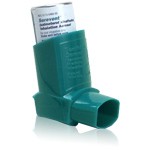
Serevent is the original brand-name formulation of Salmeterol Xinafoate — one of the first long-acting beta-2 agonist (LABA) bronchodilators developed and a foundational maintenance bronchodilator for asthma (in combination with ICS) and COPD. Developed by GlaxoSmithKline (GSK) and FDA-approved since 1994 (Serevent Diskus dry powder inhaler), Serevent is the LABA component of the widely prescribed Advair Diskus combination inhaler (Fluticasone + Salmeterol). Listed on the WHO Model List of Essential Medicines. CRITICAL: LABA monotherapy is CONTRAINDICATED in asthma — Serevent must be combined with an inhaled corticosteroid (ICS) in asthma patients.
The active ingredient is Salmeterol Xinafoate, a selective long-acting beta-2 adrenergic agonist (LABA). Salmeterol activates beta-2 receptors on airway smooth muscle, increasing intracellular cAMP and relaxing smooth muscle. The unique lipophilic side chain anchors Salmeterol near the beta-2 receptor, producing sustained bronchodilation lasting ~12 hours. Onset is slow (15-30 minutes) — making Serevent UNSUITABLE for acute symptom relief (use Ventolin/Albuterol SABA for rescue). The slow onset makes Serevent strictly a maintenance medication.
Serevent is FDA-approved for asthma maintenance therapy (ONLY in combination with inhaled corticosteroid — not as monotherapy), COPD maintenance (acceptable as monotherapy or in combination), and prevention of exercise-induced bronchospasm (single dose 30 minutes before exercise). Off-label uses include various chronic inflammatory airway conditions. Serevent must be paired with an ICS like Flovent (Fluticasone) or Pulmicort (Budesonide) for asthma.
The medication is available as Serevent Diskus 50 mcg per actuation dry powder inhaler (60 doses per device). Standard adult dosing for asthma maintenance (with ICS) and COPD: 1 inhalation (50 mcg) twice daily, 12 hours apart. For exercise-induced bronchospasm prevention: 1 inhalation 30 minutes before exercise. Maximum: 2 inhalations per day (do not exceed).
Critical safety considerations include the FDA boxed warning that LABA monotherapy increases asthma-related deaths (Serevent alone in asthma is contraindicated), NOT for acute asthma attacks (slow onset), paradoxical bronchospasm, cardiovascular effects (tachycardia, palpitations, hypertension, QT prolongation), skeletal muscle tremor, headache, hypokalemia at high doses, hyperglycemia, nervousness/anxiety, and tolerance with regular use. Drug interactions: beta-blockers (antagonize bronchodilation), MAOIs/TCAs (potentiate cardiovascular effects), other sympathomimetics, and strong CYP3A4 inhibitors (increase salmeterol levels).
Free prescription
Discrete packaging
Have questions?
Quality Assurance

- COPD Maintenance: FDA-approved for COPD maintenance (acceptable as monotherapy or combination);
- Exercise Induced Bronchospasm Prevention: FDA-approved for prevention of exercise-induced bronchospasm (30 min before exercise);
- Adolescent Asthma Combination: For adolescent asthma in combination with ICS;
- Adult Asthma Combination: For adult asthma maintenance in combination with ICS;
- Moderate Persistent Asthma: For moderate persistent asthma (with ICS like Flovent or Pulmicort);
- Severe Persistent Asthma: For severe persistent asthma (with high-dose ICS);
- Pediatric Asthma Age 4: FDA-approved for pediatric asthma from age 4 (with ICS);
- Nocturnal Asthma Symptoms: Particularly effective for nocturnal asthma symptoms (12-hour bronchodilation);
- Asthma Action Plan Controller: Controller component of asthma action plan (with ICS for breakthrough);
- Chronic Bronchitis COPD: For chronic bronchitis component of COPD;
- Emphysema Symptomatic: For symptomatic emphysema as part of COPD therapy;
- Asthma COPD Overlap (ACO): For asthma-COPD overlap syndrome;
- Step Up Therapy Asthma: For asthma step-up therapy when ICS alone inadequate (added to ICS);
- Frequent SABA Use: For asthma patients with frequent rescue SABA use despite ICS;
- Pre Exercise Athletes: For athletes with exercise-induced bronchospasm (single dose 30 min pre-exercise);
- Long Term Asthma Maintenance: Long-term asthma maintenance with ICS combination;
- Long Term COPD Maintenance: Long-term COPD maintenance therapy;
- Twice Daily Maintenance LABA: Twice-daily 12-hour LABA bronchodilation maintenance;
- Maintenance NOT Rescue: For MAINTENANCE only — NOT for acute relief (slow onset).
- Less Asthma Exacerbations (with ICS): Reduction in asthma exacerbation frequency when combined with ICS;
- Better Lung Function: Significant improvement in FEV1 and peak flow measurements;
- Sustained 12-Hour Bronchodilation: Long-acting bronchodilation lasting 12 hours per dose;
- Less Nocturnal Symptoms: Significant reduction in nighttime asthma symptoms (12-hour duration covers night);
- Better Sleep: Improved sleep quality through sustained nocturnal bronchodilation;
- Less Daytime Symptoms: Sustained reduction in daytime asthma symptoms;
- Less Rescue Inhaler Use: Reduction in need for short-acting rescue inhalers (SABA);
- Better Exercise Tolerance: Improved exercise capacity through bronchodilation;
- Less Exercise-Induced Symptoms: Effective prevention of exercise-induced bronchospasm (30 min pre-exercise);
- Better Daily Function: Return to school, work, and normal activities with effective control;
- Less School Absences: Reduction in school absences in pediatric asthma patients;
- Less Work Absences: Reduction in work absences in adult asthma patients;
- Less COPD Exacerbations: Significant reduction in COPD exacerbation frequency;
- Less COPD Dyspnea: Reduction in shortness of breath in COPD patients;
- Better COPD Exercise Tolerance: Improved exercise tolerance in COPD patients;
- Better COPD Quality of Life: Improvement in COPD-related quality of life measures;
- Better Asthma Quality of Life: Improvement in asthma-related quality of life when combined with ICS;
- Twice-Daily Convenience: Twice-daily dosing supports adherence to controller therapy;
- Athletic Participation Support: Pre-exercise dosing enables athletic participation for EIB patients;
- Brand Serevent: Original GlaxoSmithKline brand of Salmeterol with established global clinical reputation since 1994;
- Generic Salmeterol: Affordable generic versions expand global access to foundational LABA therapy;
- Serevent Diskus DPI: Serevent Diskus dry powder inhaler — breath-activated, no propellant;
- Advair Diskus Component: Salmeterol is the LABA component of Advair Diskus combination inhaler;
- Wixela Inhub Generic Combination: LABA component of generic Wixela Inhub combination;
- Long Acting Beta Agonist LABA: Foundational long-acting beta-2 agonist (LABA) class member;
- Selective Beta 2 LABA: Selective beta-2 selectivity minimizes cardiovascular effects vs non-selective;
- Lipophilic Side Chain Anchoring: Unique lipophilic side chain anchors Salmeterol near beta-2 receptor for prolonged action;
- 12 Hour Bronchodilation: 12-hour bronchodilation duration supports twice-daily dosing convenience;
- Asthma Step Up Standard: Standard step-up therapy when ICS monotherapy inadequate (combined with ICS);
- COPD Maintenance Standard: Standard LABA maintenance therapy for COPD;
- EIB Prevention Standard: Standard prevention of exercise-induced bronchospasm with single pre-exercise dose;
- Pediatric Asthma Approved: FDA-approved for pediatric asthma from age 4 years (with ICS);
- WHO Essential Medicine: Listed on the WHO Model List of Essential Medicines for respiratory care;
- 30 Plus Year LABA History: 30+ years of clinical use since 1994 — foundational LABA with extensive safety data.
Generic Serevent (Salmeterol 25 mcg) Medication guide:
📖 About Serevent from Cipla
Serevent is a brand of salmeterol xinafoate - a long-acting beta-2 agonist (LABA) originally developed by GlaxoSmithKline (GSK) in the 1980s. It was one of the first LABAs to reach widespread clinical use and became a foundational component of modern combination inhaler therapy. This Cipla-manufactured version delivers the same salmeterol molecule through the standard Serevent Diskus dry-powder inhaler at 50 mcg per actuation with 60 doses per device.
Serevent occupies a specific and important place in respiratory medicine - and it comes with one of the most important safety messages any patient using it needs to understand. It is a maintenance medication, never a rescue medication. It is an add-on for asthma control, never a standalone treatment for asthma. And it is used somewhat differently in COPD than in asthma. Getting these distinctions right from the start is what makes Serevent both safe and effective; getting them wrong (particularly using it alone for asthma) is associated with real harms including increased asthma-related mortality documented in the SMART trial.
📋 Serevent at a glance
Before going deeper into the pharmacology and practical use, the key facts about this product are worth pinning down. The stat row below is what a clinician or informed patient would confirm when first meeting the product.
Manufacturer
Cipla Limited (originator GSK)
Active ingredient
Salmeterol xinafoate
Drug class
Long-acting beta-2 agonist (LABA)
Strength
50 mcg per actuation
Format
Diskus DPI - 60 doses per device
Typical dosing
Twice daily, morning and evening
Two of these numbers are worth explaining immediately. First, the 50 mcg twice daily dose is standard and does not change based on severity - unlike many other respiratory medications where doses scale with severity, Serevent's dose is fixed. Higher dosing does not produce better outcomes and does increase safety risks. Second, the 60 doses per device at twice-daily use means each Diskus lasts exactly 30 days - a useful marker for tracking whether you have a fresh supply on time.
🗺️ Terms you will see across this guide
A few pharmacological terms come up repeatedly in Serevent discussions. Getting them straight up front makes the rest of the guide much easier to follow.
- LABA (long-acting beta-2 agonist)
- The bronchodilator class that provides sustained 12-hour airway opening. Salmeterol is one of the two main LABAs; formoterol is the other.
- Salmeterol xinafoate
- The specific molecule in Serevent. The xinafoate portion is a salt form (1-hydroxy-2-naphthoate) that improves stability for dry-powder delivery.
- ICS (inhaled corticosteroid)
- The anti-inflammatory controller class (fluticasone, budesonide, ciclesonide, others). In asthma, LABAs like Serevent must always be used alongside an ICS.
- Boxed Warning
- The strongest warning the FDA can require on a medication. Serevent carries one about LABA monotherapy in asthma - a critical safety message.
- SMART trial
- The Salmeterol Multi-center Asthma Research Trial (2003), a large clinical trial that identified increased asthma-related mortality with salmeterol monotherapy in asthma. Foundation for the Boxed Warning.
- Advair
- The GSK combination product containing fluticasone (ICS) plus salmeterol (LABA) in one inhaler. One of the most widely used combination inhalers globally.
⛔ Critical safety notice at the outset: If you have asthma, Serevent must NEVER be used as your only asthma medication. It must always be combined with an inhaled corticosteroid (ICS). Using LABA alone in asthma is associated with increased risk of severe exacerbations and asthma-related death, documented in the SMART trial and reflected in the FDA Boxed Warning. This message will be repeated throughout this guide because it is that important.
The one-sentence summary of Serevent: a Cipla-made generic of the GSK originator brand of salmeterol xinafoate, delivered as a Diskus DPI at 50 mcg twice daily, used as a maintenance bronchodilator in COPD (where monotherapy is acceptable) and in asthma (where it must always be combined with an inhaled corticosteroid).
🧪 Salmeterol as the Active Molecule
The active molecule in every Serevent Diskus is salmeterol xinafoate - a long-chain analog of the older short-acting beta-2 agonist salbutamol, engineered specifically to bind beta-2 adrenergic receptors for a much longer duration. The pharmacological trick that makes salmeterol long-acting is its lipophilic side chain, which anchors the molecule into the cell membrane near the receptor and lets it repeatedly re-engage the receptor over hours - a very different mechanism from a short-acting drug like salbutamol.
Understanding this design at the molecular level helps explain both what salmeterol does well (12-hour sustained bronchodilation from a single dose) and its limitations (slower onset than short-acting drugs, not suitable as rescue therapy, cannot be titrated up for immediate benefit). Everything about how Serevent behaves clinically flows from this receptor-anchoring mechanism.
🧪 Molecule at a glance
| Property | Detail |
|---|---|
| Chemical name | 4-hydroxy-alpha-1-[[[6-(4-phenylbutoxy)hexyl]amino]methyl]-1,3-benzenedimethanol, 1-hydroxy-2-naphthalenecarboxylate |
| Salt form | Xinafoate (1-hydroxy-2-naphthoate) - improves stability in the DPI powder |
| Molecular weight | Approximately 603.8 g/mol as xinafoate salt |
| Beta-2 receptor selectivity | Very high - much more selective than older beta agonists |
| Duration of action | Approximately 12 hours from a single dose |
| Onset of action | Slow - noticeable effect at 10-30 minutes; peak at 2-4 hours |
| Distinctive feature | Long lipophilic side chain that anchors the molecule near the receptor for prolonged repeated activation |
The onset of action row is important. Salmeterol takes tens of minutes to reach useful bronchodilation - it is nothing like the 3-5 minute onset of salbutamol. This means salmeterol cannot rescue you from an acute asthma attack. It is a maintenance drug, dosed twice daily on schedule, providing steady background bronchodilation. If you need fast relief, you need salbutamol (or another SABA), not Serevent.
🎯 What the molecule does and does not do
✅ What it does
Sustained bronchodilation over 12 hours. Twice-daily use maintains continuous airway smooth muscle relaxation. Reduces symptom frequency in asthma (with ICS) and COPD.
🟡 What it does not do
Does not treat airway inflammation. Does not act fast enough for rescue. Does not substitute for an ICS in asthma. Does not increase in dose during exacerbations.
⛔ What it must never do
Never used alone for asthma. Never used as rescue therapy. Never used at higher-than-recommended dose to get faster effect.
The three panels together capture the personality of salmeterol. It is not fast, is not a rescue, is not a substitute for anti-inflammatory therapy, and is not something you can increase to get more effect. It is a slow, steady, background bronchodilator dosed twice daily that provides consistent airway opening - and everything about how it should be used follows from these design properties.
🧬 The lifecycle of a single salmeterol dose
Following the drug through a single Serevent dose helps show why it works as maintenance therapy but not as rescue therapy.
Salmeterol's design is elegant: a lipophilic anchor that keeps the drug near its receptor for hours, producing sustained bronchodilation from twice-daily dosing. What this design does not provide is speed. If you need fast relief, you need a different class of drug. If you need continuous background bronchodilation as part of a maintenance regimen, Serevent is what the pharmacology was designed for.
🫁 How Long-Acting Beta-2 Agonists Work
Long-acting beta-2 agonists work through the same core molecular mechanism as short-acting beta-2 agonists like salbutamol - both activate beta-2 adrenergic receptors on airway smooth muscle, triggering an intracellular cascade that ends with muscle relaxation and airway opening. What differs is the duration: SABAs like salbutamol last 4-6 hours; LABAs like salmeterol last 12 hours. The pharmacological mechanism producing this longer duration is different for different LABAs.
Salmeterol specifically achieves its long duration through a lipophilic side chain that anchors the molecule into the cell membrane near the beta-2 receptor. This anchoring lets the drug repeatedly engage and disengage from the receptor over many hours before diffusing away. Formoterol - the other main LABA - achieves long duration differently, with high receptor affinity plus lipophilic properties supporting sustained action. Both work; the mechanistic details lead to some clinical differences discussed in a later section.
🧬 The bronchodilation cascade, step by step
The mechanism by which salmeterol opens airways is one of the most well-characterised pathways in respiratory pharmacology.
- Receptor binding. Salmeterol molecules dock onto beta-2 adrenergic receptors on the surface of airway smooth muscle cells. Binding is reversible and reoccurs many times over the drug's duration of action.
- G-protein activation. The activated receptor turns on an intracellular G-protein (Gs), which in turn activates the enzyme adenylate cyclase inside the cell.
- Cyclic AMP rises. Adenylate cyclase converts ATP into cyclic AMP (cAMP); intracellular cAMP concentration climbs.
- Protein kinase A fires. High cAMP activates protein kinase A, which phosphorylates several downstream targets in the smooth muscle contractile machinery.
- Muscle relaxes. The phosphorylation changes make the contractile fibres let go. Airway smooth muscle relaxes; the airway lumen widens; air moves more easily.
This sequence is the same as for any beta-2 agonist - salbutamol, salmeterol, formoterol all trigger the same intracellular cascade. What differs is how long the drug stays bound at the receptor level, which determines how long the cascade continues to fire. Salmeterol stays anchored for 12 hours; salbutamol releases after 4-6 hours; formoterol has a slightly different profile again.
⚖️ SABA versus LABA: the same mechanism, different duration
| Attribute | SABA (salbutamol) | LABA (salmeterol) |
|---|---|---|
| Receptor targeted | Beta-2 adrenergic | Beta-2 adrenergic |
| Intracellular cascade | G-protein / cAMP / PKA | G-protein / cAMP / PKA (same) |
| Onset of action | 3-5 minutes | 10-30 minutes |
| Duration of action | 4-6 hours | 12 hours |
| Molecular design | Simple beta-2 agonist | Lipophilic anchor for membrane retention |
| Clinical role | Rescue - fast relief of acute symptoms | Maintenance - steady twice-daily bronchodilation |
| Dose adjustment during exacerbation | Can be used more frequently as needed | Never increased above scheduled dose |
The critical clinical distinction reading this table is the last row. When symptoms worsen, salbutamol (SABA) can be used more frequently - that is what a rescue medicine is for. Serevent (LABA) can NOT be used more frequently - the schedule is fixed at 50 mcg twice daily, and using more does not produce more benefit while it does increase safety risks. This distinction is one of the most important behavioural rules with Serevent.
📍 Where beta-2 receptors are found and why it matters
| Location | Response to salmeterol | Clinical relevance |
|---|---|---|
| Airway smooth muscle | Sustained relaxation, bronchodilation | The intended therapeutic effect |
| Cardiac muscle (some beta-2) | Small rise in heart rate | Mild cardiovascular effect; dose-related |
| Skeletal muscle | Fine tremor | Common mild side effect |
| Skeletal muscle and liver | Potassium shifts into cells | Small drop in serum potassium possible |
| Pancreatic beta cells | Insulin release; small glucose rise | Minor metabolic effect |
| Airway mast cells | Reduced mediator release (mild) | Small anti-inflammatory contribution but does not replace ICS |
The airway is where you want salmeterol to act; everywhere else is where the mild side effects come from. The 12-hour duration is what makes twice-daily dosing work, but it is also what makes salmeterol unsuitable as rescue therapy - the slow onset that comes with long duration means you cannot reach for Serevent to stop an acute attack. Rescue therapy requires SABA speed.
⏰ The 12-Hour Duration Advantage
The defining feature of Serevent is its 12-hour duration of action. This is what distinguishes it from short-acting bronchodilators (which last 4-6 hours) and what makes twice-daily maintenance dosing practical. Understanding what this duration means clinically - and what it does not mean - is central to using the drug well and to setting appropriate expectations for how it fits into overall respiratory care.
The 12-hour figure is not an absolute or a perfect steady state. It is the approximate duration over which salmeterol continues to produce meaningful bronchodilation from a single dose. In practice, the effect builds gradually over the first 30-60 minutes, reaches peak somewhere around 2-4 hours, sustains through 8-10 hours, and fades over the final 2-3 hours. With twice-daily dosing 12 hours apart, the trough concentration from the previous dose overlaps with the rising concentration of the next dose, keeping bronchodilation continuous.
⏰ How salmeterol duration compares
Duration of bronchodilation for common beta-2 agonists (approximate)
The chart puts salmeterol in its class. It is a classic 12-hour LABA - similar to formoterol in duration but with a slower onset. Newer ultra-LABAs (vilanterol, indacaterol, olodaterol) achieve 24-hour duration and support once-daily dosing, but they are not directly substitutable for salmeterol in every situation. Serevent's positioning as a twice-daily 12-hour LABA remains clinically standard for many patients.
🕑 Practical implications of 12-hour duration
🌅 Morning dose covers day
A morning dose taken between 6-8am typically provides bronchodilation through the working day and into the early evening.
🌚 Evening dose covers night
An evening dose 12 hours later maintains coverage through the night when nocturnal symptoms are otherwise most common in some patients.
⏰ Consistent timing matters
12-hour intervals are important. Doses drifting to 8 or 16 hours apart create coverage gaps that let symptoms break through.
🛑 No dose during the day
Salmeterol is not for breakthrough symptoms. If symptoms appear between doses, use rescue salbutamol, not additional Serevent.
👤 From Jorgen Vestbo, MD, DMSc
"The 12-hour duration of salmeterol is one of the properties that made LABA therapy such a substantial advance in maintenance bronchodilator care - both for asthma when combined with ICS and for COPD as monotherapy or in triple therapy. Twice-daily consistent dosing provides steady bronchodilation that transformed daily control for millions of patients. The property that clinicians and patients need to keep clear is that 12-hour duration comes with slow onset - salmeterol is not something you can reach for during an acute deterioration and expect fast relief. It is background maintenance therapy, dosed on schedule, providing steady coverage rather than acute rescue."
The 12-hour duration of Serevent is both its greatest advantage (sustained twice-daily bronchodilation from a single dose) and one of its greatest limitations (slow onset means it cannot rescue an acute attack). Working with both facets of the drug - respecting its schedule, using it as maintenance only - is what turns the 12-hour duration into consistent day-to-day airway coverage rather than an unreliable pattern.
💠 Serevent Diskus DPI Explained
The Serevent Diskus is a breath-activated dry-powder inhaler containing a pre-loaded strip of 60 individual salmeterol doses. The device is a small disc-shaped plastic housing about the size of a pocket compact, with a mouthpiece that opens by sliding a thumbgrip. A lever pierces the next dose blister; the patient inhales through the mouthpiece; the dry powder is drawn into the airway by the inhalation itself. Everything happens in one integrated device.
The Diskus format was designed by GSK specifically as a reliable dry-powder delivery system with the safety features that maintenance therapy requires - dose counter, dose confirmation, protection against dose duplication, and consistent delivery across the life of the strip. Three decades of clinical use have confirmed it works well for the intended user population: adults and older children with reliable inspiratory force who need consistent twice-daily maintenance therapy.
💠 The Diskus device anatomy
- Plastic housing in disc shape - roughly 6 cm across, easy to hold and slip into a pocket.
- Thumbgrip on the outer edge that opens the mouthpiece with a slide-and-click motion.
- Mouthpiece hidden inside the case until opened - protects it from dust when not in use.
- Dose lever that pierces the next blister when moved; audible click confirms actuation.
- Dose counter - visible number showing how many doses remain (starts at 60, counts down to 5 in red).
- Blister strip inside - 60 individual sealed doses of the salmeterol powder, one used per actuation.
🌬️ The Diskus six-step usage protocol
- Hold the Diskus in one hand with the mouthpiece facing you. Place your thumb on the grip.
- Slide the thumbgrip open until you hear a click. The mouthpiece is now exposed and the device is ready for dose preparation.
- Slide the lever away from you until it clicks - this pierces the next blister and prepares the dose. The dose counter drops by one.
- Exhale gently and fully away from the Diskus mouthpiece to empty your lungs. Do NOT breathe into the device.
- Seal your lips around the mouthpiece and inhale forcefully and deeply through the mouth. Continue inhaling for as long as comfortable. Hold your breath for about 10 seconds after.
- Slide the thumbgrip closed to protect the mouthpiece. The device is ready for storage until the next dose.
The six steps take about 30 seconds once the routine is established. The two most important steps are exhaling away from the mouthpiece (breathing into the Diskus can wet the powder and reduce delivery) and generating a strong steady inhalation (the powder cannot enter the airway without adequate airflow).
⚖️ Diskus advantages and limitations
✅ Advantages
- Breath-activated - no puff-and-inhale timing challenge
- Visible dose counter shows remaining supply (30 days at twice daily)
- Compact and portable
- No propellant environmental concerns
- Fewer technique errors in patients who can inhale strongly
- Reliable device design used for decades
❌ Limitations
- Requires strong steady inhalation - not for very young children
- Breathing into the mouthpiece can wet the powder
- Humid storage can affect powder integrity
- Cannot use with spacer (breath-activated design)
- 60 doses = only 30 days of twice-daily therapy per Diskus
- Not usable for rescue during severe attack
The Serevent Diskus is a well-designed dry-powder inhaler that has been the reliable delivery format for salmeterol for over three decades. Simple, portable, breath-activated, with a clear dose counter. Confirming that inhalation force at every review keeps this device working over years of use.
📏 Understanding the 50 mcg Twice Daily Dose
The standard adult dose of Serevent is 50 mcg twice daily - one inhalation from the Diskus in the morning, one in the evening, 12 hours apart. This is a fixed dose that does not increase with severity, does not increase during exacerbations, and does not increase in response to breakthrough symptoms. Unlike ICS drugs (where doses scale with severity) or SABAs (where use frequency scales with symptoms), salmeterol is dosed at exactly 50 mcg twice daily for the vast majority of patients.
Understanding why the dose is fixed at this level - and why it should not be exceeded - is one of the practical safety points with Serevent. Higher doses do not produce better clinical outcomes: the receptor system saturates. What higher doses do increase is the small cardiovascular and metabolic side effect profile, and possibly the mortality signal that led to the FDA Boxed Warning. The 50 mcg twice daily dose was calibrated over years of clinical trials as the amount that provides bronchodilation without extending into higher-risk territory.
📏 Daily total from twice-daily dosing
| Dose element | Amount | Timing |
|---|---|---|
| Single actuation (one inhalation) | 50 mcg salmeterol | Delivered per Diskus inhalation |
| Morning dose | 50 mcg (1 actuation) | Between roughly 6-9am typically |
| Evening dose | 50 mcg (1 actuation) | Between roughly 6-9pm typically |
| Total daily dose | 100 mcg | Fixed - does not change with severity |
| Total per Diskus (60 doses) | 30 days of twice-daily therapy | New Diskus needed monthly |
| Maximum recommended daily total | 100 mcg (2 actuations - do not exceed) | Higher doses provide no additional benefit |
🛡️ Why the dose is fixed, not variable
- Receptor saturation. At 50 mcg per dose, the majority of available beta-2 receptors are already engaged. Higher doses do not produce proportionally more bronchodilation.
- Safety curve. Above 50 mcg twice daily, side effects (tremor, tachycardia, potassium effects) increase without additional clinical benefit.
- Mortality signal in asthma. Higher doses were among the factors examined in the SMART trial that identified increased mortality risk with LABA monotherapy in asthma - the safety concern extends to higher doses.
- No breakthrough-dose rationale. Salmeterol does not act fast enough to relieve breakthrough symptoms; an extra dose does not help acutely and does add risk.
- Step-up = different regimen. When 50 mcg twice daily is not enough, the answer is adding an ICS (if not already on one), or switching to a combination inhaler, or specialist input - not more salmeterol.
🚦 Safety warnings around dosing
Critical dose warnings:
- Do not exceed 50 mcg twice daily - higher doses provide no clinical benefit and increase side-effect risk.
- Do not use Serevent for breakthrough symptoms - it does not act fast enough; use SABA rescue instead.
- Do not use Serevent alone for asthma - the FDA Boxed Warning is discussed in detail in the next section.
- Do not increase dose during exacerbations - the fixed schedule applies even when symptoms worsen. Escalate care instead.
- Do not use extra doses "just in case" - the receptor system is already saturated at the recommended dose.
🗓️ Diskus supply timing
Because 60 doses at twice-daily use lasts exactly 30 days, the Serevent supply cycle is remarkably predictable:
- Fresh Diskus starts each month. Note the date on your calendar - you have a natural 30-day mark for refill timing.
- Dose counter turns red at 5 doses remaining. This is a clear visual cue that you have about 2.5 days of therapy left - well past the point where a refill should have been ordered.
- Order refills 5-7 days before expected end. Prevents gap if delivery is delayed.
- Do not stretch a Diskus beyond the 60 doses. Once the counter reaches zero, no more reliable dose - even if you can still fire the device.
The 50 mcg twice daily dose is fixed by design, not by convention. Higher doses provide no additional benefit and add real risks - the receptor is already saturated, and the safety envelope stops widening. Respecting the scheduled dose, tracking your monthly Diskus cycle, and never using Serevent for breakthrough symptoms are the disciplines that make this fixed-dose maintenance therapy work as intended.
⛔ LABA Never as Monotherapy in Asthma
The single most important safety message about Serevent is that it must never be used alone as your only asthma medication. This is not a suggestion or a preference - it is an FDA Boxed Warning (formerly called Black Box Warning), the strongest safety warning the FDA can require on any medication. The warning is based on evidence from the SMART trial showing that LABA monotherapy in asthma is associated with increased risk of severe asthma exacerbations and asthma-related death.
Understanding this warning fully is essential for anyone prescribed Serevent for asthma. It does not mean Serevent is dangerous when used correctly - the drug is safe and effective when used as combination therapy with an inhaled corticosteroid. It does mean that using it incorrectly (as monotherapy in asthma) creates real safety risks that have been documented in large clinical trials involving many thousands of patients. This distinction between correct and incorrect use is what the entire Boxed Warning is about.
🛑 The FDA Boxed Warning
⛔ FDA BOXED WARNING
Long-acting beta-2 agonists (LABAs), such as salmeterol, one of the components of Serevent, increase the risk of asthma-related death.
A large clinical trial in patients with asthma (SMART) comparing salmeterol added to usual asthma therapy versus placebo added to usual asthma therapy showed an increased risk of asthma-related death in patients receiving salmeterol.
Because of this risk:
- Serevent used alone for asthma is contraindicated;
- Serevent must be used in patients with asthma only if concomitant long-term asthma controller medication such as an inhaled corticosteroid is being used;
- Serevent should not be used as monotherapy for asthma in adults or pediatric patients.
Adapted from the current US Prescribing Information for Serevent Diskus. Consult full prescribing information for complete safety details.
📊 The SMART trial: what actually happened
The Salmeterol Multi-center Asthma Research Trial (SMART) enrolled over 26,000 asthma patients in the United States and randomised them to either salmeterol added to their usual asthma therapy, or placebo added to their usual asthma therapy. The trial was stopped early when interim analyses showed a signal of increased severe asthma exacerbations and asthma-related death in the salmeterol group.
- Trial design. Large simple randomised trial (SMART, published Nelson et al. 2006 in Chest).
- Population. 26,355 adult patients with asthma, roughly half African-American, from usual community practice.
- Comparison. Salmeterol 42 mcg twice daily added to usual therapy vs placebo added to usual therapy.
- Key finding. Small but statistically meaningful increase in respiratory-related and asthma-related death in the salmeterol arm.
- Subgroup signal. Effect appeared particularly noticeable in patients not on concurrent inhaled corticosteroids.
- Consequence. FDA required Boxed Warning on all LABA products; guidelines revised to require ICS combination in asthma; combination products (Advair, Symbicort) became preferred.
👤 From Stephen P. Peters, MD, PhD
"The SMART trial finding fundamentally reshaped how LABA drugs are used in asthma. What we now know from subsequent large safety studies (the FDA-mandated SAS trials) is that the risk signal seen with salmeterol monotherapy essentially disappears when the drug is used as intended - alongside an inhaled corticosteroid. The combination approach is safe and effective. The dangerous approach is skipping the ICS. For patients on Serevent, the single most important safety rule is never being on it alone. If you have asthma and you have Serevent, you must also have an ICS - either as a separate inhaler or as a combination product like Advair. This is not optional, and the evidence base for the rule is unusually clear."
🔑 The practical rule
⛔ If you have asthma:
- You must be on an inhaled corticosteroid (ICS) alongside your Serevent - either as a separate inhaler or in a combination product.
- If you do not have an ICS prescription, contact your clinician BEFORE continuing Serevent alone.
- Do not skip your ICS doses on days when your breathing feels good.
- Consider switching to a combination inhaler (Advair, others) - one device delivers both drugs, eliminating any chance of accidentally taking LABA alone.
This is the section of the guide that matters most for asthma patients using Serevent. The FDA Boxed Warning exists because the SMART trial identified a real safety concern with LABA monotherapy in asthma. The concern is entirely addressable by combining LABA with ICS - either as separate inhalers or as a single combination product. Following this rule consistently is what makes Serevent both safe and effective in asthma.
🔗 Why LABA Must Combine with ICS
The requirement that Serevent be used with an inhaled corticosteroid in asthma is not an arbitrary safety rule - it reflects a specific pharmacological logic about what LABAs and ICS drugs each do, what they do not do, and why the combination works while monotherapy does not. Understanding this logic makes the requirement less abstract and helps explain why guidelines are so emphatic about the pairing.
The essential story: LABAs treat the smooth muscle contraction that narrows airways (bronchospasm) but do nothing about the underlying inflammation. ICS drugs treat the inflammation but do not open airways in real time. When asthma is uncontrolled, both processes are happening simultaneously - inflammation is driving hyper-responsiveness, and hyper-responsive smooth muscle is producing the bronchoconstriction that causes symptoms. Treating only one of these two processes leaves the other unchecked. The SMART trial finding is essentially a demonstration of what happens when the inflammation side is left unaddressed.
🔗 The complementary pharmacology of ICS-LABA combination
Serevent (LABA) contribution
- Sustained bronchodilation over 12 hours
- Relaxes airway smooth muscle
- Reduces symptom frequency
- Improves lung function measurements
- Does NOT treat inflammation
ICS (inhaled corticosteroid) contribution
- Sustained anti-inflammatory action
- Reduces airway hyper-responsiveness
- Reduces exacerbation frequency
- Prevents airway remodeling over years
- Does NOT open airways in real time
The two lists together explain why the combination works. Bronchodilation without anti-inflammation masks symptoms while allowing the underlying disease process to worsen - a formula for periodic severe exacerbations against a backdrop of "feeling okay." Anti-inflammation without adequate bronchodilation may leave breakthrough symptoms unresolved. Combined, the two produce both the daily symptom control and the underlying inflammation control that persistent asthma requires.
🤝 Common ICS-LABA combination options
| Combination product | ICS + LABA components | Delivery format |
|---|---|---|
| Advair Diskus / Seretide Accuhaler | Fluticasone propionate + salmeterol | DPI (Diskus/Accuhaler) |
| Advair HFA / Seretide HFA | Fluticasone propionate + salmeterol | HFA MDI |
| Symbicort | Budesonide + formoterol | MDI or DPI |
| Foster / Fostair | Beclomethasone + formoterol | Extra-fine particle MDI |
| Breo / Relvar Ellipta | Fluticasone furoate + vilanterol | Once-daily DPI |
| Serevent + separate ICS inhaler | Salmeterol Diskus + any ICS (separate inhalers) | Two inhalers used in parallel |
For patients on Serevent monotherapy, the most direct combination path is Advair Diskus / Seretide Accuhaler - the same salmeterol component the patient is already using, plus fluticasone as the ICS partner, in one Diskus-format inhaler. Switching to Advair from separate Serevent-plus-ICS often simplifies the daily regimen without changing the underlying pharmacology.
📋 Two paths to the combination requirement
Path 1: Two separate inhalers
Serevent Diskus (salmeterol) plus a separate ICS inhaler (Pulmicort, Flovent, Ciclohale, etc.). Both taken twice daily. Advantage: familiar; Disadvantage: two devices to remember.
Path 2: Combination inhaler (usually preferred)
Single combination inhaler containing both drugs (Advair, Symbicort, others). Twice daily use. Advantage: one device, no risk of accidental LABA monotherapy; Disadvantage: less flexibility to adjust ICS separately.
Path 3 (NEVER): Serevent alone
Not an option in asthma. Contraindicated by the FDA Boxed Warning.
The requirement to combine LABA with ICS in asthma reflects the pharmacological reality that these two drug classes address different mechanisms of the same disease. Neither is sufficient alone; together they cover both the acute symptom-producing bronchospasm and the underlying inflammation. Modern combination inhalers (Advair, Symbicort, others) make the pairing convenient and safer by eliminating the risk of accidentally taking LABA alone.
👤 Serevent Use in COPD Maintenance
In contrast to the strict combination requirement in asthma, Serevent has a different and simpler positioning in chronic obstructive pulmonary disease (COPD). Here, LABA monotherapy is an accepted clinical option - the safety signal that led to the FDA Boxed Warning in asthma has not been reproduced in COPD populations, and long-acting bronchodilators including salmeterol are part of standard COPD maintenance therapy either alone or as part of combination regimens.
Understanding this asthma-COPD distinction is important because Serevent is used in both conditions. A patient with COPD may be prescribed Serevent alone as a bronchodilator maintenance therapy - this is appropriate and evidence-based. A patient with asthma cannot be prescribed Serevent alone - this would violate the Boxed Warning. If a patient has features of both (asthma-COPD overlap or ACO), specialist input helps determine which framework applies.
👤 From Bartolome R. Celli, MD
"LABA therapy including salmeterol has been a foundational part of COPD maintenance care for over two decades. Twice-daily bronchodilation reduces symptoms, improves exercise tolerance, and reduces exacerbation frequency in a broad range of COPD patients. Unlike in asthma, where the SMART trial finding required combination with ICS, LABA monotherapy has consistently proved safe and effective in COPD populations across many large clinical trials. In practice, most COPD patients today are on either LAMA (long-acting muscarinic antagonist) or LABA monotherapy at moderate severity, and combined LAMA-LABA or triple therapy (LAMA-LABA-ICS) at higher severity - salmeterol has its clear role across this framework."
📋 Where salmeterol fits in COPD treatment
Mild COPD with occasional symptoms
Usually starts with short-acting bronchodilators as needed. LABA introduced when symptoms become more consistent or exercise tolerance limited.
Moderate COPD with regular symptoms
Long-acting bronchodilator maintenance therapy - Serevent (LABA) alone, LAMA alone, or combined LAMA-LABA. Choice depends on individual patient factors.
Moderate-severe COPD with exacerbations
Combination therapy standard. LAMA-LABA or ICS-LABA (like Advair) or triple therapy (LAMA-LABA-ICS) depending on exacerbation pattern and blood eosinophil levels.
Severe COPD
Triple therapy (LAMA-LABA-ICS) common; specialist input; possibly other adjunctive therapies. Salmeterol continues to have a role within triple regimens.
🎯 Differences in COPD versus asthma use
| Aspect | Asthma use | COPD use |
|---|---|---|
| Monotherapy allowed | NEVER - Boxed Warning | Yes - acceptable clinical option |
| Combined with ICS | Always required | Only in specific COPD phenotypes with exacerbations |
| Combined with LAMA | Not standard | Common combination approach |
| Primary clinical benefit | Reduced bronchospasm frequency | Symptom relief, exercise tolerance, exacerbation reduction |
| Dose | 50 mcg twice daily (Diskus) | 50 mcg twice daily (Diskus) |
| Age approval | 4 years and older (with ICS) | Adult use |
🌍 The GOLD framework and salmeterol
The Global Initiative for Chronic Obstructive Lung Disease (GOLD) guidelines categorise COPD patients based on symptom burden and exacerbation risk into four groups (A, B, E). LABA therapy including salmeterol has recommended positions across these groups:
- Group A (few symptoms, low exacerbation risk): Short-acting bronchodilator usually adequate; LABA if symptoms progress.
- Group B (more symptoms, low exacerbation risk): LAMA or LABA maintenance therapy - salmeterol is a valid choice.
- Group E (high exacerbation risk): LAMA-LABA combination often preferred; ICS may be added if eosinophilic pattern.
These positions may shift with GOLD updates each year, but the core idea remains: LABA therapy including salmeterol is a foundational tool for COPD symptom control and exacerbation prevention, used either alone or in combination depending on patient severity and phenotype.
Serevent's clinical role in COPD is straightforward: twice-daily bronchodilator maintenance therapy, used alone in moderate disease or as part of combinations in more severe disease. Unlike in asthma, monotherapy is a valid option. Understanding this asthma-COPD distinction is one of the more important clinical framings for Serevent users - the drug's positioning genuinely differs between the two conditions.
⚖️ Serevent Different from SABA Rescue
One of the most consistent misconceptions about Serevent - and one of the more clinically important to correct - is that patients sometimes reach for it during acute symptoms expecting fast relief. This does not work, and it can cost precious time during a genuine attack. Serevent is not a rescue medication. Salbutamol (Ventolin, Asthalin, Proventil) is. Both are beta-2 agonists; they behave completely differently in clinical use.
The confusion comes partly from the shared drug class - both salmeterol and salbutamol are beta-2 agonists producing airway smooth muscle relaxation through the same intracellular cascade. The difference is that salbutamol acts within 3-5 minutes and lasts 4-6 hours (perfect for acute symptom relief), while salmeterol takes 10-30 minutes to reach useful bronchodilation and lasts 12 hours (perfect for maintenance, useless for rescue). Same fundamental mechanism; totally different clinical role.
⚖️ Serevent versus rescue SABA side by side
Serevent (salmeterol - LABA)
Take: Every day, twice daily on schedule.
Onset: 10-30 minutes to noticeable effect.
Peak: 2-4 hours.
Duration: 12 hours.
Role: Maintenance bronchodilation.
Use for acute symptoms? NO - too slow, not for rescue.
Salbutamol (SABA)
Take: Only when symptoms happen or before triggers.
Onset: 3-5 minutes.
Peak: 30-60 minutes.
Duration: 4-6 hours.
Role: Rescue - fast acute symptom relief.
Use for acute symptoms? YES - this is what it is for.
Both inhalers should be available in your daily life if you have persistent asthma. Serevent (with ICS combination) at home for its scheduled twice-daily doses. Salbutamol carried in a bag or kept accessible for the moment you might need it. If you find yourself reaching for Serevent during a breathing crisis, that means the mental model needs correcting - Serevent is not the medicine that helps in that moment; salbutamol is.
🏷️ The confusion risk in practice
Common patterns that reflect the confusion:
- Taking extra Serevent for breakthrough symptoms. Does not help acutely; may add cardiovascular effects; wastes doses.
- Reaching for the Serevent Diskus during an asthma attack. Will not provide fast relief; salbutamol is needed instead.
- Increasing Serevent frequency when asthma feels uncontrolled. The correct response is escalating care or reviewing ICS adequacy, not more LABA.
- Confusing which inhaler to hand to a family member during an attack. Serevent is not the emergency medicine; salbutamol is.
- Skipping salbutamol because "I already have Serevent." This is dangerous - a patient with persistent asthma needs BOTH the maintenance LABA-ICS therapy AND the rescue SABA.
🔑 Labeling and physical separation
Reduce the confusion risk with these strategies:
- Written labels. "MAINTENANCE - twice daily on schedule" on Serevent; "RESCUE - use for symptoms" on salbutamol.
- Physical separation. Serevent at home for scheduled use; salbutamol carried in bag or pocket for on-demand use.
- Colour coding. Salbutamol is often "the blue one"; wrap distinctive coloured tape around Serevent to distinguish.
- Family briefing. Anyone who might help you during an attack should know which inhaler is the emergency medicine.
- Do not carry Serevent for emergency use. There is no scenario where reaching for Serevent during an attack helps; carrying it as if it were emergency medicine risks reaching for it instead of the SABA.
Serevent is not a rescue inhaler and should never be treated as one. The same drug class (beta-2 agonists) contains fast rescue medications (SABAs like salbutamol) and slow maintenance medications (LABAs like salmeterol) - the distinction between them is what makes them each useful for different jobs. Confusing them wastes doses at best and delays needed acute care at worst.
⏱️ Onset Peak and Duration Timeline
Understanding when Serevent starts working, when it works hardest, and when it stops working is useful for setting expectations for a single dose and for planning the twice-daily schedule. The pharmacokinetics of inhaled salmeterol are well-characterised and consistent across patients, with the caveat that individual response varies somewhat and severe disease may produce slower or more variable responses than mild-moderate disease.
For most patients, noticeable bronchodilation from a Serevent dose begins around 10-30 minutes after inhalation, reaches peak effect at 2-4 hours, sustains through 8-10 hours, and fades over the final 2-3 hours of the 12-hour window. Twice-daily dosing at 12-hour intervals maintains continuous coverage because the rising concentration of each new dose overlaps with the fading trough of the previous dose. Understanding this pattern helps recognise what to expect during the first day of therapy and what constitutes normal response versus concerning departure.
⏱️ The kinetics of one Serevent dose
| Parameter | Typical value | Range |
|---|---|---|
| Onset of measurable bronchodilation | 10-30 minutes | Slower than SABA; some patients longer |
| Time to peak effect | 2-4 hours | Variable; single dose peak |
| Sustained effect window | 6-10 hours | Continuous bronchodilation during this window |
| Duration of useful action | 12 hours | Basis for twice-daily dosing |
| Half-life in plasma | 5.5 hours | Similar across LABA class |
| Metabolism | Hepatic via CYP3A4 | Interaction potential (discussed later) |
📈 How the effect builds and fades over 12 hours
Bronchodilator effect intensity over time after one Serevent dose
The chart shows why 12-hour dosing works: the effect is still meaningful at hour 10, has faded to trough level around hour 12, and the next scheduled dose brings the concentration back up. Doses drifting to 14 or 16 hours apart create genuine coverage gaps - which is why timing consistency matters more than for medications with longer duration.
💡 Practical timing implications
- Do not judge based on immediate response. Salmeterol takes tens of minutes to have effect. Judging at 5 minutes is like judging a dinner reservation for tomorrow.
- Take twice daily at consistent times. Morning and evening, 12 hours apart. Consistency prevents coverage gaps.
- Expect a period of adjustment when starting. The first week or two of consistent use establishes the pattern; response may be more variable early on.
- Breakthrough symptoms belong to salbutamol, not Serevent. Salmeterol's slow onset means additional doses do not help acutely.
- Peak effect at 2-4 hours means daytime activities can be timed if needed. For patients with morning symptoms, the morning dose provides its strongest bronchodilation by mid-morning.
Serevent's pharmacokinetics are predictable and well-suited to twice-daily maintenance therapy. Slow onset, sustained peak, 12-hour coverage from a single dose. Understanding this timing pattern helps set correct expectations and helps recognise when the drug is working as intended versus when adjustments are needed. Consistent twice-daily timing is the discipline that turns the 12-hour duration into reliable continuous bronchodilation.
🌬️ Proper Diskus Inhalation Technique
Diskus technique looks simple on the surface but has enough subtle details that patients using the device for years can drift into technique errors that meaningfully reduce delivered dose. For Serevent specifically, technique matters because the drug is a maintenance therapy that needs consistent daily dose delivery to produce its intended sustained bronchodilation. A drift in technique that reduces each dose by 30-40% translates directly into 30-40% less bronchodilation and gradually degraded symptom control.
The general principle behind good Diskus technique is generating a strong steady inhalation that draws all the powder from the pierced blister into the airway in one continuous breath. The device does not spray the drug; the patient's inhalation force is what carries it. This is fundamentally different from an MDI, where the propellant sprays regardless of inhalation force. Understanding this distinction is what prevents the most common Diskus technique errors.
🌬️ The complete eight-step Diskus protocol
- Hold the Diskus level in one hand, mouthpiece facing you. Do not turn the device sideways or upside down during dose preparation.
- Place your thumb on the grip on the outer edge and slide it away from the mouthpiece until you hear a click. The mouthpiece is now exposed.
- Slide the lever away from you until you hear a second click. This pierces the next blister and prepares the powder for inhalation. The dose counter drops by one - confirm the drop before proceeding.
- Hold the Diskus level and away from your mouth. Exhale gently and completely - away from the mouthpiece, not into it. Empty your lungs as much as comfortable.
- Bring the Diskus to your mouth and seal your lips firmly around the mouthpiece. The seal must be tight - gaps at the corners mean lost dose.
- Inhale forcefully and deeply through the mouth - a strong steady breath that continues for as long as comfortable, typically 3-5 seconds. Do not stop inhaling early. The powder is drawn out by this airflow.
- Remove the Diskus from your mouth and hold your breath for about 10 seconds - or as long as comfortable. This lets the powder settle in the airway rather than being immediately exhaled.
- Exhale slowly away from the device. Slide the thumbgrip closed to protect the mouthpiece until next dose. Rinse your mouth with water and spit.
The whole sequence takes about 30 seconds once the routine is established. The most important steps are the strong forceful inhalation (step 6) and the breath-hold (step 7) - these two together determine how much of the delivered dose reaches the small airways where salmeterol needs to reach the beta-2 receptors on smooth muscle.
❌ Common Diskus mistakes and how they hurt delivery
| Mistake | What happens | Fix |
|---|---|---|
| Breathing into the mouthpiece | Moisture from breath dampens the powder; sticky powder does not deposit properly | Always exhale AWAY from the device before inhaling |
| Weak inhalation | Insufficient airflow to draw powder out of the blister; drug stays in the device | Practice generating a strong steady breath; try inhaling through a straw to gauge force |
| Interrupted inhalation | Powder starts moving but the breath stops before it reaches the airway | Continue inhaling for 3-5 seconds without pausing |
| Firing the lever before positioning device | Prepared dose sits exposed in the mouthpiece for too long; may be lost to ambient air | Prepare the dose (steps 2-3) only right before inhaling |
| Not holding breath after inhalation | Powder does not have time to settle in the airway before being exhaled | Hold breath 5-10 seconds after each dose |
| Repeatedly firing the lever without inhaling | Multiple doses "wasted" - device shows doses used but multiple blisters were pierced | Fire the lever ONCE per dose; do not experiment with additional actuations |
| Poor lip seal | Air enters around the mouthpiece; some dose escapes | Firm complete seal with lips; check for gaps at corners |
👁️ Do this. Not that.
✅ Do this
- Hold the Diskus level during dose preparation
- Exhale fully away from the device before inhaling
- Generate a strong steady inhalation for 3-5 seconds
- Hold breath 5-10 seconds after each dose
- Rinse mouth after every dose
- Watch the dose counter for supply management (30 days per Diskus)
- Have a pharmacist watch your technique once a year
❌ Not that
- Do not exhale into the mouthpiece
- Do not tilt or shake the Diskus after loading a dose
- Do not fire the lever multiple times per dose
- Do not use half-hearted or interrupted inhalations
- Do not use a Diskus after the counter reaches zero
- Do not clean the interior with water
- Do not assume technique from years ago is still correct
Diskus technique for Serevent is the same as for other Diskus products. The eight steps become automatic within a week or two of consistent daily use. What separates good long-term Serevent use from mediocre use is technique consistency across months and years - the small drift that goes unnoticed but progressively reduces effective dose. A yearly technique check with a pharmacist catches this drift before it causes problems.
💧 Rinsing the Mouth After Every Dose
Rinsing your mouth after every Serevent dose is one of those small habits that prevents avoidable local side effects. Salmeterol itself does not cause oral thrush the way inhaled corticosteroids can - the risk of candidiasis is much more strongly tied to ICS deposition than to LABA deposition. What rinsing after Serevent does address is throat irritation, mild cough on inhalation, and (importantly, for patients on ICS-LABA combination products or separate ICS inhalers) the ICS deposition that DOES drive thrush risk.
Because most Serevent users have persistent asthma and therefore should be on ICS therapy as well - either as a separate inhaler or as a combination product like Advair - rinsing after every dose is a good universal habit. It also helps with the mild throat irritation that some patients experience from the salmeterol powder itself, and reduces any residual bad taste from the drug. Making rinsing automatic prevents the small friction that otherwise sometimes leads patients to skip it.
💧 The rinse routine step by step
- Immediately after the dose, take a mouthful of plain water - roughly 20-30 mL, enough to swish thoroughly.
- Swish for at least 20-30 seconds, moving the water around all surfaces of the mouth.
- Gargle briefly to reach the back of the throat where drug residue also lands.
- Spit out, do not swallow.
- If on a separate ICS inhaler as well, use it before the rinse - rinse once after taking all inhaled medications rather than repeatedly.
⚖️ Rinsing importance: Serevent alone vs Serevent + ICS
Serevent alone (COPD use)
Rinsing addresses throat irritation and taste. Thrush risk from salmeterol alone is low. Still worth doing to prevent minor local complaints and maintain the habit consistently.
Serevent + separate ICS inhaler
Rinsing is much more important because of the ICS component. Rinse after the ICS specifically to reduce thrush risk. Take Serevent and ICS in whichever order your clinician recommends, then rinse once at the end.
Combination inhaler (Advair - fluticasone + salmeterol)
Same rinsing rules as any ICS-containing inhaler - important to reduce thrush risk. Rinse after every dose consistently.
🧫 What throat irritation from Serevent looks like
Common local effects (not usually serious):
- Brief tickle or scratchy sensation in throat during or after inhalation
- Mild cough triggered by the powder reaching the airway
- Slight metallic or sweet aftertaste
- Occasional dry throat sensation lasting 10-30 minutes
These usually settle with rinsing after the dose and with a few weeks of consistent use. If persistent or troublesome, mention them at your next review - technique adjustments or a switch to a different LABA occasionally help.
❓ Rinse-related questions patients ask
Do I really need to rinse after Serevent alone (without ICS)?
Less critical than after ICS, but recommended for consistency and to reduce mild throat irritation. Makes the habit automatic - which matters more when you add ICS.
What if I forget the rinse?
Not a disaster for Serevent alone. Bigger concern when the dose included ICS. Make the effort to catch up on the habit.
Can I rinse with mouthwash?
Alcohol-free mouthwash is fine. Plain water is universally available and effective.
How does the rinsing routine change if I take Serevent and ICS at the same time?
Take both inhalers (in whichever order works for you), then rinse once at the end. One thorough rinse handles residue from both drugs. Ensure the ICS is taken far enough back in the sequence that the rinse still removes its residue promptly.
Rinsing after every Serevent dose is a low-effort habit that prevents minor local complaints and, importantly, sets the pattern for the more critical rinsing needed after any ICS-containing inhaler. For patients on ICS-LABA combinations or separate ICS inhalers, consistent rinsing is one of the simplest ways to keep long-term therapy comfortable and prevent thrush.
➕ Combining with a Separate ICS Inhaler
For asthma patients whose treatment plan uses Serevent alongside a separate ICS inhaler (rather than a combination product like Advair), the coordination between the two devices is what makes the regimen work. Both inhalers must be taken as prescribed; missing the ICS while continuing the Serevent recreates the exact monotherapy scenario that the FDA Boxed Warning is about. Getting the practical routine right - both inhalers at both scheduled times, every day - is what makes the two-inhaler approach safe.
The most common two-inhaler asthma regimen combining Serevent looks like: ICS inhaler (Pulmicort Flexhaler or Turbuhaler, Flovent Diskus, etc.) plus Serevent Diskus, both used twice daily. Some patients take one before the other in a specific order; others take them both at each scheduled time in whatever order feels natural. The order matters less than the consistency of both actually being taken. A patient who takes Serevent religiously and skips the ICS twice a week is running effectively on LABA monotherapy for those days - not what the plan requires.
➕ The two-inhaler regimen at a glance
ICS inhaler (any ICS product)
Purpose: Anti-inflammatory - treats the underlying inflammation.
Schedule: Twice daily typically (varies by specific ICS).
Timing: Morning and evening.
Consequence of skipping: Recreates LABA monotherapy - Boxed Warning territory.
Serevent Diskus (LABA)
Purpose: Sustained bronchodilation over 12 hours.
Schedule: 50 mcg twice daily.
Timing: Morning and evening, 12 hours apart.
Consequence of skipping: Reduced bronchodilation; symptoms may break through.
🕚 A typical morning/evening routine
Morning
Both inhalers as part of morning routine.
Anchored to breakfast or toothbrushing. ICS first, then Serevent (or in whichever order your clinician recommends). Single rinse at the end. Takes about 60 seconds total.
Evening
Both inhalers as part of evening routine.
Anchored to evening toothbrushing or dinner. Same order as morning. Rinse. About 60 seconds total.
🏷️ Reducing the risk of skipping the ICS
- Physical proximity. Keep both inhalers next to each other. If you see one, you should immediately see the other.
- Same routine sequence every time. Establish an order (ICS then Serevent, or vice versa) and always follow it.
- Written reminders. Sticky note on the ICS: "Also Serevent." Sticky note on Serevent: "Also ICS." Prevents the accidental one-inhaler day.
- Refill both at once. Coordinate pharmacy refills so both inhalers arrive together and you never have a day with one but not the other.
- Do not carry only Serevent. If you carry either inhaler for daytime use, carry both. Never Serevent alone.
- Consider combination inhaler if two-inhaler regimen is failing. Combination products (Advair) eliminate this coordination challenge entirely - one device delivers both drugs.
⚠️ Why combination inhalers exist
The reason combination inhalers like Advair, Symbicort, Foster, and Breo dominate modern asthma prescribing is precisely to eliminate the coordination challenge of the two-inhaler approach. When both drugs are in one device, there is no way to accidentally take the LABA without the ICS. Adherence patterns improve when the physical impossibility of monotherapy is built into the delivery format itself.
If you have found yourself skipping the ICS while continuing Serevent, discuss switching to a combination inhaler at your next clinical review. It is one of the most reliable ways to eliminate the specific safety concern that the FDA Boxed Warning is about, without changing the underlying pharmacology of your treatment.
The two-inhaler regimen (separate Serevent plus separate ICS) works well when both devices are actually used consistently. What it does not tolerate is drifting into one-inhaler use. Physical proximity, routine sequencing, written reminders, and coordinated refills all help make consistency automatic. When they fail to prevent drift, combination inhalers offer a device-level solution.
🤝 Transitioning to Advair Fluticasone-Salmeterol
For many patients on Serevent plus a separate ICS inhaler, the natural evolution of their treatment is transitioning to a combination inhaler like Advair Diskus (or Seretide Accuhaler, its international name). Advair contains fluticasone propionate (ICS) plus salmeterol (LABA) - the same salmeterol as Serevent - in a single Diskus device. Switching to Advair from separate Serevent-plus-ICS is one of the more common transitions in modern asthma management and one of the more straightforward.
The transition preserves the same salmeterol pharmacology while typically improving adherence, reducing inhaler-coordination complexity, and eliminating the risk of accidentally taking LABA monotherapy. It also often reduces cost compared with two separate branded inhalers. The main clinical consideration is matching the fluticasone dose in Advair to the ICS dose the patient was previously taking as a separate inhaler.
🤝 Advair Diskus strengths
| Advair Diskus strength | Fluticasone (ICS) | Salmeterol (LABA) | Typical patient category |
|---|---|---|---|
| 100/50 | 100 mcg per actuation | 50 mcg per actuation | Mild-moderate persistent asthma; step-up from Serevent-plus-low-dose-ICS |
| 250/50 | 250 mcg per actuation | 50 mcg per actuation | Moderate persistent asthma; standard step-up |
| 500/50 | 500 mcg per actuation | 50 mcg per actuation | Moderate-severe asthma; high-dose combination need |
Notice that the salmeterol dose is 50 mcg per actuation across all Advair strengths - the same as Serevent monotherapy. What varies between the three Advair options is only the fluticasone (ICS) component. This is deliberate design: the LABA dose does not need to scale with severity, but the ICS component does.
👤 From Bartolome R. Celli, MD
"The move from separate Serevent-plus-ICS to combination Advair is one of the most reliable ways to improve real-world adherence in asthma care. Two inhalers become one; the coordination challenge disappears; and importantly, the specific safety risk of accidental LABA monotherapy is engineered out at the device level. In COPD, where combination therapy is used for more severe patients, the same logic applies. For patients who have been managing Serevent-plus-ICS well, combination is usually a step forward rather than sideways - simpler regimen, same pharmacology, better protection against the failure mode of missing the ICS."
📋 What changes when switching from Serevent to Advair
What stays the same
- The salmeterol molecule and 50 mcg dose per actuation
- The Diskus device format and technique
- Twice-daily dosing schedule
- The general purpose (combination controller therapy for persistent asthma or COPD)
What changes
- One inhaler instead of two
- The specific ICS may change to fluticasone if you were on a different ICS before
- Fluticasone dose may need adjustment to match your previous ICS total
- Pharmacy supply management simplified - one refill instead of two
- Reduced risk of accidental LABA monotherapy
What to watch for after switching
- Response to the new ICS dose - may need adjustment in first 4-6 weeks
- Any change in local side effects (throat irritation, thrush) - fluticasone versus previous ICS
- Confirm technique is the same (it should be - Diskus is Diskus)
🔑 Practical transition steps
- Ask your clinician about the transition. This is not a self-service change - clinical review determines the appropriate Advair strength based on your current ICS dose.
- Confirm the fluticasone dose matches your previous ICS. If you were on high-dose budesonide, the Advair 250 or 500 strength may be needed rather than the starting 100 strength.
- Do not stop the old ICS abruptly. Follow the transition schedule your clinician provides. Usually a straight switch on a specific date.
- Keep your rescue inhaler. Advair does not replace salbutamol - that separate rescue inhaler continues.
- Book a follow-up review at 4-6 weeks. Confirm the switch is working; adjust if needed.
- Do not automatically return to Serevent+ICS separately unless there is a specific reason. The combination product is usually preferred.
Transitioning from Serevent-plus-separate-ICS to Advair Diskus is one of the smoother medication transitions in respiratory care. Same salmeterol, same Diskus device, same twice-daily schedule - the change is that one device now delivers both drugs. Improved adherence, reduced complexity, and elimination of the monotherapy risk make it the preferred approach for most patients who have been on the two-inhaler regimen.
🚨 Serevent Plus Rescue Inhaler Roles
A patient on Serevent for persistent asthma typically has a three-inhaler regimen: Serevent (LABA maintenance), a separate ICS (or combined into Advair), and a rescue inhaler (salbutamol or equivalent SABA). Understanding what each does and when to reach for each is one of the practical skills of adult asthma self-management. The consequences of confusing them can be significant - both in terms of wasted medication and, more importantly, delayed emergency care during an attack.
The regimen sounds complex when described this way, but in daily practice it usually looks straightforward: two scheduled maintenance doses per day (Serevent and ICS together, or single combination inhaler), plus rescue inhaler carried for the occasional acute symptom. When patients get into trouble is either when they skip one of the scheduled maintenance components (recreating monotherapy) or when they try to use maintenance therapy for acute symptoms (delaying rescue). Distinguishing the three inhaler roles reliably is what prevents both failure modes.
🛡️ The three-inhaler plan (or two if using combination)
ICS (or ICS component of Advair) - anti-inflammatory maintenance.
Every day, twice daily on schedule. Treats airway inflammation. Never used for breakthrough symptoms.
Serevent (or LABA component of Advair) - sustained bronchodilation.
Every day, twice daily on schedule. 12-hour bronchodilation. Never used for breakthrough symptoms; never used alone in asthma.
Rescue SABA - fast acute bronchodilation.
Only when symptoms happen or before known triggers. Fast onset within minutes. Life-saving during attacks.
Both maintenance inhalers (ICS and Serevent) work together in the background over days and weeks to keep the airway healthy. The rescue inhaler handles the acute moments when despite good maintenance therapy something breaks through. All three matter; none substitutes for another; and the distinctions between them define good asthma self-management.
🕚 When to reach for each
ICS - Every day on schedule
- Morning routine
- Evening routine
- Even when feeling well
- Never for breakthrough
Serevent - Every day on schedule
- Morning routine
- Evening routine
- Even when feeling well
- Never for breakthrough
Rescue SABA - Only for symptoms
- When breathless NOW
- Before known trigger exposure
- During an attack
- Not on a schedule
⛔ The two failure modes to prevent
❌ Failure Mode 1: Monotherapy drift
Skipping the ICS while continuing Serevent. Recreates LABA monotherapy - the FDA Boxed Warning scenario.
Prevention: Physical proximity of both inhalers; written reminders; combination inhaler if drift continues.
❌ Failure Mode 2: Wrong inhaler for acute symptoms
Reaching for Serevent during an attack expecting fast relief. Costs precious time - salbutamol is what is needed.
Prevention: Clear labeling; family briefing; physical separation of maintenance from rescue.
🏷️ Practical labeling and separation strategies
- Colour coding. Salbutamol is often "the blue one." Wrap distinctive coloured tape around Serevent and around your ICS to distinguish all three at a glance.
- Written labels. "RESCUE - use for symptoms" on SABA. "MAINTENANCE - twice daily" on Serevent and ICS.
- Physical location. Maintenance inhalers together at home for scheduled use. Rescue inhaler in bag or pocket for on-demand use.
- Family briefing. Anyone who might help you during an attack needs to know which is the rescue inhaler.
- Do not carry Serevent for daytime use. If you need to carry an inhaler, carry the rescue SABA - Serevent belongs at home for scheduled dosing.
- Consider combination inhaler. Advair reduces the three-inhaler regimen to two, eliminating one source of confusion.
The Serevent-ICS-rescue three-inhaler plan sounds complex but works reliably when the roles are clear. Maintenance inhalers scheduled morning and evening; rescue inhaler for the acute moments. The two failure modes to actively prevent are drifting into LABA monotherapy (which the Boxed Warning is about) and reaching for maintenance inhalers during acute attacks (which delays needed rescue). Clear labeling, physical separation, and family awareness together prevent both failures.
📏 Adult Standard Dosing Guidelines
Adult dosing for Serevent is unusual among respiratory medications: it is fixed at 50 mcg twice daily with no dose escalation for severity, no adjustment for exacerbations, and no titration up for partial response. This fixed-dose approach is consistent across asthma (where Serevent is combined with ICS) and COPD (where monotherapy is acceptable). The dose does not change; what changes with severity is what other medications are added alongside it.
Understanding this fixed-dose feature is one of the practical safety points with Serevent. Patients accustomed to medications where "more equals better" for symptom relief sometimes assume the same applies to salmeterol. It does not. Beta-2 receptor activation saturates at the 50 mcg dose; higher doses produce no additional bronchodilation while they do increase cardiovascular and metabolic side effects. In asthma specifically, higher doses were among the factors examined in the SMART trial that led to the FDA Boxed Warning - so the safety concern extends across the dose range.
📏 Serevent adult dosing at a glance
| Situation | Serevent dose | What else changes |
|---|---|---|
| Asthma mild persistent (with ICS) | 50 mcg twice daily | ICS component (usually medium-dose) |
| Asthma moderate persistent (with ICS) | 50 mcg twice daily (unchanged) | ICS may increase to medium-high dose |
| Asthma severe (with ICS + possibly LAMA) | 50 mcg twice daily (unchanged) | ICS at higher dose; LAMA may be added |
| Asthma exacerbation | 50 mcg twice daily (unchanged) | Add oral steroids per action plan; do NOT increase Serevent |
| COPD moderate | 50 mcg twice daily | May be used alone or with LAMA |
| COPD severe with exacerbations | 50 mcg twice daily (unchanged) | ICS may be added; possibly triple therapy |
| Maximum recommended | 50 mcg twice daily = 100 mcg daily total | Higher doses do not add benefit and increase risk |
Reading down the table, the Serevent dose row barely changes. What changes with severity is the surrounding therapy - additional ICS, LAMA, oral steroids for exacerbations, possibly triple therapy in severe COPD. This is fundamentally different from ICS drugs (where the dose ladder scales substantially with severity) and from SABAs (where use frequency scales with need).
🗓️ Review schedule for adults on Serevent
Regular review is what turns a stable prescription into a responsive management plan. For patients on Serevent specifically, review should include both control assessment and safety confirmation - particularly confirming that the ICS component is being taken consistently in asthma patients.
First few weeks
Initial assessment (4-8 weeks after starting).
Confirm technique, review adherence for both Serevent and ICS, check whether the current combination is producing the expected reduction in symptoms.
Every 3-6 months
Ongoing routine review while symptoms are stable.
Discuss control, adherence (both drugs), technique refresh, consideration of combination inhaler transition if two-inhaler regimen is causing drift.
After any exacerbation
Post-exacerbation review (within 1-2 weeks).
Identify what triggered the flare; confirm ICS was being taken; consider adding LAMA or step-up in ICS.
Yearly at minimum
Annual review.
Full assessment including action plan update, spirometry if indicated, medication reconciliation. Cardiovascular screening if long-term LABA use continues.
🚦 Safety limits and warnings
- Do not exceed 50 mcg twice daily - the dose is fixed by design; higher does not help.
- Do not use Serevent alone in asthma - the Boxed Warning applies at all doses.
- Do not use Serevent as a rescue inhaler - it does not act fast enough.
- Do not increase Serevent during exacerbations - escalate other therapies; leave Serevent at scheduled dose.
- Confirm cardiovascular history - Serevent is generally safe but interactions with QT-prolonging drugs and severe cardiovascular disease warrant clinical attention.
Adult Serevent dosing is refreshingly simple in one sense - 50 mcg twice daily, always. What is complex is the surrounding therapy that adjusts with severity: ICS choice and dose, possible addition of LAMA, oral steroids for exacerbations, transitions to combination inhalers. Following the fixed Serevent dose while allowing the surrounding therapy to flex is what makes long-term maintenance therapy work.
👶 Pediatric Use and Age Restrictions
Pediatric use of Serevent is more restricted than for many respiratory medications. The FDA-approved minimum age is 4 years for Serevent Diskus in asthma, and it must always be used combined with an inhaled corticosteroid at any age. In practice, LABA therapy in children is usually reserved for asthma that is not adequately controlled on ICS monotherapy at appropriate pediatric doses - a step-up rather than a starting point. And in COPD (which is not typically a pediatric diagnosis), pediatric Serevent use does not apply.
Understanding these restrictions helps parents recognise the context of a pediatric Serevent prescription. It means the child's asthma has been assessed as needing more than ICS alone, that the ICS is being continued alongside Serevent, and that the specialist or primary care clinician has weighed the LABA safety considerations (which include a modest additional signal in pediatric populations) against the benefit of improved control. It is not a decision made lightly, and it comes with specific monitoring expectations.
👶 Pediatric age approval and use
| Age group | Approval status | Typical positioning |
|---|---|---|
| Under 4 years | Not approved | LABA therapy not appropriate for this age; other approaches used |
| 4-11 years | Approved with strict combination-with-ICS requirement | Step-up therapy when ICS alone insufficient; specialist input often |
| 12 years and older | Adult approvals apply | Standard combination therapy for moderate-severe asthma |
Notice that even at the approved age (4+), Serevent in pediatric asthma is never monotherapy. It is always combined with an inhaled corticosteroid - either as separate inhalers or, more commonly in pediatric practice, as a combination inhaler like Advair Diskus 100/50 which is specifically pediatric-friendly.
👤 From Fernando D. Martinez, MD
"LABA therapy in children with asthma requires careful thinking. The FDA-mandated pediatric safety studies (particularly the VESTRI trial) confirmed that combination ICS-LABA therapy in children does not increase the mortality signal seen with LABA monotherapy - the safety issue is specifically with LABA alone, not with proper combination. That said, pediatric LABA use should be reserved for children whose asthma is not adequately controlled on ICS at appropriate doses, and it should be combined with ICS in either separate inhalers or a combination product. Combination products are usually preferred in pediatric practice because they physically prevent the accidental monotherapy scenario."
👨👩👧 Practical tips for parents
- Confirm the child is on ICS. This is essential. Do not accept a Serevent prescription for asthma without simultaneously having ICS therapy (separate or combination inhaler).
- Prefer combination inhalers where available. Advair Diskus 100/50 is designed for this pediatric population and eliminates the two-inhaler coordination challenge.
- Watch for adherence patterns. If your child is skipping the ICS while continuing Serevent, that is a problem to address urgently.
- Ensure Diskus technique is age-appropriate. Children under 6 sometimes cannot generate the inspiratory force the Diskus needs; if the child cannot use it reliably, discuss alternatives.
- Coordinate with school if relevant. Ensure school staff know the child has a maintenance inhaler, and that the maintenance inhaler is NOT the rescue inhaler.
- Standard growth monitoring continues. As with any pediatric ICS therapy, annual height monitoring; the LABA component does not significantly affect growth.
- Book reviews frequently in the first months. Pediatric LABA therapy should be reviewed for effectiveness and safety within 4-6 weeks of starting, then quarterly until stable.
🚦 Signals that pediatric LABA therapy is not working
Contact your child's clinician if any of these appear:
- Continued frequent rescue inhaler use despite combination therapy
- New or worsening nocturnal symptoms
- Any exacerbation requiring oral steroids
- Reduced exercise tolerance
- Growth trajectory deviating meaningfully from expected pattern
- Persistent tremor, palpitations, or headache attributable to Serevent
Pediatric Serevent use requires the same combination-with-ICS discipline as adult use, but with added attention to the specific pediatric factors: age-appropriate technique, adherence patterns that may be harder to monitor, and growth trajectories. Combination inhalers are usually the preferred format in pediatric practice because they physically eliminate the monotherapy risk. Discuss format choice, follow-up frequency, and monitoring plan with your child's clinician when starting or continuing LABA therapy.
⚖️ Adjusting Therapy Up or Down
Adjusting therapy for a patient on Serevent looks different from adjusting ICS or SABA therapy because the Serevent dose itself does not adjust. What adjusts is the surrounding therapy - the ICS component, possibly addition of LAMA, or transition to a combination product with a different LABA. Understanding this asymmetry helps set correct expectations for how the treatment plan evolves over time.
The general principle is: assess control, identify what is inadequate, adjust the right component. If asthma control is inadequate on Serevent + ICS, the answer is usually stepping up the ICS or adding a third controller class - not increasing Serevent. If asthma is well controlled, step-down usually involves reducing the ICS first while maintaining LABA coverage. This mirrors the general rule that ICS is the anti-inflammatory foundation that scales with disease, while LABA is a bronchodilator adjunct at fixed dose.
🧭 When to step up (and what to step up)
| Signal | Likely adjustment | What NOT to do |
|---|---|---|
| Persistent daytime symptoms | Increase ICS dose or transition to higher-dose combination | Do not increase Serevent dose |
| Nocturnal symptoms | Check ICS adherence; consider LAMA add-on | Do not add extra Serevent dose during the night |
| Frequent rescue inhaler use | Step up ICS; check technique for all inhalers | Do not increase Serevent frequency |
| Exacerbation requiring oral steroids | Post-exacerbation review; step up ICS component; specialist input if repeat | Do not add extra Serevent doses |
| Reduced exercise tolerance | Confirm current regimen adherence; consider LAMA add-on for COPD | Do not add pre-exercise Serevent |
🔽 When to step down (and what to step down)
- Excellent control for 3+ months. Consider stepping down the ICS component first, keeping LABA coverage intact for at least a few more months.
- Sustained good control after ICS step-down. Consider whether LABA can be removed if the underlying disease severity is genuinely lower.
- LABA removal in asthma. This is usually the final step, not the first. Removing LABA while remaining on ICS is not the risky monotherapy scenario (the reverse is).
- Do not step down during unstable periods. Allergy season, upcoming viral illness, life stress - not the time to reduce therapy.
- Do not step down two things simultaneously. One class at a time so you can attribute changes.
🚦 Triggers to book an earlier review
Some situations warrant an unscheduled clinical contact rather than waiting for the next appointment.
- Marked worsening of symptoms despite consistent Serevent-plus-ICS adherence - suggests either technique problem or need for step-up.
- An exacerbation requiring oral steroids - always warrants post-exacerbation review; confirm both inhalers are being taken.
- New cardiovascular symptoms - persistent palpitations, chest discomfort, syncope - warrants attention given LABA cardiovascular profile.
- Any signal that ICS is being skipped. If you have realised you have been on Serevent monotherapy for days or weeks, contact your clinician promptly.
- Rescue inhaler use climbing - even before it becomes a full symptomatic problem, an upward trend suggests treatment adequacy needs review.
Adjustment on Serevent-containing therapy targets the surrounding drugs, not the fixed 50 mcg twice daily LABA dose itself. Step up ICS if control is inadequate; step down ICS first if control is excellent; add LAMA if bronchodilation needs strengthening. Serevent's dose is not the lever you pull - it is the steady background contribution to combination therapy.
❓ What to Do with Missed Doses
Missing a dose of Serevent is going to happen sometimes. It is not a catastrophe. The way you handle a missed dose matters more than the missed dose itself - specifically, the rule is straightforward: take it as soon as you remember if the next scheduled dose is more than a few hours away; skip it if the next dose is close; never double up to make up for a missed dose.
Doubling up is discouraged because it does not help. A double dose of Serevent does not "catch up" - the beta-2 receptor system is already saturated at 50 mcg, so a 100 mcg dose does not produce more bronchodilation. What it does do is temporarily increase cardiovascular and metabolic side effects. The way to compensate for missed doses is to not miss the next one, not to correct with pharmacology.
🧭 Decision flow for a missed dose
Situation 1: Forgot the morning dose; remembered mid-afternoon.
Take the dose now. Take the evening dose at the usual time. Do not add extra doses.
Situation 2: Forgot the morning dose; remembered close to evening dose.
Take just the evening dose at its usual time. Skip the missed morning dose. Resume normal schedule tomorrow.
Situation 3: Realised the next day that yesterday's evening dose was missed.
Do not take yesterday's dose today on top of today's dose. Take only the current day's scheduled doses.
Situation 4: Missed several days in a row.
Restart your normal dosing today. Expect bronchodilation coverage to rebuild over 1-2 days. If also on ICS, confirm you have been taking that - a run of skipped Serevent with continued ICS is safer than the reverse.
Situation 5: Have been on Serevent alone (skipping ICS) for days or weeks.
Contact your clinician promptly. This is the specific scenario the FDA Boxed Warning is about. The response is not just "restart ICS" - it is a clinical conversation about how the drift happened and how to prevent recurrence, potentially including switching to a combination inhaler.
❌ What NOT to do after a missed dose
- Do not take a double dose. Does not help. Receptor system already saturated at single dose.
- Do not decide the medicine "does not work" after missing it. LABA effect persists for hours; feeling fine after one missed dose does not mean you do not need it.
- Do not treat it as a fresh start requiring extra doses. Just restart your normal schedule.
- Do not stop entirely because you have missed several days in a row. Restart with normal schedule; escalate to clinician contact if the pattern has been sustained.
- Do not use rescue inhaler to compensate for missed Serevent. SABAs are for acute symptoms, not for filling gaps in maintenance therapy.
🛡️ Preventing missed doses in the first place
- Same time every day. 12-hour intervals matter for Serevent - consistency prevents coverage gaps.
- Anchor to existing habits. Toothbrushing morning and evening is the classic anchor.
- Keep the Diskus visible. An out-of-sight inhaler is easy to forget.
- Use a daily reminder. Phone alarm at the chosen times.
- Track use. Diskus dose counter provides automatic tracking - at 60 doses, one Diskus lasts exactly 30 days at twice daily. Anything less and doses are being skipped.
- Refill early. Order the next Diskus when there are 10-15 doses left.
- Consider combination inhaler. If the pattern of missing Serevent (or skipping the ICS while continuing Serevent) is recurring, combination products eliminate one variable.
Missed Serevent doses are a normal part of long-term controller use. Handled well, they do not derail asthma or COPD control. Handled badly - especially in the specific asthma scenario of accidentally continuing Serevent while skipping ICS - they can. The critical safety consideration is monitoring for the LABA-monotherapy drift, which is why combination inhalers often make the whole regimen more robust.
🔀 Salmeterol Versus Formoterol Comparison
Salmeterol (Serevent) and formoterol are the two main long-acting beta-2 agonists in widespread clinical use. Both provide 12-hour bronchodilation from twice-daily dosing, and both are used as combination therapy with inhaled corticosteroids in asthma and as monotherapy or combination therapy in COPD. What distinguishes them is a mechanistic difference that produces slightly different clinical properties - most importantly, formoterol has fast onset while salmeterol has slow onset.
This onset difference has real implications for how the two drugs are used. Formoterol's fast onset makes it suitable for the maintenance-and-reliever therapy (MART) approach where the same combination inhaler serves as both scheduled controller and as-needed reliever. Salmeterol's slow onset makes it purely a scheduled maintenance drug - never used as reliever, never as needed. Both are effective; they fit slightly different treatment paradigms.
🔀 Salmeterol versus formoterol side by side
| Attribute | Salmeterol (Serevent) | Formoterol |
|---|---|---|
| Drug class | LABA | LABA |
| Onset of action | Slow - 10-30 minutes | Fast - 3-5 minutes (similar to SABA) |
| Duration of action | 12 hours | 12 hours |
| Molecular mechanism | Lipophilic side chain anchors near receptor for repeated activation | High receptor affinity plus lipophilic properties |
| Suitable as reliever? | NO - onset too slow | YES - fast enough for MART approach |
| Combined with | Fluticasone (Advair), sometimes separate ICS | Budesonide (Symbicort), beclomethasone (Foster/Fostair), others |
| MART approach compatible? | No - fixed maintenance dosing only | Yes - single inhaler for maintenance and reliever |
| Cardiovascular profile | Similar mild effects | Similar mild effects |
| FDA Boxed Warning | Yes - applies to all LABAs | Yes - applies to all LABAs |
The two most consequential rows for clinical use are onset and MART compatibility. Formoterol's fast onset opens up the MART approach where a single ICS-formoterol combination inhaler covers both daily maintenance and rescue use. Salmeterol's slow onset means Serevent (or Advair) is always scheduled maintenance therapy with a separate rescue inhaler for acute symptoms.
🎯 When each drug is preferred
Salmeterol (Serevent) is preferred when...
- Traditional scheduled maintenance approach is used
- Combination with fluticasone (Advair) is the plan
- Patient does well with separate rescue inhaler for acute needs
- Historical familiarity or continuation of existing therapy
- COPD monotherapy (either LABA works)
Formoterol is preferred when...
- MART approach is being planned (single inhaler for both roles)
- Combination with budesonide (Symbicort) or beclomethasone (Foster) is the plan
- Patient benefits from faster onset for reassurance
- Simpler regimen (fewer inhalers) is a priority
- COPD monotherapy (either LABA works)
🔑 The switching consideration
Patients on Serevent (or Advair) may sometimes be switched to formoterol-based products (Symbicort or Foster with a MART approach), and vice versa. This is a clinical decision based on:
- Effectiveness on current therapy. If Serevent-based regimen is working well, no need to switch.
- Adherence challenges. MART with formoterol may improve adherence if patient struggles with the two-inhaler approach.
- Cost and availability. Local pharmacy pricing and availability vary between products and generics.
- Patient preference. Some patients prefer scheduled dosing; others prefer as-needed flexibility of MART.
- Specific safety or side effect considerations. Individual response to each drug varies.
Salmeterol and formoterol are the two 12-hour LABAs in widespread use. Both work; both carry the same LABA safety considerations. The mechanistic difference (onset speed) leads to slightly different treatment paradigms - Serevent for traditional scheduled maintenance combined with fluticasone in Advair, formoterol for MART-style combined maintenance-and-reliever therapy with budesonide in Symbicort. Neither is universally better; each fits different patient situations and treatment plans.
🩺 Common and Rare Side Effects
Serevent, like every LABA, has a well-characterised side effect profile after three decades of clinical use in millions of patients. Most effects come from beta-2 receptor activation outside the airways and are dose-related. At the standard 50 mcg twice daily dose, effects are typically mild and transient. What deserves specific attention with Serevent - more than for most respiratory medications - is the SMART trial mortality signal in asthma monotherapy, which is why the combination-with-ICS requirement exists and is repeatedly emphasised throughout this guide.
Two framing points before the specifics. First, the vast majority of Serevent users at the standard dose (used correctly in combination therapy for asthma or as approved monotherapy in COPD) experience no clinically significant side effects. Reports come mostly from patients with pre-existing sensitivity, patients with specific concurrent circumstances, or patients where the LABA monotherapy scenario has been recreated. Second, the alternative - undertreated persistent asthma or COPD - carries substantial risks. The side effect discussion should be weighed against the disease-control benefit, not read in isolation.
🩺 Common and less common side effects
Common (5-15%)
- Headache
- Throat irritation
- Cough on inhalation
- Tremor (fine, dose-related)
- Mild upper respiratory symptoms
Less common (1-5%)
- Palpitations
- Muscle cramps
- Sleep disturbance
- Dizziness
- Mild nausea
Rare (below 1%)
- Chest pain
- Arrhythmia
- Hypokalemia (blood potassium drop)
- Hyperglycemia (temporary)
- Urticaria, rash
Very rare or serious
- Paradoxical bronchospasm
- Anaphylaxis
- Angioedema
- Serious arrhythmia (rare, dose-related)
- Increased asthma-related mortality with monotherapy (SMART trial finding)
🧬 System-by-system detail
| System | What can happen | When it is more likely |
|---|---|---|
| Cardiovascular | Small rise in heart rate, palpitations, mild BP changes, rare arrhythmia | Higher doses, existing heart disease, concurrent QT-prolonging drugs |
| Neurological | Tremor, headache, dizziness, sleep disturbance | Sensitive individuals, higher doses, caffeine on board |
| Musculoskeletal | Fine tremor, occasional muscle cramps | Related to low potassium and beta-2 stimulation |
| Metabolic | Small drop in potassium, transient rise in glucose | Concurrent diuretics or steroids amplify metabolic effects |
| Respiratory | Throat irritation, cough, very rare paradoxical bronchospasm | Powder deposition; hypersensitivity to lactose in Diskus formulation |
| Asthma-specific mortality signal | Increased asthma-related death in monotherapy | LABA alone (no concurrent ICS) - the SMART trial finding |
🚦 Severity triage - when to act
✅ Usually no action
- Mild tremor after a dose
- Brief throat tickle
- Slight headache
- Mild sleep pattern change
🟡 Contact clinician
- Palpitations lasting hours
- New muscle cramps
- Persistent tremor between doses
- Any suspicion of ICS-being-skipped pattern
⛔ Emergency care
- Sudden severe wheezing after inhalation (paradoxical bronchospasm)
- Chest pain or crushing pressure
- Fainting or near-fainting
- Severe facial or throat swelling
👤 From James F. Donohue, MD
"The Serevent side effect profile is well-characterised after three decades of use across both asthma and COPD populations. At the standard 50 mcg twice daily dose, most patients experience minimal effects - mild tremor and headache in a minority, rare palpitations, and the expected small metabolic shifts. What deserves special attention with LABA therapy versus other classes is the specific asthma mortality signal identified in SMART and reflected in the FDA Boxed Warning - the whole class carries this consideration, and it is entirely addressable by proper combination therapy with ICS. In COPD, where monotherapy is acceptable, the safety profile is favourable and salmeterol has been a foundational bronchodilator maintenance option for decades."
The Serevent side effect profile is well-characterised and, for most patients at standard doses used in appropriate combinations, clinically minor. What distinguishes LABAs from other respiratory medications is the specific asthma-mortality signal that requires combination therapy with ICS - a design constraint rather than a side effect in the traditional sense. Following the combination requirement is what makes the whole treatment approach safe.
💊 Drug Interactions Including QT Prolongation
Serevent has a relatively small but clinically important drug-interaction profile. The main pathways to know about are metabolism through CYP3A4 (like many respiratory medications) and specific concerns about QT-prolonging drugs because of salmeterol's mild cardiac profile combined with the small potassium-lowering effect. Beta blockers and diuretics also warrant attention. Understanding these interactions helps patients on multiple medications use Serevent safely.
In practical clinical use, most interactions require awareness rather than avoidance. Standard-dose Serevent produces low systemic exposure, and the interactions become clinically important primarily in specific combinations. The one exception is the beta blocker interaction, which can meaningfully blunt Serevent's bronchodilator effect and warrants specific clinical attention.
🔀 Main interaction categories
| Interacting drug or class | Effect with Serevent | Practical management |
|---|---|---|
| Strong CYP3A4 inhibitors (ketoconazole, itraconazole, ritonavir, clarithromycin) | Substantially raise salmeterol plasma levels | Coadministration not recommended - discuss alternatives with clinician |
| Moderate CYP3A4 inhibitors (erythromycin, fluconazole, diltiazem, verapamil) | Modest rise in salmeterol levels | Usually acceptable at standard dose; watch for enhanced side effects |
| QT-prolonging drugs (amiodarone, sotalol, some antibiotics, some antipsychotics) | Combined with LABA cardiovascular profile, increased arrhythmia risk | Cardiology input; baseline ECG; monitor potassium |
| Non-selective beta blockers (propranolol, timolol eye drops) | Block bronchodilator effect; can trigger bronchospasm | Prefer cardioselective beta blocker; discuss ophthalmology alternatives |
| Cardioselective beta blockers (atenolol, metoprolol) | Less interference; still some blunting | Usually acceptable at standard doses; monitor response |
| Diuretics (thiazides, loop diuretics) | Additive potassium loss; ECG changes possible | Monitor potassium; adjust as needed |
| MAO inhibitors, tricyclic antidepressants | Can potentiate cardiovascular effects | Use with caution; monitor for enhanced side effects |
| Other sympathomimetics (decongestants) | Additive tremor, tachycardia | Space out; avoid stacking |
| Corticosteroids (concurrent oral) | Additive potassium loss | Monitor potassium during exacerbation courses |
❤️ The QT prolongation concern in detail
The specific concern about QT-prolonging drugs and Serevent deserves elaboration because it is not always intuitive. Salmeterol has a small cardiovascular effect - mild heart rate rise, occasional palpitations, potential to lower potassium slightly. When combined with a drug that prolongs the QT interval on ECG, the combined effect can occasionally push toward clinically meaningful arrhythmia risk (particularly torsades de pointes). This is rare but real, and specific concurrent medications warrant attention.
QT-prolonging drugs commonly encountered:
- Cardiac antiarrhythmics: amiodarone, sotalol, disopyramide, procainamide, quinidine
- Antibiotics: some macrolides (erythromycin, clarithromycin), some fluoroquinolones (moxifloxacin)
- Antipsychotics: haloperidol, thioridazine, ziprasidone, some atypical antipsychotics
- Antidepressants: some tricyclics, citalopram at higher doses
- Antifungals: fluconazole, itraconazole (also CYP3A4 inhibitors)
- Others: methadone, ondansetron at higher doses, some anticancer drugs
📋 Practical management approach
Standard-dose Serevent with no specific interacting drugs
No special precautions. Take as prescribed.
Standard-dose Serevent with a moderate CYP3A4 inhibitor or a single QT-prolonging drug
Usually acceptable. Watch for enhanced side effects. Discuss with clinician if concurrent chronic use.
Serevent with strong CYP3A4 inhibitor OR multiple QT-prolonging drugs
Requires clinical review. Baseline ECG, potassium check, cardiology input as needed. Consider alternative LABA or bronchodilator strategy if risk too high.
Starting any new medication while on Serevent
Tell the prescriber about Serevent. Ask about QT effects and CYP3A4 interactions specifically.
Emergency reminder: during an acute breathing crisis, do not delay treatment because of theoretical interaction concerns. Rescue therapy is standard regardless of concurrent medications. Interaction management is about long-term safety, not stopping needed treatment during acute events.
Serevent's interaction profile requires modest ongoing attention - keep medication lists current, flag Serevent to any new prescriber, and pay specific attention to CYP3A4 inhibitors and QT-prolonging drugs. Most interactions are manageable rather than prohibitive at standard doses. For patients on multiple medications for other conditions, occasional review of the whole medication list for interactions is one of the useful hygiene tasks of long-term care.
❤️ Cardiovascular Effects and Monitoring
The cardiovascular effects of Serevent come from the beta-2 adrenergic mechanism, with some spillover activation of beta-1 receptors in the heart at higher doses. At the standard 50 mcg twice daily dose, effects on the heart are typically small - a mild rise in heart rate, occasional palpitations, small changes in blood pressure. In patients with pre-existing cardiovascular disease, these small effects can occasionally accumulate to become clinically relevant, and specific monitoring is appropriate in some situations.
Understanding when cardiac effects deserve extra attention helps patients with heart conditions use Serevent safely, and helps everyone else put the mild expected effects into perspective as an expected part of LABA therapy rather than a warning sign. The core message: the cardiovascular effects are predictable, dose-related, and mostly harmless at standard doses, but certain patient populations warrant closer monitoring or specific coordination between respiratory and cardiac care.
❤️ What Serevent does to the heart
📊 Situations where cardiac effects warrant extra attention
| Patient situation | Concern | Practical approach |
|---|---|---|
| Ischemic heart disease / angina | Increased heart rate can trigger angina in vulnerable coronary flow | Standard doses usually well-tolerated; coordinate with cardiology; monitor symptoms |
| Uncontrolled arrhythmia | Beta-agonist can worsen ectopy or trigger sustained arrhythmia | Get rhythm under control; consider cardiology input; monitor |
| Heart failure | Tachycardia less well tolerated in reduced-function hearts | Usually compatible; watch for palpitations or new symptoms |
| Long QT syndrome or QT-prolonging drugs | Combined with hypokalemia, higher arrhythmia risk | Monitor potassium; baseline ECG; specialist input for repeated combinations |
| Uncontrolled hypertension | Small BP rise possible | Get BP controlled; standard-dose Serevent usually acceptable |
| Hyperthyroidism | Amplified cardiac sensitivity to beta-agonist effects | Treat thyroid first; monitor if Serevent still needed |
None of these is an absolute contraindication - most patients with heart conditions can safely use standard-dose Serevent when their overall care coordinates the cardiac and respiratory sides. What they do warrant is a conversation with clinicians who know both histories.
🚦 Monitoring guidance
- Note the resting heart rate before starting Serevent - baseline to compare against.
- Expect a mild rise during and for 1-2 hours after each dose - this is normal and predictable.
- Contact your clinician if heart rate rises are persistent (still elevated 4+ hours after a dose) or if palpitations last more than an hour.
- Seek urgent care for chest pain, sudden severe palpitations with dizziness, or fainting during or after doses.
- Do not stop Serevent on your own because you feel your heart rate rise - the response is expected. Discuss with clinician.
- Long-term LABA users with cardiac disease may benefit from annual ECG monitoring - discuss with clinician.
For most patients, the mild cardiovascular effects of Serevent are benign, predictable, and short-lived after each dose. For patients with cardiac disease, the same effects warrant closer coordination between respiratory and cardiac care. Knowing which group you are in and what monitoring is appropriate is what makes the treatment safe in either case.
🔬 Impact on Potassium and Blood Sugar
Serevent has two metabolic effects worth understanding: a small drop in blood potassium and a small rise in blood glucose. Both come from the beta-2 adrenergic mechanism, both are predictable and dose-related, and both are usually clinically unimportant at the standard 50 mcg twice daily dose. In specific patient populations - people with diabetes, people on diuretics, people with kidney disease, people on digoxin - these small effects can accumulate to become clinically meaningful, and awareness matters.
The mechanism is the same as for other beta-2 agonists: beta-2 stimulation drives potassium from the bloodstream into cells (drops serum potassium) and mobilises glucose from the liver (raises blood sugar temporarily). Compared with SABAs, salmeterol's metabolic effects are smaller per dose because the drug is dosed less aggressively, but the twice-daily continuous exposure means the effects can be more sustained.
🔬 The metabolic effects at a glance
🩹 Potassium drop
Mechanism: Beta-2 stimulation drives potassium from blood into cells.
Size: Typically 0.1-0.3 mmol/L drop at standard dose.
Duration: Peaks 1-3 hours after each dose.
Who is affected: Patients on diuretics, kidney disease patients, patients on digoxin.
🍬 Blood glucose rise
Mechanism: Beta-2 stimulation of liver mobilises glucose into circulation.
Size: Typically 0.5-1 mmol/L rise (transient).
Duration: Peaks 1-2 hours, settles by 4-6 hours.
Who is affected: Mostly diabetics on tight glycemic control.
👥 Patient populations that need more monitoring
| Patient group | Metabolic concern | Monitoring approach |
|---|---|---|
| Diabetes on insulin | Small transient glucose rise may need insulin awareness | Continue usual monitoring; expect small variability |
| Diabetes on oral agents | Usually manageable with regular monitoring | Standard blood glucose checks |
| On thiazide or loop diuretic | Additive potassium loss | Consider potassium level check periodically |
| Chronic kidney disease | Potassium handling less predictable | Monitor electrolytes; specialist coordination |
| On digoxin | Low potassium plus digoxin raises arrhythmia risk | Monitor potassium and digoxin levels |
| On QT-prolonging drugs | Combined with hypokalemia, arrhythmia risk | Monitor potassium; consider ECG check |
💡 Practical monitoring during Serevent therapy
- Diabetes patients - continue usual glucose monitoring; small transient rises are expected especially in the hours after doses.
- Diuretic users - consider periodic potassium check, especially if concurrent conditions increase concern.
- Digoxin users - closer potassium monitoring; digoxin level check periodically.
- Watch for symptoms of low potassium: unusual muscle weakness, cramping, palpitations different from expected mild rise.
- Do not adjust concurrent medications on your own - coordinate with the prescriber who understands the whole picture.
The metabolic effects of Serevent are small, transient, and clinically important only in specific patient populations. For most people they are not something to think about. For diabetics, diuretic users, and patients with kidney or cardiac considerations, they add up to a modest monitoring burden that keeps therapy safe.
🤰 Pregnancy and Breastfeeding Guidance
Pregnancy and asthma or COPD control is a situation where the instinctive answer - "stop everything, just in case" - is exactly the wrong response. Poorly controlled asthma during pregnancy is associated with higher rates of complications for both mother and baby, including preterm delivery, low birth weight, and pre-eclampsia. Well-controlled asthma is much safer than uncontrolled asthma. Salmeterol has been used in pregnancy for decades and is considered acceptable when the combination-with-ICS requirement is maintained.
The pregnancy safety data for salmeterol is not as extensive as for some individual ICS drugs (particularly budesonide, which has the largest ICS pregnancy database), but the accumulated data is generally reassuring. When Serevent is used correctly - in combination with ICS in asthma - the safety profile in pregnancy is consistent with the class-level LABA data and is broadly consistent with routine clinical use across pregnancy. Untreated asthma is far more dangerous during pregnancy than continuing Serevent-plus-ICS therapy.
🤰 Trimester-by-trimester approach
| Phase | Serevent approach | Key considerations |
|---|---|---|
| Planning pregnancy | Continue Serevent + ICS combination | Have an asthma review before conception; optimise control on the combination |
| First trimester | Continue as prescribed | Historically the trimester of most concern; LABA class shows no consistent teratogenic signal |
| Second trimester | Continue as prescribed | Asthma control often stable; maintain the combination |
| Third trimester | Continue as prescribed | Rising diaphragm can reduce lung volumes; review technique |
| Labour and delivery | Continue daily doses if possible | Do not stop asthma medications for delivery |
| Postpartum | Continue; breastfeeding-compatible | Postpartum sleep disruption can affect asthma control |
The consistent message across all six phases is the same: continue the medicine. What varies slightly is the emphasis - technique review is more important in the third trimester when breathing mechanics change; sleep support matters more postpartum.
🍼 Breastfeeding: what nursing mothers should know
Does salmeterol transfer into breast milk?
Small amounts appear in milk after inhaled use. The combination of low systemic absorption from the inhaled route and rapid clearance keeps milk concentrations low.
Do I need to time feeds around my Serevent doses?
No. There is no need to wait between a dose and a feed. Take Serevent at your normal times regardless of the feeding schedule.
Are there any effects on the baby?
No consistent effects on breastfed infants have been reported. If you notice unusual irritability, feeding changes, or persistent tremor in the baby, mention it to your paediatrician.
What about the ICS component?
Whatever ICS you are combining Serevent with (fluticasone in Advair, or a separate ICS) is also considered breastfeeding-compatible. The full combination regimen continues.
What if a switch to a different LABA is being considered?
Formoterol has similar breastfeeding compatibility. Any decision should be based on asthma control needs rather than breastfeeding concerns.
The single most important message for pregnancy and breastfeeding: do not stop asthma medication without discussing it with a clinician. Rising rescue use or missed controller doses during pregnancy should trigger a review, not a self-directed decision to pause treatment. Well-controlled asthma is the goal; the medicines are the tools to achieve it.
🧓 Use in Elderly with Comorbidities
Elderly patients using Serevent are a substantial user population, driven partly by the fact that COPD prevalence increases with age and salmeterol has been a foundational COPD maintenance therapy for decades. Older adults with asthma also use Serevent in combination with ICS. What distinguishes elderly LABA therapy from younger use is not the drug pharmacology - that does not change with age - but the surrounding clinical picture: more medications on board, more cardiovascular considerations, more dexterity or cognitive challenges that affect device use.
The general principle is that Serevent is not inherently less safe in the elderly. What changes with age is the density of potential interactions and the reduced physiological reserve for handling any side effects. Coordinating cardiac and respiratory care, monitoring for polypharmacy issues, and ensuring the Diskus is being used correctly are the disciplines that make Serevent work well in elderly practice.
🧓 Common elderly comorbidities and Serevent considerations
| Comorbidity | Consideration with Serevent | Practical adjustment |
|---|---|---|
| Coronary artery disease | Small heart rate rise can trigger angina in vulnerable coronary flow | Standard dose usually acceptable; coordinate with cardiology; monitor symptoms |
| Atrial fibrillation | Existing rate variability; drug-induced tachycardia less well tolerated | Coordinate with cardiology; monitor rhythm |
| Heart failure | Tachycardia less well tolerated in reduced ejection fraction | Usually compatible; watch for new symptoms |
| Chronic kidney disease | Potassium handling less predictable | Monitor electrolytes periodically |
| Diabetes | Small transient glucose rise | Continue usual glucose monitoring |
| Arthritis affecting hand function | Difficulty using Diskus twist mechanism | Consider whether combination inhaler or spacer-friendly MDI would work |
| Cognitive impairment | Twice-daily schedule complexity; risk of missed doses or double-dosing | Caregiver-supervised use; simplified reminder systems |
| Multiple beta blockers (from cardiology) | Can blunt bronchodilator effect | Coordinate cardiology and respiratory prescribing; prefer cardioselective beta blocker |
👤 From James F. Donohue, MD
"In elderly COPD patients on Serevent maintenance therapy, most of the practical challenges are not about the drug itself but about the surrounding care. Polypharmacy is dense - the average elderly COPD patient is on medications for cardiovascular disease, diabetes, arthritis, and other conditions in addition to their respiratory therapy. Making sure that inhaler technique is preserved as dexterity declines, that potential interactions are checked (particularly beta blockers and QT-prolonging drugs), and that treatment goals are matched to overall clinical picture is what makes long-term LABA therapy in elderly patients actually work. The drug is generally safe and effective; the surrounding coordination is what needs attention."
💊 Polypharmacy interactions to check
Common elderly medications to flag when reviewing Serevent use:
- Beta blockers - especially non-selective; can blunt bronchodilator effect.
- Diuretics - additive potassium loss.
- Digoxin - potassium interaction raises arrhythmia risk.
- QT-prolonging drugs - amiodarone, some antibiotics, some antidepressants.
- Strong CYP3A4 inhibitors - clarithromycin, some HIV medications.
- Multiple sedatives - not directly interacting but can worsen respiratory reserve during exacerbations.
🧰 Practical accommodations for elderly Diskus use
🧮 Simplify the regimen
Consider combination inhaler (Advair) to reduce number of devices. Fewer inhalers means fewer opportunities for confusion or drift.
✋ Assess Diskus dexterity
Arthritic hands may struggle with the twist mechanism. Caregiver help with dose preparation may be needed.
📝 Written instructions
Post a step-by-step reminder near the equipment. Reduces cognitive load in a routine that can otherwise slip.
👤 Caregiver briefing
Anyone caring for the elderly patient should know how the Diskus works and what the twice-daily schedule is.
Elderly patients benefit from Serevent for the same reasons everyone else does, and they carry the same expected side effect profile. What changes with age is the surrounding care - more attention to interactions, more monitoring, more support for the practical mechanics of Diskus use. Get those accommodations right and Serevent serves older patients as well as it serves younger ones.
📚 Long-Term Safety Data and SMART Trial History
The long-term safety story of Serevent is dominated by one clinical trial - SMART (Salmeterol Multi-center Asthma Research Trial) - and the regulatory and clinical response it produced. Understanding this history helps explain why the FDA Boxed Warning exists, why combination therapy with ICS is emphasised, and why LABA safety continues to be examined more carefully than the safety of many other respiratory medications. This section walks through the key milestones and what they mean for patients using Serevent today.
Two useful framings before the specifics. First, the safety concern that emerged from SMART is not about salmeterol being an unsafe drug in general - it is about a specific pattern of use (monotherapy in asthma) that produces a measurable but small increase in asthma-related mortality. Second, the FDA-mandated safety studies conducted after SMART largely resolved the safety picture: combination therapy with ICS does not carry the mortality signal, and salmeterol used correctly in appropriate combinations is safe and effective. The whole history is a case study in how post-marketing safety monitoring can identify specific use patterns that warrant modification.
🗓️ The SMART trial and subsequent safety history
Late 1980s-1990s: Salmeterol reaches clinical use
GSK develops salmeterol as a novel long-acting bronchodilator. Approved for asthma and COPD in the US in 1994. Serevent Diskus and inhalation aerosol formats become widely prescribed for maintenance therapy.
Late 1990s: Early safety signals emerge
Preliminary studies and observational data suggest possible safety concern with LABA monotherapy in asthma. FDA and GSK begin discussions about a large safety trial.
1996-2003: SMART trial conducted
Randomised trial of over 26,000 asthma patients comparing salmeterol added to usual therapy vs placebo added to usual therapy. Trial stopped early when interim analysis suggested increased asthma-related death in salmeterol arm.
2005-2006: SMART results published; FDA response
Nelson et al. publish SMART findings in Chest (2006). FDA requires Boxed Warning on all LABA products. Class labeling changes emphasise combination-with-ICS in asthma.
2011-2018: FDA-mandated combination safety trials (SAS trials)
FDA mandates large safety trials examining ICS-LABA combination therapy specifically. The AUSTRI, VESTRI, and other trials enroll over 40,000 patients across adults, adolescents, and children. Results show no increased mortality signal with combination therapy.
2017-2018: FDA removes Boxed Warning from combination products; retains it on LABA monotherapy products
Based on the SAS trial results, FDA removes the Boxed Warning from ICS-LABA combination products (Advair, Symbicort, others) while retaining it on LABA-only products like Serevent. The regulatory message: combination therapy with ICS eliminates the safety concern; monotherapy in asthma retains it.
👤 From Stephen P. Peters, MD, PhD
"The SMART trial and its regulatory aftermath fundamentally reshaped how LABAs are used in asthma. What we now have, after the FDA-mandated combination safety studies enrolling over 40,000 patients, is arguably the strongest evidence base for any drug class in respiratory medicine - and the message is clear. LABA monotherapy in asthma carries a small but real mortality signal; LABA combined with ICS does not. The Boxed Warning on Serevent as a single-ingredient product reflects the monotherapy concern; combination products like Advair no longer carry it because their design eliminates the risky use pattern. For patients on Serevent, following the combination-with-ICS rule is what maps their use onto the safe pattern documented in the extensive combination trials."
📋 What this history means for patients using Serevent today
- The safety concern is well-characterised, not mysterious. SMART identified it; the FDA required response; the SAS trials confirmed the resolution.
- The concern applies specifically to LABA monotherapy in asthma. COPD use has always had a different safety profile; combination use in asthma resolves the signal.
- The Boxed Warning on Serevent monotherapy is a design constraint, not a general danger warning. The drug is safe used correctly.
- Combination products (Advair) do not carry the Boxed Warning because they physically eliminate the monotherapy scenario.
- Long-term safety data from combination trials is extensive - tens of thousands of patients across multiple large studies confirm the combination approach is safe.
- The message to patients is simple: in asthma, always use Serevent with ICS. In COPD, monotherapy is fine.
The SMART trial is one of the more important examples of how post-marketing safety monitoring can identify specific use patterns that need modification. The response - Boxed Warning, mandatory combination trials, retained warning on monotherapy products, removed warning on combination products - reflects the specific nature of the safety concern rather than a general condemnation of salmeterol. Patients using Serevent today benefit from an unusually well-characterised safety story: LABA in asthma is safe combined with ICS, and the drug is safe in COPD monotherapy.
📦 Storage and Handling Notes
The Serevent Diskus stores well under ordinary domestic conditions. It is a plastic device containing dry salmeterol powder in an internal blister strip, with a built-in desiccant to keep the powder dry. Standard room-temperature storage in a normal home cupboard is fine indefinitely up to the printed expiry date. What the device does not tolerate well is humidity (which can affect powder integrity), extreme heat (which can deform the plastic housing), or extreme cold (which can affect the mechanism).
Because the Diskus contains dry powder rather than aqueous suspension, its storage vulnerabilities are somewhat different from MDIs or nebulizer respules. The main concern is keeping the internal powder dry, which is why the built-in desiccant is one of the key components and why bathrooms (where humidity spikes during showers) are one of the worst storage locations. A bedroom drawer or covered kitchen cupboard is a much better default.
✅ Storage: what to do and what to avoid
✅ Do this
- Store at room temperature (15-25 °C)
- Keep in original foil pouch until first use
- Store in a bedroom drawer or covered cupboard
- Keep the mouthpiece closed (thumbgrip in) when not in use
- Check the dose counter periodically
- Note the date of first use on the label
- Use within 6 weeks of opening (or per label)
❌ Not that
- Do not store in the bathroom (humidity)
- Do not leave in a hot car (over 30 °C prolonged)
- Do not freeze the Diskus
- Do not wash the interior with water
- Do not use past the expiry date or 6 weeks after opening
- Do not remove the desiccant if visible
- Do not use if the device appears damaged
🌡️ Humidity: the specific Diskus vulnerability
Why humidity matters more for Diskus than for MDI:
- Dry powder can absorb moisture from humid air, becoming sticky or clumping
- Sticky powder does not deposit properly in the airway - reduced effective dose
- Humid conditions during storage can also degrade the internal desiccant
- Bathrooms during showers can reach humidity that affects the Diskus within days
Practical humidity management:
- Bedroom or kitchen cupboard storage - avoid bathroom
- Keep the mouthpiece closed when not in use - the internal seal helps
- In very humid climates, consider desiccant sachets in the storage container
- Do not breathe into the mouthpiece before or after use - adds moisture to the internal chamber
✈️ Travel and portable storage
The Serevent Diskus travels well when packed sensibly. It is small, light, and does not require refrigeration.
- Keep it with you in carry-on luggage during flights - cabin humidity and temperature are more stable than hold.
- Original box or padded pouch protects against knocks in a bag.
- Away from car dashboards - dashboard temperatures can easily exceed the safe range.
- Prescription letter for international travel - customs occasionally asks.
- Extra Diskus for trips longer than 3-4 weeks - one Diskus lasts exactly 30 days at twice-daily use.
- Consider humidity at destination - very humid climates warrant extra care with storage location.
🗑️ Disposal of empty or expired Diskus devices
Empty Diskus (dose counter reached zero): Discard in general household waste. The device is not pressurised.
Expired unused Diskus: Take back to a pharmacy where possible; some pharmacies operate take-back schemes.
Damaged Diskus: Do not use. Contact your pharmacy for a replacement; discuss whether damage may have affected the powder.
Good storage habits for the Diskus focus on humidity - the main environmental factor that can affect the dry-powder delivery. Room-temperature storage in a bedroom drawer or covered cupboard, away from the bathroom, keeps the device reliable across its 30-day useful life. A few minutes of attention to where you store the Diskus translates into consistent dose delivery every day.
⛔ Contraindications and When to Avoid
Serevent has a specific and clinically important set of contraindications that overlap with the FDA Boxed Warning discussed earlier in this guide. Beyond the absolute contraindications, there is a longer list of situations where caution is warranted - either because side effects can be more pronounced, or because an interaction changes the safety picture. Understanding both categories helps patients use Serevent safely across a wide range of medical circumstances.
The key distinction throughout is that "contraindicated" means the treatment should not be used at all in that situation, while "requires caution" usually means the treatment can still be used with more monitoring, a lower dose, or a specific concurrent adjustment. Very few patients have absolute contraindications to Serevent. Many more may fall into a caution category at some point.
⛔ Absolute contraindications
Do not use Serevent if:
- Serevent as monotherapy in asthma - contraindicated per FDA Boxed Warning. Always combine with ICS.
- Hypersensitivity to salmeterol or any excipient in the formulation (including lactose in the Diskus).
- Previous severe allergic reaction or anaphylaxis to salmeterol or a related beta-2 agonist.
- Previous paradoxical bronchospasm triggered by a previous Serevent dose.
- Severe lactose intolerance or milk protein allergy - the Diskus contains lactose as carrier.
- Acute deterioration of asthma or COPD - Serevent is not appropriate for treating acute breathing crises; rescue therapy is needed.
⚠️ Situations requiring caution
| Condition | Why caution matters | Practical approach |
|---|---|---|
| Uncontrolled arrhythmia | Beta-agonist can worsen ectopy or trigger sustained arrhythmia | Get rhythm under control; consider cardiology input; monitor |
| Ischemic heart disease | Small heart rate rise can trigger angina in vulnerable coronary flow | Standard rescue doses acceptable; avoid high-frequency use without supervision |
| Long QT syndrome or QT-prolonging drugs | Combined with hypokalemia, higher arrhythmia risk | Baseline ECG; monitor potassium; specialist input |
| Uncontrolled hypertension | Small BP rise possible | Get BP controlled first; standard-dose acceptable |
| Hyperthyroidism | Amplifies cardiovascular effects | Treat thyroid first; monitor if still needed |
| Diabetes mellitus | Small glucose rise | Continue usual monitoring |
| Hypokalemia | Serevent can lower potassium further | Correct potassium; use with monitoring |
| Seizure disorders | High doses may lower seizure threshold in susceptible patients | Use standard dose only; avoid unnecessary high-frequency |
| Concurrent non-selective beta blocker | Blocks Serevent's effect; can worsen bronchospasm | Switch to cardioselective beta blocker or alternative therapy |
| Strong CYP3A4 inhibitor use | Raises systemic salmeterol levels | Coadministration not recommended; discuss alternatives |
👤 From Jorgen Vestbo, MD, DMSc
"True contraindications to salmeterol are few, but they are important. The absolute contraindication most often relevant in practice is the LABA-monotherapy scenario in asthma - which is not a patient characteristic but a use pattern. Everything else on the caution list represents situations where the drug is still used, just with additional monitoring or coordination. Avoiding effective maintenance bronchodilator therapy because of marginal cautions usually leaves patients worse off. In COPD, where salmeterol is a mainstay of therapy for millions of patients, the safety profile at standard doses is genuinely favourable and the drug has a well-earned place in modern management."
👥 Special populations worth flagging
🧓 Elderly with cardiovascular disease
Standard dose usually acceptable; coordinate with cardiology; monitor for palpitations; annual ECG if long-term use.
👶 Very young children
Not approved under 4 years for asthma. Combination-with-ICS required at all approved pediatric ages.
🤰 Pregnancy
Continue Serevent + ICS combination as prescribed; well-controlled asthma safer than uncontrolled disease.
🏥 Peri-operative
Usually continued; anesthesia teams manage LABA-treated patients routinely.
The most important contraindication to Serevent is LABA monotherapy in asthma - the specific use pattern that the FDA Boxed Warning addresses. Beyond that, most contraindications are conditions where careful use with monitoring is possible. The overarching rule: in asthma, always combine with ICS; in COPD, monotherapy is fine; and specific comorbidities warrant tailored management rather than avoidance.
🛑 Stopping Serevent Safely
Stopping Serevent is not something to do casually. Once respiratory control is stable on Serevent-containing therapy - either as combination therapy with ICS in asthma or as monotherapy or combination in COPD - the temptation to see if you can go without it may arise. Done properly, LABA step-down or discontinuation is safe and often successful; done improperly, it can lead to symptomatic return within weeks and, in asthma, potentially exacerbations that are worse than what triggered the LABA addition in the first place.
The general rule across asthma and COPD guidelines is: consider LABA step-down only after excellent control for at least 3-6 months. In asthma, LABA is usually the last controller to be stepped down (ICS coverage is preserved to the very end). In COPD, LABA reduction may follow different logic depending on which components of the regimen are in play. In neither situation should Serevent be stopped abruptly without a clinical plan.
🧭 When to consider stepping down
- Excellent asthma or COPD control for at least 3-6 months - minimal daytime symptoms, no nocturnal disturbance, rescue inhaler rarely needed, normal daily activity.
- No exacerbation in the last 6-12 months - a recent exacerbation is a reason to hold the current regimen, not to step down.
- Stable peak flow or spirometry at or near personal best.
- Reliable adherence and technique - stepping down should not be a way to compensate for missed doses.
- No new upcoming triggers like seasonal allergen peaks or major life stress.
🗓️ The typical step-down sequence in asthma
In asthma, the general rule is to step down ICS first, keeping LABA coverage, and only later consider removing LABA. This reflects the SMART-informed principle that LABA coverage without ICS is more dangerous than the reverse.
Step 1
Step 2
Step 3
Step 4
🛑 What NOT to do
- Do not stop the ICS while continuing Serevent. This recreates the exact monotherapy scenario the Boxed Warning is about.
- Do not stop abruptly during unstable periods. Wait for stable control before attempting step-down.
- Do not skip the clinical review. Step-down is a clinical decision, not self-management.
- Do not step down two things at once. One class at a time so you can attribute changes.
- Do not stop Serevent during allergy season, viral illness, or major life stress. Timing matters; wait for stable conditions.
🔄 If you have already stopped abruptly without a plan
Sometimes patients stop Serevent on their own for various reasons - decided it was not helping, ran out and did not refill, or simply forgot for a stretch. If this has happened:
- Restart at your previous dose if you can. Do not double up to "catch up."
- Continue ICS coverage. If you also stopped the ICS, restart both simultaneously.
- Expect a week or two for full effect to rebuild. Coverage takes days to re-establish.
- Book a review. Discuss what happened, why the step-off occurred, and how to prevent recurrence.
- If asthma has worsened significantly during the gap, contact clinician sooner rather than later. You may need temporary escalation before returning to maintenance.
Stepping down or stopping Serevent is a clinical decision informed by months of stable control and made in partnership with your clinician. In asthma specifically, the sequence usually preserves ICS coverage while stepping down LABA - the opposite of the risky monotherapy pattern. Done properly and slowly, step-down succeeds most of the time; done impulsively, it usually fails within weeks.
🤧 Serevent During Respiratory Infections
Respiratory infections - colds, viral bronchitis, influenza, and other seasonal viruses - are common triggers of asthma exacerbations and COPD flare-ups. When you catch a virus, the underlying inflammation and airway hyper-responsiveness get an extra push from the viral inflammation, and the risk of an exacerbation goes up sharply for a week or two. The right approach to Serevent during these periods is continue the scheduled dose - but critically, do not increase Serevent. The safety envelope for LABA does not have room for higher doses.
This is different from ICS therapy (where action plans sometimes call for temporary dose doubling during illness) and from SABA use (where increased frequency during acute symptoms is exactly the point). Serevent stays at 50 mcg twice daily regardless of what is happening with the infection. What escalates is other therapy - oral steroids per action plan, antibiotics if bacterial infection, hospital care if severe.
🤒 Sick day rules for Serevent users
Rule 1: Continue Serevent at scheduled dose.
50 mcg twice daily on schedule. Do NOT increase during the infection.
Rule 2: Continue ICS (if on combination therapy).
This is when adherence to ICS matters most. Do NOT skip ICS during illness - this is the exact scenario the Boxed Warning is about.
Rule 3: Use rescue inhaler as needed.
Salbutamol for actual bronchospasm episodes. Do not use Serevent as rescue.
Rule 4: Follow your action plan.
If your plan calls for oral steroids under specific conditions, use them. Some plans include temporary ICS increase - Serevent does NOT increase.
Rule 5: Know when to escalate.
Contact clinician if rescue needed every few hours, peak flow drops sharply, cannot speak in full sentences. Seek emergency care if severe.
📉 Signals that require clinical contact during illness
🟡 Contact clinician within 24 hours
- Rescue inhaler needed more than every 4 hours
- Nocturnal symptoms disrupting sleep multiple nights
- Peak flow readings below 80% of personal best
- Symptoms not improving after 2-3 days
⛔ Seek emergency care immediately
- Cannot speak in full sentences
- Lips or fingertips turning blue
- Rescue inhaler not helping
- Extreme fatigue with breathing
- Peak flow below 50% of personal best
💉 Vaccines during Serevent therapy
Standard-dose Serevent is not a contraindication to any routine vaccine. Annual influenza vaccination is specifically recommended for people with asthma and COPD; pneumococcal vaccine is often recommended too. COVID-19 vaccines and boosters are recommended per public health guidance. Continue Serevent normally on vaccination day - no need to adjust or skip doses.
Serevent during respiratory infections continues at scheduled dose - the LABA safety envelope does not allow for temporary increases. What escalates is other therapy per action plan (oral steroids, temporary ICS increase if the plan includes it) plus rescue inhaler use for acute symptoms. Continuing both Serevent AND the ICS component through illness is particularly important - this is when the combination-with-ICS requirement matters most.
✈️ Traveling with Serevent Practical Tips
Serevent travels well. The Diskus is small, portable, does not require refrigeration, and works reliably across the temperature range of ordinary travel destinations. What makes travel work smoothly for a patient on daily maintenance therapy is a bit of planning - enough supply for the trip plus a buffer, protection from humidity extremes, and adjustment of the twice-daily schedule for time zone changes.
The general goal is: no interruption to your daily maintenance routine, ever, for any travel reason. A patient stable on Serevent-plus-ICS who stops the regimen for a two-week holiday risks returning home with symptoms - and, importantly, having recreated the LABA monotherapy scenario if they continued Serevent while skipping the ICS. The cost of any lapse is much higher than the cost of the small logistics that prevent it.
✈️ Before you travel: a practical checklist
- Check your Serevent supply. One Diskus lasts exactly 30 days at twice-daily use. Trip length + 2 weeks buffer determines how many Diskus you need.
- Pack your rescue inhaler too. Salbutamol should always be with you - both carry-on, not checked.
- Pack your ICS inhaler if separate. If you are on Serevent + separate ICS rather than combination, both need to travel together.
- Carry a prescription letter especially for international travel. Serevent's Boxed Warning may need documentation.
- Bring the original box. Makes airport security screening faster.
- Print your action plan. Useful if you need emergency care abroad.
- Check travel insurance covers asthma/COPD. Read the fine print.
- Note the 30-day-per-Diskus schedule. If trip crosses a Diskus refill date, plan accordingly.
🌐 On arrival: making the new setting work
🏨 Where to keep the Diskus
Bedside drawer or cool cupboard - not on sunlit windowsill, not in hot beach bag, not in humid bathroom.
🌐 Local pharmacy scoping
On the first day, note where the nearest pharmacy is. Loss or damage happens.
🌍 Local triggers
Different climates bring different triggers - dust, pollen, humidity. Continue Serevent as normal; use rescue inhaler for new symptoms.
🏔️ Humidity considerations
Very humid destinations warrant extra care with Diskus storage - the dry-powder format is humidity-sensitive.
🕚 Time zone changes: adjusting your twice-daily schedule
The 12-hour intervals matter for Serevent because coverage gaps at hours 14-16 apart can allow symptom breakthrough. For trips crossing multiple time zones, you have two reasonable options:
- Gradual shift. Move your dosing times by 1-2 hours per day toward destination time. Ends up on the new schedule by the middle of the trip.
- Immediate switch. On the first full day, take Serevent at the equivalent local morning and evening times. May mean uneven intervals on the transition day but keeps the schedule clean going forward.
Either approach is safe. The bigger risk is losing track and missing doses - which is what a phone alarm set to the local time helps prevent.
Asthma or COPD is not a reason to stop travelling, and travel is not a reason to stop Serevent-plus-ICS therapy. A little planning removes almost all the friction. Continue both maintenance inhalers on schedule; have your rescue inhaler accessible; and enjoy the trip.
🤝 Working with Your Clinician Long Term
Asthma and COPD are long-term conditions - not just diseases, but relationships with the clinician (or clinicians) who help you manage them. Serevent is one part of that relationship, and getting the most from the medicine depends on more than just taking it twice daily. It depends on regular review, honest reporting of how things are actually going, willingness to adjust the plan when needed, and mutual understanding of the goals of treatment.
Every experienced respiratory clinician has patients who come in every six months, briefly, and whose asthma or COPD quietly stays under control for decades - and patients who come in every few weeks with fresh crises. The difference is often not the severity of the underlying disease but the quality of the partnership. Being an active participant is a skill worth developing.
🏥 What a good Serevent-focused review includes
- Symptom review. Daytime symptoms, nocturnal symptoms, activity limitation, rescue use over the last months.
- Exacerbation history. Any oral steroid courses, urgent care visits, hospital contact.
- Adherence discussion. Honest conversation about how often you actually take Serevent AND the ICS (in asthma). Diskus dose counter is objective data.
- Diskus technique check. Actually demonstrating your technique in front of the clinician.
- Combination therapy confirmation (asthma). Explicit check that ICS is being taken - Serevent monotherapy in asthma is the Boxed Warning scenario.
- Format review. Is the current regimen (Serevent + separate ICS, or Advair combination) still the right one?
- Cardiovascular assessment. Especially important for long-term LABA users with cardiac history.
- Action plan review. Update the written plan to match current medications.
❓ Questions worth bringing to every review
- "Am I still on the right combination?" Asthma patients should specifically confirm the ICS component.
- "Should I consider switching to Advair or another combination inhaler?" Simplifies the regimen and eliminates monotherapy risk.
- "Can we review my Diskus technique together?" Even if you think it is fine.
- "Is my action plan up to date?" Written plan should be current.
- "Are there any interaction concerns with my other medications?" Especially cardiac drugs.
- "What should I do if [specific situation]?" Concrete scenarios.
- "When should our next review be?"
🗓️ The rhythm of long-term Serevent care
- Every 4-8 weeks in the first few months while starting or adjusting therapy.
- Every 3-6 months once control is established.
- Annual reviews at minimum - fuller review at least once a year.
- Post-exacerbation reviews - always within 1-2 weeks after any exacerbation requiring oral steroids.
- Ad hoc contact when things change - new triggers, worsening symptoms, life changes affecting your asthma or COPD.
- Cardiovascular review yearly if you have cardiac comorbidity.
This rhythm keeps the plan responsive to what your condition is actually doing rather than what it was doing when you were first diagnosed. Asthma and COPD both fluctuate over years, and a plan that never gets revisited becomes progressively less well-matched to current reality.
Serevent is a well-designed medicine with decades of clinical use behind it, but no medicine can substitute for a good clinical partnership. The daily inhaler is what you do; the review appointments are how the plan stays right; and the honest conversations are what turn treatment into control. In asthma specifically, the partnership includes ensuring the ICS component stays in the picture - that is the single most important safety consideration for anyone on LABA therapy. Bring the medicine, bring the questions, and expect the partnership to last as long as the condition does.
Serevent — Frequently Asked Questions
-
What is Serevent (Salmeterol)?
Serevent is a long-acting bronchodilator used to prevent asthma attacks and treat chronic obstructive pulmonary disease (COPD). -
How does Serevent work?
It works by relaxing the muscles in the airways, thereby improving breathing and preventing bronchospasm. -
Is Serevent a rescue inhaler?
No, it's a maintenance inhaler for long-term control and not for immediate relief. -
How should Serevent be used?
Inhale the prescribed dose (usually twice daily) regularly as directed by your doctor. -
Can Serevent be used for sudden asthma symptoms?
No, it's not for fast relief. Use a quick-acting inhaler for sudden symptoms. -
What are the common side effects of Serevent?
These include headache, muscle cramps, throat irritation, and cough. -
How quickly does Serevent start to work?
It may take several hours to feel the full effects, with maximum benefits seen over time.
See all Serevent questions (32)
📚 Drug Description Sources:
🔬 Regulatory and pharmacopeial references
- US FDA prescribing information for Serevent Diskus (originator brand GSK) - including the FDA Boxed Warning regarding LABA monotherapy in asthma and mortality signal.
- European Medicines Agency product assessments for salmeterol DPI formulations.
- Central Drugs Standard Control Organisation (CDSCO) - Indian approval records for Cipla salmeterol.
- US Pharmacopeia and European Pharmacopoeia monographs on salmeterol xinafoate finished product standards.
📚 Clinical practice guidelines
- GINA 2024 (Global Initiative for Asthma) - LABA positioning as combination therapy only in asthma (never monotherapy).
- GOLD 2024 (Global Initiative for COPD) - LABA use in COPD maintenance where monotherapy is acceptable.
- NAEPP EPR-4 (US) - explicit guidance on LABA use requirements in asthma.
- ATS/ERS severe asthma guidelines - LABA role in step-therapy for moderate to severe asthma.
🧪 Peer-reviewed research
- SMART trial (Nelson HS et al., 2006), Chest - the pivotal safety study that identified increased asthma-related mortality with salmeterol monotherapy.
- SAS trials (2016-2018) - FDA-mandated combination safety studies confirming that ICS-LABA combination does not increase mortality risk.
- Celli BR et al., American Journal of Respiratory and Critical Care Medicine - foundational LABA COPD research.
- Cochrane Reviews - LABA plus ICS versus ICS alone; salmeterol in COPD maintenance.
🏭 Manufacturer and product documentation
- Cipla Serevent product monograph - dosing tables, formulation composition, and administration guidance for the Diskus format.
- Cipla patient information leaflet - practical usage, storage, and safety notes including the LABA combination requirement.
- Serevent originator prescribing information (GSK) - reference product data supporting generic bioequivalence.
- Advair (fluticasone-salmeterol combination) reference - relevant for step-up transitions from Serevent monotherapy in COPD or ICS-LABA regimens in asthma.
🩺 Medical Expert Review:
Bartolome R. Celli, MD
Brigham and Women's Hospital, Harvard Medical School — Boston, USA
One of the world's most cited respiratory physicians and a foundational figure in modern COPD management. His clinical trial work on LABA therapy shaped the positioning of salmeterol as a mainstay of COPD maintenance therapy. His practical guidance informs when Serevent monotherapy is appropriate (COPD) versus when it must always be combined (asthma).
Stephen P. Peters, MD, PhD
Wake Forest School of Medicine, Section on Pulmonary Medicine — Winston-Salem, USA
Long-standing asthma clinical trialist whose work on LABA safety informed the FDA-mandated combination-safety studies that ultimately established the safety of ICS-LABA combination therapy. His research directly shapes how Serevent must be used in asthma - never as monotherapy, always alongside an inhaled corticosteroid.
James F. Donohue, MD
University of North Carolina, Division of Pulmonary and Critical Care Medicine — Chapel Hill, USA
Practising pulmonologist whose research on long-acting bronchodilator therapy shaped modern COPD management. His clinical work on salmeterol and other LABAs informs how these drugs fit into daily maintenance therapy for patients with COPD across severity ranges.
Jorgen Vestbo, MD, DMSc
University of Manchester, Division of Infection Immunity and Respiratory Medicine — Manchester, United Kingdom
One of Europe's leading COPD researchers, with foundational contributions to GOLD guidelines and long-term LABA safety data. His clinical work on maintenance therapy including salmeterol informs how Serevent is positioned in international COPD management.
Fernando D. Martinez, MD
University of Arizona, Asthma and Airway Disease Research Center — Tucson, USA
Pediatric asthma epidemiologist whose research shapes how ICS-LABA combination therapy is used in children when step-up beyond ICS alone is warranted. His work informs the age restrictions and combination requirements that apply to Serevent-containing regimens in pediatric asthma.
More Asthma Medications