Buy Pravachol (Pravastatin) Online - Hydrophilic Statin to Lower LDL Cholesterol & Prevent Heart Disease

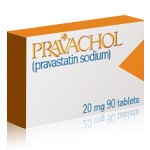
Pravachol (Pravastatin) stands as a uniquely hydrophilic statin medication for cholesterol management, distinguished by its water-soluble structure that limits muscle and brain tissue penetration. As the first hydrophilic HMG-CoA reductase inhibitor, Pravachol effectively lowers LDL bad cholesterol while offering favorable drug interaction profile compared to lipophilic statins. The 10/20/40/80 mg oral tablets provide reliable lipid-lowering effects across decades of clinical use in millions of patients worldwide.
Pravastatin works by selectively inhibiting HMG-CoA reductase primarily within liver cells, where the medication accumulates preferentially due to organic anion transporting polypeptide (OATP). This selective liver action reduces hepatic cholesterol synthesis, prompting upregulation of LDL receptors that clear harmful cholesterol particles from the bloodstream. The result: LDL cholesterol drops 20-37% from baseline, triglycerides decrease 14-24%, and HDL good cholesterol rises 5-12% within 4-6 weeks of starting treatment.
Pravachol benefits from extensive evidence including the landmark WOSCOPS trial (West of Scotland Coronary Prevention Study) demonstrating 31% reduction in coronary events in primary prevention. The CARE trial confirmed secondary prevention benefit after heart attack, while the LIPID study showed 24% reduction in cardiovascular mortality. The PROSPER trial uniquely demonstrated benefit in elderly patients aged 70-82 years, supporting Pravachol use across all adult age groups for hypercholesterolemia, mixed dyslipidemia, atherosclerosis prevention, post-heart transplant care, and familial hypercholesterolemia.
Unlike lipophilic statins, pravastatin undergoes minimal CYP3A4 metabolism, resulting in fewer drug interactions with medications like erythromycin, ketoconazole, and grapefruit juice. The medication offers flexible once-daily dosing without strict evening timing requirement and shows hepatic specificity ratio of 70:1 versus skeletal muscle. Generic pravastatin from quality manufacturers including Cipla, Sun Pharma, and Teva provides identical therapeutic effects to brand Pravachol at substantially lower cost. The active ingredient remains chemically identical to original Sankyo / Bristol-Myers Squibb formulation across both branded and generic versions of this established cholesterol management therapy.
Free prescription
Discrete packaging
Have questions?
Quality Assurance

- High Cholesterol: Elevated blood cholesterol above 240 mg/dL increasing cardiovascular disease risk significantly;
- LDL: Low-density lipoprotein particles that deposit harmful cholesterol into arteries causing blockages;
- Bad Cholesterol: Harmful LDL cholesterol particles that drive plaque buildup in coronary and brain arteries;
- Hypercholesterolemia: Medical condition with persistently elevated blood cholesterol above healthy threshold values;
- Mixed Dyslipidemia: Combined abnormal pattern of high cholesterol and triglycerides increasing heart disease risk;
- Hyperlipidemia: General medical term for high content of lipids and fats in blood circulation;
- Type II Hyperlipidemia: Inherited cholesterol disorder with elevated LDL and total cholesterol levels;
- Familial Hypercholesterolemia: Inherited genetic disorder causing extremely elevated LDL cholesterol from birth onwards;
- Heart Attack Prevention: Reducing risk of coronary artery blockage that permanently damages heart muscle tissue;
- Stroke Prevention: Lowering risk of brain artery blockage causing paralysis speech loss or death;
- Heart Disease Prevention: Slowing cholesterol plaque buildup in arteries supplying oxygen to heart muscle;
- Primary Cardiovascular Prevention: First-time event prevention before any heart disease symptoms or diagnosis appear;
- Secondary Cardiovascular Prevention: Preventing repeat events after prior heart attack stroke or cardiac procedure;
- Post Heart Attack Treatment: Secondary prevention therapy after recent myocardial infarction to prevent recurrence;
- Coronary Artery Disease: Narrowing of heart arteries from cholesterol plaque restricting blood and oxygen supply;
- Ischemic Heart Disease: Reduced blood flow to heart muscle from atherosclerotic narrowing of coronary arteries;
- Atherosclerosis: Progressive hardening and narrowing of arteries from accumulated cholesterol plaque deposits;
- Heart Transplant: Post-transplant therapy reducing coronary allograft vasculopathy and rejection risk;
- Elderly Cholesterol Management: Cholesterol lowering in patients aged 70-82 with proven cardiovascular event reduction;
- Diabetic Dyslipidemia: Characteristic abnormal cholesterol pattern common in patients with type 2 diabetes;
- Statin Therapy: Statin drug class treatment for elevated cholesterol and cardiovascular risk reduction.
- Lower Total Cholesterol: Overall blood cholesterol decreases substantially within 4-6 weeks of starting treatment;
- Lower Bad Cholesterol: Harmful LDL particles in bloodstream reduce significantly through hepatic synthesis blockade;
- Higher HDL Cholesterol: Good HDL cholesterol increases by 5-12% with continued daily Pravachol therapy;
- Lower Triglycerides: Blood triglyceride levels decrease by 14-24% during ongoing statin treatment;
- Less Heart Attack Risk: First coronary event probability drops 31% in primary prevention populations per WOSCOPS;
- Less Stroke Risk: Brain artery blockage probability reduces through lower cholesterol and plaque stabilization;
- Less Cardiovascular Death Risk: Fatal cardiac event probability decreases by 24% in long-term Pravachol users;
- Less Heart Disease Progression: Coronary artery disease advancement slows from lower plaque buildup over years;
- Less Artery Plaque Buildup: Atherosclerotic plaque accumulation slows or partially regresses in coronary arteries;
- Better Plaque Stability: Existing vulnerable plaques become less likely to rupture and cause clots;
- Slower Atherosclerosis Progression: Progressive arterial hardening process slows down over years of consistent use;
- Less Drug Interactions: Hydrophilic pravastatin avoids most CYP3A4 drug interactions affecting other statins;
- Less Muscle Problems: Hydrophilic structure reduces muscle tissue penetration lowering muscle side effect risk;
- Less Vascular Inflammation: Inflammatory markers in artery walls decrease beyond pure cholesterol-lowering effects;
- Better Endothelial Function: Inner artery lining health improves allowing better blood flow regulation;
- Better Blood Lipid Profile: Overall blood fat panel improves across LDL HDL and triglyceride measurements;
- Better Elderly Cardiovascular Outcomes: Patients aged 70-82 see 19% reduction in cardiac events per PROSPER trial;
- Better Heart Transplant Outcomes: Heart transplant recipients see less coronary allograft vasculopathy and rejection;
- Less Diabetic Cardiac Events: Diabetes patients see significant reduction in coronary event risk on statin therapy;
- Once Daily Convenience: Single tablet taken any time of day fits flexibly into daily routine;
- Better Long Term Survival: Life expectancy improves measurably in patients with elevated cardiovascular risk;
- Better Quality of Life: Daily wellbeing improves from reduced cardiovascular event anxiety and progression worry.
Generic Pravachol (Pravastatin 10 mg) Medication guide:
📖 What Pravachol Is and How It Works
Pravachol is the original brand of pravastatin sodium, an HMG-CoA reductase inhibitor developed by Bristol-Myers Squibb and approved by the US FDA in 1991. Pravastatin was the third statin to reach market (after lovastatin 1987 and simvastatin 1988) and defined a specific niche in the class - a hydrophilic (water-soluble) statin with distinctive properties that make it valuable in specific clinical scenarios.
The distinguishing features of pravastatin start with its chemistry. Unlike lovastatin, simvastatin, and atorvastatin (all lipophilic), pravastatin is hydrophilic - it does not readily cross cell membranes. It reaches the liver via active transport through OATP1B1 rather than passive diffusion. It is not a prodrug - the tablet contains the active drug directly, unlike lovastatin and simvastatin which are lactones activated in the liver. Perhaps most importantly, pravastatin is not metabolised by CYP3A4 - the enzyme system that creates so many statin drug interactions. This means no grapefruit juice interaction and few CYP-based drug interactions.
The main modern uses of Pravachol
- 🫀 Primary cardiovascular prevention - WOSCOPS landmark evidence
- ❤️ Secondary cardiovascular prevention - CARE and LIPID trial evidence in post-MI clients
- 🩹 Transplant recipients on cyclosporine - preferred statin due to interaction profile
- 🧪 HIV clients on protease inhibitors - minimal CYP3A4 interaction
- 👵 Older adults - PROSPER trial evidence in ages 70-82
- 👶 Paediatric HeFH from age 8 - one of the few statins with early paediatric approval
- 💊 Clients on complex polypharmacy where CYP interactions are a concern
- 💰 Cost-sensitive lipid therapy - well-established generic
Pravachol's trial evidence is unusually rich. WOSCOPS (1995) established primary prevention benefit in Scottish men with hypercholesterolaemia. CARE (1996) demonstrated secondary prevention benefit in post-MI clients with only average cholesterol - broadening the population that could benefit. LIPID (1998) confirmed long-term secondary prevention with mortality benefit. PROSPER (2002) established benefit in older adults (age 70-82). These trials collectively defined much of the primary and secondary prevention statin evidence base.
Where pravastatin sits in modern therapy has been shaped by its lower LDL-lowering potency compared with atorvastatin and rosuvastatin. Pravastatin at maximum dose (80 mg) achieves roughly 34 percent LDL reduction - moderate intensity, but well below the 50+ percent achieved by high-intensity therapy. For clients needing aggressive lowering after acute coronary syndrome, atorvastatin or rosuvastatin is generally preferred. For moderate-intensity requirements, cost-sensitive scenarios, transplant recipients, HIV clients, and clients on complex medication regimens, pravastatin is often the preferred choice.
Pravachol comes as 10 mg, 20 mg, 40 mg, and 80 mg tablets. Standard adult starting dose is 40 mg once daily for most adults, with reduction to 10-20 mg in specific scenarios (elderly, renal impairment). Timing is flexible - traditionally taken at bedtime like other short-acting statins, but modern practice recognises this is not required given active metabolite considerations. Time to full effect on LDL is 2-4 weeks; steady-state LDL by 4-6 weeks. Most clients continue therapy long-term.
Common concerns with any statin include muscle symptoms and liver enzyme elevation. Trial data suggest pravastatin may have modestly lower rates of muscle complaints than lipophilic statins - possibly because it does not penetrate muscle tissue as readily. Serious muscle problems (rhabdomyolysis) are rare - roughly 1-2 per 10,000 treated years. The absence of significant CYP3A4 metabolism means far fewer drug-interaction-driven muscle problems.
This guide walks through what pravastatin does, the specific settings where it fits especially well, the practical dosing, its distinctive drug interaction profile (very favourable), the muscle symptom considerations, and the modern context alongside other statins. Treat this guide as a companion to what your cardiologist, lipid specialist, or general practitioner tells you.
💊 Why Doctors Prescribe Pravachol - Main Indications
Pravastatin has broad indications across cardiovascular risk reduction with specific niches where its distinctive properties matter most.
Primary cardiovascular prevention
In clients without established atherosclerotic cardiovascular disease (ASCVD) but at elevated risk, pravastatin reduces first MI, stroke, and cardiovascular death. Landmark evidence from WOSCOPS in men with hypercholesterolaemia and MEGA in Japanese primary prevention. Guidelines use risk calculators to identify who benefits. Section 3 covers primary prevention.
Secondary cardiovascular prevention
In clients with established ASCVD, statins substantially reduce recurrent events and mortality. Pravastatin has strong evidence in secondary prevention (CARE and LIPID trials) but is moderate intensity - for post-ACS high-risk clients, high-intensity atorvastatin or rosuvastatin is generally preferred. Pravastatin fits in stable secondary prevention where moderate intensity suits. Section 4 covers secondary prevention.
Transplant recipients on cyclosporine
This is a specific niche where pravastatin has clear advantages. Cyclosporine strongly interacts with CYP3A4-metabolised statins (atorvastatin, simvastatin, lovastatin), substantially raising statin levels and myopathy risk. Pravastatin is not CYP3A4-metabolised, though cyclosporine does raise pravastatin levels via OATP inhibition - dose limit typically 20 mg. Preferred statin in solid organ transplant recipients per multiple transplant guidelines. Section 5 covers this indication.
HIV clients on protease inhibitors
Ritonavir-boosted protease inhibitors strongly inhibit CYP3A4 - contraindicated with lovastatin and simvastatin, and significantly increasing atorvastatin exposure. Pravastatin's minimal CYP3A4 metabolism makes it a preferred statin in HIV clients on these regimens, alongside rosuvastatin.
Older adults
The PROSPER trial specifically tested pravastatin in clients aged 70-82 with cardiovascular risk factors. Pravastatin reduced cardiovascular events by 15 percent. This established evidence-based statin therapy for older adults. Well-tolerated across the geriatric age range. Section 25 covers older adult use.
Familial hypercholesterolaemia
Genetic disorder with very high LDL and premature ASCVD. Pravastatin at maximum dose alone is usually insufficient for HeFH; typically combined with ezetimibe and often PCSK9 inhibitor. FDA-approved for paediatric HeFH from age 8 - one of the few statins with such early paediatric approval.
Diabetes and cardiovascular risk reduction
Diabetes carries substantially increased cardiovascular risk. Statin therapy standard for most diabetic adults over 40. Pravastatin fits when moderate-intensity therapy is appropriate; atorvastatin often preferred when higher intensity needed.
Chronic kidney disease
Pravastatin can be used across most CKD stages. Dose reduction for severe CKD. Pravastatin has some renal excretion so extra care in end-stage renal disease. Studied in dialysis-treated ESRD in 4D and AURORA - benefit uncertain in this specific population.
Where statins do not routinely fit
- Isolated severe hypertriglyceridaemia (fibrate or icosapent ethyl more targeted)
- NYHA III-IV heart failure without CAD (CORONA and GISSI-HF neutral)
- Very short life expectancy - benefit accrues over years
- Isolated low HDL without other lipid abnormalities
Where pravastatin has specific advantages
The particular niche for pravastatin in modern practice is clients where CYP3A4 drug interactions are a concern and tolerance is prioritised over maximum LDL lowering. Transplant recipients, HIV clients on protease inhibitors, older adults on polypharmacy, and clients with prior statin muscle intolerance often do particularly well on pravastatin.
Ask your treating team what specific indication drove your pravastatin prescription, what LDL target is being pursued, and whether the pravastatin choice reflects specific advantages (interactions, tolerability) or represents a starting point that could later shift to higher-intensity therapy if needed.
🫀 Pravachol for Primary Cardiovascular Prevention
Primary cardiovascular prevention with pravastatin has landmark evidence through WOSCOPS. Understanding who benefits from primary prevention with pravastatin shapes appropriate use.
Who is typically eligible
- LDL cholesterol 190 mg/dL (4.9 mmol/L) or higher - regardless of other risk factors; likely familial hypercholesterolaemia
- Diabetes plus age 40-75 - statin therapy indicated
- 10-year ASCVD risk 7.5-20 percent or higher depending on individual factors
- Hypercholesterolaemia in middle-aged men (WOSCOPS population)
- Chronic kidney disease stage 3 or worse
- Chronic inflammatory conditions (SLE, RA, HIV)
- Family history of premature ASCVD
- Elevated coronary calcium score
The WOSCOPS trial
The West of Scotland Coronary Prevention Study (Shepherd et al. NEJM 1995) enrolled 6,595 men aged 45-64 with LDL cholesterol 155-232 mg/dL (4.0-6.0 mmol/L) and no history of MI. Randomised to pravastatin 40 mg or placebo. Mean follow-up 4.9 years. Coronary events reduced by 31 percent (definite non-fatal MI or coronary death). Cardiovascular mortality reduced 32 percent. All-cause mortality reduced 22 percent (borderline significant). Established primary prevention benefit in hypercholesterolaemic middle-aged men. WOSCOPS has been one of the most influential primary prevention trials in cardiovascular medicine.
WOSCOPS 20-year follow-up
Ford and colleagues extended WOSCOPS to 20 years of follow-up (Circulation 2016). The mortality benefit persisted long after the trial ended - clients originally randomised to pravastatin had lower coronary heart disease mortality, lower cardiovascular mortality, and lower all-cause mortality decades later. This provides remarkable evidence that early statin therapy provides durable benefit years beyond active treatment - the "legacy effect".
MEGA Study - Asian primary prevention
- Published Lancet 2006, Nakamura and colleagues
- Japanese men and women, 40-70 years old
- 7,832 clients with moderate hypercholesterolaemia (total cholesterol 220-270 mg/dL)
- Low-dose pravastatin (10-20 mg) plus diet vs diet alone
- Coronary events reduced 33 percent
- Extended primary prevention evidence to Asian populations at lower statin doses
Typical primary prevention regimen
- Pravastatin 40 mg once daily (moderate intensity per WOSCOPS)
- Lower doses (10-20 mg) may suit in less severe dyslipidaemia or Asian populations
- LDL target for primary prevention typically under 100 mg/dL (2.6 mmol/L)
- Lower targets in higher-risk primary prevention (diabetes with organ damage, familial hypercholesterolaemia)
- Combined with lifestyle - diet, exercise, weight, smoking cessation
- Blood pressure management alongside
- Ongoing cardiovascular risk factor review
Setting realistic expectations
- Statins reduce first-event risk by roughly 25-30 percent
- Absolute risk reduction depends on baseline risk
- Benefit accrues over years - not visible immediately
- Combined with lifestyle for best effect
- Long-term commitment typical
- Legacy effect - continued benefit even years after therapy stops (WOSCOPS 20-year evidence)
Primary prevention with pravastatin has strong evidence base through WOSCOPS and MEGA. Individual risk assessment guides who benefits. The 20-year follow-up data provides unusual reassurance about long-term benefit.
❤️ Pravachol for Secondary Prevention After Events
Secondary cardiovascular prevention has stronger evidence and larger absolute benefit than primary prevention. Pravastatin has landmark trials specifically in secondary prevention through CARE and LIPID.
Who needs secondary prevention
- Prior myocardial infarction
- Prior ischaemic stroke or TIA (atherothrombotic)
- Prior coronary revascularisation (PCI or CABG)
- Documented CAD on imaging
- Peripheral arterial disease
- Aortic atherosclerotic disease
- Symptomatic carotid disease
- Polyvascular disease (highest-risk group)
CARE Trial - the average cholesterol landmark
The Cholesterol and Recurrent Events trial (Sacks et al. NEJM 1996) enrolled 4,159 clients with prior MI and average total cholesterol under 240 mg/dL, LDL 115-174 mg/dL. Randomised to pravastatin 40 mg or placebo. Mean follow-up 5 years. Major coronary events reduced by 24 percent. Stroke reduced 31 percent. Established that clients with only average cholesterol still benefit from statin therapy after MI - a fundamental shift that broadened secondary prevention indication.
LIPID Trial - the mortality confirmation
The Long-Term Intervention with Pravastatin in Ischaemic Disease trial (NEJM 1998) enrolled 9,014 clients aged 31-75 with prior MI or unstable angina hospitalisation, total cholesterol 155-271 mg/dL. Randomised to pravastatin 40 mg or placebo. Mean follow-up 6.1 years. Coronary heart disease mortality reduced by 24 percent. All-cause mortality reduced 22 percent. Established durable secondary prevention mortality benefit with pravastatin.
Where pravastatin fits in secondary prevention
- Stable coronary disease with moderate-intensity requirement - pravastatin 40-80 mg
- Transplant recipients on cyclosporine - preferred statin
- HIV clients on protease inhibitors - one of two preferred choices (rosuvastatin the other)
- Statin-intolerant clients who tolerate pravastatin - often useful
- Older adults - PROSPER trial evidence
- Cost-sensitive scenarios - generic pravastatin cheap
- Long-standing stable therapy that has been well-tolerated for years - continuation reasonable
Where atorvastatin or rosuvastatin is preferred over pravastatin
- Recent acute coronary syndrome - high-intensity therapy (PROVE-IT and TNT evidence)
- Very high-risk clients - LDL target under 55 mg/dL requires high-intensity therapy
- Familial hypercholesterolaemia with established ASCVD - maximum LDL reduction needed
- Polyvascular disease - highest-risk group
- Recurrent events on moderate-intensity therapy
LDL targets for secondary prevention
| Client group | LDL target |
|---|---|
| Very high-risk (recent ACS, polyvascular, FH with event) | Under 55 mg/dL (1.4 mmol/L) |
| High-risk (established ASCVD) | Under 70 mg/dL (1.8 mmol/L) |
| 50 percent LDL reduction | Alternative target when starting LDL below 100 |
| Very very high risk (recurrent events on optimal therapy) | Under 40 mg/dL (1.0 mmol/L) considered |
Pravastatin secondary prevention is one of the more evidence-based interventions in medicine. For moderate-intensity requirements and specific niches, pravastatin fits well. For maximum LDL reduction in very high-risk clients, atorvastatin or rosuvastatin at high dose is generally preferred.
🩹 Pravachol for Transplant and Complex Populations
Pravastatin has particular advantages in specific populations where its lack of CYP3A4 metabolism and hydrophilic properties matter clinically. Transplant recipients and HIV clients are the two most important examples.
Transplant recipients on cyclosporine
- Cyclosporine strongly inhibits CYP3A4 - dramatic effect on lovastatin, simvastatin, atorvastatin levels
- Cyclosporine also inhibits OATP1B1 - the transporter statins use to enter hepatocytes
- All statins have raised levels with cyclosporine, but pravastatin has fewest interactions
- Pravastatin preferred at reduced dose (typically 20 mg maximum)
- Standard first-choice statin in solid organ transplant guidelines
- Monitor CK if muscle symptoms
Cardiovascular risk in transplant recipients
Post-transplant clients have substantially elevated cardiovascular risk from multiple factors: pre-transplant disease, immunosuppression effects on lipids, corticosteroid-driven diabetes and hypertension, calcineurin inhibitor cardiovascular effects. Statin therapy is a standard part of long-term post-transplant care. Renal, cardiac, liver, and other solid organ transplant recipients all benefit from lipid management.
HIV clients on protease inhibitors
- Ritonavir-boosted protease inhibitors strongly inhibit CYP3A4
- Lovastatin, simvastatin contraindicated with these regimens
- Atorvastatin significantly elevated; dose limits apply
- Pravastatin - minimal interaction; preferred statin in many HIV guidelines
- Rosuvastatin also acceptable (also non-CYP3A4)
- HIV-associated dyslipidaemia and increased cardiovascular risk make statin often needed
- HIV specialist input essential
Older adults with polypharmacy
- Fewer CYP3A4 interactions reduces polypharmacy concerns
- Simpler management around new medications
- PROSPER trial specifically demonstrated benefit in 70-82 year olds
- Well-tolerated across geriatric populations
Statin-intolerant clients (particularly muscle)
- Hydrophilic nature means less muscle tissue penetration than lipophilic statins
- Some observational data suggests lower rate of muscle complaints
- Often worth trying when muscle symptoms have occurred on atorvastatin or simvastatin
- Rosuvastatin also hydrophilic and often tried
Chronic kidney disease
- Can be used across most CKD stages
- Dose reduction (10-20 mg) for severe CKD
- Some renal excretion so caution in end-stage renal disease
- Studied in dialysis populations (4D with atorvastatin; SHARP with simvastatin/ezetimibe)
- Benefit in ESRD less clear
Paediatric HeFH from age 8
- FDA-approved for children with heterozygous FH from age 8
- One of the earliest paediatric approvals in the statin class
- Growth, puberty, long-term safety reasonably documented
- Paediatric lipid specialist involvement
- Starting dose 20 mg once daily; adjust based on LDL
Why pravastatin fits these populations
The common thread across transplant, HIV, elderly polypharmacy, and paediatric use is that predictability and low interaction risk matter more than maximum LDL reduction. Pravastatin's hydrophilic chemistry, non-CYP3A4 metabolism, established long-term safety record, and paediatric FDA approval all serve this common need. For clients where high-intensity therapy is essential (recent ACS, very high LDL familial hypercholesterolaemia), atorvastatin or rosuvastatin remains preferred despite the CYP concerns.
Pravastatin's specific advantages in transplant recipients, HIV clients, older adults, and paediatric clients justify its continued place alongside newer high-intensity statins. Matching the statin to the client's specific scenario is a hallmark of good lipid practice.
⚖️ WOSCOPS CARE LIPID and PROSPER Evidence
Pravastatin has one of the richest and longest-running trial evidence bases of any statin. Understanding the individual trials and their combined message defines its place in modern practice.
WOSCOPS - the primary prevention landmark
- West of Scotland Coronary Prevention Study
- Published NEJM 1995, Shepherd and colleagues
- 6,595 men aged 45-64 with hypercholesterolaemia
- No history of MI
- Pravastatin 40 mg vs placebo
- Mean follow-up 4.9 years
- Coronary events reduced 31 percent
- Cardiovascular mortality reduced 32 percent
- All-cause mortality reduced 22 percent
- Landmark primary prevention evidence
WOSCOPS 20-year follow-up
- Published Circulation 2016, Ford and colleagues
- Extended observational follow-up
- Persistent all-cause mortality benefit
- Persistent coronary heart disease mortality benefit
- Evidence of durable "legacy effect" from early statin therapy
CARE - average cholesterol secondary prevention
- Cholesterol and Recurrent Events
- Published NEJM 1996, Sacks and colleagues
- 4,159 clients with prior MI
- Average cholesterol at baseline (under 240 mg/dL total)
- Pravastatin 40 mg vs placebo
- Mean follow-up 5 years
- Major coronary events reduced 24 percent
- Stroke reduced 31 percent
- Established statin benefit even at average cholesterol levels
LIPID - long-term secondary prevention
- Long-Term Intervention with Pravastatin in Ischaemic Disease
- Published NEJM 1998
- 9,014 clients with prior MI or unstable angina hospitalisation
- Total cholesterol 155-271 mg/dL
- Pravastatin 40 mg vs placebo
- Mean follow-up 6.1 years
- Coronary heart disease mortality reduced 24 percent
- All-cause mortality reduced 22 percent
- Established durable secondary prevention mortality benefit
PROSPER - elderly evidence
- PROspective Study of Pravastatin in the Elderly at Risk
- Published Lancet 2002, Shepherd and colleagues
- 5,804 clients aged 70-82
- History of cardiovascular disease or risk factors
- Pravastatin 40 mg vs placebo
- Mean follow-up 3.2 years
- Composite CV endpoint reduced 15 percent
- Established evidence-based statin therapy for older adults
- Balanced elderly-specific concerns
ALLHAT-LLT - the pragmatic comparison
- Antihypertensive and Lipid-Lowering Treatment to Prevent Heart Attack Trial - Lipid-Lowering Trial
- Published JAMA 2002
- 10,355 hypertensive clients with moderate hypercholesterolaemia
- Pravastatin 40 mg vs usual care
- Neutral primary result - attributed to control-group crossover to open-label statin
- Highlighted difficulty of pragmatic trials in the statin era
MEGA - Japanese primary prevention
- Published Lancet 2006, Nakamura and colleagues
- 7,832 Japanese clients
- Low-dose pravastatin (10-20 mg) plus diet vs diet alone
- Coronary events reduced 33 percent
- Extended evidence to Asian populations at lower doses
PROVE-IT TIMI 22 - the comparator role
- Published NEJM 2004, Cannon and colleagues
- 4,162 clients after acute coronary syndrome
- Atorvastatin 80 mg vs pravastatin 40 mg
- Atorvastatin high-dose superior for post-ACS
- Established high-intensity statin as post-ACS standard
- Positioned pravastatin as moderate-intensity where high-intensity is preferred
The overall picture
Pravastatin has among the strongest and longest-running trial evidence in the statin class - across primary prevention (WOSCOPS, MEGA), secondary prevention (CARE, LIPID), and elderly (PROSPER). The 20-year WOSCOPS follow-up provides unusual reassurance about durable benefit. The comparator role in PROVE-IT positioned pravastatin as moderate-intensity in the modern intensity-based classification. All these trials together define pravastatin's modern niche as a moderate-intensity statin with strong evidence base and favourable interaction profile.
Pravastatin's trial evidence remains foundational for the statin class. Modern practice draws on this evidence while positioning pravastatin according to its moderate-intensity profile and interaction advantages.
🔬 How Pravastatin Blocks HMG-CoA Reductase Uniquely
Pravastatin's mechanism is the same as all statins - blocking HMG-CoA reductase. What distinguishes it is the chemistry - hydrophilic rather than lipophilic, active drug rather than prodrug, minimal CYP3A4 metabolism.
The HMG-CoA reductase pathway
- HMG-CoA reductase catalyses conversion of HMG-CoA to mevalonate
- Mevalonate is precursor for cholesterol, ubiquinone, and other isoprenoids
- Pravastatin competitively inhibits HMG-CoA reductase in hepatocytes
- Hepatic cholesterol synthesis slows
- Reduced intracellular cholesterol triggers upregulation of LDL receptors on hepatocyte surface
- More LDL cleared from blood
- Circulating LDL falls substantially
What distinguishes pravastatin
- Hydrophilic (water-soluble) - not fat-soluble
- Active drug (not a prodrug) - no liver activation needed
- Liver-selective - taken into hepatocytes via OATP1B1; poor penetration of other tissues
- Not metabolised by CYP3A4 - key advantage for drug interactions
- No significant grapefruit juice interaction
- Short parent drug half-life - 2 hours; steady state within days
- Renal and biliary elimination - roughly 20 percent renal
- Any-time dosing - though traditional bedtime timing persists
Hydrophilic vs lipophilic - practical implications
| Feature | Hydrophilic (pravastatin, rosuvastatin) | Lipophilic (atorvastatin, simvastatin, lovastatin) |
|---|---|---|
| Tissue penetration | Concentrated in liver | Broader |
| Muscle penetration | Less | More |
| CYP3A4 metabolism | Minimal | Extensive (except rosuvastatin) |
| Grapefruit interaction | Minimal | Substantial |
| Muscle symptom rate | Slightly lower in some data | Slightly higher in some data |
| Pleiotropic effects | Some evidence for less | Some evidence for more |
Pharmacokinetics
- Oral bioavailability - approximately 17 percent
- Absorption - rapid; reduced 30 percent when taken with food; usually not clinically significant
- Peak plasma concentration - 1-1.5 hours after dose
- Half-life - approximately 2 hours (parent drug)
- Protein binding - moderate (approximately 50 percent - low compared with other statins)
- Metabolism - not extensively metabolised; minimal CYP3A4 involvement; some sulphation
- Elimination - roughly 20 percent renal; rest biliary and faecal
- Steady state - within a few days
Pleiotropic effects beyond LDL
- Anti-inflammatory - hsCRP reduction
- Endothelial function improvement
- Modest antithrombotic effects
- Whether pleiotropic effects are smaller for pravastatin than lipophilic statins is debated
- Clinical outcome data at equipotent LDL reduction similar across statins
Pravastatin's hydrophilic chemistry and minimal CYP3A4 metabolism define its clinical niche. The mechanism explains the favourable drug interaction profile, absence of grapefruit interaction, and possibly lower muscle side effect rate.
⏰ Pravachol Dose Schedule and Timing Rules
Pravachol dosing is straightforward - once daily, flexible timing, dose titrated to LDL response.
Standard dosing
| Situation | Dose |
|---|---|
| Adult standard starting | 40 mg once daily |
| Moderate LDL elevation | 40 mg once daily |
| Higher LDL requirement | 80 mg once daily |
| Elderly starting | 10-20 mg once daily |
| Cyclosporine coadministration | 10-20 mg maximum |
| Clarithromycin coadministration | 40 mg maximum |
| Paediatric HeFH (age 8-13) | 20 mg once daily; adjust based on LDL |
| Paediatric HeFH (age 14-17) | 40 mg once daily; adjust based on LDL |
| Significant renal impairment | 10 mg once daily starting |
| Maximum daily dose | 80 mg |
| Severe hepatic impairment | Contraindicated |
Expected LDL reduction by dose
| Dose | LDL reduction | Intensity |
|---|---|---|
| 10 mg daily | 15-20 percent | Low |
| 20 mg daily | 24 percent | Low-moderate |
| 40 mg daily | 30-34 percent | Moderate |
| 80 mg daily | 36-37 percent | Upper moderate |
Timing flexibility
Traditionally taken at bedtime like other short-acting statins. Modern practice recognises that any consistent daily time works - the short half-life and continuous LDL receptor upregulation effect mean timing is less critical than clinicians once thought. With or without food acceptable (food modestly reduces absorption but not clinically significant). Take at whatever time supports best adherence.
Titration approach
- Start at appropriate dose based on LDL, indication, and specific population
- Check LDL response at 6-12 weeks
- If not at target - increase dose or add ezetimibe
- Recheck LDL 6-12 weeks after each change
- If maximum pravastatin plus ezetimibe still not at target - consider switching to atorvastatin or rosuvastatin high-intensity
- Once at target, monitor annually
Duration
- Lifelong for established ASCVD or familial hypercholesterolaemia
- Primary prevention duration individualised - benefit accrues over years
- Do not stop for uncertainty - discuss with treating team
- Reassess annually whether continuation justified
Pravachol dosing is straightforward. Once optimal dose established, most clients continue same regimen for years. Timing flexibility supports adherence.
📅 Starting Pravachol - First Weeks Approach
Starting pravastatin is generally uneventful. Its clean interaction profile and lower muscle symptom rate compared with lipophilic statins make it one of the smoother statins to initiate.
Typical initiation experience
- Most clients notice nothing subjectively in first days
- LDL reduction begins within 1 week; substantial by 2-4 weeks
- Full effect on LDL by 4-6 weeks
- Muscle symptoms less common than with lipophilic statins in some data
- Very rare early rhabdomyolysis if it occurs warrants urgent evaluation
- Long-term tolerance for the great majority
Pre-treatment assessment
- Baseline lipid profile
- Baseline liver function tests (ALT)
- Baseline HbA1c or fasting glucose
- Baseline renal function
- TSH - treat hypothyroidism first
- Review of concurrent medications - particularly cyclosporine, clarithromycin
- Fibrate history
- Discussion of expected benefits and side effect possibilities
Setting expectations
- No immediate symptom improvement - not for symptoms
- LDL reduction is the marker of success
- Long-term cardiovascular event reduction is the outcome
- Muscle symptoms - report but do not immediately assume drug-caused
- Nocebo effect substantial - clients who expect side effects experience more
- Very few clients truly cannot tolerate statins
- No grapefruit juice avoidance needed (unlike lovastatin, simvastatin, atorvastatin)
- Timing flexible
Follow-up schedule for initiation
- 6-12 weeks after start - lipid panel; LFTs
- If at target: continue current dose
- If not at target: increase dose or add ezetimibe
- Symptom review at each contact
- CK check if muscle symptoms reported
- 6-12 months for full stabilisation and long-term plan
Warning signs during initiation
- 🔴 Severe unexplained muscle pain, weakness, or tenderness
- 🔴 Dark tea-coloured urine (rhabdomyolysis)
- 🔴 Rapid CK rise (over 10x upper normal)
- 🔴 Yellow skin or eyes - liver concern
- 🔴 Persistent nausea and abdominal pain with elevated ALT
- 🔴 Rash or allergic reaction
Pravastatin initiation is smooth for most clients. Realistic expectations, appropriate monitoring, and prompt attention to warning symptoms make transition to long-term therapy straightforward.
📏 Pravachol Dose Adjustments Over Time
Pravastatin dose adjustment is largely LDL-guided. The moderate-intensity ceiling of pravastatin (roughly 34-37 percent LDL reduction at 80 mg) shapes when adjustment involves switching to higher-intensity therapy.
Factors affecting individual response
- Baseline LDL - higher baseline allows more absolute reduction
- Genetics - LDL receptor variants; SLCO1B1 variants affect statin uptake
- Adherence - most common cause of "non-response"
- Diet - high-saturated-fat diet limits benefit
- Body weight, age - modest effects
- Concurrent drugs affecting OATP1B1 (cyclosporine, some HIV meds) - raise levels
- CYP3A4 modulators - much less effect than for other statins
Common dose adjustments
| Situation | Action |
|---|---|
| LDL not at target on 40 mg | Increase to 80 mg; add ezetimibe; consider switch to atorvastatin/rosuvastatin |
| LDL not at target on 80 mg + ezetimibe | Switch to atorvastatin 40-80 mg or rosuvastatin 20-40 mg; consider PCSK9 inhibitor |
| Muscle symptoms mild | Check CK; often symptoms resolve or unrelated to statin |
| Muscle symptoms persistent | Reduce dose; alternate-day dosing; investigate other causes |
| ALT 3x upper normal | Reduce dose; recheck; investigate other liver causes |
| Rhabdomyolysis | Stop immediately; hospital assessment |
| Starting cyclosporine | Reduce pravastatin dose to 10-20 mg max |
| Long-term stable | Continue same dose; periodic review |
Non-response investigation
If LDL not falling as expected:
- Check adherence honestly
- Verify timing consistency
- Rule out hypothyroidism
- Review dietary compliance
- Consider genetic causes (familial hypercholesterolaemia)
- Add ezetimibe (roughly 20 percent additional LDL reduction)
- Consider switching to atorvastatin or rosuvastatin for higher-intensity therapy
- PCSK9 inhibitor for very high-risk
Pravastatin dose adjustment is largely LDL-guided. Once at maximum tolerated dose, adding ezetimibe or switching to a higher-intensity statin are the standard next steps.
💊 How to Take Pravachol Tablets Properly
Practical routines around Pravachol tablets are the simplest of any statin. Flexible timing, no grapefruit concern, few drug interactions.
Practical daily routine
- Once daily at same time each day
- Any time of day - morning, evening, or bedtime; consistency matters more than exact time
- With water - a full glass
- With or without food - food modestly reduces absorption but not clinically significant
- Swallow whole - do not crush or chew
- Grapefruit juice acceptable - unlike lovastatin, simvastatin, atorvastatin
- Refill 2 weeks before running out
Anchor the dose to a daily habit
- Morning with breakfast or coffee
- Evening with dinner
- Bedtime with nighttime routine (traditional preference)
- Alongside other daily medications
- Weekly pillbox helpful for polypharmacy
- Phone alarm labelled "Pravachol" or "statin"
Common medication safety issues
- 🔴 Do not stop suddenly without discussion - cardiovascular risk returns
- 🔴 Report new muscle pain or weakness
- 🔴 Report dark urine - rhabdomyolysis concern
- 🔴 Never double up on missed dose
- 🔴 Alert medical team about starting cyclosporine or clarithromycin
- 🔴 Never combine with gemfibrozil (contraindicated per some sources)
- 🔴 If pregnancy considered - discuss (Section 28)
Storage
- Room temperature under 25 C
- Original packaging
- Protect from moisture
- Not in bathroom or hot car
- Out of reach of children
- Do not use past expiry
- Return unused tablets to pharmacy
Once-daily flexible dosing without grapefruit concern makes Pravachol among the easiest statins to take. The main discipline is simple consistency.
🍴 Food Diet on Pravachol - No Grapefruit Concern
Food and diet interactions with pravastatin are minimal - no grapefruit juice concern, no substantial food effects on the drug itself. Standard cardioprotective eating supports the therapy.
Good news - no grapefruit concern
Pravastatin is not metabolised by CYP3A4, the enzyme system that grapefruit juice inhibits. Grapefruit juice consumption does not raise pravastatin levels. This is a distinct advantage over lovastatin, simvastatin, and atorvastatin where grapefruit juice interaction is substantial. Clients on pravastatin can enjoy grapefruit and grapefruit juice normally.
Pravastatin absorption
- Absorption modestly reduced by food (roughly 30 percent reduction in AUC)
- Not usually clinically significant
- Consistent timing relative to meals is more important than fasting vs fed state
- No specific food to avoid
- No dairy interaction
Cardioprotective dietary pattern
- Mediterranean-style eating - fruits, vegetables, whole grains, legumes, nuts, fish, olive oil
- Reduce saturated fat - limit red and processed meat, high-fat dairy, tropical oils
- Avoid trans fats - hydrogenated oils, some processed foods
- Sodium under 2,300 mg daily (1,500 mg if hypertensive)
- Soluble fibre - oats, barley, legumes, fruits (aids LDL reduction)
- Plant stanols/sterols - roughly 2 g daily can add 5-10 percent LDL reduction
- Fish twice weekly for omega-3
- Sugar limitation - especially sugar-sweetened beverages
Statin does not replace diet
- Diet independently affects LDL, HDL, triglycerides, glucose, blood pressure
- Diet effects add to statin effects
- Poor diet may attenuate statin LDL reduction
- Diet plus statin better than either alone
Other food and drink considerations
- Coffee and tea - fine, no interaction
- All fruit juices - safe including grapefruit
- Herbal teas mostly fine (St John Wort minor concern - Section 20)
- Dairy - no interaction (bile acid sequestrants affect calcium absorption separately)
- Alcohol - see Section 13
Pravastatin's food and dietary interaction profile is one of the cleanest of any lipid drug. No grapefruit avoidance needed. Standard cardioprotective eating supports the drug's LDL-lowering effect.
🍷 Alcohol Rules During Pravachol Therapy
Moderate alcohol on pravastatin is generally acceptable. Heavy alcohol raises liver and muscle risks common to all statins.
Alcohol interactions
- Liver - both alcohol and pravastatin processed by liver; heavy alcohol raises ALT independently and compounds statin transaminitis
- Muscle - heavy alcohol raises rhabdomyolysis risk (independent muscle toxicity)
- Triglycerides - alcohol raises triglycerides significantly
- Cardiovascular disease - heavy drinking increases cardiovascular risk
Practical guidance
| Situation | Recommendation |
|---|---|
| Occasional social drinking | Generally acceptable within official limits |
| Daily 1 drink | Usually acceptable if liver normal |
| Daily 2 drinks | Upper limit; monitor LFTs |
| Regular binge drinking | Avoid strongly |
| Fatty liver or hepatitis | Minimise significantly |
| High baseline triglycerides | Reduce or avoid |
| Alcohol use disorder | Address as separate condition |
Standard drink definitions
- US: 14 g pure alcohol - 12 oz beer, 5 oz wine, 1.5 oz spirits
- UK unit: 8 g pure alcohol - about 76 ml of 12 percent wine
- Weekly limits: 14 units UK; roughly similar for daily 1 US drink
- WHO 2023: No level of alcohol is without health impact
Reasonable moderate drinking is compatible with pravastatin therapy. Heavy drinking compounds risks common to all statins.
🚨 Pravachol Side Effects Complete Overview
Pravastatin side effects follow the general statin pattern. Some data suggest slightly lower rates of muscle complaints than lipophilic statins, though this remains debated.
Common side effects (1-10 percent)
- Muscle symptoms - myalgia, cramps (nocebo-heavy; Section 15)
- Gastrointestinal - nausea, dyspepsia, constipation, diarrhoea
- Headache
- Elevated LFTs - usually asymptomatic
- Small blood glucose rise
- Rash - uncommon
Uncommon side effects (0.1-1 percent)
- Fatigue
- Sleep disturbance
- Hair thinning (rare)
- Sexual dysfunction (rare, likely nocebo in most cases)
- CK elevation without symptoms
- New-onset diabetes
- Reversible cognitive effects (Section 19)
Serious rare (under 0.1 percent)
- 🔴 Rhabdomyolysis (Section 16)
- 🔴 Severe hepatitis (very rare)
- 🔴 Immune-mediated necrotising myopathy (very rare autoimmune reaction)
- 🔴 Severe skin reactions (very rare)
- 🔴 Interstitial lung disease (extremely rare)
The nocebo effect is real
The SAMSON trial (2020) demonstrated that 90 percent of statin-attributed muscle complaints in symptomatic clients are not actually caused by the drug. Symptom scores on placebo tablets were nearly identical to atorvastatin - both substantially higher than no tablet. Findings apply to the statin class including pravastatin. This has fundamentally reframed how the medical community views statin intolerance complaints.
General approach to side effects
- Report new symptoms - do not assume drug-related
- Investigate other causes (exercise, medications, viral illness)
- Consider dose reduction or drug holiday for muscle symptoms
- Consider switching statin if pravastatin appears to be the cause
- Rechallenge is very often successful
- True statin intolerance is rare
Most pravastatin side effects are manageable, mild, or actually not drug-related. The favourable interaction profile means fewer drug-driven side effects than seen with lipophilic statins. Serious effects are rare.
💪 Muscle Symptoms and Myalgia on Pravachol
Muscle symptoms are less common with pravastatin than with lipophilic statins in some observational data. The hydrophilic nature and lower muscle tissue penetration are the likely reasons.
Spectrum of statin muscle findings
- Myalgia - muscle pain or aching; normal CK; most common
- Myopathy - muscle symptoms plus CK 3-10x upper limit
- Severe myopathy - CK over 10x upper limit; muscle weakness
- Rhabdomyolysis - CK typically over 40x upper limit; myoglobinuria; renal injury (Section 16)
- Immune-mediated necrotising myopathy - autoimmune; anti-HMGCR antibodies; requires immunosuppression
Actual trial rates
- Randomised trials: muscle symptom rate similar to placebo
- Attributable rate to pravastatin: modestly below placebo in some analyses
- Real-world observational studies: possibly lower muscle complaint rate than atorvastatin/simvastatin
- SAMSON trial: 90 percent of complaints attributable to nocebo
- Serious myopathy very rare
- Rhabdomyolysis 1-2 per 10,000 treated years
Why pravastatin muscle symptoms may be lower
- Hydrophilic - does not readily penetrate muscle tissue
- Liver-selective uptake via OATP1B1
- Not CYP3A4-metabolised - fewer drug-drug interactions raising levels
- No grapefruit juice interaction
- Rosuvastatin (also hydrophilic) shares these features
- Often the "statin of choice" for clients with prior statin muscle intolerance
Risk factors for statin myopathy
- Advanced age (over 75)
- Female sex
- Low body weight
- Frailty
- Chronic kidney disease
- Untreated hypothyroidism
- Vitamin D deficiency
- High-intensity dose (80 mg)
- Cyclosporine coadministration
- Combined with fibrate (particularly gemfibrozil)
- Genetic - SLCO1B1 variants
Management approach to muscle symptoms
- Assess symptom characteristics - proximal muscles more suggestive; distal often mechanical
- Check CK
- Check TSH (hypothyroidism)
- Review other medications
- Consider mechanical causes
- If CK normal and symptoms tolerable - continue and monitor
- If CK moderately elevated - reduce dose; recheck
- If severe symptoms or CK over 10x - stop
- If persistent after stopping - investigate other causes
- After resolution - rechallenge often succeeds
- Consider alternate-day or low-dose regimen if muscle sensitive
- Ezetimibe alone or with lower statin dose for the truly intolerant
- PCSK9 inhibitor or bempedoic acid for the very intolerant
Statin muscle symptoms are less common with pravastatin than with lipophilic statins in observational data. Systematic evaluation, patience with rechallenge, and understanding nocebo dynamics prevent unnecessary discontinuation.
🔴 Rhabdomyolysis on Pravachol - Rare Emergency
Rhabdomyolysis is the rare but critical statin muscle emergency. Prompt recognition prevents acute kidney injury and can be life-saving. Very rare on pravastatin monotherapy given the favourable interaction profile.
🔴 What is rhabdomyolysis
Massive skeletal muscle cell breakdown releases myoglobin, potassium, and creatine kinase into circulation. Myoglobin causes acute tubular necrosis and acute kidney injury. Hyperkalaemia can cause fatal arrhythmia. Untreated severe rhabdomyolysis is life-threatening.
Warning signs
- Severe muscle pain - often unlike ordinary aches; disabling
- Muscle weakness - difficulty walking, rising, lifting
- Muscle tenderness or swelling
- Dark tea-coloured or brown urine - myoglobinuria; key warning
- Reduced urine output - AKI developing
- Malaise, nausea, fever
- Confusion - electrolyte disturbance
Emergency action
Stop pravastatin immediately. Attend emergency department without delay. Expect labs (CK, creatinine, potassium, phosphate, urinalysis), aggressive IV fluid resuscitation, cardiac monitoring, urine alkalinisation in some cases, dialysis if AKI severe. Most clients recover fully with prompt treatment.
Frequency in perspective
- Overall statin rhabdomyolysis: 1-2 per 10,000 client-years
- Pravastatin rate at bottom of statin class
- Slightly higher with 80 mg than lower doses
- Higher with cyclosporine coadministration
- Higher with fibrate combinations
- Higher in elderly and frail
- Absolute risk very low; cardiovascular benefit substantially outweighs
Risk reduction strategies
- Dose limit with cyclosporine (10-20 mg maximum)
- Dose limit with clarithromycin (40 mg maximum)
- Avoid combination with gemfibrozil
- Fenofibrate combination possible but monitor
- Assess renal function periodically
- Treat hypothyroidism
- Educate clients to recognise warning signs
- Stop temporarily during severe illness with muscle involvement
Rhabdomyolysis is rare but must be recognised immediately when suspected. Pravastatin monotherapy carries one of the lowest rates in the statin class. Interaction-related risk with cyclosporine, fibrates, and specific antibiotics warrants awareness.
🟡 Liver Enzyme Elevation on Pravachol
Statin-associated liver enzyme elevation is common as a mild finding but rarely reflects real hepatotoxicity. Modern guidelines have simplified monitoring across the statin class.
Transaminase pattern
- ALT elevation to under 3x upper normal - roughly 1-2 percent of clients; not clinically significant; continue therapy
- ALT 3x upper normal - roughly 0.5-1 percent; investigate; may reduce dose
- ALT over 3x normal - roughly 0.1-0.5 percent; require action
- Symptomatic hepatotoxicity - rare; nausea, jaundice, pain; stop
- Fulminant liver failure - extremely rare; historical case reports
Modern LFT monitoring approach
2012 FDA revised statin labels no longer recommend routine periodic LFT monitoring:
- Check baseline ALT before starting
- Check ALT if symptoms suggestive (nausea, jaundice, RUQ pain, dark urine)
- Check periodically only if concurrent liver disease
- Do not check routinely just because on statin
This reflected the recognition that mild transaminitis rarely indicates real liver damage and does not require the drug to stop.
If ALT rises
- Verify with repeat
- Ask about alcohol, new medications, herbal supplements
- Check hepatitis serology if elevated ALT
- Check for fatty liver
- If clearly statin-related and severe - stop; consider rechallenge later
- If mild and reversible - often continue at reduced dose
Special populations
- Fatty liver - statin actually often improves NAFLD; not contraindicated
- Compensated cirrhosis - statin often safe; benefit often exceeds risk
- Decompensated cirrhosis - contraindicated
- Hepatitis B or C - statin usually safe with monitoring
- Autoimmune hepatitis - specialist input
Mild ALT elevation on pravastatin is uncommon and usually not clinically important. Modern practice does not require routine LFT monitoring - only investigation of symptoms or elevated baseline. Real hepatotoxicity is very rare.
🩸 New-Onset Diabetes on Statin Therapy Explained
Statins slightly raise new-onset diabetes risk. Pravastatin may have a slightly smaller effect than other statins in some analyses, but the class effect remains real.
The evidence
- Multiple meta-analyses confirm modest increase in diabetes diagnosis on statins
- Relative risk roughly 1.1-1.2 (10-20 percent increase)
- Absolute risk: roughly 1 additional diabetes case per 250-500 client-years of statin therapy
- Pravastatin may have modestly smaller effect than some other statins
- WOSCOPS actually suggested pravastatin reduced new-onset diabetes in that population - subject of interpretation debate
- Higher risk in clients already prediabetic
Benefit-risk balance
For every additional diabetes case caused by statin therapy, approximately 5-10 cardiovascular events are prevented. Cardiovascular events matter more than the diabetes label for hard outcomes. Additionally, clients diagnosed with diabetes while on statin still benefit from that statin - the diagnosis is often the surfacing of pre-existing metabolic tendency rather than de novo disease.
Practical implications
- Do not withhold statin because of diabetes concern in appropriate clients
- Monitor glucose or HbA1c annually in clients on statin
- Emphasise diet, weight, and exercise to reduce diabetes risk independently
- If diabetes develops on statin - treat as usual; continue statin
- Diabetic clients need statin arguably more than non-diabetic clients
The statin-diabetes signal is real but small, and dwarfed by cardiovascular benefit in appropriate clients. Do not let it deter appropriate statin therapy.
🧠 Cognitive Symptoms on Statins - The Question
Cognitive symptoms and statins have been a source of controversy since a 2012 FDA warning about post-marketing reports. The evidence since then has been reassuring.
What was reported
- Post-marketing reports of memory loss and confusion in some clients on statins
- FDA added warning to statin labels in 2012
- Symptoms typically reversible on stopping
- Basis for warning was post-marketing surveillance not randomised trials
What subsequent evidence shows
- Large randomised trials show no meaningful cognitive effect from statins
- Multiple observational studies suggest statins may modestly REDUCE dementia risk (or be neutral)
- PROSPER trial specifically assessed cognitive function in older adults on pravastatin - no meaningful cognitive change
- 2018 STAREE trial supports safety in older adults
- 2021 STOMP trial showed no cognitive difference
- Modern consensus: statins do not cause meaningful population-level cognitive harm
Approach if cognitive symptoms occur
- Investigate other causes - sleep, mood, other medications, systemic illness
- Formal cognitive assessment if suggestive of true impairment
- Reduce dose or switch statin
- Trial off statin 1-2 months to see if symptoms improve
- If clearly improved off statin - discuss whether to continue with alternative agent
- If unchanged off statin - the cause is elsewhere; resume statin
Cognitive symptoms and statins remain a topic of individual concern but the evidence does not support widespread cognitive harm. PROSPER specifically reassured for pravastatin in older adults. Individual cases warrant investigation without automatic withdrawal.
💉 Pravachol Drug Interactions - Minimal CYP Profile
Pravastatin has one of the cleanest drug interaction profiles of any lipid drug. The absence of significant CYP3A4 metabolism removes the largest category of statin interactions.
The favourable CYP profile
Pravastatin is not significantly metabolised by CYP3A4, CYP2C9, or other major CYP enzymes. This means most of the interactions that concern lovastatin, simvastatin, and atorvastatin do NOT apply to pravastatin. No grapefruit juice concern. No significant interaction with macrolide antibiotics (except clarithromycin which affects OATP1B1). No interaction with azole antifungals. Substantial advantage for polypharmacy clients.
OATP1B1 inhibitors - the main interactions
- Cyclosporine - substantially raises pravastatin levels; dose limit 20 mg
- Clarithromycin - raises pravastatin levels; dose limit 40 mg
- Gemfibrozil - raises pravastatin levels; often avoided in combination
- Rifampicin (acute) - transporter effect; less concern chronically
Other significant interactions
- Warfarin - modest INR change possible; monitor
- Digoxin - minor increase; usually not clinically significant
- Colchicine - additive myopathy risk; use with caution
- Fibrates - myopathy risk (especially gemfibrozil); Section 22
- Cholestyramine and colestipol - reduce pravastatin absorption; separate dosing by 4 hours
- Erythromycin - modest effect via OATP1B1; monitor if higher doses
Drugs where pravastatin is FINE (unlike other statins)
- Grapefruit juice - no interaction (vs substantial with lipophilic statins)
- Itraconazole, ketoconazole (systemic) - minor concern (vs contraindicated with lovastatin/simvastatin)
- HIV protease inhibitors (ritonavir-boosted) - one of few statins acceptable
- Diltiazem, verapamil, amiodarone - little concern (vs dose limits with lovastatin)
- Fluconazole - no significant concern
- Most CYP3A4-metabolised drugs - no interaction
Herbal and supplement considerations
- St John Wort - minor effect on pravastatin (major effect on other statins)
- Red yeast rice - contains lovastatin-like compounds; do not stack
- Bergamot - minor lipid effect; unclear pravastatin interaction
- Statin-mimicking supplements - unpredictable; avoid
Pravastatin's clean interaction profile is one of its main clinical advantages. Vigilance around cyclosporine, clarithromycin, and gemfibrozil covers the specific concerns. Otherwise the drug tolerates polypharmacy remarkably well.
💊 Cyclosporine and Macrolide Combination Considerations
Cyclosporine and macrolide antibiotics are the two most clinically important pravastatin drug combinations. Both raise pravastatin levels through OATP1B1 inhibition rather than CYP3A4 mechanism.
Cyclosporine coadministration
- Cyclosporine strongly inhibits OATP1B1 (the transporter statins use to enter hepatocytes)
- Pravastatin AUC increases roughly 5-10 fold with cyclosporine
- Muscle risk correspondingly elevated
- Approach: pravastatin maximum 20 mg daily with cyclosporine
- Monitor CK if symptoms; monitor renal function
- Pravastatin remains the preferred statin in cyclosporine transplant recipients despite the interaction - fluvastatin is another option
Why pravastatin still preferred in transplant despite interaction
The other statins have interactions with cyclosporine that are worse. Lovastatin and simvastatin have very large AUC increases and are effectively contraindicated. Atorvastatin exposure rises substantially and requires dose limits. Pravastatin at a reduced dose remains manageable and has good post-transplant lipid outcome data. Rosuvastatin is another acceptable option in cyclosporine transplant recipients but has similar OATP1B1 concerns.
Macrolide antibiotics
| Antibiotic | Interaction significance | Approach |
|---|---|---|
| Clarithromycin | Substantial - OATP1B1 inhibition | Pravastatin maximum 40 mg during course |
| Erythromycin | Modest - some OATP1B1 effect | Monitor; usually no adjustment |
| Azithromycin | Minimal | No adjustment needed |
| Telithromycin | Some concern | Monitor |
Compare with lovastatin/simvastatin
With lovastatin and simvastatin, clarithromycin is essentially contraindicated because CYP3A4 inhibition dramatically raises statin levels. With pravastatin, the interaction is via OATP1B1 - real but more manageable, allowing dose limitation rather than avoidance. This is one of the practical advantages of pravastatin in real-world polypharmacy.
Azole antifungals
- Itraconazole, ketoconazole (systemic), posaconazole - minimal concern with pravastatin (contraindicated with lovastatin/simvastatin)
- Fluconazole - no significant concern
- Voriconazole - minimal concern
- Terbinafine - no concern
- Pravastatin is often the preferred statin when systemic antifungal therapy is needed
HIV and HCV antivirals
- Ritonavir-boosted protease inhibitors - pravastatin acceptable (rosuvastatin also)
- Cobicistat regimens - pravastatin acceptable
- HCV direct-acting antivirals - most compatible with pravastatin (check specific product)
- Efavirenz - may modestly reduce pravastatin effect
- HIV specialist input recommended
Cyclosporine and clarithromycin are the two most clinically important pravastatin drug interactions. Both are manageable with dose limits. Otherwise pravastatin's interaction profile is remarkably clean compared with lipophilic statins.
⚖️ Fibrates and Combination Lipid Therapy Cautions
Fibrate combinations with pravastatin require caution similar to other statins. Modern lipid combination therapy has moved away from fibrate combinations toward ezetimibe and PCSK9 pathway agents.
🔴 Gemfibrozil - use with caution or avoid
Gemfibrozil substantially raises pravastatin levels through OATP1B1 inhibition. Combined rhabdomyolysis risk is elevated - not to the extent seen with lovastatin/simvastatin combinations but still meaningful. Fenofibrate is preferred over gemfibrozil when a fibrate-statin combination is needed with pravastatin.
Fibrate combinations
- Fenofibrate + pravastatin - acceptable combination; monitor CK; modest additive myopathy risk
- Gemfibrozil + pravastatin - use with caution or avoid; consider fenofibrate instead
- When needed - severe hypertriglyceridaemia with mixed dyslipidaemia
- Alternative for hypertriglyceridaemia - icosapent ethyl, omega-3 fatty acids
Cyclosporine
- Substantial pravastatin AUC elevation
- Dose limit 20 mg maximum
- Monitor CK if symptoms
- Standard preferred statin in transplant clients despite the interaction
- Transplant physician input essential
- See Section 21 for details
Other combination considerations
- Colchicine - shared myopathy risk; caution with combination
- Niacin - modest additive lipid effect; small muscle signal in combination; used in some scenarios
- Daptomycin - additive myopathy risk during course
- Danazol - modest interaction; use lower pravastatin dose
Modern lipid combination therapy
- Pravastatin + ezetimibe - well-tolerated; additive LDL reduction; standard escalation
- Pravastatin + PCSK9 inhibitor - no shared toxicity; standard for very-high-risk when higher-intensity statin not tolerated
- Pravastatin + bempedoic acid - modest additive; useful in muscle-sensitive clients
- Pravastatin + icosapent ethyl - for high triglycerides + CV risk per REDUCE-IT
- Pravastatin + inclisiran - twice-yearly PCSK9 siRNA; specialist use
Fibrate combinations with pravastatin should default to fenofibrate rather than gemfibrozil. Cyclosporine combinations require dose limits and monitoring. Modern lipid combination therapy has moved toward ezetimibe and PCSK9 pathway rather than fibrates for most cardiovascular indications.
⏱️ What to Do If You Miss Pravachol
A missed dose of pravastatin is not a crisis. The rules are simple, and the flexible timing makes missed doses easier to manage than with some other statins.
The rules
- Take when you remember same day - up to 12 hours after missed time is generally fine
- If closer to next dose - skip the missed dose - resume regular schedule
- Never double up - two doses at once do not compensate
- Occasional missed doses do not derail therapy
- Frequent misses reduce effectiveness - address adherence
If several days missed
- Restart at usual dose
- No dose increase or catch-up needed
- LDL will re-fall to therapeutic range within days-weeks
- Note the cause of the gap - refill delay, forgetfulness, deliberate stop
Improving adherence
- Anchor dose to daily habit - meal, tooth brushing, bedtime
- Weekly pillbox helpful for polypharmacy
- Phone alarms or medication apps
- Order refills before running out
- Blister packaging when memory is challenging
- Address side effect concerns openly - do not silently stop
Occasional missed doses of pravastatin are minor. The flexible timing makes recovery from missed doses easy. Persistent poor adherence is what undermines cardiovascular protection - address the underlying cause.
🩺 Pravachol Monitoring and LDL Targets
Lipid monitoring on pravastatin is straightforward. LDL is the primary target; secondary markers vary by client profile.
Typical monitoring schedule
| Timepoint | Tests |
|---|---|
| Baseline | Lipid panel, ALT, TSH, HbA1c, creatinine |
| 6-12 weeks post-start | Lipid panel; ALT if concern; adjust dose |
| 6-12 weeks post-dose-change | Lipid panel |
| Annual (stable) | Lipid panel; HbA1c; blood pressure; symptom review |
| If symptoms | CK if muscle; ALT if liver-related; targeted investigation |
LDL targets summary
- Primary prevention (moderate risk) - under 100 mg/dL (2.6 mmol/L)
- Primary prevention (high risk, diabetes) - under 70 mg/dL (1.8 mmol/L)
- Secondary prevention (established ASCVD) - under 70 mg/dL (1.8 mmol/L)
- Very high risk (recent event, polyvascular) - under 55 mg/dL (1.4 mmol/L)
- Very very high risk (recurrent events) - under 40 mg/dL (1.0 mmol/L) considered
- ApoB targets (alternative) - approximately parallel to LDL targets
When pravastatin cannot reach target
Pravastatin at maximum dose (80 mg) achieves roughly 36-37 percent LDL reduction. For clients whose target requires 50 percent or more reduction, pravastatin alone is often insufficient. Options: add ezetimibe (25 percent additional reduction), switch to atorvastatin 40-80 mg or rosuvastatin 20-40 mg, or add PCSK9 inhibitor for very high-risk cases. Some clients on pravastatin for specific reasons (transplant recipient, HIV, muscle intolerance) may need to accept LDL that is above ideal target when higher-intensity statins are contraindicated - then ezetimibe and PCSK9 inhibitor become the escalation options.
Beyond LDL - additional markers
- Non-HDL cholesterol - alternative target; captures all atherogenic particles; target LDL + 30 mg/dL
- ApoB - better measure of atherogenic particle number; useful in diabetic dyslipidaemia
- Lipoprotein(a) - measure once in adult life; not modified by statins
- hsCRP - inflammation marker; not routine
- Triglycerides - if elevated, address separately
Monitoring on pravastatin is largely LDL-driven with periodic checks for glucose and side effects. Modern lipid clinics rarely need frequent testing once stable.
👵 Pravachol in Older Adults - PROSPER Evidence
Pravastatin in older adults has particular evidence base through the PROSPER trial. Combined with its clean interaction profile, this makes pravastatin a comfortable choice in geriatric populations.
The PROSPER trial evidence
PROspective Study of Pravastatin in the Elderly at Risk (Shepherd et al. Lancet 2002) enrolled 5,804 clients aged 70-82 with cardiovascular disease or risk factors. Pravastatin 40 mg daily vs placebo. Mean follow-up 3.2 years. Composite cardiovascular endpoint reduced 15 percent. Established evidence-based statin therapy for older adults. Balanced elderly-specific concerns - similar safety across age subgroups.
Practical considerations in older adults
- Polypharmacy - pravastatin's clean interaction profile is especially helpful
- Muscle symptoms - somewhat less common with pravastatin than lipophilic statins
- Renal function decline - dose reduction for severe CKD (10-20 mg starting)
- Falls risk - some evidence lower on statin (fewer syncope events)
- Cognitive concerns - PROSPER specifically reassured
- Frailty - reassess benefit; may consider stopping if life expectancy short
- Starting dose - 10-20 mg often appropriate; can titrate up
Deprescribing considerations
- Life expectancy under 2-3 years - statin benefit unlikely to materialise
- Advanced dementia - discuss with family
- Palliative situations - stop
- Weigh residual benefit against pill burden and side effects
- Do not automatically stop based on age alone - PROSPER shows many older adults benefit
- Individual conversation about goals of care
Pravastatin in older adults has stronger evidence base than most other statins through PROSPER. Combined with the favourable interaction profile, it is often a comfortable choice in complex older clients.
🤒 Sick Days and Illness on Pravachol Therapy
Everyday illness while on pravastatin rarely requires stopping. Fewer illness-drug interaction concerns than with lipophilic statins.
Continue pravastatin during
- Common cold, mild viral illness
- Mild bacterial infections including those requiring most antibiotics (unlike with lovastatin/simvastatin where clarithromycin is contraindicated)
- Simple stomach upset
- Vaccination (Section 27)
- Routine dental work
- Uncomplicated urinary infections
- Fungal infections including those needing itraconazole (unlike with lovastatin/simvastatin)
Consider temporary pause
- Prescribed clarithromycin - dose limit 40 mg or hold during course
- Severe illness with muscle involvement (viral myositis, extreme rhabdomyolysis risk)
- Severe hepatitis with clearly elevated ALT
- Major surgery or trauma with prolonged NPO
- Acute kidney injury during severe illness
Seek medical review during illness if
- 🔴 Severe muscle pain or weakness
- 🔴 Dark urine
- 🔴 Yellow skin or eyes
- 🔴 Severe nausea and abdominal pain
- 🔴 New severe fatigue or malaise
- 🔴 Reduced urine output during severe illness
Most everyday illnesses need no change to pravastatin therapy. The clean interaction profile means fewer antibiotic-related concerns than with other statins.
📅 Vaccinations During Pravachol Therapy
Vaccinations proceed normally on pravastatin. There is no meaningful interaction and cardiovascular clients particularly benefit from vaccination.
Standard vaccinations to prioritise
- Annual influenza vaccine - reduces cardiovascular events during flu season
- Pneumococcal vaccines - age or condition based
- COVID-19 vaccines - per current recommendations
- Shingles (herpes zoster) - Shingrix from age 50
- RSV vaccine - for eligible older adults
- Td/Tdap - tetanus booster every 10 years
Cardiovascular benefit of influenza vaccination
Multiple studies show influenza vaccination reduces cardiovascular events in clients with atherosclerotic disease. Do not skip flu vaccination on account of cardiovascular disease - the opposite is indicated.
Special considerations
- Continue pravastatin around vaccination
- Post-vaccination muscle soreness at injection site is not statin muscle problem
- Transplant recipients on pravastatin - individualised vaccination approach; avoid live vaccines
- HIV clients on pravastatin - standard vaccination approach adjusted for immune status
- Travel vaccinations proceed normally
Vaccination is part of cardiovascular care for clients on pravastatin. Prioritise annual flu vaccine, keep pneumococcal and shingles up to date.
🤰 Pravachol in Pregnancy - Updated 2021 Guidance
The FDA updated statin pregnancy labelling in 2021, removing the strongest "contraindicated in pregnancy" language. Individual client-clinician discussion now guides use in reproductive-age women with cardiovascular indications.
The 2021 FDA update
Historically statins carried the strongest "Category X" contraindication in pregnancy based on limited animal data suggesting teratogenicity. Larger observational studies did not confirm meaningful human teratogenic effect. The 2021 FDA update removed the absolute contraindication, moving to individualised assessment. The change was driven by the recognition that some women (particularly with familial hypercholesterolaemia or established ASCVD) may benefit from continued statin therapy during pregnancy, and that stopping unnecessarily may carry cardiovascular risk.
Current approach
- Most women: stop pravastatin during pregnancy planning - cardiovascular benefit accrues over years and pregnancy is relatively brief
- Homozygous FH or severe atherosclerotic disease: continued statin may be appropriate; specialist input
- Discuss with lipid specialist before conception planning
- Stop pravastatin when actively trying to conceive (usually)
- Reassure if inadvertent early pregnancy exposure - actual teratogenic risk appears low
- Restart after delivery and after breastfeeding period
Pregnancy in transplant recipients on pravastatin
- Transplant clients on cyclosporine and pravastatin considering pregnancy - specialist input essential
- Cyclosporine has its own pregnancy considerations
- Individual assessment of cardiovascular risk vs pregnancy
- Multidisciplinary team involvement
Contraception
- Reliable contraception standard for reproductive-age women on statin
- Pravastatin does not reduce hormonal contraceptive effectiveness
- No significant contraceptive interaction
- Discussion of pregnancy plans at each annual review
Pregnancy and pravastatin has evolved from absolute prohibition to individualised assessment. Most reproductive-age women should still stop during pregnancy planning; women with severe cardiovascular risk profiles may need to continue with specialist input.
🍼 Breastfeeding While Taking Pravachol
Breastfeeding while on pravastatin is generally not recommended, though evidence remains limited.
The concern
- Statins theoretically could interfere with infant cholesterol synthesis
- Cholesterol is essential for infant brain and hormone development
- Direct milk transfer data limited
- Historical caution has been to avoid
Practical approach
- Default recommendation: avoid pravastatin during breastfeeding
- Duration of avoidance: throughout breastfeeding, restart after weaning
- Cardiovascular benefit continues over years - short pause for breastfeeding period is generally acceptable
- Homozygous FH or severe disease - specialist input; may need to continue
- Alternative for the exceptional case: bile acid sequestrants (cholestyramine) not systemically absorbed and are compatible with breastfeeding
Postpartum planning
- Diet, weight, exercise attention during breastfeeding period
- Blood pressure management
- Plan for restarting pravastatin at weaning
- Lipid reassessment 6-12 weeks postpartum
- Reproductive planning discussion
Standard practice is to avoid pravastatin during breastfeeding, restarting after weaning. Exceptional cases (severe FH or established ASCVD) warrant specialist assessment.
⚕️ Pravachol Around Procedures and Surgery
Pravastatin is one of the cardiovascular medications generally continued around surgery. Continuation is often associated with better outcomes.
General approach
- Continue pravastatin up to and including day of surgery in most cases
- Take with sip of water on morning of surgery if oral intake permitted
- Resume same day or next day post-op when oral intake resumes
- Perioperative statin therapy is associated with reduced perioperative cardiac events in non-cardiac surgery
Specific situations
- Cardiac surgery - continue perioperatively; associated with reduced postop AF and other complications
- Vascular surgery - particularly important to continue; may add if not already on
- Transplant surgery - transplant clients often already on pravastatin; continue
- Extended NPO - can pause for a few days if truly no oral access
- Post-op AKI - reassess; pravastatin has some renal excretion
- Perioperative clarithromycin - dose limit pravastatin during course
- Dental work - no change
- Endoscopy - no change usually
Preoperative statin initiation
In clients undergoing high-risk vascular surgery who are not already on statin, initiation preoperatively may be considered. Best evidence in vascular and cardiac surgery. Timing should allow at least 1-2 weeks for effect before surgery when possible.
Pravastatin generally continues through surgical care. Perioperative statin therapy has real benefits. Communicate the medication to the surgical team but do not stop unless specifically instructed.
🔄 Switching Statins and Modern Alternatives
Switching between statins and adding newer agents is common in modern lipid management. Pravastatin's moderate-intensity profile means switching to atorvastatin or rosuvastatin is often considered when maximum LDL reduction is needed.
Equipotent statin doses
| Intensity | Pravastatin | Others |
|---|---|---|
| High (50 percent LDL reduction) | Not achievable | Atorvastatin 40-80 mg; rosuvastatin 20-40 mg |
| Moderate (30-50 percent) | 40-80 mg | Atorvastatin 10-20 mg; rosuvastatin 5-10 mg; simvastatin 20-40 mg |
| Low (under 30 percent) | 10-20 mg | Simvastatin 10 mg; lovastatin 20 mg; fluvastatin 20-40 mg |
When to switch from pravastatin
- Need for high-intensity therapy - switch to atorvastatin 40-80 mg or rosuvastatin 20-40 mg (if interactions allow)
- LDL not at target on 80 mg + ezetimibe - consider higher-intensity statin
- Muscle symptoms persistent (rare on pravastatin) - try rosuvastatin (also hydrophilic)
When to switch TO pravastatin
- Muscle symptoms on lipophilic statin (atorvastatin, simvastatin)
- Starting cyclosporine (transplant recipient)
- Starting HIV protease inhibitor
- Chronic need for CYP3A4-inhibiting medication
- Older adult on complex polypharmacy
- Cognitive concerns (though evidence does not support cognitive harm)
Add-on therapies when LDL not at target
- Ezetimibe 10 mg daily - 20-25 percent additional LDL reduction; first-line add-on; IMPROVE-IT trial evidence
- Bempedoic acid - ATP citrate lyase inhibitor; 20-25 percent LDL reduction; useful in statin-intolerant clients
- PCSK9 inhibitor (evolocumab, alirocumab) - 50-60 percent additional LDL; injections every 2-4 weeks; FOURIER, ODYSSEY trial evidence
- Inclisiran - PCSK9 siRNA; twice-yearly injection; ORION trial evidence
- Icosapent ethyl - if high triglycerides + CV risk; REDUCE-IT evidence
- Bile acid sequestrants (cholestyramine, colesevelam) - modest additive; often poorly tolerated
Typical escalation ladder
- Pravastatin 40 mg
- Increase to 80 mg
- Add ezetimibe 10 mg
- If still not at target and no contraindication - switch to atorvastatin or rosuvastatin high-intensity
- If interactions prevent higher-intensity statin - add PCSK9 inhibitor or inclisiran
- Consider bempedoic acid combination
Pravastatin fits moderate-intensity requirements and specific niches where its interaction profile matters. For high-intensity therapy in the absence of these specific advantages, atorvastatin or rosuvastatin is generally preferred.
🛑 Pravachol Contraindications - When to Avoid
Absolute contraindications to pravastatin are fewer than for lipophilic statins because of the favourable interaction profile.
🔴 Absolute contraindications
- Active liver disease - decompensated cirrhosis; acute hepatitis
- Unexplained persistent ALT elevation over 3x normal
- Known hypersensitivity to pravastatin
- Pregnancy - relative rather than absolute after 2021 FDA update (Section 28)
- Breastfeeding - generally avoided (Section 29)
Relative contraindications - careful assessment
- Prior severe statin-associated myopathy on other statin
- History of immune-mediated necrotising myopathy on any statin
- Very advanced frailty or short life expectancy
- Alcohol use disorder
- Severe untreated hypothyroidism (treat first)
- Severe CKD - dose reduction
- Cyclosporine - dose limit rather than avoid
- Concurrent gemfibrozil - avoid or use with caution
Not contraindications (unlike lipophilic statins)
- Grapefruit juice consumption - no interaction
- Concurrent itraconazole, ketoconazole - minimal concern
- Concurrent HIV protease inhibitors - preferred statin option
- Concurrent diltiazem, verapamil, amiodarone - little concern
- Concurrent fluconazole - no significant concern
- Fatty liver disease (NAFLD) - pravastatin often improves it
- Compensated cirrhosis - often safe with monitoring
- Diabetes - actually a strong indication
- Older age alone
- Mild ALT elevation
Real absolute contraindications to pravastatin are limited to active liver disease and hypersensitivity. The clean interaction profile means many combinations that concern other statins are not a barrier to pravastatin use.
📦 Storage, Travel and Yearly Review
Practical routines around storage, travel, and yearly review keep long-term pravastatin therapy safe and effective.
Storage rules
- Room temperature under 25 C
- Original packaging protects from light and moisture
- Not in bathroom, kitchen shelf near stove, or hot car
- Out of sight of children (except when specifically prescribed for paediatric HeFH)
- Do not use past printed expiry
- Return unused tablets to pharmacy at end of treatment or if expired
Travel tips
- Enough tablets for the whole trip plus 5-7 extra days
- Split supply between carry-on and checked luggage on flights
- Keep in original box with prescription label at customs
- Time zone changes - take at usual local time; missing one dose is fine
- Travel insurance including chronic medication cover
- Note pharmacies at destination for emergency refill
- No grapefruit juice concern - enjoy hotel breakfasts
Yearly review checklist
- Lipid panel - LDL at target?
- HbA1c or fasting glucose
- Renal function
- Blood pressure
- Weight and lifestyle status
- Symptom review - muscle, cognitive, gastrointestinal
- Medication reconciliation - cyclosporine? clarithromycin?
- Overall cardiovascular risk reassessment
- Consider if higher-intensity therapy needed and interactions permit
- Vaccination status - flu, pneumococcal, shingles
- Alcohol pattern review
- Diet and exercise coaching
Long-term outlook
Pravachol therapy is typically lifelong for most clients on it. Cardiovascular benefit accrues over years and is maintained by continued therapy. WOSCOPS 20-year follow-up demonstrated durable benefit long after trial completion - the "legacy effect". Most clients tolerate it well and remain on stable doses for decades. Regular annual review keeps therapy tuned, catches any emerging concerns, and reinforces the ongoing benefit.
Pravachol remains one of the well-established statins with particular strengths in transplant recipients, HIV clients, older adults with polypharmacy, and clients with prior statin muscle intolerance. With attention to the specific cyclosporine and clarithromycin interactions, and periodic monitoring, most clients enjoy long-term cardiovascular protection without significant issue.
📚 Drug Description Sources:
The information in this Pravachol (pravastatin) guide is drawn from pharmaceutical, medical, and regulatory sources covering lipidology, preventive cardiology, transplant medicine, and general internal medicine. Content reflects more than three decades of clinical experience since pravastatin's US FDA approval in 1991 as Pravachol (Bristol-Myers Squibb), the landmark WOSCOPS primary prevention trial, the CARE and LIPID secondary prevention trials, PROSPER for older adults, and the broader Cholesterol Treatment Trialists (CTT) statin evidence synthesis.
🏛️ Regulatory and government agencies
- FDA (US Food and Drug Administration) - pravastatin US approval 1991 as Pravachol (Bristol-Myers Squibb); expanded to paediatric heterozygous FH from age 8; current DailyMed prescribing information
- EMA (European Medicines Agency) - pravastatin European authorisation
- MHRA (UK Medicines and Healthcare products Regulatory Agency) - pravastatin summary of product characteristics
- Health Canada - pravastatin product monographs
- TGA (Australian Therapeutic Goods Administration) - pravastatin product information
- WHO Model List of Essential Medicines - statin class listed as essential medicine
📚 Professional societies and clinical guidelines
- 2018 ACC/AHA Cholesterol Management Guidelines - pravastatin positioning as moderate-intensity statin
- 2019 ESC/EAS Dyslipidaemia Guidelines - pravastatin European positioning
- NICE (UK) CG181 Cardiovascular Disease Guidelines - statin selection criteria
- NICE (UK) CG71 Familial Hypercholesterolaemia Guidelines - pravastatin among paediatric options
- ADA Standards of Care in Diabetes - statin therapy in diabetic clients
- USPSTF Statin Primary Prevention Recommendation
- NLA (National Lipid Association) Recommendations
- International Society for Heart and Lung Transplantation Guidelines - pravastatin preferred statin in transplant recipients
- KDIGO Guidelines - lipid management in chronic kidney disease
🔬 Landmark clinical research
- WOSCOPS Trial (Shepherd et al. NEJM 1995) - West of Scotland Coronary Prevention Study; 6,595 middle-aged men with hypercholesterolaemia; pravastatin 40 mg reduced coronary events by 31 percent; landmark primary prevention
- WOSCOPS 20-year follow-up (Ford et al. Circulation 2016) - persistent long-term mortality benefit
- CARE Trial (Sacks et al. NEJM 1996) - Cholesterol and Recurrent Events; 4,159 post-MI clients with average cholesterol; pravastatin 40 mg reduced major coronary events by 24 percent
- LIPID Trial (LIPID Study Group NEJM 1998) - Long-Term Intervention with Pravastatin in Ischaemic Disease; 9,014 clients with prior MI or unstable angina; 24 percent cardiovascular mortality reduction over 6.1 years
- PROSPER Trial (Shepherd et al. Lancet 2002) - PROspective Study of Pravastatin in the Elderly at Risk; 5,804 clients aged 70-82; pravastatin 40 mg reduced cardiovascular events by 15 percent
- ALLHAT-LLT (JAMA 2002) - antihypertensive and lipid trial subset with pravastatin
- MEGA Study (Nakamura et al. Lancet 2006) - Japanese primary prevention with pravastatin 10-20 mg
- PROVE-IT TIMI 22 (Cannon et al. NEJM 2004) - comparator arm; pravastatin 40 mg less effective than atorvastatin 80 mg after ACS
- Cholesterol Treatment Trialists Collaboration (CTT) meta-analyses - the definitive statin evidence synthesis
📖 Medical references and textbooks
- Braunwald's Heart Disease - lipid therapy chapters
- Hurst's The Heart - preventive cardiology
- Ballantyne Clinical Lipidology - dedicated lipid reference
- Goodman and Gilman Pharmacological Basis of Therapeutics - statin pharmacology
- Katzung Basic and Clinical Pharmacology
- UpToDate - pravastatin clinical monographs
- Lexicomp and Micromedex - pravastatin drug interactions and dosing databases
- Journal of the American College of Cardiology, Circulation, Atherosclerosis - specialised research
Note: This information is educational and does not replace consultation with a cardiologist, lipid specialist, or general practitioner. Pravastatin is a moderate-intensity hydrophilic statin with a particularly clean drug interaction profile - preferred in transplant recipients, clients on HIV therapy, and those with polypharmacy. It is not the strongest LDL-lowering statin. Muscle symptoms warrant reporting but are less common than with lipophilic statins in some data. No grapefruit juice interaction. Always follow the treating team's instructions.
🩺 Medical Expert Review:
Content based on the published research and clinical practice of authorities in lipidology, preventive cardiology, and internal medicine - the disciplines where Pravachol sits in daily practice. The following experts represent authoritative research and clinical practice perspectives on pravastatin and the broader statin class.
Prof. Frank M. Sacks, MD
Professor of Cardiovascular Disease Prevention, Department of Nutrition; Harvard T.H. Chan School of Public Health; Brigham and Women's Hospital — Boston, Massachusetts, USA
Prof. Sacks led the CARE trial that established pravastatin for secondary prevention in post-MI clients with average cholesterol levels. He also led the influential OmniHeart, DASH-Sodium, and PREDIMED-Plus dietary trials. His scholarship on lipoprotein metabolism, dietary approaches to lipid management, and secondary cardiovascular prevention continues to define contemporary lipid practice.
Prof. Ian Ford, PhD, FRSE
Emeritus Professor of Biostatistics; Robertson Centre for Biostatistics, School of Health and Wellbeing, University of Glasgow — Glasgow, UK
Prof. Ford led statistical analyses of the WOSCOPS trial and its 20-year extended follow-up demonstrating persistent mortality benefit from early pravastatin therapy. His scholarship on large-scale cardiovascular trial analysis, long-term follow-up methodology, and the persistent effects of early lipid intervention has shaped how the community understands durable statin benefit across decades.
Prof. Christie M. Ballantyne, MD, FACC, FAHA, FACP
Professor of Medicine; Chief, Section of Cardiovascular Research; Baylor College of Medicine; Center for Cardiovascular Prevention Research — Houston, Texas, USA
Prof. Ballantyne is a leading authority on clinical lipidology and cardiovascular prevention. He edits Clinical Lipidology, the standard reference text in the field. His scholarship on statin selection, combination lipid therapy, apolipoprotein-based risk assessment, and biomarker guided prevention continues to define contemporary practice. Past President of the National Lipid Association.
Prof. Salim Yusuf, MB BS, DPhil, FRCPC, FRSC
Distinguished University Professor; Director, Population Health Research Institute; McMaster University and Hamilton Health Sciences — Hamilton, Ontario, Canada
Prof. Yusuf led the HOPE-3 trial demonstrating rosuvastatin benefit in intermediate-risk primary prevention across ethnic groups. He led the landmark HOPE, INTERHEART, and PURE studies. His scholarship on global cardiovascular epidemiology, primary prevention across populations, and pragmatic large-scale trial design has profoundly influenced worldwide cardiovascular practice.
Prof. Peter P. Toth, MD, PhD, FACC, FAHA, FNLA
Director of Preventive Cardiology, CGH Medical Center; Clinical Professor of Medicine, Michigan State University College of Osteopathic Medicine — Sterling, Illinois, USA
Prof. Toth is a widely-published authority on preventive cardiology and clinical lipidology. His scholarship on statin selection across clinical scenarios, combination lipid therapy, HDL biology, and cardiovascular risk assessment continues to shape practice. Past President of the American Society for Preventive Cardiology and editor of Comprehensive Management of High Risk Cardiovascular Patients.
More Cholesterol Medications