Buy Zantac Ranitidine Online for Heartburn GERD Peptic Ulcer and Nighttime Acid Reflux Relief

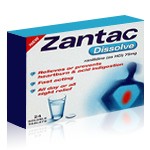
Zantac (Ranitidine) stands as one of the most historically prescribed H2 receptor blocker medications worldwide for treating heartburn, acid reflux, and peptic ulcer disease. As a selective histamine H2 antagonist, Zantac works by blocking the histamine signal that triggers acid release from stomach parietal cells, providing rapid and reliable acid reduction with decades of clinical use across hundreds of millions of patients globally. The 75/150/300 mg oral tablets deliver consistent acid suppression — with both prescription and over-the-counter strengths available across many international markets.
Ranitidine works by competitively binding to histamine H2 receptors on the basolateral membrane of stomach parietal cells. This blocks histamine — one of three major acid stimulators (alongside gastrin and acetylcholine) — from triggering the parietal cell to release hydrochloric acid into the stomach lumen. The result: gastric acid secretion drops 50-70% from baseline, intragastric pH rises within 1 hour of dosing, heartburn relief typically occurs within 30-60 minutes, and acid-related symptoms improve substantially. Unlike PPIs that take days to reach maximum effect, ranitidine provides faster onset making it ideal for episodic heartburn relief and acute symptom management.
Zantac treats multiple acid-related conditions effectively. For occasional heartburn and acid indigestion, lower-dose ranitidine provides on-demand relief. For gastroesophageal reflux disease (GERD), twice-daily dosing controls symptoms with favorable safety profile. For peptic ulcer disease including gastric and duodenal ulcers, prescription doses promote healing over 4-8 week courses. For Zollinger-Ellison syndrome with pathological hypersecretion, higher doses control acid production. Zantac also serves reflux esophagitis, gastric dyspepsia, NSAID-induced ulcer protection, recurrent peptic ulcer bleeding prevention, and aspiration prophylaxis before surgical anesthesia.
Zantac offers convenient dosing — once daily at bedtime for nighttime acid control, or twice daily for active GERD/ulcers. The medication reaches peak blood concentrations within 2-3 hours and shows 2-3 hour half-life with renal excretion of unchanged drug. Generic ranitidine from quality manufacturers including Cipla, Sun Pharma, and Cadila provides identical therapeutic effects to brand Zantac at substantially lower cost. The active ingredient remains chemically identical to original Glaxo SmithKline formulation across both branded and generic versions of this established H2 blocker therapy.
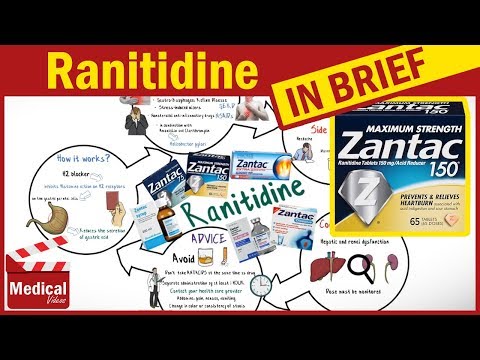
Free prescription
Discrete packaging
Have questions?
Quality Assurance

- Acid Reflux: Backward flow of stomach acid into esophagus causing heartburn chest discomfort and tissue damage;
- GERD: Gastroesophageal reflux disease where chronic acid backflow damages esophageal lining over time;
- Acid Indigestion: Stomach upset with burning sensation from excessive acid production after eating triggering foods;
- Sour Stomach: Uncomfortable acidic sensation in stomach commonly relieved by H2 blocker on-demand dosing;
- Stomach Ulcer: Open sore in stomach lining caused by acid damage and Helicobacter pylori bacterial infection;
- Gastric Ulcer: Medical term for stomach ulcer requiring acid suppression for healing and recurrence prevention;
- Duodenal Ulcer: Open sore in first part of small intestine causing burning abdominal pain between meals;
- Duodenal Ulcer Maintenance: Prevention of duodenal ulcer recurrence with continued maintenance dosing after initial healing;
- Peptic Ulcer Disease: Broader category covering both stomach and duodenal ulcers from acid and bacterial causes;
- Reflux Esophagitis: Inflammation of esophageal lining from chronic acid exposure requiring acid suppression therapy;
- Gastric Dyspepsia: Upper abdominal discomfort with acid sensation responding to H2 blocker therapy;
- NSAID Induced Ulcer: Stomach injury from chronic NSAID use causing erosions and ulcer formation;
- Zollinger Ellison Syndrome: Rare condition with gastrin-secreting tumors causing extreme acid hypersecretion and severe ulcers;
- Acid Hypersecretion: Excessive stomach acid production causing chronic damage requiring potent acid control;
- Ulcer Bleeding Prevention: Prevention of recurrent bleeding in patients with peptic ulcer disease history;
- Nighttime Heartburn: Sleep-disrupting heartburn episodes prevented by bedtime H2 blocker dosing;
- Aspiration Prophylaxis: Prevention of gastric acid aspiration during anesthesia and surgical procedures;
- H2 Blocker Therapy: H2 receptor antagonist drug class for acid-related upper GI conditions;
- Acid Suppression Therapy: Therapeutic approach reducing stomach acid for healing and symptom control.
- Less Heartburn: Burning chest sensation from acid reflux resolves typically within 30-60 minutes of dosing;
- Less Acid Reflux Episodes: Frequency and severity of acid backflow into esophagus decrease with daily H2 blocker therapy;
- Less Acid Indigestion: Stomach upset with burning sensation after meals improves through acid reduction;
- Less Sour Stomach: Uncomfortable acidic sensation in stomach resolves with on-demand H2 blocker dosing;
- Faster Acid Control Onset: Effects begin within 1 hour providing rapid relief faster than proton pump inhibitors;
- Better Ulcer Healing: Stomach and duodenal ulcers heal with prescription dosing over 4-8 week courses;
- Less Ulcer Recurrence: Maintenance therapy prevents recurrent duodenal ulcers in patients with history;
- Less Ulcer Bleeding Recurrence: Patients with prior bleeding peptic ulcers gain protection against rebleeding;
- Less NSAID Ulcer Risk: Stomach ulcer development risk drops in patients on chronic NSAID therapy with H2 blocker protection;
- Less Nighttime Heartburn: Sleep-disrupting acid reflux episodes reduce as bedtime dose controls nocturnal acid secretion;
- Better Sleep Quality: Restful sleep returns as nighttime heartburn and regurgitation episodes stop;
- Less Stomach Burning: Burning epigastric sensation from gastritis and ulcers improves through acid suppression;
- Less Acid Regurgitation: Sour or bitter fluid backflow into throat and mouth decreases significantly;
- Less Hyperacid Symptoms: Hypersecretion symptoms in Zollinger-Ellison syndrome improve with high-dose H2 blockade;
- Less Gastric Dyspepsia: Upper abdominal discomfort with acid sensation improves with consistent therapy;
- Less Drug Interactions: Minimal hepatic metabolism means fewer interactions versus cimetidine and older H2 blockers;
- Better On Demand Relief: Fast onset suits as-needed dosing for episodic heartburn versus chronic PPI therapy;
- Flexible Dosing: Once daily bedtime or twice daily dosing options suit individual symptom patterns and severity;
- Better Quality of Life: Daily wellbeing improves as acid-related symptoms resolve and dietary restrictions ease.
Generic Zantac (Ranitidine 150 mg) Medication guide:
📌 What Zantac Is and How Ranitidine Fights Acid
Zantac is the brand name for ranitidine, a histamine H2 receptor antagonist introduced by Glaxo in 1981 that dominated acid-reducing therapy for two decades before proton pump inhibitors arrived. Ranitidine blocks histamine from stimulating parietal cells in the stomach, suppressing acid secretion by roughly 60-70 percent for 10-12 hours per dose.
💊 What Zantac was used for
Over four decades of clinical use, Zantac ranitidine addressed:
- Episodic heartburn and acid indigestion (OTC Zantac 75 and 150)
- GERD (gastroesophageal reflux disease) short-term and maintenance
- Duodenal and gastric ulcer healing
- Zollinger-Ellison syndrome (acid hypersecretion)
- Prevention of NSAID-induced ulcers
- Stress ulcer prophylaxis in ICU
- Perioperative aspiration prophylaxis
- Nocturnal acid breakthrough adjunct to PPIs
🚨 The 2020 recall in one paragraph
⚠️ NDMA contamination and global withdrawal
In April 2020, the FDA requested that all ranitidine products be withdrawn from the US market after laboratory testing by Valisure, FDA, and independent researchers confirmed that ranitidine can degrade into N-nitrosodimethylamine (NDMA), a probable human carcinogen, during storage. The European Medicines Agency reached the same conclusion. Section 16 covers the full story. Where ranitidine is still available internationally, source and storage conditions should be reviewed before use.
🏆 Why Zantac mattered historically
Zantac was the first drug in history to reach $1 billion in annual sales, achieved in 1988. It outsold cimetidine (Tagamet) within three years of launch by combining twice-daily dosing, a cleaner interaction profile, and heavy direct-to-consumer marketing. For roughly 15 years, Zantac defined acid-reducing therapy worldwide before proton pump inhibitors (omeprazole and successors) displaced H2 blockers from first-line GERD treatment in the late 1990s.
🎯 What makes H2 blockers different from PPIs
H2 blockers like ranitidine and PPIs like omeprazole both reduce stomach acid but through different mechanisms. H2 blockers compete with histamine at parietal cell receptors; PPIs irreversibly block the final-step proton pump. H2 blockers act faster (within 1 hour), but PPIs produce deeper and longer acid suppression. The practical result: H2 blockers remain useful for episodic symptoms, nocturnal breakthrough, and situations where fast onset matters.
🔥 Zantac for Heartburn and Dyspepsia Episode Relief
Episodic heartburn and dyspepsia are the most familiar reasons people reached for Zantac. The combination of fast onset within one hour, sustained relief lasting most of the day or night, and OTC accessibility made ranitidine the dominant home remedy for acid symptoms through the 1990s and 2000s.
🔥 What heartburn actually is
Heartburn is the burning sensation behind the breastbone caused by stomach acid refluxing upward into the lower esophagus. The esophageal lining has far less protection than the stomach, so even small amounts of acid produce the characteristic burn. Common triggers include:
- Large or fatty meals
- Lying down within 2-3 hours of eating
- Alcohol, chocolate, mint, coffee
- Spicy, acidic, or tomato-based foods
- Pregnancy and obesity (increased abdominal pressure)
- Smoking and NSAID use
- Hiatal hernia and lower esophageal sphincter dysfunction
🛒 Standard Zantac dosing for heartburn
| Scenario | Zantac dose | Timing |
|---|---|---|
| Prevention before trigger meal | 75-150 mg | 30-60 min before eating |
| Treatment of active heartburn | 75-150 mg | At symptom onset |
| Nighttime heartburn | 150 mg | At bedtime |
| Twice-daily for frequent episodes | 150 mg BID | Morning and bedtime |
| Occasional episodic use | 75 mg as needed | Max 2 doses per day |
⏰ How fast does Zantac work
🕐 Timing of acid suppression
After oral Zantac, acid suppression begins within 30-45 minutes, peaks at 2-3 hours, and lasts 10-12 hours. This is slower than instant antacids (minutes) but faster than PPIs (which require 1-4 days for full effect). For a client whose heartburn starts after a known trigger meal, taking Zantac 30 minutes beforehand pre-empts the symptom.
🤔 When Zantac is enough and when it is not
Episodic heartburn responding within days to Zantac OTC did not require further workup. Red flags that always warranted medical evaluation rather than continued self-treatment:
- Symptoms persisting over 2 weeks despite OTC therapy
- Difficulty or pain with swallowing (dysphagia, odynophagia)
- Unexplained weight loss
- Vomiting blood or coffee-ground material
- Black tarry stools
- Chest pain radiating to arm or jaw (consider cardiac)
- Iron deficiency anemia of unclear cause
- Age over 55 with new symptoms
🏥 Lifestyle alongside Zantac
Pharmacologic acid suppression works best alongside basic lifestyle measures:
- Avoid eating within 3 hours of bedtime
- Elevate head of bed 6-8 inches (block under legs, not just pillows)
- Identify and limit personal trigger foods
- Weight reduction if overweight
- Smoking cessation
- Smaller meals rather than large portions
- Avoid tight waistbands and lying down after meals
🧬 Zantac in GERD Short-Term and Maintenance Therapy
GERD is the clinical label for recurrent or persistent heartburn and regurgitation serious enough to affect quality of life or cause mucosal damage. Zantac occupied a central role in GERD management for roughly 15 years before PPIs displaced H2 blockers as first-line therapy. Even in the modern PPI era, ranitidine retained specific GERD roles.
🧬 Where Zantac fit in GERD therapy
| GERD severity | Zantac role before 2020 |
|---|---|
| Mild intermittent heartburn | First-line OTC therapy |
| Mild to moderate GERD | Standard scheduled therapy at 150 mg BID |
| Moderate to severe GERD | Second-line after PPI failure or intolerance |
| Severe erosive esophagitis | PPI preferred; Zantac inadequate alone |
| Nocturnal acid breakthrough on PPI | Bedtime Zantac adjunct (Section 7) |
| Pregnancy GERD | Common choice before recall |
| Pediatric reflux | Preferred over PPI historically |
📊 Standard GERD dosing
- Symptomatic GERD: 150 mg twice daily for 4-8 weeks
- Maintenance therapy: 150 mg once or twice daily long-term
- Severe GERD: 150 mg four times daily (used historically)
- Response assessment: at 2-4 weeks; switch to PPI if inadequate
- On-demand use: 150 mg at symptom onset for mild intermittent cases
🤔 Why Zantac is weaker than PPIs for severe GERD
📉 Tachyphylaxis and partial suppression
H2 blockers like ranitidine reduce acid output by roughly 60-70 percent, while PPIs achieve 80-95 percent suppression. H2 blockers also develop tachyphylaxis (tolerance) within 2-6 weeks of continuous use as parietal cells upregulate alternative stimulation pathways. For severe erosive esophagitis requiring sustained near-complete acid suppression, PPIs clearly outperform H2 blockers.
🔄 Zantac healing rates in GERD
Published trials from the 1980s and 1990s showed:
- Symptomatic relief in 60-70 percent of mild-moderate GERD at 4-8 weeks
- Erosive esophagitis healing in 40-50 percent at 8 weeks (ranitidine 150 mg BID)
- By comparison, PPI healing rates for erosive esophagitis reach 80-90 percent at 8 weeks
- Maintenance of healing poorer with H2 blockers than PPIs
- Response to Zantac at 2-4 weeks typically predicted longer-term response
👩⚕️ When Zantac was still preferred over PPIs
Even in the PPI era, specific clinical niches favored ranitidine before the recall:
- Mild intermittent GERD not justifying chronic PPI
- Occasional on-demand symptom relief
- Nocturnal acid breakthrough adjunct (Section 7)
- Pediatric reflux where PPI safety data were weaker
- Pregnancy GERD (ranitidine had decades of pregnancy exposure data)
- Clients unable to tolerate PPIs
- Short-term symptomatic relief during PPI initiation
- Settings where fast onset mattered (hours vs days)
🚬 What replaced Zantac in GERD after 2020
After the recall, GERD management shifted to:
- Famotidine (Pepcid) — the surviving H2 blocker; filled the Zantac niche directly
- PPIs (omeprazole, pantoprazole, esomeprazole) for persistent GERD
- Combined therapy — PPI daily + bedtime famotidine for nocturnal breakthrough
- Lifestyle measures emphasized for mild cases to avoid chronic medication
- Nizatidine — another H2 blocker; less commonly stocked
🩸 Zantac for Peptic Ulcer Healing and Prevention
Peptic ulcer disease is the historical reason H2 blockers were developed. Before cimetidine arrived in 1977 and ranitidine in 1981, duodenal and gastric ulcers typically required surgery or prolonged antacid therapy with poor healing rates. H2 blockers transformed ulcer management into an outpatient medical problem solvable in 4-8 weeks.
🩸 Types of peptic ulcer
| Ulcer type | Primary cause | Zantac healing dose |
|---|---|---|
| Duodenal ulcer | Usually H. pylori; some NSAID | 150 mg BID or 300 mg at bedtime, 4-8 wk |
| Gastric ulcer | H. pylori or NSAID common | 150 mg BID, 8-12 wk |
| H. pylori-associated ulcer | Bacterial infection | Zantac + eradication regimen |
| NSAID-induced ulcer | NSAID gastropathy | Zantac + NSAID discontinuation when possible |
| Stress-related ulcer | ICU illness, trauma, burn | IV ranitidine prophylaxis |
| Zollinger-Ellison ulcer | Gastrin-secreting tumor | High-dose Zantac (Section 6) |
🛒 Zantac healing dosing
- Duodenal ulcer: 150 mg BID or 300 mg once at bedtime for 4-8 weeks
- Gastric ulcer: 150 mg BID or 300 mg at bedtime for 8-12 weeks (slower healing than duodenal)
- Maintenance to prevent recurrence: 150 mg once at bedtime
- Elderly or renal impairment: dose reduction may apply
- Response confirmation: symptomatic improvement by 2-4 weeks; endoscopic healing by end of course
🦠 The H. pylori factor
🔬 Marshall and Warren 1983 - the paradigm shift
The 1983 discovery by Barry Marshall and Robin Warren that H. pylori bacteria cause most peptic ulcers (Nobel Prize 2005) transformed ulcer therapy fundamentally. Acid suppression with Zantac alone could heal an ulcer, but without eradicating H. pylori, recurrence within one year was 60-70 percent. Modern practice: pair Zantac or any acid suppressor with triple therapy (clarithromycin + amoxicillin + PPI or H2 blocker) for 10-14 days when H. pylori is present.
📊 Ulcer healing rates
Published trial data for ranitidine ulcer healing:
- Duodenal ulcer: 80-85 percent healed at 4 weeks with 300 mg bedtime; 90-95 percent at 8 weeks
- Gastric ulcer: 65-75 percent healed at 8 weeks; 85-90 percent at 12 weeks
- Pain relief: typically within 1-2 weeks
- Recurrence without H. pylori eradication: 60-70 percent within one year
- Recurrence after H. pylori eradication: under 10 percent
🚨 When bleeding or perforation complicates an ulcer
Zantac alone was never adequate for complicated ulcer disease. These scenarios required:
- Active bleeding ulcer: urgent endoscopy with hemostasis; high-dose IV PPI for 72 hours after; PPI not H2 blocker
- Perforated ulcer: emergency surgical repair
- Gastric outlet obstruction: endoscopic or surgical management
- Giant ulcers over 2 cm: PPI preferred over H2 blocker for deeper acid suppression
- Multiple ulcers: consider Zollinger-Ellison and workup accordingly
🎯 Modern practical approach
Peptic ulcer management after the Zantac withdrawal:
- Endoscopic diagnosis
- H. pylori testing (urea breath test, stool antigen, or biopsy)
- Eradication therapy if H. pylori positive
- PPI healing course (now standard; 4-8 weeks)
- NSAID discontinuation or prophylaxis if NSAID etiology
- Confirmation of healing by endoscopy for gastric ulcers (malignancy exclusion)
- Maintenance therapy if recurrent or high-risk
💊 Zantac Prevention of NSAID-Induced Gastric Ulcers
NSAID gastropathy is one of the most common adverse drug effects worldwide. Zantac was used extensively for both prevention during chronic NSAID therapy and treatment of established NSAID-induced ulcers. The evidence showed H2 blockers worked better for duodenal than gastric NSAID ulcers, which drove practice guidelines toward PPI preference even before the ranitidine recall.
💊 How NSAIDs damage the stomach
NSAIDs cause mucosal injury through two mechanisms:
- Topical irritation from the acidic NSAID molecule contacting the gastric lining
- Systemic COX-1 inhibition reducing protective prostaglandins (mucus, bicarbonate, mucosal blood flow)
The systemic mechanism is dominant: NSAID enteric coating or rectal administration does not prevent gastropathy because the COX-1 effect is systemic.
📊 Who was at highest risk
| Risk factor | Impact |
|---|---|
| Age over 65 | Markedly increased risk |
| Prior peptic ulcer history | Highest predictive factor |
| High-dose NSAIDs | Dose-dependent |
| Multiple NSAIDs | Additive risk |
| Concurrent corticosteroid use | Synergistic ulcer risk |
| Concurrent anticoagulant | Bleeding risk amplified |
| Concurrent SSRI | Platelet dysfunction adds bleeding risk |
| H. pylori infection | Independent ulcer risk |
| Smoking and alcohol | Additive mucosal injury |
🛒 Zantac for NSAID ulcer prevention
- Standard preventive dose: 150 mg BID or 300 mg at bedtime during NSAID course
- Duration: throughout the NSAID exposure, ideally with periodic reassessment
- Combined with H. pylori eradication if infection present
- Response: reduces duodenal ulcer risk by about 50 percent
- Gastric ulcer protection less reliable than duodenal; this is why PPIs became preferred
⚠️ Why PPIs became preferred for NSAID prophylaxis
🎯 H2 blockers protect duodenal but not gastric reliably
Comparative trials in the 1990s showed that H2 blockers like ranitidine reduced duodenal NSAID ulcers substantially but offered limited protection against gastric NSAID ulcers. Gastric ulcers are the more dangerous NSAID complication because they bleed more and have higher perforation risk. PPIs protect both duodenal and gastric mucosa reliably. This evidence shifted guidelines to PPI preference for NSAID gastroprotection even before the Zantac recall.
👩⚕️ Who should get NSAID gastroprotection
Not every client on NSAIDs needs acid suppression. Risk stratification:
- Low risk (young, no comorbidities, short-term NSAID): no prophylaxis
- Moderate risk (over 65 or one risk factor): PPI or H2 blocker prophylaxis
- High risk (prior ulcer, multiple risk factors, concurrent anticoagulant): PPI prophylaxis; consider COX-2 selective NSAID
- Very high risk (prior ulcer bleed, triple therapy with aspirin + NSAID + anticoagulant): PPI mandatory; reconsider NSAID necessity
🚬 Treating established NSAID ulcers
Zantac for established NSAID-induced ulcer:
- Standard healing dose 150 mg BID or 300 mg bedtime for 8-12 weeks
- Discontinue the NSAID when clinically feasible
- If NSAID must continue, extended healing course and chronic gastroprotection
- H. pylori eradication if co-infected
- Endoscopic confirmation of healing for gastric ulcers (malignancy exclusion)
- Lower doses may be adequate for maintenance after healing
🧪 Zantac Use in Zollinger-Ellison Syndrome Management
Zollinger-Ellison syndrome is a rare acid hypersecretory disorder caused by a gastrin-secreting tumor (gastrinoma) in the pancreas or duodenum. It produces severe, often multiple, treatment-resistant peptic ulcers along with diarrhea and acid-related complications. Before PPIs arrived, Zantac at very high doses was the primary medical therapy.
🧪 What makes Zollinger-Ellison different
🎯 A gastrin-secreting tumor driving acid overproduction
In normal physiology, gastric acid secretion is tightly regulated by negative feedback. In Zollinger-Ellison, a neuroendocrine tumor secretes gastrin autonomously, massively stimulating parietal cells regardless of pH. The result is acid output 10-20 times normal, with severe multiple ulcers often beyond the first part of the duodenum, chronic diarrhea from gastric contents overwhelming the small bowel, and malabsorption from enzyme inactivation. Approximately 25 percent of cases are associated with MEN1 (multiple endocrine neoplasia type 1).
🤔 Clinical features
- Multiple peptic ulcers often in unusual locations (distal duodenum, jejunum)
- Severe, recurrent ulcers despite standard therapy
- Chronic diarrhea (watery, acidic)
- Steatorrhea from pancreatic enzyme inactivation
- GERD symptoms often prominent
- Weight loss
- Associated endocrine tumors in MEN1 cases (pituitary, parathyroid)
- Family history of endocrine tumors (MEN1)
🔬 Diagnosis
- Clinical suspicion from multiple or refractory ulcers
- Serum gastrin elevated (over 1000 pg/mL diagnostic; lower levels require confirmation)
- Gastric pH under 2 (confirms acid hypersecretion vs atrophic gastritis)
- Secretin stimulation test for borderline cases
- Imaging to locate the gastrinoma (endoscopic ultrasound, somatostatin receptor scintigraphy, DOTATATE PET)
- MEN1 screening if family history or multiple endocrine abnormalities
🛒 Zantac in Zollinger-Ellison
Before PPIs, high-dose Zantac was the mainstay:
- Starting dose: 150 mg every 6 hours (600 mg daily); titrated by acid output
- Maintenance dose range: typically 600-6000 mg daily in divided doses
- IV administration for severe cases: continuous infusion
- Dose adjustment based on basal acid output under 10 mEq/hour as the target
- Lifelong therapy required unless tumor can be surgically removed
- Tachyphylaxis often required dose escalation over time
🔄 Why PPIs replaced Zantac for Zollinger-Ellison
Proton pump inhibitors proved substantially superior for Zollinger-Ellison management:
- Deeper acid suppression at lower doses than H2 blockers
- No tachyphylaxis during long-term use
- Twice-daily dosing rather than every 6 hours
- Better symptom control and healing rates
- Lower pill burden for lifelong therapy
- Current standard: omeprazole, pantoprazole, or esomeprazole at individualized doses
🏥 Comprehensive Zollinger-Ellison management
Modern approach combines:
- Acid suppression with PPI (or high-dose H2 blocker where PPI not tolerated)
- Tumor localization and surgical resection when feasible
- Chemotherapy or targeted therapy for metastatic disease
- Somatostatin analogs (octreotide, lanreotide) for symptom and tumor control
- MEN1 workup and family screening when indicated
- Lifelong follow-up for tumor recurrence
- Peptide hormone monitoring for other MEN1 tumors in syndromic cases
🌙 Zantac for Nocturnal Acid Breakthrough on PPIs
Nocturnal acid breakthrough is a well-described clinical problem on long-term PPI therapy: despite effective daytime acid suppression, acid secretion returns during the overnight period and produces symptoms. Adding a bedtime H2 blocker (Zantac or famotidine) to the PPI regimen was one of the most useful H2 blocker roles in the PPI era.
🌙 What nocturnal acid breakthrough is
🕚 Overnight return of acid despite PPI
PPIs block proton pumps that are actively secreting, so they work best when parietal cells are stimulated by meals. During the overnight period (typically midnight to 4 AM), food intake stops but baseline histamine-driven acid secretion continues. Despite a daytime PPI blocking most daytime acid, intragastric pH often drops below 4 for part of the overnight hours. This nocturnal acid breakthrough explains why some clients on PPIs have persistent nighttime reflux, laryngopharyngeal symptoms, or morning hoarseness.
🛒 Bedtime Zantac as adjunct
Adding 150-300 mg of ranitidine at bedtime to daytime PPI:
- Suppresses the histamine-driven nocturnal acid component
- Covers the overnight hours when PPI effect is weakest
- Improves nocturnal pH profiles on 24-hour pH monitoring
- Reduces nighttime reflux symptoms
- Helps laryngopharyngeal reflux and chronic cough
- Benefits confirmed in multiple pH studies and clinical trials
📊 Who benefits most
| Scenario | Benefit from bedtime Zantac |
|---|---|
| Breakthrough nocturnal heartburn on PPI | High |
| Chronic cough or hoarseness refractory to PPI | High |
| Nocturnal regurgitation despite PPI | High |
| Barrett esophagus with persistent reflux | Moderate |
| Pure daytime symptoms | Low |
| No pH abnormality documented | Minimal |
🤔 The tachyphylaxis caveat
🔄 Tolerance develops within weeks
A limitation of bedtime H2 blocker adjunct therapy is that tachyphylaxis (tolerance) develops within 2-6 weeks of continuous use. The acid-suppressing effect diminishes substantially as parietal cells adapt. For this reason, some clinicians recommended intermittent H2 blocker use (several days on, several days off) or reserving the strategy for proven high-benefit situations rather than universal use. The clinical significance of H2 blocker tachyphylaxis for nocturnal breakthrough remains debated.
🔄 After the Zantac recall
Famotidine (Pepcid) took over the bedtime adjunct role completely:
- Famotidine 20-40 mg at bedtime
- Same mechanism (H2 receptor antagonism)
- Similar efficacy for nocturnal acid suppression
- No NDMA concern
- Readily available OTC and prescription
- Cost-effective
🎯 Practical approach to persistent nighttime symptoms
Current practice for nocturnal reflux despite PPI:
- Confirm PPI timing (30-60 minutes before first meal)
- Confirm PPI adherence (missed doses common)
- Address lifestyle: avoid late meals, elevate head of bed, no alcohol at night
- Switch PPI from once-daily to twice-daily (morning + before dinner)
- Add bedtime famotidine 20-40 mg (post-recall replacement for Zantac)
- Consider pH monitoring if symptoms persist to confirm acid vs non-acid reflux
- Specialist referral for refractory cases
💡 Why this niche matters
The bedtime H2 blocker adjunct for PPI nocturnal breakthrough was one of the clearest, best-defined roles that H2 blockers like Zantac retained even in the PPI era. It is a specific pharmacologic complement to PPIs that works through a different mechanism, addressing a limitation PPIs cannot fix alone. This niche persists today with famotidine as the replacement.
🏥 Zantac Before Surgery to Reduce Aspiration Risk
Zantac was widely used as part of aspiration prophylaxis before anesthesia and in emergency intubation scenarios where gastric contents posed inhalation risk. The combination of fast onset (within one hour), reliable acid suppression, and compatibility with IV administration made ranitidine a routine preoperative medication for several decades.
🏥 Why preoperative acid suppression matters
Mendelson syndrome is the clinical picture of acid aspiration during anesthesia: inhalation of acidic gastric contents produces chemical pneumonitis with hypoxia, bronchospasm, and lung injury. Risk factors include:
- Full stomach (emergency surgery, trauma)
- Pregnancy (reduced LES tone, delayed emptying)
- Obesity
- GERD history
- Hiatal hernia
- Diabetic gastroparesis
- Difficult airway with prolonged induction
- Opioid or sedative premedication
🛒 Standard preoperative Zantac dosing
| Scenario | Zantac dose | Timing |
|---|---|---|
| Elective surgery, oral available | 150 mg oral | Night before and 2 hours before induction |
| Elective surgery, IV preferred | 50 mg IV | 45-60 minutes before induction |
| Cesarean delivery | 150 mg oral or 50 mg IV | Before induction |
| Emergency surgery with full stomach | 50 mg IV | Immediately on IV access; combine with other measures |
| Pediatric preoperative | Weight-based | 1-2 hours before induction |
| Trauma intubation | 50 mg IV | With rapid sequence induction |
🤔 What Zantac contributes to aspiration prophylaxis
🔢 Three measurable outcomes
- Reduces gastric pH: raises intragastric pH above 2.5, reducing injury severity if aspiration occurs
- Reduces gastric volume: smaller residual volume means less material available to aspirate
- Fast onset: effect within 1 hour oral or IV, suitable for preoperative preparation
🌍 Combined preoperative regimens
Standard premedication combined multiple approaches:
- Fasting (NPO) per current anesthesia guidelines (clear fluids up to 2 hours, light meal up to 6 hours)
- Acid suppressor (Zantac or PPI) — raises gastric pH
- Non-particulate antacid (sodium citrate) — neutralizes residual acid immediately
- Prokinetic (metoclopramide) when gastric emptying concern — raises LES tone and empties stomach
- Rapid sequence induction for full-stomach cases — mechanical airway protection
👶 Obstetric anesthesia use
Pregnancy carries particular aspiration risk because of:
- Reduced lower esophageal sphincter tone from progesterone
- Delayed gastric emptying especially during labor
- Increased intra-abdominal pressure
- Emergency cesarean under general anesthesia
- Difficult airway from pregnancy-related anatomic changes
Zantac was commonly used before cesarean delivery for these reasons; after the recall, famotidine replaced it in obstetric protocols.
🔄 Post-recall replacements
After April 2020, preoperative H2 blocker use shifted:
- Famotidine 20 mg oral or 20 mg IV — direct equivalent, now standard
- Nizatidine where available
- PPIs (omeprazole, pantoprazole) as alternative with similar efficacy
- Non-particulate antacids (sodium citrate) alongside H2 blocker
- Overall approach to aspiration prophylaxis unchanged in principle
🏆 Why this role was favorable for Zantac
Preoperative use represented one of the safest Zantac scenarios: single-dose or very short-course exposure, monitored setting, clear mechanistic rationale, and immediate clinical benefit. The NDMA concern that drove the recall relates to prolonged storage conditions and chronic exposure, which do not apply to one-time perioperative administration from fresh stock.
🧬 How Ranitidine Blocks the Histamine H2 Receptor
Ranitidine blocks the histamine H2 receptor on gastric parietal cells, competing with endogenous histamine and reducing stimulated acid secretion. This mechanism is the direct legacy of Sir James Black, who received the Nobel Prize for discovering H2 receptor pharmacology at Smith Kline and later developed the first beta-blockers and H2 antagonists.
🧠 How parietal cells make acid
The gastric parietal cell is stimulated to secrete acid through three parallel pathways:
- Histamine from mucosal enterochromaffin-like (ECL) cells binds H2 receptors
- Acetylcholine from vagal nerve endings binds M3 muscarinic receptors
- Gastrin from antral G cells binds CCK-B receptors
All three pathways converge on activating the H+/K+-ATPase proton pump on the apical parietal cell membrane, which actively exchanges hydrogen ions out into the gastric lumen for potassium ions in. The histamine pathway is the dominant amplifier of meal-stimulated acid.
🧬 How ranitidine blocks the pathway
🧪 Competitive H2 receptor antagonism
Ranitidine is a competitive, reversible H2 receptor antagonist. It binds the same histamine binding site on the parietal cell without activating it, physically blocking endogenous histamine from stimulating acid secretion. Because the two other acid pathways (acetylcholine, gastrin) remain intact and because the proton pump itself is not blocked, acid suppression is partial - roughly 60-70 percent reduction in 24-hour acid output. This is weaker than PPI suppression (80-95 percent) but faster in onset.
📊 H2 blocker comparative potency
| H2 blocker | Launch year | Relative potency | Standard dose |
|---|---|---|---|
| Cimetidine (Tagamet) | 1977 | 1x reference | 400 mg BID |
| Ranitidine (Zantac) | 1981 | 5-10x cimetidine | 150 mg BID |
| Famotidine (Pepcid) | 1986 | 25-30x cimetidine | 20 mg BID |
| Nizatidine (Axid) | 1988 | Similar to ranitidine | 150 mg BID |
🔄 Why H2 blockers lose effect over time
Tachyphylaxis is a well-documented limitation of chronic H2 blocker use:
- Parietal cells upregulate alternative stimulation pathways
- Gastrin levels rise, compensating for histamine blockade
- Acetylcholine stimulation remains uninhibited
- Effect diminishes within 2-6 weeks of continuous dosing
- Intermittent use preserves responsiveness
- This is why PPIs became preferred for chronic acid suppression
🌟 Sir James Black and the H2 receptor
Sir James Black spent over a decade at Smith Kline systematically modifying the histamine molecule to produce a selective H2 receptor antagonist. The result was cimetidine (Tagamet), launched 1977. His approach - identify a receptor, develop a selective antagonist, treat the disease pharmacologically - was revolutionary. The same methodology produced propranolol (first beta-blocker) at ICI. Black received the 1988 Nobel Prize in Physiology or Medicine. Glaxo then developed ranitidine as a next-generation improvement on cimetidine with cleaner interaction profile and greater potency.
🧪 Key pharmacologic properties
- Oral bioavailability: approximately 50 percent
- Time to peak: 1-3 hours (oral)
- Elimination half-life: 2-3 hours (normal renal function)
- Protein binding: approximately 15 percent (low)
- Metabolism: hepatic, including N-oxide, S-oxide, and desmethyl metabolites
- Excretion: renal (approximately 70 percent)
- Dose adjustment: required in renal impairment
🔬 Zantac Pharmacology and Acid Secretion Suppression
Understanding Zantac pharmacology clarifies both how fast it works and why it eventually loses effect in chronic use. Ranitidine occupies a middle ground between fast-acting antacids and deep-suppression PPIs.
⏰ Onset peak and duration
| Parameter | Oral Zantac | IV Zantac |
|---|---|---|
| Onset of acid suppression | 30-45 minutes | Within minutes |
| Peak plasma concentration | 1-3 hours | Rapid |
| Peak acid suppression | 2-3 hours | 1-2 hours |
| Duration of effect | 10-12 hours | 10-12 hours |
| Half-life | 2-3 hours | 2-3 hours |
📊 Acid suppression profile
A single 150 mg dose of Zantac produces:
- Approximately 60-70 percent reduction in basal acid secretion
- Approximately 80 percent reduction in nocturnal acid secretion
- Approximately 50-60 percent reduction in meal-stimulated acid secretion
- Gastric pH typically rises from 1-2 to 3-5
- Duration of pH over 4 lasts about 6-8 hours
- Full 24-hour suppression requires twice-daily dosing
🧪 What makes nocturnal response stronger
🌙 H2 blockers excel at nocturnal acid
Nocturnal acid secretion is driven predominantly by histamine (the pathway Zantac blocks), while daytime meal-stimulated acid comes from multiple pathways (histamine, gastrin, acetylcholine). This is why a bedtime Zantac dose produces disproportionately strong overnight suppression - approximately 80 percent reduction - and why H2 blockers were the preferred adjunct for nocturnal breakthrough on PPIs (Section 7).
📏 Dose-response relationship
Zantac shows a clear dose-response within therapeutic range:
- 75 mg: approximately 50 percent nocturnal acid suppression, 6-8 hours duration
- 150 mg: 70-80 percent nocturnal suppression, 10-12 hours
- 300 mg: 80-85 percent suppression, 12 hours
- Higher doses (used in Zollinger-Ellison): titrate by acid output measurement
- Plateau effect: beyond approximately 300 mg per dose, additional acid suppression modest
🔄 Tachyphylaxis development
The tolerance phenomenon that limits chronic H2 blocker use:
- Begins within 1-2 weeks of continuous therapy
- Substantial by 2-6 weeks
- Compensatory gastrin rise drives alternative acid secretion pathways
- Reduces clinical effectiveness over time
- Does not develop with intermittent use
- Does not develop with PPIs
- Partially reversible after drug withdrawal
👩⚕️ Dose adjustments in special populations
| Population | Adjustment |
|---|---|
| Mild renal impairment (CrCl 50+) | Standard dose |
| Moderate renal impairment (CrCl 20-50) | Reduce dose by 50 percent or extend interval |
| Severe renal impairment (CrCl under 20) | 150 mg at bedtime only; dialysis after |
| Hepatic impairment | Mild: no adjustment; severe: reduce dose and monitor |
| Elderly | Start lower dose; renal reserve often reduced |
| Pediatric | Weight-based (Section 29) |
| Pregnancy | Standard adult dose (where ranitidine available) |
💡 Clinical implications of pharmacology
Practical consequences of Zantac pharmacology:
- Fast enough for episodic use (within an hour)
- Twice-daily dosing standard for scheduled therapy
- Bedtime dose maximizes nocturnal benefit
- Chronic use loses effect; cycle on-off strategies make sense
- Not deep enough for severe erosive esophagitis long-term
- Renal clearance means dose reduction in kidney disease
- Compatible with most other medications (unlike cimetidine)
📏 Zantac 75 150 and 300 mg Dosing Strengths
Zantac has been available in three principal strengths: 75 mg (OTC), 150 mg (OTC and prescription), and 300 mg (prescription). The strength chosen depends on indication, severity, timing, and whether the client needs ongoing scheduled therapy or on-demand use.
📏 Standard dosing by indication
| Indication | Starting dose | Frequency | Duration |
|---|---|---|---|
| Episodic heartburn | 75 mg or 150 mg | As needed; max 150 mg BID | Episodic |
| GERD | 150 mg | BID (morning + bedtime) | 4-8 weeks |
| GERD maintenance | 150 mg | Daily or BID | Long-term |
| Duodenal ulcer healing | 150 mg or 300 mg | BID or at bedtime | 4-8 weeks |
| Gastric ulcer healing | 150 mg or 300 mg | BID or at bedtime | 8-12 weeks |
| NSAID ulcer prevention | 150 mg | BID during NSAID course | Duration of NSAID |
| Zollinger-Ellison | 150 mg initial | Every 6 hours; titrate | Lifelong |
| Nocturnal breakthrough adjunct | 150-300 mg | At bedtime with daytime PPI | Chronic |
| Preoperative aspiration prophylaxis | 150 mg oral or 50 mg IV | Pre-induction | Single dose |
🛒 Three strengths - how to choose
🟦 Zantac 75 (OTC)
Lowest OTC strength. Used for:
- Mild occasional heartburn
- Prevention before trigger meals
- Children (weight-based)
- Elderly initial dosing
🟦 Zantac 150 (standard)
Primary adult strength. Used for:
- Standard GERD BID dosing
- Ulcer healing
- NSAID ulcer prevention
- Chronic maintenance therapy
🟦 Zantac 300 (prescription)
Highest regular strength. Used for:
- Single bedtime dose for ulcer healing
- Severe GERD
- Nocturnal breakthrough on PPI
- Zollinger-Ellison dose titration
🤔 Once-daily bedtime vs twice-daily dosing
Two scheduling strategies for ulcer healing produced similar outcomes:
- Zantac 300 mg at bedtime — concentrates the dose when nocturnal acid is most problematic for ulcer healing; convenient for adherence
- Zantac 150 mg BID — distributes acid suppression across the day; preferred for daytime symptoms
- Trials showed equivalent healing rates with either regimen
- Clinical choice often driven by client preference and adherence patterns
🕛 Timing matters less than for PPIs
🎯 Flexible timing is a Zantac advantage
Unlike PPIs, which require precise 30-60 minute pre-meal timing to work optimally, Zantac works regardless of meal timing. The drug blocks histamine receptors continuously once absorbed. This timing flexibility made Zantac particularly suitable for episodic use, pediatric dosing, and clients with irregular meal schedules.
👩⚕️ Dose adjustments
Specific populations needing dose modification:
- Renal impairment: dose reduction or interval extension (Section 10)
- Elderly: often reduced renal function; start at lower dose
- Children: weight-based (Section 29)
- Hepatic impairment: standard dose for mild; monitor severe
- Pregnancy: standard adult dose where ranitidine is available
- Breastfeeding: minimal infant exposure at standard doses
- Zollinger-Ellison: individualized by acid output measurement
🕛 Timing Zantac Doses for Daytime and Nighttime Relief
Zantac works regardless of exact timing, but strategic dose scheduling maximizes benefit for specific indications. The two most important timing decisions are morning vs bedtime placement and once-daily vs twice-daily frequency.
🕛 Four timing strategies
| Strategy | Dose | Best for |
|---|---|---|
| On-demand | 75-150 mg at symptom onset | Mild episodic heartburn |
| Preventive | 150 mg before trigger meal | Known trigger scenarios |
| Scheduled BID | 150 mg morning + 150 mg evening | GERD, ulcer healing, NSAID prevention |
| Bedtime single dose | 150-300 mg at bedtime | Nocturnal predominant symptoms, ulcer healing |
🌙 Bedtime dose advantages
🕚 Why bedtime matters
A bedtime Zantac dose takes advantage of the fact that nocturnal acid secretion is histamine-dominant. The drug suppresses the primary driver of overnight acid production. Peak effect falls across the overnight hours when LES tone is lowest and reflux most harmful. This is why bedtime dosing achieves 80 percent nocturnal acid suppression with a single dose and remains the key H2 blocker role even in the PPI era (nocturnal breakthrough adjunct).
🏃 Morning dose advantages
A morning dose covers:
- Daytime postprandial reflux
- Work-day symptom control
- Exercise-induced reflux
- Postprandial dyspepsia
- Episodic daytime heartburn triggers
Morning dose alone leaves overnight hours uncovered after approximately 10-12 hours.
🔄 Twice-daily scheduling
Standard twice-daily dosing distributes effect across the full 24 hours:
- Morning dose covers daytime symptoms
- Evening or bedtime dose covers overnight
- Overlap provides more continuous suppression
- Preferred for GERD maintenance and ulcer healing
- Required for severe or breakthrough symptoms
- Twice-daily and once-daily bedtime show similar ulcer healing but differ for symptom patterns
🤔 Food timing considerations
Unlike PPIs, Zantac does not require pre-meal timing:
- Food has minimal effect on absorption
- Can be taken with or without food
- Preventive use before known triggers: 30-60 minutes before meal is reasonable
- Treatment of active symptoms: take immediately
- Scheduled dosing: consistent timing improves adherence
🛑 Common timing mistakes
🚫 Avoid these patterns
- Taking only on-demand when scheduled therapy is indicated for GERD or ulcer
- Taking during active vomiting (vomited dose does not work)
- Taking after symptoms are already severe (preventive before trigger is better)
- Taking only morning when symptoms are predominantly nocturnal
- Continuing chronic use beyond 2-6 weeks without reassessment (tachyphylaxis develops)
- Combining with large volumes of antacids that may alter absorption
💡 Practical scheduling recommendations
Simple decision guide:
- Occasional heartburn: 75-150 mg at symptom onset or 30 min before trigger
- Nighttime predominant symptoms: 150-300 mg at bedtime
- Daytime predominant: 150 mg morning or BID
- GERD maintenance: 150 mg BID or 300 mg at bedtime
- Ulcer healing: 150 mg BID or 300 mg bedtime for 4-12 weeks
- PPI adjunct: 150-300 mg at bedtime added to daytime PPI
- Preoperative: dose night before and morning of surgery
💊 Zantac Oral Tablets Effervescent and Syrup Formulations
Zantac has been available in multiple oral formulations: standard tablets, orally disintegrating tablets, effervescent tablets, and syrup. Each form had specific advantages for different clinical scenarios and client populations. The IV formulation is covered in Section 14.
💊 Oral formulation options
| Formulation | Strengths | Best for |
|---|---|---|
| Standard film-coated tablet | 75 mg, 150 mg, 300 mg | Routine use when swallowing intact |
| Effervescent tablet (EFFERdose) | 25 mg, 150 mg | Faster onset; swallowing difficulty |
| Oral syrup | 15 mg/mL | Children; feeding tubes; precise titration |
| Capsule (some markets) | 150 mg, 300 mg | Alternative to tablet |
| Granules for oral suspension | Various | Pediatric and dysphagia |
🛒 Standard tablet administration
- Swallow whole with water
- Can be split along score line if available
- Take with or without food (no absorption interference)
- Consistent timing improves adherence
- Store at room temperature protected from moisture
- No special food restrictions
💧 Effervescent tablets (EFFERdose)
💧 EFFERdose when speed matters
Zantac EFFERdose effervescent tablets dissolve in water and are absorbed faster than standard tablets, producing acid suppression in approximately 20-30 minutes rather than 30-45. This made EFFERdose particularly useful for acute heartburn episodes where speed mattered and for clients with swallowing difficulty. The effervescent form also contains sodium, which should be considered in clients on sodium restriction.
EFFERdose administration:
- Dissolve tablet completely in 180 mL (6 ounces) of water
- Wait until bubbling stops
- Drink the full solution
- Rinse the glass with additional water and drink to recover residual drug
- Store in dry conditions; moisture activates effervescence prematurely
👶 Oral syrup
Zantac oral syrup (15 mg/mL) was used for:
- Pediatric clients unable to take tablets
- Precise weight-based dosing in infants and children
- Nasogastric or gastrostomy tube administration
- Clients with severe dysphagia
- Elderly with swallowing difficulty
- Dose titration below 75 mg
Measurement should use the dosing syringe or calibrated cup provided, not kitchen measuring devices. Syrup contains sweetener and alcohol in some formulations; check labeling for pediatric suitability.
🛒 Choosing the right formulation
Decision guide for formulation selection:
- Standard adult outpatient use: film-coated tablets
- Faster onset preferred: EFFERdose effervescent
- Severe swallowing problem: syrup or EFFERdose
- Children: syrup for weight-based dosing
- Feeding tubes: syrup (do not crush tablets through narrow tubes)
- Sodium restriction: avoid EFFERdose; use standard tablet
- Hospital, acute, severe: IV ranitidine (Section 14)
🌡️ Storage requirements
- Store at room temperature 20-25 degrees Celsius (68-77 Fahrenheit)
- Protect from moisture (critical for EFFERdose)
- Protect from light
- Do not freeze syrup
- Keep in original container with desiccant where provided
- Discard expired product
- Keep out of reach of children
- NDMA formation is accelerated by heat and prolonged storage (Section 16)
⚠️ The storage-NDMA connection
⚠️ Why storage matters for ranitidine
Part of the reason for the 2020 global recall is that ranitidine can degrade into NDMA during storage, especially at elevated temperatures. The parent compound and NDMA levels at manufacturing may be acceptable but rise during shipping, warehouse storage, or home medicine cabinets exposed to heat. Where ranitidine remains available internationally, recent manufacturing dates and cool storage are important considerations.
💉 IV Ranitidine Use in Hospital and Emergency Settings
IV ranitidine was one of the most commonly used hospital acid-suppressing medications before the recall. It appeared in stress ulcer prophylaxis protocols, upper GI bleeding management, perioperative aspiration prophylaxis, and the acute phase of severe peptic ulcer disease.
💉 When IV ranitidine was used
| Scenario | IV Zantac role |
|---|---|
| Stress ulcer prophylaxis in ICU | Standard first-line option |
| Upper GI bleeding | Pre-endoscopy acid suppression |
| Perioperative aspiration prophylaxis | Routine before anesthesia induction |
| Severe peptic ulcer, NPO client | Until oral intake restored |
| Postoperative acid suppression | While NPO after GI surgery |
| Zollinger-Ellison exacerbation | Until oral tolerated |
| Prevention of aspiration pneumonitis | Trauma, obtunded clients |
| Mast cell activation anesthetic adjunct | H2 receptor blockade component |
🛒 Standard IV dosing
- Intermittent IV bolus: 50 mg every 6-8 hours (over 15-20 minutes)
- Continuous infusion: 6.25 mg per hour (approximately 150 mg per 24 hours)
- Preoperative single dose: 50 mg IV 45-60 minutes before induction
- Zollinger-Ellison IV: 1 mg/kg per hour continuous, titrated
- Pediatric: weight-based (2-4 mg/kg per day divided every 6-8 hours)
- IM administration: 50 mg IM every 6-8 hours (less common; absorption variable)
🏥 Stress ulcer prophylaxis in ICU
🛏️ ICU acid suppression
Before the recall, IV ranitidine was one of the two main stress ulcer prophylaxis options for ICU clients at high risk of clinically significant bleeding (mechanical ventilation over 48 hours, coagulopathy, severe burn, severe traumatic brain injury). The PEPTIC trial 2020 compared H2 blockers against PPIs for ICU SUP across 50 ICUs and found similar bleeding rates overall. H2 blockers were associated with lower rates of C. difficile and pneumonia than PPIs in some subgroups.
🔄 IV to oral conversion
IV to oral ranitidine conversion:
- 50 mg IV every 6-8 hours converts to 150 mg oral BID or 300 mg at bedtime
- Approximately 1:1 for 150 mg dose equivalence
- Transition as soon as client tolerates oral intake
- IV therapy duration should be minimized to avoid cost and complications
🧪 IV compatibility
IV ranitidine compatibility:
- Compatible with normal saline, D5W, and lactated Ringer
- Compatible with most common IV medications
- Can be run through standard IV lines
- Avoid co-infusion with specific incompatible drugs (consult pharmacy)
- Standard IV concentration: 50 mg in 100 mL for intermittent infusion
- Stable at room temperature in IV solutions for approximately 24 hours
🔄 After the recall - what replaced IV ranitidine
Post-2020, hospital IV acid suppression shifted to:
- IV famotidine — direct H2 blocker replacement; same dosing frequency and mechanism
- IV pantoprazole — standard PPI for most hospital indications
- IV esomeprazole — alternative PPI
- Oral conversion — emphasized earlier when clinically feasible
- Protocol updates — most US hospital formularies updated SUP, bleeding, and preoperative protocols by mid-2020
🚨 Rapid push vs infusion considerations
IV administration safety considerations:
- Rapid IV push can cause bradycardia and hypotension
- Standard administration is slow IV push over at least 2-5 minutes
- Preferred: intermittent IV infusion over 15-20 minutes in 100 mL
- Continuous infusion for severe hypersecretory states
- Monitor cardiovascular status during administration in elderly and cardiac clients
- Cardiac arrhythmias rare but reported with rapid administration
🏆 Why IV ranitidine was a hospital workhorse
Advantages that made IV ranitidine ubiquitous before the recall:
- Fast onset (within minutes)
- Simple compatibility with most IV solutions
- Reliable acid suppression
- Compatible with most concurrent IV medications
- Low cost (generic widely available)
- Established decades of ICU experience
- Formulary universal across US hospitals
- Pediatric dosing well-characterized
🏛️ The History of Zantac from Glaxo to Global Blockbuster
Zantac is one of the most commercially successful drugs in pharmaceutical history. Developed by Glaxo in the UK in the late 1970s and launched in 1981, Zantac displaced the first-in-class H2 blocker (Tagamet by Smith Kline) within three years and became the first prescription medication to reach $1 billion in annual sales. For 15 years it defined acid-related disease treatment worldwide.
🇬🇧 The Glaxo origin story
🔬 Beating cimetidine with a cleaner molecule
After Sir James Black developed cimetidine (Tagamet) at Smith Kline, Glaxo chemists in Hertfordshire set out to design a next-generation H2 blocker with greater potency, cleaner drug interaction profile, and twice-daily rather than four-times-daily dosing. The result was ranitidine, synthesized in 1976, selected from a series of structural modifications of the histamine molecule. Where cimetidine inhibited CYP enzymes significantly (causing warfarin, phenytoin, theophylline interactions), ranitidine had a cleaner profile that made it safer in polypharmacy.
🌍 Global adoption timeline
| Year | Milestone |
|---|---|
| 1976 | Ranitidine synthesized at Glaxo Hertfordshire, UK |
| 1981 | UK launch as Zantac |
| 1983 | US FDA approval |
| 1986 | Zantac overtakes Tagamet in US sales |
| 1988 | Zantac becomes the first drug to exceed $1 billion annual sales worldwide |
| 1995 | US patent expiry; generic ranitidine floods the market |
| 1996 | OTC approval in the US |
| Late 1990s | PPIs begin displacing H2 blockers for severe GERD |
| 2000 | Glaxo merges with SmithKline Beecham to form GlaxoSmithKline |
| 2000s-2010s | Zantac remains OTC heartburn mainstay |
| September 2019 | Valisure Citizen Petition on NDMA |
| April 2020 | FDA requests global market withdrawal (Section 16) |
| 2021 | Zantac 360 launched with famotidine (Section 17) |
| 2022-present | Ongoing litigation; limited international availability of generic ranitidine |
💰 Commercial impact
Zantac shaped the pharmaceutical industry in several ways:
- Validated the receptor-based drug design approach pioneered by James Black
- Established direct-to-consumer marketing in pharmaceuticals (US DTC advertising expanded)
- Pioneered aggressive OTC transition of a prescription blockbuster
- Funded Glaxo's expansion into becoming one of the top three global pharma companies
- Shaped primary care practice around medical rather than surgical ulcer treatment
- Set the template for subsequent blockbuster transitions (Prilosec, Nexium, PPIs)
📊 The Zantac vs Tagamet war
🏆 Classic pharmaceutical marketing case study
The Zantac vs Tagamet battle in the 1980s is still taught in business schools as a classic example of a second-mover overtaking the first-in-class pioneer. Glaxo's marketing emphasized twice-daily convenience, cleaner interactions, and stronger acid suppression per mg. Within three years of US launch, Zantac matched Tagamet; within five years, it dominated. Zantac's commercial model became the template for subsequent pharmaceutical blockbusters.
📉 The decline era
Zantac's dominance ended gradually:
- 1989-1990: Prilosec (omeprazole) launched; PPI era begins
- Mid-1990s: PPIs gain traction in erosive esophagitis trials
- 1995: Patent expiry; generic competition erodes brand pricing
- 1996: OTC transition keeps brand relevant
- 2000s: PPIs become GERD first-line; Zantac relegated to episodic use
- 2010s: Still widely used OTC for heartburn and preoperative preparation
- 2019-2020: NDMA discovery and recall ends the Zantac era
💡 Legacy
Despite the recall, ranitidine remains a landmark drug for several reasons: it validated receptor-based drug design, demonstrated the commercial power of a differentiated second-mover product, transformed ulcer disease from a surgical to a medical problem, and ultimately drove regulatory reform in nitrosamine impurity monitoring that now applies across the drug supply.
🚨 The NDMA Contamination and FDA 2020 Ranitidine Recall
The 2020 global withdrawal of ranitidine over NDMA contamination is one of the largest drug recalls in pharmaceutical history and transformed how regulators monitor nitrosamine impurities across the entire medication supply chain. Understanding this story matters for anyone considering ranitidine today.
🧪 What NDMA is
⚠️ N-nitrosodimethylamine - a probable human carcinogen
N-nitrosodimethylamine (NDMA) is a probable human carcinogen classified by the IARC in group 2A. It is a byproduct of various industrial and chemical processes. Humans encounter small amounts in cured meats, beer, tobacco smoke, and some foods. The FDA considers daily intake up to 96 nanograms per day acceptable as a lifetime exposure limit. Ranitidine samples tested by Valisure and later by FDA contained vastly higher NDMA levels than this limit, particularly in older product.
🔬 How the discovery happened
The 2019-2020 ranitidine story unfolded as:
- Early 2019: Valisure, an independent online pharmacy with analytical lab capability, tested routine samples of common medications
- June 2019: Valisure detected NDMA in ranitidine samples; the levels were orders of magnitude above the daily intake limit
- September 2019: Valisure filed a Citizen Petition with the FDA
- September 2019: FDA independently confirmed NDMA presence in ranitidine
- October-December 2019: Voluntary market withdrawals by manufacturers (Sandoz, Apotex, Dr. Reddy's, Perrigo, GlaxoSmithKline)
- April 2020: FDA requests all manufacturers remove ranitidine from US market
- April 2020: EMA parallel action across EU countries
- Late 2020-2021: Health Canada, TGA Australia, and other national regulators follow
🤔 Why NDMA formed in ranitidine
The mechanism of NDMA formation in ranitidine remained debated:
🧬 Two competing hypotheses
- Intrinsic instability: the ranitidine molecule itself can degrade and form NDMA, with the dimethylamine group as the nitrogen donor and the nitro group as the nitrosating agent, particularly at elevated temperatures and over time
- In vivo formation: some researchers (including Valisure) argued that ranitidine could form NDMA in the stomach after ingestion through interaction with nitrites in the diet
Regardless of mechanism, FDA testing showed that NDMA levels rise during storage, particularly at elevated temperatures. Samples manufactured longer ago contained more NDMA. The combination of long shelf life, warehouse storage conditions, and global distribution meant that end-user exposure could far exceed what manufacturers measured at release.
📊 Comparison with other NDMA concerns
| Drug class | Year | NDMA finding | Action |
|---|---|---|---|
| Valsartan (ARBs) | 2018 | NDMA from specific manufacturer process | Specific lot recalls; most ARBs remained |
| Losartan (ARB) | 2018-2019 | Similar manufacturer process issue | Specific lot recalls |
| Metformin | 2020 | Low NDMA in some lots | Lot-specific recalls |
| Ranitidine | 2019-2020 | NDMA from molecule itself + storage degradation | Full market withdrawal |
Ranitidine was the only class where the drug molecule itself was the problem rather than a manufacturing contamination, which drove the comprehensive withdrawal.
🏛️ Regulatory response worldwide
National responses varied:
- FDA (April 2020): comprehensive market withdrawal
- EMA (April 2020): EU-wide suspension of marketing authorizations
- Health Canada (September 2020): ranitidine products withdrawn
- TGA Australia (October 2020): cancellation of ranitidine products
- UK MHRA: aligned with EMA action
- Some LMIC regulators: slower response; ranitidine remained available in some markets
- India, Pakistan, parts of Asia and Africa: ranitidine still manufactured and sold in some areas as of writing
👩⚕️ What this means for clients today
For anyone considering ranitidine in the current environment:
- Ranitidine is not available in regulated US and EU pharmacies
- Where available internationally, recent manufacturing date and cool storage matter
- Alternative H2 blockers (famotidine) and PPIs are equivalent or better for most indications
- Risk-benefit discussion with prescriber is essential
- Decades of safe use are documented, but NDMA exposure risk changes the modern calculation
- Short-term use carries far less concern than chronic use
- Specific individual benefit may still justify ranitidine use where alternatives have failed
🔄 Why Zantac 360 Switched to Famotidine Not Ranitidine
Sanofi, which held the US OTC Zantac rights, relaunched the brand in 2021 as Zantac 360. The crucial change: Zantac 360 contains famotidine, not ranitidine. The brand name was preserved, but the active ingredient was switched to the next most familiar H2 blocker. Understanding this switch clarifies the modern Zantac marketplace.
🔄 What changed in Zantac 360
| Feature | Original Zantac | Zantac 360 |
|---|---|---|
| Active ingredient | Ranitidine | Famotidine |
| Drug class | H2 blocker | H2 blocker (same class) |
| NDMA concern | Yes - caused recall | No - famotidine is structurally different |
| OTC strengths | 75, 150, 300 mg | 10, 20 mg (famotidine equivalents) |
| Onset of action | 30-45 minutes | 60 minutes |
| Duration | 10-12 hours | 10-12 hours |
| Tachyphylaxis | Develops in weeks | Develops in weeks |
| FDA regulatory status | Withdrawn 2020 | Approved under famotidine OTC pathway |
| Litigation exposure | Yes - cancer claims pending | No - different compound |
🤔 Why Sanofi chose famotidine
🎯 The commercial logic
The Zantac name recognition was arguably the most valuable OTC pharmacy brand in the US. Sanofi faced a choice: abandon the brand entirely, or relaunch Zantac with a different active ingredient. Keeping the Zantac name while switching to famotidine preserved brand equity, shelf placement, and consumer recognition. Famotidine was selected because it is the most potent H2 blocker (25-30x the potency of cimetidine), structurally different from ranitidine (no NDMA risk), and already widely used OTC as Pepcid.
💊 How Zantac 360 compares to Pepcid
Zantac 360 and Pepcid are now pharmacologically identical:
- Both contain famotidine as the active ingredient
- Same mechanism (H2 receptor antagonist)
- Same onset, duration, and efficacy
- Same side effect profile
- Same tachyphylaxis pattern
- Different brand names and packaging
- Price similar; choice driven by brand preference or availability
🛒 Dosing differences from original Zantac
The dose numbers are different because famotidine is more potent per milligram:
| Equivalent effect | Original Zantac (ranitidine) | Zantac 360 (famotidine) |
|---|---|---|
| Mild heartburn, episodic | 75 mg | 10 mg |
| Standard adult strength | 150 mg | 20 mg |
| Higher strength | 300 mg | 40 mg |
| Standard BID regimen | 150 mg BID | 20 mg BID |
| Nocturnal breakthrough adjunct | 300 mg at bedtime | 40 mg at bedtime |
👩⚕️ Clinical implications of the switch
For clients transitioning from original Zantac to Zantac 360:
- Mechanism is identical - the H2 blocker effect is the same
- Dosing changes but efficacy is similar
- No new side effects compared to ranitidine
- Famotidine has slightly different renal handling - adjust dose in CKD
- No NDMA concern with famotidine
- Experience and safety data on famotidine span decades
- Transition is usually seamless clinically
🏛️ The naming controversy
🎯 Keeping the Zantac name - critics and defenders
Keeping the Zantac name while changing the active ingredient drew mixed response. Supporters argued it maintained a trusted H2 blocker brand with a safer active ingredient. Critics argued that reusing a recalled brand name created consumer confusion and could mislead buyers into thinking the original ranitidine formulation remained safe. Current practice: pharmacies clearly label Zantac 360 as containing famotidine, and the product is distinguished from historic Zantac.
💡 What this means for international ranitidine
In markets where ranitidine is still available (some LMIC countries, specific international pharmacies), the product is true ranitidine with the historical NDMA concerns. Zantac 360 is a US brand with famotidine. Clients considering international ranitidine should:
- Confirm the active ingredient on the package (ranitidine vs famotidine)
- Check manufacturing date (recent is safer for ranitidine)
- Consider cool storage conditions during shipping
- Discuss with prescriber whether famotidine would substitute
- Be aware of ongoing litigation and regulatory status
⚖️ Zantac vs Pepcid Famotidine Head-to-Head Comparison
Pepcid (famotidine) is now the H2 blocker that most Zantac users switch to. The comparison matters both historically (when both were available) and currently (famotidine is the surviving H2 blocker in the US and EU markets).
⚖️ Head-to-head feature comparison
| Feature | Zantac (ranitidine) | Pepcid (famotidine) |
|---|---|---|
| Developer | Glaxo (UK, 1981) | Yamanouchi (Japan, 1986) |
| Mechanism | H2 receptor antagonist | H2 receptor antagonist |
| Potency per mg | 5-10x cimetidine | 25-30x cimetidine (strongest H2 blocker) |
| Standard dose | 150 mg BID | 20 mg BID |
| Onset | 30-45 minutes | 60 minutes |
| Duration | 10-12 hours | 10-12 hours |
| Acid suppression | 60-70% | 60-70% |
| Tachyphylaxis | Develops in weeks | Develops in weeks |
| NDMA concern | Yes - caused recall | No |
| Current US availability | Withdrawn 2020 | Widely available OTC and Rx |
| CYP interactions | Minimal | Minimal |
| Renal clearance | Approximately 70% | Approximately 65-70% |
| Pregnancy category | B | B |
| IV formulation | Yes (was available) | Yes |
🏆 What famotidine does better
🎯 Famotidine advantages
- No NDMA concern - structurally different; no nitrosamine formation
- Current regulatory availability in US and EU
- Highest potency per mg among H2 blockers
- Lower pill size and dose for the same effect
- Decades of continuing clinical experience without recall
- Widely stocked and inexpensive globally
- Established pediatric and pregnancy use continuing
🤔 What ranitidine did slightly better
Where original Zantac had small advantages (historical, mostly not clinically significant):
- Slightly faster onset (30-45 vs 60 minutes) - noticeable for acute episodic use
- Perhaps slightly stronger nocturnal effect at equivalent doses
- Longer market experience and consumer familiarity
- Multiple formulation options including EFFERdose effervescent
- Lower per-dose price during peak OTC years
None of these outweighs the NDMA safety concerns driving the ranitidine withdrawal.
🔄 When they are clinically interchangeable
For all standard indications, Zantac and Pepcid are clinically interchangeable:
- Episodic heartburn
- GERD short-term and maintenance
- Peptic ulcer healing (though PPIs preferred modern first-line)
- NSAID ulcer prevention (though PPIs preferred modern first-line)
- Nocturnal breakthrough adjunct to PPI
- Preoperative aspiration prophylaxis
- Pediatric reflux
- Pregnancy GERD
- Stress ulcer prophylaxis in ICU
👩⚕️ How to switch from Zantac to Pepcid
Equivalent dosing conversion:
| Zantac dose | Equivalent Pepcid dose |
|---|---|
| 75 mg | 10 mg |
| 150 mg | 20 mg |
| 300 mg | 40 mg |
| 150 mg BID | 20 mg BID |
| 300 mg at bedtime | 40 mg at bedtime |
💡 The practical clinical conclusion
In the modern environment, Pepcid (famotidine) is the default H2 blocker choice. It offers the same mechanism and clinical benefit as Zantac without the NDMA concern. Where ranitidine remains internationally available, the clinical scenarios where it would be preferred over famotidine are extremely limited: perhaps slightly faster onset for episodic use, or client-specific tolerance or preference. For nearly all practical purposes, if H2 blocker therapy is appropriate, famotidine is the right choice.
⚖️ Zantac vs Prilosec PPI Comparison for Acid Control
The comparison between H2 blockers and PPIs defines modern acid-related disease management. For 15 years after Prilosec arrived in 1989, the medical community gradually shifted first-line GERD and peptic ulcer treatment from H2 blockers to PPIs because of substantial efficacy differences.
⚖️ Head-to-head comparison
| Feature | Zantac (ranitidine) | Prilosec (omeprazole) |
|---|---|---|
| Drug class | H2 receptor antagonist | Proton pump inhibitor |
| Developer | Glaxo (UK, 1981) | Astra (Sweden, 1989) |
| Mechanism | Blocks histamine H2 receptor | Irreversibly blocks H+/K+ ATPase proton pump |
| Acid suppression | 60-70% | 80-95% |
| Onset | 30-45 minutes | Hours; full effect over 3-5 days |
| Duration per dose | 10-12 hours | 24 hours+ |
| Dosing frequency | BID typically | Daily |
| Tachyphylaxis | Yes - develops in weeks | No - sustained effect |
| Erosive esophagitis healing | 40-50% at 8 weeks | 80-90% at 8 weeks |
| Nocturnal acid control | Strong (histamine-dominant) | Moderate (nocturnal breakthrough common) |
| CYP2C19 inhibition | Minimal | Significant |
| Clopidogrel interaction | No concern | Significant - avoid combination |
| Long-term risks | B12 deficiency; cognitive concerns in elderly | Fractures, hypomagnesemia, B12, C. difficile, pneumonia |
| Current availability | Withdrawn in US/EU (NDMA) | OTC and Rx widely available |
🏆 When Zantac was preferred over Prilosec
🎯 H2 blocker clinical niches
- Episodic mild heartburn - fast onset mattered more than deep suppression
- Preoperative aspiration prophylaxis - fast onset critical
- Pediatric reflux - longer H2 blocker safety track record historically
- Pregnancy GERD - extensive pregnancy exposure data
- Nocturnal breakthrough on PPI - histamine-targeting complement to PPI
- Clients on clopidogrel - no CYP2C19 interaction concern
- Clients with PPI-related long-term risks (osteoporosis, hypomagnesemia)
🏆 When Prilosec was preferred over Zantac
🎯 PPI clinical niches
- Severe or erosive esophagitis - PPIs heal; H2 blockers often inadequate
- Barrett esophagus maintenance - deep sustained suppression needed
- Zollinger-Ellison syndrome - PPIs became standard
- H. pylori eradication - PPI component of standard regimens
- Chronic NSAID gastroprotection - gastric ulcer prevention better with PPI
- Upper GI bleeding post-endoscopic hemostasis - high-dose IV PPI protocol
- Chronic maintenance where tachyphylaxis is a problem
🤔 The modern practical choice
In the current environment (ranitidine withdrawn in US and EU), the practical comparison is famotidine (H2 blocker) vs PPI:
- Mild intermittent heartburn: famotidine or omeprazole both reasonable
- Scheduled GERD maintenance: PPI preferred for efficacy
- Nocturnal breakthrough on PPI: add famotidine at bedtime
- Barrett esophagus: PPI
- Peptic ulcer: PPI for faster healing
- Severe erosive esophagitis: PPI
- PPI side effects or interactions: famotidine
- Clopidogrel on board: pantoprazole or famotidine
🔄 Combined therapy
🤝 PPI + H2 blocker combination
For clients with persistent nocturnal reflux despite PPI, combination therapy (daytime PPI + bedtime H2 blocker) is a well-established strategy. The PPI blocks meal-stimulated proton pumps; the H2 blocker suppresses the overnight histamine-driven acid secretion that PPIs cannot fully control. This combination was often ranitidine historically; it is now famotidine. Tachyphylaxis limits long-term benefit, but intermittent or cycled use preserves response.
💡 Clinical bottom line
H2 blockers and PPIs are not interchangeable - they are complementary tools. PPIs provide deeper, longer, more consistent acid suppression and are first-line for most moderate-to-severe acid disease. H2 blockers (now famotidine) retain roles in episodic use, nocturnal breakthrough adjunct, PPI side effect avoidance, and specific client scenarios. The choice is clinical, not mechanical.
🩹 Common Side Effects of Zantac Ranitidine
Zantac ranitidine has historically been one of the better-tolerated prescription medications. The common side effect profile is mild. However, modern evaluation must include the NDMA cancer concern (Section 21), which is why the drug was withdrawn in the US and EU. This section covers the direct pharmacologic side effects; cancer concerns are covered separately.
📊 Common side effects (over 1 percent)
| Side effect | Approximate frequency | Management |
|---|---|---|
| Headache | 3-5% | Usually mild; often resolves within 1-2 weeks |
| Constipation | 2-3% | Hydration and fiber adequate for most |
| Diarrhea | 2-3% | Usually self-limited |
| Nausea | 2-3% | Usually mild |
| Abdominal pain | 2-3% | Usually mild |
| Dizziness | 2-3% | Usually mild |
| Fatigue | 1-2% | Usually transient |
| Rash | 1-2% | Mild rash: continue, monitor; severe: discontinue |
| Insomnia | 1-2% | Timing adjustment |
| Reduced libido | Uncommon | Usually mild |
🚨 Uncommon but serious side effects
🚨 Stop Zantac and seek immediate care for
- Severe rash or blistering (Stevens-Johnson syndrome rare but reported)
- Yellowing of skin or eyes (hepatitis - rare)
- Confusion or hallucinations (especially elderly or renal impairment)
- Severe abdominal pain
- Chest pain or trouble breathing (anaphylaxis - rare)
- Severe muscle weakness
- Bradycardia with rapid IV administration
- Decreased urination, swelling (interstitial nephritis - rare)
🧠 CNS effects in elderly
👵 Elderly caution
H2 blockers including ranitidine can cross the blood-brain barrier modestly, producing CNS effects particularly in elderly or renally impaired clients. These include confusion, hallucinations, agitation, and delirium. The risk is dose-dependent and higher with impaired renal clearance. Elderly clients should start at reduced doses and be monitored for cognitive changes. Section 31 covers elderly-specific considerations.
🤞 Rare side effects
- Acute interstitial nephritis - idiosyncratic kidney reaction
- Hepatitis - rare; monitor LFTs if symptomatic
- Hemolytic anemia - very rare
- Thrombocytopenia - rare
- Pancreatitis - rare
- Gynecomastia and impotence - uncommon (far less than cimetidine)
- Bradycardia and tachycardia - rare; usually with rapid IV administration
- Vasculitis - very rare
- Visual disturbances - very rare
📅 When side effects appear
Side effect timing patterns:
- Days 1-7: Headache, GI symptoms often appear if going to appear
- Weeks 2-6: Tachyphylaxis develops (apparent loss of efficacy)
- Weeks 2-8: Idiosyncratic reactions (interstitial nephritis, hepatitis)
- Months to years: Long-term risks (B12 deficiency, cognitive concerns)
- Any time: Hypersensitivity reactions
🤔 When side effects require stopping
Most mild side effects do not require stopping. Discontinuation is warranted for:
- Severe or persistent symptoms impairing daily function
- Any severe skin reaction
- Signs of hepatitis
- Confusion or hallucinations
- Elevated creatinine suggesting interstitial nephritis
- Significant allergic or anaphylactic reaction
- Bradycardia with cardiovascular compromise
- Blood count abnormalities
💡 Direct side effects vs NDMA concern
It is important to distinguish:
- Pharmacologic side effects covered in this section - the direct effects of ranitidine's H2 blockade on body systems
- NDMA cancer concern (Section 21) - the contamination/degradation concern that drove the recall
The direct side effect profile of ranitidine was always favorable - it was one of the better-tolerated prescription drugs ever marketed. The withdrawal was driven by NDMA, not by direct ranitidine toxicity.
🧪 Zantac Cancer Risk Concerns from NDMA Nitrosamine Impurity
The question of whether ranitidine caused cancer in users is complex. The NDMA contamination was clearly present; whether individual clients developed cancer because of it is a probabilistic question that depends on dose, duration, storage conditions, and baseline cancer risk. This section covers what is known and what remains debated.
🧪 What NDMA does biologically
⚠️ A known animal carcinogen and probable human carcinogen
NDMA is clearly carcinogenic in animal models at relatively low doses. It is metabolized to reactive intermediates that alkylate DNA, forming adducts that can lead to mutations. In humans, NDMA has been linked epidemiologically to gastric, esophageal, colorectal, liver, and bladder cancers, particularly in populations with high dietary nitrosamine exposure (cured meats, certain fermented foods). It is classified by IARC as group 2A - probably carcinogenic to humans.
📊 What NDMA levels in ranitidine were measured
Published FDA and Valisure measurements showed:
- FDA acceptable daily intake: 96 nanograms per day
- Fresh ranitidine samples: often below detectable or near limit
- Older ranitidine samples: substantially higher - frequently in micrograms range (thousands of nanograms)
- Hot storage samples: NDMA levels rose dramatically
- Worst case samples: NDMA levels approaching or exceeding human cured meat daily consumption
- Significance: chronic daily users of older or heat-stored product could receive cumulative NDMA exposures substantially above the acceptable intake limit
🤔 What cancers have been linked
Litigation and epidemiologic analyses have focused on:
| Cancer type | Association with NDMA |
|---|---|
| Stomach cancer | Known NDMA animal and human association |
| Esophageal cancer | Suggested association in epidemiology |
| Colorectal cancer | Suggested association |
| Liver cancer | Established NDMA animal link; human association possible |
| Bladder cancer | Suggested in some analyses |
| Pancreatic cancer | Suggested association |
| Kidney cancer | Suggested association |
| Breast cancer | Litigation focus; epidemiologic evidence limited |
| Lung cancer | Possible association in heavy chronic users |
These associations come from epidemiologic analysis and litigation documents. The relationship is probabilistic: NDMA exposure increases risk; it does not cause cancer in every exposed person.
🔬 Scientific disputes
🎯 What is debated
- Exactly how NDMA forms in ranitidine - intrinsic degradation vs in vivo formation
- Whether the NDMA levels most clients were actually exposed to reached clinically significant cumulative doses
- Whether any individual client's cancer was caused by ranitidine NDMA exposure
- The relative contribution of ranitidine NDMA vs dietary NDMA (cured meats, beer)
- Whether short-term use carries meaningful cancer risk
- Appropriate statistical methodology for population-level cancer attribution
👩⚕️ What this means for individual clients
For a client who has used ranitidine in the past:
- Short-term use (days to weeks) carries minimal if any measurable additional cancer risk
- Chronic daily use over years may have contributed cumulative NDMA exposure above the acceptable limit
- Current cancer screening should follow standard age and risk-appropriate guidelines
- No specific additional screening is routinely recommended solely because of past ranitidine use
- Discussion with primary care about personal risk-benefit is reasonable
- Participation in litigation requires legal rather than medical guidance
🏛️ The litigation landscape
Zantac litigation has become one of the largest pharmaceutical mass tort proceedings in US history:
- Multi-District Litigation (MDL) consolidating thousands of individual claims
- Litigation covers manufacturers Sanofi, GlaxoSmithKline (now GSK), Boehringer Ingelheim, Pfizer, Chattem
- Rulings have varied on scientific methodology admissibility
- Some cases have been dismissed on causation grounds; others proceed
- Settlement discussions ongoing in many states
- Legal rather than medical process; those pursuing claims need legal counsel
🎯 How to think about personal risk
Reasonable framework for a client with past ranitidine use:
- Short occasional use: NDMA exposure likely low; cancer risk contribution likely minimal
- Chronic daily use over many years: cumulative NDMA exposure may have been meaningful
- Overall individual cancer risk is multifactorial - age, genetics, diet, lifestyle, other exposures all matter
- No test can identify "ranitidine-caused" vs other causes in an individual cancer
- Current acid-related treatment should use alternatives (famotidine, PPIs)
- Follow standard cancer screening; be aware of symptoms that warrant evaluation
- Legal recourse is separate from medical risk management
💡 Modern perspective
🕚 Context matters
The NDMA concern in ranitidine was serious enough to drive a global recall - that is a strong regulatory signal. At the same time, the individual risk from occasional historical use is low, and modern alternatives (famotidine, PPIs) are readily available without NDMA concern. The regulatory withdrawal was precautionary and correct; the individual cancer risk calculation varies by actual exposure. For acid-related conditions today, use alternatives rather than seeking out remaining international ranitidine stocks.
📅 Long-Term Ranitidine Use and Modern Risk Perspective
Long-term H2 blocker use carries a set of risks distinct from the NDMA concern that drove the ranitidine recall. These risks apply broadly to the H2 blocker class and inform modern thinking about chronic ranitidine or famotidine use for conditions requiring extended acid suppression.
📅 What counts as long-term use
For H2 blocker risk discussion, "long-term" generally means:
- Continuous daily use beyond 8 weeks
- Chronic maintenance therapy for GERD, ulcer prevention, or Zollinger-Ellison
- Years of nocturnal breakthrough adjunct use
- Pediatric chronic use for severe reflux
🔄 Tachyphylaxis - the first long-term limitation
📉 Effect fades within weeks
Chronic continuous H2 blocker use produces tachyphylaxis (tolerance) within 2-6 weeks. The acid suppression weakens as parietal cells adapt. For maintenance therapy, this means Zantac often works well initially but may provide diminishing benefit by month 2-3. The clinical implication: for conditions requiring sustained acid suppression (erosive esophagitis, Barrett esophagus, Zollinger-Ellison), PPIs are more reliable long-term.
📊 Long-term risk profile
| Risk | Significance | Compared to PPIs |
|---|---|---|
| B12 deficiency | Modest, develops over years | Similar magnitude; both affect B12 absorption |
| Iron deficiency | Modest in some clients | Both acid suppressors reduce non-heme iron absorption |
| Cognitive concerns in elderly | CNS penetration can cause confusion | H2 blockers somewhat more concern than PPIs |
| Bone fracture risk | Possible modest increase | PPIs have stronger fracture signal |
| Hypomagnesemia | Minimal | PPIs clearly higher risk |
| C. difficile infection | Modest increase | PPIs higher risk |
| Pneumonia risk | Minimal | PPIs higher risk |
| Kidney disease | Rare interstitial nephritis | PPIs higher chronic risk |
| Tachyphylaxis | Significant - 2-6 weeks | Does not occur with PPIs |
| NDMA cancer concern | Specific to ranitidine, not class | PPIs no NDMA concern |
🏆 What H2 blockers do better than PPIs for long-term use
🎯 H2 blocker long-term advantages
- Lower C. difficile infection risk than chronic PPI
- Lower pneumonia risk
- No clopidogrel interaction
- Lower fracture risk signal
- Minimal hypomagnesemia risk
- Simpler drug interaction profile
🤔 What H2 blockers do worse than PPIs for long-term use
🎯 H2 blocker long-term limitations
- Tachyphylaxis - effect weakens within weeks
- Weaker acid suppression for severe disease
- Twice-daily dosing rather than once-daily
- Poorer erosive esophagitis healing and maintenance
- Not adequate for Barrett esophagus maintenance
- Not adequate for Zollinger-Ellison alone
- CNS effects in elderly (confusion, hallucinations)
👩⚕️ When chronic H2 blocker use makes clinical sense
Modern scenarios where chronic H2 blocker (now famotidine, not ranitidine) is reasonable:
- Mild GERD responsive to H2 blocker; PPI side effects or interactions
- Nocturnal breakthrough adjunct to daytime PPI (intermittent to preserve response)
- Clients unable to tolerate PPIs
- Clients on clopidogrel
- Clients with PPI-related fracture, infection, or kidney concerns
- Pediatric chronic use (though PPI pediatric data have improved)
- Pregnancy GERD requiring chronic therapy
- Cost consideration where famotidine is far cheaper
💡 The ranitidine-specific modern view
For ranitidine specifically, chronic use is now strongly discouraged because of the NDMA concern. Even where ranitidine remains available, prolonged daily use is where NDMA cumulative exposure matters most. For any clinical scenario where chronic H2 blocker therapy is indicated, famotidine is the modern choice. The ranitidine withdrawal effectively ended legitimate chronic ranitidine use.
🦴 B12 Deficiency Risk on Chronic H2 Blocker Use
Chronic acid suppression - whether H2 blocker or PPI - affects vitamin B12 absorption. The effect is modest but can become clinically significant with long-term use, particularly in elderly clients who already have reduced B12 reserves. This is one of the predictable long-term consequences of H2 blocker chronic use.
🔬 Why gastric acid matters for B12
Dietary vitamin B12 is bound to animal protein. Absorption requires a specific sequence:
- Gastric acid and pepsin cleave B12 from dietary protein
- Free B12 binds haptocorrin in the stomach
- Pancreatic proteases release B12 from haptocorrin in the duodenum
- B12 binds intrinsic factor (produced by gastric parietal cells)
- B12-intrinsic factor complex is absorbed in the terminal ileum
H2 blockers like Zantac interfere at step 1: reduced gastric acid impairs cleavage of B12 from dietary protein, reducing bioavailability.
📊 What the evidence shows
🔢 Modest but real
Observational studies show chronic H2 blocker use (over 2 years) is associated with reduced B12 absorption. The relative risk of B12 deficiency is approximately 1.3-1.5x compared to non-users. The effect is less than with chronic PPI use (which has stronger acid suppression) but clinically meaningful in long-term users, particularly in elderly clients already predisposed to B12 deficiency.
🚨 Symptoms of B12 deficiency
- Anemia symptoms - fatigue, weakness, pallor, dyspnea on exertion
- Megaloblastic anemia on blood count (large red cells)
- Neurologic symptoms - numbness, tingling, balance problems
- Cognitive changes - confusion, memory problems
- Glossitis (inflamed tongue)
- Depression
- Peripheral neuropathy
- Elevated homocysteine and MMA on lab testing
📊 Who should be monitored
| Risk factor | Monitoring approach |
|---|---|
| Chronic H2 blocker over 2 years | Check B12 every 1-2 years |
| Elderly on chronic therapy | Check B12 at baseline and periodically |
| Vegetarian or vegan | Monitor B12 regardless of H2 blocker |
| Diabetic on metformin | Monitor B12 (metformin also affects absorption) |
| Atrophic gastritis | Monitor closely |
| Prior B12 deficiency | Supplement proactively |
| Megaloblastic anemia | Check B12 immediately |
| Unexplained neuropathy | Check B12 immediately |
| Cognitive decline | Check B12 as part of workup |
💊 B12 supplementation
Approach to B12 management on chronic H2 blocker:
- Oral cyanocobalamin 1000-2000 mcg daily (effective for most clients even with reduced absorption)
- Oral methylcobalamin 1000-2000 mcg daily (alternative; higher cost)
- Sublingual B12 1000-2500 mcg daily (not superior to oral)
- IM cyanocobalamin for severe deficiency or neurologic symptoms: 1000 mcg weekly for 4 weeks then monthly
- Dietary emphasis: animal protein if diet allows (meat, fish, eggs, dairy)
- Fortified foods (cereals, nutritional yeast) for vegetarians
🎯 Clinical approach
Reasonable monitoring strategy:
- Check baseline B12 before chronic H2 blocker therapy in elderly or at-risk clients
- Repeat B12 at 2-3 years, then every 1-2 years for ongoing users
- Check anytime symptoms suggest deficiency
- Add methylmalonic acid (MMA) if B12 is borderline (200-350 pg/mL)
- Supplement if deficiency confirmed
- Reassess H2 blocker indication - can therapy be stopped?
- If H2 blocker must continue, oral B12 1000 mcg daily is usually adequate
🔄 H2 blocker vs PPI for B12 risk
Comparison matters for choosing acid suppression:
- PPIs cause stronger acid suppression and greater B12 absorption impairment
- H2 blockers (ranitidine, famotidine) cause lesser but real effect
- Tachyphylaxis on H2 blockers may partially mitigate chronic B12 effect
- For clients with existing B12 concerns, famotidine is slightly preferable to PPI
- Routine B12 monitoring is reasonable with any chronic acid suppressor
- Supplementation is inexpensive and effective
💡 Clinical bottom line
B12 deficiency from chronic H2 blocker use is predictable, modest, and easily preventable with periodic monitoring and oral supplementation. It should not be a reason to avoid necessary H2 blocker therapy, but it is a reason to reassess indication periodically and to check B12 levels in elderly and at-risk clients on prolonged therapy.
🍷 Zantac and Alcohol What Is Safe to Drink
Alcohol and Zantac interact through additive effects on gastric acid, the lower esophageal sphincter, and overall GI function. Pharmacologically, the interaction is modest. Clinically, alcohol strongly aggravates the conditions Zantac treats, which is why moderation matters.
🍷 Pharmacologic interaction - modest
- No significant metabolic interaction between alcohol and ranitidine
- Both affect the stomach but through different mechanisms
- Alcohol does not reduce ranitidine effectiveness meaningfully
- Ranitidine does not affect alcohol metabolism significantly (unlike cimetidine, which inhibits alcohol dehydrogenase)
- Combined use does not produce acute dangerous reaction
- At standard doses and moderate drinking, no specific pharmacologic concern
🚬 Clinical interaction - substantial
🍷 Why alcohol aggravates Zantac indications
- Increases gastric acid secretion - direct stimulation of parietal cells
- Relaxes the lower esophageal sphincter - promotes reflux
- Delays gastric emptying - more reflux material
- Direct mucosal irritation - damages gastric and esophageal lining
- Synergistic with NSAID gastropathy - compounds ulcer risk
- Dehydration and electrolyte disturbance
- Impaired mucosal healing - slows ulcer recovery
- Trigger for heartburn and dyspepsia
📊 Alcohol effects on Zantac indications
| Condition | Alcohol effect |
|---|---|
| Episodic heartburn | Common trigger; strongly aggravates |
| GERD | Worsens symptoms; relaxes LES |
| Peptic ulcer | Delays healing; increases bleeding risk |
| Erosive esophagitis | Slows healing |
| NSAID gastropathy | Synergistic risk increase |
| Gastritis | Direct mucosal injury |
| Zollinger-Ellison | Worsens acid breakthrough |
| Recent GI bleed | Risk factor for rebleeding |
🛑 Severity-stratified guidance
Reasonable approach by clinical scenario:
- Mild occasional heartburn: moderate alcohol usually acceptable; identify personal triggers
- Scheduled GERD therapy: minimize alcohol, especially within 2-3 hours of bedtime
- Erosive esophagitis healing phase: minimize or avoid; alcohol slows healing
- Active peptic ulcer: avoid completely until healed
- Recent GI bleed: avoid at least 4-6 weeks; medical supervision after
- Chronic NSAID use with Zantac: minimize alcohol
- Alcohol use disorder: address with specialist; alcohol is a primary driver of GI pathology
🎯 Practical patient guidance
For most clients using Zantac for episodic or scheduled therapy:
- Moderation per standard health guidelines (max 2 drinks/day for men, 1 for women)
- Avoid alcohol within 2-3 hours of bedtime (reflux risk)
- Identify personal alcohol triggers that provoke symptoms
- Avoid alcohol with NSAIDs or aspirin
- Avoid during ulcer healing or active erosive esophagitis
- If heartburn worsens with alcohol, reduce or eliminate it
- Keep provider informed about alcohol use
🤔 Cimetidine comparison
🕚 Why ranitidine is safer with alcohol than cimetidine
Cimetidine (Tagamet) interferes with alcohol metabolism by inhibiting gastric alcohol dehydrogenase, producing higher blood alcohol levels from the same amount of drinking. Ranitidine does not have this effect, which was one of its early marketing advantages over cimetidine. Famotidine is similarly clean. For clients who drink and need an H2 blocker, ranitidine and famotidine are preferable to cimetidine.
💡 The common-sense principle
Clients with GERD, heartburn, or peptic ulcer disease typically feel worse with alcohol, not better. Even without pharmacologic interaction, the underlying conditions improve with alcohol moderation. The combination with Zantac simply adds additional reasons to limit or avoid alcohol during active therapy. For long-term GERD or ulcer management, alcohol reduction is one of the highest-yield lifestyle modifications.
🔗 Zantac Drug Interactions and Pre-Prescription Review
Zantac ranitidine has a remarkably clean drug interaction profile - one of its historical advantages over the earlier H2 blocker cimetidine. The main interactions involve altered absorption of other medications requiring acid, and dosing adjustments in renal impairment.
🏆 The cimetidine comparison
🎯 Why ranitidine beat cimetidine commercially
Cimetidine inhibits multiple CYP enzymes including CYP1A2, CYP2C9, CYP2D6, and CYP3A4, producing significant interactions with warfarin, phenytoin, theophylline, lidocaine, propranolol, carbamazepine, and many other medications. Ranitidine has minimal CYP inhibition, dramatically simplifying its interaction profile. This clean profile was Glaxo's main competitive argument against Tagamet in the 1980s and remains the key H2 blocker safety advantage of ranitidine and famotidine over cimetidine today.
🔄 Interactions through acid suppression
Because Zantac raises gastric pH, it affects absorption of medications that require acid:
| Drug | Effect | Management |
|---|---|---|
| Ketoconazole | Reduced absorption | Avoid combination; separate dosing; alternative antifungal |
| Itraconazole capsule | Reduced absorption | Use oral solution; or alternative |
| Atazanavir (HIV) | Reduced absorption | Avoid or separate dosing; monitor viral load |
| Rilpivirine (HIV) | Contraindicated per label | Avoid combination |
| Delavirdine | Reduced absorption | Separate dosing |
| Iron supplements | Reduced absorption | Separate by 2 hours; use ferrous bisglycinate |
| Calcium carbonate | Reduced absorption | Use calcium citrate instead |
| Dasatinib | Reduced absorption | Avoid combination |
| Erlotinib, gefitinib | Reduced absorption | Avoid where possible |
🤔 Minor CYP interactions
Ranitidine has limited but detectable CYP interactions in specific scenarios:
- Warfarin - minor effect at usual doses; monitor INR with new combination
- Theophylline - minor effect; cimetidine was the problem drug here
- Phenytoin - minimal clinical significance
- Procainamide - possible modest increase; monitor
- Metoprolol, propranolol - no clinically significant effect (unlike cimetidine)
🔧 CNS and sedation
- Opioids and benzodiazepines: no significant pharmacokinetic interaction; no additive sedation beyond baseline
- Alcohol: covered Section 24; minimal pharmacologic interaction
- Antihistamines: no significant interaction
- Tricyclic antidepressants: minimal interaction
- SSRIs: no significant interaction
💧 Antacid interaction
Simultaneous antacid use can reduce Zantac absorption:
- Aluminum/magnesium antacids can bind ranitidine and reduce absorption
- Separate dosing by at least 1 hour
- Calcium carbonate antacids similar consideration
- Alginate preparations also reduce absorption
- Occasional antacid use for breakthrough acceptable; chronic combined daily use not optimal
👩⚕️ Pre-prescription review checklist
📋 Before starting Zantac - review for
- Antifungal medications requiring acid (ketoconazole, itraconazole capsule)
- HIV antiretrovirals (atazanavir, rilpivirine, delavirdine)
- Iron or calcium supplementation needs
- Specific cancer drugs (dasatinib, erlotinib)
- Renal function (dose adjustment)
- Age (elderly - CNS effects, lower doses)
- History of confusion or hallucinations on prior H2 blockers
- Current acid-dependent medication absorption needs
- Alcohol use pattern
- Other concurrent acid suppressors (avoid duplication)
📊 Comparison with PPI interactions
| Interaction | Zantac (ranitidine) | Omeprazole (PPI) |
|---|---|---|
| Clopidogrel | No concern | Significant - avoid |
| Warfarin | Minor | Modest |
| Phenytoin | Minimal | Modest |
| Diazepam | Minimal | Significant |
| Methotrexate (high-dose) | Minimal | Significant - hold during courses |
| Atazanavir | Reduced absorption - avoid | Reduced absorption - avoid |
| Iron supplements | Reduced absorption | Reduced absorption |
| Antifungal (acid-dependent) | Reduced absorption | Reduced absorption |
💡 Clinical bottom line
Zantac's drug interaction profile is one of the cleanest among acid-reducing medications. The main concerns are acid-dependent absorption of specific drugs (antifungals, HIV antiretrovirals, iron, dasatinib) rather than metabolic interactions. For clients on complex medication regimens, famotidine (same interaction profile as ranitidine but without NDMA) remains the preferred H2 blocker. Dose adjustment in renal impairment is important and often overlooked.
⏰ Zantac Onset Peak and 12-Hour Duration Profile
Zantac has a fast onset and intermediate duration. Understanding the pharmacokinetic profile helps set expectations, schedule doses correctly, and recognize when the drug is not working as expected.
⏰ Timeline of effect
| Timepoint | What happens |
|---|---|
| Oral dose, minute 0 | Tablet swallowed; absorption begins in small intestine |
| 30-45 minutes | Acid suppression begins; blood levels rising |
| 1-3 hours | Peak plasma concentration |
| 2-3 hours | Peak acid suppression |
| 6-8 hours | Partial decline; gastric pH may begin falling |
| 10-12 hours | Clinical effect substantially diminished |
| 24 hours | Essentially no remaining effect from single dose |
📊 Why 12 hours matters
The 10-12 hour duration drives standard twice-daily dosing for GERD and ulcer treatment. One morning dose and one evening or bedtime dose provide approximately 24-hour coverage. A single bedtime dose covers overnight hours but leaves daytime acid uncontrolled - which is why single bedtime dosing is reserved for ulcer healing (where nocturnal acid matters most) rather than GERD symptom control.
🤔 Faster than PPIs, slower than antacids
🕚 Zantac occupies a specific onset niche
For a client with active heartburn:
- Antacids (Tums, Rolaids) work in minutes but last 30-60 minutes
- Zantac works in 30-45 minutes and lasts 10-12 hours
- PPIs require 1-4 days for full effect but last 24+ hours per dose at steady state
This explains Zantac's role: faster than PPIs for episodic use, longer-lasting than antacids. For acute heartburn with next-trigger-meal planning, Zantac is ideal.
📈 Steady state and chronic dosing
Chronic twice-daily Zantac reaches steady state within 1-2 days:
- Blood levels do not accumulate because of short half-life
- Each dose produces similar effect to prior doses initially
- Tachyphylaxis develops over weeks (Section 10)
- No loading dose needed
- Response assessment at 2-4 weeks reasonable
- Full tachyphylaxis effect by 6-8 weeks
🕛 Comparison with other H2 blockers on timing
| H2 blocker | Onset | Duration | Half-life |
|---|---|---|---|
| Cimetidine (Tagamet) | 30-60 min | 4-6 hours | 2 hours |
| Ranitidine (Zantac) | 30-45 min | 10-12 hours | 2-3 hours |
| Famotidine (Pepcid) | 60 min | 10-12 hours | 2.5-3.5 hours |
| Nizatidine (Axid) | 30-60 min | 10-12 hours | 1-2 hours |
👩⚕️ Factors that affect timing
- Food: minimal effect on absorption (unlike PPIs where meal timing is critical)
- Age: elderly have reduced renal clearance; effect may last longer
- Renal impairment: half-life extended substantially
- Hepatic impairment: modest extension of half-life
- Pregnancy: minor pharmacokinetic changes
- Antacid co-administration: reduces absorption; separate by 1 hour
- IV administration: faster onset; same duration
🤔 When Zantac seems slow to work
If a client reports Zantac is not working:
- Confirm timing (should be 30-45 min for onset)
- Confirm formulation (standard tablet, not sublingual or chewed)
- Confirm no antacid co-ingestion (reduces absorption)
- Consider tachyphylaxis if chronic use beyond 4-6 weeks
- Consider dose adequacy for severity
- Consider underlying disease severity - severe GERD or erosive esophagitis may need PPI
- Consider alternative diagnosis (functional dyspepsia, eosinophilic esophagitis, cardiac)
- Review adherence
💡 Clinical use of timing information
Practical applications of Zantac pharmacokinetics:
- For known meal triggers: take 30-45 minutes before
- For active symptoms: take at onset; relief within 30-60 minutes
- For nocturnal predominance: bedtime dose maximizes benefit
- For daytime predominance: morning dose or BID
- For sustained therapy: BID dosing for continuous coverage
- Expect initial good response; expect weakening over weeks (tachyphylaxis)
- After 4-6 weeks of poor response, reassess rather than escalate dose
🔄 Rebound Hyperacidity After Stopping Zantac H2 Blockers
Stopping H2 blocker therapy can produce rebound hyperacidity - a period of increased acid secretion that temporarily exceeds pre-treatment levels. The phenomenon is less dramatic than PPI rebound but can confuse clients and clinicians, leading to unnecessary restart of chronic therapy.
🔄 What rebound hyperacidity means
🔄 Gastrin-driven acid overshoot
During H2 blocker therapy, suppressed acid secretion leads to reactive hypergastrinemia - the stomach produces more gastrin to try to compensate. When the H2 blocker is stopped, the elevated gastrin remains for several days to weeks, driving acid secretion above baseline. The result is temporarily increased acid output and symptomatic rebound lasting 1-2 weeks typically.
📊 When rebound occurs
H2 blocker rebound is more likely with:
- Continuous use beyond 2-4 weeks
- Higher doses
- Abrupt discontinuation rather than taper
- Clients with underlying acid hypersecretory tendency
- Combined previous use with PPI
🚨 What rebound feels like
Rebound symptoms mimic the original indication:
- Return of heartburn, often more intense than before therapy
- Regurgitation
- Dyspepsia
- Nighttime symptoms
- Chest discomfort
- Even clients who took H2 blocker for occasional symptoms may experience worse symptoms briefly on stopping
🤔 The trap - perceived dependence
🎯 Rebound as "withdrawal" interpretation
Clients who try to stop chronic H2 blocker therapy experience rebound symptoms and often interpret them as return of their original disease. They restart the medication, symptoms resolve, and they conclude they need lifelong therapy. This trap keeps many clients on chronic H2 blocker (and PPI) long after the original indication has resolved. Understanding rebound as a predictable physiologic effect, not disease recurrence, is key to successful discontinuation.
📊 H2 blocker rebound vs PPI rebound
| Feature | H2 blocker rebound | PPI rebound |
|---|---|---|
| Severity | Modest | More pronounced |
| Duration | 1-2 weeks typically | 4-8 weeks typically |
| Mechanism | Elevated gastrin | Parietal cell hyperplasia + gastrin |
| Clinical misinterpretation | Common | Very common |
| Prevention | Gradual taper | More deliberate taper + bridge therapy |
| Overall difficulty of stopping | Moderate | Harder |
🛒 Successful discontinuation strategies
Approach for stopping chronic H2 blocker therapy:
💊 Bridge medications during withdrawal
Helpful adjuncts during H2 blocker discontinuation:
- Antacids (Tums, Rolaids, Mylanta) for breakthrough symptoms
- Alginate preparations for post-meal reflux
- Elevation of head of bed
- Avoidance of late meals
- Weight management if applicable
- Avoid trigger foods during withdrawal period
🤔 When symptoms persist beyond rebound
If genuine symptomatic reflux persists beyond the expected rebound period (over 4 weeks), the client likely has ongoing acid-related disease. Options:
- Restart H2 blocker (famotidine) at lowest effective dose
- Consider PPI if H2 blocker inadequate
- Confirm diagnosis with endoscopy if not recently done
- Address lifestyle factors
- Rule out alternative diagnoses (eosinophilic esophagitis, functional dyspepsia)
- Discuss long-term maintenance realistically
💡 Educating clients before discontinuation
Successful deprescribing requires client education:
- Explain rebound as a predictable physiologic effect, not disease recurrence
- Describe expected timeline (1-2 weeks of possible symptoms)
- Provide antacids as bridge therapy
- Set follow-up to assess at 2-4 weeks
- Reassure that mild symptoms do not mean the attempt has failed
- Celebrate successful deprescribing as medication reduction
🕚 What to Do If You Miss a Zantac Dose
Missed Zantac doses are common with multiple-times-daily scheduling. The management is straightforward because of the short half-life and lack of accumulation. For episodic or scheduled use, a few simple rules cover most situations.
⏰ Missed dose management
| Scenario | Action |
|---|---|
| Remember within 2 hours of usual time | Take as soon as remembered |
| Already more than 2 hours late | Skip the missed dose; take next dose as scheduled |
| Nearly time for next scheduled dose | Skip missed; take next as scheduled |
| Never | Do not double up to catch up |
| Vomiting immediately after dose | Can retake if within 30 minutes |
| Vomiting more than 30 minutes after dose | Do not retake; usually absorbed by then |
| Occasional miss | Minimal clinical impact |
| Frequent misses | Reconsider schedule, adherence aids, or indication |
💡 Why Zantac is forgiving
🔄 Short half-life means less consequence
Because Zantac has a 2-3 hour plasma half-life and does not accumulate, missing one dose simply leaves one 10-12 hour window with incomplete acid suppression. The next scheduled dose restores the usual effect pattern. Unlike PPIs where cumulative pump binding builds steady-state effect over days, H2 blocker dosing is more independent dose-to-dose. One missed dose has minimal clinical impact at steady state.
🛒 When missing a dose matters more
- Active peptic ulcer: consistent dosing improves healing rate
- Zollinger-Ellison: breakthrough acid secretion possible
- Nocturnal breakthrough adjunct: missing bedtime dose loses the nighttime benefit
- Preoperative: missing the pre-induction dose compromises aspiration prophylaxis
- IV ranitidine for GI bleeding: continuity matters acutely
🕛 Strategies for consistent dosing
Approaches for better adherence with QID or BID scheduling:
- Phone alarms at scheduled times
- Pill box with day-of-week compartments
- Taking at consistent routine moments (with breakfast, with dinner, at bedtime)
- Keep a dose at bedside for the bedtime dose
- Travel supply with backup
- Pharmacy auto-refill to avoid running out
- Family member or caregiver reminder for elderly or cognitively impaired
🔄 When frequent misses signal a need to change
Repeated missed doses may suggest:
- Schedule is too complex for lifestyle
- Side effects making client reluctant
- Perceived lack of benefit
- Depression or motivation issues
- Cognitive impairment
- Memory issues
- Reconsider indication: is therapy still needed?
- Consider switch to once-daily PPI if long-term scheduled therapy
- Consider on-demand strategy for mild intermittent symptoms
💡 Clinical takeaway
For most clients on Zantac, occasional missed doses have minimal clinical consequence. The short half-life makes H2 blocker therapy forgiving to the single missed dose. However, for conditions requiring sustained suppression (ulcer healing, Zollinger-Ellison), consistent dosing matters more. Clients should know what to do when they miss a dose and should discuss persistent adherence problems with their prescriber rather than struggling with a regimen that is not working for them.
🍼 Pediatric Zantac Use and Historical Infant Dosing
Zantac has an extensive pediatric history. Before the recall, it was one of the most commonly prescribed acid suppressors in neonates, infants, children, and adolescents, largely because of its established safety record and ease of weight-based dosing with the oral syrup. Current pediatric practice uses famotidine, PPIs, or lifestyle measures depending on indication.
👶 Pediatric indications before the recall
| Age group | Primary indications |
|---|---|
| Neonates and infants | Severe GERD, erosive esophagitis, apparent life-threatening events, severe reflux-induced apnea |
| Infants (1-12 months) | GERD, feeding difficulty from reflux, esophagitis |
| Toddlers and children (1-14 years) | GERD, esophagitis, peptic ulcer, stress ulcer prophylaxis |
| Adolescents | GERD, peptic ulcer, same as adult indications |
📏 Historical pediatric dosing
Before the recall, standard pediatric ranitidine dosing was weight-based:
- Neonates: 2 mg/kg/day divided every 8-12 hours
- Infants and children: 2-4 mg/kg/day oral divided twice daily (max 300 mg/day)
- Severe GERD or ulcer: up to 5-10 mg/kg/day divided
- IV dosing: 2-4 mg/kg/day divided every 6-8 hours (max 200 mg/day)
- Oral syrup (15 mg/mL) made weight-based dosing simple
- Renal dose adjustment: standard pediatric renal pharmacy approach
👶 Why Zantac was so widely used in pediatrics
👶 Pediatric advantages before 2020
- Established safety track record spanning three decades
- Oral syrup formulation enabled precise weight-based dosing
- Fast onset suitable for pediatric distress situations
- Minimal drug interactions important in pediatric polypharmacy
- No pediatric-specific toxicity concerns before NDMA
- Lower cost than PPIs for routine use
- Pediatric GI specialist familiarity and prescriber comfort
- Available IV formulation for hospital use
🤔 Infant reflux - diagnostic considerations
Not every infant with regurgitation needs medication. Standard approach to infant reflux:
- Distinguish physiologic spit-up (common, benign, self-resolving) from pathologic GERD
- Red flags: poor weight gain, feeding refusal, blood in vomit, respiratory symptoms, back arching
- Non-pharmacologic measures: upright positioning, smaller feeds, thickened formula, feeding changes
- Trial of milk protein elimination for formula-fed infants with persistent symptoms
- H2 blocker (now famotidine) if symptoms persist with lifestyle measures
- PPI if H2 blocker inadequate
- Specialist pediatric GI referral for complicated cases
🔄 After the recall - what replaced pediatric Zantac
Post-2020, pediatric acid suppression shifted to:
- Famotidine (Pepcid) - direct replacement; same mechanism, no NDMA; well-established pediatric safety
- Pediatric PPIs (omeprazole, lansoprazole, pantoprazole) - approved in children over 1 year
- Pediatric compounded formulations for infants where commercial pediatric products not available
- Lifestyle emphasis as first-line for infant reflux
- Reduced routine infant medication as understanding of physiologic reflux improved
🚨 NDMA pediatric considerations
⚠️ Why pediatric NDMA matters
The NDMA concern that drove the ranitidine recall applies to pediatric exposure as well as adult exposure. Children have more future years for cumulative cancer risk to manifest, which gave additional weight to removing pediatric ranitidine. For infants and children on chronic acid suppression, famotidine is now the preferred H2 blocker.
👩⚕️ Monitoring in pediatric use
Pediatric acid suppression monitoring:
- Growth parameters (height, weight)
- Nutritional assessment, particularly iron and B12 for long-term use
- Symptom response and functional improvement
- Review indication regularly - can therapy be discontinued?
- Risk-benefit reassessment every 3-6 months
- Pediatric GI specialist involvement for chronic or complicated cases
- Consideration of underlying structural issues if symptoms persist
💡 Clinical bottom line for pediatric use
Pediatric Zantac use was common and generally safe before the recall. The NDMA discovery ended routine pediatric ranitidine prescribing. Modern pediatric acid suppression uses famotidine as the H2 blocker of choice, with PPIs for more severe disease, and lifestyle measures as first-line for infant physiologic reflux. For children on past ranitidine exposure, standard pediatric follow-up without specific additional cancer screening is appropriate; discussion with pediatrician is reasonable if parents have concerns.
🌱 Pregnancy and Breastfeeding with Zantac Ranitidine
Zantac was one of the most commonly used medications in pregnancy for severe heartburn and GERD before the recall. Decades of pregnancy exposure data showed no consistent teratogenic signal, making ranitidine the preferred H2 blocker during pregnancy. Current pregnancy practice uses famotidine with similar safety profile.
🌱 Pregnancy classification
- FDA old category: B (animal studies reassuring; extensive human exposure data)
- Human experience: large observational data from decades of pregnancy use
- Teratogenicity: no consistent signal of birth defects
- Preterm birth, low birth weight: no consistent signal
- Compared to other H2 blockers: ranitidine had the most pregnancy data historically
🤰 Why pregnancy triggers acid symptoms
🤰 Multiple mechanisms during pregnancy
Pregnancy produces GERD through several mechanisms: progesterone-mediated lower esophageal sphincter relaxation, mechanical pressure from the growing uterus on the stomach, delayed gastric emptying, and increased intra-abdominal pressure. Up to 70 percent of pregnant women experience heartburn, especially in the third trimester. For many pregnant clients, symptoms are frequent and severe enough that lifestyle measures alone are inadequate.
🏥 Stepwise approach to pregnancy GERD
Standard approach prioritizes safer options first:
🛒 Historical Zantac pregnancy dosing
Before the recall, standard pregnancy ranitidine dosing matched adult non-pregnant dosing:
- 150 mg once or twice daily
- Preventive before trigger meals
- Bedtime dose for nocturnal symptoms
- Short-term use preferred when possible
- No specific pregnancy dose reduction
- Standard aspiration prophylaxis for cesarean section
👶 Breastfeeding
👶 Breastfeeding compatibility
Ranitidine is secreted in breast milk at measurable but low concentrations. Infant plasma levels are low, and reports of harm in breastfed infants are rare. Short-term maternal use is generally considered compatible with breastfeeding. For chronic use during breastfeeding, famotidine is now the preferred H2 blocker given the NDMA concern with ranitidine. Monitor infant for GI symptoms, irritability, and feeding changes if used.
🤔 NDMA pregnancy consideration
The NDMA concern complicates the ranitidine pregnancy question:
- Decades of use showed no teratogenicity signal
- NDMA is a different concern - theoretical carcinogen exposure to fetus
- Short-term pregnancy use probably contributes minimal cumulative NDMA
- Current practice: use famotidine instead where available
- Where ranitidine is used in pregnancy, prefer short courses and recent manufacturing
- No published evidence of NDMA-related pregnancy outcomes
- Pregnancy-specific litigation implications uncertain
🏥 Delivery and perioperative use
Ranitidine was commonly used for aspiration prophylaxis before cesarean section:
- Oral 150 mg night before and morning of surgery
- IV 50 mg 45-60 minutes before induction
- Combined with non-particulate antacid (sodium citrate)
- Standard protocol with any planned general anesthesia
- Current replacement: IV or oral famotidine 20 mg
- Rapid onset was particularly valuable in emergency cesarean scenarios
💡 Clinical bottom line for pregnancy and breastfeeding
Ranitidine's decades-long pregnancy safety record was reassuring, but the NDMA concern ended routine pregnancy use. Modern pregnancy GERD management uses lifestyle, antacids, alginates, and famotidine (as the surviving H2 blocker) in a stepwise approach. For severe or refractory cases, PPIs are reasonable. Breastfeeding compatibility is good for both ranitidine (where available) and famotidine; famotidine is preferred given NDMA considerations.
🕰️ Elderly Clients and Zantac Safety Considerations
Elderly clients face particular considerations with Zantac. Reduced renal clearance, blood-brain barrier changes, polypharmacy, and increased sensitivity to CNS effects make conservative dosing important. Historical experience showed that confusion and delirium were the most clinically significant elderly-specific concerns.
🕰️ Why elderly are higher risk
- Reduced renal clearance — higher plasma levels at usual doses
- Increased blood-brain barrier permeability — more CNS penetration
- Reduced hepatic metabolism capacity
- Polypharmacy — more drug interactions overall
- Baseline cognitive vulnerability
- More comorbidities affecting medication tolerance
- Age-related change in acid secretion often reduces need
- Fall risk amplified by any CNS effect
🧠 CNS effects in elderly
🚨 The main elderly-specific concern
- Confusion - most common CNS effect
- Delirium - especially hospitalized elderly
- Hallucinations - visual and auditory reported
- Agitation
- Depression
- Insomnia or sleep disturbance
- Worsening of baseline dementia
- Dose-dependent and renal-function dependent
📊 Elderly-specific adverse effects
| Effect | Elderly rate | Younger adult rate |
|---|---|---|
| Confusion | Elevated | Low |
| Hallucinations | Elevated | Rare |
| Delirium during hospitalization | Significant | Low |
| Falls | Elevated indirectly | Low |
| Interstitial nephritis | Slightly elevated | Low |
| Interaction consequences | Amplified by polypharmacy | Lower baseline |
| Chronic use consequences (B12, cognition) | Compounded | Modest |
📏 Dosing in elderly
🛒 Conservative dosing approach
- Start at reduced dose: 75-100 mg BID rather than 150 mg BID
- Titrate up only if clearly tolerated and needed
- Check creatinine before starting
- Reduce dose or extend interval for CrCl under 50 mL/min
- Avoid high doses (300 mg daily unless clear indication)
- Reassess indication every 3-6 months
- Monitor cognitive status at each visit
- Low threshold for discontinuation if confusion develops
🏥 Hospital use in elderly
Inpatient Zantac use (or now famotidine) in elderly:
- Monitor cognitive status daily
- Dose adjustment for acute kidney injury
- Short course when possible
- Transition from IV to oral as soon as feasible
- Specific concern during delirium workup - stop H2 blocker to rule out drug cause
- Consider famotidine (less CNS penetration) when hospital protocol allows
🔄 Alternatives for elderly
Options for elderly with GERD or acid-related symptoms:
- Famotidine - similar CNS risk; dose for renal function; preferred over ranitidine
- Lifestyle measures first - often adequate for mild elderly GERD
- Antacids for episodic use
- Alginates for post-meal reflux
- PPIs for scheduled therapy - less CNS risk but other long-term concerns (fractures, hypomagnesemia, cognition)
- Pantoprazole specifically for elderly on clopidogrel
🛡️ Deprescribing opportunity
🎯 A high-yield geriatric intervention
Elderly clients on chronic acid suppressants are among the most common deprescribing targets in geriatric medicine. Many were started during an acute illness or hospitalization and continued indefinitely without clear ongoing indication. Reviewing the acid suppressant at every medication reconciliation and attempting discontinuation when possible reduces polypharmacy burden, side effect exposure, and medication costs.
👩⚕️ Elderly scenarios
| Scenario | Approach |
|---|---|
| New diagnosis GERD in elderly | Lifestyle first; famotidine or PPI if needed |
| Chronic acid suppressant without clear indication | Attempt deprescribing |
| Hospitalized elderly on stress ulcer prophylaxis | Discontinue at discharge unless ongoing indication |
| Elderly on NSAIDs chronically | Famotidine or PPI gastroprotection |
| Elderly with confusion of unclear cause | Review all CNS-active medications including H2 blockers |
| Elderly on clopidogrel | Famotidine or pantoprazole; avoid omeprazole or esomeprazole |
| Elderly nocturnal reflux despite PPI | Add bedtime famotidine (monitor confusion) |
💡 Clinical bottom line for elderly
Elderly use of Zantac (or now famotidine) requires conservative dosing, renal function adjustment, cognitive monitoring, and regular indication review. The acceptable risk-benefit threshold is different from a younger adult; symptoms must be meaningful and alternatives considered before chronic therapy is justified. The ranitidine recall ended routine elderly Zantac use; famotidine occupies the same clinical niche with the same elderly considerations and no NDMA concern.
🌍 Zantac Current Global Availability and Available Alternatives
Ranitidine's current global availability status is complex. In regulated US and EU pharmacies it is no longer sold. In some other national markets, ranitidine remains available with varying regulatory oversight. For most clinical purposes, famotidine is the modern H2 blocker of choice.
🌍 Current availability by region
| Region | Ranitidine status | Modern H2 blocker in use |
|---|---|---|
| United States | Withdrawn April 2020 | Famotidine (Pepcid, Zantac 360) |
| European Union | EMA suspension 2020 | Famotidine, nizatidine |
| United Kingdom | Withdrawn 2020 | Famotidine |
| Canada | Withdrawn 2020 | Famotidine |
| Australia | TGA cancellation 2020 | Famotidine, nizatidine |
| Japan | Market withdrawn | Famotidine, nizatidine, others |
| India | Partially available; local manufacturers | Variable |
| Pakistan, Bangladesh | Available in some markets | Variable |
| Various LMIC countries | Varied availability | Famotidine increasingly used |
🔄 Modern H2 blocker alternatives
🏆 Available H2 blockers today
- Famotidine (Pepcid, Zantac 360) - most widely available; same mechanism; no NDMA concern
- Cimetidine (Tagamet) - still available OTC; significant drug interactions (not the best choice)
- Nizatidine (Axid) - available in some markets; similar to ranitidine profile
🛒 PPI alternatives
For conditions where PPIs are more appropriate:
- Omeprazole (Prilosec) - OTC and prescription; original PPI; longest track record
- Esomeprazole (Nexium) - OTC and prescription; stronger acid suppression
- Pantoprazole (Protonix) - prescription; preferred for clients on clopidogrel
- Lansoprazole (Prevacid) - OTC and prescription
- Rabeprazole (Aciphex) - prescription
- Dexlansoprazole (Dexilant) - prescription; dual-release formulation
👩⚕️ Choosing the right modern alternative
| Original Zantac indication | Modern first choice |
|---|---|
| Episodic heartburn | Famotidine or antacid; omeprazole for frequent |
| GERD short-term | Famotidine BID or omeprazole daily |
| GERD maintenance | PPI preferred; famotidine if PPI intolerant |
| Erosive esophagitis | PPI |
| Peptic ulcer | PPI with H. pylori eradication if positive |
| NSAID prophylaxis | PPI preferred; famotidine for duodenal risk |
| Nocturnal breakthrough on PPI | Add bedtime famotidine |
| Preoperative aspiration prophylaxis | Famotidine or PPI |
| Zollinger-Ellison | PPI (high dose) |
| Pregnancy GERD | Famotidine after lifestyle and antacids |
| Pediatric reflux | Famotidine or pediatric PPI |
🚨 If ranitidine is sourced internationally
⚠️ Considerations for international ranitidine
- Confirm active ingredient is ranitidine (not famotidine in Zantac 360)
- Check manufacturing date (recent production has less NDMA)
- Consider cool storage during shipping (heat accelerates NDMA formation)
- Short-term use carries far less NDMA concern than chronic
- Discuss with prescriber whether famotidine would substitute equivalently
- Be aware that regulated US/EU/Canadian pharmacies do not stock ranitidine
- Consider total benefit vs small theoretical NDMA risk
- For most clients, famotidine substitution is appropriate and safer
💡 The practical modern approach
For nearly every clinical indication where Zantac was previously used, famotidine is the modern replacement. It offers:
- Same mechanism (H2 receptor antagonism)
- Same clinical benefit
- No NDMA concern (structurally different)
- Wide global availability
- Low cost (generic widely available)
- Decades of continuing safety data
- Multiple formulations (tablet, chewable, oral syrup, IV)
- Available OTC and prescription
Where PPIs are more appropriate (severe GERD, erosive esophagitis, ulcer healing), the PPI class offers deeper, longer suppression. Modern practice chooses between famotidine and PPI based on indication rather than defaulting to one or the other.
💡 Clinical bottom line
Ranitidine's era as a routine acid suppressor ended in 2020. Famotidine fills the H2 blocker niche; PPIs cover more severe disease; antacids and lifestyle measures remain the foundation. For clients who used Zantac historically, these alternatives work well. International ranitidine remains available but is no longer the preferred choice given the NDMA concern and the availability of equivalent safer options.
🚫 Who Should Not Take Zantac Contraindications List
Zantac was historically well tolerated and had relatively few absolute contraindications. The modern evaluation must also account for the NDMA concern that drove the recall, which effectively acts as a reason to prefer alternatives even when direct pharmacologic contraindications would not apply.
🚫 Absolute contraindications
🚫 Do not use Zantac in these clients
- Known hypersensitivity to ranitidine or other H2 blockers
- Prior severe skin reaction (Stevens-Johnson, TEN) attributed to H2 blocker
- Prior acute interstitial nephritis attributed to H2 blocker
- Concurrent use of rilpivirine (HIV antiretroviral) — per label
- Prior porphyria attack (ranitidine has been linked rarely)
⚠️ Relative contraindications and major cautions
Use with caution or prefer alternative in:
- Severe renal impairment — dose reduction mandatory; monitor CNS effects
- Severe hepatic impairment — dose reduction; monitor
- Elderly, especially with cognitive vulnerability — CNS effects (Section 31)
- Children under 1 month — specialist supervision only
- Pregnancy — use famotidine where available
- Breastfeeding chronic use — prefer famotidine
- Clients on medications requiring gastric acid (atazanavir, ketoconazole, itraconazole capsule, dasatinib) — interactions matter
- History of C. difficile infection — H2 blockers modestly increase recurrence risk
- Known or suspected gastric cancer — endoscopic workup first; do not mask symptoms
- Any client where alternatives are equally effective — given NDMA concern
🚨 Red flag symptoms requiring evaluation
Zantac should not be started for new upper GI symptoms without evaluation if any of these red flags are present:
- Unintentional weight loss
- Dysphagia (difficulty swallowing)
- Odynophagia (painful swallowing)
- Hematemesis (vomiting blood)
- Melena (black tarry stools)
- Iron deficiency anemia of unclear cause
- Persistent vomiting
- Family history of gastric cancer
- New symptoms after age 55
- Jaundice or liver symptoms
These features warrant endoscopy and investigation before symptomatic acid-suppressant therapy that could mask underlying pathology.
📊 Specific population considerations
| Population | Approach |
|---|---|
| Mild renal impairment (CrCl 50+) | Standard dose |
| Moderate renal impairment (CrCl 20-50) | 50% dose reduction or extend interval |
| Severe renal impairment (CrCl under 20) | 150 mg at bedtime only |
| Dialysis clients | Dose after dialysis session |
| Mild hepatic impairment | Standard dose |
| Severe hepatic impairment | Reduce dose; monitor LFTs |
| Elderly | Start lower; monitor cognition |
| Pregnancy | Prefer famotidine; use when clearly indicated |
| Breastfeeding | Short-term acceptable; prefer famotidine chronic |
| Pediatric | Weight-based; prefer famotidine |
🤔 The NDMA factor
⚠️ A modern consideration beyond classical contraindications
The NDMA concern effectively acts as a relative contraindication for most ranitidine use today when famotidine is available. Even when a client has no classical contraindications to H2 blocker therapy, famotidine is now preferred because of the elimination of NDMA exposure risk. This is particularly true for chronic use, pediatric use, and pregnancy use.
👩⚕️ Pre-prescription checklist
📋 Before starting Zantac
- Confirmed appropriate indication
- Red flag symptoms excluded
- Medication review for interactions
- Renal function assessed
- Hepatic function reviewed
- Pregnancy and breastfeeding status
- NDMA concern discussed - is famotidine a better choice?
- Clear duration plan (not open-ended)
- Follow-up schedule set
- Warning signs explained
- Alternative antacid for breakthrough available
- Review at 2-4 weeks for response
🔄 When alternatives are preferred
In modern practice, alternatives are preferred to ranitidine in the following scenarios:
- Any client where famotidine is available
- Any client needing chronic H2 blocker therapy
- Pediatric clients
- Pregnant and breastfeeding clients
- Elderly clients
- Clients with family history of gastric or other NDMA-linked cancer
- Clients concerned about NDMA exposure
- Hospital use (famotidine on formulary)
- Erosive esophagitis (PPI preferred)
- Peptic ulcer (PPI preferred modern first-line)
- Zollinger-Ellison (PPI preferred)
- Clients on clopidogrel (famotidine or pantoprazole)
🏥 Final clinical judgment
Zantac ranitidine has an important place in pharmaceutical history and had decades of appropriate use for countless clients. The combination of the NDMA concern and the availability of equivalent safer alternatives (particularly famotidine) means that in modern practice, ranitidine should rarely be the first H2 blocker choice. Where it remains available internationally, short-term use with recent manufacturing and cool storage is reasonable for specific indications where its slightly faster onset or client familiarity matter. For nearly all other scenarios, famotidine, PPIs, or lifestyle measures are preferred.
Zantac — Frequently Asked Questions
-
What is Zantac (Ranitidine)?
Zantac is a medication that contains Ranitidine, an H2 blocker used to reduce stomach acid production. -
What conditions is Zantac used to treat?
It's used for treating conditions like GERD, ulcers in the stomach and intestines, and Zollinger-Ellison syndrome. -
How does Zantac work?
Zantac works by blocking histamine receptors in the stomach lining, reducing the production of stomach acid. -
Is Zantac safe for long-term use?
Long-term use may have some risks and should be discussed with a healthcare provider. -
Can Zantac be used in children?
Yes, in specific doses under medical supervision. -
How quickly does Zantac work?
It generally starts working within 30 minutes to an hour. -
What are the side effects of Zantac?
Common side effects include headache, dizziness, constipation, or diarrhea.
📚 Drug Description Sources:
The information in this Zantac guide is compiled from authoritative pharmaceutical, medical, and regulatory sources covering ranitidine clinical use since its launch by Glaxo in 1981, the FDA 2020 recall over NDMA impurity, international variations in current ranitidine availability, and modern H2 blocker therapy for GERD, peptic ulcer, and acid-related disorders.
🏛️ Regulatory and Government Agencies
- FDA April 2020 Market Withdrawal - the regulatory action removing all ranitidine products from the US market after NDMA contamination exceeded acceptable intake limits during storage
- EMA Ranitidine Review 2019-2020 - European Medicines Agency parallel assessment of NDMA levels in ranitidine leading to EU-wide suspension of marketing authorizations
- FDA Historical Prescribing Information - Zantac (ranitidine) - the original 1983 US label and subsequent updates covering adult and pediatric dosing before the recall
- Health Canada and TGA Australia Ranitidine Advisories - national regulator actions on NDMA and current availability status across jurisdictions where ranitidine remains sold
📚 Professional Societies and Clinical Guidelines
- ACG 2022 Clinical Guideline on GERD Management - current positioning of H2 blockers versus PPIs for symptomatic relief and nocturnal breakthrough
- AGA Clinical Practice Update on Chronic Reflux - H2 receptor antagonists as adjunct and alternative therapy
- Rome IV Diagnostic Criteria for Functional Dyspepsia - framework for acid-related symptom evaluation
- ASHP Therapeutic Guideline on Stress Ulcer Prophylaxis - IV ranitidine role in ICU and perioperative acid suppression
🔬 Landmark Clinical Research
- Valisure Citizen Petition 2019 - the independent online pharmacy laboratory analysis that first identified unacceptable NDMA levels in Zantac and triggered the global recall
- Walker et al. - Duodenal ulcer healing with ranitidine Lancet 1983; the pivotal early trial that established clinical efficacy and launched H2 blocker dominance before PPIs arrived
- Jones et al. - Comparative H2 blocker review Alimentary Pharmacology; placed ranitidine against cimetidine, famotidine, and nizatidine
- Zantac Litigation Multi-District Scientific Documents - public filings synthesizing NDMA formation chemistry and storage-condition dependence
📖 Medical References and Textbooks
- Goodman and Gilman - The Pharmacological Basis of Therapeutics - H2 receptor antagonist chapter covering ranitidine pharmacology, kinetics, and comparative potency
- Sleisenger and Fordtran - Gastrointestinal and Liver Disease - GERD and peptic ulcer chapters positioning H2 blockers in modern acid-related therapy
- Katzung Basic and Clinical Pharmacology - histamine receptor pharmacology chapter including the James Black development story
- UpToDate - Ranitidine clinical use and NDMA impurity topic reviews, continuously updated after the recall
Note: This information is educational and does not replace consultation with qualified healthcare providers. Ranitidine was withdrawn from the US and EU markets in 2020 over NDMA impurity concerns; where ranitidine remains available, prescription and manufacturer source should be reviewed with the prescriber and alternative H2 blocker therapy (famotidine) discussed when appropriate.
🩺 Medical Expert Review:
Content based on the published research and clinical practice of gastroenterology and pharmaceutical regulatory authorities with particular expertise in GERD and peptic ulcer management, H2 receptor antagonist pharmacology, the chemistry of nitrosamine impurities including NDMA, and the clinical implications of the 2020 ranitidine recall.
David Light, MBA
Co-Founder and former CEO, Valisure Analytical Pharmacy — New Haven, Connecticut
David Light co-founded Valisure, the independent online analytical pharmacy whose laboratory testing first identified unacceptable NDMA levels in Zantac ranitidine and filed the 2019 FDA Citizen Petition that triggered the global recall. His work and subsequent FDA actions redefined how the industry monitors nitrosamine impurities across the entire drug supply chain, extending well beyond ranitidine.
Prof. Peter J. Kahrilas, MD
Gilbert H. Marquardt Professor of Medicine, Northwestern University Feinberg School of Medicine — Chicago, Illinois
Prof. Kahrilas is one of the most cited authorities on GERD pathophysiology and esophageal motility worldwide. His research defined the modern understanding of transient lower esophageal sphincter relaxations, Chicago Classification of motility disorders, and the clinical placement of H2 blockers versus PPIs. He has published more than 400 peer-reviewed articles on acid-related disease and co-authored major ACG and AGA position statements.
Prof. Michael F. Vaezi, MD, PhD, MSc
Clinical Director Division of Gastroenterology, Hepatology and Nutrition; Director Center for Swallowing and Esophageal Disorders, Vanderbilt University Medical Center — Nashville, Tennessee
Prof. Vaezi directs the Vanderbilt swallowing and esophageal center and is a leading authority on refractory GERD, laryngopharyngeal reflux, and acid suppression therapy. His research on reflux monitoring, nocturnal acid breakthrough, and H2 blocker rebound following prolonged PPI use informs practical clinical choice between famotidine, ranitidine where available, and PPI-based regimens.
Prof. Lauren B. Gerson, MD, MSc
Director of Clinical Research in Gastroenterology, California Pacific Medical Center; Clinical Professor of Medicine, UCSF School of Medicine — San Francisco, California
Prof. Gerson is a nationally recognized expert on chronic GERD, Barrett esophagus surveillance, and long-term acid suppression. Her research has shaped guideline-level recommendations on when H2 blockers remain appropriate versus when PPI therapy is required, and the practical risk-benefit calculus following the ranitidine withdrawal.
Prof. Nicholas J. Talley, MD, PhD, FRACP
Laureate Professor, School of Medicine and Public Health, University of Newcastle — Newcastle, New South Wales, Australia
Prof. Talley is one of the most highly cited gastroenterologists globally and a founding figure in the Rome diagnostic framework for functional GI disorders. His research on functional dyspepsia, acid-related symptoms, and chronic nausea covers the full spectrum where H2 blockers including ranitidine were historically used, and informs contemporary prescribing choices after the recall.
Disclosure: Expert names and credentials are cited for educational reference. This content is not endorsed by the named experts. Content prepared by the RXshop editorial team based on published literature, FDA and EMA regulatory documents, and clinical guidelines current at the time of writing.
More Gastrointestinal Medications