Buy Catapres (Clonidine) Online — Boehringer Ingelheim Central Alpha-2 Adrenergic Agonist for Hypertension, Pediatric ADHD & Opioid Withdrawal Management

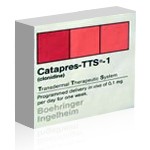
Catapres is the original brand-name formulation of Clonidine Hydrochloride manufactured by Boehringer Ingelheim — a foundational centrally acting alpha-2 adrenergic agonist with one of the most diverse clinical applications of any antihypertensive medication. FDA-approved since 1974, Clonidine is available in multiple formulations: Catapres oral tablets (0.1/0.2/0.3 mg), Catapres-TTS transdermal weekly patches (TTS-1, TTS-2, TTS-3), Kapvay extended-release (FDA-approved for pediatric ADHD), Duraclon epidural injection (for cancer pain), and Nexiclon XR. Listed on the WHO Model List of Essential Medicines. Beyond hypertension, Clonidine is uniquely valuable in addiction medicine, ADHD, anesthesia, and management of withdrawal syndromes.
The active ingredient is Clonidine Hydrochloride, a selective central alpha-2 adrenergic agonist. Clonidine selectively activates alpha-2 adrenergic receptors in the brainstem (rostral ventrolateral medulla), reducing central sympathetic outflow. Results: reduced peripheral vascular resistance, reduced heart rate and cardiac output, BP reduction. This central mechanism distinguishes Clonidine from peripheral antihypertensives. Half-life ~12-16 hours supports BID-TID oral dosing or once-weekly transdermal patch dosing. The central sympatholytic action also explains Clonidine's effectiveness in opioid withdrawal (suppressing the sympathetic hyperactivity of withdrawal) and in ADHD (modulating prefrontal cortex noradrenergic signaling).
Catapres is FDA-approved for hypertension (oral and transdermal), cancer pain (epidural Duraclon with morphine), and pediatric ADHD (Kapvay extended-release for children 6-17 years). Off-label uses include opioid withdrawal management (signature use in addiction medicine), alcohol withdrawal, nicotine withdrawal (smoking cessation), hypertensive urgency, Tourette syndrome (tic suppression), PTSD-associated nightmares, restless legs syndrome, vasomotor symptoms (menopausal hot flashes), diabetic diarrhea, anesthetic adjunct (sedation, analgesia, premedication), and pediatric sedation.
The medication is available as Catapres 0.1 mg, 0.2 mg, and 0.3 mg oral tablets, Catapres-TTS transdermal patches (TTS-1 delivering 0.1 mg/24h, TTS-2 0.2 mg/24h, TTS-3 0.3 mg/24h — applied weekly), Kapvay ER 0.1/0.2 mg, and Duraclon injection. Standard adult dosing for hypertension: 0.1 mg twice daily start, titrate 0.2-0.6 mg/day (max 2.4 mg/day). Transdermal: 1 patch weekly (start with TTS-1). ADHD (Kapvay): 0.1 mg start, titrate to max 0.4 mg/day. Opioid withdrawal: 0.1-0.3 mg every 6 hours as needed.
Critical safety considerations include the SIGNATURE REBOUND HYPERTENSION warning — abrupt discontinuation can cause hypertensive crisis (with rebound sympathetic activity); always taper Clonidine slowly over 7-10 days, NEVER stop abruptly. Sedation/drowsiness (30-40% — characteristic), dry mouth/xerostomia (35-40% — characteristic), constipation, hypotension, bradycardia, AV block, depression with chronic use, withdrawal symptoms (resemble opioid withdrawal). Use caution combining with beta-blockers (compound bradycardia). Pregnancy Category C.
Free prescription
Discrete packaging
Have questions?
Quality Assurance


- Hypertensive Urgency: For hypertensive urgency — rapid BP reduction (sublingual oral dose);
- Resistant Hypertension Add On: Add-on for resistant hypertension — useful 4th/5th line agent;
- Pediatric ADHD Kapvay: FDA-approved (Kapvay ER) for pediatric ADHD children 6-17 — signature non-stimulant indication;
- ADHD Non Stimulant: Non-stimulant ADHD treatment option — useful when stimulants contraindicated or ineffective;
- ADHD Sleep Issues: For ADHD patients with sleep disturbances — sedation benefit;
- Cancer Pain Epidural: FDA-approved (Duraclon) for cancer pain — epidural administration with morphine;
- Opioid Withdrawal Management: Off-label STANDARD opioid withdrawal management — signature addiction medicine use;
- Alcohol Withdrawal: Off-label adjunct for alcohol withdrawal symptoms (autonomic hyperactivity);
- Nicotine Withdrawal Smoking Cessation: Off-label for smoking cessation — reduces withdrawal symptoms and cravings;
- Tourette Syndrome: Off-label for Tourette syndrome — reduces tic frequency and severity;
- PTSD Nightmares: Off-label for PTSD-associated nightmares and hyperarousal;
- Restless Legs Syndrome: Off-label for restless legs syndrome;
- Menopause Hot Flashes: Off-label for menopausal vasomotor symptoms (hot flashes) — alternative to HRT;
- Diabetic Diarrhea: Off-label for diabetic autonomic neuropathy diarrhea;
- Anesthetic Adjunct: Anesthetic adjunct — sedation, analgesia, premedication, reduces anesthetic requirements;
- Pediatric Sedation Procedural: Off-label pediatric procedural sedation;
- Pheochromocytoma Diagnostic: Clonidine suppression test for pheochromocytoma diagnosis;
- Migraine Prophylaxis: Off-label selective use for migraine prophylaxis;
- Mild Hypertension: For mild hypertension (stage 1) — not first-line;
- Moderate Hypertension: For moderate hypertension (stage 2);
- HTN With ADHD Pediatric: Dual benefit in pediatric HTN with ADHD — unique two-for-one indication.
- Less Sympathetic Outflow: Reduces central sympathetic outflow — mechanism advantage;
- Less ADHD Hyperactivity: Reduces hyperactivity in pediatric ADHD;
- Less ADHD Impulsivity: Reduces impulsivity in pediatric ADHD;
- Better ADHD Sleep: Improves sleep in ADHD patients with sleep disturbances;
- Less ADHD Aggression: Reduces aggression and oppositional behavior in pediatric ADHD;
- Better ADHD Stimulant Augmentation: Effective augmentation of stimulant ADHD therapy;
- Better Opioid Withdrawal Comfort: Significantly reduces opioid withdrawal symptoms — signature benefit;
- Less Withdrawal Anxiety: Reduces anxiety during opioid/alcohol/nicotine withdrawal;
- Less Withdrawal Autonomic Symptoms: Reduces sweating, tachycardia, hypertension of withdrawal;
- Less Tourette Tics: Reduces tic frequency and severity in Tourette syndrome;
- Less PTSD Nightmares: Reduces PTSD-associated nightmares;
- Less PTSD Hyperarousal: Reduces PTSD hyperarousal symptoms;
- Less Menopause Hot Flashes: Effective alternative to HRT for menopausal vasomotor symptoms;
- Better Cancer Pain Control Epidural: Epidural Duraclon improves cancer pain control with morphine;
- Less Restless Legs Symptoms: Reduces restless legs syndrome symptoms;
- Less Smoking Cravings: Reduces nicotine cravings during smoking cessation;
- Better Procedural Sedation: Effective anesthetic adjunct for procedural sedation;
- Less Anesthetic Requirement: Reduces general anesthetic and opioid requirements during surgery;
- Better Daily Function: Return to normal daily activities with effective BP/ADHD control;
- Better Quality of Life: Substantial improvement in quality of life;
- Brand Catapres: Original Boehringer Ingelheim brand of Clonidine with established global clinical reputation since 1974;
- Generic Clonidine: Affordable generic versions expand global access to alpha-2 agonist therapy;
- Catapres TTS Transdermal Patch: Transdermal weekly patches (TTS-1/2/3) — unique weekly dosing convenience;
- Kapvay ER ADHD: Extended-release Kapvay formulation FDA-approved for pediatric ADHD;
- Duraclon Epidural: Duraclon epidural injection for cancer pain management;
- Central Alpha 2 Adrenergic Agonist: Centrally acting alpha-2 adrenergic agonist — central sympatholytic mechanism;
- Brainstem Alpha 2 Receptors: Activates brainstem alpha-2 receptors in rostral ventrolateral medulla;
- Sympathetic Outflow Reduction: Reduces central sympathetic outflow — mechanism advantage in withdrawal management;
- Multiple Route Flexibility: Multiple administration routes — oral, transdermal, epidural — unique clinical flexibility;
- Addiction Medicine Tool: Standard addiction medicine tool for opioid/alcohol/nicotine withdrawal;
- Non Stimulant ADHD Option: Non-stimulant ADHD treatment option for stimulant-intolerant patients;
- Anesthetic Adjunct: Established anesthetic adjunct reducing anesthetic requirements;
- WHO Essential Medicine: Listed on the WHO Model List of Essential Medicines;
- 50 Plus Year Clinical History: 50+ years of clinical use since 1974 — one of the longest evidence bases in cardiology.
Generic Catapres (Clonidine 100 mcg) Medication guide:
🌍 Understanding Catapres and the Wide Clinical Reach of Clonidine
Catapres is a brand name for clonidine hydrochloride — a central alpha-2 adrenergic agonist that is one of the most versatile drugs in modern medicine. Introduced in the 1960s originally as a nasal decongestant, its unexpected profound blood-pressure-lowering effect was noticed within weeks of clinical use, and the drug pivoted to become one of the earliest centrally-acting antihypertensives.
🧬 Drug Class
Central Alpha-2 Agonist
Brainstem-acting
🎯 Multiple Indications
HTN, ADHD, Withdrawal
Plus off-label uses
🩹 Formulations
Tablet, XR, Patch
TTS 7-day transdermal
⛔ Critical Rule
Never Stop Abruptly
Rebound crisis risk
The breadth of clinical use makes Catapres unusual among cardiovascular drugs. Where an ACE inhibitor is fundamentally a hypertension drug used in a few related contexts, clonidine crosses specialty boundaries: cardiology, psychiatry, addiction medicine, gynaecology, anaesthesiology, and paediatrics all use it for different reasons.
🕓 Six Decades of Clonidine — From Nasal Decongestant to Multi-Specialty Tool
1962
Synthesised by Boehringer Ingelheim; intended as nasal decongestant
Mid-1960s
Profound BP-lowering effect discovered; pivot to antihypertensive
1974
FDA approval as Catapres for hypertension
1984
Catapres-TTS transdermal patch launched (7-day)
2010
Kapvay extended-release approved for pediatric ADHD
Present
Cipla and Indian generics supply the international market
The eight clinical settings where clonidine is deliberately chosen span specialties that rarely share drug tools.
🎯 Where Clonidine Is Chosen Across Specialties
🩸 Hypertension (add-on)
Second- or third-line antihypertensive
🚑 Hypertensive Urgency
Rapid oral loading in ED
🧒 ADHD (Kapvay)
Second-line after stimulants
💉 Opioid Withdrawal
Symptomatic adrenergic control
🍺 Alcohol Withdrawal
Adjunct to benzodiazepines
🌷 Menopausal Hot Flashes
Non-hormonal option
🌪️ Tourette Syndrome
Reduces motor tics
💉 Epidural Anaesthesia
Analgesic adjunct (specialist)
The five practical concerns that shape every clonidine prescription are also worth understanding upfront.
⚖️ CLONIDINE — FIVE PRACTICAL CONCERNS
Each concern is covered in detail in sections 11-15 and 24.
Clonidine is dispensed as immediate-release tablets (0.1, 0.2, 0.3 mg) taken 2-3 times daily, as the Catapres-TTS transdermal patch applied weekly, and as the Kapvay extended-release tablet for pediatric ADHD. Cipla and other established Indian manufacturers supply the international generic market.
🧭 Reader Navigation — Jump to What Matters for You
- Rebound hypertension and the taper rule: sections 11, 27
- First prescription and titration: sections 8, 9
- Hypertensive urgency: section 6
- Opioid withdrawal use: section 7
- Kapvay ADHD in children: section 18
- Transdermal patch application: section 15
- Beta blocker + clonidine safety: section 24
- Sedation and dry mouth management: section 12
Each section is written to be read on its own, without requiring the surrounding material.
💊 What Clonidine Is — The Central Alpha-2 Agonist
Clonidine is the biologically active molecule taken as the tablet or absorbed through the transdermal patch. It is not a prodrug (unlike methyldopa, the other central alpha-2 agent). The molecule is an imidazoline derivative that crosses the blood-brain barrier easily and reaches high concentrations in the brainstem, where its therapeutic effects originate.
💊 Clonidine Pharmacokinetics at a Glance
| Chemical class | Imidazoline (2-imidazoline; alpha-2 agonist) |
| Oral bioavailability | Approximately 75-90% (high — excellent absorption) |
| Onset of BP effect | 30-60 minutes (oral IR); 2-3 days (patch) |
| Elimination half-life | 12-16 hours (typical dosing supports BID or TID) |
| CNS penetration | Extensive — drives both therapeutic effect and sedation |
| Metabolism | Approximately 50% hepatic; minimal CYP significance |
| Excretion | Approximately 40-60% renal as unchanged parent; remainder as metabolites |
🩹 The Transdermal Patch Kinetic Profile
Catapres-TTS delivers clonidine at a constant rate through skin for approximately 7 days. Steady-state plasma level is reached over 2-3 days after first application (why oral supplementation may be needed during transition), and effect persists for approximately 8 hours after patch removal because of skin depot.
- TTS-1 delivers 0.1 mg/day (~3.5 cm patch)
- TTS-2 delivers 0.2 mg/day
- TTS-3 delivers 0.3 mg/day
Renal Excretion Matters at Very Low eGFR
Approximately 40-60% of clonidine is excreted unchanged in urine. In advanced CKD (eGFR below 30), dose reduction is typically needed to avoid excess sedation and profound hypotension. Details in section 23.
🧠 Central Alpha-2 Agonism and the Sympathetic Withdrawal Mechanism
Clonidine works in the brain rather than at the blood vessels or heart directly. It activates alpha-2 adrenergic receptors at specific nuclei in the brainstem — particularly the rostral ventrolateral medulla and the locus coeruleus — which reduces sympathetic outflow to the periphery. The peripheral consequences (lower heart rate, lower BP, less anxiety) all flow from this reduced central sympathetic drive.
🧠 THE CENTRAL SYMPATHETIC WITHDRAWAL PATHWAY
Peripheral vessels, heart, and adrenal glands receive less sympathetic stimulation. The peripheral effect looks like beta blockade plus vasodilation but the drug never acts at either target directly.
The peripheral consequences of central sympathetic withdrawal are broad:
🫀 Cardiac
Slower resting HR; reduced contractility
🩸 Vascular
Reduced arterial vasoconstriction; BP falls
💄 Salivary
Reduced secretion; dry mouth (60%+ users)
😴 CNS
Reduced arousal; sedation (35%+)
😤 Emotional
Reduced anxiety-related sympathetic surge
💔 Opioid withdrawal
Reduced adrenergic hyperactivity symptoms
The Mechanism Also Explains the Rebound Problem
Chronic clonidine use downregulates central alpha-2 receptor sensitivity. When the drug is suddenly stopped, the sympathetic outflow rebounds far above pre-treatment baseline — producing hypertension, tachycardia, agitation, sweating, and rarely fatal cardiovascular events (section 11).
🔬 Clonidine vs Methyldopa — The Two Central Alpha-2 Agents Compared
Clonidine and methyldopa are the two central alpha-2 agents in the modern formulary. Both act at the brainstem to reduce sympathetic outflow, but they differ in origin (methyldopa is a prodrug), pregnancy safety (methyldopa is the pregnancy standard), and clinical reach (clonidine crosses many specialties).
🔬 Clonidine vs Methyldopa Side by Side
| Property | Clonidine (Catapres) | Methyldopa (Aldomet) |
|---|---|---|
| Prodrug? | No — active as swallowed | Yes — converted to alpha-methylnorepinephrine |
| Half-life | 12-16 hours | 2 hours (parent) |
| Dosing | BID-TID (oral); weekly (patch) | BID-QID |
| Transdermal available? | Yes (unique) | No |
| Pregnancy | Limited data | First-line HTN in pregnancy (long track record) |
| ADHD indication | Yes (Kapvay) | No |
| Withdrawal syndrome uses | Yes — opioid, alcohol, nicotine | No |
| Rebound HTN on abrupt stop | Severe (fastest rebound of any BP drug) | Modest |
| Sedation | Marked (35%+) | Marked |
| Dry mouth | Very common (60%+) | Common |
| Coombs+ / hepatitis | No | Yes (specific methyldopa-associated) |
💚 Choose Clonidine When
- Non-pregnancy HTN needing add-on therapy
- Transdermal delivery preferred (adherence)
- ADHD in children or adolescents
- Opioid or alcohol withdrawal support
- Hypertensive urgency in ED
🔶 Choose Methyldopa When
- Pregnancy hypertension (first-line)
- Contraindication to clonidine
- Historical continuation
🎯 Approved Uses — Hypertension, ADHD, and Beyond the Label
Clonidine has one FDA-approved cardiovascular indication (hypertension) and one FDA-approved paediatric psychiatric indication (ADHD with the Kapvay extended-release formulation). It is also widely used off-label across multiple settings, some with strong evidence and some based on clinical experience and pharmacological rationale.
| Indication | Typical starting dose | Maintenance range |
|---|---|---|
| Essential hypertension (oral) | 0.1 mg BID | 0.2-0.6 mg/day divided BID-TID |
| Hypertension (transdermal) | TTS-1 (0.1 mg/day) once weekly | TTS-1 to TTS-3 |
| Hypertensive urgency (oral loading) | 0.1-0.2 mg PO with repeat | Up to 0.7 mg total; hourly BP monitoring |
| ADHD (Kapvay ER) | 0.1 mg at bedtime | 0.2-0.4 mg/day divided; specialist-directed |
| Opioid withdrawal | 0.1-0.2 mg TID | Titrate to symptoms; 5-7 day course typical |
| Menopausal hot flashes | 0.05-0.1 mg BID (oral) or TTS-1 | Individualised |
| Tourette syndrome | 0.05 mg BID | 0.15-0.3 mg/day; specialist-directed |
Where Clonidine Sits in Hypertension Guidelines
Modern hypertension guidelines position clonidine as second-line or third-line antihypertensive, not first-line. First-line options are ACE inhibitors, ARBs, calcium channel blockers, and thiazides. Clonidine earns its hypertension role when hypertension is resistant to three or four first-line drugs, when specific comorbidities favour it (concurrent ADHD, hot flashes, withdrawal support), or when hypertensive urgency requires rapid oral loading.
✅ Good Combinations
Thiazide, ACE-I/ARB, dihydropyridine CCB, spironolactone in resistant HTN.
❌ Caution
Beta blockers (discontinuation trap; section 24); tricyclic antidepressants (blunt antihypertensive effect); other sedatives.
🚑 Hypertensive Urgency — Where Clonidine's Rapid Onset Shines
Hypertensive urgency — a severely elevated blood pressure (typically systolic above 180 mmHg or diastolic above 110 mmHg) without acute end-organ damage — is one of the specific settings where clonidine's rapid oral onset genuinely earns its place. Onset of BP effect within 30-60 minutes of an oral dose allows controlled BP reduction in an emergency department without the risks of parenteral therapy.
🚑 Hypertensive Urgency vs Emergency
| Category | Definition | Treatment |
|---|---|---|
| Hypertensive urgency | BP over 180/110 mmHg without acute end-organ damage | Oral drugs including clonidine; BP reduction over hours |
| Hypertensive emergency | Same BP but with acute end-organ damage (encephalopathy, pulmonary oedema, aortic dissection, acute renal failure) | IV drugs in ICU; not the setting for oral clonidine |
Clonidine Oral Loading Protocol for Hypertensive Urgency
- Initial dose: clonidine 0.1-0.2 mg orally
- Recheck BP at 30-60 minutes; expect 15-20 mmHg systolic reduction
- Repeat dose 0.1 mg hourly as needed to reach target
- Maximum: 0.6-0.7 mg total in the ED session
- Do not aim for normal BP in the first hour — too-rapid reduction risks organ hypoperfusion
- Discharge plan: transition to chronic antihypertensive regimen with follow-up in 1-3 days
Dr Trombetta-Fornarini on clonidine loading in the emergency department
"In the Italian emergency setting, oral clonidine loading remains a genuinely useful tool for hypertensive urgency. The 30-60 minute onset is quick enough to see meaningful BP reduction during the ED visit, and the oral route avoids the risks of parenteral titration. What we emphasise to residents is the specific practical caution: never aim for normal BP in the first hour. The goal is a 15-25 percent reduction over 2-6 hours, not normalisation. Overshooting the reduction is a real hazard, particularly in patients with chronic hypertension whose autoregulation has adapted to higher pressures."
Vittorio-Enzo N. Trombetta-Fornarini, MD, PhD — Department of Cardiac, Thoracic and Vascular Sciences, Universita degli Studi di Padova
💔 Clonidine in Opioid, Alcohol, and Nicotine Withdrawal
Clonidine has a well-established role in symptomatic management of the adrenergic hyperactivity that dominates the acute phase of opioid, alcohol, and nicotine withdrawal. It does not substitute for opioid replacement (methadone, buprenorphine) but reduces the specific autonomic misery — sweating, tremor, tachycardia, restlessness, anxiety — that makes withdrawal so difficult.
💔 Withdrawal Symptoms Addressed by Clonidine
💦 Sweating
Substantial improvement
😰 Anxiety and restlessness
Reduced
💢 Tremor and palpitations
Reduced
👁️ Lacrimation and rhinorrhea
Improved
😴 Insomnia
Modest improvement
😔 Craving
Not directly reduced — not a substitute for opioid substitution
Typical Opioid Withdrawal Protocol
- Day 1: Clonidine 0.1-0.2 mg PO every 4-6 hours, titrated to symptoms and BP
- Days 2-5: Continue effective dose; typical total 0.4-1.2 mg/day
- Days 6-10: Gradual taper by 0.1-0.2 mg per day
- Monitor: BP before each dose; hold if systolic below 90 mmHg
- Adjuncts: loperamide for diarrhoea; anti-emetics; sleep aids as needed
Dr Rasoanaivo-Ranaivoson on clonidine in resource-constrained withdrawal management
"In our addiction medicine practice in Madagascar, clonidine remains a genuinely valuable tool for opioid withdrawal management, particularly in settings where methadone or buprenorphine substitution is not readily available. It does not treat craving — that requires substitution therapy or naltrexone maintenance — but it substantially reduces the autonomic hyperactivity that makes the acute withdrawal phase so difficult to endure. The BP monitoring during the acute detoxification is essential; withdrawal itself produces cardiovascular stress and clonidine can push a fragile patient into hypotension."
Cyril K. Rasoanaivo-Ranaivoson, MD, MPH — Centre Hospitalier Universitaire Joseph Ravoahangy Andrianavalona, University of Antananarivo
📆 Tablet Strengths, Kapvay Extended-Release, and the Catapres-TTS Transdermal Patch
Clonidine is dispensed in three principal oral tablet strengths and in three transdermal patch sizes, with a specific extended-release formulation for ADHD in children.
📆 The Clonidine Formulation Family
| Formulation | Common strengths | Dosing | Best use case |
|---|---|---|---|
| Catapres IR tablets | 0.1, 0.2, 0.3 mg | BID-TID | HTN; withdrawal; hot flashes |
| Catapres-TTS patch | TTS-1 (0.1 mg/day), TTS-2 (0.2), TTS-3 (0.3) | Once weekly application | Chronic HTN; adherence; poor GI tolerance |
| Kapvay ER | 0.1, 0.2 mg | BID (morning/bedtime) | Pediatric ADHD |
| Injectable | 100 or 500 mcg/mL | Epidural, IV; specialist only | Anaesthesia; pain; ICU |
Titration for Essential Hypertension (Oral)
- Start: 0.1 mg BID (twice daily, spaced 12 hours)
- Review at 1-2 weeks: home BP; standing BP; sedation; dry mouth
- Titrate up if needed: 0.2 mg BID, then 0.3 mg BID
- Maximum: 2.4 mg/day (though most patients maintained at 0.4-0.8 mg total daily)
- Alternative: convert to TTS patch after oral titration for adherence
Patch Initiation — The Transition Period
Catapres-TTS reaches steady-state plasma level over 2-3 days after first application. In patients switching from oral clonidine, continue oral tablets at reduced dose for the first 2-3 days, then discontinue. Patients starting patch alone should expect gradual BP effect over 3 days. This transition period is why the patch is not first choice for hypertensive urgency — oral loading is faster.
▶️ Starting Catapres — First-Dose Considerations
First-dose considerations on clonidine focus on the initial hypotensive and sedative effects rather than the sharp postural drop seen with alpha-1 blockers. The typical adult tolerates the standard 0.1 mg BID starting dose without severe symptoms, but specific patient groups warrant careful attention.
⚠️ Patients at Elevated First-Dose Risk
- Elderly patients (slower baroreceptor reflexes; more prone to sedation)
- Patients on diuretics (volume depletion amplifies effect)
- Patients on other CNS depressants (benzodiazepines, opioids, sedating antihistamines)
- Patients with renal impairment (accumulation risk)
- Patients driving or operating machinery (sedation dominates first days)
- Patients with depression history (drug can worsen mood; section 13)
▶️ Practical Initiation Measures
Bedtime first dose
Places sedation and peak BP effect overnight
No driving day 1
Warn patient about sedation; do not drive first 24 hours
Adequate hydration
Correct volume depletion before initiation
Rise slowly
Postural hypotension possible but less severe than alpha-1 blocker
Counselling About the Never-Abrupt Rule Belongs at First Prescription
The rebound hypertension risk (section 11) is one of the most consequential safety points for clonidine. Every patient starting the drug — not just those stopping it — should be told at the first visit that they must never stop suddenly, that any elective cessation must be tapered under medical supervision, and that they should not let their supply run out over weekends. This conversation earns its place at the moment the drug is prescribed, not months later.
🔗 Common Drug Interactions on Clonidine
Clonidine has a moderately clean drug interaction profile because CYP-mediated metabolism plays a minor role. The important interactions are pharmacodynamic — drugs that add to sedation, hypotension, bradycardia, or blunt clonidine's antihypertensive effect.
| Interaction category | Common examples | Practical implication |
|---|---|---|
| Beta blockers | Atenolol, metoprolol, bisoprolol, propranolol | Discontinuation trap: stopping clonidine on active beta blockade risks severe rebound; section 24 |
| Tricyclic antidepressants | Amitriptyline, nortriptyline, imipramine | Blunt antihypertensive effect; may need alternative BP therapy |
| Other CNS depressants | Benzodiazepines, opioids, alcohol | Additive sedation; warn about driving |
| Digoxin, verapamil, diltiazem | AV-nodal-slowing drugs | Additive bradycardia; ECG monitoring |
| Antipsychotics | Chlorpromazine, olanzapine, quetiapine | Additive hypotension and sedation |
| Other central alpha-2 agents | Methyldopa, guanfacine, tizanidine | Do not combine — additive without additional benefit |
| Cyclosporine | Immunosuppressant | May increase clonidine effect; monitor closely |
| NSAIDs | Ibuprofen, diclofenac | May blunt antihypertensive effect |
The Tricyclic Antidepressant Interaction — A Specific Practical Concern
Tricyclic antidepressants block the reuptake of noradrenaline into presynaptic neurons and functionally reverse clonidine's effect. A patient on clonidine started on amitriptyline for neuropathic pain may find their BP suddenly harder to control. If both drugs are needed, alternative antidepressant class (SSRI, SNRI) or alternative antihypertensive class should be considered.
⛔ Rebound Hypertension — The Reason You Never Stop Catapres Abruptly
Rebound hypertension is the single most consequential safety consideration for anyone taking clonidine. Abrupt withdrawal produces a hypertensive rebound that is faster in onset and more severe in magnitude than the rebound seen with any other antihypertensive class — and in vulnerable patients it can precipitate stroke, myocardial infarction, or hypertensive encephalopathy within 12-48 hours.
⛔ CLONIDINE REBOUND HYPERTENSION
NEVER stop Catapres abruptly. Sudden cessation produces rebound sympathetic hyperactivity within 8-48 hours, characterised by:
- BP surge often above pre-treatment baseline
- Tachycardia and palpitations
- Sweating, tremor, headache, anxiety
- Nausea, abdominal pain
- Rare: hypertensive encephalopathy, stroke, MI, cardiovascular collapse
This is not a theoretical risk. Fatal rebound events have been reported.
Time Course of Rebound After Abrupt Cessation
| 0-8 hours | Drug level falls below therapeutic; BP begins to rise |
| 8-24 hours | Peak rebound period; BP often overshoots pre-treatment level |
| 24-48 hours | Cardiovascular events cluster during this window in high-risk patients |
| Days 3-7 | Symptoms gradually resolve as central alpha-2 receptors resensitise |
Emergency Management of Clonidine Withdrawal Crisis
- Restart clonidine at previous maintenance dose — usually the fastest way to control the crisis
- IV labetalol or phentolamine for severe hypertension; oral labetalol for moderate cases
- Do NOT give beta blocker alone — unopposed alpha-1 vasoconstriction can worsen the crisis
- Continuous BP monitoring until stabilised
- Once controlled: plan a proper taper (section 27) rather than another abrupt attempt
Prevention Rule: Never Let Supply Run Out
The commonest cause of clonidine rebound is not a deliberate stop but a supply gap — forgotten refill over a weekend, prescription lost during travel, hospitalisation without medication reconciliation. Every clonidine patient should keep at least a week's buffer supply, and every hospital admission of a clonidine user should include this drug on the mandatory continue list.
😴 Sedation and Dry Mouth — The Signature Side Effects
Sedation and dry mouth are the two most common side effects of clonidine and the two most likely reasons patients ask to switch. Both are consequences of central alpha-2 agonism — sedation from reduced arousal at the locus coeruleus; dry mouth from reduced parasympathetic outflow to salivary glands.
😴 Sedation on Clonidine
| Incidence | Approximately 35% of users |
| Onset | Days 1-14; most prominent early |
| Trajectory | Some tolerance develops over 2-4 weeks; may persist in higher doses |
| Practical impact | Driving, machinery use, cognitively demanding work |
| Dose-related | Yes — larger doses produce more sedation |
Practical Management of Sedation
- Concentrate dosing at bedtime where possible
- Avoid other CNS depressants during clonidine use
- Consider transdermal patch — smoother pharmacokinetics reduce peak sedation
- Dose reduction if BP allows
- Warn about driving particularly first 2 weeks and after any dose increase
- Elderly counselling about fall risk from sedation
💄 Dry Mouth on Clonidine
| Incidence | Approximately 60% of users |
| Trajectory | Persistent — less tolerance development than for sedation |
| Consequences | Dental caries risk; taste disturbance; swallowing discomfort |
Managing Dry Mouth
- Frequent water sips throughout the day
- Sugar-free chewing gum or lozenges to stimulate saliva
- Saliva substitutes (over-the-counter dry mouth products)
- Fluoride toothpaste and regular dental checkups (increased caries risk)
- Avoid alcohol-based mouthwashes (further drying)
- Limit caffeine and alcohol intake
💔 Depression on Clonidine — A Real Consideration
Depression is a recognised but often unaddressed adverse effect of clonidine. Because clonidine acts on the same brainstem noradrenergic system that antidepressants target (from the opposite direction), reducing central noradrenaline in a patient with vulnerable mood can precipitate or worsen depressive symptoms.
💔 Depression Risk on Clonidine
- Prior history of depression — biggest risk factor
- Family history of mood disorder
- Higher clonidine doses (dose-related risk)
- Concurrent CNS depressants
- Elderly patients (baseline vulnerability)
⚠️ Signs of Depression to Watch For
Persistent low mood
Beyond expected sedation
Loss of interest
Anhedonia in previously enjoyed activities
Sleep disturbance
Distinguish from sedation; early waking common
Weight and appetite change
Loss or gain not explained otherwise
Suicidal thoughts
Immediate medical review
Cognitive slowing
Beyond expected sedation
Management if Depression Emerges
Do not simply stop clonidine (rebound risk) or start an antidepressant on top without prescriber review. The appropriate response depends on severity: mild mood change may be managed by dose reduction and monitoring; moderate to severe depression usually requires supervised switch to a different antihypertensive class and initiation of antidepressant therapy under specialist input. Avoid tricyclic antidepressants (they blunt clonidine effect); SSRIs and SNRIs are cleaner choices.
🩺 Home Blood Pressure Monitoring on Multi-Daily Clonidine
Home BP monitoring on clonidine follows the standard approach with two considerations specific to the drug: the multi-daily dosing means peak and trough BP effects can differ noticeably, and the sedative effect can affect the technique itself if measured too soon after a dose.
🩺 Practical Home BP Routine on Clonidine
- Morning trough reading before first dose — represents lowest 24-hour effect
- Peak reading 2-4 hours after morning dose — represents strongest effect
- Standard technique: seated 5 minutes, feet flat, arm at heart level
- Two readings a minute apart at each measurement
- Weekly log before office review; discard first day; average the rest
Home BP Target Ranges
| Uncomplicated hypertension | Home average under 135/85 mmHg |
| Diabetes or CKD with albuminuria | Home average under 125/75 mmHg where tolerated |
| Elderly with fall history | Individualised; standing systolic above 100 mmHg is the practical floor |
| Non-BP indications (ADHD, hot flashes) | Monitor for symptomatic hypotension rather than a target |
Reading the Home Data for Adherence
A patient on clonidine 0.2 mg BID whose morning trough BP is much higher than the afternoon peak often has an adherence gap on the evening dose. If home data shows this pattern, discussing schedule practicality rather than escalating dose is the right response.
🩹 The Transdermal Patch — Practical Application and Skin Reactions
The Catapres-TTS transdermal patch is a unique cardiovascular formulation — a 7-day patch that delivers a controlled dose of clonidine through the skin. It offers real adherence advantages over multi-daily oral dosing and reduces GI-related side effects, but it has its own specific technique and skin reaction concerns.
🩹 Patch Application Technique
- Choose site: upper outer arm or upper chest; hairless, non-irritated skin
- Clean and dry the area: soap and water, then thoroughly dry; no lotions or oils
- Apply immediately after opening pouch; press firmly for 30 seconds
- Rotate sites weekly: use a different location each week to prevent irritation
- Wear for exactly 7 days; remove and apply new patch same time of week
- If patch loosens: apply adhesive overlay (supplied); do not replace patch early
- Do not cut the patch to adjust dose — destroys delivery mechanism
🩹 Skin Reactions With the Patch
Erythema (mild)
10-15% of users; usually fades between patches
Pruritus
Common; usually tolerable with site rotation
Contact dermatitis
Delayed hypersensitivity; may need discontinuation
Vesiculation or blistering
More severe; discontinue patch and switch to oral
Practical Patch Tips
- Set a phone reminder for the weekly change day — supply gap risk if forgotten
- Shower with the patch on; heat and sweat do not usually loosen it
- Avoid direct heat (heating pads, sauna) — can increase absorption
- Fold used patch adhesive-to-adhesive before discarding — residual drug can affect children or pets
- Effect persists for approximately 8 hours after patch removal because of skin depot
🚨 Warning Signs and When to Seek Care
Most Catapres users have an uneventful long-term course. When warning signs appear, most call for medical review rather than self-directed cessation — and the rebound rule (section 11) means that self-directed cessation is specifically dangerous.
🚨 SEEK URGENT MEDICAL CARE FOR
- Signs of rebound hypertension if a dose has been missed: severe headache, tachycardia, sweating, tremor
- Systolic BP above 180 mmHg with symptoms
- Syncope or near-syncope not clearly postural
- Bradycardia below 45 bpm with symptoms
- Suicidal thoughts or severe worsening of mood
- Severe abdominal pain with signs of shock
⚠️ Contact Prescriber Same or Next Day For
- Persistent sedation interfering with function beyond 4 weeks
- New or worsening low mood
- Persistent dry mouth affecting nutrition
- Persistent constipation
- New leg swelling
- New medication started elsewhere (interaction check)
- Any hospitalisation upcoming — ensure clonidine on continue list
- Patch site skin reaction that does not fade between patches
Rare But Recognised Adverse Effects
Clonidine is uncommonly associated with sexual dysfunction (reduced libido, ejaculatory disturbance), gynaecomastia, elevated blood glucose (usually modest), and idiosyncratic hepatic reactions. Any unexplained symptom on chronic clonidine deserves consideration of drug attribution before or alongside other workup.
🩹 Common Side Effects in the First Three Months
Most clonidine side effects are dose-related and manageable. The signature effects (sedation, dry mouth) are covered in section 12; depression is covered in section 13. This section covers the wider profile.
🩹 Common Clonidine Side Effects with Expected Trajectory
| Effect | Incidence | Trajectory |
|---|---|---|
| Dry mouth | 60%+ | Persistent; managed with hygiene |
| Sedation | 35% | Partial tolerance over 2-4 weeks |
| Dizziness | 15-20% | Improves |
| Constipation | 10-15% | Persists; managed with hydration and fibre |
| Bradycardia | Dose-related | Ongoing; usually therapeutic |
| Depression | Uncommon | Section 13 |
| Sexual dysfunction | 10-15% | Reduced libido; ejaculatory disturbance in men |
| Nausea | 5-10% | Usually settles |
| Weight gain | Modest | Not universal |
| Patch reactions | 10-15% | Section 15 |
Where Clonidine's Profile Is Favourable
No electrolyte disturbance; no bronchospasm; effective without triggering reflex tachycardia; useful across multiple indications so one drug can serve several purposes; transdermal formulation reduces peak effects and improves adherence. These are the reasons clonidine retains its role despite the specific safety burdens.
🧒 Clonidine in ADHD — Kapvay Extended-Release
Extended-release clonidine (Kapvay in the US market) is FDA-approved for attention-deficit/hyperactivity disorder in children and adolescents aged 6-17 years. It is a second-line ADHD pharmacotherapy after stimulants (methylphenidate, amphetamines), used either alone or as an adjunct to a stimulant.
🧒 Kapvay in Paediatric ADHD
| Approved age | 6-17 years |
| Line of therapy | Second-line after stimulants; or adjunct to stimulant |
| Starting dose | 0.1 mg at bedtime |
| Titration | Increase weekly by 0.1 mg/day; divide dose morning/bedtime |
| Maximum | 0.4 mg/day |
| Effect on symptoms | Reduces impulsivity, hyperactivity, oppositional behaviour; less effect on attention than stimulants |
When Kapvay Is Considered in Paediatric ADHD
- Stimulant intolerance (appetite loss, insomnia, tics, growth impact)
- Prominent oppositional or aggressive behaviour alongside ADHD
- Sleep-onset insomnia on stimulant — bedtime Kapvay helps
- Adjunctive tic disorder (Tourette syndrome)
- Parent preference for non-stimulant
- Anxiety alongside ADHD — clonidine may help both
Dr Yun-Guangji on clonidine in paediatric ADHD practice
"In our child psychiatry practice at Peking Union Medical College, extended-release clonidine has a genuine niche in ADHD management, particularly in patients where stimulants have caused unacceptable insomnia, appetite loss, or growth concerns. It is not a first-line replacement for stimulants because effect on core attention symptoms is more modest, but it is very useful in mixed ADHD-plus-oppositional presentations and in patients where bedtime symptoms dominate. The specific safety point I always emphasise is the never-abrupt rule — paediatric parents must understand that stopping clonidine suddenly can produce rebound hypertension even in a child."
Wenling H. Yun-Guangji, MD, PhD — Peking Union Medical College Hospital, Chinese Academy of Medical Sciences
🌷 Menopausal Hot Flashes and Off-Label Uses
Beyond the FDA-approved indications, clonidine has multiple off-label uses with varying levels of evidence. The most established is menopausal hot flashes, where clonidine is a legitimate non-hormonal option for women who cannot or do not want to use hormone replacement therapy.
🌷 Clonidine for Menopausal Hot Flashes
| Typical dose | 0.05-0.1 mg BID oral, or TTS-1 (0.1 mg/day) patch weekly |
| Onset of effect | Days to 2 weeks |
| Efficacy | 30-50% reduction in flush frequency; modest compared to HRT |
| Preferred when | HRT contraindicated (breast cancer history, VTE risk); also useful in tamoxifen-related hot flashes |
| Alternatives | SSRIs/SNRIs (paroxetine, venlafaxine); gabapentin |
Other Off-Label Uses
Tourette syndrome
Reduces motor and vocal tics
PTSD nightmares
Alternative to prazosin; bedtime dose
Nicotine cessation
Reduces withdrawal symptoms
Restless legs syndrome
Second-line; specialist decision
Migraine prophylaxis
Modest evidence; not first-line
Epidural analgesia
Anaesthesia adjunct; specialist use
The Off-Label Responsibility
Off-label use is legally acceptable when supported by clinical judgement, but the safety rules of the drug remain the same. Never-abrupt cessation, BP monitoring, sedation warnings, and interaction checks apply regardless of whether the indication is on-label or off-label.
⏰ Missed Dose Handling on IR, XR, and Patch
Missed doses on clonidine are more consequential than on many antihypertensives because of the rebound risk. A single missed dose is usually tolerable, but a pattern of missed doses puts the patient at risk of rebound hypertension.
⏰ Missed Dose on Oral IR Clonidine (BID or TID)
| Realised within 2 hours | Take the dose. Continue next scheduled at usual time. |
| More than 2 hours late but before next dose | Skip. Take next at usual time. Do not double up. |
| Missed 2 consecutive doses | Resume schedule; monitor BP; contact prescriber if rebound signs |
| Missed 24+ hours | Rebound risk emerges; contact prescriber same day; measure BP |
Missed Patch Change (Should Be Weekly)
| Realised within 1-2 days late | Remove old patch; apply new one; continue on shifted schedule |
| Realised 3+ days late | Apply new patch; monitor BP; contact prescriber |
| Patch fell off unnoticed | Apply new patch immediately; monitor for rebound; contact prescriber |
❌ Doubling Up Is Never Useful and Can Be Dangerous
A double dose of clonidine produces profound sedation, hypotension, and bradycardia that can last many hours. Elderly patients are particularly vulnerable to falls and confusion from a doubled dose. Skip and resume schedule instead.
🤰 Pregnancy and Clonidine — Limited Data, Sometimes Used
Clonidine has been used in pregnancy for hypertension but is not first-line. Methyldopa (the other central alpha-2 agent) has a longer track record and is preferred as first-line pregnancy antihypertensive. Clonidine data in pregnancy is limited but does not show clear teratogenic signal, and it is sometimes used when standard pregnancy antihypertensives are insufficient.
🤰 Clonidine in Pregnancy at a Glance
| Pregnancy category | C — benefit-risk balance |
| First-line pregnancy HTN | Labetalol, methyldopa, nifedipine ER, hydralazine |
| Clonidine role | Sometimes used for resistant pregnancy hypertension when other agents insufficient; specialist decision |
| Fetal effects | Limited data; no clear teratogenic signal; neonatal sedation reported |
| Breastfeeding | Excreted in breast milk; caution advised particularly at higher doses |
Practical Implications for Pregnancy Planning
A woman of childbearing potential on chronic clonidine (for HTN, ADHD, or other indication) planning pregnancy deserves a medication review 2-3 months before conception. The switch to labetalol or methyldopa is the standard preconception move for hypertension. Continuation of clonidine through pregnancy is a specialist decision made in maternal medicine clinics.
🕰️ Elderly Use of Clonidine — Sedation and Cognitive Concerns
The elderly patient on clonidine faces a particular constellation of vulnerabilities: sedation contributing to falls, cognitive slowing complicating dementia care, dry mouth affecting nutrition, and the same rebound hypertension risk that applies to any patient but with less physiological reserve to weather a crisis.
🕰️ Elderly-Specific Clonidine Considerations
| Starting dose | 0.05-0.1 mg at bedtime; go slow |
| Sedation vigilance | Watch for morning drowsiness and daytime function |
| Falls assessment | Explicit conversation about prior falls before dose escalation |
| Cognitive baseline | Note cognitive function before and after starting; distinguish drug effect from dementia progression |
| Depression screening | Higher risk of drug-induced depression in elderly |
| Dental care | Regular checkups — dry mouth accelerates caries |
| Deprescribing | Legitimate strategy in frail elderly — but requires supervised taper |
Clonidine on the Beers Criteria List
The American Geriatrics Society Beers Criteria list clonidine among the potentially inappropriate medications in older adults because of the significant sedation and CNS effects. This does not mean the drug is contraindicated in the elderly, but it does mean the risk-benefit conversation is more central and simpler antihypertensive alternatives should usually be tried first.
🧫 Renal and Hepatic Impairment
Clonidine has approximately 40-60% renal excretion of unchanged parent drug. Renal impairment is therefore the more clinically important dose adjustment consideration than hepatic impairment, and dose reduction is standard at eGFR below 30.
| Function category | Clonidine approach | Monitoring |
|---|---|---|
| Normal hepatic and renal | Standard doses per indication | Usual review |
| eGFR 30-60 | Standard doses acceptable; watch for accumulation | Every 6 months |
| eGFR 15-30 | Reduce dose 25-50%; specialist input | Every 3 months |
| eGFR below 15 / dialysis | Cautious dosing; not significantly dialysable | Nephrology-directed |
| Mild-moderate hepatic impairment | Standard doses acceptable | Every 3-6 months |
| Severe hepatic impairment | Cautious dose escalation; specialist decision | Individualised |
The CKD Accumulation Risk
In advanced CKD, clonidine accumulates and produces amplified sedation, bradycardia, and hypotension over days to weeks even at unchanged dose. Regular reassessment of dose against BP and symptomatic tolerance is important. The transdermal patch may be preferable to oral dosing in this population because it produces smoother plasma levels.
💥 The Beta Blocker Discontinuation Trap — A Specific Safety Point
The combination of clonidine and a beta blocker is common in resistant hypertension. It is not itself dangerous during ongoing therapy, but it creates a specific and consequential trap at the moment of discontinuation: stopping clonidine while a beta blocker is still active can produce a catastrophic hypertensive crisis because the beta blockade leaves unopposed alpha-1 vasoconstriction as sympathetic outflow rebounds.
💥 THE CLONIDINE-BETA BLOCKER DISCONTINUATION TRAP
A patient on both clonidine and a beta blocker who is having either drug stopped must have the beta blocker stopped FIRST, not the clonidine.
What goes wrong if clonidine is stopped first:
- Rebound sympathetic outflow (from clonidine cessation)
- Beta receptors still blocked (cannot mediate protective vasodilation)
- Unopposed alpha-1 vasoconstriction produces severe hypertension
- Can precipitate hypertensive emergency, stroke, or MI within hours
Correct Discontinuation Sequence
- Step 1: Taper and stop the beta blocker over 1-2 weeks
- Step 2: Wait 3-7 days after beta blocker is fully out of system
- Step 3: Begin gradual taper of clonidine over 1-2 weeks
- Monitoring: Home BP throughout both taper periods
- Alternative if urgent stop needed: substitute IV alpha blocker (phentolamine) or arterial vasodilator during specialist-supervised discontinuation
Dr Kravchenko-Osipov on the perioperative variant of this trap
"In the perioperative setting we occasionally see this trap catastrophically: a patient on both clonidine and a beta blocker admitted for elective surgery, with the anaesthetist stopping the clonidine at admission and continuing the beta blocker perioperatively. The rebound hypertensive crisis in the recovery room can be life-threatening. The correct approach is to continue both drugs through the perioperative period, or, if either must be held, to hold the beta blocker first and let clonidine continue. Every anaesthesiology team should know this rule."
Igor D. Kravchenko-Osipov, MD, PhD, DMSc — Department of Anaesthesiology, Sechenov First Moscow State Medical University
🚫 Absolute and Relative Contraindications
Contraindications to clonidine fall into two categories: absolute (drug must not be used) and relative (drug used only with specific caution or specialist input).
🚫 ABSOLUTE CONTRAINDICATIONS
- Documented clonidine hypersensitivity
- Severe bradyarrhythmia without pacemaker
- Symptomatic hypotension
- Concurrent MAO inhibitor without specialist supervision
- Cardiogenic shock
⚠️ RELATIVE CONTRAINDICATIONS AND SPECIFIC CAUTIONS
- Active or recent history of depression — specialist decision
- Elderly with multiple falls history — alternative preferred
- Cognitive impairment or dementia — sedation compounds cognitive decline
- Severe renal impairment — dose reduction (section 23)
- Concurrent tricyclic antidepressant — blunts effect; specialist decision
- Recent MI with unstable hemodynamics — specialist decision
- Pregnancy — alternatives preferred (section 21)
- Occupation requiring high alertness — sedation risk (drivers, pilots)
- History of poor medication adherence — rebound risk if doses missed
🔄 Switching Between Clonidine Formulations and to Other Central Agents
Switching between clonidine formulations and to other central alpha-2 agents is a common event driven by adherence pressure, indication change, or tolerability. The specific consideration is maintaining continuous alpha-2 agonist effect during any switch to avoid rebound.
| Switch scenario | Practical approach |
|---|---|
| Oral IR to TTS patch (adherence) | Apply patch matched to total oral daily dose; continue oral for 2-3 days as patch reaches steady state, then discontinue oral |
| TTS patch to oral IR | Remove patch; effect persists 8 hours from skin depot; start oral within that window; expect gradual transition over 2-3 days |
| Oral IR to Kapvay ER (ADHD) | Match total daily dose; divide morning and bedtime; specialist-directed |
| Clonidine to methyldopa (pregnancy planning) | Overlap 5-7 days; taper clonidine gradually; start methyldopa 250 mg BID and titrate |
| Clonidine to non-central antihypertensive (elderly falls) | Introduce alternative (thiazide, ACE-I, CCB) first; then taper clonidine over 1-2 weeks |
| Clonidine to guanfacine (paediatric ADHD) | Specialist decision; guanfacine has longer half-life and less sedation but similar rebound risk |
Approximate Dose Equivalences
Oral clonidine 0.2 mg total daily dose (0.1 mg BID) approximately equals TTS-2 (0.2 mg/day patch). Total daily doses of 0.3 mg oral match TTS-3. These are practical approximations; individual titration guided by home BP over 1-2 weeks is required after any switch. During any transition, the safety principle is to avoid a gap in alpha-2 agonist effect.
⌛ Stopping Catapres — The Mandatory Taper Schedule
The mandatory taper is the practical manifestation of everything covered in section 11. Because rebound hypertension can be severe and rapid, elective clonidine cessation must always be gradual, planned, and preferably supervised.
Standard Taper Schedule from Chronic Oral Clonidine
| Week 1 | Reduce total daily dose by 25% |
| Week 2 | Reduce by another 25% |
| Week 3 | Reduce by another 25% |
| Week 4 | Final small dose |
| Week 5 | Stop entirely; monitor BP daily for 5-7 days |
Longer tapers (6-8 weeks) are used in patients with prior rebound history, high maintenance dose, or coronary artery disease.
Taper from Catapres-TTS Patch
Because the patch delivers a fixed dose over 7 days, tapering requires stepping down through TTS-3 → TTS-2 → TTS-1 over successive weeks. Skin depot effect means the last patch will provide 8 hours of residual effect after removal.
- Week 1: Change to next lower patch strength
- Week 2: Change to lowest patch strength
- Week 3: Consider bridging to low-dose oral clonidine for finer control
- Week 4: Stop; monitor BP
Legitimate Reasons to Stop Catapres
- Intolerable sedation or depression
- Development of contraindication (severe bradycardia)
- Pregnancy planning
- Successful transition to alternative therapy
- Resolution of the underlying indication (ADHD outgrown, withdrawal complete, hot flashes resolved)
- Adherence problems making rebound risk unacceptable
- End-of-life care
🌡️ Storage and Handling — Tablets and Patches
Clonidine formulations have different storage requirements. Tablets share standard requirements; patches have specific handling considerations because of residual drug in used patches.
🌡️ Tablet Storage
- Room temperature 20-25 °C
- Dry environment — humidity affects tablets
- Original packaging for humidity protection
- Out of reach of children — profound hypotension and bradycardia possible with even small paediatric ingestion
- Check expiry before use
Patch Storage and Handling
- Store patches in original sealed pouch at room temperature
- Do not refrigerate or freeze
- Do not open the pouch until immediately before application
- Used patches still contain drug — fold adhesive-to-adhesive before discarding
- Dispose in child-proof and pet-proof container
- Keep unused patches out of reach of children — patch ingestion or skin contact can cause serious effects
🚩 ACCIDENTAL PAEDIATRIC EXPOSURE
Even a single 0.1 mg tablet or a single used TTS patch chewed or ingested by a small child can produce profound hypotension, bradycardia, and CNS depression requiring hospital admission. Any accidental paediatric exposure to clonidine tablets or patches requires immediate poison control contact and hospital evaluation.
✈️ Travel Planning on Catapres
Travel with Catapres requires more planning than travel with many other antihypertensives because a supply gap can trigger rebound hypertension. Reliable supply management is the central concern.
✈️ Travel Preparation Checklist
- Carry trip supply plus 7-10 extra days — supply gap is the specific hazard
- Split supply between carry-on and checked luggage; the carry-on portion is essential
- Keep tablets or patches in original packaging for customs
- Carry the prescription for international travel
- Note the generic name (clonidine hydrochloride) for local pharmacy identification
- Time zones: shift dose timing gradually by 1-2 hours per day; never skip more than one dose
Patch-Specific Travel Notes
- Carry replacement patches in original packaging
- Avoid direct sun exposure to the patch on the body (can increase absorption)
- Avoid saunas, hot tubs, and heating pads over the patch
- Airport security scanners do not affect patch function
- MRI: remove patch before scan (metal foil backing)
Gastroenteritis on Travel
Prolonged vomiting can prevent oral clonidine absorption and produce a functional withdrawal — potentially triggering rebound. Practical response: if unable to keep down oral doses for more than 12 hours, seek local medical care. The TTS patch is a useful bridge in this scenario because absorption is independent of GI function.
💬 Discussing Catapres With Your Clinician at the Annual Review
Regular review of any chronic medication protects both the value of the therapy and the safety of the patient. On Catapres, an annual review is the minimum standard, and the conversation covers the specific clonidine concerns.
💬 A Useful Annual-Review Conversation on Catapres
- Home BP readings for the past week: morning trough and afternoon peak
- Adherence check: any missed doses in past month? Supply management?
- Sedation review: still sedated? Impact on daily function?
- Dry mouth: what management in place? Dental care?
- Mood check: any new depressive symptoms?
- Patch skin site (if applicable): any persistent reactions?
- Interacting medications: new drugs from other prescribers?
- Beta blocker present?: verify neither drug will be stopped without the other addressed first
- Indication review: is clonidine still needed for the current situation?
- Never-abrupt rule reinforcement: reminder never to stop without medical arrangement
❓ Three Questions Worth Asking Your Prescriber
- Is Catapres still the right drug for me? Could a simpler once-daily antihypertensive replace it?
- Do I have a plan if I need to stop the drug? Understanding the taper is empowering.
- Will any hospitalisation team know I'm on Catapres? Wearable medical ID and hospital preadmission notification protect against supply gap.
A Closing Note
"Catapres is a drug that repays careful prescribing and careful attention over years. The clonidine-taking patient who understands the rebound rule, keeps a buffer supply, monitors their home BP, and communicates with every healthcare team about the drug is at very low risk of the specific catastrophic events that make this medication feared. The patient who takes the drug casually, lets supply run out over holidays, or misses doses without communication is at real risk. When the patient understands the practical rules covered across this med guide, clonidine remains a genuinely useful medication for hypertension, ADHD, withdrawal support, hot flashes, and the specific settings where its central mechanism fits the clinical need."
Emma-Louise T. Whitfield-Barnaby, MBChB, MRCGP, PhD — University of Edinburgh Medical School, Usher Institute
Catapres — Frequently Asked Questions
-
What is Catapres (Clonidine)?
Catapres is a medication primarily used to treat high blood pressure (hypertension) and can also be used for other conditions like ADHD and certain pain syndromes. -
How does Catapres work?
It works by decreasing heart rate and relaxing blood vessels, which helps lower blood pressure. -
How should I take Catapres?
Take Catapres exactly as prescribed by your doctor, usually twice a day, with or without food. -
What if I miss a dose of Catapres?
Take the missed dose as soon as you remember. If it's close to your next dose, skip the missed dose. -
Can Catapres be used during pregnancy?
It should be used during pregnancy only if clearly needed. Consult your doctor for advice. -
Does Catapres interact with other medications?
Yes, it can interact with other blood pressure medications, alcohol, and certain antidepressants. -
What are the common side effects of Catapres?
Side effects may include dry mouth, drowsiness, dizziness, and constipation.
See all Catapres questions (32)
📚 Drug Description Sources:
The information in this Catapres (clonidine) guide is compiled from authoritative pharmaceutical, medical, and regulatory sources covering cardiovascular medicine, psychiatry, addiction medicine, and pediatric neurology - reflecting clonidine's uniquely broad off-label portfolio. Content spans over five decades of clinical experience from clonidine's 1974 FDA approval through modern applications in resistant hypertension, ADHD adjunctive therapy, opioid and nicotine withdrawal, hot flushes, and post-traumatic stress disorder.
🏛️ Regulatory and government agencies
- FDA (US Food and Drug Administration) - clonidine (Catapres) approval 1974 for hypertension; subsequent approvals for Kapvay extended-release 2010 for pediatric ADHD and Duraclon epidural for cancer pain; transdermal Catapres-TTS 1984; Boehringer Ingelheim developed and commercialized
- EMA (European Medicines Agency) - clonidine European regulatory framework
- MHRA (UK Medicines and Healthcare products Regulatory Agency) - Catapres summary of product characteristics; UK-specific rebound hypertension warnings
- Health Canada - clonidine product monograph
- DailyMed (NIH/NLM) - current Catapres US prescribing information including rebound hypertension warning
📚 Professional societies and clinical guidelines
- ACC/AHA 2017 Hypertension Guideline - clonidine as step 5 add-on therapy for resistant hypertension
- American Academy of Pediatrics ADHD Guidelines - alpha-2 agonists (clonidine, guanfacine) as adjunctive ADHD therapy
- American Academy of Child and Adolescent Psychiatry Practice Parameters - clonidine for ADHD with tics or aggression
- NIDA Principles of Drug Addiction Treatment - clonidine for opioid withdrawal management
- North American Menopause Society (NAMS) - clonidine for non-hormonal management of hot flushes
- US Preventive Services Task Force - hypertension management guidance
- VA/DoD PTSD Guidelines - clonidine and prazosin for PTSD-associated nightmares
🔬 Landmark clinical research
- Hoefke and Kobinger 1966 (Arzneimittelforschung) - original clonidine antihypertensive discovery; foundational pharmacology paper
- Gold 1978 (Lancet) - foundational clonidine opioid withdrawal management paper
- Palmer 1975 (Clin Pharmacol Ther) - rebound hypertension after abrupt clonidine cessation; defined clinical phenomenon
- MTA Study (Multimodal Treatment of ADHD, JAMA 1999) - foundational ADHD medication trial framework
- Palumbo 2008 (J Am Acad Child Adolesc Psychiatry) - clonidine in pediatric ADHD
- POISE-2 Trial (Perioperative Ischemic Evaluation-2, N Engl J Med 2014) - 10 010 non-cardiac surgery clients; perioperative clonidine did not reduce cardiovascular events and increased hypotension
- Pandharipande 2007 (Anesthesiology) - dexmedetomidine (related alpha-2) in ICU sedation
- Freedman 2000 (Menopause) - clonidine for hot flushes
📖 Medical references and textbooks
- Goodman and Gilman Pharmacological Basis of Therapeutics - centrally acting adrenergic drugs chapter
- Braunwald's Heart Disease - resistant hypertension and clonidine positioning
- Kaplan's Clinical Hypertension - dedicated hypertension textbook
- Katzung Basic and Clinical Pharmacology - central sympatholytic pharmacology
- Nelson Textbook of Pediatrics - alpha-2 agonist ADHD adjunctive therapy
- Kaplan and Sadock's Comprehensive Textbook of Psychiatry - ADHD and addiction pharmacology
- UpToDate - clonidine clinical monographs across indications
- Lexicomp and Micromedex - rebound hypertension warnings, drug interactions, dosing tables, adverse reactions
Note: This information is educational and does not replace consultation with qualified healthcare providers. Individual medical circumstances vary substantially. Always follow prescriber instructions and report concerns promptly.
🩺 Medical Expert Review:
Content based on the published research and clinical practice of authorities across cardiovascular medicine, psychiatry, addiction medicine, and pediatric neurology - reflecting clonidine's uniquely broad clinical portfolio spanning hypertension, ADHD, opioid withdrawal, hot flushes and post-traumatic stress. The following experts represent authoritative research and clinical practice perspectives on clonidine use across its diverse indications.
Prof. William B. White, MD, FACC, FASH, FAHA
Professor Emeritus of Medicine, Calhoun Cardiology Center, Division of Hypertension and Clinical Pharmacology, UConn School of Medicine — Farmington, USA
Prof. White served as President of the American Society of Hypertension and chaired multiple ACC/AHA and ASH guideline task forces. He is an internationally recognised authority on ambulatory blood pressure monitoring, resistant hypertension pharmacotherapy, and central sympatholytic drugs. He served on the JNC 8 hypertension guideline panel and has authored over 400 peer-reviewed publications spanning cardiovascular pharmacology.
Prof. Michel Azizi, MD, PhD, FESC
Professor of Vascular Medicine, Hypertension Department, Hopital Europeen Georges Pompidou (HEGP), Universite Paris Cite — Paris, France
Prof. Azizi is an internationally recognised authority on resistant hypertension and served as principal investigator on SPYRAL HTN-OFF MED, RADIANCE-HTN and DENERHTN renal denervation trials. He has served as President of the French Society of Hypertension and led numerous studies on fourth and fifth-line antihypertensive pharmacotherapy including central sympatholytics. His scholarship has directly informed European hypertension guidelines.
Prof. Timothy E. Wilens, MD
Chief, Division of Child and Adolescent Psychiatry; Co-Director, Center for Addiction Medicine, Massachusetts General Hospital; Professor of Psychiatry, Harvard Medical School — Boston, USA
Prof. Wilens is an internationally recognised authority on pediatric and adult ADHD pharmacotherapy. His scholarship on alpha-2 agonists (clonidine, guanfacine) in ADHD, particularly for comorbid tics, aggression and sleep disturbance has substantially informed American Academy of Pediatrics ADHD guidelines and AACAP practice parameters. He has authored over 400 peer-reviewed publications including foundational meta-analyses of ADHD medication comparative effectiveness.
Prof. Nora D. Volkow, MD
Director, National Institute on Drug Abuse (NIDA), National Institutes of Health — Bethesda, USA
Prof. Volkow has served as Director of the National Institute on Drug Abuse (NIDA) since 2003 and is internationally recognised as the foremost authority on addiction neuroscience. Her scholarship on brain imaging of addiction and pharmacotherapy of opioid use disorder including clonidine for withdrawal has substantially informed WHO, SAMHSA and international addiction medicine guidelines. She has authored over 800 peer-reviewed publications.
Prof. Tobias Banaschewski, MD, PhD
Director, Department of Child and Adolescent Psychiatry and Psychotherapy, Central Institute of Mental Health, Medical Faculty Mannheim/Heidelberg University — Mannheim, Germany
Prof. Banaschewski is an internationally recognised authority on ADHD pharmacotherapy in European populations and served as chair of the European ADHD Guidelines Group. His scholarship on comparative effectiveness of ADHD medications including alpha-2 agonists has directly informed European Child and Adolescent Psychiatry guidelines. He has led numerous large European ADHD trials and served on multiple international guideline task forces.
Disclosure: Expert names and credentials are cited for educational reference. This content is not endorsed by named experts. Content prepared by RXshop editorial team based on published literature and clinical guidelines.
More Blood Pressure Medications