Buy Cardura (Doxazosin) Online — Pfizer Alpha-1 Adrenergic Receptor Blocker for Hypertension & Benign Prostatic Hyperplasia (BPH) Dual Treatment

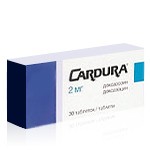
Cardura is the original brand-name formulation of Doxazosin Mesylate manufactured by Pfizer — a selective alpha-1 adrenergic receptor antagonist with the distinctive advantage of DUAL FDA-approved indications: both hypertension AND benign prostatic hyperplasia (BPH). FDA-approved since 1990, Cardura is available in immediate-release (Cardura 1/2/4/8 mg) and extended-release (Cardura XL 4/8 mg) formulations. The international brand Carduran is marketed in Spain and other countries. Doxazosin is uniquely valuable for elderly men with concurrent hypertension and BPH (a common clinical scenario affecting 30-40% of older male patients) — treating both conditions with a single medication.
The active ingredient is Doxazosin Mesylate, a selective alpha-1 adrenergic receptor antagonist. Doxazosin selectively blocks alpha-1 adrenergic receptors on vascular smooth muscle (producing peripheral vasodilation and BP reduction) and on prostate/bladder neck smooth muscle (relaxing the muscle — reducing functional urinary obstruction and BPH symptoms). This is a distinct mechanism class from all other antihypertensives — neither ACE inhibitors, ARBs, CCBs, beta-blockers, nor diuretics. Long half-life (~22 hours) supports once-daily dosing. Cardura XL extended-release formulation offers smoother absorption with less pronounced first-dose effect.
Cardura is FDA-approved for hypertension (alone or in combination with other antihypertensives) and symptomatic benign prostatic hyperplasia (improving urinary flow rate, reducing nocturia, urinary frequency, hesitancy, and weak stream). Off-label uses include ureteric stone passage (medical expulsive therapy for distal ureteric stones — reducing time to spontaneous passage), PTSD-associated nightmares (limited evidence), and selective use in hypertension in pregnancy.
The medication is available as Cardura 1 mg, 2 mg, 4 mg, and 8 mg immediate-release tablets, and Cardura XL 4 mg and 8 mg extended-release tablets. Standard adult dosing for hypertension: start 1 mg once daily at bedtime (minimizes first-dose hypotension), titrate slowly to 1-16 mg/day. For BPH: start 1 mg at bedtime, titrate to 4-8 mg/day. Cardura XL: 4-8 mg once daily with breakfast (gentler titration profile).
Critical safety considerations include the ALLHAT trial 2000 finding — the Doxazosin arm was stopped early due to increased risk of congestive heart failure compared to chlorthalidone diuretic, relegating Doxazosin from first-line monotherapy to step-down or dual-indication (HTN+BPH) use. First-dose phenomenon (significant hypotension/syncope on first dose — characteristic alpha-blocker effect, mitigated by bedtime dosing and slow titration), orthostatic hypotension, dizziness, syncope, intraoperative floppy iris syndrome (during cataract surgery — surgeons must be informed), priapism (rare), peripheral edema, palpitations, asthenia.
Free prescription
Discrete packaging
Have questions?
Quality Assurance
- Benign Prostatic Hyperplasia (BPH): FDA-approved for symptomatic BPH — signature dual indication;
- BPH Urinary Symptoms: For BPH-related urinary symptoms (LUTS) — weak stream, hesitancy, urgency, nocturia;
- BPH Urinary Flow Improvement: For improvement of urinary flow rate in BPH;
- BPH Nocturia Relief: For nocturia (nighttime urination) in BPH;
- HTN Plus BPH Dual: For concurrent HTN + BPH in elderly men — preferred dual treatment;
- Ureteric Stone Passage MET: Off-label medical expulsive therapy for distal ureteric stones — signature off-label use;
- PTSD Nightmares Limited: Off-label for PTSD-associated nightmares (limited evidence, prazosin preferred);
- Hypertension Pregnancy Selective: Off-label selective use in hypertension during pregnancy;
- Mild Hypertension: For mild hypertension (stage 1) — combination or step-down;
- Moderate Hypertension: For moderate hypertension (stage 2) — combination therapy;
- Resistant Hypertension Add On: Add-on therapy for resistant hypertension — useful 4th/5th line agent;
- Urinary Retention Acute: For acute urinary retention secondary to BPH (with catheterization);
- Chronic Prostatitis: Off-label for chronic prostatitis/chronic pelvic pain syndrome (CP/CPPS);
- HTN In Elderly Men: Particularly useful for hypertension in elderly men with BPH symptoms;
- Pheochromocytoma Preop: Selective preoperative use in pheochromocytoma (phenoxybenzamine usually preferred);
- Heart Failure Historical: Historical use in heart failure (no longer first-line, modern HF therapy preferred);
- Raynaud Phenomenon: Off-label limited use for Raynaud phenomenon;
- Combination Therapy Resistant HTN: Effective combination component for resistant hypertension;
- Step Down Therapy: Step-down therapy after initial control with first-line agents.
- Better BPH Urinary Flow: Significant improvement in urinary flow rate in BPH;
- Less BPH Nocturia: Reduces nighttime urination frequency in BPH;
- Less BPH Urgency: Reduces urinary urgency symptoms;
- Less BPH Hesitancy: Reduces hesitancy in initiating urination;
- Less BPH Weak Stream: Improves urinary stream strength;
- Better BPH Symptom Score: Significant improvement in International Prostate Symptom Score (IPSS);
- Less BPH Daytime Frequency: Reduces daytime urinary frequency;
- Better Sleep BPH Patients: Improved sleep quality with reduced nocturia;
- Dual Treatment Single Pill: Single medication treats both HTN and BPH — signature convenience;
- Less Pill Burden Elderly: Reduces pill burden in elderly men with HTN+BPH;
- Better Ureteric Stone Passage: Off-label benefit — facilitates spontaneous passage of distal ureteric stones;
- Less Stone Passage Time: Reduces time to spontaneous ureteric stone passage;
- Less Stone Pain Episodes: Reduces pain episode frequency during stone passage;
- Better Daily Function: Return to normal daily activities with effective BP/BPH control;
- Better Quality of Life: Substantial improvement in quality of life;
- Less Cardiovascular Risk: Reduction in cardiovascular events with effective BP control;
- Better Sexual Function vs Beta Blockers: No erectile dysfunction effects (vs some beta-blockers);
- Brand Cardura: Original Pfizer brand of Doxazosin with established global clinical reputation since 1990;
- Generic Doxazosin: Affordable generic versions expand global access to alpha-blocker therapy;
- Cardura XL Extended Release: Extended-release formulation for smoother absorption and less pronounced first-dose effect;
- Carduran International Brand: Same Doxazosin molecule as international brand Carduran (Spain);
- Alpha 1 Adrenergic Receptor Antagonist: Selective alpha-1 receptor antagonist — distinct mechanism class;
- Peripheral Vasodilation Alpha Blocker: Peripheral vasodilation through alpha-1 receptor blockade in vascular smooth muscle;
- Prostate Bladder Neck Relaxation: Prostate and bladder neck smooth muscle relaxation — functional urinary obstruction relief;
- Dual FDA Indication HTN BPH: Unique dual FDA approval for hypertension AND benign prostatic hyperplasia;
- Long Half Life Once Daily: ~22 hour half-life supports convenient once-daily dosing;
- Combination Therapy Compatible: Compatible with ACE inhibitors, ARBs, CCBs, beta-blockers, diuretics;
- Resistant Hypertension Add On: Effective add-on for resistant hypertension;
- Better Lipid Profile: Slight beneficial lipid profile changes (HDL increase) — class effect;
- Better Insulin Sensitivity: Slight beneficial effect on insulin sensitivity — metabolically neutral/favorable;
- 35 Plus Year Clinical History: 35+ years of clinical use since 1990 — extensive global evidence base.
Generic Cardura (Doxazosin 1 mg) Medication guide:
🌍 Understanding Cardura and the Complicated Modern Place of Doxazosin
Cardura is a brand name for doxazosin mesylate — a selective alpha-1 adrenergic receptor blocker with an unusual place in modern cardiovascular medicine. It is one of the few drugs whose role has narrowed rather than expanded since introduction, following a specific landmark trial finding that reshaped how the whole alpha-1 blocker class is used in hypertension.
🧬 Drug Class
Alpha-1 Blocker
Selective (all subtypes)
🎯 Dual Indication
HTN + BPH
Unique dual approval
⏱️ Half-Life
~22 hours
Genuine once-daily dosing
🛏️ First Dose
Bedtime mandatory
Syncope risk if daytime
The ALLHAT trial, one of the largest hypertension trials ever conducted, terminated its doxazosin arm early in the year 2000 after finding an increased incidence of heart failure hospitalisation compared to the chlorthalidone arm. This single result reshaped the entire alpha-1 blocker class from hypertension first-line to second- or third-line therapy.
🕓 The Doxazosin Story — From First-Line to Second-Line
1989
Doxazosin (Cardura) approved by FDA for essential hypertension
1990s
Widely used as first-line antihypertensive alongside newer classes
1995
FDA approval for benign prostatic hyperplasia (BPH)
2000
ALLHAT doxazosin arm terminated early — increased heart failure
2000s-Now
HTN role narrows; BPH role expands; Cardura XL GITS launched
Present
Cipla and Indian generics supply the international market
Where does doxazosin sit in modern practice? Its continuing niches are surprisingly clear despite the ALLHAT setback.
🎯 Where Doxazosin Genuinely Belongs Today
👨⚕️ Symptomatic BPH
First-line pharmacotherapy for lower urinary tract symptoms in prostatic hyperplasia.
🎯 Dual HTN + BPH Patient
Older man with hypertension and BPH — one drug covers both problems.
💉 Resistant Hypertension Add-On
Third- or fourth-line antihypertensive when ACE-I/ARB, CCB, thiazide, MRA insufficient.
🧬 Phaeochromocytoma Pre-Op
Alpha blockade before surgical adrenal tumour resection (specialist decision).
The practical concerns that shape every doxazosin prescription are also worth understanding upfront. Each is explored in detail in the sections that follow.
⚖️ DOXAZOSIN — FIVE PRACTICAL CONCERNS
Each concern is covered in detail in sections 9, 11, 12, 13, and 19.
Doxazosin is dispensed as immediate-release tablets (1, 2, 4, and 8 mg) taken once daily, and as the extended-release GITS formulation (Cardura XL, 4 and 8 mg) with a specific slow-release drug delivery mechanism. Cipla and other established Indian manufacturers supply the international generic market.
🧭 Reader Navigation — Jump to What Matters for You
- First prescription and bedtime dosing rule: sections 8, 9, 11
- BPH-specific use and titration: sections 5, 7, 15
- ALLHAT trial and hypertension role: section 6
- Falls risk and postural hypotension: sections 12, 22
- Cataract surgery (IFIS): section 13
- Metabolic profile in diabetes/dyslipidemia: section 18
- Rare priapism warning: section 19
- Switching to another alpha-1 blocker: section 26
Each section is written to be read on its own, without requiring the surrounding material.
💊 What Doxazosin Is — The Long-Acting Selective Alpha-1 Blocker
Doxazosin is the biologically active molecule taken as the tablet — it is not a prodrug. What distinguishes it from the earlier alpha-1 blockers (prazosin, terazosin) is its long elimination half-life of approximately 22 hours, which supports genuine once-daily dosing rather than the twice- or three-times-daily schedules needed for its predecessors.
💊 Doxazosin Pharmacokinetics at a Glance
| Chemical class | Quinazoline (same core as prazosin and terazosin) |
| Oral bioavailability | Approximately 65% (IR); GITS designed for controlled release over 24 hours |
| Peak plasma level | 2-3 hours (IR); 8-9 hours (GITS) |
| Protein binding | Approximately 98% |
| Elimination half-life | Approximately 22 hours — genuine once-daily dosing |
| Metabolism | Extensive hepatic; primarily CYP3A4; moderate O-demethylation |
| Excretion | Approximately 65% faecal/biliary; less than 5% renal as unchanged parent |
🕑 Why the Long Half-Life Matters Practically
The 22-hour half-life produces two practical consequences:
- Steady BP effect across 24 hours with once-daily dosing
- Slow onset of first-dose effect — peak hypotensive effect at 2-6 hours, which is why bedtime dosing places any symptomatic dip during sleep (section 9)
The GITS Formulation Explained
Cardura XL uses Gastrointestinal Therapeutic System technology — an osmotic pump within the tablet shell that delivers drug at a controlled rate over 24 hours. This produces a smoother pharmacokinetic profile than the IR formulation and reduces first-dose peak effects. The empty tablet shell may appear intact in the stool; this is expected and does not indicate drug loss.
🧬 Alpha-1 Adrenergic Receptors and Doxazosin's Mechanism of Action
The sympathetic nervous system uses noradrenaline (norepinephrine) as its principal neurotransmitter. Noradrenaline acts at multiple adrenergic receptor subtypes — alpha-1, alpha-2, beta-1, beta-2, and beta-3 — each with distinct locations and effects. Doxazosin selectively blocks the alpha-1 subtype, which sits on the smooth muscle of arteries and on prostatic tissue.
🧬 What Alpha-1 Blockade Does at Each Target Tissue
| Tissue | Effect of alpha-1 blockade | Clinical translation |
|---|---|---|
| Arterial smooth muscle | Vasodilation; reduced peripheral resistance | Blood pressure falls |
| Venous smooth muscle | Venodilation; reduced venous return | Contributes to postural hypotension |
| Prostate stromal smooth muscle | Relaxation; reduced obstruction at bladder neck | Improved urine flow in BPH |
| Iris dilator muscle | Relaxation; potential floppy iris | IFIS risk in cataract surgery (section 13) |
| Urethral smooth muscle | Relaxation | Additional BPH benefit; also female urinary retention treatment (off-label) |
Why Selectivity for Alpha-1 Matters
Alpha-2 blockade would have unwanted effects: alpha-2 receptors on presynaptic neurons normally provide feedback inhibition of noradrenaline release. Blocking alpha-2 would cause massive noradrenaline release and paradoxical tachycardia. Older non-selective agents like phentolamine have this problem; doxazosin (selective for alpha-1) does not.
Two Practical Mechanistic Points
First, the venodilation is what makes the postural hypotension so pronounced on alpha-1 blockers — the drug reduces both arterial resistance and venous return. Second, the prostatic effect is what makes doxazosin useful for BPH — the same mechanism that lowers BP relaxes the prostate stroma and improves urine flow.
🔬 Alpha-1A, 1B, 1D Receptor Subtypes — What They Mean for BPH vs Hypertension
The alpha-1 receptor is not a single molecule — it exists in three closely related subtypes: alpha-1A, alpha-1B, and alpha-1D. Each subtype has a slightly different tissue distribution, and this is why some drugs (tamsulosin, silodosin) are "prostate-selective" while others (doxazosin, terazosin) act on all three subtypes and therefore lower blood pressure as well as improve BPH symptoms.
🔬 The Three Alpha-1 Receptor Subtypes
| Subtype | Dominant location | Blocked by doxazosin? | Clinical effect |
|---|---|---|---|
| Alpha-1A | Prostate stroma; urethra; some cardiac | Yes | BPH symptom relief |
| Alpha-1B | Arterial smooth muscle (dominant) | Yes | BP lowering (and postural hypotension) |
| Alpha-1D | Bladder body; some arteries; some CNS | Yes | Improved bladder emptying; possible CNS effects |
🗺️ Where Doxazosin Sits Among Alpha-1 Blockers
Doxazosin (Cardura)
Non-selective for subtypes; both HTN and BPH indications
Terazosin (Hytrin)
Similar to doxazosin; both HTN and BPH; shorter half-life
Prazosin (Minipress)
Original; short half-life TID dosing; HTN indication; PTSD nightmare use
Tamsulosin (Flomax)
Alpha-1A selective; BPH only; minimal BP effect
Silodosin (Rapaflo)
Highly alpha-1A selective; BPH only; least BP effect
Alfuzosin (Uroxatral)
Functionally uroselective; BPH; modest BP effect
The Choice of Which Alpha-1 Blocker
Doxazosin is chosen when both hypertension and BPH are present, when the dual effect is desirable. Tamsulosin or silodosin is chosen when BPH is the sole target and the patient is normotensive or already well-controlled on other antihypertensives (BP-lowering effect of doxazosin would be superfluous or unwanted).
🎯 Approved Uses — Hypertension and Benign Prostatic Hyperplasia
Doxazosin has two FDA-approved indications: essential hypertension and symptomatic benign prostatic hyperplasia. Both indications are legitimate, but their relative prominence in modern practice has shifted markedly since ALLHAT (section 6).
| Indication | Starting dose | Typical maintenance |
|---|---|---|
| Essential hypertension (IR) | 1 mg at bedtime | 2-16 mg once daily; usual 4-8 mg |
| BPH (IR) | 1 mg at bedtime | 4-8 mg once daily |
| BPH or HTN (GITS/XL) | 4 mg once daily | 4-8 mg once daily; less first-dose effect |
| Phaeochromocytoma pre-op | Specialist-directed | Individualised; up to 16 mg/day |
Where Doxazosin Sits in Hypertension Guidelines Post-ALLHAT
Modern guidelines position doxazosin as second- or third-line antihypertensive, not first-line. First-line options are ACE inhibitors, ARBs, calcium channel blockers, and thiazides. Doxazosin earns its place when hypertension coexists with BPH (one drug covers both) or as an add-on in resistant hypertension after three or four other classes have been tried.
✅ Good Combinations
Thiazide, ACE inhibitor or ARB, calcium channel blocker; 5-alpha reductase inhibitor for BPH progression risk.
❌ Caution or Avoid
PDE5 inhibitors (additive hypotension); another alpha-1 blocker; strong CYP3A4 inhibitors.
📉 The ALLHAT Trial — Why Doxazosin Was Demoted From First-Line Hypertension
ALLHAT (Antihypertensive and Lipid-Lowering Treatment to Prevent Heart Attack Trial), initiated in 1994, was one of the largest and most influential hypertension trials ever conducted. It enrolled more than 42,000 hypertensive patients aged 55 and older and randomised them to four different antihypertensive strategies: chlorthalidone (thiazide), amlodipine (CCB), lisinopril (ACE-I), and doxazosin (alpha-1 blocker).
📉 ALLHAT Doxazosin Arm at a Glance
| Randomised | 9067 patients to doxazosin (versus 15,268 to chlorthalidone) |
| Comparator | Chlorthalidone (thiazide diuretic) |
| Primary endpoint | Fatal coronary heart disease or non-fatal MI |
| Secondary endpoint that mattered | Combined cardiovascular events, including heart failure hospitalisation |
| Duration | Doxazosin arm terminated early at 3.3 years |
| Key finding | Heart failure risk was doubled in the doxazosin arm compared to chlorthalidone (RR 2.04); combined CV events risk was 25% higher |
⛔ WHY THE DOXAZOSIN ARM WAS STOPPED EARLY
Interim analysis in early 2000 showed doubled heart failure hospitalisation risk on doxazosin versus chlorthalidone. The Data Safety Monitoring Board judged that continuing patients in the doxazosin arm was not ethical given this signal, and the arm was terminated. Patients were transitioned to other antihypertensives.
Why the Heart Failure Signal Emerged
Two mechanisms are proposed:
- Neurohormonal activation — alpha-1 blockade produces reflex sympathetic activation that in vulnerable patients (elderly, borderline LV function) may unmask heart failure
- Absence of protective RAAS blockade — chlorthalidone, ACE-I, and ARB provide direct or indirect RAAS effects with prognostic benefit; alpha-1 blockade does not
Dr Casillas-Trevino on ALLHAT and modern practice
"ALLHAT was one of the trials that fundamentally changed how we prescribe. Before ALLHAT, alpha-1 blockers were among our first-line antihypertensives. After ALLHAT, they moved to second- and third-line, and in modern guidelines the position is very clear: doxazosin is not the first drug we reach for in uncomplicated hypertension. What ALLHAT did not do was disqualify doxazosin entirely — the drug retains legitimate roles in resistant hypertension as add-on and in the specific patient with concurrent BPH. But the days of doxazosin as first-line monotherapy for hypertension are over."
Enrique M. Casillas-Trevino, MD, PhD — Fundacion Favaloro, Instituto de Cardiologia y Cirugia Cardiovascular, Buenos Aires
🎯 BPH — Doxazosin's Continuing Genuine Clinical Niche
Benign prostatic hyperplasia (BPH) is the setting where doxazosin has retained — and even expanded — its clinical role in modern medicine. Whereas the ALLHAT finding narrowed the hypertension indication, BPH pharmacotherapy has become more nuanced and doxazosin remains among the first-line pharmacological options.
👨⚕️ How Doxazosin Improves BPH Symptoms
The prostate has two functional components contributing to BPH symptoms:
- Static component — volume of the adenoma pressing on the urethra (addressed by 5-alpha reductase inhibitors like finasteride)
- Dynamic component — smooth muscle tone at the bladder neck and prostate stroma (addressed by alpha-1 blockade including doxazosin)
Doxazosin acts on the dynamic component. Symptomatic improvement is often noticeable within days to weeks — faster than the months required for 5-alpha reductase inhibitors to reduce prostate volume.
BPH Symptoms Improved by Doxazosin
🌟 Weak or interrupted stream
Improves within days to 2 weeks
🌟 Hesitancy at start
Improves within days to 2 weeks
🌟 Frequency and urgency
Improves over 2-4 weeks
🌟 Nocturia
Improves over 2-4 weeks
🌟 Incomplete emptying
Improves over 2-4 weeks
Dr Anagbogu-Nwosu on doxazosin in BPH practice
"In urological practice we still use doxazosin regularly for symptomatic BPH, particularly when the patient also has hypertension — the dual benefit is a real advantage. For BPH-only cases in normotensive men, uroselective alpha-1 blockers (tamsulosin, silodosin) are often preferred because they produce fewer cardiovascular side effects. The decision depends on the patient's specific comorbidities. In West African urological practice, the availability and cost of doxazosin generics make it a very reasonable first-line pharmacological choice for BPH."
Chidozie E. Anagbogu-Nwosu, MBBS, FMCS (Urology), FWACS — Department of Urology, University College Hospital Ibadan
📆 Tablet Strengths, IR vs GITS/XL Formulations, and Titration
Doxazosin comes in immediate-release tablets (1, 2, 4, and 8 mg) and in the GITS extended-release formulation (Cardura XL, 4 and 8 mg). Both are dosed once daily, but they behave differently at initiation because of the pharmacokinetic profile.
📆 Titration for Essential Hypertension (IR)
- Start: 1 mg at bedtime (mandatory for first dose — see section 9)
- Days 1-3: continue 1 mg at bedtime; note tolerability
- Weeks 1-2: if tolerated, may switch to morning dosing
- Titrate up if BP not at target: to 2 mg, then 4, 8, 16 mg once daily
- Maximum: 16 mg per day; usual maintenance 4-8 mg
- Combine if not at target: ACE-I/ARB, CCB, thiazide (avoid stacking a second alpha-1 blocker)
👨⚕️ Titration for BPH (IR)
- Start: 1 mg at bedtime (still mandatory)
- Days 7-14: titrate to 2 mg once daily
- Weeks 2-4: titrate to 4 mg once daily — typical BPH maintenance
- Weeks 4+: up to 8 mg once daily if symptoms persist
- Maximum: 8 mg per day for BPH
GITS (Cardura XL) Titration — The Simpler Route
GITS is designed to reduce the first-dose peak effect. Starting dose is 4 mg once daily (not 1 mg as with IR), and the switch to GITS can be done from any IR maintenance dose. This is why GITS is often the preferred initial choice for chronic ambulatory prescribing, particularly in the elderly.
🚩 DO NOT CRUSH OR CHEW GITS TABLETS
Cardura XL uses an osmotic tablet shell that must remain intact for the controlled-release mechanism to work. Crushing destroys this and delivers a full day's dose over 1-2 hours, producing severe hypotension and syncope. If the patient has swallowing difficulty, IR tablets (which can be split at the scored line) are the alternative.
▶️ Starting Cardura — The First-Dose Hypotension Phenomenon
The first-dose phenomenon is the single most important safety consideration when starting doxazosin. Alpha-1 blockade produces a much more pronounced acute hypotensive effect than most other antihypertensives, particularly on standing, and syncope within 30-90 minutes of the first dose is a real risk if standard precautions are not taken.
🚩 THE FIRST-DOSE RULE — MANDATORY
The first dose of doxazosin must be taken at bedtime to place the peak hypotensive effect (2-6 hours after dose) during sleep. Daytime first dose has produced severe symptomatic hypotension, syncope, falls with injury, and rarely serious cardiovascular events.
This rule applies to any restart after gap greater than 7 days as well — the receptor sensitisation resumes and first-dose risk returns.
▶️ First-Dose Safety Measures
1 mg starting dose
Never higher for first dose, regardless of indication
Bedtime timing
Take just before going to bed; do not stay upright afterwards
Adequate hydration
Correct volume depletion before initiation
Diuretic reduction
Skip 1-2 doses of loop or high-dose thiazide before starting
Get up slowly
In the first 3 nights, rise slowly if needing to use the toilet
Prefer GITS
Cardura XL produces less pronounced first-dose effect than IR
⚠️ Patients at Highest First-Dose Risk
- Elderly patients (slower baroreceptor reflexes, more common polypharmacy)
- Patients on diuretics (volume depletion amplifies effect)
- Patients on other antihypertensives (additive effect)
- Patients on PDE5 inhibitors (sildenafil, tadalafil for ED)
- Patients with recent volume loss (gastroenteritis, aggressive diuresis)
- Warm ambient temperature (heat produces some vasodilation)
🔗 Common Drug Interactions on Doxazosin
Doxazosin is primarily metabolised by CYP3A4 and O-demethylation, but it is not itself a significant CYP inhibitor. The interaction picture is therefore driven by drugs that affect doxazosin metabolism (raising or lowering its levels) or by drugs that produce additive haemodynamic effects.
| Interaction category | Common examples | Practical implication |
|---|---|---|
| PDE5 inhibitors | Sildenafil, tadalafil, vardenafil | Additive hypotension; separate dosing by 4-6 hours; start PDE5 at low dose |
| Other antihypertensives | Any class | Additive BP effect; watch for symptomatic hypotension at doxazosin initiation |
| Beta blockers | Atenolol, metoprolol, bisoprolol | May actually reduce first-dose hypotension by blunting reflex tachycardia (specialist decision) |
| Diuretics | Loop, thiazide | Volume depletion amplifies first-dose effect; skip doses before starting doxazosin |
| Other alpha-1 blockers | Terazosin, prazosin, tamsulosin | Do not combine — additive without additional benefit |
| Strong CYP3A4 inhibitors | Ketoconazole, itraconazole, clarithromycin, ritonavir | Raise doxazosin levels; watch for enhanced hypotension |
| CYP3A4 inducers | Rifampin, carbamazepine, phenytoin | Reduce doxazosin levels; BP effect may be blunted |
| Grapefruit juice | Common CYP3A4 inhibitor | Modest effect; best avoided |
The PDE5 Inhibitor Combination — A Specific Consideration
Many older men on doxazosin for BPH also use PDE5 inhibitors (sildenafil, tadalafil) for erectile dysfunction. Both drugs lower blood pressure. Rules: on doxazosin, PDE5 inhibitor started at lowest dose (25 mg sildenafil, 2.5 mg tadalafil); separate doxazosin and PDE5 doses by at least 4 hours; watch for symptomatic hypotension particularly after first PDE5 use.
🛏️ The First-Dose Phenomenon in Depth — Why Bedtime Dosing Is Mandatory
Section 9 introduced the first-dose phenomenon. This section explores it in depth because it is the single most consequential safety concept for anyone starting Cardura, and understanding it protects the patient from an entirely preventable emergency.
🕑 Time-Course of the First-Dose Effect
0-30 min
Absorption phase; no BP effect yet
30-90 min
BP begins to fall; postural drop appears
2-6 hours
Peak effect — highest syncope risk if upright
6-12 hours
Effect stabilises; postural symptoms resolving
12-24 hours
Steady maintenance effect established
Why Bedtime Timing Works
Taking the first dose at bedtime places the 2-6 hour peak effect during the middle of the night while the patient is horizontal. Any BP fall does not produce syncope because the patient is not standing. By the time the patient wakes up and stands, the peak has passed and only the steady maintenance effect remains.
Tolerance Development
The first-dose phenomenon diminishes markedly after the first 3-7 doses. This is why:
- The first 3 nights are the specific high-risk window
- Dose escalations should also be taken at bedtime
- A gap of 7 days or more resets the sensitivity — restart at 1 mg bedtime
- Missed doses within a week do not reset sensitivity
🚩 IF SYNCOPE OCCURS AFTER FIRST DOSE
- Lie flat; elevate legs; do not attempt to stand
- Chest pain, difficulty breathing, or prolonged unconsciousness: emergency care
- If brief and self-resolving: contact prescriber next day for review; do not take second dose without medical input
- Restart requires supervised approach and possibly a lower dose or switch to GITS
💔 Postural Hypotension and Falls Risk on Doxazosin
Postural hypotension — the drop in blood pressure on standing from lying or sitting — is a persistent feature of alpha-1 blocker therapy that continues beyond the first-dose window. Unlike the first-dose phenomenon which fades over days, postural hypotension can be an ongoing problem throughout doxazosin use, particularly in elderly patients.
💔 What Counts as Postural Hypotension
| Definition | Systolic BP drop of 20 mmHg (or diastolic drop of 10 mmHg) within 3 minutes of standing |
| Symptomatic threshold | Any drop that causes lightheadedness, blurring, or near-syncope |
| Incidence on doxazosin | Up to 15-20% overall; higher in elderly and volume-depleted |
| Falls consequence | Falls with fractures are a real risk in elderly doxazosin users |
Practical Management of Postural Symptoms
😴 Rise slowly
Sit for 30 seconds before standing; hold something for balance
💧 Hydration
1.5-2 L water/day; more in heat
🧦 Compression stockings
Class 1-2 knee-length; reduce venous pooling
🍚 Salt intake
Modest salt liberalisation if BP allows (specialist decision)
🔽 Head-up sleep
10-20 degree bed head elevation aids morning tolerance
⚖️ Dose reduction
If persistent, consider lower dose or switch to GITS
Dr Bergman-Lindstrom on falls risk in elderly doxazosin users
"In our falls prevention clinic in Gothenburg, alpha-1 blockers are one of the medication classes we specifically screen for in every elderly patient with recurrent falls. Doxazosin is not disqualified — it may be essential for BPH or resistant hypertension — but the postural drop must be quantified at each visit. A standing systolic drop of 30 mmHg with symptoms is a red flag that warrants either dose reduction or switch to a uroselective alpha-1 blocker if BPH is the sole indication."
Kajsa E. Bergman-Lindstrom, MD, PhD — Department of Geriatric Medicine and Falls Prevention Unit, Sahlgrenska University Hospital, University of Gothenburg
👁️ Intraoperative Floppy Iris Syndrome (IFIS) — The Unique Cataract Concern
Intraoperative Floppy Iris Syndrome (IFIS) is a specific adverse consequence of alpha-1 blockade that appears not during ordinary drug use but at the time of cataract surgery. It matters because it is uniquely relevant to older patients — the same demographic that commonly needs both cataract surgery and BPH or hypertension treatment with doxazosin.
👁️ What Happens in IFIS
During cataract surgery the iris is normally dilated with mydriatic drops and maintains that dilation throughout the procedure. In IFIS, three characteristic features appear:
- Progressive intraoperative miosis (pupil constriction despite dilating drops)
- Billowing of the flaccid iris tissue in response to intraocular fluid currents
- Iris prolapse toward incision sites
These features make surgery more difficult and raise the risk of complications including iris trauma, posterior capsule rupture, and prolonged operating time.
🚩 STOPPING DOXAZOSIN BEFORE SURGERY DOES NOT PREVENT IFIS
IFIS has been observed months and even years after alpha-1 blocker discontinuation. The drug appears to produce a semi-persistent effect on iris dilator muscle that is not fully reversed by simply stopping the medication. Any patient who has ever taken doxazosin (or another alpha-1 blocker) should have this history conveyed to the cataract surgeon.
Practical Management of IFIS Risk
- Disclose alpha-1 blocker history to any ophthalmologist evaluating cataract
- Do not stop doxazosin routinely before cataract surgery unless the surgeon specifically requests it — stopping does not prevent IFIS and may destabilise BP or BPH management
- Cataract surgeon prepares with pharmacological (intracameral phenylephrine, atropine) or mechanical (iris hooks, Malyugin rings) measures
- Surgery is performed by an experienced surgeon aware of IFIS — do not accept junior operator for known IFIS-risk patient
Dr Bouchard-Tremblay on IFIS in cataract practice
"IFIS was first described in association with tamsulosin, but we now recognise it with the whole alpha-1 blocker class including doxazosin. The critical points for our cataract patients are: first, we ask about ANY history of alpha-1 blocker use, not just current use, because the effect persists. Second, we do not tell the patient to stop the drug preoperatively because stopping does not reliably prevent IFIS and can destabilise their BP or BPH. Third, we prepare intraoperatively with intracameral phenylephrine or iris hooks. With appropriate preparation, IFIS is a manageable challenge rather than a surgical emergency."
Yannick F. Bouchard-Tremblay, MD, FRCSC (Ophthalmology) — Cataract and Refractive Surgery Service, McGill University Health Centre, Montreal
🩺 Home Blood Pressure Monitoring and Standing BP Checks
Home BP monitoring on doxazosin needs one specific addition to the standard technique: standing BP measurement. Because postural hypotension is a specific and ongoing concern, the home protocol should always include both seated and standing readings.
🩺 A Practical Home BP Routine on Doxazosin
- Seated BP using standard technique: seated 5 minutes, feet flat, arm at heart level, two readings
- Standing BP at 1 minute and 3 minutes after standing up; note both the value and any symptoms
- Twice daily: morning before medication and evening; more often when adjusting dose
- Weekly log before office review; discard first day; average the rest
- Flag any drop of 20 mmHg systolic or 10 mmHg diastolic or any symptomatic drop
Home BP Target Ranges
| General hypertension | Home average under 135/85 mmHg |
| Diabetes or CKD with albuminuria | Home average under 125/75 mmHg where tolerated |
| BPH-only indication (normotensive) | Monitor for symptomatic hypotension rather than a target |
| Elderly with fall history | Individualised; standing BP above 100 mmHg systolic is often the practical floor |
Why Standing BP Matters More Than Seated BP
On doxazosin, symptoms happen when standing. A patient with well-controlled seated BP and profoundly low standing BP (below 100/60 mmHg) is at real syncope and fall risk, even if their office reading looks reassuring. The home log capturing both positions gives the full clinical picture.
🤝 Combining Doxazosin With 5-Alpha Reductase Inhibitors for BPH
BPH pharmacotherapy in modern urology often uses combination therapy of an alpha-1 blocker (doxazosin, or a uroselective agent) and a 5-alpha reductase inhibitor (finasteride, dutasteride). The two drugs target different aspects of BPH pathophysiology and produce additive benefit for progression-prone patients.
🤝 Why Combination Therapy Makes Mechanistic Sense
| Drug class | Target | Timeline |
|---|---|---|
| Alpha-1 blocker (doxazosin) | Dynamic prostatic tone (relax smooth muscle) | Days to weeks |
| 5-alpha reductase inhibitor (finasteride, dutasteride) | Static prostatic volume (shrink adenoma) | 6-12 months |
🔬 The MTOPS Trial Evidence
The Medical Therapy of Prostatic Symptoms (MTOPS) trial randomised BPH patients to doxazosin monotherapy, finasteride monotherapy, both drugs, or placebo. Combination therapy was significantly superior to either monotherapy for the primary outcome of BPH progression (acute urinary retention, need for surgery). This established combination therapy as a legitimate strategy for men with clinically significant BPH and enlarged prostates.
When Combination Therapy Is Considered
- Enlarged prostate (typically greater than 40 mL by ultrasound or DRE)
- Elevated PSA (typically greater than 1.5 ng/mL) — predicts progression
- Moderate to severe symptoms despite alpha-1 blocker monotherapy
- History of acute urinary retention or high risk of retention
- Patient preference for pharmacological rather than surgical management long-term
Note: 5-alpha reductase inhibitors have their own side effects (decreased libido, erectile dysfunction, gynecomastia) that should be discussed before starting combination therapy.
🚨 Warning Signs and When to Seek Care
Most Cardura users have an uneventful long-term course. When warning signs appear, most call for medical review rather than self-directed cessation. The first-dose phenomenon warning signs are covered in section 11; this section covers ongoing use.
🚨 SEEK URGENT MEDICAL CARE FOR
- Syncope or near-syncope at any time
- Sustained penile erection lasting more than 4 hours (priapism) — section 19
- Chest pain or new shortness of breath — ALLHAT heart failure signal should be recognised
- Signs of severe hypotension — profound fatigue, confusion, cold extremities
- Sudden severe abdominal pain with fainting — rare vascular events
⚠️ Contact Prescriber Same or Next Day For
- Persistent dizziness on standing beyond the first 2 weeks
- Standing BP persistently below 100/60 mmHg with symptoms
- Any fall or near-fall
- New leg swelling
- New medication started elsewhere — PDE5 inhibitor, diuretic, another antihypertensive
- Planned cataract surgery — disclose alpha-1 blocker history (section 13)
- Palpitations that persist
Rare But Recognised Adverse Effects
Doxazosin can rarely be associated with priapism (section 19), leukopenia, thrombocytopenia, and hepatocellular injury. Any unexplained bruising, bleeding, infections, or abnormal LFT deserves review and consideration of drug attribution.
🩹 Common Side Effects in the First Three Months
Most doxazosin side effects are mild and dose-related. Some settle over the first weeks (dizziness, first-dose hypotension); others persist and require ongoing management (postural symptoms, fatigue).
🩹 Common Doxazosin Side Effects with Expected Trajectory
| Effect | Onset | Trajectory |
|---|---|---|
| Dizziness | Days 1-14 | Improves as tolerance develops |
| Postural hypotension | Ongoing | Persists; managed with technique and hydration |
| Fatigue | First 2-4 weeks | Usually settles |
| Headache | First 2 weeks | Usually settles |
| Nasal congestion | Weeks | Alpha-1 mediated nasal vasodilation; can persist |
| Ankle oedema | Weeks | Uncommon; usually mild |
| Retrograde ejaculation | Any time | Less common than with uroselective agents; discuss impact |
| Palpitations | Days-weeks | Usually reflex response to BP fall; settles |
| Priapism (rare) | Any time | Section 19; medical emergency |
Where Doxazosin's Profile Is Favourable
Neutral to favourable effect on lipids and glucose metabolism (section 18); no cough, no bronchospasm concerns; no interference with rate control; dual coverage of hypertension and BPH in the older male patient; effective in resistant hypertension as add-on. These are the specific settings where doxazosin genuinely earns its modern place despite the ALLHAT setback.
⚕️ Metabolic Profile — Where Doxazosin Is Actually Favorable
One area where doxazosin has a genuinely favourable comparative profile is metabolic effect. Unlike thiazides (which worsen glucose and uric acid) and non-cardioselective beta blockers (which worsen glucose and lipids), doxazosin has a small but favourable effect on lipid profile and insulin sensitivity.
⚕️ Doxazosin Metabolic Profile
| Total cholesterol | Small decrease (approximately 3-5%) |
| LDL cholesterol | Small decrease (approximately 3-5%) |
| HDL cholesterol | Small increase (approximately 3%) |
| Triglycerides | Small decrease |
| Insulin sensitivity | Slight improvement |
| Fasting glucose | Neutral to slight decrease |
| Uric acid | Neutral |
Comparative Metabolic Profiles
💚 Doxazosin
Favourable metabolic profile
🔴 Thiazides (high dose)
Glucose worsening, uric acid rise
🔴 Beta blockers (non-selective)
Glucose worsening, lipid worsening
The Clinical Reality of the Favourable Metabolic Effect
The metabolic changes are real but small — they do not substitute for a statin, glucose-lowering therapy, or lifestyle change in patients who need those. The ALLHAT finding also demonstrated that favourable metabolic profile does not translate into improved cardiovascular outcomes if the drug carries other risks. Nonetheless, in a patient with dyslipidaemia or borderline glucose who requires an add-on antihypertensive, the metabolically neutral-to-favourable profile of doxazosin is a modest advantage.
🚩 Priapism — Rare But Recognised on Doxazosin
Priapism — a prolonged and painful penile erection lasting more than 4 hours — is a rare but recognised adverse effect of alpha-1 blockers including doxazosin. It is a medical emergency because prolonged priapism produces ischaemic damage to penile tissue and can result in permanent erectile dysfunction if not treated within hours.
🚩 PRIAPISM — SEEK EMERGENCY CARE FOR
- Erection lasting more than 4 hours, not related to sexual arousal
- Painful penile erection at any duration
- Erection that has not resolved after ejaculation or usual detumescence stimuli
Do not wait — ischaemic priapism produces permanent damage within 6-12 hours.
Frequency and Risk Factors
- Very rare — incidence is a fraction of one percent overall
- Higher risk with concurrent PDE5 inhibitor use
- Higher risk in sickle cell disease (background predisposition to priapism)
- Higher risk with concurrent intracavernosal injection therapy for ED
- Higher risk with certain psychiatric medications (trazodone, atypical antipsychotics)
Counselling at First Prescription
Every man prescribed doxazosin should be counselled about the priapism risk at first prescription and should be told to seek emergency care immediately for any prolonged erection. This conversation is often awkward but is important because delayed presentation is the main determinant of poor outcome. Written information in the dispensing pack reinforces the message.
⏰ Missed Dose Handling
Missed dose response on doxazosin depends on how long since the last dose. The long 22-hour half-life provides a modest buffer, but doses missed for several days can reset the first-dose sensitivity.
⏰ What to Do About a Missed Dose
| Realised within 12 hours | Take the dose. Next dose at usual time next day. |
| Realised the following day | Skip. Take the next at usual time. Do not double up. |
| Missed 2-6 doses in a row | Resume usual dose; expect BP to re-stabilise over a few days |
| Missed 7+ days | Restart at 1 mg at bedtime — first-dose sensitivity has returned; contact prescriber to confirm restart plan |
❌ Doubling Up Is Never Useful and Can Be Dangerous
A double dose of doxazosin produces amplified BP fall and can precipitate symptomatic hypotension, syncope, or falls. The long half-life means the extra effect persists for many hours. Skip and resume the usual schedule instead.
The 7-Day Reset Rule
After a 7-day or longer gap, receptor sensitivity resumes and the first-dose phenomenon returns. Restarting at the maintenance dose can produce syncope. The safe restart is 1 mg at bedtime, then titrate back over 1-2 weeks. This is important after hospitalisations, illness periods, or medication supply gaps.
🤰 Pregnancy and Doxazosin — Limited Data, Rarely Used
Doxazosin does not carry an FDA boxed pregnancy warning, but it is rarely used in pregnancy because safer alternatives exist and the primary indications (BPH does not apply; hypertension has better first-line options) rarely require doxazosin specifically.
🤰 Doxazosin in Pregnancy at a Glance
| Pregnancy category | C — risk-benefit balance; limited human data |
| Primary indication in pregnancy | Rarely required; refractory pregnancy hypertension is an exceptional setting |
| Preferred pregnancy antihypertensives | Labetalol, methyldopa, nifedipine ER, hydralazine |
| BPH indication | Not applicable (BPH is a male condition) |
| Breastfeeding | Small amounts excreted in breast milk; alternatives usually preferred |
Practical Implications
A woman of childbearing potential started on doxazosin for hypertension should be counselled about contraception and, when planning pregnancy, switched to labetalol or another pregnancy-compatible alternative 2-3 months before conception. If pregnancy is confirmed on doxazosin, contact the prescriber for switch guidance.
🕰️ Elderly Use — Falls Risk Is the Central Concern
The elderly are simultaneously the largest doxazosin user population (BPH is a condition of older men) and the population at highest risk of the drug's specific adverse effects (falls, cognitive impact of postural hypotension). Prescribing doxazosin well in the elderly requires balancing the genuine BPH benefit against the falls risk.
🕰️ Elderly-Specific Doxazosin Considerations
| Starting dose | 1 mg at bedtime (unchanged; the standard start applies) |
| Prefer GITS formulation | Cardura XL produces less pronounced first-dose effect — preferred in elderly starts |
| Titration pace | Slower — 2-4 week intervals with home BP check |
| Standing BP measurement | At every visit, particularly early |
| Falls history assessment | Explicit conversation about prior falls; consider uroselective agent for BPH-only |
| Cognitive impact | Watch for morning confusion or new dizziness; alpha-1 blocker on the deprescribing list in cognitive decline |
| Deprescribing option | Legitimate strategy in frail elderly with uncomplicated hypertension or mild BPH |
The BPH-Only Elderly Patient Consideration
In an elderly man with BPH but no hypertension (or well-controlled hypertension on other agents), a uroselective alpha-1 blocker (tamsulosin, silodosin) produces the BPH benefit with less cardiovascular effect and lower falls risk than doxazosin. This switch is often the right move as patients age and become more fall-prone.
🧫 Renal and Hepatic Impairment Dose Adjustment
Doxazosin is predominantly hepatically metabolised (CYP3A4) with less than 5% renal excretion of unchanged parent drug. Renal impairment therefore has less impact on doxazosin dosing than on renally-cleared drugs, but hepatic impairment is a meaningful consideration.
| Function category | Doxazosin approach | Monitoring |
|---|---|---|
| Normal hepatic and renal | Standard doses per indication | Usual review |
| Mild-moderate hepatic impairment | Cautious dose escalation; standard start | Every 3-6 months |
| Severe hepatic impairment | Not recommended; specialist decision if unavoidable | Individualised |
| eGFR above 30 | Standard doses; no adjustment | Every 6-12 months |
| eGFR below 30 / dialysis | Standard doses; hepatic clearance dominates | Nephrology-directed |
The Hepatic Clearance Advantage in CKD
Because doxazosin is largely hepatically cleared, the drug does not accumulate abruptly with declining renal function. This is a genuine advantage in the elderly BPH patient with concurrent CKD (a common combination) — doxazosin can be used with monitoring at standard doses in most CKD stages. Dialysis does not remove significant doxazosin, so post-dialysis supplementation is not needed.
🤝 Combining Doxazosin With Other Antihypertensives
Doxazosin combines well with most other antihypertensive classes, and combination therapy is often exactly the setting where doxazosin earns its modern place in hypertension — as an add-on when three or four first-line drugs have not achieved BP target.
✅ Good Combinations With Doxazosin
Thiazide diuretic
Complementary; watch for volume depletion at initiation
ACE inhibitor or ARB
Common combination; provides RAAS coverage doxazosin lacks
Calcium channel blocker
Complementary mechanisms; monitor for hypotension
Beta blocker
Beta blocker may actually reduce reflex tachycardia from doxazosin
Spironolactone
4th-line in resistant HTN; complementary
5-alpha reductase inhibitor
MTOPS-supported combination for BPH progression
❌ Avoid or Extreme Caution
- Another alpha-1 blocker (terazosin, tamsulosin, prazosin) — no additional benefit, additive hypotension
- PDE5 inhibitors without dose caution — additive hypotension; use lowest PDE5 dose, separate by 4-6 hours
- Combination with heart failure risk — ALLHAT lesson; watch signs of heart failure development
Where Doxazosin Fits in Resistant Hypertension
Resistant hypertension is defined as BP above target on three antihypertensives (including a diuretic) at maximum doses. Standard fourth-line agent is spironolactone based on PATHWAY-2 evidence. Doxazosin is a legitimate fifth-line or resistant-HTN alternative when spironolactone is not tolerated or contraindicated.
🚫 Absolute and Relative Contraindications
Contraindications to doxazosin fall into two categories: absolute (drug must not be used) and relative (drug used only with specific caution or specialist input).
🚫 ABSOLUTE CONTRAINDICATIONS
- Prior severe hypotensive syncope on this or another alpha-1 blocker
- Prior priapism on this or another alpha-1 blocker
- Symptomatic hypotension from any cause
- Documented doxazosin hypersensitivity
⚠️ RELATIVE CONTRAINDICATIONS AND SPECIFIC CAUTIONS
- Established heart failure — ALLHAT signal; alternative agents preferred
- Frail elderly with fall history — uroselective alpha-1 blocker for BPH-only alternative
- Severe hepatic impairment — hepatic clearance impaired
- Concurrent PDE5 inhibitor without spacing — additive hypotension
- Planned cataract surgery — not a contraindication but disclosure required (section 13)
- Pregnancy — alternatives preferred (section 21)
- Concurrent strong CYP3A4 inhibitors — enhanced hypotension risk
- Age under 18 — specialist decision
🔄 Switching Between Alpha-1 Blockers — Doxazosin, Terazosin, Prazosin, Tamsulosin
Switching between alpha-1 blockers is a common event driven by tolerability, indication change (development of hypertension where BPH was the sole target), or evolving formulary. The alpha-1 blocker family divides into agents useful for both HTN and BPH (doxazosin, terazosin, prazosin) and uroselective agents used for BPH only (tamsulosin, silodosin).
| Switch scenario | Practical approach |
|---|---|
| Doxazosin IR to Cardura XL (GITS) | Direct switch: IR 4 mg → XL 4 mg. Adherence advantage; less first-dose peak |
| Doxazosin to tamsulosin (BPH-only, avoid BP effect) | Stop doxazosin; start tamsulosin 0.4 mg 30 min after same meal daily. Uroselective; minimal BP effect |
| Doxazosin to silodosin (BPH-only, elderly with falls) | Stop doxazosin; start silodosin 8 mg once daily with a meal. Highly uroselective; least BP effect but retrograde ejaculation more common |
| Doxazosin to terazosin (formulary) | Similar agents; direct dose-equivalent switch: doxazosin 4 mg ~ terazosin 5 mg once daily; both are first-dose bedtime |
| Tamsulosin/silodosin to doxazosin (HTN develops) | Stop uroselective; start doxazosin 1 mg at bedtime (first-dose rule applies even in prior alpha-1 blocker user) |
| Doxazosin to another antihypertensive class | If BPH is a component, replace with tamsulosin/silodosin; add antihypertensive class of choice |
The Uroselective Switch Decision
When BPH is the sole target and the patient is normotensive (or has BP controlled on other agents), switching to a uroselective alpha-1 blocker (tamsulosin, silodosin) provides the BPH benefit with less BP effect, less postural hypotension, and lower falls risk. The trade-off is more retrograde ejaculation (specifically with silodosin). Discuss with the patient before the switch.
⌛ Stopping Cardura — What Rebounds and What Does Not
Doxazosin does not have a classic rebound withdrawal syndrome, but abrupt cessation is not entirely without consequence — blood pressure returns over hours to days, and BPH symptoms return over days to weeks.
⌛ What Happens When Cardura Is Stopped
| Hours 12-24 | Alpha-1 receptor sensitivity begins to return; BP begins to rise |
| Days 2-5 | Full return to pre-treatment BP; postural symptoms improve |
| Weeks 1-4 | BPH symptoms return progressively (frequency, hesitancy, weak stream) |
| Months | IFIS risk may persist for months to years even after discontinuation (section 13) |
| 7-day gap | Restart at 1 mg bedtime — first-dose sensitivity has returned |
Legitimate Reasons to Stop Cardura
- Prior severe syncope on the drug
- Prior priapism
- Development of heart failure
- Persistent intolerable postural symptoms
- Falls with injury attributed to postural hypotension
- Switch to uroselective agent for BPH-only
- Pregnancy planning (women)
- End-of-life care where reducing pill burden is prioritised
Practical Approach to Stopping
For safety-driven cessation (syncope, priapism, heart failure), abrupt cessation is appropriate. For elective switching or deprescribing, a gradual dose reduction over 1-2 weeks is gentler. Replacement therapy (for BP or BPH) should be in place before or shortly after stopping doxazosin to avoid uncontrolled symptoms.
🌡️ Storage and the GITS Formulation Handling Rule
Doxazosin tablets share standard storage requirements. The specific practical consideration is the Cardura XL GITS formulation, which has a unique appearance and handling rule.
🌡️ Storage and Handling
- Room temperature 20-25 °C; short excursions 15-30 °C acceptable
- Dry environment — humidity can affect tablet integrity
- Original packaging preferred; transfer to organiser only for 7-14 days
- Out of direct sunlight
- Out of reach of children — doxazosin overdose in children can produce profound hypotension
- Check expiry date before use
🚩 NEVER CRUSH, SPLIT, OR CHEW CARDURA XL
Cardura XL uses an osmotic pump system that must remain intact. Crushing destroys the mechanism and delivers a full day's dose over 1-2 hours, producing severe hypotension and syncope.
The empty tablet shell may appear intact in the stool after use — this is expected and does not indicate the drug has failed to release. If IR flexibility is needed (swallowing difficulty, dose splitting), IR tablets can be split at the scored line.
The "Ghost Tablet" Phenomenon
Patients on Cardura XL sometimes notice what looks like an intact tablet in their stool. This is the empty osmotic shell after drug release — expected and harmless. Counselling about this at first prescription prevents alarm and non-adherence based on the assumption the drug is not being absorbed.
✈️ Travel Planning on Doxazosin
Travel with Cardura requires modest planning. The drug is stable under travel conditions and the once-daily schedule adapts well to time zone shifts. The specific travel consideration on doxazosin is maintaining consistent daily dosing to avoid the 7-day reset window.
✈️ Travel Preparation Checklist
- Carry trip supply plus 5-7 extra days — particularly important because a 7-day gap resets first-dose sensitivity
- Split supply between carry-on and checked luggage
- Keep tablets in original packaging for customs identification
- Carry the prescription label for international travel
- Note the generic name (doxazosin mesylate) in case a local pharmacy needs to identify the drug
- Time zones: shift the daily dose by 1-2 hours per day of travel; do not skip more than 1 day
Gastroenteritis on Travel — Specific Hazard
On doxazosin, volume depletion from prolonged vomiting or diarrhoea amplifies the BP effect and can precipitate syncope. Practical response: hold a dose or two of doxazosin during acute severe gastroenteritis, rehydrate orally aggressively, resume when the illness settles. If the illness lasts more than 7 days, the first-dose sensitivity may reset — restart at 1 mg bedtime and titrate up.
Long-Haul Flights and Doxazosin
Long flights combine dehydration and immobility with the ongoing alpha-1 blocker effect. Practical measures: extra hydration, aisle-side seat for regular walking, avoid excess alcohol (adds to vasodilation), consider compression stockings on flights over 8 hours. On arrival, allow time to acclimatise before physical activity.
💬 Discussing Cardura With Your Clinician at the Annual Review
Regular review of any chronic medication protects both the value of the therapy and the safety of the patient. On Cardura, an annual review is the minimum standard, and the conversation covers the specific doxazosin concerns.
💬 A Useful Annual-Review Conversation on Cardura
- Home BP readings for the past week: seated AND standing averages
- Symptomatic review: dizziness on standing? Falls? Near-falls?
- BPH indication (if applicable): is the drug still helping symptoms? IPSS score if formal
- HTN indication (if applicable): is doxazosin still needed given other agents?
- Cataract surgery history/plans: any recent or upcoming eye surgery?
- Sexual health: any priapism warning? PDE5 inhibitor use pattern?
- Interacting medications: any new drugs from other prescribers?
- Life changes: recurrent falls, new heart failure diagnosis, planned pregnancy
- Uroselective switch consideration: for BPH-only elderly patients
❓ Three Questions Worth Asking Your Prescriber
- Is doxazosin still the right drug for me? If ALLHAT applies to your case, consider first-line alternatives.
- Would a uroselective alpha-1 blocker suit me better? If BPH is the sole target and falls are a concern.
- What are the warning signs I should watch for? Falls, priapism, cataract surgery disclosure, PDE5 inhibitor caution.
A Closing Note
"Cardura is a drug whose role has narrowed rather than expanded since introduction — a genuinely unusual medication story. ALLHAT taught us to be careful about assuming favourable metabolic profile translates into cardiovascular benefit. But doxazosin has not disappeared: it retains legitimate first-line status for symptomatic BPH, dual benefit in the older man with both BPH and hypertension, and add-on value in resistant hypertension. When prescribed with attention to the bedtime first-dose rule, home BP monitoring including standing readings, and disclosure to any cataract surgeon, doxazosin remains a useful tool in the modern cardiovascular formulary."
Bronte-Alina H. Ferreira-Batista, MD, PhD — Family Medicine, Universidade de Sao Paulo Faculdade de Medicina
📚 Drug Description Sources:
The information in this Cardura (doxazosin mesylate) guide is compiled from authoritative pharmaceutical, medical, and regulatory sources covering cardiovascular medicine, urology, and over three decades of doxazosin clinical experience spanning its 1990 FDA approval through the 2000 ALLHAT doxazosin arm early termination and modern positioning as fourth-line resistant hypertension therapy alongside primary indication for benign prostatic hyperplasia (BPH) lower urinary tract symptoms.
🏛️ Regulatory and government agencies
- FDA (US Food and Drug Administration) - doxazosin (Cardura) approval 1990 for hypertension; 1995 expansion to benign prostatic hyperplasia symptomatic relief; Cardura XL modified-release 2005; Pfizer developed and commercialized; current prescribing information at DailyMed including first-dose hypotension warning
- EMA (European Medicines Agency) - doxazosin European regulatory framework
- MHRA (UK Medicines and Healthcare products Regulatory Agency) - Cardura summary of product characteristics
- Health Canada - Cardura product monograph
- DailyMed (NIH/NLM) - current Cardura US prescribing information
📚 Professional societies and clinical guidelines
- ACC/AHA 2017 Hypertension Guideline - alpha-blockers as step 5 or resistant hypertension therapy (no longer first-line after ALLHAT)
- ESC/ESH 2023 Hypertension Guideline - alpha-blocker positioning as fourth-line
- NICE NG136 and NG97 - alpha-blockers in resistant hypertension at step 4
- European Association of Urology (EAU) Guidelines on Male LUTS - alpha-blockers as first-line pharmacotherapy for symptomatic BPH
- American Urological Association (AUA) BPH Guidelines - alpha-blocker first-line for moderate to severe BPH LUTS
- British Association of Urological Surgeons (BAUS) - alpha-blocker BPH guidance
🔬 Landmark clinical research
- ALLHAT Doxazosin Arm (JAMA 2000) - early termination of the doxazosin arm after 25 percent higher combined cardiovascular events and 100 percent higher heart failure risk versus chlorthalidone; fundamentally reshaped alpha-blocker positioning for hypertension
- MTOPS Trial (Medical Therapy of Prostatic Symptoms, N Engl J Med 2003) - 3 047 men with BPH; doxazosin plus finasteride combination reduced BPH progression by 66 percent
- PREDICT Trial (Prospective European Doxazosin and Combination Therapy) - doxazosin combination effectiveness
- TOMHS Trial (Treatment of Mild Hypertension Study) - doxazosin in mild hypertension
- PATHWAY-2 Trial (Lancet 2015) - doxazosin as comparator to spironolactone, bisoprolol and amiloride in resistant hypertension
- Kirby 2003 (BJU Int) - doxazosin XL formulation trials
📖 Medical references and textbooks
- Goodman and Gilman Pharmacological Basis of Therapeutics - alpha-adrenergic antagonists chapter
- Braunwald's Heart Disease - hypertension chapters
- Campbell-Walsh-Wein Urology - definitive urology reference on BPH management
- Kaplan's Clinical Hypertension - dedicated hypertension textbook
- Katzung Basic and Clinical Pharmacology - alpha-blocker pharmacology fundamentals
- UpToDate - doxazosin clinical monographs across hypertension and BPH
- Lexicomp and Micromedex - drug interactions, dosing tables, adverse reactions
Note: This information is educational and does not replace consultation with qualified healthcare providers. Individual medical circumstances vary substantially. Always follow prescriber instructions and report concerns promptly.
🩺 Medical Expert Review:
Content based on the published research and clinical practice of cardiovascular medicine and urology authorities with particular expertise in alpha-adrenergic pharmacology, resistant hypertension management, and benign prostatic hyperplasia treatment. The following experts represent authoritative research and clinical practice perspectives on doxazosin use across its dual cardiovascular and urological indications.
Prof. Barry R. Davis, MD, PhD
Professor of Biostatistics and Health Data Science, Coordinating Center for Clinical Trials, University of Texas Health Science Center School of Public Health — Houston, USA
Prof. Davis served as principal investigator of the ALLHAT Coordinating Center - overseeing the largest hypertension outcomes trial ever conducted with 33 357 clients. He directly led the 2000 JAMA publication reporting early termination of the ALLHAT doxazosin arm after evidence of 25 percent higher combined cardiovascular events and 100 percent higher heart failure risk. This finding fundamentally reshaped alpha-blocker positioning globally.
Prof. Claus G. Roehrborn, MD, FACS
Professor and Chairman, Department of Urology, University of Texas Southwestern Medical Center — Dallas, USA
Prof. Roehrborn served as principal investigator of the MTOPS trial published in N Engl J Med 2003, which enrolled 3 047 men with symptomatic benign prostatic hyperplasia and demonstrated that doxazosin plus finasteride combination therapy reduced BPH progression by 66 percent. He served as President of the American Urological Association and chaired the AUA BPH Guidelines. He has authored over 500 peer-reviewed publications on male LUTS.
Prof. Christopher R. Chapple, DM, FRCS(Urol), FEBU
Professor of Urology, Department of Urology, University of Sheffield; Consultant Urological Surgeon, Royal Hallamshire Hospital — Sheffield, United Kingdom
Prof. Chapple is an internationally recognised authority on male and female lower urinary tract symptoms and has served on the European Association of Urology (EAU) BPH and Non-Neurogenic Male LUTS Guidelines panel. He has served as Secretary General of the EAU and Editor-in-Chief of European Urology. His scholarship on alpha-blocker pharmacology and comparative effectiveness in BPH has substantially informed international urology guidelines.
Prof. Philip Van Kerrebroeck, MD, PhD, MMSc
Emeritus Professor of Urology, Department of Urology, Maastricht University Medical Centre — Maastricht, Netherlands
Prof. Van Kerrebroeck is an internationally recognised authority on functional urology and served as President of the International Continence Society (ICS). His scholarship on alpha-blockers, urodynamics, and functional lower urinary tract disorders has directly informed EAU and ICS guidelines. He has authored over 400 peer-reviewed publications and served on multiple international functional urology guideline committees.
Prof. Cosimo De Nunzio, MD, PhD
Associate Professor of Urology, Department of Urology, Sant Andrea Hospital, Sapienza University of Rome — Rome, Italy
Prof. De Nunzio is an internationally recognised authority on benign prostatic hyperplasia epidemiology and pharmacotherapy. He serves on the European Association of Urology BPH Guidelines panel and has led numerous comparative alpha-blocker and 5-alpha-reductase inhibitor trials. His scholarship on metabolic syndrome and BPH progression has substantially informed European urology guidelines and modern BPH management strategies.
Disclosure: Expert names and credentials are cited for educational reference. This content is not endorsed by named experts. Content prepared by RXshop editorial team based on published literature and clinical guidelines.
More Blood Pressure Medications