Buy Avapro (Irbesartan) Online — Sanofi/BMS ARB for Hypertension & Type 2 Diabetic Nephropathy (IDNT Trial Evidence)

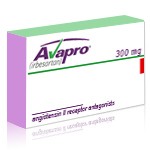
Avapro is the original brand-name formulation of Irbesartan manufactured by Sanofi-Aventis/Bristol-Myers Squibb — one of the most widely prescribed angiotensin II receptor blockers (ARBs) globally. FDA-approved since 1997, Avapro gained particular distinction through the landmark IDNT Trial (Irbesartan Diabetic Nephropathy Trial, 2001), establishing Irbesartan as the standard for renal protection in type 2 diabetic nephropathy. Listed on the WHO Model List of Essential Medicines, Avapro is uniquely FDA-approved for both hypertension AND type 2 diabetic nephropathy. International brands include Aprovel (EU) and Karvea. The Avalide combination adds hydrochlorothiazide for additive antihypertensive effect.
The active ingredient is Irbesartan, a selective angiotensin II type 1 (AT1) receptor antagonist. Unlike some other ARBs, Irbesartan is not a prodrug — it is active as administered. Irbesartan blocks the vasoconstrictor and aldosterone-secreting effects of angiotensin II at the AT1 receptor, producing peripheral vasodilation and blood pressure reduction. Unlike ACE inhibitors, Irbesartan does NOT affect bradykinin levels — therefore NO characteristic cough and significantly lower angioedema risk. Long half-life (~11-15 hours) supports convenient once-daily dosing with 24-hour BP control. Metabolized primarily by CYP2C9.
Avapro is FDA-approved for hypertension in adults and diabetic nephropathy in type 2 diabetes — signature unique indication established by the IDNT Trial demonstrating reduction in serum creatinine doubling, ESRD progression, and all-cause mortality. Off-label uses include heart failure (less established evidence than other ARBs), cardiovascular risk reduction, left ventricular hypertrophy regression, and migraine prophylaxis. Particularly preferred in type 2 diabetic patients with nephropathy — the clearest evidence base in this population.
The medication is available as Avapro 75 mg, 150 mg, and 300 mg tablets, and Avalide combination tablets (Irbesartan + Hydrochlorothiazide). Standard adult dosing for hypertension: start 150 mg once daily, max 300 mg once daily. For type 2 diabetic nephropathy (IDNT dose): 300 mg once daily target. No initial dose adjustment for renal or hepatic impairment.
Critical safety considerations include the FDA boxed warning for pregnancy — Irbesartan is Pregnancy Category D in second and third trimesters (fetal toxicity, oligohydramnios, neonatal renal failure). Other concerns: hyperkalemia (caution with K-sparing diuretics, ACE+ARB combinations, K supplements), hypotension (especially first dose, volume-depleted patients), acute renal failure in bilateral renal artery stenosis, rare angioedema (significantly less than ACE-i). Drug interactions: NSAIDs (reduce efficacy + renal risk), lithium (toxicity), ACE inhibitors (avoid combination — increased adverse events without benefit), CYP2C9 substrates.
Free prescription
Discrete packaging
Have questions?
Quality Assurance

- Type 2 Diabetic Nephropathy: FDA-approved for type 2 diabetic nephropathy — signature unique indication (IDNT trial);
- Diabetic Nephropathy Type 2: For type 2 diabetic nephropathy with proteinuria and hypertension (300 mg/day);
- IDNT Diabetic Renoprotection: IDNT-trial renal protective therapy in type 2 diabetes;
- Mild Hypertension: For mild hypertension (stage 1, BP 130-139/80-89);
- Moderate Hypertension: For moderate hypertension (stage 2, BP ≥140/90);
- Severe Hypertension: For severe hypertension as part of combination therapy;
- Resistant Hypertension: For resistant hypertension as part of combination therapy;
- ACE Inhibitor Cough Intolerance: For patients who cannot tolerate ACE inhibitor cough — key indication;
- ACE Inhibitor Intolerance: For patients intolerant to ACE inhibitors (cough, angioedema history);
- Diabetes Plus Hypertension: Preferred antihypertensive in diabetic patients — particularly strong IDNT evidence;
- Microalbuminuria Diabetic: For diabetic microalbuminuria (early renal protection);
- Macroalbuminuria Diabetic: For diabetic macroalbuminuria (overt nephropathy);
- Chronic Kidney Disease (CKD): For hypertension in CKD with proper monitoring;
- Heart Failure Off Label: Off-label for heart failure (less established evidence than other ARBs like Valsartan);
- LVH Reduction: For left ventricular hypertrophy regression in hypertension;
- Post MI Off Label: Off-label for post-MI ventricular dysfunction;
- Cardiovascular Risk Reduction: For cardiovascular risk reduction in high-risk patients;
- Migraine Prophylaxis Limited: Off-label for migraine prophylaxis (limited evidence);
- Combination With Diuretic: Avalide combines with hydrochlorothiazide for additive antihypertensive effect.
- Better 24-Hour BP Control: Long-acting 24-hour BP control with once-daily dosing;
- Less Diabetic Nephropathy Progression: IDNT-proven reduction in diabetic nephropathy progression in type 2 diabetes — signature unique benefit;
- Less Doubling Serum Creatinine: IDNT: significant reduction in doubling of serum creatinine endpoint;
- Less ESRD Progression: Reduction in progression to end-stage renal disease (ESRD);
- Less Diabetic Proteinuria: Reduction in proteinuria in diabetic nephropathy;
- Less Microalbuminuria: Reduction in microalbuminuria (early diabetic nephropathy marker);
- Less All-Cause Mortality Diabetic Nephropathy: IDNT: reduction in all-cause mortality in type 2 diabetic nephropathy;
- Better Renal Function Preservation: Preserves renal function in diabetic patients vs other antihypertensives;
- Less Cardiovascular Mortality: Reduction in cardiovascular mortality in high-risk patients;
- Less Stroke Risk: Reduction in stroke risk through effective blood pressure control;
- Less MI Risk: Reduction in myocardial infarction risk in high-risk hypertensive patients;
- Less LVH: Regression of left ventricular hypertrophy in hypertension;
- Less CKD Progression: Slowing of chronic kidney disease progression;
- NO Persistent Cough: Unlike ACE inhibitors, no bradykinin-mediated cough — key tolerability advantage;
- Less Angioedema vs ACE-i: Significantly lower angioedema risk than ACE inhibitors;
- Better Daily Function: Return to normal daily activities with effective BP control;
- Better Quality of Life: Substantial improvement in quality of life;
- Less Hospitalization Diabetic Nephropathy: Reduction in hospitalizations in diabetic nephropathy patients;
- Less Dialysis Need: Delays need for dialysis in diabetic nephropathy patients;
- Brand Avapro: Original Sanofi-Aventis/BMS brand with established global clinical reputation since 1997;
- Generic Irbesartan: Affordable generic versions expand global access to ARB therapy;
- Aprovel Karvea Equivalent: Same Irbesartan molecule as international brands Aprovel (EU) and Karvea;
- Avalide Combination HCTZ: Avalide combination with hydrochlorothiazide for additive antihypertensive effect;
- Angiotensin II Receptor Blocker ARB: Foundational ARB class — modern RAAS blockade without ACE-i cough;
- Not A Prodrug Active Drug: Active as administered (not a prodrug like Candesartan/Olmesartan) — consistent activity;
- Selective AT1 Receptor Antagonist: Selective angiotensin II type 1 (AT1) receptor antagonist;
- Long Half Life 11 15 Hours: 11-15 hour half-life supports convenient once-daily dosing;
- 24 Hour BP Control: 24-hour BP control supports once-daily dosing convenience;
- No ACE Cough ARB Advantage: NO ACE inhibitor cough — key tolerability advantage over ACE inhibitors;
- IDNT Trial Diabetic Nephropathy: Landmark IDNT trial evidence for type 2 diabetic nephropathy renoprotection;
- FDA Approved Diabetic Nephropathy: Uniquely FDA-approved for type 2 diabetic nephropathy (signature distinction);
- Hypertension First Line: First-line antihypertensive per international guidelines;
- Diabetes Preferred Antihypertensive: Particularly preferred in diabetic patients due to strong IDNT renoprotection evidence;
- Once Daily Dosing ARB: Convenient once-daily dosing supports adherence;
- WHO Essential Medicine: Listed on the WHO Model List of Essential Medicines;
- 25 Plus Year Clinical History: 25+ years of clinical use since 1997 — extensive evidence base.
Generic Avapro (Irbesartan 150 mg) Medication guide:
📌 Avapro at a Glance
Avapro is a brand name for irbesartan, an angiotensin II receptor blocker (ARB) with two distinct labelled indications: essential hypertension and diabetic nephropathy in patients with Type 2 diabetes and hypertension. That second indication is Avapro's pharmacological identity — irbesartan carries some of the strongest ARB trial evidence for slowing diabetic kidney disease progression, established by the IRMA-2 and IDNT trials described in sections 6 and 7. Cipla and other established Indian generic manufacturers supply the international market.
This guide covers how irbesartan blocks the AT1 receptor to lower blood pressure and protect the diabetic kidney, why the 300 mg once-daily dose is specifically the trial-supported reno-protective target, why irbesartan (unlike candesartan cilexetil) is not a prodrug, the specific monitoring practices that go with reno-protective ARB therapy (UACR, kidney function, potassium), and the class-shared safety concerns (rare angioedema, hyperkalaemia, boxed pregnancy warning) that shape counselling.
📌 Avapro at a glance
| Generic name | Irbesartan (not a prodrug — active as swallowed) |
| Drug class | Angiotensin II receptor blocker (ARB); selective AT1 antagonist |
| Available strengths | 75 mg, 150 mg, and 300 mg tablets |
| Route and dosing | Oral tablet once daily; 24-hour blood pressure control at 150 or 300 mg once daily |
| FDA indications | Essential hypertension; diabetic nephropathy in patients with Type 2 diabetes, hypertension, and either microalbuminuria or overt nephropathy |
| Reno-protective target dose | 300 mg once daily — the specific dose used in IRMA-2 and IDNT and the dose associated with the strongest reno-protective effect |
| Signature evidence base | Diabetic nephropathy in Type 2 diabetes — not heart failure and not stroke prevention; that positions irbesartan among the strongest ARBs for the diabetic kidney |
| Boxed warning | Fetal toxicity in the second and third trimesters — stop as soon as pregnancy is detected |
Three features distinguish Avapro and shape its use. First, the diabetic nephropathy indication is not a class extrapolation — it is a labelled indication supported by two dedicated randomised trials at two disease stages (IRMA-2 for microalbuminuria; IDNT for overt nephropathy). Second, irbesartan is not a prodrug: the molecule that reaches the receptor is the molecule that was swallowed, which simplifies the pharmacokinetic picture compared to candesartan cilexetil. Third, the 300 mg once-daily dose is the specific target for reno-protective use; lower doses lower blood pressure but do not carry the same reno-protective trial evidence.
Some readers arrive here for a first ARB prescription; others are established users returning for a specific detail. The sections are organised by topic and can be read individually.
💊 What Irbesartan Is — The Non-Prodrug ARB
Irbesartan is the biologically active molecule taken as the tablet — it is not a prodrug. This is a small but useful distinguishing feature within the ARB class: candesartan cilexetil requires intestinal ester hydrolysis to release active candesartan, whereas irbesartan is absorbed and acts as-is.
💊 Irbesartan pharmacokinetics at a glance
| Absorption | Rapid; oral bioavailability approximately 60-80%; food does not meaningfully alter absorption |
| Activation | None required — irbesartan is active as absorbed |
| Peak plasma level | 1.5-2 hours after oral dose |
| Protein binding | Approximately 90% |
| Elimination half-life | 11-15 hours — among the longest in the ARB family; supports predictable 24-hour effect at once-daily dosing |
| Metabolism | Minor CYP2C9 metabolism; not clinically important for interactions in most patients |
| Excretion | Predominantly biliary and faecal (approximately 80%); renal 20%. Kidney impairment does not require substantial dose reduction until eGFR is very low |
Three features of irbesartan's pharmacokinetics translate directly into practice. First, the 11-15 hour plasma half-life is among the longest in the ARB class and supports genuine once-daily dosing with a smooth 24-hour blood pressure profile. Second, the predominantly biliary excretion is a genuine advantage in patients with reduced kidney function: irbesartan does not accumulate at the same rate as heavily renally cleared drugs, and dose adjustment at moderate CKD is usually not required. Third, the lack of major CYP metabolism keeps the interaction picture clean; the important interactions on irbesartan are pharmacodynamic (potassium, blood pressure, kidney function) rather than pharmacokinetic.
Why the non-prodrug status matters (a little)
In the very rare patient with unusual gut motility, intestinal esterase deficiency, or ileostomy, prodrug ARBs like candesartan cilexetil may absorb variably because the ester-hydrolysis step is compromised. Irbesartan does not have this consideration because no activation step is required. This is a minor point in most patients but matters in specific gastrointestinal settings.
🧬 The RAAS, AT1 Blockade, and Reno-Protective Mechanism
The renin-angiotensin-aldosterone system produces angiotensin II, which acts principally at the AT1 receptor to raise blood pressure, drive sodium retention, and — critically for irbesartan's labelled indications — raise intraglomerular pressure in the kidney. That last effect is the mechanistic reason ARBs slow diabetic nephropathy.
🧬 What AT1 blockade does at the glomerulus
| Angiotensin II at the efferent arteriole | Constricts the efferent arteriole; raises intraglomerular pressure; drives filtration |
| Chronic high intraglomerular pressure | Damages podocytes and mesangium over years; drives albuminuria; accelerates glomerulosclerosis |
| AT1 blockade by irbesartan | Dilates the efferent arteriole; lowers intraglomerular pressure; reduces the mechanical driver of nephropathy progression |
| Systemic BP effect | Modest and additive; substantial in hypertensive patients; reno-protection occurs even when systemic BP change is modest |
| Anti-fibrotic and anti-inflammatory effects | AT1 blockade dampens TGF-beta signalling and macrophage recruitment in the kidney; secondary contribution to reno-protection beyond the haemodynamic effect |
Why the modest early rise in creatinine is a good sign
Reducing intraglomerular pressure by dilating the efferent arteriole predictably drops the glomerular filtration rate (GFR) a little in the first weeks of therapy. This appears as a small rise in serum creatinine (usually 10-15%) — and it is the pharmacological footprint of the reno-protective mechanism working, not a sign of drug toxicity. Persistent stability of creatinine at the new level is expected; further progressive rise beyond 30% deserves investigation (section 15).
Two features of the reno-protective mechanism are worth understanding. First, the haemodynamic effect at the glomerulus is largely independent of the systemic BP effect: the reno-protection of irbesartan is not simply because it lowers blood pressure. It is because it specifically lowers intraglomerular pressure by acting on the efferent arteriole. This is why ARB reno-protection is meaningful even in normotensive diabetic patients with albuminuria (though the labelled indication requires hypertension). Second, the secondary anti-fibrotic effects compound over years: the difference between an irbesartan-treated and untreated diabetic kidney at 5-10 years is larger than the difference at 6 months, because the anti-fibrotic and anti-inflammatory effects accumulate.
🔬 Where Irbesartan Sits Within the ARB Family
Irbesartan is one of seven or eight ARBs in the modern formulary. They share the fundamental mechanism (AT1 blockade) and most of the shared side effect profile, but differ in specific evidence bases, pharmacokinetics, and traditional prescribing niches. Understanding where irbesartan sits helps explain why a particular ARB is chosen for a particular patient.
🔬 Where irbesartan sits in the ARB family
| ARB | Half-life | Signature indication or evidence base |
|---|---|---|
| Losartan | Short (parent); active metabolite EXP-3174 has half-life 6-9 hours | LIFE trial — hypertension with LVH; also uric acid lowering |
| Valsartan | 6-8 hours | Val-HeFT (HFrEF); component of sacubitril/valsartan (ARNI); VALIANT (post-MI) |
| Irbesartan | 11-15 hours | IRMA-2 and IDNT — diabetic nephropathy in T2DM |
| Candesartan (cilexetil) | 9-12 hours | CHARM programme (heart failure); SCOPE (elderly stroke prevention) |
| Telmisartan | 24 hours — the longest | ONTARGET (equivalent to ramipril for CV outcomes at high vascular risk) |
| Olmesartan | 13 hours | Modest evidence base; specific rare enteropathy signal (sprue-like) |
| Azilsartan | 11 hours | Newer; strong BP-lowering; limited outcome evidence |
The practical "which ARB" question
In real ambulatory practice, the ARB is often chosen by formulary and cost rather than trial pedigree. All ARBs share the fundamental mechanism and side effect profile, and head-to-head trials between ARBs are rare. Irbesartan earns its place specifically when Type 2 diabetic nephropathy is the reason for the ARB — the trial evidence is the strongest in this niche — and does its job perfectly acceptably for general hypertension where the choice within the class is largely interchangeable.
Two features of irbesartan's position deserve emphasis. First, the diabetic nephropathy trial base is where irbesartan shines: when the reason for the ARB is albuminuria in T2DM, irbesartan is chosen not by default but by evidence. Second, irbesartan is not the first-choice ARB for heart failure: that niche belongs to candesartan (CHARM) and valsartan (Val-HeFT and as the ARB component of sacubitril/valsartan). A patient developing HFrEF while on irbesartan is often transitioned to one of these agents.
🎯 Approved Uses — Hypertension and Type 2 Diabetic Nephropathy
Irbesartan's FDA-approved indications are essential hypertension and diabetic nephropathy in patients with Type 2 diabetes, hypertension, and elevated serum creatinine or proteinuria. The two indications overlap in most patients — the T2DM population with nephropathy is almost always hypertensive — and the reno-protective use is what genuinely distinguishes irbesartan among the ARB class.
| Indication | Starting dose | Target maintenance dose |
|---|---|---|
| Essential hypertension | 150 mg once daily | 150-300 mg once daily |
| Hypertension in elderly or volume-depleted | 75 mg once daily | 150 mg once daily after 2-4 weeks |
| T2DM microalbuminuria (IRMA-2 population) | 150 mg once daily | 300 mg once daily — trial-supported reno-protective target |
| T2DM overt nephropathy (IDNT population) | 150 mg once daily | 300 mg once daily — the specific dose used in IDNT |
| Post-cough switch from ACE inhibitor | 150 mg once daily (or equivalent to previous ACE inhibitor dose) | Titrate as for hypertension; 300 mg if diabetic nephropathy is the reason |
Why the 300 mg dose specifically
Both IRMA-2 (microalbuminuria) and IDNT (overt nephropathy) used 300 mg once daily as the top-dose arm and showed the strongest reno-protective effect at that dose. Lower doses lower blood pressure but do not carry the same trial evidence for slowing nephropathy progression. In practice, this means a patient on irbesartan specifically for diabetic nephropathy should be titrated to 300 mg unless tolerability prevents it, whereas a hypertensive patient without albuminuria may reasonably stay at 150 mg if BP is controlled.
Two features of the indication list deserve emphasis. First, the diabetic nephropathy indication is dose-specific: 300 mg once daily is the trial-supported target for reno-protective use, and dropping the dose to reach a BP target sacrifices the reno-protective advantage. Second, the combination with other agents is normal: irbesartan combines well with thiazide diuretics, calcium channel blockers, and SGLT2 inhibitors (increasingly a foundational partner in diabetic kidney disease as of contemporary guidelines).
🍀 IRMA-2 — Preventing Microalbuminuria From Progressing
IRMA-2 (Irbesartan in patients with type 2 diabetes and MicroAlbuminuria), published in the New England Journal of Medicine in 2001, was the trial that established irbesartan's reno-protective role at the earliest detectable stage of diabetic kidney disease. The trial randomised 590 patients with Type 2 diabetes, hypertension, and persistent microalbuminuria to irbesartan 150 mg, irbesartan 300 mg, or placebo (all on top of standard antihypertensive care) and followed them for 2 years.
🍀 IRMA-2 at a glance
| Population | 590 patients with Type 2 diabetes, hypertension, and persistent microalbuminuria (UAER 20-200 mcg/min); baseline eGFR was preserved |
| Intervention arms | Irbesartan 150 mg vs irbesartan 300 mg vs placebo, on top of standard antihypertensive therapy (non-ARB, non-ACE inhibitor) |
| Primary endpoint | Time to onset of diabetic nephropathy (persistent overt albuminuria, UAER above 200 mcg/min with a 30% rise from baseline) |
| Follow-up | 2 years |
| Key finding | Irbesartan 300 mg: 70% relative reduction in progression to overt nephropathy vs placebo (hazard ratio 0.30). Irbesartan 150 mg: 39% reduction (intermediate) |
| BP effect | Modest between-arm BP difference; the reno-protective effect was largely independent of blood pressure lowering |
| Interpretation | 300 mg irbesartan once daily prevented progression from microalbuminuria to overt nephropathy in T2DM — the earliest-stage reno-protective evidence in the ARB class |
Dr Nachtigall-Vogel on IRMA-2 in practice
"IRMA-2 is one of the trials I refer to when explaining to a patient why 300 mg is the right dose. The 150 mg arm did lower blood pressure, but only the 300 mg arm produced the full reno-protective effect over 2 years. In our nephrology practice a T2DM patient with newly discovered microalbuminuria is treated at 300 mg once daily unless tolerability specifically prevents it. This is one of the clearest dose-outcome trial results in nephrology."
Sigrid H. Nachtigall-Vogel, MD, PhD — Department of Nephrology and Medical Intensive Care, Charite Universitatsmedizin Berlin
Two features of IRMA-2 deserve emphasis. First, the dose-response was clear: the 300 mg arm outperformed the 150 mg arm on the primary reno-protective endpoint, and this is why guidelines specifically recommend 300 mg when albuminuria is the reason for irbesartan. Second, the BP-independent reno-protection is the mechanistic point: irbesartan slowed nephropathy progression even after adjustment for blood pressure differences between arms, consistent with a direct glomerular haemodynamic effect (section 3).
🏆 IDNT — Slowing Diabetic Nephropathy to End-Stage Kidney Disease
IDNT (Irbesartan Diabetic Nephropathy Trial), also published in the New England Journal of Medicine in 2001, was the companion trial to IRMA-2 but at a much more advanced disease stage. IDNT enrolled 1715 patients with T2DM, hypertension, and overt nephropathy (proteinuria and elevated serum creatinine) and asked whether irbesartan could slow the progression to end-stage renal disease.
🏆 IDNT at a glance
| Population | 1715 patients with T2DM, hypertension, and overt nephropathy (proteinuria over 900 mg/24h, serum creatinine 1.0-3.0 mg/dL) |
| Intervention arms | Irbesartan 300 mg vs amlodipine 10 mg vs placebo, on top of standard antihypertensive therapy targeting comparable BP |
| Primary endpoint | Composite of doubling of serum creatinine, end-stage renal disease, or death |
| Follow-up | Mean 2.6 years |
| Key finding | Irbesartan reduced the primary outcome by 20% vs placebo and by 23% vs amlodipine at equivalent BP. Specifically: 33% reduction in doubling of serum creatinine vs placebo; 23% reduction in progression to ESRD vs placebo |
| Interpretation | 300 mg irbesartan once daily slowed the progression of overt diabetic nephropathy to ESRD in Type 2 diabetes — and did so beyond what equivalent blood pressure reduction with amlodipine achieved |
Why the amlodipine comparator matters
IDNT specifically compared irbesartan against amlodipine at equivalent blood pressure targets. Both agents lowered BP; only irbesartan slowed the nephropathy. This is the strongest possible evidence that the ARB reno-protection is not simply a blood-pressure effect — because amlodipine achieved the same BP and did not achieve the same kidney outcomes. The dilating effect of irbesartan on the efferent arteriole (section 3) is the mechanistic explanation.
Two features of IDNT are worth understanding. First, IDNT is the strongest evidence in nephrology for ARB reno-protection at the advanced disease stage. In T2DM with overt nephropathy, an ARB (irbesartan or another) is the standard of care, and IDNT is one of the key trials supporting that standard. Second, the comparison against amlodipine at matched BP is what distinguishes reno-protection as a mechanism-specific effect. The point of IDNT was not to prove that lowering BP helps diabetic kidneys (that was already known); it was to prove that ARBs specifically help diabetic kidneys beyond BP lowering.
Contemporary context — the SGLT2 inhibitor addition
Since IDNT, SGLT2 inhibitors (dapagliflozin, empagliflozin) have added a second foundational reno-protective class in diabetic and non-diabetic kidney disease. Current practice for advanced diabetic nephropathy is not ARB alone (as in IDNT) but ARB plus SGLT2 inhibitor. Irbesartan at 300 mg once daily remains the ARB backbone; the SGLT2 inhibitor sits alongside as complementary reno-protection.
📆 Tablet Strengths and Titration Schedule
Irbesartan comes in three tablet strengths — 75 mg, 150 mg, and 300 mg — which correspond neatly to a low starting dose, the standard hypertension maintenance, and the reno-protective target. The 300 mg is the specific dose used in IRMA-2 and IDNT and is the target when diabetic nephropathy is the reason for the drug.
📆 Titration for essential hypertension
- Start: 150 mg once daily (75 mg in an elderly patient, a patient on a diuretic, or a patient with mild volume depletion).
- Review at 2-4 weeks: confirm response with home and office blood pressure; check serum creatinine and potassium.
- Titrate up if needed: to 300 mg once daily (there is no additional benefit above 300 mg for BP; further reduction requires combining with a second agent).
- Combine if not at target: irbesartan plus thiazide diuretic is a common step; irbesartan plus dihydropyridine CCB is another.
Titration for T2DM with albuminuria (the reno-protective indication)
- Start: 150 mg once daily.
- Review at 2 weeks: tolerance, home BP, serum creatinine and potassium.
- Titrate to 300 mg once daily as the target dose (trial-supported for reno-protection).
- Monitor UACR at 6-12 weeks to document the albuminuria reduction (section 16).
- Consider adding SGLT2 inhibitor as part of contemporary diabetic kidney disease management if not already prescribed.
Two features of irbesartan titration are worth understanding. First, the reno-protective indication has a specific dose target: 300 mg once daily is what IRMA-2 and IDNT used, and dropping to 150 mg because it was "enough for BP" sacrifices reno-protective benefit. Second, above 300 mg there is no additional benefit: the dose-response plateaus at 300 mg, and further BP reduction requires combination therapy rather than up-titration beyond 300 mg irbesartan.
A note on dose timing
Irbesartan is taken at approximately the same time each day; morning and evening are both acceptable. The long half-life (11-15 hours) provides a comfortable margin: a dose taken 2-3 hours late does not meaningfully alter the pharmacological cover, and consistency of daily rhythm matters more than precision of hour.
▶️ Starting Avapro — First-Dose Considerations
First-dose considerations on irbesartan are similar to those on other ARBs and are less troublesome than on ACE inhibitors. Symptomatic first-dose hypotension is uncommon but not zero, and specific patient groups warrant attention at initiation.
🚩 PATIENTS AT ELEVATED FIRST-DOSE HYPOTENSION RISK
- Patients already on a diuretic, particularly loop diuretics or higher-dose thiazides.
- Elderly patients, whose baroreceptor reflexes are slower and whose baseline volume status is often lower.
- Patients with baseline hyponatraemia (serum sodium below 130 mmol/L), typically reflecting a high-renin state.
- Patients on rigorous low-salt diets or with recent gastroenteritis.
- Patients with heart failure, particularly if recently diuresed.
Practical measures to reduce first-dose hypotension risk
- Start at 75 mg rather than 150 mg in any patient with elevated risk.
- Take the first dose at bedtime so any hypotensive response occurs during sleep rather than during the daily activity.
- Withhold or reduce diuretic dose for 2-3 days before starting irbesartan, if clinically safe.
- Correct dehydration before initiation.
- Counsel about postural dizziness for the first few days.
Two features of first-dose considerations deserve emphasis. First, the risk profile is favourable compared to ACE inhibitors: ARB first-dose hypotension is less frequent than ACE inhibitor first-dose hypotension, and irbesartan sits at the more forgiving end of the ARB family because of its relatively slow onset. Second, most first-dose reactions settle over 1-3 days: symptomatic dizziness that persists beyond the first week suggests either an ongoing volume issue or a specific tolerability problem worth reviewing rather than persistence of the first-dose effect.
🔗 Common Drug Interactions on Irbesartan
Irbesartan has a relatively clean drug interaction profile because CYP-mediated metabolism is limited to a minor CYP2C9 pathway that rarely reaches clinical significance. The important interactions are pharmacodynamic — drugs that also affect potassium, blood pressure, or kidney function — rather than pharmacokinetic.
| Interaction category | Common examples | Practical implication |
|---|---|---|
| ACE inhibitors | Quinapril, ramipril, lisinopril, enalapril | Combined RAAS blockade generally avoided (ONTARGET); no additional benefit and increased adverse events |
| Direct renin inhibitor | Aliskiren | Contraindicated in diabetes (ALTITUDE evidence) |
| Potassium-sparing diuretics | Spironolactone, eplerenone, amiloride, triamterene | Additive hyperkalaemia risk — particularly important in the diabetic nephropathy population |
| Potassium supplements and salt substitutes | Prescription potassium chloride, low-sodium salt substitutes | Generally avoided as routine combination |
| Chronic NSAIDs | Ibuprofen, diclofenac, naproxen at anti-inflammatory doses | Reduce ARB BP effect; increase renal and hyperkalaemia risk; blunt reno-protective mechanism |
| Lithium | Bipolar disorder | ARBs raise serum lithium levels; close monitoring |
| Trimethoprim / cotrimoxazole | UTI antibiotic | Additive hyperkalaemia risk in elderly diabetic patients on irbesartan |
| SGLT2 inhibitors | Dapagliflozin, empagliflozin | Complementary reno-protection in diabetic kidney disease; standard combination; watch for volume depletion and early creatinine rise |
| Warfarin | Anticoagulant | Small CYP2C9-mediated increase in warfarin effect possible; INR monitoring covers this |
Two features of the interaction picture deserve internalising. First, the ONTARGET rule against ACE inhibitor plus ARB combination applies to irbesartan as much as to any other ARB: dual RAAS blockade produces more hyperkalaemia, more hypotension, and more acute kidney injury without net cardiovascular benefit. Second, the SGLT2 inhibitor combination is not an interaction to avoid but a partnership to embrace: contemporary diabetic kidney disease management routinely pairs irbesartan (or another ARB) with dapagliflozin or empagliflozin for additive reno-protective effect.
A specific caution in the T2DM population
The diabetic hypertensive on irbesartan is often also on metformin, an SGLT2 inhibitor, and (in some patients) a mineralocorticoid receptor antagonist (finerenone). This combination is contemporary standard of care but requires attention to potassium and kidney function. A single medication reconciliation once a year covers most of the interaction risk.
🌬️ The Absent ACE Inhibitor Cough on Irbesartan
The absence of the ACE inhibitor dry cough is one of the most useful practical features of ARB therapy including irbesartan, and it is the specific reason ARBs are the standard switch target when an ACE inhibitor produces intolerable cough. The mechanism has been covered on other ARB pages on this site, but it is worth reviewing here in the context of the diabetic hypertensive patient, who is the largest single population for irbesartan prescriptions.
🌬️ The mechanism in brief
ACE inhibitors block the enzyme (ACE) that both converts angiotensin I to angiotensin II and breaks down bradykinin. When bradykinin accumulates in the airways of susceptible individuals, it sensitises the cough reflex and produces the characteristic dry, non-productive cough seen in 15-20% of ACE inhibitor users.
Irbesartan blocks the AT1 receptor downstream of ACE. Bradykinin metabolism is untouched. The blood pressure and reno-protective mechanisms remain in place; the cough does not appear. This is why the switch from an ACE inhibitor to irbesartan (or any other ARB) is the standard response to an intolerable ACE inhibitor cough.
The switch strategy in the diabetic hypertensive
- Patient on ramipril, lisinopril, or similar develops a persistent dry cough that interferes with sleep or conversation.
- Prescriber stops the ACE inhibitor and waits 1-2 weeks to confirm the cough resolves (attribution).
- Starts irbesartan 150 mg once daily (or 300 mg if diabetic nephropathy indication).
- Titrates as usual with home BP monitoring and periodic UACR check if diabetic nephropathy is the driver.
- The reno-protective and cardiovascular effects of the RAAS blockade continue; the cough does not return.
Two features of the switch story are worth understanding in the irbesartan context. First, the reno-protective benefit is preserved on the switch: irbesartan provides equivalent (or in the case of diabetic nephropathy, potentially superior) reno-protection compared to an ACE inhibitor. The switch does not cost the diabetic patient their kidney protection. Second, the cough resolution timeline is quick: most patients see the cough settle within days to two weeks of stopping the ACE inhibitor, before the ARB has reached its full pharmacological steady state. That confirms attribution and reassures both patient and prescriber that the switch was correctly targeted.
⚠️ Angioedema — Rare But Not Zero on Any ARB
Angioedema on an ARB is much less common than on an ACE inhibitor but is not zero. On irbesartan, the reported rates are broadly similar to other ARBs (rare, but recognised). The mechanism is not fully understood because irbesartan does not affect bradykinin metabolism the way ACE inhibitors do.
🚩 STOP AVAPRO AND SEEK EMERGENCY CARE FOR
- Swelling of the lips, tongue, or throat.
- Difficulty breathing or swallowing.
- Change in voice or hoarseness.
- Painless swelling of the face without a rash.
- Sudden severe abdominal pain with swelling (rare visceral angioedema).
Airway involvement is a medical emergency. Once irbesartan-induced angioedema has occurred, no drug in the ARB or ACE inhibitor class is safe to restart.
Prior ACE inhibitor angioedema — the specific irbesartan question
A patient with prior ACE inhibitor angioedema can sometimes tolerate an ARB like irbesartan. Cross-reactivity is estimated at 3-10%. In practice the decision depends on how strongly the ARB is indicated (a diabetic with albuminuria and reno-protective need for RAAS blockade is a stronger case than an ambulatory hypertensive with alternative options), how severe the prior angioedema was (a mild lip swelling that resolved without airway issue is different from an ICU-level event), and whether specialist input has assessed the balance of risks. When irbesartan is used after ACE inhibitor angioedema, the patient should be given explicit, specific counselling on recurrence signs.
Two features of angioedema management on irbesartan deserve emphasis. First, the onset can be delayed: while most cases occur within the first 90 days, angioedema after years of tolerated ARB use is well described. Counselling should be reinforced at each renewal. Second, the no-restart rule after ARB angioedema is absolute: no RAAS blocker in either class is safe to try again, and the switch has to be to a non-RAAS class (calcium channel blocker, thiazide, or in specific reno-protective settings, an SGLT2 inhibitor plus mineralocorticoid receptor antagonist under specialist input).
🍌 Hyperkalaemia in Diabetic Kidney Disease — The Specific Vigilance
Hyperkalaemia is the most consequential biochemical concern on any RAAS blocker, and on irbesartan the concern has a specific character because the largest user population is Type 2 diabetics with kidney disease — a population already predisposed to hyperkalaemia by baseline hyporeninaemic hypoaldosteronism, insulin insensitivity, and reduced kidney function.
🍌 Baseline hyperkalaemia risk in the T2DM population
- Reduced eGFR — approximately 40% of T2DM patients have some CKD.
- Hyporeninaemic hypoaldosteronism — a specific feature of T2DM that impairs the normal potassium-driven renin-aldosterone response.
- Insulin resistance — blunts insulin's intracellular potassium-shift effect.
- Concurrent metformin — small hyperkalaemia signal in advanced CKD.
- Concurrent finerenone (a non-steroidal MRA increasingly used in diabetic kidney disease) — additive hyperkalaemia risk with irbesartan.
- Concurrent spironolactone or eplerenone — additive risk if used for resistant hypertension.
Monitoring schedule for potassium on irbesartan
| Baseline before irbesartan | Potassium plus creatinine plus eGFR plus (in T2DM) UACR |
| 2-4 weeks after initiation | Repeat potassium and creatinine |
| 2-4 weeks after each dose increase | Same — important particularly on the 150-to-300 mg step in a diabetic patient |
| Every 3-6 months on stable dose in T2DM with CKD | More often than in the non-diabetic hypertensive population |
| After any interacting drug is added | Check within 1-2 weeks of starting spironolactone, finerenone, trimethoprim, or any potassium-raising agent |
Dr Devaraj-Krishnamurthy on hyperkalaemia in T2DM
"In our diabetes clinic in Vellore we see patients who arrive on irbesartan or losartan with UACR results that clearly warrant the reno-protective use, and then need careful potassium management as their diabetes therapy escalates. The counselling has to include the specific point about avoiding low-sodium salt substitutes — a genuinely common trap in health-conscious Indian patients told to reduce sodium. And the routine 3-monthly potassium check is not optional in this population; it is what allows us to keep the ARB at the reno-protective 300 mg dose safely."
Rohit P. Devaraj-Krishnamurthy, MBBS, MD, DM (Endocrinology) — Department of Endocrinology, Diabetes and Metabolism, Christian Medical College Vellore
Two features of hyperkalaemia management on irbesartan deserve emphasis. First, the diabetic user warrants more intensive monitoring than the non-diabetic hypertensive user because of the multiple additive risk factors. Second, the response to persistent hyperkalaemia is not necessarily to stop irbesartan: potassium binders (patiromer, sodium zirconium cyclosilicate) can allow continuation of reno-protective therapy at target dose, which is a valuable option in the diabetic nephropathy population.
🩺 Home Blood Pressure Monitoring in the Diabetic User
Home blood pressure monitoring on irbesartan follows the same general rules as on any antihypertensive, with a specific consideration for the diabetic user: the tighter blood pressure targets recommended in diabetic kidney disease make home monitoring more valuable, because a single office reading captures a single moment rather than the day-to-day cardiovascular reality.
🩺 A practical home-monitoring routine
- Use a validated upper-arm cuff; correct cuff size for the arm circumference.
- Standard technique: seated, feet flat, back supported, arm at heart level, cuff on bare skin, 5 minutes rest.
- Two readings a minute apart, twice a day (morning before medication, evening before dinner), for a week before the office review.
- Discard the first day's readings; average the rest.
- Bring the log to the appointment or use a home BP app the prescriber can review.
Home BP target ranges
| General hypertension (no diabetes, no CKD) | Home average under 135/85 mmHg |
| Diabetes without CKD | Home average under 130/80 mmHg |
| Diabetes with albuminuria (the irbesartan indication) | Home average under 125/75 mmHg where tolerated; 130/80 mmHg often accepted |
| Frail elderly | Less aggressive targets; individualised |
Two features of home monitoring on irbesartan deserve emphasis. First, the tighter target in albuminuric diabetics is where home monitoring earns its keep: office readings are often systematically higher (white coat effect) and a patient may be dosed unnecessarily aggressively on the office reading when the home reading was already at target. Second, the morning surge pattern is worth watching: patients whose home readings show high morning BP despite a well-controlled office reading may benefit from evening dosing rather than morning dosing.
🩸 Kidney Function Monitoring on Irbesartan
Kidney function monitoring on irbesartan is more important than on many antihypertensives because irbesartan is often prescribed precisely to protect the kidney. The monitoring pattern differs a little from the general ARB user (Atacand section on kidney monitoring covers the general rules; the irbesartan-specific pattern below emphasises the diabetic-kidney-disease context).
🩸 The expected early rise in serum creatinine on irbesartan
A 10-15% rise in serum creatinine in the first 2-4 weeks after starting or up-titrating irbesartan is expected and reflects the reno-protective haemodynamic mechanism (section 3), not kidney damage. Reversibility on drug withdrawal confirms this.
A rise above 30% from baseline, or an absolute doubling, is a different matter and deserves investigation — usually dehydration, an added NSAID, contrast exposure, or undiagnosed renovascular disease.
| Renal function category | Approach on irbesartan | Monitoring cadence |
|---|---|---|
| eGFR above 60 (general hypertension) | Standard 150-300 mg once daily; no dose adjustment | Annual creatinine and potassium; 2-4 weeks after dose change |
| eGFR above 60 in T2DM with albuminuria (reno-protective use) | 300 mg once daily; the reno-protective indication | Every 3-6 months; UACR at baseline, 6-12 weeks, then annually |
| eGFR 30-60 | 300 mg still usually possible because of predominantly biliary excretion; monitor closely | Every 3 months; 2 weeks after dose change |
| eGFR 15-30 | Specialist input; individualised; usually 150 mg to 300 mg once daily maintained | Monthly initially; individualised thereafter |
| Bilateral renovascular disease | Contraindicated | Not applicable |
A specific advantage of irbesartan's clearance profile
Because approximately 80% of irbesartan is eliminated via biliary excretion rather than renally, the drug accumulates less than heavily renally cleared drugs in moderate CKD. Practical consequence: dose adjustment for renal impairment is required later on the CKD trajectory than for many other renally cleared drugs, and the reno-protective 300 mg target can often be maintained even at eGFR 30-45 mL/min/1.73 m2, where reno-protection is arguably most valuable.
Two features of renal monitoring on irbesartan deserve emphasis. First, the proteinuria reduction is the specific renal benefit being sought — and section 16 covers UACR monitoring in detail. Second, the renovascular contraindication reflects that ARB effect on efferent arteriolar tone can precipitate acute kidney injury when the affected kidney relies on angiotensin-II-mediated efferent constriction to maintain filtration.
🔬 Urine Albumin — The Reno-Protective Lab Marker
Urine albumin measurement is the specific laboratory marker that documents reno-protective benefit from irbesartan. Unlike serum creatinine (which is a marker of kidney function that changes slowly), urinary albumin excretion (usually reported as albumin-creatinine ratio, ACR) responds to ARB therapy within 6-12 weeks and provides a real biomarker of whether the drug is doing what it is meant to do.
🔬 Albuminuria categories and irbesartan targets
| Category | UACR (mg/g) | Response to irbesartan 300 mg |
|---|---|---|
| A1 (normal) | Under 30 | Not the population; irbesartan not specifically indicated for reno-protection |
| A2 (microalbuminuria) | 30-300 | Expected: reduction of 30-50% within 6-12 weeks; IRMA-2 population |
| A3 (macroalbuminuria / overt nephropathy) | Above 300 | Expected: reduction of 30-40% within 6-12 weeks; IDNT population |
| Nephrotic range | Very high (over 2200) | Reduction still expected but nephrology involvement standard |
Practical UACR monitoring cadence on irbesartan
- Baseline UACR before starting irbesartan.
- Repeat at 6-12 weeks after reaching the target dose (300 mg) to document reno-protective response.
- Annually thereafter as part of routine diabetes and CKD monitoring.
- Repeat sooner if serum creatinine changes meaningfully, if the patient develops new symptoms, or after any medication change that might alter reno-protection.
- Single-void first-morning specimen is standard; 24-hour collection is more accurate but less patient-friendly.
Two features of UACR monitoring on irbesartan deserve emphasis. First, the UACR reduction is the biomarker of therapeutic success: a patient on irbesartan 300 mg once daily whose UACR has not fallen at 6-12 weeks should have their adherence confirmed, and if adherence is good, may need additional reno-protective therapy (SGLT2 inhibitor). Second, the UACR is variable day-to-day: exercise, fever, urinary tract infection, and heart failure can all transiently raise UACR. Persistent elevation across two or three specimens is more meaningful than a single high result.
🩹 Common Side Effects in the First Three Months
Most irbesartan side effects are mild, dose-related, and settle within the first weeks of therapy. This section describes what is common, what is expected to fade, and what warrants review.
🩹 Common irbesartan side effects with expected trajectory
| Effect | Typical onset | Expected trajectory |
|---|---|---|
| Dizziness / lightheadedness | Days 1-7 | Improves as the RAAS re-equilibrates; persistent = dose review |
| Postural hypotension | Days 1-14 | Improves; rise slowly from lying and sitting until it settles |
| Fatigue | First 2-4 weeks | Usually settles |
| Musculoskeletal pain | Variable | Reported at rates modestly above placebo; usually not attributable |
| Upper respiratory symptoms | Weeks-months | Reported at rates similar to placebo; not usually attributable |
| Hyperkalaemia | Variable | Detected on blood work (section 13); management by contributor removal or potassium binder |
| Small creatinine rise (10-15%) | 2-4 weeks | Expected haemodynamic effect; stable thereafter |
Where irbesartan's side-effect profile is favourable
Compared to ACE inhibitors, irbesartan produces no characteristic dry cough (section 11) and substantially lower angioedema risk (section 12). Compared to alpha and beta blockers, no fatigue, cold extremities, or exercise intolerance. Compared to thiazides, no urate rise, no glucose worsening, and no photosensitivity. The overall ARB side-effect profile is one of the cleanest in modern hypertension pharmacology, and irbesartan is typical of the class in that regard.
Two features of side-effect management on irbesartan deserve emphasis. First, the first two to four weeks are the highest-yield period. Second, the side effects that most matter clinically are the biochemical ones (hyperkalaemia, creatinine rise) rather than symptomatic ones, and they are found on scheduled blood work rather than patient complaint.
❤️ Cardiovascular Outcomes Alongside Renal Protection
Irbesartan's cardiovascular outcome evidence is not as extensive as candesartan's (CHARM) or valsartan's (Val-HeFT), but it is not absent. The reno-protection established in IDNT was accompanied by a modest cardiovascular signal, and irbesartan is a legitimate antihypertensive for cardiovascular risk reduction across the general hypertensive population.
❤️ Documented benefit signals with irbesartan or the ARB class in diabetes
| Outcome | Population | Evidence source |
|---|---|---|
| Slower doubling of serum creatinine | T2DM overt nephropathy | IDNT: 33% relative reduction vs placebo |
| Slower time to ESRD | T2DM overt nephropathy | IDNT: 23% relative reduction vs placebo |
| Reduced progression to overt nephropathy | T2DM microalbuminuria | IRMA-2: 70% relative reduction at 300 mg |
| Stroke reduction | Class effect in hypertension | ARB meta-analyses |
| LV hypertrophy regression | Hypertensive LVH | Class effect for ARBs |
| New-onset AF reduction | Hypertension and heart failure | Meta-analytic evidence |
Dr Iglesias-Montenegro on irbesartan's cardiovascular position
"Irbesartan is a solid ARB with an outstanding niche in diabetic nephropathy and a perfectly respectable general-hypertension profile. What it does not have is the heart failure evidence base of candesartan or the ARNI position of valsartan. In our practice at Hospital Clinic Barcelona we do not pretend irbesartan is a heart failure drug — we use it for hypertension and for diabetic nephropathy where it earns its trial-supported place, and we use candesartan, valsartan, or sacubitril/valsartan when heart failure is the driving indication. Recognising where each ARB shines is more useful than treating them as interchangeable."
Paloma R. Iglesias-Montenegro, MD, PhD — Institut Clinic Cardiovascular, Hospital Clinic de Barcelona
Two features of the cardiovascular picture on irbesartan deserve emphasis. First, the reno-cardiovascular link is bidirectional: slowing diabetic nephropathy also slows cardiovascular events downstream, because CKD progression drives cardiovascular mortality. IDNT primarily reported renal endpoints; the parallel cardiovascular benefit follows. Second, the irbesartan choice is niche-specific: when the reason for the ARB is diabetic albuminuria, irbesartan has the specific trial pedigree; when the reason is heart failure, candesartan or valsartan sits ahead.
💔 I-PRESERVE — What the HFpEF Trial Actually Showed
I-PRESERVE (Irbesartan in Heart Failure with Preserved Ejection Fraction) was a large trial published in 2008 that tested irbesartan 300 mg once daily against placebo in 4128 patients with symptomatic HFpEF (ejection fraction 45% or above). The primary composite endpoint was death from any cause or cardiovascular hospitalisation, and the trial ran for a mean of 4 years.
💔 I-PRESERVE at a glance — what the trial actually showed
| Population | 4128 patients aged 60+ with symptomatic HFpEF (EF 45% or above), NYHA II-IV |
| Intervention | Irbesartan 300 mg once daily vs placebo, on top of standard therapy |
| Primary endpoint | All-cause death or cardiovascular hospitalisation |
| Follow-up | Mean 4 years |
| Key finding | Negative for the primary endpoint. No statistically significant reduction in mortality or heart-failure hospitalisation with irbesartan vs placebo |
| Interpretation | Irbesartan did not demonstrate a benefit in HFpEF at the primary endpoint. This does not disqualify irbesartan as an ARB; it means the HFpEF indication is not part of irbesartan's evidence base |
Why report a negative trial honestly
Landmark trials that go the wrong way are as important to know about as landmark trials that go the right way. I-PRESERVE tested whether irbesartan would help HFpEF patients and it did not, at least on the primary composite endpoint. That result is why irbesartan is not on the HFpEF guideline pathway (which is dominated by SGLT2 inhibitors, mineralocorticoid receptor antagonists, and diuretic strategy). A page that pretended irbesartan had a heart failure niche would misrepresent what the evidence actually shows.
Two features of the I-PRESERVE result deserve emphasis. First, the trial does not undermine irbesartan in hypertension or diabetic nephropathy. It simply says that the HFpEF indication is not one where irbesartan has been shown to help. Second, the HFpEF landscape has moved since I-PRESERVE: EMPEROR-Preserved (empagliflozin) and DELIVER (dapagliflozin) established SGLT2 inhibitors as the first-line HFpEF intervention, and FINEARTS-HF (finerenone) added a mineralocorticoid receptor antagonist option. Irbesartan does not compete in this space and does not need to.
⏰ Missed Dose Handling
Missed doses on irbesartan are practically less consequential than on some other cardiovascular drugs because the tight AT1 binding and long half-life (11-15 hours) provide a buffer. A single missed dose is unlikely to translate into a clinically visible change; a pattern of frequent missed doses does undermine therapeutic effect and is worth addressing at review.
⏰ What to do about a missed dose
| Realised within a few hours | Take the missed dose as soon as remembered; next scheduled dose stays at usual time |
| Realised the next day | Skip the missed dose. Take the next at usual time. Do not double up. |
| Missed 2-3 doses in a row | Resume the usual dose; expect BP effect to re-stabilise over a couple of days |
| Missed a week or more | Resume the usual dose and let the prescriber know at the next appointment; UACR may need re-check if diabetic nephropathy is the indication |
The adherence question in reno-protective use
Because reno-protective benefit on irbesartan takes 6-12 weeks to manifest at UACR level and years to translate into slower ESRD progression, missed doses in the diabetic nephropathy user do not produce an immediate visible penalty — but the aggregate loss of reno-protection is real over years. Discussing adherence explicitly at annual review, without judgement, catches sustained non-adherence early and enables a conversation about barriers (cost, forgetting, side effects) that can be addressed.
Two features of missed-dose management on irbesartan are worth understanding. First, doubling up is never useful and can produce transient hypotension. Second, the long half-life is genuinely forgiving: a single missed dose on irbesartan matters less than a single missed dose on losartan or valsartan (both shorter half-life) — but this forgiveness is not a licence for casual adherence.
⛔ FDA Boxed Warning — Fetal Toxicity in Pregnancy
Avapro carries an FDA boxed warning for fetal toxicity in the second and third trimesters of pregnancy. This warning applies to the whole ARB class and is one of the most important pieces of counselling to communicate to any patient of childbearing potential, particularly given that many irbesartan users are Type 2 diabetics of reproductive age who may be considering pregnancy.
⛔ FDA BOXED WARNING — FETAL TOXICITY
When pregnancy is detected, discontinue Avapro as soon as possible. Drugs that act directly on the RAAS can cause injury and death to the developing fetus when used in the second and third trimesters of pregnancy.
Documented fetal harms include: oligohydramnios (which itself causes limb contractures, facial deformation, and lung underdevelopment); fetal renal impairment (may be irreversible); hypotension; skull hypoplasia; neonatal death. First-trimester exposure carries lower risk but is still to be avoided.
Practical implementation for the diabetic irbesartan user
- Preconception counselling. The T2DM woman planning pregnancy needs a medication review 2-3 months before conception; irbesartan is switched to a pregnancy-compatible antihypertensive (labetalol, methyldopa, nifedipine ER).
- Contraception counselling at every prescription renewal for patients of childbearing potential.
- Alternative reno-protection during pregnancy: the reno-protective benefit of irbesartan is paused during pregnancy; other strategies (glycaemic control, blood pressure control with pregnancy-compatible agents) become the reno-protective foundation temporarily.
- Missed period test: any patient of childbearing potential who misses a period should test for pregnancy and, if positive, stop irbesartan immediately and contact the prescriber the same day.
- Postpartum: irbesartan can generally be restarted after delivery once breastfeeding decisions are made (irbesartan is usually avoided during breastfeeding; alternative ARBs, ACE inhibitors like enalapril and captopril, or non-RAAS classes may be preferred).
Two features of the pregnancy warning deserve emphasis. First, the preconception medication review is the safest strategy: switching before conception rather than reacting to a positive pregnancy test avoids first-trimester exposure. Second, the class is preserved for post-pregnancy: the maternal indication for irbesartan (diabetic nephropathy, hypertension) does not disappear in pregnancy but is managed with different agents, and irbesartan can resume postpartum in most cases.
🕰️ Elderly Use and Dose Considerations
Irbesartan is widely used in elderly patients, particularly in the diabetic hypertensive population, where the reno-protective indication remains valuable even in advanced age. Practical prescribing follows a few adjustments to allow for reduced physiological reserve, slower baroreceptor reflexes, and more common polypharmacy.
🕰️ Elderly-specific irbesartan considerations
| Starting dose | 75 mg once daily (rather than 150 mg) in patients aged 75+ or with any risk factor for first-dose hypotension |
| Titration pace | 2-4 week intervals between dose steps; slower if any tolerability concern |
| Reno-protective 300 mg | Still the target dose for diabetic albuminuria in the elderly if tolerated; do not accept 150 mg as adequate if the reno-protective indication is present |
| BP targets | Under 140/90 mmHg in most patients aged 65-79 with diabetes; more permissive (under 150/90 mmHg) often accepted in frail 80+ |
| Postural BP measurement | Standing BP after 1-3 minutes at each visit, particularly early in therapy |
| Potassium and creatinine surveillance | Every 3-6 months rather than annually; more often on interacting drugs |
| Fall risk assessment | Explicit conversation before any dose escalation in patients with prior falls or gait difficulty |
Dr Sepulveda-Contreras on the elderly diabetic irbesartan user
"In our internal medicine practice in Santiago, the frail elderly diabetic patient with albuminuria and mild-to-moderate CKD is a common irbesartan candidate. The important trap to avoid is settling for the 150 mg dose because 'it is enough for the BP'. If the reno-protective indication is present, 300 mg is the trial-supported target — we titrate carefully with 3-monthly potassium and creatinine checks, we adjust to family-medicine collaboration for the annual review, and we resist the temptation to stop reno-protective therapy simply because the patient is getting older. The kidney benefit is real over remaining years of life."
Miguel A. Sepulveda-Contreras, MD, MSc — Department of Internal Medicine and Geriatric Cardiology, Hospital Clinico Universidad de Chile
Two features of elderly prescribing on irbesartan deserve emphasis. First, the reno-protective indication does not evaporate with age: a diabetic patient with albuminuria in their 70s or 80s still benefits from ARB-mediated slowing of nephropathy over their remaining life expectancy. Second, deprescribing is a legitimate elderly strategy when the reason for irbesartan was uncomplicated hypertension years earlier and the patient is now frail, has developed recurrent falls, or has other indications for reducing the medication burden.
🧫 Renal Impairment Dose Adjustment on Irbesartan
Irbesartan's predominantly biliary excretion (approximately 80%) is a specific pharmacokinetic advantage in renal impairment: the drug does not accumulate at the same rate as heavily renally cleared drugs, and dose adjustment is required less abruptly along the CKD trajectory.
| Renal function | Irbesartan dose approach | Monitoring frequency |
|---|---|---|
| eGFR above 60 | Standard doses 150-300 mg once daily | Annual; 2-4 weeks after dose change |
| eGFR 30-60 | Full doses usually possible — the reno-protective 300 mg target is preserved for diabetic nephropathy; monitor closely | Every 3-6 months; 2 weeks after change |
| eGFR 15-30 | Specialist input; usually 150-300 mg maintained if reno-protective indication is present; watch potassium closely | Monthly initially; individualised thereafter |
| eGFR below 15 or dialysis | Nephrology decision; often continued at reduced dose in dialysis | Nephrology-directed |
The biliary clearance advantage
Irbesartan's 80% biliary excretion is a genuine practical advantage: at eGFR 30-45 (the range where reno-protection matters most in diabetic nephropathy), the 300 mg trial-supported dose can usually be maintained rather than reduced. This contrasts with more heavily renally cleared drugs where dose reduction at moderate CKD is forced by pharmacokinetics even when the clinical need for full dose is greatest.
Two features of renal dosing on irbesartan deserve emphasis. First, maintaining the 300 mg reno-protective dose in CKD is usually pharmacokinetically safe and clinically important: the reno-protection is arguably most valuable when kidney function is already declining. Second, the renovascular contraindication remains: bilateral renal artery stenosis or unilateral stenosis in a single functioning kidney is not compatible with any RAAS blocker, including irbesartan.
⚗️ Hepatic Considerations and Metabolic Profile
Irbesartan does not have clinically important hepatic metabolism (a minor CYP2C9 pathway is present but rarely produces detectable drug interactions), and hepatic impairment does not usually require major dose adjustment. However, a few considerations apply in patients with liver disease.
⚗️ Hepatic considerations on irbesartan
| Mild-moderate hepatic impairment | Standard doses acceptable; no formal reduction required |
| Severe hepatic impairment | Limited data; specialist input; because biliary clearance is the main route, severe cholestasis can prolong exposure — usually start 75 mg with cautious titration |
| Ascites and portal hypertension | RAAS blockers reduce splanchnic vasoconstriction and can worsen ascites-related hypotension; specialist decision |
| Fatty liver disease (MASLD) | Common in T2DM population; not a contraindication; some emerging evidence of small RAAS blocker benefit on hepatic fibrosis progression |
| Hepatotoxicity signal | Not a recognised concern with irbesartan; no routine hepatic monitoring is required |
Alcohol note
Alcohol is not contraindicated on irbesartan, but heavy alcohol intake produces peripheral vasodilation that can amplify blood pressure lowering and precipitate symptomatic hypotension. Heavy alcohol also worsens hepatic and pancreatic function, both of which have implications for the Type 2 diabetic irbesartan user. Moderate intake within public health guidance is compatible with irbesartan; binge drinking is not.
Two features of hepatic considerations on irbesartan deserve emphasis. First, irbesartan is not hepatotoxic and does not carry a drug-induced liver injury signal. Second, the biliary clearance route means severe cholestasis prolongs exposure, which is a specific but uncommon setting where dose reduction is warranted.
🚫 Absolute and Relative Contraindications
Contraindications to Avapro fall into two categories: absolute (drug must not be used) and relative (drug is used only with specific caution or specialist input). Understanding both protects patients from foreseeable harm.
🚫 ABSOLUTE CONTRAINDICATIONS
- Pregnancy at any gestation (boxed warning; section 21).
- Prior angioedema on any ARB.
- Bilateral renal artery stenosis or unilateral stenosis in a single functioning kidney.
- Documented irbesartan hypersensitivity.
- Concomitant aliskiren in patients with diabetes (ALTITUDE evidence).
⚠️ RELATIVE CONTRAINDICATIONS AND SPECIFIC CAUTIONS
- Prior angioedema on an ACE inhibitor — individualised decision; cross-reactivity 3-10%; specialist input useful.
- Severe volume depletion or high-renin states before initiation — correct first.
- Baseline hyperkalaemia above 5.0 mmol/L without a modifiable cause.
- Concurrent ACE inhibitor (ONTARGET) except in rare specialist scenarios.
- Concurrent sacubitril/valsartan — the valsartan component is an ARB; do not add another ARB.
- Breastfeeding — limited data; alternatives usually preferred.
- Age under 18 — paediatric use requires specialist decision.
Two features of the contraindication picture deserve internalising. First, the pregnancy contraindication is time-critical: Avapro must be stopped as soon as pregnancy is detected, and preconception medication switch is preferred. Second, combining Avapro with another RAAS blocker is generally avoided: with ACE inhibitors on the strength of ONTARGET, with aliskiren on the strength of ALTITUDE, and with sacubitril/valsartan as a fundamental prescribing rule (that agent already contains an ARB).
🔄 Switching Between ARBs, ACE Inhibitors, and Other Classes
Switching between ARBs or between classes is a common clinical event driven by intolerance, cost, formulary, or evolving evidence. Irbesartan is often the target of a switch (from ACE inhibitor for cough; from another ARB for diabetic nephropathy indication) and less commonly the departure point.
| Switch scenario | Practical approach |
|---|---|
| ACE inhibitor to irbesartan (for cough) | Stop ACE inhibitor; wait 1-2 weeks to confirm cough attribution; start irbesartan 150 mg once daily; titrate to 300 mg if diabetic nephropathy indication |
| Another ARB to irbesartan (for diabetic nephropathy) | Direct switch at approximate equivalence: losartan 100 mg / valsartan 160 mg / candesartan 16 mg / telmisartan 80 mg ~ irbesartan 300 mg; titrate to 300 mg for the reno-protective indication |
| Irbesartan to another ARB (for cost/formulary) | Direct switch at equivalent dose; recheck BP and UACR in 6-8 weeks |
| Irbesartan to sacubitril/valsartan (for HFrEF development) | Stop irbesartan; wait 36 hours; start sacubitril/valsartan at dose-appropriate step and titrate under cardiology guidance |
| Irbesartan add-on for uncontrolled BP | Common partners: thiazide diuretic, calcium channel blocker, spironolactone (for resistant hypertension), SGLT2 inhibitor (in diabetes) |
A note on within-ARB switches for diabetic nephropathy
Switching from losartan or valsartan to irbesartan specifically for a T2DM patient with albuminuria is a reasonable and often useful move, because irbesartan carries the IRMA-2 and IDNT trial pedigree in this indication. Whether the differential benefit is large enough to justify the switch in a stable patient depends on the specifics; the change is not required by guidelines. But when a de-novo prescription is being written for exactly this indication, irbesartan (or losartan on the strength of RENAAL) has stronger dedicated evidence than most other ARBs.
Two features of switching deserve emphasis. First, within-ARB switches are pharmacologically simple: dose-equivalent conversion and a recheck. Second, class switches to ARNI follow the same 36-hour washout rule seen with candesartan and other ARB-to-ARNI transitions.
⌛ Stopping Avapro — What Rebounds and What Does Not
Unlike beta blockers, irbesartan does not have a classic withdrawal syndrome. The absence of a rebound syndrome does not mean stopping is trivial: the underlying hypertension and reno-protective need remain, and blood pressure and albuminuria return over days to weeks after discontinuation.
⌛ What happens when Avapro is stopped
| Days 1-3 | Little change; the tight AT1 binding and long half-life provide residual effect |
| Days 4-14 | Blood pressure returns to pre-treatment level; small creatinine decrease as haemodynamic effect reverses |
| Weeks 2-8 | UACR rises back toward pre-treatment level in the diabetic user; reno-protective advantage lost |
| Long term | Untreated diabetic nephropathy progresses at pre-ARB rate; baseline hypertension and cardiovascular risk resume |
Legitimate reasons to stop Avapro
- Pregnancy or planned pregnancy (switch to a compatible agent; section 21).
- Angioedema of any severity (section 12).
- Symptomatic hypotension not resolved by dose reduction.
- Persistent hyperkalaemia that cannot be managed with contributor removal or potassium binder.
- Acute kidney injury with a doubling of creatinine.
- Transition to a preferred alternative (ARNI for new HFrEF, non-RAAS class after angioedema).
- End-of-life care where reducing pill burden is prioritised over long-term outcomes.
Two features of stopping Avapro deserve emphasis. First, the reno-protective benefit is lost when the drug is stopped: in a diabetic nephropathy user, discontinuation returns the UACR to baseline and returns nephropathy progression to its pre-drug rate. Second, abrupt cessation is acceptable in the safety-driven situations where it is needed (angioedema, pregnancy). No taper is required for withdrawal safety.
🌡️ Storage and Handling
Irbesartan tablets are physically robust and stable across typical household conditions. A few simple storage rules preserve potency across the shelf life.
🌡️ Storage and handling
- Room temperature ideally between 20 and 25 degrees C; short excursions between 15 and 30 degrees C acceptable.
- Dry environment. Bathroom cabinets are the worst common location (humidity and temperature swings during hot showers). A bedroom drawer or kitchen cabinet away from stove and sink is preferable.
- Original packaging. Blister packs and tightly-closed bottles protect against moisture; transfer to open containers only for a weekly pill organiser used within 7-14 days.
- Out of direct sunlight.
- Out of reach of children. Irbesartan overdose in a child can cause profound hypotension.
- Check the expiry date. Discard expired tablets responsibly through a pharmacy take-back scheme if available.
A note on splitting tablets
Irbesartan tablets are not intended to be split. If a lower dose is needed (75 mg starting dose), the pharmacy should dispense 75 mg tablets rather than the patient halving a 150 mg tablet, because unscored tablet halves lose dose accuracy.
Two features of storage matter practically. First, the bathroom is not a medicine cabinet despite the name; humidity degrades tablets. Second, a weekly pill organiser is fine short-term but not for storing whole-bottle quantities long-term.
✈️ Travel Planning for the Diabetic Irbesartan User
Travel with Avapro needs a small amount of planning. The drug itself is stable across travel conditions; the practical concerns are keeping supply, protecting the routine, and being ready for time-zone shifts. The specific irbesartan consideration is the Type 2 diabetic user who is also managing insulin, oral hypoglycaemic drugs, and glucose monitoring across travel.
✈️ Travel preparation checklist for the diabetic irbesartan user
- Carry the full trip supply of irbesartan plus 5-7 extra days to cover delays.
- Split the supply between carry-on and checked luggage.
- Keep tablets in original packaging for customs identification.
- Carry the prescription label and a copy of the prescription for international travel.
- Coordinate with diabetes medications: insulin schedules, oral hypoglycaemics, and glucose meter supplies also need travel planning; a single travel medication pouch helps.
- Time zones: For eastward travel, shift the dose earlier by 1-2 hours per day; westward, shift later. A single missed dose across a time zone change is not clinically problematic; do not double up.
Gastroenteritis on travel — a specific hazard
The diabetic irbesartan user is doubly vulnerable to gastroenteritis: prolonged vomiting or diarrhoea produces volume depletion that amplifies the ARB blood pressure effect (risk of symptomatic hypotension) and also increases hyperkalaemia and acute kidney injury risk from the RAAS blockade. Consider holding irbesartan for 1-2 days of active illness, rehydrating orally, and resuming when the illness settles.
Two features of travel with irbesartan deserve emphasis. First, consistent daily timing beats perfect local-time alignment: a routine that shifts by 1-2 hours per day is fine. Second, the sick-day rule is worth remembering: on any RAAS blocker, prolonged gastroenteritis is a specific trigger to consider temporarily holding the drug and seeking guidance, rather than continuing through significant volume depletion.
💬 Discussing Avapro With Your Clinician
Regular review of any chronic medication protects both the value of the therapy and the safety of the patient. On Avapro, an annual review is the minimum standard, and the conversation is short but structured.
💬 A useful annual-review conversation on Avapro
- Home BP readings for the past week: average, at target?
- Adherence check: missed doses in the past month? Barriers?
- Side effect review: dizziness, fatigue, headache, postural symptoms? Any leg swelling? Any change in urine output?
- Blood work: potassium, creatinine, eGFR trend; in T2DM users, UACR trend.
- Diabetes control (in the T2DM user): HbA1c, glucose home monitoring, any hypoglycaemia awareness issues on concurrent therapies.
- Interacting medication check: any new drugs from other prescribers, new OTC NSAID use, salt substitute use.
- Life changes: planned pregnancy (critical — needs preconception switch), recurrent falls, major weight change, new dialysis planning.
- Reno-protective dose confirmation: is the patient on the 300 mg target if the reno-protective indication applies?
Three questions worth asking your prescriber
- Am I on the right dose? For diabetic nephropathy, 300 mg is the trial-supported target.
- Is my UACR improving? The lab marker that documents reno-protective response.
- Do I need an SGLT2 inhibitor alongside? The contemporary add-on for reno-protection in diabetic kidney disease.
Two features of the review deserve emphasis. First, the reno-protective indication has its own annual verification in the T2DM user: UACR trend, dose confirmation, and consideration of the SGLT2 inhibitor add-on. Second, the annual review is where changes are caught early: new medications, potassium drift, life stage changes (planned pregnancy is a particularly important trigger) that shift the risk-benefit balance.
A closing note
"Avapro at 300 mg once daily in a T2DM patient with albuminuria is one of the clearer evidence-to-practice translations in nephrology. IRMA-2 and IDNT told us what the drug does at two disease stages and what dose to use; contemporary practice has added SGLT2 inhibitors alongside; and irbesartan continues to do quietly what it does well — blocking AT1, lowering intraglomerular pressure, and buying time for the diabetic kidney over years and decades. When patients understand that story and stay on the target dose, the reno-protection is one of the most rewarding chronic-medication outcomes to see over long follow-up."
Sigrid H. Nachtigall-Vogel, MD, PhD — Department of Nephrology, Charite Universitatsmedizin Berlin
Avapro — Frequently Asked Questions
-
What is Avapro (Irbesartan)?
Avapro is an angiotensin II receptor blocker (ARB) used to treat high blood pressure and to protect kidney function in patients with diabetes. -
How does Avapro work?
It blocks the action of angiotensin II, a chemical that narrows blood vessels, thus lowering blood pressure and improving blood flow. -
How should I take Avapro?
Take Avapro as prescribed by your doctor, usually once a day, with or without food. -
What if I miss a dose of Avapro?
Take the missed dose as soon as you remember, but skip it if it's almost time for your next dose. -
Can Avapro be used during pregnancy?
Avapro is not recommended during pregnancy due to potential harm to the fetus. -
Does Avapro interact with other medications?
Yes, it can interact with certain medications like NSAIDs, lithium, and potassium supplements. -
What are the common side effects of Avapro?
Side effects can include dizziness, fatigue, and nausea.
📚 Drug Description Sources:
The information in this Avapro (irbesartan) guide is compiled from authoritative pharmaceutical, medical, and regulatory sources covering cardiovascular medicine, nephrology, hypertension treatment guidelines, and over two decades of irbesartan clinical experience spanning its 1997 FDA approval through modern angiotensin receptor blocker positioning shaped by the IRMA-2 and IDNT foundational diabetic nephroprotection trials.
🏛️ Regulatory and government agencies
- FDA (US Food and Drug Administration) - irbesartan (Avapro) approval 1997 for hypertension; 2002 expansion to diabetic nephropathy based on IDNT and IRMA-2 evidence; Sanofi and Bristol-Myers Squibb developed and commercialized; current prescribing information at DailyMed
- WHO (World Health Organization) - irbesartan on WHO Model List of Essential Medicines under cardiovascular medicines
- EMA (European Medicines Agency) - irbesartan European regulatory framework
- MHRA (UK Medicines and Healthcare products Regulatory Agency) - Aprovel summary of product characteristics
- Health Canada - Avapro product monograph
- DailyMed (NIH/NLM) - current Avapro US prescribing information
📚 Professional societies and clinical guidelines
- ACC/AHA 2017 Hypertension Guideline - ARB positioning as first-line antihypertensive class
- ESC/ESH 2023 Hypertension Guideline - ARB indications and combination therapy
- NICE NG136 - hypertension in adults; ARBs first-line for clients under 55 non-African-Caribbean descent
- KDIGO 2022 Diabetes Management in CKD Guideline - ARB use in albuminuric diabetic kidney disease; irbesartan specifically supported by IDNT and IRMA-2 evidence
- ADA Standards of Care - ARB positioning for diabetic clients with hypertension and albuminuria
- ACC/AHA/HFSA 2022 Heart Failure Guideline - ARB alternative for ACE-inhibitor-intolerant clients
🔬 Landmark clinical research
- IDNT Trial (Irbesartan Diabetic Nephropathy Trial, N Engl J Med 2001) - 1 715 type 2 diabetes clients with nephropathy; irbesartan reduced doubling of serum creatinine, end-stage renal disease and death by 20 percent; foundational ARB nephroprotection evidence
- IRMA-2 Trial (Irbesartan in Patients with Type 2 Diabetes and Microalbuminuria, N Engl J Med 2001) - 590 type 2 diabetes clients with microalbuminuria; irbesartan reduced progression to overt nephropathy by 70 percent at 300 mg daily
- ACTIVE-I Trial (Atrial Fibrillation Clopidogrel Trial with Irbesartan for Prevention of Vascular Events, N Engl J Med 2011) - irbesartan in atrial fibrillation
- I-PRESERVE Trial (Irbesartan in Heart Failure with Preserved Ejection Fraction, N Engl J Med 2008) - 4 128 HFpEF clients; foundational preserved EF heart failure trial
- Chugh 2015 Comparative Effectiveness Meta-analysis - ARB class comparisons
- ONTARGET Trial (N Engl J Med 2008) - broader ARB class comparison
📖 Medical references and textbooks
- Goodman and Gilman Pharmacological Basis of Therapeutics - renin-angiotensin system inhibitors chapter
- Braunwald's Heart Disease - definitive cardiology reference on ARB positioning
- Brenner and Rector's The Kidney - definitive nephrology reference on RAAS blockade
- Katzung Basic and Clinical Pharmacology - ARB pharmacology fundamentals
- Kaplan's Clinical Hypertension - dedicated hypertension textbook
- UpToDate - irbesartan clinical monographs
- Lexicomp and Micromedex - drug interactions, renal dosing tables, and adverse reaction data
Note: This information is educational and does not replace consultation with qualified healthcare providers. Individual medical circumstances vary substantially. Always follow prescriber instructions and report concerns promptly.
🩺 Medical Expert Review:
Content based on the published research and clinical practice of cardiovascular medicine and nephrology authorities with particular expertise in angiotensin receptor blockade, diabetic nephropathy, and the landmark IDNT and IRMA-2 trials that established irbesartan's foundational role in nephroprotection. The following experts represent authoritative research and clinical practice perspectives on irbesartan use within contemporary cardiovascular and renal management.
Prof. Edmund J. Lewis, MD, FASN
Emeritus Muehrcke Family Professor of Nephrology, Department of Internal Medicine, Rush University Medical Center — Chicago, USA
Prof. Lewis served as principal investigator of the IDNT trial published in N Engl J Med 2001, which enrolled 1 715 type 2 diabetes clients with overt nephropathy and demonstrated that irbesartan reduced the combined endpoint of doubling of serum creatinine, end-stage renal disease and death by 20 percent. His scholarship on diabetic nephropathy pathophysiology and treatment has substantially informed KDIGO and ADA guidelines. He also led foundational captopril and IgA nephropathy trials.
Prof. Hiddo J.L. Heerspink, PharmD, PhD
Professor of Clinical Pharmacology, Department of Clinical Pharmacy and Pharmacology, University Medical Center Groningen, University of Groningen — Groningen, Netherlands
Prof. Heerspink is an internationally recognised authority on nephroprotection trials and served as principal investigator of DAPA-CKD, FIDELIO-DKD and FLOW - landmark trials of SGLT2 inhibitors and finerenone that build on the foundational ARB nephroprotection evidence from IDNT and IRMA-2. His scholarship has directly informed KDIGO Diabetes in CKD guidelines and reshaped modern renal outcome trial methodology.
Prof. George L. Bakris, MD, FASH, FACP, FASN
Professor of Medicine and Director, Comprehensive Hypertension Center, Department of Medicine, University of Chicago Pritzker School of Medicine — Chicago, USA
Prof. Bakris is an internationally recognised authority on diabetic kidney disease and hypertension and served as President of the American Society of Hypertension. He co-authored the 2017 ACC/AHA Hypertension Guideline and has led numerous nephroprotection trials including ACCOMPLISH renal outcomes. His scholarship on combination RAAS blockade, diabetic nephropathy and resistant hypertension has substantially informed international guidelines.
Prof. Vlado Perkovic, MBBS, PhD, FRACP
Deputy Vice-Chancellor Academic; Provost, University of New South Wales; Formerly Executive Director, The George Institute for Global Health — Sydney, Australia
Prof. Perkovic is an internationally recognised authority on kidney disease clinical trials and served as principal investigator on CREDENCE, CANVAS and SCORED. His scholarship builds on the foundational IDNT and IRMA-2 ARB nephroprotection framework and directly informs modern KDIGO and ADA recommendations. He has served on multiple international guideline task forces and mentored a generation of renal outcomes researchers.
Prof. Piero Ruggenenti, MD
Director, Clinical Research Center for Rare Diseases Aldo e Cele Dacco, Mario Negri Institute for Pharmacological Research; Hospital Papa Giovanni XXIII — Bergamo, Italy
Prof. Ruggenenti served as principal investigator on the REIN (Ramipril Efficacy In Nephropathy) trial and numerous other landmark RAAS blockade nephroprotection studies including BENEDICT and DIAL. His scholarship on ACE inhibitor and ARB effects in chronic kidney disease has directly informed European and international nephrology guidelines. He co-authored influential systematic reviews on antiproteinuric drug therapy.
Disclosure: Expert names and credentials are cited for educational reference. This content is not endorsed by named experts. Content prepared by RXshop editorial team based on published literature and clinical guidelines.
More Blood Pressure Medications