Buy Crestor (Rosuvastatin) Online — AstraZeneca Highly Potent Hydrophilic Statin for LDL Reduction, Primary CV Prevention & Atherosclerosis Regression

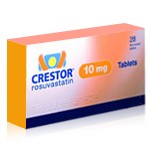
Crestor is the original brand-name formulation of Rosuvastatin Calcium manufactured by AstraZeneca — widely recognized as one of the most potent HMG-CoA reductase inhibitors (statins) available, with the most aggressive LDL cholesterol reduction per milligram among the statin class. FDA-approved since 2003, Crestor distinguishes itself through its hydrophilic chemistry, which enables selective hepatic uptake and produces meaningfully different pharmacological behavior compared to the older lipophilic statins. Listed on the WHO Model List of Essential Medicines. Validated by landmark trials including JUPITER, METEOR, SATURN, ASTEROID, HOPE-3, and AURORA — one of the most extensively studied cardiovascular medications of the modern era. AstraZeneca's continued development includes pediatric approval for familial hypercholesterolemia (ages 8-17).
Pharmacology operates through competitive inhibition of HMG-CoA reductase, the rate-limiting enzyme in hepatic cholesterol biosynthesis. Distinctly, Rosuvastatin is a hydrophilic statin — unlike the older lipophilic statins, it is selectively taken up into hepatocytes via the OATP1B1 transporter, producing concentrated hepatic effect with minimal peripheral tissue penetration. The result is potent LDL cholesterol reduction (46-55% at 10 mg, up to 63% at 40 mg), modest HDL elevation, and meaningful triglyceride reduction. Long half-life of approximately 19 hours supports flexible once-daily dosing at any time of day (unlike older statins requiring evening administration). Minimal hepatic metabolism (~10%) produces fewer drug interactions than other statins; mostly biliary excretion unchanged.
Crestor is FDA-approved for primary hypercholesterolemia (heterozygous familial and non-familial), mixed dyslipidemia, hypertriglyceridemia, dysbetalipoproteinemia, homozygous familial hypercholesterolemia, pediatric heterozygous familial hypercholesterolemia (8-17 years), atherosclerosis (slowing progression), and primary cardiovascular prevention in patients with normal LDL but elevated hsCRP (JUPITER-supported indication). Off-label uses include acute coronary syndrome and secondary CV prevention.
Available as Crestor 5, 10, 20, and 40 mg tablets. Standard adult dosing: 5-40 mg once daily, with anytime administration (no evening requirement). Asian patients typically start at 5 mg due to higher systemic exposure.
Clinical evidence is extraordinary: JUPITER trial 2008 demonstrated 44% reduction in major cardiovascular events in patients with normal LDL but elevated hsCRP, expanding the primary prevention paradigm. SATURN, ASTEROID, METEOR confirmed plaque regression. Recommended by NLA, AHA/ACC, ESC, NICE as a high-intensity statin option for atherosclerotic cardiovascular disease (ASCVD) prevention.
Free prescription
Discrete packaging
Have questions?
Quality Assurance


- Heterozygous Familial Hypercholesterolemia: FDA-approved for heterozygous familial hypercholesterolemia (HeFH);
- Homozygous Familial Hypercholesterolemia: FDA-approved for homozygous familial hypercholesterolemia (HoFH);
- Pediatric FH Approved: FDA-approved for pediatric heterozygous familial hypercholesterolemia (8-17 years);
- Mixed Dyslipidemia: FDA-approved for mixed dyslipidemia;
- Hypertriglyceridemia: FDA-approved for hypertriglyceridemia;
- Dysbetalipoproteinemia: FDA-approved for primary dysbetalipoproteinemia (Type III hyperlipoproteinemia);
- Atherosclerosis Slowing Progression: FDA-approved for slowing progression of atherosclerosis;
- Primary CV Prevention JUPITER: FDA-approved for primary CV prevention in normal LDL + elevated hsCRP — JUPITER signature;
- Elevated hsCRP Prevention: For primary prevention in patients with elevated hsCRP (≥2 mg/L);
- Secondary CV Prevention: Off-label for secondary cardiovascular prevention;
- Acute Coronary Syndrome ACS: Off-label for ACS — high-intensity statin therapy initiation;
- Diabetic Dyslipidemia: For dyslipidemia in diabetic patients;
- ASCVD High Risk Patients: For atherosclerotic cardiovascular disease (ASCVD) high-risk patients;
- Post MI Statin Therapy: For post-MI patients — high-intensity statin secondary prevention;
- Post Stroke Statin Therapy: For post-stroke patients — secondary stroke prevention with statin;
- Peripheral Arterial Disease: For peripheral arterial disease (PAD) — statin therapy for CV risk reduction;
- Chronic Kidney Disease Statin: For CKD patients requiring statin therapy — AURORA trial supports selective use;
- Coronary Plaque Regression: For coronary plaque regression — SATURN, ASTEROID trial benefit;
- Carotid IMT Regression: For carotid intima-media thickness regression — METEOR trial benefit;
- Lp(a) Reduction Selective: Modest Lp(a) reduction in selected patients;
- Diabetes Prevention Cardio: HOPE-3 trial showed CV benefit in intermediate-risk patients.
- Better HDL Cholesterol: Modest HDL cholesterol increase (5-15%);
- Less Triglycerides: Meaningful triglyceride reduction (20-40%);
- Less Cardiovascular Events: 44% reduction in major CV events — JUPITER landmark trial benefit;
- Better Primary Prevention Normal LDL hsCRP: ⭐ Primary prevention in normal LDL but elevated hsCRP — paradigm shift;
- Less MI Risk Primary Prevention: Reduces MI risk in primary prevention — JUPITER benefit;
- Less Stroke Risk Primary Prevention: Reduces stroke risk in primary prevention;
- Less CV Mortality: Reduces CV mortality in high-risk patients;
- Better Coronary Plaque Regression: Coronary plaque regression demonstrated — SATURN, ASTEROID trial benefit;
- Better Carotid IMT Regression: Carotid intima-media thickness regression — METEOR trial benefit;
- Less Atherosclerosis Progression: Slows atherosclerosis progression overall;
- Better Familial Hypercholesterolemia Control: Effective for heterozygous and homozygous FH;
- Better Pediatric FH Treatment: FDA-approved pediatric FH treatment (8-17 years);
- Better Diabetic Dyslipidemia Control: Effective in diabetic dyslipidemia management;
- Less Recurrent CV Events: Effective secondary prevention of recurrent CV events;
- Better Post MI Outcomes: High-intensity statin therapy improves post-MI outcomes;
- Better Post Stroke Outcomes: Secondary stroke prevention with statin therapy;
- Better PAD Outcomes: CV risk reduction in peripheral arterial disease;
- Better Pleiotropic Effects: Anti-inflammatory and plaque-stabilizing pleiotropic effects beyond LDL reduction;
- Less hsCRP Inflammation: Reduces hsCRP levels (anti-inflammatory effect);
- Better Endothelial Function: Improves endothelial function;
- Less Muscle Exposure vs Lipophilic Statins: Hydrophilic chemistry — less muscle penetration vs lipophilic statins;
- Better Anytime Dosing Compliance: ⭐ Anytime daily dosing flexibility (no evening requirement) improves compliance;
- Better Daily Function: Once-daily dosing supports return to normal daily activities;
- Better Quality of Life Long Term: Long-term quality of life improvement with CV risk reduction;
- Brand Crestor AstraZeneca: Original AstraZeneca brand of Rosuvastatin — blockbuster statin since 2003;
- Generic Rosuvastatin: Affordable generic Rosuvastatin versions expand global access to high-intensity statin therapy;
- Four Tablet Strengths: Four strength options (5/10/20/40 mg) — broad titration flexibility;
- HMG CoA Reductase Inhibitor Statin: HMG-CoA reductase inhibitor (statin) — foundational cholesterol-lowering mechanism;
- Hydrophilic Statin: ⭐ Hydrophilic statin — selective hepatic uptake, less muscle exposure (advantage);
- OATP1B1 Hepatic Transporter: Selective hepatic uptake via OATP1B1 transporter — targeted delivery;
- Most Potent Statin Per Mg: ⭐ Most potent statin per milligram — signature pharmacological advantage;
- Minimal Hepatic Metabolism: Minimal hepatic metabolism (~10%) — fewer drug interactions vs other statins;
- Long Half Life 19 Hours: Long half-life ~19h — supports anytime daily dosing flexibility;
- JUPITER Trial CV Prevention 2008: ⭐ Landmark JUPITER trial — primary CV prevention paradigm shift;
- SATURN ASTEROID Plaque Regression: SATURN, ASTEROID trials — coronary plaque regression;
- NLA AHA ACC ESC Guideline Recommended: NLA, AHA/ACC, ESC, NICE high-intensity statin recommendation;
- WHO Essential Medicine: Listed on the WHO Model List of Essential Medicines;
- 20 Plus Year Clinical History: 20+ years of clinical use since 2003 — extensively studied modern statin.
Generic Crestor (Rosuvastatin 5 mg) Medication guide:
📖 What Crestor Is and How It Works
Crestor is the original brand of rosuvastatin calcium, a member of the statin family - the HMG-CoA reductase inhibitors that have transformed cardiovascular medicine over the past four decades. Statins block the rate-limiting enzyme in hepatic cholesterol synthesis. The liver responds by pulling more cholesterol from blood, dropping circulating LDL substantially. Alongside diet and exercise, statins remain the foundation of pharmacological cardiovascular risk reduction.
Rosuvastatin was approved by the US FDA in 2003, developed by AstraZeneca. It is one of the most potent statins - at typical doses it lowers LDL by 45-55 percent, with the highest 40 mg dose achieving over 60 percent LDL reduction. Alongside atorvastatin (Lipitor), rosuvastatin is one of two so-called high-intensity statins that current guidelines position for higher-risk clients.
The main modern uses of Crestor
- 🫀 Primary cardiovascular prevention - in clients at elevated cardiovascular risk without established disease
- ❤️ Secondary cardiovascular prevention - after MI, stroke, TIA, or established atherosclerotic disease
- 🧬 Familial hypercholesterolaemia - heterozygous and homozygous forms
- 🩸 Primary hypercholesterolaemia and mixed dyslipidaemia
- 👩 Diabetic clients - as part of standard cardiovascular risk reduction
- 🌍 Aortic and carotid atherosclerosis - slows progression; supports regression at high doses
What distinguishes rosuvastatin from other statins matters practically. It is hydrophilic (water-soluble) rather than lipophilic - meaning it stays largely in the liver rather than penetrating muscle and other tissues. This may translate to lower myopathy risk than lipophilic statins like simvastatin at equipotent doses. It is minimally metabolised by CYP450 enzymes - only about 10 percent metabolism, mostly by CYP2C9 - meaning fewer drug interactions than simvastatin or lovastatin (heavy CYP3A4 substrates). It has a long half-life of 19 hours - allowing flexible daily dosing rather than requiring bedtime timing.
Crestor comes as 5 mg, 10 mg, 20 mg, and 40 mg tablets. Standard adult starting dose is 10-20 mg once daily. Dose is titrated to reach LDL target or maximum tolerated. Time to effect is 2-4 weeks; full effect by 4-6 weeks. Response varies between individuals but the population average LDL reduction is highly consistent across trials.
The single most common concern with statins is muscle symptoms. Roughly 5-10 percent of clients in trials report myalgia; real-world prescription studies show similar or slightly higher rates. Serious muscle problems (rhabdomyolysis) are rare - roughly 1-2 per 10,000 treated years. Most muscle complaints on statins are not caused by the statin, as randomised placebo trials have demonstrated. Managing muscle concerns requires balance between real biological effects and nocebo response - Sections 15-16 cover this in detail.
This guide walks through what rosuvastatin does, the specific settings where it fits, the practical realities of once-daily dosing, the muscle symptom question that dominates real-world concerns, the specific drug interactions worth knowing (fibrates, cyclosporine, some antibiotics), the Asian population dose considerations, and the updated pregnancy guidance following 2021 FDA label changes. Treat this guide as a companion to what your lipid specialist, cardiologist, or general practitioner tells you.
💊 Why Doctors Prescribe Crestor - Main Indications
Statins including rosuvastatin have broad indications across cardiovascular risk reduction. Understanding which specific indication drives your prescription shapes the intensity of therapy and monitoring approach.
Primary cardiovascular prevention
In clients without established atherosclerotic cardiovascular disease (ASCVD) but at elevated risk, rosuvastatin reduces the incidence of first MI, stroke, and cardiovascular death. Guidelines use various risk calculators to identify who benefits most - ASCVD risk over 7.5-10 percent 10-year risk, elevated LDL, diabetes with additional risk factors, chronic kidney disease. Section 3 covers primary prevention in depth.
Secondary cardiovascular prevention
In clients with established ASCVD (prior MI, stroke, coronary revascularisation, peripheral arterial disease, aortic disease), statins substantially reduce recurrent events and cardiovascular mortality. High-intensity statin (rosuvastatin 20-40 mg or atorvastatin 40-80 mg) is standard first-line therapy in most guidelines. Section 4 covers secondary prevention.
Familial hypercholesterolaemia
Genetic disorders causing very high LDL (typically LDL over 190 mg/dL / 4.9 mmol/L untreated) with premature ASCVD. Heterozygous FH is common (1 in 250); homozygous FH is rare and severe. Rosuvastatin at high dose (20-40 mg) alone is not sufficient - typically combined with ezetimibe and often PCSK9 inhibitor. Section 5 covers FH.
Diabetic clients
Diabetes carries substantially increased cardiovascular risk. Statin therapy is standard for most adults with diabetes regardless of baseline LDL - AHA, ADA, and NICE all recommend. Rosuvastatin is one of the options. Diabetes-specific considerations - modest increased risk of new-onset diabetes worsening from statin use, but net benefit strongly favours therapy in diabetic clients.
Chronic kidney disease
CKD is an independent cardiovascular risk factor. Rosuvastatin at reduced doses (5-10 mg maximum in severe CKD) is used for cardiovascular risk reduction. Not dialysis-treated ESRD (statin benefit uncertain in this specific setting per SHARP and other trials).
Atherosclerosis progression and regression
Intravascular ultrasound trials (ASTEROID, SATURN) established that high-dose rosuvastatin can produce measurable regression of coronary atherosclerosis. Carotid IMT trials (METEOR) showed slowed progression. This mechanistic evidence supports LDL as the direct target - lower is better for the plaque itself.
Where statins do not routinely fit
- Isolated hypertriglyceridaemia - fibrates or omega-3 more effective for TG
- NYHA III-IV heart failure without CAD - CORONA and GISSI-HF showed no benefit
- Dialysis-treated ESRD - trials showed no cardiovascular benefit
- Very short life expectancy - benefit accrues over years
- Isolated low HDL without other lipid abnormalities - HDL-raising interventions have not proven beneficial
The LDL principle
The core insight from decades of cardiovascular trials is that lower LDL is better, essentially without a floor. Trials at increasingly aggressive LDL targets continue to show benefit. Rosuvastatin as high-intensity statin fits this era of aggressive LDL lowering. Modern guidelines target LDL below 70 mg/dL (1.8 mmol/L) in high-risk clients and below 55 mg/dL (1.4 mmol/L) in very high-risk (recent MI, familial hypercholesterolaemia with events, polyvascular disease). Very low LDL - even down to 20 mg/dL in PCSK9 inhibitor trials - has proven safe.
Ask your treating team what specific indication drove your prescription, what your LDL target is, and what timeline they expect for reaching it. The plan differs substantially between primary prevention with modest risk and secondary prevention after recent MI.
🫀 Crestor for Primary Cardiovascular Prevention
Primary cardiovascular prevention with rosuvastatin means using the drug to prevent a first cardiovascular event in someone without established atherosclerotic disease. The threshold for primary prevention has evolved substantially - modern practice treats a broader population than 20 years ago based on accumulated evidence.
Who is typically eligible for primary prevention statin
- LDL cholesterol 190 mg/dL (4.9 mmol/L) or higher - regardless of other risk factors; likely familial hypercholesterolaemia
- Diabetes plus age 40-75 - typically qualifies for statin therapy
- 10-year ASCVD risk 7.5 percent or higher (ACC/AHA) with additional risk-enhancing factors
- QRISK3 score 10 percent or higher (UK)
- Chronic kidney disease stage 3 or worse
- Chronic inflammatory conditions (SLE, RA, chronic HIV)
- Metabolic syndrome
- Elevated hsCRP - JUPITER trial population
- Coronary calcium score elevated - risk-modifying test
The JUPITER trial
The JUPITER trial (Ridker et al. NEJM 2008) was landmark for rosuvastatin primary prevention. 17,802 clients with LDL under 130 mg/dL but elevated hsCRP were randomised to rosuvastatin 20 mg or placebo. The trial was stopped early after 1.9 years for benefit - rosuvastatin reduced major cardiovascular events by 44 percent, MI by 54 percent, stroke by 48 percent, and all-cause mortality by 20 percent. JUPITER established that statin benefit extends to clients with normal LDL when inflammation (elevated hsCRP) marks elevated risk.
Risk assessment tools
- ASCVD Risk Estimator Plus (ACC/AHA) - US calculator; 10-year risk of MI/stroke
- QRISK3 - UK calculator; includes conditions like SLE, migraine, atypical antipsychotics
- SCORE2 and SCORE2-OP - European calculators; region-specific
- Framingham Risk Score - older; still used in some settings
- Coronary artery calcium (CAC) score - imaging refines risk; CAC of 0 in intermediate-risk client may allow deferring statin
- hsCRP - inflammation marker; elevated adds to risk
Typical primary prevention regimen
- Rosuvastatin 5-20 mg once daily depending on risk and LDL target
- Or atorvastatin 20-40 mg as alternative high-intensity option
- LDL target for primary prevention typically under 100 mg/dL (2.6 mmol/L); some guidelines suggest under 70 (1.8) for higher-risk
- Combined with lifestyle - Mediterranean diet, exercise, smoking cessation, weight management
- Blood pressure management alongside
- Ongoing risk factor management
Setting realistic expectations
- Statins reduce first-event risk by roughly 25-30 percent
- Absolute risk reduction depends on baseline risk - higher risk = bigger absolute benefit
- Benefit accrues over years - not visible next month
- Combined with other cardiovascular measures - not a standalone solution
- Long-term commitment - most clients continue for life
Primary prevention statin therapy is one of the more evidence-based interventions in medicine. Discussion with the treating team about individual risk, LDL target, and long-term commitment shapes the specific approach.
❤️ Crestor for Secondary Prevention After MI or Stroke
Secondary cardiovascular prevention - preventing recurrent events in someone with established atherosclerotic disease - is where statin therapy has the strongest evidence and largest absolute benefit. Rosuvastatin as high-intensity statin is a standard choice.
Who needs secondary prevention statin
- Prior myocardial infarction - lifelong statin standard
- Prior stroke or TIA (of atherothrombotic origin)
- Prior coronary revascularisation (angioplasty, CABG)
- Documented CAD on imaging
- Peripheral arterial disease
- Aortic atherosclerotic disease
- Symptomatic carotid disease
- Polyvascular disease - highest-risk category
The evidence base
- Cholesterol Treatment Trialists Collaboration (CTT) meta-analyses - the definitive statin evidence synthesis; consistent 21 percent reduction in major vascular events per 1 mmol/L (39 mg/dL) LDL reduction
- 4S trial (1994) - simvastatin secondary prevention landmark
- PROVE-IT trial (2004) - atorvastatin 80 mg superior to pravastatin 40 mg after acute coronary syndrome
- SPARCL trial (2006) - atorvastatin for secondary stroke prevention
- IMPROVE-IT (2015) - ezetimibe plus simvastatin better than simvastatin alone
- FOURIER (2017) - evolocumab added to statin for very high-risk
LDL targets for secondary prevention
| Client group | LDL target |
|---|---|
| Very high-risk (recent ACS, polyvascular, FH with event, diabetes with target organ damage) | Under 55 mg/dL (1.4 mmol/L) per ESC/EAS; some guidelines under 70 |
| High-risk (established ASCVD without additional very-high-risk features) | Under 70 mg/dL (1.8 mmol/L) |
| 50 percent LDL reduction | Alternative target when starting LDL below 100 mg/dL |
| Very very high risk (recurrent events on optimal therapy) | Under 40 mg/dL (1.0 mmol/L) considered by some experts |
Typical secondary prevention regimen
- Rosuvastatin 20-40 mg once daily (high-intensity statin)
- Or atorvastatin 40-80 mg as equivalent
- Recheck LDL 6-12 weeks after initiation or dose change
- If LDL not at target: add ezetimibe 10 mg daily
- If still not at target: consider PCSK9 inhibitor (evolocumab, alirocumab) or inclisiran
- Bempedoic acid as alternative for statin-intolerant
- Bile acid sequestrant occasional adjunct (Section on Choltran covers this)
- Combined with antiplatelet, antihypertensive, and lifestyle
Secondary prevention with high-intensity statin is one of the most life-extending single interventions in medicine. The clients who benefit most - those with established ASCVD - should not be under-treated. Achieving LDL targets often requires multi-drug therapy in the modern era.
🧬 Crestor for Familial Hypercholesterolaemia
Familial hypercholesterolaemia (FH) is a genetic disorder of LDL receptor function causing very high LDL from birth and premature atherosclerotic disease. Rosuvastatin is one of the mainstays of therapy but rarely sufficient alone.
The FH condition
- Heterozygous FH (HeFH) - one defective LDL receptor gene; roughly 1 in 250 people; underdiagnosed
- Homozygous FH (HoFH) - both LDL receptor genes defective; roughly 1 in 300,000; severe
- LDL typically over 190 mg/dL (4.9 mmol/L) untreated in HeFH; often over 500 mg/dL in HoFH
- Premature ASCVD - MI often in 30s or 40s in men, 40s-50s in women
- Physical signs may include tendon xanthomas, corneal arcus at young age, xanthelasma
- Family screening essential - siblings and children may have FH
Diagnostic criteria
Several scoring systems used:
- Simon Broome criteria (UK)
- Dutch Lipid Clinic Network score
- US Make Early Diagnosis to Prevent Early Death (MEDPED)
- Genetic testing confirms in most cases - LDLR, APOB, PCSK9 gene mutations
- Cascade family screening critical - one FH diagnosis leads to 3-5 more relatives identified
Treatment approach in HeFH
- High-intensity statin - rosuvastatin 20-40 mg or atorvastatin 40-80 mg
- Ezetimibe 10 mg daily added if LDL not at target on statin alone
- PCSK9 inhibitor (evolocumab, alirocumab) - typically needed if still not at target
- Inclisiran - PCSK9 siRNA - alternative long-acting option
- Bempedoic acid - additional oral option
- Bile acid sequestrant - occasional adjunct
- LDL target under 100 mg/dL (2.6 mmol/L) for HeFH without ASCVD; under 70 (1.8) with ASCVD; under 55 (1.4) if very high risk
Treatment approach in HoFH
- High-intensity statin at maximum dose (rosuvastatin 40 mg)
- Ezetimibe
- PCSK9 inhibitor (evolocumab up to weekly 420 mg)
- LDL apheresis - weekly or fortnightly; mechanical LDL removal
- Lomitapide, mipomersen - specific HoFH drugs
- Evinacumab - anti-ANGPTL3 antibody; approved for HoFH
- Liver transplantation - definitive in severe cases
- Specialist HoFH centre care essential
Paediatric FH considerations
Statin therapy for FH is typically started in childhood (age 8-10 years) once diagnosis established. Rosuvastatin is approved for use in paediatric FH from age 8 (heterozygous) or 7 (homozygous). Doses lower than adult. Long safety experience. Family involvement in management essential. Section 25 briefly notes paediatric considerations.
FH is one of the strongest indications for aggressive lipid therapy. Rosuvastatin is a mainstay but multi-drug therapy is often needed to reach LDL targets. Family screening and specialist lipid clinic follow-up matter for optimal outcomes.
⚖️ The JUPITER ASTEROID and SATURN Trial Evidence
Rosuvastatin's evidence base is anchored by several landmark trials. Understanding what each showed clarifies why the drug occupies its position in modern practice.
STELLAR - comparative statin efficacy
- Published Am J Cardiol 2003, Jones and colleagues
- Compared rosuvastatin, atorvastatin, simvastatin, pravastatin head-to-head
- Rosuvastatin achieved the greatest LDL reduction milligram-for-milligram
- Established rosuvastatin as high-intensity statin option
- Basis of the rosuvastatin-atorvastatin high-intensity designation
METEOR - carotid atherosclerosis progression
- Published JAMA 2007, Crouse and colleagues
- 984 asymptomatic clients with subclinical atherosclerosis (elevated carotid IMT)
- Rosuvastatin 40 mg versus placebo for 2 years
- Slowed carotid IMT progression significantly
- Established rosuvastatin's effect on subclinical atherosclerosis
ASTEROID - the plaque regression breakthrough
Published JAMA 2006, Nissen and colleagues. Intravascular ultrasound in 349 clients with CAD; rosuvastatin 40 mg for 24 months. Coronary atheroma regressed - measurable reduction in total atheroma volume. First clear demonstration that aggressive LDL lowering could reverse coronary plaque burden. This mechanistic evidence transformed how the field understood LDL lowering as a plaque-modifying therapy, not just event prevention.
SATURN - head-to-head with atorvastatin
- Published NEJM 2011, Nicholls and colleagues
- 1,039 clients with CAD; intravascular ultrasound
- Rosuvastatin 40 mg versus atorvastatin 80 mg for 2 years
- Both produced substantial atheroma regression; no clear difference
- Both statins effective at maximally intensive doses
- Supported both as reasonable high-intensity options
JUPITER - the primary prevention landmark
- Published NEJM 2008, Ridker and colleagues
- 17,802 clients with LDL under 130 mg/dL AND elevated hsCRP over 2.0 mg/L
- Median age 66, half women
- Rosuvastatin 20 mg versus placebo
- Stopped early after 1.9 years for benefit
- 44 percent reduction in major cardiovascular events
- 54 percent reduction in MI
- 48 percent reduction in stroke
- 20 percent reduction in all-cause mortality
- Established statin benefit in normal-LDL population with inflammatory marker elevation
- Led to FDA expansion of rosuvastatin primary prevention indication in 2010
HOPE-3 - intermediate-risk primary prevention
- Published NEJM 2016, Yusuf and colleagues
- 12,705 intermediate-risk clients from 21 countries
- Rosuvastatin 10 mg versus placebo
- 24 percent reduction in cardiovascular events over 5.6 years
- Extended primary prevention evidence to broader ethnic groups and intermediate-risk clients
CTT meta-analyses
The Cholesterol Treatment Trialists Collaboration has synthesised individual client data from most major statin trials. The headline finding: each 1 mmol/L (39 mg/dL) reduction in LDL reduces major vascular events by roughly 22 percent, essentially linearly. This meta-analysis evidence underlies the "lower is better" principle in modern lipid practice.
The rosuvastatin evidence base is unusually rich - primary prevention (JUPITER, HOPE-3), atheroma regression (ASTEROID, SATURN), progression slowing (METEOR), comparative efficacy (STELLAR), and the broader statin evidence base (CTT). Few drugs have such comprehensive supporting data.
🔬 How Rosuvastatin Blocks HMG-CoA Reductase
Rosuvastatin's mechanism is the same as all statins - blocking HMG-CoA reductase, the rate-limiting enzyme of cholesterol synthesis. What distinguishes rosuvastatin from other statins is potency, hydrophilicity, and pharmacokinetics.
The HMG-CoA reductase mechanism
- HMG-CoA reductase catalyses conversion of HMG-CoA to mevalonate
- Mevalonate is the precursor for cholesterol, ubiquinone, and other isoprenoids
- HMG-CoA reductase is the rate-limiting enzyme of cholesterol synthesis
- Rosuvastatin binds HMG-CoA reductase competitively with high affinity
- Hepatic cholesterol synthesis slows
- Reduced intracellular cholesterol triggers upregulation of LDL receptors on hepatocyte surface
- More LDL cleared from blood
- Circulating LDL cholesterol falls substantially
Why rosuvastatin is particularly potent
- Highest binding affinity to HMG-CoA reductase among statins
- Longer duration of enzyme inhibition than other statins
- Concentrated hepatic uptake via OATP1B1 transporter
- Higher milligram-for-milligram LDL reduction than atorvastatin or simvastatin
- 10 mg rosuvastatin roughly equivalent to 20-40 mg atorvastatin or 40 mg simvastatin
Why hydrophilicity matters
Rosuvastatin is hydrophilic (water-soluble) rather than lipophilic. This means:
- Concentrated in liver via specific OATP1B1 transporter uptake
- Minimal peripheral tissue penetration including muscle
- Lower myopathy risk at equipotent doses than lipophilic statins (simvastatin, atorvastatin)
- Not extensively metabolised by CYP450 - only about 10 percent hepatic metabolism
- Fewer drug interactions than simvastatin (CYP3A4 heavily metabolised)
Pharmacokinetics
- Oral bioavailability - 20 percent
- Peak plasma concentration - 3-5 hours after dose
- Half-life - 19 hours (long)
- Steady state - after several days
- Elimination - 90 percent unchanged in faeces via bile; 10 percent renal metabolites
- Not extensively metabolised - CYP2C9 minor pathway
- OATP1B1 substrate - hepatic uptake transporter; genetic variation affects levels
- Long half-life allows flexible daily dosing - no bedtime requirement
Pleiotropic effects beyond LDL
Statins have effects beyond LDL lowering that may contribute to cardiovascular benefit:
- Anti-inflammatory - hsCRP reduction; plaque stabilisation
- Endothelial function improvement
- Antithrombotic effects
- Antioxidant effects
- Immunomodulatory
- Whether these matter beyond LDL effect remains debated but are consistent trial observations
Understanding the mechanism explains why rosuvastatin has the specific profile it does - potent LDL lowering, relatively low myopathy risk, few drug interactions, once-daily flexibility. The hydrophilicity is one of the drug's defining features.
⏰ Crestor Dose Schedule and Timing Rules
Rosuvastatin dosing is straightforward - once daily, flexible timing, dose titrated to LDL response. Understanding the standard approach and specific adjustments for population groups guides individual therapy.
Standard dosing
| Situation | Dose |
|---|---|
| Standard adult starting dose | 10 mg once daily |
| Higher intensity or FH | 20 mg once daily starting; up to 40 mg |
| Maximum daily dose | 40 mg (reserved for those needing maximum LDL reduction) |
| Elderly or lower body weight | 5 mg starting dose reasonable |
| Asian ethnicity | 5 mg starting; do not exceed 20 mg without careful consideration (Section 22) |
| Severe renal impairment (eGFR under 30) | Maximum 10 mg |
| Cyclosporine co-therapy | Maximum 5 mg |
Timing flexibility
- Once daily at same time each day
- Morning, evening, or bedtime - all work
- Unlike simvastatin (bedtime preferred), rosuvastatin's long half-life allows flexibility
- With or without food - absorption not significantly affected
- Consistency more important than the specific time
Titration approach
- Start at appropriate dose based on LDL and risk
- Check LDL response at 6-12 weeks
- If not at target - increase dose (double to next strength) or add ezetimibe
- Recheck LDL 6-12 weeks after each change
- Titrate to target or maximum tolerated
- Once at target, monitor lipids annually or as clinically indicated
Expected LDL reduction by dose
| Dose | Expected LDL reduction |
|---|---|
| 5 mg daily | 40-45 percent |
| 10 mg daily | 45-52 percent |
| 20 mg daily | 52-58 percent |
| 40 mg daily | 55-63 percent |
Duration
- Statins are typically lifelong for established cardiovascular disease or FH
- Primary prevention duration individualised - benefit accrues over years
- Stopping statin therapy is a decision with real cardiovascular consequences
- Reassess at yearly review whether ongoing therapy justified by risk profile
Rosuvastatin dosing is one of the more straightforward aspects of the drug - fixed once-daily regimen with LDL-guided titration. Once optimal dose established, most clients continue same regimen for years.
📅 Starting Crestor - First Weeks Approach
Starting rosuvastatin has a well-defined pattern. Most clients tolerate it without major issue. The first weeks are the highest-risk period for muscle symptoms that may or may not be drug-related.
Typical initiation experience
- Most clients notice nothing subjectively in first days
- LDL reduction begins within 1 week; substantial by 2-4 weeks
- Full effect on LDL by 4-6 weeks
- Some clients report muscle symptoms in first weeks - variable causation
- Very rare early rhabdomyolysis - warrants urgent evaluation if occurs
- Long-term tolerance for the great majority
Pre-treatment assessment
- Baseline lipid profile (total cholesterol, LDL, HDL, triglycerides)
- Baseline liver function tests (ALT)
- Baseline CK (creatine kinase) - some guidelines recommend, others do not routinely
- Baseline HbA1c (statins slightly raise new diabetes risk)
- Review of concurrent medications for interactions
- TSH check - hypothyroidism can raise LDL and muscle symptoms; treat hypothyroid first
- Baseline urinalysis for proteinuria if high-dose planned
- Discussion of expected benefits and side effects
Setting expectations
- Explain no immediate symptom improvement - not for symptoms
- LDL reduction is the marker of success
- Long-term cardiovascular benefit is the outcome
- Muscle symptoms - report but do not immediately assume drug-caused
- Nocebo effect is substantial - clients who expect side effects experience more
- Very few clients truly cannot tolerate statins
Follow-up schedule for initiation
- 6-12 weeks after start - lipid panel to assess response; LFTs
- If at target: continue current dose
- If not at target: increase dose or add ezetimibe
- Symptom review at each contact
- CK check if muscle symptoms reported
- 6-12 months for full stabilisation
Warning signs during initiation
- 🔴 Severe unexplained muscle pain, weakness, or tenderness
- 🔴 Dark tea-coloured urine (myoglobinuria - rhabdomyolysis)
- 🔴 Rapid CK rise (over 10x upper normal)
- 🔴 Yellow skin or eyes (jaundice) - liver toxicity concern
- 🔴 Persistent nausea and abdominal pain with elevated ALT
Rosuvastatin initiation is straightforward for most clients. Realistic expectations, adequate monitoring, and prompt attention to warning symptoms make the transition to long-term therapy smooth.
📏 Crestor Dose Adjustments and Individual Response
Rosuvastatin dose response is relatively predictable. LDL falls by a predictable amount per dose level. Most adjustments involve escalation for inadequate response or reduction for side effects.
Factors affecting individual response
- Baseline LDL - higher baseline allows more absolute reduction
- Genetics - LDL receptor gene variants; OATP1B1 (SLCO1B1) variants affecting hepatic uptake and muscle symptom risk
- Adherence - most common cause of "non-response" is intermittent dosing
- Diet - continued high-saturated-fat diet limits benefit
- Body weight - modest effect
- Age - modest effect on pharmacokinetics
- Ethnicity - Asian populations have higher plasma levels (Section 22)
- Concurrent medications - interactions can raise or lower levels
Common dose adjustments
| Situation | Typical action |
|---|---|
| LDL not at target | Increase dose to next strength; check compliance; consider adding ezetimibe |
| Muscle symptoms mild | Check CK; often symptoms resolve or are unrelated to statin |
| Muscle symptoms persistent | Reduce dose; consider switching to different statin; alternate-day dosing |
| ALT 3x upper normal | Reduce dose; recheck; investigate other liver causes |
| Rhabdomyolysis (CK over 10x normal with symptoms) | Stop immediately; hospital assessment |
| New diabetes on statin | Continue statin (cardiovascular benefit outweighs); treat diabetes |
| Proteinuria on high dose | Reduce dose; check urinalysis |
Non-response investigation
If LDL not falling as expected:
- Check adherence honestly
- Review timing (though flexible, consistency matters)
- Check for concurrent bile acid sequestrant timing issue
- Rule out hypothyroidism (can raise LDL)
- Review dietary compliance
- Consider genetic causes (familial hypercholesterolaemia)
- Consider adding ezetimibe (roughly 20 percent additional LDL reduction)
- Consider PCSK9 inhibitor if very high risk and not at target
Long-term stability
- Once optimal dose found, stable long-term
- Annual lipid check
- Periodic LFT check
- Ongoing cardiovascular risk factor management
- Consider intensification if new cardiovascular event occurs
- Rarely need for dose reduction over time
Rosuvastatin dose adjustment is largely LDL-guided. The path from starting dose to stable long-term therapy usually settles within 3-6 months for most clients.
💊 How to Take Crestor Tablets Properly
Practical routines around Crestor tablets are among the simplest in cardiovascular medicine. Once daily, flexible timing, with or without food.
Practical daily routine
- Once daily at same time each day
- Any time of day - morning, evening, or bedtime (unlike simvastatin which prefers bedtime)
- With water - a full glass
- With or without food - absorption not significantly affected
- Swallow whole - do not crush or chew
- Consistency - same time each day helps adherence
- Refill 2 weeks before running out
Anchor the dose to a daily habit
- Morning with breakfast or coffee
- Evening with dinner
- Bedtime with nighttime routine
- Alongside other daily medications
- Weekly pillbox helpful for polypharmacy
- Phone alarm labelled "Crestor" or "statin"
Timing separation from specific drugs
- Aluminium/magnesium antacids - separate by at least 2 hours
- Bile acid sequestrants (cholestyramine, colesevelam) - rosuvastatin 1 hour before or 4 hours after cholestyramine
- Most other medications - no timing separation needed
Common medication safety issues
- 🔴 Do not stop suddenly without discussion - cardiovascular risk returns
- 🔴 Report new muscle pain, weakness, or tenderness
- 🔴 Report dark urine - possible rhabdomyolysis
- 🔴 Never double up on missed dose
- 🔴 Check new medications for interactions
- 🔴 If pregnancy considered - discuss (updated guidance in 2021 - Section 28)
- 🔴 Wear medical alert if very high-dose or complex statin regimen
Storage
- Room temperature under 25 C in original packaging
- Protect from moisture
- Not in bathroom
- Not in hot car
- Out of reach of children
- Do not use past expiry
- Return unused tablets to pharmacy
Once-daily flexible dosing makes rosuvastatin one of the simpler cardiovascular medications to take. Most clients settle into a stable routine within days and continue for years without modification.
🥗 Food, Diet and Grapefruit on Crestor
Diet on rosuvastatin has few specific restrictions. Grapefruit interaction is much smaller than with simvastatin or atorvastatin. Broader cardiovascular-healthy diet supports the statin's effect.
Grapefruit juice - much less concern than with other statins
Unlike simvastatin and atorvastatin (heavily CYP3A4 metabolised), rosuvastatin is only 10 percent metabolised by CYP450 (mostly CYP2C9, not 3A4). Grapefruit juice does not substantially raise rosuvastatin levels. Moderate grapefruit consumption is acceptable with rosuvastatin. This is one practical advantage of rosuvastatin over simvastatin for clients who enjoy grapefruit.
Foods and supplements worth flagging
- 🟡 Red yeast rice - contains natural statin (monacolin K); should not be combined with prescription statin (additive myopathy risk)
- 🟡 High-dose niacin - myopathy risk additive; some benefit as add-on but specialist decision
- 🟡 Coenzyme Q10 - supplementation sometimes suggested for statin-related muscle symptoms; evidence limited
- 🟡 Vitamin D - deficiency associated with statin muscle symptoms; correct if deficient
- 🟡 St. Johns wort - CYP inducer; minor effect on rosuvastatin (unlike simvastatin)
Cardiovascular-healthy diet foundations
- Mediterranean-style diet - fish, olive oil, vegetables, whole grains, nuts, legumes; strong cardiovascular evidence (PREDIMED trial)
- Reduced saturated fat - less red meat, butter, tropical oils, processed food
- Trans fat elimination - largely regulated out but check labels
- Soluble fibre - oats, beans, apples, psyllium - modest LDL lowering
- Plant sterols/stanols - fortified spreads; modest additional LDL reduction
- Weight management - substantial cardiovascular benefit
- Physical activity - 150 min moderate per week minimum
Alcohol - Section 13 covers in more detail
Modest alcohol is compatible with rosuvastatin (unlike simvastatin at high doses where alcohol adds hepatic stress). Heavy alcohol raises triglycerides and liver stress.
Rosuvastatin allows a normal diet with few specific restrictions. The main dietary emphasis is broader cardiovascular-healthy eating that supports the statin's benefit.
🍷 Alcohol Rules During Crestor Therapy
Alcohol on rosuvastatin is generally compatible in moderation. The specific concerns are hepatic effects and interaction with hypertriglyceridaemia risk.
Direct interactions
- No direct metabolic interaction between alcohol and rosuvastatin
- Both are hepatically active - modest additive potential for liver enzyme elevation
- Heavy alcohol independently raises triglycerides; can worsen mixed dyslipidaemia
- Heavy alcohol raises cardiovascular risk that statin is trying to reduce
Practical guidance
- Modest intake (under 14 UK units per week) - compatible for most
- Avoid binge drinking - raises triglycerides, liver enzymes, cardiovascular risk
- Alcohol-free days spread through week
- Fatty liver disease present - substantial alcohol restriction
- Elevated liver enzymes - avoid alcohol until resolved
- Cirrhosis - abstinence advised
Heavy alcohol - specific concerns
- 🔴 Additive liver toxicity
- 🔴 Substantial triglyceride elevation risk
- 🔴 Rhabdomyolysis risk higher (alcohol independently)
- 🔴 Cardiovascular risk factors worsened
- 🔴 Blood pressure elevation
- 🔴 Adherence to therapy affected
Rosuvastatin allows modest alcohol intake for most clients. Heavy alcohol should be reduced for both statin-related and broader cardiovascular reasons.
🚨 Crestor Side Effects - Complete Overview
Rosuvastatin's side effect profile is generally favourable. Muscle symptoms attract the most attention but placebo-controlled trials show most muscle complaints are not actually caused by the drug. Sections 15-22 cover specific issues.
Side effect frequency
| Effect | Frequency |
|---|---|
| Myalgia (muscle aching) | 5-10 percent trials; up to 20-25 percent real world (many not truly drug-caused) |
| Headache | 5-10 percent |
| GI upset (nausea, dyspepsia) | 3-7 percent |
| ALT elevation (any) | 2-5 percent; usually mild transient |
| ALT over 3x upper normal | Under 1 percent |
| CK elevation (asymptomatic) | 2-5 percent |
| Rhabdomyolysis | 1-2 per 10,000 treated years |
| New-onset diabetes | Small increase (roughly 10-20 percent relative risk) |
| Proteinuria (transient, mild) | Common at high dose; usually benign |
| Cognitive symptoms (memory concerns) | Rare; not consistently trial-confirmed |
| Immune-mediated necrotising myopathy | Very rare but serious |
| Discontinuation for side effects | 10-20 percent within first year (many unnecessary given nocebo effect) |
Warning signs - urgent evaluation
- 🔴 Severe muscle pain, weakness, or tenderness - possible rhabdomyolysis
- 🔴 Dark tea-coloured urine - possible myoglobinuria
- 🔴 Progressive proximal muscle weakness - possible immune-mediated myopathy
- 🔴 Yellow skin or eyes - possible hepatic injury
- 🔴 Persistent abdominal pain with elevated ALT
- 🔴 Fever with muscle symptoms
- 🔴 Rash or allergic reaction
The nocebo effect matters
Blinded placebo-controlled statin trials consistently show similar rates of muscle symptoms in placebo and statin arms. Unblinded phase studies show higher symptoms in statin group. This is the nocebo effect - clients who expect side effects experience more. In the SAMSON trial (Wood et al. 2020), most muscle symptoms attributed to statins actually occurred equally with placebo tablets. This does not mean symptoms are "imaginary" - they are real - but they are not necessarily caused by the statin. Understanding this can help clients persist through initial symptoms that often resolve.
Statin side effects concentrate on muscle symptoms and rare more serious events. Realistic expectations, understanding the nocebo issue, and appropriate monitoring make long-term statin therapy successful for most clients.
💪 Muscle Symptoms and Myalgia on Crestor
Muscle symptoms are the most common reason clients stop or hesitate about statins. Distinguishing true statin-associated muscle symptoms (SAMS) from unrelated musculoskeletal issues is one of the more important clinical skills in modern lipid management.
The spectrum of statin muscle effects
- 🟢 Myalgia - muscle pain or aching without CK elevation; the most common
- 🟡 Myositis - muscle pain with CK elevation (typically 3-10x upper normal)
- 🔴 Rhabdomyolysis - severe muscle breakdown; CK over 10x upper normal often with myoglobinuria and renal injury
- 🔴 Immune-mediated necrotising myopathy - very rare autoimmune myopathy triggered by statin; anti-HMG-CoA reductase antibodies; persists after statin stopped
Typical presentation
- Symmetric pain or aching in proximal muscles (thighs, hip girdle, shoulders, upper arms)
- Weakness variable
- Onset days to months after starting or dose increase
- Typically resolves within 2-4 weeks of stopping
- Recurs on rechallenge (though only in a subset)
Risk factors for statin muscle symptoms
- Older age
- Female sex (modest)
- Lower body weight
- Higher statin dose
- Vitamin D deficiency
- Hypothyroidism
- Concurrent CYP inhibitors or transporter inhibitors
- SLCO1B1 (OATP1B1) genetic variants - reduced hepatic uptake, higher plasma levels
- Heavy exertion
- Asian ethnicity (higher plasma levels)
- Renal impairment
Management approach
- Assess severity - myalgia mild, myositis with CK, or rhabdomyolysis
- Check CK if muscle symptoms significant
- Rule out other causes (viral illness, exercise, other medication)
- Check TSH (hypothyroidism), vitamin D level
- Mild symptoms and normal CK - trial of continuation with reassurance
- Persistent symptoms - hold statin for 2-4 weeks; do symptoms resolve?
- If symptoms improve off statin, rechallenge with lower dose
- Consider switching to different statin (pravastatin, fluvastatin generally lowest myopathy risk)
- Alternate-day dosing option
- If truly intolerant - non-statin therapy (ezetimibe, PCSK9 inhibitor, bempedoic acid, cholestyramine)
The SAMSON trial insight
The SAMSON trial (Wood et al. Lancet 2020) used a novel n-of-1 design giving clients who had previously stopped statins for muscle symptoms three types of tablets in random order - statin, placebo tablets identical to statin, and empty months. Muscle symptom scores were essentially the same on placebo and statin - the "statin symptoms" occurred on placebo too. This does not mean symptoms were fake - they were real - but the drug was not causing them. Most clients who had thought they were "statin intolerant" were able to restart. This has changed how many clinicians think about statin muscle complaints.
Muscle symptoms on statins are common concerns. Careful assessment, understanding the nocebo effect, appropriate CK checking, and structured rechallenge often allow continued therapy. True statin intolerance is much less common than initial complaint rates suggest.
🔴 Rhabdomyolysis on Crestor - The Rare Emergency
Rhabdomyolysis is the rare but serious muscle emergency associated with statins. Recognition and prompt management prevent renal failure and death.
The condition
- Severe skeletal muscle breakdown
- Massive CK elevation (typically over 10-40x upper normal)
- Myoglobin released into blood
- Myoglobinuria can cause acute kidney injury
- Electrolyte disturbances (hyperkalaemia, hyperphosphataemia)
- Rare - 1-2 per 10,000 statin-treated years
- Mortality if unrecognised roughly 10-20 percent
Emergency presentation
- 🔴 Severe muscle pain often widespread
- 🔴 Muscle weakness
- 🔴 Dark tea-coloured or brown urine (myoglobinuria)
- 🔴 Reduced urine output
- 🔴 Nausea, vomiting
- 🔴 Confusion in severe cases
- 🔴 Any of these on statin - emergency department immediately
Risk factors amplifying rhabdomyolysis risk
- Concurrent CYP3A4 inhibitor - less concern with rosuvastatin than simvastatin, but drugs like clarithromycin still relevant
- Concurrent fibrate (particularly gemfibrozil) - avoid with any statin
- Concurrent cyclosporine - contraindicated combination
- Higher statin dose - risk rises with dose
- Acute renal or hepatic impairment
- Extreme unaccustomed exercise
- Alcohol excess
- Illicit drug use (cocaine, amphetamines)
- Trauma or crush injury
- Hypothyroidism uncontrolled
- Metabolic myopathy underlying
Emergency management
- Stop statin immediately
- Emergency department urgently
- Check CK, renal function, electrolytes, urinalysis
- Aggressive IV fluid hydration to protect kidneys
- Urinary alkalinisation in some protocols
- Treat electrolyte disturbances
- Dialysis if severe renal failure
- Cardiac monitoring for arrhythmias from hyperkalaemia
- Prolonged recovery over weeks in severe cases
- Do not restart same statin - alternative approaches
After rhabdomyolysis
- Do not restart the same statin
- Consider pravastatin or fluvastatin (lowest muscle risk) at low dose after full recovery
- Non-statin options - ezetimibe, PCSK9 inhibitor, bempedoic acid
- Check for anti-HMG-CoA reductase antibodies if immune-mediated myopathy suspected
- Investigate for underlying metabolic myopathy in some cases
- Genetic testing (SLCO1B1) sometimes done
Rhabdomyolysis is rare but demands immediate recognition and hospital care. Prompt statin cessation, IV hydration, and kidney protection prevent most of the mortality from this complication.
🟡 Liver Enzyme Elevation and Monitoring
Liver enzyme elevation on statins is common but severe hepatotoxicity is rare. Understanding what elevations mean and when to act guides safe long-term use.
Typical liver enzyme pattern
- ALT elevation up to 3x upper normal - common; usually transient
- Peak usually within first 3 months
- Often returns to normal with continued therapy
- Isolated ALT elevation without symptoms - often continue with monitoring
- ALT over 3x upper normal - reduce dose or hold; investigate
- Symptomatic hepatitis - stop and investigate
Modern monitoring approach
- Baseline ALT before starting
- Routine repeat testing controversial - AHA/FDA guidance evolved
- Many guidelines - check LFTs 3-6 months after start, then annually
- Others - only test if clinical concern
- Check if new symptoms (jaundice, RUQ pain, nausea, fatigue)
- Check with any new interacting medication
When to act on elevated ALT
| ALT level | Typical action |
|---|---|
| Less than 3x upper normal | Continue statin; recheck in 4-8 weeks |
| 3-5x upper normal, no symptoms | Reduce dose; investigate other causes; recheck |
| Over 5x upper normal or symptomatic | Stop statin; investigate; hepatology if unresolved |
| Jaundice or ALT over 10x normal | Stop immediately; urgent hepatology |
Non-alcoholic fatty liver disease (NAFLD/MASLD)
NAFLD/MASLD often coexists with hypercholesterolaemia. Statins are safe in NAFLD and may reduce cardiovascular events in this population. Elevated baseline ALT from NAFLD is not a contraindication to statin. Statins can be started in NAFLD with monitoring.
Warning signs of hepatotoxicity
- 🔴 Yellow skin or eyes (jaundice)
- 🔴 Dark urine
- 🔴 Pale stools
- 🔴 Right upper quadrant pain
- 🔴 Persistent nausea and vomiting
- 🔴 Marked new fatigue
Statin hepatotoxicity is rare and usually mild. Modern practice does not require intensive routine LFT monitoring. Any symptomatic concern warrants investigation.
🩸 New-Onset Diabetes on Statin Therapy Explained
Statins slightly increase the risk of developing new diabetes. This has been confirmed across trials and meta-analyses. However, the cardiovascular benefit far outweighs this concern for essentially all appropriate candidates.
The evidence
- Meta-analyses show roughly 10-20 percent relative increase in new-onset diabetes risk on statins
- Absolute risk: roughly 1 additional case per 255 clients treated for 4 years
- Risk higher with more potent statins and higher doses
- Risk concentrated in clients with pre-existing metabolic syndrome, prediabetes, or diabetes risk factors
- Mechanism uncertain - possibly effects on insulin secretion or sensitivity
Benefit-risk balance
The cardiovascular event reduction on statins substantially outweighs the small diabetes risk in almost every appropriate candidate. In JUPITER, for every one extra diabetes case caused by rosuvastatin, roughly 5 major cardiovascular events were prevented. Modern guidelines uniformly recommend not withholding statin therapy for diabetes concern where indicated.
Practical approach
- Check baseline HbA1c before starting
- Discuss diabetes risk during informed consent
- Continue statin if new diabetes develops (cardiovascular benefit remains)
- Standard diabetes management if diabetes develops
- Lifestyle measures (weight, exercise, diet) reduce baseline diabetes risk
- Monitor HbA1c annually in higher-risk clients
Diabetes and cardiovascular risk
Note that diabetes is itself a major cardiovascular risk factor. The clients most likely to develop new diabetes on statin are those with metabolic syndrome - precisely the group who most benefit from statin cardiovascular protection. This further supports continuing statin therapy in nearly all cases.
The small diabetes risk from statins should be understood but almost never justifies withholding therapy in eligible clients. Cardiovascular benefit dominates the balance.
💧 Crestor Kidney Effects and Proteinuria
Rosuvastatin has specific kidney considerations. Transient proteinuria and haematuria occur at high dose but are usually clinically insignificant. Renal impairment requires dose adjustment.
Rosuvastatin renal effects
- Transient proteinuria - dose-related; more common at 40 mg
- Microscopic haematuria - occasional finding
- Neither typically causes clinical harm
- Not associated with progressive kidney disease
- Mechanism thought to be tubular effect of hepatic uptake transporter overflow
Dose adjustment in renal impairment
| eGFR | Rosuvastatin maximum dose |
|---|---|
| Over 60 | 40 mg |
| 30-60 | 20 mg |
| Under 30 (not on dialysis) | 10 mg (5 mg starting) |
| Haemodialysis | Consider alternative approach; SHARP evidence for simvastatin-ezetimibe |
Monitoring
- Baseline urinalysis reasonable
- Renal function periodically
- Transient proteinuria without other kidney concerns generally does not require dose change
- New persistent proteinuria warrants investigation for other causes
Rosuvastatin renal effects are minor for most clients. Dose adjustment in CKD is straightforward. Long-term renal safety is well-established.
💉 Crestor Drug Interactions Common and Serious
Rosuvastatin has fewer drug interactions than simvastatin or lovastatin (which are heavy CYP3A4 substrates), but some interactions matter substantially. Understanding the pattern guides safe combination therapy.
Contraindicated combinations
- 🔴 Cyclosporine - substantially raises rosuvastatin levels; myopathy risk high; maximum rosuvastatin 5 mg if combination essential
- 🔴 Gemfibrozil - major myopathy risk; avoid combination
- 🔴 Some HIV protease inhibitors - lopinavir-ritonavir combinations raise rosuvastatin; dose reduction
Use with caution - dose reduction may be needed
- 🟡 Fenofibrate - safer fibrate than gemfibrozil; combination possible with vigilance
- 🟡 Colchicine - myopathy risk additive
- 🟡 Regorafenib, sorafenib - OATP1B1 inhibition
- 🟡 Antacids (aluminium/magnesium) - reduce absorption; separate by 2 hours
- 🟡 Bile acid sequestrants - timing separation (Section on Choltran covers)
- 🟡 Erythromycin, clarithromycin - modest CYP3A4 interaction with rosuvastatin (less than simvastatin)
Other important interactions
- Warfarin - modestly raises INR; monitor after start/change
- Digoxin - minimal interaction
- Ezetimibe - safe combination; often used deliberately
- PCSK9 inhibitors - safe combination; often used deliberately
- Amiodarone - modest myopathy risk; monitor
- Verapamil, diltiazem - modest interaction with rosuvastatin (less than with simvastatin)
Combinations that are generally fine
- 🟢 Grapefruit juice (unlike simvastatin/atorvastatin)
- 🟢 Most ACE inhibitors, ARBs, beta-blockers
- 🟢 Metformin, SGLT2 inhibitors
- 🟢 Most antibiotics (except macrolides use with care)
- 🟢 PPIs, H2 blockers
- 🟢 Most SSRIs
- 🟢 DOACs
- 🟢 Aspirin, most NSAIDs
- 🟢 Vaccines
Rosuvastatin's interaction profile is more forgiving than simvastatin's. Most concurrent medications are safely combined. Section 21 covers the important fibrate and cyclosporine combinations.
💊 Fibrates and Cyclosporine Combinations With Crestor
Two specific combinations deserve highlighting - fibrates and cyclosporine. Both substantially raise myopathy risk. Understanding when and how each may be used with rosuvastatin (or not) matters clinically.
Gemfibrozil - avoid
- 🔴 Gemfibrozil inhibits OATP1B1 and glucuronidation
- 🔴 Raises rosuvastatin plasma levels substantially
- 🔴 Major myopathy and rhabdomyolysis risk
- 🔴 Combination should be avoided
- 🔴 If triglyceride lowering needed alongside rosuvastatin, use fenofibrate instead
Fenofibrate - safer combination
- 🟡 Fenofibrate is safer than gemfibrozil for combination with statins
- 🟡 No significant PK interaction with rosuvastatin
- 🟡 Additive myopathy risk exists but modest
- 🟡 Consider for mixed dyslipidaemia with high triglycerides
- 🟡 Monitor CK if muscle symptoms develop
- 🟡 FIELD and ACCORD trials evaluated fenofibrate cardiovascular outcomes
Cyclosporine - contraindicated or maximum 5 mg
- 🔴 Cyclosporine inhibits OATP1B1
- 🔴 Raises rosuvastatin AUC by 7-fold
- 🔴 Substantial myopathy and rhabdomyolysis risk
- 🔴 If combination unavoidable, maximum rosuvastatin 5 mg daily
- 🔴 Alternative statin (pravastatin) may be preferred in transplant clients
- 🔴 Fluvastatin also compatible with cyclosporine at lower risk
Other transplant medications
- Tacrolimus - less interaction with rosuvastatin than cyclosporine
- Sirolimus, everolimus - some interaction; monitor
- Mycophenolate - minimal statin interaction
- Transplant client statin choice - specialist decision; pravastatin often preferred with cyclosporine
Managing new fibrate or cyclosporine start
- Discuss with treating team before starting new drug
- Consider statin change (rosuvastatin to pravastatin if cyclosporine needed)
- Reduce rosuvastatin dose if combination essential
- Baseline CK check
- Monitor for muscle symptoms particularly first 2-4 weeks
- Client education about warning signs
Fibrate and cyclosporine combinations with rosuvastatin need careful thought. Gemfibrozil and cyclosporine specifically require major dose reduction or alternative approach. Fenofibrate is the safer fibrate choice when combination lipid therapy needed.
🌏 Asian Populations and Rosuvastatin Dose Adjustment
Asian populations have higher rosuvastatin plasma levels at the same dose as European populations. This has led to specific dose recommendations that shape prescribing in East Asian clients.
The pharmacokinetic difference
- Rosuvastatin AUC roughly 2-fold higher in Asian populations at same dose
- Mechanism - genetic variation in OATP1B1 hepatic uptake transporter
- SLCO1B1 c.521T>C variant more common in Asian populations
- Higher plasma levels predict higher myopathy risk
- Same clinical LDL lowering at lower doses
Practical dose adjustments
| Population | Approach |
|---|---|
| Asian ethnicity starting rosuvastatin | Start 5 mg once daily |
| Typical maintenance in Asian client | 5-10 mg often adequate |
| Higher intensity in Asian client | Up to 20 mg with careful monitoring |
| 40 mg dose in Asian client | Generally avoided unless specific circumstances warrant and client can tolerate |
FDA labelling
The FDA labelling for Crestor specifically notes higher plasma concentrations in Asian populations and recommends starting at 5 mg with careful titration. Japanese regulatory guidance is even more conservative. UK and European guidance similarly acknowledges the pharmacokinetic difference.
Practical considerations
- Applies to East Asian ancestry (Chinese, Japanese, Korean, Vietnamese)
- South Asian (Indian subcontinent) - similar but less pronounced effect
- Mixed heritage - individual assessment
- Same LDL target - just achieved at lower doses
- Alternative options for high-intensity requirement - atorvastatin (fewer ethnic PK differences) or add-on ezetimibe with lower rosuvastatin dose
The Asian population rosuvastatin dose adjustment is one of the more specific pharmacogenetic considerations in cardiovascular medicine. Ethnicity assessment at prescribing time supports safer dose selection.
⏱️ What to Do If You Miss Crestor
Missing a Crestor dose has minimal immediate consequence. The long half-life (19 hours) means occasional missed doses matter little.
The core rule
- Within 12 hours of usual time: take the missed dose
- More than 12 hours late: skip it; take next dose at usual time
- Never double up
- Single missed dose has minimal consequence
- Consistency over months matters for cardiovascular benefit
Longer gaps
- Missed a day: restart next day
- Missed a week: restart; effect on LDL recovers within days
- Stopped for weeks: LDL rises back over 4-6 weeks; cardiovascular benefit lost with sustained non-adherence
Sustained non-adherence
- 🔴 Real-world statin adherence at 1 year - often only 50-60 percent
- 🔴 Cardiovascular benefit substantially reduced with poor adherence
- 🔴 Silent discontinuation increases risk of preventable events
- 🔴 Discuss side effects or concerns rather than silent stop
- 🔴 Almost every reason to stop has an alternative approach
Adherence tools
- Weekly pillbox
- Phone alarm daily
- Anchor to daily routine
- Auto-refill prescription
- Adherence apps
- Understand the long-term benefit (motivation)
Rosuvastatin is forgiving of occasional missed doses. Long-term consistency is what delivers cardiovascular benefit.
🩺 Crestor Monitoring Schedule and LDL Targets
Monitoring on Crestor focuses on LDL response, tolerability, and periodic screening for uncommon side effects.
Baseline before starting
- Full lipid profile (LDL, HDL, triglycerides, total cholesterol)
- Liver function tests (ALT)
- HbA1c or fasting glucose
- Renal function (eGFR)
- TSH (rule out hypothyroidism as LDL cause)
- CK if muscle symptom concerns pre-existing
- Cardiovascular risk assessment (ASCVD score)
- Blood pressure
Follow-up schedule
| Time | Assessment |
|---|---|
| 6-12 weeks | Lipid panel; LFTs; symptom review; dose adjustment if not at target |
| 6 months | Repeat lipids if not previously at target; tolerability review |
| Annually thereafter (stable) | Full clinical review; lipid panel; LFTs; HbA1c; cardiovascular risk factor review |
| After dose change | Recheck at 6-12 weeks |
| New muscle symptoms | CK check; assessment |
| New interacting medication | Review; monitor for effects |
LDL targets - modern approach
| Risk category | LDL target |
|---|---|
| Very high risk (recent ACS, polyvascular, FH with ASCVD) | Under 55 mg/dL (1.4 mmol/L) |
| High risk (established ASCVD, FH without ASCVD) | Under 70 mg/dL (1.8 mmol/L) |
| Moderate risk (diabetes without ASCVD, elevated risk score) | Under 100 mg/dL (2.6 mmol/L) |
| Low risk (primary prevention low ASCVD score) | Under 116 mg/dL (3.0 mmol/L) or 50 percent reduction |
Broader cardiovascular management
- Blood pressure control
- Diabetes management (HbA1c)
- Smoking cessation
- Weight management
- Physical activity
- Antiplatelet therapy where indicated
- Diabetic clients - SGLT2 inhibitor or GLP-1 agonist consideration
- Full cardiovascular risk factor review annually
Rosuvastatin monitoring is straightforward. Once at target with good tolerance, annual review usually suffices. Broader cardiovascular risk factor management runs alongside.
👵 Crestor in Older Adults and Frailty
Older adults represent a substantial portion of statin clients. Rosuvastatin remains beneficial in most older adults but individual assessment matters more than in younger clients.
What changes with age
- Higher cardiovascular risk at baseline - larger absolute benefit
- Higher myopathy risk
- More polypharmacy - interaction risk higher
- Reduced renal function - dose adjustment consideration
- Reduced body weight sometimes - lower dose starting
- Life expectancy variable - benefit accrual over years matters
Practical adjustments in older adults
- Start at lower dose (5-10 mg)
- Titrate more slowly
- Monitor renal function
- Review polypharmacy for interactions carefully
- Emphasise fall prevention (statin muscle symptoms plus age = risk)
- Consider frailty and comorbidity in continuation decisions
- Discuss with older client and family about goals
Primary prevention in older adults
- Guidelines vary; ACC/AHA suggests statin for primary prevention up to age 75 with intermediate to high risk
- Over 75 primary prevention - individualised; less strong evidence
- Consider life expectancy and preferences
- STAREE trial (in progress) - primary prevention in elderly
Secondary prevention in older adults
For established ASCVD, statin therapy continues to benefit older clients. Secondary prevention should generally not be stopped for age alone. Multiple trials have included clients into 80s. Ongoing therapy for as long as benefits outweigh risks.
Deprescribing considerations
- Terminal illness - benefit no longer accrues; consider stopping
- Advanced dementia - reassess
- Persistent intolerance despite alternatives - some clients truly cannot take
- Severe frailty with limited life expectancy
- Client preference after informed discussion
Older adults typically benefit from rosuvastatin. Careful dose selection, comorbidity assessment, and ongoing benefit-risk review guide long-term management.
🤒 Sick Days and Illness on Crestor Therapy
Illness on rosuvastatin is usually straightforward. Some situations warrant attention - particularly severe illness with renal or hepatic impairment.
Sick day rules
| Illness | Crestor action |
|---|---|
| Cold, mild viral illness | Continue as usual |
| Vomiting or unable to take tablets | Hold; brief interruption acceptable |
| Bacterial infection needing antibiotics | Continue but check antibiotic; macrolides need consideration (Section 20) |
| Fungal infection needing systemic antifungal | Consider holding statin during course |
| Acute kidney injury | Consider holding during acute AKI |
| Severe illness with muscle symptoms | Hold; check CK; hospital care |
| Hospital admission | Declare statin; often continues; hold for major surgery per protocol |
Emergency scenarios
- 🔴 Severe muscle pain and dark urine - rhabdomyolysis; emergency
- 🔴 Jaundice or severe RUQ pain - hepatic emergency
- 🔴 Cardiac chest pain - possible MI (statin does not prevent all events)
- 🔴 Stroke symptoms - urgent care
Hospital admission checklist
- Tell admitting team about rosuvastatin
- Note any recent muscle symptoms
- Confirm continuation plan
- Watch for interacting drugs added (clarithromycin, fluconazole, cyclosporine)
- Do not stop long-term without discussion of restart plan
Rosuvastatin is relatively forgiving for common illnesses. Major concerns are severe muscle symptoms and rare hepatic events.
📅 Vaccinations and Immune Function on Crestor
Vaccinations are safe on rosuvastatin. No interference with vaccine response.
Recommended vaccines
- 🟢 Annual influenza vaccine - reduces cardiovascular events
- 🟢 Pneumococcal vaccines
- 🟢 COVID-19 vaccines
- 🟢 Shingrix for over 50
- 🟢 Tdap booster
- 🟢 Travel vaccines as needed
- 🟢 MMR (live) - not contraindicated
Vaccination is straightforward on rosuvastatin. Priorities are annual flu (reduces cardiovascular events), pneumococcal, and COVID-19.
🤰 Crestor in Pregnancy - Updated Guidance
Statin use in pregnancy has been reviewed in recent years. The traditional absolute contraindication has been relaxed following updated FDA guidance in 2021. Specific situations may warrant continuation - though most guidelines still recommend against routine use.
2021 FDA label update
In July 2021, the FDA removed the strongest "contraindicated in pregnancy" language from statin labels, replacing it with a "most women should discontinue" approach that acknowledges specific situations where continuation may be appropriate. This reflects growing evidence that statins may not be strictly teratogenic and specific high-risk clients (severe FH, prior heart transplant) may benefit from continued therapy under specialist supervision.
Practical approach in most clients
- Most reproductive-age women on statins - discontinue when pregnancy planned or confirmed
- Cardiovascular disease progression over 9 months of pregnancy is minimal
- Discuss with treating team pre-conception
- Contraception during statin therapy in reproductive-age women (though not strictly required by updated label)
- Resume after breastfeeding complete
Specific situations where continuation may be considered
- Homozygous familial hypercholesterolaemia - very high cardiovascular risk during pregnancy
- Prior heart transplant - allograft vasculopathy prevention
- Very high-risk secondary prevention - recent MI or repeat events
- These are specialist decisions - not routine
Alternative approaches during pregnancy
- Cholestyramine - safe in pregnancy (not absorbed); reasonable LDL reduction
- Colesevelam - similar to cholestyramine, better tolerated
- Diet and lifestyle - modest effect but no fetal risk
- LDL apheresis - homozygous FH; specialist
- PCSK9 inhibitors, ezetimibe - limited data in pregnancy
If pregnancy occurs on rosuvastatin
- Stop rosuvastatin
- Contact treating team
- Discussion of underlying condition and alternative if needed
- Reassure that inadvertent early exposure has not been clearly linked to congenital abnormalities in recent analyses
- Follow-up with maternal-fetal medicine if concerns
- Resume after breastfeeding
Rosuvastatin in pregnancy is nuanced since 2021. Most clients discontinue; specific high-risk situations may warrant continuation. Individualised specialist decision.
🍼 Breastfeeding While Taking Crestor
Breastfeeding on rosuvastatin has traditionally been avoided but recent guidance has softened somewhat. Most guidelines still recommend discontinuation during breastfeeding.
Current guidance
- Manufacturer advises against breastfeeding while on rosuvastatin
- Limited data on drug transfer to breast milk
- Rosuvastatin present in milk in animal studies
- Alternative options if lipid therapy essential during breastfeeding: cholestyramine (safe)
- Most clients pause statin during breastfeeding period
- Resume after weaning complete
Standard practice is to hold statins during breastfeeding. Cholestyramine is a safe alternative if lipid therapy essential during this period.
⚕️ Crestor Around Procedures and Surgery
Rosuvastatin around procedures and surgery is usually continued without interruption. Some specific considerations apply for major surgery and post-operative recovery.
General principles
- Continue statin through most procedures
- No significant peri-operative bleeding concern
- NPO for surgery = skip that day's dose; resume when eating
- Long half-life means missed doses are limited concern
- Some evidence statins reduce perioperative cardiovascular events
Cardiac surgery
Continue statin peri-operatively for cardiac surgery. Some evidence of benefit in reducing perioperative atrial fibrillation and cardiovascular events. Do not stop for cardiac surgery.
Non-cardiac surgery
- Continue if possible
- Hold only if NPO or unable to take orally
- Resume as soon as taking food
- Some evidence of reduced perioperative MI with continued statin
Post-operative considerations
- Resume as soon as eating
- Watch for post-operative acute kidney injury
- Watch for new interacting antibiotics or antifungals
- Post-operative muscle symptoms usually not statin-related but consider CK if severe
Rosuvastatin around surgery is usually continued. Cardiac surgery in particular benefits from continuation.
🔄 Switching Statins and Adding Newer Agents
Switching between statins or adding newer lipid-lowering agents is common. Understanding when and how to switch or add guides individual therapy.
Statin equivalent doses (LDL reduction)
| Intensity | Options |
|---|---|
| High-intensity (50 percent or more LDL reduction) | Rosuvastatin 20-40 mg; Atorvastatin 40-80 mg |
| Moderate-intensity (30-50 percent LDL reduction) | Rosuvastatin 5-10 mg; Atorvastatin 10-20 mg; Simvastatin 20-40 mg; Pravastatin 40-80 mg |
| Low-intensity (under 30 percent LDL reduction) | Simvastatin 10 mg; Pravastatin 10-20 mg; Fluvastatin 20-40 mg |
When to switch between statins
- Muscle symptoms on one statin - try pravastatin or fluvastatin (lower muscle risk)
- Drug interaction requires it - cyclosporine + rosuvastatin - switch to pravastatin
- Cost concerns - most statins now generic and cheap
- Availability - regional stocking issues
- Higher intensity needed - from moderate statin to rosuvastatin/atorvastatin high dose
Adding non-statin agents
- Ezetimibe 10 mg - first add-on; roughly 20 percent additional LDL reduction; well tolerated
- PCSK9 inhibitors (evolocumab, alirocumab) - injection every 2-4 weeks; substantial LDL reduction; expensive
- Inclisiran - siRNA; injection every 6 months; substantial LDL reduction
- Bempedoic acid - oral; 20-25 percent LDL reduction; alternative for statin-intolerant
- Bile acid sequestrant - modest addition
The lipid armamentarium has expanded substantially. Rosuvastatin remains foundational but combination therapy is now standard for high-risk clients not at target.
🛑 Crestor Contraindications - When to Avoid
Situations where Crestor should not be given.
Absolute contraindications
- Active liver disease or unexplained persistent elevated transaminases
- Cyclosporine concurrent use - specifically for 40 mg dose (5 mg max if unavoidable)
- Known hypersensitivity to rosuvastatin
- Prior rhabdomyolysis from any statin - use extreme caution
- Prior immune-mediated necrotising myopathy
Relative contraindications - use with caution
- Prior muscle symptoms on other statins (but often possible to restart)
- Severe renal impairment (dose adjustment)
- Concurrent fibrates (avoid gemfibrozil)
- Concurrent strong CYP2C9 inhibitors
- Untreated hypothyroidism (treat first)
- Heavy alcohol use
- Asian ethnicity (dose adjustment)
- Pregnancy (updated 2021 guidance)
- Breastfeeding
Reasons to stop
- Rhabdomyolysis
- Immune-mediated necrotising myopathy
- Severe hepatic reaction
- Persistent intolerance despite alternatives
- Pregnancy planning or confirmation
- Advanced illness with limited life expectancy
- Client informed choice
Do not stop for uncertainty
Silent discontinuation of statins is common and consequential. Discuss any thought of stopping with treating team - alternative approaches (dose reduction, statin switch, non-statin therapy) usually exist. Complete abandonment of lipid lowering in high-risk clients has real cardiovascular consequences.
Contraindications for rosuvastatin are relatively few. Careful selection at start and ongoing monitoring keep clients safe long-term.
📦 Storage, Travel and Yearly Review
Final practical topics for long-term Crestor therapy.
Storage
- Room temperature under 25 C in original packaging
- Protect from moisture
- Not in bathroom
- Not in hot car
- Out of reach of children
- Do not use past expiry
- Return unused to pharmacy
Travel
- Pack in hand luggage
- Take 30 percent extra supply
- Original packaging for customs
- Travel letter for overseas trips
- Time zones - maintain approximate daily pattern
- Long-haul flights - hydration; walk regularly (VTE prevention)
- Travel insurance
- Medical alert if significant cardiovascular history
Yearly review checklist
- Confirm ongoing indication and continuation appropriate
- Lipid profile - at target?
- Liver function tests
- HbA1c
- Renal function
- Blood pressure
- Symptom review - muscle, GI, cognitive
- Medication reconciliation - interactions
- Cardiovascular risk factor optimisation - smoking, weight, exercise, diet
- Antiplatelet therapy where indicated
- Diabetic management if applicable
- Vaccination status
- Consider intensification if new event
- Consider deprescribing in specific advanced illness
A closing thought
Rosuvastatin is one of the most widely prescribed and best-studied medications in modern medicine. From the LRC-CPPT trial of cholestyramine that first showed cholesterol lowering reduces heart attacks, through the statin era launched by 4S in 1994, to the JUPITER, ASTEROID, SATURN, and HOPE-3 trials that established rosuvastatin's specific role, the evidence base is unusually strong. Statins are among the small handful of drugs that have measurably extended average lifespan through cardiovascular event prevention. Rosuvastatin sits at the potent end of the statin spectrum - hydrophilic, minimally metabolised, once-daily flexible dosing. The muscle symptom question dominates real-world concerns but placebo-controlled evidence shows most complaints are not truly drug-caused. Combined with lifestyle, aggressive risk factor management, and when needed additional lipid agents (ezetimibe, PCSK9 inhibitors, bempedoic acid), rosuvastatin remains a foundation of preventive cardiovascular medicine. Taken faithfully once daily with realistic expectations and appropriate monitoring, it delivers meaningful long-term benefit at very modest cost.
Crestor — Frequently Asked Questions
-
What is Crestor?
Crestor (Rosuvastatin) is a statin medication used to lower cholesterol and triglycerides in the blood. -
How does Crestor work?
It works by reducing the amount of cholesterol produced by the liver, which helps to lower "bad" LDL cholesterol and triglycerides and raise "good" HDL cholesterol. -
What conditions does Crestor treat?
It's used to treat high cholesterol, hyperlipidemia, and to lower the risk of stroke and heart attack. -
How is Crestor taken?
Crestor is taken orally, usually once a day. -
What is the usual dosage for Crestor?
Dosages vary from 5 mg to 40 mg daily, depending on the patient's condition and response. -
Are there any dietary restrictions while on Crestor?
A cholesterol-lowering diet should be maintained while taking Crestor. -
What are the side effects of Crestor?
Common side effects include muscle pain, weakness, headache, and nausea.
See all Crestor questions (33)
📚 Drug Description Sources:
The information in this Crestor (rosuvastatin) guide is drawn from pharmaceutical, medical, and regulatory sources covering lipidology, preventive cardiology, and vascular medicine. Content reflects more than two decades of clinical experience since rosuvastatin's US FDA approval in 2003 as Crestor (AstraZeneca), landmark clinical trials including JUPITER, ASTEROID, SATURN, and METEOR that established rosuvastatin's efficacy across LDL reduction and atherosclerosis regression, and its position among the most-prescribed statins worldwide.
🏛️ Regulatory and government agencies
- FDA (US Food and Drug Administration) - rosuvastatin US approval 2003 as Crestor (AstraZeneca); expanded 2010 for primary CV event prevention based on JUPITER; current DailyMed prescribing information; label updates removing routine pregnancy contraindication in 2021
- EMA (European Medicines Agency) - rosuvastatin European authorisation across lipid indications
- MHRA (UK Medicines and Healthcare products Regulatory Agency) - rosuvastatin summary of product characteristics
- Health Canada - rosuvastatin product monographs
- TGA (Australian Therapeutic Goods Administration) - rosuvastatin product information
- PMDA (Japan) - rosuvastatin available with specific Asian population dose guidance (lower starting doses)
📚 Professional societies and clinical guidelines
- 2018 ACC/AHA Cholesterol Management Guidelines - rosuvastatin as high-intensity statin option; primary and secondary prevention recommendations
- 2019 ESC/EAS Dyslipidaemia Guidelines - LDL targets and rosuvastatin positioning
- NICE (UK) CG181 Cardiovascular Disease Guidelines - atorvastatin often first-line in UK; rosuvastatin as alternative
- NICE (UK) CG71 Familial Hypercholesterolaemia Guidelines - high-intensity statin including rosuvastatin
- USPSTF Statin Primary Prevention Recommendation
- ACC/AHA/HFSA Heart Failure Guidelines - statin therapy in atherosclerotic HF
- NLA (National Lipid Association) Recommendations
- ADA Standards of Care in Diabetes - statin therapy in diabetic clients
🔬 Landmark clinical research
- JUPITER Trial (Ridker et al. NEJM 2008) - 17,802 clients with normal LDL but elevated hsCRP; rosuvastatin 20 mg reduced major cardiovascular events by 44 percent; established statin primary prevention in high-hsCRP population
- STELLAR Trial (Jones et al. Am J Cardiol 2003) - comparative statin efficacy; rosuvastatin superior LDL reduction milligram-for-milligram
- METEOR Trial (Crouse et al. JAMA 2007) - carotid intima-media thickness; rosuvastatin slowed progression
- ASTEROID Trial (Nissen et al. JAMA 2006) - intravascular ultrasound; rosuvastatin 40 mg produced atheroma regression - first clear regression evidence for a lipid drug
- SATURN Trial (Nicholls et al. NEJM 2011) - rosuvastatin 40 mg versus atorvastatin 80 mg; both produced substantial atheroma regression
- HOPE-3 Trial (Yusuf et al. NEJM 2016) - rosuvastatin 10 mg in intermediate-risk primary prevention
- CORONA and GISSI-HF - statin in ischaemic HF - neutral results in advanced HF
- Cholesterol Treatment Trialists Collaboration (CTT) meta-analyses - the definitive statin evidence synthesis
📖 Medical references and textbooks
- Braunwald's Heart Disease - lipid therapy chapters
- Hurst's The Heart - preventive cardiology
- Ballantyne Clinical Lipidology - dedicated lipid reference
- Goodman and Gilman Pharmacological Basis of Therapeutics - statin pharmacology
- Katzung Basic and Clinical Pharmacology
- UpToDate - rosuvastatin clinical monographs
- Lexicomp and Micromedex - rosuvastatin drug interactions and dosing databases
- Journal of the American College of Cardiology, Circulation, Atherosclerosis - specialised research
Note: This information is educational and does not replace consultation with a lipid specialist, cardiologist, or general practitioner. Rosuvastatin therapy is typically long-term. Muscle symptoms warrant prompt reporting - most are not serious but the rare emergencies (rhabdomyolysis) need urgent recognition. Regular monitoring of lipids and periodic liver enzymes forms the safety framework. Always follow the treating team's instructions.
🩺 Medical Expert Review:
Content based on the published research and clinical practice of authorities in lipidology, preventive cardiology, and vascular biology - the three main disciplines where Crestor sits in daily practice. The following experts represent authoritative research and clinical practice perspectives on rosuvastatin use across its full range of indications.
Prof. Paul M. Ridker, MD, MPH
Eugene Braunwald Professor of Medicine, Harvard Medical School; Director, Center for Cardiovascular Disease Prevention, Brigham and Women's Hospital — Boston, Massachusetts, USA
Prof. Ridker led the JUPITER trial that established rosuvastatin for primary cardiovascular prevention in clients with elevated high-sensitivity C-reactive protein (hsCRP). His scholarship on inflammation, hsCRP, and statin therapy across risk groups continues to shape preventive cardiology globally. He has led multiple subsequent inflammation-focused cardiovascular trials including CANTOS (anti-IL-1 beta antibody).
Prof. Steven E. Nissen, MD, MACC
Chief Academic Officer, Heart, Vascular and Thoracic Institute; Robert and Suzanne Tomsich Department of Cardiovascular Medicine, Cleveland Clinic — Cleveland, Ohio, USA
Prof. Nissen led the ASTEROID and SATURN trials that established rosuvastatin's ability to produce measurable regression of coronary atherosclerosis on intravascular ultrasound - a foundational proof of concept for aggressive LDL lowering. His scholarship on intravascular ultrasound, atherosclerosis progression, and comparative statin trials continues to shape lipid therapy targets.
Prof. Kausik K. Ray, MB ChB, MD, MPhil, FRCP, FACC, FESC
Chair in Public Health (Clinical); Director, Imperial Centre for Cardiovascular Disease Prevention, Imperial College London — London, UK
Prof. Ray is a leading European voice on lipid trials and clinical lipidology. He has contributed to major PCSK9 inhibitor trials, ezetimibe trials, and rosuvastatin-based trials. His scholarship on LDL targets, combination lipid therapy, and cardiovascular event prevention informs ESC/EAS guidelines and shapes European lipid practice.
Prof. Christie M. Ballantyne, MD, FACC, FACP, FNLA
Chief, Section of Cardiovascular Research; J.S. Abercrombie Chair, Department of Medicine, Baylor College of Medicine; Center for Cardiovascular Disease Prevention, Methodist DeBakey Heart Center — Houston, Texas, USA
Prof. Ballantyne authored the standard clinical lipidology textbook and has led numerous statin and combination lipid therapy trials including STELLAR. His scholarship on practical statin selection, combination therapy sequencing, familial hypercholesterolaemia, and lipid biomarkers directly shapes contemporary clinical lipidology practice.
Prof. Peter Libby, MD
Mallinckrodt Professor of Medicine, Harvard Medical School; Division of Cardiovascular Medicine, Brigham and Women's Hospital — Boston, Massachusetts, USA
Prof. Libby is one of the world's most cited atherosclerosis researchers. His scholarship on vascular inflammation, plaque biology, and how statins produce their pleiotropic beyond-LDL effects underpins how the field understands why statins reduce cardiovascular events beyond what LDL numbers alone would predict.
More Cholesterol Medications