Buy Lioresal (Baclofen 10/25mg) Online - Original Reference Brand GABA-B Muscle Relaxant for Spasticity

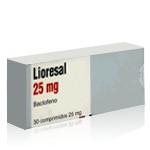
Lioresal (Baclofen 10/25mg) represents the original brand name for baclofen — the reference product that established GABA-B agonist therapy as the gold standard for spasticity treatment when developed by Ciba-Geigy Pharmaceuticals (now Novartis) and FDA-approved in 1977. Manufactured by Sun Pharmaceutical Industries India as bioequivalent generic under the recognizable Lioresal branding, this product offers brand-name reference recognition combined with India's top pharmaceutical manufacturer quality assurance. Notably available in the unusual 25 mg high-strength tablet alongside standard 10 mg — providing dose flexibility that many baclofen generics do not offer.
Baclofen works through selective activation of GABA-B (gamma-aminobutyric acid type B) receptors in the spinal cord. GABA-B receptor activation inhibits release of excitatory neurotransmitters (glutamate, aspartate, substance P) at spinal reflex arcs, reduces monosynaptic and polysynaptic reflex activity, and decreases motor neuron excitability through hyperpolarization. This produces marked reduction in muscle spasticity, improved muscle tone regulation, reduced clonus and painful spasms, and enhanced voluntary movement in patients with upper motor neuron disorders. Clinical response: spasticity reduces within 3-4 days of therapy initiation at appropriate dose, full effect develops over 1-2 weeks, and pain from spastic muscles improves substantially as tension resolves. The 25 mg high-strength option particularly benefits patients requiring maintenance doses above 60 mg daily where standard 10 mg tablets require multiple pills per dose.
Lioresal serves the full range of spasticity indications from upper motor neuron disorders. The medication treats multiple sclerosis (MS) spasticity, spinal cord injuries including traumatic paraplegia and tetraplegia, cerebral palsy in children and adults, stroke-related spasticity improving rehabilitation outcomes, traumatic brain injury (head injury) with residual spasticity, and various other neurological disorders causing upper motor neuron symptoms. The 25 mg tablets are particularly valuable for advanced spasticity cases requiring higher maintenance doses.
Lioresal requires gradual dose titration starting at 5 mg TID with weekly increases to typical maintenance 40-80 mg daily divided TID/QID. Peak concentrations at 2-3 hours, 2-6 hour half-life. Never abruptly discontinue — taper over 1-2 weeks to prevent withdrawal. Sun Pharmaceutical Industries India manufactures under WHO-GMP, US FDA, Indian DCGI quality standards.
Free prescription
Discrete packaging
Have questions?
Quality Assurance
- Multiple Sclerosis: MS-related spasticity as most common baclofen indication in adults;
- MS Spasticity: Painful muscle stiffness from multiple sclerosis improving with GABA-B agonist therapy;
- Spinal Cord Injury: Traumatic paraplegia and tetraplegia with severe spasticity responding to baclofen;
- Cerebral Palsy: Congenital motor disorder with spasticity in children and adults responding to therapy;
- Cerebral Stroke Spasticity: Post-stroke muscle stiffness improving rehabilitation outcomes;
- Head Injury Spasticity: Traumatic brain injury with residual spasticity responding to baclofen therapy;
- Painful Muscle Spasms: Involuntary muscle contractions causing pain responding to muscle relaxation;
- Increased Muscle Tone: Elevated muscle tone from neurological causes reducing with baclofen;
- Muscle Rigidity: Stiff rigid muscles from neurological disorders improving with GABA-B activation;
- Clonus: Rhythmic involuntary muscle contractions from upper motor neuron disorders decreasing with therapy;
- Impaired Mobility from Spasticity: Mobility limitations from muscle stiffness improving with spasticity reduction;
- Rehabilitation Support: Reduced spasticity facilitates physical therapy and rehabilitation outcomes;
- Chronic Spasticity Management: Long-term daily therapy for persistent spasticity from chronic conditions;
- Advanced Spasticity Cases: Severe spasticity requiring higher maintenance doses benefits from 25mg tablet strength;
- Upper Motor Neuron Disorders: Various conditions causing spasticity through corticospinal tract damage;
- Neurological Disorders with Spasticity: Various conditions responding to baclofen spasticity control;
- Original Reference Brand Therapy: Lioresal is the original 1977 baclofen brand establishing GABA-B therapy standard;
- GABA B Agonist Therapy: Drug class targeting GABA-B receptors for spinal cord spasticity control;
- Generic Lioresal Therapy: Bioequivalent Sun Pharma generic under original brand name at substantially lower cost.
- Less Muscle Spasms: Painful involuntary muscle contractions decrease substantially with GABA-B agonist action;
- Less Spasticity Related Pain: Pain from spastic muscles improves as tension resolves through nervous system relaxation;
- Better Range of Motion: Joint mobility improves as muscle tightness decreases allowing physical therapy progress;
- Better Muscle Tone Regulation: Elevated muscle tone from neurological causes reduces to more functional levels;
- Better Voluntary Movement: Reduced spasticity enables improved voluntary muscle control and coordination;
- Less Clonus Episodes: Rhythmic involuntary muscle contractions decrease significantly with therapy;
- Better Mobility: Ability to move walk and perform daily activities improves as spasticity decreases;
- Better MS Spasticity Control: Multiple sclerosis patients gain substantial functional improvement with baclofen;
- Better Post Stroke Rehabilitation: Stroke recovery improves as spasticity no longer impairs rehabilitation efforts;
- Better Cerebral Palsy Function: CP patients experience improved motor function with spasticity reduction;
- Better Spinal Cord Injury Management: Traumatic paraplegia/tetraplegia benefits from spasticity control;
- Better Head Injury Recovery: TBI patients experience improved outcomes with residual spasticity controlled;
- Better Sleep Quality: Reduced nighttime muscle spasms improve sleep continuity and restoration;
- Better Rehabilitation Progress: Physical therapy and occupational therapy more effective with spasticity controlled;
- Better 25mg High Strength Option: Higher maintenance dose patients benefit from unique 25 mg strength;
- Better Sun Pharma Manufacturing: Top Indian pharma with US FDA-approved facilities ensures consistent quality;
- Better Original Brand Reference: Lioresal reference product recognition backed by generic manufacturing;
- Better Generic Cost: 85-95% lower cost than brand Novartis Lioresal makes proven spasticity therapy accessible;
- Better Quality of Life: Daily wellbeing improves dramatically as debilitating spasticity resolves and function returns.
Generic Lioresal (Baclofen 10 mg) Medication guide:
Lioresal (Baclofen 10/25mg) is the original brand name for baclofen, the gold standard oral therapy for treating severe muscle spasticity from upper motor neuron disorders. Developed by Ciba-Geigy Pharmaceuticals (now Novartis) and FDA-approved in 1977, baclofen established the entire class of GABA-B receptor agonist muscle relaxants that remain first-line therapy for spasticity from multiple sclerosis, spinal cord injuries, cerebral palsy, stroke, and traumatic brain injury. This comprehensive medication guide covers every aspect of Lioresal therapy from mechanism and pharmacology through safety considerations, drug interactions, patient selection, dosing strategies, and long-term management recommendations.
💊 Introduction to Lioresal
Lioresal is a prescription oral medication containing baclofen as its active ingredient. The brand name Lioresal was originally developed by Ciba-Geigy AG (Swiss pharmaceutical company that later merged with Sandoz to form Novartis) and received FDA approval in the United States in 1977. Baclofen has been in clinical use for nearly five decades, making it one of the most extensively studied and well-characterized medications for spasticity management. Sun Pharmaceutical Industries India manufactures the version sold under the Lioresal brand name as bioequivalent generic under WHO-GMP, US FDA-inspected, and Indian DCGI quality standards.
The medication is available in 10 mg standard tablets and 25 mg high-strength tablets — the latter being particularly valuable for patients requiring maintenance doses above 60 mg daily, where standard 10 mg tablets would require multiple pills per dose. The 25 mg strength reduces pill burden and improves medication adherence in advanced spasticity cases. Additionally, baclofen is available in oral solution form (5 mg/5 mL syrup) for patients with swallowing difficulties, and as intrathecal injection (delivered via implanted pump directly into spinal fluid) for severe spasticity unresponsive to oral therapy at maximum doses.
Lioresal remains the most prescribed oral antispastic medication worldwide, particularly for spasticity from multiple sclerosis (MS) and spinal cord injuries. Despite the emergence of newer muscle relaxants over the past decades, baclofen continues to be recommended as first-line therapy in major treatment guidelines from the American Academy of Neurology, European Federation of Neurological Societies, and other authoritative bodies. Its effectiveness combined with well-characterized safety profile has made it the reference standard against which newer spasticity medications are typically compared.
🔬 Understanding Muscle Spasticity
Spasticity is defined as a velocity-dependent increase in tonic stretch reflexes with exaggerated tendon jerks, resulting from hyperexcitability of the stretch reflex. In simpler terms, spasticity means muscles that respond excessively to being stretched — they contract more forcefully and rapidly than normal muscles, resulting in stiff, rigid, and sometimes painful muscle tone that impairs voluntary movement and functional activities.
Spasticity always results from damage to the upper motor neuron pathway — the corticospinal tract that carries voluntary movement signals from the motor cortex through the brainstem and spinal cord to lower motor neurons that innervate skeletal muscles. When this pathway is damaged anywhere from the motor cortex to the spinal cord, the normal inhibitory control over spinal reflex arcs is disrupted, leading to disinhibited reflex activity and the characteristic increased muscle tone.
The upper motor neuron syndrome includes:
- Positive features: Spasticity, clonus (rhythmic involuntary contractions), hyperreflexia (exaggerated tendon reflexes), Babinski sign, and mass reflex responses
- Negative features: Weakness, loss of fine motor control, fatigability, and impaired dexterity
Types and Causes of Spasticity
- Multiple Sclerosis (MS) Spasticity
- MS-related spasticity is the most common indication for baclofen therapy. Approximately 80 percent of patients with MS develop spasticity during their disease course, and it represents one of the most disabling MS symptoms. MS causes demyelination and axonal damage in the brain and spinal cord, disrupting the corticospinal tract at multiple levels and producing progressive spasticity that fluctuates with disease relapses.
- Spinal Cord Injury (SCI)
- Traumatic spinal cord injuries from motor vehicle accidents, falls, sports injuries, and violence produce spasticity in approximately 65-78 percent of survivors. Spasticity typically develops weeks to months after initial injury as spinal shock resolves. Both traumatic and non-traumatic (tumors, infections, ischemia) spinal cord injuries produce similar spasticity patterns.
- Cerebral Palsy (CP)
- Cerebral palsy is a group of movement disorders resulting from non-progressive brain injury occurring before, during, or shortly after birth. Spastic cerebral palsy accounts for approximately 80 percent of CP cases, causing lifelong spasticity that impairs motor development and function. Baclofen is used across pediatric and adult CP patients.
- Stroke Related Spasticity
- Approximately 20-40 percent of stroke survivors develop spasticity affecting one side of the body (hemispasticity). Typically develops 1-6 months after stroke onset as neurologic recovery plateaus. Baclofen therapy improves rehabilitation outcomes and function in post-stroke patients.
- Traumatic Brain Injury (TBI)
- Head injuries can produce spasticity affecting one or both sides of the body depending on injury location. Post-traumatic spasticity may develop acutely or evolve over months to years after injury as brain plasticity progresses.
- Other Causes
- Additional spasticity causes include hereditary spastic paraparesis (genetic condition), transverse myelitis (inflammatory spinal cord disorder), amyotrophic lateral sclerosis (ALS) with upper motor neuron features, HIV-associated myelopathy, and various other neurological conditions affecting the corticospinal tract.
🧬 Chemistry and Pharmacology of Baclofen
Baclofen has the chemical formula C10H12ClNO2 with molecular weight approximately 213.7 g/mol. Structurally, baclofen is a chlorophenyl derivative of gamma-aminobutyric acid (GABA) — specifically 4-amino-3-(4-chlorophenyl)butanoic acid. The chlorophenyl substitution and beta-carbon position of the amine group create a molecule that binds selectively to GABA-B receptors without significant activity at GABA-A receptors, distinguishing baclofen from benzodiazepines and other GABA-A agonists.
Mechanism of Action
Baclofen works through selective activation of GABA-B receptors — one of the two major receptor subtypes for the primary inhibitory neurotransmitter in the central nervous system. GABA-B receptors differ from GABA-A receptors in structure, function, and drug binding characteristics. GABA-B receptors are metabotropic G-protein coupled receptors that activate intracellular signaling cascades, while GABA-A receptors are ionotropic ligand-gated chloride channels.
Baclofen mechanism cascade:
- Baclofen crosses the blood-brain barrier and reaches the spinal cord where it binds pre and postsynaptic GABA-B receptors
- Presynaptic GABA-B activation inhibits calcium influx into excitatory neuron terminals
- Reduced calcium influx decreases release of excitatory neurotransmitters including glutamate, aspartate, and substance P
- Postsynaptic GABA-B activation opens potassium channels producing membrane hyperpolarization of motor neurons
- Combined presynaptic inhibition and postsynaptic hyperpolarization reduces spinal reflex activity
- Decreased reflex activity translates clinically to reduced muscle tone, less spasticity, fewer painful spasms, and improved voluntary movement
Pharmacokinetic Profile
| Parameter | Value | Clinical Significance |
|---|---|---|
| Time to peak (Tmax) | 2 to 3 hours | Effect onset 3-4 days full effect 1-2 weeks |
| Oral bioavailability | Approximately 70-85 percent | High bioavailability enables reliable oral dosing |
| Terminal half-life | 2 to 6 hours (mean 3-4 hours) | Requires 3-4 times daily dosing for stable levels |
| Protein binding | Approximately 30 percent | Low protein binding minimizes drug displacement interactions |
| CSF penetration | Approximately 5-10 percent of plasma levels | Limited CNS penetration justifies intrathecal use in severe cases |
| Food effect | Minimal effect on absorption | Can be taken with or without food |
Metabolism and Elimination
Baclofen undergoes minimal hepatic metabolism (approximately 15 percent), which is unusual among commonly prescribed medications. The majority of baclofen (approximately 70-85 percent) is excreted unchanged in urine through glomerular filtration and active renal secretion. This distinctive elimination profile has important clinical implications: renal function critically affects baclofen clearance — patients with kidney disease may accumulate baclofen to toxic levels at standard doses, and hepatic drug interactions are minimal since baclofen does not significantly involve cytochrome P450 enzymes.
🎯 Indications and Patient Selection
The primary FDA-approved indication for Lioresal is treatment of spasticity from upper motor neuron disorders. Common specific indications include:
- Multiple sclerosis spasticity — the most common baclofen use in adults
- Spinal cord injury spasticity — traumatic and non-traumatic causes
- Cerebral palsy — pediatric and adult patients
- Stroke related spasticity — post-stroke rehabilitation
- Traumatic brain injury spasticity — chronic post-TBI symptoms
- Hereditary spastic paraparesis — genetic spasticity syndromes
Off-Label Uses
Beyond spasticity indications, baclofen has been investigated and sometimes used off-label for:
- Alcohol use disorder: Particularly popular in Europe where baclofen is prescribed for alcohol dependence
- Gastroesophageal reflux disease (GERD): Reduces transient lower esophageal sphincter relaxations
- Intractable hiccups: Persistent hiccups unresponsive to other therapies
- Trigeminal neuralgia: Adjunctive therapy for facial nerve pain
- Chronic cough: Refractory chronic cough syndromes
- Cocaine and other substance dependence: Investigational use for addiction
Ideal Patient Selection
Lioresal therapy is appropriate for patients who:
- Have confirmed upper motor neuron disorder causing spasticity
- Have documented functional impairment from spasticity affecting mobility comfort or quality of life
- Have failed physical therapy alone or need adjunctive pharmacological therapy
- Have preserved cognitive function to safely follow gradual titration protocols
- Have adequate renal function or willingness to accept renal-adjusted dosing
- Can adhere to 3-4 times daily dosing schedule
- Understand the critical importance of never abruptly discontinuing therapy
🚫 Contraindications
Absolute contraindications include:
- Hypersensitivity to baclofen or tablet excipients
- Severe renal impairment (creatinine clearance below 15 mL/min) unless dose is dramatically reduced
- Concurrent MAO inhibitor use or within 14 days of stopping
Relative contraindications requiring caution:
- Renal impairment (moderate) requiring dose reduction and careful monitoring
- Peptic ulcer disease as baclofen may increase gastric acid secretion
- Psychiatric disorders including psychosis history
- Epilepsy or seizure disorders as baclofen may lower seizure threshold
- Pregnancy (Category C) balancing benefit against fetal risk
- Elderly patients requiring lower doses and careful monitoring
- Confusion or dementia patients may have exaggerated CNS effects
💉 Dosage and Administration
Dose Titration Protocol
Proper baclofen therapy requires gradual dose titration to minimize side effects while achieving effective spasticity control. The standard titration protocol involves:
- Starting dose: 5 mg three times daily (15 mg/day total)
- Week 1-2: Increase to 5 mg 4 times daily (20 mg/day)
- Week 3-4: Increase to 10 mg three times daily (30 mg/day)
- Week 5-6: Increase to 10 mg four times daily (40 mg/day)
- Week 7+: Continue increasing by 10-20 mg weekly until effective spasticity control achieved
- Maintenance dose: Typically 40-80 mg daily divided TID or QID for most patients
- Maximum dose: 80 mg daily is FDA-approved maximum, though some patients require higher doses under specialist supervision
Administration Rules
Critical dosing rules:
- Divided doses 3-4 times daily to maintain stable blood levels given short half-life
- Take with glass of water at consistent times each day
- Can be taken with or without food as absorption not significantly affected
- Never miss doses if possible as spasticity rebounds rapidly with fluctuating levels
- Never abruptly discontinue — always taper over 1-2 weeks minimum
- Use 25 mg tablets for higher maintenance doses to reduce pill burden
⚠️ Critical Withdrawal Warning
Abrupt baclofen discontinuation is potentially fatal:
Baclofen withdrawal syndrome can cause severe symptoms including life-threatening consequences particularly with intrathecal baclofen but also with oral therapy at higher doses.
- Rebound severe spasticity often worse than baseline
- High fever and hyperthermia
- Altered mental status including confusion delirium hallucinations
- Seizures which may be prolonged and difficult to control
- Rhabdomyolysis muscle breakdown potentially causing kidney failure
- Multiple organ failure in severe intrathecal withdrawal
- Death reported particularly with intrathecal baclofen withdrawal
Always taper baclofen gradually over minimum 1-2 weeks (longer for higher doses or longer therapy duration). Never miss doses and immediately seek medical care if unable to take medication for any reason.
📊 Clinical Effectiveness Data
Baclofen efficacy has been extensively documented in randomized controlled trials and long-term observational studies across various spasticity etiologies. Typical clinical response metrics:
| Metric | Placebo Response | Baclofen Response |
|---|---|---|
| Modified Ashworth Scale improvement (spasticity measure) | 15-20 percent | 55-70 percent significant improvement |
| Muscle spasm frequency reduction | Baseline | 50-70 percent reduction in responders |
| Painful spasm reduction | Modest | Substantial in majority of patients |
| Functional improvement (mobility assessments) | Minimal | Meaningful improvement in 60-70 percent |
| Patient global satisfaction | Approximately 30 percent | Approximately 70-80 percent satisfied |
⚠️ Side Effect Profile
Common Side Effects
Most baclofen side effects are dose-dependent and relate to CNS depression. Common effects at therapeutic doses include:
- Drowsiness and sedation: Approximately 10-63 percent depending on dose — usually mild-moderate
- Dizziness and lightheadedness: Approximately 5-15 percent
- Weakness: Approximately 5-15 percent — sometimes limits functional benefit
- Fatigue: Approximately 2-10 percent
- Nausea: Approximately 4-12 percent — usually transient
- Constipation: Approximately 2-6 percent
- Confusion: Approximately 1-11 percent — more common in elderly
- Headache: Approximately 4-8 percent
- Insomnia: Approximately 2-7 percent
Serious Side Effects
Seek immediate medical attention for:
- Severe confusion or hallucinations particularly if new or worsening
- Severe drowsiness making patient unable to be aroused
- Difficulty breathing or respiratory depression
- Seizures new onset or worsening
- Signs of withdrawal syndrome if doses missed (see withdrawal warning above)
- Severe allergic reaction including hives facial swelling difficulty breathing
- Suicidal thoughts or new severe depression
- Signs of overdose including severe drowsiness respiratory depression coma
🔄 Drug Interactions
Major Interactions
| Drug Class | Interaction |
|---|---|
| CNS depressants (opioids benzodiazepines alcohol) | Additive sedation and respiratory depression |
| MAO inhibitors | Excessive CNS depression avoid combination |
| Tricyclic antidepressants | Additive muscle weakness monitor carefully |
| Antihypertensives | Additive hypotensive effect monitor blood pressure |
| Levodopa/carbidopa | May worsen Parkinsonian symptoms in some patients |
| Other muscle relaxants (tizanidine cyclobenzaprine) | Additive weakness sedation potentially useful in combination but monitor |
🛡️ Special Populations
- Elderly Patients Over 65
- Start at lower doses (2.5-5 mg BID) and titrate more slowly. Increased sensitivity to CNS effects including confusion and falls. Reduced renal function may require dose adjustment. Consider drug interactions with common geriatric medications.
- Renal Impairment
- Baclofen is 70-85 percent renally excreted requiring careful dose adjustment for renal impairment. Mild impairment (CrCl 60-89): standard dosing with monitoring. Moderate impairment (CrCl 30-59): reduce dose by 50 percent. Severe impairment (CrCl 15-29): reduce dose by 75 percent. End-stage renal disease requires very low doses if used at all.
- Hepatic Impairment
- Since baclofen has minimal hepatic metabolism, standard doses are generally appropriate even with hepatic impairment. However, hepatic encephalopathy could be worsened by baclofen CNS effects requiring caution.
- Pregnancy and Lactation
- Pregnancy Category C — use only if benefit justifies risk. Baclofen crosses the placenta and can cause neonatal withdrawal symptoms in newborns exposed near delivery. Small amounts excreted in breast milk — decision to breastfeed should weigh maternal need against infant exposure.
- Pediatric Population
- Approved for children 12 years and older. Weight-based dosing typically used starting at 2.5-5 mg BID and titrating gradually. Younger children with cerebral palsy require specialist consultation for off-label pediatric use.
🔬 Comparison with Other Muscle Relaxants
| Property | Baclofen (Lioresal) | Tizanidine | Dantrolene |
|---|---|---|---|
| Mechanism | GABA-B agonist | Alpha-2 adrenergic agonist | Direct muscle action |
| Site of action | Spinal cord | Central | Peripheral (muscle) |
| Sedation | Moderate dose-dependent | Significant | Mild |
| Weakness risk | Moderate | Low-moderate | High |
| Hepatotoxicity risk | Minimal | Rare | Significant requires monitoring |
| Withdrawal risk | High (never abruptly stop) | Moderate | Low |
| Best for | Spinal spasticity (MS SCI) | Cerebral spasticity | Cerebral palsy pediatric |
🔗 Combination Therapy Considerations
Common combination approaches for spasticity:
- Baclofen + tizanidine: Combined GABA-B and alpha-2 mechanisms for enhanced effect
- Baclofen + botulinum toxin injections: Systemic plus focal spasticity control
- Baclofen + physical therapy: Essential combination for functional improvement
- Baclofen + occupational therapy: ADL adaptation alongside spasticity control
- Intrathecal baclofen pump: For severe spasticity unresponsive to maximum oral dosing
- Baclofen + surgical interventions: Selective dorsal rhizotomy or tendon transfers for select cases
📆 Long-Term Use and Tolerance
Baclofen has been used long-term for decades without significant tolerance development. Most patients maintain therapeutic effect at stable doses for years. However, some considerations for long-term therapy include:
- Annual comprehensive review assessing continued need dose optimization and side effect monitoring
- Renal function monitoring particularly in elderly and long-term users
- Cognitive assessment in elderly to detect subtle CNS effects
- Fall risk assessment in patients with mobility issues
- Bone health monitoring in immobile patients with spasticity
- Depression screening as chronic spasticity conditions carry high depression risk
- Medication interactions review when starting any new medications
🧠 Psychological and Rehabilitation Aspects
Living with spasticity from neurological conditions carries substantial psychological and rehabilitation implications that extend beyond the physical symptoms. Effective long-term management typically requires multidisciplinary approach combining pharmacological therapy with physical rehabilitation, psychological support, and lifestyle adaptation.
Chronic pain from spasticity can be exhausting and depressogenic. Baclofen therapy that reduces spasticity often improves mood by removing the constant pain and physical struggle. Combined with cognitive behavioral therapy and other psychological interventions, spasticity control can dramatically improve emotional wellbeing.
Rehabilitation optimization is often the primary goal of baclofen therapy — not simply symptom relief but enabling more effective physical therapy, occupational therapy, and speech therapy for patients whose spasticity was preventing rehabilitation progress. Patients on adequate baclofen therapy typically make more rehabilitation gains than those with uncontrolled spasticity.
Caregiver burden from severe spasticity is substantial. Baclofen therapy that reduces spasticity makes caregiving activities (transfers, hygiene, positioning) safer and easier. This benefits both patient dignity and caregiver longevity in supporting the patient at home rather than requiring institutional care.
📦 Storage and Handling
- Store at room temperature between 15°C and 30°C (59°F and 86°F)
- Keep in original blister packaging to protect from light and moisture
- Avoid storage in bathrooms where humidity fluctuates significantly
- Keep out of reach of children and pets
- Do not use tablets past the expiration date printed on packaging
- Return unused or expired medication to pharmacy for proper disposal
- Never share baclofen with others as dose requirements are highly individualized
- Maintain adequate supply to prevent inadvertent discontinuation and withdrawal
👨⚕️ When to Contact Your Doctor
- Any signs of withdrawal syndrome (fever confusion severe spasticity return seizures)
- Severe drowsiness that limits daily function
- Muscle weakness that impairs ability to walk or maintain balance
- Confusion hallucinations or significant mood changes
- New or worsening seizures
- Signs of allergic reaction (rash swelling difficulty breathing)
- Persistent severe side effects that do not improve with continued therapy
- Unable to take doses for any reason before missing multiple doses
- Starting new medications especially CNS depressants or MAO inhibitors
- Development of new medical conditions particularly renal impairment
- Lack of therapeutic benefit despite adequate trial at maximum doses
- Questions about combining with other spasticity therapies or interventions
🌟 Key Takeaways
Essential points about Lioresal (baclofen) therapy:
- Lioresal is the original brand name for baclofen the gold standard oral therapy for spasticity since 1977
- Works through selective GABA-B receptor activation in spinal cord reducing reflex hyperactivity
- Take 3-4 times daily with gradual titration to effective dose typically 40-80 mg total daily
- Full clinical effect develops over 1-2 weeks of consistent therapy at appropriate dose
- 25 mg tablets available for high-dose maintenance reducing pill burden
- Never abruptly discontinue baclofen due to potentially life-threatening withdrawal syndrome
- Effective for MS spinal cord injury cerebral palsy stroke and traumatic brain injury spasticity
- Renal function critically affects clearance requiring dose adjustment in impairment
- Combine effectively with physical and occupational therapy for functional improvement
- Regular follow-up ensures optimal dose adjustment and safety monitoring over long-term therapy
Important Medical Disclaimer: This medication guide provides general information about Lioresal (baclofen) and does not constitute individualized medical advice. Every patient situation is unique and requires evaluation by a qualified healthcare provider before starting continuing adjusting or discontinuing any medication. Do not use Lioresal without prescription from a qualified healthcare professional who has evaluated your specific medical situation. Never abruptly discontinue baclofen due to potentially life-threatening withdrawal syndrome — always taper gradually under medical supervision. If you experience concerning symptoms including signs of withdrawal severe side effects or lack of therapeutic response contact your healthcare provider promptly. The information provided here should complement but never replace direct professional medical guidance.
Lioresal — Frequently Asked Questions
-
What is Lioresal (Baclofen)?
Lioresal is a medication used to treat muscle spasticity in conditions like multiple sclerosis and spinal cord injury. -
How does Lioresal work?
It works by acting on the central nervous system to relax muscles and reduce spasticity. -
What conditions does Lioresal treat?
It treats muscle spasticity associated with MS, spinal cord diseases, cerebral palsy, and other neurological disorders. -
How quickly does Lioresal start working?
It may take a few weeks to see the full effects on muscle spasticity. -
How long do the effects of Lioresal last?
The effects can vary, but it typically needs to be taken several times a day to maintain its effect. -
Can I take Lioresal for general muscle pain?
No, it's specifically used for spasticity and not general muscle pain. -
What are the side effects of Lioresal?
Common side effects include drowsiness, dizziness, weakness, fatigue, headache, insomnia, and nausea.
See all Lioresal questions (33)
More Muscle Relaxers Medications