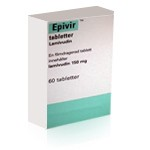
Buy Zerit (Stavudine, d4T) Online — Historic Thymidine Analog NRTI for HIV-1 Combination Therapy


Zerit is the original brand-name formulation of Stavudine (d4T) — a thymidine analog nucleoside reverse transcriptase inhibitor (NRTI) that played a historically important role in early HIV combination therapy. Developed by Bristol-Myers Squibb and FDA-approved since 1994, Zerit was widely used in early ART regimens before its significant toxicity profile led to its progressive replacement by safer NRTIs. WHO formally recommended phasing out Stavudine in 2009 due to severe lipodystrophy, peripheral neuropathy, and lactic acidosis. Today, Zerit is rarely used in resource-rich settings but may remain available for specific scenarios in resource-limited settings.
The active ingredient is Stavudine (d4T), a thymidine nucleoside analog NRTI. Phosphorylated intracellularly by cellular thymidine kinase to its active triphosphate, Stavudine triphosphate competitively inhibits HIV reverse transcriptase by competing with thymidine triphosphate, causing DNA chain termination. Stavudine has higher mitochondrial toxicity than other NRTIs (due to greater affinity for mitochondrial DNA polymerase gamma), which underlies its distinctive toxicity profile.
Zerit is FDA-approved for HIV-1 infection treatment in combination with at least two other antiretrovirals. Modern HIV guidelines have largely replaced Stavudine with safer NRTIs (tenofovir or abacavir). Avoid concurrent use with didanosine (additive mitochondrial toxicity) and zidovudine (antagonistic intracellular kinase competition).
The medication is available as Zerit 15, 20, 30, and 40 mg capsules and 1 mg/mL oral solution. Standard adult dosing: 40 mg twice daily for patients over 60 kg, 30 mg twice daily for under 60 kg. Pediatric dosing: weight-based. Renal dose adjustment required for CrCl below 50 mL/min.
Critical safety considerations include FDA boxed warnings for lactic acidosis and severe hepatomegaly with steatosis (potentially fatal), pancreatitis (fatal in some cases), peripheral neuropathy (dose-dependent, may be irreversible), severe lipodystrophy and lipoatrophy (facial wasting), hepatic steatosis, hypertriglyceridemia, hyperglycemia and insulin resistance, diabetic ketoacidosis, motor weakness (rare Guillain-Barré-like syndrome), and mitochondrial toxicity more severe than other NRTIs.
Free prescription
Discrete packaging
Have questions?
Quality Assurance
- HIV / Human Immunodeficiency Virus: For HIV infection as historic NRTI backbone component;
- ART Combination Therapy: NRTI component of combination antiretroviral therapy (historic standard);
- HIV Resource Limited Settings: Continued use in resource-limited settings where alternative NRTIs unavailable;
- Stavudine Plus Lamivudine Backbone: Historic d4T + 3TC dual NRTI backbone (now obsolete in resource-rich settings);
- HIV Salvage Therapy: Occasional use in HIV salvage therapy where standard NRTIs have failed;
- HIV Treatment Naive Historic: Historic first-line HIV therapy (modern guidelines prefer Tenofovir/Abacavir-based regimens);
- HIV Treatment Experienced: For HIV patients with prior antiretroviral experience (genotype-guided);
- Pediatric HIV Historic: Historic pediatric HIV treatment with weight-based dosing (now replaced by safer options);
- Renal Dose Adjusted HIV: Renal dose adjustment for CrCl below 50 mL/min;
- Switch From Stavudine Recommended: WHO and HHS guidelines recommend switching from Stavudine to safer NRTIs where available;
- Long Term HIV Maintenance Historic: Historic long-term HIV maintenance therapy (toxicity limits modern use);
- HIV Specific Resistance Patterns: For HIV with specific NRTI resistance patterns where Stavudine activity preserved.
- Better HIV Viral Suppression: Achievement of HIV viral suppression with combination therapy;
- Better CD4 Count Recovery: Restoration of CD4 T-cell count with effective HIV viral suppression;
- Better Immune Reconstitution: Immune system recovery with effective antiretroviral therapy;
- Less Opportunistic Infections: Reduction in opportunistic infection risk through immune restoration;
- Less HIV Progression: Slowing of HIV disease progression to AIDS;
- Less AIDS-Defining Illnesses: Reduction in AIDS-defining illness occurrence with effective viral suppression;
- Better HIV-Related Mortality Historic: Historically reduced HIV-related mortality before modern ART era;
- Less HIV Hospitalization: Reduction in HIV-related hospitalizations with effective ART;
- Better Daily Function: Return to normal daily activities with effective HIV viral suppression;
- Better Quality of Life: Substantial improvement in quality of life with effective HIV therapy;
- Better Long-Term Survival: Effective ART transforms HIV from terminal to chronic manageable condition;
- Better Resource-Limited Access: Continued access option in resource-limited settings where alternatives unavailable;
- Available Salvage Option: Available salvage option for HIV with specific NRTI resistance patterns;
- No Phosphorylation Lag: Rapid intracellular phosphorylation supports prompt antiviral effect;
- Brand Zerit: Original Bristol-Myers Squibb brand of Stavudine with established global clinical reputation since 1994;
- Generic Stavudine: Affordable generic Stavudine for use in resource-limited settings;
- Zerit Capsules Oral Solution: Available in capsules and oral solution — supports pediatric dosing;
- Thymidine Analog NRTI: Thymidine analog NRTI — same class as Zidovudine (but with distinct toxicity profile);
- Chain Termination Mechanism: HIV reverse transcriptase chain termination upon incorporation;
- Historic HIV Backbone: Historic backbone of early HIV combination therapy — foundational era ART;
- Resource Limited Continued Use: Continued availability in resource-limited settings where alternatives unavailable;
- Twice Daily Dosing: Twice-daily dosing schedule maintains stable serum levels;
- Weight Based Pediatric Dosing: Weight-based pediatric dosing supports treatment in children;
- WHO Essential Medicine: Listed on the WHO Model List of Essential Medicines (with restrictions favoring alternatives);
- 30 Plus Year Clinical Experience: Extensive real-world experience since 1994 — well-characterized profile (toxicities and all).
Generic Zerit (Stavudine 30 mg) Medication guide:
📖 What Is Zerit Cipla Stavudine Historical NRTI
Zerit is the branded name for stavudine, also known as d4T - a thymidine analog nucleoside reverse transcriptase inhibitor (NRTI) originally approved by FDA in June 1994. Developed by Bristol-Myers Squibb, Zerit was among the pioneering HIV antiretrovirals of the early combination therapy era. The version available on RXshop is the Cipla Limited generic.
The modern positioning of stavudine reflects a balance between historical importance and well-documented toxicity. In 2009, WHO issued Rapid Advice recommending phase-out from first-line therapy due to substantial adverse effects. Today most HIV programs have transitioned to alternative NRTIs, leaving stavudine for specific restricted use scenarios such as legacy patient continuation and salvage regimens.
💊 Zerit at a glance
| Attribute | Detail |
|---|---|
| Generic name | Stavudine (d4T) |
| Drug class | Thymidine analog NRTI |
| Innovator | Bristol-Myers Squibb (Zerit brand discontinued in many markets) |
| Generic sponsor | Cipla Limited (Mumbai, India) |
| FDA approval | June 1994 (second NRTI after zidovudine) |
| Formulations | 15 mg, 20 mg, 30 mg, 40 mg capsules; 1 mg/mL oral solution |
| Standard adult dose | 30 mg twice daily (WHO reduced dose 2007) |
| WHO position | Phase-out from first-line since 2009 |
| Modern role | Restricted use - legacy patients, salvage, specific pediatric scenarios |
🌐 The paradox of stavudine
Stavudine represents a distinctive paradox in HIV therapy history: simultaneously a life-saving pioneer during the critical scale-up period and a drug whose toxicity profile now makes it largely obsolete. Understanding both dimensions is essential for informed clinical decision-making today.
✅ Historical contributions
Among the first three NRTIs enabling HAART revolution. Cornerstone of early PEPFAR and Global Fund scale-up in sub-Saharan Africa. Contributed to millions of lives saved during the critical rollout period before better options were widely accessible.
⚠️ Modern concerns
Substantial toxicity - peripheral neuropathy affecting 15-30%+ of long-term users, distinctive lipoatrophy often permanent, rare but fatal lactic acidosis (FDA boxed warning), pancreatitis. WHO recommends phase-out.
📌 Where Zerit fits in modern practice
- Never for new HIV patients: Modern preferred alternatives (tenofovir DF, TAF, abacavir, zidovudine) are strongly preferred.
- Legacy patients on stable long-term therapy: Individualized decision - most should be considered for switch to preferred alternatives.
- Salvage scenarios: Multi-drug resistant HIV with limited options may include stavudine in individualized regimens after specialist consultation.
- Specific pediatric scenarios: Oral solution formulation may be needed where preferred pediatric options are contraindicated or unavailable.
Andrew Carr, MD, FRACP — St Vincent Centre for Applied Medical Research, Sydney
“Stavudine saved lives during the HAART scale-up era when treatment options were limited. But the mitochondrial toxicities we characterized in the late 1990s changed how we think about long-term NRTI safety. Today, preferred alternatives should be first choice for any patient who can access them.”
Takeaway: Zerit is a historically important pioneer NRTI now restricted to specific scenarios where preferred alternatives cannot be used. Modern HIV therapy strongly favors tenofovir, abacavir, or zidovudine based combinations with dolutegravir.
📜 History Zerit from 1994 to WHO Phase-Out
The stavudine story spans nearly three decades - from foundational chemistry in a Yale laboratory in 1966 through pioneering HIV combination therapy use in the 1990s to formal WHO-recommended phase-out from first-line in 2009. Understanding this historical arc illuminates why stavudine simultaneously matters and no longer belongs in first-line therapy.
🔬 From cancer research to HIV pioneer
Stavudine was first synthesized by Jerome Horwitz at Yale University in 1966 as a candidate antineoplastic agent - decades before HIV was identified as a virus. The compound sat unused clinically for over two decades until Yarchoan, Broder, and colleagues at the National Cancer Institute discovered its anti-HIV activity in the late 1980s during systematic screening of nucleoside analogs.
Bristol-Myers Squibb licensed stavudine for development, and after pivotal registration trials, FDA approval came in June 1994 - making stavudine one of the earliest NRTIs available. The timing was critical: HIV therapy was still limited to zidovudine (approved 1987) and didanosine (approved 1991). Each new agent expanded options during the pre-HAART crisis years.
📆 Development milestones
| Year | Milestone | Significance |
|---|---|---|
| 1966 | Horwitz synthesizes d4T at Yale | Original as antineoplastic candidate |
| Late 1980s | NCI identifies anti-HIV activity | Yarchoan and Broder systematic screening |
| June 1994 | FDA approval as Zerit | Second NRTI after zidovudine |
| 1996 | HAART revolution | Stavudine central to early triple therapy |
| Late 1990s | Lipodystrophy characterized | Carr et al. describe stavudine-associated lipoatrophy |
| Early 2000s | Mitochondrial mechanism established | Brinkman et al. mtDNA polymerase gamma theory |
| 2000s | African HIV scale-up cornerstone | Affordable NRTI for millions |
| 2007 | WHO reduces recommended dose | 40 mg → 30 mg twice daily to reduce toxicity |
| 2009 | WHO Rapid Advice phase-out | Preferred alternatives available (tenofovir) |
| 2010s | Global transition | Millions of patients switched to alternatives |
| Present | Restricted legacy access | Cipla and generics continue for specific scenarios |
🌟 The HAART revolution context
In 1996, the emergence of highly active antiretroviral therapy (HAART) transformed HIV from a death sentence to a manageable chronic condition. Stavudine was central to many early HAART regimens - typically combined with lamivudine and either efavirenz or nevirapine. This stavudine + lamivudine + NNRTI combination dominated first-line HIV therapy globally for over a decade.
🌍 The African scale-up cornerstone
During the 2000s, generic stavudine became the backbone of massive HIV treatment scale-up in sub-Saharan Africa through PEPFAR and the Global Fund. Its affordability, availability, and effectiveness in combination therapy made it possible to reach populations that would otherwise have been priced out of HIV therapy.
🔄 The phase-out and legacy access
By the mid-2000s, evidence had accumulated that stavudine caused substantial long-term adverse effects. WHO issued reduced dose recommendation in 2007 (30 mg twice daily instead of 40 mg) as an interim measure, then formal Rapid Advice phase-out in 2009 as tenofovir became widely available. National HIV programs undertook massive transitions over 2010-2020.
Today Bristol-Myers Squibb has discontinued Zerit brand marketing in many countries, but Cipla and other generic manufacturers continue production for the specific legacy and restricted use scenarios where stavudine remains needed.
Takeaway: The stavudine story teaches that early HIV therapy pioneers can save lives while later evidence reveals long-term concerns - the lessons directly informed development of safer modern NRTIs like tenofovir alafenamide and the rapid transition to dolutegravir-based first-line therapy.
🧪 Chemistry Thymidine Analog Nucleoside
Stavudine is chemically a thymidine analog nucleoside with distinctive structural modifications. The deoxyribose sugar of natural thymidine is modified to lack the 3-prime hydroxyl and to contain a 2-prime,3-prime double bond. These modifications create the classic NRTI chain termination mechanism while also creating susceptibility to mitochondrial toxicity.
🧪 Chemical identity
| Property | Value |
|---|---|
| Chemical name | 2-prime,3-prime-didehydro-2-prime,3-prime-dideoxythymidine (d4T) |
| Molecular formula | C10H12N2O4 |
| Molecular weight | 224.21 g/mol |
| Physical form | White to off-white crystalline powder |
| Water solubility | Approximately 83 mg/mL at 25 C (soluble) |
| Active metabolite | Stavudine triphosphate (intracellular) |
🧬 The key structural modifications
Understanding stavudine chemistry requires appreciating three distinctive structural features that separate it from natural thymidine.
1. Thymine base retained
Same recognition by thymidine kinase for cellular phosphorylation - the natural activation pathway.
2. Missing 3-prime hydroxyl
The chain termination basis - once incorporated into DNA, further nucleotide addition is impossible.
3. 2-prime,3-prime double bond
Distinctive didehydro modification creates C=C bond in ribose ring - contributes to pharmacology.
🔬 Stavudine vs zidovudine
Stavudine and zidovudine share the thymidine base and general nucleoside structure but differ importantly at the 3-prime position of the sugar.
| Feature | Stavudine (d4T) | Zidovudine (AZT) |
|---|---|---|
| 3-prime position | Missing (deoxy) | Azido (N3) group |
| Ribose modification | 2-prime,3-prime double bond | None (regular deoxy) |
| Activation efficiency | Efficient across cell types | Less efficient in some cells |
| Signature toxicity | Peripheral neuropathy, lipoatrophy | Bone marrow suppression |
| Compatibility | Never combine (antagonism) | Never combine with d4T |
📦 Zerit formulations available
Cipla Zerit is available in multiple strengths supporting various dosing scenarios including reduced-dose and pediatric administration.
- Capsules: 15 mg, 20 mg, 30 mg, 40 mg (multiple strengths for flexibility)
- Oral solution: 1 mg/mL for pediatric use and patients unable to swallow capsules
- Bioequivalent to innovator Zerit per standard pharmacokinetic studies
Takeaway: Stavudine chemistry underlies both its antiviral efficacy through chain termination and its mitochondrial toxicity through DNA polymerase gamma interaction. Understanding this dual-mechanism basis helps clinicians appreciate the risk-benefit profile in restricted modern use.
⚙️ Mechanism NRTI Chain Termination
Stavudine operates through a dual-mechanism cascade - the same nucleoside recognition that enables antiviral chain termination at HIV reverse transcriptase also enables interaction with mitochondrial DNA polymerase gamma. Understanding both mechanisms is essential for clinical use.
🎯 The antiviral mechanism
Like all NRTIs, stavudine targets HIV reverse transcriptase - the viral enzyme that copies HIV RNA into DNA. But the drug must first undergo cellular activation before it can act.
Step 1
Cell uptake
Step 2
Thymidine kinase phosphorylation
Step 3
Two more kinase steps to triphosphate
Step 4
Incorporated - chain terminates
Stavudine triphosphate competes with natural thymidine triphosphate (dTTP) for incorporation into the growing viral DNA strand by HIV reverse transcriptase. Once incorporated, the missing 3-prime hydroxyl on the sugar prevents further nucleotide addition - chain termination halts viral DNA synthesis.
🔬 Intracellular pharmacology
The intracellular half-life of stavudine triphosphate is approximately 3.5 hours - short compared to some NRTIs but adequate for twice-daily dosing. Stavudine has strong activity against HIV-1 and also HIV-2, giving it broader activity than NNRTIs.
🚨 The other mechanism - mitochondrial toxicity
The same activated stavudine triphosphate that inhibits HIV reverse transcriptase is also a substrate for mitochondrial DNA polymerase gamma - the enzyme responsible for replicating mitochondrial DNA (mtDNA). Stavudine incorporation into mtDNA causes progressive mtDNA depletion in affected tissues. Impaired oxidative phosphorylation follows. Lactate accumulates from anaerobic metabolism.
This mechanism underlies peripheral neuropathy, lipoatrophy, lactic acidosis, pancreatitis, and other stavudine signature toxicities discussed in later sections.
🎭 A tale of two targets
The clinical implications of stavudine dual mechanism come down to a simple contrast: the same molecular activity that treats HIV also creates the toxicity profile.
✅ Target 1: HIV reverse transcriptase
Beneficial effect - viral DNA synthesis blocked, HIV replication interrupted. This is the intended therapeutic mechanism.
⚠️ Target 2: Mitochondrial DNA polymerase gamma
Harmful effect - mtDNA depletion in tissues with high mitochondrial demand. This is the unintended toxicity mechanism.
🔬 Mitochondrial toxicity across NRTIs
Not all NRTIs affect mitochondrial DNA polymerase gamma equally. This variability is the fundamental reason modern preferred NRTIs are strongly favored.
| NRTI | Mitochondrial toxicity | Modern positioning |
|---|---|---|
| Stavudine, didanosine | Highest | Substantially phased out |
| Zidovudine | Moderate | Preferred over stavudine |
| Abacavir, tenofovir | Minimal | Modern preferred |
| Lamivudine, emtricitabine | Very low | Excellent tolerability companions |
Takeaway: Stavudine works by chain termination at HIV reverse transcriptase, but the same activated triphosphate also inhibits mitochondrial DNA polymerase gamma. This dual mechanism explains both the antiviral effect and the toxicity profile that led WHO to recommend phase-out.
🔬 Pharmacokinetics of Stavudine
Stavudine pharmacokinetics are characterized by excellent oral absorption, renal elimination, and a short plasma half-life partially compensated by adequate intracellular triphosphate persistence. Understanding these PK parameters supports appropriate dosing across special populations.
📊 Pharmacokinetic profile
| Parameter | Value | Clinical implication |
|---|---|---|
| Oral bioavailability | Approximately 86% | Excellent absorption - reliable oral dosing |
| Time to peak (Tmax) | 1 hour | Rapid onset of plasma levels |
| Food effect | Modest delay, no exposure change | Take with or without food |
| Protein binding | Less than 5% (negligible) | No displacement interactions |
| Volume of distribution | Approximately 46 L | Widely distributed to tissues |
| CSF penetration | Approximately 30% of plasma | Moderate CNS activity |
| Plasma half-life | 1.0 to 1.4 hours (short) | Short but intracellular longer |
| Intracellular triphosphate half-life | Approximately 3.5 hours | Supports twice-daily dosing |
| Metabolism | Minimal hepatic (no CYP450) | Clean drug interaction profile |
| Elimination | Renal (approximately 40% unchanged) | Dose adjustment for renal impairment |
🗝️ Absorption and distribution
Stavudine achieves ~86% oral bioavailability - among the best in the NRTI class. Peak plasma concentration occurs approximately 1 hour after oral dose. Food modestly delays absorption but does not affect total exposure, so patients can take with or without meals per preference.
Once in circulation, stavudine distributes widely with volume of distribution around 46 L - reflecting good tissue penetration. Protein binding is negligible (less than 5%), meaning no clinically important displacement interactions with other highly protein-bound drugs.
🕐 The short half-life paradox
Stavudine plasma half-life is short (1.0-1.4 hours), which might suggest frequent dosing. However, the intracellular triphosphate persists longer (approximately 3.5 hours), providing sustained antiviral pressure between doses. This intracellular pharmacology supports twice-daily dosing at 12-hour intervals.
🫀 Renal elimination and dose adjustment
Approximately 40% of stavudine appears unchanged in urine. Additional active tubular secretion contributes. Reduced renal function causes accumulation, and higher stavudine concentrations amplify mitochondrial toxicity - especially peripheral neuropathy and lactic acidosis. Dose adjustment for renal impairment is therefore essential (detailed in section 16).
✅ Clean drug interaction profile
Stavudine minimal CYP450 involvement means the drug has essentially no metabolic drug interactions. This is one of the drug clinical strengths - compatible with the vast majority of concomitant medications from a metabolic perspective. The main interaction concerns are (1) zidovudine antagonism (absolute contraindication - both compete for thymidine kinase) and (2) additive mitochondrial toxicity with didanosine.
🪶 Hepatic metabolism minimal
Because stavudine undergoes minimal hepatic metabolism, no dose adjustment is required for hepatic impairment in most scenarios. Focus attention instead on adequate renal function for elimination.
Takeaway: Stavudine excellent oral bioavailability, twice-daily convenience, and clean interaction profile represent genuine strengths. Renal elimination requires dose adjustment for impairment, and the accumulation-toxicity relationship makes renal monitoring especially important.
📋 FDA Indications and Historical Positioning
Stavudine FDA approval is for combination antiretroviral therapy for HIV-1 infection in adults and pediatric patients. The broad regulatory approval reflects the early HIV therapy era when new NRTIs were welcomed additions. Modern positioning has substantially restricted actual use despite the broad approval.
📋 FDA-approved indication framework
The regulatory indication is intentionally broad - part of combination therapy for HIV-1 in adults and pediatric patients. Same approval structure as most NRTIs. In practice, modern use is far narrower than the regulatory language suggests. Stavudine is approved for combination therapy component in HIV-1 in adults and pediatric patients, not specific to any HIV subtype, and never for HIV monotherapy.
🔚 Historical vs modern positioning
| Setting | Historical use (1994-2009) | Modern practice (post-WHO 2009) |
|---|---|---|
| Adult first-line | Widespread standard component | Not recommended - preferred alternatives |
| Pediatric therapy | Widely used | Restricted - alternatives preferred |
| Second-line therapy | Standard option | Not routine - modern PI/INSTI-based preferred |
| African scale-up | Cornerstone through 2010 | Transitioned to tenofovir-based |
| Salvage scenarios | Various combinations | Occasional individualized use |
🚨 Modern indication restriction
⚠️ New patients should not start stavudine
Despite broad FDA approval, WHO 2009 Rapid Advice, US DHHS guidelines, EACS European guidelines, and BHIVA UK guidelines all recommend against starting new HIV patients on stavudine-based therapy.
The rationale: preferred alternatives with substantially better safety profiles are widely available globally. Starting a new patient on stavudine unnecessarily exposes them to substantial long-term toxicity risk.
👤 Where stavudine may still be considered
- Legacy patient continuation: Existing patients on stable long-term suppression - individualized decision, most should switch to alternatives when feasible
- Multi-drug resistance salvage: Rare scenarios where limited NRTI options warrant individualized regimen construction with specialist input
- Specific pediatric scenarios: Where oral solution formulation needed and preferred alternatives contraindicated
- Resource-limited transition: Legacy patients in settings still completing transition to preferred first-line
❌ What stavudine does not treat
Stavudine has no meaningful activity against:
- HBV or HCV: Coinfected patients need separate hepatitis therapy (unlike tenofovir which is dual HIV/HBV-active)
- HSV, VZV, CMV: Herpesvirus infections require appropriate antiviral therapy
- Non-HIV viruses: Focused HIV-1 (and HIV-2) activity only
Takeaway: Despite broad FDA approval for HIV combination therapy, modern practice restricts stavudine to specific scenarios where preferred alternatives cannot be used. New HIV patients should always start on preferred modern NRTIs.
🔚 Historical Treatment-Naive Role and Modern Restriction
Understanding the historical role of stavudine in treatment-naive HIV therapy illuminates why it played such a large role for over a decade - and why WHO subsequently recommended phase-out. This section addresses the shift from widespread first-line use to the modern position that new HIV patients should not start stavudine-based therapy.
🔚 The historical first-line era (1994-2009)
For roughly 15 years after FDA approval in 1994, stavudine was one of the most commonly used NRTIs in first-line combination therapy globally. Two combinations dominated: stavudine + lamivudine + nevirapine and stavudine + lamivudine + efavirenz. Both dominated much of African HIV scale-up.
🌟 Why stavudine dominated the early scale-up
- Adherence: Twice-daily oral dosing was substantially more convenient than earlier zidovudine (5-times-daily historically)
- Affordability: Generic stavudine became widely available at accessible prices - Cipla and other Indian manufacturers enabled global scale-up
- Efficacy: Effective virological suppression when used in combination - contributed to dramatic mortality reduction
- Availability: Multiple formulations including pediatric oral solution
- Scale: Over 5 million patients globally on stavudine-based regimens at peak
🌟 Millions of lives saved during critical period
The HIV therapy scale-up of the early 2000s - through PEPFAR, the Global Fund, and national programs - depended heavily on affordable generic stavudine. Before tenofovir generic pricing became accessible, stavudine was often the only feasible option in resource-limited settings. Many patients who received stavudine-based therapy during this critical period would not have received any therapy without it.
Amanda Mocroft, PhD — University College London
“When we look at long-term outcomes data from cohorts like EuroSIDA that spanned the stavudine era, we see the substantial lives saved during scale-up. But we also see the accumulated toxicity burden that emerged over years. Both realities are true - and the second is why modern practice has moved on.”
🚨 Never recommended for new starts today
⚠️ New HIV patients should not start stavudine
Modern guidelines from WHO, US DHHS, EACS, BHIVA, and other major bodies all recommend against stavudine for new HIV patients starting first-line therapy.
The substantial cumulative toxicity - peripheral neuropathy, lipoatrophy, rare lactic acidosis - is unacceptable when preferred alternatives (tenofovir, abacavir, zidovudine) with much better long-term safety profiles are widely available.
✅ What replaces stavudine in modern first-line
| Era | WHO preferred first-line |
|---|---|
| Late 1990s-2009 | Stavudine + lamivudine + NNRTI (widely used) |
| 2010-2018 | Tenofovir DF + emtricitabine + efavirenz (EFV/FTC/TDF) |
| 2019-present | Dolutegravir + tenofovir DF + lamivudine (TLD) - preferred |
👤 Modern outcomes vastly better
Modern TLD-based first-line achieves virological suppression in over 90% of patients at 48 weeks with substantially better tolerability than historical stavudine-based regimens. Once-daily convenience, high resistance barrier, and minimal cumulative toxicity make modern therapy vastly superior for lifelong management.
Takeaway: Stavudine played a genuinely important role in the early HIV combination therapy era, but modern preferred alternatives are substantially safer for new HIV patients starting lifelong therapy. This section acknowledges historical importance while emphasizing the modern preference for alternative NRTIs.
🔄 Historical Second-Line Role Framework
The historical role of stavudine in second-line HIV therapy reflects both its earlier importance and the evolving framework for treatment failure management. Understanding this historical context supports appropriate modern positioning of stavudine when second-line or salvage scenarios arise.
🔚 Historical second-line scenarios
During the early combination therapy era, stavudine appeared in second-line regimens for several scenarios. NRTI switching was more common because resistance testing was limited and the class was smaller.
- After zidovudine-based first-line failure: Different tolerability profile enabled use in some scenarios
- Pediatric second-line: Limited pediatric formulations of alternatives made stavudine oral solution valuable
- With protease inhibitors: Common second-line pairing after NNRTI-based first-line failure
- Where affordability drove choice: Second-line options were limited by cost in many settings
🎯 Modern second-line landscape
Modern second-line HIV therapy has evolved substantially. The preferred approaches now avoid stavudine when alternatives are available.
| Approach | Modern second-line options |
|---|---|
| Traditional PI-based | Boosted darunavir + optimized NRTI backbone (tenofovir/lamivudine typically) |
| Modern INSTI-based | Dolutegravir + optimized NRTI backbone (per DAWNING trial) |
| NRTI substitutions | Tenofovir DF, TAF, abacavir - preferred over stavudine |
🚨 Stavudine avoided in modern second-line
⚠️ Not routine second-line option
Modern second-line HIV therapy generally avoids stavudine when preferred alternatives are available. Patients already exposed to prior NRTIs may have compounded cumulative toxicity risk if stavudine is added.
Any consideration of stavudine in a second-line regimen warrants specialist consultation and individualized risk-benefit assessment.
👤 Rare scenarios where stavudine may be considered
- Multi-drug resistance salvage: Multi-drug resistant HIV with limited NRTI options - individualized regimen after resistance testing
- Multiple NRTI contraindications: Patient contraindicated to both tenofovir and abacavir - very rare scenario
- Legacy suppressed patient: On stavudine-containing regimen with sustained suppression - continuation vs switch decision
- Resource transition periods: Regions still completing transition from stavudine-based first-line - some patients temporarily continue
✅ Modern second-line preferred approach
Modern second-line HIV therapy in most settings uses boosted protease inhibitor (darunavir preferred) plus optimized NRTIs or dolutegravir-based second-line. Both provide substantially better efficacy and tolerability than historical stavudine-based options.
Takeaway: Stavudine role in modern second-line therapy is extremely restricted. New second-line patients should not receive stavudine when preferred alternatives exist. Rare individualized scenarios in specialist consultation address the exceptional cases.
⚠️ Modern Restricted Use Scenarios
Modern restricted use scenarios for stavudine reflect the balance between historical availability, ongoing generic manufacturing, and the strong preference for alternatives. Understanding the specific scenarios where stavudine may still be considered supports appropriate clinical decision-making.
👤 Where stavudine may still have a role
🔝 Legacy continuation
Patients who started stavudine years ago on stable long-term suppression - individualized switch decision, most should transition.
👤 Salvage regimens
Multi-drug resistant HIV in salvage scenarios - very rare, specialist consultation.
👶 Pediatric scenarios
Some pediatric HIV where preferred alternatives contraindicated - oral solution 1 mg/mL available.
🌍 Transition settings
Resource-limited settings still completing transition to preferred first-line.
🚨 Enhanced requirements for restricted use
⚠️ Careful assessment required
Any modern use of stavudine warrants enhanced informed consent, enhanced monitoring for signature toxicities, time-limited use with planned switch to alternatives, HIV specialist consultation, WHO-recommended reduced dose (30 mg BID never historical 40 mg), and never as HIV monotherapy - always combination therapy.
📋 Decision framework for restricted use scenarios
- Confirm preferred alternatives are contraindicated or unavailable - careful exploration first
- Assess patient-specific toxicity risk - preexisting neuropathy, comorbidities, risk factors
- Discuss risks and benefits thoroughly - explicit discussion of signature toxicities
- Plan monitoring and switch strategy - not open-ended use
- Use WHO-recommended 30 mg BID reduced dose - never historical higher dose
- Regular reassessment for adverse effects and switch feasibility
✅ Preferred alternatives (strongly favored)
| Alternative | Advantage over stavudine |
|---|---|
| Tenofovir DF | WHO preferred, HBV activity, minimal mitochondrial toxicity |
| Tenofovir alafenamide (TAF) | Improved renal and bone safety over TDF |
| Abacavir | Non-tenofovir alternative, requires HLA-B*5701 negative |
| Zidovudine | Different toxicity profile (bone marrow), less permanent than stavudine effects |
| Lamivudine, emtricitabine | Excellent tolerability companions |
John W. Mellors, MD — University of Pittsburgh
“The question we ask today about stavudine isn’t whether it can suppress HIV - clearly it can. The question is whether the cumulative toxicity is justified when preferred alternatives with vastly better long-term safety profiles are available. For nearly all patients, the answer is no.”
Takeaway: Modern stavudine use is rare and requires careful clinical judgment. Most scenarios warrant using preferred alternatives. When stavudine is considered, enhanced informed consent, monitoring, and switch planning support responsible use.
🔗 Stavudine Position Among NRTIs
Understanding stavudine position among the NRTI class illuminates why modern preferred alternatives are so strongly favored. This section compares stavudine to other NRTIs across efficacy, tolerability, resistance, and access dimensions.
📊 The NRTI class today
Modern NRTIs include tenofovir DF, tenofovir alafenamide (TAF), lamivudine, emtricitabine, abacavir, zidovudine, stavudine (restricted), and didanosine (largely obsolete). Modern HIV combination therapy typically includes two NRTIs as a “backbone” combined with an INSTI, NNRTI, or protease inhibitor.
🔬 Head-to-head comparison
| Comparison | Stavudine vs alternative |
|---|---|
| vs Tenofovir DF | Both effective; tenofovir DF strongly preferred - superior safety profile, HBV activity, once-daily convenience |
| vs TAF | TAF has best renal and bone safety - preferred where cost supports |
| vs Abacavir | Abacavir has hypersensitivity concern but no mitochondrial toxicity - preferred in HLA-negative patients |
| vs Zidovudine | Zidovudine bone marrow suppression vs stavudine peripheral neuropathy and lipoatrophy - zidovudine effects more reversible |
| vs Lamivudine/emtricitabine | Not alternatives but essential companions - excellent tolerability partners |
👤 When stavudine might theoretically be preferred
The scenarios where stavudine could theoretically be favored are extremely rare in modern practice. They require multiple contraindications to preferred alternatives.
- Severe renal impairment where TAF-based regimens unavailable - stavudine dose-adjustable and does not cause direct renal impairment
- Multiple NRTI contraindications - HLA-B*5701 positive plus tenofovir contraindicated - very rare exceptional situation
- Zidovudine intolerance - stavudine avoids that specific bone marrow concern
- Pediatric specific formulation needs - where oral solution required and alternatives limited
🔵 The modern NRTI hierarchy
⚠️ Stavudine at bottom of modern preference
The modern NRTI preference hierarchy positions stavudine at the bottom - reserved for scenarios where preferred alternatives are contraindicated or unavailable. Long-term outcomes with stavudine-containing regimens are substantially worse than modern alternatives due to accumulated mitochondrial toxicity.
🌟 The class evolution insight
The evolution of the NRTI class illustrates how HIV therapy has advanced. Early NRTIs like stavudine and didanosine had substantial mitochondrial toxicity. Zidovudine had bone marrow effects. Modern preferred agents (tenofovir DF, TAF, abacavir, lamivudine, emtricitabine) have minimal mitochondrial toxicity while maintaining or improving efficacy. Each generation has been safer than the last.
Jens D. Lundgren, MD, DMSc — University of Copenhagen
“What the D:A:D Study data showed us across the NRTI class is that different agents have different long-term signature effects. Stavudine mitochondrial toxicity was among the most concerning. Modern preferred agents have substantially better profiles - which is why we’ve moved on.”
Takeaway: For modern HIV therapy decisions, preferred NRTIs (tenofovir DF, TAF, abacavir, zidovudine) should be selected first. Stavudine reserved for scenarios where preferred alternatives contraindicated or unavailable, with specialist consultation and enhanced monitoring.
🏛️ WHO Recommendations and Phase-Out Framework
The WHO recommendations regarding stavudine represent one of the most influential policy changes in HIV therapy history. Understanding this evolution illuminates both the rationale for phase-out and the ongoing supportive framework for legacy patients.
🏛️ The WHO recommendations evolution
WHO guidance regarding stavudine evolved substantially over two decades - from inclusion in early scale-up guidelines to formal phase-out recommendation and beyond.
| Period | WHO position | Rationale |
|---|---|---|
| Early 2000s | Included in first-line guidelines | Affordability, availability drove inclusion during scale-up |
| 2006-2007 | Toxicity concerns building | Cohort data revealed accumulating adverse effects |
| 2007 | Reduced dose recommended | 40 mg → 30 mg BID interim measure to reduce toxicity |
| 2009 | Rapid Advice phase-out | Preferred alternatives (tenofovir) widely available |
| 2010 | Consolidated Guidelines update | Formal removal from preferred first-line |
| 2010s | National transition support | Technical assistance for supply chain adaptation |
| 2019 | Dolutegravir preferred first-line | Further distanced stavudine from modern preferred |
| Present | Restricted use only | Legacy patients, salvage, specific pediatric scenarios |
🚨 The 2009 Rapid Advice
⚠️ Phase-out from first-line
In 2009 WHO issued Rapid Advice recommending phase-out of stavudine from first-line HIV therapy globally. The recommendation cited:
- Accumulating toxicity evidence - peripheral neuropathy, lipoatrophy, lactic acidosis
- Availability of preferred alternatives - particularly tenofovir DF at increasingly accessible prices
- Long-term outcome data - substantially better with alternative NRTIs
📋 Current WHO position framework
- Not first-line: Stavudine not recommended for new HIV patients
- Not preferred second-line: Modern second-line options should typically avoid stavudine
- Legacy patient transition support: Existing patients on stavudine should be evaluated for switch
- Salvage scenarios acknowledged: Rare salvage may still require stavudine with specialist input
- Pediatric considerations: Specific pediatric scenarios may warrant stavudine oral solution
🌍 National implementation of WHO guidance
National HIV programs across sub-Saharan Africa, Southeast Asia, and Latin America undertook massive transitions from stavudine-based to tenofovir-based first-line over 2010-2020 following WHO guidance. Supply chain adaptation, provider training, and patient communication systems supported the transition. National programs report reduced adverse effect burden, improved population-level tolerability, and better long-term retention after stavudine transition.
🕑 The lessons for future HIV therapy transitions
The stavudine phase-out taught the HIV field important lessons about systematically transitioning patients when better options emerge. These lessons directly informed the rapid global transition to dolutegravir-based first-line therapy over 2019-2025 - which was more rapid and coordinated than the stavudine transition had been.
Takeaway: Current WHO position supports avoiding stavudine for new patients, transitioning legacy patients where feasible, and acknowledging rare scenarios where restricted use remains appropriate. This framework aligns with modern practice standards for stavudine.
🌍 Modern Positioning Legacy Access Framework
The Zerit product available on RXshop is a Cipla Limited generic stavudine formulation. This section provides context for the modern legacy access framework and how Cipla continues to support the restricted use scenarios where stavudine remains needed.
📈 Modern stavudine positioning summary
Modern stavudine positioning is restricted use for specific scenarios rather than routine HIV therapy component. The key scenarios include legacy patient continuation (existing patients on long-term stable therapy), salvage regimens (multi-drug resistant HIV after specialist consultation), pediatric-specific applications (where preferred alternatives contraindicated), and resource-limited transition settings.
🇮🇳 Cipla generic access framework
Cipla Limited - founded in 1935 by Khwaja Abdul Hamied and led by Yusuf Hamied from 1972 through 2013 - is one of the world largest generic pharmaceutical manufacturers with a substantial HIV antiviral portfolio. Cipla continues to produce generic stavudine (Zerit) supporting the specific restricted use scenarios where the drug remains needed.
| Attribute | Detail |
|---|---|
| Company founding | 1935 by Khwaja Abdul Hamied |
| Global reach | Supplies to 40+ countries |
| Quality approvals | US FDA, WHO Prequalification, EMA, national authorities |
| HIV portfolio | Substantial - Zerit, Viropil (TLD), Xapavir, Valtrex, Virovir, others |
| Zerit strengths | 15 mg, 20 mg, 30 mg, 40 mg capsules; 1 mg/mL oral solution |
| Access pricing | Accessible generic pricing supporting restricted use scenarios |
✅ Bioequivalence validation
✅ Quality equivalent to innovator
Cipla generic stavudine demonstrates bioequivalence to innovator Zerit through standard pharmacokinetic studies. Peak concentration, AUC, and time to peak all fall within the 80-125% bioequivalence limits accepted by regulators worldwide.
Clinical outcomes with Cipla generic stavudine match innovator product performance in the restricted use scenarios where the drug is still prescribed.
🌍 Future trajectory
- Continued decline in total use: As legacy patients transition to preferred alternatives
- Preserved access for restricted use: Cipla and other manufacturers maintain production for specific scenarios
- Pediatric formulation preserved: Oral solution remains available for specific pediatric scenarios
- Legacy patient management continues: National programs continue supporting patients transitioning or continuing
- Historical importance recognized: The pioneering role in HAART and early scale-up remains part of HIV therapy history
Andrew Carr, MD, FRACP — UNSW Sydney
“The continued availability of generic stavudine matters for the specific patients who need it - salvage scenarios, pediatric considerations, occasional legacy situations. But the direction of modern HIV therapy is clear: alternatives are preferred for anyone who can access them.”
Takeaway: Cipla Zerit is available for specific restricted use scenarios. For any new HIV patient, preferred alternatives should be first considered. Legacy patients on stavudine should be evaluated for transition where feasible. Specialist involvement supports appropriate use decisions.
📊 Adult Dosing Framework for Zerit
Zerit adult dosing follows the WHO-recommended reduced-dose approach of 30 mg twice daily introduced in 2007 to reduce toxicity while preserving antiviral efficacy. The historical 40 mg twice daily dose is no longer recommended given the substantial toxicity burden of higher dosing.
💊 Standard adult dosing
Zerit 30 mg orally twice daily (approximately every 12 hours). WHO-recommended reduced dose approach applies regardless of body weight in most modern practice. Take with or without food - food modestly delays absorption but does not affect total exposure.
| Scenario | Recommended dose |
|---|---|
| Standard adult | 30 mg twice daily (approximately 12h apart) |
| Renal impairment | Reduced dose - see section 16 detailed framework |
| Hemodialysis | 15 mg once daily, administered after dialysis |
| Missed dose (within 4-6 hours) | Take as soon as remembered |
| Missed dose (over 6 hours) | Skip and continue with next scheduled dose - never double up |
🚨 Historical 40 mg BID no longer recommended
⚠️ Do not use historical higher dose
The historical 40 mg twice daily dose caused substantially more peripheral neuropathy, lipoatrophy, and other mitochondrial toxicities than the reduced 30 mg BID dose.
WHO 2007 recommendation reduced the dose based on evidence that lower dose maintained efficacy while reducing toxicity substantially. Historical body-weight-based adjustment (30 mg BID under 60 kg, 40 mg BID over 60 kg) simplified to universal 30 mg BID. Any legacy patients still on higher dose should be reduced to 30 mg BID.
🎯 Practical dosing considerations
- Always combination therapy: Zerit must always be combined with other antiretrovirals. Never as HIV monotherapy. Combination with two additional agents (INSTI, NNRTI, or PI plus one more NRTI).
- Food effect minimal: Take with or without food per patient preference. Consistent daily timing supports adherence.
- Renal dose adjustment essential: All patients with reduced renal function need dose adjustment per section 16.
- Formulation flexibility: Cipla Zerit available as 15, 20, 30, 40 mg capsules plus 1 mg/mL oral solution - supports dose adjustments.
- Time-limited use when possible: Even in restricted use scenarios, minimize duration when feasible. Longer exposure increases cumulative toxicity risk.
- Enhanced monitoring during use: Regular monitoring for peripheral neuropathy, lipoatrophy, lactic acidosis symptoms (section 34).
💑 Lifelong therapy commitment context
HIV therapy is lifelong. However, stavudine-based therapy specifically warrants planning for eventual switch to alternatives when feasible. Discuss expectations early. Most patients on stavudine should be considered for switch to preferred NRTIs when their circumstances allow.
Takeaway: For restricted use scenarios - 30 mg twice daily; combination therapy required; adjust for renal function; monitor for toxicity; plan switch strategy where feasible; minimize duration when possible. Never use the historical 40 mg BID dose.
🧒 Pediatric Considerations for Stavudine
Pediatric stavudine use follows a weight-based dosing framework with oral solution formulation supporting younger children. Modern pediatric HIV therapy generally prefers alternatives to stavudine but specific scenarios may require stavudine oral solution when preferred alternatives are contraindicated or unavailable.
👶 Pediatric dosing framework
Pediatric stavudine dosing is approximately 1 mg/kg twice daily based on weight. The 1 mg/mL oral solution supports precise weight-based dosing for children unable to swallow capsules. Adolescents approaching adult weight (typically 30+ kg) receive adult 30 mg twice daily dosing.
| Age group | Approach |
|---|---|
| Adolescents (30+ kg) | Adult 30 mg twice daily |
| Children (weight-based) | Approximately 1 mg/kg twice daily per current guidelines |
| Younger children | Oral solution 1 mg/mL for precise dosing |
| Neonates | Alternative regimens preferred - not stavudine first-line |
| Perinatal HIV prophylaxis | Standard zidovudine-based prophylaxis, not stavudine |
🚨 Pediatric preferred alternatives
⚠️ WHO pediatric guidance prefers alternatives
WHO recommends dolutegravir-based combinations with tenofovir or abacavir backbone for pediatric HIV therapy. Stavudine reserved for specific scenarios.
Same signature toxicities occur in pediatric patients as in adults - peripheral neuropathy, lipoatrophy, lactic acidosis. Long-term implications particularly concerning for growing children. Dolutegravir dispersible tablets available down to 4 weeks and 3 kg providing preferred pediatric alternative.
🧒 Pediatric-specific considerations
- Weight-appropriate dosing accuracy: Careful weight-based calculation. Reassess with growth periodically.
- Oral solution administration: Precise measurement with calibrated syringe. Store per package instructions. Refrigeration typically required after opening.
- Growth monitoring: Regular monitoring - height, weight. Lipoatrophy may affect growth patterns and body composition.
- Neurological monitoring: Assess for peripheral neuropathy symptoms - foot pain, numbness, walking difficulties. Children may not clearly articulate symptoms.
- Adherence support: Family caregiver support for administration and monitoring.
- Age-appropriate disclosure: Disclosure of HIV status supports adherence and self-management.
- Transition to alternatives: Plan transition to preferred pediatric NRTIs when feasible.
👤 Adolescent considerations
Adolescents who started stavudine as children may benefit from switch to modern alternatives - individualized decision. Body composition changes particularly impactful during adolescence - lipoatrophy body image and psychosocial considerations warrant sensitive discussion. Comprehensive sexual health services and mental health support essential. Structured transition to adult HIV care during adolescence.
Takeaway: Pediatric stavudine use is restricted to specific scenarios where preferred alternatives contraindicated or unavailable. Pediatric infectious disease specialist involvement essential. Weight-based dosing with oral solution; enhanced toxicity monitoring; plan transition to preferred alternatives when feasible.
👴 Older Adult Considerations
Older adults on stavudine face elevated risk of multiple stavudine-related toxicities including peripheral neuropathy, lipoatrophy, and lactic acidosis. Combined with age-related renal decline requiring dose adjustment, older adult stavudine use warrants particular caution and enhanced monitoring.
🚨 Elevated toxicity risk in elderly
⚠️ Multiple risk amplifiers in older adults
Age-related peripheral neuropathy risk plus stavudine mitochondrial toxicity risk create substantially elevated combined incidence in elderly. Diabetes and neuropathy compounding, alcohol use, subclinical mitochondrial dysfunction all further elevate risk.
Age-related renal decline requires dose adjustment. Elderly patients particularly good candidates for switch to preferred NRTIs - even legacy elderly patients should typically switch when feasible.
👤 Older adult considerations framework
- Growing older HIV population: Some elderly patients continue on stavudine-based therapy from historical initiation - legacy patient consideration.
- Comorbidity accumulation: Older HIV patients often have multiple comorbidities - cardiovascular disease, diabetes, hyperlipidemia, chronic kidney disease.
- Polypharmacy considerations: Elderly patients often on multiple medications - standard medication review.
- Cardiovascular risk: Stavudine lipoatrophy and dyslipidemia contribute to cardiovascular risk particularly in elderly with existing cardiovascular disease.
- Cognitive assessment: Cognitive screening - HIV-associated neurocognitive disorder possible.
- Falls prevention: Peripheral neuropathy elevates falls risk. Falls risk assessment. Home safety interventions.
💉 Practical elderly considerations
Baseline renal assessment with estimated GFR calculation. Dose adjustment per label. Reassess periodically. Enhanced neuropathy monitoring - explicitly assess for peripheral neuropathy symptoms at each visit with foot examination. Consider periodic lactate monitoring in elderly with symptoms suggesting metabolic acidosis. Standard cardiovascular risk factor management with lipid monitoring given stavudine dyslipidemia risk.
Family involvement in symptom monitoring particularly important for neuropathy or acute lactic acidosis presentations. Ongoing discussion about switch to preferred NRTIs - most elderly patients on stavudine should switch when feasible.
✅ Switch to preferred alternatives strongly encouraged
✅ Modern alternatives well-tolerated in elderly
Tenofovir DF/lamivudine + dolutegravir - preferred switch option for many elderly patients with excellent tolerability and once-daily convenience. TAF-based backbone preferred for elderly with renal or bone concerns. Abacavir + lamivudine + dolutegravir alternative if tenofovir contraindicated (HLA-B*5701 testing required). Most elderly patients tolerate switch well, and peripheral neuropathy may partially improve.
Takeaway: For elderly patient legacy on stavudine - strong consideration for switch to preferred alternatives; enhanced monitoring during continued use; renal dose adjustment; neuropathy assessment; cardiovascular risk management; family involvement in monitoring. Elderly stavudine use warrants particular caution.
🫀 Renal Impairment Dose Adjustment
Renal impairment dose adjustment is essential for Zerit prescribing. Stavudine is eliminated approximately 40% unchanged in urine with active tubular secretion. Reduced renal function causes accumulation increasing all toxicity risks including peripheral neuropathy and lactic acidosis.
📊 Renal dose adjustments
| Creatinine Clearance | Recommended dose |
|---|---|
| Greater than 50 mL/min | 30 mg twice daily (standard) |
| 26-50 mL/min | 15 mg twice daily |
| 10-25 mL/min | 15 mg once daily |
| Hemodialysis | 15 mg once daily (administer after hemodialysis) |
🔬 Why renal function matters critically
Stavudine is eliminated primarily by kidneys - approximately 40% unchanged in urine plus active tubular secretion. Reduced renal function causes substantial accumulation, and plasma stavudine concentrations rise proportionally. Higher concentrations amplify mitochondrial toxicity risks - peripheral neuropathy, lactic acidosis, and other manifestations discussed in sections 23-28.
Use Cockcroft-Gault or CKD-EPI equation to estimate creatinine clearance. Reassess periodically during therapy - renal function can change with age, comorbidities, or concurrent medications.
🚨 Enhanced toxicity risk in renal impairment
⚠️ Amplified toxicity with reduced clearance
Renal impairment substantially elevates peripheral neuropathy and lactic acidosis risk from stavudine accumulation. Reduced renal clearance of both stavudine and lactate creates dual risk mechanism.
Patients with significant renal impairment are particularly good candidates for switch to alternatives. Tenofovir alafenamide has better renal profile; abacavir has no renal considerations. Nephrology or infectious disease consultation for complex scenarios.
💧 Hemodialysis considerations
- Removal by hemodialysis: Stavudine is removed by hemodialysis - approximately 30% removed during 4-hour session
- Post-dialysis administration: Administer dose after dialysis to maintain therapeutic levels
- Peritoneal dialysis: Removes stavudine less efficiently - individualized dosing
- CRRT: Continuous renal replacement therapy requires individualized dosing per specialty guidance
🚨 End-stage renal disease
ESRD patients require substantial dose reduction (15 mg daily) and post-dialysis administration. Enhanced monitoring for all toxicity signals. Alternative NRTIs typically preferred where feasible. Patients with renal impairment on Zerit should have periodic renal function monitoring plus enhanced neuropathy and metabolic monitoring - baseline serum creatinine, follow-up at 1-2 weeks then periodically.
Takeaway: Before prescribing Zerit - always calculate estimated GFR and adjust dose per label; strongly consider alternative NRTIs for significant renal impairment; enhanced monitoring; specialist consultation for complex scenarios; hemodialysis dose adjustment.
🪶 Hepatic Impairment Considerations
Zerit hepatic considerations focus on the boxed warning for lactic acidosis and severe hepatic steatosis. Beyond this critical warning, standard hepatic tolerability is generally reasonable with minimal hepatic metabolism. Understanding both the specific severe toxicity concern and routine hepatic considerations supports safe prescribing.
🚨 Boxed warning - Lactic acidosis and hepatic steatosis
☠️ FDA Boxed Warning
Lactic acidosis and severe hepatomegaly with steatosis, including fatal cases, have been reported with stavudine and other NRTIs. Boxed warning highlights this rare but potentially fatal complication.
Mechanism: mitochondrial DNA polymerase gamma inhibition causes hepatic mitochondrial dysfunction. Impaired fatty acid oxidation leads to hepatic steatosis and lactate accumulation.
Risk factors: female sex, obesity, prolonged stavudine exposure, additional NRTIs (didanosine especially). Presentation: progressive fatigue, nausea, abdominal pain, dyspnea, weight loss, muscle weakness - non-specific symptoms that can be missed until severe. Suspected lactic acidosis requires urgent evaluation (serum lactate, hepatic panel, acid-base assessment). Confirmed cases require immediate discontinuation of stavudine.
🪶 Hepatic considerations framework
Stavudine has minimal hepatic metabolism, so standard dosing is appropriate for most hepatic impairment scenarios. No specific dose adjustment is required for mild to moderate hepatic impairment. However, underlying liver disease may increase lactic acidosis risk, warranting enhanced monitoring.
Transient transaminase elevations may occur - usually mild. Stavudine has no antiviral activity against HBV or HCV, so patients with viral hepatitis need separate specific therapy.
🎯 Enhanced monitoring populations
- Baseline liver disease: Chronic hepatitis B, chronic hepatitis C, NAFLD, cirrhosis - enhanced hepatic monitoring appropriate
- Female sex: Somewhat elevated lactic acidosis risk - enhanced awareness
- Obesity: Elevated BMI associated with lactic acidosis risk - enhanced monitoring in obese patients
- Prolonged stavudine exposure: Long-term stavudine use elevates cumulative risk - legacy patients on years of stavudine at elevated risk
- Concurrent hepatotoxic medications: Combined exposures (alcohol, methotrexate, isoniazid, others) - address combined risk
📊 Monitoring framework
Baseline hepatic panel including transaminases, bilirubin, alkaline phosphatase, plus HBV and HCV screening. Follow-up hepatic panel at 4-8 weeks after initiation, then every 3-6 months during therapy. Consider periodic serum lactate monitoring in high-risk patients - baseline liver disease, prolonged therapy, or symptoms suggesting metabolic acidosis.
Warning signs for immediate evaluation: fatigue, nausea, abdominal pain, dyspnea, weight loss, muscle weakness - evaluate for lactic acidosis and hepatic steatosis. Do not attribute to normal fatigue without workup.
Takeaway: Baseline hepatic panel and HBV/HCV screening; standard Zerit dosing in mild-moderate hepatic impairment; enhanced monitoring in high-risk populations; discontinue immediately if suspected lactic acidosis or severe hepatic steatosis; investigate hepatic complaints promptly; strongly consider switching to alternative NRTIs when possible.
🧬 Drug Interactions Framework
Zerit has a relatively clean drug interaction profile from the metabolic perspective given minimal CYP450 involvement. However, specific critical interactions require attention including the absolute contraindication with zidovudine and additive toxicity considerations with other neurotoxic or pancreatotoxic drugs.
🚨 Zidovudine antagonism - absolute contraindication
☠️ Never combine stavudine with zidovudine
Zidovudine competes with stavudine for the same thymidine kinase phosphorylation step. Combination causes antagonism reducing antiviral efficacy of both drugs. This is an absolute contraindication - not a caution.
If either drug is indicated, use one - never both. Modern practice generally prefers zidovudine over stavudine when either indicated. When Zerit is prescribed, verify no zidovudine in overall regimen including fixed-dose combinations containing zidovudine.
🚨 Didanosine additive toxicity - avoid
☠️ Dangerous combination with fatal cases in pregnancy
Combination of stavudine and didanosine causes substantially elevated risk of peripheral neuropathy, pancreatitis, and lactic acidosis. Both drugs have mitochondrial toxicity that additively increases risk.
Historical use has demonstrated substantially worse toxicity than either drug alone. Combination in pregnancy has caused maternal fatal lactic acidosis - absolute avoidance in pregnancy. Should not be used together in modern practice.
⚠️ Additive neuropathy risk
Several concurrent medications can amplify stavudine peripheral neuropathy risk through additive mechanisms. Enhanced monitoring or alternative selection warranted.
- Isoniazid (TB therapy): Isoniazid has independent neuropathy risk - additive with stavudine. TB coinfection scenarios warrant careful monitoring; consider alternative NRTI
- Ethionamide (TB therapy): Same neuropathy concern as isoniazid
- Chemotherapy agents: Vincristine, cisplatin, paclitaxel, other neurotoxic chemotherapy - combined risk substantial
- Metronidazole: Neuropathy risk - avoid prolonged use with stavudine when possible
- Alcohol: Alcohol contributes to neuropathy risk - address alcohol use
⚠️ Additive pancreatitis risk
- Didanosine: Substantially elevates pancreatitis risk as noted above
- Pentamidine: Pancreatitis risk - careful monitoring if combined
- Corticosteroids: Pancreatitis risk with high-dose or prolonged corticosteroids - enhanced monitoring
- Alcohol: Independent pancreatitis risk - address alcohol use
✅ Compatible medications
✅ Broadly compatible interaction profile
Stavudine minimal CYP450 involvement means compatible with most CYP-metabolized medications. Compatible antiretrovirals: lamivudine, emtricitabine, tenofovir. Compatible with dolutegravir, efavirenz, nevirapine, boosted protease inhibitors. Common medications compatible: cardiovascular, antidepressant, hormonal contraceptive medications generally compatible from metabolic perspective.
Takeaway: During patient assessment - absolutely never combine with zidovudine; avoid didanosine combination; enhanced attention for concurrent neurotoxic or pancreatotoxic medications; address alcohol use; consider alternative NRTIs when substantial additive toxicity risk. Structured review supports safer use.
🤰 Pregnancy Considerations for Stavudine
Zerit pregnancy considerations include critical safety concerns and specific WHO recommendations against use during pregnancy. Multiple fatal cases of maternal lactic acidosis have been reported particularly in combination with didanosine. Understanding this important framework supports safer HIV therapy during pregnancy.
🚨 WHO recommends against stavudine in pregnancy
☠️ Fatal maternal lactic acidosis reports
Multiple fatal cases of maternal lactic acidosis reported with stavudine use in pregnancy - particularly in combination with didanosine but also alone. WHO Rapid Advice specifically recommends avoiding stavudine in pregnancy based on lactic acidosis fatality reports.
Stavudine + didanosine combination is absolutely contraindicated in pregnancy. Modern alternatives (dolutegravir + tenofovir + lamivudine TLD) are strongly preferred first-line in pregnancy per WHO 2021 update.
🔬 Pregnancy safety data considerations
The Antiretroviral Pregnancy Registry documented stavudine pregnancies - no specific pattern of birth defects identified, but the lactic acidosis maternal risk drives the recommendation against use. Stavudine crosses placenta - fetal exposure occurs. Neonates exposed in utero may have detectable stavudine.
Third trimester particular concern: lactic acidosis risk may be elevated in late pregnancy. Enhanced vigilance if stavudine continued through delivery.
📋 Practical pregnancy framework
| Scenario | Recommended approach |
|---|---|
| Newly diagnosed pregnant patient | Never start stavudine - use dolutegravir + tenofovir + lamivudine or alternative preferred regimen |
| Pregnancy discovered on stavudine | Consider switch to alternative NRTI - individualized decision, specialist consultation |
| Enhanced monitoring if continued | Monthly viral load, hepatic panel, lactate as indicated, symptom monitoring |
| Vertical transmission prevention | Standard PMTCT - undetectable maternal viral load at delivery, neonatal prophylaxis |
| Postpartum | Plan postpartum switch to alternative NRTI backbone if stavudine was continued |
✅ Preferred alternatives in pregnancy
✅ Dolutegravir + tenofovir + lamivudine (TLD) preferred
WHO preferred first-line in pregnancy per 2021 update. Extensive safety data for tenofovir DF, lamivudine, and dolutegravir in pregnancy. Abacavir + lamivudine + dolutegravir alternative if tenofovir contraindicated (HLA-B*5701 testing required). Modern preferred NRTIs have minimal mitochondrial toxicity concerns - substantially safer pregnancy profile than stavudine.
👤 Preconception counseling
Women of childbearing potential currently on stavudine should receive preconception counseling. Discuss switching to preferred alternatives before pregnancy. Address any concerns. This proactive approach avoids the more complicated decision of switching during pregnancy.
Takeaway: For pregnancy scenarios - strongly avoid stavudine; use preferred alternatives (dolutegravir + tenofovir + lamivudine); if stavudine unavoidable, specialist consultation and enhanced monitoring; postpartum switch strongly encouraged; never combine with didanosine especially in pregnancy.
🍼 Breastfeeding Considerations for Zerit
Breastfeeding considerations for Zerit include the general WHO framework supporting breastfeeding by ART-suppressed mothers in resource-limited settings plus specific stavudine considerations. Modern preferred alternatives to stavudine also apply to breastfeeding scenarios.
🌍 WHO breastfeeding framework
In resource-limited settings, breastfeeding by HIV positive mothers on effective ART is recommended. Continuing ART through breastfeeding period minimizes HIV transmission risk. Regular infant HIV testing throughout breastfeeding period. Exclusive breastfeeding for 6 months, continued with complementary foods 12-24 months. Very low transmission risk (less than 1%) with sustained maternal viral suppression.
🔬 Stavudine in breast milk
- Passes into breast milk: Stavudine passes into breast milk - infant exposure occurs
- Infant systemic levels: Infant plasma levels detectable but low - poor oral bioavailability limits systemic exposure
- Limited pediatric safety data: Less pediatric safety data during breastfeeding than for preferred modern NRTIs
- Modern alternatives preferred: Dolutegravir + tenofovir + lamivudine has extensive safety data during breastfeeding - preferred over stavudine
💓 Practical breastfeeding considerations
Breastfeeding mothers on stavudine are ideally switched to preferred alternatives - not primarily for infant safety but for maternal toxicity and improved HIV therapy overall. If stavudine continued during breastfeeding, standard toxicity monitoring including for peripheral neuropathy and lactic acidosis. Maternal monitoring particularly important.
Standard infant HIV monitoring plus growth and development assessment. No specific stavudine-related infant monitoring typically warranted. Excellent maternal ART adherence essential for suppressed viral load. Regular maternal viral load monitoring throughout breastfeeding.
✅ Bottom line for breastfeeding
Zerit is not preferred during breastfeeding - not because of specific infant risk but because modern alternatives have better safety profiles overall. If unavoidable, standard breastfeeding management applies with maternal toxicity monitoring.
Takeaway: Individualized counseling; strongly consider switching from stavudine to preferred alternatives before or during breastfeeding; standard PMTCT principles; maternal viral load monitoring; infant HIV testing; enhanced maternal toxicity monitoring if stavudine continued.
📋 Common Adverse Effects Notable Burden
Zerit has a notably higher adverse effect burden than modern preferred NRTIs. Peripheral neuropathy, lipoatrophy, and metabolic effects are common concerns with long-term use. Understanding the full adverse effect profile supports appropriate patient counseling and monitoring during any period of stavudine therapy.
📊 Common adverse effects overview
| Adverse effect | Frequency | Notes |
|---|---|---|
| Peripheral neuropathy | 15-30%+ with long-term use | Often persistent - section 23 detail |
| Lipoatrophy | Substantial minority long-term | Often permanent - section 24 detail |
| Diarrhea | 10-20% | Usually mild |
| Nausea | 5-15% | Usually mild |
| Headache | 5-15% | Usually mild |
| Elevated transaminases | 10-15% | Usually mild - section 29 detail |
| Hyperlipidemia | Common long-term | Elevated triglycerides prominent |
| Insomnia | 3-10% | Usually mild |
| Rash | 3-8% | Usually mild |
| Hyperlactatemia | Uncommon but concerning | Section 28 detail |
| Pancreatitis | Uncommon (1-3%) | Section 27 detail |
| Lactic acidosis | Rare but potentially fatal | Boxed warning - section 26 detail |
🚨 Cumulative and often irreversible toxicities
☠️ Distinctive concern: permanence and cumulative effect
Peripheral neuropathy may persist or worsen even after stavudine discontinuation - not always reversible. Facial and body lipoatrophy often permanent even after discontinuation with significant impact on quality of life and body image.
Cumulative dose-dependent - longer duration equals greater risk. Every additional year of stavudine exposure elevates cumulative toxicity risk. Modern preferred NRTIs have substantially lower cumulative adverse effect burden - switch consideration warranted for legacy patients.
🎯 Managing common adverse effects
- Peripheral neuropathy: Ongoing assessment; consider gabapentin or pregabalin symptomatic treatment; discontinue stavudine when possible (section 23 detail)
- Lipoatrophy: Body composition monitoring; switch to alternative NRTI supports partial recovery (section 24 detail)
- Diarrhea: Usually mild - supportive care with oral rehydration
- Nausea: Usually mild - taking with food may help
- Headache: Usually mild - acetaminophen preferred
- Hyperlipidemia: Lipid monitoring, dietary counseling, statin therapy as needed - cardiovascular risk factor management
- Insomnia: Usually mild - sleep hygiene interventions
👤 Switch consideration for significant effects
For patients experiencing significant adverse effects, strong consideration for switch to alternative NRTIs. See section 33 for switch framework. Counsel patients about the substantial adverse effect profile of stavudine. Signature toxicities to report: foot pain or numbness (neuropathy), body composition changes (lipoatrophy), fatigue or breathlessness or abdominal pain (lactic acidosis).
Takeaway: Zerit has substantial adverse effect burden compared to modern NRTIs. Common effects usually manageable but signature toxicities (peripheral neuropathy, lipoatrophy) often cumulative and permanent. Strong consideration for switch to preferred alternatives for legacy patients.
🚨 Zerit Side Effects Navigation Guide
Understanding the Zerit safety framework benefits from structured navigation of the specific adverse effect categories. Stavudine has substantially more serious adverse effects than modern preferred NRTIs. This section provides an anchor navigation guide before detailed discussion in subsequent sections.
🚨 Signature stavudine toxicities
☠️ The distinctive stavudine toxicity profile
Peripheral neuropathy is a major concern with long-term stavudine use - can be persistent even after discontinuation. Lipoatrophy is the distinctive body composition change often permanent with significant quality of life impact. Lactic acidosis with hepatic steatosis is rare but potentially fatal - boxed warning warrants vigilance. Pancreatitis is uncommon but serious with fatal complications possible.
Mitochondrial toxicity is the common mechanism underlying these signature effects - mtDNA polymerase gamma inhibition causing multiple tissue-specific manifestations.
🗺️ Adverse effect navigation map
| Section | Topic | Focus |
|---|---|---|
| 23 | Peripheral neuropathy | Most impactful common toxicity - assessment and management |
| 24 | Lipoatrophy | Distinctive and often permanent - recognition and management |
| 25 | Mitochondrial toxicity | Common mechanism underlying multiple toxicities |
| 26 | Lactic acidosis and hepatic steatosis | Boxed warning - rare but potentially fatal |
| 27 | Pancreatitis risk | Uncommon but serious - diagnosis and management |
| 28 | Hyperlactatemia | Milder end of spectrum - warning sign monitoring |
| 29 | Hepatic effects | Transient transaminase elevations - less severe considerations |
| 30 | Hematologic effects | Uncommon - less prominent than zidovudine effects |
| 31 | HIV resistance | Thymidine analog mutations (TAMs) - cross-resistance patterns |
| 32 | Overdose considerations | Overdose management approach |
| 33 | Discontinuation and switch | Critical framework for transitioning to preferred alternatives |
✅ Overall safety framework - preference for alternatives
✅ Modern alternatives substantially safer
Tenofovir, abacavir, and zidovudine all have substantially lower cumulative adverse effect burden compared to stavudine. Switching from stavudine to preferred alternatives often reduces adverse effects - particularly stops progression of lipoatrophy. Modern preferred first-line HIV therapy is remarkably well-tolerated - most patients experience minimal adverse effects.
Takeaway: The following sections provide detailed information about each specific stavudine adverse effect category. This structured approach supports clinical decision-making about patient selection, monitoring, and management. Understanding the full safety framework - which is more concerning than modern alternatives - reinforces the modern preference for alternative NRTIs whenever feasible.
🧠 Peripheral Neuropathy Major Concern
Peripheral neuropathy is the most impactful common adverse effect of stavudine therapy. Affecting 15-30% or more of patients on long-term stavudine, this often persistent complication substantially affects quality of life and drives much of the modern preference for alternative NRTIs.
🧠 Clinical presentation
Stavudine-associated peripheral neuropathy typically presents as distal symmetric sensory neuropathy - burning, tingling, numbness, and pain starting in the feet and progressing proximally. Hands may be affected later. Often nocturnal predominance. Onset is typically after 3-6 months of stavudine therapy but can emerge later. Cumulative dose-dependent.
🚨 Often persistent even after discontinuation
⚠️ Not always reversible
Peripheral neuropathy may persist or worsen even after stavudine discontinuation. Partial improvement in some patients over months to years but complete recovery uncommon particularly with prolonged prior exposure.
This irreversibility is a major driver of the decision to avoid stavudine when alternatives are available. Historical 40 mg BID dose caused substantially higher rates than reduced 30 mg BID dose.
🔴 Risk factors for neuropathy
- Longer stavudine exposure: Cumulative dose-dependent - every additional month or year elevates risk
- Higher dose: 40 mg BID historical dose substantially more toxic than 30 mg BID
- Advanced age: Age-related nerve vulnerability compounds - elderly at elevated risk
- Diabetes: Diabetic neuropathy compounds risk - combined effect substantial
- Alcohol use: Alcohol contributes to neuropathy independently
- Concurrent neurotoxic medications: Isoniazid, vincristine, cisplatin - combined risk elevated
- Baseline peripheral neuropathy: Preexisting neuropathy elevates risk substantially
- Low baseline CD4: Advanced HIV disease elevates baseline neuropathy risk
- Renal impairment: Reduced renal clearance elevates stavudine levels increasing toxicity
- Vitamin B12 deficiency: B12 deficiency itself causes neuropathy - address if present
📋 Assessment framework
Baseline neurological assessment: foot examination, reflexes, sensory testing (light touch, pinprick, vibration, position sense) at baseline. Routine follow-up: at each visit ask about foot pain, tingling, numbness. Foot examination periodically. Neurology consultation: progressive or severe symptoms warrant neurology consultation - nerve conduction studies may support diagnosis.
Rule out other causes - diabetes, B12 deficiency, alcohol, other neurotoxic drugs, HIV distal sensory polyneuropathy itself. Distinguishing helps but may be multifactorial. Educate patients to report symptoms early - early recognition supports earlier intervention.
🎯 Management framework
- Discontinue stavudine when possible: Primary management is discontinuation and switch to alternative NRTI. Symptoms may partially improve but often persist
- Symptomatic treatment: Gabapentin or pregabalin for neuropathic pain. Amitriptyline or duloxetine alternatives. Topical capsaicin or lidocaine adjuncts
- Address contributing factors: Diabetes control, alcohol reduction, avoid concurrent neurotoxic drugs
- Physical therapy: Balance training, foot care. Physical/occupational therapy support
- Falls prevention: Neuropathy elevates falls risk - home safety assessment, footwear recommendations
- Psychological support: Chronic pain and functional limitation affect mental health - support systems, counseling
Andrew Carr, MD, FRACP — UNSW Sydney
“Peripheral neuropathy is what we saw first and what patients remembered longest. Even years after switching from stavudine, many patients continued to have foot pain and numbness. Prevention through avoiding stavudine when possible is far better than trying to manage established neuropathy.”
Takeaway: Baseline and ongoing neurological assessment; early recognition of symptoms; discontinue stavudine when possible and switch to alternatives; symptomatic treatment for persistent symptoms; address contributing factors. Peripheral neuropathy is the most impactful common stavudine toxicity.
👤 Lipoatrophy and Body Composition Changes
Lipoatrophy - the distinctive subcutaneous fat loss associated with stavudine - substantially affects patient quality of life and body image. Often permanent even after discontinuation, this cosmetically prominent complication is a major driver of the modern preference for alternative NRTIs.
👤 Clinical presentation
Stavudine lipoatrophy is loss of subcutaneous adipose tissue - particularly in face, arms, legs, and buttocks. Distinctive visible body composition change. Mechanism: mitochondrial DNA polymerase gamma inhibition in adipocytes causes progressive mitochondrial dysfunction and adipocyte apoptosis. Typically develops after 6-24 months of stavudine therapy - progressive over time.
🚨 Often permanent even after discontinuation
☠️ Distinctive concern: permanence
Lipoatrophy is often permanent even after stavudine discontinuation. Very slow partial recovery in some patients but complete recovery is rare.
This permanence has substantial quality of life impact including body image concerns, social withdrawal, and disclosure implications. Visible lipoatrophy may signal HIV status to others, creating stigma concerns.
🔬 Clinical manifestations by body region
- Facial lipoatrophy: Sunken cheeks, hollowed temples, prominent facial bones - distinctive facial appearance
- Limb lipoatrophy: Loss of arm and leg fat - prominent veins, muscle definition visible. Belts and clothing may become loose
- Buttock and gluteal atrophy: Loss of buttock fat - uncomfortable for sitting
- Central fat accumulation possible: Some patients have combined lipoatrophy plus central fat accumulation (lipodystrophy syndrome) - not solely stavudine-related
- Psychological impact substantial: Body image concerns, depression, social withdrawal - significant quality of life impact
🔴 Risk factors
| Risk factor | Detail |
|---|---|
| Longer stavudine exposure | Cumulative dose-dependent - every additional year elevates risk |
| Higher dose | 40 mg BID historical dose more toxic than 30 mg BID |
| Female sex | May be at elevated risk though data variable |
| Baseline low BMI | Lower baseline body weight may associate with lipoatrophy visibility |
| Advanced HIV disease | Low CD4 at initiation may associate with elevated risk |
| Combined mitochondrially toxic NRTIs | Stavudine + didanosine substantially elevates risk |
📋 Assessment framework
Baseline body composition: baseline photographs, waist circumference, weight before stavudine initiation. Follow-up assessment: serial photographs, waist circumference, weight - detect emerging lipoatrophy. DEXA scan can quantify body composition changes including regional fat mass (not routinely available). Patient perception of body changes is important complement to objective measures.
🎯 Management framework
- Switch to alternative NRTI: Primary intervention - switch from stavudine to alternative NRTI stops progression. Slow partial recovery over years in some patients
- Preferred switch options: Tenofovir or abacavir both associated with slow gradual improvement in facial and limb fat after stavudine discontinuation
- Facial fillers: Cosmetic dermal fillers (poly-L-lactic acid, calcium hydroxylapatite, injectable polyacrylamide) can improve facial appearance - multiple sessions typically needed
- Cosmetic surgery: Surgical fat transplantation from other body areas for severe facial lipoatrophy in some cases
- Psychological support: Body image counseling, support groups, mental health services - address depression and social impact
- Exercise: Resistance training may improve visible muscle definition partially compensating for fat loss
- Nutrition: Balanced nutrition supports overall health - not specifically reverses lipoatrophy but supports well-being
Takeaway: Baseline body composition assessment; monitor for emerging lipoatrophy; switch from stavudine when lipoatrophy identified; consider cosmetic interventions for established lipoatrophy; psychological support; address body image concerns. Lipoatrophy is often permanent - prevention through avoiding stavudine when possible is the best strategy.
🔬 Mitochondrial Toxicity Framework
Mitochondrial toxicity is the unifying mechanism underlying multiple stavudine-associated adverse effects including peripheral neuropathy, lipoatrophy, lactic acidosis, pancreatitis, and myopathy. Understanding this common mechanism illuminates the toxicity pattern and supports informed clinical decision-making.
🔬 Mitochondrial DNA polymerase gamma inhibition
Stavudine triphosphate inhibits mitochondrial DNA polymerase gamma - the enzyme responsible for replicating mitochondrial DNA (mtDNA). This inhibition is the mechanistic basis for all mitochondrial toxicities.
Progressive mtDNA depletion follows - mitochondrial DNA cannot replicate normally, leading to progressive depletion of mtDNA copies in affected tissues over time. Impaired oxidative phosphorylation results from reduced mtDNA meaning fewer functional mitochondria. Impaired ATP production, impaired fatty acid oxidation, lactate accumulation from anaerobic metabolism all follow.
🔬 Tissue-specific manifestations
Tissues with high mitochondrial demand are affected preferentially. This tissue-specific vulnerability explains the characteristic stavudine toxicity pattern.
| Tissue | Manifestation | Detail |
|---|---|---|
| Peripheral nerves | Neuropathy | Long axons have high mitochondrial demand - distal axonal degeneration (section 23) |
| Adipose tissue | Lipoatrophy | Adipocyte mitochondrial dysfunction and progressive apoptosis (section 24) |
| Liver | Steatosis and lactic acidosis | Impaired fatty acid oxidation, lactate accumulation (section 26) |
| Pancreas | Pancreatitis | Pancreatic acinar cell dysfunction (section 27) |
| Muscle | Myopathy | Rare stavudine-associated myopathy - muscle weakness, elevated CK |
| Kidney | Possible tubular effects | Less prominent than in tenofovir - mitochondrial contribution possible |
🔬 NRTI class comparison
Not all NRTIs affect mitochondrial DNA polymerase gamma equally. This variability is the fundamental reason modern preferred NRTIs are strongly favored.
| Toxicity level | NRTIs | Modern positioning |
|---|---|---|
| Highest | Stavudine, didanosine | Substantially phased out of first-line |
| Moderate | Zidovudine | Preferred over stavudine (bone marrow suppression instead) |
| Minimal | Abacavir, tenofovir | Modern preferred NRTIs |
| Very low | Lamivudine, emtricitabine | Excellent tolerability companions |
🎯 Prevention and management
- Avoid stavudine when alternatives available: Primary prevention
- Use reduced dose (30 mg BID): Never historical 40 mg BID - reduces but does not eliminate mitochondrial toxicity
- Minimize duration when unavoidable: Plan switch to alternatives when feasible in restricted use scenarios
- Avoid combining mitochondrially toxic NRTIs: Never combine stavudine with didanosine - additive mitochondrial toxicity substantial
- Monitor for signature manifestations: Regular assessment for peripheral neuropathy, lipoatrophy, symptoms suggesting lactic acidosis
- Discontinue if significant toxicity emerges: Switch to alternative NRTIs
👤 Recovery after discontinuation
mtDNA can gradually recover after stavudine discontinuation. However, recovery is slow (months to years) and often incomplete particularly with prolonged prior exposure. This is why prevention is preferable to reversal.
Kees Brinkman, MD, PhD — OLVG Amsterdam
“Once we understood that the same mitochondrial DNA polymerase gamma inhibition drives peripheral neuropathy, lipoatrophy, lactic acidosis, and pancreatitis, the toxicity pattern made sense. It also explained why some NRTIs cause these effects while others do not - the key is how much a given drug inhibits polymerase gamma.”
Takeaway: Understand mitochondrial toxicity as unifying mechanism; avoid stavudine when alternatives available; use reduced dose if used; monitor for tissue-specific manifestations; discontinue when significant toxicity emerges. Modern preferred NRTIs lack this fundamental toxicity mechanism.
☠️ Lactic Acidosis and Hepatic Steatosis
Lactic acidosis with hepatic steatosis is the most feared stavudine complication - rare but potentially fatal. This complication is highlighted in the FDA boxed warning and requires urgent recognition and management. Understanding the framework supports timely intervention.
🚨 FDA Boxed Warning
☠️ Potentially fatal complication
Lactic acidosis and severe hepatomegaly with steatosis, including fatal cases, have been reported with stavudine and other NRTIs - alone or in combination.
Suspicion of lactic acidosis or severe hepatic steatosis requires immediate stavudine discontinuation - do not wait for laboratory confirmation. Mortality reported at 30-50% in severe cases. Early recognition and prompt intervention are critical. Longer stavudine exposure elevates risk - legacy patients on years of stavudine at elevated risk.
🔬 Pathophysiology
Hepatic mitochondrial DNA depletion from stavudine mtDNA polymerase gamma inhibition. Impaired oxidative phosphorylation follows. Impaired fatty acid oxidation causes fatty acids to accumulate in hepatocytes (steatosis - microvesicular fatty change). Anaerobic metabolism causes lactate accumulation in blood. Progressive metabolic acidosis with anion gap can progress to severe multi-organ dysfunction.
🚨 Clinical presentation - recognize early
⚠️ Non-specific warning symptoms
Warning symptoms: progressive fatigue, unexplained weight loss, nausea and vomiting, abdominal pain, dyspnea, muscle weakness. Non-specific but concerning constellation.
Dyspnea prominent: progressive breathlessness may reflect compensatory hyperventilation for metabolic acidosis. Hepatomegaly: enlarged liver from steatosis - sometimes tender. Late presentations include multi-organ dysfunction, coma, cardiovascular collapse. Individual variation - presentation can be insidious requiring high clinical suspicion.
🔬 Laboratory findings
| Test | Finding |
|---|---|
| Serum lactate | Over 5 mmol/L significant; over 10 mmol/L severe |
| Bicarbonate | Below 20 mmol/L |
| Anion gap | Over 12 mmol/L - metabolic acidosis pattern |
| Transaminases | Often elevated (may be modest given microvesicular pattern) |
| Lipase or amylase | Elevated if concurrent pancreatitis |
| Imaging | Ultrasound/CT may show hepatomegaly with fatty change; MRI more sensitive |
🔴 Risk factors
- Female sex: Female patients at elevated risk
- Obesity: Elevated BMI associated with risk
- Prolonged stavudine exposure: Cumulative dose-dependent
- Concurrent NRTIs: Stavudine + didanosine substantially elevated risk - fatal cases reported
- Pregnancy: Elevates risk - multiple maternal fatalities reported
- Baseline liver disease: Underlying hepatic dysfunction elevates risk
🏥 Management framework
- Immediate stavudine discontinuation: Discontinue stavudine immediately upon suspicion - do not wait for laboratory confirmation. Consider discontinuing all NRTIs pending evaluation
- Emergency hospitalization: Hospital admission for severe cases; ICU for advanced multi-organ dysfunction
- Supportive care: Fluid resuscitation, cardiovascular support, mechanical ventilation as needed - treat underlying acidosis
- Sodium bicarbonate: For severe acidosis - controversial in lactic acidosis but sometimes used
- Hemodialysis: To remove lactate and stavudine in severe cases
- L-carnitine: Supplementation has been suggested to support mitochondrial function though evidence limited
- Riboflavin, thiamine: Vitamin cofactors supporting mitochondrial function - anecdotal evidence
- Specialist consultation: Critical care, hepatology, infectious disease consultation
❌ No rechallenge after episode
Patients recovering from lactic acidosis should never resume stavudine. Transition to modern preferred NRTIs with minimal mitochondrial toxicity when HIV therapy resumed.
Takeaway: Maintain high clinical suspicion; recognize warning symptoms; discontinue stavudine immediately if suspected; laboratory evaluation (lactate, ABG, hepatic panel); hospital admission for severe cases; supportive care; specialist consultation; never resume stavudine after episode. Early recognition saves lives.
🧬 Pancreatitis Risk Framework
Pancreatitis is an uncommon but serious stavudine adverse effect. Occurring in approximately 1-3% of patients on long-term stavudine, pancreatitis can be fatal if severe. Understanding the framework supports timely recognition and management.
🧬 Pancreatitis framework
Pancreatitis occurs in approximately 1-3% of patients on stavudine. Higher rates in specific populations. Can be fatal in severe cases - mortality risk warrants prompt recognition. Mechanism: mitochondrial toxicity in pancreatic acinar cells contributes. Also associated with lactic acidosis. Often multifactorial - combined risk from stavudine, other pancreatotoxic exposures (didanosine, alcohol, gallstones, corticosteroids).
🔴 Risk factors
| Risk factor | Impact |
|---|---|
| Concurrent didanosine | Substantially elevated pancreatitis risk - absolute avoidance |
| Alcohol use | Independent pancreatitis risk - combined with stavudine elevated |
| Corticosteroids | Corticosteroid pancreatitis risk with high-dose or prolonged use |
| Prior pancreatitis history | Previous pancreatitis elevates risk of recurrence |
| Advanced HIV disease | Low CD4 count associated with risk |
| Pentamidine | PCP treatment/prophylaxis pancreatitis risk |
| Gallstones | Underlying biliary disease may contribute |
| Hypertriglyceridemia | Severe hypertriglyceridemia can cause pancreatitis |
🔬 Clinical presentation
Severe epigastric pain radiating to back - classic pancreatitis presentation. Nausea and vomiting common. Fever may be present in inflammatory response. Physical examination shows epigastric tenderness, guarding, decreased bowel sounds. Signs of shock in severe cases.
🔬 Diagnosis
- Serum lipase: Elevated serum lipase (typically 3x upper limit of normal) supports diagnosis
- Serum amylase: Elevated serum amylase - less specific than lipase
- Imaging: Abdominal ultrasound or CT scan confirms diagnosis and assesses severity - look for pancreatic edema, necrosis, fluid collections
- Severity assessment: Ranson criteria, APACHE II, or BISAP score for severity stratification
🏥 Management framework
- Immediate stavudine discontinuation: Discontinue stavudine upon pancreatitis diagnosis - do not resume
- Hospital admission: Hospital admission for pancreatitis - ICU for severe cases
- Supportive care: NPO status, IV fluid resuscitation, pain management, nasogastric tube if severe vomiting
- Nutritional support: Enteral nutrition when tolerated - modern management favors early nutrition
- Antibiotics if infected necrosis: Antibiotics for infected pancreatic necrosis not for routine pancreatitis
- Specialist consultation: Gastroenterology and possibly surgical consultation
- Assess for etiology: Multi-factorial evaluation - alcohol, gallstones, triglycerides, other medications
❌ No rechallenge with stavudine
Patients recovering from pancreatitis should not resume stavudine. Transition to modern preferred NRTIs when HIV therapy resumed. Avoid other pancreatotoxic medications where possible. Add stavudine to adverse reaction list.
Takeaway: Counsel patients about symptoms warranting evaluation; enhanced vigilance in high-risk patients; discontinue stavudine immediately upon pancreatitis diagnosis; hospital management; specialist consultation; investigate multifactorial etiology; never rechallenge with stavudine after episode.
📈 Hyperlactatemia Framework
Hyperlactatemia represents the milder end of the mitochondrial toxicity spectrum and serves as an important warning sign for potentially serious lactic acidosis. Understanding this framework supports early recognition and prevention of severe complications.
📊 Hyperlactatemia framework
Serum lactate 2-5 mmol/L - elevated but below lactic acidosis threshold. Also called "asymptomatic hyperlactatemia" when patient has no symptoms. Reflects modest mitochondrial dysfunction - below the threshold for symptomatic lactic acidosis but not normal.
May be present in 15-35% of long-term stavudine users if measured. Often not routinely monitored. Many patients with hyperlactatemia have no symptoms - detected only on measurement. Some hyperlactatemia progresses to symptomatic lactic acidosis - this is why it serves as an important warning sign.
🔬 When to measure lactate
- Symptomatic patients: Fatigue, weight loss, nausea, abdominal pain, dyspnea, muscle weakness - measure lactate
- High-risk baseline: Consider baseline in high-risk patients - prolonged stavudine, female sex, obesity, baseline liver disease
- Periodic monitoring in high-risk patients: Every 6 months in patients on long-term stavudine with risk factors
- Abnormal transaminases: Concurrent elevated transaminases may warrant lactate evaluation
- Specimen handling critical: Lactate specimen must be handled properly - iced, prompt analysis. Falsely elevated with poor technique
🎯 Management framework by level
| Lactate level | Management |
|---|---|
| Under 2 mmol/L (normal) | No specific action - continue therapy |
| 2-5 mmol/L asymptomatic | Repeat measurement, assess for symptoms, consider stavudine discontinuation if persistent |
| 2-5 mmol/L symptomatic | Symptomatic elevated lactate warrants stavudine discontinuation - assess for progression |
| Over 5 mmol/L | Urgent evaluation - treat as potential lactic acidosis (section 26) |
👤 Address risk factors and switch
Address contributing factors: alcohol reduction, address obesity, control diabetes - multifactorial approach. Switch to alternative NRTIs: persistent hyperlactatemia warrants switch to preferred alternatives. Vitamin cofactor supplementation (riboflavin, thiamine, L-carnitine) anecdotally used to support mitochondrial function.
🔬 Distinguishing benign vs concerning elevations
Brief post-exercise elevation, sepsis, or other causes can produce transient lactate elevation. Persistent elevation on repeat testing is more concerning. The key clinical value is recognizing that hyperlactatemia is a warning that mitochondrial dysfunction is progressing - better to recognize at hyperlactatemia stage than wait for symptomatic lactic acidosis.
Takeaway: Measure lactate in symptomatic patients; consider baseline and periodic monitoring in high-risk patients; asymptomatic mild elevation warrants assessment; symptomatic or significant elevation warrants stavudine discontinuation; address risk factors; switch to alternative NRTIs for persistent elevation. Early recognition prevents progression to severe complications.
🪶 Hepatic Effects and Monitoring
Hepatic effects of stavudine beyond the boxed warning severe lactic acidosis and hepatic steatosis include transient transaminase elevations and less severe hepatic considerations. Understanding routine hepatic effects supports appropriate monitoring.
🪶 Hepatic effect spectrum
| Effect | Frequency | Detail |
|---|---|---|
| Transient transaminase elevations | 10-15% | Usually mild, often self-limited |
| Elevated bilirubin | Occasional | Mild hyperbilirubinemia |
| Symptomatic hepatitis | Uncommon | Fatigue, abdominal discomfort, jaundice |
| Severe hepatic steatosis with lactic acidosis | Rare but potentially fatal | Boxed warning (section 26) |
| HBV/HCV coinfection | N/A | Stavudine has no antiviral activity against HBV/HCV |
📋 Monitoring framework
- Baseline: Baseline transaminases, bilirubin, alkaline phosphatase, HBV and HCV screening
- Follow-up: Hepatic panel at 4-8 weeks, then every 3-6 months during therapy
- Enhanced monitoring: More frequent monitoring in HBV/HCV coinfection or baseline liver disease
- Warning signs: Fatigue, jaundice, dark urine, abdominal pain warrant evaluation
🎯 Management of hepatic abnormalities
Mild transaminase elevations (less than 3x ULN) - continue with monitoring, usually resolve. Moderate elevations (3-5x ULN) - enhanced monitoring or consider discontinuation. Significant elevations (greater than 5x ULN or symptomatic) - discontinue stavudine and comprehensive evaluation. Suspected lactic acidosis - immediate stavudine discontinuation (section 26). Always rule out alternative etiology - viral hepatitis reactivation, other drug-induced liver injury, alcohol, autoimmune hepatitis.
Takeaway: Baseline hepatic panel; regular follow-up monitoring; discontinue for significant abnormalities; investigate alternative etiologies; recognize warning signs of severe hepatic steatosis.
🧬 Hematologic Effects Considerations
Hematologic effects of stavudine are less prominent than those of zidovudine. Stavudine causes less bone marrow suppression than its thymidine analog cousin, though rare hematologic effects can occur.
📊 Hematologic effect spectrum
- Less bone marrow suppression than zidovudine: This is a stavudine advantage - less prominent hematologic toxicity compared to AZT
- Rare anemia: Uncommon - usually mild
- Rare neutropenia: Uncommon - usually mild
- Rare thrombocytopenia: Rare reports
- Different mechanism from zidovudine: Zidovudine directly suppresses bone marrow more prominently - stavudine effects predominantly mitochondrial (peripheral neuropathy, lipoatrophy, lactic acidosis instead)
📋 Monitoring framework
Routine CBC monitoring not required for stavudine specifically. Baseline CBC is standard HIV assessment. Investigate unexpected bleeding, easy bruising, infection frequency, or fatigue with CBC as clinically indicated.
🚨 Zidovudine antagonism reminder
Never combine stavudine with zidovudine - not for hematologic reasons but for antagonism at thymidine kinase phosphorylation. This is a separate absolute contraindication covered in section 18.
Takeaway: Hematologic monitoring not routinely required specifically for stavudine; baseline CBC per standard HIV care; investigate symptomatic complaints; stavudine hematologically better tolerated than zidovudine (but this is not a reason to prefer stavudine given other toxicities).
🔬 HIV Resistance Framework
HIV resistance to stavudine is relatively common with treatment failure and shares important cross-resistance patterns with other thymidine analogs. Understanding the framework supports appropriate management when stavudine-containing regimens fail.
🧪 Stavudine resistance mechanisms
Thymidine analog mutations (TAMs) at RT positions M41L, D67N, K70R, L210W, T215Y/F, K219Q/E confer stavudine resistance. Same mutations affect zidovudine. Two TAM pathways: Type 1 (M41L, L210W, T215Y) and Type 2 (D67N, K70R, T215F, K219Q). Q151M complex causes broad multi-NRTI resistance. T69 insertions - rare but confer broad NRTI cross-resistance.
🔬 Cross-resistance patterns
| Cross-resistance | Impact |
|---|---|
| Stavudine vs zidovudine | Complete cross-resistance - TAMs affect both thymidine analogs |
| Partial cross-resistance with tenofovir | TAMs partially reduce tenofovir susceptibility |
| M184V hypersusceptibility | Paradoxically increases stavudine susceptibility - interesting resistance interaction |
| Q151M multi-NRTI resistance | Broad NRTI cross-resistance including stavudine, zidovudine, didanosine, abacavir |
📊 Resistance epidemiology
TAMs commonly emerge with stavudine-containing regimen failure - especially with poor adherence. Legacy patients with prior stavudine exposure may have TAMs affecting future regimen options. Some patients acquire HIV with transmitted TAMs - baseline resistance testing where available.
🎯 Clinical management
- Resistance testing: Genotypic resistance testing guides therapy selection after failure
- Alternative regimen construction: Based on resistance pattern - preferred second-line combinations avoid stavudine
- Modern second-line options: Boosted PI or dolutegravir-based regimens after stavudine failure
- Adherence evaluation: Non-adherence often mistaken for resistance - detailed assessment
Takeaway: Stavudine failure commonly involves TAMs; resistance testing supports appropriate second-line selection; modern preferred second-line avoids stavudine; TAM cross-resistance affects zidovudine but partial sparing of tenofovir and abacavir; specialist consultation for complex resistance patterns.
☠️ Overdose Considerations and Management
Stavudine overdose is uncommon but can cause significant toxicity. Understanding the framework supports appropriate emergency response.
📊 Overdose considerations
Limited human overdose data - case reports in overdose situations. Elevated stavudine levels may cause enhanced CNS effects. Elevated levels stress renal elimination. High plasma levels amplify mitochondrial toxicity risks - lactic acidosis and other manifestations. No specific antidote exists - supportive care is mainstay.
🏥 Management framework
- Immediate assessment: Emergency evaluation - airway, breathing, circulation, vital signs
- Baseline laboratory studies: Serum creatinine, BUN, electrolytes, CBC, hepatic panel, lactate, ABG
- Supportive care: Standard supportive care with fluid management
- Discontinue stavudine: Stop further administration
- Hemodialysis consideration: Stavudine is removed by hemodialysis - consider in severe overdose
- Intentional overdose: Psychiatric evaluation - address underlying mental health concerns
👤 Poison control resource
Poison control centers can provide consultation. In the United States: 1-800-222-1222. Similar resources available in most countries.
Takeaway: Counsel patients on correct dosing; do not double up for missed doses; store safely away from children; discuss access considerations in patients with mental health concerns.
🔄 Discontinuation and Switch Framework
Discontinuation and switch to alternative NRTIs is the primary strategy for reducing stavudine toxicity burden in legacy patients. Most patients on stavudine should be considered for switch to preferred modern alternatives. Understanding the switch framework supports smooth transitions.
✅ Rationale for switch
✅ Switch benefits are substantial
Stopping stavudine halts progression of mitochondrial toxicity - halts further peripheral neuropathy progression, lipoatrophy progression, and reduces lactic acidosis risk. Some patients experience partial recovery - improvement in peripheral neuropathy symptoms, slow gradual improvement in lipoatrophy over years.
Modern alternatives (tenofovir, abacavir, zidovudine) are substantially better tolerated over long-term. Switch typically maintains viral suppression in patients with previous stable suppression. Patients report improved quality of life after switch from stavudine.
🔝 Preferred switch options
| Switch destination | Detail |
|---|---|
| Tenofovir DF + lamivudine + dolutegravir (TLD equivalent) | WHO preferred switch destination - excellent efficacy and tolerability |
| Tenofovir alafenamide + emtricitabine + dolutegravir | TAF-based alternative for renal or bone concerns |
| Abacavir + lamivudine + dolutegravir | Non-tenofovir alternative - requires HLA-B*5701 negative |
| Continue backbone, replace stavudine | If stavudine + lamivudine + NNRTI, may switch stavudine to tenofovir or abacavir |
📋 Switch protocol
- Confirm virological suppression: Ideally viral load below 50 copies/mL documented within past 6 months - higher success rate
- Renal function assessment: Baseline creatinine and estimated GFR - tenofovir DF requires adequate renal function
- Hepatitis status: Confirm HBV status - HBV coinfected patients need tenofovir + lamivudine for continued HBV therapy
- HLA-B*5701 testing if abacavir considered: Required for abacavir
- Timing of switch: Substitute new components for next scheduled dose - no wash-out period needed
- Follow-up viral load: Viral load at 4-6 weeks and 3 months post-switch confirms continued suppression
- Counseling: Explain switch rationale, benefits, and expected changes - address concerns
📈 Expected outcomes after switch
- Sustained viral suppression: Vast majority maintain suppression
- Peripheral neuropathy: Progression halts; partial improvement in some patients over months to years
- Lipoatrophy: Progression halts; slow partial improvement in some patients over years - complete recovery rare
- Metabolic: Triglycerides may improve; reduced lactic acidosis risk
- Quality of life: Better tolerability generally reported
👤 When to continue stavudine (rare scenarios)
- Multi-drug resistance limiting alternatives: Resistance mutations preventing use of preferred alternatives - individualized decision
- Contraindications to all preferred alternatives: Very rare - severe renal impairment plus abacavir hypersensitivity plus zidovudine intolerance would be exceptional
- Legacy patients declining switch: Well-informed patient decision after risk-benefit discussion
- Resource-limited setting alternatives unavailable: Rare in modern settings
Takeaway: Most patients on stavudine should be considered for switch to preferred alternatives. Confirm virological suppression; assess renal function, hepatitis status, HLA-B*5701 as needed; substitute new components; monitor for continued suppression. Switch is fundamental strategy for reducing stavudine burden.
📈 Monitoring Framework for Zerit Therapy
Zerit monitoring requires enhanced attention compared to modern preferred NRTIs given the substantial toxicity profile. Regular assessment for peripheral neuropathy, lipoatrophy, lactic acidosis symptoms, and other stavudine-related complications is essential during any period of therapy.
📊 Baseline evaluation
| Category | Baseline assessment |
|---|---|
| HIV assessment | HIV diagnosis confirmation, viral load, CD4 count, resistance testing where available |
| Renal function | Serum creatinine, estimated GFR - guides dose adjustment |
| Hepatic function | Transaminases, bilirubin, alkaline phosphatase |
| Hepatitis screening | HBV serology, HCV antibody - neither treated by stavudine |
| Neurological | Peripheral nerve examination - reflexes, sensation, foot exam |
| Body composition | Weight, BMI, waist circumference, photographs - baseline for lipoatrophy |
| Metabolic | Fasting glucose, lipid panel |
| Lactate (high-risk) | Consider baseline in female, obese, planned long-term stavudine |
| CBC | Baseline per standard HIV care |
📅 Ongoing monitoring
- Viral load every 3-6 months: Confirm continued suppression
- Renal function every 3-6 months: Serum creatinine - dose adjust if changes
- Hepatic panel every 3-6 months: Detect elevations early - more frequent if symptoms
- Neuropathy assessment at each visit: Ask about foot pain, tingling, numbness - foot examination periodically
- Body composition: Serial weight, waist circumference, photographs
- Metabolic panel yearly: Fasting glucose, lipids
- Lactate monitoring in high-risk: Consider every 6 months in high-risk patients
- Warning symptom vigilance: Educate patient to report fatigue, unexplained weight loss, dyspnea, abdominal pain, muscle weakness - possible lactic acidosis
- Discuss switch periodically: Regular discussion of switch to preferred alternatives
Takeaway: Comprehensive baseline evaluation with special attention to neurological and body composition assessment; enhanced ongoing monitoring compared to modern NRTIs; explicit assessment for signature toxicities; lactate monitoring in high-risk patients; patient education on warning symptoms; ongoing consideration of switch to preferred alternatives.
📦 Storage and Patient Counseling for Zerit
Zerit storage and patient counseling include standard medication storage requirements plus specific counseling about the substantial toxicity profile. Enhanced patient education about warning symptoms supports safer use.
📦 Storage requirements
- Capsules: Store at 15-30 C (59-86 F) - controlled room temperature
- Oral solution after mixing: Refrigerate, discard after 30 days
- Moisture protection: Keep in original container tightly closed
- Child safety: Store safely away from children
- Expiration date: Do not use past expiration
- Disposal: Pharmacy take-back programs preferred
📝 Patient counseling essentials
Dosing: 30 mg twice daily approximately every 12 hours - with or without food. Consistent daily timing at same time each day supports adherence. Missed doses: take as soon as remembered if within 4-6 hours, skip if closer to next dose - never double up. Combination therapy essential - never as monotherapy. Refill planning: order refills before running out. Discuss switch to alternatives - ongoing discussion of preferred alternatives.
🚨 Warning signs to report immediately
⚠️ Report these to provider without delay
- Peripheral neuropathy symptoms: Foot pain, tingling, numbness, burning - report early
- Body composition changes: Facial thinning, arm/leg thinning, clothing looser - photograph documentation helpful
- Lactic acidosis warning symptoms: Progressive fatigue, unexplained weight loss, nausea, abdominal pain, dyspnea, muscle weakness - potentially fatal complication, emergency evaluation
- Pancreatitis symptoms: Severe epigastric pain radiating to back, nausea, vomiting - emergency evaluation
- Any severe unusual symptoms: Do not delay contacting provider
💓 Living with HIV counseling
Effective ART enables near-normal life - successful HIV control provides excellent outcomes. Undetectable equals untransmittable (U=U) - sustained viral suppression prevents sexual HIV transmission. Support informed decisions about partner disclosure. Substantial psychological impact possible especially with lipoatrophy body image concerns - mental health support essential. Community engagement and peer support groups helpful.
Takeaway: Comprehensive written instructions; enhanced patient education about warning symptoms; regular reinforcement about switch options; mental health and body image support; community engagement resources. Enhanced counseling reflects the substantial toxicity profile requiring vigilance.
🚫 Zerit Contraindications Absolute and Relative
Zerit contraindications include specific absolute contraindications, extensive relative contraindications reflecting the substantial toxicity profile, and clear scenarios where alternatives should be strongly preferred. Understanding this framework supports appropriate patient selection in the restricted use scenarios where stavudine remains considered.
🔴 Absolute contraindications
☠️ These situations preclude stavudine use
- Hypersensitivity to stavudine: Prior severe hypersensitivity reaction is absolute contraindication to rechallenge
- Concurrent zidovudine: Absolute contraindication - antagonistic interaction, both compete for thymidine kinase
- Prior lactic acidosis or severe hepatic steatosis on stavudine: Never rechallenge after episode
- Prior pancreatitis on stavudine: Never rechallenge after stavudine-associated pancreatitis
- HIV monotherapy use: Never as HIV monotherapy - always combination therapy
- Concurrent didanosine in pregnancy: Absolute contraindication due to fatal maternal lactic acidosis reports
🔵 Strong relative contraindications
- Pregnancy: Strongly avoided per WHO - multiple fatal maternal lactic acidosis cases; preferred alternatives available
- Preexisting peripheral neuropathy: Enhanced neuropathy risk - strong preference for alternatives
- Baseline liver disease: Elevated lactic acidosis risk - preferred alternatives
- Female sex with obesity: Combined risk factor pattern for lactic acidosis - enhanced caution
- Severe renal impairment without dose adjustment: Requires substantial dose adjustment - consider alternatives
- Concurrent didanosine (outside pregnancy): Substantially elevated combined toxicity risk - avoid
- Concurrent neurotoxic medications: Isoniazid, chemotherapy agents - enhanced caution
- Concurrent pancreatotoxic medications: Pentamidine, corticosteroids
- New HIV patient starts: Not recommended for new HIV patients - preferred alternatives available
- Long-term suppressed legacy patients: Most should be considered for switch
✅ What is NOT a contraindication
✅ These situations do not preclude use but may require adjustment
- Concurrent HBV or HCV coinfection: Not contraindication itself (stavudine has no antiviral activity - need separate hepatitis therapy)
- Advanced age itself: Not contraindication but enhanced caution due to elevated toxicity risk
- Cardiovascular disease: Not contraindication - standard cardiovascular management
- Diabetes: Not contraindication but enhanced neuropathy risk warrants caution
- Breastfeeding: Not contraindication per WHO in resource-limited settings but preferred alternatives generally favored
- Adolescence: Not contraindication - weight-based adjustment for children/adolescents
- Concurrent opportunistic infections: Not contraindication itself but consider TB treatment neurotoxicity interactions
- Concurrent modern antiretrovirals: Compatible with dolutegravir, PIs, most NNRTIs (except zidovudine antagonism)
🎯 Practical patient selection framework
- Confirm HIV diagnosis: Confirmed HIV-1
- Screen for absolute contraindications: Zidovudine concurrent use, prior stavudine hypersensitivity or serious toxicity
- Assess renal function: Calculate estimated GFR, adjust dose
- Neurological assessment: Baseline neurological exam
- Assess risk factors for lactic acidosis: Female sex, obesity, baseline liver disease, prior stavudine exposure
- Evaluate for preferred alternatives: Thorough exploration of alternatives before considering stavudine
- Discuss expectations: Explicit informed consent about substantial toxicity profile
- Plan switch strategy: Even in restricted use scenarios, plan for switch
👤 Compared to modern preferred NRTIs
Stavudine substantial contraindication and caution profile stands in marked contrast to the excellent safety profiles of modern preferred alternatives. Tenofovir, abacavir, zidovudine, lamivudine, emtricitabine all have substantially fewer contraindications and cautions. This contrast reinforces the modern preference for alternatives whenever feasible.
Takeaway: For any Zerit consideration - screen for absolute contraindications; assess renal function and neurological baseline; evaluate risk factors for signature toxicities; thoroughly explore preferred alternatives; explicit informed consent; plan switch strategy; enhanced monitoring during use; specialist consultation appropriate. This structured approach supports appropriate use in the specific restricted scenarios where stavudine remains considered.
Zerit — Frequently Asked Questions
-
What is Zerit (Stavudine)?
Zerit is a prescription medication containing stavudine, belonging to the class of antiretroviral drugs used in the treatment of HIV/AIDS. -
How Does Zerit Work?
Zerit inhibits the replication of the HIV virus by interfering with the reverse transcriptase enzyme, an essential component in the virus's life cycle. -
Is Zerit a Cure for HIV/AIDS?
Zerit is not a cure for HIV/AIDS but is used to manage and control the progression of the disease. -
When Should I Take Zerit?
Zerit is typically taken orally, with or without food, as directed by your healthcare provider. Follow the prescribed dosing schedule. -
Can Zerit Be Taken With Other HIV Medications?
Zerit is often used in combination with other antiretroviral drugs for a more comprehensive HIV treatment regimen. -
What Should I Do If I Miss a Dose of Zerit?
If you miss a dose, take it as soon as you remember. However, if it's almost time for the next dose, skip the missed one and continue with the regular schedule. -
Does Zerit Have Common Side Effects?
Common side effects may include nausea, headache, and peripheral neuropathy. Consult your doctor if these side effects persist or worsen.
📚 Drug Description Sources:
The information in this Zerit (stavudine) guide is compiled from authoritative pharmaceutical, medical, and regulatory sources covering stavudine as a thymidine analog nucleoside reverse transcriptase inhibitor (NRTI), the historical Bristol-Myers Squibb development, the WHO recommended phase-out from first-line therapy, and the modern restricted use context supported by Cipla generic manufacturing for specific legacy scenarios.
🏛️ Regulatory and government agencies
- FDA (US Food and Drug Administration) - Zerit (stavudine) approval June 1994 by Bristol-Myers Squibb; subsequent label updates including boxed warnings for lactic acidosis and hepatic steatosis
- WHO (World Health Organization) - Consolidated Guidelines on HIV Treatment; 2009 recommended phase-out of stavudine from first-line therapy due to toxicity profile; ongoing guidance for restricted use scenarios
- EMA (European Medicines Agency) - European regulatory framework for stavudine
- PEPFAR (US President Emergency Plan for AIDS Relief) - historical procurer during earlier era; supported transition away from stavudine-based regimens
- Bristol-Myers Squibb - innovator sponsor of Zerit; discontinued marketing in many countries
- Cipla Limited - Indian generic manufacturer of stavudine (Zerit generic) available on RXshop
- DailyMed (NIH/NLM) - current stavudine prescribing information
📚 Professional societies and clinical guidelines
- US Department of Health and Human Services (DHHS) - Guidelines for the Use of Antiretroviral Agents; stavudine no longer recommended first-line
- International Antiviral Society-USA (IAS-USA) - Antiretroviral Drugs for Treatment; historical stavudine positioning and modern replacement
- European AIDS Clinical Society (EACS) - European HIV Treatment Guidelines
- British HIV Association (BHIVA) - UK HIV treatment guidance
- Southern African HIV Clinicians Society - regional guidance including African context where stavudine historically widely used
- UNAIDS - global HIV epidemic response and treatment scale-up
🔬 Landmark clinical research and toxicity research
- Yarchoan, Broder, and colleagues stavudine early clinical development - foundational NCI/Yale research demonstrating anti-HIV activity
- Squires et al. stavudine registration trials - established clinical efficacy leading to 1994 FDA approval
- Carr et al. lipodystrophy syndrome characterization - Andrew Carr Sydney research establishing stavudine-associated lipoatrophy
- Brinkman et al. NRTI mitochondrial toxicity hypothesis - Kees Brinkman Amsterdam research on mitochondrial DNA polymerase gamma inhibition
- Nolan et al. mitochondrial DNA studies in NRTI toxicity
- Moyle et al. RAVE and other stavudine switch trials - established efficacy of switching from stavudine to alternative NRTIs with improvement in lipoatrophy
- DART trial - stavudine-containing regimens in African HIV programs
- WHO Rapid Advice 2009 - recommendation to phase out stavudine from first-line therapy
📖 Medical references and platforms
- Mandell Douglas and Bennett Principles and Practice of Infectious Diseases - HIV pharmacology and NRTI class
- Sande HIV/AIDS Medicine - comprehensive HIV textbook reference
- Bartlett Medical Management of HIV Infection - HIV clinical reference including stavudine history
- Fields Virology - HIV molecular biology and NRTI mechanisms
- Goodman and Gilman Pharmacological Basis of Therapeutics - antiretroviral pharmacology
- UpToDate - stavudine monograph including historical positioning
- Lexicomp, Micromedex, HIV-druginteractions.org - drug interaction references
Note: This information is educational and does not replace consultation with qualified healthcare providers. Stavudine treatment planning in modern HIV therapy requires careful clinical assessment given the well-documented toxicity profile and availability of preferred alternative NRTIs. Most current HIV therapy guidelines recommend avoiding stavudine unless specific circumstances require it.
🩺 Medical Expert Review:
Content based on the published research and clinical practice of HIV clinical, pharmacology, and adverse effects research authorities with expertise spanning stavudine clinical use, NRTI mitochondrial toxicity mechanisms, and HIV therapy transition frameworks. The following experts represent authoritative international perspectives on stavudine positioning within historical and contemporary HIV therapy.
Prof. Andrew Carr, MBBS, MD, FRACP
Head, Clinical Research Program, St Vincent Centre for Applied Medical Research; Professor of Medicine, UNSW Sydney — Sydney, Australia
Prof. Carr is internationally recognized for his foundational research on HIV lipodystrophy syndrome and stavudine-associated lipoatrophy. His work characterized the metabolic toxicity of thymidine analog NRTIs including stavudine, contributing directly to the evidence base that led WHO to recommend phase-out of stavudine from first-line therapy. He has been principal investigator on numerous HIV metabolic and switch trials.
Prof. Kees Brinkman, MD, PhD
Consultant Internist-Infectiologist, Department of Internal Medicine, OLVG Hospital; former Chair, Dutch HIV Physicians Working Group — Amsterdam, Netherlands
Prof. Brinkman is internationally recognized for his foundational research on NRTI mitochondrial toxicity including mitochondrial DNA polymerase gamma inhibition. His work established the mechanistic basis for stavudine, didanosine, and zidovudine adverse effects including lipoatrophy, lactic acidosis, and peripheral neuropathy. This research directly informed international guidance on preferred NRTI selection.
Prof. John W. Mellors, MD
Distinguished Professor of Medicine; Chief, Division of Infectious Diseases, University of Pittsburgh School of Medicine — Pittsburgh, USA
Prof. Mellors is a leading HIV virology and clinical research authority whose contributions span HIV viral load prognostic markers, antiretroviral clinical trials including foundational NRTI research, and HIV reservoir studies. His research has substantially informed the evidence base underlying modern HIV therapy positioning across the NRTI class including stavudine historical and current role.
Prof. Amanda Mocroft, PhD
Professor of Biostatistics and Epidemiology, Centre for Clinical Research, Epidemiology, Modelling and Evaluation, Institute for Global Health, University College London — London, UK
Prof. Mocroft is a leading HIV epidemiology and outcomes researcher. Her extensive contributions to long-term HIV cohort studies including EuroSIDA and the D:A:D Study have documented HIV therapy outcomes over decades - including stavudine-related toxicity patterns and the impact of switching to alternative NRTIs. Her work has informed European and international treatment guidance.
Prof. Jens D. Lundgren, MD, DMSc
Professor of Infectious Diseases, University of Copenhagen; Director, Centre for Health and Infectious Diseases Research (CHIP), Rigshospitalet — Copenhagen, Denmark
Prof. Lundgren is internationally recognized for his contributions to HIV metabolic and cardiovascular outcomes research including the D:A:D Study and INSIGHT strategic ART studies. His work has substantially informed understanding of HIV therapy long-term outcomes including stavudine-related metabolic toxicity and the benefits of transition to modern NRTI backbones.
Disclosure: Expert names and credentials are cited for educational reference. This content is not endorsed by named experts. Content prepared by RXshop editorial team based on published literature and clinical guidelines.
More Antiviral Medications