Buy Carbirose (Carbimazole 5mg) Online - Foundational Thionamide Antithyroid Drug for Graves Disease Hyperthyroidism Treatment

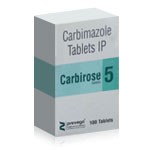
Carbirose (Carbimazole 5mg) represents the foundational thionamide antithyroid medication for management of hyperthyroidism from Graves' disease, toxic multinodular goiter, and other conditions causing excessive thyroid hormone production. Originally developed as Neo-Mercazole by Nicholas Piramal (now Amdipharm) and established as first-line antithyroid therapy across the UK, Europe, India, Australia, and most global markets, carbimazole provides proven long-term control of hyperthyroidism through selective inhibition of thyroid hormone synthesis. Notably, carbimazole is not FDA-approved in the United States where methimazole (the active metabolite, marketed as Tapazole) is used directly; however carbimazole remains the standard hyperthyroidism therapy worldwide. Manufactured by Prevego India as bioequivalent generic under WHO-GMP quality standards, Carbirose provides accessible cost carbimazole therapy at the standard 5 mg maintenance/starting dose strength.
Carbimazole functions as a prodrug rapidly converted to methimazole (thiamazole) in the body — the pharmacologically active thionamide metabolite. Methimazole works through selective inhibition of thyroid peroxidase (TPO) — the enzyme responsible for iodine organification and thyroid hormone synthesis. First, methimazole blocks iodination of tyrosine residues on thyroglobulin preventing formation of monoiodotyrosine and diiodotyrosine precursors. Second, it blocks coupling reactions preventing formation of thyroxine (T4) and triiodothyronine (T3) hormones. Third, methimazole may have additional immunomodulatory effects in Graves' disease contributing to remission. Fourth, unlike propylthiouracil (PTU), carbimazole does NOT block peripheral T4-to-T3 conversion — pharmacological difference affecting clinical use. Onset of effect delayed 2-8 weeks as existing thyroid hormone stores must be depleted.
Carbirose serves comprehensive hyperthyroidism management. Primary uses include Graves' disease (autoimmune hyperthyroidism); toxic multinodular goiter (Plummer disease); toxic thyroid adenoma; preoperative preparation before thyroidectomy; preparation for radioactive iodine (RAI) therapy; thyroid storm as component of intensive therapy; amiodarone-induced thyrotoxicosis Type 1; and pregnancy hyperthyroidism after first trimester (PTU preferred first trimester).
Carbirose dosed initial 15-40 mg daily reducing to 5-15 mg maintenance. Course typically 12-18 months. Requires regular CBC monitoring for agranulocytosis and LFT monitoring for hepatotoxicity. Not for use in first trimester pregnancy.
Free prescription
Discrete packaging
Have questions?
Quality Assurance

- Toxic Multinodular Goiter TMNG: Plummer disease with multiple autonomous thyroid nodules producing excess thyroid hormone independent of TSH regulation;
- Toxic Thyroid Adenoma: Single autonomous thyroid nodule producing excess hormone requiring antithyroid therapy or definitive treatment;
- Pre Operative Preparation for Thyroidectomy: Achieving euthyroid state before surgical thyroidectomy reduces perioperative thyroid storm risk substantially;
- Preparation for Radioactive Iodine Therapy: Achieving euthyroid state before RAI treatment for large goiters or severe hyperthyroidism cases;
- Thyroid Storm Hyperthyroid Crisis: Life-threatening severe hyperthyroidism requiring intensive multi-drug therapy including antithyroid propranolol iodine steroids;
- Hyperthyroidism in Pregnancy: Second and third trimester hyperthyroidism management after switching from PTU used in first trimester;
- Amiodarone Induced Thyrotoxicosis Type 1: Iodine-induced hyperthyroidism in patients on amiodarone with preexisting thyroid abnormalities responding to antithyroid drugs;
- Subclinical Hyperthyroidism: Selected cases with suppressed TSH and normal T3/T4 in patients with cardiovascular disease or osteoporosis risk;
- Long Term Hyperthyroidism Control: Standard 12-18 month therapeutic course with potential for remission particularly in Graves disease;
- Hyperthyroidism Remission Induction: Approximately 30-40% Graves disease patients achieve sustained remission after 12-18 months therapy;
- Hyperthyroidism Symptom Relief: Reduction of tachycardia weight loss heat intolerance sweating tremor and other hypermetabolic symptoms;
- Cardiovascular Protection in Hyperthyroidism: Prevents hyperthyroidism-related atrial fibrillation heart failure and cardiovascular complications;
- Prevents Bone Loss: Prevents accelerated bone resorption and osteoporosis from prolonged untreated hyperthyroidism;
- Graves Ophthalmopathy Management: Achieving euthyroid state critical component of Graves' eye disease management with endocrinology and ophthalmology coordination;
- Block Replace Therapy Regimen: High-dose carbimazole combined with levothyroxine replacement for select patients requiring flexible thyroid control;
- Titration Regimen Approach: Standard approach reducing dose based on clinical and biochemical thyroid function improvement over weeks;
- Thionamide Antithyroid Class: Foundational thionamide antithyroid drug class member with proven decades of clinical experience;
- Pediatric Hyperthyroidism: Effective for adolescent Graves disease requiring pediatric endocrinology supervision and appropriate dosing;
- Generic Carbimazole Therapy: Bioequivalent Prevego generic alternative to brand Neo-Mercazole providing accessible cost hyperthyroidism therapy.
- Better Long Term Hyperthyroidism Control: Standard 12-18 month treatment course with approximately 30-40% Graves patients achieving sustained remission after therapy completion;
- Better Pre Operative Preparation: Achieving euthyroid state before thyroidectomy substantially reduces perioperative thyroid storm risk enabling safer surgical outcomes;
- Better Radioactive Iodine Therapy Preparation: Achieving euthyroid state before RAI reduces post-RAI hyperthyroidism worsening and thyroid storm risk;
- Better Hyperthyroidism Symptom Relief: Substantial reduction of tachycardia weight loss heat intolerance sweating tremor anxiety and other hypermetabolic symptoms;
- Better Cardiovascular Protection: Prevents hyperthyroidism-related atrial fibrillation congestive heart failure and other cardiovascular complications of untreated disease;
- Prevents Bone Loss: Prevents accelerated bone resorption osteopenia and osteoporosis from prolonged untreated hyperthyroidism particularly in postmenopausal women;
- Better Flexible Treatment Approach: Titration regimen adjustable based on individual patient response with dose reductions as euthyroid state achieved;
- Better Methimazole Prodrug Conversion: Rapid conversion to methimazole active metabolite ensures consistent therapeutic effect similar to direct methimazole administration;
- Widely Studied Safety Profile: Decades of clinical experience worldwide with well-characterized side effect profile enabling informed risk-benefit assessment;
- Better Long Term Remission Potential: Approximately 30-40% of Graves disease patients achieve sustained remission after 12-18 month therapy course;
- Better Non Ablative Therapy Option: Preserves thyroid function unlike RAI ablation or thyroidectomy for patients preferring conservative approach;
- Better Pregnancy Second Third Trimester: Preferred antithyroid therapy after first trimester when PTU hepatotoxicity risk becomes concerning to fetus;
- Better Once Daily Dosing Option: Long half-life allows once daily dosing for some patients improving treatment adherence during long courses;
- Better Symptom Improvement Onset: Clinical improvement typically visible within 2-4 weeks with continued improvement over 6-8 weeks;
- Better Block Replace Regimen Option: High-dose carbimazole with thyroxine replacement provides flexible thyroid control for select patients;
- Better Pediatric Effectiveness: Effective and well-tolerated for adolescent Graves disease with appropriate pediatric endocrinology supervision;
- Better Thyroid Storm Component Therapy: Essential component of intensive thyroid storm treatment combined with propranolol iodine and steroids;
- Better Prevego Manufacturing Quality: WHO-GMP manufacturing standards ensure consistent bioequivalent generic quality for reliable therapeutic outcomes;
- Better Quality of Life: Effective hyperthyroidism control dramatically improves quality of life through symptom relief cardiovascular protection and normalization of metabolic function.
Generic Carbirose (Carbimazole 5 g) Medication guide:
Introduction to Carbirose (Carbimazole)
Generic Carbirose (Carbimazole) is a widely prescribed antithyroid medication used to control the overproduction of thyroid hormones. It plays a vital role in the management of hyperthyroidism and related thyroid conditions such as Graves disease and toxic nodular goiter.
Unlike treatments that replace missing hormones, Carbirose works by suppressing the thyroid gland’s ability to produce thyroxine (T4) and triiodothyronine (T3). By reducing hormone excess, it helps relieve the classic symptoms of an overactive thyroid — including rapid heartbeat, weight loss, tremors, irritability, and excessive sweating.
Carbimazole is a prodrug, meaning it is converted in the body into its active form, methimazole, which directly inhibits thyroid peroxidase. This targeted action makes it a cornerstone in antithyroid therapy, especially before definitive treatments like thyroid surgery or radioactive iodine therapy.
👉 Key Point: Carbirose provides effective, non-surgical management of hyperthyroidism, helping patients regain hormonal balance and improved quality of life.
What is Carbirose and How Does It Work
Carbirose (Carbimazole) is an antithyroid drug used to treat conditions caused by an overactive thyroid gland. It is primarily prescribed for Graves disease, toxic multinodular goiter, and preparation before thyroid surgery or radioactive iodine therapy.
Carbimazole is classified as a prodrug, meaning it becomes active only after being converted into Methimazole inside the body. Methimazole works by inhibiting the enzyme thyroid peroxidase, which is crucial for the synthesis of thyroid hormones (T4 – thyroxine, and T3 – triiodothyronine).
🔹 Key Mechanisms of Action
- Inhibition of hormone synthesis: Blocks thyroid peroxidase and prevents the binding of iodine to tyrosine residues in thyroglobulin;
- Reduced T4 and T3 production: Decreases circulating thyroid hormone levels, restoring balance;
- Gradual onset of effect: Improvement usually occurs after 2–6 weeks, as stored hormones are depleted;
- Stabilization before procedures: Helps patients achieve euthyroid state prior to surgery or radioactive iodine treatment.
👉 Note: Carbirose does not affect hormones already circulating in the blood; it acts by preventing new hormone formation.
FDA Approved Indications for Carbimazole
Carbirose (Carbimazole) is officially indicated for the treatment and management of conditions associated with excessive thyroid hormone production. Its role is to restore euthyroid balance and prevent complications of hyperthyroidism.
🔹 Indications List
- Graves disease (autoimmune hyperthyroidism): First-line therapy to suppress overactive thyroid hormone synthesis, alleviate symptoms such as tremor, palpitations, and weight loss, and stabilize patients before definitive treatment;
- Toxic multinodular goiter (Plummer disease): Reduces hormone secretion from multiple autonomously functioning thyroid nodules, often in older patients or those unfit for surgery;
- Toxic adenoma (solitary toxic nodule): Decreases excessive hormone output from a single hyperactive thyroid nodule, used as preparation for surgery or radioiodine ablation;
- Pre-operative preparation for thyroidectomy: Achieves euthyroid state before thyroid surgery, reducing surgical risk and preventing thyroid storm;
- Preparation for radioactive iodine therapy (RAI): Stabilizes thyroid hormone levels before RAI treatment, ensuring greater safety and effectiveness;
- Adjunct in thyroid storm management: In urgent cases, Carbimazole may be used in hospital settings when rapid control of thyroid hormone synthesis is required, alongside beta-blockers, corticosteroids, and iodine.
👉 Key Point: These indications underline Carbirose’s essential role in both short-term stabilization and long-term management of hyperthyroid conditions.
Key Benefits of Carbirose Therapy
Carbirose (Carbimazole) provides multiple therapeutic and quality-of-life benefits for patients suffering from hyperthyroidism and related conditions.
🌟 Clinical Benefits
- Effective hormone control: Reduces excessive production of thyroid hormones, restoring metabolic balance;
- Symptom relief: Improves palpitations, tremors, weight loss, heat intolerance, and irritability caused by thyroid overactivity;
- Cardiovascular protection: Decreases the risk of atrial fibrillation, hypertension, and heart failure associated with untreated hyperthyroidism;
- Bone health support: Helps prevent osteoporosis and fractures by normalizing thyroid hormone levels;
- Pre-treatment preparation: Provides a safer baseline for surgery or radioactive iodine therapy by achieving euthyroidism;
- Alternative to stimulants: Offers a non-surgical and non-radioactive therapeutic option for long-term control;
- Gradual but steady action: Maintains consistent thyroid suppression, avoiding sudden hormonal shifts;
- Flexible dosing: Can be tailored according to age, disease severity, and patient tolerance.
✅ Quality of Life Benefits
- Enhances energy levels and sleep quality;
- Improves mood stability and reduces anxiety;
- Restores normal appetite and weight regulation;
- Supports overall well-being by correcting metabolic imbalance.
👉 Key Point: Carbirose is not only a medical therapy but also a tool to restore normal daily functioning, making it a cornerstone of hyperthyroidism management.
Pharmacological Class and Mechanism of Action ⚗️
Carbirose (Carbimazole) belongs to the class of antithyroid drugs (thionamides). It is a prodrug, meaning it is inactive until metabolized in the body into its active form — Methimazole.
🔹 Pharmacological Class
- Therapeutic class: Antithyroid agent;
- Pharmacological class: Thionamide derivative;
- Target organ: Thyroid gland;
- Primary indication: Hyperthyroidism management.
🔹 Mechanism of Action
- Inhibition of thyroid peroxidase enzyme: Prevents oxidation of iodide and its binding to tyrosine residues on thyroglobulin;
- Suppression of hormone synthesis: Stops the coupling reaction that forms thyroxine (T₄) and triiodothyronine (T₃);
- Gradual hormone depletion: As existing hormone stores are used up, circulating levels fall, restoring euthyroid state;
- No effect on released hormones: Carbimazole only prevents new hormone formation, so clinical benefits appear in 2–6 weeks.
👉 Key Point: By targeting thyroid peroxidase, Carbirose directly blocks the root cause of hormone overproduction, making it a highly effective and targeted therapy for hyperthyroidism.
Medical Conditions Treated with Carbimazole
This medication is widely used in endocrinology to manage disorders associated with excessive thyroid hormone production. Its role is both therapeutic and preparatory in thyroid disease care.
🔹 Conditions List
- Graves disease (autoimmune hyperthyroidism): First-line therapy to suppress hormone synthesis, relieve hyperthyroid symptoms, and stabilize patients before definitive treatments;
- Toxic multinodular goiter (Plummer disease): Helps reduce thyroid hormone output from multiple nodules in patients unsuitable for immediate surgery or radioiodine;
- Toxic adenoma (solitary toxic nodule): Provides control of hormone excess from a single overactive thyroid nodule before ablation or surgery;
- Pre-operative preparation for thyroidectomy: Induces a euthyroid state to reduce surgical complications and risk of thyroid storm;
- Preparation for radioactive iodine (RAI) therapy: Normalizes hormone levels to ensure safe and effective RAI treatment;
- Adjunctive therapy in thyroid storm (hospital use): Supports rapid hormone control in emergencies, alongside beta-blockers, corticosteroids, and iodine when available.
👉 Key Point: Carbirose is essential not only for long-term management of hyperthyroidism but also for short-term stabilization before definitive thyroid interventions.
Available Dosage Forms and Strengths
This Generic Drug is available in tablet formulations designed for oral administration. Different strengths allow physicians to tailor therapy to individual patient needs, depending on age, severity of hyperthyroidism, and treatment goals.
🔹 Common Dosage Forms
- Tablets: The standard and most widely prescribed form, taken orally with water;
- Bottle packaging: Often supplied in bottles containing multiple tablets (e.g., 100 tabs per bottle), suitable for long-term therapy.
🔹 Typical Strengths
- 5 mg tablets: Most frequently prescribed starting dose, allowing flexible adjustments;
- 10 mg tablets: Used when higher suppression is needed, sometimes for rapid stabilization;
- 15 mg tablets: Prescribed in selected cases for stronger control, particularly in severe hyperthyroidism;
- 20 mg tablets (less common): Reserved for specific clinical indications where high suppression is required.
👉 Key Point: Availability in multiple strengths ensures flexibility in dosing regimens, enabling doctors to adjust therapy according to response and laboratory monitoring.
Recommended Dosage and Administration Guidelines
This Medication must be taken exactly as prescribed by a healthcare professional. Dosage varies depending on the severity of hyperthyroidism, patient age, and treatment goals.
🔹 General Dosage Recommendations
- Initial dose: Typically 15–40 mg daily, divided into 2–3 smaller doses, depending on disease severity;
- Maintenance dose: Once thyroid hormone levels are stabilized, the dose is usually reduced to 5–15 mg daily;
- Pre-operative or RAI preparation: Higher doses may be required short-term to achieve euthyroidism before surgery or radioactive iodine therapy.
🔹 Administration Guidelines
- Route: Oral, swallowed with water, preferably at the same time(s) each day;
- With or without food: Can be taken with meals to reduce stomach upset, but food does not affect absorption significantly;
- Consistency: Must be taken regularly to maintain stable thyroid hormone suppression;
- Monitoring: Periodic thyroid function tests, CBC, and liver function tests are required to adjust dosage and ensure safety.
👉 Key Point: Dosage is highly individualized. Patients should never adjust their own dose without medical supervision, as both under-treatment and over-treatment carry risks.
How to Use Carbirose Safely – Practical Patient Tips ✅
Correct use of Carbirose (Carbimazole) is essential for maximum benefit and safety. Patients should follow medical guidance closely and adopt supportive habits.
✅ Daily Usage Tips
- Take the tablets at the same time each day to maintain steady hormone suppression;
- Swallow with a full glass of water, with or without food (preferably after meals if stomach upset occurs);
- Stick to the prescribed dose — more tablets will not speed recovery but may increase risks;
- Use a pill organizer or reminders to avoid missing doses;
- Keep regular check-ups and blood tests as advised by your doctor.
🚫 Safety Precautions
- Do not suddenly stop taking Carbirose unless instructed by a physician;
- Avoid self-adjusting the dosage, even if symptoms improve or worsen;
- Report unusual symptoms (sore throat, fever, mouth ulcers, jaundice, dark urine) immediately, as they may indicate rare but serious side effects;
- Protect yourself from infections while on therapy, as the drug can occasionally lower white blood cells;
- Use effective contraception if of childbearing age, since Carbimazole is not recommended during pregnancy without medical approval.
📌 Note: Safe and consistent use ensures long-term thyroid stability and minimizes the risk of complications.
Contraindications: Who Should Not Take Carbimazole
Carbirose (Carbimazole) is effective in controlling hyperthyroidism, but it is not suitable for all patients. Certain medical conditions and circumstances require avoidance of therapy.
🚫 Absolute Contraindications
- Known hypersensitivity to Carbimazole or Methimazole: Risk of severe allergic reactions or cross-reactivity;
- Previous agranulocytosis with thionamides: History of dangerously low white blood cells linked to antithyroid therapy excludes reuse;
- Pregnancy (first trimester): Associated with congenital malformations; Propylthiouracil (PTU) is preferred during this stage;
- Breastfeeding (caution advised): Small amounts may pass into breast milk, requiring medical supervision or alternative therapy.
⚠️ Relative Contraindications (Require Specialist Oversight)
- Liver disease: Carbimazole may worsen hepatic impairment or cause liver injury;
- Blood disorders: Conditions affecting bone marrow increase risks of hematological complications;
- Elderly patients with comorbidities: Closer monitoring is essential due to higher risk of side effects.
✅ Highlight: Treatment with Carbirose should only be started when benefits clearly outweigh risks, and always under medical supervision.
Drug and Food Interactions with Carbirose 🍊
Carbirose (Carbimazole) may interact with certain medications and foods, altering its effectiveness or increasing the risk of side effects. Awareness of these interactions is essential for safe therapy.
| Substance | Interaction | Clinical Note |
|---|---|---|
| Warfarin and anticoagulants | May enhance anticoagulant effect | Regular INR monitoring recommended |
| Theophylline | Thyroid normalization changes clearance | Dosage adjustment may be required |
| Digoxin | Serum digoxin levels may change | Monitor cardiac response and adjust dose |
| Beta-blockers | Effect enhanced as thyroid stabilizes | May allow lower beta-blocker dose |
| Iodine-rich foods (seaweed, kelp) | Excess iodine reduces Carbimazole efficacy | Avoid supplements or diets high in iodine |
| Alcohol | Potential additive liver strain | Limit alcohol to reduce hepatic risk |
📌 Note: Always inform your doctor about all medicines and supplements you are taking, as adjustments may be necessary to keep thyroid levels stable.
Common Side Effects of Carbirose
Most patients tolerate Carbirose (Carbimazole) well, but some mild to moderate side effects may occur, especially during the initial weeks of therapy. These reactions are usually temporary and manageable under medical supervision.
🔹 Frequently Reported Effects
- Skin rash and itching: Mild allergic reactions are common but often resolve with continued use or antihistamines;
- Nausea and stomach discomfort: Some patients experience gastrointestinal upset, which is minimized when tablets are taken with meals;
- Headache and dizziness: May occur during early therapy but typically improve as the body adjusts;
- Joint pain or muscle aches: Reported in a minority of patients, usually mild;
- Taste disturbances: Some individuals notice altered taste perception, which is reversible after discontinuation;
- Hair thinning: Rare and usually temporary, related to thyroid level fluctuations;
- Mild fatigue or drowsiness: Can happen as the thyroid function stabilizes;
- Slight weight gain: Linked to correction of hyperthyroidism rather than the drug itself.
✅ Highlight: These side effects are generally mild and improve over time. Persistent or severe reactions should be reported to a healthcare professional.
⚠️ Serious Adverse Reactions and Safety Warnings
While Carbirose (Carbimazole) is generally effective and safe when used correctly, certain rare but serious reactions require immediate medical attention. Awareness of these risks is critical for safe therapy.
🔹 Hematological Reactions
- Agranulocytosis: Severe drop in white blood cells, leading to life-threatening infections. Early symptoms include sore throat, fever, and mouth ulcers;
- Leukopenia: Reduction in total white blood cells that increases susceptibility to infections;
- Thrombocytopenia: Low platelet count, causing unusual bruising or bleeding.
🔹 Hepatic Reactions
- Liver toxicity: Rare cases of hepatitis or cholestatic jaundice have been reported;
- Early warning signs: Yellowing of the skin or eyes, dark urine, abdominal pain, or persistent nausea.
🔹 Hypersensitivity Reactions
- Severe skin reactions: Stevens–Johnson syndrome and other rashes requiring urgent care;
- Anaphylaxis (extremely rare): Sudden swelling, breathing difficulty, and shock.
🔹 Endocrine and Metabolic Effects
- Over-suppression of thyroid function: May cause hypothyroidism if dosage is too high;
- Goiter enlargement: In rare cases, prolonged use without monitoring can worsen thyroid enlargement.
⚡ Reminder: Patients must be instructed to stop Carbirose immediately and seek urgent care if they develop fever, sore throat, mouth ulcers, unexplained bruising, jaundice, or severe skin rash.
Special Considerations for Pregnancy and Breastfeeding 🤰
Carbirose (Carbimazole) requires special caution during pregnancy and lactation, as antithyroid drugs may affect both mother and child.
👶 Pregnancy
- First trimester: Carbimazole is generally avoided, as it has been associated with congenital malformations (e.g., aplasia cutis, choanal atresia);
- Preferred alternative: Propylthiouracil (PTU) is recommended during the first trimester due to a safer profile in early development;
- Second and third trimesters: Carbimazole may be reintroduced if necessary, using the lowest effective dose to maintain maternal euthyroidism while minimizing fetal exposure;
- Close monitoring: Regular thyroid function tests are essential to balance adequate control and avoid hypothyroidism in the fetus.
🤱 Breastfeeding
- Carbimazole passes into breast milk in small amounts;
- If treatment is necessary, the lowest possible dose should be used, and ideally divided after breastfeeding sessions;
- Infants should be monitored for signs of altered thyroid function (poor weight gain, lethargy, irritability);
- Some guidelines prefer Methimazole in lactating women, but Carbimazole remains an option with strict medical oversight.
📌 Note: Antithyroid therapy during pregnancy and breastfeeding must be specialist-guided, balancing maternal health with fetal and infant safety.
Use in Children, Adults, and Elderly Patients
Carbirose (Carbimazole) can be prescribed across different age groups, but dosing and monitoring must be individualized.
👶 Children and Adolescents
- Used when hyperthyroidism is diagnosed, most commonly in Graves disease;
- Dosage is weight-based, usually 0.5–1 mg per kg per day, divided into smaller doses;
- Requires strict monitoring of thyroid function, growth, and development;
- Long-term use may carry higher risk of side effects, so some children are transitioned to surgery or radioactive iodine once older.
🧑 Adults
- Standard dosing begins at 15–40 mg daily, adjusted based on hormone levels;
- Maintenance therapy usually requires 5–15 mg daily;
- Regular blood tests for thyroid function, liver enzymes, and blood counts are mandatory;
- In adults, Carbirose is often used as a bridge to surgery or RAI, though some patients remain on long-term therapy.
👴 Elderly Patients
- Hyperthyroidism in older patients carries higher risks of atrial fibrillation, heart failure, and osteoporosis;
- Lower starting doses are often recommended to reduce adverse reactions;
- Monitoring must include cardiac status alongside thyroid function;
- Drug interactions (especially with anticoagulants, digoxin, and beta-blockers) are more likely in this group.
✅ Highlight: Age-specific dosing and monitoring are essential — children, adults, and the elderly each have unique risks that demand careful medical supervision.
Monitoring Requirements During Treatment (Blood Tests, Thyroid Function, Liver Health)
Safe and effective use of Carbirose (Carbimazole) depends on regular monitoring. These tests help doctors adjust the dose, detect complications early, and ensure thyroid balance.
| Test | Frequency | Purpose |
|---|---|---|
| Thyroid Function Tests (TSH, Free T4, Free T3) | Every 4–6 weeks initially, then every 2–3 months | To adjust dosage and ensure euthyroid state |
| Complete Blood Count (CBC) | Baseline, then if fever, sore throat, or infection symptoms occur | To detect agranulocytosis or leukopenia |
| Liver Function Tests (ALT, AST, Bilirubin) | Baseline, then if symptoms of liver dysfunction appear | To identify rare hepatotoxicity early |
| ECG (in elderly or cardiac patients) | As needed | To monitor for arrhythmias or cardiac strain |
📌 Note: Close monitoring is essential during the first 3 months of therapy, as most serious adverse reactions occur early.
Storage Instructions and Shelf Life 📦
Proper storage of Carbirose (Carbimazole) ensures that the medication remains effective and safe throughout its use.
🔹 Storage Guidelines
- Keep tablets in their original packaging until use to protect from light and moisture;
- Store at room temperature (15–25 °C / 59–77 °F);
- Avoid exposure to direct sunlight, excessive heat, or humidity (e.g., bathrooms, near stoves);
- Keep medication out of reach of children and pets;
- Do not store in refrigerators unless specifically advised by the manufacturer.
🔹 Shelf Life
- The typical shelf life is 24–36 months from the manufacturing date;
- Check the expiry date printed on the blister pack or bottle;
- Do not use after expiration, as potency and safety may be compromised.
✅ Highlight: Always dispose of expired or unused tablets safely — return them to a pharmacy or follow local disposal guidelines.
Missed Dose – What to Do
It is important to take Carbirose (Carbimazole) regularly, but if a dose is missed, the response depends on timing.
🔹 If You Remember Soon After
- Take the missed tablet as soon as you remember;
- Continue with your next dose at the usual time.
🔹 If It Is Almost Time for the Next Dose
- Skip the missed dose;
- Do not double the dose to make up for the forgotten one, as this increases the risk of side effects.
🔹 If Multiple Doses Are Missed
- Contact your doctor for advice;
- Do not restart at the previous schedule without medical guidance, especially if more than 2–3 doses are missed in a row.
📌 Note: Consistency is crucial — use pill organizers, alarms, or reminders to help stay on track with treatment.
Overdose Management and Emergency Measures 🚑
An overdose of Carbirose (Carbimazole) can lead to serious complications and requires immediate medical attention.
🔹 Symptoms of Overdose
- Severe nausea, vomiting, and stomach pain;
- Extreme fatigue, weakness, or dizziness;
- Signs of hypothyroidism (cold intolerance, slow heartbeat, constipation, mental fog);
- Fever, sore throat, or infections due to possible bone marrow suppression;
- Jaundice, dark urine, or abdominal pain indicating potential liver involvement.
🔹 Emergency Measures
- Do not wait for symptoms to worsen — seek urgent hospital care;
- Bring the medication package to inform doctors about the exact drug and dosage taken;
- Gastric lavage or activated charcoal may be administered in hospital settings if ingestion was recent;
- Supportive care includes monitoring blood counts, thyroid function, and liver health;
- Severe cases may require specialist intervention, including treatment of hypothyroidism or blood transfusion if agranulocytosis develops.
✅ Highlight: Prompt recognition and hospital treatment are essential to prevent life-threatening complications from overdose.
Comparison with Other Antithyroid Drugs (Methimazole, Propylthiouracil)
Carbirose (Carbimazole) is often compared with Methimazole (its active metabolite) and Propylthiouracil (PTU). Each has unique strengths and limitations that influence prescribing decisions.
| Drug | Pharmacological Notes | Advantages | Limitations |
|---|---|---|---|
| Carbimazole (Carbirose) | Prodrug converted to Methimazole; inhibits thyroid peroxidase | Well-tolerated, flexible dosing, widely available in many countries | Not recommended in first trimester of pregnancy; risk of agranulocytosis |
| Methimazole | Active drug; direct thyroid peroxidase inhibitor | More potent than PTU, once-daily dosing possible, preferred for long-term therapy | Contraindicated in first trimester; rare but serious liver and blood side effects |
| Propylthiouracil (PTU) | Inhibits thyroid peroxidase + blocks peripheral conversion of T₄ → T₃ | Preferred in first trimester of pregnancy; useful in thyroid storm | Higher risk of liver toxicity; requires multiple daily doses; less potent overall |
📌 Note: Choice of antithyroid drug depends on patient age, pregnancy status, comorbidities, and safety profile.
Clinical Studies and Effectiveness Data 📊
Decades of clinical research support the effectiveness of Carbirose (Carbimazole) for hyperthyroidism across Graves disease, toxic nodular disease, and as preparation for definitive therapy. Outcomes are typically assessed by time to euthyroidism, symptom relief, and long-term remission or relapse rates.
| Clinical Setting | Typical Study Duration | Primary Outcomes | Observed Results (Representative) |
|---|---|---|---|
| Graves disease (initial control) | 6–12 weeks | Time to euthyroidism, symptom reduction | Euthyroidism in a majority within 6–8 weeks; marked reduction in palpitations, tremor, heat intolerance |
| Graves disease (maintenance / remission) | 12–18 months | Remission after drug withdrawal | Drug-induced remission in a substantial subset after 12–18 months; relapse risk persists, requiring follow-up |
| Toxic multinodular goiter / toxic adenoma | 8–16 weeks (stabilization) | Euthyroid stabilization prior to RAI or surgery | Reliable biochemical control enabling safe scheduling of definitive therapy |
| Pre-operative preparation (thyroidectomy) | 4–8 weeks | Prevention of thyroid storm; surgical safety | High rates of euthyroidism at surgery; reduced perioperative complications with adjunct beta-blockade |
| Pre-RAI preparation | 2–6 weeks | Safety during radioiodine therapy | Controlled thyroid levels at time of RAI; individualized timing of temporary interruption and restart |
| Quality-of-life endpoints | 3–6 months | Symptom scores, weight, heart rate | Improved fatigue, anxiety, sleep; weight stabilization; lower resting heart rate |
✅ Highlight: Most patients achieve biochemical control within weeks, with symptomatic relief tracking closely behind. Longer courses (12–18 months) may yield drug-induced remission in Graves disease, though relapse remains possible and warrants long-term monitoring.
📌 Note: Comparative studies show carbimazole (via methimazole) offers potent thyroid peroxidase inhibition and convenient dosing, making it preferred for chronic control in many regions, while PTU is favored in the first trimester of pregnancy or thyroid storm scenarios.
⚡ Reminder: Interpretation of effectiveness should consider baseline severity, autoantibody titers, goiter size, iodine exposure, adherence, and comorbidities—factors that influence time to control and remission likelihood.
Patient Experiences and Real-World Outcomes 💬
Beyond controlled trials, the real-world use of Carbirose (Carbimazole) reflects a wide range of patient experiences. Many report improvements in daily life once thyroid function begins to stabilize, though side effects and long-term adherence remain common themes.
🌟 Positive Experiences
- Rapid symptom relief: Patients often describe feeling calmer, with reduced tremors and palpitations within a few weeks;
- Improved energy and sleep: Many regain regular sleep patterns and reduced fatigue after stabilizing thyroid hormones;
- Weight stabilization: Individuals appreciate regaining normal appetite and gradual weight balance after uncontrolled weight loss;
- Better mood control: Reports of decreased anxiety, irritability, and emotional swings are frequent once euthyroidism is reached.
⚠️ Challenges Noted by Patients
- Initial side effects: Some mention nausea, mild rashes, or headaches, usually resolving with time;
- Blood test requirements: The need for frequent monitoring can feel inconvenient but is critical for safety;
- Fear of rare reactions: Patients often worry about agranulocytosis or liver problems, making education and reassurance essential;
- Relapse risk: Long-term users sometimes express frustration about relapse after discontinuation, requiring retreatment or definitive therapy.
✅ Highlight: Most patients value the restoration of balance in both body and mind, but they stress the importance of medical follow-up, clear instructions, and support throughout the treatment journey.
📌 Note: Patient feedback underscores that Carbirose is effective for stabilizing hyperthyroidism, but adherence, awareness of warning signs, and trust in the healthcare provider strongly influence real-world outcomes.
Practical Advice for Patients with Hyperthyroidism
Living with hyperthyroidism requires not only medication like Carbirose (Carbimazole) but also lifestyle adjustments and ongoing self-care. These steps support treatment effectiveness and overall well-being.
✅ Everyday Tips for Patients
- Take medication consistently: Stick to the prescribed schedule and avoid missed doses;
- Monitor for warning signs: Report fever, sore throat, mouth ulcers, or jaundice immediately;
- Attend regular check-ups: Blood tests and doctor visits are essential to adjust therapy safely;
- Balance your diet: Avoid iodine-rich foods (kelp, seaweed, certain supplements) unless approved by your doctor;
- Protect bone health: Ensure adequate calcium and vitamin D intake, since hyperthyroidism can weaken bones;
- Rest and recovery: Allow your body time to heal — prioritize good sleep and manage stress levels;
- Exercise moderately: Gentle activities like walking or yoga can help maintain fitness without overstraining the heart;
- Avoid smoking and excess alcohol: Both can worsen thyroid and cardiovascular health.
⚡ Reminder: Successful management of hyperthyroidism is a partnership between patient and doctor — medication alone is not enough without lifestyle support and active monitoring.
Carbirose and Long-Term Thyroid Management
Carbirose (Carbimazole) plays a central role not only in the short-term stabilization of hyperthyroidism but also in long-term thyroid care. For many patients, it serves as a bridge to definitive treatments, while for others it may provide durable remission.
🔹 Long-Term Treatment Goals
- Achieve and maintain euthyroidism: Keep thyroid hormone levels within the normal range;
- Prevent complications: Reduce risks of atrial fibrillation, heart failure, osteoporosis, and weight fluctuations;
- Improve quality of life: Stabilize mood, sleep, and energy levels over time; Prepare for definitive therapy: Maintain control until surgery or radioactive iodine therapy is possible.
🔹 Possible Long-Term Outcomes
- Remission: Some patients remain stable after 12–18 months of treatment and can discontinue safely under supervision;
- Relapse: Others may experience recurrence, requiring re-initiation of Carbirose, switch to PTU, or definitive treatment;
- Transition to surgery or RAI: In resistant or relapsing cases, Carbirose ensures safe control before permanent solutions.
✅ Highlight: Long-term management with Carbirose is highly individualized — some achieve remission, while others require lifelong thyroid monitoring or definitive therapy.
📌 Note: Continued follow-up with endocrinologists is vital, since thyroid disease can evolve over time, and treatment strategies must adapt accordingly.
Important Warnings from the FDA and EMA
Regulatory agencies such as the U.S. Food and Drug Administration (FDA) and the European Medicines Agency (EMA) have issued important safety warnings regarding Carbirose (Carbimazole). These alerts emphasize vigilance due to rare but potentially life-threatening risks.
🔹 FDA Warnings
- Agranulocytosis risk: Patients must be informed about symptoms like fever, sore throat, or mouth ulcers. Immediate discontinuation and urgent medical evaluation are required if these occur;
- Hepatotoxicity: Rare cases of serious liver injury, including hepatitis and cholestatic jaundice, have been documented. Monitoring of liver function is recommended if symptoms arise;
- Pregnancy caution: Carbimazole is contraindicated in the first trimester due to teratogenicity. PTU is the preferred alternative during early pregnancy.
🔹 EMA Warnings
- Use in pregnancy: Confirms teratogenic risk, advising lowest effective dose if therapy is required beyond the first trimester;
- Long-term monitoring: Highlights the necessity of regular thyroid function and blood tests to detect side effects early;
- Post-marketing surveillance: Notes rare reports of severe skin reactions (Stevens–Johnson syndrome, toxic epidermal necrolysis).
⚡ Reminder: Both FDA and EMA stress the need for patient education, rapid recognition of warning signs, and close physician supervision to minimize risks.
Tips to Maximize Results and Minimize Risks
Using Carbirose (Carbimazole) effectively requires not just proper dosing, but also supportive habits that reduce side effects and enhance long-term outcomes.
✅ Practical Tips for Patients
- Take consistently: Use the medication at the same time every day to maintain stable thyroid control;
- Pair with meals if needed: Taking after food may help minimize nausea or stomach upset;
- Keep all check-ups: Attend scheduled thyroid function, blood count, and liver tests as directed by your doctor;
- Watch for warning signs: Report sore throat, fever, mouth ulcers, unusual bruising, or yellowing of skin/eyes immediately;
- Avoid iodine overload: Limit supplements and foods excessively rich in iodine unless advised by your doctor;
- Protect liver health: Minimize alcohol intake to reduce additional liver strain;
- Use contraception if relevant: Women of childbearing age should avoid unplanned pregnancy during therapy;
- Stay informed: Ask your doctor or pharmacist about any new medicines before starting them.
📌 Note: Following these tips ensures that Carbirose therapy remains safe, effective, and tailored to each patient’s long-term health needs.
Final Summary – Is Carbirose the Right Choice for You?
This Medication is a cornerstone in the management of hyperthyroidism, offering a reliable, non-surgical way to reduce excessive thyroid hormone production. It is widely prescribed for Graves disease, toxic multinodular goiter, and pre-treatment before thyroid surgery or radioactive iodine therapy.
Patients often experience improved energy, normalized weight, better heart function, and emotional stability once thyroid balance is restored. While the therapy carries potential risks — including rare but serious reactions like agranulocytosis and liver toxicity — these can be minimized with regular monitoring, adherence to prescribed dosing, and timely medical reporting of unusual symptoms.
✅ Highlight: Carbirose provides a powerful yet flexible treatment option, serving both as a bridge to definitive therapy and, in many cases, as a long-term management solution.
📌 Note: The decision to use Carbirose should always be based on an individualized assessment with an endocrinologist, weighing benefits against risks, and considering patient age, pregnancy status, and comorbidities.
Where to Buy Carbirose (Carbimazole) Online Safely 🌍
Patients looking for Carbirose (Carbimazole) should prioritize safety, authenticity, and reliability when ordering online. Counterfeit or improperly stored medications may pose serious health risks, so choosing a trusted source is essential.
🔹 Key Tips for Safe Online Purchase
- Check pharmacy legitimacy: Buy only from licensed and verified online pharmacies with transparent contact details;
- Look for clear product labeling: Ensure the packaging specifies the active ingredient (Carbimazole), dosage strength, and expiry date;
- Review storage and shipping practices: Medications should be stored and delivered under safe conditions, away from heat and humidity;
- Avoid suspiciously low prices: Extremely cheap offers may indicate counterfeit or substandard drugs;
- Seek customer reviews and trust signals: Reliable pharmacies typically provide patient feedback and third-party certification.
✅ Highlight: Our online pharmacy provides Carbirose (Carbimazole) with guaranteed quality, safe packaging, and worldwide delivery options.
📌 Note: Always consult with your healthcare provider before starting or renewing any prescription to confirm suitability and correct dosage.
Carbirose — Frequently Asked Questions
-
What is Carbirose (Carbimazole) used for?
Carbirose is primarily used to treat hyperthyroidism, a condition where the thyroid gland produces excessive hormones. It helps regulate hormone levels, alleviates symptoms such as tremors and rapid heartbeat, and prepares patients for surgery or radioactive iodine treatment. -
How does Carbirose work inside the body?
Carbirose is a prodrug converted into methimazole, which inhibits thyroid peroxidase, an enzyme necessary for thyroid hormone synthesis. By blocking hormone production, it restores balance and reduces hyperthyroid symptoms over several weeks. -
How long does it take for Carbirose to start working?
Most patients begin noticing improvements within 2–6 weeks. This delay occurs because the body must first use up its stored thyroid hormones. Regular monitoring ensures the drug is working effectively. -
Can Carbirose cure hyperthyroidism completely?
Carbirose can induce remission in some cases, especially with 12–18 months of therapy. However, relapse is common, and some patients may require lifelong monitoring, repeat treatment, or definitive therapy like surgery or radioactive iodine. -
What are the most common side effects of Carbirose?
Mild side effects include rash, nausea, headache, joint pain, and changes in taste. These usually resolve over time, but persistent symptoms should be reported to a doctor for proper evaluation and management. -
Are there serious risks linked to Carbirose?
Yes. Though rare, agranulocytosis (dangerously low white blood cells) and liver toxicity can occur. Symptoms such as fever, sore throat, jaundice, or severe fatigue require urgent medical attention and immediate discontinuation of the drug. -
Can children take Carbirose safely?
Yes, children with hyperthyroidism, often due to Graves disease, can use Carbirose. Dosing is weight-based, and close monitoring of thyroid function and growth is essential to ensure safe and effective treatment.
See all Carbirose questions (32)
📚 Drug Description Sources:
To ensure accuracy and reliability, the information about Carbirose (Carbimazole) is based on trusted medical and pharmaceutical references:
- FDA (Food and Drug Administration) official drug safety communications;
- EMA (European Medicines Agency) product safety updates;
- British National Formulary (BNF): Standard reference for prescribing practices in the UK;
- World Health Organization (WHO) Essential Medicines List;
- Peer-reviewed journals such as The Journal of Clinical Endocrinology & Metabolism and Thyroid;
- Leading pharmacology textbooks, including Goodman & Gilman’s The Pharmacological Basis of Therapeutics.
📌 Note: These sources provide internationally recognized guidance, ensuring that the medication guide reflects evidence-based and up-to-date medical standards.
More Thyroid Medications