Buy Maxolon (Metoclopramide 10mg) Online - Dual Action Prokinetic Antiemetic for Gastroparesis GERD and Nausea

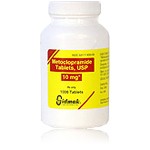
Maxolon (Metoclopramide 10mg) represents the classic dual-action prokinetic antiemetic — the medication uniquely combining central antiemetic action (D2 dopamine antagonism at chemoreceptor trigger zone) with peripheral prokinetic action (5-HT4 serotonin agonism enhancing GI motility) since Beecham Pharmaceuticals (later SmithKline Beecham, then GSK) established Maxolon as the UK/Australian brand. FDA-approved as Reglan in the United States in 1980. Manufactured by IPCA Laboratories India as bioequivalent generic under WHO-GMP and US FDA-inspected standards, Maxolon offers proven efficacy across diabetic gastroparesis, gastroesophageal reflux disease (GERD), chemotherapy-induced nausea, post-surgical vomiting, and migraine-associated nausea with delayed gastric emptying.
Metoclopramide works through dual-mechanism dopamine and serotonin receptor modulation. Centrally, metoclopramide provides D2 dopamine receptor antagonism at the chemoreceptor trigger zone in the area postrema — blocking nausea signals from various chemical stimuli including chemotherapy agents. Peripherally, metoclopramide provides 5-HT4 serotonin receptor agonism in the upper gastrointestinal tract — enhancing gastric antral contractions, coordinating antroduodenal motility, relaxing pyloric sphincter, and accelerating gastric emptying. This produces reduced nausea and vomiting, enhanced gastric emptying, improved GERD symptoms, and relief of gastroparesis symptoms. Clinical response: nausea suppression within 30-60 minutes, peak effect at 1-2 hours, and consistent 4-6 hour antiemetic and prokinetic control.
Maxolon serves multiple gastrointestinal and antiemetic indications. Primary uses include diabetic gastroparesis with delayed gastric emptying as gold standard therapy; idiopathic gastroparesis with chronic nausea and vomiting; gastroesophageal reflux disease (GERD) when standard acid suppression alone is inadequate; chemotherapy-induced nausea and vomiting as adjunctive therapy; post-operative nausea and vomiting (PONV) prevention and treatment; facilitation of intestinal procedures including radiologic contrast studies and endoscopy prep; migraine-associated nausea particularly when delayed gastric emptying impairs oral migraine drug absorption; and various causes of nausea where prokinetic effect adds benefit.
Maxolon requires 3-4 times daily dosing (10 mg TID-QID before meals and at bedtime for gastroparesis). Peak concentrations at 1-2 hours, 5-6 hour half-life. Maximum 12 weeks therapy per FDA Black Box warning about tardive dyskinesia risk. IPCA Laboratories India manufactures under WHO-GMP, US FDA quality standards.
Free prescription
Discrete packaging
Have questions?
Quality Assurance

- Diabetic Gastroparesis: Diabetes-related gastric emptying disorder responding to prokinetic action;
- Idiopathic Gastroparesis: Unknown-cause gastric emptying disorder with chronic nausea;
- Delayed Gastric Emptying: Slow stomach emptying from various causes responding to 5-HT4 agonism;
- Gastroesophageal Reflux Disease: GERD when acid suppression alone inadequate;
- Acid Reflux: Reflux symptoms improving with enhanced gastric emptying and LES tone;
- Nausea: Nausea from various causes responding to D2 antagonism at CTZ;
- Vomiting: Vomiting from various causes responding to central antiemetic action;
- Chemotherapy Induced Nausea: Cancer chemotherapy nausea as adjunctive therapy;
- Post Surgical Nausea and Vomiting: PONV prevention and treatment;
- Migraine Associated Nausea: Migraine nausea with delayed gastric emptying impairing oral drug absorption;
- Radiologic Procedure Preparation: Facilitates barium studies and other GI radiologic procedures;
- Endoscopy Preparation: Enhances gastric emptying before upper endoscopy procedures;
- Intestinal Procedure Facilitation: Speeds bowel transit for diagnostic procedures;
- Post Operative Ileus: Postoperative bowel dysfunction responding to prokinetic action;
- Functional Dyspepsia: Non-ulcer dyspepsia with delayed gastric emptying component;
- Post Vagotomy Gastric Dysfunction: Post-surgical vagus nerve dysfunction with gastroparesis;
- Prokinetic Antiemetic Therapy: Unique drug class combining central antiemetic with peripheral prokinetic;
- Dual Mechanism Antiemetic: D2 antagonism plus 5-HT4 agonism for broad GI symptom relief;
- Generic Reglan Therapy: Bioequivalent generic alternative to brand-name Reglan at substantially lower cost.
- Better Gastric Emptying: Enhanced gastric antral contractions and coordinated antroduodenal motility;
- Less Gastroparesis Symptoms: Nausea vomiting early satiety and bloating improve substantially;
- Better Diabetic Gastroparesis Control: Diabetes-related gastric emptying disorder improves with therapy;
- Less GERD Symptoms: Reflux symptoms decrease through enhanced gastric emptying and LES tone;
- Less Acid Reflux: Acid regurgitation improves as stomach empties more efficiently;
- Less Vomiting Episodes: Vomiting frequency decreases substantially with D2 antagonism at CTZ;
- Better Chemotherapy Tolerance: Adjunctive antiemetic supports chemotherapy tolerance;
- Better Post Surgical Recovery: PONV prevention improves surgical recovery and hospital discharge;
- Better Migraine Drug Absorption: Enhanced gastric emptying enables effective oral migraine drug absorption;
- Better Migraine Nausea Control: Severe migraine nausea resolves alongside primary migraine therapy;
- Better Radiologic Procedure Efficiency: GI radiologic studies proceed more effectively with enhanced motility;
- Better Endoscopy Preparation: Upper endoscopy proceeds better with gastric emptying beforehand;
- Better Post Op Ileus Recovery: Postoperative bowel dysfunction resolves faster with prokinetic action;
- Better Functional Dyspepsia Symptoms: Non-ulcer dyspepsia improves with enhanced gastric motility;
- Better Nutritional Intake: Enhanced gastric emptying allows better food tolerance and nutrition;
- Better Blood Sugar Control: Diabetic gastroparesis patients gain better glucose predictability with regular emptying;
- Better Consistent 4-6 Hour Control: Sustained antiemetic and prokinetic effect between doses;
- Better Generic Cost: 85-95% lower cost than brand Reglan or Maxolon makes proven therapy accessible;
- Better Quality of Life: Daily wellbeing improves dramatically as gastroparesis and nausea symptoms resolve.
Generic Maxolon (Metoclopramide 10 mg) Medication guide:
Maxolon (Metoclopramide 10mg) is the classic dual-action prokinetic antiemetic that uniquely combines central antiemetic action through D2 dopamine antagonism at the chemoreceptor trigger zone with peripheral prokinetic action through 5-HT4 serotonin agonism enhancing gastric emptying. Developed by Beecham Pharmaceuticals (later SmithKline Beecham, then GlaxoSmithKline) as Maxolon and FDA-approved in the United States as Reglan in 1980, metoclopramide has established itself as the gold standard therapy for diabetic gastroparesis and remains valuable for gastroesophageal reflux disease, chemotherapy-induced nausea, and post-surgical vomiting. This comprehensive medication guide covers every aspect of Maxolon therapy from gastrointestinal physiology through mechanism, pharmacology, FDA Black Box safety considerations, drug interactions, patient selection, dosing strategies, and long-term management recommendations.
💊 Introduction to Maxolon
Maxolon is a prescription oral medication containing metoclopramide hydrochloride as its active ingredient. Metoclopramide was originally developed by Louis Justin-Besançon and Charles Laville in France in the 1960s, with initial clinical trials showing efficacy as a novel antiemetic. It received FDA approval in the United States in 1980 under the brand name Reglan (originally A.H. Robins, now ANI Pharmaceuticals). In the United Kingdom, Australia, and many Commonwealth countries, the medication was marketed as Maxolon by Beecham Pharmaceuticals (later part of GlaxoSmithKline). These parallel brand names — Reglan in the Americas and Maxolon in the UK/Commonwealth — reflect regional pharmaceutical marketing conventions rather than any chemical difference.
The medication is manufactured worldwide by numerous generic manufacturers. The version sold under the Maxolon brand name on rxshop.md is manufactured by IPCA Laboratories India — a leading Indian pharmaceutical company with over 70 years of manufacturing experience and US FDA-inspected facilities. IPCA is one of the largest producers of metoclopramide worldwide and maintains stringent WHO-GMP quality standards. Available as 10 mg oral tablets — the standard adult dose used for gastroparesis, GERD, and general antiemetic use. In broader clinical use, metoclopramide is also available as 5 mg tablets, oral solution, and injectable formulations for hospital use.
Maxolon holds a unique position in the antiemetic pharmacopeia as the only widely-used medication with dual central and peripheral mechanisms. While pure antiemetics like ondansetron (5-HT3 antagonist) or prochlorperazine (D2 antagonist phenothiazine) work only centrally, metoclopramide provides both central antiemetic action and peripheral prokinetic action. This dual mechanism makes it uniquely valuable for conditions with combined nausea and delayed gastric emptying, particularly diabetic gastroparesis where enhanced gastric motility is essential for symptom relief. However, this dopamine antagonist action also creates significant safety considerations including the FDA Black Box warning for tardive dyskinesia added in 2009 that limits typical therapy duration to 12 weeks maximum.
🔬 Understanding Gastroparesis and Delayed Gastric Emptying
Understanding the pathophysiology of gastroparesis is essential for appreciating metoclopramide unique therapeutic value and role in modern gastroenterology.
Normal Gastric Emptying
Normal gastric emptying is a complex coordinated process involving multiple neural, hormonal, and mechanical mechanisms. After food ingestion:
The gastric emptying sequence:
- Receptive relaxation: Fundus relaxes to accommodate food volume without pressure increase
- Adaptive relaxation: Continued fundic relaxation during meal ingestion
- Trituration: Antrum grinds food into smaller particles through peristaltic contractions
- Sieving: Antroduodenal coordination allows only small particles (below 2 mm) through pylorus
- Pyloric coordination: Pyloric sphincter opens rhythmically to allow controlled duodenal delivery
- Duodenal accommodation: Duodenum accepts and processes gastric contents
Normal gastric emptying of a solid meal typically occurs over 2-4 hours in healthy individuals. Liquids empty more rapidly (30-60 minutes). This process is regulated by vagal nerve input, enteric nervous system control, hormonal signals (cholecystokinin, glucagon-like peptide-1), and local intrinsic gastric pacemaker activity.
Gastroparesis Pathophysiology
Gastroparesis literally means stomach paralysis and represents a syndrome of delayed gastric emptying in the absence of mechanical obstruction. The pathophysiology involves multiple mechanisms:
- Vagal Nerve Dysfunction
- Diabetes-related neuropathy affects vagal nerve function reducing gastric motility signaling. Diabetic autonomic neuropathy is the most common cause of gastroparesis.
- Interstitial Cells of Cajal Loss
- These pacemaker cells generate gastric slow wave activity and their loss disrupts normal peristaltic patterns. Both diabetic and idiopathic gastroparesis show ICC loss on gastric biopsies.
- Smooth Muscle Dysfunction
- Gastric smooth muscle contractility may be impaired in chronic conditions. Antral hypomotility is characteristic of gastroparesis.
- Pyloric Dysfunction
- Pyloric sphincter may fail to relax appropriately or may show pylorospasm impairing gastric emptying. Pyloric botulinum toxin injection sometimes used for refractory cases.
- Antroduodenal Discoordination
- The coordinated wave of contractions from stomach to duodenum becomes disorganized producing ineffective emptying.
Types of Gastroparesis
- Diabetic gastroparesis — approximately 30 percent of cases, associated with long-standing diabetes and autonomic neuropathy
- Idiopathic gastroparesis — approximately 40 percent of cases, unknown cause often preceded by viral illness
- Post-surgical gastroparesis — after gastric surgery or vagal nerve injury
- Medication-induced gastroparesis — from opioids anticholinergics some diabetes medications
- Systemic disease-related gastroparesis — from scleroderma amyloidosis Parkinson disease
🧬 Chemistry and Pharmacology of Metoclopramide
Metoclopramide has the chemical formula C14H22ClN3O2 with molecular weight approximately 299.8 g/mol. Structurally, metoclopramide is a substituted benzamide — chemically related to procainamide but with different pharmacological activity. The 4-amino-5-chloro-2-methoxybenzamide structure with diethylaminoethyl side chain confers the specific dopamine and serotonin receptor activity that provides metoclopramide unique dual mechanism.
Mechanism of Action
Metoclopramide is unique among antiemetics in producing dual central and peripheral effects through actions at multiple receptor systems:
Central antiemetic mechanism:
- D2 dopamine receptor antagonism at chemoreceptor trigger zone (CTZ) in area postrema
- Blocks nausea signals from chemotherapy, opioids, uremia, and other emetogenic stimuli
- Additional 5-HT3 antagonism at higher doses (used for chemotherapy)
Peripheral prokinetic mechanism:
- 5-HT4 serotonin receptor agonism in upper GI tract enhances gastric motility
- Peripheral D2 antagonism reduces dopamine inhibitory effect on GI motility
- Acetylcholine release enhancement at enteric cholinergic neurons
- Enhances gastric antral contractions and coordinated antroduodenal motility
- Relaxes pyloric sphincter facilitating gastric emptying
- Increases lower esophageal sphincter tone reducing gastroesophageal reflux
Pharmacokinetic Profile
| Parameter | Value | Clinical Significance |
|---|---|---|
| Onset of action | 30 to 60 minutes | Rapid antiemetic and prokinetic effect |
| Time to peak (Tmax) | 1 to 2 hours | Peak antiemetic effect at 1-2 hours post-dose |
| Duration of action | 4 to 6 hours | Supports 3-4 times daily dosing |
| Oral bioavailability | Approximately 65-80 percent | Good absorption with modest first-pass metabolism |
| Half-life | 5 to 6 hours | Supports steady state with regular dosing |
| Protein binding | Approximately 30 percent | Low protein binding minimizes displacement interactions |
| Metabolism | Hepatic CYP2D6 (major) | Genetic polymorphism affects clearance |
| Elimination | Renal (85 percent) | Requires dose adjustment in renal impairment |
Metabolism and Elimination
Metoclopramide undergoes hepatic metabolism primarily through CYP2D6 with additional pathways involving CYP3A4. Approximately 85 percent of the dose is eliminated in urine as parent drug and metabolites. This has important clinical implications: renal impairment substantially affects clearance requiring dose reduction, CYP2D6 genetic polymorphism affects individual response with poor metabolizers experiencing higher levels and side effects, and CYP2D6 inhibitor drug interactions can increase metoclopramide effects.
🎯 Indications and Patient Selection
Maxolon has multiple FDA-approved and off-label indications reflecting its unique dual mechanism:
Approved Indications
- Diabetic gastroparesis — the gold standard therapy for delayed gastric emptying in diabetes
- Gastroesophageal reflux disease (GERD) — when acid suppression alone is inadequate
- Post-surgical nausea and vomiting — prevention and treatment
- Chemotherapy-induced nausea and vomiting — adjunctive to 5-HT3 antagonists
- Facilitation of small bowel intubation — for radiologic procedures
- Prevention of nausea from radiation therapy
Off-Label Uses
- Migraine-associated nausea: Enhanced gastric emptying improves oral migraine drug absorption
- Idiopathic gastroparesis: Off-label use similar to diabetic gastroparesis
- Functional dyspepsia: With delayed gastric emptying component
- Post-operative ileus: Adjunct to standard post-operative care
- Lactation induction: Historically used to increase prolactin and milk supply (controversial)
- Hyperemesis gravidarum: Off-label pregnancy nausea (though safer alternatives preferred)
Ideal Patient Selection
Maxolon therapy is most appropriate for:
- Patients with confirmed diabetic or idiopathic gastroparesis
- GERD patients with delayed gastric emptying component not fully controlled by PPIs
- Migraine patients with severe nausea impairing oral drug absorption
- Patients tolerating dopamine antagonist therapy without Parkinson-like symptoms
- Adults with normal or mild renal impairment (or acceptance of dose adjustment)
- Patients understanding the 12-week duration limitation and tardive dyskinesia risk
- Patients able to attend regular monitoring for early EPS detection
🚫 FDA Black Box Warning
FDA Black Box Warning (added 2009):
Treatment with metoclopramide can cause tardive dyskinesia, a serious movement disorder that is often irreversible. The risk of developing tardive dyskinesia increases with duration of treatment and total cumulative dose. Metoclopramide therapy should not exceed 12 weeks in duration except in rare cases where therapeutic benefit outweighs the risk of tardive dyskinesia.
Key facts about tardive dyskinesia:
- Involuntary movements of tongue, face, mouth, jaw, and sometimes extremities
- Prevalence estimated 5 percent per year of exposure, increasing with duration
- Often persists after medication discontinuation
- May be irreversible in some patients
- Risk factors: elderly, women, diabetes, prolonged use, higher doses
- Early detection improves reversal likelihood — discontinue immediately at first signs
🚫 Contraindications
Absolute contraindications include:
- Hypersensitivity to metoclopramide
- GI hemorrhage, mechanical obstruction, or perforation — enhanced motility could worsen
- Pheochromocytoma — may precipitate hypertensive crisis
- Seizure disorders — may lower seizure threshold
- History of tardive dyskinesia or dystonic reactions to other medications
Relative contraindications requiring caution:
- Parkinson disease — worsens motor symptoms through D2 antagonism
- Depression history — may cause or worsen depression
- Elderly patients — increased risk of tardive dyskinesia
- Renal impairment — requires dose reduction
- Hypertension — may cause modest blood pressure elevation
- Pregnancy — Category B, generally considered safe when needed
- Breastfeeding — passes into milk (though historically used to increase supply)
- Diabetes with variable gastric emptying — glucose management adjustments may be needed
💉 Dosage and Administration
Standard Dosing
Adult standard dosing:
- Gastroparesis: 10 mg 30 minutes before meals and at bedtime (4 times daily)
- GERD: 10-15 mg up to 4 times daily 30 minutes before meals and at bedtime
- Nausea and vomiting: 10 mg every 4-6 hours as needed (maximum 40 mg/day)
- Migraine adjunct: 10 mg with migraine medication to enhance absorption
- Post-surgical prevention: 10 mg every 6 hours after surgery
- Maximum duration: 12 weeks per FDA Black Box warning
- Maximum daily dose: 60 mg for antiemetic use in most patients
Dose Adjustments
- Renal impairment: Reduce dose 50 percent if creatinine clearance below 40 mL/min
- Elderly patients: Start at 5 mg TID and titrate carefully
- Pediatric patients: Weight-based dosing 0.1-0.15 mg/kg per dose (specialist consultation)
Administration Rules
- Take 30 minutes before meals to maximize prokinetic effect during digestion
- Take with a full glass of water
- Consistent timing before same meals each day for optimal effect
- Do not exceed 12 weeks of therapy without specialist assessment
- Report any involuntary movements to healthcare provider immediately
- Avoid concurrent alcohol due to additive CNS effects
📊 Clinical Effectiveness Data
Metoclopramide efficacy has been extensively documented over four decades:
| Indication | Response Rate |
|---|---|
| Diabetic gastroparesis - symptomatic improvement | 60-70 percent significant improvement |
| Diabetic gastroparesis - gastric emptying scintigraphy improvement | 40-55 percent significant improvement |
| GERD - symptom improvement | 50-65 percent improvement when added to PPI |
| Chemotherapy nausea - mild-moderate emetogenic | 50-65 percent response as adjunct |
| Post-surgical nausea and vomiting | 55-70 percent response rate |
| Migraine-associated nausea and drug absorption | Substantially improved migraine outcomes |
| Idiopathic gastroparesis | 45-60 percent improvement (less than diabetic type) |
⚠️ Side Effect Profile
Common Side Effects
Common metoclopramide side effects primarily relate to its dopamine antagonist activity:
- Fatigue and drowsiness: Approximately 10-70 percent (dose-dependent)
- Restlessness and akathisia: Approximately 10 percent
- Diarrhea: Approximately 5-10 percent (prokinetic effect)
- Headache: Approximately 5-10 percent
- Dizziness: Approximately 5 percent
- Depression: Approximately 5 percent — can be significant
- Anxiety: Approximately 3-5 percent
- Insomnia: Approximately 3-5 percent
- Menstrual irregularities: Long-term use from hyperprolactinemia
- Gynecomastia in men: Rare from hyperprolactinemia
- Galactorrhea: Rare from hyperprolactinemia
Serious Side Effects
Seek immediate medical attention for:
- Tardive dyskinesia signs: involuntary movements of tongue, face, mouth, or extremities
- Acute dystonia: painful sustained muscle contractions (torticollis, oculogyric crisis, laryngospasm)
- Neuroleptic malignant syndrome: high fever, muscle rigidity, altered mental status
- Severe depression or suicidal thoughts
- Parkinsonism symptoms: tremor, rigidity, bradykinesia
- Severe akathisia: extreme motor restlessness distressing to patient
- Hypertensive crisis particularly if pheochromocytoma present
- Seizures: new onset or worsening
- Signs of allergic reaction: rash, swelling, difficulty breathing
🔄 Drug Interactions
Major Interactions
| Drug Class | Interaction |
|---|---|
| Levodopa/dopamine agonists | Antagonistic effects worsens Parkinson symptoms |
| Antipsychotics (phenothiazines butyrophenones) | Additive EPS risk avoid combination |
| MAO inhibitors | Hypertensive crisis risk avoid or monitor closely |
| Anticholinergics | Antagonize prokinetic effect of metoclopramide |
| Opioid analgesics | Opioids antagonize prokinetic effect additive sedation |
| CNS depressants | Additive sedation and respiratory depression |
| Digoxin | Reduced digoxin absorption due to enhanced GI motility |
| Cyclosporine | Increased cyclosporine absorption through prokinetic effect |
| Insulin | Improved gastric emptying may require insulin timing adjustment in diabetes |
| CYP2D6 inhibitors (fluoxetine paroxetine quinidine) | Increased metoclopramide levels and EPS risk |
🛡️ Special Populations
- Elderly Patients Over 65
- Increased risk of tardive dyskinesia and EPS in elderly. Start at reduced doses (5 mg TID) and monitor carefully for early EPS signs. Duration limits particularly important. Consider alternative therapies when possible.
- Pediatric Population
- Not routinely used in pediatric patients under 1 year. In older children weight-based dosing 0.1-0.15 mg/kg per dose. Higher risk of dystonic reactions in young patients. Alternative antiemetics often preferred.
- Diabetic Gastroparesis Patients
- Diabetic gastroparesis is the primary FDA-approved indication. Enhanced gastric emptying may require insulin dose or timing adjustments. Monitor blood glucose closely during initial therapy and dose changes. Improved absorption predictability often improves glucose control.
- Renal Impairment
- 85 percent renal elimination requires dose adjustment. Mild-moderate impairment reduce dose 25-50 percent. Severe impairment (CrCl below 40 mL/min) reduce 50 percent. End-stage renal disease requires careful individualized dosing.
- Hepatic Impairment
- Mild-moderate hepatic impairment does not usually require adjustment. Severe hepatic impairment requires monitoring but rarely dose modification.
- Pregnancy and Lactation
- Pregnancy Category B — considered relatively safe when needed. Widely used for pregnancy nausea. Excreted in breast milk but historically used to enhance lactation. Modern lactation guidance is mixed given tardive dyskinesia concerns.
- Parkinson Disease Patients
- Contraindicated in Parkinson disease. D2 antagonism worsens motor symptoms and antagonizes levodopa therapy. Alternative antiemetics like ondansetron preferred.
🔬 Comparison with Other Antiemetics and Prokinetics
| Property | Maxolon (Metoclopramide) | Domperidone | Ondansetron |
|---|---|---|---|
| Class | D2 + 5-HT4 | D2 peripheral only | 5-HT3 antagonist |
| Central action | Yes | Limited (poor BBB penetration) | Yes |
| Prokinetic effect | Strong | Strong | Minimal |
| Gastroparesis efficacy | Gold standard | Effective alternative | Limited |
| Chemo nausea | Adjunct | Limited | First-line |
| EPS risk | Significant | Minimal | Minimal |
| Duration limit | 12 weeks (Black Box) | QT concerns | No specific limit |
| Cost | Low | Low-moderate | Moderate |
📆 Long-Term Use Considerations
Given the FDA Black Box warning limiting therapy to 12 weeks, long-term metoclopramide use requires careful clinical judgment:
Managing chronic gastroparesis with metoclopramide:
- Consider intermittent therapy: 12-week courses with breaks between if symptoms recur
- Try lowest effective dose: Reduce cumulative exposure while maintaining effect
- Regular EPS monitoring: Every visit assess for early tardive dyskinesia signs
- Consider alternative therapies: Domperidone (where available), erythromycin, GES stimulator
- Nutritional support: Dietary modifications, small frequent meals, liquids over solids
- Diabetic control optimization: Better glucose control can improve gastroparesis
- Surgical options: Pyloric botulinum toxin, gastric electrical stimulation, or pyloromyotomy for severe refractory cases
📦 Storage and Handling
- Store at room temperature between 15°C and 30°C (59°F and 86°F)
- Keep in original blister packaging to protect from light and moisture
- Avoid storage in bathrooms where humidity fluctuates significantly
- Keep out of reach of children and pets
- Do not use tablets past the expiration date printed on packaging
- Return unused or expired medication to pharmacy for proper disposal
- Never share metoclopramide with others as dose requirements vary and risks are significant
👨⚕️ When to Contact Your Doctor
- Any involuntary movements of tongue, face, mouth, or extremities (potential tardive dyskinesia)
- Acute dystonic reactions: painful sustained muscle contractions
- Signs of neuroleptic malignant syndrome: high fever, muscle rigidity, altered mental status
- Severe depression or suicidal thoughts
- Parkinsonism symptoms: tremor, rigidity, slow movement
- Severe akathisia or motor restlessness
- New or worsening seizures
- Signs of allergic reaction: rash, swelling, difficulty breathing
- Persistent nausea despite therapy or worsening symptoms
- Sexual dysfunction, menstrual irregularities, breast discharge, or gynecomastia
- Approaching 12-week duration mark for reassessment
- Starting new medications especially antipsychotics or CYP2D6 inhibitors
- Pregnancy planning or confirmed pregnancy
- Blood glucose fluctuations in diabetic patients
🌟 Key Takeaways
Essential points about Maxolon (metoclopramide) therapy:
- Maxolon is the classic dual-action prokinetic antiemetic FDA-approved in 1980
- Combines central D2 antagonism at CTZ with peripheral 5-HT4 agonism enhancing gastric emptying
- Gold standard therapy for diabetic gastroparesis and delayed gastric emptying disorders
- Take 30 minutes before meals and at bedtime for optimal prokinetic effect
- Onset within 30-60 minutes peak effect at 1-2 hours duration 4-6 hours
- Effective for GERD chemotherapy nausea PONV and migraine-associated nausea
- FDA Black Box warning limits therapy to 12 weeks due to tardive dyskinesia risk
- Contraindicated in Parkinson disease due to D2 antagonism worsening motor symptoms
- Renal impairment requires dose reduction (85 percent renal elimination)
- Multiple drug interactions including antagonism with dopamine agonists
- Regular monitoring for extrapyramidal symptoms essential during therapy
- Consider intermittent therapy or alternative agents for chronic gastroparesis
Important Medical Disclaimer: This medication guide provides general information about Maxolon (metoclopramide) and does not constitute individualized medical advice. Every patient situation is unique and requires evaluation by a qualified healthcare provider before starting continuing adjusting or discontinuing any medication. Do not use Maxolon without prescription from a qualified healthcare professional who has evaluated your specific medical situation and confirmed appropriate patient selection. This medication carries FDA Black Box warning for tardive dyskinesia limiting therapy to 12 weeks in most cases. Report immediately any involuntary movements, dystonic reactions, severe depression, or signs of neuroleptic malignant syndrome. Do not combine with other dopamine antagonists without medical supervision. Diabetic patients require careful glucose monitoring during initial therapy. If you experience concerning symptoms contact your healthcare provider promptly. The information provided here should complement but never replace direct professional medical guidance.
Maxolon — Frequently Asked Questions
-
What is Maxolon (Metoclopramide)?
Maxolon is a medication primarily used to treat nausea, vomiting, and gastroparesis. -
How does Maxolon work?
It works by increasing muscle contractions in the upper digestive tract, speeding up the movement of food through the stomach and intestines. -
What conditions does Maxolon treat?
It's used for gastroparesis, gastroesophageal reflux disease (GERD), and for preventing nausea and vomiting from chemotherapy or surgery. -
How quickly does Maxolon start working?
It typically starts working within 30 minutes to an hour after intake. -
How long do the effects of Maxolon last?
The effects can last for about 1 to 2 hours. -
Can Maxolon be used for general nausea?
Yes, it can be effective for general nausea, especially when related to delayed gastric emptying or specific medical treatments. -
What are the side effects of Maxolon?
Common side effects include tiredness, drowsiness, restlessness, and sometimes diarrhea. More severe side effects can include neurological symptoms.
See all Maxolon questions (32)
More Nausea and Vomiting Medications