Buy Zanaflex (Tizanidine 2mg) Online - US Reference Brand Alpha 2 Agonist Muscle Relaxant for Spasticity

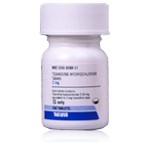
Zanaflex (Tizanidine 2mg) represents the original US brand name for tizanidine — the reference product that established alpha-2 adrenergic agonist therapy as first-line alternative to baclofen when Acorda Therapeutics received FDA approval in 1996. Globally known as Sirdalud (Novartis original brand from Sandoz Pharmaceuticals development), Zanaflex has become the recognized US brand for tizanidine spasticity therapy. Manufactured by both Sun Pharmaceutical Industries and HAB Pharmaceuticals India as bioequivalent generic under the Zanaflex reference brand, this product offers dual-manufacturer supply chain reliability combined with US original brand name recognition — advantages that appeal to patients preferring products associated with recognized US pharmaceutical brands.
Tizanidine works through selective activation of presynaptic alpha-2 adrenergic receptors in the spinal cord and supraspinal centers — a mechanism entirely distinct from baclofen (GABA-B), carisoprodol (CNS depression), or methocarbamol (general CNS depression). Alpha-2 receptor activation inhibits excitatory neurotransmitter release (norepinephrine, glutamate, aspartate, substance P) at spinal interneurons and reduces polysynaptic reflex activity mediating spasticity. Additional supraspinal alpha-2 activation reduces descending facilitation of spinal reflexes from brainstem centers. This produces marked reduction in muscle spasticity, reduced clonus and painful spasms, improved voluntary movement, and critically preserved muscle strength better than baclofen at therapeutic doses. Clinical response: relief within 1-2 hours of dosing, peak effect at 1-2 hours, consistent 6-8 hour spasticity control supporting TID dosing regimen.
Zanaflex serves both musculoskeletal painful spasms and neurological spasticity conditions. Musculoskeletal indications include painful muscle spasms from various causes, osteochondrosis with muscle guarding, spondylosis and cervical/lumbar syndromes, and post-surgical muscle spasms. Neurological indications include multiple sclerosis (MS) spasticity, spinal cord injury spasticity, syringomyelia, hemiplegia, chronic myelopathy, degenerative spinal cord diseases, cerebral circulatory disorders, stroke-related spasticity, traumatic brain injury spasticity, cerebral palsy, and seizures of central origin with spasticity component.
Zanaflex requires gradual dose titration starting at 2 mg TID with weekly increases to typical maintenance 6-24 mg daily divided TID. Peak concentrations at 1 hour, 2.5 hour half-life requires TID dosing. Extensive hepatic CYP1A2 metabolism — monitor liver function periodically. Contraindicated with ciprofloxacin and fluvoxamine. Sun Pharmaceutical Industries and HAB Pharmaceuticals India manufacture under WHO-GMP, US FDA quality standards.
Free prescription
Discrete packaging
Have questions?
Quality Assurance


- Muscle Spasticity: Upper motor neuron spasticity from various neurological causes;
- Osteochondrosis: Degenerative bone/cartilage disorder with muscle guarding responding to therapy;
- Spondylosis: Degenerative spine changes with associated muscle spasm and pain;
- Cervical Syndrome: Cervical spine muscle spasm from degenerative or postural causes;
- Lumbar Syndrome: Lower back muscle spasm with pain radiation responding to relaxation;
- Post Surgical Muscle Spasms: Muscle guarding after orthopedic or spine surgery;
- Multiple Sclerosis: MS-related spasticity as first-line alternative to baclofen therapy;
- Chronic Myelopathy: Chronic spinal cord dysfunction with spasticity from various causes;
- Syringomyelia: Spinal cord cyst formation with associated spasticity and pain;
- Hemiplegia Spasticity: One-sided paralysis with cerebral origin spasticity preferentially responding;
- Degenerative Spinal Cord Diseases: Progressive spinal cord disorders with spasticity component;
- Cerebral Circulatory Disorders: Chronic cerebrovascular disease with spasticity manifestations;
- Stroke Spasticity: Post-stroke muscle spasticity where alpha-2 agonists show particular efficacy;
- Craniocerebral Trauma: TBI-related residual spasticity responding to alpha-2 agonist therapy;
- Cerebral Palsy: Pediatric and adult CP patients as alternative to baclofen;
- Central Origin Seizures: Seizure disorders with spasticity component responding to muscle relaxation;
- Alpha 2 Agonist Muscle Therapy: Drug class targeting alpha-2 receptors for spasticity control;
- US Reference Brand Recognition: Zanaflex is US Acorda original brand for tizanidine recognized globally;
- Generic Zanaflex Therapy: Bioequivalent generic under US brand name at substantially lower cost.
- Less Muscle Pain and Stiffness: Muscle pain from spasm and guarding decreases as tension resolves;
- Less Muscle Spasticity: Marked spasticity reduction within 1-2 hours peak effect at 1-2 hours;
- Better Muscle Strength Preservation: Preserves strength better than baclofen at therapeutic doses;
- Better Cerebral Spasticity Control: Preferential efficacy for stroke and TBI spasticity;
- Better Range of Motion: Joint mobility improves as muscle tightness decreases;
- Better Physical Therapy Effectiveness: Physical therapy sessions more productive with spasticity controlled;
- Better Rapid Onset of Action: Relief begins within 1-2 hours of dosing supporting predictable timing;
- Better Sleep Quality: Sedating properties support improved sleep during spasticity therapy;
- Less Pain Medication Dependency: Effective muscle relaxation reduces need for opioids or other pain medications;
- Better Voluntary Movement: Reduced spasticity enables improved voluntary control and coordination;
- Better Cervical Pain Relief: Neck muscle spasm from postural or degenerative causes improves;
- Better Lumbar Pain Relief: Lower back muscle spasm from spondylosis or strain improves;
- Better Post Surgical Recovery: Orthopedic surgery patients experience less muscle guarding;
- Better MS Spasticity Management: Multiple sclerosis patients gain first-line alternative therapy;
- Better Post Stroke Recovery: Stroke recovery improves as cerebral spasticity is controlled;
- Better Rehabilitation Progress: Physical and occupational therapy more effective;
- Better Dual Manufacturer Supply Reliability: Sun Pharma and HAB dual production ensures consistent supply;
- Better Generic Cost: 85-95% lower cost than Acorda brand Zanaflex makes proven therapy accessible;
- Better Quality of Life: Daily wellbeing improves dramatically as spasticity and painful spasms resolve.
Generic Zanaflex (Tizanidine 2 mg) Medication guide:
Zanaflex (Tizanidine 2mg by Sun Pharmaceutical Industries or HAB Pharmaceuticals) is a selective alpha-2 adrenergic agonist skeletal muscle relaxant approved for the management of spasticity from multiple sclerosis, spinal cord injury, stroke, and cerebral palsy, and also used for acute painful muscle spasms. Unlike baclofen (Baclof) which acts on GABA-B receptors, tizanidine works through the same receptor family as clonidine (an antihypertensive) — the alpha-2 adrenergic receptors in the spinal cord. This gives Zanaflex a distinctive profile: potent spasticity reduction with typically LESS muscle weakness than baclofen at equivalent efficacy, plus a much shorter duration of action (half-life ~2.5 hours vs baclofen's much longer duration) allowing more flexible dosing timing. However, this comes with unique concerns: liver toxicity requires periodic monitoring, significant hypotension risk from the same alpha-2 mechanism, and CRITICAL drug interactions with certain antibiotics (ciprofloxacin) and antidepressants (fluvoxamine) that can raise tizanidine levels 10-30 fold causing dangerous effects. Manufactured by Sun Pharmaceutical (US FDA-approved facilities) or HAB Pharmaceuticals. This guide covers the alpha-2 mechanism, the strategic advantage of short duration for flexible dosing, the liver and hypotension monitoring requirements, the critical CYP1A2 interactions, and when Zanaflex is preferred over baclofen or other muscle relaxants.
💊 What Zanaflex Provides
Zanaflex reduces muscle spasticity and painful muscle spasms through central nervous system action. It treats both chronic spasticity from neurological conditions and acute painful muscle spasms from musculoskeletal problems — a dual application making it versatile across different clinical scenarios.
Conditions Treated
- Multiple sclerosis spasticity
- Spinal cord injury spasticity
- Stroke-related spasticity
- Cerebral palsy spasticity
- Traumatic brain injury spasticity
- Painful acute muscle spasms
- Cervical spondylosis with muscle spasm
- Lumbar spine syndromes
- Osteochondrosis
- Post-surgical muscle spasms
- Myofascial pain with spasm component
- Tension headache (off-label)
What Zanaflex Does
- Reduces muscle spasticity (chronic muscle stiffness)
- Reduces acute muscle spasms
- Decreases painful muscle contractions
- Improves range of motion
- Facilitates physical therapy participation
- Reduces sleep disruption from spasticity
- Improves quality of life for spasticity patients
- Provides shorter duration effect (advantage in some scenarios)
What Zanaflex Does NOT Do
- Does not cure underlying neurological condition
- Does not restore lost muscle function
- Does not eliminate all spasticity in most patients
- Does not provide sustained 24-hour coverage from single dose
- Does not replace physical therapy
- Does not work at neuromuscular junction (like some other agents)
🔬 The Alpha-2 Adrenergic Mechanism
How Tizanidine Works
Tizanidine is a selective alpha-2 adrenergic receptor agonist. Alpha-2 receptors in the spinal cord regulate the release of excitatory neurotransmitters from presynaptic terminals. By activating these receptors, tizanidine reduces the release of neurotransmitters (particularly glutamate) that drive spinal reflex activity underlying spasticity.
The Spinal Cord Focus
Tizanidine actions in spinal cord:
- Activates alpha-2 receptors on presynaptic terminals
- Reduces release of glutamate (excitatory neurotransmitter)
- Decreases polysynaptic reflex activity
- Reduces hyperactive muscle tone
- Preserves some voluntary muscle strength (less weakness than baclofen)
- Acts as centrally-acting muscle relaxant not direct muscle action
Relationship to Clonidine
Tizanidine is chemically related to clonidine (a blood pressure medication) and shares the alpha-2 agonist mechanism. This explains tizanidine's blood pressure lowering effects and sedating properties. However, tizanidine is more selective for the spinal cord effects while clonidine has stronger central blood pressure effects — different applications from similar receptor targets.
Muscle Relaxant Mechanisms Compared
| Medication | Receptor Target | Location |
|---|---|---|
| Tizanidine (Zanaflex) | Alpha-2 adrenergic | Spinal cord |
| Baclofen | GABA-B | Spinal cord |
| Diazepam (Valium) | GABA-A benzodiazepine | Brain and spinal cord |
| Cyclobenzaprine | Serotonergic | Brainstem primarily |
| Dantrolene | Ryanodine receptor | Peripheral muscle |
⏰ The Short Duration Advantage
Half-Life Comparison
| Medication | Half-Life | Dosing Frequency |
|---|---|---|
| Tizanidine (Zanaflex) | ~2.5 hours (short) | 3-4 times daily |
| Baclofen | 3-4 hours (moderate) | 3-4 times daily |
| Cyclobenzaprine | 18 hours (long) | 1-3 times daily |
| Flunarizine (Sibelium) | 18 days (very long) | Once daily |
Why Short Duration Matters
Short duration advantages:
- Can dose specifically before activities requiring reduced spasticity
- Can time doses for periods when spasticity most bothersome
- Can time doses to avoid weakness during needed activities
- Peak effect at 1-2 hours after dose (predictable)
- Wearing off allows return of some functional tone when needed
- Less accumulation than long half-life agents
- Faster dose adjustments possible
- Miss dose has less lasting impact
Strategic Dosing Examples
- Take before physical therapy for reduced spasticity during session
- Take at bedtime for improved sleep quality
- Take before evening if evening spasticity worst
- Take before social activities requiring smooth movement
- Skip doses for periods needing maximum strength
🎯 Who Should Use Zanaflex
✅ Zanaflex is appropriate if you have:
- Spasticity from MS, spinal cord injury, or stroke
- Cerebral palsy spasticity in adults
- Need for flexible/situational dosing
- Failed baclofen or intolerable baclofen side effects
- Muscle weakness with baclofen limiting function
- Acute muscle spasms requiring central action
- Chronic muscle pain with spasm component
- Normal liver function baseline
- Adequate blood pressure baseline
- Ability to monitor liver function periodically
🚨 Do NOT use Zanaflex if you:
- Take ciprofloxacin (dangerous interaction, level rises 10-fold)
- Take fluvoxamine (dangerous interaction, level rises 30-fold)
- Have significant liver disease
- Have severe kidney impairment
- Have severe hypotension
- Have hypersensitivity to tizanidine
- Are pregnant (safety not established)
- Have known cardiac arrhythmias
💊 The Titration Protocol
Standard Titration Schedule
| Week | Single Dose | Daily Total |
|---|---|---|
| Week 1 | 2 mg (1 tablet) three times daily | 6 mg/day |
| Week 2 | 4 mg three times daily | 12 mg/day |
| Week 3 | 6 mg three times daily | 18 mg/day |
| Week 4+ | 8 mg three times daily | 24 mg/day (typical maintenance) |
| Maximum | 12 mg three times daily | 36 mg/day maximum |
Why Slow Titration Matters
Starting at high doses causes:
- Severe hypotension (dangerous blood pressure drop)
- Profound sedation
- Excessive muscle weakness
- Dizziness with falls risk
- Poor tolerance leading to discontinuation
Individualized Approach
- Many patients achieve benefit at 12-24 mg/day
- Not all patients need maximum 36 mg/day
- Elderly patients need slower titration and lower target
- Kidney impairment requires slower titration
- Individual response varies significantly
- Aim for lowest effective dose
📋 How to Take Zanaflex
Standard Administration
- Take consistently with OR without food — but be consistent (food changes absorption)
- Swallow tablets whole with water
- Space doses evenly through waking hours (every 6-8 hours during day)
- Take strategic doses for specific activities requiring reduced spasticity
- Rise slowly from sitting due to hypotension risk
- Never abruptly stop after prolonged use (rebound spasticity)
- Do not drive until you know your response
- Report any unusual fatigue, jaundice, or dark urine (liver concern)
Critical Food Consistency
🚨 Tizanidine absorption changes significantly with food:
- Taking with food increases peak levels but delays absorption
- Taking without food gives faster onset but lower peak
- Inconsistent food timing causes unpredictable effects
- Choose either always with food OR always without food
- Do not switch back and forth between with-food and without-food
Timing Strategy
- Peak effect at 1-2 hours after dose
- Duration approximately 3-6 hours
- Time doses for specific needs (before PT, before bed, before activities)
- Nighttime dose often helps sleep quality with less daytime weakness
- Avoid dosing right before required strength (driving, work tasks)
Missed Dose
- Take as soon as remembered if within 2 hours of scheduled time
- If close to next scheduled dose, skip and continue schedule
- Never double dose
- Short half-life means missed doses have less lasting impact than baclofen
- Multiple missed doses may allow spasticity return
⚠️ CRITICAL Drug Interactions
🚨 Two ABSOLUTELY CONTRAINDICATED drug combinations with tizanidine can cause life-threatening effects.
Ciprofloxacin (Absolute Contraindication)
Ciprofloxacin + tizanidine:
- Increases tizanidine blood levels 10-fold
- Ciprofloxacin strongly inhibits CYP1A2 (main tizanidine-metabolizing enzyme)
- Causes severe hypotension
- Causes profound sedation
- Can lead to loss of consciousness
- ABSOLUTELY CONTRAINDICATED combination
- Use alternative antibiotic when tizanidine essential
Fluvoxamine (Absolute Contraindication)
Fluvoxamine + tizanidine:
- Increases tizanidine blood levels 30-fold
- Fluvoxamine is powerful CYP1A2 inhibitor
- Most dangerous interaction
- Severe hypotension including cardiovascular collapse
- ABSOLUTELY CONTRAINDICATED
- Use different SSRI (sertraline, escitalopram) if antidepressant needed
Other Significant CYP1A2 Interactions
Use with caution or avoid:
- Zileuton (asthma medication)
- Amiodarone (heart rhythm)
- Mexiletine (heart rhythm)
- Cimetidine (acid reducer)
- Ticlopidine (blood thinner)
- Verapamil (heart medication)
- Oral contraceptives (moderate interaction)
- Rofecoxib (NSAID, if available)
CNS Depressant Additive Effects
- Alcohol (severe additive sedation and hypotension)
- Opioid pain medications
- Benzodiazepines
- Sleep medications
- Other muscle relaxants
- Sedating antihistamines
- Antipsychotics
Blood Pressure Interactions
- Other antihypertensive medications (additive blood pressure lowering)
- Clonidine (both alpha-2 agonists, additive effect)
- Alpha blockers
- Diuretics
😴 Common Side Effects
Frequently Reported
- Drowsiness/sedation (very common, especially during titration)
- Dry mouth (from alpha-2 mechanism)
- Weakness (asthenia)
- Dizziness
- Hypotension (blood pressure drops)
- Fatigue
- Constipation
- Urinary tract infections
- Visual disturbances (blurred vision, hallucinations)
Managing Sedation
Sedation strategies:
- Slow titration reduces sedation
- Take larger dose at bedtime, smaller during day
- Use strategic dosing (before activities where sedation acceptable)
- Sedation often improves with continued use
- Avoid alcohol and other sedating medications
- Do not drive until effects known
Managing Hypotension
Prevent falls from blood pressure drops:
- Rise slowly from sitting or lying
- Sit at bedside 1-2 minutes before standing
- Stay well hydrated
- Report dizziness or lightheadedness
- Compression stockings for chronic orthostatic hypotension
- Monitor blood pressure during titration
- Extra caution for elderly patients
Managing Dry Mouth
- Sip water frequently
- Sugarless gum or hard candy
- Saliva substitutes if severe
- Good oral hygiene (dry mouth increases cavity risk)
- Avoid caffeine and alcohol (worsen dryness)
🩺 Liver Function Monitoring
🚨 Tizanidine can cause liver toxicity, including rare but serious liver failure.
Regular liver function monitoring required during treatment.
Monitoring Schedule
| Time | Test |
|---|---|
| Before starting | Baseline liver function tests (ALT, AST, alkaline phosphatase, bilirubin) |
| 1 month | Repeat liver panel |
| 3 months | Repeat liver panel |
| 6 months | Repeat liver panel |
| Then periodic | Every 6-12 months long-term |
Warning Signs
Report immediately:
- Yellowing of skin or eyes (jaundice)
- Dark urine
- Pale stools
- Right upper abdominal pain
- Persistent nausea or vomiting
- Loss of appetite
- Unusual fatigue
- Itching without rash
If Liver Enzymes Rise
- Mild elevations (up to 2x normal): monitor more frequently, may continue
- Moderate elevations (2-3x normal): reduce dose or consider stopping
- Significant elevations (over 3x normal): discontinue tizanidine
- Signs of clinical liver dysfunction: discontinue immediately
- Recovery typically occurs within weeks of discontinuation
🩸 Blood Pressure Monitoring
The Hypotension Risk
Tizanidine's alpha-2 agonist mechanism lowers blood pressure. This effect is most pronounced during titration and can be severe with the first dose or dose increases. Patients with baseline low blood pressure or on other blood pressure medications are particularly vulnerable.
Monitoring Approach
- Baseline blood pressure before starting
- Blood pressure check 2-3 hours after first dose (peak effect)
- Repeat blood pressure checks during titration
- Home blood pressure monitoring during titration
- Report symptomatic hypotension (dizziness, lightheadedness on standing)
- Additional monitoring if on other blood pressure medications
Orthostatic Precautions
Prevent orthostatic falls:
- Rise slowly from sitting or lying
- Sit at edge of bed 1-2 minutes before standing
- Hold onto stable surface when rising
- Sit down immediately if dizzy
- Extra hydration
- Avoid dehydration (hot weather, exercise)
- Report persistent orthostatic symptoms
🚨 Never Stop Abruptly After Prolonged Use
Unlike baclofen (which can cause life-threatening withdrawal), tizanidine withdrawal is less severe but still causes rebound effects. Gradual taper is recommended for treatment beyond several weeks.
Rebound Effects
- Rebound hypertension (blood pressure rise)
- Rebound spasticity (worse than pretreatment)
- Rapid heart rate
- Anxiety
- Insomnia
- Muscle spasms return
Proper Discontinuation
- Reduce dose gradually over 1-2 weeks after prolonged use
- Slower taper if on higher doses
- Monitor blood pressure during taper
- Have plan for spasticity management post-discontinuation
- Not life-threatening but uncomfortable withdrawal possible
🍺 Alcohol Warning
🚨 Do NOT combine Zanaflex with alcohol.
Both cause CNS depression and blood pressure lowering — dangerous additive effects.
Specific Concerns
- Severe additive sedation
- Dangerous hypotension
- Impaired coordination and balance
- Increased fall risk
- Impaired judgment
- Alcohol adds additional liver stress
- Possible respiratory depression at higher combined doses
🤰 Pregnancy and Reproductive Considerations
Pregnancy
Tizanidine crosses placenta. Limited human data. Animal studies show adverse effects at high doses. Use in pregnancy only when benefit clearly outweighs risk. Discuss with obstetrician and specialist for individualized decision. Baclofen may be preferred alternative during pregnancy in spasticity patients.
Breastfeeding
Small amounts of tizanidine enter breast milk. Insufficient data on nursing infant effects. Consultation with pediatrician recommended. Monitor infant for excessive sedation or feeding difficulties if breastfeeding continues.
Male Reproductive
No specific effects on male fertility documented.
🌡️ Storage
Standard Storage
- Room temperature 15-30°C
- Original packaging with cap tight
- Away from bathroom humidity
- Away from direct sunlight and heat
- Out of reach of children
Handling
- Handle with dry hands
- Swallow whole with water
- Consistent food timing across doses
- Check tablets for damage
- Discard expired medication properly
💊 Zanaflex vs Other Muscle Relaxants
Comprehensive Comparison
| Medication | Best For | Key Consideration |
|---|---|---|
| Tizanidine (Zanaflex) | Spasticity with flexible dosing needs | Liver monitoring, CYP1A2 interactions |
| Baclofen (Baclof) | Chronic spasticity, sustained coverage | Never abrupt discontinuation |
| Methocarbamol (Robaxin) | Acute muscle spasm short-term | Non-controlled, less potent for spasticity |
| Cyclobenzaprine (Flexeril) | Acute muscle spasm short-term | Anticholinergic effects, sedation |
| Diazepam (Valium) | Spasticity with anxiety | Addictive, controlled substance |
| Dantrolene | Peripheral spasticity, malignant hyperthermia | Liver toxicity risk, weaker for spasticity |
When Zanaflex Is Preferred
- Need for flexible/situational dosing
- Failed baclofen or intolerable baclofen weakness
- Want less muscle weakness than baclofen at equivalent efficacy
- Need short-duration effect for specific activities
- Combined use with sleep issues (bedtime dose helps sleep)
- Chronic pain with spasm component
When Baclofen Preferred Over Zanaflex
- Need 24-hour sustained coverage: baclofen longer duration
- Low blood pressure baseline: avoid tizanidine hypotension
- Liver disease: avoid tizanidine toxicity risk
- On ciprofloxacin or fluvoxamine: absolute tizanidine contraindication
- Need intrathecal option for severe cases: baclofen has intrathecal delivery
- Multiple CYP1A2 interacting medications: baclofen simpler interaction profile
Combined Use of Zanaflex and Baclofen
In severe spasticity inadequately controlled by single agent, sometimes tizanidine and baclofen are used together at reduced doses of each. This combines different mechanisms for additive spasticity reduction while limiting single-drug side effects. Requires specialist supervision and careful monitoring.
🛑 When to Reevaluate Zanaflex
Reasons to Reconsider
- Inadequate spasticity control at maximum tolerated dose
- Persistent bothersome side effects (sedation, weakness, dry mouth)
- Rising liver enzymes on monitoring
- Significant hypotension despite blood pressure management
- Need to start interacting medication (ciprofloxacin, fluvoxamine)
- Pregnancy planning
- Change in underlying condition
- Combination therapy needed with baclofen
Stopping Zanaflex
- For short-term use (weeks): can stop without taper
- For prolonged use (months): taper gradually over 1-2 weeks
- Higher doses require slower taper
- Monitor for rebound hypertension
- Have plan for spasticity management after stopping
- Not as dangerous as baclofen abrupt discontinuation
Alternative Options After Zanaflex
- Baclofen (different mechanism — GABA-B)
- Botulinum toxin (Botox) for focal spasticity
- Intrathecal baclofen for severe cases
- Diazepam short-term if spasticity with anxiety
- Dantrolene (peripheral action)
- Combination therapy with different mechanisms
- Comprehensive rehabilitation reassessment
☎️ When to Contact Your Doctor
Emergency Care
Seek emergency care for:
- Severe hypotension (fainting, extreme dizziness)
- Loss of consciousness
- Severe allergic reaction
- Difficulty breathing
- Yellowing of skin or eyes with severe symptoms
- Right upper abdominal pain with jaundice
- Hallucinations or severe confusion
- Chest pain
Same Day Doctor Contact
- New yellowing of skin or eyes
- Dark urine
- Persistent nausea or vomiting
- Persistent orthostatic dizziness
- Severe muscle weakness impairing function
- Visual disturbances or hallucinations
- Need to start ciprofloxacin or fluvoxamine (interaction check)
- Rapid heart rate on standing
Regular Follow-Up
- 2 weeks after starting or dose changes
- 1 month for liver function testing
- 3 months for full assessment
- 6 months for continued liver monitoring
- Every 6-12 months long-term monitoring
- Blood pressure monitoring during titration
- Assessment of spasticity control and function
- Review of any concerning symptoms
- Any time new medications added (interaction check)
Medical disclaimer: This guide provides general usage information for Zanaflex (tizanidine 2mg by Sun Pharmaceutical Industries or HAB Pharmaceuticals) and does not replace individualized medical advice. Zanaflex is a selective alpha-2 adrenergic agonist skeletal muscle relaxant approved for spasticity from multiple sclerosis, spinal cord injury, stroke, and cerebral palsy, also used for acute painful muscle spasms. Tizanidine works through the same alpha-2 receptor family as clonidine but is more selective for spinal cord effects. KEY ADVANTAGE over baclofen: typically LESS muscle weakness at equivalent efficacy, plus much shorter half-life (~2.5 hours) allowing flexible strategic dosing timing. KEY DISADVANTAGES: liver toxicity risk requiring periodic monitoring (baseline plus at 1, 3, 6 months then every 6-12 months long-term), significant hypotension from alpha-2 mechanism, and CRITICAL CYP1A2 drug interactions. TWO ABSOLUTELY CONTRAINDICATED combinations: ciprofloxacin (raises tizanidine levels 10-fold, causing severe hypotension and loss of consciousness) and fluvoxamine antidepressant (raises levels 30-fold, most dangerous interaction). Other CYP1A2 inhibitors including amiodarone, mexiletine, cimetidine, ticlopidine, verapamil, and oral contraceptives require caution or dose adjustment. Titrate slowly starting 2mg three times daily, increasing by 2-4mg per dose weekly to typical maintenance 24mg/day or maximum 36mg/day. Food consistency critical — either always with food or always without food (do not switch). Common side effects include sedation, dry mouth, weakness, dizziness, and hypotension. Do NOT combine with alcohol or other CNS depressants. Rise slowly from sitting or lying due to hypotension risk. Report immediately: yellowing of skin/eyes, dark urine, persistent nausea, right upper abdominal pain, or unusual fatigue (liver warning signs). After prolonged use, taper gradually over 1-2 weeks (rebound hypertension and spasticity possible, though not as dangerous as baclofen abrupt discontinuation). Manufactured by Sun Pharmaceutical Industries (US FDA-approved facilities) or HAB Pharmaceuticals. Compare with baclofen (Baclof): different mechanism, longer duration, no liver monitoring but severe withdrawal risk. Individual medication choice depends on specific spasticity pattern, dosing needs, drug interaction profile, and side effect tolerance.
Zanaflex — Frequently Asked Questions
-
What is Zanaflex (Tizanidine)?
Zanaflex is a muscle relaxant used to relieve spasms and increased muscle tone caused by multiple sclerosis, spinal injury, or other conditions. -
How does Zanaflex work?
It works by blocking nerve impulses (pain sensations) that are sent to your brain, effectively reducing muscle spasticity. -
What conditions does Zanaflex treat?
It's used primarily for muscle spasticity associated with multiple sclerosis, spinal cord injury, or other neurological disorders. -
How quickly does Zanaflex start working?
It typically starts working within 1 to 2 hours after taking it. -
How long do the effects of Zanaflex last?
The effects usually last for 3 to 6 hours. -
Can Zanaflex be used for general muscle pain?
Zanaflex is specifically for spasticity and not recommended for general muscle pain. -
What are the side effects of Zanaflex?
Common side effects include drowsiness, dizziness, weakness, dry mouth, urinary tract infections, flu-like symptoms, and constipation.
See all Zanaflex questions (33)
More Muscle Relaxers Medications