Buy Ventolin (Albuterol/Salbutamol) Online — GSK Fast-Acting SABA Rescue Inhaler for Acute Asthma & COPD Bronchospasm Relief

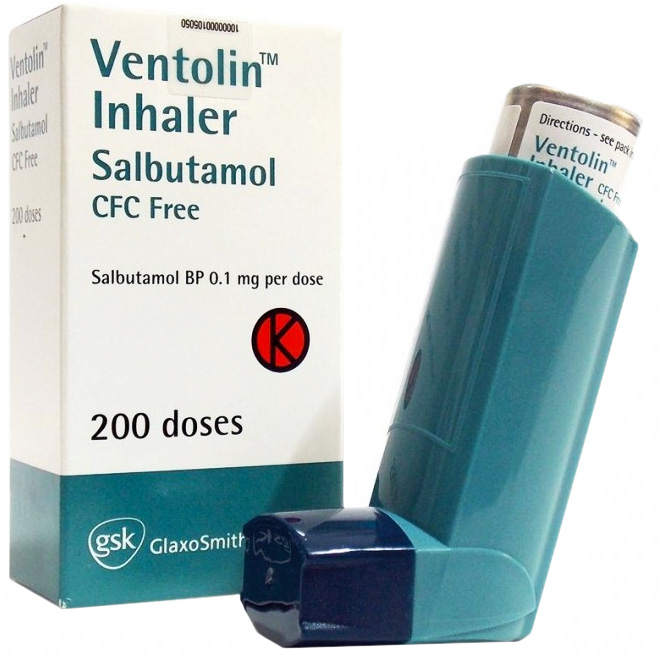
Ventolin is the original brand-name formulation of Albuterol Sulfate (USA name) / Salbutamol (international name) — the world's most widely used short-acting beta-2 agonist (SABA) rescue inhaler for acute asthma and COPD bronchospasm relief. Developed by GlaxoSmithKline (GSK) and FDA-approved since 1981 (Ventolin HFA CFC-free formulation: 2001), Ventolin is the foundational quick-relief inhaler globally and listed on the WHO Model List of Essential Medicines. Distinguished by fast onset (5-15 minutes) and 4-6 hour duration, Ventolin is the gold standard rescue therapy for acute bronchospasm.
The active ingredient is Albuterol Sulfate (Salbutamol), a selective short-acting beta-2 adrenergic agonist (SABA). Albuterol activates beta-2 receptors on airway smooth muscle, increasing intracellular cAMP and relaxing smooth muscle — producing rapid bronchodilation within 5-15 minutes. Duration of action is 4-6 hours, making Ventolin suitable for acute symptom relief rather than long-term maintenance. The beta-2 selectivity minimizes cardiovascular effects compared to non-selective beta agonists.
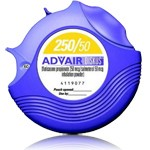
Ventolin is FDA-approved for acute bronchospasm relief in asthma (rescue inhaler use), prevention of exercise-induced bronchospasm (15 minutes before exercise), acute COPD exacerbation treatment, and bronchospasm with reversible obstructive airway disease. Off-label uses include hyperkalemia treatment (high IV/nebulized doses shift potassium intracellularly) and acute bronchiolitis (limited evidence). Ventolin is NOT for daily maintenance — controller therapy (Advair Diskus, Symbicort) is needed for moderate-severe persistent asthma.
The medication is available as Ventolin HFA 90 mcg per actuation metered dose inhaler (200 doses), Ventolin Nebulizer Solution (0.083%, 0.5%), Ventolin Syrup 2 mg/5 mL, and Ventolin Tablets 2 mg, 4 mg. Standard adult dosing for acute bronchospasm: 1-2 puffs every 4-6 hours as needed. For exercise-induced bronchospasm: 1-2 puffs 15 minutes before exercise. Nebulizer: 2.5-5 mg every 4-6 hours.
Critical safety considerations include paradoxical bronchospasm, cardiovascular effects (tachycardia, palpitations, hypertension), skeletal muscle tremor, headache, hypokalemia at high doses, nervousness/anxiety, hyperglycemia, rare QT prolongation, and tolerance with regular use. SABA overuse signals under-treated asthma — if rescue inhaler use exceeds 2-3 days/week, controller therapy is needed. Drug interactions include beta-blockers (antagonize bronchodilation), MAOIs/TCAs (potentiate cardiovascular effects), and other sympathomimetics.
Free prescription
Discrete packaging
Have questions?
Quality Assurance
- Asthma Attack Rescue: Rescue inhaler for asthma attacks — rapid 5-15 minute onset;
- Acute Asthma Symptoms: For acute asthma symptoms (wheezing, chest tightness, shortness of breath);
- Pediatric Asthma Rescue: FDA-approved for pediatric asthma rescue (HFA: 4+ years, nebulizer: 2+ years);
- Exercise Induced Bronchospasm (EIB): FDA-approved for prevention of exercise-induced bronchospasm;
- Pre Exercise Bronchodilation: 1-2 puffs 15 minutes before exercise to prevent EIB;
- Acute COPD Exacerbation: FDA-approved for acute COPD exacerbation bronchospasm;
- COPD Symptom Relief: For acute COPD symptom relief (shortness of breath, wheezing);
- Bronchospasm Reversible Obstruction: For bronchospasm with reversible obstructive airway disease;
- Acute Bronchitis Bronchospasm: For acute bronchitis with bronchospasm component;
- Status Asthmaticus Adjunct: Adjunct (high-dose nebulizer) in status asthmaticus management;
- Acute Bronchiolitis Selective: Off-label selective use for acute bronchiolitis (limited evidence);
- Hyperkalemia IV Nebulized: Off-label high-dose IV/nebulized for hyperkalemia (shifts potassium intracellularly);
- Anaphylaxis Adjunct: Off-label adjunct for bronchospasm component of anaphylaxis;
- Foreign Body Aspiration Adjunct: Off-label adjunct in foreign body aspiration with bronchospasm;
- Beta Blocker Reversal: Off-label for beta-blocker-induced bronchospasm reversal (selective patients);
- Allergic Bronchospasm: For allergic bronchospasm and reactive airway disease;
- Cold Induced Bronchospasm: For cold-air-induced bronchospasm prevention and treatment;
- Travel Asthma Backup: Essential backup inhaler for asthma patients during travel;
- Rescue NOT Maintenance: For RESCUE/RELIEF only — NOT for daily maintenance therapy.
- Faster Breathing Relief: Onset of bronchodilation within 5-15 minutes of inhalation;
- Less Wheezing: Quick reduction in characteristic asthma wheezing;
- Less Chest Tightness: Rapid relief from asthma-related chest tightness;
- Less Shortness of Breath: Effective reduction in acute dyspnea;
- Better Lung Function Acutely: Rapid improvement in FEV1 (forced expiratory volume) and peak flow;
- Less Cough Bronchospasm: Reduction in cough associated with bronchospasm;
- Less Exercise-Induced Symptoms: Effective prevention of exercise-induced bronchospasm (15 min pre-exercise);
- Better Exercise Tolerance: Improved exercise capacity in patients with exercise-induced asthma;
- Less COPD Acute Symptoms: Rapid relief of acute COPD exacerbation symptoms;
- Better COPD Lung Function Acutely: Rapid improvement in COPD lung function during exacerbation;
- Less Anxiety During Attack: Quick relief reduces panic/anxiety associated with acute asthma attacks;
- Better Sleep When Needed: Nighttime relief if acute bronchospasm wakes patient;
- Less Need for Emergency Care: Effective rescue therapy may prevent ER visits and hospitalizations;
- Less Asthma Mortality Risk: Available rescue therapy reduces asthma-related mortality risk in attacks;
- Better Quality of Life Asthma: Effective rescue inhaler supports normal daily activities with confidence;
- Better Travel Confidence: Reliable backup for asthma patients during travel;
- Better Athletic Participation: Pre-exercise dosing enables athletic participation for EIB patients;
- Better Pediatric Asthma Management: Approved pediatric use supports asthma management in children;
- Cardiovascular-Safer vs Older Bronchodilators: Beta-2 selectivity reduces cardiac effects vs non-selective beta agonists;
- Brand Ventolin: Original GlaxoSmithKline brand with established global clinical reputation since 1981;
- Generic Albuterol: Affordable generic versions expand global access to gold-standard rescue therapy;
- Salbutamol International Name: Salbutamol is the international (non-US) name for the same molecule;
- ProAir Equivalent: Same albuterol as Teva's ProAir HFA brand;
- Proventil Equivalent: Same albuterol as Schering-Plough/Merck Proventil HFA brand;
- Ventolin HFA Inhaler: HFA (CFC-free) metered dose inhaler — environmentally friendly modern formulation;
- Ventolin Nebulizer Solution: Nebulizer solution for severe attacks, hospitalized patients, very young children;
- Ventolin Syrup Pediatric: Oral syrup formulation for pediatric and difficult-inhaler patients;
- SABA Rescue Inhaler: Foundational short-acting beta-2 agonist (SABA) rescue inhaler class;
- Selective Beta 2 Agonist: Selective beta-2 selectivity minimizes cardiovascular effects;
- Rapid Bronchodilation: Rapid bronchodilation within 5-15 minutes of inhalation;
- 4 6 Hour Duration: 4-6 hour duration provides sustained acute relief;
- Asthma Rescue Gold Standard: Gold standard rescue therapy for acute asthma worldwide;
- COPD Rescue Standard: Standard rescue therapy for acute COPD exacerbations;
- WHO Essential Medicine: Listed on the WHO Model List of Essential Medicines for respiratory care;
- 40 Plus Year Inhaler History: 40+ years of clinical use since 1981 — one of the most-prescribed medications globally.
Generic Ventolin (Albuterol 100 mcg) Medication guide:
📋 About Ventolin and Albuterol
Ventolin is a brand medication containing albuterol (also called salbutamol), a short-acting beta-2 agonist (SABA). It works within minutes to relax the muscles around your airways so breathing becomes easier during asthma symptoms or an attack. Doctors typically prescribe it as a rescue inhaler you carry with you.
Drug class
Short-acting beta-2 agonist (SABA); bronchodilator
Main uses
Asthma rescue, exercise-induced bronchospasm, COPD symptom relief
Key feature
Fast relief within 5-15 minutes; effect lasts 4-6 hours
🔍 What Ventolin is commonly used for
- Sudden asthma symptoms - wheezing, shortness of breath, chest tightness, cough
- Exercise-induced bronchospasm - taken 15 minutes before physical activity
- Acute asthma attacks - as first-line rescue medication
- COPD symptom relief - short-term breathlessness in chronic lung disease
⚙️ Where Ventolin fits in modern asthma care
Since GINA 2024, guidelines have shifted away from SABA-only therapy. Ventolin is best used alongside an inhaled corticosteroid (ICS) rather than as your only asthma treatment. Frequent reliance on Ventolin is a signal to review your controller therapy with a doctor.
Practical meaning: Ventolin gives fast relief when symptoms hit, but it does not treat the underlying inflammation. Regular controller medication (like an ICS) is what prevents attacks in the first place.
🔬 How Albuterol Opens Airways
Albuterol works by stimulating beta-2 adrenergic receptors on the smooth muscle that surrounds your airways. When these receptors are activated, the muscle relaxes and airways widen (bronchodilation), letting more air move in and out of your lungs.
🧪 What happens step by step
- You inhale albuterol from the inhaler or nebulizer.
- The medicine reaches your airways and binds to beta-2 receptors on airway smooth muscle.
- Muscle relaxation begins within 5-15 minutes, opening the airways.
- Airflow improves, easing wheezing, breathlessness, and chest tightness.
- Effect lasts 4-6 hours before the medicine wears off.
🧠 Why side effects can also appear
Beta-2 receptors are not only in your airways. They also exist in your heart, skeletal muscles, and metabolic pathways. That is why at higher doses albuterol can cause a faster heartbeat, tremor in the hands, and small changes in potassium or blood sugar.
Wanted effect
Airway smooth muscle relaxes; breathing eases within minutes.
Side effect origin
Beta-2 receptors elsewhere (heart, muscle) can cause tremor and faster pulse.
👤 From William W. Busse, MD
"Albuterol relaxes airway smooth muscle within minutes, which is why it works so well for acute symptoms. But it does not treat the underlying inflammation that causes asthma in the first place, so it should never be the only treatment for anything more than very occasional symptoms."
💨 Ventolin Inhaler Forms and Devices
Ventolin (albuterol) is available in several forms so it can fit different clinical situations and patient needs. The most common is the pressurized metered dose inhaler, but nebulizer solution and oral forms also exist.
MDI (Ventolin HFA)
Pressurized inhaler; 90 mcg per puff; most common rescue form
Nebulizer solution
2.5 mg / 3 mL vials; used with compressor for young children or severe attacks
Oral tablets / syrup
Rarely used today; higher systemic side effects; niche use only
📊 How they compare
| Form | Onset | Typical use | Notes |
|---|---|---|---|
| MDI (Ventolin HFA) | 5-15 min | Rescue at home, work, on the go | Best with a spacer, especially for children |
| Nebulizer solution | 5-15 min | Young children, severe attacks, unable to coordinate an MDI | Takes 5-10 min to deliver; needs equipment |
| Oral tablets | 30 min or more | Very limited; largely replaced by inhaled forms | More systemic side effects (tremor, heart rate) |
| IV albuterol | Minutes | Hospital use only for severe asthma unresponsive to inhaled therapy | Not part of routine care |
Which form is right for you? Most adults and older children use the MDI (Ventolin HFA) with a spacer. Young children under about 4 years often need a nebulizer or an MDI with a spacer and face mask. A clinician chooses the form based on age, technique, and severity.
👋 Correct Inhaler Technique Step by Step
Getting Ventolin into your lungs depends on correct inhaler technique. Studies consistently show that many patients (and even some clinicians) use inhalers incorrectly, which can dramatically reduce how much medicine reaches the airways. A few simple steps make a large difference.
👋 Standard MDI technique (without spacer)
- Shake the inhaler well (5 seconds).
- Remove the cap and check the mouthpiece is clean.
- Breathe out gently away from the inhaler.
- Place the mouthpiece between your lips, sealing it tightly.
- Start a slow, deep breath in and at the same moment press the canister once.
- Keep breathing in slowly and deeply for 3-5 seconds.
- Hold your breath for 5-10 seconds if you can.
- Wait 30-60 seconds before a second puff if prescribed.
🎯 With a spacer (Aerochamber)
A spacer is a plastic chamber that holds the puff of medicine so you can inhale it more slowly and easily. Highly recommended for children, older adults, and anyone with poor MDI coordination.
- Attach the inhaler to the spacer, then shake and prime as usual.
- Press the canister once, then take 5-6 slow tidal breaths through the spacer.
- Wait 30-60 seconds before a second puff if needed.
✅ Common technique mistakes
❌ Do not
- Inhale too fast (medicine hits the throat, not lungs)
- Fire two puffs in one breath
- Skip shaking the inhaler
- Hold the inhaler upside down
✅ Do
- Breathe in slowly and steadily
- Hold your breath after inhaling
- Use a spacer whenever possible
- Rinse mouth after use if combined with an ICS
👤 From Louis-Philippe Boulet, MD
"Inhaler technique is one of the most under-recognized reasons for poor asthma control. Even the most effective medication cannot help if it does not reach the airways. Ask a clinician or pharmacist to watch your technique at least once a year."
🚨 Using Ventolin as a Rescue Inhaler
Ventolin is designed for immediate symptom relief, not daily prevention. Its role is to open airways quickly when asthma symptoms flare. Understanding when to use it, when to escalate, and when to seek emergency care is essential for safe self-management.
🚦 A simple rescue decision guide
Green zone ✅
- Mild symptoms; 1-2 puffs relieve them
- Peak flow at or near your personal best
- Sleeping well; usual activities normal
Yellow zone 🟡
- Symptoms return within 4 hours
- Needing rescue more than twice a week
- Waking at night from asthma
- Peak flow 50-80% of personal best
Red zone ⛔
- No relief after several rescue puffs
- Trouble speaking full sentences
- Rapid breathing, blue lips, drowsiness
- Peak flow below 50% of personal best
💉 Standard rescue dosing
- Adults and older children: 1-2 puffs (90 mcg each) when symptoms occur; may repeat after 4-6 hours as needed.
- During an acute attack: 2-4 puffs every 20 minutes for the first hour is a common home-care instruction if your asthma action plan allows.
- Nebulizer: 2.5 mg every 20 minutes (up to 3 doses) in acute settings, then reassess.
Call for emergency help if:
- Ventolin is not helping despite repeated doses
- Breathing is very fast or very hard
- You cannot speak full sentences
- Lips or fingertips look bluish
- You feel confused, drowsy, or extremely exhausted
🏃 Preventing Exercise-Induced Bronchospasm
Exercise-induced bronchospasm (EIB) is airway narrowing that happens during or after physical activity, especially in cold or dry air. Ventolin can prevent EIB when taken shortly before exercise, allowing many people with asthma to stay active safely.
⏱️ Timing that works
Before exercise
1-2 puffs of Ventolin about 15 minutes before starting
During exercise
Additional 1-2 puffs if symptoms appear
After exercise
Rescue dose if wheezing or breathlessness lingers
🏃 Practical tips for exercisers
- Warm up gradually for 10-15 minutes; a slow start reduces sudden airway narrowing.
- Cover mouth and nose in cold air; a scarf or mask warms and humidifies inhaled air.
- Avoid known triggers - pollen-heavy times outdoors, chlorinated pools, polluted areas.
- Stay hydrated; dehydration can worsen airway irritation.
- Cool down slowly after intense activity.
When pre-exercise Ventolin stops working well: if you need it before nearly every workout, or symptoms break through, talk to a clinician. Adding an inhaled corticosteroid (ICS) or a leukotriene receptor antagonist often gives more durable control.
💊 Standard Dosing for Adults and Children
Ventolin (albuterol) dosing depends on age, weight, and clinical situation. The metered dose inhaler delivers 90 mcg per puff; nebulizer solution comes in 2.5 mg / 3 mL vials. Below are common adult and pediatric doses used in outpatient and emergency settings.
💊 MDI dosing (Ventolin HFA 90 mcg per puff)
| Situation | Adults and children ≥4 | Children <4 |
|---|---|---|
| Symptom relief (as needed) | 1-2 puffs every 4-6 hours | 1-2 puffs via spacer + mask, per clinician |
| Before exercise | 1-2 puffs 15 min before | Not routinely used |
| Acute attack at home | 2-4 puffs every 20 min for 1 h, then reassess | Follow written action plan |
| Maximum in 24 hours | Do not exceed 12 puffs; needing more = escalate care | Age-specific limits set by clinician |
💧 Nebulizer solution dosing
- Adults: 2.5 mg (one vial) via nebulizer 3-4 times daily as needed; up to every 20 min in acute care.
- Children 2-12 years: 0.63-2.5 mg per dose, per weight and severity, up to 3-4 times daily.
- Infants and toddlers: weight-based dosing under direct clinical supervision.
- Continuous nebulization: 10-15 mg over 1 hour in severe asthma, hospital only.
Important: These are typical starting doses. Your clinician may adjust them based on lung function, response, other medications, and any heart or metabolic conditions. Never exceed the prescribed maximum without medical advice.
🌐 Modern Asthma Care Under GINA 2024
The Global Initiative for Asthma (GINA) updates its strategy each year. Since 2019, and reinforced in the 2024 update, GINA has moved away from SABA-only treatment for any asthma severity. The preferred approach now centers on ICS-containing therapy for all patients, with Ventolin used as an adjunct rather than as the mainstay.
🔄 The shift in short
Old approach
SABA (Ventolin) alone for mild asthma; add controller only when symptoms worsened. Frequent rescue treated as normal.
GINA 2024 approach
ICS-formoterol as reliever for all severities. If unavailable, take ICS every time SABA is used. Frequent SABA use is a warning sign.
📋 Simplified GINA treatment steps
| Step | Preferred approach | Alternative |
|---|---|---|
| 1-2 (mild) | As-needed low-dose ICS-formoterol | Low-dose ICS whenever SABA is taken |
| 3 (moderate) | Low-dose maintenance ICS-formoterol + as-needed ICS-formoterol | Low-dose ICS-LABA + as-needed SABA |
| 4 (moderate-severe) | Medium-dose ICS-formoterol maintenance + reliever | High-dose ICS-LABA + as-needed SABA |
| 5 (severe) | High-dose ICS-LABA + add-ons (LAMA, biologics) | Refer to asthma specialist |
👤 From Helen K. Reddel, MBBS, PhD
"The old view that mild asthma was safe to treat with SABA alone is no longer supported. Even patients with infrequent symptoms benefit from an ICS whenever a reliever is used. Sole reliance on SABA is now considered a marker of undertreated inflammation."
🔬 Why Guidelines Now Favor ICS-Formoterol
The change in guidelines was driven by strong clinical trial evidence. The SYGMA 1 and SYGMA 2 trials (published in NEJM, 2018) tested an as-needed inhaled corticosteroid plus formoterol (ICS-formoterol) against traditional strategies in mild asthma. Results significantly changed how the world thinks about rescue therapy.
🔬 SYGMA trials in short
Design
Compared as-needed budesonide-formoterol vs as-needed SABA vs daily budesonide + SABA in mild asthma.
Key result
As-needed ICS-formoterol reduced severe exacerbations by 64% vs as-needed SABA alone.
Steroid exposure
83% lower total ICS dose vs daily budesonide - similar prevention with far less steroid.
📈 Why this matters for Ventolin users
- Ventolin (SABA) alone leaves airway inflammation untreated.
- ICS-formoterol combines quick bronchodilation with anti-inflammatory action in one inhaler.
- Fewer exacerbations means fewer emergency visits, hospitalizations, and steroid courses.
- Cost, availability, and familiarity still keep Ventolin widely used, but the direction of best practice is clear.
👤 From Paul M. O'Byrne, MD - SYGMA Principal Investigator
"SYGMA showed that pairing a small dose of inhaled corticosteroid with every reliever dose prevents severe attacks far better than SABA alone. It changed how we think about mild asthma. Ventolin still helps in acute settings, but on its own it is no longer considered a complete rescue strategy."
Where Ventolin still fits: patients on ICS-based controller who need occasional rescue, exercise-induced bronchospasm prevention, emergency asthma care in hospital, and settings where ICS-formoterol is not available.
⚠️ Signs of SABA Overuse
Using Ventolin (SABA) too often is not just a habit - it is a medical warning sign. The SABINA program, a large global observational analysis, found that patients dispensed 3 or more SABA canisters in a year had significantly more asthma exacerbations, hospitalizations, and higher mortality. Recognizing overuse early gives you a chance to escalate controller therapy before an attack.
🚦 Overuse warning signs at a glance
Reasonable use ✅
- Occasional rescue (a few times a month at most)
- Before exercise as prescribed
- 1-2 canisters used per year
Concerning 🟡
- Using rescue more than twice a week (excluding pre-exercise)
- Waking at night from asthma
- 3+ canisters filled in a year
High risk ⛔
- Using an entire canister in a week or less
- Multiple rescue doses without relief
- Prior asthma hospitalization
📌 What SABA overuse actually causes
- Underlying inflammation goes unchecked, silently worsening airway remodeling over time.
- Tolerance can develop, meaning the same dose provides less relief.
- Risk of severe attacks and mortality rises as shown by the SABINA program.
- Systemic side effects add up - tremor, faster heart rate, lower potassium, higher glucose.
👤 From Eric D. Bateman, MD
"SABA overuse is one of the strongest and most modifiable risk factors for a severe asthma attack. If a patient needs more than one rescue canister a month, the plan needs to be reviewed - almost always by adding or increasing inhaled corticosteroid therapy."
Simple monthly check:
- Count how many rescue puffs you took in the past 4 weeks.
- Note any nighttime awakenings from asthma.
- Check if the same activities now trigger more symptoms than before.
- If any of the above increase, book a review with your clinician.
⚖️ Ventolin Compared with Levalbuterol
Both Ventolin (albuterol) and Xopenex (levalbuterol) are short-acting beta-2 agonists used as rescue bronchodilators. Levalbuterol is the isolated active R-isomer of albuterol - it was designed to keep bronchodilator effects while reducing side effects from the S-isomer. In everyday practice, differences are usually small.
Ventolin (albuterol)
Racemic mixture (R + S isomer); most widely used and studied; inexpensive generic form available worldwide.
Xopenex (levalbuterol)
Purified R-isomer; slightly less tremor and tachycardia in some studies; typically more expensive.
📊 Head to head
| Feature | Ventolin (albuterol) | Xopenex (levalbuterol) |
|---|---|---|
| Bronchodilator effect | Fast, well established | Similar - non-inferior in trials |
| Onset | 5-15 min | 5-15 min |
| Duration | 4-6 h | 4-6 h |
| Tremor / tachycardia | Common at higher doses | Slightly less in some studies |
| Cost and availability | Widely available, low cost | Higher cost, less widely stocked |
| Typical use case | Standard rescue for most patients | Considered if albuterol side effects are limiting |
In practice: most patients do just as well on Ventolin. Levalbuterol is a reasonable alternative for people who tolerate albuterol poorly - especially with strong tremor or fast heart rate. Discuss with a clinician before switching.
🎯 Pairing Ventolin with Controller Medicines
Ventolin controls symptoms; it does not control asthma. The controller medication is what keeps airway inflammation quiet between attacks, prevents wheezing, and reduces flare-ups. For anything more than very occasional symptoms, a controller is essential alongside your rescue inhaler.
💉 Common controller options
Inhaled corticosteroid (ICS)
Fluticasone, budesonide, ciclesonide, mometasone. The foundation of controller therapy.
ICS + long-acting beta agonist
Symbicort (budesonide/formoterol), Advair (fluticasone/salmeterol), Breo. Preferred for moderate to severe asthma.
Leukotriene modifier
Montelukast (Singulair). Oral option; useful when ICS alone is not enough or for allergy overlap.
Add-on therapy
LAMA (tiotropium), biologics (omalizumab, mepolizumab, benralizumab, dupilumab) for severe asthma.
🚦 How to tell if your controller is working
Well controlled ✅
- No or minimal daytime symptoms
- Rescue used less than twice a week
- No nighttime awakening
- Normal daily activities
Partly controlled 🟡
- Symptoms more than twice a week
- Some limitation of activity
- Occasional night waking
- Rescue needed more often
Uncontrolled ⛔
- Symptoms most days
- Regular night waking
- Any exacerbation in the past year
- Ventolin needed daily or more
👤 From Helen K. Reddel, MBBS, PhD
"Ventolin is a partner to controller therapy, not a replacement. When patients rely on the rescue inhaler alone, we know exacerbation and mortality risk is higher. Every reliever event should either include an inhaled corticosteroid or trigger a review of the controller plan."
👋 Tremor and Faster Heart Rate
Tremor in the hands and a faster heart rate are the two most common side effects of Ventolin. They come from the same mechanism that opens the airways: beta-2 receptor activation, which also affects skeletal muscle and the heart. Effects are usually mild, dose-related, and settle within an hour.
Fine tremor
Shaky hands, hard to hold small objects; peaks within 30 minutes, fades within a few hours.
Faster pulse
Heart rate rises 10-25 beats per minute; occasional palpitations. Usually not dangerous in healthy hearts.
⚙️ What makes side effects worse
- Higher doses - 4 puffs at once feels stronger than 1 puff.
- Nebulizer sessions - deliver more medication than a single puff.
- Combining with other stimulants - caffeine, decongestants, some diet products.
- Concurrent medications - thyroid medication, some antidepressants, MAOIs.
- Repeated dosing - stacking puffs closer than 4 hours apart.
⚠️ When to seek medical advice
- Palpitations that last hours or feel irregular
- Chest pain or pressure
- Fainting or feeling like you might faint
- Severe tremor that interferes with daily tasks
- New anxiety or panic-like symptoms that begin with dosing
Managing mild side effects: use the lowest effective dose, use a spacer to reduce systemic absorption, avoid stacking caffeine or stimulants around dosing, and let symptoms settle before repeating a dose unnecessarily.
⚡ Low Potassium and Cardiac Concerns
At higher doses, Ventolin (and other beta-2 agonists) can shift potassium into cells, lowering blood potassium levels. Low potassium can affect heart rhythm, especially when combined with other medications or medical conditions. In routine home use of a rescue inhaler, this is rarely a problem - it becomes relevant with nebulized dosing, hospital care, or high canister use.
⚡ Risk factors for meaningful potassium drop
| Situation | Why it matters |
|---|---|
| High-dose nebulizer treatment | Delivers much more medication than an MDI puff |
| Repeated rescue dosing in acute attack | Cumulative beta-2 stimulation lowers K+ further |
| Concurrent diuretic use | Thiazides and loop diuretics already reduce potassium |
| Vomiting or diarrhea | Extra potassium loss on top of medication effect |
| Existing heart disease | Low K+ raises arrhythmia risk in vulnerable hearts |
| Combined with steroids | Corticosteroids can also lower potassium |
🧬 Cardiac considerations
- Fast heart rate is a common expected effect; usually well tolerated in healthy hearts.
- Palpitations are common with high doses or in patients sensitive to stimulants.
- Arrhythmia risk rises with low potassium plus existing cardiac disease or QT-prolonging medications.
- Ischemic heart disease patients may notice angina if heart rate rises sharply.
Special caution: if you have known heart disease, arrhythmia, uncontrolled blood pressure, or take diuretics or digoxin, tell your clinician you use Ventolin. Emergency asthma care may still use high doses, but monitoring is closer.
🍯 Blood Sugar and Metabolic Effects
Beta-2 stimulation slightly increases blood sugar and can shift energy metabolism. In everyday MDI use these changes are small and short-lived. In diabetes, in acute attacks with high-dose nebulizer therapy, or when combined with corticosteroids, blood sugar can rise noticeably.
Routine MDI use
Minimal effect on glucose; not a concern for most patients.
Nebulized or high-dose use
Glucose can rise 20-40 mg/dL for a few hours; more noticeable in diabetes.
🍯 What to watch for in diabetes
- Blood sugar checks may show higher readings after nebulizer treatment or repeated doses.
- Insulin needs can rise temporarily during an acute attack, especially if oral steroids are also used.
- Home glucose monitoring around asthma flares helps catch changes early.
- Diabetes control usually returns to baseline within a day after treatment ends.
🧪 Other metabolic effects
- Mild rise in lactate can appear with heavy nebulizer use; usually benign.
- Small drop in magnesium is possible along with potassium in high-dose scenarios.
- Free fatty acids and insulin shift slightly during acute treatment.
Practical guidance: if you have diabetes or metabolic disease, tell your clinician you use Ventolin. During an acute attack, blood sugar and electrolytes may need monitoring, especially in hospital care.
🔄 What Happens with Frequent Overuse
Overusing Ventolin has clear medical consequences. It is not simply a matter of running out of the inhaler faster. Frequent SABA use signals uncontrolled inflammation and increases risk of severe attacks, hospitalization, and death - findings established by the SABINA program and confirmed in national registry studies.
🔄 The progression of overuse harm
- Inflammation goes untreated - airway swelling and mucus production continue quietly.
- Airway remodeling begins - long-term changes in the airway wall reduce baseline function.
- Rescue effect fades - the same puff provides less relief (tolerance / tachyphylaxis).
- Attack risk climbs - severe exacerbations become more frequent.
- Emergency and hospital visits rise - and with them, mortality risk.
📊 SABINA program findings in numbers
3+ canisters/year
Higher exacerbation risk; strongly linked to worse outcomes.
6-9 canisters/year
Significantly elevated hospitalization risk.
10+ canisters/year
Highest mortality risk; needs urgent treatment review.
👤 From Eric D. Bateman, MD
"Canister count is one of the simplest and most reliable ways to assess asthma control. Patients who go through three or more rescue inhalers a year are almost always undertreated for airway inflammation, no matter how they describe their symptoms."
If you notice overuse:
- Do not simply order more inhalers - book a review instead.
- Bring your current medication list to the appointment.
- Note how often and when you use rescue puffs.
- Discuss whether ICS or ICS-formoterol should be added or increased.
👶 Ventolin in Children
Ventolin is widely used in children for asthma symptoms and exercise-induced bronchospasm. In pediatric care, device choice matters as much as the drug itself: a spacer with a mask for young children, a spacer with a mouthpiece for school-aged children, or an MDI alone once technique is reliable.
👶 Dose and device by age
| Age | Preferred device | Typical rescue dose |
|---|---|---|
| Under 4 years | MDI + spacer + face mask, or nebulizer | 1-2 puffs via spacer, per clinician |
| 4-6 years | MDI + spacer with mouthpiece | 2 puffs as needed |
| 7 years and older | MDI (spacer strongly recommended) | 1-2 puffs as needed |
| Nebulizer at any age | Compressor + mask or mouthpiece | Weight-based (0.63-2.5 mg per treatment) |
👨👩👧 Tips for parents
- Always use a spacer with an MDI in young children; it delivers medication far more reliably.
- Face mask fit matters - it should seal around nose and mouth without gaps.
- Have the child breathe normally through the spacer for 5-6 breaths after each puff.
- Give time between puffs (30-60 seconds), not both puffs in one breath.
- Ask the school nurse and coach about a written action plan if the child is at school age.
🏫 School and childcare considerations
Provide the school with an asthma action plan and a labelled inhaler with a spacer. Explain when the child can carry the inhaler themselves. Confirm what staff should do if symptoms escalate and when to call parents or emergency services.
Frequent use in children: just as in adults, needing rescue more than twice a week is a signal for controller review. Pediatric asthma benefits from ICS-based therapy at low doses tailored to age.
👵 Ventolin in Older Adults
Ventolin remains a useful rescue medication in older adults, but a few factors shape how it is used. Aging often brings more heart disease, more medications, and lower muscle strength - all of which affect technique, tolerability, and safety.
👵 Common considerations in older adults
Heart conditions
Arrhythmia, coronary disease, and heart failure can make tachycardia and palpitations more concerning.
Polypharmacy
Beta blockers, diuretics, and QT-prolonging drugs can interact with beta-2 agonists.
Inhaler technique
Arthritis and reduced coordination make MDI use harder; a spacer helps almost every time.
COPD overlap
Many older adults have both asthma and COPD; Ventolin still helps, but a LAMA is often added.
💉 Practical adjustments
- Use a spacer for every inhaler unless technique is proven excellent.
- Review medication list for beta blockers (non-selective ones can blunt Ventolin's effect).
- Watch for hand tremor and confirm the patient can still self-administer safely.
- Check peak flow or symptom scores rather than only trusting subjective reports.
- Confirm the inhaler is within reach and the patient can reach and shake it.
👤 From Louis-Philippe Boulet, MD
"In older adults, the biggest gains often come from simple things: a spacer, a routine technique check, and a review of the medication list. Cardiac and metabolic comorbidities do not usually rule out Ventolin, but they change how carefully we use it."
🤰 Pregnancy and Breastfeeding Safety
Well-controlled asthma is safer for both mother and baby than uncontrolled asthma. Ventolin (albuterol) has a long history of use in pregnancy and is generally considered safe for symptom relief. Treating asthma attacks quickly protects fetal oxygen delivery.
🤰 During pregnancy
- Ventolin is used at the usual rescue doses when needed; do not avoid it during a flare.
- An inhaled corticosteroid is added (or continued) for control if asthma is more than mild - untreated attacks pose greater fetal risk than the medication.
- Peak flow monitoring and a written action plan are especially valuable in pregnancy.
- Severe attacks in pregnancy warrant early emergency care to protect oxygenation.
Key principle: the biggest risk to a pregnancy from asthma comes from undertreatment. Continuing or starting controller therapy under obstetric and respiratory guidance is safer than allowing attacks to happen.
🍼 During breastfeeding
- Only small amounts of albuterol enter breast milk when inhaled; not expected to affect the infant.
- Ventolin is generally considered compatible with breastfeeding.
- Inhaled controllers used together with Ventolin are also compatible in most cases.
- Ask a clinician before combining with oral or systemic beta agonists.
Talk to your care team if you are planning pregnancy or already pregnant. An asthma review before or early in pregnancy improves control and gives clear guidance on medication choices.
📅 If You Miss a Dose
Ventolin is used as needed - there is no fixed schedule to miss. If your clinician has asked you to take it at specific times (for example before exercise), just take it when you remember, not extra doses later.
🔄 What to do in common situations
- You forgot before exercise: take 1-2 puffs at the next opportunity if symptoms are starting; a warm-up first reduces the need.
- You forgot for symptom relief: take Ventolin as soon as symptoms appear; do not stack extra puffs to catch up.
- You are unsure how many puffs you took: wait 4-6 hours before another dose unless you are having active symptoms.
- You feel unwell after taking too much: see the emergency guidance in the overdose section.
Do not double up. Extra puffs will not make up for missed ones and can bring on tremor, fast heart rate, and rebound anxiety without much added bronchodilation.
✅ Simple daily habits that help
- Keep your Ventolin in the same place every day so it is easy to find.
- If you use it before exercise, put a phone reminder 15 minutes before your usual workout.
- Carry a backup inhaler in your bag or at work if symptoms are unpredictable.
- Check the dose counter once a week so you never run out unexpectedly.
🆘 Recognising and Managing Overdose
Because Ventolin is a rescue inhaler, some patients take more puffs when symptoms are severe. This is expected in a real asthma attack. True overdose means either significantly more puffs than needed, or a nebulizer session followed by rescue puffs on top of that. Symptoms usually reflect strong beta-2 stimulation rather than a "poisoning" in the traditional sense.
🆘 Signs that Ventolin was overused
Cardiovascular
- Fast, pounding heartbeat
- Palpitations, awareness of heartbeat
- Chest tightness or discomfort
Neuromuscular
- Coarse tremor of hands or whole body
- Restlessness, jitteriness, anxiety
- Headache, dizziness
Metabolic
- Low potassium, muscle weakness
- Higher blood sugar (temporary)
- Slight rise in lactate
Respiratory paradox
- Breathing may not improve despite more puffs
- Growing anxiety with rescue that does not work
- Sign that the underlying attack is severe
🏥 What to do
- Stop taking more Ventolin if breathing is not improving.
- Sit upright and stay calm; watch breathing rate and effort.
- Call emergency services if you cannot speak full sentences, feel very drowsy, or lips look blue.
- Bring the inhaler to the hospital; note when and how many puffs were taken.
- Expect monitoring of heart rhythm, potassium, blood sugar, and lactate for a few hours.
Important distinction: overusing Ventolin during a severe attack that will not respond is not the same as accidentally taking one extra puff. The first situation is an emergency; the second usually needs only observation and reassurance.
⚠️ Side Effects Overview
Ventolin (albuterol) is generally well tolerated when used as intended. Most side effects come from beta-2 receptor activation outside the airways and are dose-related. Systemic effects appear more with high-dose nebulizer therapy, repeated MDI use, or in sensitive patients. Below is a comprehensive overview organized by body system.
📊 Side effects by frequency
Common (10-30%)
- Tremor of hands
- Faster heart rate
- Nervousness or jitteriness
- Headache
- Throat irritation, cough
Less common (1-10%)
- Palpitations
- Muscle cramps
- Dizziness
- Nausea
- Sleep disturbance
Rare
- Chest pain
- Arrhythmia
- Hypokalemia (blood potassium drop)
- Hyperglycemia (temporary)
- Urticaria, rash
Very rare or serious
- Paradoxical bronchospasm
- Anaphylaxis
- Angioedema
- Serious arrhythmia in high doses + heart disease
🧬 System-by-system detail
| System | What can happen | When it is more likely |
|---|---|---|
| Cardiovascular | Faster heart rate, palpitations, mild rise in blood pressure, rare arrhythmia | Higher doses, existing heart disease, concurrent stimulants |
| Neurological | Tremor, nervousness, headache, dizziness, difficulty sleeping | Sensitive individuals, higher doses, caffeine on board |
| Musculoskeletal | Fine tremor, occasional muscle cramps | Repeated dosing, low potassium or magnesium |
| Metabolic | Small drop in potassium and magnesium, transient rise in glucose and lactate | Nebulizer treatment, concurrent diuretics or steroids |
| Respiratory | Throat irritation, cough, very rare paradoxical bronchospasm | Fast inhalation, hypersensitivity to the propellant |
| Gastrointestinal | Nausea, occasional vomiting | High-dose oral or IV albuterol (rare today) |
| Dermatological | Rash, urticaria, angioedema (rare) | Allergy to albuterol or excipients |
🚦 Which side effects need medical attention
Usually no action needed
- Mild tremor after a dose
- Slightly faster pulse
- Brief headache
- Throat tickle
Call your clinician
- Palpitations lasting hours
- New muscle cramps
- Rescue not helping as much
- Persistent tremor between doses
Emergency care
- Chest pain or crushing chest pressure
- Fainting or near-fainting
- Severe swelling of face, tongue, or throat
- Sudden worsening after a puff (paradoxical bronchospasm)
👤 From William W. Busse, MD
"Most Ventolin side effects are predictable extensions of its mechanism - tremor, faster pulse, small metabolic shifts. They are dose-related and usually mild. What deserves the most attention is not the side effect list itself, but the pattern of use: frequent rescue is the real warning sign of undertreated asthma."
A practical way to reduce side effects: use a spacer with your MDI (less medication hits the throat and more reaches the lungs), avoid stacking puffs closer than 4-6 hours, and separate rescue doses from caffeine or other stimulants when possible.
🧬 Common Drug Interactions
Ventolin has a limited but important interaction profile. Most interactions do not stop you from using it; they change how carefully it should be used, or which alternatives may be safer in a particular situation. Interactions matter more with nebulizer or repeated dosing than with occasional MDI puffs.
🧬 Interaction categories
| Medication class | Effect with Ventolin | Management |
|---|---|---|
| Non-selective beta blockers (propranolol, timolol eye drops) | Block Ventolin's bronchodilator effect; can trigger bronchospasm | Prefer cardioselective beta blocker (metoprolol) if BB needed; ophthalmology alternatives |
| Cardioselective beta blockers (atenolol, metoprolol) | Less interference; still use with caution | Usually acceptable at lower doses; monitor response |
| Diuretics (thiazides, loop diuretics) | Additive potassium loss; ECG changes possible with high-dose Ventolin | Monitor potassium; adjust as needed in acute care |
| Corticosteroids (oral or IV) | Additive potassium loss, glucose rise | Common intentional combination in exacerbations; needs monitoring |
| Digoxin | Low potassium plus digoxin raises arrhythmia risk | Monitor potassium and digoxin levels in acute care |
| MAO inhibitors / tricyclic antidepressants | Can potentiate cardiovascular effects | Use with caution; avoid high doses when possible |
| QT-prolonging drugs | Higher arrhythmia risk with hypokalemia from Ventolin | Check baseline ECG and potassium in vulnerable patients |
| Other sympathomimetics (decongestants, ADHD stimulants) | Additive tremor, tachycardia, blood pressure rise | Space out; avoid stacking around a Ventolin dose |
| Caffeine (dietary) | Amplifies tremor and heart rate | Reduce intake around rescue doses if bothersome |
🚫 When to actively avoid combinations
- Timolol eye drops in a patient with asthma can trigger severe bronchospasm; discuss alternatives with an ophthalmologist.
- Non-selective oral beta blockers should generally be avoided in asthma; even a low dose can blunt Ventolin's effect.
- Nebulized Ventolin plus diuretic plus systemic steroid requires closer potassium and cardiac monitoring - hospital settings are used to this.
- Ephedra-based supplements or high-caffeine pre-workouts stack with Ventolin's stimulant profile; better to avoid.
💡 What to tell your clinician
Bring a full medication list including eye drops, over-the-counter cold and flu products, diet or energy supplements, and any heart or blood pressure medications. Many interactions are avoidable with a small change in another prescription rather than dropping Ventolin.
Emergency reminder: during a severe asthma attack, do not delay Ventolin because of interaction concerns. Emergency teams handle these routinely. Interaction management is about long-term safety, not stopping rescue therapy in a crisis.
🏥 Ventolin Before Surgery or Anesthesia
Well-controlled asthma is much safer for anesthesia than uncontrolled asthma. Ventolin is usually continued in the perioperative period, and inhaled controller therapy should not be stopped either. What matters is asthma control on the day of surgery, not avoiding the medication.
🏥 Before scheduled surgery
- Tell the anesthesia team you use Ventolin - bring the inhaler with you on admission.
- Continue your controller inhaler up to and including the morning of surgery.
- If you have had a flare-up recently, discuss rescheduling non-urgent surgery until asthma is controlled.
- Ask about a pre-operative dose of Ventolin; some anesthesia teams use it prophylactically before intubation.
💉 During and after surgery
- Airway management - the anesthesia team can give albuterol via the breathing circuit if bronchospasm occurs.
- Nebulizer availability - most operating rooms and recovery areas have it on hand.
- Post-op resumption - restart your usual rescue and controller as soon as you can inhale reliably.
- Spacer - after some abdominal or chest surgeries, a spacer helps because deep breaths are painful.
Key idea: the goal is to arrive at surgery with well-controlled asthma. Stopping Ventolin or a controller in the days before surgery is not necessary - and can make things worse. Discuss the plan with both your asthma clinician and the anesthesia team.
🫁 Ventolin in COPD Management
In chronic obstructive pulmonary disease (COPD), Ventolin is used for symptom relief when breathlessness or cough flares up. It is not the mainstay controller for COPD - long-acting bronchodilators (LABA, LAMA) and, in some patients, inhaled corticosteroids do that job. Ventolin has a role for acute symptoms and during exacerbations.
🫁 Where Ventolin fits in COPD care
Daily control
Long-acting bronchodilators (tiotropium, olodaterol, umeclidinium) and combinations - not Ventolin.
Symptom bursts
Ventolin as a rescue inhaler for breakthrough breathlessness.
Exacerbations
Nebulized Ventolin (often with ipratropium) plus steroids in the acute setting.
Advanced disease
Home nebulizer therapy in patients with severe symptoms; clinician-guided.
👤 From Paul M. O'Byrne, MD
"In COPD, the daily plan is built around long-acting bronchodilators - LAMA and LABA, often together. Ventolin is a helpful add-on for symptomatic relief and during exacerbations, but it should not be the whole story. Overreliance on SABA in COPD, as in asthma, is a signal that maintenance therapy needs review."
Combined asthma and COPD: many older adults have features of both. Treatment usually includes an ICS plus a long-acting bronchodilator, with Ventolin available for rescue. A specialist review helps set the right combination.
💧 Nebulizer Solution Home Use
Nebulized Ventolin delivers medication as a fine mist that is breathed in through a mask or mouthpiece over several minutes. It is common in young children, in severe attacks, and in patients who cannot coordinate an MDI. Home nebulizer use is set up by a clinician and requires a compressor, cups, and tubing.
💧 A typical home nebulizer session
- Wash hands and gather compressor, tubing, nebulizer cup, and mask or mouthpiece.
- Open a single-dose vial of Ventolin nebulizer solution (2.5 mg / 3 mL for most adults).
- Empty the vial into the nebulizer cup; add saline only if instructed.
- Attach the mask or mouthpiece; turn on the compressor.
- Breathe normally for 5-10 minutes until the mist stops or only sputters.
- Rinse the cup and mouthpiece with warm soapy water after each use.
- Let the parts air-dry completely before reassembly; disinfect weekly as advised.
👩🔬 Storage and safety
- Store vials at room temperature, protected from light; check expiry dates regularly.
- Do not use a vial that looks discolored or cloudy.
- Never mix Ventolin nebulizer solution with other medications unless the clinician specifically prescribed a combination (for example ipratropium).
- Keep the compressor filter clean and change it as directed by the manufacturer.
When to seek help during a home nebulizer session: no improvement after the treatment, symptoms worsening, extreme fatigue, confusion, chest pain, or bluish lips - call emergency services and continue breathing calmly while help arrives.
📊 Spacers and Peak Flow Basics
Two simple tools can make a large difference in how well Ventolin works and how well asthma is monitored: a spacer (also called a valved holding chamber) for better inhaler delivery, and a peak flow meter for objective lung function tracking.
🎯 Why use a spacer
- Slows down the fast spray from an MDI so more medicine reaches the lungs and less hits the throat.
- Removes the need to time inhalation with the puff exactly.
- Reduces local side effects (throat irritation, oral thrush when combined with ICS).
- Essential for children, older adults, and anyone with reduced coordination.
📊 What a peak flow meter tells you
Green (80-100%)
Well controlled. Continue your usual medications and monitor.
Yellow (50-80%)
Caution. Follow your action plan - usually add rescue or step up controller.
Red (below 50%)
Danger. Take rescue, follow action plan, and seek urgent medical care.
📋 How to establish your personal best
- Measure twice daily (morning and evening) for two weeks when your asthma is well controlled.
- Take three readings each time and record the highest of the three.
- Identify the highest value across the two weeks - this is your personal best.
- Calculate zones: 80% and 50% of your personal best become the yellow and red thresholds.
Both tools work best when built into daily habits: a spacer next to the inhaler at home, a peak flow meter used at the same times each day, and results shared with your clinician at reviews.
📝 Following Your Asthma Action Plan
An asthma action plan is a personalized written document from your clinician that spells out exactly what to do when symptoms change. It removes guesswork during a flare and turns a scary moment into a clear sequence of steps. Every patient with more than very mild asthma benefits from having one.
📝 What a good action plan includes
- Your daily controller medication - name, dose, and when to take it.
- Your rescue medication - Ventolin dose, when to use it, and how often.
- Green, yellow, and red zone instructions based on symptoms and (if used) peak flow numbers.
- When to add oral steroids, if that is part of your plan.
- Clear "call for help" triggers - which symptoms mean seek emergency care immediately.
- Contact numbers - clinician, after-hours line, and emergency services.
🚦 Zones translated into action
Green ✅
- Continue controller as prescribed
- Rescue only if needed
- No changes required
Yellow 🟡
- Add or increase rescue Ventolin
- Consider stepping up controller
- Contact clinician for review
Red ⛔
- Take rescue immediately
- Start oral steroids if prescribed
- Call emergency services
👤 From Louis-Philippe Boulet, MD
"A written action plan changes outcomes. Patients who have one use their rescue more appropriately, escalate care earlier, and end up in the emergency department less often. Even a simple one-page plan is much better than trying to remember what to do in the middle of an attack."
Ask your clinician to write your action plan and review it at least yearly - or after any exacerbation, hospitalization, or medication change. Keep a copy at home, at work, and with family members who might need to help.
📦 Storing and Handling Ventolin
Ventolin is a stable medication under normal room conditions, but a few storage habits keep it effective and safe. Extreme temperatures, punctures, and letting the canister go past expiry can all reduce reliability.
📦 Storage basics
Temperature
Store at room temperature (15-25 °C). Do not leave in a hot car, near heaters, or in freezing conditions.
Light and moisture
Keep in the original container away from direct sunlight and damp bathrooms.
Never puncture
The MDI canister is pressurized - do not burn, pierce, or dispose of in fire.
Expiry and dose counter
Check expiry monthly. Replace when the dose counter reaches zero - do not judge by sound or weight alone.
🧼 Cleaning the inhaler
- Weekly: remove the metal canister, rinse the plastic mouthpiece under warm water, shake out, and let air-dry.
- Do not wet the metal canister; only clean the plastic actuator.
- If the mouthpiece is clogged, clean and dry it before use.
- Reassemble only when completely dry to avoid trapped moisture.
🗑️ When and how to dispose
Empty MDI canisters are still pressurized and should be disposed of according to local hazardous waste rules. Many pharmacies accept them for take-back. Do not put them in general household recycling and never expose them to fire.
🚫 Contraindications and When to Avoid
Ventolin is remarkably safe for most patients when used as intended. True contraindications are few. What matters more in practice is knowing the situations where caution is needed - either because side effects can be more pronounced, or because an interaction changes safety.
⛔ Absolute contraindications
- Hypersensitivity to albuterol or any excipient in the formulation (including the HFA propellant).
- Previous severe allergic reaction or anaphylaxis to albuterol or a related beta-2 agonist.
⚠️ Use with caution
| Condition | Why caution is needed | Practical approach |
|---|---|---|
| Uncontrolled arrhythmia | Ventolin can raise heart rate and lower potassium | Use lowest effective dose; consider cardiology input; monitor |
| Ischemic heart disease | Faster heart rate can trigger angina in vulnerable coronary flow | Use MDI at usual doses; avoid stacking or nebulizer without supervision |
| Uncontrolled hypertension | Small BP rise possible at higher doses | Get BP under control; use MDI carefully |
| Hyperthyroidism | Amplifies tremor, palpitations, and metabolic effects | Treat thyroid first; monitor if Ventolin still needed |
| Diabetes mellitus | Small glucose rise, especially with nebulizer or high doses | Monitor blood sugar around treatments; adjust insulin if needed |
| Hypokalemia | Ventolin can lower potassium further | Correct potassium; use with monitoring in acute settings |
| Seizure disorders | High doses may lower the seizure threshold in susceptible patients | Use standard doses; avoid unnecessary high-dose nebulizer treatments |
| Concurrent non-selective beta blocker | Blocks Ventolin's effect; can cause bronchospasm | Switch to cardioselective beta blocker or alternative therapy |
| Severe milk protein allergy (Ventolin HFA) | Trace amounts in some formulations; very rare reactions | Use alternative product; discuss with pharmacist |
🚫 When to avoid altogether (situational)
- Paradoxical bronchospasm history after a previous albuterol dose - avoid; use alternative bronchodilator under specialist care.
- Confirmed anaphylaxis to albuterol - avoid permanently and document the allergy.
- Combined with high-dose non-selective beta blocker without clear override - the beta blocker will neutralize the benefit and can worsen bronchospasm.
🧪 Special situations worth flagging
Elderly with heart disease
Standard MDI doses usually fine; nebulizer requires more monitoring.
Very young children
Prefer MDI with spacer and mask over nebulizer where possible.
Pregnancy
Ventolin is used at usual doses when needed; untreated attacks are the bigger risk.
Peri-operative
Usually continued; anesthesia teams have nebulized albuterol available.
The overarching rule: avoiding Ventolin during a real attack is far more dangerous than the caution items above. Contraindications guide long-term prescribing; emergency care follows different priorities. Discuss your full profile with a clinician who knows your history so the plan is tailored, not generic.
Ventolin — Frequently Asked Questions
-
What is Albuterol (Ventolin)?
Albuterol, marketed as Ventolin, is a bronchodilator used to treat or prevent bronchospasm in people with reversible obstructive airway disease. -
How does Albuterol work?
It works by relaxing muscles in the airways to improve breathing. -
What conditions does Albuterol treat?
Primarily used for asthma and chronic obstructive pulmonary disease (COPD). -
How should Albuterol be used?
Inhale the prescribed dose via a nebulizer or inhaler as directed by your doctor. -
Can Albuterol be taken with other asthma medications?
Yes, but discuss with your doctor for the right combination of asthma medications. -
What are common side effects of Albuterol?
These include nervousness, shaking, headache, mouth/throat dryness or irritation. -
Are there any severe side effects?
Severe side effects can include chest pain, fast/pounding heartbeat, and severe dizziness.
See all Ventolin questions (32)
📚 Drug Description Sources:
Evidence base drawn from current asthma guidelines, foundational bronchodilator clinical trials, respiratory pharmacology literature, and consensus documents from major pulmonology and allergy societies. Ventolin (albuterol) is a widely used short-acting beta-2 agonist positioned within modern asthma care alongside inhaled corticosteroids.
📚 Regulatory and Guideline Sources
- FDA prescribing information for Ventolin HFA, Proair HFA, Proventil HFA (albuterol) - dosing, warnings, contraindications
- GINA 2024 Global Strategy for Asthma Management and Prevention - modern approach discouraging SABA-only therapy
- NAEPP 2020 Focused Updates to Asthma Guidelines - US National Heart, Lung, and Blood Institute
- GOLD Report 2024 - Global Initiative for Chronic Obstructive Lung Disease (COPD context)
- British Thoracic Society BTS-SIGN Asthma Guidelines - UK framework
- European Respiratory Society (ERS) Position Statements on SABA use and asthma treatment
🔬 Foundational Clinical Trials
- SYGMA 1 and SYGMA 2 trials (2018, NEJM) - O'Byrne PI; as-needed budesonide-formoterol vs SABA vs maintenance ICS in mild asthma
- SABINA program (2020-2022, ERJ) - Reddel PI; global observational studies on SABA overuse and asthma outcomes
- NEXThALER and TRIMBOW clinical program - triple inhaled therapy in asthma and COPD
- PRAXIS and START trials - early ICS introduction outcomes
- SMART/MART trials - single-inhaler maintenance and reliever therapy evidence
- MASCOT and BEST trials - asthma exacerbation prevention with ICS-based approaches
📖 Peer-Reviewed Journals
- New England Journal of Medicine - SYGMA and asthma landmark publications
- The Lancet Respiratory Medicine - modern asthma management and SABA safety
- European Respiratory Journal - SABINA program findings
- American Journal of Respiratory and Critical Care Medicine - asthma and COPD pharmacology
- Thorax and Chest - clinical respiratory research
- Journal of Allergy and Clinical Immunology - allergic asthma context
🏛️ Professional Societies
- Global Initiative for Asthma (GINA) - annual global asthma strategy
- American Thoracic Society (ATS) and American College of Chest Physicians (CHEST)
- European Respiratory Society (ERS)
- American Academy of Allergy, Asthma and Immunology (AAAAI)
- British Thoracic Society (BTS) and Scottish Intercollegiate Guidelines Network (SIGN)
- Global Initiative for COPD (GOLD) - COPD-specific framework
🩺 Medical Expert Review:
Helen K. Reddel, MBBS, PhD
Research Leader, Woolcock Institute of Medical Research, University of Sydney; Chair of the Global Initiative for Asthma (GINA) Science Committee
Leading global authority on asthma management and long-standing Chair of the GINA Science Committee shaping worldwide asthma guidelines. Positions Ventolin (albuterol) within modern GINA 2024 approach: SABA-only therapy is no longer recommended for asthma treatment at any severity level; SABAs should only be used together with inhaled corticosteroid (ICS)-containing therapy. Preferred approach: as-needed low-dose ICS-formoterol (Symbicort, DuoResp) as reliever for all severities; if not available, use ICS taken whenever SABA is used; maintenance ICS or ICS-LABA for regular controller. SABA overuse (3 or more canisters per year) is associated with increased asthma exacerbations, hospitalization, and mortality per the SABINA program. Ventolin still has a role for occasional acute rescue if ICS-formoterol is not available, for exercise-induced bronchospasm prevention, and for acute severe asthma in emergency care. Continued reliance on SABA alone signals poor asthma control that needs escalated controller therapy.
Eric D. Bateman, MD
Emeritus Professor of Respiratory Medicine, University of Cape Town; former Chair of GINA Science Committee
Long-time respiratory medicine leader and former Chair of GINA Science Committee. For decades SABAs like albuterol were the primary rescue medication for asthma symptoms, taught as the go-to inhaler for acute bronchospasm. Landmark evidence changed practice: SYGMA 1 and SYGMA 2 trials (2018) demonstrated that as-needed budesonide-formoterol prevents severe exacerbations similar to daily budesonide with a fraction of the total ICS dose, and much better than as-needed SABA alone. SABINA global observational program showed that patients using 3 or more SABA canisters annually have increased risk of exacerbations and mortality. Clinical implications: SABA overuse is a red flag, not a normal pattern. Patients relying on Ventolin more than twice per week (except for exercise-induced bronchospasm) need controller escalation. In many jurisdictions traditional SABA-based rescue is being replaced by ICS-formoterol reliever approach. However Ventolin remains widely available, familiar, inexpensive, and appropriate in specific contexts including acute emergency care and exercise-induced bronchospasm prevention.
Paul M. O'Byrne, MD
Dean and Vice-President of the Faculty of Health Sciences, McMaster University; Firestone Institute for Respiratory Health
Distinguished respiratory researcher and principal investigator of the landmark SYGMA 1 and SYGMA 2 trials (2018, NEJM) that reshaped mild asthma management globally. SYGMA compared as-needed budesonide-formoterol vs as-needed SABA (terbutaline) vs maintenance budesonide plus as-needed SABA in mild asthma. As-needed budesonide-formoterol reduced severe exacerbations by 64% vs as-needed SABA alone; achieved similar exacerbation prevention as maintenance ICS but with 83% lower steroid exposure. Implications for Ventolin: for mild asthma the SABA-only strategy (previously standard) is now considered inferior; as-needed ICS-formoterol is preferred per GINA. Ventolin should not be first-line rescue in patients not on ICS-containing therapy. Where Ventolin remains valuable: acute rescue in patients on ICS-based controllers, exercise-induced bronchospasm prevention, emergency and hospital care for acute severe asthma, patients where ICS-formoterol combinations are unavailable, cost-limited settings.
Louis-Philippe Boulet, MD
Professor of Medicine, Laval University Quebec; Quebec Heart and Lung Institute (IUCPQ)
Respiratory clinician-scientist focused on asthma clinical care and guideline implementation. Practical patient-level guidance for Ventolin: inhaler technique is a major determinant of effectiveness (poor technique like rapid inhalation, no breath-hold, or no spacer with metered dose inhalers can dramatically reduce lung deposition; spacers or Aerochamber devices significantly improve delivery). Asthma Action Plans should specify when to use Ventolin (symptom relief), when to add controller escalation, and when to seek medical care; peak flow monitoring supports objective assessment. SABA overuse recognition matters: patients using more than one canister per month, or needing rescue more than twice per week, need controller reassessment. For exercise-induced bronchospasm, Ventolin 15 minutes before exercise remains standard and effective. Emergency situations of severe worsening require urgent medical evaluation, not simply increasing Ventolin frequency. Modern asthma care combines Ventolin's rescue role with ICS-based inflammation control, patient education, environmental trigger management, and regular clinical follow-up.
William W. Busse, MD
Emeritus Professor of Medicine (Allergy, Pulmonary and Critical Care), University of Wisconsin School of Medicine and Public Health
Foundational asthma and allergy researcher with decades of contributions to understanding asthma pathophysiology, exacerbations, and biologic therapy. Ventolin (albuterol) is a beta-2 adrenergic agonist that relaxes airway smooth muscle within minutes of inhalation, providing rapid bronchodilation. Beta-2 receptors are also present in cardiac tissue (though beta-1 predominates in heart), skeletal muscle, and metabolic pathways - explaining tremor, tachycardia, and metabolic effects at higher doses. Modern asthma management pyramid: foundation of inflammation control with inhaled corticosteroids (budesonide, fluticasone, ciclesonide) for all persistent asthma; long-acting beta-2 agonists (LABA - formoterol, salmeterol) in combination with ICS for moderate-severe asthma; additional controllers as needed (leukotriene modifiers, LAMA for severe cases); biologic therapies (omalizumab, mepolizumab, benralizumab, dupilumab, tezepelumab) for severe uncontrolled asthma with specific phenotypes; short-acting bronchodilators like Ventolin for acute rescue and exercise-induced bronchospasm. The critical shift is recognizing that Ventolin without ICS coverage is inadequate for anything beyond very occasional use.
More Asthma Medications