Buy Plavix (Clopidogrel) Online — Bristol-Myers Squibb/Sanofi P2Y12 ADP Receptor Antagonist Antiplatelet for MI, Stroke & Acute Coronary Syndrome Prevention

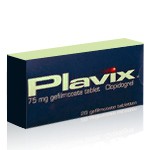
Plavix is the original brand-name formulation of Clopidogrel Bisulfate co-marketed by Bristol-Myers Squibb and Sanofi — one of the best-selling cardiovascular medications of all time (peak annual sales ~$10 billion), and the foundational P2Y12 ADP receptor antagonist antiplatelet agent. Unlike the antihypertensive medications also categorized here, Plavix is an ANTIPLATELET — it does NOT lower blood pressure but prevents platelet aggregation, providing critical cardiovascular protection for patients with recent MI, stroke, peripheral artery disease (PAD), or acute coronary syndrome (ACS). FDA-approved since 1997, Plavix is the standard antiplatelet in dual antiplatelet therapy (DAPT) with aspirin after coronary stent placement. Listed on the WHO Model List of Essential Medicines. Validated by landmark trials: CAPRIE, CURE, CREDO, COMMIT, CLARITY.
The active ingredient is Clopidogrel Bisulfate, a thienopyridine prodrug requiring hepatic activation via CYP2C19 (primarily) and CYP3A4 to produce its active metabolite. The active metabolite irreversibly inhibits the P2Y12 ADP receptor on platelets, blocking ADP-induced platelet aggregation. Inhibition persists for the lifetime of affected platelets (~7-10 days). Slow onset of full antiplatelet effect (5-7 days at 75 mg maintenance); rapid effect achieved with 300-600 mg loading dose for ACS/PCI. ⚠️ CYP2C19 poor metabolizers (~2-14% of patients depending on ethnicity) show reduced effectiveness — alternative antiplatelets may be preferred.
Plavix is FDA-approved for: reduction of MI, stroke, and cardiovascular death in patients with recent MI, stroke, or established PAD; acute coronary syndrome (ACS — NSTEMI, STEMI); and as antiplatelet therapy with aspirin after coronary stent placement. Off-label uses include aspirin-intolerant antiplatelet monotherapy and selective use in cerebrovascular indications.
Available as Plavix 75 mg (standard maintenance) and 300 mg (loading dose) tablets. Standard dosing: ACS/post-PCI 300-600 mg loading + 75 mg daily; post-MI/stroke/PAD 75 mg once daily. DAPT duration: typically ≥12 months after drug-eluting stent.
Critical safety: boxed warning regarding CYP2C19 poor metabolizers. Bleeding risk (major concern — GI, intracranial), TTP (rare but serious). Avoid PPIs strongly inhibiting CYP2C19 (omeprazole, esomeprazole). Hold 5-7 days before elective surgery. Rash, neutropenia rare.
Free prescription
Discrete packaging
Have questions?
Quality Assurance

- Post Stroke Antiplatelet: FDA-approved for reduction of CV events after recent ischemic stroke;
- PAD Peripheral Artery Disease: FDA-approved for established peripheral artery disease;
- Acute Coronary Syndrome (ACS): FDA-approved for ACS — NSTEMI/STEMI dual therapy with aspirin;
- STEMI Acute Treatment: FDA-approved for STEMI acute management;
- NSTEMI Treatment: FDA-approved for NSTEMI management with aspirin DAPT;
- Post Coronary Stent DAPT: FDA-approved for dual antiplatelet therapy after coronary stent placement;
- Drug Eluting Stent Post: Standard ≥12-month DAPT after drug-eluting stent (DES);
- Bare Metal Stent Post: For DAPT after bare-metal stent placement;
- PCI Percutaneous Intervention: For percutaneous coronary intervention with stent;
- CV Death Reduction: Reduces cardiovascular death in high-risk patients;
- MI Reduction Secondary: Secondary prevention of recurrent myocardial infarction;
- Stroke Reduction Secondary: Secondary prevention of ischemic stroke;
- Aspirin Intolerant Antiplatelet: Off-label antiplatelet monotherapy for aspirin-intolerant patients;
- Minor Stroke TIA DAPT: For minor stroke / TIA short-term DAPT (CHANCE trial);
- PAD Limb Events Reduction: Reduces limb events in established PAD;
- CABG Off Pump Antiplatelet: Off-label for off-pump CABG antiplatelet management;
- Atrial Fibrillation Anticoagulant Intolerant: Selective use in AF when anticoagulants contraindicated (less effective);
- Carotid Stent Antiplatelet: For carotid stent antiplatelet therapy;
- High CV Risk Antiplatelet: For high-cardiovascular-risk patients requiring antiplatelet;
- Atherothrombosis Prevention: For atherothrombotic event prevention.
- Less Recurrent Stroke Risk: Reduces recurrent ischemic stroke risk;
- Less CV Death: Reduces cardiovascular death in high-risk patients;
- Less ACS Events: Reduces ACS events with DAPT — CURE trial benefit;
- Less STEMI Mortality: Reduces STEMI mortality with aspirin DAPT — COMMIT benefit;
- Less Stent Thrombosis: Reduces stent thrombosis after coronary stent placement — critical DAPT benefit;
- Less PCI Complications: Reduces post-PCI cardiovascular complications;
- Less PAD Limb Events: Reduces limb amputation events in established PAD;
- Less TIA Recurrence: Reduces TIA recurrence with short-term DAPT (CHANCE trial);
- Better Cardiovascular Outcomes: Improved cardiovascular outcomes overall;
- Better Aspirin-Intolerant Alternative: Effective monotherapy alternative for aspirin-intolerant patients;
- Better Daily Function: Return to normal daily activities after CV event with effective antiplatelet protection;
- Better Quality of Life: Substantial quality of life improvement after secondary prevention initiation;
- Better Compliance Once Daily: Once-daily 75 mg dosing improves compliance;
- Better Long-Term CV Risk Profile: Long-term cardiovascular risk profile improvement;
- Better Post Stent Outcomes: Excellent post-stent outcomes with proper DAPT duration;
- Brand Plavix BMS Sanofi: Original BMS+Sanofi co-marketed brand — foundational antiplatelet since 1997;
- Generic Clopidogrel: Affordable generic Clopidogrel versions expand global access to antiplatelet therapy;
- P2Y12 ADP Receptor Antagonist: P2Y12 ADP receptor antagonist — foundational antiplatelet mechanism;
- Thienopyridine Prodrug: Thienopyridine prodrug requiring CYP2C19 hepatic activation;
- CYP2C19 Activation: CYP2C19 hepatic activation produces active antiplatelet metabolite;
- Irreversible P2Y12 Block: Irreversible P2Y12 inhibition — effect lasts platelet lifetime ~7-10 days;
- Loading Dose Rapid Effect: 300-600 mg loading dose enables rapid antiplatelet effect for ACS/PCI;
- CAPRIE Trial Vs Aspirin: Landmark CAPRIE trial — Clopidogrel vs aspirin in MI/stroke/PAD;
- CURE Trial Dual Antiplatelet: Landmark CURE trial — Clopidogrel + aspirin DAPT in ACS;
- COMMIT Trial STEMI: COMMIT trial — STEMI mortality reduction with DAPT;
- CREDO Trial PCI: CREDO trial — pre/post-PCI Clopidogrel benefit;
- Standard DAPT Post Stent: Standard antiplatelet for dual antiplatelet therapy after stent placement;
- Best Selling CV Drug: One of best-selling cardiovascular drugs of all time — ~$10B peak sales;
- Cardioprotective Complement Antihypertensive: Cardioprotective complement to antihypertensive therapy for total CV risk reduction;
- WHO Essential Medicine: Listed on the WHO Model List of Essential Medicines;
- 25 Plus Year Clinical History: 25+ years of clinical use since 1997 — foundational antiplatelet.
Generic Plavix (Clopidogrel 75 mg) Medication guide:
🎯 What Plavix Is and Who Should Take It
Plavix is the brand name for clopidogrel, an antiplatelet medicine - not a blood pressure pill despite the category listing. Its job is to prevent blood clots from forming inside arteries. Platelets are the tiny cells that form the first plug when a blood vessel is cut; they are also the cells that clump around plaque cracks inside coronary arteries and cause heart attacks, and the cells that block small brain arteries in ischaemic strokes. Plavix blocks a specific activation signal on platelets and prevents them from clumping together in the way that causes these events.
Plavix has been on the market since 1997 and is one of the most-prescribed cardiovascular drugs in the world. It is not a pill you take once for symptoms; it is a long-term daily medicine, usually 75 mg once a day, taken for months to years depending on the reason it was prescribed. In some situations it is combined with aspirin (dual antiplatelet therapy or DAPT) - see Section 6. In others it is used alone.
Who is Plavix typically prescribed for
- After a coronary artery stent (PCI) - the single most common reason today; combined with aspirin
- After a heart attack (acute coronary syndrome) - for at least 12 months, usually with aspirin
- After a non-cardioembolic ischaemic stroke or TIA (transient ischaemic attack) - as secondary prevention
- Peripheral arterial disease where lower-limb blood flow is compromised by atherosclerosis
- Adults intolerant of aspirin who still need long-term antiplatelet cover
- Certain other atherosclerotic conditions where a P2Y12 antiplatelet is warranted
Plavix is not a treatment for high blood pressure, high cholesterol, or heart failure directly - though it is often used alongside drugs that treat those conditions in someone with established coronary artery disease. It is also not a rescue pill for chest pain (that is what nitrates are for) or for an ongoing stroke (that requires emergency care). It is specifically a prevention drug that works over months and years by keeping platelets from starting clot cascades in vulnerable arteries.
The two things every Plavix client must know are covered in dedicated sections: bleeding (Sections 13, 18, 19 - because thinner clotting means bumps bruise more and cuts bleed longer) and the never-stop-abruptly rule after stents (Section 34 - because stopping too early can trigger stent thrombosis, one of the most dangerous emergencies in cardiology). This guide covers what Plavix does, how to take it, what to eat and drink alongside, which signs matter, and how to fit it into the rest of your life - shift work, travel, exercise, illness, surgery. By the end you should know Plavix the way you know a tool you have used for years.
🔬 How Plavix Works - Blocking Platelet Activation
To understand Plavix you need to understand how a clot forms inside an artery. When the lining of an artery is damaged - by a plaque crack, by a stent placement, or by any injury - the body's emergency clotting system kicks in. Platelets are usually the first responders. They stick to the damaged area, activate each other by releasing chemical signals, clump into a plug, and provide the surface on which the clotting protein cascade builds fibrin threads that hold the clot together.
Step 1 - The activation signal: ADP and P2Y12
When a platelet is stimulated at an injury site, it releases ADP (adenosine diphosphate) among other chemical messages. ADP binds to receptors on other nearby platelets - the P2Y12 receptor is the most important of these - and triggers a cascade that makes each platelet sticky and reactive. Sticky platelets clump together. Clumping platelets multiply the signal. Within seconds a small aggregate can grow into a full occlusive clot.
Step 2 - Clopidogrel blocks P2Y12
Clopidogrel is metabolised by liver enzymes into an active form that binds tightly and permanently to the P2Y12 receptor on platelets. Once bound, the receptor cannot respond to ADP. Platelets that would normally become sticky and clump stay quiet.
The binding is irreversible for the life of each platelet. Because platelets live 7-10 days, the effect of a single dose lasts about a week even after you stop taking the drug. This has practical implications for surgery timing (Section 32) and for missed doses (Section 21).
Step 3 - Aspirin blocks a different pathway
Aspirin blocks a separate platelet activation pathway (COX-1 / thromboxane A2). This is why Plavix and aspirin work well together - they attack platelet aggregation from two different angles, and the combined effect is stronger than either alone. Section 6 covers dual antiplatelet therapy in detail.
The timeline you actually feel
| Timeframe | What happens |
|---|---|
| Hours 2-6 (after loading dose) | Meaningful platelet inhibition |
| Days 1-5 (on maintenance dose) | Steady-state platelet inhibition achieved |
| Weeks 1-4 | Full clinical protection developed |
| After a dose is missed | Protection persists for 5-7 days as old platelets are gradually replaced |
You do not "feel" Plavix working - there is no BP change, no pulse change, no obvious symptom. What you may notice is that small cuts bleed a bit longer than they used to, or that a shin bump produces a larger bruise. These are expected. The big things Plavix does happen silently inside arteries where clots would otherwise be forming.
📋 What Doctors Prescribe Plavix For
Plavix has five main indications, all rooted in one central purpose - preventing thrombosis in arteries damaged by disease or by medical devices. Understanding which applies to you helps you know why the drug was chosen and how long you may need it.
1. Prevention of stent thrombosis after PCI (percutaneous coronary intervention)
The most common modern reason. When a coronary artery is stented open, the metal mesh is a foreign surface until the artery wall grows a thin natural layer over it. During those weeks-to-months, platelets are drawn to the mesh and can form a fatal clot. Dual antiplatelet therapy (aspirin + Plavix) suppresses this and lets healing happen safely. Duration is usually 6-12 months depending on stent type and clinical setting - see Section 7.
2. Post-heart-attack secondary prevention
After an acute coronary syndrome (STEMI or NSTEMI), the CURE and PLATO trials showed that DAPT reduces recurrent cardiovascular events. Standard practice is 12 months of DAPT starting immediately after the event, sometimes longer in high-risk clients.
3. Secondary prevention after non-cardioembolic ischaemic stroke or TIA
In stroke caused by atherosclerosis (not by an atrial fibrillation blood clot), clopidogrel monotherapy or a short course of DAPT after the event reduces the risk of a second stroke. The CAPRIE trial showed a modest but real advantage of clopidogrel over aspirin for this indication.
4. Peripheral arterial disease
Atherosclerosis narrowing the arteries of the legs causes pain when walking (claudication) and, in advanced disease, threatened limb loss. Plavix reduces the risk of MI, stroke, and vascular death in these clients. CAPRIE included many peripheral disease clients.
5. Aspirin intolerance in atherosclerotic disease
Some clients cannot tolerate aspirin - severe GI intolerance, aspirin-exacerbated respiratory disease, or documented aspirin allergy. Plavix monotherapy provides antiplatelet cover in these situations.
What Plavix is NOT for
- Atrial fibrillation stroke prevention - anticoagulants (warfarin, apixaban, rivaroxaban, dabigatran) work better; Plavix is inferior here
- Deep vein thrombosis or pulmonary embolism - anticoagulants are needed
- Prosthetic mechanical heart valves - anticoagulants
- Acute chest pain - not a rescue pill; that is aspirin plus nitrate plus emergency assessment
- Primary prevention in someone with no cardiovascular disease - the bleeding risk usually outweighs the small benefit
Doctors weigh Plavix against alternatives that overlap - aspirin (cheaper, similar for some indications), ticagrelor and prasugrel (newer, more potent P2Y12 inhibitors preferred after acute coronary syndrome), and anticoagulants (different mechanism, chosen when the problem is clots rather than platelet-driven thrombosis). Plavix wins when a well-tolerated, established, generic P2Y12 antiplatelet is the right tool.
💊 Clopidogrel Explained - The Prodrug and CYP2C19
Clopidogrel is a prodrug. The tablet you swallow is not the active molecule - it is metabolised by liver enzymes into the compound that actually binds the P2Y12 receptor. This design has consequences for how the drug is dosed, how it behaves in different people, and how it interacts with other drugs.
The activation pathway
After absorption in the intestine, clopidogrel is converted in the liver in two steps. The main enzyme responsible for the second (rate-limiting) step is CYP2C19. Only about 15 percent of an absorbed dose is converted to the active metabolite - the rest is inactive.
This is why loading doses are so much higher than maintenance doses (Section 14). To get platelet inhibition quickly, a large amount of the prodrug is given so enough gets converted in a short time.
The CYP2C19 polymorphism
People vary in how well their CYP2C19 works. Roughly 25 percent of individuals of European ancestry, 30 percent of African ancestry, and up to 50 percent of East Asian ancestry carry gene variants that make them "poor" or "intermediate" metabolisers of clopidogrel. In these clients, the same dose produces less platelet inhibition and less clinical benefit.
The FDA added a boxed warning about this in 2009. Genetic testing (called CYP2C19 pharmacogenomic testing) is available and increasingly used in high-risk PCI settings. If you had a stent placed in a modern hospital, it is worth asking whether you were tested.
Options for poor metabolisers
- Switch to ticagrelor - not a prodrug, so CYP2C19 status does not matter
- Switch to prasugrel - different metabolic pathway, effect is more consistent
- Higher-dose clopidogrel (150 mg daily) - increases platelet inhibition but also bleeding risk
- The choice depends on the clinical setting and bleeding risk
Clopidogrel among the P2Y12 blockers
| Drug | Prodrug? | Reversible? | Notes |
|---|---|---|---|
| Clopidogrel (Plavix) | Yes (CYP2C19) | No | Generic, cheapest, most-used |
| Prasugrel | Yes (different route) | No | More potent; more bleeding; avoided over 75 |
| Ticagrelor | No (active as-is) | Yes (unique) | Twice daily; dyspnoea in some clients |
Available strength
- 75 mg tablets - standard once-daily maintenance dose
- Loading dose is given as 4-8 tablets at once when starting (Section 14)
- Some markets have 300 mg tablets specifically for loading
The specific strength and formulation is the same in most countries. What varies is whether your first dose was a loading dose (given at the time of the stent or heart attack) or whether you started straight on maintenance (75 mg daily) for a slower-onset indication like stroke prevention.
📊 Landmark Trials - CAPRIE, CURE, PLATO
Clopidogrel is one of the most heavily trial-tested cardiovascular drugs in history. Three trials define its use.
1. CAPRIE (1996) - clopidogrel vs aspirin monotherapy
- Who: 19 185 clients with recent ischaemic stroke, recent MI, or symptomatic peripheral arterial disease
- What: Clopidogrel 75 mg daily vs aspirin 325 mg daily
- Follow-up: 1-3 years
- Result: Clopidogrel reduced the composite of ischaemic stroke, MI, or vascular death by 8.7 percent vs aspirin
CAPRIE established clopidogrel as at least as good as aspirin - and marginally better - for secondary prevention in established atherosclerotic disease.
2. CURE (2001) - dual antiplatelet therapy in acute coronary syndrome
- Who: 12 562 clients with non-ST-elevation acute coronary syndrome (unstable angina or NSTEMI)
- What: Clopidogrel + aspirin vs aspirin alone for up to 12 months
- Result: DAPT reduced cardiovascular death, MI or stroke by 20 percent vs aspirin alone; bleeding was slightly increased but net benefit favoured DAPT
CURE established DAPT as the standard for the year after ACS - a practice that has held up for over two decades.
3. PLATO (2009) - ticagrelor vs clopidogrel
- Who: 18 624 clients with acute coronary syndrome
- What: Ticagrelor + aspirin vs clopidogrel + aspirin
- Result: Ticagrelor reduced the composite of cardiovascular death, MI or stroke by 16 percent vs clopidogrel; all-cause mortality reduced by 22 percent
PLATO shifted first-line acute coronary syndrome practice toward ticagrelor in many countries. Clopidogrel remains preferred in clients at high bleeding risk, in older adults where ticagrelor has more side effects, and in cost-limited settings.
Other supporting trials worth naming
- CREDO (2002) - showed benefit of loading dose before PCI
- COMMIT (2005) - clopidogrel reduced deaths in Chinese post-MI clients
- DAPT trial (2014) - defined optimal duration of DAPT after drug-eluting stent (30 months vs 12 months)
- CHANCE (2013) and POINT (2018) - short-course DAPT after minor stroke or TIA reduces early recurrence
- TRITON-TIMI 38 (2007) - prasugrel vs clopidogrel; prasugrel more potent but more bleeding
Bottom line for you: clopidogrel has a huge evidence base. It is a second-place drug to ticagrelor in some acute coronary syndrome settings, but it remains the workhorse of long-term antiplatelet therapy for millions of clients worldwide. If your prescription is a well-considered choice for your specific situation, continuing it is well supported.
🔗 Dual Antiplatelet Therapy - Plavix Plus Aspirin
Dual antiplatelet therapy (DAPT) means taking two antiplatelet drugs together - almost always aspirin plus a P2Y12 blocker like Plavix. It is the standard of care after coronary artery stenting and after acute coronary syndrome, because the two drugs attack platelet aggregation from different angles and the combined effect is much stronger than either alone.
Why two drugs together
- Aspirin blocks the thromboxane A2 pathway in platelets
- Plavix blocks the P2Y12 (ADP) pathway in platelets
- Blocking two pathways at once gives more complete inhibition of clumping
- Especially critical for freshly-placed stents where the metal surface is highly thrombogenic
When DAPT is used
- After every coronary artery stent - the only real question is which P2Y12 and for how long
- After acute coronary syndrome whether or not a stent was placed - 12 months usually
- Short-course (21-90 days) after minor ischaemic stroke or TIA
- Occasionally in high-risk atherosclerosis where a single agent has failed to prevent events
The tradeoff - bleeding
The stronger antiplatelet effect of DAPT means more bleeding than either drug alone. Minor bleeding (bruises, gum bleeding, nosebleeds) is common. Major bleeding (GI bleed, intracranial haemorrhage) is uncommon but real. The clinical judgment for every DAPT prescription is whether the ischaemic event prevented outweighs the bleeding event caused. In freshly stented clients, the answer is almost always yes.
Practical DAPT rules
- Take both drugs every day - do not skip one because the other is enough
- Take at the same time each day for consistency
- Consider a proton pump inhibitor (pantoprazole preferred, NOT omeprazole - see Section 16) to reduce GI bleeding risk
- Report any bleeding promptly - do not just "wait and see"
- Discuss any procedure with your cardiologist BEFORE it happens - Section 32
- Never stop DAPT early after a stent without cardiology approval - Section 34
What happens after DAPT ends
After the defined DAPT duration, most clients drop the P2Y12 blocker (Plavix, ticagrelor, prasugrel) and continue on aspirin monotherapy indefinitely as long-term secondary prevention. In some clients with high atherothrombotic risk and low bleeding risk, extended DAPT beyond 12 months provides additional benefit. This decision is made by the cardiology team on individual grounds.
If you are on DAPT, understanding the rationale helps you take both drugs consistently and helps you know when to speak up (unexpected bleeding, upcoming procedure). It is one of the most important prescription patterns in modern cardiology and the reason coronary stents work as well as they do.
⌛ Duration of Treatment - How Long Do You Take It?
How long you need Plavix depends on why you were prescribed it. Some clients take it for a defined 6-12 month course; others take it for years. The single most important thing to know is: the duration was decided by your cardiologist or neurologist, and stopping earlier - especially after a stent - is dangerous.
Typical duration by indication
| Indication | Typical duration |
|---|---|
| After bare-metal stent (rare now) | At least 1 month DAPT |
| After drug-eluting stent, stable disease | 3-12 months DAPT, then aspirin alone |
| After drug-eluting stent, acute coronary syndrome | 12 months DAPT, sometimes longer |
| After acute coronary syndrome without stent | Up to 12 months DAPT |
| Minor stroke or TIA | 21-90 days DAPT, then usually single antiplatelet |
| Non-cardioembolic stroke, longer term | Clopidogrel monotherapy long-term |
| Peripheral arterial disease | Long-term monotherapy |
| Aspirin intolerance in atherosclerosis | Long-term monotherapy |
Modern DAPT durations are shorter than a decade ago
Newer drug-eluting stents heal faster and have lower thrombosis risk. Modern practice is often 3-6 months DAPT for stable coronary disease PCI, then aspirin alone. For acute coronary syndrome, 12 months remains standard because the underlying disease is more active. Older stents needed longer DAPT because the metal surfaces stayed thrombogenic for longer.
Extended DAPT (beyond 12 months)
The DAPT trial (2014) showed that continuing DAPT beyond 12 months after a drug-eluting stent reduced stent thrombosis and MI but increased bleeding. Modern practice reserves extended DAPT for clients at high ischaemic risk and low bleeding risk. This is a specialist judgment made by the cardiology team.
🚨 The duration is not for you to decide
Stopping Plavix earlier than planned - because you feel fine, because you are worried about bleeding, because a friend suggested it, because your dentist wants you off before a tooth extraction, or because you were on holiday and forgot - can be dangerous. Section 34 covers the stent thrombosis risk in detail. If circumstances make you consider stopping, the answer is to call your cardiologist first.
What you should know: your cardiology or neurology team wrote down a planned end date for Plavix. If you do not know what that date is, ask at your next visit. Having the date on your fridge and in your phone helps everyone (including your family, dentist, other doctors) know when the drug is scheduled to stop.
📅 The First Few Weeks on Plavix
Starting Plavix is fairly smooth for most clients. The drug does not cause the acute physiological changes of a beta-blocker or ARB - your heart rate, BP, and general feeling on day one are usually unchanged. What starts is a gradual shift toward less clot formation, which shows up as thinner clotting when you bump a shin or nick a razor.
If you had a loading dose (at PCI or after ACS)
Meaningful platelet inhibition within 2-6 hours. This is why loading is done immediately at the start of care.
Steady state within a day or two as you continue the 75 mg maintenance dose.
If you started with 75 mg maintenance (slower onset)
Steady-state platelet inhibition takes 3-7 days.
Full clinical protection develops over 1-4 weeks.
Weeks 1-4 - what you may notice
- Bruises appear more easily and take longer to fade
- Small cuts bleed a bit longer before they clot
- Nosebleeds may occur, especially in dry weather
- Gum bleeding while brushing
- No BP or pulse change (unless you are on other drugs)
- Otherwise you feel exactly as you did before
Signs that are NOT normal and need a call to your doctor
- Bruises appearing without any bump or in unusual places
- Tiny red or purple spots on skin (petechiae) - possible low platelets or TTP (Section 20)
- Blood in urine or stool
- Black tarry stools - possible upper GI bleed
- Prolonged nosebleeds that do not stop with pressure in 10-15 minutes
- Unusual bleeding after minor cuts
- New rash, especially with joint pain, fever, or feeling unwell
- New confusion, weakness on one side, difficulty speaking (possible stroke - could be bleeding or clotting)
Most people notice a small increase in visible bruising and slightly longer nosebleeds; nothing else. If those first few weeks pass without incident and your blood test at 2-4 weeks (if ordered) shows normal platelet count, the long-term outlook is usually smooth. The rare but serious complications (TTP, severe bleeding, allergic reactions) are covered in Sections 18-20.
⏰ When to Take Plavix - Timing and Consistency
Plavix timing is flexible. Blood levels do not swing sharply, and platelet inhibition builds over days rather than hours (except with a loading dose). The main practical rule is consistency - pick a time and stick with it, so you never forget a dose.
The best time to take Plavix
Whichever time you will remember most reliably. Morning with breakfast is most common because it anchors to waking. Evening with dinner also works. Consistency of your chosen time matters more than which specific hour you pick.
Once you have chosen a time, stick with it.
If you take Plavix + aspirin (DAPT)
Take both drugs at the same time each day. There is no reason to space them out; they work through different mechanisms and do not interfere with each other's absorption or effect.
If your PPI (pantoprazole) is also part of the regimen, take it at the same time. Modern PPIs are effective at any time of day at maintenance dose.
Practical anchors
- With breakfast - simplest, most people
- When you brush your teeth in the morning
- At bedtime with a glass of water
- When you sit down to your evening meal
- Weekly pillbox filled every Sunday
Weekend and travel drift
Even if you take Plavix two or three hours later on a Saturday than a Tuesday, the platelet-inhibiting effect is essentially unchanged. Just do not skip the dose entirely, and get back to your usual clock time the next day. Section 21 covers missed doses; Section 33 covers travel across time zones.
🍽️ Food and Plavix
Food does not meaningfully affect Plavix absorption. Take it with meals or without - what matters is consistency. Your body handles the drug the same way each time if the routine is stable.
Food rules for Plavix
- With or without food is fine - stick with whichever you choose
- Swallow whole with water - tablets are film-coated and taste bitter if crushed
- Grapefruit is fine - clopidogrel is not affected in a clinically important way
- No specific food avoidance is required
Foods that help vascular health alongside Plavix
- Oily fish 2 times a week
- Vegetables, especially leafy greens, tomatoes, root veg
- Beans, lentils, chickpeas
- Nuts and seeds (unsalted, moderate portions)
- Whole grains rather than refined
- Fresh fruit
- Low-fat dairy or yoghurt
This Mediterranean or DASH-style pattern reduces cardiovascular events beyond any single pill and is the foundation of secondary prevention alongside your antiplatelet.
Foods and supplements that add to bleeding risk
- Fish oil / omega-3 supplements at high dose - mild antiplatelet effect
- Garlic supplements at high dose
- Ginkgo biloba supplements
- Ginger in supplement doses (not culinary amounts)
- Turmeric or curcumin supplements at high dose
- Vitamin E at high dose
Culinary amounts of these foods are fine. What matters is concentrated supplement doses on top of prescription antiplatelet therapy. If you take one of these supplements, mention it to your doctor.
Beyond the supplement caveat, no specific food needs avoiding on Plavix. It sits comfortably alongside almost any normal diet.
🍷 Alcohol and Plavix
Alcohol and Plavix are compatible in moderate amounts. Alcohol itself has a mild antiplatelet effect, so heavy drinking on top of Plavix increases bleeding risk. Moderate drinking (1-2 units) is fine for most clients but not zero-risk.
Three things happen when you drink on Plavix
- Bleeding risk rises modestly. Alcohol reduces platelet function and can irritate the stomach lining. Both add to Plavix's bleeding effect.
- Falls and cuts become more consequential. A fall you would have shrugged off may cause a bruise or a bleed that lasts longer.
- GI bleeding risk is higher. Especially in DAPT (Plavix + aspirin), heavy drinking dramatically raises the risk of an upper GI bleed.
A sensible framework
- Up to 1 standard drink per day for women, 2 for men is generally compatible with Plavix
- No more than 4 standard drinks in a single session
- Do not drink on an empty stomach especially on DAPT with aspirin
- Avoid alcohol entirely in the first weeks after starting Plavix or after any dose change
- Do not use alcohol as a "cardioprotective" strategy - it is not; the bleeding side outweighs any old-fashioned "red wine is good for you" argument in someone on antiplatelet therapy
When alcohol on Plavix is a bad idea
- Recent surgery or invasive procedure
- Peptic ulcer history
- Age 75 or older with any fall history
- Also on warfarin or another anticoagulant (rare but happens)
- Cirrhosis or advanced liver disease
- On DAPT (Plavix + aspirin) - bleeding risk multiplies
Binge drinking - 5+ drinks in an evening - is particularly risky on Plavix. Not only does the bleeding risk multiply, but the loss of coordination adds fall-related injuries that clot poorly. If you are a heavy drinker, this is worth an honest conversation with your doctor. Reducing alcohol is one of the most effective things you can do to reduce Plavix bleeding risk without giving up the cardiovascular protection.
☕ Coffee, Caffeine and Energy Drinks
Caffeine does not interact with Plavix in a meaningful way. Normal coffee habits are compatible with the drug. That said, some general sensible rules apply.
Coffee on Plavix - the practical rules
- Up to 3-4 cups of coffee per day is compatible with Plavix
- Coffee does not affect antiplatelet effect
- Coffee can irritate the stomach slightly - drink with food if you are prone to reflux, especially on DAPT
- Habitual heavy drinkers are used to caffeine - no changes needed
Energy drinks - a different story
Energy drinks combine large caffeine loads (often 200-400 mg per can) with sugar, taurine, guarana, and sometimes borderline ephedrine-type extracts. In someone with recent MI, coronary disease, or heart failure - the typical Plavix client - energy drinks are best avoided or kept to occasional small cans. Not because of a Plavix interaction, but because of the underlying cardiovascular condition.
Pre-workout supplements - be cautious
Many pre-workout supplements combine 200-400 mg of caffeine with stimulants that raise BP and heart rate acutely. In post-stent or post-MI clients, sudden BP and rate spikes are undesirable. If you take one, choose caffeine-only or caffeine-plus-creatine, start with half a scoop, and check home BP once during the session.
Decaf, tea, chocolate
Decaf coffee (2-15 mg caffeine per cup), tea (40-70 mg per cup) and chocolate contain small amounts that do not need avoidance on Plavix. Normal daily habits are fine.
Coffee is one of the least complicated aspects of life on Plavix. Continue your usual habit unless you notice symptoms that suggest cutting back - palpitations, jitters, or exacerbated reflux with DAPT.
🩸 Bleeding Awareness - What to Watch For Daily
Bleeding awareness is one of the two most important habits on Plavix (the other being do-not-stop-abruptly - Section 34). Most bleeding on Plavix is minor and manageable, but knowing what to look for daily prevents small problems from becoming emergencies.
Everyday bleeding you can expect
- Bruises after small bumps - larger and longer-lasting than pre-Plavix
- Longer bleeding from a razor nick or paper cut
- Occasional nosebleed, especially in dry indoor air
- Gum bleeding while brushing
- Menstrual periods slightly heavier in premenopausal women
All of these are common and manageable. They do not usually require stopping the drug.
Signs that need to be reported to your doctor
- Bleeding that will not stop after 15-20 minutes of firm pressure
- Frequent nosebleeds - especially if lasting over 15 minutes each
- Blood in stool (fresh red or dark tarry)
- Blood in urine (visible pink, red, or brown)
- Blood in vomit or coffee-ground-appearing vomit
- Very heavy menstrual bleeding requiring pad change every hour
- Bruises appearing without any bump
- Tiny red or purple spots on skin (petechiae) - possible low platelets
🚨 Emergency signs - call emergency services
- New severe headache, especially after any head bump
- Sudden weakness on one side of the body, confusion, speech difficulty - possible stroke (could be haemorrhagic)
- Vomiting blood or passing large amounts of blood
- Fainting associated with any of the above
- Severe abdominal pain with pallor and dizziness - possible internal bleeding
- Head injury of any severity - risk of intracranial bleeding is higher on antiplatelet
These are situations where the antiplatelet effect could contribute to a critical bleed. Emergency evaluation is warranted.
Practical protective habits
- Use an electric razor instead of a wet razor
- Use a soft toothbrush
- Do not floss aggressively
- Take extra care with kitchen knives, scissors, gardening tools
- Wear seatbelts and helmets rigorously
- Carry a medical alert card saying "on Plavix / clopidogrel"
- Tell every doctor, dentist, and pharmacist that you take Plavix
Bleeding awareness is not about being anxious. It is about knowing what is expected (bruises, small nosebleeds) versus what needs attention (persistent bleeding, blood in stool or urine) versus what is an emergency (head injury, sudden neurological symptoms). Section 18 covers everyday bleeding, Section 19 covers major bleeding response, and Section 20 covers the rare TTP.
⚖️ Plavix Doses - Loading vs Maintenance
Plavix is dosed differently depending on whether you are starting or maintaining. Understanding the two dose types helps you interpret your prescription and know what to expect.
Loading dose
- Given once, at the start of treatment
- Standard load: 300 mg (four 75 mg tablets at once) or 600 mg (eight tablets) in urgent situations
- Purpose: to achieve platelet inhibition within hours rather than days
- Used at time of PCI (stent placement) and at diagnosis of acute coronary syndrome
- Not used in clients starting Plavix for stroke prevention, PAD, or aspirin intolerance - they start on maintenance dose
Maintenance dose
- 75 mg once daily - the standard dose across all indications
- Started the day after loading, or straight away if no loading dose
- Continued for the duration decided by your specialist - Section 7
- No dose adjustment for age, kidney function, or race in most cases
Higher-dose maintenance in CYP2C19 poor metabolisers
Some clients with poor CYP2C19 activity may receive 150 mg maintenance instead of 75 mg. This is less common than switching to ticagrelor or prasugrel, but it is one option. Never take extra Plavix on your own initiative - the dose is set by your specialist.
When dose is adjusted downward
- Persistent troublesome bleeding - discussion with your specialist
- New severe kidney or liver disease - dose review
- Development of anaemia from any cause - investigate and reconsider
- End of prescribed DAPT duration - Plavix stopped altogether, aspirin usually continued
Do not adjust dose yourself
Skipping a dose because of a bump and bruise, or taking an extra tablet because you had chest tightness, are both dangerous. The dose was chosen for your specific situation. If bleeding or symptoms concern you, that is a conversation with your doctor - not a solo experiment.
💊 Combining Plavix With Other Drugs
Plavix is almost never used alone. It is combined with aspirin (DAPT - Section 6), often with a statin, often with a beta-blocker and an ACE inhibitor or ARB in post-heart-attack care, and often with a PPI to protect the stomach. Understanding the combinations helps you appreciate why your medication list is long.
Standard combinations after coronary stent or MI
- Plavix + aspirin (DAPT) - the antiplatelet backbone
- Plavix + high-intensity statin (atorvastatin 80 mg or rosuvastatin 20-40 mg) - plaque stabilisation
- Plavix + beta-blocker (bisoprolol, metoprolol) - heart protection
- Plavix + ACE inhibitor or ARB - ventricular remodelling and BP
- Plavix + PPI (pantoprazole) - to reduce GI bleeding risk during DAPT
This is called "guideline-directed medical therapy" for coronary artery disease. Each drug does a different job.
Standard combinations after ischaemic stroke
- Plavix monotherapy long-term, or
- Short-course DAPT (Plavix + aspirin) for 21-90 days, then Plavix monotherapy
- Plus a statin for plaque stabilisation
- Plus BP-lowering drugs - usually thiazide + ACE inhibitor or ARB
Combinations to AVOID or manage carefully
- Plavix + warfarin, apixaban, rivaroxaban, dabigatran, or edoxaban (triple therapy) - very high bleeding risk; used only when both are clinically essential (e.g. atrial fibrillation + recent stent) and for the shortest time possible
- Plavix + NSAIDs (ibuprofen, naproxen, diclofenac) regularly - dramatic increase in GI bleeding
- Plavix + another P2Y12 blocker (ticagrelor, prasugrel) - redundant, harmful
- Plavix + omeprazole or esomeprazole - see Section 16; use pantoprazole instead
The prescription list is long by design
Post-MI or post-stent clients typically leave hospital on 5-7 daily medications. This is not overtreatment - each drug reduces a specific piece of cardiovascular risk. Adherence to the full package cuts the risk of a second event by roughly 40 percent compared to partial adherence. If cost or complexity is a barrier, discuss with your cardiology team; do not simply drop tablets on your own.
⚠️ Drug Interactions - Especially PPIs and NSAIDs
Plavix has a specific and important interaction with proton pump inhibitors (PPIs) - a class of stomach-acid-suppression drugs commonly prescribed alongside DAPT to reduce GI bleeding risk. Not all PPIs are equal in this respect; omeprazole and esomeprazole reduce Plavix effectiveness, while pantoprazole does not meaningfully. Understanding this interaction is one of the practical highlights of Plavix prescribing.
Interactions that matter
| Drug/class | Why it matters |
|---|---|
| Omeprazole, esomeprazole | Strong CYP2C19 inhibitors; reduce Plavix activation and effectiveness (FDA 2009 warning) |
| NSAIDs (ibuprofen, naproxen, diclofenac) | Add stomach irritation to antiplatelet effect - major GI bleed risk |
| Warfarin, apixaban, rivaroxaban, dabigatran, edoxaban | Adds anticoagulation to antiplatelet - major bleeding risk (used only in specific situations) |
| SSRIs, SNRIs (sertraline, fluoxetine, venlafaxine) | Mild antiplatelet effect - watch for bleeding |
| Corticosteroids (prednisolone) | Add GI ulcer and bleeding risk |
| Fluconazole, voriconazole | CYP2C19 inhibitors; reduce Plavix effect |
| Rifampicin | Induces CYP2C19 - variable effect on Plavix activation |
The PPI decision
On DAPT, most guidelines recommend a PPI to reduce GI bleeding risk - especially in clients over 65, with peptic ulcer history, or on multiple bleeding-risk drugs. The PPI to choose is pantoprazole, because it has the least effect on CYP2C19 and does not meaningfully reduce Plavix effectiveness.
If you were prescribed omeprazole or esomeprazole alongside Plavix, ask your doctor to switch to pantoprazole (or rabeprazole, which is also considered safer than omeprazole in this respect).
Over-the-counter drugs and supplements to watch
- Ibuprofen, naproxen, diclofenac - even topical gels count with chronic use; use paracetamol for pain instead
- Over-the-counter omeprazole - many countries sell it without prescription; check labels
- Cold and flu combination products - some contain aspirin (which you may already take) or NSAIDs
- Herbal supplements with antiplatelet effects (garlic, ginkgo, ginger, high-dose fish oil)
- St John's wort - induces CYP2C19; variable effect
The simplest rule: any new prescription, over-the-counter drug or supplement should be flagged with "I take Plavix" to your pharmacist. Two interactions in particular - the omeprazole one and the NSAID one - come up frequently and are easy to miss without a pharmacist check.
🚨 Side Effects of Plavix
This section is your reference bookmark for Plavix side effects. Because the drug's main effect is on clotting, most side effects relate to bleeding. Other side effects exist but are less common and less severe. Sections 18-20 go into detail for the specific bleeding scenarios.
✅ Common but usually mild and manageable
- Bruising more easily than before Plavix
- Longer bleeding from small cuts
- Occasional nosebleeds
- Gum bleeding while brushing
- Mild indigestion or heartburn
- Mild rash in the first weeks (rarely troublesome)
- Diarrhoea or nausea (usually transient)
Watch for and report
- Major bleeding (blood in stool, urine, vomit) - Section 19
- Bruises appearing without any bump
- Tiny red skin spots (petechiae) - possible TTP or low platelets (Section 20)
- Unexplained fatigue and pallor - possible anaemia from occult bleeding
- New rash with fever or joint pain
- Yellow skin or eyes, dark urine - rare liver reaction
- Persistent diarrhoea beyond the first weeks
🚨 Rare but STOP Plavix and seek urgent care if:
- Signs of TTP - unusual bruising + fever + confusion + tiny red spots (Section 20)
- Severe unexpected bleeding not responding to pressure
- Blood in vomit or black tarry stools
- Sudden severe headache especially after any head bump
- Signs of stroke - sudden weakness, speech change, vision change
- Severe skin reactions with blistering or peeling
- Severe allergic reaction with swelling of face or throat, breathing difficulty
Never stop on your own
Even in the presence of side effects, the decision to stop Plavix is complex - especially after a stent (Section 34). Emergency situations may require immediate stopping in a hospital setting; anything less than emergency needs a call to your cardiologist or neurologist, not a solo decision.
Most people on Plavix tolerate the drug well. The value of knowing the side-effect list is not to be anxious - it is to spot the rare event early enough to act, and to know which "everyday" symptoms (bruises, nosebleeds) are expected versus which need reporting.
🩹 Bruising and Minor Bleeding on Plavix
Everyday bruising and minor bleeding are the most common side effects of Plavix. Understanding what is expected and how to manage it prevents unnecessary worry and unnecessary calls to your doctor - and helps you recognise the rare events that do need attention.
Bruises on Plavix
- Larger than before the drug started
- Purple or black at first, then yellowing over 10-14 days
- Slower to fade - a bruise that used to last 5 days may now last 2 weeks
- Common places: shins, forearms, back of hands in older clients
- Common triggers: bumps against furniture, carrying groceries, rough handling of luggage
These bruises are not dangerous. They fade normally over 1-2 weeks.
Nosebleeds
- More common in dry indoor air - central heating in winter
- Usually from the front of the nose and stop with pressure
- Sit up, lean slightly forward, pinch the soft part of the nose firmly for 10-15 minutes without releasing
- Use a saline nasal spray or humidifier to prevent dryness
- Do not blow the nose hard after a bleed for at least 24 hours
Gum bleeding while brushing
Switch to a soft toothbrush. Consider an electric brush with a pressure sensor. See a hygienist every 6 months - clean gums bleed less. Do not stop brushing or flossing; gum disease increases inflammation and cardiovascular risk. A little gum bleeding is expected, not a reason to change dental habits.
Practical bleeding first aid
- Apply firm pressure directly to the bleeding site for 15-20 minutes continuously
- Elevate the injured part above heart level if possible
- Apply a cold pack around the pressure area (not directly on the wound)
- Do not lift or peek under the pressure - each peek restarts the clot
- Once bleeding stops, cover with a dressing and do not disturb for 24 hours
When "minor" is actually major
- Bleeding that does not stop after 20 minutes of firm pressure
- Recurrent frequent nosebleeds (more than 3 in a week, each lasting over 10 minutes)
- Repeated fresh bruises without recall of any bump
- Tiny red or purple spots on skin (petechiae)
- Pallor and fatigue with any bleeding - possible anaemia
Any of these warrant a call to your doctor rather than "wait and see".
Everyday bleeding on Plavix is common, expected, and usually easy to manage with pressure and patience. What matters is recognising the small number of situations that need more than home first aid - covered in Section 19 and 20.
🔴 Major Bleeding - When to Seek Emergency Care
Major bleeding is uncommon on Plavix but real. Recognising it early and responding correctly can be lifesaving. Major bleeding falls into two categories - visible bleeding you can see (nose, gums, cuts, skin) and internal bleeding you cannot see (GI tract, brain, retroperitoneum). The internal bleeds are more dangerous because they are silent for longer.
🚩 STOP AND SEEK EMERGENCY CARE IF:
- Vomiting blood (fresh red or coffee-ground appearance)
- Passing black tarry stool or fresh red blood in stool
- Blood in urine (visible pink, red or brown)
- Sudden severe headache, especially after a head bump
- Sudden confusion, weakness on one side, speech difficulty - possible stroke (could be haemorrhagic)
- Severe unexplained abdominal or back pain - possible internal bleed
- Bleeding from a wound that will not stop after 30 minutes of firm pressure
- Fainting or near-fainting associated with any bleeding
Upper GI bleeding - the most common serious bleed on DAPT
- Signs: vomiting blood or coffee-ground material; black tarry stools; unexplained anaemia with fatigue and pallor
- Cause: peptic ulcer or gastritis, sometimes worsened by aspirin, NSAIDs, or heavy alcohol
- Prevention: PPI (pantoprazole preferred, not omeprazole - Section 16); avoid NSAIDs; limit alcohol; treat H. pylori if present
- What happens in hospital: IV fluids, transfusion if severe, endoscopy to stop the bleeding; DAPT is temporarily paused or continued depending on the situation
Intracranial haemorrhage - rare but the most dangerous
- Signs: sudden severe headache, confusion, weakness on one side, speech difficulty, vision change, vomiting, loss of consciousness
- Cause: often triggered by a head bump; occasionally spontaneous, especially with uncontrolled BP
- Prevention: control BP; use seatbelts and helmets; avoid contact sports; go to hospital for any significant head bump on Plavix
- What happens in hospital: urgent CT scan; neurosurgical opinion; DAPT usually stopped or reversed
Reversal of Plavix effect
Unlike warfarin (reversed with vitamin K and clotting factor concentrates) or heparin (reversed with protamine), Plavix has no specific antidote. Reversal in emergency depends on platelet transfusions to provide fresh, un-blocked platelets. The effect of a single Plavix dose lasts 5-10 days because it blocks platelets irreversibly.
This is why the decision to prescribe Plavix is balanced against bleeding risk from the start, and why bleeding events on Plavix take longer to manage than on some other antithrombotic drugs.
If you go to hospital, mention Plavix immediately
Whether by ambulance or self-transport, the first thing to say at hospital is "I take Plavix" (and any other blood-thinning drugs). This immediately changes how the medical team investigates and treats bleeding, injuries, and even routine chest pain. Carry a medical alert card or wear a bracelet if you can.
Major bleeding on Plavix is uncommon but every client should know the pattern. If you recognise the signs early and get to hospital quickly, outcomes are usually good.
🔬 TTP - The Rare But Emergency Blood Reaction
Thrombotic thrombocytopenic purpura (TTP) is a very rare but potentially fatal blood disorder that has been reported in a small number of clients on clopidogrel - typically within the first two weeks of starting the drug. Every Plavix client should know the signs, not to panic but to seek help immediately if the pattern appears.
🚩 The pentad of TTP
Classic TTP presents with some or all of these five features:
- Low platelet count - unexplained bruising, tiny red or purple skin spots (petechiae), bleeding gums
- Haemolytic anaemia - pallor, fatigue, breathlessness, yellow skin/eyes
- Fever
- Neurological symptoms - confusion, headache, weakness, seizures
- Kidney dysfunction - reduced urine output
Not every client has all five features; the diagnosis is made when several appear together in the first weeks of clopidogrel treatment.
How rare is it?
- Approximately 1 case per 250 000 to 1 million clients on clopidogrel
- Usually appears in the first 2 weeks of treatment
- Fatal if untreated in most cases; excellent recovery if treated early
- Treatment is plasma exchange - specialist haematology procedure
What to look for in the first 2 weeks on Plavix
- Unusual and unexplained bruising - not from bumps you remember
- Tiny red or purple spots on skin (petechiae) - especially on legs
- Extreme fatigue with pallor
- Yellowing of the whites of the eyes
- Sudden confusion, headache, or difficulty concentrating
- Fever without an obvious infection
- Dark urine or reduced urination
What to do if the pattern appears
- Do not stop Plavix on your own unless bleeding or symptoms are severe
- Contact your doctor the same day - describe specifically the pattern of unusual bruising, fatigue, confusion or fever
- Ask specifically about TTP - not every doctor thinks of it first
- A blood test will show low platelets and evidence of haemolytic anaemia - this is the diagnostic step
- If TTP is confirmed, stop Plavix, arrange emergency haematology transfer, and start plasma exchange
- Never take clopidogrel again after a confirmed TTP episode
Keep perspective
TTP is genuinely rare. For every one case, hundreds of thousands of clients take Plavix safely. Knowing the pattern means you or a family member will spot it early rather than late - which is the single thing that makes the difference between a serious illness and a preventable death. It is not a reason to be afraid of the drug, but it is a reason to know the warning signs cold.
⏱️ What to Do If You Forget or Miss a Dose
Missing a dose of Plavix is not as forgiving as missing a dose of a long-half-life BP pill. Because the drug binds platelets irreversibly, a single missed dose does not immediately lose protection - old platelets stay inhibited for their lifespan. But new platelets that emerge from the bone marrow after the missed dose are not blocked, and antiplatelet effect gradually falls over 5-10 days if doses are consistently missed.
Rules for missed doses
| Situation | What to do |
|---|---|
| Realised within 12 hours of usual time | Take the dose now. Continue usual schedule tomorrow. |
| More than 12 hours late | Skip that dose. Take tomorrow at usual time. Do NOT double up. |
| Missed 2-3 days in a row | Resume as normal. Platelet inhibition rebuilds over the next few days. In post-stent clients, mention the miss at next appointment. |
| Missed a week or more (especially post-stent) | Call your cardiologist urgently. After a stent, prolonged gaps carry stent thrombosis risk. |
Do not double up
Doubling a Plavix dose does not add meaningful protection but does raise bleeding risk. Also - importantly - the missed dose does not create an emergency, because platelet effect persists from prior doses. Skip the miss and continue.
Practical tricks to not forget
- Weekly pillbox filled every Sunday
- Phone alarm labelled "Plavix"
- Anchor to a daily habit - brushing teeth, coffee, evening meal
- Keep the bottle visible, not hidden in a drawer
- Refill before you run out
- Extra supply in the car or handbag for travel days
Running out entirely is different from missing a dose
Running out of Plavix for several days is genuinely dangerous, especially after a stent. This effectively becomes an unplanned discontinuation (Section 34). Do not let this happen - refill early, take extra on trips, and if you unexpectedly run out, call your cardiologist same-day for an emergency prescription rather than waiting.
🌙 Plavix for Night Shift Workers
Night shift and rotating shift workers can take Plavix easily. The drug's once-daily dosing and gradual effect (rather than acute pharmacology) make it forgiving of irregular schedules.
Why Plavix fits shift work well
Because platelet inhibition is cumulative over days rather than dependent on tight timing, taking Plavix a few hours later on Monday than on Tuesday does not create a gap in protection. This is an advantage over shorter-acting BP drugs or beta-blockers on chaotic schedules.
Two workable approaches for shift workers
Approach 1: Same clock time every day
Pick one clock hour (say 8 AM or 8 PM) and take Plavix then whether you are sleeping, working, or between shifts. Simple to remember.
Approach 2: Same body clock time
Take Plavix at the same point in your personal day (on waking, or with your main meal, or before your main sleep). More responsive to your actual rhythm.
Both approaches work with Plavix. Consistency of your chosen approach matters more than which one you pick.
Extra shift-work tips on Plavix
- Sleep quality matters - the underlying cardiovascular condition benefits from adequate sleep
- Watch caffeine intake around shifts (Section 12)
- Regular meals help if you are also on other drugs
- Tell your GP about your schedule - many treatment plans assume a 9-to-5 life
The bigger picture on shift work
Long-term night-shift work is associated with higher cardiovascular disease risk. Plavix does not fix that risk - it treats specific consequences (stent, MI, stroke). Where feasible, discuss shift patterns with your occupational health service. The pill is one part of a bigger picture.
🚗 Plavix for Drivers and Machine Operators
Driving and machine operation on Plavix are unaffected by the drug itself - it does not cause drowsiness, dizziness, or reduced reaction time. The relevant caution is about what happens if you have an accident and bleed more than usual.
Plavix and driving
- The drug itself does not impair driving
- Wear your seatbelt every time - a seatbelt injury is far less than an ejection injury on Plavix
- Carry a medical alert card saying "on Plavix / clopidogrel" in case of an accident
- If you have a road traffic incident, seek medical assessment even for apparently minor collisions - internal bleeding after impact can be worse on antiplatelet therapy
- Tell the emergency team on arrival: "I take Plavix"
Practical rules on Plavix
- Wear seatbelts, helmets, and protective gear rigorously
- Do not drive if you have had any recent bleeding event
- Do not drive if new symptoms suggest a stroke or heart event - call emergency services
- Take breaks every 90-120 minutes on long journeys - reduces DVT risk from prolonged sitting
Commercial drivers and safety-critical roles
The Plavix prescription itself is usually not a barrier to commercial driving or safety-critical roles. What may be relevant is the underlying condition (recent stent, recent stroke, coronary artery disease) - each of these has its own regulator rules. Check with your occupational health service.
Machinery operators
The same principles apply for machinery. Take extra care with cutting or crushing tools where a small injury can bleed more than usual. Report any workplace injury even if it seems trivial - internal bleeding needs assessment.
💪 Plavix, Exercise and Contact Sports
Regular exercise is beneficial for the cardiovascular conditions that led to Plavix prescription in the first place. Aerobic activity should be encouraged. What needs thought is contact sports and any activity that carries a real risk of head injury or major impact.
✅ Exercise that fits well with Plavix
- Walking, jogging, cycling (with helmet), swimming at moderate intensity
- Gym cardio at moderate intensity
- Yoga, pilates, tai chi
- Moderate weight training with rest between sets
- Recreational team sports at low-contact levels
- Aim for at least 150 minutes of moderate activity per week
Contact sports and high-impact activities to avoid or modify
- Rugby, American football, ice hockey - major impact risk
- Boxing, MMA, karate sparring
- Downhill mountain biking, skateboarding tricks
- Motorbike track days
- Rock climbing without proper safety where a fall could cause head injury
Head injury on Plavix carries much higher intracranial bleeding risk than in someone not on antiplatelet therapy.
Protective habits during exercise
- Wear a helmet on any bike or scooter
- Wear appropriate protective gear for the specific activity
- Avoid dehydration - hydrate before, during, and after
- Warm up and cool down - reduces injury risk
- Stop for any chest pain, breathlessness, or dizziness
- Any significant injury deserves medical assessment - do not just power through
Post-stent exercise resumption
After coronary artery stenting, cardiac rehabilitation is one of the most important interventions - exercise-based, supervised, and progressive. It reduces mortality and improves quality of life. Plavix does not stop cardiac rehab; on the contrary, cardiac rehab is designed for clients on Plavix and knows how to work with the bleeding considerations.
Exercise reliably reduces cardiovascular events and improves recovery after coronary events. Plavix does not limit exercise; it limits the type of activity where head injury is a real risk. For 95 percent of clients, aerobic activity 4-5 times a week fits perfectly alongside the drug.
🍬 Plavix If You Also Have Diabetes
Diabetes and Plavix commonly coexist. Diabetes accelerates atherosclerosis, so diabetic clients are over-represented among stent recipients, post-MI clients, and stroke survivors. Plavix does not interact with diabetes medications directly; the practical points are about bleeding risk and cardiovascular outcomes.
Why diabetes makes Plavix work matter more
Diabetic clients have more platelet activation at baseline, worse endothelial function, and faster atherosclerosis progression. Their absolute risk of a second cardiovascular event is higher, and so the absolute benefit of Plavix is also higher. The evidence for DAPT and long-term antiplatelet use is particularly strong in diabetic clients.
Practical points
- Continue your usual diabetes regimen - Plavix does not affect glucose
- Home glucose monitoring can involve finger-pricks - these are safe on Plavix but bruise slightly more
- Foot care is especially important - diabetic ulcers plus antiplatelet therapy is a difficult combination
- Eye check-ups matter - Plavix does not cause retinal bleeding, but diabetic retinopathy screening is still important
- SGLT2 inhibitors and GLP-1 agonists often prescribed alongside for cardiovascular benefit; no interaction with Plavix
Sick day rules
Plavix is not typically paused during illness - unlike ACE inhibitors or diuretics. But if you are diabetic and become severely ill, other drugs (metformin, SGLT2 inhibitors) may need pausing. Continue Plavix unless bleeding is the problem or your medical team specifically instructs otherwise.
The bigger picture
Cardiovascular prevention in diabetes is multi-drug: antiplatelet + statin + BP control + glucose control + lifestyle. Each drug reduces a piece of risk. Sticking to the whole package is the strongest evidence-based intervention available - and Plavix or its equivalents is a foundational component after a stent or an event.
🫘 Plavix for Chronic Kidney Disease
Chronic kidney disease (CKD) and Plavix have a nuanced relationship. Reduced kidney function does not require Plavix dose adjustment - the drug is metabolised by the liver, not eliminated by the kidneys. But CKD clients bleed more than non-CKD clients on the same antiplatelet regimen, and the benefit-risk balance can shift.
What kidney filter score means for Plavix
| eGFR | Approach |
|---|---|
| 60 or higher | Standard dose and duration |
| 30-59 (mild-moderate CKD) | Standard dose; watch for bleeding more carefully |
| 15-29 (severe CKD) | Standard dose still; bleeding risk higher; nephrology + cardiology co-management |
| Under 15 / dialysis | Standard dose; bleeding around dialysis access sites is a specific issue; team-based decisions |
Why CKD clients bleed more
Uraemic toxins impair platelet function directly, so CKD clients already have some baseline bleeding tendency even before antiplatelet therapy. Adding Plavix compounds this. CKD also correlates with GI ulcer risk, use of NSAIDs, and other factors that push bleeding higher.
Practical care in CKD
- PPI (pantoprazole) is even more important to reduce GI bleeding on DAPT
- Avoid NSAIDs strictly
- Regular haemoglobin checks to catch anaemia early
- Careful management of BP and glucose to slow further kidney decline
- Coordinated care with nephrology and cardiology
In CKD, Plavix continues to reduce cardiovascular events. The team balances the increased bleeding risk against the persistent ischaemic risk when planning duration of DAPT and long-term monotherapy.
🌱 Plavix and Pregnancy - Serious Discussion Needed
Pregnancy on Plavix is not straightforward. Clopidogrel has limited human pregnancy data - it is category B (animal data reassuring, human data limited) in older classifications - but the underlying reason for the drug (recent stent, recent MI, recent stroke) usually makes it essential. Discontinuing an antiplatelet in a woman who is recently stented can be catastrophic.
If you become pregnant on Plavix
Do not stop the drug abruptly. Call your cardiologist AND obstetric team within 24-48 hours. The decision depends on the reason for Plavix, how recent the stent or event was, and how advanced the pregnancy is. Stopping too early may cause stent thrombosis; continuing carries a small unknown fetal risk balanced against a much larger maternal risk.
Practical considerations
- Human data are limited but so far do not suggest teratogenicity
- Bleeding during delivery can be significant on Plavix; specialist obstetric planning is essential
- Neuraxial anaesthesia (spinal or epidural) is generally contraindicated within 5-7 days of the last Plavix dose because of spinal haematoma risk
- Elective caesarean planning allows managed antiplatelet pause where clinically appropriate
- Emergency delivery on active Plavix is a team challenge - obstetric and haematology teams needed
If you are planning pregnancy on Plavix
Talk to your cardiologist before you start trying. If Plavix is time-limited (e.g. 12 months post-stent), delaying pregnancy until after the DAPT course finishes is one option. If Plavix is long-term (e.g. post-stroke), managing the pregnancy while continuing Plavix with specialist input is the alternative.
The decision is joint between cardiology, obstetric medicine, and yourself.
Contraception on Plavix
Plavix does not affect hormonal contraception. Standard methods work as expected. If you are of childbearing age and Plavix is a time-limited prescription, use effective contraception through the DAPT period and discuss planning after.
🍼 Plavix While Breastfeeding
Clopidogrel passes into breast milk in small amounts based on animal data; human data are limited. Most guidelines describe Plavix as one to avoid during breastfeeding if possible, but decisions depend on the underlying reason for the drug.
Current guidance
- Aspirin is generally considered acceptable during breastfeeding at antiplatelet doses (75-100 mg)
- Clopidogrel has less data - most sources suggest avoiding if the underlying condition allows a different agent
- For a recently stented mother where Plavix is essential, the decision is between continuing Plavix and formula feeding, or a specialist plan that considers both
- Baby monitoring: feeding, wet nappies, bruising, weight gain; report any concerns to your GP or paediatrician
Discuss individually
The right answer depends on your specific situation - the reason for Plavix, how essential it is, alternatives available, and your preferences on breastfeeding. This is a shared decision between you, your cardiologist, your obstetric team, and your paediatrician.
Returning to Plavix after weaning
If Plavix was paused during breastfeeding and needs to resume, the return should be planned with your cardiology team. A gap in antiplatelet therapy after a stent has consequences (Section 34), so the plan should minimise the gap where possible.
📚 Plavix for Children and Teenagers
Plavix is not commonly prescribed for children. Paediatric arterial thrombosis or cardiovascular disease is rare, and when antiplatelet therapy is needed in children, it is highly specialist territory (paediatric cardiology or haematology).
Paediatric use of Plavix
- Specialist-guided use only
- Certain congenital heart disease conditions after specific interventions
- Rare thrombotic conditions in specific settings
- Kawasaki disease with coronary artery aneurysm - certain protocols
- Paediatric dosing is weight-based and set by the paediatric team
Safe storage away from children
A single adult Plavix tablet swallowed by a child can cause significant bleeding risk that would not be apparent immediately. Store Plavix out of reach and out of sight, ideally in a lockable drawer or medicine cabinet. If a child swallows any amount, call poison control immediately.
🕰️ Plavix for Older Clients (65 and Above)
Plavix is very commonly used in adults over 65. Coronary artery disease, atrial fibrillation, and stroke are all more common with age, and the client at cardiology clinic after a stent is often 70 or 75 or 80. Some cautions apply because older clients bleed more and heal more slowly.
Why Plavix still fits older adults
- Once-daily dosing - simple routine
- Lower bleeding risk than prasugrel in over-75s (prasugrel is contraindicated over 75)
- Better tolerated than ticagrelor in some older clients (dyspnoea and drug interactions favour clopidogrel)
- Well-established evidence base across all age groups
Age-related cautions
1. Increased bleeding risk
Older adults bleed more - fragile skin bruises easily, capillaries are more prone to nosebleeds, GI mucosa is thinner. Set expectations accordingly.
2. Falls
A fall on Plavix has higher consequences - head injury bleeds more, skin tears bleed longer. Fall prevention matters especially: home hazard review, footwear, exercise for balance.
3. Polypharmacy interactions
Older clients are often on 10-15 drugs. Any addition (especially NSAIDs, omeprazole, SSRIs) should be checked against Plavix.
Practical adjustments
- Consider PPI (pantoprazole) more liberally in older adults on DAPT
- Review medication list annually with a pharmacist
- Falls history at each visit
- Home BP monitoring - uncontrolled BP raises intracranial bleeding risk
- Consider shorter DAPT duration where clinically acceptable in high bleeding risk
Age is not a reason to withhold Plavix. Trials have made it clear that active antiplatelet treatment saves lives even in the 80+ population. The care is in choosing duration wisely, monitoring for bleeding vigilantly, and coordinating with primary care about all the other pills.
🧪 Plavix If You Have Liver Problems
Clopidogrel is metabolised by the liver, so liver disease affects its handling. But the more important consideration in liver disease is often the coexisting portal hypertension - which itself can cause bleeding from oesophageal varices. The balance between antiplatelet benefit and bleeding risk shifts significantly.
Plavix in different degrees of liver impairment
- Fatty liver without cirrhosis: standard dose usually fine
- Mild liver problems: standard dose with awareness of bleeding risk
- Moderate liver problems: use with specialist input; monitor closely
- Cirrhosis: significantly increased bleeding risk; specialist decisions on whether to prescribe or continue
- Avoid alcohol on Plavix if you have liver disease
Portal hypertension and varices
In cirrhosis with gastro-oesophageal varices, spontaneous variceal bleeding is a major cause of mortality. Adding an antiplatelet to this bleeding-prone anatomy is a serious decision that requires shared cardiology and hepatology input. In some cases the decision is that the recent stent absolutely requires Plavix; in others, alternatives are chosen.
Rare liver reactions to Plavix
Very rarely, clopidogrel has been reported to cause acute liver injury (hepatitis) or cholestatic jaundice. Yellowing of skin or eyes, dark urine, or pale stools while on Plavix warrant an urgent doctor visit and blood tests.
In someone with liver disease, the goal of Plavix is safe cardiovascular protection at acceptable bleeding risk. Working closely with both cardiology and hepatology and having regular haemoglobin and liver function tests is the sensible approach.
🏥 Surgery, Dental Work and Procedures on Plavix
Planning surgery, a dental extraction, a colonoscopy with polyp removal, or any invasive procedure on Plavix requires advance coordination - typically 5-7 days ahead. The default question is whether to continue or pause, and the answer depends on the procedure's bleeding risk and the underlying reason for Plavix.
Procedures where Plavix is usually continued
- Routine dental cleaning
- Simple tooth extraction (single tooth, non-surgical)
- Cataract surgery
- Skin biopsies
- Diagnostic endoscopy without biopsy
- Cardiac catheterisation - stent placement itself is done on Plavix
Procedures where Plavix pause may be considered
- Major dental surgery, multiple extractions
- Colonoscopy with high-risk polyp removal
- Prostate biopsy
- Most major surgery (abdominal, orthopaedic, thoracic)
- Neurosurgery and eye surgery beyond cataract
- Spinal or epidural anaesthesia
Pausing Plavix - the critical caveat
If you had a stent placed recently, especially within the first 6 months, pausing Plavix for surgery carries a real risk of stent thrombosis. Section 34 covers this. In these situations, the decision is usually to:
- Postpone the elective procedure until DAPT is complete
- Continue Plavix through the procedure if bleeding risk allows
- Bridge with a short-acting antiplatelet in specific specialist scenarios
- Very rarely, pause Plavix - only for truly urgent surgery and with cardiology approval
The standard pre-op timeline (when pause is agreed)
- Stop Plavix 5-7 days before the procedure - enough time for a new generation of platelets
- Continue aspirin in most cases (unless a specific surgical reason to stop)
- Restart Plavix as soon as it is safe post-op - usually within 24 hours if surgical bleeding is controlled
- Loading dose is sometimes given to speed re-establishment of protection
Tell every doctor and dentist
Before any procedure - however minor it seems - state "I take Plavix (clopidogrel)" and if you are on DAPT, "I also take aspirin". Discuss well in advance, not on the day. Carry a card in your wallet with these details and your cardiologist's contact.
✈️ Travelling With Plavix
Travelling on Plavix requires preparation but is straightforward with a bit of planning. The main considerations are having enough supply, being able to access medical care if needed, and knowing where to say "I take Plavix" if something happens.
Before you leave
- Take a full extra week's supply beyond the trip duration
- Split between carry-on and checked luggage - if one bag goes missing, you still have supply
- Keep pills in original packaging - customs, security, and pharmacies expect labelled bottles
- Carry a copy of your prescription for long trips or countries where re-supply may be needed
- Carry a medical alert card stating "I take Plavix (clopidogrel) - a P2Y12 antiplatelet drug"
- Consider a medical alert bracelet for high-risk clients (recent stent)
Time-zone changes
Because Plavix works on a 5-10 day cycle rather than an hourly one, time zone shifts do not require special adjustment. Switch to local morning or evening time on your first day and continue. Do not double up if the shift makes doses closer, do not skip if it makes them further apart.
Long flights and DVT risk
Plavix reduces platelet-mediated thrombosis but is less effective for venous clots (DVT). On long flights, the usual advice still applies: get up and walk every 90 minutes, do calf exercises in your seat, drink water, and consider medical-grade compression socks for flights over 6 hours.
Travelling with a recent stent
If you had a coronary stent recently (within 3 months), long-distance travel deserves specific discussion with your cardiology team. Some clients are advised to delay travel; others fly with additional precautions. Never travel far from medical care in the first month after a stent without cardiology approval.
Travel insurance
Declare recent cardiovascular events and current medications when arranging travel insurance. Coverage for cardiac events on trips can be expensive without honest declaration and impossible without it if you have had a recent event.
⛔ Never Stop Plavix Early After a Stent
This is the single most important safety section in this guide. If you take Plavix after a coronary artery stent, stopping it early - especially in the first year, especially in the first 3 months - can trigger stent thrombosis. Stent thrombosis is one of the most dangerous emergencies in cardiology, with mortality of 20-40 percent. This is not overstated. Every stent client must know this rule.
🚩 THE STENT RULE
If you have a coronary artery stent:
- Do NOT stop Plavix without cardiology approval, ever
- The end date was set at the time of the stent - typically 6-12 months
- If you run out unexpectedly, get an emergency refill same day - do not wait
- If a dentist, surgeon, or other doctor suggests stopping, insist on cardiology consultation first
- If you must pause for a specific medical reason, the pause should be as short as clinically possible
Why stent thrombosis happens
When a stent is placed, it is a metallic scaffold inside your artery. Over weeks to months, a thin layer of natural endothelium grows over the metal, covering it. Until that layer is complete, the metal surface is highly thrombogenic - platelets rush to it and can form a fatal clot in seconds if unopposed.
Dual antiplatelet therapy (Plavix + aspirin) prevents this thrombosis while healing happens. Stopping DAPT before healing is complete leaves the metal exposed. Reported rates of stent thrombosis after premature DAPT discontinuation are alarmingly high, and the presentation is a sudden severe heart attack.
The riskiest windows
- First 30 days - highest risk of thrombosis if DAPT is stopped
- First 3 months - still very high risk
- First 12 months - significant risk; standard DAPT duration
- Beyond 12 months - stent is usually fully endothelialised; the specific stent thrombosis risk from stopping is much lower, but Plavix may still be prescribed for other reasons
Warning signs of stent thrombosis
- Sudden severe chest pain similar to your original event
- Severe breathlessness at rest
- Sweating, pale, cold clammy
- Palpitations or irregular heartbeat
- Nausea and vomiting with chest pain
- Fainting or collapse
Call emergency services immediately. Say specifically: "recent coronary stent, on Plavix (or DAPT), now with chest pain". This tells the medical team to think stent thrombosis and act fast.
If you must pause for genuine reasons
Occasionally Plavix must be paused - for major emergency surgery, for a serious active bleed, or for a specific procedure that cannot be delayed. In these situations the pause is coordinated by the cardiology team and made as short as possible. Never make this decision alone.
The withdrawal rule is one of the most important lessons of stent care. Every Plavix client with a stent should know it, every family member should know it, and every other doctor treating them should be told about it. Never stop this drug on your own initiative.
🛑 Contraindications - When Plavix Must Be Avoided
This section is a reference list of situations where Plavix must NOT be used, or must be used with special caution. Show this list to any doctor, surgeon, or dentist about to prescribe you a new drug.
🛑 Absolute contraindications - do NOT take Plavix
- Known allergy to clopidogrel or other thienopyridines
- Active pathological bleeding (peptic ulcer, intracranial haemorrhage)
- History of clopidogrel-associated TTP
- Severe hepatic impairment with coagulopathy
- Concurrent use of another P2Y12 blocker (ticagrelor, prasugrel)
Relative contraindications - use with caution and specialist input
- Recent major bleed from any site
- Cirrhosis with varices (Section 31)
- Severe kidney disease with dialysis (Section 26)
- Anticoagulant therapy concurrent (triple therapy - specialist decision)
- Very high fall risk in older frail clients
- Peptic ulcer or gastritis - use PPI (pantoprazole) protection
- Pregnancy (Section 27) - specialist decision
- Planned major surgery within 5-7 days - see Section 32
Drug combinations to avoid or manage carefully
| Drug/Class | Reason |
|---|---|
| Omeprazole, esomeprazole | Reduce clopidogrel activation; use pantoprazole instead |
| NSAIDs (ibuprofen, naproxen, diclofenac) | Major GI bleeding risk |
| Warfarin and DOACs | Bleeding risk multiplied - triple therapy only when essential |
| Fluconazole, voriconazole, ciprofloxacin | CYP2C19 inhibitors; may reduce Plavix effect |
| Herbal supplements with antiplatelet effect (garlic, ginkgo, fish oil at high dose) | Additive bleeding risk |
Situations to notify your doctor before continuing Plavix
- Planned surgery or dental extraction (Section 32)
- New severe bleeding
- Head injury of any severity
- Starting a new drug (NSAID, PPI, SSRI, azole antifungal)
- Planning pregnancy or suspected pregnancy (Section 27)
- Signs of TTP - unusual bruising, tiny skin spots, confusion, fever (Section 20)
- New chest pain (possible stent thrombosis - emergency)
🔄 Switching, Stopping, Storage and Your Yearly Review
Plavix is prescribed for a defined duration in some cases (post-stent, post-ACS) and long-term in others (secondary stroke prevention, PAD). Whatever the plan, an annual review with your cardiology or neurology team is the way to ensure the drug is still doing what it should - preventing clots without excessive bleeding.
Your yearly Plavix review should cover
- Bleeding events in the last year - however minor
- Any hospitalisation, procedure, or dental work
- Complete blood count - looking for anaemia or low platelets
- Kidney function and liver function if relevant
- New drugs added since last review, interaction check
- Lifestyle changes - alcohol, exercise, smoking status
- Adherence honestly - are you actually taking it every day?
- Plan for the next 12 months - is Plavix continued, stopped, or switched?
- Confirm your DAPT end date if applicable
When Plavix ends
At the end of a defined DAPT course:
- Plavix is stopped; aspirin usually continued long-term
- No taper is needed - Plavix does not have a withdrawal syndrome
- Platelet effect resolves over 5-10 days as new platelets are made
- Bleeding tendency returns to baseline after about 2 weeks
Switching to a different antiplatelet
Reasons your team might consider a switch:
- CYP2C19 poor metaboliser status - switch to ticagrelor
- Persistent bleeding on DAPT - de-escalate to monotherapy or reduce duration
- Recurrent event despite Plavix - switch to more potent P2Y12 blocker
- Confirmed TTP episode - never use clopidogrel again; switch to different class
- Cost or availability issues - clopidogrel is usually the cheapest option
🚨 Do NOT stop Plavix early after a stent
Section 34 is the section every Plavix client with a stent should re-read every few months. Sudden discontinuation before DAPT is complete can trigger stent thrombosis - one of the most dangerous cardiovascular emergencies.
Storage of Plavix at home
- Room temperature (about 15-30°C)
- Original blister packaging - protects from light and moisture
- Dry place - NOT the bathroom cabinet
- Do not refrigerate unless the label says otherwise
- Away from children and pets, lockable if possible
- Check expiry date before starting each new pack
- Return expired or leftover Plavix to a pharmacy for safe disposal
The bigger picture
Plavix is one of the most important cardiovascular drugs of the modern era. Since 1997 it has helped make coronary artery stenting safe, has reduced secondary events after heart attacks, and has protected stroke survivors from further events. It is not a subtle drug - it directly changes how your platelets work, and that has consequences you need to know about (bleeding, TTP, PPI interaction).
Your job is simple: take it every day for the duration agreed with your specialist, know the bleeding signs, know the never-stop-early rule if you have a stent, keep the yearly review appointment, tell every doctor and dentist that you take Plavix, and stay in touch with your team about anything unusual. Cardiovascular disease is a lifelong condition, but with Plavix in its right place, most clients live full, active, normal lives.
Plavix — Frequently Asked Questions
-
What is Plavix (Clopidogrel)?
Plavix is an antiplatelet medication used to prevent blood clots in patients with heart or blood vessel disorders. -
How does Plavix work?
It inhibits platelet aggregation, reducing the formation of harmful clots that can block arteries. -
How should I take Plavix?
Take Plavix exactly as prescribed, usually once a day with or without food. -
What if I miss a dose of Plavix?
Take the missed dose as soon as you remember, but skip it if it's almost time for the next dose. -
Can Plavix be used during pregnancy?
Plavix should be used during pregnancy only if absolutely necessary. Consult your doctor. -
Does Plavix interact with other medications?
Yes, Plavix can interact with NSAIDs, anticoagulants, SSRIs, and PPIs, among others. -
What are the common side effects of Plavix?
Side effects can include bleeding, bruising, stomach pain, and headache.
📚 Drug Description Sources:
The information in this Plavix (clopidogrel) guide is compiled from authoritative pharmaceutical, medical, and regulatory sources covering cardiovascular medicine, antiplatelet pharmacology, secondary stroke and myocardial infarction prevention, and nearly three decades of clopidogrel clinical experience spanning its 1997 FDA approval through the modern dual antiplatelet therapy era shaped by the CAPRIE, CURE, PLATO and DAPT landmark trials.
🏛️ Regulatory and government agencies
- FDA (US Food and Drug Administration) - clopidogrel (Plavix) approval 1997 for atherothrombotic event reduction; 2009 FDA boxed warning on reduced effectiveness in CYP2C19 poor metabolisers; 2009 FDA warning on omeprazole and clopidogrel interaction through CYP2C19 inhibition
- EMA (European Medicines Agency) - clopidogrel European regulatory framework; harmonised summary of product characteristics
- MHRA (UK Medicines and Healthcare products Regulatory Agency) - Plavix summary of product characteristics; UK-specific safety updates
- Health Canada - Plavix product monograph with Canadian labelling requirements
- TGA (Australian Therapeutic Goods Administration) - clopidogrel product information
- DailyMed (NIH/NLM) - current Plavix US prescribing information including CYP2C19 pharmacogenomic labelling
📚 Professional societies and clinical guidelines
- American College of Cardiology / American Heart Association (ACC/AHA) 2016 Focused Update on DAPT Duration - dual antiplatelet therapy duration recommendations after PCI and ACS
- European Society of Cardiology (ESC) 2020 NSTE-ACS Guideline and 2023 ACS Guideline - antiplatelet therapy in acute coronary syndromes
- American Heart Association / American Stroke Association Guidelines - secondary stroke prevention recommendations including clopidogrel monotherapy and short-course DAPT
- NICE (National Institute for Health and Care Excellence, UK) - guidance on antiplatelet therapy in coronary disease and stroke
- Kidney Disease Improving Global Outcomes (KDIGO) - antiplatelet therapy considerations in chronic kidney disease
- European Society of Cardiology 2018 Myocardial Revascularisation Guideline - antiplatelet strategy after PCI
- Chest Guidelines on Antithrombotic Therapy - comprehensive antiplatelet and anticoagulant recommendations
🔬 Landmark clinical research
- CAPRIE (Clopidogrel versus Aspirin in Patients at Risk of Ischaemic Events, Lancet 1996) - 19 185 clients with atherothrombotic disease; clopidogrel reduced composite of stroke, MI and vascular death by 8.7 percent versus aspirin; foundational efficacy trial
- CURE (Clopidogrel in Unstable Angina to Prevent Recurrent Events, N Engl J Med 2001) - 12 562 NSTEMI/unstable angina clients; aspirin + clopidogrel reduced cardiovascular events by 20 percent versus aspirin alone; established DAPT concept
- CREDO (Clopidogrel for the Reduction of Events During Observation, JAMA 2002) - established pre-PCI loading dose and 12-month post-PCI DAPT
- COMMIT (Clopidogrel and Metoprolol in Myocardial Infarction Trial, Lancet 2005) - 45 852 acute MI clients in China; clopidogrel reduced mortality
- PLATO (Platelet Inhibition and Patient Outcomes, N Engl J Med 2009) - 18 624 ACS clients; ticagrelor superior to clopidogrel but with higher bleeding; established newer P2Y12 blockers
- TRITON-TIMI 38 (N Engl J Med 2007) - prasugrel versus clopidogrel in ACS with PCI; prasugrel superior with higher bleeding
- DAPT Trial (Dual Antiplatelet Therapy Study, N Engl J Med 2014) - on optimal DAPT duration after drug-eluting stent implantation
- Mega 2009 (N Engl J Med) - CYP2C19 polymorphisms and response to clopidogrel; foundational pharmacogenomic paper
📖 Medical references and textbooks
- Goodman and Gilman Pharmacological Basis of Therapeutics - antiplatelet, anticoagulant and fibrinolytic drugs chapter
- Braunwald's Heart Disease A Textbook of Cardiovascular Medicine - definitive cardiology reference on antiplatelet therapy in ACS and PCI
- Harrison's Principles of Internal Medicine - ischaemic heart disease and stroke chapters
- Katzung Basic and Clinical Pharmacology - antiplatelet pharmacology fundamentals
- UpToDate - clopidogrel clinical monographs and DAPT duration reviews
- Lexicomp and Micromedex - CYP2C19 and PPI drug interactions, dosing tables, and adverse reaction data
- British National Formulary (BNF) - UK prescribing reference for clopidogrel dosing
- Palmerini et al. Lancet meta-analysis - long-term DAPT after drug-eluting stents; individual patient data
Note: This information is educational and does not replace consultation with qualified healthcare providers. Individual medical circumstances vary substantially. Always follow prescriber instructions and report concerns promptly.
🩺 Medical Expert Review:
Content based on the published research and clinical practice of cardiovascular medicine authorities with particular expertise in antiplatelet therapy, dual antiplatelet strategy duration, P2Y12 inhibitor pharmacology, and the landmark CAPRIE, CURE, PLATO and DAPT trials that shaped modern clopidogrel positioning. The following experts represent authoritative research and clinical practice perspectives on clopidogrel use within contemporary cardiovascular management.
Prof. Deepak L. Bhatt, MD, MPH, FACC, FAHA
Director, Mount Sinai Fuster Heart Hospital; Dr. Valentin Fuster Professor of Cardiovascular Medicine, Icahn School of Medicine at Mount Sinai — New York, USA
Prof. Bhatt is one of the world's most-cited cardiovascular researchers and served as principal or executive committee member on numerous landmark antiplatelet trials including CHARISMA, TRITON-TIMI 38, and PEGASUS-TIMI 54. His scholarship on dual antiplatelet therapy, PCI outcomes, and CYP2C19 pharmacogenomics has substantially informed ACC/AHA guidelines. He has authored over 1 700 peer-reviewed publications spanning three decades.
Prof. Lars Wallentin, MD, PhD
Senior Professor of Cardiology, Uppsala Clinical Research Center (UCR), Uppsala University — Uppsala, Sweden
Prof. Wallentin served as principal investigator of the PLATO trial published in N Engl J Med 2009, which compared ticagrelor against clopidogrel in 18 624 acute coronary syndrome clients and reshaped P2Y12 inhibitor positioning. He led or co-led numerous foundational Scandinavian antiplatelet and antithrombotic trials including RE-LY and ARISTOTLE. His work has directly informed European Society of Cardiology guidelines on ACS management.
Prof. Gilles Montalescot, MD, PhD
Professor of Cardiology, ACTION Study Group, Institut de Cardiologie, Pitie-Salpetriere University Hospital — Paris, France
Prof. Montalescot led the ACTION Study Group and served as principal investigator on numerous landmark antiplatelet trials including ALBION, ARMYDA, and ATLANTIC. His research on optimal antiplatelet loading strategies, pre-hospital treatment in STEMI, and P2Y12 inhibitor comparative effectiveness has directly shaped European interventional cardiology practice. He served on multiple ESC guideline task forces.
Prof. Robert F. Storey, MD, DM, FRCP, FESC
Professor of Cardiology, Department of Infection, Immunity and Cardiovascular Disease, University of Sheffield — Sheffield, United Kingdom
Prof. Storey is an internationally recognised authority on platelet pharmacology and served as PLATO trial platelet substudy leader. His research on P2Y12 receptor blockade mechanisms, high on-treatment platelet reactivity, and platelet function testing has substantially informed European antiplatelet guidelines. He has chaired the ESC Working Group on Thrombosis and served on multiple guideline development groups.
Prof. Marc S. Sabatine, MD, MPH, FACC, FAHA
Chairman, TIMI Study Group; Lewis Dexter, MD Distinguished Chair in Cardiovascular Medicine, Brigham and Women's Hospital, Harvard Medical School — Boston, USA
Prof. Sabatine chairs the TIMI (Thrombolysis in Myocardial Infarction) Study Group, one of the most productive academic clinical trial organisations in cardiovascular medicine. He led or co-led numerous landmark antiplatelet trials including CLARITY-TIMI 28, TRITON-TIMI 38, and PEGASUS-TIMI 54. His scholarship on ACS management, secondary prevention, and cardiovascular biomarkers has substantially informed international guidelines.
Disclosure: Expert names and credentials are cited for educational reference. This content is not endorsed by named experts. Content prepared by RXshop editorial team based on published literature and clinical guidelines.
More Blood Pressure Medications